
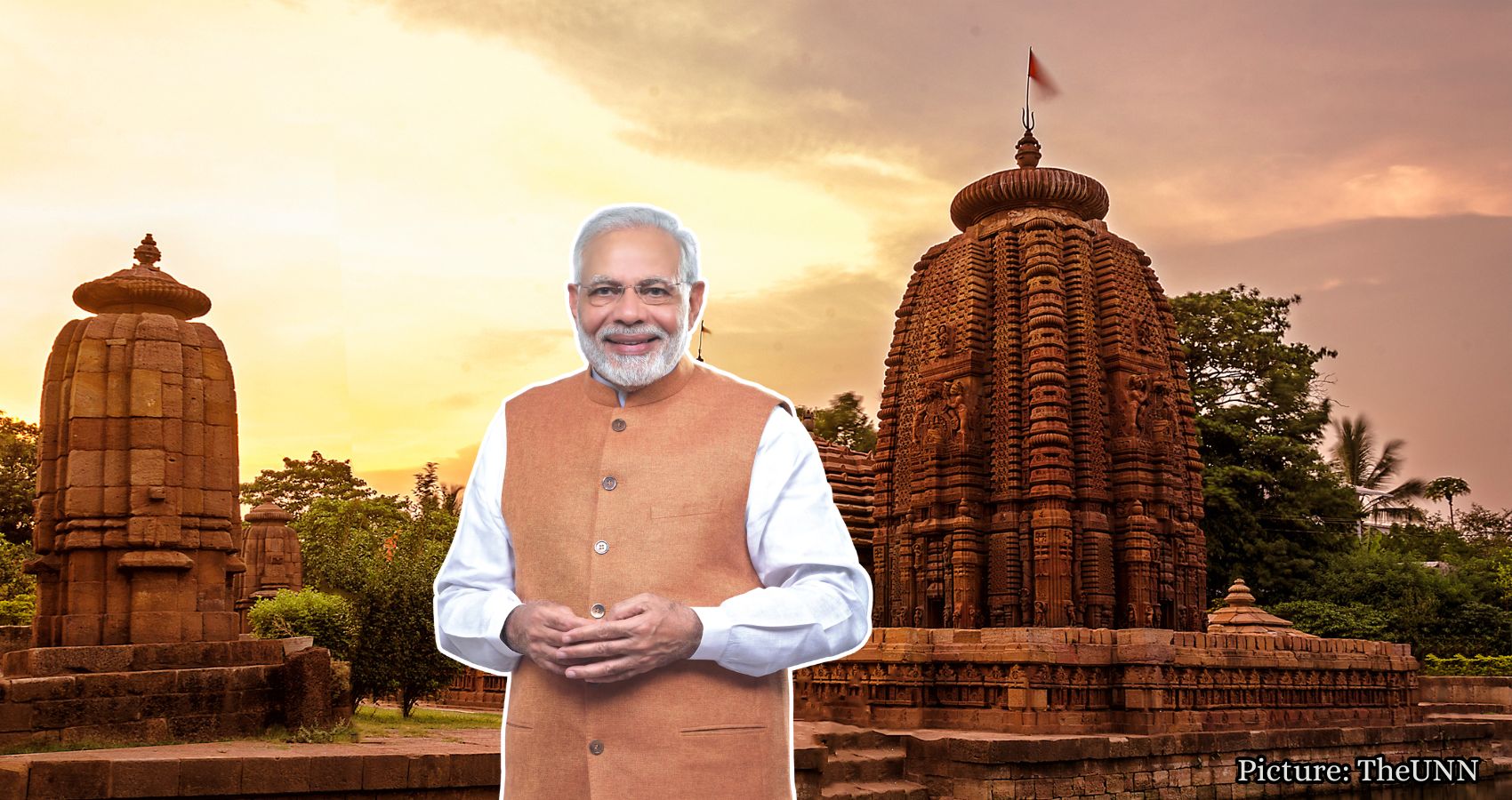
India is reclaiming its historical role on the world stage, with ancient traditions gaining modern recognition in wellness, cuisine, and sustainable practices as the nation approaches 2026.
In a thought-provoking exchange, a journalist once posed a question to India’s Foreign Secretary, Vikram Misri, asking whether India had finally “arrived” on the global stage. Misri’s response was both simple and profound: “When I last checked, India had already been on the world stage for 7,000 years.” This statement encapsulates a historical reality often overlooked in contemporary discussions. India is not a newly emerging civilization; it is one of the world’s oldest continuous centers of trade, science, culture, spirituality, and innovation.
As India gains prominence in global economics, technology, and diplomacy, many observers speak of its “rise.” However, a more accurate description may be that India is reclaiming a place it has occupied throughout much of human history. In 2026, this phenomenon is particularly evident in the growing global fascination with Indian foods, wellness practices, and traditional lifestyles that are now being rediscovered and rebranded by Western markets.
One of the most notable examples of this trend is the global success of “golden milk,” known in Indian households as haldi doodh (turmeric milk). This comforting and restorative beverage has been a trusted household remedy for generations. Today, cafés across America are selling turmeric lattes as premium wellness drinks, often marketed as a modern discovery.
What is particularly striking is the increasing scientific recognition of traditional Indian knowledge. Modern researchers now acknowledge that black pepper enhances the body’s absorption of curcumin, the active compound in turmeric. This combination has been incorporated into Ayurveda for centuries. As philosopher George Santayana observed, “Those who cannot remember the past are condemned to repeat it.” In many ways, the wellness industry is rediscovering principles that Indian households have never forgotten.
Another illustration of India’s influence is the worldwide demand for makhana (fox nuts), a nutritious snack primarily cultivated in Bihar. Once considered an ordinary food in Indian households, makhana is now marketed internationally as a healthy alternative to processed snacks due to its high protein content, low calorie count, and rich mineral profile.
Similarly, ancient grains such as ragi (finger millet) and bajra (pearl millet) are attracting global attention. For thousands of years, these crops sustained communities in regions where rice and wheat could not thrive. Today, nutrition experts and environmental advocates praise millets for their health benefits and climate resilience. The irony is unmistakable: while the world searches for sustainable food solutions, Indian farmers have been cultivating them for millennia.
India’s contribution to global food culture extends beyond grains and spices. South Indian filter coffee, prepared through a slow brewing technique and blended with milk, has been a daily ritual in millions of households for generations. Only recently has it begun receiving widespread recognition in American coffee culture.
As consumers seek alternatives to conventional café offerings, they are discovering a tradition refined long before the modern coffee-shop experience became fashionable. This growing appreciation reflects a broader trend: practices rooted in authenticity often outlast temporary consumer trends.
In addition to food, Indian kitchens have long relied on clay pots, brass vessels, copper utensils, and cast-iron cookware. These materials were chosen not for their fashionability but for their durability, practicality, and effectiveness. In recent years, concerns about synthetic coatings and chemical exposure have prompted many Western consumers to reconsider traditional cookware options.
As premium cookware companies introduce products inspired by the Indian kadai, they are essentially validating what Indian households have known for centuries. The movement toward natural and sustainable living is leading many people back to methods that India never abandoned.
The influence of Indian traditions is also visible in the wellness industry. Practices such as hair oiling, scalp massage (champi), oil pulling, and tongue scraping have become popular topics on social media platforms, amassing millions of views and endorsements.
Scientific institutions are increasingly investigating and validating some of these practices. Yet their value was recognized in Indian households long before clinical studies existed. As author Aldous Huxley famously noted, “Facts do not cease to exist because they are ignored.” Indian traditions have endured despite skepticism, and today they are receiving recognition on a global scale.
Perhaps nowhere is this trend more visible than in the growing demand for Ayurvedic products. Ingredients like moringa, ashwagandha, neem, saffron, sandalwood, turmeric, ghee, and jaggery have found enthusiastic audiences in international markets. Products incorporating these ingredients are now sold as premium supplements, skincare solutions, and health foods.
Ashwagandha, for example, is gaining popularity as a natural stress-management supplement, while moringa is widely promoted as a superfood rich in nutrients. Ghee is praised for its culinary versatility and nutritional value, while jaggery is increasingly viewed as a natural alternative to refined sugar. In every case, the products themselves remain unchanged; what has changed is global perception.
The broader significance of these developments extends beyond commerce. They represent a growing acknowledgment that many traditional systems of knowledge contain practical wisdom relevant to contemporary challenges. The modern world is searching for healthier diets, sustainable agriculture, environmentally responsible products, and balanced approaches to wellness. Increasingly, it is finding answers in traditions that India has preserved for centuries.
This recognition is not merely about cultural validation. It demonstrates the enduring strength of a civilization that maintained confidence in its practices despite colonization, economic hardship, and repeated assertions that its traditions were outdated. Today, many of those same traditions are being embraced by the world’s most sophisticated consumer markets.
As India approaches 2026, its significance lies not only in its economic growth or geopolitical influence but also in its ability to demonstrate how ancient wisdom can remain relevant in a rapidly changing world. What many describe as innovation is often rediscovery. The foods, practices, and health traditions attracting international attention today were already embedded in Indian daily life long before they became global trends.
Mahatma Gandhi’s observation remains especially relevant: “The future depends on what you do today.” India’s experience suggests another enduring lesson: sometimes the future is built not by rejecting the past, but by recognizing the timeless value of knowledge that has stood the test of centuries. In that sense, India is not simply participating in the global conversation; it is reminding the world where many of the answers originated, according to Source Name.