
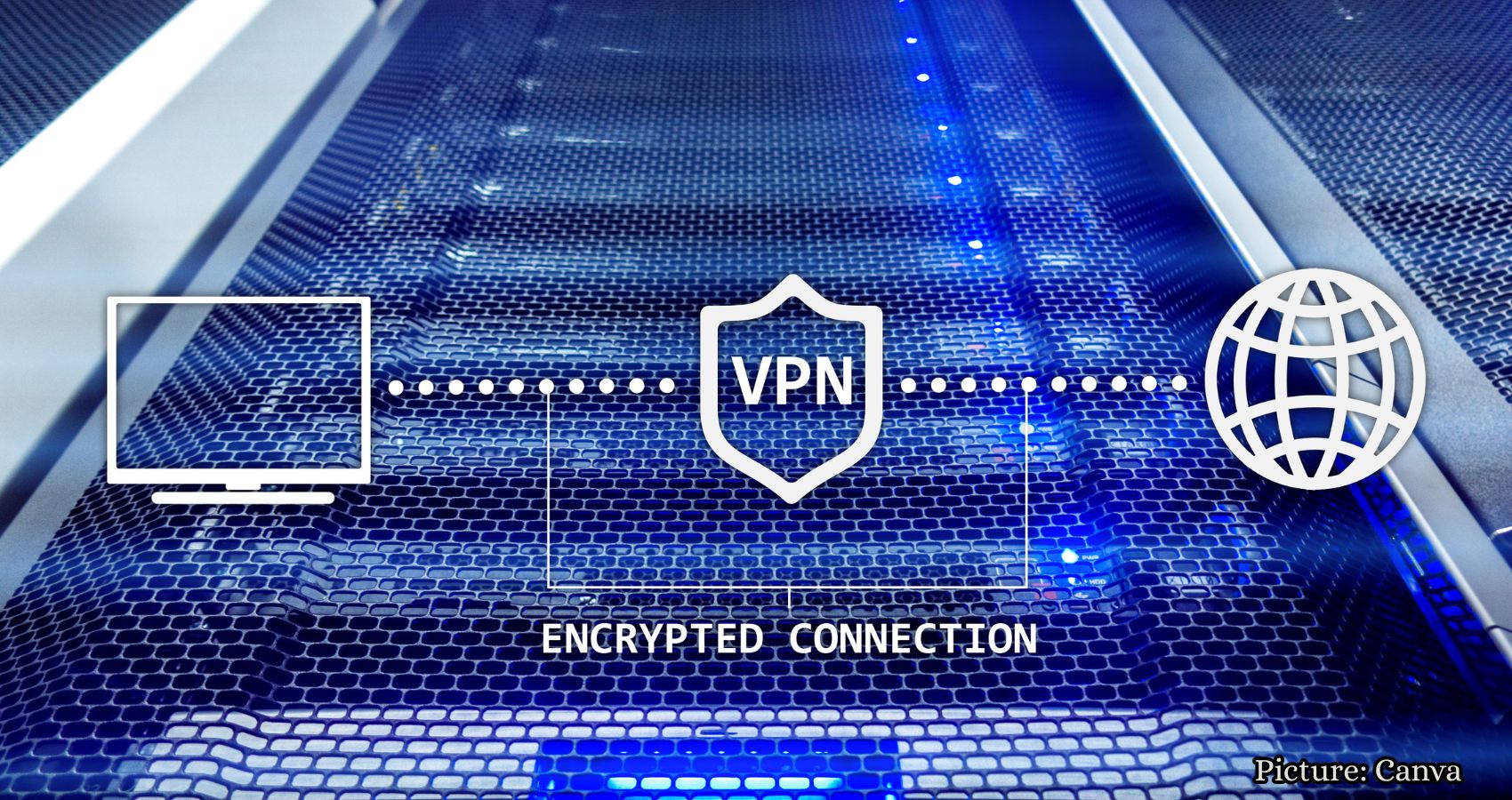
Understanding the differences between shared and dedicated VPN IPs can enhance your online experience, offering either maximum privacy or convenience based on your needs.
If you are in the market for a Virtual Private Network (VPN), you may have encountered the terms “shared IP” and “dedicated IP.” While these terms may seem technical, the distinction between them is quite straightforward, and selecting the right option can significantly improve your online experience.
Both shared and dedicated IPs serve to encrypt your internet traffic and safeguard your connection, but they cater to different user needs. A shared IP prioritizes maximum privacy by blending your online activity with that of thousands of other users, while a dedicated IP provides you with your own personal IP address, which can simplify access to certain online services.
A shared IP is precisely what it sounds like: multiple VPN users connect through the same public IP address. When dozens or even hundreds of individuals utilize the same IP at various times, it becomes increasingly challenging for websites or other observers to link online activities to any one person. This is one reason shared IPs are the default choice for most VPN services.
However, there are trade-offs. Shared IPs can sometimes trigger CAPTCHAs, blocked logins, or additional verification requests if a website detects excessive activity from the same address. This can lead to frustration for users who frequently encounter these hurdles.
On the other hand, a dedicated IP is exclusively yours. No one else using the VPN service shares that IP address, which means your connection remains consistent each time you log in. This can make certain online activities more convenient, particularly if you regularly access accounts that rely on IP-based security checks.
For instance, some businesses restrict access to their systems to approved IP addresses. By using a dedicated IP, your company can “whitelist” this address, enabling you to log in smoothly every time. Additionally, a dedicated IP can minimize the number of verification requests you receive when signing into banking websites, business software, or other accounts that flag unfamiliar locations. If you’ve ever been annoyed by a CAPTCHA while trying to log in from a new location, you may appreciate the consistency that a dedicated IP provides.
Some users argue that opting for a dedicated IP may compromise privacy. This concern underscores the importance of choosing a reputable VPN provider. A trustworthy VPN service employs a zero-knowledge allocation system for distributing IP addresses, meaning that not even the provider can trace the IP back to you. With this type of dedicated IP, you still enjoy the privacy and encryption benefits of a VPN; the only difference is that the IP address is reserved solely for your use.
Your choice between a shared or dedicated IP ultimately depends on how you use the internet. If your primary goals are privacy, anonymous browsing, and data protection while traveling or using public Wi-Fi, a shared IP is typically the better option. Since multiple users share the same address, your online activity becomes more difficult to distinguish from others.
Conversely, if convenience is your main priority, a dedicated IP may be the way to go. This option is particularly beneficial for remote workers, users accessing company resources with IP restrictions, or those who want to reduce login challenges from websites that recognize their connection. Neither option is inherently more secure than the other; both encrypt your internet traffic and conceal your original IP address from the websites you visit. The key difference lies in whether you prefer to share your VPN identity with other users or have one reserved just for yourself.
When deciding between shared and dedicated IPs, consider your specific needs. For a VPN setup, look for strong privacy protections, fast speeds, and the option to add a dedicated IP if your requirements change. A robust VPN should utilize modern encryption, adhere to a verified no-logs policy, and include a kill switch that blocks internet traffic if the VPN connection drops. It should also be compatible with various devices, including iPhone, Android, Windows, and Mac, as well as routers.
Additionally, seek a provider that offers servers in multiple countries, supports streaming and secure browsing, allows multiple simultaneous device connections, and provides responsive customer support. A money-back guarantee can also offer peace of mind, allowing you to test the service’s speed, reliability, and usability before making a long-term commitment.
Both shared and dedicated VPN IP addresses deliver the core benefits users expect from a VPN: encrypted internet traffic, enhanced online privacy, and protection on public networks. Ultimately, the right choice hinges on your internet usage patterns. For most users, a shared IP strikes the best balance between privacy and simplicity. However, if you require a consistent online identity for work, secure logins, or specialized services, a dedicated IP may be worth considering.
Regardless of your choice, utilizing a trusted VPN can help maintain your internet activity’s privacy and secure your connections across various devices, including computers, smartphones, tablets, and smart TVs. Would you prefer a shared VPN IP for enhanced privacy or a dedicated IP for smoother logins? Share your thoughts with us at CyberGuy.com.
For further insights on VPNs and online security, visit CyberGuy.com.
According to CyberGuy.