
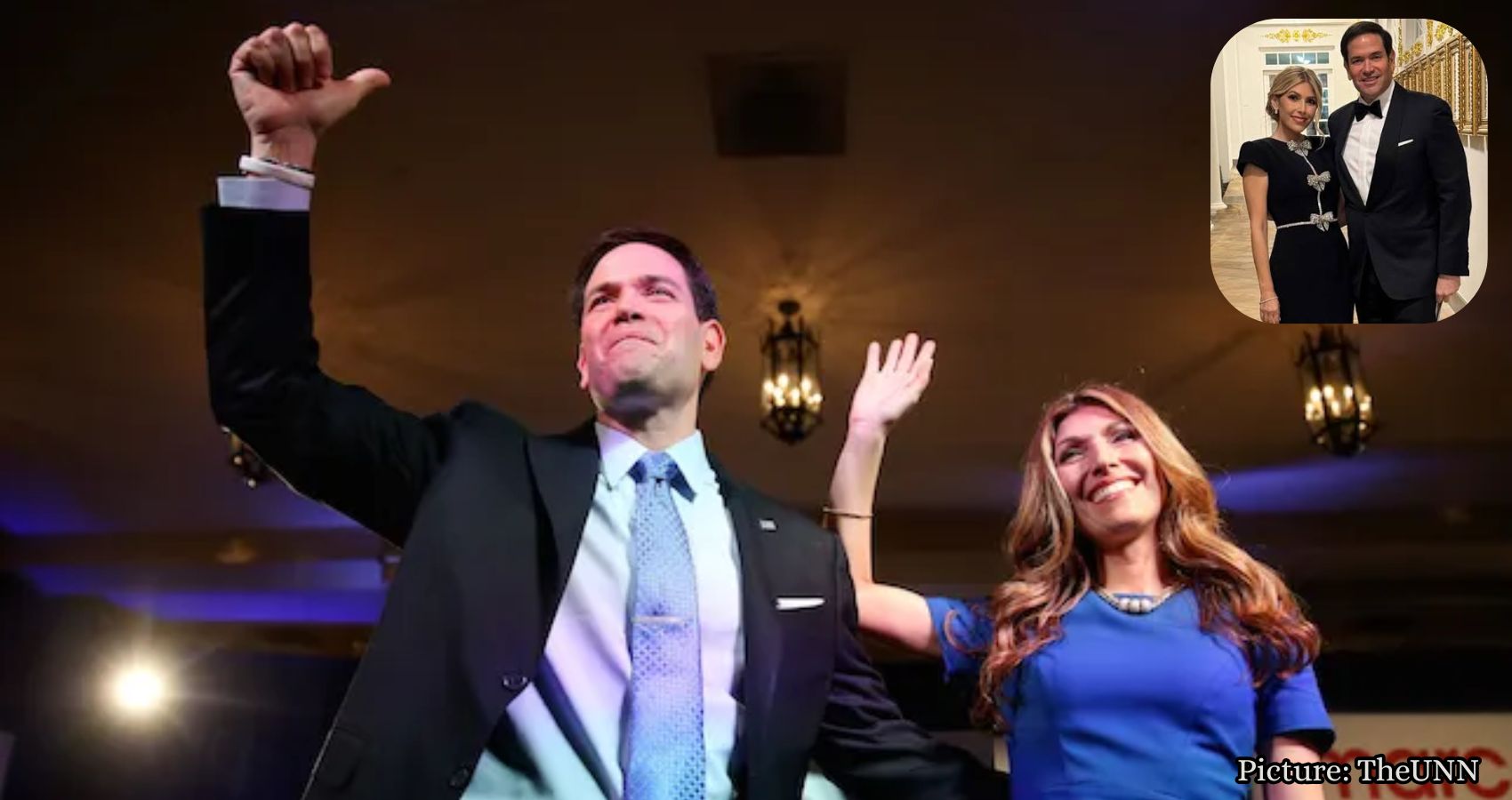
Marco and Jeanette Rubio’s candid conversation on “The Katie Miller Podcast” reveals their authentic selves, potentially reshaping perceptions as Rubio eyes a presidential run.
Away from the political stage, Marco Rubio’s unguarded conversation with Katie Miller and his wife, Jeanette, provided a rare glimpse into the man behind the politician. This intimate exchange on “The Katie Miller Podcast” showcased a side of Rubio that is often obscured by the demands of political life.
In this episode, Rubio engaged in a relaxed discussion, free from the constraints of political theater. There were no rehearsed talking points or attempts to sound presidential. Instead, listeners witnessed a genuine interaction between a husband and wife who have spent decades building a life together. This authenticity may be what sets Rubio apart as he contemplates a potential run for the White House.
Throughout the conversation, Rubio shared personal anecdotes about his love for college football, his fondness for Pop Tarts, and his struggles with maintaining a diet. Jeanette contributed her own insights, playfully teasing him and revealing the kind of small details that only a spouse can share. Their comfortable banter created an atmosphere that felt more like a casual chat than a political interview.
This authenticity is significant in today’s political climate, where many politicians seem to lack genuine personalities. Often, every word spoken is meticulously crafted, and moments of vulnerability appear to be pre-tested by consultants. However, in this podcast, the political performance faded, allowing listeners to see Rubio as a husband, father, and an everyday person who enjoys simple pleasures.
The discussion about Pop Tarts, while seemingly trivial, underscores a crucial point. Voters may not base their decisions on a candidate’s breakfast preferences, but these humanizing moments resonate more than one might think. Americans are aware that politicians have favorite foods, quirky habits, and relatable family dynamics, yet they rarely get to see these aspects of their lives. Instead, they are presented with a manufactured version of humanity, where politicians visit diners and pose with families in an effort to appear relatable.
Jeanette Rubio played a pivotal role in this candid exchange. She was not merely there to bolster her husband’s political image; she shared stories, offered a different perspective, and highlighted the imperfections that characterize a genuine marriage. The ease between them, cultivated over years of partnership, was palpable and stood in stark contrast to the often rehearsed interactions seen in political settings.
This authenticity is particularly important in an era marked by political exhaustion. Americans are bombarded with political content from various media outlets, yet trust in institutions, political parties, and politicians is waning. People are increasingly skeptical of those who seem to change their personas depending on their audience. What many are seeking is a reason to believe in the authenticity of the individuals they are watching.
Rubio’s candidness in this interview matters because it transcends political ideology. Voters can disagree with his policies yet still perceive him as genuine. This quality, which is becoming increasingly rare in public life, could be a significant asset as he navigates the political landscape.
The implications of this interview extend beyond the podcast itself. Rubio has long been speculated as a potential presidential candidate, and if he decides to run, his greatest advantage may not lie in policy proposals or carefully crafted speeches. Instead, it may stem from the fact that millions of Americans have already had the chance to see the man behind the résumé.
In presidential elections, decisions are not solely based on policy papers; they are also influenced by a visceral connection. Voters often ask themselves if they can envision sitting across the table from a candidate, if that person understands ordinary life, and if they would trust them when the cameras are off. These questions cannot be answered by a 30-second campaign advertisement but can be addressed through natural interactions with those closest to the candidate.
The conversation on “The Katie Miller Podcast” may hold more significance than it first appears. The political establishment often prioritizes discussions on pressing issues like the economy, foreign policy, and national security. However, the public frequently remembers the lighter moments—the laughter, the awkward stories, the spouse’s corrections, and the relatable quirks that reveal a candidate’s humanity.
Perhaps the real lesson from this ordinary yet impactful conversation is that America may be weary of politicians striving for perfection. Instead, there may be a growing receptiveness to candidates who are comfortable in their own skin, willing to admit their preferences, and relatable in their family dynamics.
As Marco Rubio continues to navigate his political future, this candid portrayal may serve as a reminder that authenticity can resonate deeply with voters, potentially paving the way for a more genuine connection in the political arena.
According to The American Bazaar.