
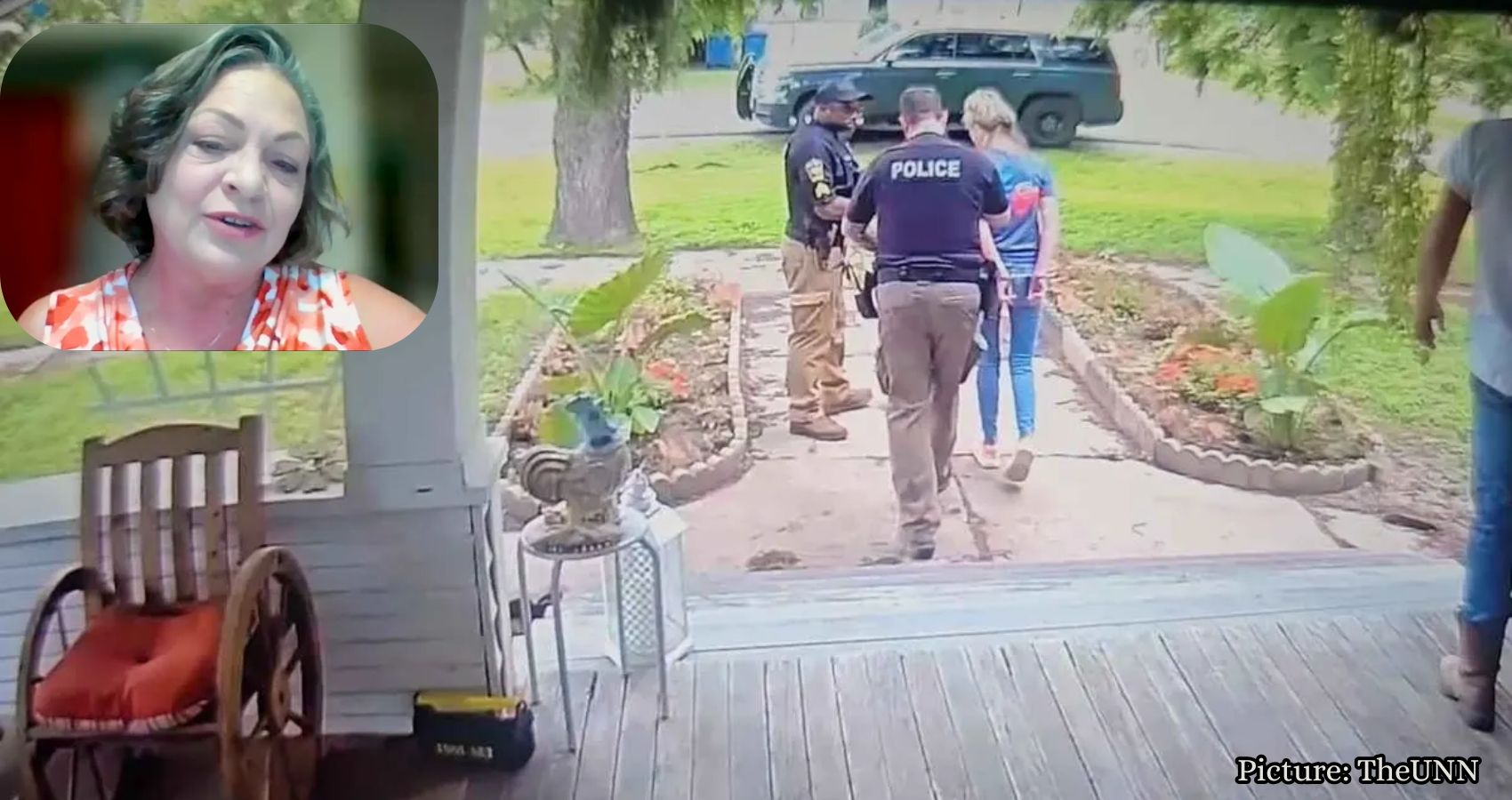
Controversy erupts in Trinidad, Texas, following the arrest of Jennifer Combs for a Facebook post about dirty water, leading to a fired judge and an ongoing investigation by the Texas Rangers.
In Trinidad, Texas, a seemingly innocuous Facebook post about discolored water has ignited a firestorm of controversy, resulting in the arrest of a local mother, the firing of a municipal judge, and an investigation by the Texas Rangers.
Jennifer Combs, a Texas resident, found herself in a precarious situation after she used social media to gather complaints about the town’s water quality. Her post led to her arrest on a felony charge of making a false alarm or report. After spending 23 hours in jail, a grand jury in Henderson County opted not to indict her. In response to her arrest, Combs has filed a federal lawsuit alleging political retaliation against her.
The situation escalated further when Winston Noles, a citizen journalist known as Otto the Watchdog, protested outside Trinidad City Hall in support of Combs. He was subsequently arrested on a misdemeanor disorderly conduct charge. The judge who dismissed Noles’ case, Shellena Bivens, was fired just one week later, raising questions about the motivations behind the city council’s decision.
Bivens, who had served as a judge for 16 years, spoke candidly about her dismissal during an appearance on “The CyberGuy Report” podcast. “I’ve been a damn good judge,” she stated, emphasizing her commitment to fairness and justice. She explained that the evidence presented in Noles’ case did not warrant a charge, and she urged law enforcement to release him.
According to Bivens, the police had claimed that Noles’ sign, which criticized local law enforcement, had offended the city’s water clerk. However, local reporting revealed that the former water clerk, Colby Reyes, stated in writing that she was not offended by Noles’ protest. Reyes has since joined another former city employee in filing a wrongful termination lawsuit against the city, alleging that she was fired for refusing to lie about her reaction to the protest.
Combs recounted the events leading to Bivens’ dismissal, noting that the judge had dropped the charges against Noles, only to be let go herself shortly thereafter. The Trinidad City Council voted 3-1 to terminate Bivens during a meeting on May 28, despite her attorney’s claims that the dismissal was unlawful. Bivens returned to her office only to find that her security code had been changed, effectively barring her from entering.
Reflecting on the turmoil, Bivens expressed disbelief that a Facebook post about water quality could lead to such significant upheaval. “Absolutely not,” she replied when asked if she expected this level of chaos. She suspects that her dismissal was retaliation for her decision to dismiss Noles’ charge, although the city has not confirmed this motive.
In a troubling twist, Bivens recounted an alleged conversation with former Trinidad Police Chief Charles Gregory, who reportedly expressed a desire to target Combs following her Facebook post. Gregory defended the police’s actions, claiming that Combs’ post had incited “fear, panic, or unnecessary emergency response” within the community. He resigned shortly after the incident, with June 19 reported as his final day in office.
The Trinidad Police Department has not responded to requests for comment regarding Bivens’ allegations or the handling of the arrests. An attorney representing the city stated that they could not discuss details due to ongoing lawsuits, asserting that the claims against the city would be addressed in court.
Adding to the scrutiny of the situation, Henderson County District Judge R. Scott McKee questioned the warrant process that led to Combs’ arrest. He noted discrepancies in the information provided by the Trinidad police, which failed to include citizen complaints and concerns about water quality. McKee has since mandated that officers appear in person for future warrant requests, a change aimed at ensuring transparency and accountability.
Investigations by the Texas Commission on Environmental Quality (TCEQ) have confirmed that Trinidad’s water system has faced significant issues. Reports from July indicated that the system failed to meet state standards for total chlorine and iron levels, with violations documented during inspections. While these findings do not confirm all medical claims associated with the water, they do highlight the community’s valid concerns regarding water quality.
In a separate incident, a local family reported that their 16-year-old daughter experienced a severe skin reaction after showering, described in medical records as “most likely chemical burn/severe dermatitis.” The family is considering legal action, although it remains unclear whether the water treatment process was responsible for the condition.
The Texas Rangers have confirmed they are investigating the situation in Trinidad, although details about the scope of the investigation remain undisclosed. In a significant development, all three members of Trinidad’s city hall staff resigned on July 16, including City Manager Cynthia Dosier, City Clerk Sandra Rojas, and Municipal Judge Susan Carver, who succeeded Bivens. Mayor Dennis Haws warned that these resignations could lead to operational challenges for the city.
Combs alleges that her Facebook post was mass-reported by individuals associated with a small group in Trinidad, resulting in its removal from the platform. Bivens has since directed a message to Meta CEO Mark Zuckerberg, urging the company to respect free speech rights. While Facebook’s content moderation did not lead to Combs’ arrest, the removal of her post has raised concerns about the preservation of evidence and the chilling effect such actions can have on public discourse.
As the situation continues to unfold, it raises critical questions about the balance between government accountability and the rights of citizens to voice their concerns. The events in Trinidad serve as a stark reminder of the potential consequences when individuals speak out against local authorities. For further insights into this unfolding story, listeners can tune into the full conversation with Judge Bivens on “The CyberGuy Report” podcast.
For more information on how to protect your rights and navigate social media, visit CyberGuy.com.
According to FOX News, the implications of this controversy extend beyond Trinidad, highlighting the need for transparency and accountability in local government.