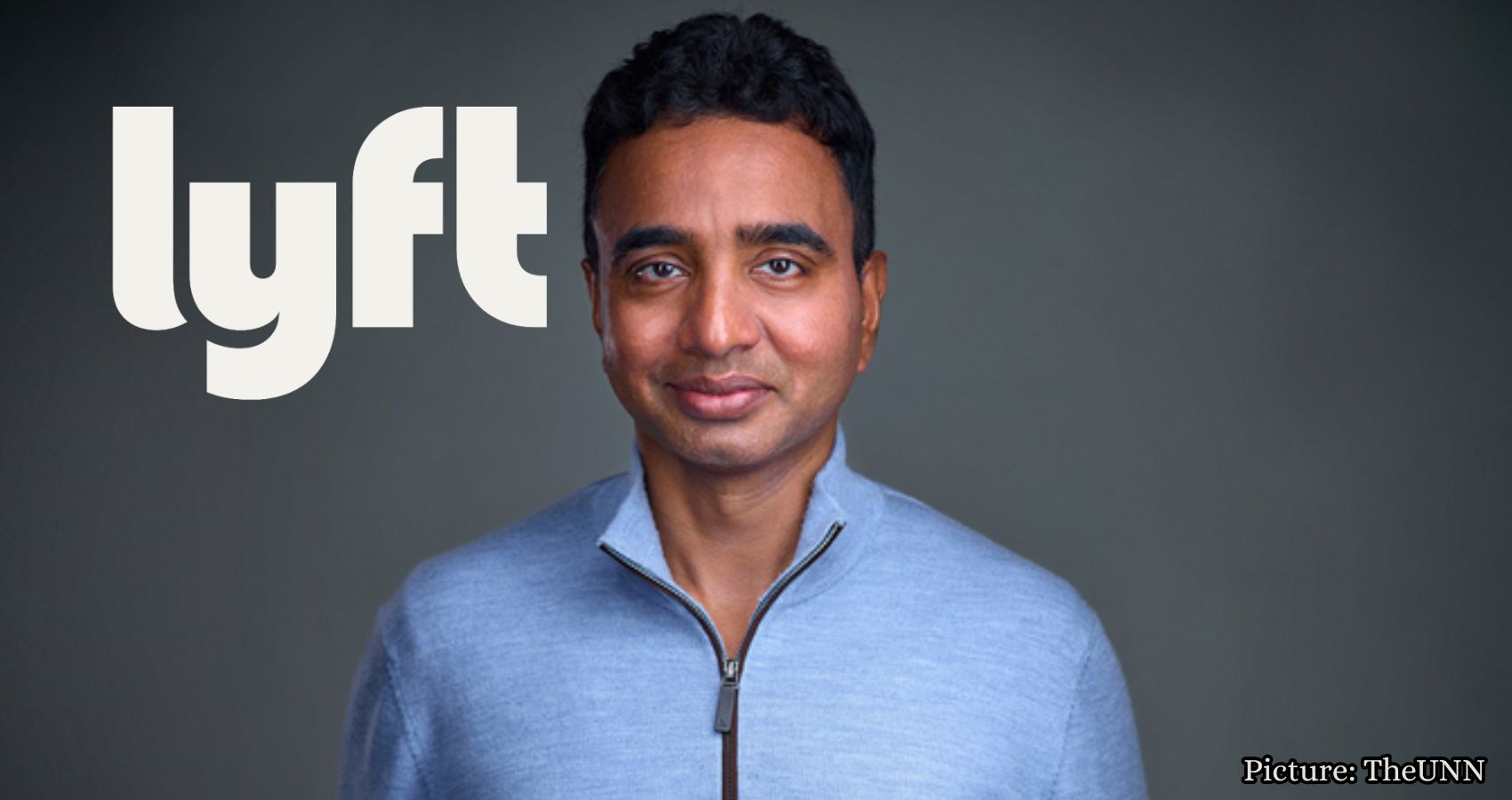
ACoM Names Jaya Padmanabhan Executive Director for Ethnic Media

American Community Media has appointed Jaya Padmanabhan as Executive Director, marking a significant transition in leadership for ethnic media in the United States.

American Community Media (ACoM), the nation’s first and largest association of ethnic news outlets, has announced the appointment of Jaya Padmanabhan as its new Executive Director, effective February 1. She succeeds ACoM founder Sandy Close, who will transition to the role of Director Emeritus after three decades of leadership.

“Jaya represents a new generation of leaders at ACoM who bring energy, ideas, tech smarts, and business savvy to the sector at a time when AI is transforming not only how we gather and distribute news, but the very idea of what news is,” Close stated.

Padmanabhan is a three-time Emmy Award winner with over a decade of experience in ethnic media. She made a notable career shift from a successful software engineering position in Silicon Valley to pursue her passion for journalism. As a veteran journalist, essayist, and fiction writer, she has published more than 250 articles and short stories, earning 25 awards for journalism and 8 for fiction. Among her accolades are the San Francisco Press Club’s Overall Excellence Award, which she has won three times, and the Lorian Hemingway Award for short fiction.

From 2012 to 2014, Padmanabhan served as the Editor of India Currents and currently holds the title of Editor Emeritus, contributing as a writer and board member. Her career also includes a biweekly column for the San Francisco Examiner and a recent role as project manager for the University of Southern California Center for Health Care Journalism’s Ethnic Media Collaborative. In this capacity, she provided mentorship, management, and editorial support to ethnic media fellows across multilingual newsrooms throughout California.

“Ethnic media teaches me a different way of understanding news, documenting the intimate life of communities and amplifying voices largely unheard and unseen in the public space. I learned the enduring power of news outlets that provide a collective voice for their communities — the ‘we’ rather than the ‘I’ of journalism,” Padmanabhan remarked.

Close emphasized the current challenges facing the sector, stating, “Despite a glut in information technology, people crave authentic voices and real, in-person connections. The hunger for trusted messengers who help people navigate the changes going on around them has never been greater, even as revenue to support local news platforms has never been more scarce. We are at a moment of reckoning for our sector that will require integrating high-tech skills with high-touch engagement and collaboration. Jaya is poised to seize the moment.”

Julian Do, ACoM Co-director and a member of the organization since its early years, views Padmanabhan’s appointment as a critical opportunity for the field. “Jaya will add a powerful advocacy voice for our sector as we implement new strategies to expand its social marketing role and audience reach,” he said.

With her extensive background and fresh perspective, Padmanabhan is set to lead ACoM into a new era, navigating the evolving landscape of ethnic media and addressing the pressing needs of diverse communities across the nation.

According to India Currents, this leadership change signifies a pivotal moment for ethnic media in the United States.

Daily Horoscope for All Zodiac Signs: January 29, 2026

Your daily horoscope for January 29, 2026, reveals insights for all zodiac signs, guiding you through personal and professional challenges with astrological wisdom.

Aries (March 21 – April 20): Today, you will experience abundant progress, allowing you to save significantly for future needs. Expect more agreements to come your way, which could mark important milestones in your business endeavors. Ganesha notes that your hard work will soon bear fruit.

Taurus (April 21 – May 21): A strong sense of selfishness may surface today, warns Ganesha. It is crucial to avoid being overly possessive or materialistic, as these tendencies could lead to regret. Your judgments and plans may not be reliable, and arguments could falter. You might find yourself purchasing some electronic gadgets later in the evening.

Gemini (May 22 – June 21): While you may not openly express it, your love for those around you is profound. You are willing to set aside your ego to protect their feelings, but this could take a toll on you. A trip—whether for business or pleasure—might be on your agenda today, providing a much-needed break. In the evening, you will enjoy the company of like-minded individuals, according to Ganesha.

Cancer (June 22 – July 22): To shield the feelings of your loved ones, you may conceal your own emotions behind a calm facade. Ganesha predicts a short trip out of town in the afternoon, followed by a potential splurge in the evening to enhance your appearance.

Leo (July 23 – August 23): Fortune smiles upon you today, with both luck and wealth favoring your endeavors. Ganesha suggests that you may gain both money and influence in your professional life. Later in the day, you might indulge in purchasing jewelry for a significant other. However, remain vigilant to protect your finances from potential scams.

Virgo (August 24 – September 22): Today, you may turn to your family for happiness, although this could require a considerable financial outlay to please them. As the day progresses, you might find yourself initiating the first chapter of a long-term platonic relationship.

Libra (September 23 – October 23): Today offers a delightful exploration of your culinary interests. Ganesha suggests that you may find yourself at a career crossroads, but this presents multiple opportunities to choose from. The latter part of the day holds promise for financial gain, potentially enhancing your future prospects.

Scorpio (October 24 – November 22): Expect to be on the move today, with Ganesha predicting a busy schedule filled with work and social engagements. Your thoughts will revolve around business meetings and discussions, with potential proposals taking shape as the day unfolds.

Sagittarius (November 23 – December 21): Today, the mysteries that have troubled you recently will begin to unravel, providing the insights you have been seeking. Any connections made today will be advantageous in the long run. As the day concludes, you will feel a deep sense of gratitude and emotional closeness to your loved ones, transcending material concerns.

Capricorn (December 22 – January 20): You may find yourself overwhelmed with work today, leading to significant stress. However, your professionalism will shine through, and your opponents will begin to recognize your capabilities and strengths.

Aquarius (January 21 – February 18): It’s time to present your best self, as important decisions await you. Ganesha advises caution, as these choices may have lasting implications. Take your time to ensure you make the right calls.

Pisces (February 19 – March 20): Today, you will be filled with energy and enthusiasm, likely unrelated to any dietary supplements. You will enjoy making new acquaintances and may find yourself treating someone special. However, Ganesha warns you to be cautious about starting new projects.

Stay connected with the cosmos through your daily horoscope! For January 29, 2026, explore insights tailored to your zodiac sign. Whether you are a fiery Aries or a dreamy Pisces, our expert astrologers provide personalized readings to help you navigate life’s challenges and triumphs. Visit us daily for fresh updates and stay attuned to the celestial forces shaping your destiny.

The insights provided in this horoscope are based on astrological interpretations and guidance from Ganesha.

Indian-American Raja Faces Rival Attacks During Debate Event

Raja Krishnamoorthi faced intense scrutiny from rivals during the Chicago Democratic Senate debate, where he defended his frontrunner status amid attacks on his legislative record and campaign strategy.

CHICAGO, IL – Raja Krishnamoorthi entered the Chicago Democratic Senate debate as the clear frontrunner, quickly becoming the focal point of attacks from his rivals. This occurred both outside the venue and on stage, as competitors aimed to undermine his significant lead in polls and fundraising.

Before the debate commenced on January 26 at the International House at the University of Chicago, Lt. Gov. Juliana Stratton’s campaign had a billboard positioned outside the building that criticized Krishnamoorthi. Inside the debate hall, Stratton continued her offensive, emphasizing Krishnamoorthi’s position as the candidate to beat.

Public polling has consistently indicated that the Illinois congressman is leading the race, supported by extensive television advertising and a substantial financial advantage. Krishnamoorthi began the year with over $15 million in cash on hand and reported raising nearly $3.6 million in the last quarter of the previous year. In contrast, neither Stratton nor Rep. Robin Kelly has disclosed their fourth-quarter fundraising totals, and both have historically lagged behind Krishnamoorthi in previous filings.

Stratton, who has the endorsement of Governor J.B. Pritzker, directed much of her criticism toward Krishnamoorthi’s legislative accomplishments. During a discussion on term limits, she accused him of being ineffective in Congress, claiming he had only passed four bills, all of which pertained to naming post offices.

In response, Krishnamoorthi firmly pushed back against the accusation, labeling it misleading. According to reports from The Hill, while he has indeed sponsored four bills that became law, he has had nearly 80 bills he sponsored or co-sponsored signed into law. Krishnamoorthi asserted, “I passed laws that make a real difference in people’s lives.”

The shadow of former President Donald Trump loomed large over the debate, with all three candidates directing criticism at him. In his closing remarks, Krishnamoorthi framed his campaign as a fight to “preserve, protect, and defend the American Dream” from Trump’s influence.

Additionally, the candidates expressed mixed feelings about supporting Senate Minority Leader Chuck Schumer after 2026. Stratton outright rejected the idea of backing him again, while Krishnamoorthi left the possibility open.

The debate highlighted the intense competition within the Democratic primary as candidates vie for the opportunity to represent Illinois in the Senate. As the frontrunner, Krishnamoorthi’s ability to navigate these challenges will be crucial in the lead-up to the election.

According to India-West, the dynamics of the debate showcased the high stakes involved as candidates seek to define their positions and appeal to voters in a competitive political landscape.

Trump Administration Rules California’s Parental Notification Ban Violates Federal Law

The U.S. Department of Education has determined that California’s policy prohibiting parental notification of students’ gender transitions violates federal law, raising concerns about parental rights and education funding.

The U.S. Department of Education announced on Wednesday that a California policy permitting school districts to withhold information about students’ gender transitions from their parents is in violation of federal law.

Secretary of Education Linda McMahon stated that a federal investigation revealed that California education officials “egregiously abused” their authority by pressuring school districts to conceal information regarding students’ gender transitions from their families.

“Under Gavin Newsom’s failed leadership, school personnel have even bragged about facilitating ‘gender transitions’ and shared strategies to target minors and conceal information about children from their own families,” McMahon said in a statement. “While the Biden Administration turned a blind eye to this deprivation of parental rights and endorsed the irreversible harms done to children in the name of radical transgender ideology, the Trump Administration will fight relentlessly to end it.”

McMahon emphasized that “children do not belong to the State—they belong to families,” and vowed to use every available mechanism to hold California accountable for these practices and restore parental rights.

In response, California Department of Education spokesperson Liz Sanders stated that the department is reviewing the letter sent by McMahon but believes they have already addressed the essence of the concerns raised. State education officials previously informed school districts that the state’s policy does not mandate nondisclosure.

The findings from the federal investigation could jeopardize the nearly $8 billion in education funding that the federal government allocates to California each year if state officials do not collaborate with the Trump administration to rectify the identified violations.

To address these violations, the federal government outlined several potential actions for California, including issuing a notice to all superintendents and administrators clarifying that “gender support plans” and related documentation are considered education records subject to parental inspection upon request. Additionally, the state must ensure that its laws do not undermine or contradict federal law.

School districts will need to confirm their compliance with the Family Educational Rights and Privacy Act (FERPA), which grants parents the right to inspect their children’s educational records. Furthermore, the state is required to incorporate content approved by the federal government into its LGBTQ+ cultural competency training.

The controversial state policy, known as AB 1955, was signed into law by Governor Gavin Newsom in 2024. It prohibits the notification of parents regarding the gender identity or sexual orientation of transgender and gay students without the student’s consent.

Last spring, the federal government launched an investigation into the California Department of Education, asserting that state officials were facilitating the social transition of children at school while concealing minors’ gender identities from their parents. The federal agency also claimed that the state was in violation of FERPA.

In October, state officials communicated to school districts that AB 1955 does not prevent local education agency (LEA) staff from sharing information with parents. They argued that the plain language of both AB 1955 and FERPA allows for parental access to students’ education records upon request.

Newsom’s office reiterated last year that “parents continue to have full, guaranteed access to their student’s education records as required by federal law.”

California’s policies are currently under scrutiny in the courts. A federal judge ruled last month that schools cannot prevent teachers from sharing information about a student’s gender identity with their parents; however, an appeals court blocked that ruling earlier this month. A group of California parents involved in the case is now seeking intervention from the U.S. Supreme Court to reinstate the earlier decision.

Additionally, the Trump administration is pursuing legal action against California and has threatened to withhold funding over a policy that allows biological males to compete in girls’ sports.

According to Politico, the situation continues to evolve as both state and federal authorities navigate the complex intersection of parental rights, student privacy, and educational policy.

India Suffers Batting Collapse Despite Shivam Dube’s Strong Performance in 4th T20I

India’s 50-run defeat to New Zealand in the 4th T20I highlights critical batting issues, despite Shivam Dube’s explosive performance, serving as a crucial reminder ahead of the 2026 T20 World Cup.

India’s 50-run defeat to New Zealand in the fourth T20 International at Visakhapatnam has raised significant concerns regarding the team’s batting depth and top-order performance, just months before the 2026 T20 World Cup. Despite an explosive innings from Shivam Dube, who scored 65 runs off just 23 balls, India fell short in their chase of 216 runs, ultimately bowled out for 165.

New Zealand, opting to bat first, posted a formidable total of 215 for 7 on a pitch that favored batters. India’s response began poorly, with early wickets falling and the team struggling to recover. This loss reduced India’s series lead to 3-1, emphasizing the need for introspection ahead of the upcoming global tournament.

Dube’s blistering performance was the standout moment for India, as he struck seven sixes and three fours, propelling the team from a precarious 82 for 5 to 145 for 6. However, the lack of substantial contributions from his teammates rendered his efforts futile. Abhishek Sharma’s dismissal on the very first ball of the innings set a negative tone, and Suryakumar Yadav’s failure to score further compounded the pressure on the middle order.

The absence of Ishan Kishan due to injury left India with only six specialist batters, which proved inadequate when early wickets fell. The decision to include an extra bowling option did not pay off, as the batting lineup appeared thin and struggled to rebuild after the initial setbacks.

Moreover, the match highlighted India’s over-reliance on individual brilliance. While Dube’s innings kept India in contention for a time, the lack of support from other batsmen underscored the risks of depending heavily on a few players in crucial matches. This pattern could be detrimental in high-stakes situations, particularly in a World Cup setting.

India’s bowlers also faced challenges on a batting-friendly pitch, as they failed to contain New Zealand’s scoring. The bowling attack appeared vulnerable, especially in the death overs, where variations and control were essential to limit runs.

As the team prepares for the T20 World Cup, there are several lessons to be learned from this defeat. Strengthening batting depth is crucial to ensure that early wickets do not lead to a collapse. Additionally, establishing a stable top-order combination capable of handling pressure situations is vital. Improved execution from bowlers on high-scoring grounds will also be necessary, particularly during the final overs of the innings.

This loss serves as a timely wake-up call for India, coming just months before the T20 World Cup begins on February 7. It has exposed weaknesses that may have remained hidden during previous victories. Addressing these issues promptly could ultimately help the team enhance its performance and readiness for the global tournament.

According to The Sunday Guardian, this match has provided critical insights that India must consider as they move forward in their preparations for the T20 World Cup.

Arianna Fontana Returns Home for Final Olympic Bid After Two Decades

Arianna Fontana, Italy’s most decorated Winter Olympian, prepares for her sixth Olympic Games, reflecting on two decades of competition and the significance of returning to her home country.

As the kitchen at Arianna Fontana’s parents’ house fills with family and friends, the atmosphere is lively and celebratory. Following her recent success at the European Championships in the Netherlands, Fontana is surrounded by loved ones, sharing hugs and laughter while helping her mother serve traditional Italian dishes like pizzocheri and taroz.

For Fontana, the first order of business upon returning home is to see her parents. “I need a hug from them,” she says, emphasizing the importance of family and food in Italian culture. After two decades in the sport, the 35-year-old short track speed skater is gearing up for what may be her final Olympic appearance, competing on home ice in Milano Cortina.

Fontana made her Olympic debut at just 15 years old, winning a bronze medal in the 3,000-meter relay at the 2006 Turin Games. This achievement made her the youngest Italian medallist in Winter Olympic history. Now, as she prepares for her sixth Games, she carries with her an impressive collection of 11 Olympic medals, the most in short track history.

Reflecting on her journey, Fontana expresses gratitude for the opportunity to compete in front of a home crowd once again. “I’m really fortunate … I get to do it twice in my career,” she notes, highlighting the significance of returning to her roots after so many years.

Since her first Olympic experience, Fontana has witnessed significant changes in her life and career. The challenge now lies in balancing the competitive spirit that has driven her with the realities of an aging body. “I can’t train like a 20-year-old, so my training needs to reflect that,” she explains. Her husband, Anthony Lobello, who also serves as her coach, has played a crucial role in adapting her training regimen to meet her evolving needs.

At the rink, Lobello provides strategic insights, whispering details about her rivals’ tendencies to help Fontana anticipate race dynamics. “Number one always passes at three laps to go,” he reminds her, allowing her to mentally prepare for the competition ahead. Additionally, Fontana’s equipment has been customized to enhance her performance, including a specially designed blade rocker that suits her skating style.

Fontana’s approach to training has also shifted to accommodate her body’s changing needs. She emphasizes the importance of recovery and nutrition, noting that her diet has been refined over the years. “For Italians, food is really important, and it’s also really important for athletes because it’s our fuel,” she says. She recalls bringing bresaola, a traditional cured meat, to her previous Olympic Games, using a meat slicer to enjoy it daily as a source of energy.

Despite the pressures of competition, Fontana and Lobello strive to maintain a healthy balance between their professional and personal lives. They have established rules to separate their roles as coach and athlete from their relationship as husband and wife. “At 6 p.m., we don’t talk about skating or training anymore,” she shares. “We just try to really separate the two figures.” This approach allows them to enjoy quality time together outside of the rink.

Fontana’s competitive spirit remains strong, whether she is on the ice, fishing, or playing cards with family. “The competitiveness that I have in me is always there,” she affirms, showcasing her dedication to the sport that has defined her life.

As she prepares for the upcoming Games, Fontana reflects on her remarkable journey and the support she has received along the way. “I feel really fortunate and also proud of everything I accomplished and what I went through that allowed me to have such a long career,” she says, looking forward to what promises to be a special experience in Milano Cortina.

With the opening ceremony approaching, Fontana is ready to embrace the challenges ahead, fueled by the love of her family and the memories of her storied career. “I don’t know if I’ll feel like I’m done after this game,” she admits. “I will let you know after the 22nd of February.” As she steps onto the ice once more, Fontana carries with her the hopes of a nation and the legacy of a remarkable career.

According to Reuters, Fontana’s journey is a testament to her resilience and passion for the sport, as she prepares to make history once again.

UK and US Resume Chagos Islands Negotiations After Trump Criticism

Discussions between the U.K. and U.S. regarding the Chagos Islands have resumed following President Trump’s criticism of a deal transferring sovereignty to Mauritius.

Talks concerning the future of the Chagos Islands in the Indian Ocean have reportedly been revived between the United Kingdom and the United States. This development follows President Donald Trump’s recent remarks that questioned the wisdom of an agreement aimed at transferring sovereignty of the strategically significant archipelago to Mauritius.

British Prime Minister Keir Starmer confirmed on Wednesday that discussions had resumed after Trump labeled the deal an “act of great stupidity.” According to GB News, Starmer stated, “Shockingly, our ‘brilliant’ NATO Ally, the United Kingdom, is currently planning to give away the Island of Diego Garcia, the site of a vital U.S. Military Base, to Mauritius, and to do so FOR NO REASON WHATSOEVER.”

In a post on Truth Social, Trump expressed his concerns further, stating, “There is no doubt that China and Russia have noticed this act of total weakness.” He emphasized that the U.K. relinquishing such important territory is a significant error, describing it as “another in a very long line of National Security reasons why Greenland has to be acquired.”

The Chagos Islands were detached from Mauritius during the British decolonization process, a move that the International Court of Justice deemed unlawful in 2019. Subsequently, the U.K. agreed to transfer sovereignty while retaining control of Diego Garcia under a lease that extends for at least 99 years, costing around $160 million annually.

Diego Garcia serves as a crucial hub for U.S. military operations, facilitating long-range bombers and logistics across the Middle East, Indo-Pacific, and Africa. Approximately 2,500 military and civilian personnel, primarily American, are stationed there, making it a vital point for intelligence gathering and military communications.

During a flight to China, Starmer mentioned that he had discussed the Chagos issue with Trump on multiple occasions. However, he did not confirm whether the topic was addressed during a recent phone call between the two leaders. The Financial Times reported that Starmer indicated the matter had been raised with the White House at the end of last week and into the early part of this week.

Starmer also noted that when the Trump administration took office, the U.K. had paused the agreement for three months to allow the U.S. to evaluate the deal at the agency level. “Once they’d done that, they were very clear in the pronouncements about the fact that they supported the deal, and there were announcements made,” he stated.

A spokesperson for Downing Street confirmed that London is actively working to “allay any concerns” in Washington. According to GB News, the spokesperson said, “We will continue to engage with the U.S. on this important matter and the importance of the deal to secure U.S. and U.K. interests and allay any concerns, as we’ve done throughout the process.”

Trump’s comments regarding the Chagos deal have been positively received by Reform UK leader Nigel Farage, who expressed his gratitude on social media, stating, “Thank goodness Trump has vetoed the surrender of the Chagos islands.”

Fox News Digital has reached out to both the White House and Downing Street for further comment on the matter.

According to GB News, the ongoing discussions reflect the complexities of international relations and the strategic importance of the Chagos Islands in global military operations.

Miami University Appoints Dipen Parekh as Inaugural Urology Chair

Dipen J. Parekh has been appointed the inaugural Magnier Endowed Chair in Urology at the University of Miami, recognizing his significant contributions to urologic oncology and robotic surgery.

The University of Miami has appointed Dr. Dipen J. Parekh, a distinguished Indian American surgeon, as the inaugural holder of the Magnier Endowed Chair in Urology. Dr. Parekh is renowned for his expertise in robotic urologic cancer procedures, having performed over 6,000 surgeries worldwide.

Born in Mumbai, Dr. Parekh currently serves as the CEO of the University of Miami Health System. His investiture ceremony took place at Britto Palace in Miami on January 12, where he was honored for his exceptional contributions to urologic oncology, surgical innovation, and academic leadership. The event also celebrated the philanthropic vision of donor John Magnier.

During the ceremony, Dr. Joseph J. Echevarria, president and CEO of the University of Miami, praised Dr. Parekh’s leadership and commitment to advancing the field of medicine. “Dr. Parekh leads with uncommon clarity, humility, and purpose,” Echevarria stated. “This chair recognizes not only his extraordinary accomplishments but also the future he continues to build for UHealth and the communities we serve.”

In his acceptance speech, Dr. Parekh expressed gratitude to the Magnier family for their support in strengthening the institute and for their commitment to research that benefits patients globally. Echevarria also acknowledged John Magnier, the owner of Coolmore Stud, for his generosity and belief in fostering innovative leaders like Dr. Parekh.

Several prominent figures joined Echevarria on stage for the chair presentation, including Joel H. Samuels, executive vice president for academic affairs and provost, and Henri R. Ford, M.D., M.H.A., dean and chief academic officer of the Miller School. Together, they placed the University of Miami medallion on Dr. Parekh, symbolizing the trust and responsibility associated with his new role.

Dr. Parekh remarked, “This honor is not mine alone. It is a tribute to the extraordinary teamwork and vision that define our University of Miami family. My heartfelt thanks go to our colleagues, mentors, donors, and friends whose support has made this milestone possible. Together, we are building a legacy of innovation, compassion, and excellence that will transform lives for generations to come.”

As a globally recognized urologic oncologist, health care innovator, and academic leader, Dr. Parekh has played a pivotal role in establishing advanced robotic surgery programs and enhancing the international reputation of the Desai Sethi Urology Institute (DSUI). Since joining the University of Miami and UHealth in 2012, he has held various leadership positions, including chair of the Department of Urology, executive dean for clinical affairs, director of robotic surgery, chief clinical officer, and chief operating officer at UHealth.

In 2025, Dr. Parekh was appointed to his current position while also serving as the holder of the Victor A. Politano Endowed Chair in Urology and as a professor of urology at the Miller School.

Dr. Parekh earned his medical degree from the University of Poona in 1990 and completed his postgraduate training in general surgery and urology at the University of Mumbai. He furthered his education with a urologic oncology fellowship at Memorial Sloan Kettering Cancer Center, residency training at Vanderbilt University, and a master’s degree from Trinity University in San Antonio, Texas.

This appointment marks a significant milestone in Dr. Parekh’s career and underscores the University of Miami’s commitment to advancing medical research and education in urology.

According to a media release from the University of Miami Miller School of Medicine, Dr. Parekh’s leadership and innovative approach will continue to shape the future of urologic care.

Nicki Minaj Pledges Up to $300,000 to Support Trump Accounts

Nicki Minaj has pledged up to $300,000 to support Trump Accounts, a new federal savings initiative aimed at enhancing financial literacy among children, sparking both praise and criticism.

Rap star Nicki Minaj made headlines on Wednesday by announcing her commitment to contribute between $150,000 and $300,000 to a new federal savings program known as Trump Accounts. Her vocal support for President Donald Trump at a high-profile summit in Washington, D.C., has drawn both admiration and sharp criticism.

Minaj, a Grammy-nominated artist recognized as one of hip-hop’s most influential figures, revealed her financial backing during an event that showcased the initiative’s potential impact. The gathering, held at the Andrew W. Mellon Auditorium, featured Treasury Secretary Scott Bessent and other Trump allies who were promoting the program.

Trump Accounts, officially designated as Section 530A under the One Big Bill Act, represent a new type of tax-advantaged investment account aimed at giving U.S. children a financial head start. Children born between January 1, 2025, and December 31, 2028, will receive a one-time seed deposit of $1,000 from the U.S. Treasury, which will be invested in broad market index funds. Additionally, parents, employers, and others will have the opportunity to contribute up to $5,000 annually. The funds in these accounts are generally inaccessible until the child reaches 18, at which point the account converts to an individual retirement account.

Proponents of Trump Accounts argue that they could foster early financial planning and help reduce wealth disparities over time. However, experts caution that the actual outcomes will depend on long-term contributions and market performance. Several major financial institutions, including JPMorgan Chase and Bank of America, have already announced matching contributions for eligible employees’ children.

Minaj expressed her support for the initiative, emphasizing its potential to positively influence young people’s financial futures. In a post on X dated January 24, she stated, “Early financial literacy and financial support for our children will give them a major head start in life,” referring to the initiative as “the true meaning of paying it forward.”

During the summit, Minaj further aligned herself with Trump, declaring herself “probably the president’s No. 1 fan.” This statement underscored her enthusiastic endorsement of his leadership and policies, even as she acknowledged the criticism she has faced. She noted that the backlash regarding her political stance does not deter her support; rather, it motivates her, framing her involvement as a stand against what she described as efforts to “bully” the president.

Minaj’s support for Trump has elicited a range of reactions from her fan base and the general public. On social media, some fans have commended her for bringing attention to financial empowerment, while others have accused her of opportunism. Speculation has arisen that her support may be aimed at securing political favors, including potential pardons for her husband and brother.

Critics have also voiced their frustration, arguing that her embrace of a polarizing political figure contradicts the expectations many have for her as an artist. This debate highlights how Minaj’s engagement in public policy and partisan politics has blurred the lines between celebrity influence and civic engagement, particularly at a time when the nation is grappling with deep divisions over economic and social issues.

As the discussion surrounding Trump Accounts continues, Minaj’s involvement exemplifies the complex interplay between celebrity culture and political advocacy in contemporary society. According to The American Bazaar, her actions have sparked significant dialogue about the role of public figures in shaping policy and public opinion.

Texas Investigates Alleged H-1B Visa Fraud Involving ‘Ghost Offices’

Texas Attorney General Ken Paxton has launched an investigation into alleged H-1B visa fraud involving three North Texas businesses suspected of operating “ghost offices” to exploit the visa program.

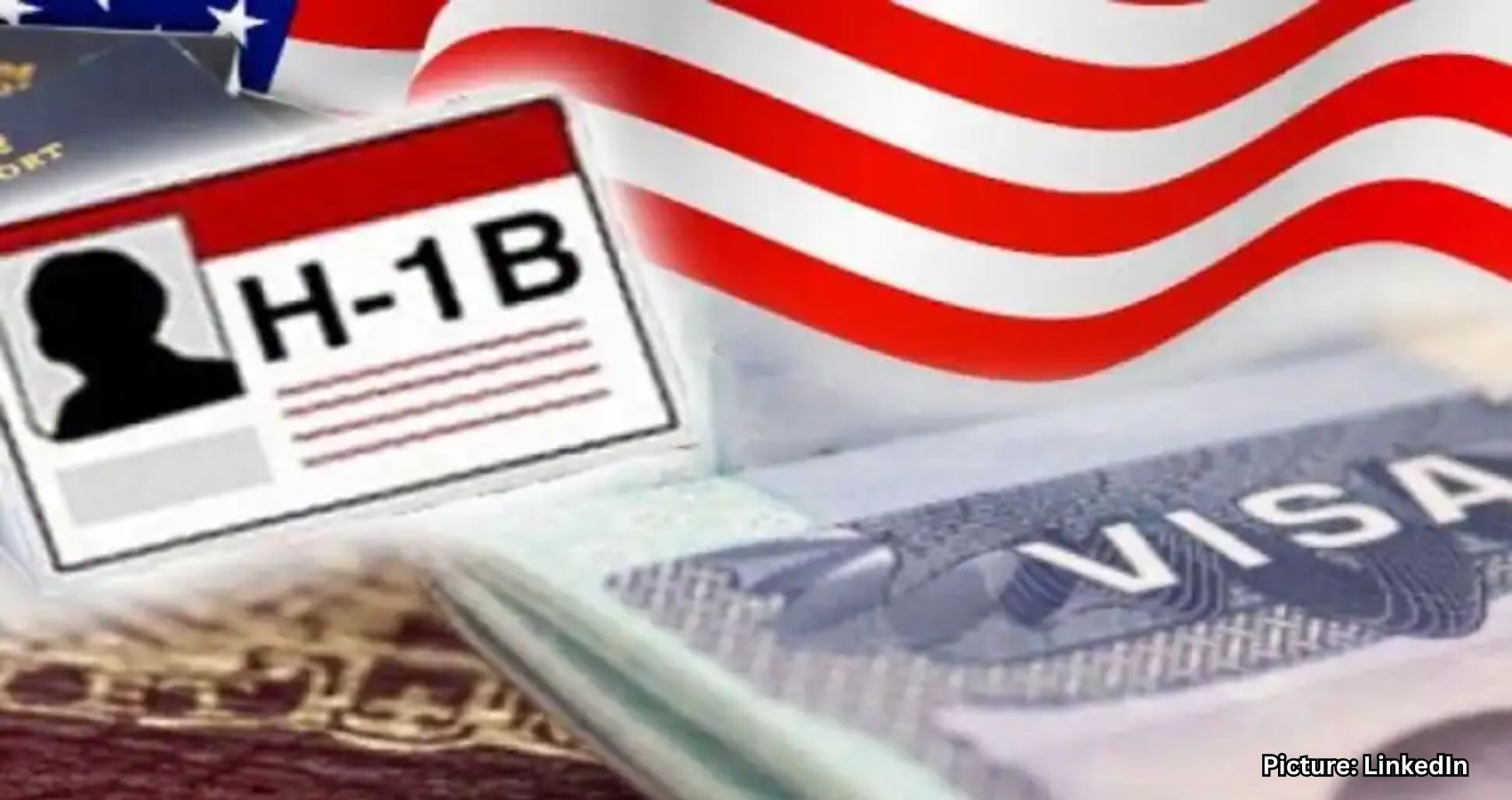
Texas Attorney General Ken Paxton announced on Wednesday a comprehensive investigation into potential abuses of the H-1B visa program, focusing on three North Texas businesses suspected of engaging in fraudulent activities. This initiative follows a recent directive from Governor Greg Abbott to halt new H-1B petitions across state agencies and public universities, citing concerns over misuse of the program and the need to prioritize American workers.

In a statement posted on X, Paxton emphasized the seriousness of the allegations, stating, “Any criminal who attempts to scam the H-1B visa program and use ‘ghost offices’ or other fraudulent ploys should be prepared to face the full force of the law.” He further asserted that “abuse and fraud within these programs strip jobs and opportunities away from Texans,” vowing to utilize every available resource to root out and hold accountable those involved in such schemes.

The investigation targets businesses that allegedly set up sham companies, complete with websites advertising non-existent products or services, to fraudulently sponsor H-1B visas. According to Paxton, evidence suggests that one of the companies registered a single-family home as its office address while listing an empty, unfinished building as its worksite on its website.

As part of the investigation, Paxton’s office has issued Civil Investigative Demands (CIDs) to the three North Texas companies. These demands require the businesses to provide documentation identifying all employees, records detailing the specific products or services offered, financial statements, and communications related to their operations. The Attorney General’s office is scrutinizing the companies for allegedly sponsoring numerous H-1B visas in recent years without sufficient evidence that they deliver the advertised products or services.

Governor Abbott’s earlier directive to freeze new H-1B petitions also mandates that state agencies and public universities submit a report to the Texas Workforce Commission by March 27. This report must detail the number of H-1B visa holders currently sponsored, the number of applications and renewals filed, the countries of origin for the visa holders, their job roles, visa expiration dates, and evidence that agencies attempted to fill positions held by visa holders with Texas candidates first.

The freeze on new and renewal applications will remain in effect until the conclusion of the 90th state legislative session, which is set to begin in January 2027. Abbott stated, “State government must lead by example and ensure that employment opportunities — particularly those funded with taxpayer dollars — are filled by Texans first.”

This investigation into alleged H-1B visa fraud highlights ongoing concerns regarding the integrity of the visa program and its impact on local job markets. As the situation develops, further scrutiny of the H-1B program and its administration in Texas is expected.

For more information, refer to the official statements from the Texas Attorney General’s office and related media releases.

According to The American Bazaar.

Suryakumar Yadav Rises to Seventh in Latest ICC T20I Rankings

India’s Suryakumar Yadav has ascended to seventh place in the ICC men’s T20I rankings after a strong performance in the series against New Zealand.

India’s captain Suryakumar Yadav has made significant strides in the ICC men’s T20I rankings, moving up five spots to secure the seventh position. This advancement comes on the heels of his impressive performances during the ongoing five-match home series against New Zealand, where India currently holds a commanding 3-0 lead.

Yadav’s rise in the rankings reflects his consistency and skill as a key player for the Indian cricket team. His contributions have been instrumental in establishing India’s dominance in the series, showcasing his ability to perform under pressure and deliver when it matters most.

The series against New Zealand has provided Yadav with ample opportunities to demonstrate his batting prowess. His recent performances have not only bolstered his individual ranking but also played a crucial role in the team’s overall success.

As the series progresses, fans and analysts alike will be keenly watching Yadav’s performance, hoping he can maintain his form and lead India to further victories. His rise in the rankings serves as a testament to his hard work and dedication to the sport.

According to NDTV Sports, Yadav’s ascent in the rankings is a positive sign for the Indian team as they prepare for future international competitions.

Indian-American Woman’s Unusual Reaction to Wine Reveals Cancer Diagnosis

A woman’s unusual reaction to wine led to a life-changing diagnosis of Stage 2 Hodgkin lymphoma, highlighting the importance of recognizing alarming health symptoms.

A new mother from the U.K. experienced an unexpected and alarming reaction to wine that ultimately led to a significant health discovery. Hollie Thursby, 28, began noticing unusual symptoms after the birth of her second son, Jack.

During a routine checkup for her infant, Thursby mentioned to her doctor that she was suffering from “unbearably itchy skin,” a condition often associated with postpartum changes. The physician suggested that her symptoms were likely due to hormonal fluctuations following childbirth.

Despite her limited alcohol consumption, Thursby reported experiencing severe pain along the side of her neck. “It was really quite painful and uncomfortable,” she recalled. Alongside this discomfort, she felt an overwhelming fatigue, which she attributed to the demands of caring for her young children.

Thursby also described a sensation akin to someone sitting on her chest when she lay down at night, which added to her growing concerns about her health.

In July 2025, she discovered a lump on the side of her neck that she described as “really quite big.” Although the lump was not painful, it was hard and immobile. “When I turned my neck to the side, you could see it,” she stated.

Following further medical evaluation, Thursby received a shocking diagnosis: Stage 2 Hodgkin lymphoma, a type of blood cancer that affects the lymphatic system and indicates the presence of cancer in two or more lymph nodes, according to Cancer Research U.K.

Common symptoms of Hodgkin lymphoma include swollen lymph nodes, heavy sweating, unexplained weight loss, persistent cough or shortness of breath, high fevers, and pain in the stomach or lymph nodes after consuming alcohol. Thursby noted that the pain she experienced when drinking wine is a recognized side effect of Hodgkin lymphoma. “It’s something about the acidity in the wine and not when you drink other alcohol,” she explained.

While the connection between alcohol-related pain and Hodgkin lymphoma has been acknowledged in medical literature since the 1950s, such cases remain relatively rare, as confirmed by Healthline.

Thursby began chemotherapy treatment in November, facing the challenge of caring for her children while managing her illness. The emotional toll is compounded by the loss of her own mother to a blood disorder called myelodysplasia. “I grew up without a mum, and it was horrendous. I can’t do that to the boys,” she expressed. “We’re all devastated, but we all know now, and we’ve got a treatment plan, which is what we need.”

Determined to fight her illness, Thursby remains focused on her recovery. “I’m just doing everything I can to get better for them. I keep telling myself this is only temporary; I just need to keep going,” she said.

Health experts emphasize the importance of consulting a doctor when experiencing pain or other concerning symptoms after consuming alcohol. Early detection and intervention can be crucial in managing serious health conditions.

According to Kennedy News and Media, Thursby’s story serves as a reminder of the need to pay attention to our bodies and seek medical advice when something feels off.

Grubhub Confirms Data Breach Following Extortion Claims

Grubhub has confirmed a data breach involving unauthorized access to its internal systems, amid claims of extortion from the ShinyHunters hacking group demanding Bitcoin payments to prevent the release of stolen data.

Food delivery platform Grubhub has officially acknowledged a recent data breach after unauthorized individuals accessed parts of its internal systems. This confirmation comes as sources report that the company is facing extortion demands related to the stolen data.

In a statement to BleepingComputer, Grubhub indicated that it quickly detected and halted the unauthorized activity. “We’re aware of unauthorized individuals who recently downloaded data from certain Grubhub systems,” the company stated. “We quickly investigated, stopped the activity, and are taking steps to further increase our security posture.”

While Grubhub assured that sensitive information such as financial details and order history was not compromised, the company did not provide additional information regarding the timing of the breach or the extent of customer data involved. Furthermore, it has not confirmed whether it is currently being extorted.

Grubhub has engaged a third-party cybersecurity firm and notified law enforcement about the incident. However, the company has remained largely silent on further details, raising concerns given its recent security history. Just last month, Grubhub was linked to scam emails sent from its own b.grubhub.com subdomain, which promoted a cryptocurrency scam that promised large returns on Bitcoin investments. Grubhub stated that it contained the incident and blocked further unauthorized emails but did not clarify if this event is related to the current breach.

According to multiple sources cited by BleepingComputer, the ShinyHunters hacking group is allegedly behind the extortion attempt. The group has not publicly commented on these claims and did not respond when contacted. Sources indicate that the attackers are demanding a Bitcoin payment to prevent the release of stolen data, which reportedly includes older Salesforce records from a breach in February 2025, as well as newer Zendesk data taken during the most recent intrusion. Grubhub utilizes Zendesk for its online customer support system, which handles order issues, account access, and billing questions, making it a significant target for attackers.

Investigators believe that the breach may be connected to credentials stolen during previous Salesloft Drift attacks. In August 2025, threat actors exploited stolen OAuth tokens from Salesloft’s Salesforce integration to access sensitive systems over a 10-day period. A report from Google Threat Intelligence Group, also known as Mandiant, noted that attackers used this stolen data to launch subsequent attacks across multiple platforms. “GTIG observed UNC6395 targeting sensitive credentials such as AWS access keys, passwords, and Snowflake-related access tokens,” Google reported. ShinyHunters has previously claimed responsibility for this campaign, asserting that it stole approximately 1.5 billion records from Salesforce environments linked to numerous companies.

Even though Grubhub maintains that payment data and order history were not affected, support systems often contain personal information. Names, email addresses, and account notes can be sufficient to fuel phishing attacks or identity scams. This incident underscores how older breaches can continue to inflict damage long after the initial attack, as stolen credentials that are not rotated remain a potent entry point for threat actors.

For users of Grubhub or any online delivery service, there are several proactive steps that can be taken to mitigate risks following a breach. First, it is advisable to change your Grubhub password immediately and ensure that it is not reused across other accounts. Reused passwords can provide attackers with an easy pathway into additional accounts. Utilizing a password manager can assist in creating strong, unique logins and securely storing them.

Next, check if your email has been exposed in past breaches. Many password managers include a built-in breach scanner that can verify whether your email address or passwords have appeared in known leaks. If a match is found, promptly change any reused passwords and secure those accounts with new, unique credentials.

Enabling two-factor authentication (2FA) where available adds an additional layer of security when signing in, requiring a code sent to your phone or app. This can help prevent unauthorized access even if a hacker obtains your password.

Be vigilant for emails or texts referencing orders, refunds, or support issues. Attackers often leverage stolen support data to craft messages that appear urgent and legitimate. Avoid clicking links or opening attachments unless you are certain of their authenticity. Strong antivirus software can also help block malicious links and downloads before they cause harm.

Consider using a data removal service to minimize your online footprint. These services assist in removing personal details from data broker sites that attackers may exploit to build profiles. While no service can guarantee complete removal of your data from the internet, employing a data removal service can significantly reduce the information available to scammers.

Be cautious of any cryptocurrency offers associated with familiar companies. Grubhub’s previous link to scam emails promoting crypto schemes illustrates how frequently attackers exploit trusted names. Legitimate companies do not promise quick returns or pressure customers to act immediately.

Regularly monitor your Grubhub account for any unfamiliar activity. Watch for unexpected password reset emails, order confirmations, or support messages that you did not initiate. Attackers often test stolen data quietly before executing larger schemes.

As breaches continue to pose risks, Grubhub’s confirmation highlights the importance of transparency and rapid credential rotation. The lingering effects of past compromises can create new vulnerabilities, emphasizing the need for proactive measures to safeguard personal information.

This incident serves as a reminder of the ongoing challenges in cybersecurity and the necessity for vigilance in protecting personal data. As extortion-driven breaches become more prevalent, customers must remain informed and prepared to act to protect themselves.

For further details, visit BleepingComputer.

Soviet-Era Spacecraft Returns to Earth After 53 Years in Orbit

Soviet spacecraft Kosmos 482 reentered Earth’s atmosphere on Saturday after 53 years in orbit, following a failed attempt to launch to Venus.

A Soviet-era spacecraft made its dramatic return to Earth on Saturday, more than half a century after its ill-fated mission to Venus. The European Union Space Surveillance and Tracking confirmed the uncontrolled reentry of Kosmos 482, which had been in orbit since its launch in 1972.

According to the European Space Agency’s space debris office, the spacecraft’s reentry was indicated by its absence from radar tracking over Germany. It was not immediately clear where the spacecraft reentered or how much, if any, of the half-ton vehicle survived the fiery descent.

Experts had warned that some or all of the spacecraft could crash to Earth, given its construction designed to withstand the extreme conditions on Venus, the hottest planet in the solar system. Despite the potential for debris to fall to the ground, scientists emphasized that the likelihood of anyone being struck by falling spacecraft was exceedingly low.

Kosmos 482 was part of a series of Soviet missions aimed at exploring Venus. However, this particular spacecraft never made it beyond Earth’s orbit due to a rocket malfunction shortly after its launch. Most of the spacecraft had already reentered the atmosphere within a decade of its failed mission, but the spherical lander, which measures approximately 3 feet (1 meter) across and weighs over 1,000 pounds (495 kilograms), was the last component to succumb to Earth’s gravity.

As the spacecraft spiraled downward, scientists and military experts monitored its trajectory but could not accurately predict the exact time or location of its reentry. The uncertainty was compounded by solar activity and the spacecraft’s deteriorating condition after decades in space.

As of Saturday morning, the U.S. Space Command had not yet confirmed the spacecraft’s demise, as it continued to collect and analyze data from orbit. The U.S. Space Command routinely tracks dozens of reentries each month, but Kosmos 482 garnered additional attention from both government and private space trackers due to its higher likelihood of surviving reentry.

Unlike many other pieces of space debris, Kosmos 482 was coming in uncontrolled, without any intervention from flight controllers. Typically, such controllers aim to direct old satellites and debris to fall into vast expanses of water, minimizing the risk to populated areas.

The return of Kosmos 482 serves as a reminder of the challenges and unpredictability associated with space debris, particularly as the number of satellites and other objects in orbit continues to grow.

For further details, refer to Fox News.

GOPIO-CT Celebrates 20 Years with Republic Day Observance in Connecticut

The Connecticut Chapter of the Global Organization of People of Indian Origin (GOPIO-CT) kicked off its 20th Anniversary celebrations with a Republic Day observance, reflecting on two decades of community service and cultural engagement.

The Connecticut Chapter of the Global Organization of People of Indian Origin (GOPIO-CT) officially launched its 20th Anniversary celebrations on January 24, 2026, with a special planning meeting followed by a commemorative event honoring India’s Republic Day. This milestone gathering showcased two decades of GOPIO-CT’s contributions to community service, cultural engagement, and civic advocacy, while reaffirming its commitment to strengthening ties between the Indian diaspora and American society.

The anniversary planning meeting focused on organizing a 20th Anniversary Awards Banquet, set for Spring 2026, which will recognize individuals and organizations that have significantly contributed to community development, philanthropy, and public service. As one of the most active chapters among GOPIO’s 100-plus chapters worldwide, GOPIO-CT continues to empower people of Indian origin through various cultural, educational, and humanitarian initiatives.

Founded on March 24, 2006, GOPIO-CT was inaugurated in the presence of then U.S. Congressman Christopher Shays and A. R. Ghanashyam, the former Deputy Consul General of India in New York. Over the past 20 years, the organization has established a strong legacy of community engagement, philanthropy, and advocacy.

The chapter has supported numerous charitable organizations across Connecticut, spearheaded fundraising initiatives for the Bennett Cancer Center to assist cancer patients and their families, and regularly hosted soup kitchens at the New Covenant Center in Stamford, providing vital support to vulnerable populations.

A 20th Anniversary Celebration Committee has been formed to oversee the year-long initiatives, with GOPIO-CT Secretary Mirat Joshi appointed as the committee’s Chairman.

“This anniversary is not just a celebration of time, but of service, unity, and impact,” said a GOPIO-CT representative during the planning session. “Our goal is to honor the past while building a stronger foundation for the future.”

Following the anniversary planning meeting, attendees gathered to observe India’s Republic Day, which began with the playing of the Indian national anthem, symbolizing national pride and democratic values.

A Republic Day address was delivered by Dr. Thomas Abraham, Chairman of GOPIO International, who reflected on India’s transformation since independence and the resilience of its democratic institutions.

“At the time of India’s independence in 1947 and the adoption of the Constitution in 1950, many doubted whether the nation could survive as a democracy amid poverty, illiteracy, and deep social divisions,” Dr. Abraham stated. “India not only overcame those challenges but emerged as the world’s largest functioning democracy. Its journey over the past 76 years has been like iron tested in fire — becoming stronger — and it will continue to rise as a major player in the global economy.”

His remarks underscored India’s constitutional resilience, economic progress, and expanding global influence, drawing applause from community leaders, academics, and GOPIO members in attendance.

Dr. Abraham introduced Connecticut State Senator Dr. Sujata Gadkar-Wilcox, a Professor of Constitutional Law at Quinnipiac University, who delivered a thought-provoking lecture titled “India’s Constitution and Its Significance.”

Senator Gadkar-Wilcox described the Indian Constitution as one of the most remarkable legal frameworks in the world, praising its balance between civil and political rights and social and economic justice.

“India’s Constitution uniquely integrates Fundamental Rights with Directive Principles, combining democratic freedoms with social responsibility,” she explained. “Drafted under intense global scrutiny, its architects — particularly Dr. B. R. Ambedkar — drew upon lived experiences while incorporating constitutional ideas from traditions such as the United States and Ireland.”

She further emphasized that the Constituent Assembly Debates reflect India’s pluralism and intellectual diversity, underscoring the inclusive vision behind the nation’s founding document.

Her address was followed by a dynamic question-and-answer session, during which attendees explored themes related to constitutional values, democratic governance, minority rights, and India’s evolving legal landscape.

The Republic Day program concluded with a patriotic musical performance by vocalist Srinivas Gunupuru, who delivered songs celebrating India’s heritage, unity, and national pride.

The event was chaired by GOPIO-CT President Mahesh Jhangiani, who guided the proceedings and highlighted the chapter’s community achievements. Secretary Mirat Joshi delivered the closing remarks and a vote of thanks, acknowledging the contributions of speakers, volunteers, sponsors, and attendees who made the event a success.

Founded to advance the interests and global engagement of people of Indian origin, GOPIO is a non-profit, non-partisan, and secular organization committed to civic participation, cultural preservation, and policy dialogue.

For more than two decades, GOPIO-CT has remained one of the organization’s most dynamic chapters, organizing civic and policy engagement programs, cultural and heritage celebrations, educational seminars and youth initiatives, leadership forums, and professional networking events. The chapter has also played a key role in facilitating dialogue with lawmakers, diplomats, and thought leaders, strengthening the voice and representation of the Indian diaspora in public life.

“GOPIO-CT has built a reputation as a bridge between communities, cultures, and policymakers — empowering Indian-origin families while contributing to Connecticut’s broader social fabric,” noted a community observer.

As GOPIO-CT embarks on its 20th anniversary year, upcoming initiatives will include a grand Anniversary Awards Banquet, community service drives, youth leadership programs, cultural festivals, policy and educational forums, and recognition of diaspora achievements.

Organizers say the anniversary year will serve as both a celebration of past accomplishments and a renewed commitment to public service, leadership development, and global Indian engagement.

The launch of GOPIO-CT’s 20th Anniversary celebrations, combined with its Republic Day observance, underscored the chapter’s enduring dedication to community empowerment, cultural pride, and democratic values. By honoring India’s constitutional legacy while charting a forward-looking vision, GOPIO-CT reaffirmed its role as a vital pillar of the Indian diaspora in the United States, according to GlobalNetNews.

Priyanka Chopra to Join Shashi Tharoor at Harvard India Conference 2026

Priyanka Chopra Jonas will headline the 2026 Harvard India Conference, joining notable figures like Shashi Tharoor and Amitav Acharya to discuss India’s evolving global identity.

Global actor, producer, and humanitarian Priyanka Chopra Jonas is set to headline the 23rd edition of the Harvard University India Conference, scheduled for February 14 and 15, 2026. This event marks a significant moment for cultural diplomacy, global thought leadership, and India-focused academic dialogue.

The prestigious, student-led conference at Harvard will gather prominent voices from politics, academia, business, policy, and culture to explore India’s growing influence and evolving identity on the global stage. This year’s theme, “The India We Imagine,” aims to spark conversations about the values, ambitions, complexities, and transformative potential shaping India’s future.

As one of India’s most globally recognized cultural figures, Priyanka Chopra will serve as a keynote speaker, bringing star power and a cross-cultural perspective to this high-profile event. Beyond her cinematic achievements, Chopra is known for her advocacy, entrepreneurship, and humanitarian work, including her role as a UNICEF Goodwill Ambassador, where she champions causes such as child rights, education, gender equality, and global development.

Her participation at Harvard reflects her evolving identity as not only a global entertainer but also a thought leader influencing conversations about India’s global image, storytelling, representation, and soft power. An observer familiar with the conference’s planning noted, “Priyanka Chopra’s journey from Indian cinema to global entertainment symbolizes the modern India — ambitious, global, and culturally influential.”

Joining Chopra at the conference will be a distinguished roster of speakers, including Dr. Shashi Tharoor, a Member of Parliament, author, and former UN diplomat, and Amitav Acharya, a leading political scientist and international relations scholar. They will be accompanied by other eminent figures from public policy, academia, business leadership, and the arts, reinforcing the conference’s reputation as one of the most influential global platforms for India-focused discourse outside the country.

The sessions are expected to address a range of topics, including India’s geopolitical and diplomatic trajectory, economic transformation and innovation, democratic values and institutional resilience, cultural influence and global storytelling, climate policy, technology, and global cooperation, as well as India’s role in shaping the 21st-century world order.

The theme “The India We Imagine” is designed to encourage introspection and aspiration, prompting speakers and attendees to reflect on what India stands for today, how it is perceived globally, and the values that should guide its next chapter of growth. Organizers emphasize that the theme highlights India’s diversity, contradictions, creativity, and global responsibilities at a time when the nation’s international influence continues to expand.

A student organizer remarked, “This conference is not just about policy or economics — it’s about envisioning India’s future through multiple lenses, from culture to diplomacy to innovation.”

News of Priyanka Chopra’s participation has sparked enthusiastic reactions from fans worldwide, who have praised her communication skills and global stature. One fan expressed excitement, saying, “So excited to hear her speak on the global entertainment landscape!” Another added, “Waiting to see her amazing response — she kills people with her words, I love her.” The online response reflects Chopra’s enduring influence as both a cinematic icon and a global public figure.

Chopra continues to build a strong presence in global cinema, balancing Hollywood projects with her return to Indian films. She was recently seen in the American action-comedy “Heads of State,” starring alongside Idris Elba and John Cena, further solidifying her footprint in international entertainment.

Looking ahead, Chopra is set to appear in “The Bluff,” an action thriller directed by Frank E. Flowers, featuring an ensemble cast that includes Karl Urban, Ismael Cruz Córdova, Safia Oakley-Green, and Temuera Morrison. The film is scheduled to release on Prime Video on February 25, positioning Chopra in a bold, high-intensity action role.

In a move generating excitement among Indian fans, Chopra is making her return to Indian cinema after eight years with SS Rajamouli’s upcoming action-adventure film “Varanasi.” The film stars Mahesh Babu in the lead role, with Prithviraj Sukumaran as the antagonist and Chopra portraying Mandakini in an action-driven character. Currently under production, the film is expected to release around Sankranthi 2027, marking a significant milestone in Chopra’s return to Indian cinema. A film industry analyst noted, “Her return to Indian cinema is being viewed as both nostalgic and forward-looking — a bridge between Indian and global storytelling.”

Since its inception, the Harvard India Conference has become one of the most influential forums for examining India’s role in the world, attracting policymakers, global business leaders, diplomats, artists, scholars, and youth leaders. The 2026 edition continues this tradition, positioning India as a central voice in global debates on governance, culture, technology, and international relations. Priyanka Chopra’s participation further expands the conference’s reach into entertainment, cultural diplomacy, and global soft power narratives.

The presence of Priyanka Chopra, Shashi Tharoor, and Amitav Acharya underscores the multidimensional nature of India’s global rise — where culture, politics, diplomacy, and storytelling intersect. Observers anticipate that the conference will offer fresh insights into India’s future direction, a platform for youth-driven global dialogue, and a reflection on how India imagines itself — and how the world imagines India.

As Harvard University prepares to host the India Conference 2026, the inclusion of Priyanka Chopra Jonas as a headline speaker signals a growing recognition of India’s cultural ambassadors in shaping global perceptions. The event promises to be a landmark gathering, blending policy insight, academic rigor, and cultural influence while exploring the theme “The India We Imagine” through diverse and influential voices, according to GlobalNetNews.

Congresswoman Zoe Lofgren Supports Bill Addressing Anti-Sikh Discrimination

California Congresswoman Zoe Lofgren has co-sponsored the Sikh American Anti-Discrimination Act of 2025, aiming to combat discrimination against Sikh Americans.

California Congresswoman Zoe Lofgren has officially joined as a co-sponsor of the Sikh American Anti-Discrimination Act of 2025, according to a recent press release.

The bill, introduced on January 15, 2025, by New Jersey Congressman Josh Gottheimer, seeks to establish a Task Force on Anti-Sikh Discrimination within the U.S. Department of Justice. This initiative aims to address the growing concerns surrounding anti-Sikh discrimination and hate crimes.

The proposed task force would be responsible for creating a formal federal definition of anti-Sikh hate, developing educational programs on anti-Sikh discrimination for schools and law enforcement agencies, and issuing an annual report on hate crime statistics. Additionally, the task force would engage directly with Sikh communities and advocacy groups to ensure their voices are heard and their needs are met.

“No religious community should ever feel afraid to worship in America,” Rep. Lofgren stated. “Sikh Americans have faced increased discrimination and hate crimes, and it’s necessary for the Department of Justice to elevate its attention to this issue. I’m proud to represent a large Sikh community in San Jose, and I will do everything in my power to ensure the federal government combats anti-Sikh discrimination.”

Congressman Gottheimer emphasized the importance of the legislation, stating that it was inspired by conversations with Sikh families and community leaders in New Jersey. “The bipartisan Sikh American Anti-Discrimination Act will turn those conversations into action—strengthening how our federal government defines, tracks, and prevents anti-Sikh hate crimes so that every American can practice their faith freely and safely,” he said.

Rep. Lofgren serves as the vice chair of the American Sikh Congressional Caucus and represents a significant Sikh community in San Jose, which is home to one of the largest Sikh worship houses outside of India. The bill, designated as H.R. 7100, has garnered support from numerous national Sikh organizations and is co-sponsored by 12 other U.S. representatives.

This initiative reflects a growing recognition of the challenges faced by Sikh Americans and the need for comprehensive measures to protect their rights and ensure their safety in the United States.

According to IndicaNews, the Sikh American Anti-Discrimination Act is a crucial step toward addressing the rising tide of discrimination and hate crimes against Sikh individuals and communities across the nation.

Indian-American Family Restores Historic Cottage Once Owned by George Washington

An Indian American family has restored a historic cottage in Virginia that once belonged to George Washington, blending their cultural heritage with a piece of American history.

A search for a family retreat in the Virginia countryside led Anjana Ghosh and Sumit Bhatnagar to a small stone cottage nestled in the Blue Ridge Mountains, a property with a remarkable past as it once belonged to George Washington. This four-room dwelling sits on fifty acres, offering breathtaking views of the mountains on one side and expansive vistas of vineyards and wheat fields on the other.

Located in northwestern Fauquier County, the estate was part of a land grant given to Washington by Lord Fairfax in 1775, when Washington was a young surveyor in Culpeper County, Virginia. In a serendipitous turn of events, the cottage, known as the Greystone House, was sold in 2022 to the Bhatnagars, first-generation immigrants from India who take great pride in owning this slice of American history.

The Bhatnagars did not initially set out to acquire a historic property. After moving to the DC metro area in 1998, they fell in love with Virginia’s scenic beauty, especially its lush vineyards. The COVID-19 pandemic ignited their desire for a countryside getaway, prompting them to seek a retreat away from city life.

“We had explored the vineyards in the Middleburg area extensively,” Anjana shared. “We particularly enjoyed the Sunset Hills vineyard, and our original intention was to purchase a vineyard along those lines. We both feel passionately about a connection to the land and sustainability, and we wanted a serene escape from the hustle and bustle.”

Finding their country retreat is one of the few positive outcomes they attribute to the pandemic.

“In 2021, we happened to see an advertisement for the sale of this estate,” Anjana recalled. “When we saw the property, we fell in love with it. The property had a stream behind the house and a path winding down over a bridge, and we were simply enchanted by it. Of course, it needed work, however,” she added with a wry smile, “I was clueless about just how much.”

George Washington is believed to have stayed at the cottage, as evidenced by a 200-year-old plaque reading “Gentleman George” that hangs in front of the house. After Washington’s ownership, the property changed hands several times, undergoing various renovations, including a stint as the Blackthorne Inn in the 1980s. However, when Ghosh and Bhatnagar acquired the property in 2022, they did not anticipate the three and a half years and a team of specialists it would take to restore the cottage to its original state and develop the surrounding land.

“We had the support of the Middleburg community when we committed to preserving the property and maintaining it as a part of the area’s heritage,” Anjana noted.

As visitors approach the cottage via the short, pebbled driveway, the original house, with its grey, roughly hewn stone, stands in contrast to a more modern extension attached to it. The cottage features narrow doors and windows typical of its era, along with a pitched roof. The modern extension, designed to blend seamlessly with the original structure, boasts exposed wooden beams, sanded wooden floors, and stone finishes. Elk antler chandeliers and a lack of built-ins create a rustic, uncluttered ambiance, merging the past with the present into a livable space.

Seated in the sun-drenched extension, where French doors open onto a balcony overlooking a small shimmering lake, Ghosh reflects on the couple’s journey to America as a young family filled with hope for their future in a land of opportunity.

Growing up in an army family, Anjana shared, “My father used to be posted to remote places on the Indian border, and we would watch and participate as he transformed entire parcels of undeveloped land into a self-sufficient army cantonment, where we grew our own food. I guess life has brought me back full circle to my roots, by entrusting us with the restoration of a home rich with history and the development of the acres of land surrounding it.”

The first challenge was renovating a cottage with a two-hundred-year history that did not meet modern building codes. Uncovering the original structure felt akin to an archaeological dig. Layers of old drywall had been added over the years, concealing moldy, rotten insulation beneath. The kitchen had three separate roofs built on top of one another, reflecting a hodgepodge of additions from different eras.

“The house,” Anjana declared, “had sprouted like a branching ginger root, and all its mismatched parts had to be brought into one coherent whole.”

The arduous process of excavating and preserving the original cottage involved months of hard work and numerous unexpected challenges. When they opened the main fireplace, a nest of snakes fell at Anjana’s feet. Delays from contractors added to the stress of commuting two hours from their home in Great Falls, and everyone on-site had to wear N95 masks to combat the dust and mold generated during restoration.

Despite the difficulties, Anjana’s passion for the project grew. “The more we uncovered, the more rooted I became in the history of the place. I wanted to reveal the original wood and preserve the original stone walls of the cottage,” she explained. “In spite of how enormous the task was, I became passionate about it.”

After months of conceptualizing how to integrate the mismatched extensions with the original cottage, Anjana decided to tear down the 1980s extension and rebuild it according to her vision.

The newly restored stone cottage, now called The Hunt, retains its historic façade, with a polyurethane coat protecting the original two-hundred-year-old window frames. Preserving the stone walls was particularly challenging, as the original glue holding them together—a mixture of rubble and dust—had crumbled over time.

“We actually researched the original compost glue and recreated it with an eye to historical accuracy,” Anjana noted. “We preserved what we could, where the wood hadn’t been eaten by termites.”

The restoration preserved the original staircase leading to the two upstairs bedrooms and attic, along with the original support beams and the iron tension rod that held the cottage together. Anjana also restored both fireplaces on the main level to reflect Washington-era design while rebuilding the mid-20th-century extensions with new load-bearing beams to comply with building codes.

Inside, the cottage is adorned with exotic antiques—100-year-old artifacts from India. A striking brass ceremonial spoon used in South Indian religious rituals graces the mantle of the front room fireplace, while a bronze mask of Shiva, representing the Godhead trinity of Hinduism, adorns the opposite wall. Antique Indian carvings and brass-inlaid doors from India add to the home’s unique character.

Ghosh and Bhatnagar envisioned a home that honored its history while avoiding the clutter of modern living. Carefully chosen Indian antiques, thoughtfully placed within the 200-year-old American setting, celebrate the fusion of their lives as immigrants in the United States. The interior features antique Indian armoires instead of built-in closets, Victorian-era buffet tables from colonial India, and fireplace mantels sourced from a local 80-year-old lumberyard.

Stepping into the old stone cottage, one can sense the echoes of parallel histories on two continents—American and South Asian—woven together into a delightful celebration of the American dream.

“As immigrants, we couldn’t be prouder to be part of the American experiment and to have contributed to it,” the Bhatnagars expressed. “Our family is humbled by the opportunity to preserve the history of the nation we have adopted as our home and where we have raised our children,” according to India Currents.

Netflix Surpasses 325 Million Subscribers Worldwide

Netflix has surpassed 325 million global paid subscribers, according to its latest shareholder letter, marking a significant milestone for the streaming giant.

LOS ANGELES, CA – Netflix has reached a remarkable milestone, surpassing 325 million global paid subscribers, as revealed in the company’s shareholder letter for the final quarter of 2025. This announcement comes as a surprise to many industry observers.

In its fourth-quarter earnings report, Netflix announced earnings of 56 cents per share on revenue of $12.157 billion, exceeding market expectations. The company’s revenue saw a year-over-year increase of 17.6 percent, largely attributed to the growth of its advertising-supported tier. For the entirety of 2025, Netflix reported advertising revenue exceeding $1.5 billion.

Netflix’s fourth-quarter operating income was reported at $2.957 billion, resulting in an operating margin of 24.5 percent. The net income for the quarter stood at $2.419 billion, showcasing the company’s strong financial performance.

Just three months prior, Netflix had projected a fourth-quarter profit of $2.355 billion on revenue of $11.96 billion, with expected operating income of $2.86 billion. This significant outperformance highlights the company’s ability to exceed its own forecasts.

On the content front, the highly anticipated release of ‘Stranger Things 5’ emerged as a key driver for Netflix during the fourth quarter. The viewership generated by the series, coupled with Netflix’s Christmas Day NFL games, contributed to what the company described as the largest single streaming day and month in U.S. history.

In addition to its subscriber growth, Netflix is currently in the process of acquiring Warner Bros. On January 20, the company revised its initial $83 billion offer to an all-cash bid, aligning its proposal with the structure of Paramount’s competing offer, which has been declined.

This latest development underscores Netflix’s ongoing strategy to expand its content library and enhance its market position in the competitive streaming landscape.

According to India-West, Netflix’s achievements in subscriber growth and financial performance reflect its successful adaptation to changing viewer preferences and its commitment to delivering compelling content.

Atlanta Man Faces Murder Charges in Family Tragedy

Vijay Kumar, 51, has been arrested and charged with the murder of four adults in a domestic dispute that escalated to violence in Lawrenceville, Georgia, on January 23.

LAWRENCEVILLE, GA – Gwinnett County Police have arrested Vijay Kumar, a 51-year-old resident of Atlanta, in connection with the fatal shooting of four adults at a Lawrenceville home early on January 23. Authorities have indicated that the incident stemmed from a domestic dispute.

Kumar has been charged with the murders of his wife, Meemu Dogra, 43, and three of her relatives. According to police, the situation escalated following an argument between Kumar and Dogra at their Atlanta residence, leading to the tragic events at a home located in the 1000 block of Brook Ivy Court.

Following the dispute, investigators determined that Kumar and Dogra drove to the Lawrenceville residence with their 12-year-old child. The home was occupied by Dogra’s relatives, including Gourav Cumar, 33, Nidhi Chander, 37, and Harish Chander, 38. At the time of the shooting, two children, aged seven and ten, were also present in the home.

Officers responded to reports of gunfire around 2:30 a.m. Upon arrival, they discovered all four adults deceased from apparent gunshot wounds. Fortunately, the three children were found unharmed. Authorities reported that the two younger children had hidden in a closet during the attack, while the 12-year-old managed to place a 911 call that alerted law enforcement.

Kumar was apprehended without incident a short distance from the scene shortly after the shooting. Police have confirmed that there are no other suspects involved and are treating the incident as a domestic-related case. However, specific details regarding the nature of the argument are still under investigation.

He faces multiple charges, including four counts each of malice murder, felony murder, and aggravated assault. Additionally, Kumar has been charged with one count of first-degree cruelty to children and two counts of third-degree cruelty to children.

This tragic event has drawn attention to the serious issues surrounding domestic violence and its devastating consequences. The investigation continues as authorities seek to uncover more details about the circumstances leading up to this horrific incident, according to India West.

House Investigates Hospitals Allegedly Prioritizing Foreign Patients for Organ Transplants

House lawmakers are investigating allegations that hospitals allowed wealthy foreign patients to bypass U.S. organ transplant waiting lists, raising concerns as over 100,000 Americans await life-saving procedures.

House lawmakers are launching a congressional investigation into two prominent hospital systems amid serious allegations that they permitted wealthy foreign patients to bypass U.S. organ transplant waiting lists. This inquiry comes at a time when more than 100,000 Americans are on these lists, with thousands dying each year while awaiting life-saving organs.

Representatives Jason Smith, R-Mo., and David Schweikert, R-Ariz., who lead the House Ways and Means Committee’s oversight efforts, sent letters on Tuesday to the University of Chicago Medical Center and Montefiore Medical Center in New York. They demanded that the hospitals provide records by February 10 and warned that subpoenas would be issued if compliance is not met.

The allegations, first reported by the New York Times, suggest that these tax-exempt hospitals transplanted organs from American donors into foreign nationals who traveled to the U.S. specifically for transplants, effectively allowing them to jump ahead of American patients on waiting lists. Smith and Schweikert expressed concern that this conduct could have dire consequences for U.S. patients, potentially resulting in loss of life.

Smith emphasized that the allegations challenge the fundamental principles of what tax-exempt hospitals are meant to represent and could prompt a broader review of whether these institutions should continue to receive tax benefits. “If U.S. hospitals who enjoy lucrative taxpayer-funded benefits have prioritized foreign nationals for organ transplants over saving American lives, they should have their tax-exempt status terminated,” he stated. “America First means prioritizing American lives, not your bottom line. The Ways and Means Committee will leave no stone unturned and is prepared to utilize every tool at our disposal, including subpoenas, in pursuit of the truth.”

In their letter to University of Chicago Medical Center President Thomas Jackiewicz, lawmakers expressed particular alarm regarding the hospital’s transplant statistics. They noted that foreign patients constituted approximately 11% of the hospital’s heart and lung transplants, with 61 international patients receiving organs between 2020 and 2024—more than any other hospital in the U.S.

Lawmakers highlighted instances where foreign patients allegedly received organs within days, while American patients faced significantly longer waits. One case involved a wealthy Japanese woman who reportedly received a heart transplant just three days after being placed on the waiting list, following an exception that elevated her priority. This patient was a self-pay international recipient, and a charity established by her husband later donated funds to a nonprofit associated with the transplant surgeon’s family, raising concerns about a possible quid pro quo.

The lawmakers noted that this case has alarmed transplant experts and drawn scrutiny due to implications that wealth, connections, and post-transplant charitable donations may have influenced access to scarce organs. They also questioned whether the hospital violated its obligations as a tax-exempt institution by allegedly entering into contracts with foreign governments for transplant services.

“Contracting with a foreign government to provide these crucial services to foreign nationals over American citizens raises serious questions as to the nature of the community benefit that you are providing in order to maintain your tax-exempt status,” the letter stated.

A separate letter addressed to Montefiore Medical Center President and CEO Philip O. Ozuah outlined similar concerns. Lawmakers referenced reports indicating that 20% of lung transplant recipients at Montefiore were international patients, generating tens of millions of dollars in revenue for the hospital.

The letter alleged that Montefiore promoted its transplant services abroad by emphasizing short wait times and concierge care. Whistleblowers claimed that international patients received preferential treatment, including alterations or omissions of medical records to expedite their access to organs.

A former transplant financial coordinator reportedly told the New York Times that American patients were often sidelined, stating, “[W]e had patients who we’d been working with, who had been waiting their turn, and then someone from Kuwait would come and jump the line.”

Smith and Schweikert pointed out that over 100,000 Americans are currently awaiting organ transplants, with approximately 5,600 dying each year while on the waiting list. “Montefiore’s decision to provide foreign nationals with this critical service—and preferential treatment over American citizens—in return for massive payments far exceeding the market rate is completely inappropriate,” the letter asserted.

This demand for records comes amid an ongoing congressional investigation into the U.S. organ transplant system. Schweikert noted that the investigation has already yielded results, including the Trump administration’s decision to decertify a Miami organ procurement organization. He mentioned that testimony at a December hearing revealed “shocking stories of organ donations gone terribly wrong” and underscored the need for greater transparency within the transplant system.

As this investigation unfolds, lawmakers are determined to uncover the truth behind these allegations and ensure that the integrity of the organ transplant process is upheld for all Americans.

According to the New York Times, the situation raises critical ethical questions about the prioritization of patients in need of transplants.

Japan Likely to Delay Yen Intervention, Says Former BOJ Official

Japan may refrain from immediate yen intervention, as coordinated efforts with the U.S. have effectively stabilized the currency’s decline, according to a former Bank of Japan official.

Japan is likely to hold off on official intervention in the foreign exchange market for the time being, as recent coordinated efforts with the United States have already helped to halt the yen’s one-sided decline. This insight comes from Atsushi Takeuchi, a former official at the Bank of Japan (BOJ), who participated in Tokyo’s market interventions a decade ago.

Takeuchi noted that Friday’s suspected rate checks by the New York Federal Reserve were an extremely rare occurrence, indicating Washington’s commitment to collaborate with Japan in efforts to curb the yen’s sharp depreciation. “The presence of the U.S. made a huge difference as markets know they shouldn’t fight the Fed,” Takeuchi stated in an interview on Wednesday.

He explained that the primary goal of Japanese authorities is to prevent a sudden and steep decline in the yen, focusing more on the currency’s movements rather than specific exchange rate levels. “Now, with suspected rate checks keeping markets on edge and preventing yen bears from testing the currency’s downside, Japan probably doesn’t need to directly intervene,” he added.

Direct intervention to support the yen could inadvertently lead to a rapid appreciation of the currency, which might negatively impact stock prices. This is a concern for Japanese authorities, especially with Prime Minister Sanae Takaichi facing an election next month.

On Tuesday, the yen surged over 1% to a three-month high of 152.10 per dollar, spurred by speculation that the U.S. and Japan were conducting rate checks—an action often viewed as a precursor to official intervention. These rate checks followed a period when the yen approached the psychologically significant level of 160, a threshold that traders associate with an increased likelihood of yen-buying intervention.

Takeuchi remarked that the recent spikes in the yen’s value indicate that Japanese authorities have been successful in their psychological battle with the markets. “The biggest job of Japan’s top currency diplomat is to heighten and keep alive market fears of intervention,” he explained. “So far, Japan has succeeded in doing so.”

Historically, Japan has concentrated on preventing sharp increases in the yen that could harm its export-driven economy. However, since 2022, the focus has shifted toward defending the yen against excessive depreciation, which can lead to inflation and diminish consumer purchasing power.

Takeuchi, who participated in several yen-selling interventions from 2010 to 2012, currently serves as the chief research fellow at the Ricoh Institute of Sustainability and Business. His insights reflect a broader understanding of the complexities involved in managing currency fluctuations in a global economic landscape.

As Japan navigates these challenges, the collaboration with the U.S. and the strategic use of market psychology will likely play crucial roles in determining the future trajectory of the yen.

According to Reuters, the situation remains fluid, and market participants will be closely monitoring developments in both Tokyo and Washington.

India’s BCCI Secretary Addresses Gautam Gambhir Sacking Rumors

Amid speculation about Gautam Gambhir’s future as head coach, BCCI Secretary Devajit Saikia emphasized the importance of qualified decision-makers in Indian cricket.

Following a disappointing series of performances, including losses in ODIs against Australia and New Zealand, Team India has faced increasing scrutiny regarding its coaching staff. Gautam Gambhir, the head coach, has been at the center of rumors about his potential sacking.

In response to these reports, BCCI Secretary Devajit Saikia provided a candid and humorous take on the situation. He acknowledged the plethora of opinions circulating among fans and analysts alike, stating, “India is a country of 140 crore people, and everybody is a cricket expert. Everybody will have an opinion.”

Saikia highlighted the democratic nature of the country, where everyone is free to express their views, including media representatives and former cricketers. However, he stressed that the Board of Control for Cricket in India (BCCI) relies on a dedicated cricket committee composed of experienced ex-cricketers to make informed decisions regarding the team’s direction.

“We have a cricket committee in the BCCI, who are ex-cricketers. They are dedicated and make all the decisions,” he explained. “On the other hand, for team selection, we have five selectors. They also have to qualify to get into that position. They are the people who take that also.”

Saikia acknowledged that while various opinions exist, the final decisions rest with the cricket committee and selectors. “For every decision, there can be a counter-opinion. So, those opinions we have to address, and we have to consider. But the final decision is always taken by the cricket committee as well as the selectors,” he added.

Gambhir’s tenure has come under fire as Team India has struggled to achieve consistent results, particularly in the Test format. The team recently suffered a couple of whitewash defeats, first against New Zealand and then against South Africa at home. Additionally, the squad’s performance in Australia was disappointing, leaving them on the brink of an early exit from the World Test Championship (WTC) race.

In contrast, the T20I team, led by Suryakumar Yadav, has enjoyed a successful run against New Zealand, having already secured an unassailable 3-0 lead in their five-match series.

As speculation continues regarding Gambhir’s position, Saikia’s remarks serve to reinforce the BCCI’s commitment to a structured decision-making process, despite the noise from the cricketing community and fans.

For further insights, refer to Sportstar.

Ted Cruz Advocates Arming Iranian Protesters Amid Rising Militia Threats

Senator Ted Cruz has called for the U.S. to arm Iranian protesters amid escalating unrest and threats from Iran-backed militias against America.

Senator Ted Cruz has urged the United States to provide arms to Iranian protesters as unrest intensifies within the country and Iran-aligned militias issue threats against Washington. In a post on X, Cruz stated, “We should be arming the protesters in Iran. NOW.” He emphasized that supporting the Iranian people in their fight against the Ayatollah, whom he described as a tyrant that frequently chants “death to America,” would enhance U.S. safety.

Cruz’s comments were a response to a post from Tehran Bureau, which cited a source inside Iran detailing a rapidly deteriorating situation. The source described a brutal crackdown by security forces on demonstrators, stating, “They are killing people in such ways, they’ve descended upon people so brutally.” The post conveyed a sense of desperation, indicating that many Iranians are too fearful to take to the streets due to the violent reprisals they face.

The source further elaborated, “Going out into the streets is literally suicide. It’s not about bravery anymore. It’s madness. You go out and they shoot you point-blank.” They expressed that without weapons, there is no way for protesters to gather and resist the oppressive regime, which is heavily armed.

According to the Human Rights Activists News Agency, activist groups estimate that over 6,000 people have been killed in Iran since the protests began in late December, driven by widespread anger over economic hardship, political repression, and corruption.

Cruz’s call for action coincided with warnings from armed militias aligned with Iran, which threatened retaliation against any U.S. military action. Kataib Hezbollah, a militia based in Iraq, stated it was prepared for “total war” should the U.S. attack Iran. The group’s leader, Abu Hussein al-Hamidawi, warned that the “enemies” of the Islamic Republic would face “the bitterest forms of death.”

In a chilling statement, al-Hamidawi declared, “You will taste every form of deadly suffering; nothing of you will remain in our region, and we will strike terror in your hearts.” This rhetoric underscores the heightened tensions in the region as the U.S. military presence increases.

Additionally, Yemen’s Houthi movement has threatened to resume attacks on vessels in the Red Sea, further escalating regional tensions. A recent video released by the Houthis depicted a ship engulfed in flames, with the caption “Soon.”

Amid these developments, former President Donald Trump commented on Iran’s apparent desire for negotiations with the U.S., suggesting that they have reached out multiple times to initiate talks. The USS Abraham Lincoln has also arrived in the Middle East as unrest within Iran continues to escalate.

Fox News Digital has reached out to Senator Cruz for further comment on his statements and the situation in Iran.

According to Fox News Digital, the situation remains fluid, with both internal and external pressures mounting on the Iranian regime as protests continue to unfold.

Indian-American Shiva Sai Ram Urella Launches Telugu Program at Yale

Indian American professor Shiva Sai Ram Urella has launched Yale University’s inaugural Telugu program, aimed at enhancing accessibility to the language for students and the broader community.

Indian American professor Shiva Sai Ram Urella has officially launched Yale University’s first program dedicated to teaching Telugu, a language spoken by over 83 million people worldwide and more than one million in the United States alone. This initiative marks a significant step in promoting Telugu, which is recognized as the fastest-growing language in the U.S. Despite its increasing popularity, only a limited number of universities in America offer Telugu language instruction, making Yale the fifth institution to do so.

Urella, who joined Yale as its inaugural Telugu instructor in the fall semester, is committed to making the language more accessible to both the Yale community and online students from other institutions. This semester, he is teaching Elementary Telugu II, Intermediate Telugu II, and an Anthropology course titled “Being and Becoming Hindu: Hinduism Through Ethnography.”

“It’s amazing to see students progress and become more and more confident,” Urella remarked. “I’m looking forward to seeing how the introduction of Telugu as a language at Yale will plant questions, not just about language learning, but about the very social context of the Telugu-speaking region and the diaspora in the U.S.,” he added.

Before his tenure at Yale, Urella earned his PhD in Religious Studies from Emory University and a Master’s degree in Political Science from the University of Hyderabad. As a native Telugu speaker, he focused his doctoral dissertation on Ogguvandlu, ritual specialists from Telangana, examining their common use of turmeric and how their practices challenge the Telangana state’s emphasis on written texts.

This semester marks Urella’s first experience teaching Telugu, and he has encountered challenges due to a scarcity of teaching materials for early learners. To address this, he has synthesized and developed his own teaching resources. Among the materials he utilizes are a textbook authored by Velcheru Narayana Rao, the first Telugu chair at Emory University, and a collection of cassette tapes produced by the Central Institute of Indian Languages. Urella also actively seeks additional resources online to enhance his curriculum.

Telugu is classified as an agglutinative language, meaning that words are formed by combining morphemes that correspond to various syntactic features. This structure can pose challenges for English speakers who are new to the language. Furthermore, the diverse dialects of Telugu spoken today have prompted Urella to carefully consider the most effective methods for teaching the language.

<p“There’s a question of dialect, there’s a question of register, there’s a question of tone, there’s a question of etiquette,” Urella explained. “All of these add to what kind of Telugu it is possible to teach.”

Urella has been particularly attentive to the question of dialect, given his own upbringing in the Telangana region, which has its unique register of the language. The Telugu spoken in this area has been influenced by Urdu, Persian, and Arabic, and it has not traditionally served as a literary medium. This linguistic diversity is evident even among Telugu speakers within the region.

However, most Telugu teaching materials are produced by scholars from outside Telangana, and the Telugu used in official written documents often fails to reflect the various spoken forms of the language. Urella notes that the historical reasons for this standardization are complex and contested, arising from colonial education and print technologies that shaped the discourse surrounding the language.

As an educator, Urella encourages students who are already familiar with the language to use the terms and grammar they know, rather than compelling them to adopt the exact style he teaches. He strives to incorporate different spellings and pronunciations into his lessons and ensures that students are not penalized for using non-standardized forms.

Urella’s efforts to launch Yale’s Telugu program represent a significant advancement in the promotion of this vibrant language and its cultural heritage, fostering a deeper understanding of the Telugu-speaking community and its diaspora in the United States.

According to Yale News, Urella’s initiative is expected to enrich the academic environment at Yale and contribute to the growing interest in Telugu language and culture.

Indian-American Kris Kolluri Appointed to Lead NJ Rail and Road Authorities

Indian American Kris Kolluri has been appointed to lead both New Jersey Transit and the New Jersey Turnpike Authority, enhancing his role in the state’s transportation landscape.

New Jersey Governor Mikie Sherrill has retained Kris Kolluri as President of New Jersey Transit while also appointing him as Executive Director of the New Jersey Turnpike Authority (NJTA). This dual role positions Kolluri to oversee both rail and road operations in the state, enhancing the overall transportation experience for New Jersey residents.

Sherrill announced Kolluri’s expanded responsibilities even before her inauguration, emphasizing the importance of a unified strategy to improve commuting for New Jerseyans. “This dual role will allow Kolluri to oversee day-to-day operations of both agencies to unify strategy, rethink how we move people, and ultimately improve commutes for the residents of New Jersey,” she stated.

According to Sherrill, Kolluri’s extensive experience with major transit agencies in the region will be crucial as New Jersey reimagines its transportation future. “His leadership will be key as we rethink the future of transportation in New Jersey to improve commutes, improve coordination, and make sure New Jerseyans spend more time with family and friends, and less time stuck on a train or on the turnpike,” she added.

As New Jersey prepares to host the FIFA World Cup, Kolluri’s role will also focus on ensuring safety and efficiency in transportation. “I’ll be able to ensure that we eliminate silos and are working in lockstep to provide better service to the people of New Jersey and those visiting our state,” he remarked.

Kolluri’s background in transportation is extensive. As President and CEO of NJ Transit, he oversees the largest statewide public transportation system in the nation, which employs more than 11,000 individuals and provides over 944,000 weekday trips across more than 250 bus routes, three light rail lines, and 12 commuter rail lines, in addition to the agency’s Access Link paratransit service.

His previous experience includes serving as Commissioner of the New Jersey Department of Transportation from 2006 to 2008, where he led initiatives to increase investment in mass transit. He has also held leadership roles as Board Chair of NJ Transit, the New Jersey Turnpike Authority, and the South Jersey Transportation Authority, overseeing a workforce of 17,000 employees.

Before his current appointments, Kolluri was the Chief Executive Officer of the Gateway Development Commission, which manages the $16.1 billion Hudson Tunnel Project, recognized as the nation’s largest and most urgent infrastructure initiative. He has also served as President and CEO of Camden Community Partnership, Inc., and as Chief Executive Officer of the New Jersey Schools Development Authority, where he directed a $5.3 billion school construction program focused on socioeconomically disadvantaged communities.

In addition to his work in transportation and infrastructure, Kolluri has a rich history in public service. He spent over a decade as a staff member in the United States Congress, eventually becoming a senior policy advisor to House Democratic Leader Richard A. Gephardt, where he assisted new members of Congress in developing long-term policy initiatives.

Kolluri holds a Bachelor of Science degree from Rutgers University and a Juris Doctor from Georgetown University. He has also contributed to academia as an adjunct faculty member at Rutgers University Law School during the 2011 and 2012 academic years. Furthermore, he has served on various boards, including the Rowan University Board of Trustees and the Southern New Jersey Chamber of Commerce Board.

With his extensive background and commitment to improving New Jersey’s transportation systems, Kolluri is poised to make a significant impact in his dual role, ensuring that both NJ Transit and the New Jersey Turnpike Authority work collaboratively to enhance the commuting experience for all residents.

According to The American Bazaar, Kolluri’s leadership will be instrumental in navigating the challenges and opportunities that lie ahead for New Jersey’s transportation infrastructure.

EU Council President Displays OCI Card as India, EU Finalize Major Agreement

India and the European Union have finalized a landmark trade agreement, dubbed the “mother of all deals,” which is poised to reshape global commerce and strengthen political ties.

In a significant moment that intertwined global strategy with personal history, leaders from India and the European Union (EU) celebrated the conclusion of a landmark free trade agreement this week. Both sides have referred to the pact as the “mother of all deals.” This agreement, which has the potential to reshape trade flows affecting nearly one-third of the global economy, also produced an unexpected viral moment that captured widespread attention on social media.

During a summit held in New Delhi on Tuesday, the deal was finalized after years of stalled negotiations. The announcement drew international attention not only for its economic implications but also for the symbolism surrounding the agreement. The pact encompasses trade between India and the EU’s 27 member states, which together represent nearly 30% of global GDP and more than 1.8 billion people.

Negotiators have indicated that the agreement will significantly lower or eliminate tariffs on thousands of products, including automobiles, pharmaceuticals, textiles, machinery, and agricultural goods. Additionally, it includes provisions on services, digital trade, supply-chain resilience, and labor mobility—areas that have gained importance as governments seek alternatives to China-centric manufacturing networks.

Indian Prime Minister Narendra Modi hailed the agreement as a “transformational moment,” asserting that it would expand export opportunities for Indian manufacturers and small businesses while attracting new European investment. “This is not just a trade deal,” Modi stated. “It is a strategic partnership for the future.”

European Commission President Ursula von der Leyen echoed this sentiment, labeling the pact as “the mother of all deals” and emphasizing its geopolitical significance. European leaders have increasingly turned to India as a reliable partner amid economic uncertainty, energy shocks stemming from the war in Ukraine, and ongoing trade tensions with the United States.

Adding a personal touch to the summit, European Council President António Costa publicly displayed his Overseas Citizenship of India (OCI) card during his remarks, eliciting smiles from the audience and a surge of attention online. Costa, whose father was born in Goa during Portuguese rule, noted that the moment reflected his personal connection to India and the growing closeness between the two partners.

This gesture quickly went viral on social media, highlighting the human side of diplomacy at a meeting otherwise dominated by technical negotiations and economic forecasts. The reaction from Washington was swift and closely monitored. A senior aide to President Donald Trump publicly acknowledged that India appeared to gain significant advantages from the deal, particularly in terms of expanded access to European markets. This comment underscored concerns among some U.S. policymakers that major trade flows are increasingly bypassing American-led frameworks.

Trade analysts suggest that the agreement could reduce India’s dependence on U.S. and Chinese markets while providing European companies with a stronger foothold in one of the world’s fastest-growing economies. If ratified by national parliaments, preliminary estimates indicate that the pact could double EU exports to India within a decade.

For India, the deal represents both economic ambition and diplomatic leverage. For Europe, it offers market access, strategic balance, and a long-term partner in a shifting global order—all sealed with a handshake that blended policy, history, and personal identity.

According to The American Bazaar, this agreement marks a pivotal moment in international trade relations, setting the stage for future collaborations between India and the EU.

KL Rahul Discusses Retirement Speculation for the First Time

KL Rahul has acknowledged contemplating retirement but believes it is still “some time away” and intends to make a timely decision when the moment arrives.

Indian cricketer KL Rahul has recently opened up about his thoughts on retirement, revealing that the idea has crossed his mind. However, he emphasized that he feels it is still “some time away.” Rahul expressed his intention to approach the decision with clarity and not prolong the process unnecessarily when the time comes.

Rahul’s reflections come at a time when many athletes face the inevitable question of when to step away from their sport. The 31-year-old batsman has had a significant career, marked by numerous achievements and challenges, and he recognizes the importance of making a thoughtful decision regarding his future in cricket.

While he has not set a specific timeline for retirement, Rahul’s comments suggest that he is aware of the need to evaluate his performance and contributions to the team as he considers his next steps. He has always been a dedicated player, and his commitment to the game remains strong.

As he continues to compete at the highest level, Rahul’s focus remains on contributing to the Indian cricket team and performing to the best of his abilities. His candid remarks about retirement reflect a mature perspective on the sport and the realities that come with a long career.

Ultimately, KL Rahul is determined to make a decision that aligns with his career goals and personal aspirations, ensuring that he leaves the game on his own terms. His journey in cricket is far from over, and fans will be eager to see how he navigates this pivotal phase of his career.

According to NDTV Sports, Rahul’s insights into retirement resonate with many athletes who grapple with similar thoughts as they advance in their careers.

Study Finds Increased Cancer Risk Linked to Alcohol Consumption Levels

Heavy and consistent alcohol consumption significantly increases the risk of colorectal cancer, according to a new study involving over 88,000 U.S. adults.

Heavy drinking over a lifetime is linked to an elevated risk of colorectal cancer, according to a study published in the journal *Cancer* by the American Cancer Society (ACS). The research analyzed two decades of data from more than 88,000 U.S. adults to assess how long-term alcohol consumption affects the likelihood of developing colorectal cancer (CRC) or precancerous colorectal adenomas, commonly known as polyps.

Participants in the study reported their average weekly intake of beer, wine, and liquor during four distinct age periods: 18 to 24, 25 to 39, 40 to 54, and 55 and older. The study categorized “heavy drinkers” as those consuming more than 14 drinks per week, while “moderate drinkers” were defined as those having between seven and 14 drinks weekly.

The observational research found a strong correlation between consistent heavy drinking throughout adulthood and an increased risk of colorectal cancer, particularly rectal cancer. Specifically, heavy lifetime drinking was associated with a 25% higher overall risk of CRC and nearly double the risk of rectal cancer. In contrast, moderate drinking was linked to a lower overall CRC risk. When compared to light drinkers, those who consistently engaged in heavy drinking had an approximately 91% higher risk of developing CRC.

Regarding colorectal adenomas, the study did not find a significant pattern linking higher current lifetime drinking to these precancerous polyps. However, former drinkers exhibited a notably lower risk of non-advanced adenomas compared to current light drinkers.

Out of the 88,092 participants, 1,679 were diagnosed with colorectal cancer during the study period. The authors acknowledged limitations in their research, noting that it was observational rather than based on a clinical trial, and relied on self-reported alcohol consumption.

The findings suggest that consistently heavy alcohol intake and higher average lifetime consumption may elevate CRC risk, while cessation of drinking could reduce the risk of adenomas. The researchers also indicated that the associations might vary depending on the tumor site.

The connection between alcohol consumption and cancer is not a new revelation. In a recent episode of *The Dr. Mark Hyman Show*, Dr. Mark Hyman, chief medical officer of Function Health in California, discussed how even moderate drinking can adversely affect nearly every organ system in the body. He attributed this to metabolic stress, inflammation, impaired detoxification, and hormonal disruptions caused by alcohol.

Dr. Hyman emphasized that drinking increases the risk of various cancers, metabolic dysfunction, disturbances in the gut microbiome, and mitochondrial toxins. He stated, “Bottom line, alcohol taxes every major system in your body, especially your liver, your brain, your gut, and your hormones.”

In a previous interview with Fox News Digital, Dr. Pinchieh Chiang, a clinician at Circle Medical in San Francisco, noted that taking extended breaks from alcohol can lead to profound health improvements. “Over months to a year, we see sustained improvements in blood pressure, liver function, and inflammation,” she said. “Those changes directly affect long-term heart disease and stroke risk.” Dr. Chiang added that reducing or eliminating alcohol consumption over time lowers the risk of several cancers, including breast and colorectal cancer.

As the research continues to unfold, it is clear that the implications of alcohol consumption on health, particularly regarding cancer risk, warrant further attention and consideration.

These findings underscore the importance of understanding the long-term effects of alcohol consumption on health and the potential benefits of moderation or abstinence. For those concerned about their drinking habits, consulting healthcare professionals can provide valuable insights and guidance.

For more information on this study and its implications, please refer to the original research published in *Cancer*.

According to Fox News Digital, the study highlights the critical need for awareness regarding alcohol consumption and its potential health risks.

AI Robot Provides Emotional Support for Pets

Aura, an AI-powered pet robot by Tuya Smart, aims to enhance emotional care for pets by tracking their behavior and providing real-time interaction.

Tuya Smart has unveiled Aura, its first AI-powered companion robot designed specifically for household pets, including cats and dogs. This innovative device utilizes artificial intelligence to recognize pet behaviors, movements, and vocal cues, addressing a growing need for emotional engagement in pet care.

The concept behind Aura is straightforward: pets require more than just food and surveillance; they need attention, interaction, and reassurance. Aura actively monitors pets at home, observing behavioral changes and responding in real time, which helps owners gain insights into their pets’ emotional states. Many pets experience stress or anxiety when left alone for extended periods, with subtle signs often emerging first. For instance, a dog may stop playing, while a cat might hide or groom excessively. Aura steps in during these quiet moments, providing engagement and companionship rather than leaving pets in an empty room.

While traditional smart feeders and pet cameras cover basic needs, emotional care presents a different challenge. Pets are inherently social creatures, and their moods can shift rapidly with changes in routine. Aura tracks behavior and listens for variations in sound patterns, allowing it to discern whether a pet is feeling excited, anxious, lonely, or relaxed. This information is relayed to the owner’s smartphone in real time, enabling early detection of potential issues.

Aura functions more like a companion than a stationary device. It employs multiple systems throughout the day to keep pets engaged. Rather than waiting for a button press, Aura proactively seeks opportunities for interaction, transforming long, quiet hours into moments of play and stimulation. Additionally, it captures everyday highlights—such as playful bursts, calm naps, and amusing interactions—using AI pet recognition and intelligent tracking. These moments can be automatically compiled into short videos, allowing owners to stay connected with their pets even when they are away. This feature also makes it easier to document and share special moments with family or on social media.

Movement is a key aspect of Aura’s functionality. Equipped with V-SLAM navigation, binocular vision, and AIVI object recognition, Aura can navigate freely around the home while avoiding obstacles. When its battery runs low, it autonomously returns to its charging dock, ensuring it remains ready for action without requiring constant attention from owners.

Aura is designed to integrate with Tuya’s broader ecosystem, which offers services beyond basic pet care. These services include smart pet boarding, health and medical care, behavior training, grooming, customization, and community tools. Rather than focusing on a single task, Aura serves as a central hub for comprehensive pet care that can evolve over time.

While Aura currently targets pet care, the underlying technology has broader implications. The principles of emotional awareness, proactive assistance, and ecosystem integration could also be applied to elder care, home monitoring, and family connectivity. By starting with pets, Tuya establishes a clear emotional use case while laying the groundwork for future advancements in home robotics.

Despite the excitement surrounding Aura, Tuya has yet to announce a release date or pricing details. The company introduced the robot earlier this month at CES 2026, but specifics regarding availability and cost remain unclear. These details are expected to emerge as the company approaches a wider consumer launch.

Aura represents a significant shift in how smart home technology interacts with pets, moving beyond simple monitoring to embrace interaction and emotional awareness. If Aura fulfills its promise, it could provide pet owners with greater peace of mind when leaving their pets home alone, while maintaining a connection throughout the day.

As technology advances to interpret and respond to pet emotions in real time, it raises questions about the role of such devices in our daily routines. Would you trust an AI companion to become part of your pet care regimen, or would that feel like an overstep? Share your thoughts with us at Cyberguy.com.

According to CyberGuy, the future of pet care is evolving with technology that prioritizes emotional well-being.

Russia Seeks Indian Workers to Address Labor Shortage Challenges

Russia is increasingly looking to India to address its labor shortages, driven by demographic decline and war-related disruptions, following a significant labor mobility agreement.

As Russia grapples with a deepening labor shortage exacerbated by demographic decline, war-related disruptions, and tightening migration policies, the country is increasingly turning to India as a vital source of foreign workers. This shift marks a significant change in Russia’s labor strategy and its bilateral relations with New Delhi.

The pivot to Indian labor follows a labor mobility agreement signed in December 2025 between Indian Prime Minister Narendra Modi and Russian President Vladimir Putin. This agreement formalized large-scale Indian migration to Russia, establishing a quota of over 70,000 Indian workers for the year 2026.

Russian officials and Indian diplomats assert that the agreement aims to address workforce shortages in Russia while simultaneously providing employment opportunities for India’s surplus labor. An Indian diplomat, speaking anonymously due to the sensitivity of the bilateral relationship, remarked, “Russia needs workers, India needs to export unemployment.”

By the end of 2025, between 70,000 and 80,000 Indian citizens were already working in Russia, according to Vinay Kumar, India’s Ambassador to Russia. Boris Titov, the Russian Presidential Special Representative, confirmed that India is expected to play an increasingly significant role in Russia’s labor ecosystem as the country seeks to stabilize its economy and maintain productivity.

Research indicates a notable increase in Indian arrivals in Russia, with border data showing:

32,000 Indian citizens entered Russia in the first quarter of 2025,

36,000 in the second quarter,

and 63,000 in the third quarter.

This surge underscores the accelerating labor migration flows driven by economic incentives and Russia’s urgent demand for manpower.

Indian workers are being recruited through a combination of official government channels and private recruitment agencies, although concerns persist regarding oversight and worker protections. For low-skilled labor, monthly wages range from €475 to €950 ($555 to $1,111), which is significantly higher than what many workers could earn in India.

A report by the Russian news outlet Fontanka highlighted that Indian workers cleaning streets in St. Petersburg earn around 100,000 rubles per month (€1,125/$1,316). These workers also receive benefits such as free accommodation, free meals, and Russian language courses. St. Petersburg authorities estimate that around 3,000 Indian job-seekers have already arrived in the city.

Historically, Indian migration to Russia occurred informally and without structured legal protections, often leaving workers vulnerable to fraud, exploitation, and unsafe working conditions. The new bilateral labor agreement seeks to formalize migration channels, regulate recruitment agencies, and ensure better legal safeguards. An Indian diplomat noted, “A formal agreement was necessary to legalize Indian migration that had been happening informally and chaotically.” However, officials acknowledge that stronger monitoring mechanisms are still needed to prevent abuse.

One of the most pressing concerns related to past informal migration is the recruitment of Indian citizens into the Russian military under false pretenses. Since Russia’s full-scale invasion of Ukraine in February 2022, official figures indicate that 126 Indians signed contracts with the Russian army, with at least 12 reported killed and 96 having since returned to India. Prime Minister Modi raised this issue during his 2024 visit to Moscow, urging Russian authorities to facilitate repatriation and prevent further recruitment of Indians into military roles. Indian officials have reiterated that protecting their citizens abroad remains a priority.

Experts warn that language barriers and cultural differences could significantly hinder Indian workers’ integration into Russian society. Igor Lipsits, a Russian economist, stated, “You bring people into the country with whom you cannot communicate. This means they can only be employed for the simplest jobs such as hauling, cleaning, and manual labor.” Since most Indian migrants do not speak Russian, and many Russians do not speak English, communication remains a major obstacle, particularly in rural areas. Cultural factors may also limit integration, as noted by Andrei Yakovlev, another Russian economist, who pointed out that the focus on Indian migrants may be partly to minimize Muslim migration, assuming most Indian migrants will be Hindu.

While this initiative represents a significant policy shift, experts remain skeptical about whether Indian migration alone can resolve Russia’s workforce challenges. Lipsits argued, “It’s not street cleaners and unskilled workers that Russia lacks — it’s skilled professionals.” Current estimates suggest that Russia faces a labor deficit of 2.2 million workers in 2024, according to the Federal State Statistics Service, and up to 4.8 million workers in 2023, as per the Russian Academy of Sciences. Shortages affect various sectors, including industry, construction, logistics, healthcare, trade, and IT. Experts caution that importing low-skilled labor will not address gaps in technical and professional fields.

Russia’s shift toward India comes amid tightening immigration policies for Central Asian migrants, following the March 2024 Crocus City Hall terror attack in Moscow. Authorities have since increased restrictions on Central Asian immigration and hardened public rhetoric against migrant groups, while also facing rising wage demands from Central Asian workers. Lipsits explained, “Central Asian migrants are being poached by labor markets in the UK and Southern Europe, pushing wages higher and reducing Russia’s appeal.” In contrast, India offers a large labor pool, competitive wage expectations, and a strategic political alignment with Moscow.

Russia’s interest in Indian workers may also be linked to currency and trade dynamics. The trade turnover between India and Russia stands at approximately $70 billion, but Russia imports only about $5 billion worth of Indian goods, leading to large rupee reserves accumulating in Russia. Rajan Kumar, a Russia expert at Jawaharlal Nehru University, suggested that Russia may pay migrant workers in Indian rupees earned through oil trade, which could help utilize trapped rupee reserves while strengthening financial ties with India.

Beyond migration and war, experts contend that Russia’s workforce challenges stem from long-term population decline. Lipsits noted, “War, emigration, and mobilization worsen an already deep demographic crisis.” Russia’s shrinking population, compounded by military mobilization, skilled emigration, and economic slowdown, has created structural labor shortages that are not easily reversible. Yakovlev emphasized that Indian recruitment reflects a broader demographic emergency, rather than merely a wartime stopgap.

Indian policy analysts caution that Russia’s demand for workers may be unstable and influenced by war-related economic fluctuations. Lekha Chakraborty, a professor at the National Institute of Public Finance and Policy, warned, “Post-conflict normalization — or escalation — could compress wages, trigger layoffs, and strand migrants amid repatriation hurdles.” She stressed the need for stronger worker protection frameworks, clear repatriation protocols, and monitoring of recruitment agencies.

In conclusion, Russia’s outreach to India signifies a historic expansion of labor cooperation, reflecting shared economic interests, geopolitical pragmatism, and workforce necessity. However, experts caution that this initiative remains a high-risk experiment, shaped by Russia’s war-driven economy, long-term demographic decline, worker safety concerns, language and cultural integration barriers, and uncertain post-war economic stability. Whether this partnership evolves into a sustainable labor corridor or becomes a temporary geopolitical workaround will depend on policy enforcement, worker protections, and economic conditions on both sides, according to GlobalNetNews.

President Murmu Leads 77th Republic Day Parade at Kartavya Path

India celebrated its 77th Republic Day with a grand ceremony at Kartavya Path, led by President Droupadi Murmu, highlighting the nation’s constitutional legacy, military strength, and cultural diversity.

India marked its 77th Republic Day with a grand and emotionally charged ceremony at Kartavya Path in New Delhi. The event celebrated the country’s constitutional legacy, military strength, cultural diversity, and national aspirations. President Droupadi Murmu led the celebrations, unfurling the national flag amid a 21-gun salute fired using indigenous artillery, symbolizing India’s growing self-reliance in defense.

This year’s observance commemorated the historic adoption of the Indian Constitution on January 26, 1950, reaffirming the country’s commitment to democracy, unity, and justice.

Distinguished guests attended the parade, underscoring India’s expanding global partnerships and diplomatic outreach. President Murmu arrived in a ceremonial procession, accompanied by senior political leaders, defense officials, and foreign representatives. In a revival of tradition that had been discontinued for decades, the President and Chief Guests were escorted to Kartavya Path in a ceremonial buggy, adding a regal and historic touch to the proceedings. Prime Minister Narendra Modi paid tribute to fallen soldiers at the National War Memorial before attending the parade, serving as a solemn reminder of the sacrifices made to protect the nation.

A senior official described the moment as “a powerful blend of tradition, respect for history, and national pride.”

The parade opened with a precision march-past by contingents from the Indian Army, Navy, Air Force, and Central Armed Police Forces, showcasing discipline, professionalism, and unity. A major highlight was the display of advanced indigenous defense systems, including missile platforms, armored vehicles, radar units, and modern artillery, reinforcing India’s focus on self-reliance in defense manufacturing. Several newly developed military technologies made their public debut, signaling the country’s expanding strategic capabilities.

The Indian Air Force flypast featured a fleet of fighter jets, surveillance aircraft, transport planes, and helicopters, delivering a dramatic aerial spectacle. The roar of Rafale and Sukhoi jets soaring above Kartavya Path drew thunderous applause from spectators lining the boulevard. A defense analyst noted, “This year’s parade showcased India’s transition into a technologically empowered military power.”

The 2026 parade featured several historic milestones, including the debut of new elite military units, advanced weapon systems, and special operational formations. Observers highlighted the increasing role of women officers and personnel in frontline and leadership positions, symbolizing the growing gender inclusivity within India’s armed forces. The visual presentation of battle formations, modern warfare equipment, and operational readiness reflected a shift toward realistic and future-oriented defense representation.

One of the most visually striking segments of the parade was the presentation of tableaux from States, Union Territories, and Union Ministries, each narrating stories of India’s heritage, innovation, sustainability, freedom movement, and national development. This year’s overarching theme celebrated 150 years of “Vande Mataram,” the iconic national song that inspired generations of freedom fighters. The floats reflected a blend of historical pride and contemporary progress, highlighting achievements in science, technology, education, digital transformation, environment, tribal culture, and social empowerment.

A cultural historian remarked, “The tableaux act as moving storytelling platforms, presenting India’s past, present, and future in a shared visual narrative.”

Over 2,500 artists from across the country performed synchronized cultural dances, representing India’s diverse folk and classical traditions. Performances ranged from Mohiniyattam and Bharatanatyam to regional folk dances, celebrating the nation’s unity in diversity. Special segments featured schoolchildren, youth groups, martial artists, and National Cadet Corps contingents, reinforcing the role of young Indians in shaping the country’s future. A student performer expressed, “Being part of Republic Day celebrations is an honor we will cherish for life.”

The parade drew thousands of spectators, including first-time attendees who described the experience as emotional, unforgettable, and deeply patriotic. Many citizens expressed pride in witnessing the grandeur of the event live, calling it a once-in-a-lifetime experience. A spectator shared, “Watching the parade in person fills you with pride and reminds you of the sacrifices that built this nation.”

President Murmu’s leadership of the ceremony symbolized constitutional authority, unity, and national resilience. The event conveyed a strong message of progress, inclusivity, innovation, and confidence in India’s future — from military readiness and technological ambition to cultural vibrancy and democratic pride. As the celebrations concluded with a spectacular flypast, the 77th Republic Day parade left millions across India inspired, reaffirming the nation’s commitment to democracy, development, and unity, according to GlobalNetNews.

India Celebrates Republic Day with Festivities and National Pride

India celebrates Republic Day, honoring the adoption of its Constitution and the nation’s commitment to democracy and justice.

Every year on January 26, India commemorates Republic Day, a significant occasion that marks the adoption of the Constitution of India in 1950. This day is not only a celebration of the nation’s democratic values but also a tribute to the sacrifices made by countless individuals in the struggle for independence.

The Constitution of India, which came into effect on this day, laid the foundation for a sovereign, socialist, secular, and democratic republic. It guarantees fundamental rights to all citizens, ensuring equality, justice, and liberty. Republic Day serves as a reminder of the principles enshrined in the Constitution and the responsibilities that come with them.

Celebrations across the country include grand parades, cultural performances, and the hoisting of the national flag. The main event takes place in the capital, New Delhi, where a spectacular parade showcases India’s military might and cultural diversity. Various states participate by presenting their unique traditions and heritage, reflecting the rich tapestry of Indian culture.

In addition to the parades, Republic Day is also a time for reflection on the progress the nation has made and the challenges that lie ahead. It is an opportunity for citizens to reaffirm their commitment to the values of democracy and to work towards a more inclusive and equitable society.

As India celebrates this important day, it is essential to remember the vision of the founding fathers and the ongoing journey towards realizing that vision. The spirit of Republic Day inspires citizens to engage actively in the democratic process and contribute to the nation’s development.

In conclusion, Republic Day is a celebration of India’s identity as a democratic nation and a reminder of the importance of upholding the values enshrined in its Constitution. It is a day to honor the past while looking forward to a brighter future.

According to India Currents, the observance of Republic Day is a vital part of India’s national identity and a celebration of its democratic ethos.

Measles Cases Resurge in the United States, Health Officials Warn

The United States is at risk of losing its measles-free status due to a surge in outbreaks, with over 2,400 reported cases this year, raising concerns among health officials.

After a year marked by ongoing measles outbreaks that have affected more than 2,400 individuals, the United States is on the verge of losing its designation as a measles-free country. This alarming trend has prompted discussions among health officials, including Ralph Abraham, the newly appointed principal deputy director at the Centers for Disease Control and Prevention (CDC).

During a recent briefing for journalists, Abraham expressed a nonchalant attitude toward the potential loss of the measles-free status. “It’s just the cost of doing business with our borders being somewhat porous for global and international travel,” he stated. He added, “We have these communities that choose to be unvaccinated. That’s their personal freedom.”

Interestingly, infections from other countries accounted for only about 10% of the measles cases reported since January 20, 2025, the official start of the current outbreak in West Texas, which has since spread to other states and Mexico. The majority of cases were acquired domestically, marking a significant shift since the U.S. eliminated measles in 2000. Previously, while occasional cases emerged from international travelers, they rarely led to outbreaks due to the high vaccination rates in the country. Two doses of the measles, mumps, and rubella (MMR) vaccine are known to effectively prevent infection and curb the virus’s spread.

To retain its measles elimination status, the U.S. must demonstrate that the virus has not circulated continuously within the nation for a year, specifically between January 20, 2025, and January 20, 2026. In response to this requirement, scientists are currently investigating whether the significant outbreaks in South Carolina, Utah, Arizona, and Texas are interconnected.

Health officials have confirmed that the primary strain of the measles virus involved in these outbreaks is D8-9171. However, since this strain is also present in Canada and Mexico, CDC scientists are conducting a comprehensive analysis of the entire genomes of measles viruses—approximately 16,000 genetic letters long—to determine whether the strains in the U.S. are more closely related to each other than to those found in other countries.

The CDC anticipates completing its genomic studies within the next couple of months, after which the findings will be made public. The Pan American Health Organization, in collaboration with the World Health Organization, will then decide whether the U.S. will lose its measles elimination status. Such a loss could lead to an increase in costly, preventable measles outbreaks.

Measles was declared eliminated in the U.S. in 2000, a significant public health achievement. However, pediatrician and vaccine specialist Paul Offit criticized Abraham’s remarks, stating, “When you hear somebody like Abraham say ‘the cost of doing business,’ how can you be more callous? Three people died of measles last year in this country.” Offit emphasized the importance of the elimination status, noting, “We eliminated this virus in the year 2000—eliminated it. Eliminated circulation of the most contagious human infection. That was something to be proud of.”

While Abraham maintained that vaccination is the most effective means of preventing measles, he also acknowledged that parents should have the autonomy to decide whether to vaccinate their children. Since 2020, several states have relaxed school vaccine requirements, leading to a decline in vaccination rates. A record number of kindergartners—approximately 138,000 children—obtained vaccine exemptions for the 2024-25 school year.

Compounding the issue, misinformation regarding vaccines has proliferated, fueled in part by Health and Human Services Secretary Robert F. Kennedy Jr., who previously founded an anti-vaccine organization. Throughout his tenure, Kennedy has perpetuated scientifically debunked claims linking vaccines to autism, brain swelling, and death.

Jennifer Nuzzo, director of the Pandemic Center at Brown University, criticized the focus on genetic details that may allow the U.S. to retain its measles-free status. “This is the wrong thing to pay attention to. Our attention has to be on stopping the outbreaks,” she stated. Nuzzo added, “If we keep our status, it should be because we have stopped the spread of measles. It’s like they’re trying to be graded on a curve.”

Investigations by KFF Health News revealed that the Trump administration hindered the CDC’s ability to assist West Texas during the initial critical weeks of the outbreak and delayed the release of federal emergency funds. Nevertheless, the agency increased its efforts last year by providing local health departments with measles vaccines, communication materials, and testing resources. Abraham confirmed that HHS would allocate $1.5 million to South Carolina to address its outbreak, which has reached 646 cases as of January 20.

Last year’s case counts were the highest since 1991, prior to the implementation of government vaccine policies designed to protect all children through measles immunization. If the CDC’s genomic analyses reveal that the outbreaks stemmed from separate introductions from abroad, political appointees may credit Kennedy for preserving the country’s measles-free status. Conversely, if the studies indicate that the outbreaks are linked, former CDC national immunization center director Demetre Daskalakis predicted that the administration would downplay the findings, suggesting that a reversal of the country’s status is insignificant.

Indeed, during the briefing, Abraham told a reporter from Stat that a change in the nation’s status would not be particularly concerning: “Losing elimination status does not mean that the measles would be widespread.” However, data suggests otherwise, as the case counts from last year indicate a troubling trend in the resurgence of this highly contagious disease.

For more information on the current measles situation, visit the CDC’s real-time measles update.

According to KFF Health News, the ongoing situation underscores the critical need for public health initiatives aimed at increasing vaccination rates and combating misinformation surrounding vaccines.

ICC Warns Pakistan of Sanctions for Potential T20 World Cup Withdrawal

The International Cricket Council has warned the Pakistan Cricket Board of potential sanctions if Pakistan withdraws from the 2026 T20 World Cup in support of Bangladesh.

NEW DELHI – The International Cricket Council (ICC) has issued a stern warning to the Pakistan Cricket Board (PCB) regarding possible sanctions if Pakistan chooses to withdraw from the ICC Men’s T20 World Cup 2026. This potential withdrawal would be in solidarity with Bangladesh, which recently faced elimination from the tournament after declining to play its matches in India.

On January 24, the ICC announced that Scotland would replace Bangladesh in the upcoming T20 World Cup following the Bangladesh Cricket Board’s refusal to participate according to the established match schedule.

In the wake of Bangladesh’s exit, PCB official Naqvi criticized the ICC for what he described as “double standards” that favor India. He expressed his belief that Bangladesh had been treated unjustly and emphasized the need for fair treatment among all participating nations.

“Bangladesh has been treated unfairly. One country can make any decision whenever, while it is the opposite for another. Bangladesh is a major stakeholder, and this injustice should not happen,” Naqvi told reporters on January 24.

Naqvi further indicated that the final decision regarding Pakistan’s participation in the T20 World Cup would hinge on discussions with the Pakistani government. “Our stance on World Cup participation will be what the government of Pakistan instructs me. The Prime Minister is not in Pakistan right now. When he returns, I’ll be able to give you our final decision. It’s the government’s decision. We obey them, not the ICC,” he added.

According to a report from The Indian Express, should Pakistan decide to withdraw from the tournament, the ICC could impose a range of sanctions. These may include the suspension of all bilateral series, denial of No Objection Certificates (NOCs) for foreign players participating in the Pakistan Super League (PSL), and exclusion from the Asia Cup.

“If Pakistan also decides not to play in the T20 World Cup, the ICC will impose a series of sanctions, including no bilateral series with any international team, no NOC for foreign players in PSL, and no Asia Cup participation,” an ICC source was quoted as saying in the report.

Pakistan is set to play all its matches in Sri Lanka for this event, which is already a co-hosted tournament. They are scheduled to kick off their campaign against the Netherlands on February 7, with a highly anticipated match against India on February 15 in Colombo during the group stage.

As the situation develops, the PCB’s decision will be closely watched, as it could have significant implications for Pakistan cricket and its relationship with the ICC.

According to The Indian Express, the stakes are high as the PCB navigates this complex situation.

Garcetti and Industry Leaders Discuss Next Phase of India-LA Relations

Former US Ambassador Eric Garcetti led a groundbreaking event at the Indian Consulate in Los Angeles, emphasizing the growing strategic and cultural ties between India and the city.

LOS ANGELES, CA – In a historic first event at the Consulate General of India located in the AON Center, former US Ambassador to India Eric Garcetti highlighted the expanding strategic and cultural ties between Los Angeles and India. The gathering, organized by India International Impact and the California India Chamber of Commerce, attracted a diverse audience of civic, business, and cultural leaders from the American mainstream.

During the event, Garcetti participated in a fireside chat with entrepreneur Gunjan Bagla, where he expressed his deep personal connection to India. “India taught us how to calculate how to worship and how to think,” Garcetti remarked, describing the country as a land of endless opportunity and framing the bilateral relationship as a triumph of bridges over brinkmanship.

Consul General of India in Los Angeles, K J Srinivasa, set the tone for the evening with the theme “LA and India Rising Skyward Together.” He emphasized that this theme reflects not just aspirations but a powerful reality, noting that India is on the brink of historic transformation. Srinivasa articulated that the growing partnership with Los Angeles is driven by strategic convergence rather than mere coincidence.

He pointed out the alignment between India’s “Make in India” initiative and Los Angeles’ advanced manufacturing capabilities, as well as the intersection of India’s digital public infrastructure with Silicon Beach’s technology ecosystem. Additionally, he highlighted shared clean energy priorities and the synergy between India’s expanding space ambitions and Los Angeles’ aerospace heritage.

“This is not a transactional relationship,” Srinivasa stated. “It is a co-creation partnership.” He noted that India’s recent opening of its space sector to private enterprise is fostering innovation in satellite launches, space applications, and deep technology startups, while Los Angeles continues to host companies that are shaping the future of aerospace, commercial spaceflight, and defense technologies.

The evening commenced with a captivating sarod performance by Stephen Day, who described himself as a “Western man with an Indian soul,” having studied under Ustad Amjad Ali Khan in India.

Ed Altman, a board member of India International Impact, reminisced about the long journey to establish a second Indian consulate in California, crediting Bagla’s engagement with Garcetti during his ambassadorship as pivotal to this achievement.

A panel discussion followed, focusing on contemporary India. Bobak Ferdowsi from NASA’s Jet Propulsion Laboratory discussed NISAR, a billion-dollar satellite collaboration between India and the United States that launched from India last July. This satellite is now providing crucial global data on weather, agriculture, natural disasters, and climate change.

Gary Ahwah, who has held senior roles at City of Hope, Molina Healthcare, and UnitedHealth, spoke about the advantages of offshore Indian teams in healthcare, emphasizing their ability to deliver speed and scale rather than merely low-cost labor.

Sonal Matai, President of Americas at Karl Storz, shared insights on innovations developed by the company’s Indian engineers, which are being integrated into medical devices expected to be utilized in leading hospitals such as Cedars-Sinai.

The second half of the evening was moderated by Dick Drobnick, Chairman Emeritus of the Asia Society of Southern California. In a candid discussion with Gene Seroka, Executive Director of the Port of Los Angeles, Seroka cautioned that tariffs imposed on India could hinder progress in the relationship. Drawing from his extensive travel experience in India during his tenure at American President Lines, he noted that a proposed merger between Union Pacific and Norfolk Southern railroads could significantly enhance trade between India and California. He praised Prime Minister Narendra Modi’s focus on ports and supply chains, stating that US port officials have learned valuable lessons from their Indian counterparts at Jawaharlal Nehru Port Trust and Adani Ports, especially as India’s economy benefits from GST reforms and improved rail infrastructure.

A final panel looked ahead to the future of India-US relations. Brian MacMahon, CEO of Expert Dojo, predicted that India could generate as many as 1,800 unicorn startups in the coming years. Wajenda Chambeshi from the office of Los Angeles Mayor Karen Bass proposed the establishment of an India Hospitality House during the 2028 Los Angeles Olympics and called for the revival of the long-dormant sister city relationship between Los Angeles and Mumbai. Biotech executive Dave Whelan, founding CEO of BioScience LA, discussed the regulatory, reimbursement, and market entry challenges faced by Indian life sciences companies entering the US market.

The audience included notable figures such as Oscar winner Parag Havaldar and his wife Chandrani, Amgen Chief of Staff Jeff Chism, whose company is investing $250 million in a global capability center in Hyderabad, Japan House President Yuko Kaifu, and Glenn Osaki, special adviser to the president of USC.

As he gazed out over the Los Angeles skyline from the 45th floor, Garcetti reflected, “In every light, there is a story.” Consul General Srinivasa concluded the evening with a poetic invocation, stating that India and Los Angeles are not just rising together but are thriving because they are united, anchored in a shared purpose and a bold vision for the future.

According to India West, the event marked a significant step in strengthening ties between Los Angeles and India, paving the way for future collaborations.

Pressure Mounts on Mexico Regarding Cuba’s New Oil Support

Cuba’s regime faces unprecedented challenges as Mexico steps in with oil support, raising concerns in the U.S. about the implications for Communist governance in the region.

Cuba’s government is reportedly at its weakest point in 65 years, as Mexico has allegedly begun providing oil assistance to the island nation. This development has sparked increasing concerns among U.S. lawmakers and analysts regarding the implications of continued Communist support in the region.

For years, the regime of Venezuelan dictator Nicolás Maduro played a crucial role in sustaining Cuba, but with Maduro now imprisoned in New York, attention has shifted to Mexico. As of January, Mexico accounted for approximately 13,000 barrels per day, or 44% of Cuba’s projected oil imports for 2025, a critical factor in keeping the struggling economy afloat. With renewed trade discussions set to take place in July, Republican lawmakers and conservative analysts are calling for heightened pressure on Mexico to sever its oil lifeline to Cuba.

The Trump administration is reportedly considering a maritime blockade on oil imports to Cuba, a move that would escalate previous efforts to cut off imports from Venezuela. This blockade could potentially lead to a humanitarian crisis and the economic collapse of the Castro/Diaz-Canel regime, a scenario long hoped for by many in the U.S. diaspora.

“The Cuban government was, even before this action with Maduro, probably at the weakest point that the regime has been in the last 65 years,” stated Rep. Carlos Gimenez, R-Fla., the only Cuban-born member of Congress. He expressed concern that Mexico’s involvement could inadvertently bolster the Cuban regime. “This just makes them weaker. My one concern is that it appears that Mexico is now trying to prop them up,” he added.

Gimenez criticized Mexican President Claudia Sheinbaum, suggesting that her government’s alignment with socialist policies has facilitated this support for Cuba. He emphasized that the oil previously supplied by Venezuela is now being replaced by Mexican oil, raising alarms about the ideological motivations behind such actions.

As Cuba grapples with rolling blackouts, food shortages, medical crises, and a decline in tourism, Gimenez questioned whether the U.S. should consider pushing Cuba closer to the brink of collapse. “Would it be okay for us to kind of nudge them over the edge? I don’t know a problem with that,” he quipped.

Andres Martinez-Fernandez, a Latin America and national security policy analyst at the Heritage Foundation, echoed these concerns, stating that U.S. tolerance for Mexico’s support of Cuba may be waning. He described the Mexico-Cuba relationship as having reached “worrying levels” under Sheinbaum’s predecessor, particularly due to a Cuban medical program that has been criticized as “forced slavery for revenue,” involving Cuban doctors working in Mexico and sending remittances back to the regime.

If Mexico continues to aid Cuba, Martinez-Fernandez warned of “severe pushback” from the U.S., particularly in light of the upcoming USMCA negotiations mentioned by Gimenez. He characterized Mexico’s support for the Cuban regime as “mendacious and duplicitous,” especially given the ongoing issues with drug cartels that Sheinbaum has resisted addressing.

Former President Trump has made it clear that he believes there should be “no more oil or money going to Cuba – Zero,” and the Department of War has been actively seizing sanctioned oil tankers associated with Cuba. A White House official has indicated that Cuba’s struggles are largely self-inflicted, exacerbated by the loss of support from Maduro’s regime. Trump has urged Cuba to negotiate before it is too late.

The upcoming USMCA talks in July are expected to focus on additional concessions from both Mexico and Canada, particularly in light of the evolving Mexico-Cuba relationship. The Sheinbaum administration has reportedly framed its oil shipments as “humanitarian aid” for the Cuban people, but this characterization may further strain U.S.-Mexico relations, which are already tense due to Trump’s criticism of Sheinbaum’s approach to drug cartels.

As discussions continue, many pro-democracy advocates, particularly within the South Florida diaspora, remain hopeful that the Castro/Diaz-Canel regime will not endure much longer. Martinez-Fernandez noted that the regime is likely facing one of its most challenging periods in history, regardless of Mexico’s involvement.

Historically, Cuba has endured significant hardships, notably after losing its primary supporter, the Soviet Union, in the 1990s. While concerns have been raised about China’s growing influence in the region, it appears that Beijing has largely distanced itself from Cuba, leaving the island nation in a precarious position.

As the situation develops, it remains to be seen whether Mexico will adjust its policies in response to U.S. pressure and how these dynamics will ultimately affect the future of Cuba’s government.

According to Fox News, the upcoming months will be critical in determining the trajectory of U.S.-Mexico relations and the fate of the Cuban regime.

Gold and Silver Prices Surge in India: MCX Rates for January 27, 2026

Gold and silver prices in India remain elevated as of January 27, 2026, with gold reaching ₹1.62 lakh per 10 grams and silver nearing ₹3.75 lakh per kilogram amid ongoing market fluctuations.

On January 27, 2026, gold and silver prices in India exhibited a mixed trend following a significant rise in the previous week. Gold prices surged by 12% in January, while silver saw an impressive increase of over 18%. This upward movement has been attributed to global uncertainties, currency fluctuations, and robust demand within India.

Both precious metals recently reached record highs, with gold breaking the $5,000 per-ounce barrier for the first time, driven by heightened safe-haven demand amid escalating global tensions. However, after these peaks, both metals are now experiencing slight corrections, presenting investors with potential re-entry points.

As of today, the price of 24-carat gold stands at ₹16,195 per gram, while 22-carat gold is priced at ₹14,845 per gram. Silver prices have also seen an increase, with rates in Coimbatore reaching ₹375 per gram, equating to ₹3.75 lakh per kilogram.

Gold prices have shown volatility, hitting an all-time high earlier this week before experiencing a slight decline. Over the past week, gold has risen by approximately ₹1,690 per 10 grams, while silver has jumped nearly ₹40,000 per kilogram. Weekly trends indicate that gold has increased by about ₹12,170 per 10 grams, with silver rising roughly ₹45 per gram, reflecting a notable rally in bullion prices.

In Coimbatore, silver prices rose by ₹10 per gram in a single day, although some profit booking has been observed following consecutive daily gains. Despite this correction, global spot prices remain firm, and investor demand continues to be strong amid ongoing inflation concerns.

Gold futures on the Multi Commodity Exchange (MCX) remain close to their all-time highs, supported by a weakening rupee and a persistent search for safe-haven assets. Meanwhile, silver futures have displayed volatility due to increased industrial demand, particularly from the electronics and renewable energy sectors. Notably, industrial demand for silver has surged to 55% from below 40% a decade ago.

City-wise gold and silver prices in India are as follows:

Mumbai: 24K Gold: ₹16,195 per gram, 22K Gold: ₹14,845 per gram, Silver: ₹370–₹375 per gram.

Delhi: 24K Gold: ₹16,210 per gram, 22K Gold: ₹14,860 per gram, Silver: around ₹372 per gram.

Kolkata: 24K Gold: ₹16,195 per gram, 22K Gold: ₹14,845 per gram, Silver: near ₹370 per gram.

Bengaluru: 24K Gold: ₹16,195 per gram, 22K Gold: ₹14,845 per gram, Silver: ₹368–₹372 per gram.

Chennai: 24K Gold: ₹16,391 per gram, 22K Gold: ₹15,025 per gram, Silver: ₹375 per gram.

For investors, the current downturn in prices may present carefully considered buying opportunities. Gold serves as a hedge against inflation, while silver’s industrial applications offer a growth perspective. Analysts advise diversifying investments rather than making lump-sum purchases, especially given the uncertain outlook for global rates.

Several factors contribute to the daily fluctuations in gold and silver prices, including rising geopolitical tensions, a weakening rupee against the dollar, central bank gold accumulation, strong demand during festivals and weddings, and the growing industrial use of silver.

As the market continues to evolve, staying informed about price trends and market dynamics will be crucial for investors looking to navigate the complexities of gold and silver investments.

According to The Sunday Guardian.

Kavya Gowda Trends After Alleging Assault by In-Laws, Husband Hospitalized

Kannada actress Kavya Gowda and her husband Somasekhar were hospitalized following a violent family dispute in Bengaluru, leading to police investigations and public outcry.

A disturbing family dispute involving Kannada television actress Kavya Gowda has garnered significant attention after she and her husband, Somasekhar, were hospitalized due to an alleged attack by relatives in Bengaluru. The incident, which escalated from an internal disagreement to physical violence, has prompted police action, including the registration of FIRs and ongoing investigations.

Kavya Gowda is a well-known figure in the Kannada entertainment industry, having gained fame through popular television serials such as “Radha Ramana” and “Gandhari.” With a strong fan base, she has largely maintained a private life, making her recent public statements about this personal crisis particularly noteworthy.

The actress is trending on social media following reports that she and her husband were allegedly assaulted by close family members at their home. The seriousness of the allegations, which include claims of stabbing and threats, has sparked widespread discussion and concern among the public.

In a powerful media statement, Kavya described the trauma of the incident and called for legal action against those involved. The case has remained in the spotlight due to the involvement of multiple relatives and the filing of counter-complaints, further complicating the situation.

Somasekhar, Kavya’s husband, is a businessman based in Bengaluru. The couple married in December 2021 and have a young daughter together. According to police reports, Somasekhar sustained stab wounds during the altercation and was rushed to a private hospital. Medical professionals have indicated that his condition is stable and he is out of danger, although concerns about his safety within the family environment remain.

The incident reportedly occurred on January 26 at the couple’s residence. Kavya’s sister, Bhavya Gowda, filed an FIR stating that Kavya had called her multiple times in distress, claiming that she and Somasekhar were being threatened and assaulted. The complaint alleges that Somasekhar’s brother, Nandish, his sister-in-law, Prema, their father, Ravikumar, and another woman named Priya physically attacked the couple using sticks and rods. During this altercation, Somasekhar was allegedly stabbed.

Preliminary investigations suggest that longstanding family disputes may have contributed to the violence. The couple reportedly lived in a joint family setup, where disagreements over household responsibilities and child-rearing had created tension. As arguments escalated, the situation spiraled out of control, leading to the violent confrontation. Police are currently examining whether the attack was premeditated or a spontaneous outburst during the dispute.

The FIR, filed at the Ramamurthy Nagar Police Station in Bengaluru, names several individuals as accused. The complaint details how the accused restrained, abused, and physically assaulted Kavya and Somasekhar during the altercation. It also mentions threats to their lives, prompting Kavya to seek urgent help from her sister.

Based on the FIR, Bengaluru Police have invoked relevant sections of the Bharatiya Nyaya Sanhita (BNS), including those related to assault, criminal intimidation, unlawful restraint, and causing physical injury. Authorities have indicated that additional charges may be added as more evidence comes to light, depending on medical reports and witness statements.

In her media address, Kavya Gowda made serious allegations against her relatives, stating, “I am not someone who seeks publicity over trivial issues. My husband was stabbed, and I was assaulted. This should be punished according to the law. I want justice.” She also mentioned threats of sexual violence and indicated that evidence from home surveillance cameras would support her claims.

This incident has reignited discussions about unresolved family conflicts and the potential for such disputes to escalate into violence. It underscores the necessity for legal intervention and protective measures, particularly when physical safety is at risk. As the investigation unfolds, public attention remains focused on the police findings and the potential for accountability based on the evidence gathered.

As the situation develops, it serves as a reminder of the complexities surrounding domestic disputes and the urgent need for effective resolution mechanisms.

According to The Sunday Guardian, the case continues to evolve as authorities work to uncover the full details of the incident.

Iranian Security Forces Kill Boxer Amid Father’s Search for Missing Son

Iranian security forces allegedly shot and killed amateur boxer Sepehr Ebrahimi during protests near Tehran, prompting his father to search morgues for a week before identifying his body.

Iranian security forces reportedly killed amateur boxer Sepehr Ebrahimi during ongoing anti-regime protests near Tehran, contributing to a rising death toll that has surpassed 6,126 individuals since the protests began.

The tragic incident occurred on January 11 in the Andisheh area, located approximately 19 miles west of Tehran’s city center. Ebrahimi, just 19 years old, was shot during demonstrations against the Iranian government. His father spent a harrowing week searching through morgues and hospitals before finally identifying his son’s body among the deceased.

Distressing footage circulating online captures the moment when Ebrahimi’s father, visibly distraught, searches among piles of bodies covered with black body bags. In the video, he can be heard calling out for his son, crying, “My dear Sepehr, where are you?” At one point, he exclaims, “Damn Khamenei. They have killed the children of so many people. You killed so many young people!”

According to Ali Safavi, a senior official with the National Council of Resistance of Iran (NCRI), Ebrahimi was shot with live ammunition by security forces during the protests. His family’s anguish reflects the broader turmoil in Iran, where citizens have been demonstrating against political repression, economic hardship, and human rights abuses.

The death of Ebrahimi has drawn renewed attention to the plight of another Iranian boxer, Mohammad Javad Vafaei Sani, who is currently on death row. Vafaei Sani, now 30, was arrested in 2020 for participating in pro-democracy protests. Iranian authorities accused him of supporting the opposition group, the People’s Mojahedin Organization of Iran (MEK).

During his five years in prison, Vafaei Sani has reportedly endured torture and prolonged solitary confinement, according to various human rights organizations. In 2023, over 100 human rights experts and international organizations sent a letter to U.N. High Commissioner for Human Rights Volker Türk, urging immediate intervention to prevent his execution. His case echoes that of Iranian wrestling champion Navid Afkari, who was executed in September 2020.

The killing of Ebrahimi adds to the growing list of fatalities related to the protests. The Human Rights Activists News Agency (HRANA) reports that at least 6,126 people have been killed since the latest wave of demonstrations began. The agency also noted that 214 government-affiliated forces and 49 civilians have lost their lives, while more than 17,000 deaths remain under investigation.

As protests continue to unfold across Iran, the situation remains tense, with citizens demanding accountability and justice for the violence they have faced. The tragic death of Sepehr Ebrahimi serves as a stark reminder of the human cost of the ongoing unrest, highlighting the urgent need for international attention and intervention in the region.

According to Fox News Digital, the ongoing protests reflect deep-seated frustrations among the Iranian populace, who are increasingly vocal about their demands for change.

Affordability and Immigration Are Key Concerns for AAPI Adults

A new poll reveals that economic issues, immigration, and health care are the primary concerns for Asian American, Native Hawaiian, and Pacific Islander (AAPI) adults as they look toward 2026.

Asian American, Native Hawaiian, and Pacific Islander (AAPI) adults share many of the same concerns as the broader American population, with economic issues, immigration, and health care emerging as top policy priorities for the upcoming year. A recent poll conducted by AAPI Data and the AP-NORC Center for Public Affairs Research highlights these pressing issues.

The poll indicates a significant lack of confidence in the federal government’s ability to address these concerns. Only 10% of respondents expressed optimism that the government would make meaningful progress on important issues in 2026. This marks a decline in confidence from a previous poll conducted in December 2024, where 60% of AAPI adults reported feeling either not at all or only slightly confident. As President Donald Trump begins his second year back in office, the sentiment appears to have worsened, with 70% of respondents now expressing skepticism.

Economic issues are particularly salient, with 72% of AAPI adults identifying at least one economic concern that they believe the government should prioritize in 2026. Personal finance issues were also highlighted, with 42% of respondents mentioning them as significant. Inflation and the rising cost of living are at the forefront of these concerns, with 49% of AAPI adults citing them as key priorities—an increase from 37% the previous year and notably higher than the general public’s concern at 33%.

Looking ahead, 58% of AAPI adults believe the national economy will deteriorate, while approximately a quarter anticipate it will remain unchanged. Only 17% are hopeful for improvement. In contrast, AAPI adults are slightly more optimistic about their personal finances, with 45% expecting their situation to remain stable, compared to 35% who predict a decline. Nineteen percent foresee an improvement in their personal financial circumstances.

Health care also ranks high on the list of concerns for AAPI communities. Forty-four percent of respondents mentioned health care issues, a notable rise from 32% last year. Additionally, 60% of AAPI adults expressed significant concern about rising health care costs, while nearly 40% worry about access to health care, affordability, and the potential loss of health insurance.

These health care concerns resonate with the general population, reflecting a broader anxiety about the state of health services in the United States. While only 6% of AAPI adults identified democracy as a primary issue, there is a palpable concern regarding its functionality. Over half of the respondents (57%) view the U.S. as a poorly functioning democracy, with only 21% believing it operates effectively. Another 21% do not consider it a democracy at all.

Concerns about civil liberties are also prevalent, with 58% of AAPI adults perceiving significant threats to freedom of speech and 57% to freedom of the press. Nearly half (48%) believe their personal rights and freedoms will decline over the next year, while 42% expect them to remain the same.

Despite these challenges, AAPI adults demonstrate a commitment to community support and charitable giving. The survey reveals that a majority of AAPI adults have contributed to those in need over the past year, with about half donating between $1 and $500. While the amounts donated are comparable to those of the general population, AAPI adults are more likely to support crowdfunding campaigns, disaster relief organizations, and educational institutions.

Similar to the general population, confidence in a charity’s impact (69%) and belief in its mission (69%) are the primary motivators for AAPI adults when making donations. Additionally, about three-quarters of respondents consider it very or extremely important to provide assistance to friends and family, while half feel the same about supporting neighbors and community members. However, fewer respondents express the same level of concern for individuals living elsewhere in the U.S. (31%) or outside the country (26%).

Overall, the findings underscore the shared priorities of AAPI adults and the general population, particularly regarding economic stability and personal finances. The poll, conducted from December 2 to December 8, 2025, surveyed 1,029 AAPI adults aged 18 and older living in the United States, with a margin of sampling error of +/- 4.7 percentage points, according to AAPI Data.

No Political Content on TikTok? New U.S. Owners Encounter Turmoil

TikTok’s new U.S. ownership faces significant challenges, including service outages and user concerns about content restrictions, raising questions about the app’s future.

TikTok’s newly established U.S. ownership is encountering unexpected difficulties shortly after taking control of the popular social media platform, leading to growing concerns among users and industry observers about the app’s future.

Over the past weekend, thousands of American TikTok users reported issues with the app, including feeds that failed to load and “For You” pages that did not refresh. Consumer outage tracker Downdetector recorded over half a million user reports within a 24-hour period, peaking on Sunday morning. Many users expressed frustration, stating they could neither upload videos nor access new content.

These outages occurred just days after TikTok announced the completion of a significant restructuring that transferred control of its U.S. operations to a new joint venture, primarily owned by American investors. This move was mandated under U.S. law due to ongoing national security concerns regarding foreign ownership, which had threatened a ban on the app.

In a statement posted on the social media platform X, the newly formed TikTok USDS Joint Venture attributed the app’s “disruptions” to a power failure at a U.S. data center. “We’re working with our data center partner to stabilize our service,” the joint venture stated. “We’re sorry for this disruption and hope to resolve it soon.”

The managing investors of the venture each hold a 15 percent stake and include Oracle, the Silicon Valley cloud computing company co-founded by billionaire Larry Ellison; private equity firm Silver Lake; and the Abu Dhabi-based investment group MGX. ByteDance, TikTok’s former parent company based in China, retains a minority stake of just under 20 percent as part of the U.S. ownership deal.

This change in ownership was intended to ensure TikTok’s continued operation in the United States amid increasing political and regulatory pressure. A 2024 law aimed to compel ByteDance to divest TikTok’s American operations or face removal from U.S. app stores, a ruling upheld by the Supreme Court last year. The joint venture was established to “protect national security through comprehensive data protections, algorithm security, content moderation, and software assurances for U.S. users,” according to their press release.

Despite the establishment of a U.S.-controlled entity, many users have reported that the platform already feels different. Several social media posts from users suggested that politically themed content, such as videos addressing recent immigration enforcement actions and the Israeli-Palestinian conflict, appeared to be missing from the algorithm. Users have also reported difficulties in uploading videos related to political issues, although TikTok has not confirmed any intentional content restrictions.

It appears that the primary motivation for the joint venture may be more about control than national security concerns, as indicated by user posts on social media stating, “the new TikTok algorithm has ZERO, and I mean absolutely ZERO news or politics content.”

For many creators, TikTok remains a vital platform for reaching audiences and generating income. However, the early technical issues have ignited fresh discussions about whether the new ownership structure will impact the app’s performance or influence the content users see. Analysts suggest that broader changes to data handling and the recommendation algorithm, now being localized for U.S. users, could also affect how content is served on the platform.

As the joint venture works to resolve the outages and stabilize service, both users and industry observers will be closely monitoring the situation to determine if this rocky start signals longer-term challenges for TikTok’s new chapter, according to The American Bazaar.

Indian-American Doctor’s Mother Allegedly Harassed by Masked ICE Agents

An Indian American doctor has shared her mother’s distressing encounter with masked ICE agents at a Texas mall, highlighting the broader implications of immigration enforcement on U.S. citizens.

An ordinary visit to a Texas outlet mall turned into a distressing experience for the mother of an Indian American doctor, who has been a U.S. citizen for 47 years. Dr. Nisha Patel took to social media to recount the incident, alleging that her mother was harassed by masked Immigration and Customs Enforcement (ICE) agents due to her accent.

In her post on X, Patel described how her mother was approached by the agents while shopping. “My mom was stopped and harassed by masked ICE agents while shopping at an outlet mall in Texas,” she wrote. “Because she has an accent, they assumed she spoke Spanish and started talking to her in Spanish.”

When her mother informed the agents that she did not speak Spanish, they reportedly began questioning her about her origins, rapidly listing countries without allowing her a chance to respond. “My mom told them she’s been in this country longer than some of them have been alive,” Patel recounted. “She was only allowed to leave after showing a photo of her U.S. passport on her phone.”

Patel emphasized her mother’s status as a U.S. citizen, stating, “She has lived in this country for 47 years. If you think this is just about ‘sending criminals back,’ you are dead wrong.”

This incident underscores the chilling effects of immigration enforcement policies, particularly during a time when such actions have become more pronounced under the current administration. Since President Donald Trump returned to office, ICE’s reach has expanded into everyday life, affecting not only undocumented immigrants but also U.S. citizens and their families.

The heightened scrutiny and aggressive tactics employed by ICE have sparked widespread protests across the country. Demonstrations have erupted in cities such as Minneapolis, New York City, San Francisco, and Boston, particularly following the fatal shootings of two Minneapolis residents, Alex Pretti and Renee Good, by federal immigration agents. Protesters have called for the removal of federal agents from Democratic-run states, reflecting growing concerns about the impact of immigration enforcement on local communities.

Statistics reveal that Indian nationals are among the top detainees in ICE custody. In fiscal year 2024, 2,647 Indians were detained for immigration violations, including overstaying visas or entering the country illegally, making them the fourth largest nationality held by ICE. As of late 2025, an additional 3,258 Indians were reported to be in detention.

The incident involving Dr. Patel’s mother serves as a poignant reminder of the ongoing challenges faced by immigrant communities and the need for a more humane approach to immigration enforcement. As the conversation around immigration policy continues, stories like this highlight the real-life implications of these policies on individuals and families.

According to The American Bazaar, the ramifications of such encounters extend beyond the immediate distress, affecting the fabric of communities across the nation.

Scientists Anticipate Underwater Volcano Eruption Off Oregon Coast

Scientists predict that the Axial Seamount, an underwater volcano located 300 miles off the Oregon coast, may erupt later this year, but it poses no threat to land or seismic stability.

The Axial Seamount, an underwater volcano situated over 4,900 feet beneath the Pacific Ocean and approximately 300 miles off the Oregon coast, is exhibiting signs that it could erupt for the first time since 2015. Experts from the University of Washington’s College of the Environment have noted these developments in a recent blog post.

The volcano is formed by a geological phenomenon known as a hot spot, where molten material from the Earth’s mantle rises into the crust. As tectonic plates move over this stationary hot spot, chains of volcanoes are created over time. Maya Tolstoy, a marine geophysicist and dean of the university’s College of the Environment, emphasized the significance of these processes, stating, “Over two-thirds of the Earth’s surface was formed by volcanic eruptions at these mid-ocean ridges. Axial Seamount is a direct result of these fundamental processes that continue to shape our planet today.”

Despite the impending eruption, scientists have reassured the public that it poses no danger to coastal communities. “Axial Seamount is much too deep and far from shore for people on land to even notice when it erupts,” the blog post explains. Furthermore, it clarifies that the eruption will not be linked to seismic activity on land, alleviating concerns among Pacific Northwesterners about potential earthquakes or tsunamis triggered by the event.

The initial indication of an impending eruption will be a marked increase in seismic activity around the volcano. Deborah Kelley, a professor at the UW School of Oceanography and director of the Regional Cabled Array, noted, “The volcano has already surpassed the inflation we observed in 2015, but the earthquake activity is still quite low.” Currently, the area is experiencing between 200 to 300 earthquakes per day, with occasional spikes reaching around 1,000 daily due to tidal influences. Kelley anticipates that if patterns from 2015 hold true, the number of daily earthquakes could exceed 2,000 for several months leading up to the eruption.

These earthquakes are indicative of magma moving toward the surface. William Wilcock, another professor at the UW School of Oceanography, explained the eruption process: “That period lasts about an hour, and then the magma reaches the surface.” He further described how lava flows would spread across the caldera, with fissures opening up to the north or south, potentially extending as far as 40 kilometers (approximately 25 miles).

Following the initial eruption, seismic activity is expected to decrease rapidly over the next few days, although the eruption itself may continue at a slower pace for about a month.

As scientists continue to monitor the situation, they remain confident that the Axial Seamount’s potential eruption will not have any adverse effects on the nearby coastal regions, according to Source Name.

Shreyas Iyer Receives T20I Extension; BCCI Updates on Tilak Varma

Shreyas Iyer has been confirmed to remain in India’s T20I squad for the upcoming matches against New Zealand, according to the BCCI.

The Board of Control for Cricket in India (BCCI) announced on Monday that Shreyas Iyer will continue to be part of the Indian T20 International squad for the remaining two matches against New Zealand.

This decision comes as Iyer has been a key player for the team, contributing significantly in recent performances. His presence in the squad is expected to bolster India’s chances in the upcoming matches.

The announcement reflects the BCCI’s confidence in Iyer’s abilities and his importance to the team’s strategy as they face New Zealand in this T20I series.

As the series progresses, fans and analysts alike will be keenly watching Iyer’s performance and its impact on the team’s overall success.

According to NDTV Sports, the BCCI’s decision underscores the importance of maintaining a strong lineup as India seeks to secure victories in these crucial matches.

Nearly 90% of Americans Face Risk of Silent Disease: Key Insights

Nearly 90% of U.S. adults are at risk for cardiovascular-kidney-metabolic syndrome, raising concerns despite improvements in heart health metrics.

America’s heart health is showing signs of improvement in certain areas, yet a newly identified syndrome is raising alarms among health experts. According to a recent report from the American Heart Association (AHA), there has been a notable increase in life expectancy and a decrease in heart attacks and strokes compared to previous years.

This year’s report introduces a focus on cardiovascular-kidney-metabolic (CKM) syndrome, a framework that examines the interconnected risks associated with heart disease, kidney disease, diabetes, and obesity. The AHA estimates that nearly 90% of U.S. adults have at least one component of this syndrome.

While the overall mortality from cardiovascular events has declined, experts caution that the prevalence of these risk factors could lead to future health crises if not properly addressed. The data reveals that the impact of these risks is not evenly distributed across different age groups.

“We see a mixed report with some good news and some concerning news,” said Dr. Bradley Serwer, an interventional cardiologist and chief medical officer at VitalSolution. He highlighted the troubling rise in stroke deaths among specific age groups, noting an 8.3% increase among adults aged 25 to 34 and an 18.2% increase among individuals over 85, according to the AHA.

Additionally, the data indicates a rise in high blood pressure, diabetes, and obesity among children and adolescents aged 2 to 19. Dr. Serwer expressed particular concern over the increase in stroke deaths among younger adults, as it reflects long-term risks that can accumulate silently over time.

To combat these issues, Dr. Serwer emphasized the importance of prevention strategies aimed at reducing cardiovascular risk. The AHA advocates for a comprehensive prevention strategy known as “Life’s Essential 8,” which focuses on eight modifiable components of cardiovascular health. These elements include maintaining a healthy diet, engaging in regular physical activity, avoiding nicotine, ensuring adequate sleep, achieving a healthy weight, and managing blood lipids, blood glucose, and blood pressure levels.

Improving these factors could potentially prevent up to 40% of annual all-cause and cardiovascular deaths among adults, according to Dr. Serwer. He stressed that it is insufficient to merely celebrate the reduction in heart attacks and strokes; proactive measures must be taken to address the concerning trends affecting youth, such as childhood obesity, high blood pressure, and metabolic syndromes that could lead to cardiovascular disease in the future.

As the AHA continues to monitor these trends, it is clear that a multifaceted approach is necessary to ensure the long-term health of the American population. The focus on CKM syndrome serves as a critical reminder of the interconnected nature of various health risks and the need for comprehensive strategies to mitigate them.

For more insights on heart health and preventive measures, refer to the American Heart Association’s findings.

According to Fox News Digital.

Google Fast Pair Vulnerability Allows Hackers to Take Control of Headphones

Google has responded to serious security flaws in its Fast Pair technology, which could allow hackers to hijack Bluetooth headphones and other devices, by issuing patches and updating certification requirements.

Google’s Fast Pair technology, designed to simplify Bluetooth connections, is facing significant security vulnerabilities that could allow unauthorized access to headphones, earbuds, and speakers. Researchers from KU Leuven have identified these flaws, which they have dubbed “WhisperPair.” This method enables nearby attackers to connect to devices without the owner’s knowledge, raising serious privacy concerns.

One of the most alarming aspects of this vulnerability is that it affects not only Android users but also iPhone users. Fast Pair operates by broadcasting a device’s identity to nearby phones and computers, facilitating quick connections. However, the researchers discovered that many devices fail to enforce a critical rule: they continue to accept new pairings even when already connected. This oversight creates an opportunity for malicious actors.

Within Bluetooth range, an attacker can silently pair with a device in approximately 10 to 15 seconds. Once connected, they can disrupt calls, inject audio, or even activate the device’s microphone. Notably, this attack can be executed using standard devices such as smartphones, laptops, or low-cost hardware like Raspberry Pi, allowing the attacker to effectively assume control of the device.

The researchers tested 17 Fast Pair-compatible devices from well-known brands, including Sony, Jabra, JBL, Marshall, Xiaomi, Nothing, OnePlus, Soundcore, Logitech, and Google. Alarmingly, most of these products had passed Google’s certification testing, raising concerns about the efficacy of the security checks in place.

Some affected models pose an even greater privacy risk. Certain Google and Sony devices integrate with Find Hub, a feature that uses nearby devices to estimate location. If an attacker connects to a headset that has never been linked to a Google account, they can continuously track the user’s movements. If the victim later receives a tracking alert, it may appear to reference their own device, making it easy to dismiss as an error.

Another issue that many users may overlook is the necessity of firmware updates for headphones and speakers. These updates typically come through brand-specific apps that many users do not install. Consequently, vulnerable devices could remain exposed for extended periods if users do not take action.

The only way to mitigate this vulnerability is by installing a software update provided by the device manufacturer. While many companies have already released patches, updates may not yet be available for every affected model. Users are advised to check directly with their manufacturers to confirm whether a security update exists for their specific device.

Importantly, the flaw does not lie within Bluetooth itself but rather within the convenience layer built on top of it. Fast Pair prioritized speed over strict ownership enforcement, which researchers argue should require cryptographic proof of ownership. Without such measures, convenience features can become potential attack surfaces. Security and ease of use can coexist, but they must be designed in tandem.

In response to these vulnerabilities, Google has been collaborating with researchers to address the WhisperPair flaws. The company began distributing recommended patches to headphone manufacturers in early September and confirmed that its own Pixel headphones have been updated.

A Google spokesperson stated, “We appreciate collaborating with security researchers through our Vulnerability Rewards Program, which helps keep our users safe. We worked with these researchers to fix these vulnerabilities, and we have not seen evidence of any exploitation outside of this report’s lab setting. As a best security practice, we recommend users check their headphones for the latest firmware updates. We are constantly evaluating and enhancing Fast Pair and Find Hub security.”

Google has indicated that the core issue stemmed from some accessory manufacturers not fully adhering to the Fast Pair specification, which requires devices to accept pairing requests only when a user has intentionally placed the device into pairing mode. Failures to enforce this rule contributed to the audio and microphone risks identified by researchers.

To mitigate future risks, Google has updated its Fast Pair Validator and certification requirements to explicitly test whether devices properly enforce pairing mode checks. The company has also provided accessory partners with fixes intended to resolve all related issues once applied.

On the location tracking front, Google has implemented a server-side fix that prevents accessories from being silently enrolled into the Find Hub network if they have never been paired with an Android device. This change addresses the tracking risk across all devices, including Google’s own accessories.

Despite these efforts, researchers have expressed concerns about the speed at which patches reach users and the extent of Google’s visibility into real-world exploitation that does not involve Google hardware. They argue that weaknesses in certification allowed flawed implementations to reach the market at scale, indicating broader systemic issues.

For now, both Google and the researchers agree on one crucial point: users must install manufacturer firmware updates to ensure protection, and the availability of these updates may vary by device and brand.

While users cannot entirely disable Fast Pair, they can take steps to reduce their exposure. If you use a Bluetooth accessory that supports Google Fast Pair, including wireless earbuds, headphones, or speakers, you may be affected. Researchers have developed a public lookup tool that allows users to check whether their specific device model is vulnerable. This tool can be accessed at whisperpair.eu/vulnerable-devices.

To enhance security, users are encouraged to install the official app from their headphone or speaker manufacturer, check for firmware updates, and apply them promptly. Pairing new devices in private spaces and being cautious of unexpected audio interruptions or strange sounds can also help mitigate risks. A factory reset can remove unauthorized pairings, but it does not resolve the underlying vulnerability; a firmware update is still necessary.

Bluetooth should only be active during use, and turning it off when not in use can limit exposure, although it does not eliminate the risk if the device remains unpatched. Always factory reset used headphones or speakers before pairing them to remove hidden links and account associations. Additionally, promptly installing operating system updates can block exploit paths even when accessory updates lag behind.

The WhisperPair vulnerabilities highlight how small conveniences can lead to significant privacy failures. While headphones may seem innocuous, they contain microphones, radios, and software that require regular attention and updates. Neglecting these devices can create blind spots that attackers are eager to exploit. Staying secure now necessitates a proactive approach to devices that users may have previously taken for granted.

For further information and updates, users can refer to CyberGuy.

Oceans Worldwide Are Darkening, Posing Risks to Marine Life

Oceans worldwide have darkened over the past two decades, raising concerns about the impact on marine life and ecosystems, according to a recent study published in the journal Global Change Biology.

Oceans around the globe have experienced a significant darkening over the last two decades, prompting alarm among researchers regarding the potential consequences for marine life. A study led by Professor Thomas Davies from the University of Plymouth highlights these concerns, revealing that satellite data indicates 21% of the planet’s oceans have darkened between 2003 and 2022.

The research, published in the journal Global Change Biology, emphasizes the importance of photic zones—areas of the ocean where light penetrates sufficiently to support vital photobiological processes. According to Davies, the majority of marine organisms inhabit these zones, which extend to depths of approximately 200 meters.

The photic zone plays a crucial role in sustaining global nutrients and carbon budgets, which are essential for the health of the planet’s fish markets. Marine species that dwell in these upper layers depend on both moonlight and sunlight for critical activities such as hunting, mating, and reproduction.

As the oceans darken, creatures that rely on light may be forced to migrate closer to the surface, potentially leading to overcrowding in these vital habitats. The study utilized satellite data and an algorithm to assess light attenuation in seawater, allowing researchers to determine the depth of photic zones across the globe.

Among the darker regions of the ocean, the study found that 9% of photic zones are now 50 meters shallower, while 3% have become 100 meters shallower. The reasons for the darkening of oceans, particularly in offshore areas, remain unclear. However, the study suggests that global warming and alterations in ocean currents may be contributing factors.

Interestingly, despite the overall trend of darkening, approximately 10% of the oceans, covering around 37 million square kilometers, have become lighter over the past two decades. Coastal areas, in particular, have experienced an increase in light. However, this increase does not correspond to a net reduction in photic zone depth near shorelines.

Davies warns that the implications of ocean darkening could be severe, affecting marine food webs, global fisheries, and the balance of carbon and nutrient budgets. The study underscores the urgent need for further research to understand the full impact of these changes on marine ecosystems.

As scientists continue to monitor these shifts, the findings serve as a reminder of the delicate balance within oceanic environments and the potential risks posed by ongoing climate change.

These insights into ocean darkening highlight the critical need for conservation efforts and sustainable practices to protect marine life and ensure the health of our oceans for future generations, according to Fox News.

Asia Leads Global University Rankings, Yet India Remains Absent

India’s absence from the top ranks of global university standings highlights systemic failures in its higher education system, as Asian institutions continue to excel across disciplines.

The Times Higher Education (THE) Subject Rankings 2026 have revealed a troubling reality for India’s higher education landscape. While universities in China, Singapore, Hong Kong, Japan, and South Korea consistently dominate the global top-100 lists across various disciplines, India has made a minimal showing, appearing only once in the entire subject ranking table.

The Indian Institute of Science (IISc) in Bengaluru is the sole representative from India, ranking 96th in Computer Science. In stark contrast, numerous Asian countries boast dozens of universities that consistently rank highly in fields such as STEM, humanities, business, law, medicine, and social sciences.

This situation is not merely a comparison with elite institutions like Harvard, Oxford, or MIT—universities with centuries of history and substantial endowments. Rather, it is a comparison within Asia itself, and the differences are striking.

The key takeaway from THE 2026 rankings is both uncomfortable and unavoidable: India is falling behind not due to a lack of talent, but because of systemic failures within its educational framework.

While some may argue that India performs reasonably well in technical fields, the rankings indicate that Asia’s success is broad-based and not limited to niche areas. For instance, in Computer Science, universities from China, Singapore, Hong Kong, Japan, and South Korea dominate the global top 50. In Engineering, over 30 Asian universities are ranked among the top 100. Chinese institutions are also prominent in Business and Economics, appearing in the global top 10, while Hong Kong and China host internationally recognized programs in Law and Social Sciences. Additionally, China and Hong Kong lead in Education Studies, and Japan and China significantly outperform India in Psychology and Health Sciences. In the Arts and Humanities, Asian universities are now rivaling Western research output.

In contrast, India remains largely absent across these disciplines. This is not a failure of intellectual capability; it is a failure of institutional design, research funding strategy, faculty policies, and governance.

Several factors contribute to the success of Asian universities, which India has yet to adopt effectively. First, research is treated as a core mission rather than an afterthought. Top Asian universities prioritize research output as the backbone of their academic credibility. Faculty promotions and career advancement are closely tied to publications in high-impact journals, citation performance, international research collaborations, and competitive research grants. While teaching is important, research productivity carries significant institutional weight.

In India, however, research often feels secondary, underfunded, and constrained by bureaucracy, with insufficient incentives for faculty. As one ranking analyst noted, “In Asian systems, research defines prestige. In India, it is often treated as optional.”

Another critical factor is funding. Countries like China and Singapore follow a deliberate concentration strategy, investing heavily in a select few institutions such as Tsinghua University, Peking University, and the National University of Singapore. This approach allows them to build a few global leaders rather than spreading limited resources across hundreds of universities, which has resulted in widespread mediocrity and few globally competitive institutions in India.

Furthermore, Asian universities actively recruit international faculty, creating diverse academic rosters that include professors with PhDs from top global universities and joint international appointments. In contrast, India faces challenges such as rigid salary caps, slow hiring processes, visa and immigration hurdles, and heavy administrative control, which hinder its ability to attract global talent.

Industry integration is another area where Asian universities excel. Institutions such as KAIST, POSTECH, NTU, and Tsinghua have deep ties with industry, with companies funding research labs, sponsoring faculty chairs, driving patent pipelines, and supporting innovation hubs. These partnerships convert research into real-world applications, while in India, industry collaborations often remain superficial, limited to guest lectures and paper agreements.

Moreover, Asian governments utilize global rankings as strategic tools to diagnose and improve their higher education systems. When performance drops, they redirect funding, change leadership, and restructure research strategies. In contrast, India often dismisses rankings as biased, celebrates selective successes, and avoids systemic reform, which does not foster the development of world-class universities.

The paradox of the Indian Institutes of Technology (IITs) further illustrates this issue. Indian students excel in global competitions, lead research teams abroad, and dominate Silicon Valley and other global tech firms. However, Indian universities do not reflect this excellence. The reason lies in India’s tendency to export talent rather than anchor it domestically. In contrast, countries like China and Singapore actively work to reverse brain drain by attracting global PhD talent and retaining international faculty.

The presence of IISc Bengaluru in the global top 100 highlights its strong research culture, academic autonomy, stable funding, international collaboration, and institutional discipline. However, one university cannot uphold a country’s global academic reputation. The pressing question is not “Why did IISc succeed?” but rather “Why did no other Indian institution follow?”

India can learn valuable lessons from Asia without merely replicating Western models. The focus should be on prioritizing depth over scale, rewarding research over seniority, treating universities as national strategic assets, reducing bureaucratic micromanagement, and establishing intentional, long-term academic policies.

While China, Singapore, Hong Kong, Japan, and South Korea are not without their flaws, they have adopted deliberate strategies that have propelled their universities to the forefront of global rankings. In contrast, India’s higher education system remains reactive, fragmented, and politically constrained.

The bottom line is clear: India’s absence from the global academic stage is a warning sign, not a mystery. While India does not need to surpass the U.S. or Europe immediately, there is no justification for its near invisibility within Asia. As Asian universities continue to excel across disciplines, India’s absence serves as a reflection of systemic neglect.

If India aspires to become a knowledge superpower rather than just a supplier of talent, systemic reform in higher education is no longer optional. The THE 2026 rankings have made this reality painfully clear, emphasizing the urgent need for change.

According to GlobalNetNews.

Sir Mark Tully, Renowned BBC Journalist and Voice of India, Dies at 90

Sir Mark Tully, the esteemed BBC correspondent known as the “voice of India,” has passed away at the age of 90, leaving a profound impact on journalism and the understanding of India worldwide.

Sir Mark Tully, a legendary broadcaster, author, and longtime BBC correspondent, has died at the age of 90. Widely regarded as the “voice of India,” Tully leaves behind an extraordinary legacy that has shaped how millions around the globe perceive India.

For decades, Tully’s rich, warm voice and insightful storytelling brought the political, social, and cultural realities of India into homes across Britain and beyond. His deep empathy, sharp insights, and unwavering commitment to truth allowed him to chronicle some of the most pivotal moments in modern South Asian history, including wars, assassinations, religious conflicts, natural disasters, and significant political changes.

Among the notable events he reported on were the Bhopal gas tragedy, the storming of the Golden Temple, communal riots, and the seismic political transitions that have reshaped India and its neighbors.

“Sir Mark opened India to the world through his reporting, bringing the vibrancy and diversity of the country to global audiences,” said Jonathan Munro, Interim CEO of BBC News and Current Affairs. “Widely respected in both India and the UK, he was a joy to speak with and will be greatly missed.”

One of the most dangerous moments in Tully’s career occurred in Ayodhya in 1992, when he witnessed the demolition of the Babri Masjid, an event that ignited some of the worst communal violence in independent India. As Hindu hardliners tore down the mosque, Tully found himself trapped in a room amid an enraged crowd that was suspicious of foreign media.

“Death to Mark Tully,” members of the mob reportedly chanted, and he was locked inside for several hours before being rescued by a local official and a Hindu priest. Years later, Tully described the mosque’s destruction as “the gravest setback to secularism since India’s independence in 1947.”

Born in 1935 in Calcutta (now Kolkata) during the British Raj, Tully grew up in a family deeply connected to India. Although British by nationality, India was more than just a posting for him; it was his home. His mother was born in Bengal, and his family had lived in India for generations. Despite being raised in a colonial environment, he developed a profound emotional connection to Indian society, culture, and language.

Fluent in Hindi, a rare accomplishment among foreign correspondents in Delhi, Tully earned widespread respect and affection, often referred to as “Tully sahib.” In a 2016 interview, he emphasized the importance of preserving India’s secular culture, stating, “It’s really important to treasure the secular culture of this country, allowing every religion to flourish.”

His love for India fostered friendships with politicians, editors, intellectuals, and grassroots activists, who admired his insight and sincerity.

After World War II, Tully moved to Britain for his education at age nine. He studied history and theology at Cambridge and briefly considered becoming a clergyman, reflecting his lifelong engagement with faith and spirituality. However, his path ultimately led him to journalism. He joined the BBC in 1965, initially in an administrative role before transitioning into reporting, a move that would define his legacy.

Tully’s broadcasting style was distinctive, reflective, and quietly authoritative, emphasizing context, nuance, and human voices over sensationalism. He was never content to be an armchair correspondent; he traveled extensively across India and South Asia, often by train, reporting on the lives of ordinary citizens—farmers, laborers, villagers, activists, and everyday families.

His extensive reporting included covering the birth of Bangladesh, military rule in Pakistan, the Sri Lankan civil conflict, and the Soviet invasion of Afghanistan, spending more than 20 years as the BBC’s bureau chief in Delhi. Comfortable in both a kurta and a suit, Tully embodied a rare cultural bridge—neither fully outsider nor insider, but deeply rooted in the region he reported on.

In 1975, during Indira Gandhi’s Emergency, Tully was expelled from India with just 24 hours’ notice. However, he returned 18 months later, reaffirming his enduring bond with the country. “India is where I feel I belong,” he once said, a sentiment reflected in the fact that he spent three-quarters of his life living there.

In the early 1990s, Tully found himself increasingly at odds with the BBC’s corporate leadership. In 1993, he delivered a now-famous speech accusing then Director General John Birt of running the BBC through “fear.” The fallout led to his resignation in 1994, marking the end of his official tenure, but not his public voice. He continued broadcasting, notably hosting BBC Radio 4’s “Something Understood,” where he returned to themes of faith, meaning, and moral reflection that had shaped his early life.

Sir Mark Tully received rare recognition from both nations he considered home. India awarded him two of its highest civilian honors: the Padma Shri and the Padma Bhushan. In 2002, he was knighted in Britain for his services to broadcasting and journalism, which he humbly described as “an honour to India.” Later in life, he became an Overseas Citizen of India, calling it “a recognition of the two countries I feel I belong to—India and Britain.”

Beyond broadcasting, Tully authored numerous books on India, including essays, political commentary, cultural reflections, and short stories, often collaborating with his partner Gillian Wright. Despite his fame, he lived modestly in south Delhi, preferring intellectual conversation and observation over public spectacle.

Sir Mark Tully’s death marks the end of an era—not just for the BBC, but for global journalism. He was a reporter who listened deeply, a storyteller who honored complexity, and a bridge between India and the world. In an age where fast news often replaces thoughtful reporting, his life stands as a reminder of journalism’s highest ideals: truth, empathy, patience, and integrity.

“He gave voice to the hopes and fears of ordinary Indians as well as the country’s elite,” colleagues recalled. “His journalism helped the world understand India—not as a headline, but as a living, breathing civilization.”

Sir Mark Tully leaves behind a legacy that will continue to inspire generations of journalists and millions who came to understand India through his words, according to GlobalNetNews.

Celebrating World Hindi Diwas: Indian-American Community Gathers at ICC, Milpitas

The Consulate General of India in San Francisco and the Uttar Pradesh Mandal of America celebrated World Hindi Diwas at the Indian Community Center in Milpitas, highlighting the importance of cultural preservation.

The Consulate General of India in San Francisco, in collaboration with the Uttar Pradesh Mandal of America (UPMA), celebrated a significant milestone by hosting the first-ever Pravasi Bharatiya Diwas and World Hindi Diwas at the Indian Community Center (ICC) in Milpitas. This event brought together community leaders, cultural organizations, educators, and members of the Indian diaspora from across the Bay Area for a meaningful gathering.

The program commenced with remarks from Dr. K. Srikar Reddy, the Honorable Consul General of India in San Francisco, alongside Mr. Rakesh Adhlakha, the Honorable Deputy Consul General. In his address, Dr. Reddy commended the remarkable contributions and achievements of the Indo-American community. He emphasized the importance of preserving India’s languages, culture, and civilizational heritage, stating that nurturing linguistic and cultural identity is a collective responsibility that strengthens community bonds and enhances India’s global legacy.

Mr. Ritesh Tandon, President of UPMA, reiterated the organization’s commitment to expanding and strengthening future celebrations of Pravasi Bharatiya Diwas and World Hindi Diwas across the United States. The event was anchored by Ms. Archana Panda, who also played a key role in coordinating the program.

A highlight of the evening was a special address by Usha Bhatnagar, recognized as Santa Clara County’s first Hindi teacher at Evergreen High School. She reflected on her lifelong dedication to Hindi education, inspiring attendees with her commitment to the language. Nilu Gupta, a Pravasi Bharatiya Diwas Awardee, UPMA co-founder, and Hindi educator at De Anza College, was also present, further emphasizing the importance of Hindi education in the community.

The cultural segment of the evening showcased India’s rich artistic diversity through vibrant performances by various Bay Area groups, including Bollywood Dance Connection and California Nupur Dance Academy. These performances celebrated the cultural heritage of India and engaged the audience in a lively atmosphere.

The event saw broad participation from numerous community and cultural organizations, including UPMA, the India Community Center (ICC), Bihar Foundation of USA, Association of Indo-Americans (AIA), Odisha Society of the Americas (OSA), Rajasthan Association of North America (RANA), Uttarakhand Mandal of America (UMA), Telangana Cultural Association (TCA), Jain Center of Northern California (JCNC), Hindu Swayamsevak Sangh (HSS), Sewa International, BAPS Shri Swaminarayan Mandir–San Jose, Dadi Parivar USA, and many others.

Support for the event also came from a wide array of institutions, businesses, and cultural groups, including Air India, Art of Living, Bloom Energy, the City of Santa Clara, GOPIO, iGurukul, India Currents, Siliconeer Ventures Inc., SoLiD Theater, Village Health Outreach, and Yoga Ayurveda Organization Inc. Their collective presence underscored a powerful spirit of unity, collaboration, and a shared commitment to preserving India’s linguistic and cultural heritage abroad.

The evening concluded with a salute to the Indian tricolor, reinforcing a renewed resolve to carry forward India’s linguistic, cultural, and national pride across borders and generations. This celebration not only honored the significance of Hindi but also highlighted the importance of community engagement in preserving cultural identity.

This event was reported by India Currents.

India’s Power Capacity Increases 36% in Five Years Amid Renewable Growth

India’s installed power capacity has increased by nearly 36% over the past five years, primarily due to significant growth in renewable energy, according to a report from the Reserve Bank of India.

NEW DELHI – India’s installed power capacity has surged nearly 36 percent over the past five years, largely driven by a remarkable increase in renewable energy sources, as highlighted in a recent report by the Reserve Bank of India.

The Central Bank noted that India achieved the highest annual addition to its renewable capacity on record in calendar year 2025.

Data from the Central Electricity Authority reveals that renewable energy additions rose significantly from 5.6 gigawatts (GW) in 2020 to 14.4 GW in 2021, and further to 16.4 GW in 2022. In 2023, the growth moderated to 13 GW, but it accelerated again to 28.6 GW in 2024 and reached a record 48.6 GW in 2025. The report indicates that solar energy installations accounted for the majority of these gains.

In contrast, additions to fossil fuel capacity have remained modest, fluctuating between 1 and 4 GW annually. Nuclear energy contributions have been small but consistent from 2023 onward. This data suggests a gradual transition in India’s energy mix towards cleaner and more sustainable sources.

Union Minister of New and Renewable Energy, Pralhad Joshi, has actively promoted investment opportunities in India’s clean energy sector at the World Economic Forum (WEF) in Davos. He urged global investors to consider the potential of renewable-powered hydrogen hubs, integrated energy projects, and port-based export infrastructure.

This substantial growth in renewable energy capacity reflects India’s commitment to enhancing its energy landscape and reducing reliance on fossil fuels, aligning with global sustainability goals.

According to IANS, the ongoing developments in India’s energy sector signal a promising future for renewable energy investments and a shift towards a more sustainable energy framework.

WHO Advocates Higher Taxes on Sugary Drinks and Alcohol to Combat Diabetes

Increasing taxes on sugary drinks and alcohol is crucial to combat rising non-communicable diseases, according to the World Health Organization.

NEW DELHI – The World Health Organization (WHO) has emphasized the urgent need to increase taxes on fruit juices, sugary drinks, and alcoholic beverages to address the growing prevalence of non-communicable diseases, including obesity, diabetes, heart disease, and certain cancers, particularly among children and young adults.

In two recent global reports, the WHO highlighted that the affordability of sugary drinks and alcohol has been bolstered by consistently low tax rates in many countries. While over 100 nations impose taxes on sugary beverages like sodas, other high-sugar products, including 100 percent fruit juices, sweetened milk drinks, and ready-to-drink coffees and teas, often evade taxation. The median tax on sugary sodas is a mere 2 percent of their retail price.

Moreover, few countries are adjusting these taxes for inflation, which allows these health-harming products to remain increasingly affordable. The WHO noted that the low cost of these beverages contributes to substantial profits for manufacturers, while health systems worldwide are strained under the financial burden of preventable non-communicable diseases and injuries.

“Health taxes are one of the strongest tools we have for promoting health and preventing disease,” stated Dr. Tedros Adhanom Ghebreyesus, WHO Director-General. He further explained that by increasing taxes on products such as tobacco, sugary drinks, and alcohol, governments can reduce harmful consumption and generate funds for essential health services.

In a separate analysis, the WHO reported that the price of alcohol has either decreased or remained stable in most countries since 2022, despite the known health risks associated with its consumption. Currently, at least 167 countries impose taxes on alcoholic beverages, while 12 countries have implemented total bans on alcohol.

However, the WHO found that tax rates on alcohol remain low across various regions, with global median excise tax shares of 14 percent for beer and 22.5 percent for spirits. “More affordable alcohol drives violence, injuries, and disease,” warned Dr. Etienne Krug, Director of WHO’s Department of Health Determinants, Promotion, and Prevention.

Dr. Krug added, “While industry profits, the public often bears the health consequences, and society faces the economic costs.”

The WHO is urging countries to raise and redesign taxes on tobacco, alcohol, and sugary drinks, aiming to increase their real prices by 2035. This strategy is intended to make these products less affordable over time, thereby protecting public health.

According to IANS, the WHO’s recommendations underscore the importance of fiscal policies in addressing health challenges associated with non-communicable diseases.

JD Vance Describes Incident Involving ICE and CBP Officers in Minneapolis

JD Vance recounted a troubling incident in Minneapolis where off-duty ICE and CBP officers were doxxed and trapped in a restaurant, criticizing local leaders for their lack of cooperation with immigration enforcement.

On Sunday, Vice President JD Vance shared a disturbing account highlighting the dangers faced by federal immigration officers in Minneapolis. This incident comes amid a backdrop of agent-involved shootings and rising unrest in the city.

During a recent visit, Vance described an alarming situation in which off-duty Immigration and Customs Enforcement (ICE) and Customs and Border Protection (CBP) officers were doxxed while dining at a local restaurant. He recounted that their location was publicly disclosed, leading to the restaurant being mobbed, effectively trapping the officers inside.

“When I was in Minneapolis, I heard a number of crazy stories. But near the top of the list: A couple of off-duty ICE and CBP officers were going to dinner in Minneapolis,” Vance wrote on X. “They were doxxed and their location revealed, and the restaurant was then mobbed. The officers were locked in the restaurant.”

Vance further stated that local police did not respond when the officers called for assistance. “The officers were locked in the restaurant, and local police refused to respond to their pleas for help (as they’ve been directed by local authorities),” he noted. “Eventually, their fellow federal agents came to their aid.”

He attributed this incident to a broader issue in Minneapolis, where local and state officials have been criticized for not cooperating with immigration enforcement. “This is just a taste of what’s happening in Minneapolis because state and local officials refuse to cooperate with immigration enforcement,” Vance asserted. “They have created the chaos so they can have moments like yesterday, where someone tragically dies and politicians get to grandstand about the evils of enforcing the border.”

Vance called on Minneapolis officials to reconsider their approach, stating, “The solution is staring everyone in the face. I hope authorities in Minneapolis stop this madness.”

His comments followed another incident in Minnesota that he described as “engineered chaos.” This reference was made in light of a fatal shooting involving a federal agent that occurred just a day prior. On Saturday, 37-year-old Alex Pretti, a nurse from Minneapolis, was shot and killed by a U.S. Border Patrol agent while protesting a federal immigration enforcement operation. Authorities reported that Pretti had resisted arrest after attempting to intervene in the operation.

In the wake of these events, Minnesota Governor Tim Walz and Minneapolis Mayor Jacob Frey did not immediately respond to requests for comment from Fox News Digital.

This situation underscores the ongoing tensions surrounding immigration enforcement in the region, as local leaders face scrutiny for their handling of such incidents and their cooperation with federal authorities.

According to Fox News Digital, the unfolding events in Minneapolis continue to raise questions about the balance between local governance and federal immigration policy.

8th Pay Commission Sparks Renewed Optimism Among Government Employees

The proposed 8th Pay Commission in 2026 is generating optimism among central government employees and pensioners as unions advocate for early approval to address rising living costs.

After months of uncertainty, the focus on the 8th Pay Commission for 2026 has intensified among central government employees and pensioners across India. With the cost of living steadily increasing, there is growing anticipation for changes that could enhance salaries and retirement benefits. Recent reports indicate that employee unions and government staff organizations have submitted important memorandums to authorities, urging the swift establishment of the commission. If the proposal progresses, it could lead to significant increases in pay, pensions, and overall financial stability.

The demand for the 8th Pay Commission has surged due to escalating living expenses and stagnant income growth in recent years. Employees argue that the current salary structures fail to reflect the realities of today’s costs. With rising prices for housing, healthcare, and essential goods, many households are feeling the financial strain. Staff associations maintain that a new pay revision is essential to ensure a decent standard of living for both current employees and retirees.

Multiple employee unions and federations have reportedly submitted detailed memorandums to the government. These documents include requests for the early formation of the commission, a fair fitment factor, and prompt implementation once approved. They also address outstanding concerns related to allowances and pension adjustments. The submission of these memorandums indicates that the issue is moving into a more formal stage, rather than remaining a mere discussion.

If the 8th Pay Commission receives approval, central government employees could see a noticeable increase in their salaries. Experts suggest that the new pay matrix may significantly enhance basic salaries, which would, in turn, boost overall take-home income. A higher basic pay would also positively influence other benefits, such as House Rent Allowance (HRA) and Dearness Allowance (DA). For many workers, this could alleviate financial pressures and assist in better future planning.

Retired employees are also closely monitoring the developments surrounding the commission. A revised pension system under the new commission could lead to increased monthly pension amounts, providing better support during retirement. Many pensioners currently grapple with rising medical expenses and daily living costs. An updated pension structure would help restore financial balance and offer greater security in their later years.

One significant topic of discussion is the fitment factor, which plays a crucial role in determining revised salaries and pensions. Employee groups are advocating for a higher fitment factor than that of the previous pay commission to ensure meaningful salary growth. Although the government has not released any official figures yet, expectations regarding this issue remain strong.

As of now, the central government has not officially confirmed the formation of the 8th Pay Commission. However, the acceptance of memorandums and ongoing internal discussions suggest that the matter is under review. Given that pay commissions involve substantial financial implications, the process typically requires time. Nevertheless, employees remain hopeful for a clear update in the near future.

Speculation continues regarding the timeline for the commission’s announcement. Some believe it could align with future budget sessions or major policy updates. Even if the commission is established in 2026, the implementation may take additional time due to the preparation of reports and necessary approvals. Despite this uncertainty, employee groups persist in their push for expedited action.

The 8th Pay Commission update for 2026 is a critical issue for millions of government workers and pensioners. While official approval is still pending, the submission of memorandums demonstrates strong intent and increasing pressure for change. A favorable decision could result in higher salaries, improved pensions, and enhanced financial confidence. For now, all eyes are on the government’s next steps, which will ultimately shape the future of public sector compensation.

According to The Sunday Guardian, the anticipation surrounding the 8th Pay Commission reflects the urgent need for adjustments in government employee compensation amidst rising living costs.

BOJ Data Indicates No Currency Market Intervention on Friday

Bank of Japan data suggests that recent fluctuations in the yen’s value against the dollar were not due to official intervention in the currency market.

TOKYO, Jan 26 (Reuters) — Recent data from the Bank of Japan (BOJ) indicates that a significant spike in the yen’s exchange rate against the dollar on Friday is unlikely to have resulted from any official intervention by the Japanese government.

On Monday, the BOJ’s projections for Tuesday’s money market conditions revealed a net outflow of funds amounting to 630 billion yen (approximately $4.09 billion). This figure surpassed brokerage forecasts, which anticipated a range of plus 100 billion yen to minus 300 billion yen. However, it remains below the levels typically associated with actual intervention efforts.

Shoki Omori, chief desk strategist at Mizuho Securities, noted that the projected treasury-related flows and the net changes in current account balances are significantly lower than the multi-trillion-yen figures usually linked to decisive intervention. He stated, “The size of the projected treasury-related flows and the net change in current account balances are well below the multi-trillion-yen magnitudes typically associated with decisive intervention once settlement effects appear.”

Omori further explained that the recent sharp fluctuations in the yen’s value were primarily driven by position adjustments, liquidity conditions, and an increased sensitivity to official signals, rather than by any actual deployment of reserves.

As of the latest exchange rates, $1 is equivalent to 153.92 yen.

This analysis sheds light on the dynamics of the currency market and the factors influencing the yen’s value, suggesting that traders and investors are reacting to market conditions rather than anticipating direct government intervention.

Reporting by Rocky Swift; Editing by Louise Heavens, according to Reuters.

Iranian Drone Swarms Present Credible Threat to USS Abraham Lincoln

Iran’s drone capabilities pose a significant threat to U.S. naval vessels, particularly the USS Abraham Lincoln carrier strike group, as tensions rise in the Middle East.

The USS Abraham Lincoln aircraft carrier strike group is approaching the Middle East amid growing concerns regarding Iranian drone capabilities, which are reportedly valued in the tens of millions of dollars. A leading military drone expert has warned that these capabilities pose a credible threat to U.S. naval assets.

Cameron Chell, CEO and co-founder of Draganfly, emphasized that Iran’s increasing reliance on low-cost unmanned systems creates a significant danger for high-value military assets, including the USS Abraham Lincoln. “Iran’s drone capabilities are worth well into the tens of millions of dollars,” Chell stated in an interview with Fox News Digital.

By combining inexpensive delivery platforms with low-cost warheads, Iran has developed an effective asymmetric threat against sophisticated military systems. Chell explained that Iran can launch large numbers of relatively unsophisticated drones directly at naval vessels, creating saturation attacks that could overwhelm traditional defense mechanisms.

“If hundreds are launched in a short period of time, some are almost certain to get through,” Chell noted. He pointed out that modern defense systems were not originally designed to counter such saturation attacks, making U.S. surface vessels operating near Iran prime targets.

The warning comes as a senior U.S. official confirmed that the USS Abraham Lincoln strike group had not yet entered U.S. Central Command’s area of responsibility in the Indian Ocean. “It is close, but technically not in CENTCOM yet,” the source said, indicating that the carrier strike group is not yet positioned to strike Iran.

In response to growing instability in Iran, U.S. officials are reinforcing military presence by air, land, and sea while closely monitoring developments in Syria. A squadron of F-15 fighter jets has been deployed to the region, and C-17 aircraft carrying heavy equipment have arrived to support the buildup.

Once the aircraft carrier strike group enters the CENTCOM area of operations, it will take several days for the strike group to be fully operational. Chell noted that while U.S. and allied militaries are rapidly developing defenses, there remains uncertainty regarding the capabilities of the USS Abraham Lincoln in managing multiple Iranian drones flying in formation.

“These drones give Iran a very credible way to threaten surface vessels,” Chell said. He highlighted that U.S. assets in the region are large, slow-moving, and easily identifiable on radar, making them vulnerable targets. “Iran’s strength lies instead in these low-cost, high-volume drone systems—particularly one-way strike drones designed to fly into a target and detonate,” he added.

Chell explained that Iran has gained an early advantage in what are known as Category One and Category Two drone systems—low-cost platforms that can be produced in large numbers and effectively utilized in asymmetric warfare. However, he noted that Category Three systems are a different matter entirely, with Iran being decades behind the United States in that area.

The U.S. military buildup coincides with widespread unrest inside Iran, where protests erupted on December 28 amid growing public discontent. According to the Human Rights Activists News Agency (HRANA), casualty figures had reached 5,459 as of Sunday, with 17,031 cases under investigation.

Reports indicate that Iran’s Supreme Leader, Ayatollah Ali Khamenei, has moved into a fortified underground shelter in Tehran after senior officials assessed an increased risk of a potential U.S. strike. President Donald Trump addressed the deployment on January 21, stating, “We have a big flotilla going in that direction, and we’ll see what happens. We have a big force going towards Iran. I’d rather not see anything happen, but we’re watching them very closely.”

The situation remains tense as both military and political developments unfold in the region, raising concerns about the potential for conflict and the implications for U.S. naval operations.

According to Fox News Digital, the evolving dynamics in the region necessitate careful monitoring and strategic responses from U.S. military leadership.

Indian-American Man Kills Wife and Three Relatives in Georgia

An Indian American man has been charged with murder after allegedly shooting his wife and three relatives during a domestic dispute in Lawrenceville, Georgia, while three children survived by hiding in a closet.

An Indian American man has been charged with multiple counts of murder following a tragic incident in Lawrenceville, Georgia, where he allegedly shot his wife and three relatives during a domestic argument early Friday morning.

The suspect, identified as 51-year-old Vijay Kumar of Atlanta, was taken into custody after police dogs tracked him to a nearby wooded area, according to reports from Fox 5 and the Gwinnett County police.

Kumar faces serious charges, including four counts of aggravated assault, four counts of felony murder, four counts of malice murder, one count of cruelty to children in the first degree, and two counts of cruelty to children in the third degree.

The victims of this tragic event include Kumar’s wife, Meemu Dogra, 43, also of Atlanta, along with Gourav Cumar, 33, Nidhi Chander, 37, and Harish Chander, 38, all of Lawrenceville.

Authorities responded to a “shots fired” call around 2:30 a.m. on Friday at a residence located in the 1000 block of Brook Ivy Court. Upon arrival, officers discovered the bodies of four adults inside the home, each having sustained fatal gunshot wounds.

According to investigators, the altercation began between Dogra and Kumar at their home in Atlanta before they traveled to the Brook Ivy Court residence with their 12-year-old child. The other victims were relatives of Dogra and Kumar, residing at the same location along with two additional children aged seven and ten.

In a chilling turn of events, three young children were present during the shooting. To protect themselves, they hid in a closet, and one of them managed to call 911, providing crucial information that enabled officers to respond quickly to the scene. Fortunately, the children were unharmed and have since been placed in the care of a family member.

Details surrounding the argument that led to the shooting remain unclear, and investigators are still working to determine the circumstances that prompted the incident. Notably, there had been prior calls for service at the household, indicating a history of domestic issues.

Thanks to the rapid response initiated by the 911 call, officers arrived while Kumar’s vehicle was still in the driveway. Fearing that the shooter was still in the vicinity, K-9 units were deployed to search the surrounding area.

The police dog successfully located Kumar in a nearby wooded area, where he was apprehended without further incident.

The Consulate General of India in Atlanta expressed its sorrow over the shooting, noting that an Indian national was among the victims. The consulate stated that it is providing all possible assistance to the bereaved family.

In a statement posted on X, the consulate said, “We are deeply grieved by a tragic shooting incident linked to an alleged family dispute, in which an Indian national was among the victims. The alleged shooter has been arrested, and all possible assistance is being extended to the bereaved family.”

This incident has raised concerns within the community, highlighting the need for discussions around mental health and domestic violence, especially among immigrant populations.

As investigations continue, the community mourns the loss of life and grapples with the implications of this tragic event, which serves as a stark reminder of the complexities surrounding domestic disputes.

According to Fox 5, the investigation is ongoing, and authorities are working to uncover more details about the circumstances leading up to this devastating incident.

Heated Rivalry: Its Impact on Indian-American Families

“Heated Rivalry” resonates with Indian American families by exploring themes of identity, conflict, and connection, reflecting shared experiences that often remain unspoken.

“Heated Rivalry” has quickly emerged as a global phenomenon, tackling topics that have long been considered taboo. At first glance, it may not seem to directly address the experiences of Indian American families. However, it is the underlying struggle that lingers long after the episodes conclude that truly resonates. This struggle revolves around the tension between one’s internal self and the expectations imposed by family, profession, culture, and society.

This internal conflict is one that many Indian American children face, yet it often goes unacknowledged. In the pursuit of stability and success, families may inadvertently push their children toward careers that signify achievement—such as medicine, engineering, or finance—without recognizing that this pressure can suppress their children’s exploration of their true identities.

The narrative of Shane Holland (played by Hudson Williams) and Ilya Rosanov (played by Connor Storrie) transcends discussions of gender and sexuality. Instead, it delves into a more universal contradiction: the fear that revealing one’s authentic self will lead to judgment, misunderstanding, or rejection by the very structures that shape their identity. This fear manifests not as overt drama, but as restraint, silence, and shame, making the story relatable across various cultures.

Shane’s upbringing in a mixed-race family highlights the complexities of belonging, visibility, and cultural fluency. In contrast, Ilya’s relationship with his traditional Russian family underscores themes of legacy, toughness, and conformity. While their cultural backgrounds differ, the emotional dynamics are strikingly familiar to Indian American families, where children often navigate the delicate balance of living in two worlds—one that is private and introspective, and another that is public and compliant.

For many Indian American children, the most profound struggles remain unspoken. Inner identities, aspirations, relationships, and choices are often concealed—not out of rebellion, but due to feelings of shame, guilt, and the fear of disappointing parents who have made significant sacrifices. These conflicts extend beyond issues of gender and sexuality; they encompass career choices, personal values, creative ambitions, and definitions of success that diverge from familial expectations. “Heated Rivalry” captures this internal dissonance with remarkable honesty, illustrating how individuals learn to cope emotionally by compartmentalizing their identities rather than integrating them.

It would be unjust to claim that all Indian families are rigid or unyielding; many parents have evolved in significant ways. However, it is also true that in numerous households, difficult conversations are sidestepped rather than confronted—not out of malice, but from discomfort and fear. Silence is often mistaken for stability, while restraint is confused with maturity. The show reflects this reality without vilifying families, instead revealing how love and control can coexist, and how protective instincts can inadvertently become constraining.

One of the most poignant aspects of the series is the portrayal of friends and chosen family as vital sources of emotional support. The imperfect, sometimes awkward, assistance that Shane and Ilya receive underscores the importance of psychological safety in allowing individuals to explore their identities without immediate judgment. This theme is particularly relevant for Indian American children, many of whom first find acceptance outside their families before feeling secure enough to engage in these conversations at home. The show does not diminish the role of families; rather, it suggests that personal growth often necessitates spaces where vulnerability is welcomed before it can be shared with loved ones.

The discomfort surrounding discussions of gender, sex, and intimacy is portrayed with honesty. These are not topics that Indian society, or many immigrant families, find easy to discuss. Indeed, the show is not widely available in India, despite its global acclaim. Many parents may never watch it, and numerous relatives may struggle to accept its themes. However, this discomfort is not unique to Indian culture; it reflects a broader societal evolution, where emotional realities often exist long before language and comfort catch up.

What “Heated Rivalry” offers is not a manual or advocacy, but a powerful reminder of the importance of creating safe spaces for expression. It highlights the emotional toll of suppression and the quiet relief that accompanies being seen, even partially. The lessons it imparts—about coping, self-discovery, acceptance, and forgiveness—are subtle and unfold gradually, mirroring the complexities of real life.

There is added significance in knowing that Hudson Williams, who portrays Shane Hollander in the series adaptation, has openly discussed navigating the intricacies of mixed Asian identity. This connection grounds the story in lived experience rather than abstraction, reinforcing that it is not a contrived narrative but one shaped by genuine inner conflicts.

For Indian American families, “Heated Rivalry” holds importance not merely because it reflects their lives, but because it articulates an unspoken truth: the gap between who we are internally and who we believe we are permitted to be, along with the quiet courage required to bridge that divide. This nuanced exploration of identity and connection resonates deeply, offering a mirror to the complexities of the immigrant experience.

According to The American Bazaar, the series serves as a vital conversation starter, encouraging families to engage in discussions that can lead to greater understanding and acceptance.

Brutal Cold Snap Disrupts U.S. Energy Output and Power Prices

A severe winter storm is disrupting U.S. oil and gas production, leading to increased power demand and fluctuating energy prices across the country.

A sweeping winter storm, referred to as Fern, has struck large portions of the United States this week, significantly impacting energy production and prompting utilities to prepare for potential power shortages.

Frigid temperatures, heavy snowfall, and ice have blanketed areas from the southern Rocky Mountains to New England, causing travel disruptions and straining infrastructure. This extreme weather event is one of the coldest blasts of the season, according to forecasts from the National Weather Service.

The storm has already begun to affect U.S. energy production, with analysts estimating that total crude oil output could decline by approximately 300,000 barrels per day. This reduction is largely due to operators scaling back activities in key shale basins. The Permian Basin, which typically accounts for about half of the nation’s oil production, may see a reduction of around 200,000 barrels per day as sub-freezing conditions persist.

In North Dakota, the third-largest oil-producing state, regulators have reported production shut-ins that have lowered output by between 80,000 and 110,000 barrels per day. This decline represents a significant portion of the state’s overall production, as cold-weather challenges impact wells and equipment.

Natural gas production is also feeling the strain, with analysts from Energy Aspects projecting a potential loss of up to 86 billion cubic feet of output over the next two weeks. This includes an estimated 35 billion cubic feet from Appalachia, one of the country’s most productive gas regions.

Power grids across many areas of the country are on high alert. U.S. Energy Secretary Chris Wright has urged grid operators to utilize backup power sources, such as data centers and industrial facilities, to help prevent outages. The U.S. Department of Energy estimates that more than 35 gigawatts of unused backup generation capacity could be activated if necessary.

In the Southwest Power Pool, where electricity is transmitted from southern generators to colder northern states, real-time wholesale power prices have surged above $200 per megawatt-hour due to transmission congestion. Conversely, strong winds in parts of New Mexico and Oklahoma have generated so much electricity that prices briefly turned negative, forcing some wind farms to pay to deliver excess power.

Utilities, including CenterPoint Energy and Duke Energy, are mobilizing crews and systems to mitigate the storm’s impact on customers. The PJM Interconnection, which serves millions across the Mid-Atlantic and Midwest, has warned that it could set a new winter peak demand record later this week.

This winter weather is also altering fuel market dynamics. Analysts anticipate a decrease in gasoline demand as people avoid icy roads, while diesel prices have risen due to increased usage for heating and power generation. U.S. ultra-low-sulfur diesel futures have reached their highest levels since late last year.

With transport hubs, including key Colonial Pipeline delivery points, covered in snow and ice, distributors are cautioning that fuel logistics may face disruptions for days as the country continues to contend with the cold.

The ongoing winter storm underscores the vulnerabilities within the U.S. energy sector, as producers and utilities navigate the challenges posed by extreme weather conditions, leading to fluctuating energy prices and potential supply shortages.

According to The American Bazaar, the situation remains dynamic as energy producers and utilities work to adapt to the ongoing challenges posed by the storm.

Pakistan Coach Raises Concerns Over T20 World Cup Squad Participation

Pakistan’s head coach has raised concerns about the team’s participation in the T20 World Cup 2026, despite the announcement of a 15-member squad pending government clearance.

Pakistan’s head coach has cast doubt on the team’s participation in the upcoming T20 World Cup 2026, even after the announcement of a 15-member squad. The coach emphasized that the team is still awaiting necessary clearance from the government.

This uncertainty comes at a critical time as teams around the world prepare for the tournament. The T20 World Cup is set to showcase some of the best talent in international cricket, and Pakistan has historically been a strong competitor.

As the cricketing community looks forward to the event, the lack of confirmation regarding Pakistan’s participation raises questions about the team’s readiness and the potential impact on their preparations.

While the squad announcement is a step forward, the head coach’s remarks highlight the complexities involved in international sports, particularly regarding governmental approvals.

Fans and analysts alike will be closely monitoring the situation as the tournament approaches, hoping for a resolution that allows Pakistan to compete on the world stage.

According to NDTV Sports, the head coach’s comments underscore the challenges that teams may face in securing participation in major international events.

One in Five Americans Do Not Exercise Outside of Work

One in five Americans do not engage in any physical activity outside of work, with Mississippi reporting the highest inactivity rate at 30.6% and Colorado the lowest at 15.6%.

According to a recent report, approximately one in five Americans do not participate in any physical activity outside of their jobs. This trend varies significantly by state, with some regions showing much higher rates of inactivity than others.

New federal data reveals that nearly 22% of adults report no physical activity beyond their regular employment, as highlighted in the latest America’s Health Rankings report from the U.S. Department of Health and Human Services and the United Health Foundation. Mississippi leads the nation in inactivity, with 30.6% of its adult population indicating they do not exercise outside of work. Following closely are West Virginia and Arkansas, with inactivity rates of 28.7% and 28.5%, respectively.

Several Southern and Appalachian states exhibit similarly high levels of inactivity. Alabama, Louisiana, Kentucky, and Oklahoma each report inactivity rates around 28%. In contrast, Washington, D.C., boasts the lowest overall rate of physical inactivity at 13.9%. Among states, Colorado ranks as the most active, with only 15.6% of its residents reporting no exercise outside of work. Vermont (16%) and Utah (17%) also rank high in activity levels.

Other states with notable inactivity rates include Washington and Minnesota, both reporting figures between 17% and 18%. States with major urban centers, such as New York and California, tend to fall closer to the national average. New York has an inactivity rate of approximately 24%, while California is near the national average at 21%. Tennessee is the only state lacking available data on this issue.

Public health experts emphasize the serious health risks associated with inactivity. The United Health Foundation points out that insufficient physical activity is linked to increased risks of cardiovascular disease, Type 2 diabetes, certain cancers, dementia, anxiety, and depression. The report underscores the importance of being physically active and reducing sedentary behavior, stating that these practices improve health across all age groups.

Federal guidelines recommend that adults engage in at least 150 minutes of moderate-intensity exercise each week, such as brisk walking, or 75 minutes of vigorous activity. Research published in the journal *Circulation* indicates that adults who exceed these minimum activity guidelines experience significantly lower risks of death from cardiovascular disease and other causes. Even small increments of physical activity, such as adding just 10 minutes of moderate-to-vigorous exercise daily, could prevent tens of thousands of deaths annually, according to researchers.

Inactivity rates are notably higher among adults with lower incomes, less education, disabilities, and those residing in rural areas. Additionally, individuals in physically demanding jobs may be less inclined to engage in recreational exercise compared to those in desk jobs.

Despite these challenges, there are signs of improvement. The report indicates a national decline in the number of adults reporting no physical activity, dropping from 24.2% in 2023 to 21.8% in 2024. This marks the lowest level of inactivity recorded since tracking began nearly three decades ago. States such as Minnesota, Vermont, and Wyoming have shown notable progress in reducing inactivity rates.

Interestingly, many states with the lowest inactivity rates also rank among the healthiest overall. New Hampshire tops the list, followed by Massachusetts, Vermont, Connecticut, and Utah. Conversely, Louisiana is identified as the least healthy state, followed by Arkansas, Mississippi, Alabama, and West Virginia.

Dr. Margaret-Mary Wilson, executive vice president and chief medical officer at UnitedHealth Group, emphasized the need for continued efforts to enhance healthcare and promote a healthier nation. “As we reflect on the findings in this year’s Annual Report, we must rededicate ourselves to improving health care in this country and creating a healthier nation for all,” she stated.

As the data suggests, where one lives can significantly impact their likelihood of engaging in physical activity, highlighting the importance of community resources and support for promoting healthier lifestyles.

For further details, refer to the report from the United Health Foundation.

Smart Pill Technology Confirms When Medication Is Swallowed

The Massachusetts Institute of Technology has developed a smart pill that confirms medication ingestion, potentially improving patient adherence and health outcomes while safely breaking down in the body.

Engineers at the Massachusetts Institute of Technology (MIT) have designed an innovative smart pill that confirms when a patient has swallowed their medication. This advancement aims to enhance treatment tracking for healthcare providers and help patients adhere to their medication schedules, ultimately reducing the risk of missed doses that can jeopardize health.

The smart pill incorporates a tiny, biodegradable radio-frequency antenna made from zinc and cellulose, materials that are already established as safe for medical use. This system fits within existing pill capsules and operates by emitting a signal that can be detected by an external receiver, potentially integrated into a wearable device, from a distance of up to two feet.

This entire process occurs within approximately ten minutes after ingestion. Unlike previous smart pill designs that utilized components that remained intact throughout the digestive system, raising concerns about long-term safety, the MIT team has taken a different approach. Most parts of the antenna decompose in the stomach within days, leaving only a small off-the-shelf RF chip that naturally passes through the body.

Lead researcher Mehmet Girayhan Say emphasized the goal of the project: to provide a reliable confirmation of medication ingestion without the risk of long-term buildup in the body.

This smart pill is not intended for every type of medication but is specifically designed for situations where missing a dose can have serious consequences. Potential beneficiaries include patients who have undergone organ transplants, those managing tuberculosis, and individuals with complex neurological conditions. For these patients, adherence to prescribed medication can be the difference between recovery and severe complications.

Senior author Giovanni Traverso highlighted that the primary focus of this technology is on patient health. The aim is to support individuals rather than monitor them. The research team has published its findings in the journal Nature Communications and is planning further preclinical testing, with human trials expected to follow as the technology progresses toward real-world application.

This research has received funding from several sources, including Novo Nordisk, the MIT Department of Mechanical Engineering, Brigham and Women’s Hospital Division of Gastroenterology, and the U.S. Advanced Research Projects Agency for Health.

Missed medication doses contribute to hundreds of thousands of preventable deaths annually and add billions of dollars to healthcare costs. This issue is particularly critical for patients who require consistent treatment over extended periods. For individuals in vulnerable health situations, such as organ transplant recipients or those with chronic illnesses, the implications of missed doses can be life-altering.

While the smart pill technology is still in development, it offers the potential to provide an additional layer of safety for patients relying on critical medications. It could alleviate some of the pressures faced by patients managing complex treatment plans and reduce uncertainty for healthcare providers regarding patient adherence.

However, the introduction of such technology also raises important questions about privacy, consent, and the sharing of medical data. Any future implementation will need robust safeguards to protect patient information.

For those awaiting the availability of this technology, there are still effective ways to stay on track with medication regimens. Utilizing built-in tools on smartphones can help individuals manage their medication schedules effectively.

The concept of a pill that confirms ingestion may seem futuristic, but it addresses a pressing issue in healthcare. By combining simple materials with innovative engineering, MIT researchers have created a tool that could potentially save lives without leaving harmful residues in the body. As testing continues, this approach could significantly reshape the monitoring and delivery of medical treatments.

Would you be comfortable taking a pill that reports when you swallow it if it meant better health outcomes? Share your thoughts with us at Cyberguy.com.

According to MIT, this groundbreaking technology could transform medication adherence and patient care.

Potential Discovery of New Dwarf Planet Challenges Planet Nine Theory

The potential discovery of a new dwarf planet, 2017OF201, may provide fresh insights into the elusive Planet Nine theory and the structure of the Kuiper Belt.

A team of scientists at the Institute for Advanced Study’s School of Natural Sciences in Princeton, New Jersey, has announced the potential discovery of a new dwarf planet, which could lend support to the theory of a theoretical super-planet known as Planet Nine.

The object, designated 2017OF201, is classified as a trans-Neptune object (TNO), which refers to minor planets that orbit the Sun at distances greater than that of Neptune. Located on the fringes of our solar system, 2017OF201 stands out due to its significant size and unusual orbital characteristics.

Led by researchers Sihao Cheng, Jiaxuan Li, and Eritas Yang from Princeton University, the team utilized advanced computational methods to track the object’s distinctive trajectory in the night sky. Cheng noted that the aphelion, or the farthest point in the orbit from the Sun, of 2017OF201 is more than 1,600 times that of Earth’s orbit. In contrast, its perihelion, the closest point to the Sun, is 44.5 times that of Earth’s orbit, a pattern reminiscent of Pluto’s orbit.

2017OF201 takes approximately 25,000 years to complete a single orbit around the Sun. Yang suggested that the object likely experienced close encounters with a giant planet, which may have resulted in its ejection to a wide orbit. Cheng elaborated on this idea, proposing that the object might have initially been expelled to the Oort Cloud, the most distant region of our solar system, before being drawn back toward the Sun.

This discovery has important implications for our understanding of the outer solar system’s structure. In January 2016, astronomers Konstantin Batygin and Mike Brown from the California Institute of Technology (Caltech) presented research suggesting the existence of a planet approximately 1.5 times the size of Earth, located in the outer solar system. However, the existence of this so-called Planet Nine remains theoretical, as neither Batygin nor Brown has directly observed the planet.

According to the theory, Planet Nine is thought to be roughly the size of Neptune and located far beyond Pluto, in the vicinity of the Kuiper Belt, where 2017OF201 was discovered. If it exists, Planet Nine could possess a mass up to ten times that of Earth and orbit the Sun from a distance up to 30 times greater than that of Neptune. It is estimated that this hypothetical planet would take between 10,000 and 20,000 Earth years to complete one full orbit around the Sun.

Previously, the region beyond the Kuiper Belt was believed to be largely empty. However, the discovery of 2017OF201 suggests that this area may be more populated than previously thought. Cheng remarked that only about 1% of 2017OF201’s orbit is currently visible to astronomers.

“Even though advances in telescopes have enabled us to explore distant parts of the universe, there is still a great deal to discover about our own solar system,” Cheng stated in the announcement.

Nasa has indicated that if Planet Nine does exist, it could help explain the peculiar orbits of certain smaller objects within the distant Kuiper Belt. As it stands, the existence of Planet Nine remains largely theoretical, with its potential presence inferred from gravitational patterns observed in the outer solar system.

This latest discovery underscores the ongoing quest to understand the complexities of our solar system and the potential for finding new celestial bodies that may reshape our understanding of its structure.

According to Fox News, the implications of 2017OF201’s discovery could be significant for future research into the outer solar system.

Navigating Immigration Challenges for Indian-American Families Balancing Work and Home

Jen, a financial analyst in Brooklyn, navigates the complexities of work, family, and immigration uncertainty as she relies on an immigrant au pair for childcare.

Jen lives in Brooklyn, where she balances her full-time job in the financial district with the demands of her family. Her children attend school in Chinatown, making the logistics of daily life more complicated than they may seem.

The commute from home to school takes 50 minutes, while the journey from school to work adds another 30 minutes. With her workday extending until at least 5:30 p.m. and school letting out at 2:30 p.m., Jen faces significant challenges in managing her responsibilities. “Without help, the mornings would be challenging, but the afternoons would make it impossible,” she explained. “I would either get fired or I would have to quit my job.”

To address these challenges, Jen and her husband decided to hire a nanny or an au pair. This choice inevitably means relying on an immigrant provider, as Jen noted, “It’s the pool of candidates who are available.”

Finding a suitable nanny can be difficult, she added. “Friends would say, ‘You want to start a year in advance.’” Fortunately, Jen and her husband were able to welcome an au pair from China into their home. This arrangement allows the au pair to shuttle the children to and from school, assist them in learning Mandarin, and ensure they are supervised—an essential aspect of their well-being.

Although Jen, a financial analyst, can occasionally work from home, she acknowledges the distractions that come with it. “I hope everyone would understand, even men, that you can’t concentrate when children are all around,” she said. Her husband, an emergency room doctor, also has a demanding schedule.

Despite their relative privilege, Jen recognizes the challenges faced by families with fewer resources. “We are well off… privileged,” she remarked. “For someone with less means and time, I don’t know how people do it.”

However, Jen’s ability to maintain her career is precariously tied to the current immigration policies. In late May, the Trump administration paused interviews for J-1 visas, which include au pairs, ostensibly to implement new vetting procedures. These interviews resumed in June, but the uncertainty remains.

<p“We are in a small bit of terror right now,” Jen admitted. “As things ratchet up, there’s always a little voice in my head, ‘Please, please don’t revoke visas.’ If she goes, then I would have to quit my job.”

This is a scenario Jen is keen to avoid. “For the basic reason that I am my own person,” she stated. “I get a lot of satisfaction from my job. I want to be productive. I want to be part of the workforce,” she continued. “I’m paying my taxes. I’m producing for my company. That’s what I would think they would want.”

As Jen navigates the complexities of work, family, and immigration uncertainty, her story highlights the broader challenges faced by many families reliant on immigrant workers for childcare.

According to American Immigration Council, the intersection of immigration policy and family dynamics continues to impact the lives of countless individuals across the country.

Mammootty and Adoor Gopalakrishnan Reunite for Landmark Malayalam Film

Actor Mammootty and filmmaker Adoor Gopalakrishnan reunite after 32 years for the highly anticipated Malayalam film Padayaatra, marking a significant moment in Indian cinema.

In an exciting development for the Malayalam film industry, actor Mammootty and renowned filmmaker Adoor Gopalakrishnan have officially announced their collaboration on a new project titled Padayaatra. This marks their first partnership in over three decades, a reunion that has been celebrated as a historic moment in Indian cinema.

The project was unveiled during a title poster launch and traditional puja ceremony held on January 23, signaling the commencement of production. The film is being produced under Mammootty’s home production banner, highlighting the actor’s commitment to the project beyond his on-screen role.

The return of this iconic director-actor duo has generated considerable excitement among cinephiles, critics, and industry professionals, many of whom regard their previous collaborations as milestones in Malayalam cinema.

A Long-Awaited Reunion of Two Cinematic Titans

Mammootty and Adoor Gopalakrishnan last worked together over 30 years ago, a time during which both have significantly influenced Indian cinema. Mammootty has established himself as one of India’s most respected actors, while Gopalakrishnan is synonymous with artistic excellence and profound storytelling.

This reunion signifies more than just a film collaboration; it embodies a convergence of legacy, craft, and artistic integrity.

“Proudly presenting the title poster of our Production No. 8, ‘Padayaatra’, directed by Adoor Gopalakrishnan,” the makers announced in a statement shared on Instagram.

Industry observers anticipate that Padayaatra could bridge the sensibilities of classic Malayalam cinema with contemporary storytelling techniques.

Mammootty Takes the Lead — On and Off Screen

The film will feature Mammootty in the lead role, reinforcing his commitment to challenging and meaningful cinema even after decades in the industry. By producing the film through his own banner, Mammootty demonstrates a strong personal investment in the project’s creative vision.

He has also introduced the film’s cast and technical team via social media, providing fans with an early glimpse into the project’s creative direction.

While plot details remain closely guarded, the involvement of Mammootty and Gopalakrishnan has already positioned Padayaatra as one of the most anticipated Malayalam films in recent years.

Supporting Cast and Creative Ensemble

Joining Mammootty in Padayaatra is a notable ensemble cast that includes Indrans, Grace Antony, Sreeshma Chandran, and Zeenath AP. Each performer brings a unique presence, suggesting that the film will feature layered performances and character-driven storytelling.

Although the makers have not disclosed character arcs or narrative themes, the casting hints at a film that may explore social, emotional, or philosophical dimensions, consistent with Gopalakrishnan’s signature filmmaking style.

A Film Shrouded in Narrative Mystery

True to the director’s tradition of prioritizing depth over spectacle, the creators have kept the storyline under wraps. This secrecy has only heightened curiosity, with fans speculating whether Padayaatra will delve into themes such as identity, memory, social change, or moral conflict—recurring elements in Gopalakrishnan’s cinematic universe.

Film analysts note that Gopalakrishnan’s works often emphasize minimalism, introspection, and realism, making this collaboration particularly intriguing in an era increasingly driven by commercial spectacle.

Cultural and Industry Significance

The reunion is being viewed as a significant cultural event within Malayalam cinema. Both Mammootty and Gopalakrishnan have influenced generations of filmmakers and actors, and their renewed partnership serves as a reminder of the artistic roots that have defined Mollywood’s global reputation.

“The return of this duo is not just nostalgic—it signals a potential return to deeply meaningful storytelling,” commented a senior industry observer.

Malayalam cinema has recently garnered national and international attention for its strong narratives, technical excellence, and performance-driven films. Padayaatra is expected to further enhance that reputation by merging legacy filmmaking with contemporary cinematic relevance.

Fans, Critics, and Industry React

Following the announcement, fans across social media expressed their excitement over what many describe as a dream collaboration revived. Film enthusiasts have highlighted the historical significance of the pairing and expressed hope that Padayaatra will stand alongside the duo’s earlier celebrated works.

Critics view the project as a potential benchmark film—one that could appeal to both arthouse audiences and mainstream viewers if executed with the balance both creators are known for.

What Lies Ahead for Padayaatra

While production has only recently begun, updates regarding filming schedules, teaser releases, and promotional material are anticipated in the coming months. The makers have indicated that more details about the film’s narrative direction and technical team will be shared as work progresses.

Given the stature of both Mammootty and Adoor Gopalakrishnan, Padayaatra is poised to become a defining cinematic moment—not only for Malayalam cinema but also for Indian filmmaking as a whole.

A Reunion Rooted in Legacy and Artistic Promise

As Malayalam cinema continues to expand its global footprint, Padayaatra stands as a powerful reminder of the industry’s rich storytelling tradition and artistic depth. The reunion of Mammootty and Adoor Gopalakrishnan after 32 years brings with it nostalgia, expectation, and the promise of a meaningful cinematic journey.

As audiences await further updates, one thing is clear: Padayaatra is more than just a film—it is a celebration of legacy, collaboration, and the enduring power of Malayalam cinema, according to GlobalNetNews.

President Droupadi Murmu to Address Nation on Republic Day 2026

President Droupadi Murmu will address the nation on January 25, 2026, at 7 PM IST, ahead of India’s 77th Republic Day celebrations.

India is gearing up for its 77th Republic Day celebrations, which will commence with a significant national address by President Droupadi Murmu on the eve of the occasion. Scheduled for January 25, 2026, at 7:00 PM IST, the President’s speech is a long-standing tradition that reflects on India’s democratic journey, constitutional values, and national priorities.

Millions of citizens across India and around the world are expected to tune in to hear the President’s message, which sets the tone for the grand Republic Day parade that follows on January 26.

This will mark President Murmu’s fourth Republic Day address since she assumed office in 2022. The address is considered one of the most important annual national speeches, providing a moment of reflection and unity for the nation.

The President’s speech will be broadcast widely to ensure maximum reach. It will be available on Akashvani (All India Radio) and will be telecast on all Doordarshan channels, starting with a Hindi version followed by an English version. Regional language broadcasts will air at 9:30 PM IST.

Additionally, the address will be accessible on Doordarshan’s YouTube channel and streamed live on the President’s official social media platforms, including X (formerly Twitter), Facebook, and YouTube.

The tradition of the President addressing the nation before Republic Day serves as a moment of national reflection. It underscores the importance of India’s democratic values, constitutional principles, social and economic progress, and the challenges and aspirations that lie ahead. The speech also serves as a reminder to citizens of their rights and duties under the Constitution, which came into effect on January 26, 1950.

In addition to her national address, President Murmu will preside over the 16th National Voters’ Day event in New Delhi as the chief guest, as announced by the Election Commission of India. The theme for this year’s event is “My India, My Vote,” with the tagline “Citizen at the Heart of Indian Democracy.” This initiative emphasizes the importance of voter participation and democratic responsibility.

The Republic Day Parade itself will take place on January 26, 2026, at Kartavya Path in New Delhi. The parade will feature marching contingents from the armed forces, cultural tableaux from various states and ministries, displays of India’s military strength, and performances by schoolchildren. During the event, the President will unfurl the national flag and take the salute, with the entire parade broadcast live on national television and online platforms.

Viewers can prepare to watch the speech and parade by tuning in to Doordarshan and Akashvani, following official YouTube and social media channels, and checking regional language telecast schedules. For those who may miss the live broadcast, digital platforms will provide opportunities to follow the events later.

In her previous Republic Day addresses, President Murmu has focused on the core values of democracy, including justice, liberty, equality, and fraternity. She has praised government initiatives aimed at inclusion and welfare, highlighted social justice as a priority, and acknowledged achievements in fields such as sports and space science. Her speeches have consistently emphasized national unity and India’s evolving role on the global stage.

As the nation prepares for these significant events, the upcoming address and parade promise to be a moment of pride and reflection for all Indians.

According to The Sunday Guardian, the anticipation surrounding President Murmu’s address is palpable, as citizens look forward to her insights and vision for the future.

Minneapolis Shooting Involves Border Patrol Agent and ICU Nurse

A U.S. Border Patrol agent’s fatal shooting of ICU nurse Alex Pretti in Minneapolis has ignited widespread protests and calls for federal immigration officers to withdraw from the state.

Minneapolis has become a focal point of tension following the shooting of a man by a U.S. Border Patrol agent. The incident, which resulted in the death of 37-year-old ICU nurse Alex Pretti, has led to significant protests and political outrage, with hundreds taking to the streets in frigid temperatures. This unrest follows another fatal shooting in the city just weeks prior.

In the wake of the shooting, Democratic leaders have called for federal immigration officers to leave Minnesota. Family members identified the victim as Pretti, who was known for his participation in protests against former President Donald Trump’s immigration policies.

Following the shooting, an angry crowd gathered at the scene, leading to confrontations with federal officers. Authorities employed batons and flash-bang devices in an attempt to control the situation.

The Minnesota National Guard was deployed to assist local law enforcement at the request of Governor Tim Walz. Troops were stationed at both the shooting site and a nearby federal building that had been the site of ongoing protests.

Police Chief Brian O’Hara stated that investigators are still working to gather details about the events leading up to the shooting.

A spokesperson for the Department of Homeland Security, Tricia McLaughlin, reported that federal officers were conducting an operation when they fired “defensive shots” after a man with a handgun approached them and “violently resisted” efforts to disarm him. However, bystander videos appear to show Pretti holding a phone, with no visible weapon present.

O’Hara noted that police believe Pretti was a “lawful gun owner with a permit to carry.” Meanwhile, DHS Secretary Kristi Noem suggested that Pretti had arrived to “impede a law enforcement operation,” although she did not clarify whether he pointed a weapon at the officers.

According to federal officials, the agent involved in the shooting has eight years of experience with Border Patrol.

President Trump took to social media to criticize Governor Walz and the mayor of Minneapolis, posting images of a gun that officials claimed was found at the scene. He questioned the local police’s absence and accused Democratic leaders of inciting insurrection with their rhetoric.

In response, several Democratic lawmakers have demanded the removal of federal immigration officers from Minnesota. Representative Alexandria Ocasio-Cortez emphasized the need to protect Americans from tyranny, while Senate Democratic Leader Chuck Schumer indicated that Democrats would not support a funding bill that includes money for the Department of Homeland Security, potentially risking a partial government shutdown when funding expires on January 30.

Pretti’s family expressed their grief and anger, describing him as a caring individual dedicated to helping others through his nursing work. In a statement, they condemned the “sickening lies” propagated by the administration, asserting that Pretti was not holding a gun during the incident but rather a phone, with his left hand raised in a gesture of surrender while attempting to protect a woman who had been pushed down.

Video footage obtained by the Associated Press depicted a chaotic scene, showing officers pushing individuals on the street. One officer was seen shoving a person wearing a brown jacket, who was holding onto Pretti. As officers surrounded him, at least seven attempted to control him, and a gunshot was heard as he lay motionless on the ground.

Chief O’Hara has called for calm, urging federal agencies operating in the city to conduct themselves with discipline and humanity. “Our demand today is for those federal agencies that are operating in our city to do so with the same discipline, humanity, and integrity that effective law enforcement in this country demands,” he stated. He also urged the public to remain peaceful.

Border Patrol official Gregory Bovino remarked that officers nationwide face attacks, asserting that the agent involved had received extensive training. Governor Walz expressed distrust toward federal officials, asserting that Minnesota would lead the investigation. However, Drew Evans of the state investigation bureau noted that federal officers had blocked his team from accessing the scene, even after they had obtained a warrant.

Protests have spread beyond Minneapolis, with demonstrations occurring in cities such as New York, Washington, and Los Angeles. In Minneapolis, despite the extreme cold, crowds gathered, some shouting at officers and labeling them “cowards.” Streets were blocked with dumpsters, and signs demanding “Justice for Alex Pretti” were prominently displayed. As night fell, hundreds quietly gathered at a memorial, with nearby shops providing warmth, drinks, and snacks for the protesters.

One protester, Caleb Spike, voiced his frustration, stating, “It feels like every day something crazier happens. What’s happening in our community is wrong, it’s sickening, it’s disgusting.”

As the situation continues to unfold, the community remains on edge, grappling with the implications of this tragic event.

According to The Sunday Guardian, the fallout from this incident is likely to resonate throughout the state and beyond.

12-Year-Old Dies in Shark Attack at Popular Swimming Spot

A 12-year-old boy has died from injuries sustained during a shark attack at a popular swimming spot in Sydney, leaving his family and community heartbroken.

Nico Antic, a 12-year-old boy from Australia, tragically lost his life following a shark attack in Sydney Harbour, his family confirmed on Saturday. The incident occurred on January 18 while Nico was swimming at Jump Rock, a well-known cliff-jumping location near Shark Beach in the eastern Sydney suburb of Vaucluse.

His family announced his passing in a heartfelt statement, expressing their sorrow: “We are heartbroken to share that our son, Nico, has passed away,” said his parents, Lorena and Juan. “Nico was a happy, friendly, and sporty young boy with the most kind and generous spirit. He was always full of life and that’s how we’ll remember him.”

Following the attack, Nico’s friends acted quickly, pulling him from the water and calling for help. He was transported to Sydney Children’s Hospital in Randwick, where he fought for his life in critical condition. Reports indicated that he had sustained severe injuries to both legs, believed to have been inflicted by a large shark.

The community has rallied around the Antic family during this difficult time. A GoFundMe campaign launched by a family friend has raised over $266,000 as of Saturday evening, demonstrating the outpouring of support from friends and neighbors.

The shark attack occurred around 4:20 p.m. on January 18, shortly after Nico jumped from a 20-foot ledge into the water. Eyewitnesses described the scene as chaotic, with his friends immediately jumping in to rescue him.

This tragic event comes amid a concerning rise in shark incidents across Australia. In the days leading up to Nico’s attack, four shark attacks were reported, prompting authorities to close numerous beaches and deploy drumlines in an effort to enhance public safety.

Australia typically sees around 20 shark attacks annually, with fewer than three resulting in fatalities, according to data from Reuters. The recent surge in incidents has raised alarm among beachgoers and prompted discussions about safety measures.

The loss of Nico Antic has left a profound impact on his family and the local community, who are mourning the young boy’s untimely death. As they navigate this heartbreaking tragedy, they remember him as a vibrant and spirited child who brought joy to those around him.

According to Fox News Digital, the investigation into the shark attack is ongoing as authorities work to ensure the safety of swimmers and beachgoers in the area.

South Minneapolis Shooting Involving Federal Agents Raises Community Tensions

A man was shot during an encounter with federal agents in South Minneapolis, heightening tensions following recent protests against the Trump administration’s immigration policies.

A shooting incident involving federal agents occurred early Saturday in South Minneapolis, resulting in at least one person being shot. This event unfolded just a day after thousands protested the Trump administration’s immigration enforcement operations in the area.

According to local and state officials, as well as witness video footage, the confrontation involved approximately six federal agents restraining a man on the ground when a gunshot was heard. Shortly thereafter, at least one agent discharged several rounds in the direction of the man while he remained on the ground.

The shooting is expected to exacerbate existing tensions surrounding the Trump administration’s immigration enforcement efforts in the Twin Cities, where federal agents have been conducting a significant crackdown. Minnesota Governor Tim Walz expressed his concerns, stating he had communicated with the White House regarding the incident. He condemned the use of force by federal officers, labeling it as “sickening.”

“The President must end this operation,” Walz stated. “Pull the thousands of violent, untrained officers out of Minnesota. Now.”

City officials in Minneapolis acknowledged reports of the shooting involving federal law enforcement near the intersection of 26th Street West and Nicollet Avenue. They urged residents to remain calm and to avoid the immediate area as the situation developed.

The Department of Homeland Security confirmed that the individual involved in the incident was armed with a firearm, which was recovered at the scene along with two magazines. Federal authorities assert that the individual fired upon officers before the shooting took place, although many details regarding the initial confrontation remain unclear.

This incident follows a series of protests and unrest in Minneapolis, sparked by earlier federal encounters, including a fatal shooting earlier this month that garnered national attention. Witnesses captured footage of bystanders filming the scene as federal agents subdued the man on the ground.

In a show of solidarity against the immigration operations, hundreds of businesses across the Twin Cities closed their doors the day prior to the shooting, joining thousands of demonstrators who took to the streets.

Federal authorities have defended both the operation and the actions of their agents, claiming that the presence of demonstrators and onlookers has complicated enforcement efforts and posed additional safety risks.

As of now, there is no confirmed update on the condition of the individual involved in the shooting. Local officials continue to investigate the situation as more information becomes available, with the incident being described as a developing story.

According to The American Bazaar, the situation remains fluid as authorities work to gather further details.

Meta Limits Teen Access to AI Characters for Safety Reasons

Meta Platforms will temporarily restrict access to AI characters for teenagers as it develops a new, age-appropriate version that includes parental controls and adheres to PG-13 content guidelines.

Meta Platforms announced on Friday that it will suspend access to its AI characters for teenagers across all its applications globally. This decision comes as the company works on a revised version of the feature tailored specifically for younger users.

The initiative reflects Meta’s commitment to refining the interaction between its AI products and teenage users amid increasing scrutiny regarding safety, age-appropriate design, and the implications of generative AI on social media platforms.

“Starting in the coming weeks, teens will no longer be able to access AI characters across our apps until the updated experience is ready,” Meta stated.

Once the revamped AI characters are launched, they will incorporate parental controls, allowing families greater oversight of how younger users engage with the technology. This move follows a preview of these controls released in October, where Meta indicated that parents would have the option to disable private chats between their teens and AI characters. This response was prompted by growing concerns over reports of flirtatious interactions between chatbots and minors on its platforms.

Despite the announcement, Meta clarified that these parental controls are not yet operational. Additionally, the company has committed to ensuring that its AI experiences for teenagers adhere to the PG-13 movie rating framework, aiming to restrict exposure to content considered inappropriate for minors.

The changes come at a time when U.S. regulators are intensifying their examination of AI companies and the potential risks associated with chatbots. In August, reports indicated that Meta’s internal AI guidelines had permitted provocative conversations involving minors, further amplifying the pressure on the company to enhance its safety measures.

As the landscape of AI technology continues to evolve, Meta’s proactive approach aims to address the concerns of parents and regulators alike, ensuring a safer online environment for younger users.

The post Meta to block teen access to AI characters appeared first on The American Bazaar, according to The American Bazaar.

New Democratic Group Advocates for Fresh Faces Amid Low Party Approval

Democrats have launched a new political group called The Bench, aimed at supporting emerging candidates to revitalize the party amid historically low approval ratings.

Democrats are introducing The Bench, a new political organization dedicated to backing a new generation of candidates who aim to reshape the party. Formally launched earlier this month by a group of seasoned campaign veterans, The Bench’s mission is to cultivate a roster of candidates they describe as “the future of the Democratic Party.”

This initiative comes at a critical time as Democrats seek to regain majorities in the House and Senate during this year’s midterm elections. The party is currently grappling with historically low favorability and approval ratings, which complicate their electoral prospects. Typically, the party in power in Washington, D.C.—which this year is the GOP—faces significant challenges during midterm elections. Recent national polls show that President Donald Trump’s approval ratings remain low, largely due to ongoing concerns about persistent inflation.

However, Democrats are also facing their own polling challenges. A series of surveys over the past year indicate that the party’s brand has reached historic lows. In a statement, The Bench emphasized that the candidates they support “can help us repair our brand,” asserting that these individuals are well-positioned to win general election races and maintain crucial seats.

The organization plans to equip these candidates with the necessary tools, strategies, and support to run serious, solutions-focused campaigns that challenge the status quo, engage with voters, and deliver tangible results for their constituents.

The Bench includes notable Democratic figures such as strategist Lis Smith and communications specialist Andrew Mamo, who have been actively recruiting and developing three Senate candidates and a dozen House contenders. The Senate candidates being supported are Michigan state Senate Majority Whip Mallory McMorrow, Texas state lawmaker and Presbyterian seminarian James Talarico, and Iowa state Representative Josh Turek, a Paralympian wheelchair basketball player.

In the House races, The Bench is backing candidates like Jamie Ager in North Carolina’s 11th Congressional District, Shannon Bird in Colorado’s 8th District, Bob Brooks in Pennsylvania’s 7th District, Cait Conley in New York’s 17th District, and Mike Cortese in Tennessee’s 5th District. The group also supports Sam Forstag in Montana’s 1st District, Sarah Trone Garriott in Iowa’s 3rd District, Matt Maasdam in Michigan’s 7th District, Darren McAuley in Florida’s 15th District, Denise Blaya Powell in Nebraska’s 2nd District, and Bobby Pulidio in Texas’ 15th District. Recently, The Bench endorsed Nancy Lacore in South Carolina’s 1st District. Lacore, a 35-year military veteran who served as a Navy helicopter pilot and later as chief of the Navy Reserve, was removed from her position last August by Secretary of War Pete Hegseth.

The candidates supported by The Bench span a wide ideological spectrum, from progressives to centrists. The group notes that these individuals are not united by a specific ideology but rather by a shared commitment to break from traditional Democratic norms, engage honestly with their communities, and compete seriously in areas that the party has often overlooked.

In contrast, Mike Marinella, a spokesman for the National Republican Congressional Committee, criticized the initiative, stating, “The Democrat Party is a broken brand, and they’re stitching it together with deeply radical candidates. They’re too woke for the working class, too weak to get anything done, and too lost to get out of the wilderness.”

As The Bench seeks to reshape the Democratic Party’s image and electoral prospects, the upcoming midterm elections will serve as a critical test for both the candidates they support and the party as a whole.

According to Fox News, the success of this initiative could significantly impact the Democratic Party’s ability to regain ground in the upcoming elections.

Ramayana Exhibit at Maryland Legislature Attracts Lawmakers and Indian Diplomats

The Ramayana exhibition at the Maryland State Assembly highlighted the epic’s cultural significance, attracting lawmakers, diplomats, and community leaders to foster understanding and appreciation of diverse traditions.

ANNAPOLIS, MD – A one-day exhibition showcasing the Ramayana and its influence across Asia and beyond took place at the Maryland State Assembly building. The event attracted state lawmakers, diplomats, and community leaders to the Annapolis complex.

Several Maryland delegates addressed attendees during the exhibition. Delegate Wu Chao, who represents parts of Howard and Montgomery counties, emphasized the exhibition’s role in illustrating how culture can connect people across borders and backgrounds.

“It’s a culture that connects people and provides that diversity, enhancing understanding between different backgrounds,” Chao remarked. He noted that cultural exchanges like this one serve as a counterbalance to the divisions often present in politics.

Delegate Harry Bhandari shared his reflections on the moral lessons of the Ramayana and their relevance in today’s society. He described the epic as more than just a religious text, referring to it as a guide to character, sacrifice, and inner peace.

“When we talk about the Ramayana, I think we can reflect on the modern world,” Bhandari stated, highlighting its teachings on family values, humility, and the dangers of ego. He pointed out that these stories remain instructive at a time when many societies grapple with social fragmentation and mental well-being.

Delegate Mike Roger, a military veteran with extensive travel experience in Asia, expressed how the exhibition resonated with his own experiences abroad. “You have more things in common than we have differences,” he said, adding that understanding shared traditions fosters mutual respect and contributes to making “the world a better place.”

Diplomatic representatives also spoke, emphasizing the Ramayana’s significance beyond India.

Organizers noted that the exhibition was strategically placed within the state legislature to engage policymakers and staff who may be unfamiliar with the broader Asian civilizational context of the Ramayana. Utsav Chakrabarti of HinduAction remarked that Maryland’s diversity made it an ideal venue for such an event.

“In the state of Maryland, there are more than 160,000 Hindu community members,” Chakrabarti said, highlighting the presence of significant Thai, Vietnamese, Cambodian, and Filipino communities. He pointed out that many legislators have limited knowledge of Hindu history in countries where Hindus are no longer a majority, such as Malaysia, Indonesia, or the Philippines.

Chakrabarti explained that the exhibition aimed to educate elected officials about the “civilizational connection that the Ramayana brings to people across different faith groups and ethnicities.” He noted that around a dozen delegates and several senators visited during the day-long display, calling the response encouraging.

The exhibition was brought to Maryland by Dr. Vidya Sathiamoorthy, a pathologist and volunteer with HinduAction. She was inspired to organize the event after learning that the display had previously been hosted at the U.S. Capitol and the Ohio State Capitol.

According to IANS, the exhibition serves as a reminder of the Ramayana’s enduring legacy and its ability to foster dialogue and understanding among diverse communities.

Daily Horoscope for All Zodiac Signs: January 24, 2026

Your daily horoscope for January 24, 2026, offers insights for all zodiac signs, guiding you through personal and professional challenges.

Aries (March 21 – April 20): Today, you may find yourself alone but not necessarily lonely. It’s a good time to listen to your inner voice and express your true self creatively. Consider spending the evening with a loved one who understands the unspoken music in your silence, suggests Ganesha.

Taurus (April 21 – May 21): Fortune favors the brave, and you will wake up feeling particularly gutsy today. Your performance is set to peak, especially in the realms of real estate and construction. Expect support from your peers and boss, making it a day to bask in the glory of your achievements.

Gemini (May 22 – June 21): Focus on your own image and standing in society rather than worrying about others’ actions. Those in the retail business can anticipate a significant boost in profits today, according to Ganesha.

Cancer (June 22 – July 22): You will make efforts to strengthen your relationships with loved ones. Your devotion and dedication are likely to yield positive outcomes for the future. This focus on your connections will enhance your self-confidence, and Ganesha’s blessings are with you.

Leo (July 23 – August 23): Today may bring confusion regarding workplace issues. It’s essential to accept your current circumstances and work towards resolving immediate concerns. Ganesha assures you that this period of doubt will soon pass.

Virgo (August 24 – September 22): Expect a surprise from your beloved today, along with a request for a surprise in return. There may also be good news on the business front. Ganesha advises you to acknowledge past mistakes to avoid repeating them and to plan for the future. Don’t hesitate to seek advice from a loved one, as it will be beneficial.

Libra (September 23 – October 23): Ganesha indicates that you will receive answers to your questions today. While you may tend to worry about minor issues, you will find opportunities to earn from various sources. Maintaining a balanced mind will lead to impressive results in your work.

Scorpio (October 24 – November 22): You may encounter people with diverse tastes and temperaments today. Some interactions may surprise you, while others could be shocking. It’s essential to handle indifference towards your success with intelligence and diplomacy, as advised by Ganesha.

Sagittarius (November 23 – December 21): Today is a day for introspection as you seek to uncover the root causes of your problems. However, the work doesn’t stop there; the real challenge lies in taking the necessary steps to implement solutions. Ganesha encourages you to act swiftly.

Capricorn (December 22 – January 20): You might find comfort in holding a warm cup of coffee while reminiscing about cherished memories. Consider giving your romantic relationship another chance, as you may feel a renewed affection for an ex. Ganesha notes that you will be busy with social gatherings today.

Aquarius (January 21 – February 18): You may feel the urge to speed up your pace to meet your targets, but you might struggle to complete tasks on time. Don’t lose hope; tomorrow is a new day, says Ganesha. Allow yourself some time to relax and unwind, as your hard work will not go unnoticed.

Pisces (February 19 – March 20): It’s time to focus on your personal life and consider the changes you need to make. Your heart will guide you in these matters. Fortunately, this is a golden period for you, and today should bring positive changes, according to Ganesha.

Stay connected with the cosmos through your daily horoscope. Access your January 24, 2026, daily and weekly horoscopes for every zodiac sign. Discover what the universe has in store for you with insights tailored to your sign. Whether you are a fiery Aries or a dreamy Pisces, our expert astrologers provide precise and personalized readings to help you navigate life’s challenges and triumphs.

The insights shared today are based on the wisdom of Ganesha.

San Jose Community Commemorates MLK Day with Climate Action Initiatives

More than 150 community members in San José honored Dr. Martin Luther King Jr. on MLK Day by participating in a climate action event focused on tree planting and environmental stewardship.

On January 19, Rainbow Park in San José buzzed with activity as over 150 community members, students, and local leaders gathered to honor the legacy of Dr. Martin Luther King Jr. through meaningful action. This event was part of Our City Forest’s annual MLK Day of Service, where volunteers engaged in environmental stewardship, demonstrating that service can strengthen communities.

Our City Forest, a nonprofit dedicated to urban forestry in Silicon Valley, has commemorated MLK Day since 1994. The organization unites neighbors to plant trees, restore public spaces, and foster healthier, more resilient neighborhoods. This year, the focus was on expanding green access in underserved communities through activities such as tree planting, mulching, weeding, and beautifying local parks.

The event received strong civic support, featuring remarks from several prominent figures, including San José Mayor Matt Mahan, San José State University President Cynthia Teniente-Matson, State Senator Dave Cortese, Assemblymember Marc Berman, and Santa Clara County Supervisor Susan Ellenberg. Notably, San José City Councilmember Rosemary Kamei of District 1 was also present, as her office contributed funding for the tree planting initiative.

“For more than 30 years, Our City Forest has honored MLK Day by bringing people together to take action,” said Rhonda Berry, Founding President and CEO of Our City Forest. “Every tree planted is a commitment to our neighborhoods. Seeing students, families, volunteers, and community leaders working side by side reminds us that climate resilience is built when people show up for one another.”

The spirit of collective action was further echoed by the California Climate Action Corps. Launched in 2020 with Our City Forest as an inaugural host partner, the program began with 28 host organizations and 63 Fellows aimed at jump-starting local climate solutions. Today, it has expanded to over 150 partners and 1,400 Fellows statewide, mobilizing efforts that have resulted in the planting of more than 428,000 native plants and trees. The initiative has also engaged over 50,000 volunteers, diverted 75 million pounds of organic waste from landfills, and recovered 35 million pounds of edible food.

This event not only honored Dr. King’s legacy but also reinforced the importance of environmental action and community engagement in addressing climate change. By coming together, participants demonstrated their commitment to creating a sustainable future for all.

According to India Currents, the collaboration between community members and local organizations exemplifies how grassroots efforts can lead to significant environmental impact.

Rising Need for Visitor Health Insurance Among Indian Travelers to the U.S.

Visitor health insurance has become essential for Indian travelers to the U.S. in 2026, providing crucial financial protection against rising healthcare costs and travel disruptions.

For Indian travelers, selecting the right visitor health insurance is not merely about anticipating problems; it is about being prepared for the unexpected. Ensuring that a medical or travel setback does not evolve into a lasting financial burden has become increasingly important.

Traveling to the United States continues to be a top choice for Indian nationals, whether they are parents visiting children, students studying abroad, tourists exploring iconic landmarks, or business travelers attending meetings. However, the risk landscape for visiting the U.S. in 2026 is markedly different from what it was just a few years ago.

Rising healthcare costs, frequent travel disruptions, and limited margins for error have transformed the way visitors must prepare. Visitor health insurance is no longer a mere formality or optional add-on; it has become a critical financial safeguard against risks that are both common and costly.

This article explores the heightened importance of visitor health insurance in 2026 and outlines what Indian travelers should consider when selecting coverage.

Escalating U.S. Healthcare Costs: A Financial Reality

Healthcare in the United States remains among the most expensive in the world. For uninsured visitors, even routine medical care can become financially overwhelming. Typical out-of-pocket costs without insurance can include:

Urgent care visits ranging from $250 to $650, emergency room visits costing between $2,500 and $6,000 or more, one-day hospital stays averaging $12,000 to $25,000, and MRI or CT scans priced between $2,000 and $6,000. Emergency air ambulance services can run from $12,000 to $150,000.

Many Indian travelers underestimate these expenses, as they are accustomed to far more affordable healthcare in their home country. Some assume that minor issues will remain minor or believe they can manage costs if a problem arises. However, in the U.S., the cost of a single emergency room visit can exceed the price of an entire visitor insurance policy.

In 2026, assumptions such as “I probably won’t need medical care” or “I’ll handle it if something happens” are increasingly risky. One unexpected illness or accident can quickly lead to bills that run into tens of thousands of dollars.

What Smarter Insurance Must Include in 2026

To effectively manage today’s healthcare costs, visitor health insurance should provide:

Policy maximums ranging from $100,000 to $500,000, particularly for senior travelers; access to PPO hospital networks for broader provider choice; low deductibles (between $0 and $250) to avoid large upfront expenses; and emergency assistance services that go beyond post-treatment reimbursement.

Travel Disruptions: A Higher Risk Reality

Medical expenses are only part of the equation. Travel disruptions have become a routine aspect of long-haul international journeys, especially on India-U.S. routes that often involve multiple connections. Common disruptions include flight delays, missed connections, cancellations, and baggage delays.

These situations are no longer rare exceptions; they are increasingly part of normal travel conditions. The financial impact without coverage can add up quickly, with missed connection rebooking costing over $800, three-day delays (including hotels, meals, and transport) ranging from $600 to $1,000, and lost or delayed baggage replacement exceeding $1,500.

Essential Travel Protections for 2026

Modern visitor insurance plans now include:

Trip delay benefits for accommodation and meals after a waiting period, trip interruption coverage if travel must be cut short for covered reasons, missed connection benefits for multi-segment itineraries, and baggage delay and loss coverage. These protections help travelers manage disruptions without scrambling for funds during already stressful situations.

Why Indian Parents Visiting the U.S. Face Higher Stakes

Parents and grandparents visiting children in the U.S. represent one of the largest segments of Indian visitors. These trips are often longer in duration and emotionally significant, but they also carry higher health risks. Common medical issues among senior visitors include falls and fractures, respiratory infections, acute cardiac events, diabetic emergencies, and dehydration-related complications.

Basic insurance plans frequently fall short because low coverage limits can be exhausted quickly, pre-existing conditions may be excluded, and high deductibles can lead to immediate out-of-pocket expenses.

What Parent Coverage Should Look Like in 2026

Smarter plans for senior travelers should include minimum coverage limits of $100,000 to $250,000 or age-appropriate maximum possible coverage limits, acute onset of pre-existing condition coverage, low or zero deductibles where available, and clear explanations of benefit limits and exclusions upfront. The objective is not to eliminate medical risk but to prevent a health emergency from escalating into a family-wide financial crisis.

Pre-existing Conditions: A Critical Coverage Factor

A significant number of Indian travelers over age 60 manage chronic but stable conditions such as diabetes, hypertension, or heart disease. While these conditions may be under control, sudden complications can still arise during travel due to fatigue, climate changes, diet, or stress. In 2026, acute onset coverage is essential, referring to sudden, unexpected emergencies requiring immediate treatment. Without this protection, a stable condition that suddenly worsens may result in no insurance payout at all.

Travelers must clearly understand how pre-existing conditions are defined, what qualifies as an emergency, and the coverage limits and exclusions. Overlooking these details remains one of the most common—and costly—mistakes.

Transparency and Usability Matter More Than Ever

Modern travelers expect clarity, accessibility, and reliability from insurance providers. In 2026, the value of a policy is measured not only by coverage amounts but also by how easily it can be utilized during an emergency. Indian travelers increasingly seek digital access to policy documents and ID cards, online and mobile claims submission, 24/7 customer support across time zones, and clear rules for cancellations, extensions, and claims. Insurance that is difficult to understand or access during a crisis fails to fulfill its primary purpose.

Insurance as Responsible Travel Planning in 2026

With rising costs and tighter financial margins, visitor insurance is now viewed as part of responsible travel planning rather than an optional expense. A typical visitor insurance premium of a few hundred dollars can protect against potential medical and travel costs that could run into tens of thousands. The financial tradeoff is clear.

Right-sized coverage helps prevent catastrophic out-of-pocket expenses, protect family savings, reduce emotional stress during emergencies, and allow travelers to focus on the purpose of their visit.

Traveling to the United States in 2026 requires a more realistic and prepared mindset. High healthcare costs and frequent travel disruptions have reshaped the risk environment for Indian visitors. Visitor health insurance is no longer an afterthought; it is a critical component of responsible travel planning. While travelers may plan more cautiously, those who do travel are doing so with a greater awareness of potential risks.

For Indian travelers, choosing the right visitor health insurance is not about expecting problems. It is about being prepared for the unexpected and ensuring that a medical or travel setback does not turn into a lasting financial burden, according to The American Bazaar.

Psychology Shows Confidence in Those Who Admit They Don’t Know

Research shows that individuals who confidently admit “I don’t know” exhibit unique confidence traits that enhance decision-making, relationships, and emotional intelligence.

In professional meetings, classrooms, or everyday conversations, many people dread the moment they are asked a question to which they do not know the answer. For some, the instinct may be to improvise, deflect, or bluff rather than admit uncertainty. However, psychology suggests that those who confidently say “I don’t know” are not displaying weakness; instead, they are demonstrating a rare and powerful form of confidence.

Research in behavioral psychology has revealed that intellectual humility—the ability to recognize and admit the limits of one’s knowledge—is closely linked to better decision-making, stronger relationships, higher credibility, and greater emotional intelligence. In fact, individuals who openly acknowledge what they do not know are often perceived as more competent and trustworthy than those who attempt to appear all-knowing.

Behavioral psychologists note, “When someone confidently says ‘I don’t know, but I’ll find out,’ it often earns more respect than pretending to have all the answers.” This perspective suggests that admitting ignorance reflects self-awareness, emotional maturity, and courage. Experts argue that these individuals cultivate traits that many struggle to develop due to pride, fear of judgment, or ego.

Here are some key confidence traits commonly found in people who are comfortable admitting when they don’t know something.

The first defining trait is genuine self-awareness. Recognizing what you know—and what you don’t—requires honest self-reflection. Psychologists explain that people who admit knowledge gaps have done the inner work of mapping their strengths and limitations. They do not rely on false confidence or self-deprecation; instead, they maintain a realistic understanding of their capabilities.

Experts say, “They’re not threatened by gaps in their knowledge because they view them as opportunities for growth, not personal failures.” This mindset transforms uncertainty into curiosity, allowing learning to become a continuous process rather than a source of insecurity.

Another important trait is the choice of growth over ego. Many individuals prioritize protecting their ego, even at the cost of learning. In contrast, those who admit they don’t know something consciously choose growth over pride. This aligns with the psychological concept of a growth mindset, where mistakes and gaps are seen as stepping stones rather than weaknesses.

Behavioral researchers explain, “They treat opinions as flexible and evolving, not as fixed identities to defend.” Such individuals are more willing to ask questions, revise their views, and change their minds when presented with new evidence—hallmarks of intellectual maturity.

Additionally, these individuals build trust through vulnerability. Contrary to popular belief, vulnerability often strengthens credibility. When someone openly admits they don’t have all the answers, they appear human, honest, and relatable—qualities that build trust far more effectively than projecting false expertise.

Social psychologists observe, “Vulnerability creates psychological safety. It signals authenticity and invites others to be open as well.” This openness fosters deeper connections, strengthens teamwork, and encourages environments where learning and collaboration thrive.

Active listening is another standout trait among those who admit their limitations. When people stop trying to appear knowledgeable, they free mental space to listen more carefully and engage more meaningfully. Rather than preparing clever responses, they focus on understanding others’ perspectives.

Communication experts note, “Their conversations become explorations rather than competitions.” These individuals ask thoughtful follow-up questions, seek clarification, and demonstrate genuine curiosity—qualities associated with strong leadership and interpersonal intelligence.

Intellectual courage is also a significant trait. Saying “I don’t know” in front of peers, colleagues, or authority figures requires bravery. Psychologists describe this as intellectual courage—the willingness to risk momentary discomfort in pursuit of truth and growth.

Experts explain, “They’re comfortable with uncertainty and don’t rely on pretend knowledge for validation.” This courage often extends beyond admitting ignorance; such individuals are more likely to challenge assumptions, question popular narratives, and explore unfamiliar ideas—all of which contribute to innovation and critical thinking.

Finally, maintaining an authentic presence is a magnetic trait of those who admit their knowledge gaps. People who do not feel the need to perform or pretend are often described as grounded, calm, and genuine. They are not preoccupied with managing an image; instead, they remain fully present in conversations and experiences.

Psychologists emphasize, “Real confidence isn’t about knowing everything—it’s about being comfortable with what you don’t know.” This authenticity creates a natural sense of ease and credibility that others find reassuring and inspiring.

Experts argue that the ability to admit uncertainty reflects emotional intelligence, humility, curiosity, and self-trust—qualities essential for leadership, personal growth, and meaningful relationships. Rather than weakening authority, honest uncertainty often strengthens influence by signaling transparency and credibility.

Researchers conclude, “It shows you’re secure enough to be honest, curious enough to learn, and confident enough to be human.”

In a world that often rewards bravado over honesty, admitting what you don’t know can feel uncomfortable. However, psychology makes it clear: true confidence comes not from pretending to have all the answers, but from being secure enough to acknowledge uncertainty.

The next time you’re tempted to bluff, pause. Saying “I don’t know” might just be the most confident, intelligent, and respected response you can give, according to GlobalNetNews.

During GHS 2026 in Orissa, Historic Number of Donors Register for AAPI’s Stem Cell Donor Drive

Stem Cell Donor Drive“We received 238 Stem Donors who registrations at our Stem Donor Registry during the Global Healthcare Summit held in Bhubaneshwar, Orissa from Jan 9-11, 2026,” said Dr. Sashi Kuppala, Chair of the Stem Cell Drive. “ To put it in context, we would have had to do 20 drives to get those many registrations in the United States. Thanks to Dr. Amit Chakrabarthy, we successfully launched the project in India.”

This initiative was started by Dr. Satheesh Kathula, hematology Oncologist, Past President of AAPI, during his presidency year. Under the leadership of Dr. Amit Chakrabarty, AAPI President this year,  AAPI  launched the AAPI Stem Cell Drive India during  the Global Healthcare Summit in Odisha, with the help of factory and GAIMS

Dr. Amit Chakrabarty expressed his “deep gratitude to the many AAPI members, and the students and staff at Kalinga Institute of Medical Sciences, who have overwhelmingly supported and participated at AAPI’s Stem Cell Drive during the GHS in Orissa.”

Highlighting the need for and the importance of Stem Donors, Dr. Chakrabarty said, “Stem cell transplants are a vital treatment for blood cancers such as leukemia and lymphoma HLA markers, which determine donor compatibility, are inherited and vary by ethnicity. I’m thankful to our local AAPI Chapter leaders, members and volunteers across the nation who have initiated and are spearheading the Bone Marrow and Stem Cell Registration across the nation, joining hands with the national AAPI in our efforts in creating awareness and enrolling more youth and adults to be part of this noble mission.”

AAPI STEM 1During the inaugural ceremony of GHS, Prof. R C Das, Dean and Principal of KIMS stressed the importance and urged the medical students at KIM to come forward and register for Stem Donorship. The students were then led to pledge and commit to encourage Stem Donorship among the patient population they are committed to serve.

This noble initiative for Stem Donors was launched in 2024 under leadership of AAPI’s immediate past President, Dr. Satheesh Kathula. Recognizing this urgent need, AAPI partnered with the National Marrow Donor Program (NMDP), the world’s largest stem cell registry—in 2024 to launch a unified, nationwide campaign.

Dr. Satheesh Kathula, immediate past president who initiated this project said, being an oncologist he knew the importance and the need for increasing the donor pool. He expressed gratitude to Dr. Amit Chakrabarty for continuing the project this year and Dr. Sashi Kuppala for doing a great job as the chair.

“Patients of Indian ethnicity are more likely to match with Indian donors—but the existing donor pool is alarmingly small. Until now, families have had to organize donor drives independently, while also coping with the emotional and medical toll of a cancer diagnosis,” Dr. Kathula said.

StemStem cells are one of the treatment options for certain types of cancers. HLA typing, based on which stem cell donors and patients are matched is ethnicity specific. Indian patients have higher chances of matching with Indian donors. Unfortunately, Indian donor pool is very limited, making it difficult for patients to find a proper match. Moreover, until now, patients and their families are doing these drives on their own to find the match in addition to dealing with the diagnosis. There has been no unified push to increase the Indian donor pool.

Mobilizing Communities Across the U.S.

Since November 2024, AAPI has organized drives across several cities in the United States  under the leadership of the local high school and college students. AAPI provides volunteer certificates to the students who participate in the drives.

Stem 1Dr. Hetal Gor, Chair of AAPI BOT, emphasized the need for commitment. She said, “You could be someone’s only match—their only hope. Registering is a serious promise, but the donation process is safe and complication-free.”

Expanding the Effort to India

With the experience gained in the US, AAPI is expanding the stem cell drives to India. AAPI has partnered with the Global Association of Indian Medical Students, and DATRI, the stem cell bank in India.

Dr. Meher Medavaram, President-Elect, outlining the process, said, “Registration is simple. Scan the QR code, fill out your details, and return the cheek swab kit. Your HLA data will be stored securely.”

Stem 3Dr. Krishan Kumar, Vice President-Elect, while highlighting the disparity, said, “70% of patients lack a family match. For Indians, the odds are even lower due to the limited donor pool.”

Dr. Seema Arora, Secretary, described the donation logistics, stating, “If matched, you’ll provide blood samples locally. Travel may be required, but all costs are covered. The process takes 20–30 hours over 4–6 weeks.”

Dr. Soumya Nerevetla, Treasurer, in reinforcing the impact of Stem Donors on saving lives, said, “Finding a match is especially difficult for South Asians. Every donor helps save lives.”

AAPI STEM 2Dr. Sashi Kuppala, while explaining the science, said, Matching donors is based on HLA typing, which is inherited and ethnicity-specific. Thousands of patients rely on transplants to survive.” Dr. Kuppala pointed to the “tremendous response to this initiative from the AAPI members and the wider Indian community.”

Dr. Kuppala said, under the current AAPI leadership, AAPI is in the process of signing MoU with IMA to partner with the project. IMA has a good vertical organizational structure. If our intent joins their infrastructure, we can enroll thousands. Going forward, we will do drives across all medical schools in India in partnership with IMA, GAIMS, and DATRI.

AAPI is urging AAPI members, who are influential alumni members of their medical schools, to discuss with their respective Medical School leadership  and stress the importance of organizing stem cell drives.  “We can do drives at your medical school collaboratively. They just need to announce the drive to the students. I will take care of other logistics. Every registration gets us closure to our objective that no Indian should die anywhere in the world due to non-availability of stem cells.”

Stem 5

For more information or to organize a drive, contact: Sashikuppala@yahoo.com Learn more at: www.aapiusa.org

GOPIO Announces Partnership with Global Integrative Medicine Congress 2026 to Advance Evidence‑Based, Preventive Healthcare

Memphis, Tennessee / New York, USA — The Global Organization of People of Indian Origin (GOPIO) has announced its official partnership with the Global Integrative Medicine Congress (GIMC) 2026, a landmark international event dedicated to transforming the future of healthcare through science, tradition, and innovation. The Congress will be hosted in Memphis, Tennessee, in collaboration with the GOPIO Health and Wellness Council and the American Academy of Yoga & Medicine (AAYM).

Taking place at a time when chronic and lifestyle-related diseases are rising sharply worldwide, GIMC 2026 aims to redefine healthcare by integrating modern medical science with evidence-based traditional practices such as Yoga and Ayurveda. The Congress will convene leading experts from medicine, biology, public health, technology, and traditional sciences to explore preventive, personalized, and sustainable approaches to health.

“Healthcare must evolve from reactive disease management to proactive health creation, guided by rigorous science,” said Dr. Indranill Basu-Ray, Chairman and Program Director of GIMC 2026. “Integrative medicine offers a path toward continuous health optimization—guided by biology, behavior, and data,” added Dr. Akshay Anand, Co-Program Director.

The Congress will feature keynote lectures, scientific sessions, hands-on workshops, and policy discussions. Topics will include integrative approaches to cardiometabolic disease, neurological and oncological care, mental health, women’s health, healthy aging, and the expanding role of AI-enabled wearables and digital biomarkers. Participants will also explore accreditation standards and policy frameworks to support global adoption of integrative healthcare models.

A key highlight of GIMC 2026 is its comprehensive, biology-informed framework that blends traditional wisdom with modern scientific insights. Sessions will cover yoga-based movement therapies, pranayama for cardiopulmonary health, meditation for neuroendocrine balance, plant-based nutrition informed by nutrigenomics, circadian health strategies, Ayurvedic diagnostics, and personalized detoxification protocols.

“This Congress aligns with GOPIO’s mission to educate and empower communities through evidence-based health and wellness initiatives,” said Dr. Thomas Abraham, Chairman of GOPIO International. GOPIO International President Mr. Prakash Shah added, “We encourage our global membership to participate in this transformative event and contribute to shaping a healthier future.”

Registration is now open for physicians, allied health professionals, integrative medicine practitioners, and members of the public interested in natural and preventive approaches to health. CME and non‑CME options are available.

Set against the vibrant backdrop of Memphis, the Global Integrative Medicine Congress 2026 is poised to become a milestone in the evolution of global healthcare.

For registration and additional information, visit the AAYM conference website or GOPIO communication channels.

India vs New Zealand U19 World Cup 2026: Rain Halts India’s Momentum

India’s U19 cricket team made a strong start against New Zealand in the World Cup 2026, but rain disrupted play in Bulawayo.

In the ongoing U19 World Cup 2026, India faced New Zealand in a highly anticipated match. The Indian team, led by promising talents RS Ambrish and Henil Patel, began the game with an impressive performance.

Ambrish and Patel provided a solid foundation for India, showcasing their skills and determination on the field. Their partnership was instrumental in setting a competitive tone for the match against New Zealand.

However, just as India seemed to be gaining momentum, rain interrupted the play in Bulawayo, causing a halt in the action. The weather conditions have been a recurring theme in this tournament, affecting several matches and creating uncertainty for teams.

As the rain continued, fans and players alike were left waiting, hoping for a quick resumption of play. The Indian team will be eager to return to the field and capitalize on their strong start once conditions improve.

With both teams eyeing victory, the match promises to be an exciting contest once it resumes. The U19 World Cup has already seen thrilling encounters, and this match is expected to add to the excitement.

As the situation develops, cricket enthusiasts are keeping a close watch on the weather updates and the potential for play to resume. The outcome of this match could have significant implications for both teams in the tournament.

Stay tuned for further updates as India looks to continue their strong performance against New Zealand, weather permitting.

According to NDTV Sports, the rain has been a significant factor in the tournament, impacting several matches and creating challenges for teams competing for the title.

Shoveling Snow Poses Health Risks for Older Adults, Experts Warn

Heart health experts warn that shoveling snow can pose serious risks, particularly for older adults and those with existing cardiovascular conditions.

As a major winter storm approaches, heart health experts are sounding the alarm about the physical strain that snow shoveling can impose, especially on older adults. A 2025 review from the Mayo Clinic revealed that just ten minutes of heavy snow shoveling can elevate the heart rate to approximately 97% of its maximum capacity. Additionally, exposure to cold air can increase blood pressure and diminish coronary blood flow.

While there is no official age limit for shoveling snow, cardiologists advise individuals over the age of 45 to exercise caution to mitigate the risk of a cardiac event. Dr. Navjot Kaur Sobti, an interventional cardiologist at Northwell’s Northern Westchester Hospital in Mount Kisco, New York, emphasized the need for caution, particularly for those who are less active or do not engage in regular exercise. “While there’s no strict age cutoff, generally above the age of mid-40s, we tend to be a little more cautious,” she stated.

Dr. Sobti further noted that individuals over 65, especially those with risk factors for heart disease—such as high blood pressure, high cholesterol, diabetes, obesity, or a sedentary lifestyle—should be particularly vigilant when it comes to snow shoveling. “We recommend being very, very cautious about shoveling snow,” she advised.

Dr. John Osborne, a practicing cardiologist in Texas and a volunteer for the American Heart Association, echoed these sentiments, particularly for men over 65. He suggested that unless a person is in good cardiovascular shape, it may be wise to seek assistance with snow removal.

The dangers of snow shoveling are especially pronounced for those with existing cardiovascular risks or a history of heart attack or stroke. Dr. Osborne pointed out that individuals who have undergone bypass surgery or coronary angioplasty should avoid shoveling snow altogether. He often encounters cardiac episodes in people who lead sedentary lifestyles, only to exert themselves during snow removal a few times a year. “That unexpected exertion can unfortunately lead to tragedy,” he cautioned.

Dr. Sobti explained that the stress placed on the heart while shoveling snow is akin to what occurs during a cardiac stress test, and may even exceed it. Cold temperatures can cause blood vessels to constrict and blood pressure to rise, which, when combined with the physical exertion of lifting snow, can significantly strain the heart. “It’s almost like an at-risk person is putting themselves through an unsupervised maximal exertion stress test without a cardiologist actively monitoring them,” she remarked.

Recent research has indicated that cold exposure is responsible for nearly twice as many cardiovascular deaths as heat exposure, including cases of heat exhaustion. A study published in the *Annals of Internal Medicine* last month found that individuals over the age of 65 had higher rates of temperature-related deaths. “So the risk is very, very high,” Dr. Sobti warned, attributing this to the sudden rise in blood pressure coupled with the physical stress of shoveling snow.

To minimize risks, Dr. Sobti recommends having someone assist with snow removal. If you choose to shovel, she advises pacing yourself and using a pushing or sweeping motion instead of heavy lifting. To protect against the cold, covering your mouth, nose, and extremities, as well as wearing a hat and gloves, is essential. Extra caution should also be taken in windy conditions.

Using an automated snow blower can still elevate the heart rate, reaching up to 120 beats per minute, compared to 170 beats per minute while shoveling, according to the American Heart Association.

It is crucial to remain vigilant for any symptoms of potential cardiac issues while shoveling. Dr. Sobti emphasizes that warning signs such as chest pain, shortness of breath, a racing heart, or palpitations should never be ignored. Even if symptoms resolve after a few minutes, it is vital to seek medical evaluation, as they could indicate a heart attack. “It’s better really to be safe than sorry,” she concluded.

For those concerned about their heart health during winter weather, these insights serve as a timely reminder to prioritize safety while managing snow removal.

According to Fox News Digital.

Ransomware Attack Exposes Social Security Numbers at Major Gas Station Chain

A recent ransomware attack on a Texas gas station chain has exposed the personal information of over 377,000 individuals, raising concerns about data security in the retail sector.

A ransomware attack on a Texas-based gas station chain has resulted in the exposure of sensitive personal data for more than 377,000 individuals, including Social Security numbers and driver’s license information. This incident underscores the vulnerabilities that exist in industries that handle large volumes of personal data but may lack robust cybersecurity measures.

The breach was reported by Gulshan Management Services, Inc., which is affiliated with Gulshan Enterprises, the operator of approximately 150 Handi Plus and Handi Stop gas stations and convenience stores throughout Texas. According to a disclosure filed with the Maine Attorney General’s Office, the company detected unauthorized access to its IT systems in late September.

Investigators later discovered that the attackers had infiltrated the network for about ten days before the breach was identified. The intrusion began with a phishing attack, highlighting the risks associated with deceptive emails that can lead to significant data breaches.

During this period, the attackers accessed and stole a range of personal information, subsequently deploying ransomware that encrypted files across Gulshan’s systems. The compromised data includes names, contact details, Social Security numbers, and driver’s license numbers, all of which pose serious risks for identity theft and fraud that may manifest long after the breach.

As of now, no ransomware group has publicly claimed responsibility for the attack. While this may seem like a silver lining, it does not alleviate the risks for those affected. In many ransomware incidents, the absence of a claim can indicate that the attackers have not yet released the stolen data publicly or that the victim company has resolved the situation privately.

Gulshan’s filing indicates that the company restored its systems using known-safe backups, suggesting that it opted to rebuild rather than negotiate with the attackers. However, once sensitive data has been extracted from a network, it cannot be retracted, leaving affected individuals at risk regardless of whether the stolen information appears online.

This incident highlights a recurring issue within the retail and service sectors, where businesses often rely on outdated systems and employees who may be vulnerable to phishing attacks. Although gas stations may not seem like obvious targets for cybercriminals, their payment systems, loyalty programs, and human resources databases make them attractive for data breaches.

In light of this breach, individuals whose information may have been compromised should take proactive steps to mitigate potential fallout. If the company offers free credit monitoring or identity protection services, it is advisable to enroll in those programs. Such services can provide early alerts if someone attempts to open accounts or misuse personal information.

If no such services are offered, individuals should consider signing up for a reputable identity theft protection service independently. These services can monitor personal information, such as Social Security numbers and email addresses, and alert users if their data is being sold on the dark web or used to open accounts fraudulently.

Additionally, employing a password manager can help create and store unique passwords for each account, further securing personal information against unauthorized access. Users should also check if their email addresses have been involved in past data breaches and change any reused passwords immediately if they find a match.

Implementing two-factor authentication (2FA) adds another layer of security, particularly for email, banking, and shopping accounts, which are often primary targets for cybercriminals. Furthermore, maintaining strong antivirus software can help detect phishing attempts and suspicious activity before they escalate into significant breaches.

After incidents like this, scammers frequently exploit the situation by sending fake emails or texts impersonating the affected company or credit monitoring services. It is crucial to verify any messages independently and avoid clicking on unexpected links.

Individuals should regularly review their credit reports from major bureaus for unfamiliar accounts or inquiries. They are entitled to free reports, and early detection of issues can facilitate easier resolutions.

If a Social Security number has been compromised, placing a credit freeze can prevent lenders from opening new accounts in the victim’s name, even if they possess personal details. Credit bureaus provide this service at no charge, and it can be temporarily lifted when applying for credit. Alternatively, individuals may opt for a fraud alert, which requires lenders to verify identity before approving credit.

Moreover, when Social Security numbers are stolen, tax fraud often follows, as criminals can file fake tax returns to claim refunds. An IRS Identity Protection PIN (IP PIN) can help prevent this by ensuring that only the rightful owner can file a tax return using their SSN.

It is essential to not only monitor for new fraud but also to secure existing accounts. Setting up alerts for large transactions or changes to contact information can help detect unauthorized activity early. If personal information has been compromised, contacting banks for additional protections is advisable.

This incident serves as a stark reminder that personal data is not only held by banks and healthcare providers but also by retailers and service operators. As cybercriminals exploit vulnerabilities through simple phishing emails, the potential for widespread damage increases significantly. While individuals cannot prevent such breaches, they can take steps to limit the impact of stolen data by securing their accounts and remaining vigilant.

For more information on how to protect yourself from identity theft and data breaches, visit Cyberguy.com.

Researchers Create E-Tattoo to Monitor Mental Workload in High-Stress Jobs

Researchers have developed a face-mounted electronic tattoo, or “e-tattoo,” to monitor mental workload in high-stress professions, utilizing EEG and EOG technology for brain activity analysis.

Scientists have introduced an innovative solution designed to help individuals in high-pressure work environments monitor their cognitive performance. This new device, known as an electronic tattoo or “e-tattoo,” is applied to the forehead and is intended to track brainwaves and mental workload.

A study published in the journal Device outlines the advantages of e-tattoos as a cost-effective and user-friendly method for assessing mental workload. Dr. Nanshu Lu, the senior author of the research from the University of Texas at Austin, emphasized that mental workload is a critical component in human-in-the-loop systems, significantly affecting cognitive performance and decision-making.

In an email to Fox News Digital, Dr. Lu noted that the motivation behind this device stems from the needs of professionals in high-demand, high-stakes jobs, including pilots, air traffic controllers, doctors, and emergency dispatchers. The technology could also benefit emergency room doctors and operators of robots or drones, enhancing both training and performance.

One of the primary objectives of the study was to develop a method for measuring cognitive fatigue in roles that require intense mental focus. The e-tattoo is designed to be temporarily affixed to the forehead and is notably smaller than existing devices on the market.

The device operates by employing electroencephalogram (EEG) and electrooculogram (EOG) technologies to monitor brain waves and eye movements. Traditional EEG and EOG machines tend to be bulky and expensive; however, the e-tattoo presents a compact and affordable alternative.

Dr. Lu explained, “We propose a wireless forehead EEG and EOG sensor designed to be as thin and conformable to the skin as a temporary tattoo sticker, which is referred to as a forehead e-tattoo.” She further noted that understanding human mental workload is essential in the fields of human-machine interaction and ergonomics due to its direct impact on cognitive performance.

The study involved six participants who were tasked with identifying letters displayed on a screen. The letters appeared one at a time in various locations, and participants were instructed to click a mouse if either the letter or its position matched one shown previously. Each participant completed the task multiple times, with varying levels of difficulty.

The researchers observed that as the tasks increased in complexity, the brainwave patterns detected by the e-tattoo indicated a corresponding rise in mental workload. The device comprises a battery pack, reusable chips, and a disposable sensor, making it both practical and efficient for use in cognitive assessments.

Currently, the e-tattoo exists as a laboratory prototype. Dr. Lu mentioned that further development is necessary before it can be commercialized, including the implementation of real-time mental workload decoding and validation in more realistic settings. The prototype is estimated to cost around $200.

This groundbreaking research highlights the potential for e-tattoos to revolutionize how professionals in high-stress jobs monitor their cognitive health and performance, paving the way for advancements in training and operational efficiency.

According to Fox News, the development of this technology could significantly impact various fields by providing a more accessible means of tracking mental workload and cognitive fatigue.

Trump’s Mass Deportation Agenda Could Worsen Childcare Crisis

A new report highlights how President Trump’s mass deportation agenda threatens the already fragile U.S. childcare system, potentially leaving families without essential care and disrupting the workforce.

Washington, D.C., Dec. 11, 2025 — A recent report from the American Immigration Council warns that the U.S. childcare system, already strained by rising costs, staffing shortages, and high demand, is facing catastrophic disruption due to President Donald Trump’s mass deportation agenda. The report emphasizes that the loss of even a small portion of the childcare workforce could leave families without coverage and hinder their ability to work.

The report, titled Immigrant Workers and the Childcare Crisis: What’s at Stake for Families and the Economy, reveals that immigrant workers constitute one in five childcare workers nationwide, with even higher concentrations in major metropolitan areas such as Miami and San Jose. Notably, more than half of these workers are non-citizens, and nearly a third are undocumented, making them particularly vulnerable to deportation or loss of work authorization.

In addition to statistical analysis, the report features in-depth profiles of ten childcare providers and parents whose livelihoods and family stability are already being impacted by enforcement crackdowns and visa uncertainties.

“Working parents already feel the strain of a childcare system that’s barely holding together. Parents can’t clock in if they don’t have safe, stable childcare, and immigrants play a key role in providing that,” said Jeremy Robbins, executive director of the American Immigration Council. “Mass deportation pulls that foundation out from under families and jeopardizes parents’ ability to stay in the labor force.”

The report documents how increased enforcement has already disrupted childcare availability in various communities. For instance, a daycare center in South Philadelphia, which primarily serves low-income immigrant families, saw enrollment drop from 158 children to 97 following enforcement actions, resulting in layoffs and classroom closures. Similarly, at a preschool in Washington, D.C., teachers were forced to resign due to new barriers to maintaining work authorization.

Key findings from the report indicate that 20.1 percent of childcare workers are immigrants, totaling over 282,000 individuals, predominantly women. In cities like San Jose and Miami, immigrants account for over two-thirds of childcare workers, while in Los Angeles, New York, and San Francisco, they represent nearly half of the workforce. Staffing shortages are already critical, with the U.S. Bureau of Labor Statistics projecting that 160,200 childcare jobs will open each year over the next decade due to turnover.

Moreover, immigrant childcare workers are more likely to be self-employed and work full-time, filling positions that have proven difficult to staff with U.S.-born workers. The report highlights that aggressive immigration enforcement has led to closures, empty classrooms, and absenteeism in daycare centers across some communities.

The report includes testimonies from ten individuals, including childcare providers and parents, illustrating the potential consequences of a tightening childcare system due to mass raids and increased visa restrictions. One mother in New York City, identified as ‘Jen,’ expressed her concerns: “I want to be productive. I want to be part of the workforce. As things ratchet up, there’s always a little voice in my head, ‘Please, please don’t revoke visas.’ But if my au pair goes, then I would have to quit my job.”

Disruptions to the U.S. childcare system resulting from Trump’s immigration policies will not only affect individual households but also the broader labor market. According to U.S. census data analyzed in the report, in 2025, 12.8 million households with children under the age of 14—41.9 percent of those households—had at least one adult whose job was impacted due to loss of access to childcare. This includes 2.5 million households that utilized unpaid leave, 2 million that reduced work hours, 1.3 million that had adults who stopped looking for jobs, and over 600,000 households where adults quit their jobs.

“From hospitals to retail to tech, U.S. employers depend on parents being able to work,” said Nan Wu, director of research at the American Immigration Council. “Removing the workers who make childcare possible would choke off workforce participation and weaken our economy at a time when it’s already struggling.”

For further details, the full report can be accessed through the American Immigration Council’s website.

AAPI Delegation Promotes Healthcare Collaboration in India–US Relations

The American Association of Physicians of Indian Origin (AAPI) has strengthened India–US medical ties through a series of engagements in Gujarat, emphasizing unity and healthcare collaboration.

The American Association of Physicians of Indian Origin (AAPI) has reaffirmed its commitment to unity, cross-border collaboration, and healthcare advancement through a landmark series of engagements in Gujarat, India. This initiative marks a significant step toward strengthening India–US medical partnerships and enhancing patient care on a global scale.

At the core of the delegation’s visit was a powerful message: unity is the foundation of AAPI’s strength, influence, and service mission. By bringing together medical leaders, policymakers, and institutions, AAPI positions itself as a bridge between Indian and American healthcare systems, working toward shared goals in medical education, emergency care, and clinical excellence.

During the Indian Medical Association convention in Ahmedabad, an AAPI delegation led by Dr. Amit Chakrabarty met with Gujarat Chief Minister Bhupendra Rajnikant Patel to discuss pressing healthcare challenges and policy priorities. The delegation presented a comprehensive memorandum highlighting the urgent need to expand postgraduate training slots in emergency medicine, as well as the importance of structured training programs for first responders and Emergency Medical Technicians (EMTs). These initiatives were strongly advocated by Dr. Lokesh Edara, who emphasized the necessity of building stronger emergency response capacity across India.

AAPI Chairwoman Dr. Hetal Gor addressed the gathering in Gujarati, underscoring the organization’s mission to elevate healthcare standards across India. “Our vision is to collaborate, innovate, and uplift the standards of care in every community we touch,” Dr. Gor stated.

The Chief Minister welcomed the initiative and requested a formal memorandum jointly prepared by AAPI and the Indian Medical Association, signaling strong governmental interest in turning proposals into actionable policy.

A symbolic highlight of the visit was the delegation’s stop at the Statue of Unity, honoring the legacy of Sardar Vallabhbhai Patel, the architect of India’s national unity. Reflecting on Patel’s leadership, Dr. Chakrabarty emphasized that unity remains the cornerstone of both national strength and organizational impact. “Standing before this monumental tribute, we were reminded that unity is not just a word — it is the foundation upon which greatness is built,” he said.

He further noted that Patel’s life offers enduring lessons for AAPI’s mission: “When diverse voices come together under shared principles, no challenge is insurmountable. Division weakens, but unity empowers.” Dr. Chakrabarty called on AAPI members worldwide to stand together, celebrate their shared identity, and amplify their collective impact in advancing healthcare and community service.

Another milestone during the Gujarat visit was a historic engagement with the Indian Medical Association (IMA) at its centennial conference. The meeting culminated in the drafting of a Memorandum of Understanding (MOU), setting the stage for long-term cooperation between Indian and American medical communities. The MOU aims to facilitate joint conferences, knowledge-sharing platforms, training initiatives, and collaborative research, blending the best of Indian clinical expertise with American innovation.

Dr. Chakrabarty stated, “This meeting was not just about agreements — it was about building bridges, fostering trust, and envisioning a future of collaboration.” AAPI members actively participated in the conference, delivering academic lectures, sharing best practices, and engaging in dynamic discussions on evidence-based medicine, patient safety, and ethical healthcare delivery. The event reinforced the power of dialogue, research exchange, and collective learning in shaping compassionate and effective medical care.

Throughout the Gujarat visit, AAPI leaders reiterated that unity is the organization’s greatest asset — strengthening credibility, amplifying advocacy, and ensuring meaningful service to patients and communities. “AAPI is our collective home, our shared voice, and our enduring strength,” Dr. Chakrabarty concluded. “Just as Patel refused to let India fragment, we must refuse to let discord dilute our mission.”

As AAPI continues to expand its footprint in India and beyond, its emphasis on collaboration, innovation, and solidarity positions it as a key driver of medical excellence, healthcare diplomacy, and humanitarian service. By aligning global medical expertise with local healthcare needs, AAPI’s Gujarat engagement marks a transformative step toward a healthier, more connected future, according to GlobalNetNews.

Must-Watch Titles on ZEE5 Global Highlight Courage and Equality

Streaming on ZEE5 Global, a selection of powerful films and series highlights stories of courage, equality, and social change, inviting audiences to reflect on the realities of modern society.

Stories that challenge societal norms, question entrenched power systems, and celebrate quiet resilience have the potential to ignite meaningful change. They amplify unheard voices, shine a light on everyday heroes, and reveal the strength it takes to stand up against injustice, tradition, and inequality. In a world craving empathy, fairness, and progress, these narratives do more than entertain; they provoke thought, inspire courage, and spark transformation.

ZEE5 Global has curated a compelling slate of films and series that embody the spirit of equality, resistance, identity, and social reform. From deeply personal journeys to system-shaking confrontations, each title captures a moment where individuals dare to rise above silence and choose change over conformity.

Among the must-watch titles streaming on ZEE5 Global are several that powerfully reflect courage, resilience, and meaningful social transformation.

Mrs.

Genre: Drama / Social

Language: Hindi

Cast: Sanya Malhotra

Director: Arati Kadav

Release Date: February 10, 2025

Mrs. is a poignant and emotionally resonant social drama that follows a woman’s journey of self-discovery as she navigates personal expectations and societal pressures. Anchored by a deeply moving performance from Sanya Malhotra, the film explores gender roles, identity, and the courage it takes to reclaim one’s voice.

The film struck a powerful chord with audiences, shattering streaming records while sparking conversations around women’s autonomy, emotional labor, and modern womanhood. Its progressive storytelling and heartfelt tone make it one of the most impactful social dramas of the year.

Hisaab Barabar

Genre: Financial Thriller

Language: Hindi

Cast: R. Madhavan

Director: Ashwni Dhar

Release Date: January 24, 2025

Hisaab Barabar delivers a sharp and socially relevant examination of morality, accountability, and ethical compromise. With R. Madhavan leading a gripping narrative, the film probes how ordinary decisions can ripple into profound consequences.

Tense, intelligent, and thought-provoking, the story challenges viewers to reconsider systems of power, personal responsibility, and the true cost of justice, making it a standout thriller with a conscience.

Baai Tujhyapayi

Genre: Drama / Family / Period

Language: Marathi

Director: Nipun Dharmadhikari

Release Date: October 31, 2025

Baai Tujhyapayi is a deeply moving woman-led series centered on a determined young girl’s fight for education and independence in a society constrained by rigid traditions.

Through its intimate storytelling, the series captures the emotional cost of defying social norms while celebrating courage, ambition, and generational change. Its powerful portrayal of resistance and self-belief makes it an inspiring tribute to women’s empowerment.

Viduthalai Part 2

Genre: Crime Thriller

Language: Tamil

Cast: Vijay Sethupathi, Soori, Manju Warrier, Gautham Vasudev Menon

Director: Vetrimaaran

Release Date: December 20, 2024

Viduthalai Part 2 continues director Vetrimaaran’s critically acclaimed saga, diving deeper into themes of resistance, justice, and moral conflict.

The film expands the emotional journey of Kumaresan, who is torn between duty and conscience, while exposing the human cost of systemic violence and political struggle. Gritty, socially charged, and emotionally intense, it reinforces the franchise’s reputation for raw realism and fearless storytelling.

Middle Class

Genre: Family Comedy Drama

Language: Tamil

Cast: Kalaiyarasan

Director: Kishore Muthuramalingam

Release Date: November 21, 2025

Middle Class offers a heartfelt and relatable portrayal of middle-class aspirations, financial pressures, and everyday resilience. With humor, warmth, and emotional honesty, the film captures the sacrifices, hopes, and quiet victories that define ordinary lives.

Rooted in realism and empathy, it celebrates the strength found in family bonds and perseverance, making it a comforting yet meaningful slice-of-life experience.

These titles share a common thread: they give voice to courage in its many forms, from quiet personal battles to loud social revolutions. They invite audiences to reflect, empathize, and engage with the realities shaping modern society, reminding us that real change often begins with a single brave choice.

Streaming on ZEE5 Global, these stories are not just entertainment; they are mirrors of society, catalysts for conversation, and tributes to resilience, according to GlobalNetNews.

As New Year Begins, Collective Efforts for Peace Continue

As we enter 2026, the urgent call for peace resonates in a world increasingly marked by violence and division, prompting reflection on collective efforts to foster harmony.

As 2026 begins, the desire for peace feels both urgent and fragile amidst a backdrop of turmoil and suffering. In a world rife with escalating violence, many are left wondering how they can contribute to a more peaceful future.

This reflective essay features a unique collaboration between an aunt and her niece, Swarna Rajagopalan and Maitreyi Kaptijn, who have been working together on a creative peace project since 2018. Their annual initiative serves as a reminder that peace is not merely a wish but a practice cultivated through small, sustained acts of remembrance and care.

Maitreyi, who attends school in the Netherlands, spends her summers in Chennai, where Swarna resides. Each year, they commemorate the anniversary of the atomic bombings of Hiroshima and Nagasaki through a creative collaborative project. Their partnership has evolved since Maitreyi was just seven years old, with Swarna as a middle-aged professor, and has remained a cherished tradition.

Every August, between the 6th and the 9th, their creative process unfolds in a similar manner. They begin by reading and discussing topics that capture their attention, brainstorming ideas for their project, and deciding on the medium they wish to use. Their collaborative efforts often blend words and illustrations, resulting in a unique expression each year.

Over the years, their projects have taken various forms. In 2018, they created a picture book filled with haikus and drawings. The following year, they composed a song about human rights, which Maitreyi performed on her ukulele. In 2020, they wrote and illustrated a short story about the bombings. In 2021, they engaged with the Treaty on the Prohibition of Nuclear Weapons, drafting a simple Citizens’ Treaty that encouraged signatories to commit to disarmament. Their first signatories were family members and friends.

In 2023, inspired by the Doomsday Clock, they crafted a long poem titled “What time is it now?” which Maitreyi performed for their family, accompanied by a poster showcasing the poem.

For their 2024 project, they envisioned an ambitious initiative centered around paper cranes, a symbol of peace popularized by Sadako Sasaki, a young girl who folded cranes while battling leukemia after being exposed to radiation from the Hiroshima bombing. Sadako’s story has transformed the paper crane into a lasting emblem of remembrance, resilience, and hope for a world free of nuclear violence.

Maitreyi began by folding beautiful paper cranes, while Swarna attempted but struggled with the task. They then selected peace slogans from the internet and designed postcards featuring photographs of the cranes using Canva. The postcards were printed and shared during a “launch party,” where guests were invited to create their own paper cranes and write letters on the postcards, which were later mailed out.

This annual collaboration holds significant meaning for both Maitreyi and Swarna. It represents their commitment to promoting world peace and serves as an enjoyable way to engage with complex topics. Through their projects, they explore various aspects of peace and disarmament, reflecting on their roles in fostering a more harmonious world.

Through their experiences, both have gained valuable insights. Maitreyi notes, “I have learnt a lot about how actions and decisions made by governments relate to wars and peace, often with little regard for the people affected, as seen in Hiroshima and Nagasaki.”

Swarna shares her struggles with feelings of despair and helplessness in the face of overwhelming global issues. “This annual activity with Maitreyi renews my will to do my best,” she says. They also learn new skills from each other during their collaborative efforts, reinforcing the belief that no contribution is too small.

Does it matter if one girl and her aunt take the time to draw pictures and write words? They believe it does. Their creative activities not only strengthen their bond but also foster awareness about pressing issues that affect everyone.

<p“More awareness among people is very important. If more individuals realize the impact of peace, we can help prevent tragedies like Hiroshima and Nagasaki from occurring again,” Maitreyi asserts.

Swarna emphasizes that the lessons learned extend beyond their own collaboration. “Each person we share the project with learns not just about that year’s theme but also that anyone can contribute to peace efforts wherever they are,” she explains.

In recent years, the world has witnessed a troubling escalation of violence, both between nations and within communities. This normalization of violence permeates attitudes, speech, and interactions. Every moment spent contemplating this reality and reflecting on how it can change helps to counteract this trend.

For Maitreyi and Swarna, their contribution lies in dedicating time to reflect on the experiences of Hiroshima and Nagasaki, the current circumstances that pose dangers, and finding ways to express their feelings about these issues.

This year, their New Year card embodies their wish for world peace, illustrated with the soft colors of a rosy dawn and featuring a photo of a tiny paper crane from their annual peace project. They extend their heartfelt wish for peace to all.

Maitreyi Kaptijn, 14, is a middle school student in the Netherlands, while Swarna Rajagopalan is a peace educator and political scientist based in India. Their collaborative efforts highlight the importance of individual contributions to the collective pursuit of peace.

This article was first published in Sapan News.

Genelia Deshmukh Stars Alongside Emraan Hashmi in ‘Gunmaster G9’

Actress Genelia Deshmukh has announced her return to the film industry with the action movie ‘Gunmaster G9,’ co-starring Emraan Hashmi, marking a new chapter in her career.

MUMBAI – Actress Genelia Deshmukh has embarked on her next film project, titled ‘Gunmaster G9,’ which stars Emraan Hashmi. She has described this venture as a “new beginning” in her career.

Genelia offered a glimpse into this fresh chapter by sharing a photo on her Instagram Stories. The image features a soft side profile of her face, accompanied by a “New Beginning” sticker and the caption “#GunmasterG9.”

Directed by Aditya Datt, ‘Gunmaster G9’ is an action film that also stars Aparshakti Khurana. The movie is a reimagining of the classic 1979 Indian spy film ‘Surakksha,’ which originally featured Mithun Chakraborty in the role of Gunmaster G9. Music for the film will be composed by Himesh Reshammiya.

In addition to ‘Gunmaster G9,’ Genelia is set to appear in Ram Gopal Varma’s upcoming horror comedy ‘Police Station Mein Bhoot,’ where she will share the screen with Manoj Bajpayee. This collaboration marks the first time the two actors will work together.

Genelia began her acting career in 2003 with the Hindi film ‘Tujhe Meri Kasam’ and gained recognition for her role in the Tamil film ‘Boys’ the same year. She received further acclaim for her performances in the 2008 romantic comedies ‘Santosh Subramaniam’ and ‘Jaane Tu… Ya Jaane Na.’

Throughout her career, she has appeared in a variety of films, including ‘Satyam,’ ‘Masti,’ ‘Sye,’ ‘Sachein,’ ‘Happy,’ ‘Dhee,’ ‘Ready,’ ‘Katha,’ ‘Urumi,’ ‘Force,’ ‘Velayudham,’ and ‘Tere Naal Love Ho Gaya.’

After marrying Riteish Deshmukh and becoming a mother to two sons, Genelia took a significant hiatus from acting. She made her comeback with the Marathi film ‘Ved’ in 2022, which was well-received.

According to IANS, Genelia’s latest projects signal an exciting return to the film industry as she embraces new roles and challenges.

Kamala Harris Criticizes ICE for Detaining Five-Year-Old Child

Former Vice President Kamala Harris has expressed outrage over the detention of a five-year-old boy and his father by U.S. immigration authorities in Minneapolis.

Former U.S. Vice President Kamala Harris has condemned the recent detention of a five-year-old boy, Liam Conejo Ramos, along with his father, Adrian Alexander Conejo Arias, by U.S. immigration authorities. This incident marks the fourth such detention of a student in a suburban Minneapolis school district in recent days, according to local media reports from January 23.

In a statement posted on social media, Harris emphasized the innocence of the child, saying, “Liam Ramos is just a baby. He should be at home with his family, not used as bait by ICE and held in a Texas detention center. I am outraged, and you should be too.”

The family’s attorney, Marc Prokosch, revealed that Liam and his father were taken to an immigration detention center in Dilley, Texas. Prokosch noted that both father and son arrived in the U.S. from Ecuador in 2024 and currently have an active asylum claim.

During a press conference on January 22, Prokosch asserted, “These are not illegal aliens. They came legally and are pursuing a legal pathway.” His comments highlight the complexities surrounding immigration status and the legal rights of those seeking asylum in the United States.

A photograph released by the school district depicts young Liam standing next to a vehicle, with an adult’s hand resting on his backpack. School officials reported that the boy and his father had just returned home when immigration officials apprehended them.

Tricia McLaughlin, a spokeswoman for the U.S. Department of Homeland Security, provided further context regarding the incident. She stated that during the arrest, Adrian fled on foot, leaving Liam behind in the vehicle. McLaughlin claimed that agents had attempted to contact Liam’s mother to take custody of the child, but she “refused” to accept him. According to McLaughlin, Adrian expressed to federal agents his desire for Liam to live with him.

The detention of Liam and his father has sparked widespread concern and outrage, particularly among advocates for immigrant rights. The incident raises critical questions about the treatment of families within the immigration system and the implications of detaining young children.

As the situation unfolds, many are calling for a reevaluation of immigration policies that impact vulnerable populations, particularly children. The emotional toll on families facing such circumstances is profound, and advocates argue that the focus should be on keeping families together rather than subjecting them to detention.

According to India West, the developments surrounding Liam’s case have drawn attention to the ongoing challenges faced by immigrant families in the United States, highlighting the need for compassion and reform in immigration practices.

Johnson Urges House Republicans to ‘Stay Healthy’ Amid Shrinking Majority

House Speaker Mike Johnson warns Republicans to maintain attendance as the GOP’s majority in the House dwindles to a precarious 218-213 following recent departures and upcoming special elections.

House Speaker Mike Johnson is facing increasing pressure as the Republican majority in the House of Representatives has narrowed to a slim 218-213. This precarious situation has prompted the Speaker to enforce strict attendance rules among party members.

The GOP’s numbers have been further diminished by the recent unexpected retirement of Rep. Marjorie Taylor Greene from Georgia and the death of Rep. Doug LaMalfa from California. These developments have left House GOP leaders with little room for error, compelling them to keep a close watch on their members.

“They’d better be here,” Johnson said, emphasizing the importance of attendance. “I told everybody, and not in jest, I said, no adventure sports, no risk-taking, take your vitamins. Stay healthy and be here.”

House Majority Whip Tom Emmer’s office has echoed this sentiment, advising Republican lawmakers that, “outside of life-and-death circumstances,” they are expected to be present on Capitol Hill.

Currently, there are four vacant House districts, necessitating special elections to fill these seats. However, it appears that Democrats may benefit more from these upcoming elections in the near term.

In Texas, voters in the Democrat-leaning 18th Congressional District will head to the polls on January 31 to select a successor for the late Rep. Sylvester Turner. The special election will see Democrats Christian Menefee, a former attorney for Harris County, and Amanda Edwards, a former Houston City Council member, competing against each other. Both candidates emerged as the top finishers in a crowded field of 16 candidates during an initial election in November.

While Texas has redrawn its congressional maps for the 2026 midterms amid contentious redistricting battles, the special election will proceed using the current district lines.

The winner of this election will add one more Democratic member to the House, further complicating matters for Republican leadership.

In New Jersey, eleven candidates are vying for the Democratic nomination in the 11th Congressional District, which became vacant after now-Governor Mikie Sherrill stepped down following her gubernatorial victory. The Democratic primary will take place on April 16, with the winner facing Randolph Mayor Joe Hathaway, the sole Republican candidate in the special election.

This suburban district in northern New Jersey leans Democratic, as evidenced by Sherrill’s re-election victory in 2024 by a margin of 15 points. However, the district was won by then-Vice President Kamala Harris by only eight points in the 2024 presidential election, providing the GOP with a glimmer of hope for a potential upset.

In Georgia’s 14th Congressional District, a staggering 22 candidates, including 17 Republicans, are competing to succeed Greene. Under Georgia state law, all candidates will appear on the same ballot, and if no candidate receives more than 50% of the vote, a runoff election will be held on April 7 between the top two finishers. This district is solidly Republican, with Greene having won re-election in 2024 by nearly 30 points and Trump carrying the district by 37 points.

California’s 1st Congressional District will also hold a special election to fill LaMalfa’s seat, with the primary coinciding with the state’s elections in 2026. The general election is scheduled for August 4. Like Texas, California is undergoing redistricting, but the special election will be conducted under the existing district lines.

Both the White House and congressional Republicans have criticized Democratic Governor Gavin Newsom for delaying the special election to fill LaMalfa’s seat until August, six months after the congressman’s passing. Conversely, Democrats have expressed frustration over Republican Governor Greg Abbott’s decision to wait eight months after the death of Rep. Turner to schedule the special election in Texas.

As the GOP navigates these challenges, the stakes remain high for House Speaker Mike Johnson and his party’s leadership. The outcome of the upcoming special elections could significantly impact the balance of power in the House.

According to Fox News, the Republican majority is under increasing strain as they brace for the potential fallout from these elections.

India vs. New Zealand U19 World Cup Match: Live Streaming and Weather Update

Rain interrupted the crucial U19 World Cup match between India and New Zealand in Bulawayo, impacting both teams’ standings as they vie for Super 6 points.

Rain once again disrupted the U19 Cricket World Cup 2026, as the Group B match between India U19 and New Zealand U19 was halted midway on Saturday in Bulawayo. The interruption occurred at a pivotal moment, with India having made a strong start by reducing New Zealand to 17 runs for the loss of three wickets.

This match is significant for both teams, as they have already qualified for the Super 6 stage. The points and net run rate (NRR) from this game will carry forward, meaning any reduction in overs or a complete washout could directly affect their standings as they move into the next phase of the tournament.

The India vs New Zealand U19 World Cup match is scheduled for Saturday, January 24. Both teams are eager to secure maximum points to bolster their positions in the Super 6 stage.

Fans can catch the live action on the Star Sports Network, while live streaming is available through the JioCinema app and website.

The match was set to begin at 1:00 PM IST, although weather conditions have already caused delays and may lead to further reductions in play.

The toss for the match occurred at 12:30 PM IST, with India choosing to bowl first. This decision proved beneficial as they quickly claimed early wickets before rain halted play.

The venue for this match is the Queens Sports Club in Bulawayo, known for its tendency to assist fast bowlers, particularly in overcast conditions. These weather factors have added to the challenges faced by the batters during the game.

At the time rain stopped play, New Zealand was struggling at 17 runs for 3 wickets in just 7.1 overs. RS Ambrish led the Indian bowling attack with two early wickets, while Henil Patel contributed with another breakthrough. The persistent drizzle forced players off the field, prompting officials to reassess the playing conditions.

The match had already been shortened to 47 overs per side due to an earlier rain delay.

With rain returning after the initial restart, the likelihood of further overs being lost remains high. Should play resume later, officials may need to reduce the game further under the Duckworth-Lewis-Stern method. Continuous rain, however, raises the possibility of the match being abandoned altogether.

If the match is completely washed out, both teams will receive one point each. Since both India and New Zealand have already advanced to the Super 6 stage, the abandoned match could still impact their net run rate, which often plays a crucial role later in the tournament. Currently, India holds a stronger NRR, which could provide them an advantage if points are shared.

The pitch at Queens Sports Club has demonstrated early movement for seamers throughout the tournament. The cloudy conditions and moisture in the pitch have favored fast bowlers, while batting becomes easier as the ball ages. However, rain interruptions have made the conditions increasingly unpredictable.

The India U19 squad includes Ayush Mhatre (captain), Vaibhav Suryavanshi, Vedant Trivedi, Vihaan Malhotra, Abhigyan Kundu (wicketkeeper), Harvansh Pangalia, Kanishk Chouhan, RS Ambrish, Khilan Patel, Henil Patel, Deepesh Devendran, Udhav Mohan, Kishan Kumar Singh, Aaron George, and Mohamed Enaan.

New Zealand’s U19 squad features Aryan Mann, Hugo Bogue, Tom Jones (captain), Snehith Reddy, Marco Alpe (wicketkeeper), Jacob Cotter, Jaskaran Sandhu, Callum Samson, Flynn Morey, Selwin Sanjay, Mason Clarke, Harry Burns, Brandon Matzopoulos, Hunter Shore, Harry Waite, and Luke Harrison.

This match’s outcome will be closely watched, as both teams aim to solidify their positions in the tournament moving forward, according to The Sunday Guardian.

Aadhaar Card Application Process for Adults, Children, and Newborns

A comprehensive guide on how to apply for an Aadhaar card online and offline for adults, children, and newborns in India.

The Unique Identification Authority of India (UIDAI) issues the Aadhaar card as an official identity proof for every Indian citizen. This 12-digit number is essential for various purposes, including banking, government programs, and mobile service activation. It connects to your biometric and demographic information, serving as a primary key for identification. Below is a detailed guide for those looking to apply for an Aadhaar card.

Who Can Apply for Aadhaar?

Aadhaar applications are available to all Indian residents, including newborns and children. The Baal Aadhaar program allows for the enrollment of children under five, with no age restrictions. Additionally, foreign residents with valid documents may apply for a temporary Aadhaar.

How to Apply for Aadhaar Offline

To apply for an Aadhaar card offline, follow these steps:

First, locate an Aadhaar Enrollment Centre through the UIDAI website. Booking an appointment is optional but can save time.

Next, gather necessary documents, including Proof of Identity, Proof of Address, and Date of Birth.

Visit the enrolment centre for biometric scanning and a photograph. After your details are verified, submit the enrolment form.

Upon completion, you will receive your Enrolment ID (EID), which allows you to track your application status.

How to Apply for Aadhaar Online

For those who prefer to apply online, the process is straightforward:

Begin by visiting the official UIDAI website. Download and fill out the Aadhaar enrolment form.

Then, book an appointment at your nearest enrolment centre. Bring your documents and submit the completed form during your visit.

You can track your application status online using your EID.

Aadhaar for Children and Newborns

Children under five can enroll without providing biometric data. Biometric information will be updated once they turn five and again at age 15. During the application process, parents’ documents will be used for verification.

How Long Does Aadhaar Take to Arrive?

Typically, Aadhaar is generated within 90 days after submission. Once your Aadhaar is ready, you can download the e-Aadhaar online using your EID.

For more information, refer to the UIDAI website.

Russia and Ukraine to Discuss Territorial Issues Amid Trump’s Comments

U.S., Ukraine, and Russia engage in trilateral talks in Abu Dhabi, focusing on territorial disputes as pressure mounts for a peace deal to end the nearly four-year conflict.

In a significant development, the United States, Ukraine, and Russia are convening in Abu Dhabi, United Arab Emirates, to address one of the primary obstacles to ending the nearly four-year war: territorial disputes. This trilateral meeting marks the first of its kind since 2022.

The discussions follow a series of high-profile meetings, including Ukrainian President Volodymyr Zelenskyy’s recent encounter with former President Donald Trump in Davos, and Russian President Vladimir Putin’s discussions with U.S. Special Envoy Steve Witkoff and Trump’s son-in-law, Jared Kushner. Witkoff and Kushner traveled to the UAE for the trilateral talks after their meeting with Putin in Moscow earlier this week.

As the fourth anniversary of Russia’s invasion approaches, both Zelenskyy and Putin face mounting pressure to reach a peace agreement. Trump has also been vocal about his desire to see the conflict come to an end. While Russia has insisted that Ukraine cede control of the Donbas region, Zelenskyy has remained steadfast in his refusal to make territorial concessions. However, the ongoing discussions in Abu Dhabi suggest that he may be open to negotiation.

According to reports, Putin is demanding that Ukraine relinquish the 20% of the Donetsk region it currently controls. “The question of Donbas is key. It will be discussed how the three sides see this in Abu Dhabi today and tomorrow,” Zelenskyy stated in a message to reporters via WhatsApp. An aide to Zelenskyy indicated that the talks are expected to continue into Saturday.

The trilateral meeting comes at a time when Ukrainians are grappling with severe winter conditions, exacerbated by Russian strikes that have damaged the country’s power infrastructure. Maxim Timchenko, the head of Ukraine’s leading private power producer, warned that the situation is approaching a “humanitarian catastrophe.”

During a press briefing aboard Air Force One, Trump was asked whether the trilateral meeting could pave the way for a direct meeting involving himself, Putin, and Zelenskyy. While he did not commit to such a meeting, he remarked that “any time we meet, it’s good.” Trump also expressed skepticism regarding Putin’s intentions, suggesting that there have been moments when both leaders were unwilling to negotiate.

“What’s happened here is there were times when Putin didn’t want to make a deal, times when Zelenskyy didn’t want to make a deal, and it was opposite times. Now, I think they both want to make a deal. We’ll find out,” Trump said, acknowledging that the topics under discussion have been debated for months.

The outcome of the Abu Dhabi talks could have significant implications for the future of Ukraine and its ongoing conflict with Russia. As both sides navigate the complexities of territorial claims and the desire for peace, the international community watches closely, hopeful for a resolution.

According to Reuters, the discussions in Abu Dhabi represent a critical juncture in the long-standing conflict, with the potential to reshape the geopolitical landscape in Eastern Europe.

Costco Hiring Software Engineer for Issaquah, Washington Office

Costco Wholesale Corporation is actively seeking a software engineer for its Issaquah, Washington office, offering competitive salaries and flexible work arrangements.

Costco Wholesale Corporation is on the lookout for a software engineer to join its team in Issaquah, Washington. The company announced the position through a post on Jobs.Now, indicating a need for a candidate who can develop conceptual systems architecture and the supporting technologies necessary for new and enhanced software functionality.

The role allows for telecommuting up to three days a week, provided the employee resides within commuting distance of Issaquah, Washington, Dallas, Texas, or Schaumburg, Illinois.

Compensation for the position ranges from $180,600 to $225,000, accompanied by a comprehensive benefits package. This package includes paid time off (PTO), medical, dental, and behavioral health coverage, employee assistance programs, healthcare reimbursement, and dependent care assistance plans. Additionally, employees are offered short- and long-term disability insurance, accidental death and dismemberment (AD&D) insurance, life insurance, a 401(k) plan, and stock purchase options.

Individuals interested in applying for the position can submit their applications via email to it-recruiting@costco.com, referencing Job H 10344.

Recently, Costco was recognized by Investopedia as one of the top five grocery stores in the U.S. for employee benefits. The publication highlighted the company’s commitment to ethical business practices, which are integral to its strategy for retaining quality employees.

In addition to offering a competitive salary, Costco is known for providing flexible working hours, a stock purchase plan, 401(k) matching, and excellent health and dental insurance for both full-time and part-time employees, according to Investopedia.

Other grocery stores that made the list alongside Costco include Trader Joe’s, which is noted for its competitive starting pay and opportunities for advancement; Whole Foods, known for generous health benefits and retirement plans; Publix, which offers employee stock options and promotes from within; and Wegmans, recognized for its outstanding employee benefits and career advancement opportunities.

A recent report by FinanceBuzz also highlighted some of the best jobs available at Costco, which include roles such as Deli Manager, Database Administrator, Unloader, Staff Pharmacist, Licensed Optician, Sales Manager, Senior Accountant, Business Architect, Food Court Manager, and System Administrator.

As Costco continues to expand its workforce, the company remains committed to providing a supportive and rewarding work environment for its employees, making it an attractive option for job seekers in the tech field.

For more information about the job opening, refer to Jobs.Now.

Adani Group Stocks Decline Amid Ongoing SEC Investigation

Shares of Adani Group companies plummeted between 5% and 13% amid an ongoing investigation by the U.S. Securities and Exchange Commission into allegations of bribery and fraud.

The Adani Group is facing scrutiny from the U.S. Securities and Exchange Commission (SEC), leading to a significant decline in its stock prices. On Friday, shares of various Adani Group companies fell between 5% and 13% as court filings revealed that the SEC is preparing to issue summons to founder Gautam Adani and his nephew Sagar Adani regarding charges of bribery and fraud.

In response to the allegations, the Adani Group has categorically denied any wrongdoing, labeling the accusations as baseless. The conglomerate has asserted its commitment to complying with all applicable laws in both India and abroad, and it plans to explore all legal avenues to defend itself against these claims.

The SEC’s investigation centers on allegations that Adani Group executives misled U.S. and international investors about the company’s adherence to anti-bribery and anti-corruption practices. This scrutiny comes in light of the group’s efforts to raise over $3 billion in capital to fund its energy contracts.

Gautam Adani, the founder and chairman of the Adani Group, is a prominent Indian billionaire industrialist. Born on June 24, 1962, in Ahmedabad, Gujarat, he began his career in the 1970s as a small-scale trader before transitioning into commodity trading. In 1988, he founded the Adani Group, which has since evolved into one of India’s largest conglomerates, with interests spanning ports, logistics, agribusiness, energy, and infrastructure.

Under Adani’s leadership, the group has emerged as a significant player in renewable energy, coal mining, and power generation. It operates India’s largest private port, Mundra Port, located in Gujarat. Adani is known for his aggressive expansion strategy, often targeting industries with high growth potential, such as solar energy, airports, and data centers.

Despite his success, Adani’s career has not been without controversy. He has frequently appeared on lists of the world’s wealthiest individuals, with Forbes ranking him among the top billionaires globally. However, his business practices have drawn criticism and legal scrutiny, including environmental concerns, regulatory issues, and allegations of financial misconduct.

Currently, Adani and several other defendants are accused of paying over $250 million in bribes to Indian government officials in order to secure solar energy supply contracts that could yield profits exceeding $2 billion.

The ongoing investigation into the Adani Group highlights the increasing global scrutiny that large multinational corporations face. Allegations of misconduct can significantly impact investor confidence, market stability, and corporate reputation, regardless of the eventual outcome.

This situation underscores the critical importance of transparency, governance, and adherence to both domestic and international regulatory standards, particularly for companies operating across multiple jurisdictions. It also illustrates how swiftly public perception can change in response to legal or regulatory developments, emphasizing the need for corporate strategies to be accompanied by robust risk management and compliance measures.

While aggressive expansion into high-growth sectors can provide competitive advantages, it also subjects companies to heightened scrutiny and potential reputational risks if oversight is perceived as lacking.

For policymakers and regulators, the Adani case exemplifies the complexities of cross-border enforcement and the necessity for coordinated oversight to protect investors and maintain fair markets. For business leaders, it serves as a reminder that sustainable growth relies not only on financial performance but also on ethical conduct and proactive engagement with regulatory bodies.

The resolution of such cases can set important precedents for corporate accountability and investor protection, influencing how companies, markets, and regulators interact in an increasingly interconnected global economy.

According to The American Bazaar, the Adani Group’s situation is a critical reminder of the challenges faced by multinational corporations in maintaining compliance and ethical standards amid rapid growth.

US Airlines Anticipate Delays, Issue Travel Waivers Due to Winter Storms

U.S. airlines are issuing travel waivers and warning of significant delays as winter storms are expected to impact air travel across multiple states this weekend.

Airlines across the United States are taking proactive measures in response to severe winter weather forecasts that predict heavy snow, sleet, and hazardous ice across two dozen states. The National Weather Service has issued warnings indicating that the combination of freezing rain, sleet, and snow could create dangerous travel conditions, potentially leading to power outages and tree damage, particularly in the Southeast. Meanwhile, heavier snowfall is anticipated in northern regions.

According to AccuWeather, a weather forecasting service, this winter storm is expected to bring some of the coldest temperatures seen since 2021. As a result, airlines are bracing for significant disruptions to their operations.

Delta Air Lines has already begun canceling flights at select airports in five states. The airline, along with others, has indicated that the mix of ice, snow, and strong winds could severely slow airport operations, leading to delays and cancellations. This situation is particularly concerning during one of the busiest travel periods of the winter season.

Dan DePodwin, vice president of forecasting operations at AccuWeather, has warned that thousands of flight cancellations are likely to occur over the weekend, specifically on Saturday, Sunday, and Monday. Travel booking app Hopper estimates that more than 15,000 flights could be delayed due to the storm’s impact.

In light of these developments, major airlines are offering flexible travel options to accommodate affected customers. Southwest Airlines has acknowledged the potential for disruptions and is allowing travelers to rebook or travel standby within a two-week window without incurring additional fees.

Delta has noted that weather conditions could impact flights across the Southern Plains and Southeast, including its major hub in Atlanta. The airline has already canceled flights in North Texas, Oklahoma, Arkansas, Louisiana, and Tennessee. Delta is automatically rebooking customers to the next available itinerary and providing fee-free changes for eligible travelers who adjust their plans within the parameters of its waiver.

American Airlines has also expanded flexibility across its network, which includes major hubs such as Dallas-Fort Worth and Charlotte. United Airlines has issued a waiver that covers much of the Mid-Atlantic and Northeast, as well as parts of the Carolinas and Ohio Valley, allowing customers to change their travel plans without incurring change fees or fare differences, provided they maintain the same itinerary and cabin class.

JetBlue has implemented a waiver focused on the Northeast, covering airports in New York and Boston. The airline will waive change and cancellation fees for customers traveling to and from 11 cities. Additionally, ultra-low-cost carrier Frontier Airlines has announced that travelers can request a refund if their flights are canceled or delayed by more than three hours for domestic flights and six hours for international flights. Spirit Airlines is also waiving modification charges and fare differences for travel across 13 cities between January 23 and 25.

Airlines are advising travelers to closely monitor their flight status and utilize mobile apps and airline websites for the quickest rebooking options as the storm progresses. Hopper has reported a 17% increase in travelers opting for Disruption Assistance for their trips this weekend, reflecting heightened concern over potential travel interruptions.

As the winter storm approaches, travelers are encouraged to stay informed and prepared for possible changes to their travel plans.

According to AccuWeather, the impact of this storm could be significant, and travelers should remain vigilant.

Bangladesh Misses Deadline to Communicate T20 World Cup Stance to ICC

Bangladesh Cricket Board has missed the International Cricket Council’s deadline to confirm its participation in the upcoming T20 World Cup.

The International Cricket Council (ICC) set a 24-hour deadline for member nations to communicate their official positions regarding participation in the T20 World Cup. As the deadline has now passed, the Bangladesh Cricket Board (BCB) has not provided any official statement on their involvement in the tournament.

This lack of communication raises questions about the BCB’s plans and intentions for the T20 World Cup, which is scheduled to take place soon. The ICC had emphasized the importance of timely responses from all participating nations to ensure smooth preparations for the event.

As of now, the BCB’s silence leaves fans and stakeholders in uncertainty regarding Bangladesh’s participation in one of the most anticipated cricket tournaments. The ICC will likely need to address this situation as they move forward with their planning and logistics for the World Cup.

According to NDTV Sports, the BCB’s failure to meet the deadline could have implications for the team’s preparations and overall strategy for the tournament.

Common Vitamin Found in Everyday Foods May Influence Digestion Speed

A recent study suggests that vitamin B1, found in common foods, may influence bowel movement frequency, highlighting its role in gut motility among over 268,000 participants.

New research indicates that a vitamin commonly found in everyday foods may play a significant role in regulating how often individuals go to the bathroom. This conclusion stems from a comprehensive study involving more than 268,000 participants.

The study, led by Mauro D’Amato, a professor of medical genetics at LUM University and a research professor at CIC bioGUNE, explored the connection between vitamin B1, also known as thiamine, and gut motility—the process responsible for moving food through the digestive system. The international research team analyzed genetic and health data from individuals of European and East Asian ancestry, as detailed in a press release.

Participants reported their bathroom frequency, which the researchers used as a practical measure of gut motility. “We used genetics to build a roadmap of biological pathways that set the gut’s pace. What stood out was how strongly the data pointed to vitamin B1 metabolism, alongside established mechanisms,” stated Dr. Cristian Diaz-Muñoz, the study’s first author and a postdoctoral researcher in the Gastrointestinal Genetics Lab at CIC bioGUNE, located in the Bizkaia Science and Technology Park in Spain.

The analysis revealed 21 genetic regions associated with bowel movement frequency, including several that had not been previously linked to digestive function. Many of these genetic signals pointed to pathways known to be crucial for digestion, such as bile acid metabolism and nerve signaling, which control the rhythmic contractions of intestinal muscles.

Interestingly, the most unexpected findings involved genes associated with thiamine metabolism. Two specific genes, which are responsible for transporting and regulating vitamin B1 in the body, demonstrated strong correlations with stool frequency.

To further investigate whether these genetic associations translated into everyday behavior, the researchers examined dietary data from nearly 100,000 participants in the UK Biobank. Their findings indicated that individuals who consumed higher amounts of vitamin B1 tended to experience more frequent bowel movements. However, this relationship was not universal; the effect varied based on a person’s genetic makeup, suggesting that genetics play a role in how the body processes this vitamin.

Vitamin B1 is essential for energy metabolism and nerve function, including the nerves and muscles that coordinate movement in the gut, according to the National Institutes of Health. Despite the promising findings, the study, published in the scientific journal Gut, does have its limitations. The frequency of bowel movements serves as an indirect measure of gut motility and does not account for stool consistency, discomfort, or other symptoms relevant to digestive disorders, the researchers acknowledged.

Additionally, the study relied on self-reported dietary data, which can often be imprecise. The researchers also noted that genetic associations do not establish cause and effect. Therefore, the results do not conclusively demonstrate that taking vitamin B1 supplements will alter bowel habits, nor do they clarify the biological pathways through which thiamine might affect digestion.

Individuals experiencing digestive issues are encouraged to consult a healthcare professional for guidance.

According to Fox News, the implications of this research could lead to a better understanding of how dietary choices and genetic factors interact to influence gut health.

Web Skimming Attacks Target Major Payment Networks and Consumers

Researchers are tracking a persistent web skimming campaign that targets major payment networks, using malicious JavaScript to steal credit card information from unsuspecting online shoppers.

As online shopping becomes increasingly familiar and convenient, a hidden threat lurks beneath the surface. Researchers are monitoring a long-running web skimming campaign that specifically targets businesses connected to major payment networks. This technique enables criminals to secretly insert malicious code into checkout pages, allowing them to capture payment details as customers enter them. Often, these attacks operate unnoticed within the browser, leaving victims unaware until unauthorized charges appear on their statements.

The term “Magecart” refers to various groups that specialize in web skimming attacks. These attacks primarily focus on online stores where customers input payment information during the checkout process. Rather than directly hacking banks or card networks, attackers embed malicious code into a retailer’s checkout page. This code, typically written in JavaScript, is a standard programming language used to enhance website interactivity, such as managing forms and processing payments.

In Magecart attacks, criminals exploit this same JavaScript to covertly capture card numbers, expiration dates, security codes, and billing details as shoppers input their information. The checkout process continues to function normally, providing no immediate warning signs to users. Initially, Magecart referred specifically to attacks on Magento-based online stores, but the term has since expanded to encompass web skimming campaigns across various e-commerce platforms and payment systems.

Researchers indicate that this ongoing campaign targets merchants linked to several major payment networks. Large enterprises that depend on these payment providers face heightened risks due to their complex websites and reliance on third-party integrations. Attackers typically exploit overlooked vulnerabilities, such as outdated plugins, vulnerable third-party scripts, and unpatched content management systems. Once they gain access, they inject JavaScript directly into the checkout flow, allowing the skimmer to monitor form fields associated with card data and personal information. This data is then quietly transmitted to servers controlled by the attackers.

To evade detection, the malicious JavaScript is often heavily obfuscated. Some variants can even remove themselves if they detect an admin session, creating a false impression of a clean inspection. Researchers have also noted that the campaign utilizes bulletproof hosting services, which ignore abuse reports and takedown requests, providing attackers with a stable environment to operate. Because web skimmers function within the browser, they can circumvent many server-side fraud controls employed by merchants and payment providers.

Magecart campaigns simultaneously impact three groups: the online retailers, the customers, and the payment networks. This shared vulnerability complicates detection and response efforts.

While consumers cannot rectify compromised checkout pages, adopting a few smart habits can help mitigate exposure, limit the misuse of stolen data, and facilitate quicker detection of fraud. One effective strategy is to use virtual and single-use cards, which are digital card numbers linked to a real credit or debit account without revealing the actual number. These cards function like standard cards during checkout but provide an additional layer of security. Many people can access these services through their existing banking apps or mobile wallets, such as Apple Pay and Google Pay, which generate temporary card numbers for online transactions.

A single-use card typically works for one purchase or expires shortly after use, while a virtual card can remain active for a specific merchant and be paused or deleted later. If a web skimming attack captures one of these numbers, attackers are generally unable to reuse it elsewhere, significantly limiting financial damage and making it easier to halt fraud.

Transaction alerts can notify users the moment their card is used, even for minor purchases. If web skimming leads to fraudulent activity, these alerts can quickly reveal unauthorized charges, allowing cardholders to freeze their accounts before losses escalate. For instance, a small test charge of $2 could indicate fraud before larger transactions occur.

Using strong, unique passwords for banking and card portals can also reduce the risk of account takeovers. A password manager can assist in generating and securely storing these credentials. Additionally, individuals should check if their email addresses have been compromised in past data breaches. Many password managers include built-in breach scanners that alert users if their information appears in known leaks. If a match is found, it is crucial to change any reused passwords and secure those accounts with new, unique credentials.

Robust antivirus software can block connections to malicious domains used to collect skimmed data and alert users about unsafe websites. This protection is essential for safeguarding personal information and digital assets from potential threats, including phishing emails and ransomware scams.

Data removal services can also help minimize the amount of personal information exposed online, making it more challenging for criminals to match stolen card data with complete identity details. While no service can guarantee complete data removal from the internet, these services actively monitor and systematically erase personal information from numerous websites, providing peace of mind and reducing the risk of targeted attacks.

Regularly reviewing financial statements, even for small charges, is another prudent practice, as attackers often test stolen cards with low-value transactions. The Magecart web skimming campaign illustrates how attackers can exploit trusted checkout pages without disrupting the shopping experience. Although consumers cannot fix compromised sites, implementing simple safeguards can help reduce risk and facilitate early detection of fraud. Online payments rely on trust, but this campaign underscores the importance of pairing that trust with caution.

As awareness of web skimming grows, consumers may find themselves reconsidering the safety of online checkout processes. For further information and resources on protecting against these threats, visit CyberGuy.com.

New Study Finds Leprosy in the Americas Before European Arrival

New research indicates that leprosy existed in the Americas long before European explorers arrived, challenging previous historical assumptions about the disease’s origins.

Recent findings from scientists at the Institut Pasteur in Paris, France, reveal that leprosy, also known as Hansen’s disease, was present in the Americas well before the arrival of European explorers. This discovery alters the historical narrative surrounding the disease and its transmission.

For years, it was widely believed that the bacterium Mycobacterium leprae was solely responsible for leprosy in the Americas and that it was introduced by early European settlers. However, the identification of a second bacterium, Mycobacterium lepromatosis, suggests that leprosy was already endemic among Indigenous populations prior to European contact.

Dr. Maria Lopopolo, the first author of the study and a researcher at the Laboratory of Microbial Paleogenomics at the Institut Pasteur, emphasized the significance of this discovery. “This discovery transforms our understanding of the history of leprosy in America. It shows that a form of the disease was already endemic among Indigenous populations well before the Europeans arrived,” she stated in a recent news release.

The study, which involved collaboration with the French National Center for Scientific Research and the University of Colorado, was initiated after Mycobacterium lepromatosis was identified in a Mexican patient in 2008 and later in red squirrels in the British Isles in 2016. Researchers utilized advanced genetic techniques to reconstruct the genomes of Mycobacterium lepromatosis from ancient individuals found in Argentina and Canada. Their findings revealed that the two strains from these distinct regions were closely related within the Mycobacterium genome family tree, indicating that the bacteria spread rapidly across the continent.

The results confirmed that Mycobacterium lepromatosis had already established itself throughout North and South America long before European contact. The research team engaged with Indigenous communities, various international institutions, and archaeologists to analyze over 800 DNA samples from ancient human remains and recent medical cases showing signs of leprosy.

Nicolás Rascovan, the lead author of the study at the Institut Pasteur, remarked on the implications of their findings. “We are just beginning to uncover the diversity and global movements of this recently identified pathogen,” he noted. “This study allows us to hypothesize that there might be unknown animal reservoirs.”

According to the Centers for Disease Control and Prevention (CDC), leprosy can affect the nerves, skin, and eyes of patients and is treatable with antibiotics. Currently, there are approximately 225 reported cases in the U.S. and around 250,000 cases worldwide, as noted by the CDC.

This groundbreaking research not only reshapes our understanding of leprosy’s history in the Americas but also opens new avenues for further investigation into the disease and its transmission pathways, highlighting the importance of interdisciplinary collaboration in uncovering historical truths.

These findings underscore the complexity of human history and the need to reassess long-held beliefs about the spread of infectious diseases. As researchers continue to explore the origins and evolution of Mycobacterium lepromatosis, the implications of this study may extend beyond leprosy, potentially influencing our understanding of other infectious diseases as well, according to Fox News.

-+=