
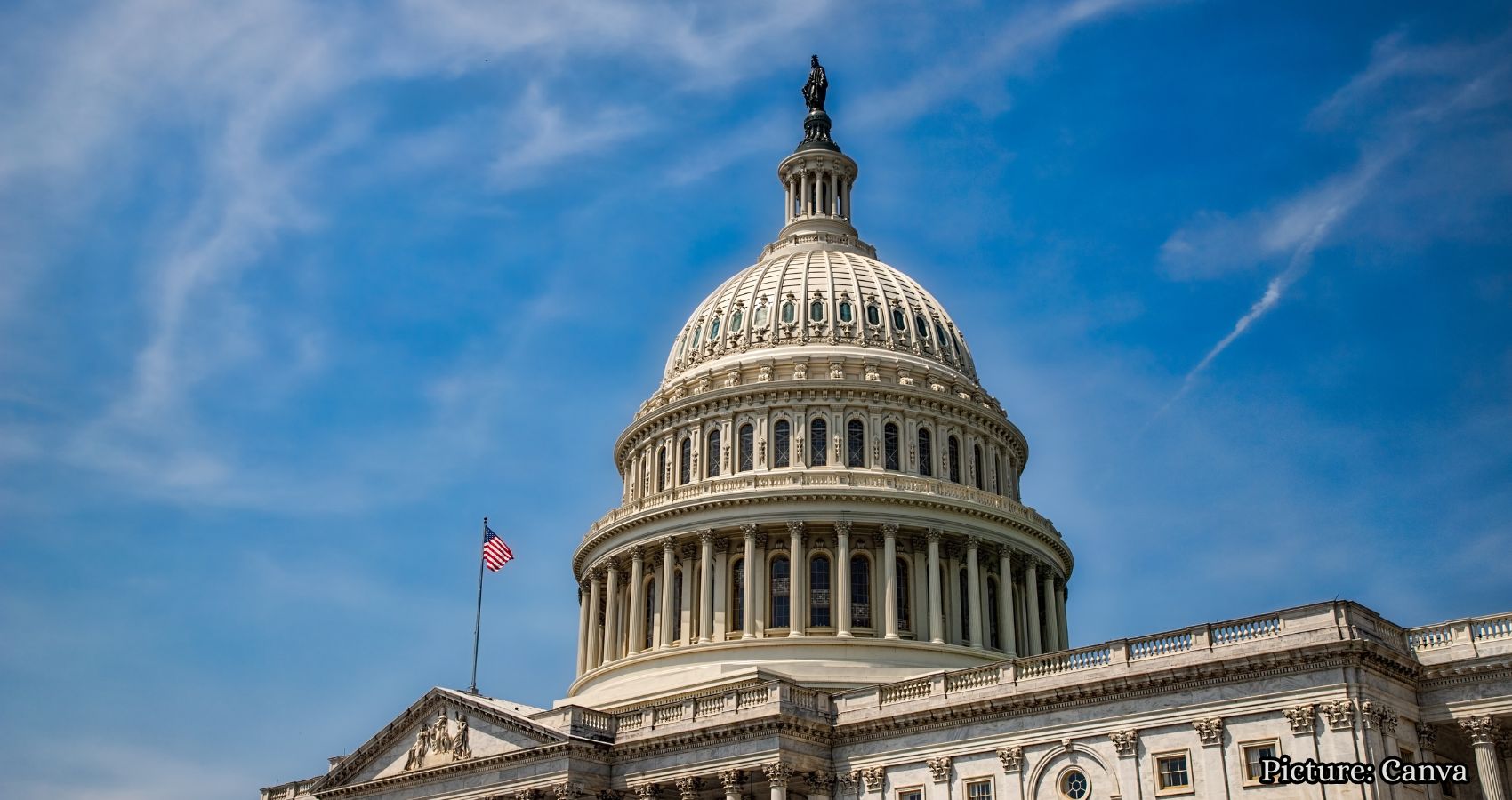
The U.S. House of Representatives is set to vote on the Sunshine Protection Act, which aims to establish permanent daylight saving time while allowing states to opt out.
The United States House of Representatives is scheduled to vote next week on the Sunshine Protection Act, a legislative proposal that seeks to make daylight saving time permanent across the nation. This measure aims to eliminate the twice-annual practice of changing clocks, but it includes a significant provision allowing individual states to opt out. The upcoming vote follows years of legislative gridlock, balancing economic arguments for brighter evenings against public safety concerns regarding dark winter mornings.
According to an official legislative notice posted Thursday, the U.S. House will take up a high-profile vote on this legislation, marking the most significant momentum for the time-change debate in years. This renewed effort sets the stage for a clash over the nation’s sleep cycles, economic productivity, and safety during winter mornings.
The bill under consideration is a revised version of the Sunshine Protection Act. The House Energy and Commerce Committee previously advanced the measure with a commanding 48–1 vote, reflecting a strong consensus at the committee level. A similar iteration of the bill achieved unanimous consent in the U.S. Senate in March 2022, but momentum stalled in the House due to regional disagreements and pushback from public health advocates. Unlike previous versions, the current proposal explicitly allows states to opt out of the federal mandate if they choose to remain on standard time year-round.
Daylight saving time, the practice of advancing clocks by one hour during warmer months, has been standard across nearly the entire United States since the passage of the Uniform Time Act of 1966. Under current federal law, states can opt out of daylight saving time to remain on standard time permanently—a path chosen by Arizona and Hawaii—but they are legally barred from adopting permanent daylight saving time without an explicit act of Congress.
The push to end the biannual clock shift has garnered a mix of bipartisan support and regional opposition. Representative Vern Buchanan, a Florida Republican, has been the primary architect behind the current House push, having introduced the legislation regularly since 2018. The proposal enjoys immense popularity in Buchanan’s home state, where the tourism and leisure economies thrive on extended evening daylight.
“There is simply no reason to keep disrupting our lives twice a year with an antiquated system,” Buchanan stated during a Capitol Hill briefing. “The benefits for our economy, our small businesses, and the physical well-being of our citizens are clear. It is time to lock the clock.”
Support for the bill also extends across the political aisle. Representative Frank Pallone, a New Jersey Democrat and high-ranking member of the Energy and Commerce Committee, echoed the economic sentiments of the tourism sector. “Permanent daylight saving time is better for public safety, reduces energy grid strain, and will provide a measurable boost to New Jersey’s tourism industry,” Pallone noted in a statement following the committee vote. “Let’s stop changing the clocks twice a year and give people their evenings back.”
Proponents of the Sunshine Protection Act point to a growing body of research linking the sharp transition of “springing forward” to adverse public health outcomes. Data frequently cited during committee hearings indicate that the loss of one hour of sleep during the spring transition correlates with an uptick in workplace injuries, a 5% to 6% spike in vehicular traffic accidents in the days following the shift, and a temporary increase in cardiac incidents. Advocates argue that stabilizing the clock year-round would eliminate these cyclical health risks.
Moreover, economic advocacy groups maintain that shifting an hour of daylight from the early morning to the evening during late autumn and winter acts as a natural stimulus. Brighter evenings encourage consumers to shop, dine out, and engage in outdoor recreational activities after standard business and school hours.
However, the proposal faces significant opposition from a coalition of lawmakers, agricultural advocates, and sleep medicine researchers. If the bill passes the House, it must return to the U.S. Senate, where it faces strict opposition from lawmakers like Senator Tom Cotton, an Arkansas Republican.
“We cannot ignore the structural realities of what this change means for the map,” Cotton stated during a Senate floor speech. “A permanent shift means that in much of the American heartland and northern states, the sun would not rise until nearly 9:00 AM during the dead of winter. We would be actively forcing young children to walk to bus stops or walk to school in pitch-black darkness, creating an unacceptable public safety hazard.”
The American Academy of Sleep Medicine (AASM) has also pushed back against permanent daylight saving time, although they agree that the biannual clock switching should end. The AASM maintains that permanent standard time is more naturally aligned with the human biological clock, as morning sunlight is vital for regulating circadian rhythms and promoting healthy sleep-wake cycles.
The current legislative debate is informed by a historical precedent from over five decades ago. The United States previously experimented with year-round daylight saving time during World War II as a wartime resource conservation measure. Later, during the winter energy crisis of 1973–1974, Congress enacted a trial period of permanent daylight saving time aimed at reducing national electricity and fuel consumption.
Initially, the 1974 measure enjoyed high public approval, peaking at approximately 79% in national polls. However, as winter arrived, public sentiment rapidly shifted. Reports of school-aged children being struck by vehicles during pre-dawn commutes triggered widespread backlash. By autumn 1974, facing immense pressure from parents and school boards, Congress abruptly repealed the experiment, restoring the traditional winter shift back to standard time.
As the House prepares for next week’s vote, lawmakers must weigh whether the newly added state opt-out clause will be sufficient to prevent the regional friction that derailed the 1974 experiment, or if the country remains permanently divided on how best to manage the clock, according to Source Name.