
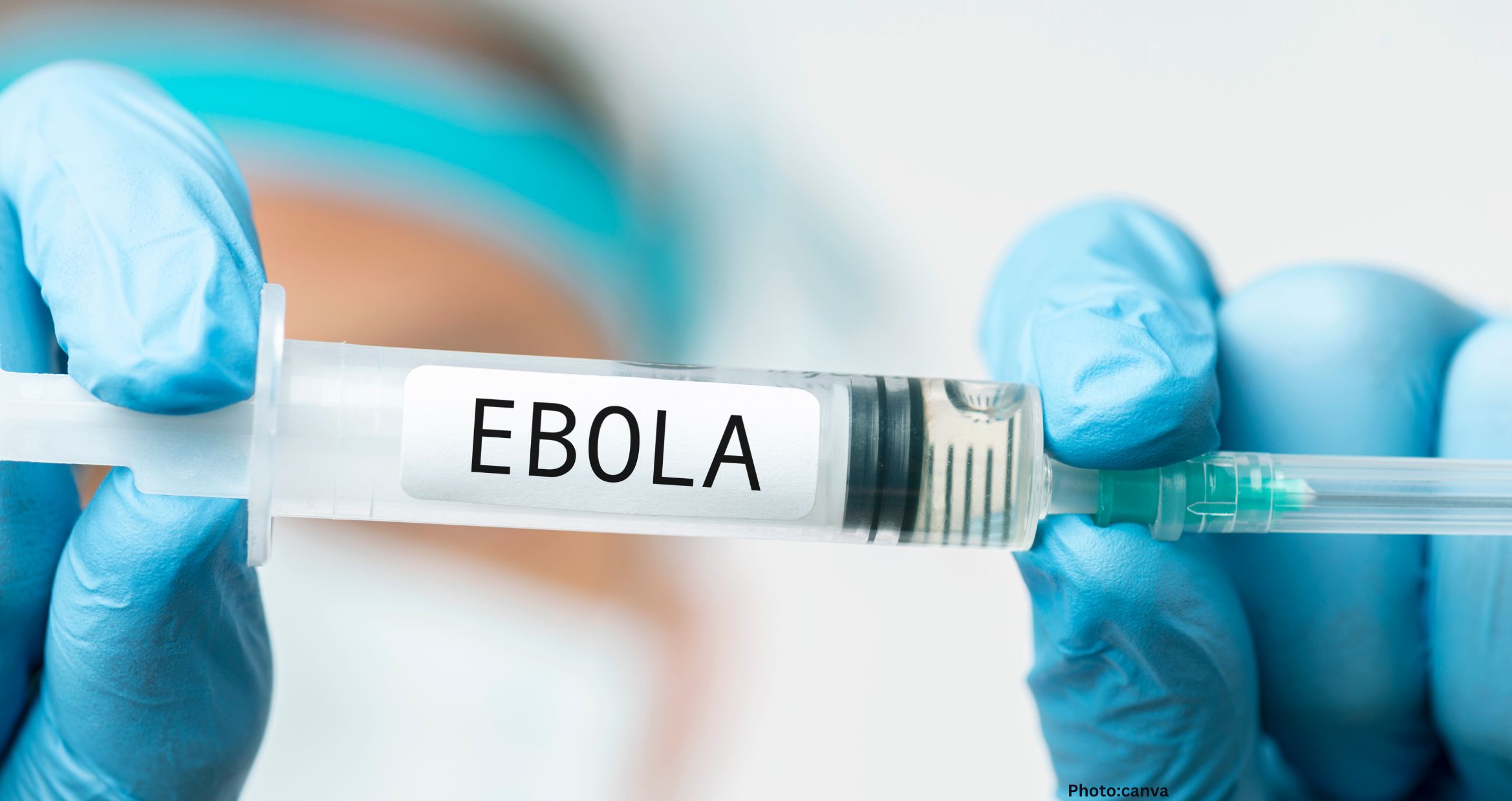
The U.S. government is prioritizing domestic Ebola prevention measures amid ongoing outbreaks in Africa, raising concerns about its commitment to international health response efforts.
As the Ebola outbreak expands in the Democratic Republic of Congo (DRC) and Uganda, the Trump administration’s focus on domestic protective measures has sparked concerns among health experts regarding the United States’ role in international response efforts.
The administration has adopted a notably inward-focused approach in response to the ongoing crisis, drawing criticism from infectious disease specialists who are alarmed by the implications of such isolationist policies. Recent reports from the World Health Organization (WHO) indicate that the number of suspected Ebola cases in the affected regions has surpassed 1,000, with nearly 250 reported deaths attributed to the virus.
In response to this escalating health crisis, the U.S. government has pledged over $100 million in financial assistance to support the affected countries. This includes $80 million specifically allocated for the procurement and distribution of personal protective equipment (PPE). Additionally, the Centers for Disease Control and Prevention (CDC) and the State Department have expressed their commitment to ensuring rapid viral testing capabilities and are deploying resources to the DRC and Uganda.
During a briefing with reporters, Satish Pillai, the CDC’s Ebola response leader, emphasized that the most effective means of protecting Americans is to contain outbreaks as swiftly as possible where they originate. “That’s why CDC response focuses both on supporting affected countries and maintaining readiness here at home,” Pillai stated.
However, experts with experience in managing past Ebola outbreaks have raised concerns that the administration’s strategies prioritize preventing the virus from entering the United States rather than directly aiding efforts to combat the outbreak in affected areas. A spokesperson from the U.S. Department of State underscored this sentiment, stating, “The United States’ highest priority remains protecting the health and security of the American people by working to prevent the Ebola outbreak from reaching our shores.”
This approach has manifested in concrete actions, including a temporary travel ban imposed on noncitizen travelers who had recently visited the DRC, Uganda, or South Sudan within the past 21 days. This travel restriction has since been extended to green-card holders as well.
In a further attempt to mitigate risks, the U.S. is planning to require any American potentially exposed to Ebola to undergo a 21-day quarantine in Kenya before returning to the U.S. However, this plan faced a setback when a Kenyan high court issued a ruling blocking medical operations at the designated facility while a lawsuit against the plan is ongoing.
The stringent measures taken by high-ranking administration officials to prevent any potential exposure to Ebola within U.S. borders have raised concerns among health professionals. Krutika Kuppalli, an infectious diseases specialist who previously managed an Ebola treatment center in Sierra Leone, noted that such policies could deter skilled professionals from engaging in necessary response efforts on the ground. “If individuals believe they may not be repatriated, should they become ill or exposed, it could affect willingness to participate in future response efforts,” Kuppalli warned.
Despite the availability of specialized containment facilities within the U.S. that were established to handle such outbreaks—facilities that have received significant federal funding—officials have indicated that Americans requiring advanced medical treatment for Ebola might be sent to Europe instead. This shift in policy is particularly concerning given that during the 2014-2016 Ebola epidemic, multiple Americans were successfully repatriated for monitoring and treatment without any secondary infections occurring.
Jeanne Marrazzo, the chief executive officer of the Infectious Diseases Society of America, highlighted the uniqueness of the U.S. preparedness network, stating, “There’s nothing like this in the entire world…a big network of preparedness centers with capacity for intensive care, and very importantly, staff who are trained just doesn’t exist.”
Marrazzo also criticized the current administration’s lack of a cohesive strategy, suggesting that it has deviated from established practices that previously proved effective. “The White House appears to have completely shredded the playbook that we have used for this sort of thing, I think with very good success in the past,” she remarked, adding that there is currently no comprehensive plan being articulated by the administration.
Recent developments indicate that seven Americans who had been exposed to Ebola in the DRC were transported to Europe for monitoring, including a doctor confirmed to have contracted the virus. The outbreak, caused by a rare strain of Ebola called Bundibugyo, has been classified by the WHO as a public health emergency of international concern due to its potential for rapid transmission and a fatality rate of approximately 50%.
Critics like Kuppalli are concerned that the U.S. government’s focus on isolation—evidenced by its withdrawal from the WHO and the dismantling of the U.S. Agency for International Development—signals a retreat from its historical role as a leader in global health response. “Policies that emphasize distancing the U.S. from affected regions rather than supporting response efforts on the ground may raise questions among partners about future U.S. engagement during international health emergencies,” she stated.
The implications of these policies could not only affect the immediate response to the current outbreak but also influence the U.S.’s standing and credibility in future global health crises, according to Source Name.