
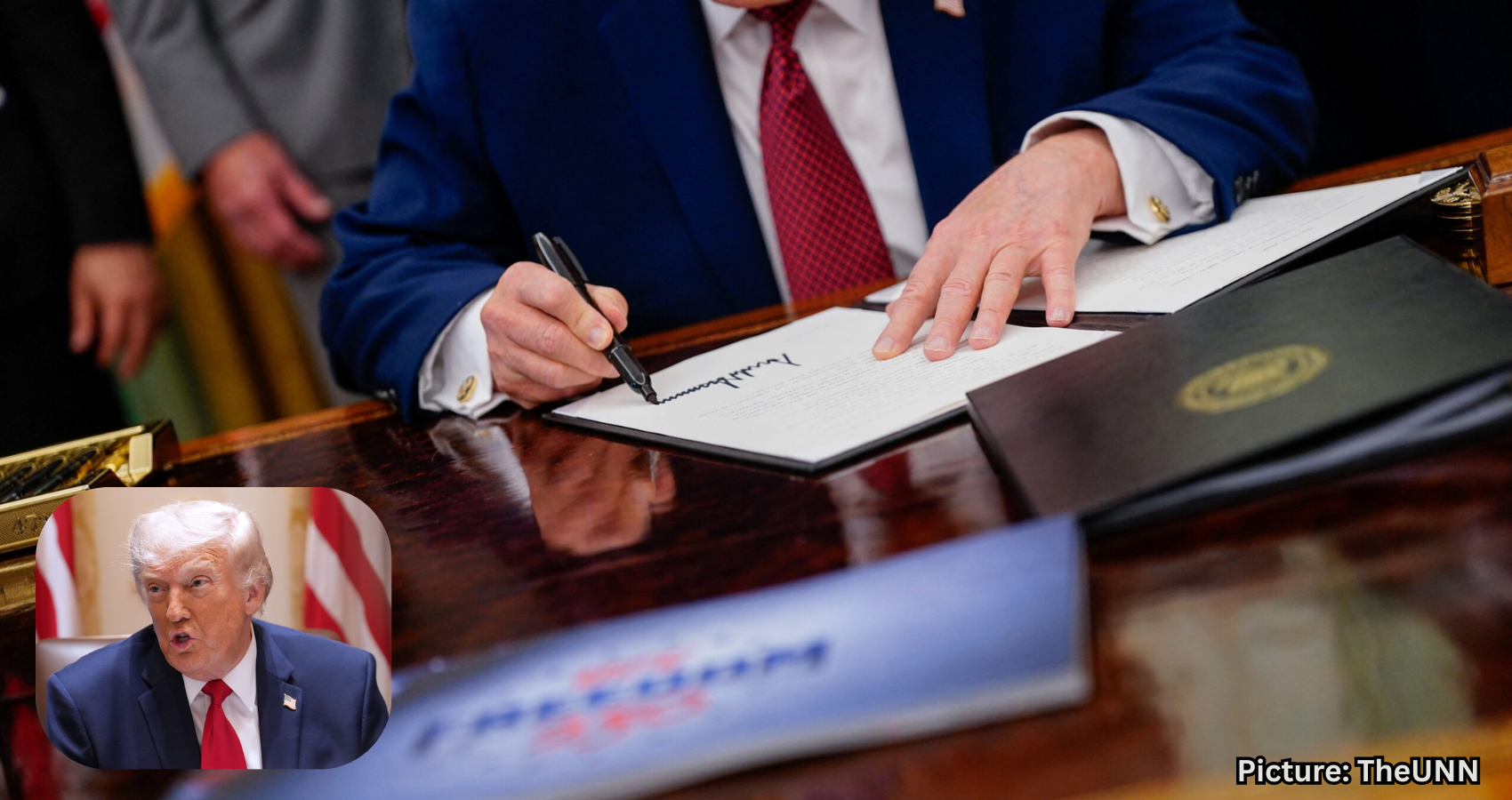
President Trump has signed an executive order establishing a classified framework to evaluate the cybersecurity capabilities of advanced artificial intelligence systems, aiming to balance innovation with national security.
President Trump has signed a new executive order that establishes a classified framework for evaluating the cybersecurity capabilities of advanced artificial intelligence (AI) systems. This move represents one of the most significant policy initiatives of his second term, as the United States seeks to balance the need for innovation with pressing national security concerns.
Titled “Promoting Advanced Artificial Intelligence Innovation and Security,” the order directs federal agencies to create a classified benchmarking process within 60 days. This process will determine when an AI system qualifies as a “covered frontier model.” The framework aims to assess advanced cyber capabilities and identify potential national security risks associated with the rapidly evolving power of AI technologies.
Under the terms of the executive order, AI developers will have the option to voluntarily provide the federal government with access to qualifying models for up to 30 days prior to their public release. The White House has emphasized that this policy does not establish a mandatory licensing, permitting, or pre-clearance system for AI development, thereby allowing for continued innovation in the sector.
The administration has stated that this measure is designed to enhance cybersecurity while preserving U.S. leadership in the field of artificial intelligence. Additionally, the order instructs federal agencies to prioritize cyber defenses for critical infrastructure and federal systems, including hospitals, community banks, utilities, and other essential services. An AI cybersecurity clearinghouse will also be established to coordinate the identification and remediation of software vulnerabilities.
The policy has garnered support from major technology companies. Arvind Krishna, chairman and CEO of IBM, welcomed the administration’s focus on AI security and the protection of open-source software. Chris Lehane, Chief Global Affairs Officer at OpenAI, described the order as “an important step forward,” emphasizing that effective AI security necessitates collaboration between government and industry.
This executive order comes in response to growing concerns regarding the cybersecurity implications of frontier AI systems. According to reports, agencies including the Treasury Department, Defense Department, Homeland Security Department, and National Security Agency will be involved in evaluating advanced models and strengthening cyber defenses across critical sectors.
The White House has indicated that this initiative reflects its broader strategy of encouraging AI innovation while addressing emerging security risks. The administration believes that collaboration with industry, rather than extensive regulation, will help maintain American technological leadership in the face of increasing global competition in artificial intelligence.
The classified benchmark system established by this order is expected to become a key reference point for developers working on next-generation AI models. This initiative may significantly influence how both government and industry assess advanced AI capabilities in the years to come.
According to Reuters, the implications of this order could shape the future landscape of AI development and cybersecurity in the United States.