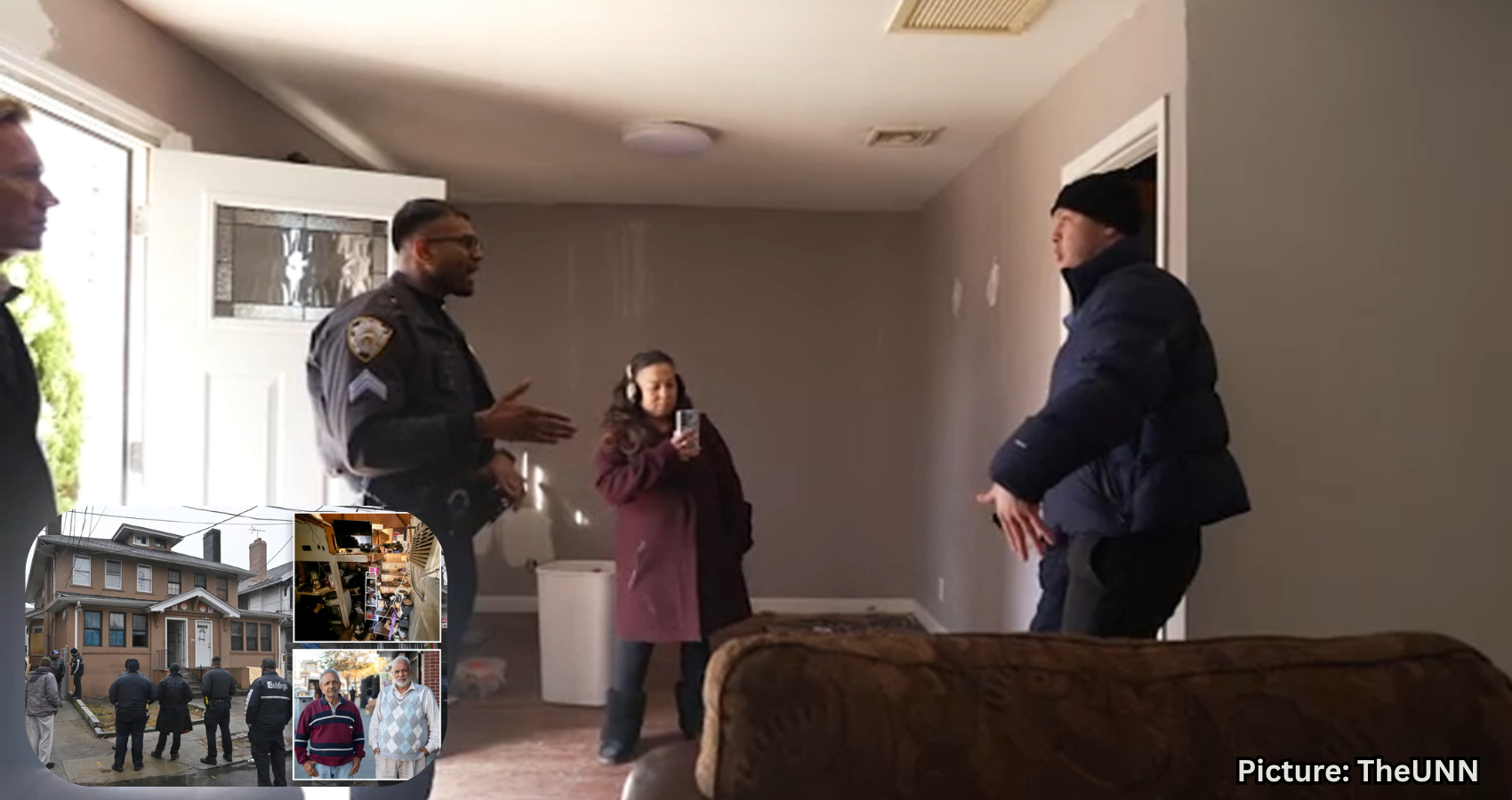
A Brooklyn landlord describes a nearly decade-long legal battle with a tenant that has drained his finances and left him in a protracted court saga over unpaid rent and eviction.
A Brooklyn landlord is pleading for assistance as he endures a nearly decade-long legal ordeal that has cost him hundreds of thousands of dollars in unpaid rent and legal fees. His tenant continues to occupy the apartment without making direct payments, while New York courts repeatedly delay resolution of the case.
Thomas Diana, who owns a small eight-unit building in Park Slope, shared his plight with Fox News Digital. He has spent the last nine years attempting to remove a woman who initially moved into one of his apartments as a live-in companion for an elderly, disabled tenant. The woman entered the apartment in 2014 after responding to a Craigslist ad, but following the tenant’s death in 2016, disputes arose regarding her tenancy status and rent obligations.
“This has gone on for nine years. Nothing about this is justice,” Diana stated. “Every time the case gets close to resolution, there’s another delay, another lawyer change, another new story.” He noted that the tenant has changed lawyers at least eight times during this drawn-out legal saga, which he describes as a “9-year squatter situation.” The case revolves around rent stabilization laws, with both parties disputing nearly every aspect of the proceedings.
Diana expressed frustration over the financial toll the situation has taken on his family. “It drained my daughter’s college fund,” he said, wearing a T-shirt that reads, “Stuck with 8-year-squatter.” He added, “Now we’re borrowing money to pay for college while this just keeps dragging on. It gets pretty stressful. People think eviction cases are like TV where it takes two weeks. In New York, it can take years, and this one has turned into almost a decade.”
Attorneys representing the tenant strongly contest Diana’s portrayal of the case. At one point, the tenant even sued Diana, alleging that he improperly removed the apartment from rent stabilization protections. Casey Gilfoil, an attorney with Brooklyn Legal Services, stated, “Mr. Diana’s distortion of the facts in this case is a sad attempt to harass our client out of her rent-stabilized apartment, and he will not be successful.” Gilfoil pointed out that a judge has already ruled Diana improperly deregulated the apartment, and the remaining issue is determining the legal rent and any potential damages.
Brooklyn Legal Services also claims that the tenant has money set aside in escrow pending the court’s final ruling. However, Diana disputes this assertion, arguing that the court did not find any fraudulent actions on his part and that he followed guidance from the New York State Division of Housing and Community Renewal when the apartment was deregulated years ago. “The judge ruled there was no fraud,” Diana explained. “She said I incorrectly destabilized the apartment. I did it as they told me to.”
Diana further challenged the claim that the tenant has accumulated significant funds in escrow, suggesting that based on court communications regarding her employment history, it is unlikely she has saved “anywhere near” $300,000. He criticized the occupant’s lawsuit for relying on what he describes as a series of shifting and contradictory claims, including allegations that the original elderly tenant was not disabled and that the apartment was illegally deregulated.
During depositions, Diana’s attorney countered these claims with emails, photographs, rent records, and testimony, asserting that the allegations did not hold up under scrutiny. “She got destroyed on all 18 claims,” Diana remarked. “And once those fell apart, they just made up new ones.”
Court stipulations required the occupant to make monthly use-and-occupancy payments, similar to interim rent payments, of approximately $835 per month. However, Diana claims those payments ceased years ago, and he estimates the total unpaid rent now ranges between $275,000 and $325,000. The occupant testified during her deposition that she has not worked full-time in years and has limited income, a factor Diana argues the courts have allowed to justify her continued nonpayment.
Diana, who has started a GoFundMe page to help with his financial struggles, expressed concern over the prolonged case’s impact on his ability to maintain his building and cover basic expenses, including his children’s tuition. “One apartment out of eight not paying rent wipes out any profit,” he noted. “Judges talk in terms of months. They don’t talk about what $300,000 actually does to a family.”
He also highlighted systemic issues within the housing court system, describing repeated inspections that resulted in excessive and duplicative violations, further delaying proceedings and increasing costs. “They’ll cite you for a paint drip from 20 years ago and call you a slumlord,” Diana said. “Meanwhile, the tenant hasn’t paid rent in nearly a decade.”
Diana believes his case underscores a systemic imbalance in New York’s housing courts, which he claims allows bad-faith actors to exploit tenant protections indefinitely. “They tell you to sell your building. They tell you to accept a buyout, to pay the person who owes you hundreds of thousands of dollars,” he lamented. “That’s not justice. That’s legalized theft.”
As of April, the case was adjourned again until this summer, essentially ensuring that the saga will extend into its tenth year. “This court case has become a Twilight Zone Marathon,” Diana concluded.
According to Fox News Digital, the ongoing legal battle reflects broader issues within New York’s housing court system and the challenges landlords face in navigating tenant protections.