
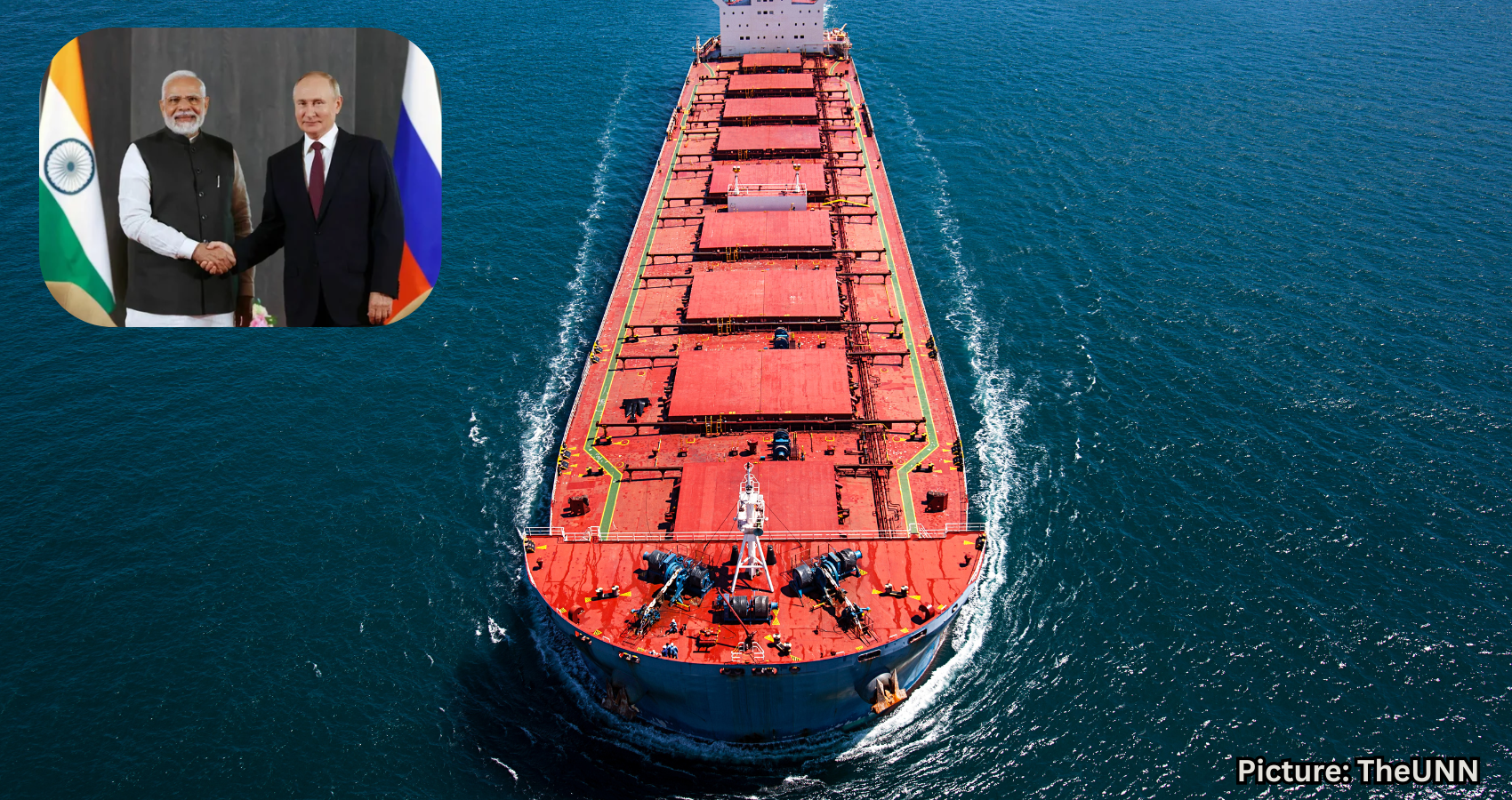
The U.S. administration is pushing to end sanctions waivers that have allowed India to purchase Russian oil, a move that could impact energy security and diplomatic relations.
WASHINGTON, D.C. — The Trump administration is actively seeking to terminate the sanctions waivers that have permitted India and several other countries to continue importing Russian oil. This development revives a longstanding issue in U.S.-India relations.
During a Senate Foreign Relations Committee hearing on June 2, U.S. Secretary of State Marco Rubio stated that the administration aims to eliminate these exemptions “as soon as we possibly can.” He emphasized that U.S. policy is focused on sanctioning Russian oil exports.
Rubio explained that the waivers were initially introduced as temporary measures designed to boost global oil supplies and alleviate the impact of rising energy prices on economies worldwide. “We would like to end it as soon as we possibly can because the underlying policy of this country has been to sanction their oil,” he told lawmakers.
The United States first granted the waiver in March and has since extended it twice, most recently on May 17 for an additional month. India has been one of the primary beneficiaries of this arrangement, which has allowed it to secure discounted Russian crude amid the ongoing conflict in Ukraine.
This issue is particularly significant for India, which relies on imports for nearly 90 percent of its oil needs. Since the onset of the Ukraine conflict in 2022, India has notably increased its purchases of Russian crude, making Moscow one of its largest energy suppliers.
Data from energy intelligence firm Kpler indicates that India imported a record 2.3 million barrels per day of Russian crude last month, a trend supported by the continued waiver.
Analysts have suggested that these purchases have helped stabilize global energy markets during the conflict with Iran and disruptions to shipping through the Strait of Hormuz. If the waiver is allowed to expire, Indian refiners may be compelled to seek more expensive sources of crude oil.
Throughout much of the conflict, Western governments have criticized the purchase of Russian oil while simultaneously acknowledging the role these supplies play in stabilizing global markets. Analysts have pointed out that continued purchases by countries like India have helped maintain the flow of Russian crude into international markets, thereby mitigating the risk of sharper increases in energy prices.
Rubio’s comments come as the Trump administration seeks to conclude the temporary exemptions. At the same time, Washington has made efforts to reassure New Delhi that these measures are not specifically targeting India.
Last week, Rubio emphasized that sanctions were “never aimed at India per se,” as the administration attempts to balance pressure on Moscow with its broader strategic partnership with New Delhi.
India has consistently asserted that its energy purchases are driven by national interest, affordability, and energy security. Indian leaders have repeatedly defended the country’s right to procure oil from suppliers that best meet its needs, emphasizing that such decisions are made independently by New Delhi.
This issue has also sparked discussions among some Indian analysts, who note that China remains a significant buyer of Russian energy. They argue that broader strategic and economic considerations often influence how sanctions policies are implemented.
As the situation evolves, it remains to be seen how the potential end of the waivers will affect India’s energy strategy and its diplomatic relations with the United States.
Stay informed with the latest U.S.-India news, covering diplomacy, business, technology, culture, and developments shaping relations between the two nations. Explore America news, breaking updates, and in-depth coverage of the stories impacting communities in the United States and beyond, according to India-West.