
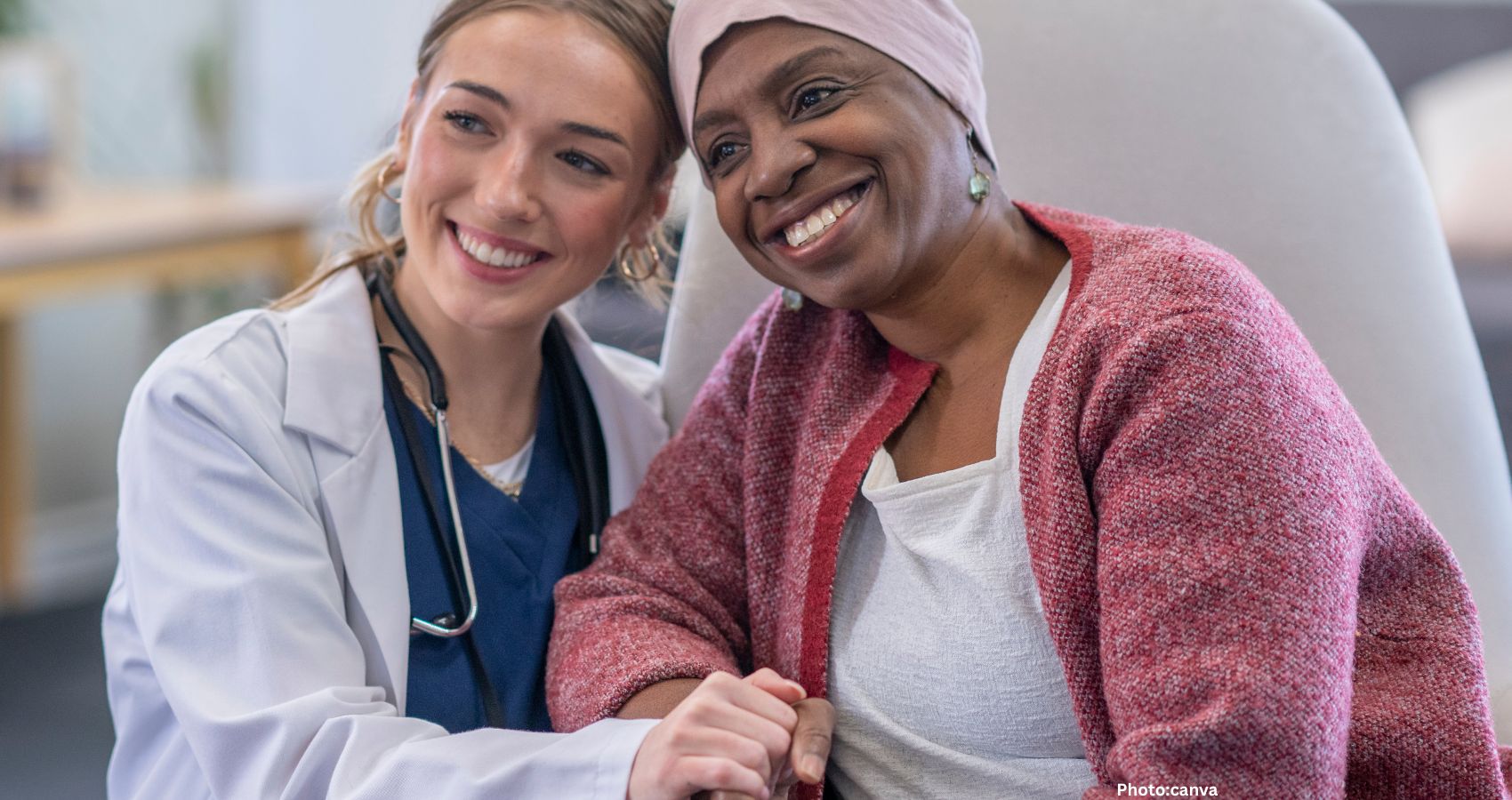
Cancer survivors practicing yoga experience significant improvements in mood, anxiety, and fatigue, according to a recent clinical trial published in the Journal of Clinical Oncology.
Cancer survivors often face ongoing physical and emotional challenges long after their treatment has concluded. A recent clinical trial has found that yoga may play a crucial role in alleviating some of these issues, particularly insomnia, fatigue, and mood disturbances that many survivors endure after remission.
The study, funded by the National Cancer Institute, involved 410 participants, including 204 cancer survivors receiving standard survivorship care alone and 206 survivors who incorporated the Yoga for Cancer Survivors (YOCAS) program into their treatment. The majority of participants were female breast cancer survivors.
YOCAS is a four-week intervention that combines two types of yoga: hatha, which is more active and traditional, and restorative, which is gentler and more passive. Both styles emphasize slow movements, breathing exercises, and mindfulness, as noted by the American Society of Clinical Oncology (ASCO).
During the trial, participants in the YOCAS group practiced yoga for an average of 180 minutes each week across three sessions. At the end of the study, those in the YOCAS group reported significant improvements in mood, anxiety, and fatigue, while the standard care group showed no such benefits.
“Additionally, improvements in insomnia stemming from YOCAS yoga may be mediated by changes in overall mood disturbance and fatigue,” the researchers stated in their findings.
Dr. Fumiko Chino, a cancer researcher and associate professor in breast radiation oncology at MD Anderson Cancer Center, emphasized the importance of this study. “It offers survivors, who are likely already managing multiple medications, a non-pharmaceutical solution for reducing four different side effects at once,” she said.
Dr. Timothy Pearman, director of supportive oncology at the Robert H. Lurie Comprehensive Cancer Center of Northwestern University, expressed that he was not surprised by the study’s results. “Yoga is one of the most widely studied and validated interventions for managing cancer-related fatigue, mood disturbance, and overall physical health,” he noted.
Pearman shared that his wife, Jenny Finkel, is a yoga teacher who received her continuing education at Duke University’s integrative medicine program, which specializes in yoga for cancer patients. He highlighted the accessibility of yoga, stating, “All you need is a mat and someone to show you how to do it.” He also mentioned that yoga is highly adaptable, making it suitable for individuals with significant physical impairments.
In addition to addressing mood and fatigue, Pearman pointed out that yoga can help mitigate other physical symptoms related to cancer treatment, such as osteoporosis, an increased risk of cardiac problems, and issues with balance and stamina.
Shari Botwin, a licensed clinical social worker based in Pennsylvania and a thyroid cancer survivor, has seen firsthand the transformative effects of yoga. Specializing in trauma recovery, she noted that many cancer survivors face emotional challenges, including depression and survivor’s guilt. Botwin believes that yoga not only provides physical relief but also fosters a supportive environment among peers, some of whom are also cancer thrivers.
Botwin added that yoga can assist survivors in reframing their thoughts, especially those who have lost parts of their bodies due to cancer. “It supports us in moving into a place of self-compassion rather than shame and self-hatred,” she explained.
While yoga has shown promising benefits, Pearman emphasized that almost any type of exercise can be advantageous for cancer survivors. He advises his patients to engage in activities they enjoyed prior to their diagnosis. Furthermore, he noted that free yoga classes tailored for cancer survivors are widely available through various non-profit organizations.
As research continues to unveil the benefits of yoga for cancer survivors, it becomes increasingly clear that this practice can play a vital role in enhancing the quality of life for those navigating the aftermath of cancer treatment, according to Fox News Digital.