
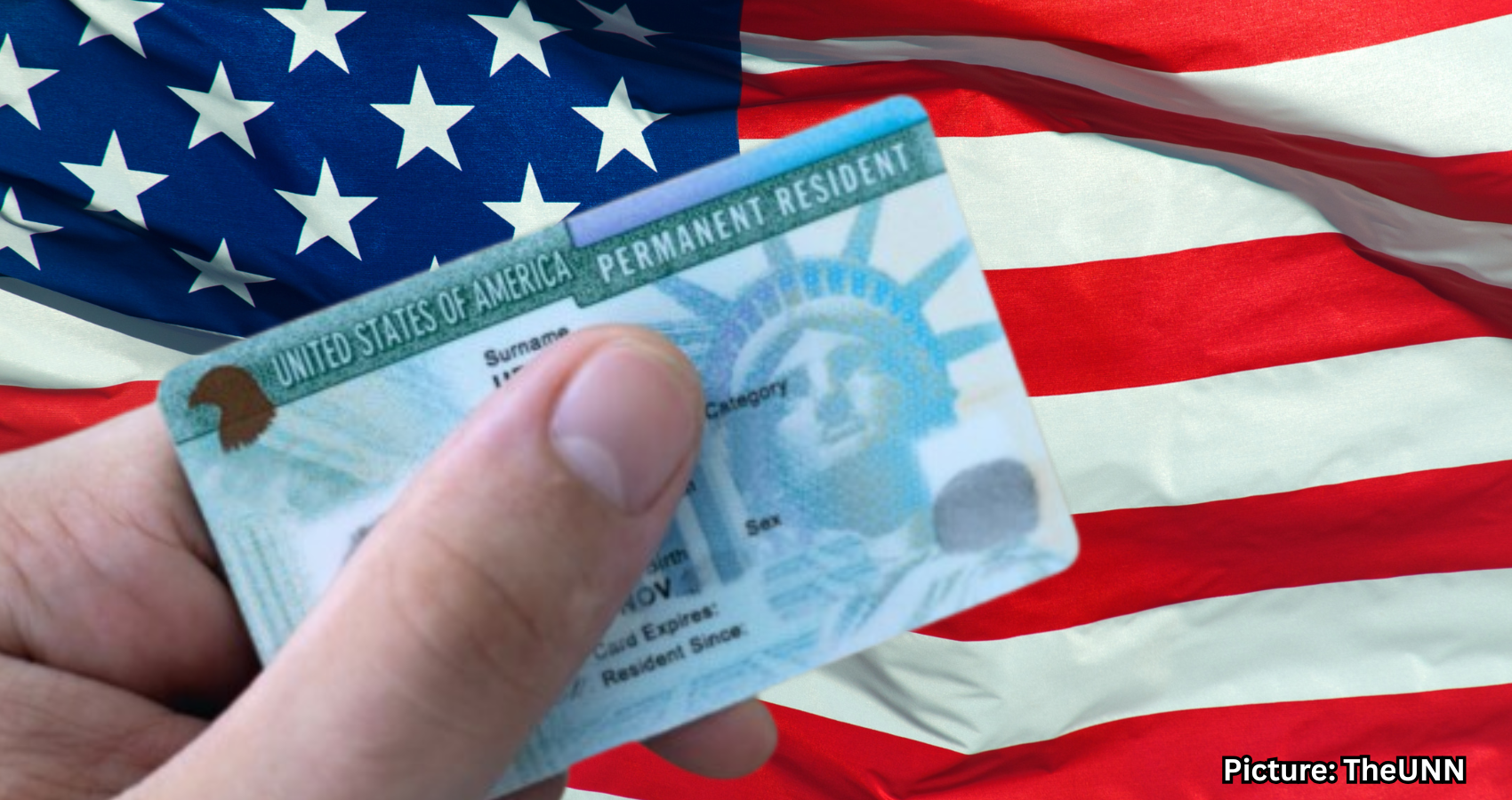
U.S. authorities have clarified that green card applicants can remain in the country during the application process, following public backlash and confusion over a recent policy change.
U.S. authorities have recently clarified that green card applicants are not required to leave the country while their applications are being processed. This announcement comes in response to significant public backlash and confusion surrounding a policy change announced on May 22. Reports from the New York Times and Newsweek indicate that the clarification aims to reassure applicants and address concerns raised by earlier guidance that many feared could disrupt families and legal immigration pathways.
The initial policy change, implemented by the Trump administration, mandated that immigrants living legally in the United States must leave the country to complete their permanent residency application process unless they qualified for an exception based on extraordinary circumstances. Immigration officers were instructed to review each case individually to determine eligibility for an exemption.
This unexpected shift raised alarms among immigrant advocacy groups, immigration lawyers, and affected families. Critics of the policy warned that it could lead to prolonged separations between spouses, parents, and children. They argued that the new policy memo from U.S. Citizenship and Immigration Services (USCIS) diverged from established immigration practices and could result in family separations for individuals from over 100 countries impacted by the Trump-era visa and travel restrictions.
Advocates contend that this policy change is part of a broader effort by the Trump administration to restrict legal immigration pathways. While the administration has predominantly focused on undocumented migrants, it is now expanding its efforts to include legal immigration processes.
U.S. Representative Ami Bera, M.D. (CA-06), has publicly opposed the changes to the green card processing policy. In a statement, he expressed concern over the decision that would require many students, temporary visa holders, and other individuals seeking green cards to leave the United States during their application process. Bera emphasized that this policy creates unnecessary fear and uncertainty for families, workers, and employers who are adhering to legal protocols.
Bera highlighted that many applicants are already in the country legally and are navigating a backlogged immigration system. He noted, “America has long benefited from attracting top researchers, doctors, engineers, entrepreneurs, and innovators through our legal immigration system and worker visa programs. Forcing these individuals to leave the United States during the green card process will deprive our country of their innovation, their tax contributions, and the many ways they strengthen our economy and communities.”
In a significant shift, the Department of Homeland Security (DHS) appeared to retract part of the policy just a week after its announcement. The DHS clarified that only certain green card applicants would be required to return home to seek permanent residency. This clarification followed widespread confusion among H-1B workers, employers, and immigration attorneys regarding the May 22 policy change.
According to USCIS, individuals who can demonstrate an “economic benefit” or “national interest” to the U.S. may be permitted to apply for a green card from within the country. Others may be directed to apply from abroad based on their individual circumstances. The DHS emphasized that there was no major policy change and that most green card applicants could continue residing in the United States while their applications are processed. Decisions will still be made on a case-by-case basis, according to a DHS spokesperson.
A senior White House official described the memo as a “housekeeping” measure rather than a new immigration strategy. The official noted that factors such as visa backlogs and public assistance usage could still influence individual decisions.
Despite the clarification, questions remain regarding how immigration officers will handle individual cases. Reports indicate that some applicants attending green card interviews under the new guidance faced new types of questions that had not been previously asked. For instance, one applicant seeking a green card through marriage to a U.S. citizen was questioned about their choice to apply for adjustment of status in the United States instead of returning to their home country to apply at a U.S. embassy.
Another applicant was asked to submit a form explaining why they should be allowed to apply from within the United States, including evidence that they would not become a financial burden or “public charge.” Required documentation included a 2025 tax return, an employer letter confirming salary, and bank statements.
An immigration attorney from the American Immigration Lawyers Association noted that they are closely monitoring the situation for further updates to provide guidance as it becomes available. The attorney expressed concern that the policy could deter some companies from sponsoring green card applications for their employees.
Representative Bera, reflecting on his own background as the son of Indian immigrants, stated that the U.S. should focus on reducing delays and improving the immigration system rather than imposing additional barriers for legal applicants. He expressed support for legal challenges to the policy and anticipates that the courts will intervene to halt its implementation.
This recent clarification marks a notable shift from the initial guidance, which had caused widespread concern among immigrant communities. As the situation evolves, many are left to navigate the complexities of the immigration process while hoping for a more streamlined and supportive system.
According to Source Name, the ongoing developments will be closely watched by both advocates and applicants as they seek clarity in an uncertain immigration landscape.