Citigroup’s latest appointment of Viswas Raghavan, an Indian American executive from JP Morgan, as the new head of banking and executive vice chair has been hailed as a strategic move by CEO Jane Fraser. Raghavan’s extensive background in banking, coupled with his role as EMEA CEO at JP Morgan, positions him as an ideal candidate to spearhead banking operations at Citi globally.
Fraser expressed her confidence in Raghavan’s ability, stating, “The experience Raghavan brings in banking and as EMEA CEO makes him the perfect partner to lead the Cluster and Banking Heads across Citi’s global network.” This sentiment was echoed in Fraser’s memo to Citi’s employees, where she emphasized Raghavan’s role in driving strategic initiatives and implementing the company’s overarching strategy.
Raghavan’s tenure at JP Morgan, where he served as co-head of global investment and corporate banking before becoming head of global investment banking, underscores his leadership and expertise in the banking sector. His journey within JP Morgan, starting in 2000, saw him assume various significant roles, including head of treasury services, corporate banking, and EMEA investment.
Born and raised in India, Raghavan boasts a solid educational background, holding a BSc in Physics from Mumbai University and an honorary doctorate in electronic engineering and computer science from Aston University (Birmingham, UK). Additionally, he serves as a chartered accountant for the Institute of Chartered Accountants in England and Wales, further enriching his professional profile.
Fraser emphasized Raghavan’s pivotal role in advancing Citi’s banking franchise, especially considering the structural changes introduced last year. These changes, which established the Banking & International organization, aimed at enhancing operational efficiency and fostering stronger client relationships. Raghavan’s appointment aligns with Citi’s commitment to maintaining momentum and delivering consistent, disciplined client strategies.
In welcoming Raghavan to Citi, Fraser expressed her enthusiasm, highlighting his strategic leadership and track record of global banking success. She reiterated his significance in collaborating with David Livingstone and other Vice Chairs to ensure a cohesive client strategy and sustainable growth for the organization.
The concept of a four-day workweek has proven to be a transformative and enduring strategy for companies, yielding happier employees, lower turnover rates, and increased efficiency. Recent data from a trial in the United Kingdom conducted in 2022 reveal that the positive effects of this approach are not only immediate but also have a lasting impact. In this trial, 61 companies transitioned their workforce to a four-day workweek without any reduction in pay. Initially designed as a six-month experiment, the results indicate that 54 of these companies have maintained the policy, with over half declaring it as a permanent shift, according to researchers affiliated with the think tank Autonomy, who collaborated with the 4-Day Week Campaign and 4 Day Week Global.
The enduring success of the four-day workweek is substantiated by follow-up surveys that shed light on various aspects contributing to its effectiveness. Juliet Schor, a sociologist from Boston College and part of the research team, notes that improvements in physical and mental health, work-life balance, and overall life satisfaction, coupled with reductions in burnout, have persisted over the past year. Importantly, workers express higher job satisfaction compared to the period before the trial commenced.
“The results are really stable. It’s not a novelty effect. People are feeling really on top of their work with this new model,” affirms Schor, emphasizing the sustained positive impact on employee well-being.
Similar affirmative outcomes are emerging from other four-day workweek trials, including those in the United States, indicating a broader trend of success beyond national borders, as noted by Schor.
Participating companies have shared their experiences and insights in a recent webinar, highlighting that the success of the four-day workweek requires deliberate effort rather than relying on magic. Nicci Russell, CEO of the London-based water conservancy non-profit Waterwise, stresses that a smooth transition to a four-day workweek involves identifying and implementing efficiencies. After overcoming initial challenges, Waterwise achieved a system where all 10 employees could enjoy Fridays off. Key strategies included limiting meetings to 30 minutes, starting meetings punctually, scheduling focused work time, and adopting mindful email practices.
“I only do my emails now at certain times of the day. I’m not drawn into them all day, every day,” Russell explains, underlining the importance of intentional communication and time management.
At the conclusion of the pilot, Waterwise employees unanimously expressed a desire to continue the four-day workweek. Many indicated they would only consider returning to a five-day workweek if presented with a substantial pay raise. Russell recognizes the positive impact on employee retention, particularly beneficial for a smaller organization like Waterwise.
A noteworthy finding from these trials is the absence of a one-size-fits-all approach to implementing the four-day workweek. Ruth Llewellyn, leading the pilot at Merthyr Valleys Homes in South Wales, emphasizes that the concept of giving everyone Fridays off wouldn’t have suited their operations. With 240 employees performing diverse roles from customer service to home repairs and maintenance, they opted for flexible schedules tailored to individual and team needs. Various arrangements, such as set days off, rolling schedules, and shorter workdays, were adopted to accommodate the diverse workforce.
Teams at Merthyr Valleys Homes discovered time savings in different areas, such as reducing travel time and addressing customer issues promptly over the phone. Llewellyn reports increased motivation among employees, consistent performance, and a reduction in sick leave absences. While the company has not committed to a permanent four-day workweek, it has extended the pilot, aiming to gather more data and evaluate the results later in the spring.
The trial in the U.K. experienced minimal discontinuations of the four-day workweek, with only a few companies opting out. Feedback from one small consultancy suggested that despite improved morale and increased efficiency, challenges arose in managing client and stakeholder expectations. Researchers propose that enhanced external communication and greater flexibility in adapting the policy to challenging conditions could have made a difference.
“There is a suggestion that the organization did not give the policy enough of a chance, and indications of a change of heart on the issue from management,” the researchers wrote, underscoring the importance of commitment and effective communication in the successful implementation of the four-day workweek.
The four-day workweek has emerged as a sustainable and beneficial strategy for companies, fostering employee well-being and operational efficiency. The positive outcomes seen in the U.K. trial, as well as in other global experiments, underscore the potential for this model to become a standard practice. As companies continue to refine their approaches and gather more data, the four-day workweek may very well become a lasting gift that reshapes the landscape of work culture for the better.
Boeing has named Uma Amuluru, an Indian American, as its new chief human resources officer and executive vice president for human resources, effective April 1, taking over from Michael D’Ambrose, according to an official statement from the company. Amuluru will report directly to Boeing’s president and CEO, David Calhoun.
In her new role, Amuluru will be responsible for leading Boeing’s strategic human resources functions, including talent planning, global talent acquisition, learning and development, compensation and benefits, employee and labor relations, and diversity and inclusion initiatives.
Calhoun praised Amuluru’s leadership skills and highlighted her impressive history of building teams and strengthening organizations. He emphasized the significance of Boeing’s extensive global workforce of 170,000 employees in maintaining quality standards and enhancing stakeholder confidence.
Amuluru’s previous experience within Boeing, particularly as the company’s inaugural chief compliance officer, was noted by Calhoun as a valuable asset for driving Boeing towards its future objectives.
Boeing stated that Amuluru brings extensive experience to her new role, having served as vice president and general counsel for Boeing defense, space, and security since early 2023. She played a key role in establishing the company’s global compliance organization as its first chief compliance officer. Additionally, Amuluru has held senior positions within the US government, including counselor to the US attorney general and associate White House counsel during the Obama administration.
The company highlighted Amuluru’s diverse background, spanning both corporate and governmental sectors, as a strategic advantage for leading Boeing’s human resources efforts in an evolving global landscape.
Boeing affirmed that Amuluru’s appointment underscores the company’s commitment to nurturing and empowering its workforce as it continues to pursue growth and innovation.
Move over, wine pairings; it’s time for whisky pairings to step into the limelight in India. And when that whisky not only promises to tantalize your taste buds but also aids in safeguarding a vanishing avian species, it’s even more remarkable.
The subject of our conservation efforts is none other than the Great Indian Bustard, affectionately known as GIB or “godawan” in Hindi, which has been alarmingly categorized as Critically Endangered on the IUCN Red List. Once a familiar sight in the scrublands of Rajasthan, this majestic bird has been relentlessly hunted for sustenance and sport, pushing it to the brink of extinction. Standing as one of the largest flying birds globally, the GIB boasts an impressive length of up to 1.2 meters and can weigh as much as 15 kilograms. While it may not win any beauty contests with its brownish plumage, elongated legs, and neck, it once vied for the title of India’s national bird.
Recent estimates paint a grim picture, suggesting that a mere 120 GIBs remain in India.
In early 2023, an alcoholic homage to this noble creature emerged in the form of Godawan whisky, crafted as part of corporate conservation endeavors for the GIB. This artisanal single malt, distilled in the town of Alwar, Rajasthan, utilizes locally sourced barley and employs water-efficient methods, paying homage to the arid landscapes of its origin. Infused with a medley of Indian botanicals reminiscent of gin, it boasts flavorful notes of raisin, fig, apricot, and caramel.
Championing the cause alongside the whisky is Chaitanya Raj Singh, a social entrepreneur and scion of the Jaisalmer royal family, who collaborates with Diageo, the parent company of Godawan whisky, to spearhead conservation initiatives. Singh underscores the collaborative efforts between the company and the Indian Ministry of Environment and Wildlife to secure grasslands—the preferred habitat of GIBs—to facilitate breeding and, ideally, revival of the species.
“This conservation initiative is a step in the right direction. And we hope that we will be able to save the bird… the way it happened for the tiger,” Singh remarked, drawing parallels with the successful conservation efforts that pulled the Royal Bengal Tiger back from the brink of extinction in India.
With its velvety texture and nuanced hints of smoke and spice, Godawan whisky proves to be a fitting accompaniment to red meat, akin to the traditional pairing of red wine. Singh favors savoring it alongside his signature laal maas canapés, a contemporary rendition of the quintessential mutton curry synonymous with Rajasthan’s culinary heritage. Traceable to royal kitchens, laal maas allegedly originated with game meats like deer and wild boar, though Singh contends it has always been associated with mutton.
“Meat, especially mutton, has been an integral part of the diet of people here in Rajasthan,” Singh elucidated, noting the dish’s regional and familial variations in spice blends and cooking duration, where a slow simmer enhances its flavors.
The dish comprises a luscious gravy enriched with onions, garlic, ghee, yogurt, and an array of spices including cayenne pepper, cardamom, cloves, and bay leaves, eschewing tomatoes in its classic rendition. Traditionally, it embraces the fiery kick of local Mathania red chili powder, alongside hotter variants, although Singh opts for a milder profile to cater to diverse palates. “The whisky will also complement the mellower flavors of the laal maas canapés,” he added.
Here’s the recipe for Singh’s Laal Maas Canapés:
Laal Maas Canapés Recipe by Chaitanya Raj Singh
Serves 4
This rendition of laal maas presents a drier variant of the curry, served atop Indian flatbread such as roti or naan, ideal for relishing as an appetizer or finger food.
Ingredients:
For the laal maas:
– 250g Greek yogurt
– Turmeric powder
– 500g mutton, cut into 2 ½cm (1in) pieces
– Ghee
– 10g garlic paste
– 10g ginger paste
– Salt
– 50g onions, chopped
– 50g tomatoes, chopped
– 2-3 whole cloves
– 2-3 cardamom pods
– 1 bay leaf
– 10g coriander powder
– 5g cumin powder
– 15g red chili powder
– Coriander leaves and fried garlic, for garnish
For the canapé base:
– 250g wheat flour
– 180ml warm water
– Salt
Method:
In a bowl, combine yogurt with a generous pinch of turmeric. Add the mutton pieces and marinate for at least 2 hours.
Heat ghee in a non-stick frying pan. Add garlic and ginger paste, cooking until fragrant and slightly golden. Incorporate the marinated mutton, seasoning with salt.
Introduce chopped onions and tomatoes, sautéing until onions turn golden. Add cloves, cardamom, and bay leaf, cooking for 10 minutes. Stir in coriander powder, cumin, another pinch of turmeric, and red chili powder.
Pour enough water to cover the mutton, bringing it to a simmer. Cover and cook for 5-7 minutes until the meat is tender. Uncover and simmer until a rich gravy forms.
For the canapé base, mix wheat flour with a pinch of salt and enough water to form a dough. Cover and let it rest for 5 minutes. Shape into balls, flatten into bases, and cook in a non-stick pan until golden on both sides.
Top the bread with mutton pieces, garnishing with fried garlic and fresh coriander leaves. Serve hot.
By combining the allure of fine whisky with the culinary heritage of Rajasthan, Chaitanya Raj Singh endeavors to not only tantalize palates but also contribute to the preservation of India’s natural treasures, one sip and bite at a time.
Nvidia has hit a significant milestone, reaching a market value of $2 trillion (£1.58 trillion), marking a remarkable ascent for the chipmaker. The company’s shares surged over 4% in early trading on Friday, building on momentum gained from its recent impressive earnings report. Nvidia’s success is primarily attributed to the growing demand for its chips, fueled by advancements in artificial intelligence (AI).
CEO Jensen Huang highlighted the company’s remarkable growth, noting that turnover doubled last year, exceeding $60 billion, and emphasizing the surge in global demand. From being valued at $1 trillion less than a year ago, Nvidia now stands as the world’s fourth most valuable publicly traded company, trailing behind giants like Microsoft, Apple, and Saudi Aramco.
Initially recognized for producing graphics processing chips for computer gaming since its establishment in 1993, Nvidia strategically diversified its offerings early on, incorporating features into its chips to support machine learning. This strategic move has significantly contributed to its market dominance and increased market share. Today, Nvidia is viewed as a pivotal player, indicating the widespread adoption of AI-powered technology across various industries.
The meteoric rise of Nvidia’s stock price is evident, having more than tripled over the past year, soaring from below $240 per share to nearly $800 in mid-day trading on Friday. Following its earnings report, investors rushed to purchase shares, resulting in a staggering $277 billion increase in market value in a single day, marking Wall Street’s largest one-day gain on record.
The company’s success not only propelled its own stock but also stimulated a broader market rally, reassuring investors that the AI boom is indeed meeting expectations. According to Derren Nathan of Hargreaves Lansdown, Nvidia’s performance underscores the realization of AI’s potential. The technology is now being integrated across various sectors, including automotive, telecommunications, and mainstream businesses, revolutionizing processes and providing insights into data like never before.
Renowned US-based technology analyst Bob O’Donnell emphasizes the transformative impact of AI, stating that its integration is now permeating companies beyond specialized tech firms, signaling a significant turning point for the industry.
Amid its efforts to acquire three hospitals from Prospect medical and recent criticism over closing a daycare facility, Yale New Haven Health system declared Katherine Heilpern as the new president of Yale New Haven Hospital last week. Heilpern, formerly the chief operating officer of the Weill Cornell Division at NewYork-Presbyterian Hospital and chair of the emergency medicine department at Emory University School of Medicine, is set to assume her new role on March 11. Concurrently, Pamela Sutton-Wallace SPH ’97, previously the interim president of YNHH, will ascend to lead the entire system.
Heilpern, expressing her perspective, stated, “I’ve had leadership positions that have served on both sides of the academic healthcare coin… [which] gives me the opportunity to really understand life at the frontline, and the care that’s being delivered by the providers and how it feels on the side of patients and families.”
Arjun Venkatesh, the chair of emergency medicine, sees Heilpern’s appointment as a significant shift in YNHH’s leadership, especially since she will be one of the few women heading a hospital of its size, which is among the largest in the United States.
Regarding the ongoing developments, Heilpern mentioned that she is unaware of the controversy surrounding daycare closures and views the acquisitions as beyond her current role.
Despite concerns about the expansion, several YNHH officers express confidence in Heilpern and her ability to lead. Venkatesh believes her background as an emergency physician will provide a valuable perspective, emphasizing the importance of clinical experience in hospital leadership.
Alan Friedman, the chief medical officer, believes Heilpern’s clinical acumen will enhance patient care, emphasizing the need for high-quality, safe care. Venkatesh further highlights that Heilpern’s experience may help address overcrowding issues and other systemic challenges.
In an interview, Heilpern outlined her goal of delivering more accessible care and developing an efficient care continuum. She also aims to foster collaboration between various schools within the system to ensure quality care delivery.
With over 5000 medical personnel and nearly 15,000 staff members, Yale New Haven Hospital remains a significant healthcare institution amidst these changes.
Child tax credits are poised to see an increase for eligible families as a bipartisan bill progresses through the legislative pipeline.
The Tax Relief for American Families and Workers Act of 2024, currently advancing to the Senate, aims to elevate the refundable portion cap of the child tax credit from $1,800 to $1,900 to $2,000 per tax year from 2023 to 2025. This bill has already cleared the House of Representatives.
Missouri Republican Rep. Jason Smith, chairman of the House’s tax committee, and his Senate counterpart, Oregon Democrat and finance Chairman Ron Wyden, crafted the $78-billion package. Both were contacted for comment by Newsweek, albeit outside regular working hours.
The legislative journey began in January when lawmakers struck a bipartisan deal to broaden child tax credits, enhance low-income housing tax credits, and bolster certain business tax credits.
Under this bill, access to the child tax credit would expand, with a gradual increment in the refundable segment slated for 2023, 2024, and 2025. Moreover, penalties for larger families would be eliminated. Before securing passage in the House, the House Ways and Means Committee voted 40-3 in mid-January to advance the legislation.
President Joe Biden supports the potential legislation. White House spokesman Michael Kikukawa conveyed Biden’s appreciation for the efforts of Chairmen Wyden and Smith in boosting the child tax credit for millions of families and aiding hundreds of thousands of additional affordable homes. Kikukawa’s statement was seen by Newsweek.
The bill received a strong endorsement from the Republican-led House of Representatives, which voted 357-70 on January 31 to approve it, subsequently forwarding it to the Senate.
However, some lawmakers advocate for alterations to the bill. West Virginia Republican Sen. Shelley Moore Capito emphasized the need for the bill to go through the finance committee and undergo an amendment process without predetermined decisions. She stressed the importance of providing opportunities for input during policy-making.
Indiana Republican Sen. Todd Young expressed his desire for changes to be made to the bill before it reaches the floor, without specifying what amendments he seeks, as per NC Newsline.
To pass in the Democrat-led Senate, the bill requires 60 votes. The schedule for a vote remains undecided. Wyden, the Senate’s tax-writing committee chairman, stated his intention to discuss potential amendment votes with Senate leader Chuck Schumer, according to NC Newsline.
Regarding implementation timelines, the Internal Revenue Service (IRS) mentioned that disbursement could commence within six to 12 weeks of the bill’s potential passage. IRS Commissioner Danny Wefel urged taxpayers not to delay filing their tax returns, assuring that any additional refunds due to legislative changes would be processed seamlessly.
An analysis by the Center on Budget and Policy Priorities (CBPP) estimates that approximately 16 million children will benefit from the bill in its first year, including 3 million children under the age of 3. George Fenton, senior policy analyst at CBPP, highlighted that once fully effective in 2025, the expansion could lift over half a million children above the poverty line and extend financial support to about 5 million more children from families with incomes below the poverty line.
Chuck Marr, vice president of federal tax policy at CBPP, emphasized the significance of the bipartisan proposal in targeting the nearly 19 million children currently excluded from the full child tax credit due to their families’ low incomes. Marr noted that the proposal would augment the credit for over 80 percent of these children, potentially lifting hundreds of thousands of children above the poverty line in the inaugural year and reducing the poverty levels of an additional 3 million children.
or all the talk of promoting and valuing women in businesses, there’s been depressingly little progress in boardrooms and C-suites in the past few years. One notable exception is Leena Nair, who became global CEO of Chanel in January 2022. An outsider to the fashion world, Nair is hoping to pioneer a different kind of leadership—one that celebrates compassion, empathy, and kindness.
“It’s a great time to show that the days of the superhero leader are behind us,” says Nair, who grew up in rural India and now lives in London. “I have always believed in the collective voice, in diverse perspectives; if I sit in a meeting, I want to listen to every voice around the table, not just the dominant ones.”
It may be a surprising approach from the CEO of a luxury brand known for purses that sell for thousands of dollars, but Nair, 54, has proved throughout her career that she can succeed while still doing good for employees—and the world. She spent 30 years at consumer packaged-goods giant Unilever, nearly six of them as the head of human resources, where she increased the share of female managers from 38% to 50% and helped the company become known for its socially conscious initiatives. (“You have to make it a business priority like any other, which means you have to set targets and hold people accountable,” she says, about how she achieved gender parity at Unilever.)
More than 60% of management positions at Chanel are held by women, which she argues positions the company to show the rest of the world what business can look like when women are in charge. “We’re putting people relations in the heart of everything we do, which can sometimes get crowded out in the AI world,” she says.
Tami Aftab for TIME
Putting people first doesn’t mean just Chanel employees; Nair increased the amount of funding for Fondation Chanel, the company’s charitable arm, to $100 million from $20 million when she took the CEO role. It’s now one of the largest philanthropic organizations in the world working for the empowerment of women and girls. The nonprofit partners with local organizations in 57 countries, working on projects like supporting unmarried women in Korea, helping women plant mangrove trees in India, and bolstering affordable care in the U.S. “We really believe that when women thrive, the world thrives,” she says.
Though few of Nair’s female relatives had pursued careers or higher education, she was determined to go to university to study technology and engineering. And she’s grown used to breaking barriers: in the 1990s, as a young executive, she was the only woman working at a Unilever factory in Chennai, India—such a rarity that buses would stop at the gate of the estate so that workers could see her. “I was once upon a time somebody dreaming to have resources and opportunities and the ability to have a voice in the world,” she says. “It’s so gratifying to be able to work with a team to do that for millions of women.”
The Indian Consulate General in New York recently organized a webinar titled ‘Wedding Destinations in India’ on February 17. The purpose of the session was to introduce various locations across India that offer a rich blend of music, local customs, culture, and a diverse range of settings including desert, forest, mountain, beach, palace, and spiritual locales, along with options for meditational retreats.
The event was graced by the presence of Consul General of India in New York, Binaya Srikanta Pradhan, Deputy Consul General of India, New York, Dr. Varun Jeph, and Parthip Thyagarajan, the CEO of WeddingSutra, a company specializing in providing comprehensive wedding information and inspiration to couples.
Dr. Jeph referred to Indian Prime Minister Narendra Modi’s initiative, “Wed in India,” which encourages affluent families, both within the country and abroad, to choose India as the venue for their family weddings.
CGI Pradhan emphasized India’s status as an ideal wedding tourism destination, stating, “When it comes to wedding tourism, I would say, India probably is the ideal destination.” He highlighted India’s diverse offerings suitable for weddings of all religions and budgets, ranging from the Himalayas and Kerala’s backwaters to Rajasthan’s forts and Orissa’s lakes, as well as the emerging tourism sector in the North East.
Thyagarajan outlined several popular wedding destinations and properties across India. He particularly emphasized the appeal of spiritual sites among Non-Resident Indians (NRIs), such as the Golden Temple in Amritsar and the UNESCO World Heritage Site, the Shore Temple in Mahabalipuram. Thyagarajan also discussed the popularity of temple towns like Tirupati in Andhra Pradesh and Guruvayur in Kerala for weddings on auspicious days, noting that while they offer budget-friendly options, they come with challenges like limited room availability and dining choices.
Additionally, Thyagarajan highlighted Bengaluru’s growing popularity as an ideal wedding destination due to its favorable weather year-round and the availability of quality properties within a short distance from the airport, making it convenient for guests who prefer shorter travel times.
According to a report by WedMeGood, the wedding tourism industry surpassed the $75 billion mark during the 2023-2024 period. In 2023, the Ministry of Tourism launched a wedding tourism campaign aimed at promoting India as a preferred wedding destination and boosting tourism in the country.
The India Conference, orchestrated by Harvard students, drew to a close on its second day at the Harvard Business School on February 18, delivering a profound exploration of emerging investment prospects and the burgeoning technological landscape in India.
Various panels delved into substantial reforms and a promising outlook for investors and tech innovators. The focal point remained the convergence of technology startups and business investment avenues, captivating the audience’s attention.
In the session titled “SaaS from India, For the World,” Abhinav Shashank, CEO of Innovaccer, recounted his journey of securing funding in the Indian market, furnishing valuable insights for budding entrepreneurs. Stressing the significance of comprehending equity as an investment asset, he remarked, “Equity and participation in equity create wealth. You want people to own. Education of all options is important to understand long-term equity value. People in India are starting to think about equity and stock options.”
Beyond the realms of commerce and technology, the conference embraced cultural dialogues, delving into the influence of sports and cinema on the Indian populace. Bollywood luminary Karishma Kapoor contributed to the panel titled “Soft Power of Bollywood,” examining the evolving nature of Bollywood movies, which have progressively become more socially conscious over time.
The conference also scrutinized the shifting mindsets of Indian professionals and entrepreneurs regarding settling abroad post-education. Distinguished speakers, including Radhika Gupta, MD & CEO of Edelweiss Mutual Fund, and Prateek Kanwal, Director of Deloitte India, who spoke on the first day, shed light on the burgeoning trend of Indian expatriates returning home to seize entrepreneurial prospects in India’s burgeoning economy.
As the proceedings unfolded, it became apparent that the Harvard India Conference continues to serve as a crucial repository of knowledge. By convening thought leaders, policymakers, social advocates, artists, and visionaries, the conference significantly contributes to the ongoing discourse shaping the trajectory of India’s future.
Japan’s economy has slipped to the fourth position globally, falling behind Germany, as it experienced contraction in the final quarter of 2023. The government’s latest report indicates a 0.4% shrinkage in the economy from October to December, marking the second consecutive quarter of decline. This consecutive contraction signals a technical recession. Despite this setback, Japan saw a 1.9% growth for the entirety of 2023, although it had contracted by 2.9% in the July-September period.
Until 2010, Japan held the position as the world’s second-largest economy, a title it lost to China. Last year, Japan’s nominal GDP reached $4.2 trillion, slightly trailing behind Germany’s $4.4 trillion, or $4.5 trillion depending on currency conversions. The depreciation of the Japanese yen significantly contributed to this decline in ranking, as comparisons of nominal GDP are conducted in dollar terms. Economists attribute Japan’s relative weakness to factors such as a declining population, lagging productivity, and reduced competitiveness.
Real gross domestic product (GDP) serves as a measure of a nation’s goods and services’ value. The annual rate provides insight into the hypothetical outcome if the quarterly rate were to extend over a year. Historically, Japan was celebrated as an “economic miracle,” rapidly recovering from the aftermath of World War II to become the second-largest economy after the United States. However, over the past three decades, Japan’s economic growth has been modest, often stagnant following the burst of its financial bubble in 1990.
Both the Japanese and German economies benefit from robust small and medium-sized businesses with solid productivity levels. Similarly, Germany experienced a contraction of 0.3% in its economy during the last quarter of the previous year, marking it as one of the worst-performing economies globally in that period.
Like Japan, Britain also faced economic contraction in late 2023, entering a technical recession with a 0.3% shrinkage in GDP from October to December. This decline followed a 0.1% fall in the preceding quarter.
Japan’s demographic landscape, characterized by a shrinking and aging population, stands in contrast to Germany’s growing population, nearing 85 million, partly due to immigration compensating for a low birth rate. Tetsuji Okazaki, an economics professor at the University of Tokyo, highlights the implications of Japan’s diminishing influence globally, stating that even sectors like the auto industry, once a stronghold for Japan, face challenges with the rise of electric vehicles.
The increasing parity between developed nations and emerging economies is evident, with India poised to surpass Japan in nominal GDP in the coming years. Despite this, the United States maintains its dominance as the world’s largest economy with a GDP of $27.94 trillion in 2023, while China follows at $17.5 trillion. India’s GDP stands at approximately $3.7 trillion, with a rapid growth rate of around 7%.
Japan’s labor shortage issue could potentially be addressed through immigration, yet the nation has been criticized for its reluctance to accept foreign labor on a permanent basis, opting instead for temporary solutions. Robotics offer another avenue, albeit not yet fully utilized to offset the labor deficit.
Stagnating wages and a negative household savings rate contribute to Japan’s sluggish growth, compounded by businesses diverting investments to faster-growing economies abroad rather than the domestic market. Private consumption declined for three consecutive quarters in 2023, signaling ongoing economic challenges. Marcel Thieliant of Capital Economics predicts a further slowdown in GDP growth, projecting a decrease from 1.9% in 2023 to approximately 0.5% in the current year.
Bombay High Court has criticized the Central Bureau of Investigation (CBI) for what it termed as an “abuse of power” in the arrest of former ICICI Bank CEO Chanda Kochhar and her husband Deepak in December 2022. Describing the arrests as being made “without application of mind,” the court’s observation came as it confirmed the interim bail granted to the couple.
The arrests, which occurred on December 23, 2022, were related to alleged irregularities in loans extended by the bank to the Venugopal Dhoot-led Videocon Group. Kochhars had contested the arrests, arguing that they violated the law. They were initially granted interim bail by the Bombay High Court on January 9, 2023, a decision that was upheld on February 6, 2024.
In a detailed order disclosed recently, the high court emphasized that the arrests were not based on any new evidence uncovered during the investigation. Instead, the same evidence known to the investigating officer at the time of issuing notices under section 41A of the Criminal Procedure Code (CrPC) in 2022 was cited.
According to the division bench comprising Justice Anuja Prabhudessai and N R Borkar, such arrests conducted without proper consideration of the circumstances and legal provisions amount to an abuse of power. The court further asserted that the CBI failed to demonstrate the existence of circumstances or supportive material justifying the decision to arrest.
“In the absence of this, the provision is reduced to a dead letter and the arrest is rendered illegal,” the court emphasized.
Under Section 41A of the CrPC, an investigating officer can issue a notice to appear to a suspect in a case. However, Supreme Court rulings have established that unless there are recorded reasons for the necessity of arrest, individuals who comply with such notices should not be arrested. This provision aims to prevent arbitrary arrests when investigation can proceed without detaining the individual.
The CBI argued that the couple’s arrest was warranted due to their alleged lack of cooperation with the investigation and the need to uncover any conspiracy involving other accomplices within ICICI Bank.
Challenging their arrest, the Kochhars, represented by senior counsel Amit Desai, contended that they had adhered to the CBI’s notices and had participated in questioning sessions twice. They also asserted that their right against self-incrimination should not be interpreted as non-cooperation with the investigative agency. The court concurred with this argument, stating that the right to remain silent should not be equated with non-cooperation.
Regarding the timeline of events, the court noted that the preliminary inquiry spanned from 2009 to 2017, with the FIR filed in 2019. Despite the seriousness of the alleged offense, the petitioners were not interrogated or summoned for over three years from the date the crime was registered. The court highlighted that no new evidence was presented to warrant their arrest. It emphasized that while investigating agencies have discretion to interrogate and make arrests based on subjective satisfaction, this is subject to judicial review.
In addition, the court dismissed Chanda Kochhar’s argument that her arrest was illegal because it occurred after sunset and without the presence of a woman police officer. The court clarified that the arrest took place before sunset and the case diary indicated the presence of a female police officer, thereby complying with the relevant sections of the CrPC.
The utilization of artificial intelligence (AI) in recruitment processes has become increasingly prevalent, with companies employing a variety of tools such as body-language analysis, vocal assessments, gamified tests, and CV scanners to screen job candidates. According to a late-2023 survey conducted by IBM among over 8,500 global IT professionals, 42% of companies were utilizing AI screening to enhance their recruitment and human resources procedures, while an additional 40% were contemplating integrating this technology into their operations.
While many within the corporate sphere had initially hoped that AI recruiting technologies would help alleviate biases in the hiring process, concerns have emerged regarding their effectiveness. Despite expectations, some experts argue that these tools may inaccurately evaluate highly qualified job applicants, potentially leading to the exclusion of the best candidates from consideration.
Hilke Schellmann, an author and assistant professor of journalism at New York University, highlights the potential risks associated with AI recruiting software. She suggests that the primary danger posed by such technology lies not in machines replacing human workers, as commonly feared, but rather in the hindrance it may cause in individuals securing employment opportunities.
Instances have already surfaced where qualified job seekers found themselves at odds with AI-powered hiring platforms. In a notable case from 2020, Anthea Mairoudhiou, a UK-based make-up artist, recounted her experience with the AI screening program HireVue. Despite performing well in skills evaluations, she was ultimately denied her role due to a negative assessment of her body language by the AI tool. Similar complaints have been lodged against comparable platforms, indicating potential flaws in their evaluation processes.
Schellmann emphasizes that job candidates often remain unaware of whether AI tools played a decisive role in their rejection, as these systems typically do not provide users with feedback on their evaluations. However, she points to numerous examples of systemic biases within these technologies, including cases where alterations such as adjusting one’s birthdate led to significant differences in interview outcomes, or where certain hobbies were favored over others based on gender norms.
The ramifications of biased selection criteria are particularly concerning for marginalized groups, as differences in backgrounds and interests can lead to their exclusion from consideration. Schellmann’s research further revealed instances where AI assessments failed to accurately evaluate candidates’ qualifications, raising doubts about the reliability of these systems.
Schellmann expresses apprehension regarding the widespread adoption of AI recruiting technologies, fearing that the negative consequences may escalate as the technology proliferates. She underscores the potential impact of algorithms used across large corporations, which could adversely affect hundreds of thousands of job applicants if biased.
The lack of transparency regarding the flaws in AI systems poses a significant challenge in addressing these issues. Schellmann suggests that companies, motivated by cost-saving measures and the efficiency of AI in processing large volumes of resumes, may be disinclined to rectify these shortcomings.
Sandra Wachter, a professor at the University of Oxford’s Internet Institute, stresses the importance of developing unbiased AI systems in recruitment. She advocates for the implementation of tools like the Conditional Demographic Disparity test, which alerts companies to potential biases in their algorithms and facilitates adjustments to promote fairness and accuracy in decision-making.
Echoing Wachter’s sentiments, Schellmann calls for industry-wide regulation and oversight to address the current shortcomings in AI recruiting technologies. Without intervention, she warns that AI could exacerbate inequality in the workplace, undermining efforts to create fair and equitable hiring practices.
India’s prideful domestically produced single malt brand from the Piccadily Distilleries, Indri, has once more secured a place among the finest whiskies globally.
Indri-Trini, India’s inaugural triple cask single malt, has clinched the title of Best ‘New World’ Whiskey, accorded by the renowned US-based alco-bev platform, VinePair. This recognition further solidifies Indri’s standing as one of India’s swiftest expanding single malt brands, both domestically and internationally. This triumph follows the previous accolade bestowed upon Indri Diwali Collector’s Edition, hailed as the Best Whisky in the World by clinching the “Best in Show, Double Gold’’ award at the esteemed Whiskies of the World Awards 2023. Since its inception in 2021, Indri-Trini has amassed over 14 international accolades, propelling India to unprecedented peaks in the realm of premium single malts.
Drawing from consumer-oriented tastings of numerous whiskies worldwide over the past year, VinePair handpicks one exceptional bottle from each whiskey category. Assessing criteria such as flavor, balance, depth, and complexity relative to their respective price points, the platform unveils a roster of the World’s Best Whiskeys at the onset of each year. This year, the lineup features Indri Trini as the Best ‘New World’ Whiskey alongside Wilderness Trail Small Batch High Rye Bourbon as the Best Bourbon; Jack Daniel’s Bonded Rye as the Best Rye; Glenglassaugh Sandend Highland Single Malt Whisky as the Best Single Malt Scotch; Teeling Small Batch Irish Whiskey as the Best Irish Whiskey; Mars ‘The Lucky Cat May & Luna’ as the Best Japanese; and Alberta Premium Cask Strength Rye as The Best Canadian Whisky, among others. Notably, Indri stands as the sole Indian brand on this esteemed list.
Expressing his sentiments on this feat, Siddhartha Sharma, the Founder of Piccadily Distilleries, remarked, “The Indian whisky industry is witnessing a glorious emergence, and Indri takes pride in leading this transition. The surge in the popularity of Indian single malts and Indri among consumers and critics worldwide is evident on multiple fronts. The recent recognition by VinePair is yet another feather in our cap. Being acknowledged as the sole Indian single malt whisky is gratifying and bolsters our commitment to crafting high-quality whisky, which has become the preferred choice for consumers.”
Indri-Trini distinguishes itself as India’s inaugural triple-cask single malt whisky, distilled in a facility located in the village of Indri, Haryana. The appellation “Trini” pays homage to the trio of three coveted casks in which the whisky undergoes maturation—ex-Bourbon, ex-French wine, and PX Sherry. The triple cask aging imparts a distinct flavor profile, unveiling delightful hints of caramelized pineapple, vanilla, black tea, raisins, honey, and a lingering finish of sweet fruity nuances. Meticulously crafted utilizing the finest 6-row Indian barley sourced from Rajasthan, it pays homage to the region’s longstanding traditions.
Indri-Trini is readily available across 19 states in India and 18 countries internationally.
As Americans submit their tax returns this season, there’s a growing concern about IRS audits amidst the agency’s efforts to enhance service, technology, and enforcement.
Recent IRS actions have targeted affluent individuals, large corporations, and intricate partnerships. However, ordinary taxpayers might still find themselves under audit, with specific issues drawing greater IRS scrutiny, experts note.
Ryan Losi, an executive vice president at CPA firm Piascik, cautioned against the risks of the “audit lottery.” He emphasized the importance of accuracy in tax reporting to avoid potential audit triggers.
Audit rates for individual income tax returns have declined across all income brackets from 2010 to 2019 due to decreased IRS funding, according to a Government Accountability Office report. Syracuse University’s Transactional Records Access Clearinghouse reported that in fiscal year 2022, the IRS audited 0.38% of returns, down from 0.41% in 2021.
However, Mark Steber, chief tax information officer at Jackson Hewitt, believes that many Americans might feel overly secure about their audit risk.
Here are some key factors that could raise red flags for IRS audits:
1.Unreported Income: The IRS can easily detect unreported income through information returns sent by employers and financial institutions. Income from freelancing or investments, reported via forms like 1099-NEC or 1099-B, can be particularly scrutinized.
Excessive Deductions: Claiming deductions significantly higher than what’s typical for your income level could draw attention. For instance, if your reported deductions are disproportionate to your income, especially in areas like charitable deductions, it might trigger scrutiny.
Rounded Numbers: Filing with rounded figures, especially for significant deductions, may increase the likelihood of an audit. Experts advise against using rounded estimates and emphasize the importance of accurate reporting.
Earned Income Tax Credit (EITC): This credit, designed for low- to moderate-income earners, has historically attracted scrutiny due to improper payments. While higher-income earners are more likely to be audited, EITC claimants face a substantially higher audit rate due to issues with improper payments.
Despite this, the IRS has announced plans to reduce correspondence audits for EITC claimants starting in fiscal year 2024.
While audit rates have decreased overall, taxpayers should remain vigilant about potential audit triggers and ensure accurate reporting to avoid unnecessary scrutiny from the IRS.
In 2023, the U.S. Surgeon General issued a statement emphasizing the concerning levels of loneliness and isolation in the United States. Post-pandemic, a pressing question on many minds is “How can I feel happier?”
According to Laurie Santos, instructor of “The Science of Well-Being,” the most sought-after course at Yale, and host of “The Happiness Lab” podcast, the key to happiness is straightforward and could benefit businesses as well. Santos asserts that the top method to enhance happiness is through social connection. She notes, “Every available study of happy people suggests that happy people are more social… they invest time in their friends and family members.”
To nurture these social bonds, Santos proposes three strategies:
Dedicate intentional time to nurture existing relationships.
Embrace connecting with strangers, as research indicates it can be more rewarding than anticipated.
Engage in conversations that delve deeper into understanding others’ values, fostering genuine connections.
Businesses are also recognizing the significance of social connection in their operations. Maryellis Bunn, co-founder and CEO of the Museum of Ice Cream, shares that the idea for the immersive experience emerged from her desire to find NYC activities beyond alcohol or dining out. Reflecting on her passion for ice cream, Bunn envisioned leveraging it to unite people and spark creativity.
Bunn’s vision led to the creation of the Museum of Ice Cream, which now spans four locations after nearly a decade. Recognizing the potential to enhance visitors’ sense of connection, Bunn sought guidance from Santos on fostering social interactions within the museum, especially for solo visitors seeking to meet others.
To infuse more opportunities for connection into businesses like the Museum of Ice Cream, Bunn suggests leveraging communal experiences, particularly around food. She highlights food’s role as a catalyst for bonding, akin to the shared meals in schools, and proposes creating immersive dining experiences to facilitate meaningful connections among patrons.
Consumer prices experienced a 3.1% increase in January compared to the previous year, a notable deceleration from the prior month but falling short of the anticipated larger cooldown, according to a report released on Tuesday by the Bureau of Labor Statistics. The slowing inflation trend brought some relief for the Federal Reserve as it evaluates potential interest rate adjustments.
Core inflation, a significant metric that excludes volatile food and energy prices, rose by 3.9% over the year ending in January, matching the slowdown observed in the previous month. This report contrasts with a slight uptick in price hikes seen in December.
The Federal Reserve had been navigating a complex landscape due to the earlier acceleration in inflation, which complicated its strategy to ease its inflation battle through a series of interest rate cuts. Recently, the central bank opted to maintain interest rates at their current levels, choosing to monitor further economic developments before reversing a nearly unprecedented streak of rate hikes initiated last year.
The January slowdown in inflation offers a positive signal for the Fed as it approaches its upcoming rate decision in March. Despite a significant decline from last year’s peak, inflation remains nearly one percentage point above the Fed’s target.
Despite the Federal Reserve’s efforts to temper economic growth by increasing borrowing costs for households and businesses, the U.S. economy has largely resisted these measures. Last month, the economy surpassed expectations by adding 353,000 jobs while maintaining the unemployment rate at a historically low 3.7%, according to data released earlier by the U.S. Bureau of Labor Statistics.
Moreover, recent reports indicate that the gross domestic product (GDP) performed better than anticipated at the end of last year, while consumer sentiment soared in January. However, this remarkable performance may pose challenges for policymakers at the Federal Reserve in their fight against inflation.
The Fed faces the risk of inflation rebounding if it moves too swiftly in cutting interest rates, as heightened consumer demand could fuel a resurgence in price increases. Fed Chair Jerome Powell, speaking in Washington, D.C., last month, acknowledged the consistent decline in inflation over recent months and the robust hiring trends accompanying it. However, he cautioned against an overheated economy.
“We’re not looking for a weaker labor market,” Powell emphasized. “We’re looking for inflation to continue to come down, as it has been coming down for the last six months.”
He further noted, “We’re not declaring victory at this point. We think we have a ways to go.”
A limited number of H-1B workers can now initiate the process of renewing their visas while staying within the United States, marking the first time in twenty years that such an option has been available.
The State Department is set to unveil the first batch of 4,000 application slots for its much-anticipated domestic visa renewal pilot program on Monday. Over the next five weeks, a total of 20,000 participants will be accepted into the pilot program, evenly distributed between workers who recently acquired their H-1B specialty occupation visas from consulates in India and Canada.
This initiative is expected to alleviate the workload burden on consular offices abroad, representing one of several measures aimed at enhancing the overall efficiency of visa operations, as highlighted by the agency.
According to immigration attorneys, this pilot program will bring a sense of assurance to many H-1B workers, a significant portion of whom are employed in the technology sector. In recent years, these workers have been hesitant to travel internationally due to lengthy backlogs for visa renewal appointments abroad.
Carl Risch, a partner at Mayer Brown LLP and former assistant secretary of state for consular affairs, emphasized the significance of this development, stating, “This is a game changer for a lot of companies and visa applicants who are stressed out about the need to get a visa renewed during a potentially short trip back to their home countries.”
Attorneys argue that appointment wait times can disrupt the lives of workers and leave companies without access to crucial personnel for extended periods.
The renewal of visas within the US was discontinued in 2004 due to new security measures post-9/11, which mandated the collection of fingerprints for all visa applicants. However, temporary foreign workers like those on H-1B visas, which typically have a three-year duration, can still renew their status in the US with an approved employer petition. Yet, they are required to schedule an appointment at a consular office to renew an expired visa if they travel outside the country.
The eligibility for the pilot program is limited to workers who have already submitted fingerprints during their initial application for the H-1B category. These individuals are also familiar with the visa application process, albeit with the additional aspect of renewal within the US.
The State Department released a website ahead of the pilot program’s launch, allowing visa holders to confirm their eligibility. While applicants were able to fill out a visa application form on the agency’s website last week, submissions were only accepted starting Monday.
A spokesperson for the State Department stated that they were unable to quantify the demand thus far. Applications will be processed on a first-come, first-served basis until the maximum number of slots is filled. The agency anticipates that processing times for domestic visa renewals will take approximately six to eight weeks after receiving passports and other required documents from applicants, a significant improvement compared to potential months-long waiting times at some consular offices.
Currently, the pilot program is exclusively available to H-1B workers who meet the outlined criteria, as detailed in December. Unfortunately, dependent visa holders such as spouses and children on H-4 visas are excluded from this initial phase, a point of frustration for many workers.
Following the conclusion of the pilot program, the State Department will evaluate the feasibility of expanding domestic renewal services further. The spokesperson for the agency emphasized that the purpose of this limited pilot is to assess internal processes and procedures in the US, as many have evolved since the last similar service was offered in 2004.
Tahmina Watson, founder of Watson Immigration Law, noted that inquiries about the expansion of this option to family members and other visa categories, such as O-1 and L-1 visa holders, are common among immigration attorneys. These visas are granted to individuals with extraordinary abilities and intracompany transferees, respectively.
“People have not been able to go home, wherever that home is, not only because of the pandemic but the aftereffects, mainly the consulates being backlogged so terribly,” she remarked. Watson advised visa holders to allow the initiative time to establish itself and for the agency to ensure effective processing before anticipating further expansions.
Despite the anticipation surrounding the pilot program, it is unlikely to immediately alleviate visa wait times in countries like India, the primary source of H-1B workers. Fuji Whittenburg, managing partner at Whittenburg Immigration Law, highlighted the persistent uncertainty faced by companies when employees have to travel abroad for visa renewals. She expressed optimism about the potential for broader implementation in the future, stating, “Everyone is excited about the possibility of a more widespread implementation.”
The Congressional Budget Office (CBO) released a report on Wednesday, projecting a decrease in the federal budget deficit by $188 billion for this fiscal year, down to $1.5 trillion. However, this dip is expected to be temporary, with forecasts indicating a likely increase in the deficit over the next nine years. The decline in this year’s deficit is attributed to two specific factors, both of which are one-off events, highlighting the ongoing challenge for policymakers to reconcile tax revenues and expenditures.
One factor contributing to the decrease is the timing of the fiscal year, which began on an October weekend, resulting in payments being recorded in fiscal 2023 without corresponding revenues. Additionally, tax revenues are projected to rise due to improved returns on financial investments and the collection of taxes postponed from the previous year due to natural disasters.
Looking ahead, the cumulative budget deficits over the next decade are expected to be 7% smaller than previously forecasted by the nonpartisan CBO. This adjustment is primarily due to an agreement reached between President Joe Biden and Congressional Republicans last summer. This agreement temporarily lifted the statutory debt ceiling in exchange for imposing restrictions on government spending. Economic growth is also anticipated to be stronger than previously predicted, with an increase in the number of people employed.
However, despite these improvements, deficits remain a concern for lawmakers in the years ahead. Challenges include the burden of servicing the total debt load, an aging population leading to increased costs for Social Security and Medicare, and rising healthcare expenses.
The report also warns that the nation’s publicly held debt is projected to escalate from 99% of the gross domestic product (GDP) at the end of 2024 to 116% of GDP by the end of 2034, marking the highest level ever recorded. This increase is fueled by persistent gaps between tax revenues and government expenditures, resulting in borrowing from investors.
Maya MacGuineas, president of the Committee for a Responsible Federal Budget, emphasized the need for policymakers to address the severity of the situation and commit to taking necessary actions. While acknowledging that the debt ceiling agreement was a positive step, MacGuineas stressed that more substantial efforts are required.
The CBO’s projections are subject to uncertainties, as laws can change, and economic performance may differ significantly from expectations. For example, last year’s projection of a 4.7% unemployment rate in 2023 contrasts with the current rate of 3.7%. The CBO anticipates a 4.4% unemployment rate by the end of 2024.
Persistent disagreements between Democrats and Republicans regarding the causes and solutions for the national debt have made it a recurring topic in political discourse without leading to comprehensive solutions. Republicans criticize Democrats for excessive spending during President Biden’s administration, while Democrats attribute costs to tax cuts implemented during Donald Trump’s presidency.
Bill Hoagland, senior vice president at the Bipartisan Policy Center, highlighted the uncertainty injected into the economic outlook by political brinkmanship. Hoagland stressed the necessity of bipartisan efforts to address entitlement reform, revenue generation, and the budget process.
The CBO’s 10-year deficit projections may be overly optimistic, assuming the expiration of many tax cuts signed into law by Trump by the end of 2025. Republicans advocate for retaining and potentially expanding these tax cuts, which could reduce expected revenues while simultaneously increasing spending.
Federal Reserve Chair Jerome Powell underscored the unsustainable nature of the growing debt relative to the economy during a recent interview on CBS’s 60 Minutes. Michael A. Peterson, CEO of the Peter G. Peterson Foundation, echoed the urgency of the situation, calling for a bipartisan fiscal commission to propose solutions for placing the country on a more sustainable fiscal trajectory.
Fed Chair Raises Concerns About Future of US Dollar Amid Global Economic Shift
In recent times, the Federal Reserve of the United States has pursued an assertive tightening strategy, aiming to elevate interest rates to combat inflation. However, questions have emerged about the sustainability of these measures over the long term. Against the backdrop of BRICS nations’ efforts to reduce dependence on the dollar, Fed Chair Jerome Powell expressed apprehension about the trajectory of the US Dollar.
During an interview with 60 Minutes on CBS News, Powell delved into the broader economic challenges facing the United States. Against the backdrop of 2024 witnessing a global trend away from the US dollar, Powell’s remarks paint a somber picture. As alternative currencies and digital assets gain traction, doubts are cast upon the greenback’s status as the global reserve currency.
“Powell’s assertion that the US Dollar is on an ‘unsustainable’ path underscores the precariousness of the current situation,” the CBS News program highlighted.
The growing influence of the BRICS bloc over the past year has been noteworthy, signaling its ambition to foster a multipolar world. Consequently, as it endeavors to diminish international reliance on the US dollar, the stability of the greenback is increasingly in question.
Chairman Powell’s sentiments mirrored concerns about the US Dollar’s fragility. Against the backdrop of BRICS nations’ de-dollarization initiatives, Powell highlighted the vulnerable state of the country’s escalating debt.
“In the long term, the US is on an unsustainable fiscal trajectory,” Powell emphasized. “This implies that the debt is expanding at a faster rate than the economy, effectively borrowing from future generations.”
Powell’s statement serves as a stark warning, particularly regarding the uncontrolled growth of US debt. This should raise significant concerns for nations relying on the greenback for international trade.
For the BRICS bloc, shifting away from the US dollar was seen as a means of self-preservation. However, it also foreshadowed an imminent decline that could materialize in the coming years. Consequently, as this decline looms, the economic alliance has offered a viable alternative through its de-dollarization efforts. This convergence of factors poses a significant threat to the global reserve status of the world’s most dominant currency.
By the end of 2023, the world economy is expected to have a gross domestic product (GDP) of $105 trillion, or $5 trillion higher than the year before, according to the latest International Monetary Fund (IMF) projections from its 2023 World Economic Outlook report.
In nominal terms, that’s a 5.3% increase in global GDP. In inflation-adjusted terms, that would be a 2.8% increase.
ℹ️ Gross Domestic Product (GDP) measures the total value of economic output—goods and services—produced within a given time frame by both the private and public sectors. All numbers used in this article, unless otherwise specified, are nominal figures, and do not account for inflation.
The year started with turmoil for the global economy, with financial markets rocked by the collapse of several mid-sized U.S. banks alongside persistent inflation and tightening monetary conditions in most countries. Nevertheless, some economies have proven to be resilient, and are expected to register growth from 2022.
Ranking Countries by Economic Size in 2023
The U.S. is expected to continue being the biggest economy in 2023 with a projected GDP of $26.9 trillion for the year. This is more than the sum of the GDPs of 174 countries ranked from Indonesia (17th) to Tuvalu (191st).
China stays steady at second place with a projected $19.4 trillion GDP in 2023. Most of the top-five economies remain in the same positions from 2022, with one notable exception.
India is expected to climb past the UK to become the fifth-largest economy with a projected 2023 GDP of $3.7 trillion.
Here’s a look at the size of every country’s economy in 2023, according to IMF’s estimates.
Rank
Country
GDP (USD)
% of Total
1
?? U.S.
$26,855B
25.54%
2
?? China
$19,374B
18.43%
3
?? Japan
$4,410B
4.19%
4
?? Germany
$4,309B
4.10%
5
?? India
$3,737B
3.55%
6
?? UK
$3,159B
3.00%
7
?? France
$2,923B
2.78%
8
?? Italy
$2,170B
2.06%
9
?? Canada
$2,090B
1.99%
10
?? Brazil
$2,081B
1.98%
Here are the largest economies for each region of the world.
Africa: Nigeria ($506.6 billion)
Asia: China ($19.4 trillion)
Europe: Germany ($4.3 trillion)
Middle East: Saudi Arabia ($1.1 trillion)
North & Central America: U.S. ($26.9 trillion)
Oceania: Australia ($1.7 trillion)
South America: Brazil ($2.1 trillion)
Ranked: 2023’s Shrinking Economies
In fact, 29 economies are projected to shrink from their 2022 sizes, leading to nearly $500 billion in lost output.
Russia will see the biggest decline, with a projected $150 billion contraction this year. This is equal to about one-third of total decline of all 29 countries with shrinking economies.
Egypt (-$88 billion) and Canada (-$50 billion) combined make up another one-third of lost output.
In Egypt’s case, the drop can be partly explained by the country’s currency (Egyptian pound), which has dropped in value against the U.S. dollar by about 50% since mid-2022.
Russia and Canada are some of the world’s largest oil producers and the oil price has fallen since 2022. A further complication for Russia is that the country has been forced to sell oil at a steep discount because of Western sanctions.
Here are the projected changes in GDP for all countries facing year-over-year decline
Country
Region
2022–23 Change (USD)
2022–23 Change (%)
?? Russia
Europe
-$152.65B
-6.9%
?? Egypt
Africa
-$88.12B
-18.5%
?? Canada
North America
-$50.17B
-2.3%
?? Saudi Arabia
Middle East
-$46.25B
-4.2%
?? Bangladesh
Asia
-$39.69B
-8.6%
?? Norway
Europe
-$25.16B
-4.3%
?? Kuwait
Middle East
-$19.85B
-10.8%
?? Oman
Middle East
-$9.77B
-8.5%
?? Colombia
South America
-$9.25B
-2.7%
?? UAE
Middle East
-$8.56B
-1.7%
The presence of Saudi Arabia, Norway, Kuwait, and Oman in the top 10 biggest GDP contractions further highlights the potential impact on GDP for oil-producing countries, according to the IMF’s projections.
More recently, producers have been cutting supply in an effort to boost prices, but concerns of slowing global oil demand in the wake of a subdued Chinese economy (the world’s second-largest oil consumer), have kept oil prices lower than in 2022 regardless.
The Footnote on GDP Forecasts
While organizations like the IMF have gotten fairly good at GDP forecasting, it’s still worth remembering that these are projections and assumptions made at the beginning of the year that may not hold true by the end of 2023.
For example, JP Morgan has already changed their forecast for China’s 2023 real GDP growth six times in as many months after expectations of broad-based pandemic-recovery spending did not materialize in the country.
The key takeaway from IMF’s projections for 2023 GDP growth rests on how well countries restrict inflation without stifling growth, all amidst tense liquidity conditions.
The cost of groceries has surged by 30% over the past four years, marking a significant departure from the industry’s foundational aim of providing affordable and abundant food supplies post-World War II. The pandemic-induced disruptions in supply chains have been exploited by the grocery sector to inflate prices substantially, yielding substantial profits despite selling less food. This trend not only burdens consumers’ budgets but also underscores ongoing policy shortcomings within the Biden Administration.
The U.S. grocery market, valued at $1.03 trillion, has seen prices soar nearly 30% across all categories and channels since 2019, even as unit volumes remain stagnant. This translates to consumers spending more while obtaining fewer goods. Corporate dominance in various grocery segments, particularly by a select few consumer packaged goods (CPG) giants, accentuates the market’s lack of competition.
Soft drinks exemplify this consolidation, with Coca-Cola, Pepsico, and Keurig Dr. Pepper controlling around 90% of the market. Despite a 2% decline in unit volumes, soda sales surged by 56%, with prices spiking by 59%. Pepsico, for instance, witnessed a 21% surge in operating profit, primarily driven by consecutive double-digit price hikes over two years.
Similarly, Kraft Heinz, commanding 65% of the packaged cheese market, prioritizes profitability over volume, leading to a 21% price hike despite a mere 6% increase in unit volumes. Chocolate candy sales soared by 34%, accompanied by a 46% price surge, largely dictated by the top three companies—Hershey’s, Mondelez, and Mars—controlling over 80% of the market.
The trend extends to beef, where unit volumes plummeted by 14%, while prices skyrocketed by over 50% in four years, enabling major meat processors like Tyson Foods to double profits through strategic pricing actions.
In the diaper market, unit volumes dropped by 11.7%, yet prices surged by 38%, exceeding $13 per pack, as industry giants like Proctor & Gamble and Kimberly Clark monopolize 70% of the sector.
Further analysis of NIQ data unveils a consistent pattern: processed commodities experience sharper price hikes than their base ingredients. For instance, milk prices surged by 23.8% with a 5.8% decline in unit volumes, while yogurt prices soared by over 47% despite a 10% drop in volumes.
Shrinkflation, a practice of reducing pack sizes while maintaining prices, further exacerbates consumer woes, affecting various categories like household paper products, salty snacks, and cleaning products.
Experts attribute much of this pricing surge to sellers’ inflation, driven by supply shocks that enable tacit collusion among corporations to hike prices and maximize profits.
While conventional wisdom often blames labor costs and consumer demand for inflation, the math doesn’t align. Corporate profits have soared to historic highs, while workers’ share of national income has dwindled. Labor shortages, although garnering media attention, have minimal impact on grocery prices.
Despite widespread consumer outcry and economic strain, initiatives to address corporate price gouging remain limited. However, opportunities abound for regulatory intervention, including summoning food executives to Capitol Hill, scrutinizing anti-competitive practices, and potentially implementing price controls to ensure affordability.
Failure to seize these opportunities could perpetuate high prices, exacerbating food insecurity and economic hardship for millions of Americans. As such, the era of cheap food appears to be nearing its end unless significant policy changes are enacted promptly.
The relationship between New Jersey and India is deeply intertwined, with numerous connections and partnerships that underscore their significance. Approximately 5% of New Jersey’s population is South Asian, with significant clusters in dynamic locales like Edison/Iselin, Jersey City, and Robbinsville. Moreover, India stands as the state’s second-largest foreign direct investor, with New Jersey boasting the highest concentration of Indian businesses across the nation. This robust connection translates into substantial bilateral trade, amounting to over $10 billion annually.
Recognizing the importance of fostering and nurturing this relationship, New Jersey recently established the New Jersey-India Commission, marking the third commission of its kind in the state’s history. Notably, India is the sole nation boasting two Choose New Jersey offices, underscoring the depth of collaboration between the two entities. Governor Phil Murphy emphasized the significance of this move, stating, “This is a statement about the breadth, scale and size of not just the relationship as it is today — everything from the diaspora living here, to the jobs created, to the trade between India and New Jersey — but also a statement about the potential future growth of all of the above.”
The commission comprises 39 distinguished members hailing from diverse industries, with Wes Mathews, CEO of Choose New Jersey, appointed as its chairperson. Governor Murphy indicated that the appointment of an executive director would follow. Notable figures on the commission include state senators Vin Gopal and Raj Mukherji, along with representatives from prominent organizations such as RWJ Barnabas Health, Hackensack Meridian Health, and Princeton University.
Consul General Binaya Srikanta Prasad expressed his support for the establishment of the commission, highlighting the importance of further strengthening ties between New Jersey and India. Leading the commission is Wes Mathews, whose extensive experience in diplomacy and leadership roles uniquely positions him to guide the commission’s endeavors. With roots in Kerala, Wes has held diplomatic posts in several countries, including Germany, Saudi Arabia, India, and Pakistan.
The commission boasts a diverse lineup of members, representing a wide array of fields and expertise. Notable individuals include Vidya Kishore, who brings over 18 years of experience from Johnson & Johnson and is committed to fostering connections between New Jersey and India. Krishna Kishore, with over 25 years of global corporate experience, including stints at Bellcore, Deloitte, and PwC, is eager to contribute his expertise to bolster economic and cultural exchanges between New Jersey and India.
The commission’s formation underscores the deep-rooted connections and mutual benefits that exist between New Jersey and India. By leveraging the expertise and resources of its members, the commission aims to further enhance bilateral cooperation and capitalize on the vast potential for growth and collaboration between these two dynamic regions.
Google One subscription service is doing incredibly well with strong user growth and is to cross 100 million subscribers, Alphabet and Google CEO Sundar Pichai has announced. The service provides expanded storage, unlocks exclusive features in Google products, and allows the company to build a strong relationship with its most engaged users.
Speaking during Alphabet’s Q4 2023 earnings call, Pichai added that the company is looking to add more AI-powered features to the Google One service. The search giant first launched Google One in 2018. Since then, the product has evolved and has extra perks, including Google Photos editing features such as magic eraser, portrait light and portrait blur, color pop, and sky suggestion.
Google One Plans start from $1.99 per month, which gives you 100GB of storage shareable with five people and access to its VPN service in the U.S.
Pichai noted that Google’s overall subscription business — including YouTube Premium and Music, YouTube TV, and Google One — is on an upward trajectory and has crossed $15 billion in annual revenues.
The company said that this is a 5x jump compared to 2019. It also added that because of the strong subscription performance, the “Subscriptions, Platforms and Devices” vertical has registered a 23% growth year-on-year.
“Google One is growing very well, and we are just about to cross 100 million subscribers,” Pichai told analysts during the company’s earnings call. Google One Plans start from $1.99 per month, which gives 100GB of storage shareable with five people and access to its VPN service in the US. “Subscriptions is growing strongly, powered by YouTube Premium and Music, YouTube TV, and Google One,” said Pichai.
The company’s total revenues from subscription products reached $15 billion for the full-year 2023, driven primarily by substantial growth in subscribers for the YouTube subscription offerings. “The substantial increase in our subscription revenues over the past few years demonstrates the ability of our teams to deliver high value-add offerings and provides a strong base on which to build, including through YouTube and newer services like Google One,” said Pichai.
The strong demand the company is seeing for its vertically-integrated AI portfolio is creating new opportunities for Google Cloud across every product area. Google Bard, the conversational AI tool that complements Search, is now powered by Gemini Pro, and it’s much more capable at things like understanding, summarizing, reasoning, coding, and planning.
“It’s now in over 40 languages and over 230 countries around the world. Looking ahead, we’ll be rolling out an even more advanced version for subscribers powered by Gemini Ultra,” Pichai informed.
Mark Zuckerberg’s financial status is once again making headlines following a significant victory for Meta, the parent company of Facebook, which he co-founded and leads as CEO. The billionaire is poised to see a substantial increase in his wealth as Meta surpassed expectations with its latest quarterly earnings report.
According to Forbes, Zuckerberg’s net worth surged by a staggering $29 billion in just one day due to the remarkable rise in Meta’s stock price. As of the latest update, his total net worth stands at $167.9 billion on Forbes’ continuously updated billionaires list, a notable jump from the estimated $139 billion in January.
Meanwhile, Bloomberg’s real-time list places Zuckerberg’s net worth at $142 billion, although it’s yet to reflect the impact of the recent earnings report. Discrepancies in estimated net worth figures among different outlets are not uncommon, as they factor in Meta’s share values along with evaluations of his other assets like real estate holdings.
Currently, Zuckerberg holds the fourth position among the wealthiest individuals globally according to Forbes, while Bloomberg ranks him as the fifth richest.
Together with his wife Priscilla Chan, Zuckerberg has committed to donating 99% of their wealth throughout their lifetimes via the Chan Zuckerberg Initiative, which has already pledged over $4.9 billion in grants since its establishment in 2015.
This week has been monumental for Zuckerberg. Alongside Meta’s soaring stock, he also faced questioning before the Senate, alongside other prominent tech CEOs, addressing concerns about the proliferation of sexually explicit content involving minors on social media platforms.
The once-thriving Paytm, a leading startup in India, has experienced a dramatic decline in the stock market this week, marking a continued plummet since its massive initial public offering (IPO) in 2021. Shares of the digital payment giant have undergone a staggering decline, hitting the maximum allowable decrease in Mumbai for two consecutive days, despite India’s stock markets reaching new highs. Since Wednesday’s closing, Paytm has tumbled by 36%, with a nearly 25% drop this year alone.
The company has faced significant challenges since its turbulent market debut in November 2021, failing to persuade investors of its potential profitability amid intensifying competition from domestic and international tech companies. Compounding its woes, regulatory issues emerged when the central bank prohibited its banking division from onboarding new customers two years ago.
With shares now trading at a mere 487 rupees (approximately $6) per share, the recent nosedive has erased a staggering $2 billion in market capitalization, leaving the company with a diminished valuation of only $3.7 billion. The latest downturn was triggered by additional regulatory actions from India’s central bank.
The Reserve Bank of India (RBI) recently instructed Paytm Payments Bank to cease accepting deposits and suspend other essential services due to “persistent non-compliances.” This directive, which caught the Indian tech community off guard, prompted Paytm to adopt damage control measures in an attempt to reassure investors and its vast user base of over 300 million.
However, despite pledges to swiftly address regulatory concerns and a subsequent conference call held after trading hours on Thursday, investor confidence continued to erode. According to Manish Chowdhury, head of research at brokerage firm StoxBox, the RBI’s directive poses a significant “reputational risk” to Paytm’s overall business and raises uncertainties about its future performance.
Founded in 2017 as a joint venture with founder Vijay Shekhar Sharma, Paytm initially operated as a payments bank, allowing deposits but not extending loans to customers. During Thursday’s conference call, Sharma downplayed the central bank’s actions as a temporary setback, asserting that Paytm will henceforth collaborate solely with other banks.
Paytm gained widespread recognition in 2016 when Indian Prime Minister Narendra Modi invalidated the nation’s two largest currency denominations, constituting approximately 86% of the country’s cash supply, as part of efforts to combat tax evasion and illicit wealth accumulation. Although the move caused significant disruptions to the economy, it fueled Paytm’s rapid expansion, attracting 10 million new users within a month and cementing its status as a household name in India.
Saudi Arabia has officially joined BRICS, the alliance of emerging economies, a move that has piqued the interest of numerous developing nations. This development has sparked discussions about the potential ramifications for global trade dynamics, particularly regarding the dominance of the US dollar.
The inclusion of Saudi Arabia has led to a surge in interest from other developing countries to become part of the BRICS alliance. The reasons behind this growing attraction towards BRICS lie in concerns over mounting U.S. dollar debt and the imposition of sanctions by the White House on emerging economies.
The prospect of more countries settling trade in their local currencies, as advocated by BRICS, poses a significant threat to the supremacy of the US dollar. A shift of this nature would have profound implications for various sectors in the United States.
According to CNN, a total of 34 countries have expressed their desire to join BRICS as of February 1, 2024. South Africa’s Foreign Minister, Naledi Pandor, confirmed this development during a recent press conference. However, specific details regarding the identities of these countries were not disclosed during the joint press briefing.
The mounting interest from developing nations to align with BRICS reflects their eagerness to adapt to evolving financial landscapes. BRICS is leading a global transition away from reliance on the US dollar towards prioritizing transactions in local currencies. This paradigm shift poses a direct challenge to the established financial order traditionally dominated by Western powers.
The overarching goal of the BRICS bloc is to establish a new world order characterized by multipolarity, effectively sidelining the US dollar. Consequently, the forthcoming years will be crucial in determining the fate of the US dollar, with developing countries increasingly prioritizing their own currencies. The next decade could witness a significant struggle as the US dollar fights to maintain its status as the global reserve currency.
NAM Info Inc Unveils Telecom Services Startup: NAM Infocom
NAM Info Inc, a trailblazing technology and information services provider has announced the official launch of NAM InfoCom, a dynamic telecom services startup poised to redefine communication in today’s digital landscape. NAM InfoCom offers a suite of innovative communication solutions for enterprises, including three flagship products: eNCALL, eNCOM, and eNWEB, meticulously designed to meet the unique needs and challenges of the modern business landscape.
NAM InfoCom is a dynamic telecom services startup poised to redefine communication in today’sdigital landscape. NAM InfoCom offers a suite of innovative communication solutions forenterprises, including three flagship products: eNCALL, eNCOM, and eNWEB, meticulouslydesigned to meet the unique needs and challenges of the modern business landscape.NAM InfoCom has come out with a revolutionary communication framework based on WebRTC technology and ensuring the most important requirement of enterprise which is security.
“As we embark on this exciting journey with NAM InfoCom, we remain committed to our vision of delivering innovative technology solutions that empower businesses in the digital age,” Vinay Mahajan, President & CEO of NAM Info Inc said. “Our three flagship products, eNCALL, eNCOM, and eNWEB, represent the culmination of extensive research and development aimed at addressing the diverse communication needs of modern enterprises. We firmly believe that secure, efficient, and customized communication is the cornerstone of success in today’s competitive landscape,” Mahajan added.
eNCALL, eNCOM, and eNWEB represent the culmination of extensive research and development aimed at addressing the diverse communication needs of modern enterprises. We firmly believe that secure, efficient, and customized communication is the cornerstone of success in today’s competitive landscape.
Using WebRTC guarantees quality of service (operator values), and can significantly reduce implementation, operation, and maintenance costs for enterprises. Moreover, it is not necessary to maintain high-cost toll-free numbers. WebRTC can be used to deliver video and audio calls to a range of web browsers on any device without the need to download and install any clients. Moreover, WebRTC supports contextual communications that allow the end users to stay on the website, navigating and making calls or sending messages, without the need to use a separate device or to leave the page they are looking at.
All communications using WebRTC are fully encrypted between peers. Unlike legacy PSTN systems, with WebRTC technology, encryption is still a major contributor to end-to-end security for consumers and enterprises.
eNCALL– Revolutionizing Contact Centers: eNCALL is a comprehensive platform designed to revolutionize contact centers of all sizes. Boasting an open architecture, IP-centric IVR, ACD, and a wide array of applications, eNCALL provides enterprises with robust GUI tools for call flows, campaign management, agent screen setting, and reporting. This innovative solution enables contact centers to engage customers through voice, video, SMS, email, web chat, and fax, ensuring seamless multichannel interactions. Transaction confirmations, secure payment processing, VIP customer care, support for digital, analog, and IP trunks, SIP compatibility for worldwide coverage, and web widgets and website plug-ins for improved customer involvement are just a few of the significant benefits.
eNCOM– Securing Mobile Business Communication: eNCOM offers a reliable solution for secure mobile corporate communication in a time when landlines and email are not as important as mobile communication. Mobile security is critical given the rise of smartphones, VoIP services, and Bring Your Own Device (BYOD) guidelines. eNCOM offers IMSI authentication and domain authentication to establish secure connections. All data is encrypted using AES 128/256 algorithms, with additional security features such as message hiding, audit logs, and selective recording management. eNCOM, compatible with Android, iOS, and Windows Mobile, provides audio and video calls, conferencing, messaging, and more.
eNWEB-Browser-Enabled Secured Communication: eNWEB addresses the evolving challenges of secure communication in today’s age of information by providing end-to-end encrypted communication in response to the growing significance of data protection. It enables voice, video, messaging, and conferencing, supports private cloud or on-premises data storage, and connects with workplace apps with ease. Whether it is banking sector, an enterprise, a corporation, or government organization, eNWEB provides tailored solutions with customized distinctive features including application customization, security policy implementation, multitenant support, and browser accessibility.
NAM InfoCom is a Telecom services startup in the ever-changing communication landscape that is committed to delivering innovative solutions that empower businesses. The offerings epitomize security, efficiency, and customization, reflecting the core values of NAM Info Inc. Discover the future of communication with NAM InfoCom – secure, efficient, and customized to for your unique needs.
NAM Info Inc is a distinguished technology-driven company renowned for its dedication to innovation and excellence. With a diverse portfolio of services, NAM Info Inc consistently delivers technology solutions that drive business growth and transformation.
For more information about NAM InfoCom and its groundbreaking products, please visit our website https://www.naminfocom.com/For more information about NAM Info Inc. and its services, please visit our website https://www.nam-it.com/–
The United States economy is surpassing expectations, with markets soaring and inflation inching closer to the Federal Reserve’s target of 2%. There’s optimism for a soft landing, a scenario where inflation is controlled, and recession is avoided. On the flip side, China is facing economic challenges: markets are sluggish, consumer confidence is waning, growth is slowing, and there’s a demographic decline. Evergrande’s winding-up, mandated by a court, adds uncertainty to China’s real estate crisis.
In light of these economic dynamics, questions arise about the relationship between the world’s two largest economies. Eswar Prasad, a trade policy professor at Cornell University and former head of the IMF’s China division, sheds light on the matter.
Prasad observes the US solidifying its global growth leadership while other nations struggle. He attributes this to the US economy’s resilience compared to China’s, which grapples with labor force decline, a faltering property market, and dwindling confidence in governmental policies.
Regarding US-China tensions, Prasad suggests China’s weak economy fuels its desire to ease trade tensions with the US, especially with the approaching US election season and escalating anti-China rhetoric.
Investors monitoring China should note the government’s efforts to stimulate the economy through increased spending, interest rate cuts, and market interventions. However, these measures have limited efficacy in addressing fundamental issues like low consumer and business confidence.
Transition planning at JPMorgan Chase, led by CEO Jamie Dimon, is in the spotlight. With Dimon nearing 68, speculation mounts about his successor. Marianne Lake’s appointment as the sole CEO of the consumer division, alongside Jennifer Piepszak’s new role leading the commercial and investment bank, signals a potential leadership shift.
Dimon, an influential figure in global banking, has expressed contentment in his current role but hasn’t ruled out a future in politics, citing his love for the country.
In a concerning revelation, it’sdisclosed that the NSA has been purchasing Americans’ web browsing data from commercial brokers without warrants. Oregon Senator Ron Wyden revealed unclassified documents confirming these transactions, highlighting the routine acquisition of sensitive citizen information by government agencies.
These disclosures coincide with fears of foreign governments engaging in similar data purchases, prompting the Biden administration to consider measures to safeguard US citizens’ personal data from foreign exploitation.
In the various permanent establishments of Cityblock Health scattered throughout the mid-Atlantic and Midwest regions of the United States, one can find sleek waiting areas adorned with a royal-blue theme, mirroring the company’s branding. Additionally, in certain cities, the company employs mobile units, large motor caravans retrofitted for medical purposes and painted in the same distinctive hue. Originally conceived as part of Sidewalk Labs, Google’s Urban Innovation division, Cityblock Health aims to enhance accessibility in healthcare by providing medical, mental health, and social services. Its aesthetic resonates with the polished ambiance often associated with Silicon Valley startups, resembling a trendy urban coffee shop.
Cityblock Health is just one of the many startups, both physical and digital, that have emerged within the American healthcare landscape, striving to revolutionize the sector. These ventures aspire to replace the conventional, sterile, and often labyrinthine healthcare systems with something more welcoming and efficient, occasionally even resembling a spa-like experience. While similar initiatives are emerging globally, the United States presents a unique opportunity due to the complexity and opacity of its private insurance system.
These companies endeavor to tackle some of the fundamental challenges in the American healthcare domain, primarily revolving around cost and accessibility. They streamline appointment scheduling, reduce waiting times to see healthcare professionals, and facilitate access to previously restricted medical technologies. Moreover, many of these entities engage directly with private and government insurers, simplifying administrative processes for patients as an integral component of their business strategies.
In adopting this approach, these startups not only aim to dismantle barriers within the healthcare sector but also seek to attract a new, younger demographic of consumers through familiar and frictionless experiences. The success of such endeavors remains to be seen.
The Healthcare Market Landscape
Many of these emerging healthcare players boast physical establishments characterized by curated, minimalist designs across various areas of healthcare provision. Dental franchise Tend operatesnumerous storefronts across the United States, all featuring warm wood accents and cool green tiling. Utilizing an app for appointment scheduling, Tend emphasizes transparent pricing and offers amenities such as noise-canceling headphones for patients to enjoy television during treatments. Furthermore, they feature “The Brushery,” a designated area designed for capturing “selfie moments,” according to Tend. One Medical, a membership-based chain of urgent-care centers, prioritizes same-day appointments and hosts an on-site laboratory. In February 2023, Amazon finalized an all-cash acquisition of the chain for $3.9 billion, subsequently introducing discounted memberships for Prime subscribers at an annual rate of $99 in November.
Virtual startups, guided by similar principles, play a significant role in the healthcare landscape. These digital platforms echo the minimalist aesthetics of brick-and-mortar clinics while offering services through modern, highly functional web interfaces. Maven Clinic, a virtual women’s healthcare platform, earned recognition as one of Time magazine’s 100 Most Influential Companies of 2023. Meanwhile, BetterHelp, connecting patients directly with mental health professionals online, surpassed $1 billion in profits in 2022.
Additionally, certain companies aim to deliver healthcare hardware directly to consumers’ homes. TytoCare markets a thermometer-otoscope-stethoscope device branded as a “smart clinic,” available for purchase at national retailer Best Buy. Mosie Baby offers an at-home insemination kit priced at $129 and recently obtained approval from the US Food and Drug Administration (FDA).
According to Dan D’Orazio, CEO of healthcare research and consulting firm Sage Growth Partners, the surge in privately-funded healthcare startups can be attributed to the substantial scale of healthcare spending in the United States. D’Orazio highlights that if US healthcare were treated as an independent entity, its GDP would amount to $4.3 trillion, ranking it as the fourth-largest in the world. This vast financial landscape presents fertile ground for innovation and potential profit.
Addressing Pain Points in Healthcare
Helen Zhang, head of communications at Tend, acknowledges the widespread aversion to dental visits. She notes that not only do customers often rate the experience poorly on metrics such as the net promoter score, but dental visits are also associated with surprise bills, lengthy wait times, judgmental attitudes from clinicians, and unwelcoming environments. Zhang emphasizes Tend’s mission to eliminate these deterrents, aiming to create a dental visit experience so comfortable and inviting that patients perceive it as a joyful occasion, thereby encouraging regular attendance and prioritization of oral health.
Optimal Timing
The proliferation of healthcare startups, particularly in the realm of virtual health services, owes much to timing. While many of these companies had been in existence since the 2010s or earlier, the exponential growth in telehealth utilization during the pandemic accelerated consumer acceptance and demand for digital services.
Dan D’Orazio underscores the significance of this shift, noting that prior to COVID-19, telemedicine adoption rates stood at around 2 to 3%. The pandemic catalyzed a transformation in attitudes toward virtual care, condensing what would have taken years into a matter of weeks. This newfound openness to telehealth facilitated the expansion of medical technology startups, including physical franchises offering specialized services in aesthetically appealing environments. While catering to patients of all ages, younger generations have been particularly receptive to these innovations.
A Path Forward?
While the proliferation of startups has undoubtedly improved accessibility to primary and specialist care, Dan D’Orazio cautions against equating these achievements with overall success and sustainability. Numerous health tech startups, especially those reliant on private investment, have faltered, with notable examples including Theranos, founded by Elizabeth Holmes, which was exposed as fraudulent. Other ventures, like Smile Direct Club, have faced abrupt closures, leaving customers in uncertain situations.
D’Orazio attributes the challenges faced by many startups to a fundamental misalignment between their identity as tech companies and the complexities of the healthcare industry. He stresses the importance of collaboration between traditional medical establishments and startup ventures, emphasizing the need for integration to navigate regulatory hurdles and workforce shortages effectively.
While the emergence of startups heralds a potential shift in the landscape of American healthcare, it is unlikely to supplant traditional models entirely. However, these innovative ventures may serve as catalysts for incremental changes within the broader healthcare system.
India’s stock market has achieved a significant milestone, surpassing Hong Kong to claim the title of the fourth-largest equity market globally, as per a report by Bloomberg.
As of January 22, the combined value of shares listed on Indian exchanges reached $4.33 trillion, edging past Hong Kong’s $4.29 trillion. This development highlights India’s growth trajectory, positioning it prominently within the global financial arena. Notably, the United States, China, and Japan hold the top three spots in the world’s largest stock markets hierarchy.
The Bloomberg report underscores the significance of India’s achievement, stating, “India’s stock market overtakes Hong Kong’s for the first time in another feat for the South Asian nation whose growth prospects and policy reforms have made it an investor darling.”
The journey leading to India’s ascent as the fourth-largest stock market globally can be attributed to various factors, including investor-friendly policy reforms and the sustained economic growth of the nation.
The market crossed the $4 trillion mark on December 5, 2023, and continued its upward trajectory owing to several contributing factors. These include a burgeoning retail investor base, consistent inflows from foreign institutional investors (FIIs), strong corporate earnings, and a consumption-driven macroeconomic landscape.
India’s stock market landscape is characterized by the presence of seven official operating stock and commodity exchanges, all regulated by the Securities and Exchange Board of India (SEBI). However, the Bombay Stock Exchange (BSE) and the National Stock Exchange of India (NSE) emerge as the two primary authorities in the country’s stock market arena.
The BSE, headquartered in Mumbai, has contributed significantly to the Indian stock market with a market cap of $3.3 trillion. Meanwhile, the NSE boasts a market cap of $3.27 trillion, further solidifying India’s position as a major player in the global equity landscape.
In a remarkable stride towards technological supremacy, India has swiftly ascended to the 10th position in global 5G speed rankings within just a year of launching its 5G network, boasting a median download speed of 312.26 Mbps, as per a recent Ookla report. This not only surpasses stalwart tech nations like the UK and Japan but also underscores a significant leap from its previous ranking, highlighting India’s prowess in the realm of high-speed connectivity.
Ookla, a leading global authority in mobile and broadband network intelligence, has lauded India’s strategic approach to enhancing its 5G network performance. The nation’s successful implementation of strategic traffic offloading, a model now gaining global recognition, effectively addresses the ubiquitous challenge of network congestion in the telecom industry. As countries grapple with high user density and limited spectrum, they are increasingly turning to India’s template to improve network efficiency and service quality.
India’s efficient spectrum utilization in 5G technology provides a blueprint for global digital partners. By transitioning traffic to 5G, nations can optimize their spectrum resources, serving more users with higher data speeds, a crucial aspect in the data-driven global economy. The impact is being felt globally, with digitally advanced countries like Japan aiming to replicate India’s success in providing faster data speeds and lower latency directly benefiting end-users.
Investment in infrastructure, including the deployment of new 5G base stations and upgrading existing networks, positions India as a guide for other nations in their 5G rollout endeavours. The emphasis on investing in fiber technology for improved backhaul capabilities, replicated globally, underscores the importance of effective backhaul for delivering high-speed connectivity in 5G networks.
India’s achievement is particularly noteworthy when compared to other countries in the Asia-Pacific region, surpassing their European counterparts in 5G speed. The introduction of 5G has not only boosted speeds but also elevated customer satisfaction levels, evident in higher Net Promoter Scores for 5G users compared to 4G users. The deployment of 5G Fixed Wireless Access (FWA) services has further augmented broadband connectivity, particularly in areas where fiber deployment is impractical.
Despite these successes, challenges loom, especially in maintaining and enhancing these speeds. The eventual introduction of 5G pricing will play a pivotal role in shaping consumer perceptions and decisions regarding network upgrades.
India’s telecom giants, including Bharti Airtel and Reliance Jio, have played a pivotal role in the rapid expansion of 5G networks across the country. According to Ericsson’s Mobility report, India is expected to reach 130 million 5G subscribers by the end of 2023, with projections soaring to 860 million by 2029. This anticipated growth rate is among the highest globally, positioning India as a major player in the 5G landscape.
India’s 5G speed of 312.26 Mbps stands out, especially considering the global median speed increase of 20% in Q3 2023, reaching 203.04 Mbps. This progress places India ahead of neighboring nations in South Asia and some G20 countries, creating extensive market opportunities for international telecom equipment manufacturers, service providers, and tech innovators.
India’s burgeoning 5G user base sets the stage for the country to emerge as a global hub for 5G innovation, fostering research and development in critical areas such as the Internet of Things (IoT), smart city technologies, and industrial automation. The global ripple effect is evident as many countries adopt India’s approach in manufacturing core 5G equipment and developing essential supporting technologies.
India’s 5G regulation and policy-making approach are gaining visibility as a potential model for other nations, particularly those in the developing world. Key aspects, including spectrum allocation, network security, and pricing strategies, may set valuable precedents for global telecommunications policy.
The 5G era journey reflects a harmonious blend of technological prowess and strategic market operations. As India continues to expand its 5G footprint, it stands as a key player in the global telecom landscape, showcasing the potential of emerging markets in defining the future of connectivity. In the words of Ookla, India’s rise is not just a leap in speed but a paradigm shift in the global digital landscape.
Amidst a choppy global landscape, India’s economic trajectory shines with the vibrancy of a beacon, defying headwinds and emerging as one of the fastest-growing major economies in FY22/23 with a remarkable 7.2% growth rate. This feat, as highlighted by the World Bank’s India Development Update (IDU), positions India as a testament to resilience, surpassing global benchmarks and offering valuable lessons for the world.
The IDU underscores India’s economic fortitude in the face of significant global challenges, citing the nation’s growth rate as the second-highest among G20 countries, nearly double the average for emerging market economies. This commendable achievement, the report suggests, stems from India’s robust domestic demand, substantial public infrastructure investment, and the strengthening of the financial sector.
“India’s economic performance is truly remarkable,” declares Kristalina Georgieva, Managing Director of the International Monetary Fund. “Showcasing its robust domestic engine amidst global uncertainties, this growth story, fueled by smart policy interventions and a vibrant private sector, offers valuable lessons for the world.”
Bank credit growth, a pivotal indicator of economic vitality, surged to 15.8% in the first quarter of FY23/24, compared with 13.3% in the corresponding period of FY22/23, indicating a robust financial landscape supporting economic expansion.
India’s economic ascent is far from over. By capitalizing on its strengths, mitigating future challenges, and adopting smart policy measures, India has the potential to become a global economic powerhouse. As Auguste Tano Kouame, World Bank’s Country Director in India, aptly states, “Tapping public spending to attract private investments will create favorable conditions for India to seize global opportunities and achieve even higher growth.
In addressing the spike in headline inflation, the report notes adverse weather conditions as a contributing factor. Headline inflation rose to 7.8% in July, primarily due to increased prices of food items like wheat and rice. Senior Economist and lead author of the report, Dhruv Sharma, anticipates a gradual decrease in inflation as government measures boost the supply of key commodities, ensuring a conducive environment for private investment.
The report also sheds light on India’s fiscal consolidation, projecting a decline in the central government fiscal deficit from 6.4% to 5.9% of GDP in FY23/24. Public debt is expected to stabilize at 83% of GDP, indicating prudent fiscal management. On the external front, the current account deficit is anticipated to narrow to 1.4% of GDP, supported by foreign investment flows and robust foreign reserves.
“India’s handling of the pandemic has been a masterclass in crisis management,” observes Hardeep Puri, Director-General of the World Trade Organization. “Its proactive approach, combined with decisive policy measures, helped mitigate economic damage and paved the way for a faster rebound.”
As the world grapples with economic uncertainties, India’s economic story serves as a testament to the nation’s resilience, foresight, and strategic economic policies. The international community recognizes India’s steadfast commitment to sustaining growth even amidst unprecedented challenges. In the words of global leaders, the remarkable growth of India’s economy stands as a beacon of hope and inspiration for nations around the world, reaffirming India’s status as a key player in the global economic landscape.
Davos, Switzerland: India’s economic trajectory has ignited global fervor, with the World Economic Forum (WEF) President Borge Brende predicting a meteoric rise to a $10 trillion economy by 2030. This ambitious feat, if achieved, will propel India from its current fifth-place ranking to the coveted third, surpassing economic giants like Germany and Japan.
Brende’s optimism rests on a bedrock of compelling factors:
Robust Growth: Despite global headwinds, India is projected to register an 8% growth rate in 2024, dwarfing the anemic 0.8% global trade growth. This resilience emanates from a thriving service-oriented economy and a digital revolution that is metamorphosing at twice the pace of the rest of the economy.
Digital Dynamism: India’s breakneck adoption of digital technologies positions it at the vanguard of the global digital service trade boom. This sector, a goldmine of future job creation and economic expansion, holds immense promise for propelling India’s ascent.
Geopolitical Advantage: Amidst a turbulent global landscape, India’s relative geopolitical stability stands out. Coupled with its unwavering focus on bolstering internal infrastructure and research & development, India emerges as an attractive investment haven, further fueling its economic engine.
World leaders have resonated with Brende’s optimism, showering India’s economic potential with accolades:
Kristalina Georgieva, Managing Director of the International Monetary Fund: “India is now a beacon of hope for the global economy.”
Shinzo Abe, former Prime Minister of Japan: “India’s rise will be one of the defining stories of the 21st century.”
Elon Musk, CEO of Tesla and SpaceX: “India is on track to become a true economic powerhouse.”
However, this rapid ascent is not without its own set of challenges:
Job displacement: AI and automation pose a potential threat to traditional job markets, necessitating proactive reskilling and upskilling initiatives to ensure a future-proof workforce.
Inequality: The widening chasm between the rich and the poor demands urgent attention. Inclusive growth strategies and robust social safety nets are crucial to bridge this gap and ensure shared prosperity.
Environmental sustainability: Balancing rapid economic growth with environmental responsibility is paramount for long-term success. Sustainable practices and a green economy are key to securing a future for generations to come.
Brende underscores the criticality of global collaboration and trust-building in navigating these challenges and achieving sustainable prosperity. The WEF 2024 theme, “Rebuilding Trust in a Fractured World,” resonates deeply with India’s journey. As it aspires to solidify its position as a leading economic power, India’s commitment to democracy, inclusivity, and responsible governance will be instrumental in shaping a future of shared progress for itself and the world.
Beyond the headline figures, a closer look reveals the driving forces behind India’s economic surge:
Government initiatives: Programs like “Make in India” and “Digital India” are fostering innovation, attracting foreign investment, and boosting domestic manufacturing.
Policy reforms: Streamlining regulations, simplifying taxes, and investing in infrastructure are creating a conducive environment for businesses to flourish.
Young population: India’s demographic dividend, with a burgeoning youth population eager to contribute, presents a vast pool of talent and entrepreneurial spirit.
The potential ramifications of India’s economic rise extend far beyond its borders:
Regional trade dynamics: India’s economic resurgence is poised to reshape regional trade patterns, making it a key player in South Asia and beyond.
Global economic landscape: India’s emergence as a major economic power will undoubtedly redefine global trade partnerships and investment flows.
By harnessing its inherent strengths, embracing technological advancements, and prioritizing responsible governance, India’s $10 trillion dream by 2030 is not just a possibility, but a distinct probability. This economic ascent promises not only to transform India’s own destiny but also to contribute to a more prosperous and equitable world for all.
In a landmark achievement, India has ascended to the summit of the global remittance charts in 2023, registering an astounding $125 billion, according to the latest World Bank report. This financial milestone not only underscores the strength of India’s diaspora but also highlights their pivotal role in shaping the economic landscape of their home country.
The Indian diaspora, dispersed across the globe, has emerged as a significant workforce in key nations, including the United States, the United Kingdom, Singapore, and the Gulf Cooperation Council nations. Their unparalleled contribution to India’s economy is evident in the record-breaking remittance figure, solidifying India’s position at the forefront of South Asian remittances.
The World Bank’s Migration and Development Brief, released on December 18, 2023, reveals that the total remittance flow to low- and middle-income countries reached a staggering $669 billion in 2023. India’s share of $125 billion represents a substantial increase from the previous year’s $111.22 billion, showcasing a remarkable 66% contribution to South Asian remittances in 2023, up from 63% in 2022.
Key contributors to India’s remittance influx are the United States, the United Kingdom, Singapore, and the Gulf Cooperation Council countries, particularly the United Arab Emirates. Collectively, these nations account for 36% of India’s total remittances, with the UAE alone contributing 18%.
Government initiatives have played a pivotal role in bolstering these remittances. The integration of India’s Unified Payments Interface (UPI) with Singapore’s payment systems and collaborations with the UAE, involving the use of local currencies for cross-border transactions, have streamlined the flow of remittances.
Furthermore, India’s implementation of non-residential deposit programs has attracted substantial foreign currency. As of September 2023, non-residential deposits in India amounted to $143 billion, marking a $10 billion increase from the previous year, as per the World Bank report.
The report underscores the role of remittance costs in these financial flows. South Asia, particularly the remittance corridor between India and Malaysia, boasts the lowest remittance costs globally, standing at just 1.9%. This, coupled with robust labor markets and declining inflation in high-income source countries, has been instrumental in the surge of remittances to India.
However, the World Bank cautions against potential risks, including a projected decline in real income for migrants in 2024 due to global inflation and low growth prospects. Despite these concerns, remittances to low- and middle-income countries are expected to grow, albeit at a slower pace, in the coming years.
Crucially, this report sheds light on the multifaceted impact of these financial inflows on the Indian economy. Beyond the monetary value, it signifies a complex interplay of global migration, economic policy, and the pivotal role of the Indian diaspora. As India continues to lead the charge in global remittances, the diaspora’s influence on the nation’s economic trajectory becomes increasingly undeniable.
In a spectacular turn of events, India’s stock market has achieved a historic milestone, surging past the $4 trillion mark in market valuation. The year 2023 witnessed India securing its position as a stock market superpower, trailing only behind the United States, China, Japan, and Hong Kong. This momentous feat underscores the remarkable performance of Nifty and Sensex, India's primary stock market indices, which soared to new heights. Notably, Nifty experienced a remarkable growth of 18.5%, while Sensex posted a robust 17.3% growth in 2023.
As the world grappled with ongoing conflicts and a global economic slowdown, India’s stock exchanges displayed resilience and outshone their counterparts worldwide. To put India’s success into context, it is essential to examine the broader global economic environment. The International Monetary Fund (IMF) reported in October 2023 that the global growth rate was expected to dip from 3.5% in 2022 to 3% in 2023. In contrast, India defied expectations with a projected annual growth rate of 6.3%, surpassing the realized growth rate of 7.2% in 2022.
Despite a global inflation rate expected to decline to 6.9% in 2023, India’s quarterly growth rates in 2023 exceeded expectations, with the economy expanding by 7.8% in Q2-23 and 7.6% in Q3-23. These positive indicators, coupled with India’s ability to maintain annual average retail inflation within 6%, contributed to the investor confidence evident in the record-breaking performance of the Indian stock markets.
In a stark contrast to the global economic landscape, India received a net Foreign Portfolio Investment (FPI) of $20.2 billion in 2023, the highest among emerging markets, bringing the total FPI to an impressive $723 billion. Notably, while Foreign Direct Investment (FDI) saw a decline of 16% in 2023 globally, India’s stock market continued to attract significant foreign investments. The aftermath of the Covid-19-induced global economic recession witnessed a negative growth rate of -3.1% worldwide. However, India’s high growth rate positioned Indian companies as attractive options for global investors seeking better returns on their investments. The surge in Foreign Portfolio Investment (FPI) reflects the confidence global investors place in India’s economic resilience.
Several factors contribute to India’s sustained high economic growth rate. First, under the leadership of Prime Minister Narendra Modi, India has demonstrated political stability and proactive market reforms. Initiatives such as Goods and Services Tax (GST), the JAM trinity (Jandhan, Aadhar, Mobile), Digital Payments (UPI), Make in India, and Production Link Incentives (PLI) schemes have propelled India’s economic growth.
Second, the Indian government, led by Prime Minister Modi, has significantly increased capital expenditure, reaching $250 billion in 2023-24, a remarkable 433% increase from the FY 2013-14 figure of $48 billion. The focus on infrastructure development is expected to stimulate private investment, further bolstering economic growth.
Post Covid-19, GDP data indicates a strengthening of private investment, with Q3 estimates showing a year-on-year growth rate of 7.8%. The surge in government and private capital expenditure has boosted domestic demand, insulating the Indian economy from external shocks and global economic challenges.
Third, despite a substantial increase in capital expenditure, India’s fiscal deficit is contracting. The government’s commitment to fiscal consolidation, supported by robust growth in net direct tax and GST collections, instills confidence in external investors. India’s fiscal deficit target of 5.9% in FY 2023-24 is expected to be achieved, further facilitating access to cheaper investment funds.
Fourth, proactive measures by the Reserve Bank of India have strengthened the Indian banking system, reducing bad loans and supporting credit growth, which is projected to exceed 15% in FY 2023-24. The health of the banking system reflects robust economic activity within India and ensures the availability of funds for consumption and investment expenditure.
In conclusion, 2023 has been a triumphant year for the Indian economy, marking a significant milestone in its capital market. India’s outperformance and positive economic indicators signal a bright future, with the nation poised to continue leading the global economy despite prevailing challenges. The convergence of political stability, proactive reforms, increased capital expenditure, and a resilient banking system positions India as a beacon of confidence in the global economic
Economic corridors are emerging as transformative agents, capable of fostering increased trade, foreign investment, and societal improvement across participating nations. The India-Middle East-Europe Economic Corridor (IMEC) stands out as a beacon of economic integration, promising to revolutionize interactions among India, the Middle East, and Europe. As we delve into the details of IMEC, its potential as a catalyst for global prosperity becomes increasingly apparent.
At its core, IMEC seeks to establish a multi-modal transport network, seamlessly integrating sea and rail routes, accompanied by innovative infrastructural components like hydrogen pipelines and advanced IT connections. The corridor’s game-changing potential is highlighted by its ability to significantly reduce transit times for goods, offering a more efficient alternative to the Suez Canal and projecting a 40% reduction in transit times. This efficiency not only expedites trade but also renders it more cost-effective, setting the stage for robust economic growth and expanded trade opportunities.
U.S. President Joe Biden’s characterization of IMEC as a “game-changing investment” underscores its potential to influence not only the regions it directly connects but also the global community. The Memorandum of Understanding (MoU) emphasizes the establishment of a “reliable and cost-effective cross-border ship-to-rail transit network,” showcasing the corridor’s potential to reshape global supply chains and international trade dynamics.
European Union President Ursula von der Leyen further emphasizes the corridor’s significance, branding it the “quickest link between India, the Middle East, and Europe.” This accolade positions IMEC as a major catalyst in reducing logistical costs and streamlining trade routes.
Beyond its role in trade facilitation, IMEC holds the promise of driving industrial growth and employment in participating regions. By providing an efficient mechanism for transporting raw materials and finished goods, the corridor is poised to stimulate industrial activity, addressing prevalent employment challenges. The correlation between enhanced transportation infrastructure and economic growth suggests that IMEC’s impact on job creation and industrial development could be substantial.
IMEC’s strategic importance extends to energy security and environmental sustainability. Access to the Middle East’s abundant energy resources is enhanced, bolstering the energy security of participating nations. The corridor’s emphasis on clean energy transportation aligns with global efforts to reduce greenhouse gas emissions, presenting a model for sustainable development.
Furthermore, IMEC’s potential to attract foreign investment and strengthen diplomatic ties positions it as an alternative to China’s Belt and Road Initiative, reshaping global trade dynamics and reducing dependency on traditional maritime routes. The corridor’s focus on cultural integration fosters connections among diverse cultures and civilizations, contributing to enhanced regional connectivity and peace.
IMEC is evidence of India’s strategic realignment towards the Middle East, particularly the Gulf Cooperation Council Countries (GCCs), under Prime Minister Narendra Modi’s leadership. This evolving relationship encompasses security cooperation, cultural ties, and technological exchanges, transcending a simplistic framework of oil trade and market access.
In the context of a shifting global landscape, IMEC represents a transition from a unipolar or bipolar world to a more multipolar system. By knitting together diverse economic, cultural, and political strengths, the corridor contributes to a balanced and resilient global system.
However, the success of IMEC is contingent upon the geopolitical stability of the Middle East. The region’s historical political unrest underscores the global necessity for peace in the Middle East. A stable Middle East is vital for ensuring secure trade routes, reliable energy resources, and unhindered knowledge and people exchange. It creates an environment conducive to the economic and technological collaborations envisioned by IMEC and contributes to global economic stability.
In conclusion, IMEC stands as a testament to the transformative power of economic connectivity, promising to shape a more prosperous and interconnected world. As leaders and nations come together to support this initiative, the potential for IMEC to catalyze global prosperity becomes increasingly tangible, fostering a future of shared economic growth, cultural integration, and geopolitical stability.
Chinese stocks have experienced a challenging start to 2024, extending the rough period that began in February 2021, marked by a steady decline since their most recent peak. Over the past three years, approximately $6 trillion, roughly twice the annual economic output of Britain, has been wiped off the value of Chinese and Hong Kong stocks.
The Hang Seng index has plummeted by 10% in the current year alone, accompanied by declines of 7% and 10% in the Shanghai Composite and Shenzhen Component indexes, respectively. These staggering losses, reminiscent of the 2015-2016 Chinese stock market crash, underscore a crisis of confidence among investors who harbor concerns about the country’s future.
Goldman Sachs analysts expressed the challenges faced by investors in Chinese equities over the past three years, stating, “China … [is] currently trading at suppressed valuations and decade-low allocations across [investment] fund mandates.”
China’s economic landscape is marred by a myriad of problems, including a record downturn in real estate, deflation, escalating debt, a declining birthrate, a shrinking workforce, and a shift towards ideology-driven policies that have unsettled the private sector and deterred foreign firms.
Amid a global stock market rally led by Wall Street and Japan, Chinese markets have emerged as the worst performers in 2024, prompting concerns from the Chinese government. Reports suggest that Beijing has taken measures such as requesting banks to sell dollars to support the yuan and preparing for direct intervention to stabilize stocks. Chinese Premier Li Qiang has ordered officials to implement “forceful and effective measures” to stabilize the markets, raising questions about the restoration of investor confidence.
Investors’ apprehensions stem from the perceived lack of effective policies from Beijing to stimulate a sustainable economic recovery. China’s economy, which grew at 5.2% in 2023, experienced its slowest pace of expansion since 1990, with expectations of further slowdown to around 4.5% this year and dropping below 4% in the medium term. This deceleration, considered structural and challenging to reverse, raises concerns about potential decades of stagnation.
Nomura analysts highlighted the confusion surrounding Beijing’s economic policy stance, citing the central bank’s failure to cut its benchmark lending rates and officials’ reluctance to pursue short-term growth at the expense of long-term risks.
The People’s Bank of China’s decision to maintain its medium-term lending facility rate and Loan Prime Rate, contrary to market expectations, has further dampened hopes for a policy shift. Goldman Sachs analysts assert that conventional macro policy easing has fallen short, advocating for a more aggressive, big-bang approach to overturn the negative market narrative.
The real estate crisis, a central driver of China’s economic challenges, necessitates an “effective government backstop” to support failing property developers and stimulate housing demand, according to Goldman Sachs analysts. Additionally, concerns about China’s commitment to reform have intensified due to the crackdown on Big Tech, emphasis on national security, and the increasing dominance of the state sector in key industries, all of which have discouraged investment.
US-China tensions have further prompted US investors to significantly reduce their exposures to and ownership of Chinese equities, contributing to the ongoing market downturn.
In response to the stock market crash, Premier Li has pledged to take action to boost the stock market and improve liquidity. However, the specifics of these measures remain undisclosed. State-owned banks have reportedly supported the Chinese yuan to prevent rapid depreciation, while authorities are considering a direct intervention by mobilizing a stock market stabilization fund of 2 trillion yuan ($282 billion). The fund would purchase mainland China-listed shares through the Hong Kong stock exchange, with an additional 300 billion yuan ($42 billion) earmarked for local funds to invest in mainland Chinese shares.
The Tuesday Bloomberg report suggesting these potential interventions temporarily halted further declines, with the Hang Seng index closing 2.6% higher and the Shanghai Composite up 0.5%.
The stock market rout has triggered public anger on Chinese social media, where over 220 million individuals, accounting for 99% of the total investor base, are invested in China’s stock markets. Topics related to the “market plunge” and “China’s stock market rescue” were trending on Weibo on Tuesday, even prompting influential figures to call on regulators to take effective measures to stem the decline.
Former editor-in-chief for the state newspaper Global Times, Hu Xijin, expressed concern about the continuous decline in the stock market, emphasizing its impact beyond the capital market. He urged Beijing to take immediate action to rescue small investors, citing a personal loss of more than 70,000 yuan ($9,857) since he began investing in the stock market last June.
In the realm of Indian executives at Google, the spotlight has traditionally been on Sundar Pichai, the IIT graduate who currently serves as the CEO of Alphabet, Google’s parent company. Pichai is often lauded as the highest-paid Indian employee, commanding a staggering compensation of $226 million in 2022, with an estimated net worth of Rs 10,215 crore. However, in a surprising turn of events, it appears that a lesser-known figure has overtaken Pichai in terms of wealth within the Google ecosystem – Thomas Kurian, an IIT dropout who now holds the reins as the CEO of Google Cloud.
As of 2022, Sundar Pichai’s financial prowess has placed him at the helm of a $1.17 trillion company, with a compensation package that turns heads. Nevertheless, the unassuming Thomas Kurian, a native of Kerala and the identical twin brother of George Kurian, the CEO of NetApp since 2015, has quietly amassed a reported net worth exceeding Rs 15,000 crore. Kurian’s journey from an IIT dropout to the helm of Google Cloud marks him as one of the most successful Indian executives globally, challenging the conventional narrative surrounding educational pedigrees.
Both Thomas and George Kurian commenced their academic journey in Bengaluru’s St Joseph’s Boys High School before securing coveted spots at IIT Madras. However, the brothers made a pivotal decision to relocate to the United States after gaining admission to Princeton University. This move laid the foundation for their distinguished careers in the corporate world.
Thomas Kurian kickstarted his professional journey after completing his bachelor’s degree in electrical engineering and obtaining an MBA from the Stanford Graduate School of Business. His initial foray into the professional landscape led him to McKinsey and Company, where he contributed his skills for six years. Following this, Kurian made a significant move to Oracle, a tech giant, where he spent an impressive 22 years holding various positions.
At Oracle, Kurian’s tenure was marked by leading a colossal team of 35,000 individuals spread across 32 countries. His multifaceted role showcased his prowess in navigating the intricate landscape of a global tech corporation. However, despite his long-standing commitment, Kurian decided to part ways with Oracle in 2018. Reports suggest that differences with Larry Ellison, the company’s co-founder, prompted Kurian’s departure.
Thomas Kurian’s subsequent journey led him to Google, where he assumed the role of CEO. His impact on Google Cloud has been widely acknowledged, with Kurian credited for revitalizing the subsidiary. Implementing strategic shifts and a renewed focus on customer service, Kurian steered Google Cloud towards a trajectory of success. A notable move was the elevation of salaries for Google Cloud salespersons, a decision aimed at boosting motivation within the workforce.
The transition from Oracle to Google marked a significant chapter in Kurian’s career, showcasing his ability to adapt and bring about transformative changes within the tech industry. His leadership style, characterized by strategic vision and a commitment to employee welfare, has played a pivotal role in reshaping Google Cloud’s narrative.
In retrospect, Sundar Pichai’s commendable achievements as an IIT graduate and the CEO of Alphabet continue to be celebrated. However, the rise of Thomas Kurian, an IIT dropout, to become the wealthiest Indian executive within Google’s sphere serves as a testament to the unpredictable nature of success. As the landscape of corporate leadership evolves, individuals like Kurian challenge conventional norms and redefine the narrative, proving that success is not confined to a predetermined path.
Rachael Gambino and Garrett Mazzeo meticulously followed the financial playbook: education, debt reduction, aggressive savings, marriage, homeownership, and starting a family—a quintessential American dream. However, seated at the kitchen table of their suburban Pennsylvania home, a property they both appreciate and feel somewhat ensnared by, they reflect on their journey, expressing reservations about doing it all over again the same way.
The couple, parents to nine-month-old Miles, has a different perspective for their son. Rachael, 33, observes, “I think a lot of Millennials were forced into saying, ‘you need a four-year degree in order to be successful,’” emphasizing the burden of significant student loan debt taken on at a young age. Concerned about this narrative, she adds, “At 18, you’re signing up to be $100,000 in debt before you even really know how to make the best decisions for yourself. I think we need to change that narrative.”
Rachael and Garrett acknowledge their fortune, both maintaining steady employment and temporarily residing with Rachael’s sister, Kristen Gambino, who helps with the mortgage. Despite these advantages, the couple feels precarious, managing their daily lives meticulously through a budget where Garrett, 35, monitors every dollar flowing in and out. Rachael questions, “This is the American Dream. But at what cost? What are we paying for the American Dream now?”
The Vibecession
In post-Covid America, an odd paradox exists: the economy appears robust, yet a pervasive sense of discontent prevails. A recent CNN poll revealed that a staggering 71% of Americans deemed economic conditions “poor,” with 38% describing them as “very poor.” This sentiment has improved marginally since the summer of 2022 when 82% perceived the economy as poor.
Various factors contribute to this economic dissatisfaction, including soaring prices, a challenging housing market, persistent inequality, and escalating debt. While inflation, reaching decades-high levels, is gradually receding, the aftermath is a landscape of elevated prices for essentials and indulgences deferred during the pandemic, such as concert tickets and vacations.
Despite Millennials making significant strides in wealth accumulation over the past four years, they endured over a decade of stagnant wages and relatively flat wealth growth. Brendan Duke, senior director for economic policy at the Center for American Progress, highlights that Millennials are the most educated generation in U.S. history, but this education came at a substantial cost. Between 1987 and 2017, the cost of attending a public four-year college surged by over 200%, leaving the average student debt for those aged 25 to 34 at $32,000.
Generational Wealth Gap
Millennials, now aged 27 to 42, have struggled to match the wealth accumulation of their Baby Boomer parents and Gen X counterparts. Raised during the economic boom of the 1990s, they entered adulthood during the Great Recession, a period that scarred their early professional lives. The recession not only made entry-level jobs scarce but also delayed the retirement plans of older workers, hindering career progression for the younger generation.
By 2016, families led by Millennials born in the 1980s were approximately 34% below their “wealth expectations.” While this gap has diminished, with Millennials now only 11% below these expectations, they face the highest debt burden across demographics, making them particularly susceptible to economic shocks, such as a pandemic.
The Myth of the Nest Egg
The quintessential American Dream often centers around homeownership as the key to wealth building. However, in the Covid-era economy, this dream has transformed into more of a fantasy. Low housing inventory, a lingering effect of the 2007 housing bubble collapse, combined with remote work trends, led to a surge in home prices between 2021 and 2022.
For Rachael and Garrett, who aimed for a 20% down payment to secure a home in 2022, the rapidly rising home prices and interest rates dealt a painful blow. Missing the low-rate window, they find themselves with a monthly mortgage payment consuming 40% of their take-home income. While interest rates are anticipated to decrease, offering a chance to refinance, the couple currently navigates a challenging financial landscape.
Renting, once seen as less favorable than buying, is now a more financially viable option. A report from Attom, a real estate data company, indicates that renting a three-bedroom home is more affordable than owning a similarly sized unit in nearly 90% of local markets in the U.S. Despite this, homeownership remains a priority for many Millennials, ingrained in them as a fundamental part of the American Dream.
Rachael and Garrett, though acknowledging their relative fortune, harbor concerns about potential financial instability. The fear of job loss or unexpected medical bills looms large, and the eventual departure of Rachael’s sister, currently a tenant, adds another layer of uncertainty to their financial planning.
Silver Linings
The economic challenges faced by consumers in the previous year, marked by rapidly rising prices and interest rates, have been taxing. However, some relief is on the horizon. Wages have outpaced prices since 2019, with Millennials experiencing an average wage increase of 14%, adjusted for inflation, between ages 29 and 38.
While this wage growth is a positive development, Brendan Duke notes that it may not fully alleviate the financial strain on workers who have become parents during the same period. The high cost of childcare often offsets wage increases, emphasizing the need for societal investments in areas like parental leave and affordable housing.
For Rachael and Garrett, the reality of childcare costs prompted a reassessment of their family planning timeline. Rachael expresses the desire to have children close in age, but financial constraints dictate a delay of at least four years before expanding their family.
Rachael and Garrett’s story reflects the broader struggles of Millennials as they navigate the complex economic landscape. The American Dream, once a straightforward path to prosperity, now demands a nuanced approach and a critical examination of the traditional narratives surrounding education, homeownership, and financial stability.
Currency, often described as the lifeblood of global trade, serves as a pivotal indicator of a country’s economic vitality. The strength of a nation’s currency not only reflects its stability but also showcases a robust financial health that resonates internationally, attracting investments and fostering crucial global partnerships. In essence, a strong currency becomes a shield, enabling nations to weather economic storms and fortify their positions in the intricate web of global commerce. Officially recognized by the United Nations, there are 180 legal tender currencies worldwide. However, the popularity and widespread use of certain currencies don’t necessarily correlate with their actual value or strength.
The delicate dance of currency strength is orchestrated by the interplay of supply and demand, with influences ranging from interest rates and inflation to geopolitical stability.
“A robust currency not only enhances a country’s purchasing power but also underlines its credibility on the world stage,” states a report. Investors seek refuge in currencies that stand firm, setting off a ripple effect that molds financial markets worldwide.
Forbes recently unveiled a list detailing the 10 strongest currencies globally, comparing them with the Indian Rupee and USD, shedding light on the factors contributing to their prominence.
Topping the list is the Kuwaiti Dinar, with one Kuwaiti Dinar equivalent to ₹ 270.23 and $3.25. Following closely is The Bahraini Dinar, valued at ₹ 220.4 and $2.65. The Omani Rial (Rs 215.84 and $2.60), Jordanian Dinar (Rs 117.10 and $1.141), Gibraltar Pound (Rs 105.52 and $1.27), British Pound (Rs 105.54 and $1.27), Cayman Island Dollar (Rs 99.76 and $1.20), Swiss Franc (Rs 97.54 and $1.17), and the Euro (Rs 90.80 and $1.09) make up the rest of the prestigious list.
Notably, the US Dollar, despite its global popularity and status as the most widely traded currency, finds itself at the bottom of the list, with one USD valued at ₹ 83.10. Forbes explains that the US Dollar, while holding the position of the primary reserve currency globally, ranks 10th among the world’s strongest currencies.
According to the exchange rates published on the International Monetary Fund’s (IMF) website as of Wednesday, India holds the 15th position with a value of 82.9 per US Dollar.
The Kuwaiti Dinar, which claims the top spot, has consistently been recognized as the world’s most valuable currency since its introduction in 1960. The success of this currency is attributed to Kuwait’s economic stability, driven by its abundant oil reserves and a tax-free system.
Forbes also highlights the Swiss Franc, the official currency of Switzerland and Liechtenstein, as widely regarded as the most stable currency globally.
It’s crucial to note that the list is based on currency values as of January 10, 2024, and comes with a disclaimer acknowledging the potential for fluctuations in these values.
The unveiling of Forbes’ list not only provides insight into the current strength of global currencies but also emphasizes the intricate relationship between economic stability, natural resources, and taxation systems in determining the strength of a nation’s currency. As the world continues to navigate the complex landscape of international trade, these currency dynamics play a pivotal role in shaping the interconnected web of global commerce.
The White House has unveiled a proposal aimed at significantly lowering the cost of overdrawing a bank account, potentially reducing it to as little as $3. This move, announced by the Consumer Financial Protection Bureau (CFPB), is part of the Biden administration’s ongoing efforts to tackle what it perceives as excessive fees burdening American consumers, especially those living paycheck to paycheck.
President Joe Biden expressed his concerns, stating, “For too long, some banks have charged exorbitant overdraft fees — sometimes $30 or more — that often hit the most vulnerable Americans the hardest, all while banks pad their bottom lines. Banks call it a service — I call it exploitation.”
The proposed rule from the CFPB suggests that banks should only charge customers an amount equal to their cost of providing overdraft services. This would necessitate banks to disclose the operational costs associated with their overdraft services, a requirement that many financial institutions may find challenging.
Alternatively, banks could opt for a benchmark fee applicable across all affected financial institutions. The proposed benchmark fees range from $3 to $14, with the CFPB seeking industry and public input to determine the most suitable amount. The suggested figures are derived from an analysis of the costs incurred by banks in recovering losses from accounts with negative balances that were never repaid.
Another option presented in the proposal is for banks to offer small lines of credit, functioning similarly to credit cards, to allow customers to overdraft. Some banks, such as Truist Bank, already provide such services.
The average overdraft fee, according to Bankrate’s research in August, was $26.61, with certain banks charging as much as $39. Despite various changes made by banks in recent years, the largest banks in the nation still generate around $8 billion annually from overdraft fees, disproportionately impacting low-income households and communities of color.
President Biden, in line with his economic agenda leading into the 2024 election, aims to eliminate what he terms as “junk fees,” with overdraft fees being a major focus. The regulations proposed by the CFPB would exclusively apply to banks with assets exceeding $10 billion, approximately 175 banks that constitute the majority of financial institutions Americans engage with. Smaller banks and credit unions, which often rely more heavily on overdraft fees, would be exempt.
The roots of overdraft services trace back to decades ago when banks initially offered a niche service to allow certain checking account customers to go negative to avoid bouncing paper checks. However, with the surge in popularity of debit cards, overdraft fees became a substantial profit center for banks.
Despite industry changes in response to public and political pressure, the proposed regulations are expected to face strong opposition from the banking sector. The regulations could potentially lead to a prolonged legal battle, with the Supreme Court being the final arbiter. If adopted and successfully navigates political and legal challenges, the new rules are anticipated to take effect in the autumn of 2025.
Acknowledging industry concerns, Lindsey Johnson, President and CEO of the Consumer Bankers Association, warned that the proposal might have unintended consequences, stating, “If enacted, this proposal could deprive millions of Americans of a deeply valued emergency safety net while simultaneously pushing more consumers out of the banking system.”
Despite some banks having introduced measures like reducing fees and adding safeguards to prevent overdrafts, concerns persist that increased regulations might prompt banks to eliminate the service altogether. The fate of the proposal will likely have significant implications for both consumers and the banking industry, setting the stage for a contentious debate on financial regulations and consumer protection.
Alphabet Inc.’s Google Pay is teaming up with the National Payments Corporation of India (NPCI) to propel India’s innovative mobile payment system, the Unified Payments Interface (UPI), onto the global stage.
The collaboration between Google India Digital Services and NPCI aims to streamline international payments for Indian travelers and contribute to the establishment of UPI-like digital payment infrastructures in other countries. This aligns with NPCI’s goal to elevate India’s standing in the global digital payment arena and simplify remittances by reducing reliance on traditional money transfer systems.
Ritesh Shukla, CEO of NIPL, expressed excitement about the potential of this partnership, stating, “UPI has demonstrated to the world the change that happens in economies with the introduction of interoperable, population-scale digital infrastructure, and each economy that joins such networks will create an impact beyond the sum of parts.”
Under the leadership of Prime Minister Narendra Modi, the Indian government has actively promoted the international expansion of UPI. In a significant move last year, India and Singapore merged their systems, enabling real-time monetary transfers. Ongoing explorations for collaborations with countries like Sri Lanka and the United Arab Emirates are indicative of India’s commitment to expanding UPI’s global reach.
According to recent statistics from India’s central bank, in November alone, UPI processed transactions worth approximately $209 billion. The new partnership with Google Pay is expected to further amplify UPI’s reach and influence in the international digital payments sphere.
Google Pay’s alliance with NPCI marks a strategic move to propel UPI onto the global stage, benefiting Indian travelers with simplified international payments and aiding the development of similar digital payment infrastructures worldwide. The enthusiasm expressed by NIPL’s CEO underscores the transformative potential of interoperable digital infrastructure, while the Indian government’s initiatives, under Prime Minister Modi’s leadership, continue to drive UPI’s international expansion. The impressive transaction volumes in November highlight UPI’s current significance, with the collaboration set to enhance its impact in the global digital payments landscape.
Along the Davos Promenade, participants of the World Economic Forum encounter the WeLead Lounge, a repurposed storefront highlighting India’s female leadership and talent, and the India Engagement Center, showcasing the country’s growth story, digital infrastructure, and burgeoning startup ecosystem.
In another part of the forum, technology and consulting giants from India, including Wipro, Infosys, Tata, and HCLTech, are making a significant presence to exhibit the country’s prowess in crucial technologies, particularly artificial intelligence, a topic at the forefront of discussions.
The heightened visibility of India at Davos comes after it surpassed China as the world’s most populous country last year. India is now keen on showcasing its evolving strength as an innovative nation and a global business hub, attracting the attention of some of the world’s wealthiest and most influential figures.
Ravi Agrawal, editor-in-chief of Foreign Policy and former CNN India bureau chief, emphasized the significance of India’s presence, stating, “India’s presence is certainly sizable — it has some of the most sought-after spots on the main promenade for tech companies.” He added, “As China’s economy slows down, India’s relatively rapid growth stands out as a clear opportunity for investors in Davos looking for bright spots.
China’s GDP increased by 5.2% last year, a significant improvement from 3% in 2022 but a decline from the 8.1% recorded the year before. In contrast, India achieved a growth rate of 7.2% in the last fiscal year, slightly lower than the just over 9% recorded a year earlier.
India has been actively positioning itself on the global stage, especially in the realms of technology and business. States such as Maharashtra, Tamil Nadu, Telangana, and Karnataka have established their presence at Davos, positioning themselves as leading tech hubs for manufacturing and AI.
“In that sense, the separate state pavilions send a message — that various regions in India are competing with each other to offer global companies the best access,” said Agrawal, an experienced Davos attendee and author of “India Connected,” which explores how smartphones led to a more connected and democratic India.
However, India faces several challenges, including a consistent net migration out of the country and a weakened rupee against the dollar, influenced by high U.S. interest rates and volatile oil prices. The International Trade Administration identifies “price sensitivity” among consumers and businesses as a key risk for doing business in India.
Agrawal raised concerns, stating, “The challenge, as always, is whether India can actually make it easier to do business there, and whether India’s domestic consumers can spend enough to make continued global investment worth it.”
Despite these challenges, foreign direct investment in India has surged, rising from $36 billion in 2014, when Prime Minister Narendra Modi first took office, to $70.9 billion in 2023. Major international manufacturers like Dell, HP, Lenovo, and others are committing to local production in India under the country’s production-linked incentive scheme.
Apple, a notable example, has shifted its production from China to India, opening its first store, Apple BKC, in Mumbai last year. Apple CEO Tim Cook highlighted India’s significance, stating, “We had an all-time revenue record in India. It’s an incredibly exciting market for us and a major focus of ours.”
India is actively courting U.S. chipmakers, hosting the SemiconIndia event last year to showcase investments and announce new ones. AMD plans to invest around $400 million in India over the next five years, including a new campus in Bangalore. Micron also announced plans to invest up to $825 million in setting up a semiconductor assembly and testing facility in Gujarat.
Jack Hidary, CEO of SandboxAQ, emphasized the accelerating adoption of technology in India, particularly in areas like healthcare, due to inefficiencies in public services. He sees AI as an opportunity for India to distinguish itself, noting, “This is a transformation that is well beyond even the mobile phone.” Hidary believes that Mukesh Ambani’s smartphone company, Jio, will bridge the digital gap for about 600 million people in India through a $12 device.
As India positions itself at Davos, 2024 is set to be a crucial year for the country, with general elections scheduled between April and May. During Modi’s tenure, major U.S. tech companies, including Alphabet, Meta, and Amazon, have made substantial investments in India. The country’s stability, popular leadership, and strong growth make it an attractive prospect.
Ian Bremmer, president and founder of Eurasia Group, highlighted India’s positive prospects, saying, “The good thing about India is the fact that it’s a stable country, with a very popular leader.” He contrasted India with the U.S., noting its decentralized nature and predicting individual U.S. states adopting a similar approach in the future.
“It’s not inconceivable to me that in five years time at Davos, you would see individual U.S. states deciding to do the same thing,” Bremmer said. “Texas would be mopping up on fossil fuels and sustainable energy if they had a storefront in Davos this year. And you know, California, frankly, would, too.”
WASHINGTON—U.S. Citizenship and Immigration Services today announced the upcoming launch of a package of customer experience improvements for H-1B cap season. The measures are expected to increase efficiency and ease collaboration for organizations and their legal representatives.
USCIS will launch organizational accounts for non-cap filings and the fiscal year (FY) 2025 H-1B cap season. The introduction of organizational accounts will allow multiple individuals within an organization, such as a company or other business entity, and their legal representatives to collaborate on and prepare H-1B registrations, Form I-129, Petition for a Nonimmigrant Worker, and associated Form I-907, Request for Premium Processing Service.
“USCIS is always striving to improve and streamline our processes, and this is a big step forward,” said USCIS Director Ur M. Jaddou. “Once we launch the organizational accounts and online filing of I-129 H-1B petitions, the entire H-1B lifecycle becomes fully electronic — from registration, if applicable, to our final decision and transmission to the Department of State.”
USCIS expects to launch the organizational accounts in February 2024, with online filing of Forms I-129 and I-907 following shortly thereafter. In addition to streamlining the Form I-129 H-1B petition process, these changes should help reduce duplicate H-1B registrations and other common errors.
USCIS will also transition the paper filing location for Forms I-129 and I-907 from service centers to the USCIS lockbox as part of our efforts to increase efficiency by standardizing processes and reducing costs.
USCIS will host two national engagements on organizational accounts on Jan. 23 and 24 as well as several smaller sessions leading up to the H-1B registration period to help guide organizations and legal representatives through the process. During these sessions individuals will have the opportunity to ask questions about the organizational accounts in preparation for the FY 2025 H-1B electronic registration process and launch of online filing of Form I-129 for H-1B petitions. USCIS encourages all individuals involved in the H-1B registration and petition filing process to attend these engagements. Invitations to these engagements will be sent later this month. Visit our Contact Public Engagement page to subscribe to notifications about upcoming engagements. Additional details regarding organizational accounts will be available on the H-1B Electronic Registration Process page.
For more information about which forms are eligible for online filing, visit our Forms Available to File Online page.
For more information on USCIS and its programs, please visit uscis.gov or follow us on Twitter (@uscis), Instagram (/uscis), YouTube (/uscis), Facebook (/uscis), and LinkedIn (/uscis).
Infosys co-founder N R Narayana Murthy, speaking at the 26th edition of Bengaluru Tech Summit 2023, emphasized the importance of reciprocity in availing government services. He expressed his disapproval of freebies and urged individuals to contribute back to society after benefiting from government services at subsidized rates. The event, held in the Karnataka capital, provided a platform for Murthy to share his insights on the role of “compassionate capitalism” in India’s path to prosperity.
Murthy highlighted the need for a symbiotic relationship between citizens and the government when it comes to subsidized services. He articulated his perspective, stating, “When you provide those services, when you provide those subsidies, there must be something in return that they’re willing to do. For example, if you say — I will give you free electricity, then it would have been a very nice thing for the government to have said, but we want to see the percentage attendance in primary schools and middle schools go up by 20 per cent, then only we will give you that.”
While acknowledging the importance of free services, Murthy underscored the necessity for recipients to shoulder a greater responsibility in return. Drawing from his own humble background, he empathized with those who have benefited from subsidies and advocated for a commitment to improving the prospects of future generations. He stated, “I am not against free services being provided. I fully understand, as I also came from a poor background once upon a time. But I think we should expect something in return from those people who received those free subsidies to take a slightly bigger responsibility towards making their own future generation, their own children and grandchildren, better in terms of going to school, you know, performing better. That’s what I mean.”
In the pursuit of creating efficient, corruption-free, and effective public goods in the country, Murthy acknowledged that taxation would inevitably need to be higher than what is observed in developed nations. Expressing his willingness to accept a higher level of taxation for the greater good, he stated, “In order to create efficient, corruption-free and effective public goods in our country, the taxation will have to be obviously higher than what you see in developed countries. So, I personally would not at all grudge if I have to pay a higher level of taxation.
Murthy also drew attention to the economic progress of China, emphasizing the need for Indian political leaders to study and learn from China’s successes. Despite facing similar challenges, China has achieved a GDP five or six times that of India. Murthy urged political leaders to carefully analyze China’s strategies and implement measures that would enable India to advance at a comparable pace. He expressed his vision for India to become a nation that effectively addresses poverty and uplifts its people. “So all that I would humbly request our political leaders is to study China very very carefully, and then see what are the good things that we can learn from China and implement here, so that India too advances at the same pace as China and becomes a nation that has reduced the poverty of its people,” he said.
Narayana Murthy’s address at the Bengaluru Tech Summit 2023 underscored the importance of reciprocity in the utilization of government services, advocated for a sense of responsibility among beneficiaries of subsidies, and encouraged political leaders to draw insights from China’s economic development to propel India towards greater prosperity.
In an effort to streamline the recruitment of foreign workers, the US Economic Innovation Group (EIG) has put forth suggested amendments to the H-1B Visa program.
The current H-1B program has some acknowledged deficiencies, including the annual allocation of 65,000 H-1B visas, with an additional 20,000 reserved for individuals holding a master’s degree or higher from a U.S. institution. This limitation poses challenges, particularly for engineering graduates from U.S. universities who fail to secure an H-1B visa, leaving them without a straightforward avenue to stay.
Another drawback is the imposition of a cap of 7% of total H-1B visas for any single nation, placing a disadvantage on countries with sizable populations, such as China and India, which are major sources of STEM workers. Additionally, the lottery system governing the transition from an H-1B visa to a permanent residency Green Card leads to extended waiting times for individuals from China and India, largely due to country-specific caps.
Furthermore, H-1B visa holders face a tight window of only 60 days to secure a new position if they lose their job, beyond which they are required to leave the country. Complicating matters, current H-1B visa holders must depart the U.S. to renew their visas, as the domestic renewal program was discontinued in 2004 over security concerns.
To address these challenges, the EIG has proposed a series of changes, including the issuance of 10,000 ‘Chipmakers’ Visas’ annually, featuring an expedited pathway to a Green Card. In this proposed system, 2,500 visas would be auctioned off quarterly to qualifying firms, with immediate transfer of visa ownership to the sponsored worker. This five-year visa would be renewable once, providing firms with the certainty of adequate time to scale up their investments in the U.S. and train domestic workers.
Moreover, the proposed revisions aim to dedicate the fees generated from visa auctions to the training of American workers and the provision of domestic scholarships for students and workers across the semiconductor supply chain. This move is intended to foster a more sustainable and inclusive workforce development approach.
Acknowledging the existing challenges, the U.S. State Department has recently taken a step towards addressing some of the problems by initiating a pilot program. This program allows eligible H-1B holders to renew their visas within the U.S. rather than requiring them to leave the country for the renewal process.
The Semiconductor Industry Association (SIA) has emphasized the urgency of implementing these changes, warning that without a concerted effort in overseas recruitment, the U.S. is projected to face a shortage of 67,000 employees by 2030. The proposed revisions to the H-1B Visa program aim to strike a balance between meeting the demand for skilled workers and addressing the shortcomings of the current system.
In a noteworthy move, BRICS member India successfully persuaded 22 countries to adopt the Rupee for international trade, shifting away from the dominance of the US dollar. The nations involved, primarily from Asia, Africa, Latin America, and the global south, willingly signed an agreement to conduct a portion of their trade using the Rupee, bypassing the US dollar. In an effort to facilitate smoother transactions, India also established special Vostro bank accounts for these countries to settle payments in their local currency.
However, India’s ambitious plan has encountered unexpected challenges, with a majority of the 22 nations now expressing reluctance to maintain the Rupee as part of their currency reserves. The primary reason behind this hesitation is the depreciation of the Rupee against the US dollar, rendering it less appealing for countries to hoard in reserves. Consequently, the global demand for the Rupee has weakened, undermining India’s efforts to sideline the US dollar.
The default currencies for international transactions have reverted to the more established options of the US dollar, Euro, Pound, Chinese Yuan, Japanese Yen, or UAE’s Dirhams. The Rupee, unfortunately, has not found a place at this table, making the original goal of moving away from the US dollar seem increasingly impractical.
India faced an unexpected setback from within the BRICS alliance itself, as Russia, one of its counterparts, put a pause on oil trade due to non-receipt of payments in the Chinese Yuan. Russia firmly stated its preference for accepting payments in part through the US dollar and the Chinese Yuan, explicitly excluding the Rupee for settlement. This stance has resulted in a significant delay in a substantial shipment of Russian Sokol crude oil to the Indian Oil Corp (IOC) due to currency-related payment issues.
The Indian government, despite this setback, has shown little interest in utilizing the Chinese Yuan for payments and has instead advised the IOC to opt for Dirhams. However, Russia, as a fellow BRICS member, remains steadfast in its position, urging India to make partial payments in either the US dollar or the Chinese Yuan.
This development has had a tangible impact on crude oil shipments, with transactions coming to a standstill. An unnamed source conveyed to the Economic Times, “The supplier has an intent to deliver crude oil. Hopefully, a solution will be found soon.”
It is crucial to maintain the essence and key information while presenting it in a rephrased manner. By adhering to this principle, the essence of the article has been preserved, highlighting India’s struggle to promote the Rupee in international trade and the unforeseen challenges faced in the BRICS alliance, particularly with Russia’s reluctance to accept the Rupee for settlement in the oil trade.
Crafting stories for the big screen in India’s Bollywood can be a solitary and often financially unrewarding pursuit. The dream of landing a breakthrough project, where a screenwriter receives due credit and financial compensation, keeps many in the industry driven. However, the harsh reality is that until such a milestone is achieved, money and opportunities remain elusive, primarily due to what writers claim are unfair contracts designed to favor producers.
Anjum Rajabali, a senior member of the Screenwriters Association (SWA), India’s counterpart to the Writers Guild of America (WGA), which boasts over 55,000 members nationwide, sheds light on the challenges writers face. Rajabali points to what he describes as “harsh contracts,” characterized by arbitrary termination clauses and meager fees, especially for newcomers. Furthermore, he asserts that these contracts often fail to remunerate writers for reworking drafts and grant producers the authority to determine whether a writer deserves credit for their contributions. Some agreements even go so far as to prohibit writers from seeking union intervention in the event of a dispute with the producer.
Rajabali, a vocal advocate for writers’ rights, emphasizes the need for change. He explains, “Most contracts have arbitrary termination clauses and offer paltry fees, especially to newcomers.” He highlights the power dynamics within the industry, stating, “They also don’t pay writers for reworking drafts and give producers the right to decide whether a writer should be credited for their work or not.” Rajabali points out the restrictive nature of some contracts, noting, “some contracts even ban writers from approaching the union if there’s a dispute with the producer.”
The SWA, a longstanding proponent of writers’ rights, has recently embarked on a more assertive approach to address the perceived imbalance of power between producers and writers. In December, the association convened a meeting to deliberate on the modifications writers desire in their contracts. Over 100 writers participated, including notable Bollywood figures such as Abbas Tyrewala and Sriram Raghavan.
Rajabali outlines the strategy moving forward, stating, “The plan now is to invite producers to sit across the table and work with us to make contracts more equitable.” He suggests that many producers recognize the need for improved compensation and job security for writers. The SWA’s initiative signals a shift towards collaboration, fostering a dialogue to bring about positive changes in the industry.
The BBC sought input from the Producers Guild of India regarding these concerns but, as of now, has not received a response. The industry awaits the producers’ perspective on the matter, as the conversation around fairer contracts gains momentum.
The challenges faced by Bollywood screenwriters highlight the urgent need for contract reform. The Screenwriters Association’s proactive approach and the willingness of influential writers to engage in the conversation demonstrate a collective effort to reshape the landscape of the industry. As the industry navigates these discussions, the hope is that a collaborative effort between writers and producers will lead to contracts that better reflect the contributions and rights of the creative minds behind the screenplays that captivate audiences worldwide.
India’s economic landscape for the fiscal year 2023-24 is anticipated to witness a growth of 7.3%, surpassing the 7.2% recorded in the previous year, according to the initial advance estimates of national income released by the National Statistical Office (NSO) on Friday. This projection indicates a more optimistic outlook compared to the 7% growth recently projected by the Reserve Bank of India (RBI).
In the first half of the current year, GDP growth stood at a robust 7.7%, providing a positive momentum that the NSO’s advance estimates suggest will continue into the second half, with a growth range of approximately 6.9%-7%. These estimates, relying on data from the first six-eight months of the year, play a crucial role in formulating the Union Budget.
Notably, the NSO anticipates a slight easing in the growth of Gross Value Added (GVA) for the economy, from 7% in the fiscal year 2022-23 to 6.9% in the current year. Furthermore, the nominal GDP growth is projected at 8.9%, falling short of the earlier Budget estimate of 10.5%. Economists caution that this could potentially result in the fiscal deficit exceeding the targeted 5.9% of GDP, possibly reaching around 6%.
Of specific concern is the expected significant drop in GVA growth for the farm sector, plummeting from 4% in the previous year to a mere 1.8% in the current fiscal year. Similarly, Trade, Hotels, Transport, Communication, and Services are projected to experience a notable deceleration in GVA growth, dropping from 14% in 2022-23 to 6.3%. Some economists express skepticism, suggesting these estimates might even be overly optimistic, particularly as concerns about consumption spending emerge.
“The concerning aspect in the GDP data is the weak consumption growth at 4.4%. This would be the slowest consumption growth in the past two decades barring the pandemic year of 2020-21,” cautioned Rajani Sinha, chief economist at CareEdge Ratings.
The NSO highlights that the share of private final consumption expenditure in GDP is expected to decrease to 56.9% this year, the lowest in at least three years, down from 58.5% in 2022-23. While the investment rate is anticipated to rise to nearly 30% of GDP, driven by government capital expenditure, higher consumption growth is deemed vital for private investments to assume the responsibility of stimulating the economy.
Manufacturing GVA growth is forecasted to accelerate to 6.5% in 2023-24 from a mere 1.3% the previous year, demonstrating a positive trend. Additionally, mining GVA is expected to rise to 8.1% from 4.6% in 2022-23, and construction GVA growth is predicted to remain solid at 10.7% this year, building on the 10% uptick recorded in the previous fiscal year.
Providing a numerical perspective, the NSO states, “Real GDP or GDP at Constant (2011-12) Prices in the year 2023-24 is estimated to attain a level of ₹171.79 lakh crore, as against the Provisional Estimate of GDP for the year 2022-23 of ₹160.06 lakh crore, released on 31st May, 2023.”
In parallel, the Reserve Bank of India (RBI) has taken a proactive stance to prevent potential risks to India’s accelerated growth. Governor Shaktikanta Das has pegged the third-quarter real GDP growth for this financial year at 6.5%, with a possible moderation to 6% in the January to March 2024 quarter.
It is essential to note that these projections by the NSO are preliminary, and factors such as improved data coverage, actual tax collections, expenditure on subsidies, and data revisions by source agencies could lead to subsequent revisions. The NSO underscores, “Users should take this into consideration while interpreting the figures.”
The First Revised Estimates for the fiscal year 2022-23 are scheduled for release on February 29, potentially influencing any revisions in the growth rates presented in the advance estimates released earlier.
Critics of the optimistic growth projections voiced their concerns. Aditi Nayar, chief economist at ICRA, highlighted, “The growth assumed for the second half is quite high, given the tepid outlook for agriculture amidst the weak kharif output and ongoing lag in rabi sowing, as well as the feared temporary slowdown in capex ahead of the General Elections.” She believes that agriculture and construction GVA growth for the second half may fall below the NSO estimates, suggesting a more cautious perspective.
Madan Sabnavis, chief economist at Bank of Baroda, echoed these sentiments, stating, “This growth estimate is much higher than what has been projected by the RBI and our estimate of 6.6%-6.7%.” He attributes the anticipated weak agriculture GVA growth to the projected drop in Kharif crop and the sluggish pace of Rabi sowing.
While the NSO’s initial estimates paint an optimistic picture of India’s economic growth for the fiscal year 2023-24, cautionary voices emphasize the potential challenges, particularly in sectors like agriculture and consumption spending. The coming months will reveal the extent to which these estimates align with the evolving economic reality on the ground.
In a dramatic turn of events, Gautam Adani has swiftly reclaimed his title as Asia’s wealthiest individual, marking a remarkable resurgence in his financial standing. This resurgence comes on the heels of a recent Supreme Court decision, which declared no further investigations were necessary into the bombshell allegations made by Hindenburg Research against Adani’s conglomerate.
According to the Bloomberg Billionaires Index, Adani’s net worth experienced a staggering surge of $7.7 billion in just one day, reaching an impressive $97.6 billion. This surge allowed him to overtake his Indian counterpart Mukesh Ambani, the Chairman of Reliance Industries Ltd., who found himself trailing by a narrow margin with a net worth of $97 billion.
The roller-coaster ride that Adani endured in the wealth rankings over the past year has been nothing short of extraordinary. Despite vehemently denying Hindenburg’s allegations of corporate fraud, the Adani Group witnessed a substantial erosion of market value, exceeding $150 billion at one point in the previous year. In response, Adani and his conglomerate embarked on a comprehensive strategy to win back investors, address regulatory concerns, repay debts, and restore confidence in their operations.
The turning point for Adani’s fortunes occurred as the Supreme Court intervened, directing the local markets regulator to conclude its investigation into the conglomerate within three months. Furthermore, the court explicitly stated that no additional probes were necessary, effectively bringing closure to the protracted short-seller saga that had plagued Adani Group for the past year.
The market responded positively to this legal reprieve, triggering a remarkable $13.3 billion wealth gain for Adani. This achievement stands as the most significant wealth surge recorded globally this year, an impressive reversal of the substantial wealth losses.
In a recent press conference announcing Microsoft’s acquisition of Nokia, the CEO delivered a poignant speech that reflected on the company’s journey and the challenges they faced. The CEO concluded with a statement that encapsulated the essence of Nokia’s experience: “we didn’t do anything wrong, but somehow, we lost.”
This declaration was met with a somber atmosphere as the entire management team, including the CEO, appeared visibly moved. Nokia, once a highly respected company, found itself grappling with an evolving world that changed at an unprecedented pace. Despite their ethical business practices, they succumbed to the overpowering competition.
The company’s downfall was not a result of any wrongdoing on their part but rather a failure to adapt swiftly to the rapidly changing landscape. Nokia’s formidable opponents proved to be too powerful, leaving them in a vulnerable position. Their missed opportunities for learning and adapting ultimately cost them not only substantial financial gains but also their very survival in the market.
The underlying message of Nokia’s story is clear – in the dynamic world of business, failure to evolve leads to elimination. The CEO emphasized that while it’s acceptable to resist learning new things, the inability of one’s thoughts and mindset to keep pace with the times can lead to obsolescence.
Quoting the CEO, “It’s not wrong if you don’t want to learn new things. However, if your thoughts and mindset cannot catch up with time, you will be eliminated.”
The conclusion drawn from Nokia’s experience highlights several crucial points that businesses and individuals alike can learn from:
The Transience of Advantage: Yesterday’s advantages are fleeting and can swiftly be replaced by the trends of tomorrow. In Nokia’s case, their historical success was overshadowed by the rapid evolution of the industry.
Competitive Dynamics: Doing nothing wrong does not guarantee success. Competitors who adeptly catch the wave of change and execute their strategies correctly can surpass and outperform, leading to failure for others.
Embracing Change:Self-improvement and adaptability are essential for survival in any competitive environment. The CEO emphasized the importance of proactively changing and improving oneself as a second chance at success.
Autonomy in Change:Forced change, on the other hand, is akin to being discarded. The implication is clear – being reactive rather than proactive in adapting to change can have severe consequences.
Learning and Relevance:Those who resist learning and fail to improve will inevitably become irrelevant in their industry. The message is a stark reminder that continuous learning is not just a choice but a necessity.
Nokia’s story serves as a powerful lesson for businesses entering the year 2024 – a reminder to stay vigilant, adapt to change, and continually seek ways to innovate. The cost of neglecting these principles, as Nokia experienced, is not only a hard lesson but an expensive one. The CEO’s final words echo as a call to action for everyone: “ALWAYS IMPROVE YOURSELF. Welcome to 2024!!!”
The United States Citizenship and Immigration Services (USCIS) is set to implement an increase in premium processing fees for H-1B visa applications, effective February 26, 2024.
Under the revised premium processing fee structure, adjustments have been made for forms I-129, I-140, I-539, and I-765. These forms encompass crucial elements of the immigration process, including the immigrant petition for alien worker (I-140), application to change or extend non-immigrant status (I-539), and employment authorization (I-765).
The fee increments are notable, with certain premium processing fees experiencing an uptick from US$1,500 to US$1,685, US$1,750 to US$1,965, and US$2,500 to US$2,805. This represents a 12 percent increase in processing fees for H-1B visas, resulting in a final fee of US$2,805, according to USCIS sources.
These changes are in accordance with the USCIS Stabilization Act, which not only established the existing premium processing fees but also granted the Department of Homeland Security (DHS) the authority to adjust these fees biennially.
“The Department will use the revenue generated by the premium processing fee increase to provide premium processing services, make improvements to adjudication processes, respond to adjudication demands, including reducing benefit request processing backlogs, and fund USCIS adjudication and naturalization services,” stated an official USCIS spokesperson.
In quoting the USCIS Stabilization Act, the premium processing fees have been designed to play a pivotal role in enhancing various aspects of the immigration system. This includes facilitating premium processing services, streamlining adjudication processes, addressing increased adjudication demands, and mitigating the backlog associated with processing benefit requests.
The decision to increase fees, as outlined by the USCIS, is a strategic move to bolster operational capabilities and enhance overall efficiency. The funds generated through the fee adjustments are earmarked for critical areas, including premium processing services, which are expected to benefit from the additional resources.
While some stakeholders may express concerns over the fee hike, the USCIS asserts that these adjustments are imperative for meeting the growing demands and challenges within the immigration system. The agency aims to allocate resources judiciously to ensure a more streamlined and responsive process for handling immigration-related petitions and benefit requests.
It’s essential to note that the premium processing fee increase is part of a broader strategy outlined in the USCIS Stabilization Act, which empowers the DHS to periodically review and adjust fees to align with the evolving needs of the immigration system.
The USCIS, in justifying the fee adjustments, emphasizes the positive impact they will have on reducing processing backlogs and improving the overall adjudication process. The revenue generated from the fee increase is intended to be a proactive measure in addressing the complexities associated with the influx of immigration-related requests.
The USCIS premium processing fee hike for H-1B visa applications is a carefully considered adjustment aimed at fortifying the agency’s capabilities to manage an ever-evolving immigration landscape. As the changes take effect on February 26, 2024, the increased fees will play a pivotal role in enhancing premium processing services, addressing adjudication demands, and ultimately contributing to the efficiency and responsiveness of the USCIS in fulfilling its mission.
President Xi Jinping, in his New Year’s Eve speech, acknowledged the economic challenges faced by China’s businesses and job seekers, marking the first time he addressed such issues in his annual messages since 2013. This acknowledgment comes at a crucial time for the world’s second-largest economy, grappling with a structural slowdown characterized by weak demand, rising unemployment, and diminished business confidence.
Xi openly admitted the difficulties faced by some enterprises and individuals in finding jobs and meeting basic needs, stating, “Some enterprises had a tough time. Some people had difficulty finding jobs and meeting basic needs.” His televised remarks, widely circulated by state media, emphasized the gravity of the situation: “All these remain at the forefront of my mind. We will consolidate and strengthen the momentum of economic recovery.”
In sync with Xi’s speech, the National Bureau of Statistics (NBS) released its monthly Purchasing Managers’ Index (PMI) survey, revealing a decline in factory activity in December to the lowest level in six months. The official manufacturing PMI dropped to 49 last month, down from 49.4 in November, indicating a contraction in the manufacturing sector for the third consecutive month.
China’s massive manufacturing sector had been experiencing weakness throughout 2023, with a brief pickup in the first quarter followed by a contraction for five months until September. The economic challenges were further compounded by a prolonged property downturn, record-high youth unemployment, weak prices, and financial stress at local governments.
In response to the economic downturn, Beijing has implemented various measures to revive growth and spur employment. Despite these efforts, the government’s increasing emphasis on state control over the economy, at the expense of the private sector, has unsettled entrepreneurs. The crackdown on businesses in the name of national security has also deterred international investors.
A recent development highlighting this trend was the People’s Bank of China’s approval of an application to remove controlling shareholders at Alipay, the widely used digital payment platform run by Jack Ma’s Ant Group. This move officially marked Ma’s relinquishment of control over the company, part of his broader withdrawal from online businesses. Ma’s companies were among the initial targets of Beijing’s crackdown on Big Tech, viewed as having gained excessive power.
President Xi’s New Year’s speech also included a pledge regarding Taiwan, emphasizing China’s longstanding stance on the self-ruled island democracy. Xi stated, “China will surely be reunified, and all Chinese on both sides of the Taiwan Strait should be bound by a common sense of purpose and share in the glory of the rejuvenation of the Chinese nation.” This comes just two weeks before Taiwan’s presidential elections on January 13.
Xi’s comments on Taiwan were more assertive compared to the previous year, reinforcing his commitment to making Taiwan an integral part of his broader goal to “rejuvenate” China’s global standing. The Communist Party claims Taiwan as its own territory and has not ruled out the use of force to bring the island under its control. The upcoming election in Taiwan, where Vice President Lai Ching-te is seen as a frontrunner, has heightened tensions, with accusations from Taipei about Chinese influence operations ahead of the polls.
India’s economic landscape is experiencing a remarkable upswing, with soaring stock prices and substantial government investments in critical infrastructure projects. The nation’s gross domestic product (GDP) is projected to grow by 6 percent this year, surpassing the rates of economic giants like the United States and China. However, a notable concern looms large: domestic investment by Indian companies is not keeping pace, posing potential challenges for sustained growth.
In contrast to the robust performance of India’s stock markets, there is a discernible slowdown in long-term investments from both domestic and foreign sources. The disparity raises questions about the sustainability of the current economic boom, especially as the government may need to curtail its extensive spending in the near future.
India’s ambitious goal of becoming a developed nation by 2047, coupled with its continually expanding population, demands a more vigorous growth trajectory, ideally between 8 and 9 percent annually. Prime Minister Narendra Modi, amidst a re-election campaign and rallying public support, faces the challenge of addressing the sluggish investment scenario.
Picture: The NewYork Times
Sriram Viswanathan, managing partner at Celesta, a Silicon Valley venture capital fund, sees an opportunity for India amid China’s economic slowdown and geopolitical tensions. He notes, “Investors [are] wanting to fill the vacuum that has been created in the supply chain. That, I think, is the opportunity for India.”
The World Bank acknowledges India’s commitment to infrastructure spending during the pandemic, emphasizing the need for a corresponding surge in corporate investments. The concept of a “crowd-in effect,” where government spending attracts private investment, is deemed crucial for sustained economic growth. Auguste Tano Kouamé, the World Bank’s country director for India, underscores the necessity for deeper reforms to encourage private sector investments.
Despite the booming stock markets in Mumbai, valued at nearly $4 trillion, there is a noticeable decline in foreign direct investment, dropping from an annual average of $40 billion to $13 billion in the past year. Foreign investors appear hesitant, cautious about the stability of India’s economic environment.
A key factor contributing to this caution is Modi’s government, which, while pro-business and stable in leadership, tends to intervene in the economy abruptly. Instances of sudden import restrictions on laptops and retroactive taxes on online betting companies have created uncertainty and impacted businesses. The success of conglomerates like Reliance Industries and the Adani Group, closely associated with Modi’s political circle, further raises concerns about fair business practices.
Arvind Subramanian, an economist at Brown University and former chief economic adviser under Modi’s government, highlights the vulnerability felt by domestic investors, particularly those not affiliated with major conglomerates. He acknowledges the positive aspects of the Modi government’s achievements in improving various aspects of the business environment but points out persistent challenges, including bureaucratic red tape.
Foreign officials responsible for attracting investment to India express concerns about lingering difficulties in doing business, citing red tape as a major obstacle. The slow pace of legal processes and enforcement further deters long-term investments.
The underlying weakness in India’s growth story lies in the skewed distribution of consumer wealth. While a small segment of the population can afford luxury goods, the majority grapples with inflation in essential commodities. Banks, though extending credit to consumers, remain cautious about providing the same support to businesses fearing a prolonged belt-tightening phase for the majority of customers.
Subramanian remains cautiously optimistic, citing the annual growth rate, albeit below 6 percent, and the potential for improved infrastructure to attract more private investment. The uneven distribution of consumer wealth, over time, could contribute to raising overall incomes.
The wildcard in India’s economic trajectory is its ability to capture a substantial share of global business from China. Apple’s gradual shift of its supply chain away from China to India serves as a prominent example. While Apple’s market share in India is currently modest, the intention to increase the production share to 25 percent by 2025 could open up significant possibilities for India on the global stage.
India’s economic success is at a crossroads, with the need for a substantial increase in domestic and foreign investments to sustain the current momentum. While challenges persist, the nation’s potential to capitalize on global economic shifts and ongoing reforms could pave the way for a more robust and inclusive growth trajectory. As the world watches, India stands on the precipice of a transformative economic future.
India’s endeavor to enhance the international acceptance of its currency faces significant challenges, according to recent reports. The country’s attempt to use rupees for payments in crude-oil imports has encountered resistance from global trade partners, with concerns raised over transaction costs and foreign-exchange risks associated with the limited global acceptance of the Asian currency.
In a report by the Press Trust of India (PTI), the local newswire stated that India’s oil ministry acknowledged the difficulties faced in persuading global oil suppliers to accept rupee payments. The resistance from these suppliers, as outlined in the PTI report, stems from concerns related to higher transaction costs and the foreign-exchange risks associated with the limited global acceptance of the rupee.
During the Indian financial year 2022-2023, which concluded in March, no oil imports were settled in rupees, as conveyed by the country’s oil ministry to a parliamentary committee, according to the PTI report.
The broader context of India’s efforts to internationalize the rupee is rooted in a global movement, extending from China to Brazil, aiming to reduce dependence on the US dollar in international transactions and investments. This movement, commonly known as de-dollarization, has gained traction in recent years, particularly as the United States employed the global dominance of the dollar to impose economic sanctions on nations such as Russia and Iran.
China and Russia have actively sought to increase the global usage of their respective currencies, and the BRICS group of nations has explored the prospect of adopting a shared tender. This year, the trend has expanded further, with Indonesia establishing a task force to promote the wider use of its currency, the rupiah.
Against this backdrop, India’s central bank had taken a step last year by permitting local importers to open special overseas bank accounts, facilitating rupee payments to their international trading partners.
Quoting the PTI report, “India’s campaign to achieve wider international acceptance for its currency isn’t going so well.” The report highlights the challenges faced by India in persuading global oil suppliers to accept rupee payments, with transaction costs and foreign-exchange risks being key deterrents.
The article also mentions, “Global oil suppliers have remained resistant toward receiving rupee payments, citing higher transaction costs and foreign-exchange risks related the Asian currency’s limited global acceptance, according to the report.” This emphasizes the specific reasons behind the reluctance of global oil suppliers, indicating concerns about the costs associated with transactions and the perceived risks tied to the limited global acceptance of the rupee.
The PTI report further notes, “No oil imports were settled in rupees during the Indian financial year 2022-2023 that ended in March, the country’s oil ministry told a parliamentary committee, the PTI reported.” This statement underscores the practical impact of the challenges faced by India, with a clear indication that the goal of settling oil imports in rupees was not achieved during the specified financial year.
The broader context of India’s initiative is elucidated with, “India’s push to internationalize the rupee has been seen as part of a wider drive among nations from China to Brazil to reduce their reliance on the dollar in international payments and investments.” This places India’s efforts in the context of a global movement involving various nations striving to minimize dependence on the US dollar, reflecting a broader trend known as de-dollarization.
The article highlights the motivation behind this global movement, stating, “The movement, known as de-dollarization, gained momentum in recent years as the US leveraged the greenback’s global dominance to slap economic sanctions on countries including Russia and Iran.” The use of economic sanctions by the United States, leveraging the dominance of the dollar, has fueled the momentum behind the de-dollarization movement, prompting nations to explore alternatives.
China and Russia’s parallel pursuits are mentioned, stating, “China and Russia also have been pushing to increase the global usage of their own currencies, while the BRICS group of nations have been weighing the possibility of a shared tender.” This indicates that India’s efforts align with those of other nations such as China and Russia, who are actively working to enhance the global standing of their respective currencies. Additionally, the mention of the BRICS group considering a shared tender underscores collaborative efforts in this direction.
The global trend is further emphasized with, “More countries have joined the trend this year — Indonesia recently set up a task force to widen the use of its currency, the rupiah.” This highlights that the movement toward reducing reliance on the US dollar is not confined to a few nations but is gaining traction globally, with Indonesia being the latest to take active measures in this direction.
The article concludes with a reminder of India’s earlier initiative, stating, “Last year, India’s central bank allowed local importers to open special overseas bank accounts that would enable making rupee payments to their trading partners.” This serves as a reminder of the proactive step taken by India’s central bank to facilitate rupee payments, underlining the ongoing efforts to overcome challenges and promote the internationalization of the rupee.
India’s pursuit of broader international acceptance for the rupee faces hurdles as global oil suppliers remain resistant to accepting rupee payments for crude-oil imports. The concerns raised include higher transaction costs and foreign-exchange risks linked to the limited global acceptance of the rupee. This challenge is situated within the broader context of a global movement, encompassing nations from China to Brazil, working to reduce reliance on the US dollar in international transactions. The article highlights the motivations behind this movement, citing the leverage of the dollar’s global dominance for imposing economic sanctions. Parallel efforts by China and Russia to increase the global usage of their currencies, as well as discussions within the BRICS group about a shared tender, further underscore the international dimension of this trend. The inclusion of Indonesia’s recent establishment of a task force to promote the wider use of its currency, the rupiah, emphasizes the expanding nature of this movement. Despite these challenges, the article recalls India’s previous step of allowing local importers to open special overseas bank accounts for rupee payments, signaling ongoing efforts to navigate obstacles and promote the internationalization of the rupee.
In the epoch dominated by artificial intelligence, Microsoft distinguished itself as a frontrunner under the leadership of CEO Satya Nadella. In a strategic move, Nadella orchestrated a multi-billion dollar investment in AI, integrating cutting-edge tools such as ChatGPT into Microsoft’s product suite ahead of its competitors. This bold step, coupled with Nadella’s adept crisis management skills, propelled the company to reclaim its status as a tech innovator, witnessing a remarkable 55% surge in its stock value over the year.
CNN Business recognized Nadella as the CEO of the Year, surpassing contenders like Jamie Dimon of Chase, Sam Altman of OpenAI, and Jensen Huang of Nvidia. Nadella’s pivotal role in shaping the trajectory of artificial intelligence, the most significant innovation from Silicon Valley in decades, was a key factor in this accolade.
Reflecting on the transformative year, Nadella acknowledged the profound impact of AI, stating, “We’re no longer just talking about innovation in the abstract; we’re seeing real product-making, deployment, and productivity gains.” He emphasized the importance of ensuring that AI innovation empowers individuals in their careers, communities, and countries.
CNN Business annually selects an individual whose executive performance stands out, considering various criteria. Nadella’s influence on AI, coupled with Microsoft’s stock outperforming rivals, positioned him as the standout choice for 2023. The recognition, however, highlights the broader issue of underrepresentation of women in top corporate positions, with only 10% of Fortune 500 CEOs being women.
Nadella’s journey to CEO defies the typical Silicon Valley narrative, as he hails from India and pursued a master’s in computer science at the University of Wisconsin-Milwaukee before obtaining an MBA from the University of Chicago Booth School of Business. Joining Microsoft in 1992 as an engineer, Nadella played a pivotal role in reshaping the company’s image, which had been marred by its perceived sluggishness in adapting to major industry trends.
In his 2017 book, “Hit Refresh: The Quest to Rediscover Microsoft’s Soul and Imagine a Better Future for Everyone,” Nadella detailed the internal restructuring undertaken to foster collaboration and revitalize Microsoft’s image. Partnering with OpenAI in 2016, Microsoft’s collaboration with the emerging AI company laid the groundwork for their later investments and collaboration.
The turning point came with a substantial $13 billion investment in OpenAI, followed by the successful launch of ChatGPT in November 2022. Microsoft swiftly integrated AI-powered versions of its flagship products, including Word, PowerPoint, and Excel, gaining a competitive advantage over rivals like Google and Amazon. This move ignited an industry-wide arms race, with companies like Instacart and Snapchat incorporating ChatGPT into their services, contributing to Microsoft’s robust Azure growth over the last three quarters.
Despite the success, Nadella faced a critical leadership test when OpenAI’s CEO, Sam Altman, was unexpectedly ousted. Nadella, who had shared the stage with Altman just days before at OpenAI’s developer conference, navigated the crisis adeptly. Learning about Altman’s removal just before the public statement, Nadella swiftly offered Altman and other key OpenAI personnel positions at Microsoft, mitigating the potential fallout. His interpersonal skills and ability to turn a challenging situation into an opportunity showcased a rare leadership quality.
In the aftermath, Microsoft’s stock rebounded, reaching a record high, and Nadella’s decisive actions were lauded. Stuart Carlaw, Chief Research Officer at ABI Research, attributed Nadella’s success to his focused leadership, stating, “His approach to the mechanics of leadership remains people driven.” Takeshi Numoto, Microsoft’s Chief Marketing Officer, observed an internal cultural shift, describing the company as “fresh” and “energizing.”
Nadella affirmed his commitment to empowerment, stating, “That’s our mission at Microsoft … and what we continue to focus on as we look to 2024 and beyond.” He envisioned a future where AI facilitates personalized tutoring, medical guidance, and mentorship for billions of people, emphasizing the potential for making the seemingly impossible achievable.
Looking ahead, the challenge for Nadella lies in making Microsoft’s AI-powered products profitable, a task shared by many in the industry. Carlaw emphasized, “You are only as good as your last results release.” Nevertheless, Nadella’s strategic focus and unwavering commitment to innovation position Microsoft for continued success in the evolving landscape of artificial intelligence.
Fund manager Abhay Agarwal is witnessing an unexpected surge in calls from international investors, expressing a keen interest in India’s financial landscape. Agarwal, the founder of Mumbai-based Piper Serica Advisors, noted that these inquiries are coming from family offices in Europe and significant investors in the US who had previously shown little inclination towards investing in India. The nature of their questions reveals a newfound seriousness, as Agarwal explains, “For the first time, I find them to be very serious and they’re calling and asking questions such as, ‘Look, will my money be safe? And is there a rule of law here?'”
This heightened interest coincides with India’s stock market reaching historic highs, with the market value of listed companies surpassing $4 trillion in late November, according to Refinitiv. India boasts two major exchanges: the National Stock Exchange of India (NSE) and the BSE, Asia’s oldest bourse, formerly known as the Bombay Stock Exchange. The NSE has now overtaken Hong Kong to become the seventh-largest bourse globally, based on daily transaction value, as per data from the World Federation of Exchanges.
Abhay Agarwal reflects on the changing dynamics, stating, “People are getting excited about India.” International investors contacting him are eager to understand if India can deliver returns similar to China’s performance in the early 2000s. Notably, Agarwal observes a shift in investor profiles, with long-term strategic and financial investors now taking a 10-year perspective rather than a short-term outlook.
India’s benchmark indices, the Sensex and Nifty 50, have seen robust growth, climbing over 16% and 17%, respectively, this year. Additionally, the country is experiencing a surge in Initial Public Offerings (IPOs), with 150 listings in the first nine months of 2023, outpacing Hong Kong’s 42, as reported by Ernst & Young.
The surge in India’s stock market is indicative of the strength and potential of the world’s fastest-growing major economy. The International Monetary Fund (IMF) projects India’s growth at 6.3% this year, with some economists anticipating a closer figure of 7%. The country’s economy expanded by 7.6% in the quarter ending September 30, surpassing estimates by the central bank, prompting Citigroup and Barclays to revise their annual GDP projections for India to 6.7%.
In contrast, China faces challenges, with weak consumer demand and a protracted real estate crisis affecting its markets. China’s Shanghai Composite is down 7% this year, and Hong Kong’s Hang Seng Index has plummeted nearly 19%. The divergent growth trajectories of India and China are becoming crucial in the battle for emerging market investments.
Goldman Sachs, in a November report, highlights India’s resilience, citing its limited economic linkage to China’s end demand. The report notes, “Moreover, Indian equities exhibit the lowest price sensitivity to slowing China growth in the region.” Domestic institutional and retail investors in India are gaining influence, making the country less sensitive to global economic risks. Nomura echoes this sentiment in a December note, stating that India is “less exposed to (a) global trade slowdown” and could act as a counter-weight to North Asia in case of a slowdown in the West and continued disappointment in China.
India’s appeal extends beyond its economic strength, with companies diversifying their supply chains away from China. Apple, for instance, has significantly expanded its production in India, addressing supply chain challenges experienced in mainland China. A survey by the Japan Bank for International Cooperation identifies India as the “most promising medium-term business destination” for Japanese manufacturers, surpassing China due to its economic slowdown and rising tensions between Washington and Beijing.
Looking ahead, foreign investors may exhibit caution in the first half of 2024, coinciding with India’s general election expected in April and May. Goldman Sachs notes that election-related uncertainty and the challenging global macro environment could keep foreign flows weak for the next 3-6 months. However, optimism prevails, with expectations that foreign flows will pick up after the election uncertainty fades, especially if Prime Minister Narendra Modi’s ruling Bharatiya Janata Party secures victory, ensuring political stability.
Not all economists share the same level of optimism regarding India’s prospects. Some anticipate a slowdown, expressing concerns about the sustainability of private consumption, which has been strong but partly debt-fueled. Alexandra Hermann of Oxford Economics warns that this year’s spending may have repercussions next year, particularly as the labor market faces challenges. Additionally, critics argue that the current buoyancy of the stock market may not accurately reflect India’s broader economic challenges, such as job creation for its vast working-age population and the need for sustainable and inclusive growth.
Former central bank governor Raghuram Rajan and economist Rohit Lamba, in their recently-released book “Breaking the Mould,” point out that the profitability of large firms is on the rise, while small and informal businesses face difficulties. They caution that the stock market’s performance offers a misleading picture of the broader economy, with high-employment sectors like apparel and leather experiencing contractions in recent years.
India’s External Affairs Minister, S Jaishankar, is poised to embark on a significant five-day diplomatic mission to Russia, commencing on December 25. The objective of this visit is strategically designed to strengthen and augment bilateral relations between the two nations.
The External Affairs Ministry, in a statement released on Sunday, announced that Jaishankar’s itinerary will encompass substantial meetings with top Russian leadership in Moscow, as part of the ongoing high-level exchanges between India and Russia. The visit, scheduled from December 25 to 29, aims to catalyze discussions on various fronts.
During his stay, Jaishankar is scheduled to engage with Russia’s Deputy Prime Minister, Denis Manturov, who also serves as the Minister of Industry and Trade. The focal point of discussions with Manturov will revolve around matters pertaining to economic engagement and trade cooperation between the two nations.
Furthermore, the External Affairs Minister is set to engage in talks with his Russian counterpart, Sergey Lavrov. The agenda for these discussions encompasses a wide spectrum of issues, including bilateral, multilateral, and international topics.
Underscoring the enduring cultural and people-to-people ties between India and Russia, Jaishankar’s visit will encompass engagements in both Moscow and St Petersburg. The External Affairs Ministry emphasized the stability and resilience of the India-Russia partnership, characterizing it as a “Special and Privileged Strategic Partnership.”
The significance of Jaishankar’s visit is highlighted by the absence of the annual leaders’ summit between India and Russia this year. The last summit occurred in New Delhi in December 2021, and travel restrictions on Russian President Vladimir Putin have been in place since the onset of the Ukraine conflict in February 2022.
Key issues anticipated to be addressed during the meetings in Moscow include trade, connectivity, the expansion of the Brazil-Russia-India-China-South Africa (BRICS) grouping, cooperation at multilateral platforms like the United Nations and Shanghai Cooperation Organisation, defense collaboration, and the ongoing situation in Ukraine. Insiders familiar with the matter have suggested that these discussions are pivotal in navigating the evolving geopolitical landscape and fostering a robust partnership between the two nations.
Quoting the External Affairs Ministry, the original article states, “Jaishankar’s itinerary will include significant meetings with top Russian leadership in Moscow,” highlighting the importance of the diplomatic engagements at the highest levels. This aligns with the broader objective of reinforcing bilateral ties.
The article further notes that during his stay, Jaishankar is expected to meet Russia’s Deputy Prime Minister, Denis Manturov, who also serves as the Minister of Industry and Trade. The paraphrased version retains the focus on economic engagement and trade cooperation as central themes of the discussions with Manturov.
In parallel, the paraphrased article maintains the information regarding talks with Russian Foreign Minister Sergey Lavrov, covering a broad spectrum of issues, including bilateral, multilateral, and international topics. This mirrors the comprehensive nature of the diplomatic discourse between the two nations.
The enduring cultural and people-to-people ties between India and Russia are emphasized in both versions of the article. Jaishankar’s engagements in Moscow and St Petersburg are highlighted, underscoring the multifaceted nature of the visit.
The paraphrased article, like the original, accentuates the stability and resilience of the India-Russia partnership, characterizing it as a “Special and Privileged Strategic Partnership.” This reinforces the enduring and strategic nature of the relationship between the two countries.
The absence of the annual leaders’ summit between India and Russia in the current year is noted in both the original and paraphrased versions, with the latter maintaining the context of travel restrictions on Russian President Vladimir Putin since the onset of the Ukraine conflict in February 2022.
Crucial issues expected to be addressed during the Moscow meetings, such as trade, connectivity, BRICS grouping expansion, cooperation at multilateral platforms, defense collaboration, and the situation in Ukraine, are retained in the paraphrased article. The insight from individuals familiar with the matter, emphasizing the discussions’ significance in navigating the evolving geopolitical landscape and fostering a robust partnership, is also preserved.
The paraphrased article encapsulates the key information and quotes from the original, maintaining the integrity of the content while presenting it in a rephrased and concise manner, adhering to the specified word limit.
In a show of excellent craftsmanship,a diamond merchant has made a necklace on the theme of the Ram Temple by using over 5000 American diamonds.
The Surat-based diamond merchant has decided to gift it to the Ram Temple in Ayodhya.
The Sri Ram Janmabhoomi Tirath Kshetra Trust has decided to enthrone Ram Lalla at the sanctum-sanctorum of the Ram Temple at noon on January 22, next year.
Ayodhya, the birthplace of Lord Rama, holds great spiritual, historical and cultural significance for the people of India.
Director of Rasesh Jewels, Kaushik Kakadiya said, “More than 5000 American diamonds have been used. It is made of 2 kg silver. We were inspired by the newly built Ram Temple in Ayodhya.”
He added, “This is not for any commercial purpose. We want to gift it to the Ram Temple. We made it with the intention that we also wanted to gift something to the Ram Temple.
“The main characters of the Ramayana are carved in the string of the necklace,” he concluded.
Picture: ANI
Vedic rituals for the Pran-Pratishtha (consecration) ceremony of Ram Lalla (infant Lord Ram) in Ayodhya will begin on January 16, next year, a week before the main ceremony.
A Vedic priest from Varanasi, Lakshmi Kant Dixit, will perform the main rituals of the consecration ceremony of Ram Lalla on January 22. From January 14 to January 22, Ayodhya will mark the Amrit Mahautsav.
A 1008 Hundi Mahayagya will also be organised in which thousands of devotees will be fed.
Several tent cities are being erected in Ayodhya to accommodate thousands of devotees, who are expected to arrive in the temple town of Uttar Pradesh for the grand consecration of the Ram Temple.
According to the Sri Ram Janambhoomi Trust, arrangements will be made for 10,000-15,000 people. Local authorities are gearing up for the anticipated surge in visitors around the ‘Pran Pratishtha’ ceremony and are in the process of implementing enhanced security measures and making logistical arrangements to ensure a smooth and spiritually enriching experience for all attendees.
Adani Enterprises, Indian billionaire Gautam Adani’s flagship firm, said on Saturday it had acquired a majority stake in news agency Indo-Asian News Service or IANS as the conglomerate tries to consolidate its media presence.
The Adani group said in a statement that upon acquiring a 50.5% stake for 510,000 rupees ($6,140), it would assume full operational and management control of IANS.
The news agency reported a revenue of over 118.6 million rupees in the 2022/23 financial year.
Adani entered the media industry in March last year by acquiring Quintillion Business Media, which operates business and financial news digital media platform BQ Prime. Later in December 2022, it acquired almost a 65% stake in the broadcaster NDTV. ($1 = 83.0200 Indian rupees)
In a sudden turn of events on Wednesday afternoon, the S&P 500, a key indicator of the stock market, initially appeared poised to achieve a record, marking its first in almost two years. However, optimism quickly gave way to a downturn, with the index dropping half a percentage point within minutes, plummeting over 1% within an hour, and ultimately closing the day with a nearly 1.5% decline. The Dow, initially enjoying an almost 100-point gain, saw a reversal, concluding the day with a nearly 500-point loss.
During this episode, the VIX volatility index experienced a notable surge, surpassing 7% and reaching its peak around 3 pm ET, before partially receding. Simultaneously, CNN’s Fear and Greed Index, which had begun the day firmly in “Extreme Greed” territory, retreated to “Greed” by day’s end.
Amidst the market turbulence, the Fear and Greed Index moved from “Extreme Greed” to “Greed” by the end of the day. Despite the sell-off, FactSet remarked that there was “nothing really new from a narrative perspective,” attributing the downturn to the gradual deceleration typical of the holiday season and year-end. They emphasized that there was “no clear spark for today’s drop.”
The current period, characterized by low trading volume due to traders being on vacation, often witnesses what are known as “Santa Claus rallies.” These are surges in the market towards the end of the year when attention is diverted.
Quoting FactSet’s analysis, despite the sell-off, there was “nothing really new from a narrative perspective as things continue to slow into the holidays and year-end,” and there was “no clear spark for today’s drop.”
Market analysts caution against panic, citing historical patterns. On December 15, 2022, the Dow unexpectedly plummeted 765 points without a clear cause. Similarly, on December 30, 2019, the Dow saw a 200-point decline, with CNN Business noting the day was “relatively devoid of news.”
Recalling the intense market fluctuations at the close of 2018, the Dow experienced a 10-day stretch where it plummeted 4,000 points. This tumultuous period culminated in one of the best days on record, marked by a 1,086-point gain, only to be followed by a roller-coaster day that nearly eradicated those gains.
To alleviate concerns, it’s essential to acknowledge the historical context. On December 15, 2022, the Dow plunged 765 points without a discernible reason. Similarly, on December 30, 2019, the Dow sank 200 points in a day relatively devoid of news, emphasizing the unpredictability inherent in year-end market dynamics.
As the year concludes, it’s prudent to take a step back and recognize that market fluctuations towards the end of the year are not uncommon. The recent downturn, while notable, aligns with historical trends during the holiday season. It’s crucial for investors to stay informed and maintain a long-term perspective, understanding that volatility may persist as the year draws to a close.
The recent market fluctuations, though initially concerning, are in line with historical patterns during the holiday season. While the market experienced a significant decline, analysts emphasize the absence of a clear trigger and attribute the downturn to the customary slowdown in activity during the year-end festivities. As we navigate the remaining weeks of the year, investors are encouraged to stay vigilant, draw insights from past experiences, and approach market movements with a measured perspective.
In a significant development, the White House Office of Information and Regulatory Affairs has given the green light to a pilot program enabling a restricted number of foreign H-1B workers to renew their visas without the need to depart from the United States. The State Department disclosed last month that the pilot program, identified as RIN 1400-AF27, is set to kick off in January with an initial quota of 20,000 participants. However, the comprehensive details regarding eligibility criteria and the operational aspects of this initiative will only be unveiled upon the publication of a notice in the Federal Register.
This pivotal pilot program successfully navigated through the final regulatory checkpoint on December 15 after clearing review by the Office of Information and Regulatory Affairs (OIRA). The imminent launch of the program marks a strategic move by the government to address prolonged wait times for consular services, particularly concerning workers on H-1B specialty occupation visas. These visas, characterized by a three-year duration and predominantly utilized in the technology sector, necessitate visa stamp appointments at US embassies or consular offices for individuals seeking reentry into the country following international travel.
The extended wait times for visa services, notably in countries such as India, a prominent source of H-1B workers, have introduced a layer of uncertainty into travel plans for both employees and their respective employers. The forthcoming pilot program aims to streamline and expedite the visa renewal process, mitigating challenges associated with protracted waiting periods and fostering greater efficiency in consular services.
Quoting the State Department, it was revealed, “The stateside visa renewal program is one of a number of measures the government is pursuing to lower wait times for consular services.” The program’s significance lies in its potential to significantly reduce the burden on H-1B visa holders, particularly those facing the challenges of navigating intricate visa renewal procedures while overseas.
Additionally, the three-year validity period of H-1B specialty occupation visas aligns with industry standards and is integral to the operations of numerous tech-focused enterprises. However, the mandatory requirement for in-person visa stamping has often been a logistical bottleneck for individuals seeking to resume work in the US after international travel.
The pilot program, with its initial allocation of 20,000 participants, is poised to alleviate the strain on the current visa renewal process by enabling eligible individuals to complete the renewal within the United States, eliminating the need for international travel solely for visa-related appointments.
The State Department’s announcement last month underscored the proactive approach of the government in addressing the challenges faced by H-1B visa holders. While the specifics of eligibility and operational modalities are yet to be detailed in the Federal Register, the impending launch of the pilot program signals a positive step toward enhancing the efficiency of visa renewal procedures and diminishing the uncertainties associated with extended wait times.
In the context of the broader initiatives aimed at reducing wait times for consular services, this stateside visa renewal program emerges as a targeted strategy to address the specific needs of H-1B visa holders, acknowledging the pivotal role they play in sectors such as technology. As the program takes effect in January, stakeholders, including employers and foreign workers, anticipate a more streamlined and accessible process for visa renewals, marking a significant stride in the ongoing efforts to enhance the immigration landscape.
India’s Petroleum Minister, Hardeep Singh Puri, announced that India is set to resume crude oil imports from Venezuela after a three-year hiatus, citing the readiness of several Indian refineries to process heavy crudes. With the United States easing sanctions on Caracas in October, Puri emphasized that India, as a major global consumer of crude oil, is open to purchasing oil from any country not under sanctions.
Puri stated, “Many of our refineries, including (IOC’s) Paradip (refinery), are capable of using that heavy Venezuelan oil, and we will buy…We always buy from Venezuela. It’s when Venezuela came under sanctions that they were not able to supply.” This move comes as at least three Indian refiners—Reliance Industries (RIL), Indian Oil Corporation (IOC), and HPCL-Mittal Energy (HMEL)—have reportedly booked Venezuelan oil cargoes, expected to arrive in India over the next few months. Bharat Petroleum Corporation (BPCL) is also exploring the possibility of resuming oil imports from Venezuela.
India, specifically private sector refiners RIL and Nayara Energy (NEL), was a regular buyer of Venezuelan crude before the imposition of US sanctions in 2019, which led to a cessation of oil imports from Venezuela. According to data from commodity market analytics firm Kpler, the last time India imported Venezuelan crude was in November 2020. In 2019, Venezuela was India’s fifth-largest oil supplier, contributing nearly 16 million tonnes of crude, valued at $5.70 billion, according to India’s official trade data.
With Washington easing sanctions on Venezuela’s oil sector in October, allowing unlimited oil exports for six months, India is looking to capitalize on the opportunity. Venezuela, a member of the Organization of the Petroleum Exporting Countries (OPEC) and possessing the world’s largest proven oil reserves, is keen to expand its crude sales in major markets. India, being the world’s third-largest consumer of crude oil and heavily reliant on imports to meet over 85 percent of its demand, remains committed to procuring oil from cost-effective sources amid the volatile global oil markets.
The recent developments also shed light on Venezuela’s strategy to offer substantial discounts to Chinese independent refiners, historically its primary buyers during the sanctions. However, reports suggest that these discounts have narrowed in recent weeks due to the easing of sanctions and the interest of other buyers in acquiring Venezuelan oil. Caracas appears motivated to diversify its crude sales by extending discounts to attract buyers in other major markets.
This was Nithin’s third TEDx talk and part of TEDxHartford.
Nithin George Eapen is a Speaker, Entrepreneur, and Investor celebrated for his expertise and eloquence as a Three-time TEDx Speaker. His topics are as varied as they are intriguing, delving into decentralization, NFTs, cryptocurrencies, technology and finance. He has been a keynote speaker or panelist at over 100 global events. Nithin is the mastermind behind ChanceRiver, a successful multi-million dollar technology services firm. His personal journey is a tale of transformation, from a diverse career path to a flourishing entrepreneur, all while managing the joys and challenges of a large family with five children along with his spouse Priyanka Joseph.
His professional odyssey has seen him dabble in multiple sectors, including sales, manufacturing, software programming, and investment banking. Notably, Nithin is part of the victorious team in the prestigious 56 (AmbathiyaaRu) International Championship.
As an entrepreneur passionate about nurturing new talent, Nithin has founded and invested in various startups, guiding aspiring entrepreneurs along their journey. His interests are diverse yet interconnected, spanning finance, technology, and card games such as poker and 56. He is deeply passionate about virtual constructs like money, religion, gods, and borders.
Currently, Nithin devotes much of his time to educating the public about cryptocurrencies, free markets, and the philosophy of money. He leverages multiple platforms to disseminate his extensive knowledge and insights in these areas.
What are TED or TEDx talks?
TED is a non-profit media company founded in 1984. Originally conceived as a four-day conference in California focused on technology, its mission is to disseminate ideas that deserve widespread attention. The annual TED Conference takes place each spring in Vancouver and invites the world’s leading thinkers to speak for 18 minutes or less. TED speakers have included Bill Gates, Richard Branson, Adam Driver, Elon Musk, Hans Rosling, Sal Khan, Shashi Tharoor, Shah Rukh Khan and Daniel Kahneman.
TED has created a program called TEDx, a local, self-organized event program that brings people together to share a TED-like experience. At a TEDx event, live speakers combine to spark deep discussion and connection.
These talks are posted online on the TED/TEDx YouTube channel.
The TED Talks channel boasts an impressive 23 million subscribers, while the TEDx Talks channel commands an even larger audience with 39 million subscribers. When your talk is delivered and subsequently uploaded online, it can reach millions of viewers, with the chance of even going viral. Across these platforms, there are over 250,000 talks available, attracting a global audience. However, less than 1,000 of these talks have achieved the milestone of a million views.
TED speakers are not compensated for their presentations. The numerous individuals involved in TEDx events, including organizers, speaker coaches, marketing teams, and graphic designers, offer their services voluntarily. Their dedication stems from a strong belief in the TEDx community’s ethos and the value of generating impactful content centered around thought-provoking ideas.
Why do a TED talk or why did you do these TEDx talks?
The first question is do you feel that you have a message or an idea that can transform the world or your local community. Then TEDx is the right platform because by default it has 39 million people as its audience .If you really do not care about people viewing it just take a smart phone video of you doing the talk and uploading it on YouTube in your own channel. It is difficult to get traction in today’s digital world with so much garbage content out there. This is where platforms and channels or influencers with a following can help get traction for your message.
Philosophically it is like If a tree fell in the forest and it did not make a sound. Did it really fall?
Being a TEDx speaker will also give you amazing credibility for potential future events or even for a job interview, and depending on your experience, TEDx may even provide referrals and recommendations for future (paying) gigs.
I am an immigrant in America. My professional expertise is in finance and technology, and I have a deep passion for virtual constructs and freedom. Every immigrant departed from their homeland primarily due to socialist policies and governmental interference in the markets, which resulted in fewer job opportunities, limited freedoms, and a diminished quality of life.
America stands out as a country that has delivered a higher quality of life and prosperity for its residents more than any other place, primarily attributed to its strong embrace of free market principles.
From an early point in my journey, I was driven to understand why America is more prosperous and why immigrants often thrive more in the U.S. than in their home countries. Common explanations like the abundance of land were considered, but this still needs to fully answer the question, as countries like China also have vast land, while nations like Switzerland and Japan have much less.
Ultimately, it became clear to me that the critical factor is the freedom for individuals to pursue their life, liberty, and happiness without state interference. The Austrian School of Thought and Mises Institute helped me understand this fact through their various articles on mises.org.
But I see a significant threat against this prosperous way of life by primarily misguided youth indoctrinated by the leftist liberal academia. The other day, while walking by the University of Connecticut campus in Stamford, a bunch of kids came to me and told me they would talk to me about the great socialism and communism ideology. These were kids who had never lived in a communist country, and all I could say to them was, do you know why people like me or people from Cuba, Russia, and China leave their homeland and live here?
The evil trend of expansive government control and their excessive money printing, burdening students with lifelong debts for degrees that often lack practical value, has led to widespread despair and hopelessness among the youth. This has left me concerned about the future of my children. I wonder about their prospects in an America that might one day resemble countries like China, Russia, or India when it comes to economic policies by interfering governments in the name of welfare and warfare.
I can empathize with the perspectives of both white and black Americans who view socialism as a potential solution to their problems. The grass looks greener on the other side. However, I find it troubling when immigrants, especially those from my home state of Kerala, attempt to reshape America into a replica of their native lands but they choose to live here.
Throughout history, the struggle for freedom from oppressive rulers has been constant. In the past, this oppression came from monarchies or kings, and now it manifests through bureaucrats and politicians who change every few years.
There’s a prevailing assumption that a ruler, often someone who hasn’t significantly contributed to others’ welfare, is better suited to determine what’s good for us and deliver justice than the free markets and voluntary exchange among participants.
This echoes Edmund Burke’s sentiment, “The only thing necessary for the triumph of evil is for good men to choose to do nothing.”
This is the reason I spread the message of decentralization and privacy and anonymity when it comes to information and money. These are two avenues through which a government controls its subjects.
What are the steps to secure a TEDx talk?
The thought: are you ready to do one, and do you dream to do one?
TED is not for professional coaches or motivational speakers. They already have a platform and are paid to do what they do. You don’t have to have written a book or have followers on social media. Books, knowledge about a subject, and followers on social media help because this is a content-based channel, and they get revenue when people view content.
Do you have a message to give the world, and do you desire to do it?
My first talk was about bringing our Gods on the Blockchain.
I am passionate about virtual constructs. They originate in the human mind and have value only to humans, like Gods and Money. A monkey will never give you its banana for a million dollars anywhere in the world or share it for the promise of heaven. These are things humans do, like exchanging a banana for 5$.
Pick a Topic or an idea that you would like to share to the world.
What do you want to talk about? Every one of us will have something that we are passionate about. You really need something you are passionate about or people who listen to you will not feel the energy that has to come from within you.
Do research on that and see what has been spoken about that subject earlier.
Now there are few people out there who can speak about anything. Don’t make your subject how to be successful, there are tons of motivational talks out there.
In my case what I am most passionate is about human freedom from middlemen. So my topics will be about decentralization and virtual constructs.
Here is what will disqualify you as a speaker from the TED website
Your idea is backed by questionable science, you have a clear religious or political agenda, You are not emotionally ready to give this talk. (e.g. Your talk is about a traumatic event you have not adequately processed.), It feels overdone or generic, too broad, you are not really an expert, It is only of interest of value to a small niche, e.g. an obscure scientific trend that would only be interesting to cardiologists., you have a promotional agenda.
Key point is no selling a product yours or anyone else’s on stage, no selling yourself or showing how you overcame adversity. You can use your case as an example for some idea but try to make the talk about the idea.
The whole thing becomes different when Shah Rukh Khan or Adam Driver does it, they can and will be allowed to talk about their life and journey. TED or the organizers know that their fans will watch in millions and end of the day this is a business for them and generating content that is viewed by millions make sense for them.
You need an idea and expertise and it has to offer valuable insight for the audience. Write down multiple ideas, share it with people who can give you critical feedback and then decide.
Get a stage or apply.
There are multiple TEDx events every year across the globe. Some will have requirements that you have to be local to the area. For example TEDx Portsmouth has this as a requirement that You must live or work within a 30-mile radius of our event. When I spoke at TEDxHartford on Dec 3rd, 2023, of the eight of us, five were from different parts of the country, and only three were from Connecticut state.
Not all TEDx s’ are equal.
I have done three talks. Only at TEDxHartford did they have coaches. TEDxHartford was organized by Lee Simmons, who runs an event management company, so the stage was highly professional.
There are different kinds of TEDx like TEDxSalon and TEDxUniversity, and some are done exceptionally well. All this requires a lot of funding to get a ballroom or hall, set up props, make flyers and advertisements, and create high-quality videos.
Exceptional events will have good coaches (we had Ryan Mazurkivich and Jeremy Brewer) who can help you by asking questions, tightening the talk, and giving you feedback.
Some events will have a theme. So, make sure the subject can be part of the theme when you apply your talk. Ensure you check their previous talks online and check the video and audio quality. For my second talk the theme was Bridgeport the city. I used the idea of S curves and innovation and applied it to cities and brought insight to it. You can listen to that here.
Once you are selected, start writing the script.
Plan an intro, an opening that will get your attention of your audience.
When you applied, most likely you would have only an idea and a rough draft. Now write the detailed script. Think of the takeaways and examples and think where you would want pauses for the message to sink in for the audience.
Always tell a story, connect to an audience emotionally. Look into story telling tactics. Take improv lessons, go for toastmasters to practice and get feedback. It’s free most likely. These are things you can do with or without a TED talk. It makes you communicate better and you can use this in your meetings in regular life also.
Practice with a coach, show it to multiple people who can give you feedback.
A good number of TEDx’s will not have a coach. If they don’t have one, get a coach who can help you. Ryan and Jeremy helped us online, I can get you in touch with them. They have coached people for years. Or find one in your community or among your friends. But get someone professional. It makes a tremendous difference doing one with a coach and without one. Even Roger Federer and Michael Jordan had a coach. Why shouldn’t you have one?
Make a great visual.
Hire a professional to make a powerpoint with great designs. I used GetStandingOvation.com to help me with my powerpoint after making a basic one.
A visual help should not have too many words. It should only have images and very few words.You can see me here doing my first talk without a powerpoint. A powerpoint helps you remember all the points you need to say.
After my first talk, Vinoo Chacko of GetStandingOvation.com, who makes brilliant presentation material reached out to me and said one of the mistakes of my presentation was that it did not have a great power point. Next one when I got a chance to talk at University of Bridgeport, I reached out to him to get a power point done. You will see a stark difference among these talks.
When I refer to the current system of financial services are broken
When I refer to money is the creation of the human mind
What clothes to wear.
Do not wear whites and plaid. I did that mistake for my first talk and again for my second one since I did not do the research. Remember your content and marketing the talk matters more than the clothes you wear. For men a jacket or sweater is better. You can wear whatever you like that brings you true self out. Just try not wearing a pajamas and doing keynotes unless you are Vitalik Buterin or Mark Zuckerberg. Nobody will take you seriously then. Brighter colors are better when it shows up on a video, keep that in mind. It is a black background so try not to wear black colors that can get washed out.
Practice, Practice and Rehearse on Stage.
Stand and practice—practice in front of the mirror. Practice in front of your camera or cell phone camera, take a video, play it back and check if this is what you want to see about yourself. You can do this for any presentation, even at work. Rework the idea, the tone and the sound if you have to. The nonverbal cues you use make a difference to the talk. If you have never gone on a larger stage, try to be there early and do one or two rehearsals with other speakers listening.
Attend the local Toastmasters event in your area and give the talk. Do it with disturbances also around so that you understand if a distraction occurs, you should not fluster. You can see the difference in my first two and third talks. My coach Ryan would call me every week, and we would do one. And I had to get ready by doing at least one for him. They all help to rework and get the talk crisper.
While you deliver the talk
Breathe, give pauses when you are making a point. People need to grasp it and have it in memory. If you miss a point or two it’s ok, only you know your talk, the audience will not know you missed something. All three talks I did, I missed something that I wanted to convey.
After the talk
Savor the moment, make friendships with other speakers, be a part of the community and get ready to market your talk once it comes online. It could take anywhere from a month to six months to come online.
Just because you made a talk and it is uploaded on the TEDx channel does not mean you will get a million or even 100,000 views. There are already 210,000 talks on the channel and less than 1000 that have more than a million views. If you are a celebrity or influencer, your followers will come and view it and like it. But otherwise, for mere mortals, You need to market it and send messages to your friends via email and social media; they have to share and engage by liking or commenting on it.
Send emails and ask for feedback. Do not hold on to your egos like How will I ask them to do such a thing? If you cannot, why even bother to take all this trouble and make a TED talk?
No amount of marketing alone will help if the content is not that great. It’s like a restaurant, you need a great location, good service but end of the day your food has to be awesome for the restaurant to be a successful one. Location and service are also required once you have great food to serve in a restaurant.
Gautam Adani, Adani Group Chairman is now the 15th richest in the world after adding more than $ 12 billion in a massive rally in Adani Group stocks. Adani was back in the list of top 20 richest people in the world in November following the rally in Adani Group stocks.
As per the Bloomberg Billionaires Index, Adani is now the 15th richest person in the world, with a net worth of $82.5 billion. Adani’s wealth jumped by more than $ 12 billion following the rally in Adani Group stocks on Tuesday.
Adani Group market cap hit an 11-month high, reaching Rs 13.8 lakh crore in mcap in Tuesday’s trade.
The Adani conglomerate clinched its best-ever single-day market performance adding Rs 1.92 lakh crore in one day gains.
Tuesday’s strong gains also come on the heels of reports indicating that the US International Development Finance Corp (DFC) did not find the allegations of corporate fraud by short-seller Hindenburg Research relevant. Before extending a significant loan to the conglomerate for a port project in Sri Lanka, the DFC reportedly conducted a thorough examination of the claims against the Adani Group.
All 10 stocks in the Adani group clocked gains ranging from 7-20 per cent with Adani Green Energy and Adani Energy Solutions hitting gains of 20 per cent. The Group’s flagship company Adani Enterprises Ltd (AEL) saw a staggering rise in its share price by 16.91 per cent, increasing its market valuation by a substantial Rs 48,809 crore. Adani Ports and Special Economic Zone (APSEZ) also performed solidly with a 15.3 per cent gain in share price, contributing Rs 29,043 crore to the market cap.
Other group stocks also gained with Adani Energy Solutions and Adani Green Energy Solutions clocking gains of 20 per cent each. Both stocks added over Rs 55,600 crore to the group’s market cap. Adani Power Ltd (APL) and Adani Total Gas Limited (ATGL) registered gains of 15.81 per cent and 19.88 per cent, respectively. (IANS)
Parth Mehta ’19 challenges the conventional question of “where do you want to be in five years?” by advocating for a present-focused approach. According to him, instead of fixating on a distant future, one should strive to build for the current moment. When the information technology graduate established Startup Tribes, his initiative aimed at democratizing startup and entrepreneurial support, he relied heavily on sheer determination and an unwavering commitment to achieving nothing less than 100%, with the understanding that the rest would unfold over time.
In the wake of his company’s acquisition by a leading player in startup ecosystem development, Mehta, now 26, lives by the mantra, “At the top of one mountain, is the bottom of the next,” signifying his perpetual quest for new challenges. Despite achieving success at a relatively young age, he remains driven by a willingness to take risks, a characteristic that has defined his journey thus far.
Even after the acquisition, Mehta found himself mentoring and advising founders of high-growth companies in Silicon Valley and New York City, illustrating his relentless commitment to entrepreneurship. His break from this fast-paced lifestyle was a rarity, occurring back in 2017 while he was still a student at NJIT.
For Mehta, embracing the journey with resolute determination and a belief in destined inevitability places one at the pinnacle. He contends that this realm is inhabited by visionary founders, Olympic athletes, and champions in their respective fields—individuals who transform the most challenging dreams into reality. Through meaningful connections with esteemed CEOs and founders, Mehta discovered that excelling in this space requires breaking away from a conventional, run-of-the-mill lifestyle.
As the Senior Leader in Product Management at SS&C Intralinks, a prominent player in virtual data rooms for mergers and acquisitions, Mehta oversees the entire security and compliance product suite. His journey to this role began when the company approached him while he was conducting workshops on entrepreneurial product management skills in Silicon Valley. Despite the role originally being tailored for an expert with over a decade of experience, Mehta’s unique background as both an entrepreneurial leader for a product and an entire tech company set him apart.
Navigating high-pressure situations, handling high-risk tasks, and managing resource constraints while successfully launching products and engaging various stakeholders represent a distinctive skill set that individuals like Mehta bring to the table. Transitioning from a startup to a corporation, he likens the experience to steering a speedboat and then captaining a battleship, where heightened awareness of interdependencies and the potential domino effect of small changes is crucial. Mehta asserts that managing $50 million provides a blueprint for managing $500 million and beyond.
In his role leading the company’s cybersecurity product line, Mehta collaborates closely with senior executives, embodying a strong sense of accountability and ownership. His confidence in delivering results at an age where such responsibility is less common stems from his experience working in highly stressful, high-stakes environments. His extensive subject matter expertise in cybersecurity, coupled with past founder experiences, positions him well to tackle critical challenges with a significant impact.
Despite his success in his 20s, Mehta remains grounded, emphasizing the importance of strong character and moral fiber in navigating adversity. His achievements have not come without sacrifices, as he acknowledges the toll on his internal body clock and the sacrifices made in his social life. Yet, he takes nothing for granted and maintains an outlook centered on gratitude.
Startup Tribes, founded by Mehta at the age of 22, aimed to ‘democratize’ entrepreneurship. In the initial two years, he took no salary, and in the third year, he kept his income below that of a fast-food chain employee, prioritizing the well-being of his staff and company. Working tirelessly, sometimes up to 20 hours a day, he reflects on the intensity of those years with a touch of humor, suggesting that even with a 100-hour work week over four years, he might still be underpaid.
The challenging backdrop of starting a new company during the onset of COVID added to the complexity. However, Mehta, drawing on the mentorship of Suresh U. Kumar, director of entrepreneurial programs at NJIT, navigated these challenges. Kumar’s experience as a serial entrepreneur, including successfully founding a company after 9/11, provided Mehta with valuable insights into building a startup ecosystem during periods of uncertainty.
Startup Tribes initially addressed challenges faced by university entrepreneurship centers, and Mehta secured his first customer based on merit and trust rather than the best pitch deck. As industries shifted to remote operations due to COVID, Mehta adapted, expanding his company’s scope to digitize entrepreneurship support organizations and startup accelerators, ultimately leading to the acquisition in 2022.
Mehta’s accomplishments have come at a cost, impacting his internal body clock and social life. Yet, he values the friendships cultivated, especially with peers over 45 years old who run billion-dollar companies. Despite moments of uncertainty during his company’s evolution, Mehta’s strong character enabled him to navigate extreme hardships.
In prioritizing making a difference over making money, Mehta has consistently adhered to his guiding principle. His decision to forgo a high-paying job on Wall Street right after school in favor of Startup Tribes underscores his commitment to providing resources, access to capital, and tools to underserved entrepreneurs. Beyond his role at Intralinks, Mehta collaborates with Kumar at TiE NJ, chairing the Emerging Entrepreneurs Special Interest Group, dedicated to helping young founders and first-time entrepreneurs acquire tangible skills in their initial startup years.
Mehta’s perspective embodies an ongoing journey of personal and professional evolution, marked by a willingness to embrace criticism and feedback for skill refinement, character development, and moral compass alignment. His resounding philosophy emphasizes contentment with the present coexisting with an unwavering pursuit of excellence, aiming for a life free of regrets.
Reliance Industries Chairman Mukesh Ambani has expressed unwavering confidence in the trajectory of the Indian economy, projecting its ascent to a staggering $40 trillion by 2047, a substantial leap from its current standing at $3.5 trillion, according to reports from PTI.
Ambani, speaking at the convocation of Pandit Deendayal Energy University (PDEU) in Gandhinagar, Gujarat, highlighted India’s position as the world’s third-largest energy consumer. He foresaw a doubling of the country’s energy needs by the close of this decade. Emphasizing the necessity for copious amounts of energy to propel this growth, he underscored the imperative nature of ensuring it is clean and green, safeguarding the environment in the pursuit of human progress.
“In fact, India’s energy requirement is set to double just by the end of this decade,” Ambani asserted, addressing the audience at PDEU. He envisioned an unparalleled explosion of economic growth in the next 25 years, portraying it as a crucible for transforming the vision of a cleaner, greener, and sustainable future into a tangible reality.
Ambani posed three pivotal questions as India races to fortify its energy infrastructure: How can universal access to affordable energy be ensured for every citizen and economic activity? How can a swift transition from fossil fuel-based energy to clean and green alternatives be accomplished? And, crucially, how can the expanding needs of the fast-growing economy be shielded from the volatility of the external environment? He coined these queries as the “Energy Trilemma.”
The business magnate, also the wealthiest individual in India, contended that the transition of energy sources holds the utmost significance in propelling India towards becoming a global leader in green, sustainable, and inclusive development.
Demonstrating faith in India’s capability to navigate this trilemma with smart and sustainable solutions, Ambani credited the nation’s exceptionally talented youth for their commitment to combat the climate crisis. He envisioned these young minds designing breakthrough energy solutions that would not only contribute to a robust and self-reliant India but also foster a safer and healthier planet.
Addressing the students, Ambani imparted a message of fearlessness and unwavering confidence in their abilities. “Courage is the ship that can safely sail you across the stormiest seas. You will commit mistakes. But let that not worry or deter you. The one who succeeds in life is the one who corrects his mistakes and continues on his mission boldly,” he asserted.
Reflecting on his own journey, Ambani attributed his success to India, to Bharat. He urged the graduates to contribute wholeheartedly to the greatness and glory of the country, emphasizing that being young in today’s India is a true blessing. He concluded on an optimistic note, proclaiming that the 21st Century is unequivocally poised to be India’s Century as the nation strides forward with confidence.
Ilayas Quraishi, COO at the Parikh Media and Neha Mahajan, Business development and Outreach manager at Chugh are among those elected to the Borad of Directors of The Asian Indian Chamber of Commerce (AICC) after the elections held on November 29, 2023 at the prestigious Mogul Ballroom in Edison, NJ.
Other newly elected Board of Directors for the term 2024-25 include: Rajeev Krishna, Rekha Sarathy, Chetan Wattamwar, Harry Mehta, Komal Dangi, Ajay Kumar, Parag Nevatia, and Shachi Rai Gupta.
This term marks the inclusion of three new faces, Neha Mahajan, Shachi Rai Gupta, and Ajay Kumar, bringing fresh perspectives and energy to the AICC leadership, the organization said. “Each member of the newly elected board brings a wealth of experience and enthusiasm, and their leadership is expected to contribute significantly to the growth and success of the chamber,” a press release isued here stated.
Addressing the gathering, current President Rajeev Krishna, highlighted the accomplishments of the last two years under his leadership. He expressed gratitude to the dedicated Board members who he said, worked tirelessly to elevate the organization. He said he expected AICC to achieve new heights, and hoped to organize AI technology seminars to impact small businesses positively. He encouraged Board members to share their ideas and actively participate in implementing them.
“I am thrilled to share the exciting news ablut the newly concluded elections for AICC. Each member to the BOD brings a wealth of experience and enthusiasm to the table, and I am confident that their leadership will significantly to the growth and success of our chanmber,” wrote Ilayas Quraishi after being elected to the Board.
Neha Mahajan in her remarks after being elected to the BOD said, “Super excited and thankful to be voted and appointed to the Borad of Directors of The Asian Indian Chamber of Commerce. Looking forward to serving the community at large, one step at a time, creating newer heights for the business community.’
Anil Bansal and Priti Pandya Patel, past presidents of AICC, conducted the election process efficiently, in their positions as election committee members. They announced the results, and extended heartfelt congratulations to the new board.
As a gesture of appreciation to the members, Kunal Lamba, a well-known singer from New Jersey, entertained the audience with Bollywood melodies at the event.
The ITServe Alliance Policy Advocacy Committee (PAC) hosted a panel discussion on October 27th, 2023 during its annual conference, Synergy 2023. The purpose of the panel was to review the current issues facing Congress and the Administration, especially the regarding the need for high-skilled immigration reform in the United States.
Attended by over 2,200 members of ITServe Alliance, who are small and medium-sized companies of Information Technology, Synergy 2023 was held from October 26th to 27th, 2023 at the popular Harrah’s Resort in Atlantic City, NJ.
Congressman Kevin Kiley, representing California’s 3rd Congressional District, and serving on the House Judiciary Committee was the featured speaker on the panel. The House Judiciary Committee is primarily tasked with handling high-skilled immigration reform.
During his remarks, Congressman Kiley emphasized the importance of ITServe Alliance members’ contributions to the local economies and his support for high-skilled immigration reform, and expressed his support for H.R. 4647, “High-Skilled Immigration Reform for Employment (HIRE) Act,” introduced by US Congressman Raja Krishnamoorthi, D-Illinois on July 14th, 2023.
The Bill would strengthen U.S. competitiveness by helping to close the skills gap – the space between the skills required for jobs that employers need to fill, and the skills possessed by current prospective employees. As introduced, the bill would raise the current H-1B limit from 65,000 to 130,000, remove the H-1B cap for those with a Master’s Degree or PhD, and create a STEM grant program. The HIRE Act has been referred to the House Judiciary Committee for consideration by the Committee, where Rep. Kiley is a member.
Vinay Mahajan, President of ITServe said, “Having the presence of elected officials such as Rep. Kevin Kiley at Synergy 2023 has effectively served as a powerful platform in educating policymakers on the issues that are important to our members and the business community, ensuring that our needs and views are reflected in policy debates and outcomes on Capitol Hill. The U.S. needs to maintain its leadership in technology and innovation,” added Mahajan.
Congressman Kiley also discussed the need for all ITServe Alliance members to work with their local members of Congress to garner their support for the HIRE Act.
“Enhancing local employment and Innovation are the primary objectives of ITServe’s Policy Advocacy,” said Siva Moopanar – Director of ITServe Alliance Policy Advocacy Committee (PAC). “Innovation is very important for job creation and the economic growth of a country. We want the best and the brightest from around the world over here which triggers the technology revolution and jobs. Our country should be on top of the world for several hundred years.”
ITServe Alliance was established in 2010 to safeguard the rights of Information Technology (IT) companies in the United States. Through its various bodies, ITServe, which has now become the collective voice of small and medium-sized IT companies across the United States, fulfills its mission to achieve its core mission and objectives. The three fundamental pillars of the ITServe PAC are: to educate, lobby, and litigate.
The ITServe Alliance PAC team has created an easy way to contact your local member of Congress regarding the HIRE Act. Simply scan the QR code below, enter your home address and click send. Your participation is vital to get this important legislation passed in the Congress. For more details, please visit: www.itserve.org
Women now make up 35% of workers in the United States’ 10 highest-paying occupations – up from 13% in 1980. They have increased their presence in almost all of these occupations, which include physicians, lawyers and pharmacists.
How we did this
Still, women remain the minority in nine of the 10 highest-paying occupations. The exception is pharmacists, 61% of whom are women. More broadly, the share of women across all 10 of these occupations (35%) remains well below their share of the overall U.S. workforce (47%).
Workers in the 10 highest-paying occupations typically earn more than $100,000 a year, over twice the national average of $41,000.
Where women have made the most – and least – progress
Women’s presence has changed more noticeably in some of these occupations than in others. Since 1980, the share of women dentists has more than quadrupled (from 7% to 33%), while the share of women physicians has roughly tripled (from 13% to 38%). The share of lawyers who are women has risen from 14% to 40%.
The shares of women working in high-paying engineering fields have increased by smaller margins since 1980: Women make up less than 10% of sales engineers and petroleum, mining and geological engineers.
Additionally, only 7% of airplane pilots and navigators are women, against 2% in 1980.
Women have gained ground in completion of advanced degrees
Some of these high-paying occupations – including physicians, lawyers, dentists and pharmacists – require specialized graduate degrees. One way that women have increased their presence in high-paying occupations is by increasingly earning degrees that are required for these jobs.
Women now make up about half of those receiving the following advanced degrees:
Juris Doctor (J.D.): 52% of recipients today are women, versus 30% in 1980
Doctor of Dental Surgery or Doctor of Dental Medicine (D.D.S. or D.M.D.): 51% of recipients are women, versus 13% in 1980
Doctor of Medicine (M.D.): 50% of recipients are women, versus 23% in 1980
Women now also earn 63% of Doctor of Pharmacy (Pharm.D.) degrees – similar to their share of workers in the pharmacist occupation (61%). Pharmacists are also the only occupation in the top 10 where women make up the majority. This could be because the field offers flexible work hours, a collaborative environment and family-friendly policies, according to economic research.
However, women remain in the minority among those receiving certain bachelor’s degrees required for some high-paying occupations:
Mathematics or statistics: 42% of recipients today are women, unchanged from 1980
Physics: 25% of recipients are women, versus 13% in 1980
Engineering: 23% of recipients are women, versus 9% in 1980
Outside of undergraduate major selection, there are other reasons women may experience barriers to entering high-paying occupations, even as they achieve parity in many advanced degree programs. Gender differences in household and parenting responsibilities may play a role, as could gender discrimination.
The partnership signifies the strengthening of the relationship between the two countries, as a part of Australia-India Economic Cooperation and Trade Agreement.
IndiGo has announced an extension of its codeshare agreement with Australia’s national airline, Qantas through which IndiGo customers will now be able to access four new destinations – Sydney, Melbourne, Perth and Brisbane in Australia.
With the new codeshare routes, passengers can now also fly to Singapore and connect seamlessly to Qantas’ flights between Singapore and Melbourne, an official statement noted.
According to a release by Indigo this partnership signifies the strengthening of the relationship between the two countries, as a part of Australia-India Economic Cooperation and Trade Agreement.
In 2022, Qantas and IndiGo had finalized codeshare partnership enabling Qantas customers flying on non-stop flights between Australia and India to connect to 21 destinations in India on IndiGo.
Commenting on the partnership Pieter Elbers, chief executive officer, IndiGo, said, “The two airlines are the market
leaders in their respective countries and this agreement will strengthen the bond between the two countries. For IndiGo, placing its code on another airline and connecting over a mid-point (Singapore) is only the 2nd one of its kind. With this we are now enabling the vast IndiGo network to connect with Qantas’ unmatched reach, we create more opportunities for trade and tourism between both nations.”
“With the thriving growth of the Indian aviation industry, this agreement will also enhance our international connectivity and remain committed to our promise of providing on-time, affordable, courteous, and hassle-free travel experiences to our customers across our wide network,” he added.
The Global Talent Competitiveness Index has witnessed a significant decline for India, plummeting from the 83rd position a decade ago to the 103rd rank in the latest report released earlier this month. Among 134 countries evaluated, India finds itself positioned between Algeria, ranked 102, and Gautemala, ranked 104, both categorized as lower-middle-income countries. This places India well below the median score of the countries assessed. Notably, India’s current standing in the index is the lowest among BRICS nations.
Developed by the renowned chain of business schools, INSEAD, the Global Talent Competitiveness Index serves as a measure of how countries and cities grow, attract, and retain talent. The index comprises two sub-indices: input, which assesses regulatory and business environments, as well as efforts to foster and retain talent, and output, which evaluates the quality of talent.
India’s decline in the GTCI is particularly worrisome, considering the government’s frequent reference to scores on various business indices such as ‘Ease of Doing Business’ and the controversial World Bank-led ‘Doing Business’ scores to bolster its case. Notably, the World Bank Report on ‘Doing Business’ was discontinued due to irregularities in its measurement.
India’s performance in the GTCI stands in stark contrast to other emerging countries that have shown improvement on this index. China, Indonesia, and Mexico, in particular, have been highlighted for their noteworthy progress. China, for instance, has transitioned from being a talent mover to a talent champion, while Indonesia has made significant strides in talent competitiveness over the past decade. Mexico has transformed from a talent laggard to a talent mover, and Brazil is on track to potentially categorize as a talent mover.
In the context of BRICS nations, China leads the group with a rank of 40, followed by Russia at 52, South Africa at 68, and Brazil at 69. In contrast, India’s rank of 103 is the lowest among BRICS countries.
The report emphasizes that India’s talent competitiveness witnessed an increase up to 2020 but has regressed in each of the three subsequent years. A primary factor contributing to this decline is a downturn in business sentiment, significantly impacting the ability to attract talent, with India now ranked 132nd out of 134 in this aspect. This decline extends to both attracting talent from overseas (127th in External Openness sub-pillar) and within the country (129th in Internal Openness).
The report also highlights an increased skills mismatch and greater difficulty in finding skilled employees, positioning India at 121st in both the ‘Employability’ sub-pillar and the ‘Vocational and Technical Skills’ pillar. However, it does acknowledge India’s strength in the ‘Global Knowledge Skills’ category, where innovation and software development contribute to its 69th position in the Talent Impact sub-pillar.
In terms of global rankings, Singapore, Switzerland, and the United States hold the top three positions. European countries continue to dominate the ‘Top 25’ rankings, with Japan dropping out for the first time, and South Korea ascending to take its place.
Despite the debates surrounding India’s position on various business indices, experts argue that focusing on whether the current situation can be labeled a genocide is a misplaced emphasis. Some scholars, like Verdeja, express the view that debates on this matter divert attention and time from addressing the ongoing crisis, stating, “Proving whether something is a genocide takes time and does not actually stop people from being killed.” Hinton concurs, asserting that the fixation on defining a specific moment as genocide can lead to a rigid focus, obscuring the broader perspective of addressing the immediate challenges and finding solutions.
In the broader context, scholars note the significance of using the term genocide to describe specific situations. Segal cites the example of the U.S. government’s refusal to label crimes against the Hutus in Rwanda as genocide, as doing so would have obligated intervention. This lack of action allowed the massacre to continue unabated. Segal emphasizes the importance of naming a situation for what it is, stating, “Without sticking to the truth, we’ll never have a truthful reckoning of how we arrived at the seventh of October, and how we go forward.”
In recent months, foreign businesses have been withdrawing capital from China at a pace surpassing their investments, according to official data. The apprehension stems from a combination of factors, including China’s economic slowdown, low interest rates, and heightened geopolitical tensions with the United States. The upcoming meeting between Chinese leader Xi Jinping and US President Joe Biden is eagerly anticipated, as it may offer insights into the future economic landscape. However, businesses are already exhibiting caution, expressing concerns about geopolitical risks, policy uncertainty, and slowing growth.
Nick Marro from the Economist Intelligence Unit (EIU) highlights the prevailing sentiments, stating, “Anxieties around geopolitical risk, domestic policy uncertainty, and slower growth are pushing companies to think about alternative markets.”
The data reveals a noteworthy shift, with China recording a deficit of $11.8 billion (£9.6 billion) in foreign investment in the three months ending September – a first since records began in 1998. This suggests a trend where foreign companies are not reinvesting their profits in China; instead, they are choosing to relocate their funds elsewhere.
A spokesperson for Swiss industrial machinery manufacturer Oerlikon, which withdrew 250 million francs ($277 million; £227 million) from China last year, emphasized the need for corrections in the face of China’s economic slowdown. Despite the challenges, China remains a vital market for Oerlikon, with close to 2,000 employees, representing over a third of its sales.
Oerlikon’s spokesperson remarked, “In 2022, we were one of the first companies to transparently communicate that we expect the economic slowdown in China to impact our business. Consequently, we began early to implement actions and measures to mitigate these effects.”
The impact of the pandemic has added another layer of complexity for businesses operating in China, the world’s largest market. The stringent “zero-Covid” policy implemented by China disrupted supply chains, affecting companies like Apple, which diversified its production to India. The tensions between China and the US, with fresh export restrictions on critical materials for advanced chips, have also contributed to the shift in business strategies.
While established multinational firms may not be exiting the Chinese market, there is a noticeable reassessment in terms of new investments. Nick Marro notes, “We aren’t seeing many companies pulling out of China. Many of the big multinational firms have been in the market for decades, and they’re not willing to give up market share that they’ve spent 20, 30 or 40 years cultivating. But in terms of new investment, in particular, we are seeing a reassessment.”
Interest rates play a significant role in this reassessment. While many countries raised rates sharply last year, China took a different path by reducing the cost of borrowing to support its economy and struggling property industry. This, coupled with a depreciation of the yuan by over 5% against the dollar and euro, has prompted businesses to redirect their funds overseas for higher investment returns.
The European Union Chamber of Commerce in China emphasizes this trend, stating, “Those with excess cash and earnings in China have been increasingly transferring these funds overseas, where they will earn a higher investment return compared to investments in China.”
Michael Hart, president of the American Chamber of Commerce in China, notes that the withdrawal of profits does not necessarily indicate dissatisfaction with China but rather signifies the maturation of investments. He views it as encouraging, indicating that companies can integrate their China operations into their global operations.
Canada-based aerospace electronics company Firan Technology Group exemplifies this trend. Having invested up to C$10 million ($7.2 million; £5.9 million) in China over the past decade, the company withdrew C$2.2 million from the country last year and in the first quarter of 2023. Firan’s president and chief executive, Brad Bourne, clarifies, “We are not exiting China at all. We are investing and growing our business there and taking out any excess cash to invest elsewhere in the world.”
As uncertainties loom over future interest rates and China-US ties, analysts anticipate potential moves by China’s central bank to lower interest rates further to support the economy. However, this decision comes with challenges, as lowering interest rates could exert additional pressure on the depreciating yuan.
The business community remains cautiously optimistic about the upcoming meeting between Presidents Xi and Biden. Nick Marro suggests, “Direct meetings between the two presidents tend to exert a stabilizing force on bilateral ties.” However, he also notes that until companies and investors feel confident navigating the uncertainties, the drag on foreign investment into China is likely to persist.
The evolving economic landscape in China, coupled with geopolitical tensions and global economic shifts, has prompted foreign businesses to reassess their investments. While established companies may not be abandoning the Chinese market, the trend of redirecting funds overseas reflects a cautious approach influenced by economic uncertainties and a desire for higher investment returns. The upcoming meeting between leaders Xi and Biden is anticipated to provide some clarity, but until then, businesses remain vigilant in navigating the complex dynamics of the Chinese market.
Saudi Arabia has expressed interest in buying a multibillion-dollar stake in the Indian Premier League (IPL), international cricket’s most lucrative event, following a string of investments that have upended professional sports, including football and golf, a media report said.
Saudi Arabian Crown Prince Mohammed bin Salman’s advisors have spoken to Indian government officials about moving the IPL into a holding company valued at as much as $30 billion, Bloomberg reported.
The talks were held when the Saudi Crown Prince visited India in September for the G20 Summit held under India’s Presidency, the report said.
Saudi Arabia proposed investing as much as $5 billion into the league and help lead an expansion into other countries, the report said.
Picture: Times Now
As per earlier reports, the IPL ecosystem value has risen from Rs 87,000 crore to Rs 92,500 crore, marking an increase of around 6.3 per cent, as per a report by D&P India Advisory Services.
In USD terms, this translates to a growth from $10.9 billion to $11.2 billion, representing an increase of approximately 3.3 per cent.
The league has always been a spectacle of cricket, business and entertainment. This year was no exception, as the league continued to captivate audiences, both on television and digital platforms, the report said.
According to the Broadcast Audience Research Council (BARC) India, the IPL telecast on the Star Sports Network attracted a staggering 505 million viewers with an impressive watch time of 427.1 billion minutes. On the digital front, JioCinema reported that 449 million viewers tuned into its platform, with over 126 million viewers choosing connected TV options to savour the IPL action.
Saudi Arabia’s powerful sovereign wealth fund, which has anchored many of the kingdom’s previous sports investments, could ultimately be the vehicle used to do a deal with the BCCI if an agreement is reached. No final decisions have yet been made.
In a notable turn of events, mortgage rates witnessed the most substantial one-week decline since November of the previous year. This marks the second consecutive week of rate reduction following seven weeks of consecutive increases. The 30-year fixed-rate mortgage averaged 7.50% in the week ending November 9, down from the preceding week’s 7.76%, as reported by Freddie Mac.
A year ago, the 30-year fixed-rate had reached 7.08%, hitting its peak in 2022. This week’s decline of 26 basis points from the previous week’s rate is the most significant one-week drop since November. Sam Khater, Chief Economist at Freddie Mac, attributes this decline to the decrease in Treasury yields. He emphasizes the potential consequences of the rising household debt, urging significant decreases in mortgage rates for the housing market to avoid stagnation.
Khater stated, “Many consumers are feeling strained by the high cost of living, so unless mortgage rates decrease significantly, the housing market will remain stagnant.”
The average mortgage rate is based on data from Freddie Mac’s thousands of lenders across the nation, focusing on borrowers with a 20% down payment and excellent credit. Notably, the rates for current buyers may differ. Lower mortgage rates could potentially encourage hesitant homebuyers to re-enter the market.
The Mortgage Bankers Association reported a 2.5% increase in all loan applications compared to the previous week, with a 3% rise specifically in applications for home purchase loans. However, despite this uptick, Joel Kan, MBA’s Vice President, and Deputy Chief Economist highlighted that applications for both purchase and refinance loans remain at relatively low levels. The purchase index lags more than 20% behind last year’s pace, indicating a cautious approach by potential homebuyers waiting for increased inventory.
The recent decision by the Federal Reserve to maintain existing interest rates provided a brief reprieve for homebuyers grappling with soaring mortgage rates. Yet, the possibility of an additional Fed rate hike remains uncertain.
Jiayi Xu, an economist at Realtor.com, commented on the need for more economic indicators to determine the adequacy of current policies in addressing inflation. The October jobs report, revealing moderate job growth and reduced wage pressures, might influence policymakers’ confidence in the economy’s continued easing, affecting the upcoming December 12-13 meeting of the Federal Reserve.
Despite the dip in rates, the monthly cost of buying a home has reached a record high due to unaffordability. Realtor.com found that the median home price in October remained similar to the previous year. However, with mortgage rates exceeding 7% since mid-August, the monthly cost to buy a home increased by over $166, marking a 7.4% year-over-year rise—a new record.
While mortgage rates are still relatively high, the difference between current rates and those of a year ago has narrowed. Lisa Sturtevant, Chief Economist at Bright Multiple Listing Service, noted that market conditions are comparable to last November, with consumers adjusting their expectations about mortgage rates. She anticipates that some buyers will act swiftly when rates dip, while others may wait until after the first of the year, hoping for lower rates and increased inventory.
Sturtevant also remarked that while rates are expected to decrease in 2024, they are not projected to return to pre-pandemic levels. She stated, “We are in a new era for mortgage rates, where prospective homebuyers can expect rates to settle above 6%.”
The US dollar could encounter a formidable challenge from BRICS countries due to their expanding size and influence in global trade, warns former White House economist Joe Sullivan.
Sullivan, in a recent op-ed for Foreign Policy, highlighted the rising concerns that BRICS nations might introduce a currency to rival the US dollar in international trade. This potential currency could potentially displace the dollar from its current dominant position in global trade markets and as the primary reserve currency.
Although BRICS officials have denied the existence of such a rival currency, Sullivan cautioned that the bloc of emerging market countries, which has recently welcomed Argentina, Egypt, Ethiopia, Iran, Saudi Arabia, and the United Arab Emirates, poses a threat to the greenback based on its growing influence.
Sullivan also pointed out the substantial influence of the BRICS bloc in commodities markets. Saudi Arabia, Iran, and the United Arab Emirates are among the world’s leading exporters of fossil fuels, while Brazil, China, and Russia are significant exporters of precious metals.
The inclusion of Saudi Arabia, in particular, could provide BRICS+ with a significant advantage, as the Middle Eastern nation holds over $100 billion in US Treasury bonds, contributing to the total holdings of US Treasurys by BRICS countries surpassing $1 trillion, according to Sullivan.
Sullivan argued, “The BRICS+ nations do not need to wait until a shared trade currency meets the technical conditions typical of a global reserve currency before they swing their newly enlarged economic wrecking ball at the dollar.”
He also highlighted the growing prominence of China’s yuan in global trade, as Beijing’s trading partners increasingly use the renminbi.
Sullivan further warned that these trends could eventually place the US dollar in a position similar to that of the British pound in the 1800s when it lost its international dominance.
He explained, “The BRICS+ states do not even necessarily need to have a shared trade currency to chip away at King Dollar’s domain. If BRICS+ demanded that you pay each member in its own national currency to trade with any of them, the dollar’s role in the world economy would diminish. There would not be a clear replacement for the dollar as a global reserve. A variety of currencies would gain in importance.”
However, some economists hold a different view, suggesting that the US dollar’s role as the world’s primary trading and reserve currency will likely persist for an extended period. The data from the Bank of International Settlements and the International Monetary Fund show that the greenback continues to outperform rival currencies in international trade and central bank reserves by a significant margin. The yuan has only recently made modest gains in central banks’ holdings.
Opposition Leaders Accuse Government of Hacking Attempts
Several Indian opposition leaders and journalists have accused the government of trying to hack into their phones after receiving warning messages from Apple. Apple’s alert stated that it believed the recipients were “being targeted by state-sponsored attackers” without specifying the attackers’ identity. The Indian government has dismissed these allegations, with federal ministers calling them “destructive politics.” However, they also noted that the government would “investigate to get to the bottom of these notifications.”
Around a dozen opposition politicians, including MPs from the Congress party and other opposition parties, confirmed receiving the messages from Apple. Congress leader Rahul Gandhi stated that he and his staff had also received the alert and expressed no fear, saying, “You can do as much [phone] tapping as you want, I don’t care.”
Some journalists, including Siddharth Varadarajan, a founding editor of news website The Wire, reported receiving the message as well. The government has asked Apple to participate in the investigation “with real, accurate information on the alleged state-sponsored attacks,” according to federal information technology minister Ashwini Vaishnaw.
Apple’s Statement on State-Sponsored Attacks
Apple’s support page for users explains that “state-sponsored attackers are very well-funded and sophisticated, and their attacks evolve over time.” These attackers target a “very small number of specific individuals and their devices.” However, Apple does not provide specific details about what triggers these threat notifications, as revealing such information could help state-sponsored attackers adapt their behavior to avoid detection in the future.
Technology analyst Prasanto K Roy explained that companies like Apple look for activity patterns to detect large-scale, coordinated malware attacks. While it is technically possible to attribute such attacks to a particular country or state agency, Apple prefers not to make specific attributions.
Political Reactions and Allegations
Indian politicians and journalists shared screenshots of the messages they received from Apple on social media, with some pointing out that no member of the governing Bharatiya Janata Party (BJP) had confirmed receiving the notification yet. Opposition leaders raised questions about the selectiveness of these notifications.
However, later in the day, BJP minister Rajeev Chandrasekhar stated that his colleague Piyush Goyal had also received the alert, prompting further discussions about the implications of the notifications.
Aam Aadmi Party MP Raghav Chadha connected the alerts to the upcoming general election and stated that they should be viewed within the context of ongoing attacks on the opposition.
BJP leaders responded to the allegations by calling them baseless and shifting the responsibility to Apple to clarify the meaning of the notifications.
Historical Surveillance Allegations
Several opposition leaders in India had previously accused Prime Minister Narendra Modi’s government of placing them under surveillance. In 2019, WhatsApp filed a lawsuit alleging that Indian journalists and activists were targeted by Pegasus, a surveillance software developed by Israeli firm NSO Group. NSO claimed to work only with government agencies.
In 2021, Indian website The Wire reported that over 300 phone numbers on a leaked database of thousands of numbers, associated with government clients of NSO, belonged to Indians.
Additionally, in the previous year, a political controversy arose after the New York Times reported that India had acquired Pegasus from Israel as part of a defense deal in 2017. The Indian government denied purchasing the spyware.
As the allegations continue to circulate, questions surrounding the notifications and their implications persist.
Corning Inc, the world’s largest producer of smartphone cover glass, is set to commence the manufacturing of this product in India by the close of 2024, courtesy of its joint venture with Optiemus Infracom Ltd, a Noida-based contract manufacturer. This venture, named Bharat Innovation Glass Technologies, signifies a significant step in India’s journey towards self-reliance in smartphone manufacturing. As John Bayne, Senior Vice President, and General Manager of Mobile Consumer Electronics at Corning Inc, highlighted, “For the first time, cover glass will be made in India for both local and international OEMs that are assembling their devices in India. The technology is scalable and can be expanded to support an increase in supplies. It is consistent with the Make in India vision of the government.”
The decision to establish local manufacturing of smartphone cover glass in India is driven by Corning’s strategy to diversify its supply chains and reduce its reliance on China. Bayne elucidated, “During COVID, the world realized it was overly dependent on some regions, and a little more diversity would probably help just as a backup to avoid situations like [the pandemic] or natural disasters, or if a country shuts down. So you’ve seen people start to diversify in different countries in Asia, and our priority is to be close to our customers.”
The joint venture aims to initiate production with a target of 30 million units in India during its first phase, thereby generating employment opportunities for 500 to 1000 individuals. To facilitate this endeavor, discussions are underway with several state governments, including Tamil Nadu and Telangana, to secure suitable land for the factory.
Corning, renowned for its ‘Gorilla Glass’, stated that the joint venture is exploring the possibility of availing financial incentives for the manufacturing of electronic components and semiconductors.
Optiemus Infracom, a prominent player in the technology sector, is poised to venture into the domain of glass-cover manufacturing, where it will hold a 30% stake in the joint venture. The company, known for producing laptops, tablets, telecom equipment such as routers, as well as hearables and wearables for various brands, is diversifying its operations with this strategic partnership.
Cover glass, an integral component in mobile phone manufacturing, is currently imported into India for lamination with display panels. Corning’s decision to establish local manufacturing is expected to not only bolster the domestic production of smartphones but also encourage other companies to establish a presence in India’s burgeoning tech landscape.
The joint venture aspires to offer this crucial component at a comparable quality and cost while simultaneously reducing logistics and shipping expenses. Furthermore, as it achieves greater scale and capabilities, Corning has plans to introduce glass-sheet manufacturing and glass melting capacities in India, reinforcing the nation’s position as a prominent hub in the global electronics manufacturing ecosystem.
For the past six weeks, the Justice Department and a group of state prosecutors have been attempting to make a case that Google utilized its dominant market position to maintain its search engine’s supremacy. Now, it’s Google’s opportunity to present its defense in this pivotal trial.
The tech giant, valued at $1.7 trillion, is expected to argue that it leads in the search industry because of its superior technology, making it the preferred choice among users. To bolster its case, Google has summoned Alphabet and Google’s CEO, Sundar Pichai, as a star witness.
Pichai’s background is deeply intertwined with Google’s search engine operations. His anticipated testimony will emphasize that Google’s primary aim has always been to offer the best possible search product to consumers, thereby enhancing competition.
This courtroom clash between Google and the government marks the first major antitrust trial involving a tech monopoly in decades, particularly in the era of the modern internet. The last time a case of this magnitude was brought to trial was in 1998, when Microsoft faced similar allegations and was found to have violated antitrust laws.
While the concept of antitrust may appear unexciting to some, the Google trial has been filled with intrigue. The proceedings have seen accusations of document destruction and revelations about billion-dollar deals between some of the world’s wealthiest corporations. The government’s case featured around 30 witnesses, including experts, psychologists, and high-ranking executives from Apple and Microsoft, all aimed at demonstrating Google’s wrongdoing.
According to Kenneth Dintzer, the Justice Department’s lead attorney, “Google illegally maintained a monopoly for more than a decade.” He argued that if Google sets the rules, it will always be in its favor.
The government bears the responsibility of proving that Google’s actions harmed competition. The central claim is that Google orchestrated its business dealings to ensure its search engine appears as the default option on devices, leaving consumers with no real alternatives.
The Justice Department contends that Google achieved this through exclusive agreements with device manufacturers, web browsers, and mobile carriers, including giants like Apple, Mozilla, and AT&T. During the trial, evidence was presented indicating that Google paid Apple over $10 billion annually to secure its position as the default search engine on Apple devices. Eddy Cue, Apple’s senior vice president of services, testified that these deals were mutually beneficial.
The government’s case featured numerous other witnesses, including Microsoft CEO Satya Nadella, who claimed that he had unsuccessfully attempted for years to persuade Apple to switch its default browser from Google to Microsoft’s Bing. He emphasized that even a company as substantial as Microsoft could not compete without such a switch.
Executives from smaller search engines, such as DuckDuckGo and Neeva, also testified, asserting that Google’s exclusive deals hindered their efforts to gain market share. While some information regarding Google’s business practices was disclosed during the trial, much of it remained confidential, with significant portions of Eddy Cue’s testimony occurring behind closed doors.
Google’s defense has consistently downplayed the significance of its exclusive agreements with device manufacturers. The company contends that its success is primarily due to the quality of its products, implying that rival search engines like Bing simply do not measure up.
John Schmidtlein, Google’s lead attorney, argued during opening statements that “Microsoft has failed to invest, failed to innovate in a manner comparable to Google, in many areas that have nothing to do with scale.”
Google initiated its defense last Thursday and intends to maintain this stance over the next few weeks. Sundar Pichai, Google’s CEO, is expected to play a crucial role in presenting Google’s position. Given his history with the company, Pichai is well-suited to discuss the search products offered by Google.
In 2004, when he first joined the company, Pichai worked on the Google search toolbar. He later headed the team responsible for creating Google’s Chrome browser, which prominently features Google search as the primary option. Pichai was also instrumental in securing the exclusive agreements with Apple.
Currently, Google controls roughly 90% of the U.S. search engine market. The company’s argument is that, although it may be the default browser on most devices, users are not compelled to use its search engine. Google maintains that users can easily switch to another search engine with a few clicks or swipes, but they choose to stay.
In addition to Sundar Pichai, Google plans to call at least ten other witnesses. The trial is expected to continue until the end of November. As it is a bench trial, there is no jury, and the final decision will rest with Judge Amit Mehta.
If Google emerges victorious, the company is likely to continue its business practices as usual. However, if the ruling favors the Justice Department, the consequences for Google remain uncertain, ranging from potential fines to ending exclusive agreements or even corporate restructuring.
“This has the potential to be precedent-setting,” remarked John Kwoka, an economics professor at Northeastern University specializing in antitrust. “So, the stakes are high for everybody.”
During late summer and early fall, the US economy experienced a significant upswing, marked by strong consumer spending. Recent data revealed that the gross domestic product (GDP) expanded at an annual rate of 4.9% in the months of July, August, and September. This growth rate was more than double that of the previous quarter and represented the highest quarterly growth since the final quarter of 2021.
This robust economic performance is noteworthy, especially considering the concurrent rise in interest rates, which have reached their highest level in over two decades. The driving force behind this growth was the American consumer, who continued to open their wallets and indulge in various expenditures, including the purchase of cars, dining at restaurants, and even buying tickets for events like Taylor Swift concerts. Moreover, an increase in exports and heightened government spending contributed to the overall economic expansion.
Potential Challenges Ahead
However, despite the recent economic boom, analysts and forecasters are cautious about the sustainability of this rapid growth rate in the upcoming months. It is anticipated that economic growth will decelerate as the effects of elevated interest rates begin to take hold. Already, higher interest rates have had a dampening effect on the housing market and could potentially impede other consumer spending as well.
The key question is the extent to which the economy will slow down. Earlier in the year, there were concerns that increased borrowing costs might push the economy into a recession. While those fears have subsided, they are not entirely eliminated, as various challenges continue to loom over the economy. These challenges include the uncertainties arising from a volatile global environment.
A Closer Look at the Strong Economic Performance
The GDP growth rate of 4.9% for the months of July, August, and September showcases the robust state of the US economy during that period. This figure is particularly impressive as it represents a growth rate more than twice as fast as the previous quarter. Notably, it is the highest quarterly growth rate recorded since the final quarter of 2021, signifying a remarkable rebound and strengthening of the US economy.
Consumer spending has played a pivotal role in driving this growth. Americans have been actively contributing to economic expansion by increasing their expenditures. This has encompassed various sectors, such as the automotive industry, where car sales have surged, and the hospitality sector, with a notable increase in restaurant dining. Furthermore, even the entertainment industry benefited, with a surge in demand for events like Taylor Swift concerts.
Additionally, it’s worth highlighting the positive impact of increased government spending on the economy. As government initiatives and projects gained momentum, they provided a supplementary boost to economic growth. Moreover, a rise in exports further bolstered the economy’s performance during this period.
Challenges Ahead for Sustaining Growth
Despite the impressive performance, economic forecasters have sounded a note of caution regarding the sustainability of such a brisk pace of growth. The impending challenge lies in the form of higher interest rates. It is expected that the cumulative effect of these interest rate hikes will eventually curtail economic growth. In fact, the housing market has already experienced a slowdown due to these elevated rates, and this trend might extend to other consumer spending areas.
The critical question centers around the extent to which the economy will decelerate. Earlier in the year, there were concerns that the increased cost of borrowing might push the economy into a recession. While such fears have somewhat receded, they have not disappeared entirely. The economy faces a complex set of challenges, including the uncertainties stemming from the tumultuous global economic landscape. This unpredictability can potentially hinder the pace of economic recovery and growth in the near future.
The economic landscape, despite its recent strength, remains subject to a multitude of external factors, and it will be crucial to monitor these closely in the coming months to assess the durability of the ongoing recovery.
Kareena Kapoor Khan & Alia Bhatt Goes Viral – Crosses 100 million views.
Malabar Gold & Diamonds’ recent TV commercial, “Speak Your Heart with Mine Diamonds,” featuring brand ambassadors Alia Bhatt and Kareena Kapoor Khan, has taken the online world by storm, accumulating over 100 million views on all platforms in just 23 days. The views continue to surge.
This marks the first collaboration between the two Bollywood stars and highlights the exquisite Mine Diamond jewelry collection from Malabar Gold & Diamonds. The video emphasizes the intrinsic value of diamond jewelry and how they can express a range of emotions. Alia and Kareena guide viewers through various scenarios where diamonds make the perfect gift, such as proposals, anniversaries, birthdays, and other special occasions.
Kareena Kapoor Khan shared her thoughts on the experience, saying, “It has been an absolutely enjoyable experience being a part of this video. It does a great job of highlighting the momentous nature of diamonds in all our lives and how they can increase the sparkle of any occasion.”
Alia Bhatt, speaking about the video’s success, expressed, “Diamonds do let us speak our hearts, and this message could not have been conveyed more effectively. The fact that this video has crossed more than a 100 million views goes on to show how much people have connected with the message.”
Malabar Group Chairman, M.P Ahammed, praised the brand ambassadors, stating, “Being the faces of the brand, Kareena Kapoor Khan & Alia Bhatt were perfectly poised to get our message across, and they have done so in the most amazing way. I have every confidence that the video will attract an even larger viewership over the coming days, so that our message is spread far and wide.”
Malabar Gold & Diamonds, with over 335 showrooms across 11 countries, is currently ranked as the 6th largest jewelry retailer globally. Apart from the signature Mine-diamond jewelry collection, the brand offers more than 25 exclusive brands and collections with exquisite designs in Gold, Diamonds, and Precious Gem jewelry.
Established in 1993, Malabar Gold & Diamonds is the flagship company of Malabar Group, a leading Indian business conglomerate. With an annual turnover of $5.2 billion, the company ranks as the 6th largest jewelry retailer globally. They have a strong retail network of over 335 outlets across 11 countries, in addition to multiple offices, design centers, wholesale units, and factories spread across India, the Middle East, Far East, USA, and the UK.
The group is owned by more than 4,000 shareholders and employs over 21,000 professionals from more than 26 countries. Malabar Gold & Diamonds operates an online store, providing customers with the opportunity to purchase their favorite jewelry conveniently from their homes. They also run MGD – Lifestyle Jewellery, a retail concept offering trendy and lightweight jewelry designed to represent independent and modern women.
Environmental, Social & Governance (ESG) has been the primary commitment of the group since its inception. The key ESG focus areas of Malabar Group include Health, Housing, Hunger-Free World, Education, Environment, and Women empowerment. The group contributes 5% of its profit to such initiatives in the same country of operation, demonstrating its commitment to social responsibility and sustainability.
The prevalence of unexpected and added fees, encountered by consumers when purchasing airline tickets, renting a car, or even ordering takeout, is the focus of new initiatives announced by the Biden administration. Their aim is to combat these so-called “junk fees” and provide buyers with more transparency regarding their payments.
President Biden expressed his concerns at the White House, saying, “Folks are… tired of being taken advantage of, and being played for suckers.” He emphasized that while these “junk fees” may not be significant to the wealthy, they certainly matter to working-class families.
One significant move unveiled is a proposal by the Federal Trade Commission (FTC) that would prevent companies in various sectors from imposing concealed and deceptive fees. This rule would mandate sellers to disclose all essential costs upfront. The FTC could potentially impose financial penalties on companies that violate this rule. Proponents argue that this regulation will enable consumers to make more informed price comparisons and create a level playing field for businesses that are transparent about their costs.
Additionally, the Consumer Financial Protection Bureau (CFPB) has instructed banks and credit unions to offer basic information to customers, such as their account balances, without any fees. The White House further disclosed that the CFPB will introduce a separate rule later this month, compelling financial institutions to enable customers to conveniently share their data with other banks if they wish to switch.
However, the Biden administration’s actions have sparked criticism from some quarters. Neil Bradley, the executive vice president of the U.S. Chamber of Commerce, argued that the crackdown on “junk fees” would negatively impact consumers. He expressed puzzlement at the notion that the administration believes it can assist consumers by regulating the pricing of the numerous transactions occurring daily.
On the contrary, consumer advocates have lauded the administration’s efforts. They estimate that “junk fees” cost consumers more than $64 billion annually. Erin Witte, the director of consumer protection at the Consumer Federation of America, affirmed that Americans, regardless of their political affiliations, are weary of being subjected to deceitful and worthless fees. She also pointed out that these fees disproportionately affect low-income consumers and communities of color.
Chip Rogers, the president and CEO of the American Hotel & Lodging Association, announced that the organization will review the FTC rule. However, he emphasized their support for establishing a uniform standard for displaying mandatory fees within the lodging industry. This standard would apply across short-term rental platforms, where such fees are prevalent, online travel agencies, metasearch sites, and hotels.
President Biden had previously urged lawmakers to pass the Junk Fees Prevention Act in his State of the Union speech earlier this year. The proposed legislation seeks to limit the excessive fees imposed by companies.
Warren Buffett, a renowned investor, has had a remarkable career marked by astounding returns. Over the span of almost six decades, from 1964 to 2022, his conglomerate, Berkshire Hathaway Inc. (NYSE: BRK), achieved an overall gain of 3,787,464%. This impressive performance significantly outshone the S&P 500, which delivered a return of 24,708% during the same period.
Buffett, known for his investment acumen, doesn’t solely rely on stocks that soar in value; he’s also a proponent of collecting dividends, often stating, “If you don’t find a way to make money while you sleep, you will work until you die.”
Many companies in Buffett’s extensive portfolio pay dividends to their shareholders. In this discussion, we’ll focus on Chevron Corp. (NYSE: CVX), the largest energy stock within Berkshire Hathaway’s holdings.
As of June 30, Berkshire Hathaway held a substantial 123,120,120 shares of Chevron. At that time, the value of this position was estimated at $19.4 billion, making Chevron the fourth-largest publicly traded holding in Berkshire’s portfolio.
The energy sector, driven by oil prices, can be quite volatile, experiencing significant price fluctuations. Chevron’s shares saw substantial gains in 2021 and 2022. However, in 2023, they faced a decline of approximately 6.7%.
Beyond the potential for capital gains through stock trading, investors can also benefit from the dividends offered by the energy giant. Chevron currently maintains a quarterly dividend rate of $1.51 per share, resulting in an annual yield of 3.7%. Given Berkshire’s substantial holding of 123,120,120 Chevron shares, this equates to a potential quarterly dividend income of $184.68 million from the company.
Picture: LinkedIn
The beauty of collecting dividends is that you don’t need to be the “Oracle of Omaha” to take advantage of opportunities like those presented by Chevron.
Growing Dividends from Chevron
In January, Chevron’s board made the decision to enhance the company’s quarterly dividend by 6%, bringing it to $1.51 per share. This increase sets Chevron on course to achieve its 36th consecutive year of boosting its annual dividend payout per share.
Chevron adheres to a quarterly distribution schedule. If an investor’s goal is to accumulate $1,000 per month from Chevron, this translates to $3,000 per quarter. To attain this income level, an investor would need to own approximately 1,986.75 shares of Chevron. This calculation is achieved by dividing the desired quarterly income of $3,000 by the per-share quarterly payout of $1.51.
Considering Chevron’s current stock price of $162.23 per share, amassing 1,986.75 shares would equate to an investment worth approximately $322,311.
For those with a more modest target of earning $200 per month, equivalent to $600 per quarter, they would require approximately 397.35 shares (calculated as $600 divided by $1.51) or an investment totaling around $64,462 in Chevron stock (computed as 397.35 shares multiplied by $162.23).
Although Chevron’s stock has recently experienced a pullback, analyst Nitin Kumar from Mizuho holds an optimistic outlook for the oil supermajor. Kumar has assigned a Buy rating to the company and set a price target of $215, which stands approximately 33% above the current stock price.
It’s important to note that stocks can exhibit considerable fluctuations, and even the most reputable analysts are not infallible. Therefore, conducting thorough research and due diligence before making investment decisions is always advisable.
In a clear demonstration of ongoing economic strength, American payrolls experienced a significant increase of 336,000 in September, as reported by the Labor Department on Friday. This growth, nearly double what economists had predicted, reaffirmed the robustness of the labor market and the resilience of the economy, which has been grappling with various challenges.
Remarkably, this marked the 33rd consecutive month of job expansion, with September’s surge being the most substantial since January. Meanwhile, the unemployment rate, based on household surveys, remained stable at 3.8 percent, maintaining a level below 4 percent for nearly two years—an achievement not witnessed since the late 1960s.
Samuel Rines, an economist and managing director at Corbu, a financial research firm, commented, “This is an economy on fire,” reflecting the enthusiasm surrounding the economic performance.
Notably, data revisions also brought good news, with hiring figures for July and August being adjusted upwards, revealing an additional 119,000 jobs compared to previous records. These revisions underscored employers’ confidence in the ongoing economic recovery and their belief that there is ample room for further growth.
Andrew Flowers, a labor economist at Appcast, a firm specializing in online recruiting, pointed out that “Fears of an imminent recession have been easing since the spring, allowing businesses to revisit hiring plans they put on hold.”
The release of these figures drew considerable attention from Federal Reserve policymakers, who have been grappling with the challenge of balancing wage and price control through interest rate adjustments. Robust job growth often triggers a sell-off among investors due to concerns over potential rate hikes, which can negatively impact stock and bond prices.
Surprisingly, the market’s response on Friday was generally positive, primarily because the report indicated that the economy was still expanding while wage growth remained moderate, leading many to believe that the Federal Reserve would maintain steady interest rates. Average hourly earnings for workers showed a 0.2 percent increase from the previous month and a 4.2 percent increase from September 2022. While these figures were solid, they fell slightly short of expectations, with the one-year growth rate being the slowest since March 2020.
David Cervantes, founder of Pine Brook Capital Management, an asset management firm, emphasized, “I don’t think the headline jobs number necessarily means an inflationary impulse because average hourly earnings gains are going down,” providing reassurance for those concerned about the inflationary impact of rising wages.
Officials from the Biden administration hailed the report as unequivocally positive, with Jared Bernstein, chair of the White House Council of Economic Advisers, stating, “Simply put, good news is good news, full stop,” highlighting the persistently strong job market under Bidenomics.
The economy’s resilience, more than three years into the recovery from Covid pandemic shutdowns, is evident in various ways. Inflation-adjusted economic growth has accelerated over the summer, even as overall price increases have slowed compared to a year ago. While spending has moderated since its rapid pace in 2021, demand for travel, hospitality, and event tickets remains high, and jobless claims are at their lowest levels since February 2020.
Furthermore, the accumulated savings of Americans during the pandemic have endured longer than expected. In 2019, U.S. households held approximately $980 billion in “checkable deposits,” including checking, savings, and easily cashable money market accounts. In 2023, this figure has surged to over $4 trillion.
However, there are reasons for caution. The suspension of mandatory federal student loan repayments, a pandemic relief measure, is ending this month. The housing market has been affected by a shortage of supply and rising interest rates, resulting in nearly frozen activity and record high home prices.
Consumer sentiment, as measured by the University of Michigan’s index, has improved significantly compared to the previous year but remains well below late 2010s levels. Additionally, it appears that high interest rates will persist for an extended period, posing challenges not only for households but also for businesses in need of fresh financing.
Nevertheless, for the time being, economic activities continue to progress steadily. The MetLife and U.S. Chamber of Commerce Small Business Index, which gauges confidence among small business owners, reached its highest level this quarter since the beginning of the pandemic. This score is roughly in line with late 2019 levels, with 66 percent of small businesses reporting that business conditions are healthy, and 72 percent expressing comfort with their cash flow, despite increased labor costs.
Tom Sullivan, vice president of small business policy at the U.S. Chamber of Commerce, observed, “Main Street employers are showing remarkable resiliency in the face of high inflation and a shortage of workers,” adding that small business owners are feeling more optimistic compared to a year ago, with recession fears receding and inflation gradually easing.
Throughout this year, there has been an ongoing struggle between an economy delivering greater-than-expected overall growth and the concerns of many American families still grappling with the impact of two years of significant increases in living costs. The reduction of federal aid and tax credits has led to an increase in poverty, and energy prices have experienced unpredictable fluctuations.
Most leading indicators, which aim to identify and predict significant shifts in the business cycle, still exhibit warning signs. However, some argue that these data may be influenced by the peculiarities of an economy returning to normalcy after the shock of the pandemic.
Michael Kantrowitz, chief investment strategist at Piper Sandler & Company, noted, “The reality of the business cycle is that there are only two times when ‘all’ the data are moving in the same direction: a recovery and a recession,” indicating that mixed and less clear data outside of these extreme phases should not be dismissed.
As markets grapple with uncertainty, many workers are advocating for a larger share of the still-expanding economic pie. While nonsupervisory employees have seen recent wage increases, private sector hourly workers are currently averaging approximately $17 per hour this year, according to payroll processor ADP. Nevertheless, many workers continue to feel that their wages do not adequately meet their needs.
Jonathan Quito, a 27-year-old ramp agent at La Guardia Airport, shared his perspective, stating that despite a $1 per hour raise last year, he finds it insufficient to cover the rising costs of living in New York City, including groceries, public transportation, and rent. He emphasized the importance of worker advocacy and unionization efforts to secure better wages and improved living conditions.
He concluded, “Eventually, you know, I want to be able to start my own family and stuff,” highlighting his aspiration for a more secure financial future.
In a groundbreaking move, Dalmia Bharat Group has achieved the distinction of becoming the first corporate entity in India to adopt a historic monument classified under the Green category of the Monument Mitras program. The Dalmia Bharat Group has undertaken the adoption of the iconic Red Fort, a 17th-century marvel located in Delhi, committing a staggering sum of INR 250 million (INR 25 crores) for a duration spanning five years. This remarkable achievement saw them outshine competitors like IndiGo Airlines and the GMR Group, securing one of the most prestigious contracts available through the Indian government’s ‘Adopt A Heritage’ initiative.
The adoption of the Red Fort in Delhi was made possible through the ‘Adopt a Heritage’ project, a visionary concept developed in collaboration with the Ministry of Tourism, Ministry of Culture, and the Archaeological Survey of India. This project was officially launched on September 27, 2017, coinciding with World Tourism Day, by President Ram Nath Kovind. It was conceived to provide corporate entities, public sector organizations, or individuals with the opportunity to become Monument Mitras, essentially friends of heritage sites. Through these adoptions, the Central Government seeks to facilitate the development of monuments, heritage sites, and tourist destinations across India.
Controversy Surrounding the Red Fort Adoption
The adoption of the Red Fort by the Dalmia Bharat Group has sparked vigorous debates among historians, writers, academicians, and cultural enthusiasts. These discussions revolve around the ethical implications of the project, with some critics questioning how the government could seemingly “pawn off” a significant portion of India’s historical legacy as if it were their “family heirlooms.” On the other hand, proponents argue that the monuments have merely been “adopted” and not “purchased,” emphasizing that this approach could ultimately reduce the government’s overseas loans by diverting funds from the maintenance of India’s heritage sites.
Prominent voices from both sides of the debate have shared their opinions:
“There’s a huge difference between Dalmia adopting, say, a haveli in Old Dilli and adopting the Red Fort itself. Tier 1 monuments are a nation’s crown jewels. They should not be played around with. It’s even more worrying that corporates cannot be held responsible for any damage.”
— William Dalrymple
“Main issue is interest, knowledge, and expertise. If a non-governmental entity has a proven track record in this area like the Aga Khan Trust, there is less of an issue. What is Dalmia’s track record of maintaining heritage monuments?”
— Patralekha Chatterjee
“If you hire someone to clean your house doesn’t mean you are selling your house to them. No, Red Fort is not being sold. It’s an innovative way to save the government some money and preserve a monument.” — Chetan Bhagat
Red Fort and Gandikota Fort: The Adoption Agreement
According to the Memorandum of Understanding, Dalmia Bharat Group is not only adopting the Red Fort but also the Gandikota Fort in Kadapa, Andhra Pradesh. This dual adoption arrangement represents a significant commitment to preserving India’s historical treasures. In the past, similar agreements were reached for the adoption of the Mt. Stok Kangri trek route in Ladakh, Jammu and Kashmir, as well as the Gangotri Temple Area & Trail in Gaumukh, Uttarakhand. These agreements were signed by the Adventure Tour Operators Association of India and the State of Jammu & Kashmir. In total, approximately 90 monuments have been earmarked for adoption, categorized as Green, Blue, and Orange based on their importance and popularity among tourists.
The Green category includes not only the Red Fort but also the Taj Mahal in Agra, Qutub Minar in Mehrauli, and the Konark Temple in Odisha. In the Blue category, you will find Jantar Mantar and Purana Quila, both located in Delhi, while the Orange category encompasses monuments like Tipu Palace in Bengaluru and the Sanchi Stupa in Madhya Pradesh. Entities interested in becoming Mitras can choose to adopt from the Blue or Orange category, or a combination of the three categories. However, they are not permitted to solely adopt monuments or heritage sites from the Green category.
Corporate Adoption of India’s Monumental Heritage
The Dalmia Bharat Group’s adoption of the Red Fort sets a significant precedent, but it is not an isolated instance. Letters of Intent have been awarded to several other prominent entities for the adoption of various monuments. Among them, the Sun Temple in Konark, Odisha, Udayagiri & Khandagiri Sites in Bhubaneshwar, Orissa, Gol Gumbaz in Bijapur, Karnataka, and Kotla Feroz Shah in Delhi have been chosen for adoption by the Dalmia Bharat Group.
Furthermore, a diverse array of industries, including hospitality, travel, and banking, have also received Letters of Intent for the adoption of other monuments. Some of the entities involved in this monumental initiative include Yes Bank, SBI Foundation, TK International Limited, Yatra Online Pvt Limited, ITC Hotels, and NBCC. These Letters of Intent have been issued in different phases to facilitate the adoption of over 90 heritage sites, contributing to the preservation and promotion of India’s rich historical legacy.
As New York City approaches a gradual recovery from the economic setbacks caused by the pandemic, Manhattan, the city’s financial hub, has reached a sobering milestone. It now boasts the most substantial income inequality of any large county in the United States.
In a city already renowned for its stark contrasts between opulent living and severe poverty, this widening income gap is particularly striking. According to 2022 census data, recently released this month and analyzed by demographic data firm Social Explorer, the top 20 percent of Manhattan residents had an average household income of $545,549. This is over 53 times the average income of the bottom 20 percent, who earned an average of $10,259.
Andrew Beveridge, President of Social Explorer, commented on this staggering inequality, noting, “It’s amazingly unequal.” He likened it to disparities seen in many developing countries. This income gap is the widest in the United States since 2006, when such data was first reported. Notably, the Bronx and Brooklyn also rank among the top 10 counties in the nation concerning income inequality.
This latest data reinforces the uneven nature of New York City’s recovery from the pandemic. While wages have risen across the city, the benefits have primarily accrued to the affluent. Jobs have returned, but many of these are low-paying positions. While unemployment has decreased, it remains significantly higher among Black and Hispanic residents. This dichotomy underscores a growing divide: the city is rebounding, but many of its residents are not.
James Parrott, Director of Economic and Fiscal Policy at the Center for New York City Affairs at the New School, stated, “We’re still much worse off than we were in 2019.”
The Department of Housing and Urban Development reports that nearly 20 percent of public housing residents in New York City earn less than $10,000.
Middle-income New Yorkers are also feeling the pinch. Roger Gunning, a 50-year-old sanitation worker and resident of public housing in the South Bronx, shared his struggles, saying, “I make $22 an hour, and I still can’t survive on my own in New York.” He noted that some of his co-workers are forced to live in temporary shelters.
Dr. Parrott explained that middle-income New Yorkers have been hit hard by stagnant wage growth in service jobs and the slow recovery of key industries, particularly retail, which experienced a more severe contraction in New York compared to most other parts of the country.
When adjusting for inflation, the median household income in New York City dropped to less than $75,000 between 2019 and 2022, marking nearly a 7 percent decrease. This decline is four times the national rate and represents the most significant income drop among major U.S. cities. For comparison, San Antonio experienced just over a 5 percent drop, with median household income falling below $59,000. Phoenix, on the other hand, saw a significant improvement with an almost 8 percent increase in median household income, reaching nearly $76,000.
Chino Zeno, a 21-year-old construction worker earning $23 per hour installing solar panels, expressed his frustration with the impact of inflation on his finances. To cover rising costs of food and gas and help with expenses at his family’s apartment in East New York, Brooklyn, he also works as a freelance photographer. Despite a recent pay increase, which followed his transition from a part-time warehouse job earning $16 per hour in 2021, he still finds it necessary to hold down a second job.
Zeno summed up the challenge many New Yorkers face, stating, “One hundred is the new $20 bill. It’s hard for people right now.”
The already affluent have benefited the most from rising wages, according to labor data analyzed by the Center for New York City Affairs. Low-paid workers, like restaurant servers and child care professionals, who made an average of $40,000 last year, saw their salary increase by just $186 every year from 2019 to 2022, when adjusted for inflation. But highly paid earners, who made an average of $217,000 in fields like technology and finance, received an average pay bump of $5,100 in each of those years, or 27 times more, in extra income, than low-wage earners.
Picture: NYT
A recent analysis of labor data by the Center for New York City Affairs reveals a stark contrast in wage growth between the already well-off and low-paid workers. While highly paid earners in fields such as technology and finance, who averaged $217,000 annually, enjoyed an average pay increase of $5,100 each year from 2019 to 2022, their low-wage counterparts, including restaurant servers and child care professionals with an average income of $40,000, saw a meager salary rise of just $186 annually when adjusted for inflation.
The city has made significant strides. In August, the labor force participation rate was at a record high, and the unemployment rate was 5.3 percent, down from a pandemic peak of over 21 percent in May 2020. But New York has yet to fully recoup the jobs lost since the pandemic, while much of the nation already has, in part because the virus struck the city sooner and businesses, including those tied to hospitality and tourism, remained closed longer, Dr. Parrott said. Other popular entry-level jobs like couriers and home health aides have seen their wages lose ground to inflation.
Despite notable progress in New York City, including a record-high labor force participation rate and a decreased unemployment rate of 5.3 percent in August, down from its pandemic peak of over 21 percent in May 2020, the city has not completely recovered the jobs lost during the pandemic. This lag in recovery is attributed in part to the city being hit by the virus earlier than other areas and the extended closures of businesses tied to the hospitality and tourism sectors. Additionally, wages for popular entry-level jobs like couriers and home health aides have failed to keep pace with inflation.
Charles Lutvak, a spokesman for the mayor’s office, credited the job growth to initiatives like the expansion of youth employment and apprenticeship programs. “But we have more work to do, and we won’t stop until every New Yorker has access to a quality, family-sustaining job,” he said in a statement.
Charles Lutvak, spokesperson for the mayor’s office, attributed the city’s job growth to various initiatives, including the expansion of youth employment and apprenticeship programs. He emphasized their commitment to continue working toward ensuring that all New Yorkers have access to quality, family-sustaining employment opportunities.
Wage growth has been stunted for many New Yorkers in part because the minimum wage, set at $15 an hour, has not increased since 2019, Dr. Parrott said. Among the 10 largest American cities, five have raised their minimum pay in that period by an average of 25 percent, and four of them have higher minimum wages than New York City.
Wage growth in New York City has been hampered, in part, by the stagnant minimum wage, which has remained at $15 per hour since 2019, according to Dr. Parrott. In contrast, five of the ten largest American cities have increased their minimum wages by an average of 25 percent during the same period, with four of them now surpassing New York City’s minimum wage.
Many labor groups are pushing for a $21-an-hour minimum wage, which itself could fall short of the cost of living, because the city does not scale pay to inflation, said Gregory Morris, the chief executive of the New York City Employment and Training Coalition, an association of work force development groups. Next year, New York State will raise the minimum to $16 an hour in the greater New York City area and $15 statewide. In 2027, the minimum wage will be pegged to inflation.
Several labor organizations are advocating for a $21-per-hour minimum wage, although this amount may still not adequately cover the cost of living, as the city does not adjust wages for inflation, according to Gregory Morris, CEO of the New York City Employment and Training Coalition, a consortium of workforce development organizations. In the upcoming year, New York State plans to increase the minimum wage to $16 per hour in the greater New York City area and $15 statewide, with provisions to peg it to inflation in 2027.
“This is a working people’s city, as the mayor points out, but I think the question now is, which working people?” Morris asked.
Gregory Morris posed a crucial question, noting that New York City has long been characterized as a city of working people. However, he raised concerns about which segments of the working population are truly benefitting from the city’s economic growth.
For Khadijah Bethea, 42, a single mother raising three children on the Lower East Side of Manhattan, finding work is not the problem. It’s the hours.
Khadijah Bethea, a 42-year-old single mother raising three children in Manhattan’s Lower East Side, doesn’t struggle to find work; rather, her challenge lies in the demanding hours associated with her employment.
After losing her job as a security guard at a bank in 2020, she started working as a server for catering events around the city — up to 70 hours a week, seven days a week.
Following her job loss as a bank security guard in 2020, Khadijah Bethea transitioned to working as a server at various catering events across the city. Her new role required her to put in long hours, often up to 70 hours per week, working every day.
At over $25 an hour, the jobs were worthwhile, but all-consuming, she said. “I caught a bad anxiety attack one day. You worry about not spending enough time with your children, so I said, ‘I need to find something else to do.’”
While the pay for her server role exceeded $25 per hour, Khadijah found the job to be all-consuming and stressful. She experienced a severe anxiety attack, leading her to reflect on the importance of spending time with her children and prompting her to seek alternative employment.
Ms. Bethea enrolled earlier this year in a 14-week career training program run by Henry Street Settlement and Stacks + Joules, two nonprofit organizations. The free program helps lower-income job seekers find work in heating and ventilation system management for large buildings.
Earlier this year, Khadijah Bethea enrolled in a 14-week career training program offered by two nonprofit organizations, Henry Street Settlement and Stacks + Joules. This program, which is free of charge, assists individuals with lower incomes in securing employment related to heating and ventilation system management for large buildings.
She graduated in May and is now enrolled in another training program that pays $20 an hour — less than she made waiting tables — but has the opportunity for career growth and the possibility of working remotely some days. For now, she still works about four catering gigs a week.
Khadijah successfully completed the program in May and has since joined another training program that offers a wage of $20 per hour. Although this is less than what she earned as a server, the position presents opportunities for career advancement and the potential to work remotely on certain days. Currently, she continues to work approximately four catering jobs each week.
A significant dilemma for job seekers is that taking the time to learn new skills can be costly, especially in an expensive city like New York, said Anisee Alves-Willis, a program director for YouthBuild, a six-month employment program through St. Nicks Alliance, a nonprofit community services group.
One significant challenge faced by job seekers is the expense associated with acquiring new skills, particularly in a costly city like New York. Anisee Alves-Willis, a program director for YouthBuild, a six-month employment program offered by the nonprofit community services group St. Nicks Alliance, highlighted this dilemma.
The time commitment is a luxury many low- and middle-income workers can’t afford, even when stipends are included.
Even when stipends are provided, the time commitment required for skill development can be a luxury that many low- and middle-income workers cannot afford.
Angelita Mendez, 35, a beautician who moved to Washington Heights in Manhattan from the Dominican Republic in 2021, began taking free English lessons last year with a nonprofit service provider.
Angelita Mendez, a 35-year-old beautician who relocated from the Dominican Republic to Washington Heights in Manhattan in 2021, initiated free English lessons with a nonprofit service provider in the previous year.
She only made it about halfway through the course before bills started to pile up — the $1,600 a month rent she splits with her mother, the $1,100 a month she pays to lease a booth in a salon and the rising cost of groceries for her two children. She makes about $600 a week, or around $31,000 a year.
Angelita Mendez was unable to complete the English course as financial pressures began mounting. She shares a monthly rent of $1,600 with her mother, incurs a monthly expense of $1,100 for leasing a booth in a salon, and faces increasing grocery costs for her two children. Her weekly income amounts to roughly $600, equivalent to an annual income of around $31,000.
“I don’t have the time to do it, honestly,” she said in Spanish, but hopes to one day return to the class, become proficient in English and use her skills to study cosmetology.
Expressing her circumstances in Spanish, Angelita Mendez revealed that she currently lacks the time to continue her English lessons. Nevertheless, she aspires to return to the course at some point, attain proficiency in English, and leverage her language skills to pursue studies in cosmetology.
Where would her newfound skills take her?
Probably New Jersey, she said — where it’s cheaper.
Angelita Mendez anticipates that her newly acquired skills could lead her to opportunities in New Jersey, where the cost of living is more affordable.
The analysis of labor data in New York City reveals significant disparities in wage growth, with higher-income earners experiencing substantial pay increases while low-wage workers struggle to keep up with inflation. Although the city has made progress in terms of employment rates, the recovery of lost jobs from the pandemic remains a challenge, particularly for certain industries. Calls for a higher minimum wage and concerns about the affordability of skill development programs highlight the difficulties faced by many low- and middle-income workers in the city. Despite these challenges, individuals like Khadijah Bethea and Angelita Mendez are taking steps to improve their career prospects and financial stability, emphasizing the importance of accessible training programs and affordable living conditions in the city.
The US government and 17 states are taking legal action against Amazon in a significant monopoly case that highlights years of allegations surrounding the e-commerce giant’s misuse of its economic dominance and its impact on fair competition.
This groundbreaking lawsuit has been jointly filed by the Federal Trade Commission (FTC) and 17 state attorneys general. It represents the most aggressive move to date against Amazon, a company that originally started as an online bookstore but has since grown into a global e-commerce behemoth, often referred to as the “everything store.” Amazon has expanded its operations to include the sale of a wide range of consumer products, established a far-reaching logistics network, and ventured into other technological domains, including cloud computing.
The 172-page complaint alleges that Amazon engages in unfair practices that prioritize its own platform and services at the expense of third-party sellers who rely on the company’s e-commerce marketplace for distribution. One example highlighted by the FTC is Amazon’s requirement for sellers on its platform to use Amazon’s in-house logistics services to qualify for benefits like “Prime” eligibility. Additionally, the complaint contends that Amazon unfairly compels sellers to list their products on Amazon at the lowest prices available anywhere online, rather than allowing them to offer their products at competitive prices on other platforms.
These practices have already been the subject of a separate lawsuit filed against Amazon by the Attorney General of California last year. Due to Amazon’s dominant position in e-commerce, sellers often feel compelled to accept Amazon’s terms, which, according to the FTC, results in higher prices for consumers and a less favorable shopping experience. The FTC also alleges that Amazon prioritizes its own products in search results over those of third-party sellers.
FTC Chair Lina Khan emphasized that Amazon is aggressively focused on preventing others from achieving the same level of customer reach it has. She stated, “This complaint reflects the cutting edge and best thinking on how competition occurs in digital markets and, similarly, the tactics that Amazon has used to suffocate rivals, deprive them of oxygen, and really leave a stunted landscape in its wake.”
Seventeen states are participating in this legal action: Connecticut, Delaware, Maine, Maryland, Massachusetts, Michigan, Minnesota, New Jersey, New Hampshire, New Mexico, Nevada, New York, Oklahoma, Oregon, Pennsylvania, Rhode Island, and Wisconsin.
The complaint has been filed in the US District Court for the Western District of Washington, and it seeks a court order to halt Amazon’s alleged anticompetitive behavior. While the FTC has not ruled out the possibility of breaking up Amazon, the focus at this stage is primarily on determining liability. The complaint, however, does suggest that any court order could potentially include “structural relief,” referring to the possibility of breaking up Amazon.
Furthermore, the FTC has not ruled out the idea of holding individual Amazon executives personally responsible if there is sufficient evidence of their involvement in the alleged anticompetitive conduct.
This lawsuit against Amazon follows similar actions taken against other tech giants like Google and Meta, marking a growing trend of government scrutiny and antitrust allegations against major tech companies. The legal proceedings are expected to be protracted, but they underscore the increasing global scrutiny and concerns regarding the market power of Big Tech companies.
In response to the FTC’s allegations, David Zapolsky, Amazon’s Senior Vice President of Global Public Policy and General Counsel, defended the company’s practices, stating that Amazon has contributed to competition, innovation, and product variety in the retail industry. He argued that Amazon has facilitated lower prices, faster delivery, and opportunities for small businesses to sell their products.
Zapolsky also warned that if the FTC’s lawsuit succeeds, it could lead to higher prices for consumers, slower delivery times, and increased costs for Amazon’s operations, which might result in higher Amazon Prime subscription fees and less convenience for customers.
Over the years, Amazon has faced criticism from various quarters, including US lawmakers, European regulators, third-party sellers, consumer advocacy groups, and others. These critics have accused the company of a range of issues, including mistreatment of its workers and the imposition of anticompetitive terms on third-party sellers.
The FTC’s lawsuit, however, is more focused and takes aim at Amazon’s conduct in two specific markets: the “online superstore” market, where Amazon’s actions are alleged to harm consumers, and the “online marketplace services” market serving independent sellers. The complaint also highlights Amazon’s self-promotion of its own products in search results, which it believes is linked to the anticompetitive behavior under scrutiny.
This lawsuit represents a significant moment in FTC Chair Lina Khan’s career, as she has been at the forefront of efforts to scrutinize and regulate Amazon and other tech giants for antitrust violations. Khan’s leadership at the FTC has led to a more aggressive enforcement stance, particularly in the tech industry.
The lawsuit against Amazon by the FTC and 17 states is a pivotal development in the ongoing debate over the market power of tech giants. It underscores the government’s increasing focus on antitrust issues in the digital marketplace and raises significant questions about the future of Amazon and other major technology companies.
Dubai National Insurance (DNI), a prominent player in the insurance sector of the United Arab Emirates (UAE), has unveiled its new Chief Executive Officer (CEO), A. R. Srinivasan, a distinguished chartered accountant hailing from India. This strategic appointment marks a significant development for the company and reflects DNI’s commitment to enhancing its leadership.
Before taking the reins at DNI Insurance, Srinivasan played a pivotal role in establishing the Dubai International Finance Centre (DIFC) subsidiary of MNK Re Limited, a distinguished Lloyd’s Broker with its roots in London. With nearly three decades of experience in senior management roles across the Middle East, Srinivasan possesses a nuanced understanding of the insurance landscape in the region. His extensive insurance career has spanned several countries, including India, Oman, Dubai, and Bahrain, where he held leadership positions such as CEO of DAR Al TAKAFUL in Dubai, CEO of Arabia Falcon in Oman, and Al Ahlia Insurance Oman.
Khalaf Al Habtoor, the Chairman of DNI, expressed his enthusiasm about the appointment, stating, “The entire team at DNI Insurance is excited about the new chapter under Srinivasan’s leadership. His depth of knowledge, strategic vision, and proven ability to drive transformation align seamlessly with the company’s commitment to excellence and innovation.” This appointment signifies DNI’s dedication to maintaining a trajectory of excellence in the insurance sector.
Al Habtoor further added, “Under Srinivasan’s guidance, DNI Insurance is poised to reinforce its position as a pioneer in the insurance sector, delivering innovative solutions and outstanding service to clients while achieving new heights of prosperity.” This sentiment underscores the company’s aspirations to not only maintain its current standing but also to innovate and expand its offerings under Srinivasan’s leadership.
Srinivasan himself shared his perspective on the new role, expressing his honor at being selected as CEO of DNI. He conveyed his eagerness to leverage his extensive experience and expertise to drive transformative growth, establish enduring partnerships, and deliver unmatched value to both clients and stakeholders. In his words, “Together, we will navigate the evolving landscape and chart a course towards continued success.”
Furthermore, Srinivasan expressed gratitude towards Mr. Al Habtoor and the board for entrusting him with this pivotal role and exhibiting confidence in his capabilities to steer the company. He eagerly anticipates working closely with the board, the team, and business partners to realize DNI’s ambitious goals.
Dubai National Insurance has appointed A. R. Srinivasan as its new CEO, ushering in a fresh era of leadership for the company. Srinivasan’s extensive experience and strategic acumen position him as a formidable leader to drive DNI’s growth, innovation, and commitment to excellence in the insurance sector. The company’s Chairman, Khalaf Al Habtoor, and Srinivasan himself expressed their enthusiasm for this new chapter, highlighting the company’s dedication to delivering superior service and achieving new heights under Srinivasan’s guidance. This appointment signifies a significant step forward for DNI Insurance as it seeks to solidify its position as an industry pioneer.
In the wake of Evergrande’s Chapter 15 bankruptcy filing in New York City, another major player in China’s real estate sector, Country Garden, is now facing a similar fate. Renowned as China’s leading real estate developer based on sales, Country Garden’s financial struggles are spotlighting the country’s escalating debt crisis. Experts predict that without intervention, the company may default on its bond payments, exacerbating the ongoing turmoil in China’s real estate market.
According to a report by Caixin Global, a prominent Chinese business news agency, Country Garden is on the brink of defaulting on its bond payments scheduled for next month. This dire situation necessitates either the support of a rescuing entity or an extension of the grace period. The company is grappling with three bonds, collectively valued at 7.3 billion renminbi (approximately $1 billion), set to mature or with put options commencing in September. The urgency of the matter is highlighted by a payment due imminently, coinciding with the end of the grace period for a missed payment in early August.
Picture: Wall Street Survivor
Major global asset managers, including BlackRock, Allianz, Fidelity, and Ashmore Group, have invested substantial sums in Country Garden bonds. These investments underscore the interconnectivity of global financial markets and the potential ripple effects of the company’s struggles. BlackRock alone holds around $358.5 million worth of Country Garden bonds, while Allianz’s holdings amounted to $301 million as of June. The involvement of these financial giants raises concerns about potential financial losses and repercussions.
Country Garden’s stock is a component of the iShares MSCI Core Emerging Markets exchange-traded fund (EMG), further interlinking its fortunes with broader market dynamics. The company’s chairwoman, Yang Huiyan, was previously recognized as China’s wealthiest woman, with her family’s net worth estimated at $4.4 billion.
The predicament Country Garden finds itself in is reminiscent of its failure to fulfill a $22.5 million interest payment on dollar-denominated bonds on August 7. Despite these struggles, Beijing’s reluctance to provide financial support is evident, as reported by Reuters. However, the trajectory of these events remains uncertain, as the Chinese government may be compelled to intervene if more real estate firms face distress, impacting China’s economic stability.
Alicia Garcia-Herrero, Chief Economist for Natixis, highlighted the unexpected nature of Country Garden’s predicament, given its comparatively lower leverage compared to Evergrande. She stressed that sustainable growth in the real estate sector hinges on continual increases in housing prices, cautioning that even a robust company like Country Garden could falter without such growth.
Pushan Dutt, an economics professor at INSEAD business school, suggested that a Chinese government bailout for Country Garden is probable, considering the company’s significance within the nation’s real estate sector. The sector constitutes about 30% of China’s gross domestic product (GDP), making its stability crucial for the country’s overall economic health. However, the potential for such bailouts presents a challenge for President Xi Jinping, who remains wary of excessively pumping money into the economy.
China’s deliberate efforts to attract Western bond funds and open its market to foreign investors have contributed to the intertwining of global financial interests. Western asset managers have been active purchasers of Chinese government and private bonds, offering investment-grade alternatives to their lower-yielding Western counterparts. Yet, the risks associated with investing in China’s real estate market were acknowledged for years, with concerns raised about a potential “China hard landing.”
Amid the uncertainty, the role of the US government and the potential support for investors remains questionable. China’s increasing economic risks have prompted Congress to scrutinize China investments, with discussions on capital restrictions taking center stage. While investors seek possible stimulus and rate cuts, the Chinese government’s actions will depend on its assessment of the nation’s economic resilience and the extent of potential economic distress.
As both Evergrande and Country Garden face tumultuous times, the outcomes of these crises will likely have far-reaching implications. Despite the tumult, some experts remain optimistic about China’s ability to recover, anticipating an increase in consumer confidence as debt-related issues are resolved.
Chinese exporters have adopted a sophisticated currency swap strategy to avoid converting their dollar earnings into yuan due to concerns about potential losses in the weakening local currency, as revealed by official data and discussions with industry insiders.
China’s state-owned banks are involved in some of these swap transactions, allowing exporters to convert their dollar earnings into yuan through contractual agreements, indicating a level of comfort from the country’s currency regulator. This practice persists even as authorities attempt to alleviate the mounting pressure on the yuan in the spot markets.
Ding, a Shanghai-based businessman dealing in electronics and toys, is among those exporters who are holding onto their dollar earnings, hesitating to convert them into yuan. The recent depreciation of the yuan, which has hit nine-month lows, has raised concerns among exporters like Ding. He expressed this apprehension, saying, “The key concern is that the price of the dollar keeps going up.”
The yuan has experienced a depreciation of over 5% against the U.S. dollar so far this year, with a 2% drop recorded in just the past month. This decline is exacerbated by foreign capital fleeing from China’s weakening economy.
Picture: South China Morning Post
These swaps enable exporters to deposit their dollars with banks and receive yuan in return, but with a contractual agreement that will eventually reverse the transaction, returning their dollars. However, despite the impact of these swaps on the supply of dollars in the spot yuan markets, analysts believe that Chinese monetary authorities cannot compel exporters to convert their dollars.
In July alone, Chinese companies engaged in a record $31.5 billion worth of dollar-yuan swaps with commercial banks in the onshore forwards market. This year, the total figure stands at $157 billion, according to data from China’s currency regulator.
Initially, Ding had plans to convert his dollar holdings when the yuan weakened beyond 7 yuan per dollar, a threshold the local currency had breached only three times since the 2008 Global Financial Crisis. However, his decision shifted as expectations grew regarding the Federal Reserve’s intent to maintain higher U.S. interest rates for an extended period and the continued weakness of the yuan, which is seeing its yields decline as China adopts a more lenient monetary policy to support its struggling economy.
“The growing monetary policy divergence is the key reason behind the trend,” explained Gary Ng, Senior Economist for Asia Pacific at Natixis. “As it is unlikely to see any fundamental change in the short run, the gravity of yield differentials will drag the yuan and prompt exporters to bet on the dollar.”
The increasing gap between rising U.S. yields and Chinese rates has reversed rates in the currency forwards market. This means that exporters have no incentive to lock in a forward rate to sell their dollars, with the one-year yuan being quoted at 7.02 per dollar, compared to a spot rate of 7.29.
Traders have noted that the State Administration of Foreign Exchange allows sell-buy dollar-yuan swaps as long as companies use their own funds. When exporters swap higher-yielding dollars for the cheaper yuan, even for a short period of three months, they acquire the local currency for business needs and also earn an annualized 3.5% on the swap deal.
Becky Liu, Head of China Macro Strategy at Standard Chartered Bank, elaborated, “By trading FX swaps, exporters can postpone their settlements while meeting their yuan demand.”
An alternative option, albeit less lucrative, is for exporters to deposit their dollars at 2.8% interest and use these deposits as collateral for yuan loans, resulting in net gains of approximately 2%.
Despite Chinese lenders reducing their dollar deposit rates twice this year to discourage hoarding and encourage exporters to convert dollars into yuan, more exporters are turning to swaps. Even China Merchants Bank, which is partially state-owned, promotes the use of swaps. The bank stated, “If companies want to retain their dollar deposits, they can sign up for foreign exchange swap products to increase the returns on dollar deposits.”
Meanwhile, China’s central bank has intensified its efforts to support the yuan by consistently setting stronger-than-expected yuan mid-point benchmarks over several months. It has also urged domestic banks to reduce their overseas investments.
In contrast, exporters’ swaps provide state banks with a reservoir of dollars to utilize in their yuan operations. This includes engaging in swaps to acquire dollars from the onshore forwards market and selling them in the spot market to curb rapid declines in the yuan’s value.
At a time when the Supreme Court is hearing the Adani Group-Hindenburg case, the business conglomerate was on Thursday hit by fresh allegations that it used family associates to secretly invest hundreds of millions of dollars through “opaque” Mauritius-based investment funds to fuel the spectacular rise in group stocks.
Citing a review of files from tax havens and internal Adani Group emails, the Organised Crime and Corruption Reporting Project (OCCRP) said two individual investors with “longtime business ties” to the Adani family used such offshore structures to buy and sell Adani shares between 2013 and 2018 — a period during which the ports-to-energy conglomerate saw meteoric rise to become India’s largest and most powerful businesses.
OCCRP is a non-profit global network of investigative journalists funded by Hungarian-American billionaire and philanthropist George Soros.
Picture : Eligibility
OCCRP said Nasser Ali Shaban Ahli from the UAE and Chang Chung-Ling from Taiwan spent years trading Adani group stock worth hundreds of millions of dollars through two Mauritius-based funds that were overseen by a Dubai-based company run by a known employee of Vinod Adani.
Market regulator SEBI had been handed evidence in early 2014 of alleged suspicious stock market activity by the Adani Group, OCCRP said citing a letter.
U K Sinha, who was then heading SEBI, is now a director and chairperson of an Adani-owned news channel.
The fresh broadside, which comes months after US short-selling firm Hindenburg Research published an explosive report in January that accused Adani Group of running the “largest con in corporate history”, sent all 10 listed Adani stocks down.
Shares of nine out of 10 Adani group companies closed in the red on Thursday, taking a combined hit of Rs 35,708 crore in market valuation after the OCCRP report. More here
On the OCCRP allegations, the Group on Thursday termed them as “recycled allegations” and called them “yet another concerted bid by (George) Soros-funded interests supported by a section of the foreign media to revive the meritless Hindenburg report”.
Opposition parties, which stalled proceedings in Parliament for nearly one full session when the Hindenburg allegations first came out, were quick to latch on to the OCCRP to attack the government and Adani Group.
Maintaining that India’s reputation is at stake ahead of the G20 Summit, Congress leader Rahul Gandhi asked why PM Modi was silent on the allegations and demanded a probe by a joint parliamentary committee (JPC).
Novo Integrated Sciences, Inc. (NASDAQ: NVOS) (the “Company” or “Novo”), has announced that Dr. Joseph Chalil, MD, MBA, FACHE, Novo’s Chief Medical Officer, will represent Novo and Acenzia as a member of the Team Canada Trade Mission to India slated for October 2023, led by the Honorable Mary Ng, Canada’s Minister of International Trade, Export Promotion, Small Business and Economic Development.
Dr. Chalil, the Publisher of The Universal News network (www.theunn.com) will repersent Acenzia, a nutraceutical manufacturer and a Canadian subsidiary of Novo, at the Trade Mission to India.
For Acenzia, being selected to be a member of this Canada-India Trade Mission is an honor and validates Acenzia’s dedication to introducing its high-quality evidenced-based dietary, nutraceutical, and food products to a rapidly growing consumer base.
The Canada-India Trade Mission, scheduled to visit Mumbai, Bangalore, and Hyderabad, India from October 8-14, 2023, is an important component of Canada’s Indo-Pacific strategy to deepen bilateral trade and to further expand the economic partnership between Canada and India, while also recognizing the critical importance of the Indo-Pacific region for Canada’s prosperity.
The Indo-Pacific region encompasses 40 economies, over 4 billion people, and $47.19 trillion in economic activity, and it represents over one-third of all global economic activity. As India and the Indo-Pacific burgeoning middle class expands, so does the demand for access to high-quality healthcare related services, devices, information, and products.
Robert Mattacchione, Novo’s CEO and Chairman of the Board, stated, “It is both an honor and significant opportunity for our company to have been selected to participate as an invited member of the Team Canada Trade Mission to India. We are excited to showcase the potential of our company and begin the process of nurturing the opportunities and the relationships this initiative will bring to light.”
Acenzia’s 36,000 square foot facility is located in Windsor Ontario Canada and includes Class 100 pharmaceutical grade cleanrooms and certified laboratories from which Acenzia creates and manufactures evidenced-based dietary, nutraceutical, and food products that can be validated through personalized diagnostics. Acenzia is dedicated to the creation of innovative therapeutics and diagnostics that enables individualized health optimization.
Dr. Chalil is an author and the Chief Strategy Officer of the American Association of Physicians of Indian Origin. He is also the Chief Medical Officer of Novo Integrated Sciences, a Nasdaq-listed company that runs hundreds of clinics in North America. He is also the President of Clinical Consultants International. He serves as the chairman of the health system advisory board, a professor at the college of business, and a member of the NSU MD executive leadership council at Nova Southeastern University in Florida.
His book, “Beyond the Covid-19 pandemic: Envisioning a Better World by Transforming the Future of Healthcare, was an Amazon Best Seller. In addition, he is the author of several scientific and research papers in international publications and the publisher of “The Universal News Network.”
Acenzia, founded in 2015, is licensed by multiple international government agencies including Health Canada, the U.S. FDA, and the European Union for Good Manufacturing Practices (GMP) for over-the-counter and dietary supplement manufacturing. In addition, Acenzia maintains multiple third-party licenses including from the National Sanitation Foundation International (NSF) for meeting the required public health standards for manufacturing food, nutrition, and supplements. For more information, please visit www.acenzia.com
Novo Integrated Sciences, Inc. is pioneering a holistic approach to patient-first health and wellness through a multidisciplinary healthcare ecosystem of services and product innovation. Novo offers an essential and differentiated solution to deliver, or intend to deliver, these services and products through the integration of medical technology, advanced therapeutics, and rehabilitative science.
The Company’s decentralized healthcare business model is centered on three primary pillars to best support the transformation of non-catastrophic healthcare delivery to patients and consumers:
First Pillar: Service Networks. Deliver multidisciplinary primary care services through (i) an affiliate network of clinic facilities, (ii) small and micro footprint sized clinic facilities primarily located within the footprint of box-store commercial enterprises, (iii) clinic facilities operated through a franchise relationship with the Company, and (iv) corporate operated clinic facilities.
Second Pillar: Technology. Develop, deploy, and integrate sophisticated interconnected technology, interfacing the patient to the healthcare practitioner thus expanding the reach and availability of the Company’s services, beyond the traditional clinic location, to geographic areas not readily providing advanced, peripheral based healthcare services, including the patient’s home.
Third Pillar: Products. Develop and distribute effective, personalized health and wellness product solutions allowing for the customization of patient preventative care remedies and ultimately a healthier population. The Company’s science-first approach to product innovation further emphasizes our mandate to create and provide over-the-counter preventative and maintenance care solutions.
Innovation through science combined with the integration of sophisticated, secure technology assures Novo Integrated Sciences of continued cutting-edge advancement in patient-first platforms.
For more information concerning Novo Integrated Sciences, please visit www.novointegrated.com.
In a landmark proclamation, Governor JB Pritzker officially declared August 25, 2023, as “Redberri T-Hub Innovation Center Day in the State of Illinois”. This proclamation celebrates the partnership between the Redberri Earth Foundation, a renowned Illinois non-profit organization Founded by Indian Philanthropist & Civic Leader Deepak Kant Vyas promoting social and economic entrepreneurship for over 30 years, and T-Hub, the world’s largest innovation ecosystem campus. The collaboration has led to the establishment of the Redberri T-Hub Innovation Center Foundation in Chicagoland, a groundbreaking initiative aimed at fostering startup ecosystems in the United States. Illinois Senate President Don Hormon Honored Redberri Earth Foundation in Senate Proclamation, Senator Laura Murphy, Dy. Leader Illinois Senate issued a Proclamation in honor of the Redberri Innovation Center. Illinois Deputy Governor Christie George and Illinois Secretary of Commerce Kristin Richards had a productive meeting with a visiting delegation led by Hon. K T Rama Rao – Visionary leader, Minister of IT & Technology who inspired creation of REdberri Thub Innovation Center to support Indian Start-up companies soft landing in USA, Technology breakthrough with collaboration of academic institutions and corporate world.
This endeavor has been made possible through the generous endowment from the Deepak Kany Vyas Family. The Redberri T-Hub Innovation Center Foundation marks a significant milestone in the efforts to cultivate entrepreneurship and innovation on a global scale. This partnership exemplifies the importance of collaboration between private, non-profit, and governmental entities to promote vibrant start-up & innovation ecosystem. drive economic growth and technological advancement.
Redberri Innovation Center is the vision of Founder & Chairman Deepak Kant Vyas to create lasting legacy in Chicagoland through generous endowment from Deepak Kant Vyas family. 57,000 square feet state of art Redberri Innovation center one the largest Innovation ecosystem in the North America to provide vibrant start-upo & innovation collaboration, Market readiness and platform for enabling start-up companies to pitch their company to Venture Fund & Private Equity companies in a thriving growth environment will soon feature:
Idea to Productization Council: This will support startups to incubate ideas into commercially acceptable product launch – First of its kind project supported by over 18 Academic Institutions in USA & India. Fashion & Design Incubator: Fashion Industry is fastest growing sector worldwide, Launching Fashion & Design Incubator will support upcoming designer with access to Fashion Ramp, with democratization of the fashion Show many design & fashion startups will benefit from successful launch of their designs
The inaugural event of the Redberri T-Hub Innovation Center hosted a delegation of government leaders from Telangana, India, led by K.T Rama Rao, the Minister of Technology and Industry, to acknowledge and celebrate the launch of this transformative initiative. The Innovation Center is poised to strengthen the bond between Illinois and the State of Telangana, leveraging the shared innovative, entrepreneurial spirit and fostering international relationships that will drive progress in both regions.
Illinois and Telangana boast some of the fastest-growing innovation ecosystems in the world, promoting a vibrant startup culture that transcends borders. The Redberri T-Hub Innovation Center will provide a platform for over 100 startups to invest in Illinois, resulting in the planned creation of more than 1830 jobs within the Chicagoland area in the next 24 months. This infusion of entrepreneurial energy will not only contribute to economic development but also further and establish Illinois as a hub for innovation and technology.
Governor JB Pritzker’s proclamation is a testament to the state’s commitment to nurturing innovation, entrepreneurship, and collaboration on a global scale. The Redberri T-Hub Innovation Center Day serves as a reminder of the potential that arises when visionary organizations and government entities join forces to foster growth and drive positive change.
Illinois Senator Sue Rezin, State Representative Mark Walker, Senator Laura Murphy were represented by her Chief of Staff, City of Sandwich Administrator, Matt Kellogg, Chairman Kendall County Board and many Civic leaders and Business Leaders attended the event along with our partners World Business Chicago & Illinois department of commerce. Redberri Earth Foundation and Redberri T-Hub Innovation Center Foundation is part of Redberri Earth Foundation, Illinois-based non-profit organizations dedicated to promoting social and economic entrepreneurship. Committed to fostering innovation and sustainable solutions, the foundations actively collaborate with partners from around the world to drive positive change.
T-Hub is the world’s largest innovation ecosystem that provides resources and support to startups, corporations, and governments. With a mission to catalyze innovation and entrepreneurship, T-Hub connects various stakeholders to create a thriving ecosystem that fuels technological advancements and economic growth.
Several persons of Indian heritage have been featured on Forbes’ 50 Ver 50 List for 2023, released last week. S. Mona Sinha: From Corporate Success to Advocating Women’s Rights, Makes Forbes 50 Over 50 List
Friend of Indiaspora, S. Mona Sinha has secured a spot on the Forbes 50 Over 50 List for her impactful work. At 57, Sinha leads Equality Now as the global executive director, leveraging her experience from companies like Morgan Stanley, Goldman Sachs, and Unilever to drive the NGO’s mission for women’s and girls’ rights worldwide. Her achievements include reforming rape laws in Latin America and the Caribbean and child marriage laws in Africa and the Middle East, along with her contributions to various organizations and boards dedicated to gender equality and women’s empowerment. Her journey from volunteering at Mother Teresa’s orphanage in Kolkata, India, to her current influential role reflects her dedication to humanitarian efforts.
Nikki Haley
In February of 2023, Nikki Haley announced her intent to become the Republican party’s candidate for U.S. president.
Two days after her announcement, former CNN host Don Lemon ignited an online firestorm after implying Haley, a woman in her 50s, wasn’t “in her prime.” Haley reclaimed “in my prime” as a campaign trail rallying cry.
The daughter of Indian immigrants, Haley became the first Indian American to serve in a presidential cabinet when she was sworn in as U.S. ambassador to the United Nations in 2017.
She served as governor of South Carolina from 2010 to 2014. Of the 117 governors in South Carolina’s history, she is the only woman and only person of color to have led the state.
Haley grew up in South Carolina and graduated from Clemson University with a bachelor’s degree in accounting.
About Her:
In February of 2023, Nikki Haley announced her intent to become the Republican party’s candidate for U.S. president.
Two days after her announcement, former CNN host Don Lemon ignited an online firestorm after implying Haley, a woman in her 50s, wasn’t “in her prime.” Haley reclaimed “in my prime” as a campaign trail rallying cry.
The daughter of Indian immigrants, Haley became the first Indian American to serve in a presidential cabinet when she was sworn in as U.S. ambassador to the United Nations in 2017.
She served as governor of South Carolina from 2010 to 2014. Of the 117 governors in South Carolina’s history, she is the only woman and only person of color to have led the state.
Haley grew up in South Carolina and graduated from Clemson University with a bachelor’s degree in accounting.
Sarita Mohanty
In 2021, at 50, Sarita Mohanty became the second CEO and president of The SCAN Foundation, a California-based healthcare nonprofit focused on improving care for older adults through policy, impact investing and grantmaking.
Mohanty came to the foundation from Kaiser Permanente, where she served as vice president of care coordination for Medicaid and vulnerable populations.
At Kaiser, she led the development of Thrive Local, a referral network of health systems, government agencies and community groups that provide social services, including housing, food and utilities.
She completed medical school at Boston University and residency at Beth Israel Deaconess Medical Center. She holds an M.P.H. from Harvard University and an M.B.A. from UCLA.
About Her:
In 2021, at 50, Sarita Mohanty became the second CEO and president of The SCAN Foundation, a California-based healthcare nonprofit focused on improving care for older adults through policy, impact investing and grantmaking.
Mohanty came to the foundation from Kaiser Permanente, where she served as vice president of care coordination for Medicaid and vulnerable populations.
At Kaiser, she led the development of Thrive Local, a referral network of health systems, government agencies and community groups that provide social services, including housing, food and utilities.
She completed medical school at Boston University and residency at Beth Israel Deaconess Medical Center. She holds an M.P.H. from Harvard University and an M.B.A. from UCLA.
Alka Joshi
In 2020, at 62, Alka Joshi published her debut novel, The Henna Artist. She began writing the book in 2010, but the ten years of work paid off: It became a global phenomenon, hitting the New York Times bestseller list and translated into 29 languages.
Within a year and a half of publication, Netflix announced it would develop The Henna Artist into a television series starring Frida Pinto.
Joshi published two more books in 2021 and 2023, and has a contract with Harper Collins to produce two more by 2025.
Four decades after immigrating to the US, Joshi says her passion to inform the world about India through historical fiction took root in her 50s, when she traveled back to her birth country with her mother.
About Her:
The Henna Artist was inspired by Joshi’s mother, who had an arranged marriage at 18. Joshi wrote a protagonist who lived in an alternate reality—one where a woman like her mom could live independently.
In 2020, at 62, Alka Joshi published her debut novel, The Henna Artist. She began writing the book in 2010, but the ten years of work paid off: It became a global phenomenon, hitting the New York Times bestseller list and translated into 29 languages.
Within a year and a half of publication, Netflix announced it would develop The Henna Artist into a television series starring Frida Pinto.
Joshi published two more books in 2021 and 2023, and has a contract with Harper Collins to produce two more by 2025.
Four decades after immigrating to the US, Joshi says her passion to inform the world about India through historical fiction took root in her 50s, when she traveled back to her birth country with her mother.
The Henna Artist was inspired by Joshi’s mother, who had an arranged marriage at 18. Joshi wrote a protagonist who lived in an alternate reality—one where a woman like her mom could live independently.
Indian-origin executive Vaibhav Taneja has been appointed as the new Chief Financial Officer (CFO) of Tesla, succeeding Zachary Kirkhorn, who announced his departure. Taneja, who already held the position of Chief Accounting Officer at the electric car giant, is taking on this added responsibility. Kirkhorn’s departure after 13 years was marked as a phase of “tremendous expansion and growth,” with Taneja set to lead Tesla’s financial strategies in this new chapter.
Tesla Inc. has a long history of promoting talent from within. Outside hires don’t last for very long in the carmaker’s scrappy, hard-charging culture, and it takes a certain stamina to work for Elon Musk.
Tesla’s new chief financial officer, Vaibhav Taneja, already has a hefty gig serving as the company’s chief accounting officer. Tesla watchers were surprised to hear Monday that he was replacing Zach Kirkhorn, a 13-year Tesla veteran who abruptly stepped down from the CFO post.
While Kirkhorn has been a calm, steady presence and regularly spoke at length with investors, even playing the role of Musk’s surrogate the time he skipped Tesla’s earnings presentation, Taneja is less well-known. He worked for Tesla’s accounting firm and later at SolarCity, a troubled company many investors wish the EV maker hadn’t acquired. He has spoken briefly on just one Tesla earnings call, back in early 2019.
The change comes at a critical time for Tesla. The company is building a new factory in Mexico and preparing to bring its Cybertruck pickup to the market as it fends off rivals in the increasingly crowded EV market. Tesla has been cutting prices across its lineup to maintain its position atop the electric-car industry, and profitability has taken a hit.
Taneja started his career in New Delhi. He graduated in 1999 with a bachelor’s degree in commerce from Delhi University, according to his LinkedIn profile. He then spent almost 17 years at PricewaterhouseCoopers, Tesla’s longtime accounting firm.
He joined SolarCity in 2016 and became corporate controller. Tesla soon thereafter acquired the solar panel installer. The automaker’s shareholders later sued Musk and Tesla’s board, accusing them of hiding SolarCity’s financial woes.
Taneja became Tesla’s corporate controller in May 2018 and was named chief accounting officer in March 2019. His predecessor, Dave Morton, had been hired away from Seagate Technology but resigned after less than a month.
Unusual Arrangement
Greg Selker, a managing director at executive search firm Stanton Chase, said that the general trend in corporate America is to hire business-oriented CFOs with a lot of operational experience. Taneja came up through the auditing ranks at PwC and his two concurrent titles at Tesla are an unusual arrangement.
“A CAO is responsible for all of the financial reporting – Taneja is really an accountant’s accountant,” Selker said in a phone interview. “Typically, a CFO has a broader business background.”
Taneja may have been instrumental to Tesla’s early inroads in India. He’s one of the four directors at Tesla India Motors and Energy Private Ltd., which was established in 2021 in the southern city of Bengaluru, according to the the Ministry of Corporate Affairs. Tesla doesn’t sell any EVs in India yet.
He owned about 105,000 shares of the company as of July 7, a stake that is currently valued at about $26 million, according to data compiled by Bloomberg.
Musk, the richest person in the world, oversees six companies: Tesla, SpaceX, X (formerly known as Twitter), Boring Co., Neuralink and xAI, his most recent venture. Musk’s many interests and the competing demands for his time have long raised concerns about whether Tesla is too dependent on a single individual.
The EV maker has just four executive officers: Musk, Drew Baglino, the senior vice president of powertrain and energy engineering; Tom Zhu, senior vice president of automotive; and now Taneja.
Who is Vaibhav Taneja, the new CFO of Tesla?
Taneja has served as Tesla’s CAO since March 2019 and as the Corporate Controller since May 2018. He served as the Assistant Corporate Controller between February 2017 and May 2018, and from March 2016, served in various finance and accounting roles at SolarCity Corporation, a US-based solar panel developer acquired by Tesla in 2016. Before that, Taneja was employed at PricewaterhouseCoopers in both India and the US between July 1999 and March 2016, the company filing said.
In a significant move, India and the United Arab Emirates (UAE) have officially commenced trading in their respective local currencies, marking a departure from the traditional reliance on the U.S. dollar for international transactions.
The Indian government made an announcement on Monday, revealing that Indian Oil Corp., a major petroleum refiner in the country, had used the Indian rupee to purchase one million barrels of oil from the Abu Dhabi National Oil Company, instead of using the U.S. dollar as the standard transaction currency. This landmark transaction underscores the growing trend towards local currency trade arrangements.
This development follows another noteworthy transaction involving the sale of 25 kilograms of gold from a UAE-based gold exporter to an Indian buyer for approximately 128.4 million rupees (equivalent to $1.54 million), as reported by Reuters. These two transactions serve as prime examples of the increasing shift towards conducting trade using local currencies.
The implications of this trend for the role of the U.S. dollar on the global stage are worth exploring. As these nations forge ahead with local currency trade agreements, questions arise about the potential impact on the U.S. dollar’s status as the dominant international currency.
Picture : Tribune India
India’s central bank laid the groundwork for this shift by introducing a new framework aimed at settling global trade using the rupee. This framework materialized last month when India, a significant oil importer and consumer on the global stage, entered into two agreements with the UAE. The primary objective of these agreements is to streamline cross-border transactions and payments by conducting trade in their respective local currencies. This move is anticipated to reduce transaction costs and eliminate the need for dollar conversions. In addition to local currency trade, both countries have also committed to establishing a real-time payment link, further simplifying cross-border money transfers. The Reserve Bank of India elucidated that these agreements will facilitate “seamless cross-border transactions and payments, and foster greater economic cooperation.”
While India and the UAE are at the forefront of this local currency trade trend, they are not alone in their efforts to reduce reliance on the U.S. dollar. Several influential countries worldwide, including China and Russia, have been exploring avenues to diminish the dollar’s prominence due to concerns over aggressive U.S. sanctions and foreign policy maneuvers. This global trend, often referred to as “de-dollarization,” has gained momentum, raising discussions about the future dominance of the U.S. dollar in international trade.
Janet Yellen, the Treasury Secretary, sought to address these concerns by emphasizing that no currency currently possesses the capacity to replace the U.S. dollar. Yellen’s assertion followed an 8% decrease in the dollar’s share of global reserves in the previous year. In response to this trend, central banks around the world have been diversifying their reserves, transitioning away from the dollar and towards other assets such as gold.
India and the UAE have embarked on a path of local currency trade, signaling a shift away from the traditional reliance on the U.S. dollar in international transactions. This move, driven by the desire to streamline cross-border trade and payments, highlights a broader trend of “de-dollarization” observed in various countries, including China and Russia. While these developments raise questions about the future status of the U.S. dollar, experts, including Janet Yellen, maintain that no currency currently possesses the necessary attributes to fully replace the greenback. As central banks diversify their reserves in response to this evolving landscape, the dynamics of global trade and finance continue to undergo transformation.
In a startling video, a brazen crowd of around 30 individuals rampaged through a Nordstrom department store in Los Angeles. The audacious robbery unfolded on a Saturday when a sizable group of roughly 30 people infiltrated the Nordstrom outlet situated within the Topanga Mall in Woodland Hills. The culprits swiftly seized a selection of clothing and handbags before making their escape.
A captured video footage depicting the incident from inside the store revealed the group, dressed in dark attire, assaulting security personnel with bear spray. This aggressive act enabled them to forcibly enter the establishment, causing destruction to displays as they swiftly snatched valuable items. The trespassers then promptly fled the premises.
Picture : CBS News
The Los Angeles Police Department disclosed that the robbery transpired at approximately 4 p.m. The loot predominantly consisted of handbags and garments, amounting to a limited number of items. The store’s official statement was shared via its Twitter account, indicating that approximately 25 purses, 15 dresses, and 24 perfume bottles were purloined, resulting in an estimated loss exceeding $200 million.
LAPD emphasized their commitment to addressing the incident, stating, “To those who live in the area and patronize the Topanga Mall, it is a loss of feeling safe. The LAPD will exhaust all efforts to bring those responsible into custody and seek criminal prosecution.”
The robbery has generated fear and unease among the local populace, prompting concerns about safety and the enforcement of the law. Expressions of distress surfaced on social media platforms. One Twitter user exclaimed, “California Has Fallen… Mass Mob Smash & Grab Robbery in Full Daylight Results in $30K Worth of Stolen Merchandise at Nordstrom in Los Angeles.”
Another commentator voiced apprehensions about the broader consequences, writing, “Another shoplifting bonanza at a Nordstrom outside of Los Angeles. This is not sustainable. The state of California is going to collapse. It is only a matter of time.”
Addressing the grave issue, Los Angeles Mayor Karen Bass issued a statement condemning the incident, stating, “What transpired at the Nordstrom in the Topanga Mall today is utterly unacceptable. Those responsible for this and similar acts in neighboring areas must be held accountable. The Los Angeles Police Department remains committed not only to identifying the perpetrators behind this incident but also to preventing such assaults on retailers from reoccurring in the future.”
It appears that store robberies have become an unsettling “routine” in the city under Democratic administration, as this occurrence marks the second incident within a fortnight. On August 8, a comparable robbery unfolded at a Yves Saint Laurent store situated at the Americana in Glendale.
Despite apparent parallels between the two incidents, law enforcement has not yet confirmed any direct link between the Yves Saint Laurent robbery and the Nordstrom robbery.
India is gearing up to host its first-ever World Coffee Conference (WCC), marking the fifth edition of this significant event promoted by the International Coffee Organisation (ICO). Scheduled to take place in Bengaluru from September 25 to September 28, the conference serves as a platform for fostering cooperation and promoting coffee trade among coffee-producing and consuming nations, with ICO being the primary intergovernmental organization dedicated to this cause.
At a preview ceremony in Bengaluru, the Coffee Board of India’s CEO and Secretary, K G Jagadeesha, revealed exciting news regarding the event’s brand ambassador. Renowned tennis player Rohan Bopanna will be taking on this role, adding further prestige to the conference. The ICO, in partnership with the Coffee Board of India, has taken the initiative to organize this remarkable event.
Picture : IndiaItaly
One of the primary objectives of WCC 2023 is to provide significant benefits to coffee farmers in India. Mr. Jagadeesha emphasized this by stating, “WCC (2023) is being organized for the first time in Asia and it is set to bring immense benefits to coffee farmers in India.” The global stage that the event offers will enable the promotion of Indian coffees, opening up new opportunities and markets for the farmers in the country.
The central theme of the conference is “Sustainability through Circular Economy and Regenerative Agriculture.” This important topic will be addressed through various conferences, exhibitions, skill-building workshops, a forum for CEOs and global leaders, as well as a growers’ conclave, making the event comprehensive and engaging for participants.
WCC 2023 is expected to draw representatives from more than 80 countries, including producers, curers, roasters, exporters, policy makers, and researchers. The diverse participation from various nations emphasizes the global significance of the coffee industry and highlights the importance of collaboration and cooperation in this sector.
The conference has previously been held in four different countries: England in 2001, Brazil in 2005, Guatemala in 2010, and Ethiopia in 2016. With India hosting the event this time, it not only solidifies the country’s position in the global coffee trade but also showcases the nation’s commitment to the coffee industry’s growth and development.
India’s upcoming hosting of the World Coffee Conference 2023 presents an excellent opportunity for the nation’s coffee farmers to showcase their products on the global stage. The event’s central theme of “Sustainability through Circular Economy and Regenerative Agriculture” reflects the industry’s growing focus on responsible and sustainable practices. With participants from over 80 countries expected to attend, the conference promises to be a platform for cooperation and collaboration among coffee-producing and consuming nations, further elevating the significance of the coffee industry in the global market. As the event unfolds in Bengaluru, the world will witness the potential and growth of India’s coffee trade, fostering new opportunities and markets for the country’s coffee farmers.
Finance Minister Nirmala Sitharaman said today that Indian companies can now go in for direct listing on foreign exchanges as well as on the International Financial Services Centre (IFSC) bourse in Ahmedabad.
The approval, which came after three years of announcement as part of the Covid relief package, will enable domestic companies to access foreign funds by listing their shares on various exchanges overseas.
A proposal regarding this was first floated as part of the liquidity package announced during the pandemic in May 2020.
Picture : Rise of Indian Americans 2
“A direct listing of securities by domestic companies will now be permissible in foreign jurisdictions. I’m also pleased to announce that the government has taken a decision to enable direct listing of listed and unlisted companies on the IFSC exchange. So, this is a major step forward. This will facilitate access to global capital and better valuation,” Ms Sitharmanan said.
The minister was speaking at an event to launch AMC Repo Clearing and a corporate debt market development fund to help deepen the corporate bond market.
Further, she called for a regulatory impact assessment so that regulated entities in particular and the markets in general can better understand the fallout of their decisions.
She also asked financial market regulators to focus on the quality, proportionality and the effectiveness of their decisions so that companies find further ease in doing their business.
Urging large municipal bodies to tap the debt market for their funding needs, Sitharaman said the government has been and will continue to incentivise cities to improve their credit ratings so that they get better pricing for their bonds.





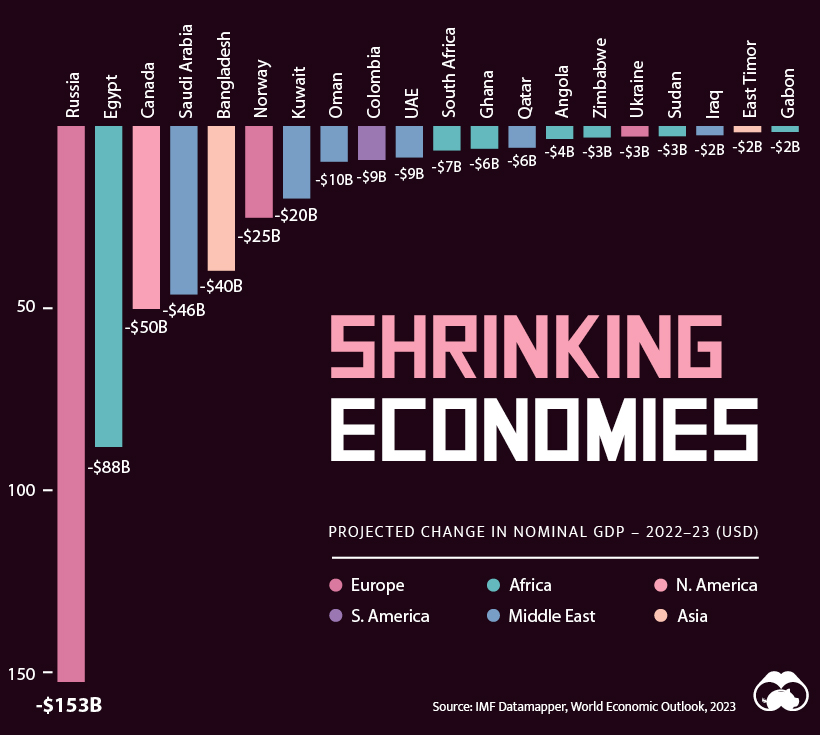
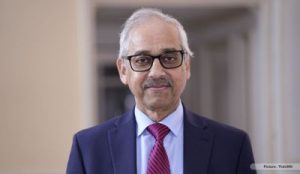




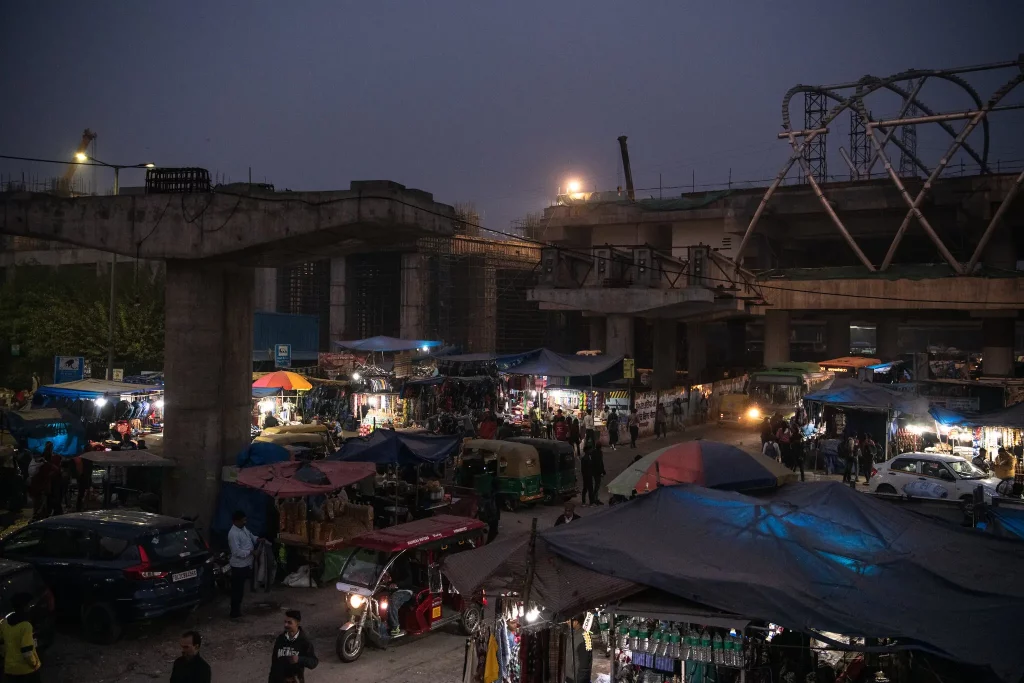

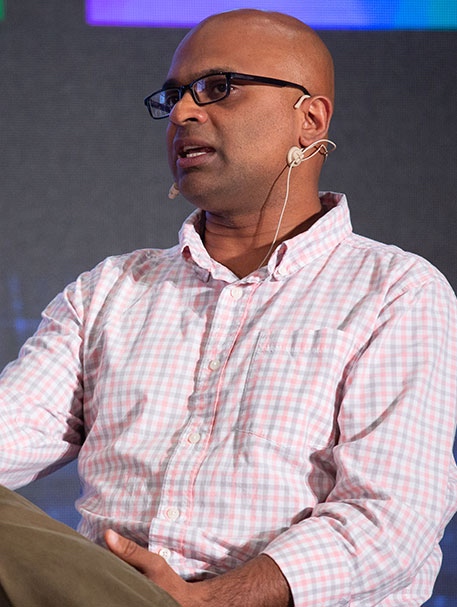 What are TED or TEDx talks?
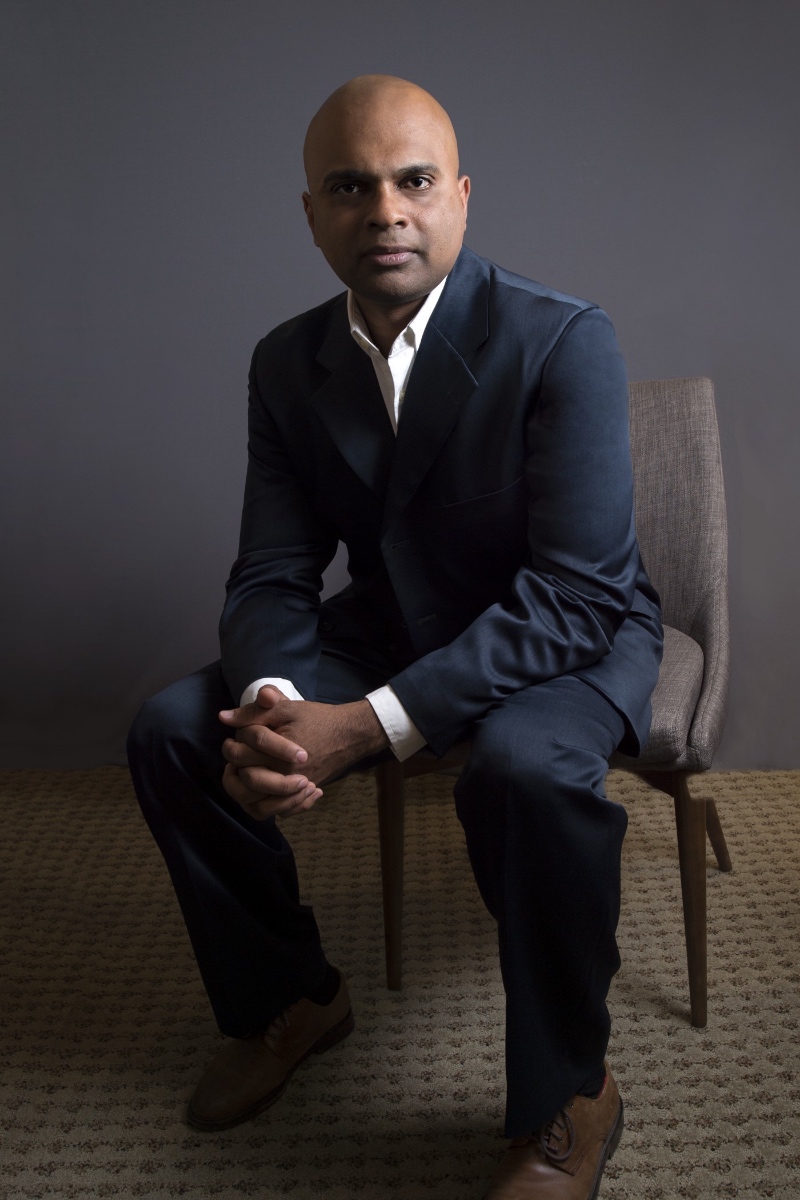 Why do a TED talk or why did you do these TEDx talks?
 I can empathize with the perspectives of both white and black Americans who view socialism as a potential solution to their problems. The grass looks greener on the other side. However, I find it troubling when immigrants, especially those from my home state of Kerala, attempt to reshape America into a replica of their native lands but they choose to live here.

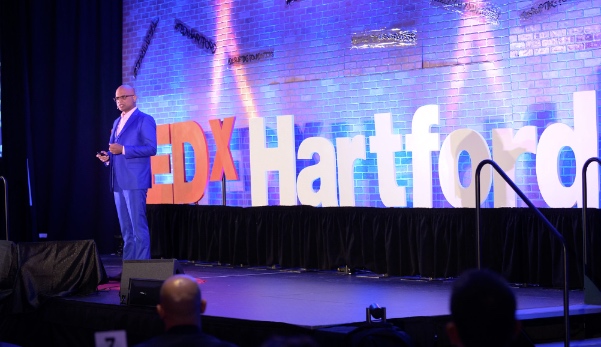



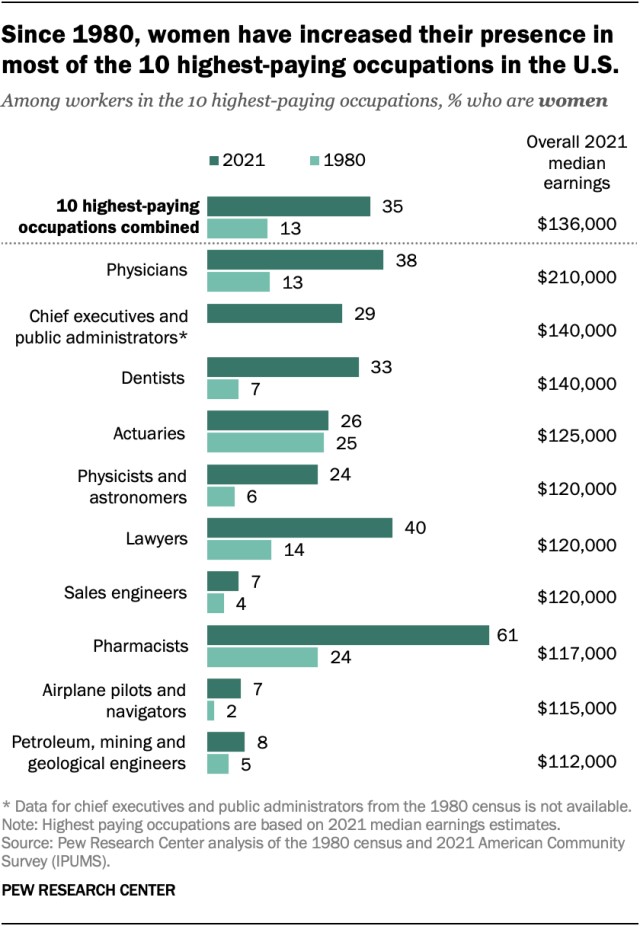 Still, women remain the minority in nine of the 10 highest-paying occupations. The exception is pharmacists, 61% of whom are women. More broadly, the share of women across all 10 of these occupations (35%) remains well below their share of the overall U.S. workforce (47%).
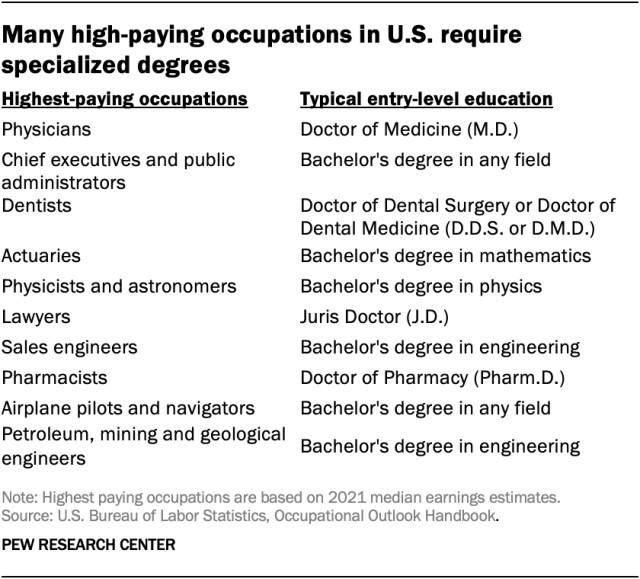 ome of these high-paying occupations – including physicians, lawyers, dentists and pharmacists – require specialized graduate degrees. One way that women have increased their presence in high-paying occupations is by increasingly earning degrees that are required for these jobs.
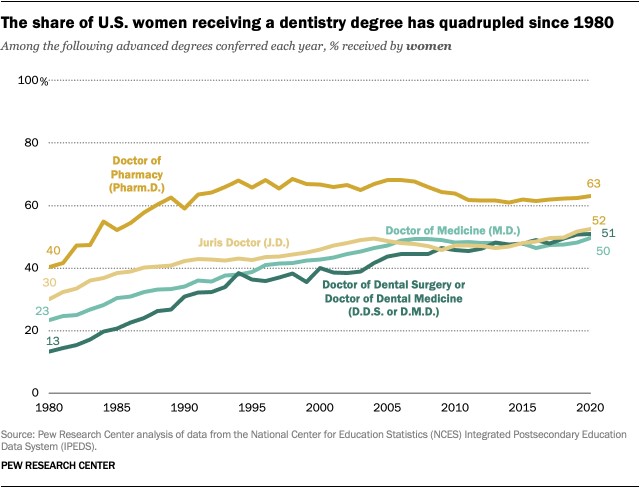 Women now also earn 63% of Doctor of Pharmacy (Pharm.D.) degrees – similar to their share of workers in the pharmacist occupation (61%). Pharmacists are also the only occupation in the top 10 where women make up the majority. This could be because the field offers flexible work hours, a collaborative environment and family-friendly policies, according to
 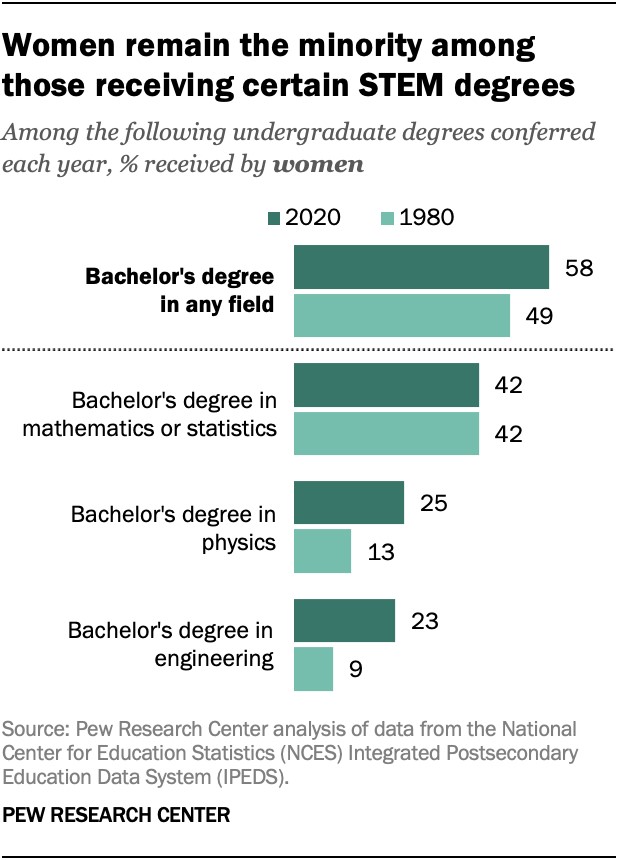 Mathematics or statistics: 42% of recipients today are women, unchanged from 1980
 With the new codeshare routes, passengers can now also fly to Singapore and connect seamlessly to Qantas’ flights between Singapore and Melbourne, an official statement noted.
 One significant move unveiled is a proposal by the Federal Trade Commission (FTC) that would prevent companies in various sectors from imposing concealed and deceptive fees. This rule would mandate sellers to disclose all essential costs upfront. The FTC could potentially impose financial penalties on companies that violate this rule. Proponents argue that this regulation will enable consumers to make more informed price comparisons and create a level playing field for businesses that are transparent about their costs.
 Nevertheless, for the time being, economic activities continue to progress steadily. The MetLife and U.S. Chamber of Commerce Small Business Index, which gauges confidence among small business owners, reached its highest level this quarter since the beginning of the pandemic. This score is roughly in line with late 2019 levels, with 66 percent of small businesses reporting that business conditions are healthy, and 72 percent expressing comfort with their cash flow, despite increased labor costs.
 The Green category includes not only the Red Fort but also the Taj Mahal in Agra, Qutub Minar in Mehrauli, and the Konark Temple in Odisha. In the Blue category, you will find Jantar Mantar and Purana Quila, both located in Delhi, while the Orange category encompasses monuments like Tipu Palace in Bengaluru and the Sanchi Stupa in Madhya Pradesh. Entities interested in becoming Mitras can choose to adopt from the Blue or Orange category, or a combination of the three categories. However, they are not permitted to solely adopt monuments or heritage sites from the Green category.
 The 172-page complaint alleges that Amazon engages in unfair practices that prioritize its own platform and services at the expense of third-party sellers who rely on the company’s e-commerce marketplace for distribution. One example highlighted by the FTC is Amazon’s requirement for sellers on its platform to use Amazon’s in-house logistics services to qualify for benefits like “Prime” eligibility. Additionally, the complaint contends that Amazon unfairly compels sellers to list their products on Amazon at the lowest prices available anywhere online, rather than allowing them to offer their products at competitive prices on other platforms.