The first ever World Health Congress organized by the American Association of Physicians of Indian origin (AAPI) held from July 18-22nd, 2024 came to a close here at the Marriott Marquis on Times Square in New York City with the call by the outgoing President, Dr. Anajana Samadder to work towards the realization of the mission of AAPI.
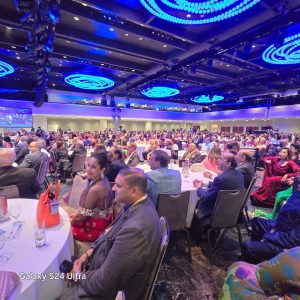
“I want to thank the AAPI delegates, sponsors and organizing committee who have put together such a great event at the heart of New York City,” Dr. Samadder said in her concluding address. “We have had an exciting 1st ever World Health Congress that was full of fun-filled, educational and entertaining. There was something for everyone, including the younger generation, the teenagers, and children, as wells to the AAPI members, making it a family event,” said Dr. Samadder.
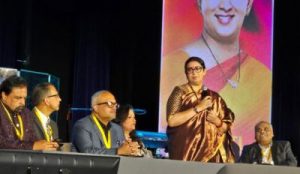
 In her keynote address at the gala on Sunday night, Honorable Smriti Irani, a former Cabinet Minister of India and a Bollywood star shared with the over 1,500 AAPI delegates who came from across the United States about the many contributions of India to the world, especially in the healthcare filed and the numerous achievements of the Government of India. She thanked the AAPI members for their great contributions and services to the people of the United States and for their motherland India.
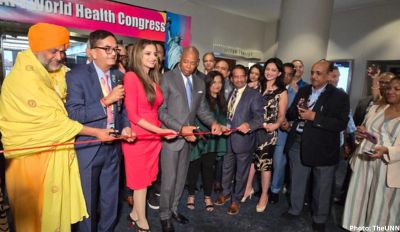
The World Health Congress, which began on July 18th with the cutting of the Ribbon by the Mayor of New York City, Eric Adams is being attended by over 1,000 physicians and has over 80 speakers and CEOs from around the globe, provide the delegates with an unparalleled opportunity to network, learn, and explore groundbreaking advancements across healthcare disciplines.
Some of the key speakers addressed the delegates at the Congress included: Dr. Mehmet Oz, American television personality, Physician, Author, and Professor Emeritus of cardiothoracic surgery at Columbia University; Eric Adamas, Mayor of New York City; Smriti Zubin Irani, an Indian politician and former actress, fashion model, and television producer; Binaya Srikanta Pradhan, Consul General of India in New York, Dilip Chauhan, Deputy Commissioner for Trade, Investment and Innovation, and NY Assembly woman Jenifer Rajkumar.
 New York City Mayor Eric Adams inaugurated the World Health Congress of Physicians with the cutting of the Ribbon and a powerful and memorable inaugural address on July 18th, 2024. In his inaugural address, Adams lauded the contributions of Indian American physicians across the United States, especially during the Covid pandemic. “When you look at the 1000s of physicians across the country, you walk into any hospital, the emergency rooms, especially during COVID, you were present. You were there, and you sacrificed your own health to make sure of the health of this entire country. Your contributions are so rare.”
Dr. Mehmet Oz delivered an inspiring talk on “Living the Good Life” sharing with delegates who had assembled at the Broadway Ballroom his insights into wellness and health optimization that resonate deeply within and beyond the medical community.
Sri Brahmrishi SiddhGuru Gurudev, while bestowing his blessings on the organizers and the AAPI delegates called the Indian American Physicians “the best” in the world, because “they give their best to the world.” He lauded them for their virtues of “learning, earning and returning” that makes them stand out across the globe.

Pramukh Swami Dr. Swami Gyanvatsal, a Motivational Speaker from Akshardham, BAPS Swaminaryan Mandir presented his inspirational talk on “Physician Burnout.” Swami Gyanvasti Dr. Gyan Vatsal focused on various aspects of personal development, spirituality, social harmony, giving back to society, education, and knowledge, highlighting the significance of continuous learning and education in personal growth.
The CEO Forum was moderated by Dr. Achintya Moulick, Chair of the AAPI World Health Congress. In his opening remarks, Dr. Moulick said, “The first World Congress of AAPI signals the beginning of a new chapter for the organization which has had a significant impact on American healthcare. The goal for me as the first convention chair of the World Congress is to bring healthcare providers, entrepreneurs, financial bodies and policymakers together and create a perfect gathering of first, second and third generation physicians and other healthcare providers of Indian origin lead the way for the future of global health.”
The CEO had industry leaders from healthcare, pharma and IT, including Dr. Oz; Edward Chan, 1315 Capitall; Michael Kopko,, Co-founder & CEO | Pearl Health; Hemanth Neeli,, Inhospital Physicians; Ishan Shivanand,, Yoga of Immortals (YOI); and Dr. Samin Sharma, The Mount Sinai Hospital, Director, Cardiovascular Clinical Institute. The inspiration forum deliberated on ways to provide the best and most efficient healthcare delivery to patients, with minimum cost and how AI has and will influence healthcare delivery in the US and around the world.

AAPI’s Legislative Day discussed the need to regulate healthcare, visa, physician-patient relationship, insurance issues and was moderated by Dr. Sumul Raval, national Secretary of AAPI. He said, “AAPI’s lobbying efforts on some of the issues affecting the broader Indian American community and other immigrant groups is also a testament to its growth and reach. Being one of the oldest Indian American organizations, it’s also among the most influential, as was evident from the lawmakers who took time out of their busy schedule to address the group.”
Dr. Srinagesh Paluvoi, member of AAPI’s national Board of Trustees, and the Regional Director, Mid Atlantic-I Region Dr. Bhavani Srinivasan moderated the Legislative Day. Lawmakers how were part of the Panel included: New York City Councilwoman Susan Zhuang; New York City Councilman Shekar Krishnan; NY Assemblywoman Jenifer Rajkumarl; Ravi Reddi, representing the Office of US Senator Kirsten Gillibrand; New Jersey state Senator Vin Gopal; and, NYC Councilwoman Majority Whip Selvena N. Brooks-Powers. During the discussions, AAPI members highlighted the importance of healthcare delivery, Green Card backlog, physician-patient health relationship, and insurance issues. In a show of support for AAPI, all the lawmakers addressed the AAPI delegates and listened to their concerns and promised support.
Moderated by Dr. Bhavani Srinivasan and co-moderated by Dr. Mamta Singhvi co moderator, past president of MSRF and led by Dr. Anjana Samadder, president of AAPI, the popular Women’s Forum had Smiriti Irani, former federal Minister from India and Bollywood star, Dr. Leena Gupta, Regional Director from the West Coast, Yoshita Singh, Press Trust of India, Chief Correspondent for USA and the United Nations, Dr. Soumya Vishvanathan, a physician and corporate leader, leading a group of 17 Hospitals in Florida. Each of them shared with the audience their personal journey to become successful in their professional careers.
 Some of the major themes at the convention include: Yoga and Meditation practices, a welcome kit with books & self-care supplies, A Personal Reflexology Session, Take home wellness routine, yoga therapy sessions, a workshop on Spiritual well-being, Book talk with Yoga Gurus, including on the science of Yoga & Lifestyle medicine, and several wellness sessions.
The World Congress has had, among many others, sessions on cutting-edge research and CMEs, promoting business relationships, and displaying of ethnic items. Artificial Intelligence (AI) was the prime focus of our World Health Congress. There were entertainment features for children, live and exciting performances by Javed Ali and Atif Aslam, Aditya Narayan, Traditional Garba, Bollywood Film Festival, a standup comedy show by Kapil Sharma and a fashion show by the world renowned fashion designer and artist Archana Kochar.
In addition to colorful entertainment, and exquisite authentic Indian cuisine, esteemed health industry leaders, world-renowned speakers, and experts shared their wisdom and expertise in the industry, offering enlightening sessions to the delegates.
AAPI’s World Health Congress offered an exciting venue to interact with leading physicians, health professionals, academicians, and scientists of Indian origin. The physicians and healthcare professionals from across the country will convene and participate in the scholarly exchange of medical advances, to develop health policy agendas, and to encourage legislative priorities in the coming year.
 Amit Chakrabarty, Vice President of AAPI said, “AAPI’s mission has evolved in the past 42 years. “Today, AAPI is strong representing over 120,000 Indian American physicians, 130 local Chapters, who make up 10% of total physicians in the US and nearly 50% of International Medical Graduates, rooted in every corner of the nation, who serve every 7th patient in the US. We are proud of our achievements and our contributions to the healthcare industry and the millions of people we serve.”
Dr. Lokesh Edara, Chair, AAPI Board of Trustees said, “The growing influence of doctors of Indian heritage is evident, as increasingly physicians of Indian origin hold critical positions in the healthcare, academic, research and administrative positions across the nation. With their hard work, dedication, compassion, and skills, they have thus carved an enviable niche in the American medical community. AAPI’s role has come to be recognized as vital among members and among lawmakers.”
 Research and Arts Competition: Poster Competition brought in the best among the aspiring medical students and new graduates from Medical schools. A Panel Discussion on Global Medical Education addressed by the Heads of NBME, FSMB, Intealth, NBME, and NBEMS offered practical tools on navigating the educational systems across India, UK and the United States.
Networking Mixer and Speed dating was a unique session catering to the needs of the young physician community. Immigration Talk by Nalini Mahadevan provided insights into current immigration trends and about the ways to obtain Resident/Green Card status to physicians community members.
Can India become a Vishwaguru in Healthcare? by Dr. Anupam Sibal was an important topic that provided insights into how India is becoming a world leader in Medicine.
 Each day began for the participants with an hour long session on “Harmony and Health: Integrative Yoga” where delegates benefited from hands on sessions teaching and practicing Yoga. Another theme that ran across all days of the Congress was Art Gallery – Oorja: The Feminine Light in Indian Art. Healing Breath that was part of the schedule everyday of the Congress was another way AAPI delegates had an opportunity to ground themselves to the present and start afresh.
Cultural Programs including “AAPI GOT TALENT” offered an opportunity to Physicians to showcase their talents in art and music, competing with one another for top honors.
Making it relevant and meaningful to young children, each day had a session on “Sky Kids and Sky Teens Leadership Camp” providing them with meaningful insights on self-development. Bollywood Bhangra workout LIVE by Zumbhangra was another way offered to members to relax and learn new ways to stress reduction.
 The growing influence of doctors of Indian heritage is evident, as increasingly physicians of Indian origin hold critical positions in the healthcare, academic, research and administrative positions across the nation. With their hard work, dedication, compassion, and skills, they have thus carved an enviable niche in the American medical community. AAPI’s role has come to be recognized as vital among members and among lawmakers.
“The 1st ever World Congress of AAPI has offered extensive academic presentations, recognition of achievements and achievers, and professional networking at the alumni and evening social events,” said Dr. Samadder, whose one-year term as AAPI president has come to a close as per AAPI bylaws. For more details on AAPI and the 1st World Congress, please visit: www.aapiusa.org

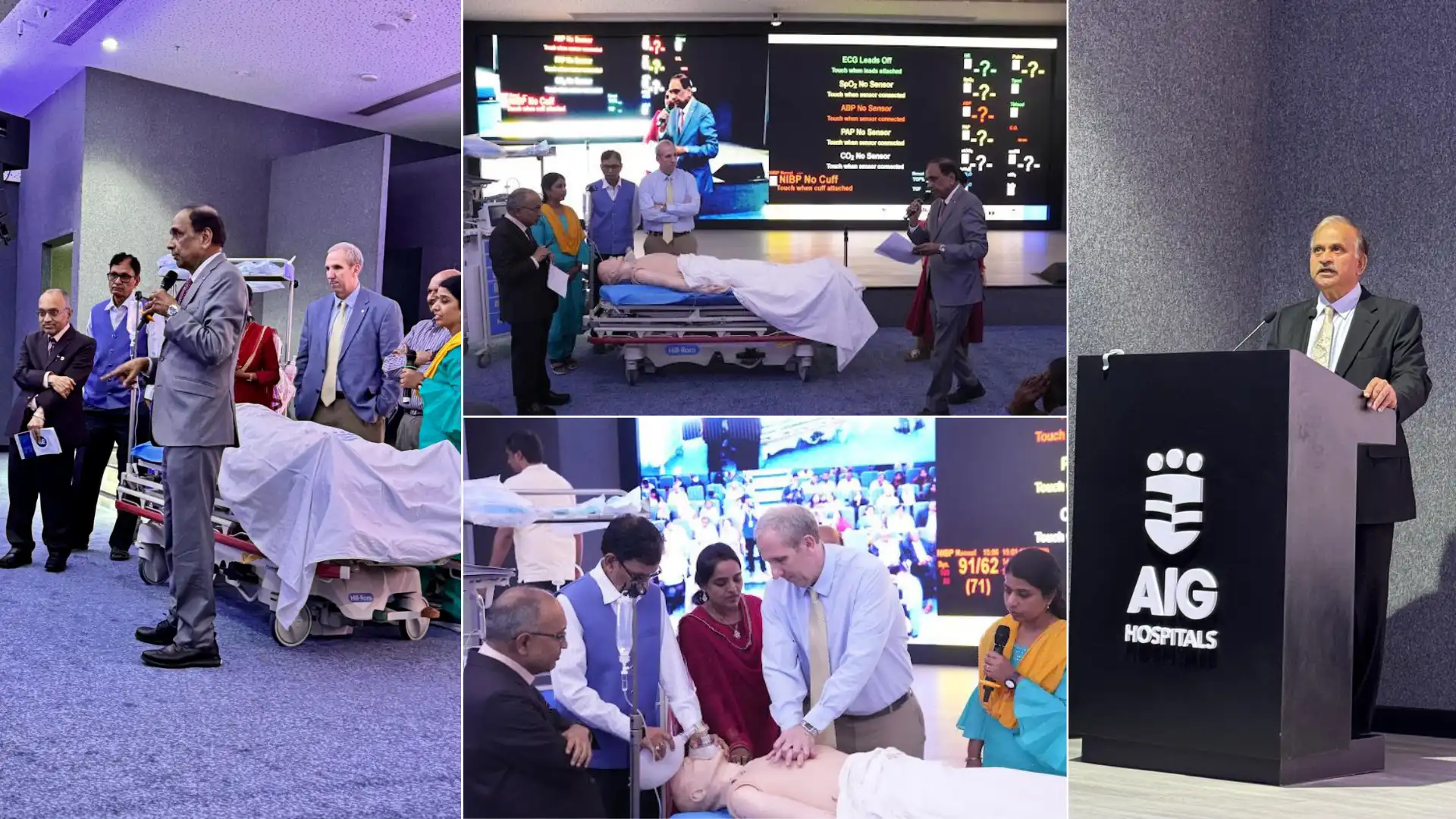
 The program was designed and directed by Dr.Vemuri S Murthy, a renowned Indo-US Resuscitation Medicine expert from the Department of Emergency Medicine, University of Illinois College of Medicine, Chicago, Illinois, and an alumnus of Guntur Medical College.
 for international collaborations in the healthcare sector to enhance outcomes of Heart Emergencies and Sudden Cardiac Arrests which are more prevalent among Indians and the Indian Diaspora.
 In this context, The American Association of Physicians of Indian Origin (AAPI), in collaboration with Heartfulness Meditation and the American Heart Association, embarked on a mission to educate and train its members and provide opportunities to promote self-care, improve physician wellness, and reduce burnout, with focus on lifestyle modifications in the treatment of chronic diseases, including cancer, at Kanha Shanti Vanam in Hyderabad, Telangana, India on
  The MSRF & PreMed Medical Scholars Summit is led by an Executive Board comprising of Manan Pancholy, President; Rohan Chopra, Vice President; Prerak Shah, Secretary; Arjun Gangasani, Treasurer.
 Niraj Kothari, MD will present his insightful session on Pioneering Advanced Practices in Medicine, while Deepen Modi will offer insights on Financial Wellness. Samir Pancholy, MD will lead a session on Service Project Pursuing Graduate Medical Education. Global Medicine and India: Lessons, Opportunities, and Challenges for the Next Generation of Physicians will be presented by Dr. Kumar Belani, MD.
 Dr. Raj Bhayani, Secretary of AAPI pointed out that, “In addition to several programs in the United States and in India, AAPI has been in the forefront, advocating for the interests of the medical fraternity and organizing regular CME programs, health & wellness events, and financial workshops for its members and outreach, public health education, and advocacy activities for the community both locally and internationally.”
 Pointing to studies, Dr. Kathula said that almost one in three in this group may die from heart disease before 65 years of age. In India, heart disease remains the number one cause of death. Common risk factors are smoking and a diet high in sugar, salt, refined grains, and fat. A large number of South Asians appear to have “insulin resistance”, a condition in which the body does not utilize insulin efficiently, resulting in Diabetes, which leads to a significant number of heart-related problems. Lack of adequate exercise, stress, and genetic predisposition are also contributing factors.
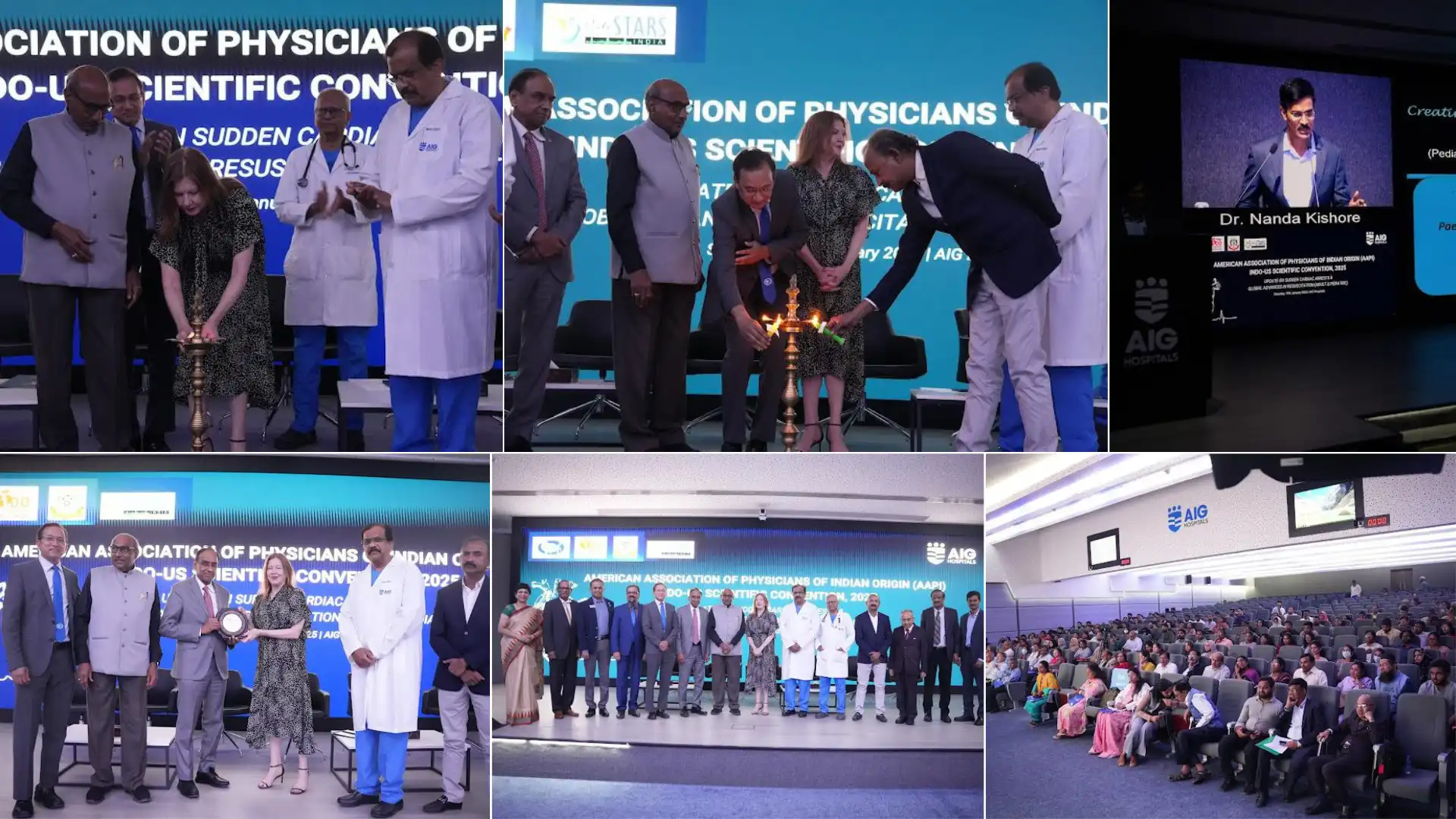
 The Honorable Consul General of the U.S. in Hyderabad, Jennifer Larson, was the chief guest and spoke highly of the contributions of Indian physicians in the U.S. and their vital role in the American healthcare system. Dr. Nageshwar Reddy, chief of AIG, addressed the audience, praising AAPI’s efforts.
 Surveys have shown MD burnout of 38% in 2020 which increased to 61% in 2021 caused many physicians to leave practice or cut back on hours. The Covid pandemic certainly contributed to the peak of this phenomenon. some of the fundamental sources of burnout for physicians existed before the pandemic, and they persist after.
 Stressing the importance of registering for the Bone Marro donation, Dr. Suni Kaza, Chair of AAPI BOT said, “You could be a patient’s only match-their only hope for a cure. When you register, you’re committing to donating to any patient in the world. But because a decision not to donate can be life-threatening to the patient, please think seriously about your commitment before joining the registry. And, be aware that there are absolutely no complications to the donor from this donation procedure.”
 Among the many initiatives Dr. Raju has undertaken, the upcoming Fundraiser in New Delhi is a pan-India Roll Out Program with the objective of raising $500,000, which will be matched by the Eye Foundation of America. The funds raised will be utilized towards establishing 100 ROP screening centers across India; Training 500 healthcare professionals in ROP screening and treatment; and, Treating 10,000 ROP-affected babies annually across India.
  For the past four decades, Dr. Raju and the EFA have been actively and tirelessly on a crusade to eliminate avoidable blindness in areas plagued by poverty and poor access to medical care. The EFA’s mission is to eliminate
  The Goutami Institute has a wing dedicated exclusively for children, and the EFA has future plans to build a service and research eye hospital in India where no child will be denied treatment and children from around the world can come to receive services. Dr. Raju and the EFA are also committed to finding new cures for age-old eye disease in children.
  Heart attacks remain a leading cause of death in the United States, with someone experiencing one every forty seconds. Shiny Xavier and Laicy Mecheril, two experienced Nurse Practitioners, conducted an interactive session titled “Myocardial Infarction: Timely Intervention”. They brought up the latest knowledge and evidence-based interventions in treating heart attacks. Bessy Thankavelu, another expert in the field, presented “A Perspective on Women and Heart Disease” and discussed how heart attack symptoms can differ for women, often leading to misdiagnosis and delayed treatment.
 Dr. Kathula was invited by the Hon. Consulate General of India in New York, Mr Binay Pradhan to participate and address the important meeting with distinguished Members of Parliament from India, as well as prominent leaders of the Indian-American community. This meeting offered a unique opportunity for meaningful exchanges on a wide range of topics that are critical to both India and the Indian diaspora in the United States.
 Diaspora members who were part of the meeting included Edison Mayor Sam Joshi , Dr. Samin K. Sharma, Dr. Thomas Abraham, Mr. Gaurav Verma, Prof. Indrajit Saluja, Dr. Avinash Gupta, Mr. Rakesh Kaul, Dr. Hari Shukla, and Mr. Jatinder Singh Bakshi, who shared their perspectives on different aspects of the Indian-American relationship and expressed a strong desire to give back to the motherland.
 In addition, he participated in an interview on BBC and with the Press Trust of India, where he addressed critical issues surrounding physician safety in India and the contributions of Indian American physicians.
 In collaboration with AAPI leadership., Dr. Kathula has been credited with successfully “conducting a fair election for the Vice President of AAPI, ensuring transparency and integrity in our electoral processes. This is crucial for maintaining trust within our organization,: said Dr. Kathula.
 Along with Dr. Kathula, Dr. Amit Chakrabarty serves as the President-Elect of AAPI, Dr. Meher Medavaram, Vice President, Dr. Raj Bhayani, Secretary, and Shirish Patel, Treasurer of AAPI for the year 2024-25. Dr. Sunil Kaza is the Chair of AAPI Board of Trustees. Representing the young physicians of Indian origin, Dr. Shefali Kothary serves as the YPS President and Dr. Oriya Uppal is the MSRF President for the year 2024-25.


 This data is alarming considering the cause has been well known for decades and can be relatively easily addressed. These studies do not call for complex medication regimens or treatments. The totality of the evidence strongly supports a population-wide reduction in salt intake (AHA). Salt reduction causes a dose-dependent reduction in blood pressure: the lower the salt intake, the lower the blood pressure (AHA).
 recommended policies to reduce sodium intake. WHO again says: “Reducing sodium intake is one of the most cost-effective measures to improve health and reduce the burden of

 It’s in this context, the AAPI Global Healthcare Summit (GHS 2024) from October 19-20, 2024 in New Delhi, India, organized by the Association of American Physicians of Indian Origin (AAPI) in collaboration with and participation from some of the world’s most well-known physicians, and industry leaders becomes very critical and significant.
 “AAPI has been engaged in harnessing the power of Indian Diaspora to bring the most innovative, efficient, cost-effective healthcare and preventable solutions to India, Dr. Kathula said. “This international health care summit is a progressive transformation from the first Indo-US Healthcare Summit launched by AAPI USA in 2007. GHS 2024 will focus on Prevention Strategies for Cancer and Heart Attacks, Role of Lifestyle Changes, and Integration of Technology in Healthcare,” said Dr. Satheesh Kathula, President of AAPI.
 “We all know that AAPI has been playing a key role in the exchange of experience and knowledge in the field of medicine between India and the US today,” Dr. Nadda said. “Together, we can harness the power of innovation and lifestyle modification to safety, frequently, reduce the burden of cancer and heart diseases, not only in India but across the globe. I thank AAPI for organizing the Global Healthcare Summit in India, wishing the summit a grand success.”
 This international healthcare summit is a progressive transformation from the first Indo-US Healthcare Summit launched by AAPI in 2007. “Providing a forum for innovative opportunities for learning, networking and giving back to our motherland that have now enabled us to plan ahead and prepare for an outstanding event that will be over 300 very prominent and talented physicians and surgeons from abroad, in addition to the hundreds of physicians from India, who are very passionate about serving their homeland, mother India,” Dr. Sunil Kaza, Chair of AAPI BOT said.
 Also, the AAPI delegates had an opportunity to visit and pray at the world famous Swaminarayan Akshardham at New Delhi with an informative and inspiring journey through an ancient culture’s glorious art, values and contributions for the progress, happiness and harmony of all humans.
 “In our quest to fulfill the mission of AAPI, we are proud to share best practice and experiences from leading experts in the world and develop actionable plans for launching demonstration projects that enable access to affordable and quality healthcare for all people. Thank you for your participation and for being part of this movement for healthier world, let’s continue to work together, leveraging both the power of Prevention and the promise of technology to Save Lives,” Dr. Kathula added.
 Several changes are being made for graduate and post graduate medical education in Indian medical education system to be at par and for easy mobilization around the world, with the goal of making India the medical education hub for the world.
 led by Dr. Vinod Paul, Medical Director, NITI. Key attendees included Dr. Abhijath Sheth, President of National Board of Medical Exams (NBME), Chair of National Medical Council; Ms. V. Hekali Zhimomi, Additional Secretary, Ministry of Health and Family Welfare; Dr. B. Srinivas, Secretary, NMC; Dr. Subodh Kumar, Executive Director, NBEMS; Shri Rajib Kumar Sen, NITI Aayog Program Director.
 Dr. Kathula suggested that “Family medicine should not be a gatekeeper for referrals to specialists but rather they should be taking care most of the medical conditions including Pediatric and Obstetrics and Gynecology patients. In addition, he recommended creating incentives such as offering sub specialties like geriatrics, palliative care similar to the US, in order to attract more doctors towards family medicine. He said, “There should be clear distinction between general medicine and family medicine and change the name of general medicine to internal medicine to avoid confusion.”
 participate in these efforts. By collaborating and leveraging our collective voices, we can effectively advocate for policies and initiatives that enhance healthcare access, improve education, and support the well-being of communities both in India and the U.S. Your involvement can make a significant impact,” Dr. Edara added.
 AAPI is an umbrella organization which has nearly 160 local chapters, specialty societies and alumni organizations. For over 41 years, Indian physicians have made significant contributions to health care in this country, not only practicing in inner cities, rural areas and peripheral communities but also at the top medical schools and other academic centers. Almost 10%-12% of medical students entering US schools are of Indian origin. Headquartered in Oak Brook, Illinois, AAPI represents the interests of over nearly 200,000 physicians, medical students and residents of Indian heritage in the United States.


 The resident Doctor’s body was found last week on Friday with multiple injuries and signs of
  Dr. Kathula urged that “hospitals need to implement robust security measures and increase surveillance cameras and security personnel and control the access to sensitive areas. Establishing clear protocols for handling violent incidents and ensuring all staff are trained to manage such situations, and also they should offer training to Doctors and hospital staff in conflict resolution and communication skills to handle these types of situations more effectively. Also, there should be public awareness and education of the people to enhance respectful interactions with healthcare professionals,” he said.
 As the President-Elect, the multi-talented professional said, “I understand that AAPI needs experienced leadership from someone who has been in AAPI leadership for over two decades. I know what works and what does not. This is a major contribution that I can make this year in guiding the leadership to progress in the right direction efficiently and effectively.”
 clinical professor of medicine at Wright State University-Boonshoft School of Medicine, Dayton, Ohio. Dr. Kathula is a Diplomate of the American Board of Lifestyle Medicine. He has authored several papers and articles in medical journals and is in the process of writing a book, describing his journey as an immigrant physician. “For the past 22 years, I’ve been proudly serving as a Hematologist and Oncologist in the Dayton community, considering it my home:”
 The growing influence of physicians of Indian heritage is evident, as increasingly physicians of Indian origin hold critical positions in healthcare, academic, research, and administrative positions across the nation. Physicians of Indian origin are known for their great achievements, and their contributions to their motherland, India, and their adopted land, the United States in significant ways to the transformation of Indo-US relations.
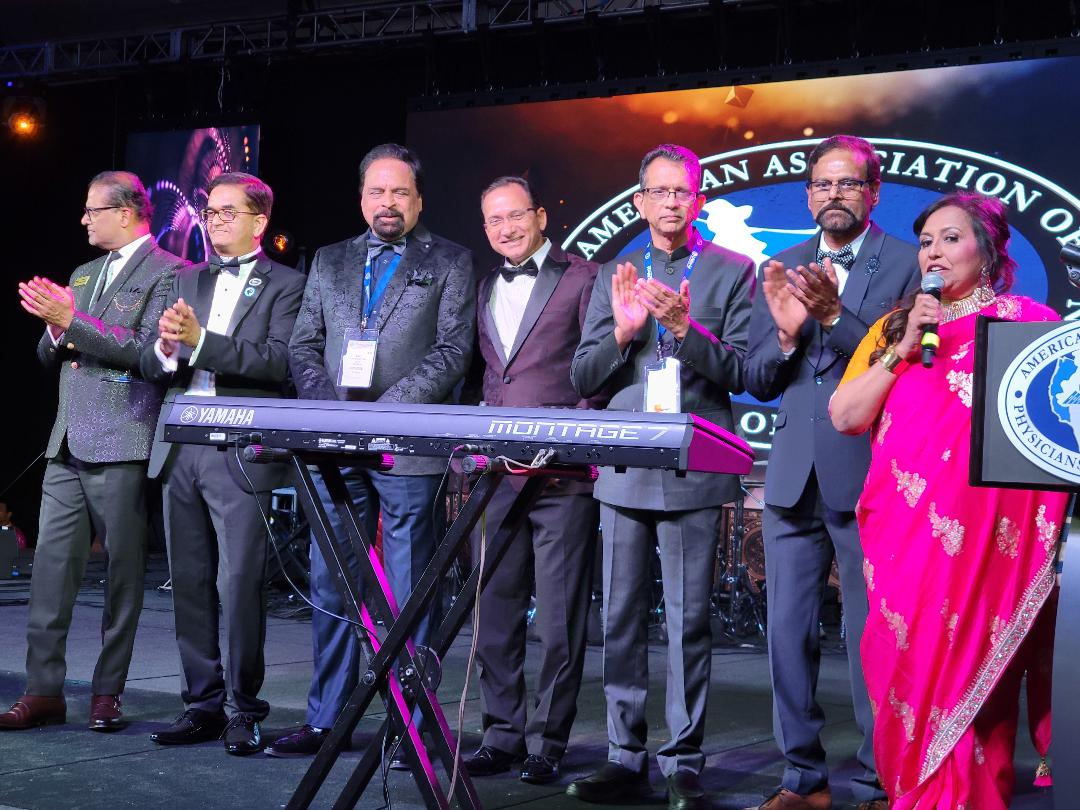 In an official communication sent out to the members of the AAPI’s General Boy, Dr. Kathula stated: “According to the current bylaws (Article VI) the current Executive Committee (EC) term is one year which ended on July 8, 2024. The new Executive Committee’s term started on July 9, 2024.”
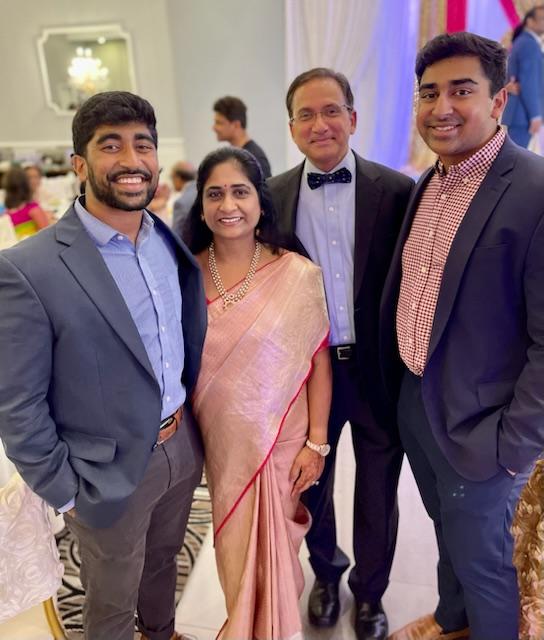 Dr. Kathula, who graduated from Siddhartha Medical College, Vijayawada, Andhra Pradesh, India in 1992 is a clinical professor of medicine at Wright State University-Boonshoft School of Medicine, Dayton, Ohio. Dr. Kathula is a Diplomate of the American Board of Lifestyle Medicine. He has authored several papers and articles in medical journals and is in the process of writing a book, describing his journey as an immigrant physician. “For the past 22 years, I’ve been proudly serving as a Hematologist and Oncologist in the Dayton community, considering it my home:”
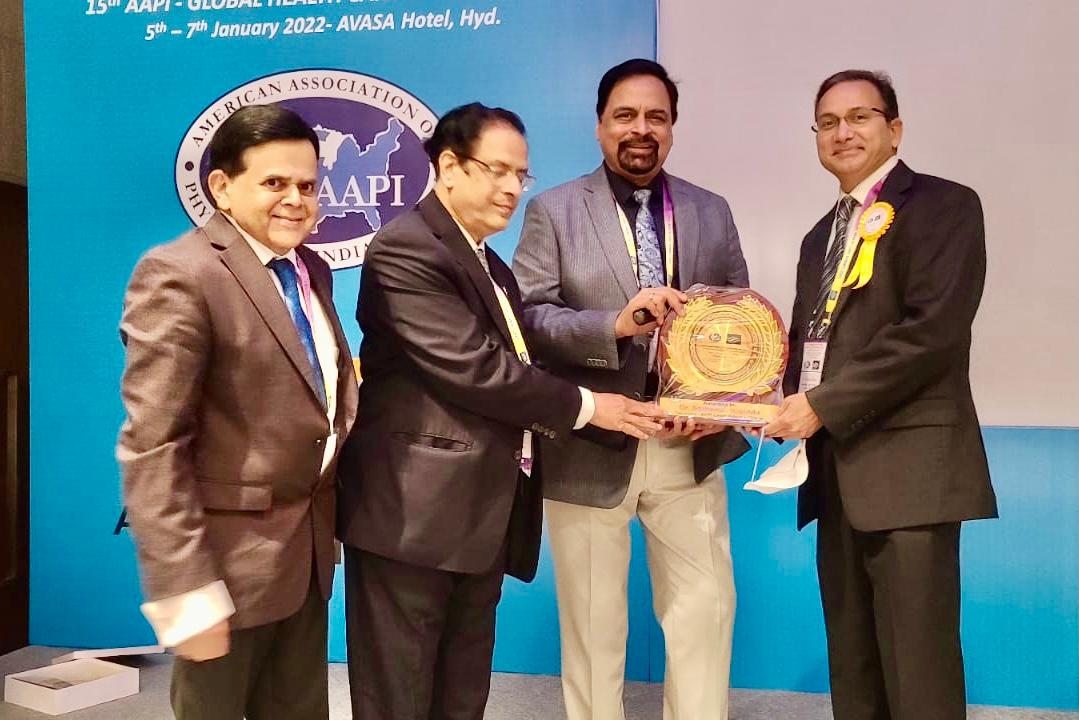 Recalling his long association with AAPI, which he has come to call his 2nd family, Dr. Kathula says, “My first experience with medical conventions occurred at the AAPI annual convention in 1995, graced by then-President Bill Clinton. Inspired, I formally joined AAPI in 2002, though my active involvement commenced in 2009, assuming the role of the governing body member of AAPI. Later on, I won all four national elections I contested, supported by esteemed AAPI members.”
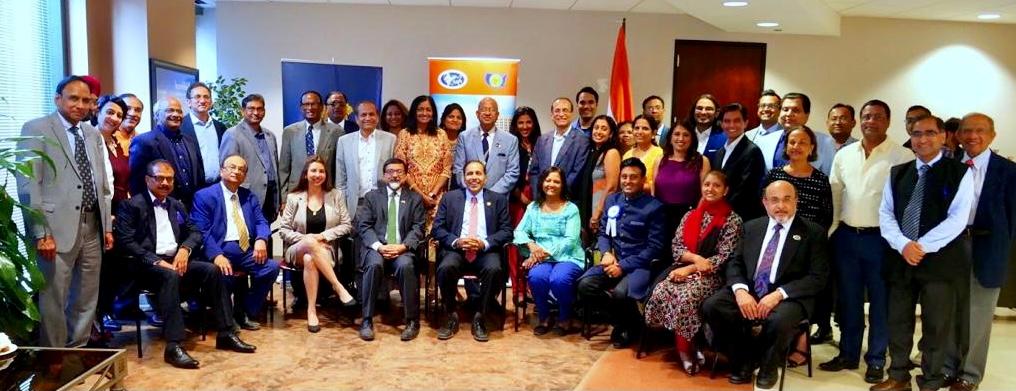 In his inaugural note, Dr. Kathula assured all AAPI members and all physicians of Indian origin that “I will sincerely work for the betterment of our beloved organization, AAPI.”
 Dr. Kathula has laid out his vision for AAPI on his website:
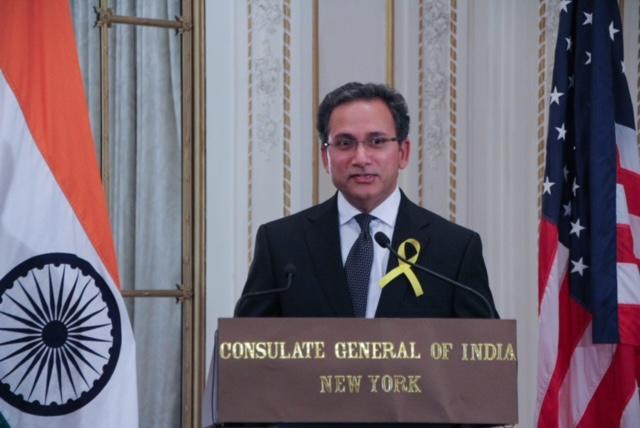 He has been actively involved in community service locally, nationally, and internationally for the last two decades. Dr. Kathula was instrumental in raising funds for the construction of the Om Shanti Hindu Cultural Center in Dayton. He is also the President and Founding Member of the Association of Indian Physicians from Ohio. He has served on several non-profit boards, dedicating his time, skills, and resources for the greater good of the larger community. Dr. Kathula served on the Board of Trustees of the Leukemia and Lymphoma Society (Dayton chapter) and has raised more than $200,000 for some of its initiatives. The society conferred on him the Man of the Year Award in 2010. Dr. Kathula received Hind Rattan Award in 2010, given by the NRI Welfare Society of India for his outstanding contributions. He was awarded ‘Man of the Year – 2018’ by the Leukemia and Lymphoma Society.
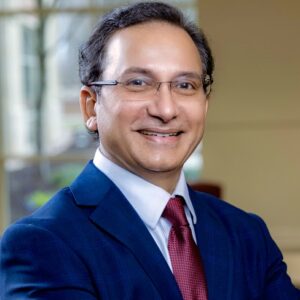 Dr. Kathula gives credit to several mentors who have helped shape his outlook on life. “My life’s journey has been enriched by countless mentors and inspirations from all walks of life, each contributing to my personal and professional growth.”
 Continuing these ancient Indian principles and focusing on the assessment and treatment of the eyes, Sreedhareeyam was taken to the next level through the dynamic leadership of Dr. NPP Namboothiri, who was trained under the guidance of Vaidyan Trivikraman Namboodiri and other eminent ophthalmology practitioners in Kerala. After his passing away in 2021, Dr. Narayanan Namboothiri has been entrusted with the role of Medical Director and has been leading this prestigious Eye Hospital to newer heights.
 As per Dr. Namboothiri, there are about 40 to 45 Doctors in addition to hundreds of supporting staff here working at Sreedhareeyam and its branches across India and abroad, who are led and trained by some senior Doctors, who are also assisting in the treatment of patients here and other branches.
 Among the thousands of successful cases, Dr. Narayanan recalls how Sreedhareeyam could help restore the vision for Rose Mary Odinga, the daughter of Raila Odinga, former Prime Minister of Kenya in 2023. After being diagnosed with a brain tumor in 2017, Odinga’s daughter had undergone surgery in Nairobi. But in the post-operative period, Rosemary had complained of severe loss of eyesight. She travelled to India in 2019 and underwent treatment at Sreedhareeyam, which helped her vision to restore.
 Similar stories by people from abroad and in India are not uncommon. Ralitsa Dutch, a 37-year-old patient from the Netherlands shared about her experience at Sreedhareeyam and Ayurveda this way: “I experienced optic neuritis, an inflammation of the optic nerve in relation to a Multiple Sclerosis (MS) relapse. Since then, my right eye has been heavily impaired. In 2013, when allopathic medicine deemed my case as “hopeless,” I started looking at alternative treatments and got to know about Ayurveda. The decision to come to India and undergo Ayurvedic treatment turned out to be life changing. After a three month stay at a specialized Ayurvedic MS center, my right eye “woke up” for the first time. After three consecutive stays, my MS stabilized, and I have not had any relapses ever since.”
 Dr. Namboothiri thanked the Modi government in India, saying “It is very helpful that the Modi Government promotes Ayurveda. The government is doing many things, and he is a very good ambassador for Ayurveda as well as Yoga. An All-India Institute of Ayurveda has been started in Delhi with centers in Gujarat and Goa. The creation of Ayush Ministry is a big boost for the ancient medical traditions of Inda.”
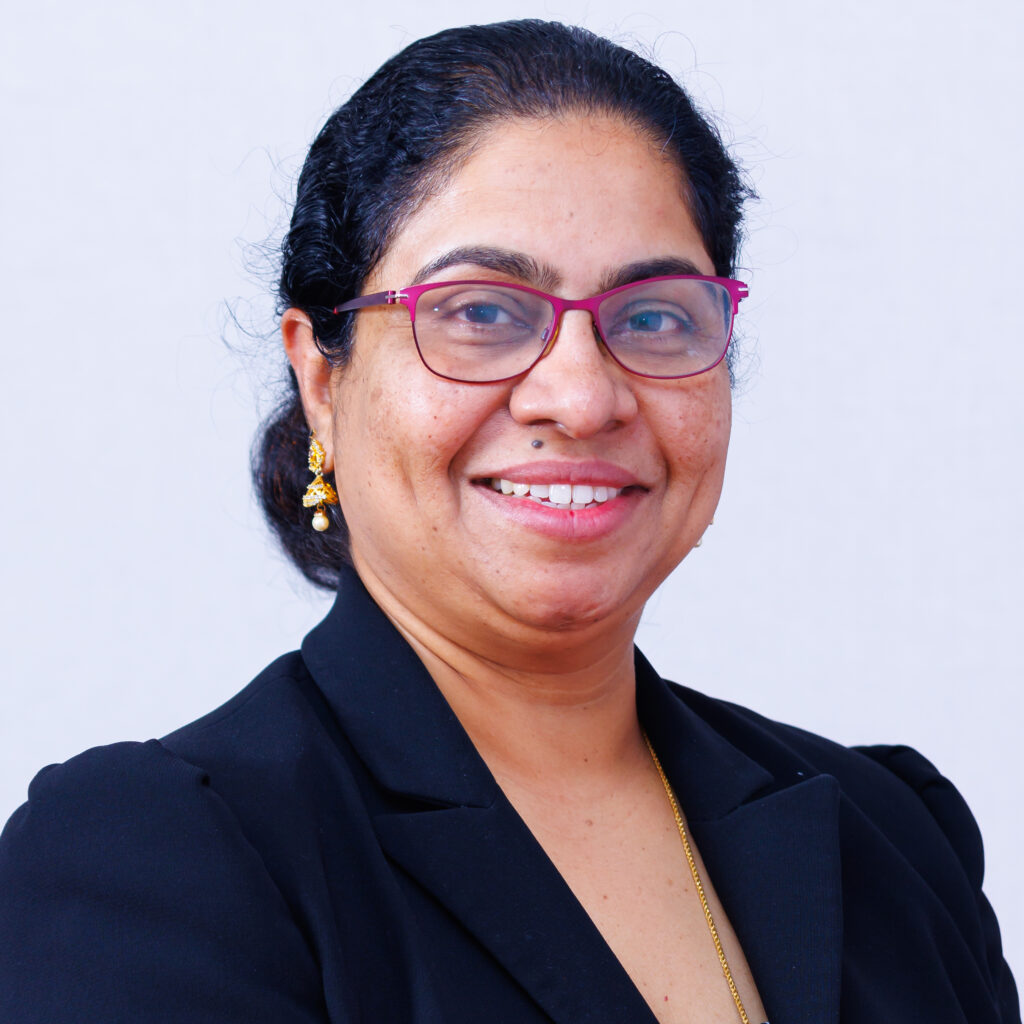 NAINA stands as the representing voice of the tens of thousands among the 4.7 million nurses in the healthcare arena. The primary goal of NAINA is to provide service to and bring all the nurses and nursing students of Indian origin under one umbrella. With twenty chapters across the nation, NAINA stands as the sole national organization of Indian nurses with thousands of nurses enjoying the benefits of its membership. In the mainstream, NAINA is closely associated with American Nurses Association, CGFNS International, National Coalition of Ethnic Minority Nurses Organization, and National Council of State Board of Nursing. As we witness Indian Americans all across the life spectrum in the country, the Indian American nurses have already established their presence in healthcare. You will Indian nurses at bedside, in outpatient clinics, nursing leadership, nursing education, hospital administration, university faculty, and research. They are ambitious; they uphold a vision of high-quality healthcare. They believe that higher education can equip them with advanced knowledge, critical thinking skills, upward career opportunities, professional respect, and healthcare progress.” Suja Thomas, the president of NAINA emphasized. Suja, a nursing administrator and an adjunct professor, is also in the governing team of CGFNS International. The leadership team of NAINA also represents nursing professionals with expertise from diverse fields.
 same time and will bring out new research outcomes and evidence- based practice initiatives that could empower and embolden nurses with knowledge and skills to bring back to their home practices. Attendees of each session will get continuing education credits that could be used for maintaining their specialty certifications and help nurses to achieve promotional initiatives like Clinical Ladder. Tara Shajan, a nursing director at Health and Hospitals Corporation of New York who is the National Convenor and the treasure of NAINA pointed at the networking opportunities that NAINA conference provides to the attendees. “Besides the valuable continuing education credits, you get opportunities to network with bedside nurses from all specialties, scholars, nurse practitioners and educators from California to Main and Florida to Minnesota. You can inspire and get inspired!”
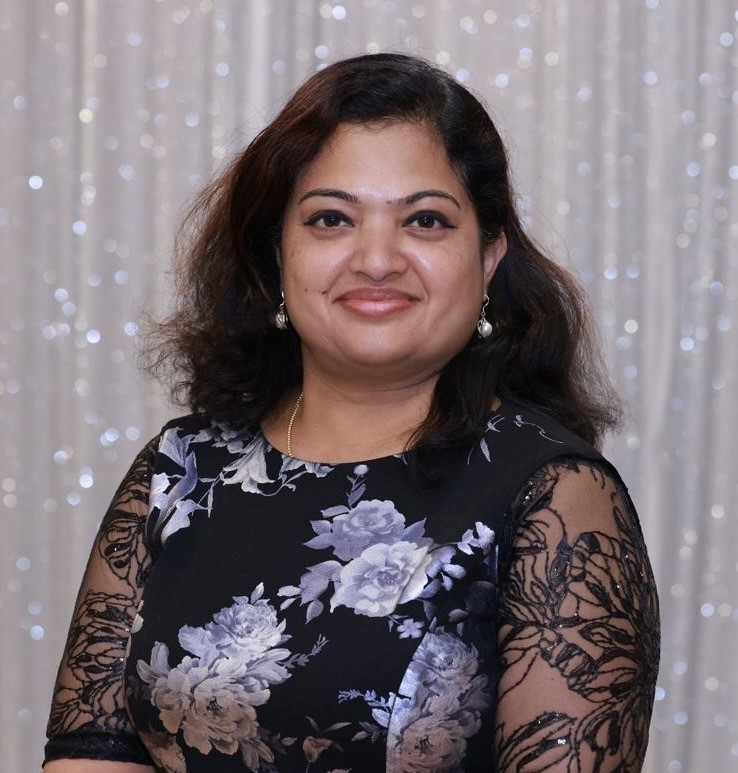 Integrating Research, and Technological Innovation for Enhancing Practice.” Mukul Bhakshi, Chief of Strategy and Governmental Affairs, will be another guest speaker. Dr. Debbie Hatmaker, Chief Nursing Officer of American Nurses Association, and Dr Kelly Foltz-Ramos, director of simulation & innovation and assistant professor at University at Buffalo School of Nursing will be the guest speakers on Saturday, the second day. Dr. Glenda B. Kelman, chair and professor of nursing at Russell Sage College Troy will do the keynote presentation on “Overcoming Imposter Syndrome in the Age of Technological Innovation in Nursing Practice.” The concurrent sessions will follow.
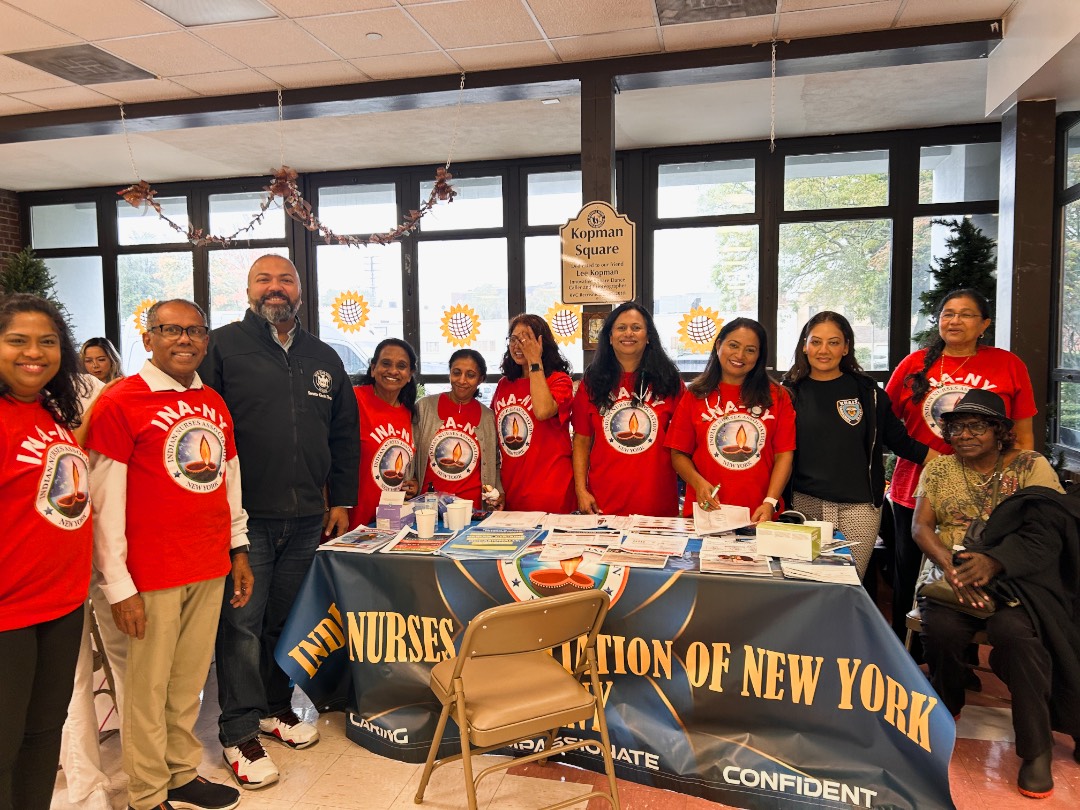 INANY, the organization that stands as the voice of Indian nurses living in New York, has been engaged with New York State Senator to extend healthcare services to the underserved communities in his constituency for the last three years. INANY was also a recipient of a $10,000 grant in partnership with Coalition of Asian American Children and Families to address the surge anti-Asian hate incidents after the COVID-19 pandemic began. The nurses conducted an awareness and bystander intervention training program in senior centers, professional forums, social gatherings and as part of a nursing continuing education conference. The training program comprises various strategies that could be used by a witness or bystander of an anti-Asian hate incident to comfortably intervene to help the victim, without compromising safety or fear. Dr. Anna George, the president of INANY pointed out that the strategies are evidence based and have been adopted by various universities and healthcare organizations such as Northwell Health.
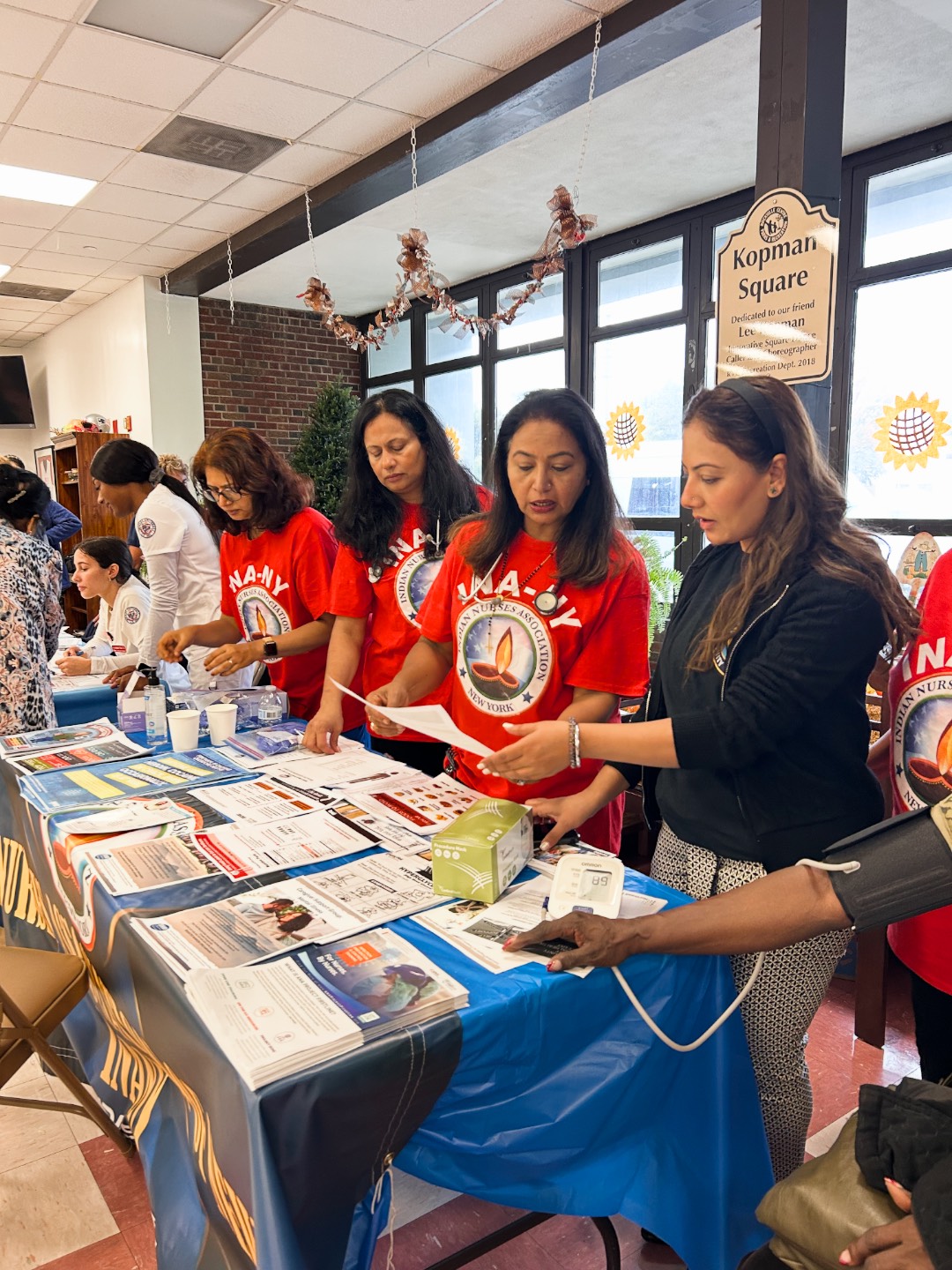 The nurse-volunteers who attended at the Health Expo comprised of nurses working at bedside, nurse practitioners from cardiac catheter lab, and university professors who shared their expertise to educate on reducing risks of life threatening illnesses and conditions. They also did depression screening and talked about need for seeking help or reaching out to resources when someone from own family or others suffers from mental health conditions or substance abuse. They also counselled about the stigma attached to mental illness. Taylor Darling, the New York assembly woman from district 18 who observed services of INANY nurses at the Expo said that she was thoroughly impressed and delighted with what INANY did for the health of the community. She talked about the stressors in nursing related to staff shortage, safe staffing issues, faculty shortage and acuity at work and thanked the nurses for their compassion and altruism. Senator Kevin Thomas expressed his gratitude for the services INANY provided to the people of his district and for the dedication of Indian nurses for what they do every day in healthcare facilities.
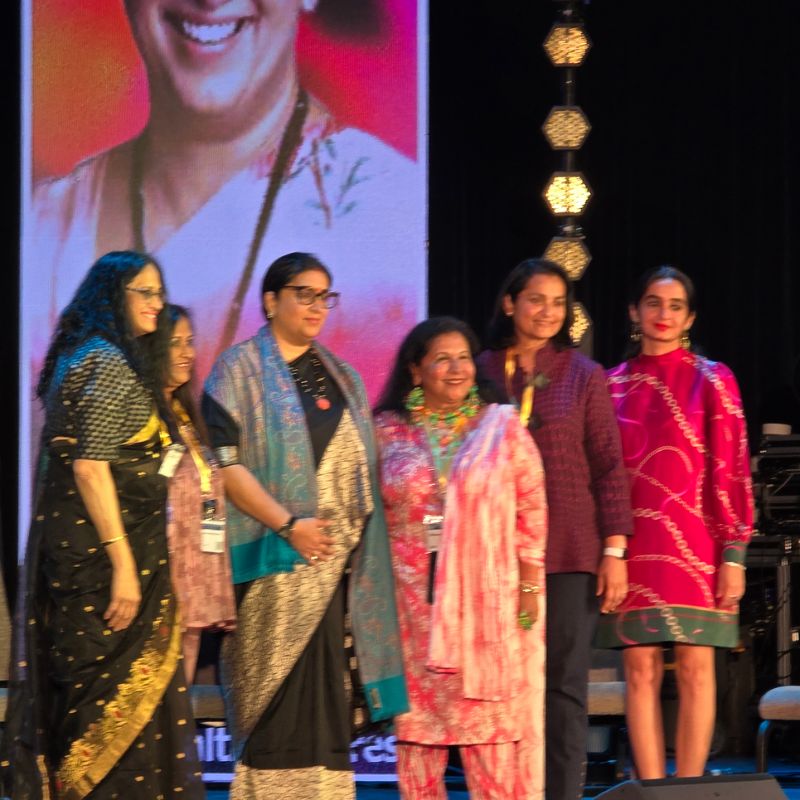 Smiriti Irani highlighted India’s role in bringing women’s leadership to the world forum though its leadership of G 20. She said, “Women don’t have the problem of speaking up, but they have the problem of being heard.” She said, “Women’s values cannot be measured by their success, she needs to be evaluated by what she is.” She paid homage to physicians of Indian origin “for your great contributions” and urged that “AAPI celebrates where every voice of women is celebrated.”
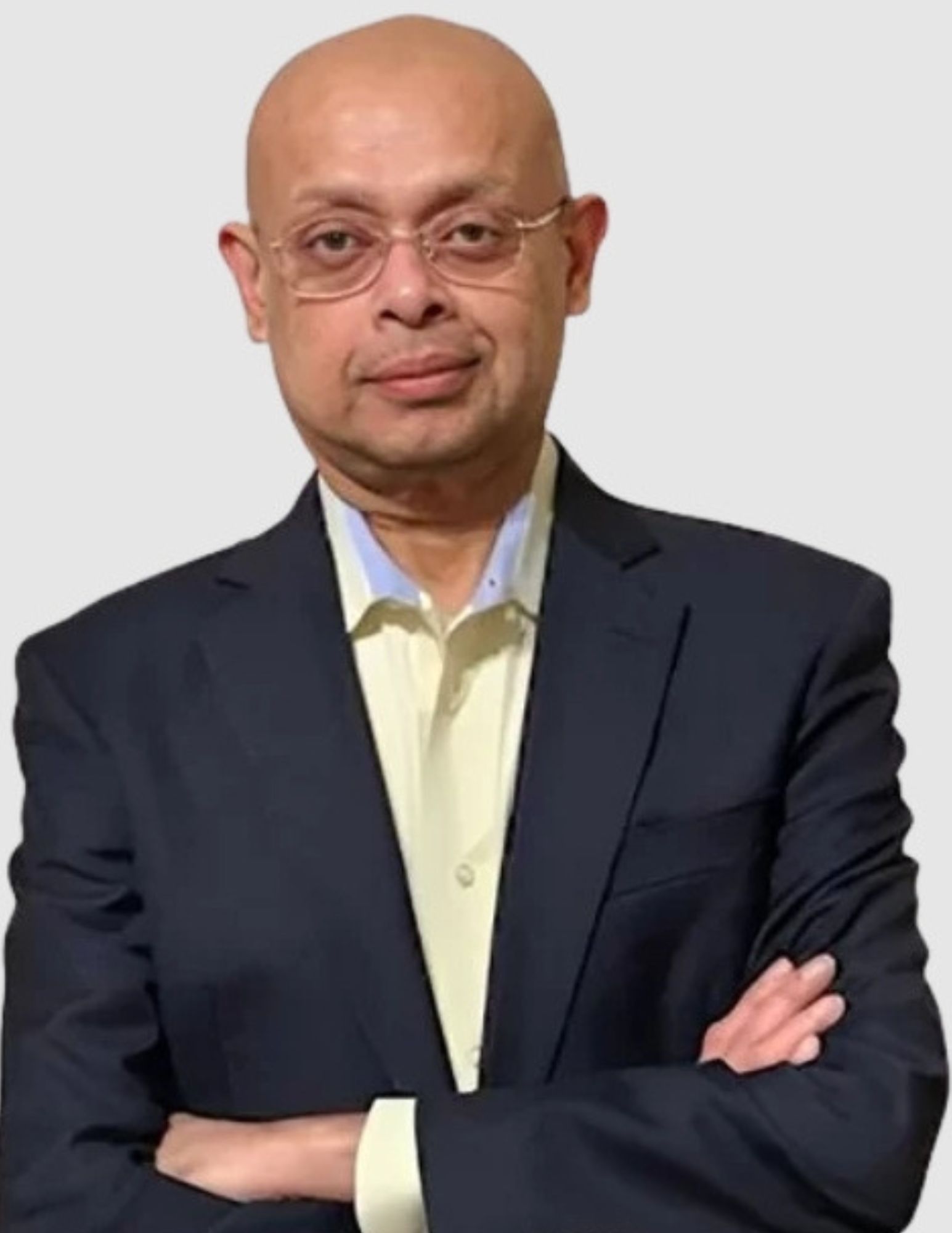 Dr. Indranill Basu-Ray is a Cardiac Electrophysiologist and a Professor of Cardiology and Public health, based in Memphis, Tennessee, USA. He is the Founder Chairman of American Academy for Yoga in Medicine.