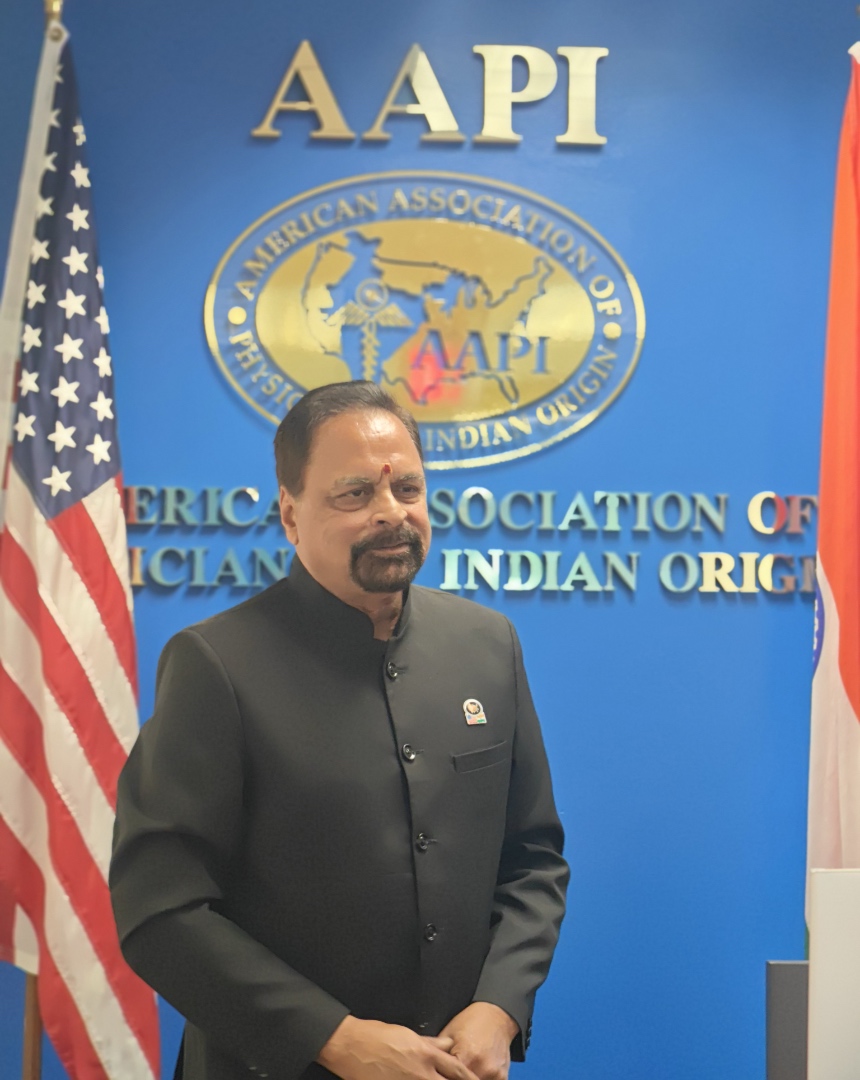
 Dr. Amit Chakrabarty: A Visionary Leader with Over Two Decades of Dedicated Service to AAPI, Poised to Propel the Organization to New Heights
“Unity is our strength—collaborating and presenting a united front is the challenge I am determined to overcome.”
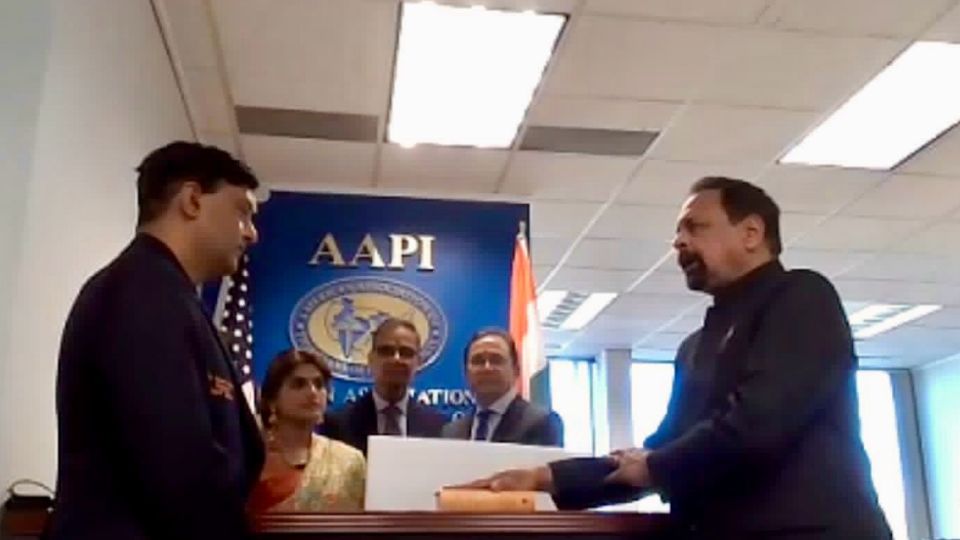
“AAPI is the only organization in the United States that truly represents physicians of Indian origin,” says Dr. Amit Chakrabarty, who assumed office as the President of the American Association of Physicians of Indian Origin (AAPI) during a historic oath-taking ceremony at AAPI’s national headquarters on July 3, 2025. The ceremonial gavel transfer will follow later this month at AAPI’s 43rd Annual Convention in Cincinnati, Ohio.
Dr. Amit Chakrabarty’s Vision to Unite AAPI: Bridging Divides and Building Trust
“We have the potential to make a significant impact on the healthcare landscape of this country,” Dr. Chakrabarty asserts. “My goal this year is to unify AAPI by transcending the regional divides that have hindered our progress in recent years. Indian American physicians represent tremendous talent and potential, and the key to realizing that lies in collective action and a united voice—something I am committed to fostering.”
As he steps into this leadership role, Dr. Chakrabarty pledges to work toward strengthening and expanding AAPI, which represents the interests of over 120,000 Indian American physicians. The Alabama-based urologist envisions a future where AAPI becomes “more vibrant, united, transparent, and politically active,” with increased membership and a stronger presence among younger physicians. He emphasizes the importance of ensuring that “AAPI’s voice is heard in the corridors of power.”
Dr. Chakrabarty’s journey with AAPI spans more than two decades—from a devoted “foot soldier” since 1997 to now leading the largest ethnic medical organization in the U.S. He refers to AAPI as his “second family,” a community he deeply cherishes and is honored to serve.
“Since joining AAPI as a patron member in 1997, I have dedicated myself to its mission,” says Dr. Chakrabarty, Consultant Urologist at Urologic Clinics of North Florida, former Chairman of the Urologic Clinics of North Alabama, and Director of the Center for Continence and Female Pelvic Health. “As the President, I will lead from the front. If members see my dedication, hard work, and transparency, I hope they will stand with me and help make this a successful year for AAPI.”
On his plans to unify AAPI, Dr. Amit Chakrabarty, a Bengali born and raised in Odisha, expresses both optimism and determination. “I have the unique advantage of having earned the trust of many regional groups within AAPI—especially those that have been at odds in recent years,” he says. “My history of honest, transparent leadership and my ability to reach across the aisle give me hope that I can help build bridges and strengthen AAPI’s unity and foundation.”
A Gandhian at heart, Dr. Amit Chakrabarty firmly embraces the timeless principle of “Satyameva Jayate” — Truth alone triumphs. Reflecting on his journey, he shares,
“I am a Bengali from Odisha, and I have lived and served in smaller AAPI chapters like Alabama and Missouri. I have no particular state or chapter allegiance; instead, I take pride in bridging divides and forging friendships across all regions and backgrounds, a trait that brought me to the pinnacle of this esteemed organization. My circle includes friends from every corner of AAPI and beyond, and I actively participate in diverse ethnic festivities, as my friends in Huntsville can certainly attest.”
A recipient of the National AAPI Distinguished Service Award (2018) and the President’s Award for Services (2019) from the Indian American Urological Society, Dr. Chakrabarty considers leadership both as a passion and a strength. “I see myself as a motivator. I lead by example, and that energy tends to inspire others. I’m fun-loving by nature, and I’ve always chosen to push through challenges rather than let them define me.”
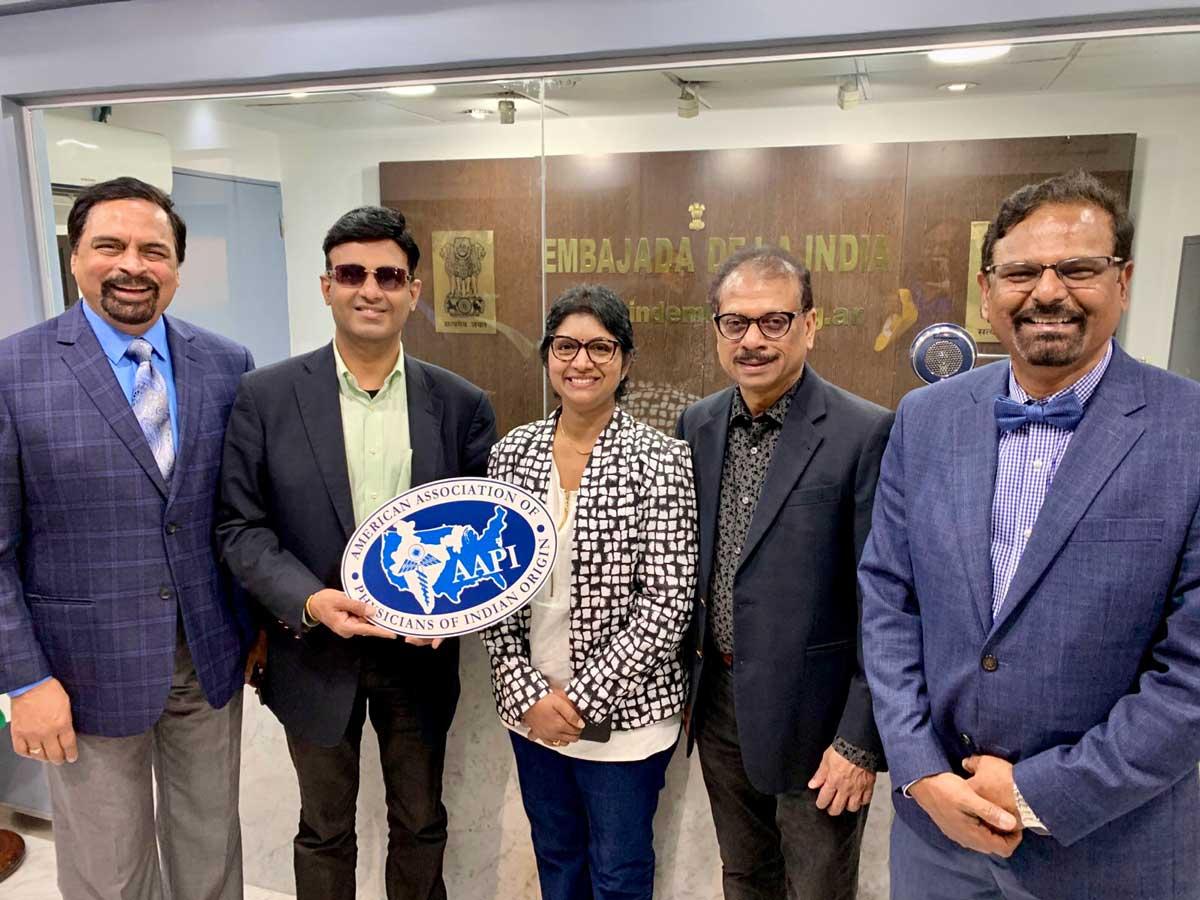
Dr. Amit Chakrabarty – AAPI Champion and Tireless Leader
Since joining AAPI, Dr. Amit Chakrabarty has been a steadfast leader and advocate, serving the organization with unwavering dedication for over 25 years. A Patron Member and long-standing Governing Body Member, he has impacted nearly every aspect of AAPI without bias or personal agenda.
He served two terms as Regional Director (2004–2006), was a Trustee (2017–2020), and chaired or co-chaired key committees including Ethics & Grievances, Journal Resources, Website, Alumni, Membership, Bylaws, IT, and the Charitable Foundation—helping expand its free clinic reach in the U.S. and India.
At the chapter level, Dr. Chakrabarty revitalized both the Alabama and St. Louis chapters, leading them from dormancy to becoming two of AAPI’s most active branches. Under his leadership, Alabama produced 13 of the last 15 Regional Directors, while St. Louis hosted a record-setting Governing Body Meeting, attended by the largest number of past presidents and BOT chairs. He holds the rare distinction of conducting three AAPI Governing Body meetings—two in Alabama and one in St. Louis.
He has also helmed specialty organizations, including the Indian American Urological Association and the Society of Indian American Clinical Urologists, and has played key roles at AAPI’s Global Health Summits in Odisha, Kolkata, and Hyderabad. To date, he has attended over 100 AAPI events worldwide.
Beyond AAPI, Dr. Chakrabarty has led cultural and community organizations across Alabama and at present serves as the Vice Chair of the Board of Trustees of the Hindu Cultural Center of Huntsville. He led the Indian Delegation to Japan in 1985, the International Youth Year, on the invitation of the Government of Japan. From negotiating stipends for medical residents in Delhi as the President of the Resident Doctors’ Association, to shaping the future of Indian American physicians, his leadership spans continents and generations.
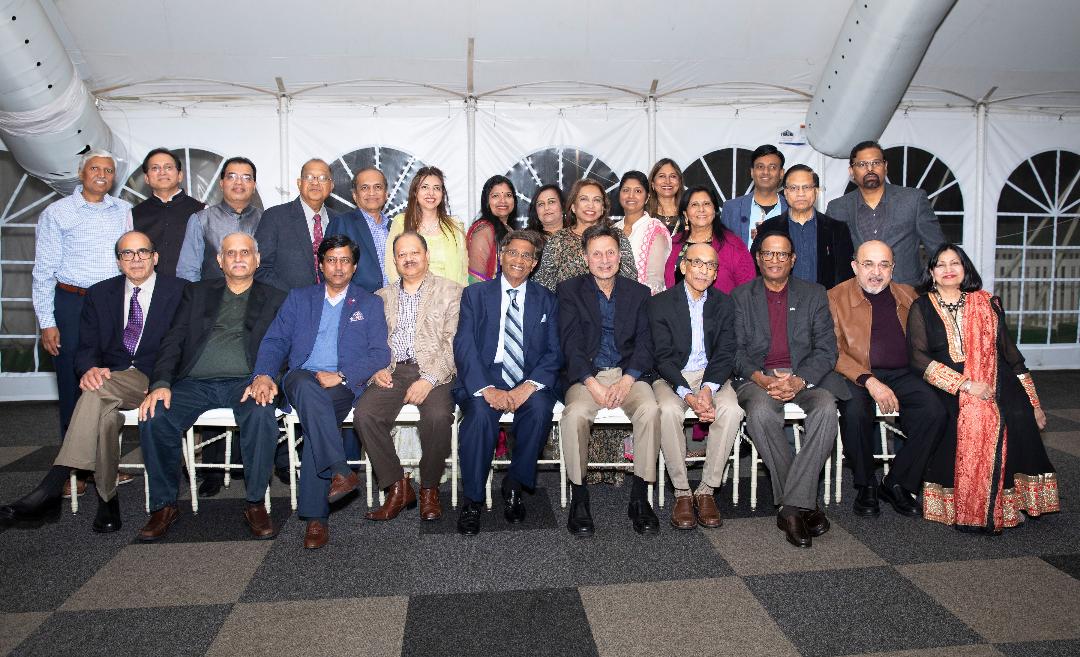
Dr. Amit Chakrabarty’s Vision: Shaping the Future of AAPI
As he takes the helm of AAPI—one of the most respected and enduring ethnic physician organizations in the United States—Dr. Amit Chakrabarty has laid out a bold and forward-thinking agenda for the organization’s future. His vision focuses on advocacy, global engagement, and empowering the next generation of physicians. Key priorities include:
- Combating Physician Burnout and Addressing the Green Card Backlog:
Dr. Chakrabarty is committed to advocating for meaningful reforms to alleviate the growing crisis of physician burnout and tackling the long-standing immigration hurdles, especially the Green Card backlog, that disproportionately affect Indian-origin doctors.
- Establishing a Robust and Well-Funded Political Action Committee (PAC):
Recognizing the power of political advocacy, he plans to build a strong and strategically funded AAPI-PAC to effectively lobby for physician-related policy changes and increase the organization’s influence at the state and national levels.
- Global Partnerships in Healthcare Education:
Dr. Chakrabarty envisions AAPI as a global leader in medical education and innovation, promoting collaborations with international institutions to advance healthcare standards, training, and access across borders.
- Participation in Global Health Policy-Making:
AAPI, under his leadership, will seek a greater voice in shaping healthcare policies within global institutions such as the World Health Organization (WHO) and the United Nations, particularly on issues affecting South and Southeast Asia.
- Investing in the Future: Empowering Medical Students, Residents, and Young Physicians (MSR/YPS):
Emphasizing the need for generational continuity, Dr. Chakrabarty aims to heavily invest in the MSR/YPS section, offering them leadership roles within mainstream AAPI and integrating them into all levels of organizational planning and programming.
“Without the active involvement of our young physicians, there will be no AAPI 20 years from now,” he warns. “We must cultivate their leadership now and give them the platform to shape the organization’s future.”
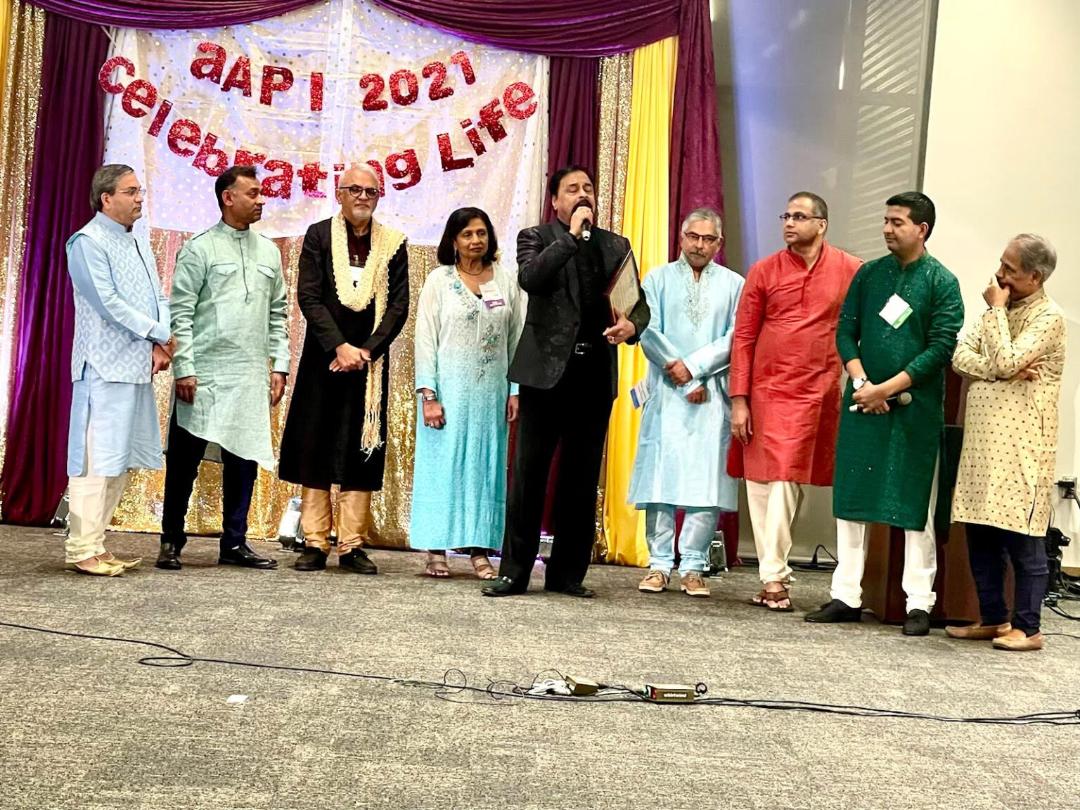
AAPI’s Financial Future: Dr. Chakrabarty’s Vision in Action
Ensuring AAPI’s financial strength is a top priority for Dr. Amit Chakrabarty, who brings over 20 years of hands-on fundraising success to the table.
“Fundraising is my passion,” he says. “I’ve consistently raised funds for AAPI and causes we care deeply about.”
A few highlights of his efforts include:
- Leading the 9-city Talat Aziz Tour for Hurricane Harvey relief & Leukemia Society
- Organizing the Pankaj Udhas Show supporting AAPI scholarships and childhood obesity awareness
- Organizing and conducting Geetanjali Music benefit concert for Puerto Rico hurricane relief
- Helped with Sukhwinder Singh Tour (2022), Shreya Ghosal Show (2018), Hema Malini Concert (2003 and 2004)
- $100,000 scholarship fund for Indian urologists through the Indian American Urology Association
- Geetanjali music concert raised over $600,000+ in two successive years for the Hindu Temple of St. Louis
- Multiple fundraisers to eliminate a $1.3 million debt for the Hindu Cultural Center of North Alabama
Many of these events were initiated, funded, and organized personally by Dr. Chakrabarty—including his original concept “DADA vs DADA”, a tour planned to benefit the AAPI Charitable Foundation in 2005, which was later on, canceled due to Hurricane Katrina.
“Philanthropy has been part of my life since childhood,” he says, citing school fundraisers and musical performances as early outlets for his service spirit. That passion continues today through his work with his own musical group Geetanjali Music, which has headlined numerous AAPI benefit events.
Investing in the Future: Empowering Young Physicians
Equally crucial to Dr. Chakrabarty is the active inclusion and empowerment of AAPI’s younger members, particularly the Medical Students, Residents, Fellows (MSRF), and Young Physicians (YPS) section. “If we don’t actively engage our young physicians today, AAPI risks becoming irrelevant in the next two decades,” he cautions.
He strongly advocates for giving MSR/YPS greater visibility and leadership roles within the organization, beginning with the national convention.
“One of the prime-time evening sessions at the main convention should be entirely managed and led by the YPS team. It will not only boost their confidence but also reinforce their connection to the parent organization,” he suggests.
Through strategic fundraising and empowering the next generation, Dr. Chakrabarty envisions an AAPI that is not only financially secure, but also vibrant, inclusive, and future-ready.
Advancing AAPI as a Global Health Leader
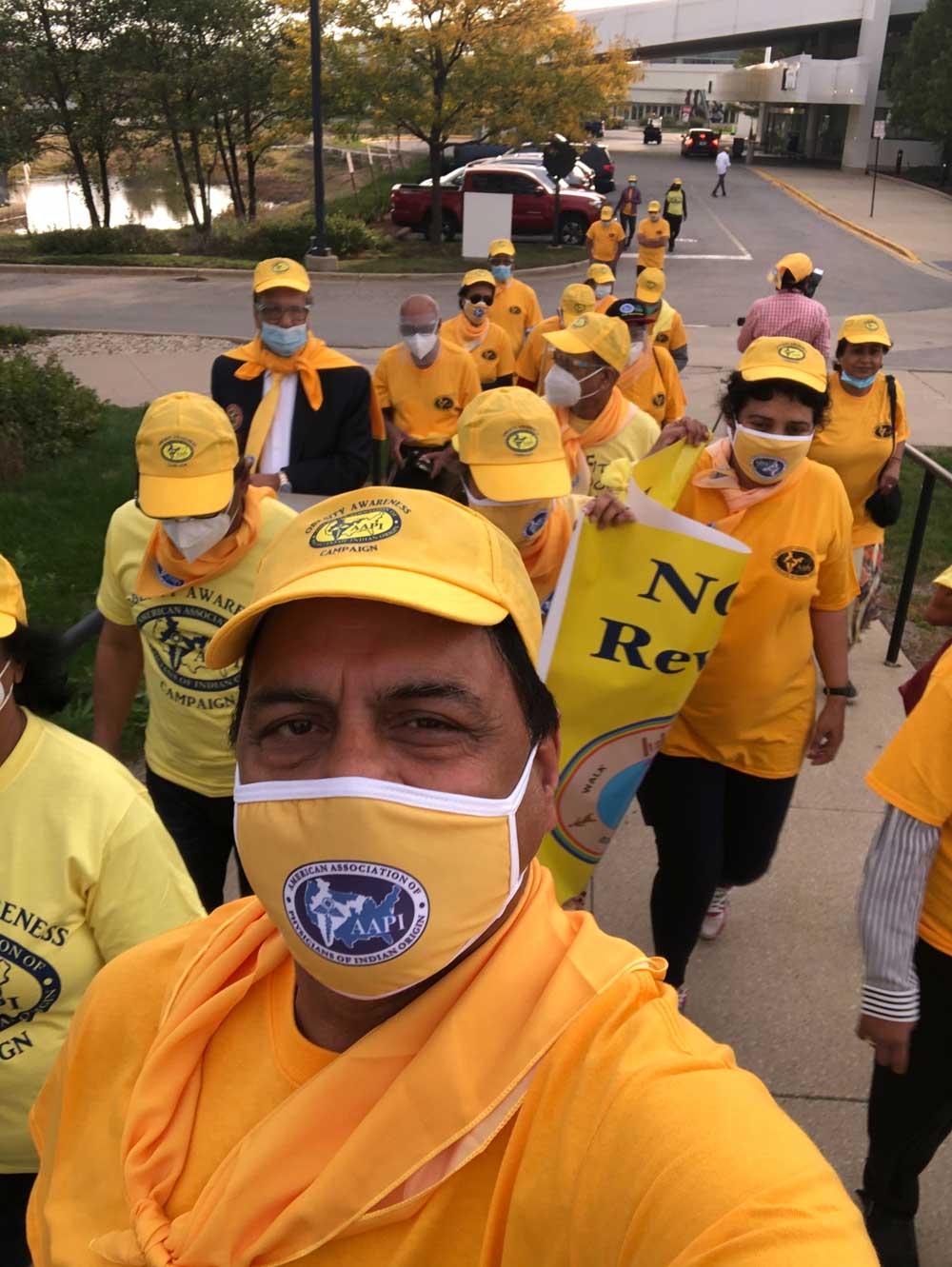 Dr. Amit Chakrabarty envisions a future where AAPI stands as a globally respected, politically empowered, and socially impactful force in healthcare. His international vision includes:
- Strengthening global health education partnerships
- Delivering economic and material aid to underserved communities
- Securing
- AAPI’s seat at the policy table of WHO and the UN, particularly on South Asian health issues
“My goal is for AAPI to be recognized as a global health leader,” he affirms. He plans to revitalize AAPI’s philanthropic efforts through greater visibility and accountability.
“The AAPI Charitable Foundation has done vital work over the last 20 years in supporting free clinics in India—but we must better support and showcase our philanthropic efforts,” he says.
To expand AAPI’s global footprint, Dr. Chakrabarty proposes creating an AAPI Global Foundation—focused on innovation, research, education, and health policy—while the AAPI Charitable Foundation continues to provide direct clinical care in India. Together, these arms will drive AAPI’s mission of improving healthcare locally and worldwide.
Leading by Action: “Help India Breathe”
During the COVID-19 crisis, Dr. Chakrabarty launched Help India Breathe under his ApShiNi Ventures initiative—delivering critical aid when it was needed most. While national organizations like AAPI relied on government distribution, Dr. Chakrabarty independently ensured life-saving equipment reached underserved hospitals and small clinics across India.
“ApShiNi directly supported nonprofit and remote hospitals and clinics—where the need was greatest,” he explains. Thanks to rigorous coordination, ApShiNi volunteers delivered nearly 2,400 co-ventilators and 1500 high-capacity oxygen concentrators to these remote areas and also frontline defense outposts. (www.apshini.org)
Dr. Chakrabarty also served as the founding president of the Odisha Doctors’ International Association (ODIA), leading unified efforts to provide medical aid and amplify Odisha’s healthcare needs globally. He continues to represent Odisha in AAPI’s national leadership.
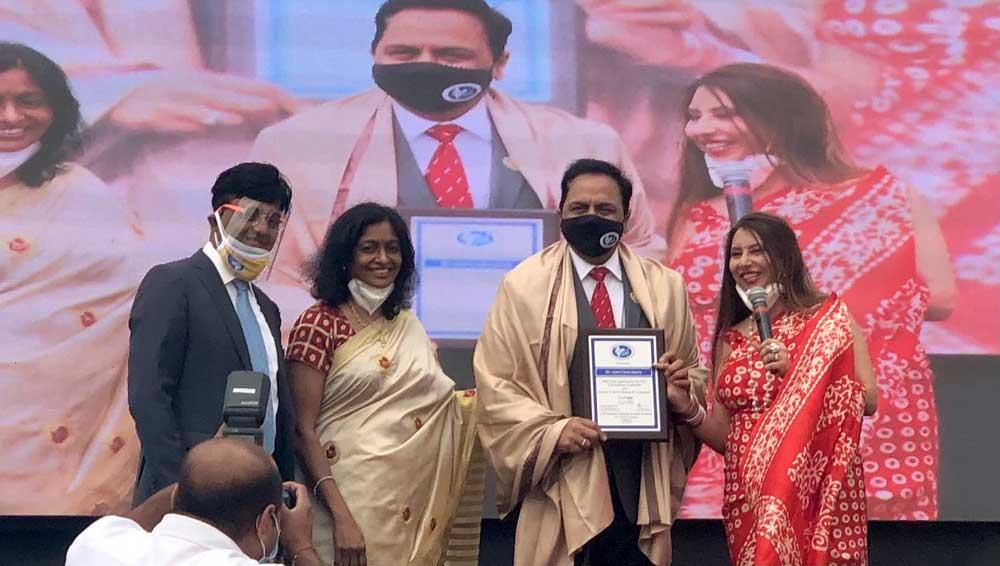
Dr. Chakrabarty – A Multi-Talented Leader
Physician, performer, and passionate visionary, Dr. Chakrabarty is as much an artist as a healer. He founded AAPI’s Got Talent (2010) and the beloved Mehfil segment (2008), bringing music, laughter, and community to AAPI’s annual conventions.
Chair of the AAPI Entertainment Committee and a founding member of the Geetanjali Music Group, he has helped raise funds through music while sharing the stage with his talented daughter and nephew (www.geetanjalimusic.com)
Driven by joy and resilience, he says, “I love people and celebrating life… if life gives me lemons, I make lemonade!” His passions also extend to stand-up comedy, cricket, travel, and outdoor cooking—reflecting a vibrant spirit deeply connected to culture and community.
Dr. Amit Chakrabarty – A Scholar, Surgeon, and Innovator
Board-certified urologist and Chairman of the Urologic Clinics of North Florida, Dr. Amit Chakrabarty has practiced adult and pediatric urology across three continents for over 30 years. He also leads the Center for Continence and Female Pelvic Health and serves as primary investigator at UCNA Research.
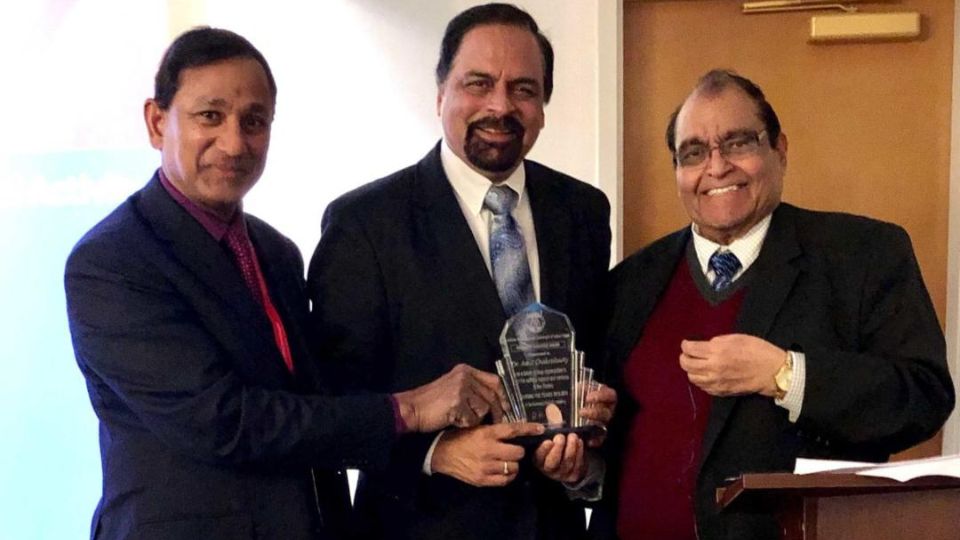
A top graduate of MKCG Medical College in India, Dr. Chakrabarty earned multiple gold medals and the Pfizer Medallion for academic excellence. He completed his Master of Surgery at PGIMER Chandigarh, followed by a surgical fellowship at the Royal College of Surgeons, Edinburgh—mirroring the path of his father, a pioneering surgeon in Odisha. After moving to the U.S., he completed a urology residency and uro-oncology fellowship at Wayne State University.
Dr. Chakrabarty’s clinical focus includes female urology, urinary incontinence, pelvic organ prolapse, BPH, and male hypogonadism. He is a surgical proctor and global speaker on cutting-edge treatments, and has published widely on urinary health and hormonal disorders. His research helped lead to FDA approval of Vibregon, a treatment for overactive bladder.
As an educator, he remains an active contributor to AAPI CME programs. His passion for learning and teaching is deeply rooted in the example set by his father. Dr. Chakrabarty has mentored students at several institutions and has authored multiple medical publications. He regularly contributes to AAPI’s CME programs and workshops, and has been awarded membership to the AAPI Distinguished speakers’ Club.
A physician known for his compassion, brilliance, and unwavering dedication, Dr. Amit Chakrabarty has consistently excelled in every role he has undertaken—both within the medical community and in public service. His leadership is not only defined by professional excellence, but also by a deep commitment to humanitarian causes, education, and global health equity.
With confidence born of extensive experience, Dr. Chakrabarty states, “Having served as a member and leader of AAPI for over two decades, I have honed the skills necessary to advance the organization. My mission is to leave a legacy of work that people will remember fondly and proudly long after I am gone.”
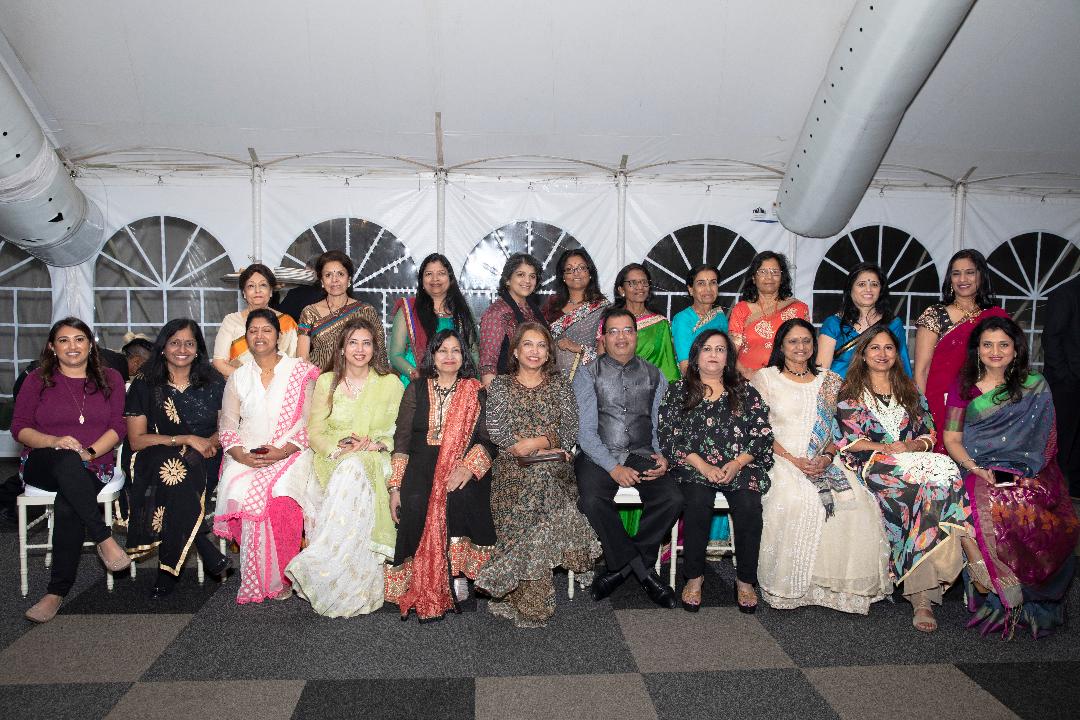
Family Support
Dr. Chakrabarty credits his success to his wife of 38 years and their three daughters. His eldest, a breast oncology surgeon and AAPI-MSRF member, also shares his musical and philanthropic spirit. “My family has stood by me through every step,” he says. “This year, I’m committed to giving back even more to AAPI—and leaving a legacy that honors both my parents and my journey.”
About AAPI
The influence of physicians of Indian heritage continues to grow significantly across the United States. Increasingly, physicians of Indian origin occupy critical roles in healthcare delivery, academia, research, and administration nationwide. As physicians of Indian origin, we take immense pride in our remarkable achievements and contributions—to our motherland India, our adopted home the United States, and in fostering the transformative Indo-US relationship.
Representing one in every seven patients in the U.S., AAPI members care for millions of individuals daily. Many have risen to prominent leadership positions, shaping policies, programs, and innovations that impact healthcare both nationally and globally.
“Since its founding in 1982, AAPI has been at the forefront, uniting more than 125,000 practicing physicians across the country to serve as the collective voice of Indian-origin physicians,” said Dr. Satheesh Kathula. “We remain committed to this noble mission and will continue strengthening our efforts to propel AAPI to even greater heights.”
Among AAPI’s standout leaders is Dr. Amit Chakrabarty—respected for his clinical excellence, humanitarian work, and commitment to global health equity. “With over two decades in AAPI leadership, I aim to leave a legacy that inspires pride and lasting impact,” says Dr. Chakrabarty. For more information, please visit www.amitforaapi.com

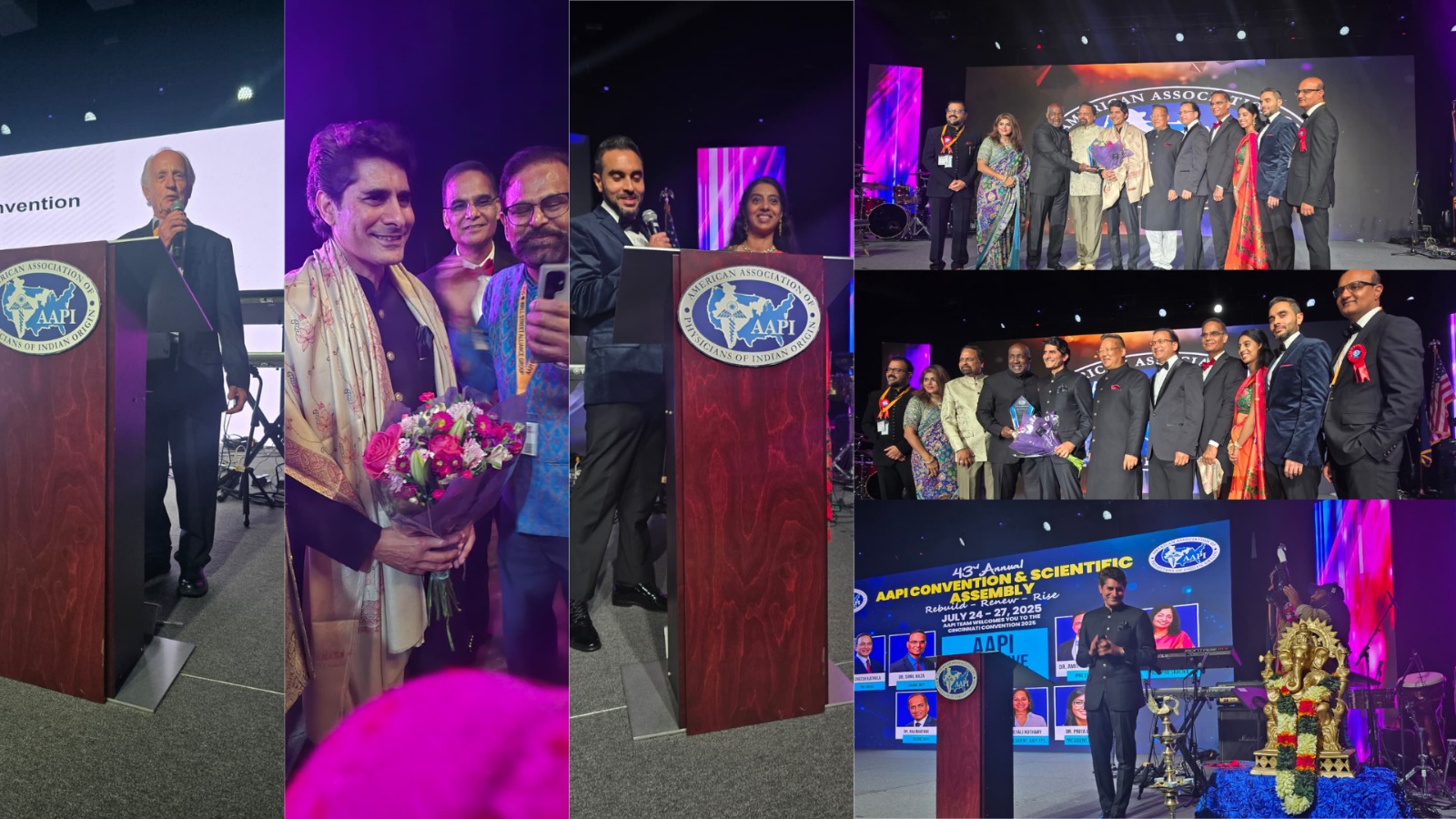
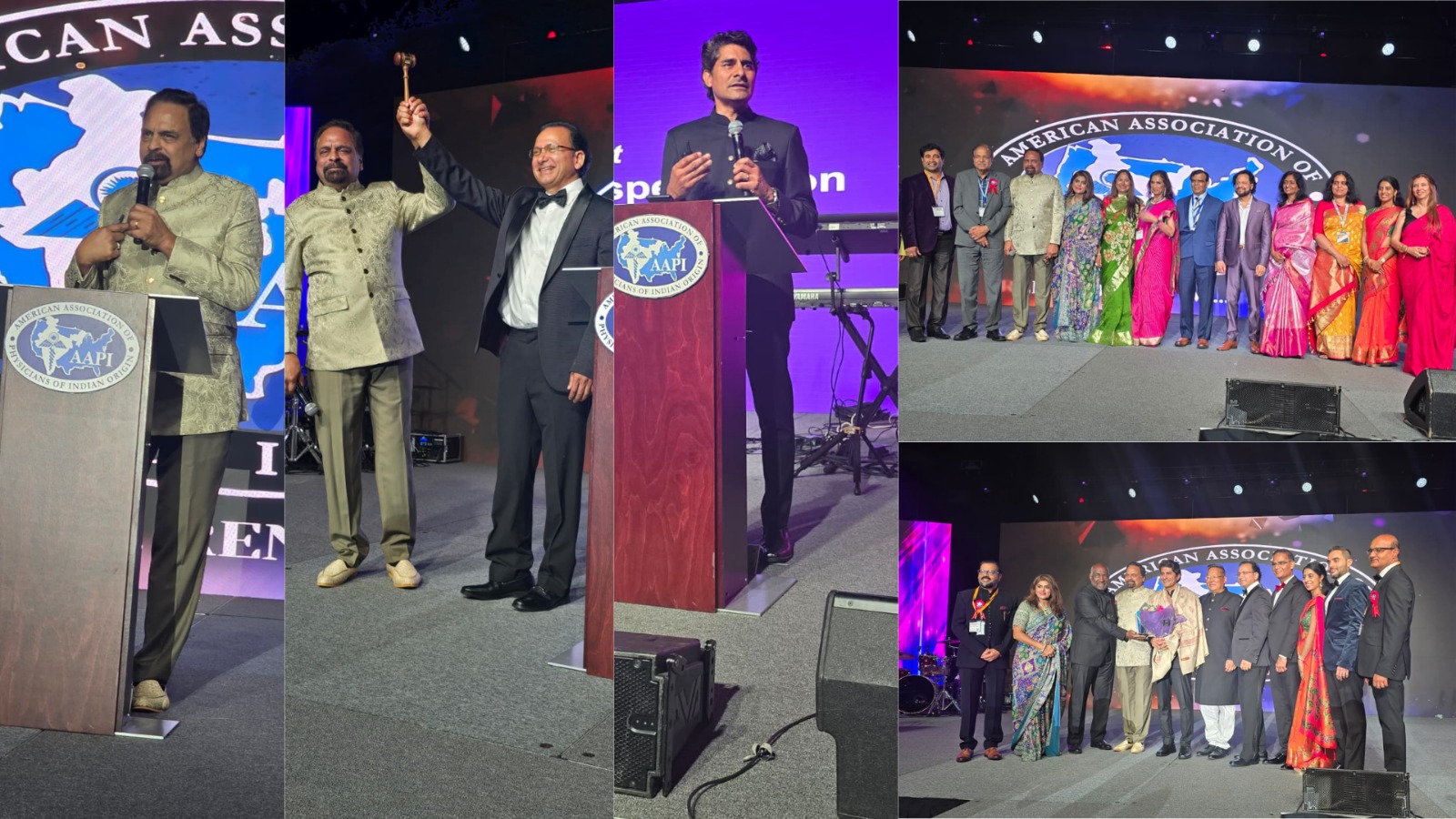
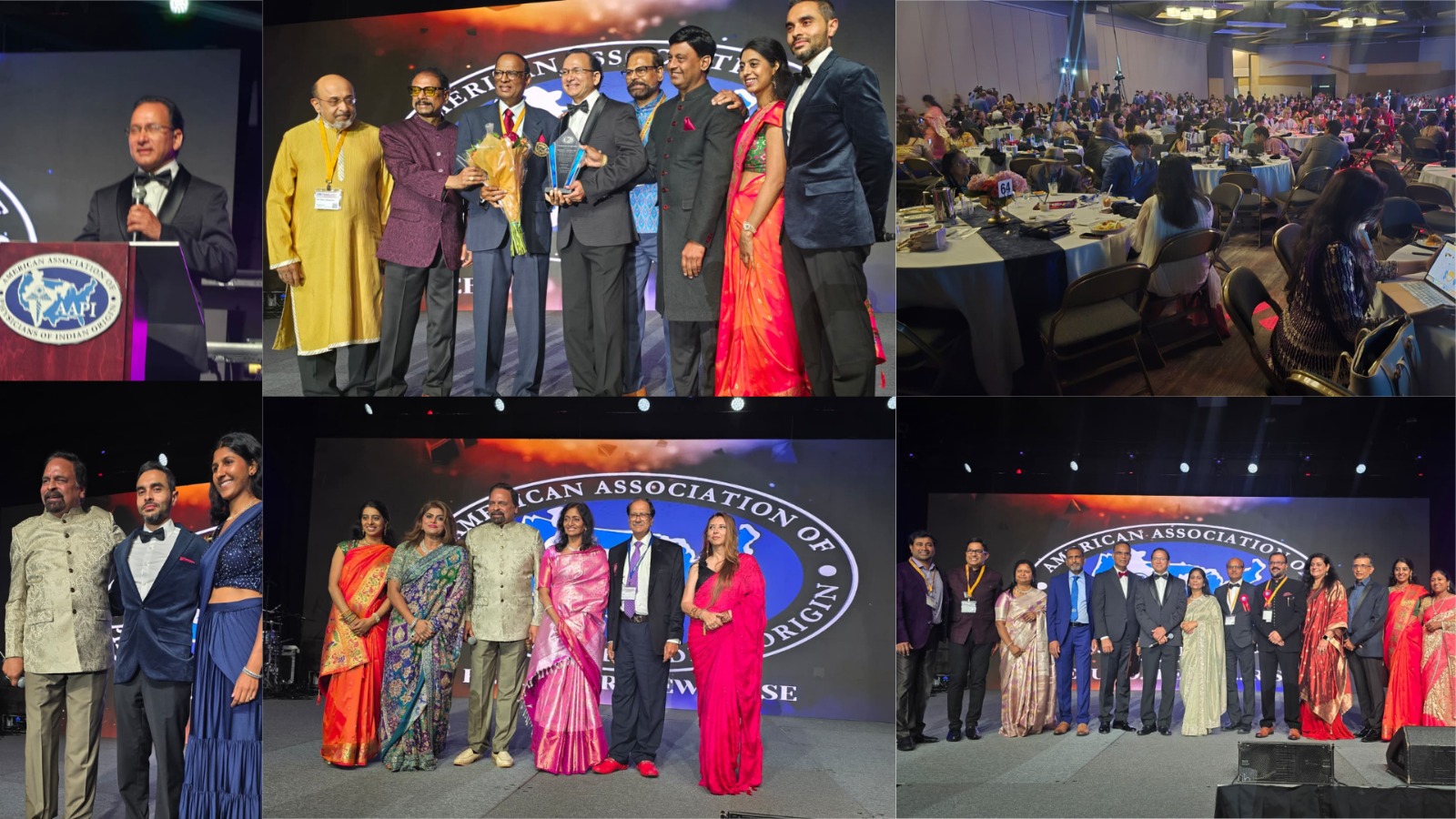
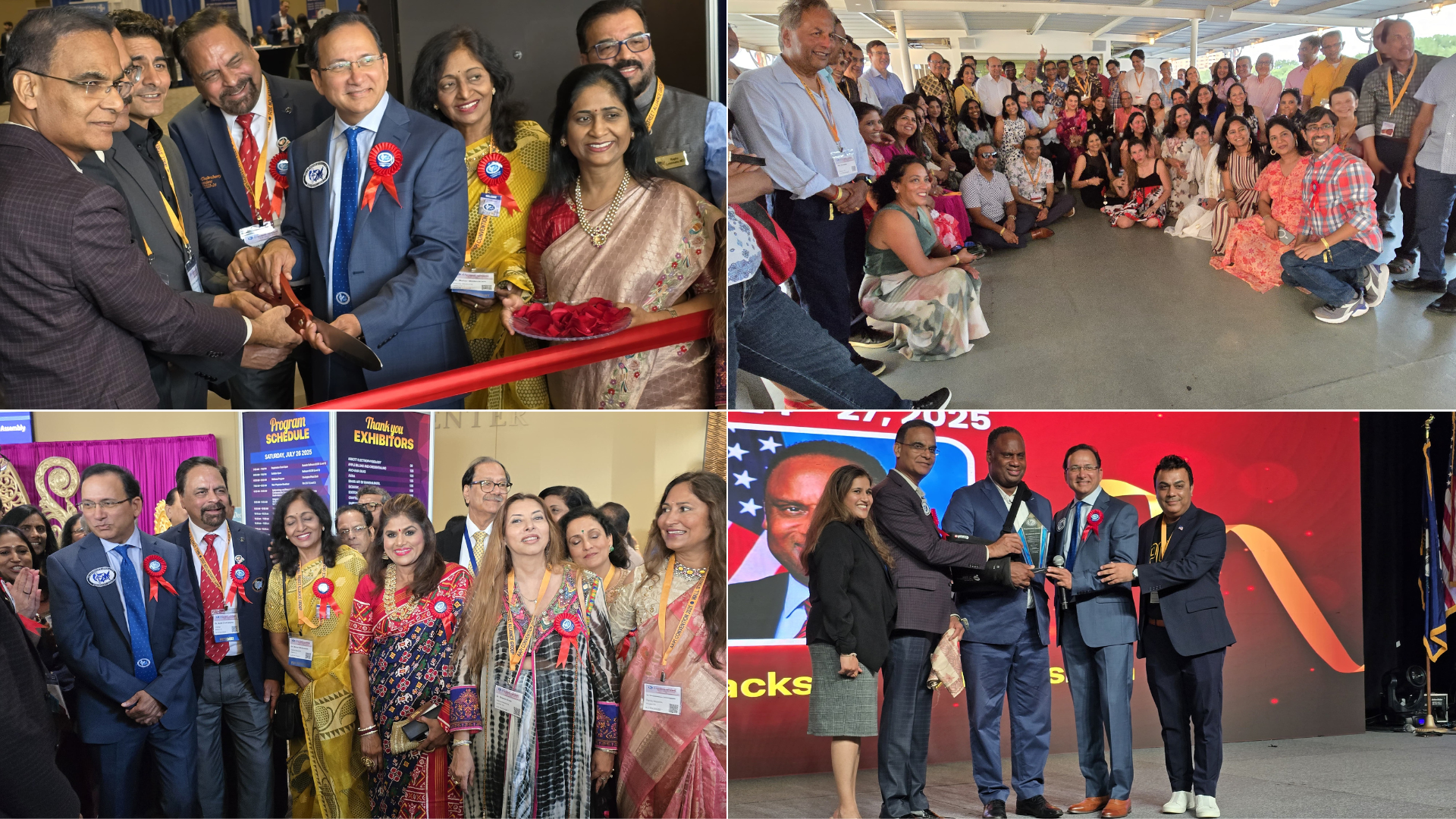
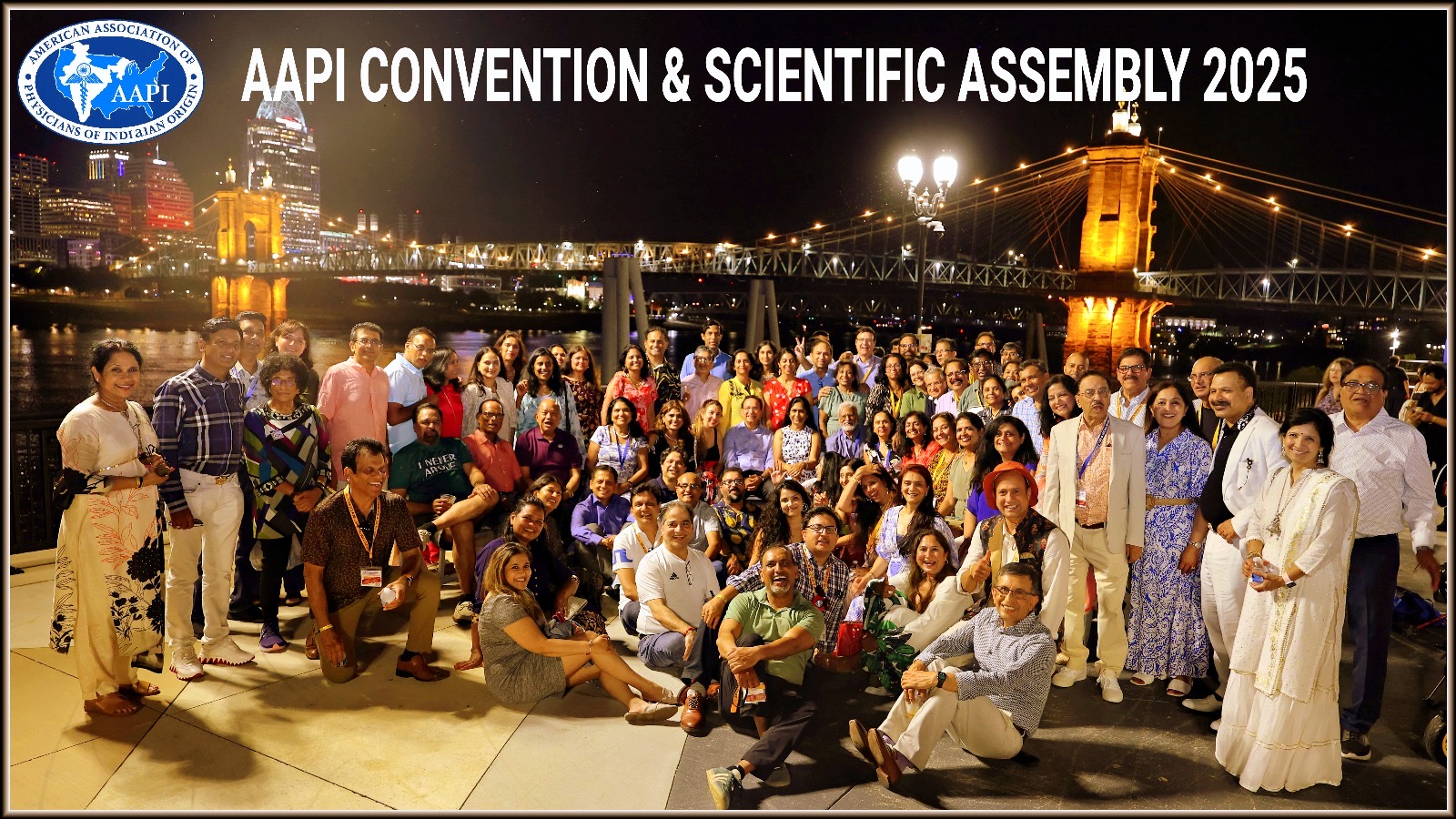

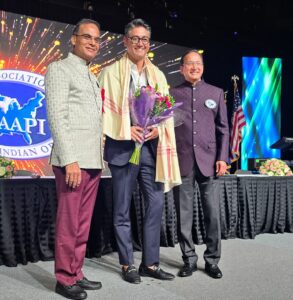
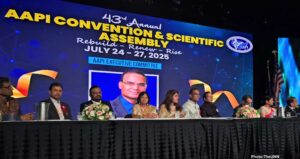 Dr. Satheesh Kathula, the outgoing President of AAPI lauded the support and guidance he received from Dr. Kaza and other members of the BOT, including the incoming BOT Chair, Dr. Gor. Expressing his gratitude to AAPI’s executive committee members, including AAPI’s Convention committee chairs and members, volunteers and sponsors for their continued dedication and visionary leadership in their efforts to make this convention truly a historic one for all, Dr. Kathula, said. “The organizing committees have been working hard to make the AAPI Convention of 2025 rewarding and memorable for all.”
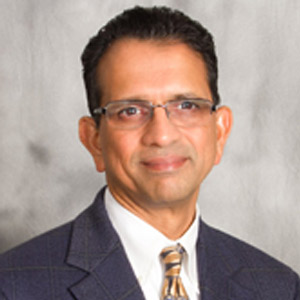

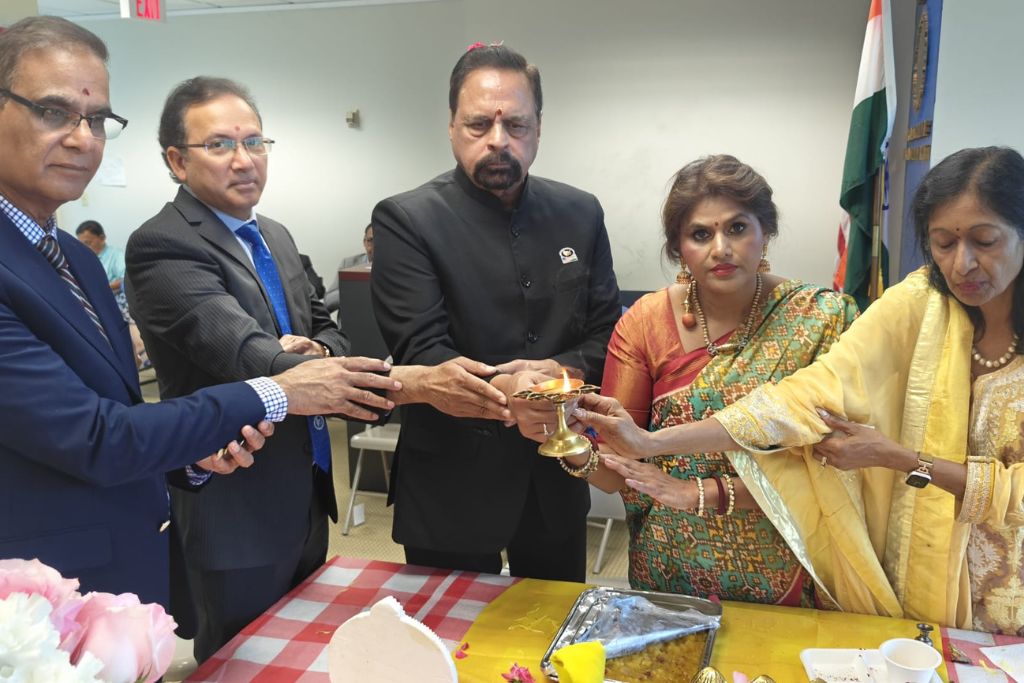
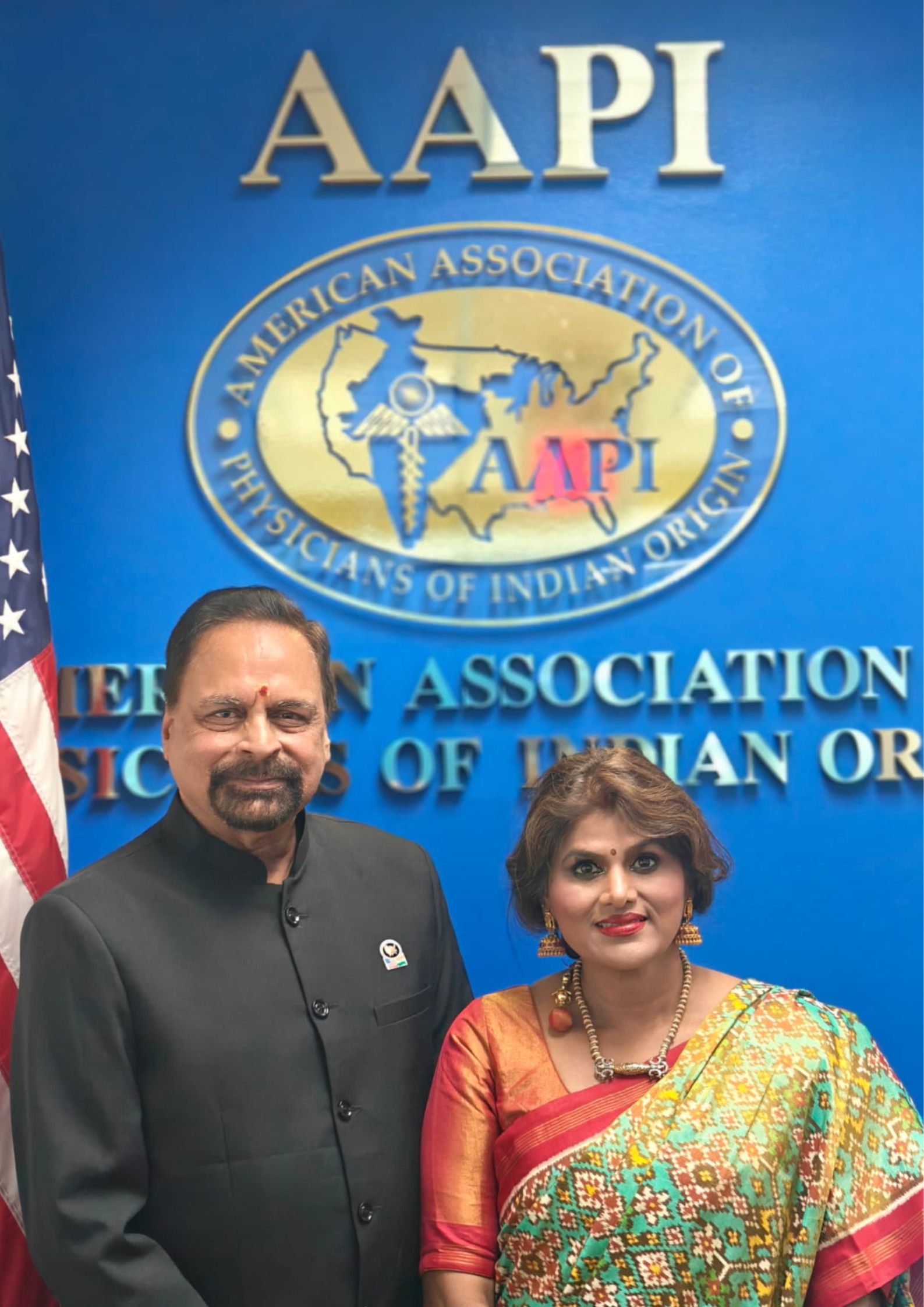 For the first time in the history of the American Association of Physicians of Indian Origin (AAPI), during a formal ceremony Dr. Amit Chakrabarty and Dr. Hetal Gor were formally administered the oath of office as the President & Chairperson of the Board of Trustees of AAPI, respectively at a solemn ceremony at the AAPI office in Oak Brook, IL, on July 3rd, 2025.
 “We have the potential to make a significant impact on the healthcare landscape of this country,” Dr. Chakrabarty said. “My goal this year is to unify AAPI by transcending the regional divides that have hindered our progress in recent years. Indian American physicians represent tremendous talent and potential, and the key to realizing that lies in collective action and a united voice—something I am committed to fostering.”
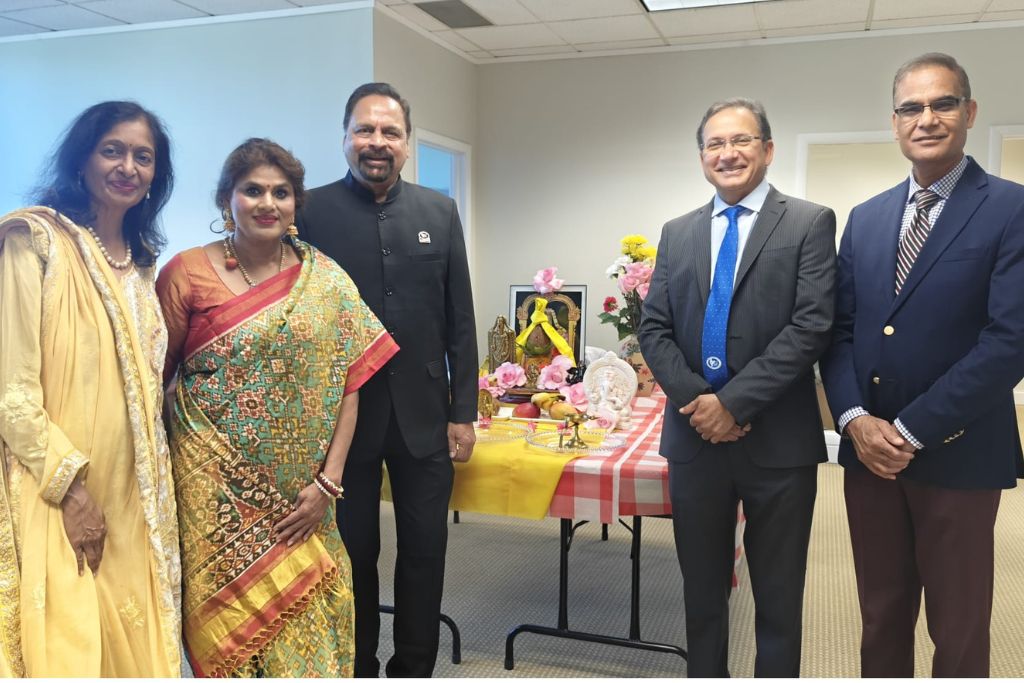 Physician, serving as the Medical Director of Mount Sinai Hospital, FAQH Center, and a Staff Physician Advocate at Good Samaritan Hospital as well as a Clinical Preceptor at UIC College of Medicine, Department of Family Medicine CMU School of Medicine also was administered the oath of office as the President Elect of AAPI.
 Serving 1 in every 7 patients in the US, AAPI members care for millions of patients every day, while several of them have risen to hold high-flying jobs, shaping the policies and programs, and inventions that shape the landscape of healthcare in the US and around the world.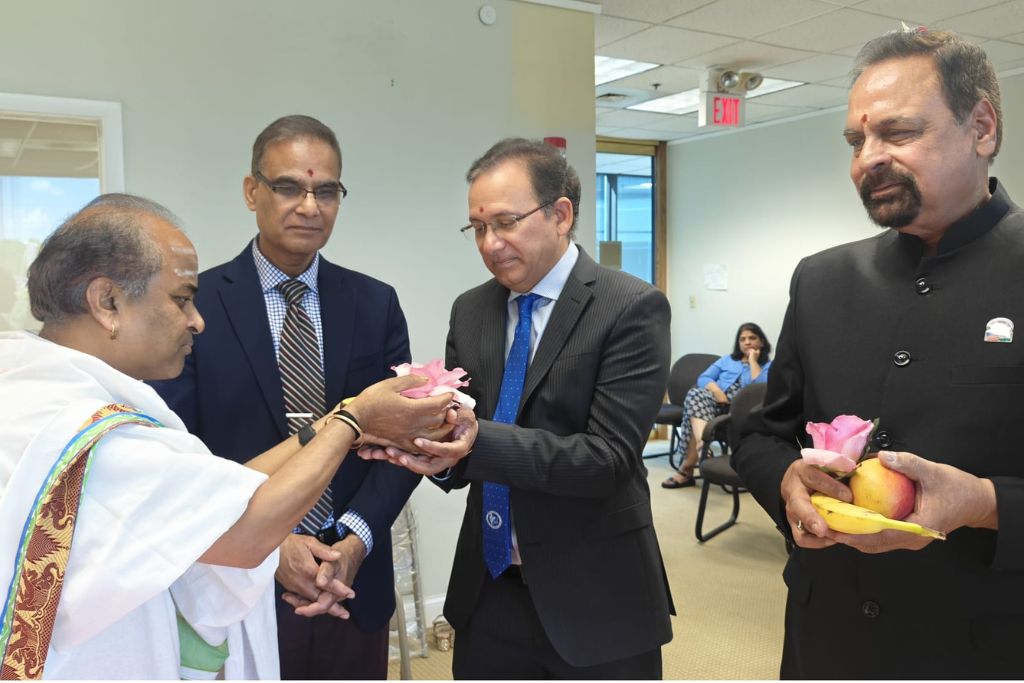
 Rotary’s youth members are joining forces with the globally renowned visionary Dr. V.K. Raju, founder of the Eye Foundation of America (EFA), in a profound mission to eradicate childhood blindness. On June 14, 2025, an inspiring gathering took place at the India International Centre in New Delhi, where a dynamic group of Rotaractors and Interactors expressed their unwavering commitment to carrying forward Dr. Raju’s vision of a “world without childhood blindness.” This event marked a significant step in creating intergenerational partnerships for global health equity.
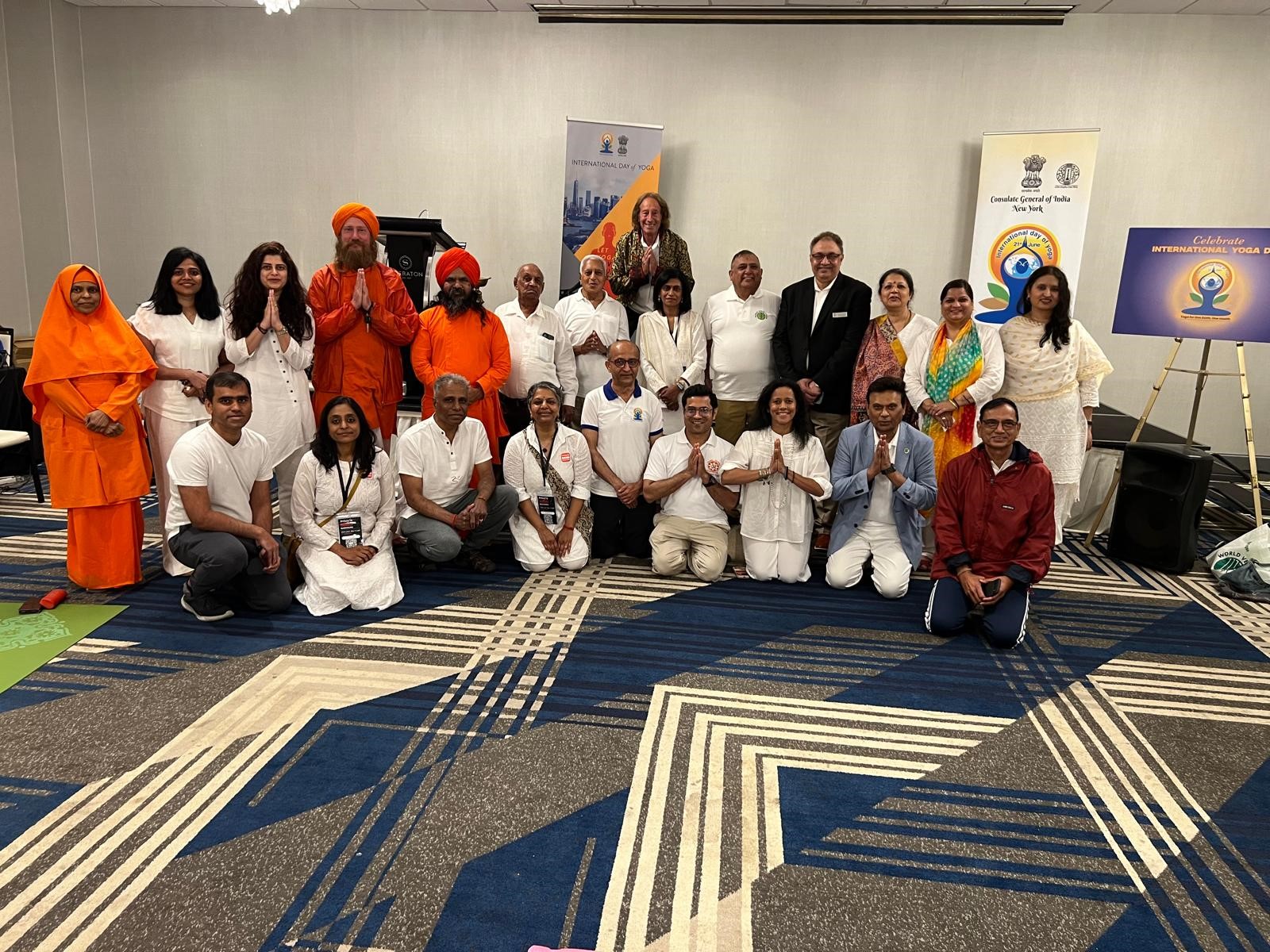
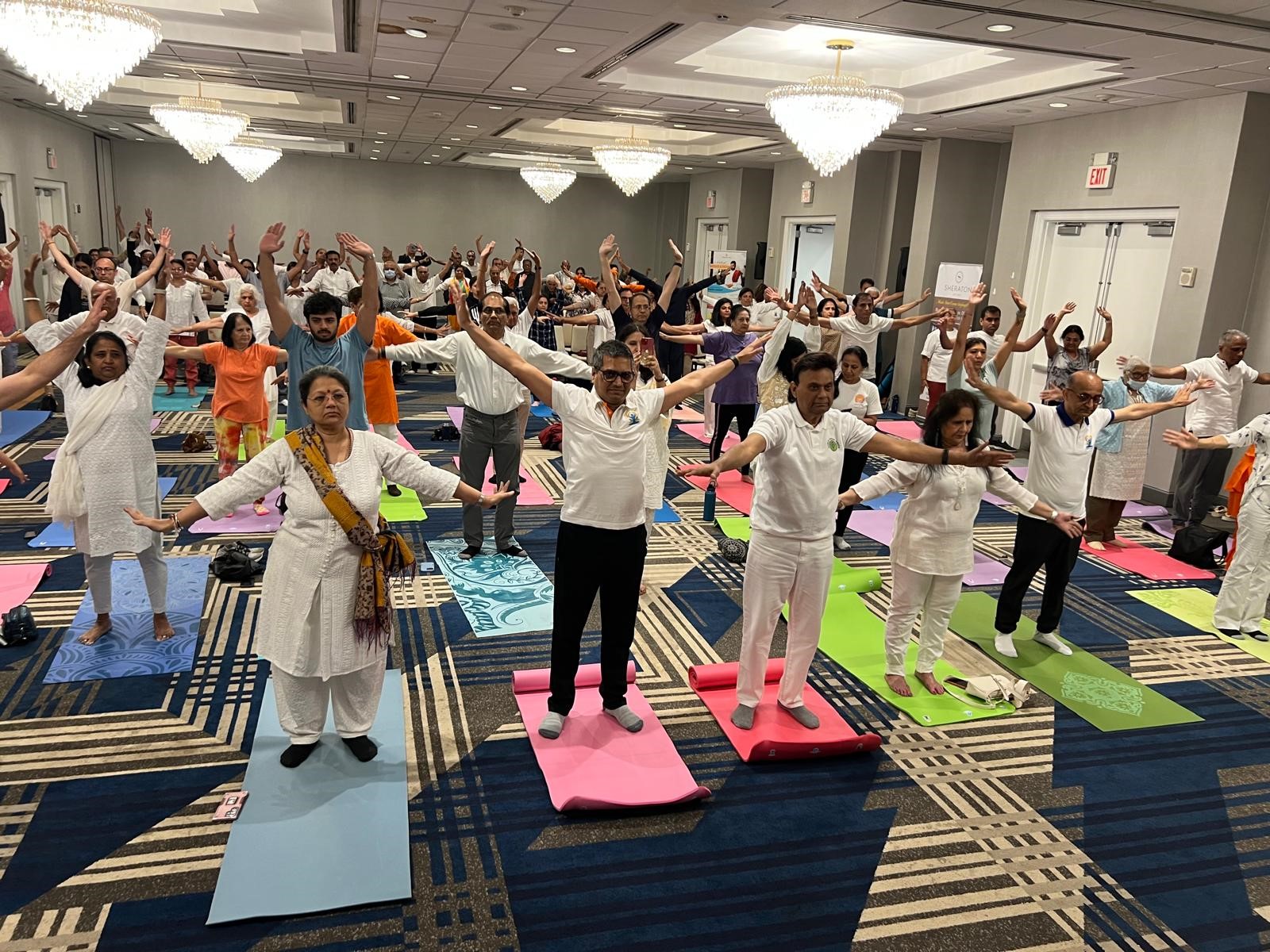
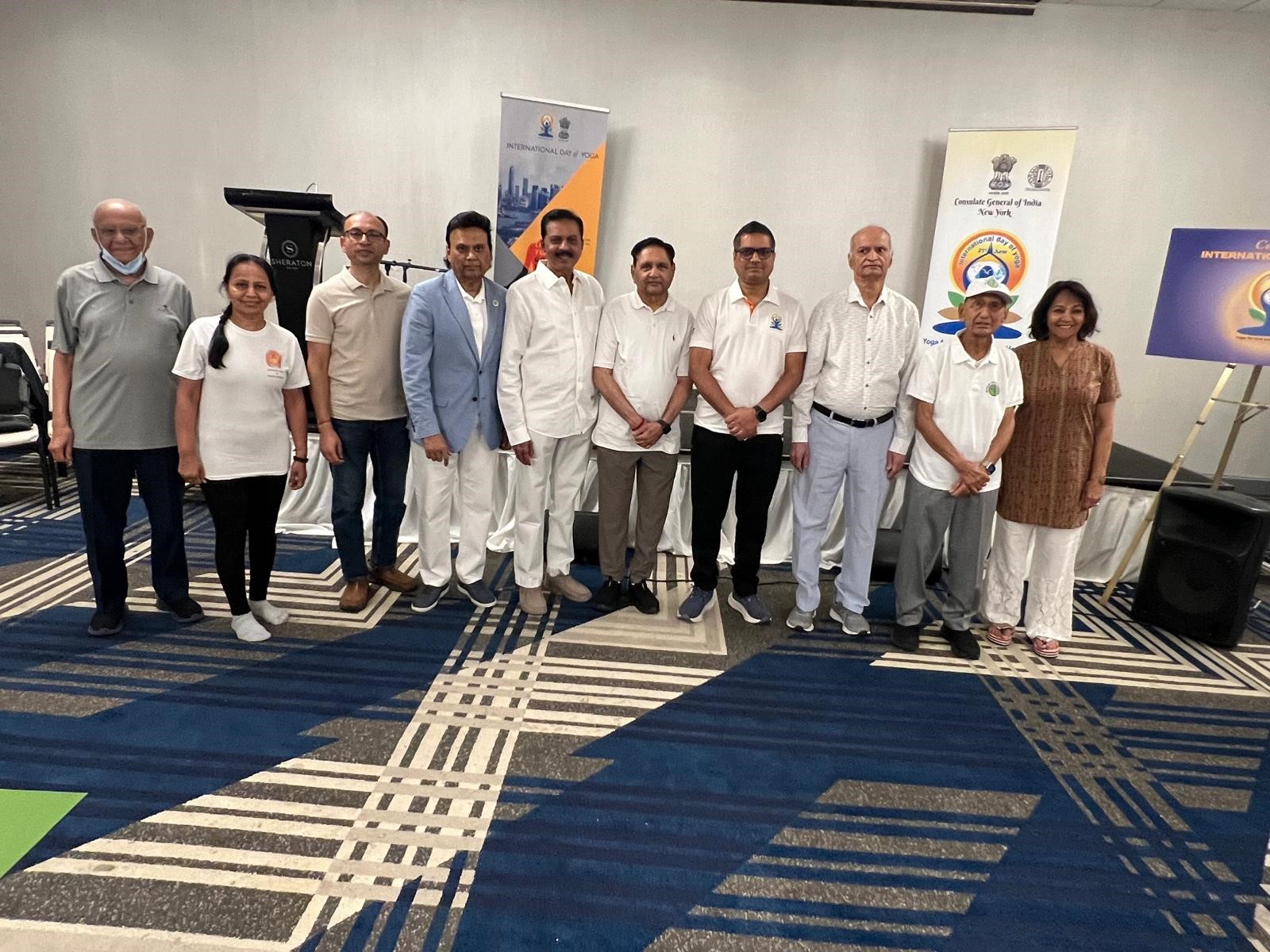 The Indo American Cultural Association of Edison, under the capable leadership of Nitin Vyas and in partnership with the Consulate of India in New York, held a vibrant International Yoga Day event on June 14 at the Sheraton Hotel in Edison, New Jersey. Despite facing heavy rainfall, the gathering saw an impressive turnout of over 300 yoga enthusiasts, supported by a number of major Indo American organizations. The participants experienced inspiring yoga sessions led by several distinguished instructors.
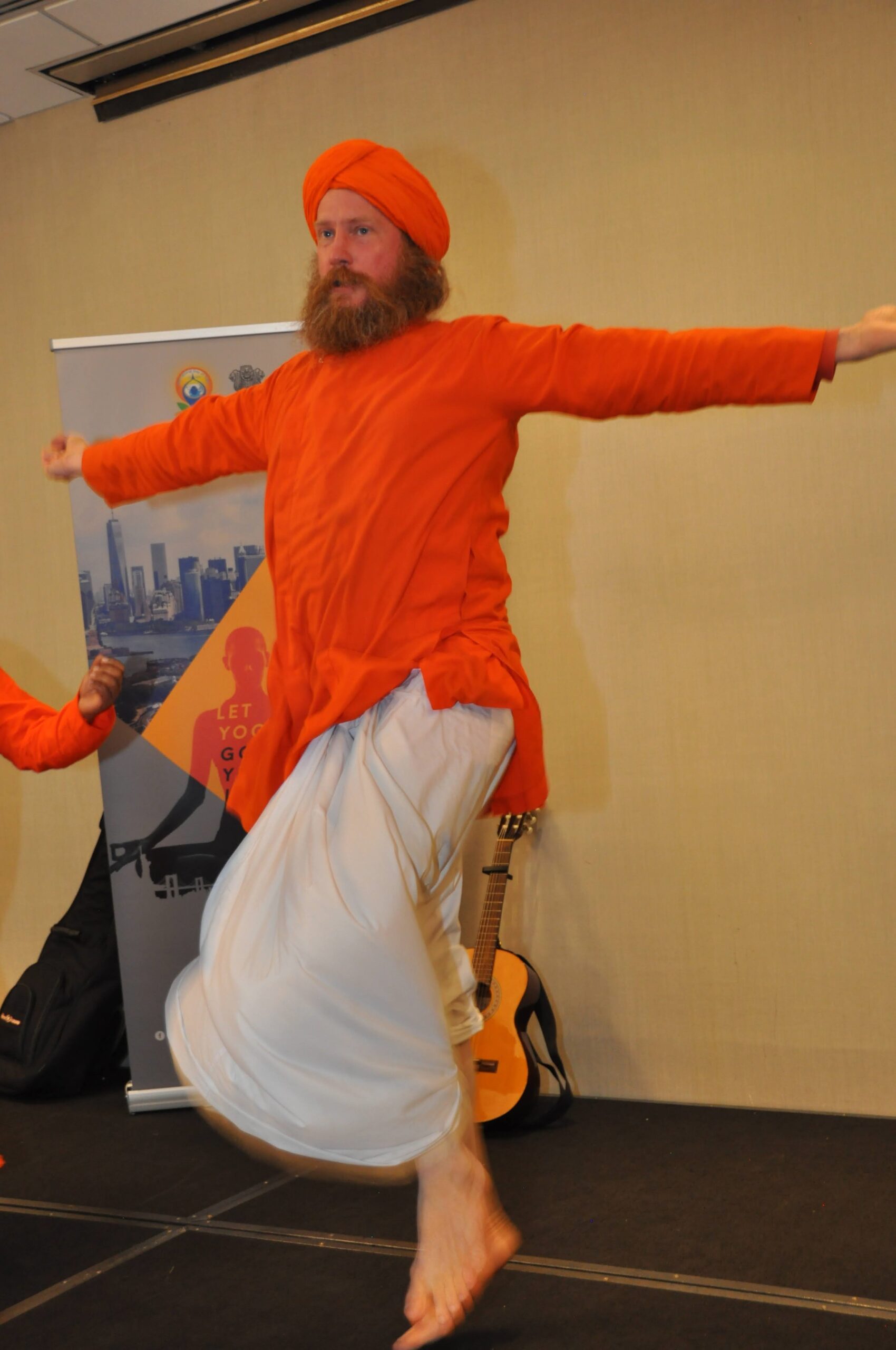
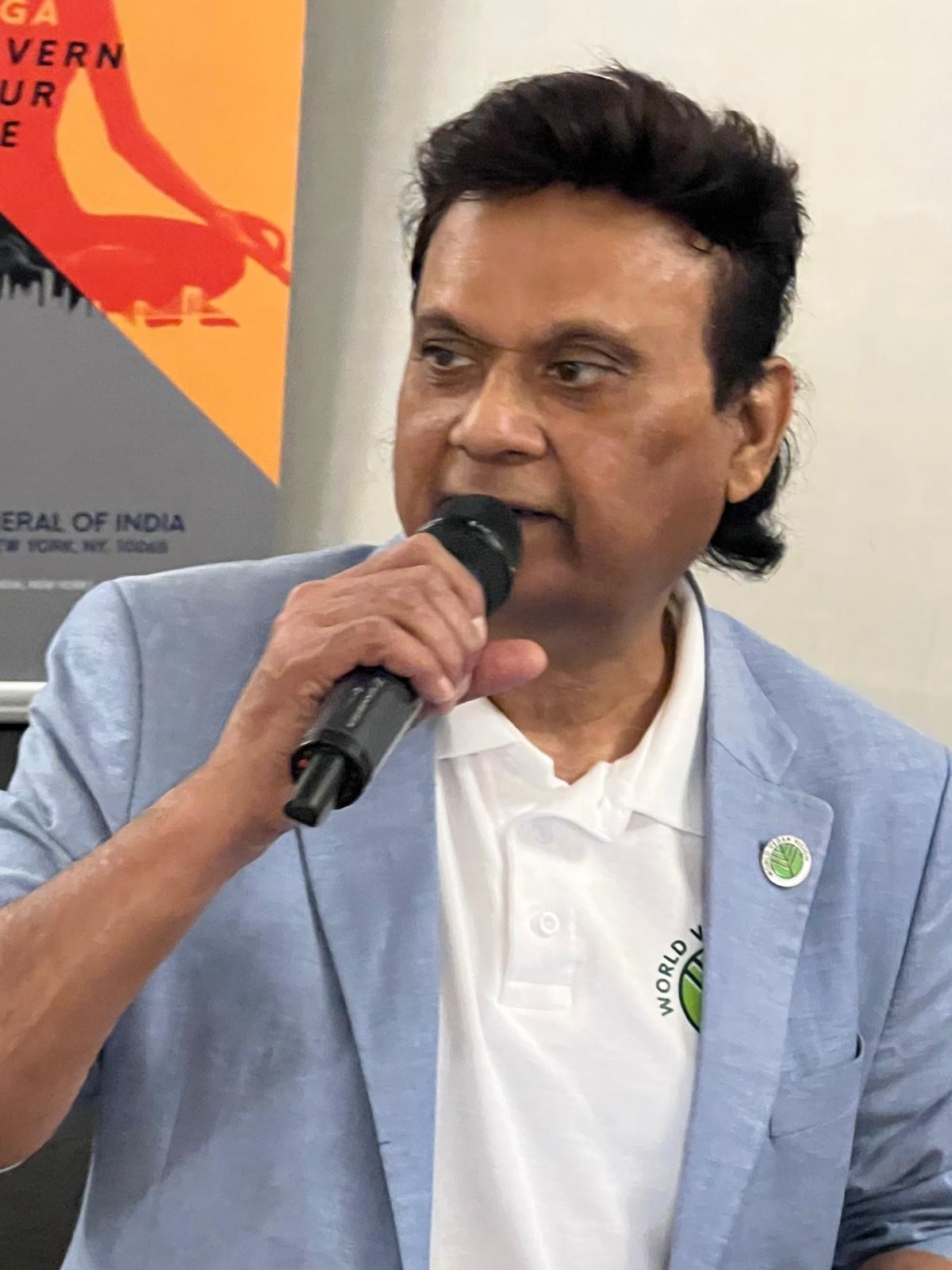 bringing a unique perspective and specialization to the celebration. Among the speakers and instructors was Guru Dileepji, who delivered an inspiring talk that encouraged attendees to embrace the spiritual side of yoga. Mark Becker contributed an insightful discussion that delved into the philosophical roots and benefits of yoga in daily life.
 Adding to the wholesome theme of the day was a nutritious vegan lunch that was served to all participants. VIP attendees were additionally treated to a special breakfast, emphasizing the event’s broader commitment to health and wellness in every aspect. The carefully curated meals mirrored the yogic philosophy of balance and nourishment.
 fostering unity and harmony within the community. As noted in the closing remarks, the gathering once again demonstrated how yoga serves as a bridge between cultures and beliefs. “This celebration once again showcased yoga’s ability to transcend cultural differences, fostering peace and unity,” remarked a representative of the Indo American Cultural Association.
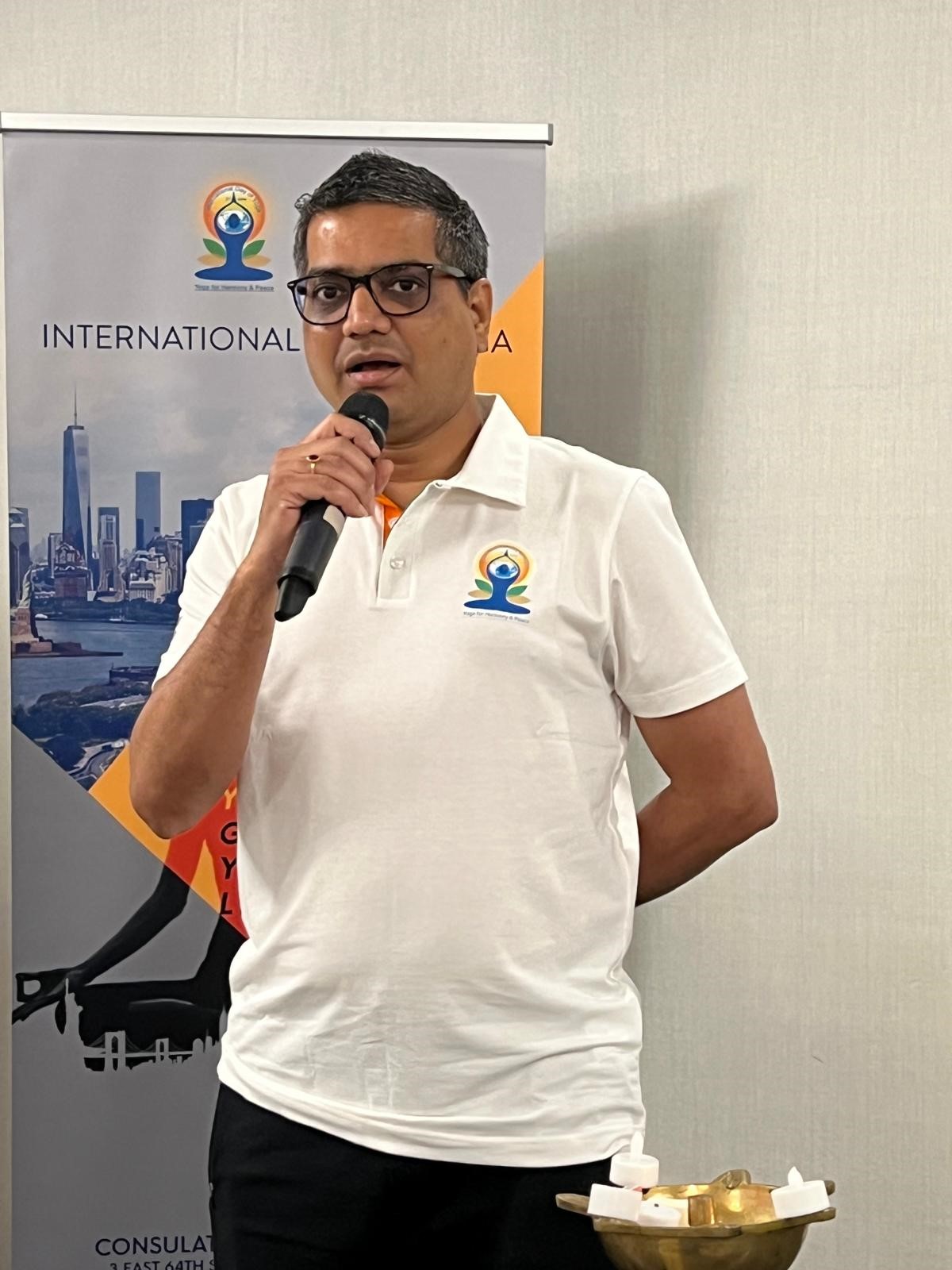 The morning began with a warm welcome and opening remarks delivered by the event coordinator, Nitin Vyas, who set the tone for the day’s spiritual and health-focused activities. The official launch of the event was marked by a ceremonial lighting of the lamp led by Deputy Consulate General Vishal Harsh. In his inaugural address, Harsh stressed yoga’s significance in promoting balanced well-being and a healthy lifestyle, highlighting its growing global influence. “Yoga offers a holistic path to health and well-being,” he stated, drawing attention to the practice’s enduring relevance in modern life.
 support mobility and joint health. Geeta Ji, from RadiantRays Yoga, offered a physically engaging session tailored for strength and flexibility enhancement.
 The success of the event was not only the result of well-curated sessions but also the dedicated efforts of numerous volunteers. Individuals such as Naresh Shah, Manish Parikh, Nina Vyas, Raju, and Haresh Bhai gave their time and energy selflessly. Support teams from both the Isha Foundation and Vihangam Yoga also contributed significantly to maintaining a seamless flow of the program. Their behind-the-scenes coordination helped manage logistics, participant engagement, and overall hospitality.
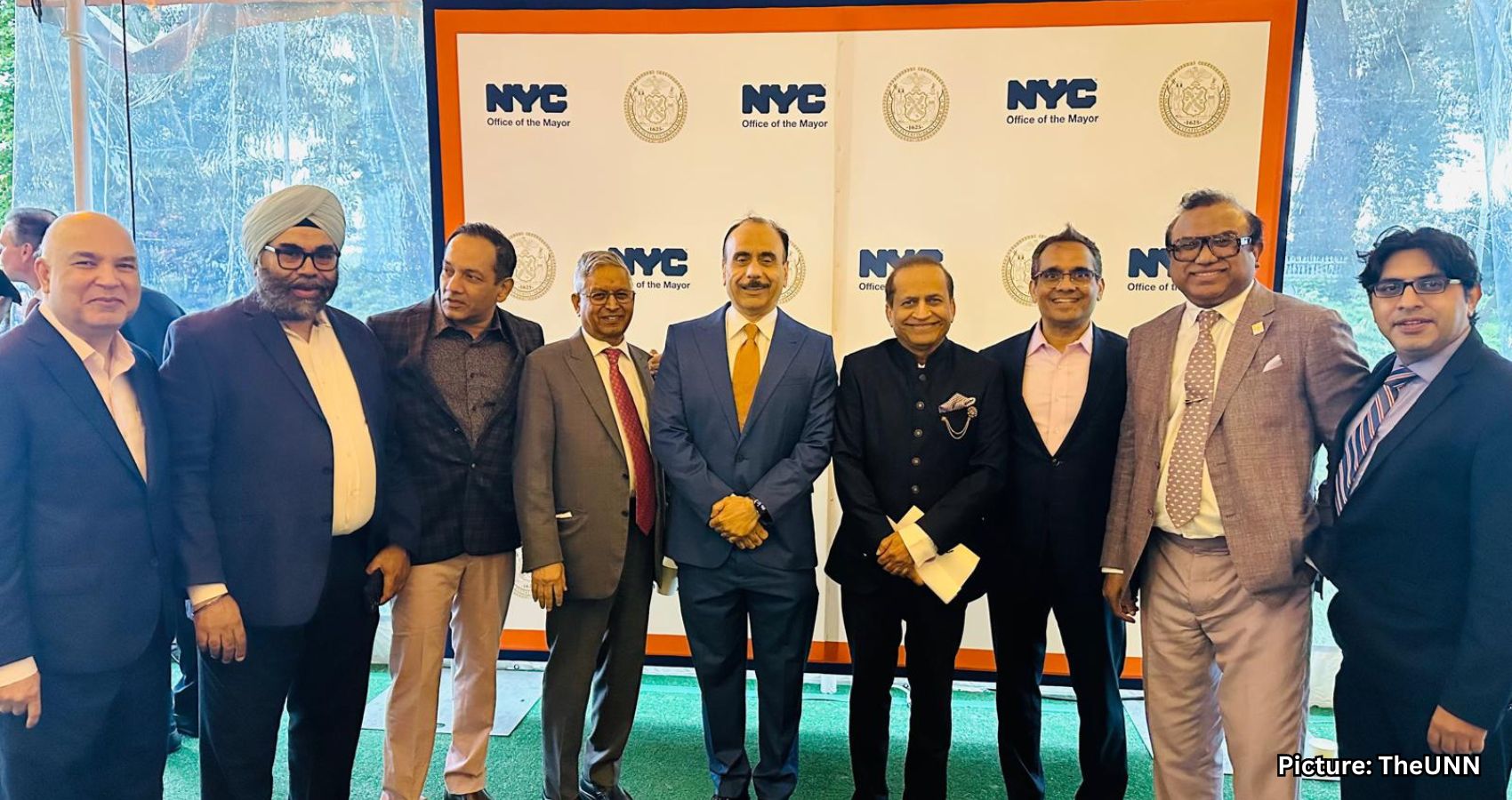 Hosted by Eric Adams in partnership with Dr. Raj Bhayani, president of the Federation of Indian Physicians Association, the event was attended by over 150 prominent community, business, and healthcare leaders from across the New York tri-state region, representing Indian, Bangladeshi, Afghanistan, Jewish, Spanish, as well as Americans and Caribbean communities.
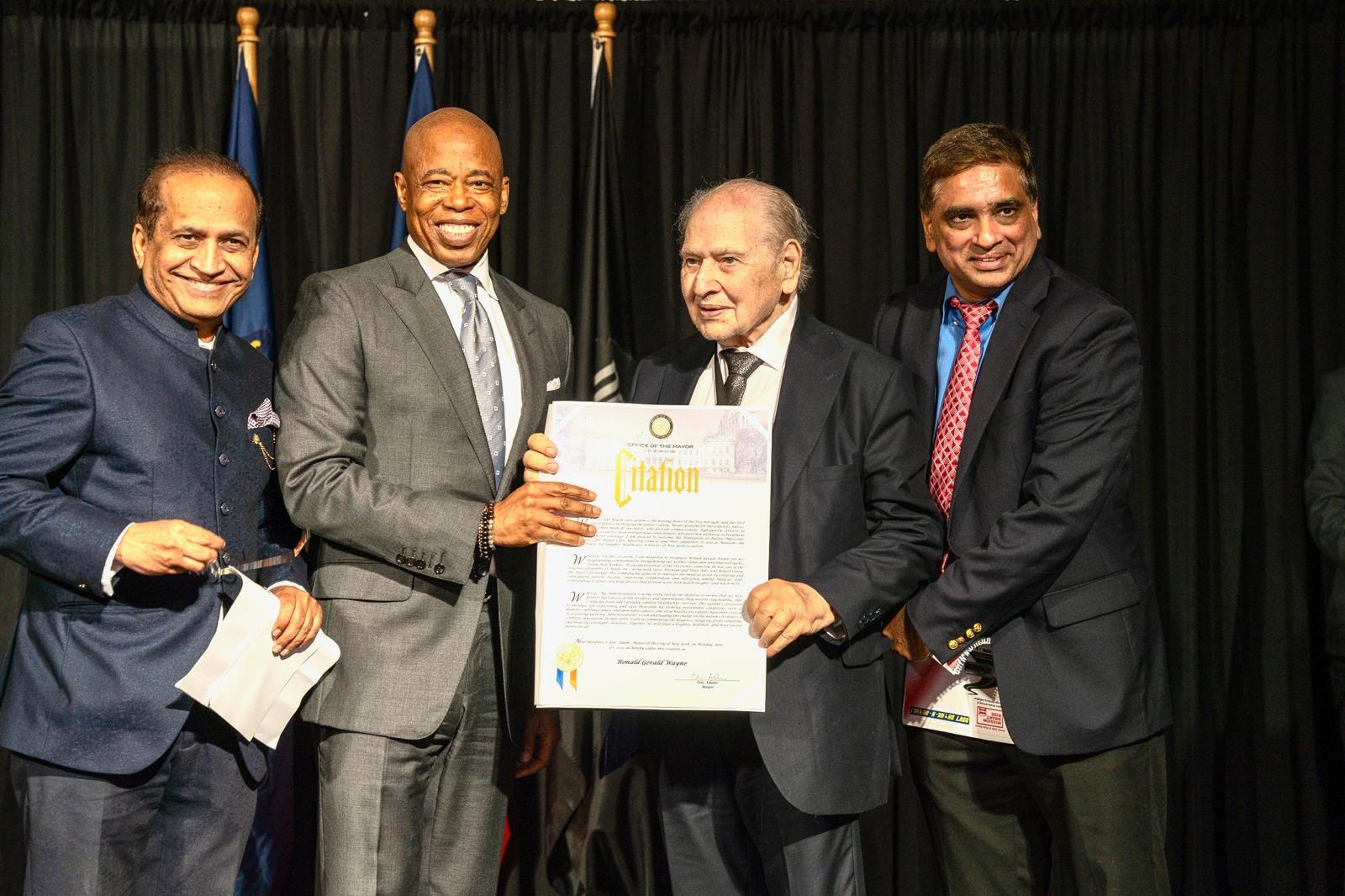 healthcare professionals. “You continue to do your job. Nothing can signify that more than COVID, when I’ve witnessed the number of healthcare professionals who were in our hospitals, our healthcare centers, who were doing the testing, who were carrying out all the functions, and still had to worry about not infecting their family members at home. They still got up every day and did their job.”
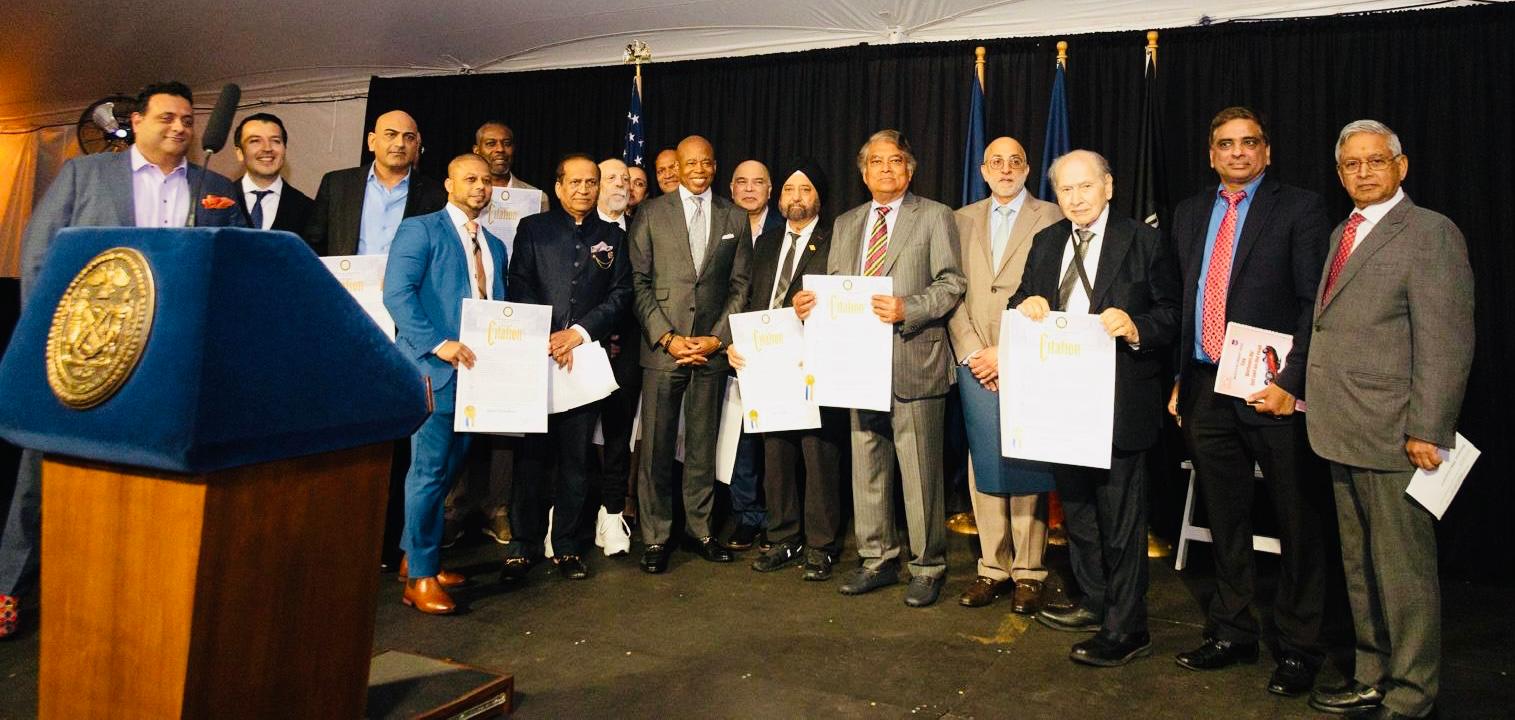 Other prominent leaders who were honored at the ceremony included; Chintu Patel, founder and CEO of Amneal Pharmaceutical; Al Mason Fintech, entrepreneur; Dr. Shamim Sharma, eminent Cardiologist; Dr. Deepak Nandi, Neuropsychiatrist and entrepreneur; Dr. Atul Kukar, renowned Cardiologist; Gary Schlesinger, Healthcare Community Leader; Ronald Blount Jr, Bronx County Executive; Gary Sikka, President, American Punjab Society; Kanan Patel, founder and CEO of Kayura pharma health and beauty products; Bhavik Patel, Healthcare executive; Ahmad Masoud, IRCM founder; Jabur Chowdhury, young healthcare entrepreneur; and Dr Eyad Hijazin, a prominent physician from the region.
 The International Day of Yoga is a day of recognition for yoga, celebrated annually around the world on 21 June, following its adoption by the
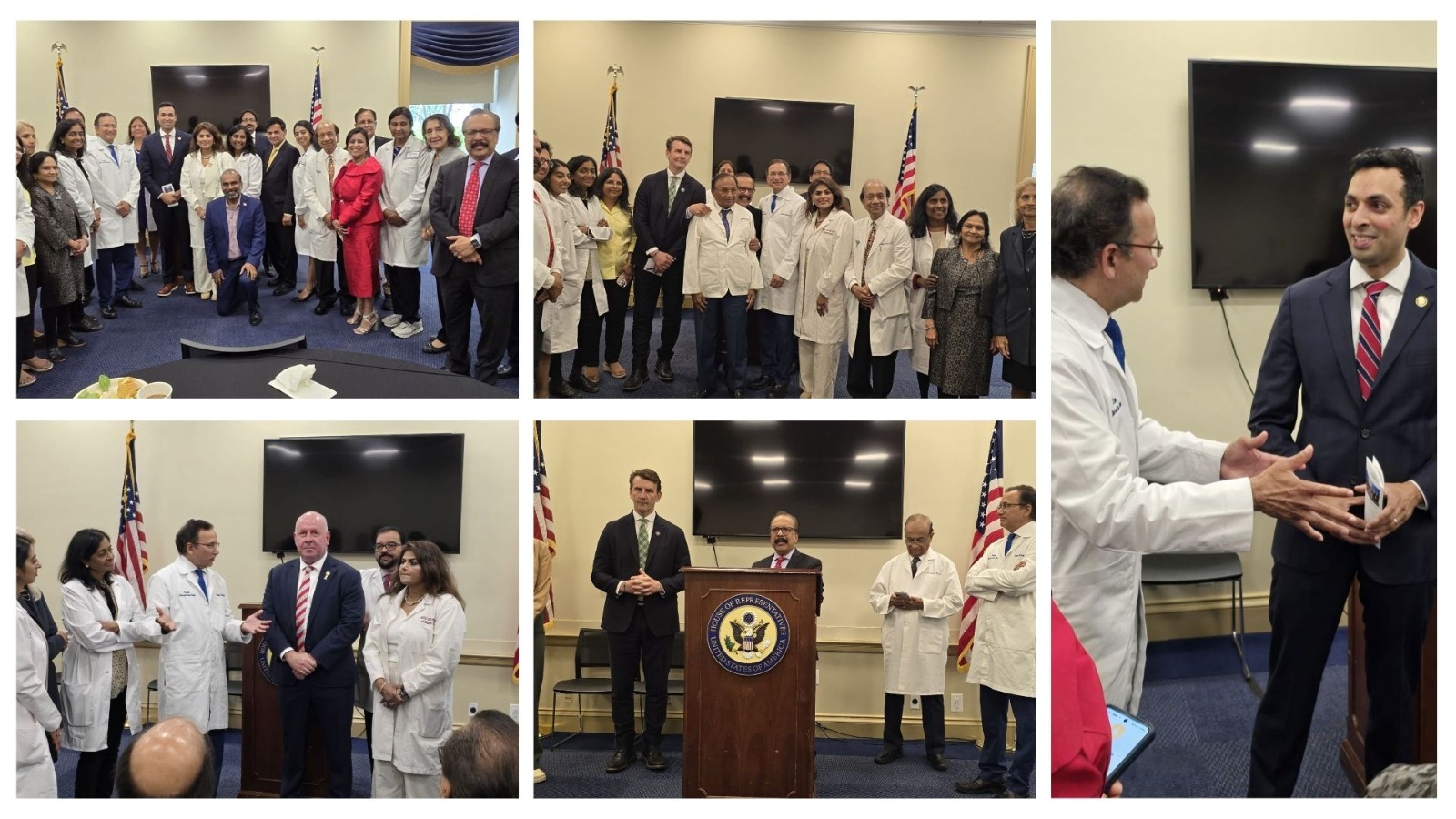 Dr. Kathula along with other AAPI leaders presented before the lawmakers, key issues that affect the delivery of healthcare in the issues in the US. “Fixing Medicare reimbursement cuts, reforming prior authorization processes, addressing scope of practice concerns, fast-tracking green cards for H-1B visa holders, securing equitable Telemedicine payments, and proposing amendments to the Stark Law” were some of the issues AAPI highlighted in their meetings with the lawmakers.
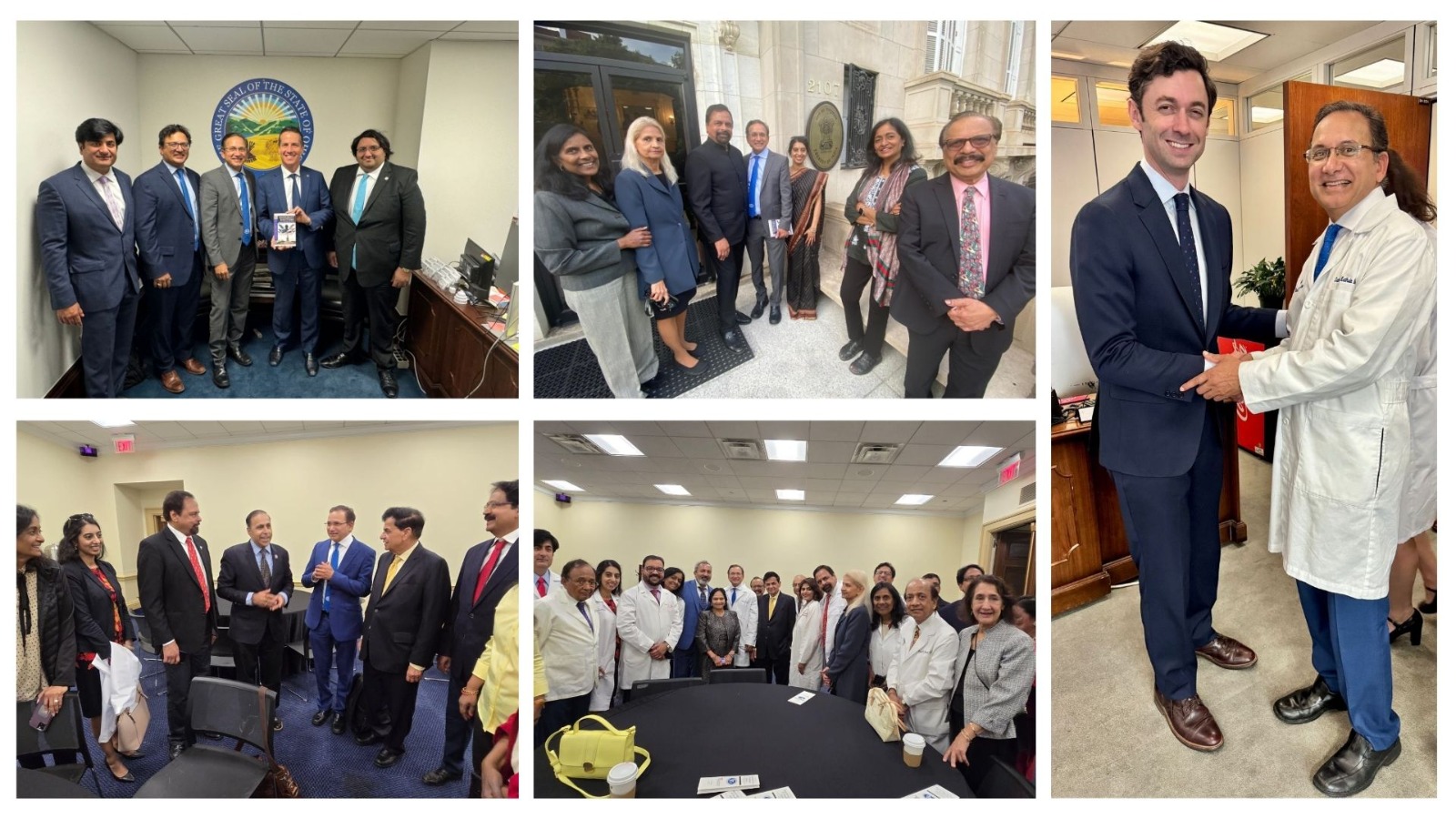 encouraged by the momentum. AAPI’s advocacy on these critical topics will remain ongoing,” Dr. Vidya Kora, Co-Chair of AAPI Legislative Affairs Committee.
 “AAPI Legislative Day is a flagship annual event that is eagerly awaited to rekindle and renew our energy in bringing up the issues that we need to bring to the attention of national policy makers and leaders of the US Congress on Capitol Hill,” said Dr. Amit Chakrabarty, president-elect of AAPI. “It is a tradition of nearly three decades, which has brought many important transformations in National Healthcare policies that have helped Physicians of Indian Origin. Now, it is the need of the day to renew our friendship with new leadership under President Donald Trump and Vice President J D Vance and brief the Congressional leadership on issues that are important to us.”
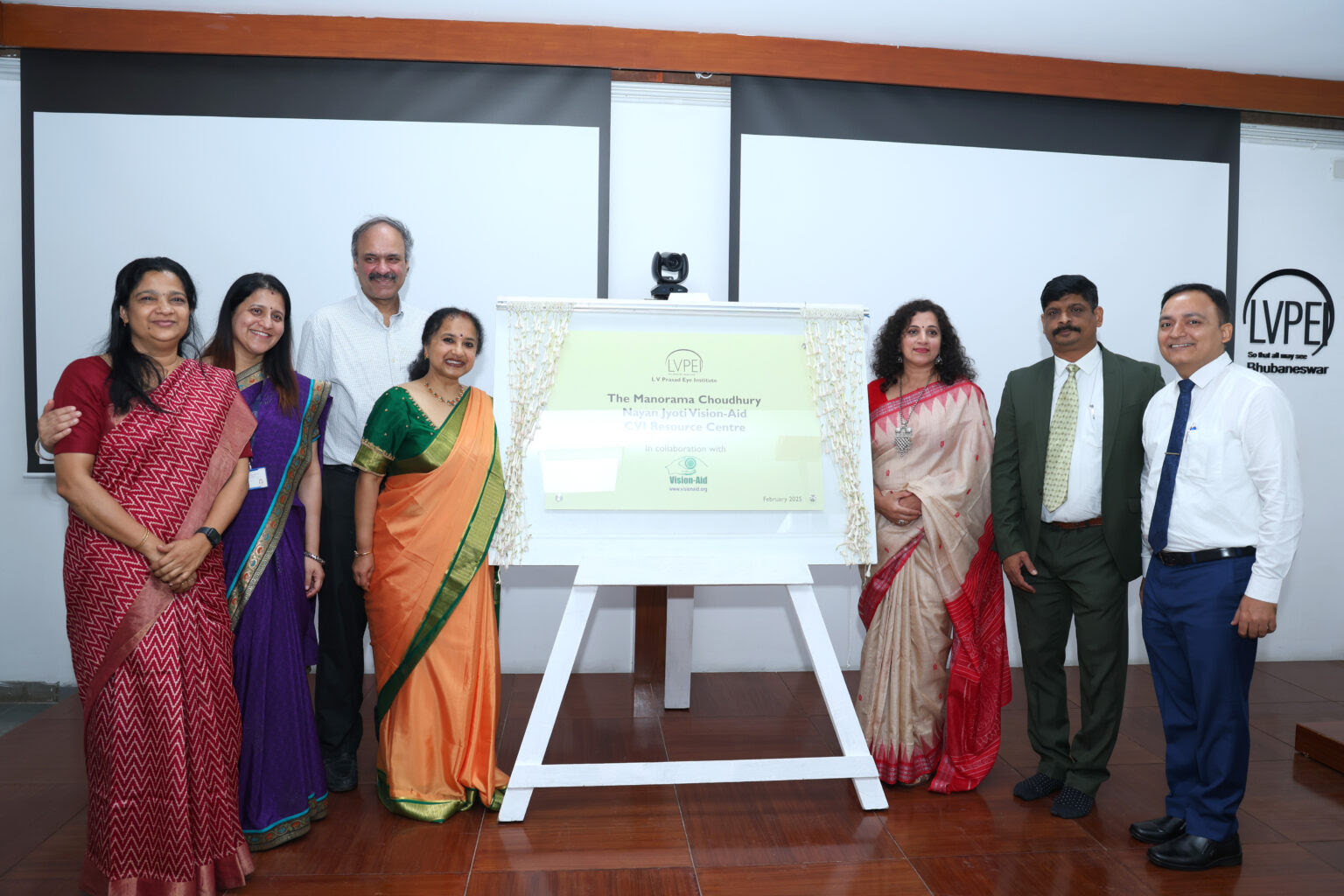 The ceremony concluded with a symbolic lamp-lighting, signifying hope and new beginnings for children with CVI. Attendees were deeply moved by a special cultural performance by children with disabilities, demonstrating their incredible resilience and talent.


 Sam shared his life story with the audience during a Fund Raiser organized by
  training 500 healthcare professionals in
  Lord Rami Ranger, a well-known philanthropist, and successful businessman from the United Kingdom, while echoing the mission of EFA said, “Childhood blindness is a solvable problem, but it requires our collective action.” According to

 Deliver life-saving Retinopathy of Prematurity screenings and treatments to premature infants.
 Organized by a team of young Medical Students and Residents of Indian origin, the Medical Scholars Summit was planned and organized by an MSRF Executive Board, led by Priya Uppal, President of MSRF; Priyanka Kolli, President-Elect; Sohi Mistry, Vice President; Priyal Shah, Treasurer; and Drishti Patel, Secretary of MSRF.
 event, with highlights that included our residency and fellowship panel – where attendees had the opportunity to ask questions directly of these program directors from a variety of surgical and non-surgical specialties, our medical school admissions Q&A from the Dean of Warren Alpert Medical School of Brown University, and an MCAT advice lecture from a 520+ scorer.”
 “The 2-day-long Summit was packed with academic sessions that were interactive, with participants having an opportunity to actively engage in discussions and enhance their knowledge on a wide range of topics relevant to Medical Students and Residents, who seek guidance on ways to pursue their careers most effectively,” said Dr. Sunil Kaza, Chair of APPI BOT.
 Modi offered insights on Financial Wellness. Samir Pancholy, MD led a session on Service Project Pursuing Graduate Medical Education. Global Medicine and India: Lessons, Opportunities, and Challenges for the Next Generation of Physicians was presented by Dr. Kumar Belani, MD.
 Dr. Raj Bhayani, Secretary of AAPI pointed out that, “In addition to several programs in the United States and in India, AAPI has been in the forefront, advocating for the interests of the medical fraternity and organizing regular CME programs, health & wellness events, and financial workshops for its members and outreach, public health education, and advocacy activities for the community both locally and internationally.”

