Homegrown Startups Surpass Indian-American Founders in Startup Landscape

Homegrown startups in India are proving more resilient than those founded by returning diaspora entrepreneurs, as local founders navigate unique market challenges and develop essential instincts for success.

There is a well-known joke about Harvard: how do you know someone went there? Don’t worry, they’ll tell you. India has its own version of that joke, particularly in the startup ecosystem. It’s often easy to identify a startup founder with foreign education, as they frequently mention prestigious institutions like Stanford, MIT, or Wharton, or affiliations with renowned accelerators such as Y Combinator or Thiel.

This signaling has historically worked well, with investors showing increased interest, pitch decks appearing more sophisticated, and media profiles following suit. A foreign credential became a convenient shorthand for entrepreneurial quality in a crowded market.

However, when examining the most successful startup founders in India over the past 15 years, the advantage of these credentials starts to diminish.

Consider some prominent names in the Indian startup landscape. Nithin Kamath built Zerodha into one of India’s largest stockbrokers without a foreign degree, venture capital, or accelerator affiliation. Vijay Shekhar Sharma founded Paytm after facing repeated rejections from investors who deemed him lacking the right pedigree. Bhavish Aggarwal created Ola after dropping out of IIT Bombay, not Stanford.

Sridhar Vembu presents a more complex case. Although he earned a PhD in the U.S. and worked in Silicon Valley before returning to India, his success with Zoho stemmed from rejecting the typical Valley playbooks. He avoided venture capital, embraced profitability, and built his company quietly from rural Tamil Nadu. Vembu’s journey serves as a critique of the conventional wisdom surrounding foreign credentials.

Falguni Nayar built Nykaa after years in Indian finance without a foreign tech background, while Deepinder Goyal established Zomato from Delhi, not Palo Alto. Ritesh Agarwal, who dropped out of college in India and learned entrepreneurship on the streets, built OYO by iterating locally. Despite his success, he continues to reference his Thiel Fellowship, as if that credential were necessary for a narrative that was already thriving.

In contrast, many returning entrepreneurs arrived in India armed with foreign degrees, Silicon Valley résumés, and accelerator badges. While they often secured funding quickly and garnered media attention, few have built companies that match the scale, profitability, or longevity of their homegrown counterparts. The foreign degree has not vanished; it simply no longer guarantees dominance.

A recent study co-authored by UC Berkeley professor AnnaLee Saxenian and researchers from the Indian Institute of Science examined the landscape of Indian high-tech startups founded between 2016 and 2023. The research analyzed 596 startups across various sectors, including fintech, healthtech, and artificial intelligence, revealing surprising insights that challenge long-held assumptions.

For decades, the prevailing belief was that Silicon Valley produced the world’s best founders, who would return home with invaluable knowledge to foster new ecosystems. This concept, known as brain circulation, shaped policies and investor behavior globally.

Early research by Saxenian highlighted how immigrants transformed Silicon Valley in the 1980s and 1990s, with Indian engineers emerging as a significant group. By 2009, immigrants were founding more than half of Silicon Valley startups, with Indian founders accounting for about 15 percent of these companies. The logic seemed irrefutable: if America trained the best, those individuals would naturally excel upon returning home.

Governments and investors embraced this narrative, leading to policies that incentivized returnees. However, recent data suggests a shift in this dynamic.

The study categorized founders into three groups: domestic entrepreneurs with no significant foreign exposure, returnees with one to two years abroad, and returnees with over two years abroad. Notably, two-thirds of the startups were founded by purely domestic entrepreneurs, while long-term returnees accounted for 180 startups and short-term returnees for just 21.

This distribution challenges the established narrative, and the performance data further underscores this shift. While returnees enjoyed advantages in securing capital and accessing networks, the outcomes that define successful venture ecosystems stemmed from domestic founders.

All unicorns in the dataset were founded by domestic teams, with the highest valuation of approximately $1.9 billion belonging to a domestic startup. The largest funding round, exceeding $300 million, also went to a domestic company. Notably, the only startup reporting over $1 billion in revenue was domestic as well, with no returnee-founded startups reaching unicorn status.

This trend does not imply that returnees lack capability; rather, it reflects how different environments cultivate distinct strengths. Domestic entrepreneurs thrive in markets that impose strict discipline. They face price-sensitive customers, inconsistent infrastructure, unpredictable regulations, and limited capital. Mistakes are costly, and inefficiency is rarely tolerated.

Founders who succeed in these conditions develop instincts that are difficult to teach, prioritizing distribution over branding, cash flow over storytelling, and unit economics over grand visions.

While returnees often possess excellent training and global exposure, they may also carry habits shaped by environments of abundance, such as larger teams and longer runways. This model has thrived in the United States, where capital has subsidized it. In India and many emerging markets, however, efficiency is key to survival.

This phenomenon is not unique to India; China experienced a similar returnee experiment, encouraging overseas talent to return. Over time, domestic founders not only caught up but surpassed their returnee counterparts. Today, companies like ByteDance and DJI are primarily driven by local talent operating within deeply rooted ecosystems.

Ironically, the U.S. played a role in shaping this outcome. Flawed immigration policies have trapped skilled immigrants in limbo, with green-card backlogs stretching into decades and visa uncertainties creating instability. Many skilled immigrants, primarily from India, faced prolonged waits, leading some to leave not by choice but due to a lack of viable alternatives.

As a result, these founders returned home to compete against local entrepreneurs who had been honing their skills in the market for years, learning lessons that cannot be taught in classrooms or accelerator programs.

In light of these findings, my advice to the Indian government is straightforward: shift the focus from returnees to investing in domestic entrepreneurs. While foreign exposure can be beneficial, it is no longer the primary source of India’s entrepreneurial advantage. That advantage is being cultivated locally by founders who understand Indian customers, constraints, and unit economics because they have navigated these challenges firsthand. To foster more enduring companies, India should support those who have remained and learned to build in their home market.

This article was first published in Moneycontrol.

U.S. Supreme Court Overturns Trump’s Global Tariffs in Major Ruling

The U.S. Supreme Court ruled that President Trump’s global tariffs were unlawful, marking a significant limitation on presidential power and impacting U.S. trade policy and the global economy.

The U.S. Supreme Court delivered a pivotal legal rebuke to former President Donald Trump on Friday, ruling that his sweeping global tariffs were unlawful due to an overreach of constitutional authority. The 6–3 decision serves as a major check on presidential power and carries extensive implications for U.S. trade policy and the global economy.

Chief Justice John Roberts, writing for the majority, stated that the tariffs—imposed under the International Emergency Economic Powers Act (IEEPA) of 1977—exceeded the president’s authority. He emphasized that the statute was never intended to grant unilateral tariff-setting power to the executive branch. According to Roberts, only Congress possesses the constitutional authority to levy taxes and tariffs, rejecting the administration’s interpretation that the IEEPA allowed for broad import duties without explicit legislative approval.

This ruling emerged from litigation initiated by businesses and a coalition of 12 U.S. states challenging the legality of the tariffs, which Trump had linked to alleged national emergencies and trade deficits. The justices concurred with lower court rulings that the IEEPA did not authorize tariff powers of such magnitude.

In dissent, conservative Justices Brett Kavanaugh, Clarence Thomas, and Samuel Alito cautioned that the decision could restrict executive flexibility regarding trade and economic policy, although the majority opinion prevailed.

In the wake of the ruling, Trump expressed his discontent, labeling the decision as “terrible” and pledging to explore alternative legal avenues to impose tariffs. He announced intentions to utilize other statutory authority, such as Section 122 of the Trade Act of 1974, to impose a temporary 10% global tariff while Congress deliberates on longer-term trade measures.

Wall Street reacted positively to the Supreme Court’s decision, with key U.S. stock indexes, including the S&P 500 and Nasdaq, experiencing gains on expectations that the legal clarity could alleviate economic pressures stemming from trade frictions. European and Asian markets also saw upticks, reflecting a sense of global market relief.

However, economists cautioned that the ruling may not lead to immediate reductions in consumer prices—particularly in states like Texas—because Trump’s alternative plans for imposing levies could maintain elevated import costs for U.S. businesses and consumers.

Looking ahead, the Supreme Court’s majority did not address how importers might be refunded billions of dollars collected under the now-invalidated tariffs, leaving that issue for future legal and administrative discussions. Many companies have already begun pursuing refunds in lower courts.

Responses from lawmakers largely fell along partisan lines, with Democrats celebrating the ruling as a necessary check on executive overreach, while many Republicans urged collaboration with the administration to maintain tariffs under different legal frameworks.

As the implications of this landmark ruling unfold, the future of U.S. trade policy remains uncertain, with potential shifts in approach likely to emerge in the coming months.

According to GlobalNetNews.

Nobel Laureate Supports Musk and Gates on Future Job Reduction

As automation and artificial intelligence reshape the workforce, a Nobel laureate suggests that future generations may enjoy more free time and fewer traditional jobs.

On a serene morning in Stockholm, a Nobel Prize-winning physicist observes a robotic arm pouring coffee with remarkable precision. This small act serves as a microcosm of a much larger transformation taking place in the world of work.

“Your grandchildren will probably work less than you,” he states calmly. “Maybe a lot less.”

While offices outside buzz with activity and deadlines loom, inside research labs and warehouses, machines are increasingly capable of performing tasks that once required human intellect. From drafting emails and analyzing contracts to diagnosing illnesses and even generating software code, the capabilities of automation are expanding rapidly.

The pressing question many individuals find themselves pondering is no longer a matter of science fiction: If machines can do my job, what happens to me?

A Structural Shift, Not Just Another Tech Cycle

When Nobel laureates align their views with influential figures like Elon Musk and Bill Gates, it captures public attention. Several esteemed scientists, including theoretical physicist Giorgio Parisi, contend that the rise of artificial intelligence and robotics signifies a shift akin to the Industrial Revolution rather than merely an evolution of technology.

Musk envisions a future characterized by “universal high income,” where the necessity of work becomes optional. Gates similarly foresees AI systems generating “a lot of free time” by managing mundane tasks.

According to these Nobel physicists, productivity is set to soar, human labor hours will diminish, and the conventional notion of a lifelong job may not endure through the century. The trajectory they suggest points toward a future with significantly less compulsory work.

Automation Is Already Here

The evidence of this shift is evident and does not require a telescope to observe. Modern warehouses operate with fleets of autonomous robots, while call centers utilize AI agents to manage thousands of conversations simultaneously. Hospitals are deploying algorithms to analyze scans and identify anomalies.

Historically, automation has eliminated certain jobs while creating new ones; farmers transitioned to factory workers, and factory workers evolved into office employees. However, this time, the landscape may be different.

AI is not limited to replacing physical labor; it also takes on cognitive tasks. It can draft reports, design systems, optimize logistics, and even write self-improving code. Consequently, the economy may maintain or even increase productivity with fewer full-time workers, leading to a society that is richer in productivity but potentially poorer in traditional employment opportunities.

The Paradox of Abundance

Theoretically, this shift should yield greater prosperity. If machines can produce more with less human labor, everyone stands to benefit. Yet, wages remain tethered to hours worked, raising concerns about income distribution. Musk refers to this era as the “age of abundance,” while economists explore models for guaranteed income or taxation of AI-driven capital.

The more profound question, however, is psychological: What occurs when work ceases to be the organizing principle of daily life?

The Hidden Risk: Emptiness

Jobs, even those that are less than ideal, provide a structure to our lives—waking up, commuting, completing tasks, taking breaks, and experiencing small victories. Removing this structure can lead to a sense of disorientation.

The potential danger of a world with fewer jobs is not laziness but rather a sense of meaninglessness. Without intentional design, free time may devolve into passive consumption—endless scrolling, distractions, and algorithm-driven habits.

A Nobel laureate recently articulated this concern: “I’m not afraid of machines working. I’m afraid of humans forgetting what to do when they are not working.”

How to Prepare for a Low-Work Future

If automation continues on its current trajectory, preparation may shift from traditional career paths to resilience. Discussions among technologists, economists, and scientists often highlight three key themes:

First, individuals should cultivate skills driven by curiosity rather than solely for employment. Interests such as art, language, gardening, programming, and music can endure beyond the fluctuations of job markets.

Second, prioritizing financial stability over status can provide flexibility in a world characterized by shifting roles and shorter contracts.

Lastly, strengthening community ties becomes essential as traditional work structures weaken. Those who thrive may not be the busiest individuals today but rather those who have learned to navigate life without constant direction.

A Future That Feels Like a Long Sunday

Imagine a weekday that resembles a leisurely Sunday afternoon. Your AI assistant has efficiently sorted your inbox, autonomous vehicles glide silently outside, and grocery stores operate largely through automation.

You may still work, but perhaps only 10 to 15 focused hours per week, engaging in distinctly human activities such as creativity, empathy, negotiation, and invention. Income might derive from state support or productivity-sharing mechanisms, supplemented by flexible, chosen contributions.

This future will not arrive abruptly; rather, it will gradually unfold—one automated system at a time.

A Civilizational Crossroads

For centuries, technological advancements have reduced the need for physical labor. Electricity, machinery, and computing have consistently shortened work hours. We may now be approaching a pivotal moment where compulsory labor declines significantly.

The central challenge is no longer merely about how we earn a living but rather how we derive meaning when work is no longer the core of our identity. The traditional 40-year, full-time career may prove to be a fleeting historical phase.

The next phase prompts a deeper inquiry: If work becomes optional, what will give life its purpose?

As experts continue to analyze these shifts, the implications for society remain profound. Will AI eliminate most jobs? While many routine tasks are already automated, experts suggest that total human working hours may significantly decline. Will individuals personally lose their jobs? It is more likely that unstable, contract-based, or part-time work will replace lifelong employment. Which jobs are more resilient? Roles requiring complex human interaction, creativity, care, and physical presence tend to adapt more slowly to automation. Ultimately, whether less work is beneficial depends on income policy, social structures, and how individuals choose to utilize their newfound free time. Managed effectively, it could enhance well-being; poorly managed, it could exacerbate inequality and social disconnection.

These insights reflect the evolving landscape of work and the need for society to adapt to a future where the nature of employment is fundamentally transformed, according to GlobalNetNews.

Federal Court Blocks ICE Detention of Immigrant Teens Turning 18

On December 12, 2025, a federal court in Washington, D.C., ruled against ICE’s policy of detaining immigrant teens as they turn 18, reinforcing protections for unaccompanied minors.

Washington, D.C., December 12, 2025 — A federal court in Washington, D.C., has ordered U.S. Immigration and Customs Enforcement (ICE) to adhere to a long-standing court order that safeguards immigrant teens from being placed in adult detention centers. This ruling blocks a recent ICE policy that mandated the automatic transfer of unaccompanied children to adult detention facilities upon turning 18.

The court’s order specifically addresses children who entered the United States as unaccompanied minors and who “age out” of the custody of the Office of Refugee Resettlement (ORR). The ORR is the federal program responsible for the care of unaccompanied children, which includes placing them in shelters and eventually with family members or guardians.

This federal court decision reinforces a permanent injunction established in the 2021 case of Garcia Ramirez v. ICE. The injunction requires ICE to fulfill its statutory obligations by considering the least restrictive setting available for every unaccompanied child who turns 18, ensuring that all age-outs are eligible for alternatives to detention.

Suchita Mathur, a senior litigation attorney with the American Immigration Council, commented on the ruling, stating, “This ruling makes clear that ICE cannot secretly flout the law or blatantly ignore court orders. ICE tried to detain newly-18-year-olds as a matter of course. These are kids that ICE officers have found, in almost all cases, do not pose a danger or flight risk, with sponsors, families, and community support waiting for them. This decision puts a stop to that.”

The controversial policy, which was published on October 1, instructed shelters and attorneys that all unaccompanied children turning 18 would be transferred to adult detention, regardless of the availability of safe homes and sponsors. Critics argue that adult detention poses significant risks to the teenagers’ short- and long-term development. Currently, ICE is holding a record number of individuals in detention, leading to overcrowded and dehumanizing conditions, including inadequate medical care, abusive treatment, and limited access to legal and psychological support. The court determined that the automatic transfer of teens to adult detention, without evaluating safer, age-appropriate alternatives, constitutes a violation of the law.

Mark Fleming, associate director of federal litigation at the National Immigrant Justice Center, emphasized the importance of the ruling, stating, “Today’s ruling sends a powerful message: ICE can’t put teenagers in dangerous, overcrowded facilities just because they turned 18. There are safer, lawful options that keep young people connected to school, family, and community. That’s what the law requires, and that’s what this order restores.”

The court’s ruling mandates that ICE immediately cease following its October 1 guidance and remove anyone who was placed in detention as a result of that policy.

For further details, read the court order and the opinion.

This ruling marks a significant step in the ongoing legal battles surrounding the treatment of unaccompanied minors in the United States, reinforcing the need for humane and lawful practices in immigration enforcement, according to the American Immigration Council.

Aging Expert Shares Daily Habits to Maintain Independence in Later Years

Dr. Mary Claire Haver shares three daily habits that can help maintain independence and enhance quality of life in the golden years.

In a recent discussion on health and wellness, Dr. Mary Claire Haver, a certified menopause specialist and founder of The ‘Pause Life, emphasized the importance of daily habits that can significantly impact one’s independence in later years.

Dr. Haver pointed out that sleep is a crucial factor in overall health. “If you’re not sleeping, everything else tends to fall apart,” she stated, highlighting the interconnectedness of sleep and other aspects of well-being.

She advocates for simple lifestyle changes that can lead to a longer, healthier life. Among her recommendations are maintaining a balanced diet, engaging in regular physical activity, and prioritizing mental health.

Dr. Haver’s insights come amid a broader conversation about health trends and practices. Recent studies have suggested that dietary habits, such as eating oatmeal, can have unexpected benefits for heart health. Additionally, the temperature of one’s bedroom may also play a role in cardiovascular health, with certain conditions potentially putting the heart at risk.

As the conversation around health continues to evolve, experts are also addressing the impact of lifestyle choices on mental health. For instance, research has indicated that a single dose of a powerful psychedelic can significantly reduce symptoms of depression, showcasing the potential for innovative approaches to mental wellness.

In the realm of nutrition, there is a growing backlash against the low-fat diet era, with some experts arguing that it may have contributed to rising obesity rates. This ongoing debate highlights the complexity of dietary recommendations and their long-term effects on health.

As individuals navigate their health journeys, the importance of staying informed about emerging trends and research cannot be overstated. From celebrity health revelations to practical wellness hacks, there is a wealth of information available to help guide choices.

Ultimately, Dr. Haver’s emphasis on daily habits serves as a reminder that small, consistent changes can lead to significant improvements in health and independence as one ages. By focusing on sleep, nutrition, and mental well-being, individuals can better prepare for their golden years.

For more insights on health and wellness, visit Fox News Health.

The Start of the Robotaxi Price War: Key Insights and Implications

The emergence of robotaxis is reshaping urban transportation, with companies like Waymo leading the charge in a competitive market marked by significant price differences and mixed safety records.

In several American cities, the future of transportation is already here: you can summon a driverless car with just a tap on your smartphone. These autonomous vehicles offer a ride without the small talk, wrong turns, or the need to tip. A driverless ride from Waymo in San Francisco averages around $8.17, while a traditional Uber ride in the same city costs approximately $17.25. The robotaxi price war has officially begun.

Waymo, a subsidiary of Alphabet (Google’s parent company), is currently the leader in the driverless car market. The company has provided an impressive 15 million driverless rides since its inception, with current figures showing about 400,000 rides per week. Valued at $126 billion, Waymo’s services are available in several major cities, including Phoenix, the San Francisco Bay Area, Los Angeles, Austin, Atlanta, and Miami. By 2026, the company plans to expand its reach to Dallas, Denver, Washington, D.C., London, Tokyo, and more.

In contrast, Tesla, which launched its robotaxi service in Austin last June, has made slower progress. The company has deployed roughly 31 vehicles, and each ride still requires a safety monitor to be present. This level of supervision highlights the challenges Tesla faces in achieving full autonomy.

Amazon’s Zoox is another player in the robotaxi arena, introducing a unique pod that lacks a steering wheel and can drive in both directions. Currently, rides in Las Vegas and San Francisco are free as the company awaits regulatory approval to begin charging for its services.

Waymo’s technology relies on a combination of cameras, lidar (laser radar that creates a 3D map of the environment), and traditional radar, allowing it to operate effectively in total darkness and adverse weather conditions. In contrast, Tesla’s approach is more cost-effective, utilizing only cameras—eight in total—allowing them to offer rides at a lower rate of $1.99 per kilometer.

However, the safety of these autonomous vehicles remains a topic of concern. Waymo has reported 1,429 incidents to regulators since 2021, resulting in 117 injuries and two fatalities. The company asserts that it has 80% fewer injury crashes than human drivers, but the National Highway Traffic Safety Administration (NHTSA) has documented several safety issues, including three software recalls, one of which was issued last December for the vehicle’s failure to stop for stopped school buses.

Personal experiences with these robotaxis can vary significantly. One individual recounted a ride where the vehicle dropped her off a full mile from her intended destination, leaving her with no option to correct the course. With no human driver to assist, she was left at the mercy of the robotaxi’s navigation system.

When a robotaxi encounters a situation it cannot navigate, a human operator in a remote center can intervene by viewing the car’s cameras and guiding it through the confusion. During a Senate hearing, Waymo acknowledged that some of these remote operators are based in the Philippines, a revelation that did not sit well with lawmakers.

As urban transportation evolves, the economics of car ownership are also changing. With robotaxis operating for over 15 hours a day and costing less than traditional car expenses such as gas and insurance, the notion of owning a vehicle may soon feel akin to maintaining a gym membership that goes largely unused.

The future of driving appears to be steering toward a reality where no one is behind the wheel. For those who still believe self-driving cars are a thing of the future, it may be time to reconsider; the ride is already underway.

According to Fox News, the robotaxi landscape is rapidly changing, with companies vying for dominance in a market that promises to redefine urban mobility.

Harry Brook Urges Inclusion of Pakistan Players in The Hundred

England’s limited-overs captain Harry Brook expressed disappointment over the potential exclusion of Pakistan players from The Hundred, calling it “a shame.”

England’s limited-overs captain Harry Brook voiced his concerns regarding the absence of Pakistan cricketers from The Hundred, the innovative cricket tournament launched in 2021. Speaking on Saturday, Brook emphasized the importance of inclusivity in the sport and highlighted the talent that Pakistan players bring to the game.

Brook’s comments come amid discussions surrounding the participation of international players in The Hundred, which has garnered attention for its unique format and franchise-based structure. The tournament, which features eight teams, has been a platform for various international talents, but the potential exclusion of Pakistani players has raised eyebrows.

“It would be a shame not to see Pakistan players in The Hundred,” Brook stated, underscoring the significance of diverse representation in cricket. He acknowledged the rich history and contributions of Pakistani cricketers to the sport, noting that their absence would be a loss for both the tournament and its fans.

The Hundred has aimed to attract a wide array of players from different cricketing nations, and Brook’s remarks reflect a growing sentiment among players and fans alike about the need for inclusivity. The tournament has already seen participation from stars across the globe, and the exclusion of any nation’s players could undermine its objective of promoting cricket as a global sport.

Brook’s call for the inclusion of Pakistani players resonates with many who believe that cricket should transcend borders and foster unity among nations. As the tournament continues to evolve, the cricketing community is hopeful that decisions will be made that reflect the spirit of the game.

As the cricketing world watches closely, Brook’s blunt message serves as a reminder of the importance of inclusivity in sports, particularly in a tournament designed to showcase the best talent from around the world. The outcome of these discussions will likely impact the future landscape of The Hundred and its commitment to diversity.

According to NDTV Sports, the cricketing community is eager to see how this situation unfolds and whether the organizers will heed Brook’s call for broader representation in the tournament.

India-Pakistan T20 World Cup 2026 Match Achieves Historic Viewership Records

The recent India vs. Pakistan match at the T20 World Cup 2026 achieved historic viewership records, showcasing a significant increase in audience engagement compared to previous tournaments.

The thrilling encounter between India and Pakistan in the T20 World Cup 2026 has set new benchmarks for viewership, reflecting the intense rivalry and passion surrounding these two cricketing nations.

India’s impressive performance not only captivated fans but also resulted in a remarkable 56% increase in digital reach compared to their previous clash in the ICC Men’s T20 World Cup 2024.

This surge in viewership highlights the growing popularity of cricket, particularly in high-stakes matches that feature traditional rivals. The match drew in millions of viewers, underscoring the significance of the event on a global scale.

As cricket continues to evolve with the advent of digital platforms, the ability to engage fans through various channels has become crucial. The record-breaking numbers from this match are a testament to the sport’s enduring appeal and the excitement it generates among fans worldwide.

According to NDTV, the match not only entertained but also showcased the potential for future tournaments to attract even larger audiences, further solidifying cricket’s status as a leading global sport.

Hundreds of Wild Bird Deaths Prompt Park Closures Across Seven Counties

Hundreds of wild bird deaths across seven New Jersey counties have raised concerns about bird flu, prompting health officials to advise residents to avoid contact with dead birds.

In recent days, New Jersey has reported a troubling surge in wild bird deaths, with health experts suspecting bird flu as the cause. Between February 14 and February 16, over 1,100 dead or sick wild birds, predominantly Canada geese, were documented across seven counties, according to the New Jersey Department of Environmental Protection (DEP).

While tests are still pending, officials believe that the highly pathogenic avian influenza (HPAI), commonly referred to as bird flu, is likely responsible for the fatalities. This respiratory disease in birds is caused by influenza A viruses.

“I find the images of the dead and dying birds very troubling, unsettling, and a reminder that avian flu continues to be present,” said Dr. David J. Cennimo, an associate professor of medicine and pediatrics and an infectious diseases specialist at Rutgers New Jersey Medical School. “It is important to note that at the time of this writing, the cause of death has not been announced, and bird flu is only strongly suspected, but the picture is consistent with avian influenza, and there is a good reason for the high-level suspicion.”

In response to the situation, some local parks have temporarily closed as a precautionary measure. Notable closures include Betty Park and Alcyon Park in Gloucester County. The Borough of Pittman has advised residents via social media to avoid approaching any geese in the area.

Common symptoms of HPAI in birds include diarrhea, coughing, sneezing, nasal discharge, and lack of coordination. However, some birds may succumb to the virus without showing any visible signs of illness. While geese have accounted for the majority of the reported deaths in New Jersey, avian influenza also poses a significant risk to domestic birds such as chickens, turkeys, and ducks.

“We have seen cases of avian influenza in other animals, most notably dairy cows and cats,” Dr. Cennimo noted. “If possible, domestic animals should be kept away from sick birds.”

Although the risk to the public remains low, health officials strongly recommend avoiding direct contact with wild birds or any animals that may be infected. The DEP emphasized the importance of public awareness and precautionary measures to mitigate the impact of bird flu on both agriculture and public health.

Dr. Cennimo explained that avian influenza viruses continue to circulate within wild bird populations, and transmission can be exacerbated by the close congregation of birds, particularly during freezing temperatures when water availability is limited.

“The risk to humans remains low at this time,” he confirmed. “If the birds did die of influenza, they could still harbor live virus and potentially infect humans. For this reason, people should avoid handling sick or dead birds, use protective measures like gloves, and wash their hands thoroughly afterward.”

Dr. Rebecca Carriere Christofferson, an associate professor of pathobiological sciences at the LSU School of Veterinary Medicine, highlighted that mass bird deaths are indicative of ongoing transmission of bird flu. “It’s sad from an ecological perspective, but also poses a risk to any nearby agricultural facilities, as we’ve seen spillover into poultry and dairy cattle in the last couple of years,” she stated. “The more transmission, the greater the chance for it to spread to humans.”

Last year, there were reported human deaths linked to bird flu, primarily associated with direct contact with infected animals. Dr. Christofferson emphasized the importance of surveillance in preventing uncontrolled spread, noting that understanding the patterns of the virus can help mitigate ongoing risks to both animal and human populations.

As the situation develops, health officials continue to monitor the situation closely, urging residents to remain vigilant and report any sightings of dead or sick birds.

For further information, refer to the New Jersey Department of Environmental Protection.

Panera Bread Data Breach Exposes Personal Information of 5.1 Million Customers

Panera Bread has confirmed a data breach that has exposed the personal information of approximately 5.1 million customers, prompting class-action lawsuits and concerns over identity theft.

Panera Bread has confirmed a significant cybersecurity incident that has compromised the personal information of millions of its customers. The hacking group ShinyHunters has claimed responsibility, stating that it stole a vast amount of customer records, leading to serious concerns for anyone who has interacted with the popular bakery chain.

Earlier this year, ShinyHunters added Panera Bread to its data leak site, initially asserting that it had stolen over 14 million customer records. The stolen data reportedly includes names, email addresses, phone numbers, home addresses, and account-related information. In response, Panera Bread acknowledged the breach, describing the exposed data as customer “contact information.” The company has since contacted law enforcement and taken steps to address the situation, although it has not disclosed specific technical details regarding the attack or whether customers need to take any immediate actions.

Even seemingly innocuous “contact information” can pose significant risks when it falls into the wrong hands. Such data can be exploited for identity theft, targeted phishing attacks, and social-engineering scams that are increasingly convincing.

ShinyHunters claims that the attackers accessed Panera’s systems through Microsoft Entra single sign-on (SSO). While Panera has not confirmed this assertion, it aligns with recent warnings from cybersecurity firm Okta about a rise in voice-phishing attacks targeting SSO platforms. In these attacks, criminals impersonate IT or helpdesk staff, pressuring employees to approve authentication requests or enter login credentials on fraudulent SSO pages. This method relies on human trust rather than technical vulnerabilities, making it particularly effective.

Initially, the claim of 14 million affected customers suggested a massive breach. However, researchers at Have I Been Pwned? later clarified that while the attackers stole 14 million records, this did not equate to 14 million unique individuals. After analyzing the leaked dataset, researchers estimate that the breach has impacted approximately 5.1 million unique customers. The exposed information includes email addresses, names, phone numbers, and physical addresses.

This distinction is crucial, but it does not eliminate the associated risks. Once data is publicly released, it can quickly circulate across criminal forums and be reused for malicious purposes for years to come.

ShinyHunters reportedly attempted to extort Panera Bread before releasing the stolen data. When those efforts failed, the group published a 760MB archive containing millions of customer records on its leak site. This incident reflects a broader trend in cybercrime, where many groups now focus on stealthily stealing data and threatening public exposure rather than deploying ransomware to lock systems. Such attacks are often faster, harder to detect, and can be just as profitable.

The breach has already led to legal repercussions, with multiple class-action lawsuits filed in U.S. federal court. These lawsuits allege that Panera failed to adequately protect customer data, claiming that the company knew or should have known about existing security vulnerabilities. The lawsuits seek damages, improved security practices, and long-term identity theft protection for affected customers. Panera has not publicly commented on the ongoing litigation.

This is not the first time Panera Bread has faced a significant security lapse. In 2018, a cybersecurity researcher revealed that the company had left millions of customer records exposed online in plain text, which subsequently led to lawsuits and settlements. Repeated breaches often indicate deeper systemic challenges, as large organizations can struggle to secure cloud services, identity systems, and employee access at scale. When attackers target identity platforms rather than infrastructure, a single misstep can expose millions of records.

As customers often remain unaware of the risks associated with such breaches until weeks or months later, it is essential to take proactive measures to limit the potential fallout from a breach. If you have ever created a Panera Bread account, it is advisable to reset your password immediately. If you have reused that password elsewhere, those accounts may also be at risk. Cybercriminals frequently test breached passwords across various platforms, including email, shopping, and banking sites.

Utilizing a password manager can help generate strong, unique passwords for each account and securely store them, eliminating the need to reuse credentials. Many password managers also provide alerts if your email or passwords appear in known data breaches, allowing for swift action to secure your accounts.

Implementing two-factor authentication (2FA) adds an additional layer of security during the login process, typically through an app or device you control. Even if someone obtains your password through phishing or a breach, 2FA makes it significantly more challenging for them to access your account.

Cybercriminals often follow up breaches with fake emails or in-app messages that appear to offer assistance or security updates. It is crucial to verify the sender’s identity and avoid clicking on links within such messages. When in doubt, access the app or website directly instead of responding to the message.

Identity theft becomes a genuine risk when names, email addresses, phone numbers, and physical addresses are exposed. Identity theft protection services can monitor your personal information, alert you if it appears on the dark web, and watch for attempts to open new accounts in your name. In the event of a breach, these services often provide recovery support to help freeze accounts, dispute fraudulent activity, and guide you through the cleanup process.

Scammers do not rely on a single breach; they often combine leaked data with information from data broker sites to create detailed profiles. Data removal services can assist in removing your phone number, home address, and other personal details from numerous sites, making it more difficult for criminals to target you with convincing scams or identity fraud.

The recent data breach at Panera Bread serves as a stark reminder that even well-known brands can become significant targets for cybercriminals. While the company asserts that only contact information was exposed, such data can still fuel scams and identity theft long after the initial headlines fade. Remaining vigilant and proactive in the wake of breach news is essential for safeguarding your digital life.

For further information on protecting your personal data and navigating the aftermath of a breach, consult resources from cybersecurity experts.

According to Fox News, the situation continues to evolve as Panera Bread addresses the fallout from this incident.

Tamarind Tribeca Named 2025 Top Indian-American Restaurant by IAOTP

Tamarind Tribeca has been named the Top Restaurant of the Year by the International Association of Top Professionals (IAOTP), honoring Avtar Singh Walia’s contributions to Indian fine dining in America.

In December 2025, the International Association of Top Professionals (IAOTP) recognized Tamarind Tribeca as the Top Restaurant of the Year during a prestigious gala at the Bellagio Hotel in Las Vegas. This accolade highlights not only the restaurant’s culinary excellence but also the visionary leadership of Avtar Singh Walia, who was also honored as the Top Restaurant Owner of the Year. These awards underscore the significant impact Walia and Tamarind Tribeca have made in elevating Indian fine dining across the United States.

Walia’s journey began in the vibrant fields of Punjab, India, where he was immersed in the rich aromas and traditions of Punjabi cuisine. “My earliest memories are of my mother and grandmother preparing meals for our large family,” Walia recalls. “Those kitchens were filled with laughter, spice, and the belief that food brings people together.” This early exposure to authentic recipes and the spirit of hospitality shaped his worldview and aspirations.

After graduating from Punjab University in 1974, Walia initially contemplated a career in the army. However, his passion for hospitality ultimately led him to the restaurant industry in India, where he learned the intricacies of management and service. Driven by a desire to share the “real taste of India” with a wider audience, Walia immigrated to the United States in the late 1970s, paving the way for his remarkable career.

Upon arriving in New York, Walia started in modest positions, working as a warehouse manager at Gucci and later as a restaurant manager at Tandoor. His breakthrough came at Akbar, a Park Avenue establishment, where he refined his vision of introducing sophisticated Indian cuisine to discerning diners. This dream materialized in 1986 with the opening of Dawat, co-founded with renowned chef Madhur Jaffrey. “We wanted to show people that Indian cuisine could be sophisticated, nuanced, and worthy of the city’s culinary spotlight,” Walia reflects.

The true realization of his vision came in 2001 with the opening of Tamarind in Manhattan’s Flatiron District. Under Walia’s sole proprietorship and the guidance of acclaimed chefs, Tamarind earned a Michelin star—an unprecedented achievement for an Indian restaurant in New York. “A Michelin star isn’t just a personal achievement — it’s a recognition of my team’s relentless pursuit of perfection,” Walia states. In 2010, he launched Tamarind Tribeca, a grand 11,000-square-foot space designed to blend the “mysteries and joys of the flavors from the Indian subcontinent with the elan and panache of Tribeca, New York.”

Central to the restaurant’s philosophy is an unwavering commitment to authenticity and refinement. “Our ingredients are carefully sourced, and every dish is prepared with the same care we would show to guests in our own home,” Walia explains. He assembled a team of chefs dedicated to emulating the “complexity and depth of flavors associated with Indian food while maintaining the rigorous standards of a fine dining establishment.” The result is a menu that harmonizes tradition and innovation, comfort and sophistication. “Indian cuisine is not just food—it is culture, memory, and emotion. My goal is to present it with the dignity and elegance it has always deserved,” he asserts.

The path to success was not without its challenges. The COVID-19 pandemic significantly disrupted the hospitality industry, forcing Tamarind Tribeca to adapt quickly. “The pandemic changed everything. We had to rethink how we connect with our customers and keep them safe,” Walia notes. The restaurant pivoted to takeout and delivery while maintaining its high standards of quality and service. “It was tough, but our team came together and found new ways to serve our community.” This resilience solidified Tamarind Tribeca’s reputation as a community anchor and a leader in culinary innovation.

Walia’s approach to hospitality is deeply rooted in the Indian ethos of “Atithi Devo Bhava”—the guest is god. “Success comes from honesty, sincerity, and putting forth one’s best efforts,” he says. Walia is a constant presence in the restaurant, greeting guests, overseeing the kitchen, and ensuring every dish meets his high standards. This hands-on leadership has cultivated a loyal clientele, making Tamarind Tribeca a destination for those seeking not only exquisite food but also gracious hospitality and meticulous attention to detail.

“When someone steps into Tamarind, we want them to feel like family,” Walia emphasizes. He views guest feedback as a cornerstone of growth: “Feedback is a gift. It helps us improve and lets us know what our guests truly want.” This customer-centric approach is evident in Tamarind Tribeca’s ever-evolving menu and consistently high standards.

The recognition from IAOTP in 2025 marks a pinnacle in Walia’s decades-long career. “It was truly humbling for me and my beloved restaurant, Tamarind, to be chosen as the top in the world from among the hundreds considered for this great honor,” he shared. “The honor is a testament to Indian cuisine going mainstream across the globe.” Stephanie Cirami, President of IAOTP, echoed this sentiment: “Choosing Mr. Walia for this honor was an easy decision for our panel. He is inspirational, influential, and a true visionary and thought leader.”

Tamarind Tribeca’s impact resonates throughout the culinary community. Food critic Susan Feldman notes, “Dining at Tamarind Tribeca isn’t just a meal — it’s a journey through the best of Indian cuisine. Mr. Walia has redefined the experience, blending authenticity with innovation in every dish.” Walia’s restaurants have garnered Michelin stars and widespread acclaim, inspiring a new generation of chefs and restaurateurs to push boundaries while honoring their roots.

Beyond the kitchen, Walia is known for his philanthropic spirit and mentorship. “We support local causes and try to help wherever we can, whether it’s through food donations or participating in charity events,” he says. He is dedicated to mentoring the next generation of chefs and encouraging them to pursue excellence with integrity. “I want to encourage more people to enter this industry and to show them that with dedication and integrity, success is possible,” Walia shares. Among his future ambitions is to write a memoir, capturing the lessons and stories from his remarkable journey.

As Walia reflects on his journey from Abheypur, Punjab, to the heights of New York’s restaurant scene, he credits his family, mentors, and relentless work ethic for his success. “Perseverance is everything,” he asserts. “I’m grateful for every challenge and every opportunity. My hope is that by sharing my story, I can inspire others to pursue their passions wholeheartedly.” With Tamarind Tribeca firmly established as a beacon of Indian fine dining and Walia’s legacy secured as a culinary visionary, the story of Tamarind Tribeca transcends serving meals; it is about shaping history. “Food is a universal language. At Tamarind, we speak it with pride, precision, and passion.”

To learn more about Tamarind Tribeca, visit the restaurant’s official website: Tamarind Tribeca – The Finest Indian Restaurant in NYC.

According to GlobalNetNews.

FDA Resumes Review of Moderna’s mRNA Influenza Vaccine

The FDA has agreed to review Moderna’s application for the first mRNA-based flu vaccine after initially declining to do so, following a meeting with the company.

The Food and Drug Administration (FDA) has reversed its earlier decision and will now review Moderna’s application for the first mRNA-based flu vaccine. This change comes after a Type A meeting between Moderna and the agency, where the company proposed full approval for adults aged 50 to 64, as well as accelerated approval for those 65 and older, contingent on additional studies involving seniors.

The FDA has set a target date of August 5 for completing its review, which could allow the vaccine to be available in time for the upcoming flu season. This decision marks a significant step in the development of mRNA technology for flu prevention, a field that has faced scrutiny and skepticism from various quarters.

Critics of mRNA technology, including Robert F. Kennedy Jr. and other officials from the U.S. Department of Health and Human Services, have previously expressed doubts about the efficacy and safety of mRNA vaccines for respiratory viruses. Their concerns have led to the withdrawal of some federal funding related to mRNA vaccine research.

As the FDA prepares to review Moderna’s application, experts from George Washington University (GWU) are available to provide insights into the implications of this decision and the potential impact of mRNA technology on public health. Faculty members include Elizabeth Choma, a pediatric nurse practitioner and clinical assistant professor; Jennifer Walsh, a clinical assistant professor focused on pediatrics and health assessment; and Emily Smith, an associate professor specializing in infectious diseases and epidemiology.

Other experts from GWU include Asefeh Faraz Covelli, an associate professor in the Family Nurse Practitioner program; April Barbour, an internist and associate professor of medicine; and Mia Marcus, an associate clinical professor and primary care provider. Additionally, Maria Portela Martinez, an assistant professor of emergency medicine, and Andrew Meltzer, a professor of emergency medicine and chief of the clinical research section, are also available for commentary.

David Diemert, the clinical director of the GW vaccine research unit, and Jose Lucar, an associate professor of infectious diseases, are among the other faculty members who can provide expert opinions on the evolving landscape of vaccine development. Kelly Gebo, the dean of the GW Milken Institute School of Public Health, brings her expertise as an infectious disease physician and epidemiologist, focusing on disparities in healthcare access and outcomes.

The reopening of the review process for Moderna’s mRNA flu vaccine underscores the ongoing evolution of vaccine technology and its potential role in combating seasonal influenza. As the FDA moves forward with its review, the medical community and the public will be closely watching the developments surrounding this innovative approach to flu vaccination.

For further insights and to schedule interviews with GWU experts, interested parties can contact Katelyn Deckelbaum at katelyn.deckelbaum@gwu.edu.

According to Newswise, this decision could pave the way for a new era in flu prevention.

Bay Area Youth Learn Responsible AI Use from 11th Grader

Param Raval, an 11th grader from the Bay Area, is educating youth on the responsible use of artificial intelligence, emphasizing critical thinking over blind reliance on technology.

In a world where artificial intelligence (AI) is often viewed as either a miraculous advancement or a looming threat, Param Raval, an 11th grader from the Bay Area, California, is striving to provide clarity on the subject.

Param has centered his work around a crucial message that is often overlooked: AI is powerful, but it is neither magic nor harmless. Rather than allowing fear-driven narratives or unwarranted confidence to dictate how students engage with AI, he aims to equip this generation with a comprehensive understanding of what AI tools can and cannot do, as well as the importance of critical thinking in their usage.

“The most important thing for every student to understand about AI is that it has a lot of benefits but also a lot of harm,” Param stated in an interview with Rooted, an initiative by India Currents that amplifies the voices of second and third-generation Indian Americans. “They should try to be as educated as possible before they start integrating it into their daily lives.”

His commitment to education and balance inspired him to establish his nonprofit organization, The AI Compass, which is currently developing its online presence. The organization aims to teach students about AI—its workings, benefits, risks, and responsible usage. So far, Param reports that The AI Compass has educated 200 students through over a dozen workshops held in libraries and at his school.

What distinguishes his workshops is his balanced approach: “not only focusing on the harms and discouraging AI development, while simultaneously not being blinded by the potential and benefits that AI holds,” he explained.

Param’s journey into the world of AI began with his acceptance into Stanford’s AI4ALL summer program, where he learned machine learning at a technical level. This experience provided him with the foundational knowledge necessary to understand the complexities of AI.

Building on this foundation, he founded a school club dedicated to emerging technology, which eventually evolved into The AI Compass, a broader initiative aimed at bringing AI education to younger students throughout the Bay Area.

His goal is to help students “find the middle ground,” allowing them to harness the advantages of AI without becoming overly dependent on it. This includes teaching them the basics of how large language models operate, recognizing bias and misinformation, and understanding the dangers of treating AI-generated content as infallible.

Param emphasizes the importance of using AI tools ethically and effectively. He advises students to view AI as a tool rather than a replacement for their own critical thinking. “ChatGPT is helpful and can make you more productive, but it should not be the end-all, be-all or something you rely on to do your homework,” he cautioned.

For many students, the concept of “AI safety” may seem remote and irrelevant. However, Param’s perspective shifted dramatically during a school debate. As a member of his school’s speech and debate team, he researched artificial general intelligence, which can match human-level intelligence. This exploration forced him to confront the reality that AI is fundamentally different from other technologies.

“AI is basically categorically different from other technologies,” he asserted. While every technological advancement carries risks, he believes that AI has the potential to instigate changes that society is not adequately prepared for.

Despite this, he does not advocate for students to shy away from AI. Instead, he urges them to use it mindfully. Param points out that the allure of quick results can often overshadow the importance of deep learning and independent thought, especially when peers are using AI to expedite their work.

“The quick satisfaction of completing an assignment early” can easily overshadow the pursuit of long-term growth, he explained. His advice is to leverage AI for repetitive tasks without allowing it to replace critical thinking. “Use it for busy work, not the thinking,” he said.

Across schools nationwide, students are discovering that AI can accelerate their work. However, the critical question remains: what are they sacrificing in the process? Param advocates for using AI to eliminate mundane tasks while ensuring that schoolwork remains meaningful, enabling students to synthesize, evaluate, and create.

He likens this transition to the introduction of calculators in math education. Rather than abandoning math instruction, educators adapted assessments to focus on more complex problems. He believes a similar evolution is necessary with AI: allowing it to handle repetitive tasks while ensuring that students engage with more meaningful assignments that require critical thinking.

For instance, instead of manually formatting a table for an assignment, Param utilized AI to generate the structure, allowing him to concentrate on the underlying problem-solving aspects. “Instead of just manually creating a table and adding rows one by one, I told ChatGPT to create the empty table for me. Then I was able to complete the assignment a lot faster and spend more time actually solving the problem instead of just adding rows and columns,” he explained.

This encapsulates his core message: AI should serve to remove obstacles, not replace the effort required for learning.

One of the most significant challenges Param faces in teaching AI safety is the perception that the associated risks are distant. Students may recognize that overreliance on AI can undermine their critical thinking skills, but the long-term consequences often feel less urgent when immediate deadlines loom.

He draws a parallel to climate change, where individuals are aware of the environmental impact of gas-powered vehicles but find the transition to electric cars inconvenient. Similarly, many students understand the risks of AI but are drawn to its convenience.

Another factor influencing teens’ perceptions of AI is social media. Param has observed that extreme narratives dominate online discussions, with sensational headlines like “AI will replace everyone” or “AI will solve everything” fostering fear and misinformation.

“The only videos and articles that actually go viral… are the ones that are very extreme,” he noted. “It creates a positive feedback loop where there is more anger, more uncertainty.”

His workshops aim to disrupt this cycle. He seeks to empower students with enough knowledge to form their own conclusions rather than relying on sensationalized content. Each session includes a breakdown of how AI systems function, real-world examples of their benefits and risks, and practical guidance on using AI responsibly.

When discussing the cultural values that shaped his approach, Param highlighted the importance of education, a principle that resonates with many South Asians. He attributes his commitment to learning to his parents’ emphasis on education from an early age and the belief in delving deeper than surface-level narratives.

He also embodies the South Asian value of embracing challenges without waiting for complete readiness. This mindset, often cultivated in immigrant households, fosters independence and resilience—qualities he sees as vital in navigating the complexities of AI safety.

Looking ahead, Param believes that young people must focus on what makes humans unique in an era where AI can outperform them in various tasks. He advocates for the cultivation of emotional intelligence, values, social understanding, hard work, and experience—qualities that AI cannot replicate.

“The things that make us human are our cultures, values, our emotions, our experiences,” he stated. He also stressed the importance of developing critical thinking skills, as the advantage will belong to those who can judge, decide, and lead wisely in a world filled with powerful tools.

For Param, leading with integrity in technology means being honest, responsible, and proactive, rather than merely accepting things at face value.

As he looks to the future, Param expresses both excitement and caution regarding AI. “What excites me most about AI is the vast potential it has to unlock new possibilities,” he remarked, drawing parallels to how the internet once spawned unforeseen industries.

However, he is also wary of society’s preparedness to handle these changes on technical, social, and ethical fronts. His work with The AI Compass is not solely about teaching students how to use AI; it is about shaping their understanding of power, responsibility, and the choices they make when no one is watching.

In the midst of the noise surrounding artificial intelligence, Param Raval’s message stands out for its emphasis on balance and critical engagement rather than extremes.

According to India Currents, Param Raval’s initiatives aim to empower the next generation to navigate the complexities of AI responsibly.

The Importance of Letting Go for Personal Growth and Well-Being

Letting go is a vital psychological process that allows individuals to release attachments to past events, fostering emotional freedom and improving overall well-being.

What does it mean to let go? In my graduate school days, I invited a friend over for dinner, adding, “Oh, and bring your wife!” We had previously met a couple of times, both at their home and mine, and I wanted to make it clear that she was invited too. However, that casual phrase seriously offended him. They cut me off completely, pointedly ignoring me whenever our paths crossed. For many years afterward, I obsessed over this incident, feeling misunderstood and poorly treated by a couple I liked. The memory of that event and its consequences would hurt whenever I was reminded of them. I just couldn’t let it go.

Letting go involves intentionally loosening and releasing an attachment to a past event, outcome, or identity. It is a conscious psychological process that changes your relationship with your history, allowing it to no longer dictate your present. This process is not about forgetting the past or giving up. In most instances, failing to let go can have negative consequences for our well-being.

Many of us have stories about events and relationships in our lives that we’ve struggled to release, often with more serious outcomes. For instance, I read about a woman whose son died in an accident. As a coping mechanism, she kept his social media accounts active, posting as him and responding to comments for years. This obsession affected her bond with her surviving daughter, ultimately harming their relationship.

Another example is a young boy who moved with his parents to a new city and couldn’t get over leaving his best friend behind. Unable to make friends at his new school, he struggled academically as well. Similarly, a man in his 80s preserved his deceased wife’s side of the bedroom exactly as it was for fifteen years after her death, down to the glass of water on the nightstand. He felt that moving anything would amount to betraying her. Unable to move past his loss, he stopped engaging with his children and grandchildren and neglected his own health.

Why is letting go so hard? It can be incredibly challenging. Letting go is not merely an emotional or logical choice; it is a biological and psychological struggle against our brain’s survival instincts. Our brains and nervous systems have evolved to prioritize safety, stability, and connections over happiness or well-being. Any change can feel like a threat to our survival.

Dr. Joe Dispenza, an international lecturer and researcher, describes this struggle as a “civil war” between our logical mind and our biological hardwiring. We are naturally averse to loss, and our brains are wired to feel the pain of loss twice as intensely as the joy of gain. Letting go can feel like losing a piece of ourselves. We often fear the uncertainty of releasing our attachments more than we fear the known discomfort and pain. This leads us to prioritize familiarity over logic, creating a strong need for our “issue” to be resolved.

Recognizing when holding on is causing more harm than the fear of losing is crucial. Letting go is essential for our mental health, personal growth, and future happiness. This action releases the psychological weight that keeps us stuck in unproductive cycles, allowing us to stop fighting a past we cannot change and start focusing on a present we can influence.

When we let go, we begin to experience life more fully, leading to improved overall well-being. We gain emotional freedom as the burdens of grudges, guilt, or pain are lifted, creating space for joy, gratitude, and other positive emotions. This shift also increases our mental energy.

The mental stress associated with chronic anger, anxiety, and depression dissipates. Inner peace is restored, enabling us to discover new opportunities and strengths while developing healthier, more authentic relationships based on trust and respect. By freeing up mental resources and energy, we can be more present with what truly matters, rather than continually looking back. We learn to focus on what we can control, and the resilience and psychological flexibility we cultivate through acceptance make us more adaptable to challenges.

In his book, A New Earth: Awakening to Your Life’s Purpose, Eckhart Tolle explains that true power comes not from the need to retain possession of something but from the inner strength of non-attachment. He states, “Sometimes letting things go is an act of far greater power than defending or hanging on.”

What happens when you don’t let go? Medical research indicates that the inability to let go, particularly the persistence of negative emotions, is a significant predictor of long-term physical and mental decline. Chronic emotional states such as resentment, anger, and rumination trigger sustained physiological responses that can damage multiple body systems.

Chronic stress and anger are leading risk factors for heart disease, comparable to smoking or obesity. The prolonged release of stress hormones like cortisol and adrenaline can damage arteries by causing plaque buildup, increasing the risk of heart attack or stroke. Additionally, holding onto negative feelings can compromise the immune system, making individuals more susceptible to common colds and serious infections.

Loneliness and chronic emotional stress act as a “fertilizer” for disease, promoting systemic inflammation that can accelerate cancer-cell growth or contribute to Alzheimer’s disease. This impact is particularly adverse for those already dealing with serious illnesses. Patients with existing conditions who use defense mechanisms to mask or deny their feelings often experience higher mortality rates.

Failing to let go also adversely affects brain health. Unresolved emotional conflicts are strongly linked to the development of anxiety, severe depression, and PTSD. Prolonged stress can lead to a reduction in brain volume in areas critical for higher functioning, such as the prefrontal cortex and hippocampus.

It is important to clarify what letting go is not. Letting go is an active, courageous choice; it is not giving up, apathy, indifference, or a sign of weakness. It is a mindful decision based on clarity. Letting go does not mean you stop feeling sadness, regret, or disappointment; it means you are no longer a prisoner of those feelings. You do not have to forgive someone to let go of the weight they placed on you. Letting go does not mean you no longer love or care for someone or something you have lost; it allows you to channel those memories or love into ways to honor them.

When you let go, you begin to move forward again. A popular quote summarizes the teachings of the Sufi mystic and poet Rumi on the subject of attachment and detachment: “Life is a balance of holding on and letting go.”

In conclusion, embracing the power of letting go can lead to profound personal transformation and enhanced well-being, allowing us to live more fully in the present.

According to India Currents.

Daily Horoscope for All Zodiac Signs on February 20, 2026

Your daily horoscope for February 20, 2026, offers insights into the energies and challenges each zodiac sign may face today.

Aries (Mar. 21 – Apr. 20): Your day is packed with negotiations, commitments, and decisions. You might feel overwhelmed and low on energy due to a lack of information from others. However, clarity will gradually return as matters conclude, according to Ganesha.

Taurus (Apr. 21 – May 21): Today, you will find yourself in a romantic mood. Your tender and dreamy thoughts will likely drift towards someone special. By evening, you may find yourself sitting closely with your partner, enjoying the magic of love that lifts your spirits and energizes you throughout the day.

Gemini (May 22 – Jun. 21): Your focus will be entirely on work today. You will seek new projects and contracts to enhance your earnings, and opportunities for job changes may arise. Expect full cooperation from your colleagues, making it a productive day, as Ganesha suggests.

Cancer (Jun. 22 – Jul. 22): Ganesha advises you to control your anger today, as it may affect those close to you. Writers and artists may experience a surge in creativity, making this an excellent time to take on new challenges.

Leo (Jul. 23 – Aug. 23): You may not feel inclined to tackle significant tasks today, preferring instead to engage in leisurely activities. Nonetheless, you will need to address some pressing issues. Ganesha notes that it is easier to go with the flow than to resist it.

Virgo (Aug. 24 – Sep. 22): You will be brimming with ideas today, but may face a dilemma between your obligations and current duties. New contacts will prove beneficial, and Ganesha reminds you that family and friends will strengthen their bonds with you.

Libra (Sep. 23 – Oct. 23): Today, you will draw valuable lessons from your past experiences, paving the way for a brighter future. You may feel possessive about a valuable item, and minor concerns may arise, causing some mental stress. Overall, the day should pass pleasantly.

Scorpio (Oct. 24 – Nov. 22): Regardless of your success, it is crucial to remain grounded. Ganesha warns that rudeness and overconfidence could lead to losing everything. Embrace kindness and spread positivity.

Sagittarius (Nov. 23 – Dec. 21): You will feel a surge of energy and bliss today, inspiring you to perform at your best. Your high spirits will resonate within you, so make the most of this vibrant day, as Ganesha encourages.

Capricorn (Dec. 22 – Jan. 20): While the mounting pressure of work may drain your energy, it will not diminish your enthusiasm. The latter half of the day may be challenging as you face tough competition, but you will emerge victorious by employing smart strategies.

Aquarius (Jan. 21 – Feb. 18): Ganesha suggests that you don’t always need to maintain a brave face. Open up to your loved ones about your feelings; this will help alleviate your burdens. By evening, you should feel lighter and more at ease.

Pisces (Feb. 19 – Mar. 20): Today, it is essential to nurture your personal relationships and give them the attention they deserve. Try to manage your temper and avoid arguments with your partner over trivial matters. Your personal life will run smoothly as long as both of you avoid trying to dominate each other, according to Ganesha.

Stay connected with the cosmos through your daily horoscope! Access your February 20, 2026, daily and weekly horoscopes for every zodiac sign. Discover what the universe has in store for you with insights tailored to your sign. Whether you are a fiery Aries or a dreamy Pisces, our expert astrologers provide precise and personalized readings to help you navigate life’s challenges and triumphs.

For more insights, visit us daily and stay attuned to the celestial forces shaping your destiny.

According to India West.

Chicken and Potato Soup Recipe Featuring Fresh Dill

Enjoy a comforting bowl of Chicken and Potato Soup with Dill, featuring tender chicken, Idaho potatoes, and fresh vegetables, perfect for any season.

This Chicken and Potato Soup with Dill is a delightful dish that combines tender chicken, hearty Idaho potatoes, and fresh vegetables, making it a perfect choice for a cozy meal. The addition of lemon juice and dill adds a refreshing twist, elevating the flavors of this comforting soup.

Below are the ingredients and directions to prepare this delicious soup.

Ingredients:

1 quart of raw carrots, cut into strips or slices

1 pound of diced Idaho potatoes

1 skinless, boneless chicken breast (broiler or fryer, raw)

1 tablespoon of raw lemon juice

1 tablespoon of raw lemon peel

¼ cup of fresh dill weed, sprigs

1 quart of low-sodium chicken broth (canned)

Directions:

Begin by slicing the chicken breast in half. Season both sides with salt and pepper. In a skillet sprayed with avocado oil, cook the chicken for approximately 4 to 5 minutes on each side until it is cooked through. Once done, remove the chicken from the skillet and set it aside.

In a large stock pot, combine the chicken broth, diced Idaho potatoes, and sliced carrots. Bring the mixture to a simmer over medium-low heat and cook for about 10 minutes, or until the potatoes and carrots are fork-tender.

Once the vegetables are cooked, remove the pot from heat. Stir in the lemon juice, lemon zest, and fresh dill, mixing well to combine all the flavors.

To serve, divide the soup into four bowls. Slice the cooked chicken and add approximately 4 ounces of chicken to each bowl of soup. For an extra kick, consider drizzling a bit of chili oil into each serving, if desired.

This recipe is courtesy of the Idaho Potato Commission and was shared by food blogger Biz Velatini from My Bizzy Kitchen. It’s an easy-to-make dish that is sure to warm your heart and satisfy your taste buds.

For more delicious recipes and cooking tips, visit India West.

Buttigieg, Newsom, AOC Lead 2028 Poll in Key Primary State

Former Transportation Secretary Pete Buttigieg leads a new poll in New Hampshire for the 2028 Democratic presidential nomination, followed closely by Gavin Newsom and Alexandria Ocasio-Cortez.

MANCHESTER, N.H. — A recent poll conducted in New Hampshire reveals that former Transportation Secretary Pete Buttigieg is the frontrunner among potential Democratic presidential candidates for the 2028 election. The survey indicates that 20% of Democratic primary voters in the state would support Buttigieg if the nomination contest were held today.

California Governor Gavin Newsom and Representative Alexandria Ocasio-Cortez of New York are tied for second place, each garnering 15% support. Former Vice President Kamala Harris and Senator Mark Kelly of Arizona follow closely behind at 10% each, while all other candidates remain in single digits.

The University of New Hampshire Survey Center released the poll on Thursday, just hours before Buttigieg arrived in the state to campaign alongside Democratic candidates for the upcoming midterm elections. When asked about the poll results by Fox News Digital, Buttigieg acknowledged, “I’m not on any ballot right now,” but expressed gratitude for the positive reception he has received in New Hampshire, a state where he previously finished a close second in the 2020 Democratic primary.

This visit marks Buttigieg’s third trip to an early voting state since stepping down as transportation secretary at the end of the Biden administration. His previous visits included stops in South Carolina and Iowa. While he has largely avoided discussions about the 2028 election, Buttigieg has indicated that he is considering what he can contribute to a potential campaign.

During his three-day visit to New Hampshire, Buttigieg is supporting Rep. Chris Pappas, who is the leading candidate for the Democratic Senate nomination to succeed retiring Senator Jeanne Shaheen. Shaheen’s seat is considered a top target for Republicans in the upcoming midterms. Buttigieg is also scheduled to participate in additional events with New Hampshire Democrats, including a grassroots mobilization event aimed at rallying support from his 2020 campaign backers.

Looking ahead, Buttigieg plans to travel to battleground Nevada next week, with intentions to campaign for candidates in Ohio, Georgia, and Pennsylvania in the coming weeks. He emphasized the importance of engaging with voters across a diverse geographical landscape, stating, “I’m a big believer in going everywhere across the media landscape and geographically. Some are well-known places on the political map. Some are a little bit off the beaten path. All of them deserve attention.”

Meanwhile, Newsom is set to make his own appearance in New Hampshire as part of a promotional tour for his new book, “Young Man in a Hurry.” His visit to Portsmouth on March 5 will mark his first trip to the state in two years. Recently, Newsom made headlines by participating in the high-profile Munich Security Conference in Germany, where he was one of the few potential Democratic presidential contenders to speak.

Ocasio-Cortez also attended the Munich conference, but her participation has drawn criticism following a gaffe during a panel discussion. When asked whether the U.S. should send troops to defend Taiwan from a potential Chinese invasion, Ocasio-Cortez appeared to hesitate for nearly 20 seconds before suggesting that the U.S. should aim to avoid conflict with China over Taiwan. Her comments sparked backlash on social media, with some critics labeling her remarks as incoherent.

Even within her own party, Ocasio-Cortez faced scrutiny. A veteran Democratic strategist, speaking anonymously, remarked to Fox News Digital, “It is abundantly clear that AOC is not ready for prime time given her remarks in Europe.”

As the 2028 presidential race begins to take shape, the dynamics among these leading candidates will be closely watched, particularly as they navigate the challenges of campaigning in a politically charged environment.

According to Fox News Digital, the early polling results reflect the shifting landscape of Democratic leadership as potential candidates position themselves for the future.

Iran Advances Nuclear Program Amid Ongoing Diplomatic Discussions

Iran is reportedly working to rebuild nuclear sites damaged by U.S. strikes, even as it engages in talks with the Trump administration, according to an Iranian opposition figure.

Iran is actively working to restore nuclear sites that were damaged during U.S. military operations, despite ongoing negotiations with the Trump administration, according to a prominent Iranian opposition figure. Alireza Jafarzadeh, deputy director of the Washington office of the National Council of Resistance of Iran (NCRI), claims that new satellite images indicate the regime is accelerating efforts to rebuild its uranium enrichment capabilities, which he estimates to be worth approximately $2 trillion.

“The regime has clearly stepped up efforts to rebuild its uranium enrichment capabilities,” Jafarzadeh told Fox News Digital. “It is preparing itself for a possible war by trying to preserve its nuclear weapons program and ensure its protection.”

Jafarzadeh’s comments come as Iran participates in nuclear talks with the United States in Geneva. He expressed concern that the ongoing reconstruction of Iran’s uranium enrichment capabilities is particularly alarming given the current diplomatic efforts. “That said, the ongoing rebuilding of Iran’s uranium enrichment capabilities is particularly alarming as the regime is now engaged in nuclear talks with the United States,” he added.

Recent satellite images released by Earth intelligence monitor Planet Labs reveal that reconstruction activities are underway at the Isfahan complex, one of three Iranian uranium enrichment plants targeted in the U.S. military operation known as “Midnight Hammer.” This operation, which took place on June 22, involved coordinated Air Force and Navy strikes on the Fordow, Natanz, and Isfahan facilities.

Despite the damage inflicted by these strikes, the satellite imagery shows that Iran has buried entrances to a tunnel complex at the Isfahan site. Similar actions have reportedly been taken at the Natanz facility, which houses two additional enrichment plants. “These efforts in Isfahan involve rebuilding its centrifuge program and other activities related to uranium enrichment,” Jafarzadeh stated.

The renewed activity at these sites coincides with Iran’s participation in negotiations with the U.S. in Geneva. On Thursday, President Donald Trump warned that “bad things” would happen if Iran did not agree to a deal. While the discussions aim to curb Iran’s nuclear program in exchange for sanctions relief, Jafarzadeh argues that for the regime, these talks are merely a tactical delay.

“Supreme Leader Ali Khamenei agreed to the nuclear talks as it would give the regime crucial time to avoid or limit the consequences of confrontation with the West,” he explained. Jafarzadeh also highlighted that the regime has spent at least “$2 trillion” on its nuclear capabilities, a figure he claims exceeds the total oil revenue generated since the regime took power in Iran in 1979.

“Tehran is trying to salvage whatever has remained of its nuclear weapons program and quickly rebuild it,” he said. “It has heavily invested in the nuclear weapons program as a key tool for the survival of the regime.”

Jafarzadeh is well-known for publicly revealing the existence of Iran’s Natanz nuclear site in 2002, which led to inspections by the International Atomic Energy Agency and heightened global scrutiny of Tehran’s nuclear ambitions. He emphasized that the Iranian regime’s insistence on maintaining its uranium enrichment capabilities during the nuclear talks, while simultaneously rebuilding its damaged sites, is a clear indication that Supreme Leader Ali Khamenei has no intention of abandoning its nuclear weapons program.

The National Council of Resistance of Iran, led by Maryam Rajavi, was the first to expose the nuclear sites in Natanz, Arak, Fordow, and over 100 other sites and projects, despite a significant crackdown by the regime on this movement, according to Jafarzadeh.

As the situation continues to develop, the international community remains watchful of Iran’s actions and the implications for regional stability and nuclear proliferation.

According to Fox News, the ongoing negotiations and Iran’s nuclear ambitions will be closely monitored in the coming weeks.

Eight-Year-Old Ranvir Sachdeva Becomes Youngest Speaker at India AI Summit

Eight-year-old Ranvir Sachdeva made history as the youngest speaker at the India AI Impact Summit, advocating for AI literacy and the integration of traditional values with modern technology.

While global tech leaders and policymakers convened at the Bharat Mandapam in Delhi for the India AI Impact Summit 2026, the spotlight shone brightly on an unlikely figure: eight-year-old Ranvir Sachdeva. This third-grader, an author and budding technologist, captured the audience’s attention as the youngest keynote speaker at the prestigious event.

With the poise of a seasoned executive and the infectious curiosity of his generation, Sachdeva articulated a vision of artificial intelligence that intertwines heritage with innovation. “I am linking ancient Indian philosophies to modern-day technologies,” he told reporters on the sidelines of the summit. His address centered on how timeless concepts from Indian tradition can offer an ethical and philosophical framework for responsible AI development, a theme that resonated throughout the 2026 summit.

Ranvir Sachdeva is not just a theorist; he also showcased a practical application of a recently released Indian AI model, illustrating how indigenous innovation can bolster the national economy. For him, AI is not a distant concept but a tangible reality for what he refers to as “Generation AI.” He underscored that his peers in Generation Alpha are the “true changemakers” who must adapt to and refine the digital landscape being created today.

Sachdeva’s journey to the summit stage has been nothing short of remarkable. He first gained international recognition at the age of five for his coding abilities, impressing tech luminaries such as Apple CEO Tim Cook with his Swift programming skills. By the age of seven, he was addressing the United Nations in Geneva, and he is also the author of “Are You Born With AI?”, a book that advocates for AI literacy among children.

Beyond the technical discussions surrounding neural networks and economic contributions, Sachdeva’s presence at the summit humanized the high-stakes debate over technology. He spoke passionately about democratizing AI to bridge the digital divide, emphasizing that the “human touch” remains the most critical element of any algorithm.

As the summit approaches its conclusion, Sachdeva’s message is clear: the future belongs to those who can harmonize the wisdom of the past with the tools of tomorrow. For this eight-year-old prodigy, the aim is not merely to create smarter machines but to ensure they contribute to a more literate and ethically grounded society.

According to The American Bazaar, Sachdeva’s insights and youthful perspective have sparked conversations about the role of AI in shaping a more inclusive future.

Shaun Desai Appointed Head of Surgery at New York Medical College

Dr. Shaun Desai, an Indian American plastic surgeon, has been appointed chair of the Department of Otolaryngology-Head and Neck Surgery at New York Medical College, effective April 2026.

Dr. Shaun Desai, an accomplished Indian American plastic surgeon, is set to lead the Department of Otolaryngology-Head and Neck Surgery at New York Medical College (NYMC) starting this April. His appointment marks a significant milestone in a career dedicated to restoring both form and function for patients.

Desai, a native of Poughkeepsie, New York, returns to his Hudson Valley roots after an impressive eleven-year tenure at the Johns Hopkins School of Medicine in Baltimore. His extensive experience includes roles as Associate Professor, Medical Director, and Associate Residency Program Director. However, those familiar with his work emphasize his commitment to healing and mentorship above all else.

Dr. David Lubarsky, president and CEO of WMCHealth, expressed enthusiasm about Desai’s appointment, noting that it enhances the quality of care in the region. Lubarsky highlighted Desai’s “extraordinary skill” in complex reconstruction, which will benefit patients throughout the community.

Desai’s philosophy intertwines the art and science of surgery. During his time at Johns Hopkins, he performed thousands of operations, specializing in microvascular reconstruction and facial plastic surgery. His expertise extends beyond American operating rooms; he has also worked in makeshift clinics across Ukraine, India, Tanzania, and Peru. These mission trips reflect his long-standing commitment to global health and education.

His return to NYMC represents a homecoming that aims to merge elite academic research with compassionate clinical care. Dr. Neil W. Schluger, dean of the NYMC School of Medicine, praised Desai’s “distinguished record” in medical education, underscoring his dedication to training the next generation of physicians.

Desai’s passion for mentorship has been recognized through accolades such as the George T. Nager Faculty Teaching Award, awarded by his peers and students at Johns Hopkins. His influence extends beyond the classroom and into the realm of patient safety, where he has led quality improvement initiatives that have raised success rates for microvascular reconstruction to over 97%. Additionally, he has edited a comprehensive textbook for trainees, ensuring that his techniques and philosophies reach a wider audience of surgeons.

Desai’s journey began at The George Washington University, where he completed a prestigious seven-year combined medical program. Following rigorous residency and fellowship training in St. Louis, he achieved dual-board certification, solidifying his expertise in the field.

He succeeds Dr. Augustine Moscatello, who has led the department since 2016. As Desai steps into this leadership role, he brings with him a national reputation, including recognition on Newsweek’s “Top 100 Plastic Surgeons” list. His personal mission is to elevate the standard of care for the community that nurtured his early aspirations.

Desai’s appointment is anticipated to have a profound impact on the department and the broader medical community, as he combines his extensive experience with a heartfelt commitment to patient care and education.

For further details, refer to The American Bazaar.

Majority of Indian Americans Disapprove of Trump, Carnegie Survey Finds

Seventy-one percent of Indian Americans disapprove of President Donald Trump’s job performance, according to a recent Carnegie survey highlighting concerns over his economic and immigration policies.

As President Donald Trump enters the second year of his second term, a significant majority of Indian Americans—71%—express disapproval of his job performance, according to a new survey conducted by Carnegie. This survey focuses on the perspectives of the over 5.2 million Indian Americans residing in the United States.

The survey reveals a largely negative assessment of Trump’s handling of key issues, including the domestic economy, international economic policy, and immigration. Additionally, evaluations of his management of U.S.-India relations are similarly unfavorable, with 55% of respondents disapproving and only 20% expressing approval. Notably, many participants reported having no opinion on this matter, indicating that foreign policy may not significantly influence their electoral decisions.

The survey suggests that Trump’s actions have strained U.S.-India relations, which were once celebrated as the “defining partnership of the twenty-first century.” The findings are part of the 2026 Indian American Attitudes Survey (IAAS), conducted in partnership with the research firm YouGov. This survey examines the evolving political preferences, increasing political ambivalence, and growing concerns about discrimination amid ongoing U.S. policy changes and geopolitical uncertainty.

While Indian Americans continue to identify predominantly with the Democratic Party, their attachment appears to be weakening. The survey indicates that 46% of Indian Americans identify as Democrats, a decline since 2020, while Republican identification has seen a modest increase to 19%.

Ideologically, the Indian American community tends to cluster around the center of the political spectrum, with moderates representing the largest group at 32%. However, the widespread disapproval of Trump’s policies has not translated into significant gains for the Democratic Party. Although a majority of Indian Americans supported the Democratic presidential ticket in 2024, Trump made notable inroads compared to 2020, particularly among younger male voters.

In 2026, while support for Trump has softened, Democratic support has not rebounded significantly, indicating a growing dissatisfaction with both major political parties. Indian Americans also report a high prevalence of perceived bias, frequent encounters with online racism, and significant levels of personal harassment or discrimination. Despite these challenges, there has been no substantial change in the proportion of respondents reporting direct experiences with discrimination since 2020.

Interestingly, while many Indian Americans are altering their behavior to avoid harassment, the majority do not plan to leave the United States and still recommend it for employment opportunities. The survey suggests that reactions to symbolic political events reveal ideological polarization rather than identity-based attachment.

Indian Americans have shown considerable enthusiasm for New York City Mayor Zohran Mamdani, driven primarily by ideological concerns rather than shared ethnicity or religion. Conversely, remarks made by Vice President JD Vance regarding religion and marriage have drawn strong negative reactions, reflecting concerns about religious inclusion, representation, and belonging.

On the domestic front, commentators have noted a rise in online hate speech and discrimination against Indian Americans. Nevertheless, the 2024 presidential election saw a meaningful increase in support for Trump among the diaspora, which has weakened, though not entirely overturned, the community’s historical alignment with the Democratic Party.

These developments underscore the complexities of how Indian Americans are navigating the current political landscape, policy changes, and debates surrounding identity and belonging in the United States during this period of political flux.

The nationally representative online survey, which included 1,000 Indian American adults, was conducted between November 25, 2025, and January 6, 2026, and has an overall margin of error of ±3.6 percent. This survey builds on earlier IAAS waves conducted in 2020 and 2024, providing a comprehensive portrait of Indian Americans’ partisan identities, voting preferences, policy priorities, evaluations of political leaders, and experiences with discrimination, according to Carnegie.

Indian-American Raja Krishnamoorthi Announces Senate Candidacy in Illinois

Raja Krishnamoorthi, a prominent Democratic politician and U.S. representative, is running for the U.S. Senate seat from Illinois, aiming to become the second Indian American senator.

Raja Krishnamoorthi is an American attorney and politician currently serving as the U.S. representative for Illinois’s 8th congressional district, a position he has held since 2017. A member of the Democratic Party, he was first elected to the U.S. House of Representatives in 2016 and has successfully won reelection in every subsequent election through 2024. If elected to the Senate in November, he would become the second Indian American to hold a Senate seat, following Kamala Harris.

Born in New Delhi, India, Krishnamoorthi was raised in Peoria, Illinois. He is married to Priya, a physician, and they reside in Schaumburg, Illinois, with their three children.

Krishnamoorthi’s political career began with his involvement in Barack Obama’s 2000 election campaign for the U.S. House of Representatives. He later served as an issues director for Obama’s 2004 Senate campaign. His first attempt to secure a political office came in 2010 when he ran for the Democratic Party nomination for Illinois Comptroller but lost in the primary. He faced another defeat in 2012 when he sought the Democratic nomination for the U.S. House of Representatives seat in Illinois’s 8th congressional district, losing to Tammy Duckworth.

However, when Duckworth ran for the U.S. Senate in 2016, Krishnamoorthi declared his candidacy for the House seat once again. He won the election and has maintained his position ever since.

As he campaigns for the Senate, Krishnamoorthi has outlined several core priorities. According to his campaign website, he aims to restore the American Dream by lowering everyday costs for families, addressing rising expenses related to housing, healthcare, groceries, and utilities. He also seeks to expand economic opportunities across Illinois and protect social safety nets and public benefits, including Social Security and Medicare. Additionally, he supports initiatives like the Supplemental Nutrition Assistance Program (SNAP) and universal free lunch proposals for school children.

Krishnamoorthi is also focused on enhancing career and technical education funding, investing in job training for individuals without four-year degrees, and advocating for stronger mental health support for healthcare workers. He has introduced a Trump Accountability Plan, which proposes measures to address what he describes as abuses of power by former President Trump and aims to prevent future presidents from overstepping constitutional limits. This plan includes blocking attempts to de-naturalize American citizens and increasing oversight of Immigration and Customs Enforcement (ICE).

As he prepares for the upcoming primary election, Krishnamoorthi faces significant challenges. Following the retirement of long-time Illinois Senator Dick Durbin, the Democratic primary is crowded, with ten Democrats and six Republicans vying for their party nominations. Among his competitors are Lieutenant Governor Juliana Stratton and Representative Robin Kelly.

According to the Federal Election Commission’s year-end reports, Krishnamoorthi leads the fundraising race with nearly $28.5 million in campaign funds, accounting for 75% of the total raised for this Senate race. His primary challenges include solidifying voter support in a competitive field, defending his campaign financing and policy record, and persuading undecided voters that his experience and agenda align with the needs of Illinois constituents.

Key voting deadlines for the upcoming primary are rapidly approaching. Early voting and vote-by-mail begin on February 5, while the deadline for online voter registration is March 1. Voters must apply for a mail-in ballot by March 12, and the primary election day is set for March 17, with polls open from 6 a.m. to 7 p.m.

As the campaign progresses, Krishnamoorthi’s ability to navigate the complexities of a crowded primary and effectively communicate his vision for Illinois will be crucial to his success in the race for the Senate.

For more information on Raja Krishnamoorthi’s campaign and priorities, visit his official campaign website.

According to India Currents.

Mumbai to Host Prince William’s Earthshot Prize in 2026

Mumbai will host The Earthshot Prize in November 2026, marking the first time the prestigious environmental award will be held in India.

MUMBAI – The Earthshot Prize, one of the world’s most prestigious environmental awards, will take place in Mumbai in November 2026. This announcement, made on February 17, signifies a significant milestone for India as it enhances its role in global climate leadership.

Founded in 2020 by Prince William, the Prince of Wales, The Earthshot Prize draws inspiration from John F. Kennedy’s iconic 1962 Moonshot speech. The initiative aims to foster urgent environmental solutions over a ten-year period. Now five years into what organizers refer to as the Earthshot decade, the prize has identified over 5,600 environmental innovations from 156 countries, awarded £25 million to winners, and facilitated more than $500 million in investments and philanthropic support for finalists.

In his statement regarding the selection of Mumbai as the host city, Prince William expressed his delight, highlighting India as a crucial player in the global climate and nature conversation. He noted that successful solutions developed in India could serve as a source of inspiration for worldwide progress. The urgency and optimism needed to repair and restore the planet by 2030 must guide these efforts, he emphasized.

The multi-day celebration in Mumbai will culminate in an awards ceremony where five environmental leaders will each receive £1 million to advance their innovative solutions. The event is expected to attract business leaders, investors, philanthropists, and environmental innovators, serving as a broader summit focused on practical climate action.

India has demonstrated a strong commitment to the goals of The Earthshot Prize, boasting more winners and finalists than any other nation, including four winners. Notable Indian recipients include S4S Technologies, recognized in 2023 for its innovative approach to reducing food waste through solar-powered processing for small farmers, and Boomitra, which promotes regenerative agriculture and soil carbon capture. Other honored Indian innovators, such as Kheyti and Takachar, have made significant strides in climate-resilient farming and reducing agricultural burning.

Devendra Fadnavis, Chief Minister of Maharashtra, remarked that hosting The Earthshot Prize would draw global attention to India’s leadership in sustainability and its dedication to translating climate goals into actionable results.

With this announcement, Mumbai joins the ranks of previous host cities such as Rio de Janeiro, Cape Town, Singapore, Boston, and London, all of which have served as global platforms for environmental ambition.

According to India-West, the upcoming event in Mumbai is poised to be a landmark occasion for both the city and the nation as they continue to address pressing environmental challenges.

Daily Horoscope for All Zodiac Signs: February 19, 2026

Today’s horoscopes for February 19, 2026, offer insights into the cosmic influences affecting each zodiac sign, from friendship and romance to professional challenges and personal growth.

Aries (March 21 – April 20): Today is all about friendship for you, Aries. Life feels like a celebration, even if it’s just over a cup of tea. However, make sure to reserve your evening for that one special friend, as suggested by Ganesha.

Taurus (April 21 – May 21): Prepare to navigate ordinary situations in extraordinary ways. Ganesha indicates that today will provide valuable lessons in understanding how people operate. Before making any significant decisions, take the time to weigh the pros and cons carefully.

Gemini (May 22 – June 21): You will find a sense of peace within yourself and your environment today. It’s unlikely that you will succumb to provocations or lose your temper. While a family member’s health may cause some concern, you will largely remain unaffected by external stresses.

Cancer (June 22 – July 22): Your professional efficiency will impress your peers today, according to Ganesha. It’s advisable to postpone any auction bids or sealed tenders for another day. If you have interviews lined up, you are likely to perform well.

Leo (July 23 – August 23): Today brings an early sense of gratitude and joy. Ganesha suggests that this positive energy may inspire you to explore subjects like philosophy and metaphysics. Culturally, you might feel a strong desire to develop your creative skills. Make the most of this fruitful day and express your gratitude for the blessings in your life.

Virgo (August 24 – September 22): Ganesha warns that anger may bubble to the surface today, so be prepared for potential outbursts. In the afternoon, you might draft plans for a significant business project, gaining support from colleagues. To soothe your nerves later in the evening, consider engaging in meditation.

Libra (September 23 – October 23): Today may find you in a reflective mood, contemplating the past, present, and future. Ganesha advises against brooding; instead, focus on balancing your personal and professional life. Your business will progress as expected, so look forward to a pleasant evening, particularly in the company of the opposite sex.

Scorpio (October 24 – November 22): It’s perfectly fine to indulge in life’s luxuries today, especially if you can share the experience with your spouse. At work, you are viewed as a valuable asset, and even strangers may lend a helping hand. Ganesha encourages you to appreciate their support.

Sagittarius (November 23 – December 21): Success is on the horizon today, and you may find yourself in the spotlight. This experience will be emotionally charged, with romantic developments likely to unfold, according to Ganesha.

Capricorn (December 22 – January 20): You will excel at solving complex problems at work today. Ganesha notes that your spontaneous solutions to pressing issues will impress your peers, who may come to trust your judgment implicitly. A piece of news from abroad could further enhance your joy.

Aquarius (January 21 – February 18): Friends will be your constant companions today, serving as the pillars of your support. Ganesha encourages you to step out of your comfort zone and embrace new experiences. Show the vibrant side of your personality, and you’ll positively impact those around you.

Pisces (February 19 – March 20): Today may present conflicts, so it’s best to avoid confrontations. Minor issues could escalate into larger problems if not handled carefully. Legal disputes may also arise, causing stress. Ganesha advises using meditation techniques to find peace of mind and suggests postponing significant activities for a more favorable time.

Stay connected with the cosmos through your daily horoscope! Access your February 19, 2026, readings for every zodiac sign. Discover what the universe has in store for you with insights tailored to your sign. Whether you’re an adventurous Aries or a sensitive Pisces, our expert astrologers provide personalized guidance to help you navigate life’s challenges and triumphs. Visit us daily for fresh updates and stay attuned to the celestial forces shaping your destiny.

According to India West.

New Yorkers Seek Relief at Chaotic Mamdani-Inspired Grocery Store Pop-Up

Hundreds of New Yorkers flocked to a free grocery pop-up in the West Village, highlighting the city’s ongoing affordability crisis as residents struggle with soaring food costs.

On Sunday, a bustling stretch of restaurants and boutiques in the West Village became the backdrop for a chaotic scene as hundreds of New Yorkers lined up outside a pop-up shop offering free groceries. “New Yorkers are in pain,” said Nick, a resident from Queens, as he waited to collect items such as pasta sauce, bath soap, and Tide Pods. The event underscored the city’s escalating cost of living and the anxiety surrounding access to limited supplies, as attendees anxiously awaited a yellow ticket that would grant them entry to the small store before it “sold out” of goods.

The pop-up, which opened on February 12, was organized by Polymarket, a cryptocurrency-based prediction market, and was intended to last for five days. This initiative coincided with a proposal from Democratic New York City Mayor Zohran Mamdani for city-run grocery stores aimed at alleviating rising food costs and broader affordability issues. While the event was promoted as New York City’s first free grocery store, critics dismissed it as a publicity stunt, especially as Polymarket faces increased scrutiny from regulators in various states, including New York.

Shoppers described the Polymarket event, which was separate from Mamdani’s city-owned grocery store initiative, as a learning opportunity for the mayor. Many residents expressed concerns about security, the risk of running out of food, and the chaos of line-cutting. The giveaway attracted individuals from across the five boroughs, with some arriving before sunrise and others showing up mid-morning in hopes of securing a yellow ticket and a place in the line that wrapped around the block.

As the crowd swelled, so did the tension. Several people expressed their frustration to Fox News Digital, sharing stories of arriving only to find that tickets had already run out. “I literally got here at 9 o’clock … and basically what they said is that they ran out of tickets,” said Fatima, a woman who had traveled to the pop-up. Sherrod, another attendee from Jamaica, Queens, echoed her sentiments, stating, “They told me that they ran out of tickets. I couldn’t get no more food. … I couldn’t get access to the store.”

After the first batch of tickets was distributed, security guards began directing people away from the block shortly after 9 a.m. “Let’s go people, let’s go. Go home,” one guard shouted to the crowd. “Do not linger, do not look, do not watch. Please go home.”

Shoppers were informed that the pop-up would operate from noon to 3 p.m., or until supplies ran out. Ticket-holders were allowed inside in pairs, accompanied by a staff member to help fill a blue tote bag at no cost. According to a company representative, Polymarket funded and operated the pop-up and also donated $1 million to Food Bank for New York City as part of the initiative. Additionally, the company provided $50 gift cards to some shoppers who were turned away after waiting in line.

While some shoppers criticized the setup and the frantic ticket distribution, others praised the security measures in place. Nick, who was fourth in line, noted that security had been effective in maintaining order. “This morning, there was a drunk guy over here harassing a lady. And I was telling him to go. And the head security guy, he saw that we were in trouble, and he did his job and got him out of here,” he said.

Michael, another local, observed the scene from a chair outside the grocery store. He expressed skepticism about the availability of groceries later in the day, as he had only three cups of soup left at home. The line included a diverse mix of individuals, including those on disability, working New Yorkers seeking financial relief, residents shopping for the homeless, and others who did not speak English.

Brooklynite Sumayah, who had visited the pop-up earlier in the week, managed to secure “two dozen eggs and some butter” before supplies dwindled. Currently unemployed and on disability, she noted that a free grocery trip could save her approximately $600 a month on food and household essentials. However, she also mentioned feeling uncomfortable with the process, as shoppers were paired with staff members who rushed them through the aisles. “I understand because sometimes you might have some people that want to overdo it and grab like 10 of something… but the person that I was with, they kind of rushed me through things and I couldn’t get all the stuff that I wanted,” she said.

Despite these concerns, Sumayah described her overall experience as “pretty calm and quiet,” emphasizing the necessity of the pop-up in New York. She remarked on the rapid spread of information about free groceries, recalling meeting a woman from India who was eager to receive assistance. Sumayah called on local leaders considering city-run grocery stores to ensure the safety of shoppers waiting in line.

Nick suggested that such stores should be located directly in impoverished areas and food deserts, rather than in affluent neighborhoods. Many individuals in line, regardless of whether they received a ticket, voiced their struggles with high food costs and the need for support. “Shoot, I used to spend on average $300 to $500 on groceries,” said Jaquan, who traveled to the market Sunday morning. “Right now I’m homeless, I live in a drop-in center.” Monique, another resident, shared that she spent $200 on groceries “the other day” and “didn’t even get much.” Sherrod, who supports a family of four, estimated his monthly grocery expenses at around $400 to $500, describing the free groceries as a significant help.

For the more than 300 individuals who successfully obtained tickets, the experience was rewarding. “I got the spaghetti. I got orange juice. I like orange juice,” Nick said after exiting the store. “I also got some ground beef. They had grass-fed ground beef, they had lean ground beef and the regular ground beef so I’m glad I got that. I’m really glad I got the grass-fed.”

As the event unfolded, it became clear that the need for affordable food options in New York City remains critical, with many residents hoping for more sustainable solutions to address the ongoing affordability crisis, according to Fox News Digital.

South Korean Court Finds Ex-President Yoon Suk Yeol Guilty in Insurrection Trial

Former South Korean President Yoon Suk Yeol has been sentenced to life in prison for leading an insurrection after declaring martial law in December 2024.

A South Korean court has sentenced former President Yoon Suk Yeol to life in prison for his role in an insurrection following his declaration of martial law in December 2024. The court found Yoon guilty of abuse of authority and orchestrating the insurrection, which was deemed unconstitutional.

Yoon, who is 65 years old, has consistently denied the charges against him. He argued that his decision to declare martial law was within his presidential authority and was intended to address what he described as obstruction by opposition parties.

Prosecutors contended that Yoon’s declaration of emergency martial law was both unconstitutional and illegal, asserting that it undermined the functions of the National Assembly and the Election Commission. They argued that his actions effectively dismantled the liberal democratic constitutional order in South Korea.

The martial law declaration lasted approximately six hours and incited widespread protests across the nation. The South Korean parliament quickly moved to vote down the declaration, reflecting the public’s resistance to Yoon’s actions.

Under South Korean law, the crime of masterminding an insurrection carries severe penalties, including the possibility of life imprisonment or even the death penalty. Although prosecutors sought the death penalty in this case, the last execution in South Korea occurred in 1997, and the country has not imposed a death sentence since 2016.

Yoon is expected to appeal the court’s ruling. In addition to this case, he is currently facing eight other ongoing trials. Last month, he received a five-year prison sentence in a separate case involving charges of obstructing authorities during attempts to arrest him following his martial law declaration. Yoon has also appealed that sentence.

According to Reuters, the political ramifications of this ruling could have significant implications for South Korea’s future leadership and governance.

Jivrajka Family Donates $2 Million to UCLA for Heart Health Chair

The Jivrajka family has donated $2 million to UCLA to establish an endowed chair focused on cardiovascular health, particularly for South Asian and other high-risk communities.

The Jivrajka Family Foundation has made a significant contribution of $2 million to the University of California, Los Angeles (UCLA) to establish an endowed chair dedicated to specialized cardiovascular medicine. This initiative places a strong emphasis on prevention strategies for South Asian and other high-risk populations.

This generous donation creates a permanent funding source aimed at supporting research, clinical innovation, and community outreach in heart health. South Asians are known to face disproportionately higher risks of coronary artery disease and related conditions, making this focus particularly timely and necessary.

Dr. Ravi H. Dave, who serves as the director of interventional cardiology and the Interventional Cardiology Fellowship Program at UCLA, will be the inaugural holder of the endowed chair. He also leads the UCLA Health South Asian Heart Program, which is dedicated to culturally tailored prevention, early detection, and treatment strategies for cardiovascular diseases.

The Jivrajka Family Foundation was established in 2024 by Drs. Jayashree and Vinod Jivrajka, both of whom are physicians originally from Mumbai, India. After completing their education in India, they continued their medical careers in the United States. Their philanthropic efforts reflect decades of commitment to patient care and a desire to give back to the medical profession that has significantly shaped their lives.

In interviews released by the university, the Jivrajkas expressed that cardiovascular disease is a deeply personal concern within the South Asian community. They noted that heart attacks often occur earlier and with fewer warning signs compared to the general population. By endowing this chair, they aim to ensure that research and prevention efforts continue well beyond the limitations of a single grant cycle or campaign.

Endowed chairs provide stable, long-term funding that empowers academic leaders to pursue ambitious projects, recruit top talent, and expand programs without being solely reliant on short-term funding sources. At UCLA, the new chair is expected to enhance efforts to better understand the genetic, metabolic, and lifestyle factors that contribute to elevated cardiac risk among South Asians.

Dr. Dave remarked that this gift will accelerate ongoing work to refine risk assessment tools and expand outreach programs designed to educate families about diet, exercise, and early screening. He emphasized that prevention, rather than just intervention, is crucial to reducing the burden of heart disease.

University leaders have described the donation as transformative, particularly given that Los Angeles is home to one of the largest South Asian populations in the United States. They believe the endowed chair will help bridge clinical care, research, and community engagement in ways that directly address local needs while also contributing to a national understanding of cardiovascular disparities.

For the Jivrajkas, this gift is both a professional commitment and a personal mission. As physicians trained in India who have built their careers in America, they view the establishment of this chair as a full-circle moment. It represents their investment in the next generation of clinicians and scientists who are working to prevent the very diseases they have dedicated their lives to treating.

According to The American Bazaar, this donation underscores the Jivrajka family’s commitment to improving heart health in communities that are often underserved and at higher risk for cardiovascular diseases.

Indian-American Councilman Ashfaq Syed’s Campaign Shoes Featured in America’s 250th

Councilman Ashfaq Syed’s campaign shoes are now part of the America 250 exhibit, celebrating immigrant contributions and grassroots democracy in Naperville as the nation prepares for its 250th anniversary.

In a poignant tribute to civic engagement and representation, the campaign shoes worn by Ashfaq Syed, Naperville’s first Indian American and Muslim councilman, have been included in the America 250 commemoration. This exhibit symbolizes the ongoing evolution of American democracy.

“These shoes represent far more than a campaign,” Syed remarked. “They embody listening, trust, and the relationships built one conversation at a time. Every step reminds me of a resident who shared their concerns, hopes, and ideas for our city.”

The year 2026 holds special significance for Americans as the nation gears up to celebrate its 250th anniversary. Across the country, various events and festivities are planned leading up to the quarter-millennial celebration of the U.S. Declaration of Independence on July 4.

In Illinois, Naper Settlement, a 12-acre outdoor history museum located in Naperville, kicked off its year-long celebrations on February 16, coinciding with President’s Day. The new exhibit, titled “We the People: Naperville and the American Story,” aims to showcase local narratives and heritage through artifacts and memorabilia, including the oldest surviving map of Naperville from 1842.

Among the items on display are the well-worn campaign shoes of Councilman Ashfaq Syed. Born in Hyderabad, India, Syed made history as the first Indian American and first Muslim elected to the Naperville City Council. His shoes, which he wore while campaigning door to door, serve as a powerful reminder of community engagement and grassroots democracy.

Reflecting on the significance of his shoes, Syed shared with The American Bazaar, “After winning my 2025 Naperville City Council election, the team at Naper Settlement reached out and asked if I could share some campaign materials — T-shirts, my cape, flyers, handwritten notes, and speeches.”

He added, “I also included something unexpected: my shoes.” For Syed, these shoes held deep personal meaning. “For two years, I wore them almost every day — door knocking across neighborhoods, walking in parades, attending community events, and meeting residents one conversation at a time. I had walked thousands of miles in them.”

Even before the idea of displaying them in an exhibit emerged, Syed felt a strong attachment to the shoes. “After the election, I couldn’t bring myself to throw them away. They were worn out — the soles thin, the stitching loose — but every mark told a story. Each scuff represented a doorstep conversation. Every crease carried someone’s hopes, frustrations, or ideas about our city. They had become a physical record of civic engagement.”

At that time, Syed did not fully realize that his personal journey could serve as an inspiring narrative about an immigrant’s experience in American civic life and politics. “While speaking with the museum team, I learned they were preparing an exhibit for America’s 250th anniversary. The goal wasn’t just to highlight famous figures, but to capture everyday participation in democracy — how ordinary people shape the American story at the local level.”

He continued, “We discussed how history is often preserved through objects: letters, tools, uniforms, photographs. Naturally, the question arose — what represents civic participation today? In earlier generations, it might have been a farmer’s ledger or a factory badge. Today, grassroots democracy often looks like walking neighborhoods and knocking on doors. That’s when the shoes became meaningful beyond me.”

The curators echoed Syed’s sentiments. “They saw them as a symbol of face-to-face democracy — not advertising, not social media, but human connection. Thousands of conversations, one home at a time. They asked about the miles walked, the neighborhoods visited, and the people I met. The more we discussed it, the clearer it became that the shoes weren’t about a campaign — they were about access, trust, and participation.”

Syed emphasized that his immigrant aspirations and the realization of the American dream were stories he wanted to share widely. “I shared my journey — arriving as an immigrant, building relationships, and eventually earning the community’s trust to serve. We decided the shoes should be presented not as a political artifact, but as a community artifact — belonging to the residents who opened their doors.”

Ultimately, Syed found a more meaningful home for his campaign shoes than in his own residence. “I formally donated them for permanent preservation. The team documented their condition and included them in the America 250 exhibit as part of how local civic engagement shapes the American story.”

Reflecting on the emotional experience of seeing his shoes displayed, he said, “They no longer felt like mine. They became a shared memory. In the end, the exhibit isn’t about footwear. It’s about footsteps — thousands of them — taken together with the community.”

Syed concluded, “To see a small piece of my journey preserved in the history of the community that welcomed me is humbling beyond words. This does not belong to me — it belongs to the people who opened their doors and placed their trust in me.”

According to The American Bazaar, Syed’s shoes serve as a testament to the power of grassroots democracy and the importance of community engagement in shaping the American narrative.

Indian-American Rini Sampath Announces Candidacy for Washington Mayor

Rini Sampath, a Tamil Nadu native and first-generation immigrant, is running for mayor of Washington, D.C., focusing on basic city services and the rising cost of living.

Rini Sampath, a 31-year-old government contractor originally from Tamil Nadu, India, has officially entered the Democratic primary for the mayoral race in Washington, D.C. With a campaign centered on a “back-to-basics” platform, Sampath positions herself as a political outsider ready to address the city’s aging infrastructure and restore public trust in local governance.

Having moved to the United States at the age of seven, Sampath launched her campaign with a critical assessment of the current city leadership. In her announcement video, she pointed to several systemic failures, including delayed 911 response times, ongoing wastewater spills into the Potomac River, and inadequate responses to snowstorms that left many city sidewalks hazardous and impassable.

“We all know D.C. government is broken,” Sampath stated in her launch video. “Why would you give a promotion to someone who has failed at the basic functions of their job?”

Sampath’s heritage plays a significant role in her narrative of public service. Born in Theni, Tamil Nadu, she often references her grandparents, who had limited formal education, and her father’s bravery in immigrating to the U.S. as key influences on her ambition. Although she has lived in the nation’s capital for over a decade, she remains deeply connected to her roots; Tamil was her first language, and she attributes her family’s pursuit of the “American Dream” as a driving force behind her desire to improve the lives of district residents.

Professionally, Sampath draws on her extensive experience as a federal contractor, where she has spent years managing government programs and enhancing citizen services. She believes that her lack of ties to special interest groups or the City Council enables her to focus solely on the needs of neighborhoods rather than engaging in political maneuvering.

Her campaign slogan, “It’s time for something new,” encapsulates her focus on the rising cost of living and the deteriorating condition of city roads and waterlines. Since entering the race, she has reported raising over $15,000, a figure she hopes will demonstrate the viability of her grassroots movement.

The Democratic primary is historically the most significant hurdle in the Washington mayoral race, given the party’s dominant voter base in the district. Sampath faces a competitive field of established political insiders, but she is optimistic that her emphasis on “filling potholes” and lowering living costs will resonate with voters who are tired of the status quo.

By highlighting her journey from Tamil Nadu to the political landscape of D.C., Sampath aims to connect the district’s diverse immigrant communities with the administrative core of the city. Her campaign reflects a commitment to addressing the fundamental needs of Washington residents while advocating for a more inclusive and effective local government.

According to The American Bazaar, Sampath’s candidacy marks a significant step in her pursuit of public office, as she seeks to bring fresh perspectives to the challenges facing the nation’s capital.

West Indies Defeats Italy by 42 Runs in T20 World Cup 2026

West Indies secured a convincing 42-run victory over Italy in their final group match of the T20 World Cup 2026, with Shamar Joseph shining with the ball in Kolkata.

In a decisive performance, the West Indies triumphed over Italy by 42 runs during their last group match of the T20 World Cup 2026, held on Thursday in Kolkata.

Shamar Joseph was the standout player for the West Indies, claiming four wickets in a stellar bowling display that helped restrict Italy’s batting lineup.

The match showcased the West Indies’ strong all-around capabilities, as they not only set a competitive total but also executed their bowling strategy effectively to secure a spot in the Super 8 stage of the tournament.

With this victory, the West Indies demonstrated their readiness for the challenges ahead, building momentum as they advance in the competition.

According to NDTV Sports, the team’s performance highlighted their potential as strong contenders in the T20 World Cup.

Eating Oatmeal for Two Days May Benefit Heart Health, Study Finds

Recent research from Germany indicates that consuming oatmeal for just two days can significantly lower “bad” cholesterol levels and may reduce diabetes risk in individuals with metabolic syndrome.

A study conducted by researchers at the University of Bonn in Germany has revealed that a short-term diet consisting primarily of oatmeal can lead to notable improvements in cholesterol levels. The trial involved adults who followed a calorie-reduced diet that included almost exclusively oatmeal for two days.

All participants in the study were diagnosed with metabolic syndrome, a condition characterized by a combination of high body weight, elevated blood pressure, increased blood glucose, and high blood lipid levels. According to a press release from the university, the study aimed to assess the impact of oatmeal consumption on these health markers.

The 32 participants consumed oatmeal, which had been boiled in water, three times a day, totaling 300 grams. They were allowed to add fruits or vegetables to their meals but were restricted to approximately half of their normal caloric intake. A control group followed a similar calorie-reduced diet without oats.

While both groups experienced health benefits, those on the oat diet showed a significant improvement in cholesterol levels. After six weeks, the positive effects of the diet remained stable. Marie-Christine Simon, a junior professor at the Institute of Nutritional and Food Science at the University of Bonn, noted that the level of LDL, or “bad” cholesterol, among the oatmeal-eating group decreased by 10%.

“That is a substantial reduction, although not entirely comparable to the effect of modern medications,” Simon stated. Participants also lost an average of two kilograms and experienced a slight decrease in blood pressure.

The researchers concluded that the oat-based diet likely influenced the gut microbiome, leading to these positive health outcomes. The findings were published in the journal Nature Communications.

Simon suggested that a short-term oat-based diet, repeated at regular intervals, could serve as a well-tolerated method for maintaining cholesterol levels within a normal range and preventing diabetes. She expressed interest in further research to determine whether an intensive oat-based diet, repeated every six weeks, could have a lasting preventative effect.

Certified holistic nutritionist Robin DeCicco, who was not involved in the study, commented on the findings, stating that they align with existing knowledge about oats’ potential to lower LDL cholesterol. Oats contain prebiotic fiber, which nourishes beneficial gut bacteria. When these bacteria ferment the fiber, they produce compounds that support digestive health.

“The more beneficial gut bacteria you have in your stomach, the more they can reduce or inhibit the production of LDL bad cholesterol,” DeCicco explained.

In addition to their cholesterol-lowering properties, oats are a whole grain that is naturally low in saturated fat, high in fiber, and a good source of plant-based protein. “All those factors contribute to a heart-healthy, cholesterol-lowering diet,” DeCicco noted.

However, she cautioned that individuals with diabetes or prediabetes should approach oat consumption with care. “While oats can lower cholesterol, they are a high-carbohydrate food,” DeCicco warned. She recommended that those monitoring their blood sugar should prioritize foods lower in starch and higher in protein and fiber, obtaining carbohydrates primarily from vegetables and nuts.

Megan Wroe, a registered dietitian at the Wellness Center at Providence St. Jude Medical Center in Orange County, California, echoed DeCicco’s insights, noting that oat consumption appears to lower cholesterol levels across various populations, with the most significant effects observed in those with elevated cholesterol levels.

Wroe pointed out that while there are no significant risks associated with oat consumption, some individuals may experience cramping or indigestion if they suddenly increase their fiber intake. Additionally, those requiring a gluten-free diet should ensure that their oats are certified gluten-free.

She also highlighted that oatmeal is often prepared with water or milk and may include added sugar and fruit, which can result in a “potentially very high-glycemic meal.” To mitigate this, Wroe recommends consuming oats frequently, opting for steel-cut or rolled varieties, and using fruit for sweetness or low-glycemic sweeteners like monk fruit when necessary.

Wroe further suggested incorporating protein into oatmeal dishes to balance the carbohydrate content. This can be achieved by adding chia or flax seeds, mixing in protein powder, or topping the oatmeal with Greek yogurt.

The findings from this study underscore the potential health benefits of incorporating oatmeal into the diet, particularly for those at risk of metabolic syndrome and related conditions. As research continues, the role of oats in heart health and diabetes prevention may become increasingly significant.

For more information on the study, refer to the findings published in Nature Communications.

Trendy Tech Terms Influencing Internet Culture in 2023

Five key tech terms—slop, burner accounts, shadowbans, clickbait, and targeted ads—are shaping the way users interact with social media and perceive online content.

If your social media feed feels noisier, stranger, or more manipulated than it used to, you’re not alone. The internet has developed its own language, and buzzwords are quietly influencing what you see, what you don’t see, and how companies target you. From viral “slop” content to shadowbans and targeted ads, these terms play a significant role in how information spreads and how platforms manage user accounts.

Understanding these five key phrases can help you navigate the complexities of your digital life and regain control over your online experience.

Slop: The Noise in Your Feed

The term “slop” refers to mass-produced, low-effort digital content that is often generated quickly by artificial intelligence or created solely for clicks and engagement. This type of content includes spammy articles, recycled videos, misleading thumbnails, and other materials that lack real value.

While slop may seem harmless, it can crowd out reliable information, spread misinformation, and overwhelm your feed with noise instead of useful content. Social media platforms often struggle to control slop because it is designed to manipulate algorithms.

Fortunately, you can take back control by curating your feed and filtering out the noise.

Burner Accounts: The Hidden Identities

A burner account is a secondary or anonymous social media account used to conceal a person’s real identity. Some individuals create burner accounts for privacy, while others use them for trolling, harassment, or secretly viewing content.

Because burner accounts are difficult to trace, they are frequently associated with online harassment, fake engagement, or manipulation of public conversations. While platforms attempt to detect suspicious behavior, many burner accounts still evade detection.

Being cautious with unknown accounts can help protect your safety online.

Shadowbans: The Silent Filters

A shadowban can affect not only creators but also what users see. Social media platforms sometimes limit the visibility of specific accounts, topics, or types of content without notifying users. This means that posts may be hidden, pushed lower in your feed, or never shown to you at all, even if you follow the account.

This type of filtering is often driven by algorithms designed to reduce spam, harmful content, or policy violations. However, it can also shape your perception of what is popular or trending without your awareness.

Understanding shadowbans can help you recognize how your feed is curated and the potential biases that may influence your online experience.

Clickbait: The Allure of Misleading Headlines

Clickbait refers to exaggerated, misleading, or emotionally charged headlines designed to attract attention and drive clicks. While some clickbait may be harmless, it often leads to low-quality or misleading content that fails to deliver on its promises.

Clickbait exploits curiosity, fear, or surprise—powerful emotional triggers that drive engagement. This tactic is commonly employed by low-quality publishers and viral content farms.

Being aware of clickbait can help you discern between valuable content and sensationalized headlines.

Targeted Ads: The Personalization of Advertising

Targeted ads utilize data about your behavior, searches, location, and interests to deliver personalized advertisements. This is why you might see ads related to something you recently searched for or discussed near your phone.

Advertisers build detailed profiles based on browsing activity, app usage, and online behavior to predict what you are most likely to buy or engage with. This reliance on data collection means that adjusting your privacy settings, limiting ad tracking, and regularly reviewing app permissions can reduce how much data advertisers use to profile you.

If targeted ads feel a little too accurate, it’s because data brokers are constantly collecting and selling your information. Beyond adjusting privacy settings, consider removing your personal data from broker sites to minimize the profile advertisers build around you.

The modern internet operates on more than just technology; it thrives on attention, algorithms, and influence. Understanding terms like slop, shadowban, and targeted ads can help you recognize how platforms shape your experience and how companies compete for your clicks. The more you understand these trends, the easier it becomes to filter out noise, protect your privacy, and maintain control over what you see online.

For further insights into trending internet terms or to have something explained, you can reach out at Cyberguy.com.

Testimony Highlights Citizen Arrests and Concerns Over DHS Overreach

Senior Fellow Aaron Reichlin-Melnick testified before Congress on the alarming rise of wrongful arrests by ICE, highlighting the urgent need for reform to protect civil liberties and public safety.

Senior Fellow Aaron Reichlin-Melnick delivered compelling oral testimony before Congress, shedding light on the alarming increase in “at-large” arrests conducted by U.S. Immigration and Customs Enforcement (ICE). His testimony addressed critical issues such as racial profiling, wrongful detentions of U.S. citizens, and the pressing need for legislative reform.

The testimony outlined the rapid expansion of ICE’s “at-large” arrests, which have surged significantly in recent years. This increase includes a notable rise in arrests of individuals who have no prior criminal records, raising concerns about the fairness and legality of such actions.

Reichlin-Melnick highlighted the aggressive enforcement tactics employed by ICE, including collateral arrests, roving patrols, and worksite raids. These strategies not only target undocumented immigrants but also inadvertently ensnare U.S. citizens and lawful permanent residents, leading to wrongful detentions based on appearance-based profiling.

The implications of these practices extend beyond individual cases. Reichlin-Melnick emphasized that prioritizing immigration arrests over other federal law enforcement needs poses significant public safety risks. As trust in law enforcement diminishes, communities become less safe for everyone, regardless of immigration status.

Reichlin-Melnick called for urgent congressional action to address these issues. He urged lawmakers to impose restrictions on ICE’s overreach, mandate clear identification for officers, and prohibit profiling practices that disproportionately affect certain communities.

The expansion of interior immigration enforcement has far-reaching consequences that affect not only noncitizens but also U.S. citizens and lawful residents. As these aggressive tactics continue to grow, the potential for wrongful detentions increases, undermining civil liberties and the social fabric of immigrant and mixed-status communities across the nation.

Without meaningful legislative reform, the risks associated with ICE’s overreach could lead to lasting damage to community trust and safety. The testimony serves as a crucial reminder of the need for accountability and protection of civil rights in the face of aggressive immigration enforcement.

According to American Immigration Council, the issues raised in Reichlin-Melnick’s testimony underscore the urgent need for a comprehensive reevaluation of immigration enforcement policies to safeguard the rights of all individuals.

Global Association of Physicians of Indian Origin Elects New President at Annual Conference

The Global Association of Physicians of Indian Origin recently held its 16th Annual Conference in Indore, where Dr. Sudhir Parikh was elected president, emphasizing innovation and collaboration in global healthcare.

In a world where the global healthcare landscape is rapidly evolving and constantly challenged, the role of international medical associations has never been more critical. The Global Association of Physicians of Indian Origin (GAPIO) recently held its 16th Annual Conference at the Brilliant Convention Centre in Indore, Madhya Pradesh. This event marked another significant milestone in GAPIO’s mission to enhance the quality of healthcare worldwide.

This year’s gathering was not only a testament to the enduring bonds among physicians of Indian origin but also a platform for innovative discourse and leadership transition. The conference attracted a diverse group of medical professionals from around the globe, creating a vibrant confluence of ideas, expertise, and cultural exchange. The selection of Indore, a city known for its rich history and rapid modernization, as the venue was emblematic of the conference’s theme: bridging tradition with innovation in healthcare.

Over the years, GAPIO has emerged as a pivotal organization, fostering collaboration among physicians of Indian descent across various continents. This year’s event was no exception, showcasing the organization’s commitment to addressing global health challenges.

One of the highlights of the conference was the election of Dr. Sudhir Parikh as the new President of GAPIO. A distinguished allergist and recipient of the Padma Shri award, Dr. Parikh brings a wealth of experience and a visionary approach to the organization. His election signals a commitment to continuing GAPIO’s legacy of leadership in global health advocacy. Dr. Parikh’s career is marked by his dedication to community service and his efforts in promoting health education, both in the United States and India. Under his leadership, GAPIO is expected to further its initiatives in medical education, research, and policy advocacy.

The conference featured a series of panels and discussions addressing some of the most pressing issues in healthcare today. Topics ranged from the integration of artificial intelligence in medical diagnostics to the challenges of healthcare delivery in rural and underserved areas. The emphasis on technology and innovation was particularly poignant, as the medical community grapples with the dual challenges of improving access to care while maintaining high standards of medical practice.

GAPIO’s annual conference serves not only as a forum for professional development but also as a celebration of the contributions of Indian-origin physicians to global health. With an estimated 1.4 million doctors of Indian origin practicing worldwide, their impact on healthcare systems is profound. These physicians often serve as bridges between different healthcare paradigms, bringing a unique blend of skills and perspectives that enrich the global medical community.

The election of Dr. Parikh underscores the importance of leadership that is both globally minded and deeply rooted in cultural heritage. His presidency is expected to usher in a new era of strategic partnerships and collaborations, particularly in the areas of telemedicine and public health. As the world continues to navigate the complexities of the COVID-19 pandemic and other emerging health threats, the role of organizations like GAPIO in fostering international cooperation and knowledge exchange is invaluable.

The conference concluded with a renewed commitment to the organization’s goals and a call to action for its members to continue their work in enhancing healthcare delivery systems worldwide. The success of the 16th Annual Conference serves as a reminder of the power of collective action and the critical role that physicians of Indian origin play in shaping the future of global health.

In summary, the GAPIO conference in Indore was more than just an assembly of medical professionals; it was a celebration of shared values and a testament to the potential of global collaboration. As Dr. Sudhir Parikh takes the helm, the organization is poised to make even greater strides in its mission to improve health outcomes across the globe, according to GlobalNetNews.

The Daily Habits of Retirees Who Embrace Solitude and Peace

Many retirees find peace and fulfillment in solitude, embracing habits that transform their alone time into a sanctuary for personal growth and creativity.

In today’s fast-paced world, where hustle culture and hyper-connectivity dominate, solitude is often misconstrued as loneliness and isolation. However, for many retirees, solitude serves as a sanctuary—a space where they discover peace, creativity, and fulfillment. This perspective challenges the conventional view that retirement leads to social withdrawal and irrelevance. Instead, it underscores a powerful counter-narrative: solitude can be a profoundly enriching experience, offering opportunities for personal growth and reflection.

The transition from a busy work life to the quieter rhythms of retirement can be jarring. Yet, those who navigate this shift successfully often cultivate habits that transform solitude into a source of strength. One such habit is mindfulness. Many retirees who embrace solitude engage in daily mindfulness practices, such as meditation or yoga, which help them remain present and appreciate the quiet moments of life. This practice not only alleviates stress but also enhances their ability to enjoy their own company.

Another prevalent habit among retirees is the pursuit of lifelong learning. With more time available, many take up new hobbies or revisit old passions. Whether it’s learning a new language, painting, or exploring gardening, these activities provide a sense of purpose and accomplishment. They also offer essential mental stimulation, which is crucial for maintaining cognitive health as one ages.

Physical activity is another cornerstone of a fulfilling solitary life. Regular exercise—whether through walking, swimming, or cycling—not only keeps the body healthy but also boosts mood and energy levels. Exercise can serve as a solitary pursuit that allows for reflection and self-discovery, or it can be a social activity when done in groups, providing a balanced approach to solitude.

Retirees who thrive in solitude often develop a deep appreciation for nature. Spending time outdoors, whether in a local park or a backyard garden, helps them connect with the world in a meaningful way. Nature has a calming effect and offers perspective, reminding individuals of the beauty and complexity of life beyond their immediate concerns.

Moreover, maintaining social connections—albeit in a more selective and intentional manner—is vital. Solitude does not equate to complete isolation. Retirees at peace with being alone often have a small circle of friends or family with whom they maintain regular contact. These interactions are meaningful and fulfilling, providing emotional support and a sense of belonging.

Creativity also plays a significant role in enriching solitary time. Whether through writing, music, or art, creative expression allows retirees to explore their inner worlds and communicate their thoughts and feelings. This form of self-expression can be incredibly therapeutic and rewarding.

Lastly, a sense of gratitude often permeates the lives of those who embrace solitude. By focusing on the positives in their lives and appreciating small joys, retirees can cultivate a positive mindset that enhances their overall well-being.

In essence, the art of being alone without being lonely involves embracing solitude as an opportunity for self-discovery and growth. It requires a shift in mindset, viewing solitude not as an absence but as a presence—a space for personal enrichment and peace. As society continues to confront the challenges of an aging population, insights from retirees who have mastered the art of solitude offer valuable lessons in living a fulfilling life, regardless of age or circumstance.

According to GlobalNetNews, these habits can significantly enhance the quality of life for retirees, allowing them to thrive in their solitude.

AACI Announces 2026 Growing Up in America Contest for Indian-American Youth

The Asian Americans for Community Involvement (AACI) has launched the 2026 Growing Up in America contest, inviting Bay Area youth to express their cultural identities through various creative mediums.

For over 30 years, the Growing Up in America (GUA) contest has provided a vital creative outlet for youth in the Bay Area to explore and celebrate their cultural identities. Originally known as “Growing Up Asian in America,” the program continues its long-standing tradition in 2026, inviting students from Kindergarten through 12th grade to share their unique perspectives through art, essays, and video.

Hosted by the Asian Americans for Community Involvement (AACI) in partnership with NBC Bay Area, the contest serves as a platform for young people to discuss their dreams, cultural heritage, and the complex challenges they face while growing up in one of the nation’s most diverse regions.

This year’s theme, “Growing Healthy Connections,” emphasizes the essential role that relationships play in a student’s life—whether at home, in school, or within the broader community. Participants are encouraged to reflect on what makes a relationship safe, supportive, and respectful.

The prompt extends beyond external relationships, inviting students to consider their connection with themselves. According to the contest guidelines, treating oneself with respect and embracing individuality are foundational to building strong, healthy bonds with others. Students may explore how these connections help bridge differences such as culture, race, religion, and gender identity.

The contest offers significant rewards for student creativity. One $1,000 Lance Lew Grand Prize winner will be selected, along with nine $500 “Best in Class” winners. Additionally, ten honorable mentions will also be recognized.

Beyond the monetary awards, all winners will have their work showcased on the AACI website, with select entries receiving the opportunity to be featured on NBC Bay Area.

The contest is open to students who live in or attend school within the nine Bay Area counties: Santa Clara, San Francisco, Contra Costa, Marin, Sonoma, Solano, Napa, Alameda, or San Mateo.

Key dates for the 2026 contest include:

March 1: Online submissions officially open.

March 15: Submission deadline.

Early May: Winners will be announced.

Interested students and educators can access the online entry form and learn more about the prompt by visiting aaci.org/gua. For any questions, participants can email gua@aaci.org.

Founded in 1973, AACI is a cornerstone organization in Santa Clara County, dedicated to improving the health and well-being of marginalized and ethnic communities. Through programs ranging from primary healthcare and behavioral health to youth services and community advocacy, AACI works to strengthen the resilience and safety of the Bay Area’s diverse population.

This article was adapted from original reporting by India Currents.

Ricky Ponting Discusses Reasons for Australia’s T20 World Cup Setback

Ricky Ponting reflects on Australia’s T20 World Cup 2026 performance, noting a lack of the class exhibited by previous teams.

Ricky Ponting, the former Australian cricket captain, has expressed his concerns regarding the current Australian team as they prepare for the T20 World Cup 2026. He believes that this squad lacks the same level of class and aura that characterized some of the nation’s past teams.

Ponting’s remarks come in light of Australia’s recent performances, which have raised questions about their competitiveness on the global stage. The legendary cricketer emphasized that the team does not possess the same qualities that once made Australia a formidable force in international cricket.

As the T20 World Cup approaches, Ponting’s insights serve as a reminder of the high standards set by previous generations of Australian cricketers. He pointed out that the current lineup has not yet demonstrated the same level of skill and confidence that was once a hallmark of Australian cricket.

With the tournament on the horizon, the pressure is mounting for the team to prove themselves and regain their status as a top contender in the T20 format. According to Ponting, the players must rise to the occasion and embody the spirit of their predecessors if they hope to succeed.

As fans eagerly await the upcoming World Cup, Ponting’s observations highlight the challenges facing the Australian team and the importance of rekindling the competitive edge that has defined their cricketing legacy.

These reflections from Ponting underscore the need for the current players to step up and deliver performances that can inspire confidence among supporters and restore the team’s reputation in the international arena.

According to NDTV Sports, the upcoming tournament will be a critical test for Australia as they seek to navigate the challenges of modern cricket and reclaim their place among the elite teams in the world.

Bedroom Temperature Linked to Heart Health Risks, Study Finds

The temperature of your bedroom at night may significantly impact heart health, especially for older adults, with risks increasing as temperatures rise above 75°F, a new study warns.

The temperature of your bedroom at night could have serious implications for heart health, particularly among older adults. A recent study led by Dr. Fergus O’Connor from Griffith University in Queensland, Australia, highlights how elevated bedroom temperatures can stress the cardiovascular system during sleep.

According to Dr. O’Connor, when the human body is exposed to heat, it responds by working harder to circulate blood to the skin’s surface for cooling. This increased workload on the heart can create stress and limit the body’s ability to recover from heat exposure experienced during the day.

The researchers aimed to investigate how real-world bedroom temperatures affect older adults, focusing on a group of 47 participants living in southeast Queensland, with an average age of 72. Unlike many sleep studies conducted in clinical settings, this research was a “free-living” study, allowing participants to maintain their normal activities and sleep schedules.

Throughout an entire Australian summer, from December to March, scientists monitored the participants using high-tech fitness trackers to record heart rates from 9 p.m. to 7 a.m. Additionally, sensors were placed in the participants’ bedrooms to track temperatures, resulting in over 14,000 hours of nighttime sleep data.

The findings revealed that the temperature at which the heart began to show signs of disruption was slightly above 75°F. Specifically, the study found that when bedroom temperatures ranged from 75°F to 79°F, the likelihood of experiencing a “clinically relevant” drop in heart recovery increased by 40%. This risk doubled when temperatures rose between 79°F and 82°F, and above 82°F, the risk nearly tripled compared to cooler environments.

Dr. O’Connor noted that for individuals aged 65 and older, maintaining overnight bedroom temperatures at approximately 75°F can significantly reduce the likelihood of heightened stress responses during sleep.

While the study establishes a strong correlation between heat and heart stress, the researchers caution that its observational design does not definitively prove that heat is the sole cause of these effects. Furthermore, the study’s focus on older adults in Australia may limit its applicability to other populations. Although the wearable devices used in the study are advanced, they do not match the precision of medical-grade electrocardiograms (ECGs) utilized in clinical environments.

Dr. O’Connor also pointed out a notable gap in temperature guidelines. While there are established recommendations for maximum indoor temperatures during the day, there are currently no equivalent guidelines for nighttime conditions.

The study has been published in the journal BMC Medicine.

As the link between bedroom temperature and heart health becomes clearer, it may be wise for older adults to consider adjusting their sleeping environments to promote better cardiovascular health.

For more information on this study, refer to Fox News.

Criminals Exploit Zillow for Break-Ins: How to Protect Your Home

Criminals are increasingly using real estate listing sites like Zillow to plan break-ins, prompting experts to advise homeowners on how to remove their property photos online.

Your home photos on Zillow could unwittingly assist criminals in planning break-ins. This alarming trend highlights the need for homeowners to understand how burglars utilize real estate listing sites and the steps they can take to protect their privacy.

The case of Nancy Guthrie, a suspected kidnapping victim, has drawn national attention. In a moment of curiosity, I tested how quickly I could find her home address and phone number using a people search site. It took me about 30 seconds. I then entered her address into Zillow and discovered photos of her home. I could see the layout, entry points, windows, and even the arrangement of her furniture. If I were a criminal, this information could be invaluable.

It’s important to note that I am not a hacker; I simply used free websites accessible to anyone from the comfort of their home. This ease of access raises serious concerns about privacy and security.

In Scottsdale, Arizona, two teenagers disguised as delivery drivers forced their way into a couple’s home, duct-taping and assaulting them while searching for $66 million in cryptocurrency. They obtained the victims’ home address from strangers on an encrypted app. Similarly, in Delray Beach, Florida, a retired couple had their sliding glass door shattered by thieves who had acquired their address through leaked personal data. This group went on to target victims across multiple states.

Riverside, California, police have confirmed that detectives frequently find Zillow and Redfin searches on the phones of arrested burglary suspects. A former NYPD detective emphasized that today’s burglars can gather information about a home from the comfort of their couch, armed with nothing more than a cup of coffee, and obtain better intel than they could ever achieve by sitting outside with binoculars.

Zillow’s extensive database includes over 160 million homes, and listing photos often remain online long after a property has been sold. This means that images of your home, taken when it was listed three, five, or even ten years ago, could still be publicly accessible, revealing details about every room, door, window, and even the placement of security cameras.

Additionally, Google Street View covers 10 million miles of road worldwide, allowing criminals to check parked vehicles, scope out backyards, and plan escape routes. In some areas, police have reported that thieves are even using drones to peer into windows and assess whether dogs are present.

With just a few clicks, anyone can enter your name into a free people search site and obtain your home address in seconds. They can then input that address into Zillow to view your floor plan, entry points, types of windows, and the locations of security cameras.

If you are not currently selling your home, it is advisable to remove your photos from these platforms immediately. The process may vary slightly depending on your device, app version, or browser, but the option to remove your information is available.

To remove your home photos from Zillow, sign in at zillow.com, click on your profile icon, and select “Your Home.” Search for your address, claim it, and then navigate to “Edit Facts” to hide or delete the photos. Don’t forget to hit “Save” afterward.

For Redfin, sign in at redfin.com, go to the Owner Dashboard, select your home, and choose “Edit Photos” to hide the listing photos. Be sure to save your changes.

On Realtor.com, visit realtor.com/myhome, claim your home, and select it under “My Home.” From there, choose “Remove Photos” and confirm by selecting “Yes, Remove All Photos.”

To blur your home on Google Street View, open Google Maps on a computer, search for your address, enter Street View, and click “Report a problem” at the bottom right. Position the red box over your home, select “My home” under “Request blurring,” and submit your request. Keep in mind that once your home is blurred, the change is permanent.

A helpful tip is to ask your former listing agent to pull photos from the Multiple Listing Service (MLS). Once they are removed from the MLS, the feeder sites typically follow suit.

While you’re at it, consider searching for your name on people search sites like Spokeo, WhitePages, and BeenVerified. Most of these sites allow you to opt out, which can take some time but is an effective way to cut off the initial step criminals use to locate you. A more efficient option is to sign up for services like Incogni, which can help streamline this process.

If you are not selling your home, there is no reason for the internet to host a virtual tour of your property. Take action today to protect your privacy.

In essence, Zillow provides an open house for everyone, but unfortunately, homeowners never sent out the invitations.

Know someone who purchased a home in recent years? Share this information with them. Their listing photos are likely still online, and they may be unaware of the potential risks. For more insights, you can sign up for my five-star rated newsletter at my website, Komando.com.

Copyright 2026, WestStar Multimedia Entertainment. All rights reserved.

PM Modi Unveils Special Global Strategic Partnership with France

Indian Prime Minister Narendra Modi and French President Emmanuel Macron have announced a ‘Special Global Strategic Partnership’ aimed at enhancing cooperation in various sectors amid evolving global challenges.

In a significant development that highlights the increasing geopolitical importance of bilateral relationships in a multipolar world, Indian Prime Minister Narendra Modi and French President Emmanuel Macron have unveiled a ‘Special Global Strategic Partnership.’ This initiative marks a new chapter in the historically strong Indo-French relationship, characterized by mutual respect, shared democratic values, and a commitment to multilateralism.

The announcement comes at a crucial time when both nations are confronting complex global challenges, including climate change, security threats, and economic volatility. This partnership is not merely a diplomatic gesture; it represents a strategic alignment designed to tackle these challenges more effectively. Modi and Macron’s meeting in Paris exemplified the warm relations between the two countries, with both leaders expressing a strong desire to deepen cooperation across various sectors.

India and France have long enjoyed a robust relationship, particularly in defense, space, and nuclear energy. The two nations have collaborated on several high-profile defense projects, including India’s acquisition of Rafale fighter jets, which has significantly enhanced India’s air defense capabilities. The new partnership is expected to build on these existing ties, with a focus on expanding cooperation in emerging areas such as cybersecurity, artificial intelligence, and renewable energy.

This strategic partnership also reflects the shifting dynamics of global power. As the United States and China continue to dominate international affairs, countries like India and France are seeking to establish their own presence on the world stage. This partnership signals a move towards a more diversified global order, where middle powers play a crucial role in shaping international policies.

Economically, both nations stand to benefit from this partnership. France is already one of India’s largest trading partners within the European Union, and there is significant potential for growth in sectors such as technology, pharmaceuticals, and agriculture. The partnership aims to facilitate greater investment flows, enhance trade relations, and promote joint ventures in key industries.

Culturally, India and France have a rich history of exchanges, spanning art, literature, cinema, and cuisine. This partnership is expected to further strengthen cultural ties, promoting greater people-to-people contact and enhancing mutual understanding. Educational exchanges and tourism are likely to see an uptick as both countries work towards easing travel restrictions and encouraging student mobility.

On the global stage, the Indo-French partnership is poised to focus on reinforcing multilateral institutions and promoting sustainable development. Both countries are committed to the Paris Agreement and are actively working towards reducing carbon emissions and advancing clean energy initiatives. This partnership will likely foster increased collaboration in these areas, with joint initiatives aimed at addressing climate change and promoting environmental sustainability.

In conclusion, the ‘Special Global Strategic Partnership’ between India and France underscores the enduring strength of their bilateral relationship. This strategic move positions both countries as key players in the global arena, capable of addressing some of the most pressing challenges of our time. As Modi and Macron continue to build on this partnership, the world will be closely observing how this relationship evolves and its implications for the future of international diplomacy, according to GlobalNetNews.

EU Proposes Extension of Schengen Visas Beyond Five-Year Limit

The European Union is considering extending the validity of Schengen visas beyond the current five-year limit, a move that could reshape international travel and residency in Europe.

In a significant development for international travel and residency within Europe, the European Union (EU) is contemplating a proposal to extend the validity of Schengen visas beyond the existing five-year limit. This initiative, aimed at ‘trusted’ travelers, reflects the EU’s evolving stance on mobility, security, and economic integration across the region.

The Schengen Area, a fundamental aspect of European integration, currently comprises 27 countries, facilitating passport-free travel for millions. The Schengen visa serves as a vital instrument in enabling this freedom, traditionally capped at a maximum validity of five years. However, as the EU seeks to enhance its appeal as a destination for both tourism and business, extending the visa duration for reliable travelers appears to be a logical next step.

This potential policy shift is part of the EU’s broader efforts to modernize and streamline its visa regulations. While the Schengen visa system has long stood as a symbol of European unity, it has also faced criticism for its complexity and the bureaucratic challenges it poses to non-EU nationals. By extending the validity period, the EU signals its commitment to reducing administrative burdens, thereby fostering a more welcoming environment for international visitors and investors.

The proposal to extend visa durations comes at a crucial time when Europe is addressing various challenges, including economic recovery from the pandemic, demographic changes, and the need to remain competitive in a globalized economy. By facilitating longer stays for trusted individuals, the EU aims to leverage the potential of these travelers to contribute economically and culturally to the region.

The Schengen visa system was established in 1995, following the Schengen Agreement of 1985, which laid the groundwork for eliminating internal border controls among participating countries. Over the years, the system has expanded in both geography and scope, becoming an essential component of the EU’s internal market. However, the rigid visa validity limits have often been a point of contention, particularly for frequent travelers, business professionals, and long-term visitors.

Extending visa validity aligns with global trends where countries increasingly recognize the advantages of facilitating easier mobility for specific categories of travelers. For example, the United States offers ten-year multiple-entry visas to citizens of several countries, a model praised for its convenience and efficiency. By adopting a similar approach, the EU could enhance its attractiveness as a destination for business and leisure, potentially boosting its tourism and hospitality sectors.

However, this proposal is not without challenges. Security concerns remain a top priority, especially in an era where migration and border control are politically sensitive issues across Europe. The EU must balance the benefits of extended visas with the necessity of maintaining rigorous security checks to prevent misuse. This requires robust mechanisms for vetting and monitoring travelers to ensure that the system is not exploited by individuals with malicious intent.

Moreover, implementing such a policy would necessitate significant coordination among member states, each with its own immigration policies and security protocols. The EU’s ability to harmonize these diverse systems will be critical to the initiative’s success. Additionally, the potential economic impact on non-Schengen EU countries, which could experience shifts in travel patterns, will need to be carefully evaluated.

As the EU progresses with this proposal, it is expected to engage in extensive consultations with member states, stakeholders in the travel and tourism industry, and security experts. The outcomes of these discussions will shape the final contours of the policy and determine its feasibility and effectiveness.

In conclusion, the EU’s consideration of extending Schengen visa validity beyond five years represents a significant step in its ongoing efforts to modernize its visa policies. While this move promises to enhance the EU’s attractiveness and economic dynamism, it also presents challenges that will require careful navigation. As Europe continues to redefine its role in an interconnected world, policies like these will play a crucial role in shaping its future trajectory, according to GlobalNetNews.

Seattle Settles for $29 Million with Family of Indian-American Jaahnavi Kandula

The city of Seattle has reached a $29 million settlement with the family of Jaahnavi Kandula, a graduate student killed by a speeding police officer in 2023.

The city of Seattle has agreed to a $29 million settlement with the family of 23-year-old Jaahnavi Kandula, a graduate student from India who tragically lost her life after being struck by a speeding police officer in 2023. Kandula was hit by Officer Kevin Dave, who was driving at speeds of up to 74 mph in a 25 mph zone while responding to a drug overdose call. At the time of the incident, he had his emergency lights activated and was using his siren at intersections.

City Attorney Erika Evans expressed hope that the settlement would provide some measure of closure for Kandula’s family. “Jaahnavi Kandula’s death was heartbreaking, and the city hopes this financial settlement brings some sense of closure to the Kandula family,” Evans stated. “Jaahnavi Kandula’s life mattered. It mattered to her family, her friends, and to our community.” Kandula was pursuing a master’s degree in information systems at Northeastern University’s Seattle campus. Attorneys representing the Kandula family did not respond to requests for comment following the announcement of the settlement.

The circumstances surrounding Kandula’s death sparked significant outrage and protests, particularly after a recording surfaced from another officer’s body camera. In the recording, Officer Daniel Auderer was heard laughing and suggesting that Kandula’s life had “limited value” and that the city should “just write a check.” This incident prompted calls for an investigation from Indian diplomats. The comments made by Auderer, who was a union leader, were found by the city’s civilian oversight body to have damaged the police department’s reputation and undermined public trust.

Auderer was subsequently fired from the police department and has since filed a lawsuit against the city for wrongful termination, claiming his remarks were intended to critique how attorneys might respond to the incident.

In addition to Auderer’s termination, Officer Kevin Dave, the driver involved in the incident, was also fired. He was cited for negligent driving and ordered to pay a $5,000 fine. However, King County prosecutors opted not to file felony charges against him, stating they could not establish that he had deliberately disregarded safety when he struck Kandula.

Of the $29 million settlement, approximately $20 million is expected to be covered by the city’s insurance.

This story has been republished with permission from The Free Press Journal.

San Jose’s Largest School District Considers Closing Several Schools

San Jose Unified School District is considering school closures amid declining enrollment and equity concerns, prompting community protests and discussions on the future of local education.

The San Jose Unified School District (SJUSD) is facing significant challenges as it contemplates the restructuring of its schools due to declining enrollment and equity issues. The San Jose Teachers Association has urged the district to address these concerns as it navigates a complex decision-making process regarding potential school closures.

Currently, SJUSD operates 41 schools, including 26 elementary schools. To facilitate discussions on the future of these institutions, the district established a Schools of Tomorrow advisory committee, which completed its work last semester. An implementation committee, composed of district and union representatives, teachers, and parents, is now tasked with making recommendations on school closures by March 5, with the school board expected to make a final decision on March 12.

During a recent meeting of the implementation committee, concerned parents voiced their opposition to the proposed closures. Hundreds braved inclement weather to protest outside the district office, filling the main meeting room and overflow spaces. Many attendees held signs advocating for their schools, with messages such as “Williams: Stop the Whale Hunt” and “Simonds IS the School of Tomorrow!”

Committee Chair Patrick Bernhardt acknowledged the emotional weight of the discussions, stating, “We recognize that many of you are here tonight because you care deeply about your school communities. This process is difficult.”

During the meeting, the committee discarded one proposed option while introducing new alternatives. One option includes closing nine elementary schools: Almaden, Anne Darling, Canoas, Gardner, Lowell, Rachel Carson, Selma Olinder, Simonds, and Walter L. Bachrodt. Additionally, Hammer Montessori at Galarza would relocate to the Rachel Carson facility. Another option would close Empire Gardens, Gardner, Lowell, Rachel Carson, Reed, Selma Olinder, Terrell, Walter L. Bachrodt, and Williams.

Trustee Nicole Gribstad expressed concerns about the timeline for these decisions, stating at a virtual town hall the night before the committee meeting that school closures should be a last resort. “I don’t think two months’ time is enough time to fully look at the picture and allow for stakeholders to come and have their say,” she said, emphasizing the need for transparency and accountability.

According to SJUSD, enrollment has decreased by over 6,000 students since the 2017-18 school year, with 12 elementary schools now serving fewer than 350 students each. The district currently has approximately 25,000 students enrolled from transitional kindergarten through grade 12.

The district explained on its website that the number of students at a school directly influences the allocation of teachers and support staff, such as counselors and nurses. This, in turn, affects the programs schools can offer, including science, arts, and music. The Schools of Tomorrow initiative aims to address the challenges posed by declining enrollment in a manner that prioritizes student needs.

Declining enrollment is not unique to SJUSD; it is a statewide issue affecting various districts in the San Jose area. For instance, the Franklin-McKinley School District closed three elementary schools in 2025, while the Berryessa Union School District and Alum Rock Union School District closed three and six schools, respectively, in 2024.

Renata Sanchez, president of the San Jose Teachers Association, acknowledged the emotional nature of the discussions surrounding school closures. “This work is challenging and emotional, and we all want what is best for our students,” she told San José Spotlight. “It was also beautiful to see so many communities come out and express the love they have for their school. Each of the speakers brought up good points for the committee to consider.”

Sanchez also highlighted that the unions have negotiated with the school district to ensure that no teachers or staff will lose their jobs as a result of the consolidations. She views this as an opportunity to address systemic issues of racism and disparities within the education system.

<p“It was important to the committee that we’re making the decisions not based on academic achievement, because academic achievement is an imperfect measure of the effectiveness of a school and the effectiveness of teaching staff,” Sanchez explained. “What is different are the circumstances that our students are living in and the experiences that they’re bringing with them to the schools.”

Parents have expressed concerns about the potential impact of school closures on struggling communities. Lizeth Hernandez, a parent at Lowell Elementary, noted that such changes could create significant challenges for families already facing difficulties. “New school models can mean longer commutes, transportation issues, child care gaps, and parents having to rearrange work schedules when you are already juggling multiple jobs,” she said during the meeting.

Parent Travis Curran emphasized the importance of walkable neighborhood schools, stating that they foster meaningful conversations with children. “You’re not making eye contact and you’re in motion and you’re just kind of walking side by side. It makes my kids speak up a whole lot more and share with me about how their day was,” he explained. “You lose things like that if you look at shutting down a community school.”

This ongoing discussion reflects the broader challenges facing educational institutions in the region as they strive to adapt to changing demographics and community needs. As the SJUSD implementation committee continues its work, the outcome will significantly impact the future of education in San Jose.

This article has been republished with permission from San José Spotlight.

Daily Horoscope for All Zodiac Signs: February 18, 2026

Today’s horoscopes reveal insights for each zodiac sign, guiding individuals through personal challenges and opportunities on February 18, 2026.

Aries (March 21 – April 20): Today, you will feel a deep connection with the cosmos, fostering gratitude for the blessings in your life. Your affection for family and friends will intensify, leading you to express this love through generous gestures, according to Ganesha.

Taurus (April 21 – May 21): This day may bring mental strain, as you confront pressures largely of your own making. To alleviate this tension, it is essential to adopt a more realistic outlook. Embracing practices like yoga and meditation could provide much-needed relief.

Gemini (May 22 – June 21): A desire to travel with family will gain momentum today, prompting you to plan your itinerary. This is an opportune time for travel, and you are likely to execute your plans successfully while staying within budget, Ganesha advises.

Cancer (June 22 – July 22): You may find yourself feeling clever and enjoying the positive aspects of your life. However, it is important to address any personality clashes or disputes with your spouse. Open communication will help resolve these issues, suggests Ganesha.

Leo (July 23 – August 23): Today, you exude an aura of invincibility, giving you an edge in competitions and arguments. While you may encounter individuals who challenge your views, patience will be your greatest ally. Ganesha recommends taking a measured approach to these interactions.

Virgo (August 24 – September 22): Today, focus on appreciating the efforts of those around you. Encouraging others to strive for greater success will foster a positive environment. Ganesha advises you to think critically and avoid unnecessary criticism, as it may hinder your progress.

Libra (September 23 – October 23): This is a significant day for you, as you will gain valuable insights from your life partner. On the professional front, your business partners will offer their full support. Ganesha predicts a strong chance of success in competitive situations today.

Scorpio (October 24 – November 22): Focus is key for you today. Set your sights on your goals and consider engaging in research work. You may also reconnect with an old friend, allowing you to reminisce about fond memories and rejuvenate your spirit.

Sagittarius (November 23 – December 21): Your straightforward nature will shine today, especially in your interactions with your life partner, who will appreciate your attentiveness. Ganesha encourages you to remain patient and conduct your tasks with grace.

Capricorn (December 22 – January 20): Not all plans may unfold as expected today, and minor disputes could lead to frustration. Ganesha advises maintaining your composure; with a calm approach, you will navigate these challenges effectively.

Aquarius (January 21 – February 18): Today, you will seek to broaden your knowledge and will face challenges with determination. Ganesha believes you will transform obstacles into opportunities, showcasing your cleverness and talent. Trust in your abilities to soar high.

Pisces (February 19 – March 20): Financial matters will dominate your thoughts today, with a keen focus on bank accounts, investments, and loans. Ganesha suggests that you dedicate yourself fully to your work, as your efforts are likely to yield significant rewards.

Stay connected with the cosmos through your daily horoscope! Explore insights for February 18, 2026, tailored to each zodiac sign. Whether you are an adventurous Aries or a contemplative Pisces, our expert astrologers provide personalized readings to help you navigate life’s challenges and triumphs. Visit us daily for fresh updates and align with the celestial forces shaping your destiny.

According to India West.

IALA Celebrates India Republic Day with Vibrant Evening Event

The India Association of Los Angeles celebrated India’s 77th Republic Day with a vibrant gala, honoring the nation’s Constitution and showcasing cultural pride through music, dance, and community spirit.

BURBANK, CA – The India Association of Los Angeles (IALA) recently celebrated India’s 77th Republic Day with an extravagant gala at the Arbat Banquet Hall. This festive evening paid tribute to the Constitution of India and highlighted the nation’s enduring journey of unity, resilience, and hope.

More than 500 attendees gathered for the January 31 event, which blended cultural pride with joyous festivities. The program embraced the spirit of modern India through an array of music, dance, and community engagement.

The gala featured speeches from notable guests, including the Consul General of India in Los Angeles, Dr. K. J. Srinivasa, who served as the chief guest. Other distinguished attendees included Democratic Congressman Brad Sherman, Los Angeles City Councilmembers John Lee and Nithya Raman, District 3 LAUSD Director Scott Schmerelson, and Bakersfield Deputy Mayor Manpreet Kaur, along with representatives from various local and regional offices.

The formal program commenced with the national anthems of both the United States and India. In his address, Consul Srinivasa emphasized the consulate’s mission to strengthen trade, investment, and cultural ties, while encouraging attendees to reflect on India’s remarkable progress over the years.

Congressman Sherman shared his long-standing association with IALA and reiterated his support for the Indian American community. Councilmember Nithya Raman spoke about the strength of community and shared her personal experiences as an Indian American.

IALA President Falguniba Zala and IALA Chairman Pramesh Shah introduced the organization’s officials and highlighted the work undertaken by IALA to uplift the community.

During the gala, IALA honored several outstanding community leaders with Awards of Excellence. The recipients included Ravi Marwah, Dr. Abhijeet Singh, Dev Barad, Jigar Barot, and Aanand Desai, all recognized for their philanthropy, service, and unwavering commitment to the community.

The audience was treated to a rich lineup of performances throughout the evening. The Sonali Vasa Group presented a graceful fusion of classical Indian dance styles, including Kathak, Odissi, and Mohiniyattam, ushering in the spirit of spring. Students from the Kathak Kala Academy showcased a patriotic Kathak piece, while the Rhythm School of Dance entertained with contemporary Bollywood and Indian folk routines. The Bollywood Beats Dance Studio energized the crowd with their dynamic performances.

Adding to the evening’s allure, a curated fashion show coordinated by Shagun Gupta featured a modern collection infused with an Indian aesthetic, further celebrating the rich cultural heritage of India.

The event was a resounding success, reflecting the vibrant spirit of the Indian community in Los Angeles and reinforcing the importance of cultural celebration and unity.

According to India West, the gala exemplified the commitment of IALA to foster community ties and celebrate the achievements of Indian Americans.

NYC Elections Worker Declines to Report Non-Citizen Registrations

A New York City Board of Elections worker stated he would not report non-citizens attempting to register to vote, claiming it is not his responsibility.

A New York City election worker was recorded saying he would not report non-citizens trying to register to vote, asserting, “that’s not my job.” The comments were captured in undercover footage released by Muckraker, where a reporter posed as a non-citizen seeking to register.

In the video, the worker acknowledged that occasionally, individuals who are not U.S. citizens come in to register. “Once in a while … we have people come in here … and they register, they weren’t a citizen,” he explained.

When the reporter claimed to be a green card holder from Canada, the worker clarified that citizenship is a requirement for registration. “I wouldn’t fill it out,” he stated, emphasizing that one must be a citizen to complete the application.

Despite this, the worker indicated that the office could not prevent anyone from submitting an application. He cautioned the reporter about potential legal issues that could arise from non-citizens attempting to register. “We can’t stop you from submitting the application,” he said, reiterating that there have been “legal situations” involving such cases.

When pressed further by the reporter about his desire to register, the worker maintained that the decision was ultimately up to the individual. “I can’t tell you what to do. If you want to fill it out, fill it out,” he said. He also pointed out that the application clearly states that it is for American citizens, warning that if the application were to be rejected, it would be the responsibility of the applicant.

“But we accept anything that comes over the counter,” he added, indicating a willingness to process applications regardless of citizenship status.

In response to a question about whether he would report the reporter if he submitted an application, the worker firmly stated he would not. “That’s not my job to report anyone,” he said. “My job is just to collect the application and submit it to the department.”

It is important to note that in New York, it is illegal for non-citizens to register to vote. A previous measure that aimed to allow non-citizen voting in local municipal elections was ruled unconstitutional last year.

The implications of these statements raise concerns about election integrity and the enforcement of voting laws in New York City. As the debate over voter registration continues, the actions and responsibilities of election workers remain under scrutiny.

According to Muckraker, the footage highlights significant issues surrounding the registration process and the potential for non-citizens to influence elections.

Vatican Rejects Trump’s Gaza Peace Initiative, Advocates for UN Leadership

The Vatican has declined to join President Trump’s Board of Peace for Gaza recovery, expressing concerns about the initiative and advocating for United Nations leadership instead.

The Vatican has officially announced that it will not participate in President Donald Trump’s newly formed Board of Peace, a decision that reflects the Holy See’s hesitance to engage in the post-war initiative aimed at Gaza recovery. This statement was made by Cardinal Pietro Parolin, the Vatican’s Secretary of State, during a press conference on Tuesday.

According to the Vatican’s official news outlet, Parolin emphasized that the Holy See’s decision was influenced by the “particular nature” of the Board of Peace, which he noted differs significantly from that of other states. The Board, established in January, comprises nearly 20 countries and is tasked with overseeing recovery efforts in the Gaza Strip following the recent Israel-Hamas conflict.

When addressing Italy’s own decision to decline participation in the board, Parolin remarked that there were “points that leave us somewhat perplexed,” indicating that there are critical issues that require further clarification. He underscored the importance of a coordinated international response to crises, stating, “At the international level, it should above all be the UN that manages these crisis situations. This is one of the points on which we have insisted.”

The Vatican’s reluctance to join the Board of Peace comes in the wake of an invitation extended to Pope Leo, the first U.S. pope, to be part of the initiative in January. The initial charter signing ceremony for the Board took place in Davos, Switzerland, in late January, where leaders from 17 countries, including presidents and senior officials from Latin America, Europe, the Middle East, and Central and Southeast Asia, gathered to participate.

Recently, Israel formally joined the board, coinciding with Prime Minister Benjamin Netanyahu’s meeting with Trump at the White House. Other nations invited to join the initiative include Russia, Belarus, France, Germany, Vietnam, Finland, Ukraine, Ireland, Greece, and China. However, both Poland and Italy have also opted out of participation.

During a recent announcement, Trump revealed that board members have pledged over $5 billion in aid for Gaza, with formal commitments expected to be made during a meeting in Washington, D.C. on Wednesday.

This development highlights the Vatican’s preference for a multilateral approach to international crises, particularly those involving humanitarian issues, and its call for the United Nations to take a leading role in such matters. The Vatican’s stance reflects a broader concern regarding the effectiveness and legitimacy of unilateral initiatives in addressing complex geopolitical challenges.

As the situation in Gaza continues to evolve, the Vatican’s position may influence discussions around international aid and recovery efforts, emphasizing the need for a collaborative approach that prioritizes humanitarian principles.

According to Fox News, the Vatican’s decision not to join the Board of Peace underscores its commitment to a UN-led framework for managing global crises.

Sagar Bapat Honored with 2026 Pathway to Stop Diabetes Award

Sagar Bapat, an Indian American researcher, has received the 2026 Pathway to Stop Diabetes Award for his innovative T cell-based therapy aimed at combating obesity-induced diabetes.

Sagar Bapat, an Indian American researcher at the University of California, San Francisco, has been awarded the prestigious 2026 Pathway to Stop Diabetes Award by the American Diabetes Association (ADA). His research focuses on developing a novel type of living T cell-based therapy designed to address obesity-induced diabetes.

Bapat’s innovative approach seeks to enhance the thermogenic function of adipose tissue, utilizing targeted cellular therapy and CRISPR technology to create durable, preventative interventions against diabetes linked to obesity. “This award will enable us to pursue a novel type of living T cell-based therapy aimed at modulating adipose tissue function to promote metabolic health,” Bapat stated. “By harnessing the unique mobility and functional versatility of T cells, our goal is to restore healthy tissue function and improve insulin sensitivity in metabolic and inflammatory diseases.”

The Pathway to Stop Diabetes program provides critical funding to early-career scientists who demonstrate exceptional innovation and creativity in their research. Bapat is among seven recipients of the latest awards, which total $11.3 million. This funding allows researchers to explore new ideas without the constraints typically associated with traditional project funding.

<p”Diabetes research is vital to improving the lives of people living with diabetes and ultimately finding a cure,” said Rita Kalyani, the ADA’s chief scientific and medical officer. “The ADA is proud to foster new medical breakthroughs and support early-career investigators who are conducting innovative, high-impact diabetes research. Congratulations to these pioneering scientists.”

Bapat’s work is particularly significant given the rising prevalence of obesity and type 2 diabetes, which is a leading cause of mortality in the United States. The connection between obesity and diabetes is well-established, as obesity is the predominant risk factor for developing insulin resistance and diabetes.

Obesity often arises from a complex interplay of physiological and socioeconomic factors that individuals may find difficult to overcome. In simple terms, obesity results from excessive energy storage in the body. Bapat believes that this condition could potentially be mitigated by activating the body’s dormant systems for burning energy rather than storing it.
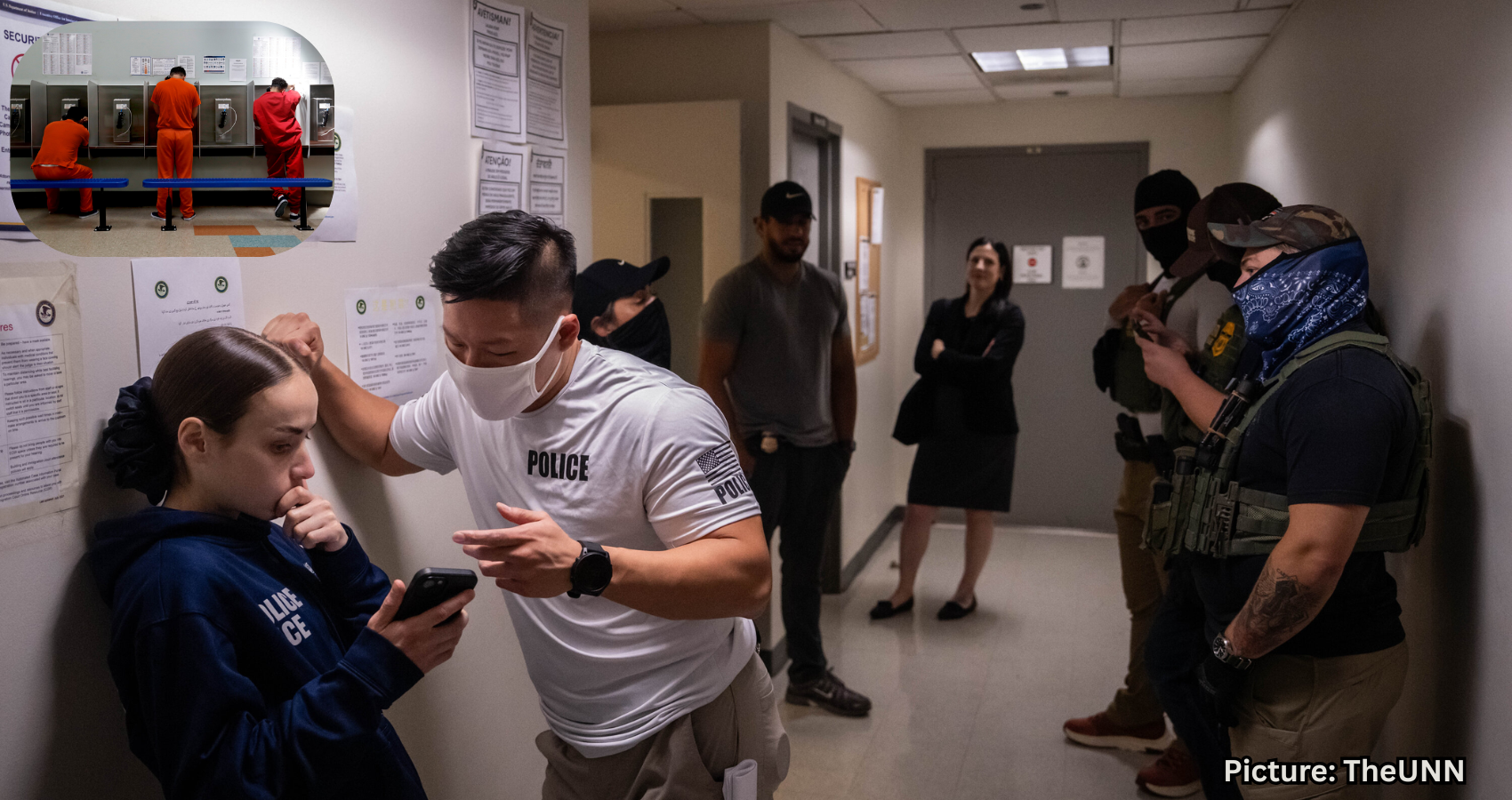
To achieve this, Bapat and his team plan to engineer fat-localizing regulatory T cells (Treg cells) that can send signals to convert energy-storing adipose tissue into energy-burning adipose tissue. This innovative approach aims to reverse or prevent obesity and insulin resistance, initially in mice and eventually in humans.

Bapat’s academic background is impressive. He earned his bachelor’s degree from Stanford University in 2009, completed his MD-PhD at the University of California, San Diego, and the Salk Institute for Biological Studies in 2017, and finished a residency in clinical pathology at UCSF in 2020.

As the fight against diabetes continues, Bapat’s research represents a promising step forward in developing effective therapies that could significantly improve metabolic health and quality of life for millions affected by obesity and diabetes.

According to The American Bazaar, Bapat’s innovative work is set to make a lasting impact on diabetes research and treatment.

Lubna Qazi Chowdhry Becomes New Jersey’s First Female Muslim Judge

Lubna Qazi-Chowdhry has made history as New Jersey’s first female Muslim judge, bringing a wealth of experience in civil rights and public service to her new role.

The New Jersey judiciary has welcomed a new legal voice with the appointment of Lubna Qazi-Chowdhry, an Indian American attorney, as a state administrative law judge. This milestone marks her as the first female Muslim judge in New Jersey’s history, a significant achievement in the state’s legal landscape.

Qazi-Chowdhry was nominated by Governor Philip D. Murphy on January 6 and received prompt confirmation from the State Senate. She took her oath of office on January 22, administered by New Jersey Supreme Court Associate Justice Rachel Wainer Apter.

Born in Kuwait and with roots in the Raigad district of Maharashtra’s Konkan region in India, Qazi-Chowdhry moved to the United States in 1990. She later relocated to New Jersey in 2005, where she has since established her legal career.

Now presiding in Newark, Qazi-Chowdhry is a graduate of Western State College of Law, where she earned her degree in 2005. Her new position places her at the intersection of government policy and individual rights, a role she is well-prepared for given her extensive background.

Her journey to the bench began far from the East Coast. After completing her undergraduate studies at the University of California, Irvine, she pursued her law degree in Southern California. It was during this time that she began to shape her professional identity, heavily influenced by her professors, particularly Professors Jenkins and Romney, who inspired her commitment to public service.

Before her judicial appointment, Qazi-Chowdhry’s career encompassed a wide range of legal experiences, including private practice and significant roles within federal and state agencies. Her portfolio includes work in civil rights, matrimonial law, and health law, areas that demand not only a thorough understanding of legal statutes but also a deep empathy for those affected by them.

Colleagues and mentors have described her as a “bridge-builder,” a quality that is enhanced by her multilingual abilities. In a diverse state like New Jersey, the capacity to communicate across cultural and linguistic barriers is crucial for maintaining public trust in the judicial system.

Her appointment is celebrated by her alma mater as a testament to the national impact of its graduates. For Qazi-Chowdhry, however, her new role transcends the title; it embodies a profound sense of responsibility. As she embarks on her tenure in Newark, she carries with her the lessons learned from her education in California and a lifelong mission to ensure that the administrative process remains accessible to all citizens.

In a time when the judiciary faces ongoing scrutiny, Qazi-Chowdhry’s background suggests a judge who perceives the law not merely as a set of rules but as a vital tool for public service. Her ascent to the bench serves as a powerful reminder of how mentorship and a diverse professional foundation can foster a legacy of leadership in the public interest.

According to The American Bazaar, Qazi-Chowdhry’s appointment is a significant step forward for representation within the New Jersey judiciary.

The Moral Legacy of Reverend Jesse Jackson in Black History

Reverend Jesse Jackson’s legacy embodies a leadership style that embraces the complexities of the Black experience, advocating for justice and reconciliation without succumbing to false binaries.

As we reflect on the life and contributions of Reverend Jesse Jackson, we are reminded of a unique form of leadership that is grounded not in absolutes, but in balance. Rev. Jackson refrained from framing the Black experience—or the broader American narrative—as a stark choice between despair and hope. His life’s work was a testament to rejecting false binaries: protest versus policy, moral outrage versus reconciliation, realism versus optimism.

Jackson understood that true progress is born not from denying hardship nor surrendering to it, but from holding both realities simultaneously. Much like the metaphor of a half-empty, half-full glass, his leadership exemplified the ability to confront injustice while maintaining faith, to demand accountability without sacrificing unity, and to act decisively while recognizing the ongoing nature of the work ahead. In honoring his legacy, we are invited to embrace balance itself as a moral discipline.

In an era marked by constant uncertainty, polarization, and rapid change, the most significant challenge facing leaders and citizens alike is not a lack of information or authority, but a diminishing capacity for perspective. We have conditioned ourselves to view the world in binary terms: black or white, success or failure, threat or opportunity—often recalibrated daily by the prevailing sentiment. The deceptively simple question of whether a glass is half empty or half full reveals a deeper limitation in how we perceive and respond to reality.

Across nations, institutions, and organizations, leadership failures frequently stem from an inability to hold opposing truths simultaneously. The instinct to choose sides and resolve complexity quickly creates a pendulum that swings endlessly—certainty today, reversal tomorrow. This is not leadership anchored in wisdom; rather, it is leadership that reacts to discomfort with ambiguity.

Black History Month invites us not only to celebrate achievements but also to explore the deeper intellectual and moral lessons embedded in the Black experience in America. Few histories illustrate the truth of the “half-empty, half-full” reality more vividly. The Black American story has always existed in simultaneous states of oppression and resilience, exclusion and contribution, suffering and extraordinary creativity. To view that history solely as tragedy is to erase endurance; to perceive it only as progress is to deny injustice. Black history demands the discipline of holding opposing truths at once.

This discipline was central to the leadership of Martin Luther King Jr. He spoke of a “beloved community” while imprisoned, preached nonviolence amid brutality, and insisted on hope without minimizing pain. His leadership did not emerge from naïveté or denial but from equanimity—the capacity to act morally without succumbing to bitterness or illusion. Like Jackson after him, King recognized that clarity does not necessitate simplification, and courage does not require certainty.

For centuries, Black communities have been compelled to navigate imbalances imposed from the outside—laws, systems, and narratives that insisted on framing reality as either failure or threat. Yet survival itself required rejecting these false binaries. Progress emerged not from denying emptiness but from recognizing it as space: space for resistance, culture, faith, and renewal. From Reconstruction to the Civil Rights Movement and beyond, Black leadership has often rested not on absolute answers but on steadiness amid contradiction.

In this way, Black History Month serves not only as a time of commemoration but also as an instructional period. It challenges us to abandon simplistic thinking in favor of balance—to acknowledge that justice and patience, anger and hope, grief and purpose can coexist. The half-empty, half-full glass is not merely an abstract metaphor; it is a lived reality. The enduring lesson is not about choosing one side of the glass but understanding the entirety of it—pessimism and optimism, despair and hope—as a measure of moral maturity.

Yet embedded within the question itself lies a philosophical error. When we ask whether the glass is half empty or half full, we assume that emptiness and fullness are competing states. In doing so, we overlook a more fundamental truth: they coexist.

Every day, we witness decisions on immigration, healthcare, affordability, and social policy being made by leaders who perceive challenges as either half full or half empty—often changing their conclusions daily. Emptiness and fullness are not alternative interpretations of reality; they represent the natural equilibrium of the universe. Leadership rooted in wisdom begins with the recognition that reality rarely offers clean answers—only integrated ones.

Our discomfort with this coexistence stems from a habit of binary thinking. We are conditioned to resolve ambiguity quickly, reducing complexity into choices that feel manageable. However, the most consequential decisions—those involving human systems, ethical dilemmas, and long-term consequences—do not lend themselves to simple categorization.

Modern physics echoes this insight. In quantum theory, reality is governed not by rigid binaries such as zero or one, presence or absence, but by superposition—multiple states existing simultaneously. The universe operates not on “either/or,” but on “both/and.” It is not one or zero; it is one and zero.

Ancient traditions articulated this long before modern science. In the Bhagavad Gita, this balanced awareness is described as sambuddhi—equanimity of mind. It is the ability to remain steady amid success and failure, pleasure and pain, praise and blame. For leaders like King and Jackson, this was not detachment from responsibility but freedom from reactivity.

A similar understanding lies at the heart of the Taoist concept of yin and yang. Light contains darkness; movement contains stillness; fullness contains emptiness. Yin and yang do not negate one another—they define one another. Each one carries within it the seed of its apparent opposite, and harmony emerges not through dominance but through balance.

Seen through this lens, the glass transforms from a psychological test into a symbol of totality. Creation unfolds through paired experiences—love and loss, growth and decline, pleasure and pain. None exist in isolation. To demand only fullness is to deny the emptiness that creates space for renewal, reflection, and possibility. Emptiness, far from being a deficit, is potential.

The refusal to accept this balance may explain the pervasive anxiety of modern life—and the instability of contemporary leadership. We live in a culture that demands constant progress, unbroken positivity, and perpetual certainty. Leaders project confidence even when clarity is lacking, promise growth without acknowledging limits, and treat uncertainty as failure rather than a condition of transformation.

Anxiety, in this context, is not merely clinical; it is philosophical. It arises from resisting half of reality. When leaders cannot tolerate uncertainty, they compensate with control. When they cannot accept loss, they deny risk. When they cannot sit with emptiness, they fill it with noise, speed, and spectacle. True steadiness, however, emerges not from eliminating ambiguity but from learning to remain present within it.

Perhaps wisdom—both personal and collective—begins when we stop asking whether the glass is half empty or half full and instead recognize that we are witnessing equilibrium itself. Black history has always demanded this recognition: the ability to see dignity alongside deprivation, progress alongside unfinished justice, resilience alongside rightful anger. Nothing is erased. Nothing is exaggerated.

For leaders, this way of seeing does not weaken action; it refines it. It replaces reactivity with moral clarity, fear with steadiness, and false certainty with purpose rooted in truth.

This was the quiet authority of King. It was the enduring strength of Jackson. And it remains the most profound lesson that Black history offers to a world still striving to see the whole glass.

According to The American Bazaar, Sreedhar Potarazu, MD, MBA, is an ophthalmologist, healthcare entrepreneur, and author with over two decades of experience at the intersection of medicine, business, and technology. Charles E. Sydnor III is an American attorney and Democratic politician serving in the Maryland State Senate.

Italy Aims for Upset Victory in T20 World Cup Finale

Italy’s cricket team seeks to cap off their T20 World Cup debut with a remarkable upset as they embrace their journey filled with unforgettable experiences.

Italy’s cricketers are experiencing a whirlwind of emotions during their debut at the T20 World Cup, filled with what they describe as “pinch me” moments. As they prepare for their final match in the tournament, the team is eager to continue their journey and aim for a significant upset.

The Italian squad has captured the attention of fans and analysts alike with their spirited performances. Their participation in the T20 World Cup marks a historic milestone for Italian cricket, showcasing the growth and potential of the sport in the country.

Throughout the tournament, the players have expressed a mix of excitement and disbelief at their achievements. Each match has provided them with invaluable experience and memories that they will cherish for years to come.

As they approach their concluding game, the team is focused on making a lasting impression. They understand the challenges that lie ahead but are motivated by the prospect of pulling off a giant-killing performance against a more established opponent.

The camaraderie within the team has been a crucial element of their success. Players have rallied around each other, drawing strength from their shared experiences and the support of their fans. This unity has been instrumental in their ability to compete at a high level on the world stage.

Italy’s journey in the T20 World Cup has not only been about the matches played but also about the growth of cricket in the nation. The exposure gained from participating in such a prestigious tournament is expected to have a positive impact on the sport’s development in Italy.

As they prepare for their final match, the Italian team is determined to leave everything on the field. They are aware that an upset victory could further elevate the profile of cricket in Italy and inspire future generations of players.

In a sport where surprises are always possible, Italy’s cricketers are ready to embrace the challenge and aim for a memorable conclusion to their World Cup debut. Their journey has already been remarkable, and they are eager to add one final chapter to their story.

According to NDTV Sports, the Italian team is looking to capitalize on their experiences and make a statement in their last game of the tournament.

Jessie James Decker Shares Essential Wellness Habit for Optimal Health

Country music star Jessie James Decker shares her wellness philosophy, emphasizing hydration and healthy eating, while promoting a “marriage body” mindset to inspire others to prioritize their health.

Country music star Jessie James Decker is opening up about her health and fitness journey in 2023, sharing insights that resonate with her fans and followers. Known for her vibrant personality and family-oriented lifestyle, Decker recently took to Instagram to showcase her commitment to fitness. In a viral video, she is seen squatting with a barbell at the gym, accompanied by the caption: “2026 energy! LFG💪.” This post has garnered over 111,000 likes and has sparked conversations around her “marriage body” philosophy, which emphasizes looking and feeling one’s best for the person you love, rather than focusing on a “revenge body.”

In her video, Decker challenges the conventional notion of fitness by promoting the idea of a “marriage body.” The text overlay on her post reads: “Forget revenge body. How about marriage body? How about we get hotter & hotter for the person who chose us forever.” This refreshing perspective has received praise from fellow celebrities and influencers, including actress and wellness advocate Daniella Monet, who expressed her support in the comments.

In an interview with Fox News Digital, Decker elaborated on her top wellness habits that help her maintain her physical and mental well-being. At the forefront of her routine is a simple yet effective practice: staying hydrated. “Water, water, water,” she emphasized. “I drink water all day. I even have it next to my bed, drinking it all night.” Decker credits her mother for instilling this habit in her, noting that her mother walks miles daily and drinks ample water, which has contributed to her youthful appearance. “She literally looks like she’s aging backwards,” Decker remarked, humorously comparing their aging processes to that of Benjamin Button.

Alongside her focus on hydration, Decker prioritizes healthy eating. “We cook everything at home. I mean, I barely go out,” she shared. “Everything I make is from scratch from home.” She believes that being aware of what goes into one’s body is crucial for overall health. “I really think when you know what you’re putting in your body, that’s the best bet always,” she added. Her approach to wellness is straightforward: “Water, cook at home and just stay active — it’s really that simple.”

Decker’s commitment to health extends beyond herself; she actively encourages her four children—Vivianne, Eric Jr., Forrest, and Denver—to adopt a similar lifestyle. Sports and outdoor activities are integral to their daily routine. “You know, Vivi’s a gymnast — she’s in the gym five days a week… And little Eric is constantly doing sports,” she explained. “They’re active… they are busy, busy, busy. They don’t sit around on iPads. They’re out there in the wildlife, barefoot and being free.”

As a family, they embrace an active lifestyle, even while traveling. Decker mentioned that they often engage in family workouts and outdoor activities during vacations. “Maybe when we’re on vacation, we’re doing bike rides together, or whether it’s a football game outside or throwing the ball on the beach,” she said. This commitment to staying active is a core value for the Decker family.

One sport that has become a favorite among the family is pickleball. “We love pickleball. That’s probably the thing we all do every day,” Decker revealed. With a pickleball court in their backyard, the Deckers make it a point to incorporate this activity into their daily lives. Decker humorously noted that her husband often inquires about the availability of pickleball courts when planning vacations, highlighting their enthusiasm for the sport.

Through her wellness journey, Jessie James Decker not only inspires her followers to prioritize their health but also emphasizes the importance of family and togetherness in maintaining an active lifestyle. Her approach to fitness and well-being serves as a reminder that health is a lifelong journey, best shared with loved ones.

For more insights into Jessie James Decker’s wellness philosophy, visit Fox News Digital.

Wearable Robotics Transforming Human Mobility in Walking and Running

Wearable robotics, including Nike’s Project Amplify and the Hypershell X exoskeleton, are transforming how we walk and run, aiming to enhance movement rather than replace it.

In recent years, the field of robotics has expanded beyond the confines of factories and laboratories, making its way into our daily lives. Wearable robotics, which include powered footwear and lightweight exoskeletons, are emerging as a new consumer category designed to assist movement rather than replace physical effort.

Historically, innovations in sports technology have focused on enhancing speed and performance, often benefiting elite athletes. However, the focus is shifting towards accessibility and support for everyday users. Nike’s Project Amplify exemplifies this trend. Developed in collaboration with robotics partner Dephy, this system integrates a carbon plate within the shoe and a motorized cuff worn above the ankle. The cuff uses sensors to monitor stride patterns in real time, providing subtle assistance that feels natural and smooth, rather than forcing movement.

Previous attempts at creating powered footwear faced challenges due to the weight of batteries and motors, which made the devices feel cumbersome and unbalanced. Modern designs have addressed these issues by relocating energy storage to the ankle or hips, thereby reducing strain on the feet and improving overall balance. Enhanced battery technology and advanced motion sensors allow these systems to adapt to users’ strides dynamically, making the experience feel like an extension of the body. Nike aims for a commercial release of Project Amplify around 2028.

However, Nike is not the only player in this evolving market. The Hypershell X is another notable example, designed as a lightweight outdoor exoskeleton for hikers and long-distance walkers. This system wraps around the waist and legs, employing small motors to alleviate fatigue during climbs and on uneven terrain. The goal is straightforward: to help users go farther without feeling drained. Hypershell has also introduced the X Ultra, a more robust version tailored for steeper terrains and longer excursions, providing stronger assistance while remaining compact enough to wear under standard outdoor gear.

Dnsys has also entered the market with the X1 all-terrain exoskeleton, aimed at hikers and outdoor enthusiasts. Unlike earlier lab prototypes, the X1 has been successfully sold through crowdfunding and direct online orders, marking it as one of the early consumer-ready entries in the wearable robotics space.

Another innovative product is WIM from WIRobotics, a wearable robot that weighs approximately 3.5 pounds and supports natural hip movement while walking. This device is targeted at older adults, active individuals, and those recovering from minor injuries, providing assistance without the bulkiness of traditional medical devices.

The medical applications of wearable robotics have been developing for a longer time. Companies like Ekso Bionics and ReWalk have created powered exoskeletons that assist individuals with spinal cord injuries or strokes in standing and walking. These systems are primarily used in rehabilitation clinics and select personal mobility programs, demonstrating how wearable robotics have evolved from medical settings to consumer-oriented designs.

What unites these diverse products is a common goal: to actively assist movement rather than merely track it. Many individuals face barriers to physical activity that are not solely related to injury; hesitation often plays a significant role. Concerns about knee pain, fatigue, or the fear of slowing down others can deter people from engaging in physical activity. Wearable robotics aim to bridge this confidence gap by reducing fatigue and supporting joints, making movement feel more attainable for those who might otherwise avoid it.

Comparatively, the rise of e-bikes serves as a relevant analogy. Electric assistance has not eliminated cycling; instead, it has broadened the demographic of people who feel comfortable riding a bike. Similarly, powered footwear and wearable robotics could democratize walking and running, making these activities more accessible to a wider audience.

For some, this technology might mean replacing short car trips with walking, while for older adults, it could facilitate prolonged activity without excessive fatigue. Casual runners may find they can complete their workouts with energy to spare, rather than struggling through the final stretch. This shift is not about creating super athletes; it is about empowering more individuals to participate in physical activities.

Even if you are not inclined to use a powered exoskeleton or are not eagerly awaiting the arrival of motorized shoes in 2028, the implications of this technology are significant. For those who experience discomfort during long walks or skip runs due to fatigue concerns, wearable robotics are designed with these challenges in mind. The aim is not to transform anyone into a super athlete but to make movement feel more achievable.

For some, this could translate to walking an extra mile effortlessly, while for others, it might mean keeping pace with friends or feeling more confident about starting a new fitness routine. Wearable robotics are reshaping the conversation around fitness, shifting the focus from speed and performance to comfort and accessibility.

As wearable robotics continue to evolve, the question is not whether they will improve, but how society will choose to integrate them into daily life. If these technologies can help you walk and run with less strain, would you consider using them, or would you prefer to rely solely on your own efforts? This is a conversation worth having as we navigate the future of movement.

According to Fox News, the potential of wearable robotics to enhance everyday mobility is becoming increasingly clear.

Immigration Detention Expands, Becomes Harsher and Less Accountable

A recent report reveals that the Trump administration’s immigration detention system has expanded significantly, targeting individuals without criminal records and creating harsh conditions that undermine due process.

Washington, D.C., January 14 — A new report from the American Immigration Council highlights the troubling expansion of the immigration detention system under the Trump administration. The report indicates that the administration is detaining hundreds of thousands of individuals, most of whom have no criminal record, in a system that makes it nearly impossible for them to contest their cases or secure their release.

The report, titled *Immigration Detention Expansion in Trump’s Second Term*, outlines how historic funding increases and aggressive enforcement tactics have led to the highest levels of immigration detention in U.S. history. Instead of addressing genuine public safety concerns, the government is allocating billions of dollars towards mass detention, pressuring individuals who pose no threat to abandon their cases and accept deportation.

The consequences of the Trump administration’s mass deportation agenda extend beyond detention centers. The Department of Homeland Security (DHS) has employed aggressive tactics during large-scale enforcement actions in neighborhoods across the country, resulting in tragic, preventable deaths. This underscores the human cost of an immigration enforcement system that operates with minimal oversight and accountability.

“This has absolutely nothing to do with law and order,” said Aaron Reichlin-Melnick, senior fellow at the American Immigration Council. “Under mass deportation, we’re witnessing the construction of a mass immigration detention system on an unprecedented scale, where individuals with no criminal record are routinely imprisoned without a clear path to release. Over the next three years, billions more dollars will be funneled into a detention system that is on track to rival the entire federal criminal prison system. The goal is not public safety, but to pressure individuals into relinquishing their rights and accepting deportation.”

According to the report, the number of individuals held in U.S. Immigration and Customs Enforcement (ICE) detention surged nearly 75 percent in 2025, rising from approximately 40,000 at the beginning of the year to 66,000 by December, marking the highest level ever recorded. With Congress authorizing $45 billion in new detention funding, the report warns that the system could more than triple in size over the next four years.

Key findings from the report reveal a significant shift in the demographics of those being detained. Arrests of individuals with no criminal record increased by 2,450 percent in the first year of the Trump administration, driven by tactics such as “at-large” arrests, roving patrols, worksite raids, and re-arrests of individuals attending immigration court hearings or ICE check-ins. The percentage of individuals arrested by ICE and held in detention without a criminal record rose from 6 percent in January to 41 percent by December.

The rapid expansion of the detention system has exacerbated already poor conditions. By December, ICE was utilizing over 100 more facilities to detain immigrants than at the start of the year. For the first time, thousands of immigrants arrested in the interior are being held in hastily constructed tent camps, where conditions are reported to be brutal. More individuals died in ICE detention in 2025 than in the previous four years combined.

Moreover, individuals are increasingly stripped of their opportunity to request release from a judge. New policies have normalized prolonged, indefinite detention. The Trump administration is pursuing measures that deny millions of detained individuals the right to a bond hearing, where they could argue for their release while their immigration cases are pending, including those who have lived in the United States for decades.

The administration is also using detention as a means to increase deportations. By November 2025, for every individual released from ICE detention, more than fourteen were deported directly from custody, a stark contrast to the one-to-two ratio from the previous year.

As the administration expands detention, it simultaneously undermines oversight. The rapid growth of the detention system has coincided with significant cuts to internal watchdogs and new restrictions on congressional inspections. This erosion of oversight has far-reaching consequences, as ICE operates with fewer checks on its authority, leading to aggressive enforcement in cities that has resulted in preventable harm and deaths.

“The Trump administration continues to falsely claim it’s going after the ‘worst of the worst,’ but public safety is merely a pretext for detaining immigrants and coercing them to abandon their cases,” said Nayna Gupta, policy director at the American Immigration Council. “Horrific conditions inside detention facilities compel individuals to accept deportation, thereby fueling the administration’s inhumane deportation quotas and objectives.”

The report profiles the experiences of three individuals that illustrate the real-world impact of this historic expansion of detention. One case involves a green card holder and father of two, who was detained by ICE at an airport due to a past conviction that he was assured would not jeopardize his legal status. During his detention, ICE neglected his medical issues for months.

Another case features an asylum seeker granted humanitarian protection by an immigration judge, yet remains detained months later without explanation, as ICE seeks to deport her to a third country. She reported being treated better in federal prison while serving time for an immigration offense.

Lastly, a DACA recipient was detained following a criminal arrest and transferred repeatedly across the country as ICE searched for available bed space, witnessing consistently poor conditions across various detention centers.

With billions of additional dollars already approved, the report warns that immigration detention is poised to grow even larger, exacerbating the human, legal, and financial costs for families, communities, and the nation as a whole.

“This is a system built to produce deportations, not justice,” Reichlin-Melnick stated. “When detention becomes the default response to immigration cases, the costs are borne by everyone. Families are torn apart, due process is set aside, and billions of taxpayer dollars are wasted on these unnecessary and cruel policies that do nothing to enhance public safety,” according to the American Immigration Council.

Bill Gates to Meet Andhra Pradesh Chief Minister for Strategic Talks

Bill Gates is set to visit Amaravati, Andhra Pradesh, for strategic discussions with Chief Minister N. Chandrababu Naidu, focusing on health and artificial intelligence.

In a significant development highlighting the intersection of technology and governance, Bill Gates, co-founder of Microsoft and a prominent figure in the tech industry, is scheduled to visit Amaravati, the capital of Andhra Pradesh. His meeting with Chief Minister N. Chandrababu Naidu aims to explore opportunities for expanding cooperation in two critical areas: health and artificial intelligence (AI).

This visit underscores Gates’s ongoing commitment to global health and technological advancement while showcasing Andhra Pradesh’s ambition to emerge as a leader in these fields. As India rapidly advances its digital infrastructure and technological capabilities, the country has become a focal point for tech giants, thanks to its vast and diverse market.

Under Naidu’s leadership, Andhra Pradesh has been proactive in leveraging technology to enhance governance and public welfare. Naidu, often recognized as a tech-savvy leader, has played a crucial role in driving digital initiatives across the state, which include e-governance and smart city projects.

The discussions between Gates and Naidu are expected to focus on how AI can be utilized to improve healthcare delivery in the state. India faces numerous healthcare challenges, including a shortage of medical professionals and inadequate infrastructure, particularly in rural areas. AI holds the potential to address some of these issues by facilitating remote diagnostics, predictive analytics for disease outbreaks, and personalized medicine.

Gates’s insights, supported by the resources of the Bill & Melinda Gates Foundation, could be instrumental in developing solutions tailored to the specific needs of Andhra Pradesh. The meeting is also likely to explore collaborative projects that align with the Gates Foundation’s focus on global health issues, such as eradicating infectious diseases and enhancing maternal and child health.

Andhra Pradesh could serve as a pilot region for innovative health interventions that, if successful, might be scaled across India and other developing regions. Gates’s interest in AI aligns with a broader global trend, where technology is increasingly recognized as a catalyst for economic and social development.

AI, in particular, has the potential to revolutionize various sectors, from agriculture to education, offering unprecedented opportunities for growth and efficiency. For Andhra Pradesh, embracing AI could lead to improved agricultural productivity, enhanced educational outcomes, and more efficient public services.

This visit also reflects a symbiotic relationship between global tech leaders and regional governments. As tech companies seek to expand their presence in emerging markets, they find willing partners in governments eager to harness technology for development. This partnership is mutually beneficial: tech companies gain access to new markets and data, while governments receive the technological expertise and investment necessary to drive growth.

In conclusion, Bill Gates’s visit to Andhra Pradesh represents more than just a high-profile meeting. It symbolizes the potential for technology to transform societies and underscores the importance of strategic partnerships in realizing this potential. As Andhra Pradesh continues its journey toward becoming a tech-driven state, the insights and collaboration from Gates and his foundation could play a pivotal role in shaping its future. Both Gates and Naidu share a vision of leveraging technology for the greater good, and this meeting may mark a significant step toward achieving that vision.

According to GlobalNetNews.

AI Summit Sees Strong Attendance on Opening Day

The AI Summit in New Delhi attracted a significant crowd on its opening day, showcasing India’s growing role in the global artificial intelligence landscape.

The bustling metropolis of New Delhi, renowned for its vibrant culture and historic landmarks, has added another highlight to its profile by hosting the much-anticipated AI Summit. On its opening day, the conference drew an impressive crowd, reflecting the increasing interest and investment in artificial intelligence across India. The event served as a melting pot of innovation and collaboration, underscoring India’s expanding prowess in the AI sector.

India, with its vast pool of tech-savvy talent and a rapidly digitizing economy, has emerged as a formidable player in the global AI arena. The summit, held at the expansive Pragati Maidan, showcased this evolution. Attendees, ranging from industry leaders to tech enthusiasts, were greeted with a plethora of exhibits that highlighted the country’s advancements in AI technologies.

The significance of the summit extends beyond the impressive turnout. It marks a pivotal moment in India’s technological journey, as the nation seeks to position itself as a global hub for AI development. With a government eager to foster innovation and a private sector keen to capitalize on AI’s potential, the summit serves as a platform to bridge these ambitions. It is a space where ideas are exchanged, collaborations are forged, and future pathways are charted.

The opening day featured keynote speeches from prominent figures in the tech industry, both domestic and international. These speeches set the tone for the event, emphasizing the transformative potential of AI across various sectors, including healthcare, agriculture, finance, and education. The narrative was clear: AI is not merely a technological advancement but a powerful tool for societal change.

However, India’s AI journey is not without its challenges. As the country embraces this technology, it must navigate issues related to data privacy, ethical AI deployment, and the digital divide. The summit’s robust agenda, which includes panel discussions and workshops on these critical topics, indicates a proactive approach to addressing these concerns.

The event also highlighted the role of startups in driving AI innovation. India’s startup ecosystem, one of the largest in the world, is a hotbed of AI-driven solutions. Many of these startups were present at the summit, showcasing cutting-edge technologies that promise to revolutionize industries. Their participation underscores the entrepreneurial spirit fueling India’s AI ambitions.

International participation at the summit further emphasizes India’s growing influence in the AI sector. Delegates from various countries attended, exploring opportunities for collaboration and investment. This international interest reflects India’s strategic importance in the global tech landscape, particularly as nations seek to diversify their tech partnerships.

The AI Summit is more than just an exhibition; it is a reflection of India’s aspirations and capabilities. As the world grapples with the implications of AI, India is positioning itself not just as a participant but as a leader in shaping the future of this technology. The massive turnout on day one is a testament to the excitement and interest surrounding India’s AI journey.

As the summit progresses, it will be intriguing to see how the dialogues and discussions unfold, particularly in areas such as AI ethics, policy-making, and international collaboration. The outcomes of these conversations could significantly influence the trajectory of AI development in India and beyond.

In conclusion, the AI Summit in New Delhi is a landmark event that highlights India’s commitment to embracing and leading in the AI revolution. It is a celebration of innovation, a forum for critical discussions, and a catalyst for future growth. As the summit continues, all eyes will be on New Delhi, eager to see what the next chapter in India’s AI story will bring, according to GlobalNetNews.

ICE Access to Medicaid Data Raises Concerns Among States Regarding Immigrants

The Trump administration’s decision to grant Immigration and Customs Enforcement access to Medicaid data is causing significant concern among hospitals and states regarding the privacy of immigrant patients.

The Trump administration’s recent decision to allow Immigration and Customs Enforcement (ICE) access to Medicaid data has left hospitals and states grappling with the implications for immigrant patients. This move raises critical questions about patient privacy and the potential chilling effect on healthcare access for vulnerable populations.

Under the new policy, hospitals must consider whether to inform immigrant patients that their personal information, including home addresses, could be used by ICE in deportation efforts. This warning could deter many from enrolling in Emergency Medicaid, a program that reimburses hospitals for emergency treatment provided to immigrants who do not qualify for standard Medicaid coverage.

Leonardo Cuello, a research professor at Georgetown University’s Center for Children and Families, expressed concern over the potential consequences of this policy. “If hospitals tell people that their Emergency Medicaid information will be shared with ICE, it is foreseeable that many immigrants would simply stop getting emergency medical treatment,” he said. Cuello highlighted that a significant portion of Emergency Medicaid cases involve the delivery of U.S. citizen babies, raising the question of whether mothers will avoid hospitals during labor due to fear of deportation.

For over a decade, hospitals and states have assured patients that their personal information, including immigration status, would remain confidential when applying for federal health care coverage. A 2013 ICE policy memo had previously guaranteed that information from health coverage applications would not be used for enforcement activities. However, this assurance has been undermined by recent policy changes under the Trump administration, which has initiated an aggressive immigration crackdown.

Last spring, the Centers for Medicare & Medicaid Services (CMS), part of the Department of Health and Human Services, agreed to provide ICE officials with direct access to a Medicaid database that includes enrollees’ addresses and citizenship status. This decision prompted 22 states, predominantly led by Democratic governors, to file a lawsuit to block the data-sharing agreement. A federal judge ruled in December that ICE could only access information about individuals unlawfully residing in the country from the Medicaid database in those states.

Despite the ruling, many hospitals contacted by KFF Health News declined to comment on whether they have updated their disclosure policies regarding the potential sharing of patient information with ICE. None of the responding hospitals indicated that they are directly warning patients about the risks associated with applying for Medicaid coverage.

Aimee Jordon, a spokesperson for M Health Fairview, a hospital system in Minneapolis, stated, “We do not provide legal advice about federal government data-sharing between agencies. We encourage patients with questions about benefits or immigration-related concerns to seek guidance from appropriate state resources and qualified legal counsel.”

Some states’ Emergency Medicaid applications still ask for a patient’s immigration status while assuring applicants that their information will be kept confidential. For instance, California’s application, as of February 3, included language stating that immigration information is “confidential” and used solely to determine eligibility for health insurance.

California Department of Health Care Services spokesperson Anthony Cava confirmed that the agency will ensure that Californians receive accurate information regarding the privacy of their data. In contrast, Utah’s Medicaid website previously claimed that its Emergency Medicaid program did not share information with immigration officials. Following inquiries from KFF Health News, the state agency promptly removed this misleading language.

Oregon Health & Science University, a hospital system in Portland, provides immigrant patients with a Q&A document developed by the state Medicaid program, addressing concerns about the use of their information. However, this document does not explicitly state that Medicaid enrollees’ information is shared with ICE.

Emergency Medicaid is crucial for hospitals, as it allows them to receive reimbursement for treating individuals who would qualify for Medicaid if not for their citizenship status. This includes both undocumented immigrants and those with legal status, such as students or work visa holders. The coverage is limited to emergency medical and pregnancy care, and hospitals typically assist patients in applying while they are still receiving care.

The main Medicaid program, which serves over 77 million low-income and disabled individuals, does not cover those living in the country illegally. Consequently, Emergency Medicaid enrollment becomes a key avenue for deportation officials to identify immigrants, including those who may not be lawfully present in the U.S.

Rich Danker, a spokesperson for HHS, confirmed that CMS is sharing data with ICE following the judge’s ruling but did not clarify how the agency is ensuring compliance with the requirement to limit information sharing to individuals unlawfully present in the country.

With ICE now having direct access to the personal information of millions of Medicaid enrollees, hospitals face a challenging dilemma. Sarah Grusin, an attorney at the National Health Law Program, emphasized the need for transparency regarding these changes. “They need to be telling people that the judge has permitted sharing of information, including their address, for people who are not lawfully residing,” she stated. “Once this information is submitted, you can’t protect it from disclosure at this point.”

Grusin advised families to carefully weigh the importance of seeking medical care against the risk of having their information shared with ICE. “We want to give candid, honest information even if it means the decision people have to make is really hard,” she said.

Emergency Medicaid coverage was established in the mid-1980s, following a federal law requiring hospitals to treat and stabilize all patients presenting with life-threatening conditions. In 2023, federal spending on Emergency Medicaid reached nearly $4 billion, representing about 0.4% of total federal Medicaid spending.

States are required to report detailed information about Medicaid enrollment and services to the federal government monthly. The December ruling limited the information CMS can share with ICE to basic details, including addresses, for Medicaid enrollees in the states that sued over the data-sharing arrangement. ICE officials are prohibited from accessing information about the medical services received by individuals in those states, as well as data pertaining to U.S. citizens or lawfully present immigrants.

However, deportation officials still have access to the personal Medicaid information of all enrollees in the remaining 28 states. Medicaid experts have raised concerns about the feasibility of separating data to comply with the judge’s order, leading to questions about the Trump administration’s adherence to the ruling.

The implications of these policies on immigrant families seeking healthcare are significant. A recent KFF/New York Times poll revealed that approximately one-third of adult immigrants reported postponing or skipping healthcare in the past year due to fears related to their immigration status. Bethany Pray, chief legal and policy officer at the Colorado Center on Law and Policy, expressed alarm over the potential consequences of sharing Medicaid data with deportation officials. “This is very concerning,” she said. “People should not have to choose between giving birth in a hospital and wondering if that means they risk deportation.”

KFF Health News is a national newsroom dedicated to producing in-depth journalism on health issues and is part of KFF, an independent source for health policy research, polling, and journalism.

Nikhil Gupta Pleads Guilty in Assassination Plot Against G.S. Pannun

Nikhil Gupta, an Indian national, has pleaded guilty to charges related to a murder-for-hire plot targeting U.S. citizen Gurpatwant Singh Pannun in New York City.

Nikhil Gupta, 54, an Indian national, has pleaded guilty to three counts outlined in a Second Superseding Indictment. The charges include murder-for-hire, conspiracy to commit murder-for-hire, and conspiracy to commit money laundering, all connected to his attempts to assassinate a U.S. citizen in New York City.

The announcement was made by Jay Clayton, the United States Attorney for the Southern District of New York, alongside several officials from law enforcement agencies, including the FBI and the DEA. This case highlights the serious implications of international criminal conspiracies and the commitment of U.S. authorities to uphold justice.

The intended target of Gupta’s plot is believed to be Gurpatwant Singh Pannun, a U.S. citizen and prominent advocate for the Khalistan movement. Pannun has been designated a terrorist by Indian authorities under the Unlawful Activities (Prevention) Act, with accusations of promoting violence and advocating for a separate Sikh state, Khalistan.

Gupta entered his guilty plea on February 13 before U.S. Magistrate Judge Sarah Netburn and is scheduled for sentencing by U.S. District Judge Victor Marrero on May 29, 2026. The case underscores the serious nature of the charges against him.

“Nikhil Gupta plotted to assassinate a U.S. citizen in New York City,” said U.S. Attorney Jay Clayton. “He thought that from outside this country, he could kill someone in it without consequence, simply for exercising their American right to free speech. But he was wrong, and he will face justice. Our message to all nefarious foreign actors should be clear: steer clear of the United States and our people.”

FBI Assistant Director Roman Rozhavsky emphasized the significance of the case, stating, “Nikhil Gupta was a key participant in a murder-for-hire plot against a U.S. citizen, a murder that was prevented thanks to the actions of U.S. law enforcement.” DEA Administrator Terrance Cole added, “It is often a slippery and dangerous slope from drug trafficking to deadly violence, as demonstrated by the murder-for-hire plot orchestrated by international narcotics and weapons trafficker Nikhil Gupta. I commend the men and women of DEA’s New York Task Force Division for their outstanding investigative work successfully foiling Gupta’s assassination plot.”

The conspiracy was reportedly orchestrated by Vikash Yadav, an employee of the Government of India’s Cabinet Secretariat, which also includes the Research and Analysis Wing. Gupta, who described himself in communications with Yadav as an international trafficker of narcotics and weapons, was recruited by Yadav in May 2023.

Unbeknownst to Gupta, the criminal associate he contacted for assistance in hiring a hitman was actually a confidential source cooperating with the DEA. This source introduced Gupta to a purported hitman, who was, in fact, a DEA undercover officer. The two agreed on a payment of $100,000 for the assassination, and on June 9, 2023, Gupta provided $15,000 in cash as a down payment in New York City. They also shared extensive information about the intended victim, including his home address, personal phone numbers, and details about his daily routines.

Gupta urged the undercover officer to carry out the murder “as soon as possible,” but he also specifically instructed him to avoid the time during the Indian Prime Minister’s official state visit to the United States, which was scheduled to begin around June 20, 2023. However, the operational landscape shifted dramatically on June 18, 2023, when Hardeep Singh Nijjar, an associate of Pannun and another leader in the Khalistan movement, was shot dead outside a Sikh temple in Canada. Following this event, Gupta indicated to the undercover officer that there was “now no need to wait.”

Gupta was arrested in the Czech Republic on June 30, 2023, and was subsequently extradited to the United States. If convicted, he faces a potential sentence of up to 40 years in prison for his involvement in this serious criminal conspiracy.

This case serves as a stark reminder of the challenges posed by international crime and the commitment of U.S. law enforcement to protect its citizens from such threats, according to India Currents.

Daily Horoscope for All Zodiac Signs: February 17, 2026

Your daily horoscope for February 17, 2026, reveals insights for all zodiac signs, guiding you through personal and professional challenges with astrological wisdom.

Aries (Mar. 21 – Apr. 20): Today, you will enjoy engaging with brilliant minds, according to Ganesha. Your perfectionist tendencies may lead you to spend generously on the ‘perfect’ gift for your loved one.

Taurus (Apr. 21 – May 21): Communication with loved ones takes on a deeper significance today. Ganesha suggests that your genuine nature will help protect others’ feelings, teaching you that harmony can be more appealing than conflict in intimate relationships.

Gemini (May 22 – Jun. 21): Be mindful of your words today, as you may unintentionally hurt someone’s feelings. Pay special attention to the challenges faced by your elders and offer your support. After noon, you might find yourself drawn to spiritual or intellectual pursuits, as advised by Ganesha.

Cancer (Jun. 22 – Jul. 22): Ganesha warns that an overflow of emotions could lead to chaos in your relationship today. If you share the same sun sign with your partner, be especially cautious, as heightened feelings may exacerbate tensions. Keeping your emotions in check is advisable.

Leo (Jul. 23 – Aug. 23): Today, you will stand firm in your principles, which will bring you a sense of satisfaction. However, Ganesha reminds you to maintain a conciliatory approach. Being practical and businesslike in your professional dealings will serve you well.

Virgo (Aug. 24 – Sep. 22): You will set ambitious goals for yourself today, aiming to break through existing barriers. In the afternoon, financial concerns may weigh on your mind, but Ganesha encourages you to elevate your spirit by engaging in spiritual activities during the evening.

Libra (Sep. 23 – Oct. 23): Ganesha indicates that today is a good time to plan your future actions, ensuring that your steps lead to success. You may also experience unexpected financial gains, along with an increase in your professional reputation.

Scorpio (Oct. 24 – Nov. 22): Expect a day filled with romantic excitement, as the chemistry with your partner will be palpable. Ganesha notes that home life will be relaxing, and your skills in negotiation could lead to financial savings.

Sagittarius (Nov. 23 – Dec. 21): A surge of creativity will inspire you today, motivating you to embrace new challenges later on. While the workplace may present opportunities for financial gain in the evening, do not neglect your health, Ganesha advises.

Capricorn (Dec. 22 – Jan. 20): You are well aware of your strengths, and how you leverage them will be crucial for your business success. Ganesha suggests evaluating your team’s talents impartially to maximize productivity today.

Aquarius (Jan. 21 – Feb. 18): If you are involved in legal matters, today is favorable for you. Aim high, as Ganesha suggests that even if you fall short, you will still land on solid ground. Expect some positive news later in the day.

Pisces (Feb. 19 – Mar. 20): Control your emotional fluctuations today, as they could impact important decisions. Ganesha advises you to approach situations with a more calculated mindset and to focus less on financial pursuits.

Stay connected with the cosmos through your daily horoscope! For personalized insights tailored to your zodiac sign, visit us regularly. Our expert astrologers provide guidance to help you navigate life’s challenges and celebrate its triumphs.

The insights shared today are based on the wisdom of Ganesha.

UC Berkeley Student Found Dead After Prolonged Six-Day Search

A 22-year-old Indian student, Saketh Sreenivasaiah, was found dead in Berkeley, California, six days after being reported missing, prompting an outpouring of condolences and support.

BERKELEY, CA – Saketh Sreenivasaiah, a 22-year-old student from India, was found dead in California six days after he was reported missing. Sreenivasaiah, a native of Karnataka, was pursuing a master’s degree in Chemical and Biomolecular Engineering at the University of California, Berkeley.

He was last seen on February 9, approximately one kilometer from the campus, which led to a citywide search focusing on the Lake Anza area and the Berkeley Hills.

The Consulate General of India in San Francisco confirmed that local authorities had recovered his body and stated that they would provide all necessary assistance to repatriate his remains to India as soon as possible.

In a statement posted on X, the Consulate expressed its condolences, saying, “The Consulate deeply regrets to inform that local police have confirmed the recovery of the body of the missing Indian student, Saketh Sreenivasaiah. We extend our heartfelt condolences to his family and loved ones during this profoundly difficult time.”

The statement further emphasized the Consulate’s commitment to support the family, noting, “The Consulate stands ready to provide all necessary assistance to the family, including coordination with local authorities and arrangements for the repatriation of mortal remains to India at the earliest. Our consular officers are in direct contact with the family and will support them with all required formalities and services.”

During the search, a backpack containing Sreenivasaiah’s passport and laptop was found near a residence close to Tilden Regional Park, not far from the university. Community members also rallied together online, creating a Reddit thread to coordinate search efforts and share information about his whereabouts.

Sreenivasaiah was an alumnus of the Indian Institute of Technology Madras and completed his schooling at Sri Vani Education Centre in Bengaluru. He was described as six feet one inch tall, weighing around 160 pounds, with short black hair and brown eyes.

According to his LinkedIn profile, he was one of six inventors listed on a patent for a microchannel cooling system for hyperloop technology and a related method. Friends and colleagues remembered him as quick-witted, humble, brilliant, and deeply loyal.

The tragic loss of Saketh Sreenivasaiah has resonated deeply within the community, highlighting the importance of support and connection during difficult times, according to IANS.

Rev. Jesse Jackson, Civil Rights Leader and Rainbow PUSH Founder, Dies at 84

The Rev. Jesse Jackson, a pivotal figure in the civil rights movement and a two-time Democratic presidential candidate, passed away at the age of 84, as confirmed by his family.

The Rev. Jesse Jackson, a prominent civil rights activist and two-time Democratic presidential candidate, died on Tuesday morning at the age of 84, according to a statement from his family.

“Our father was a servant leader — not only to our family, but to the oppressed, the voiceless, and the overlooked around the world,” the Jackson family expressed in their statement. “We shared him with the world, and in return, the world became part of our extended family. His unwavering belief in justice, equality, and love uplifted millions, and we ask you to honor his memory by continuing the fight for the values he lived by.”

<p”It is with profound sadness that we announce the passing of civil rights leader and founder of the Rainbow PUSH Coalition, the Honorable Reverend Jesse Louis Jackson Sr. He died peacefully on Tuesday morning, surrounded by his family,” the statement continued. “His unwavering commitment to justice, equality, and human rights helped shape a global movement for freedom and dignity. A tireless change agent, he elevated the voices of the voiceless — from his presidential campaigns in the 1980s to mobilizing millions to register to vote — leaving an indelible mark on history.”

Jackson’s political career included runs for the Democratic presidential nomination in both 1984 and 1988, during which he became one of the most prominent Black political leaders of his time, significantly expanding his national profile beyond the civil rights movement.

He is survived by his wife, Jacqueline, their children — Santita, Jesse Jr., Jonathan, Yusef, and Jacqueline — as well as his daughter Ashley Jackson and several grandchildren.

This is a developing story. Check back for updates.

According to Fox News, Jackson’s legacy as a civil rights leader will continue to inspire future generations.

100 U.S. Troops Deployed to Nigeria Amid Rising Militancy Threats

Approximately 100 U.S. troops have arrived in Nigeria to bolster local forces in their fight against Islamic militants, enhancing regional security in West Africa.

In a significant move to support Nigeria’s counterterrorism efforts, around 100 U.S. troops and military equipment landed in the country on Monday. This deployment is part of a broader security cooperation initiative between the United States and Nigeria, aimed at combating the threats posed by Islamic militants and other armed groups.

The Nigerian military confirmed the arrival of the U.S. personnel, which is expected to be followed by an additional 100 troops over time. This assistance comes at the request of the Nigerian government, which has sought help in training, technical support, and intelligence sharing as it faces escalating violence from groups such as Boko Haram and the Islamic State West Africa Province.

The total deployment from U.S. Africa Command is anticipated to reach approximately 200 personnel, including intelligence analysts, advisers, and trainers. Officials have characterized this mission as a support operation designed to enhance the capabilities of Nigerian forces in their ongoing battle against Islamist extremist groups.

The deployment follows recent high-level meetings between U.S. and Nigerian officials aimed at reinforcing military ties and expanding counterterrorism cooperation. On February 8, Nigerian President Bola Tinubu met with a U.S. delegation led by General Dagvin Anderson, the commander of U.S. Africa Command, at the State House in Abuja. This meeting included senior officials from Nigeria’s military, security, and intelligence agencies and focused on improving intelligence sharing and operational coordination.

The arrival of U.S. troops comes amid a backdrop of improving relations between Washington and Abuja, which had previously experienced tensions over issues related to religious violence and civilian protection. Former President Donald Trump had criticized Nigeria for its handling of violence against Christians, citing attacks by extremist groups and armed bandits. In response to these concerns, Trump authorized airstrikes on December 25 targeting Islamic State militants, emphasizing the need to protect vulnerable populations.

In a post on Truth Social, Trump described the U.S. military’s actions in Nigeria, stating, “The United States launched a powerful and deadly strike against ISIS Terrorist Scum in Northwest Nigeria, who have been targeting and viciously killing, primarily, innocent Christians, at levels not seen for many years, and even centuries!”

The ongoing collaboration between the U.S. and Nigeria reflects a commitment to addressing the complex security challenges in West Africa, where militant groups continue to pose significant threats to regional stability.

According to the Associated Press, this deployment marks a crucial step in enhancing the operational capabilities of Nigerian forces as they confront the persistent threat of terrorism in the region.

Dhireesha Kudithipudi Leads First U.S. Open-Access Neuromorphic Computing Hub

Dhireesha Kudithipudi is spearheading the first open-access neuromorphic computing hub in the U.S. at the University of Texas at San Antonio, aiming to democratize artificial intelligence research.

Indian American computer scientist Dhireesha Kudithipudi is transforming the landscape of artificial intelligence (AI) in the United States. As the founding director of the MATRIX AI Consortium at the University of Texas at San Antonio (UTSA), she is at the forefront of launching THOR: The Neuromorphic Commons, the first open-access hub of its kind in the country.

Funded by the National Science Foundation, the THOR project seeks to democratize access to neuromorphic computing, a field that emulates the architecture of the human brain to process information. Unlike traditional silicon chips, which consume significant amounts of electricity regardless of the task, neuromorphic systems operate on an “event-based” model, activating only when new data is detected.

“THOR is the U.S. national hub for neuromorphic computing,” Kudithipudi stated. She also holds the Robert F. McDermott Chair in Engineering at UTSA. “We are democratizing the technology, expanding industry-academia partnerships, and serving as a catalyst for bringing neuromorphic computing closer to real-world applications.”

Historically, access to such advanced hardware has been limited to elite corporate laboratories or well-funded academic institutions. In contrast, UTSA’s new initiative functions similarly to a public library, allowing researchers and students nationwide to apply for free access to run experiments. This approach significantly lowers the barrier to entry for the next generation of engineers.

At the core of the hub is the SpiNNaker2 system, a substantial platform featuring approximately 400,000 processing elements. Developed in collaboration with SpiNNcloud, this hardware utilizes energy-efficient ARM-based cores, akin to those found in smartphones, to simulate the pulsing signals of biological neurons and synapses.

The practical implications of this energy efficiency are profound. According to the research team, neuromorphic chips have the potential to revolutionize medical devices. For instance, they could enable pacemakers to adapt in real-time to a patient’s physical distress or allow hearing aids to intelligently filter background noise without quickly draining their batteries.

In addition to energy savings, Kudithipudi and her colleagues are addressing the issue of “catastrophic forgetting,” a common flaw in AI systems where machines lose previously acquired knowledge when learning new information. By mimicking the brain’s “lifelong learning” capabilities, THOR could facilitate the development of AI that evolves continuously.

This initiative involves a nationwide collaboration, with contributions from experts at UT Knoxville, UC San Diego, and Harvard University. The official launch of THOR is scheduled for February 23, marking a significant milestone for UTSA’s newly established College of AI, Cyber and Computing.

For Kudithipudi, the overarching goal is to ensure that the future of computing is not only more powerful but also more accessible and sustainable for all.

The information for this article was sourced from The American Bazaar.

Dr. Raj Singh of OSU Named Big 12 Faculty of the Year

Dr. Raj Singh, a professor at Oklahoma State University, has been honored as the Big 12 Faculty of the Year for his significant contributions to materials science and engineering education.

Dr. Raj Singh, an Indian American professor in the School of Materials Science and Engineering at Oklahoma State University (OSU), has been named the Big 12 Faculty of the Year. This prestigious award recognizes one outstanding faculty member from each institution within the Big 12 Conference, which spans from Arizona to West Virginia. The honor is given to those who exemplify excellence in teaching, research, and academic leadership while promoting student success.

Singh, who holds the title of Regents Professor at OSU’s College of Engineering, Architecture and Technology (CEAT), was selected for this accolade due to his groundbreaking contributions to materials science and engineering research, as well as his enduring commitment to educating and mentoring future engineers.

“Dr. Singh’s work reflects the core of CEAT’s mission, advancing cutting-edge research while preparing students to solve real-world challenges,” stated Hanchen Huang, dean of CEAT. “His selection as Big 12 Faculty of the Year highlights the caliber of faculty at Oklahoma State University and the impact they have locally, nationally, and globally.”

Singh’s research has significantly influenced innovation across various industries, and his dedication to student learning and mentorship has played a crucial role in shaping the next generation of engineers and researchers. His recognition underscores CEAT’s leadership in engineering education and applied research within the Big 12 Conference.

“We are constantly looking for ways to highlight how Big 12 faculty continue to educate and inspire the next generation of leaders,” said Jenn Hunter, Chief Impact Officer of the Big 12. “From the arts and filmmaking to business and engineering, this year’s cohort showcases the vast opportunities available to students pursuing an education on Big 12 campuses.”

The award also reflects the extensive research excellence present across the conference, covering disciplines from astronomy and psychology to engineering and the arts. Singh joins a distinguished group of faculty members recognized this year, further enhancing the reputation of OSU and CEAT for academic excellence and innovation.

“I am surprised, delighted, humbled, and grateful to the selection committee and those responsible for their support for this most prestigious recognition and award,” Singh expressed upon receiving the honor.

Singh was the founding head of the School of Materials Science and Engineering at OSU–Tulsa. He earned his Doctor of Science degree in ceramics from the Massachusetts Institute of Technology and has held positions at Argonne National Laboratory, the GE Global Research Center, and the University of Cincinnati prior to joining OSU.

His research career encompasses numerous fields, including nanostructured materials, nanotubes and nanorods, fuel cell materials, smart ferroelectric materials, and ceramic matrix composites (CMCs). Singh has authored over 350 research articles and holds 29 granted patents, establishing himself as a world-renowned expert in CMCs.

Notably, Singh pioneered the patented melt-infiltration process for producing fully dense, net-shape, damage-tolerant silicon carbide fiber-reinforced CMCs. This innovative process has been widely commercialized by GE Aviation since 2016, leading to significant advancements in the aerospace industry.

The technology has accumulated over 40 million flight hours in LEAP engines used by Airbus, Boeing 737 and 777, and COMAC aircraft, marking the world’s first commercial jet engines to incorporate CMCs as structural turbine components. These advancements have contributed to reduced engine weight, improved efficiency, and lower CO₂ and NOx emissions, creating new multibillion-dollar industries and delivering substantial societal and economic benefits.

In 2024, Singh was elected to the National Academy of Engineering, one of the highest professional honors for engineers, in recognition of his lifetime contributions to materials science and engineering.

Beyond his research accomplishments, Singh is deeply committed to educating and mentoring students. He views mentorship as a cornerstone of his role, helping students cultivate curiosity, creativity, and a lifelong passion for learning. His influence extends well beyond the laboratory, shaping the future of the engineering profession.

“The best part of my job is to help educate the best possible engineers and impart knowledge of the discipline of materials science and engineering,” Singh remarked. “I want to encourage students in the engineering field to be curious, persevering, creative, inventive, and passionate about their field. Never forget to be curious and inventive. It should be a lifelong pursuit.”

This recognition of Dr. Raj Singh not only highlights his individual achievements but also reflects the broader commitment of Oklahoma State University to excellence in education and research.

According to The American Bazaar.

Rajneesh Suri Appointed Dean of Raj Soin College of Business

Wright State University has appointed Rajneesh Suri as the new dean of the Raj Soin College of Business, bringing extensive academic and industry experience to the role.

Wright State University has announced the appointment of Rajneesh Suri as the new dean of the Raj Soin College of Business, located in Fairborn, Ohio. This appointment marks a significant leadership transition for one of the region’s leading business schools.

Suri, an accomplished academic with a robust background in marketing and consumer behavior, will officially assume his role on July 1. His vision emphasizes student success and community integration, aligning with the college’s mission to foster a dynamic learning environment.

University provost Amy Thompson commended Suri’s extensive experience and his proven ability to cultivate collaborative environments. She noted that his innovative approach is precisely what the college needs to enhance its reputation and broaden its reach in an increasingly competitive academic landscape.

An alumnus of the Indian Institute of Management, Calcutta, Suri joins Wright State from Drexel University in Philadelphia. At Drexel, he served as senior vice provost for academic industry partnerships and was the founding academic director of the Drexel Solutions Institute and the Innovation Engine.

In these roles, Suri provided strategic leadership for university-wide academic–industry engagement, facilitating connections between faculty, students, and corporate, nonprofit, and community partners through applied research, professional training, and experiential learning opportunities. He also established the Center for Neuro-Business within Drexel’s LeBow College of Business, which focused on linking faculty with industry partners for applied research and curriculum development.

Suri’s work has consistently bridged the gap between complex theoretical research and practical, real-world applications. Central to his philosophy is the belief that a business college should act as a catalyst for local economic development while equipping students with the skills necessary to thrive in a global marketplace.

Expressing his enthusiasm for his new role, Suri highlighted the strong foundation already established at the Raj Soin College of Business. He aims to build on the college’s existing strengths in supply chain management, accountancy, and entrepreneurship.

One of Suri’s primary focuses will be to create more experiential learning opportunities, ensuring that graduates emerge not just with degrees but as seasoned professionals ready to confront industry challenges from day one.

He also stressed the importance of the human element in business. In a time increasingly influenced by data and automation, Suri believes that leadership, ethics, and interpersonal communication are essential skills for the next generation of CEOs and innovators. He plans to engage closely with the Dayton business community to ensure that the curriculum remains relevant to the needs of local employers.

Faculty and staff have welcomed the news of Suri’s appointment, citing his reputation for transparency and his commitment to inclusive excellence. As he steps into this leadership role, the Wright State community looks forward to a period of renewed energy and strategic growth.

Suri succeeds a legacy of leadership that has shaped the college for years. His tenure represents a pivotal moment for Wright State as it adapts to the post-pandemic educational landscape, with a focus on digital transformation and sustainable business practices.

With Suri at the helm, the Raj Soin College of Business is poised to strengthen its position as a cornerstone of the Miami Valley’s intellectual and economic landscape.

Suri holds a PhD in marketing from the University of Illinois at Urbana-Champaign, an MBA from the Indian Institute of Management Calcutta, and a bachelor’s degree in mechanical engineering from the University of Delhi.

The information in this article is based on a report from The American Bazaar.

Afghanistan and UAE Face Off in T20 World Cup 2026 Match

Afghanistan is in a must-win situation as they prepare to face the United Arab Emirates in a crucial Group D match of the T20 World Cup 2026.

In the T20 World Cup 2026, Afghanistan is set to clash with the United Arab Emirates in a pivotal Group D encounter. This match is critical for Afghanistan, who find themselves in a must-win scenario to keep their hopes alive in the tournament.

The stakes are high as both teams aim to secure a victory that could significantly impact their standings in the group. Afghanistan, known for their competitive spirit and skilled players, will be looking to leverage their strengths against the UAE, who are eager to make their mark in this prestigious tournament.

As the match unfolds, fans can expect an exciting display of cricket, with both teams showcasing their talents and strategies. The atmosphere is expected to be electric, with supporters rallying behind their respective teams.

Stay tuned for live score updates and key moments from this thrilling encounter, as Afghanistan and the UAE battle it out on the field.

According to NDTV Sports, this match is crucial for Afghanistan’s progression in the tournament.

Simple Food Combination May Be More Effective Than Omega-3 Supplements

A recent study indicates that a combination of kefir and prebiotic fiber may be more effective in reducing inflammation than omega-3 supplements alone, highlighting the importance of gut health.

A new study from the University of Nottingham has revealed that a simple dietary combination could provide greater immune benefits than omega-3 supplements on their own. Researchers found that pairing kefir, a fermented milk drink, with a mix of prebiotic fibers led to more significant reductions in inflammation markers compared to omega-3 supplements or fiber alone.

The findings, published in the Journal of Translational Medicine, underscore the potential role of gut bacteria in supporting immune and metabolic functions. Kefir, which is similar to yogurt and contains live bacteria and yeast, appears to enhance the effects of prebiotic fiber. This type of fiber nourishes healthy gut bacteria, enabling them to grow and function more effectively.

As these beneficial bacteria flourish, they produce natural substances that help to alleviate inflammation in the body. In a six-week study, participants who consumed the kefir and fiber combination experienced the most significant decrease in markers associated with whole-body inflammation. While those taking omega-3 supplements or fiber alone also saw improvements, the results were not as pronounced.

“Our study shows that while all three dietary approaches reduced inflammation, the synbiotic — combining fermented kefir with a diverse prebiotic fiber mix — had the most powerful and wide-ranging effects,” said Amrita Vijay, a gut microbiome scientist who led the research.

The researchers focused on measuring systemic inflammatory markers, which indicate inflammation occurring throughout the body. While inflammation is a normal immune response, chronic low-level inflammation that persists over time has been linked to various health issues, including heart disease and metabolic disorders, according to the Cleveland Clinic.

The study’s findings suggest that combining probiotics and prebiotics may offer broader support for health than relying on a single supplement. “This suggests that the interaction between gut microbes and dietary fiber may be key to supporting immune balance and metabolic health,” Vijay noted.

Looking ahead, the research team plans to further investigate how synbiotic supplementation could impact individuals with chronic inflammatory disorders, potentially paving the way for new dietary strategies in managing inflammation.

These insights into the benefits of kefir and prebiotic fiber highlight the importance of gut health in overall well-being, suggesting that dietary choices can play a crucial role in managing inflammation and supporting immune function.

According to Fox News, the implications of this research could lead to more effective dietary recommendations for those seeking to reduce inflammation and improve their health.

Challenges of Physical ID Theft Versus Credit Card Fraud

Physical ID theft recovery is significantly more complex than credit card fraud, often involving multiple jurisdictions and extensive documentation to clear one’s name.

Recovering from physical ID theft can be a daunting and intricate process, often proving to be more complicated than dealing with credit card fraud. This complexity arises from the need for police reports across various jurisdictions and the extensive documentation required to rectify the situation.

Consider the case of a 57-year-old woman from Los Alamitos, California. She received a voicemail from a Hertz rental car location in Miami, Florida, inquiring about the return of a Mercedes-Benz she had never rented. Unbeknownst to her, a thief had stolen her driver’s license, altered the photo, and used it to rent the vehicle. This same identity was exploited to open a credit card account, book airline tickets, and reserve hotel stays. By the time she discovered the fraud, it had involved businesses across multiple states.

Clearing her name was no simple task. It required filing police reports in two different jurisdictions, disputing charges with her credit card issuer, and engaging in repeated communications with the rental company and hotels. While her accounts were frozen, she had to submit notarized copies of her identification and sign fraud affidavits. The entire ordeal spanned over a week, during which she reported a loss of $78,500 and spent nearly ten days managing the fallout from a single stolen ID.

In contrast to credit card fraud, which typically involves a single account number, physical ID theft allows a perpetrator to impersonate an individual in real life. This impersonation complicates the recovery process, making it longer, more intrusive, and often linked to one’s legal record.

Under the Fair Credit Billing Act, consumers can report unauthorized charges to their credit card issuer within 60 days of the statement date. Federal law limits liability to $50, and most major issuers waive this fee entirely. The bank will cancel the compromised card number, issue a replacement, and remove disputed charges after an investigation. In most cases, fraud can be resolved within one or two billing cycles, providing consumers with clarity through a straightforward process involving one issuer and one investigation.

However, physical ID theft presents challenges that extend beyond a single financial account. When someone misuses your driver’s license, they effectively assume your legal identity. The recovery process begins with reporting requirements; most states mandate that you file a police report before the Department of Motor Vehicles (DMV) will issue a replacement linked to fraud. This report number becomes part of your official record, and if the misuse occurred in another state, a second report may be necessary.

Replacing a driver’s license does not erase prior activities associated with that license. Rental contracts, utility accounts, hotel stays, and interactions with law enforcement linked to the stolen license still carry your name and license number. Fixing these records requires contacting each business directly and submitting the necessary documentation. There is no central agency that can reverse everything simultaneously; each company has its own rules and timelines.

The stakes can escalate quickly. If a thief abandons a rental car or commits a crime using your stolen ID, your name may appear in law enforcement databases. This situation shifts the issue from a financial inconvenience to potential legal exposure.

Unlike credit card fraud, where the issuer investigates the charge, physical ID theft often requires businesses and agencies to demand proof that you did not authorize the activity. This process typically begins at IdentityTheft.gov, where the Federal Trade Commission (FTC) generates an Identity Theft Report, serving as an official statement of fraud. Most banks, collection agencies, and rental companies will not proceed without this report.

If thieves open fraudulent accounts in your name, you must dispute each one separately. It is crucial to act quickly and send a written response within 30 days of the first collection notice to protect your rights under federal law. Fraud appearing on your credit report necessitates contacting Equifax, Experian, and TransUnion individually to submit formal disputes with supporting documentation. Each credit bureau has up to 30 days to complete their investigations, and no central agency manages these corrections for you. Therefore, you must diligently track deadlines, follow up consistently, and maintain detailed records of every communication.

When a credit card number is stolen, the bank issues a new one. However, when a driver’s license is stolen, the number typically remains unchanged. In California, if your driver’s license is lost or stolen, you can request a replacement card through the DMV online system or at a field office. While this process provides a new physical card, it does not automatically assign a new license number.

If there is identity misuse associated with the license number, the DMV’s fraud review process allows you to submit documentation, including police reports, to support your identity theft claim before further action is taken. Changing a Social Security number is even more challenging, as the Social Security Administration only approves new numbers in cases of ongoing harm, requiring extensive documentation and an in-person appearance.

A stolen physical ID, such as a driver’s license, contains sufficient information for in-person identity checks, rental contracts, certain loan applications, and travel-related transactions. Unfortunately, there is no single agency that tracks misuse of your driver’s license across rental companies, lenders, collection agencies, and law enforcement systems; this burden falls on the victim.

Identity theft services can monitor your identity across all three credit bureaus, alerting you to new credit inquiries, account openings, and changes to your credit file. If fraud is detected, you may be assigned a dedicated U.S.-based case manager to assist you. Plans can include identity theft insurance of up to $1 million per adult to cover eligible expenses such as lost wages, legal fees, and document replacement costs related to identity theft recovery.

While no service can prevent every misuse of a stolen ID, having structured support can significantly ease the burden when navigating police reports, credit bureaus, tax agencies, and collection accounts. The California woman mentioned earlier was not enrolled in an identity theft protection service, and while some businesses may reverse fraudulent charges, it remains unclear whether she recovered the full $78,500.

Credit card fraud follows a defined path: report the charge, the issuer investigates, and your account number changes. In most cases, the disruption ends there. Conversely, physical ID theft spreads across rental companies, hotels, credit bureaus, and sometimes law enforcement databases. Instead of one dispute, you may face several. Rather than simply replacing a number, you must protect a permanent identity marker tied to your name.

The lesson is clear: while protecting your financial accounts is crucial, safeguarding your physical identification may be even more vital. Once someone uses it in person, the cleanup becomes personal, procedural, and time-consuming. Layered monitoring, early alerts, and prompt reporting can help mitigate long-term damage. The quicker you respond, the more control you retain over your identity.

Have you ever dealt with physical ID theft? Did the recovery process take longer than you expected? Share your experiences with us at Cyberguy.com.

Sreedhareeyam Ayurvedic Eye Hospital Offers Leading Ayurvedic Eye Treatments in India

Sreedhareeyam Ayurvedic Eye Hospital is recognized for providing exceptional Ayurvedic eye treatments in India, focusing on holistic healing and patient care.

Sreedhareeyam Ayurvedic Eye Hospital has established itself as a leading institution for Ayurvedic eye treatments in India. With a commitment to holistic healing, the hospital offers a range of services aimed at improving eye health and overall well-being.

Located in Kerala, Sreedhareeyam combines traditional Ayurvedic practices with modern medical techniques to provide comprehensive eye care. The hospital’s approach emphasizes the importance of treating not just the symptoms but also the underlying causes of eye ailments.

Patients at Sreedhareeyam benefit from personalized treatment plans tailored to their specific needs. The hospital employs a team of experienced Ayurvedic practitioners and ophthalmologists who work together to ensure the best possible outcomes for their patients.

In addition to its treatment offerings, Sreedhareeyam also focuses on patient education, helping individuals understand the importance of eye health and the role of Ayurveda in maintaining it. This educational component is a vital part of their holistic approach, empowering patients to take charge of their health.

As a pioneer in Ayurvedic eye care, Sreedhareeyam Ayurvedic Eye Hospital continues to attract patients not only from India but also from around the world, seeking effective and natural solutions for their eye conditions.

According to GlobalNetNews, the hospital’s dedication to quality care and patient satisfaction has made it a trusted name in the field of Ayurvedic medicine.

PM Modi Discusses India’s Trade Negotiations and Criticizes Congress UPA

Prime Minister Narendra Modi recently discussed India’s evolving trade strategy, emphasizing the nation’s strengthened negotiating position and taking aim at the previous Congress-led government.

In a recent address, Prime Minister Narendra Modi outlined a narrative of robust economic diplomacy, asserting that India has been negotiating its trade agreements from a position of unassailable strength. Modi attributed this newfound leverage primarily to the country’s burgeoning manufacturing sector, the dynamism of its service industries, and the resilience of its Small and Medium Enterprises (SMEs). His remarks come at a time when India is increasingly recognized as a pivotal player in the global economic arena, a transformation he credits to his government’s economic policies.

India’s strategic approach to trade negotiations has undergone a significant metamorphosis over the past decade. Traditionally viewed as a market with untapped potential, India is now positioning itself as an indispensable partner in global trade. This shift is partly due to the government’s concerted efforts to boost domestic manufacturing through initiatives like ‘Make in India,’ which encourages both multinational and domestic companies to manufacture their products within the country. This initiative not only seeks to enhance the manufacturing sector but also aims to create millions of jobs, thereby bolstering the economy.

The service sector, often hailed as the backbone of the Indian economy, has consistently outperformed other sectors, contributing significantly to GDP growth. With its vast pool of skilled professionals, India has become a hub for IT and software services, attracting numerous international companies seeking to leverage this expertise. This has provided India with a strategic advantage in trade negotiations, as countries look to tap into its extensive service sector capabilities.

Meanwhile, SMEs, frequently described as the lifeblood of the Indian economy, have demonstrated remarkable resilience and adaptability. Despite facing numerous challenges, including regulatory hurdles and access to credit, SMEs have managed to thrive, contributing significantly to exports and employment. The government’s efforts to support these enterprises through various schemes and subsidies have further strengthened their position, making them a key component of India’s trade strategy.

During his address, Modi did not miss the opportunity to critique the previous Congress-led United Progressive Alliance (UPA) government, suggesting that India was negotiating from a position of weakness during their tenure. This critique aligns with Modi’s broader political narrative, which often contrasts his administration’s achievements with the perceived shortcomings of his predecessors. By highlighting the economic strides made under his leadership, Modi aims to reinforce the perception of a ‘New India’—one that is confident, self-reliant, and globally competitive.

The broader implications of India’s trade strategy are significant. As global supply chains undergo a seismic shift in the wake of geopolitical tensions and the COVID-19 pandemic, India is well-positioned to capitalize on these changes. The country is actively seeking to diversify its trade partnerships, reducing dependency on any single country or region. This strategic realignment is evident in India’s recent trade agreements with countries across Asia, Europe, and the Americas, designed to open new markets for Indian goods and services.

Furthermore, India’s trade negotiations are increasingly shaped by its commitment to sustainable development and climate goals. As the world grapples with the pressing challenge of climate change, India is advocating for trade policies that align with its environmental objectives, ensuring that economic growth does not come at the expense of ecological sustainability.

In conclusion, Prime Minister Modi’s remarks underscore a pivotal moment in India’s economic trajectory. By leveraging its strengths in manufacturing, services, and SMEs, India is not only enhancing its trade prospects but also asserting itself as a formidable force in the global economy. As India continues to navigate the complexities of international trade, its strategy will likely serve as a blueprint for other emerging economies seeking to enhance their global influence while fostering domestic growth, according to GlobalNetNews.

Indian Student at UC Berkeley Found Dead After Disappearance

An Indian student from Karnataka was found dead near UC Berkeley six days after going missing, prompting an outpouring of grief and raising concerns about student safety.

An Indian student from Karnataka, Saketh Sreenivasaiah, was found dead in California six days after he went missing near the University of California, Berkeley. Sreenivasaiah, who was pursuing a master’s degree in Chemical and Biomolecular Engineering, was last seen on February 9, approximately one kilometer from the campus, in the vicinity of Lake Anza and the Berkeley Hills.

Following his disappearance, local authorities initiated a search in and around Lake Anza and Tilden Regional Park. During the search efforts, a backpack containing Sreenivasaiah’s passport and laptop was discovered near a residence close to the park.

The Consulate General of India in San Francisco confirmed the recovery of Sreenivasaiah’s body. In a statement shared on social media, the consulate expressed its deep regret in informing his family and loved ones about the tragic news and extended its condolences.

The consulate also mentioned that it is coordinating with local authorities to assist the family with necessary formalities, including arrangements for repatriating his remains to India as soon as possible. Consular officers are in direct contact with Sreenivasaiah’s family in Karnataka.

Prior to the confirmation of his death, community members and fellow students rallied together to help locate Sreenivasaiah. A dedicated Reddit thread and numerous social media posts circulated his photographs and details, urging residents in the Berkeley area to report any information regarding his whereabouts.

His roommate had also made an appeal for public assistance, emphasizing that Sreenivasaiah had been missing since February 9 and was last seen near Lake Anza. The post highlighted the roommate’s desperate efforts to work with police in the search.

Sreenivasaiah was an alumnus of the Indian Institute of Technology (IIT) Madras, where he completed his Bachelor of Technology (B.Tech) before moving to the United States for his postgraduate studies. He had previously studied at Sri Vani Education Centre in Bengaluru.

Publicly available profiles indicate that he was one of six inventors listed on a patent for a “microchannel cooling system for hyperloop and a method thereof.” Friends and acquaintances described him as intelligent, humble, and loyal, noting his quick wit and academic dedication.

The case has drawn attention to the broader issue of safety for Indian students studying abroad. In response to a question raised in the Lok Sabha by MP Asaduddin Owaisi, India’s Ministry of External Affairs (MEA) recently outlined the measures it takes to safeguard Indian students overseas.

According to the MEA, Indian missions and posts maintain regular contact with Indian students in their jurisdictions, conduct pre-orientation sessions on potential risks and precautions, and monitor incidents of violence against them. The ministry stated that missions address any violent or untoward incidents with host governments and can provide consular assistance, including emergency medical support, temporary accommodation, and other essential services, utilizing the Indian Community Welfare Fund when necessary.

Local authorities in California are continuing to investigate the circumstances surrounding Sreenivasaiah’s death.

This story has been republished with permission from Diyatvusa.com.

Blocking Immigrants From Accessing SBA Loans Undermines American Dream

New SBA loan policies threaten to exclude immigrant-owned businesses, undermining the American Dream and impacting the economy, according to the Congressional Asian Pacific American Caucus.

America has long prided itself on being a nation where hard work, determination, and ingenuity can lead to opportunity. Immigrants have always been central to that promise—building businesses, creating jobs, and strengthening communities across the country. However, a new policy from the Small Business Administration (SBA) threatens to undermine that legacy and inflict lasting damage on both immigrant families and the U.S. economy, according to a statement released by the Congressional Asian Pacific American Caucus (CAPAC).

Beginning March 1, 2026, the SBA will require all loan applicants to be U.S. citizens or U.S. nationals and to maintain their principal residence in the United States or its territories. Under this revised guidance, a small business will be disqualified from SBA loan eligibility if a legal permanent resident—commonly known as a green card holder—owns even one percent of the business.

This change represents a dramatic and harmful departure from prior policy. Until now, the SBA’s 7(a) and 504 loan programs allowed green card holders or foreign nationals owning up to five percent of a business to qualify for assistance. Even more troubling, previous guidance singled out Chinese nationals as categorically ineligible, raising serious concerns about discrimination and bias embedded in federal policy.

The consequences of these changes will be devastating, particularly for the Asian American, Native Hawaiian, and Pacific Islander (AANHPI) community. Sixty-five percent of Asian Americans are foreign-born, and more than 3 million AANHPI-owned small businesses operate across the United States. These businesses employ 5.2 million workers and generate nearly a trillion dollars in economic activity annually. They are neighborhood restaurants, family-run retail shops, childcare centers, and technology startups—cornerstones of local economies in every region of the country.

Rep. Grace Meng of New York, Chair of the Congressional Asian Pacific American Caucus, condemned the policy, stating, “America has long stood as the land of opportunity, where hard work opened the door to a better life for you and your family. The SBA’s decision to deny hard-working legal immigrants the capital they need to start or grow a business will effectively lock millions of Asian American, Native Hawaiian, and Pacific Islander (AANHPI) families out of the American Dream.”

Access to capital is not a luxury for small businesses—it is a necessity. SBA-backed loans often mean the difference between opening a storefront or staying shuttered, between hiring new workers or laying people off, and between surviving economic downturns or closing permanently. By excluding green card holders and other non-citizens, the SBA is cutting off thousands of viable, job-creating businesses from one of the federal government’s most important economic tools.

Immigrant-led businesses are among the most entrepreneurial in the country, and their success benefits everyone. In fiscal year 2024 alone, the SBA backed 8,900 loans to Asian-owned businesses totaling $7.2 billion, with the number of Asian businesses funded increasing dramatically from prior years. These investments fueled growth, expanded payrolls, and strengthened local economies. The new policy threatens to reverse that progress overnight.

Many of the businesses affected are family enterprises, run by immigrant parents alongside their U.S.-born children. Under the SBA’s revised rules, those American children could be denied access to capital simply because a parent holds a green card instead of a passport. That outcome is not only economically reckless—it is fundamentally un-American.

Rep. Meng warned, “This cruel decision is rooted in xenophobia and will only weaken our economy, hurt job creation, and stifle the spirit of entrepreneurship that makes our country great,” highlighting the potential negative impact of the new policy on the broader economy and the entrepreneurial spirit that has long defined the nation.

These developments raise critical questions about the future of immigrant entrepreneurship in America and the values that underpin the American Dream. As the SBA moves forward with these changes, the implications for millions of families and the economy at large remain to be seen, but the initial response from lawmakers and community leaders indicates a strong pushback against policies perceived as exclusionary.

According to India Currents, the ramifications of this policy could be felt across various sectors, affecting not just the businesses directly involved but also the communities that rely on them for jobs and services.

Maitri Youth Convention Highlights Mental Health Issues Among Indian-American Youth

The Maitri Youth Convention in Cupertino highlighted the importance of mental health awareness among youth, featuring discussions on emotional well-being and community support.

CUPERTINO, CA – On February 8, youth leaders, mental health professionals, and families convened at the Cupertino Public Library for the Maitri Youth Convention, a forum dedicated to emotional well-being and mental health awareness. Hosted by Maitri, the event aimed to empower young voices and foster open discussions about the pressures impacting their lives.

The convention was inaugurated by Cupertino Councilmember Sheila Mohan, who emphasized the significance of community spaces that uplift youth. Her remarks set a positive tone for an afternoon filled with dialogue, understanding, and a collective sense of responsibility.

Keynote speaker Shalini Dayal, a licensed Marriage, Family, and Child Therapist, provided valuable insights into the distinctions between stress, anxiety, and depression. She encouraged attendees to recognize early warning signs and seek support when needed. Dayal stressed the importance of open communication within families as a means to prevent emotional buildup and nurture healthier relationships. Through interactive engagement, she equipped the audience with practical tools for emotional regulation and resilience.

Guest speaker Preet Sabharwal, a licensed clinical psychologist, addressed the unique challenges faced by South Asian youth in the United States. He discussed the complexities of balancing dual cultural identities while navigating societal and familial expectations. Sabharwal offered strategies for maintaining emotional health amidst competing pressures, highlighting that unresolved identity conflicts can exacerbate stress.

Throughout the afternoon, youth speakers shared personal stories and reflections, emphasizing the vital role of family support during challenging times. They called for an end to the stigma surrounding therapy and mental health care within the Desi community. Students candidly discussed their experiences with academic competition, relationship dynamics, and the importance of building emotional resilience.

Several speakers highlighted the influence of digital media, influencer culture, and toxic masculinity on young men’s mental health. They urged their peers to challenge harmful norms and foster a supportive environment for one another. Others focused on youth advocacy and leadership, encouraging attendees to actively participate in creating healthier school and community settings.

The program featured question-and-answer sessions, open mic talks, and peer-to-peer conversations, which organizers described as a safe and empowering space. A recurring theme throughout the event was that youth mental health is not solely an individual concern but a shared responsibility within the community.

Community partners, including Moms Demand Action and the California Women’s Hygiene Initiative, hosted resource tables, offering attendees information and connections to local support services.

The event was emceed by Amber Mishra, who facilitated discussions and introduced speakers while encouraging student participation.

Maitri is a free and confidential nonprofit organization based in the San Francisco Bay Area, primarily serving South Asian families and individuals facing domestic violence, emotional abuse, cultural alienation, or family conflict. The convention served as a vital platform for raising awareness about mental health and fostering a supportive community for youth.

According to India-West, the Maitri Youth Convention successfully highlighted the importance of mental health awareness and the need for community support among young people.

US May Reduce Countering China Efforts in Southeast Asia

The U.S. may reduce its role in countering China’s influence in Southeast Asia, prompting regional nations to reassess their strategic partnerships and strengthen local institutions.

WASHINGTON, DC – A recent report indicates that the National Security Strategy (NSS) of the Trump administration may signal a significant shift in U.S. foreign policy towards Southeast Asia. This change could mean that the United States will no longer serve as a counterbalance to China’s assertiveness in the region.

The report, published by Eurasia Review on February 11, suggests that the geopolitical landscape is evolving into a more uncertain and fragmented order. In light of this, Southeast Asian countries may need to revitalize ASEAN-led regional institutions and expand their strategic partnerships with other regional powers.

As the Philippines prepares to assume the role of ASEAN Chair in 2026, the South China Sea dispute and maritime security are expected to be central to its agenda. The report highlights that the best-case scenario for the Philippines would involve a revised and strengthened code of conduct regarding the South China Sea. However, the likelihood of achieving this has diminished, particularly in the context of the Trump administration’s forthcoming National Security Strategy, set to be released in December 2025. This document is anticipated to mark a departure from liberal internationalist values towards a more transactional, America-first approach to foreign policy.

The report further notes that the U.S. appears to be less interested in containing China and is increasingly accepting the “outsized influence of larger, richer, and stronger nations” as a fundamental aspect of international relations. This perspective suggests that China and Russia are no longer viewed as competitors or threats to the rules-based international order, allowing both nations to establish their own spheres of influence.

As Washington shifts its focus to its immediate hemisphere, Southeast Asian nations may encounter strategic uncertainty. Many countries in the region have historically relied on the U.S. as a counterbalance to China’s growing presence and as a partner in maintaining regional stability. However, the anticipated shift in American focus, as reflected in the NSS, may compel Southeast Asia’s political and economic leaders to reevaluate their strategies amid changing great-power dynamics.

While the NSS document may not fully dictate the often unpredictable nature of Trump’s foreign policy, it is clear that Southeast Asia has not been a priority for the administration. In the absence of a clearly defined U.S. strategy for the region, Southeast Asian nations must adapt to the evolving geopolitical landscape. The challenge for the Association of Southeast Asian Nations (ASEAN) will be to strengthen its own institutions, such as the ASEAN Regional Forum (ARF), the ASEAN Defense Ministers’ Meeting Plus (ADMM+), and the East Asia Summit (EAS), while fostering greater intra-regional trust and cooperation in response to China’s influence.

As the dynamics of international relations continue to shift, the implications for Southeast Asia could be profound, necessitating a reevaluation of alliances and strategies in the face of an uncertain future.

According to Eurasia Review, the evolving geopolitical landscape will require Southeast Asian nations to adapt and strengthen their regional institutions.

Department of War Transports Next-Generation Reactor in Nuclear Energy Milestone

The Department of War successfully airlifted a next-generation nuclear reactor from California to Utah, marking a significant step in advancing U.S. nuclear energy capabilities for military use.

The Department of War transported a next-generation nuclear reactor aboard a C-17 aircraft from California to Utah on Sunday. This operation is part of President Donald Trump’s executive order aimed at modernizing America’s nuclear energy infrastructure and enhancing national security.

The reactor was flown from March Air Reserve Base in California to Hill Air Force Base in Utah. Following its arrival, it is expected to be moved to the Utah San Rafael Energy Lab in Orangeville for testing and evaluation. This process is crucial for assessing how advanced nuclear systems can support military installations and remote defense operations.

Images shared by the Department of War on social media platform X depicted the reactor being loaded onto the C-17 aircraft. The agency stated, “We’re advancing President Trump’s executive order on nuclear energy. Moments from now, we will airlift a next-generation nuclear reactor.”

Officials from the Department of War emphasized that the successful delivery and installation of the reactor will create new opportunities for energy resilience and strategic independence for the nation’s defense. They described their approach as agile, innovative, and focused on commercial solutions to critical infrastructure challenges.

“By harnessing the power of advanced nuclear technology, we are not only enhancing our national security but championing a future of American energy dominance,” the agency noted in a press release. “This event is a testament to the ingenuity of the American spirit and a critical advancement in securing our nation’s freedom and strength for generations to come.”

In May, President Trump signed several executive orders aimed at expanding domestic nuclear energy development. At that time, Interior Secretary Doug Burgum remarked that America had led the postwar world in nuclear technology until it became “stagnated” and burdened by overregulation.

War Secretary Pete Hegseth asserted that the U.S. would maintain operational capabilities, stating, “We are going to have the lights on and AI operating when others are not because of our nuclear capabilities.”

One of Trump’s directives focused on reforming research and development within the Energy Department, expediting reactor testing at national laboratories, and establishing a pilot program for new construction.

The White House has indicated that nuclear energy is essential for powering next-generation technologies that secure the nation’s industrial, digital, and economic dominance while achieving energy independence and safeguarding national security.

This nuclear expansion initiative is part of a broader administration effort to bolster domestic energy production and enhance grid reliability across various sectors. Shortly after the reactor transport, Trump signed another executive order directing the Department of War to collaborate with coal-fired power plants on long-term power purchasing agreements. This move aims to ensure “more reliable power and stronger and more resilient grid power.”

The order, titled “Strengthening United States National Defense with America’s Beautiful Clean Coal Power Generation Fleet,” emphasizes the importance of a resilient and reliable electric grid, stating that it should not rely on intermittent energy sources. It further declares, “The foundation of our national defense as well as our economic stability” lies within the electric grid.

In conclusion, the Department of War’s successful airlift of the next-generation nuclear reactor marks a pivotal moment in the U.S. commitment to advancing nuclear energy capabilities for military applications, reinforcing both national security and energy independence, according to Fox News Digital.

Iran Urges U.S. to Demonstrate Commitment to Nuclear Deal Talks

Iran’s Deputy Foreign Minister asserts that the U.S. must demonstrate its commitment to a nuclear deal as indirect talks resume in Geneva, emphasizing the importance of lifting sanctions.

Iran has expressed its willingness to engage in negotiations with the United States regarding a nuclear deal, contingent upon discussions about lifting sanctions. In a recent interview, Majid Takht-Ravanchi, Iran’s Deputy Foreign Minister, stated that the responsibility now lies with the U.S. to “prove that they want to do a deal.” He added, “If they are sincere, I’m sure we will be on the road to an agreement.”

Takht-Ravanchi made these remarks as Iran’s top diplomat, Abbas Araghchi, traveled to Geneva for a second round of indirect talks with the U.S. delegation. This follows an initial round of negotiations last week, with Oman mediating the discussions, according to Iranian state media and the Associated Press.

U.S. officials, however, have indicated that Iran is the party impeding progress in the negotiations. Secretary of State Marco Rubio remarked on February 14 that President Donald Trump is open to reaching an agreement but cautioned that it is “very hard to do” so with Iran.

The backdrop to these discussions includes the collapse of past diplomatic efforts in 2025, which followed a 12-day conflict initiated by Israel against Iran and subsequent U.S. strikes on Iranian nuclear facilities.

In his comments, Takht-Ravanchi highlighted Tehran’s willingness to dilute its stockpile of uranium enriched to 60% purity as a sign of compromise. When asked about the possibility of shipping over 400 kilograms of highly enriched uranium abroad, as was done under the 2015 nuclear agreement, he stated, “It is too early to say what will happen in the course of negotiations.”

One of Iran’s primary demands is that the discussions remain focused on the nuclear issue. “Our understanding is that they have come to the conclusion that if you want to have a deal, you have to focus on the nuclear issue,” Takht-Ravanchi explained. He further noted that the “issue of zero enrichment is not an issue anymore and as far as Iran is concerned, it is not on the table anymore.”

In response to the ongoing tensions, President Trump has threatened further military action if a satisfactory agreement to limit Iran’s nuclear program cannot be achieved. The U.S. has also bolstered its military presence in the region amid escalating tensions and widespread protests in Iran, which reportedly resulted in thousands of deaths at the hands of the clerical regime.

As the negotiations continue, the international community watches closely to see if both sides can find common ground and move towards a resolution that addresses the complex issues surrounding Iran’s nuclear ambitions.

According to BBC, the outcome of these talks could significantly impact regional stability and U.S.-Iran relations moving forward.

OnPhase Appoints Indian-American Sudarshan Ranganath as Chief Product Officer

OnPhase has appointed Sudarshan Ranganath as Chief Product Officer to enhance its AI-driven financial automation platform amid the evolving needs of modern finance departments.

OnPhase, a key player in the AI-driven financial automation sector, has announced the appointment of Indian American executive Sudarshan Ranganath as its new Chief Product Officer. In this pivotal role, Ranganath will guide the company’s product vision and execution, with a focus on scaling its unified platform to address the dynamic requirements of contemporary finance departments.

Ranganath joins the Tampa-based company at a time when digital transformation is rapidly reshaping the office of the CFO. With over 20 years of experience in business spend management and digital payments, he brings a wealth of knowledge in developing intelligent, cloud-based solutions designed to simplify complex financial workflows. His appointment is viewed as a strategic move aimed at enhancing OnPhase’s market presence and accelerating the adoption of its automated payment technologies.

“I am thrilled to be joining OnPhase at such an exciting time,” Ranganath stated, highlighting the transformative impact of AI on finance teams. He pointed out that CFOs are increasingly pressured to deliver strategic insights while maintaining stringent operational controls. Ranganath believes that OnPhase’s unified platform is essential for eliminating friction and reducing manual errors in financial processes.

Before taking on this new role, Ranganath served as Senior Vice President of Product Management and Strategy at Corcentric. During his tenure, he played a crucial role in driving revenue growth through both organic innovation and strategic acquisitions. He is also recognized for developing an AI-centric trading partner network aimed at modernizing B2B commerce.

Ranganath’s career includes leadership positions at notable companies such as Ellucian, Rivermine, and VeriSign, where he concentrated on SaaS transformations and international expansion. His extensive background in accounts payable and payment software aligns seamlessly with OnPhase’s core value proposition, as emphasized by Robert Michlewicz, CEO of OnPhase.

“He has worked at the intersection of product strategy, technology, and customer outcomes,” Michlewicz remarked. “His leadership will be instrumental as we take our platform and our company to the next level.”

For over 25 years, OnPhase has provided organizations with comprehensive tools to manage the entire lifecycle of an invoice, from capture to final payment. By consolidating these functions into a single platform, the company aims to eliminate the data silos that often hinder traditional finance departments.

Currently recognized on both the Deloitte Technology Fast 500 and the Inc. 5000 lists, OnPhase continues to establish itself as a leader in empowering finance leaders to operate with greater clarity and confidence, according to The American Bazaar.

India Showcases Technological Innovations at AI Impact Summit 2026

India is hosting the AI Impact Summit 2026, gathering global tech leaders to explore the transformative potential of artificial intelligence across economies, governance, and society.

As artificial intelligence (AI) approaches a pivotal role in reshaping human civilization, India is welcoming a summit of global tech leaders to discuss its implications for economies, governance, and society. The five-day Artificial Intelligence Impact Summit 2026 commenced on Monday evening, with Prime Minister Narendra Modi inaugurating the India AI Impact Expo 2026 at Bharat Mandapam, the summit venue in New Delhi.

In a post on X, Modi emphasized the significance of the summit, stating, “This is proof that our nation is making rapid progress in the fields of science and technology and is contributing significantly to global development.” He further highlighted the potential and capabilities of India’s youth, underscoring the nation’s commitment to harnessing AI for human-centric progress.

The theme of the summit, ‘Sarvajana Hitaya, Sarvajana Sukhaya,’ translates to “welfare for all, happiness for all,” reflecting India’s dedication to utilizing AI for the benefit of all citizens. The first day featured a leadership session focused on harnessing AI for the future of learning and work, examining how AI is reshaping global employment and redefining necessary skills.

Another significant session addressed the transformation of India’s judicial ecosystem through AI. Experts discussed the technology’s potential to enhance efficiency, transparency, and accessibility within the judicial system. Additionally, the summit included discussions on culturally grounded AI and social norms, emphasizing that AI systems often fail not due to technical limitations but because they overlook essential social contexts.

The future of employability in the age of AI is a central theme, with experts exploring how AI may create new job opportunities while rendering some existing roles obsolete, necessitating large-scale workforce reskilling. A special session titled “Artificial Intelligence for Smart and Resilient Agriculture – From Research to Solutions” aimed to gather diverse perspectives on how AI can support sustainable, efficient, and climate-resilient agricultural practices.

This summit is notable as the first global AI summit of its kind to take place in the Global South. It aims to foster a future where AI’s transformative impact serves humanity, drives inclusive growth, and promotes people-centric innovations to protect the planet.

The groundwork for the summit included five rounds of public consultations and global outreach sessions held in cities such as Paris, Berlin, Oslo, New York, Geneva, Bangkok, and Tokyo. The summit is anchored in three guiding principles: the Sutras of People, Planet, and Progress, which frame how AI should serve humanity, safeguard the environment, and promote inclusive growth.

Prior to the New Delhi summit, a strategic pre-summit gathering took place in Washington, D.C., where policymakers, technologists, diplomats, and founders convened to discuss “Co-Creating the Future: Global South–Global North Collaboration for AI Impact.” This gathering reinforced the notion that AI discussions can no longer be geographically concentrated.

The New Delhi Summit aims to chart a path toward a future where AI’s transformative power serves humanity, fosters social development, and promotes innovations that protect the planet. It also seeks to amplify the voice of the Global South, ensuring that technological advancements and opportunities are shared broadly rather than concentrated in a few regions.

However, the rapid proliferation of AI across society presents urgent challenges, including disruptions to traditional employment patterns, exacerbation of biases, and increased energy consumption. These developments underscore the need to move beyond aspirational frameworks and deliver measurable, concrete impacts that address both the promises and perils of AI.

OpenAI CEO Sam Altman, ahead of the summit, noted India’s tech talent, national strategy, and optimism about AI’s potential, stating that the country possesses “all the ingredients to be a full-stack AI leader.” In an article for The Times of India, he outlined three priorities for collaboration: scaling AI literacy, building computing and energy infrastructure, and integrating AI into real workflows.

Altman expressed OpenAI’s commitment to partnering with the Indian government to make AI and its benefits accessible to more people across the country. “AI will help define India’s future, and India will help define AI’s future. And it will do so in a way only a democracy can,” he wrote.

The AI Impact Summit 2026 represents a significant milestone in the global conversation surrounding artificial intelligence, highlighting India’s role as a leader in the technology’s development and implementation.

According to The American Bazaar, the summit is set to pave the way for a future where AI’s transformative capabilities are harnessed for the greater good.

Rohit Chopra Leads Harvard Study Group on Corporate Dominance

Rohit Chopra returns to Harvard to lead a study group examining the intersection of finance, technology, and government amid rising corporate influence in the American economy.

In an era marked by significant wealth disparities and the rapid advancement of artificial intelligence, the question of who truly controls the American economy has become increasingly pertinent for emerging leaders.

Rohit Chopra, a prominent Indian American scholar and former director of the Consumer Financial Protection Bureau, is back at Harvard University this semester to lead a study group titled “Money and Power in the New Gilded Age.”

This initiative, hosted by the Institute of Politics at the Harvard Kennedy School, consists of a series of one-hour sessions designed to unveil how concentrated financial and technological power shapes contemporary life.

Chopra, who has also served as a commissioner on the Federal Trade Commission, has been at the forefront of some of Washington’s most contentious regulatory debates. Renowned for his vigorous opposition to “junk fees” and his advocacy for consumer privacy, he brings a wealth of practical experience to the classroom.

The study group comes at a time of profound economic anxiety for many Americans. For numerous individuals, the “American Dream” appears increasingly obstructed by large corporations and algorithmic decision-making processes.

Chopra’s curriculum aims to humanize these complex systemic issues, moving beyond mere statistics to explore how high-level policy decisions impact the financial realities and digital experiences of everyday citizens.

“We are living through a period where the boundaries between finance, technology, and government are blurring,” the program states. The sessions are designed to be interactive, encouraging students to question the status quo and engage in discussions about the ethics of market dominance in the 21st century.

As a Resident Fellow, Chopra joins a long-standing tradition of public servants utilizing the Institute of Politics as a platform for candid, off-the-record dialogue. These sessions are exclusive to Harvard students, fostering a “safe harbor” for open debate, free from the scrutiny of social media and traditional press. This environment allows for an in-depth exploration of the influence of lobbyists, the mechanics of regulatory capture, and the potential for grassroots reform.

For Chopra, this appointment represents a homecoming. He is now tasked with guiding students through a landscape where the “Gilded Age” is not merely a historical reference but a current reality.

By the end of the semester, the objective is for students to emerge not only with a solid understanding of economic theory but also with a framework for ensuring that democratic institutions remain resilient against unprecedented corporate influence.

According to The American Bazaar, Chopra’s initiative is a timely response to the evolving dynamics of power in the American economy.

India Maintains ‘No Handshake’ Policy for T20 World Cup Match Against Pakistan

The Indian cricket team will maintain a ‘no handshake’ policy during their T20 World Cup match against Pakistan in Colombo on Sunday, as reported.

The Indian cricket team is set to uphold a ‘no handshake’ policy during their highly anticipated T20 World Cup group stage match against Pakistan. The match is scheduled to take place in Colombo on Sunday.

This decision reflects the ongoing tensions between the two nations, which have historically extended beyond the cricket field. The Indian players will refrain from shaking hands with their Pakistani counterparts as a gesture of maintaining this policy.

The T20 World Cup clash is expected to draw significant attention from fans and media alike, given the storied rivalry between the two cricketing nations. Both teams will be looking to secure a crucial win in the tournament, adding to the stakes of the encounter.

As the match approaches, the focus will not only be on the performance of the players but also on the broader implications of their interactions on and off the field. The decision to avoid handshakes underscores the complexities of sportsmanship in the context of international relations.

According to reports, this policy has been a point of discussion among team management and players, emphasizing the importance of adhering to their stance during this high-pressure match.

Fans eagerly await the showdown, which promises to be a thrilling contest between two of cricket’s most formidable teams.

As the date draws nearer, all eyes will be on the players as they prepare to take the field under these unique circumstances.

This strategic decision by the Indian cricket team highlights the intricate balance between sports and politics, a theme that often surfaces in matches between India and Pakistan.

As the T20 World Cup continues, the implications of such policies will be closely monitored by analysts and fans alike, making this match not just a sporting event but a significant moment in the ongoing narrative between the two nations.

According to NDTV Sports, the ‘no handshake’ policy will be in effect during the match, reinforcing the current climate surrounding cricketing relations between India and Pakistan.

Certain Bitter Foods May Trigger Brain Response Similar to Exercise

New research indicates that certain bitter foods, such as dark chocolate and red wine, may enhance memory and attention by activating brain responses similar to those triggered by exercise.

Recent studies in sensory nutrition have uncovered intriguing links between bitter foods and cognitive function. Foods like dark chocolate, red wine, tea, and berries may boost memory and attention through a unique brain activation process triggered by their bitter taste.

Research conducted in Japan suggests that flavanols—plant compounds present in these foods—stimulate the brain not by entering the bloodstream but by activating sensory responses associated with their bitterness. Professor Naomi Osakabe from the Shibaura Institute of Technology explained, “The key finding of this experiment is that it first demonstrated how flavanol intake stimulation—likely the bitter taste—is transmitted to the central nervous system, triggering a stress response reaction that enhances short-term memory and produces beneficial effects on the circulatory system.”

Osakabe noted that the brain activity-enhancing effects of flavanols were observed even at low doses. In experiments involving mice, a single dose of flavanols was found to increase spontaneous activity and improve performance on memory tests. The study, published in Current Research in Food Science, also revealed rapid activation of brain regions responsible for attention, arousal, and stress regulation.

This research aligns with findings from other studies that suggest certain foods may offer protective benefits for heart health, particularly for those who lead sedentary lifestyles.

The researchers propose that the minimal absorption of flavanols into the bloodstream may mean they influence the brain and heart by stimulating sensory nerves. This concept falls under the emerging field of sensory nutrition, which posits that the taste and physical sensations of food can directly regulate biological functions. Such insights could pave the way for new food products that combine appealing flavors with beneficial physiological effects.

The brain’s response to these foods resembles the effects of mild exercise, which activates the sympathetic nervous system and can enhance focus and alertness. “While it is clear that healthy foods contribute to maintaining and enhancing homeostasis, the mechanisms remain largely unclear,” Osakabe said. “Notably, this study identified the potential for the taste of food components to regulate biological functions.”

However, the study does have limitations, as it was conducted on animals. The complexity of food, which consists of various compounds that may interact with one another, necessitates further research. Larger human studies are required to determine whether the effects observed in mice are applicable to people.

Dr. Johnson Moon, a neurologist at Providence St. Jude Medical Center in California, emphasized the need for caution. He remarked, “I do not believe people, including most doctors, are aware that a taste of a specific molecule or compound can rapidly trigger major changes in the brain.” He also pointed out that more data is needed before recommending foods like dark chocolate, especially since factors such as calories, sugar, and fat could negate potential benefits.

Despite these concerns, Osakabe highlighted that previous long-term studies on cocoa flavanols have indicated cardiovascular and cognitive benefits. She advocates for a balanced, plant-forward diet, stating, “I believe consuming plant-based foods like cocoa, berries, and red wine, along with fruits and vegetables, can help maintain health.”

Major health organizations advise that if adults choose to consume alcohol, it should be done in moderation—up to one drink per day for women and two for men—and emphasize that no amount of alcohol is entirely risk-free.

As research in this area continues to evolve, the potential for bitter foods to enhance cognitive function presents an exciting avenue for future exploration.

According to Fox News Digital, the findings underscore the importance of understanding how the sensory experiences of food can influence our health.

Android Malware Disguised as Fake Antivirus App Targets Users

Cybersecurity experts warn that a fake antivirus app named TrustBastion is using Hugging Face to distribute Android malware that can steal sensitive information from users’ devices.

Android users should be on high alert as cybersecurity researchers have identified a new threat involving a fake antivirus application called TrustBastion. This malicious app exploits Hugging Face, a widely used platform for sharing artificial intelligence (AI) tools, to deliver dangerous malware that can capture screenshots, steal personal identification numbers (PINs), and display fraudulent login screens.

The TrustBastion app initially presents itself as a helpful security tool, claiming to offer virus protection, phishing defense, and malware blocking. However, once installed, it quickly reveals its true nature. The app falsely alerts users that their device is infected, prompting them to install an update that actually delivers the malware. This tactic, known as scareware, preys on users’ fears and encourages them to act without thinking.

According to Bitdefender, a global cybersecurity firm, the campaign surrounding TrustBastion is particularly concerning due to its deceptive nature. Victims are often misled by ads or warnings suggesting their devices are compromised, leading them to manually download the app. The attackers cleverly hosted TrustBastion’s APK files on Hugging Face, embedding them within seemingly legitimate public datasets, which allowed the malicious code to go unnoticed.

Once installed, TrustBastion immediately prompts users to download a “required update,” which is when the actual malware is introduced. Despite researchers reporting the malicious repository, Bitdefender noted that similar repositories quickly reemerged, often with minor cosmetic changes but maintaining the same harmful functionality. This rapid re-creation complicates efforts to fully eliminate the threat.

The malware associated with TrustBastion is invasive and poses significant risks. Bitdefender reports that it can take screenshots, display fake login screens for financial services, and capture users’ lock screen PINs. The stolen data is then transmitted to a third-party server, allowing attackers to drain bank accounts or lock users out of their devices.

Google has reassured users that those who stick to official app stores are generally protected against this type of malware. A Google spokesperson stated, “Based on our current detection, no apps containing this malware are found on Google Play.” Google Play Protect, which is enabled by default on Android devices with Google Play Services, helps safeguard users by warning them about or blocking apps known to exhibit malicious behavior, even if they originate from outside the Play Store.

This incident serves as a stark reminder of the importance of cautious app downloading practices. Users are advised to only download applications from reputable sources, such as the Google Play Store or the Samsung Galaxy Store, which have moderation and scanning processes in place. It is also crucial to scrutinize app ratings, download counts, and recent reviews, as fake security apps often garner vague feedback or experience sudden rating spikes.

Even the most vigilant users can fall victim to data exposure. Utilizing a data removal service can help eliminate personal information, such as phone numbers and email addresses, from data broker sites that criminals exploit. While no service can guarantee complete data removal from the internet, these services actively monitor and systematically erase personal information from numerous websites, providing peace of mind and reducing the risk of follow-up scams and account takeovers.

To further enhance security, users should regularly scan their devices with Google Play Protect and consider backing up their protection with robust antivirus software. Although Google Play Protect automatically removes known malware, it is not infallible. Historically, it has not always been 100% effective in eliminating all malware from Android devices.

To safeguard against malicious links that could install malware and compromise personal information, users should ensure they have strong antivirus software installed across all devices. This software can also help detect phishing emails and ransomware, protecting personal information and digital assets.

Additionally, users should avoid installing apps from websites outside of official app stores, as these apps bypass essential security checks. It is vital to verify the publisher name and URL before downloading any application. Enabling two-step verification (2FA) and using strong, unique passwords stored in a password manager can also help prevent account takeovers.

Finally, users should remain cautious about granting accessibility permissions, as malware often exploits these to gain control over devices. This incident illustrates how quickly trust can be weaponized, with a platform designed for advancing AI research being repurposed to distribute malware. A fake antivirus app has become the very threat it claims to protect against, underscoring the need for users to scrutinize even seemingly trustworthy applications.

For those who have encountered suspicious activity on their devices, sharing experiences can help raise awareness. Users are encouraged to report their findings and concerns to relevant platforms.

According to Bitdefender, staying informed and cautious is the best defense against evolving cyber threats.

Astronauts Arrive at ISS for Eight-Month Mission Following Medical Emergency

Four astronauts arrived at the International Space Station for an eight-month mission, following an early evacuation due to a medical emergency last month.

Four new astronauts arrived at the International Space Station (ISS) on Saturday, restoring the lab to full capacity after a medical emergency forced an early evacuation of several crew members last month. The international crew, which includes NASA Commander Jessica Meir, launched from Cape Canaveral in a SpaceX rocket on Friday, embarking on a journey that lasted approximately 34 hours.

“That was quite the ride,” Meir remarked shortly after the launch, as reported by BBC News. “We have left the Earth, but the Earth has not left us.” The launch had faced delays due to weather concerns prior to takeoff.

Joining Meir for the next eight to nine months aboard the ISS are NASA astronaut Jack Hathaway, France’s Sophie Adenot, and Russian cosmonaut Andrei Fedyaev. Both Meir and Fedyaev have previous experience aboard the ISS, with Meir notably participating in the first all-female spacewalk in 2019. Adenot, a military helicopter pilot, is only the second French woman to travel to space, while Hathaway serves as a captain in the U.S. Navy.

NASA reported that the spacecraft is set to autonomously dock with the space station’s Harmony module at 3:15 p.m. CT on Saturday, traveling at a speed of 17,000 mph in Earth orbit. “What an absolutely wonderful start to the day,” said NASA Administrator Jared Isaacman following the launch. “This mission has shown in many ways what it means to be mission-focused at NASA.”

Isaacman also highlighted the recent adjustments made by NASA, including the early return of Crew-11 and the expedited launch of Crew-12, all while preparing for the upcoming Artemis 2 mission, which is scheduled to begin in early March.

This mission marks the 12th crew rotation with SpaceX as part of NASA’s Commercial Crew Program. Crew-12 will engage in scientific investigations and technology demonstrations aimed at preparing humans for future exploration missions to the Moon and Mars, as well as providing benefits for people on Earth.

After docking, the capsule’s hatch opened at 4:14 p.m. CT, allowing the crew to enter the space station. “We are so excited to be here and get to work,” Meir expressed upon arrival. Adenot added, “The first time we looked at the Earth was mind-blowing. … We saw no lines, no borders.”

Prior to the arrival of the new crew, only one American and two Russians remained at the space station, ensuring its continued operation. The medical evacuation that took place in January was the first of its kind in 65 years, as NASA reported that a crew member experienced a serious health issue. The agency has not disclosed the nature of the medical condition or the identity of the astronaut involved, citing medical privacy.

The astronaut who faced the medical emergency, along with three other crew members who had launched with them, returned to Earth more than a month earlier than planned after the decision was made to bring them home.

According to the Associated Press, the successful arrival of the new crew marks a significant step forward for ongoing research and exploration efforts aboard the ISS.

Indian-American Community Discusses Future of Local Newsroom Operations

USCIS provides a comprehensive online platform for news releases, data, and resources related to immigration and citizenship.

The U.S. Citizenship and Immigration Services (USCIS) offers a dedicated newsroom on its website, where visitors can access a wide range of news releases and alerts. This resource is searchable by topic and date, ensuring that users can easily find the information they need.

In addition to news updates, the USCIS News webpage includes important policy and procedure updates. It also features timely information about office closures and other emergencies that may affect services.

For those interested in visual content, USCIS provides a video and image gallery showcasing various aspects of its operations. This gallery serves as a valuable resource for understanding the agency’s work and initiatives.

Data enthusiasts can explore the Immigration and Citizenship Data page, which offers a variety of immigration data and statistics. This page is designed to provide insights into trends and patterns within the immigration system.

To stay connected, USCIS maintains several social media accounts. These platforms allow the public to follow the agency and receive the latest updates and information directly from USCIS.

USCIS also archives recent speeches, statements, and Congressional testimony from its leadership. This information is searchable by topic and date, providing transparency into the agency’s operations and priorities.

For those seeking specific information, the Electronic Reading Room is an essential resource. It contains documents identified under the Freedom of Information Act (FOIA), allowing users to search for topics of interest using a convenient drop-down list.

Media representatives can find agency contacts throughout the country, ready to respond to inquiries. This ensures that journalists and media outlets have access to accurate and timely information regarding USCIS activities.

Lastly, USCIS highlights upcoming events, including local engagements and national events. This section keeps the public informed about opportunities to engage with the agency and learn more about its initiatives.

For more details, visit the USCIS News webpage, which serves as a central hub for all information related to the agency’s operations and updates, according to USCIS.

India and Pakistan T20 World Cup 2026: Match Details and Streaming

The highly anticipated T20 World Cup 2026 match between India and Pakistan is set for February 15, 2026, at R. Premadasa Stadium in Colombo, promising an electrifying showdown.

In the high-octane world of international sports, few events can rival the emotional intensity of an India-Pakistan cricket match. This Sunday, February 15, 2026, the global cricketing community will turn its attention to the R. Premadasa Stadium in Colombo, where these two arch-rivals will clash in a Group A fixture of the T20 World Cup.

Following weeks of diplomatic uncertainty and rumors of boycotts, the “Mother of All Rivalries” is set to unfold under the lights, with both teams arriving in Sri Lanka boasting unblemished records in the tournament thus far.

The contest is scheduled to begin at 7:00 PM IST (1:30 PM GMT), a prime-time slot designed to accommodate millions of viewers across the subcontinent and around the world. For India, led by the charismatic Suryakumar Yadav, this match represents a critical opportunity to solidify their position at the top of the Group A points table, following dominant victories over the USA and Namibia. Pakistan, captained by Salman Ali Agha, enters the fray with equal momentum, having successfully navigated their opening matches against the Netherlands and the USA. The stakes could not be higher; a win here would virtually guarantee a spot in the Super Eight stage and provide immense psychological leverage for the remainder of the competition.

Historically, India has maintained a strong grip on this rivalry in the T20 World Cup format. Out of eight previous meetings in the tournament’s history, the Men in Blue have emerged victorious on seven occasions, including the famous bowl-out win in 2007 and the nail-biting super-over thriller in 2024. Pakistan’s solitary T20 World Cup win against India came in 2021, a 10-wicket victory in Dubai that remains a landmark moment for their fans. Overall in T20Is, the head-to-head record also leans heavily in India’s favor, with 13 wins to Pakistan’s 3. However, on the slow and challenging surfaces of Colombo, historical statistics often take a backseat to real-time tactical ingenuity.

The predicted Playing XI for India hinges on the fitness of explosive opener Abhishek Sharma, who missed the previous game due to illness but is expected to return to partner Sanju Samson at the top of the order. This move would likely see either Tilak Varma or Rinku Singh shift into the middle order. India’s bowling attack remains their strongest asset, with Jasprit Bumrah leading a unit that will likely feature mystery spinner Varun Chakaravarthy and left-arm spinner Axar Patel. Pakistan’s lineup will be anchored by the experienced Babar Azam and Fakhar Zaman, but all eyes will be on their “trump card” spinner Usman Tariq, whose unique bowling action has already become a talking point of the tournament.

For fans eager to catch the live action, the broadcast arrangements are more extensive than ever. In India, the match will be televised live on the Star Sports Network, while digital audiences can stream the encounter on the JioHotstar platform in multiple regional languages. In Pakistan, PTV and the Myco app will provide comprehensive coverage. Viewers in the UK can tune in to Sky Sports, while those in the US and Canada can follow the drama on Willow TV.

As the groundskeepers at the Premadasa Stadium battle a high probability of daytime rain to keep the pitch dry, the world waits for 7:00 PM—the moment when tactical talk ends and the most passionate rivalry in sports begins, according to GlobalNetNews.

Bollywood’s Shift: Intense Romances Dominate While Rom-Coms Fade

This Valentine’s Day, Bollywood’s romantic landscape has shifted from sweet love stories to intense, angry romances, leaving traditional rom-coms in the shadows as audiences seek deeper emotional engagement.

This Valentine’s Day, as the R. Premadasa Stadium in Colombo gears up for a high-stakes clash, the Indian film industry finds itself embroiled in a significant internal conflict. For decades, Bollywood has been the global ambassador of “sweet” romance, characterized by picturesque mustard fields, slow-motion dupatta flips, and charming protagonists like Raj and Rahul, who won over audiences with their dimpled smiles and hearts of gold.

However, as we approach 2026, the cinematic landscape has undergone a dramatic transformation. The archetypal chocolate boy has been sidelined, making way for a new breed of male leads—brooding, hyper-fixated, and often portrayed as angry figures who view love not as a gentle melody but as a battlefield.

This current trend marks a stark departure from the beloved era of films like *Dilwale Dulhania Le Jayenge* and *Kuch Kuch Hota Hai*. Today, the box office is dominated by what critics have dubbed the “toxic trope” school of romance. Following the seismic impact of films like *Animal* and the enduring shadow of *Kabir Singh*, the romantic hero has morphed into a figure defined by obsession and moral ambiguity. Even established stars are adapting to this shift; Shahid Kapoor, once the quintessential boy-next-door in *Jab We Met*, now headlines Vishal Bhardwaj’s *O’Romeo*, a narrative steeped in revenge and grit rather than traditional courtship.

This evolution suggests that modern audiences are increasingly disenchanted with the notion of “nice.” In a world marked by global uncertainty and digital restlessness, breezy rom-coms are increasingly perceived as hollow or out of touch with contemporary realities.

Filmmakers like Aanand L. Rai, who successfully transitioned from the quirky *Tanu Weds Manu* franchise to the intense, Dhanush-led *Tere Ishk Mein*, argue that cinema is merely reflecting the “angry world” around it. There is a growing sentiment that collective anxiety and a more connected, cynical audience have rendered the old-school, innocent love story a relic of the past. When modern rom-coms do emerge—such as Bejoy Nambiar’s *Tu Yaa Main*—they often feel compelled to incorporate external stressors like survival drama or high-stakes subplots to engage viewers. Without these intense elements, the genre risks becoming “hate-watched,” consumed primarily for critique on OTT platforms due to perceived cringe factors or lack of depth.

The phenomenon of hate-watching has emerged as a troubling metric for streaming success, reflecting a decline in the genre’s artistic health. While mature romances like *Aap Jaisa Koi* find their niche on platforms like Netflix, mainstream theatrical audiences are gravitating toward larger-than-life, macho spectacles. Trade experts note that the massive success of newcomers in *Saiyaara*, a sweeping and emotionally charged epic, demonstrates that romance is far from dead; however, it must now be presented with the scale and conviction of an action blockbuster. The casual, lighthearted romantic comedy is being squeezed out, leaving a void where gentle storytelling once flourished.

Interestingly, while the new “angry” protagonist is currently in vogue, a lingering nostalgia complicates the narrative. The unprecedented box office success of the re-release of *Sanam Teri Kasam* in late 2025 indicates that Gen Z still craves intense emotions, even as they reject the clichés of the nineties. This generation values authenticity and vulnerability, but they seem to prefer these qualities wrapped in high-stakes drama rather than domestic simplicity. The “chocolate boy” archetype hasn’t been entirely discarded; rather, it has been placed on hold while the industry explores the darker, more rugged facets of human connection.

As we celebrate Valentine’s Day 2026, the question “Where is the love?” remains unanswered for those yearning for the simplicity of yesteryear. Bollywood has traded its candy-floss dreams for a more textured, albeit aggressive, reality. Whether this shift toward the “angry young lover” is a permanent evolution or a reactionary phase remains to be seen. For now, audiences seem content to overlook the “nice guys,” opting instead for love stories that reflect the chaos, intensity, and occasional toxicity of the modern age, according to GlobalNetNews.

Love and Commerce: The Intersection of Relationships and Business in Modern Society

In an era dominated by consumerism, the essence of love is often overshadowed by commercial expectations, yet true love thrives in quiet actions and genuine presence.

Love is one of the most exalted, mysterious, and contested human experiences. Across centuries, poets, philosophers, mystics, and artists have attempted to define it, yet its deepest meaning often eludes final articulation. In contemporary society, commerce has learned to package and sell a facsimile of love, evident in the proliferation of Valentine’s Day gifts, Christmas promotions, and other glittering seasons of “must-buy” tokens that claim to represent devotion.

The National Retail Federation projects that Valentine’s Day spending in the U.S. will reach a record $29.1 billion this year, serving as a stark reminder that love’s loudest public rituals frequently hinge on consumer spending. Each February, retail channels overflow with roses, chocolates, jewelry, and obligatory “proofs” of love. The underlying message is familiar: if you don’t buy, you don’t care enough. Over time, this ritual can shift from nurturing relationships to fulfilling market-driven expectations.

I propose a counter-vision: true love is quiet, soulful, and deeply ethical—expressed through thoughtfulness and action rather than grand declarations or material purchases. To invert a famous movie line, “Love means never having to say you’re sorry,” we might say: love means rarely having to say “I love you,” because its presence is evident without constant verbal affirmation.

This vision of love stems from a broader philosophy of stewardship. I prefer to invest my resources in creating lasting memories and meaningful experiences that deepen over time, rather than in material possessions whose novelty is destined to fade.

For over fifty years of marriage, my wife and I have exercised a quiet control over our resources, valuing the freedom to determine when, how, and why we honor our bond, independent of marketplace dictates. We reached an understanding early in our relationship: we do not need a designated day in February to shop for tokens of love simply because a marketing calendar demands it. Our bond flourishes on a quiet fidelity grounded in actions and presence.

As a touchstone, I turn to the song “Hamne dekhi hai un aankhon ki mehekti khushboo” from the Hindi film *Khamoshi* (1969/1970)—a piece that transcends cliché and gestures toward a love that is spiritual, inward, and nameless. By contrasting this luminous, inward vision with the commercialization of love in consumer culture, we can reclaim a deeper understanding of what it means to love—and to be loved.

True love often manifests as a quiet presence. It is less about the refrain “I love you” and more about the steadiness of showing up; less about spectacle and more about fidelity. Across various mystical traditions—Sufi, Bhakti, contemplative Christianity—love is a union at the level of the soul, a current felt beneath words. When love matures, it seeks no constant validation; its native language is attentiveness: an unhurried hand on the shoulder, shared silence that offers safety, listening that is not a prelude to rebuttal. Words become optional because the ethic of presence has already spoken.

Psychology complements this intuition. Attachment theory, applied to adult romantic relationships, describes love as a secure base that supports exploration and growth, echoing the “quiet presence” motif.

In his Triangular Theory of Love, American psychologist Robert J. Sternberg posits that enduring love integrates intimacy (closeness), passion (vitality), and commitment (pledge)—all quiet strengths rather than constant performance.

True love does not keep ledgers. It does not convert affection into a running account of debts and credits. At its best, love is other-regarding—seeking the beloved’s flourishing even when applause is absent and reciprocity delayed. Research on adult attachment reveals that secure bonds reduce defensive accounting and invite generosity in care.

We believe in actions because they endure under pressure. A hundred small deeds—patience during a partner’s low season, quiet advocacy in a friend’s crisis, steadiness when life becomes challenging—speak volumes more than slogans. This aligns with findings that gratitude and prosocial behavior enhance relationship well-being and satisfaction; material tokens alone are poor substitutes.

Specific roles, such as boyfriend, girlfriend, or spouse, help society organize life, but the experience of love often transcends these labels. Love’s deeper signature is formless: an undercurrent that persists through changing roles, labels, and seasons. This is why the right metaphor often feels like fragrance rather than a contract—something sensed more than stated.

The commercialization of love each February tends to be transactional (spend to receive), seasonal, and conditional (the “right” gift becomes a moral test). These dynamics can flatten love into mere exchange, reducing its true meaning. For many—especially those on tight budgets—the pressure to prove love materially can lead to anxiety. Marketing scripts suggest that love must be performed through purchases; failure to do so implies emotional failure.

Yet research consistently links gratitude, presence, and prosocial acts with higher well-being than material accumulation.

True love lingers in the margins: small kindnesses, quiet sacrifices, and steady presence. Commercial love monopolizes center stage: spectacle, symbolism, and shareable performance.

Words can be nourishing—or numbing. Repetition can become a habit rather than a heartbeat. In secure bonds, love is embodied: someone rises early to ease your day, holds you when you falter, listens to what you cannot yet articulate. When the life of the relationship already conveys “I love you,” the phrase, while welcome, is not the essence.

True love reveals itself daily in actions we often take for granted or overlook: a caregiver wakes before dawn, no applause expected; a friend sits with you in grief, offering presence without advice; a partner ends a spiral with a gentle gesture, not a scorecard; a teacher focuses their attention on a struggling student, unnoticed by others; volunteers work tirelessly in disasters without seeking recognition or reward.

These acts illustrate a simple axiom: love thrives not as performance, but as quiet fidelity.

Presence over presents. Whenever possible, prioritize attention and time over material gifts.

Reject the guilt narrative. Don’t outsource your worth to a marketing calendar.

Practice silent acts. Perform unannounced kindnesses; allow love to surprise, not advertise.

Celebrate love daily. Love does not require an officially branded day; it exists in recurring, unphotographed rituals.

Cultivate inner awareness. As the song from *Khamoshi* advises, let love remain felt—not merely named.

When love is true, there is little need for words. It has already been expressed in the way you listen, the way you live, and in the small, unmarketable acts that commerce cannot replicate.

According to India Currents, the essence of love is found in actions and presence rather than in material expressions dictated by consumer culture.

Trump Reverses Decades of Climate Policy Initiatives

President Donald Trump announced the termination of the Obama-era endangerment finding, marking what he described as the largest deregulatory action in U.S. history, aimed at dismantling federal greenhouse gas regulations.

WASHINGTON, DC—In a significant shift in environmental policy, President Donald Trump announced what he termed “the single largest deregulatory action in American history.” This move involves the formal termination of the Obama-era Environmental Protection Agency’s (EPA) endangerment finding, which served as the foundation for federal greenhouse gas regulations.

“Under the process just completed by the EPA, we are officially terminating the so-called endangerment finding,” Trump stated, labeling it a “disastrous Obama-era policy” that he claimed had severely harmed the American auto industry and significantly increased prices for consumers.

The endangerment finding, established in 2009, concluded that greenhouse gases pose a threat to public health and welfare. This determination provided the legal basis for various emissions standards. Trump argued that the finding “had no basis in fact” and “had no basis in law.”

Trump asserted that this action would eliminate over $1.3 trillion in regulatory costs, claiming it would lead to a dramatic decrease in car prices. He projected that the average cost of a new vehicle could drop by “close to $3,000.”

EPA Administrator Lee Zeldin echoed Trump’s sentiments, calling the rollback “the single largest act of deregulation in the history of the United States of America.” He stated that the elimination of the 2009 Obama EPA endangerment finding would save American taxpayers over $1.3 trillion, leading to lower prices and more choices for consumers.

Zeldin emphasized that American families could save “over $2,400 for a new vehicle” and noted that manufacturers would no longer be obligated to measure and report greenhouse gas emissions for vehicles and engines.

“The forced transition to electric vehicles is eliminated,” Zeldin remarked, indicating that automakers would no longer face pressure to shift their fleets toward electric models.

In addition to terminating the endangerment finding, Trump announced the repeal of what he described as “absurd tailpipe emission standards” and the revocation of “Biden’s emissions waiver,” which would have allowed California to regulate automobiles nationwide.

Russell Vought, Director of the Office of Management and Budget, remarked, “Literally no other president would have done this to get at the foundations of the Green New Deal.”

In response to concerns about public health implications, Trump asserted that the rollback would not pose a risk. “I tell them, don’t worry about it because it has nothing to do with public health,” he said, dismissing the concerns as part of “a scam, a giant scam.”

Zeldin clarified that the recent actions would not alter regulations concerning traditional air pollutants and air toxics, stating, “This EPA is committed to providing clean air for all Americans.”

This significant policy shift marks a pivotal moment in the ongoing debate over climate change and environmental regulations in the United States, reflecting the administration’s priorities in balancing economic growth with environmental considerations.

According to IANS, the implications of this decision will likely resonate throughout various sectors, particularly the automotive industry and environmental advocacy groups.

Daily Horoscope for All Zodiac Signs on February 15, 2026

Daily horoscopes for February 15, 2026, offer insights for all zodiac signs, guiding individuals through challenges and opportunities in their personal and professional lives.

Aries (Mar. 21 – Apr. 20): Today promises to be another hectic day for you. You will find yourself busy resolving issues both at home and in the workplace. Fortunately, your superiors are likely to grant you some leeway, which will be a welcome relief. Experienced colleagues may also provide valuable advice to help you navigate your challenges.

Taurus (Apr. 21 – May 21): This is an excellent day to showcase your administrative and organizational skills. Dive into your work or business with full enthusiasm, as your efforts are sure to impress colleagues, superiors, and even competitors. However, be cautious not to overextend yourself; taking on more than you can handle may lead to setbacks.

Gemini (May 22 – Jun. 21): You may gain a deeper understanding of those around you today. Your presence and thoughtful gifts will delight your partner, as you search for the perfect item to express your affection. Additionally, you will make strides toward achieving your long-term goals, with Ganesha wishing you good luck in your endeavors.

Cancer (Jun. 22 – Jul. 22): Today, you and your partner may find yourselves deeply engrossed in each other, leaving little room for anything else. Your focus will be unwavering, and your resilience will shine through as you tackle one issue at a time. Embrace the moment and enjoy the connection you share.

Leo (Jul. 23 – Aug. 23): Prepare for a day of mixed fortunes. You may encounter unexpected challenges, so it’s wise to don some metaphorical protective gear. While the day may start off rocky, Ganesha predicts that the evening will bring joy and pleasant surprises, making it all worthwhile.

Virgo (Aug. 24 – Sep. 22): Today, you may experience unexpected success that brings you joy. However, you might also find yourself preoccupied with existing problems. On a positive note, new financial opportunities may arise for a venture you are considering, suggesting that your business could thrive today.

Libra (Sep. 23 – Oct. 23): Ganesha indicates that today will be favorable for dealings with government entities. You can expect positive outcomes from public servants, and your expertise may be put to the test. Trust in your experience, as it will guide you through any challenges you may face.

Scorpio (Oct. 24 – Nov. 22): You may be faced with important decisions at work today. Rely on the opinions of trusted friends and colleagues to help you make informed choices. Keep negative thoughts at bay and delegate tasks wisely; appointing the right person for the job will yield favorable results.

Sagittarius (Nov. 23 – Dec. 21): Although you typically prefer to be active, you may feel unusually lazy today, possibly due to recent fatigue. This could lead you to delegate tasks to others, but be cautious—ensure that those you rely on can meet your standards, as they may not always deliver.

Capricorn (Dec. 22 – Jan. 20): You will be quite busy today, but this will allow you to tackle pending tasks efficiently. By the end of the day, you may find yourself with extra time to spend with your partner. If you’re fortunate, your relationship could take a new and exciting turn.

Aquarius (Jan. 21 – Feb. 18): Amid the usual work routine, you will maintain your sense of humor, bringing joy to those around you. Your sociable nature will make you a welcome addition to any gathering, so don’t hesitate to engage with others and share your laughter.

Pisces (Feb. 19 – Mar. 20): Today presents a mix of fortunes. While you may not strike it rich in the lottery, you could receive a pleasant surprise, such as a travel opportunity. The day’s disappointments may be offset by evening joys, so stay open to the possibilities.

Stay connected with the cosmos through your daily horoscope! Explore your February 15, 2026, readings tailored to your zodiac sign. Our expert astrologers provide insightful guidance to help you navigate life’s challenges and triumphs. Visit us daily for fresh updates and stay attuned to the celestial forces shaping your destiny.

The insights provided today are based on astrological interpretations and guidance from Ganesha.

Hillary Clinton Calls for Humane Solutions to Migration Issues

Hillary Clinton recently expressed a more stringent view on immigration during the Munich Security Conference, stating that migration has become “disruptive” and advocating for humane solutions with secure borders.

Hillary Clinton’s recent remarks at the Munich Security Conference indicate a notable shift in her approach to immigration policy. During a panel discussion titled “The West-West Divide: What Remains of Common Values,” Clinton articulated her concerns about migration, describing it as “disruptive” and emphasizing the need for secure borders.

“There is a legitimate reason to have a debate about things like migration,” Clinton stated. “It went too far, it’s been disruptive and destabilizing, and it needs to be fixed in a humane way with secure borders that don’t torture and kill people and how we’re going to have a strong family structure because it is at the base of civilization,” she added.

Clinton acknowledged that in certain areas, a physical barrier may be appropriate, although she opposed the large-scale expansion of the border wall during her 2016 presidential campaign. Her previous stance favored more lenient immigration policies, including support for then-President Barack Obama’s executive actions that deferred immigration enforcement against millions of undocumented children and parents.

At that time, Clinton sought to end the practice of family detention and aimed to continue Obama’s policy of deporting violent criminals while scaling back immigration raids, which she argued created “unnecessary fear and disruption in communities,” as reported by Fox News Digital.

In 2018, Clinton criticized the Trump administration’s deportation policies, calling it a disgrace that the U.S. government, a nation built by immigrants, was officially separating children from their families. She expressed her outrage on social media, stating, “That is an absolute disgrace. #FamiliesBelongTogether.”

Last year, during the Newmark Civic Life Series in Manhattan, Clinton highlighted the significant contributions of immigrants to the American economy, asserting that both legal and undocumented immigrants have played a crucial role in enhancing the workforce. “One of the reasons why our economy did so much better than comparable advanced economies across the world is because we actually had a replenishment, because we had a lot of immigrants, legally and undocumented, who had a, you know, larger than normal — by American standards — families,” she explained.

Clinton’s latest comments reflect a complex evolution in her views on immigration, balancing the need for secure borders with the recognition of the vital role that immigrants play in society. As discussions around immigration continue to evolve, her perspective may influence future policy debates.

According to Fox News Digital, Clinton’s remarks underscore the ongoing challenges and complexities surrounding immigration in the United States.

Global Protests Erupt Worldwide Calling for Change in Iran’s Regime

Protests demanding regime change in Iran erupted worldwide, with over 250,000 participants rallying in Munich amid a Global Day of Action against the Iranian government.

On Saturday, anti-Iran regime demonstrators gathered in major cities across the globe, calling for a change in leadership during a Global Day of Action. In Munich, Germany, over 250,000 protesters rallied, coinciding with the Munich Security Conference.

According to a press release from Munich Police, the event marked one of the largest rallies in recent years. The peaceful atmosphere was particularly notable given the high number of participants.

Protesters chanted slogans such as “change, change, regime change” and “democracy for Iran,” while waving green, white, and red flags adorned with lion and sun emblems. Some attendees were spotted wearing “Make Iran Great Again” hats.

Among those participating was exiled Iranian Crown Prince Reza Pahlavi, who spoke to Reuters about the potential for military action against Iran. He suggested that such an attack could either weaken the regime or hasten its downfall.

“It’s a matter of time. We are hoping that this attack will expedite the process, and the people can be finally back in the streets and take it all the way to the ultimate regime’s downfall,” Pahlavi stated. He expressed hope that President Trump would support U.S. intervention to back the Iranian people.

On Friday, President Trump remarked that regime change in Iran would be the “best thing” during a speech to troops at Fort Bragg in North Carolina. Pahlavi noted that many are losing faith in negotiations with the Iranian government, advocating for intervention as a means to save lives.

Senator Lindsey Graham, R-S.C., who attended the Munich Security Conference, echoed Pahlavi’s sentiments during a sideline interview. He asserted that negotiating with the Iranian regime is futile, describing it as a government driven by a religious agenda that promotes destruction.

“This regime is the weakest it has been since 1979,” Graham said, adding that it has “American blood on its hands.” He encouraged protesters to continue their demonstrations and also spoke at the Global Day of Action, wearing a black “Make Iran Great Again” hat.

In addition to Munich, large demonstrations took place in cities including Toronto, Melbourne, Athens, Tokyo, London, and Los Angeles. In Toronto, an estimated 350,000 people took to the streets, according to police spokesperson Laura Brabant.

Sheila Nazarian, an Iranian American activist and Beverly Hills plastic surgeon, emphasized the significance of the global protests. “When regimes silence their people, the people eventually find their voice. Whether in the streets of Tehran or in diaspora communities around the world,” she stated.

Nazarian, who left Iran at the age of six, highlighted that these protests transcend politics. “They’re about basic human dignity, women’s rights, and the fundamental freedom to live without fear,” she added.

The Associated Press and Reuters contributed to this report.

Vinai Thummalapally: First Indian-American U.S. Ambassador and Obama’s Roommate

Vinai Thummalapally’s journey from a Hyderabad-born engineering student and Barack Obama’s college roommate to the first Indian American U.S. ambassador exemplifies the evolving narrative of immigrant success in America.

On the inaugural episode of “Inside Indian America,” host Aziz Haniffa shares the remarkable story of Vinai Thummalapally, who transitioned from being a college roommate of Barack Obama to becoming the first Indian American U.S. ambassador. Thummalapally’s journey reflects the broader narrative of Indian American success and the changing face of American representation.

Thummalapally recounted a poignant moment during his tenure as ambassador to Belize, where a young man rushed to greet him, exclaiming, “Sir, Ambassador — welcome to my country. This is the closest I’ll ever get to President Obama, my hero.” This encounter underscored the significance of his role and the impact of his story.

Born and raised in Hyderabad, India, Thummalapally arrived in the United States at the age of 19 to pursue an engineering degree. He transferred from RV College of Engineering in Bangalore to California State University, Northridge, in 1974, embarking on a journey that would see him navigate the complexities of the U.S. immigration system during the 1970s.

Thummalapally’s academic pursuits were complemented by a growing interest in management, leading him to earn a Master’s in Business Administration. By the early 1980s, he had entered the private sector, working in the manufacturing of compact discs. His career trajectory included significant roles at Warner Brothers and a Japanese firm in Colorado, where he oversaw U.S. operations and data recording processes.

Despite his success in the private sector, Thummalapally maintained a close friendship with Obama, who he met while both were pursuing their studies in Los Angeles. The two shared a home with other roommates, and Thummalapally fondly recalled Obama as a thoughtful and dedicated student. Their friendship endured as Obama transitioned into politics, with Thummalapally and his wife supporting him throughout his early campaigns.

Thummalapally’s life took a pivotal turn in early 2009 when he received a call from President Obama, who asked him to serve as ambassador. Without hesitation, Thummalapally accepted the honor, making history as the first Indian American appointed to such a position. He was confirmed unanimously by the Senate and began his role in Belize in September 2009.

During his time in Belize, Thummalapally focused on strengthening U.S.-Belize trade relations, promoting democratic governance, and fostering connections between the two nations. He recognized the symbolic weight of his position, understanding that his role represented hope for young immigrants and children of immigrants watching his journey.

After nearly four years in Belize, Thummalapally returned to Washington, D.C., to lead SelectUSA, a program aimed at attracting foreign direct investment into the United States. Under his leadership, SelectUSA generated over $23 billion in investments from approximately 70 countries, earning him recognition as the “Chief Marketing Officer for the United States” by Forbes.

Thummalapally continued his public service under President Biden, serving as deputy director and chief operating officer of the U.S. Trade and Development Agency. His work focused on connecting American technology and business expertise to emerging markets, further solidifying his commitment to public service.

Today, Thummalapally channels his experiences into nonprofit work, funding workforce training programs in economically challenged communities through Rural Empowerment. He is also a founding board member of the South Asian Impact Foundation, which supports South Asian Americans in pursuing public office. The number of South Asians in elected positions has grown significantly since 2017, reflecting the changing landscape of American politics.

As Thummalapally reflects on his friendship with Obama, he notes that they remain in touch, albeit infrequently. After the passing of Thummalapally’s father earlier this year, Obama reached out personally to offer his condolences, demonstrating the enduring bond they share.

Thummalapally’s story is not merely about being the first Indian American ambassador; it embodies the possibilities available to immigrants in America. It highlights the power of friendship, the importance of service, and the evolving definition of what it means to represent the United States on the global stage.

As the podcast concludes, Haniffa emphasizes the importance of capturing stories like Thummalapally’s, which illuminate individual achievements while reflecting the broader transformation of a community and a nation. This narrative serves as a reminder of the hope and potential that continues to inspire future generations of immigrants.

For more insights into Thummalapally’s journey and the stories of other Indian Americans, listen to the full episode of “Inside Indian America” on Spotify.

According to Aziz Haniffa.

Over 4,400 Court Rulings Determine ICE Unlawfully Detained Immigrants

Judges across the United States have issued over 4,400 rulings since October, declaring that ICE unlawfully detained immigrants amid ongoing legal challenges to the Trump administration’s immigration policies.

Since October, judges throughout the United States have issued more than 4,400 rulings finding that the Trump administration unlawfully detained immigrants, according to a review of court records by Reuters.

These decisions represent a significant judicial pushback against the administration’s aggressive immigration enforcement policies. Despite these rulings, the government has continued to detain some individuals even after courts have determined that such actions are illegal.

U.S. District Judge Thomas Johnston of West Virginia, appointed by President George W. Bush, recently criticized federal authorities for their stance. He ordered the release of a Venezuelan man held in custody, stating, “It is appalling that the Government insists that this Court should redefine or completely disregard the current law as it is clearly written.”

Many of the court decisions center on the administration’s departure from a nearly 30-year understanding of federal law, which allowed immigrants already residing in the U.S. to seek release on bond while their cases were pending in immigration court.

In response to the mounting criticism, White House spokeswoman Abigail Jackson asserted that the administration is “working to lawfully deliver on President Trump’s mandate to enforce federal immigration law.”

Immigration detention numbers have surged during Trump’s presidency. As of this month, the population in ICE custody has reached approximately 68,000 individuals, marking a 75 percent increase compared to the levels when he took office last year.

At the appellate level, the administration received a favorable ruling from a conservative-leaning court in New Orleans. U.S. Circuit Judge Edith Jones stated that the fact previous administrations did not fully utilize the statute to detain immigrants “does not mean they lacked the authority to do more.” This ruling overturned lower court decisions that had led to the release of two Mexican men, who, according to their attorney, remain out of custody.

Similar cases are anticipated to come before other federal appeals courts in the coming weeks.

Addressing the surge in legal challenges, Department of Homeland Security spokesperson Tricia McLaughlin remarked that the increase in lawsuits was “no surprise,” particularly “after many activist judges have attempted to thwart President Trump from fulfilling the American people’s mandate for mass deportations.”

With limited options available to contest their detention, many immigrant detainees have turned to federal courts in large numbers. Since Trump returned to office, over 20,200 lawsuits have been filed seeking release from custody, highlighting the extensive implications of the administration’s policy changes.

The impact of these rulings has been considerable. Since the beginning of October, more than 400 federal judges have determined in at least 4,421 cases that U.S. Immigration and Customs Enforcement is unlawfully detaining individuals as part of its mass-deportation efforts, according to Reuters.

As the legal landscape continues to evolve, the implications of these court decisions remain significant for both immigrants and the administration’s immigration policies.

According to Reuters, the ongoing judicial scrutiny reflects a growing resistance to the current administration’s approach to immigration enforcement.

India’s Opportunity to Redefine Power on the Global Stage

India stands at a pivotal moment where it can choose to redefine its role in global power dynamics rather than accept existing hierarchies, according to strategic analysts.

A quiet fatalism is beginning to shape India’s strategic discourse, fostering a belief that global power is inherently unequal. This perspective suggests that major powers like the United States dictate terms, and realism demands that India accept this imbalance with maturity. In this view, asymmetry is not a condition to be negotiated but a destiny to be internalized.

This polished argument, however, represents a profound misreading of how nations rise. It treats power as a static hierarchy, viewing it as a ledger of GDP, military budgets, and alliance structures, while considering diplomacy merely a mechanical consequence of these numbers. The strong extract, and the weak adjust; agency becomes an illusion, and imagination is dismissed as indulgence. While realism may describe the world, it fails to explain how the world can be remade.

The flaw in this passive realism is not its acknowledgment of asymmetry—power imbalances are indeed real—but that it freezes these imbalances in place. It mistakes a moment for a map and confuses the present with the permanent. More damagingly, it denies nations the ability to shape their own development trajectories.

Historically, nations like Japan in the 1950s, South Korea in the 1960s, and China in the 1980s did not enter the global system with symmetrical power. Instead, they leveraged their weaknesses. They traded access for technology, markets for manufacturing depth, and alignment for industrial upgrading. They did not accept the hierarchy; they climbed it. Had they embraced the logic currently urged upon India—that asymmetry justifies unequal outcomes—their transformations would have been stunted. Realism devoid of ambition is merely fatalism with footnotes.

Today, India is not a peripheral petitioner; it is a central economic and geopolitical pivot on the world stage. Its leverage is structural, characterized by a vast future consumer market, a globally embedded technology workforce, strategic centrality in the Indo-Pacific, a decisive role in supply-chain reconfiguration, and democratic legitimacy in an era wary of authoritarianism.

These attributes are not mere adornments; they are instruments of power. Modern power is defined not just by size but by position within networks. India occupies a unique node—large enough to matter, independent enough to resist, and credible enough to attract. To treat India as a supplicant is to fundamentally misunderstand the architecture of twenty-first-century influence.
Despite this, India’s recent trade and strategic negotiations remain opaque. Ministers often project confidence and highlight gains, as is their institutional role. However, the responsibility of citizens, analysts, and intellectuals is to interrogate state choices rather than echo them. Trade agreements significantly impact farmer livelihoods, manufacturing competitiveness, technological sovereignty, public health systems, and employment pathways. When the terms of these agreements remain hidden, realism becomes abdication. A democracy cannot outsource strategic judgment solely to executive discretion; opacity is not strategy; it is a substitute for it.

The real debate is not merely between optimism and pessimism; it is between two philosophies of statecraft. Passive realism posits that India is weaker and must concede, while strategic imagination asks how India can leverage today’s asymmetry to build tomorrow’s parity. India’s objective should not be to achieve equal outcomes today but to secure asymmetric gains over time. This necessitates prioritizing technology absorption over tariff cuts, manufacturing depth over short-term market access, skills transfer over capital inflows, and domestic capability over mere consumption growth. Trade must evolve into an instrument of structural transformation rather than a celebration of incremental exports. The realist school emphasizes what India cannot demand; a strategic state focuses on what India must extract.

China’s rise offers a lesson that India has yet to fully embrace. China did not negotiate as a passive recipient; it staged access, imposed conditions, demanded technology transfer, and sequenced liberalization to align with its domestic capabilities. Its dominance in manufacturing, renewable energy, electric vehicles, batteries, electronics, and critical minerals is not merely a product of wealth but a result of strategic negotiation. It treated trade as development policy, not a diplomatic courtesy. India’s reluctance to learn from this example—favoring abstract discussions on hierarchy—has cost it dearly over the past two decades.

Why, then, does passive realism persist? It is emotionally convenient; it absolves policymakers of responsibility and analysts of imagination. It transforms negotiable outcomes into inevitable fate and trains citizens to accept structural inferiority as natural. A rising nation cannot afford such a mindset.

Power is not a possession; it is a construction. It is built through institutional strength, industrial depth, technological sovereignty, educational excellence, policy consistency, and strategic patience. Every major power once lacked these attributes. The purpose of diplomacy is not to mirror current distributions of power but to reshape future ones.

India requires a doctrine grounded in leverage rather than deference, development-centric trade rather than export fetishism, radical transparency instead of strategic opacity, long-horizon negotiation over short-term optics, and moral confidence rather than defensive modesty. These are not rhetorical flourishes; they are the foundations of a nation that intends not merely to navigate the world but to shape it.

At its core, this debate transcends geopolitics; it concerns who bears the cost of realism. When trade deals disadvantage farmers, weaken small manufacturers, or constrain public healthcare, it is not merely abstract GDP that suffers; it is the most vulnerable citizens who bear the brunt.

A political economy that asks the weakest to absorb the shocks of global asymmetry while the elite capture the gains is not realism; it is injustice disguised as prudence. The true measure of national power lies not in how deftly a country navigates elite diplomatic circles but in how effectively it expands the life chances of its most vulnerable citizens.

India stands at a civilizational inflection point. It can choose to internalize a doctrine of acceptance—learning to coexist within hierarchies—or it can adopt a doctrine of transformation, using each negotiation as a rung on the ladder of ascent. Realism instructs us to understand power; history teaches us to build it. Nations that endure adapt; nations that lead transform. India still has the opportunity to become one of the great architects of the twenty-first-century order—not by inheriting the logic of power but by redefining it.

According to Satish Jha, the author, this moment is crucial for India to assert its agency on the global stage.

England Faces Scotland in T20 World Cup 2026 Super 8 Qualification Match

England faces Scotland in a crucial T20 World Cup 2026 match, needing a win to secure their place in the Super 8 round.

In a pivotal encounter at the T20 World Cup 2026, England finds itself in a challenging position as they prepare to take on Scotland. Currently sitting fourth in Group C, England must secure a victory to keep their hopes of advancing to the Super 8 stage alive.

The stakes are high for the English team, which has struggled to find its rhythm in the tournament thus far. With only a few matches left in the group stage, every game is critical, and a loss against Scotland could spell disaster for their campaign.

Scotland, on the other hand, will be looking to capitalize on England’s vulnerabilities. The Scottish team has shown resilience and determination, making them a formidable opponent. They will aim to upset the odds and secure a victory that could enhance their own chances of progressing in the tournament.

As the match approaches, fans from both sides are eagerly anticipating what promises to be an exciting clash. England’s players will need to step up their performance and execute their game plan effectively to avoid an early exit from the competition.

With the pressure mounting, the outcome of this match could have significant implications for both teams as they vie for a spot in the next round. The excitement surrounding the T20 World Cup continues to build, and this match is set to be a highlight of the tournament.

According to NDTV Sports, the match will take place at Eden Gardens in Kolkata, a venue known for its vibrant atmosphere and passionate cricket fans. Both teams will be keen to make their mark in this crucial encounter.

Popular Honeymoon Destination Faces Threat from Avian Malaria Outbreak

New research indicates that nearly all Hawaiian forest birds are carriers of avian malaria, heightening extinction risks for native wildlife in this popular honeymoon destination.

Recent studies have revealed alarming findings regarding avian malaria in Hawaii, a popular honeymoon destination. Almost every forest bird species in the state is now implicated in the spread of this disease, raising significant concerns for local wildlife.

The research, published in Nature Communications, was conducted by scientists from the University of Hawaii at Mānoa and the University of California. They analyzed blood samples from over 4,000 birds across 64 sites throughout Hawaii, uncovering a troubling trend in avian health.

To further investigate the transmission dynamics, the researchers conducted feeding trials where mosquitoes were allowed to feed on infected birds. They tracked whether these mosquitoes could spread the disease under various temperature conditions. The findings indicated that both native and introduced species of forest birds can infect mosquitoes, even when they carry only small amounts of the malaria-causing parasites. Remarkably, these mosquitoes can harbor the disease for months or even years.

“Avian malaria has taken a devastating toll on Hawaii’s native forest birds, and this study shows why the disease has been so difficult to contain,” stated Christa M. Seidl, a researcher involved in the study and a PhD candidate at the University of California, Santa Cruz. “When so many bird species can quietly sustain transmission, it narrows the options for protecting native birds and makes mosquito control not just helpful, but essential,” she added.

The implications of this research are particularly concerning given that mosquitoes, which are not native to Hawaii, could significantly increase the risk of extinction for the islands’ forest birds. The ʻakikiki, a bird endemic to Kauai, has already been declared extinct in the wild due to the impacts of avian malaria.

While avian malaria is caused by protozoa from the same family that leads to malaria in humans, the strains affecting birds cannot be transmitted to people, according to the National Audubon Society. However, even non-fatal cases of avian malaria can have detrimental effects on birds. The disease can shorten telomeres, which are critical components of DNA that influence lifespan. This shortening can also be passed on to offspring, resulting in a new generation of birds with reduced lifespans.

The researchers acknowledged some limitations in their study. Primarily, they used lab-controlled canaries to assess transmission dynamics for different levels of the parasite, which may not accurately represent all wild bird species. Additionally, they encountered technical challenges in measuring the exact quantity of malaria-carrying saliva produced by mosquitoes at varying temperatures, although their models largely accounted for these variables.

Furthermore, tracking every mosquito bite in the wild is not feasible. Instead, the researchers relied on infection patterns as an indirect method to estimate the feeding preferences of mosquitoes. If a particular bird species is infected more frequently, it suggests that mosquitoes are biting them more often.

As the threat of avian malaria looms over Hawaii’s unique bird populations, the need for effective mosquito control measures becomes increasingly urgent. The findings of this study underscore the complex interplay between disease dynamics and wildlife conservation, highlighting the challenges faced by native species in an evolving ecosystem.

According to the National Park Service, the ongoing spread of avian malaria poses a significant threat to the biodiversity of Hawaii’s forests, making it imperative for conservation efforts to adapt in response to these emerging challenges.

Indian-American Woman Faces $3,556 Debt After Zelle Scam

A family vacation turned into a financial nightmare after a woman fell victim to a Zelle scam, leading to a lifetime ban from cruising and a debt of $3,556 for a trip she already paid for.

A family vacation that was meant to be a memorable experience turned into a financial nightmare for L. Williams after she fell victim to an elaborate scam involving the payment platform Zelle.

Five years ago, Williams discovered a cruise consultant online who offered an enticing deal for a week-long trip on the Carnival Freedom. The price was appealing, but there was one catch: the consultant only accepted payments through Zelle. Trusting the consultant, Williams sent a total of $3,556 for the cruise.

The family enjoyed their time sailing the Western Caribbean, creating beautiful memories against the backdrop of stunning sunsets. However, this blissful experience took a dark turn when Williams attempted to book another cruise five years later.

To her shock, she was informed by Carnival that she was on the “Do Not Sail” list. The reason? The consultant she had paid had pocketed the Zelle payment and used a stolen credit card to book the trip. When the legitimate cardholder disputed the charge, the blame fell on Williams.

Now, she finds herself in a precarious situation, owing $3,556 for a trip she had already paid for, and facing a lifetime ban from cruising. The scammer’s phone number has since been disconnected, leaving Williams with no recourse.

Williams’ experience is not an isolated incident. As the popularity of cruising continues to rise, with over 38 million people expected to set sail in 2026, scammers are increasingly targeting unsuspecting travelers.

Experts warn that individuals booking vacations should be cautious and verify the legitimacy of consultants and payment methods. A single misstep can lead to significant financial repercussions, as demonstrated by Williams’ unfortunate situation.

In light of these scams, travelers are encouraged to stay informed and vigilant. The importance of using secure payment methods and verifying the credentials of travel consultants cannot be overstated.

As the travel industry continues to evolve, it is crucial for consumers to educate themselves about potential scams and protect their financial interests. Williams’ story serves as a cautionary tale for anyone planning a vacation, highlighting the need for diligence in the booking process.

According to Fox News, the consequences of falling victim to such scams can be severe, leading not only to financial loss but also to long-term repercussions that affect future travel opportunities.

Revised Form I-129 Now Accessible for Indian-American Visa Applicants

USCIS has released a revised version of Form I-129, effective May 1, 2015, which will be the only accepted edition for nonimmigrant worker petitions.

The U.S. Citizenship and Immigration Services (USCIS) has announced the availability of a revised Form I-129, officially titled the Petition for a Nonimmigrant Worker. This updated form is dated October 23, 2014, and is now accessible for download on the USCIS forms website.

Starting May 1, 2015, USCIS will only accept the October 23, 2014 edition of Form I-129. After this date, previous versions of the form, specifically those dated October 7, 2011, January 19, 2011, and November 23, 2010, will no longer be accepted.

USCIS emphasizes the importance of using the revised form, as it is designed to enhance the user experience by prompting applicants to complete all necessary sections. This improvement aims to facilitate the processing of petitions, ensuring a more efficient workflow for both applicants and USCIS staff.

For those looking to file a petition for a nonimmigrant worker, it is crucial to download the latest version of Form I-129 to avoid any delays or issues with their application.

For further details regarding the form and its requirements, please visit the USCIS website.

According to USCIS, the revised form is part of ongoing efforts to streamline immigration processes and improve service delivery.

ATS Breathe Easy: Thakur Challenges Trump Administration’s Science Funding Cuts

Neeta Thakur, MD, discusses the impact of abrupt research grant terminations on scientific studies and health outcomes, as she joins a lawsuit to restore funding for critical research.

In 2025, scientific research grants were unexpectedly terminated for hundreds of researchers, including many within the American Thoracic Society (ATS) community. This abrupt decision has left numerous important studies, some in their final stages, at risk of being discarded. The implications of these cuts extend beyond individual projects, threatening collaborative research efforts that are vital for community health.

One researcher affected by these funding cuts is Neeta Thakur, MD, from the University of California, San Francisco. Dr. Thakur was working on a significant project funded by the Environmental Protection Agency (EPA) that aimed to study the effects of wildfire smoke on vulnerable communities. The termination of her grant has not only halted her research but also raised concerns about the broader impact on public health.

In a recent episode of the ATS Breathe Easy podcast, Dr. Thakur shared her experience with the funding cuts and discussed the collaborative efforts among researchers to challenge these decisions in court. The lawsuit seeks to restore the necessary funding to complete critical research that could inform health policies and improve patient outcomes.

Dr. Thakur emphasized the importance of her research, which aims to understand how wildfire smoke affects populations that are already at risk due to various health disparities. The sudden loss of funding has not only disrupted her work but has also jeopardized the potential benefits that could arise from her findings.

During her conversation with Air Health Our Health host Erika Moseson, MD, MA, Dr. Thakur outlined the broader implications of these funding cuts for scientific research and public health. She expressed concern that the termination of grants could lead to a significant setback in understanding environmental health issues, particularly as climate change continues to exacerbate conditions like wildfires.

The lawsuit filed by Dr. Thakur and her colleagues aims to highlight the detrimental effects of these funding cuts on scientific progress. They argue that such abrupt terminations undermine years of collaborative research efforts and threaten the health of communities that rely on this vital information.

As the legal battle unfolds, Dr. Thakur remains hopeful that the courts will recognize the importance of restoring funding for scientific research. She believes that the outcome of this case could set a precedent for how future funding decisions are made and could help safeguard the integrity of scientific inquiry.

For those interested in the ongoing discussion about funding cuts and their implications, previous episodes of the ATS Breathe Easy podcast delve into related topics. These include the real costs of federal budget cuts and the human impact of reductions in National Institutes of Health (NIH) funding.

The challenges faced by researchers like Dr. Thakur underscore the critical need for sustained investment in scientific research. As the landscape of funding continues to evolve, the commitment to supporting research that addresses pressing health issues remains paramount.

According to Newswise, the outcome of this lawsuit could have far-reaching consequences for the future of health research and the communities that depend on it.

U.S. Lawmakers Endorse Indian-American Rep. Krishnamoorthi’s Senate Campaign

Thirty-two current and former members of Congress have endorsed Rep. Raja Krishnamoorthi’s campaign for the U.S. Senate, highlighting his bipartisan effectiveness and commitment to key issues.

On February 12, 2026, thirty-two current and former members of the U.S. House of Representatives officially launched “Reps for Raja,” a campaign endorsing Representative Raja Krishnamoorthi’s bid for the U.S. Senate. With the Illinois primaries set for March 17 and early voting already underway, this endorsement marks a significant boost for Krishnamoorthi as he seeks to secure his party’s nomination.

The lawmakers who have rallied behind Krishnamoorthi represent a diverse array of regions, generations, and ideological perspectives within the Democratic caucus, as noted in a press release from his campaign. This broad support underscores the confidence that his colleagues have in his ability to lead and effect change in the Senate.

“I am humbled and honored that so many of my colleagues across the Democratic caucus have chosen to endorse my campaign for U.S. Senate,” Krishnamoorthi stated. “I have fought alongside these leaders to deliver real results on the issues that matter most – they know firsthand what it takes to break through gridlock and secure meaningful wins for working families. It has been a privilege to work alongside these leaders in the House, and I look forward to building on that progress through bicameral partnership and action in the Senate.”

The list of endorsers includes notable figures such as Ami Bera (CA-06), Joaquin Castro (TX-20), and Chrissy Houlahan (PA-06), among others. Former members Carolyn Maloney (NY-12) and Filemon Vela (TX-34) also lend their support to Krishnamoorthi’s campaign.

According to Ballotpedia, Krishnamoorthi is among several candidates vying for the Democratic nomination, with at least four candidates deemed “Noteworthy” in the race. Alongside Krishnamoorthi, U.S. Rep. Robin Kelly and Illinois Lt. Gov. Juliana Stratton are also recognized as significant contenders. On the Republican side, former Illinois Republican Party Chair Don Tracy is highlighted as a key candidate seeking the GOP nomination.

Krishnamoorthi is viewed as a frontrunner within the Democratic field. His campaign asserts that the backing of thirty-two lawmakers demonstrates that he is the best candidate to represent Illinois in the U.S. Senate. The Indian American Congressman has built a reputation as an effective legislator, known for his ability to work across party lines when necessary. He has served as the Ranking Member on several important committees, showcasing his leadership and legislative experience.

Key issues highlighted by Krishnamoorthi’s campaign include his efforts to combat the opioid addiction epidemic, his advocacy for safe baby food formulas, and his initiatives to address the marketing practices of Big Tobacco aimed at children. Additionally, his campaign emphasizes his commitment to pocketbook issues such as job creation, education, healthcare, social security, and Medicare.

As the Illinois primaries approach, Krishnamoorthi’s endorsements and campaign focus position him as a strong candidate in the race for the U.S. Senate. His ability to connect with a wide range of constituents and his track record of legislative accomplishments will be critical as he seeks to secure the Democratic nomination.

For more information, visit the campaign’s official website or refer to the press release from Krishnamoorthi’s campaign.

According to Ballotpedia, the upcoming primaries will be pivotal in determining the Democratic candidate for the Senate seat.

-+=