
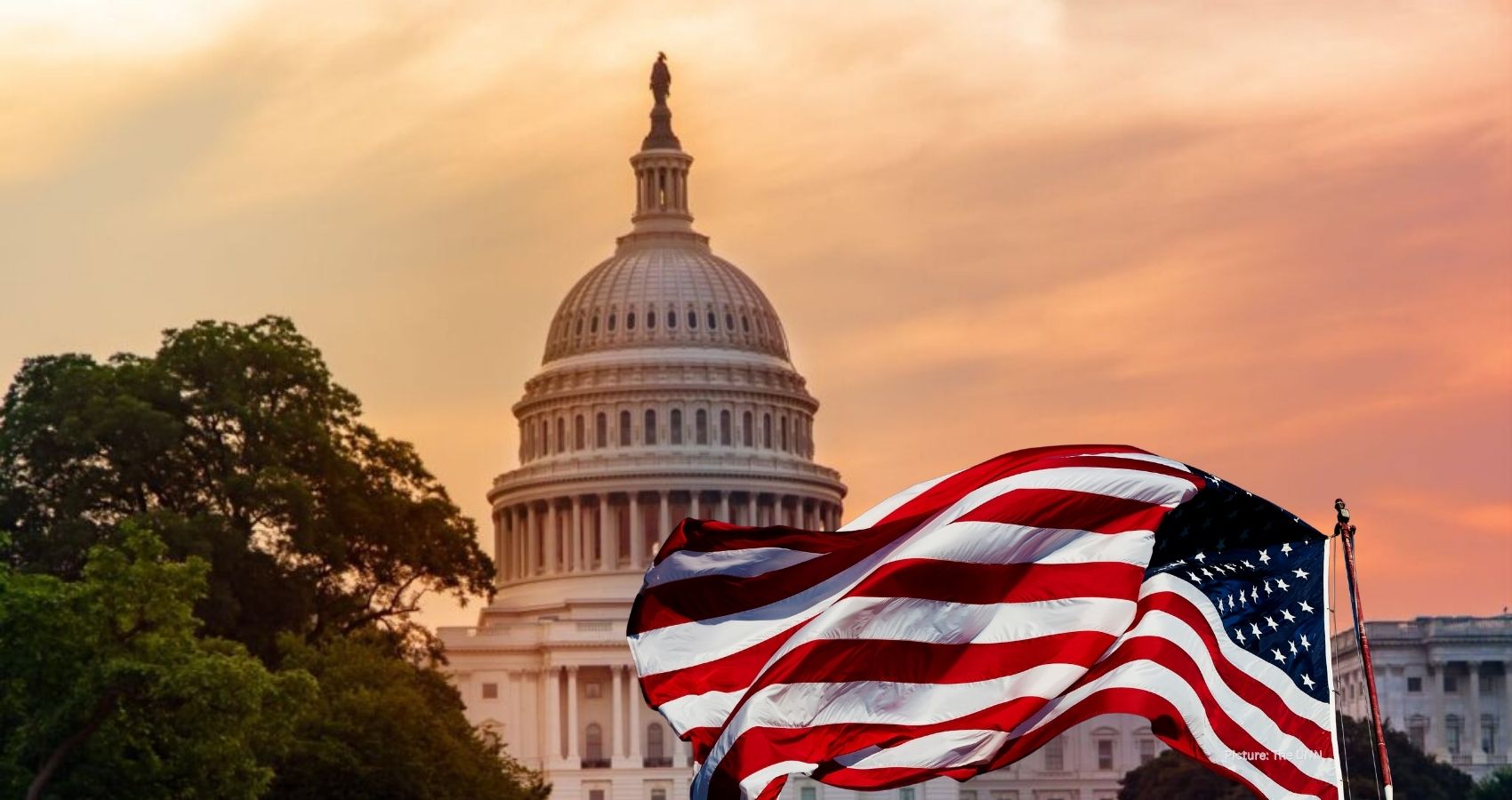
The House of Representatives passed funding for the Department of Homeland Security, effectively ending the longest partial government shutdown in U.S. history, which lasted 75 days.
The House of Representatives approved funding for the Department of Homeland Security (DHS) on Thursday, effectively concluding a partial government shutdown that lasted 75 days, marking it as the longest in U.S. history. This decision was made in response to mounting pressure from political leaders and constituents concerned about the repercussions of prolonged government closures.
The shutdown originated from a standoff between House Republicans and Senate Democrats over funding allocations, particularly related to immigration enforcement programs. This conflict was rooted in a broader debate on immigration management and border security, exacerbated by the polarizing political climate surrounding these issues. Initial proposals for DHS funding faced significant resistance from conservative factions within the GOP, who insisted that any funding bill must include allocations for Immigration and Customs Enforcement (ICE) and Border Patrol. Critics argued that excluding funding for these agencies amounted to defunding essential law enforcement operations.
In early April, House Speaker Mike Johnson (R-La.) and Senate Majority Leader John Thune (R-S.D.) reached a two-track funding deal aimed at resolving the impasse. Under this plan, the House would first address overall DHS funding through regular appropriations while reserving additional funds for ICE and Border Patrol to be passed later through a budget reconciliation process. This strategy was designed to provide immediate financial support to the DHS while ensuring that funding for immigration enforcement agencies would not be overlooked.
The voice vote in the House signifies a notable shift in strategy as GOP lawmakers recognized the urgency of preventing an extended shutdown. Had they opted to wait for the Senate to pass a reconciliation bill, the DHS may have remained closed potentially until mid-May, exacerbating issues related to border security and immigration enforcement—a situation many lawmakers sought to avoid. The pressure to act stemmed from both public outcry and the potential economic repercussions of an extended government shutdown.
Leading up to the vote, there was considerable dissent among House Republicans. Some members expressed concerns that passing the DHS funding without including provisions for ICE and Border Patrol would send a negative message regarding the party’s commitment to law enforcement agencies. This sentiment was echoed in previous reports, indicating an internal struggle within the GOP regarding the direction of immigration policy and enforcement. The divide reflects broader ideological differences within the party, particularly as they relate to immigration strategy and law enforcement priorities.
Following the passage of the budget resolution on Wednesday night, the House has initiated processes to secure billions in new funding specifically aimed at immigration enforcement. The implications of this funding are significant, as it may enhance resources allocated to border security and enforcement operations. This move indicates a renewed commitment by House Republicans to prioritize immigration issues, especially in light of ongoing debates surrounding border security and public safety.
The broader implications of the recent legislative actions extend beyond immediate funding concerns. There is a growing recognition among lawmakers of the need to balance immigration enforcement with humanitarian considerations. As the nation continues to grapple with complex immigration issues, the recent actions by the House signal a potential shift toward more comprehensive discussions on how best to manage border security while addressing the needs of immigrants and asylum seekers.
The resolution of the DHS funding issue marks a pivotal moment for House Republicans as they navigate internal party divisions and external pressures regarding immigration policy. The successful voice vote not only signals a temporary end to the shutdown but also sets the stage for forthcoming debates on funding priorities and immigration enforcement strategies. As lawmakers prepare for future negotiations, the focus will likely remain on finding a balanced approach that satisfies both enforcement goals and humanitarian obligations.
Moreover, the recent developments may foreshadow further legislative struggles as Congress approaches other critical funding deadlines. With the ongoing complexities surrounding immigration, border security, and law enforcement funding, future negotiations may require lawmakers to grapple with competing interests and ideologies, making bipartisan cooperation essential for effective governance.
The passage of the DHS funding bill represents more than just a resolution to a protracted shutdown; it underscores the ongoing challenges facing Congress as it seeks to navigate contentious issues related to immigration and border security. As the political landscape continues to evolve, the implications of this funding decision will reverberate through future legislative efforts and discussions. Lawmakers are tasked with crafting policies that not only address enforcement concerns but also consider the humanitarian dimensions of immigration, a balance that will be crucial for achieving comprehensive reform in the long term, according to Source Name.