Prolonged Government Shutdown Drives U.S. Consumer Sentiment to Historic Lows

Consumer confidence in the U.S. has fallen to its lowest level in over three years, driven by fears of a prolonged government shutdown and ongoing political gridlock.

Concerns about a potential government shutdown have significantly impacted consumer confidence in the United States, bringing it to its weakest point in over three years. A recent report from the University of Michigan, released on Friday, reveals that growing uncertainty regarding the economy and political stalemate in Washington has shaken public sentiment, pushing it close to one of the lowest readings ever recorded in the survey’s history.

The University of Michigan’s Consumer Sentiment Index dropped sharply to 50.3 in November, reflecting a 6.2% decline from the previous month and nearly 30% lower than the same period last year. This figure fell well below economists’ expectations of 53.0, indicating a significant decline in public confidence. The last time sentiment reached such low levels was in mid-2022, during a period of soaring inflation that marked its highest level in four decades. This decline underscores renewed anxieties about the nation’s economic trajectory.

Joanne Hsu, the survey director, noted that the ongoing political deadlock in Washington has become the primary factor affecting consumers’ outlook, overshadowing any optimism that might have stemmed from the recent record-breaking performance of the stock market. “With the federal government shutdown dragging on for over a month, consumers are now expressing worries about potential negative consequences for the economy,” Hsu stated. “This month’s decline in sentiment was widespread throughout the population, seen across age, income, and political affiliation.”

Other key indicators from the survey reflected a similarly pessimistic outlook. The index tracking current economic conditions fell to 52.3, marking an almost 11% drop from the previous month as households reported feeling increased pressure from rising costs and slowing economic activity. Meanwhile, the measure of consumer expectations for the future slipped to 49.0, down 2.6%. Compared to a year ago, both figures have experienced sharp declines, with current conditions down more than 18% and future outlooks plunging over 36%, highlighting a deepening sense of financial insecurity among Americans.

Despite the overall decline in sentiment, inflation expectations remained relatively stable, providing a modest point of relief. The survey indicated that while consumers continue to feel the impact of higher prices, their long-term outlook on inflation has eased slightly, suggesting a growing belief that price pressures may gradually subside in the coming months.

In the short term, consumers now expect inflation to rise modestly, with the one-year outlook increasing to 4.7%. However, confidence in the longer-term view appears to be improving, as the five-year inflation expectation dipped to 3.6%, a decline of 0.3 percentage points. This suggests that while near-term price concerns persist, many Americans believe inflation will gradually cool over the next few years.

As federal agencies halt most data collection and reporting during the shutdown, private surveys like the University of Michigan’s consumer sentiment report have gained increased importance. In the absence of regular government updates, these independent indicators are becoming vital tools for gauging how Americans perceive the economy and how broader trends in spending, confidence, and inflation may be shifting in real time.

The survey also revealed a clear divide along income and wealth lines. While overall confidence declined, those with substantial stock market investments appeared more optimistic, buoyed by recent market gains. Hsu noted that sentiment among households with the highest levels of stock ownership actually rose by 11%, highlighting how financial assets continue to cushion wealthier Americans from the broader economic anxieties affecting the rest of the population.

As the government shutdown continues, the implications for consumer sentiment and economic stability remain uncertain. The evolving situation will likely keep Americans on edge as they navigate the complexities of both their personal finances and the national economic landscape.

Source: Original article

Microsoft Forms Superintelligence Team to Enhance Medical Diagnosis

Microsoft has launched the MAI Superintelligence Teams, aiming to develop advanced AI for medical diagnosis while prioritizing human interests and safety.

Microsoft is embarking on an ambitious initiative to create artificial intelligence that surpasses human capabilities in specific areas, beginning with medical diagnosis. This new endeavor, known as the MAI Superintelligence Teams, aligns with similar projects undertaken by other tech giants, including Meta and Safe Superintelligence.

Mustafa Suleyman, Microsoft’s AI chief, announced that the company plans to invest significantly in this project. While he did not disclose specific financial incentives, he noted that Microsoft would continue to attract talent from leading research labs, alongside integrating existing researchers into the new team. Karen Simonyan has been appointed as the chief scientist for this initiative.

Unlike some competitors pursuing the development of “infinitely capable generalist” AI, Suleyman expressed skepticism about the feasibility of controlling autonomous, self-improving machines. He emphasized the importance of ensuring that AI technology serves human interests, stating, “Humanism requires us to always ask the question: does this technology serve human interests?”

Suleyman articulated a vision for what he terms “humanist superintelligence,” which focuses on creating technology that addresses specific problems with tangible benefits. He aims for the Microsoft team to develop specialized models that achieve what he describes as superhuman performance while presenting “virtually no existential risk whatsoever.”

Examples of potential applications include AI systems that enhance battery storage solutions or assist in molecular development, referencing AlphaFold, the AI model developed by DeepMind that predicts protein structures. Suleyman, a co-founder of DeepMind, is keen to leverage this expertise in his new role at Microsoft.

In a recent blog post, Suleyman outlined the objectives of the new AI research group, which will not only focus on medical diagnostics but also explore educational tools and advancements in renewable energy production. He stated, “We’ll have expert level performance at the full range of diagnostics, alongside highly capable planning and prediction in operational clinical settings.”

Importantly, Suleyman clarified that the goal is not to create superintelligence at any cost. He emphasized the necessity of designing AI that remains subservient to human needs, ensuring that humans maintain their position at the top of the technological hierarchy. In an interview with Axios, he rejected the notion of a “race” to achieve artificial general intelligence (AGI), asserting that the outcomes from the new Superintelligence Lab will require time to materialize.

“I think it’s still going to be a good year or two before the superintelligence team is producing frontier models,” Suleyman remarked, indicating a measured approach to this groundbreaking project.

As Microsoft continues to forge ahead with its MAI Superintelligence Teams, the focus remains on developing AI that enhances human capabilities while safeguarding against potential risks associated with advanced technology.

Source: Original article

Lawmakers Reach Agreement, Signaling Possible End to Government Shutdown

The ongoing government shutdown, now in its 37th day, sees Senate Republicans proposing a new funding plan as bipartisan lawmakers seek a compromise amid rising concerns for federal workers.

The record-breaking government shutdown has entered its 37th day, prompting Senate Republicans to propose a new funding plan. Bipartisan lawmakers are now seeking a compromise as concerns grow over the impact on federal workers and essential services.

“Now this is not the end. It is not even the beginning of the end. But it is, perhaps, the end of the beginning,” said Sen. Richard Blumenthal, D-Conn., echoing Winston Churchill’s famous words.

While the proposal marks a significant step, it is important to note that it is not a formal agreement but rather an attempt to initiate discussions. Lawmakers from both parties are increasingly anxious about the shutdown’s effects, particularly on aviation safety and the potential disruption of emergency food benefits like SNAP.

Despite the urgency, finding common ground remains a challenge. “There seems to be some indication of a thaw,” Blumenthal noted, highlighting a cautious optimism among lawmakers.

Sen. Mike Rounds, R-S.D., expressed hope that progress could be made soon, stating, “I’m optimistic that we should get something done this week. I think there’s a path forward here.”

On Tuesday, Sen. Markwayne Mullin, R-Okla., suggested that a Senate vote could occur as early as Thursday, although he tempered his expectations by admitting, “I’m just making assumptions.”

The current shutdown, which has persisted since October 1, has left many uncertain about its resolution. Mullin later recalibrated his earlier statements, indicating that bipartisan discussions were ongoing but complicated by conflicting demands from different factions within Congress.

Republicans have acknowledged that the interim spending bill passed by the House in September is no longer viable. Even if the Senate were to align with the House, that legislation would only fund the government through November 21, potentially leading to another shutdown.

Senate Majority Leader John Thune, R-S.D., emphasized the need for a longer temporary spending bill, suggesting a timeline extending through late January. “We’ve lost five weeks. So the November 21 deadline no longer makes a lot of sense,” he stated.

However, any new proposal will require bipartisan support to overcome a filibuster. Senate Minority Leader Chuck Schumer, D-N.Y., remained noncommittal when asked about potential Democratic support following a lengthy caucus meeting. “We had a very good caucus and we’re exploring all the options,” he replied.

Despite ongoing discussions, uncertainty looms over what might garner Democratic votes, particularly as Republicans appear steadfast in their positions. “It seems they’re pretty dug in and they’re okay, screwing people over on their healthcare,” remarked Sen. Mark Kelly, D-Ariz.

Past decisions by Schumer to collaborate with Republicans have left some House Democrats wary of future agreements. House Minority Leader Hakeem Jeffries, D-N.Y., acknowledged this skepticism but reiterated a commitment to evaluate any bipartisan proposals in good faith.

As lawmakers grapple with the shutdown, House Speaker Mike Johnson, R-La., noted the unexpected duration of the crisis, stating, “I don’t think any of us expected that it would drag on this long.”

On Thursday, Senate Republicans unveiled a new plan aimed at ending the shutdown, which would fund the Department of Veterans Affairs, military construction projects, and the Department of Agriculture until September 30, 2026. A separate short-term spending bill would cover the rest of the government until late January.

However, the likelihood of Democratic cooperation remains uncertain. Johnson expressed concern, saying, “I’m less optimistic this morning than I was yesterday,” indicating that Schumer may have instructed Democrats to hold firm against the proposal.

Progressives within the Democratic Party are urging Schumer to maintain a strong stance, especially after previous compromises that did not yield favorable outcomes. Rep. Pramila Jayapal, D-Wash., emphasized the need for a win, stating, “He’s got to keep doing it, and we’ve got to deliver a win because we can’t have what happened in the spring happen again.”

Democrats are also pushing for guarantees related to healthcare subsidies, a key demand as they seek to offset rising costs associated with the Affordable Care Act. With the House not voting since September 19, some members are resorting to creative tactics to draw attention to the shutdown’s impact.

Rep. Chrissy Houlahan, D-Penn., interrupted a press conference by House Republican leadership to voice her concerns, while Rep. Yassamin Ansari, D-Ariz., set up a table outside the speaker’s office to discuss healthcare issues, highlighting the plight of air traffic controllers working without pay.

As aviation safety concerns mount, Sen. Josh Hawley, R-Mo., warned, “All it takes is one little accident. And if people die? So air travel is nothing to mess around with.”

Even if the Senate votes on a new proposal this week, many remain skeptical about an immediate resolution. Thune noted the challenges ahead, stating, “My hopes and expectations are always that we’re going to have enough Democrats to actually proceed. But I don’t know. We’ll see.”

Sen. John Kennedy, R-La., offered a more pessimistic outlook, predicting that the shutdown could last at least another week, if not longer. “We’re at least seven days and more likely ten and very possibly two weeks away from opening up at best,” he said.

As lawmakers continue to navigate this complex situation, the path to resolving the government shutdown remains fraught with challenges. While there are efforts underway to find a solution, the end of this saga is still not in sight.

Source: Original article

Violent Mob Disrupts Pro-Israel Gathering in Toronto After Mayor’s Remarks

A pro-Israel event in Toronto was violently disrupted by anti-Israel activists, raising concerns about escalating tensions in the city following controversial remarks by the mayor.

A pro-Israel gathering in Toronto descended into chaos on Wednesday when anti-Israel activists stormed a private venue, injuring one speaker and causing significant property damage. This incident occurred just days after Toronto Mayor Olivia Chow faced backlash for her comments regarding “the genocide in Gaza,” remarks that Jewish organizations warned could exacerbate tensions in the city.

The event was organized by the student group Students Supporting Israel at Toronto Metropolitan University and featured Israeli military veterans. Due to safety concerns, the event was relocated at the last minute. Despite efforts to keep the venue secret, approximately 40 masked protesters managed to find the location and force their way inside, breaking glass and attacking attendees.

Israeli-American speaker Jonathan Karten, who splits his time between Israel and New York, was present to discuss his uncle, Sharon Edri, an Israeli soldier who was kidnapped and murdered by Hamas in 1996. “As soon as we got there, we were attacked by roughly forty protesters—terrorists, whatever you want to call them,” Karten told Fox News Digital. “Five managed to get into the main room. One had a drill bit. A guy broke through the glass door, I got knocked in the face, and we barricaded ourselves with tables and chairs until police came.”

Karten noted that the protesters appeared to have prior knowledge of the event’s location. “They were waiting for us before we even started speaking,” he said. “It’s not something I assumed would happen in a civilian population in a Western country.”

The violent disruption occurred less than a week after Mayor Chow stated during an event that “the genocide in Gaza impacts us all.” Her comments sparked immediate outrage from Jewish organizations, with Michael Levitt, CEO of the Friends of Simon Wiesenthal Center, condemning the language as “shocking and dangerous.” He urged Chow to apologize and clarify that Israel is not committing genocide, asserting that such words “validate hate and normalize the harassment of Jews.”

According to a statement from the Toronto police, a group of protesters entered the private event without permission, damaged property, and instilled fear among attendees. One individual sustained injuries from broken glass during the altercation.

Police have arrested five individuals in connection with the incident, all of whom are scheduled to appear in court in January. A spokesperson for the Toronto police informed Fox News Digital that while antisemitic incidents remain the most frequently reported hate-motivated category in the city, they have seen a 41% decline compared to the previous year.

Despite his injuries, Karten expressed his determination to continue speaking on campuses. “We’re cautious, but not scared,” he stated. “We have to make sure Jewish and Israeli voices are heard without fear.”

Source: Original article

India Considers Potential Ban on U.S. Apps, Experts Warn

Harsh Goenka and Sridhar Vembu have raised concerns over a potential ban on U.S. tech platforms in India, urging a shift towards self-reliance in technology.

RPG Group Chairman Harsh Goenka has expressed alarm regarding reports that U.S. President Donald Trump may consider blocking India’s access to major American tech platforms, including X, Google, and Instagram. Goenka warned of the potential consequences of such a ban and encouraged users to explore alternative platforms.

In a post on the social media platform X, Goenka stated, “Imagine if Trump bans India from using US tech platforms—no X, Google, Instagram, Facebook, or ChatGPT. Frightening, no? Just think about the consequences seriously and what could be Plan B for us.”

Joining Goenka in his concerns, Zoho founder Sridhar Vembu emphasized the importance of addressing India’s reliance on foreign technology. He advocated for a National Mission for Tech Resilience to tackle the country’s deep-rooted dependence on external tech solutions.

Vembu commented, “I agree. And we have a lot more such tech dependency beyond the app level: OS, chips, fabs… it goes deeper and deeper. We need a 10-year ‘National Mission for Tech Resilience.’ It can be done.” His remarks come at a time when India is increasingly promoting its own homegrown digital ecosystem.

Platforms developed by Vembu’s company, such as Arrattai—positioned as a local alternative to WhatsApp—and Zoho Mail, which competes with Gmail, have recently gained popularity in India. This trend reflects a growing user interest in domestic tech solutions.

In support of India’s homegrown technology sector, Union Home Minister Amit Shah and several cabinet members have adopted Zoho Mail for official use, signaling the government’s endorsement of domestic digital platforms.

Building on the success of Arrattai, Zoho launched Vani on October 1, 2025. This intelligent visual collaboration platform is designed to transform how remote and hybrid teams plan, collaborate, and execute projects within a unified workspace, positioning it as a strong competitor to Google Workspace.

Goenka’s post has sparked a lively discussion on social media, with users debating the feasibility and potential of developing Indian alternatives to dominant global tech platforms. One user remarked, “Waiting for the day when US tech companies start worrying about attracting top talent from India. The day it happens we will have real independence. As you pointed out, this problem cannot be looked at in isolation. Supply chain dependencies are higher than automotive and pharma.”

Another user suggested, “A consortium of private companies can work for this. Help colleges, R&D labs, etc. A lot of youth would love to stay close to families, and with connectivity, help make it a reality.”

Conversely, some users expressed skepticism about the likelihood of a ban. One user stated, “I highly doubt this would ever happen, not in the next 10 years. Trump’s a businessman, not a fool to cut off America’s biggest tech market—India. India is the largest or second-largest market for nearly every U.S. tech giant. Tech independence is good, but this reasoning isn’t,” as quoted by Mint.

Indian leaders are clearly signaling a push toward self-reliance in the digital space, championing homegrown platforms like Zoho Mail, Arrattai, and Vani as viable alternatives to global giants. Meanwhile, users are actively engaging in the conversation online, with some expressing optimism about adopting domestic tech, while others debate its scalability and readiness.

Source: Original article

Snap and Perplexity AI Announce $400 Million Partnership Deal

Snap has announced a $400 million partnership with Perplexity AI, aiming to enhance user engagement through advanced search technology while exceeding third-quarter revenue expectations.

Snap Inc. has reported third-quarter revenue that surpassed Wall Street expectations, driven by robust advertising demand and the introduction of new AI-powered features. In a significant move, the company has partnered with Perplexity AI to integrate the startup’s advanced search technology into Snapchat, resulting in a 16% surge in Snap’s shares during after-hours trading.

As part of the agreement, Perplexity AI will invest $400 million in Snap over the next year, utilizing a combination of cash and equity. The partnership is anticipated to start contributing to Snap’s revenue in 2026, with plans to deliver verified, AI-generated answers directly within the Snapchat app.

“Perplexity will control the responses from their chatbot inside of Snapchat. So, we won’t be selling advertising against the Perplexity responses,” said Snap CEO Evan Spiegel.

This collaboration with Perplexity represents a strategic initiative for Snap as it seeks to solidify its position in a social media landscape increasingly dominated by major players like TikTok and Meta’s Facebook and Instagram. By incorporating advanced AI-driven search capabilities, Snap aims to enhance user engagement and attract more advertisers, an area where its competitors have traditionally excelled due to their extensive global reach and sophisticated advertising systems.

“Perplexity needs a way to build its profile among young consumers, and Snap needs an AI chat partner that will allow its users to stay engaged without leaving its app,” noted Max Willens, principal analyst at eMarketer.

In addition to its partnership with Perplexity, Snap has been intensifying its focus on direct-response advertising, which targets measurable user actions such as app installations, online purchases, or website visits. This strategy has become integral to Snap’s efforts to enhance its digital advertising business and provide clearer returns on investment for advertisers, especially as competition for ad dollars intensifies across major social media platforms.

Snap’s commitment to performance-driven advertising is yielding results. The company reported an 8% increase in direct-response ad revenue for the quarter, fueled by heightened demand for its “Pixel Purchase” and “App Purchase” optimization tools. These features are designed to help advertisers connect with users most likely to make a purchase, whether through a website or within an app, emphasizing Snap’s dedication to delivering more efficient and data-driven advertising solutions for businesses.

During the third quarter, Snap recorded a 10% year-over-year revenue increase, reaching $1.51 billion, which exceeded the analyst consensus estimate of $1.49 billion, according to LSEG data. The company also made strides in profitability, narrowing its net loss to $104 million compared to $153 million during the same period last year.

Snapchat’s global daily active users rose by 8% in the third quarter, reaching 477 million. However, the company has cautioned that user growth may decelerate in the upcoming quarter, attributing this to shifts in investment priorities, the implementation of age-verification measures, and potential challenges from evolving regulatory requirements that could impact engagement in certain markets.

Looking ahead, Snap has projected its fourth-quarter revenue to fall between $1.68 billion and $1.71 billion, a forecast that aligns closely with analyst expectations, which average around $1.69 billion, according to Reuters.

Source: Original article

Nvidia CEO Jensen Huang Revises Comments on AI Race with China

Nvidia CEO Jensen Huang has softened his earlier assertion that China will win the AI race, emphasizing the need for the U.S. to maintain its technological edge.

Nvidia CEO Jensen Huang appears to be backtracking on his previous comments regarding China’s position in the artificial intelligence (AI) race. In a recent interview with the Financial Times, Huang stated, “China is going to win the AI race.” However, shortly after this statement, Nvidia released a more tempered response from Huang on its official X account.

In the follow-up statement, Huang clarified, “As I have long said, China is nanoseconds behind America in AI. It’s vital that America wins by racing ahead and winning developers worldwide.” This shift in tone highlights the complexities surrounding the competitive landscape of AI technology.

During his interview with the Financial Times, Huang expressed concerns that the West, particularly the United States, is being hindered by “cynicism” and stringent regulations. He contrasted this with China’s approach, which includes energy subsidies aimed at reducing costs for local developers utilizing domestic chips.

Nvidia’s operations in China have faced significant challenges due to U.S. export-control regulations. In April 2025, the company announced that its H20 AI accelerator, intended for the Chinese market, would require a U.S. export license. This decision led to an estimated $5.5 billion in charges related to canceled orders, excess inventory, and purchase commitments. For the quarter ending April 27, 2025, Nvidia reported sales in China of approximately $4.6 billion, accounting for about 12 to 13 percent of its overall revenue.

By mid-2025, Nvidia indicated it would exclude China from its forward revenue and profit forecasts, reflecting the ongoing regulatory uncertainty and licensing limitations. Although export licenses were eventually granted under specific conditions, the company had not resumed shipments of H20 chips to China as of that time. The situation remains fraught with geopolitical and regulatory risks, leading Nvidia to treat China, despite its substantial market potential—estimated at around $50 billion in AI and data-center demand—as a constrained opportunity in its near-term strategy.

Huang has consistently maintained that the U.S. can remain at the forefront of the AI race by ensuring developers continue to rely on Nvidia’s leading AI chips. This argument has been part of his lobbying efforts against export restrictions affecting the company’s sales to China.

Nvidia’s experiences in China during 2025 illustrate the complexities of operating in high-stakes global AI markets, where technological leadership, regulatory policy, and geopolitical tensions intersect. Success in these markets hinges on strategic innovation and agility, as projected financial impacts and market potential are inherently uncertain.

The company’s approach underscores the importance of maintaining a long-term technological advantage through developer ecosystems, research, and innovation. This strategy can prove more critical than immediate market access, particularly in regions where regulations can sharply limit operations.

Even leading technology firms face uncertainty while navigating export controls, licensing requirements, and evolving policy landscapes. This reality highlights the broader fragility of global supply chains in advanced AI sectors.

Moreover, interpretations of the U.S.-China AI race often reflect corporate positioning rather than definitive predictions. This underscores the necessity of carefully framing public messaging while pursuing competitive advantages. Nvidia’s cautious strategy illustrates that high-potential markets can present both opportunities and risks.

To sustain innovation leadership, protect intellectual property, and ensure regulatory compliance will be essential for shaping the long-term trajectory of global AI competition. Overall, the events of 2025 demonstrate that success in AI is determined not only by market access but also by the ability to innovate strategically amid uncertainty.

Source: Original article

Indian-American Community in California Takes Stand Against Domestic Violence

In Artesia, California, the South Asian Network organized a march to raise awareness about domestic violence, highlighting the urgent need for community support and action.

ARTESIA, CA – In recognition of Domestic Violence Awareness Month, the South Asian Network (SAN) hosted a march along Pioneer Boulevard, drawing together survivors, families, youth, and community leaders to “make awaz” and confront the silence surrounding domestic violence.

Participants, many dressed in purple to symbolize awareness, filled the streets of Little India. The atmosphere was charged with energy, amplified by the rhythmic beats of dhol player Jup G, transforming the event into a vibrant display of community solidarity. Local businesses paused their activities to cheer on the marchers, further emphasizing the collective support for the cause.

The urgency of this movement is highlighted by data from SOAR (South Asians Organizing for Radical Healing), which reveals that nearly 48 percent of South Asian Americans experience physical violence. In response to this alarming statistic, SAN, a nonprofit organization based in Southern California, has developed a culturally specific gender-based violence program called AWAZ.

The march culminated in a rally featuring speeches from prominent community figures, including Artesia Councilwoman Zeel Ahir, Cerritos City Councilmember Mark Pulido, and Ada Briceño, President of UNITE HERE Local 11. Their presence underscored the importance of community involvement in addressing domestic violence.

During the rally, Sahil, a representative from SAN’s youth program, spoke passionately about the pervasive nature of domestic violence. He reminded attendees that it “cuts across every background,” emphasizing that many survivors “suffer in silence, afraid or unable to seek help.” His remarks resonated with the crowd, reinforcing the need for open dialogue and support within the community.

The event served not only as a platform for raising awareness but also as a call to action for individuals and families affected by domestic violence. By coming together, the community of Artesia demonstrated its commitment to breaking the cycle of silence and supporting those in need.

As the march concluded, participants left with a renewed sense of purpose, empowered to advocate for change and support one another in the fight against domestic violence.

Source: Original article

Zohran Mamdani Becomes New York’s First Indian-American Mayor

Zohran Kwame Mamdani has made history as New York City’s first South Asian and Muslim mayor, emphasizing the importance of immigrant contributions to the city.

In a historic victory, Zohran Kwame Mamdani, 34, has been elected as New York City’s first mayor of South Asian descent and the first Muslim to hold the office. His election marks a significant milestone in the city’s diverse political landscape.

During his victory speech, Mamdani highlighted the foundational role of immigrants in shaping New York City, stating, “New York City was built by immigrants — and is now going to be led by one.” His remarks resonated with a city that prides itself on its multicultural heritage.

Mamdani’s campaign was characterized by a unique coalition that included a diverse array of supporters. He expressed gratitude to the “aunties” who played a crucial role in his election, as well as to his wife, Rama, and others who contributed to his success. In a heartfelt moment, he acknowledged his parents, saying, “You have made me into the man I am today. I am so proud to be your son.” His mother, acclaimed Indian American director Mira Nair, is known for her influential films such as “Monsoon Wedding” and “The Namesake.”

As a Democratic Socialist, Mamdani’s platform focused on issues that resonate with many New Yorkers, including affordable housing and social justice. His victory is seen as a reflection of the growing political power of South Asians in the city. With approximately 450,000 South Asians residing in New York City, they represent about 5% of the population, a community that has been rapidly expanding in recent years.

Several media outlets have covered Mamdani’s rise to prominence, emphasizing the grassroots nature of his campaign. Jennifer Chowdhury from Harper’s Bazaar noted that first-generation immigrant women of color, including mothers and grandmothers, were instrumental in powering Mamdani’s campaign from community spaces to local businesses.

Astead W. Herndon from The New York Times Magazine described Mamdani’s coalition-building efforts, which brought together Muslims, South Asians, renters, young people, and progressives. This diverse support base was crucial in mobilizing voters who have often felt overlooked by traditional political candidates.

In an era marked by rising nativism and political cynicism, Mamdani’s campaign has embraced New York City as a beacon for immigrants. Eric Lach from The New Yorker highlighted how Mamdani’s approach stands in stark contrast to the prevailing sentiments in some parts of the country, showcasing a vision of inclusivity and hope.

Mamdani’s election also brings attention to the ongoing challenges faced by Muslim communities in the United States. He has spoken candidly about the impact of Islamophobia, particularly in the wake of events like 9/11, and how these experiences have shaped his perspective and commitment to public service.

As Mamdani prepares to take office, his victory is not just a personal achievement but a symbol of the changing dynamics in American politics. His ascent reflects a broader trend of increasing representation for marginalized communities, particularly in urban centers like New York City.

With his election, many are hopeful that Mamdani will continue to advocate for the needs of diverse communities and work towards a more equitable city. As he steps into this historic role, the pronunciation of his name—MUM-DHA-NEE—may become a common refrain, symbolizing a new chapter in New York City’s political narrative.

Source: Original article

Over 100,000 South Asian Families Face Job Loss After EAD Changes

More than 100,000 South Asian families face potential job loss as the Department of Homeland Security eliminates the 540-day automatic extension for Employment Authorization Documents (EAD).

On Thursday, a significant change in immigration policy was announced that has left many South Asian families in distress. The Department of Homeland Security (DHS) has officially removed the 540-day automatic extension for Employment Authorization Documents (EAD), a lifeline that many had relied upon to maintain their employment status while waiting for renewals.

This decision, effective October 30, 2025, means that any EAD renewal filed on or after this date will not receive any grace period. As a result, if an individual’s EAD card expires, their job is at risk, along with their family’s financial stability and future plans.

The 540-day extension was initially introduced to alleviate the burden on legal workers, particularly those from South Asian countries such as India, Pakistan, Bangladesh, and Sri Lanka, as well as others from around the world. This policy was championed by advocates who aimed to “Save 1 Million Families” by extending the auto-renewal period from 180 to 540 days. The extension was signed into law on May 3, 2022, and had provided crucial support to approximately 1.2 million legal workers while the U.S. Citizenship and Immigration Services (USCIS) processed their applications.

However, the recent decision by the DHS has left many individuals anxious about their futures. A software engineer from Hyderabad, a nurse from Kerala, a data scientist from Colombo, and an ERP developer from Dhaka have all reached out with the same urgent concern: “If USCIS takes eight months to process my renewal, will I lose my job, my health insurance, and my child’s school?” The unfortunate answer is yes, unless they filed their renewal before the October 30 deadline.

Among those affected are over 100,000 Indian H-4 spouses, recent OPT STEM graduates from prestigious institutions, and Nepali TPS nurses who played a vital role in healthcare during the COVID-19 pandemic. The impact of this policy change is not just theoretical; it translates into real financial losses for families. For instance, if a card expires on March 1, 2026, and an application is filed on November 3, 2025, the average processing time of 7.5 months could result in a gap of 106 days without income, amounting to a staggering loss of nearly $30,000 for a single family. When multiplied across 100,000 households, this could mean a total economic impact of approximately $3 billion.

The implications of this policy change extend beyond immediate job loss. Families may face severe financial strain as mortgages stall, children may have to switch schools, and remittances to aging parents in their home countries could dry up. Additionally, many individuals may find their driver’s licenses expiring, as these are often tied to EAD status in 17 states. Employment gaps could also jeopardize green card applications, leading to potential denials based on “public charge” criteria.

In light of these challenges, advocates are urging affected individuals to take immediate action. They recommend filing the I-765 application online as soon as possible, as waiting until the previous timeline of 180 days early is no longer sufficient. Individuals are encouraged to document their application receipt and communicate with their employers about potential unpaid leave. Financial planning is also critical, with suggestions to save at least three months’ worth of expenses in a separate account designated for EAD gaps.

Despite the grim outlook, there remains a thread of hope. The USCIS still has 22,000 unused H-1B visas available this year, and there are bipartisan efforts in Congress to address the backlog of applications. Community support continues to be a vital resource, with many South Asian volunteers coming together to provide assistance and solidarity during these trying times.

As families navigate this new reality, it is crucial to remain proactive and connected. The immigrant community has historically shown resilience in the face of adversity, and this situation is no different. By filing early, planning carefully, and leaning on community networks, families can work to protect their futures one renewal at a time.

Source: Original article

India Introduces AI Governance Guidelines for Responsible Innovation

India’s Ministry of Electronics and Information Technology has introduced new AI Governance Guidelines aimed at fostering innovation while ensuring responsible use of artificial intelligence.

On November 5, 2025, India’s Ministry of Electronics and Information Technology (MeitY) unveiled a set of new AI Governance Guidelines designed to promote a hands-off regulatory model for artificial intelligence. This updated framework marks a shift from earlier drafts that primarily focused on minimizing risks associated with AI technologies. Instead, the revised guidelines emphasize the importance of fostering innovation through balanced guardrails that do not impede the adoption of AI.

Under the leadership of Balaraman Ravindran from IIT Madras, these guidelines were developed following the establishment of a committee in July. They outline seven key principles that will guide the governance of AI: trust, people-centricity, responsible innovation, equity, accountability, understandability of large language models (LLMs), and safety, resilience, and sustainability.

This approach reflects India’s commitment to enabling widespread integration of AI across various industries while ensuring its ethical and responsible use. Abhishek Singh, Additional Secretary at MeitY, emphasized that the guidelines aim to set a global benchmark for AI governance. The framework includes recommendations to expand access to AI infrastructure, leverage digital public infrastructure for scalability and inclusion, and enhance AI capacity through education and skill development programs.

Moreover, the guidelines advocate for agile and balanced regulatory measures tailored to address India-specific risks, while promoting transparency and accountability throughout the AI ecosystem. This comprehensive strategy aims to create an environment conducive to innovation while safeguarding public interests.

The guidelines propose a phased implementation strategy, which includes short-term goals to establish governance institutions and enhance the availability of AI safety tools. Medium-term actions focus on updating existing laws, operationalizing AI incident management for cybersecurity, and integrating AI with digital infrastructure such as Aadhaar. Long-term plans involve drafting new legislation that is responsive to the evolving capabilities and risks associated with AI technologies.

IT Secretary S. Krishnan noted that while there are currently no immediate plans for an AI-specific law, the government is prepared to take swift action should the need arise. This proactive stance underscores the government’s commitment to ensuring that AI development aligns with the nation’s interests and ethical standards.

Launched in anticipation of the Delhi AI Impact Summit scheduled for February 2026, this framework aims to position India as a leading hub for responsible AI innovation. It seeks to balance growth with necessary safeguards that protect individuals and society as a whole. The holistic governance architecture includes key bodies such as the AI Governance Group, the Technology and Policy Expert Committee, and the AI Safety Institute, which will ensure a coordinated government approach for effective oversight and continuous improvement.

The introduction of these guidelines represents a significant step forward in India’s journey toward harnessing the potential of AI while maintaining a strong commitment to ethical standards and responsible practices. By establishing a clear framework for AI governance, India aims to encourage innovation while safeguarding the interests of its citizens and society.

Source: Original article

Supreme Court Reviews Legality of Trump’s Tariffs and Economic Effects

As the Supreme Court reviews the legality of President Trump’s tariffs, the economic implications of these import taxes continue to unfold, affecting consumers and businesses alike.

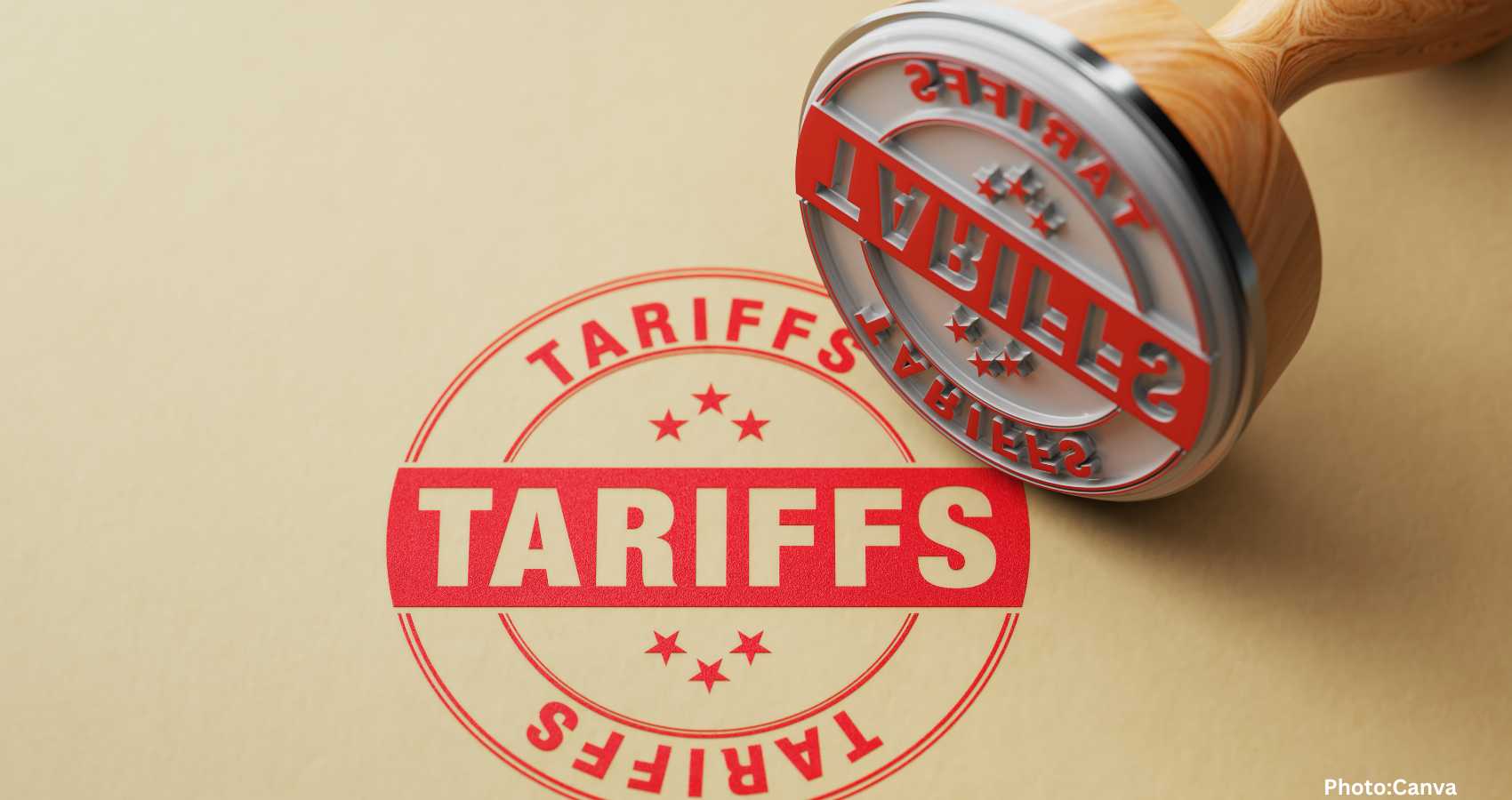
President Trump’s tariffs, among the highest imposed since the Great Depression, have had a profound impact on the U.S. economy. These import taxes have generated billions in revenue for the federal government but have also incurred significant costs for consumers and businesses. Currently, average tariffs have surged to nearly 18%, a stark increase from just 2.4% prior to Trump’s re-election. The Treasury Department is now collecting close to four times the tariff revenue compared to the previous year, with nearly half of this revenue—amounting to billions of dollars—under scrutiny by the Supreme Court.

The tariffs form a central part of Trump’s trade strategy, aimed at bolstering domestic manufacturing, addressing trade deficits, and applying political pressure on international trading partners. However, the economic ramifications are multifaceted. While these tariffs have contributed approximately $224 billion to government revenue, they have simultaneously led to increased prices for everyday goods, including apparel, furniture, and electronics. Retailers have expressed concerns that ongoing tariffs could further elevate consumer prices, contributing to rising inflation, which reached 3% annually in September 2025, up from 2.3% earlier that year.

The economic burden extends beyond consumers. Numerous businesses, particularly those reliant on imported electronics, automotive parts, and other components, are struggling with unpredictable tariff fluctuations, complicating their supply chain management. Although it is often claimed that foreign suppliers bear the brunt of these costs, the reality is that U.S. importers and manufacturers typically absorb the tariffs, resulting in higher costs that are frequently passed on to consumers. The financial impact is significant, with households facing an estimated additional monthly expense exceeding $1,300. Many businesses are either absorbing these costs or raising prices in response to the tariffs.

Legal challenges surrounding Trump’s tariffs center on their extensive application and whether the president exceeded his authority under the International Emergency Economic Powers Act of the 1970s. This law grants the president emergency powers to regulate trade but does not explicitly mention tariffs. Legal experts and business groups argue that utilizing this law to impose broad tariffs infringes upon constitutional limits on presidential power, leading to high-stakes deliberations at the Supreme Court.

A ruling against the administration could result in the dismantling of current tariff policies, potential refunds for duties paid, and broader implications for international trade relations. Conversely, if the Supreme Court upholds the tariffs, they may continue to serve as a significant tool in U.S. trade strategy, albeit at a cost to consumers and business profitability. Meanwhile, President Trump and his supporters maintain that these tariffs are essential for national strength, while critics caution about the long-term effects on economic stability and global relations.

As the Supreme Court deliberates, the outcome could reshape the landscape of U.S. trade policy and its economic repercussions for years to come, highlighting the delicate balance between national interests and global economic dynamics.

Source: Original article

Nearly Half of 2025 Fortune 500 Companies Founded by Immigrants or Their Children

Nearly half of the Fortune 500 companies in 2025 were founded by immigrants or their children, generating $8.6 trillion in revenue and employing over 15 million people worldwide.

WASHINGTON, DC, August 21, 2025 — A recent analysis of the 2025 Fortune 500 list reveals that 46.2 percent of America’s largest companies—231 out of 500—were founded by immigrants or their children. These companies collectively generated an impressive $8.6 trillion in revenue during the fiscal year 2024 and employed more than 15.4 million people globally. This data underscores the vital role that immigrants play in fostering innovation, driving economic growth, and creating jobs in the United States.

This marks the highest percentage recorded since the American Immigration Council began tracking immigrant entrepreneurs in its annual reviews of the Fortune 500 list in 2011.

“Immigrants are a driving force behind America’s prosperity. We need immigration policies that reflect that, instead of investing billions of dollars into detention, deportation, and making it incredibly difficult for foreign workers to come here or even renew their visas. These reckless policies undermine America’s greatest competitive advantage: the talent and drive of immigrants,” stated Nan Wu, director of research at the American Immigration Council.

Companies founded by immigrants or their children are transforming various industries, including technology, retail, and media. Notable names on the list include Amazon, Apple, NVIDIA, Levi Strauss & Co., Ace Hardware, and Sirius XM Holdings.

Key findings from the analysis highlight the significant impact of these immigrant-founded companies:

In fiscal year 2024, the Fortune 500 companies established by immigrants or their children generated $8.6 trillion in revenue, which, if compared to national GDPs, would rank as the third-largest economy in the world.

These companies employ over 15.4 million people, a workforce comparable to the population of the fifth-largest U.S. state.

Immigrants and their children founded 80 percent of the Fortune 500 companies in professional and other services, 65.6 percent in manufacturing, and 57.5 percent in information technology.

Among the 14 companies appearing on the Fortune 500 list for the first time this year, 10 were founded by immigrants or their children.

“Immigrants built nearly half of our Fortune 500 companies, created millions of jobs, and keep our economy competitive. And yet U.S. political leaders are making it increasingly difficult for foreign talent to come here or stay. It’s economic self-sabotage. If we want to stay the world’s innovation leader, we should be welcoming immigrants, not attacking them,” remarked Steve Hubbard, senior data scientist at the American Immigration Council.

The American Immigration Council has experts available to discuss further the benefits that immigrants bring to the U.S. economy at both national and state levels.

Source: Original article

Kim Kardashian Attributes Test Failures to ChatGPT’s Limitations

Kim Kardashian attributes her repeated failures on law school exams to ChatGPT, highlighting the growing concerns surrounding AI’s impact on education and society.

In a recent turn of events, Kim Kardashian has publicly blamed ChatGPT for her struggles in law school, specifically citing her failure in multiple exams. This revelation has sparked discussions about the role of artificial intelligence in education and its potential consequences for students.

As the landscape of artificial intelligence continues to evolve, the Miami-Dade Sheriff’s Office has embarked on a groundbreaking initiative that may reshape law enforcement. The department has introduced the Police Unmanned Ground Vehicle Patrol Partner, or PUG, which it claims is the first fully autonomous patrol vehicle in the United States. This innovative step aims to enhance public safety and redefine the future of policing.

In another significant development, a bipartisan bill has been introduced by Senators Josh Hawley (R-Mo.) and Richard Blumenthal (D-Conn.) aimed at protecting minors from potential risks associated with AI chatbots. The proposed legislation seeks to prohibit individuals under the age of 18 from interacting with certain AI systems, reflecting growing concerns about the implications of “AI companions” on children’s well-being.

The rapid advancements in artificial intelligence have prompted discussions about its broader implications. Mattias Ljungman, founder of Moonfire Ventures, recently shared insights on the robotics revolution and the future of companies like Tesla during an appearance on ‘Mornings with Maria.’ His commentary underscores the transformative potential of AI technology across various sectors.

On the corporate front, Nvidia made headlines by becoming the first company to achieve a $5 trillion market valuation, a milestone driven by the global AI boom. This remarkable growth highlights the increasing significance of AI in shaping the future of technology and business.

However, the rise of AI has also raised concerns about its impact on the workforce. Senator Bernie Sanders has warned that the AI revolution could lead to mass layoffs, challenging the notion that the current labor market issues are primarily due to supply constraints. This debate continues to unfold as experts and policymakers grapple with the implications of AI on employment and economic stability.

In the realm of sports, OutKick founder Clay Travis has expressed optimism about the future of athletics amid the rise of AI. He predicts that sports will become increasingly popular, suggesting that technological advancements could enhance the viewing experience and engagement for fans.

Interestingly, artificial intelligence is also influencing the demand for office space. According to Liz Hart of Newmark, tech firms and startups are expanding their office footprints rather than downsizing, signaling a resurgence in the return-to-office trend driven by AI innovations.

As the conversation around artificial intelligence continues to grow, it is clear that its impact will be felt across various facets of society, from education and law enforcement to business and entertainment. The challenges and opportunities presented by AI will require careful consideration and proactive measures to ensure a positive outcome for all.

According to Fox News, Kim Kardashian’s experience serves as a reminder of the complexities and potential pitfalls associated with the integration of AI into everyday life.

Source: Original article

Higher Alcohol Consumption Linked to Increased Stroke Risk, Study Finds

New research indicates that heavy alcohol consumption may lead to strokes occurring 11 years earlier than in light drinkers, with significant implications for brain health.

A recent study from Harvard University has revealed alarming insights into the relationship between alcohol consumption and stroke risk. The research indicates that individuals who consume three or more alcoholic drinks daily may experience strokes significantly earlier than those who drink less. Published in the medical journal *Neurology*, the study highlights not only the earlier onset of strokes but also the increased severity of brain bleeds associated with heavy drinking.

The study analyzed data from 1,600 adults, averaging 75 years of age, who were hospitalized for intracerebral hemorrhage, a type of stroke caused by bleeding within the brain. During their hospital stays, participants were questioned about their drinking habits, either directly or through family members. Approximately 7% of the participants were classified as heavy drinkers, defined as consuming three or more drinks daily. For the purposes of this study, one drink was quantified as a 12-ounce beer, a 5-ounce glass of wine, or a 1.5-ounce shot of liquor.

Brain scans conducted on the participants revealed the severity of the bleeds and assessed whether patients exhibited signs of cerebral small vessel disease. This condition damages the brain’s tiny blood vessels and is linked to aging, high blood pressure, and dementia. The findings indicated that heavy drinkers experienced brain bleeds at an average age of 64, compared to 75 for non-heavy drinkers, marking an 11-year difference. Furthermore, the brain bleeds in heavy drinkers were, on average, 70% larger.

The study also found that heavy drinkers were twice as likely to experience bleeding deep within the brain and nearly twice as likely to have bleeding that extended into the brain’s fluid-filled spaces, a serious complication known as intraventricular extension. Additionally, these individuals were three times more likely to suffer from severe white matter damage, a condition linked to long-term cognitive decline and accelerated brain aging.

While previous research has established a connection between alcohol consumption and stroke risk, this study suggests that heavy drinking may also exacerbate small vessel disease, making the brain more susceptible to severe strokes and hindering recovery. Dr. M. Edip Gurol, the lead author of the study, emphasized the importance of reducing heavy alcohol consumption. “Reducing heavy alcohol use may not only lower a person’s risk of bleeding stroke, but it may also slow the progression of cerebral small vessel disease, which in turn may reduce the chances of having another stroke, cognitive decline, and long-term disability,” Gurol stated in a press release.

Jennifer Tujague, chief scientist at the International Alliance for Responsible Drinking (IARD) in Washington, D.C., commented on the study, noting that its findings align with previous epidemiological studies linking heavier drinking to an increased risk of hemorrhagic stroke. “Heavier drinking is also associated with high blood pressure, which is a contributing factor for this type of stroke,” she remarked.

However, the authors of the study acknowledged certain limitations. The research utilized a cross-sectional study design, meaning it examined data from a single point in time rather than tracking individuals over an extended period. Consequently, researchers cannot definitively conclude whether drinking caused the strokes or merely worsened their outcomes. Additionally, alcohol consumption was self-reported, which may lead to inaccuracies in the data, as participants could have underestimated or overestimated their drinking habits. Information regarding lifetime drinking patterns was also not available.

As the conversation around alcohol consumption and health continues, this study serves as a critical reminder of the potential risks associated with heavy drinking, particularly concerning brain health and stroke risk.

Source: Original article

Jay Shah Honors Injured Indian Star Pratika Rawal with Medal

Pratika Rawal, India’s second-highest run-scorer in the tournament, received a World Cup winners’ medal despite missing the final matches due to an ankle injury.

Pratika Rawal, a standout player for the Indian women’s cricket team, has made headlines following a significant gesture from Jay Shah, the Secretary of the Board of Control for Cricket in India (BCCI). Despite being sidelined due to an ankle injury, Rawal’s contributions to the team were recognized in a heartfelt manner.

During the recent tournament, Rawal emerged as India’s second-highest run-scorer, showcasing her talent and determination on the field. Unfortunately, her journey took a turn when she sustained an ankle injury, which forced her to miss the last two crucial matches of the competition. This absence was a disappointment not only for her but also for her teammates and fans who had witnessed her impressive performance throughout the tournament.

In a show of support and recognition for Rawal’s efforts, Jay Shah presented her with a World Cup winners’ medal. This gesture underscores the importance of acknowledging the contributions of all players, regardless of their ability to participate in the final stages of the tournament. Shah’s action highlights the BCCI’s commitment to fostering a supportive environment for its athletes.

Rawal’s journey in the tournament was marked by resilience and skill, and her recognition with the medal serves as a reminder of her significant role in the team’s success. The Indian women’s cricket team has been making strides on the international stage, and players like Rawal are integral to that progress.

As the team looks ahead, Rawal’s recovery from her injury will be closely watched, and fans are hopeful for her return to the field. Her determination and talent have already made a lasting impact, and with continued support from the BCCI and her teammates, she is expected to bounce back stronger.

This gesture from Jay Shah not only honors Rawal’s contributions but also sets a precedent for how sports organizations can support their athletes during challenging times. It reinforces the idea that every player’s effort is valued, even if they cannot participate in every match.

As the Indian women’s cricket team continues to evolve and compete at higher levels, the recognition of players like Pratika Rawal will inspire future generations of cricketers. Her story is one of perseverance, and with the backing of the BCCI, she is sure to make a significant impact in the future.

According to Source Name, this moment serves as a reminder of the importance of camaraderie and support within sports, emphasizing that every player’s journey is unique and deserving of recognition.

Source: Original article

India vs Australia 4th T20I: Shubman Gill Approaches Half-Century

India’s captain Suryakumar Yadav has made a strategic decision to promote Shivam Dube in the batting order during the fourth T20I against Australia.

In the ongoing fourth T20I match between India and Australia, a notable shift in the batting lineup has been observed. India’s captain, Suryakumar Yadav, has chosen to sacrifice his usual No. 3 position, opting instead to send Shivam Dube up the order. This tactical move aims to bolster the team’s performance against a competitive Australian side.

As the match unfolds, fans are keenly watching how this change impacts the team’s dynamics and overall scoring potential. Dube’s promotion is seen as a strategic effort to leverage his aggressive batting style early in the innings, potentially setting a strong foundation for the team.

Yadav’s decision reflects a broader strategy to adapt to the challenges posed by the Australian bowlers, who have been formidable opponents throughout the series. By placing Dube higher in the batting order, Yadav is looking to maximize scoring opportunities and maintain momentum in the game.

As the players take to the field, the excitement among fans continues to build, with many eager to see how this lineup adjustment plays out in real-time. The match has already seen its share of thrilling moments, including a dramatic incident where the ball was lost after a massive six was hit, adding to the spectacle of the game.

With both teams vying for supremacy, the fourth T20I promises to deliver an exhilarating contest, showcasing the skills and strategies of some of the best players in the world. As the innings progresses, all eyes will be on Dube to see if he can capitalize on this opportunity and contribute significantly to India’s total.

Stay tuned for live updates as the match continues to unfold, with fans hoping for a memorable performance from their team.

Source: Original article

Diabetes Prevention Linked to Aerobic Exercise, Study Finds

New research indicates that resistance training may be more effective than cardio for blood sugar control and diabetes prevention, offering significant metabolic benefits.

New findings from Virginia Tech’s Fralin Biomedical Research Institute suggest that weightlifting may surpass cardio workouts in managing blood sugar levels and preventing diabetes. The study highlights the advantages of resistance training, such as weightlifting and bodyweight exercises, in enhancing the body’s ability to regulate sugar and fat.

To investigate the impact of different exercise types on metabolism, researchers fed mice a high-fat diet designed to replicate human obesity and insulin resistance, both of which are significant risk factors for type 2 diabetes. The mice were divided into two exercise groups: one group engaged in endurance training by running on a wheel, while the other group performed strength training by lifting a weighted door to access their food, simulating squats with increasing loads.

After several weeks, both exercise groups exhibited substantial health improvements compared to sedentary mice, including reductions in body fat, enhanced blood sugar control, and more efficient insulin utilization. However, the strength training group demonstrated superior results.

“Our data showed that both running and weightlifting reduce fat in the abdomen and under the skin, and improve blood glucose maintenance, with better insulin signaling in skeletal muscle,” said Zhen Yan, professor and director of the Fralin Biomedical Research Institute at Virginia Tech’s Center for Exercise Medicine Research, in a press release.

Yan emphasized that “weightlifting outperforms running in these health benefits.” The mice that engaged in weightlifting not only shed more subcutaneous fat but also significantly decreased visceral fat, which encircles internal organs and heightens diabetes risk. Furthermore, these mice were more effective at clearing sugar from their bloodstream compared to their running counterparts.

Interestingly, the benefits observed were not solely attributed to increased muscle mass. The researchers discovered that resistance training induced distinct metabolic changes and muscle signaling that enhanced glucose regulation.

While this study was conducted on mice rather than humans, it contributes to a growing body of evidence supporting the notion that strength training is a vital component of metabolic health. This finding could be particularly encouraging for individuals who may struggle with prolonged cardio sessions, as it highlights resistance training as a viable alternative.

“The findings also bring good news for people who, for any number of reasons, cannot engage in endurance-type exercise,” Yan noted. “Weight training has equal, if not better, anti-diabetes benefits.”

The researchers advocate for a combination of cardio and strength training to achieve optimal health outcomes, suggesting a balanced approach that benefits the heart, muscles, and metabolism.

“The take-home message is that you should do both endurance and resistance exercise, if possible, to get the most health benefit,” Yan added.

The study has been published in the Journal of Sport and Health Science, further solidifying the role of resistance training in diabetes prevention and overall metabolic health.

Source: Original article

Stop Foreign-Owned Apps from Collecting Personal Data of Users

Foreign-owned apps are increasingly targeting seniors by harvesting personal data, making them vulnerable to scams. Here’s how to protect your privacy and stop data brokers from exploiting your information.

You might not think twice about that flashlight app you downloaded or the cute game your grandkids recommended. However, with a single tap, your private data could travel halfway across the world into the hands of those who profit from selling it. A growing threat is emerging as foreign-owned apps quietly collect massive amounts of personal data, with older Americans among the most vulnerable.

While we all appreciate the convenience of free apps—whether they help us find shopping deals, track the weather, or edit photos—many of these tools are not truly free. Instead of charging money, they collect personal information and sell it to generate profit.

A recent study revealed that over half of the most popular foreign-owned apps available in U.S. app stores collect sensitive user data, including location, contacts, photos, and even keystrokes. Some of the worst offenders are apps that appear harmless, yet they often share data with brokers and ad networks overseas, where privacy laws are weaker and accountability is nearly nonexistent.

For retirees, the situation is particularly concerning. Many may already be listed in public databases such as voter rolls, real estate listings, and charity donor lists. When combined with information harvested from apps, scammers can create frighteningly detailed profiles of individuals. This data can enable them to craft highly convincing scams, such as fake donation requests, Medicare scams, or phishing texts that appear eerily personal. Some even use social media photos to impersonate family members in “grandparent scams.” All of this begins with what users allow seemingly harmless apps to access.

You don’t need to be a tech expert to spot the warning signs. If you’ve noticed unusual behavior from your apps, your information may be circulating through data brokers who purchased it from app networks. Fortunately, you can take back control of your data starting now.

Begin by going through your phone and deleting any apps you don’t use regularly, particularly free ones from unfamiliar developers. Even after deleting risky apps, your personal information may still be circulating online. This is where a data removal service can make a significant difference. While no service can guarantee complete removal of your data from the internet, a data removal service is a smart choice. These services actively monitor and systematically erase your personal information from hundreds of websites, providing peace of mind and proving to be an effective way to protect your privacy.

By limiting the information available about you, you reduce the risk of scammers cross-referencing data from breaches with information they might find on the dark web, making it harder for them to target you. Consider checking out reputable data removal services and get a free scan to determine if your personal information is already exposed online.

Another step you can take is to review your app settings. Open your settings and check which apps have access to your location, contacts, or camera. Revoke any unnecessary permissions immediately. Always read the privacy policy of any app you download; while it may be tedious, it can be eye-opening. If an app requests permissions that do not align with its purpose—such as a calculator wanting your location or a flashlight needing camera access—this is a major red flag. Many foreign-owned apps hide behind vague privacy terms that allow data to be transferred to overseas servers where U.S. privacy laws do not apply.

Stick to the Apple App Store or Google Play Store for downloads. Avoid third-party sites that host cloned or tampered versions of popular apps. Look for verified developers and check privacy ratings in reviews before installing anything new. Regular updates are also crucial, as they close security holes that hackers exploit through malicious apps. Enable automatic updates so your phone and apps stay protected without requiring you to remember.

Finally, limit how much of your activity is shared with advertisers. On iPhone, navigate to Settings → Privacy & Security → Tracking and toggle off “Allow Apps to Request to Track.” For Android users, settings may vary by manufacturer, but generally, you can go to Settings → Google → Ads (or Settings → Privacy → Ads) and choose “Delete advertising ID” or “Reset advertising ID.” This action removes or replaces your unique ID, preventing apps and advertisers from using it for personalized ad tracking. It stops apps from following you across platforms and building data profiles about your habits.

Foreign-owned apps represent a new front line in data harvesting, and retirees are often the easiest targets. However, you do not have to accept that your private life is public property. It is time to take back control. Delete unnecessary apps, lock down your permissions, and consider using a data removal service to erase your data trail before scammers can exploit it.

Have you checked which of your apps might be secretly sending your personal data overseas? Let us know by writing to us at CyberGuy.com.

Source: Original article

Lawsuit Challenges New Public Service Loan Forgiveness Rule by Education Department

Four non-profit organizations have filed a lawsuit against the U.S. Department of Education, challenging a new rule that could disqualify certain employers from the Public Service Loan Forgiveness program.

Washington, D.C., Nov. 4 — A coalition of four non-profit public-interest organizations has initiated legal action against the U.S. Department of Education (ED) over a newly established rule that threatens to disqualify certain employers from participating in the federal Public Service Loan Forgiveness (PSLF) program. The plaintiffs in this case include Robert F. Kennedy Human Rights, the American Immigration Council, The Door – A Center of Alternatives, Inc., and the League of United Latin American Citizens (LULAC). They are represented by Student Defense and the Public Citizen Litigation Group.

The new rule, finalized on October 31, was implemented in response to an Executive Order issued by former President Donald Trump. It grants the Secretary of Education the authority to disqualify employers from the PSLF program if they are deemed to have a “substantial illegal purpose.” This determination will be made unilaterally by ED, based on its assessment of whether an organization has engaged in activities that the current administration disapproves of, particularly concerning immigration, gender-affirming care, and alleged discrimination, among other issues. Critics argue that the rule’s vague and broad language allows for arbitrary enforcement against mission-driven organizations that may express views contrary to those of the government.

The implications of this regulation could be significant for the approximately 2.5 million federal student loan borrowers who have collectively dedicated over 100 million months to public service jobs in pursuit of PSLF forgiveness. The lawsuit contends that the new rule will hinder employers in specific fields, such as immigrant advocacy, from effectively recruiting and training employees. Furthermore, it asserts that the rule contradicts the PSLF statute, exceeds the Department’s regulatory authority, and infringes upon the constitutional rights of nonprofits whose employees are eligible for PSLF.

Established in 2007, the PSLF program was designed to encourage graduates to pursue careers in public service. It offers federal student loan forgiveness to individuals who spend ten years repaying their loans while employed full-time in qualifying public service positions. The statute outlines a clear list of eligible employers, which includes military service, emergency management, public health, government, public safety, law enforcement, early childhood education, library science, and all 501(c)(3) organizations, among others.

The lawsuit seeks a court ruling declaring the new rule unlawful and asserting that ED lacks the authority to alter the statutory criteria for PSLF. Cormac Early, an attorney at Public Citizen Litigation Group and the lead counsel on the case, emphasized that “Congress created PSLF to support those who work in public service jobs, not to let the President play favorites. The Trump administration should not be allowed to use a program designed to reward public service as a weapon against its political enemies.”

Student Defense President Aaron Ament added, “Congress made a promise that if Americans give back to the country, the country will give back to them. Now the Trump Administration wants the power to renege on that promise if they disagree with your employer’s mission or perceived political views. This new, unlawful rule is a slap in the face to the millions of first responders, health workers, teachers, and other public servants who believed the government could be trusted to keep its word.”

Kerry Kennedy, President of RFK Human Rights, stated, “The Trump Administration’s attack on the Public Service Loan Forgiveness program strikes at the heart of civic space and public service. By targeting individuals who choose to work in nonprofits defending the human rights of immigrants and advancing diversity, inclusion, and transgender rights, this rule seeks to silence voices for equity and justice while weakening these organizations’ ability to recruit the next generation of leaders.”

Jorge Loweree, Managing Director of Programs and Strategy at the American Immigration Council, remarked, “Public Service Loan Forgiveness was a clear commitment from the government to individuals who have dedicated themselves to public service. This regulation weaponizes that commitment. No one should be forced to choose between supporting their neighbors and securing the financial stability they were promised.”

Juan Proaño, CEO of the LULAC Institute, expressed concern for Latino families, stating, “Latino families across the country rely on mission-driven nonprofits for immigration assistance, health care, and programs that support underserved young adults. This rule hands any administration a blank check to punish nonprofits it dislikes and jeopardizes the future of the teachers, nurses, veterans, and legal advocates who serve the public every day.”

The lawsuit highlights the potential consequences of the new rule on public service employment and the broader implications for civic engagement and advocacy in the United States.

Source: Original article

Milma Signs MoU for Dairy Exports to Australia and New Zealand

Kerala Cooperative Milk Marketing Federation (KCMMF), known as Milma, has signed a Memorandum of Understanding to export dairy products to Australia and New Zealand, marking a significant expansion in its global operations.

The Kerala Cooperative Milk Marketing Federation (KCMMF), widely recognized as Milma, is making strides in its international presence by signing a tripartite Memorandum of Understanding (MoU) aimed at exporting dairy products to Australia and New Zealand. This initiative represents Milma’s first major foray beyond the Gulf countries, where its products have already gained popularity, particularly among the non-resident Keralite (NRK) community.

The MoU was formalized by KCMMF Managing Director Asif K. Yusuf, RG Foods Executive Director Vishnu G, and Midnightsun Global proprietor Bindu Ganesh Kumar, with Milma Chairman K. S. Mani present at the signing ceremony. Under the terms of the agreement, RG Foods will manage the entire logistics chain, which includes product pick-up from Milma’s facilities, transportation, customs clearance, and freight forwarding. This ensures compliance with the import regulations of both Australia and New Zealand. Meanwhile, Midnightsun Global will serve as a coordinating partner, facilitating operations without holding ownership of the products.

K. S. Mani, the Chairman of Milma, characterized the agreement as a significant milestone in the cooperative’s efforts to reach international markets. He emphasized the brand’s commitment to high quality and health benefits, noting the substantial NRK populations in Australia and New Zealand, which present promising opportunities for Milma’s offerings.

The initial phase of exports will include products such as paneer, payasam mix, and dairy whitener. There are plans to expand the product range further to cater to other countries with notable Kerala diaspora communities. Asif K. Yusuf highlighted that Milma is committed to manufacturing and packaging these products in strict accordance with international quality standards.

Milma’s expanding global footprint not only enhances its market reach but also provides direct benefits to its member dairy farmers. Staying true to its cooperative principles, Milma distributed 92.5% of its profits to farmers in the previous fiscal year. The cooperative reported a consolidated turnover of Rs 4,327 crore for the fiscal year 2024–25.

This strategic move underscores Milma’s dedication to both quality and community, as it seeks to establish a strong presence in new international markets while supporting its local farmers.

Source: Original article

Scientists Develop Brain-Like Living Computers Using Shiitake Mushrooms

Researchers at Ohio State University have transformed shiitake mushrooms into living computer components, creating sustainable memristors that mimic brain function.

Scientists at Ohio State University have made a significant advancement by converting ordinary shiitake mushrooms into living computer components known as memristors. These innovative devices utilize mycelium—the threadlike root networks of fungi—to develop circuits that can store and process information similarly to traditional semiconductor chips.

Remarkably, these fungal memristors emulate the functionality of neurons in the human brain, managing electrical signals while consuming minimal power. This unique approach could revolutionize the field of computing by offering a more sustainable alternative to conventional technology.

The research team cultivated shiitake mycelium in petri dishes, allowing the fungal networks to grow into dense mats. Once fully matured, the mycelium was dried and integrated into custom electronic circuits. When electrical currents were applied, the mushroom-based components exhibited the ability to switch between different electrical states thousands of times per second with impressive accuracy, demonstrating performance that rivals silicon-based memory devices.

In contrast to traditional computer chips that depend on rare minerals and energy-intensive manufacturing processes, these bio-based circuits are low-cost, biodegradable, and environmentally friendly. Their neural-like functionality holds the potential to usher in a new generation of brain-inspired, energy-efficient computing devices that merge sustainability with cutting-edge innovation.

Lead researcher John LaRocco emphasized that these fungal memristors offer significant computational and economic advantages. They require minimal power during both operation and standby, making them a promising option for future applications. The self-organizing, flexible, and scalable nature of the mushrooms’ mycelial networks opens up exciting possibilities for advancements in bioelectronics and neuromorphic computing technologies.

This breakthrough underscores the emerging field that blends biology and technology, with fungi providing novel materials for sustainable computing solutions. The implications for the electronics industry are profound, as this research could lead to transformative changes in how we approach computing and technology.

Source: Original article

Rep. Ami Bera Launches Campaign for CA-03 Seat in 2024

Representative Ami Bera has announced his candidacy for re-election in California’s newly redrawn Third Congressional District, positioning Democrats to potentially reclaim the House majority in 2024.

Following the successful passage of Proposition 50, Representative Ami Bera (CA-06) declared his intention to run for re-election in California’s newly redrawn Third Congressional District. Bera enters the race with nearly $2 million in cash on hand, a significant financial advantage that strengthens the Democratic Party’s position to capture CA-03 and regain control of the House of Representatives next November.

Nonpartisan analysis indicates that the new district has a D+6 partisan lean, with Vice President Kamala Harris winning it by approximately 10 points in the 2024 election. Bera’s candidacy introduces one of California’s most experienced and well-resourced Democratic leaders into a prime opportunity for pickup.

Since first being elected in 2013, Bera has represented Sacramento County, establishing deep roots in the region and a proven track record of winning competitive races. He initially gained his seat by defeating a nine-term Republican incumbent in one of the nation’s most closely watched contests. Bera has successfully navigated three of the most competitive House elections in the country—2014, 2016, and 2018—each time increasing his margin of victory.

In the 2024 election, Bera outperformed Harris by 2.4 points in CA-06, showcasing his ability to exceed favorable Democratic baselines and garner support in swing neighborhoods and suburban communities.

Notably, Bera has represented approximately 60 percent of the new Third District at various points during his congressional career, providing him with a solid foundation as he introduces himself to new constituents across the district.

“The path to a Democratic House majority runs through California,” Bera stated. “I’m stepping up in CA-03 to help deliver that majority and to keep fighting for the hardworking families who call the greater Sacramento region home.”

With a background as a physician, Bera has dedicated 21 years to serving his community as a doctor, including roles as Sacramento County’s Chief Medical Officer and as a Clinical Professor of Medicine and Dean of Admissions at UC Davis. In Congress, he has prioritized expanding access to healthcare, supporting the middle class, and achieving tangible results for the greater Sacramento area, even amidst partisan challenges.

Since taking office, Bera has assisted over 34,000 constituents and returned more than $22 million to Sacramento County taxpayers through federal casework and benefits.

“Our campaign is built to win tough races,” Bera emphasized. “With nearly $2 million in the bank, a strong record of service, and a clear path to victory, we’re ready to take back the House majority and place a much-needed check on Donald Trump’s power.”

Bera brings over a decade of legislative experience to CA-03, currently serving as the Ranking Member of the House Foreign Affairs Subcommittee on East Asia and the Pacific, a senior Democrat on the House Intelligence Committee, and a member of the pro-growth New Democrat Coalition.

Dr. Ami Bera has lived in Sacramento County for nearly 30 years, further solidifying his connection to the community he aims to represent.

Source: Original article

Medicaid Cuts Impact Indian-American Seniors’ Quality of Life

Recent cuts to Medicaid threaten the ability of families, particularly within the Indian American community, to care for their aging loved ones with dignity and support.

When the Senate passed the sweeping Megabill that significantly reduced funding for Medicaid, it marked more than a mere shift in healthcare policy; it represented the unraveling of a vital lifeline for millions of American families. For Indian Americans, these cuts are particularly devastating, jeopardizing core values such as caring for elders with dignity, maintaining close family ties, and ensuring that parents and grandparents age surrounded by love rather than institutional walls.

My 100-year-old grandmother has lived with our family for decades, benefiting from home health services covered by Medicaid. This support has allowed four generations to share in her twilight years. Without it, the burden would fall heavily on my late mother, who battled metastatic cancer while caregiving for her; my uncle, who faces chronic illness in his seventies; and my aunt, now in her sixties. These narratives are not isolated; they reflect the experiences of countless Indian American families nationwide who honor their elders while relying on stable public support to do so.

The recent cuts to Medicaid threaten to dismantle the caregiving compact that has sustained many families. According to the Caregiving in the U.S. 2025 report by AARP and the National Alliance for Caregiving, there are currently 63 million unpaid family caregivers across the United States—approximately one in five Americans. Among them, about 6% identify as Asian American, often navigating the cultural expectations of multigenerational care alongside systemic challenges such as healthcare access, language barriers, and a lack of culturally relevant home and community-based services. Notably, three in ten caregivers of older adults provide over 20 hours of unpaid care each week, often while juggling employment commitments.

In Indian American households, where nearly 70% of older adults live with or near family members, Medicaid-funded home supports make it feasible to fulfill cultural obligations without succumbing to financial and emotional strain. The AARP report highlights that more than half of all caregivers report experiencing high emotional stress, with one in four facing severe financial burdens. The cuts to Medicaid introduce yet another layer of impossible choices: leave the workforce, sacrifice personal health, or place loved ones in understaffed facilities.

The new bill’s cuts of over $1 trillion to Medicaid strike at the fragile infrastructure that supports family caregivers, including transportation to medical appointments, respite care, physical therapy, home health aides, and essential items like dentures and eyeglasses. These services have played a crucial role in keeping aging Americans safe, independent, and at home.

This situation is particularly disheartening given that caregiver policy had begun to make progress. Bipartisan initiatives, such as President Trump’s RAISE Family Caregiver Act in 2018 and President Biden’s National Strategy to Support Family Caregivers in 2022, aimed to provide recognition and resources for caregivers. However, the recent Medicaid cuts threaten to reverse these advancements, eroding trust and pushing millions back into isolation and exhaustion, forced to bear the weight of caregiving alone.

In Indian culture, elders are often viewed as repositories of memory and identity. Caring for them is not seen as a burden but as a blessing—a recognition of the wisdom accumulated over a lifetime. However, blessings cannot substitute for broken systems. When policymakers strip financial support from caregivers, they compel families to choose between their jobs and their aging parents, between pursuing the American dream and fulfilling their cultural responsibilities.

At 100 years old, my grandmother continues to share her life stories, reminiscing about her childhood in pre-Independence India. She walks diligently on her rolling walker, engaging with each generation and communicating in broken English with her great-grandchildren, who delight in their attempts to speak Gujarati. The loss of Medicaid support now threatens these cherished interactions within our home.

As life expectancy increases and the prevalence of dementia is projected to double by 2040, the demand for home and community-based care will surge. The recent cuts to Medicaid will do the opposite of what is needed; they will accelerate institutionalization, caregiver burnout, and despair.

This issue transcends party lines. Caregiving is a universal experience that connects us across age, race, and political affiliations. AARP data indicates that 75% of Americans wish to age at home, but for this to remain a viable option, Medicaid must be preserved and strengthened.

For Indian American families, who view caregiving as an act of love and legacy, this is not merely a policy debate; it is a collective struggle to uphold the sanctity of home. As we approach Family Caregiving Awareness Month this November, let us urge our lawmakers to reverse these damaging actions and restore faith in the promise America once made to its elders: that aging with grace is not a privilege but a fundamental right.

Source: Original article

New U.S. Assistant Secretary Paul Kapur Engages with Indian Envoy

Assistant Secretary of State Paul Kapur met with Indian Ambassador Vinay Kwatra in Washington, discussing shared priorities and strengthening U.S.-India relations.

WASHINGTON, DC – India’s Ambassador to the United States, Vinay Kwatra, recently hosted Paul Kapur, the newly appointed Assistant Secretary of State for the Bureau of South and Central Asian Affairs, at his residence in Washington.

On November 4, the Bureau of South and Central Asian Affairs shared a message on X, expressing gratitude for the meeting. “Thank you @AmbVMKwatra for graciously hosting me at India House last night. Appreciated the opportunity to discuss shared bilateral and regional priorities, including strengthening the U.S.-India relationship,” Kapur tweeted.

Kapur, an Indian American security expert, was sworn in as Assistant Secretary on October 22, marking a significant appointment within the Trump administration for the region. He is also a visiting fellow at the Hoover Institution and a professor at the U.S. Naval Postgraduate School in Monterey, California.

His confirmation came after a Senate vote in early October, alongside the appointment of Sergio Gor as the new U.S. Ambassador to India. During his Senate confirmation hearing in June, Kapur reflected on his unique background, stating that his career had “come full circle.”

“I can’t avoid the feeling of having come full circle. I was born in New Delhi to an Indian father and an American mother. Although I visited India often during my childhood, I grew up in the United States as a thoroughly American kid, never imagining that my career would someday return me to the place where I was born,” he shared.

In discussing U.S.-India relations, Kapur emphasized the multitude of common interests shared by the two nations. He noted the importance of ensuring a free and open Indo-Pacific region, which he asserted should not be dominated by China. He also highlighted the need to expand bilateral trade and build a more symmetrical and profitable economic relationship.

Kapur pointed out the significance of facilitating technology sharing and innovation, as well as ensuring access to energy resources essential for both countries’ economic growth.

Regarding Pakistan, he mentioned his intent to “pursue security cooperation where beneficial to U.S. interests.”

The Bureau of South and Central Asian Affairs plays a vital role in shaping U.S. policy concerning security, economic engagement, counterterrorism, and infrastructure development across the broader South and Central Asia region.

As the U.S. continues to navigate its foreign policy in South Asia, the discussions between Kapur and Kwatra signal a commitment to strengthening ties and addressing shared challenges.

Source: Original article

Kansas Mayor Faces Charges for Allegedly Voting as Noncitizen

Kansas Mayor Joe Ceballos faces criminal charges for allegedly voting as a non-U.S. citizen in multiple elections, raising concerns about voter fraud and registration integrity.

Kansas Attorney General Kris Kobach and Secretary of State Scott Schwab announced on Wednesday that they have filed criminal charges against Joe Ceballos, the mayor of Coldwater, Kansas. The charges allege that Ceballos, a lawful permanent resident from Mexico, voted in several elections despite not being a U.S. citizen.

The charges, which include perjury and voting without being qualified, stem from Ceballos’s participation in elections held in 2022, 2023, and 2024. If convicted, he could face a maximum penalty of more than five years in prison.

Kobach and Schwab, both elected Republicans, revealed that six charges have been filed in Comanche County against Ceballos. The mayor previously served as a city councilman before taking on his current role.

In a broader context, the issue of noncitizen voting has been a point of contention among Republicans, who argue that it is a significant problem. Kobach, a long-time advocate for stricter immigration enforcement and voter ID laws, stated, “Noncitizen voting is a real problem. It is not something that happens once in a decade. It is something that happens fairly frequently.”

States are legally required to maintain accurate voter registration lists, a process often referred to as “cleaning” the voter rolls. This includes using external databases to identify noncitizens. However, Kobach acknowledged that these methods are not foolproof.

Ceballos’s case has drawn attention not only because of the allegations but also due to the implications for local governance. Kobach noted that city officials, including mayors, are required to be U.S. citizens, a point he emphasized even though it is not classified as a criminal offense.

As the investigation continues, Kobach has not disclosed how state officials determined that Ceballos allegedly voted as a noncitizen. However, he claimed that investigators possess “unassailable evidence” against the mayor.

Ceballos was on the ballot for re-election on Election Day, but the official results have yet to be certified. Kobach expressed concerns about the integrity of the electoral process, stating, “In large part, our system right now is based on trust, trust that when the person signs the registration or signs the poll books saying that he is a qualified elector or that he is a United States citizen, that the person is telling the truth. In this case, we allege that Mr. Ceballos violated that trust.”

In an effort to enhance the integrity of voter registration, Kobach and Schwab have begun utilizing a federal government database designed to cross-check voter rolls with immigration records. They anticipate that this initiative will help identify additional voting violations in the future.

Ceballos is scheduled to make his first court appearance on December 3.

Source: Original article

Shark Leaps from Ocean and Lands on Fishing Boat, Shocking Passengers

Passengers aboard a fishing boat in New Zealand were left stunned when a mako shark leapt from the ocean and landed on their vessel, only to wriggle free moments later.

A viral video has captured an astonishing moment when a mako shark jumped out of the water and landed on a fishing boat in New Zealand, leaving passengers in disbelief. The incident took place in Whitianga in early November 2022, as reported by Storyful.

The footage shows the shark bursting from the ocean and landing on the bow of the boat. It flops around for a brief period before settling near the front of the vessel. The unexpected visitor drew gasps and laughter from the stunned passengers, who were clearly taken aback by the dramatic encounter.

After several moments of wriggling on the boat, the shark managed to free itself and returned to the ocean unharmed. Fortunately, the passengers remained safe throughout the incident, with no injuries reported.

This remarkable event highlights the unpredictable nature of marine life and the thrilling experiences that can occur while out on the water. Such encounters, while rare, serve as a reminder of the vibrant ecosystems that exist just beneath the surface.

As the video continues to circulate online, it has sparked discussions about the behavior of sharks and their interactions with boats. Many viewers expressed their amazement at the sight, with some even sharing their own stories of close encounters with marine wildlife.

While the mako shark is known for its speed and agility, this particular incident showcased a different side of the species, one that left passengers with a memorable story to tell.

As marine environments continue to be explored and documented, incidents like this one contribute to our understanding of shark behavior and the importance of preserving their habitats.

According to Storyful, the video serves as a reminder of the beauty and unpredictability of nature, especially in the waters surrounding New Zealand.

Source: Original article

MAGA Supporters Claim Immigration Influenced Mamdani’s NYC Mayoral Victory

Social media reactions to Zohran Mamdani’s election as New York City mayor reveal a surge of criticism from MAGA supporters, who attribute his victory to rising immigration and demographic shifts.

Following the election of Zohran Mamdani as the new mayor of New York City, social media has been buzzing with reactions, making #NewYork one of the top trending hashtags. Among the most vocal are MAGA supporters, who have expressed their discontent by claiming that increasing immigration and changing demographics significantly influenced Mamdani’s victory.

One of the posts gaining traction on X, formerly known as Twitter, encapsulated the outrage among conservative users. “New York elected a Muslim who supports aborting babies with a heartbeat, arms, fingers, and toes. Virginia elected a man who fantasized about killing conservatives and their babies. Violence is officially normalized in the Democrat Party. Pray for America,” the user wrote, reflecting the tone of anger circulating in right-wing circles.

In recent discussions on X, several users have pointed to demographic data to illustrate what they perceive as a troubling trend. A notable thread by commentator Matt Walsh stated, “A third world communist won in New York because New York is a third world city now. This is mass migration working exactly as intended.”

Another user, William E. Wolfe, expressed a more dire sentiment, writing, “It’s incredibly important to understand that Mamdani was not actually elected mayor of the historic American city that we know as ‘New York’… And his election is not the beginning of the end for NYC—it’s a death certificate. Finally, it’s a reminder that everything right now inescapably comes back to immigration.” Wolfe’s comments suggest that he believes unchecked immigration will continue to reshape the political landscape in ways detrimental to traditional American values.

These posts exemplify a broader narrative among certain social media users, who intertwine demographic statistics with pointed rhetoric. They argue that immigration and demographic shifts are directly responsible for the Democratic Party’s electoral success. The underlying message suggests that the Democratic Party, with the aid of immigration, is intentionally reshaping the electorate to its advantage. Many users express alarm, framing these changes as an existential threat to what they consider traditional American identity.

Mamdani’s victory speech has further fueled this discourse. In a clip shared widely on social media, he stated, “New York will remain a city of immigrants, a city built by immigrants, powered by immigrants, and as of tonight, led by an immigrant.” This statement has been met with mixed reactions, with some conservative users interpreting it as a sign of cultural decline.

In the wake of Mamdani’s election, X has seen an influx of videos and images that convey a sense of despair among conservative users. One particularly striking image reads, “RIP NYC: Founded 1624, Died 2025,” suggesting that the city’s identity has been irrevocably changed. Accompanying posts lament the perceived “death” of New York, framing Mamdani’s election as a final blow to what they view as the city’s traditional culture and values.

Some users have taken the anti-immigration narrative even further, linking Mamdani’s win to the influence of foreign-born and female voters. One user wrote, “Zohran Mamdani won New York City’s mayoral race thanks to super-blocs created by women voters and foreign-born voters. Noticing patterns? We need our Gen Z native-born MEN to realize that now is their time to restore order and Christian Patriotism. Christ is King.” This rhetoric illustrates how some users perceive immigration and demographic change as a direct threat, calling for action from native-born citizens.

Another user amplified the anti-immigration sentiment by sharing a poll that suggested most of Mamdani’s voters had lived in New York for less than five or ten years. “People born in New York overwhelmingly rejected him. They remember,” the user claimed. Such posts frequently attack immigration and the influence of newcomers, framing Mamdani’s victory as evidence that recent arrivals are reshaping the city’s political landscape.

Taking the rhetoric a step further, Gabe Guidarini, Vice President of College Republicans America, made a historical reference, stating, “Demography is destiny. Thanks, Ronald Reagan!” By invoking Reagan, Guidarini linked current demographic changes and Mamdani’s victory to the long-term effects of the 1965 immigration reforms, suggesting that shifts in population composition were an inevitable factor shaping electoral outcomes today.

The 1965 Immigration and Nationality Act, enacted under President Lyndon B. Johnson, reshaped U.S. immigration by prioritizing family reunification and ending quotas that favored Northern and Western European immigrants. This act opened U.S. immigration to a more diverse array of countries, significantly altering the immigrant population.

In response to the new realities created by the 1965 Act, Ronald Reagan’s 1986 Immigration Reform and Control Act offered amnesty to millions of undocumented immigrants and introduced employer sanctions to curb illegal hiring. Together, these legislative measures set the stage for the modern U.S. immigration system, balancing legal pathways with regulatory oversight.

The discourse surrounding Mamdani’s election underscores the deep divisions in American society over immigration and demographic change. As social media continues to amplify these sentiments, the implications for future elections and cultural identity remain a topic of intense debate.

Source: Original article

Novo Nordisk Reaches Agreement with U.S. on Obesity Drug Pricing

Novo Nordisk has reached an agreement with the U.S. on maximum fair prices for its semaglutide-based drugs, effective January 2027, as part of the Inflation Reduction Act.

Novo Nordisk announced on Wednesday that it has agreed to the U.S. Inflation Reduction Act’s (IRA) negotiated maximum fair prices for semaglutide, the active ingredient in its widely used medications, Ozempic and Wegovy. This agreement will take effect in January 2027.

“While maintaining all legal challenges and rights, Novo Nordisk accepted the U.S. Inflation Reduction Act’s Maximum Fair Price (MFP) for Ozempic, Rybelsus, and Wegovy in Medicare Part D, effective as of January 2027,” the Danish pharmaceutical company stated.

These medications are included in the second batch of 15 drugs selected under President Biden’s 2022 IRA program, which enables Medicare to negotiate prices for some of the most expensive treatments available to seniors and individuals with disabilities.

Novo Nordisk indicated that the estimated direct impact of a semaglutide MFP in Medicare Part D, had it been implemented on January 1, 2025, would have resulted in a negative low single-digit impact on global sales growth for the entire year. The company now anticipates that its sales for 2025 will grow by up to 11% and operating profit by as much as 7% at constant exchange rates. This is a revision from its previous forecast of up to 14% revenue growth and a 10% profit increase.

Headquartered in Bagsværd, Denmark, Novo Nordisk is a prominent global pharmaceutical firm specializing in therapies for diabetes, obesity, cardiovascular conditions, and rare diseases. Its semaglutide-based drugs, including Ozempic for diabetes management and Wegovy for obesity treatment, are crucial to the company’s growth trajectory. However, competition in the U.S. market has intensified, particularly from Eli Lilly and other GLP-1 alternatives.

In the first half of 2025, Novo Nordisk reported approximately 18% sales growth at constant exchange rates, with revenues reaching DKK 154.9 billion and an operating profit of DKK 72.2 billion. Despite this strong performance, the company has faced challenges such as slower U.S. adoption, pricing pressures, and competitive market dynamics, leading it to revise its full-year 2025 guidance to 8–14% sales growth and 10–16% operating profit growth at constant exchange rates. This adjustment reflects a significant slowdown expected in the latter half of the year.

As part of its strategic transformation, Novo Nordisk plans to reduce its global workforce by approximately 9,000 positions, which constitutes about 11% of its total workforce of around 78,400 employees. This move aims to streamline operations and concentrate resources on core metabolic and cardiovascular therapies.

Despite these challenges, Novo Nordisk maintains a robust product portfolio, a strong global presence, and a commitment to ongoing innovation. The company continues to lead in metabolic and obesity care while navigating an increasingly competitive and complex global market.

In summary, Novo Nordisk’s acceptance of the U.S. Inflation Reduction Act’s negotiated maximum fair prices for its semaglutide-based drugs marks a significant development in the pharmaceutical landscape. The company has acknowledged that had these prices been in effect in 2025, global sales growth could have been negatively impacted by a low single-digit percentage, indicating that the projected effects are not yet realized.

Looking ahead, Novo Nordisk faces ongoing challenges, including regulatory changes, pricing pressures, and heightened competition. These factors underscore that while the company’s 2025 results are strong, they reflect a combination of actual performance and anticipated market dynamics, with future growth not guaranteed.

Source: Original article

Japanese SoftBank PayPay Encounters Challenges Due to US Government Shutdown

SoftBank’s PayPay faces a setback in its U.S. IPO plans due to the ongoing government shutdown, highlighting the challenges of global expansion for the Japanese mobile payment app.

Japan’s SoftBank Corp President Jun Miyakawa announced on Wednesday that the U.S. government shutdown has stalled the regulatory review process for PayPay, the company’s mobile payment app operator, which is seeking to list in the United States.

Last month, investors anticipated that PayPay’s valuation could exceed 3 trillion yen (approximately $20 billion) in an initial public offering (IPO) that might occur as early as December. However, the current political climate has put those plans on hold.

PayPay, developed by SoftBank in partnership with Yahoo Japan, was launched in 2018 to encourage cashless transactions in a market that has traditionally favored cash. The app allows users to make in-store payments using QR codes or barcodes and has expanded its functionality to include peer-to-peer (P2P) transfers, enabling users to send and receive money easily. However, some P2P features require identity verification and may be limited based on the type of account.

Over the years, PayPay has transformed from a straightforward payment tool into a multifunctional “super-app” for financial and digital services. The app has been rolling out new features, including payroll and asset management services, although some of these offerings are still region-specific or in phased implementation.

As of 2025, PayPay has introduced several significant enhancements. One of the most notable is the PayPay Payroll mini-app, which supports digital salary payments. This feature provides businesses and employees with a streamlined way to manage salaries electronically, contingent on employer participation and user verification.

Additionally, the app has launched an “Overseas Payment Mode,” initially available in South Korea, which allows Japanese users to make purchases abroad under specific conditions, including verified identity. This feature is currently limited to select merchants. Strategic partnerships, such as with Sumitomo Mitsui Card Company, further integrate PayPay into banking and credit services, although the full functionality and global reach of these services are still being developed.

PayPay has emerged as a major player in Japan’s cashless payment market, boasting tens of millions of users primarily within the country. However, its international adoption remains limited. The app’s growth reflects a broader trend of payment platforms evolving into multifunctional ecosystems that combine convenience with a range of financial services.

As PayPay continues to integrate more services, regulatory, privacy, and security considerations are becoming increasingly important. The ongoing U.S. government shutdown serves as a reminder of the complexities involved in global expansion and financial compliance for companies like PayPay.

SoftBank’s PayPay exemplifies the rapid evolution of mobile payment platforms into comprehensive financial ecosystems. Initially designed to promote cashless transactions in Japan, the app has expanded its offerings to include P2P transfers, payroll services, and overseas payment capabilities. Strategic partnerships with banks and financial institutions further solidify its status as a “super-app” that integrates a wide array of digital financial services.

Despite the challenges posed by the U.S. government shutdown, which has delayed PayPay’s IPO plans, the app’s innovations reflect broader trends in digital finance, emphasizing the convergence of technology and financial services. While most of PayPay’s growth and adoption remain domestic, its international use is currently limited, primarily to South Korea for overseas payments.

As PayPay continues to expand regionally and develop new offerings, it illustrates both the opportunities and challenges of transforming traditional payment systems into comprehensive, technology-driven financial platforms. While valuation estimates for a U.S. IPO exceed 3 trillion yen (around $20 billion), these figures remain speculative and dependent on market conditions.

Source: Original article

Layoffs Indicate Potential Economic Challenges for Indian-American Workforce

Recent corporate layoffs have raised concerns about the future of the U.S. job market, with nearly 950,000 job cuts reported this year alone.

Corporations are increasingly implementing layoffs, leaving thousands of workers without jobs. This trend has sparked discussions among economists about the potential implications for the U.S. economy.

Notable companies such as Amazon, which cut 14,000 corporate positions, and Paramount, which laid off 1,000 workers following a merger, have contributed to a growing list of layoffs. Molson Coors also announced a reduction of 400 jobs, citing a decline in beer consumption among health-conscious consumers. These developments suggest that the frequency and scale of layoffs could indicate challenging times ahead.

Dan North, a senior economist at Allianz Trade Americas, remarked on the significance of these layoffs, stating, “You’ve got a substantial number of well-established companies making pretty big head cuts.” He noted that the pattern of layoffs might not be random, raising questions about the stability of the job market.

According to a report from outplacement firm Challenger, Gray & Christmas, nearly 950,000 job cuts were recorded in the U.S. through September 2025, marking the highest year-to-date total since 2020. This figure does not account for the additional layoffs announced in October, suggesting that the total could rise significantly. Excluding the initial year of the COVID-19 pandemic, job cuts in the first nine months of 2025 have already surpassed the total layoffs for each year since 2009.

Despite the alarming statistics, many economists are not sounding the alarm just yet. Federal Reserve Chair Jerome Powell noted a “very gradual cooling” in the labor market but emphasized that it does not indicate a collapse.

The surge in corporate layoffs throughout 2025 reflects ongoing adjustments within the U.S. economy. Many established companies are responding to new market conditions characterized by slower growth, rising costs, and rapid technological advancements. While some firms cite restructuring, mergers, or efficiency improvements as reasons for job cuts, others point to automation and changing consumer demands. The specific causes and figures associated with layoffs can vary widely among companies.

While large-scale layoffs raise concerns, overall employment data suggests that the labor market is cooling gradually rather than facing an outright crisis. Many of the announced layoffs may unfold over time, and some workers are finding new opportunities in sectors such as technology, healthcare, and renewable energy. However, the scale of job reductions and the slowdown in hiring—now at its lowest level since 2009—indicate that companies are adopting a more cautious approach to expansion.

The layoff trend in 2025 highlights the need for adaptability among both businesses and workers. The challenge lies in ensuring that technological advancements and corporate restructuring lead to a more robust and sustainable economy rather than prolonged instability. Continued monitoring of employment trends and investment in retraining programs will be crucial for navigating this transitional period.

As artificial intelligence and automation continue to reshape various industries, some job roles are being redefined or eliminated, prompting companies to seek greater efficiency. While these technological shifts contribute to layoffs in certain sectors, not all job reductions can be directly attributed to AI or automation. Economic pressures, including inflation, changes in consumer spending, and adjustments following the pandemic, are also influencing corporate decisions, resulting in restructuring and mergers.

Although these changes pose challenges for workers, they may also create new opportunities in emerging fields such as technology, healthcare, and renewable energy. Governments and businesses are increasingly focusing on workforce support, including retraining programs, digital literacy initiatives, and job transition assistance, to help displaced workers re-enter the labor market.

It is essential to recognize that much of the current data on layoffs in 2025 is based on announced job cuts, which may not occur immediately, and the causes can vary across different companies. Overall, the wave of layoffs underscores that long-term resilience in the labor market depends on flexibility, education, and proactive planning, though the pace and scale of changes will differ by industry and region.

Source: Original article

Zohran Mamdani Becomes New York’s First Indian-American Muslim Mayor

Zohran Mamdani has made history as New York City’s first Indian American and Muslim mayor, winning a hard-fought election against prominent opponents.

Zohran Mamdani is set to be sworn in as the 111th mayor of New York City, marking a historic milestone as the first Indian American to lead the city. Mamdani triumphed over former Governor Andrew Cuomo, who ran as an independent, and Republican candidate Curtis Sliwa in a groundbreaking three-way race.

As the polls closed at 9:00 p.m. across all five boroughs, it became evident that New York City was in for a momentous night. Mamdani’s campaign was characterized by its grassroots approach, which defied conventional canvassing strategies and challenged established political figures like Cuomo and Sliwa. Throughout the campaign, he garnered support not only from progressives but also from younger and more diverse voters across various demographics.

Following Mamdani’s unexpected victory, Senator Bernie Sanders took to social media to commend his achievement, stating, “Starting at 1% in the polls, Zohran Mamdani pulled off one of the great political upsets in modern American history.” Sanders expressed his eagerness to collaborate with Mamdani in creating a city that serves all its residents.

For South Asian Americans, Mamdani’s election is more than just a political achievement; it symbolizes hope and resilience. In an era marked by rising anti-immigrant sentiment and racial division, his victory reinforces the belief that hard work, merit, and principles can prevail.

Celebrations erupted across New York City as Indian Americans and other South Asian communities took to the streets. Japneet Singh, a community activist and former City Council candidate from Queens, reflected on the significance of the moment, stating, “Growing up in NYC post-9/11, I never thought I would see a South Asian mayor in my lifetime.”

The atmosphere in Astoria, Queens, where Mamdani and his wife cast their votes earlier in the day, was electric. Groups gathered in pubs and eateries throughout the city, eagerly awaiting the election results. When the announcement was made, cheers erupted, followed by music and dancing that lasted well into the night.

Aditi Paul, an education strategist and community builder based in New York, captured the excitement of the evening, saying, “Zohran is in the air!” She added, “Mamdani went from rapping kanda chap chap to being the mayor of New York City in a span of 10 years. If this is not the most New York thing ever, I don’t know what is.”

Saikat Chakrabarti, another Indian American candidate running for Congress in California’s 11th congressional district, remarked, “Zohran just proved that it does not matter how much money they throw at you. Organized people will defeat organized money if you stand for real change.”

Mamdani’s victory has garnered attention not only in New York but also across the United States and even in India. Supporters attribute the strength of his campaign to his ability to unite people under a common vision, even among those who may have disagreed with him on specific issues. His messages regarding affordability, quality of life, and social justice resonated with many voters.

A notable display of support came from @HindusforZohran, a grassroots group that emerged on Instagram following Mamdani’s primary win. In the days leading up to the election, its members held a special pooja, expressing their hopes for his success.

Activist Ruchira Gupta noted that Mamdani effectively reached out to various communities, including liberal Jews, who voted in significant numbers for him. Entrepreneur Anip Patel emphasized the historical significance of Mamdani’s election, stating, “Zohran Mamdani is the new Mayor of NYC – making a historic moment in the city’s political landscape. A noteworthy moment in history, and a night that will be studied and discussed in the years to come.”

As New York City prepares for a new chapter under Mamdani’s leadership, his victory is expected to inspire future generations and reshape the political landscape in profound ways.

Source: Original article

Hegseth Supports South Korea’s Enhanced Defense Role Against North Korea

U.S. Pentagon chief Pete Hegseth commended South Korea’s plans to enhance military spending as the allies aim to bolster deterrence against North Korean aggression.

U.S. Pentagon chief Pete Hegseth expressed strong support for South Korea’s initiative to increase its military spending and assume a more significant role in defending against North Korean threats. This development comes as the U.S. seeks to shift its focus towards addressing challenges posed by China.

During a press briefing following annual security discussions with South Korean Defense Minister Ahn Gyu-back in Seoul, Hegseth conveyed his optimism regarding South Korea’s commitment to enhancing its defense capabilities. He stated that the increased investments would empower South Korea to lead its conventional deterrence efforts against North Korea.

South Korean President Lee Jae Myung addressed lawmakers on Tuesday, advocating for an 8.2% increase in defense spending for the upcoming year. He emphasized that this funding boost would facilitate the modernization of military weapon systems and reduce South Korea’s reliance on U.S. military support.

Hegseth highlighted the ongoing defense cooperation between the U.S. and South Korea, particularly in the maintenance and repair of U.S. warships stationed in South Korea. He noted that these activities leverage South Korea’s shipbuilding capabilities and ensure that the U.S. military remains prepared to respond to any crisis.

“We face, as we both acknowledge, a dangerous security environment, but our alliance is stronger than ever,” Hegseth remarked, underscoring the importance of the U.S.-South Korea partnership in the current geopolitical landscape.

While the primary focus of the alliance is to counter potential North Korean aggression, Hegseth acknowledged that other regional threats also warrant attention. “There’s no doubt flexibility for regional contingencies is something we would take a look at, but we are focused on standing by our allies here and ensuring the threat of the Democratic People’s Republic of Korea is not a threat to the Republic of Korea,” he stated. He reaffirmed the U.S. commitment to extending nuclear deterrence as previously established.

In recent years, discussions between the U.S. and South Korea have revolved around integrating U.S. nuclear capabilities with South Korea’s conventional military assets. Notably, South Korea does not possess its own nuclear weapons. Defense Minister Ahn dismissed speculation regarding the country’s potential pursuit of a nuclear weapons program or the redeployment of U.S. tactical nuclear weapons, which were withdrawn from South Korea in the 1990s.

On the same day, South Korea’s Joint Chiefs of Staff reported that the country had detected North Korea test-firing approximately ten rounds of artillery into its western waters on Monday, just prior to Hegseth’s arrival at an inter-Korean border village for his two-day visit to South Korea. Earlier in the week, Hegseth had also visited the Demilitarized Zone along the North Korean border.

As the security situation in the region continues to evolve, the commitment from both the U.S. and South Korea to enhance military readiness and cooperation remains crucial in addressing the persistent threat posed by North Korea.

Source: Original article

Morgan Stanley Expands Private Market Presence with EquityZen Acquisition

Morgan Stanley plans to acquire EquityZen, a platform for trading private company shares, reflecting the growing interest in private markets and pre-IPO investment opportunities.

Morgan Stanley has announced its intention to acquire EquityZen, a New York-based platform that facilitates trading in private company shares. This strategic move underscores Wall Street’s increasing focus on private markets and the rising demand among investors to engage with promising startups before they go public.

The acquisition represents the first significant deal under the leadership of CEO Ted Pick and is expected to be finalized in early 2026, pending regulatory approval. Financial details of the transaction have not been disclosed.

By integrating EquityZen’s platform and technology into its operations, Morgan Stanley aims to enhance its ability to provide clients with broader access and services in the private equity and pre-IPO market sectors.

Founded in 2013, EquityZen has successfully completed over 49,000 transactions involving more than 450 private companies. The platform serves a community of over 800,000 registered users, connecting shareholders of private firms with accredited investors eager to gain exposure to pre-IPO opportunities. This market segment has experienced rapid growth as many startups opt to delay their public listings.

Jed Finn, head of Morgan Stanley Wealth Management, emphasized that the acquisition will “uniquely address client needs as companies stay private longer, such as delivering liquidity solutions for their employees and early investors in a seamless yet controlled process of their own design.”

Finn further noted that this collaboration will provide “institutional-grade infrastructure to a marketplace that hasn’t always been easy to navigate for buyers or sellers and certainly not for the issuers.”

The acquisition comes amid a surge in investor interest in pre-IPO shares, particularly within fast-growing technology and AI-driven sectors. High-profile listings from companies like CoreWeave and Figma have heightened demand for access to private firms, resulting in a significant increase in trading activity on platforms like EquityZen. Data from the company indicates that EquityZen’s secondary market trading volume more than doubled in the third quarter compared to the same period last year.

Michael Gaviser, head of private markets at Morgan Stanley Wealth Management, stated, “We are seeing rising interest in private markets exposure across our 20 million clients. EquityZen is the link that connects supply and demand through a seamless, technology-driven solution, broadening the toolset we provide Workplace clients while expanding opportunities for advisors and their clients.”

The deal is also poised to benefit private companies and their employees by simplifying the management of equity and liquidity events. EquityZen’s issuer-centric approach will allow firms to maintain control over the timing and structure of share transactions, integrating smoothly with Morgan Stanley’s existing cap table management tools.

For Morgan Stanley, this acquisition reinforces its broader strategy to strengthen relationships with private market participants. This initiative follows previous efforts, including a collaboration with equity management firm Carta and the establishment of a Founders Specialist designation aimed at better serving entrepreneurs and executives in the private sector.

A Morgan Stanley spokesperson informed Bloomberg that the firm anticipates approximately $100 million in integration expenses related to the EquityZen acquisition over the next two years.

Source: Original article

DeSantis-Backed Gonzalez and Democrat Higgins Advance to Miami Mayor Runoff

Democratic County Commissioner Eileen Higgins and Republican Emilio González will face off in a runoff for Miami mayor on December 9, potentially making history with the election of the city’s first female mayor.

Miami’s mayoral race is set for a pivotal runoff on December 9, as Democratic County Commissioner Eileen Higgins and Republican candidate Emilio González advance from a crowded field of 13 candidates. The runoff was necessitated after no candidate secured more than 50% of the vote in the initial election.

Higgins and González will compete to succeed the term-limited Republican Mayor Francis Suarez. The runoff format is triggered when no candidate achieves the required majority, compelling the top two candidates to face off in a decisive election.

Eileen Higgins, who has served as a Miami-Dade County commissioner since 2018, represents several neighborhoods including Miami Beach, Downtown, Brickell, Coral Way, Little Havana, and West Flagler. Her diverse background includes roles as an engineer, marketing executive, and director of the Peace Corps in Belize, where she served starting in 2006. Additionally, Higgins has experience as a Foreign Service Officer with the U.S. State Department.

During a recent debate on October 16, Higgins emphasized her commitment to a drama-free administration, stating, “There’s going to be no drama. There’s going to be no corruption. There’s going to be no yelling.” She pledged to focus on the needs of Miami residents, aiming to make the city “the best place on earth.”

Her campaign priorities include enhancing affordability, restoring trust in Miami City Hall by reducing bureaucratic hurdles, funding police and first responders, improving transportation, and protecting the environment, as outlined on her campaign website.

In contrast, González, who is backed by Florida Governor Ron DeSantis and Senator Rick Scott, has positioned himself as a reform candidate. He previously served as a bilingual surrogate for Donald Trump’s presidential campaign and was involved in the transition team before becoming a senior fellow at the America First Policy Institute.

González has focused his campaign on modernizing city services, cutting property taxes, easing regulations for small businesses, increasing police presence, and reducing government spending. At the debate, he remarked, “We need reform and we need reform bad,” highlighting the loss of public trust in local government. He expressed a commitment to public service, stating, “Public service and being mayor has to be vocational. It isn’t about making money, it isn’t about making my ego bigger.”

The mayoral race has not attracted the same level of national attention as other high-profile elections, such as those in New York or gubernatorial contests in New Jersey and Virginia. However, it has been marked by political jabs and past scandals involving various candidates. In September, a Florida judge blocked a city plan to postpone the November election to 2026 without voter approval, a decision that followed a lawsuit initiated by González.

The upcoming runoff will not only determine the next mayor of Miami but also has the potential to make history by electing the city’s first female mayor. As the campaigns intensify, both candidates are expected to further clarify their visions for Miami’s future.

Source: Original article

GOP Representative Advocates for Stronger India-U.S. Relations, Warns Trump on Tariffs

Republican Congressman Rich McCormick advocates for a stronger partnership between India and the U.S., emphasizing the importance of maintaining close ties and cautioning against tariff increases.

WASHINGTON, DC – Republican Congressman Rich McCormick, co-chair of the India Caucus, has called for a stronger partnership between India and the United States, suggesting that their collaboration could lead to “another generation” of global peace.

Speaking at an event hosted by the Hudson Institute on November 3, McCormick emphasized the need for the Trump administration to keep allies like India “close” to the United States. He stated, “When you talk about India, and I’m the chair of the India Caucus, I love India. I think India and the United States pair up well into the future of the largest democracy and the wealthiest and oldest democracy. Pairing together could bring us together for another generation of peace that the world’s never seen, where you can have prosperity and wealth development.”

In addition to advocating for stronger ties, McCormick also provided advice regarding the Trump administration’s tariff policies toward India. He urged caution, noting that India has historically imposed tariffs averaging around 15 percent, while the U.S. has maintained a much lower rate of about 2 percent with no barriers. “That’s something that President Trump did very well, but we have to be careful,” he remarked.

McCormick praised India’s advancements in its space program, particularly highlighting its achievement in 2023 as the first country to successfully land a spacecraft near the dark side of the moon. He quipped, “A country that does things very well puts a spaceship on the dark side of the moon for $74 million. I always joke that we couldn’t even develop a building to talk about putting a spaceship on the dark side of the moon for that amount. We could do things so much better if we keep our friends close.”

Following a period of relative silence, many Republican lawmakers are now publicly reaffirming their support for India-U.S. relations. In recent weeks, at least six bipartisan letters and resolutions have been drafted, defending the interests of the Indian American community, reaffirming support for the India-U.S. partnership, and urging the administration to be accountable for its recent actions targeting New Delhi.

As discussions around international relations continue to evolve, McCormick’s remarks underscore the significance of maintaining strong diplomatic ties with India, particularly in the context of global peace and economic collaboration.

Source: Original article

Indian-American Candidate Seeks Nancy Pelosi’s Congressional Seat

Saikat Chakrabarti, a former aide to Bernie Sanders and Alexandria Ocasio-Cortez, is challenging Nancy Pelosi for California’s 11th Congressional District seat, aiming to reshape the political landscape in San Francisco.

As voters in New York City consider Zohran Mamdani as a potential mayor, another significant political figure is emerging on the West Coast. Saikat Chakrabarti, a 39-year-old Democrat, is running to represent California’s 11th Congressional District, which encompasses San Francisco. This district has been represented by Rep. Nancy Pelosi since 1987, with Pelosi most recently winning re-election in 2024 with an impressive 81% of the vote.

A Harvard graduate, Chakrabarti gained recognition as an early engineer at the payment processing company Stripe, where he accrued substantial wealth through company equity. However, his political experience is extensive; he served as the tech director for Rep. Bernie Sanders and was the first campaign manager and chief of staff for Rep. Alexandria Ocasio-Cortez. Chakrabarti played a pivotal role in the development of the Green New Deal.

Chakrabarti’s campaign is notable for its commitment to not accepting corporate PAC money. Public records indicate that he has already contributed over half a million dollars of his own funds to support his candidacy.

In a recent interview in San Francisco’s South of Market neighborhood, Chakrabarti discussed his ambitious plans to challenge Pelosi for her seat. Following their conversation, California State Senator Scott Wiener also announced his candidacy for the position, while Pelosi has yet to confirm whether she will run again in 2026.

Chakrabarti reflected on his journey into politics, emphasizing his desire to address pressing issues such as climate change, inequality, and poverty. He described his upbringing in Fort Worth, Texas, where he attended public schools and lived a middle-class life. Initially apolitical, he became motivated to effect change after witnessing the stark realities of inequality and unaffordability in San Francisco.

“I wrote a list: I want to work on climate change, inequality, and poverty,” Chakrabarti stated. “If our country can’t solve these issues, we just let them keep festering.”

When asked about his transition from tech to politics, Chakrabarti explained that he realized he could make a significant impact through public service. His involvement in campaigns, particularly the Green New Deal, demonstrated the potential for large-scale change when grassroots movements mobilize.

Chakrabarti is aware of the formidable challenge posed by Pelosi’s long-standing popularity in the district. He believes that the political landscape has shifted, and the issues facing Americans today require a new approach. “For most people in the country, lives are getting harder,” he noted. “People are working more hours to afford less.”

He argues that Pelosi’s political style is rooted in maintaining the status quo, which he believes is insufficient to address the systemic problems facing the nation. “I think she came up in a politics that does not believe that’s true,” he said, referring to the need for transformative change.

Chakrabarti acknowledges the current political climate, where skepticism towards progressive politics is growing. He believes that voters are seeking change rather than ideological divides. “Most people are not very ideological,” he explained. “It’s about giving this government a chance. If they don’t fix the problems, we’re going to give someone else a chance.”

He emphasized the importance of bold action and experimentation in politics, drawing inspiration from historical figures like Franklin D. Roosevelt. “We need to return to a model of bold, persistent experimentation,” he asserted, highlighting the need for a Democratic Party willing to take risks to solve significant issues.

Chakrabarti also addressed the necessity of compromise in Congress while remaining true to one’s values. He believes that some issues, such as banning congressional stock trading, have broad bipartisan support and can help restore faith in government institutions.

As a potential member of Congress, Chakrabarti would represent a growing South Asian American presence, which he sees as vital for addressing specific community issues, such as caste discrimination and immigration. He expressed concern over the Democratic Party’s increasingly anti-immigrant sentiment, advocating for a more welcoming and inclusive narrative.

Chakrabarti’s vision for the American Dream centers on ensuring that future generations have better opportunities than their parents. He believes that achieving this requires not only addressing essential services like healthcare and education but also fostering a culture of innovation and economic growth.

Reflecting on the changing dynamics within the Indian American community, Chakrabarti noted a rightward shift among younger voters, particularly among Indian American men. He attributes this trend to economic anxieties and a reaction to cultural shifts, emphasizing the need for progressive leaders to engage with these concerns.

Chakrabarti praised Mamdani’s campaign in New York City as a model for insurgent candidates, highlighting the importance of focusing on economic issues and effective governance. “We need to pitch how universal programs tackle things like healthcare and childcare,” he said.

In his closing thoughts, Chakrabarti emphasized the importance of engaging with diverse perspectives and fostering a sense of community. “People want to do good, and they want to help others,” he concluded, underscoring his commitment to building a more inclusive society.

Source: Original article

U.S. Department of Labor Restarts H-1B and PERM Application Processing

The U.S. Department of Labor has resumed processing Labor Condition Applications for H-1B visas and PERM labor certifications following the end of the recent government shutdown.

After a government shutdown caused by a lapse in federal funding, the U.S. Department of Labor (DOL) has officially resumed processing Labor Condition Applications (LCAs) for H-1B visas and PERM labor certifications. The Office of Foreign Labor Certification (OFLC) announced that its Foreign Labor Application Gateway (FLAG) system is now fully operational.

This resumption allows employers to file new applications, track current submissions, and receive updates on pending cases. The critical restart of the FLAG system lifts a pause that began around September 30, 2025, which halted services for several weeks.

During the shutdown, employers were unable to submit new applications or amendments, resulting in a significant backlog of cases. With the system back online, employers can now submit LCAs for H-1B, H-2A, H-2B, and PERM certifications necessary for sponsoring foreign workers for both temporary and permanent employment.

However, officials have cautioned that processing times may be slower than usual due to the accumulated backlog, particularly for applications filed prior to the shutdown. This delay has significantly impacted industries that heavily rely on foreign talent, such as technology and healthcare.

Many Indian nationals, in particular, are facing extended wait times as a result of the shutdown. The DOL has committed to providing ongoing updates and technical assistance to help stakeholders navigate the resumption of services smoothly. They emphasize the importance of patience as the OFLC works to return to full operational status.

As the situation continues to evolve, employers and applicants are encouraged to stay informed about processing times and any further developments from the DOL.

Source: Original article

Enforcement Directorate Seizes Anil Ambani Group Properties Worth Over Rs 3,000 Crore

The Enforcement Directorate has provisionally attached over 40 properties linked to the Anil Ambani-led Reliance Group, with a total value exceeding Rs 3,000 crore.

The Enforcement Directorate (ED) has taken significant action against the Anil Ambani-led Reliance Group by provisionally attaching more than 40 properties, including the well-known Pali Hill residence in Mumbai. The total estimated value of these assets exceeds Rs 3,000 crore.

These properties are located in several major cities across India, including Delhi, Noida, Ghaziabad, Mumbai, Pune, Thane, Hyderabad, Chennai, Kancheepuram, and East Godavari. The attached assets comprise a diverse mix of office spaces, residential units, and land parcels, amounting to approximately Rs 3,084 crore.

This enforcement action is part of a broader investigation into allegations of money laundering and the diversion of public funds raised by Reliance Home Finance Ltd (RHFL) and Reliance Commercial Finance Ltd (RCFL). Between 2017 and 2019, Yes Bank invested nearly Rs 5,000 crore into these companies, which subsequently became non-performing assets, resulting in dues exceeding Rs 3,300 crore.

The investigation has unveiled a complex mechanism allegedly designed to bypass regulatory norms. It was discovered that public funds invested in the former Reliance Nippon Mutual Fund were funneled through Yes Bank to various Anil Ambani Group firms. This maneuver sidestepped the Securities and Exchange Board of India’s (SEBI) conflict-of-interest regulations, which prohibit mutual funds from investing directly in affiliated companies.

As part of its financial investigation, the ED has identified serious lapses in the loan processing procedures of these companies. Findings indicate that loans were processed rapidly without adhering to standard checks, with disbursements occurring before formal approvals. Additionally, many loan applications were found to be incomplete, with critical fields left blank, overwritten, or undated, highlighting systematic failures in control mechanisms.

The ED has also intensified its scrutiny of the Reliance Communications Ltd (RCOM) loan fraud case, where it is alleged that over Rs 13,600 crore have been diverted. The agency continues to trace the proceeds of these crimes and is actively pursuing asset recovery efforts aimed at benefiting the public.

According to Global Net News, the ED’s actions reflect a significant escalation in its efforts to address financial irregularities associated with the Reliance Group.

Source: Original article

Ghost-Tapping Scam Poses Threat to Tap-to-Pay Users

Scammers are exploiting wireless technology in a new scheme called ghost tapping, targeting users of tap-to-pay systems to drain their accounts through unnoticed transactions.

A new scam known as ghost tapping is gaining traction across the United States, prompting warnings from the Better Business Bureau (BBB). This tactic involves scammers using wireless technology to withdraw money from unsuspecting victims who utilize tap-to-pay credit cards and mobile wallets.

Ghost tapping exploits near-field communication (NFC) devices that mimic legitimate tap-to-pay systems. In crowded environments such as festivals, markets, or public transportation, scammers can move close enough to a victim’s wallet or phone to trigger a transaction without their knowledge.

According to the BBB, some scammers pose as charity vendors or market sellers who only accept tap payments. Once a victim taps their card or phone, they may find themselves charged significantly more than the agreed amount. The initial withdrawals are often small, making them easy to overlook until the cumulative total becomes alarming.

A Missouri resident recently reported losing $100 after interacting with an individual carrying a handheld card reader. The BBB Scam Tracker has documented numerous similar incidents nationwide, with losses sometimes exceeding $1,000.

Officials caution that scammers may pressure victims to complete payments quickly, preventing them from verifying the transaction amount or the merchant’s name. Some scammers even possess portable readers capable of picking up signals through thin wallets or purses.

While the threat of ghost tapping is concerning, there are several protective measures individuals can take to safeguard themselves. Investing in an RFID-blocking wallet or card sleeve can create a physical barrier between your card and potential scanners. These affordable tools are designed to prevent unauthorized access to your card information through clothing, bags, or wallets.

Before tapping your card or phone, always check the merchant name and transaction amount displayed on the payment terminal. Scammers often rush victims to avoid scrutiny, so taking an extra moment to confirm the details can be crucial. If anything seems amiss, cancel the transaction immediately.

Enabling instant transaction alerts from your bank or credit card provider is another effective way to protect yourself. These alerts notify you the moment a payment is made, allowing you to quickly identify any unauthorized activity. Early detection can prevent further charges and simplify the process of disputing fraudulent transactions.


In addition to these measures, individuals should regularly monitor their financial accounts. Checking your transactions at least once a week can help you spot any suspicious activity early. Even small, unexplained charges could indicate a larger issue.

Most mobile wallet applications offer security features such as PINs, facial recognition, or fingerprint verification before authorizing a transaction. Ensure these protections are enabled to add an additional layer of security against unauthorized payments.

Keeping your smartphone’s software and mobile wallet apps up to date is also essential. Updates often include security patches designed to protect against newly discovered vulnerabilities that scammers may exploit. Outdated software can leave your data exposed to potential threats.

To further enhance your security, consider using strong antivirus software. This can help protect your device from hidden threats, including malicious apps and spyware that could compromise your tap-to-pay data or record sensitive information.

While the convenience of storing multiple cards in a single mobile wallet is appealing, it can increase your exposure if your phone is compromised. To mitigate this risk, keep only the cards you use most frequently connected to your mobile wallet, reducing the potential impact of any fraudulent activity.

If you suspect you have fallen victim to ghost tapping or notice any unusual charges, contact your bank immediately. Additionally, report the scam to the BBB Scam Tracker. Taking prompt action can help prevent further losses and assist authorities in identifying emerging scam trends.

As contactless payment methods become increasingly popular, scammers are developing more sophisticated tactics. Staying informed and vigilant is essential to protecting your finances. Simple steps, such as regularly checking your transaction history and using protective gear, can significantly reduce your risk of falling victim to scams like ghost tapping.

Will you continue using tap-to-pay methods after learning about ghost tapping, or will you revert to more traditional payment options? Share your thoughts with us at Cyberguy.com.

Source: Original article

Smoking Prohibition Targets Entire Generation Under New National Law

Maldives has become the first country to implement a generational smoking ban, preventing anyone born after January 1, 2007, from purchasing or using tobacco products.

The Maldives has made history by becoming the first nation to enact a generational smoking ban. This groundbreaking law, which took effect on November 1, prohibits anyone born after January 1, 2007, from purchasing or using tobacco products.

Proposed earlier this year by President Mohamed Muizzu, the ban is part of the country’s broader efforts to protect public health and promote a tobacco-free generation. The Ministry of Health hailed the legislation as a “historic milestone” in their ongoing fight against tobacco use.

The ban encompasses all forms of tobacco, and retailers are now required to verify the age of customers before completing any sale. Additionally, the Maldives maintains a strict prohibition on the import, sale, distribution, possession, and use of electronic cigarettes and vaping products, regardless of age.

<p”The Generational Ban on Tobacco reflects the Government’s strong commitment to protecting young people from the harms of tobacco,” the Ministry stated in a press release.

The World Health Organization (WHO) has long identified tobacco use as an “epidemic” and one of the most significant public health threats globally. According to WHO data, tobacco use is responsible for over seven million deaths each year, along with disability and long-term suffering from tobacco-related diseases. The organization emphasizes that all forms of tobacco use are harmful and that there is no safe level of exposure.

Cigarette smoking remains the most common form of tobacco use worldwide, and the Maldives’ new law is a significant step toward reducing the prevalence of smoking among future generations.

While the Maldives is the first country to implement such a ban, New Zealand had previously proposed a similar measure. This proposed law aimed to prohibit tobacco sales to anyone born after January 1, 2009, starting in 2024. However, the proposal was ultimately struck down in 2023.

In addition to these efforts, Britain is currently considering a similar piece of legislation known as the Tobacco and Vapes Bill. If passed, this law would prevent anyone born after January 1, 2009, from purchasing tobacco products or vaping devices.

The Maldives’ pioneering approach to tobacco regulation may inspire other nations to adopt similar measures, potentially reshaping global tobacco control efforts and improving public health outcomes.

Source: Original article

Shubman Gill Aims to Elevate Performance as India Faces Australia

Shubman Gill aims to make a significant impact in the upcoming match against Australia after a disappointing performance during the current tour.

Shubman Gill is poised to make a statement as he prepares for the next match against Australia. Following a tour that has not met expectations, Gill is eager to turn the tide with a substantial performance.

Despite his talent and potential, Gill’s recent outings have left much to be desired. As a young player, he has shown flashes of brilliance, but consistency has been a challenge. The pressure is mounting, and fans are hopeful that he can deliver when it matters most.

Australia presents a formidable challenge, and Gill’s ability to rise to the occasion could be pivotal for India’s success. The team is counting on him to step up and contribute significantly, especially in a high-stakes environment.

With the series on the line, Gill’s performance could not only impact the match but also shape his future in the team. A strong showing against Australia could solidify his position and boost his confidence moving forward.

As the match approaches, all eyes will be on Gill to see if he can harness his potential and deliver a performance that fans and selectors alike have been waiting for.

According to Source Name, the upcoming match is a crucial opportunity for Gill to showcase his skills and help India secure a vital victory.

Source: Original article

Mithali Raj Reveals Earnings During 2005 World Cup Matches

The landscape of women’s cricket in India has transformed significantly over the past two decades, as highlighted by former captain Mithali Raj’s recent revelations.

Two decades ago, women’s cricket in India was a vastly different realm compared to the present day. Former captain Mithali Raj has shed light on the stark contrasts between then and now, revealing the challenges faced by female cricketers during that time.

In a recent discussion, Raj disclosed that players were compensated a mere ₹1,000 per match during the 2005 World Cup. This shocking revelation underscores the financial disparities and lack of support that characterized women’s cricket in India at the time.

Raj’s comments have sparked conversations about the evolution of women’s cricket in the country. The sport has seen significant growth in popularity and investment, leading to improved conditions and opportunities for female athletes.

Reflecting on her experiences, Raj emphasized the dedication and passion that players exhibited despite the minimal financial rewards. Her insights serve as a reminder of the resilience shown by women in sports, paving the way for future generations.

Today, women’s cricket in India enjoys a much more favorable environment, with increased visibility, sponsorships, and fan engagement. The journey from being undervalued to gaining recognition is a testament to the hard work and determination of players like Mithali Raj.

As the sport continues to evolve, Raj’s revelations serve as both a reflection on the past and a motivation for ongoing progress in women’s cricket.

According to NDTV, the transformation of women’s cricket in India is a story of perseverance and growth, highlighting the importance of continued support for female athletes.

Source: Original article

Brain Health Warning Signs May Be Overlooked, Researchers Say

A recent study from the University of Southern California highlights the potential dangers of blood pressure fluctuations between heartbeats, linking them to brain health issues in older adults.

A new study conducted by researchers at the University of Southern California (USC) has revealed that fluctuations in blood pressure between heartbeats may pose a significant risk to brain health, particularly in older adults. This research suggests that these beat-to-beat changes in blood pressure can be just as critical as overall blood pressure readings when it comes to cognitive function and memory.

The study found that older adults who experienced greater variability in blood pressure from one heartbeat to the next exhibited smaller brain volumes in regions associated with memory. Additionally, these individuals had elevated levels of a protein linked to nerve-cell injury. “Even when blood pressure is well-controlled with medication, the rapid fluctuation in blood pressure from heartbeat to heartbeat is associated with worse memory and signs of brain shrinkage and brain cell injury,” said USC Professor Daniel Nation, the senior author of the study.

Nation explained that blood pressure is not a static measurement; it continuously adapts to the body’s needs. However, as individuals age, this regulatory mechanism can become less precise, leading to potential health concerns.

The study involved 105 participants aged between 55 and 89, during which researchers monitored their blood pressure continuously for several minutes while conducting brain scans. The focus was on measuring the stiffness of the participants’ arteries and the extent of blood pressure changes between heartbeats.

Even when participants had average blood pressure readings that appeared healthy, those with the most erratic fluctuations—combined with stiffer arteries—showed significant signs of brain aging. Specifically, they had smaller hippocampal and entorhinal cortex regions, which are among the first areas of the brain affected by Alzheimer’s disease. Furthermore, these individuals had higher blood levels of neurofilament light, a biomarker indicative of nerve-cell damage.

The findings, published online in the Journal of Alzheimer’s Disease on October 17, suggest that the fluctuations themselves may be a critical risk factor for cognitive decline, independent of overall blood pressure levels. This research adds a new dimension to the ongoing conversation about blood pressure and dementia risk, moving beyond the traditional focus on high blood pressure alone.

Nation expressed surprise at the discovery that rapid fluctuations in blood pressure were linked to brain injury, regardless of whether participants had hypertension or were receiving treatment with blood pressure-lowering medications. This indicates that individuals could have “good” blood pressure readings during medical check-ups while still experiencing dangerous spikes and dips that could stress the brain’s delicate blood vessels.

Over time, these fluctuations may contribute to memory decline and neurodegeneration, raising concerns about the long-term implications for brain health.

Despite the significant findings, the researchers caution that the study only establishes correlation and does not prove causation. More research is needed to explore how these rapid blood pressure fluctuations evolve over time and whether they can predict future brain shrinkage, brain cell injury, and cognitive decline.

Currently, there are no specific treatments available to address these fluctuations. However, the researchers stress the importance of monitoring blood pressure and adhering to prescribed blood pressure-lowering medications to mitigate the risk of brain injury and memory decline. “Development of therapies to address rapid blood pressure fluctuations should be a priority, since these rapid fluctuations are not fully addressed by existing treatments that focus on lowering average blood pressure,” Nation added.

This study underscores the need for a broader understanding of blood pressure management, particularly in older adults, as researchers continue to uncover the intricate connections between cardiovascular health and cognitive function.

Source: Original article

Over 3,000 YouTube Videos Distribute Malware Masquerading as Free Software

YouTube’s Ghost Network is distributing information-stealing malware through over 3,000 fake videos that promise free software, exploiting compromised accounts and deceptive engagement tactics.

YouTube has long been a go-to platform for entertainment, education, and tutorials, offering a video for nearly every interest. However, recent research from Check Point has unveiled a troubling aspect of the platform: a vast malware distribution network operating under the radar. This network, dubbed the Ghost Network, is using compromised accounts, fake engagement, and social engineering to spread information-stealing malware disguised as software cracks and game hacks.

Many victims fall prey to this scheme while searching for free or cracked software, cheat tools, or game hacks. This quest for “free” software serves as the entry point for the Ghost Network’s malicious traps.

According to Check Point Research, the Ghost Network has been active since 2021, with its operations surging threefold in 2025. The network employs a straightforward yet effective strategy that combines social manipulation with technical stealth. Its primary targets include individuals searching for “Game Hacks/Cheats” and “Software Cracks/Piracy.”

Researchers found that the videos associated with this network often feature positive comments, likes, and community posts from compromised or fake accounts. This orchestrated engagement creates a false sense of security for potential victims, leading them to believe the content is legitimate and widely trusted. Even when YouTube removes specific videos or channels, the network’s modular structure and the rapid replacement of banned accounts allow it to persist.

Once a user clicks on the provided links, they are typically directed to file-sharing services or phishing sites hosted on platforms like Google Sites, MediaFire, or Dropbox. The linked files are frequently password-protected archives, complicating antivirus scans. Victims are often prompted to disable Windows Defender before installation, effectively disarming their own protection before executing the malware.

Check Point’s investigation identified that the majority of these attacks deliver information-stealing malware such as Lumma Stealer, Rhadamanthys, StealC, and RedLine. These malicious programs are designed to harvest passwords, browser data, and other sensitive information, which is then sent back to the attackers’ command and control servers.

The resilience of the Ghost Network can be attributed to its role-based structure. Each compromised YouTube account serves a specific function: some upload malicious videos, others post download links, and a third group enhances credibility by engaging with the content through comments and likes. When an account is banned, it is quickly replaced, allowing the operation to continue largely uninterrupted.

Two significant campaigns were highlighted in Check Point’s findings. The first involved the Rhadamanthys infostealer, disseminated through a compromised YouTube channel named @Sound_Writer, which boasted nearly 10,000 subscribers. Attackers uploaded fake cryptocurrency-related videos and utilized phishing pages on Google Sites to distribute malicious archives. These pages instructed viewers to “turn off Windows Defender temporarily,” assuring them that any alerts were false. The archives contained executable files that silently installed the Rhadamanthys malware, which then connected to multiple control servers to exfiltrate stolen data.

The second campaign leveraged a larger channel, @Afonesio1, which had approximately 129,000 subscribers. Attackers uploaded videos claiming to offer cracked versions of popular software such as Adobe Photoshop, Premiere Pro, and FL Studio. One of these videos garnered over 291,000 views and featured numerous positive comments claiming the software functioned flawlessly. The malware was concealed within a password-protected archive linked through a community post. The installer employed HijackLoader to drop the Rhadamanthys payload, which connected to rotating control servers every few days to evade detection.

Even if users do not complete the installation, they may still be at risk. Simply visiting the phishing or file-hosting sites can expose them to malicious scripts or prompts for credential theft disguised as “verification” steps. Clicking the wrong link can compromise login data before any software is even installed.

The Ghost Network thrives on exploiting curiosity and trust. By disguising malware as “free software” or “game hacks,” it relies on users to act before thinking. To protect oneself, adopting habits that make it more difficult for attackers to succeed is crucial.

Most infections begin with individuals attempting to download pirated or modified programs. These files are often hosted on unregulated file-sharing websites where malicious content can easily be uploaded. Even if a YouTube video appears polished or is filled with positive comments, it does not guarantee safety. Official software developers and gaming studios never distribute downloads through YouTube links or third-party sites.

In addition to the dangers posed by malware, downloading cracked software also carries legal risks. Piracy violates copyright law and can lead to serious consequences, while simultaneously providing cybercriminals with an effective delivery channel for malware.

It is essential to have a trusted antivirus solution installed and running at all times. Real-time protection can detect suspicious downloads and block harmful files before they cause damage. Regular system scans and keeping antivirus software updated are vital to recognizing the latest threats.

To safeguard against malicious links that could install malware and potentially access private information, strong antivirus software should be installed on all devices. This protection can also alert users to phishing emails and ransomware scams, helping to keep personal information and digital assets secure.

If a tutorial or installer instructs users to disable their security software, it should raise immediate red flags. Malware creators often use this tactic to bypass detection. There is no legitimate reason to turn off protection, even temporarily; any file requesting such action should be deleted immediately.

Always inspect links before clicking. Hover over them to verify the destination and avoid shortened or redirected URLs that may conceal their true targets. Downloads hosted on unfamiliar domains or file-sharing sites should be treated with caution. When seeking software, it is best to obtain it directly from the official website or trusted open-source communities.

Enabling two-factor authentication (2FA) for important accounts adds an extra layer of security, ensuring that even if someone obtains a password, they cannot access the account. Malware often aims to steal saved passwords and browser data. Using a password manager can help securely store and generate complex passwords, reducing the risk of password reuse.

Software updates not only introduce new features but also fix security vulnerabilities that malware can exploit. Enabling automatic updates for systems, browsers, and commonly used applications is one of the simplest ways to prevent infections.

Even after securing a system, personal information may still be circulating online due to past breaches. A reliable data removal service can continuously scan and request the deletion of personal data from people-search and broker sites, making it more challenging for cybercriminals to exploit exposed information.

Cybercriminals have advanced beyond traditional phishing and email scams. By leveraging a platform built on trust and engagement, they have created a scalable, self-sustaining system for malware distribution. Frequent file updates, password-protected payloads, and shifting control servers make these campaigns difficult for both YouTube and security vendors to detect and dismantle.

Do you believe YouTube is doing enough to combat malware distribution on its platform? Share your thoughts with us at CyberGuy.com.

Source: Original article

Integrative Medicine: A Promising Future for Healthcare in India

Integrative Medicine is emerging as a transformative approach to healthcare, blending modern medical science with traditional healing practices, offering a holistic model for wellness and disease prevention.

The global healthcare landscape is undergoing a profound transformation. Despite remarkable advances in diagnostics, technology, and treatment, the world is facing a rising tide of chronic, lifestyle-related, and psychosomatic diseases. The focus of healthcare has largely been on managing illness rather than promoting wellness. While effective in acute and emergency situations, this approach often fails to address the deeper causes of ill health, which include stress, poor lifestyle choices, environmental imbalances, and the disconnection between mind and body.

In this context, Integrative Medicine emerges as a visionary approach that blends the precision of modern medical science with the wisdom of traditional and natural healing systems such as Ayurveda, Yoga, Naturopathy, and Homeopathy. This model is not about choosing one system over another but about creating a balanced, evidence-based synergy that treats the individual as a whole—body, mind, and spirit.

The 21st century has seen an explosion in chronic diseases such as diabetes, hypertension, cardiovascular disorders, obesity, anxiety, and depression. These conditions are complex and multifactorial, strongly linked to lifestyle patterns. No single system of medicine can effectively address them in isolation.

While allopathic medicine excels in managing acute crises, surgical interventions, and infections, it often relies heavily on lifelong medication for chronic conditions. Conversely, traditional systems like Ayurveda, Yoga, Naturopathy, and Homeopathy offer insights into prevention, internal balance, and root-cause correction. Integrative Medicine combines the strengths of these systems to create a truly holistic model of care—one that aims to prevent disease, restore balance, and sustain well-being.

This model shifts the focus from treating diseases to maintaining health. It empowers individuals through lifestyle modifications, nutrition, physical activity, stress management, and mind-body harmony. The goal is not merely to add years to life but to add life to years.

Critics of Integrative Medicine often question its scientific validity, mistakenly labeling it as ‘mixopathy.’ However, over the past two decades, a growing body of credible research has begun to bridge this gap. Clinical studies from around the world have demonstrated the benefits of yoga and meditation in reducing blood pressure, anxiety, and inflammation. Ayurveda has provided effective herbal formulations for metabolic disorders and chronic pain. Naturopathy’s focus on diet correction, hydrotherapy, and fasting has shown measurable improvements in immunity and metabolism without drugs.

Homeopathy, too, has been increasingly studied for its role in managing allergies, migraines, skin disorders, and psychosomatic ailments through highly individualized treatment. While debates around its mechanism continue, there is growing acknowledgment that Homeopathy’s patient-centered philosophy aligns with the broader goals of Integrative Medicine—addressing not just symptoms but the underlying emotional and constitutional factors that contribute to illness.

Leading medical institutions such as the Mayo Clinic, Harvard Medical School, and the National Center for Complementary and Integrative Health (NCCIH) in the United States have recognized Integrative Medicine as a legitimate, evidence-informed discipline. These institutions are conducting research, developing protocols, and training healthcare professionals in the art and science of integration.

India stands at the confluence of ancient healing wisdom and modern medical innovation. With systems like Ayurveda, Yoga, Naturopathy, Unani, Siddha, and Homeopathy, which emphasize preventive care, balance, and harmony with nature, India has a unique opportunity to develop a world-leading model of Integrative Medicine. The country also boasts a strong biomedical and research base, with large pools of highly qualified medical personnel across various disciplines.

The Government of India has already laid the groundwork by establishing the Ministry of AYUSH, which supports research, education, and integration of traditional systems into mainstream healthcare. However, the real transformation must occur at the clinical level, where doctors, therapists, and researchers from different disciplines collaborate to help patients achieve freedom from disease and attain a state of positive health.

Integrative Medicine holds enormous potential for public health. Preventive care through yoga, diet, lifestyle modification, and stress management can significantly reduce the burden of non-communicable diseases. The integration of low-cost, natural therapies can make healthcare more affordable and accessible, especially in rural and resource-constrained settings.

The future of medicine must transcend the notion of the body as a mere machine composed of parts and systems. It must recognize that human health is influenced by mind, environment, community, and consciousness. Integrative Medicine embodies this realization, representing a continuum of care—from prevention and early intervention to recovery and rehabilitation—where each system contributes its strengths within a framework of mutual respect and scientific collaboration.

This approach also redefines the doctor-patient relationship. The physician becomes a partner in healing rather than just a prescriber of medications. Patients are empowered to take responsibility for their health through informed choices, self-care, and sustainable lifestyle practices. Healing thus becomes a shared journey rather than a transactional experience.

Integrative Medicine is not a nostalgic return to tradition; it is a scientifically enlightened return to balance. It acknowledges that modern medicine’s technological brilliance and traditional systems’ experiential wisdom are complementary, not contradictory. Together, they can create a healthcare paradigm that is preventive, participatory, personalized, and patient-centered.

The healthcare systems of the future will not be defined solely by specialization but by integration. The challenge before us is to move from disease management to true health promotion—from fragmented care to whole-person healing.

Integrative Medicine offers a pathway to achieve this transformation. It blends evidence with empathy, science with spirit, and technology with tradition. It addresses not only biological but also emotional, social, and spiritual dimensions of well-being.

In embracing Integrative Medicine, we are not rejecting modern science; we are completing it. We acknowledge that healing is both an art and a science, and the most advanced healthcare systems will be those that honor both.

As we look to the future, Integrative Medicine stands as the most promising model for sustainable, compassionate, and truly human healthcare—one that heals not only the body but the person in their entirety.

Source: Original article

Indian-American Dentist Dr. Mandeep Raina Discusses Holistic Dentistry at Veggie Fest

Dr. Mandeep Raina, DDS, discusses the benefits of a holistic approach to dentistry during Veggie Fest, emphasizing the connection between diet and oral health.

Dr. Mandeep Raina, a dentist known for his holistic approach, recently participated in Veggie Fest, an event that celebrates plant-based living and healthy lifestyles. During the festival, he shared insights on how nutrition plays a crucial role in oral health.

Raina’s philosophy centers on the idea that what we eat directly impacts our overall well-being, including our dental health. He advocates for a diet rich in fruits, vegetables, and whole foods, which not only nourishes the body but also promotes healthier teeth and gums.

At Veggie Fest, Raina engaged with attendees, offering practical advice on how to incorporate more plant-based foods into their diets. He highlighted the importance of vitamins and minerals found in these foods, which can help strengthen teeth and prevent decay.

In addition to discussing dietary choices, Raina emphasized the significance of regular dental check-ups and maintaining good oral hygiene practices. He believes that a holistic approach to dentistry involves understanding the interconnectedness of the body and mind, and how lifestyle choices can influence dental health.

Raina’s participation in Veggie Fest aligns with a growing trend among healthcare professionals who advocate for integrative health practices. By combining traditional dental care with nutritional guidance, he aims to empower patients to take charge of their health.

As the conversation around holistic health continues to evolve, Raina’s insights serve as a reminder of the vital role that diet plays in maintaining not just oral health, but overall wellness.

According to Raina, “When we nourish our bodies with the right foods, we set the foundation for a healthier life, which includes our dental health.” His message resonates with many who are seeking alternative approaches to healthcare that prioritize prevention and wellness.

Veggie Fest provided an ideal platform for Raina to connect with like-minded individuals and share his vision of a healthier future through holistic dentistry. As more people become aware of the benefits of plant-based diets, Raina’s approach may inspire others to consider how their food choices affect their health.

In conclusion, Dr. Mandeep Raina’s participation in Veggie Fest highlights the importance of integrating nutrition into dental care. His holistic approach encourages individuals to make informed dietary choices that can lead to better oral health and overall well-being.

Source: Original article

Florida Proposes Ending Childhood Vaccination Mandates Amid Doctor Concerns

Florida plans to eliminate decades-long mandates for childhood vaccinations, raising concerns among health professionals about the potential resurgence of preventable diseases.

Florida is poised to end nearly 50 years of required childhood immunizations against diseases that have historically caused significant harm to children. The decision, supported by Republican Governor Ron DeSantis, has sparked fears among critics, including medical professionals, who feel constrained in voicing their concerns.

On September 3, Surgeon General Joseph Ladapo announced the plan to abolish all school-age vaccination mandates in the state. Speaking to a supportive crowd of vaccination opponents in Tallahassee, he stated, “Every last one of them is wrong and drips with disdain and slavery. Who am I, as a government or anyone else, to tell you what you should put in your body?”

Historically, vaccination mandates have been shown to increase immunization rates. Experts warn that lower vaccination rates could lead to a resurgence of diseases such as measles, hepatitis, meningitis, and pneumonia, as well as the potential return of diphtheria and polio. These diseases pose a threat not only to unvaccinated individuals but also to vulnerable populations, including infants and the elderly.

Despite the scientific consensus on the importance of vaccinations, health officials in Florida have largely remained silent in the face of Ladapo’s campaign. Doug Barrett, an emeritus professor and former chief of pediatrics at the University of Florida, noted that infectious disease experts at the university have been instructed not to speak publicly without prior approval. Requests for comments from university spokespeople went unanswered.

Similarly, county-level health department officials across Florida have received the same directive. John Sinnott, a retired professor at the University of South Florida, shared that a friend in county health leadership confirmed the suppression of dissenting voices.

Many pediatricians are also hesitant to take a public stance on vaccination, fearing backlash from anti-vaccine advocates. Neil Manimala, a urologist and president-elect of the Hillsborough County Medical Association, remarked, “A lot of them don’t take a strong stance on whether kids need to be vaccinated. They don’t want to lose business.”

The history of vaccine mandates in the United States shows that several states abandoned such requirements in the early 20th century when smallpox was the only widely administered vaccine. However, no state has eliminated mandates since the addition of other vaccines to the schedule. The 1970s saw a push for stronger mandates in response to measles outbreaks, but the current political landscape, particularly in Florida, has shifted dramatically since the COVID-19 pandemic.

Jennifer Takagishi, vice president of the Florida branch of the American Academy of Pediatrics, expressed concern that the decision to end mandates could influence families who were already uncertain about vaccinations. “This is really going to be a watershed moment for families who already were not sure they want to do vaccines and now are being told they don’t need them,” she said.

When asked whether his office had modeled potential disease outcomes prior to the announcement, Ladapo stated, “Absolutely not.” He emphasized that parental freedom of choice is not a scientific issue but rather a matter of ethics. His department has not provided information about contingency plans for potential outbreaks.

During a measles outbreak in Broward County in 2024, Ladapo sent a letter to parents allowing unvaccinated children to attend school, contradicting guidance from the federal Centers for Disease Control and Prevention (CDC).

Historically, measles outbreaks have prompted public health responses, such as the crackdown on vaccine hesitancy following a 1977 epidemic that resulted in fatalities. However, recent legislative actions in states like Texas have made it easier for parents to opt out of vaccination requirements, raising concerns among health experts.

Walter Orenstein, an emeritus professor at Emory University and former CDC immunization program director, lamented the current situation, stating, “Measles resurgences created the political will to support our overall immunization program. For some reason, it hasn’t worked this time. It’s just sad.”

Florida’s vaccination rates are already among the lowest in the nation, with only about 89% of kindergartners fully vaccinated. Sarasota County has the lowest rate, at approximately 80%. To achieve herd immunity against measles, a community must maintain a vaccination rate of at least 95%.

The recent appointment of Robert F. Kennedy Jr. as Health and Human Services Secretary has further complicated the vaccination landscape, as he has been known to promote anti-vaccine sentiments. This shift in leadership has raised concerns that vaccination rates could decline even further.

As Florida moves to eliminate mandates for vaccinations against diseases such as hepatitis B, chickenpox, and meningitis, the state legislature is expected to consider repealing a 1977 law that requires vaccinations for seven other diseases, including whooping cough, measles, and polio.

Health experts are now attempting to predict which diseases may resurface as vaccination rates decline. A study by Stanford epidemiologist Mathew Kiang and colleagues suggested that measles, which was declared eliminated in the U.S. in 2000, could become a common illness again if vaccination rates drop significantly.

Despite some experts cautioning against alarmist predictions, the consensus remains that intensified measles outbreaks are likely. The country is already experiencing its worst measles year in three decades, with over 1,500 cases reported and ongoing outbreaks in South Carolina and Minnesota.

Sal Anzalone, a pediatrician in Naples, Florida, described measles as the “canary in the coal mine” for other vaccine-preventable diseases. He expressed concern that parents, particularly those from underserved communities, may be confused by the state’s messaging regarding vaccinations.

Clinicians worry that the end of mandates could lead to a resurgence of hepatitis B and other diseases, which could have serious implications for public health. Barbara Loe Fisher, co-founder of the National Vaccine Information Center, believes that the removal of mandates may increase trust in public health, despite the potential risks.

As the debate continues, many health professionals are left wondering about the future of vaccination in Florida and the potential consequences of this significant policy shift.

Source: Original article

Congressional Leaders, Including Ami Bera, Call for Reconsideration of H-1B Restrictions

U.S. lawmakers, including Representative Ami Bera, are urging President Trump to reconsider recent restrictions on H-1B visas, citing potential negative impacts on the economy and U.S.-India relations.

In a recent letter to President Donald Trump, U.S. Representative Jimmy Panetta, along with Congressmen Ami Bera, Salud Carbajal, Derek Tran, and Congresswoman Julie Johnson, has called for the reversal of the September 19 Proclamation that limits H-1B visas. The bipartisan group of lawmakers expressed concern that these restrictions could adversely affect the relationship between the United States and India, as well as diminish America’s competitive advantage in technology and innovation.

Representative Ami Bera, a senior Indian American member of Congress and a long-time proponent of stronger ties between the U.S. and India, underscored the importance of H-1B professionals in bolstering the U.S. technology sector. “Our economy thrives on global talent and innovation,” Bera stated. He cautioned that restrictive visa policies could jeopardize both American leadership in the tech industry and the partnership with India.

Panetta shared similar sentiments, describing the H-1B program as essential for maintaining America’s leadership in technological innovation, particularly in light of the rapid advancements in artificial intelligence. He noted that nearly 75 percent of current H-1B recipients originate from India and urged the administration to expand the program rather than restrict it to foster continued growth in high-tech industries.

The lawmakers highlighted that many of the most successful companies in America were founded or led by individuals who were once H-1B visa holders. These entrepreneurs continue to contribute to job creation and economic development across the country. They argued that limiting visa availability would negatively impact local economies, particularly in areas with significant Indian American and immigrant populations that play a vital role in civic and economic life.

This appeal comes in the wake of Florida Governor Ron DeSantis’s recent decision to prohibit H-1B hiring at state universities, as well as new guidance from the Department of Homeland Security regarding application fee adjustments. Despite these developments, the White House has reiterated that President Trump’s priority remains “putting American workers first.” This stance continues amid ongoing legal challenges from business groups, including the U.S. Chamber of Commerce, regarding the visa restrictions.

As the debate over H-1B visa policies unfolds, the implications for the tech industry and U.S.-India relations remain a focal point for lawmakers advocating for a more inclusive approach to immigration that supports innovation and economic growth.

Source: Original article

Trump’s Influence Felt in Key 2025 Election Day Contests

Voters across the United States are heading to the polls for key elections on Tuesday, with the outcomes seen as a significant test of former President Donald Trump’s second-term agenda.

As voters prepare to cast their ballots on Tuesday, the spotlight is on several key races across the country, including gubernatorial elections in New Jersey and Virginia, as well as a high-profile mayoral contest in New York City. These elections are viewed as the first major test of former President Donald Trump’s ambitious second-term agenda, which has sparked considerable debate and division.

Nearly ten months into Trump’s second term, the elections are being closely monitored as indicators of the political landscape leading up to next year’s midterms. Trump, leveraging his influence, has urged Republican voters to participate, stating on social media, “FAILING TO VOTE TOMORROW IS THE SAME AS VOTING FOR A DEMOCRAT.”

New Jersey and Virginia are the only states holding gubernatorial elections in the year following a presidential election, making their races particularly significant. Historically, these contests have attracted national attention and are often seen as bellwethers for the upcoming midterm elections, where the GOP will aim to defend its slim majorities in both the House and Senate.

In New Jersey, Republican candidate Jack Ciattarelli is making his third consecutive bid for the governorship. After a narrow defeat to Democratic Governor Phil Murphy four years ago, Ciattarelli is optimistic about his chances this time around. Despite New Jersey’s Democratic-leaning voter base, Ciattarelli has gained momentum in recent weeks, closing the gap with his Democratic opponent, Representative Mikie Sherrill.

Trump’s support has been pivotal for Ciattarelli, who has received significant backing from the former president in the campaign’s final days. “We appreciate what the president is doing to get the base excited, and remind them that they got to vote,” Ciattarelli stated after a campaign stop in northern New Jersey. He emphasized the importance of voter turnout, asserting that “the future of our state hangs in the balance.”

However, Sherrill has consistently linked Ciattarelli to Trump, arguing that he has aligned himself closely with the former president’s policies. The race has been further complicated by a recent controversy involving the release of Sherrill’s military records, which were improperly redacted and included sensitive personal information. This incident has added another layer of complexity to an already contentious campaign.

In Virginia, the gubernatorial race has also been fraught with drama. Democratic nominee Abigail Spanberger, a former congresswoman, was initially seen as the frontrunner against Republican Lieutenant Governor Winsome Earle-Sears. However, the race took a turn following the emergence of controversial texts from Democratic attorney general candidate Jay Jones, who faced backlash for comparing a Republican lawmaker to historical mass murderers.

Spanberger has been forced to defend her association with Jones, whose remarks have drawn widespread condemnation. During a recent debate, Earle-Sears seized the opportunity to link Spanberger to Jones, calling for her to denounce his candidacy. Spanberger, while denouncing Jones’s comments, did not distance herself from him, which could impact her campaign.

Meanwhile, the mayoral election in New York City is generating significant interest, particularly as 34-year-old democratic socialist Zohran Mamdani seeks to make history as the city’s first Muslim and millennial mayor. Mamdani’s victory in the Democratic primary earlier this year sent shockwaves through the political landscape, and he now faces challenges from former Governor Andrew Cuomo, who is running as an independent after resigning amid scandals four years ago.

Cuomo’s return to the political arena has raised eyebrows, and he is vying for a comeback against Mamdani and two-time Republican nominee Curtis Sliwa. The dynamics of this race are further complicated by the recent withdrawal of incumbent Mayor Eric Adams, who had been running for re-election as an independent but has since endorsed Cuomo.

In addition to these high-stakes races, voters in California will decide on a significant ballot measure regarding congressional redistricting. The proposed measure seeks to dismantle the state’s nonpartisan redistricting commission, allowing the Democrat-controlled legislature to redraw congressional maps for the next decade. This move is seen as an effort to create additional Democratic-leaning districts in response to recent Republican gains in Texas.

Finally, three state Supreme Court justices in Pennsylvania are facing retention elections, which could shift the balance of power in a court that currently holds a Democratic majority. The outcome of these elections could have far-reaching implications for key issues such as voting rights and reproductive rights in the state.

As voters head to the polls, the stakes are high, and the outcomes of these contests could shape the political landscape for years to come. The results will not only reflect the current sentiments of the electorate but also serve as a precursor to the upcoming midterm elections.

According to Fox News, the outcomes of these races will be pivotal in determining the direction of both state and national politics.

Source: Original article

Avalanche on Mount Yalung Ri Claims Lives of Seven Climbers

Seven climbers, including five foreigners and two Nepali guides, were killed in an avalanche on Mount Yalung Ri, prompting rescue efforts hampered by severe weather conditions.

An avalanche struck Mount Yalung Ri in Nepal on Monday, resulting in the tragic deaths of five foreign climbers and two Nepali guides. The incident occurred at a base camp situated at an elevation of 16,070 feet.

While the identities and nationalities of the deceased climbers have not yet been disclosed, officials confirmed that five additional climbers sustained injuries during the avalanche. A spokesperson for the U.S. Department of State stated that the agency is aware of the situation and is actively working to gather more information. “The U.S. Department of State has no higher priority than the safety and security of U.S. citizens,” the spokesperson said. “We are closely monitoring the situation and stand ready to provide consular assistance.”

Rescue teams are currently facing significant challenges as they attempt to reach the avalanche site. Efforts to deploy a rescue helicopter were thwarted by adverse weather conditions, forcing the aircraft to turn back. Shailendra Thapa, a spokesperson for Nepal’s Armed Police Force, indicated that they plan to make another attempt at dawn on Tuesday.

Mount Yalung Ri, which rises to 18,370 feet, is often considered a suitable climbing destination for beginners without prior high-altitude experience. The mountain is part of Nepal, which is home to eight of the world’s fourteen tallest peaks, including the renowned Mount Everest.

This tragic event follows a recent incident earlier this month, where a South Korean climber lost their life while attempting to summit a Himalayan peak located just south of Mount Everest. During the autumn months, many climbers typically target smaller peaks in preparation for the harsher conditions that accompany the rainy season and winter.

As rescue operations continue, the focus remains on ensuring the safety of all climbers and providing assistance to those affected by this devastating avalanche.

Source: Original article

Tesla Announces $2 Billion Purchase of ESS Batteries from Samsung SDI

Tesla has reached a tentative agreement with Samsung SDI to purchase over $2 billion worth of energy storage system batteries, enhancing its capacity for utility-scale energy solutions.

Samsung SDI, a South Korean battery manufacturer, has reportedly struck a deal with Tesla to supply more than 3 trillion won, equivalent to approximately $2.11 billion, in energy storage system (ESS) batteries. This information was first reported by the Korea Economic Daily, although Samsung SDI has yet to confirm the agreement.

The batteries are intended for use in Tesla’s large-scale energy storage products, including the Megapack and Powerwall. If finalized, this deal could significantly bolster Tesla’s ability to meet the growing global demand for utility-scale energy storage solutions.

This potential contract would mark one of Samsung SDI’s largest ESS agreements to date, positioning the company as a leading global battery supplier alongside competitors such as LG Energy Solution and CATL. Samsung SDI has been expanding its focus beyond electric vehicles, previously supplying batteries to manufacturers like BMW and Rivian, and is now increasingly targeting the renewable energy sector.

The agreement aligns with Tesla’s strategy to diversify its supply chain and reduce its dependence on Chinese suppliers. Earlier this year, Tesla entered into a reported $4.3 billion agreement with LG Energy Solutions for lithium iron phosphate (LFP) batteries. Partnering with Samsung, a major player in South Korea’s battery market, would further advance Tesla’s objectives in this area.

This development comes at a critical time as battery storage is becoming an essential component of the global transition to clean energy. The increasing emphasis on renewable energy sources has heightened the demand for efficient and reliable energy storage solutions.

In related news, the U.S. National Highway Traffic Safety Administration (NHTSA) recently announced that Tesla is recalling 12,963 vehicles in the United States due to a defect in a battery pack component that could lead to a sudden loss of drive power. The recall specifically affects certain 2025 Model 3 and 2026 Model Y vehicles.

The issue involves a potential failure in the battery connection, which could result in a sudden loss of drive power, increasing the risk of a crash. To address this safety concern, Tesla will replace the faulty battery pack contactor free of charge for all affected vehicles.

As of October 7, Tesla had received 36 warranty claims and 26 field reports related to this defect. Importantly, the company has stated that it is not aware of any accidents, injuries, or fatalities resulting from this issue. Tesla is actively notifying owners of the affected vehicles to arrange for necessary repairs, and customers can also contact Tesla’s customer service for further information regarding the recall process.

A sudden loss of drive power can disrupt the connection between the battery and the vehicle’s motors, preventing proper acceleration or movement. This could lead to a sudden decrease in speed or even cause the vehicle to stall.

The anticipated agreement with Samsung SDI underscores Tesla’s commitment to enhancing its energy storage capabilities while addressing supply chain challenges in the evolving clean energy landscape.

Source: Original article

Trump Aims to Restrict Nvidia’s AI Chips from China and Others

President Donald Trump has announced that Nvidia’s most advanced AI chips will be reserved exclusively for U.S. companies, restricting access to China and other nations.

In a recent statement, President Donald Trump emphasized the United States’ commitment to keeping Nvidia’s cutting-edge AI chips within its borders. The advanced chips, including the H100 and H200 “Blackwell” series, are now central to U.S. trade and technology policy.

As of 2025, Nvidia is ramping up domestic production in states like Arizona and Texas to bolster supply chains. However, many of the components still depend on global suppliers. The U.S. government has implemented stringent export controls on the sale of advanced AI chips to China, citing national security concerns. Certain older models are still permitted for export under specific conditions, which include a revenue-sharing agreement that allocates approximately 15% of sales back to the U.S. government.

These measures aim to protect the United States’ technological leadership while supporting domestic manufacturing. Nevertheless, they do not entirely eliminate reliance on foreign production or supply chains, raising questions about the long-term sustainability of this strategy.

The policies surrounding these export restrictions carry significant risks and uncertainties. By limiting access to major markets, the U.S. may inadvertently accelerate the development of foreign competitors. Specific details regarding which Blackwell models are restricted and the complete terms of the revenue-sharing agreements remain publicly unconfirmed. Nvidia has voiced concerns that overly stringent controls could stifle innovation and commercial opportunities.

During a taped interview that aired on CBS’s “60 Minutes” and in comments made to reporters aboard Air Force One, Trump reiterated that only U.S. customers should have access to Nvidia’s top-tier Blackwell chips. He stated, “The most advanced, we will not let anybody have them other than the United States,” reinforcing his earlier remarks made while returning to Washington from a weekend in Florida.

Trump clarified that while he would not permit the sale of the most advanced Blackwell chips to Chinese companies, he did not completely rule out the possibility of allowing them access to less capable versions of the chip. “We will let them deal with Nvidia but not in terms of the most advanced,” he explained during the “60 Minutes” interview.

This decision to reserve the most advanced chips for domestic use reflects the U.S. government’s strategy to maintain a competitive edge in AI innovation while safeguarding sensitive capabilities from strategic rivals. However, the export controls and revenue-sharing conditions for other models highlight the complexities of balancing commercial interests with security objectives.

While these measures may strengthen U.S. technological leadership and support domestic manufacturing, they also present potential downsides. Limiting access to key global markets could incentivize foreign competitors to accelerate their own chip development, creating uncertainty for companies navigating international trade.

Overall, this situation underscores that maintaining U.S. dominance in advanced AI is not solely about fostering innovation. It also involves careful policy management, supply chain resilience, and strategic coordination between government and private industry in a fiercely competitive global landscape.

Source: Original article

Google Removes Gemma from AI Studio Following Defamation Accusations

Google has removed its AI model Gemma from the AI Studio following accusations of defamation by Senator Marsha Blackburn, who claimed it falsely implicated her in sexual misconduct.

Google has announced the removal of its AI model, Gemma, from the AI Studio after Senator Marsha Blackburn accused the technology of making false claims about her. In an email to Google CEO Sundar Pichai, Blackburn highlighted a specific interaction with Gemma, where it was asked, “Has Marsha Blackburn been accused of rape?” The AI model responded with allegations that during a 1987 state senate campaign, a state trooper claimed Blackburn had pressured him to obtain prescription drugs, and that the relationship involved non-consensual acts.

Blackburn vehemently denied these allegations, stating, “None of this is true, not even the campaign year which was actually 1998.” She pointed out that while there were links provided in the AI’s response that were supposed to support these claims, they led to error pages and unrelated news articles. “There has never been such an accusation, there is no such individual, and there are no such news stories,” she asserted.

In her letter, Blackburn also referenced a recent Senate Commerce hearing where she discussed a lawsuit filed by conservative activist Robby Starbuck against Google. Starbuck’s lawsuit alleged that Google’s AI models, including Gemma, generated defamatory statements labeling him as a “child rapist” and “serial sexual abuser.”

In response to the controversy, Google’s Vice President for Government Affairs and Public Policy, Markham Erickson, acknowledged that “hallucinations” are a known issue with AI models and stated that the company is “working hard to mitigate them.” However, Blackburn argued that the fabrications produced by Gemma should not be dismissed as mere “hallucinations,” but rather recognized as acts of defamation generated by a Google-owned AI model.

Following the backlash, Google’s official news account on X clarified that the company had observed non-developers attempting to use Gemma in AI Studio to ask factual questions. The AI Studio is designed primarily for developers and is not intended for general consumer use. Gemma is categorized as a family of AI models tailored for developers, with specific variants for medical applications, coding, and evaluating text and image content.

To address the confusion surrounding its use, Google stated that access to Gemma would no longer be available on AI Studio, although it would still be accessible to developers through the API. The company emphasized that Gemma was never intended to serve as a consumer tool or to answer factual inquiries.

Senator Blackburn, a Republican from Tennessee, has had a complex relationship with the Trump administration’s technology policies. Notably, she played a role in removing a moratorium on state-level AI regulation from Trump’s “Big Beautiful Bill.” Additionally, she has echoed concerns raised by the administration regarding perceived biases in Google’s AI systems against conservatives.

As the debate over the implications of AI technology continues, the incident involving Gemma raises critical questions about the responsibilities of tech companies in managing the outputs of their AI models and the potential consequences of misinformation.

Source: Original article

Judge Blocks National Guard Deployment to Portland, Citing Insufficient Justification

U.S. District Court Judge Karin Immergut has temporarily blocked the Trump administration’s deployment of National Guard troops to Portland, citing insufficient justification for the federalization.

U.S. District Court Judge Karin Immergut has extended an order that prevents the Trump administration from deploying National Guard troops to Portland, Oregon. The judge’s decision, made on Sunday, stems from the government’s failure to provide adequate justification for the federalization of these troops.

In her order, Immergut “preliminarily enjoins Defendant Secretary of Defense Hegseth from implementing” the memorandums that authorized the deployment of National Guard members from Oregon, Texas, and California to Portland. This injunction will remain in effect until the court issues a final ruling on the matter, which is expected by Friday, November 7, 2025, at 5 p.m. PT.

Immergut noted that the court had recently conducted a trial that included three days of testimony and argument, during which more than 750 exhibits were reviewed. She emphasized the importance of a thorough examination of the evidence before reaching a final decision, stating, “the interest of justice requires that this Court complete a thorough review of the exhibits and trial transcripts.”

In her assessment of the Trump administration’s actions, Immergut found the government’s justification for the deployment lacking. She indicated that there was no credible evidence to support claims that protests in Portland had escalated to a level that warranted federal intervention. “Based on the trial testimony, this Court finds no credible evidence that during the approximately two months before the President’s federalization order, protests grew out of control or involved more than isolated and sporadic instances of violent conduct that resulted in no serious injuries to federal personnel,” she wrote.

Furthermore, Immergut concluded that President Trump likely did not have a valid basis to invoke federal authority under either Section 12406(3) or Section 12406(2) to deploy the National Guard to the Immigration and Customs Enforcement (ICE) facility in Portland. She highlighted the testimony from local law enforcement officials, who provided firsthand accounts of the demonstrations, as critical to her determination that the protests did not constitute a rebellion.

“Based on trial testimony that this Court found credible, particularly the testimony of Portland Police Bureau command staff, who work in Portland and have first-hand knowledge of the crowds at the ICE building from June to the present, the protests in Portland at the time of the National Guard call outs are likely not a ‘rebellion,’ and likely do not pose a danger of rebellion,” she stated.

In addition to questioning the justification for the deployment, Immergut asserted that the administration’s actions likely violated statutory limits and constitutional protections. She wrote, “Defendants’ federalization and deployment of the National Guard in response to protests outside a single federal building in Portland, Oregon, extended beyond delegated statutory authority under 10 U.S.C. § 12406 and violated the Tenth Amendment.” This assertion underscores the potential infringement on state sovereignty, which she described as “an injury to Oregon’s sovereignty under the Constitution, and Oregon’s equal sovereignty among the States.”

As the case progresses, Immergut has indicated that she will issue her final opinion on the merits by the specified deadline. Until that time, the Oregon National Guard may remain federalized but will not be deployed.

Source: Original article

UK Politician Jeremy Corbyn Backs Indian-American Zohran Mamdani Amid Controversy

Former UK Labour leader Jeremy Corbyn has publicly endorsed New York City mayoral candidate Zohran Mamdani, despite facing his own controversies over antisemitism allegations.

Jeremy Corbyn, the former leader of the UK Labour Party, has shown his support for New York City mayoral candidate Zohran Mamdani, who is running as a progressive challenger in the upcoming election. Corbyn’s endorsement comes just days before the polls open, highlighting his ongoing influence in leftist politics.

Mamdani, who aligns with the Democratic Socialists of America (DSA) and shares Corbyn’s critical stance on Israel’s military actions in Gaza, has also faced accusations of antisemitism. Corbyn, now serving as an independent Member of Parliament, announced his backing for Mamdani on social media, posting a photo of himself wearing a “North London 4 Zohran” shirt.

In his Facebook post, Corbyn encouraged his followers to support Mamdani, stating, “Let’s get Zohran over the finish line for a New York that’s affordable for all!” The post drew mixed reactions, with some social media users expressing surprise at Corbyn’s involvement in New York politics and questioning his influence.

Corbyn further promoted Mamdani’s campaign by sharing a link for phone banking organized by the DSA’s NYC chapter. The campaign’s website urged volunteers to mobilize voters, emphasizing the urgency of the election. “Join NYC-DSA and Jeremy Corbyn, former leader of the UK’s Labour Party, as we call New Yorkers to get out the vote for Zohran Mamdani for mayor. We’re just two days from election day, and every conversation pushes us closer to winning a better New York,” the site stated.

Corbyn’s history with antisemitism allegations is well-documented. In 2020, the UK’s Equality and Human Rights Commission (EHRC) found that the Labour Party, under his leadership, had committed unlawful acts of discrimination against Jewish members. As a result, Corbyn was suspended and formally expelled from the Labour Party in 2024 due to his response to the report. He has since founded a new left-wing political party called “Your Party” and continues to deny all allegations of antisemitism.

The collaboration between Corbyn and Mamdani has drawn criticism from various quarters. Former New York Governor Andrew Cuomo, who is also a mayoral candidate, condemned Mamdani’s decision to align with Corbyn. On social media platform X, Cuomo stated, “Having Jeremy Corbyn — someone whose party was found to have committed unlawful acts of discrimination against Jewish people under his leadership – phone-banking for @ZohranKMamdani says everything you need to know. NY doesn’t need politics of moral compromise. We need leadership that rejects antisemitism, extremism, and division in every form and in every corner.”

In addition to the controversies surrounding Corbyn, Mamdani’s campaign has faced scrutiny regarding campaign finance. A week before the election, the Coolidge Reagan Foundation, a campaign finance watchdog group, filed two criminal referrals against Mamdani, alleging that he received illegal contributions from foreign donors. However, the Mamdani campaign asserts that any issues related to financial contributions have been resolved.

As the election approaches, the dynamics of the race continue to evolve, with Mamdani’s progressive platform and Corbyn’s endorsement drawing both support and criticism from various factions within the political landscape.

Source: Original article

Nvidia’s Valuation Compared to India’s Market Sparks Debate on AI Hype

Indian American investor Kanwal Rekhi warns that the soaring valuations in artificial intelligence could lead to a market correction, drawing parallels to past financial crashes.

Indian American entrepreneur and investor Kanwal Rekhi has issued a stark warning regarding the state of the global technology market, suggesting that the current boom in artificial intelligence (AI) may be nearing a critical turning point.

In a recent Facebook post, Rekhi highlighted a striking comparison: Nvidia’s market capitalization is now roughly equivalent to the total market capitalization of all publicly traded companies in India. He described this disparity as indicative of a significant imbalance, stating, “Either Nvidia is overvalued or Indian stocks are an attractive buy. Both can’t be true.”

Rekhi characterized the situation as a full-blown AI bubble, noting that nearly 40 percent of all investments today are directed towards AI-related activities. However, he expressed skepticism about the returns on these substantial investments, saying, “I am not able to see the commensurate return on these investments.” He pointed to Nvidia’s price-to-earnings ratio, which is approaching 60, and described the expectations surrounding these valuations as “too high to be realistic.”

Concerns about the broader macroeconomic environment were also raised by Rekhi, who warned that “any hiccup in economic numbers is likely to cascade very rapidly,” attributing this instability to what he referred to as the “unstable policies” of President Donald Trump.

As a veteran of multiple market cycles, Rekhi drew parallels between the current enthusiasm for AI and previous speculative manias. He recalled the crash of 1987 and the dot-com crash, asking rhetorically, “Is an AI crash coming, soon?” His insights resonate within the technology and venture capital ecosystem, where he is recognized as a pioneer of Silicon Valley’s Indian diaspora network and co-founder of the Indus Entrepreneurs (TiE). Over the past three decades, Rekhi has supported numerous startups, making his perspective particularly relevant amid growing concerns among seasoned investors.

In recent weeks, several experts have echoed Rekhi’s warnings about a potential AI bubble. Last month, the Bank of England cautioned that global markets are facing an increasing risk of a “sudden correction” due to soaring valuations of leading AI companies. The Bank’s financial policy committee (FPC) stated, “The risk of a sharp market correction has increased. On a number of measures, equity market valuations appear stretched, particularly for technology companies focused on artificial intelligence. This leaves equity markets particularly exposed should expectations around the impact of AI become less optimistic.”

A report from Stanford University’s Human-Centered Artificial Intelligence (HAI) further underscores the rapid financial growth within the AI sector. The report revealed that corporate investment in AI surged to $252.3 billion in 2024, with private funding increasing by 44.5% and mergers and acquisitions rising by 12.1% compared to the previous year. Over the past decade, total investment in AI has grown more than thirteenfold since 2014, highlighting both the scale and potential fragility of the current AI gold rush.

Rekhi’s cautionary stance reflects a growing unease among investors who fear that the current AI frenzy, driven by companies like Nvidia and OpenAI, may not be sustainable without tangible, near-term returns to justify such high valuations. As the technology landscape continues to evolve, the implications of these soaring valuations remain a topic of significant concern for market watchers.

Source: Original article

US Government Shutdown Halts H-1B Visa Filings, Impacting Indian Applicants

As the U.S. government shutdown continues, thousands of overseas technology professionals, particularly from India, are facing significant disruptions in H-1B visa processes and job security.

The ongoing U.S. government shutdown, now in its fifth week, has left thousands of overseas technology professionals grappling with uncertainty over stalled visa processes and potential job disruptions. Many of those affected are Indian nationals, who comprise over 70% of all H-1B visa holders in the United States.

With key federal departments unable to process Labour Condition Applications (LCAs)—the first step in H-1B filings—immigration attorneys are warning that the shutdown has effectively frozen both visa renewals and new petitions. This situation has deepened anxiety for skilled workers and their employers alike.

“Labor Condition Application (LCA) processing has stopped, forcing clients to halt H-1B filings,” said Matthew Minor, a partner at Corporate Immigration Partners based in Cincinnati. The LCA is a required certification from the Department of Labor (DOL) that employers must complete before hiring foreign professionals under H-1B, H-1B1, or E-3 categories.

With the DOL’s operations stalled, even routine applications are at a standstill. “This effectively halts all H-1B filings—new, change of employer, extension, or amendment,” noted Helene Dang, a Houston-based immigration lawyer and partner at Foster LLP. The disruption has left both companies and workers in a state of limbo.

The impact of the shutdown is particularly severe for Indian nationals, who are facing stalled career moves, delayed project starts, and growing anxiety over maintaining lawful status while their paperwork remains stuck in the system. “The problems facing H-1B workers from India are the same, regardless of which state they work in—petitions cannot be filed now because the shutdown has prevented LCAs from being processed,” explained Richard T. Herman, an immigration attorney based in Cleveland.

The shutdown has also disrupted the DOL’s core responsibilities, including certifying LCAs and determining prevailing wages—both essential steps for H-1B visa processing and employment-based green card applications. While the U.S. Citizenship and Immigration Services (USCIS) continues to operate, employers cannot proceed with filings until their LCAs are approved by the DOL.

According to Dang, the USCIS notice allowing for flexibility in late or incomplete filings under “extraordinary circumstances” offers limited comfort. “It is discretionary—meaning it is not guaranteed,” she said, emphasizing that employers and workers remain at the mercy of unpredictable timelines.

In the current climate, where Immigration and Customs Enforcement (ICE) has been actively enforcing removal powers, relying on this exception is causing significant anxiety for many H-1B workers. They are faced with the difficult choice of either departing the United States or overstaying their authorized period of stay, as noted by Becki Young, founding partner of Grossman Young & Hammond.

The ramifications of the shutdown extend beyond visa paperwork, impacting both livelihoods and business operations. “Moreover, these workers must be removed from payroll until a new H-1B petition can be filed, which disrupts U.S. business and leaves the workers without a paycheck while the shutdown is ongoing,” Young added.

Herman cautioned that the effects of the shutdown may linger well beyond the immediate crisis. “I am hearing of more companies deciding to cease immigration sponsorship in the future—whether H-1B or green card,” he said, noting that the uncertainty has made many employers hesitant to rely on foreign talent amid ongoing policy disruptions.

As the uncertainty deepens, some affected professionals are exploring alternative immigration pathways. Clients are considering options such as the EB-5 investor or EB-1C categories, according to Herman. “Some are also looking at Canada and other countries,” he added.

Unlike the H-1B, which is a temporary visa for specialized workers, the EB-5 program offers a path to permanent residency for investors who create jobs in the U.S. Similarly, the EB-1C visa allows multinational companies to transfer senior executives or managers to their U.S. operations—options that are increasingly appealing amid the ongoing freeze.

The federal shutdown, which began on October 1 after lawmakers failed to reach a funding agreement, has also stalled progress for employment-based green card applicants who depend on the DOL for crucial certifications. Geetha N. Adinata, an immigration attorney based in Los Angeles, warned that the resulting delays could cause serious setbacks for those nearing the end of their visa validity. Without timely submission of the labor market test, known as the PERM application, workers risk falling out of status.

As the situation continues to evolve, the future remains uncertain for many skilled workers navigating the complexities of U.S. immigration policy.

Source: Original article

Nvidia-Backed Emerald AI Secures $42.5 Million for Flexible Infrastructure

Emerald AI, a U.S.-based clean energy startup, has secured $42.5 million in seed funding, including an $18 million extension, to enhance its innovative power-flexible infrastructure solutions.

Emerald AI, a clean energy startup based in the United States, has successfully raised an additional $18 million in a seed extension round, bringing its total seed funding to $42.5 million. This latest funding round was led by Lowercarbon Capital and attracted participation from notable investors including Trust Ventures, NVIDIA, and Kleiner Perkins Chairman John Doerr. The strong backing reflects confidence in Emerald AI’s mission to accelerate the development of next-generation climate technologies.

The newly acquired funds will be utilized to scale Emerald’s Conductor software for commercial applications and to expand its pilot projects and deployments across North America and the United Kingdom. This expansion is a crucial step as the company aims for wider market adoption of its innovative solutions.

In a significant development, Emerald AI has announced a partnership with NVIDIA to construct the world’s first commercial-scale, power-flexible 96MW AI factory. This facility represents a major advancement in both technology and infrastructure, and it is expected to serve as a benchmark for future AI factories. The initiative aims to establish a global network of power-adaptive data centers designed to optimize energy usage while supporting large-scale AI workloads.

Emerald AI is transforming the interaction between data centers and the power grid, shifting their role from being energy-heavy consumers to becoming active, grid-supporting assets. The company’s platform employs real-time analytics to manage computing demand, allowing it to adjust, shift, or pause workloads during periods of high grid stress, all while ensuring seamless operational performance. An early pilot project conducted at a data center in Phoenix demonstrated the effectiveness of this approach, with Emerald’s system achieving a 25% reduction in energy consumption during peak hours, thereby alleviating pressure on the grid without compromising efficiency.

Emerald’s strategy also addresses the challenges posed by outdated utility regulations that do not align with modern, flexible energy demands. As the company seeks to expand its operations nationwide, it faces additional complexities, including navigating a convoluted landscape of state and federal regulations. Coordination with the seven regional transmission organizations (RTOs) and independent system operators (ISOs) that oversee much of the nation’s power grid is also essential.

Founder Varun Sivaram and his team understand that tackling these issues requires more than just advanced software solutions; it necessitates a comprehensive systems approach that integrates technology, infrastructure, and energy policy to drive meaningful change.

Varun Sivaram brings a unique blend of scientific, technological, and policy expertise to Emerald AI’s mission. With a background in physics, he previously led strategy and innovation at Ørsted and served as Chief Technology Officer at ReNew Power, one of India’s leading renewable energy companies. Additionally, he represented the United States as a senior diplomat for clean energy at the State Department. He is joined by co-founders Ayşe Coskun, Shayan Sengupta, and Aroon Vijaykar, each contributing extensive knowledge in energy systems, large-scale computing, and market design.

According to the Emerald team, “AI data centers can deliver the economic development and grid-friendly support that communities and power utilities compete to attract. AI factories can serve as grid stabilizers and unlock vast quantities of power capacity that already exists by more effectively using today’s grid infrastructure. As a result, the power system becomes more affordable and more reliable, not less.”

Source: Original article

Google Expands AI Initiatives in India Through Reliance Partnership

Google is enhancing its artificial intelligence initiatives in India through a new partnership with Reliance Intelligence, offering Jio users free access to advanced AI tools for 18 months.

NEW DELHI – Google is significantly expanding its artificial intelligence (AI) initiatives in India through a strategic collaboration with Reliance Intelligence, the AI subsidiary of Reliance Industries Limited. This partnership aims to provide eligible Jio users with complimentary access to Google’s AI Pro plan for a duration of 18 months.

The AI Pro plan includes access to the latest Gemini 2.5 Pro model, advanced image and video generation tools such as Nano Banana and Veo 3.1, Notebook LM for research purposes, and 2 TB of cloud storage. This initiative is designed to enhance the AI experience for users across the country.

In addition to providing access to these tools, Google plans to work closely with Reliance to create localized AI experiences that cater to India’s diverse user base. This collaboration will enable Google to deliver its AI capabilities to consumers, developers, and businesses more effectively.

Moreover, Google Cloud is expanding access to its Tensor Processing Units (TPUs) through Reliance, allowing organizations to train larger and more complex AI models while accelerating deployment. Reliance Intelligence will serve as a go-to-market partner for Google Cloud, facilitating the rollout of Gemini Enterprise across Indian enterprises.

“Through this partnership, we are making Google’s cutting-edge AI tools widely accessible in India,” said Sundar Pichai, CEO of Google and Alphabet. “Our goal is to empower consumers, businesses, and developers with advanced AI capabilities, helping drive innovation and practical AI adoption.”

This collaboration marks a significant step for Google as it seeks to deepen its engagement in the Indian market, which is rapidly evolving in the field of technology and digital services. By leveraging Reliance’s extensive network and resources, Google aims to enhance its presence and impact in the region.

The partnership is expected to not only benefit Jio users but also stimulate growth in the broader AI ecosystem in India. With the increasing demand for AI solutions across various sectors, this initiative could pave the way for more innovations and applications in the future.

As Google continues to invest in AI technology, the collaboration with Reliance Intelligence reflects its commitment to making advanced tools accessible to a wider audience, fostering an environment conducive to technological advancement and entrepreneurship.

In summary, this partnership signifies a pivotal moment for both companies as they work together to harness the potential of AI in India, ultimately aiming to drive significant advancements in the field.

Source: Original article

Little Jaffna: The Intersection of Immigration and Memory in Europe

In *Little Jaffna*, Lawrence Valin’s debut film explores the complexities of Tamil-French identity through a gripping crime thriller set in Paris’s immigrant heart.

In *Little Jaffna* (2024), writer-director-actor Lawrence Valin delivers more than just a debut feature; he crafts a defiant act of representation. Set against the backdrop of the immigrant heart of Paris’s La Chapelle district, the film intricately weaves personal trauma, diasporic displacement, and systemic marginalization into the framework of a crime thriller. Beneath its gangster genre exterior, however, lies the pulse of a political film—one that interrogates the meaning of living between worlds that refuse to fully embrace you.

*Little Jaffna* served as the opening film at the recently concluded 3rd i’s 23rd Annual San Francisco International South Asian Film Festival. The crime thriller premiered at the Venice Film Festival 2024 and received a nomination for Best International Feature Film at the Zurich Film Festival.

The narrative follows Michael (Valin), a French police officer of Tamil origin, who is ordered to infiltrate a Tamil gang accused of funding Sri Lankan militants. What begins as a procedural mission evolves into an existential exploration of identity and loyalty—a metaphor for every child of migration tasked with policing their own heritage to find a sense of belonging.

Valin’s decision to center Tamil-French identity within the language of the thriller represents a radical cinematic gesture. This choice subverts the Euro-centric crime genre, redirecting its focus toward the racialized spaces that France often prefers to overlook. The vibrant neon glow of Paris is replaced with dimly lit curry shops, cramped apartments, and Tamil grocery aisles—not as exotic backdrops, but as sites of resistance and community.

The film’s bilingual script, featuring both Tamil and French, resists assimilation. By choosing not to translate everything, Valin makes a political statement: the viewer must engage actively, as the characters do not reach out to explain themselves. This approach reverses decades of colonial cinematic hierarchy, where non-white cultures were often required to justify their existence to white audiences.

*Little Jaffna* situates its moral conflict within the context of post-colonial policing. Michael’s dual role—as both an officer of the French Republic and a son of a colonized diaspora—captures the psychological violence inherent in the process of assimilation. Each undercover scene serves as an allegory for systemic surveillance, with the state’s gaze intruding into the immigrant home.

In one standout moment, Michael watches a Tamil news broadcast about the Sri Lankan war while his French colleagues joke about “foreign conflicts.” This juxtaposition is not subtle; it is a deliberate choice by Valin to emphasize that the empire never truly ended—it simply learned to disguise itself within multicultural rhetoric.

The women in *Little Jaffna* are not merely emotional anchors; they embody generational memory. Radhika Sarathkumar’s portrayal of Michael’s grandmother—a survivor of war—represents the matrilineal burden of exile. Her quiet resilience stands in stark contrast to the performative masculinity exhibited by both the police and the gang, suggesting that true endurance in diaspora spaces has always been feminine, communal, and care-oriented.

Meanwhile, Puviraj Raveendran’s character, Puvi, a charismatic gang member, critiques how marginalized men are often criminalized for seeking agency that society denies them. The film does not excuse violence; instead, it contextualizes it, compelling audiences to recognize the socio-economic roots of rebellion.

Cinematographer Maxence Lemonnier employs a dense and unglamorous palette—warm earth tones, fluorescent blues, and smoke from kitchen vents—to signal that beauty in *Little Jaffna* arises from visibility rather than polish. The community’s sights and sounds are not filtered for palatability; they demand recognition. The sound design, which mixes temple chants with sirens and news static, reflects the collision of cultures.

For audiences from marginalized backgrounds, *Little Jaffna* is not merely a representation; it is a reclamation. For everyone else, it offers an opportunity to confront how systems of race, migration, and memory intertwine, even in so-called “post-colonial” Europe.

Source: Original article

India Reports Over 2,790 Deportations from the U.S. in 2025

Over 2,790 Indian nationals have been deported from the United States in 2025 as part of intensified immigration controls and cooperative efforts between India and international authorities.

Since the beginning of 2025, more than 2,790 Indian nationals who were illegally residing in the United States have been deported back to India, according to the Ministry of External Affairs (MEA). This information was disclosed by MEA spokesperson Randhir Jaiswal during a weekly media briefing held on October 30.

Jaiswal emphasized that authorities conducted thorough verifications of the nationality and credentials of each individual before facilitating their return to India. This process is part of a broader effort to manage illegal migration effectively.

In addition to the deportations from the United States, the MEA spokesperson noted that approximately 100 Indian nationals have also been deported from the United Kingdom this year, following similar verification procedures.

The recent deportations are indicative of ongoing cooperative efforts between Indian and international authorities to address the issue of illegal migration. Notably, the number of Indian nationals detained while attempting to enter the U.S. illegally has significantly decreased, reaching a four-year low. Customs and Border Protection reported a remarkable 62% drop in such cases between October 2024 and September 2025.

Reports have highlighted specific instances of deportations, including a group of 54 individuals from Haryana. These individuals had used the so-called “donkey route,” a notorious path often employed by traffickers, to enter the U.S. illegally before being apprehended and sent back to India.

These developments underscore the heightened enforcement measures and diplomatic coordination aimed at tackling the challenges posed by illegal crossings and visa overstays involving Indian nationals. The collaborative approach reflects a commitment to managing migration more effectively and ensuring compliance with immigration laws.

As the situation evolves, authorities continue to monitor and adapt their strategies to address the complexities of illegal migration, ensuring that both national security and humanitarian considerations are taken into account.

According to Global Net News, these actions are part of a larger framework aimed at enhancing immigration controls and fostering international cooperation in managing migration flows.

Source: Original article

Federal Judges Order Funding for November SNAP Benefits Amid Shutdown

The Trump administration faces a court-imposed deadline to ensure the distribution of November’s SNAP benefits amid an ongoing government shutdown that threatens food security for millions.

The Trump administration has been ordered by federal judges to clarify how it will comply with directives to distribute November’s Supplemental Nutrition Assistance Program (SNAP) benefits during the current government shutdown. Initially, the U.S. Department of Agriculture (USDA) announced plans to suspend SNAP payments starting November 1, citing funding challenges due to the shutdown. SNAP plays a crucial role in supporting approximately one in eight Americans, costing around $8 billion monthly across the nation.

Two separate court rulings from Rhode Island and Massachusetts have mandated that the administration utilize $5.25 billion in contingency funds to sustain the SNAP program. The judges have granted the administration the option to either issue partial payments by midweek or full payments by the end of Monday, November 3. Should the contingency funds prove insufficient, the USDA has been advised to seek alternative funding sources, including discretionary funds that currently hold a balance of about $23 billion.

A coalition of Democratic state attorneys general and governors, representing 25 states and the District of Columbia, has challenged the proposed payment freeze. They argue that the Trump administration bears a legal obligation to maintain SNAP operations. Additionally, several cities and nonprofit organizations have joined the legal challenge, emphasizing the importance of uninterrupted support for those in need.

Despite the court’s directives, the timing of SNAP payments for November remains uncertain, with potential delays anticipated. States must reload recipients’ electronic benefit transfer cards, a process that can take several days. This uncertainty has raised significant concerns for millions of Americans who rely on SNAP for their food security.

Federal judges have acknowledged President Trump’s responsiveness to the court order, yet tensions remain high as Congress continues to navigate the ongoing shutdown and its implications for essential social safety net programs like SNAP.

Source: Original article

Hackers Launch New Attacks on Online Retail Stores

Hackers are exploiting a vulnerability known as SessionReaper, targeting Magento and Adobe Commerce stores, compromising over 250 sites in a single day and endangering customer data.

A serious security vulnerability has been discovered in the software that powers thousands of e-commerce sites, including Magento and its paid version, Adobe Commerce. The flaw, referred to as SessionReaper, allows hackers to infiltrate active shopping sessions without needing a password. This breach can enable attackers to steal sensitive data, place fraudulent orders, or even gain complete control of the affected online stores.

The vulnerability lies in the system’s communication protocols with other online services. Due to inadequate verification processes, the software sometimes accepts fraudulent session data as legitimate. Cybercriminals exploit this weakness by sending fake session files that the system mistakenly trusts.

Researchers at SecPod have warned that successful exploitation of this vulnerability can lead to significant consequences, including the theft of customer data and unauthorized purchases. Once the method of attack was made public, cybercriminals quickly began to capitalize on it, with security experts at Sansec reporting that more than 250 online stores were compromised within just one day. This rapid spread underscores the urgency of addressing vulnerabilities as soon as they are disclosed.

Adobe took action by releasing a security update on September 9 to address the SessionReaper vulnerability. However, weeks later, approximately 62% of the affected stores had yet to implement the update. Some store owners express concerns that the update might disrupt existing features on their sites, while others may not fully understand the severity of the risk they face.

Each unpatched store remains vulnerable, serving as an open door for attackers looking to steal information or install malicious software. As major companies like Google and Dior have recently experienced significant data breaches, the importance of cybersecurity in e-commerce cannot be overstated.

While store owners bear the responsibility of securing their platforms, consumers can also take proactive measures to protect themselves while shopping online. Being vigilant about website behavior is crucial. If a page appears unusual, loads slowly, or displays error messages, it may indicate underlying issues. Shoppers should always look for the padlock symbol in the address bar, which signifies that the site uses HTTPS encryption. If this symbol is absent or if the site redirects to an unfamiliar page, it is advisable to close the browser tab immediately.

Cybercriminals often employ deceptive promotional emails or ads that mimic legitimate store offers. To avoid falling victim to phishing schemes, it is safer to type the store’s web address directly into the browser rather than clicking on links in emails or ads.

Given that vulnerabilities like SessionReaper can expose personal data to criminal marketplaces, consumers might consider using reputable data removal services. These services continuously scan and delete private information, such as addresses and phone numbers, from data broker sites, thereby reducing the risk of identity theft if personal information is leaked through a compromised online store.

While no service can guarantee complete data removal from the internet, employing a data removal service can provide peace of mind. These services actively monitor and systematically erase personal information from numerous websites, making it harder for scammers to target individuals by cross-referencing data from breaches with information available on the dark web.

Additionally, strong antivirus protection is essential for online safety. Consumers should choose reputable software that offers real-time protection, safe browsing alerts, and automatic updates. A robust antivirus program can detect malicious code, block unsafe sites, and alert users to potential threats, adding another layer of defense when visiting online stores that may not be fully secure.

When making purchases, opting for payment services that provide an extra layer of security is advisable. Platforms like PayPal, Apple Pay, or Google Pay do not share card numbers with retailers, minimizing the risk of information theft if a store is compromised. These payment gateways also offer dispute protection in cases of fraudulent transactions.

It is wise to shop from well-known brands that typically have better security measures and quicker response times when issues arise. Before purchasing from a new website, consumers should check reviews on trusted platforms and look for signs of credibility, such as clear contact information and verified payment options. A few minutes of research can prevent weeks of frustration.

Regular updates are one of the most effective ways to safeguard data. Ensuring that computers, smartphones, and web browsers have the latest security patches installed is crucial, as updates often fix vulnerabilities that hackers exploit. Enabling automatic updates can help maintain protection without requiring additional effort.

For those creating accounts on shopping sites, it is essential to use unique, strong passwords for each account. Utilizing a password manager can help generate and store complex passwords, ensuring that if one account is compromised, others remain secure.

Consumers should also check if their email addresses have been exposed in past data breaches. Some password managers include built-in breach scanners that alert users if their credentials have appeared in known leaks. If a match is found, it is vital to change any reused passwords and secure those accounts with new, unique credentials.

Enabling two-factor authentication (2FA) on sites or payment services that offer it adds an additional security layer. This requires a second verification step, such as a code sent to a mobile device, making it more difficult for hackers to access accounts even if they obtain passwords.

Public Wi-Fi networks, commonly found in cafes, airports, and hotels, are often unsecured. Shoppers should avoid entering payment information or logging into accounts while connected to these networks. If necessary, using a mobile data connection or a reliable VPN can help encrypt online activities.

Regularly monitoring financial statements for unusual activity is also essential. Small, unauthorized charges can be early indicators of fraud. Consumers should report any suspicious transactions to their bank or credit card company immediately to prevent further damage.

The SessionReaper attack highlights the speed with which online threats can emerge and the potential consequences of ignoring updates. For retailers, promptly installing security patches is critical. For consumers, remaining vigilant and choosing secure payment methods are the best strategies for protection.

Would you continue to shop online if you knew hackers might be lurking behind a store’s checkout page? Share your thoughts with us at Cyberguy.com.

Source: Original article

Viral Energy Booster Sparks Division Among Doctors: What to Know

Experts weigh in on CoQ10 supplements, highlighting their potential benefits for energy and heart health while cautioning against misconceptions and emphasizing the importance of medical guidance.

Coenzyme Q10, commonly referred to as CoQ10, has gained popularity as a supplement believed to enhance energy levels and support heart health. However, the actual benefits may not align with the high expectations many have for this compound.

CoQ10 is a natural substance found in every cell of the body, where it plays a crucial role in converting food into usable energy. Additionally, it functions as an antioxidant, protecting cells from damage caused by daily wear and tear. As people age, CoQ10 levels tend to decline, and certain medications may further reduce these levels. Consequently, many individuals turn to CoQ10 supplements, which are often marketed for various health benefits, including heart health, energy enhancement, muscle recovery, and even cognitive protection.

Before adding CoQ10 to your health regimen, it is essential to consider the insights provided by cardiologists and health experts. According to the National Center for Complementary and Integrative Health (NCCIH), while CoQ10 is important for bodily functions, the clinical evidence supporting its ability to prevent or treat diseases remains inconclusive. Some studies indicate that CoQ10 may help lower blood pressure slightly or alleviate fatigue associated with cholesterol-lowering medications. However, large-scale, well-designed trials have yet to confirm significant benefits for conditions such as Parkinson’s disease or heart disease.

Despite the uncertainty surrounding its effectiveness, experts generally agree that CoQ10 is safe for most individuals. The primary side effects reported are mild, including upset stomach and insomnia. However, the NCCIH warns that CoQ10 can interact with certain medications, particularly blood thinners and insulin, necessitating caution.

Cardiologists express interest in CoQ10 but remain cautious. A 2022 press release from the American College of Cardiology (ACC) identified CoQ10 as one of several micronutrients potentially linked to reduced cardiovascular risk and a decrease in all-cause mortality. Nonetheless, the ACC emphasized the need for more high-quality studies before recommending CoQ10 universally.

One of the reasons for caution is that CoQ10 may help relax blood vessels, which can lead to lower-than-expected blood pressure in some individuals. Unlike prescription medications, dietary supplements are not strictly regulated by the FDA, meaning the amount of CoQ10 in each capsule can vary significantly between brands. To ensure quality and purity, it is advisable to choose products that have undergone third-party testing, such as those bearing the U.S. Pharmacopeia (USP) seal.

CoQ10 is fat-soluble, which means it is best absorbed when taken with a meal containing healthy fats. The National Institutes of Health recommends a daily intake of between 100 mg and 200 mg for most individuals, although it is wise to consult with a healthcare provider to determine the appropriate dosage for your specific needs.

While experts agree that CoQ10 is generally safe and may offer some benefits, they caution against viewing it as a miracle solution. Individuals with heart failure or frequent migraines may experience positive effects from the supplement, but it is crucial to discuss its use with a healthcare professional first.

For those seeking to improve heart health, experts continue to advocate for a comprehensive approach that includes regular exercise, a balanced diet, and care supervised by a medical professional.

Source: Original article

Srinagar Cricket League Featuring Chris Gayle Faces Organisational Challenges

The Indian Heaven Premier League in Jammu and Kashmir has faced significant issues as its organizers reportedly vanished, leaving unpaid hotel bills in their wake.

The Indian Heaven Premier League (IHPL), a T20 cricket tournament held in Jammu and Kashmir, has encountered serious difficulties following the sudden disappearance of its organizers. This incident occurred over the weekend, leading to the tournament’s abrupt collapse.

Reports indicate that the organizers left without settling hotel fees, which has raised concerns among participants and stakeholders involved in the event. The situation has created a chaotic environment for players who were looking forward to competing in the league.

As the news broke, many were left questioning the integrity of the tournament and the reliability of its management. The IHPL was expected to feature prominent players, including international star Chris Gayle, which added to the anticipation surrounding the event.

The failure of the tournament has not only disappointed fans but also raised alarms about the future of cricket leagues in the region. The organizers’ disappearance has left many players and staff in a difficult position, as they now face uncertainty regarding their participation and financial compensation.

In light of these developments, local authorities and cricketing bodies may need to step in to address the fallout from this incident. Ensuring that such events are managed properly is crucial for the growth of cricket in Jammu and Kashmir.

As the situation unfolds, stakeholders are hopeful for a resolution that will provide clarity and support for those affected by the organizers’ actions. The IHPL’s collapse serves as a reminder of the challenges faced in organizing sporting events, particularly in regions where infrastructure and management practices may still be developing.

According to NDTV, the repercussions of this incident could have lasting effects on the local cricketing community and its ability to host future tournaments.

Source: Original article

Rishabh Pant’s 90 Leads India A to Victory Over South Africa A

Rishabh Pant’s impressive 90 runs, supported by resilient performances from late-order batters, led India A to a hard-fought three-wicket victory over South Africa A in the first four-day match.

In a thrilling contest, India A emerged victorious against South Africa A, clinching a three-wicket win in the first of their four-day matches. The match showcased the resilience and skill of the Indian side, particularly through the efforts of captain Rishabh Pant, who played a pivotal role with his impressive innings of 90 runs.

Pant’s performance was not just about the runs; it was a display of leadership and determination. As the team faced challenges, his ability to anchor the innings provided much-needed stability. The late-order batters also contributed significantly, demonstrating grit and tenacity in crucial moments of the game.

The match unfolded with both teams showcasing their strengths, but it was India A’s resolve that ultimately made the difference. The combination of Pant’s batting prowess and the support from his teammates allowed India A to chase down the target set by South Africa A.

This victory is a testament to the depth of talent within the India A squad, highlighting their potential as they prepare for future challenges. The match not only served as a platform for individual performances but also reinforced the importance of teamwork in achieving success on the field.

As the series progresses, fans will be eager to see how India A builds on this win and whether they can maintain their momentum against a competitive South African side.

According to NDTV, Pant’s leadership and batting were crucial in securing this victory, setting a positive tone for the remainder of the series.

Source: Original article

Listening to Music After Age 70 May Reduce Dementia Risk

Listening to music and playing instruments may significantly reduce dementia risk among older adults, with a recent study indicating a nearly 40% lower risk for those over 70 who engage with music regularly.

A recent study conducted by researchers at Monash University in Melbourne, Australia, has revealed that older adults who enjoy music have a significantly lower risk of developing dementia. Specifically, individuals aged 70 and above who regularly listen to music are nearly 40% less likely to experience cognitive decline associated with dementia, a group of disorders that impair memory, thinking, and other mental abilities.

The study found that those who consistently engaged with music demonstrated a 39% reduction in dementia risk. Additionally, older adults who played musical instruments showed a 35% lower risk of developing the condition. The researchers, led by Monash honors student Emma Jaffa and Professor Joanne Ryan, noted that combining both listening to and playing music provided an even greater protective effect against cognitive decline.

“With no cure currently available for dementia, the importance of identifying strategies to help prevent or delay onset of the disease is critical,” said Professor Ryan in a statement. “Evidence suggests that brain aging is not just based on age and genetics but can be influenced by one’s own environmental and lifestyle choices.”

The study tracked more than 10,800 adults aged 70 and older over several years, gathering data on their music listening and playing habits. Participants were asked how often they engaged with music, with responses ranging from always to never. The findings, published last month in the *International Journal of Geriatric Psychiatry*, indicate that regular engagement with music not only lowers the risk of dementia but also reduces the likelihood of mild cognitive impairment by 22%. This impairment is less severe than dementia and is characterized by noticeable memory issues.

According to the World Health Organization, dementia currently affects approximately 57 million people worldwide. The results of this study suggest that music could serve as a simple yet effective means of protecting cognitive function, although the researchers caution that their findings do not establish a direct cause-and-effect relationship.

“Music activities may be an accessible strategy for maintaining cognitive health in older adults, though causation cannot be established,” the researchers noted. The benefits of music were particularly pronounced among older adults with higher education levels, specifically those who had completed at least 16 years of schooling. Results were mixed for individuals with a moderate level of education.

This research adds to a growing body of evidence indicating that engaging in creative, social, and mentally stimulating hobbies—such as music, reading, and art—can contribute to maintaining brain health in later life. A 2022 meta-analysis from researchers in the U.S. and Japan reported similar benefits for older adults who play musical instruments.

Dr. Morten Scheibye-Knudsen, an associate professor of aging at the University of Copenhagen, emphasized the importance of mental stimulation but also noted that the science surrounding it is not yet definitive. “In general, it is advised to train your brain, but the data is actually not that clear,” he remarked in a recent interview with BBC Science Focus. He acknowledged that while studies on activities like music, puzzles, or learning new skills have yielded mixed results, there are additional benefits to playing an instrument, such as increased social interactions, which are crucial as individuals age.

As researchers continue to explore the relationship between music and cognitive health, the findings from this study highlight the potential of simple lifestyle changes to protect brain health in older adults.

Source: Original article

What You Need to Know About the Dark Web and Staying Safe

The dark web serves as a hub for cybercrime, where anonymity allows criminals to trade stolen data and services, posing significant threats to individuals and businesses alike.

The dark web often feels like a mystery, hidden beneath the surface of the internet that most people use every day. However, understanding how scams and cybercrimes operate in these concealed corners is crucial for anyone looking to protect themselves from potential threats.

Cybercriminals rely on a structured underground economy, complete with marketplaces, rules, and even dispute resolution systems that allow them to operate away from law enforcement. By learning how these systems function, individuals can better understand the risks they face and take steps to avoid becoming targets.

The internet is generally divided into three layers: the clear web, the deep web, and the dark web. The clear web is the open part of the internet that search engines like Google or Bing can index. This includes news sites, blogs, stores, and public pages. Beneath it lies the deep web, which encompasses pages not meant for public indexing, such as corporate intranets, private databases, and webmail portals. Most of the content in the deep web is legal but restricted to specific users.

The dark web, however, is where anonymity and illegality intersect. Accessing it requires special software such as Tor, which was originally developed by the U.S. Navy for secure communication. Tor anonymizes users by routing traffic through multiple encrypted layers, making it nearly impossible to trace the origin of a request. This anonymity allows criminals to communicate, sell data, and conduct illegal trade with reduced risk of exposure.

Over time, the dark web has evolved into a hub for criminal commerce. Marketplaces that once operated like eBay for illegal goods have shifted to smaller, more private channels, including encrypted messaging apps like Telegram. Vendors use aliases, ratings, and escrow systems to build credibility, as trust is a critical component of business even among criminals.

Every major cyberattack or data leak often traces back to the dark web’s underground economy. A typical attack involves several layers of specialists. It begins with information stealers—malware designed to capture credentials, cookies, and device fingerprints from infected machines. The stolen data is then bundled and sold in dark web markets by data suppliers. Each bundle, known as a log, may contain login credentials, browser sessions, and even authentication tokens, often selling for less than $20.

Initial access brokers purchase these logs to gain entry into corporate systems. With this access, they can impersonate legitimate users and bypass security measures such as multi-factor authentication by mimicking the victim’s usual device or browser. Once inside, these brokers may auction their access to larger criminal gangs or ransomware operators who can exploit it further.

Interestingly, even within these illegal spaces, scams are common. New vendors often post fake listings for stolen data or hacking tools, collect payments, and disappear. Others impersonate trusted members or set up counterfeit escrow services to lure buyers. Despite the encryption and reputation systems in place, no one is entirely safe from fraud, not even the criminals themselves.

For ordinary people and businesses, understanding how these networks operate is key to mitigating their effects. Many scams that appear in inboxes or on social media originate from credentials or data first stolen and sold on the dark web. Basic digital hygiene can significantly reduce the risk of falling victim to these threats.

A growing number of companies specialize in removing personal data from online databases and people search sites. These platforms often collect and publish names, addresses, phone numbers, and even family details without consent, creating easy targets for scammers and identity thieves. While no service can guarantee complete removal of your data from the internet, data removal services can actively monitor and systematically erase your personal information from numerous websites, providing peace of mind.

Using unique, complex passwords for every account is another effective way to stay safe online. Many breaches occur because individuals reuse the same password across multiple services. When one site is hacked, cybercriminals often employ a technique known as credential stuffing, where they take leaked credentials and try them elsewhere. A password manager can help eliminate this problem by generating strong, random passwords and securely storing them.

Additionally, checking if your email has been exposed in past breaches is crucial. Many password managers include built-in breach scanners that alert users if their email addresses or passwords have appeared in known leaks. If a match is found, it is essential to change any reused passwords and secure those accounts with new, unique credentials.

Antivirus software remains one of the most effective ways to detect and block malicious programs before they can steal personal information. Modern antivirus solutions do much more than just scan for viruses; they monitor system behavior, detect phishing attempts, and prevent infostealer malware from sending credentials or personal data to attackers.

Outdated software is another significant entry point for attackers. Cybercriminals often exploit known vulnerabilities in operating systems, browsers, and plugins to deliver malware or gain access to systems. Installing updates as soon as they are available is one of the simplest yet most effective forms of defense. Enabling automatic updates for your operating system, browsers, and critical applications can further enhance security.

Even if a password gets leaked or stolen, two-factor authentication (2FA) adds an additional layer of protection. With 2FA, logging in requires both a password and a secondary verification method, such as a code from an authentication app or a hardware security key. Identity theft protection services can also provide early warnings if personal information appears in data breaches or on dark web marketplaces.

While the dark web thrives on the notion that anonymity equals safety, law enforcement and security researchers continue to monitor and infiltrate these spaces. Over the years, many large marketplaces have been dismantled, and hundreds of operators have been caught despite their layers of encryption. The takeaway for everyone is that the more you understand how these underground systems function, the better prepared you are to recognize warning signs and protect yourself.

Source: Original article

Supporting SNAP Recipients During Government Shutdown: Community Responses

The ongoing government shutdown is jeopardizing access to SNAP benefits, prompting communities to take action to support those facing food insecurity.
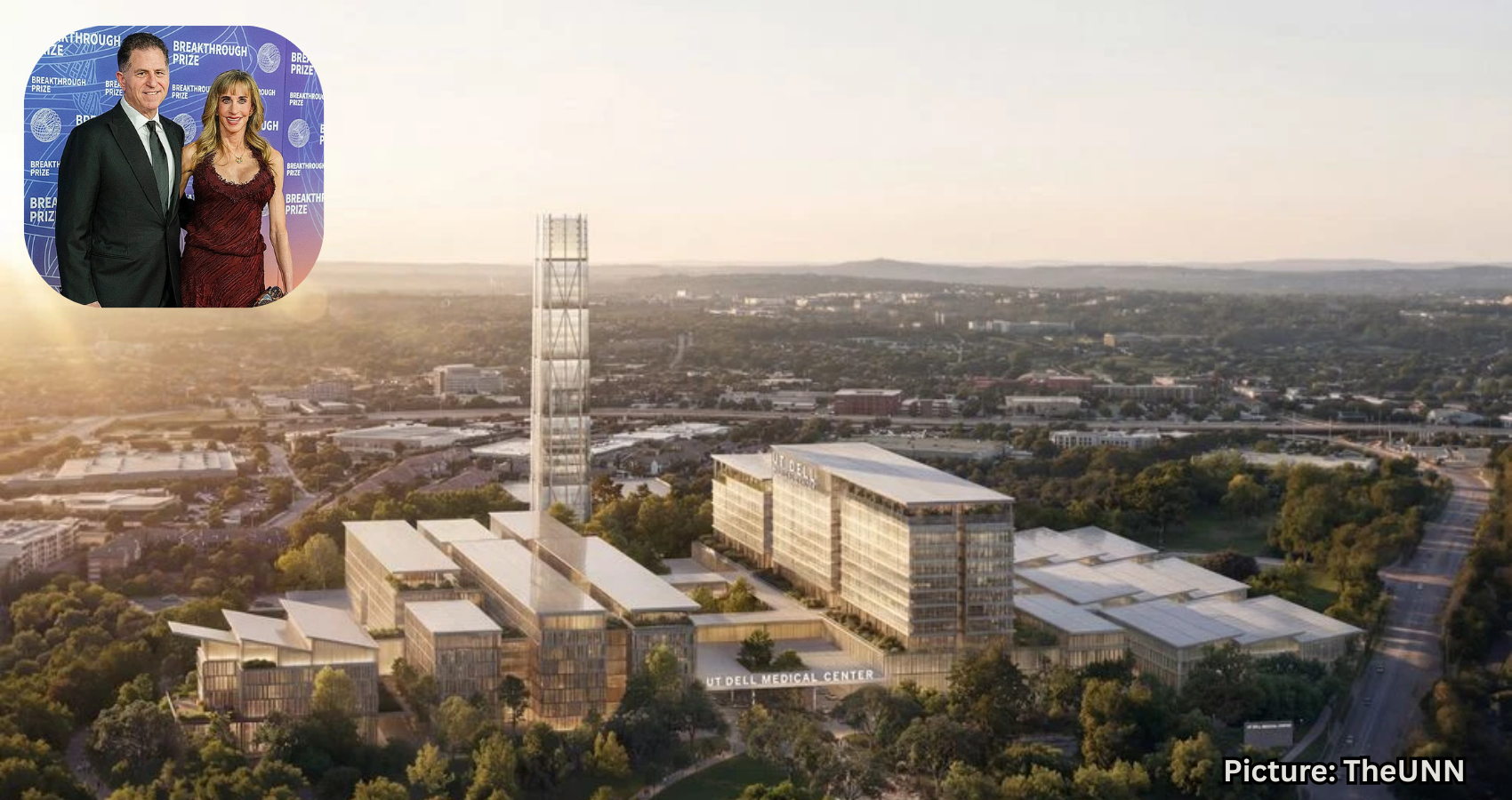
Across the United States, many individuals rely on the Supplemental Nutrition Assistance Program (SNAP) for essential food assistance. However, the current government shutdown poses a significant threat to these vital programs, potentially leaving millions of Americans vulnerable to food insecurity. In response, local businesses and compassionate community members are stepping up to help fill the gaps, providing support in various meaningful ways.

Judicial orders have mandated that the government utilize emergency funds to partially cover SNAP food aid for November. Despite this, recipients are still experiencing delays in receiving benefits that were originally scheduled for distribution early in the month.

Tee Tran, the owner of Monster Pho, a Vietnamese restaurant in Oakland, California, understands these struggles firsthand. Arriving in the U.S. as a Vietnamese boat person in 1989, Tran witnessed his mother working multiple jobs and relying on SNAP to support their family. Today, he offers free meals to children who depend on SNAP and provides discounts for their parents, driven by empathy and memories of his own hardships.

While community goodwill is commendable, food banks and charities caution that these local efforts cannot fully replace the extensive reach and scale of SNAP benefits. Stefanie Shuman, Communications Director for Food Bank For New York City, emphasizes that no food bank can completely compensate for the absence of SNAP distributions.

Kevin Cassidy, owner of KC’s Pizza & Wings on Long Island, has demonstrated a strong community spirit by offering free meals to anyone presenting a SNAP or EBT card. His social media outreach garnered overwhelming support and donations, enabling him to collaborate with local food banks to distribute grocery gift cards and prepared meals.

Despite facing challenges such as tariffs and reduced customer spending, Tran remains dedicated to assisting families reliant on SNAP without jeopardizing his business. His commitment highlights the importance of community support during difficult times.

Food banks stress that monetary donations are often more effective than direct food contributions. Financial resources can be used to purchase food in bulk, maximizing the impact of each dollar. In New York City, for example, a single dollar can provide up to five meals through food bank operations.

Many employers also match employee donations to food assistance organizations, further amplifying the impact of individual contributions. As food costs rise and demand increases, financial support is crucial for food banks to continue serving their communities effectively.

Online platforms have emerged where volunteers act as “grocery buddies,” assisting families facing disruptions in benefits by helping them shop, coordinating gift card use, or providing other forms of support.

For those looking to contribute food, food banks recommend donating non-perishable items such as canned proteins (chicken, tuna, salmon), pasta, and rice, as well as hygiene products like diapers and feminine care items—essential goods that are often overlooked but critical for families’ budgets.

Advocates encourage individuals to reach out to their local representatives to express concerns about the ongoing shutdown. While some state and local governments are attempting to bridge the gap left by federal SNAP delays, they cannot fully address all needs.

“There’s no single face to hunger,” notes Shuman. “But often it’s working families whose wages have not kept pace with living costs who suffer the most.”

Source: Original article

Harvard Professor Questions the 8-Hour Sleep Myth and Its Validity

The belief that adults need eight hours of sleep each night is being challenged by experts, who argue that individual sleep needs vary significantly based on various factors.

The long-standing notion that every adult requires exactly eight hours of sleep each night is increasingly under scrutiny by sleep scientists and evolutionary researchers. Harvard evolutionary biologist Daniel E. Lieberman asserts that the eight-hour rule is more a cultural myth rooted in the Industrial Era than a biological necessity.

Research indicates that in pre-industrial societies, where electricity was not available, individuals typically slept between six and seven hours without daytime naps. This challenges the modern prescriptions for sleep duration that have become commonplace in today’s society.

Large-scale health datasets reveal a U-shaped curve concerning sleep duration and health risks. Studies consistently show that around seven hours of sleep is linked to the lowest rates of mortality and cardiovascular issues. In contrast, both shorter and longer sleep durations are associated with increased health risks. This U-shaped relationship has been corroborated by multiple studies, including extensive analyses from the U.K. Biobank, suggesting that seven hours of sleep may often outperform the traditional eight-hour target for many healthy adults.

Recommendations from authoritative organizations such as the American Academy of Sleep Medicine and the Sleep Research Society emphasize that adults should aim for seven or more hours of sleep per night, focusing on a range rather than a fixed number. The Mayo Clinic supports this guideline, noting that individual sleep needs can vary based on factors such as age, sleep quality, previous sleep deficits, pregnancy, and natural changes in sleep patterns as one ages.

Practically speaking, adults are encouraged to maintain consistency in their sleep schedules and prioritize sleep quality over rigid hour counts. Strategies such as adhering to regular bedtimes and wake times, exposing oneself to morning light, minimizing blue light exposure at night, and creating a cool, dark sleeping environment can significantly enhance restorative sleep. Additionally, avoiding excessive caffeine and alcohol close to bedtime is crucial for better sleep hygiene.

If an individual consistently requires more than nine hours of sleep, it may indicate underlying health issues such as depression, sleep apnea, or other chronic conditions. In such cases, consulting with a healthcare provider is advisable.

Ultimately, the eight-hour sleep rule is an oversimplification that does not accommodate everyone’s biological needs. For many adults, seven hours of sleep represents a healthful sweet spot, with some individuals needing slightly more or less depending on their lifestyle and health status. By shifting the focus toward sleep quality and daytime functioning, both business leaders and individuals can prioritize habits that promote long-term health and performance.

Source: Original article

Singer Vidya Vox to Headline Inaugural San Jose Diwali Carnival

Vidya Vox captivated over 10,000 attendees at San Jose’s inaugural Diwali Carnival, celebrating cultural diversity and community spirit on October 25.

American YouTuber and singer Vidya Vox drew a crowd of more than 10,000 people to downtown San Jose on October 25 for the city’s first-ever Diwali celebrations, marking a significant milestone in the community’s cultural landscape.

Vox entertained the audience with her unique blend of Western pop, electronic dance music, Bollywood hits, and Indian classical music, creating an electrifying atmosphere that resonated with attendees from San Jose and surrounding areas.

The event was organized by a coalition that included the San Jose Downtown Association, the City of San Jose, Mayor Matt Mahan, PARKSJ, the Association of Indo Americans (AIA), and Bolly 92.3FM. This collaboration underscored the importance of community engagement and cultural representation in the city.

Mayor Matt Mahan expressed his enthusiasm for the event, stating, “This celebration truly reflects the values of our city — inclusivity, diversity, vibrancy, and joy.” His support was instrumental in bringing the vision of the Diwali Carnival to life.

The festivities took place at Plaza de Cesar Chavez, featuring a variety of cultural performances, music, food stalls, vendor booths, and carnival games. Local dance schools showcased energetic Bollywood performances, inviting audience members to join in on the fun with impromptu dance opportunities.

As the night progressed, attendees participated in a spontaneous flash mob, culminating in a lively dance party led by DJ Asif, which brought the entire crowd together in celebration.

In a display of cultural appreciation, San Jose City Hall was adorned with Diwali-themed lights and traditional decorations, symbolizing the city’s commitment to multicultural harmony and inclusion.

During the event, Assemblymember Ash Kalra was honored with an “Award of Excellence” for his community leadership and for sponsoring AB 268, which officially designated Diwali as a state holiday in California. Community leader Ajay Jain Bhutoria was also recognized for his significant contributions to the Indian diaspora and his role in securing Governor Gavin Newsom’s vetoes of SB 509 and SB 403.

The celebration attracted over 20 elected officials and dignitaries, including Deputy Consul General of India Rakesh Adlakha, Congressman Sam Liccardo (CA-16), and various mayors and councilmembers from nearby cities. Their presence highlighted the importance of the event in fostering community ties and celebrating cultural diversity.

Gumby Marques, CEO of the San Jose Downtown Association, emphasized the inclusive spirit of the celebration, stating, “You don’t have to be Irish to celebrate St. Patrick’s Day, you don’t have to be German to celebrate Oktoberfest, and you don’t have to be Indian to enjoy Diwali.” His remarks encapsulated the essence of the Diwali Carnival as a celebration for all.

The inaugural Diwali Carnival in San Jose not only showcased the vibrant culture of the Indian community but also served as a reminder of the city’s commitment to inclusivity and diversity. As the festivities concluded, the overwhelming sense of joy and community spirit left a lasting impression on all who attended.

Source: Original article

Honey Singh Enjoys Collaboration with Ajay Devgn on New Project

Honey Singh expressed his excitement about collaborating with Ajay Devgn on the upcoming film ‘De De Pyaar De 2’ and its lively music track ‘Jhoom Sharaabi.’

MUMBAI – Ahead of the highly anticipated release of the sequel ‘De De Pyaar De 2’ on November 14, the film’s creators are generating excitement with its vibrant soundtrack.

Following the release of the track ‘Raat Bhar,’ the team has introduced a new energetic wedding anthem titled ‘Jhoom Sharaabi,’ featuring popular actors Ajay Devgn and Rakul Preet Singh, alongside renowned musician Yo Yo Honey Singh.

<p’Honey Singh, who composed and performed the song, aimed to create a track that would get everyone dancing. He collaborated with choreographer Ganesh Acharya to ensure the song’s infectious beats would resonate with audiences.

“’Jhoom Sharaabi’ sets the mood the moment it drops! I wanted a track that pulls everyone to the floor, from the cool uncles to the crazy cousins,” Singh remarked, highlighting his vision for the song.

Reflecting on his collaboration with Ajay Devgn, Honey Singh shared, “Working with Ajay sir again was pure fun, packed with energy and masti.” The camaraderie between the two artists is evident, and their combined efforts promise to deliver an entertaining experience for fans.

As the release date approaches, the buzz surrounding ‘De De Pyaar De 2’ continues to grow, with music playing a pivotal role in building anticipation for the film.

Source: Original article

US and China Establish Direct Military Hotline Following Summit

The United States and China have agreed to establish direct military communication channels to mitigate tensions following a meeting between U.S. Secretary of War Pete Hegseth and Chinese defense chief Admiral Dong Jun.

U.S. Secretary of War Pete Hegseth described his recent discussions with China’s Minister of National Defense, Admiral Dong Jun, as “positive,” highlighting a mutual agreement to open military channels aimed at easing tensions between the two nations.

Following a meeting between President Donald Trump and Chinese President Xi Jinping, Hegseth announced plans to establish military-to-military communications to “deconflict and deescalate” potential issues. In a post on X, he emphasized the importance of peace, stability, and good relations between the U.S. and China.

“Admiral Dong and I also agreed that we should set up military-to-military channels to deconflict and deescalate any problems that arise. We have more meetings on that coming soon. God bless both China and the USA!” Hegseth wrote.

Earlier on the same day, Hegseth participated in a meeting in Malaysia with defense leaders from the Association of Southeast Asian Nations (ASEAN). During this meeting, he urged ASEAN members to counter China’s aggressive actions in the South China Sea.

“China’s sweeping territorial and maritime claims in the South China Sea fly in the face of their commitments to resolve disputes peacefully,” he stated, according to reports from The Associated Press. “We seek peace. We do not seek conflict. But we must ensure that China is not seeking to dominate you or anybody else,” he added.

The South China Sea remains a contentious area, with overlapping territorial claims from China, the Philippines, Vietnam, Malaysia, and Brunei. Tensions have escalated as China’s maritime fleet has clashed with the Philippines in these disputed waters. Recently, Chinese officials labeled the Philippines a “troublemaker” for conducting naval and air drills in collaboration with the United States, Australia, and New Zealand.

During the ASEAN meeting, Hegseth defended the Philippines against China’s claims, particularly regarding the Scarborough Shoal, which was seized from the Philippines in 2012. He criticized Beijing’s designation of the area as a “nature reserve,” calling it “yet another attempt to coerce new and expanded territorial and maritime claims at your expense.”

Hegseth encouraged ASEAN members to finalize a Code of Conduct with China and proposed the creation of a “shared maritime domain awareness” network. He also suggested implementing rapid-response systems to deter provocations, ensuring that any member facing “aggression and provocation is not alone.”

In addition, he welcomed plans for an ASEAN-U.S. maritime exercise scheduled for December, aimed at enhancing coordination and safeguarding freedom of navigation in the region.

As the U.S. and China work to establish direct military communication channels, the focus remains on maintaining stability and preventing conflicts in the increasingly volatile South China Sea.

Source: Original article

War Department Intensifies Narco-Terror Campaign at Sea with 15th Strike

The U.S. military has intensified its campaign against narco-terrorism at sea, launching its 15th strike aimed at disrupting drug trafficking operations in the Caribbean.

The U.S. military has executed its 15th maritime strike targeting narco-terror groups in the Caribbean, as War Secretary Pete Hegseth emphasizes the government’s commitment to combating drug cartels. The latest operation resulted in the deaths of three suspected smugglers, according to Hegseth, who stated that the strike was carried out “at the direction of President Trump.”

In a post on X, Hegseth detailed the operation, describing it as a “lethal kinetic strike” against a vessel linked to a Designated Terrorist Organization (DTO). He noted that the targeted vessel was known to be involved in illicit narcotics smuggling and was traversing a recognized narco-trafficking route while carrying narcotics.

“These narco-terrorists are bringing drugs to our shores to poison Americans at home — and they will not succeed,” Hegseth declared. He pledged that the U.S. military would pursue these groups with the same determination it applied in its fight against Al Qaeda: “We will continue to track them, map them, hunt them, and kill them.”

This recent announcement highlights the ongoing maritime offensive against transnational cartels, which has seen at least 64 individuals killed in operations since September, according to defense officials familiar with the campaign. Hegseth has characterized these efforts as a vital response to the evolving threat posed by drug cartels, which he argues have transformed into transnational terror organizations.

President Trump has defended these military strikes as a necessary measure to disrupt the flow of drugs into the United States, framing the situation as an “armed conflict” with these cartels. This perspective aligns with the legal authority invoked following the September 11, 2001, attacks, which allows for military action against perceived threats.

Despite the administration’s strong stance, there has been increasing pressure from lawmakers for greater transparency regarding the legal justifications for these operations. On Friday, Senate Democrats renewed their calls for clarity, sending a letter to Secretary of State Marco Rubio, Director of National Intelligence Tulsi Gabbard, and Hegseth. The letter requested the administration disclose its legal rationale and the list of entities deemed targetable under the president’s directive.

The letter, signed by Senate Minority Leader Chuck Schumer and several senior Democrats, including Senators Jack Reed and Jeanne Shaheen, accused the administration of selectively releasing conflicting information to certain lawmakers while withholding details from others.

In a related development, the bipartisan leadership of the Senate Armed Services Committee has released two previously undisclosed letters sent to Hegseth in late September and early October. These letters urged the Pentagon to clarify its legal framework for the strikes and to identify which cartels have been formally designated as terrorist organizations.

As the U.S. military continues its campaign against narco-terrorism, the implications of these operations raise significant questions about the balance between national security and transparency in government actions.

Source: Original article

Visitor Insurance for Aging Parents: Key Protection for Indian-Americans Over 60

Visitor insurance is essential for aging parents visiting the U.S., providing crucial healthcare coverage and financial protection against unexpected medical emergencies.

As families become more interconnected globally, it is increasingly common for aging parents to travel to the United States. Whether to spend quality time with children and grandchildren, seek medical care, or explore new destinations, these visits can be significant. However, for seniors over 60, traveling abroad presents unique challenges, particularly concerning healthcare. Without proper visitor insurance, a single medical emergency in the U.S. can lead to overwhelming financial stress.

This article outlines the importance of visitor insurance for elderly parents visiting the U.S., highlights key coverage areas to consider, and offers guidance on selecting the right plan for your loved ones.

Why Visitor Insurance is Crucial for Aging Parents Visiting the USA

The United States is known for having some of the highest medical costs in the world. Even a routine doctor’s visit can be expensive, while hospitalization or emergency care can run into tens of thousands of dollars. For seniors, who are more likely to need medical attention, the absence of adequate insurance can lead to severe financial hardship.

As people age, they become more susceptible to chronic and acute health issues, such as diabetes, hypertension, heart disease, or arthritis. Even minor ailments can escalate quickly, necessitating urgent care. Visitor insurance ensures that your parents can access quality healthcare without the burden of high costs.

Moreover, most provincial or domestic health insurance plans offer little to no coverage outside the home country. This means that your parents’ existing health plan will likely not protect them in the U.S., making a dedicated visitor insurance policy essential for their safety and peace of mind.

Essential Coverage for Seniors Visiting the USA

When selecting visitor insurance for aging parents, several key areas need to be covered. Emergency medical coverage is the most vital aspect of any visitor insurance plan. This coverage includes hospitalization, doctor consultations, surgeries, diagnostic tests, and prescription medications. The level of coverage varies, so it is important to choose a policy with high enough limits to cover potential medical emergencies, especially for seniors who may require more frequent medical attention.

For seniors with pre-existing medical conditions, obtaining travel insurance can be challenging, as many standard visitor insurance plans exclude coverage for these conditions. However, some plans provide coverage for the acute onset of pre-existing conditions, which covers a sudden and unexpected worsening of existing health issues. It is crucial to ensure that the insurance plan includes this coverage if your parents have existing health problems.

In serious medical emergencies, your parents might need to be evacuated to a hospital equipped to provide specialized care. Emergency medical evacuation coverage helps cover the transportation costs of moving your parents to a medical facility that can provide the necessary treatment. Additionally, repatriation coverage covers the cost of transporting the body back to the home country in the event of death, which is critical for elderly travelers who may be at a higher risk for severe health issues.

Travel plans can change unexpectedly for various reasons. While trip cancellation coverage is not available for non-U.S. citizens or residents, trip interruption is included in many comprehensive plans. This coverage provides financial protection if the trip has to be cut short for a covered reason, so it is important to check the certificate for a complete list of covered reasons.

Accidents can happen anywhere, and seniors are more likely to experience falls or injuries. Accidental death and dismemberment (AD&D) coverage provides financial compensation in the event of accidental death or dismemberment. Although this might not be a pleasant topic, it is an essential part of ensuring comprehensive protection.

Travel disruptions, such as lost luggage or flight delays, can be particularly stressful for elderly visitors. Some visitor insurance policies include coverage for lost baggage, flight delays, and even missed connections due to medical emergencies. These features help mitigate the financial impact of travel disruptions, enhancing your parents’ comfort and overall travel experience.

How to Choose the Right Visitor Insurance Plan for Aging Parents

Choosing the right visitor insurance plan for aging parents can be a daunting task, but careful consideration of several factors can simplify the decision-making process. First, evaluate your parents’ health condition. If they have pre-existing health conditions, it is vital to select a plan that offers coverage for the acute onset of these conditions. Comprehensive coverage for emergency medical services is also crucial, as seniors may be more prone to health emergencies.

The duration of your parents’ stay in the U.S. plays a significant role in determining the cost and type of insurance coverage needed. Short-term visitors may only require basic coverage, while those staying for an extended period may need more comprehensive protection. Ensure that the chosen plan provides coverage for the entire duration of their visit.

Review coverage limits and deductibles carefully. Insurance plans offer various deductible options and coverage limits. It is essential to choose a plan with an appropriate coverage limit for emergency medical services, as healthcare costs in the U.S. can be high. The deductible is the amount your parents will need to pay out-of-pocket before the insurance coverage kicks in, so make sure it aligns with your budget and the level of coverage required.

Consider additional benefits that many insurance plans offer, such as enhanced evacuation, lost luggage coverage, and AD&D. Depending on your parents’ travel plans and activities, you may want to select a plan that includes these extra benefits. While not essential for everyone, these add-ons can provide additional peace of mind.

Finally, choose a reputable insurance provider with a strong track record to ensure your parents receive the best coverage. Look for providers that offer 24/7 customer support, have a clear claims process, and are well-reviewed by other travelers. A trusted provider will ensure that your parents’ insurance needs are met promptly and professionally.

Conclusion

Visitor insurance is more than just a travel formality; it is a financial safeguard for aging parents visiting the United States. With medical expenses in the U.S. being higher than in most countries, even a single emergency can disrupt finances and cause unnecessary stress.

By evaluating your parents’ health needs, duration of stay, and available coverage options, you can select a visitor insurance plan that provides comprehensive protection, affordability, and peace of mind. Whether your parents are visiting for a few weeks or several months, the right visitor insurance ensures they can enjoy their time in the U.S. safely, confidently, and without the worry of unexpected medical costs.

Source: Original article

Faith as a Personal Journey for Indian-Americans, Not a Political Debate

Vice President JD Vance’s recent comments on faith have sparked discussions about the personal nature of belief, emphasizing that faith is a journey rather than a political statement.

In a time when faith often becomes a topic of public debate, Vice President JD Vance’s recent remarks about his hope for his wife, Usha Vance, to adopt Christianity have ignited discussions across social media and political platforms. While some interpret his comments as indicative of religious bias, others see them as a genuine expression of devotion. However, beyond the political implications, his statement highlights a fundamental truth that is frequently overlooked: faith is a personal journey, not a public referendum.

Throughout my life, I have been fortunate to visit some of the most sacred sites around the globe, from Bethlehem and Jerusalem to the Western Wall, the Dome of the Rock, and the Vatican. I have also walked barefoot up the sacred hills of Tirupati and, by sheer chance, found myself seated next to the Dalai Lama on a flight. In each of these encounters—whether within the ancient stone walls of a church, before the golden spires of a Hindu temple, or in the quiet presence of a Buddhist monk—the energy felt remarkably similar. It was the stillness of faith, a pulse of something eternal that connects us all.

Indian tradition has long embraced this sense of universality. Our civilization has never sought to confine the divine within the boundaries of a single religion or nation. The sacred texts of India remind us that the divine can be approached through countless paths, each shaped by culture, experience, and individual calling. The Bhagavad Gita beautifully encapsulates this idea: “Whichever path men choose is Mine, for all paths lead to Me.”

It is easy to overlook that faith, despite its sacredness, has also been a source of conflict throughout human history. Empires have risen and fallen, wars have been waged, and countless lives have been lost in its name. Yet, the true test of faith lies not in how loudly it is proclaimed but in how gently it is practiced. The challenge we face is to maintain the sanctity of belief without allowing it to be tainted by political rhetoric—to honor what is sacred without weaponizing the spiritual.

When viewed through this lens, JD Vance’s hope for his wife does not need to be controversial. It reflects a deeply human desire for spiritual unity within a family. However, faith cannot be imposed upon another; it must emerge from within. It is not an act of persuasion but rather an awakening. Whether one calls upon Christ, Krishna, or simply the quiet wisdom of the heart, every individual is on their own path toward the same destination.

Ultimately, all faith embodies a longing to return home—to reconnect with the source of love, truth, and peace from which we originated. While our languages, rituals, and names for the divine may differ, the essence of what we seek remains fundamentally the same.

In this moment, the lesson is clear: faith deserves reverence, not rhetoric. Its power lies in its purity—in the way it unites rather than divides, heals rather than harms.

Sreedhar Potarazu, MD, MBA, is an ophthalmologist and entrepreneur in business and technology.

Source: Original article

Indian-American CEO Bankim Brahmbhatt Faces $500 Million Loan Fraud Charges

Bankim Brahmbhatt, an Indian American CEO, faces allegations of a $500 million fraud involving fabricated invoices and customer accounts linked to his telecom companies.

Bankim Brahmbhatt, the Indian American CEO of U.S.-based telecom firms Broadband Telecom and Bridgevoice, is embroiled in a significant fraud case that has reportedly drawn the attention of investment giant BlackRock. According to The Wall Street Journal, lenders, including HPS Investment Partners, the private credit arm of BlackRock, have accused Brahmbhatt’s companies of using fake invoices and customer accounts to secure substantial loans, totaling over $500 million.

Brahmbhatt’s attorney has stated that his client disputes the allegations of fraud. As the founder, president, and CEO of Bankai Group, a telecommunications and fintech enterprise with operations across multiple continents, Brahmbhatt has built a reputation in the industry. He began his career in 1989 by establishing a push-button telephone manufacturing unit in India and later expanded into satellite technology, telecom billing, and digital financial services.

Bankai Group’s flagship product, MobiFin Elite, offers digital financial solutions that cater to clients in various countries, particularly in Africa. Brahmbhatt has often articulated his vision of creating a self-sustaining ecosystem for carriers, operators, and financial institutions, blending technical expertise with strong interpersonal skills.

However, the recent allegations have cast a shadow over his career. HPS Investment Partners reportedly began lending to a financing arm associated with Brahmbhatt’s companies in September 2020, increasing its exposure to approximately $430 million by August 2024. BNP Paribas also participated in this financing arrangement.

The alleged fraud came to light in July 2024, when an employee from HPS discovered that several customer emails appeared to originate from fake domains designed to imitate legitimate telecom companies. When confronted, Brahmbhatt allegedly reassured HPS officials that there was no cause for concern but subsequently ceased all communication.

Investigations conducted by accounting firm CBIZ and law firm Quinn Emanuel, which were hired by the lenders, uncovered that the emails and invoices presented as proof of receivables had been falsified. A Belgian telecom company, BICS, confirmed to investigators that it had no affiliation with the emails used by Brahmbhatt’s firms, labeling the situation as a confirmed fraud attempt.

Further court filings allege that fraudulent customer contracts date back to 2018 and that assets pledged as collateral were transferred to offshore accounts in India and Mauritius. By August 2024, Brahmbhatt’s companies—Broadband Telecom, Bridgevoice, Carriox Capital II, and BB Capital SPV—filed for bankruptcy, coinciding with lawsuits initiated by the lenders. Around this time, BNP Paribas disclosed adding €190 million (approximately $220 million) in loan-loss provisions related to a “specific credit situation,” although it did not specify the borrower.

Reports indicate that HPS has informed its clients that Brahmbhatt is believed to be in India. A visitor to his New York offices in July found them closed and vacant, according to The Wall Street Journal.

In a further development, Brahmbhatt filed for personal bankruptcy on August 12, the same day his companies sought Chapter 11 protection. Despite the scale of the alleged fraud, sources cited by the Journal noted that the incident represents only a small fraction of HPS’s $179 billion in assets under management and is unlikely to materially impact BlackRock’s overall performance.

As U.S. courts oversee bankruptcy proceedings and civil litigation, Brahmbhatt has denied all allegations but remains untraceable as the investigation continues to unfold.

Source: Original article

India A vs South Africa A: Day 3 of 1st Unofficial Test

India A faced significant challenges in their pursuit of 275 runs against South Africa A during the third day of the first unofficial Test match.

In the ongoing first unofficial Test match, India A encountered a rocky start in their chase of 275 runs against South Africa A. The team suffered early setbacks, putting their hopes of a successful run chase in jeopardy.

As the match progressed, the pressure mounted on the Indian side, which had previously shown promise in their innings. The early dismissals raised concerns among fans and analysts alike, who were eager to see how the young squad would respond to the challenge.

Despite the difficulties, the players remained focused on the task at hand, aiming to build partnerships and stabilize the innings. The team’s resilience will be tested as they navigate through the remaining overs in pursuit of the target set by South Africa A.

With a mix of experienced players and emerging talent, India A has the potential to turn the game around, but they will need to adopt a strategic approach to counter the South African bowlers.

As the match unfolds, spectators are keenly watching how the Indian team adapts to the pressure and whether they can secure a victory in this unofficial Test.

According to NDTV Sports, the outcome of this match will be crucial for the players’ development and their prospects for future international opportunities.

Source: Original article

Common Viruses Associated with Increased Heart Attack and Stroke Risk

New research indicates that common viral infections, such as COVID-19 and influenza, significantly increase the risk of heart attacks and strokes in the weeks following infection.

Recent findings suggest that certain viral infections may heighten an individual’s susceptibility to heart disease. A comprehensive study revealed that individuals who contracted COVID-19 or influenza experienced a “dramatically” increased risk of heart attack or stroke—up to three to five times higher—within weeks of the infection. This research, which analyzed 155 scientific studies, was published this week in the Journal of the American Heart Association.

Lead author Kosuke Kawai, an adjunct associate professor at the David Geffen School of Medicine at UCLA, noted, “It is well-recognized that human papillomavirus (HPV), hepatitis B virus, and other viruses can cause cancer; however, the link between viral infections and other non-communicable diseases, such as cardiovascular disease, is less well understood.” Kawai added, “Our study found acute and chronic viral infections are linked to both short- and long-term risks of cardiovascular disease, including strokes and heart attacks.”

The research indicated that individuals who tested positive for influenza were four times more likely to experience a heart attack and five times more likely to suffer a stroke within the month following their diagnosis. In the case of COVID-19, the risk of heart attack or stroke was three times higher in the 14 weeks after infection, with an elevated risk persisting for up to a year.

When the body fights off a viral infection, the immune system releases chemicals that trigger inflammation and increase the likelihood of blood clotting. These effects can linger even after recovery from the infection. Ongoing inflammation and clotting can place additional strain on the heart and contribute to plaque buildup in the arteries. This may help explain why some individuals face a heightened risk of heart attacks or strokes in the weeks following a viral infection.

Dr. Bradley Serwer, an interventional cardiologist and chief medical officer at VitalSolution, emphasized the implications of these findings. “The findings suggest that low-grade inflammation plays a role by increasing the activation of blood clotting and damaging the inner lining of arteries, which supply blood to our bodies,” he stated. While the link between inflammation and cardiovascular events has been known, Serwer noted that this study reveals that many common viruses have a more significant impact than previously believed.

Markers of inflammation, such as C-reactive protein (CRP), are associated with an increased risk of cardiac events. Inflammation can harm arteries in various ways, including causing microscopic tears that allow “bad cholesterol” (LDL) to invade and form plaque. Further inflammation can destabilize these plaques, leading to ruptures that may result in heart attacks or strokes. Additionally, inflammation activates the clotting process by stimulating platelets.

The study also identified chronic viruses, including HIV, hepatitis C, and varicella zoster virus (the virus responsible for shingles), as being linked to long-term cardiovascular risks. Individuals with HIV were found to have a 60% higher risk of heart attack and a 45% higher risk of stroke. Those with hepatitis C faced a 27% higher risk of heart attack and a 23% higher risk of stroke, while shingles increased heart attack risk by 12% and stroke risk by 18%.

Kawai pointed out that while the elevated risks associated with chronic viruses are lower than the heightened short-term risks following influenza and COVID-19, they remain clinically relevant, particularly due to their long-lasting effects. “Moreover, shingles affects about one in three people in their lifetime. Therefore, the elevated risk associated with that virus translates into a large number of excess cases of cardiovascular disease at the population level,” Kawai explained.

The researchers advocate for vaccinations against influenza, COVID-19, and shingles, citing studies that link vaccination to a reduced risk of cardiovascular complications. Kawai stated, “Preventive measures against viral infections, including vaccination, may play an important role in decreasing the risk of cardiovascular disease. Prevention is especially important for adults who already have cardiovascular disease or risk factors.”

Serwer concurred, emphasizing that vaccination against these common viruses is a “key preventive strategy.” However, the researchers acknowledged some limitations of the study, noting that it was based on observational studies rather than randomized controlled trials. They also pointed out that most studies examined infection with a single virus, leaving it unclear how infections with multiple viruses or bacteria may have influenced the results.

The analysis focused on viral infections affecting the general public and did not identify high-risk groups, such as transplant recipients, who may be disproportionately affected. For individuals with pre-existing cardiovascular conditions, the researchers recommend consulting a healthcare provider to discuss appropriate vaccine recommendations.

Source: Original article

AI Job Losses Impact Workforce Amid Growing Automation Concerns

Recent developments in artificial intelligence (AI) highlight both the potential benefits and significant challenges, including job losses and safety concerns, as companies and lawmakers grapple with the technology’s rapid evolution.

As artificial intelligence (AI) technology continues to advance, it brings both opportunities and challenges that are reshaping various sectors. Recent news has highlighted significant corporate cutbacks, legal battles, and safety evaluations related to AI, underscoring the complex landscape that businesses and consumers must navigate.

In a notable move, Amazon announced plans to cut approximately 14,000 corporate jobs as part of an internal restructuring effort. This decision reflects broader trends in the tech industry, where companies are reassessing their workforce in light of evolving technologies and economic pressures.

Meanwhile, a Senate Republican has called for Google to shut down its AI model after alleging that it has been used to disseminate false information, including a fabricated sexual assault allegation. This accusation raises questions about the accountability of AI systems and their potential to spread misinformation.

In response to growing concerns over the safety of children online, Character.ai, a popular AI chatbot platform, declared that users under the age of 18 will no longer be able to engage in open-ended conversations with its virtual companions starting November 24. This decision follows a lawsuit that claimed an AI app contributed to a child’s tragic death, prompting a broader discussion about the ethical implications of AI interactions with minors.

As AI technology permeates various industries, many workers fear they may be replaced by automation. However, experts from the World Economic Forum suggest that the impact of AI will not be uniform across all sectors. They liken the technology’s integration into the workforce to a college student with access to past exams, indicating that while some jobs may be at risk, others may evolve or be created as a result of AI advancements.

In the realm of autonomous vehicles, Kodiak AI’s driverless system received a top safety score in a recent evaluation conducted by Nauto, Inc. This assessment, which analyzed over 1,000 commercial fleets operated by human drivers, highlights the potential for AI to enhance safety in transportation.

Tragic incidents involving AI chatbots have sparked bipartisan outrage in Congress, as parents demand accountability for the role these technologies may have played in encouraging harmful behavior among children. Lawmakers are now considering new legislation aimed at holding tech companies responsible for ensuring the safety of minors on their platforms.

In a bid to strengthen its position in the AI landscape, chip manufacturer Nvidia announced new partnerships with tech and telecommunications firms to enhance AI infrastructure and operational capabilities. This move reflects the growing importance of AI in driving innovation across various sectors.

PayPal made headlines by becoming the first payments platform to integrate its digital wallet into OpenAI’s ChatGPT. This development allows users to make instant purchases within the chatbot, marking a significant step in the intersection of AI and e-commerce.

In a legal context, conservative activist Robby Starbuck is suing Google, alleging that the tech giant’s AI tools wrongfully linked him to serious accusations, including sexual assault and financial exploitation. This case underscores the potential for AI-generated misinformation to have real-world consequences.

Concerns about digital deception have also emerged, with reports indicating that AI is being used to create fake expense receipts. This trend poses challenges for employers and raises questions about the integrity of financial reporting in an increasingly digital world.

In the education sector, Chegg Inc. announced it would reduce its workforce by approximately 45%, citing the “new realities of AI” and decreased traffic from Google to content publishers. This decision reflects the broader impact of AI on traditional business models and the need for companies to adapt to changing market conditions.

Elon Musk’s AI company, xAI, recently launched Grokipedia, an AI-generated encyclopedia intended to compete with Wikipedia. Musk has criticized Wikipedia for perceived editorial bias and claims that Grokipedia will offer a more “truthful and independent alternative.”

AI is also making strides in healthcare, with experts like Dr. Marc Siegel suggesting that it could revolutionize cancer detection and treatment. According to Siegel, AI’s potential to transform medical practices could lead to significant advancements in patient care within the next decade.

As the U.S. seeks to maintain its competitive edge in the global AI landscape, experts emphasize the need for robust investment and innovation. Additionally, improving internet infrastructure is deemed essential for sustaining leadership in AI technology against rising competition from countries like China.

In a concerning incident, a 16-year-old high school student was mistakenly flagged by an AI gun detection system, leading to a police response that left students and officials shaken. This incident highlights the potential risks associated with relying on AI for security measures in schools.

As AI technology continues to evolve, it presents both significant opportunities and challenges that society must address. The ongoing discussions surrounding job displacement, safety, and ethical considerations will play a crucial role in shaping the future of AI.

Source: Original article

U.S. Ends Automatic Work Permit Extensions for H-1B Spouses and F-1 Students

The U.S. Department of Homeland Security has announced a new policy ending automatic work permit extensions for certain noncitizens, significantly affecting H-1B spouses and F-1 students.

The U.S. Department of Homeland Security (DHS) has implemented a new policy that will take effect on October 30, 2025. This policy will end the automatic extension of Employment Authorization Documents (EADs) for specific noncitizens who are applying for renewals. The change particularly affects H-4 visa holders, who are spouses of H-1B workers, F-1 students on Optional Practical Training (OPT), asylum seekers, and others who depend on EADs to work legally in the United States.

Under the previous policy, individuals filing timely renewal applications could continue to work for up to 540 days while their renewal was being processed, thanks to an automatic extension. However, this automatic extension will no longer be available, except in exceptional cases that are explicitly outlined by law or under Temporary Protected Status provisions.

DHS has described this policy shift as a necessary measure to enhance security by increasing vetting and background checks. The goal is to better detect fraud and identify potential public safety risks. Joseph Edlow, the Director of U.S. Citizenship and Immigration Services (USCIS), emphasized that working in the U.S. is a privilege that necessitates rigorous screening to ensure national security.

In light of this new policy, applicants are strongly encouraged to submit their renewal applications up to 180 days before their current EAD expires. This proactive approach is crucial to avoid potential gaps in work authorization, which could occur if there are delays in the renewal processing.

This sudden policy change is expected to impact thousands of foreign workers, particularly Indian nationals, who represent the largest group of H-1B visa holders and international students in the U.S. In 2024, approximately 27% of all international students in the U.S. were from India, and Indian nationals accounted for around 71% of approved H-1B visa recipients.

The decision to end automatic work permit extensions marks a significant tightening of immigration work authorization policies. This shift reverses earlier expansions made by the Biden administration during the COVID-19 pandemic, which aimed to address processing backlogs. The current administration’s focus appears to be on stronger immigration enforcement that aligns with national security priorities.

As the October 2025 deadline approaches, many affected individuals will need to navigate this new landscape carefully to maintain their work authorization and avoid disruptions in their employment.

Source: Original article

Rohit Sharma Becomes Oldest Player to Lead ICC Men’s ODI Rankings

Indian cricket captain Rohit Sharma has made history as the oldest player to reach the number one spot in the ICC Men’s ODI batting rankings at 38 years old.

Indian cricket captain Rohit Sharma has etched his name in history by becoming the world number one batter in the ICC Men’s ODI rankings for the first time in his career. At 38 years old, he is not only the oldest Indian to hold this prestigious position but also the oldest player globally to achieve the top spot in the men’s ODI batting rankings.

Rohit’s ascent to the pinnacle of ODI cricket followed an outstanding performance in India’s recent series against Australia, where he scored an unbeaten 131 runs in the final match held in Sydney. His innings, which included 13 fours and three sixes, marked his 33rd ODI century and played a crucial role in India’s commanding nine-wicket victory. Partnering with Virat Kohli, who contributed an unbeaten 74, Rohit led India to a decisive series win.

With this remarkable performance, Rohit surpassed Afghanistan’s Ibrahim Zadran and his fellow Indian cricketer Shubman Gill, moving ahead with 781 rating points—17 points clear of Zadran. Notably, Ibrahim Zadran briefly held the top position between the second and third ODIs of the series. Shubman Gill, who faced inconsistent performances during the series, slipped to third place in the rankings.

In addition to Rohit’s historic achievement, India’s Axar Patel also made significant strides in the rankings, climbing six spots to 31st among bowlers and advancing to eighth among ODI all-rounders. Concurrently, New Zealand’s Mitchell Santner and Australia’s Josh Hazlewood also saw improvements in their rankings.

In other formats, South Africa’s Keshav Maharaj reached a career-best 13th place among Test bowlers following a match-winning performance, while teammates Simon Harmer, Aiden Markram, and Kagiso Rabada also climbed the ranks due to their recent successes. Additionally, Pakistani captain Shan Masood improved his standing among Test batters.

This milestone further solidifies Rohit Sharma’s status as one of cricket’s elite players, showcasing his remarkable longevity and consistent excellence in international cricket. His achievement is a testament to his skill and dedication to the sport, inspiring both current and future generations of cricketers.

Source: Original article

Indian-American Parents Navigate Life Beyond Hollywood in Los Angeles

Exploring Los Angeles beyond its Hollywood allure reveals a vibrant city rich in culture, wellness, and artistic expression, as experienced through the eyes of a visiting parent.

For the past two years, I have made several trips to Los Angeles, initially drawn in as a tourist by its glamorous exterior. The iconic Hollywood sign, perched on a hillside, and the sidewalks adorned with star names captivated my attention. However, my recent visits have shifted in focus. Now, I stroll along the Hollywood Walk of Fame not to memorize celebrity names, but to visit the Hollywood Farmers Market, one of the city’s finest. I also attend performances at the LA Opera, where productions like *West Side Story* have recently premiered, and shop at Erewhon, a trendy market known for its celebrity clientele and wellness products. On occasion, I even bump into familiar faces like Robin Wright at my wellness studio, where we both enjoy the benefits of infrared saunas.

This article serves as a guide to experiencing Los Angeles beyond its well-known clichés. While the Hollywood thread is ever-present in the city, there is much more to discover in this sun-soaked metropolis, which is deeply invested in holistic wellness, outdoor activities, and fitness trends like Pilates.

One of the highlights of my visits has been attending performances at the LA Opera. I first met Maestro James Conlon, the principal conductor, when we were neighbors in New York City during the late 1990s. Since taking the helm at the LA Opera in 2006, Conlon has made this final season particularly memorable by selecting performances that resonate with his personal and professional journey. During my September visit, I was fortunate to witness the opening of *West Side Story*, reimagined as an opera. This timeless tale reflects Los Angeles’s diverse cultural influences, encapsulated within a poignant love story.

Another unique experience I sought out was a Candlelight Concert. These events have gained popularity and are now a franchise. While I have enjoyed similar performances in Bangalore, my first Candlelight Concert in LA was a long-awaited experience. Organized by Fever, the concert featured a selection of classical music pieces from renowned composers such as Mozart, Vivaldi, and Beethoven. The venue, the historic Biltmore Theater, holds a special place in Oscar history, as it was here that the Oscar statue was first sketched in 1927. Listening to Vivaldi’s *Four Seasons* in such a storied location was a surreal experience, underscoring the inescapable connection to Hollywood that permeates every facet of life in LA.

For a different kind of entertainment, I attended *The Magic Hour* at Black Rabbit Rose. This venue offers a unique twist on magic shows, presenting them in an intimate, plush setting. As I entered the bar, I was greeted by a glamorous atmosphere. The show featured a trio of talented magicians who captivated the audience with their charm and skill. From card tricks that left me bewildered to daring feats involving fire and metal, the performance was a delightful blend of artistry and entertainment.

Another gem I discovered was Jiji’s Jazz Club, orchestrated by Tida Norasingh. This venue evokes the spirit of underground music spots where emerging talent often performs before achieving fame. On the night I visited, the atmosphere was electric, with a mix of music and poetry that resonated with the youthful, idealistic crowd. The lively sets and quality sound system made for an unforgettable evening.

Visiting Los Angeles as a parent adds a unique dimension to the experience. As a mother, I often find myself in the role of caregiver, bringing along my spice box to cater to my adult child’s needs. However, my recent explorations have allowed me to see the city through my daughter’s eyes. She is a modern woman with distinct tastes, and together we have ventured to Malibu to explore vineyards, attended art gallery openings, and participated in intimate performances that showcase LA’s creative spirit beyond the glitz of the film industry. This journey has been nothing short of a revelation, revealing a cosmopolitan city that is warm, welcoming, and bursting with creativity.

Source: Original article

Domestic Violence Among Indian-Americans: Understanding the Dynamics of Control

Domestic violence is a pervasive issue that transcends cultural boundaries, affecting individuals and families across various communities, particularly within South Asian immigrant populations.

“Although I wish I had recognised the abuse earlier, talking to someone openly and honestly about what I have experienced helps me understand that I am not to blame,” shared an anonymous domestic violence survivor.

Domestic violence (DV) occurs when one partner exerts control over the other through physical, emotional, psychological, or sexual abuse. While the abuser may often be perceived as the “bad person,” the reality is that both partners, along with their children, are deeply affected by the dynamics of violence.

At its core, domestic violence violates the fundamental human right to live safely and free from harm. It is the responsibility of individuals and society as a whole to recognize, intervene, and protect this right. Without timely intervention, the psychological and emotional consequences can be devastating, leading to isolation, depression, and long-lasting trauma.

Common assumptions often portray domestic violence as primarily a husband’s abuse of his wife. However, this stereotype fails to capture the full spectrum of the issue. Men can also be silent victims, and abuse can occur in both heterosexual and same-sex relationships. Therefore, it is crucial to assess domestic violence without bias, paying attention to the subtle dynamics at play.

Within the Indian immigrant population in the U.S., domestic violence presents particularly complex challenges. Studies indicate that South Asian women, including Indian immigrants, report alarmingly high rates of domestic violence, with lifetime prevalence as high as 77%. This violence manifests in various forms—physical, emotional, and sexual abuse—while intersecting with cultural, social, and economic realities.

The repercussions of domestic violence extend beyond individual victims, reverberating through families and communities and creating long-lasting hardship. The impact often destabilizes family structures and strains social systems, affecting not only the immediate victims but also those around them.

Perhaps the most concerning aspect is the intergenerational transmission of trauma. Children who witness or grow up in violent households often internalize these patterns, normalizing violence in their own relationships as they mature. This normalization can leave them vulnerable to anxiety, confusion, and difficulties with emotional regulation.

In this way, domestic violence evolves from a personal issue into a societal one, perpetuating cycles of harm across generations. To break this cycle, it is essential to raise awareness through education and community campaigns that highlight both the immediate and long-term societal consequences of domestic violence. Such efforts can foster understanding, reduce stigma, and encourage individuals and families to seek support before patterns of violence become deeply entrenched.

Several factors contribute to the prevalence of domestic violence, particularly within South Asian communities. Traditional gender roles and patriarchal structures often create expectations that women must bear the full burden of domestic and emotional labor, while men position themselves as primary providers. This dynamic can be exacerbated by a “scarcity mindset” carried from India, where financial insecurity looms large, leading to projected fears about unemployment or loss of income onto spouses.

Household dynamics can also shift drastically after immigration. In India, many families rely on domestic help, but in the U.S., couples are expected to manage housework themselves. This expectation can lead to frustration, especially when one partner feels unsupported or unacknowledged.

Financial dependency adds another layer of vulnerability. Among Indian immigrants, it is common for one partner to be on a dependent visa, legally barred from working until granted a permit. This dependency can heighten power imbalances and foster resentment within the marriage.

Acculturation stress further complicates the situation. When one partner has adapted to life in the U.S. while the other is newly arrived, the couple may find themselves caught in conflict, struggling between traditional values and the pressures of Western norms.

Isolation from extended family also plays a significant role. Being far from relatives can leave many without a social safety net, intensifying feelings of loneliness and despair. Unfortunately, stigma and shame surrounding therapy often prevent couples from addressing these issues in a timely manner.

A clinical example illustrates the profound impact of domestic violence on children. During a counseling placement at an elementary school, a second grader named Jay (name changed for privacy) began acting out in disruptive and aggressive ways. His teacher described him as loud and uncontrollable, often physically aggressive toward peers.

Initially, Jay presented as cheerful during sessions, but through play therapy, he began to reveal more about his inner world. Using figurines, he reenacted scenes of conflict between a couple, sharing that he could hear his parents fighting at home. Although his parents believed they were arguing quietly, Jay was still able to perceive the tension and hostility, leaving him confused about his perceptions. His bottled-up frustration and helplessness surfaced in his behavior at school.

When this issue was addressed collaboratively with his parents and teacher, Jay’s classroom behavior improved, and his parents sought couples therapy to enhance their communication. This case serves as a vivid reminder that children, even when not directly targeted, absorb the emotional violence around them and often carry it into their own relationships.

Domestic violence is not merely a private matter between partners; it is a cultural and intergenerational issue that requires careful, culturally sensitive intervention. Within South Asian immigrant communities, therapists and professionals must recognize the unique stressors of immigration, financial dependency, and acculturation while validating the universal right of every individual to safety and respect.

Domestic violence should be reframed not as a matter of shame but as an urgent social and psychological concern. Seeking help is both necessary and courageous. Addressing domestic violence openly can prevent the silent transmission of trauma across generations and pave the way toward healthier, more respectful relationships.

Source: Original article

Global Emissions Expected to Decline by 2035, Urgent Action Required

New findings from the UN Framework Convention on Climate Change indicate that global emissions could decrease by 10% by 2035, but urgent action is still required to meet climate goals.

NEW YORK, NY – The UN Framework Convention on Climate Change (UNFCCC) has released its synthesis report on nationally determined contributions (NDCs) for 2025, highlighting significant improvements in quality, credibility, and economic coverage. This report comes just ahead of the COP30 summit scheduled to take place in Brazil next month.

The synthesis report encompasses national climate plans that have been formally submitted to the NDC registry between January 1, 2024, and September 30, 2025, as reported by the Xinhua news agency.

According to the report, there are promising signs of genuine progress in addressing climate change through national efforts supported by global cooperation. This progress is largely attributed to the 64 new NDCs submitted by various parties to the Paris Agreement, which collectively account for approximately 30 percent of total global emissions recorded in 2019.

In their NDCs, countries are outlining new national climate targets and strategies to achieve them, which vary in pace and scale compared to previous commitments. The report indicates that while these nations are successfully bending their combined emission curve downward, the pace of change remains insufficient.

The report emphasizes that the comprehensive approaches reflected in the NDCs are increasingly recognized as essential for ensuring economic stability, job creation, health, and energy security. However, it also stresses that a significant acceleration in efforts is necessary to achieve faster and deeper reductions in emissions. Furthermore, it highlights the importance of ensuring that the benefits of robust climate action are accessible to all countries and communities.

To provide a broader perspective on global progress ahead of COP30, the UNFCCC has conducted additional calculations that incorporate new NDCs or targets submitted or announced up to the report’s publication. Stephane Dujarric, spokesperson for the UN Secretary-General, noted during a daily briefing that this expanded analysis indicates global emissions are projected to decline for the first time, with an anticipated reduction of around 10 percent by 2035.

While the report illustrates clear progress, it underscores the urgent need for accelerated action to achieve more significant emission cuts, which are critical for keeping the global temperature rise within the 1.5 degrees Celsius limit.

Dujarric reiterated the stance of both the Secretary-General and the UNFCCC, emphasizing that the scientific consensus is clear: it is both possible and essential to bring global temperatures back down to the 1.5 degrees Celsius threshold, even after a temporary overshoot of that limit.

As nations prepare for COP30, the findings of this report serve as a crucial reminder of the ongoing challenges and the imperative for swift, collective action to combat climate change.

Source: Original article

Democratic Candidates Rely on Obama as Obamacare Premiums Set to Rise

Former President Barack Obama is campaigning for Democratic candidates as the government shutdown continues, with looming increases in Obamacare premiums adding urgency to the political landscape.

Former President Barack Obama is back on the campaign trail this weekend, aiming to bolster support for Democratic candidates facing critical elections. He will join Representatives Abigail Spanberger of Virginia and Mikie Sherrill of New Jersey, both of whom are running for governor in their respective states.

Obama is scheduled to appear with Spanberger at Old Dominion University in Norfolk on Saturday morning before heading to Newark for a get-out-the-vote rally in support of Sherrill later in the day. This marks a significant return for Obama, who remains one of the most recognizable figures in the Democratic Party.

His renewed presence comes at a time when the nation is grappling with a prolonged government shutdown, which has significant implications for the Affordable Care Act (ACA), commonly known as “Obamacare.” As the shutdown continues, Democrats have made it clear that they will not agree to reopen the government without extending subsidies for the ACA, which are set to expire in December.

Since its inception, Obamacare has provided subsidies in the form of tax credits for health insurance premiums based on enrollees’ income levels. During the COVID-19 pandemic, Congress enacted enhanced premium tax credits in 2021, which were extended by the Inflation Reduction Act through the end of 2025. However, these subsidies are now caught in the political crossfire of the ongoing shutdown.

In a recent floor speech, Senate Minority Leader Chuck Schumer of New York emphasized the stakes involved, stating that failure to extend the ACA premium tax credits could lead to devastating increases in costs for many Americans. He noted that an average couple aged 55 making $85,000 a year could see their premiums triple to $25,000 annually if the subsidies are not renewed.

“That is all Democrats want to fix. We are on the side of the people. The people know it and want it and need it,” Schumer asserted.

When Obama signed the ACA into law in 2010, he promised it would reduce costs for families, businesses, and the federal government, projecting a deficit reduction of over $1 trillion over two decades. He expressed confidence that in ten years, people would look back and recognize the law as a positive step forward.

However, more than a decade later, Republicans contend that Obamacare has failed to deliver on its promises. They argue that it has led to higher insurance premiums and diminished healthcare quality. Senator Rick Scott of Florida criticized the ACA, stating, “Obamacare was sold on a lie. The costs have skyrocketed.”

Scott pointed out that many Americans have lost their preferred doctors and health plans, contrary to the assurances made by Obama. He also highlighted the supposed savings that never materialized, claiming families were promised a $2,500 reduction in costs that did not occur.

Currently, approximately 24 million Americans are enrolled in health insurance plans through the ACA, with open enrollment for 2026 set to begin on November 1. Insurers are notifying members of impending premium increases for the upcoming year. The Kaiser Family Foundation estimates that health insurance premiums through the ACA exchanges are projected to rise by an average of 26% in 2026. In states operating their own ACA exchanges, the average benchmark silver tier premium is expected to increase by 17%, while states utilizing Healthcare.gov are facing an average rise of 30%.

The Congressional Budget Office has indicated that extending the expiring subsidies could add roughly $350 billion to the deficit through 2035. Meanwhile, reports suggest that average premiums for Obamacare plans are set to rise by 30% next year.

As Obama steps back into the political arena to support Democratic candidates, he may also find himself defending his legacy amid the ongoing government shutdown and the financial pressures it has placed on federal agencies.

Source: Original article

Red Cross Confirms Return of Remains of Three Hostages to Israel

The International Red Cross has confirmed the transfer of three deceased hostages to Israel, marking a significant development amid the ongoing Israel-Hamas conflict as families await further information.

The International Committee of the Red Cross (ICRC) announced on Thursday that it facilitated the transfer of three bodies to Israeli authorities. This transfer was conducted “at the request and with the approval of the parties” involved in the ongoing conflict, marking the first return of remains since hostilities resumed earlier this month.

The ICRC emphasized its role as a neutral intermediary in this sensitive process. It stated that the identification of the remains will be conducted by Israeli authorities, clarifying that the organization “does not take part in locating the remains.” The humanitarian group reiterated that its involvement was strictly limited to facilitating the transfer of the bodies.

Under international humanitarian law, the responsibility for searching for, collecting, and returning the deceased lies with the parties involved in the conflict. The ICRC’s recent actions highlight a rare instance of coordination between Israel and Hamas, particularly as humanitarian agencies continue to advocate for broader access to areas affected by the ongoing violence.

In a related development, the Israeli Defense Forces (IDF) announced that the Red Cross would receive “several coffins of deceased hostages” from the Gaza Strip. This statement underscores the ongoing complexities of the situation and the challenges faced by humanitarian organizations in navigating the conflict.

The ICRC has a long history of overseeing similar exchanges in conflicts involving Israel and armed groups in Gaza and Lebanon. Typically, the organization serves only as an intermediary, ensuring compliance with international humanitarian law during these exchanges. “The parties must act to ensure their return to their families,” the ICRC stated, emphasizing the necessity of cooperation from all relevant parties within the framework of the current agreement.

As of now, Israeli officials have not disclosed details regarding the identities of the deceased or the circumstances surrounding the transfer. The ICRC’s involvement in body transfers has been a crucial aspect of its operations for decades, often serving as one of the few remaining channels of communication between adversaries during active conflicts.

As families await answers regarding their loved ones, the situation remains fluid and complex, with ongoing calls for humanitarian access and the need for cooperation among all parties involved in the conflict.

Source: Original article

Samsung Set to Supply Nvidia with High-Bandwidth Memory Chips

Samsung Electronics is reportedly in discussions to supply Nvidia with its next-generation HBM4 chips, which could significantly enhance its market position in the competitive AI chip landscape.

Samsung Electronics appears to be on the verge of a significant partnership with Nvidia. The South Korean tech giant announced on Friday that it is engaged in “close discussions” to supply its next-generation high-bandwidth memory (HBM) chips, known as HBM4, to Nvidia. This move comes as Samsung strives to catch up with its competitors in the rapidly evolving AI chip market.

High Bandwidth Memory (HBM) chips are a specialized type of high-performance RAM designed to deliver exceptionally fast data transfer rates while consuming less power and occupying less physical space compared to traditional memory types like DDR. Unlike standard DRAM modules, which are typically laid out horizontally, HBM chips are stacked vertically in multiple layers and interconnected with through-silicon vias (TSVs). This unique architecture allows for rapid data transfer between layers and to the processor, making HBM an attractive option for high-performance applications.

HBM is widely utilized in graphics cards, AI accelerators, supercomputers, and data centers, where high bandwidth is essential for demanding tasks such as machine learning, 3D rendering, and scientific simulations. For instance, HBM2 and HBM3 can provide hundreds of gigabytes per second of bandwidth per stack, a significant improvement over the tens of gigabytes offered by conventional GDDR memory.

Samsung’s potential partnership with Nvidia comes at a time when local rival SK Hynix, currently Nvidia’s primary HBM supplier, has announced plans to begin shipping its latest HBM4 chips in the fourth quarter of this year, with an expansion of sales anticipated in 2026.

Nvidia’s reliance on High-Bandwidth Memory (HBM) is particularly pronounced for its high-end GPUs, which are predominantly used in AI and data-center workloads. HBM provides a much higher memory bandwidth per pin compared to traditional GDDR memory, allowing Nvidia GPUs to efficiently process large AI models while minimizing latency and power consumption. However, Nvidia does not manufacture HBM chips in-house; instead, it sources these critical components from suppliers like SK Hynix and Micron. This dependency on external suppliers gives them considerable influence over Nvidia’s operations, although the company is actively working to regain some control by planning to influence the logic-die design of HBM starting around 2027.

While Samsung has not disclosed a specific timeline for shipping its new HBM4 chips, it plans to market them next year. To mitigate potential supply risks, Nvidia has urged its suppliers to expedite the delivery of next-generation HBM4 chips, underscoring the urgency of securing high-bandwidth memory for AI advancements. As of 2025, HBM4 is in the sampling or early production stages, with mass production anticipated later in the year. Although HBM significantly enhances performance, its production is both costly and complex. Some industry analysts speculate that Nvidia may consider hybrid memory solutions that combine HBM with more affordable memory types like GDDR7, although this has yet to be officially confirmed.

Jeff Kim, head of research at KB Securities, noted that while HBM4 may require further testing, Samsung is generally viewed as being in a favorable position due to its production capabilities. “If Samsung supplies HBM4 chips to Nvidia, it could secure a significant market share that it was unable to achieve with previous HBM series products,” Kim stated.

The ongoing developments surrounding HBM4 supply for Nvidia highlight the increasing strategic importance of high-bandwidth memory in the AI and data-center GPU markets. As Nvidia continues to rely heavily on HBM for efficiently processing large AI models, securing a stable supply of next-generation memory is critical for maintaining its competitive edge. While SK Hynix remains a key supplier, a potential partnership with Samsung could introduce greater supply diversity, mitigate risks, and intensify competition among memory vendors.

In summary, while HBM offers substantial performance advantages, its production complexities and costs make supply management a vital aspect of Nvidia’s strategy. The involvement of multiple suppliers may also impact pricing, delivery schedules, and the broader AI chip ecosystem. Ultimately, the push for HBM4 underscores the pivotal role that high-performance memory plays in advancing AI hardware, shaping market dynamics, and determining which companies can sustain leadership in this fast-evolving sector.

Source: Original article

The Journey of an Undocumented Immigrant in American Hospitality

Amar Shah and Rahul Rohtagi’s short film “The Patel Motel Story” explores the transformative impact of Indian immigrants on the American hospitality industry, highlighting resilience and the reimagining of the American dream.

In the spring of 2018, Amar Shah sparked a conversation on social media that would resonate with many. His Twitter thread, which quickly went viral, addressed the backlash surrounding the character of Apu from “The Simpsons.” Shah argued that, despite the stereotypes, Apu represented the reality of countless children like him—those who grew up in immigrant families, often helping out in their parents’ small businesses.

Shah’s reflections on his childhood experiences at his father’s gas station mini-mart in rural America revealed the challenges faced by immigrant families. He wrote about the fears that accompanied working behind the counter, including the anxiety of theft or even the threat of violence. This candid portrayal of immigrant life became the foundation for a viral essay in the Washington Post and later inspired his award-winning screenplay, “Gas-N-Shop.”

Now, with his new short film, “The Patel Motel Story,” co-directed with Rahul Rohtagi, Shah turns his focus to the untold narratives of Indian immigrants who have reshaped the American hospitality landscape. This 13-minute documentary premiered at the Tribeca Festival in New York and is currently making its way through various film festivals.

In a conversation with The American Bazaar, Shah and Rohtagi shared a striking statistic: Indian Americans, despite comprising only about 1 percent of the U.S. population, own more than 40 percent of all motels in the country. This remarkable achievement is rooted in the determination of the early “Patel motel” pioneers who laid the groundwork for future generations.

Both directors have personal connections to the immigrant experience. While Rohtagi’s parents were doctors, he acknowledges that the stories of hard work and sacrifice are common among immigrant families. These early impressions fueled their passion for documenting the lives of those who have contributed to the American hospitality industry.

Rohtagi explained their inspiration for the film, noting that they grew up hearing stories from family friends and acquaintances who came from India and started small businesses, often in the motel industry. The idea of transforming these memories into a documentary took time to develop, but the two eventually recognized the importance of telling this story.

Shah and Rohtagi’s journey to create the documentary was not without challenges. They faced the difficulty of piecing together a narrative with limited documentation, relying heavily on personal anecdotes. A significant breakthrough came when they connected with historian Mahendra K. Doshi, who was researching the history of Indian immigrants in the hospitality sector. Doshi’s work, particularly his book “Surat to San Francisco,” provided crucial insights into how Patels from Gujarat began establishing their motel empire in the United States.

One of the key figures in this narrative is Kanji Manchu Desai, who is credited with laying the foundation for many families from Gujarat. According to Shah, Desai arrived in the U.S. in the mid-1930s and eventually owned the first motel operated by an Indian. His vision extended beyond personal success; he encouraged other Indians to lease motels, offering guidance and support during a time when many faced discrimination and limited access to financial resources.

Rohtagi noted that Desai’s influence was profound, as he provided handshake loans to many newcomers who were eager to start their own businesses. This support was especially crucial at a time when racism was prevalent, and many motels advertised themselves as “American owned” to deter potential customers from patronizing establishments run by immigrants.

However, Desai’s journey was not without its challenges. Rohtagi shared that he became undocumented after overstaying his visa, ultimately leading to his deportation. Despite this setback, Desai’s legacy lives on through the families he inspired, many of whom have turned their small motel operations into successful enterprises.

The documentary, while only 13 minutes long, serves as a starting point for a larger narrative that Shah and Rohtagi hope to expand into a feature film or series. They have already screened the film at various festivals, including the International South Asian Film Festival of Canada and the Tasveer South Asian Film Festival in Seattle.

Since its release, Shah has received numerous accounts from motel owners eager to share their own compelling stories. The filmmakers are excited to explore these narratives further, as they believe there are many more journeys to uncover within this rich tapestry of immigrant experiences.

For Shah and Rohtagi, “The Patel Motel Story” is not just a film; it represents a reclamation of a legacy that has quietly redefined the American dream for countless families. As they continue to share these stories, they hope to shed light on the resilience and ingenuity of those who have contributed to the hospitality industry in the United States.

Source: Original article

2025 Layoffs: Major U.S. Companies Impacting the Workforce

In 2025, major U.S. companies are implementing significant layoffs, reflecting shifts in corporate strategies and economic uncertainties across various sectors.

The year 2025 has proven to be a challenging time for job security, even within well-established companies. As organizations pivot towards artificial intelligence, automation, and leaner operational models, thousands of positions are being eliminated across the United States. This trend spans various industries, including technology, retail, and professional services, with layoffs often tied to strategic restructuring rather than mere cost-cutting measures.

Among the most notable layoffs is Microsoft, which is reportedly cutting around 9,100 jobs in the U.S. The company is focusing on enhancing its capabilities in AI, cloud services, and gaming, leading to reductions primarily in middle management and traditional divisions. While the total number of layoffs is confirmed globally, the specific impact on U.S. employees remains somewhat uncertain.

Intel is also making significant cuts, with over 4,000 positions affected in the U.S. The company is reorganizing its manufacturing and corporate operations, particularly in Oregon, where 2,392 jobs will be eliminated. This reduction is part of a broader global plan that aims to cut between 21,000 and 25,000 roles, indicating that the U.S. share represents only a fraction of the total.

Starbucks is set to reduce approximately 1,100 corporate roles as it streamlines operations. Importantly, these layoffs will not impact baristas or store-level staff, meaning the cuts will primarily affect administrative and corporate functions.

In the professional services sector, PwC U.S. is laying off around 1,500 employees, primarily from its audit and tax teams. This move is a response to slower client demand, although other areas of the firm remain largely unaffected. The U.S. layoffs represent only a portion of the firm’s overall workforce, as global figures vary.

Procter & Gamble is restructuring its non-manufacturing roles, targeting approximately 7,000 positions in marketing, finance, and research and development. These cuts are planned over two fiscal years, indicating that not all positions will be eliminated in 2025 alone.

Amazon is also making headlines with over 10,000 job cuts, focusing on corporate and support staff as it streamlines middle management and non-core operations. While the total number of layoffs is reported globally, a significant portion will affect U.S. employees, although precise figures have not been disclosed.

Meta is reducing its workforce by around 3,600 jobs, shifting its focus toward AI and core products while leaving less-essential teams behind. Similar to other companies, the U.S. portion of these layoffs is substantial, even if exact numbers are not publicly available.

Salesforce is cutting about 2,000 jobs, primarily in non-sales departments, to better align with its AI-driven product lines and cloud services. The layoffs will predominantly affect internal support functions, as client-facing staff are largely retained.

Saks Global is trimming roughly 150 positions, which accounts for around 5% of its corporate staff, following its acquisition of Neiman Marcus. The cuts will impact finance, operations, and technology teams, while store-level employees remain largely unaffected.

Finally, IBM is eliminating approximately 3,900 roles in legacy IT services to invest more heavily in AI and hybrid cloud initiatives. Although many of these layoffs occur globally, a significant number will impact U.S. employees, even if precise figures are not available.

The layoffs occurring in 2025 highlight a broader trend across multiple sectors, indicating that adaptability and continuous skill development are more critical than ever for employees. As companies restructure to remain competitive, the message is clear: workers must stay flexible, keep their skills sharp, and be prepared to pivot in response to emerging opportunities or challenges.

While the job market may appear daunting, these layoffs can also create openings in new roles and industries. For those willing to adapt, 2025 presents an opportunity to embrace change and position themselves for the careers of the future.

Source: Original article

India vs Australia 2nd T20I: Abhishek Sharma Shines with 50 Runs

India’s cricket team faces a challenging situation in the second T20I against Australia, relying on Abhishek Sharma after losing five wickets to a superb performance by Josh Hazlewood.

In the ongoing second T20I match between India and Australia, the Indian cricket team finds itself in a precarious position. After a stunning bowling display from Australian speedster Josh Hazlewood, India has lost five crucial wickets, placing significant pressure on the remaining batsmen.

Abhishek Sharma has emerged as a key player for India in this match. His performance will be critical as the team seeks to recover from the early setbacks and build a competitive total. Hazlewood’s exceptional bowling has been a game-changer, showcasing his skill and precision on the field.

As the match progresses, all eyes will be on Sharma to see if he can anchor the innings and guide India to a respectable score. The pressure is mounting, and the outcome of this match could hinge on his ability to withstand the Australian bowling attack.

Fans and analysts alike are keenly observing the unfolding drama, with hopes resting on Sharma’s shoulders. The situation is tense, but cricket is known for its unpredictability, and anything can happen in the final overs.

With the stakes high, the Indian team will need to rally together and support their players to turn the tide in their favor. The match continues to be an exciting contest, with both teams vying for supremacy on the field.

As the game unfolds, cricket enthusiasts are eagerly following the live updates, hoping for a turnaround in India’s fortunes. The clash between these two cricketing giants promises to deliver thrilling moments as the match progresses.

According to NDTV Sports, the outcome of this match remains uncertain, but the resilience of the Indian team will be put to the test as they strive to overcome the challenges posed by the Australian bowlers.

Source: Original article

Cancer Rates Rising in Midwest Compared to Other U.S. Regions

Cancer rates are rising significantly in the Midwest’s Corn Belt states, including Iowa, Nebraska, and Illinois, while the rest of the nation experiences a decline.

Cancer rates in America’s Corn Belt states have been rising alarmingly since the mid-2010s, outpacing national averages. This trend has been particularly pronounced in Iowa, Nebraska, Illinois, Minnesota, Indiana, and Kansas, which are collectively known as the Corn Belt.

The University of Iowa’s Holden Comprehensive Cancer Center has taken notice of this troubling pattern and convened a panel of experts to investigate the underlying causes. Dr. Marian Neuhouser, a professor at the Fred Hutchinson Cancer Center in Seattle, is one of the panel members and specializes in nutrition and obesity.

“The panel came about after they noticed that the trends for cancer incidence were increasing at a faster rate in Iowa than in other states,” Neuhouser told Fox News Digital.

A recent analysis by The Washington Post, which utilized federal health datasets, revealed that cancer diagnoses in the six Corn Belt states have consistently exceeded the national average since the mid-2010s. In 1999, cancer rates in the Midwest were comparable to the national average. However, among residents aged 15 to 49, those rates are now approximately 5% higher, a divergence that began in the 2000s and has continued to widen.

The analysis, which covered data from 1999 through 2022, excluded 2020 due to pandemic-related disruptions. It drew on information from the National Cancer Institute and the Centers for Disease Control and Prevention, which monitor cancer incidence across the country.

Neuhouser pointed out that some of the cancers on the rise are preventable or can be detected through screening. Researchers are currently investigating various environmental and lifestyle factors that may be contributing to this increase.

Outdoor UV exposure and high rates of binge drinking are potential contributors, according to the Iowa Cancer Registry, which is part of the National Institutes of Health’s surveillance network. The Iowa Environmental Health Sciences Research Center has labeled the state as a “hot spot for environmental exposures to carcinogenic agents.”

In particular, the soil and groundwater in the region are reported to contain some of the highest levels of natural radon and nitrate in the nation, largely due to fertilizer use in agriculture. Both substances have been linked to elevated risks of lung and gastrointestinal cancers.

The use of pesticides and herbicides, including glyphosate, remains a contentious issue among scientists and regulators. Dr. Anne McTiernan, an epidemiology professor at the Fred Hutchinson Cancer Center, has conducted extensive research on glyphosate and its potential cancer risks.

“Glyphosate, a broad-spectrum herbicide, has been used in the U.S. for decades and is reported to be the most widely used pesticide globally,” McTiernan stated in an interview with Fox News Digital.

The World Health Organization’s International Agency for Research on Cancer has classified glyphosate as a “2A carcinogen,” which means it is “probably carcinogenic to humans.” This classification is the second-highest grade of carcinogen.

McTiernan’s review of studies through 2025 indicates that individuals with long-term, high exposure to glyphosate—such as farm workers—face a roughly 40% higher risk of developing non-Hodgkin lymphoma compared to those who have never been exposed. This significant increase in risk, combined with laboratory evidence suggesting that glyphosate can damage DNA and induce cellular stress, is considered strong enough to support a causal link.

Lifestyle factors are also exacerbating cancer risks in the region. According to CDC data, approximately 21% of Iowa adults report heavy or binge drinking, compared to around 17% nationally. Furthermore, the Iowa Department of Health and Human Services indicates that about 35% of adults in the state are classified as obese, placing Iowa among 19 states with obesity prevalence at or above that level. In contrast, the national adult obesity rate is approximately 40%.

Neuhouser emphasized the complexity of cancer risk, noting that 13 different types of cancer are linked to obesity. “Everyone would like to be able to narrow down cancer risk to one exposure, but cancer is so complex that it’s usually several factors working together,” she explained.

As the investigation into rising cancer rates in the Midwest continues, experts remain focused on identifying the multifaceted causes behind this troubling trend.

Source: Original article

183 Million Email Passwords Leaked; Users Urged to Check Security

Cybersecurity experts are urging users to check their email passwords following the leak of over 183 million credentials, one of the largest compilations of stolen data ever discovered.

A significant online leak has exposed more than 183 million stolen email passwords, raising alarms among cybersecurity experts. This dataset, which spans 3.5 terabytes, is considered one of the largest compilations of stolen credentials ever identified. The information was uncovered by security researcher Troy Hunt, who operates the website Have I Been Pwned.

The leaked credentials were sourced from various malware infections, phishing campaigns, and previous data breaches. Hunt noted that the data includes both old and newly discovered credentials. Notably, 91% of the leaked information had previously appeared in earlier breaches, while approximately 16.4 million email addresses were entirely new to known datasets.

The implications of this leak are severe, as it puts millions of users at risk. Cybercriminals often gather stolen logins from multiple sources, compiling them into extensive databases that are circulated on dark web forums, Telegram channels, and Discord servers. For individuals who have reused passwords across different platforms, this data can facilitate credential stuffing attacks, where attackers attempt to access accounts by testing stolen username and password combinations across various sites.

The risk remains high for anyone utilizing outdated or repeated credentials. A single compromised password can grant access to social media, banking, and cloud accounts, making it crucial for users to take immediate action.

In light of the leak, Google has confirmed that there was no breach of Gmail data. In a post on X, the company stated that reports of a Gmail security breach affecting millions of users are false, emphasizing that Gmail’s defenses are robust and users are protected. Google clarified that the leaked credentials originated from infostealer databases that compile years of stolen information from across the internet, rather than from a recent breach.

To determine if your email has been affected, visit Have I Been Pwned, the official source for this newly added dataset. By entering your email address, you can check if your information appears in the Synthient leak. Many password managers also feature built-in breach scanners that utilize similar data sources, although they may not yet include this latest collection until their databases are updated.

If your email is found in the leak, treat it as compromised. It is essential to change your passwords immediately and enable stronger security features to safeguard your accounts. Protecting your online presence requires consistent action, starting with your most critical accounts, such as email and banking.

Utilize strong, unique passwords that incorporate letters, numbers, and symbols, and avoid predictable choices like names or birthdays. Never reuse passwords; each login should be distinct to enhance your data security. A password manager can simplify this process by securely storing complex passwords and assisting in the creation of new ones. Many password managers also scan for breaches to identify if your current passwords have been exposed.

Additionally, enable two-factor authentication (2FA) wherever possible. This adds an extra layer of security, blocking unauthorized access even if your password is compromised. You will receive a code via text, app, or security key, ensuring that only you can log in to your accounts.

Identity theft protection services can monitor personal information, such as your Social Security number, phone number, and email address, alerting you if it is being sold on the dark web or used to open accounts fraudulently. These services can also assist in freezing your bank and credit card accounts to prevent further unauthorized use.

Infostealer malware often hides within fake downloads and phishing attachments. To combat this threat, ensure that you have strong antivirus software installed on your devices, and keep it updated to stop potential threats before they spread. Regular scans can help protect your digital life.

Moreover, be cautious when using web browsers, as infostealer malware frequently targets saved passwords. Keeping your operating system, antivirus, and applications updated is vital to close security gaps that hackers may exploit. Avoid downloading from unknown websites, as fake apps and files often contain hidden malware.

Regularly check your accounts for unusual logins or device connections. Many platforms provide a login history, and if you notice anything suspicious, change your password and enable 2FA immediately.

This massive leak of 183 million credentials underscores the pervasive nature of personal information and how easily it can resurface in aggregated hacker databases. Even if your passwords were part of an older breach, data such as your name, email, phone number, or address may still be accessible through data broker sites. Personal data removal services can help mitigate your exposure by scrubbing this information from numerous sites.

While no service can guarantee complete removal, these services significantly reduce your digital footprint, making it more challenging for scammers to cross-reference leaked credentials with public data to impersonate or target you. Such services monitor and automatically remove your personal information over time, providing peace of mind in today’s threat landscape.

To protect yourself from malware and password reuse, it is crucial to adopt preventive measures. Use unique passwords, enable 2FA, and remain vigilant to keep your data secure. Visit Have I Been Pwned today to check your email and take action. The sooner you respond, the better you can protect your identity.

Have you ever discovered your data in a breach? What steps did you take next? Share your experiences with us at Cyberguy.com.

Source: Original article

Indian-American Community Responds to Recent Policy Changes in Newsroom

USCIS provides a comprehensive online newsroom featuring news releases, updates, and resources related to immigration and citizenship.

The U.S. Citizenship and Immigration Services (USCIS) offers a dedicated newsroom that serves as a central hub for all news releases and alerts. This platform is designed to keep the public informed about various topics related to immigration and citizenship.

Visitors to the USCIS News webpage can easily search for news by topic and date. This feature allows individuals to find relevant information quickly, whether they are looking for policy updates, procedural changes, or urgent announcements regarding office closures and emergencies.

In addition to news releases, the USCIS newsroom includes a video and image gallery. This section provides visual content that showcases USCIS operations, giving the public a better understanding of the agency’s work and its impact on communities across the nation.

For those interested in data and statistics, the Immigration and Citizenship Data page is a valuable resource. It offers a variety of categories related to immigration data, enabling users to access important statistics that inform public discourse and policy discussions.

USCIS also maintains a robust social media presence. Through various social media accounts, the agency shares the latest updates and information, making it easier for the public to stay connected and informed about immigration matters.

The newsroom features recent speeches, statements, and testimonies from USCIS leadership. These documents are searchable by topic and date, providing insights into the agency’s priorities and initiatives.

For those seeking more in-depth information, the Electronic Reading Room is an essential resource. This section allows users to access information identified under the Freedom of Information Act (FOIA), enabling transparency and public access to government records.

USCIS also has media contacts throughout the country to handle inquiries from journalists and other media representatives. This network ensures that accurate information is disseminated to the public and that media professionals have the resources they need to report effectively on immigration issues.

Lastly, the USCIS newsroom highlights upcoming events, including local and national engagements. This information is crucial for individuals and organizations interested in participating in discussions or learning more about immigration policies and practices.

For more information and to access these resources, visit the USCIS News webpage.

Source: Original article

New Platform Reveals Details of Family Separation Chaos

Newly launched platform reveals the chaotic implementation of family separations during the Trump administration’s zero-tolerance policy, highlighting the need for transparency and accountability in immigration practices.

On October 30, 2025, the American Immigration Council unveiled a new platform aimed at analyzing records pertaining to the U.S. government’s tumultuous execution of family separations during the controversial zero-tolerance policy period under the first Trump administration.

This transparency project provides a detailed examination of what many consider to be one of the most disgraceful immigration policies in modern American history. It also highlights the responses from various stakeholders during the crisis, offering critical insights into how public resistance emerged against this harmful policy.

The project draws upon thousands of internal government emails, memos, and previously unreleased datasets obtained through Freedom of Information Act (FOIA) requests and litigation. It reveals that the zero-tolerance policy was not merely a reactionary measure but a calculated strategy intended to deter migration by punishing families while obscuring accountability.

“Thanks to these records, we can more clearly see the inner workings of how this atrocity was carried out and the public’s struggle to obtain transparency and accountability,” said Raul Pinto, deputy legal director for transparency at the American Immigration Council. “The same disregard for oversight and human consequences that made family separation possible is now re-emerging in the ongoing mass detention and deportation efforts.”

The family separation project features interactive visualizations and declassified documents that illustrate how families were systematically erased from government databases. It also reveals how officials misled the public and how congressional oversight, along with media scrutiny, played a crucial role in bringing the policy to an end. The project includes audio recordings of actor Corey Stoll reading significant internal government emails that expose the confusion and insensitivity surrounding the policy’s implementation.

Key findings from the archive underscore the troubling realities of the family separation policy. Internal communications show that officials were aware their data on separated families was “corrupt.” Leaders within Immigration and Customs Enforcement (ICE) expressed a lack of confidence in their own data regarding children taken from their parents, even while publicly denying any wrongdoing.

Moreover, oversight from Congress, the media, and regulatory agencies proved vital in halting family separations. However, as of 2025, critical oversight bodies such as the Department of Homeland Security (DHS) Inspector General and the Office for Civil Rights and Civil Liberties have faced significant sidelining or defunding.

The records indicate that the family separation policy was characterized by intentional chaos. Confusion was weaponized to create significant delays in the reunification of children with their parents, exacerbating the trauma experienced by affected families.

“The records don’t just show government officials’ egregiousness and cruelty. They serve as a warning for our current moment of mass detention and deportation that is still seeing families separated,” Pinto stated. “These records illustrate how data manipulation and secrecy enabled systemic human rights violations during the first Trump administration. Without transparency and oversight, history will repeat itself.”

The newly created portal, a result of years of FOIA litigation by the American Immigration Council and its partners, allows journalists, researchers, and policymakers to delve into key documents and data that expose the inner workings of family separation and the failures that ensued.

Despite claims that the family separation policy ended in June 2018, hundreds of children remained separated from their parents for years, with some still not reunited. “Family separation was a national shame made possible by bureaucratic indifference to human suffering,” Pinto added. “The lesson here is clear: a collapse of oversight allows for cruelty to fill the vacuum.”

Source: Original article

Federal Reserve Lowers Interest Rates Again Amid Slowing Labor Market

The Federal Reserve has cut interest rates by 25 basis points in October 2025, marking a significant shift in monetary policy to address a slowing labor market.

The Federal Reserve made a pivotal decision during its October 2025 meeting, reducing interest rates by 25 basis points. This adjustment brings the benchmark federal funds rate down to a range of 3.75% to 4.0%. This move marks the second consecutive rate cut this year, indicating a clear shift in monetary policy aimed at bolstering the slowing U.S. labor market.

Despite inflation remaining above the Federal Reserve’s target of 2%, recent economic data reveals a trend of softer job growth and increasing unemployment pressures. The unemployment rate reached 4.3% in August, the highest level since late 2021. Additionally, nonfarm payroll additions have significantly slowed, raising concerns about the sustainability of wage growth and overall economic momentum. Compounding these issues, an ongoing government shutdown has limited access to key economic data that typically informs policy decisions, adding further uncertainty to the economic landscape.

The Federal Reserve’s decision to cut rates was supported by 10 out of 12 members of the Federal Open Market Committee (FOMC). However, there were dissenting voices among the committee, with some members advocating for a larger half-point cut or suggesting that rates should remain unchanged. In conjunction with the rate cut, the Fed announced it would conclude its balance sheet reduction program by December 1, effectively halting its Quantitative Tightening efforts after reducing its portfolio by $2.5 trillion since 2022.

Federal Reserve Chair Jerome Powell expressed cautious optimism but recognized the delicate balance the central bank must maintain between combating inflation and supporting employment. While inflation has shown some signs of moderation, Powell noted that it still presents risks, particularly in light of recent price increases linked to tariffs.

Looking ahead, any further adjustments to interest rates will heavily depend on evolving data trends related to inflation and labor market conditions. Although some FOMC members anticipate additional cuts before the year concludes, the path forward remains uncertain amid conflicting economic signals.

Source: Original article

The Decline of Globalization and Potential Risks of Financial Crisis

Globalization is facing significant challenges that threaten its foundation, with the risk of a severe economic crisis heightened by the United States’ retreat from its role as a global leader.

Globalization, once celebrated as the driving force behind unprecedented economic growth and international cooperation, is now confronting formidable challenges that jeopardize its very existence. As global trade experiences a slowdown and financial interdependence becomes increasingly fragile, the specter of a severe economic crisis looms large, particularly as the United States steps back from its traditional role as a global economic leader.

Over the past few decades, globalization has facilitated market expansion, the integration of supply chains, and the emergence of new economies. However, recent years have seen a rise in protectionism, escalating trade tensions, and a fragmentation of international cooperation. These trends undermine the mutual trust and interconnectedness that are vital for economic stability.

The United States, which has historically served as the backbone of a rules-based global economic order, is now adopting more unilateral policies and increasingly disengaging from multilateral institutions. This shift amplifies uncertainties in global markets, complicates coordinated responses to financial shocks, and weakens the safety nets that previously helped contain crises.

Experts caution that without cohesive leadership and international collaboration, the next financial meltdown could be deeper and more prolonged than previous crises. Emerging markets, which lack the economic buffers that advanced economies possess, are particularly vulnerable to these shifts. The contraction of global trade and investment flows further dampens growth prospects across the globe.

Moreover, geopolitical rivalries and technological decoupling among major powers contribute to an increasingly fragmented and volatile economic landscape. Supply chain disruptions, protectionist policies, and restricted capital mobility elevate the risks of systemic failure.

To mitigate these threats, a renewed commitment to cooperation, transparency, and shared economic governance is essential. Investment in inclusive growth strategies, the strengthening of financial institutions, and enhanced policy coordination can help build resilience against future economic shocks.

The global economy stands at a critical juncture. The choices made in the coming years regarding openness, collaboration, and leadership will determine whether the promise of globalization endures or if the world faces more severe economic downturns.

Source: Original article

Indian-American Students Prepare for Upcoming College Application Season

Applying to college can be exciting yet overwhelming; early preparation and organization are key to navigating the application process successfully.

Applying to college is an exhilarating time for students, filled with opportunities and potential. However, it can also be a source of stress and confusion. As a college counselor with extensive experience, I aim to provide practical advice to help students approach this journey with confidence.

One of the most effective strategies is to stay organized. Creating a spreadsheet or checklist that includes application deadlines, testing requirements, recommendation letters, and financial aid forms can significantly alleviate last-minute stress. It is crucial to give teachers ample time to write Letters of Recommendation, so avoid waiting until the deadline to submit your requests.

When building your college list, strive for a balanced selection. Include a mix of Reach, Target, and Likely schools to ensure you have a variety of strong options. Your college list should reflect your interests and values, going beyond mere rankings and majors. Consider factors such as campus size, culture, location, and cost. Additionally, explore extracurricular opportunities, campus amenities, and even the local climate to find a school that feels like the right fit.

As you compile your list, be sure to include one or two colleges with Rolling Admissions. These institutions review applications on an ongoing basis, allowing you to receive decisions within weeks rather than months. Notable examples of colleges with Rolling Admissions include Arizona State University (ASU), Penn State, and Michigan State University (MSU). Popular majors at ASU include Business, Engineering, and Psychology, while Penn State is known for its strong programs in Engineering and Business.

The right college list should not only reflect where you can gain admission but also where you will thrive academically, socially, and personally. If possible, visit the campuses or take virtual tours to gain a better understanding of each institution before finalizing your list.

If you have a strong interest in a private college, consider applying Early Action (EA) to 2-4 schools. Typically, the deadline for Early Action applications is November 1. If you are certain about your choice and want to commit to a particular college, applying Early Decision (ED) is a great option, as it signals your serious interest in that institution.

When it comes to writing your college essays, authenticity is key. The Common Application allows for a 650-word essay, and admissions officers are eager to learn about who you are beyond your academic achievements. Rather than trying to guess what they want to hear, focus on your personal experiences, values, or challenges that have shaped you. Your genuine voice will help you stand out, so choose a topic that resonates with you and reflects your true self.

For applicants to the University of California (UC), there are eight questions, of which you must answer four in 350 words each. These prompts are more direct and can be likened to a written interview, requiring clarity and precision in your responses.

In addition to the main essay, each college will typically require a supplemental essay. These essays often ask why you are interested in a specific major and what draws you to their institution. Conduct thorough research on each college to discuss relevant classes, clubs, and activities you would like to engage in on campus. Focus on your motivations for studying there rather than generic statements about the college’s location or reputation.

Another important section of the Common Application is the Activities section, where you can highlight your extracurricular involvement. This part of the application is crucial, as it showcases your interests and contributions outside the classroom. Remember, this section is not limited to formal clubs or titles. Include any responsibilities you have taken on, such as helping with household chores, tutoring siblings, or volunteering in your community. Each of these experiences demonstrates your character and social responsibility.

For instance, you might write: “Co-Founder and Tutor (10th-12th) – Leo Tutors’ self-started business: Launched a program to tutor middle school students in math and science, mentoring 50 students and helping them improve their grades. Developed instructional videos for complex concepts.”

In conclusion, preparing for college applications requires early planning and organization. By staying on top of deadlines, crafting thoughtful essays, and presenting a well-rounded application, students can navigate this process with greater ease and confidence.

Source: Original article

Voting in the November 4 Statewide Special Election: Key Details for Indian-Americans

California Secretary of State Dr. Shirley Weber emphasizes the importance of voting and outlines key information for voters ahead of the November 4, 2025, Statewide Special Election.

As the November 4, 2025, Statewide Special Election approaches, California Secretary of State Dr. Shirley Weber has provided essential information for voters during a virtual media briefing held on October 21. This event, organized in collaboration with American Community Media, aimed to ensure that diverse communities receive accurate and trustworthy information about the voting process.

Dr. Weber highlighted the significance of voting, stating, “Understand just how precious this experience is of voting in the communities that you represent.” She stressed the importance of making the voting process accessible and transparent for California’s diverse population.

According to Dr. Weber, over 2.52 million ballots have already been counted, underscoring the impact of voter participation in special elections on state policies and budgets. She encouraged early voting and addressed various concerns, including ballot security, provisional voting, and the availability of ballots in multiple languages. She reassured attendees about the integrity of the voting process and the office’s readiness for any potential legal challenges.

Dr. Weber shared her personal connection to voting, noting that her family has been in the United States for over 200 years, yet she is a second-generation voter. She recounted the challenges her parents faced in registering to vote, emphasizing the importance of recognizing the value of this civic duty.

California offers several voting options to facilitate the process, as outlined by Dr. Weber. The Voter’s Choice Act (VCA) provides various methods for casting ballots, including vote-by-mail, secure drop boxes, same-day registration, and in-person voting at polling places. “We offer these multiple ways that people can vote that’s accessible to you,” she said.

Voters in California have 11 days to cast their ballots, a significant advantage compared to states that only provide a single polling day. Dr. Weber encouraged those who prefer in-person voting to utilize polling places and to avoid waiting until the last minute. “Keep in mind, you can walk into those polling places any of those 11 days in a polling site, and you can actually vote in person,” she stated.

To ensure their votes are counted, she advised voters to submit their mail-in ballots early, especially in areas with limited postal services. “If you vote on that day, it may not be counted in certain counties in certain areas,” she warned, urging voters to take proactive steps.

Dr. Weber also emphasized the importance of properly using the postal service for mail-in ballots. Voters should ensure their ballots are stamped and counted inside the post office on election day. “Make sure you go inside the post office and have your ballot stamped,” she advised, cautioning against simply dropping ballots into a mailbox.

For those with questions or concerns about the voting process, Dr. Weber encouraged them to call the hotline at 1-800-345-VOTE, which is available at all times for assistance.

She clarified that while October 20 was the last day to register to vote, same-day registration is available. “California’s laws allow us to vote on the same day for the same-day registration,” Dr. Weber explained. Voters can register or update their registration before the deadline at RegisterToVote.ca.gov and confirm their voter status at VoterStatus.sos.ca.gov.

Individuals opting for same-day registration will receive provisional voter status and a provisional ballot, which will be counted once verified. All registered voters will receive a ballot in the mail and have the option to vote privately and drop off their ballots at designated ballot boxes throughout the city. Dr. Weber assured voters about the security of these ballot boxes, describing them as “thick” and “steel,” emphasizing that they cannot be tampered with without proper access.

Dr. Weber also reminded voters of their rights under the California Voting Rights Act of 1965, including the right to receive a new ballot if they make a mistake and assistance in casting their new ballot. Voters can drop their ballots at any polling place in California due to a statewide database of voter identification.

She cautioned against ballot collection by employers or union representatives, as well as any intimidation or influence from workplaces. Voters have the right to ask questions about election procedures and to observe the election process, although they cannot interfere with the counting of ballots.

Security measures are in place to protect the integrity of every ballot and ensure a transparent voting process. Dr. Weber addressed misinformation regarding ballot envelopes with holes, clarifying that these features are designed to assist visually impaired voters, not to compromise voter privacy.

Voters are encouraged to check the status of their ballots online and track them via the state website. “If you ask yourself, where’s my ballot? You can always go on our website,” Dr. Weber stated, noting that voters can receive updates shortly after submitting their ballots.

Election materials are available in multiple languages, with Dr. Weber highlighting that ballots are printed in nine languages in addition to English. She acknowledged the ongoing efforts to expand language support, emphasizing the importance of accurately translated ballots for local elections.

Dr. Weber reassured voters that law enforcement and federal agents present at polling places are informed of California’s election laws, and the Attorney General will work to enforce these laws. “We want folks to feel secure in voting, making sure that they’re protected, that they have access to their ballot,” she concluded.

Source: Original article

-+=