
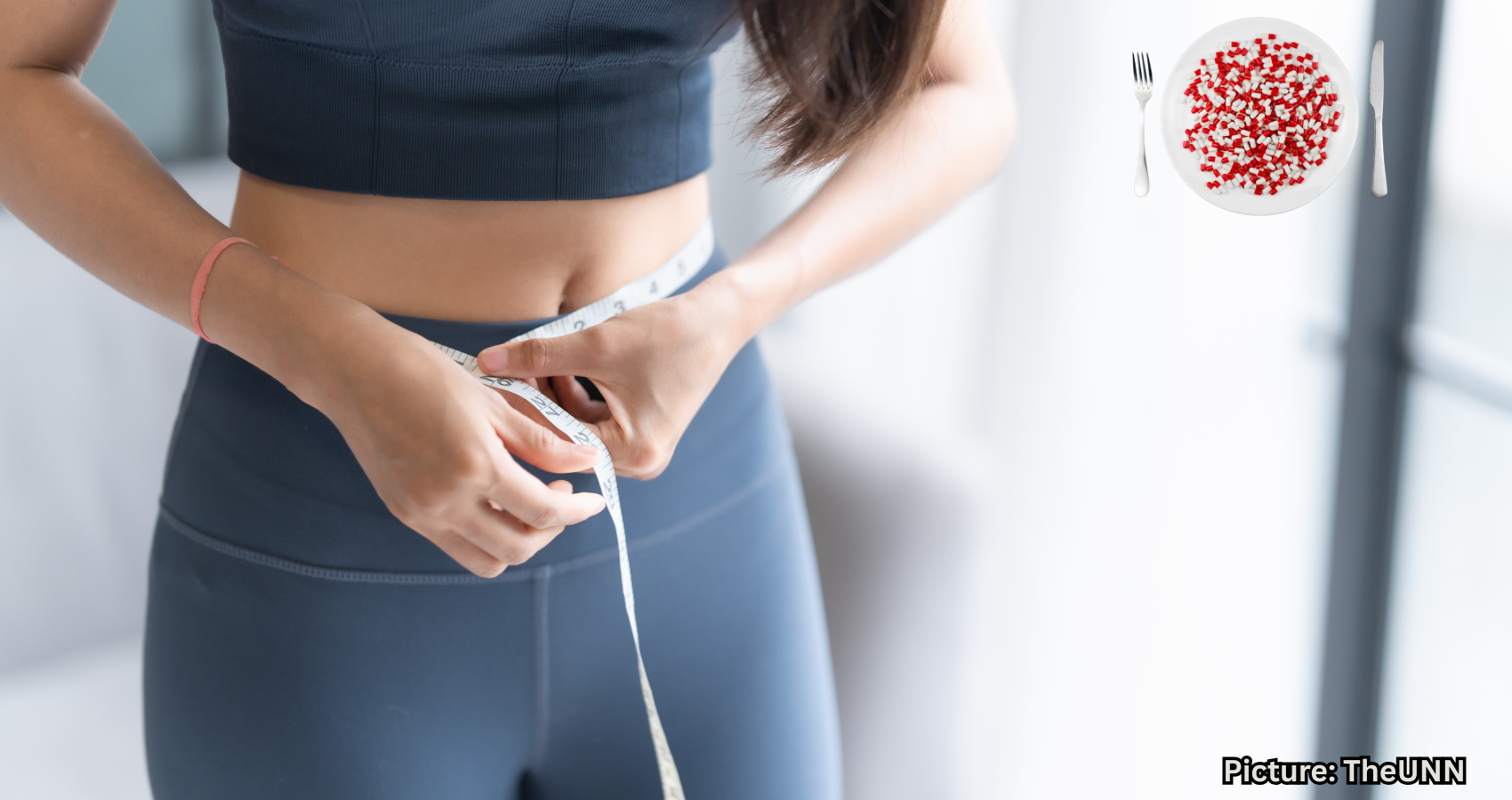
GLP-1 medications, popular for weight loss and diabetes management, can yield significant health benefits, but experts warn that common mistakes can undermine their effectiveness and lead to health risks.
GLP-1 drugs, or glucagon-like peptide-1s, have surged in popularity in recent years, initially gaining traction as treatments for diabetes and later as effective weight-loss tools. Recent research indicates that these medications, which include semaglutide and tirzepatide, may offer additional benefits, particularly for cardiovascular and kidney health. However, experts caution that improper use of these medications can diminish their effectiveness and potentially introduce new health issues.
Dr. Meena T. Malhotra, MD, a functional medicine doctor and weight-loss specialist based in a Chicago suburb, has observed numerous health improvements in her patients using GLP-1s, especially among those with diabetes who were previously in poor health. “We observed that this sick population was doing better than the diabetics who were on other diabetes medicines,” she stated in an interview with Fox News Digital. Dr. Malhotra noted enhancements in brain health, memory, heart health, circulation, and liver and kidney function, emphasizing that the benefits of GLP-1 drugs extend beyond mere sugar control and weight loss.
While Dr. Malhotra believes that many individuals can safely microdose GLP-1s, she warns against several common mistakes that can hinder progress. First and foremost, anyone considering these medications should prioritize adopting a healthy lifestyle. This perspective is widely supported by endocrinologists and obesity medicine specialists alike.
GLP-1 medications function by slowing gastric emptying, reducing appetite, and improving insulin signaling. However, individuals with preexisting gastrointestinal (GI) symptoms may experience increased discomfort or intolerance, and responses to the medication can vary significantly. Formal evidence regarding these variations remains limited.
Before starting GLP-1 medications, Dr. Malhotra recommends that individuals enhance their basic nutritional habits. This includes increasing the intake of whole, minimally processed foods while prioritizing protein and fiber to support satiety and gut health. Even minor improvements in diet can lead to early weight loss, reduced fluid retention, and enhanced insulin sensitivity, according to medical professionals.
Once patients begin GLP-1 treatment, these lifestyle modifications can help reduce the required dosage, minimize side effects, and preserve lean muscle mass. Dr. Malhotra cautions against the growing trend of obtaining GLP-1 medications online without appropriate medical supervision, which can pose serious health risks. “Nobody examines the patient—they just fill out a form and the medicine shows up at their door,” she explained.
It is crucial for patients to consult a medical provider for a comprehensive examination and blood work before initiating treatment. “If something is off, it needs to be addressed,” Dr. Malhotra emphasized. This includes identifying any underlying issues, such as thyroid disorders or heart conditions, that could impede metabolism.
During treatment, Dr. Malhotra advises her patients to return for monthly check-ups to ensure they are losing fat rather than lean muscle mass. “That’s very important because if you lose lean mass, your body is not getting healthier,” she noted. This ongoing monitoring also ensures that patients maintain a balanced diet, receive adequate protein, and adhere to strength training regimens. “There’s more to it than just giving yourself a shot,” she added.
One of the most significant mistakes patients make when using GLP-1s is reducing caloric intake without ensuring sufficient protein consumption. “If you are decreasing calories but not fixing the nutritional foundation, you will lose lean mass,” Dr. Malhotra warned. “However, if you’re eating a balanced diet with adequate protein and engaging in strength training while using a smaller dose of the drug, you will achieve better results and improve your health.”
Medical experts recommend that individuals consume approximately 0.5 to 0.8 grams of protein per pound of body weight daily to maintain muscle and support overall health. For instance, a 200-pound person would need around 100 to 160 grams of protein each day. Those who are physically active or aiming to build strength may require higher amounts. “The amount of protein you need will depend on the frequency and intensity of your workouts,” Dr. Malhotra explained.
Another common pitfall is the tendency to rush the process by increasing GLP-1 doses too quickly in hopes of achieving faster results. “You may start to see results within the first week or month, but some people do need a higher dose over time,” she noted. “The key is to be patient and increase it gradually—typically month by month.” If a patient does not see results after the first injection, doubling the dose immediately is not advisable, as this can lead to complications, including side effects like pancreatitis. “Your body needs time to adjust and adapt,” Dr. Malhotra cautioned.
While many individuals seek “instant gratification,” Dr. Malhotra emphasizes that health is about balance. “It won’t take 20 years, but give it two months; I think that’s fair.” A general guideline she offers is to “not start too soon, and don’t stop too soon.” Side effects from GLP-1 medications can often be mitigated by establishing a solid health foundation and maintaining balance.
Dr. Malhotra acknowledged that some individuals may still experience side effects, but there are strategies to manage them. She recommends consuming smaller, more frequent meals rather than large portions—ideally about the size of a fist. Additionally, keeping fat intake low is important, as GLP-1 medications already slow stomach emptying, and high-fat meals can exacerbate nausea.
For those dealing with nausea and constipation, simple lifestyle adjustments can be beneficial. Dr. Malhotra suggests that some patients find ginger helpful for nausea, although it should not replace medical advice. Incorporating more liquids, such as shakes, soups, and broths, can also ease digestive discomfort. Fiber-rich foods like prunes can help support digestion and prevent constipation.
“These little lifestyle hacks can help a lot with managing the side effects, instead of stopping and then finding that your weight is yo-yoing,” Dr. Malhotra concluded.
For more insights on health and wellness, visit Fox News Digital.