
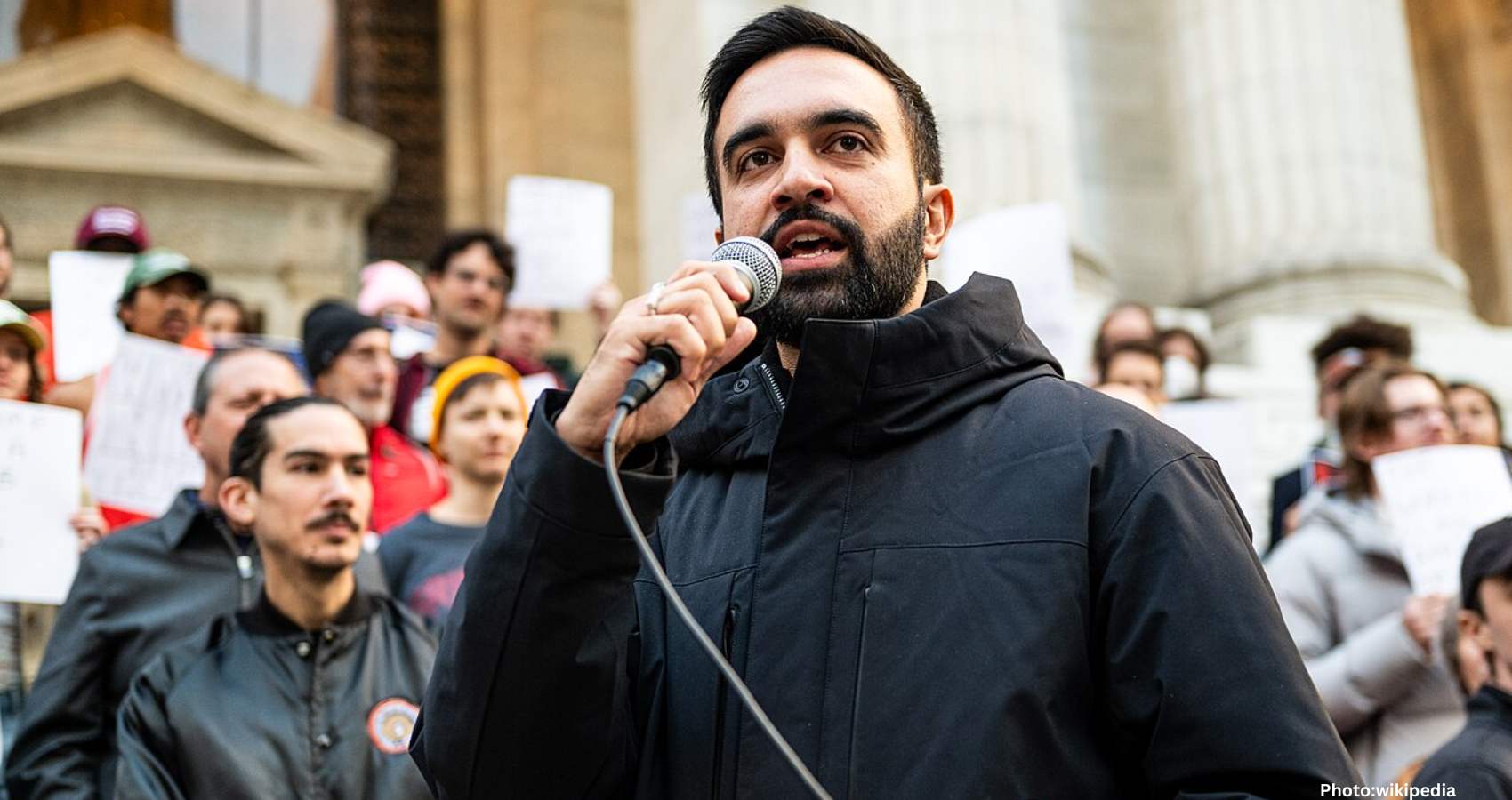
New York City mayoral candidate Zohran Mamdani has publicly disclosed his tax returns, emphasizing transparency and accountability in his campaign amid rising voter expectations.
Zohran Mamdani, a candidate for mayor of New York City, has made his tax returns public, providing voters with insight into his income and financial background. This disclosure highlights his campaign’s commitment to transparency and comes at a pivotal moment in the election, as voters increasingly demand openness from their candidates regarding financial matters.
Mamdani’s tax filings reveal a modest income compared to many of his high-profile opponents, reflecting his career as a state legislator and a politician focused on community issues. His earnings primarily come from his salary as a public servant, supplemented by smaller amounts from writing and advocacy work. Notably, the returns show no significant corporate affiliations or large investments, a detail his campaign emphasizes to illustrate his independence from wealthy donors and special interests.
In addition to his base salary, Mamdani reported limited supplementary income, which includes earnings from speaking engagements and modest royalties. These additional sources of income are relatively minor, reinforcing his image as a grassroots candidate. His campaign frames this financial disclosure as part of a broader effort to build trust with voters who are increasingly scrutinizing the financial ties of political figures.
The political implications of this disclosure extend beyond mere numbers. Mamdani has positioned himself against what he describes as performative politics, advocating for direct engagement with constituents rather than partisan bickering. He articulated this sentiment in a recent statement: “I think that New Yorkers are tired of politicians pontificating about other politicians.” This remark resonates with a growing frustration among voters who feel disconnected from conventional political discourse.
In recent weeks, New York City residents have voiced concerns that political campaigns are focusing more on criticizing opponents than on presenting tangible policy solutions. Mamdani’s comments align with a rising movement that prioritizes authenticity, local engagement, and issue-based campaigning over rhetorical confrontations. His approach particularly appeals to younger and more diverse voter demographics who seek leaders emphasizing lived experiences and practical governance.
Public and political reactions to Mamdani’s tax return disclosure have been mixed but engaged. Supporters argue that the transparency reinforces his credibility and grassroots appeal, while critics question whether financial modesty alone is sufficient for effective leadership. Political analysts note that while transparency is crucial, it is just one of many factors in a competitive race influenced by policy positions and voter turnout.
As the campaign unfolds, Mamdani’s financial disclosure may bolster his narrative of independence and accountability. However, the ultimate impact of this move will depend on how effectively he connects his message to the broader concerns facing New Yorkers.
According to The American Bazaar, Mamdani’s strategy reflects a significant shift in the political landscape, where voters increasingly demand authenticity and transparency from their elected officials.