Why Hospitals And Healthcare Organizations Need To Take Cybersecurity More Seriously

The fuel shortages and rising gas prices generated by the Colonial Pipeline ransomware attack in May foreshadow the disastrous and far-reaching effects of cyberattacks on critical infrastructure. SolarWinds, JBS, Kaseya, and a torrent of other high-profile cyber incidents have captured the attention of the American public and the highest levels of government, leading to a flurry of federal actions, including the nomination of the first-ever National Cyber Director, formal attribution of the SolarWinds attack to Russia, the release of an executive order imposing new security standards for software on federal procurement lists, and a host of legislative proposals to improve the nation’s cybersecurity.

Though these prominent cyber incidents have triggered several cybersecurity initiatives, policymakers have paid relatively little attention to the considerable potential cyber risks in the healthcare sector. The WannaCry ransomware attack which took down the United Kingdom’s National Health Service in 2017 served as a wake-up call to healthcare organizations around the world, illuminating the urgent need for proactive investments in cybersecurity. And yet, healthcare organizations in the U.S. remain a vulnerable target, lagging behind other industries on key measures of cyber-readiness.

As the resurgence of COVID-19 cases stretch hospital capacity to the limit, it provides a fresh reminder of just how critical it is for our healthcare infrastructure to be resilient in times of crises. With the sharp uptick in ransomware attacks on healthcare organizations during the pandemic, and the first death attributed to a ransomware attack in 2020, it is clear that that malicious actors are capable of compromising mission-critical healthcare infrastructure, from the automated refrigerators that store blood products for surgeries to the CT scans that are vital for triaging trauma patients.

Indeed, the recent surge in cyberattacks on healthcare organizations prompted the Cybersecurity and Infrastructure Security Agency, the FBI, and the Department of Health and Human Services (HHS) to release a joint advisory warning of “an increased and imminent cybercrime threat to U.S. hospitals and healthcare providers.” At the same time, many hospitals are once again reaching surge capacity due to the Delta variant, making cybersecurity more important than ever before.

The Poor State of Healthcare Cybersecurity

In 2017, the Health Care Industry Cybersecurity (HCIC) Task Force established by HHS issued a report to Congress in which they claimed that healthcare cybersecurity is in “critical condition.” Four years later, the Task Force’s assessment still rings true. Since the onset of the COVID-19 pandemic, the rate of ransomware attacks has soared across all industries, and healthcare has been the disproportionate target of such attacks. The 2020 HIMSS Cybersecurity Survey revealed that 70% of hospitals surveyed had experienced a “significant security incident” within the past twelve months, including phishing and ransomware attacks that resulted in the disruption of IT operations (28%) and business functions (25%), as well as data breaches (21%) and financial losses (20%).

Healthcare organizations are an inviting target for financially motivated threat actors because their broad attack surfaces make it relatively easy for cybercriminals to find vulnerabilities and monetize their exploits. The passage of the HITECH Act in 2009 incentivized investments in health information technology to modernize the U.S. healthcare system, leading to unprecedented connectivity and an expansion in the usage of medical devices. Today, Electronic Health Record systems are the heart of the healthcare organization, connecting medical devices with other applications to provide a more wholistic picture of patient well-being. Additionally, the U.S. boasts an average of 10 to 15 networked medical devices per hospital bed, meaning large healthcare organizations face the herculean task of securing tens of thousands of medical devices, many of which are quite easy to hack. The digitization of healthcare infrastructure catalyzed major advancements in patient care, but also created major opportunities for attack. A single vulnerable asset can provide a threat actor with a foothold into the organization and compromise the confidentiality, integrity, and availability of patient data and medical services.

At the same time, protected health information is far more lucrative than credit card information. Criminals can garner anywhere from $10 to $1,000 per stolen medical record, depending on their completeness. This combination of a broad attack surface and strong financial incentives make healthcare organizations an appealing target for threat actors.

To make matters worse, cybersecurity is underprioritized by many healthcare organizations due to competing priorities and finite resources. The 2020 HIMMS Cybersecurity Survey reveals that “cybersecurity professionals may not necessarily have access to the security solutions and other tools they need in order to fully secure the environment” due to tight and stagnant IT budgets. Moreover, researchers have found that the average healthcare organization spends about 5% of its IT budget on cybersecurity, while the rest is devoted to the adoption of new technologies. Alarmingly, this means that organizations are expanding their attack surface despite lacking the tools to adequately defend their digital estate.

Consequently, the healthcare industry has fallen behind many other sectors in its ability to detect, prevent, and mitigate cyberattacks. For example, healthcare organizations take an average of 236 days to detect a data breach and 93 days to mitigate the damage, compared to an industry average of 207 days to identify and 73 days to contain an attack. Due to their failure to proactively invest in cybersecurity, healthcare organizations hit with cyberattacks have paid steep costs to mitigate the threat. IBM’s 2021 Cost of a Data Breach Report revealed that the healthcare industry had the highest cost of a data breach for the eleventh year in a row, with an average cost of $9.23 million in 2021. Studies have demonstrated that proactive investments in cybersecurity lead to long-term saving, but cybersecurity spending can be hard for healthcare administrators to justify when faced with other compelling priorities, like staff increases to meet the demands of a once-in-a-century pandemic.

The Path Forward

With an ever-increasing attack surface, compelling financial incentives for attackers, and under-budgeted, substandard cybersecurity operations, the US healthcare system is indeed in critical condition. Public-private partnerships and increased investments in healthcare cybersecurity will be key to shoring up the healthcare industry and safeguarding the nation’s critical infrastructure.

Just as handwashing is a foundational element of modern medicine, cyber hygiene must be regarded as a basic and essential component of a functioning medical system. At present, healthcare systems are highly vulnerable to cyberattacks and opportunistic threat actors are increasingly taking advantage of the industry’s weak security posture to exfiltrate patient data and disrupt key medical systems. With the confidentiality, integrity, and availability of patient data, medical devices, and entire healthcare systems at stake, healthcare organizations must undergo a paradigm shift, placing greater value on cybersecurity and proactively investing in security protections.

“Just as handwashing is a foundational element of modern medicine, cyber hygiene must be regarded as a basic and essential component of a functioning medical system”

Policymakers can encourage proactivity by providing matching funds to organizations that seek to engage in risk-based planning and bring their practices up to par with state and federal regulations. Additionally, policymakers can simplify and strengthen the regulatory environment for healthcare security to develop a more unified and comprehensive set of standards that healthcare organizations can easily navigate. Federal agencies must also continue to collaborate with healthcare industry partners to develop robust contingency plans to avert catastrophe in the event of a serious cyber incident.

In the end, however, the fate of healthcare security comes down to whether organizations are willing to make significant investments in cybersecurity. If the healthcare sector is to move the needle on cybersecurity, industry leaders must begin to treat digital assets as they would patients. Just as a responsible healthcare professional seeks to identify and treat patients’ underlying chronic conditions before they cause a serious medical emergency, so too must responsible healthcare organizations address vulnerabilities in their digital infrastructure to prevent cyberattacks. After all, even computers are not immune to viruses.

(IBM is a general, unrestricted donor to the Brookings Institution. The findings, interpretations, and conclusions posted in this piece are solely those of the authors and not influenced by any donation)

Vax India Fundraiser Raises Over $5 Million For India’s Fight Against COVID-19

Anuradha Palakurthi Foundation’s Vax.India.Now, the virtual fundraiser to support India in its fight against Covid-19, has raised more than 5 million dollars. The event, which had attracted many celebrities from around the world, was livestreamed globally last month. UNICEF and American India Foundation (AIF) are beneficiaries of the fundraiser.

“We are grateful for the generosity of large and small donors from around the globe who came together to support this lifesaving campaign – Vax.India.Now,” said Anuradha Juju Palakurthi, one of the key organizers of the event, and who took the initiative to launch this fundraising campaign.

Ms. Palakurthi said that the dedicated, multi-national 160-person organization team is proud to have raised meaningful resources in India’s battle against this awful pandemic.

Hasan Minhaj hosted the July 7th event. Liam Neeson, Annie Lennox, A.R. Rahman, Pia Toscano, Zubin Mehta, Gloria Estefan, Sting, Andrea Bocelli, Josh Groban, Yo-Yo Ma, David Foster, Norwegian DJ Alan Walker, Asif Mandvi, Nishat Khan, Ranjani Gayatri Sisters and Matteo Bocelli all took part in the momentous event.

“I am grateful to the celebrities for lending their time and talent – in particular, the immediacy of their response and commitment to the cause,” said Ms. Palakurthi, an Indian-American singer and founder of Juju Productions. “Special thank you to the Indian team that had to work through a national lockdown. The campaign is still open at VaxIndiaNow.com Give today! We are all together in this and must continue to vaccinate individuals, to prevent more variants, and stop Covid 19. It is not over until it’s over.”

Along with the musical performances, Vax.India.Now spotlighted what’s really happening on the ground in India and educated viewers on how they can help save lives and make a real impact. The viewers responded. Proceeds will support UNICEF’s efforts to ensure millions of crisis-affected and vulnerable children and families in India have access to life-saving assistance and services and help COVID-19 vaccines make their way from airport tarmacs to arms.

Covid-19’s impact on India has been nothing short of catastrophic. A second wave of Covid-19 has consumed India breaking the Global record with more than 400,000 cases in one day and leaving over 377,000 dead. Vax.India.Now represents a global effort to bring attention and resources to India on a massive scale. Vaccines are the answer and we need to get them to the people of India now.

Vax.India.Now is the brainchild of Ms. Palakurthi, who runs her own foundation out of New England that supports the promotion of Indian culture. She was moved by the carnage inflicted in India by a different mutation of the virus. Many of her friends and family members became sick – some died. She knew that the only long term solution was mass vaccinations, like in the US. Driven by this purpose, she turned to The Giving Back Fund and together the idea for Vax.India.Now was born.

Vax.India.Now was Globally livestreamed by CNN and Dreamstage.live on July 7. The event is still available for viewing on both vaxindianow.com and CNN’s YouTube channel at YouTube.com/CNN. To view a trailer of Vax.India.Now click here: https://youtu.be/f5M6hrpXC60

Vax.India.Now is sponsored by Anuradha Palakurthi Foundation, a project of The Giving Back Fund, an IRS approved 501©3 public charity (EIN 04=3367888).

The Giving Back Fund is the main benefactor of Vax.India.Now. Says President and Founder Marc Pollick, “When our longtime Board member Prashanth Palakurthi proposed doing something truly significant on a worldwide scale to help his native India at this critical time, we jumped at the chance to help. This is what we are built for –to mobilize quickly and provide assistance and philanthropic administration to help those in need. At this moment in time, the need in India must become the center of the universe.”

Vax.India.Now is being produced by JuJu Productions, Charles Goldstuck, Marc Johnston and Erich Bergen and Wizcraft International Entertainment and Neelesh Misra of Gaon Connection.

Wizcraft International Entertainment is India’s leading communication and entertainment companies, integrating strategy, creativity and technology to craft memorable experiences. Since, its inception in 1988 Wizcraft has emerged as pioneers in Events, Exhibitions, Brand Activation, Television production, PR, Digital Marketing and Virtual Events. Headquartered in Mumbai and with offices across India the company has grown tremendously and also has several liaison offices across the world. Wizcraft is globally renowned for its flagship media & entertainment IP – IIFA (International Indian Film Aacdemy), an event that has travelled the world building bridges across cultures, communities, businesses and geographies using the platform of Cinema to create a global alliance.

Anuradha Palakurthi Foundation supports the promotion of Indian culture primarily in New England by providing financial support to programs, artists and organizers of events where Indian culture is performed/exhibited. Funds raised from events and performances will go to support carefully vetted public charities with an emphasis on charities aiding returning veterans. The Anuradha Palakurthi Foundation is a donor-advised fund at The Giving Back Fund.

The Giving Back Fund is a National nonprofit organization that encourages and facilitates charitable giving by professional athletes, celebrities, high net worth individuals, existing nonprofit organizations, corporations and others who truly desire to give back. We Provide philanthropic consulting, management and administrative services while operating as a flexible convenient vehicle for establishing individual foundations and fiscally sponsored projects under a governance structure like that of a community foundation. By offering a straightforward and cost-effective approach to philanthropy, high-level expertise and professional services, and carefully targeted giving opportunities, The Giving Back Fund helps those who want to give back to society and to the communities that have nurtured them.

A Galaxy of Women Leaders In Lead Roles At AAPI

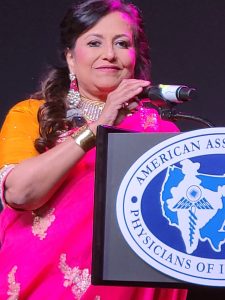
(Chicago, IL: August 4, 2021) “It’s been truly historic and a very proud moment for American Association of Physicians of Indian Origin (AAPI) to have a majority of the current leadership of this noble organization being held by Women Leaders,” Dr. Anupama Gotimukula, President of AAPI, declared here today. “Never has there ever been such a strong representation of women leaders in AAPI’s leadership positions. It’s been a privilege and a challenge to lead AAPI as AAPI celebrates 40 years of dedicated service to the United States, India and the world.”


Dr. Gotimukula, only the 4th woman president of AAPI in the 40 years old history of AAPI has a strong and dynamic leadership of women leaders at AAPI for the year 2020-21. Dr. Kusum Punjabi serves as the Chair of AAPI Board of Trustees; Dr. Soumya Neravetla is the President of Young Physicians Section (YPS,) while Dr. Ayesha Singh is the President is the Medical Student/Residents & Fellows Section (MSRF.) Dr. Anjana Samadder, who serves as the Vice President of AAPI is in succession for the top AAPI leadership position in the year 2023-24.


A resident of San Antonio, TX, Dr. Gotimukula is a board certified Pediatric Anesthesiologist, practicing since 2007, has been an active member and leader of AAPI over a decade.

As a Healthcare Leader, Dr. Gotimukula recognizes that “AAPI has power. We have legitimate respect and trust of our communities in every corner of America. AAPI will leverage that power of our purpose and networks to help address specific challenges related to affordable healthcare delivery.”


Dr. Kusum Punjabi, a very young and energetic leader of AAPI, assumed office as the Chair of Board of Trustees of AAPI on July 4th. The youngest to date to be holding this position in AAPI’s 40 years long history and the first person to go to medical school in the USA, Dr. Punjabi says, “My goal as Chair of the Board is to develop long lasting programs within AAPI that promote professionalism, unity, mentorship and inclusivity. I hope to clearly re-define AAPI’s mission of service, academic achievement and supporting Indian Physicians working in America through advocacy and leadership. I want patients to know the value of the care they receive from our ethnic group and our mission of promoting the safest and best healthcare practices for our patients.”


Dr. Anjana Samadder, Vice President of AAPI says, “My journey with AAPI in the past 20 years taught me lots of lessons, skills and molded me to take more responsibility in the organization. I will bring to the organization the level of commitment, hard work, experience and skill set needed to accomplish the various goals for AAPI and its members.”  Her vision for AAPI is “to help build an ethically strong, morally straight and fiscally responsible organization. It is also vitally important to bring much needed diversity to keep AAPI thriving.”


A second generation Indian American, born, raised and educated in the US, Dr. Soumya Neravetla, president of YPS, is a Cardiothoracic Surgeon actively engaged in the welfare of physicians of Indian Origin and the general public. She has extensive Trans catheter Aortic Valve Replacement (TAVR) experience including launching and directing TAVR programs.  She has also directed and spearheaded Robotic Thoracic Surgery and lung cancer related programs. In spite of her busy work schedule, she collaborates with her father, Dr. Surender Reddy Neravetla (author of Salt Kills), in his mission to spread awareness about prevention of cardiovascular disease, which disproportionately affects physicians and people of Indian Origin. She is a popular medical speaker and has given several talks to medical communities and the general public, including an invitation to personally speak to the Governor of Ohio and the Ohio Department of Health.

By her example, Dr. Neravetla wants to motivate physicians of her generation to engage in their communities and AAPI. She has been an active member of AAPI, serving on many committees over the years with the hope of helping AAPI evolve into a meaningful organization for future generations. “Empowering Indian physicians and fostering career growth have been passions of mine,” says the multi-talented dynamic leader of AAPI. In her role, she hopes “to increase career networking and mentorship opportunities, and arm physicians and physicians in training with tools to better navigate their careers.  In addition, I am working to amplify AAPI’s virtual presence by enhancing website features and introducing an app.”  Understanding the current challenging situation due to the ongoing pandemic, Dr. Neravetla says, “We hope new activities like virtual job fairs, interactive chat functions and amplifying our social media presence will engage current and future generations.


Ayesha Singh, a 4th year medical student at the University of Louisville (Louisville, KY), had joined AAPI in 2017 and held her first leadership position on the MSRF board as Secretary in 2018. In 2019, she was elected as MSRF Vice President. She is passionate about her clinical research in atherosclerosis and spends most of her free time volunteering as Director of Patient Services for a free cardiovascular specialty clinic in the Louisville area. Ayesha is currently applying for Internal Medicine residency with plans to pursue a career in Interventional Cardiology.  Singh’s vision for MSRF is “to connect, inspire, and grow our community. I hope to further our reach to Indian American medical students by developing the mentorship program, providing research and academic opportunities, and hosting student-specific events on Step 1/2/3 prep, residency/fellowship applications, interview workshops and more.”


The young and aspiring Medical Professional is grateful to AAPI as “AAPI has enriched my life professionally, socially, and personally. I’ve found mentors, role models, and friends that share my heritage, passion for medicine and commitment to community service. I believe aggressive outreach that highlights AAPI’s vast network, resources, and benefits will inspire membership among young professionals and future leaders that will be dedicated to preserving the legacy of this organization.”


Other leaders who constitute the current executive committee include: Dr. Ravi Kolli, President-Elect, who will be the President of AAPI in 2022-23; Dr. Satheesh Kathula, Secretary and Dr. Krishan Kumar, Treasurer of AAPI.

Dr. Ravi Kolli is a Board Certified Psychiatrist with additional qualifications in Addiction, Geriatric and Forensic Psychiatry, and serves as Psychiatric Medical Director of Southwestern Pennsylvania Human Services. “While in the 176 years of American Medical Association (AMA) there have been only five women Presidents,” Dr. Ravi Kolli noted. “AAPI, now only in its 40th year, has the 4th female president. Dr. Anupama Gotimukula and a galaxy of women leaders are leading all the sections of AAPI, including BOT, YPS and MSRF. This is a proud moment for AAPI and a testimony of AAAPI ‘s commitment to diversity and equality in all aspects of its functioning.”

Quoting statics, Dr. Kolli pointed out that in the United States, women physicians comprise of nearly 37.8 % of all practicing physicians (390,202 of 1,058,628) and their numbers are rising fast. The proportion of female physicians under the age of 35 in the US is 60.6% and in the age group of 35-44, it is 51.5%. So, there will be a welcome sea change in the leadership of Health Care in the USA going forward. The good news is that patients hospitalized under the care of female physicians had better outcome and lower re-hospitalization rate according to a 2016 Harvard study (December 19, 2016, in JAMA Internal Medicine). Dr. Kolli said, “American Health care and its leadership is in safe hands, and I am so proud to support them in any way in my capacity as the President-Elect of AAPI.”

Dr. Satheesh Kathula is a clinical professor of medicine at Wright State University- Boonshoft School of medicine, Dayton, Ohio. “Honored to work with these highly talented and dedicated women leaders of AAPI, who work so hard to take AAPI to the next level.” Dr. Krishan Kumar is a pediatric emergency medicine physician in East Meadow, New York and is affiliated with multiple hospitals in the New York region. “We are proud of our women’s leadership.  They are well balanced and open minded doctors and serve the AAPI with their heart and soul,” said Dr. Kumar.

Serving 1 in every 7 patients in the US, AAPI members care for millions of patients every day, while several of them have risen to hold high flying jobs, shaping the policies and programs and inventions that shape the landscape of healthcare in the US and around the  world.

“Fortunate to be leading AAPI with this amazing group of dedicated women leaders,” says Dr. Gotimukula. “We at AAPI have so much more room to grow and serve. I challenge myself, my Executive Committee to rise up to the task of building on our accomplishments and successes over the last several decades. My team, along with the dynamic group of women leaders has defined several goals for this year to further AAPI’s mission.”  For more details, please visit: www.appiusa.org

Potential Dangers of Cannabis

The stigma encompassing marijuana has been steadily declining with states legalizing it for both medical and recreational use. On March 31st, New York became the 15th state to legalize cannabis. There are currently 18 states in the U.S. that legalized recreational cannabis and the number of states are only expected to increase with time. As cannabis continues to grow in popularity, it’s important to understand the potentially harmful consequences that come along with the drug.

According to Fiona Clement, a health-policy researcher at the University of Calgary’s Cummings School of Medicine, multiple studies have shown associations between marijuana and possible adverse effects. These side effects include the risk of impaired driving, increased chance of stroke and testicular cancer, brain development changes that may affect learning and memory, and mental illnesses involving psychosis.

After the legalization of marijuana in Colorado, cases of acute injuries and various illnesses linked to cannabis use began to rise. Research shows that cannabis-related visits to hospitals in Colorado increased around 40%, from 824 per 100,000 visits to 1,146 per 100,000, in the years between 2012 and 2014. Many of those cases were related to mental illnesses, which were found to be diagnosed in individuals who use cannabis five times more than those who choose to abstain.

Mental illnesses were not the only concerning cases related to cannabis use that the Colorado hospitals had to handle. Unfortunately, cases of marijuana use leading to cyclic vomiting syndrome also increased, with some hospitals doubling in these diagnoses. There have also been several occurrences where children, under the age of 10, were accidentally poisoned by cannabis. These incidents of marijuana-related visits to the children’s hospital nearly doubled after the legalization of cannabis, suggesting that there are real risks even to individuals who are not consuming the drug.

The potential adverse outcomes have evidently not abated the popularity of cannabis. However, the age restriction for the use of marijuana should be strictly adhered to. Minors are prone to sustaining long-term damage as their brains are still in the process of developing. THC binds to cannabinoid receptors in the brain, which play an important role in neurotransmitter release. These receptors should increase during adolescence, as they are vital for the genetic expression of neural (brain) development. Regular use of marijuana could significantly alter these neurodevelopmental systems, leading to poor cognitive and emotional outcomes in adulthood.

There are clear risks with cannabis use and it’s important to be transparent about these consequences. “Cannabis is not the root of all evil, nor is it the cure for all diseases,” Monte says. “You’ve got to understand what the good is and what the bad is, and then make a balanced decision.”

Dr. Deepak Chopra To Host ‘Mind Body Zone’ Podcast Launching September 16

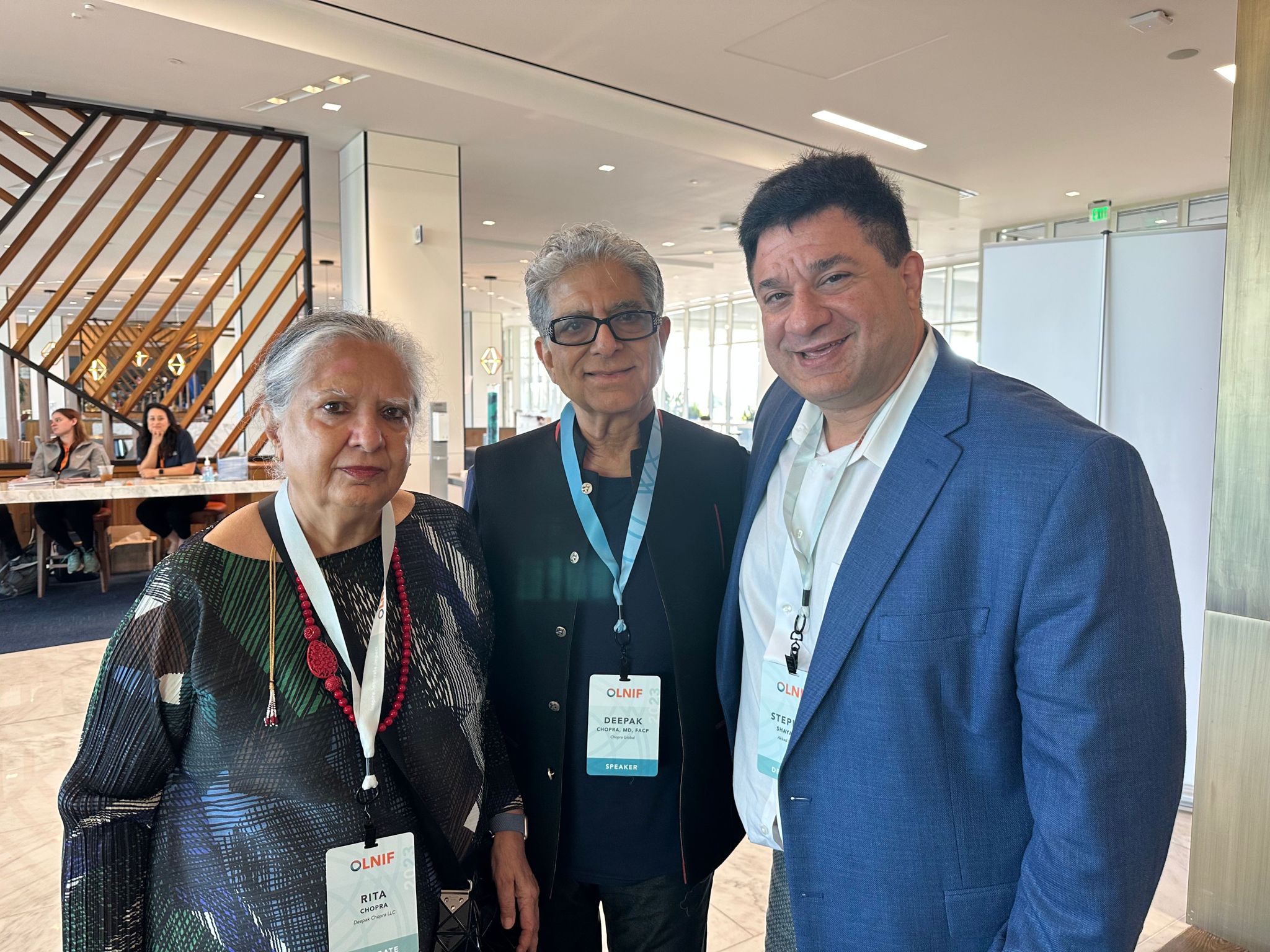
Indian-American wellness expert and integrated medicine pioneer Deepak Chopra has turned podcast host with his upcoming Audible Original title ‘Deepak Chopra’s Mind Body Zone: Living Outside the Box’ releasing September 16 this year. It will have twelve 30-minute episodes.

The exclusive podcast features thought-provoking conversations between Chopra and a mix of influential leaders, including Oprah Winfrey, Jon Batiste, X Gonzalez, Jenny Odell and more, exploring how connecting the mind to the body can promote physical and emotional well-being, creativity, inspiration and conflict resolution, Audible said in its announcement of the multi-project development deal with the author.

Each of its 12 episodes will be tied to a specific theme, including embracing the unknown, self-acceptance, white privilege, and overcoming trauma and addiction, and will be accompanied by a guided meditation, creating a holistic experience for listeners as they reflect upon each episode’s key learnings. “Additional projects forthcoming from the development deal include a short-form memoir about Chopra’s quest for inner freedom, as well as a poetry project featuring notable guests and friends of Chopra,” reveals the audio storytelling platform.

“Over the course of my life, I’ve had the privilege of learning from brilliant friends and inspiring individuals, while discovering how to connect with my deeper self,” says Deepak Chopra.

“I believe that there is immense power behind the spoken word. Emotions are tethered to the human voice. This is why I chose to share my insights and experiences through the audio medium, and develop passion projects with Audible. Through storytelling, shared dialogue and guided meditations delivered in my own voice and the voices of others, I hope to create a deeply intimate, sensory listening experience for audiences — as if we are all in the room together, learning together and reflecting together,” he adds.

Chopra is the author of 90 widely-translated books, including numerous New York Times bestsellers. For the last 30 years, he has been at the forefront of the meditation revolution and his 91st book, ‘Total Meditation’ (Harmony Books) helps to achieve new dimensions of stress-free living and joyful living.

Zola Mashariki, SVP, Head of Audible Studios at Audible notes: “We’re seeing the appetite for wellness and meditation content grow at a rapid pace, with audiences continuing to turn to Audible for unique, new ways to ground themselves and work on their overall state of well-being. There is no one better suited to help guide listeners on their personal development journey than Deepak.” (IANS)

Dr. Fauci Warns Of ‘Things Going to Get Worse’ With the Delta Variant

The U.S. is now in the midst of another COVID-19 surge driven by the delta coronavirus variant and those who refuse to take the vaccine. And Dr. Anthony Fauci says, the situation will get worse before it gets better—but he doesn’t expect to see new lockdowns.

“I don’t think we’re going to see lockdowns. I think we have enough of the percentage of people in the country, not enough to crush the outbreak, but I believe enough to not allow us to get into the situation we were in last winter,” Dr. Fauci said on a new episode of ABC’s This Week, referring to the massive post-holiday surge. “But things are going to get worse. If you look at the acceleration of the number of cases, the seven-day average has gone up substantially.”

Indeed, as the highly transmissible delta variant spreads across the country, the Centers for Disease Control and Prevention (CDC) seven-day average for new COVID-19 cases in a day increased by 64% since last week (from an average of 40,597 cases in a day to 66,606). And while just over 60% of adults are fully vaccinated so far, that leaves many people—including children under the age of 12—who aren’t yet vaccinated.

The most vulnerable are those who are still unvaccinated, said Dr. Fauci, director of the National Institute of Allergy and Infectious Diseases and President Biden’s chief medical advisor on COVID-19. And the fact that there are so many people in the country who aren’t vaccinated is prolonging the pandemic.

“From the standpoint of illness, hospitalization, suffering, and death, the unvaccinated are much more vulnerable because the vaccinated are protected from severe illness for the most part,” he explained. “But when you look at the country as a whole in getting us back to normal, the unvaccinated by not being vaccinated are allowing the propagation and the spread of the outbreak, which ultimately impacts everyone.”

With so many unvaccinated people getting infected, the virus is allowed to continue to spread. That impacts other people “from the standpoint of having to wear masks, from the standpoint of the safety of the kids in school, from the standpoint of being able to open up everything the way we were when we were normal,” Dr. Fauci said.

Just last week the CDC adjusted its guidelines to recommend that vaccinated people wear masks indoors in areas of the country with a substantial or high amount of coronavirus transmission. That’s due in large part to new research suggesting that fully vaccinated people who develop a rare breakthrough infection can spread the virus and, therefore, should wear a mask to prevent that from happening. Although the decision to get vaccinated may seem like something that only impacts you, “the fact is if you get infected, even if you are without symptoms, you very well may infect another person who may be vulnerable, who may get seriously ill,” Dr. Fauci said. “So in essence, you are encroaching on their individual rights because you’re making them vulnerable.”

The way out of this surge, ultimately, is to continue using the public health tools we are very familiar with now—starting with getting vaccinated. Wearing a mask (particularly indoors in areas of the country with a lot of COVID-19 spread) as well as avoiding crowds and washing your hands frequently can all help reduce the chances that you’ll be infected with the virus and that you’ll pass it on to other people. Taking these measures now will help us get through the current delta surge and make it less likely that another concerning variant will pop up in the future.

J&J’s COVID-19 Vaccine Works Well Against Delta Variant

Johnson & Johnson’s COVID-19 vaccine helps prevent severe disease among those infected with the Delta variant, according to a trial involving almost 480,000 health workers in South Africa. The study, known as Sisonke, provides the first large-scale evidence that the J&J vaccine works against this dominant variant, according to trial co-lead Glenda Gray. It’s probably more protective against Delta than it was with the earlier beta strain, she said in a presentation Friday.

The single-dose shot was 71% effective against hospitalization and as much as 96% effective against death, she said. It also demonstrated durability of eight months. “These results show there is no need for a booster yet,” said Gray, who is president of the South African Medical Research Council.

While the J&J vaccine is a key element to South Africa’s vaccination plan, the country temporarily paused its use in April after the U.S. decided to suspend the shot because of its link to rare blood clots. Other data have raised questions about how well the shot holds up against the highly contagious strain that has driven renewed outbreaks in countries including the U.S. and China.

One U.S. study released last month showed the J&J shot produced relatively low levels of antibodies against Delta. J&J said that analysis, which hasn’t been published in a peer-reviewed journal, had examined only one aspect of protection and didn’t consider long-lasting responses among immune cells stimulated by the vaccine. The drugmaker’s researchers have said their own data indicated that the vaccine neutralizes the variant and that additional doses weren’t needed.

Africa’s Rollout

Earlier this year J&J agreed to supply as many as 400 million vaccines to the African Union through the end of 2022, delivering a boost to a continent trailing most of the world in the race to inoculate. The dose’s requirement for just a single shot is seen as beneficial for Africa, where vaccine distribution to more than 1 billion widely dispersed people is likely to present a challenge.

In the study, the vaccine was administered to the health workers at 120 sites in both urban and rural areas from Feb. 17 to May 17. Analysis of a third data set is expected in coming days. There were two cases of the rare clotting disorder thrombocytopenia thrombosis syndrome among participants, with both making a complete recovery, Gray said.


What The Delta Variant Means For COVID-19 Spread And Vaccines

News wise — If you check the Centers for Disease Control and Prevention COVID-19 data tracker, which tracks cases in each state, much of the country is colored bright red, indicating a high rate of transmission of COVID.

A large chunk of the population is still unvaccinated against COVID-19, fewer people are wearing masks, and more people are getting together—all while the highly contagious Delta variant of the coronavirus continues to spread.

Last week, the CDC recommended that even vaccinated people wear masks indoors in areas with substantial or high rates of transmission to try to turn the tide and reduce cases. That recommendation was based in part on data gathered from a July 4th holiday COVID outbreak in Provincetown, MA that seemed to indicate that even vaccinated people could spread the virus. The news left many confused and concerned about just how well they are protected.

There is danger in reading too much into this case, however, said Adam Lauring, M.D. Ph.D., an infectious disease specialist at Michigan Medicine.  “While this is clearly something to pay attention to, in the CDC report, they are pretty clear in the discussion about the limitations and what they are saying and not saying. Of course, not everyone made it that far,” noted Lauring. For example, as more people are vaccinated, it follows that more cases detected will be in vaccinated individuals.

Lauring also noted that a nasal swab COVID test measures how much viral RNA is present in a person’s nose but can’t measure how much of that virus is infectious. “The amount of genome present is a marker, but it is not the same thing as saying these people are equally as infectious,” said Lauring.

Another important point is that a swab is taken at one moment in time. “You could picture a situation where vaccinated people with Delta have a really steep rise and then a really steep fall in the amount of virus shed, whereas an unvaccinated person would have a steep rise that would remain high for longer.”

Even with all the unknowns, what was true before Delta is true now: the majority of cases will be in unvaccinated people. But, he added, “the big change is before, we were thinking vaccinated people would not transmit that often, whereas it appears that vaccinated people with the Delta variant will transmit more often than with other variants,” said Lauring.

What does this mean practically? This means that it will take additional measures, like wearing masks in certain situations—such as indoor spaces with a lot of local cases—in addition to vaccines to stop the spread of COVID.

Early data show that the vaccines are still more than 80% effective at preventing severe illness and death and are still reducing transmission. As far as boosters go, said Lauring, “I’m more concerned about people who have not been vaccinated at all.” And in the U.S., case counts continue to be highest in areas with low vaccination rates, evidence that the vaccines are working against all variants.

What about kids under 12 who don’t yet have an approved COVID vaccine?

Lauring noted that the risk of severe illness and death is low for children and that hasn’t changed, even with Delta. But as more adults become vaccinated, more of any future cases will be in unvaccinated people, including kids.

“The more transmissible the virus is, the higher the percentage of immune people you’ll need to shut down transmission.”

The best thing to do to protect kids, immunocompromised individuals and to reduce the chance for the emergence of even more transmissible variants remains to get as many people vaccinated against COVID-19 as possible to safely approach herd immunity.

Lauring noted that COVID is probably here to stay.

“My sense is people are coming to grips with what that means. From a policy level, we’ll have to figure out what level of circulation and hospitalization we are comfortable with,” he said.

Back To School: FSU Center Offers Resources For Families To Help Young Learners

News wise — As children across the country prepare to go back to the classroom — some for the first time since the COVID-19 global pandemic began — the Florida Center for Reading Research (FCRR) at Florida State University has launched a resource section specifically for families navigating those crucial early years of learning.

The “For Families” section of the FCRR website contains a diverse array of videos, instructional materials and even a comic book series to give parents, caregivers and families resources to support their children’s reading.

“The pandemic continues to present so many challenges to children’s learning in school and at home,” said FCRR Director Nicole Patton Terry. “The picture that is emerging is distressing, especially among our students who were already more vulnerable to experiencing difficulty in school. Now more than ever, teachers and families are searching for solutions. The very least we can do is make sure they have access to evidence-based resources and support to help their children.”

As researchers across the country are still trying to understand how the pandemic has impacted student learning, emerging evidence suggests that many students did not experience the learning gains that schools would have hoped for last year. The disparities between student groups are pronounced, with reports of many students with disabilities, students who are growing up in poverty, and students in race-, ethnic-, and language-minority groups experiencing even greater challenges to learning.

FCRR was established in 2002 by the Governor’s office and the Florida Legislature to improve reading — and thus learning — through the latest research. Over the past two decades, they have produced evidence-based resources for children, families, schools and communities.

As more families supported their children’s learning at home over the past 18 months, FCRR created and adapted materials geared toward that learning environment. The “For Families” page is an extension of that work and includes resources developed by faculty-sponsored projects and initiatives including the Regional Education Laboratory Southeast, the National Center on Improving Literacy and more.

FCRR faculty and students also have been actively involved in helping support educators.

The FCRR website features additional resources specifically geared toward educators and provides activity pages, screening assessments and the latest research on different educational issues.

On a local level, this summer, FCRR faculty and students offered sessions at the Florida Department of Education’s Summer Literacy Institute and provided training in reading instruction for teachers in Leon County Schools.

“We’re working with Leon County Schools to connect the dots so that educators, families and communities have access to the evidence-based tools and resources they need and so that we can develop new solutions that can address the needs they’ve identified for their students,” Patton Terry said.

The Florida Center for Reading Research is an interdisciplinary research center at Florida State University. Drawing from multiple disciplines, FCRR investigates all aspects of reading and reading-related skills across the lifespan. Through rigorous and robust research, innovation and engagement, FCRR advances the science of reading to improve learning and achievement from birth through adulthood.

When Will FDA Give Full Approval of Pfizer-BioNTech Vaccine as Delta Variant Surges?

The Food and Drug Administration (FDA) has begun accelerating the process to fully approve the Pfizer-BioNTech COVID-19 vaccine, facing pressure to add resources from those who believe the lack of full approval is hampering efforts to get more Americans vaccinated.

“We recognize that for some, the FDA approval of COVID-19 vaccines may bring additional confidence and encourage them to get vaccinated,” Abigail Capobianco, a spokeswoman at the FDA, said in a statement on Aug. 4. “Acknowledging the urgency related to the current state of the pandemic, we have taken an all-hands-on-deck approach, including identifying additional resources such as personnel and technological resources from across the agency and opportunities to reprioritize other activities, in order to complete our review to help combat this pandemic surge.”

President Joe Biden said last week he expects a fully approved vaccine by the early fall, but the FDA would not comment on the time frame.

Data show that being vaccinated dramatically reduces the risk of hospitalization or death following a COVID-19 infection. More than 192 million Americans have gotten at least one dose of the three vaccines that have been given emergency use authorization (EUA) in the U.S., made by Pfizer-BioNTech, Moderna and Janssen/Johnson & Johnson, without widespread side effects, data show. But now the number of Americans fully vaccinated against COVID-19 has begun to stall with about 92 million people over age 12 still unvaccinated, according to U.S. Centers for Disease Control and Prevention (CDC) data. Meanwhile, the more contagious Delta variant of the virus is spreading rapidly among the unvaccinated population.

The spike in COVID-19 cases in states that have low vaccination rates has threatened to claw the U.S. back into the worst of the pandemic, and it creates a looming political liability for Biden. On Aug. 3, Biden gave a sober speech from the East Room of the White House, saying the country’s “best line of defense” against the virus “is the vaccine.” “It’s as simple as that. Period. The vaccine,” he said.

But as Biden attempts to mount more aggressive vaccination efforts to stave off the spread of the highly transmissible Delta variant, the fact that the FDA has yet to fully approve any of the vaccines is threatening to slow progress. About 30% of unvaccinated people say they would be more likely to get a shot with full FDA approval, according to recent polls from the Kaiser Family Foundation. While the pollsters warn that may be a “proxy for more general concerns,” some doctors and public health experts in areas with low vaccination rates also say they frequently hear the FDA’s emergency authorization cited as a reason people remain hesitant to get the shot.

The Biden Administration has said all civilian federal employees must be vaccinated against COVID-19 or submit to regular testing, and many hospital systems and universities, as well as a number of large private employers like Walmart, Google, and Disney, have begun to follow suit.

The Justice Department’s Office of Legal Counsel recently released an opinion saying federal law does not prohibit companies from requiring vaccines even if they are under emergency authorization, and courts have generally upheld vaccine mandates.

But some employers and organizations have been reluctant to make similar requirements while the vaccines are still under emergency authorization. A number of public educational institutions—including the State University of New York and Colorado State University systems—have said they will mandate vaccination for students once a vaccine is fully approved. In other parts of the country, Republican politicians have used the lack of full approval to block vaccine requirements from being put into place. In Texas, for example, Republican Gov. Greg Abbott signed an executive order on July 29 preventing any organization that receives state funds, including public universities, from requiring vaccines under emergency use authorization.

Health systems have also taken a mixed approach. Mass General Brigham, which employs 80,000 workers in Massachusetts, said it will require employees to get vaccinated once the FDA issues its full approval for at least one of the vaccines, as did Beaumont Health, the largest health care system in Michigan. Other large health systems like Cleveland Clinic, Intermountain Health, and Christus Health have not put in place vaccine requirements and say they are still monitoring the situation.

“We need to see a full approval before we’ll do another evaluation of thinking about a requirement in the future,” says Dr. Sam Bagchi, executive vice president and chief clinical officer at Christus. He notes that the health system is already facing “unprecedented staffing challenges” due to many health care workers quitting or taking early retirement during the pandemic. If his hospitals required workers to get vaccinated now, he fears it would push workers away at a time when they need more staff due to rising COVID-19 cases.

Long-term care facilities are in a particularly precarious position. LeadingAge, the national trade group for non-profit nursing homes and other aging services, recently called for its members to require employees to get vaccinated against COVID-19 as vaccination efforts have stalled in places where the virus devastated residents and staff last year. But Katie Smith Sloan, the group’s president and CEO, says she knows many of her member facilities can’t afford to lose staff who aren’t ready to get vaccinated. “We’re already facing acute shortages, particularly nursing assistants and nurses in long-term care, home health, nursing homes, and assisted living,” she says. She hopes that an FDA approval will make more workers volunteer to get vaccinated and encourage more facilities to require it.

Even the U.S. military is still weighing what to do. It has not yet required that its 1.3 million active duty personnel be vaccinated, and senior military medical officials are watching the FDA approval process closely. Secretary of Defense Lloyd Austin is consulting with medical experts and still weighing whether to request approval from Biden to require vaccines, Pentagon spokesman John Kirby said on Aug. 3.

The FDA typically completes a priority review, like it is conducting for Pfizer, in six to eight months. Pfizer says it submitted a rolling application in May and Moderna—which manufactures one of the other approved COVID-19 vaccines—says it submitted a rolling application in June, meaning both companies could turn in portions of their applications while continuing to collect data. The process is “moving forward as rapidly as possible in keeping with the high-quality complete assessment that the public expects from the FDA,” said FDA spokeswoman Capobianco.

The COVID-19 pandemic was the first time that the FDA granted emergency use authorization to a vaccine for widespread use. The EUA designation was developed after the Sept. 11 attacks and originally intended for potentially lifesaving medicines or other products during an emergency like a terrorist attack or a more acute disease outbreak. To get an EUA for the COVID-19 vaccines, manufacturers had to follow special guidelines that included submitting two months of clinical trial data, along with information about the quality and consistency of the vaccines—and the FDA had to establish that the “potential benefits outweigh the known and potential risks” of the vaccine.

For full approval, the FDA must review significantly more data and make a larger determination that a vaccine is ready to be licensed, according to Dr. Jesse Goodman, former chief scientist at the FDA and a professor at Georgetown University. This involves analyzing hundreds of thousands of pages of material about the clinical trials, manufacturing processes and how the vaccines have functioned in the real world since the agency authorized it for emergency use. Regulators will check the vaccine manufacturer’s data and perform their own analyses to verify the vaccine’s efficacy, how that efficacy might decline over time and any evidence of potential side effects. They will also inspect manufacturing plants to ensure high levels of quality control—a particularly complex job given that these vaccines used new technology, Goodman says. He notes the FDA “has historically been under-resourced” and that there are a limited number of people with the appropriate expertise to review these new vaccines.

While all that can take time, public health experts are calling for more transparency from the agency as the U.S. struggles to convince a significant portion of its population to take the lifesaving shot. “It’s been a black box,” says Dr. William Schaffner, an infectious disease professor at Vanderbilt University Medical Center. “Particularly since we’re dealing with a pandemic and the taxpayers of the United States are paying for this vaccine, I think having the leadership of the FDA be more explicit about what the process is, and why it’s taking so long, would be at the very least instructive.”

But some worry hastening the approval process could backfire. Peter Marks, director of the Center for Biologics Evaluation and Research at the FDA, warned in a letter to the New York Times last month that “any vaccine approval without completion of the high-quality review and evaluation that Americans expect the agency to perform would undermine the F.D.A.’s statutory responsibilities, affect public trust in the agency and do little to help combat vaccine hesitancy.”

Dr. Arnold Monto, a professor of epidemiology at University of Michigan who chairs the committee of outside experts that advises the FDA on vaccines, including for COVID-19, agrees. “They’re trying as hard as they can,” he says, “given the constraints that they’re working under.”

The U.S. government’s top infectious disease expert, Dr. Anthony Fauci, said last week that he was hopeful the Food and Drug Administration will give full approval to the coronavirus vaccine by month’s end and predicted the potential move will spur a wave of vaccine mandates in the private sector as well as schools and universities.

Moderna’s Vaccine Is 93% Effective After 6 Months

Moderna said its COVID-19 vaccine remained 93% effective through six months after the second shot, as it reported second-quarter earnings and revenue that beat expectations. A final analysis of the company’s late-stage study, described in a statement on Thursday, suggests the vaccine’s protection remains stable for long after recipients complete the standard two-dose regimen. The 93% effectiveness level is just short of the shot’s initial efficacy of 94%.

Concern that the effectiveness of COVID-19 vaccines could wane has stoked talk of booster shots, and some countries have begun to offer vulnerable people third doses. However, World Health Organization Director-General Tedros Adhanom Ghebreyesus called for a moratorium on such measures on Wednesday until more people in the developing world are inoculated. The recommendation could limit the reach of Moderna’s shot, called Spikevax.

The shares fell 2.9% as of 8:28 a.m. before U.S. markets opened Thursday. COVID-19 vaccine-maker Pfizer lost 0.6%, while its partner BioNTech shed 3.8%.

Moderna’s latest efficacy data hasn’t been published in a medical journal and further details weren’t released. Despite the apparent endurance of its vaccine, Moderna is exploring options for supplemental shots that could fend off emerging strains of the virus.

All three of the company’s booster candidates produced “robust antibody responses” against delta and other variants of concern in a phase 2 human study, Moderna said in its statement. The boosters are being tested at a 50 microgram dose, or half what is used in the current shot. That data has been submitted to a journal for publication, the company said.

Seeking Approval

Cambridge, Massachusetts-based Moderna also said it expected to complete its submission for full Food and Drug Administration approval for its vaccine this month.

The agency is already reviewing the submission for a rival messenger RNA vaccine from Pfizer Inc. and BioNTech SE, and is under growing pressure to complete the process quickly. With the delta variant sparking a new wave of cases, advocates say an approval could help convince more people to get a shot.

Moderna, which reported its first profit earlier this year, had net income of almost $2.8 billion in the quarter ending June 30 on revenue of $4.4 billion, almost all of which is from its COVID-19 shot. Diluted earnings per share of $6.46 easily beat analysts expectations, according to a survey of analysts by Bloomberg, while revenue only slightly exceeded expectations.

The company said in the release it has signed $20 billion worth of COVID-19 vaccine purchase agreements for 2021, up from the $19.2 billion it announced in May. For 2022, it already has signed agreements for $12 billion in vaccine sales with options for $8 billion more. Moderna didn’t increase its forecast that it will produce 800 million to 1 billion COVID vaccine doses this year.

Seeking Deals

Moderna’s views for total sales of its COVID-19 vaccine pale in comparison to the Pfizer-BioNTech partnership, which has a higher manufacturing capacity for its shot. Last month, Pfizer boosted its vaccine sales forecast for 2021 to $33.5 billion.

Moderna’s shares have quadrupled since the beginning of the year, and the company hit $100 billion in market value for the first time July 14. The stock was made part of the S&P 500 last month and is the index’s best performer this calendar year.

As the biotech seeks to grow further, it will look opportunities to acquire or license technologies that could enhance its platform. Moderna, which has more than $12 billion in cash and investments, will focus on nucleic acid technologies, such as mRNA, gene editing, and gene therapy, the company said in a presentation.

Moderna has also built out its suite of leaders to double down on its commercial franchise. In the last quarter, the company hired Paul Burton, a former Johnson & Johnson executive, to serve as chief medical officer, and Ogilvy’s Kate Cronin as chief brand officer.

Why WHO Wants The World To Hold Off On Booster Dose?

The World Health Organization (WHO) has called upon wealthy nations to halt their plans for administering booster doses till at least end of September in order to ensure enough vaccine availability for the less developed and poor nations.

The agency said the halt should last at least two months, to give the world a chance to meet the director-general’s goal of vaccinating 10% of the population of every country by the end of September.

“We need an urgent reversal from the majority of vaccines going to high-income countries, to the majority going to low income countries,” WHO Director General Tedros Adhanom Ghebreyesus said at a press briefing.

The request is part of Ghebreyesus’ plan to vaccinate 40% of the world by December, according to his senior advisor, Dr. Bruce Aylward.

According to WHO Director General Tedros Adhanom Ghebreyesus, the world needs “an urgent reversal from the majority of vaccines going to high-income countries, to the majority going to low income countries” in order for at least 10% of each country’s population to be vaccinated by end of September and 40% of the world’s population by December.

While booster doses are now accepted as a reality as most vaccines’ efficacy wanes after some months, very few countries have started administering booster shots given that even the first two doses of double-dose vaccines have not yet been given. Countries that have started administering boosters include Dominican Republic, which is not exactly in the club of wealthy nations and has a population of less than Delhi’s. Israel is another country to have announced its decision to administer booster doses to its geriatric population. In the US, the San Francisco Department of Public Health and Zuckerberg San Francisco General Hospital have said they would allow booster dose of the Johnson and Johnson vaccine, which is a single shot vaccine.

Experts have blamed cornering of vaccines by high income countries for the vaccine inequity. High-income countries administered around 50 doses for every 100 people in May, and that number has since doubled, according to WHO. Low-income countries have only been able to administer 1.5 doses for every 100 people.

The European Union (EU), with a population of around 448 million, has ordered enough vaccines to inoculate each EU resident with 6.9 doses. The UK has ordered 8.2 doses per citizen. The US, with a population of 328 million, has ordered enough to administer each of its citizens with 4.6 doses. The case of Canada is even more glaring — for a population of around 38 million, it has ordered enough doses to administer each citizen with 10.5 doses.

Contrast that with countries like Haiti, which only recently received its first batch of vaccines, to administer the first dose. The African Union, on the other hand, has ordered just enough to administer 0.4 doses per citizen.

Added to that is the export restrictions that were imposed by several wealthy nations on vaccines, many of which were being manufactured there. In cases like that of India, the country’s prioritization for vaccinating its own population first coupled with production capacity constraints that have still not been resolved has led to India not being able to fulfil its global obligations for vaccine supply.

Why Food Could Be The Best Medicine Of All

When Tom Shicowich’s toe started feeling numb in 2010, he brushed it off as a temporary ache. At the time, he didn’t have health insurance, so he put off going to the doctor. The toe became infected, and he got so sick that he stayed in bed for two days with what he assumed was the flu. When he finally saw a doctor, the physician immediately sent Shicowich to the emergency room. Several days later, surgeons amputated his toe, and he ended up spending a month in the hospital to recover.

Shicowich lost his toe because of complications of Type 2 diabetes as he struggled to keep his blood sugar under control. He was overweight and on diabetes medications, but his diet of fast food and convenient, frozen processed meals had pushed his disease to life-threatening levels.

After a few more years of trying unsuccessfully to treat Shicowich’s diabetes, his doctor recommended that he try a new program designed to help patients like him. Launched in 2017 by the Geisinger Health System at one of its community hospitals, the Fresh Food Farmacy provides healthy foods—heavy on fruits, vegetables, lean meats and low-sodium options—to patients in Northumberland County, Pennsylvania, and teaches them how to incorporate those foods into their daily diet. Each week, Shicowich, who lives below the federal poverty line and is food-insecure, picks up recipes and free groceries from the Farmacy’s food bank and has his nutrition questions answered and blood sugar monitored by the dietitians and health care managers assigned to the Farmacy. In the year and a half since he joined the program, Shicowich has lost 60 lb., and his A1C level, a measure of his blood sugar, has dropped from 10.9 to 6.9, which means he still has diabetes but it’s out of the dangerous range. “It’s a major, major difference from where I started from,” he says. “It’s been a life-changing, lifesaving program for me.”

\Geisinger’s program is one of a number of groundbreaking efforts that finally consider food a critical part of a patient’s medical care—and treat food as medicine that can have as much power to heal as drugs. More studies are revealing that people’s health is the sum of much more than the medications they take and the tests they get—health is affected by how much people sleep and exercise, how much stress they’re shouldering and, yes, what they are eating at every meal.

Food is becoming a particular focus of doctors, hospitals, insurers and even employers who are frustrated by the slow progress of drug treatments in reducing food-related diseases like Type 2 diabetes, heart disease, hypertension and even cancer. They’re also encouraged by the growing body of research that supports the idea that when people eat well, they stay healthier and are more likely to control chronic diseases and perhaps even avoid them altogether. “When you prioritize food and teach people how to prepare healthy meals, lo and behold, it can end up being more impactful than medications themselves,” says Dr. Jaewon Ryu, interim president and CEO of Geisinger. “That’s a big win.”

The problem is that eating healthy isn’t as easy as popping a pill. For some, healthy foods simply aren’t available. And if they are, they aren’t affordable. So more hospitals and physicians are taking action to break down these barriers to improve their patients’ health. In cities where fresh produce is harder to access, hospitals have worked with local grocers to provide discounts on fruits and vegetables when patients provide a “prescription” written by their doctor; the Cleveland Clinic sponsors farmers’ markets where local growers accept food assistance vouchers from federal programs like WIC as well as state-led initiatives. And some doctors at Kaiser Permanente in San Francisco hand out recipes instead of (or along with) prescriptions for their patients, pulled from the organization’s Thrive Kitchen, which also provides low-cost monthly cooking classes for members of its health plan. Hospitals and clinics across the country have also visited Geisinger’s program to learn from its success.

But doctors alone can’t accomplish this food transformation. Recognizing that healthier members not only live longer but also avoid expensive visits to the emergency room, insurers are starting to reward healthy eating by covering sessions with nutritionists and dietitians. In February, Blue Cross Blue Shield of Massachusetts began covering tailored meals from the nonprofit food program Community Servings for its members with congestive heart failure who can’t afford the low-fat, low-sodium meals they need. Early last year, Congress assigned a first ever bipartisan Food Is Medicine working group to explore how government-sponsored food programs could address hunger and also lower burgeoning health care costs borne by Medicare when it comes to complications of chronic diseases. “The idea of food as medicine is not only an idea whose time has come,” says Dr. Dariush Mozaffarian, a cardiologist and the dean of the Friedman School of Nutrition Science and Policy at Tufts University. “It’s an idea that’s absolutely essential to our health care system.”

Ask any doctor how to avoid or mitigate the effects of the leading killers of Americans and you’ll likely hear that eating healthier plays a big role. But knowing intuitively that food can influence health is one thing, and having the science and the confidence to back it up is another. And it’s only relatively recently that doctors have started to bridge this gap.

It’s hard to look at health outcomes like heart disease and cancer that develop over long periods of time and tie them to specific foods in the typical adult’s varied diet. Plus, foods are not like drugs that can be tested in rigorous studies that compare people who eat a cup of blueberries a day, for example, with those who don’t to determine if the fruit can prevent cancers. Foods aren’t as discrete as drugs when it comes to how they act on the body either—they can contain a number of beneficial, and possibly less beneficial, ingredients that work in divergent systems.

Doctors also know that we eat not only to feed our cells but also because of emotions, like feeling happy or sad. “It’s a lot cheaper to put someone on three months of statins [to lower their cholesterol] than to figure out how to get them to eat a healthy diet,” says Eric Rimm, a professor of epidemiology and nutrition at the Harvard T.H. Chan School of Public Health.

But drugs are expensive—the average American spends $1,400 a year on medications—and if people can’t afford them, they go without, increasing the likelihood that they’ll develop complications as they progress to severe stages of their illness, which in turn forces them to require more—and costly—health care. What’s more, it’s not as if the medications are cure-alls; while deaths from heart disease are declining, for example, the most recent report from the American Heart Association showed that the prevalence of obesity increased from 30.5% in 1999–2000 to 37.7% in 2013–2014, and 40% of adults have high total cholesterol.

What people are eating contributes to those stubborn trends, and making nutrition a bigger priority in health care instead of an afterthought may finally start to reverse them. Although there aren’t the same types of rigorous trials proving food’s worth that there are for drugs, the data that do exist, from population-based studies of what people eat, as well as animal and lab studies of specific active ingredients in food, all point in the same direction.

The power of food as medicine gained scientific credibility in 2002, when the U.S. government released results of a study that pitted a diet and exercise program against a drug treatment for Type 2 diabetes. The Diabetes Prevention Program compared people assigned to a diet low in saturated fat, sugar and salt that included lean protein and fresh fruits and vegetables with people assigned to take metformin to lower blood sugar. Among people at high risk of developing diabetes, those taking metformin lowered their risk of actually getting diabetes by 31% compared with those taking a placebo, while those who modified their diet and exercised regularly lowered their risk by 58% compared with those who didn’t change their behaviors, a near doubling in risk reduction.

Studies showing that food could treat disease as well soon followed. In 2010, Medicare reimbursed the first lifestyle-based program for treating heart disease, based on decades of work by University of California, San Francisco, heart expert Dr. Dean Ornish. Under his plan, people who had had heart attacks switched to a low-fat diet, exercised regularly, stopped smoking, lowered their stress levels with meditation and strengthened their social connections. In a series of studies, he found that most followers lowered their blood sugar, blood pressure and cholesterol levels and also reversed some of the blockages in their heart arteries, reducing their episodes of angina.

In recent years, other studies have shown similar benefits for healthy eating patterns like the Mediterranean diet—which is high in good fats like olive oil and omega-3s, nuts, fruits and vegetables—in preventing repeat events for people who have had a heart attack. “It’s clear that people who are coached on how to eat a Mediterranean diet high in nuts or olive oil get more benefit than we’ve found in similarly conducted trials of statins [to lower cholesterol],” says Rimm. Researchers found similar benefit for people who have not yet had a heart attack but were at higher risk of having one.

Animal studies and analyses of human cells in the lab are also starting to expose why certain foods are associated with lower rates of disease. Researchers are isolating compounds like omega-3s found in fish and polyphenols in apples, for example, that can inhibit cancer tumors’ ability to grow new blood vessels. Nuts and seeds can protect parts of our chromosomes so they can repair damage they encounter more efficiently and help cells stay healthy longer.

If food is indeed medicine, then it’s time to treat it that way. In his upcoming book, Eat to Beat Disease, Dr. William Li, a heart expert, pulled together years of accumulated data and proposes specific doses of foods that can treat diseases ranging from diabetes to breast cancer. Not all doctors agree that the science supports administering food like drugs, but he’s hoping the controversial idea will prompt more researchers to study food in ways as scientifically rigorous as possible and generate stronger data in coming years. “We are far away from prescribing diets categorically to fight disease,” he says. “And we may never get there. But we are looking to fill in the gaps that have long existed in this field with real science. This is the beginning of a better tomorrow.”

And talking about food in terms of doses might push more doctors to put down their prescription pads and start going over grocery lists with their patients instead. So far, the several hundred people like Shicowich who rely on the Fresh Food Farmacy have lowered their risk of serious diabetes complications by 40% and cut hospitalizations by 70% compared with other diabetic people in the area who don’t have access to the program. This year, on the basis of its success so far, the Fresh Food Farmacy is tripling the number of patients it supports.

Shicowich knows firsthand how important that will be for people like him. When he was first diagnosed, he lost weight and controlled his blood sugar, but he found those changes hard to maintain and soon saw his weight balloon and his blood-sugar levels skyrocket. He’s become one of the program’s better-known success stories and now works part time in the produce section of a supermarket and cooks nearly all his meals. He’s expanding his cooking skills to include fish, which he had never tried preparing before. “I know what healthy food looks like, and I know what to do with it now,” he says. “Without this program, and without the support system, I’d probably still be sitting on the couch with a box of Oreos.” (Photographs By Zachary Zavislak)

Weight Gain During Covid-19: The Resulting Sleep Pandemic

We strive to help you make smarter purchasing decisions. While we adhere to strict editorial integrity, this post may contain references to products from our partners. Here’s an explanation for how we make money.

The COVID-19 pandemic has changed the world and our lives in so many ways, and for so many of us, this time that was largely spent at home staying safe also meant indulging in comfort foods. As a result of this, many Americans have gained weight over the last year. One study of 3,000 Americans done by the American Psychological Association found that 61 percent of respondents had an unwanted weight change during COVID.

The thing is, yes, our bodies may have changed in ways we didn’t want them to, but the most important thing to remember is that our bodies also got us through a global pandemic, and that’s something to be grateful for. But with the new working-from-home lifestyle, elevated stress levels, and gym closures that we all faced during the pandemic, it means that some have put on a few pounds. Other than the extra weight being an annoyance, it can also lead to other lifestyle hiccups, like sleep, for instance. Weight fluctuations, believe it or not, can affect your sleep hygiene, so it’s important to understand how weight, stress, and sleep go hand in hand (in hand), so you can make sure you’re still getting enough sleep at night, even with a change in lifestyle and health.

If you’ve found that you’ve recently experienced a change in weight and your sleep has been affected as a result of it (or if you just want some assistance in finding better sleep), we’ve put together a guide on understanding your new body and how it can affect the rest of your lifestyle.

The Pandemic’s Negative Effects on Weight Gain and Healthy Sleep

The COVID-19 pandemic, to put it simply, has been awful. Not only has it had a huge, negative impact on the world as a whole, but it’s been incredibly stressful (and dangerous) for people everywhere. This stress over the past year has had a direct result on your sleep, whether you’ve realized it or not. Dubbed “coronasomnia,” this COVID-related sleeplessness has been difficult to battle, but stress is only one factor here.

Stress is actually related to why so many people have gained weight over the last year, along with lack of activity. While we were all playing it safe by staying home to avoid getting sick, many of us were also not moving very much. Suddenly many people are working from home and falling into a totally different lifestyle from what they were used to.

The APA survey found that the average amount of weight gain over the last year was 29 pounds, but answers varied greatly. The survey also asked about how the pandemic affected mental health, and many said they felt a negative impact. When your mental health suffers, so much can go right along with it, including your physical health. During this time, when there was so much uncertainty, many found comfort in things like food or curling up on the couch with Netflix. While those might provide immediate comfort, it also leads to weight gain, which can have further negative effects on your body.

Other pandemic habits that could have negatively affected your weight include:

Your work-from-home lifestyle: Working from home means you aren’t getting any movement you might have gotten from a commute. Even if you drive to and from work, you aren’t getting up in the morning and doing a morning routine, walking to your car, walking into work, and reversing it at the end of the day. A WFH lifestyle has been appealing for many because you got time back in your day, but it also meant less activity.

Being stuck indoors: For many people, their activity was an outdoor thing. For much of the last year, we’ve been staying indoors, which cut out outdoor activities that increased exercise. As the virus started to wane, people were able to get outside more and more, but that was only after several months of staying inside. The benefits of being outdoors are not only great for physical health but mental health, as well.

Gym closures: Gyms and fitness centers were closed for a long time, and if that was your only way of working out, you might have lost out on your exercise time. Not everyone has the space or means to work out at home, so maybe you took a break from calorie-burning. That’s okay!

Many things could have gone into your weight gain over the past year, and, again, the most important thing to remember right now is that you’re here, you’ve made it through this pandemic, and you want to live a healthy lifestyle, and that means making sure you’re paying attention to your sleep hygiene, even with a little bit of extra weight on you. Don’t worry, we’ve got you covered on everything you need to know.

How Weight Gain Can Impact Your Ability to Sleep

An unfortunate side effect of gaining weight is disrupted sleep. It can happen for a variety of reasons, but many of these factors can be tied back to a change in your weight. Just like other factors in your life can affect how you sleep at night, a change in your body in any form definitely can. Here’s a look at how weight affects your sleep hygiene.

Sleep apnea

Sleep apnea is what occurs when you momentarily stop breathing while you’re asleep. Studies have shown that sleep apnea can occur for a number of reasons, one of which is an elevated weight. If you’re an older man, you’re also at a higher risk for sleep apnea, and weight gain can only make you more at risk for this sleep disorder. Sleep apnea can be very dangerous if left untreated, so if you have any suspicion that you’re dealing with this (snoring, insomnia, and morning headaches are all symptoms), check with your doctor for treatment.

Discomfort while sleeping

If you’ve put on a significant amount of weight, you might feel uncomfortable while sleeping. This can be from added strain on your body from the extra weight. Your joints probably aren’t used to some extra weight on them, and that can make you uncomfortable while you’re sleeping. If you’re not comfortable, you won’t sleep well. One way to combat this is with a more comfortable sleeping environment, like with a better mattress and supportive pillows.

Added stress

This is a vicious cycle. The pandemic has certainly added stress to your life, which may have contributed to your weight gain, and the stress and weight gain can make it more difficult to sleep at night. Without a good night of sleep, you’re more likely to make poor food choices during the day and be more stressed because you’re tired, continuing the cycle. Stress wreaks so much havoc on your sleep patterns, so it’s important to do whatever you can to cut back on stress in the way that works best for you.

A way to target all of these sleep issues is, of course, to work toward a healthy weight goal, but we know that’s easier said than done and not necessarily a priority for everyone. Studies have shown that a decrease in belly fat is linked to better sleep, but it’s virtually impossible to target belly fat when working out or eating healthy. While you can tone certain muscles with weight lifting, you can’t reduce fat on your body. So if you want to reduce belly fat, you simply have to eat healthily and exercise — the fat will come off everywhere, including your belly.

Your weight also factors into your Body Mass Index (BMI), and while this metric is often viewed as wildly outdated and irrelevant, studies have analyzed how it equates to sleep patterns. One study showed that people who had a lower BMI slept longer hours than those with a higher BMI. A healthy BMI range is considered to be about 18.5 to 25. While it can be a goal to aim for what is considered a healthy BMI on the scale, your better bet is to either consult your own healthcare provider on what a healthy weight is for you or simply work toward a level of health that is attainable and maintainable.

Tips for Achieving Better Sleep

No matter what your concern, there are always ways to improve your sleeping habits. It may take some trial and error to figure out what tips will work for you, but good sleep is worth the effort. Here are a few things you can try.

Set a consistent bedtime

This is one of the best things you can do to improve sleep. Create a routine for yourself that starts with bedtime preparation. Maybe it includes a warm bath, and maybe it includes reading a few pages, maybe it includes listening to some music. All of these can help you wind down, but whatever you have to do, make sure you’re climbing into bed around the same time every night. Ideally, you want to get in bed in enough time for a complete night of sleep (depending on age, this could vary from seven to 10 hours for people over the age of 13).

Consider what time you need to wake up in the morning and work your way back from there to set your bedtime, and stick to that. This routine will help get your body in the mode for bedtime on a regular basis.

Avoid snacking before bed

While some foods can help you sleep, eating the wrong foods before bed is more of a bad idea than a good one. Some foods can lead to indigestion or prolonged wakefulness. If you’re very hungry and it’s nearing bedtime, reach for foods with natural melatonin or things that will sit well in your stomach as you’re falling asleep.

Create a den of comfort

If your bed isn’t comfortable, you won’t sleep well, plain and simple. Make sure you have a mattress that’s appropriate for your sleeping style, as well as any bells and whistles you might need. These could be mattress toppers for more comfort, pillows that better support your neck, or even an adjustable bed base to elevate you. Though these changes in your bed can come with a price tag, there are plenty of affordable options for mattresses, pillows, and accessories. For the best sleep, it’s important to create a comfortable and supportive sleeping environment.

If your weight has changed, it might make your mattress feel completely different than it used to. Different mattress constructions will hold your weight differently, and if you’re heavier, you’ll sink into the mattress more. On some mattresses, that means you have less support than you once did.

It’s important to consider your weight when shopping for a mattress and understanding how different mattresses feel for different body types. Someone who is incredibly petite will have a different sleeping experience than someone who is of average weight. If you’re on the heavier side, you want to find a mattress that will support you for a long period of time and not break down or start to sag. There are mattresses on the market designed for people of larger stature so you can be sure you’re getting a supportive night of quality sleep. In general, these mattresses are hybrids made with coils or innersprings. Foam mattresses don’t provide proper support for larger people, which is why looking for a mattress with a spring or coil core is a better option.

If you’re struggling with sleep and think changing your mattress could help, it’s worth looking into a properly supportive mattress for your sleeping style or even your weight.

Consider the season

The time of year can absolutely affect how well you sleep. If it’s cold season, that can make it harder to breathe or sleep comfortably during the night. If it’s allergy season, you might also have a hard time breathing at night. While it can be tricky to really do much about something like a cold or allergies, it’s worth keeping them in mind if insomnia is knocking at your door. Do what you can to remedy any of these seasonal annoyances, like by using a humidifier or dehumidifier (depending on your concern) while you sleep or adding some melatonin into your bedtime routine to make sleeping easier.

Exercise

Yes, exercise will definitely help you sleep. You can look at it in a few different ways. One, exercise can be a great stress relief, and less stress usually means better sleep. Exercise also, quite simply, makes you tired. (Though you don’t want to exercise right before bed because your body doesn’t have enough time to cool down and head into the proper circadian rhythm.) Exercising during the day raises your heart rate and encourages the release of melatonin into the body, keeping your circadian rhythm running smoothly — which all contribute to a restful night of sleep.

And of course, we know exercise is a great way to burn off some calories, which can be helpful if you’re carrying a little extra weight that you don’t want. It doesn’t take much to get your heart rate up and break a sweat. Even a simple walk each day is beneficial for all these factors that contribute to better sleep.

Cut the screens

Ditch your phones, TVs, and tablets before bedtime. Though it’s not a big deal to use your gadgets earlier in the evening, once you get in bed, you should put them away or turn them off. The harsh light makes it harder to sleep, and we all know how addicting it can be to continuously scroll through social media. Put them away when you get in bed and reset your mind for sleep instead.

Closing

The most important thing you can remember from all of this is that your body got you through a pandemic. So maybe it looks a little different today than it did a year ago. Bodies change all the time, and you have to give yourself a little bit of grace. Though weight fluctuations can affect your lifestyle, including your sleep hygiene, it’s a manageable concern that you can definitely get through. You’re still here, and you’re open to finding ways to make changes. That’s what matters.

AAPI Raises Over $5 Million Towards Covid Relief Efforts In India

Provides 2300 Oxygen Concentrators, 100 Ventilators And 100 High Flow Nasal Canula Machines To 45 Hospitals In India

(Chicago, IL: August 1, 2021) The deadly Corona virus has claimed millions of lives and it has placed the entire healthcare sector both in India and the United States under tremendous stress. While the Indian American medical fraternity has been at the frontlines of the fight against the pandemic, American Association of physicians of Indian origin (AAPI), the largest ethnic medical organization in the USA representing the interest of more than 100,000 physicians in the USA, has stepped up to the plate to deal with the crisis of India during its second deadly wave.

“The generosity of the members of AAPI and Indian community has been unprecedented,” says Dr. Anupama Gotimukula, President of AAPI. “I want to thank the AAPI fraternity, for not only contributing $5 Million towards Covid Relief Funds, but has spent hundreds of hours in coordinating and disbursing the vital medical supplies to the most needed hospitals across India.”

“Thanks to the overwhelming support of its members that AAPI has raised almost $5 million in the past few months,” said Dr. Kusum Punjabi, Chair of AAPI BOT, who has dedicated her services at the Emergency Department, serving thousands of Covid patients in the New Jersey.

“During my entire year of presidency, impacted by the deadly pandemic, AAPI has initiated several efforts to help our Mother India,” recalls Dr. Sudhakar Jonnalagadda, Immediate past-president of AAPI. “Aptly so, the annual Convention last month in Atlanta was a tribute to frontline healthcare professionals who have devoted their lives and work serving humanity during the COVID-19 pandemic,” he added.

Many parts of India continue to face the deadly second wave of COVID-19. Number of reported Covid positive cases seems to be on the rise and thousands reportedly die daily. Hospitals and medical facilities face shortage of oxygen and ICU beds, with patients lacking in adequate care.

“We have been working very diligently  in sending oxygen concentrators and ventilators to India, to deal with the calamity in India and are in the process of helping to set up oxygen generator plants in different hospitals in India,” added, Dr. Ravi Kolli, President-Elect of AAPI.

Dr. Sujeeth Punnam, AAPI’s Regionasl Director, who has been one of the many AAPI leaders who has been coordinating the efforts said, “Thus far, AAPI has provided 2300 Concentrators, 100 Ventilators and 100 High Flow Nasal Canula Machines To 45 Hospitals In India as part of the Covid Pandemic Relief Efforts.”

As some predict a 3rd wave of the pandemic in India, AAPI has been planning and collaborating with several agencies and the government of India to help reach the much needed care and supplies to the remotest places in India.  “AAPI will continue to use the remaining funds in preparation of the impending Covid 3rd wave,” said Dr. Anjana Samadder,” Vice-President  of AAPI.


Dr. Satheesh Kathula, Secretary of AAPI said, “AAPI has been coordinating several efforts, including tele-health to patients and Doctors in India. Thanks to the overwhelming support of its members that AAPI has raised over $5 million.” “The outbreak of Covid 19 has caused significant health-related social, political and economic consequences worldwide. AAPI members have  been working very hard in sending medical equipment to India,” Dr. Krishan Kumar, Treasurer of AAPI pointed out.

“We are discussing about coordinating efforts to make available the much needed vaccines in the Slum areas in Delhi And Hyderabad where compliance is very low and apart from life saving equipment for severe Covid patients management in ICUs,” said Dr. Anil Tibrewal, who has been in the forefront leading AAPI’s efforts to help India during the Covid.

As AAPI cannot direct its resources to specific areas and relies on government of India to distribute its supplies, Dr. Amit Chakrabarty, past Secretary of AAPI and several other AAPI leaders have been working outside of the umbrella of AAPI for direct transfer of the essential material, focusing mainly on the peripheral hospitals who do not get aid readily.  HELP INDIA BREATHE is a part of ApShiNi ventures’ endeavor by a group of Doctors in helping individuals to donate Oxygen related supplies to India during this unprecedented calamity.

“The past year, while posing major challenges have also provided opportunities for AAPI to continue to work together in helping realize the mission of AAPI,” said Dr. Gotimukula. “We are proud that several Indian American physicians are recognized globally for their contributions to combat the deadly pandemic. We will continue our efforts and give our best to our Motherland in her fight against the deadly pandemic.” For more information on AAPI, please visit: www.aapiusa.org

Was US Money Used To Fund Risky Research Lab In China That Supposedly Is The Origin Of Coronavirus?

As the debate continues over the origins of the coronavirus, a heated political battle is taking place over virus research carried out in China using US funds. It’s linked to the unproven theory that the virus could have leaked from a lab in Wuhan, the Chinese city where it was first detected.

A report released by Republican lawmakers cites “ample evidence” that the lab was working to modify coronaviruses to infect humans and calls for a bipartisan investigation into its origins.

Republican Senator Rand Paul also alleges that US money was used to fund research there that made some viruses more infectious and more deadly, a process known as “gain-of-function”.

But this has been firmly rejected by Dr Anthony Fauci, the US infectious diseases chief. What is ‘gain-of-function’ research? “Gain-of-function” is when an organism develops new abilities (or “functions”).

This can happen in nature, or it can be achieved in a lab, when scientists modify the genetic code or place organisms in different environments, to change them in some way.

For example, this might involve scientists trying to create drought-resistant plants or modify disease vectors in mosquitoes to make them less likely to pass on infections.

With viruses that could pose a risk to human health, it means developing viruses that are potentially more transmissible and dangerous.

Scientists justify the potential risks by saying the research can help prepare for future outbreaks and pandemics by understanding how viruses evolve, and therefore develop better treatments and vaccines.

Did the US fund virus research in China?

Yes, it did contribute some funds. Dr. Fauci, as well as being an adviser to President Biden, is the director of the US National Institute of Allergy and Infectious Diseases (NIAID), part of the US government’s National Institutes of Health (NIH).

This body did give money to an organization that collaborated with the Wuhan Institute of Virology. That organization – the US-based Eco Health Alliance – was awarded a grant in 2014 to look into possible coronaviruses from bats.

Eco Health received $3.7m from the NIH, $600,000 of which was given to the Wuhan Institute of Virology. In 2019, its project was renewed for another five years, but then pulled by the Trump administration in April 2020 following the outbreak of the coronavirus pandemic.

In May, Dr Fauci stated that the National Institutes of Health (NIH) “has not ever and does not now fund gain-of-function research in the Wuhan Institute of Virology”.

Senator Rand Paul asked Dr Fauci if he wanted to retract that statement, saying: “As you are aware it is a crime to lie to Congress.” Senator Paul believes the research did qualify as “gain-of-function” research, and referred to two academic papers by the Chinese institute, one from 2015 (written together with the University of North Carolina), and another from 2017. One prominent scientist supporting this view – and quoted by Senator Paul – is Prof Richard Ebright of Rutgers University.

He told the BBC that the research in both papers showed that new viruses (that did not already exist naturally) were created, and these “risked creating new potential pathogens” that were more infectious. “The research in both papers was gain-of-function research”, he said.

He added that it met the official definition of such research outlined in 2014 when the US government halted funding for such activities due to biosafety concerns. The funding was paused to allow a new framework to be drawn up for such research.

Why does Dr Fauci reject this charge?

Dr Fauci told the Senate hearing the research in question “has been evaluated multiple times by qualified people to not fall under the gain-of-function definition”. He also said it was “molecularly impossible” for these viruses to have resulted in the coronavirus, although he did not elaborate.

The NIH and Eco Health Alliance have also rejected suggestions they supported or funded “gain-of-function” research in China. They say they funded a project to examine “at the molecular level” newly-discovered bat viruses and their spike proteins (which help the virus bind to living cells) “without affecting the environment or development or physiological state of the organism”.

One of the US scientists who collaborated on the 2015 research on bat viruses with the Wuhan institute, Dr Ralph Baric from the University of North Carolina, gave a detailed statement to the Washington Post.

He said the work they did was reviewed by both the NIH and the university’s own biosafety committee “for potential of gain-of-function research and were deemed not to be gain-of-function”. He also says that none of the viruses which were the subject of the 2015 study are related to Sars-Cov-2, which caused the pandemic in 2020.

Ayurveda Tech Platform Nirogstreet Secures Funding Of $2.5 Million

NirogStreet, India’s first technology-led Ayurveda doctor platform, has secured $2.5 million in Series A funding from a series of investors including DoorDash executive Gokul Rajaram, Raj Mishra of Indea Capital, former Morgan Stanley CEO Ashutosh Sinha and Anuj Srivastava, founder of Livspace, among others.

Ram N Kumar, the founder of NirogStreet, has told the media that he was fortunate to find a clutch of investors from the US, who could not just invest but guide. “For me, if you get a person like Gokul to help you while building a company, it is a once in a lifetime opportunity,” Kumar said.

The firm plans to use the funds to strengthen its technology offering for doctors and to start operations in more States. The start-up intends to create an engaging technology platform that will allow ease of access to Ayurvedic healthcare through technological interventions, while creating easy access to high quality medicines, avenues for income generation for doctors, and also helping SME medicine manufacturers to reach out to a larger base of doctors.

“Ayurveda has demonstrated its leadership in the time of Covid-19 and we played an important role in making Ayurveda mainstream. The focus of NirogStreet is to create tech-oriented data and solutions to create better opportunities for both doctors, manufacturers and customers,” NirogStreet founder Ram N Kumar, said in a statement.

“As a B2B2C technology-enabled and doctor-led platform, we are consistently focusing on identifying best practices to improve the supply chain of Ayurvedic services and medicine, giving Ayurveda its due share and the recognition that it deserves by empowering those at the centre of this universe – Ayurveda doctors – to create an experience that patients can trust,” he said.

Gokul Rajaram, top executive at Doordash and currently on the Pinterest and Coinbase boards as member said, “I’m incredibly excited to support Ram and the NirogStreet team in their mission to enable people globally to access and benefit from Ayurveda. He is doing a commendable job in nurturing the Ayurvedic fraternity in India as well as the sustainable healthcare ecosystem by capacity and knowledge building. We’re proud to back Ram and his team at NirogStreet.”

NirogStreet claims to work with over 50,000 doctors on its peer-to-peer learning, Electronic Health Record and B2B e-commerce platform, with a focus on strategic deployment of technology. Since the beginning of the pandemic, NirogStreet’s unique tech platform has also empowered ayurvedic doctors to consult patients across the globe via Tele-Ayurveda and offer solutions that were previously not available to them. It has also enabled doctors to dispatch medicines on time to their patients using NirogStreet.


Rajaram reportedly said that he was inspired by Kumar’s journey and compelling founding story. “He contracted hepatitis C and got cured through Ayurvedic treatments,” Rajaram said about Kumar. “As he started researching the space, he learned that there are more than 1.1 million non-allopathic practitioners in India alone, and many more globally. These doctors were poorly served by existing infrastructure, which led him to start NirogStreet, a B2B platform to help non-allopathic doctors order medicines, connect with patients, and overall run their business more effectively and serve their patients better.

“The company is doing well and growing rapidly,” Rajaram said. “What is interesting is how much interest they get from practitioners outside India. They have decided to stay focused on India in the near-term, but this is a global opportunity.”

According to the Confederation of Indian Industry, the Ayurveda product market is at was at $3.5 billion at the end of FY18, pegged to grow at 16 percent compound annual growth rate (CAGR).

NirogStreet [https://nirogstreet.com/], Kumar said, is the only company in India that has brought in 50,000 Ayurvedic practitioners globally to its platform and each doctor associated has the Bachelor of Ayurvedic Medicine and Surgery (BAMS) degree. On top of this, the doctors who follow NirogSteet’s protocols and digital practice are also certified by NirogSteet.

“I come from a low middle class family, and so had to leave studies when I was in Grade 11 to look for work,” said Kumar, who traces his roots to Muzzaffarpur in the eastern Indian state of Bihar.

In 2000, he founded his first business Techlus, that helped promote information about computers to people in the smaller towns of India. “I was 15-16 years old and was not even aware what entrepreneur means,” Kumar said over the phone with a hearty laugh.

He said was fascinated with the computer and he approached the computer center in town that had just one PC in a small room. Kumar offered to work there in exchange of lessons in JAVA. He eventually graduated in Computer Science from Sikkim Manipal University.

Kumar said he realized that “Ayurveda in India is an unorganized sector…. Also, what I observed was people have trust in Ayurveda but they don’t trust the medicines. There is no knowledge sharing.” He said that the Ayurvedic doctors are like small entrepreneurs but they are not tech savvy. They are legally allowed to sell medicines but there is no knowledge-sharing platform. Kumar said he saw a business model in that.

“Just an idea that I can create something where doctors can engage among themselves because a knowledge platform is not happening in Ayurveda like it is in western medicine,” Kumar said. He said the Ayurveda market was unorganized but vast. “India has close to 9000 licensed pharmacies but the challenge is enforcement [of rules and quality control] is very weak,” he said.

“When the threat to life is immediate people will go to allopathy and when threat to life is long they go to Ayurveda,” said Kumar. Asked about the impact of the Covid-19 pandemic on Ayurveda, he said: “Pandemic boosted the business, doctors are more open to technology … and actually it was a boost to us. Just in 12 months we grew 300 percent.”

He said: “What we are seeing with the Ayurveda is that at least it brings down the cost of treatment and Ayurveda makes you healthy, wealthy and wise. For better quality of life, Ayurveda is the only answer.”

Indian Women’s Nutrition Suffered During COVID-19 Lockdown

Newswise — ITHACA, N.Y. – The 2020 nationwide lockdown India imposed in response to the COVID-19 pandemic caused disruptions that negatively impacted women’s nutrition, according to a new study from the Tata-Cornell Institute for Agriculture and Nutrition.

Published in the journal Economia Politica, the study shows that women’s dietary diversity – the number of food groups consumed – declined during the lockdown compared to the same period in 2019. Most concerningly, the drop was due to decreased consumption of foods like meats, eggs, vegetables and fruits, which are rich in micronutrients that are crucial to good health and development.

“Women’s diets were lacking in diverse foods even before the pandemic, but COVID-19 has further exacerbated the situation,” said Soumya Gupta, a research economist at TCI who coauthored the study along with Prabhu Pingali, TCI director; Mathew Abraham, assistant director; and consultant Payal Seth. “Any policies addressing the impact of the pandemic on nutritional outcomes must do so through a gendered lens that reflects the specific, and often persistent, vulnerabilities faced by women.”

The Indian government instituted a national lockdown to slow down the spread of COVID-19 on March 24, 2020. Disruptions to agricultural supply chains subsequently led to price fluctuations, especially for nonstaple foods. The lockdown was lifted on May 30, 2020, though some restrictions remained in certain areas of the country.

TCI analyzed surveys of food expenditures, dietary diversity and other nutrition indicators at the national, state and district levels in the states of Uttar Pradesh, Bihar and Odisha. They found that food expenditures significantly declined during the lockdown, especially in less developed districts. Nearly 90% of survey respondents reported having less food, while 95% said they consumed fewer types of food. The largest drop in food expenditures was for micronutrient-rich fresh and dried fruits, as well as animal products such as meat, fish and eggs.

Expenditures returned to pre-lockdown levels in June 2020 at the national and state levels but remained low at the district level. Gupta and her co-authors said this suggests that underdeveloped regions were disproportionately affected by access and availability constraints.

Surveys also suggest a decrease in the quantity and quality of nutritious foods consumed by women during the pandemic. For example, some women said that during the lockdown they halved the amount of dal, or red lentils, that they prepared, or that they prepared thinner dals.

“The decline in women’s diet diversity combined with a likely decrease in quantities consumed points to a greater risk for micronutrient malnutrition as compared to before the pandemic,” Gupta said. “Due to the spillover effects of maternal malnutrition, that risk poses a threat not only to women’s productivity and well-being, but also that of their children.”

Nutrition security declined across the board during the lockdown, but researchers found reason to believe that women’s nutrition was disproportionately impacted. The number of women consuming vitamin A-rich fruits and vegetables dropped by 42%.

While the data analyzed in the study does not allow for direct comparisons between women and other members of their families, a previous TCI study showed that Indian women eat less diverse diets than their households.

Many factors have been associated with gender differences in food allocation across the world, including income, bargaining power, social status, interpersonal relationships, tastes and preferences. Uneven food allocation within households has also been associated with the role of women in different family systems, including women eating after all other members have eaten.

“How food is distributed between members of the household depends in part on social norms, but also on how much food the household has to begin with,” Gupta said. “That in turn depends on income, access to markets and prices. All of these were adversely impacted during the early stages of the lockdown.”

The unequal burden on women was also caused in part due to the closure of India’s aanganwadi centers during the lockdown, the researchers said. The centers, which provide take-home rations and hot cooked meals to nursing and expecting mothers, are an important source of nutrition for women and children. According to the study, 72% of eligible households lost access to those services during the pandemic.

Policymakers should recognize the disproportionate impact of the pandemic and other disruptive events on women’s nutrition by bolstering safety-net programs to ensure they meet the needs of women and other marginalized groups, the researchers said.

The researchers also recommended market-oriented reforms, such as the removal of rules that restrict the movement of products between markets and state boundaries, commercialization of small farms, and investments in infrastructure like refrigerated supply chains.

“While it is a long-standing issue, the COVID-19 pandemic has brought the relative lack of affordable nutritious foods in India to the fore,” Pingali said. “Broad reforms are needed to diversify the country’s food system and ensure that women and other marginalized groups have access to nutritious diets during the pandemic and beyond.”

TCI is part of the College of Agriculture and Life Sciences and hosted by the Charles H. Dyson School of Applied Economics and Management. Pingali is also a professor in the Dyson School, with joint appointments in the Division of Nutritional Sciences and the Department of Global Development in CALS. The Division of Nutritional Sciences is shared by CALS and the College of Human Ecology.

Dr. Manisha Juthani Appointed As Commissioner Of Public Health In Connecticut State

Connecticut Governor Ned Lamont announced that he is nominating Dr. Manisha Juthani to serve as commissioner of the Connecticut Department of Public Health July 26, 2021. Dr. Juthani will begin at the Department of Public Health on Monday, September 20, 2021, and becomes the first Indian-American ever to hold that post.

Dr. Juthani is an infectious diseases physician at Yale School of Medicine in New Haven, where she specializes in the diagnosis, management, and prevention of infections in older adults. Her most recent area of interest is at the interface of infectious diseases and palliative care, including the role of antibiotics at the end of life, the press release from the Governor noted.

A graduate of University of Pennsylvania, Dr. Juthani attended Cornell University Medical College, completed residency training at New York-Presbyterian Hospital/Weill Cornell Campus, and was a chief resident at Memorial-Sloan Kettering Cancer Center.

She joined Yale School of Medicine in 2002 for infectious diseases fellowship training and joined the faculty full-time in 2006. She assumed the role of infectious diseases fellowship program director in 2012.

“Dr. Juthani’s background in infectious diseases will be a tremendous benefit to the people of Connecticut as we continue to respond to the COVID-19 pandemic and strengthen our vaccination efforts,” Governor Lamont is quoted saying in the press release. “When seeking candidates to serve in this role, Dr. Juthani came recommended by many top experts in this field, and I am thrilled to have her join our administration.”

“I am grateful to the civil servants at the Connecticut Department of Public Health, Dr. Gifford, and Governor Lamont for leading us through this pandemic to date,” Dr. Juthani said. “Under Dr. Gifford’s leadership, I look forward to continuing their efforts related to COVID-19, mental health, health equity, health disparities, and access to healthcare going forward.”

Dr. Juthani will succeed Dr. Deidre Gifford as head of the state’s public health agency. When she takes over (Sept. 20), Dr. Gifford will transition back to solely leading the Department of Social Services, while maintaining a close connection with Dr. Juthani to provide counsel as the response to the pandemic continues, the press release said.

“I welcome Dr. Juthani to our team, and I am delighted to pass the reins of the Department of Public Health into her capable hands,” Dr. Gifford said. “She joins a dedicated and skilled group of leaders at the department, whose work and dedication to public health over the last year have been exemplary.”

Next-Generation Antibodies Could Neutralize Any COVID-19 Variant And Help Prevent Future Pandemics

In late May, The US Food and Drug Administration (FDA) allowed for Emergency Use Authorization (EUA) to combat the COVID-19 pandemic, resulting in the investigational monoclonal antibody therapy sotrovimab. This new therapeutic weapon allows for the treatment of mild-to-moderate COVID-19 in patients over 12 years of age with positive outcomes. Its widespread use includes patients who are at a higher risk of more severe symptoms of COVID-19 such as individuals who are over 65 years old or those with certain medical conditions.

With a lead over the first-generation monoclonal antibody (mAb) therapies for COVID-19, Sotrovimab is reportedly referred to as super-antibodies due to their broad neutralization capacity when encountered with viral pathogen variants.

Sequencing each version of the virus the patients are suffering from would not only be overly meticulous but also equally painstaking. Therefore, Sotrovimab’s large range in capabilities is enticing to physicians as stated by analysts and researchers.


When a person is infected with COVID-19, antibodies are typically produced to fight against the invading disease. These antibodies are unique to each individual, meaning that some antibodies are better than others at combating the virus. Thus, pharmaceutical companies study thousands of these antibodies to take advantage of the most effective ones with the highest barrier to resistance.

Out of these pharmaceutical companies, Vir Biotechnology and GlaxoSmithKline derived the monoclonal antibody sotrovimab from patients who had SARS in 2003, which targets parts of the COVID-19 virus that it shares with the original SARS virus. By targeting these areas, it lowers the chance for the virus to mutate and should allow for the antibody to work against new variants.

According to data from clinical trials, sotrovimab showed positive results with a 79% reduction in risk of hospitalization or death, appearing to yield activity against the currently known problematic variants of COVID-19.

Sales for these antibody therapies were expected to diminish as vaccination rates continuously rose, however, analysts predict that the market for COVID-19 mAbs will endure to assist in treatments for those who are unable to receive their vaccination shots for medical reasons.


Alcohol Consumption Positively Correlates With Cancer Risks

Alcohol use in today’s society  is exceedingly widespread, taking place not only in bars but also in school dorms, households, and a variety of other locations. With alcohol being such a popular means of socializing, people often disregard the dangers that are associated with drinking.

According to a study published in Lancet Oncology, “fewer than one in three Americans recognize alcohol as a cause of cancer”. Harriet Rumgay, a researcher at the International Agency for Research on Cancer, continues, stating that this belief is “similar in other high-income countries, and it’s probably even lower in other parts of the world”.

This assumption was proven false by the study that found that at least 4% of esophageal, mouth, larynx, colon, rectum, liver, and breast cancers diagnosed globally in 2020, which accounted for more than 740,000 people, can be traced back to alcohol consumption. Out of the 740,000 alcohol-related cancer cases diagnosed, men accounted for three-quarters, while the majority of the remaining 172,600 women were diagnosed with breast cancer. In 2019, more than 44,000 people in the U.S. died of alcoholic liver disease, proving the conclusion that alcohol consumption can be lethal if not monitored.

While most people believe that drinking in moderation would not drastically damage their health, researchers found that the amount of alcohol consumed positively correlates with an individual’s cancer risk. Moderate drinking consists of one or two alcoholic drinks per day, which may not seem like a great deal, however, this lifestyle accounted for approximately 14% of alcohol-related cancers.


Cancers develop when there is unregulated cell division causing abnormal growth of tissue, resulting in tumors. Alcohol can induce this irregular growth by increasing hormone levels, such as estrogen, which leads to increased cell division and thereby providing more opportunities for cancers to develop. Alcohol also contains ethanol, an organic compound, which gets broken down into acetaldehyde, a toxic molecule that is known to damage DNA and interferes with cells’ ability to repair the damage.

What seems to be the “responsible” amount of alcohol consumption may actually be an agent for biological damage. Even the concerning evidence presented in the study, which links alcohol to cancer, is considered to be an underestimate. “That’s because we didn’t include former drinkers in our main analysis, even though they may have an increased risk of cancer,” as stated by Rumgay.

Since people don’t recognize alcohol as a potentially harmful substance that can be abused, it opens up more health complications that could have been avoided with the right guidance. Doctors like Amy Justice, a professor of medicine and public health at Yale University, are making an effort to reduce the number of alcohol-related cancers by giving brief motivational information and consultations.

In the future, encouraging health care providers to talk with patients about alcohol use hopefully may reduce the number of alcohol-related cancer cases.

Enormous Benefits Of Basil

Basil scientifically called Ocimum basilicum, and also known as great basil, is a culinary herb from the Lamiaceae (mints) family. A common aromatic herb, it is usually used to add flavor to a variety of recipes, but what may astonish one is that there are various health benefits of basil that make it well-known for its immunity-enhancing properties.

Basil seeds or basil essential oil are proven to help prevent a wide range of health conditions, which makes it one of the most essential medical herbs known today. Basil has vitamin A, C, E, K and Omega 3 components including cooling components too. It also contains minerals like Copper, Calcium, Manganese, Phosphorus, Zinc, and Potassium. An ancient Ayurvedic herb, basil has various proven benefits including being anti-inflammatory, ant-oxidant, immune-booster, pain-reducer, and blood vessel-protector.

This herb also contains cooling components thus making it really helpful for summers. It detoxifies the body and maintains one’s body temperature pace. Adding to the benefits Basil contains antioxidant-rich volatile essential oils, which are considered hydrophobic, meaning they don’t dissolve in water and are light and small enough to travel through the air and the pores within our skin. Basil’s volatile essential oil is something that gives the herb its distinct smell and taste, but basil contains some great healing properties.

In the long history of Ayurveda, basil seeds were also called tukmaria seeds. These seeds may support one’s gut health, may complete one’s fibre quota, reduce blood sugar, help in weight loss, and also reduce cholesterol. There are more than 60 varieties of basil, with sweet basil being one of the most widely used. The herb has rounded leaves that are often pointed. It is a bright green plant, although some varieties have hints of purple or red in their leaves, basil makes a colourful and flavorful addition to many different dishes.

It has been observed that many of the cooks use basil to thicken their dessert instead of using any artificial/ unhealthy powder to do so. Sometimes people are not able to differentiate between Chia seeds and basil seeds, to make it clear basil seeds are different in nature they are larger and a bit duller in their colour. These herbs are used in various recipes as a cooling component in desserts, drinks and fruit juices for refreshment, also beating the summer heat.

For better digestion, weight loss and immune system, I suggest this simple recipe which can be easily made at home:

*Take 2 tsp of Basil seeds (sabja) + Add in 1/2 litre of water +10 mint leaves crushed

*1/2 tsp cinnamon powder + A little bit of sendha salt (pink Himalayan salt)

*Or to make a sweeter version one can add organic honey.

*Mix it well and drink it.

This recipe will help to flush out toxins from our body making it feel light and healthy. (IANS)

India, UK To Conduct Clinical Trials On ‘Ashwagandha’ For Covid Recovery

The Ayush ministry’s All India Institute of Ayurveda in collaboration with the United Kingdom’s London School of Hygiene and Tropical Medicine will conduct a study on ‘Ashwagandha’ for promoting recovery from Covid-19 in a boost to the traditional Indian medicine system.

Both the institutions signed a Memorandum of Understanding to conduct the clinical trials of Ashwagandha on 2,000 people in three UK cities — Leicester, Birmingham, and London (Southall and Wembley), said the ministry in a statement.

Ashwagandha (Withania Somnifera), commonly known as ‘Indian winter cherry’, is a traditional Indian herb that boosts energy, reduces stress, and makes the immune system stronger.

It is an easily accessible, over-the-counter nutritional supplement in the UK and has a proven safety profile. The positive effects of Ashwagandha have been observed in Covid, which is a multi-system disease with no evidence of its effective treatment or management.

The successful completion of the trial can be a major breakthrough and give scientific validity to India’s traditional medicinal system. While there have been several studies on Ashwagandha to understand its benefits in various ailments, this is the first time the Ministry has collaborated with a foreign institution to investigate its efficacy on Covid-19 patients.

AIIA director Dr Tanuja Manoj Nesari, who is also a co-investigator in the project along with Dr Rajgopalan, Coordinator – International Projects, said that the participants have been randomly selected. Dr Sanjay Kinra of LSHTM is the principal investigator of the study.

The participants will have to take the 500mg tablets twice a day. A monthly follow-up of self-reported quality of life, impairment to activities of daily living, mental and physical health symptoms, supplement use and adverse events will be carried out.

“For three months, one group of 1,000 participants will be administered Ashwagandha (AG) tablets while the second group of 1,000 participants will be assigned a placebo, which is indistinguishable from AG in looks and taste. Both patients and the doctors will be unaware of the group’s treatment in a double-blind trial,” Dr Nesari


Honoring India At 75th Independence Day, AAPI Plans Blood Donation and Bone Marrow Drive Camps in 75 Cities In US

“As we the 75thIndependence Day of India, the nation which has made us to be what we are today, American Association of Physicians of Indian Origin (AAPI,) the largest ethnic organization in the United States, representing nearly 100,000 physicians and Fellows of Indian origin in the United States, is excited to launch a unique and noble initiative in collaboration with Bitcare, ‘AAPI Blood Donation and Stem Cell Drive” from August 15th onwards in 75 cities,” Dr. AnupamaGotimukula, President of AAPI announced here today.

A major initiative of Dr. Gotimukula-led new Executive Team which assumed charge of AAPI on July 4th during the AAPI Convention in  Atlanta, the Blood Donation campaign and free Antibody testing, is in response to the national need for blood, especially as the Covid Pandemic ravages the world.   “I want to thank the dozens of AAPI Chapters and in cities and towns across the United States, who have confirmed and have started planning to organize the event in several states,” said MeherMedavram, Chair of AAPI’s Blood Donation Initiative said. The launch event will be held in Chicago on August 7th, Dr. Medavaram announced.

Dr. Kusum Punjabi the Chair of Board of Trustees of AAPI, who is the youngest to date to be holding this position in AAPI’s 40 years long history and serving patients in the Emergency Department, said “As the pandemic has exhausted all the resources, especially the lifesaving and much needed Blood across the nation and the world, AAPI is in the forefront, once again, spreading the message for the need to donate blood and save lives.”

Dr. Ravi Kolli, President-Elect of AAPI, a Board Certified Psychiatrist with additional qualifications in Addiction, Geriatric and Forensic Psychiatry, and serving as the Psychiatric Medical Director of Southwestern Pennsylvania Human Services, urged “potential blood donors to donate blood to help ensure lifesaving blood products are available for patients. Your donation is needed now to prevent delays in patient care. Help overcome the severe blood shortage!”

Dr. Anjana  Samadder, Vice President of AAPI, said, who herself has experienced the ordeal with Covid -19, and has come out stronger,  resilient and tenacious, quoting Red Cross said, “Every two seconds someone in the U.S. needs blood. It is essential for surgeries, cancer treatment, chronic illnesses, and traumatic injuries. Whether a patient receives whole blood, red cells, platelets or plasma, this lifesaving care starts with one person making a generous donation.”

“With the ongoing pandemic, the United States and the world need the help of blood and platelet donors and blood drive hosts to meet the needs of patient care,” said Dr. SatheeshKathula, Secretary of AAPI, a board certified hematologist and oncologist from Dayton, Ohio, practicing Medicine for nearly two decades. Dr. Kathula also said, “It is very difficult to find a matched stem cell donor for Southeast Asians should they need a bone marrow or stem cell transplant and this drive will help increase the number of potential donors.”

Dr. Krishan Kumar, a pediatric emergency medicine physician in East Meadow, New York and is affiliated with multiple hospitals in the area, quoting studies done on the need and usefulness of Blood said, “Blood donation helps save lives. In fact, every two seconds of every day, someone needs blood. Since blood cannot be manufactured outside the body and has a limited shelf life, the supply must constantly be replenished by generous blood donors.” The growing influence of physicians of Indian heritage is evident, as increasingly physicians of Indian origin hold critical positions in the healthcare, academic, research and administrative positions across the nation. We the physicians of Indian origin are proud of our great achievements and contributions to our motherland, India, our adopted land, the US and in a very significant way to the transformation of the Indo-US relations.

Serving 1 in every 7 patients in the US, AAPI members care for millions of patients every day, while several of them have risen to hold high flying jobs, shaping the policies and programs and inventions that shape the landscape of healthcare in the US and around the  world. “As we all know our blood banks are deprived of products and another wave of COVID is rapidly increasing,” Pointed out Dr. Gotimukula, who has vowed to make AAPI a premium  healthcare leader, primarily focusing to improve and reform the current healthcare system and help towards making a better healthcare model for the patients.

“It’s a humble and a noble initiative by AAPI to help save lives. Please let us know if you are interested to take the lead in your town and help in AAPI’s blood donation drive. Thank you and truly appreciate your support in helping our blood banks.”  For more details to organize Blood Donation Drive in your city/town/region, please contact: VijayaKodali, AAPI Office Manager at: vkodali@aapiusa.org. For more details on AAPI, please visit: www.aapiusa,org

US To Continue Travel Restrictions As Covid Spreads

The United States served notice this week that it will keep existing COVID-19 restrictions on international travel in place for now due to concerns about the surging infection rate because of the delta variant. It was the latest sign that the White House is having to recalibrate its thinking around the coronavirus pandemic as the more infectious variant surges across the U.S. and a substantial chunk of the population resists vaccination.It was also a reversal from the sentiment President Joe Biden voiced earlier this month when he said his administration was “in the process” of considering how soon the U.S. could lift the ban on European travel bound for the U.S. after the issue was raised by German Chancellor Angela Merkel during her visit to the White House.

The United States said it would maintain restrictions on international travel into the country, sidestepping European pressure, pointing to a surge of cases of the COVID-19 Delta variant at home and abroad. “We will maintain existing travel restrictions at this point,” White House Press Secretary Jen Psaki told reporters. “The more transmissible Delta variant is spreading both here and around the world.” White House press secretary Jen Psaki said the restrictions would continue for now. “Driven by the delta variant, cases are rising here at home, particularly among those who are unvaccinated, and appears likely to continue in the weeks ahead,” she said.

The rising cases also are causing the administration to take a closer look at policies on wearing masks. On Monday, the Department of Veterans Affairs became the first major federal agency to require its health care workers to get COVID-19 vaccines. And over the weekend, U.S. health officials acknowledged they’re considering changing the federal government’s recommendations on wearing masks. The delta variant is a mutated coronavirus that spreads more easily than other versions. It was first detected in India but now has been identified around the world. Last week, U.S. health officials said the variant accounts for an estimated 83% of U.S. COVID-19 cases, and noted a 32% increase in COVID hospitalizations from the previous week.

The rise in cases has prompted some state and local officials to reinstate masking guidance, even for vaccinated Americans.The White House follows the Centers for Disease Control and Prevention guidance released in May, which states those who are unvaccinated don’t have to wear masks indoors. They’ve thus far made no changes to Biden’s public events, and the president is still traveling the country and participating in events unmasked.

But Dr. Anthony Fauci, the nation’s top infectious disease expert, said on CNN’s State of the Union this Sunday that recommending that the vaccinated wear masks is “under active consideration” by the government’s leading public health officials. “We’re going in the wrong direction,” Fauci said, describing himself as “very frustrated.” The surge in the delta variant poses a major political challenge for Biden, who called it a “great day” for Americans when the CDC released its relaxed masking guidance in May and on July 4 declared that “the virus is on the run and America is coming back.” He’s spent the past few months shifting his focus from dire warnings to Americans to get vaccinated to public events pitching his infrastructure, education and jobs proposals, which are currently in the middle of fevered negotiations on Capitol Hill.

The administration has touted strong economic growth as fears about the pandemic waned, states relaxed their coronavirus restrictions and their economies opened back up. But the surging delta variant risks undermining that economic progress and drawing Biden’s attention away from his domestic agenda and Democratic Party priorities like gun, voting and policing reforms, back to the risks posed by the coronavirus pandemic. It could also highlight one of the administration’s greatest struggles thus far: The sluggish vaccination rate nationwide. As of Sunday, 69% of American adults had received one vaccination shot, according to the CDC — still slightly below the 70% goal Biden had set for July 4. Sixty percent of Americans have been fully vaccinated.

When asked Monday if he had confidence he could get unvaccinated Americans to get the shot, Biden said, “we have to,” but ignored a follow-up question on how. And prior to the VA’s announcement, White House press secretary Jen Psaki skirted questions from reporters on why the administration hadn’t yet issued its own vaccination mandates for healthcare workers, deferring to the CDC for guidance and hospitals and healthcare associations on the ultimate decision.

Psaki acknowledged that the administration runs the risk of undermining its vaccination goals by further politicizing an already fraught issue if the president becomes the face of vaccine mandates. “The president certainly recognizes that he is not always the right voice to every community about the benefits of getting vaccinated, which is why we have invested as much as we have in local voices and empowering local trusted voices,” she said. Still, it’s clear the administration is taking steps to address the continued impact of the pandemic. Biden announced Monday that those Americans dealing with so-called “long COVID” — sometimes debilitating side effects caused by the illness that last for months after the initial infection — would have access to disability protections under federal law.

“These conditions can sometimes, sometimes, rise to the level of a disability,” he said, adding they’d have accommodations in schools and workplaces “so they can live their lives in dignity and get the support they need.”And the CDC advised Americans against travel to the United Kingdom this past Monday given a surge in cases there. Most of continental Europe has relaxed restrictions on Americans who are fully vaccinated, although the United Kingdom still requires quarantines for most visitors arriving from the U.S. Airlines say, however, that the lack of two-way travel is limiting the number of flights they can offer and seats they can sell. But the rise and prevalence of COVID-19 variants in Europe, especially the delta mutation, has caused the Biden administration to tread slowly about increasing transatlantic travel.

US Going In ‘Wrong Direction’ On Covid-19 Cases

As Covid-19 cases, deaths and hospitalizations continue to increase among the unvaccinated across the US, top infectious disease expert Anthony Fauci said that the country is “going in the wrong direction”, the media reported.
“If you look at the inflection of the curve of new cases, that it is among the unvaccinated. And since we have 50 per cent of the country is not fully vaccinated, that’s a problem,” Fauci was quoted as saying to CNN on Sunday. The majority of deaths could be, thus, among the unvaccinated, Fauci said.

“So it really is, as (Rochelle) Walensky (Director of the Centers for Disease Control and Prevention) has said many times and I have said, it is really a pandemic among the unvaccinated, so this is an issue predominantly among the unvaccinated, which is the reason why we’re out there, practically pleading with the unvaccinated people to go out and get vaccinated,” said the chief medical adviser to President Joe Biden.

The warning from Fauci comes as the dangerous Delta variant of Covid-19, which has spread to 124 countries, is now sweeping across the US. Health officials are urging Americans to get vaccinated to help curb its spread.

Every state in the US reported more Covid-19 cases in the week ending on July 23 than the week prior, data from the Johns Hopkins University revealed. Thirty states have yet to fully vaccinate at least half of their residents, according to the US Centers for Disease Control and Prevention (CDC).

And as of July 23, the daily average of people becoming fully vaccinated was the lowest it had been since the end of January, the report said. Meanwhile, the CDC is also weighing the option of revising its Covid-19 guidelines to recommend that even fully vaccinated people wear masks in public, Fauci said.

He noted that some local areas where infection rates are surging are already urging individuals to wear masks in public regardless of their vaccination status.

The US continues to be the worst-hit country with the world’s highest number of cases and deaths at 34,443,064 and 610,891, respectively, according to the latest update on Monday by Johns Hopkins University. Health experts have blamed the recent surges on the low vaccination rates and the accelerating Delta variant transmission.

Will US Follow France That Made Coronavirus Health Pass Required For Dining And Travel?

France’s parliament approved a law last week requiring special virus passes for all restaurants and domestic travel and mandating vaccinations for all health workers. Both measures have prompted protests and political tensions. President Emmanuel Macron and his government say they are needed to protect vulnerable populations and hospitals as infections rebound and to avoid new lockdowns.

The law requires all workers in the health care sector to start getting vaccinated by Sept. 15, or risk suspension. It also requires a “health pass” to enter all restaurants, trains, planes and some other public venues. It initially applies to all adults, but will apply to everyone 12 and older starting Sept. 30. To get the pass, people must have proof they are fully vaccinated, recently tested negative or recently recovered from the virus. Paper or digital documents will be accepted. The law says a government decree will outline how to handle vaccination documents from other countries.

The bill was unveiled just six days ago. Lawmakers worked through the night and the weekend to reach a compromise version approved by the Senate on Sunday night and by the National Assembly after midnight. The rules can be applied through Nov. 15, depending on the virus situation. Macron appealed for national unity and mass vaccination to fight the resurgent virus, and lashed out at those fueling anti-vaccine sentiment and protests.

About 160,000 people protested around France on Saturday against a special COVID-19 pass for restaurants and mandatory vaccinations for health workers. Many marchers shouted “liberty!” and said the government shouldn’t tell them what to do. Visiting a hospital in French Polynesia afterward, Macron urged national unity and asked, “What is your freedom worth if you say to me ‘I don’t want to be vaccinated,’ but tomorrow you infect your father, your mother or myself?”

While he said protesters are “free to express themselves in a calm and respectful manner,” he said demonstrations won’t make the coronavirus go away. He criticized “people who are in the business of irrational, sometimes cynical, manipulative mobilization” against vaccination. Among those organizing the protests have been far-right politicians and extremist members of France’s yellow vest movement tapping into anger at Macron’s government. More than 111,000 people with the virus have died in France, which is registering about 20,000 new infections daily compared to just a few thousand earlier this month. Concerns for hospitals are resurfacing.

Scientists Urge Local Mask Mandates As Delta Sweeps The U.S.

Few places are considering renewals of the policy, but experts suggest it’s wise for everyone—including the vaccinated—to wear masks in public indoor spaces. Despite the predictions of an early fall surge, infections from the Delta variant have soared throughout the country and spread faster than health experts anticipated. In the past few weeks, every state except Vermont has seen a sudden steep climb in cases.

In response to the surge, Los Angeles County has led the way in reinstating a mask requirement for indoor spaces, even for vaccinated people, and the Centers for Disease Control and Prevention has recommended that unvaccinated students—which includes all those under the age of 12 — wear a mask in school. On the state level, the California Department of Public Health has not changed its current guidance, which doesn’t require masks for vaccinated people, and a representative did not indicate whether an update was likely. So for now it’s unclear how many communities may follow L.A.’s example, even as local surges appear around the country.

“We’re seeing it pretty much hit everywhere all at once, which was a bit unexpected,” says Tara Smith, a professor of epidemiology at Kent State University in Ohio. She expected cases to emerge in the South, where people spend more time in air conditioning during the hot months, before moving northward. “That’s the tricky thing about exponential growth,” says Dominique Heinke, a postdoctoral epidemiologist in North Carolina. “It looks like a whole lot of nothing, and then out of nowhere, seemingly it just skyrockets, and getting it under control is going to be that much harder.”

This is especially true as states pour their energies into vaccination outreach while leaving mask mandates behind. Many public health experts believe the CDC jumped the gun in loosening its mask recommendations. The nation’s largest nurses union sent a letter on July 12 to CDC director Rochelle Walensky asking the agency to reinstate the recommendation for everyone to wear masks in public or when physically near people outside their household. During a recent webinar for health journalists, Eric Topol, professor of molecular medicine and director of Scripps Research Institute, and Vaughn Cooper, an evolutionary biologist at the University of Pittsburgh, both said they thought the relaxed guidance was premature.

Smith agrees. “I think the CDC rescinded that too early,” she says. The evidence base conclusively shows that masks substantially reduce the risk of transmitting SARS-CoV-2 to others and reduce the risk of contracting it.

Mask fatigue

“There is a real COVID fatigue, so it’s harder to sell [mask-wearing] today than it was a year ago,” says George Turabelidze, the state epidemiologist for Missouri, which in June became the first state to see a surge hit. He says Missouri, which has never had a statewide mask requirement during the pandemic, is unlikely to issue one because the governor supports decision-making at the local level. Missouri’s cases continue to rise, particularly in rural areas, with a 20 percent increase from last week to this week. “We do not anticipate any improvement anytime soon,” Turabelidze says, adding that it’s hard to justify mandates for everyone.

“There is no scientific evidence proving that someone who is vaccinated and infected could transmit the infection to others,” he says. He explains that there have been indications suggesting it’s possible for vaccinated people to infect others, but no studies so far have clearly shown it’s happening. Without clear evidence that vaccinated people who develop a breakthrough infection can transmit the virus to others, he believes the science doesn’t justify requiring vaccinated people to wear masks. “But because nobody can rule it out, [transmission from vaccinated people] is still possible, probably at much lower level.”

He suspects that such a possibility is L.A. County’s rationale, but it may not be enough for other cities or regions. Still, he says it’s wise for vaccinated people to mask up when around higher-risk people, such as those who are immune-compromised or have underlying medical conditions. Turabelidze and his colleagues have been working hard to counter disinformation about COVID-19 vaccines to increase vaccination rates. Missouri had been lagging most of the country in vaccination rates, but recently surpassed 40 percent of all vaccine-eligible people.

Experts encourage masking, but states won’t require it

In some states, counties can’t require masking, even if they want to. For example, eight states so far have made it illegal to require masks in school, even in lower grades where students are too young to be vaccinated—and even though the CDC has advised all unvaccinated students to wear masks. One of those states is Arkansas, which currently has the second highest cases per 100,000 people in the U.S.

While recent Arkansas legislation prohibits requiring masks in any government spaces, “we are still recommending and strongly encouraging it for people who are not vaccinated, and many people who are fully vaccinated are choosing to wear masks,” says Jennifer Dillaha, the Arkansas state epidemiologist and medical director for Immunizations and Outbreak Response at the Arkansas Department of Health.

Arkansas is making a big push for vaccinations, but it’s difficult in such a rural state. Pharmacies are the only vaccine sites in most communities, but the state will soon offer vaccines at Dollar General stores. One barrier is that many people still don’t know where to get vaccinated, and many lack internet access, so the state is advertising the number 1-800-985-6030 for finding a site. “We’re strongly encouraging people to get vaccinated now, because with the Pfizer and Moderna vaccines, it takes five to six weeks to become fully protected, and they need both doses to be well protected from the Delta variant,” she says.

In Florida, another state seeing a rapid rise in cases, Governor Ron DeSantis is not considering any mask mandates or lockdowns, according to Christina Pushaw, the governor’s press secretary. She says DeSantis predicted a rise in summer cases for months, but he “emphasized that we are in a much better place than we were last summer, with a high rate of immunization among the most vulnerable population—senior citizens—which is reflected in lower hospitalization rates compared to last summer,” Pushaw says.

Instead, the state is focused on increasing immunizations through the state’s online vaccine locator and multiple synchronized messaging campaigns in several languages with statewide billboards and radio, digital, social media, and streaming media, according to WeesamKhoury, the communications director for the Florida Department of Health.

The Delta variant 

The higher transmissibility of Delta and its ability to evade some antibody protection means more opportunities for breakthrough infections, Heinke says. “If you’ve got this variant sending out so many more viral particles, proper mask wearing becomes more important,” she says. While breakthrough cases are rare, they do happen, Smith says, which is particularly concerning for those worried about potentially transmitting the disease to unvaccinated family members.

“I think it’s wise for many of us to continue to mask for those just-in-case scenarios, especially with unknowns about vaccine effectiveness with the Delta variant and others that may emerge,” she says. “At least until everyone in the population has had a chance to get vaccinated, which includes children who aren’t even eligible for the vaccines yet.” Although she doesn’t expect many places to implement mask mandates, she says it’s important to call for them, if only for the historical record. “We need to know some of the places where we erred, and I think this is going to be one of them,” Smith says. “Masks are such a simple intervention that not using them more definitively to protect individuals has been a misstep.”

Mixed mask messaging

As an epidemiologist, Heinke would like to see more places require indoor masking. “I think we’ve let our guard down too quickly,” she says. The CDC’s guidance was that vaccinated people can remove masks indoors. “But with no way to verify that, it pretty much gave permission for everyone to take off their masks indoors, so that means you have a good number of unvaccinated people unmasked in these spaces where SARS-CoV-2 spreads incredibly efficiently.”

6 Factors That Will Determine The Severity Of The COVID-19 Surge In The U.S This Fall

Here we go again. The United States is now experiencing a fourth wave of COVID-19, with very rapidly rising infections. The surge in new daily cases is driven by the Delta variant, which makes up 83% of sequenced samples in the U.S. and which is estimated to be twice as transmissible as the original strain. One of the reasons that Delta spreads more easily is that a person infected with this variant has a viral load 1,000 times higher than someone infected with the original version of SARS-CoV-2.

Hospitalizations and deaths are also rising, though more slowly than cases, reflecting the fact that 49% of all Americans are fully vaccinated. Even with Delta, COVID-19 vaccines are extremely effective at preventing severe illness and death. Anthony Fauci, President Joe Biden’s chief medical advisor on COVID-19, estimates that over 99% of people dying in the U.S. from the illness are unvaccinated. But the levels of vaccination are not high enough in some areas to prevent new surges among those who are not inoculated. And with growing infections among the unvaccinated, some vaccinated people are not surprisingly getting breakthrough infections because no vaccines are 100% effective. So, what happens next? How is the pandemic likely to play out into the fall and winter? Here are six factors that are likely to drive the shape of the pandemic in the coming months.

First, local vaccination rates will continue to be the most important factor in determining what will happen

The U.S. now has a patchwork pandemic, in which communities with low vaccination rates are likeliest to see surges in infection. One recent analysis found that 463 U.S. counties now have high rates of new infection—at least 100 new cases per 100,000 residents in the past week, which is over five times the overall U.S. rate. In 80% of these counties, less than 40% of residents are fully vaccinated. The five states with the lowest rates of full vaccination—Alabama (34%), Arkansas (35%), Louisiana (36%), Mississippi (34%), and Wyoming (36%)—are all experiencing major surges.

In these five states, while 4 out of 5 people aged over 65 have had at least one shot, the vaccination rate is much lower in the 18-65 age group, and lower still in adolescents (those aged 12-17). Few adolescents in these states have had at least one dose: just 24% in Arkansas, 16% in Alabama, 17% in Louisiana, 15% in Mississippi, and 19% in Wyoming. This leaves young people highly vulnerable to the fast-spreading Delta variant. Compare these numbers with a highly vaccinated state like Vermont, where almost 100% of those aged over 65 and 68% of those aged 12-17 have had at least one dose—and cases and hospitalizations are less than 3 and 1 per 100, 000, respectively.

It is also clear that the uptake of vaccines has slowed down and in some places almost stagnated, particularly in the southern states. The U.S. went from administering more than 3 million doses a day in mid-April to only around 500,000 doses a day right now. If you live in a poorly vaccinated community—and especially if vaccination rates are stagnant or barely rising—your community is at an elevated risk of a surge. Data from this week suggest that in some states affected by surges the rate of vaccinations is increasing, but it is unclear if this trend will continue.

In highly vaccinated states, an influx of unvaccinated visitors can also create a potential set up for local outbreaks. We saw this in Provincetown, Mass., where a super-spreader event presumed to be from a large influx of unvaccinated visitors led to a major cluster (430 confirmed cases as of July 23, 2021). Of the Massachusetts residents affected in this outbreak, 69% reported that they were fully vaccinated. And it would have been much worse had the vaccination levels of the Provincetown community not been so high. But the secondary impact of these types of clusters on pockets of unvaccinated children and on high risk or immunocompromised adults will in part depend on the amount of transmission from vaccinated people who have breakthrough infections.

Moving forward, we think a few policy and social aspects will have a huge impact on whether vaccination rates increase in this country—in particular, whether there is a concerted effort to depoliticize vaccines (political affiliation appears to be driving differences in vaccination uptake) and whether more businesses and schools start to require vaccinations for participation and employment.

Second, whether public health measures are reinstated will affect how long those surges continue

In communities facing a surge related to the Delta variant, the right public health response is to restore control measures such as community-wide indoor mask mandates, social distancing rules, scaling up test and trace, and intensifying workplace and school mitigations (including improved ventilation) until vaccination rates increase. Los Angeles county, for example, recently reinstated an indoor mask mandate for everyone, regardless of vaccination status, to help curb its rapid spread of the Delta variant. Similarly, last week San Francisco Bay Area health officials urged residents of seven counties and the city of Berkeley to resume wearing masks indoors. Sound pandemic management requires tailoring measures to the local situation on the ground.

The U.S. Centers for Disease Control and Prevention (CDC) placed a significant roadblock to such tailored management when it changed its mask guidance in May, saying vaccinated people no longer need to wear masks indoors—this guidance had no nuance to account for community transmission levels or outbreak status. The guidance basically gave local governments and businesses the cover to drop mask mandates and indoor limits for both vaccinated and unvaccinated, leading both to change their behavior and putting other unvaccinated people, including children under 12, at risk. We agree with former Surgeon General Jerome Adams when he says, “the CDC urgently needs to revise its guidance to vaccinate and mask in places where cases are rising yet vaccination rates remain low.” CDC should consider releasing specific metrics for on-ramping and off-ramping public health measures that local and state public health bodies can take into consideration. Such guidance would lead to less confusion and build more public trust. Many schools are reopening in five weeks, and we think there is an urgency for the CDC to provide more specific guidance on masks, testing, and other mitigations against COVID-19 in schools. The American Academy of Pediatrics now recommends that all students over 2 years old, and all teachers and staff, wear masks, regardless of whether they have been vaccinated against COVID-19—that could help, though the need for masking should be tailored to local community transmission levels.

University and college campuses will also need to grapple with the challenges that Delta brings. A new study by Yale University researchers David Paltiel and Jason Schwartz found that colleges where over 90% of all students, faculty and staff are fully vaccinated can safely return to normalcy, but campuses below this vaccine coverage may need measures such as distancing and frequent testing of the unvaccinated.

Third, the local pattern of COVID-19 could be influenced by how much protection is provided by past infection.

Research suggests that if you have had COVID-19, you acquire some degree of immunity. In theory this might mean that if your community has low vaccination rates but a high proportion of people were previously infected, the chances of a surge from the Delta variant are lower. But we need to be careful about jumping to any conclusions. The science suggests that the immunity from past infection may be partial and short term, which is why the World Health Organization, CDC, and other public health agencies recommend that people who have been infected by SARS-CoV-2 still get vaccinated. Additionally, a new analysis from Public Health England found that reinfection is more likely with the Delta variant compared to the Alpha variant—further argument for even those who have had and recovered from COVID-19 to get vaccinated.

A fourth factor is whether vulnerable Americans will need booster shots and if some decrease in immunity will lead to seasonal increases in cases, similar to the way influenza rates rise every winter

Last week, Israel’s health ministry released data raising the possibility that the protection that the Pfizer vaccine provides against infection may wane over time. We need to be very cautious about the data: they are preliminary and based on small numbers, and other nations have not seen a similar waning. There are also supportive data based on lab studies that say that for most people, vaccine-induced immunity may last years (at least against the current variants), although such immunity may wane for those who are more advanced in age or have weakened immune systems.

After previously ruling out the need for boosters, the Biden Administration has now signaled that it is looking into recommending a booster (a third shot of either the Pfizer/BioNTech or Moderna vaccine) for people 65 and older or those with weakened immune systems. Experts are also considering whether those who received the single-shot Johnson & Johnson vaccine should get a booster shot of Pfizer/BioNTech or Moderna. At a recent senate hearing, CDC Director Rochelle Walensky said that her agency is following large cohorts of vaccinated residents in nursing homes as well as cohorts of vaccinated frontline health workers with weekly testing to understand how efficacy against vaccines may be changing over time. Such data will likely help determine whether and when boosters are needed.

Some infectious disease experts, such as the German virologist Christian Drosten, believe that COVID-19 could become a “seasonal epidemic,” with an annual rise in cases in the winter. If it turns out that immunity from the vaccine does decline over time among the elderly and immune compromised and that COVID-19 is seasonal, this combination would provide a strong case for giving these vulnerable people boosters ahead of winter.

Fifth, we don’t know exactly how common it is for vaccinated people to become infected and transmit SARS-CoV-2 to others, though so far it appears to be relatively uncommon

The good news is that all the authorized vaccines greatly reduce your chances of becoming infected (e.g. the Pfizer/BioNTech and Moderna vaccines reduce this risk by 91%)—and reduce the risk of becoming severely ill, hospitalized, or dying from COVID-19 at an even higher rate. But no vaccine is 100% effective. So we would still expect a small proportion of fully vaccinated people to get infected and sometimes transmit the virus to others.

Research is underway to try and determine just how common it is for vaccinated people to transmit SARS-CoV-2 to others and how the Delta variant impacts this risk, and the results will have a bearing on the next phase of the pandemic.

Sixth, another new variant of concern could arise

All viruses change (mutate) over time, and such mutations are more likely when a virus is circulating widely. Most mutations don’t change the ability of the virus to cause infections and disease, but some canThat means that, as long as SARS-CoV-2 is spreading, there’s a possibility that new variants of concern could arise, which could again change the trajectory of the pandemic.

The good news is that COVID-19 vaccines are highly effective against all known variants. Scientists are also confident that if a new variant arises that evades the protection of current vaccines, vaccine manufacturers will be able to quickly reformulate and test vaccines against these new variants. But currently, half of America and most parts of the rest of the world are not vaccinated; in Africa, for example, just 2% of people have received at least one dose of the vaccine. Globally, cases and deaths have gone up by 25% over the last two weeks and these continued surges are giving the virus ample opportunity to evolve. As new variants evolve, it won’t be our ability to create reformulated vaccines that will limit us. Instead, the main hurdle will be to turn those new vaccines into vaccinations here in the U.S. and worldwide.

During the 1918 influenza pandemic, one third of the world’s population was infected and society was vulnerable to consecutive waves with minimal number of tools to combat them. In 2021, we have extremely powerful vaccines in addition to tried and true non-pharmaceutical measures such as masks that can help us shape our destinies to a greater measure than was possible a century ago. But the COVID-19 pandemic has revealed that even with these tools, there are significant social and political challenges that are delaying our recovery.

2 Doses Of Pfizer,Astrazeneca Vaccines Effective Against Delta Variant

A full course of two of the most widely available coronavirus vaccines is about as effective against the more contagious delta variant as it was against a previously dominant version of the virus, according to a study published in the New England Journal of Medicine.

Two doses of the Pfizer-BioNTech vaccine offer 88 percent protection against symptomatic disease caused by the delta variant, compared to 94 percent against the alpha variant that was first discovered in Britain and became dominant across the globe earlier this year, the study said.

A double dose of the Oxford-AstraZeneca vaccine was 67 percent effective against delta, according to the British researchers, down slightly from an efficacy rate of 75 percent against the alpha variant.

Here are some significant developments:

  • China said Thursday that it will not accept the World Health Organization’s suggested plan for the second phase of investigation into the origins of the coronavirus. A senior Chinese health official criticized the agency’s proposal to include the lab-leak hypothesis as a research priority.
  • Officials announced that some 200 million people or more than half of all adults in the European Union have now been fully vaccinated.
  • The United States has extended restrictions on nonessential travel at the borders with Canada and Mexico until Aug. 21. The Department of Homeland Security said the decision was made because of the “continued transmission and spread of [the virus] within the United States and globally.”
  • Australia’s most populous state Thursday reported its highest number of new, locally transmitted cases for the year, even as much of the country remained under lockdown to stem an outbreak of the more contagious delta variant. New South Wales, which includes Sydney, recorded 124 new infections, health authorities said.
  • Tunisia’s president has ordered the military to oversee the country’s coronavirus response as the North African nation battles its worst outbreak of the pandemic. Earlier this week, the health minister was fired for bungling Tunisia’s vaccine rollout as the virus spread.
  • The Tokyo 2020 Organizing Committee announced 12 new coronavirus cases among accreditation holders, including two unnamed athletes who were living in the Olympic Village. Eight athletes have tested positive since arriving in Tokyo for the Games.

The authors of the new study said a single dose of either the Pfizer-BioNTech or the Oxford-AstraZeneca vaccine was significantly less effective against the delta variant than two doses. One dose of the vaccine developed by U.S. firm Pfizer with German partner BioNTech was just 36 percent effective, the study found, while a single shot of the vaccine from Oxford University and British-Swedish company AstraZeneca offered 30 percent protection.

“Absolute differences in vaccine effectiveness were more marked after the receipt of the first dose,” the authors wrote. The research confirmed earlier data released by Public Health England that suggested the two vaccines offered similar levels of protection against the delta variant when administered as a full course. It also offered some hope to those nations struggling to beat back outbreaks caused by the delta variant, which the World Health Organization says has reached at least 124 countries.

The study stood in contrast to preliminary data made public by Israel’s Health Ministry earlier this month that said the Pfizer-BioNTech vaccine was only 64 percent effective in preventing symptomatic infection caused by the delta variant. Some public health experts warned that the data from Israel was observational and not the result of a controlled study.

Why COVID-19’s Origins Must Be Investigated

The theories vary widely in credibility and likelihood, but no one is really sure how COVID-19 became the world’s worst health crisis. But researchers should dig deeper into the origin of the virus that has caused the world pandemic to prepare for future viral outbreaks, according to Peter Hotez, MD, PhD. He is dean of the National School of Tropical Medicine at Baylor College of Medicine and co-director of the Texas Children’s Hospital Center for vaccine development in Houston.

COVID-19 is not the first serious viral outbreak in the 21st century and it is unlikely to be the last, he said during a recent episode of “AMA COVID-19 Update.” To be prepared for the next outbreak, medical researchers need to understand the development and growth of current one, he said. Ongoing research over the past 10 years actually helped the medical research community respond quickly to the pandemic with treatment and vaccines, Dr. Hotez said. COVID-19 marks the third “major coronavirus epidemic” of the 21st century, he explained.

“We had SARS, the original coronavirus pandemic/epidemic. Severe acute respiratory syndrome rose out of Guangdong province in South China in 2002 and then spread to Toronto and caused a lot of deaths and havoc in the city of Toronto, shut down the city for a while in 2003. “Then we had MERS, Middle Eastern respiratory syndrome, in 2012 and that has lasted a few years. It went into South Korea and caused a hospital-associated outbreak there. Again, very high mortality and a lot of deaths,” he said.

In aftermath of other epidemics

As a result, researchers expected another coronavirus epidemic or pandemic, though not necessarily one as bad as the COVID-19 outbreak. “This was the worst by far,” he said. Researchers anticipated the initial outbreak from China where the preceding epidemics occurred, but were surprised it came from Central China, not Southern China, as was the case with the 2002 SARS epidemic, he said.

The biggest surprise, however, was the public reaction and the belief that the disease did not arise naturally, but from some sort of laboratory leak or manipulation. He said that charge didn’t make sense because the other similar outbreaks were clearly natural, not the result of laboratory issues. “Look, it’s not impossible, but here’s what we need to do. The most important thing is to uncover the origins and the only way you are really going to do that, whether it’s lab leak or otherwise, is to do an outbreak investigation. And we know how to do this,” he said. Visit the AMA COVID-19 resource center for clinical information, guides and resources, and updates on advocacy and medical ethics.

More investigation in China

“We need to bring in a team of scientists that are working Hubei province—international scientists, U.S. scientists, working with Chinese scientists to collect saliva, blood samples from bats, from other potential secondary animal sources, from humans and really trace the origins of COVID-19.”

Why bats, rather than other common animals?

“We know bats have an important role because coronaviruses are found naturally in bats. Bats are natural hosts to other catastrophic viruses. … So, the point is that understanding how the bat ecology interfaces with other animal reservoirs as a second intermediate host, or how the viruses jump from bats to people or bats to another animal to people,” he said. All of this is critical to evading the next coronavirus pandemic, he said.

“I don’t see how you could think about designing prevention strategies without having some understanding of that,” he said. While Dr. Hotez has pushed back on “outrageous conspiracy theories of sending infected Chinese abroad” to intentionally spread SARS-CoV-2, he added that the role of the Chinese government and its researchers should be examined. The slow flow of information and lack of transparency in the early days of the pandemic may have led to a slower medical response.

Get the latest news on the COVID-19 pandemic, vaccines, variants and more reliable information directly from experts and physician leaders with the “AMA COVID-19 Update.” You can catch every episode by subscribing to the AMA’s YouTube channel or the audio-only podcast version.

Healthcare Insurance Rate Rises As Marketplace, Medicaid Enrollment Rises

The uninsurance rate may be declining and the American Rescue Plan Act’s changes may be partially responsible for this shift, according to a Commonwealth Fund report. The report pulls its data from a survey conducted by SSRS. The researchers interviewed over 5,400 adults in a primarily online survey from March 9 through June 8, 2021.

In the first half of 2021, approximately one in every ten American adults was uninsured. Populations between the ages of 19 and 34, populations with incomes that were less than 138 percent of the federal poverty level, and Latinx or Hispanic communities had the highest shares of uninsurance—13, 16, and 20 percent respectively. The researchers noted that this uninsurance rate for the first half of 2021 is lower than the uninsurance rate for 2020. According to the Commonwealth Fund’s Biennial Health Insurance Survey released in August 2020, the adult uninsurance rate for the first half of 2020 was 12.5 percent. Additionally, two out of every five adults had unstable healthcare coverage.

The report outlined four possible reasons that the uninsurance rate would drop. First, it is possible that pandemic-related coverage losses were not pervasive.  Previous studies have demonstrated that coronavirus-related job loss was largely concentrated among low-income individuals, who were less likely to receive healthcare coverage through their employer.  Additionally, many employees were furloughed, instead of losing their jobs altogether. Of those who were furloughed, a previous survey indicated that 53 percent continued to receive employer-sponsored health plan benefits.

The Commonwealth Fund survey found that 54 percent of adults who lost their healthcare coverage experienced a coverage gap of only three months or less. Those who did lose their employer-sponsored healthcare coverage might have found healthcare coverage elsewhere. This is particularly possible in light of the second and third possible motivators for this shift in uninsurance. The second potential cause is that the Biden administration—along with many states that have state-based exchanges—initiated an Affordable Care Act marketplace special enrollment period.

When it started in mid-February 2021, the enrollment period was supposed to last for a couple of months but the Biden administration soon extended it to August 15, 2021. The current administration has also promoted the Affordable Care Act marketplace health plans much more broadly than the previous administration. Third, increased subsidies for the Affordable Care Act marketplace along with COBRA subsidies may have bolstered interest in marketplace plans, drawing greater enrollment and improving coverage rates.

Temporary advance payments of premium tax credits have substantially lowered costs for some enrollees on the Affordable Care Act marketplace since the American Rescue Plan Act was passed in March 2021. Some enrollees can access health plans with premiums of $10 per month or less if they are eligible for tax credits. Individuals whose incomes are at over 400 percent of the federal poverty level can also receive subsidies. And those who lost their healthcare coverage due to the pandemic may have their COBRA premiums fully covered. Finally, the Medicaid maintenance of eligibility standard that the federal government implemented due to the coronavirus pandemic may have enabled lower uninsurance. This mandate will lift with the public health emergency, however.

As a result of these rules which make healthcare coverage more affordable, enrollment in Medicaid and the Affordable Care Act marketplace has increased. In a separate study, experts from Avalere noted that the boost to enrollment on the Affordable Care Act marketplace could have unforeseen ramifications for payers.  The influx of new enrollees and potential enrollees could place a greater strain on payer customer service offerings. Additionally, the higher volume of members may have an impact on payers’ risk adjustment and medical loss ratios projections.

India Among Top 10 Countries In Pharma, Healthcare

India is among the top 10 countries in pharma and healthcare sector with exponential growth recorded in the last five years, according to a report by Sagacious IP, a global IP research and consulting firm. The report stated that patents with Indian publication having Indian priority grew from 2,548 in 2015 to 7,399 in 2020. Such numbers are indicative of increased patent filing activity by Indian companies and MNCs with research centers based in India. The pharma and healthcare sector has also seen massive growth in global patent filings in the last five years, from over 24,000 in 2015 to over 1,50,000 in 2020.

In terms of the origin of patent applications in the pharma sector globally, India is among the top 10 countries, followed by Italy, Australia, Taiwan and Sweden. The applications originating from India are majorly filed in the US, European Parliament and APAC region. The top Indian filers who filed patents in India during the last five years (2015-2020) include the Council of Scientific and Industrial Research (CSIR), ITC Life Sciences, Lovely Professional University, Colgate Palmolive (India), Tata Consultancy Services (TCS) Limited, IIT Bombay, Cadila Healthcare, Lupin, Amity University, and Wockhardt Limited, the report said.

CSIR, a research institute, leads in these filings. Among companies, ITC (ITC Life Sciences and Technology Centre) is on top. The report stated that pharmaceutical companies face major challenges dealing with IP rights and the competition provided by the generics. Further, the biggest challenge in developing approved drugs is the long time spent in research and the investments required for the same.

Also, due to increased awareness and digital connectivity, self-medication has been rampant, which does not go down well in terms of returns on R&D and IP investments in drug discovery. Recently, the industry has shown a focus shift towards preventive healthcare and therefore the players must align with this shift. Lastly, stringent guidelines by governments globally and low returns on generics are the other few limiting factors to R&D in this sector.

On a positive side, India is notably a preferred destination and market for healthcare innovation as is evident by global companies securing many of their global patents in India, it said. India is one of the largest manufacturers of generic medicines and vaccines, holding 20 per cent and 62 per cent volume share, respectively. (IANS)

Pandemic Leaves Indians Mired In Massive Medical Debts

NEW DELHI (AP) — As coronavirus cases ravaged India this spring, Anil Sharma visited his 24-year-old son Saurav at a private hospital in northwest New Delhi every day for more than two months. In May, as India’s new COVID-19 cases broke global records to reach 400,000 a day, Saurav was put on a ventilator.

The sight of the tube running into Saurav’s throat is seared in Sharma’s mind. “I had to stay strong when I was with him, but immediately after, I would break down as soon as I left the room,” he said. Saurav is home now, still weak and recovering. But the family’s joy is tempered by a mountain of debt that piled up while he was sick. Life has been tentatively returning to normal in India as new coronavirus cases have fallen. But millions are embroiled in a nightmare of huge piles of medical bills. Most Indians don’t have health insurance and costs for COVID-19 treatment have them drowning in debt. Sharma exhausted his savings on paying for an ambulance, tests, medicines and an ICU bed. Then he took out bank loans.

As the costs mounted, he borrowed from friends and relatives. Then, he turned to strangers, pleading online for help on Ketto, an Indian crowdfunding website. Overall, Sharma says he has paid over $50,000 in medical bills. The crowdfunding provided $28,000, but another $26,000 is borrowed money he needs to repay, a kind of debt he has never faced before. “He was struggling for his life and we were struggling to provide him an opportunity to survive,” he said, his voice thick with emotion. “I was a proud father — and now I have become a beggar.”

The pandemic has devastated India’s economy, bringing financial calamity to millions at the mercy of its chronically underfunded and fragmented healthcare system. Experts say such costs are bound to hinder an economic recovery. “What we have is a patchwork quilt of incomplete public insurance and a poor public health system. The pandemic has shown just how creaky and unsustainable these two things are,” said VivekDehejia, an economist who has studied public policy in India. Even before the pandemic, healthcare access in India was a problem. Indians pay about 63% of their medical expenses out-of-pocket. That’s typical of many poor countries with inadequate government services. Data on global personal medical costs from the pandemic are hard to come by, but in India and many other countries treatment for COVID is a huge added burden at a time when hundreds of millions of jobs have vanished.

In India, many jobs returned as cities opened up after a severe lockdown in March 2020, but economists worry about the loss of some 12 million salaried positions. Sharma’s job as a marketing professional was one of them. When he asked his son’s friends to set up the campaign on Ketto to raise funds, Sharma hadn’t seen a paycheck in 18 months. Between April and June this year, 40% of the 4,500 COVID-19 campaigns on the site were for hospitalization costs, the company said. The pandemic has driven 32 million Indians out of the middle class, defined as those earning $10 to $20 a day, according to a Pew Research Center study published in March. It estimated the crisis has increased the number of India’s poor — those with incomes of $2 or less a day — by 75 million.

“If you’re looking at what pushes people into debt or poverty, the top two sources often are out-of-pocket health expenditure and catastrophic costs of treatment,” said K Srinath Reddy, president of the Public Health Foundation of India. In the northeastern city of Imphal, 2,400 kilometers (1,490 miles) away, Diana Khumanthem lost both her mother and sister to the virus in May. Treatment costs wiped out the family’s savings, and when the private hospital where her sister died wouldn’t release her body for last rites until a bill of about $5,000 was paid, she pawned the family’s gold jewelry to moneylenders.

When that wasn’t enough, asked her friends, relatives and her sister’s colleagues for help. She still owes some $1,000. A health insurance scheme launched by Prime Minister Narendra Modi in 2018 was intended to cover around 500 million of India’s 1.3 billion people and was a major step toward easing medical costs. But it doesn’t cover the primary care and outpatient costs that comprise most out-of-pocket expenses. So it hasn’t “effectively improved access to care and financial risk protection,” said a working paper by researchers at Duke University.

The program also has been hobbled by disparities in how various states implemented it, said ShawinVitsupakorn, one of the paper’s authors. Another paper, by the Duke Global Health Institute and the Public Health Foundation of India, found costs of ICU hospitalization for COVID-19 are equivalent to nearly 16 months of work for a typical Indian day laborer or seven to 10 months for salaried or self-employed workers.

Meager funding of healthcare, at just 1.6% of India’s GDP, is less, proportionately, than what Laos or Ethiopia spends. At the outbreak’s peak in May, hospitals everywhere were overrun, but public facilities lacked the resources to handle the floods of patients coming in. “The result is a suffering public health system, where the provision of care is often poor, prompting many to flock to private hospitals,” said Dehejia.

A public hospital treated Khumanthem’s mother, but her sister Ranjita was admitted to a private one that cost $1,300 per day. Ranjita was the family’s only earner after Khumanthem left her nursing job last year to return home during the first wave of the virus. She’s now hunting for work while looking after her father and her sister’s 3-year-old son. At her home in Imphal, Khumanthem grieved for her mother by remembering her favorite food — chagempomba, a type of gruel made with vegetables, rice and soybeans. Every few minutes, she looked toward the front gate.

“This is usually the time Ranjita would return home from work,” she said. “I still keep thinking she could walk through the gate any moment now.” Back in New Delhi, Sharma sighed in relief as an ambulance brought his son home from the hospital last week. Saurav needs physiotherapy to build up his weakened muscles, a daily nurse and a long list of medications. It may be weeks before he will be able to stand on his own, and months before the ambitious lawyer who graduated among the top of his class will be able to go to court again.  The costs will continue. “Our first priority was to save him,” Sharma said. “Now we will need to figure out the rest.”

During COVID-19, Nurses Face Significant Burnout Risks, Reports American Journal Of Nursing

Newswise — July 22, 2021 – Early in the COVID-19 pandemic, more than 40 percent of nurses and other health care workers had risks associated with an increased likelihood of burnout, reports a survey study in the August issue of the American Journal of Nursing(AJN). The journal is published in the Lippincott portfolio by Wolters Kluwer.

The study identifies risk factors for poor well-being as well as factors associated with greater resilience – which may reduce the risk of burnout for hands-on care providers, according to the new research by Lindsay Thompson Munn, RN, PhD, and colleagues of a North Carolina healthcare system. They write, “The insights gained from this study can help health care leaders to target these risk factors and develop strategies that allow organizations to better support well-being and resilience among clinicians.”

New evidence of pandemic’s impact on well-being in health care workers

The researchers conducted an online survey of nurses and other non-physician health care workers (HCWs), and received responses from 2,459 participants who provided direct patient care. The survey focused on risk factors for decreased well-being: a key contributor to the epidemic of burnout among health care professionals. The survey also evaluated aspects of resilience. Defined as the ability to cope with and adapt positively to adversity, resilience is an important contributor to well-being. Data were collected in June and July 2020, providing a snapshot of well-being and resilience among HCWs a few months into the pandemic.

At that time, 44 percent of HCWs surveyed had “at risk” well-being, which is associated with increased risk of burnout, fatigue, and patient care errors. Analysis of the responses identified several factors associated with increased odds of poor well-being, including:

  • Having low scores on a measure of resilience
  • Believing that supplies of personal protective equipment (PPE) were insufficient
  • Feeling that the organization did not understand health care workers’ emotional support needs during the pandemic
  • Believing that workload had increased
  • Believing that staffing was inadequate to safely care for patients
  • Having a lower degree of psychological safety (feeling that the work environment was conducive to vulnerability and interpersonal risk-taking)

In contrast, opposite levels of some of the same factors were associated with higher scores for resilience:

  • Feeling that the organization did understand emotional support needs
  • Believing that staff were being redeployed to areas of critical need
  • Having a higher degree of psychological safety

Less than one-fourth of health care workers had used available resources to support their well-being and resilience (such as meditation apps, employee assistance programs, and counseling). Perhaps reflecting high levels of stress early in the COVID-19 pandemic, those who used such resources were more likely to have “at risk” well-being.

Dr. Munn and coauthors believe their study has practical implications for health care leaders to promote well-being and resilience among health care workers, during the COVID-19 pandemic and beyond. “While it may seem obvious that nurses and other HCWs would sustain burnout and poor well-being after dealing with providing care under arduous circumstances, it’s important to establish the contributing factors and to learn how some were able to mitigate the effects of the stressors,” notes Maureen Shawn Kennedy, MA, RN, FAAN, Editor in Chief of AJN. “We’re in serious need of successful strategies to support frontline caregivers.”

The researchers discuss steps that may help to support resilience while addressing modifiable factors that negatively affect well-being in the health care work environment. “[L]eaders can take crucial steps toward optimizing workers’ well-being by paying careful attention to workload and staffing, creating a culture of psychological safety within teams and units, and recognizing and actively addressing the unique challenges posed by the pandemic,” Dr. Munn and colleagues conclude.

Covid May Have Claimed As Many As 5 Million Lives In India

India’s actual death toll from covid-19 could range between 1.3 million to a staggering 5 million, with even the most conservative estimate putting its tally at more than double the U.S., the highest recorded in the world so far. The numbers, derived from research models and local authority data, range from three to 10 times the country’s official count, adding to evidence that the true cost of India’s outbreak has been massively under-reported. As corpses floated in the Ganges, a river sacred to millions of Hindus, and crematoriums and graveyards were overwhelmed, skepticism grew over the death toll of around 420,000 recorded by Prime Minister Narendra Modi’s government, which has used the ostensibly low mortality rate to defend India’s covid track record.

Bloomberg approached authorities in about half of India’s 28 states and territories seeking death data from April and May for the last two years and analyzed figures from researchers and experts. The result is clear: the real toll has been vastly underestimated because of a combination of under-counting, a backlog in the civil registration system and a lack of testing leading to covid deaths being classified as other conditions like heart disease. The findings dovetail with estimates from researchers around the world. Bhramar Mukherjee, a professor at the School of Public Health at the University of Michigan, has devoted much of the past year to modeling India’s pandemic. Her studies suggest the death toll is around 1.3 million up to June 15.

Rukmini S, a leading data journalist, has written that the numbers she’s gathered suggest a death toll closer to 2.5 million. A report from the Washington-based Center for Global Development think tank released Tuesday, July 20, 2021, studied data from three different sources, finding that excess deaths – a term public health experts use to describe mortality from all causes during a crisis that is above what would have been expected in ‘normal’ conditions – likely ranged between 3.4 million to 4.9 million.

“Regardless of source and estimate, actual deaths during the covid pandemic are likely to have been an order of magnitude greater than the official count,” said the report, co-authored by Arvind Subramanian, former chief economic adviser to the Indian government and two other researchers. “True deaths are likely to be in the several millions, not hundreds of thousands, making this arguably India’s worst human tragedy since partition and independence.”

The federal Health Ministry in a July 14 press release called media reports on higher covid death counts “speculative.” India’s Health Minister Mansukh Mandaviya told Parliament Tuesday that “detailed guidelines for reporting of deaths have been issued by Union Health Ministry to all states and union territories.” The ministry did not respond to written questions from Bloomberg – instead it released a statement Thursday, July 22, saying reports of higher death tolls were misleading. “Given the robust and statute based death registration system in India, while some cases could go undetected as per the principles of infectious disease and its management, missing out on the deaths is unlikely,” it said.

Despite widespread reporting on oxygen shortages across India as the second wave of infections hit the country in April and May, the minister added that “no deaths due to lack of oxygen has been specifically reported” by local governments. The states of Tamil Nadu, Karnataka, Kerala and Odisha combined have close to 300,000 excess deaths in the six months to June, according to all-cause mortality numbers analyzed by Bloomberg – more than 5.5 times their official covid death data of about 53,000. That already represents three-quarters of India’s official toll, though they are just four among 28 states and territories and 17% of the nation’s 1.4 billion people.

State government officials say in most cases that people who had not been tested or had tested negative – but showed coronavirus symptoms – were not counted in the official toll. In rural areas, many people went untested, untreated and ultimately uncounted, contrary to federal government guidelines. At least six states did not respond to requests for all-cause death data. The figures paint a very different picture to the narrative presented by Modi, who has said that India handled the outbreak better than any other country, pointing to its low mortality rate as evidence. Modi’s popularity has fallen as the country’s health infrastructure almost collapsed: his government’s approval ratings dropped from 75% in 2019 to 51% this year, according to polling company LocalCircles’s survey released May 29. While under-reporting of covid fatalities is a global phenomenon, the problem is aggravated in India because deaths were already poorly counted before the pandemic. Only 92% of all deaths are registered and only a fifth of those are properly medically certified.

“Not capturing a death is dishonor to a life,” said Mukherjee. “Without relating the deaths and hospitalizations to vaccine and variant data, we will never be able to grasp the effectiveness of vaccines or clinical lethality of the variant.” Historically India has published ‘all-cause’ mortality data every two years, Rukmini said, but noted that she and other reporters have recently accessed this data via local sources. It is “available and should be made public. We don’t need to wait for two years.”

Across some of India’s most populous states, local reporters and non-governmental organizations have pieced together a more accurate picture of the pandemic. The eastern state of Bihar saw nearly 75,000 unexplained deaths in the first five months of 2021, most during the deadly second wave of the pandemic. That represents almost 10 times the state’s official covid death figure, the news channel NDTV reported. “In Madhya Pradesh, the state bulletin gives one figure, while the district bulletin gives an entirely different number, while crematoriums are telling a different story,” said Amulya Nidhi, the national co-convener of Jan SwasthyaAbhiyan or People’s Health Movement. His organization’s data shows that in April and May, about 14,695 people lost their lives to covid-19 in 20 of the state’s 51 districts, while the official figure is only 2,425.

From January to May this year, Andhra Pradesh excess deaths may have jumped as much as 34 times, the Hindu reported, citing civil registration data. Unaccounted deaths also have been reported from Rajasthan and Chhattisgarh. Even the capital New Delhi and financial hub Mumbai, where record-keeping is generally better, have large unexplained death numbers. In May and June, some states including Bihar and Maharashtra reconciled their death data, pushing the country’s cumulative mortality toll up.

Not all ‘excess deaths’ have to be covid-19 deaths, but most of them likely are because they occurred during the virus surge, said ChinmayTumbe, assistant professor at the Indian Institute of Management in Ahmedabad and author of the book ‘The Age of Pandemics (1817-1920): How they shaped India and the World.’ “The problem of course is that the government is going to maintain that we have a great reporting system,” Tumbe said. “I’m afraid that what the data shows is that’s clearly not true.”

Southeast Asia Struggles With Fast-Spreading Delta Variant

Growing concerns become alarming with the ever-increasing spread of the delta variant of Covid-19 in the Southeast Asia region, leading to record levels of infections and deaths.

When accounting for the slow administration of vaccines along with a population of more than twice the US, Southeast Asia’s outbreak was to be expected. The devastating third wave of the coronavirus pandemic is challenging regions like Indonesia and Myanmar, which are countries struggling with low vaccination rates, overcrowded hospitals and limited oxygen supplies. These countries in Southeast Asia surpassed the previously concentrated epidemic centers such as Latin America and India, largely due to their low testing capacities and low vaccination rates. According to the CSIS (Center for Strategic & International Studies) Southeast Asia Covid-19 Tracker, Indonesia alone has jumped to 33,772 cases in the last 24 hours, ranking fifth in the world, with Thailand and Malaysia following behind with 13,002 and 11,985 new cases respectively.


Source: CSIS (Center for Strategic & International Studies), Southeast Asia Covid-19 Tracker

Note: Data as of Jul 21, 2021

Overall, Southeast Asia has jumped to 69,884 cases in the past day, with deaths increasing at a concerning rate of 39% in the past week, marking the quickest pace globally and is expected to rise even further as spikes in deaths are commonly followed by surging cases. As shown in CSIS Covid-19 Tracker, vaccination rates in Southeast Asia are lagging far behind the US, with the exception of Singapore. Southeast Asia’s overall vaccination rate of 9% is concerning when compared to regions like North America and Western Europe, where more than half the population is fully vaccinated. Fed up with how certain officers controlled the pandemic, places like Thailand have had recent protests in hopes of change. On Sunday, more than 1,000 protesters marched to Thai Prime Minister General Prayut Chan-o-cha’s office, in anger at how the pandemic was poorly handled.

According to CNN, the police used tear gas, water cannon, and rubber bullets to disperse the crowd, resulting in eight officers and at least one reporter injured, along with 13 protesters arrested.  Multiple provinces in Thailand are now consolidating lockdown measures in concentrated zones to help reduce the spread of the virus and will be enforced until at least August 2nd.

Pandemic Of The Unvaccinated’ Spreads In US, Fueled By Delta

Fueled by the highly contagious Delta variant, Covid cases are rising in almost all the 50 states in the United States, and with less thanhalf the US population fully vaccinated, public health chiefs warned of an “extraordinary surge” coast to coast. Covid are going up, so are the number of hospitalizations and deaths.  Data compiled by the New York Times showed that the average rate measured over the past 2 weeks was rising in all 50 states – varying from a dramatic 373% in Tennessee to 10% in Maine. Anthony Fauci, the nation’s top infectious diseases official, said there had been an extraordinary surge in the Delta variant of Covid-19 – which is more transmissible – around the world, including in the US.

Jeff Zients, the coordinator of the White House coronavirus team, confirmed that unvaccinated Americans “account for virtually all recent Covid-19 hospitalizations and deaths”. Four states that are currently seeing high increases in Covid-19 cases have accounted for over 40% of the total Covid cases seen in the country this past week, Zients said. One in five cases occurred in Florida, in which about 50% of the state is fully vaccinated. “Each Covid-19 death is tragic, and those happening now are even more tragic because they are preventable,” he said. Arkansas, Louisiana, Missouri and Nevada are also seeing surges in infections in many parts.

Angela Rasmussen, a virologist and research scientist at the Vaccine and Infectious Disease Organization at the University of Saskatchewan has pointed to a compelling preprint study out of China recently that showed people who were exposed to the Delta variant got sick fast. The study has found that people infected with the Delta variant are shedding way more virus, which could explain why it’s so contagious. Rasmussen says the good news is that it still transmits in the same way as the original strain, so all of those mitigation tools like masking and handwashing and social distancing – all of those still work to block Delta. And the vaccines are still highly effective against this variant.

The Center for Disease Control (CDC) warns that new COVID-19 cases are on a sharp rise, up 70%, fueled by the Delta variant. Officials expect more spread in the nation’s unvaccinated population. Cases, hospitalizations and deaths remain far below last winter’s peak and vaccines are effective against Delta. But rising cases prompted the official, CDC Director Rochelle Walensky to declare in a briefing on July 16th that the trend is clear. Unvaccinated people are at risk. She pleaded with Americans to get fully vaccinated.

Describing the new trend across the nation, Walensky says it’s a little bit of a mixed picture. Cases are rising in some places like California and New York that have pretty good vaccination rates. But she says by far, the most spread is happening in places where not many people are vaccinated. In fact, 97% of people who get so sick with COVID-19 that they have to be hospitalized are unvaccinated. Officials are concerned by these numbers and point out that sickness and death is avoidable. COVID-19 is now a vaccine-preventable disease, and people who’ve been holding out should get vaccinated.

During the press briefing, Walensky said that in places that are hot spots where there’s low vaccination rates, it may make sense for local officials to consider masking requirements until the vaccine campaign can catch up. The Los Angelus County has mandated indoor masking, including vaccinated people, and  so we’ll have to see if other places follow suit. “We are seeing outbreaks of cases in parts of the country that have low vaccination coverage because unvaccinated people are at risk. Communities that are fully vaccinated are generally faring well,” she said.

Dr. Sreeni R. Gangasani Appointed To The Georgia Composite Medical Board

Dr. Sreeni R. Gangasani,  a practicing Cardiologist in Lawrenceville, Georgia for over 20 years, has been appointed to the Georgia Composite Medical Board by the Governor of Georgia Hon. Brain Kemp. The Georgia Composite Medical Board protects the health of Georgians through the proper licensing of physicians and enforcement of the Medical Practice Act. The Georgia Composite Medical Board is comprised of sixteen members (15 voting members and one ex-officio) appointed by the Governor and confirmed by the State Senate.

Dr. Gangasani is Board Certified in Cardiovascular disease, Echocardiography, Nuclear cardiology, Heart failure and transplantation.  He is a founding partner of Cardiovascular Group based in metro Atlanta. He was past president of Georgia Association of physicians of Indian heritage (GAPI), past board of trustee and Vice Chair of American Association of Physicians of Indian origin (AAPI), Chair of 37th and 39th AAPI convention in Atlanta in 2019 and 2021, Chair of AAPI Global Health Summit, 2019-20 in Hyderabad, India.

Born in Andhra Pradesh, India, Dr. Gangasani attended Kurnool Medical College (AP University of Health Sciences) from where he graduated in 1991. He was awarded State and National Merit Scholarships as well as Gold Medals and Merit Certificates in Pharmacology, Forensic Medicine, Social and Preventive Medicine and Internal Medicine for being a top- of- the- class student. He went on to win first place in Indian Academy of Pediatrics Quiz Competition. Later, in the U.S. he won Internal Medicine Quiz Competition as first year resident for internal residency program in 1994. He was also recognized Outstanding Resident in 1995. He won the first place in 1997 for presentation (Scientific paper Award) at Annual meeting of Michigan Association of Physicians from India.

Despite busy schedule, Dr. Gangasani has contributed research papers to various Medical publications. An active and hard working member of several Medical Associations, he is committed to serve the community beyond his medical practice, devoting time to help the needy here in the US and in India. Imbued with a ‘Giving back to the community’ spirit, Dr.Sreeni’s compassionate heart has helped many worthy causes in both India and the U.S. In India, he has conducted a Health Fair in Hyderabad, India as secretary of APNA (Andhra Pradesh Physicians of North America) Foundation. He has donated stents and balloon catheters worth about $250,000 to hospitals and free pacemakers for needy people in Hyderabad. In the U.S. he has participated in various Health Fairs; volunteered at Gwinnett Community Clinic; and performed physical examinations for student athletes.

Dr. Gangasani was the past chair of Department of internal medicine at Northside Gwinnett Hospital, past board member of Gwinnett Medical Center foundation and current director of GAPI Volunteer clinic, immediate past Chair of Board of directors, ATMGUSA (Association of Telugu Medical graduates of USA). He served as the Chair of AAPI Awards committee for year 2020-2021. He is a graduate of Physician leadership academy. As the Covid pandemic ravaged India, Dr. Gangasani, with his wife Madhavi’s help, has been working with other volunteer doctors from the American Association of Physicians of Indian Origin (AAPI) and the non-profit Sewa International, providing virtual house calls for COVID-19 patients through the new online platform eGlobalDoctors, which Gangasani co-founded.

The hope, he says, is to shift some of the burdens away from overwhelmed physicians and hospitals in India. “The system is not set up to take care of so many patients at one time,” Gangasani says. “So, the goal was to get patients treated at home, if possible, to avoid the hospitalizations. The doctors volunteer to take calls for 4 or 5 hours at a time, many of them working after they have finished their regular work hours. The consultations are free and open to anyone who needs help. Since they launched the online platform in May, Dr. Gangasani estimated they have helped about 2,000 COVID-19 patients in India.

Dr. SreeniGangasani is a gifted physician with caring, healing hands and a tender heart who strives unceasingly to help others. “In the past two decvades, working as a cardiologist in Metro Atlanta, I have met many nice people and cherish many wonderful experiences with them. Its heart-warming to receive ‘Thank you’ notes from patients and their families. I am planning on participating in health camps/eye camps in India and the US whenever I can and inspire others with a ‘Can do’ spirit.”

Losing 10 Family Members To Covid, US Surgeon General Warns Against Health Misinformation

Surgeon General Vivek Murthy revealed during the White House news briefing on July 5th that he’s lost 10 family members to the coronavirus. Murthy, who joined the briefing in an effort to urge Americans to get their shots amid lagging vaccination rates, was candid about his own experience during the pandemic. His family members who died were in both the U.S. and India. He said it was “painful” to know that “nearly every death we are seeing now” from Covid-19 in the U.S. could have been prevented with vaccines.

Murthy said misinformation has been a significant contributor to vaccine hesitancy. He said roughly two-thirds of people who haven’t gotten the vaccination believe, to some degree, common myths about the shots. Some of this misinformation has been amplified by social media, he said. He warned against health misinformation saying that falsehoods spreading quickly online have subjected large numbers of Americans to avoidable illness and death. Murthy called on social media companies to step up their efforts on the issue, arguing that technology firms “have enabled misinformation to poison our information environment with little accountability to their users.”

“They’ve allowed people who intentionally spread misinformation – what we call disinformation – to have extraordinary reach,” Murthy said of tech companies. “They’ve designed product features such as ‘like’ buttons that reward us for sharing emotionally-charged content, not accurate content. And their algorithms tend to give us more of what we click on, pulling us deeper and deeper into a well of misinformation.” The surgeon general’s advisory Murthy issued comes amid a rise in coronavirus cases, as some Americans resist getting inoculated against the coronavirus despite the widespread availability of vaccinations in the United States.

The advisory is the most high-profile action the Biden administration has taken to date to stem the tide of falsehoods spreading on social media. It’s a major reversal from the Trump administration, when the former president’s own baseless claims about the virus often tested the social networks’ covid-19 misinformation policies. Murthy’s advisory calls for the tech platforms to make investments to address disinformation, including building in more suggestions and warnings to make it harder for people to spread false information about vaccines or the virus. He also recommends that the companies make greater investments in content moderation, especially in languages other than English.

Murthy also called on the platforms to prioritize the detection of “super spreaders” and repeat policy offenders. The advisory Murthy issued on Thursday has a broad list of recommendations. It advises Americans to check whether a source is trustworthy before forwarding information. It also recommends that health and educational institutions work to improve information literacy and calls on media organizations not to give a platform to newsmakers who spread misinformation.

American Academy Of Pediatrics Recommends Masks In Schools For Everyone Over 2, Regardless Of Vaccinations

The American Academy of Pediatrics released new Covid-19 guidance for schools on Monday that supports in-person learning and recommends universal masking in school of everyone over the age of 2, regardless of vaccination status — a stricter position than that taken this month by the US Centers for Disease Control and Prevention. “The AAP believes that, at this point in the pandemic, given what we know about low rates of in-school transmission when proper prevention measures are used, together with the availability of effective vaccines for those age 12 years and up, that the benefits of in-person school outweigh the risks in all circumstances,” the guidance says. One of the main interventions put forward by the AAP is that all students over the age of 2 and all school staff should wear masks at school unless they have a medical or developmental condition that prohibits this.

Reasons for this recommendation include but are not limited to: a significant proportion of the student population is not yet eligible for vaccination; masking protects those who are not vaccinated against Covid-19 and reduces transmission; and potential difficulty in monitoring or enforcing mask policies for those who are not vaccinated. “There are many children and others who cannot be vaccinated,” Dr. Sara Bode, chair-elect of the AAP Council on School Health Executive Committee, said Monday in a statement. “This is why it’s important to use every tool in our toolkit to safeguard children from COVID-19. Universal masking is one of those tools, and has been proven effective in protecting people against other respiratory diseases, as well. It’s also the most effective strategy to create consistent messages and expectations among students without the added burden of needing to monitor everyone’s vaccination status.”

The AAP’s recommendation on universal masking is different from guidance by CDC, which also prioritized in-person learning but advised that fully vaccinated students, teachers and staff don’t need to wear masks at school. AAP’s more cautious mask guidance is understandable, said Dr. Anthony Fauci, director of the National Institute of Allergy and Infectious Diseases. “When you have a degree of viral dynamics in the community and you have a substantial proportion of the population that is unvaccinated, you really want to go the extra step, the extra mile, to make sure that there is not a lot of transmission, even breakthrough infections among vaccinated individuals,” Fauci told CNN on Monday.The differing guidance could cause some confusion, Fauci acknowledged while noting the CDC’s guidance allows for local states, cities and other agencies to make their own judgments. “I think that the American Academy of Pediatrics (is) a thoughtful group. They analyze the situation, and if they feel that that’s the way to go, I think that is a reasonable thing to do,” he said.

Over 740,000 Cancers A Year Linked To Alcohol Use

At least 4% of the world’s newly diagnosed cases of esophageal, mouth, larynx, colon, rectum, liver and breast cancers in 2020, or 741,300 people, can be attributed to drinking alcohol, according to a new study. The link between smoking and cancer is well-documented and widely known. But alcohol? “Fewer than one in three Americansrecognize alcohol as a cause of cancer,” says Harriet Rumgay, researcher at the International Agency for Research on Cancer, the specialized cancer agency of the World Health Organization. “That’s similar in other high-income countries, and it’s probably even lower in other parts of the world.”

A new study shows just how much of a risk drinking can be. At least 4% of the world’s newly diagnosed cases of esophageal, mouth, larynx, colon, rectum, liver and breast cancers in 2020, or 741,300 people, can be attributed to drinking alcohol, according to a study in the July 13 edition of Lancet Oncology. Men accounted for three-quarters of alcohol-related cancers. Of the 172,600 alcohol-related cancer cases suffered by women, the vast majority, or 98,300 cases, were breast cancer. It’s the first time, Rumgay says, that research has quantified the risks of different levels of drinking. “Our study highlights the contribution of even relatively low levels of alcohol to the risk of new cancer cases,” says Rumgay.

What’s the connection?

There are a few biological pathways that lead from alcohol consumption to a cancer diagnosis, according to the study. Ethenol, the form of alcohol present in beer, wine and liquor, breaks down to form a known carcinogen called acetaldehyde, which damages DNA and interferes with cells’ ability to repair the damage. Alcohol can also increase levels of hormones, including estrogen. Hormones signal cells to grow and divide. With more cell division there are more opportunities for cancer to develop. Alcohol also reduces the body’s ability to absorb certain cancer-protective nutrients, including vitamins A, C, D, E and folate.

What’s more, the combination of drinking and smoking might indirectly increase the risk of cancer, with alcohol acting as a kind of solvent for the carcinogenic chemicals in tobacco. The more a person drinks, the greater the likelihood of biological damage. To come up with their statistical estimate, researchers crunched three sets of data: estimated global alcohol consumption estimates, specific cancer risks from alcohol, and estimates of the global incidence of those cancers in 2020. They found that the more alcohol people drink, the higher their risk of an alcohol-related cancer. Drinking at least two, and more than six, drinks a day, defined as risky to heavy drinking, posed the greatest risk of a future cancer. Even moderate drinking, two or fewer drinks a day, accounted for an estimated 14%, or 103,000 cases, of alcohol-related cancers, according to the study.

The study’s authors suggest that the numbers of alcohol-related cancers are probably even higher than their estimates. “That’s because we didn’t include former drinkers in our main analysis, even though they may have an increased risk of cancer,” says Rumgay. Instead, they looked at countrywide estimates of current drinkers. They also looked only at cancers where the risk factor has been scientifically shown to increase with alcohol use. They didn’t include cancers that emerging evidence suggests are likely linked to alcohol, such as pancreatic and stomach cancers.

When they further analyzed their data incorporating former drinkers and including the two cancers possibly linked to alcohol, the numbers went up significantly. “When we did the analysis and included former drinking, pancreatic and stomach cancers, the numbers increased to 925,000 alcohol-related cancers,” she said. That’s an additional 185,000 possible alcohol-related cancers, or 5% of all the world’s cancers. Some of the highest proportions of alcohol-related cancers were found in Moldova and Romania, she said. But recent changes in taxing policy, increasing the cost of alcohol in those countries, have caused a drop in alcohol sales. And that could foreshadow a future reduction in related cancers, she said.

On the other hand, economic growth in places like China, India and Vietnam might lead to increased alcohol use and related cancers down the road. The lowest rates of alcohol-related cancers in the world were found in Saudi Arabia and Kuwait, where religious-based policies ensure low rates of drinking. Drinking rates are relatively low in parts of Africa, but that seems to be changing. “Drinking trends show that alcohol use is increasing in countries in sub-Saharan Africa. We predict that the number of cases of cancer in Southern Africa will increase by two thirds over the next 20 years, and in Eastern Africa cases will double,” says Rumgay.

What that means is that nations in those areas of Africa should be thinking now about strategies to control drinking. “Currently, only 16 of 46 countries in sub-Saharan Africa have national alcohol strategies,” says Rumgay. Those strategies could include increasing taxes on alcohol and adding cancer warning labels to alcohol similar to warnings now on cigarette packages. While such public policies are effective and necessary, says Dr. Amy Justice, professor of medicine and public health at Yale University, we need to go further. Justice wrote a commentary in Lancet Oncology accompanying the alcohol-related cancer study. She agrees with the authors that the results are, if anything, an understatement of the impact of alcohol on cancer cases. And she has suggestions to reduce the burden of alcohol-related cancers that go beyond governmental action.

“I’m a doctor,” she says. And as a physician, she thinks about the things she can say individually to a patient, one on one, to encourage them to reduce their drinking. “There’s pretty good data that you can get people to decrease their alcohol consumption with brief motivational information,” she said. That might mean teaching doctors around the world to talk about alcohol use as a possible cause when a patient complains of sleep or memory problems or has the beginning signs of liver disease. “You tailor the information to the personal concerns of the patient in front of you,” says Justice.

(Susan Brink is a freelance writer who covers health and medicine. She is the author of The Fourth Trimester and co-author of A Change of Heart.)

Dr. Anupama Gotimukula-Led Leadership Vows To Take AAPI Newer Heights

Dr. Anupama Gotimukula, President of American Association of Physicians of Indian Origin (AAPI)has vowed to  make AAPI a premium  healthcare leader, primarily focusing to improve and reform the current healthcare system and help towards making a better healthcare model for the patients;  create awareness projects on major chronic diseases burdening our health care system through Lifestyle modifications; establish a support system to members going through racial discrimination in the US; support AAPI legislative efforts to make healthcare better and affordable to all and promote charitable activities globally.

During a solemn ceremony attended by hundreds of AAPI delegates from around the nation, Dr. Anupama Gotimukula and a new executive committee, consisting of Dr. Ravi Kolli, President-Elect; Dr. Anjana Samadder, Vice President; Dr. Satheesh Kathula, Secretary; Dr. Krishan Kumar, Treasurer;  Dr. Kusum Punjabi, Chair, Board of Trustees; Dr. Soumya Neravetla- President, Young Physicians Section; and, Dr. Ayesha Singh, President, Medical Student/Residents & Fellows Section;assumed charge of AAPI during the 39th annual Convention at the at the fabulous and world famous Omni Atlanta at CNN Center and Georgia World Congress Center on July 4th.

Dr. Sudhakar Jonnalgadda, the outgoing President of AAPI passed on the gavel to Dr. Gotimukula, who will lead AAPI as its President in the year 2021-2022, the largest Medical Organization in the United States, representing the interests of the over 100,000 physicians and Fellows of Indian origin in the United States, serving the interests of the Indian American physicians in the US and in many ways contributing to the shaping of the healthcare delivery in the US for the past four decades.  A resident of San Antonio, TX, Dr.Gotimukula  is a board certified Pediatric Anesthesiologist, practicing since 2007, is affiliated with Christus Santa Rosa, Baptist and Methodist Healthcare systems in San Antonio. After graduating with distinction from Kakatiya Medical College, NTR University of Health Sciences in India, she did Residency at University of Miami & University of Illinois, and Fellowship in Pediatric Anesthesiology at University of Michigan.

As a Healthcare Leader, Dr. Gotimukula recognizes that “API has power. We have legitimate respect and trust of our communities in every corner of America. AAPI will leverage that power of our purpose and networks to help address specific challenges related to women and the numerous challenges women face.”

Dr. Kusum Punjabi, a very young and energetic leader of AAPI, assumed office as the Chair of Board of Trustees of AAPI on July 4th. The youngest to date to be holding this position in AAPI’s 40 years long history and the first person to go to medical school in the USA, Dr. Punjabi completed her undergraduate degree from Rutgers University in Biology and Economics and graduated with high honors as a Henry Rutgers Scholar. She, then completed MD/MBA program from Rutgers Robert Wood Johnson Medical School and Rutgers Business School.

Holding leadership roles while a student, Dr. Punjabi says, “I was the Class President in medical school and got the Deans Award that year. I then went to Philadelphia and completed my residency in Emergency Medicine from Drexel University – Hahnemann University Hospital. For the past 12 years, I work as an Emergency Physician at Rutgers Robert Wood Johnson university hospital in NJ serving our local community and teaching at the Medical school as Assistant Professor in Emergency Medicine.”

Dr. Punjabi has “served many board positions at American Medical Association (AMA,) women’s section and young physicians section and at the American College of Emergency Physicians (ACEP) for past 12 years starting in the Young Physician sections. I have led community service projects, organized webinars and conferences, written in AAPI newsletters and journals. I have won several national elections of AAPI before being unanimously elected as Chair of the Board.”

Dr. Punjabi says, “My goal as Chair of the Board is to develop long lasting programs within AAPI that promote professionalism, unity, mentorship and inclusivity. I hope to clearly re-define AAPI’s mission of service, academic achievement and supporting Indian Physicians working in America through advocacy and leadership. I want patients to know the value of the care they receive from our ethnic group and our mission of promoting the safest and best healthcare practices for our patients.

Dr. Ravi Kolli, President-Elect is a Board Certified Psychiatrist with additional qualifications in Addiction, Geriatric and Forensic Psychiatry, and serves as Psychiatric Medical Director of Southwestern Pennsylvania Human Services. A former Clinical Asst. Professor of Psychiatry, University of Pittsburgh and West Virginia University, Dr. Kolli had served as the President-Elect in 2020-21, Secretary of AAPI 2019-20, Regional Director of AAPI 2017-18, Past President of Pittsburgh Chapter of AAPI (TAPI), Past President of Rangaraya Medical College Alumni of North America and as the Past President of Association of Telugu Medical Graduates in USA.

“In my role as the President-Elect of AAPI, I will be working closely with the entire AAPI leadership to make AAPI a more dynamic and  vibrant organization playing a meaningful and relevant part in advocating health policies and practices that best serve the interests of all patients  and  promoting the  physician’s role   as  the  leaders of the  team based health care delivery,” Dr. Kolli says. “We will work together to promote our values of professionalism, collegiality, excellence in patient care and enhance AAPI’s reputation as a premiere professional organization offering educational programs and advocacy.”

Dr. Kolli wants to “focus on battling the stigma of mental illness and access to quality mental health care broadly. I will be forming liaison with mental health professionals in India and globally and bring awareness of various biopsychosocial therapeutic options  to promote wellness and recovery from mental illness and substance use disorders.  We will also actively promote physician wellness and self care to address the challenges of physician burnout and suicide.”

Dr. Anajana Samadder, Vice President of AAPI, said, “My journey with AAPI in the past 20 years taught me lots of lessons, skills and molded me to take more responsibility in the organization. My ordeal with Covid -19 was hard, but it also made me strong, resilient and tenacious. I will bring to the organization the level of commitment, hard work, experience and skill set needed to accomplish the various goals for AAPI and its members.”

Dr.Anjana Samadder has shown great leadership qualities which she proved during her tenure as local chapter President (Central Ohio), Regional Director(Ohio and Michigan) and as AAPI National Treasurer. She has also served diligently in different capacities within AAPI including being National Coordinator for AAPI Annual Convention, 2018 in Columbus.  Dr. Smaddar served as the Chair, AAPI Women’s Forum and has organized first live conference of this year in Tampa, Florida (March 19 to 21,2021) with great success. Her vision for AAPI is “to help build an ethically strong, morally straight and fiscally responsible organization. It is also vitally important to bring much needed diversity to keep AAPI thriving.”

Dr. Satheesh Kathula, Secretary of AAPI said, “I want to assure that I will sincerely work for the betterment of our beloved organization, AAPI.” A board certified hematologist and oncologist from Dayton, Ohio, practicing Medicine for nearly two decades, Dr. Kathula is a clinical professor of medicine at Wright State University- Boonshoft school of medicine, Dayton, Ohio. He graduated from Siddhartha Medical College, Vijayawada, Andhra Pradesh, India in 1992. He has been actively involved in community service locally, nationally and internationally for the last two decades. He has been awarded with the “Man of the year-2018, The Leukemia and Lymphoma Society. ’”

Dr. Kathula has served in numerous capacities, before being elected as the Treasurer of AAPI-2020-21. He had served as the Chair, IT Committee- 2019-20; Editor, Enewsletter-2019-20; a member of AAPI’s Board of Trustees- 2014-17; and Regional Director- 2012-14, in addition t several roles at the local and regional level.  He has served as the President and founding member of Association of Indian Physicians from Ohio; President, Miami Valley Association of Physicians of Indian Origin; President, ATMGUSA; and has worked with Ohio State Medical Association on various issues.

A recipient of several Community Service/Awards, Dr. Kathula wants to “Make AAPI a mainstream organization and work on issues affecting physicians including physician shortage, burnout, and credentialing, while leveraging the strength of 100,000 doctors at legislative level.” Another area, he wants to work is to “Encourage and engage next generation/young physicians in AAPI activities. While working closely with other physician organizations such as AMA.”

Dr. Krishan Kumar, Treasurer of AAPI said, “I am honored to be elected as the Treasurer of national AAPI. As an organization, AAPI is committed to increasing young physicians’ knowledge base, enhancing their careers, and empowering them to play a key role in healthcare advocacy and community service. I will continue my dedicated work of several years helping fulfil our mission.”

Dr. Krishan Kumar is a pediatric emergency medicine physician in East Meadow, New York and is affiliated with multiple hospitals in the area, including Nassau University Medical Center and North Shore University Hospital. A recipient of the prestigious Parvasi Bharatiya Diwas Award, Dr. Krishan Kumar, served as the Chair and Program Director, Department of Pediatrics, Nassau University Medical Center, from January, 2017-April 2019. Dr. Kumar is a Clinical Professor of Emergency Medicine at NY College of Osteopathic Medicine and Clinical Professor of Pediatrics at  NY College of Osteopathic Medicine. He has served as the Medical Director, Fire Police EMS Academy- County of Nassau, NY from 2000 to January 2019.

Dr. Kumar was recognized among America’s Top Pediatricians by Consumer’s Research Council of America- Excellence 2010. The Congressional Certificate of Merit Award- given by Peter King, Chairman, Home Land Security, for “In recognition of being awarded the 2011 community service and leadership award by the South Asian Political Action Committee   in October, 2011.

The growing influence of physicians of Indian heritage is evident, as increasingly physicians of Indian origin hold critical positions in the healthcare, academic, research and administrative positions across the nation. We the physicians of Indian origin are proud of our great achievements and contributions to our motherland, India, our adopted land, the US and in a very significant way to the transformation of the Indo-US relations.

Serving 1 in every 7 patients in the US, AAPI members care for millions of patients every day, while several of them have risen to hold high flying jobs, shaping the policies and programs and inventions that shape the landscape of healthcare in the US and around the  world.

“As we look forward to the future beyond COVID-19, we at AAPI have so much more room to grow and serve,” Dr. Gotimukula said. “I challenge myself, my Executive Committee, and you all, my AAPI colleagues, to rise up to the task of building on our accomplishments and successes over the last several years. My team and I have defined several goals for this year to further AAPI’s mission, along three key dimensions.”  Dr. Gotimukula urged AAPI to “improve health equity; get rid of discrimination; fight South Asian racial bias; reduce physician burnout; and, improve the career trajectory of the younger generation of Indian American doctors who will be taking care of us as we age.”  For more details, please visit: www.appiusa,org

Dr. Fauci Favors In-Person School In The Fall

A surge in new coronavirus cases has gripped the U.S. as school officials weigh spring semester reopening plans against the backdrop of a global pandemic. The decision to bring students back for in-person instruction is chief among their concerns. But even as case numbers climb, infectious disease expert Dr. Anthony Fauci is in favor of keeping schools open. In an interview Sunday on ABC’s “This Week,” Fauci said to “close the bars and keep the schools open,” Business Insider reported.

“Obviously, you don’t have one size fits all,” he said. “But as I said in the past, the default position should be to try as best as possible within reason to keep the children in school, or to get them back to school.” In the wake of new mask guidance from the CDC, Dr. Anthony Fauci appeared on CNN to talk about the emerging science surrounding COVID-19 vaccinations and what Americans can expect as society attempts a partial return to normal.

Dr. Anthony Fauci stated that he agrees with new guidance from the US Centers for Disease Control and Prevention which recommends a return to in-person school for children this fall.“I think that the message from the CDC is clear and I totally agree with them,” Fauci told the media. “We want all the children back in in-person classes in the fall term.” CNN’s Jake Tapper concluded his interview Thursday with specific questions about the nation’s students and schools: “Both CDC Director Walensky and the president of the American Federation of Teachers are now saying that schools in the fall should be 100 percent open and in-person, five days a week. Do you agree — and if that’s the plan should it be formalized so schools and parents should start preparing? Yeah I agree with that,” Fauci replied. “I believe the schools should be open five days, full blast, just the way it was before — that we really have to do that by the time we get to the fall.”

“The re-opening of schools was associated with very few COVID-19 outbreaks after easing of national lockdown in England,” Public Health England and other experts wrote in the report, according to the Post. A study issued in August by the European Center for Disease Prevention and Control found something similar. Citing the study, The New York Times reported children accounted for fewer than 5% of all coronavirus cases reported in the European Union and Britain. The agency also said shutting down schools would be “unlikely to provide significant additional protection of children’s health.”

That’s in-part why schools in England stayed open when an influx of new COVID-19 cases prompted Prime Minister Boris Johnson to institute a second nationwide lockdown in October. The lockdown expires Dec. 2. Germany, which was looked to as a leader in COVID-19 testing and virus containment early in the pandemic, has done the same with its schools.

The guidance places in-person learning as the priority this fall even if not all mitigation measures can be implemented. It also encourages vaccination for all eligible people.“Obviously, depending upon the age of the children, some will be vaccinated, some not. Those who are not vaccinated should be wearing masks,” said Fauci, the director of the National Institute of Allergy and Infectious Diseases. “The CDC says they’d like to maintain the three-foot distance and if they can’t, they’re going to work around it, do other things, make sure there is good ventilation. The message is loud and clear: come the fall, we want the children back in school,” he added.

US Awaits India’s Nod To Dispatch Covid Vaccines

The United States has said it is waiting for the Indian government to give a green signal for dispatching the anti-Covid vaccines that the US is donating to several countries across the world. “We are ready to ship those vaccines expeditiously when we have a green light from the Government of India,” State Department spokesperson Ned Price said, as reported by news agency PTI. US vaccines have reached Pakistan, Nepal, Bhutan, and Bangladesh. But for India, it is taking time as there are some legal hurdles for emergency import, Ned Price said.

The US earlier announced to share 80 million doses from its domestic stock with countries around the world. Under India’s share, it is supposed to get 3-4 million doses of Moderna and Pfizer from the United States. While Moderna has been approved by the Drug Controller General of India, Pfizer has not yet applied for an emergency approval in India yet.India has sought time to review its legal provision to accept vaccine donation, the United States has said as Pakistan, Nepal, Bhutan, and Bangladesh received vaccines from the US.

What are the legal hurdles?

“Before we can ship those doses, however, each country must complete its own domestic set of operational, of regulatory, and legal processes that are specific to each country. Now, India has determined that it needs further time to review legal provisions related to accepting vaccine donations,” Price said.

Sputnik plans 300 million doses a year

Russia’s Sputnik V vaccine, developed by Gamaleya National Research Institute of Epidemiology and Microbiology in Moscow, was granted emergency use authorisation in India in May. Covishield-maker Serum Institute of India (SII) has added yet another brand to its growing portfolio of Covid-19 vaccines, unveiling plans on Tuesday to manufacture Russia’s Sputnik V over the next two months. SII’s addition to a growing list of Indian partners for Sputnik V would enable the country to churn out over a billion doses of the Russian vaccine every year. It is also likely to help improve supply of the vaccine in India, where a soft launch has already taken place through vials imported from Russia but doses from most domestic manufacturers are still awaited.

SII, through its partnership with the Russian Direct Investment Fund (RDIF), intends to produce over 300 million doses of Sputnik V per year, said Russia’s sovereign wealth fund in a statement. This takes India’s annual production capacity of this vaccine to nearly 1.2 billion doses a year. The Pune-headquartered vaccine maker has already received samples of the cell and vector — crucial components to make the vaccine — from the Gamaleya Research Institute of Epidemiology and Microbiology as part of the technical transfer process. The cultivation process has already begun.

“We hope to make millions of doses in the coming months with trial batches starting in the month of September,” said SII CEO Adar Poonawalla. “We expect the ramp-up to be quite quick…we’ve actually been working with Serum for the last three months,” said RDIF CEO Kirill Dmitriev.

COVID-19 Spikes, Delta Variant Hit Almost Every State In USA

Most areas of the country are seeing a new surge in COVID-19 cases as variants of the virus serve as a painful reminder that the pandemic is not over despite eased restrictions. Forty-one states and the District of Columbia have documented an increase in average daily cases over the past two weeks. But nine in particular, including seven in the South, have seen cases at least double in that time period, according to data from The New York Times.

The seven-day-average of new cases was 13,859 as of July 6, up 21% compared to two weeks earlier, according to the Centers for Disease Control and Prevention (CDC). Cases attributed to the most recent days might rise further because of a reporting lag following the July 4 holiday weekend. The spike comes as the Delta variant, which is more transmissible than any previous strain, accounted for around 52% of cases in the two weeks ending July 3, according to the CDC. Despite having among the highest availability of vaccines of any country, America’s immunization campaign has dropped off steeply since April. President Joe Biden narrowly missed his goal of having 70% adults at least partly vaccinated by Independence Day, with the current figure at 67%. Regions in the Midwest and South with lower vaccination rates are experiencing higher case rates than regions with high vaccination rates such as the Northeast, a trend that has become increasingly clear in recent weeks.

A hospital in Springfield, Missouri, ran out of ventilators to treat hospitalized COVID patients over the weekend, local media reported. The city of 160,000’s two hospitals were treating 213 COVID-19 patients as of Monday, up from 168 on Friday and 31 on May 24, the Kansas City Star said. “The trajectory that we’re likely to see is two different flavours of the pandemic in the United States, one in which it’s more of a problem in places where there’s a high level of unvaccinated individuals,” Amesh Adalja of the Johns Hopkins Center for Health Security told AFP.

“In other parts of the country, the pandemic is largely going to be something that’s managed as more of an ordinary respiratory virus,” he added. Mr. Adalja said that even with Delta becoming the dominant strain he envisioned a “decoupling” of hospitalisations and deaths from rising cases in highly vaccinated regions, as has been seen in Israel. “Increasingly, I think we have to start to shift our focus away from cases and really look at hospitalizations, because that’s what the vaccine was designed to do — it was designed to decouple cases from hospitalization,” he said.

Real world data has shown that the Pfizer, Johnson & Johnson and AstraZeneca vaccines have retained high efficacy against severe COVID and the same is almost certainly true of the Moderna vaccine, according to experts. Most areas of the country are seeing a new surge in COVID-19 cases as variants of the virus serve as a painful reminder that the pandemic is not over despite eased restrictions. Forty-one states and the District of Columbia have documented an increase in average daily cases over the past two weeks. But nine in particular, including seven in the South, have seen cases at least double in that time period, according to data from The New York Times.

In Los Angeles County, officials recorded more than 1,000 new cases for three consecutive days this week for the first time since March. Arkansas also reported more than 1,000 new cases for a third straight day Friday. “The majority of states have large swaths of population that are still not protected,” said Amber D’Souza, a professor of epidemiology at the Johns Hopkins Bloomberg School of Public Health. She said that despite tremendous progress on vaccinations, the new data show the outbreaks are mostly hitting areas with lower vaccination rates. Those spikes are due in part to the spread of the more transmissible delta variant and loosened COVID-19 restrictions, D’Souza said.

“We expect to see continuing surges of infection until we are able to bring vaccination rates higher than they currently are,” she added. Overall, the U.S. is now averaging more than 19,000 new cases for the first time since the end of May, marking a 60 percent increase compared with two weeks ago. A third of those cases were documented in five states — Arkansas, Florida, Louisiana, Missouri and Nevada — CNN medical analyst Jonathan Reiner told the network Monday.

Throughout the pandemic, rises in coronavirus cases have typically preceded spikes in COVID-19 hospitalizations and deaths. While the rate of COVID-19 deaths is still decreasing in the U.S., data from the Times shows an 11 percent increase in average daily hospitalizations over the past two weeks. During that same period, vaccination rates have plummeted to an average of 500,000 a day, the lowest level since President Biden took office.

Months after Biden declared vaccines were available to all Americans 18 and over, 58.9 percent of adults are fully vaccinated, as are 48 percent of all Americans, according to data from the Centers for Disease Control and Prevention. The vaccination rates of the five states with the highest daily average of new coronavirus cases — Arkansas, Missouri, Florida, Louisiana and Nevada — are all below the national percentages. D’Souza said government officials need to focus on localized data “because within a state often there really are different stories happening with vaccination and therefore with infection.” And even with the recent surge, she said the nationwide case count is not expected to reach 2020 levels, in large part because 79 percent of those 65 and older have been fully vaccinated.

“There are a lot of reasons for hope,” she said. “That being said, things have stalled this past month. We are seeing reduced vaccination and increased infection, and that is the worry of what that forebodes for the fall.” Experts have said that unvaccinated people are more at risk to develop serious illness and die from the delta variant that now makes up a majority of cases in the U.S. Biden’s chief medical adviser, Anthony Fauci, said last week that more than 99 percent of people who died of COVID-19 in June in the U.S. were not vaccinated.

Several polls have shown that Republicans are less likely to get vaccinated than Democrats. The Kaiser Family Foundation found that the vaccination gap between counties that voted for former President Trump in 2020 and those that voted for Biden has nearly doubled in two months. Efforts to narrow that gap face stiff competition from some vaccine opponents.“The government was hoping that they could sort of sucker 90 percent of the population into getting vaccinated. And it isn’t happening,” said conservative author Alex Berenson, drawing applause at the recent Conservative Political Action Conference in Texas.

Some officials are now weighing whether to take action to combat COVID-19 case surges. Los Angeles County and St. Louis County are recommending all people wear masks indoors, even if they are vaccinated. In Mississippi, the state’s Department of Health called on residents aged 65 and older and those with chronic medical conditions to avoid all indoor mass gatherings. On Sunday, Fauci told CNN’s “State of the Union” that there should be more local mandates to prevent COVID-19 spread, calling it a “life and death situation.”

White House press secretary Jen Psaki said during a briefing Monday that the federal government will “certainly support” local leaders if they decide to institute restrictions “to keep their community safe.”Arkansas Gov. Asa Hutchinson (R) told ABC’s “This Week” that he plans to travel to six cities in his state this week in an effort to combat vaccine hesitancy. “We’ve got to overcome that mistrust because it — Republicans, Democrats, we all suffer the same consequence if the delta variant hits us and we’re not vaccinated,” Hutchinson said.

Dr. Meena Seshamani Appointed As Head US Centre For Medicare

President Joe Biden has appointed an Indian-American health policy expert who served on the leadership of the Biden-Harris transition Health and Human Services (HHS) agency review team. Dr. Meena Seshamani, 43, will be acting as Deputy Administrator and the Director of the US Centre for Medicare. She will lead the Centre’s efforts in serving the people 65 or older, people with disabilities, and people with End-Stage Renal Disease that rely on Medicare coverage.

She received her B.A. with Honours in Business Economics from Brown University, her M.D. from the University of Pennsylvania School of Medicine, and her Ph.D. in Health Economics from the University of Oxford, where she was a Marshall Scholar. She completed her residency training in Otolaryngology-Head and Neck Surgery at the Johns Hopkins University School of Medicine, and practiced as a head and neck surgeon at Kaiser Permanente in San Francisco.

Chiquita Brooks-LaSure, an administrator at the Centers for Medicare & Medicaid Services (CMS), said, “Dr. Meena Seshamani brings her diverse background as a health care executive, health economist, physician and health policy expert to CMS.” Dr. Seshamani also brings decades of policy experience to her role, including recently serving on the leadership of the Biden-Harris transition HHS agency review team.

Brooks-LaSure added, “Providing quality health care to the people who rely on Medicare and advancing health equity as we do it is a priority for CMS. I am delighted to say Dr. Seshamani will bring her unique perspective on how health policy impacts the real lives of patients to her leadership role as Deputy Administrator and Director of the Centre for Medicare,” she said.

Seshamani most recently served as Vice President of Clinical Care Transformation at MedStar Health, where she conceptualized, designed, and implemented population health and value-based care initiatives and served on the senior leadership of the 10 hospital, 300+ outpatient care site health system, a media release said. The care models and service lines under her leadership, including community health, geriatrics, and palliative care, have been nationally recognized by the Institute for Healthcare Improvement and others.

Prior to MedStar Health, she was director of the office of Health Reform at the US Department of Health and Human Services, where she drove strategy and led implementation of the Affordable Care Act across the department, including coverage policy, delivery system reform, and public health policy, the statement said.

Kottakkal Arya Vaidya Sala – An Unparalleled Legacy

Arya Vaidyan P. K. Warrier, who led Arya Vaidya Sala (AVS) at Kottakkal to heights of fame and glory over the last six decades, turned 100 last month. Arya Vaidya Sala will conduct Dr. Warrier’s centenary celebrations in a limited way, adhering strictly to Covid protocols.

Established in 1902 at Kottakkal in Malappuram district by the late physician and philanthropist, Vaidyaratnam P. S. Varier, Arya Vaidya Sala has grown into one of the pioneering institutions of Ayurveda in the country. The 119-year-old institution has branches in nearly all the main cities and towns in the country, and has more than 1,600 authorised dealers. It offers Ayurvedic treatments, medicines and therapies to patients from across the globe. The healthcare centre runs Ayurvedic hospitals at Kottakkal, Kochi and Delhi. The charitable institution has its drug-manufacturing units at Kottakkal, Kanjikode and Nanjangud, churning out more than 550 Ayurvedic medicines.

Apart from engaging in research activities, the centre publishes periodicals and books on Ayurveda, cultivates medicinal plants and organizes educational programmes. The founder, Dr P. S. Varier, started the Ayurveda Pathasala in 1917 which later became Vaidyaratnam P. S. Varier Ayurveda College. AVS also runs a Kathakali academy, named P. S. V. Natyasangham, where the classical dance form is taught and performed.  P. S. V. Natyasangham is known for its strict adherence to the classical tenets of performance and meticulous training, and has produced talented artistes.  A museum that preserves the personal belongings of Dr. Varier and documents the milestones in the history of Arya Vaidya Sala was established in 2002. It also chronicles the renaissance in the field of Ayurveda and its history.

Dr. Varier also consecrated a temple for Lord Viswambhara in 1932. The idol installed at the temple was specially made at Agra, and is carved in white marble. The seven-day annual festival at the temple is known for its cultural importance, and renowned Kathakali artistes and musicians perform during the festival.

Getting there
Nearest railway station: Tirur, about 16 km away
Nearest airport: Kozhikode, about 28 km away

Contact
Arya Vaidya Sala
Kottakkal, Malappuram
Kerala – 676 503
Phone: +91 483 2742216, 2808000
E-mail: mail@aryavaidyasala.com

Heart Risk ‘Calculators’ Overlook Increased Risk For People Of South Asian Ancestry

Newswise — DALLAS, July 12, 2021 — People of South Asian ancestry have more than double the risk of developing heart disease compared to people of European ancestry, yet clinical risk assessment calculators used to guide decisions about preventing or treating heart disease may fail to account for the increased risk, according to new research published today in the American Heart Association’s flagship journal Circulation. About a quarter of the world’s population (1.8 billion people) are of South Asian descent, and prior research has shown South Asians experience higher rates of heart disease compared to people of most other ethnicities.

To better understand the variables surrounding the heart disease risk for people of South Asian ancestry, researchers evaluated data from a subset of participants in the UK Biobank study who did not have atherosclerotic cardiovascular disease when they enrolled in the study between 2006 and 2010. There were 8,124 participants of South Asian Ancestry and 449,349 of European ancestry included in this analysis. Their average age was 57 and they were followed an average of 11 years. People in the South Asian ancestry group were defined as those who self-reported being of Indian, Pakistani or Bangladeshi origin, or who reported other South Asian heritage, such as their country of birth as Bhutan, Maldives, Nepal or Sri Lanka. European ancestry was based on self-identification as being white British, white Irish, or any other white European background.

Researchers compared the rates of developing cardiovascular disease (heart attack, stroke, or a procedure to restore normal blood supply to the heart) among people of South Asian ancestry to the rate among people of European ancestry. They found that 6.8% of participants of South Asian ancestry had a cardiovascular disease event, compared to 4.4% of those who reported having European ancestry. After adjustment for age and sex, this represents a more than two-fold higher risk for people of South Asian descent. The higher relative risk was largely consistent across a variety of age, sex and clinical subgroups. However, this increased risk was not captured by the clinical estimators used in the United States or Europe.

“Based on previous studies, we expected South Asians would have higher rates of heart disease – in fact, the American Heart Association now considers South Asian ethnicity a ‘risk enhancer’ beyond the standard risk calculator,” said senior study author Amit V. Khera, M.D., M.Sc., a cardiologist in the Corrigan Minehan Heart Center and leader of a research group within the Center for Genomic Medicine, both at Massachusetts General Hospital in Boston.

“We were surprised by the magnitude of the increased risk — even within contemporary clinical practice, it was more than double — and how much of it remains unexplained by traditional clinical or lifestyle risk factors,” he said. “Our current tools do not help us predict this extra risk in the South Asian population, likely because no South Asians were included in developing the U.S. tool, so we may be missing opportunities to prevent heart attacks and strokes in this group. Intensive control of risk factors like high cholesterol and Type 2 diabetes are even more important in this population.”

A higher percentage of people in the South Asian study group did have more risk factors for heart disease, including Type 2 diabetes (even in the absence of obesity), high blood pressure and increased central adiposity (belly fat). However, even when researchers accounted for the known risks, the risk for people of South Asian ancestry was still 45% higher than for people of European ancestry.

“We need to dig deeper to better understand why South Asians are having heart attacks and strokes at higher rates even after accounting for these risk factors,” said Aniruddh P. Patel, M.D., lead author of the study and a cardiology fellow at Massachusetts General Hospital. “Our ability to study South Asian and other populations in general in the United States using public databases has been limited because individuals are grouped together by race rather than ancestry. This makes recognizing and addressing these disparities among a fast-growing South Asian population in the U.S. more difficult. In addition to recruiting more South Asians in clinical trials and cohort studies, better reporting of ancestry in addition to race in hospital data systems and electronic medical records would help us better understand and target these disparities.”

The research does have some limitations. The study included adults between the ages of 40 and 69 living in the United Kingdom, thus the results may not be generalizable to younger individuals or those who live in other countries. Additionally, based upon the data, people who volunteered for the UK Biobank study were known to be healthier compared to the general population, thus, there were potentially reduced rates of heart disease in both ancestry groups. Further, medical records of study participants were reviewed electronically rather than manually, so underreporting may have occurred.

Khera and colleagues have assembled a team of international investigators to aggregate data and expertise needed to develop new genetic risk estimators for South Asian individuals as part of an NIH-funded consortium. As for the clinical risk estimator tools, South Asians have been severely under-represented to-date, accounting for only about 1% of studied individuals.

“AAPI Is Stronger And Is Going To Be In Safe Hands:” Dr. SudhakarJonnalagadda Declares In Farewell Address

(Atlanta, GA; July 5th, 2021) “I am happy to declare that, AAPI is stronger and is going to be in safe hands, as I pass on the traditional gavel to Dr. AnupamaGotimukula, the new President of AAPI,” said Dr. SudhakarJonnalagadda, the outgoing President of AAPI in his Farewell Address on July 4th at the famous OMINI Hotel in Atlanta, GA.

Dr. Jonnalagadda, who had assumed office a year ago during a virtual convention, told the AAPI delegates, “Despite the Covid pandemic and the many challenges AAPI had to face, “I am proud of the many accomplishments under my leadership. I am grateful for the immense and life changing moments, probably the best of my life ever, that came with my association with and leading AAPI.” Describing how his own life has changed over the past years, he said, “Working with many physicians motivated me to be a better physician myself. I understood the higher meaning of being a physician, especially even more now during the COVID pandemic. AAPI has given me so much — networking, advocacy, and education — and I am honored to serve this noble organization.  I sincerely appreciate the trust you placed in me as the President of AAPI, and I am deeply committed to continue to work for you.”

Dr. Jonnalagadda expressed gratitude to his executive committee members: Dr. AnupamaGotimukula, President-Elect; Dr. Ravi Kolli, Vice President, Dr. Amit Chakrabarty, Secretary of AAPI; Dr. Satish Kathula,  Treasurer of AAPI, Dr. Sajani Shah, Chair of AAPI’s BOT; Dr. Ami Baxi, YPS President; Dr. Kinjal Solanki, MSRF President; and Dr. SurendraPurohit, Chair of AAPI Charitable Foundation, for their cooperation, collaboration and leadership in helping AAPI meet the vision for AAPI.

Dr. Jonnalagadda enumerated several programs under his leadership AAPI had undertaken in the past one year. “AAPI and the Charitable Foundation has several programs in India. Under my leadership with the pioneering efforts of Dr. SurenderPurohit, Chairman of AAPI CF, we have been able to strengthen the programs benefitting our motherland, India.” AAPI has been actively involved in community awareness programs like Obesity prevention, sharing medical knowledge at the weekly webinars on team building activities such as the Share a Blanket program, medical education programs such as CPR training, and educating the public and creating awareness on healthcare issues through ZeeTV and ITV Gold, NDTV, BBC, and CNN. Almost all the ethnic publications from coast to coast across the US and several leading publications in India have run timely stories on AAPI‘s several initiatives and programs.

“AAPI’s Clinical Observership Program, the launching of JAAPI, a medical journal and the AAPI endowment Fund are some of the other initiatives under his leadership. However, the most important all was the numerous efforts he and his Team had undertaken to help India that is faced with the 2nd wave of the deadly covid pandemic. “AAPI has been coordinating several efforts, including tele-health to patients and Doctors in India,” Dr. Jonnalagadda said. “Thanks to the overwhelming support of its members that AAPI has raised over $5 million. They have been working very hard in sending oxygen concentrators and ventilators to India, to deal with the calamity in India and are in the process of helping to set up oxygen generator plants in different hospitals in India.”

AAPI has raised over $ 5 Million towards Covid relief funds for India and has purchased, shipped and coordinated with local authorities the supply and distribution of medical supplies to several parts of India. AAPI has shipped over a thousand Oxygen generators, masks, PPPs and essential supplies, and our pipeline will continue until the pandemic is overcome. As with anyone else, our doctors believe that they can best carry out our service to God through our service to our fellow humans.

“The year 2020-21 has been a year that has fundamentally challenged long established certainties about what we think is safe and what we believe is healthy in all areas of our lives. The innovative ways healthcare professionals have learnt and begun to practice Medicine gives humanity HOPE,” Dr. Jonnalagadd said. “AAPI will continue to be an active player in crafting the delivery of healthcare in the most efficient manner in the United States and India. We will strive for equity in healthcare delivery globally. We will be able to take AAPI to stability, unity, growth and greater achievements,” the out-going President said. “My message to the new Team led by Dr. Gotimukula: AAPI must be responsive to its members, supportive of the leadership and a true advocate for our mission.”

Delivering a spiritual discourse at the Convention, SadhviBhagawatiSaraswati, Author of “Hollywood to the Himalayas” led the AAPI delegates into an experience of peace and serenity. In her keynote address, Sadhviji inspired the participants to engage in the scholarly exchange of medical advances, to develop health policy agendas, and to encourage legislative priorities professionals in the field of medicine. She emphasized the important and critical connection between mind and body by saying “As the Bhagavad Gita reminds us: the mind is the cause of all problems and the mind is, therefore, the solution.” She offered them a “Mantra” which she called, CURED, where C stands for Connections – Connect with your inner self; U stands for Understand that you are a tool in the hands of God; R stands for Reconnect with your inner self day in and day out; E stands for Equanimity – stay balanced in all you do; and, D stands for “Dhanyavad or Devotion” that is being grateful which will lead one to enjoy happiness kin life.

Dr. Sudhir Parikh, CEO of Parikh Media introduced the keynote speaker, AnandibenMafatbhai Patel, an Indian politician serving as the 28th and current Governor of Uttar Pradesh. She also served as Governor of Madhya Pradesh. She has served as the former Chief Minister of Gujarat. She was the first female chief minister of the state, he said. In her virtual address, she congratulated AAPI for organizing the convention and thanked them for their selfless services to India, the US and the humanity. Dr. Bobby Mukkamala, Chair of BOT at American Medical Association shared with nostalgia his long association with AAPI, growing up as a child and now, be leading the largest Medical Association in the US. Aaishwariya A Gulani, Valedictorian from The International Bolles School and a 3rd year Medical Student having held leadership roles from academia as recognized by the United Nations to community service globally as the reigning Miss India USA participated in the Fashion Show.

The concluding day of the convention had the usual pomp and show displayed in music and dance by the local organizing committee of the Convention headed by Dr. SreeniGangasani, who and his team were praised for their hardwork, dedication and creative ideas in putting together aan amazing convention in less than three months. “We are delighted to have been able to plan and organize the convention in record time,” said Dr. Gangasani. Calling it a historic convention, the Cardiologist from Atlanta said, “For the first time ever, we had to stop registration as we had reached the required number of participants for the convention, disappointing many who wanted to come and join the annual meet. Thank you for joining the AAPI community as we celebrate the victory of science over calamity while paying tribute to all the fallen healthcare workers including some from AAPI family. We also want to show the world that we can start socializing with precautions once you are vaccinated,” added Dr. Gangasani.

During the BOT Luncheon on July 4th, Dr. Sajani Shah, the outgoing BOT Chair in her powerfuo message enumerated the numerous programs BOT under her leadership had initiated in the past one year. Dr. Shah invited all the past BOT Chairs onto stage and honored them for their leadership of AAPI. Research  & Poster Contest Winners were recognized with $2500 cash award.

AAPI recognized the current Executive Committee Members, BOT members and several others who have worked hard to make the vision and mission of AAPI come alive. Prominent among them are: Dr. Radhu Agrawal was bestowed with AAPI Lifetime Achievement Award; AAPI Most Distinguished Physician Award was given to Dr. DhanireddyRamasubbareddy; AAPI Most Distinguished Service Award was given to Dr. Suresh Gupta; AAPI Most Distinguished YPS Award went to Dr. Purvi Parikh; and, AAPI Most Distinguished  Community Service was bestowed on Dr. Sujatha Reddy. Dr. Raghu Lolabhattu, Convention Vice Chair shared with the delegates about how in a matter of less than three months the Atlanta Chapter has put together a fabulous convention. He later on called on stage every member of the convention committee, while Dr. Lonnalagadda and Dr. Gangasani recognized them with a plaque. The past Presidents of were called on state on the 2nd night’s gala and were recognized for their leadership and continued guidance.

In her inaugural address after she was administered the oath of Office, Dr. AnupamaGotimukula vowed to make AAPI a premium  healthcare leader, primarily focusing to improve and reform the current healthcare system and help towards making a better healthcare model for the patients;  create awareness projects on major chronic diseases burdening our health care system through Lifestyle modifications ; establish a support system to members going through racial discrimination in the US; support AAPI legislative efforts to make healthcare better and affordable to all and promote charitable activities globally. For more details, please visit:  www.aapiconvention.org/ www.aapiusa.org

Dr. Amit Chakrabarty Leads Efforts On CO VENTILLLATORS DONATION Project For India

India is facing a deadly second wave of COVID-19. Number of reported Covid positive cases seems to be on the rise and thousands reportedly die daily. Hospitals and medical facilities are running out of oxygen and ICU beds, with patients left outside hospitals waiting for care.

There are several groups and individuals are responding to the crisis in India, distributing and installing medical equipment at health centers, distributing PPE to frontline health workers, and providing food and cash to meet people’s immediate needs. HELP INDIA BREATHE is a part of ApShiNi ventures’ endeavor by Dr. Amit Chakrabarty, Urologist in MO, USA and present Secretary of American Association of Physicians of Indian Origin, (AAPI) in helping individuals to donate Oxygen related supplies to India during this unprecedented calamity.

The American Association of physicians of Indian origin (AAPI), the largest ethnic medical organization in the USA representing the interest of more than 100,000 physicians in the USA has stepped up to the plate to deal with the crisis of India.  “Thanks to the overwhelming support of its members that AAPI has raised almost $5 million in the past few weeks,” said Dr. Chakrabarty. “we have been working very hard in sending oxygen concentrators and ventilators to India, to deal with the calamity in India and are in the process of helping to set up oxygen generator plants in different hospitals in India. “

As AAPI cannot direct its resources to specific areas and relies on government of India to distribute its supplies, Dr. Chakrabarty has been working outside the umbrella of  AAPI for directed transfer of the essential material, focusing mainly on the peripheral hospitals who do not get aid readily.  With the help of an anesthesiologist from Dallas, Texas, (who prefers to remain anonymous) who acquired the donation of about 1500 co-ventilators from a Health Group based in Minnesota, United States, Dr. Chakrabarty helped to co-ordinate and facilitate transfer of these co-ventilators for use of primarily government and nonprofit hospitals all over India.  The team from Oxygen for India (https://oxygenforindia.org/) helped in local transportation and airfreight to India without any charge.

With the help of the source, an anesthesiologist from Dallas, Texas, who prefers to remain anonymous along with an army of volunteers from Oxygen for India Dr. Chakrabarty is coordinating donation of about 1500 co-ventilators from a facility United States to government and nonprofit hospitals all over India. “Based on solicited requests from hospitals sent on their letterhead, specifically stating that this would be used free and not-for-profit and will not be resold.  They have had more than 175 such requests, and still continue to get them,” Dr. Chakrabarty said.

ApShiNi volunteers have painstakingly verified the hospitals and put the information on Google sheets.  The first batch of 1152 Co-Ventilator’s have reached Delhi and is in the process of being delivered to the hospitals.  We expect more to be on the way,” Dr. Chakrabarty stated here. Volunteers from health cubed (www.healthcubed.com) and Bangla Worldwide http://www.banglaworldwide.com/) are handling local logistics and delivery in India, after doing additional scrutiny.

Explaining the strenuous process, Dr. Chakrabarty said, “We requested Indian Council of Critical Care (https://isccm.org/) to send the message to hospitals in India that are treating Covid 19 patients and solicited requests from their CEO on their official letterhead, specifically stating that this would be used free and not-for-profit and will not be resold.  We were overwhelmed to have received more than 175 such requests, and still continue to get them. This is a mammoth undertaking with work still in progress.

How Does Our Immune System Reacts to COVID-19 Variants

Newswise — Australian scientists researching how our immune system responds to COVID-19 have revealed that those infected by early variants in 2020 produced sustained antibodies, however, these antibodies are not as effective against contemporary variants of the virus.

The research is one of the world’s most comprehensive studies of the immune response against COVID-19 infection. It suggests vaccination is more effective than the body’s natural immune response following infection and shows the need to invest in new vaccine designs to keep pace with emerging COVID variants.  Published today in PLOS Medicine, the study was made possible by a partnership between the University of Sydney, Kids Research, Sydney Children’s Hospitals Network, the Kirby Institute at UNSW Sydney, Australian Red Cross Lifeblood, St Vincent’s Hospital and NSW Health Pathology, as well as other local and international collaborators.

The team analysed the serum of 233 individuals diagnosed with COVID-19 over 7 months and uncovered that the level of immunity over time is dependent on disease severity and the viral variant. They show that antibodies developed during the first wave had reduced effectiveness against six variants, ranging from those observed in the second wave in Australia through to three variants of concern that have driven the global pandemic in the UK, Brazil and South Africa.

How do we study the immune response?

The serum of COVID-19 infected individuals was of interest as it is the part of our blood that contains crucial information about our immune system. Analysis of the serum made it possible to create a detailed timeline of the level of ‘neutralising antibodies’ produced against COVID-19 infection, and so to see if there was long-term immunity. 

Neutralising antibodies are part of our immune system’s frontline arsenal that is triggered during infection and vaccination. Their job is to shield cells that are usually the target of a pathogen (such as the SARS-CoV-2 virus which causes the COVID-19 disease) from being infected. The level of neutralising antibody response can be a defining feature of how effectively our body fights off illness.

Interestingly, a rare group of ‘super responders’ was also identified as an exception.  This group of ‘super responders’ had a stable and robust level of antibodies across all COVID-19 variants. The researchers say this group could prove useful for investigating the potential of convalescent plasma (using blood from people who have recovered to treat others) which has so far proven ineffective against severe COVID-19 illness. In addition, key donors could be looked at closely and their antibodies cloned for future therapeutic use.

Why it is important?

Co-senior author Associate Professor FabienneBrilot of the University of Sydney and Kids Research, Sydney Children’s Hospitals Network, and her research team led the analysis branch of the study, using highly sensitive tools they developed to study the antibodies in detail.

“We can learn a great deal from these people who were infected in the first wave in Australia as they were infected with the same variant that our current vaccines are based on,” said Associate Professor Brilot.  “While the approved vaccines are showing good responses, our study highlights the importance of continued vaccine development, especially taking into account the differences in variants.” Co-senior author Associate Professor Stuart Turville of the Kirby Institute said the study was conducted to investigate the level, breadth and longevity of the immunity generated from COVID-19 infection and whether mutation of the virus compromises immunity.

“What this work has shown us is that current observations about vaccines show they offer a much broader protection against COVID-19 and its variants than the body’s natural immune response following infection, which is usually only protective against the variant of the virus that the person was infected with. We, therefore, should not rely on the body’s natural immune response to control this pandemic, but rather the broadly protective vaccines that are available.”

Key findings 

  • SARS-CoV-2 antibody responses are sustained for up to seven months post-infection.
  • The immune response remained stable in some individuals, and while it decreased in others, no individual showed a negative response during the seven-month period.
  • Levels of virus-neutralising antibodies were associated with COVID-19 severity.
  • Antibodies generated after early infection displayed a significantly reduced antibody binding and neutralisation potency to globally emerging viral variants.

10 Healthiest Herbs And Spices That Have Health Benefits

There are several herbs and spices with multiple potential health benefits, such as those with anti-inflammatory properties, cognitive boosters, and some that may even aid in fighting cancer, to name just a few.

Some of these herbs and spices include turmeric, peppermint, ginger, and many more. Long before modern medicine, the ancient Greeks used a variety of spices and herbs for their healing properties. Hippocrates (460-377 BCE) used saffron, cinnamon, thyme, coriander, and other plants as treatments, many of which people still use today as holistic remedies for fevers, aches and pains, and other ailments.While there is little to no scientific evidence that they directly cure serious diseases, research increasingly shows that many herbs and spices possessTrusted Source properties that may help mitigate certain symptoms. This article will explore the health benefits of 10 herbs and spices, including the aforementioned turmeric, peppermint, ginger, and more.

Turmeric 

Turmeric, sometimes called curcumin, is one of the most popular spices used today for cooking and health benefits alike. Laboratory studies have shown that turmeric has some anti-inflammatory, antioxidant, antibacterial, antiviral, and antiparasitic benefits. Of all of these, research shows that turmeric is most effective for its anti-inflammatory and antioxidant properties.

As a chain-breaking antioxidant and anti-inflammatory spice, turmeric improves oxidative stressTrusted Source with its ability to scavenge toxic free radicals in the body. Free radicals are tissue-damaging molecules with an uneven number of electrons that can be catalysts for chronic diseasesTrusted Source, such as cardiovascular disease and cancer. With its high antioxidant content, turmeric can work to reduce the risk of free radicals forming and reduce the effects of stress on the body.

Ginger 

People have been using ginger for thousands of years as a remedy for nausea and gastrointestinal issues. Today, people primarily use the ginger root as a spice, or as a supplement to treat digestive problems. Closely related to turmeric, ginger also contains anti-inflammatory propertiesTrusted Source and a very high level of total antioxidants. Only pomegranates and certain types of berries contain more. As an antinausea agent, several controlled studies have proven that ginger is effective as an antiemeticTrusted Source. People can use it for seasickness, motion sickness, and morning sickness.

Some studiesTrusted Source have demonstrated that ginger may have anticancer effects. This is largely due to ginger’s high antioxidant levels. It can also slow down cells reproducing, cause cells to stop dividing, and stop certain activator proteins and signaling pathways that contribute to cancer. That said, most of these studies took place in a lab, and more human clinical trials must take place.

Cumin 

Cumin is a popular cooking spice used for its aromatic effects. StudiesTrusted Source show that it is also beneficial for weight loss, cholesterol, stress management, and more. It also has high antioxidant potentialTrusted Source. Research also shows that cumin is an antidiabetic. A group of 80 people took an Ayurvedicformulation containing cumin over a period of 24 weeks, and their postprandial blood sugar was significantly reduced.

Peppermint

An extremely popular herb that is commonly used as a flavoring agent, peppermint is native to Europe and Asia. In these regions, people used it before the advent of modern medicine for its cooling effects, antibacterial properties, and to improve digestive health.

Research shows that as a holistic remedy, peppermint is also effective in improving cardiovascular (heart) and pulmonary (lung) health by acting as a bronchodilator. Bronchodilators work by widening air passages (bronchioles) in the lungs. By inhaling the smell of peppermint, a person will also increase their nasal air force, in turn supplying more air to the lungs. In addition, some studies also show that peppermint is an effective muscle relaxer thanks to its cooling menthol compound, which is why menthol is often an active ingredient in ointments and creams that target muscle pain.

Echinacea 

Derived from the coneflower plant, echinacea is a supplement that is best known for targeting the immune system and helping prevent colds. While research has yet to prove that the herb can fight viruses, many use echinacea to support the treatment of conditions such asTrusted Source:

Echinacea treatments for these illnesses are not proven to be effective. The majority of studies show otherwise or are inconclusive at best. There may be a loose correlationTrusted Source between taking echinacea and strengthening the immune system, but much of the evidence for the herb’s efficacy is anecdotal.

Cinnamon

Ancient civilizations have used cinnamon since 2,800 BCE for anointing, embalming, and treating ailments. Though not as widely used for its therapeutic properties as it was thousands of years ago, cinnamon still provides myriad health benefits as an antimicrobial, antioxidant, anti-inflammatory, antidiabetic, and anticarcinogenic spice.

A 2015 reviewTrusted Source shows that cinnamon may reduce blood sugar levels. Its role in regulating glucose in the body has been suggested in many small randomized control trials, though the results have not been significant enough to prove conclusive.

Cinnamon also has cognitive enhancement effects, and researchers have sought to determine whether the spice could be an effective treatment for Alzheimer’s disease. In particular, scientists have studied CEppt (an extract found in cinnamon bark) to ascertain whether it could help prevent the symptoms of Alzheimer’s from progressing. When mice ate this extract, it greatly improved their cognitive abilityTrusted Source.

Chili powder 

2015 researchTrusted Source suggests that capsaicin, the phytochemical that makes chili powder spicy, may play an important role in regulating heart and metabolic health.

When people consume chili powder, the spice triggers beneficial protein changes in the body that are conducive to weight loss. But researchers do not fully understand the mechanism of how this works. People who participated in a studyTrusted Source where they consumed moderate amounts of chili over a 12-week period experienced weight loss results, which was triggered by chili’s impact on the body to better control insulin, among other therapeutic effects. In another studyTrusted Source, researchers observed that regular consumption of chili also significantly reduced abdominal adipose tissue (fat) levels and reduced appetite and energy intake.

When it comes to cardiovascular benefits, recent research provided by the American Heart Association found that those who regularly consume chili powder may reduce their risk for developing heart disease mortality by 26%. Additionally, frequent chili consumption correlates with a 25% reduction in mortality from any cause and 23% fewer cancer deaths.

Thanks to its anti-inflammatory properties, chili powder could also be effectiveTrusted Source for supporting arthritis treatments, as well as for alleviating muscle and joint inflammation.

Parsley

Parsley is an herb that originated from the Mediterranean region. Many have used it through the years for both culinary flavoring and therapeutic treatment for a range of health conditions, including high blood pressure and allergies. This herb is full of antioxidantsTrusted Source, carotenoids, and other beneficial vitamins that support a healthy body and immune system. Among these is vitamin K, an essential nutrient for bone health.

Oregano

Another herb that is prevalent in the Mediterranean diet is oregano, which many use not only as a flavor enhancer for food but as an aromatic oil and supplement. The herb’s antioxidants contribute to its powerful taste and smell, and may also provide benefitsTrusted Source such as:

  • strengthening the immune system against infections
  • reducing inflammation
  • regulating blood sugar
  • improving insulin resistance
  • alleviating urinary tract symptoms and menstrual cramps
  • fighting cancer

Oregano as a standalone herb cannot singlehandedly produce these results. But people may use it for its antioxidative properties that are beneficial for many health conditions.

Cardamom

Cardamom is yet another spice that provides a wide range of potential health benefits. Coming from the seeds of plants that belong to the ginger family, people often consume cardamom in teas, such as chai tea, as well as some coffee, desserts, and even savory dishes.

Some of the conditions that researchTrusted Source shows cardamom may treat are:

The spice’s healing benefits come primarily from a combination of its volatile oils, fixed oils, phenolic acids, and sterols. In particular, the volatile oils present in cardamom seeds are analgesic, anti-inflammatory, antimicrobial and antispasmodic. Animal studies found cardamom may also help with obesity or high cholesterol. When researchers implemented cardamom supplementation on obese rats, the spice lowered their total cholesterolTrusted Source and triglyceride levels.

Summary

Herbs and spices make flavorful additions to meals, but are also powerhouses for essential nutrients that greatly benefit the body. People may experience some benefits or health improvements from incorporating herbs and spices into their diet, but should not depend upon them solely for full treatment of conditions.Those with serious health conditions should talk with a doctor to discuss the best course of treatment for them.

(Credit: Medical News Today)

Paying Tributes To Covid Warriors, AAPI Holds 39th Annual Convention In Atlanta

After nearly two years of isolation, virtual meetings, covid fears, the first ever in person event, the 39th annual Convention by American Association of Physicians of Indian Origin (AAPI) inaugurated  at the fabulous and world famous Omni Atlanta at CNN Center and Georgia World Congress Center on July 2nd.
“Remembering and memorializing the brave AAPI Warriors and thousands of healthcare workers, who have sacrificed their lives at the service of humanity, especially during the Deadly Covid Pandemic is the major theme during the Convention,” said Dr. Sudhakar Jonnalagadda, President of AAPI.
“This convention is a tribute to those who have lost their lives and to the frontline medical professionals who are at the forefront, combating the pandemic around the globe,” he added.Describing the theme and importance of the Convention as the world struggles to return to normalcy with the pandemic our lives for the past year and a half, Dr. Sreeni Gangasani, Chairman, Co-founder, eGlobalDoctors and Chair, AAPI Convention 2021 said, “We invite physicians of Indian origin to join the AAPI community as we celebrate the victory of science over calamity while paying tribute to all the fallen healthcare workers including some from AAPI family. We also want to show the world that we can start socializing with precautions once you are vaccinated.”
Dr. Smitha Lodha, widow of Dr. Ajay Lodha addressed the AAPI members, thanking them for their support as the late President of AAPI suffered Covid related complications and succumbed to the deadly virus. She praised AAPI and the medical fraternity for their courage and selfless service to bring health and well being to millions across the US and around the world.
The annual convention this year is being organized by AAPI’s Atlanta Chapter, chaired by Dr. Sreeni Gangasani. The inaugural Nite’s Gala was hosted by Georgia Association of Physicians of Indian Origin (GAPI), during which several leaders of GAPI, including Drs. Raghu Lolabhattu, Manoj Shah, Yogesh Joshi, Arvind Gupta, PB Rao, Dilip Patel, Uma Jonnagalada and  Tarun Gosh addressed the audience and shared about GAPI’s educational, philanthropic, humanitarian, political, entertaining and social activities. Educational scholarships were presented to deserving students from the region.
Although only a limited number of participants are attending the convention this year due to the ongoing Coivd pandemic and taking into account the safety of those attending, there was new energy and enthusiasm among the AAPI delegates with an obvious relief among the members cherishing every moment of the coming together and networking and renewing friendship.
After inaugurating the Convention with traditional prayers and blessings by Hindu Priests, Congressman Buddy Carter, representing the 1st District in Georgia, said, “If there is anything that the COVID-19 pandemic laid bare it is that our country is too dependent on foreign sources of critical pharmaceutical and medical supplies.  I reintroduced bipartisan, bicameral legislation to retake control of America’s health care supply chain. For America’s national security, the legislation incentivizes the domestic manufacturing of drugs and other medical supplies to make the U.S. supply chain less dependent on foreign countries like China.” The only pharmacist in the US Congress, Rep. Carter referred to how the middlemen hike up the prize of drugs by upto 47% in the US, and urged the AAPI fraternity to advocate for more patient-centered care.
Ambassador Taranjit Singh Sandhu  called Indian American Physicians as the “real heroes” Ambassador Sandhu said “You are the real heroes who have risked your lives and have been out to assist others. “What is unique about AAPI is that you bring a global perspective to defeat the virus and serve the people. We are proud of the achievements of the 4 million Indians in the United States.”
In her inaugural address, Dr. Swati Vijay Kulkarni, Consul General of India in Atlanta, who is a career diplomat who holds is a Physician by profession, described the Indian American Physician community as a “Testament to the greatest growth story” of IndianAmericans. Dr. Kulakarni while emphasizing the role of physicians during the pandemic, she praised their contributions and achievements.
Dr. Kulkarni spoke about the many programs and plans offered by the Government of India to alleviate the sufferings of the people of India during the pandemic. Dr. Kulkarni stressed the importance of Indo-US Strategic Alliance, especially in the health sector, while pointing out India’s contributions providing the world with quality drugs for cheaper prizes.
Congresswoman Carolyn Bourdeaux representing the 7th Congressional district of Georgia was introduced to the audience by Dr. Sreeni Gangasani. Sharing her own close association with the South Asian community, Rep. Carolyn Bourdeaux said, her district is home to the largest South Asian population in the South East. “I have so many wonderful friends in this community for many years I have had many friends who are from South Asia,” she said. “I have been in Washington for about 6 months and I have worked very hard to advocate on behalf of the South Asian Community.”
Describing herself as a friend of India and Indian Americans, the Congresswoman said, she is an active member of the India Caucus in the House, she said, “India is a very very important strategic partner to the United States,” and promised to work with the federal government in helping India especially during the pandemic.
The delegates at the convention have Eight Hours of CMEs, coordinated by AAPI CME Chair, Dr. Krishan Kumar, Dr. Vemuri Murthy, Advisor & CME Program Director, and Dr. Sudha Tata, Convention CME Chair, focusing on themes such as how to take care of self and find satisfaction and happiness in the challenging situations they are in, while serving hundreds of patients everyday of their dedicated and noble profession.
Dr. Raghu Lolabhattu, Convention Vice Chair shared with the delegates about how in a mater of less than three months the Atlanta Chapter has put together a fabulous convention. He later on called on stage every member of the convention committee, while Dr. Lonnalagadda and Dr. Gangasani recognized them with a plaque. The past Presidents of were called on state on the 2nd night’s gala and were recognized for their leadership and continued guidance.
During a special appearance at the Gala on July 2nd, the popular Bollywood actor, Pooja Batra, stated, she flew in from India precisely to be with the physicians, acknowledging their commitment and dedication to serve humanity, especially during the pandemic.
The Women’s Forum led by Drs. Anjana Samadhar, Uma Jonnalagadda, and Udaya Shivangi featured  eminent women leaders, including Keisha Lance Bottoms, Mayor of Atlanta, Dr. Swati Kulkarni, India’s Consular General in Atlanta, Prof. Amita Sehgal, Professor of Neuroscience at UPENN, Dr. Nahid Bhadella, Director of Center for Emerging Infectious Diseases Policy & Reasearch; and, Dr. Mona Khanna, Emmy Award Winning Journalist.
Internationally famed actor from India, Mallika Sherawat, who delivered the keynote address, shared her inspiring and daring personal life story with the audience.
“My new life actually started from running away from home,” at the age of 17 from Haryana to Mumbai, Sherawat said.  Cherishing her economic independence at a very young age after she had “a new advertisement with Amitabh Bachchan with Shahrukh Khan, whom I have grown up watching. This is like a dream come true to me for me,” she said. Her advice for younger generation if they want to follow her, Sherawat said, “If you want to be an actress, I would say, start with your dance training and  relaxing training.”
The popular actor said, more than her stardom, she cherishes her work rehabilitating young girls and giving them hope in life.
An exciting Bollywood Hungama Dhum Dhama Dhum featured popular stars Kosha Pandya, Rex D’Souza and Shilpi Paul. Talented artists Vidya Vox and Ravi Drums led the cultural programs. Traditional Dandiya Raas by AAPI’s own Garba King, Dr. Dhiren Buch with live music by Aradhana Music Group of Los Angeles was huge hit among AAPI delegates.
World renowned fashion designer Ghazala Khan-choreographed Fashion Show by beautiful and talented local artists was a treat to the hearts and souls of all the participants.
The inaugural nite’s star attraction was the young and energetic artist Vidya Vox who entertained the audience with song, music and dances.
During the nearly 2 hours long live performance. She showcased the influences of her Indian-American heritage to create music that is refreshingly unique and contemporary, seamlessly fusing together the intricacies of Indian music with elements of electronic and hip-hop for an undeniably catchy sound.
The delegates were presented with live performances of Bhartanatyam, Thillana and fusion dances by local artists, displaying unique talents in Indian classical dance forms. The popular and much loved Mehfil E Khaas provided AAPI members and families a platform to showcase their talents impromptu, in music, dance, jokes and Shero Shayari in an informal setting.
A totally new feature at the Convention is the RealAssets Webinar on Crypto Currencies, featuring blockchain & cryptocurrency experts, who threw light on the paradigm shift taking place from regular finance to blockchain based cryptocurrencies, platforms & ecosystems. Sri Gauranga Das, a well-known Hindu Priest, Entrepreneur and a former Monk enlightened the audience with his wisdom.
Physicians of Indian Origin in the United States are reputed to be leading health care providers, holding crucial positions in various hospitals and health care facilities around the nation and the world. Known to be a leading ethnic medical organization that represents nearly 100,000 physicians and fellows of Indian Origin in the US, and being their voice and providing a forum to its members to collectively work together to meet their diverse needs, AAPI members are proud to contribute to the wellbeing of their motherland India and their adopted land, the United States. The convention is forum to network, share knowledge and thoughts, and thus, enrich one another, and rededicate ourselves for the health and wellbeing of all peoples of the world.  For more details, please visit:  www.aapiconvention.orgwww.aapiusa.org

Dr. Anupama Gotimukula, President Of AAPI For 2021-22 Commits to Strengthen and Make AAPI A Premier Healthcare Leader

Dr. AnupamaGotimukula, who will be assuming the leadership role as the President of AAPI during the upcoming Annual Convention on July 4th in Atlanta, GA has been playing a critical role in coordinating and leading AAPI’s numerous efforts to help India, as our motherland has been impacted by the recent ongoing Corona pandemic disaster . The soft spoken, thoughtful and visionary leader, Dr. Gotimukula is the only 4th Woman elected to be the President of American Association of Physicians of Indian Origin in its nearly four decades long history. Dr. Anupama says “I like to hope. I am a passionate people-person with a pleasing personality. I strive to be an empathetic team leader and good listener, always seeking and doing my best to achieve the team’s goals,”

As a woman leader, being the leader of the largest ethnic physician medical organization in the United States, Dr. Anupama wants to make AAPI a premium  healthcare leader, primarily focussing to improve and reform the current healthcare system and help towards making a better healthcare model for the patients;  create awareness projects on major chronic diseases burdening our health care system through Lifestyle modifications ; establish a support system to members going through racial discrimination in the US; support AAPI legislative efforts to make healthcare better and affordable to all and promote charitable activities globally;

Beginning her long association with AAPI as a volunteer in San Antonio in 2009, inspired by the AAPI activities, she became life member of AAPI 2010. Her passion, dedication, leadership and people skills made her President of Texas Indo-American Physician Society  SW Chapter (2013) , Treasurer/Co Chair  of AAPI National Convention (2014), IT Chair(2015),  2 years as Regional Director of AAPI, and later elected as AAPI Treasurer (2017), Secretary (2018), Vice President (2019) with a huge majority and currently President-Elect (2020) A resident of San Antonio, TX, Dr.Gotimukula  is a board certified Pediatric Anesthesiologist, practicing since 2007, is affiliated with Christus Santa Rosa, Baptist and Methodist Healthcare systems in San Antonio

After graduating with distinction from Kakatiya Medical College, NTR University of Health Sciences in India, she did Residency at University of Miami & University of Illinois, and Fellowship in Pediatric Anesthesiology at University of Michigan.Narrating her childhood ambitions “my parents always encouraged and nurtured me the skills to be a leader and this positive culture influenced me throughout my childhood,” recalls Dr. Gotimukula, who grew up in a family of engineers at Regional Engineering College Campus all her childhood. Her ambition in childhood was “to become a doctor, both to make her parents happy, and to do good for the community. Joining medical school and later on, practicing Medicine was a dream come true and says “I am thankful to my parents and my family who motivated me and mentored me to achieve my goals.”


As the President of AAPI, Dr. Gotimukula will work towards “strengthening the organization’s mission, encourage participation of more young physicians, develop the best communications platforms  for Indian American Physicians and keep the members well connected.  “Patience, Perseverance, Passion and Positive Attitude,” are her mantra to be successful  in leadership. She realizes that leadership is a skill and these attributes within her have been well recognized by the physician community locally and nationally.

With a vision to make AAPI financially strong : 1. Dr. Gotimukula has been instrumental in creating $250,000 Endowment Fund for operations in 2020 with a goal to reach $2.5 Million in the next five years; 2. Dr. Gotimukula understands that education is at the heart of all that AAPI stands for.  She wants to focus on offering CMEs & Educational & Leadership Seminars for Members; 3. In addition, Dr.Gotimukulawants to provide Educational Projects in India by collaborating with Global Association of Indian Medical Student Council and mentor them to get the best medical education in India and abroad; 4. Working towards Healthcare Reforms by being proactive, AAPI is biggest stakeholder in American Medical healthcare system , will collaborate with AMA and other allied medical organizations; 5. Provide research opportunities to the Premed and Medical students; and, 6. Global Mission work across the globe, while stating “Charity and Service are my mission. We, the doctors are fortunate that due to the hard work and support of our family and friends, we were able to get into good schools and started practicing in the United States. I see it now as our duty to help our communities, both in India and the US. It is my duty and pleasure to support charitable causes and serve our communities.”

Under her leadership, AAPI will organize and facilitate physicians services through telehealth platforms to serve the needy in the rural areas of India. “We dedicate our professional expertise and services to both India (Janmabhoomi) and the United States, (Karmabhoomi).”Dr. Gotimukula believes and understands that “AAPI is the one and only strong voice of Indian American Physicians in the United States of America. We are 40 years old and we are growing in membership every year, with currently about 14,000 lifetime members and many members through patron chapters. We are robust, united, strong and will be even stronger through our strong mission, vision, and values. I will lean on these traits of AAPI and work with my team to strengthen the growing organization.”


As a woman leader and as the elected leader of a diverse organization such as AAPI, Dr. Gotimukula is aware of the many challenges she is likely to encounter as AAPI’s President. “As leader of the largest physician ethnic nonprofit organization with diverse cultures, yes, challenges are expected.” “On a personal note, time management, balancing career and family responsibilities,” will be challenging. Dr. Gotimukula plans to address them with proper communication, nurture team and engage BK members in problem solving. Being an anesthesiologist, profession has taught me the skills of multi-tasking and staying focused! Daily Meditation and physical exercise keep me energetic and productive until the last minute of my day. Being a woman, I have leaned into being compassionate, empathetic, persevering, patient, and resilient.


Enumerating some of the programs for AAPI to serve the diverse members of AAPi across the nation, Dr. Gotimukula wants to have collaborative efforts with Specialty, Alumni, and Chapter societies for the physicians. On the Legislative front, Dr. Gotiumukual will initiate efforts as she beleives: ”Our voice should be heard at the Corridors of power at the federal, state and local levels focus to address IMG issues, Visa/Green card issues, increasing Residency Slots, Medicare Physician payment cuts, Malpractice liability, and other healthcare issues that impact the South Asian and the larger American society.”For patients and the larger community, AAPI will: “Create Awareness Initiatives to control the killer diseases- Obesity, Diabetes, Coronary Heart disease, Cancers, Mental health, Women Health etc. And, educate on the need and ways to Healthy Lifestyle techniques to revert disease to normal health: in collaboration with Lifestyle Medicine experts from US.”


APPI will continue and strengthen several noble initiatives it has in India, especially Adopt-a-village program, through which AAPI will help improve rural health in India. AAPI will strengthen initiativs such as: 1. Adopt a Village Project: 1000Free Health screenings per village in 75 villages in 5 states 2. Global Medical Education, working with National Medicine Council, India 3. Continuation of current ongoing projects: Make India an accredited member of World Federation of Medical Education which is mandatory to be ECFMG certified for the aspiring Medical Students who like to pursue further medical education in US.


Her biggest achievement in life so far is “Being what I am today, a physician, a leader, and a humble human being and be able to give back to my society,” says Dr. Gotimukula.  Among the goals for AAPI, the visionary woman leader says, “With the collaboration, cooperation and support of the Executive Committee, and the entire AAPI family, I want to build a strong support system to protect the IMG physicians and their issues and help with physician burnout. I will further the existing educational goals and charitable goals and engage member physicians to support these goals.” While dedicating her talents, skills, and experiences for the AAPI family, which she has come to call as her own, Dr. Gotimukula says, “I am looking forward to get the best wishes & blessings from our members in my pursuit to lead this prestigious organization and do the best to our physician community.”


AAPI’s 39th annual convention inaugurated in Atlanta

After nearly two years of isolation, virtual meetings, covid fears, the first ever in person event, the 39th annual Convention by American Association of Physicians of Indian Origin (AAPI) inaugurated at the at the fabulous and world famous Omni Atlanta at CNN Center and Georgia World Congress Center on July 2nd.
“Remembering and memorializing the brave AAPI Warriors and thousands of healthcare workers, who have sacrificed their lives at the service of humanity, especially during the Deadly Covid Pandemic is the major theme during the Convention,” said Dr. Sudhakar Jonnalagadda, President of AAPI. “This convention is a tribute to those who have lost their lives and to the frontline medical professionals who are at the forefront, combating the pandemic around the globe,” he added.
Describing the theme and importance of the Convention as the world struggles to return to normalcy with the pandemic our lives for the past year and a half, Dr. Sreeni Gangasani, Chairman, Co-founder, eGlobalDoctors and Chair, AAPI Convention 2021 said, “We invite physicians of Indian origin to join the AAPI community as we celebrate the victory of science over calamity while paying tribute to all the fallen healthcare workers including some from AAPI family. We also want to show the world that we can start socializing with precautions once you are vaccinated.”
The annual convention this year is being organized by AAPI’s Atlanta Chapter, chaired by Dr. Sreeni Gangasani. The inaugural Nite’s Gala was hosted by Georgia Association of Physicians of Indian Origin (GAPI), during which several leaders of GAPI, including Drs. Indrani Indrakrishnan, Raghu Lolabhattu, Manoj Shah, Yogesh Joshi, Arvind Gupta, PB Rao, Dilip Patel, Uma Jonnagalada and  Tarun Gosh addressed the audience. In her address, Dr. Indrani Indrakrishnan shared with the audience of GAPI’s educational, philanthropic, humanitarian, political, entertaining and social activities. Educational scholarships were presented to deserving students from the region.
Although only a limited number of participants are attending the convention this year due to the ongoing Coivd pandemic and taking into account the safety of those attending, there was new energy and enthusiasm among the AAPI delegates with an obvious relief among the members cherishing every moment of the coming together and networking and renewing friendship among the members. In her inaugural address, Dr. Swati Vijay Kulkarni, Consul General of India in Atlanta, who is a career diplomat who holds M.B.B.S. (Bachelor of Medicine and Bachelor of Surgery) degree from the prestigious Government Medical College, described the Indian American Physician community as “Testament to the greatest growth story.” Dr. Kulakarni while emphasizing the role of physicians during the pandemic, she praised their contributions and achievements.
Dr. Kulkarni shared with the audience about the many programs and plans offered by the Government of India to alleviate the sufferings of the people of India during the pandemic. Dr. Kulkarni stressed the importance of Indo-US Strategic Alliance, especially in the health sector, while pointing out India’s contributions providing the world with quality drugs for cheaper prizes. Congresswoman Carolyn Bourdeaux representing the 7th Congressional district of Georgia was introduced to the audience by Dr. Sreeni Gangasani. Sharing her own close association with the South Asian community, Rep. Carolyn Bourdeaux said, her district is home to the largest South Asian population in the South East. “I have so many wonderful friends in this community for many years I have had many friends who are from South Asia,” she said. “I have been in Washington for about 6 months and I have worked very hard to Advocate on behalf of the South Asian Community.”
Describing herself as a  friend of India and Indian Americans, the Congresswoman said, she is an active member of the India Caucus in the House, she said, “India is a very very important strategic partner to the United States,” and promised to work with the federal government in helping India especially during the pandemic. The inaugural nite’s star attraction was the young and energetic artist Vidya Vox who entertained the audience with song, music and dances. During the nearly 2 hours long live performance. She showcased the influences of her Indian-American heritage to create music that is refreshingly unique and contemporary, seamlessly fusing together the intricacies of Indian music with elements of electronic and hip-hop for an undeniably catchy sound. The delegates were presented with live performances of Bhartanatyam, Thillana and fusion dances by local artists, displaying unique talents in Indian classical dance forms. The popular and much loved Mehfil E Khaas provided AAPI members and families a platform to showcase their talents impromptu, in music, dance, jokes and Shero Shayari in an informal setting.
The delegates at the convention have Eight Hours of CMEs, coordinated by AAPI CME Chair, Dr. Krishan Kumar, Dr. Vemuri Murthy, Advisor & CME Program Director, and Dr. Sudha Tata, Convention CME Chair, focusing on themes such as how to take care of self and find satisfaction and happiness in the challenging situations they are in, while serving hundreds of patients everyday of their dedicated and noble profession, said Dr. Raghu Lolabhattu, Convention Vice Chair.
Physicians of Indian Origin in the United States are reputed to be leading health care providers, holding crucial positions in various hospitals and health care facilities around the nation and the world. Known to be a leading ethnic medical organization that represents nearly 100,000 physicians and fellows of Indian Origin in the US, and being their voice and providing a forum to its members to collectively work together to meet their diverse needs, AAPI members are proud to contribute to the wellbeing of their motherland India and their adopted land, the United States. The convention is forum to network, share knowledge and thoughts, and thus, enrich one another, and rededicate ourselves for the health and wellbeing of all peoples of the world.
 “Physicians and healthcare professionals from across the country and internationally have come together to participate in the scholarly exchange of medical advances, to develop health policy agendas, and to encourage legislative priorities in the coming year.” said Dr. Jonnalagadda. For more details, and sponsorship opportunities, please visit:  www.aapiconvention.org   and www.aapiusa.org

Pfizer,Moderna Vaccines Will Have Lasting Immunity

New research from Washington University suggests mRNA vaccines could offer years of protection as long as variants don’t sidestep them. Immune cells are still organizing to fight the coronavirus months after inoculation, scientists reported.

Ever since COVID-19 vaccines first became available, speculation about how long they might offer protection has widely varied, with some speculating that immunity could wane and booster shots could be required.But a new study from the Washington University School of Medicine in St Louis, indicates that mRNA vaccines from Pfizer and Moderna are leading to an immune reaction that could last years, if not sidestepped by a variant. “To me, it was very reassuring that the vaccine seems to be generating a very durable and robust response,” said Dr. Jackson Turner, an immunologist at the Washington University School of Medicine, who was on the team that conducted the study.

Dr. Turner says the research team followed 41 people who received an mRNA vaccine over the course of six months. Of those, 14 participants provided periodic samples of their lymph nodes in order to measure the immune reaction set in to motion by the vaccine.  What they found caught them a bit off guard.

“We actually had to modify the existing study because we kind of expected the response in the lymph nodes to have tapered off a bit by now,” Dr. Turner said. “We did a very similar study with the influenza vaccine, and we saw that by six months, pretty much everything had wound down and was back looking like a normal lymph node. So we were a bit surprised to see that even 12 weeks after the last dose of vaccine these are still going very, very strongly.”

That activity in the lymph nodes is critical because after receiving the mRNA vaccine, that’s where the body produces a specialized structure called the germinal center. Dr. Turner says the germinal center acts as a kind of boot camp for cells to develop various ways to recognize and bind to the SARS COV-2 spike proteins. The longer that boot camp remains active, the better chances vaccinated people have of fighting off variants.

Kent Erdahl: “We’ve seen that this virus can adapt, but your research has found that our bodies are kind of adapting too if we’ve had the vaccine?”  Dr. Turner: “Yes.”

And even after lymph node activity returns to normal, Dr. Turner says those specially trained cells are likely to remain for years. “We know that these cells can migrate to the bone marrow and persist for decades, generating antibodies,” he said. Dr. Turner says there is still a chance that booster shots could be needed if a variant escapes our immune response.

Because the study only looked at mRNA vaccines, he said questions also remain for those who received the single dose Johnson & Johnson vaccine. “I would expect that similar structure are generated in the lymph nodes of people who have received the Johnson & Johnson vaccine,” He said. “I am not sure if they would last as long, but that is certainly an open question and one we hope to address in the future.”

With 20% of Covid Cases, “Delta Variant Is Greatest Threat to US”

The Delta variant has emerged as the greatest threat to the efforts of combatting the coronavirus pandemic in the U.S. as it now accounts for more than 20 percent of cases in the country, top infectious disease expert Dr. Anthony Fauci has said. “As was the case with B117 – we seem to be following the pattern with the Delta variant, with a doubling time of about two weeks if you look from the May 8th with 1.2, to 2.7, to 9.9, and as of a couple of days ago, 20.6 percent of the isolates are Delta,” Fauci said at a White House briefing June 22.

“Similar to the situation in the UK, the Delta variant is currently the greatest threat in the U.S. to our attempt to eliminate Covid-19,” he added. President Joe Biden had earlier set a target of vaccinating 70 percent of the country’s adult population with at least one dose by July 4. However, it looks like the country may narrowly miss the target. Currently, 65 percent of the adult population has received at least one shot and 56 percent are fully vaccinated, according to data from the U.S. Centers for Disease Control and Prevention. At current rates, the U.S. is on track to get to about 67 percent people with at least one shot by July 4.

“Our aspirational goal for July 4th was 70 percent of the adult population receiving at least one dose, but that is not the goal line, nor is it the endgame. The endgame is to go well beyond that, beyond July 4th, into the summer and beyond, with the ultimate goal of crushing the outbreak completely in the United States,” Fauci said. Under-vaccinated people, particularly young individuals between 18 and 26, are the main obstacles for that, said Fauci, who is director of the National Institute of Allergy and Infectious Diseases. Further, he said that the Delta variant is a growing threat and is more transmissible than the original Covid virus and Alpha variant.

“The transmissibility is unquestionably greater than the wild-type SARS-CoV-2, as well as the Alpha variant. It is associated with an increased disease severity, as reflected by hospitalization risk, compared to Alpha. And in lab tests, associated with modest decreased neutralization by sera from previously infected and vaccinated individuals,” Fauci noted. However, the good news is that the vaccines Pfizer-BioNTech and Oxford-AstraZeneca are effective against the Delta variant, said Fauci. “The effectiveness of the vaccines – in this case, two weeks after the second dose of Pfizer-BioNTech – was 88 percent effective against the Delta and 93 percent effective against the Alpha when you’re dealing with symptomatic disease.

“When you look at hospitalizations, again, both the Pfizer-BioNTech and the Oxford-AstraZeneca are between 92 and 96 percent effective against hospitalizations,” Fauci said. India-West Staff Reporter adds: According to a PTI report, U.S. Surgeon General Dr. Vivek Murthy told MSNBC June 23 that the Delta variant, which he said now makes up 90 percent of all new cases, is significantly more transmissible and more dangerous in terms of severity of illness that it causes.

“We have seen how quickly it has taken over in the United Kingdom, where it’s become – getting close to 100 per cent of new COVID cases, Delta. And we have seen a surge here too. So I am worried,” Murthy said. “I’m quite worried about the Delta variant. It is more transmissible, significantly more transmissible. It also may be more dangerous in terms of severity of illness that it causes,” he said.

Eating Chocolate In The Morning Could Help Burn Fat, Reduce Blood Glucose

Eating milk chocolate every day may sound like a recipe for weight gain, but a new study of postmenopausal women has found that eating a concentrated amount of chocolate during a narrow window of time in the morning may help the body burn fat and decrease blood sugar levels. To find out about the effects of eating milk chocolate at different times of day, researchers from the Brigham collaborated with investigators at the University of Murcia in Spain. Together, they conducted a randomized, controlled, cross-over trial of 19 postmenopausal women who consumed either 100g of chocolate in the morning (within one hour after waking time) or at night (within one hour before bedtime). They compared weight gain and many other measures to no chocolate intake.

Researchers report that among the women studied:

• Morning or nighttime chocolate intake did not lead to weight gain;
• Eating chocolate in the morning or in the evening can influence hunger and appetite, microbiota composition, sleep and more;
• A high intake of chocolate during the morning hours could help to burn fat and reduce blood glucose levels.
• Evening/night chocolate altered next-morning resting and exercise metabolism.

“Our findings highlight that not only ‘what’ but also ‘when’ we eat can impact physiological mechanisms involved in the regulation of body weight,” said Scheer. “Our volunteers did not gain weight despite increasing caloric intake. Our results show that chocolate reduced ad libitum energy intake, consistent with the observed reduction in hunger, appetite and the desire for sweets shown in previous studies,” said Garaulet

(Frank A. J. L. Scheer, PhD, MSc, Neuroscientist and Marta Garaulet, PhD, Visiting Scientist, both of the Division of Sleep and Circadian Disorders, Departments of Medicine and Neurology, Brigham and Women’s Hospital. Drs. Scheer and Garaulet are co-corresponding authors of a new paper published in The FASEB Journal.)

India Is The World’s Biggest Vaccine Maker. Yet Only 4% Of Indians Are Vaccinated

When Mumbai began lifting its coronavirus lockdown this month, Rekha Gala could finally reopen her late father’s photocopy and stationary store, which she runs with her siblings in a jumble of low-slung businesses north of the city center. They’d been closed for nearly three months. They needed to recoup business. But she was terrified. Gala had lost both her parents to other illnesses in the past year and several neighbors to COVID-19. She’d only been able to get her first vaccine dose, which she knew wouldn’t fully protect her from getting ill. So she strung a rope across her shop’s open doorway. Customers point at merchandise through the front window, and Gala passes things to them across the rope. Even so, business is “not even 50%” of what it was before the pandemic, she says.

“Small businesses like ours, we’re struggling to survive,” Gala says. “But we also need to take precautions for ourselves – and take vaccines if we can get them.” A medical worker observes COVID-19 patients in a sports stadium converted into a care facility. At the peak of the pandemic in India, there were over 400,000 cases — and 4,500 deaths — a day. Numbers are now starting to decline. On Tuesday, India confirmed 37,566 new coronavirus cases — less than a tenth of what it was seeing at its peak last month. As the country emerges from the world’s biggest and deadliest COVID-19 outbreak, scientists and policy makers say vaccinations will be key to India’s safety, confidence and economic recovery. Small business owners like Gala agree. But so far, only about 4% of people in India are fully vaccinated. And scientists say another COVID-19 wave may hit India this fall.

The Government’s Insufficient Order

That’s a surprising position for the country that’s home to the world’s biggest vaccine manufacturer, the Serum Institute of India. It has long churned out more vaccine doses by volume than any other company, even before the coronavirus pandemic. A technician at India’s Serum Institute, the world’s largest manufacturer of vaccines, waits to collect vials containing vaccine after they pass through a machine that checks for bottling and vaccine substance deficiencies. For a number of reasons, the supply of COVID vaccines for Indians has fallen short. So far only 4% of the population has been vaccinated.

Last spring, Serum’s CEO Adar Poonawalla made a gamble: He began mass-producing several COVID-19 vaccines even before clinical trials revealed which ones would work. He concentrated on one in particular – the Oxford-AstraZeneca vaccine. He knew it would be useful in low resource countries because it doesn’t require ultra-cold refrigeration. Adar Poonawalla is the CEO of the Serum Institute of India, the world’s largest vaccine manufacturer. In late April, amid rising public anger over shortages of vaccines, Poonawalla left India for the United Kingdom. He told a British newspaper he faced “threats and aggression” from VIPs in India who couldn’t get their shots. He returned to India in June.

In late 2020, clinical trials yielded positive results. Countries around the world began granting emergency authorization to the Oxford-AstraZeneca vaccine, and the World Health Organization followed suit. By then, the Serum Institute already had tens of millions of doses ready to distribute. Poonawalla promised half of his production to his home country of India. Confident with that pledge from Serum, the Indian government set ambitious goals at the start of its COVID-19 vaccination campaign in January. But it didn’t order enough doses. It wasn’t until Jan. 11 — five days before India’s national vaccination drive began – that the government ordered its first batch of Oxford-AstraZeneca vaccine from the Serum Institute. And it was an order for just 11 million doses – in a country of nearly 1.4 billion people. The government also pledged to order another 45 million from Serum and a smaller number of doses of another vaccine from another Indian company, Bharat Biotech.

At the time, coronavirus cases had hit record lows in India. So there wasn’t much urgency. Opinion polls revealed some vaccine hesitancy among the public. And the government was still negotiating with Serum for better prices before ordering more. The Indian government eventually did up its order and even donated tens of millions of doses as a gesture of goodwill to neighboring countries – and, analysts say, to compete with Russia and China, which have been selling and donating their own vaccines around the world. Then a second wave of COVID-19 exploded across India – and the country desperately needed those vaccines it had given away.

‘A Series Of Missteps’ Amid Increased Demand

Throughout April and May, Indians died of COVID-19 in record numbers. Many couldn’t get ambulances. Hospitals ran out of oxygen. At its peak, India was confirming more than 400,000 coronavirus cases a day and more than 4,500 daily deaths. But the real numbers may be many multiples higher because coronavirus testing collapsed too. Amid rising demand for vaccines at home, the Indian government quietly cut back on vaccine exports in April, redirecting those doses to the domestic population. “It’s unofficial of course, but India is going to be using all the vaccine manufactured in the country,” says MaliniAisola, one of the leaders of the All India Drug Action Network (AIDAN), a health-care watchdog. “There is nothing left for export.”

In late May, Serum acknowledged that it would be unable to supply coronavirus vaccines to COVAX, the WHO’s program to distribute vaccines to lower-income countries, until the end of this year. Serum was supposed to be the program’s biggest supplier. In addition to COVAX, dozens of countries had placed orders with Serum and in some cases even paid for vaccines they never received. A worker surrounded by boxes of vaccines in the cold storage unit of the Serum Institute of India. In addition to manufacturing the AstraZeneca coronavirus vaccine, the institute produces vaccines for measles, tetanus and many other diseases. But the supply of COVID vaccines for India — and COVAX, the global vaccine program — has been problematic.

Meanwhile in India, even with all of Serum’s output redirected domestically, there still wasn’t enough. Hundreds of vaccine centers across the country were forced to close temporarily in April and May for lack of supplies. Hundreds of thousands of Indians who’d managed to get a first dose couldn’t get a second one. On May 1, shortages were further exacerbated when the Indian government opened up vaccinations to all adults age 18 and up – without enough supply. At the time, health and frontline workers still hadn’t all been inoculated. Huge lines formed at vaccine centers across the country, and thousands of them ran out of shots and had to shut again.

In mid-May, the government also lengthened the interval between doses of the Oxford-AstraZeneca vaccine, requiring people to wait 12 to 16 weeks for a second dose. The government denies it was rationing vaccines, and defended the interval decisionas based on scientific data. But members of the government’s own scientific advisory board told Reuters they did not back the decision. “Unfortunately I think there has been a series of missteps. The current situation was not entirely unforeseeable,” Aisola says. “There was always going to be a large amount of vaccine required to immunize a huge population, and the government really should have made efforts not just in terms of purchasing but also efforts early on to utilize unused capacity.

She says unlike the United States, which invoked the Defense Production Act to bolster vaccine production, India failed to use government authority to ramp up manufacturing and also exported or gave away early supplies. It also allocated 25% of its vaccine supply to private clinics, where prices were out of reach for a majority of Indians.

“What Happens When You Put All Your Eggs In One Basket”

Serum had pledged to ramp up its production, telling NPR in early March that it would soon be churning out 100 million doses of Oxford-AstraZeneca per month. That never happened. The company has been producing 60 to 70 million doses per month instead. It has cited price caps by the Indian government, lack of raw material exports from the U.S. – and a fire that damaged part of its facility. “It’s a demonstration of what happens when you put all your eggs in one basket,” says Milan Vaishnav, director of the South Asia program at the Carnegie Endowment in Washington D.C. “Frankly, the Serum Institute’s story — what they’re telling to the U.S. government, what they’re telling to the government of India, what they’re saying publicly — those stories don’t match up.”

In late April, amid rising public anger over shortages of vaccines, Poonawalla left India for the United Kingdom. He told a British newspaper he faced “threats and aggression” from VIPs in India who couldn’t get their shots. A spokesperson for Poonawalla told NPR he returned to India in late June. While NPR interviewed him in summer 2020, he has refused several requests for a follow-up interview.

Signing Up For A Vaccine: ‘Definitely A Challenge’

Amid high demand and low supply, it’s been difficult to book vaccination appointments in India. Initially, all appointments had to be booked on a government website or app called CoWIN. But they’re notoriously buggy. When NPR visited a vaccination center north of Mumbai back in late January, even hospital administrators were having trouble using CoWIN, amid power cuts. Social media has been full of comments by users exasperated by glitches on the app and website. So Berty Thomas took matters into his own hands. He’s a computer programmer who, in the wake of these glitches, built two apps – one for the under-45 age group, and another for those over 45. (On CoWIN, vaccine eligibility is different for those two groups.) Thomas’ apps essentially monitor CoWIN and alert users when slots for appointments open up. His service sends out a text message instructing users when to get online and book. More than 3.5 million people in India have used Thomas’ tools – and a few others have since emerged too.

“On one hand, I like that the government is doing a technology-driven vaccine rollout. There needs to be a central database where they know who is getting vaccinated,” Thomas says. “But at the same time, there are places where people do not have access to internet. So this is definitely a challenge.” Hundreds of millions of Indians lack smartphones or regular access to the internet. Several tens of millions of Indians also are unable to read. At first, the CoWIN app was only in English – spoken by a minority of Indians — but it has since expanded to 12 languages. Earlier this month, all government vaccination centers began accepting walk-ins for registration. “I tried and tried but for months I wasn’t able to book a shot online,” one man told local TV, relieved that he could finally register in person at a clinic in the capital New Delhi.

Modi Hits Back At Criticism

Prime Minister Narendra Modi has come under widespread criticism for problems with the country’s vaccine rollout. He was also attacked for holding election rallies – with scant social distancing – as coronavirus cases were rising in April. His approval ratings have dipped. After several weeks of silence, Modi gave a televised address to the nation on June 7 in which he hit back at some of the criticism. “We should remember that our rate of vaccination is faster than many more-developed countries, and our tech platform CoWIN is also being appreciated,” Modi said. He’s right in terms of real numbers: India has administered more than 330 million vaccine doses. But most of those are first doses. The vaccines used in India require two. So India has a long way to go before a majority of its nearly 1.4 billion people have some protection.

Modi also announced a major policy reversal: Starting on June 21, everyone in India age 18 and up became eligible for free COVID-19 shots. Previously, Modi’s central government agreed to vaccinate only those aged 45 and up at no cost — and left it to individual states to obtain and provide vaccines for younger people, often for a fee. Aisola, the public health advocate, says she approves of the reversal. It’s something the Indian government should have done from the beginning rather than leaving it to individual states to try to procure vaccines on the global market, she says. “Centralized bulk procurement is really the most efficient way to keep the price low, and also to optimize public resources,” Aisola says.

Finally, A Record Vaccination Day

On June 21, India administered some 8.6 million shots – a daily record for any country except China. Officials said it was possible because fresh supplies that the government had ordered during April and May are now finally coming online. “This is a new chapter in the war on corona,” India’s home minister Amit Shah told supporters that day in the western state of Gujarat. But an analysis of state data by local media shows states ruled by Modi’s Bharatiya Janata Party, or BJP, may have withheld vaccinations in the preceding days in order to achieve that one-day record.

India’s health minister claims all Indian adults will be able to get fully vaccinated by the end of this year. But even with increased supply, that target may be too ambitious, experts say. “If we are able to give two doses to all the vulnerable, and if we can give one dose to the rest of the population, then we are in real good shape,” says Dr. GiridharaBabu, a Bengaluru-based member of the Indian Council of Medical Research (ICMR), which is basically India’s equivalent of the Centers for Disease Control and Prevention. Babu says he hopes that by late July, India might be able to vaccinate up to 10 million people a day.

Vaccinating quickly, ‘preparing for a third wave.’

Dr. Daksha Shah isn’t taking any chances. She’s a municipal health official in Mumbai — where, despite declining infections, she’s setting up new field hospitals. “We’re slowly opening up the economy, plus doing the vaccination drives — but at the same time, we are keeping a watch on daily positivity [rates] and on bed occupancy in the hospitals,” Shah says. “So we are preparing for the third wave also in case it happens.” India’s second COVID-19 wave was spread in part by attendees at a huge religious gathering in April on the banks of the Ganges River. Again this month, thousands of faithful gathered there to take a ritual dip in the river they consider most holy – despite local rules banning large gatherings.

“We have taken a bit of risk in coming here,” one devotee told local TV. “But we have taken all the safety precautions, like masks and hand sanitizers.” Meanwhile, whenever you make a phone call in India these days, you hear a similar message: “Wear your mask properly, wash your hands frequently, and yes, do not forget to take your vaccine on your turn.” It’s a COVID safety message from the government that plays before the ringtone for all phone calls. Hundreds of millions of Indians would like to heed that call – including Rekha Gala, the photocopy shop owner in northern Mumbai. But she’s still waiting her turn for a second dose of COVID-19 vaccine. And she only managed to book an appointment for her first dose, with help from a local politician. She reached out to him after having trouble booking an appointment on CoWIN.

“The government is trying its best, but sometimes you have to go around and use your connections. It’s difficult. We have to take care,” Gala says. Right after she got her first dose, the government changed the rules, and she has to wait 84 days for her second dose. She says she just hopes another wave of COVID-19 doesn’t hit Mumbai before that.

(NPR producer Sushmita Pathak contributed to this story from Hyderabad, India.)

Is One Vaccine Dose Enough If You’ve Had COVID?

Research shows that a previous coronavirus infection plus one dose of vaccine provides powerful protection — but concerns linger. Many people who’ve been infected with the coronavirus might be able to safely skip the second jab of any two-dose vaccine regimen, a growing number of studies suggest. These results could help to stretch scarce vaccine supplies and are already influencing vaccination policies in some countries. But questions remain about whether the findings hold for all individuals and all vaccines — and therefore how policymakers should respond to the findings.

Studies show that people with previous exposure to SARS-CoV-2 tend to mount powerful immune responses to single shots, and gain little added benefit from another injection1,2,3. What’s more, for people with immunity gained through infection, one dose typically boosts antibody numbers to levels that are equal to, or often greater than, those found in individuals who have not been infected and have received double doses4.

France, Germany and Italy, among other countries, now advise only one dose of vaccine for people with a healthy immune system and a confirmed previous diagnosis. Many scientists who have studied immune responses to vaccination say such policies are a sensible way to make the most of limited supplies in countries that are racing to inoculate their populations. “To follow the current two-dose vaccination schedule in previously infected individuals, when there are millions of people waiting for their first dose, simply does not make sense,” says Jordi Ochando, an immunologist at the Icahn School of Medicine at Mount Sinai in New York City, who has advised the Spanish government on vaccination guidelines.

But scientists still don’t know whether one-jab programmes for the previously infected could leave some individuals with suboptimal protection. Nor is it clear that such programmes would be effective for all types of vaccine. “If you have been infected before, then probably one dose is sufficient,” says Giuliana Magri, an immunologist at the Hospital del Mar Research Institute in Barcelona, Spain. But putting that knowledge into practice? “It’s complicated,” she concedes.

Just one jab

There’s ample laboratory-based evidence that people who’ve been infected by SARS-CoV-2 benefit from vaccination, prompting the World Health Organization and other public-health agencies to recommend that such individuals still get vaccinated. There’s less clarity, however, on whether they need to roll up their sleeves twice. A paper published in Nature on 14 June provides some of the most recent evidence that one shot could be all that’s necessary for people who’ve had COVID-195. A team of researchers at the Rockefeller University in New York City and elsewhere studied 26 people who had contracted the virus early in the course of the pandemic. All of them subsequently received at least one dose of either the Pfizer–BioNTech or the Moderna vaccine, both of which are based on messenger RNA.

The researchers analysed participants’ levels of ‘neutralizing’ antibodies, potent immune molecules that can block the virus from entering cells. At the moment, the quantity and vigour of a person’s neutralizing antibodies are the best markers for assessing whether that person is protected from infection and illness — although scientists are still working to confirm that antibody levels can serve as a realistic stand-in for immune protection. The team also assessed participants’ levels of memory B cells, which remember pathogens and can quickly crank out targeted antibodies if they encounter an infectious agent that they’ve seen before. Within a month or two of vaccination, study participants’ levels of memory B cells had risen, on average, nearly 10-fold and their ‘titres’, or levels, of neutralizing antibodies had shot up around 50-fold. Those gains were apparent in previously infected participants whether they’d received one shot or two.

In fact, just one dose of vaccine generated titres equal to — or higher than — than those produced by two doses of vaccine in people without previous infections. “It’s really amazing,” says virologist Theodora Hatziioannou, who co-led the study. “I wish everyone’s titres were like this.”

Memory booster

The findings from Hatziioannou and her colleagues also hint at the biological underpinnings of one jab’s effectiveness in exposed people. In the 12 months after participants were infected, their memory B cells had not been static. Instead, those cells spent the entire year evolving, which left them able to craft antibodies even more potent and versatile than those that they produced immediately after infection. Other studies corroborate that thinking, with some showing that one shot can spur the growth of antibodies and infection-fighting T cells alike6,7. “We’re all seeing pretty much the same thing,” says John Wherry, an immunologist at the University of Pennsylvania Perelman School of Medicine in Philadelphia. For people who have recovered from COVID-19, “the second shot doesn’t seem to do a whole lot”.

And although most research on the topic so far has focused on mRNA vaccines, preliminary evidence from studies done in the United Kingdom and India suggests that single-dose strategies could succeed if they rely on using the shot from Oxford-AstraZeneca, which uses an engineered adenovirus to stimulate an immune response against SARS-CoV-28,9. A study published last month, for example, showed that one dose of the AstraZeneca jab produced a much more powerful immune response in health-care workers who’d been infected than in colleagues who’d escaped infection. The results “support a single-dose vaccination strategy for previously infected individuals to increase coverage and protect a larger number of populations”, the authors write9.

A one-jab policy for those who’ve been infected might even help to overcome vaccine apathy, says Stacy Wood of North Carolina State University in Raleigh, a marketing expert who has studied vaccine messaging. She argues that rather than sowing confusion, outreach that accounts for individual characteristics can help convince people who feel that their own circumstances, including infection history, make them unique. Cutting down the number of shots — and all the attendant side effects, anxiety, and time involved — can also be an attractive proposition to some who are on the fence about getting immunized.“The more tailored approach is probably better at this point,” Wood says.

Stretching vaccine doses

The accumulating evidence has been enough to convince many scientists that second doses of precious vaccine should not be allotted to people who’ve been infected. Providing only one dose to those who’ve had COVID-19 “would free up many urgently needed vaccine doses. With the additional available vaccines, there would be no need to delay the second vaccine dose for naïve individuals”, argues a letter published in May in EBioMedicine and signed by eight COVID-19 scientists10. And increasingly, countries and regions that are short of vaccine are following the scientists’ lead, at least for younger adults who do not have compromised immune systems.

But not all governments are on board with this approach. In the United States, for instance, where vaccine is relatively plentiful, officials still recommend two doses for all. Determining prior infection history “is not recommended for the purposes of vaccine decision-making”, says Kate Grusich, a spokesperson for the US Centers for Disease Control and Prevention in Atlanta, Georgia. Scientists also point out that some people who become infected with SARS-CoV-2 mount a relatively weak immune response. Such a response is especially common in people who don’t develop COVID-19 symptoms. “There’s a huge range of antibody generation and durability in those individuals,” notes Wherry. “Making decisions based on previous PCR-confirmed infections might miss some people.” That’s where diagnostic antibody testing could help.

Screening for antibodies to the hepatitis B virus is already routine in some settings to guide vaccination strategies against that infectious agent — and the same could be done with antibodies to the SARS-CoV-2 spike protein, a marker of both natural and vaccine-induced immunity, says Viviana Simon, an infectious disease specialist at Mount Sinai and a signatory to the EBioMedicine letter.“When in doubt, I’m all for a second dose,” she says. “But I personally hope that we can move eventually to more personalized schedules and recommendations.”

As India Offers Free Covid Vaccination, Millions Receive Vaccine Daily

With the first day of the new vaccination policy by the Government of India coming into effect from Monday, June 21stst, India administered a record 8.596 million doses of Covid-19 vaccines. The new policy, announced by Prime Minister Narendra Modi last week, ends a complex system introduced just last month of buying and distributing vaccines that overburdened states and led to inequities in how the shots were handed out.

The new vaccination policy, which took considerable prodding and criticism from the Supreme Court before the Centre decided to act, will see the government purchasing 75% of the vaccines produced by the manufacturers and distributing it free to states, based on their population, disease burden and vaccination progress, with the remaining 25% production allocated for private hospitals. However, experts say that India needs to administer a minimum of 1 crore doses a day in order to inoculate its 95-crore strong adult population by December. Moreover, vaccine availability is still patchy. That also explains why over 82% of the doses administered are the first shot.India’s vaccination record has been middling among the world’s 30 most populous countries with a rank 16 among them in terms of doses per 100 population. At 19.6 as of June 19, India’s level is less than a fifth of what the UK has achieved.

India is a key supplier of vaccines around the world, and its missteps at home have led it to stop exports of shots, leaving millions of people around the world waiting unprotected. Only about 3.5% of Indians are fully vaccinated and while supporters hope the policy change will make vaccine distribution more equitable, poor planning means shortages will continue. The rank remains 16 among these 30 countries even if we were to consider the proportion of the population fully vaccinated, but in this case the gulf between the UK (45.8%) and India (3.6%) is considerably wider.

While the government expects vaccine availability in India to be ramped up to 1 crore doses a day from July and August, there’s little certainty of the timeline being adhered to even as vaccine manufacturers try to scale up production. Unlike other cookie-cutter products, scaling up vaccine production is a complex process — in fact, just the process of filling up 10 lakh doses into vials takes 2 days following which, quality checks on the vials will consume another fortnight, before they can be shipped out. And that doesn’t include the production process which itself takes days — 100 machines working 30 hours will be able to produce 30 lakh doses.

The Delta variant, which appears to be both more transmissible and cause more severe disease, is spreading more rapidly in U.S. counties with lower vaccination rates, according to new research from genomics firm Helix soon to be published as a preprint study, CNN reports. The results underscore the urgency of vaccinating as many Americans as possible before the Delta variant becomes the dominant form of the coronavirus in the country. Brazil has officially reported more than 500,000 total COVID-19 deaths, per TIME’s tracker, more than any country aside from the U.S. However, as in other countries, Brazil’s true number of deaths is likely higher than the official count. The new milestone comes amid mounting domestic opposition to Brazilian President Jair Bolsonaro, who critics say failed to adequately handle the country’s outbreak

Expressing happiness over the fact that 80 lakh people got the vaccine jab on Monday, the Prime Minister praised the frontline Corona warriors for their hard work. “Today’s record-breaking vaccination numbers are gladdening. The vaccine remains our strongest weapon to fight Covid-19. Congratulations to those who got vaccinated and kudos to all the frontline warriors working hard to ensure so many citizens got the vaccine. Well done India!” he tweeted. India’s cumulative vaccination coverage has exceeded 28.80 ll crores on Monday, Ministry of Health and Family Welfare (MoHFW) said on Monday after 80 lakh dose was administered on single day.

According to the data released by the Union Health Ministry on Monday morning, a total of 28,00,36,898 vaccine doses have been administered in the country through 38,24,408 sessions, including 30,39,996 doses on Sunday. As many as 1,01,25,143 healthcare workers (HCWs) have received their first dose while 70,72,595 have been administered the second dose. Similarly, 1,71,73,646 frontline workers (FLWs) have been inoculated with the first dose while 90,51,173 have received their second dose.

A total of 5,59,54,551 people aged between 18 and 44 years have received their first dose, while 12,63,242 have been inoculated with the second dose. As many as 8,07,11,132 people aged between 45 and 59 years have received their first dose, while 1,27,56,299 have been administered the second dose. A total of 6,47,77,302 people aged over 60 years have received their first dose, while 2,11,51,815 have been inoculated with the second dose. (With inputs from IANS)

Delta Variant Cases Found More In Midwest Region

The Delta variant of COVID-19 continues to spread through the U.S., with Missouri and Kansas seeing high transmission as vaccination efforts remain sluggish in some parts of the country.  Data from the Centers for Disease Control (CDC) shows that the variant, which originated in India, has infected people at an uncomfortable rate over the past few weeks. On May 22, the variant accounted for only about 2.7% of cases, but as of last week it is now closer to 10% of all cases in the U.S., according to the CDC.  However, the rate was already higher in some parts of the country with Missouri recording the variant as roughly 6.8% of cases in the state as of May 22. Kansas and other states with high rural populations have measured high rates of community spread over the past two weeks.

The Midwest and Mountain West states including Iowa, Kansas, Missouri, and Nebraska are recording a rate closer to 23.5% of all cases resulting from the Delta strain.  Around 8% of counties in the U.S. have recorded a high level of transmission, with around half of the counties in the U.S. still showing a moderate level of transmission. Kansas, meanwhile, has closer to the national average with around 10% of cases from the Delta variant, ABC News reported.  The variant was first detected in October and the CDC upgraded the variant from one “of interest” to one “of concern.”

“It shows us that what we’ve got in the community is a much more infectious variant that we are having to deal with, which shows why we have such an explosion of cases not just in Greene County, but in southwest Missouri,” Kendra Findley, administrator of community health and epidemiology with Green County, told the St. Louis Post-Dispatch.  Health officials have repeated warnings that the Delta strain is likely to become the dominant strain in the U.S. within the next few weeks as the rate appears to be on track to continue doubling week over week.

IS IT A COLD OR COVID-19? SYMPTOMS TO LOOK OUT FOR

“Right now in the U.S., it’s about 10% of infections doubling every two weeks, so it’s probably going to become the dominant strain here in the U.S.,” Dr. Scott Gottlieb, former head of the FDA, said on CBS’s “Face the Nation” last week.  “That doesn’t mean we’re going to see a sharp uptick in infections but it does mean that this is going to take over and I think the risk is really to the fall that this could spike a new epidemic heading into the fall,” he added.

However, health officials maintain that the current vaccines are still highly effective against the variant. Efficacy against the Delta variant appears to be around 88% – lower than the 95% that vaccines displayed against older variants, but still far more effective than the average flu vaccine by almost double.  The Midwest states, though, have shown a sluggish administration of vaccine doses, with most states seeing under half of their population fully vaccinated at this point in time, according to Our World in Data.  The CDC lists the Alpha, Beta, Epsilon, and Gamma variants as being “of concern,” while the Eta, Iota, Kappa, Delta, and Zeta remain variants of interest.

India Expresses Concerns Over Delta

The Delta Plus variant of the coronavirus has been declared by India as the one of concern, as more than two dozen cases have been detected in three states. This is the mutated version of the Delta variant, first found in India. The health ministry of India has advised Maharashtra, Kerala and Madhya Pradesh on the presence of the Delta Plus variant, which has been pegged as ‘variant of concern’ in certain districts of these states.

Union health secretary communicated to these three states that this variant has been found in genome sequenced samples from Ratnagiri and Jalgaon districts of Maharashtra, Palakkad and Pathanamthitta districts of Kerala, and Bhopal and Shivpuri district of Madhya Pradesh.

Here are the latest on the Delta Plus variant:

  • The health ministry identified three characteristics of the Delta Plus variant – increased transmissibility, stronger binding to receptors of lung cells, and potential reduction in monoclonal antibody response.
  • The chief secretaries of the three states have been advised to take up immediate containment measures in the districts and clusters, including preventing crowds and intermingling of people, widespread testing, prompt tracing as well as vaccine coverage on a priority basis.
  • The health ministry also said that India is among the nine countries where the Delta Plus variant has been detected. It said that the variant has been detected in the US, UK, Portugal, Switzerland, Japan, Poland, Nepal, China and Russia.
  • The clusters of the variant has been identified by the Indian SARS-CoV-2 Genomics Consortium or INSACOG. The government has advised the states that their samples are sent to designated laboratories of INSACOG so that it can provide guidance based on the clinical epidemiological correlations.
  • Twenty-two cases of the Delta Plus variant of the coronavirus have been detected in India, with 16 of them being reported from Maharashtra and the remaining from Madhya Pradesh and Kerala, according to the government.
  • At a press conference, NitiAayog Member (Health) Dr VK Paul said there is a consistent improvement in the pandemic situation but stressed that people must continue to follow COvid-19-appropriate behaviour and avoid crowds and parties.
  • Union health secretary Rajesh Bhushan said there has been an almost 90 per cent decline in India’s daily Covid-19 cases as compared to the highest peak reported on May 7.
  • He also said that a sharp decline of 84 per cent in weekly positivity rate has been noted since the highest reported weekly positivity of 21.4 per cent, recorded between May 4 and 10.
  • Over the past 24 hours India reported 42,640 new infections, the lowest since March 23, and 1,167 deaths.
  • Infections now stand at 29.98 million, with a death toll of 389,302, health ministry data showed. (picture: The Guardian)

Yoga Suggestions To Help You Breathe Easy

New Delhi– Yoga is often mistaken as an ‘exercise’ that only caters to the body. But the most important thing we forget, is that the central dogma of yoga is breath. Life is breath. “We breathe in oxygen and release carbon dioxide, it’s simple biology,” is what some said. But breathing is a very powerful way to control the mind. Here’s an example, if you breathe slowly and deliberately, you begin to feel sleepy. Your heart rate normalizes and you feel calmer. But when you are stressed, your breath quickens, it increases blood pressure. It increases heart rate and so on. If we flip the situation here and breathe easy while stressed, we’re training our body to react calmly to situations of stress! I’d say breathing is not just inhaling and exhaling, it’s actually a complex combination of intricate internal processes that lead to life!

(Here are five things you can practice for better breath control and easier breathing. (Inputs are from Sarvesh Shashi, Founder, SARVA, yoga-based wellness platform.)

The first pose is Bhujangasana or the Cobra pose. Designed to open the chest muscles, the Bhujangasana is a beginner-friendly pose that not only provides relief in asthamatic conditions but also allows one to calm the mind and promotes an overall feeling of happiness.

The second pose is the ArdhaMatsyendrasana or the half fish pose. Designed to be a great twist for the upper body, this induces deeper breathing than usual and enhances the muscles of the Lungs to perform better. It also aids in better circulation to the body and provides relief in times of stress.

The third pose is the toughest. No its not an elaborate twisting and balancing exercise, its Shavasana. We carry tension around our bodies for several days/weeks and some of us even years! This can really affect our breathing patterns. Shavasana helps regulate these in a resting pose. Clearing your mind of the chaos and the body of all the tension is a challenging task for us, who live every single conscious moment thinking or doing something!

The last two are breathing techniques that one must practice to breathe better. Not just this, there are a host of other benefits that are attached to these.

The concept of pranayama is often mistaken for deep breathing.The difference is, In pranayama the movements are so slow that there is adequate time for every part of the lung to absorb in oxygen. Breath retention is a powerful way to energise the body. Anulomvilom is a specific type of controlled breathing (pranayama). It involves holding one nostril closed while inhaling, then holding the other nostril closed while exhaling. The process is then reversed and repeated. Alternate nostril breathing is said to have many physical and psychological benefits, including stress reduction and improved breathing and circulation.

And lastly, Bhramari Pranayama. Bhramari word is made from the Hindi word “Bhramar” which means Bumble Bee. Brahmari (Bee Breath) is a very effective pranayama for calming the mind. The activity of this respiratory exercise helps to induce a calming impact on the mind rapidly. Brahmari Pranayama edges in reducing high vital signs, fatigue, and mental stress. This Pranayama is one of the great breathing exercises to release the mind of disquiet, anxiety, or frustration and get rid of anger.

There is research that corroborates the fact that Yoga is very beneficial for breathing. While the universe of Yoga is endless. It speaks of asanas, pranayamas, mudras, meditation techniques that have several benefits from their practice, the above are suitable for beginners to start their journey to yoga. We must remember that breath is life and life is breath. SARVA’s latest campaign #StarttohKaro is a call to action for people to start on their physical and mental health journeys with any style of activity that suits and excites them.

Consistent daily exercise, breathing techniques to boost immunity and good nutrition can do the trick, just like it did for me during the time I suffered from Covid. June is celebrated as International Day of Yoga Month, as it lauds a practice that ensures holistic well-being. We want people to start their tryst with good health and utilize our platform towards helping communities thrive and work towards feeling healthy, physically and mentally. (IANS)

7th International Yoga Day Held In New York

The Federation of Indian Associations NY-NJ-CT, in partnership with the Consulate General of India-New York, organized a group yoga event on Sunday, June 20, to mark the 7th International Day of Yoga. Nearly 200 participants joined the hybrid event, with over 120 joining online. The Liberty State Park, with the backdrop of the majestic Statue of Liberty and the Manhattan skyline, provided the perfect venue for the event.

Consul General of India NY Randhir Jaiswal, who briefly attended the event with DCG NY Shatrughan Sinha, appreciated and encouraged the participants.Celebrity yoga instructor, Reiki healer, and health coach Thara Natalie gave yoga lessons for all ages. She also shared health tips during the one-hour session. Singer and song writer Jay Sean was the guest of honor while former Miss America and American public speaker and actress Nina Davuluri, also a yoga practitioner, compered the event.

Lauding the efforts of event chair Parveen Bansal and his team in putting together the event, FIA president Anil Bansal said, “It is heartening to see people giving due importance to yoga. It is an ancient Indian discipline that purifies the mind and body with regular practice. Just like this morning, I hope everyone here continues to find time to invest in their health and well-being.”

“Last year was tough for everyone. Now, the community is slowly reeling out of the pandemic. The benefits of yoga are known to the entire world. We hope this event can give a positive push to our attempts to get back to the pre-pandemic days,” said FIA chairman Ankur Vaidya. He expressed his gratitude to CGI NY Jaiswal and DCG Sinha for their continued support in making the Yoga Day celebration a success.FIA provided complimentary coffee, munchkins, water, T-shirt, and yoga mat to all participants in attendance and held an attendee raffle in which 5 Google home devices were raffled as thank-you giveaways to the attendees.

FIA has been hosting Yoga Day event since 2015. The United Nations had, in December 2014, proclaimed June 21 every year as the International Day of Yoga. The FIA has been organizing yoga events to mark the day since 2015 when it was celebrated globally for the first time. Last year, with the Covid-19 pandemic raging across the world, the entire event was held online.

UN Emphasizes Yoga’s Role In Helping World Recover From Covid

Yoga, which provided a ‘lifeline’ during the Covid-19 pandemic, can help the world recover from its ravages, leaders at the United Nations said on Monday on the occasion of the 7th International Day of Yoga. “As we take steps to recover from the pandemic, let yoga inspire us to approach challenges holistically, to work together through the multilateral system so we recover better, stronger and greener,” UN General Assembly President VolkanBozkir said. “The social and economic consequences (of the pandemic) have been devastating for many around the world (and) yoga was a lifeline during the lockdown. It helped maintain physical well-being while also managing the stress of uncertainty and isolation,” he said.

Because of the pandemic, the Yoga Day was observed virtually at the UN this year — just like last year — without the mass exercises with the participation of top UN officials and diplomats from around the world that became a part of the UN tradition since 2015. Deputy Secretary-General Amina Mohammed said that yoga can “play a significant role in the care and rehabilitation of COVID-19 patients in allaying fears and sorrow.” “The Covid-19 pandemic has caused enormous stress and anxiety to many people worldwide, who are stemming from loss, isolation, economic insecurity or disruption to normal routines and work-life balance. Yoga can help us cope with the uncertainty and anxiety,” she said.

India’s Permanent Representative to the UN, T.S. Tirumurti, said the Yoga Day this year “seeks to reaffirm the rejuvenating role of yoga in promoting health and wellbeing of the global community which is presently coping with the pervasive effects of the Covid-19 pandemic.” “Yoga organisations and practitioners around the world have been raising awareness through digital platforms about the potential of yoga in mitigating the adverse effects of the pandemic on the physical and mental well-being of the people,” he said.

Yoga practitioners from eight countries participated in a digital demonstration conducted by New York-based yoga teacher Eddie Stern. The United Nations General Assembly had declared June 21 as the International Day of Yoga in 2014 at the initiative of India with the support of 177 countries. Unlike the UN, which still maintains strict Covid-19 precautions, the host city New York had dropped most Covid related restrictions last week as the city’s vaccination rate surged to about 70 per cent, enabling a mass celebration.

On Sunday, the city’s Times Square held its first major event after the restrictions fell off, celebrating Yoga Day to coincide with the Summer Solstice, which came a day earlier this year. A relay of yoga practice with over 3,000 people participating took place at Times Square, which is known as the ‘Crossroads of the World’, from 7:30 am to 8 pm. Across the Hudson River at Jersey City’s Liberty State Park against the backdrop of the Statue of Liberty, the tristate Federation of Indian Associations organised a celebration on Sunday. Both the events were organized in partnership with the Consulate General of India. (IANS)

On World Yoga Day, India, WHO Launch New Myoga App

Prime Minister Narendra Modi launched the mYoga fitness app on the occasion of International Yoga Day. Jointly developed by the Ministry of Ayush and the World Health Organization, the mYoga app aims to bring assisted yoga training to everyone with a smartphone for free without needing any signing in. Check out all you want to know about the new WHO mYoga app, available on both the Google Play Store and Apple App Store. The application is completely free and has no sign up required. Here’s how it works.

The mYoga app is mainly divided into two sections, a learning tab and a practice tab. The learning tab is meant for those users who are completely new to Yoga. It features a sequential set of videos that help watchers learn the various yoga asanas with proper technique. The practice session is aimed at users who have learned the asanas and are practising. Both modes offer different time durations like 10 minutes, 20 minutes and 45 minutes. Although when in Practice mode, you can also switch to an audio-only panel and only follow along with audio instructions.

Aasanas covered in the learning modules include basic neck movements, trunk twisting, Tadasana, ArdhaChakrasana, Bhujangasana and more. While the 10-minute module will cover fewer exercises, the 20 and 45-minutes programs will offer additional exercises like the Vakrasanak, Shalabhasana and more. Videos on the app can either be streamed or even downloaded and saved offline to watch later. The app also offers its entire interface as well as an audio output for videos in both English and Hindi.

Thumps Up Modi Over Yoga

“Yoga fever grips the world, and the credit goes to Narendra Modi” This was the heading of a prominent blog (wionews.com).On a great way, despite the receding Corona pandemic, Indians celebrated an ancient tradition that grew into a global phenomenon, in front of Red Fort, on submarines and mountaintops, in schools and parks, by the dozens and by the thousands. Last Monday marked the 7thInternational Day of Yoga, a yearly event created by Prime Minister Narendra Modi to highlight yoga within India and worldwide.

Today, to our pride, India has already patented its ownership of Yoga and the credit definitely, goes to Prime Minister Narendra Modi. Whether the opposition agrees or not, Narendra Modi helped yoga attain the global status it deserved. According to Indian Prime Minister Modi, Yoga became a medium of self-confidence. It made people believe that they could fight with COVID-19. While in the USA, the Consulate General of India, New York, partnered with the Times Square Alliance to host the International Yoga celebrations in Times Square on Sunday. Over 3,000 people attended the day-long event, which was themed ‘Solstice.’

Yoga for Peace and Harmony was organized by the Embassy of India, Paris, in front of the Eiffel Tower and Wall of Peace.   WHO is about to launch M-Yoga app globally; Yoga focuses on mental well-being, says PM Modi that elevates its significance to a higher level indeed.Today, Yoga is not seen as just a practice native to India, but as India’s gift to the world, and everyone has made it their own: said Union Minister of State for AYUSH Kiran Rijiju

It is known globally that Yoga is an ancient Indian practice that helps in maintaining physical and mental well-being, and over the years, it has found popularity in other countries as well. During this lockdown & pandemic period, yoga can be ideal  to adopt as a lifestyle habit.Yoga exercises help us build a strong physical, mental and spiritual balancing system. Combining breathing and meditation, it acts as the best element to take care of our mind and body.  Different  forms of yoga can help us to stay physically strong and mentally serene. With Yoga we can motivate others in our family & social circle to do, as it could help them get through these times safely & healthily. Just like jogging in the park or 30 minutes of  gym exercising, Yoga brings its own benefits to the table, which can be practiced  by people of all ages. Meticulously yoga provides you with a holistic sense of health, which is especially required during these times.

Indian Prime Minister Narendra Modi proposed marking a day as the International Day of Yoga in his speech at the UN General Assembly during 2014 , and the proposal was endorsed by 175 member states, by which the United Nations recognized June 21 as the day to celebrate Yoga. Yoga has become the talk of the town worldwide ,and hence the healing aspect of Yoga is being looked at in scientific research being conducted across the world. Numerous studies are being conducted on the benefits of Yoga and on its positive impact on the body.

In spite of too many criticism hovers around, no doubt, Modi’s attempts to promote yoga is part of PM’s broader push to tap Indian traditions as a source of national pride and international influence.  A career in Yoga is also considered as a great choice nowadays. A person can opt for Yoga as a full-time course offered at various universities to make it a profession. Even in western countries, who were reluctant in accepting Indian traditions so far, have advanced ahead in embracing the concept and benefits of Yoga as an exercise.

For politicians sharing Modi’s views on yoga’s roots in ancient Vedas and philosophy, yoga’s origins and its enormous secular popularity add up to “the perfect vehicle to create a shared national consciousness,” The question of yoga’s parentage, the product of thousands of years of history and multiple religious and geographic influences, is vividly complex.That is why, On Tuesday, PinarayiVijayan Chief Minister of Kerala emphasized that yoga was not a part of any religion and should be practiced with a free and secular mind.

“Some people have been trying to hijack yoga by reciting ‘suktas.’ Such attempts should be checked as yoga is not a religious ritual. There should not be any misunderstanding that it is part of any religion. Yoga should be practiced with a free and secular mindset,” the CM stressed. Undoubtedly, Indians have a hidden tendency to look at everything suspiciously; whether any other religion or party is behind any social programs – forget it. Yoga is purely for physical and mental wellness- India wholeheartedly endorsed it

Jesse Jackson Joins Efforts To Help COVID-Hit In India

Civil rights leader Rev. Jesse Jackson argued for the importance of democracy, inclusiveness and unity in crises at an event calling for efforts to help the COVID-hit in India. Jackson, the founder of the Rainbow PUSH Coalition, discussed his views in a short speech to celebrate the federal Juneteenth holiday at a press conference June 18 at the Hilton Hotel in San Francisco. He also discussed his ongoing advocacy for helping India, where the coronavirus has claimed about 400,000 lives and impacted about 30 million. The event was co-hosted by Indiaspora founder M. Rangaswami.

The Indian American community has hailed Jackson pushing President Joe Biden to send COVID vaccines to India. “The pandemic is global and it’s real,” he said. “We have to realize we have to work together … and save millions of lives in India.” Jackson, a disciple of Martin Luther King Jr. and a believer in Mahatma Gandhi’s philosophy of non-violence, is dealing with Parkinson’s disease but looked active during the press conference. He stressed his India connections, pointing out that he had been there three times.

Asked what he thought about civil rights in India under the current administration there, he told the media, “Democracy cannot just be a word; democracy is about who you care for, your people and education. We are human beings … in jeopardy. I think in India the government is stable but people are poor – too poor… We need to make it right,” Jackson said. Sounding hopeful about working with the Narendra Modi government, he said, “I think the moment we talk [with Modi], we can act together on economic policy and democracy. Modi and I should work together on democracy,” Jackson said. He asked the Indian diaspora to support the poor in India with no homes, work or jobs, saying, “We members of the diaspora are blessed to be in good shape.”

Dr. Vijay G. Prabhakar, Rainbow PUSH Coalition global Ambassador and chairman of the American Association of Multi Ethnic Physicians, USA, has been working with Jackson. He told indica News he was surprised and pleased when Jackson called him in early May to discuss his support of India. Jackson and Dr. Prabhakar met President Biden and urged him to support India. The president has since pledged that of the 6 million he promised to send abroad, 2 million vaccine doses would go to India.

“That will be done by the end of June 2021,” Dr. Prabhakar told indica News on the sidelines of the press conference. He added that the doses, all provided free would include vaccines from AstraZeneca (after FDA approval), Pfizer, Moderna and Johnson & Johnson. There are more 60 million AstraZeneca stockpiled and which could be distributed from July 1. “Our request today is to have the Biden-Harris administration, through Jackson, to at least give us 20 million vaccines in the next 60 days,” Dr. Prabhakar said, adding that he and Jackson would be going back to Washington, DC, to personally pursue the matter again with Biden. Jackson also met President Biden during a presidential visit to Tulsa, Oklahoma, Dr. Prabhakar said.

Dr. Prabhakar thanked Jackson for appealing to President Biden to remove the Defense Production Act ratings on three U.S. vaccine manufacturers to ease the shortage of raw materials to vaccine manufacturers in India. Describing Biden as a “minority-driven man,” Dr. Prabhakar said that he heard the president say he would set aside 15 percent for Black and brown people.

Dr. Prabhakar made an allusion to a wound being held, and explained it to indica News later: “We are aware of the friendship of Modi and Trump and their embrace at the Howdy Modi rally in Texas. Quite a large number of Indians were engaged in the campaign. What has not been forgotten yet by the Biden-Harris administration. This is why Jackson makes s difference. Because of him, President Biden agreed [to supply vaccines] … and the Modi government has accepted. Asked about reports about Modi visiting the U.S., Dr. Prabhakar acknowledged them, saying, “We have to work steadfastly to bring President Biden and Mr. Modi together.”

He said the work wasn’t easy, and had called for many phone calls with the Biden administration, and between Vice President Harris and Jackson. Rangaswami, founder and chairman of Indiaspora, a non-profit network of global leaders of Indian origin and the co-founder of the Sand Hill Group in Silicon Valley, told indica News that Indiaspora has raised close to $3. 5 million for the cause. He specifically cited PreetBharara, the former U.S. attorney for the Southern District of New York, who helped raise $130,000 for those affected by COVID in India.

Rangaswami said Indiapora’s Chalogive.org is working through a Delhi-based non-profit, Goonj, to distribute funds. He said that while a lot of other groups were working to supply oxygen needed by the COVID-hit, Indiaspora had focused on food and cash relief required in rural India. He said 230 million people in India have fallen into poverty since the pandemic began.

“I am sure the government is doing their bit. It’s such a big problem. Everybody needs to help,” he said, pointing out that hunger had become a big issue there.Rangaswami said that after the pandemic, too, the group would work to see how migrants could be given jobs where they live. “We learned a painful lesson in the U.S. last year, and have over 600,000 deaths,” Rangaswani said. “When the country is burning there [should be] no pointing of fingers,” he said, adding, “Maybe in the future we can give some constructive feedback. Right now the time is for India to get the vaccines.”

U.S. To Invest On Antiviral Pill to Fight COVID-19

We’re not going to vaccinate our way completely out of this pandemic. With epidemiologists around the world increasingly accepting the reality that SARS-CoV-2 and its variants will become endemic viruses—like the seasonal flu—the push is on to develop antiviral medications that can be taken at home to prevent infections from leading to hospitalization and death. Today, the Department of Health and Human Services announced that the Biden Administration has authorized $3.2 billion to accelerate the development of antivirals already in the R&D pipeline, with the hope that at least one will be ready for release before the end of the year.

“The remarkable and rapid development of vaccines and testing technology has shown how agile scientific discovery can be,” said Dr. Francis S. Collins, director of the National Institutes of Health (NIH), in an HHS statement. “We will leverage these same strengths as we construct a platform for the discovery and development of effective antivirals.” The plan will focus on 19 drugs currently being investigated for their antiviral potential, with a goal of accelerating their development to Phase 2 clinical trials. Last week, the Administration already placed a major bet on one of the 19, announcing that it will purchase up to 1.7 million doses of an antiviral being produced by Merck, pending emergency use authorization or full approval by the U.S. Food and Drug Administration.

Of the $3.2 billion being allocated, $1.2 billion is going to fund the creation of what the HHS calls “collaborative drug discovery groups,” hoping that the push to create a COVID-19 treatment will also create a developmental infrastructure for other antivirals to treat other diseases.

The new drugs could not only fill the breach left by the vaccine-hesitant who are slowing the push in the U.S. and around the world to reach herd immunity, they could also serve as a backstop against breakthrough infections—cases of COVID-19 that occur even among the vaccinated. Late last month, for example, the CDC reported more than 10,000 breakthrough vaccinations in 46 states as of the end of April, at a time when just over 100 million vaccines had been administered in the U.S. In Massachusetts alone, there have currently been a total of 4,000 breakthrough infections recorded, reported the Boston Herald today. That’s still a relatively small number—representing just 0.1% of vaccinated people—but does make the new drugs attractive.

“New antivirals that prevent serious COVID-19 illness and death, especially oral drugs that could be taken at home early in the course of disease, would be powerful tools for battling the pandemic and saving lives,” said Dr. Anthony Fauci, head of the National Institute for Allergy and Infectious Diseases, in the HHS announcement.

Delta Covid Variant Has Now Spread To 80 Countries, And It Keeps Mutating

The delta Covid variant, first detected in India, has now spread to more than 80 countries and it continues to mutate as it spreads across the globe, World Health Organization officials said Wednesday. The variant now makes up 10% of all new cases in the United States, up from 6% last week. Studies have shown the variant is even more transmissible than other variants. WHO officials said some reports have found that it also causes more severe symptoms, but more research is needed to confirm those conclusions.

The WHO is also tracking recent reports of a “delta plus” variant. “What I think this means is that there is an additional mutation that has been identified,” said Maria Van Kerkhove, the WHO’s Covid-19 technical lead. “In some of the delta variants we’ve seen one less mutation or one deletion instead of an additional, so we’re looking at all of it.” The United Kingdom recently saw the delta variant become the dominant strain there, surpassing its native alpha variant, which was first detected in the country last fall. The delta variant now makes up more than 60% of new cases in the U.K.

Dr. Anthony Fauci, chief medical advisor to the president, said last week that “we cannot let that happen in the United States,” as he pushed to get more people vaccinated, especially young adults. The Centers for Disease Control and Prevention designated the delta variant as a variant of concern in the U.S. on Tuesday. The WHO designated the delta variant as a variant of concern in early May.

The WHO on Tuesday also added another Covid mutation, the lambda variant, to its list of variants of interest. The agency is monitoring more than 50 different Covid variants, but not all become enough of a public health threat to make the WHO’s formal watchlist. The lambda variant has multiple mutations in the spike protein that could have an impact on its transmissibility, but more studies are needed to fully understand the mutations, Van Kerkhove said. The lambda variant has been detected by scientists in South America, including in Chile, Peru, Ecuador and Argentina, thanks to increased genomic surveillance.

New Artificial Heart Shows Promising Results in ‘Auto-Mode’

Newswise — June 18, 2021 – An experimental artificial heart includes an autoregulation control mechanism, or Auto-Mode, that can adjust to the changing needs of patients treated for end-stage heart failure. Outcomes in the first series of patients managed with the new heart replacement pump in Auto-Mode are presented in the ASAIO Journal, official journal of the American Society for Artificial Internal Organs. The journal is published in the Lippincott portfolio by Wolters Kluwer.

The study reports on the response to “pressure sensor-based autoregulation of blood flow” in ten patients for up to two years after implantation of the Carmat Total Artificial Heart (C‑TAH). “The C‑TAH Auto-Mode with built-in pressure sensors effectively produces appropriate physiological responses reflective of changing patients’ daily needs and thus provides almost physiological heart replacement therapy,” according to the new research. The lead author is Ivan Netuka, MD, of the Institute for Clinical and Experimental Medicine, Prague. Auto-Mode may increase independence and quality of life in severe heart failure

Heart replacement pumps can restore cardiac output in patients with end-stage, biventricular heart failure (affecting both sides of the heart) whose only other option is heart transplantation. However, to enable patients to go home from the hospital and return to their usual activities, the pump should emulate normal heart function, with minimal need for adjustment. To meet that goal, the C‑TAH incorporates an Auto-Mode that automatically adapts the pumping action of the right and left ventricles in response to pressure sensors located inside the device, based on parameters set by the physician. The goal is to mimic normal physiological responses to changing needs – particularly physical activity.

Dr. Netuka and colleagues analyzed the Auto-Mode’s performance in the first 10 patients undergoing C‑TAH implantation in early European clinical experience. The patients were all men, average age 60 years. The C‑TAH was used as a bridge to heart transplantation in six patients and as a permanently implanted device in four. In all patients, the artificial heart was successfully switched from manual control to Auto-Mode in the operating room. Auto-Mode led to “an immediate appropriate cardiac output response” to the targeted settings. Hemodynamic data recorded by the C‑TAH showed expected variations in pumping output of the left and right ventricles, in response to changes in pressures and heart rate. Heart rate averaged 78 to 128 beats per minute; blood pressure was normal as well.

Over almost five years of aggregate follow-up, medical teams made changes in the Auto-Mode settings just 20 times. Most adjustments were performed during the first 30 days after device placement. Only four were done after the patient went home from the hospital: a rate of about 1 change per 11 months. “The reduced need for device management changes may contribute to greater autonomy for patients outside of the hospital environment and improvement in their quality of life,” Dr. Netukaand coauthors write. They acknowledge that their study is an initial experience in a relatively small number of patients.

“Nevertheless,” they add, “it represents a significant leap towards the next stage more physiological heart replacement therapy. The overall experience of more than four years of device performance represents a positive and promising outcome for the patients while requiring only minimal intervention from the clinicians.” The researchers plan further refinements based on the preliminary results; future studies will provide data on response to exercise and hospital readmission rates. A US clinical trial of the C‑TAH is scheduled to begin soon.

Click here to read “First Clinical Experience With the Pressure Sensor–Based Autoregulation of Blood Flow in an Artificial Heart.”

Childhood Exercise Could Maintain And Promote Cognitive Function In Later Life

Newswise — A research group including Professor MATSUDA Tetsuya of Tamagawa University’s Brain Science Institute (Machida City, Tokyo; Director: SAKAGAMI Masamichi) and Assistant Professor ISHIHARA Toru from Kobe University’s Graduate School of Human Development and Environment has illuminated the changes in the brain’s neural network and cortex structure that underlie the positive association between childhood exercise and the maintenance and promotion of cognitive function in later life. These results were published in the academic journal NeuroImage on May 23, 2021.

Main Points

The researchers showed that people who are physically active during childhood (up to 12 years of age) have higher cognitive functions in later life.However, they could not find a correlation between cognitive function and post-childhood physical activity. The positive association between childhood exercise and cognitive function was evident in the modular (*1) segregation of brain networks, strengthened inter-hemispheric connectivity, greater cortical thickness, lower levels of dendritic arborization and decreased density. During childhood, the formation of the brain’s network is susceptible to environmental and experience-related factors. It is thought that exercise during this period optimizes brain network development and is linked to the maintenance and promotion of cognitive function in later life.

Research Background

Research over the previous decade has shown that exercise during childhood affects the development of cognitive functions. Recent findings have indicated that these benefits of childhood exercise extend to the maintenance and promotion of cognitive functions in middle age and later life. However, the changes in brain functionality and structure related to this positive association have yet to be illuminated. This research study investigated the relationship between physical activity in childhood and cognitive function in later life, using MRI (magnetic resonance imaging) to illuminate the structural and functional changes in the brain that are behind this relationship.

Experiment Method

The research group conducted a study on 214 participants ranging in age from 26 to 69 in order to investigate the relationship between childhood exercise and cognitive function, and the underlying functional and structural neural networks and cortical structure. Childhood exercise was assessed via questionnaire. One aspect of cognitive function, response inhibition (the ability to suppress inappropriate behaviors), was measured using a Go/No-go task. The image data from the MRI was analyzed and the following were calculated: structural and functional connectivity (*2), cortical thickness, myelination, the degree of neurite orientation dispersion and density index. The brain was divided into 360 areas in accordance with the Human Connectome Project (*3), and functional and structural parameters were obtained for each area. In the statistical analysis, information obtained through the questionnaire was used as confounders. This included each participant’s educational background, parents’ educational background, number of siblings and exercise during adulthood.

Experiment Results

Firstly, the researchers analyzed the relationship between whether participants exercised during childhood and Go/No-go task performance (false alarm rate). They found that participants who exercised during childhood (up until age 12) had a lower false alarm rate than those who didn’t (Figure 1). Furthermore, this correlation was found regardless of the age of the participant. However, no such relationship was found between task performance and post-childhood exercise.

Next, the research group investigated structural and functional connectivity in the brain relating to Go/No-go task performance in participants who exercised during childhood. From these results, they confirmed that in terms of structural connectivity in the brain, there were positive associations (Figure 2A: connections indicated in red) and negative associations (Figure 2A: connections indicated in blue) between exercise during childhood and the false alarm rate in the Go/No-go task. Large-scale network connectivity was found in over half (73%) of structurally connected areas that were positively associated with the Go/No-go task false alarm rate (Figure 2B, left portion). On the other hand, inter-hemispheric connectivity was found in the majority (88%) of structurally connected areas that were negatively associated with the task’s false alarm rate (Figure 2B, right portion).

In terms of connections between functional areas, connections showing positive associations (Figure 3A: connections indicated in red) with the Go/No-go task false alarm rate were identified in participants who exercised during childhood but no negatively associated connections were found. Furthermore, large-scale network connectivity was found in the majority (91%) of connected areas that were positively associated with the task’s false alarm rate (Figure 3B, left portion).

In those participants who did not exercise during childhood, there was no structural or functional connectivity identified in relation to the false alarm rate in the Go/No-go task. Lastly, the researchers investigated cortical structure parameters in relation to the Go/No-go false alarm rate for participants who exercised as children. They found that task performance was negatively associated with cortical density, and positively associated with the degree of neurite orientation dispersion and density. The above results demonstrate that modular segregation and strengthened inter-hemispheric connections in the brain networks of people who exercised during childhood reduced the number of mistakes that they made in the Go/No-go task.

6 Things AboutCOVID-19 Vaccine Card

Social media has been flooded with images of people proudly displaying their COVID-19 vaccination cards—and the impetus for doing that is understandable. While that little white card has helped bring a sense of normalcy to people across the country, one question remains: What should your patients do with their COVID-19 vaccination cards? One physician explains what to tell patients to keep in mind after receiving their vaccine card.

Get the latest COVID-19 vaccine updates

Scientific integrity and transparency secures trust in COVID-19 vaccines. Stay informed on vaccine developments with the AMA. More than 140 million people have been fully vaccinated against COVID-19, according to the Centers for Disease Control and Prevention (CDC). Whether a person has received the Pfizer-BioNTech, Moderna or Johnson & Johnson COVID-19 vaccine, everyone should receive a vaccination card. This card includes the data, location and which COVID-19 vaccine the person received. AMA member Purvi Parikh, MD, an allergist and immunologist as well as a vaccine researcher in New York City, shares what patients should know about their COVID-19 vaccination card.

Cover personal information

Many people have already shared photos with their COVID-19 vaccine card. But Dr. Parikh explained that it is important not to take a selfie with a vaccination card “because there’s actually been a lot of counterfeit cards being made.” Instead of taking a selfie with the vaccination card, Dr. Parikh recommends taking a photo while receiving the vaccine, which is what she did.

If a patient does want to take a selfie with their card, she recommends covering up personal information as well as the lot number and manufacturer because “someone could pretend to be you and copy the card—the same way someone can steal your identity for credit cards and other financial information.”

Have a backup copy

People who have received two doses of Pfizer or Moderna, or one dose of the Johnson & Johnson vaccine, should consider having a backup copy of their vaccination card, says the CDC. One way to keep a COVID-19 vaccination card safe is to “make a copy of it,” said Dr. Parikh, noting that this can be done by “taking a photo on your cellphone—that way you have it easily accessible.” Additionally, “make sure all the information on the card is correct and up to date,” she said. If it is not, inform the vaccine provider of the incorrect information.

Skip card lamination

“We recommend not laminating especially because we don’t know yet if booster shots are going to be needed,” said Dr. Parikh. “We also don’t know if additional shots and information will need to be added either.” Instead, “keep the card in a plastic covering like those plastic holders for IDs at conventions to keep it from getting ruined, because once you laminate it you can’t write anything on it again,” she said.

Replacement can be complicated

“You don’t want to lose your card, but if you do lose it—that’s why the photo is helpful,” said Dr. Parikh. But if a card is lost, “you could always request another one from where you received your vaccine, which can be complicated, especially if you did it in one of those pop-up vaccine sites. “But the best way to go forward is to get another card,” she added, noting that “if you’re in the system they can verify that you did receive a COVID-19 vaccine.”

There’s no easy access to the data

The vaccination card is a patient’s personal proof of immunization. Their information is also recorded in their state’s immunization registry. And while it may currently be difficult to access data on who is vaccinated and who is not, Dr. Parikh is “hoping that improves as we get more people vaccinated.” “Our primary goal is to get people vaccinated—period,” she said. “As more people get vaccinated against COVID-19, we’ll be able to organize the data better, the same way we do for flu shots and other vaccinations.”

“Once we get to a place where infection rates are low enough, where it’s not a public health threat, we may not need to do all of these things,” said Dr. Parikh. “But for the foreseeable future, we will have to be prepared to follow precautions and maintain records of our vaccine cards.”

Share vaccination status with doctor

It is also important for patients to share that they have received a COVID-19 vaccination with their doctor to “enter into the electronic medical record or paper chart in their office,” Dr. Parikh said. This is similar to what “we do with other vaccines, so it becomes part of your medical record as well.” Sharing that you have been vaccinated against COVID-19 and having it entered into the EHR also helps “in the event a card is lost, or documentation is needed,” she said.


India’s Health Ministry Says, 85% Decline In New Covid Cases

India has registered a continuous decline since the number of new cases peaked on May 7, when India reported 4,14,188 new cases and they have declined by 85 percent, according to the Ministry of Health and Family Welfare, India. “Almost 85 per cent decline has been seen in daily cases since the highest reported peak. We are witnessing this situation after 75 days, thus indicating an overall decline in infection rate, ” said Lav Agarwal, Joint Secretary, Health Ministry on COVID19 situation. On June 15th, India reported 86,490 new cases, while on May 7, daily cases were at 4.14 lakh, but had come down to 2.67 lakh on May 19 and dropped below the 2 lakh mark subsequently.

Cumulative recovery rate has now reached 95.6 per cent, with recoveries outnumbering infections in all states, he said. As many as 366 districts across the country have reported a marked decline in cases over the past weeks, while there are 20 states and UTs where active Covid cases are less than 5,000. There has been a consistent decline in average daily new cases since the week of 5-11 May and a progressive increase in the rate of decline of average daily new cases, he added. The Health Ministry official further added that 3.28 per cent of children in the age group of 1-10 years contracted Covid-19 during the first wave while 3.05 per cent of children in the same age group were affected during the second wave.

“In the age group of 1-10 years, 3.28 per cent of children contracted COVID-19 infection in the first wave while 3.05 per cent during the second wave. 8.03 per cent were infected in 11-20 years of age group in the first wave and 8.5 per cent in the second wave, ” said Agarwal. He added that prioritising vaccination should be the focus in the country and added that Covid-19 safe behavior should be followed despite low Covid-19 numbers to contain the virulent variants of Coronavirus.

“Vaccination is an additional tool in the fight against coronavirus. I urge everyone to prioritise hygiene and abide by COVID appropriate behaviour including wearing masks and social distancing. Avoid travel as much as you can,” said Lav Agarwal. “Virus transmission is very low right now. Cluster cases should be contained. We are dealing with a highly transmissible variant this year than we were in 2020, hence we exercise greater caution and strictly abide by COVID appropriate behaviour, ” added Dr VK Paul, Member-Health, NitiAayog while addressing the media in New Delhi.

Covid’s Link To Life Threatening Blood Clots Discovered

Irish scientists have identified how and why some Covid-19 patients can develop life-threatening blood clots. The work ,led by researchers at the Royal College of Surgeons in Ireland (RCSI), could lead to targeted therapies that prevent such clots happening in future. The findings are published in the Journal of Thrombosis and Haemostasis. The scientists analyzed samples from Covid-19 patients in intensive care in the Beaumont Hospital in Dublin. They found the balance between a molecule that causes clotting called the von Willebrand Factor (VWF) and its regulator, ADANTS 13, is severely disrupted in Covid patients who had elevated levels of the VWF protein.

The ADAMTS13 gene provides instructions for making an enzyme that is involved in regulating blood clotting, while VWF is a large multimeric glycoprotein in plasma. Deficiency or dysfunction of VWF can lead to either bleeding or thrombosis. The findings could lead to targeted therapies that prevent such clots happening in future, the BBC reported. The study is published in the Journal of Thrombosis and Haemostasis. “Our research helps provide insights into the mechanisms that cause severe blood clots in patients with Covid-19, which is critical in developing more effective treatments,” said Dr Jamie O’Sullivan, a research lecturer at the RCSI.She said more research needed to be done to determine whether targets aimed at correcting the levels of ADAMTS 13 and VWF can lead to successful interventions.

“It is important that we continue to develop therapies for patients with Covid-19,” O’Sullivan said. “Vaccines will continue to be unavailable to many people throughout the world and it is important that we provide effective treatments to them and to those with breakthrough infections,” she added. For the study, the team analyzed samples from Covid-19 patients in intensive care in the Beaumont Hospital in Dublin.

Outside of novel coronavirus infection, these clot-causing antibodies are typically seen in patients who have the autoimmune disease antiphospholipid syndrome. The connection between autoantibodies and COVID-19 was unexpected, says co-corresponding author YogenKanthi, M.D., an assistant professor at the Michigan Medicine Frankel Cardiovascular Center and a Lasker Investigator at the National Institutes of Health’s National Heart, Lung, and Blood Institute. “In patients with COVID-19, we continue to see a relentless, self-amplifying cycle of inflammation and clotting in the body,” Kanthi says. “Now we’re learning that autoantibodies could be a culprit in this loop of clotting and inflammation that makes people who were already struggling even sicker.”

United States Reaches Another Milestone, 600,000 Deaths From Coronavirus

The U.S. surpassed 600,000 COVID-19 deaths on Tuesday, June 15th, a stark reminder of the pandemic’s enduring toll even as the nation continues to take steps toward normalcy. The remarkable progress in the battle against the coronavirus, thanks to a concerted vaccination effort led by the federal government, has ushered in the lifting of restrictions and perhaps even a sense that the pandemic’s over. The precise number is under debate. Reuters reported, there had been 600,061 reports of covid-linked fatalities since the start of the pandemic, while a Johns Hopkins University tracker placed the death toll at 600,272. Either way, the United States is closing in on the total casualty count across the four-year long Civil War.

The nationwide death rate, however, has dropped sharply since inoculations became widely available. More than 79,000 people died of covid-19 in January, but it has taken almost four months for the death toll to go from 500,000 to 600,000.The current seven-day average of about 430 deaths a day is less than one-seventh of the 3,300 daily fatalities during the ghastly January peak. But even 430 represents a fourfold increase on the number of Americans per day who die of the flu in a typical year, and the U.S. still leads the world by plenty in reported coronavirus cases (33.4 million) and deaths.

Here are some significant developments:

  • The European Union will recommend lifting restrictions on U.S. travelers on Friday, a long-anticipated move that will allow a return to near-normal travel with the continent for the first time since the pandemic began, according to diplomats.
  • California fully reopened its economy even as Gov. Gavin Newsom (D) stressed that “this thing can come back” if vaccination rates don’t continue increasing.
  • Fifty-two people associated with the Copa America soccer tournament held in covid-stricken Brazil have tested positive for the coronavirus, the country’s Health Ministry said Tuesday.
  • The Trump administration’s hunt for a pandemic “lab leak” went down many paths and came up with no smoking gun to reveal whether the virus could be the result of engineering or a lab accident.
  • Malaysian Prime Minister Muhyiddin Yassin laid out a plan to fully reopen the economy in late October. The Southeast Asian nation has been in “total lockdown” since June 1, when it was registering more new cases per capita than any medium- or large-sized country in Asia.
  • The United States reported a seven-day rolling average of 13,530 new cases Tuesday, a 13.5 percent decrease from the previous week. Covid-linked hospitalizations fell by 13 percent.

And with half of Americans still unvaccinated, the potential for further grief and suffering has been far from eliminated.”The light at the end of the tunnel is in sight, but it doesn’t bring back any of those lives or bring solace to the grieving families,” said Dr. Steven Woolf, director emeritus of the Center on Society and Health at Virginia Commonwealth University.

Lack Of Nutrients Cause Behavioral Changes?

It is a universal fact that a wholesome diet is mandatory for a healthy body. Lack of nutrition can lead to various diseases. The whole dietary pattern can be defined as the quantity, frequency, variety and combination of different foods and drinks that need to be consumed. Deficiency of any nutrients may cause physical, mental, and behavioural effects, says an expert. AseemSood, Managing Director, Proveda India, shares insights on the dietary pattern and its behavioral impact.

Iron Deficiency

If you find your child being tired and often irritated, then it is important to know the cause of it. These kids are also disruptive, have a short attention span and lack interest in their surroundings. Such behavioural changes are cause due to a lack of iron in the body. Iron deficiency can cause Anaemia. It is a condition in which you don’t have enough healthy red blood cells to carry adequate oxygen to your body’s tissues. Iron deficiency is commonly seen in preschool children and if they are not given iron-rich foods then they are easily prone to this deficiency.

Vitamin A deficiency

We often hear parents complaining about their kids being very aggressive and have rule-breaking behaviour. These kids show anxiety disorders in adolescence. Forgetfulness and low energy level show the deficiency of Vitamin A which is a very crucial group of nutrients. It is also required for a healthy reproductive system in men and women. Green and orange vegetables are a great source of Vitamin A nutrients. For newborn babies, breast milk is considered the best source of vitamin A.

Iodine Deficiency

In many cases, we have seen that children with mental disabilities, impaired intellectual development or impaired growth are victims of low iodine. Almost a third of the world’s population is shaken by Iodine deficiency. Thyroid hormones are a part of various physical growth like brain development, strong bones and regulating the metabolic rate in the body. The most widespread symptom of iodine deficiency is an enlarged thyroid gland. This may also cause an increase in heart rate, breathing problem, and weight gain.

Calcium Deficiency

If a person, irrespective of age groups, experiences weakness throughout, lack of energy and an overall feeling of sluggishness. Fatigue due to calcium deficiency can also lead to light headedness and dizziness which is also characterized by a lack of focus, forgetfulness, and confusion. Moreover, calcium works as a communicating particle. Without this, your heart, muscles, and nerves would not be able to function. Dairy products and dark green vegetables are a good source of calcium.

Magnesium Deficiency

A deficit of Magnesium can be seen through some symptoms like hyperactivity where the kid is fidgeting with hand or feet or is squirms in the seat. They become impulsive and don’t have control over their anger or movements. Their lack of attention, careless mistakes, loss of interest in a certain task where mental effort is required are all signs of low magnesium. The deficiency of magnesium can also lead to several conditions like type 2 diabetes, metabolic syndrome and heart disease. In a long-term symptom, one may not notice insulin resistance and high blood pressure.

Improving diet intake is not easily achieved. Healthy eating patterns are all about regular consumption of a variety of foods from key food groups which includes cereal and cereal products, fruits and vegetables, meat and dairy products. Every so often, consuming foods contributing an equal quantity of nutrients to our health quotient is not possible and hence Immunity boosters are supplemented in our meal to fill in the required minerals. Considering the present scenario, Proveda India launched a segment of immunity boosters and drinks that are a unique combination of science and nature. (IANS)

CDC Reports, CovidIncreased Suicide Attempts In Teenage Girls By Over 50%

Suicide attempts by teenage girls in the US rose by 51 per cent during the Covid-19 pandemic, according to the US Centers for Disease Control and Prevention (CDC). The report showed that between February 21 and March 20, 2021, the emergency department (ED) visits for suspected suicide attempts were 50.6 per cent higher among girls aged 12-17 years than during the same period in 2019. Among boys aged 12-17 years, the suspected suicide attempt ED visits increased 3.7 per cent.The difference in suspected suicide attempts by sex and the increase in suspected suicide attempts among young persons, especially adolescent females, is consistent with past research.

“However, the findings from this study suggest more severe distress among young females than has been identified in previous reports during the pandemic reinforcing the need for increased attention to, and prevention for, this population,” the CDC said.The ED visits for suspected suicide attempts begin to rise in May last year. The average weekly number of ED visits for suspected suicide attempts among adolescents 12-17 years was 22.3 per cent higher during the summer of 2020 and 39.1 per cent higher during the winter of 2021 than during the corresponding periods in 2019, the report said.

While the average weekly number rose among girls — 26.2 per cent higher in the summer and 50 per cent higher in the winter, among boys aged 12-17, the visits increased only 3.7 per cent in the winter compared to the same period in 2019.Importantly, although this report found increases in ED visits for suspected suicide attempts among adolescent females during 2020 and early 2021, this does not mean that suicide deaths have increased, the agency said.

“Suicide prevention requires a comprehensive approach that is adapted during times of infrastructure disruption, involves multisectoral partnerships and implements evidence-based strategies to address the range of factors influencing suicide risk,” the CDC said.A recent study published in The Lancet Psychiatry, also showed that Covid-19 has had a significant, detrimental impact on adolescent mental health, especially in girls. The study found that negative mental health outcomes were disproportionately reported by girls and older adolescents (13-18-year-olds), compared to same-age peers prior to the pandemic. (IANS.

Delta Variant Is On The Rise. Experts Are Concerned

As U.S. states lift more coronavirus restrictions, experts are worried people who aren’t fully vaccinated could contribute to further spread of the virus. The Delta variant, first reported in India, currently accounts for nearly 10% of coronavirus cases in the U.S., according to the CDC.The Delta variant is on its way to becoming the dominant strain of coronavirus in the US, raising concerns that outbreaks could hit unvaccinated people this fall.  And a new study shows the Delta variant is associated with almost double the risk of hospitalization compared to the Alpha variant.

The Alpha (B.1.1.7) variant, which is “stickier” and more contagious than the original strain of novel coronavirus, became the dominant strain in the US this spring.But health experts worry the Alpha variant could be trumped by the Delta variant, which appears to be even more transmissible and may cause more severe illness for those not vaccinated.Right now, about 10% of Covid-19 cases in the US can be attributed tothe Delta variant. But that proportion is doubling every two weeks, Scott Gottlieb, a former commissioner of the US Food and Drug Administration, said in a CBS interview Sunday.He said the Delta variant will probably take over as the dominant strain of coronavirus in the US.

“I think in parts of the country where you have less vaccination — particularly in parts of the South, where you have some cities where vaccination rates are low — there’s a risk that you could see outbreaks with this new variant,” Gottlieb said.While 52.4% of Americans have received at least one dose of vaccine, only 43.4% have been fully vaccinated, according to data Sunday from the US Centers for Disease Control and Prevention.

The Delta variant could pose a serious risk for states lagging in Covid-19 vaccinations, but the good news is Americans can stave off the danger by getting vaccinated.Studies suggest those who are fully vaccinated have protection against the Delta variant.  “We have the tools to control this and defeat it,” Gottlieb said. “We just need to use those tools.”

New research shows the Delta variant may lead to more hospitalizations

The Delta variant — or the B1.617.2 strain first detected in India — has been linked to about double the risk of hospitalization compared to the Alpha variant first found in the UK, according to the preliminary findings of a Scottish study published Monday in The Lancet.The Alpha variant used to be the dominant strain in the UK. But last week, Health Secretary Matt Hancock said the Delta variant had taken over — making up 91% of new cases in the UK.

Novavax’s Covid-19 Vaccine Shows 90.4% Overall Efficacy In Phase 3 Trial

Researchers from the universities of Edinburgh and Strathclyde and Public Health Scotland analyzed data from 5.4 million people in Scotland. The study found that between April 1 and June 6, there were 19,543 Covid-19 cases and 377 hospitalizations.Among those, 7,723 cases and 134 hospitalizations were caused by the Delta variant.  The early findings suggest two doses the Pfizer/BioNTech vaccine does protect against the Delta variant — but it may be at a lower level of protection than against the Alpha variant.The Pfizer/BioNTech vaccine was found to provide 79% protection against infection from the Delta variant, compared with 92% against the Alpha variant, in community cases at least two weeks after the second dose.

The Cost Of Getting Old: Mitigating The Physical And Financial Challenges Of Aging

It’s undisputed that aging is part of the life cycle. Life expectancy for babies born in the U.S. is 77.8 years, according to a 2020 study from the U.S. Centers for Disease Control and Prevention. But all aging is not created equally. The quality of life during the aging process and how it will unfold, including the cost of aging, are the big unknowns.

Will you be able to walk to the mailbox, drive yourself to do errands, get yourself out of bed on your own strength? What can be done early to reverse and/or slow aging? These are just some potential concerns that every living person will have to face.

The American Physiological Society (APS) recently polled its member-experts to learn what some of the top challenges are that scientists say people should expect to face during the aging process. The list of concerns includes, but is not limited, to the following:

  • Diminishing “healthspan” (length of time an aging person is healthy)
  • Aging as the cause of almost all chronic diseases
  • Slowing aging to increase healthspan
  • Loss of functional independence due to physical and cognitive decline
  • Organ deterioration, especially of the heart

APS has compiled a list of leading physiologists studying aging. These experts are available for interviews on this topic. Below are their names, the institutions they represent and their specific area(s) of expertise within aging.

  • Paul Welling, MD, Johns Hopkins University School of Medicine, hypertension and kidney disease
  • Benjamin Miller, PhD, Oklahoma Medical Research Foundation, muscle loss and treatments to slow aging
  • Amanda Jo LeBlanc, PhD, University of Louisville Cardiovascular Innovation Institute, heart function
  • Andrea Salvador Pascual, University of California, Berkley, muscle physiology and exercise
  • Charlotte A. Peterson, PhD, Center for Muscle Biology, University of Kentucky, muscles
  • Dudley Lamming, PhD, University of Wisconsin-Madison, aging and animal use in research

For more details, contact: American Physiological Society (APS)

India’s New Covid-19 Cases Drop Below 100K After Over 2 Months

India’s daily coronavirus infections have dipped below 100,000 for the first time in more than two months as an overall downturn prompts some states to ease restrictions. India also reported 2,123 new fatalities in the past 24 hours, raising the overall death toll to 351,309. Both figures are believed to be vast undercounts.

India’s daily coronavirus infections have dipped below 100,000 for the first time in more than two months as an overall downturn prompts some states to ease restrictions. The 86,498 cases added in the past 24 hours pushed India’s total past 29 million on Tuesday, June 8th is second only to the United States, which has more than 33 million. The Health Ministry also reported 2,123 new fatalities in the past 24 hours, raising the overall death toll to 351,309. Both figures are believed to be vast undercounts.

India peaked at adding more than 400,000 cases a day in May, but new infections and deaths have declined across the country since then. There were 85,801 new cases of Covid-19 across India on Monday, the first time fewer than 100,000 infections were added since April 5.The number of coronavirus disease (Covid-19) cases in Delhi reduced further on Monday, dipping below the 300-mark for the first time since March 4. The Capital reported 231 new cases of the viral infection, showed Monday’s health bulletin.

With over 63,000 tests, the test positivity rate — proportion of samples that return positive — also fell further to 0.36%. The positivity rate in the city has stayed below 1% for eight days in a row, after the city saw its fourth and worst surge of cases between April and May.The city has added an average of 462 new cases each day over the past week.The test positivity rate is a vital metric to understand the spread of an infection in any region. The World Health Organization recommends a positivity rate below 5% before an infection can be considered under control in a region. In Delhi, the positivity rate has been below this number for 18 days now.

At the peak of the surge, Delhi recorded over 28,000 new cases in a day and a positivity rate of over 36%. The number of deaths has also reduced with the daily toll below 100 for five days in a row now. Fewer than 50 deaths were reported for the last two days, with 36 more fatalities reported in Monday’s bulletin. At the height of the fourth wave, 448 succumbed to Covid-19 on a single day (May 3).“It is highly unlikely that there will be a third wave unless the virus mutates. Hence, there is a need for the government to keep a close eye on the virus in circulation to pick up any mutations of concern quickly. In addition, the respite between the second and third surge in cases must be utilised for preparing for the next wave by creating permanent infrastructure and vaccinating the population,” said Dr Jacob John, former head of the department of virology at Christian Medical College – Vellore.

Dr John also said that governments should study the immune response generated if mixed doses of vaccines are used, if a half dose-full dose or a full dose-half dose regimen is used like it was mistakenly done in the global trial for the Oxford-AstraZeneca vaccine.The downturn has led some states to ease restrictions on commercial activities to spur consumption. Multiple states have, however, extended lockdowns and have been reluctant to reopen.A staggering change of course for a country that just reported its worst month of the pandemic, parts of India, including the capital city of New Delhi, are moving to ease some coronavirus restrictions over the coming week after reporting a sharp decline in new cases and deaths.

Some experts have sounded the alarm about a premature easing of restrictions. World Health Organization Chief Scientist SoumyaSwaminathan in mid-May warned data about dropping cases is unreliable due to a lack of testing in rural areas where the virus is still spreading quickly. “There are still many parts of the country which have not yet experienced the peak,” Swaminathan said, adding: “Testing is still inadequate in a large number of states.”Meanwhile, the federal government is going to take over vaccine procurement from the states and ensure vaccines are provided free of cost to every adult Indian. India’s vaccination drive has been marred by delays and shortages. Less than 5% of the population is fully vaccinated.

US To Donate 25 Million Doses of Covid Vaccine To Countries Impacted

President Joe Biden announced Thursday the U.S. will donate 75% of its unused COVID-19 vaccines to the U.N.-backed COVAX global vaccine sharing program, acting as more Americans have been vaccinated and global inequities have become more glaring.

President Joe Biden announced Thursday the U.S. will donate 75% of its unused COVID-19 vaccines to the U.N.-backed COVAX global vaccine sharing program, acting as more Americans have been vaccinated and global inequities have become more glaring.Of the first tranche of 25 million doses, the White House said about 19 million will go to COVAX, with approximately 6 million for South and Central America, 7 million for Asia and 5 million for Africa. The doses mark a substantial — and immediate — boost to the lagging COVAX effort, which to date has shared just 76 million doses with needy countries.

Overall, the White House aims to share 80 million doses globally by the end of June, most through COVAX. But 25% of the nation’s excess will be kept in reserve for emergencies and for the U.S. to share directly with allies and partners.“As long as this pandemic is raging anywhere in the world, the American people will still be vulnerable,” Biden said in a statement. “And the United States is committed to bringing the same urgency to international vaccination efforts that we have demonstrated at home.”

U.S. National Security Adviser Jake Sullivan said the U.S. “will retain the say” on where the doses distributed through COVAX ultimately go.“We’re not seeking to extract concessions, we’re not extorting, we’re not imposing conditions the way that other countries who are providing doses are doing; we’re doing none of those things,” said Sullivan. “These are doses that are being given, donated free and clear to these countries, for the sole purpose of improving the public health situation and helping end the pandemic.”

The remaining 6 million in the initial tranche of 25 million will be directed by the White House to U.S. allies and partners, including Mexico, Canada, South Korea, West Bank and Gaza, India, Ukraine, Kosovo, Haiti, Georgia, Egypt, Jordan, Iraq, and Yemen, as well as for United Nations frontline workers.Vice President Kamala Harris informed some U.S. partners they will begin receiving doses, in separate calls with Mexican President Andres Manuel LópezObrador, President Alejandro Giammattei of Guatemala, Indian Prime Minister Narendra Modi, and Prime Minister Keith Rowley of Trinidad and Tobago. Harris is to visit Guatemala and Mexico in the coming week.

The long-awaited vaccine sharing plan comes as demand for shots in the U.S. has dropped significantly — more than 63% of adults have received at least one dose — and as global inequities in supply have become more glaring.Scores of countries have requested doses from the United States, but to date only Mexico and Canada have received a combined 4.5 million doses. The U.S. also has announced plans to share enough shots with South Korea to vaccinate its 550,000 troops who serve alongside American service members on the peninsula. White House COVID-19 coordinator Jeff Zients said that 1 million Johnson & Johnson doses were being shipped to South Korea Thursday.

The growing U.S. stockpile of COVID-19 vaccines is seen by many overseas and at home not only as a testament to America’s achievement but also its global privilege.Tom Hart the, acting CEO of The ONE Campaign, called the Thursday announcement a “welcome step” but said the Biden administration needs to commit to sharing more doses. “The world is looking to the U.S. for global leadership and more ambition is needed.”

Biden has committed to providing other nations with all 60 million domestically produced doses of the AstraZeneca vaccine., which has yet to be authorized for use in the U.S. but is widely approved around the world. The U.S.-produced doses have been held up for export by an ongoing safety review by the Food and Drug Administration, said Zients.The White House says the initial 25 million doses will be shipped from existing federal stockpiles of Pfizer, Moderna and Johnson & Johnson vaccines. More doses are expected to be made available to share in the months ahead.

As part of its purchase agreements with drug manufacturers, the U.S. controlled the initial production by its domestic manufacturers. Pfizer and Moderna are only now starting to export vaccines produced in the U.S. to overseas customers. The U.S. has hundreds of millions more doses on order, both of authorized and in-development vaccines.The White House also announced Thursday that it is lifting restrictions on sharing vaccines produced by AstraZeneca, as well as Sanofi and Novavax, which are also not authorized in the U.S., allowing the companies to determine for themselves where to share their doses.

Cutting Edge CMEs, Spiritual, Healthcare, Business & Political Leaders At AAPI’s 39th Annual Convention In Atlanta

(Chicago, IL: June 9, 2021) “An impressive array of Bollywood stars, leaders in healthcare, business, spiritual, and political realms are planned to address and enrich the participants at the 39th Annual AAPI Convention & Scientific Assembly to be held from July 2nd to July 5th, 2021 at the fabulous and world famous Omni Atlanta at CNN Center and Georgia World Congress Center,” Dr. SudhakarJonnalagadda, President of American association of Physicians of Indian Origin (AAPI) announced here today.

The annual convention this year is being organized by AAPI’s Atlanta Chapter, chaired by Dr. SreeniGangasani. “The convention team is working hard and over time, to provide a delightful three days of events packed with educational CME credits, world-class entertainment, leadership seminars, networking opportunities, exhibits, and more,” Dr. Gangasani said. “This meeting offers a rich educational and entertainment programs featuring the latest scientific research and advances in clinical practice. In addition, physicians and healthcare professionals from across the country will convene to develop health policy agendas and encourage legislative priorities for the upcoming year.”

Planned to have a limited number of participants due to the ongoing Coivd pandemic and taking into account the safety of those attending, including Physicians, Academicians, Researchers and Medical students, “the annual convention offers extensive academic presentations, recognition of achievements and achievers, and professional networking at the alumni and evening social events,” said Dr. Sajani Shah, Chair of AAPI BOT.

Honorable Brian Porter Kemp, Governor of Georgia; Jon Ossoff and Raphael Warnock, US Senators from the state of Georgia; Stacy Abrams, Georgia’s Democratic Party leader; and,Keisha Lance Bottom, Mayor of Atlanta are among the political leaders, who will address the audience.  Sri Dananpani, a well known Hindu Priest, Entrepreneur and a former Monk will enlighten the audience with his wisdom.

Dr. AnupamaGotimukula, President-Elect of AAPI, said, the delegates at the convention will have Eight Hours of CMEs, coordinated by AAPI CME Chair, Dr. Krishan Kumar, Dr. Vemuri Murthy, Advisor & CME Program Director, and Dr. Sudha  Tata, Convention CME Chair, focusing on themes such as how to take care of self and find satisfaction and happiness in the challenging situations they are in, while serving hundreds of patients everyday of their dedicated and noble profession, said Dr. Raghu Lolabhattu, Convention Vice Chair.

Accordingly, some of the major themes as part of the CME sessions include: Pursuit of Happiness In MedicineBurnout Prevention and Wellness in PhysiciansEasy Life of a Hospitalist: An Illusion; and, Meditation and Mindfulness. Other themes at the CME include; Type 2 Diabetes in South Asians – the Unresolved Questions; and, Cardio-oncology: Clinical Practice and Echocardiography.

According to Dr. Ravi Kolli, Vice President of AAPI, an exciting Bollywood HungamaDhumDhamaDhum will feature popular stars Kosha Pandya, Rex D’Souza and Shilpi Paul. Talented artists VidyaVox and Ravi Drums will lead the cultural programs. Traditional DandiyaRaas will be led by AAPI’s own Garba King, Dr. DhirenBuch with live music by Aradhana Music Group of Los Angeles. World renowned fashion designer Ghazala Khan-choreographed Fashion Show by beautiful and talented local artists will be a treat to the hearts and souls of all the participants.

The popular and much loved Mehfil E Khaas will give the AAPI members and families a platform to showcase their talents impromptu, in music, dance, jokes and SheroShayari in an informal setting,” said Dr. Amit Chakrabarty, Secretary of AAPI and coordinator of the Mehfil E Khaas. “Pick up the Mic and you are the Star,” he added. Dr. SatheeshKathula, Treasurer of AAPI said, “The Future of Healthcare” will be discussed at the popular CEO Forum with expert participants from Healthcare, Technological, and Finance industries and moderated by  Dr. N. Neealagaru,  will share their expertise in ways to establishing and leading successful businesses, healthcare practice, managing investment and creating an ideal lifestyle.

The Women’s Forum, led by Drs. AnjanaSamadhar, Uma jonnalagadda, and UdayaShivangi, will feature Ambassador Nikki Haley, Keisha Lance Bottoms, Mayor of Atlanta, Dr. Swati Kulkarni, India’s Consular General in Atlanta, Dr. Susan Bailey, President of American Medical Asociation, Dr. RenuKhator, President & Chancellor of University of Houston; Adv. Sheela Murthy, Founder & President of Murthy Law Form; Prof. Amita Sehgal, Professor of Neuroscience at UPENN, Dr. NahidBhadella, Director of Center for Emerging Infectious Diseases Policy &Reasearch; and, Dr. Mona Khanna, Emmy Award Winning Journalist.

Representing the interests of the over 100,000 physicians of Indian origin, leaders of American Association of Physicians of Indian Origin (AAPI), the largest ethnic organization of physicians, for 39 years, AAPI Convention has provided a venue for medical education programs and symposia with world renowned physicians on the cutting edge of medicine.“Physicians and healthcare professionals from across the country and internationally will convene and participate in the scholarly exchange of medical advances, to develop health policy agendas, and to encourage legislative priorities in the coming year. We look forward to seeing you in Atlanta!” said Dr. Jonnalagadda. For more details, and sponsorship opportunities, please visit:  www.aapiconvention.org   and www.aapiusa.org

India Announces Free Vaccination For Aged 18+

India has fast-tracked vaccine procurement and will provide free shots to citizens above 18 years, Prime Minister Narendra Modi said in an address to the nation on Monday, June 7th.The South Asian nation faces the challenge of vaccinating its large adult population as it emerges from a devastating second virus wave, with a critical shortage of inoculations leading some centers to close down as the country struggled to ramp up domestic production and procure doses internationally.

Modi’s speech came against the backdrop of a near breakdown in health infrastructure over the last two months, with major Indian cities running out of oxygen and hospitals flooded with patients, while crematoriums struggled to keep pace with the number of those who died of covid-19. His administration has come under intense criticism over its handling of the second wave and the vaccination rollout and its popularity ratings have fallen from 75% in 2019 to 51% this year, according the Local Circle polling company.All citizens aged above 18 would be vaccinated at free of cost by the Centre, Prime Minister Narendra Modi announced on June 7. All state-level vaccine procurement would also be taken over by the central government, Modi said.

The 25 percent vaccination procurement which was being conducted by the states would now be conducted by the central government, he said, adding that vaccines would be directly purchased by the Centre and given to the states for free.”From June 21, Tuesday, all citizens of India above 18 years of age will be given free vaccination,” Modi added.The Centre, as part of the new vaccination strategy, would procure 75 percent of the vaccines, whereas, the private sector would be allowed to purchase 25 percent of the vaccines, the prime minister said.

How does a vaccine work?

A vaccine works by mimicking a natural infection. A vaccine not only induces immune response to protect people from any future COVID-19 infection, but also helps quickly build herd immunity to put an end to the pandemic. Herd immunity occurs when a sufficient percentage of a population becomes immune to a disease, making the spread of disease from person to person unlikely. The good news is that SARS-CoV-2 virus has been fairly stable, which increases the viability of a vaccine.

Rs 150 can be the service charge imposed by private sector for the overhead charges, he said. The vaccine policy was, on May 1, liberalised to allow the state government to directly procure the vaccines. “Within two weeks of May, several state governments changed their stance and said the earlier Centre-led vaccination programme would be preferred,” Modi said.Considering the demand raised by the states, the Centre has now decided to reverse the changes and lead the inoculation programme with 75 percent procurement of the vaccine doses, he added.

The Indian Medical Association (IMA) has welcomed the changes announced in the vaccination policy. “We thank PM Modi for this important announcement of universal vaccination for all to be carried out by the Government of India. IMA is constantly and proactively supporting the vaccination drive initiated by the prime minister,” news agency ANI quoted IMA president Dr JA Jayalal as saying.

Confederation of Indian Industries (CII) president TV Narendran also lauded Modi’s decision, claiming that it would facilitate quick rollout of vaccines.”Centralisation of procurement will ensure uniformity of procurement prices and create bandwidth among states to manage inoculation of their adult populations. This would also ensure an equitable allocation of vaccines in states and was a key ask of CII too. Making the vaccines available for all the eligible population free of cost will go a long way in protecting the citizens and resuming normal economic activities at the earliest,” he said.

Modi, during his address to the nation, also announced that the government will “continue the PM GaribKalyan Anya Yojana providing free grains to 80 crore people with free food grains till Diwali”. The free ration aid is aimed at mitigating the economic impact of COVID-19.Modi, while noting that “this is the deadliest pandemic in the last 100 years”, said India has been proactive to develop and procure vaccines “which are the only shield against the pandemic”.There are seven companies in India which are currently manufacturing vaccines, the prime minister said, adding that the inoculation of over 23 crore doses so far is largely through the two made-in-India vaccines – Covishield and Covaxin.

Efforts are also underway “to buy vaccines from other countries”, Modi pointed out. His remarks comes amid the state government’s demand that the Centre must procure the vaccines from abroad as global manufacturers are not dealing directly with the states.Modi also pointed out that experts have raised concerns about the vulnerability of minors to COVID-19, and the government, after taking cognisance of the concerns, have approved trials for vaccines for children aged below 18.

The prime minister added that a research is underway for the development of nasal vaccine against coronavirus. “If successful it could help support country’s COVID-19 vaccination drive,” he said.Modi claimed that his government, over the past seven years, has succeeded in increasing India’s overall vaccination coverage. “From around 60 percent coverage in 2014, we have managed to take it past 90 percent during our term,” he said.

Modi’s address to the country over the vaccination policy comes days after the Supreme Court raised questions at the Centre. The court expressed concern over the “digital divide” between rural and urban Indian in accessing the vaccines, and asked the government to adopt a policy in accordance to the “dynamic pandemic situation”.The court also called the non-extension of free vaccination to the 18-44 age group as “prima facie arbitrary and irrational” and asked why budgetary allocation of Rs 35,000 crore for vaccine procurement could not be used to inoculate this group free of cost.

Students Vaccinated In India Need To Revaccinate To Enter U.S. Colleges

Since this March, over 400 U.S. colleges and universities have announced students should get Covid-19 vaccinations, ahead of the fall semester, but those who have been inoculated with India’s indigenous Covaxin or the Russian-made Sputnik V are being asked to revaccinate as these vaccines have not yet been approved by the World Health Organization. Rukmini Callimachi reports in the The New York Times that MilloniDoshi, a 25-year-old student from India, who is due to start her master’s degree this fall at Columbia University’s School of International and Public Affairs, has been administered two doses of Covaxin. Now, Columbia has told her that she will need to be revaccinated with a different vaccine once she arrives on campus.

“I am just concerned about taking two different vaccines. They said the application process would be the toughest part of the cycle, but it’s really been all of this that has been uncertain and anxiety-inducing,” Doshi wrote via a messaging app.Campuses are proposing different measures, out of which the more complicated scenario is if students received a vaccine that has not been approved by the WHO, like Sputnik or Covaxin. Many colleges are proposing that those students will need to be revaccinated, which presents both medical and logistical conundrums.

This is primarily because no data exists on whether combing vaccines from different companies is safe. “Since Covid-19 vaccines are not interchangeable, the safety and effectiveness of receiving two different Covid-19 vaccines have not been studied,” said Kristen Nordlund, spokesperson for the Centers for Disease Control and Prevention.Nordlund also advised that people vaccinated outside the U.S. with a vaccine not authorized by WHO should wait for a minimum of 28 days before taking the first dose of one of the Food and Drug Administration-sanctioned vaccines.

American students have access to the Pfizer, Moderna and Johnson & Johnson vaccines, three of the eight doses authorized by the global health body. This disparity could hinder colleges that have made it a major priority to retain international students, who brought in close to $39 billion in tuition dollars in the year before the pandemic, according to an analysis.”Universities want to enroll international students because they add diversity to the campus community — and they bring money. It’s why this has been a subject of intense discussion,” said Terry W Hartle, senior vice president at the American Council on Education.

According to The New York Times, the situation is particularly challenging for students from India, which sends around 200,000 international students to American colleges every year. It is becoming increasingly hard to secure an appointment for a vaccine that will be accepted by American campuses.”Every day, we get 10 to 15 messages and inquiries, saying ‘What does this mean? How does this impact me?'” said Sudhanshu Kaushik, who runs the North American Association of Indian Students, which is working to help fellow students.

Indiana University’s vice president for international affairs, Hannah Buxbaum, said that the administrators of the institution are working overtime to answer the roughly 200 phone calls and 300 emails that are pouring in every day from the university’s roughly 6,000 students overseas.”Ringing off the hook doesn’t begin to describe. There is no question that there is anxiety and concern among our international students,” she said.

Many universities are only accepting the students who have been vaccinated with a WHO-approved COVID-19 vaccine. At Columbia, where one-third of the student body is from overseas, international students will be asked to present either their WHO booklet or a letter from a physician confirming they have received the requisite doses of one of the vaccines vetted by the world body, said Donna Lynne, the chief operating officer of the university’s medical center.Callimachi wrote in The New York Times that those who will not succeed in securing a vaccine before the start of the fall semester are facing a potentially problematic process.

Many universities were vague on how they plan to deal with the logistical complexity of spacing out these unrelated vaccines, beyond saying that they planned to accommodate students undergoing this process, reports The New York Times.At least six regional governments in India have announced emergency clinics in the past week to vaccine students going to U.S. universities, in the wake of mounting pressure from confused and anxious students, wrote Callimachi.However, Hyderabad-based Bharat Biotech June 3 said that biopharmaceutical company Ocugen Inc. will have exclusive co-development, manufacturing, and commercialization rights of its COVID-19 vaccine Covaxin in Canada, in addition to its existing U.S. rights.

US Approves New Alzheimer’s Drug

The first new treatment for Alzheimer’s disease for nearly 20 years has been approved by regulators in the United States, paving the way for its use in the UK. Aducanumab targets the underlying cause of Alzheimer’s, the most common form of dementia, rather than its symptoms.Charities have welcomed the news of a new therapy for the condition. But scientists are divided over its potential impact because of uncertainty over the trial results. At least 100,000 people in the UK with a mild form of the disease could be suitable for the drug if it were to be approved by the UK regulator. The US Food and Drug Administration (FDA) said there was “substantial evidence that aducanumab reduces amyloid beta plaques in the brain” and that this “is reasonably likely to predict important benefits to patients”.

Controversial trial

In March 2019, late-stage international trials of aducanumab, involving about 3,000 patients, were halted when analysis showed the drug, given as a monthly infusion, was not better at slowing the deterioration of memory and thinking problems than a dummy drug.But later that year, the US manufacturer Biogen analysed more data and concluded the drug did work, as long as it was given in higher doses. The company also said it significantly slowed cognitive decline.Aducanumab targets amyloid, a protein that forms abnormal clumps in the brains of people with Alzheimer’s that can damage cells and trigger dementia, including:

Aldo Ceresa, who took part in the trial, first noticed problems differentiating between left and right 10 years ago.After his diagnosis, the 68-year-old, who is originally from Glasgow and now lives in Oxfordshire, close to his family, had to give up his job as a surgeon.MrCeresa took aducanumab for two years before the trial was halted – and then had to wait almost as long for another trial, at the National Hospital for Neurology and Neurosurgery, in London, to begin.

“I’m quite happy to volunteer,” he says. “I really, really enjoy this journey that I’m going through – and obviously the benefits I’m getting from it, which I’m very, very grateful for.”He is convinced the drug has helped him. “I feel like I’m not quite as confused. Although it’s still there, it’s not quite as bad.  “And I’m just getting that bit more confident now.”MrCeresa says his family has noticed improvements too. “Before, if I was going to get something, I couldn’t remember, you know, where to find things in the kitchen.  “That has become less of a problem,” he says. “I haven’t caught up to the level that I was before – but I’m heading in the right direction.”More than 30 million people around the world are thought to have Alzheimer’s, with most aged over 65. For around 500,000 people affected in the UK, those eligible for aducanumab will be mostly in their 60s or 70s and at an early stage of the disease.

This is not a miracle drug, nor a cure for Alzheimer’s but it is the first treatment which tackles the destructive mechanism in the brain that drives the destruction of neurons.And that makes this a landmark moment. But scientific opinion both here and the United States is divided. While some have welcomed approval, calling it a milestone for millions living with Alzheimer’s, others believe the drug will only have marginal benefits.

Alzheimer’s charities say they will be pressing for an early decision in the UK – but that could take another year. Lastly, we don’t know how much aducanumab will cost – it could be tens of thousands of pounds per patient each year. And if approved, access will be limited to those who’ve had specialist brain scans to confirm their diagnosis.Despite all the caveats, this is moment for very cautious celebration.  Prof Bart De Strooper, director of the UK Dementia Research Institute, said the decision to approve aducanumab marked “a hugely significant milestone” in the search for treatments for Alzheimer’s disease.

In the past decade, more than 100 potential Alzheimer’s treatments have flopped.  But while he hoped it would prove a turning point for millions of people with the condition, he said there were “still many barriers to overcome”.Prof John Hardy, professor of neuroscience at University College London, said: “We have to be clear that, at best, this is a drug with marginal benefit which will help only very carefully selected patients.”And Prof Robert Howard, professor of old age psychiatry at UCL, went further calling the drug’s approval “a grave error” that could derail the ongoing search for meaningful dementia treatments “for a decade”.  He said the FDA had ignored data from the trial which showed no slowing of decline in cognition or function.

However, Alzheimer’s Society said the drug was “promising” but added it was “just the beginning of the road to new treatments for Alzheimer’s disease”.Another charity, Alzheimer’s Research UK, said it had written to the Health Secretary Matt Hancock asking the government to priorities the fast-track approval process for the drug in the UK. Chief executive Hilary Evans, said: “People with dementia and their families have been waiting far too long for life-changing new treatments.”It is now essential that regulatory authorities assess the evidence to decide whether they believe the drug is safe and effective for use in the UK.”Although many doctors are doubtful of aducanumab’s benefits, its US approval could be a huge boost to dementia research, which is traditionally underfunded compared with cancer or heart disease.

Fauci Suggests Booster Shots To Stay Safe From Covid 19

Researchers are still closely observing participants of the clinical trials for various vaccines to see how long their resilience against the virus persists, Fauci added. So far, vaccines appear to be effective for anywhere between six months to a year

People who have been vaccinated against the coronavirus will require a booster shot to remain protected, according to the US’ top infectious disease expert Dr Anthony Fauci. However, exactly when the shot should be administered still remains unclear, he said. “I don’t anticipate that the durability of the vaccine protection is going to be infinite,” DrFauci said at a Senate Appropriations subcommittee hearing on Wednesday. “It’s just not. So I imagine we will need, at some time, a booster. What we’re figuring out right now is what that interval is going to be.”

Researchers are still closely observing participants of the clinical trials for various vaccines to see how long their resilience against the virus persists, Fauci added. So far, vaccines appear to be effective for anywhere between six months to a year. Last week, the CEOs of US vaccine manufacturers Moderna and Pfizer said that those who had received the first dose of the coronavirus vaccine when the US’ inoculation drive first started late last year, could potentially need a booster shot by September.

“People at highest risks (elderly, healthcare workers) were vaccinated in December/January. So I would do [a] September start for those at highest risk,” Moderna CEO StéphaneBancel said in an interview with Axios. Anthony S. Fauci, the government’s leading infectious-disease expert, says we may not need coronavirus vaccine boosters “for quite a while.” ““I really don’t think it’s accurate to say we will need boosters x number of months from now. We may not need it for quite a while. We’re preparing for the eventuality that we might need boosters.”  In a separate, live-streamed interview with The Post, Fauci said it is too soon to know if and when people who have been vaccinated might need a booster shot. “We may not need it for quite a while,” he said.

On Tuesday, Bharat Biotech launched trials for the third booster dose of its Covid-19 jab Covaxin. The aim of the trial is to use the additional booster dose to test the ability of Covaxin to prompt an immune response that could last a few years.

(picture: ABC News)

Coronavirus Infections Drop Below 30,000 Daily In The US

For the first time in nearly a year, the daily average of new coronavirus infections in the United States has fallen below 30,000 amid continuing signs that most communities across the nation are emerging from the worst of the pandemic.The seven-day average dipped to 27,815 on Friday, May 29th, the lowest since June 22 and less than a tenth of the infection rate during the winter surge, according to state health department data compiled by the media sources.

The pandemic map remains speckled with hot spots, including parts of the Deep South, the Rocky Mountains and the Pacific Northwest. At the local level, progress against the contagion has not been uniform as some communities struggle with inequities in vaccine distribution and in the health impacts of the virus.But the vast bulk of the American landscape has turned pale green, the color-code for “low or moderate” viral burden, in a Covid-19 Community Profile Report released this week by the Biden administration. The report showed 694 counties still have “high” levels of transmission, less than half as many as in mid-April.

The big question now is whether the virus will be thoroughly squelched through mounting vaccinations — or whether it will smolder in areas with low immunization rates and potentially flare when colder weather returns, said David Rubin, director of PolicyLab at Children’s Hospital of Philadelphia, which has been modeling the outbreak for more than a year.Rubin said the answer will depend in large measure on the individual choices of tens of millions of Americans, especially whether they get immunized. “If we’re continuing to have disease reservoirs and we have areas with low vaccinations, it’ll hang on until the fall and start to pick up pace again. It’ll find pockets where there are unvaccinated individuals, and have these sporadic outbreaks,” Rubin said.

The group’s latest blog post states that “the national decline in case incidence is likely to be slow with a long tail, attributed to smoldering transmission — most likely from decreased mask use in areas with poor vaccine uptake.”One prominent model, from the Institute for Health Metrics and Evaluation at the University of Washington, forecasts fewer than 7,000 daily cases by mid-August and fewer than 120 deaths, which is about one-fifth the current number — levels not seen since March 2020, soon after the virus first seeded itself in the United States.

The same modelers believe the virus will have some form of resurgence in the colder months that follow, and people who had stopped wearing masks would need to resume wearing them to limit viral spread. Scientists remain concerned about virus variants, some of which have mutations that limit but do not completely block the protective effects of vaccines. “The rise in winter depends on what escape variants are circulating and how fast we pick up our masks and good behaviors,” Ali Mokdad, an epidemiologist with IHME, was stated to have said.

More than 60 percent of adults have had at least one shot of a vaccine, putting the country on a path of reaching President’s Biden 70 percent target by July 4. Administration officials are increasingly confident the pandemic will be brought under control in the coming months, although infections will not plunge to zero and there remains the threat of mutated variants as the virus continues to circulate globally.Most modelers are wary of making projections about epidemics beyond about four weeks, because there are so many variables in the equations. Human behavior is prominent among them. Mokdad said he is worried that, as mask mandates and restrictions on gatherings are lifted, people will be more reckless about transmission: “We should not relax prematurely.”

“I’m sure that we can control it,” Anthony S. Fauci, Biden’s chief medical adviser on the pandemic, said. “Somewhere between control and elimination is where we’re going to wind up. Namely a very, very low level that isn’t a public health hazard that doesn’t disrupt society.”

Prof. Bellamkonda Kishore, Recipient of Outstanding Editor Award In Physiology Journal, Pens Pandemic Gitanjali

Bellamkonda Kishore, M.D., Ph.D., MBA.,an academician, innovator and entrepreneur of Salt Lake City, Utah, has composed a Pandemic Gitanjali on COVID-19,an inspiring poetical tribute, aptly reflecting his unique skills as a writer and thoughtful leader. In addition to being a physician leader, Dr. Kishore is a freelance writer and composer in Telugu ad English.

It’s noteworthy that Dr. Kishore has been honored with the Outstanding Editor Award in Renal and Epithelial Physiology Specialty Section of Frontiers in Physiology, a Switzerland-based publication last week. In a message sent to Dr. Kishore, Publishing Development Journal Manager Georgina Harris, Ph.D. at Frontiers in Lausanne, Switzerland, wrote: “As Frontiers in Physiology reaches 10,000 published articles and more than 10 years online, on behalf of our Chief Editors, we are honored to award you the Outstanding Editor Award in Renal and Epithelial Physiology Specialty Section for your strong editorial contribution to Frontiers in Physiology.” Dr. Harris added: “We would like to highlight our outstanding editors and share our gratitude towards your editorial efforts via social media. Thank you for your strong support for the Journal and providing your time and expertise towards our mission to make all science open!”

For Dr. Kishore, this award follows on the heels of successful launching of JAAPI (Journal of AAPI), a peer-reviewed medical and healthcare journal, as its Editor-in-Chief. UNN has recently covered that event, which is a milestone in the annals of the American Association of Physicians of Indian Origin, the largest physicians organization in the United States after the American Medical Association.

Dr. Kishore has decades of academic research experience in kidney physiology, pathophysiology and experimental therapeutics gained in India, Japan, Belgium, and the United States, which includes the Intramural Research Program of the National Heart, Lung and Blood Institute, NIH, Bethesda, Maryland.  Over the years, Dr. Kishore and his collaborators identified and patented novel drug targets for obesity, and kidney and other diseases. In recognition of his academic and research contributions and scholarly activities, he has been inducted as Fellow by professional organizations such as the American Society of Nephrology (FASN), Royal Society of Biology (FRSB), American Physiological Society (FAPS) and American Heart Association (FAHA).

After directing an internationally recognized kidney research program as a Principal Investigator at the US Department of Veterans Affairs Salt Lake City Health Care System for about 20 years, where he received a Superior Performance Award and News Release local radio broadcast of his research, in May 2020 Dr. Kishore moved out to build ePurines, Inc a startup drug development company focused on developing innovative purinergic signaling-based therapies for obesity, metabolic syndrome, and kidney and liver disease. Currently he is an Adjunct Professor of Medicine (Nephrology) with affiliations to Department of Nutrition and Integrative Physiology and Center on Aging at the University of Utah Health, Salt Lake City, Utah.

Dr. Kishore believes that Passion, Perseverance and Patience (3Ps) are the only ingredients anyone needs, despite his/her status at the start of career or life. If these three are there, everything will fall in tplace one day or other. It is just a question of time. Dr. Kishore says that there are still plenty of opportunities to grow in this world and do meaningful work, provided we prepare by changing our attitude, and recognize and follow our priorities in life whether they are pleasant to us or not. He says that people fail often not because they are not smart or intelligent, but they chose wrong priorities in life and pursue them without thinking where they will lead them.

Dr. Kishore adds, a purpose-driven life is far more superior than a success-driven life. Because, a purpose-drive life expands our consciousness and horizons, whereas success-driven life narrows our consciousness and options. By putting together his philosophy and experience in life, Dr. Kishore has written and published two books TamasomaJyothirgamayaand Life is Creating Yourself to benefit aspiring students and youth seeking direction and guidance in life beyond the academics. These books are available freely to download as PDF copies by clicking on the hyperlinks. Dr. Kishore considers that academics only prepare us to earn livelihood, but not teach us how to lead our lives. He hopes that his books will provide much needed insights to the youth to shape their lives and thus lead purposeful lives.

China Comes Under Scrutiny As Study Backs Lab Theory For Covid Origin

Amid calls for a fresh probe into the origins of Covid-19, a new study has claimed that Chinese scientists created the virus in a laboratory in Wuhan and then tried to cover their tracks by reverse-engineering versions of the virus to make it look like it evolved naturally from bats.The virus has no “credible natural ancestor” and was created by Chinese scientists who were working on a gain-of-function research in a Wuhan lab, The Daily Mail reported on Sunday, citing a research paper compiled by British expert Angus Dalgleish and Norwegian scientist Birger Sorensen.

Incidentally, gain-of-function projects, which involve tweaking natural viruses to make them more infectious, were banned in the US during the Obama years.The research claims scientists took a natural coronavirus “backbone” found in China’s cave bats and spliced onto it a new “spike”, turning it into the Covid-19 virus. The researchers also claim to have found “unique fingerprints” in Covid-19 samples that they say could have arisen from manipulation in a laboratory.

The authors claim they had prima facie evidence of retro-engineering in China for a year. The study alleged “deliberate destruction, concealment or contamination of data” at Chinese labs. In the paper that is likely to be published in the journal Quarterly Review of Biophysics Discovery, Dalgleish and Sorensen claim to have concluded how Chinese scientists built the tools to create the coronavirus.

President Joe Biden’s directive to the US intelligence community to redouble their efforts to collect information to facilitate a definitive conclusion on the origin of Sars-CoV-2 has angered China, which said on Thursday that the US is playing politics. The country, where the virus was first detected in late 2019, again dismissed the theory that it could have leaked from a laboratory in Wuhan, ground zero of the pandemic.India on Friday backed calls for further investigation into the origin of Covid-19, and sought the cooperation of China and other parties for such studies, days after US President Joe Biden gave intelligence agencies 90 days to submit a fresh report at a time when scientists are seeking deeper examination of a theory that the virus may have originated in a lab.

External affairs ministry spokesperson ArindamBagchi said that a World Health Organization (WHO)-led study into a virus’s origin was an “important first step”, and more studies were needed to reach “robust conclusions”.“WHO convened global study on the origin of Covid-19 is an important first step. It stressed the need for next phase studies as also for further data and studies to reach robust conclusions,” Bagchi said in a statement. Without naming China, he added, “The follow up of the WHO report and further studies deserve the understanding and cooperation of all.”

British intelligence agencies believe it is “feasible” that the pandemic began with a virus leak from the Chinese lab, The Sunday Times reported on Sunday, prompting vaccines minister NadhimZahawi to demand that the World Health Organization must fully investigate the origins of the deadly virus.

Drug-Resistant Fungal Infections Pose Threat ToIndia Patients

In May, a middle-aged-man suffering from Covid-19 was admitted in an intensive care unit (ICU) of a hospital in the eastern Indian city of Kolkata.As his condition deteriorated, the patient was put on a ventilator. He was administered steroids, a life-saving treatment for severe and critically ill Covid-19 patients. But experts say the drug also reduces immunity and pushes up blood sugar levels in patients. After a prolonged stay in the ICU, the patient had recovered and was ready to go home when doctors found he was infected with a deadly, drug-resistant fungus.

Candida auris (C. auris), discovered a little over a decade ago, is one of the world’s most feared hospital microbes. This bloodstream infection is the most frequently detected germ in critical-care units around the world and has a mortality rate of around 70%.”We are seeing an increased number of patients with the infection during the second wave of Covid-19. There are a lot of sick people in the ICUs and many of them are on high steroid doses. That could be the reason,” Dr Om Srivastava, a Mumbai-based infectious diseases specialist, said.

What are the fungal infections on the rise?

As the second wave washes over India and severely ill patients clog the ICUs, doctors are seeing an uptick in a host of dangerous fungal infections.First, there was an outbreak of mucormycosis or the black-fungus, a rare but dangerous infection, which affects the nose, eye and sometimes the brain. Some 12,000 cases and more than 200 deaths from the disease have been already recorded.

Now doctors are reporting a rise in other deadly fungal infections in Covid-19 patients, mostly after a week or 10 days of stay in the ICU.There are two species of Candida fungi – auris and albicans – and they can be fatal for human beings. Aspergillus, which is another kind of fungi group, affects the lungs, and it can also be fatal.

Of the more than five million types of fungi, Candida and Aspergillus are the two major groups which cause a lot of human deaths.Candida is a germ that can be present on many surfaces, like shower curtains, computer screens, doctor’s stethoscopes and railings of railway carriages.Doctors say C. auris frequently causes bloodstream infections, but can also infect the respiratory system, the central nervous system and internal organs, as well as the skin.

Aspergillus also remains in the environment and is often found in heating or air conditioning systems. Normally our immunity helps prevent the entry of the fungal spores in the respiratory tract.But in patients suffering from Covid-19, the fungus, helped by the damage done to the skin, blood vessel walls and other linings of the airway by the coronavirus, manages to enter the respiratory tract.This infection affects about 20% to 30% of the severely ill, mechanically ventilated Covid-19 patients, according to Dr SP Kalantri, medical superintendent of the 1,000-bed non-profit Kasturba Hospital in Wardha, Maharashtra state.

What are the symptoms of the infections?

Symptoms of some fungal diseases can be similar to those of Covid-19, including fever, cough, and shortness of breath.For superficial Candida infections, symptoms include a white coloured thrush – hence sometimes it is called the “white fungus” – in nose, mouth, lungs and stomach or nail beds.For a more invasive form of infection – when the bug travels into the blood – the symptoms are often a fall in blood pressure, fever, abdominal pain and urinary tract infections.

Why are these infections happening?

At least 5% of Covid-19 patients become critically ill and require intensive-care treatment, sometimes for a long period.Experts say that those who are put on mechanical ventilation are always at greater risk of developing bacterial or fungal infections.Lowered infection control in crowded intensive-care units during the pandemic is a major reason, say doctors.Overworked staff in clunky protective gear, increased use of major fluid tubes, decrease in hand washing compliance and changes in cleaning and disinfection practices contribute to lower infection control”With a prolonged pandemic, complacency and fatigue has set in among healthcare workers. Infection control practices have gone down. That is the major cause,” says DrArunalokeChakrabarti, president of the International Society of Human and Animal Mycology.

There are other reasons too.

Overuse of steroids and other drugs, which weaken the body’s immune system, and underlying conditions make Covid-19 patients in critical care more prone to such infections.”These fungi typically cause infections after the body’s immune system is suppressed significantly. They are also known as opportunistic infections,” says Dr Zachary Rubin, an immunologist.Dr Rubin says patients with HIV/Aids have a significantly increased risk of getting sick with such fungi. “These fungal diseases are normally rare in association with Covid-19, but are becoming increasingly more common in India.”

Diagnosis is not easy – testing typically requires a specimen from deep in the lungs. And the drugs are expensive.”It is very worrying and frustrating for the doctors treating these infections. It is a triple whammy – the patient’s lungs are already damaged by Covid-19, they have bacterial infections and now the fungal infections,” says DrKalantri. “It is almost like fighting a losing battle.”

US Debates Fairest Way To Share Spare Vaccine

WASHINGTON (AP) — In April, the Biden administration announced plans to share millions of COVID-19 vaccine doses with the world by the end of June. Five weeks later, nations around the globe are still waiting — with growing impatience — to learn where the vaccines will go and how they will be distributed.To President Joe Biden, the doses represent a modern-day “arsenal of democracy,” serving as the ultimate carrot for America’s partners abroad, but also as a necessary tool for global health, capable of saving millions of lives and returning a semblance of normalcy to friends and foes alike.

The central question for Biden: What share of doses should be provided to those who need it most, and how many should be reserved for U.S. partners?The answer, so far at least, appears to be that the administration will provide the bulk of the doses to COVAX, the U.N.-backed global vaccine sharing program meant to meet the needs of lower income countries. While the percentage is not yet finalized, it would mark a substantial — and immediate — boost to the lagging COVAX effort, which to date has shared just 76 million doses with needy countries.

The Biden administration is considering reserving about a fourth of the doses for the U.S. to dispense directly to individual nations of its choice.The growing U.S. stockpile of COVID-19 vaccines is seen not only as a testament to American ingenuity, but also its global privilege.

More than 50% of Americans have received at least one dose of the vaccine, and more than 135 million are fully vaccinated, helping bring the rate of cases and deaths in the U.S. to the lowest level since the earliest days of the pandemic.Scores of countries have requested doses from the United States, but to date only Mexico and Canada have received a combined 4.5 million doses. The U.S. also has announced plans to share enough shots with South Korea to vaccinate its 550,000 troops who serve alongside American service members on the peninsula.

The broader U.S. sharing plan is still being finalized, a White House official said, having been the subject of policy debate inside the White House and across the federal government, and also involving COVAX and other outside stakeholders like drug manufacturers and logistics experts.

“Our nation’s going to be the arsenal of vaccines for the rest of the world,” Biden said on May 17, when he announced the U.S. pledge to share more doses. He added that, compared to other countries like Russia and China that have sought to leverage their domestically produced doses, “we will not use our vaccines to secure favors from other countries.”Still, the partnership with the South Korean military points to the ability of the U.S. to use its vaccine stockpile to benefit some of its better-off allies. It was not clear whether South Korea would pay for its doses from the U.S. Most of the other doses were expected to be donated.

Samantha Power, the new USAID administrator, provided the first indication of the likely allocation last week in testimony on Capitol Hill.She told the Senate Appropriations Committee that “75% of the doses we share will likely be shared through COVAX. Twenty-five percent of whatever our excess supply is that we are donating will be reserved to be able to deploy bilaterally.”

Administration officials cautioned that Biden had not yet signed off on the precise split and that it could still change.. The White House official, who spoke on condition of anonymity to discuss internal plans, said the administration would be working in coming days to synchronize its supplies with the global vaccine sharing organizations.Biden has committed to providing other nations with all 60 million domestically produced doses of the AstraZeneca vaccine. That vaccine has yet to be authorized for use in the U.S. but is widely approved around the world. The U.S.-produced doses will be available to ship as soon as they clear a safety review by the Food and Drug Administration.

The president also has promised to share 20 million doses from existing production of Pfizer, Moderna and Johnson & Johnson vaccine stocks. Even more doses are expected to be made available to share in the months ahead.As part of its purchase agreements with drug manufacturers, the U.S. controlled the initial production by its domestic manufacturers. Pfizer and Moderna are only now starting to export vaccines produced in the U.S. to overseas customers. The U.S. has hundreds of millions more doses on order, both of authorized and in-development vaccines.

“It’s obviously challenging because so many countries face this need right now,” Power said, calling the decision of where to send doses “an urgent question.”The decision, she continued, hinges on some combination of “the relationship we have with the countries, the public health and epidemiological scientific trajectory of the disease, and a sense of where the vaccines can do the most good, the infrastructure and readiness of countries to receive vaccines.”

The U.S. under Biden also has pledged $4 billion to COVAX, led by Gavi, the Vaccine Alliance, the Coalition for Epidemic Preparedness Innovations and the World Health Organization, to help it procure and distribute vaccines. COVAX has committed to sharing the doses with more than 90 countries, including many with which the U.S. has tumultuous relations.Leaving it to COVAX to decide how the bulk of the U.S.-provided doses are distributed is seen by the administration as the most equitable way to determine who benefits. It also could allow the U.S. to avoid any political fallout that might come from sharing the vaccine directly with adversaries.

“It’s not only a symbol of American values — it’s smart global health policy,” said Tom Hart, acting CEO of the ONE Campaign, which has pressed the Biden administration to move faster to develop its global sharing plan. “An outbreak in North Korea or Iran or somewhere else where we might have tensions, viruses travel no matter where they’re flourishing, and I don’t want a variant cooking up in some remote part of the world, anywhere in the world, which then might get around the current vaccines that we’ve got.”

Even if the bulk of the U.S.-shared doses are distributed through COVAX, Power told senators, “It will be very clear where those doses are coming from.”“People will be very clear that these are American doses coming as a result of American ingenuity and the generosity of the American people,” she added.Globally, more than 3.5 million people are confirmed to have died from the coronavirus. The U.S. has seen the largest confirmed loss of life from COVID-19, at more than 594,000 people.

Indian Medical Association Seeks FIR Against Ramdev

The Indian Medical Association (IMA) has now filed a police complaint in Delhi and sought that an FIR be registered against Patanjali boss Ramdev. Signed by IMA General Secretary DrJayeshLele, the complaint states that Ramdev, along with his associates “operated in furtherance of their illegal and dishonest intention with a view of obtaining wrongful gain and consequently causing wrongful loss to the medical fraternity and general public in large”, adding that “The accused has committed cognizable offences and are liable to be prosecuted under all applicable and relevant provisions of the law, including Section 3 of the Epidemic Diseases Act 1897.”

The IMA has sought a “police investigation” saying it is needed to reveal who the other persons involved with Ramdev in the “conspiracy of making scurrilous and malicious statements in public and obtaining unjust gains from the promotion of unproved and unapproved treatment methods”. The medical association has sought that an FIR be registered against Ramdev under the Epidemic Diseases Act, 1897, Disaster Management Act, 2005, Indian Penal Code, 1860.

Meanwhile, the right-wing digital teams have spent an entire day targeting Prof. Dr. J.A. Jayalal, the National President IMA, accusing him of promoting Christianity by selectively quoting from an interview given to a magazine. DrJayal issued a video statement denying such accusations.

The Indian Medical Association’s (IMA) Uttarakhand branch has already slapped a defamation notice of Rs 1,000 crore upon Ramdev, who was most recently seen and heard in a video circulated on social media, claiming that allopathy was a “stupid science” and medicines being used to treat Covid-19 patients, including Remdesivir, Faviflu, and other drugs approved by the Drugs Controller General of India (DCGI), had have failed to do so. The IMA’s police complaint comes after another video clip of Ramdev surfaced where he says no one can dare to arrest him. The IMA’s Uttarakhand state unit, Dr Ajay Khanna told the media that the association had also  been sent to the state Chief Minister and Chief Secretary.

Roots Of Major Depression Revealed In All Its Genetic Complexity

Newswise — A massive genome-wide association study (GWAS) of genetic and health records of 1.2 million people from four separate data banks has identified 178 gene variants linked to major depression, a disorder that will affect one of every five people during their lifetimes.

The results of the study, led by the U.S. Department of Veterans Affairs (V.A.) researchers at Yale University School of Medicine and University of California-San Diego (UCSD), may one day help identify people most at risk of depression and related psychiatric disorders and help doctors prescribe drugs best suited to treat the disorder.The study was published May 27 in the journal Nature Neuroscience.

For the study, the research team analyzed medical records and genomes collected from more than 300,000 participants in the V.A.’s Million Veteran Program (MVP), one of the largest and most diverse databanks of genetic and medical information in the world.These new data were combined in a meta-analysis with genetic and health records from the UK Biobank, FinnGen (a Finland-based biobank), and results from the consumer genetics company 23andMe. This part of the study included 1.2 million participants. The researchers crosschecked their findings from that analysis with an entirely separate sample of 1.3 million volunteers from 23andMe customers.

When the two sets of data from the different sources were compared, genetic variants linked to depression replicated with statistical significance for most of the markers tested.”What is most heartening is we could replicate our findings in independent data sets,” said Daniel Levey, an associate research scientist in the Yale Department of Psychiatry and co-lead author. “Replication is a hallmark of good science, and this paper points to just how reliable and stable results from GWAS studies are becoming.”

Like many mental health disorders, depression is genetically complex and is characterized by combinations of many different genetic variants, the researchers say.”That’s why we weren’t surprised by how many variants we found,” said Joel Gelernter, the Foundations Fund Professor of Psychiatry at Yale, professor of genetics and of neuroscience, and co-senior author of the study. “And we don’t know how many more there are left to discover — hundreds? Maybe even thousands?”

The size of the new GWAS study will help clinicians to develop polygenic risk scores to pinpoint those most at risk of developing major depression and other related psychiatric disorders such as anxiety or post-traumatic stress disorder, the authors say.The study also provides deep insights into the underlying biology of genetic disorders. For instance, one gene variant implicated in depression, NEGR1, is a neural growth regulator active in the hypothalamus, an area of the brain previously linked to depression. That confirms research done by the late Yale neuroscientist Ronald Duman on the role of neurotrophic factors in depression, Levey said.

“It’s really striking when completely different kinds of research converge on similar biology, and that’s what’s happening here,” he said.Insights into the functions of the variants can also help identify many drugs that hold promise in the treatment of depression, the researchers say. For instance, the drug riluzole, which is approved for the treatment of amyotrophic lateral sclerosis (ALS), modulates glutamate transmission in brain. Several gene variants linked by the new study to depression affect the glutamate system, which is actively being studied for depression treatments.

“One of the real goals of the research is bringing forward new ways to treat people suffering from depression,” added co-senior author Dr. Murray Stein, staff psychiatrist at the V.A. San Diego Healthcare System and Distinguished Professor of Psychiatry and Public Health at UCSD. Research was primarily funded by the U.S. Department of Veterans Affairs, including the Million Veteran Program and the Cooperative Studies Program. Levey also received support from a NARSAD Young Investigator Award from the Brain & Behavior Research Foundation.

What the Science Really Says About Grilled Meat and Cancer Risk

Is backyard cookout season kicks into high gear, many people may be eyeing their sizzling burgers and dogs with suspicion. And for good reason: a number of studies published in the past two decades have turned up evidence that eating charred, smoked, and well-done meat could raise cancer risk—pancreatic, colorectal, and prostate cancers, in particular.

A 2010 review of the evidence on cancer and “well-done” meat, conducted by researchers at Vanderbilt University, concluded that “the majority of these studies have shown that high intake of well-done meat and high exposure to meat carcinogens, particularly HCAs, may increase the risk of human cancer.” Heterocyclic amines (HCAs), which some experts also refer to as heterocyclic aromatic amines (HAAs), are a class of chemical that forms in cooked red meat and, to a lesser extent, in poultry and fish, according to a 2011 study in the journal Chemical Research in Toxicology.

Another class of chemicals, called polycyclic aromatic hydrocarbons (PAHs), has also been linked to cancer. “PAHs are formed when fat and juices from meat grilled directly over a heated surface or open fire drip onto the surface or fire, causing flames and smoke,” according to a fact sheet published by the National Cancer Institute (NCI). “The smoke contains PAHs that then adhere to the surface of the meat.” Even if meat isn’t charred or cooked at high temps, smoking meat can increase its levels of PAHs.Both HAAs and PAHs are metabolized by enzymes in the body. And some of the byproducts of this process can cause DNA damage that may contribute to the development of cancer, suggests the research of Robert Turesky, an expert in cancer causation at the University of Minnesota.

But there’s a lot of variance in how a given piece of grilled meat affects any individual person. “The concentrations of HAAs formed in cooked meats can vary by over 100-fold, depending on the type of meat, the method, temperature, and duration of cooking,” says Turesky. “In general, the highest concentrations of HAAs [are found] in well-done cooked meats, and in meats that are charred, such as by barbequing or flame broiling,”Turesky’s research also indicates that a person’s genetic makeup may influence how they respond to the chemicals, and so “the risk of developing cancer for individuals who eat well-done meat may vary considerably,” he says.

Further, there’s mounting evidence tying the consumption of processed meats—such as hot dogs, bacon, and salami—with some of the same cancers studies have linked to grilled or well-done meat. It may be that individuals who eat a lot of charred steak or well-done burgers are also more likely than the average person to eat a lot of bacon or hot dogs. And so it could be the processed meat—not the blackened steak—that accounts for any increased cancer risks. “Sorting out what’s driving these associations is very hard,” says Dr. Stephen Freedland, director of the Center for Integrated Research in Cancer and Lifestyle at Cedars-Sinai Medical Center in Los Angeles.

Another challenge to the “grilled-meat-causes-cancer” narrative is that the real-world evidence linking the consumption of well-done meat to cancer is inconsistent. While that 2010 Vanderbilt study found “a majority” of studies have turned up a cancer connection, that majority was slim. Some studies have found evidence of increased cancer risk among people who eat a lot of grilled meat, but other studies have not found a significant association.

“Population studies have not established a definitive link between HCA and PAH exposure from cooked meats and cancer in humans,” according to the NCI. While studies in rodents indicate that these chemicals can cause cancer, “the doses of HCAs and PAHs used in these studies were very high—equivalent to thousands of times the doses that a person would consume in a normal diet,” the NCI’s fact sheet states.

Freedland’s take on the evidence is that eating a lot of charred meat—say, two to three meals a week for many years—could produce the kind of cellular damage that raises cancer risk. “But I don’t want people to be paranoid,” he says. “I worry a lot more about the desserts and soda people are having with their grilled meat.”The sugar in these foods and drinks likely contributes to obesity, and obesity is a clear risk factor for cancer. “I think eating charred meat is probably not the best thing for you, but here and there, it’s probably okay,” Freedland says. He notes that grilling meat on tin foil and marinating it in herbs and spices may also reduce the development of potential carcinogens.

“Clearly, the risk [of eating charred meat] is far lower than for someone who smokes a pack of cigarettes a day or heavily imbibes alcohol,” Turesky says. “But many people who are meat-eaters consume low levels of these potentially carcinogenic compounds daily, and the exposure may add up over time.” He advises eating meat “in moderation,” and trying not to overcook or char meat.Long story short, eating a blackened steak every night for dinner is probably imprudent if you’re worried about cancer. But enjoying the occasional burned burger or ribeye isn’t something you should stress about.

Covid and (Lack of) Management and Acceleration of the Crisis in India

A summary of the presentation/talk by this writer via a Zoom Meeting at an Online Interaction with Shri DIGVIJAYA SINGH,” Senior Congress Leader & Member of Indian Parliament, Rajya Sabha on “PANDEMIC EFFECT ON URORGNIZED SECTOR AND CONGRESS RESPONSE,” organized by All India Unorganized Workers Congress in India on Sunday, May 23rd, 2021.

During the meeting, Mr. Arbind Singh, National Chairman of AIUWC welcomed the participants and invited Ajay Ghosh,  Chief Editor of the Universal News Network and BasvarajSankin, Head of Indian Overseas Congress in Spain to address the audience. Mr. Anshu Antony, Chair of the All India National Congress Party’s Training Wing introduced Mr. Ghosh to the audience.

Following the presentations, Mr. DigvijaySingh addressed the audience and responded to the concerns shared by the members of AIUWC, during which Mr. Singh responded to questions raised by AIUWC state presidents and Regional Coordinators.Below is the detailed address by Mr. Ajay Ghosh at the Event:

Covid-19 is notoriously hard to control, and political leaders are only part of the calculus when it comes to pandemic management. However, where leaders of the nations have responded adequately and planned and executed actions to prevent the spread and mitigate and eradicate the pandemic, the cases have been well contained. New Zeeland, Taiwan, Denmark, and some of the European countries and the United States under the current Biden administration are such examples of visionary leadership, protecting the people and saving lives from the pandenmic.

The US under Trump, several south American nations and India fall under the category of those world leaders who have made little effort to combat outbreaks in their country, whether by downplaying the pandemic’s severity, disregarding science or ignoring critical health interventions like vaccines, social distancing and masks.

India, which has been a shining example of development, freedom and fast growth, is the new epicenter of the global pandemic, recording some 400,000 new cases per day by May 2021. However grim, this statistic fails to capture the sheer horror unfolding there. Covid-19 patients are dying in hospitals because doctors have no oxygen to give and no lifesaving drugs that could save millions of lives. The sick are turned away from clinics that have no free beds.

In January 2021, Modi declared at a global forum that India had “saved humanity … by containing corona effectively.” In March, his health minister proclaimed that the pandemic was reaching an “endgame.” Covid-19 was actually gaining strength in India and worldwide—but his government made no preparations for possible contingencies, such as the emergence of a deadlier and more contagious Covid-19 variant.

The net result of such complacency and lack of vision and planning: Covid pandemic is killing thousands daily, crushing India’s modest health system, causing crippling shortages of doctors, nurses, medicines, even oxygen. Hospitals and medical professionals have put out urgent notices that they were unable to cope with the rush of patients.

How did we land here facing such a critical stage?

With India experiencing a devastating second wave of the coronavirus pandemic, questions are being asked about how the country — which is home to the world’s largest vaccine manufacturer — got to this tragic point.The second wave of Covid-19, with the spiraling cases and deaths across cities and towns, making India currently the world’s worst pandemic-affected country, have now dented India’s Prime Minister Narendra Modi’s image in India and around the world for the poor vision, poor planning, and mismanagement of the most deadly virus in over a century.

India is now in a living hell. A new “double mutant” variant, named B.1.617, has emerged in a devastating coronavirus second wave which has seen hospitals run out of beds and oxygen. Mortuaries are so full that bodies are justify to decompose at home.A recent story in TIME magazine titled, “’This Is Hell.’ Prime Minister Modi’s Failure to Lead Is Deepening India’s COVID-19 Crisis” pointed out how India has mismanaged and sent misleading messages.

After declaring ‘victory’ over Covi, the Prime Minister and other political leadership spent their time organizing a blitzkrieg of election rallies in West Bengal and Assam without wearing masks and while exhorting large crowds to gather.When Covid was spreading rapidly in several states, killing thousands daily, the BJP leaders led by Modi were campaigning in poll bound states neglecting the responsibility to coordinate efforts to contain the spread of the deadly virus.

The Guardian newspaper wrote: “Like Donald Trump, Mr Modi would not give up campaigning while the pandemic raged. India went ahead with five state elections in April, and an unmasked MrModi held huge rallies. Mr Modi’s brand of Indian exceptionalism bred complacency. A presumption of national greatness has led to a lack of preparedness, most notably in vaccine production.”

People are dying in their hundreds in India because of a lack of medical oxygen and other supplies in the country’s overloaded hospitals. An investigation by Indian news website Scroll.in revealed that the country’s government waited until October 2020, eight months after the pandemic began, to invite bids for a $27 million contract to place oxygen generation systems inside more than 150 district hospitals. Six months later, most still aren’t up and running. Several states across the nation have expressed despair as most hospitals have run short of Oxygen.

Modi also allowed a religious festival that draws millions to proceed from January to March. Public health officials now believe the festival may have been a super-spreader event and was “an enormous mistake.”“The Uttarakhand chief minister declared on March 20, “nobody will be stopped in the name of COVID-19 as we are sure the faith in God will overcome the fear of the virus.” Hundreds of thousands of Hindu devotees showed up each day for a dip in the Ganges as part of the KumbhMela pilgrimage in Haridwar, Uttarakhand.

There has been certainly a big lapse from the complacent government and the general public, paying scant regard for the social-distance norms while the state machinery ignored enforcing norms.International media have criticized Indian states for attempting to hide the death rate. In the state of Uttar Pradesh workers were pictured covering the crematorium with tin sheets. The Wire news portal published an article titled, “Varanasi: Cremation, Burial Grounds Show About 50% of COVID-19 Deaths Aren’t Officially Recorded.”

In Gujarat, the Prime Minister’s home state, crematoriums are burning day and night, while the state refuses to acknowledge the high number of deaths. The Gujarat high court has demanded the state government reveal the accurate count of COVID-19 patients and deaths.The government is blatantly lying on official figures of the grim reality.As Modi touted his successes last year, India—the world’s largest vaccine manufacturer—sent over 100 million vaccine doses to 68 countries around the world. Yet just 1.9% of India’s 1.3 billion people had been fully inoculated against COVID-19 by early May.

In the race to produce and secure vaccines for Indians, Modi regime failed miserably. India invested too little in vaccine against Covid production. While epidemiologists, specialists and opposition leaders have long urged Modi to give approvals for foreign vaccines, the decision to give emergency use license to the Russian manufactured Sputnik V vaccine was only taken in the second week of April.Indian government had ordered 21 million doses of Covishield from the Serum Institute at the end of February this year but didn’t indicate when or if it would buy more, then it ordered an additional 110 million doses in March 2021 when infections started to rise.

When the vaccine rollout slowed, there was no effort or coordination with the states as Modi’s cabinet indulged in a blame game with ministers from opposition parties.Against the skepticism for vaccines by a vast majority of Indians, Modi government has done too little to reinforce public health messaging. The vaccine rollout became a global PR campaign for Modi’s leadership—in March, an Indo-Canadian group sponsored billboards erected in Canada thanking Modi for exporting Indian-made vaccines abroad—even while many Indians were apprehensive about their efficacy and side effects.

While the pandemic is raging across the nation and India is seeking help, medical and financial, Prime Minister Narendra Modi laid the foundation stone of the new Parliament building and a new Residence for the Prime Minister at an estimated cost of Rs. 971 crore. Why is the Modi Government spending billions of Dollars on the project, which could be better directed to fighting COVID-19 and repairing the pandemic-battered economy.

The sudden and abrupt lock down promulgated by Modi even before the 1st wave of the pandemic hit India caused enormous problems for millions of poor. It lies with the upper-middle-class Indians who were last year banging plates from their high-rise windows and lighting candles to praise Modi and celebrate the success of the unplanned lockdown—while poor migrant workers lost their jobs and had to leave the cities. While the rich booked themselves in hospitals using their contacts, the govt. cared little to alleviate the sufferings of the millions of the daily wage earners did not offer any monetary help.

While people are seeking help desperately, India has shut down its doors to get help by and through the NGOs abroad. The government of India implemented a set of bureaucratic regulations by amending a law called Foreign Contribution Regulation Act (FCRA) in the middle of the pandemic. Hundreds of charities and other non-governmental organizations (NGOs) across India are now required to have special permission under this law to receive any donations from overseas.

The new amendment put in place last September mandates the charities to open a new bank account at a particular New Delhi branch of the State Bank of India before March 31, 2021, regardless of where the charity is located or operating from. Though many charities have managed to open this account in New Delhi, they have run into bottlenecks and red tape. As a result they are unable to receive much needed funds to help the suffering  people in the middle of this pandemic.

The current stringent FCRA rules that were put in place by the Government are jeopardizing many donor’s plans to provide equipment like oxygen concentrators and other essential supplies from around the world in providing needed help to hospitals especially in rural areas.

Many Indian-American community and charity organizations in the United States say they are not able to send funds to NGO partners in India thanks to a newly amended law even as that country gasps from a tsunami of a second wave of the coronavirus pandemic.Many US-based non-profits said the Narendra Modi government’s action in regulating of foreign funds was arbitrary.The NGO members and have also pointed to the alleged slow processing of paperwork by State Bank of India (SBI), and are asking the Indian government to revise the deadline so that they can help the country in its time of acute need. Earlier, donations could be received in any bank where the NGO had a designated FCRA account.

NGOs now cannot sub grant their foreign contributions to another NGO even if they have FCRA registrations as was the case earlier. This has been a blow for many NGOs who have been working collaboratively on various programs and projects. Thisd impedesCovid relief work, including making direct cash transfer to low-income families of the Covid deceased, often an earning member.

GOPIO chapters in India are yet to get the permission FCRA. For example, it is going to be more than two years since GOPIO-Kochi, a duly registered nonprofit organization, applied to receive funds from outside, especially from GOPIO International which collected funds for the 2018 Kerala flood relief. The chapter’s application is still pending and we have not been able to send the money collected to our chapter yet.

A large number of nonprofit community organizations are raising funds for India, including to send oxygen concentrators which are badly needed all over India. The government must immediately remove all hurdles to get this medical equipment and supplies to the hospitals which need them urgently.

Suppressing Truth and Penalizing Media and Voice of the Public:

At times, Prime Minister Narendra Modis government has seemed more intent on removing criticism on Twitter than trying to control the Covid-19 pandemic, a premier medical journal The Lancet has said in an editorial. “Modi’s actions in attempting to stifle criticism and open discussion during the crisis are inexcusable,” Lancet said.

The Institute for Health Metrics and Evaluation (IHME) estimates that India will see a staggering 1 million deaths from Covid-19 by August 1.If that outcome was to happen, Modi’s government would be responsible for presiding over a self-inflicted national catastrophe,” Lancet said in a scathing criticism of the government.

India squandered its early successes in controlling Covid-19. Until April, the government’s Covid-19 taskforce had not met in months. The consequences of that decision are clear before us, and India must now restructure its response while the crisis rages. The success of that effort will depend on the government owning up to its mistakes, providing responsible leadership and transparency, and implementing a public health response that has science at its heart.

But above all it lies with Narendra Modi, the Prime Minister of India, who calls himself the servant of 1.3 billion Indians, yet who has criminally abdicated his responsibility. At this critical juncture in its history, Indians have been left to fend for ourselves

Mismanagement?

  1. Complacency and lack of visionby the Indian Govt.
  2. Poor planning and lack of preparedness
  3. Lack of transparency and lack of foresight
  4. Intimidating and penalizing critics, including the media and those expressing their views on social media platforms
  5. Favoritism and lack of will to help the poor and the powerless: siding with the businesses and political supporters at the cost of the poor
  6. Blaming the opposition and those who criticize the government rather than an attitude of dialogue, open mindedness, collaboration, and cooperation
  7. An attitude of “I know it all” rather than the willingness to listen to the scientific community and professionals, and make amends for the wrongs committed
  8. Suppressing and denying the NGOs, particularly the minority communities from receiving foreign funds through the short sighted FCRA regulations, and in the process denying much needed help to millions who would have benefitted from such resources from abroad
  9. Lack of political will to contain market forces from hijacking medical supplies and hiking up the prizesfor essential medical suplies
  10. Prioritizing the image of the party and the leaders in power over the needs of the nation of the people.
  11. Lack of thoughtfulness and taking decisions arbitrarily and abruptly not reflecting on the consequences of govt. actions on millions of people

Some Suggestions For Action

  1. India must reduce SARS-CoV-2 transmission as much as possible by educating the public about the necessity of masking, social distancing, halting mass gatherings, quarantine, and testing
  2. Transparent: as cases continue to mount, the government must publish accurate data in a timely manner, and forthrightly explain to the public what is happening and what is needed to bend the epidemic curve, including the possibility of a new federal lockdown
  3. Genome sequencing needs to be expanded to better track, understand and control emerging and more transmissible SARS-CoV-2 variants
  4. The botched vaccination campaign must be rationalized and implemented with all due speed. Increasing vaccine supply (some of which should come from abroad) and setting up a distribution campaign that can cover not just urban but also rural and poorer citizens, who constitute more than 65 per cent of the population (over 800 million people).
  5. The government must work with local and primary healthcare centers that know their communities and create an equitable distribution system for the vaccine.
  6. Expand the production and supply of oxygen and import while lifting unnecessary restrictions
  7. Stop middlemen and business from raising the prizes of medical supplies, oxygen and much needed treatment for Covid, at this hour of crisis. Punish those who inflate the prize of these essentials
  8. Open more centers, use schools and other institutes in every village and town to provide health care and treat covid patients
  9. India has a large number of medical professionals. Use the newly graduates and who are in the final years of Medical schools and Nursing programs to fill the shortage of medical professionals to treat covid patients
  10. There are thousands of not for profit organization and individuals abroad who want to help their suffering sisters and brothers in India. Make it easier for them help India as she bleeds. Relax FCRA rules and make it easier for them to send money.
  11. India Needs to act on a war footing, using all possible resources and work collaboratively, using all sections, the political parties, the ruling and the opposition together, the medical professionals, hospitals and academicians, research institutes, the media and the public, in a transparent manner, putting the safety, security and well being of the people before that of the interests of the ruling party.

AAPI’s 39th Annual Convention Will Be Held from July 2nd to 5th

“The 39th Annual AAPI Convention & Scientific Assembly will be held from July 2nd to July 5th, 2021 at the fabulous and world famous Omni Atlanta at CNN Center and Georgia World Congress Center,” Dr. SudhakarJonnalagadda, President of American association of Physicians of Indian Origin (AAPI) announced here today.

Planned to have a limited number of attendance due to the ongoing Coivd pandemic and the taking into account the safety of the participants, including Physicians, Academicians, Researchers and Medical students, “the annual convention offers extensive academic presentations, recognition of achievements and achievers, and professional networking at the alumni and evening social events,” said Dr. Sajani Shah, Chair of AAPI BOT.

The annual convention this year is being organized by AAPI’s Atlanta Chapter, headed by Dr. SreeniGangasani. “The convention team is working hard and over time, to provide a delightful three days of events packed with educational CME credits, world-class entertainment, leadership seminars, networking opportunities, exhibits, and more,” Dr. Gangasani said. “This meeting offers a rich educational program featuring the latest scientific research and advances in clinical practice. In addition, physicians and healthcare professionals from across the country will convene to develop health policy agendas and encourage legislative priorities for the upcoming year.”

As though responding to the growing need: “Physician, heal thyself,” especially when there are growing signs of burn out among physicians, AAPI is focusing on themes such as how to take care of self and find satisfaction and happiness in the challenging situations they are in, while serving hundreds of patients everyday of their dedicated and noble profession, Dr. AnupamaGotimukula, President-Elect of AAPI said.

Accordingly, some of the major themes as part of the CME sessions include: Pursuit of Happiness In Medicine; Burnout Prevention and Wellness in Physicians; Easy Life of a Hospitalist: An Illusion; and, Meditation and Mindfulness. Other themes at the CME include:;  Type 2 Diabetes in South Asians – the Unresolved Questions; and, Cardio-oncology: Clinical Practice and Echocardiography, Dr. Ravi Kolli, Vice President of AAPI elaborated.

In addition to offering over 12 hours of cutting edge CMEs to the physicians, the convention will have CEOs Forum, fabulous entertainment, and women’s leadership forum, the convention will be addressed by senior world leaders, including US Senators, Presidential candidates, Governors, Congressmen, and celebrities from the Hollywood and Bollywood world, Dr. Amit Chakrbarty, Secretary of AAPI said.

According to Dr. SatheeshKathula, Treasurer of AAPI, “The AAPI Convention offers an opportunity to meet, interact and network directly with the physicians and leaders in healthcare industry, who are competent and committed in their fields and play an integral part in the decision-making process regarding new products and services.”

Representing the interests of the over 100,000 physicians of Indian origin, leaders of American Association of Physicians of Indian Origin (AAPI), the largest ethnic organization of physicians, for 37 years, AAPI Convention has provided a venue for medical education programs and symposia with world renowned physicians on the cutting edge of medicine.

“Physicians and healthcare professionals from across the country and internationally will convene and participate in the scholarly exchange of medical advances, to develop health policy agendas, and to encourage legislative priorities in the coming year. We look forward to seeing you in Atlanta!” said Dr. Jonnalagadda. For more details, and sponsorship opportunities, please visit:  www.aapiconvention.org   and www.aapiusa.org

Will The Blind Be Able To See Again? There Is Hope For Millions

The darkness descends slowly for people with retinitis pigmentosa (RP), a degenerative eye disease that affects 2 million people worldwide. The condition is typically diagnosed in childhood or adolescence, but it can take until middle age before a person’s vision has deteriorated severely enough that they are fully or effectively blind. When the lights finally do go out, however, they stay out.

Or that’s the way things used to be. In a breakthrough study published today in Nature Medicine, investigators report a relatively simple yet remarkably effective way to restore partial vision to RP patients—one that, with further study, may soon have wide application.

The key lies in the rod-shaped photoreceptors that principally govern peripheral vision and the cone-shaped receptors that give us our central view of the world. In people with RP, mutations in more than 70 genes cause slow deterioration of the rods, leading to tunnel vision, and later the cones, leading to blindness. Light still streams into the eye through the unaffected lens, and that light could still make its way to the brain via the optic nerve. But the retina, which lies between the two, no longer works.

A team of researchers, led by Dr. José-Alain Sahel, professor of ophthalmology at Sorbonne University and the University of Pittsburgh, however, thought they might have a way to bring the retina back into the game: ChrimsonR, a protein that opens electrical channels in neurons and makes them reactive to light. The trick was finding a way to deliver the protein—and the answer was to genetically manipulate a harmless adenovirus so that it carried ChrimsonR; the virus was then injected into the fluid-filled portion of the eye behind the lens.

“The ChrimsonR sparks electrical activity,” says Sahel. “It transforms the cells and makes them able to absorb light, though it takes a while—about four months—for the cells to take up the virus and the protein with it.”

Nonhuman primate studies showed that the technique did not harm the eye, and also helped the researchers establish the proper dose of Chrimson4 to sensitize the retinal cells. For the human trial, Sahel and his team worked with a 58-year-old man who had been diagnosed with RP 40 years earlier and whose vision was limited to rudimentary light perception. They treated the poorer functioning of his two eyes—in order to spare the marginally healthier one if anything went wrong with the experiment—and injected it with a single dose of the altered virus.

Assuming the experiment worked, the next steps would not be nearly so simple as waiting the required four months or so until the man’s vision simply returned in the treated eye. ChrimsonR is not remotely sufficient to restore the exquisitely complex interplay of rods and cones that give healthy eyes their rich, colorful, three-dimensional view of the world. Rather, it sensitizes cells mostly in the amber spectrum, making shapes and shadows discernible at that color frequency. What’s more, a healthy retina reacts in real time to the amount and intensity of light striking it, becoming more reactive in low-light conditions and less reactive in bright light, to prevent damage to retinal cells. To see at all through the treated eye, the patient needs to wear a pair of goggles that shifts incoming light to the amber spectrum and regulates it to a safe intensity.

“The eye needs a lot of light, but there is the danger that it could be a toxic level,” says Sahel. “Without the goggles it could be like the patient looking directly into the sun.”

While waiting for the ChrimsonR to take effect, members of Sahel’s team worked with the patient, training him with the goggles and running tests to see if he could distinguish objects placed on a table, point to them, count them, and pick them up. Over repeated trials, there were no results—until finally, as Sahel recalls it, he got a call from one of his team members with a simple message: “He sees.”

At right around the four-month mark, the subject began achieving remarkable results on all of the lab tests. And in the months since that breakthrough, he has become able to navigate his world in new ways: he can detect the crosswalk at an intersection and count the number of white stripes demarcating it; perceive objects like a plate, a mug and a phone; spot a piece of furniture in a room and see a door in a corridor. “He can also,” adds Sahel, “detect where people are.”

Sahel believes the results will be long-lasting, or even close to permanent. “We think this could last at least 10 years or it could be for a lifetime,” he says. “If not, we can always go back and re-inject.”

As to whether the treatment is ready for practical application beyond the one patient, Sahel says the answer is “a small yes and a big no.” The small yes is that the work was merely a feasibility study (but by any measure, it succeeded spectacularly). The big no is that a great deal more research must be conducted to learn more about dosing levels, to improve both the goggles and the training patients go through to use them, and to figure out when in the course of a person’s RP is the right time to begin the treatment—Sahel notes that for now, at least the procedure is only for people with very advanced disease. “People with RP can retain central vision for many years,” he says. “You always have to weigh the benefit versus the risk.”

Indian American International Chamber of Commerce Meets Law Makers

In the wake of the pandemic decimating lives and businesses across the world and the United States, a delegation of Indian American International Chamber of Commerce, Inc.IAICC Executive Board Members, and the Consul General of India in Atlanta, recently met with the Governor of Mississippi (MS), Tate Reeves, Senator Cindy HydeSmith, Senator Roger Wicker, and other state officials. The objective of the meetings held in Mississippi was to offer assistance in the economic development of the State.

The delegation, that visited Mississippi from April 14-16, included IAICC President & CEO, KV Kumar, Consul General Dr. Swati Vijay Kulkarni, IAICC Vice Chairman & SE Regional Chair, Dr. N. Neelagaru, IAICC Executive Board Member and Chair of Forum on Women in Business & Leadership, Dr. Annapurna Bhat, SE Regional Vice Chair, Dr. Subrahmanya Bhat, IAICC MS Chapter Chairman, Jayanthilal (Jerry) Patel, IAICC MS Chapter President & Vice President of IAICC Forum on Women in Business and Leadership, Monica Harrigill, MS Chapter Vice Chairman Sumesh Arora, and IAICC Congressional Liaison, Larry Harvey.

On April 14th , the delegation visited Port Gibson to consider an economic development project. The delegation met the Claiborne County President, Mayor of Port Gibson City and the Executive Director of Claiborne County and discussed details of the project. On April 15th, the delegation met Mayor Dan Gibson of the City of Natchez, who presented the Key to Natchez to Mr. Kumar, and Dr. Kulkarni at a banquet hosted by Mayor Gibson. He also hosted a lunch in honor of the delegation.

On April 16th, during the meeting, Governor Reeves welcomed IAICC’s initiative to improve the economic situation in the State. Mr. Kumar appreciated the support of Governor Reeves for IAICC and said the Chamber’s partnership with Mississippi will not only benefit businesses across the State but also the adjoining States. Dr. Kulkarni told Governor Reeves that the delegation was very pleased with the meeting and hoped there will be a positive momentum in terms of economic development in Mississippi. She also said that she is looking forward to IAICC and the Mississippi Development Authority (MDA) to coordinate a plan for Governor Reeves to visit India soon.

The delegation had meetings with Senator Cindy Hyde-Smith, Mayor of the City of Brookhaven, Joe Cox, Commissioner Agriculture & Commerce, Andy Gipson, and Executive Director of MDA, John Rounsaville, and discussed a number of strategies to improve trade relations between Mississippi and India as well. T. VishnudattaJayaraman Communications Director Tel: (201) 615 3388 Email: tvjayaraman@iaicc.world Website: www.iaicc.world

Indian American International Chamber of Commerce Promote and foster economic development of the United States of America, Republic of India together with the rest of the world for the benefit of all Promote and foster economic development of the United States of America, Republic of India together with the rest of the world for the benefit of all Dr. Kulkarni thanked Senator Hyde-Smith for hosting meetings and for the warm Southern hospitality. She further stressed that the MDA will take a positive decision to setup a Trade Office in India, similar to what South Carolina has done. This will definitely boost the bilateral trade and act as a win-win situation for both Mississippi and India.

The IAICC MS Chapter hosted a reception and dinner for Senator Roger Wicker, with attendance from the visiting delegation, state officials, and local business leaders. During his keynote speech, Senator Wicker praised the work of Mr. Kumar, Dr. Kulkarni, and the Indian American Community for their sincere efforts to improve on economic situation in Mississippi. Dr. Kulkarni praised Mr. Kumar’s work and said, “It has been my good luck to have a friend like you to advice and help in promoting India-US trade and investment ties through a sustainable platform of IAICC.” Mr. Kumar invited Governor Reeves, his cabinet members, Senator Hyde-Smith, Senator Wicker, Mayor Gibson, Mayor Cox, Commissioner Gipson, Executive Director Rounsaville, and business leaders to join the IAICC delegation to India and also invited them to join IAICC 30th Anniversary celebrations in the spring of 2022.

-+=