Pope Leo XIV Urges Peace Negotiations Amid U.S.-Israeli Conflict

Pope Leo XIV has condemned the ‘delusion of omnipotence’ fueling the U.S.-Israeli conflict, urging political leaders to prioritize peace during a prayer service at St. Peter’s Basilica.

Pope Leo XIV has sharply criticized the “delusion of omnipotence” that he believes is exacerbating the ongoing U.S.-Israeli conflict, calling for political leaders to prioritize peace through dialogue rather than military might. His remarks were made during an evening prayer service at St. Peter’s Basilica, coinciding with newly resumed negotiations between the United States and Iran in Pakistan and the continuation of a fragile ceasefire.

As the first U.S.-born pope in history, Leo’s message resonated with an audience that included Cardinal Dominique Joseph Mathieu, the archbishop of Tehran, and Laura Hochla, the deputy chief of mission at the U.S. Embassy in Rome. Although Leo did not explicitly mention the United States or President Donald Trump, the implications of his message appeared to be directed at Trump and other U.S. officials who have emphasized military superiority and justified the conflict in religious terms.

During the service, Leo declared, “Enough of the idolatry of self and money! Enough of the display of power! Enough of war!” His impassioned plea for peace struck a chord with attendees and reflected a growing urgency regarding the humanitarian crisis stemming from the ongoing conflict. In the early months of the war, Pope Leo had shown restraint in his public statements, offering more muted calls for peace and dialogue. However, his position has evolved significantly since Palm Sunday, when he began articulating stronger criticisms of the violence.

Recently, he characterized Trump’s threats to annihilate Iranian civilization as “truly unacceptable,” reiterating the need for constructive dialogue over aggression. His remarks underscore a broader concern that military actions and rhetoric may exacerbate tensions rather than resolve them.

During the evening vigil, which included Scripture readings and the meditative recitation of the Rosary, Pope Leo encouraged all individuals of goodwill to engage in prayer for peace and to urge their political leaders to pursue nonviolent resolutions. The service in Rome was part of a global initiative, with similar prayer gatherings occurring across the United States and around the world. “Praying for peace is a way to break the demonic cycle of evil,” the pope emphasized, advocating for a world characterized not by conflict but by the principles of the Kingdom of God, devoid of “swords, drones or unjust profit.”

His remarks reflect a deep-seated concern over the prevailing mindset that equates military power with moral righteousness. Leo articulated a vision of society where the focus shifts from displays of strength to one of compassion and understanding, particularly in the context of escalating geopolitical tensions.

Pope Leo’s comments come at a time when various leaders have invoked religious justifications for their military actions. In the United States, officials, including Defense Secretary Pete Hegseth, have framed the conflict in terms of Christian duty, portraying America as a nation engaged in a righteous battle against its adversaries. This rhetoric has raised alarms among many religious leaders, including Pope Leo, who reject the notion that God blesses war or that any religious faith can be used to justify violence.

Leo has been clear in his assertion that God does not endorse war, especially those that lead to civilian casualties and suffering. During the service, he presided over the proceedings from a white throne beside the altar, dressed in his formal red cape and liturgical stole, holding a Rosary as he led the congregation in prayer. The atmosphere was one of solemn reflection as priests and nuns participated in the prayers, emphasizing unity in the face of global conflict.

The Vatican has expressed particular concern regarding the consequences of Israel’s military actions against Hezbollah in Lebanon, especially in relation to the safety and well-being of Christian communities in the region. The pope’s calls for peace reflect a broader desire for stability and compassion during a time of escalating violence and suffering.

Pope Leo’s remarks on Saturday highlight the complexities of the U.S.-Israeli-Iranian conflict and underscore the role of religious leaders in advocating for peace and reconciliation amidst ongoing violence. As the situation continues to evolve, Pope Leo’s emphasis on dialogue and the rejection of perceived omnipotence may resonate with those advocating for a more peaceful resolution to the present crisis.

In summary, the pope’s address serves as a critical reminder of the moral imperatives that accompany discussions of war and peace. His call for leaders to engage in meaningful dialogue rather than succumb to the allure of military power reflects a growing consensus among many religious figures who seek to promote peace in an increasingly polarized world. The implications of his message extend beyond the immediate conflict, urging a reevaluation of how power dynamics are framed within the discourse of international relations, according to GlobalNet News.

Asha Bhosle, Renowned Indian Singer, Passes Away at 90

Asha Bhosle, the enchanting voice of Hindi cinema, has passed away, leaving behind a legacy of musical innovation and emotional depth that transcended genres and generations.

India mourns the loss of Asha Bhosle, a voice that could seduce, soothe, tease, and transcend in a single breath. The beloved singer, known as the irrepressible enchantress of Hindi cinema, passed away at Breach Candy Hospital on Sunday after being admitted the previous evening due to a cardiac arrest.

Born in 1933 into a family deeply rooted in music, Asha was the younger sister of the legendary Lata Mangeshkar. While Lata was often regarded as the nightingale of India—pure and ethereal—Asha was the chameleon of the music world, endlessly adaptable and delightfully unpredictable. She began her singing career as a teenager under challenging circumstances, stepping into the limelight after her father’s death and taking on whatever opportunities came her way, even as the industry initially typecast her in secondary roles.

However, Asha Bhosle did not merely survive the trials of her early career; she reinvented the very concept of a playback singer in India.

Her breakthrough came with the innovative composer R. D. Burman, whose genre-defying sound found its perfect match in her versatile voice. Together, they created musical magic that continues to resonate decades later. Songs like “Piya Tu Ab To Aaja” from *Caravan* and “Dum Maro Dum” from *Hare Rama Hare Krishna* were not just hits; they represented cultural shifts, giving voice to desire, rebellion, and mischief—emotions that Hindi film music had rarely explored so boldly.

Yet, to reduce her artistry to cabaret or pop would be a grave injustice. In *Umrao Jaan*, under the direction of Khayyam, she delivered ghazals of profound refinement, with “In Aankhon Ki Masti” standing as a masterclass in restraint and elegance. In *Ijaazat*, her rendition of “Mera Kuch Saaman” floated like a half-remembered dream, redefining the way poetry could be expressed through song. Even in the 1990s, when she collaborated with A. R. Rahman for *Rangeela*, her voice—well into her sixties—sounded astonishingly youthful, proving that Asha Bhosle was not confined to any single era.

Over her illustrious career, she sang in more than 20 languages, recorded thousands of songs, and traversed genres with an audacity that few could match—classical, ghazal, pop, folk, cabaret, and even international collaborations. Few artists have so joyfully defied categorization.

Asha’s personal life mirrored her resilience. A young marriage that faltered, years of professional struggle, and the challenge of carving out her own identity distinct from her iconic sister could have dimmed a lesser spirit. Instead, these experiences seemed to sharpen her instinct for reinvention. Her later marriage to R. D. Burman was both a creative and emotional partnership that enriched Indian music immeasurably.

Her wit was another defining characteristic—delicious and disarming. Asha Bhosle never took herself too seriously, even as the world placed her on a pedestal. She could laugh at her own vampish hits, indulge her culinary passions, and still command the gravitas of a legend when she stepped up to the microphone.

Honors followed her in abundance—national awards, international recognition, and the immeasurable prize of enduring public adoration. Yet perhaps her greatest achievement was expanding the emotional vocabulary of the Hindi film heroine. Through her voice, women could be playful, sensuous, defiant, heartbroken, worldly, or wistful.

In an industry often bound by convention, Asha Bhosle was its joyous subversion.

With her passing, an era does not merely end; it flickers out in a cascade of melodies that will continue to haunt, heal, and exhilarate. For in the end, voices like hers do not die. They linger—in smoky cabarets, in lonely ghazals, in stolen glances and unspoken longings—forever echoing across generations.

This article was republished with permission from The Free Press Journal.

Daily Horoscope for All Zodiac Signs: April 13, 2026

Today’s horoscopes for all zodiac signs highlight the importance of decision-making, relationships, and personal growth as the cosmos influences daily life.

Aries (Mar. 21 – Apr. 20): Today, you are called to harness your mental agility as you face situations that require quick decisions. However, Ganesha advises you to seek proper guidance, especially regarding financial matters, as your choices may have lasting consequences.

Taurus (Apr. 21 – May 21): Expect a relaxed day ahead, free from troubles, according to Ganesha. However, be cautious not to overload yourself with tasks, as this could lead to unnecessary stress. A moment of reflection can help you recognize that overcommitting is a choice you can control. Aim for a balanced approach to your responsibilities.

Gemini (May 22 – Jun. 21): Emotional unease may overshadow your day, stemming from significant developments in your life. This could relate to legal, ethical, or educational matters. Despite your nerves, Ganesha notes that your artistic sensibilities will earn you admiration from those around you.

Cancer (Jun. 22 – Jul. 22): You will find yourself at the forefront of your plans today. However, your tendency to focus solely on personal interests may lead to feelings of underappreciation for your efforts at home. Ganesha encourages you to embrace greater responsibility, as your family’s love will compensate for any perceived lack of recognition.

Leo (Jul. 23 – Aug. 23): Today is ideal for nurturing your family relationships. Ganesha suggests that spending quality time with loved ones will enhance your family life. Small gestures of affection can yield significant emotional rewards. Meanwhile, your professional brilliance will continue to shine, impressing your colleagues.

Virgo (Aug. 24 – Sep. 22): A newfound enthusiasm for life will inspire personal transformation. This is an excellent time to showcase your intelligence and capabilities. Ganesha assures you that your expertise will be recognized as you demonstrate how tasks should be accomplished.

Libra (Sep. 23 – Oct. 23): Remember that all work and no play can lead to burnout. Ganesha suggests taking a break from your busy schedule to recharge. Be mindful of potential hurtful comments from loved ones in the evening; try not to take them to heart.

Scorpio (Oct. 24 – Nov. 22): Your day will be characterized by eloquence and elegance. While charm and compliments can open doors, Ganesha warns against complacency. It’s essential to communicate thoughtfully and avoid merely telling others what they want to hear.

Sagittarius (Nov. 23 – Dec. 21): Today, you may forge friendships with like-minded individuals. Engaging in discussions about beliefs and values will be fulfilling, as you share and reshape ideas together.

Capricorn (Dec. 22 – Jan. 20): After a long wait, good news is on the horizon. Ganesha indicates that your focus will shift positively towards your work, potentially leading to a newfound appreciation for your job. This shift may empower you to make informed decisions about your future career path.

Aquarius (Jan. 21 – Feb. 18): Significant decisions may arise today, such as purchasing a home, changing jobs, or even getting married. Ganesha notes that unexpected financial gains could also come your way. Recognition and rewards are likely, reinforcing your commitment to your goals.

Pisces (Feb. 19 – Mar. 20): Your natural talents, along with the support of colleagues and superiors, will propel you to new heights at work. However, Ganesha advises you to remain grounded and not to let small victories distract you from your larger objectives.

Stay connected with the cosmos through your daily horoscope. Access insights tailored to your zodiac sign and discover what the universe has in store for you. Whether you are an adventurous Aries or a sensitive Pisces, our expert astrologers provide personalized readings to help you navigate life’s challenges and triumphs.

For more detailed insights, visit us regularly for updates on your daily and weekly horoscopes.

According to India West.

Daily Horoscope for All Zodiac Signs: April 11, 2026

Daily horoscopes for April 11, 2026, reveal insights for each zodiac sign, guiding individuals through challenges and opportunities with astrological wisdom.

Aries (Mar. 21 – Apr. 20): Today, logic and reasoning will dominate, while creativity takes a backseat. You may face challenges at work, but your dynamism will help you tackle them head-on. The loving support of those close to you will ease any tensions you encounter. Ganesha reminds you that this is simply part of life.

Taurus (Apr. 21 – May 21): Optimism will characterize your day, although daydreaming may distract you. At work, you might find yourself being submissive, following the advice of peers without question. Tensions may arise in the afternoon, but by nightfall, you will find comfort in the company of your loved ones at home.

Gemini (May 22 – Jun. 21): Financial concerns regarding jointly held assets and property may weigh on your mind today. You could feel a bit on edge, with even minor issues affecting your mood. Ganesha advises you to remain calm and reconnect with your charismatic self, especially when it comes to money matters.

Cancer (Jun. 22 – Jul. 22): Today may feel quite ordinary, as you engage in routine tasks that bring you a sense of contentment. While the absence of excitement might suggest a slow day, you will find that the evening may hold some surprises, hinting that tomorrow could be more eventful.

Leo (Jul. 23 – Aug. 23): As a devoted family member, your loved ones have always been the foundation of your success. Today, their support will be especially significant. The positive energy of the day will follow you into both work and leisure, making it a great day overall. Ganesha encourages you to go with the flow and maintain a cheerful demeanor.

Virgo (Aug. 24 – Sep. 22): Your creativity will flourish today, generating a wealth of ideas. With your natural healing abilities, you will be able to rectify many situations. Ganesha predicts that your understanding of others will enhance your relationships, particularly with your loved ones.

Libra (Sep. 23 – Oct. 23): Today, you may want to put up a ‘Do Not Disturb’ sign, as you focus intently on your preferred subjects. This concentration will lead to significant progress in your research. Nostalgia may wash over you, bringing sweet memories to the forefront. Keep an eye out for someone special with whom you can share your deepest thoughts.

Scorpio (Oct. 24 – Nov. 22): Ganesha suggests that you may consider launching a new product today. However, it might be wise to delay the launch to avoid potential complications. After a period of waiting, you will be able to proceed with your plans, possibly with great fanfare.

Sagittarius (Nov. 23 – Dec. 21): You have a talent for breaking down problems into manageable pieces and confronting them head-on. Good news from a distant place may brighten your day and uplift your spirits.

Capricorn (Dec. 22 – Jan. 20): Today, you may find yourself engaging in the power dynamics of your environment, using both fair and unfair means to achieve your goals. Your intellectual growth will be remarkable, and your intuition will guide your decisions effectively. You will also be sensitive to the needs of others, offering assistance to those who seek your help.

Aquarius (Jan. 21 – Feb. 18): Your communication skills will shine today, allowing you to make a strong impression in meetings. Your eloquence will earn you valuable points, but Ganesha advises you to remain composed, even when faced with disagreement.

Pisces (Feb. 19 – Mar. 20): You may find yourself embodying the commandment to ‘love thy neighbor’ today, as spiritual pursuits occupy your thoughts. Ganesha indicates that you might visit places of religious significance, deepening your connection to your beliefs.

Stay connected with the cosmos through your daily horoscope! Access your April 11, 2026, daily and weekly horoscopes for every zodiac sign. Uncover what the universe has planned for you with insights tailored to your sign. Whether you’re a fiery Aries or a dreamy Pisces, our expert astrologers offer precise and personalized readings to navigate life’s challenges and triumphs. Visit daily for fresh updates and stay attuned to the celestial forces shaping your destiny.

GOP Candidates Seek Re-election While Emphasizing Trump Support

Republican incumbents facing primary challenges are leveraging Trump imagery in their campaign ads, despite the former president endorsing their rivals.

Republican incumbents who are facing primary challenges are increasingly incorporating imagery of former President Donald Trump into their campaign advertisements, even when Trump has publicly endorsed their opponents. This strategy highlights the enduring influence of Trump within the Republican Party, where his approval ratings remain notably high among party members.

Despite a decline in his overall poll numbers, Trump’s grip on the Republican Party, which he has reshaped over the past decade, remains strong. His endorsements in GOP primaries are considered highly influential. “The Trump endorsement is king in any primary,” said Jesse Hunt, a longtime Republican strategist and communicator. Veteran GOP consultant Matt Gorman echoed this sentiment, stating that a “Trump endorsement is extremely powerful… it’s an undeniable force.”

With this in mind, how should a Republican incumbent facing a primary challenge from a Trump-backed candidate navigate their campaign? In two prominent cases this year, incumbents are attempting to project an image of support from Trump, despite his endorsements of their challengers.

Senator Bill Cassidy of Louisiana is currently facing primary challenges from two Republicans: Representative Julia Letlow and former Representative John Fleming, who is now the state treasurer. Earlier this year, Trump endorsed Letlow, complicating Cassidy’s re-election efforts. Cassidy was one of only seven Senate Republicans who voted to convict Trump in early 2021 after the House impeached him for his role in the January 6 attack on the U.S. Capitol. Despite this, Cassidy has supported Trump’s agenda and nominees since the beginning of Trump’s second term.

In his first campaign commercial following Trump’s endorsement of Letlow, Cassidy, a physician, emphasized a bill he authored that increased penalties for those convicted of manufacturing and distributing fentanyl. “President Trump said it was the most important legislation he would sign this year,” Cassidy stated in the ad, which featured images of Trump. Another advertisement highlighted Cassidy’s collaboration with Trump on tax cuts, showcasing visuals of both men with the phrase “Trump & Cassidy” prominently displayed.

In Kentucky’s 4th Congressional District, Representative Thomas Massie is facing a challenge from Trump-backed candidate Ed Gallrein in the upcoming primary. Massie has been one of Trump’s vocal critics in Congress, often criticizing the former president on various issues, including foreign policy. However, he has recently featured an old photograph of himself with Trump in a campaign ad, attempting to leverage their past connection.

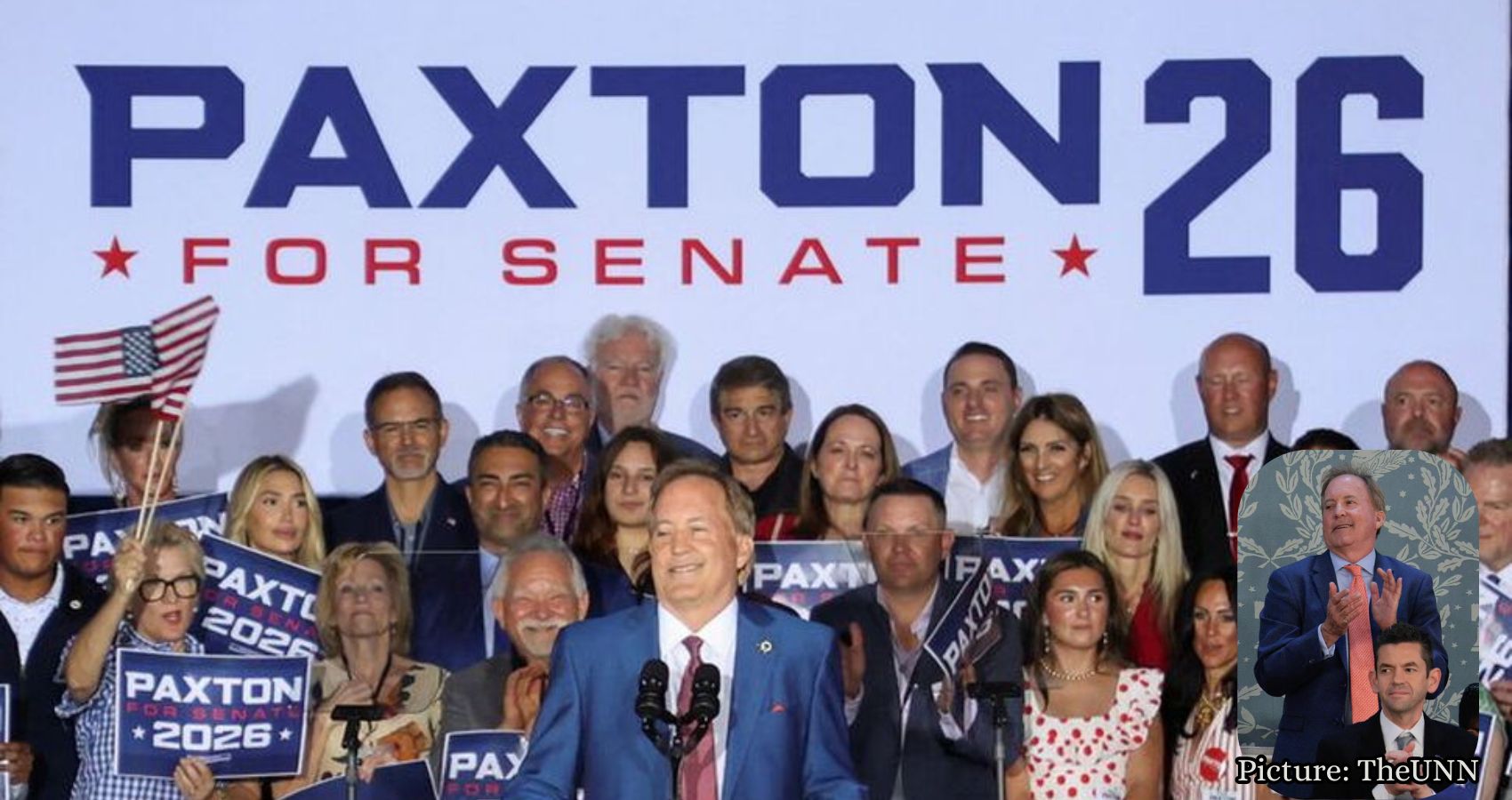
In Texas, long-serving GOP Senator John Cornyn is also fighting for his political future as he prepares for a late May primary runoff against state Attorney General John Paxton, a staunch Trump supporter. Although Trump has remained neutral in this contest, Cornyn has consistently highlighted his support for Trump during his campaign and has incorporated this messaging into his advertisements. One recent ad featured a clip of Trump expressing gratitude for Cornyn’s support, with visuals of the two men together giving a thumbs-up.

While Cornyn’s ads may not be misleading, as he has not received an endorsement from Trump and neither has Paxton, the messaging from Cassidy and Massie does not acknowledge that their opponents have the former president’s backing. This strategy could potentially backfire, as Hunt warns that misrepresenting support from Trump could provoke his ire. “If you haven’t earned it but portray as though you have, it could be the end of your campaign,” Hunt cautioned, noting the risks involved in this approach.

As Republican incumbents navigate these challenging primary contests, their strategies reflect the complex dynamics of loyalty and endorsement within the party, particularly in the shadow of Trump’s continued influence.

According to Fox News.

China Responds to US Blockade Threat in Strait of Hormuz

China has called for restraint and diplomatic dialogue following U.S. threats to blockade the Strait of Hormuz amid escalating tensions in the Middle East.

China has urged calm and restraint in response to rising tensions in the Middle East, particularly following remarks by former President Donald Trump regarding a potential blockade of the Strait of Hormuz. This warning comes on the heels of unsuccessful peace talks held in Islamabad aimed at resolving the ongoing conflict involving Iran.

Chinese foreign ministry spokesperson Guo Jiakun emphasized the importance of stability and peace in the region. He stated that maintaining the safety and openness of the Strait of Hormuz is crucial for the international community, as it plays a significant role in global energy supply and trade.

“China hopes the relevant parties will abide by the temporary ceasefire arrangements, remain committed to resolving disputes through political and diplomatic means, and avoid a resumption of hostilities,” Guo said.

China has expressed its readiness to take on a constructive role in addressing the crisis. Guo characterized the initial discussions in Islamabad as a positive step toward reducing tensions, despite the absence of a final agreement.

In the wake of the failed negotiations, the U.S. Central Command announced plans to initiate a blockade of maritime traffic linked to Iranian ports, effective Monday at 10 a.m. ET (1400 GMT). This decision has raised concerns about the potential for further escalation in the region.

Guo also addressed allegations that China intends to supply weapons to Iran, labeling such claims as “groundless smears and malicious associations.” He responded to Trump’s warning about imposing 50% tariffs on countries supplying arms to Iran, asserting that China has consistently maintained a prudent and responsible approach to arms exports. Guo noted that China adheres to strict domestic laws and international obligations regarding arms trade.

The Strait of Hormuz is a critical global energy route, facilitating the passage of nearly one-fifth of the world’s oil and gas supplies. Any disruption in this vital waterway could have significant repercussions for international energy markets and global trade.

Prior to the escalation of the conflict, China was the largest importer of Iranian crude oil, with a substantial portion of Iran’s oil exports shipped to China via the Strait of Hormuz. This dependency underscores the importance of the route for China’s energy security, prompting the nation to advocate for peace, stability, and uninterrupted navigation in the region.

As tensions continue to rise, the international community watches closely, hoping for a resolution that prioritizes diplomatic engagement over military confrontation. The situation remains fluid, and the potential for further developments looms large.

According to The Sunday Guardian, the ongoing dynamics in the Middle East will require careful navigation to avoid a broader conflict.

Dominic Frimpong: Ghanaian Footballer Killed in Armed Robbery Incident

Dominic Frimpong, a promising young Ghanaian footballer, was tragically killed in an armed robbery while returning from a match with his team, Berekum Chelsea.

Dominic Frimpong, a 20-year-old winger for Berekum Chelsea, lost his life in a tragic armed robbery attack on the team bus as they returned from a Ghana Premier League match on Sunday. The incident occurred on the Goaso–Bibiani road while the team was heading home from a game against Samartex in Samreboi.

According to a statement from the club, “On our way back to Berekum from Samreboi, our team bus was attacked by a group of armed robbers who blocked the road to prevent our passage.”

Frimpong was shot in the head during the attack, and the Ghanaian Football Association (GFA) later confirmed his death. “The GFA has received with profound shock and deep sorrow the tragic news of the passing of Dominic Frimpong of Berekum Chelsea Football Club,” the organization stated. “This tragic incident is not only a huge loss to Berekum Chelsea but also to Ghana football as a whole. Dominic was a promising young talent whose dedication and passion for the game embodied the spirit of our league.”

In light of this incident, the GFA announced plans to strengthen security measures for clubs traveling for domestic competitions. This is not the first time such violence has occurred; in 2023, the team bus of Legon Cities was attacked after a match at Samartex, although no injuries were reported at that time.

Dominic Frimpong was a rising star in Ghanaian football, known for his pace, skill, and attacking instincts. He played as a forward for Berekum Chelsea, where he was on loan from Aduana Stars. Born in Accra, Ghana, on August 26, 2005, Frimpong developed his football skills at Tudu Mighty Jets and the prestigious Attram De Visser Academy, both of which are recognized for nurturing young talent into professional players.

Frimpong’s left-footed attacking ability and natural flair made him a player to watch in the Ghana Premier League. His move to Berekum Chelsea on loan in January 2026 marked a significant step in his career. During his time with the club, he made 13 league appearances and scored two goals. His last match took place just days before his untimely death, on April 5, 2026, when he contributed to Berekum Chelsea’s 1-0 victory over Aduana Stars, his parent club.

On April 13, Frimpong was set to play against FC Samartex, but his life was tragically cut short on the team bus. He was rushed to the hospital, but he succumbed to his injuries before reaching medical care.

The football community mourns the loss of a promising young talent whose life was taken too soon. His dedication to the sport and potential will be remembered by fans and fellow players alike.

According to Reuters, the incident has raised concerns about player safety in Ghanaian football, prompting calls for improved security measures during travel.

Iran Threatens New Chokepoint at Gate of Tears Amid U.S. Tensions

Iran threatens to disrupt global shipping routes, particularly the Bab al-Mandeb Strait, in response to potential U.S. actions against the Strait of Hormuz, raising concerns over energy market stability.

Iran may retaliate against a U.S. naval blockade of the Strait of Hormuz by directing its Houthi allies to target the Bab al-Mandeb Strait, a critical global shipping route, according to a senior Middle East analyst.

The Bab al-Mandeb Strait, which connects the Red Sea to the Gulf of Aden, is a vital corridor for international trade and carries approximately 12% of global oil shipments. This makes it a strategic point that could escalate tensions further and strain global energy markets.

Mona Yacoubian, director and senior adviser at the Middle East Program, warned that if the U.S. proceeds with its plans to blockade the Strait of Hormuz, Iran could escalate its actions to ensure that Gulf countries are unable to export oil.

“This could translate to further attacks on Gulf energy infrastructure or even deploying the Houthis to blockade the Bab al-Mandeb,” Yacoubian stated in an interview with Fox News Digital.

Her comments came after Ali Akbar Velayati, a senior adviser on international affairs to Iran’s Supreme Leader, indicated Tehran’s perspective on the Bab al-Mandeb in light of potential U.S. actions against the Strait of Hormuz. He remarked, “Today, the unified command of the Resistance front views Bab al-Mandeb as it does Hormuz,” in a post on X.

Velayati warned that if the White House repeats what he termed “foolish mistakes,” it would quickly learn that the flow of global energy and trade could be disrupted with a single move.

In a statement released Sunday, U.S. Central Command announced that a naval blockade would begin on Monday, targeting vessels of all nations entering or departing Iranian ports and coastal areas, including those on the Arabian Gulf and the Gulf of Oman.

President Donald Trump also emphasized that the U.S. Navy would block “any and all ships trying to enter or leave the Strait of Hormuz” in a post on Truth Social.

In March, the U.S. had already warned ships navigating the Red Sea chokepoint about potential Houthi attacks. A maritime advisory noted that the Houthis, an Iran-backed armed group controlling much of northern Yemen, continue to pose a threat to U.S. assets, including commercial vessels in the region.

The advisory outlined various potential hostile actions from the Houthis, including one-way unmanned aerial vehicle (UAV) attacks, unmanned surface vehicle (USV) attacks, unmanned underwater vehicle (UUV) attacks, ballistic and cruise missile attacks, small arms fire from small boats, explosive boat attacks, and illegal boardings, detentions, or seizures.

U.S.-flagged commercial vessels operating in these areas were strongly advised to turn off their AIS transponders to avoid detection.

Yacoubian also highlighted in a report for the Center for Strategic and International Studies (CSIS) that Iran is threatening to extend the conflict to the Red Sea and the Bab al-Mandeb Strait, which could exacerbate disruptions in global markets.

She noted that Iran could leverage the Houthis, its Yemeni proxy, to launch attacks on this strategic waterway, thereby depriving Saudi Arabia of a crucial route for oil shipments due to the blockage of the Strait of Hormuz.

The Houthis escalated their involvement in the conflict against the U.S. and Israel on March 28, when they launched two ballistic missiles at southern Israel, both of which were intercepted.

As tensions rise, the implications for global energy markets and shipping routes remain significant, with the potential for further escalation in the region.

According to Fox News Digital, the situation continues to develop as both sides prepare for possible confrontations.

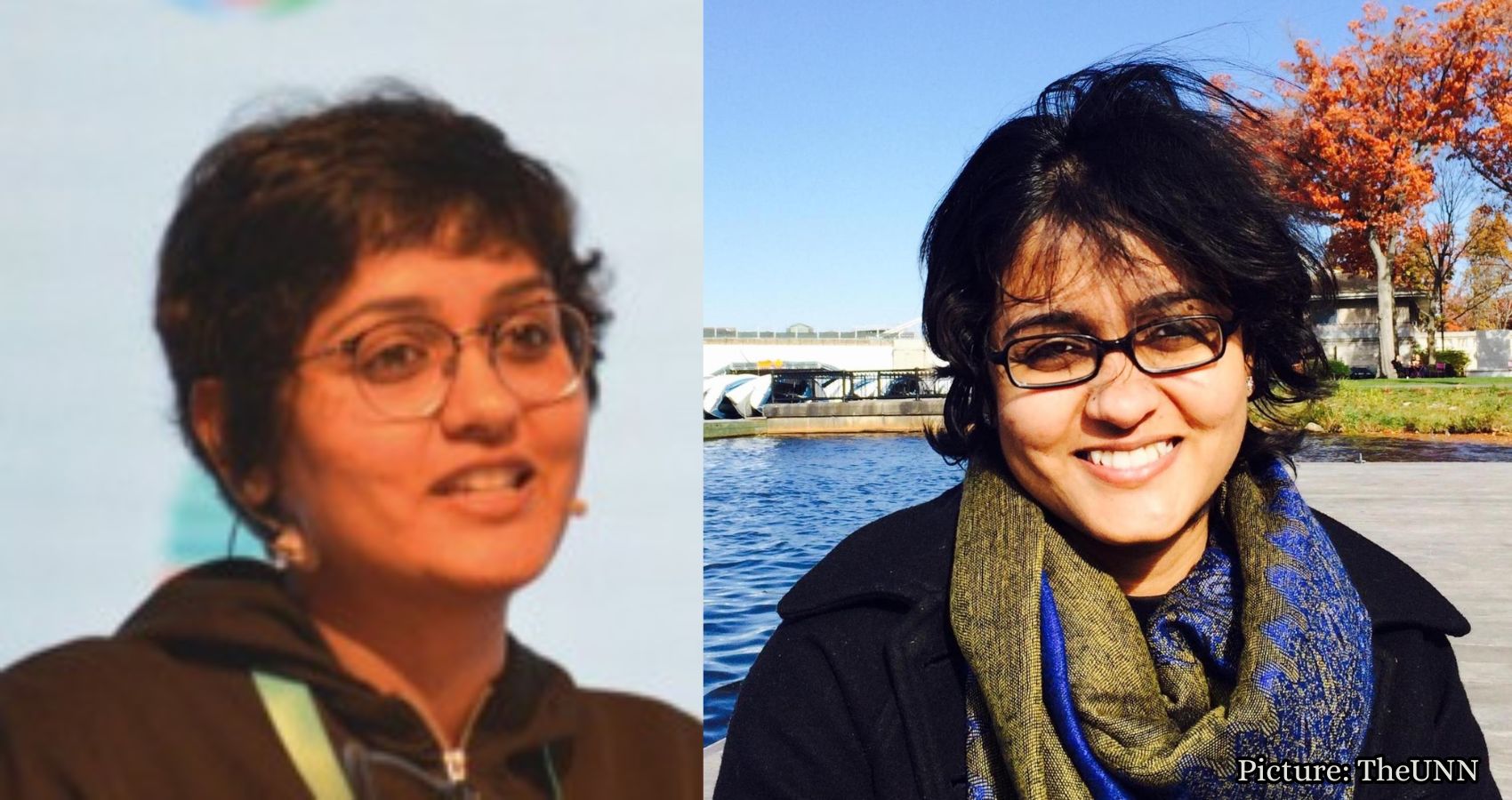
Manisha Desai Awarded $300,000 Grant to Study Democracy and AI

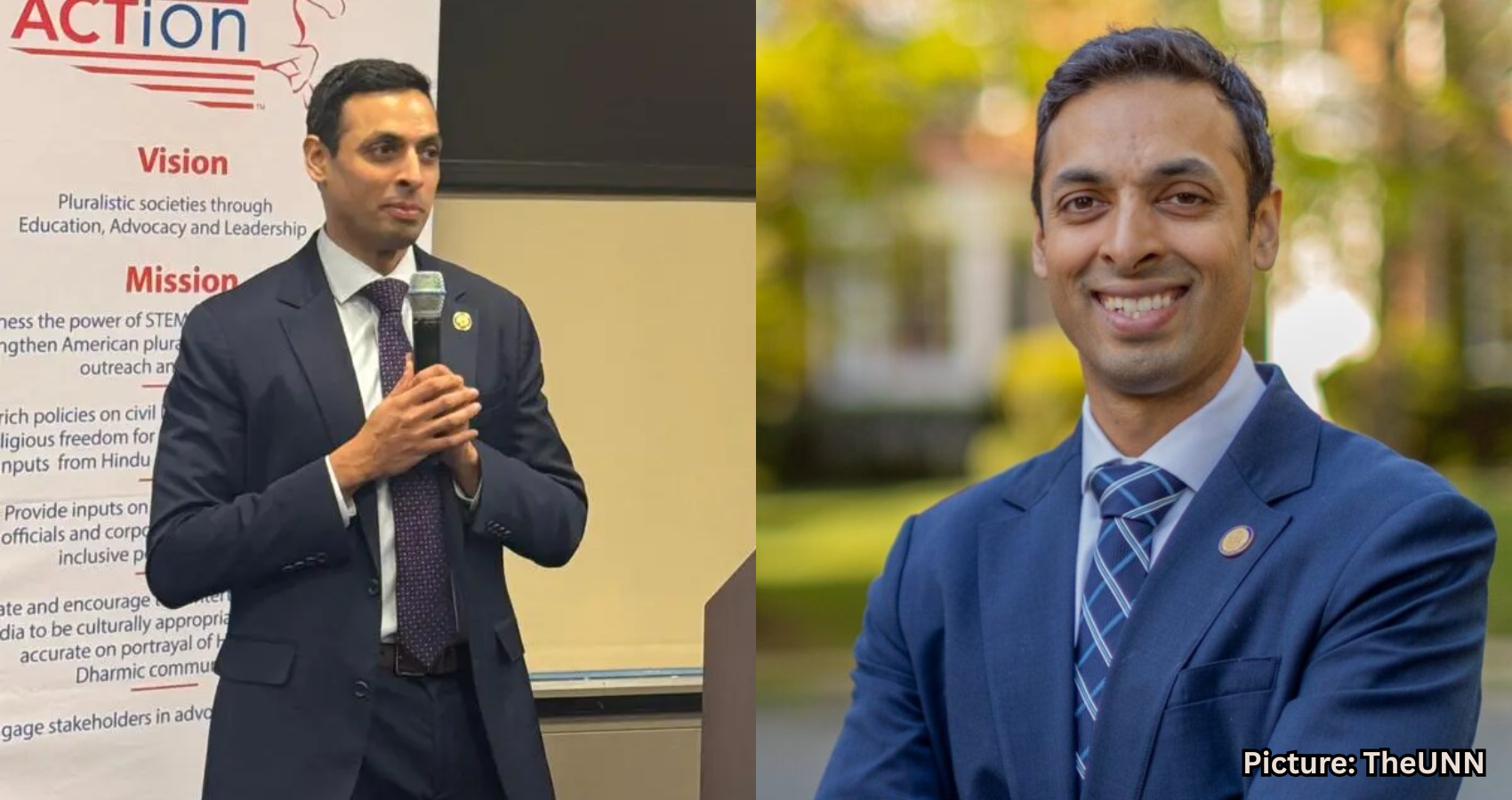
Indian American sociologist Manisha Desai has received a $300,000 grant to investigate the intersection of artificial intelligence, democracy, and academic freedom at Stony Brook University.

As artificial intelligence (AI) becomes increasingly integrated into higher education, a team of scholars at Stony Brook University, led by Indian American sociologist Manisha Desai, has initiated a project aimed at ensuring that this technology upholds democratic values rather than undermining them.

Desai, who serves as the executive director of the Center for Changing Systems of Power, along with her colleagues, has been awarded a $300,000 Mellon Sawyer Seminar grant to support a multi-year initiative titled “The Practice of Democracy and Academic Freedom.” This project will explore how AI impacts academic freedom and social equity.

Joining Desai in this endeavor are Michael Rubenstein, a professor at the Humanities Institute in the College of Arts and Sciences; Abena Asare, an associate professor in Africana Studies; and Robert Chase, an associate professor in the Department of History. Together, they aim to address the pressing concerns surrounding the role of AI in educational settings.

“Technologies reproduce the inequalities of the society in which they’re created,” Desai stated. As the Empowerment Trust Endowed Professor of Global Citizenship at the State University of New York, she emphasizes the need to look beyond the technical aspects of AI. “We are looking at how these systems might mirror or even amplify the gendered, racial, and colonial hierarchies that already exist in our society,” she added.

The seminar will commence with a dedicated planning year, focusing on the establishment of a “collaborative commons” for faculty and students. Rather than concentrating solely on software efficiency, the team plans to host symposia and workshops aimed at fostering free inquiry and ensuring that AI implementation is firmly rooted in human rights principles.

Desai brings a global perspective to this project, shaped by her upbringing and foundational education in India. Her academic journey began in her home country before transitioning to the United States, where she has spent decades documenting grassroots resistance and social movements.

Her previous research has notably examined “subaltern” movements in Gujarat, analyzing how local communities navigate the challenges posed by neoliberal development. This ongoing work continues to inform her human-centric approach to research.

Currently, Desai is collaborating with over 2,000 women farmers in Maharashtra to study climate-resilient agriculture. By treating these women as co-researchers, she ensures that the knowledge generated directly benefits the community, embodying a philosophy of “co-produced knowledge” that will be a cornerstone of the Stony Brook AI project.

Through this research, the team aims to provide a roadmap for institutions to adopt AI in a manner that intentionally safeguards the democratic principles essential to modern universities. By examining the pervasive influence of digital tools, they hope to contribute to a more equitable and just academic landscape.

This initiative reflects a growing recognition of the need to critically assess the implications of AI in educational contexts, particularly as it relates to issues of equity and freedom. As the project unfolds, it promises to shed light on the complex relationship between technology and democracy in higher education.

According to The American Bazaar, the grant represents a significant investment in understanding and addressing the challenges posed by AI in academic settings.

Indian-American Scientist Bhupal Dev Presents New Insights on Universe Evolution

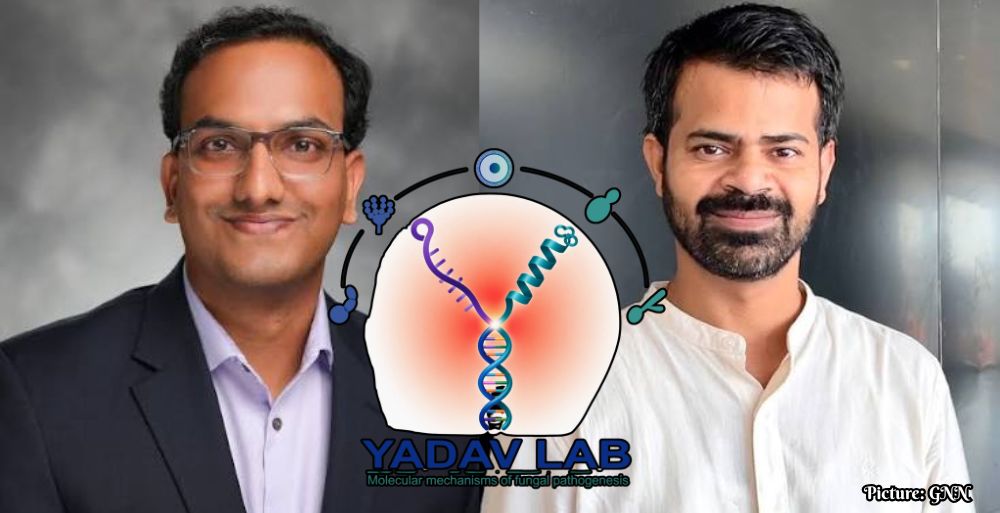
Indian American physicist Bhupal Dev proposes a novel explanation for the Universe’s evolution, suggesting that dark radiation may be misidentified as neutrinos.

A groundbreaking study led by Indian American researcher Bhupal Dev at Washington University in St. Louis presents a fresh perspective on the evolution of the Universe, addressing some of its most perplexing observations.

Dev, an associate professor of physics in the Arts & Sciences and a fellow at the McDonnell Center for the Space Sciences, posits that neutrinos—subatomic particles known for their elusive nature—might have transformed into a previously unidentified form of radiation during the Universe’s formative moments.

Neutrinos are among the most abundant particles in the cosmos, often described as ghostlike due to their weak interactions with matter. They play a crucial role in the formation and evolution of cosmic structures.

Recent analyses of cosmological data indicate that neutrinos may interact with one another more strongly than the Standard Model of particle physics predicts. However, laboratory experiments have imposed strict limits on such interactions.

Dev’s research offers a potential explanation for this discrepancy. The study suggests that signals interpreted as evidence of strongly interacting neutrinos could actually stem from an additional component of radiation present in the early Universe.

“Because cosmological observations mainly measure the total amount of fast-moving radiation, they cannot easily distinguish neutrinos from other lightweight particles that behave similarly,” Dev explained.

He theorizes that a portion of neutrinos may have converted into a different type of light, fast-moving radiation known as dark radiation shortly after the Big Bang nucleosynthesis, but before the formation of the cosmic microwave background.

“In this scenario, dark radiation could mimic the cosmological effects attributed to interacting neutrinos while avoiding the experimental constraints that apply to neutrinos themselves,” Dev noted.

If this dark radiation mechanism indeed occurred, it could address several ongoing puzzles in cosmology, including uncertainties surrounding neutrino masses and the long-standing Hubble tension—the discrepancy between various measurements of the Universe’s expansion rate.

“Our work highlights a broader paradigm in neutrino cosmology,” Dev stated. “The degeneracy between neutrinos and neutrino-like dark radiation opens up new avenues for addressing cosmological tensions while respecting terrestrial constraints.”

Future observations may provide the means to test this hypothesis. Next-generation measurements of the cosmic microwave background, large-scale structure surveys, and emerging 21-centimeter cosmology experiments could potentially unveil signatures of this hidden radiation.

Laboratory experiments designed to measure the absolute mass of neutrinos or to search for possible sterile neutrinos may also yield important insights. In essence, while the interactions between neutrinos and dark radiation may initially appear ghostly, they may not remain concealed indefinitely.

According to a university release, the findings of this study have been published in the journal Physical Review Letters.

FBI Investigates Assault on Savanah Hernandez During ICE Protest

Federal authorities are investigating an alleged assault on journalist Savanah Hernandez during an anti-ICE protest in Minneapolis, raising significant concerns about press freedom and safety.

The FBI is currently investigating a reported assault on journalist Savanah Hernandez, a contributing writer for Turning Point USA (TPUSA), which occurred during an anti-ICE protest in Minneapolis. This incident has drawn federal attention and highlights the escalating tensions between activists and media figures affiliated with specific political ideologies.

Hernandez was covering demonstrations outside the Whipple Federal Building, where protesters had gathered to voice their opposition to U.S. Immigration and Customs Enforcement (ICE). The situation quickly escalated, prompting a law enforcement response and an FBI review into the circumstances surrounding the confrontation.

In a social media post, Hernandez described the incident, stating, “I was just brutally assaulted by multiple people outside of the Whipple ICE facility in Minneapolis.” Her account underscores the increasing risks faced by journalists operating in volatile protest environments.

She elaborated on her experience, saying, “Multiple people swung on me and a grown man pushed me to the ground. My glasses are broken. ANTIFA still alive and well.” This statement not only reflects her personal experience but also suggests her perception of the affiliations of her attackers, emphasizing the physical impact of the encounter.

Authorities have confirmed that several individuals were taken into custody following the incident, and investigations are ongoing. While formal federal charges have not yet been announced, officials have indicated that the case is being treated with the seriousness it deserves, especially given its implications for press safety and public order.

Hernandez is known for her work with TPUSA, a pro-Trump organization, and often reports from politically charged events, placing herself at the center of ideological flashpoints. Supporters argue that her presence reflects a commitment to covering underreported perspectives, while critics contend that her partisan media coverage can exacerbate already heated situations.

For many in the Indian American community observing this incident, the implications extend beyond domestic U.S. politics. Many within the diaspora, particularly immigrants and visa holders, view the clash as part of a broader struggle over immigration policy, civil liberties, and the boundaries of protest. The reported assault raises significant concerns about the safety of journalists, regardless of their political alignment, as they seek to cover issues that directly affect immigrant communities.

This case also brings to light a growing dilemma: how to balance the right to protest with the need to protect individuals who are documenting those protests. Community advocates emphasize that while dissent is a cornerstone of democracy, violence against reporters poses a risk to the very freedoms that activists strive to defend.

As federal authorities continue their investigation, the assault on Hernandez has become a focal point in the ongoing debate surrounding media safety, political polarization, and the increasingly tense atmosphere surrounding immigration protests in the United States. The outcome of this case may have lasting implications for how journalists operate in politically charged environments.

According to The American Bazaar, the incident has sparked discussions about the need for greater protections for journalists covering protests, particularly as tensions continue to rise around immigration issues.

Bangladesh T20 World Cup Challenges Attributed to Anti-India Sentiment

Positive discussions are ongoing between India and Bangladesh aimed at restoring cricketing relations following the T20 World Cup controversy.

In the wake of the T20 World Cup debacle, cricketing relations between India and Bangladesh are seeing a potential revival. Former cricketer and commentator has shed light on the situation, suggesting that the Bangladesh Cricket Board (BCB) may have inadvertently fallen into an “anti-India trap.” This statement comes as both nations engage in constructive dialogues to mend their cricketing ties.

The T20 World Cup, held recently, was marked by a series of controversies that left fans and analysts questioning the performance and decisions made by the BCB. The former star’s comments highlight a broader sentiment that the BCB’s strategies may have been misguided, leading to a disappointing outcome in the tournament.

As discussions progress, both cricket boards are reportedly keen on enhancing their collaboration, which could include future series and joint initiatives aimed at promoting the sport in both countries. The hope is that these efforts will not only improve the competitive landscape but also foster goodwill between the two cricketing nations.

While the T20 World Cup fiasco raised eyebrows, it also opened the door for reflection and reassessment of strategies on both sides. The BCB’s approach during the tournament has been scrutinized, with calls for a more balanced and strategic engagement with India, a nation with which Bangladesh shares a complex yet significant cricketing history.

As the cricketing world watches closely, the outcome of these discussions could have far-reaching implications for both teams. A successful revival of ties may lead to more frequent encounters, which would benefit players and fans alike, enhancing the cricketing experience in the region.

According to NDTV Sports, the ongoing talks are seen as a positive step towards rebuilding trust and cooperation between the two cricket boards, paving the way for a brighter future in cricket for both nations.

Americans Camp Overnight for Free Healthcare Amid Rising Costs

Some Americans are enduring long waits, even sleeping in their cars, to access free healthcare services as rising costs leave many without insurance options.

In a troubling trend, some Americans are resorting to sleeping in their cars for days in order to receive free healthcare from Remote Area Medical’s (RAM) volunteer pop-up clinics across the nation. This situation has arisen in part due to the Trump administration’s recent pullback on health insurance, which has left many without coverage. For those uninsured, the prospect of treatment for certain conditions can feel entirely out of reach due to soaring costs.

Founded in 1985, the Tennessee-based nonprofit organization RAM employs volunteer healthcare professionals to provide medical services at no cost to uninsured individuals. In a recent segment of CBS News’ “60 Minutes,” host Scott Pelley spoke with patients who had been waiting for access to the clinic.

One such patient, Sandra Tallent, traveled 200 miles from Huntsville, Alabama, to RAM’s pop-up clinic in Knoxville, Tennessee, seeking dental care. She arrived at the clinic site at 4:30 p.m. on a Wednesday and spoke to Pelley from her car at 5 a.m. on Friday, after spending two nights in the parking lot. When asked how she would manage her dental needs without RAM, Tallent candidly replied, “I wouldn’t.”

During her visit, Tallent was treated by a dental expert and had dentures created using RAM’s advanced 3D denture-printing lab. Connor Gibson, a 22-year-old engineer, utilized computer design technology to expedite the process, which typically takes weeks, into just about an hour. “We see grown men cry sitting in the chair,” Gibson told “60 Minutes,” describing the emotional reactions of patients seeing their new smiles for the first time. Tallent was among those moved to tears as she looked in the mirror and expressed her gratitude.

In an interview with Fox News Digital, RAM CEO Chris Hall explained how the organization operates its clinics, which move across the country to increase access for more individuals. “All of our services are provided free of cost to patients on a first come, first served basis,” Hall stated. “We do that through our team of dedicated volunteers and professionals that come from all around the country.”

RAM offers a variety of services, including dental cleanings, fillings, extractions, comprehensive eye exams, and access to an eyeglass lab that can manufacture eyewear and dentures. Hall noted that approximately 60% of patients seek dental care, while around 30% to 35% seek vision care. Recently, RAM has also expanded its services to include women’s health exams, general wellness check-ups, and sports physicals.

In 2008, RAM held about 10 to 12 events annually. Today, that number has surged to 90 full-scale operations, with events taking place nearly every weekend. Hall emphasized that the demand for medical care has remained consistent over the past two decades. Even individuals with insurance often find that out-of-pocket premiums and deductibles can be prohibitively expensive.

<p”The communities that we go into, the patients who are coming through our door, these are working-class people,” Hall explained. “Whether we’re doing events in rural Appalachia or downtown Los Angeles, the patients who are coming … they’re just isolated and do not get the care that they need.” He recounted hearing “heartbreaking” stories from patients who have delayed seeking medical care in order to keep the lights on and provide for their families.

The situation underscores the growing healthcare crisis in the United States, where many individuals struggle to access necessary medical services due to financial barriers. As organizations like RAM continue to provide essential care, the need for comprehensive healthcare reform remains urgent.

According to Fox News, the challenges faced by uninsured Americans highlight the critical role of volunteer organizations in bridging the gap in healthcare access.

How to Remove Personal Information from the Web Effectively

Removing personal information from data broker and people search sites can be challenging, but with the right strategies, you can regain control of your online privacy.

In an age where personal information is readily available online, many individuals struggle to remove their data from people search sites and data broker platforms. The process can be frustrating, especially when information reappears shortly after removal attempts. This recurring issue often discourages people from pursuing their privacy rights, but it is essential to understand that data brokers profit from your information and intentionally complicate the removal process.

Senator Maggie Hassan has recently highlighted the challenges posed by some data brokers, who obscure their opt-out pages, making it difficult for users to remove their personal information. However, with the right approach, you can take back control of your online privacy.

There are two primary methods to remove your personal information from the web: doing it yourself or utilizing a data removal service. While the latter option is often more efficient and thorough, this article will provide a step-by-step guide for those who prefer to handle the process independently.

Before diving into the removal process, it is crucial to compile a list of websites where your personal information is likely to be stored. This list may include various data broker sites, people search engines, and other platforms that aggregate personal data. Understanding where your information resides is the first step toward effective removal.

Data brokers typically fall into two categories: those that are easy to find and those that are less visible. The former often have public-facing sites designed for individuals to search for information, while the latter primarily sell data to businesses and may not appear in standard search results. Identifying these brokers can be challenging, but it is essential for a comprehensive removal strategy.

To locate your data, consider the following signals: where your data likely originated, such as companies you have shared information with, and any spikes in spam emails you may have experienced after signing up for services or entering giveaways. These indicators can help you identify potential data brokers that may be holding your information.

Once you have mapped out where your data is exposed, it is time to start the removal process. Begin with the most visible and high-risk sites, as these are the easiest for anyone to access. The typical process for removing information from these sites involves locating the opt-out page, submitting your request, and saving confirmation emails or screenshots as proof of your efforts.

Next, address less standardized sites that may have scraped your information from other sources. While these may require more effort to navigate, they often contain valuable contextual details about you, such as your job or interests. Look for privacy pages on these sites, as they may provide specific instructions for opting out.

The final category includes the least visible sites, which can be the most challenging to deal with manually. Many individuals encounter obstacles at this stage, making ongoing monitoring or automation beneficial. As you work through your list, keep track of your progress, as this will make it easier to manage future removal requests.

For those who find the manual process overwhelming, using a personal data removal service can be a worthwhile investment. These services handle the entire removal process on your behalf, eliminating the need for you to search for your data online or repeatedly return to data broker sites. They often perform a more thorough job than individuals can manage alone, requesting deletions from a wide range of websites, including those that may be difficult to find.

Many data removal services also offer features such as ongoing monitoring, alerts for new exposures, and the ability to submit additional removal requests as needed. Some even employ privacy specialists to handle these requests, ensuring a higher level of expertise in the process. Additionally, most services come with a 30-day money-back guarantee, allowing you to try them risk-free.

It is important to note that removing your personal information from the internet is not a one-time task. It requires persistence, strategy, and the right tools. While it can be frustrating to see your data reappear after removal, each step you take reduces your exposure and makes it more challenging for your information to circulate.

For those seeking the most control over their data, a manual approach provides a clear view of where your information resides. However, if you prefer consistency without the ongoing time commitment, a data removal service can alleviate that burden and continue working in the background.

Ultimately, the key to effective data removal is to stay proactive. Your personal information holds value, and recognizing this will change how you approach your online privacy. Have you ever faced the challenge of removing your personal information online only to see it resurface later? Share your experiences by reaching out to us at Cyberguy.com.

For more information on data removal services and to check if your personal information is exposed online, visit Cyberguy.com.

According to CyberGuy, taking control of your online privacy is an ongoing commitment that requires vigilance and the right resources.

Scientists Forecast Underwater Volcano Eruption 300 Miles Off Oregon

Scientists predict that the Axial Seamount, an underwater volcano located 300 miles off the Oregon coast, may erupt later this year, but it poses no threat to land or seismic stability.

The Axial Seamount, situated more than 4,900 feet beneath the Pacific Ocean and approximately 300 miles off the Oregon coast, is exhibiting signs that it may erupt for the first time since 2015. According to experts, this underwater volcano is formed by a geological hot spot, an area in the Earth’s mantle where molten material rises into the crust. This process has resulted in the formation of long chains of volcanoes over time, as the crust moves over the stationary hot spot.

“Over two-thirds of the Earth’s surface was formed by volcanic eruptions at these mid-ocean ridges,” said Maya Tolstoy, a marine geophysicist and dean of the University of Washington’s College of the Environment. “Axial Seamount is a direct result of these fundamental processes that continue to shape our planet today.”

Despite the potential for an eruption, scientists assert that it poses no danger to people on land. “Axial Seamount is much too deep and far from shore for people on land to even notice when it erupts,” the university’s blog post explains. “An eruption at Axial Seamount also has nothing to do with seismic activity on land, so Pacific Northwesterners don’t need to worry about this event triggering a major earthquake or tsunami.”

The initial indication of an impending eruption will be a notable increase in the number of earthquakes occurring around the volcano. Deborah Kelley, a professor at the University of Washington’s School of Oceanography and director of the Regional Cabled Array, noted that the volcano has already surpassed the inflation levels observed in 2015. However, current earthquake activity remains relatively low.

<p”We’re seeing 200 to 300 earthquakes per day, with some spikes around 1,000 per day due to the tides,” Kelley explained. “If what we learned in 2015 is correct, I would expect to see more than 2,000 per day for a few months before the eruption.”

The earthquakes are caused by magma moving toward the surface. William Wilcock, also a professor at the University of Washington’s School of Oceanography, elaborated on the eruption process. “That period lasts about an hour, and then the magma reaches the surface,” he said. “Lava flows spread across the caldera, and lava-filled fissures open up to the north or the south, reaching as far as 40 kilometers (about 25 miles).”

Wilcock added that while seismic activity tends to decrease quickly in the days following an eruption, the volcanic activity itself may continue slowly for about a month.

As scientists continue to monitor the Axial Seamount, they emphasize the importance of understanding these underwater geological processes. The research not only sheds light on the dynamics of volcanic activity but also contributes to broader knowledge about the Earth’s geological history.

According to the University of Washington, the Axial Seamount serves as a vital site for studying the interactions between tectonic activity and oceanic processes, providing insights that are crucial for both scientific understanding and public safety.

New Exhibition Highlights British East India Company’s Artistic Influence in Colonial India

A new exhibition at the Yale Center for British Art explores the artistic legacy of the British East India Company, featuring over 100 works that highlight cultural exchanges in colonial India.

A significant exhibition titled “Painters, Ports and Profits: Artists and the East India Company, 1750-1850” has opened at the Yale Center for British Art in New Haven, Connecticut. This exhibition provides a comprehensive look at the artistic developments during the British East India Company’s dominance in trade across East and Southeast Asia.

Featuring over 100 artworks, the exhibition illustrates the complex interactions between British artistic traditions and local practices in the regions influenced by the company. A centerpiece of the exhibition is the remarkable 37-foot-long watercolor and gouache scroll named *Lucknow From the Gomti*. Created in the 1820s, this large-scale artwork depicts the Gomti River in Lucknow, India, showcasing a vibrant scene filled with fantastical riverboats, opulent palaces, and lively figures. Curators note that the piece was likely intended for a British audience, employing European-style perspective to cater to the tastes of foreign visitors.

Laurel Peterson, one of the exhibition’s curators, emphasized the intent behind the collection. “We really organized the show to think about artists’ stories who are working in the orbit of the company,” she stated. “They innovated, created these great innovations in order to kind of meet this new market.” This sentiment reflects the broader trend of adaptation and creativity among artists who navigated the changing cultural landscape during this period.

The British East India Company, established in 1600, evolved into a powerful imperialist entity by the early 19th century, exerting significant control over trade in Asia. As part of its operations, company agents commissioned artworks to document trade routes and engage in diplomatic relations through the gifting of art. These interactions fostered a unique environment for artistic collaboration between British and local artists.

During the timeframe highlighted in the exhibition, there was a notable increase in military and political activity by the East India Company, which facilitated connections between artists in London and their counterparts in Calcutta (now Kolkata) and Canton (Guangzhou). Holly Shaffer, another co-curator and art historian at Brown University, remarked on the nature of these interactions, stating, “We’re looking at these really tight networks of artists and kind of how they learn from each other, how they innovate, how they kind of create new techniques.”

Among the noteworthy pieces showcased is *A Marriage Procession by Night, Patna*, which illustrates a traditional practice of the groom’s family traveling to the bride’s home. This artwork exemplifies the “Company painting” style, where Indian artists utilized European techniques and materials to appeal to British tourists and trade agents.

The exhibition also features natural history works, such as *A Great Indian Fruit Bat or Flying Fox* by Bhawani Das, created between 1778 and 1782. This piece is part of a series commissioned by Elijah Impey, chief justice of British India, and his wife, reflecting the curiosity and fascination of the period regarding local flora and fauna.

Another significant work is a circa 1770 watercolor depicting a bird on a flowering branch, created with pigments sourced from various regions: Indian yellow and indigo, Chinese vermilion, and Prussian blue. This piece illustrates the cross-cultural influences that were prevalent during the era.

The exhibition marks the first public display of *Lucknow From the Gomti*, also referred to as the Lucknow scroll. Due to its large size and delicate condition, the scroll will be displayed in halves to minimize light exposure and preserve its integrity. The Yale Center for British Art’s conservators recently completed a two-year study to address the scroll’s complex construction, which consists of multiple sheets of paper layered with a cotton-textile backing.

Anita Dey, assistant paper conservator at the center, explained the conservation challenges, noting, “The primary conservation challenges stemmed from the scroll’s complex, layered construction.” It is believed that multiple artists collaborated to create the scroll, although their identities remain unknown, as they did not leave signatures on the work.

The exhibition is further complemented by four pages of handwritten notes in English that describe the panoramic view of Lucknow, potentially authored by the individual who commissioned the scroll. The curators described the scroll as having “a fascinating story both historically and materially, in part because it’s so mysterious.”

“Painters, Ports and Profits: Artists and the East India Company, 1750-1850” will be on display at the Yale Center for British Art until June 21, 2026. This exhibition not only highlights the artistic legacy of the British East India Company but also offers a deeper understanding of the cultural exchanges that shaped art during this pivotal time in history, according to Source Name.

U.S. National Debt Increases by $1.2 Trillion in Six Months

The U.S. national debt has surged to approximately $39 trillion, with a reported deficit of $1.17 trillion for the first half of the fiscal year, raising significant economic concerns.

As the U.S. government grapples with a staggering deficit of $1.17 trillion for the first half of the fiscal year, experts are increasingly sounding alarms over the long-term implications of the rising national debt, which now stands at around $39 trillion.

The Congressional Budget Office (CBO) released its findings on April 10, 2026, indicating that the government operated at a deficit from October 2025 to March 2026. Although this figure is lower than the shortfall recorded during the same period last year, it still raises serious concerns as the nation continues to accumulate debt.

This decrease in the deficit can be partially attributed to tariff policies enacted during President Trump’s administration. However, economists remain apprehensive about the sustainability of such borrowing, particularly given that interest payments are projected to exceed $1 trillion in this fiscal year alone. This situation adds further strain to the federal budget and raises the specter of potential economic instability.

Concerns regarding the national debt have attracted attention from key financial leaders, including Federal Reserve Chair Jerome Powell and JPMorgan Chase CEO Jamie Dimon. Many economists warn that unchecked borrowing could lead to adverse long-term effects on the economy, such as reduced public investment and a potential market reckoning characterized by higher bond yields. Others caution that rising inflation may diminish the real value of the debt over time.

Despite these warnings, some analysts maintain an optimistic outlook, suggesting that the U.S. economy may eventually navigate its current fiscal challenges. They point to the transformative potential of artificial intelligence (AI) as a possible catalyst for economic growth. However, a more cautious perspective has emerged, particularly from Michael Peterson, CEO of the Peter G. Peterson Foundation. He emphasizes that complacency in the bond market does not guarantee protection against future crises.

“I think the bond market is often a very good indicator of sentiment of concern of risk,” Peterson explained in an interview. He noted that while the bond market currently appears stable, the long-term fiscal decisions being made across the political spectrum could have detrimental effects, even in the absence of an immediate crisis.

Peterson expressed urgency regarding the need for a more sustainable fiscal approach, stating, “I think we owe it to the next generation to get this under control.” The implications of rising national debt are particularly concerning for younger generations, who may ultimately bear the brunt of the economic fallout.

Debate within the economic community continues regarding who will experience the most significant impact from the national debt. Some experts argue that retirees, whose savings are often not indexed to inflation, may find themselves disproportionately affected as low interest rates diminish the value of their 401(k) plans. Others contend that a market recalibration could lead to higher interest rates, adversely affecting those seeking mortgages.

Regardless of the specific outcomes, Peterson warns that the effects will be widespread, significant, and lasting. He articulates a broader concern for disadvantaged populations, suggesting that they are likely to suffer the most from a fiscal environment that restricts government resources for income support and other essential services.

The CBO’s report highlights that a considerable portion of government expenditures—approximately $1.7 trillion—are directed towards mandatory programs such as Social Security, Medicare, and Medicaid. While these programs are crucial for many Americans, Peterson argues that this spending does not yield the same long-term economic benefits as investments in infrastructure or education.

He cautions that even without an immediate fiscal crisis, the current trajectory of spending—largely focused on immediate consumption—could hinder economic opportunities for future generations. “These trillions of dollars—the vast majority of which has been for immediate consumption with no economic benefit to the future—have done damage to our kids and grandkids,” Peterson stated.

The escalating national debt and its implications for the U.S. economy underscore the importance of fiscal responsibility and the need for a comprehensive strategy to address the challenges posed by borrowing. As the nation grapples with these pressing issues, discussions surrounding the future of economic policy will continue to shape the landscape for generations to come.

In light of these challenges, the upcoming Fortune 500 Innovation Forum, scheduled for November 16-17 in Detroit, will gather industry executives, policymakers, and thought leaders to explore potential pathways for revitalizing the American economy, according to Source Name.

Punjab Kings Defeat Chennai Super Kings in IPL Thriller

Punjab Kings successfully chased down a target of 210 runs, defeating Chennai Super Kings in a thrilling IPL match on Friday in Chennai.

CHENNAI, India (AP) — In a high-stakes encounter during the Indian Premier League, Punjab Kings showcased their batting prowess by successfully chasing down a formidable target of 210 runs, defeating Chennai Super Kings by five wickets on Friday.

The match began with an explosive start from Punjab’s opening batters, Priyansh Arya and Prabhsimran Singh. Arya, making an impact as a substitute, set the tone early with a blistering 39 runs off just 11 balls. Together, Arya and Singh propelled their team to a solid 68-1 during the powerplay, laying the groundwork for a successful chase.

Captain Shreyas Iyer contributed significantly with a rapid half-century, scoring 50 runs off 26 balls. Cooper Connolly also played a vital role, adding 36 runs to help Punjab reach a total of 210-5 with eight balls to spare.

Chennai Super Kings, batting first, believed they had set a defendable total with their score of 209-5. Former India Under-19 captain Ayush Mhatre led the charge for Chennai, scoring 73 runs off 43 balls. Shivam Dube supported him with an unbeaten 45 runs off 27 balls, while Sarfaraz Khan chipped in with a quick 32 runs off just 12 deliveries.

Despite their strong batting performance, Chennai’s bowling fell short. Only five bowlers were utilized during the match, and allrounders Dube and debutant Prashant Veer remained unused, which proved costly for the team.

“That was an exceptional start for us,” Iyer remarked after the match. “I feel the way they (Arya and Singh) have been batting has been phenomenal and it stabilizes the rhythm for us. I am glad everyone is getting to bat. It gives immense confidence to the team.”

Arya’s aggressive batting included three fours and a six in a 20-run second over against fast bowler Matt Henry. He also struck Khaleel Ahmed for a four and a six off the first two legitimate balls of the match. Singh quickly followed suit, raising Punjab’s 50 in just the third over with three boundaries off Anshul Kamboj.

However, Arya’s impressive innings came to an end when Henry rattled his off stump. Singh was run out shortly after in a mix-up with Connolly, who hesitated to take a second run. Connolly eventually holed out at long-on, leaving Iyer to take charge of the chase.

Iyer’s aggressive batting included three sixes and four boundaries in a crucial 59-run partnership with Nehal Wadhera, effectively sealing the match for Punjab.

Earlier in the match, Iyer had opted to field first after winning the toss, continuing the trend of teams preferring to chase in the tournament. Sanju Samson, returning to his home venue, was dismissed early for just 7 runs.

Mhatre’s aggressive batting was complemented by a 96-run partnership with captain Ruturaj Gaikwad, who managed a modest 28 runs before falling to IPL leading wicket-taker Yuzvendra Chahal in the 12th over. Mhatre, who hit five sixes and six boundaries, was visibly frustrated when he was caught at short third while attempting a risky shot against Vijakumar Vyshak, who finished with figures of 2-38.

Despite the efforts of Khan and Dube, who propelled Chennai beyond the 200-run mark, their bowlers were unable to contain Punjab’s batting lineup.

“We felt having two wrist-spinners bowling in tandem would help, but it was an off-day for both of them, and that is what cost us,” Gaikwad acknowledged post-match.

As the IPL season progresses, Punjab Kings’ victory over Chennai Super Kings serves as a reminder of the unpredictable nature of T20 cricket, where explosive batting can quickly turn the tide of a match.

For more updates on cricket, visit AP News.

A Discussion on the British Raj Partition Uncovers Surprising Insights

Sam Dalrymple discusses the complexities of the British Raj’s partitions and their enduring impact on contemporary geopolitics in a conversation with Guneeta Singh Bhalla.

On March 13, Sam Dalrymple, author of the book *Shattered Lands*, engaged in a thought-provoking discussion with Guneeta Singh Bhalla, founder of the 1947 Partition Archive, at their Berkeley headquarters. Their conversation delved into the origins of Dalrymple’s debut novel and examined how the partitions of the British Raj have shaped the geopolitical landscape of the post-colonial world.

At just 29 years old, Dalrymple grew up in Delhi, a city deeply influenced by the 1947 Partition, where nearly every resident carries a migration story in their family history. The dialogue quickly transitioned from personal narratives to broader geopolitical themes as Dalrymple recounted his surreal experience crossing the border into Lahore. He described Lahore as a “twin city” that mirrors Delhi in both social and architectural aspects, yet remains tragically inaccessible to many.

This shared history of displacement, coupled with the irony of encountering South Asian peers at Oxford, inspired Dalrymple’s involvement with Project Dastaan. This initiative aims to reconnect aging survivors with the homes and memories they left behind seventy-five years ago. His book, *Shattered Lands*, emerged from the extensive research conducted for this project.

Dalrymple argues that *Shattered Lands* reveals lesser-known truths about the partitions of the British Raj. He points out that between 1926 and 1976, five significant partitions fragmented the once-unified imperial space, ultimately giving rise to twelve nation-states. These divisions reshaped political borders and identities, leaving lasting impacts that continue to influence contemporary conflicts in regions such as Kashmir, Balochistan, Myanmar, Yemen, and even the Gulf War.

According to Dalrymple, these historical ruptures are often overlooked in popular narratives, which tend to focus narrowly on the 1947 Partition. He emphasizes that understanding the relationships among key leaders is crucial to comprehending the political decisions that led to these divisions.

Dalrymple asserts that one cannot separate a leader’s private life from their public decisions, as the two are irrevocably intertwined. He cites Muhammad Ali Jinnah as a pivotal example, explaining that Jinnah’s shift toward advocating for a separate Pakistan was deeply influenced by personal heartbreak. Initially a modern, secular figure who believed in Hindu-Muslim unity, Jinnah’s perspective changed dramatically following the social rejection of his interfaith marriage and the tragic death of his wife. Political betrayals further fueled his transformation, particularly when Nehru and Gandhi took advantage of Jinnah’s absence during his wife’s hospitalization to pass resolutions against Muslim reservations—an act Jinnah never forgave.

Dalrymple contends that the Partition was not the result of mass movements but rather the decisions made by a small group of influential men: Jinnah, Nehru, Gandhi, Mountbatten, Sardar Patel, Liaquat Ali Khan, and Cyril Radcliffe. He argues that their relationships ultimately determined the fate of one-quarter of the world’s population.

In crafting his narrative, Dalrymple drew on diverse sources, including the 1947 Partition Archive curated by Bhalla, to combine traditional research with approximately 80 to 100 multilingual interviews. By centering these personal narratives in his work, he highlights lived experiences that are often overlooked or erased by official state records. Bhalla notes that Dalrymple’s use of oral histories reveals that the Partition was, in fact, a collection of varied regional experiences rather than a singular event.

As Dalrymple traveled through the successor states of the British Raj, he gathered sources from rare private archives, including families preserving documents related to coups in Pakistan and firsthand diaries detailing wartime migrations from Burma. He emphasizes that much historical material remains hidden in personal collections rather than formal institutions, which can obscure a fuller understanding of the past.

The discussion also illuminated how borders created between countries shape or limit historical understanding. In Nagaland, for instance, local memories of when borders were drawn differ significantly from official accounts, underscoring the varied experiences of partition across different regions. Dalrymple extends this concept, arguing that events like the separation of Burma or the Gulf states should also be viewed as forms of “partition,” as they similarly disrupted interconnected communities and political systems.

As new evidence continues to reshape historical narratives and challenge long-standing national stories, Dalrymple stresses that our understanding of history is far from complete. *Shattered Lands* calls for a broader perspective on the Partition, advocating for the inclusion of overlooked regions, voices, and connections. Without a shift in mindset, he warns, our fundamental understanding of South Asia’s past and present remains inadequate.

According to India Currents, Dalrymple’s insights shed light on the complexities of the British Raj’s partitions and their lasting implications on contemporary geopolitics.

Daily Horoscope for All Zodiac Signs: April 12, 2026

Your daily horoscope for April 12, 2026, reveals insights for all zodiac signs, guiding you through personal and professional challenges with astrological wisdom.

Aries (March 21 – April 20): Today marks a wonderful time for you, according to Ganesha. You will encounter many reliable and trustworthy individuals, paving the way for future collaborations. Focus on maintaining your practical approach to work and decision-making to achieve your goals effectively.

Taurus (April 21 – May 21): Ganesha predicts a harmonious balance between your professional and personal life today. You will safeguard your finances from potential losses and may feel behind in reaching your goals. However, do not be disheartened; it is an auspicious day for business dealings and initiating new projects.

Gemini (May 22 – June 21): Today, you may find yourself feeling possessive about your belongings, as noted by Ganesha. You might consider enrolling in personality development courses to help achieve your ultimate aspirations. Although an unexpected event may catch you off guard, remember that hope persists as long as there is life.

Cancer (June 22 – July 22): Financial matters will play a significant role in your day. You may choose to spend money to make necessary changes in your life. Your loved ones will celebrate your financial gains, but be cautious, as expenses may also increase without limits.

Leo (July 23 – August 23): While you may not feel particularly saintly today, Ganesha suggests that you embrace your spiritual side. Engage with religious texts and spend time meditating on life’s deeper meanings. You may be surprised by the insights that arise from such contemplation.

Virgo (August 24 – September 22): An unexpected achievement will bring you joy today, although it may be overshadowed by frustrations regarding ongoing challenges. Ganesha indicates that you can expect new funding for upcoming projects, leading to a flourishing business environment.

Libra (September 23 – October 23): Ganesha describes today as wistful, akin to a summer day spent flying kites. You may experience a shift in your outlook, influenced by a noble gesture from your partner, which could inspire you to envision a brighter future.

Scorpio (October 24 – November 22): Today, you will find solace and calm in the company of dear friends and soulmates. Ganesha encourages you to spend quality time with them. Romantic moments with your partner will feel heavenly, and family ties will prove strong and supportive in important matters.

Sagittarius (November 23 – December 21): You may seek spiritual peace today, stepping away from the daily grind. Ganesha notes that you will not only seek love but also spread it to those around you. Expect a pleasant day filled with positive energy.

Capricorn (December 22 – January 20): Your intellectual prowess will yield exciting results, benefiting both you and your close associates. Ganesha reassures you that despite facing numerous challenges, you will navigate them with ease. A newly approved project is set to succeed, enhancing your reputation as a perfectionist.

Aquarius (January 21 – February 18): Today, you may begin to see the tangible rewards of your hard work. Ganesha warns that while business rivals may create challenges and health issues could arise, you will maintain a positive attitude and face these obstacles with resilience.

Pisces (February 19 – March 20): Today is ideal for launching new projects and making significant investments in your future. Your family will serve as the foundation of your success, providing you with essential insights. Ganesha highlights that your smile will win many hearts today.

Stay connected with the cosmos through your daily horoscope! Access your April 12, 2026, horoscopes for every zodiac sign and discover what the universe has in store for you. Whether you are a fiery Aries or a dreamy Pisces, our expert astrologers provide tailored readings to help you navigate life’s challenges and triumphs. Visit us daily for fresh updates and stay attuned to the celestial forces shaping your destiny, according to India West.

Women Lead Voter Turnout in Assam, Kerala, and Puducherry

Women voters significantly outperformed men in turnout percentages during the April 9 Assembly elections in Assam, Kerala, and Puducherry, with record participation noted in Assam and Puducherry.

GUWAHATI – In a notable trend observed during the April 9 Assembly elections, women voters in Assam, Kerala, and Puducherry surpassed men in voter turnout percentages, according to data from the Election Commission of India.

In Assam, the turnout for women reached an impressive 86.50 percent, outpacing the male turnout of 85.33 percent. This contributed to an overall voting percentage of 85.91 percent, which is a new record for the state, exceeding the previous high of 84.67 percent recorded during the 2016 Assembly elections.

Puducherry also witnessed remarkable participation from women, with a turnout of 91.40 percent, compared to 88.13 percent for men. This strong female engagement helped achieve an overall polling percentage of 89.87 percent in the Union Territory.

In Kerala, the turnout for women was recorded at 81.19 percent, significantly higher than the 75.19 percent turnout among men. This figure surpasses the previous record of 80.58 percent set during the 1987 Assembly elections. However, the overall turnout in Kerala was 78.27 percent, which remains below the all-time high of 85.77 percent achieved in 1960.

Election officials have attributed the high overall turnout in both Assam and Puducherry largely to the strong participation of women voters. This trend underscores the increasing engagement of women in the electoral process across these regions.

According to IANS, the data reflects a growing trend of female voter participation, which could have significant implications for future elections and the political landscape in these states.

Best States for Starting a Family Amid Declining American Dream Beliefs

New research reveals that red states outperform blue states in family stability, economic mobility, and education, highlighting the importance of family structure in achieving the American Dream.

A recent report from the Center for Christian Virtue (CCV) has shed light on the best states for starting a family, revealing significant disparities between red and blue states. The 2026 Family Structure Index, released on Tuesday, indicates that declining marriage rates and family instability are particularly pronounced in predominantly blue states, while red states demonstrate better economic mobility, education, and lower crime rates.

The index, developed in partnership with the Institute for Family Studies, evaluates three core factors: marriage rates, family stability, and fertility rates. It also considers cost of living, religious participation, family instability, and education levels, uncovering wide gaps across states that influence the “health and attainability of the American Dream.”

“This report should serve as a wake-up call for policymakers and community leaders across the country,” said CCV President Aaron Baer in an interview with Fox News Digital. He emphasized that government programs alone cannot replace the foundational role of strong families. “No amount of paid family leave, childcare subsidies, or social experimentation will rebuild the foundation that families provide,” he stated. “If those policies were enough, states like California and New York would be leading the way. The data show otherwise. If we’re serious about reducing poverty and expanding opportunity, we need to strengthen the institutions that have always made America strong: faith, family, and economic freedom.”

The report reveals a stark reality: only one in three Americans currently believes in the American Dream. Geographic divides are evident, with states like Utah ranking highest in family stability, while blue states such as New Mexico lag behind. The index highlights that Rocky Mountain and Great Plains states generally exhibit higher marriage and fertility rates.

Following Utah, the top five states for family stability include Idaho, Nebraska, South Dakota, and North Dakota. Conversely, the bottom five states are Vermont, Nevada, Louisiana, Rhode Island, and New Mexico. These disparities are influencing migration patterns, with many Americans leaving high-cost blue states for more affordable red states. For instance, South Carolina has seen an increase in marriage rates and an improvement in its ranking, while Hawaii has experienced a decline due to rising housing costs and falling marriage rates.

“Strong families are the foundation of a healthy society,” Baer noted in a press release. “This report shows that when family structure weakens, the effects ripple outward to our schools, our communities, and our economy. But it also makes clear that this is not inevitable. There is a solution and a path forward.”

The report also establishes a clear connection between family structure and economic outcomes. States with higher rates of married parents experience lower child poverty rates, better educational outcomes, reduced crime, and stronger economies. In contrast, states with a higher proportion of single-parent households face long-term challenges.

Other factors influencing these outcomes include religious participation and housing costs. States with higher religious engagement tend to have higher birth rates, while expensive housing markets correlate with lower fertility rates. Education plays a crucial role as well; individuals with higher education levels are more likely to form stable families due to increased economic security.

Since 2000, the national index score has dropped from 100 to 87.3, indicating a decline in family structure. Although marriage rates have stabilized in recent years, fertility rates continue to decline, posing significant challenges for future generations. A CCV spokesperson noted that these trends are not confined to any specific region or political ideology, underscoring the need for policy changes that prioritize family stability and economic conditions.

“The lesson going forward is clear,” Baer stated. “Red and blue states alike should advance policies that make housing more affordable, ensure good-paying jobs are within reach, keep taxes low, and expand access to quality education.” He emphasized the importance of stable households, noting that stable two-parent homes are linked to higher college graduation rates and a greater likelihood of reaching the middle class. Married adults are approximately 80% less likely to live in poverty compared to their single counterparts.

Brad Wilcox, a sociology professor at the University of Virginia and lead researcher on the report, echoed these sentiments, stating, “Family structure is one of the strongest predictors we have for whether children and communities are thriving. States that are doing well in this area have markedly lower levels of child poverty, as well as higher rates of economic mobility and homeownership.”

For many, economic realities continue to fuel skepticism about the American Dream. Since 1980, the percentage of adults aged 25 to 54 who can afford to buy homes has decreased, and only about half of those born in the 1980s earn more than their parents, a significant drop from 90% among those born in the 1940s. Marriage rates fell sharply from 2000 to 2010, followed by a 17% decline over the next decade, as upward mobility has been nearly halved over two generations.

“This isn’t just about statistics,” Baer concluded. “It’s about real children and real futures. If we want to see our nation thrive, we have to be serious about strengthening marriage and supporting families in every community,” according to Fox News.

Coachella 2026: Stage Accident Causes Chaos During Performance

A lighting collapse during a performance at Coachella 2026 injured an attendee and caused significant disruptions amid strong winds at the festival.

A lively evening at the Coachella Valley Music and Arts Festival 2026 turned alarming when a lighting structure unexpectedly fell into the audience, injuring at least one person and forcing a temporary halt to performances.

The incident occurred on Friday night during a set by DJ John Summit at the Do LaB stage, one of the festival’s most popular venues.

According to a witness, the lighting fixture suddenly collapsed into the crowd, striking a woman nearby and causing a severe head injury. Eyewitness accounts describe the chaos that ensued as three individuals rushed to assist the injured woman, carrying her out of the crowd to seek medical attention. This incident sparked panic among festival-goers, leading to an abrupt stop in stage activities.

Video footage from the venue later showed the fallen structure lying beneath decorative elements of the stage. Some attendees attempted to move the heavy equipment but were unable to lift it due to its weight. A security official was seen informing the crowd that someone had been injured by a falling object and that the stage would be temporarily shut down. Reports indicated that strong winds throughout the day may have contributed to the incident, impacting the stability of equipment across the festival grounds.

Following the accident, producer Jigitz, who was scheduled to perform after DJ John Summit, announced on Instagram that his set had been cut short. Electronic artist Anyma also canceled a planned performance. Other areas of the festival experienced disruptions as well, with tents and canopies being blown away due to the windy conditions.

The Coachella Valley Music and Arts Festival is renowned as one of the largest and most influential music events globally, showcasing artists across various genres, including rock, pop, hip-hop, and electronic music. Held annually over two weekends in Indio, California, the festival attracts audiences from around the world and plays a significant role in shaping music trends, fashion, and pop culture.

As the festival continues, attendees are left reflecting on the incident and the importance of safety measures in such large-scale events. The Coachella community hopes for a swift recovery for the injured and a return to the vibrant atmosphere that the festival is known for.

According to The Sunday Guardian, the incident has raised questions about the safety protocols in place at the festival, particularly in light of the adverse weather conditions.

Rockstar Games Confirms Limited Data Exposure in GTA 6 Breach

Rockstar Games has confirmed a limited data breach involving third-party vendor Anodot, with hacker group ShinyHunters demanding ransom but asserting that GTA 6 development remains unaffected.

A cybersecurity incident has emerged surrounding the highly anticipated Grand Theft Auto VI (GTA 6), as reports indicate that the hacker group ShinyHunters may have accessed systems related to Rockstar Games through a third-party vendor. This breach has garnered significant attention due to concerns over potential leaks or disruptions in the game’s development.

Initial assessments and Rockstar’s official statement suggest that the breach is limited to internal analytics data rather than critical game development files. This incident underscores the growing risks associated with third-party cloud services utilized by major gaming companies.

According to reports, ShinyHunters posted a ransom message on a dark web leak site, claiming to have accessed sensitive business information from Rockstar Games. The group allegedly demanded payment and threatened to release stolen internal data if their demands were not met by April 14, 2026. Despite these alarming claims, there is currently no confirmed evidence that the source code, gameplay footage, or story assets for GTA 6 were compromised.

Rockstar has acknowledged the occurrence of a third-party security incident but has downplayed its severity. The company confirmed that only a limited amount of non-material company information was accessed, emphasizing that no player data or game development assets were impacted.

Cybersecurity experts suggest that the attack did not directly target Rockstar Games’ servers. Instead, it appears that the hackers exploited a third-party Software as a Service (SaaS) provider known as Anodot, which offers analytics and cloud monitoring services. Anodot connects with Snowflake-based data warehouses that store enterprise-level analytics data. Through this ecosystem, attackers allegedly accessed linked systems without breaching Rockstar’s infrastructure directly.

This method of attack illustrates how modern cyber threats can bypass robust security measures by targeting weaker external vendors. Investigations indicate that the attackers stole authentication tokens through vendor integrations. These tokens functioned as secure digital keys, allowing trusted access between systems. Once acquired, these tokens may have enabled access to connected databases without requiring passwords or direct hacking attempts.

As companies increasingly rely on interconnected cloud platforms, this type of breach is becoming more common. However, it is reported that only analytics data was exposed, not sensitive development environments.

The timeline of events provides clarity on how the situation unfolded:

On April 11, 2026, ShinyHunters allegedly posted a ransom message on a dark web leak site claiming access to Rockstar-related data. By April 12, reports began circulating across cybersecurity outlets and gaming communities, prompting Rockstar to respond and confirm limited third-party data exposure. The hackers set a ransom deadline for April 14, 2026, while investigations continued into the vendor-side compromise involving Anodot and Snowflake systems.

Rockstar Games has responded promptly to the allegations, reiterating that only limited internal data was accessed. The company stated, “We can confirm that a limited amount of non-material company information was accessed in connection with a third-party data breach. This incident has no impact on our organization or our players.” They emphasized that the core systems for Grand Theft Auto VI remain secure and unaffected.

Currently, there is no evidence suggesting that the breach has impacted the GTA 6 release schedule. Industry sources indicate that development and marketing plans are proceeding as normal. Experts believe that Rockstar’s internal development environment is separated from analytics systems, which reduces the risk of direct exposure. While the breach raises concerns about third-party security, it does not appear to threaten game production or launch readiness.

The exposed data reportedly includes internal analytics such as performance metrics, operational dashboards, and business reporting data. This type of information helps companies track sales trends and internal performance but does not encompass gameplay content. Importantly, no source code, unfinished builds, or story-related materials have been confirmed as compromised, alleviating fears of spoilers or early leaks for fans eagerly awaiting GTA 6.

ShinyHunters has issued a ransom demand on the dark web, setting a strict deadline of April 14, 2026. They warned Rockstar Games to respond or face public data exposure and additional disruptive actions. The group stated, “Rockstar Games, your Snowflake instances were compromised thanks to Anodot.com. Pay or leak. This is a final warning to reach out by 14 Apr 2026 before we leak, along with several annoying (digital) problems that’ll come your way. Make the right decision, don’t be the next headline.”

Despite the threats, there is no confirmation that critical GTA 6 data is in their possession. Speculation regarding a potential delay in the game’s release has surfaced, but there is currently no official indication that Grand Theft Auto VI will be postponed due to this incident. Rockstar has reiterated that the breach involves non-material internal data and does not affect development systems.

Experts suggest that modern AAA studios like Rockstar typically isolate production pipelines from analytics platforms, minimizing risk. As of now, the GTA 6 launch timeline remains unchanged, and no delays are expected as a result of this cybersecurity incident, according to The Sunday Guardian.

After Compunnel Fine, New ‘H-1B Only’ Job Posting Emerges

Concerns over discriminatory hiring practices are reignited following a new ‘H-1B only’ job posting, shortly after a significant settlement involving Compunnel for similar violations.

A fresh controversy surrounding H-1B hiring practices has emerged online, coinciding with recent actions taken by the U.S. Department of Justice Civil Rights Division. The agency recently announced a $313,420 settlement with Compunnel for discriminatory hiring practices.

Officials stated that Compunnel violated the Immigration and Nationality Act by posting job advertisements that imposed unlawful citizenship-based restrictions. As part of the settlement, the company will pay $58,000 in back pay to a U.S. citizen who was allegedly denied consideration for a Python developer position due to his citizenship status. Additionally, Compunnel will pay $255,420 in civil penalties to the U.S. Treasury. The firm has also committed to implementing corrective measures, including training and monitoring its recruiters and enhancing internal compliance systems. This underscores the heightened scrutiny authorities are applying to hiring practices related to visa preferences.

In the wake of this settlement, another job listing has sparked attention on social media. A user named KumarXclusive highlighted the post, which alleges that certain recruiters are openly favoring specific candidates based on nationality. The post read, “See this, Indians are posting job ads in America only for Indians and saying fcuk off to Americans in America. Why are they poking Americans in America? And how long? Put a permanent BAN on these recruiters or H-1B body-shops.”

The claim was accompanied by a screenshot of a LinkedIn post by Keerthana V, identified as a Talent Acquisition Specialist. The listing was for a Network Engineer role based in Plano, Texas. In her post, she stated, “only H1-B Rate 58/HR on C2C Share resumes to keerthana.v@hirexa.com.”

The wording of this job post quickly drew criticism. One user on X reshared the screenshot, commenting, “O nice discrimination we have there Keerthana V. Actively breaking the law and if she is on a visa it needs to be revoked immediately.”

The company mentioned in the post, Hirexa Solutions, is a global technology talent acquisition and staffing firm with operations across the United States, the UK, Europe, and India. This incident contributes to a growing online narrative questioning whether certain job postings are systematically excluding local applicants.

Simultaneously, immigration experts have consistently pointed out that U.S. labor laws prohibit discriminatory hiring practices based on citizenship or visa status, unless there is a legitimate legal requirement. As discussions intensify, cases like these are transitioning from niche industry concerns to broader societal flashpoints, feeding into a larger political and economic conversation surrounding immigration, job availability, and fairness in hiring practices.

The scrutiny of such hiring practices reflects a significant shift in public awareness and concern regarding immigration-related employment issues, particularly in the tech industry. As more individuals and organizations become aware of these practices, the demand for accountability and transparency in hiring is likely to increase.

As the situation develops, it remains to be seen how companies will adjust their hiring practices in response to heightened scrutiny and potential legal repercussions. The ongoing dialogue around H-1B visas and their impact on the American job market continues to evolve, highlighting the complexities of immigration and employment in the contemporary landscape.

According to The American Bazaar, the implications of these incidents extend beyond individual companies, raising critical questions about the integrity of hiring practices in the U.S. tech sector.

Eric Schmitt Criticizes OPT Program, Calls for Immediate Shutdown

Missouri Senator Eric Schmitt has called for the immediate shutdown of the Optional Practical Training (OPT) program, claiming it unfairly disadvantages American workers by allowing foreign students to take jobs outside their fields of study.

Missouri Senator Eric Schmitt has ignited a political debate over the Optional Practical Training (OPT) program, asserting that it is being misused and detrimental to American workers. In a series of posts on X, Schmitt presented data from immigration authorities, alleging that thousands of OPT visa holders are currently employed in Missouri, many in positions unrelated to their areas of study.

In one of his posts, Schmitt stated, “Update in my fight to dismantle the broken OPT system—ICE just got me the numbers: In Missouri alone, there are 4,430 OPT visas—many working in jobs that are out-of-scope, stealing opportunities from young Missourians.”

The OPT program permits international students in the United States to work temporarily in roles related to their academic fields, with STEM graduates eligible for up to three years of work authorization. However, Schmitt contended that the program is not functioning as intended. He emphasized that “OPT jobs *must* be directly related to the student’s major area of study. And if you’re a STEM major, you get *3-years of work authorization.*”

Schmitt further criticized the program for exempting OPT holders from FICA taxes, which he described as a significant tax subsidy for employers. He argued that these provisions create incentives for employers to favor OPT workers over American graduates, increasing the potential for abuse within the system. “Given that, and considering foreigners utilizing OPT may be desperate for work, it should come as no surprise OPT is often abused,” he wrote.

The senator provided specific examples to illustrate his claims, questioning the appropriateness of certain employment situations. He highlighted a case involving a local Ethiopian restaurant that filed for a STEM OPT employee, asking, “Apparently necessary, degree-related, high skill employers include: A local Ethiopian restaurant, which filed for a STEM OPT employee last year (three-years long). It’s a highly reviewed restaurant, but why does it need a recent grad STEM major? And why not hire American?”

In another instance, Schmitt pointed to an OPT employee working for a small janitorial services company, stating, “That doesn’t seem like a natural fit. OPT often undercuts White Collar work, but it’s also undercutting Blue Collar workers by flooding the market with recent grads looking for any form of employment.”

Beyond individual cases, Schmitt suggested that a broader ecosystem has emerged around the OPT program. He claimed, “Not only that, but a cadre of shady consultants and woke NGOs are cashing in on OPT, teaching foreign students how to game the system. And some are even using foreign student labor in-house to coach the importation of more foreign students and workers.”
He referenced an organization called Vitendo4Africa, which he claimed filed for an OPT and runs programs that offer classes on green card applications, refugee resettlement, and U.S. elections, as well as helping employers solicit newly arrived refugees.

Schmitt concluded his remarks with a strong call for policy action, framing the issue as one that impacts American jobs and families. “Bottom line: OPT is not a student training program. It’s a backdoor jobs program for foreign nationals at the expense of Missouri families and American grads who are still struggling to find work. USCIS, it’s time to shut this down. Missourians first. Americans first.”

His comments come amid heightened scrutiny of immigration and foreign worker programs in the United States, as debates over jobs, wages, and the role of international talent continue to intensify.

According to The American Bazaar, Schmitt’s remarks reflect growing concerns about the impact of foreign worker programs on the American labor market.

Rick Scott Calls for Ending OPT Amid Job and Security Concerns

Senator Rick Scott is calling for the termination of the Optional Practical Training program, citing concerns over job competition for American graduates and national security risks.

Senator Rick Scott has intensified his criticism of the Optional Practical Training (OPT) program, urging the White House to abolish it. He argues that the program disadvantages American graduates while raising significant economic and national security concerns.

In a letter obtained by The Daily Signal, the Florida Republican expressed his views clearly. “The OPT program should not exist; it is a purely regulatory creation with no statutory basis,” he stated, advocating for an end to the decades-old work permit system that allows foreign students to work in the United States.

Established in 1992, the Optional Practical Training program permits international students to remain in the U.S. and work for up to four years after graduation. Scott contends that this creates an uneven playing field, as employers can benefit from tax incentives when hiring foreign graduates, thereby giving them an advantage over U.S. citizens entering the job market.

To support his argument, Scott referenced employment statistics, highlighting a troubling trend among tech graduates. He noted that the jobless rate for recent graduates with computer engineering degrees is nearly double that of the general unemployment rate. Furthermore, he pointed out that the unemployment rate for recent computer science graduates is over 50% higher than the overall jobless rate. According to Scott, more than half a million student visa holders are currently employed under the OPT program.

In addition to job-related concerns, Scott framed the issue as a matter of national security. He warned that the OPT program could inadvertently benefit China, stating, “Many OPT recipients from Communist China have jobs in universities and Big Tech firms, giving them access to sensitive technological information and intellectual property.” He emphasized, “We cannot continue opening the door to an enemy nation that will happily use our own research against us.”

The senator’s call to end the OPT program has generated reactions on social media. Economist Hany Girgis expressed support on X, stating, “Finally — someone saying what Americans have been thinking. End OPT now! Our grads should get first shot at these jobs. @SenRickScott is right! @realDonaldTrump #EndOPT #AmericaFirst.” Political commentator Sara Gonzales also voiced her approval, thanking Scott and sharing the report by Elizabeth Troutman Mitchell.

The debate surrounding the OPT program is not new, but Scott’s renewed push has brought it back into the spotlight at a time when concerns over job availability, immigration policy, and U.S.-China relations are particularly pronounced. As discussions continue, the implications of the OPT program remain a contentious topic among policymakers and the public alike.

For further insights into this issue, refer to The Daily Signal.

Pope Leo Addresses ‘Delusion of Omnipotence’ Amid Iran War Vigil

Pope Leo condemns the “delusion of omnipotence” driving the war in Iran, calling for peace during a vigil at St. Peter’s Basilica.

Pope Leo expressed deep concern over the “delusion of omnipotence” that he believes is fueling the ongoing war in Iran. His remarks came during a vigil for peace held at St. Peter’s Basilica on Saturday.

In his prayer service, Pope Leo emphasized the importance of connecting human limitations with the infinite possibilities of God. “In prayer, our limited human possibilities are joined to the infinite possibilities of God,” he stated. “Thoughts, words, and deeds then break the demonic cycle of evil and are placed at the service of the Kingdom of God.”

The pontiff described this Kingdom as one devoid of violence, stating, “A Kingdom in which there is no sword, no drone, no vengeance, no trivialization of evil, no unjust profit, but only dignity, understanding, and forgiveness.” He warned that the delusion of omnipotence is becoming increasingly unpredictable and aggressive, posing a significant threat to peace.

During the vigil and in posts on social media platform X, Pope Leo reiterated that war creates division, while hope and faith have the power to unite humanity. “Enough of the idolatry of self and money. Enough of the display of power. Enough of war,” he declared. “True strength is shown in serving life.”

Among those present at the vigil was Belgian Cardinal Dominique Joseph Mathieu, the archbishop of Tehran. The pope’s remarks coincided with the beginning of face-to-face talks between Vice President JD Vance and a U.S. delegation with Iranian officials, occurring amid a fragile ceasefire.

Pope Leo’s statements marked some of his strongest criticisms yet regarding U.S. foreign policy towards Iran. Earlier in the week, he labeled President Donald Trump’s threats against Iran as “truly unacceptable.” He remarked, “Today, as we all know, there has also been this threat against the entire people of Iran, and this is truly unacceptable.” He emphasized that these threats raise significant issues of international law and moral responsibility for the welfare of the Iranian population.

Trump had previously posted on Truth Social, warning that “a whole civilization will die tonight, never to be brought back again,” expressing his desire to avoid such a fate for Iran. Shortly thereafter, he announced a two-week ceasefire contingent upon Iran agreeing to the “COMPLETE, IMMEDIATE, and SAFE OPENING of the Strait of Hormuz.”

As high-stakes negotiations commenced in Islamabad, Trump told reporters outside the White House, “We win regardless of what happens. Maybe they make a deal, maybe they don’t.”

For over a month, Pope Leo had limited his public comments to subdued appeals for peace. However, during his Easter blessing the previous Sunday, he urged those in positions of power to choose peace over war, stating, “Let those who have the power to unleash wars choose peace.”

In his address, Pope Leo also referenced the final words of his predecessor, Pope Francis, who had warned of a “globalization of indifference” from the same balcony a year prior. “What a great thirst for death, for killing we witness each day in the many conflicts raging in different parts of the world,” he quoted Francis, highlighting the urgent need for compassion and understanding in times of conflict.

These remarks underscore the Vatican’s ongoing commitment to advocating for peace and reconciliation in the face of global tensions, particularly in regions affected by war and violence. The pope’s call for dignity and forgiveness resonates as a powerful reminder of the importance of unity in the pursuit of peace.

For further insights, see Fox News and The Associated Press.

Former England Star Advocates for Legalization of Ball-Tampering

Former England cricketer advocates for the legalization of ball-tampering, sparking surprise and debate among fans and players alike.

A former England cricketer has ignited a significant conversation in the cricketing world by suggesting that ball-tampering should be legalized. This bold statement comes from a player who hung up his international boots in 2024.

The cricketer’s remarks have left fans and analysts alike stunned, as ball-tampering has long been a contentious issue in the sport. Traditionally viewed as a serious offense, tampering with the ball can lead to severe penalties, including suspensions and bans for players caught in the act.

In recent years, high-profile incidents of ball-tampering have drawn widespread attention, most notably the scandal involving the Australian team in 2018. This incident not only resulted in significant sanctions for the players involved but also sparked a broader discussion about the ethics of the game.

The former England batter’s proposal to legalize ball-tampering raises questions about the integrity of cricket and the spirit of competition. Advocates for the current rules argue that maintaining strict regulations is essential to uphold fair play and sportsmanship.

On the other hand, the cricketer’s suggestion could be seen as a call for a more dynamic approach to the game, where players are encouraged to use their skills creatively within the rules. This perspective could potentially lead to more exciting matches, as players would have the freedom to manipulate the ball’s condition without fear of punishment.

As the cricket community processes this controversial idea, discussions are likely to continue regarding the balance between maintaining the sport’s integrity and allowing players to showcase their talents in innovative ways.

In the wake of these comments, fans and experts are divided. Some believe that legalizing ball-tampering could lead to a more entertaining and competitive game, while others fear it would undermine the principles of fairness that are foundational to cricket.

As the debate unfolds, it remains to be seen whether this idea will gain traction among players, coaches, and governing bodies. The former England batter’s bold stance has certainly sparked a lively conversation that could shape the future of the sport.

According to NDTV Sports, the implications of such a change would be profound, affecting not only how the game is played but also how it is perceived by fans around the world.

Everyday Drinking Pattern May Increase Liver Disease Risk

This everyday drinking pattern may significantly increase the risk of liver disease, according to recent health reports.

A common drinking habit could be quietly raising the risk of liver disease for many individuals, according to recent findings. Research indicates that even moderate alcohol consumption can have serious health implications, particularly for the liver.

Experts have noted that the frequency and quantity of alcohol intake play crucial roles in determining liver health. While many people may consider their drinking habits to be moderate, the cumulative effects of regular consumption can lead to significant health risks over time.

One of the most concerning aspects of this drinking pattern is its potential to triple the risk of developing advanced liver conditions. This alarming statistic highlights the need for increased awareness regarding alcohol consumption and its long-term effects on liver health.

In addition to liver disease, experts are also warning about other health risks associated with alcohol. Recent studies have shown that certain bacterial diseases could be mitigated by dietary changes, including the reduction of alcohol intake. This suggests that lifestyle choices play a critical role in overall health and disease prevention.

Moreover, the relationship between alcohol consumption and neurological conditions has also come under scrutiny. Research indicates that increasing doses of certain vaccines may significantly reduce the risk of Alzheimer’s disease, further emphasizing the importance of a holistic approach to health that includes responsible drinking habits.

In light of these findings, it is essential for individuals to evaluate their drinking patterns. Experts recommend moderation and mindfulness when it comes to alcohol consumption, as even small amounts can accumulate and lead to adverse health outcomes.

In addition to liver health, there are other factors to consider. For instance, unexplained shoulder pain could signal a more serious health condition, and poor sleep has been linked to an increased risk of Alzheimer’s disease. These connections underline the complexity of health and the interrelated nature of various lifestyle factors.

As health professionals continue to uncover the hidden links between everyday habits and serious health conditions, it becomes increasingly important for individuals to stay informed and proactive about their health choices.

In summary, while social drinking may seem harmless, it is crucial to recognize the potential risks associated with regular alcohol consumption. By making informed decisions and prioritizing health, individuals can take significant steps toward reducing their risk of liver disease and other related health issues.

For more insights on health and wellness, stay tuned for updates and expert advice.

These findings are based on recent health reports and studies, highlighting the importance of understanding the implications of everyday drinking habits on long-term health, according to Fox News Health.

Google Search Results Lead Indian-American to Costly Scam Call

Fake phone numbers in search listings are deceiving consumers and leading to costly scams, as demonstrated by a recent incident involving a travel insurance company.

In an alarming trend, scammers are using fake phone numbers in online search listings to impersonate legitimate companies and steal sensitive information from unsuspecting callers. This type of fraud, known as a search result scam, is rapidly becoming one of the most prevalent tactics employed by criminals today.

Rosette, a recent victim of this scam, was attempting to reach Allianz, a well-known travel insurance provider recommended by many airlines. After booking and rescheduling her flight, she sought to handle her travel insurance promptly. Within moments, she found herself speaking with a scammer who sounded entirely credible.

Reflecting on her experience, Rosette described the moment of realization as a hard hit. “Suddenly, you start replaying everything in your head. Maybe you thought you knew what to look for. Still, the frustration sets in fast,” she recounted. This scenario is not isolated; it happens daily to individuals who consider themselves smart and cautious. The sophistication of these scams continues to evolve, making them increasingly convincing.

The modus operandi of these scammers is alarming. They exploit the trust that consumers place in search results, which many assume to be safe. Scammers create fake listings and ads that appear legitimate, often catching victims at vulnerable moments—such as when they are dealing with travel changes or urgent deadlines.

In Rosette’s case, several red flags became apparent only after she stepped back to assess the situation. When she began to question the legitimacy of the call, the scammer abruptly disconnected, a classic sign of fraudulent behavior. This type of fraud is not haphazard; it is meticulously crafted and designed to ensnare individuals who are distracted and in a hurry.

Many of these scammers operate from scripted call centers, employing trained agents who can mimic the tone and language of legitimate customer service representatives. The speed with which they answer calls creates an illusion of authenticity, leading victims to believe they have reached the correct company.

During her interaction, Rosette inadvertently provided the scammer with sensitive information. This combination of details is particularly dangerous, as even without an immediate charge, scammers can misuse the information in various ways. It is crucial to treat any suspicious interaction as a potential compromise of personal information, even if no immediate financial loss is evident.

Unlike traditional hacking methods, this type of scam does not require infiltrating a victim’s device. Instead, it relies on tricking individuals into dialing the wrong number, making it a widespread threat that can ensnare anyone. Whether booking travel, resolving billing issues, or seeking tech support, a single misstep can lead to direct contact with a scammer posing as a legitimate company.

The risks extend beyond the initial call. If a scammer gains access to personal information, the potential for identity theft increases significantly. To safeguard against such scenarios, experts recommend several proactive measures.

First and foremost, always visit the official website of the company you intend to contact and locate their customer service information directly. This method is far more reliable than relying on search engine results, which can be manipulated by scammers.

Additionally, legitimate companies rarely push for immediate payment details or answer calls within seconds. If a number does not match the official company domain, consider it a red flag. It is essential to act swiftly if you suspect fraud; requesting a new card number can help mitigate potential damage.

Enabling transaction alerts on your accounts can also provide an added layer of security, allowing you to catch suspicious activity early. If your personal information has been compromised, consider enrolling in identity theft protection services that can monitor your identity and alert you to unusual activity.

Moreover, data broker sites often collect and sell personal information. Taking steps to remove your details from these platforms can reduce the likelihood of being targeted by scammers in the future. Resources are available that can help you check if your information is already circulating on the web.

It is vital to raise awareness about these scams, as they can have devastating consequences. The steps outlined above can significantly reduce the potential damage caused by such fraudulent activities. Ultimately, these scams are not a reflection of carelessness; they are a reminder of our shared humanity. In moments of urgency, scammers are poised to exploit our need for quick solutions.

The key takeaway is simple: take your time when dealing with financial matters or sharing personal information. Even a few extra seconds to verify a phone number can make a significant difference. Trust your instincts; if something feels off, it probably is.

As you navigate online resources, consider whether you would trust the first number you see when trying to contact your bank or airline. The importance of vigilance cannot be overstated in today’s digital landscape.

For further insights and tips on protecting yourself from scams, visit CyberGuy.com.

Artemis II Astronauts Return After First Moon Mission in Over 50 Years

Four astronauts from the Artemis II mission successfully splashed down off the coast of San Diego, marking humanity’s first manned moon mission in over 50 years.

Four astronauts from the Artemis II mission completed a historic 10-day journey around the moon, splashing down off the coast of San Diego on Friday evening at 5:07 p.m. Pacific Time. This mission represents the first manned lunar expedition in more than half a century.

The crew launched from the Kennedy Space Center on April 1, embarking on a journey that took them approximately 252,000 miles from Earth, further than any previous human spaceflight mission. NASA Administrator Jared Isaacman, who landed on the USS John P. Murtha ahead of the splashdown, expressed confidence in the recovery team’s ability to assist the astronauts.

“I have no doubt that you’re all going to execute this flawlessly as we get these astronauts who have just completed an absolute historic mission, traveling further into space than any humans have gone before,” Isaacman stated.

He emphasized the significance of the mission, noting, “For the first time, we’ve gone into the lunar environment in more than half a century. We are back in the business of sending astronauts to the moon again.” Isaacman also highlighted future plans, mentioning that once Artemis III launches in 2028 for the first moon landing in decades, NASA intends to establish a permanent presence on the moon.

After their successful mission, the four astronauts—Commander Reid Wiseman, Pilot Victor Glover, Mission Specialist Christina Koch, and Mission Specialist Jeremy Hansen—were assisted out of the Orion crew module and taken aboard the USS John P. Murtha for medical evaluations.

The Orion spacecraft reentered Earth’s atmosphere at approximately 25,000 mph, utilizing an 11-parachute sequence to slow down to about 20 mph before landing in the ocean, roughly 60 miles off the coast. During reentry, temperatures outside the spacecraft soared to around 5,000 degrees Fahrenheit.

The last time astronauts traveled to the moon was in December 1972 during the Apollo 17 mission, three years after the historic Apollo 11 mission, which marked humanity’s first landing on the lunar surface in 1969.

This successful splashdown not only signifies a monumental achievement in space exploration but also paves the way for future lunar missions and the potential establishment of a moon base, according to Fox News.

Iran’s Parliament Speaker Calls for Lebanon Ceasefire Ahead of U.S. Talks

Iran’s Parliament Speaker Mohammad Bagher Qalibaf insists that U.S. negotiations cannot proceed without a ceasefire in Lebanon and the unblocking of Iranian assets.

Mohammad Bagher Qalibaf, the Speaker of Iran’s Parliament, has stated that any negotiations with the United States are contingent upon a ceasefire in Lebanon and the release of Iranian assets that have been blocked. His remarks, made on Friday via the social media platform X, underscore that these two conditions must be met before any talks can begin.

These comments come in the wake of a fragile ceasefire established earlier this week, which temporarily halted military actions that had escalated following a joint U.S.-Israeli attack on February 28. In response, Iran took measures to close the strategically important Strait of Hormuz and engaged in military actions against its allies in the Persian Gulf.

In the current geopolitical climate, both the U.S. and Iran have accused each other of violating the ceasefire agreement. The Trump administration has dismissed Iranian claims that the ceasefire applies to Lebanon, where Israel has been conducting extensive military operations against Hezbollah. This situation reflects the complexities of an ongoing conflict with historical roots that extend back decades and involves multiple regional players.

Earlier, Qalibaf criticized the U.S. for allegedly breaching three clauses of a ten-point proposal put forth by Iran. These violations reportedly include military strikes in Lebanon, drone incursions into Iranian airspace, and efforts to limit Iran’s uranium enrichment activities. On Wednesday, Qalibaf expressed his grievances on X, stating, “Now, the very ‘workable basis on which to negotiate’ has been openly and clearly violated, even before the negotiations began.” He referred to comments made by White House Press Secretary Karoline Leavitt, who had described the ten-point plan as a foundation for future discussions. Under the current circumstances, Qalibaf concluded that pursuing a bilateral ceasefire or negotiations would be unreasonable.

Despite the rising tensions, a high-level U.S. delegation is scheduled to meet with Iranian officials in Islamabad on Saturday. This delegation includes Vice President Vance, Special Envoy Steve Witkoff, and Jared Kushner, President Trump’s son-in-law. The discussions are expected to cover a range of issues pertinent to U.S.-Iran relations, including the ongoing conflict in Lebanon and broader regional security concerns.

In parallel, Israeli Prime Minister Benjamin Netanyahu has directed his Cabinet to initiate negotiations with Lebanese officials. This decision follows what Netanyahu described as “repeated requests” from various stakeholders. He indicated that the discussions would primarily focus on disarming Hezbollah and establishing a durable peace between Israel and Lebanon. The dynamics of these negotiations are particularly critical, given the recent escalation of violence and the fragile ceasefire agreement.

Netanyahu’s government has faced pressure to address security concerns related to Hezbollah, a significant actor in the region and a longstanding adversary of Israel. The push for negotiations highlights the complexity of regional politics, where military actions and diplomatic overtures are often intertwined.

The ongoing conflict has also raised significant humanitarian concerns within Lebanon and surrounding areas. Heba Morayef, the regional director for Amnesty International in the Middle East and North Africa, reported that Wednesday marked the deadliest day in Lebanon since Israel commenced its airstrikes last month. The rising civilian casualties and destruction have prompted increasing international scrutiny and concern over the humanitarian impact of the conflict.

In response to the escalating violence, Lebanon’s Prime Minister, Nawaf Salam, announced that his government plans to file a formal complaint with the United Nations Security Council regarding the military strikes. This move underscores Lebanon’s desire to seek international support and intervention to address the ongoing crisis. The complaint is expected to highlight violations of international law and the urgent need for a ceasefire to protect civilian lives.

The complex dynamics of the current geopolitical landscape underscore the challenges facing peace negotiations in the region. The interplay between military actions, diplomatic efforts, and humanitarian crises continues to evolve, highlighting the need for careful monitoring of developments as stakeholders navigate these turbulent waters. The outcomes of the upcoming talks in Islamabad and the negotiations initiated by Israel with Lebanon will be pivotal in shaping the future of regional stability and security, according to Source Name.

George Abraham, Indian-American, Returns to Vote in Kerala Elections

George Abraham, a veteran political activist, returned to Kerala to vote in the Assembly elections, highlighting the importance of democratic engagement and his enduring connection to India.

George Abraham, a veteran political activist and expatriate, has made a significant return to Kerala to exercise his voting rights in the Assembly elections for his home constituency of Changannur. For Abraham, this journey transcends a mere civic obligation; it embodies a profound personal commitment to his homeland, a sentiment he has maintained throughout his nearly six decades of life abroad.

Reflecting on his motivations for returning to India to vote, Abraham expressed a deep emotional connection to his roots: “It is a sentiment for my motherland and a passion for the very idea of India.” His introspection reveals a sense of nostalgia, as he pondered, “I often wonder why people like me had to leave this incredible land, so rich in natural beauty and heritage, to build lives elsewhere.” After casting his vote, he remarked, “I have exercised my democratic right, and I hope this small act contributes to keeping the spirit of democracy alive.”

For nearly 58 years, Abraham has resided abroad, primarily in the United States, where he has had a distinguished career in international service. He spent 36 years working at the United Nations, retiring as Chief Technology Officer of the United Nations Pension Fund. Despite his extensive professional accolades and experiences on the global stage, his dedication to India’s political and democratic processes has remained steadfast.

Abraham’s political engagement is deeply rooted in his past, reflecting a lifelong passion for civic participation. In 1998, motivated by a desire to organize and mobilize the Indian diaspora, he co-founded the Indian Overseas Congress (IOC) alongside veteran Congress worker John Philipose Thengumcherry. This initiative emerged at a time when there was no comparable platform for Congress supporters living outside India. The organization’s formal launch gained momentum during a visit from the late Oommen Chandy, then Chief Minister of Kerala, which provided a significant platform for its promotion.

Since its inception, the IOC has experienced substantial growth, receiving official recognition in 2001 during a significant event in New York that featured prominent national leaders, including Sonia Gandhi, Manmohan Singh, Natwar Singh, and Murli Deora. Today, the IOC operates as a well-established global network that spans over 30 countries, advocating for the interests of the Indian diaspora and fostering a connection to India’s political landscape.

Currently, Sam Pitroda serves as Chairman of the IOC, while Abraham holds the position of Vice-Chairman of IOC USA and Global Coordinator for its IT and Social Media initiatives. In recognition of his decades of service to the Indian community abroad, he was awarded a Lifetime Achievement Award by Rahul Gandhi during the latter’s visit to New York in 2023.

Abraham’s commitment to political activism began in his youth. As a teenager, he was actively involved with the All Kerala Balajana Sakhyam, a youth organization under the aegis of Malayala Manorama, where he served as State Treasurer in 1967. He credits the late Pala K.M. Mathew, a prominent journalist and social reformer, as a mentor who significantly shaped his early political and social consciousness.

In his reflections, Abraham emphasizes the crucial role that the Indian diaspora plays in safeguarding the democratic and secular values of India. He stated, “It is essential that we uphold the democratic and secular fabric of India. Without that, the nearly 35 million Indians living abroad would have little moral standing when advocating for justice, equality, and religious freedom globally.” This perspective highlights the responsibility of expatriates to engage with and support the democratic processes of their home country.

For Abraham, returning to India to vote is not merely an act of participation; it is a reaffirmation of his identity, responsibility, and belief in the enduring promise of India’s democracy. His actions underscore the importance of active engagement in political processes, not only for those residing in India but also for the global Indian community.

As the Assembly elections unfold, the participation of expatriates like Abraham signifies a broader commitment to the democratic process, illustrating how individuals can maintain their ties to their homeland while contributing to its political landscape from afar. In doing so, they uphold the values of democracy, a fundamental principle that resonates deeply within both the Indian diaspora and the global community, according to Source Name.

Safeguarding Immigrants from Rising Detention Scams Amid Increased Vulnerability

Scams targeting immigrants in the United States are on the rise, leaving many vulnerable to exploitation and financial loss amid tightening immigration policies.

Scams targeting immigrants in the United States are escalating at an alarming rate, putting countless individuals and families at risk of financial exploitation. Fraudsters are increasingly taking advantage of the emotional distress experienced by families, employing tactics such as fake legal documents, simulated hearings, and impersonation to extract thousands of dollars from their victims.

According to Firstpost America, Indian students, professionals, and their families are particularly affected by a surge in cyber threats and blackmail as U.S. immigration rules become more stringent. India’s Ministry of External Affairs reported a dramatic rise in complaints regarding cyber threats and blackmail involving Indian families abroad, with cases increasing from just eight in 2024 to 613 in 2025. As immigration policies shift, scammers are specifically targeting holders of F-1, H-1B, and H-4 visas by impersonating officials, manipulating emails, and demanding payments. In some instances, they even utilize AI-generated voices to mimic family members, creating panic and urgency.

In a timely discussion hosted by American Community Media on March 27, two seasoned attorneys who previously led the Federal Trade Commission (FTC)’s consumer protection division shared valuable insights on fraud prevention. Legal experts Monica Vaka, former Deputy Director of the Bureau of Consumer Protection at the FTC, and Katie Daffin, a Consumer and Civil Rights Attorney and former FTC attorney, discussed the latest scams, offered practical strategies for safeguarding assets, and outlined potential pathways for victims seeking recovery.

Vaka and Daffin emphasized that scams targeting immigrants, particularly those facing potential ICE detention, are becoming increasingly sophisticated. Criminals often advertise their services on social media and demand untraceable payments through methods such as Zelle, wire transfers, or gift cards. To mitigate risks, they advised families to prepare in advance by securing access to financial accounts and identifying trusted legal counsel through reputable organizations. In the event of fraud, victims should immediately report the incident to their financial institutions and seek support from community advocates to navigate the reporting process.

The experts outlined several red flags that may indicate potential fraud:

Initial contact via social media or online ads is a common tactic used by scammers. Daffin noted that fraudsters frequently initiate contact through digital platforms like Facebook or through paid advertisements that deceptively resemble government agencies. “People were going there to get information from a government agency, and really, it was a company that was using deceptive practices,” she explained.

Promises of guaranteed outcomes should also raise suspicion. Daffin cautioned that claims to secure a family member’s release from detention or resolve legal issues are often false. “No one can guarantee success or a good outcome with these immigration proceedings,” she stated.

Scammers often prefer untraceable payment methods, such as money orders, wire transfers, or cryptocurrency, which complicate recovery efforts. Daffin explained that fraudsters may break down their demands into smaller, seemingly legitimate fees for various services to avoid immediate suspicion. “Another sign of a scam is if you’re being asked to pay various people or entities along the way,” she warned.

Misleading professional titles are another tactic employed by scammers. In the U.S., individuals calling themselves “notarios” often falsely imply they have legal authority to handle immigration cases. Daffin cautioned that many scammers advertise themselves as “notario public,” despite lacking the necessary qualifications to assist with immigration issues.

Additionally, scammers go to great lengths to create sophisticated fake documentation, including realistic props, fake bar licenses, and staged immigration hearings on platforms like Zoom. Daffin pointed out that some criminals even impersonate licensed attorneys, using real names and bar numbers found in public directories to appear legitimate.

To protect themselves, families can take proactive steps to prepare for emergencies, such as sudden detentions. Securing access to financial assets is crucial. Vaka recommended adding another adult family member to bank accounts to ensure funds are available if the primary account holder is detained. Establishing a Limited Power of Attorney (LPOA) can also provide a designated person with permission to access specific assets under certain conditions, such as detention or deportation.

Families should also protect vehicles and titles, as cars can be seized during traffic stops and incur expensive daily fees in impound lots. Adding family members to auto insurance and car titles in advance can facilitate the retrieval of vehicles if needed.

Assembling a list of reputable legal resources before an emergency occurs is essential. Daffin warned against using the Internet or social media to find a lawyer during a crisis, as many scams originate from these platforms. Vaka recommended the American Immigration Lawyers Association (AILA) directory as a reliable source for finding legitimate immigration lawyers, as its members are vetted and adhere to professional standards.

Establishing a family strategy is also vital. Vaka emphasized the importance of having a pre-arranged plan in place to ensure the family can function effectively if a member is detained. “You can rely on that plan. You know what your husband or your wife is going to do,” she advised.

If someone falls victim to a scam, immediate action is crucial. Victims should contact their financial institutions right away to inquire about reversing transactions. Daffin noted that reporting the scam to law enforcement is essential for tracking down criminals and preventing further attacks on the community. Victims can file reports with the State Attorney General or the FTC, and if privacy concerns arise, they can use a trusted organization to file on their behalf.

Finally, raising community awareness is one of the most effective tools for preventing financial loss from fraud. Daffin remarked that sharing experiences can serve as a public service, helping others recognize and avoid similar scams.

While immigration and legal scams pose significant risks, immigrants are also targeted by other common fraud schemes, including impostor scams, income and business scams, housing and real estate fraud, and mortgage foreclosure scams. Daffin cautioned that scammers adapt quickly to current events and often operate through social media, making awareness and caution essential for potential victims.

As the landscape of immigration policy continues to evolve, it is imperative for immigrants to remain vigilant and informed to protect themselves against the growing threat of scams.

According to Firstpost America, the rise in scams highlights the urgent need for increased awareness and protective measures within immigrant communities.

Ghost Peppers Unite Cultures Through Music Inspired by Rabindra Sangeet and Urdu Poetry

The Ghost Peppers, a unique music band formed by professors, aims to bridge cultural divides through their fusion of Rabindra Sangeet and Urdu poetry.

The Ghost Peppers are a music band that emerged from the University of Central Florida in Orlando, bringing together a diverse group of English professors to explore the intersections of culture and music. Founded in August 2023 by Partition scholar Amrita Ghosh and fellow English professor Kevin Meehan, the band also includes drummer James Campbell and guitarist Eddy Jo Martinez, a school counselor. Their debut album, titled *No Borders*, was released in February 2026.

The band’s first single, “Azaadi/Liberation,” is a powerful anthem that encapsulates their mission to challenge the complex dynamics of India-Pakistan relations through music. The song was launched alongside a concert at the eclectic cultural venue Stardust Video and Coffee in Orlando on February 20, 2026.

Ghosh, who first introduced the band during her speech at the Southasia Peace Action Network’s inaugural Circle Meeting in January 2026, described the uplifting experience of watching their music video for “Azaadi.” The song opens with a heartbeat of dissent, as the chant of “Azaadi” emerges, setting a tone of collective defiance. The band’s sound is a blend of South Asian classical influences and Western rock, creating a rich tapestry of rhythm and melody, anchored by Campbell’s vibrant percussion.

In a report published in *American Kahani*, the band reflects on the significance of their message: “Striving against the limitations imposed by borders has particular meanings in India and Pakistan. But those limitations and the aspirations to transcend them are universal. May the message of ‘Azaadi/Liberation’ rise across differences in language, musical taste, generations, genders, sexualities, and castes, until the idea of ‘borders’ itself becomes a distant reality.”

The scholarly backgrounds of the band members inform their artistic approach. Bao Le-Huu, a music columnist at *The Orlando Weekly*, describes their project as “rooted in scholarship yet alive with creative energy,” effectively dissolving boundaries of genre, geography, and voice. In 2025, Ghosh and Meehan embarked on an acoustic tour across cities such as Malmö, Stockholm, and New York, sharing their music and connecting with diverse audiences before returning to complete their album with the full band.

The *No Borders* album features a variety of musical styles, including the *Red EP*, which includes a collaboration with Pakistani singer Sana Illahe on the song “Ek Dhaaga” (“A Thread”). This song explores the idea of interconnectedness through a thread of light that binds us all. Le-Huu describes the *Red EP* as “a bright exemplar of world fusion music,” blending South Asian and American traditions with original lyrics in Urdu, Hindi, and English layered over classical Indian ragas, rock, reggae, and American roots music.

The band’s work transcends mere genre experimentation, treating music as a living space where differences coexist and connections endure. Their debut album, *No Borders*, translates this ethos into an accessible soundscape for audiences unfamiliar with the lyrics. Meehan creatively bridges linguistic and cultural gaps for English-speaking listeners without compromising the music’s authenticity.

Ghost Peppers’ body of work includes personal stories and political narratives, woven together by multilingual lyrics and cross-genre instrumentation. Their music aims to bridge divides, offering expansive soundscapes charged with emotional force, moving beyond slogans to express a deeper, sustained awakening.

Streaming on all major platforms, *No Borders* is described as a “nine-track meditation against imposed divisions — geographical, linguistic, cultural, musical, and ideological.” The album draws from Hindustani classical traditions, Bengali and Urdu lyrical poetry, Tagore reinterpretations, Americana songwriting, and jazz harmony, exploring shared experiences across cultures and linking the past with the present.

One standout track, “Qatra Qatra” (“Drop after Drop”), co-written with Lahore-born physician and writer Usman Malik, begins with Malik’s haunting chant, followed by a duet between Ghosh and Malik. The song evolves into a rhythmic beat, with each word propelling the melody forward. The lyrics invite listeners to see themselves as part of a larger narrative, with lines that evoke imagery of nature and interconnectedness.

Another notable song, “Court of Love” (Reggae Raga version), showcases the band’s ability to blend distinct musical styles, creating an aura of harmony that reflects their mission of unity. The album also features a classic Tagore song translated into English, titled “MayaBono Redux,” further emphasizing their commitment to building musical bridges.

The release of *No Borders* comes at a time of heightened border politics globally, particularly in South Asia. By collaborating with musicians and poets from India and Pakistan and using multiple South Asian languages, Ghost Peppers exemplifies “musical bridge-building” that reconnects traditions predating current political borders.

For a band comprised of professors who analyze literature and cultural productions, Ghost Peppers represents a refreshing mode of engagement where mentorship meets music, and critical analysis embraces artistic expression. Their work demonstrates that friendship and understanding are not merely abstract ideals but lived experiences, particularly relevant in an era marked by recurring border violence and hostilities.

As Danish author Hans Christian Andersen once said, “Where words fail, music speaks.” The music of Ghost Peppers speaks volumes, resonating with audiences and fostering connections across cultural divides.

This story was first published in *Sapan News*.

India Visit Planned for Secretary Rubio to Discuss Indian-American Relations

U.S. Secretary of State Marco Rubio is set to visit India next month following a productive meeting with Foreign Secretary Vikram Misri, highlighting ongoing bilateral engagement.

WASHINGTON, DC – U.S. Secretary of State Marco Rubio is expected to embark on a visit to India next month, following a productive meeting with Indian Foreign Secretary Vikram Misri. This anticipated trip underscores the continued momentum in the bilateral relationship between the two nations.

During the discussions, U.S. Ambassador to India Sergio Gor noted that the talks centered on various aspects of the bilateral relationship, including trade, critical minerals, defense, and the Quad—a strategic alliance comprising the United States, India, Japan, and Australia.

“Secretary Rubio looks forward to visiting India next month!” Gor stated, suggesting that the visit will be a significant high-level engagement.

The meeting with Rubio was a highlight of Misri’s visit to Washington, D.C., where he engaged with several U.S. officials to strengthen ties.

In addition to Rubio, Deputy Secretary of State Christopher Landau also met with Misri, reaffirming the close partnership between the United States and India. According to Principal Deputy Spokesperson Tommy Pigott, the discussions included updates on the situation in the Persian Gulf and other global and regional priorities.

Economic cooperation and technology collaboration, particularly concerning critical minerals, were also prominent topics during the discussions. This focus reflects both countries’ commitment to enhancing their strategic partnership.

As the U.S. and India continue to navigate complex global challenges, Secretary Rubio’s upcoming visit is poised to further solidify the ties that bind the two democracies.

According to IANS, the ongoing dialogue between the nations is indicative of their shared interests and mutual goals in the international arena.

Jobs Essential for Economic Growth, Says World Bank’s Ajay Banga

World Bank President Ajay Banga emphasized the importance of job creation for global development, highlighting India’s cooperative sector as a model for scalable solutions.

WASHINGTON, DC – On April 10, World Bank President Ajay Banga addressed the critical role of job creation in fostering global development during a speech at the Atlantic Council. His remarks came ahead of the World Bank and International Monetary Fund Spring Meetings.

Banga argued that development strategies should evolve from focusing solely on individual projects to prioritizing broader outcomes that emphasize employment and economic opportunity. He stated, “Development isn’t a charity. It’s a strategy,” underscoring the necessity of job creation for sustained growth and stability.

During his address, Banga highlighted a pressing demographic challenge: over the next 15 years, approximately 1.2 billion young people are expected to enter the workforce, yet the number of jobs created is likely to fall short of this demand.

“If you don’t get these young people to have the opportunity of a job… dignity and hope come from the chance to have a job,” he remarked, emphasizing the importance of providing employment opportunities to the youth.

Banga proposed a framework for job creation that includes infrastructure development, business-friendly governance, and improved access to finance. He drew inspiration from India’s cooperative sector, specifically citing the dairy cooperative model as an effective example of how organization and technology can enhance livelihoods and broaden market access for small producers.

He further noted that the World Bank is shifting its focus from traditional inputs, such as project volumes, to measurable outcomes, particularly in terms of job creation and economic growth. This shift aims to ensure that development efforts yield tangible benefits for communities worldwide.

According to IANS, Banga’s insights reflect a growing recognition of the need for innovative approaches to job creation that can adapt to the changing global landscape.

Trump Opponent Adopts Filibuster Strategy in Senate Campaign

Maine Governor Janet Mills is running for Senate, advocating for filibuster reform that echoes President Trump’s proposals, as she seeks to unseat Republican Senator Susan Collins.

Maine Governor Janet Mills, a prominent Democratic contender for the Senate, is drawing inspiration from President Donald Trump and conservative strategies in her campaign platform. Mills, who aims to unseat longtime Republican Senator Susan Collins, has recently unveiled her policy proposals, which include a call for significant reform of the filibuster.

In her 19-page policy document, Mills asserts that if elected, she would mandate that senators remain on the Senate floor and actively engage in debate rather than merely threatening a filibuster to stall legislative action. This approach to the filibuster has gained traction among Democrats and is also being championed by Trump and some Republicans who are advocating for a talking filibuster to facilitate the passage of the Safeguard American Voter Eligibility (SAVE) America Act.

The filibuster has emerged as a contentious issue in the Senate, particularly for Republicans, as its current 60-vote threshold necessitates bipartisan support for legislation. Mills’ stance on reforming the filibuster aligns with a broader Democratic strategy, while simultaneously resonating with some of Trump’s recent calls for reform.

“Washington is broken, and Maine people are paying the price,” Mills stated while introducing her platform. “Donald Trump and Washington Republicans are undermining our fundamental rights and driving up costs, all while Congress fails to solve the big problems facing Maine people. Enough is enough. Maine people deserve better than what D.C. is giving them.”

Mills’ relationship with Trump has been adversarial, reaching a peak in 2025 during a White House meeting of governors. At that time, she famously declared, “We’ll see you in court,” in response to Trump’s executive order aimed at denying federal funding to states permitting transgender athletes to compete in sports.

The National Republican Senatorial Committee (NRSC), which serves as the Senate GOP’s primary campaign organization, has criticized Mills’ proposed changes to the filibuster. They argue that her position signals a broader Democratic agenda aimed at obstructing Trump’s initiatives. “Janet Mills is saying the quiet part out loud: If she goes to Washington, she will use every tool at her disposal to push her radical anti-Trump agenda on Americans,” NRSC spokesperson Samantha Cantrell told Fox News Digital.

Trump has suggested that Republicans should consider eliminating the filibuster entirely, a move that appears unlikely given the current Senate dynamics and lack of consensus on such a drastic step.

Mills’ advocacy for a talking filibuster would require senators to engage in active debate on legislation, a departure from the traditional reliance on the 60-vote threshold. Presently, the Senate is experiencing a form of talking filibuster as Republicans attempt to highlight Senate Democrats’ opposition to the SAVE America Act. However, the GOP remains divided, which may hinder their ability to effectively block Democratic amendments that could significantly alter the bill.

Senate Minority Leader Chuck Schumer, a Democrat from New York who has endorsed Mills’ candidacy against Collins, has referred to the SAVE America Act as “Jim Crow 2.0,” rallying his party to oppose the legislation.

Before Mills can face Collins in the general election, she must first navigate a challenging primary against Graham Platner, an oyster farmer who has garnered support from the left wing of the Democratic Party.

As the campaign progresses, the dynamics surrounding the filibuster and broader legislative strategies will likely continue to evolve, shaping the political landscape in Maine and beyond.

Fox News Digital reached out for comments from Mills, Platner, and Collins but did not receive a response by publication.

Sachin Tendulkar Exempt from Metal Detector Checks at Indian Airports

Sachin Tendulkar’s exemption from metal detector checks at Indian airports is rooted in legal protocols for Bharat Ratna awardees, ensuring smooth transit for distinguished individuals.

A recent viral video has sparked discussions online, showing cricket legend Sachin Tendulkar bypassing the usual metal detector checks at an Indian airport. This incident has led many fans to question how someone of his stature is granted such special treatment.

The answer lies in the Bureau of Civil Aviation Security (BCAS) protocols, which allow certain distinguished individuals, particularly those awarded the Bharat Ratna, to skip standard security checks. This exemption is not merely a matter of convenience; it is a formal recognition of their contributions to the nation.

In the video, Tendulkar walks directly past the metal detectors, accompanied by a team from the Central Industrial Security Force (CISF) that manages crowds and ensures his safety during transit. This arrangement underscores the respect accorded to Bharat Ratna awardees, facilitating their movement through busy airports without the delays typically experienced by other travelers.

The exemption from regular airport security checks is not a random privilege for celebrities but a well-documented legal protocol. The BCAS maintains a specific list of distinguished individuals who are excused from pre-flight security checks at all airports across India. As a recipient of the Bharat Ratna, the highest civilian award in India, Tendulkar is permanently included on this exclusive list.

The aviation security rules clearly state that such esteemed personalities do not have to undergo standard physical frisking or walk through conventional metal detectors. This privilege is granted in recognition of their significant contributions to the nation, allowing for uninterrupted travel through highly populated travel hubs.

For Tendulkar, this protocol ensures that his airport experiences are seamless and officially sanctioned by national security authorities, similar to other dignitaries such as the President and Prime Minister of India.

The Bharat Ratna exemption rule is grounded in the recognition of the highest civilian honor in India. Under BCAS guidelines, approximately 33 categories of VVIPs and VIPs are exempt from pre-embarkation security checks at all civil airports in the country. This list includes the President, Vice President, and Prime Minister, as well as Chief Justices, Union Cabinet Ministers, Governors, and Bharat Ratna awardees.

As discussions around Tendulkar’s airport experience continue, it is essential to understand that this exemption is part of a broader framework designed to honor and facilitate the movement of individuals who have made significant contributions to Indian society.

According to The Sunday Guardian, the protocol reflects a respect for the achievements of Bharat Ratna awardees and ensures their travel remains uninterrupted.

US-Iran Negotiations: JD Vance Arrives in Islamabad with F-16 Escort

US Vice President JD Vance arrived in Islamabad, escorted by Pakistani F-16 jets, for pivotal talks with Iran amid ongoing regional tensions.

US Vice President JD Vance’s arrival in Islamabad for crucial negotiations with Iran was marked by an escort of Pakistani F-16 jets. This high-stakes meeting comes at a time of heightened tensions in the Middle East, with both nations grappling with a history of mistrust.

Visuals from the event showed five Pakistan Air Force F-16s accompanying Vance’s aircraft, a Boeing C-32A, as it entered Pakistani airspace and landed safely at Nur Khan Airbase. The meeting is being closely guarded by Pakistani officials, reflecting the significance of the discussions set to take place.

Today’s high-level meeting aims to address ceasefire talks between the US and Iran, marking a potential turning point in diplomatic relations. This gathering is particularly noteworthy as it represents the first high-level face-to-face engagement between the two countries since the 1979 Islamic Revolution.

Vance is expected to meet with key Iranian leaders, including Parliament Speaker Mohammad Bagher Ghalibaf and Foreign Minister Seyed Abbas Araghchi. Accompanying him are special envoy Steve Witkoff and Jared Kushner, the son-in-law of former President Donald Trump.

Despite the potential for progress, deep-seated mistrust looms over the negotiations. Ghalibaf expressed skepticism about the talks, stating, “We have good intentions, but we do not trust. Our experience in negotiating with the Americans has always been met with failure and broken promises,” according to Iranian state media.

Pakistan has positioned itself as a facilitator in these discussions, with Finance Minister Ishaq Dar urging both nations to engage constructively. He emphasized the importance of working towards a peaceful resolution, highlighting Pakistan’s role in fostering dialogue.

As the talks unfold, significant differences remain between the US and Iran regarding their negotiation terms. The US, under Trump, previously proposed a 15-point framework that demands Iran relinquish its highly enriched uranium and accept limitations on its military capabilities. In contrast, Iran has presented a 10-point plan that calls for reparations and recognition of its control over the strategically vital Strait of Hormuz.

In the broader context of Middle Eastern tensions, the US-Iran talks are occurring alongside separate discussions between Lebanon and Israel, scheduled for next week. A temporary pause in fighting has provided some respite, although the region remains fraught with uncertainty.

The outcome of these negotiations could have far-reaching implications for US-Iran relations and the stability of the Middle East. As both sides prepare to engage, the world watches closely to see if this historic meeting will pave the way for a new era of diplomacy.

According to The Sunday Guardian, the stakes are high as both nations navigate their complex histories and the pressing need for dialogue.

Iran Regime Uses Former Soviet Republic to Evade Sanctions

Georgia’s growing ties with Iran have raised alarms over potential sanctions evasion and the influence of the Islamic Revolutionary Guard Corps, according to a recent report.

Once a staunch ally of the United States, Georgia is reportedly shifting its alignment towards Iran, raising concerns about the influence of the Islamic Revolutionary Guard Corps (IRGC) and the evasion of international sanctions. This development comes as Iran finds itself increasingly isolated among its Gulf neighbors.

Recent reports indicate that Tehran has been strengthening its connections in the South Caucasus, particularly with the Republic of Georgia. The former Soviet republic, which had aspirations of joining the European Union and NATO, is now seen as moving closer to Iran.

Giorgi Kandelaki, a former member of the Georgian Parliament and co-author of a report from the Hudson Institute titled “Georgia’s Iranian Turn: Tehran’s Rapid Expansion of Influence in a Once-Committed U.S. Ally,” expressed concerns over this shift. He noted that Iran has established a significant influence infrastructure in Georgia, which includes entities that have been sanctioned by the U.S. for their links to extremism and are perceived as fronts for the IRGC.

“Georgia has an overwhelmingly pro-U.S. public opinion committed to Western values, and it is traditionally viewed as a U.S. ally in Washington,” Kandelaki stated. “This reality presents a terrible precedent, and reversing this trajectory is in the interest of both the U.S. and Georgian society.”

While Georgia has maintained a stance of diplomatic neutrality, the Hudson report outlines the growing ties between the two nations. It highlights how Iran is using Georgia as a base for intelligence operations, infiltrating the country’s religious, educational, and cultural institutions to exert influence over society.

As early as 2007, Iran established the Georgian branch of Al-Mustafa University, which is considered a key institution for promoting the ideology of Ayatollah Ruhollah Khomeini, the founder of the Islamic Republic. According to United Against a Nuclear Iran, the U.S. Treasury Department has indicated that the IRGC-Quds Force utilizes this university as an international recruitment network and a means to further Iran’s ideological and security interests.

The Treasury Department noted that Al-Mustafa has facilitated unwitting visits from tourists from Western countries to Iran, where IRGC-Quds Force members sought to gather intelligence. The university also reportedly organized student exchanges with foreign institutions to develop intelligence sources.

A report from the Foundation for Defense of Democracies estimated that Al-Mustafa’s annual budget is around $100 million, and it has trained tens of thousands of individuals who propagate Iran’s revolutionary ideology worldwide. Iran has also reportedly employed sympathetic Georgians to carry out international crimes that further its domestic agenda.

While there have been no direct links established with the Georgian government, there have been instances involving Georgian nationals. For example, Agil Aslanov, who had connections to organized crime, was allegedly recruited by the Quds Forces to assassinate a prominent Jewish leader in Azerbaijan in 2022. In another case, Georgian national Polad Omarov was indicted in federal court in New York City and sentenced to 25 years in prison for attempting to assassinate Masih Alinejad, a well-known critic of the Iranian regime.

Georgia had previously made significant strides in building political and security ties with the United States following the Rose Revolution in 2003. The country became a cornerstone of regional security in the Black Sea area, aligning itself with the U.S. after decades of Soviet rule. Georgia contributed to missions in Iraq and Afghanistan and signed a Strategic Partnership Charter with the U.S. in 2009.

However, Tbilisi’s relationship with Tehran has deepened under the pro-Russia Georgian Dream party, which came to power in 2012. Analysts suggest that this bond has strengthened following the end of the term of pro-Western President Salome Zourabichvili in 2024, who was succeeded by Mikheil Kavelashvili, a candidate backed by the Georgian Dream party.

Kavelashvili’s appointment followed parliamentary elections in October 2024, which were marred by allegations of irregularities, according to the U.S. embassy in Tbilisi. Since the Georgian Dream’s controversial electoral victory, leadership ties between Georgia and Iran have continued to grow.

In May 2024, Georgian Prime Minister Irakli Kobakhidze visited Iran to attend the funeral of Iranian President Ibrahim Raisi, who died in a helicopter accident. He returned in July for the inauguration of Iran’s current president, Masoud Pezeshkian, where both leaders reportedly praised the strengthening relationship between their countries.

Many Georgian companies have also begun importing oil and petroleum products from Iran, providing a crucial economic lifeline for the Iranian regime and its regional military efforts. According to Georgian NGO Civic IDEA, Iranian oil export revenue was approximately $43 billion in 2024, accounting for about 57% of Iran’s total export revenue.

Between 2022 and 2025, 72 companies registered in Georgia imported Iranian oil and petroleum, including eight linked to donors of the ruling Georgian Dream party. This activity has reportedly bolstered Iran’s revenue stream, even as the country faces heavy sanctions from Western nations.

“Georgia has become Iran’s primary sanctions-evasion hub, funneling hard currency back to Tehran’s war machine and the IRGC through specific schemes in oil imports,” Nicholas Chkhaidze, a national security and strategic communications analyst based in Tbilisi, told Fox News Digital. He explained that these Georgian companies pay in cash for Iranian oil, allowing them to circumvent international banking sanctions.

“The scale is massive, as Tehran uses the revenue from these schemes to fund its regional operations,” Chkhaidze added.

Requests for comment sent to the Georgian government went unanswered, and a spokesman for Iran’s mission to the United Nations declined to comment on the relationship between the two nations.

As the situation evolves, the implications of Georgia’s pivot towards Iran remain a significant concern for U.S. interests in the region, as well as for the stability of the South Caucasus.

According to Fox News, the growing ties between Georgia and Iran could have far-reaching consequences for both nations and the broader geopolitical landscape.

Companies Leaving California: Examining the Viral Claim and Its Reality

Claims that companies are rapidly leaving California due to high taxes and regulations are prevalent, but the reality reveals a more nuanced trend of diversification rather than an outright exodus.

Texas and California have been at the forefront of national discussions regarding business operations and economic conditions. Recently, claims have surfaced suggesting that companies are fleeing California in droves, driven away by high taxes and stringent regulations. A viral post and accompanying video clip have fueled this narrative, asserting that California’s regulatory environment is stifling business growth.

The viral content claims, “It’s been estimated that California has over 400,000 regulatory restrictions. That’s 100,000 more than the next closest state.” This assertion is used to explain why numerous companies are allegedly relocating their headquarters out of California.

The post lists several high-profile companies that have moved, including Chevron, SpaceX, Charles Schwab, Oracle, Tesla, AECOM, Wells Fargo Wealth Management, Neutrogena, Palantir, John Paul Mitchell Systems, and Yamaha. It also notes that CBRE, a firm that tracks corporate relocations, has itself left California.

Over the past decade, many businesses have indeed moved out of California, taking thousands of jobs with them. Independent business owners in the state often echo the sentiment that operating in California is increasingly challenging due to exorbitant rents, labor costs, energy expenses, and a plethora of local taxes, inspections, fees, permits, and compliance requirements.

The video clip reinforces the argument that excessive regulation and taxation can hinder economic growth, entrepreneurship, and investment. It highlights migration patterns, noting that many companies are relocating to states like Florida, Tennessee, and Texas, which share the common advantage of having no state income tax.

California’s tax structure is also a focal point in the discussion. The state has the highest marginal income tax rate in the nation, with successful business owners facing a top tax rate of 13.3%. This financial burden is a significant factor in the decision-making process for many companies.

However, how much of this narrative holds true? Several companies mentioned in the viral post have indeed relocated their headquarters in recent years. Tesla moved its headquarters from Palo Alto to Texas in 2021, while Oracle shifted from Silicon Valley to Austin in 2020. Charles Schwab and Palantir Technologies have also moved their bases to Texas and Denver, respectively. Chevron has announced plans to relocate its headquarters to Houston, and both CBRE Group and AECOM have made similar moves.

Despite these relocations, the trend is not as straightforward as it may seem. Companies, particularly in the tech and finance sectors, are increasingly diversifying their operations across multiple states rather than completely abandoning California.

For instance, Public Storage is relocating its corporate headquarters from Glendale, California, to Frisco, Texas, in early 2026, marking the end of over five decades in the state. However, the company plans to maintain a presence in California, illustrating how firms often move their headquarters while continuing to operate in their original locations.

Neutrogena’s situation is slightly different. The company is closing its Los Angeles headquarters and moving operations to New Jersey to align with its parent company, Kenvue Inc. This move is more about consolidation than solely escaping regulatory burdens and has resulted in layoffs, with some employees being offered relocation options.

John Paul Mitchell Systems has also made a notable shift, relocating its headquarters to Texas in 2025. This decision is tied to expansion efforts, with new investments, job creation, and state incentives playing significant roles.

Wells Fargo is relocating the headquarters of its Wealth and Investment Management division to Florida, with senior executives moving as part of the transition. This decision reflects the appeal of lower taxes and a more business-friendly environment, although the company will continue to maintain a substantial presence in California.

SpaceX has expanded significantly in Texas but still retains a major base in California, indicating a strategy of diversification rather than a complete exit from the state.

Supporting parts of the viral claim, broader economic data suggests that when companies do relocate, they often choose states with lower taxes and less stringent regulations. Texas and Florida, frequently mentioned in the viral content, offer zero state income tax and comparatively simpler compliance structures, making them attractive for business expansion and headquarters relocations.

Taxes play a crucial role in these decisions. California’s top personal income tax rate of 13.3% is among the highest in the United States. There is also evidence that high-income earners are leaving the state, which is significant because founders, executives, and investors often influence where companies decide to base their operations.

Regulatory concerns are another factor that businesses frequently cite. Compliance requirements, permits, environmental regulations, and administrative processes can increase both the costs and time needed to operate. These issues are often mentioned alongside the rising costs of rent, labor, and energy.

However, the scale of the shift is often exaggerated in viral narratives. Only a small percentage of companies have actually moved their headquarters out of California over the past decade. Even among those that have relocated, many continue to maintain large offices, employees, and core operations within the state.

The reality, therefore, lies somewhere in between the extremes. High taxes and regulatory complexity are genuine concerns that influence business decisions, but they are part of a broader mix that includes the cost of living, workforce dynamics, and evolving work patterns in the post-pandemic landscape.

Even the viral post acknowledges this contradiction in its closing line, stating, “California is one of the best places, and everyone here, big or small, should have the opportunity to be successful.”

For now, California remains a global business hub. The trend is not an outright exodus but rather a gradual shift, with companies, including major tech players, diversifying their operations across states to balance costs, regulations, and growth opportunities.

According to The American Bazaar, the narrative surrounding companies leaving California is more complex than it appears at first glance.

Musk Criticizes WhatsApp Amid Privacy Class Action Scrutiny

Elon Musk criticized WhatsApp amid a class action lawsuit that raises significant privacy concerns regarding the Meta-owned messaging platform.

Elon Musk recently targeted WhatsApp on his social media platform, X, as the Meta-owned messaging service grapples with a class action lawsuit centered on privacy issues.

In a response to a post by user @cb_doge, Musk stated, “Can’t trust WhatsApp.” His comments come as the lawsuit, filed in early April in a California federal court, accuses Meta Platforms and WhatsApp of infringing on user privacy by allegedly permitting internal employees and third-party contractors to access private user messages.

The plaintiffs contend that while WhatsApp is marketed as an end-to-end encrypted messaging service—meaning that only senders and recipients can read the messages—the complaint alleges that internal systems may allow limited access to message content under certain circumstances.

According to the lawsuit, this access is purportedly utilized for purposes such as fraud detection, content moderation, and compliance with legal requests. However, the plaintiffs argue that these systems may extend beyond what is necessary, potentially granting Meta staff and outsourced contractors, including firms like Accenture, access to message data that users believed to be completely private. Furthermore, the lawsuit claims that users were not adequately informed about the existence of such access mechanisms, which they argue could constitute misleading privacy representations.

The case also references whistleblower allegations, which have not been independently verified in court, suggesting that internal tools or workflows might allow employees to retrieve or review message content in specific situations. The lawsuit argues that WhatsApp’s public assertion that “not even WhatsApp” can read users’ chats may be misleading if any internal access pathways exist.

Meta and WhatsApp have firmly denied the allegations, asserting that the platform employs end-to-end encryption and that message content is not accessible during normal operations. They characterize the lawsuit as inaccurate and reject the claim that private messages are routinely read or intercepted.

As the case is still in its early stages, none of the allegations have been proven in court, and the legal process is ongoing.

For WhatsApp, the immediate concern is less about the potential legal outcomes and more about public perception. Messaging applications rely heavily on the belief that conversations are private, and once that belief is called into question, users and regulators tend to scrutinize every aspect of data handling more closely. Even in the absence of a final judgment, sustained scrutiny can compel companies to enhance transparency regarding internal processes, tighten access controls, and clarify how human review systems interact with automated security tools.

For Elon Musk and X, the situation presents an opportunity to reinforce a long-standing narrative that positions X as an alternative ecosystem for users who may lose confidence in competing platforms. Public criticism of rivals also serves a strategic branding purpose, bolstering Musk’s broader message about openness and skepticism toward traditional tech incumbents.

However, this scrutiny also places X under similar expectations, as users and regulators often extend the same privacy inquiries to any major communication platform. The significance of this moment lies in its illustration of the fragility of trust in large-scale messaging services.

According to The American Bazaar, the ongoing developments in this case will likely shape the future landscape of digital communication and user privacy.

H-1B Visa Demand Declines as Walmart, Amazon, JPMorgan Chase Reduce Hiring

Demand for H-1B visas is declining as major companies like Walmart, Amazon, and JPMorgan Chase reduce hiring, reflecting broader trends in corporate America.

A significant slowdown in hiring across the technology and corporate sectors is becoming evident in H-1B visa application data, with Walmart recently highlighting this trend. The retail giant submitted 312 certified H-1B visa applications during the last quarter of 2025, marking a dramatic decrease from previous years, according to data from the U.S. Department of Labor.

This quarter, which represents the first three months of the federal fiscal year, provides an early indication of how recent changes to the H-1B visa program are impacting hiring practices. Walmart’s filings have plummeted by more than 50% compared to approximately 860 applications during the same period the previous year, and they are down about 40% from two years ago.

Other retailers, including Target, Home Depot, and Lowe’s, have maintained relatively stable H-1B filing numbers over the past two years. However, they too reported a decline in applications at the end of 2025 compared to the end of 2024. Walmart’s decrease reflects a broader trend among major tech companies such as Amazon, Google, Meta, and Microsoft, which have also reduced their reliance on the H-1B program following changes implemented during the Trump administration that made obtaining visas more expensive and challenging.

Amazon, which recorded the highest number of H-1B filings in the dataset, saw its quarterly certified applications drop to 3,057 from 4,647 the previous year, a decline of nearly one-third. This trend is not confined to the tech sector; significant financial institutions like Goldman Sachs and JPMorgan Chase have also scaled back their H-1B filings in recent years. Conversely, some firms, such as Citi, reported an increase in applications compared to the previous year.

Data from the Department of Labor indicates that leading financial firms submitted about 10% fewer certified H-1B applications in the first quarter of fiscal year 2026 compared to the same period a year prior. This quarter, which spans from October to December, saw a general decline in the tech sector as well, with most major companies reducing their filings, except for Nvidia.

Among banks, JPMorgan Chase experienced one of the most significant decreases, with filings dropping from 724 between October and December 2024 to 516 in the same timeframe a year later, representing a nearly 29% decline. This shift moved JPMorgan Chase from the top user of the program in the previous year to the second position this year. The bank’s H-1B hiring continues to focus primarily on technology roles. Goldman Sachs reported the steepest decline, with filings plummeting by more than 60%, from 256 to 101, covering a mix of financial and technical positions.

Not all banks followed this downward trend. Citi’s filings rose by nearly 20%, while Barclays experienced an increase of almost two-thirds, and Morgan Stanley reported a rise of more than 25%. These applications encompass a combination of finance and tech roles, although some companies did not provide detailed job categories.

Capital One also noted a modest 4% increase in filings, with many positions centered on data science and machine learning, including senior and director-level roles.

The changes in H-1B visa applications come in the wake of new rules introduced by the Trump administration, which included a $100,000 fee announced in late September, stricter social media checks, and a wage-based lottery system that favors higher-paid applicants. The H-1B lottery, which occurred last month, is typically when the majority of applications are submitted. Once this data is released, the full impact of these policy changes will become clearer. Immigration attorneys have previously indicated that frequent rule changes and uncertainty are prompting companies to reduce their visa sponsorship.

Recent data reveals a sharp decline in H-1B demand over the past few years. Registrations surged from 274,237 in fiscal year 2021 to a peak of 780,884 in fiscal year 2024, before dropping to 479,953 in fiscal year 2025 and further declining to 358,737 in fiscal year 2026.

A similar pattern is observed in eligible registrations, which fell to 343,981 in fiscal year 2026 from 758,994 just two years earlier. One of the most notable changes is the significant reduction in multiple registrations for the same beneficiary, which had soared to over 408,000 in fiscal year 2024 but plummeted to just 7,828 in fiscal year 2026, indicating stricter rules and fewer duplicate filings.

Meanwhile, selected registrations have also decreased, from 188,400 in fiscal year 2024 to 120,141 in fiscal year 2026. Overall, the data suggests a cooling of H-1B demand following years of aggressive filings, likely driven by policy changes and increased scrutiny within the system.
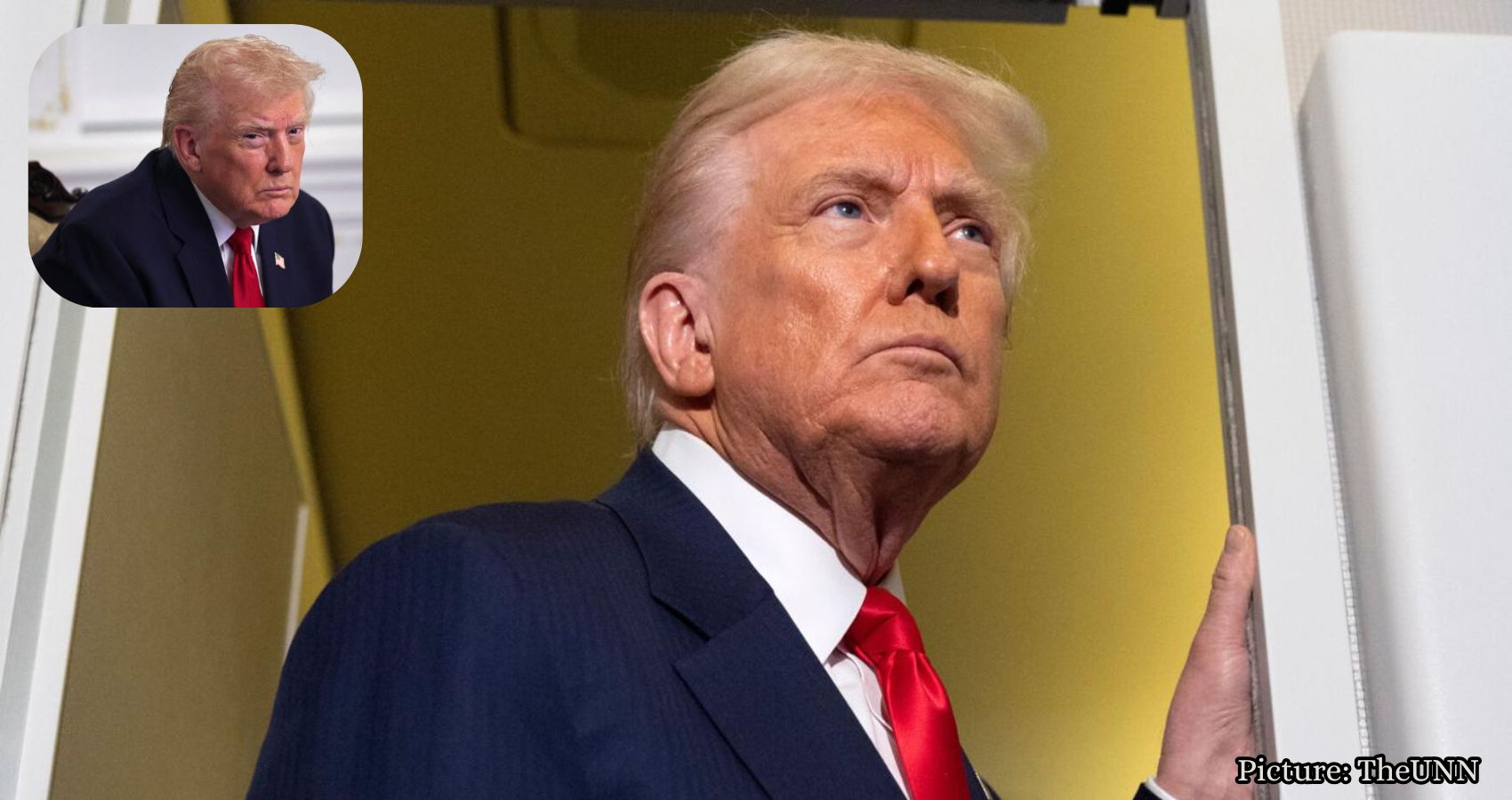
Despite the decline in overall H-1B applications, the sponsorship landscape remains dominated by tech companies. According to the latest fiscal year 2025 data, Amazon leads with 12,391 approvals, making it the largest H-1B sponsor across all industries. Microsoft follows with 5,189 approvals, maintaining a steady demand for global talent. Meta Platforms closely trails with 5,123 approvals, remaining one of the highest-paying employers.

Apple Inc. and Google LLC also surpassed the 4,000 mark in approvals. Tata Consultancy Services recorded 5,505 approvals, keeping it among the top sponsors, while Cognizant Technology Solutions and Infosys Limited reported 2,493 and 2,004 approvals, respectively. JPMorgan Chase saw a significant increase to 2,440 approvals, marking one of the sharpest rises this year. Goldman Sachs, Morgan Stanley, and Citigroup continue to engage in steady H-1B hiring.

As the landscape of H-1B visa applications continues to evolve, companies are adapting to the changing regulatory environment and its implications for hiring practices, reflecting broader trends in the job market.

According to The American Bazaar.

Mukul Choudhary’s Father Reflects on Sacrifices for His Son

Mukul Choudhary’s father, Dalip, made significant sacrifices, including selling their home and serving time in jail, to support his son’s cricketing ambitions.

Mukul Choudhary, a rising star in the Indian Premier League (IPL), has a remarkable story that goes beyond his recent performances on the field. At the heart of his journey is the unwavering support and sacrifice of his father, Dalip Choudhary.

Dalip Choudhary has shared the lengths he went to in order to help his son achieve his dream of becoming a professional cricketer. In a heartfelt revelation, he disclosed that he sold their family home to finance Mukul’s cricketing aspirations. This decision was not made lightly, as it meant giving up the stability and comfort that a home provides.

In addition to selling their house, Dalip faced legal troubles that led to his imprisonment. The circumstances surrounding his time in jail were difficult, but he remained focused on his goal: to ensure that Mukul had every opportunity to succeed in cricket. This dedication highlights the lengths a parent will go to for their child’s dreams, often at great personal cost.

Mukul’s journey has been marked by hard work and determination, but it is clear that his father’s sacrifices have played a crucial role in his development as a player. The bond between father and son is evident, with Dalip’s support serving as a foundation for Mukul’s achievements on the cricket field.

As Mukul continues to make his mark in the IPL, his father’s story serves as a poignant reminder of the sacrifices that often go unnoticed in the pursuit of success. The challenges faced by Dalip Choudhary underscore the importance of family support in the world of sports.

According to NDTV, Mukul’s rise in cricket is not just a personal triumph but also a testament to the enduring love and commitment of a father willing to sacrifice everything for his child’s future.

Indian-American Woman Finds Missing Nose Ring in Her Lungs

A 26-year-old woman discovered that her missing nose ring had traveled to her lungs, causing a persistent cough that lasted for weeks.

A 26-year-old TikToker from Mexico, Monica Deyanira Cabrera Barajas, recently shared her alarming medical experience that has since gone viral, garnering 4.7 million views on TikTok. What she initially thought was a simple cough turned out to be a serious health issue involving her missing nose ring, which had lodged itself deep within her lungs, perilously close to her aorta.

Deyanira, who has multiple piercings, did not realize her nose ring was missing until she developed a chronic cough that persisted for over a month. Believing her symptoms were merely a reaction to changing weather, she delayed seeking medical attention. However, the cough proved to be a significant warning sign.

“The only theory I have, which I told the pulmonologist, is that I fell asleep, the little ball fell out, and that was it,” Deyanira explained in an interview with creatorzine.com. “I was lying on my back, I didn’t realize, and that’s how I messed up.”

When she finally visited a doctor, what was expected to be a routine 20-minute extraction turned into a complicated medical procedure. Surgeons initially struggled to remove the wayward jewelry, as it had begun to attach itself to her internal tissue. “It ended up taking an hour and 20 minutes, and they still couldn’t remove it because it was attached to my body,” she recounted, according to a report from Jam Press.

Faced with the possibility of a second, more invasive surgery, Deyanira was understandably anxious. The risk of a fatal hemorrhage loomed large, prompting her to prepare for the worst. The night before her scheduled surgery, she wrote a farewell letter to her loved ones. “I was honestly thinking, ‘I’m going to die,'” she admitted. “It’s a horror I wouldn’t wish on anyone.”

Her surgeon was equally astonished by the proximity of the metal to her heart. Deyanira recalled the doctor saying, “It seems God takes care of his creatures.” Had the metal punctured her lung or heart before it was discovered, she likely would have faced dire consequences, including a lung collapse or a perforated aorta.

Now recovering from the ordeal, Deyanira has decided to retire her septum rings for good. “I love piercings, and I really liked my septum piercing, but in my case, I wouldn’t get it again because of the terror I experienced,” she stated. Her story has resonated with many, with followers commenting that her experience has “unlocked a fear I didn’t know I had.”

This incident serves as a stark reminder of the potential dangers associated with body piercings and the importance of addressing health concerns promptly. According to Jam Press, Deyanira’s experience highlights the need for awareness regarding the risks that can accompany seemingly innocuous accessories.

Humanoid Robots Enter Mass Production Phase in China

Humanoid robots are now being mass-produced in China, with a factory capable of rolling out one robot every 30 minutes, signaling a significant shift in the robotics industry.

A factory in China has begun producing humanoid robots at an unprecedented pace, marking a significant transition towards large-scale manufacturing and broader adoption of this technology. With one robot rolling off the assembly line every 30 minutes, the facility is set to produce approximately 10,000 units annually, moving beyond the prototype phase into full-scale production.

This production line is the result of a collaboration between Leju Robotics and Dongfang Precision Science & Technology. What distinguishes this facility is its highly structured and repeatable manufacturing process, which includes 24 precision assembly stages and 77 inspection steps to ensure quality before a robot leaves the line. This rigorous testing is crucial, as reliability has historically been a challenge for humanoid robots.

Efficiency has also seen significant improvements, with the company reporting a more than 50 percent increase in output compared to previous production methods. Additionally, the system’s flexibility allows for a seamless switch between different robot models without halting operations, enabling the factory to cater to various industries, from automotive to home appliances. This adaptability is essential for transitioning from innovative technology to practical business applications.

The robotics industry appears to be at a pivotal moment. It is no longer sufficient for companies to merely showcase what their robots can do; they must now demonstrate the ability to manufacture them at scale. This shift is evident across the market, with investors closely monitoring production figures. High output levels indicate that a company can move beyond demonstrations and into real-world deployment, reflecting confidence in actual market demand.

Another noteworthy development is the division of roles within the industry. In this case, Leju Robotics focuses on design and software, while Dongfang Precision Science & Technology manages production and scaling. This model mirrors the evolution seen in other tech sectors, where one group develops the technology and another focuses on mass production. Such a separation could accelerate advancements across the robotics landscape.

Despite these advancements, a significant challenge remains: software development. While constructing the physical bodies of robots is becoming easier, programming them to function effectively in real-world environments continues to be a complex task. Homes, warehouses, and public spaces present unpredictable scenarios, with varying object shapes, lighting conditions, and tasks that can confuse machines. Although factories can now produce thousands of robots, this does not guarantee that they will be immediately useful. The onus is now on AI developers to bridge this gap.

The implications of these developments may seem distant from everyday life, but they are closer than one might think. As production increases, costs typically decrease, paving the way for more businesses to adopt humanoid robots. We may soon see them in warehouses, retail settings, or service roles, raising important questions about employment, safety, and public comfort with machines that resemble humans. The rapid pace of this transition is particularly striking; what once felt experimental is now on the verge of mainstream integration.

Humanoid robots are entering a new phase in their development. The conversation has shifted from whether these robots can be built to how quickly they can be produced and where they will be deployed. Factories like the one in China are setting the standard, and the rest of the industry must keep pace.

As humanoid robots become more commonplace in workplaces, society must consider where to draw the line between beneficial automation and excessive reliance on technology. This evolving landscape invites public discourse on the future of work and human-robot interaction.

For more insights on technology and security, visit CyberGuy.com.

Oceans Worldwide Growing Darker, Posing Threats to Marine Life

Oceans worldwide have darkened significantly over the past two decades, raising alarms about the potential impacts on marine ecosystems and life, according to a recent study.

Oceans around the globe have experienced a notable darkening over the last two decades, prompting concerns among researchers about the implications for marine life. A study led by Professor Thomas Davies from the University of Plymouth, published in the journal Global Change Biology, highlights the alarming trend observed through satellite data.

Data from NASA’s Ocean Color Web indicates that 21% of the planet’s oceans have darkened between 2003 and 2022. This change poses a significant threat to the marine ecosystem, particularly in the photic zones, where light penetrates sufficiently to support vital photobiological processes.

The photic zone extends to about 200 meters deep and is crucial for sustaining global nutrients and carbon budgets, which in turn support the world’s fish markets. Many marine organisms rely on both moonlight and sunlight for essential activities such as hunting, mating, and reproduction.

As the oceans darken, species that depend on light may be forced to migrate closer to the surface, potentially leading to overcrowding in these vital habitats. This shift could disrupt the delicate balance of marine ecosystems.

Using satellite data and an algorithm to assess light attenuation in seawater, Davies measured the depth of photic zones worldwide. The findings revealed that in areas where the oceans have darkened, 9% of photic zones have become 50 meters shallower, while 3% have decreased by 100 meters.

The reasons behind the darkening of oceans, particularly in offshore areas, remain unclear. However, the study suggests that global warming and changes in ocean currents may play a role in this phenomenon. Despite the overall trend of darkening, approximately 10% of the oceans, or 37 million square kilometers, have actually become lighter over the past two decades.

Interestingly, the study also found that most coastal regions have seen an increase in light. However, this increase does not lead to a net reduction in photic zone depth near shorelines, indicating a complex interplay between various environmental factors.

Davies warns that the consequences of ocean darkening could be severe, affecting marine food webs, global fisheries, and the overall carbon and nutrient budgets of the oceans. The implications of these changes could resonate throughout the marine ecosystem, impacting not only marine life but also human communities that rely on these resources.

As researchers continue to investigate the causes and effects of this darkening trend, the need for awareness and action to protect marine ecosystems becomes increasingly urgent, according to Fox News.

Immigrants Drive Ohio’s Workforce Growth and Contribute Billions in Taxes

New research highlights the significant economic contributions of immigrants in Ohio, revealing they earned $27.3 billion and paid $7.3 billion in taxes in 2023.

Immigrants in Ohio play a vital role in the state’s economy, according to a recent report from the American Immigration Council. The study, conducted in partnership with Ohio Business for Immigration Solutions, reveals that immigrants not only fill essential roles in critical industries but also contribute billions in taxes annually.

In 2023, immigrants in Ohio earned an impressive $27.3 billion in income and paid $7.3 billion in local, state, and federal taxes. This financial contribution underscores their importance to the state’s economic landscape, as they help sustain local businesses and communities.

“Immigrants are essential to Ohio’s future, powering the state’s workforce, strengthening critical industries, and paying billions in taxes that communities depend on every day,” said Rich André, Director of State and Local Initiatives at the American Immigration Council.

The report highlights the ongoing workforce shortages in Ohio, which are placing significant strain on businesses. Jaclyn Ringstmeier, Executive Director of the Greater Medina Chamber of Commerce, emphasized the importance of immigrants in addressing these challenges. “As this new report highlights, immigrants play a vital role in driving economic growth and sustaining Ohio’s future,” she stated.

Key findings from the report illustrate the critical contributions of immigrants to Ohio’s workforce:

First, immigrants are helping to fill the state’s workplace shortages and are well-positioned to meet future labor needs. From 2019 to 2024, the number of online job postings in Ohio increased by 8.2 percent. In 2023, 75.5 percent of immigrants were active in the labor force, and they were 29.4 percent more likely to be of working age compared to their U.S.-born counterparts. This demonstrates that immigrants are already addressing the growing demand for workers and are poised to continue contributing actively to the workforce.

Second, the financial impact of immigrants in Ohio is substantial. In addition to earning $27.3 billion, their tax contributions of $7.3 billion leave them with $20 billion in spending power. This spending supports local businesses and fuels economic growth, helping to keep local economic corridors vibrant.

Moreover, immigrants are uniquely positioned to meet critical multilingual needs in the workforce. From 2019 to 2024, the number of job postings requiring or prioritizing bilingual skills in Ohio surged by 39.2 percent. Immigrants often possess the multilingual skills necessary to fill these positions, further enhancing their value in the job market.

Despite their contributions, Ohio is underutilizing its immigrant talent. Many immigrants with specialized training and skills acquired abroad face barriers such as relicensing and language proficiency, preventing them from working in their fields. As a result, in 2023, 43.7 percent of immigrants with a college education were employed in jobs that did not require a college degree.

The report emphasizes the need for policies that can better integrate immigrants into the workforce, allowing them to utilize their skills and education effectively. By doing so, Ohio can harness the full potential of its immigrant population, driving further economic growth and stability.

For more detailed information on how immigrants are supporting Ohio’s workforce, tax base, and economic growth, the full factsheet is available for review.

About the American Immigration Council: The American Immigration Council works to create a more welcoming and fair immigration system. Through litigation, research, and programs that expand access to legal assistance, the Council ensures that immigrants are embraced, communities are enriched, and justice prevails for all.
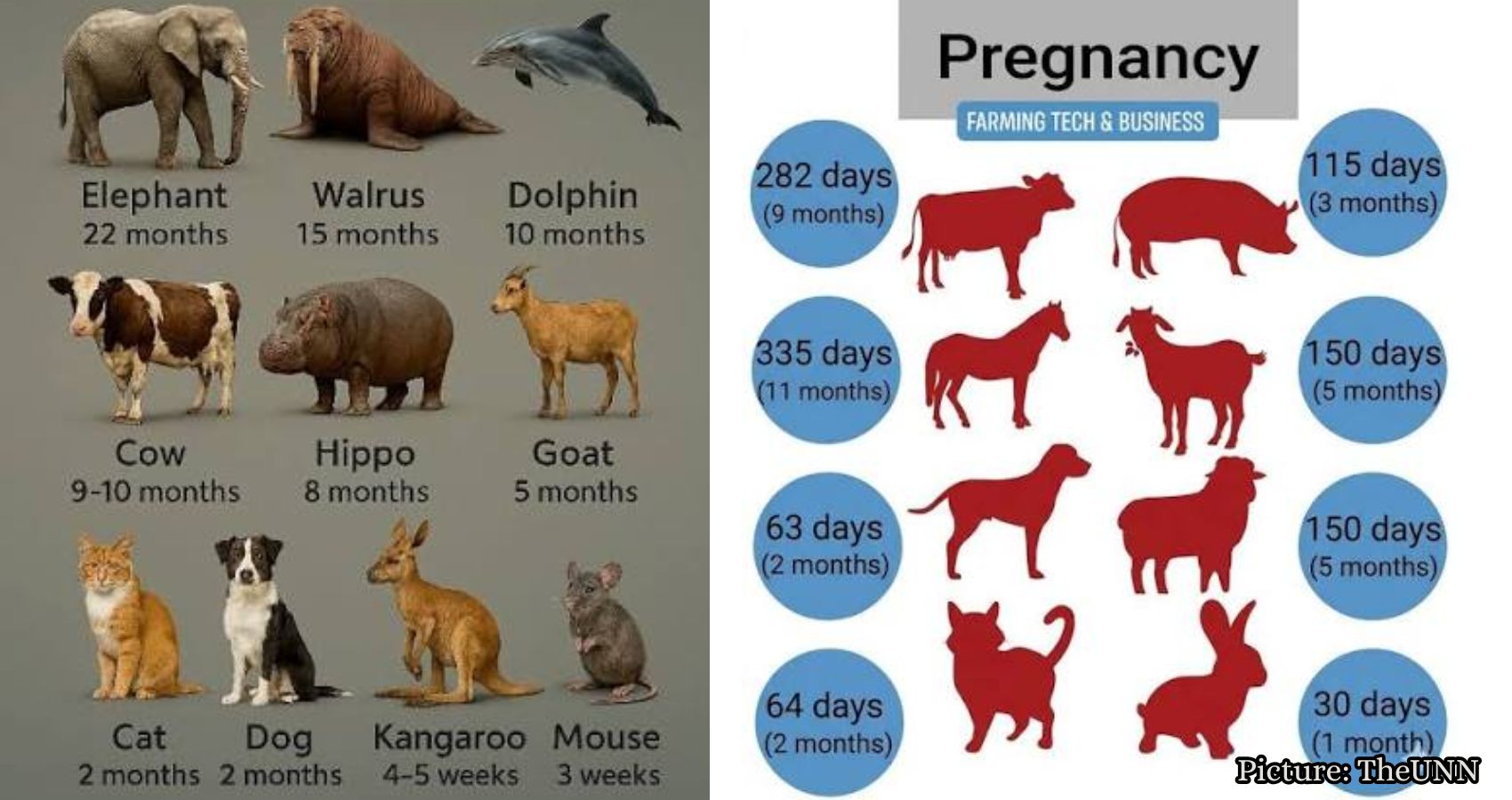
About Ohio Business for Immigration Solutions: Ohio Business for Immigration Solutions (OBIS) is a coalition of over 100 Ohio businesses, trade associations, chambers of commerce, and economic development groups advocating for the modernization of the immigration system to benefit the state’s economy. Launched on December 10, 2020, OBIS released the Ohio Compact on Immigration, a set of principles aimed at promoting immigration reforms that will strengthen the economy, attract global talent, and foster new business growth in the Buckeye State. OBIS supports sensible public policy solutions that transcend partisanship and rhetoric while recognizing the valuable contributions immigrants make to Ohio.

According to the American Immigration Council, the findings of this report highlight the essential role immigrants play in Ohio’s economy.

U.S. District Judge Orders Pentagon to Reinstate Journalist Press Access

A U.S. District Judge has ordered the Pentagon to restore access for credentialed journalists, emphasizing the importance of press freedoms in covering military operations.

A U.S. District Judge in Washington has ruled that the Pentagon must restore access for credentialed journalists, citing unconstitutional restrictions on press freedoms related to coverage of the Department of Defense (DOD). This ruling, issued on Thursday, underscores ongoing tensions between military operations and press freedoms, raising critical questions about transparency and the role of journalism in a democratic society.

Judge Paul Friedman issued the ruling in response to a lawsuit brought by The New York Times, which challenged the Pentagon’s restrictive press policies. In his March 20 ruling, Friedman declared the Pentagon’s press policy enacted last year as unconstitutional, leading to the reinstatement of press credentials for Times reporters and other journalists covering military affairs from within the Pentagon.

The Pentagon’s recent actions have drawn public scrutiny and raised concerns regarding the media’s ability to report on military matters. Following Friedman’s initial ruling, the Pentagon announced its intention to appeal the decision. Sean Parnell, the Pentagon’s chief spokesperson, stated, “The Department disagrees with the Court’s ruling and intends to appeal. The Department has at all times complied with the Court’s Order — it reinstated the PFACs of every journalist identified in the Order and issued a materially revised policy that addressed every concern the Court identified in its March 20 Opinion.” Parnell emphasized that while the Pentagon remains committed to press access, it also has a statutory obligation to maintain security at the Pentagon Reservation.

In a controversial move, the Pentagon submitted a new set of rules last month designed to comply with the judge’s directive while still limiting journalists’ access to the building. This prompted The New York Times’ legal team to return to court, arguing that the DOD’s revised policy was an attempt to circumvent the court’s original ruling.

Friedman expressed frustration over the Pentagon’s actions, stating, “The department simply cannot reinstate an unlawful policy under the guise of taking ‘new’ action and expect the court to look the other way.” His comments reflect the judiciary’s role in safeguarding First Amendment rights against governmental overreach.

The press policy in question was enacted in October 2022 and required journalists to sign a pledge that restricted their ability to report on unapproved military information. This requirement met with significant opposition; more than 50 journalists, including those from The Hill, refused to comply, resulting in their denial of press badges. Such limitations raised critical concerns about the implications for independent journalism and the public’s right to know.

The lawsuit initiated by The New York Times in December 2022 challenged the legality of the policy instituted by the Trump administration. Friedman, in his original ruling, underscored the First Amendment’s significance, stating, “A primary purpose of the First Amendment is to enable the press to publish what it will and the public to read what it chooses, free of any official proscription.” This foundational principle serves as a cornerstone of American democracy and civil society.

In his latest ruling, Friedman noted that the Pentagon’s current access provisions for press badge holders fell far short of the access previously granted. This observation underscores broader concerns about transparency and accountability within government institutions, particularly those tied to national security.

The ruling has been widely regarded as a significant victory for press freedom. Theodore Boutrous, an attorney for The New York Times, remarked, “This ruling powerfully vindicates both the court’s authority and the First Amendment’s protections of independent journalism.” Such statements highlight the ongoing struggle to balance national security interests with the public’s right to information, a complex dynamic that has significant implications for the future of journalism.

The Pentagon’s intent to appeal the ruling and its resistance to the court’s orders further illustrate the contentious relationship between military authorities and the media. As this legal battle continues, it raises critical questions about the future of press access to military facilities and the broader implications for journalist freedom in reporting on government actions.

The implications of this case extend beyond the immediate conflict between The New York Times and the Pentagon. As legal experts and journalists closely monitor the developments, the outcome could set significant precedents for future interactions between government institutions and the media. Such precedents may influence similar disputes across various branches of government, impacting the landscape of press freedom in the United States.

Moreover, this case serves as a reflection of the increasing challenges journalists face in obtaining information in an age of heightened national security concerns. The evolving nature of press access within governmental institutions raises pressing questions about the balance between safeguarding sensitive information and ensuring a free and open press.

As the legal proceedings unfold, the outcome will be crucial in determining not only the future of press access at the Pentagon but also the wider implications for the relationship between government transparency and the media’s role in a democratic society. The public, legal experts, and journalists alike will be watching closely as this case continues to evolve, given its potential to shape the future of press freedoms in the United States, according to The New York Times.

Rep. Ro Khanna Explores 2028 Presidential Run Focused on Economic Equity

Congressman Ro Khanna has expressed interest in a potential presidential bid for 2028, focusing on economic equity and a commitment to anti-colonialism in U.S. foreign policy.

During the National Action Network’s annual convention on April 8, 2023, Congressman Ro Khanna, a Democratic representative from California’s 17th District, entertained the idea of launching a presidential campaign in 2028. In a conversation with civil rights leader Al Sharpton, Khanna shared insights into his motivations and political priorities, emphasizing his vision for economic justice and a progressive foreign policy.

When Sharpton inquired about Khanna’s presidential aspirations, the congressman humorously responded, “Will you be my running mate?” This light-hearted exchange soon transitioned into a more serious discussion about the political landscape and his ambitions. While Khanna stated that his immediate goal is to support Hakeem Jeffries in becoming the Speaker of the House, he acknowledged that he is also contemplating a run for the presidency.

Khanna articulated a comprehensive economic strategy designed to ensure that all Americans have a stake in the nation’s economic future. He remarked, “I represent the economic future, and I have a clear roadmap of how we’re going to make sure every part of this country has an economic stake in the future.” His plan encompasses several key components, including equitable worker compensation, integrating marginalized communities into the evolving artificial intelligence sector, and ensuring families achieve economic independence through access to healthcare and childcare.

“I have a comprehensive economic vision, and I believe that people need an economic vision,” Khanna stated, reflecting a growing trend among progressive Democrats who are centering their platforms around economic issues. This focus resonates with many voters who are increasingly concerned about economic disparities, particularly in light of ongoing discussions about inflation and job security.

In addition to his economic ambitions, Khanna expressed a personal commitment to rejecting colonial models of governance and international relations, a perspective he attributes to the influence of his grandfather. He has previously criticized former President Donald Trump, accusing him of perpetuating a colonial mindset. “At our best, America fights wars of liberation, not conquest. We are not the Roman or British Empire engaged in colonialism. We defeated Nazism and authoritarian communism. Trump is betraying our values,” Khanna asserted. This statement reflects his broader critique of U.S. foreign policy and its implications for global equity and justice.

As the Democratic field begins to take shape for the 2028 presidential election, Khanna is positioning himself among a growing list of potential candidates. Prominent figures such as California Governor Gavin Newsom and former Vice President Kamala Harris are currently viewed as frontrunners, although neither has formally declared their candidacies. Other Democrats, including Michigan Governor Gretchen Whitmer and Pennsylvania Governor Josh Shapiro, have also signaled potential interest in the race.

Since his election to Congress in 2017, Khanna has emerged as a leading voice within the progressive wing of the Democratic Party, advocating for policies such as Medicare for All, economic patriotism, and the revitalization of American manufacturing. His potential candidacy could introduce a distinctive perspective to the Democratic primary, particularly as issues of economic justice become increasingly central to voter concerns.

Khanna’s remarks have generated significant interest regarding his political future as he balances his legislative responsibilities with the prospect of a presidential run. His emphasis on economic equity and anti-colonialism positions him uniquely within the Democratic Party, appealing to voters who seek transformative change in both domestic and foreign policy.

As the 2028 election approaches, discussions about candidates like Khanna are expected to intensify, particularly as economic justice and international relations continue to dominate the national conversation. His ability to articulate a clear vision and engage with critical issues may enhance his profile as a noteworthy contender in the electoral landscape.

Furthermore, Khanna’s approach reflects a broader shift within the Democratic Party, where an increasing number of candidates are prioritizing economic issues in response to constituents’ needs. As voters grapple with the realities of a post-pandemic economy, candidates who can effectively communicate their plans for economic revitalization and social justice may resonate more deeply with the electorate.

With Khanna’s progressive agenda and commitment to anti-colonial values, his potential campaign could energize a segment of the Democratic base that seeks comprehensive reform. As the political narrative evolves, it will be crucial for Khanna and other candidates to effectively address the pressing issues that matter most to voters, setting the stage for a competitive and dynamic primary season, according to Global Net News.

Join IFFLA 2026 to Showcase Diverse Indian-American Cinema

The 24th Indian Film Festival of Los Angeles (IFFLA) will showcase a vibrant selection of South Asian cinema from April 23–26, 2026, featuring 27 films from 14 countries.

The Indian Film Festival of Los Angeles (IFFLA) is set to celebrate its 24th edition in 2026, presenting a dynamic and diverse lineup that highlights the richness of South Asian cinema. The festival will take place from April 23 to April 26, 2026, and will feature a total of 27 films from 14 different countries.

This year’s festival promises to be a significant event for filmmakers and audiences alike, showcasing a variety of narrative features, documentaries, and short films. The opening film will be Mahesh Narayanan’s highly anticipated work, *Patriot*, while the festival will conclude with Anusha Rizvi’s *The Great Shamsuddin Family*. Both films are expected to deliver powerful storytelling and showcase emerging voices in the industry.

IFFLA aims to foster meaningful connections between filmmakers and the international film community, creating a platform for dialogue and collaboration. The festival not only highlights the artistic talents of South Asian filmmakers but also provides audiences with the opportunity to engage with diverse narratives and perspectives.

As the festival approaches, excitement is building among film enthusiasts and industry professionals. The selection of films promises to reflect a wide range of themes and experiences, offering insights into the complexities of South Asian cultures and societies.

Attendees can look forward to a rich program that includes panel discussions, Q&A sessions with filmmakers, and networking opportunities. These elements are designed to enhance the festival experience, encouraging interaction and engagement among participants.

With its commitment to showcasing the best of South Asian cinema, IFFLA continues to be a vital platform for filmmakers and audiences. The festival not only celebrates established talents but also provides a stage for new voices to emerge, ensuring a vibrant future for South Asian storytelling in film.

For more information about the festival and ticketing details, interested individuals can visit the official IFFLA website. As the festival date approaches, updates regarding the film lineup and special events will be announced, making it an event not to be missed.

According to India West, IFFLA 2026 promises to be an unforgettable celebration of cinema that connects cultures and inspires creativity.

Indian-American Jasveen Sangha Sentenced to 15 Years in Matthew Perry Case

Jasveen Sangha, known as the “Ketamine Queen,” has been sentenced to 15 years in federal prison for her role in the drug-related death of actor Matthew Perry.

LOS ANGELES, CA — Jasveen Sangha, a North Hollywood resident infamously dubbed the “Ketamine Queen,” was sentenced on April 8 to 15 years in federal prison for her involvement in a drug trafficking operation that contributed to the overdose death of actor Matthew Perry.

U.S. District Judge Sherilyn Peace Garnett handed down the 180-month sentence, which will be followed by three years of supervised release. Sangha, 42, who holds dual citizenship in the U.S. and the U.K., pleaded guilty in September 2025 to charges that included distribution of ketamine resulting in death and maintaining a drug-involved premises.

During the sentencing, Judge Garnett characterized Sangha as “probably one of the most culpable” among the five defendants charged in connection with Perry’s death. Authorities revealed that Sangha sold approximately 50 vials of ketamine to Perry for $11,000 in the weeks leading up to his tragic death in October 2023.

The court heard poignant victim impact statements from Perry’s family. His stepfather, Keith Morrison, expressed a lack of anger but conveyed that Sangha’s actions ensured Perry’s future “died with him.” Perry’s stepmother, Debbie Perry, described the harm as “irreversible” and urged for a significant sentence, labeling Sangha as “heartless.”

In her address to the court, Sangha expressed remorse, attributing her actions to “poor choices” and her own struggles with addiction. However, federal prosecutors contended that her motivations were driven by “greed, glamor, and access,” rather than necessity.

Sangha also admitted to supplying ketamine in a separate case from 2019 involving Cody McLaury, who died shortly after receiving the drug. Prosecutors noted that Sangha continued to expand her clientele despite being aware of the associated risks.

A search of her residence in March 2024 revealed a substantial cache of narcotics, including methamphetamine, ketamine, cocaine, MDMA, and counterfeit Xanax, along with cash and drug distribution equipment.

Evidence presented in court indicated that days after Perry’s death, an associate named Erik Fleming reached out to Sangha regarding concerns about toxicology. Prosecutors also referenced recorded jail calls in which she discussed potential book rights and trademarks related to the case.

Other defendants in the case include former physician Salvador Plasencia, who received a 30-month prison sentence, and Mark Chavez, who was sentenced to eight months of house arrest. Perry’s former personal assistant, Kenneth Iwamasa, is currently awaiting sentencing.

According to India West, the case highlights the devastating impact of drug trafficking and the tragic consequences that can ensue.

Rep. Randy Fine Joins House Freedom Caucus, Emphasizes Conservative Values

Rep. Randy Fine of Florida has officially joined the House Freedom Caucus, emphasizing his commitment to conservative principles and the MAGA agenda.

Republican Representative Randy Fine, who serves Florida’s 6th Congressional District, has announced his membership in the conservative House Freedom Caucus.

In a post on X, Fine expressed his enthusiasm, stating, “HUGE NEWS: I’m proud to announce that I have officially joined the strongest group of conservative patriots in Congress.” He highlighted the caucus’s mission, saying, “The House @freedomcaucus exists to save our country and preserve freedom, not manage our decline. That’s what I love about this group.” Fine looks forward to collaborating with his colleagues in the caucus to advance the MAGA agenda and uphold conservative values.

Fine, who took office last year after winning a special election to succeed Republican Mike Waltz, received significant support from former President Donald Trump during his campaign. Trump endorsed Fine shortly before he announced his candidacy, stating in a November 2024 Truth Social post, “Should he decide to enter this Race, Randy Fine has my Complete and Total Endorsement. RUN, RANDY, RUN!”

In a previous Truth Social post, Trump praised Fine’s performance, asserting, “He is doing a fantastic job representing Florida’s 6th Congressional District!” The endorsement underscores Fine’s alignment with Trump’s vision for the Republican Party.

Reflecting on his experiences in Congress, Fine remarked, “I found in my first year that there are two types of Republicans: those who want to save America and those who want to manage our decline politely.” He emphasized that the House Freedom Caucus aligns closely with his values, stating, “They were unquestionably the group whose values were most in line with mine.”

Fine further elaborated on his motivations for joining the caucus, noting, “Trying to manage the budget, trying to get the government under control, trying to stand up to the Left—they seemed to be the group whose values were most in line with mine,” according to The Daily Signal.

Fact Check: Did Sanjiv Goenka Gift ₹4.10 Crore Mercedes to Mukul Choudhary?

After an impressive performance in the IPL, rumors have surfaced about Sanjiv Goenka gifting Mukul Choudhary a luxury car, but no verified reports confirm this claim.

In a stunning display of talent, 21-year-old Mukul Choudhary led the Lucknow Super Giants (LSG) to an unexpected victory against the Kolkata Knight Riders (KKR) at Eden Gardens on April 9, 2026. Following his remarkable performance, unverified social media claims emerged suggesting that LSG owner Sanjiv Goenka would reward Choudhary with a Mercedes-Maybach GLS valued at ₹4.10 crore. However, it is essential to examine the authenticity of these claims.

Choudhary’s innings was nothing short of spectacular. Coming to the crease in the 13th over, he quickly turned the tide of the match by hitting seven sixes during his 27-ball stay at the wicket. Despite the Super Giants appearing to be in trouble after the dismissal of Ayush Badoni, who scored 54 runs, Choudhary’s explosive batting brought LSG back into contention. The match concluded with LSG needing 13 runs off the final over, and Choudhary’s efforts, which included two sixes and a bye, secured the win, leaving him unbeaten on 54 runs.

Social media posts celebrating Choudhary’s performance fueled speculation about the alleged gift from Goenka. One such post read: “After a sensational knock against KKR, Sanjiv Goenka has announced a massive reward: a brand new Mercedes GLS worth ₹4 crore as a gift! What a way to celebrate a match-winning performance.” However, this claim remains unverified, as no credible sources have reported on Goenka’s intention to gift the car.

In the post-match presentation, LSG captain Rishabh Pant expressed his admiration for Choudhary’s performance. Pant stated, “I do not have words to describe but what a fantastic effort. One thing I made sure is that personally, that trust and when you believe in someone, a player can do wonders. The character, with each and every match like this, it shows something is building. We don’t want to talk much about it but something is cooking inside.”

The victory propelled the Super Giants to fifth place in the IPL points table, keeping their hopes alive for a top-four finish. Conversely, the Knight Riders faced their third consecutive loss, remaining winless alongside the Chennai Super Kings (CSK).

As the IPL season progresses, fans and analysts alike will be watching closely to see how the Lucknow Super Giants build on this momentum and whether any further rewards or recognitions are bestowed upon players like Mukul Choudhary. For now, the rumors surrounding the luxury car gift remain just that—rumors.

According to The Sunday Guardian, the claims regarding the Mercedes-Maybach GLS gift have not been substantiated by any verified sources.

NBA MVP 2026 Predictions: Top Contenders Include Jokic and Wembanyama

The race for the 2026 NBA MVP is heating up, with Luka Doncic and Shai Gilgeous-Alexander emerging as top contenders in a historic season.

The competition for the Michael Jordan Trophy has reached an unprecedented level of excitement as the 2025-26 NBA regular season comes to a close on April 10, 2026. This year’s race is arguably one of the most unpredictable in decades, featuring a trio of generational talents: Luka Doncic, Shai Gilgeous-Alexander, and Nikola Jokic. Each player has made a compelling case for the league’s highest individual honor.

Shai Gilgeous-Alexander of the Oklahoma City Thunder has been a model of consistency throughout the season, maintaining his performance from start to finish. However, the narrative has shifted recently due to Luka Doncic’s impressive late-season surge with the Los Angeles Lakers. The phenomenal statistics produced by these players have pushed the boundaries of contemporary basketball, with the scoring champion set to be decided in the final game of the season.

As the MVP voting panel prepares to make their decision, a critical question looms: will individual scoring supremacy or overall team success define the 2026 Most Valuable Player?

Currently, the top scorers in the NBA for the 2025-26 regular season are as follows:

Luka Doncic leads the league with an average of 33.5 points per game, having played 64 games with a shooting percentage of 48.2%. Following closely is Shai Gilgeous-Alexander, who averages 31.1 points per game over 68 games, boasting an impressive shooting percentage of 55.3%. Other notable players include Anthony Edwards of the Minnesota Timberwolves, Jaylen Brown of the Boston Celtics, and Tyrese Maxey of the Philadelphia 76ers, all of whom have also made significant contributions this season.

The MVP narrative is heavily influenced by the performances of Doncic and Gilgeous-Alexander. Doncic’s revitalized play has captured the attention of fans and analysts alike, as he has not only led the scoring charts but has also been pivotal in guiding the Lakers’ offense. Many observers view him as a strong candidate for the Michael Jordan Trophy, although the league’s 65-game rule may complicate his case.

On the other hand, Shai Gilgeous-Alexander stands out as the leader of the Oklahoma City Thunder, who currently sit atop the Western Conference standings. With his scoring average of 31.1 points per game and a remarkable shooting percentage of 55.3%, Gilgeous-Alexander is seen by many as a more well-rounded candidate. His defensive skills and the Thunder’s superior win-loss record further bolster his MVP credentials.

As the season draws to a close, the anticipation surrounding the MVP race continues to build. Fans and analysts alike are eager to see how the final games will impact the narratives surrounding these top contenders. Will Doncic’s scoring prowess outweigh the team success of Gilgeous-Alexander? Or will Nikola Jokic, who remains a formidable presence in the race, make a late push for the award?

With the stakes higher than ever, the 2026 NBA MVP race promises to be one for the ages, showcasing the incredible talent and competitive spirit of the league’s brightest stars. As the final games approach, all eyes will be on these players as they vie for the coveted Michael Jordan Trophy.

According to The Sunday Guardian, the outcome of this season’s MVP race remains uncertain, but the performances of Doncic and Gilgeous-Alexander have certainly made it one of the most exciting in recent memory.

Inside Tehran: Woman Describes Fear and Checkpoints Amid Strikes

An anonymous Iranian woman shares her experiences of fear and uncertainty in Tehran amid a fragile ceasefire, highlighting the struggles of daily life under a militarized regime.

An anonymous Iranian woman has bravely stepped forward to describe the reality on the ground in Tehran as President Donald Trump’s two-week ceasefire with Iran tentatively began. In an essay published in The Australian, the author details the nightly explosions, extensive checkpoints, and communications blackouts that have become part of daily life since the onset of military operations launched by the United States and Israel in February.

“In effect, ordinary people have been turned into human shields within a vast militarized landscape,” she wrote, capturing the pervasive sense of anger, paranoia, and exhaustion that has gripped the city. The Iranian regime’s brutal crackdown on protests in January, which included public executions of thousands, initially led some residents to cheer for the attacks by U.S. and Israeli forces as Operation Epic Fury commenced on February 28.

“They say they’ve hit the leader’s residence,” the author’s daughter was quoted as saying. “All the children were screaming and cheering. … Even our teacher was quietly snapping their fingers and dancing.” The author recounted how everyday Iranians celebrated the death of Supreme Leader Ayatollah Khamenei, with the streets of Tehran echoing chants of “death to the dictator.” She reflected, “Perhaps for the first time, we allowed ourselves to believe our long-held dream was beginning to take shape.”

However, the initial euphoria soon gave way to the harsh realities of life under a regime that is both threatened and crumbling. One of the most pressing issues faced by those in Iran is the internet blackout, which has severed communications with the outside world and created an atmosphere of uncertainty and fear.

<p”So far, none of those close to us have suffered physical harm, but no night is calm,” the Iranian woman wrote. “What weighs most heavily is not only the war itself, but the possibility that it may end leaving behind a regime even more authoritarian, more repressive, and more violent.”

The author noted that a stubborn faction of regime supporters continues to assert their influence, blasting propaganda through loudspeakers nightly in the streets of Tehran to reinforce their authority among revolution supporters. “The streets are now covered with checkpoints,” she reported. “Under bridges and along main roads, movement is restricted. Long traffic lines form. Young people are stopped, their phones inspected under the pretext of routine checks.”

Following the announcement of the ceasefire between U.S. forces and the Iranian regime, the author observed that most of her fellow citizens went to sleep that night in a “state of deep anxiety.” She emphasized that the potential outcome of the ceasefire is a significant concern: “What weighs most heavily is not only the war itself, but the possibility that it may end up leaving behind a regime even more authoritarian, more repressive, and more violent.”

The anonymous author called for a ceasefire that does not equate to abandonment but instead leads to genuine peace and destabilizes the Iranian regime. “A ceasefire that stabilizes the current order, without addressing the demands that have brought Iranians into the streets for years, risks being experienced not as peace, but as abandonment,” she cautioned.

As negotiations between Iran and the U.S. are scheduled to begin in Pakistan, the author concluded with a note of resilience: “We wait, and we continue, in whatever ways possible, to insist that light will eventually overcome this darkness.” The Australian notes that the author remains anonymous for fear of retribution.

According to The Australian, the situation in Tehran reflects the complex interplay of hope and despair among its residents as they navigate a precarious existence under a regime in turmoil.

Folio Selected as Official Technology Platform for AAHOA Marketplace

Folio has been designated as the official technology platform for the AAHOA Marketplace, enhancing the purchasing and billing experience for the association’s members.

The Asian American Hotel Owners Association (AAHOA), the largest hotel owners’ association globally with over 20,000 members—predominantly Indian American—has announced that Folio will serve as the official technology platform for the AAHOA Marketplace.

This collaboration was unveiled during AAHOACON26, held in Philadelphia from April 8 to 10. Folio, a prominent financial operations platform, is set to launch an updated version of the AAHOA Marketplace later this year. This initiative aims to improve the purchasing and bill payment experience for AAHOA members, who collectively own 60% of the hotels in the United States, according to a media release.

Initially announced at last year’s AAHOACON, the AAHOA Marketplace, powered by Avendra International and bolstered by AAHOA’s collective buying power, provides hotel owners with access to trusted, high-quality products and services at reduced costs.

Key features of the upcoming Marketplace include:

Enhanced purchasing capabilities, allowing members to easily restock or shop across suppliers from a single platform;

Mobile optimization, enabling members to buy, track, and manage orders directly from their smartphones;

Rewards programs, where members can opt to receive cash back on qualified purchases and streamline their billing through Folio Pay;

Improved accounting features, including automatic reconciliation and spend categorization, enhanced by Folio’s AI technology.

The AAHOA Marketplace will continue to be free for all members and will be pre-loaded with exclusive deals and discounts tailored for AAHOA members, as stated in the release.

“The custom-built version of Folio will not only accelerate the delivery of savings in the AAHOA Marketplace but also provide a vital segment of the industry with access to powerful operating and payments technology,” said Folio CEO Kate Adamson.

“AAHOA members deserve the best technology and procurement solutions. Folio brings us closer to achieving that goal,” remarked AAHOA Chairman Kamalesh (KP) Patel. “By combining our strengths, Folio will simplify the process for our members to save both time and money.”

“This is a significant win for our members,” stated AAHOA Vice Chairman Rahul Patel. “The technology offered by Folio has traditionally been available only to the largest hotel groups. Together, we are creating a tailored solution for AAHOA members.”

“It is evident how Folio will enhance the procurement experience,” noted AAHOA President and CEO Laura Lee Blake. “The planned updates to the platform will enable members to discover more supplier deals and maximize their savings.”

AAHOA’s 20,000 members account for 60% of the hotels in the United States and contribute 1.4% to the nation’s GDP, according to the release. More than 1 million employees work at AAHOA member-owned hotels, generating $51.3 billion in annual earnings, and these hotels support 4.2 million jobs across various sectors of the hospitality industry.

The announcement of Folio as the official technology platform marks a significant step forward for AAHOA members, promising enhanced efficiency and savings in their operations.

According to The American Bazaar.

Krithika Lingappan Appointed to Lead Neonatology at Colorado University Medical Campus

Dr. Krithika Lingappan, an esteemed physician-scientist, has been appointed as the new Section Head of Neonatology at the University of Colorado Anschutz Medical Campus, effective September 1.

Dr. Krithika Lingappan, a distinguished Indian American physician-scientist known for her work on the biological mysteries of neonates, has been appointed as the Section Head of Neonatology at the University of Colorado Anschutz Medical Campus. She will officially take on her new role on September 1.

Lingappan joins the University of Colorado Anschutz from the Children’s Hospital of Philadelphia (CHOP) and the Perelman School of Medicine at the University of Pennsylvania, where she was recently promoted to tenured professor of pediatrics in the Division of Neonatology.

Her journey to becoming a leader in American medicine began in India, where she earned her Bachelor of Medicine, Bachelor of Surgery (MBBS) in 2002 from Kilpauk Medical College in Chennai. Before relocating to the United States, she enhanced her clinical skills as a resident at the Post Graduate Institute of Medical Education and Research (PGIMER) in Chandigarh.

Upon moving to the U.S., Lingappan completed a pediatric residency at the University of Chicago followed by a fellowship at Texas Children’s Hospital. While at Baylor College of Medicine, she balanced her clinical responsibilities with rigorous academic research, earning both a PhD and an MS in the Clinical Scientist Training Program.

Lingappan is internationally recognized for her expertise in neonatal care, particularly her pioneering research on sex-specific mechanisms of neonatal lung injury. Her studies investigate the differing clinical outcomes faced by premature male and female infants, a critical area of inquiry in neonatology.

Her research has garnered substantial funding from the National Institutes of Health (NIH), and she has authored over 80 peer-reviewed papers throughout her career. In 2022, her contributions to the field were formally acknowledged when she was elected to the American Pediatric Society.

In addition to her research achievements, Lingappan is committed to mentoring the next generation of medical professionals. Throughout her tenure at Baylor and the Perelman School of Medicine, she has guided a diverse array of students, from medical residents to postdoctoral fellows, emphasizing the importance of “paying it forward.”

The University of Colorado Anschutz Medical Campus expressed confidence in Lingappan’s capabilities, stating, “Dr. Lingappan brings an exceptional record of clinical innovation and program development.” In her new role, she will oversee neonatal operations and quality improvement across a broad perinatal network, further solidifying the section’s reputation as a national leader in both research innovation and high-stakes clinical care.

Her appointment is anticipated to enhance the University of Colorado Anschutz’s commitment to advancing neonatal health and improving outcomes for the youngest patients.

According to The American Bazaar, Lingappan’s leadership is expected to make a significant impact in the field of neonatology in Colorado.

Trump Ceasefire Initiates Debate Amid Shifting Dynamics in Iran War

Trump’s sudden ceasefire in the Iran conflict has sparked intense debate over its implications, revealing shifts in regional power dynamics and raising questions about U.S. foreign policy.

A sudden ceasefire announcement by former President Donald Trump has temporarily halted the escalating conflict involving Iran, igniting a fierce debate over the war’s outcomes, costs, and broader geopolitical implications.

The conflict, which included targeted strikes on Iranian oil infrastructure, resulted in significant damage to key facilities, though they remained operational. Despite heavy military engagement, Iran retained control over the strategically vital Strait of Hormuz, a crucial artery for global energy supplies that remained open throughout the hostilities. Analysts suggest that rather than weakening Tehran’s grip, the war may have underscored its influence over global oil routes.

Public commentary, notably from journalist Mehdi Hasan, has highlighted the steep costs of the conflict. Reports indicate that the United States spent approximately $30 million on military operations while suffering 15 military fatalities. In contrast, thousands of Iranians reportedly lost their lives, intensifying humanitarian concerns and drawing global scrutiny.

Media figures such as Piers Morgan and Megyn Kelly have weighed in on the situation, reflecting a broader divide in public and political opinion. Morgan noted that despite the strikes, Iran’s resilience remained evident, stating that the situation “exposed Iran’s global economic and political power.” He emphasized that while oil fields were targeted, they “remain operational,” reinforcing the perception that the campaign achieved limited strategic disruption.

Kelly offered a more critical perspective on the ceasefire itself, describing it as a reluctant necessity. “The deal sounds like a surrender. I favor it; it needed to end,” she stated, emphasizing fatigue with the ongoing conflict. She also pointed out that the war’s conclusion coincided with a halt in hostilities involving Lebanon, suggesting a broader regional cooling, albeit temporary.

The conflict has also revealed shifting internal dynamics within the Middle East. Observers noted that Iranian forces and affiliated groups demonstrated resilience, with Kelly remarking that “Iranians proved to be tough; they have control.” She argued that insurgent networks continue to shape regional power shifts, complicating U.S. military dominance.

At the same time, Trump’s leadership has faced scrutiny for what critics describe as a rapid shift in narrative. Just a day before the ceasefire, the administration projected a more aggressive stance, emphasizing pressure on Iran. The abrupt pivot to de-escalation has raised questions about strategic consistency and decision-making within the White House.

Kelly also highlighted the political ramifications at home, suggesting that the conflict lacked broad bipartisan support. “There wasn’t any support in the war, Republican or Democrat,” she said, adding that even core supporters appeared divided. She pointed to declining backing among key voter groups, arguing that domestic economic concerns are overshadowing foreign policy priorities.

Beyond domestic politics, the ceasefire has unsettled U.S. allies while failing to fully satisfy partners like Israel, which reportedly remains wary of the agreement. Critics argue that Washington may have strained alliances in its handling of the conflict, raising concerns about long-term credibility.

As the dust settles, the Iran conflict appears to have reshaped perceptions more than realities on the ground. While the ceasefire halts immediate violence, it leaves unresolved questions about regional stability, U.S. influence, and Iran’s enduring strategic position. The implications of this conflict will likely resonate in the geopolitical landscape for years to come, as stakeholders reassess their positions and strategies moving forward.

According to The American Bazaar, the ongoing debates surrounding the ceasefire and its aftermath will continue to influence both domestic and international discourse.

CSK’s Ravindra Jadeja Secures Victory Against RCB With Last-Ball Heroics

The IPL 2026 match between the Delhi Capitals and Gujarat Titans at the Arun Jaitley Stadium delivered an exhilarating finish, captivating fans until the last moment.

The IPL 2026 clash between the Delhi Capitals and Gujarat Titans at the Arun Jaitley Stadium on Wednesday proved to be a thrilling encounter that kept fans on the edge of their seats.

As the match unfolded, both teams displayed remarkable skill and determination, making for an intense competition. The atmosphere in the stadium was electric, with supporters rallying behind their respective teams.

In a dramatic turn of events, the match reached a nail-biting conclusion that had spectators holding their breath. The Delhi Capitals, needing a crucial win, faced a challenging situation as the game approached its climax.

With the pressure mounting, the players showcased their talent and resilience, making every ball count. The excitement was palpable as the teams battled it out, each striving for victory.

Ultimately, it was a moment of brilliance that defined the match. The Delhi Capitals managed to secure the win in a thrilling finish, leaving fans ecstatic and celebrating their team’s hard-fought victory.

This match will undoubtedly be remembered as one of the highlights of the IPL 2026 season, showcasing the drama and unpredictability that cricket fans cherish. According to NDTV Sports, the thrilling finish emphasized the competitive spirit of the tournament.

Deadly Bacterial Disease May Be Prevented by Common Pantry Staple

A new study suggests that a high-protein diet rich in casein and wheat gluten may significantly reduce cholera infection levels, potentially offering a simple preventive measure against this deadly disease.

A recent study from the University of California, Riverside, has revealed that a high-protein diet can effectively “disarm” cholera bacteria, reducing infection levels by up to 100-fold. This groundbreaking research, published in the journal Cell Host and Microbe, highlights the potential of common pantry staples in combating a disease that can quickly become life-threatening.

Cholera, a bacterial disease primarily spread through contaminated water and food, can lead to severe diarrhea, dehydration, and even death if left untreated. The Centers for Disease Control and Prevention (CDC) emphasizes the importance of prevention and treatment, especially as global cases surge, straining the supply of oral cholera vaccines.

The research team sought to understand how dietary changes could influence the response of harmful bacteria, similar to the effects seen with other bacteria. They conducted experiments with infected mice, providing them with various diets. Some mice received high-protein diets, while others were fed high in simple carbohydrates or high-fat diets.

According to Ansel Hsiao, an associate professor at UCR and the study’s senior author, the high-protein diet demonstrated one of the most significant anti-cholera effects compared to a balanced diet. Notably, casein, the primary protein found in milk and cheese, and wheat gluten emerged as the most effective components. Hsiao expressed surprise at the magnitude of the findings, noting that the study revealed up to 100-fold differences in cholera colonization based solely on diet.

The researchers discovered that cholera bacteria utilize a microscopic, syringe-like structure to inject toxins that kill beneficial microbes in the gut. In their study, casein and gluten effectively obstructed this “syringe,” rendering cholera unable to compete effectively within the gut environment.

While the World Health Organization (WHO) has underscored that cholera is preventable and treatable, the rising number of cases has heightened the urgency for diversified treatment strategies. Experts warn that an overreliance on antibiotics could lead to the emergence of drug-resistant “superbugs.” Although cholera has not yet reached a crisis point regarding antibiotic resistance, the bacteria’s adaptability raises concerns about the long-term efficacy of current medications.

Hsiao pointed out that dietary strategies do not contribute to antibiotic resistance in the same manner as pharmaceuticals. This suggests that food-based prevention could serve as a safer, more sustainable option for vulnerable communities. “Wheat gluten and casein are recognized as safe in a regulatory sense, making them easier to incorporate into public health strategies,” he stated.

The next phase of research will focus on the effects of these proteins in humans. Currently, the study’s limitation lies in its preclinical nature, as it only demonstrates the impact of diet on cholera in mice. Hsiao and his team have yet to determine the necessary amounts of casein or wheat gluten that an individual would need to consume to achieve a protective effect.

Additionally, researchers will investigate whether these proteins must be consumed prior to exposure to cholera for preventative benefits or if they can effectively mitigate an active infection. Hsiao emphasized the broader implications of improving dietary habits, stating, “The more we can enhance people’s diets, the better we may protect them from succumbing to disease.”

This study opens new avenues for exploring dietary interventions as a means to combat cholera, potentially transforming public health approaches in regions where the disease remains a significant threat, according to Fox News.

Space Travel Tickets Return as Prices Continue to Climb

Virgin Galactic has resumed ticket sales for suborbital space flights, but the price has risen to $750,000 per seat, reflecting the challenges and costs of commercial space travel.

Virgin Galactic has officially reopened ticket sales for its suborbital space flights, but prospective travelers will need to dig deeper into their pockets. The cost per seat has increased to $750,000, up from the previous price of $600,000. This price hike comes as the company prepares to accommodate over 675 customers who are eagerly waiting for their chance to experience space travel.

After nearly two years of pausing ticket sales, Virgin Galactic is making 50 new spots available for its upcoming flights. The company anticipates that flight testing will commence in the third quarter of 2026, with commercial service expected to begin in the fourth quarter of the same year. For those considering a booking, the waitlist is already substantial, indicating a strong interest in this unique experience.

However, it’s important to note that purchasing a ticket does not equate to a permanent move to space. The flights are short suborbital journeys lasting approximately 90 minutes. Virgin Galactic’s spaceplane is launched from a carrier aircraft at high altitude. Once released, the spaceplane ignites its rocket engine and ascends to the edge of space, allowing passengers to experience a few minutes of weightlessness before gliding back to Earth. This experience is more akin to a thrilling amusement park ride than a lengthy space mission, yet the allure of viewing Earth from above the atmosphere remains a significant draw for many.

While the prospect of traveling to space is undoubtedly exciting, the financial implications are considerable. The development and operation of reusable spacecraft are costly endeavors. Extensive testing is required, and safety regulations are stringent. When setbacks occur, they can significantly delay progress and increase costs.

Virgin Galactic has faced its share of challenges, including technical difficulties and tragic incidents. Notably, a test flight in 2014 resulted in the death of co-pilot Michael Alsbury, which has led the company to adopt a cautious approach to its operations. This history of setbacks contributes to the high ticket prices, as the limited number of flights and passengers necessitates premium pricing to sustain the business.

The company’s financial reports underscore the economic realities of the space tourism industry. In 2025, Virgin Galactic reported a net loss of $279 million and a negative free cash flow of $438 million, highlighting the substantial costs associated with building and scaling commercial spaceflight. CEO Michael Colglazier has indicated that ticket prices may continue to rise as the company increases production and testing efforts.

This latest ticket release is part of a new development phase for Virgin Galactic. The company plans to begin ground testing of its next-generation SpaceShip in April 2026, with flight testing slated for the third quarter of that year. Commercial flights using this new vehicle are still on track to launch in the fourth quarter of 2026. Additionally, a second SpaceShip is already in development and is expected to enter service between late 2026 and early 2027, which could further enhance flight frequency.

“We completed pivotal milestones during the first quarter of 2026, and with assembly of our first SpaceShip nearly complete and ground testing set to begin in April, we have released a limited number of Virgin Galactic Spaceflight Expeditions, each priced at $750,000,” said CEO Michael Colglazier. The company aims to transition from monthly flights to a twice-weekly schedule per ship, which could eventually lead to more accessible pricing.

The timing of this ticket relaunch is strategic, as Blue Origin has paused its tourist flights for at least two years. Meanwhile, SpaceX is currently focused on satellite launches, cargo missions, and government contracts. This leaves Virgin Galactic as the only active option for private individuals seeking a ticket to space at this time. Although the market for space tourism remains small, Virgin Galactic currently holds a unique position.

The overarching question for the industry remains: despite two decades of space tourism efforts, why have so few individuals actually traveled to space? The dream of making space travel more accessible is still a work in progress. Companies are striving to scale operations, and Virgin Galactic plans to increase its flight frequency from approximately four per month to as many as ten. If successful, this could eventually lead to lower ticket prices. However, the current equation remains straightforward: limited supply combined with high operational costs results in expensive tickets.

Even for those who may not be inclined to spend $750,000 on a 90-minute journey, the reopening of ticket sales is significant. It signals that space travel is inching closer to becoming a tangible consumer experience, albeit still out of reach for most. Moreover, the technological advancements developed for these flights often have broader applications, influencing various industries over time. This situation serves as a reminder of the nascent stage of space tourism; while it exists, it is far from mainstream and primarily funded by wealthy early adopters.

Virgin Galactic’s decision to resume ticket sales is a clear indication that the space tourism industry is not fading away but rather evolving. However, the elevated price point reflects the ongoing challenges of making space travel a viable option for the masses. For now, the view from above remains one of the most exclusive experiences that money can buy. Would you consider paying for a trip to space if prices became more affordable, or do the risks outweigh the thrill for you?

For further insights and updates on technology and security, visit CyberGuy.com.

Potential Discovery of New Dwarf Planet Challenges Planet Nine Theory

The potential discovery of a new dwarf planet, 2017OF201, may provide further evidence for the existence of the elusive theoretical Planet Nine in our solar system.
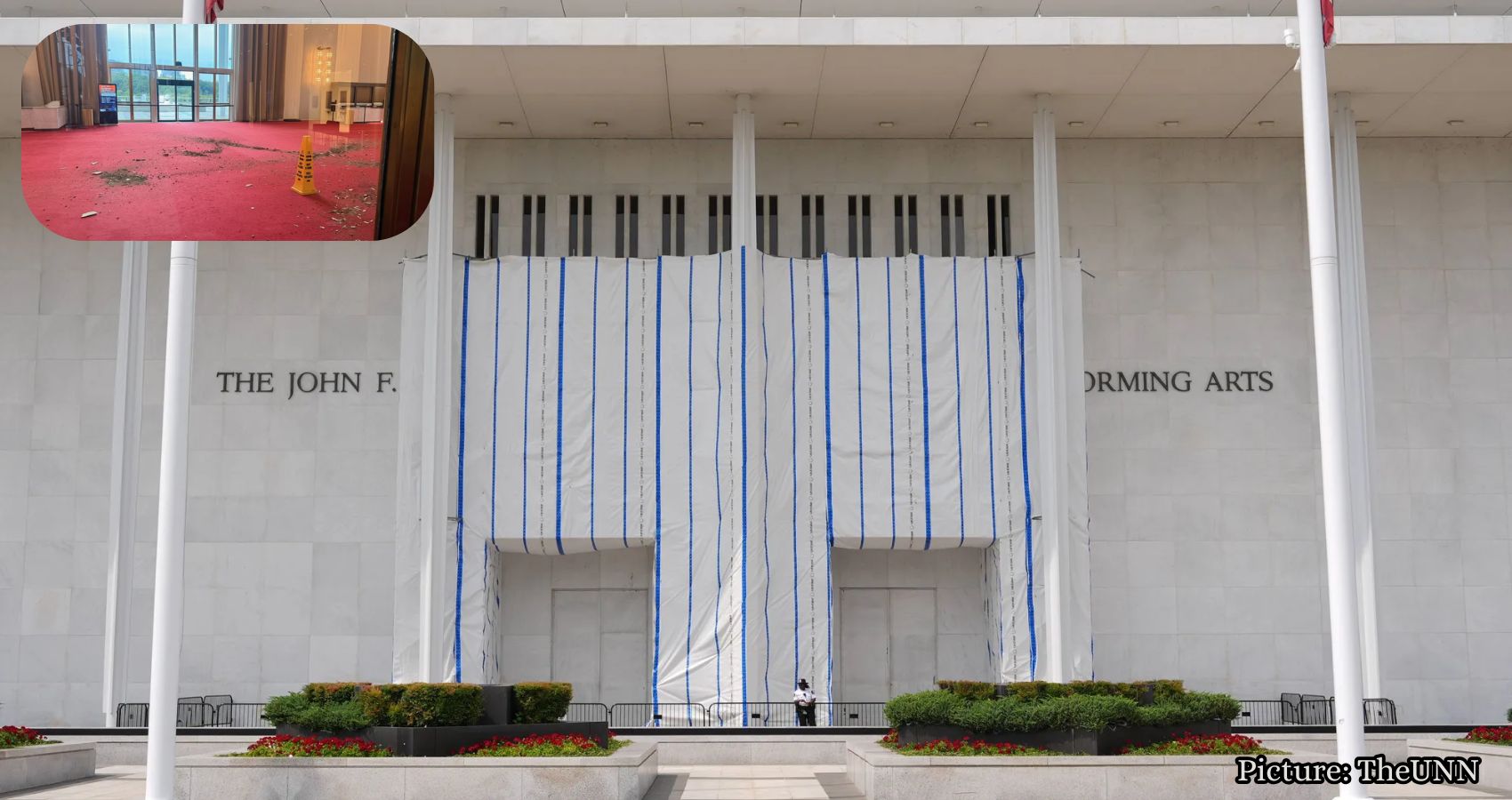
A team of scientists at the Institute for Advanced Study School of Natural Sciences in Princeton, New Jersey, has announced the potential discovery of a new dwarf planet, designated as 2017OF201. This large trans-Neptune Object (TNO) is located beyond the icy expanse of the Kuiper Belt and may challenge existing beliefs about the structure of our solar system.

TNOs are minor planets that orbit the Sun at distances greater than that of Neptune. While many such objects exist, 2017OF201 stands out due to its significant size and unusual orbit. The discovery was made by researchers Sihao Cheng, Jiaxuan Li, and Eritas Yang, who utilized advanced computational techniques to analyze the object’s unique trajectory.

“The object’s aphelion—the farthest point in its orbit from the Sun—is more than 1,600 times that of Earth’s orbit,” Cheng explained in a news release. “Meanwhile, its perihelion—the closest point to the Sun—is 44.5 times that of Earth’s orbit, which is similar to Pluto’s orbit.” The orbital period of 2017OF201 is estimated to be around 25,000 years, suggesting that it has undergone significant gravitational interactions with larger planets, leading to its current wide orbit.

Cheng further speculated on the object’s migration history, suggesting that it may have initially been ejected into the Oort Cloud, the most distant region of our solar system, before being drawn back into its current orbit. This hypothesis indicates a more complex dynamic in the outer solar system than previously understood.

The implications of this discovery are substantial, particularly concerning the ongoing search for Planet Nine, a theoretical planet proposed to exist in the outer solar system. In January 2016, astronomers Konstantin Batygin and Mike Brown from the California Institute of Technology (Caltech) presented research suggesting the presence of a planet approximately 1.5 times the size of Earth, located far beyond Pluto. However, Planet Nine remains unobserved, with its existence inferred from gravitational patterns affecting smaller objects in the Kuiper Belt.
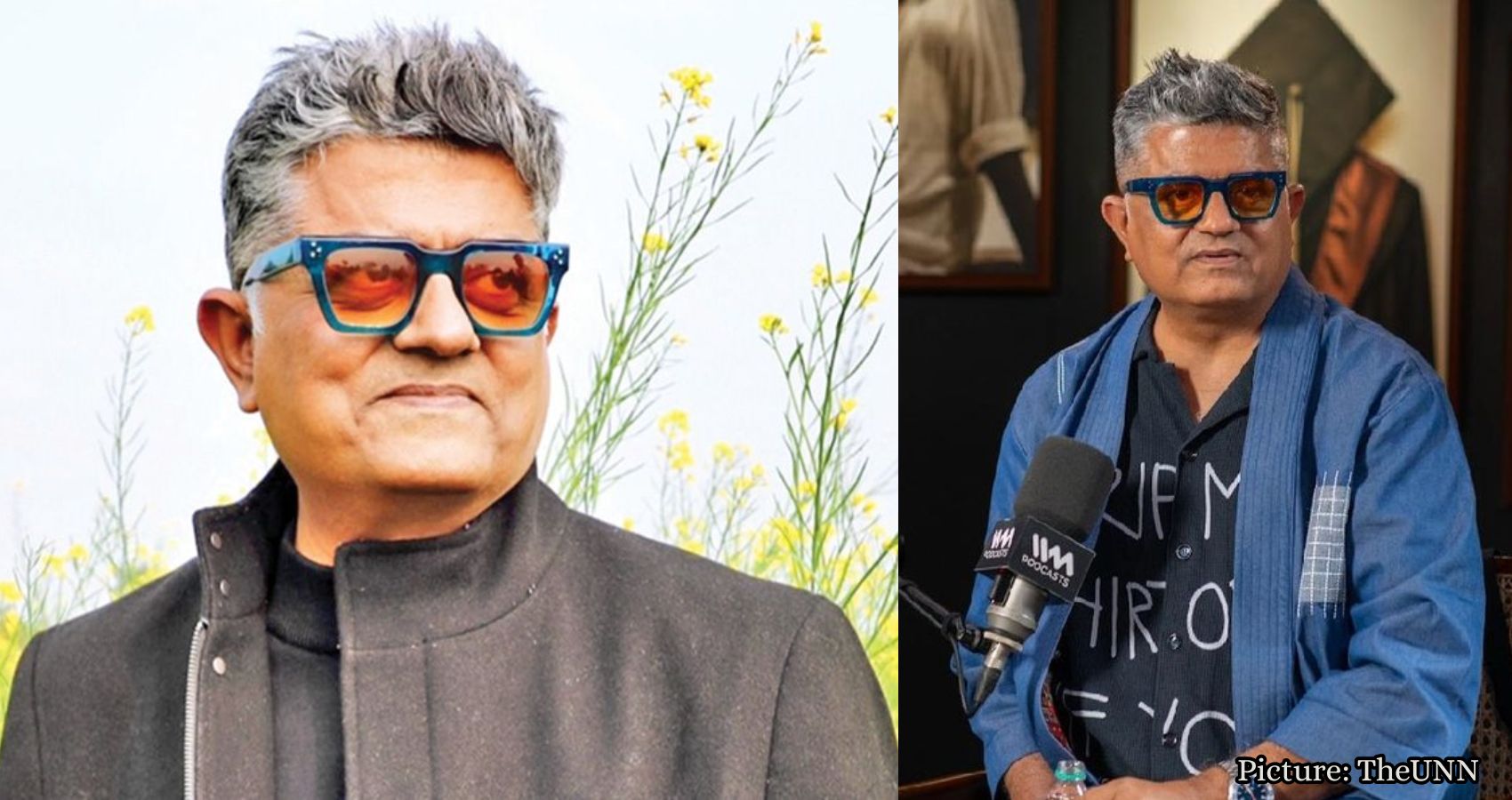
According to the theory, if Planet Nine exists, it could be similar in size to Neptune and possess a mass up to ten times that of Earth. It is theorized to orbit the Sun at a distance of up to 30 times that of Neptune, taking between 10,000 and 20,000 Earth years to complete one orbit.

The discovery of 2017OF201 suggests that the region beyond the Kuiper Belt, previously thought to be largely empty, may harbor more celestial bodies than anticipated. Cheng noted that only about 1% of 2017OF201’s orbit is currently visible from Earth, underscoring the vastness of our solar system and the potential for future discoveries.

“Even though advances in telescopes have enabled us to explore distant parts of the universe, there is still a great deal to discover about our own solar system,” Cheng remarked.

As researchers continue to investigate the outer reaches of our solar system, the existence of Planet Nine remains a tantalizing possibility, with the gravitational influences of objects like 2017OF201 potentially providing critical insights into its nature. The ongoing study of such trans-Neptune Objects may ultimately reshape our understanding of the solar system’s architecture.

This research adds a new dimension to the ongoing exploration of our cosmic neighborhood, highlighting the complexity and dynamism of the solar system’s outer regions. The findings were reported in a recent news release, emphasizing the importance of continued observation and study of these distant celestial bodies.

According to NASA, the search for Planet Nine and the study of TNOs like 2017OF201 could help clarify the gravitational patterns observed in the outer solar system, potentially leading to a deeper understanding of our cosmic environment.

Asian Cuisine and Soft Power: Cultural Influence in Geopolitics

Asian cuisines are increasingly shaping global cultural influence through soft power, leveraging culinary traditions and digital platforms to redefine geopolitical dynamics.

As global consumers become more focused on wellness-oriented and sustainable diets, South Asian culinary traditions, particularly those rooted in India’s Ayurveda, present significant potential. However, without institutional support, this cultural capital remains diffused rather than strategically influential.

In major cities around the world—be it Delhi, London, or New York—a quiet transformation is taking place. Korean ramen packets fill supermarket shelves, bubble tea chains have become staples among youth, and sushi is now as ubiquitous as sandwiches. These shifts in taste are indicative of a deeper change in global power dynamics.

For decades, globalization was often viewed through the lens of Western expansion, encapsulated in George Ritzer’s concept of “McDonaldization,” characterized by efficiency, calculability, and uniformity. However, this paradigm is increasingly being challenged. A new model is emerging where culture travels not through Western cultural standardization but through narrative, identity, and everyday consumption.

As Joseph Nye famously stated, “soft power rests on the ability to shape the preferences of others.” Today, this ability is being exercised not only through media or diplomacy but also through something far more intimate: food.

Culture and Cuisine Soft Power

South Korea’s ascent as a culinary power exemplifies how food can be strategically integrated into cultural production. The global popularity of Korean ramen (ramyeon) is closely tied to its visibility in films like *Parasite* and widely streamed K-dramas. This exposure is not incidental; it is part of a broader ecosystem where cuisine is intricately woven into storytelling.

Empirical data underscores this shift. Global favorability toward Korean cuisine increased from 42.7% in 2017 to 53.7% in 2024, with media exposure identified as a key driver. Additionally, Korea’s instant noodle exports reached record highs during and after the pandemic, fueled by the viral “fire noodle challenge” on digital platforms.

What emerges is a powerful synthesis: Korea does not merely export food; it engineers desire through visibility. As anthropologist Arjun Appadurai notes, “globalization is not just about homogenization but about the production of difference.” Korean cuisine thrives precisely because it retains its uniqueness while making it desirable.

Bubble Tea and Algorithmic Soft Power

If Korea represents a state-media model, Taiwan’s bubble tea illustrates a different dynamic of platform-driven cultural diffusion. Originating in Taiwan in the 1980s, bubble tea has become a global sensation, with markets in the United States projected to grow rapidly due to increasing youth demand.

The drink’s success is not rooted in state policy but rather in its compatibility with digital culture. Its visual appeal, characterized by layered colors and tapioca pearls, makes it ideal for platforms like Instagram and TikTok. Research indicates that digital platforms and algorithms now play a decisive role in determining which cultural products gain global visibility, effectively mediating modern soft power.

Bubble tea thus exemplifies what can be termed “algorithmic soft power,” where influence is no longer centrally controlled but distributed across networks of users, platforms, and digital economies.

Thailand and Gastrodiplomacy

While digital and media forces are crucial, the role of the state remains central in many instances. Thailand’s “Global Thai Program” is one of the earliest and most successful examples of institutionalized gastrodiplomacy. By funding Thai restaurants abroad and standardizing menus, the Thai government actively shaped how its cuisine was represented globally.

This strategy significantly increased the number of Thai restaurants worldwide and linked cuisine to tourism growth. The key insight here is that Thai cuisine has globalized without losing its distinctiveness, demonstrating that authenticity can coexist with scalability.

Chinese Culinary Expansion

China’s food diplomacy operates less through media or branding and more through economic scale and diaspora networks. The global expansion of hotpot chains like Haidilao, alongside the proliferation of regional cuisines, reflects broader patterns of trade, migration, and investment.

Studies on Chinese diaspora economies reveal that food businesses often serve as cultural anchors in global cities, reinforcing both economic and cultural presence. This model highlights a different pathway: cuisine as an extension of political economy, embedded within global supply chains and infrastructure.

Indian Cuisine, Strategic Gap

In contrast, South Asia presents a paradox. Indian cuisine, rich in diversity and historical depth, has gained global recognition largely through diaspora networks rather than coordinated state policy. Dishes such as biryani, curry, and various regional vegetarian cuisines are popular worldwide; yet, there is no unified framework to leverage them as tools of soft power.

At a time when global consumers are increasingly drawn to wellness-oriented and sustainable diets, South Asian culinary traditions, particularly those rooted in Ayurveda, offer significant potential. However, without institutional backing, this remains diffused cultural capital rather than strategic influence.

Youth and Geopolitics

While states and markets design the architecture of food diplomacy, youth play a transformative role. Their participation is not merely passive; they actively reshape cultural narratives. Through platforms like TikTok, YouTube, and Instagram, young consumers turn food into circulating cultural capital, reviewing Korean ramen, aestheticizing bubble tea, or reinventing traditional cuisines in innovative formats.

This process transforms food diplomacy into what may be termed “everyday geopolitics.” Influence is no longer confined to formal institutions; it is reproduced through routine acts of consumption, sharing, and imitation. In India and South Asia, urban youth increasingly mediate between global and local cuisines, popularizing fusion foods and reviving regional dishes in digital spaces.

Cultural theorists argue that globalization today operates through “vernacularization,” the adaptation of global forms into local contexts. Youth are central to this process, ensuring that Asian cuisines not only spread but also embed themselves within diverse cultural landscapes.

Power You Can Taste

What we are witnessing is not the replacement of McDonaldization with another uniform system, but the emergence of a multipolar culinary order. Asia’s food diplomacy thrives on diversity, adaptability, and narrative richness. From Korea’s media-driven exports to Taiwan’s digital virality, from Thailand’s state-led strategies to China’s market expansion, the region is collectively redefining how influence operates.

In this emerging order, power is no longer exercised solely through military or economic dominance. It is cultivated through the ability to shape desire itself, influencing what people crave, consume, and share. Food, in this sense, becomes a strategy: subtle, pervasive, and deeply political.

To extend Joseph Nye’s insight, if soft power is about attraction, then Asia’s greatest strength today may lie not in what it says or does, but in what the world increasingly chooses to taste, according to GlobalNet News.

Cinema Reflects India’s Global Position Through Films Like Dhurandhar

Recent Bollywood films like *Dhurandhar* and *Dhurandar* have sparked discussions about cinema’s role in shaping perceptions of power and foreign policy in India.

Recent Bollywood blockbusters such as *Dhurandhar* (2025) and *Dhurandar* (2026) have ignited intense debate regarding whether cinema is influencing public understanding of the state, power, and foreign policy. The reactions, particularly surrounding *Dhurandhar*, reveal a deeper concern: are we beginning to interpret films as factual representations of political realities? This perspective could lead to misunderstandings.

Cinema is not a policy document; it does not explain the state but rather performs it. However, to entirely dismiss films would be equally misguided. As renowned filmmaker Satyajit Ray once noted, “Cinema’s characteristic forte is its ability to capture and communicate the intimacies of the human mind.” It is within these nuances—emotional arcs, cultural cues, and minor details—that films subtly reflect the political culture of their time.

When approached thoughtfully, cinema becomes less a source of facts and more a diagnostic tool. It reveals how a nation perceives itself on the global stage. Films such as *Purab Aur Pachhim*, *Dilwale Dulhania Le Jayenge*, and *Dangal* do not directly narrate Indian foreign policy. Yet, through their silences, symbols, and character choices, they trace the evolution of India’s relationship with its diaspora and its broader global self-image.

The India depicted in *Purab Aur Pachhim* (1971) emerged from a period marked by economic fragility and geopolitical caution. The years following independence were characterized by the Non-Aligned Movement, during which India sought autonomy from both Western and Soviet influences. In this context, the diaspora was often perceived not as an asset but as a sign of lost talent and loyalty.

The film encapsulates this anxiety through its protagonist, Bharat, who travels to the West not to integrate but to correct. The West is portrayed as morally unmoored, while India is depicted as a bastion of discipline and tradition. These portrayals do not serve as explicit policy statements, but they resonate with a broader foreign policy instinct: one that is defensive, cautious, and protective of identity. In this narrative, soft power functions as a shield, focusing on preserving the self rather than influencing others. The cinematic narrative reflects a state still grappling with its place in the global order.

By the time *Dilwale Dulhania Le Jayenge* (1995) was released, India had undergone significant structural transformation. The economic reforms of 1991 altered the state’s relationship with the world. Liberalization not only opened markets but also reshaped national imagination. The Indian abroad was no longer viewed with suspicion; instead, they became potential partners in growth.

The character of Raj embodies this shift. He is Western in lifestyle yet firmly rooted in what the film refers to as “Indian values.” His moral legitimacy derives from balance rather than rejection. This subtle recalibration mirrors the state’s evolving approach toward the diaspora. Initiatives aimed at engaging the diaspora and recognizing overseas Indians as stakeholders reflected a new logic: connection as capital.

During this period, soft power became transactional, albeit without overt acknowledgment. Cinema reassured the diaspora that their sense of belonging remained intact, even across borders. The message shifted from a defensive posture to one of invitation. India was no longer urging its people abroad to return; instead, it encouraged them to maintain their connections. The emotional economy of the film aligned with a policy goal of building influence through networks, investment, and advocacy. The state began to view itself not as isolated but as extended.

With *Dangal* (2016), the narrative grammar shifted once more. India was no longer addressing solely its diaspora; it was reaching out to the world. The film’s remarkable reception in non-Western markets, particularly in Asia, signaled a transformation in how Indian stories were perceived. They no longer relied on exoticism or nostalgia for the diaspora but drew on universal themes such as discipline, aspiration, and familial tension that resonate across cultural boundaries.

This evolution is not coincidental. It reflects a broader transformation in India’s foreign policy, where initiatives centered around global cooperation and leadership have become paramount. Cultural exports now serve as instruments of presence, carrying narratives of resilience and merit that align with the image India seeks to project internationally.

In this phase, soft power is no longer merely protective or connective; it is assertive. It does not seek validation; it assumes relevance. The success of *Dangal* indicates that Indian cinema can function as a global language without mediation. This marks a significant departure from earlier decades, where cultural legitimacy often hinged on Western recognition.

To treat these films as factual accounts of foreign policy would be reductive. Cinema simplifies, exaggerates, and dramatizes. It creates coherence where reality is often fragmented. Yet, within that simplification lies valuable insight. Films capture the emotional climate in which policies are conceived and received, revealing how the state wishes to be perceived and how society negotiates that vision.

The progression from *Purab Aur Pachhim* to *Dilwale Dulhania Le Jayenge* to *Dangal* is not a straightforward timeline of policy change. It represents a subtler cultural echo of India’s journey from caution to engagement and ultimately to assertion. This shift is not merely reflected in policy documents or diplomatic speeches; it is embedded in storytelling, character behavior, and audience responses.

As discussions around contemporary cinema intensify, it is crucial to remember that films are neither propaganda tools nor policy briefs. They are cultural texts, and their value lies in what they suggest rather than what they declare. By examining them closely—especially in their pauses, contradictions, and emotional cues—we gain insights not only into India’s actions on the global stage but also into how it perceives its place within it.

Cinema may not provide the factual details of foreign policy, but it offers something equally significant: the imagination behind it.

The author is a final-year political science student and geopolitical researcher specializing in great power politics, climate security, and international strategic affairs. The views expressed are personal. He can be contacted at piyushchaudhary2125@gmail.com.

According to News India Times.

Calorie Bombing’s Impact on Intergenerational Trauma in Indian-American Communities

Calorie is a poignant film that explores intergenerational trauma through the lens of a Punjabi-Canadian woman’s experience following the Air India flight 182 tragedy.

Set against the backdrop of the U.S. and Punjab, India, *Calorie* tells the story of Monika, a Punjabi-Canadian woman who must send her Westernized daughters to Amritsar alone after a work commitment forces her to cancel her trip. Directed by Eisha Marjara, the film delves into the complexities of intergenerational trauma, particularly in relation to the bombing of Air India flight 182, one of the most devastating aviation disasters in Canadian history. Marjara’s personal connection to this tragedy is profound; her mother and sister were victims of the bombing, and she was also supposed to be on the flight but could not join them due to treatment for anorexia.

Marjara draws heavily from her own life experiences to shape the narrative. Monika, portrayed by Ellora Pattnaik, is a single mother raising two daughters, Simi and Alia, played by Ashley Ganger and Shanaya Dhillon-Birmhan, respectively. Simi is a rebellious teenager eager to escape her mother’s home to pursue a music career with her boyfriend, while Alia is more reserved, grappling with an eating disorder that leads her to meticulously count her calorie intake. Despite their initial hesitations, the sisters find themselves exploring Amritsar, where Alia develops a close relationship with Monika’s uncle, Mohan, played by Anupam Kher. The film also features award-winning actor and costume designer Dolly Ahluwalia as Mohan’s wife.

At its core, *Calorie* is a narrative about the intricate dynamics between mothers and daughters. Monika is haunted by unresolved trauma stemming from the loss of her mother, while Simi and Alia perceive their mother as a barrier to their aspirations. The film’s climax centers on Monika’s journey toward understanding her mother’s choices and reconciling her own parenting style and affection for her daughters.

*Calorie* compels audiences to reflect on the lasting impact of historical tragedies and their influence on subsequent generations. While the film refrains from overt political commentary, it poignantly portrays the trauma experienced by Sikhs affected by Operation Blue Star and those who lost loved ones in the Air India 182 bombing, known as the Kanishka tragedy. It navigates the emotional landscapes of families grappling with the repercussions of political and historical events—Mohan, who is processing the loss of his sister due to Operation Blue Star, and Monika, who is reconciling her identity as a Canadian Sikh woman caught in the aftermath of a political movement she did not choose to be part of.

However, *Calorie* does have its shortcomings, particularly in the exploration of certain storylines. For instance, Simi’s connection with a gay Sikh man in Amritsar is introduced but quickly fades, leaving viewers wanting more depth. Similarly, Alia’s struggle with her eating disorder, which inspired the film’s title, feels somewhat superficial, raising questions about whether a different title might have been more fitting.

Despite these narrative gaps, Pattnaik delivers a compelling performance as Monika, and Kher’s portrayal of Mohan is marked by remarkable restraint and authenticity.

*Calorie* recently premiered at Silicon Valley’s Cinequest Film & Creativity Festival, where it resonated with audiences, prompting discussions about the enduring effects of trauma across generations.

According to India Currents, the film’s exploration of personal and collective grief serves as a powerful reminder of the complexities of identity and the legacies of historical events.

‘The Lunchbox’ Musical to Premiere at Berkeley Rep as Indian-American Adaptation

Berkeley Repertory Theatre will host the world premiere of ‘The Lunchbox,’ a new musical inspired by the acclaimed film, from May 17 to June 28.

BERKELEY, CA – Berkeley Repertory Theatre has announced the world premiere of ‘The Lunchbox,’ a new musical set to run from May 17 through June 28 at the Roda Theatre. This production adapts the beloved film directed by Ritesh Batra, which tells the story of an unexpected connection formed through Mumbai’s renowned lunch delivery system.

The musical features a book and co-lyrics by Ritesh Batra, with music and additional lyrics by the Lazours. Batra describes the stage adaptation as “a true adaptation of the movie” that “embraces the medium,” emphasizing its intimate yet expansive nature.

Director Rachel Chavkin praised the work for its “delicacy and depth of humanity,” a quality she notes is rarely found in musicals. She also highlighted the score and orchestrations crafted by the Lazours, Nathan Koci, Arun Ramamurthy, and Rohan Krishnamurthy.

The cast is led by Manu Narayan and Kuhoo Verma, featuring a diverse ensemble that includes Hashini Amarasinghe, Savidu Geevaratne, Akshara Gunda, Shaarada Trayi Karthik, Benjamin Mathew, Vaibu Mohan, Shiv Nadkarni, Anisha Nagarajan, Nasir Panjwani, Yash Ramanujam, Sushma Saha, Kinshuk Sen, Caryna Shah, Aathaven Tharmarajah, Vishal Vaidya, and Levin Valayil. Artistic Director Johanna Pfaelzer expressed excitement about the production, noting that the team is creating a work that balances intimacy with theatricality.

The creative team behind ‘The Lunchbox’ includes choreographer Reshma Gajjar, scenic designer Mimi Lien, costume designer Arjun Bhasin, and lighting designer Bradley King. Sound design is managed by Justin Stasiw, with wigs, hair, and makeup by Charles LaPointe, and Sheela Ramesh serving as music director.

This production is supported in part by Berkeley Rep’s South Asian Leadership Council, which includes notable contributors such as Yogen and Peggy Dalal, as well as lead sponsors Anjali and Sundar Pichai. ‘The Lunchbox’ is produced in association with Mark Lunsford and Nik Dodani.

For more information, visit berkeleyrep.org.

According to India-West, the anticipation surrounding this musical adaptation reflects the growing interest in stories that explore cultural connections and the human experience.

Kia Unveils 2027 Telluride Featuring First Hybrid and X-Pro Trims

The 2027 Kia Telluride debuts with a new turbocharged hybrid powertrain and an enhanced off-road X-Pro variant, reinforcing Kia’s commitment to innovation in the competitive three-row SUV market.

LOS ANGELES, CA – Kia has officially unveiled the second-generation 2027 Telluride, introducing a host of new features, including its first-ever turbocharged hybrid powertrain and a more capable X-Pro off-road variant.

Since its initial launch, the Telluride has established itself as a dominant force in the three-row SUV segment, often leading to long waitlists and numerous accolades. Despite its success, Kia opted for an evolutionary approach rather than a radical redesign, focusing on enhancements that align with its vision for a diversified and cleaner automotive future.

This decision comes at a critical time for the U.S. auto industry, as many traditional manufacturers are scaling back their electric vehicle (EV) and hybrid initiatives. With a shift in federal policy favoring fossil fuels, Kia remains committed to its electrification strategy, positioning itself as a leader in the market as it evolves.

The 2027 Telluride is designed and engineered specifically for the North American market, featuring a more rugged, “mountain-inspired” exterior and a luxurious interior that balances practicality with comfort.

The Telluride Turbo Hybrid combines a 2.5-liter turbocharged engine with a 1.65-kWh lithium-ion battery and electric motor, generating a robust 329 horsepower and 339 lb.-ft. of torque. For those prioritizing fuel efficiency, the Hybrid EX FWD trim boasts an EPA-estimated 35 MPG combined, offering a remarkable total driving range of up to 637 miles. This improvement addresses previous critiques regarding the fuel economy of its predecessor.

For traditionalists, the gasoline-only 2.5-liter turbo engine has also been upgraded, now delivering 274 horsepower and 311 lb.-ft. of torque, a nearly 50 lb.-ft. increase over the outgoing V6. Both the Hybrid and internal combustion engine (ICE) versions maintain impressive towing capacities, rated at 4,500 lbs and 5,000 lbs, respectively.

The interior of the 2027 Telluride features a “digital-first” transformation, highlighted by a large curved display with dual 12.3-inch panoramic screens. This setup runs Kia’s latest Connected Car Navigation Cockpit, which supports over-the-air updates, as well as wireless Apple CarPlay and Android Auto.

Kia has prioritized passenger comfort with new front relaxation seats that include power leg rests, while the driver benefits from an Ergo Motion seat equipped with a massage function. The second row now offers available captain’s chairs with power operation and climate control, and even the third row receives an upgrade with optional heating, ensuring all passengers enjoy a premium experience.

The Telluride’s physical dimensions have also expanded, featuring a longer wheelbase and increased overall length. This results in class-leading second-row legroom and enhanced cargo space, totaling 22.3 cubic feet behind the third row, even when fully loaded with eight passengers.

In response to the rising trend of “overlanding,” Kia has significantly enhanced the X-Pro trim. Unlike its predecessor, which primarily focused on aesthetics, the 2027 X-Pro is designed for serious off-road capability. It boasts an elevated ground clearance of 9.1 inches, wider all-terrain tires, and a new Electronic Limited Slip Differential.

To assist drivers in navigating challenging terrains, Kia has introduced a Ground View Monitor, providing a composite view of the area directly beneath the vehicle at low speeds. This feature is complemented by an off-road status screen that tracks pitch, roll, and steering angle, making the Telluride as adept on trails as it is on highways.

Safety remains a top priority for the 2027 Telluride, which aims for the IIHS Top Safety Pick+ rating. It includes 10 standard airbags, featuring a new front-row center airbag designed to prevent collisions between passengers during side impacts.

The suite of Advanced Driver Assistance Systems (ADAS) has also been expanded. Notable features include Highway Driving Assist 2, which assists with lane changes and maintains safe distances, and Digital Key 2.0, allowing owners to use their smartphones or Apple Watches as keys. Additionally, the Rear Occupant Alert uses radar sensors to detect movement in the rear seats, ensuring no child or pet is left behind.

To cater to modern families, Kia has integrated Entertainment and Data Services, enabling passengers to stream Netflix, YouTube, and Disney+ directly to the vehicle’s screens while parked. Sports enthusiasts can even customize their digital dashboards with themes from all 30 NBA teams.

The 2027 Telluride is already making its way into American showrooms, with the gasoline-powered LX trim starting at $39,190. The top-tier X-Pro SX-Prestige is priced at $56,790, while the Turbo Hybrid models start at $46,490 for the EX trim and reach up to $57,590.

Assembled in West Point, Georgia, the 2027 Telluride represents Kia’s commitment to maintaining its status as a leader in the family SUV market, blending innovation with practicality and luxury.

According to India West, Kia’s strategy reflects a broader commitment to sustainability and market leadership in the evolving automotive landscape.

Colorado Supreme Court Ruling Contributes to Ongoing Culture War Defeats

Colorado’s recent Supreme Court loss regarding its conversion therapy ban highlights a series of legal defeats for the state in culture war disputes centered on First Amendment rights.

Colorado’s conversion therapy ban was recently struck down by the Supreme Court on First Amendment grounds, marking yet another significant legal defeat for the state in ongoing culture war battles.

The ruling in the case of Kaley Chiles last week represents the third major rebuke from the Supreme Court in recent years, as the justices have consistently overturned Colorado’s attempts to enforce its own interpretations of speech, religion, and anti-discrimination laws. This decision adds to a troubling pattern for the state, following previous losses involving a cake baker and a website designer who successfully challenged state mandates that conflicted with their religious beliefs.

Conservative legal experts assert that these setbacks are not mere coincidences. Carrie Severino, president of the legal watchdog Judicial Crisis Network, commented, “Colorado seems hell-bent on enforcing its own new orthodoxy of thought, and the Supreme Court has had to come back time and time again to correct them and to remind them that the First Amendment protects freedom of speech and freedom of religion, even when the state may disagree with a person’s opinions.”

In its recent ruling, the Supreme Court determined that Colorado’s conversion therapy ban, enacted in 2019 by Democratic Governor Jared Polis, violated the First Amendment. The law specifically restricted talk therapy aimed at preventing minors from embracing their gender identity or sexual orientation.

In response to inquiries about the state’s legal trajectory, Alliance Defending Freedom attorney Jim Campbell stated, “The State of Colorado has shown an utter disregard for the First Amendment rights of people like Kaley Chiles.” Campbell represented Chiles during the Supreme Court’s oral arguments and emphasized that the state’s actions are indicative of a broader trend of disregarding constitutional rights.

In the case of Chiles v. Salazar, the Supreme Court ruled 8-1 that Colorado’s law discriminated based on viewpoint. Justice Neil Gorsuch, writing for the majority, described such laws as an “egregious” assault on the Constitution. He asserted, “The First Amendment stands as a shield against any effort to enforce orthodoxy in thought or speech in this country.”

The case revolved around Chiles, a licensed faith-based counselor in Colorado Springs, who argued that her practice aimed to help youths achieve their own stated goals, which could include counseling related to sexuality and gender identity.

Colorado’s defense of the ban rested on the premise that it was regulating professional conduct to protect minors from what it deemed harmful counseling practices. However, the Supreme Court’s decision followed a landmark ruling earlier this year in 303 Creative LLC v. Elenis, where the Court found that the First Amendment prohibited Colorado from compelling a website designer to create wedding websites for same-sex couples. This ruling was seen as a significant victory for free speech, reinforcing the idea that the state cannot force individuals to produce content that contradicts their beliefs.

That earlier decision followed the Supreme Court’s 2018 ruling in Masterpiece Cakeshop v. Colorado Civil Rights Commission, where the justices sided with baker Jack Phillips. In that case, the Court found that the Colorado Civil Rights Commission had exhibited unconstitutional hostility toward Phillips’ religious beliefs, a sentiment that has persisted in subsequent rulings against the state.

Severino noted, “The Supreme Court found, at least at the time of Masterpiece Cakeshop, that Colorado’s state agency was acting in a way biased against a certain set of beliefs, and from what we can see, that hasn’t changed in the intervening years. Unfortunately, each time the Supreme Court has corrected them, they’ve only doubled down.”

Terry Schilling, president of the conservative American Principles Project, remarked on the trend in Colorado, stating that Democrats in the state “will stomp on the rights of anyone who stands in the way of the well-heeled gay and transgender lobby, whether it is bakers, doctors, or desperate families.” He expressed concern that it should not require extensive legal battles or Supreme Court intervention to address what he termed the “liberal war against reality.” Schilling’s organization is actively working to pass conservative ballot initiatives aimed at protecting children from what they view as extremist policies.

Beyond First Amendment issues, Colorado has also been a battleground for other contentious legal disputes that have reached the Supreme Court. In the case of Trump v. Anderson, the justices unanimously reversed a state Supreme Court decision that sought to remove former President Donald Trump from the 2024 presidential primary ballot over allegations of inciting an insurrection, ruling that the state lacked the authority to take such action.

As Colorado continues to navigate these legal challenges, the implications of the Supreme Court’s rulings may resonate well beyond the state’s borders, influencing similar debates across the nation.

According to Fox News, the ongoing legal battles in Colorado underscore a broader national conversation about the intersection of free speech, religious liberty, and state regulation.

West Bengal Elections 2026: PM Modi Promises Six Guarantees and Anti-Corruption Drive

Prime Minister Narendra Modi has announced six key guarantees for West Bengal ahead of the 2026 Assembly elections, focusing on anti-corruption measures, the implementation of the 7th Pay Commission, and reforms in various sectors.

As the 2026 West Bengal Assembly elections approach, Prime Minister Narendra Modi has unveiled six significant guarantees aimed at addressing various issues in the state. During a recent public rally, Modi emphasized a commitment to combating corruption, reopening pending cases, ensuring refugee rights, and implementing the 7th Pay Commission. Additionally, he outlined plans to enhance the fisheries and seafood sectors to promote economic self-reliance.

Modi’s six guarantees for West Bengal include:

1. Restore Trust and Rule of Law: Modi pledged to replace the current atmosphere of fear under the Trinamool Congress (TMC) regime with a system grounded in trust, fairness, and accountability. His goal is to restore citizens’ confidence in government institutions.

2. Administrative Accountability: The Prime Minister promised that under a BJP government, all administrative bodies would be fully accountable to the public. This includes ensuring transparency in decision-making and efficient governance across various departments.

3. Reopen Corruption and Scam Cases: Modi stated that all files related to scams, corruption, and injustices—including those affecting women and students—would be reopened. This move aims to ensure justice and legal accountability for past misdeeds.

4. Equal Enforcement of Law: The Prime Minister asserted that every individual involved in wrongdoing, regardless of their position, would face legal action. No TMC-affiliated individual would be allowed to evade the law.

5. Rights for Refugees and Action Against Infiltrators: Modi assured that genuine refugees would receive all constitutional rights and privileges, while illegal infiltrators would be identified and removed from the state to maintain law and order.

6. Implementation of the 7th Pay Commission: He promised that the 7th Pay Commission would be implemented for state employees immediately after forming a BJP government in West Bengal, ensuring that salaries and benefits align with central government standards.

The West Bengal Assembly elections are scheduled to take place in two phases on April 23 and April 29, 2026. The notification dates for the elections are set for March 30 and April 2, 2026, with the last dates for filing nominations on April 6 and April 9, 2026. The scrutiny of nominations will occur on April 7 and April 10, with the withdrawal of nominations allowed until April 9 and April 13. Votes will be counted on May 4, 2026, and the electoral process is expected to be completed by May 6, 2026.

In terms of political landscape, the major parties contesting the elections include the Trinamool Congress (TMC), led by Mamata Banerjee, and the BJP, led by Suvendu Adhikari. Other key players in the elections include the Left Front+, Indian National Congress, and the AJUP–AIMIM alliance.

Key constituencies to watch during the elections include Nadia and North 24 Parganas, where strong contests between the BJP and TMC are anticipated. Kolkata urban seats will also be crucial due to the influence of urban voters. The Darjeeling Hills will see a contest between the BJP and regional Gorkha parties, while Howrah and Hooghly have historically been swing constituencies. Additionally, South Bengal coastal seats will focus on fisheries and rural development issues.

As of 2026, West Bengal’s estimated population is around 100.4 million, with approximately 31% residing in urban areas and 69% in rural regions. The state has a population density of about 1,029 people per square kilometer, making it one of the most densely populated states in India. This demographic distribution significantly influences voter dynamics and election outcomes.

In terms of registered voters, West Bengal has 67,534,952 voters for the 2026 elections. This figure includes 36,022,642 men, 34,435,260 women, and 1,382 third-gender voters. This represents an 11.88% decrease from October 2025, when the total was 76,637,529, due to the removal of over 9 million ineligible or duplicate entries from the electoral rolls.

Voter turnout in the 2021 West Bengal Assembly elections was recorded at 81.73%, slightly lower than the 82.95% in 2016. This indicates a consistent trend of high electoral participation, with more than four-fifths of eligible voters engaging in the democratic process across successive elections.

According to The Sunday Guardian, the upcoming elections are poised to be a significant event in West Bengal’s political landscape, with Modi’s guarantees likely to play a crucial role in shaping voter sentiment.

US-Iran Peace Talks in Islamabad: Key Challenges Ahead

The upcoming US-Iran peace talks in Islamabad face significant challenges, including tensions in the Strait of Hormuz, sanctions relief, and ongoing conflicts in Lebanon, amid a fragile ceasefire.

The US-Iran ceasefire has temporarily halted direct military confrontations, yet deeper tensions continue to shape the geopolitical landscape of the region. As both nations prepare for high-stakes peace talks in Islamabad, unresolved issues threaten to destabilize the fragile truce.

Key flashpoints include maritime control in the Strait of Hormuz and the ongoing violence in Lebanon. While the ceasefire has opened a window for diplomatic engagement, mutual distrust persists, complicating the negotiations. This moment is viewed as critical; it could either lead to regional stabilization or escalate tensions further.

The upcoming talks, facilitated by Pakistan as a neutral mediator, represent the first significant diplomatic engagement since recent escalations in conflict. Despite lingering mistrust, both the US and Iran have agreed to participate in discussions aimed at addressing military tensions, economic sanctions, and regional conflicts involving allied groups.

Diplomats suggest that these talks will be a litmus test for whether the ceasefire can transition into a more comprehensive and sustainable peace framework.

Negotiators face several major challenges that could influence the outcome of the discussions. Among these are disputes over the Strait of Hormuz, Iran’s demand for tolls on oil shipments, the US military presence in the region, sanctions relief, and the ongoing conflict in Lebanon. Additionally, disagreements surrounding Iran’s nuclear program add further complexity to the negotiations. Each of these issues is intricately linked to national security and economic interests, and if not addressed carefully, the ceasefire could quickly unravel despite ongoing diplomatic efforts.

The Strait of Hormuz remains a critical flashpoint in the current crisis. Iran has tightened its control over this vital waterway, at times restricting movement and requiring coordination with its naval forces. This narrow channel is responsible for nearly 20% of the world’s oil supply, making it one of the most important global trade routes. Even minor disruptions in this area have led to fluctuations in global energy markets, and Iran’s actions suggest a desire to maintain strategic leverage as negotiations progress.

In a controversial move, Iran has proposed charging $1 per barrel for all oil and gas shipments passing through the Strait of Hormuz. This proposal could generate tens of millions of dollars daily for Tehran, which views it as a means to offset economic losses incurred from sanctions and war-related damages. However, this demand has raised serious concerns among global powers and shipping companies, positioning it as a significant issue in the upcoming talks.

The presence of US forces in West Asia remains another contentious point in the negotiations. Thousands of additional troops, along with aircraft and naval assets, continue to operate in the region. Iran has called for a reduction or complete withdrawal of these forces, arguing that their presence exacerbates tensions. Conversely, the United States maintains that its military deployment is essential for regional security, reflecting the broader strategic rivalry between the two nations.

Sanctions are also a pivotal issue for Iran. The country has demanded the removal of all primary US sanctions as part of any long-term agreement. Former US President Donald Trump stated, “We are, and will be, talking Tariff and Sanctions relief with Iran.” However, Washington has yet to commit to lifting these restrictions. The resolution of this issue will significantly impact Iran’s economy and could influence Tehran’s willingness to make further concessions.

Additionally, the situation in Lebanon poses a major challenge to the ceasefire. Israel has continued military operations against Hezbollah, even in the wake of the US-Iran truce. Iran insists that any ceasefire must include a halt to attacks on its allies, including Hezbollah. However, both the US and Israel have rejected this interpretation, increasing tensions and raising the risk of expanding the conflict beyond its current scope.

Iran’s nuclear program remains one of the most sensitive topics in the negotiations. Tehran asserts its right to enrich uranium for civilian purposes, while the United States seeks stricter controls and greater oversight. Trump has described Iran’s proposal as a “workable” plan but continues to advocate for limitations. Bridging this gap will be essential for any long-term agreement between the two sides.

As the ceasefire remains fragile, multiple disputes continue to unfold simultaneously. While military activity has slowed, tensions remain high across the region. Global markets, particularly in the energy sector, are closely monitoring developments in the Strait of Hormuz. Meanwhile, ongoing regional conflicts, such as that in Lebanon, complicate diplomatic efforts. The coming days will be critical in determining whether the talks can yield meaningful progress.

The first round of US-Iran peace talks is scheduled to begin Saturday morning (local time) in Islamabad. The US delegation will be led by Vice President JD Vance, alongside senior officials, including special envoy Steve Witkoff and advisor Jared Kushner. Reports indicate that Iran’s delegation may be led by senior leadership figures, including Parliament Speaker Mohammad Bagher Ghalibaf. Preparations for the talks are underway, with Iran’s team expected to arrive in Islamabad ahead of the discussions, likely by Thursday night. Security measures in Islamabad have been significantly heightened to ensure the safety of the delegations.

The outcome of the Islamabad talks will be pivotal in determining whether the ceasefire can develop into a broader peace agreement. If both sides can make progress on key issues, tensions may ease in the coming weeks. However, failure to resolve major disputes could lead to renewed conflict, particularly given the ongoing tensions in Lebanon and the Strait of Hormuz. For now, the region remains on edge, with diplomacy and confrontation continuing to coexist.

According to The Sunday Guardian, the stakes are high as both nations navigate these complex negotiations.

Iran Warns of Ceasefire Collapse Over Hezbollah’s Exclusion from Truce

Iran threatens to collapse the ceasefire deal with the U.S. over the exclusion of Hezbollah, raising tensions amid ongoing conflict between Israel and the Iranian-backed group.

Iran has issued a stark warning to the United States, stating that it must choose between a ceasefire or continued conflict through Israel, following the exclusion of Hezbollah from a recent truce agreement. This ultimatum comes as the ceasefire takes effect, highlighting Tehran’s dissatisfaction with the terms that do not include the Iran-backed militant group.

On Tuesday, Iran’s Foreign Minister Seyed Abbas Araghchi expressed his concerns on social media platform X, emphasizing that the terms of the ceasefire are “clear and explicit.” He stated, “The U.S. must choose—ceasefire or continued war via Israel. It cannot have both. The world sees the massacres in Lebanon. The ball is in the U.S. court, and the world is watching whether it will act on its commitments.”

These sentiments were echoed by Iran’s parliamentary speaker, Mohammad Bagher Ghalibaf, who referenced the ongoing Israeli attacks in Lebanon. Earlier, Pakistan’s Prime Minister Shehbaz Sharif, a key intermediary in the ceasefire negotiations, indicated that the two-week ceasefire would encompass Lebanon.

Hezbollah’s involvement in the conflict has been contentious, particularly after the group violated a U.S.-brokered ceasefire in November 2024 by entering the war against Israel in March 2025 to support Iran. Experts suggest that long-term regional stability hinges on the disarmament of Hezbollah by the Lebanese government and military.

Edy Cohen, an Israeli security expert with roots in Lebanon, shared insights on the challenges of disarming Hezbollah. He stated, “Hezbollah will never disarm itself. From its perspective, it protects two million Shiites. The only way to defeat Hezbollah is to first define it as a terrorist organization. Not to allow its political wing to exist and also to order the Lebanese army to gather in the areas under its control area by area.”

Cohen further elaborated on the complexities of dismantling Hezbollah, suggesting that the Lebanese government must first secure heavy weapons and control areas where the group operates. He noted that Israel’s role should be limited to aerial support, as the disarmament process must be gradual and carefully managed.

On Wednesday, the Israel Defense Forces (IDF) reported conducting extensive airstrikes, targeting over 100 locations associated with Hezbollah, including military headquarters and command centers. The IDF stated that these strikes were based on precise intelligence and aimed at disrupting Hezbollah’s operations against Israeli soldiers and civilians.

According to reports from Reuters, the health ministry in Lebanon indicated that at least 91 people were killed in Beirut, contributing to a nationwide total of 182 fatalities on that day alone. The IDF emphasized that the strikes were meticulously planned to minimize civilian casualties, despite the challenges posed by Hezbollah’s tactics of using civilian areas for military operations.

Since the onset of the conflict, Israeli airstrikes have reportedly resulted in over 1,530 deaths in Lebanon, as noted by the Associated Press. However, neither the Lebanese Health Ministry nor Hezbollah has provided an official count of the group’s casualties.

Guila Fakhoury, whose father was kidnapped by Hezbollah in 2019, voiced her concerns about Iran’s influence in Lebanon through its proxy group. She stated, “The majority of Lebanese people believe the actions of Hezbollah caused Israel to occupy southern Lebanon and don’t want Iran and Hezbollah. Hezbollah is threatening the entire government.”

Fakhoury, who leads the Amer Foundation—an organization focused on supporting families of illegal detainees and educating on Middle Eastern policy—expressed hope for peace. She noted that many Lebanese citizens, particularly Shiites, are opposed to Hezbollah and desire a resolution with Israel. “We hope the Trump administration will push the Lebanese government and Israel’s government to start peace talks,” she added.

In a further escalation of tensions, Iran’s regime defied Lebanon’s order to expel its ambassador, Mohammad Reza Shibani, asserting that he would remain in the country. This move has heightened diplomatic strains, as Lebanon had declared Shibani “persona non grata” in an effort to diminish Iran’s diplomatic presence.

As the situation continues to evolve, the international community remains watchful of the developments surrounding the ceasefire and the potential implications for regional stability.

For more on this story, see the report from Fox News.

The AI Revolution Is Expanding Beyond Tech, Says Venture Capitalist Ajay Mago

The AI revolution is transforming traditional industries, according to Ajay Mago, a venture capitalist who emphasizes the importance of generative AI in reshaping business operations and investment strategies.

Ajay Mago, a Chicago-based investor and lawyer, is co-founder of Twelvefold Ventures, a firm focused on harnessing generative AI to reshape industries beyond the tech sector. Mago believes that artificial intelligence is redefining how non-tech businesses compete, enabling sectors traditionally viewed as “traditional” to achieve growth akin to that of tech companies by integrating AI into their daily operations.

With a unique blend of legal expertise and venture capital experience, Mago advises founders on capital strategy, governance, risk management, and long-term scalability. His legal background, which includes partnerships at major firms like Mayer Brown, Jones Day, and Duane Morris, informs his approach to venture investing, especially as issues surrounding AI, data privacy, and liability become increasingly critical for startups and regulators alike.

In addition to his work at Twelvefold, Mago is an investor and advisor to Censius, a company specializing in AI observability and model monitoring. He is actively involved in various business and civic organizations, including The Economic Club of Chicago and the U.S. India Chamber of Commerce of Dallas Ft. Worth. His professional endeavors span across major cities like Chicago, Dallas, and Austin, highlighting Texas’s growing significance as a technology and innovation hub.

Mago, a proud alumnus of The University of Texas, holds a law degree and both bachelor’s and master’s degrees from the McCombs School of Business. Through Twelvefold, he collaborates closely with founders to build and validate new companies from their inception. The firm provides initial capital while its studio offers operational support and technical expertise, enabling entrepreneurs to swiftly transition from concept to execution, particularly in applying foundational AI models across various business verticals.

In an exclusive interview with The American Bazaar, Mago discussed the evolving technology landscape, the future of AI regulation, and the changing dynamics of venture investing beyond traditional coastal hubs.

Mago noted that Texas, particularly Dallas, is emerging as a vibrant tech and venture capital hub, with comparisons being drawn to Silicon Valley. He emphasized the diversified economy of Texas, where cities like Austin and Houston contribute to a strong foundation for innovation. “There are strong legal industries across these cities, and the tools for capital efficiency are present,” he explained. “Founders are reinvesting into the local startup community, which has gained momentum over the past decade.”

He highlighted that Texas is home to many Fortune 100 companies, which fosters executive talent and robust educational systems. This combination creates a fertile environment for high-quality founders, many of whom have succeeded in non-tech fields. Mago pointed out that the Silicon Valley playbook is now being applied in Texas, where traditional businesses are integrating technology to enhance their operations.

When discussing the industries currently prioritized for investment, Mago mentioned sectors such as manufacturing, healthcare, insurance, agriculture, advertising, legal services, financial services, and energy. He noted that generative AI is significantly impacting these industries, allowing businesses that previously did not view themselves as technology-driven to unlock technology-style growth.

As traditional businesses adopt AI, Mago emphasized the importance of structuring data responsibly amid increasing regulatory scrutiny and privacy concerns. He stated that accountability and transparency are crucial, particularly as technology becomes more integrated into everyday life. “The first company we started, Censius.ai, has always focused on observability and monitoring,” he said, underscoring the need for businesses to audit their technology effectively.

Mago also shared insights into some of the AI companies he has invested in, including Censius.ai, which focuses on machine learning and AI observability. He mentioned Location Matters, a company that combines geolocation information systems with AI, and Attri.ai, which enables business users to access AI directly, streamlining the development process and reducing costs.

Addressing concerns about the potential overhype surrounding AI investments, Mago acknowledged the skepticism but emphasized the tangible impact of AI technologies. He compared the current AI landscape to the transformative effects of services like Uber and Amazon, suggesting that the accessibility of AI tools will lead to significant economic impacts across various industries.

On the regulatory front, Mago expressed the need for a comprehensive framework that addresses the evolving nature of technology businesses. He highlighted the importance of rethinking liability for tech companies, especially as they become more integrated into everyday business practices. “There needs to be a revisiting of how we think about liability for technology companies,” he stated, advocating for a balanced approach that combines federal regulations with state-level experimentation.

As for the impact of AI on India, Mago acknowledged the potential disruptions, particularly in lower-level coding jobs. He noted that while AI simplifies certain tasks, it also introduces new complexities that require skilled oversight. He emphasized that India’s strength lies in its ability to innovate on a budget, which could position the country favorably in the evolving AI landscape.

Mago’s commitment to his work is evident in his frequent travels between Chicago and Texas, where he balances his roles in venture capital and law. He anticipates that the U.S. will continue to develop AI regulations that promote innovation while addressing concerns around bias and data privacy.

In conclusion, Ajay Mago’s insights reflect a deep understanding of the intersection between AI, business, and regulation. As the landscape continues to evolve, his work at Twelvefold Ventures positions him at the forefront of the AI revolution, which is increasingly taking shape outside of traditional tech hubs.

According to The American Bazaar, Mago’s perspective underscores the importance of adapting to the changing dynamics of venture investing and the critical role of generative AI in shaping the future of various industries.

US-Iran Conflict Casualties Increase Amid Ceasefire Excluding Lebanon

The ongoing U.S.-Iran conflict has resulted in rising casualties, with a fragile ceasefire in place that excludes Lebanon, where violence continues to escalate.

The human cost of the ongoing conflict between the United States and Iran continues to rise, even as a fragile ceasefire takes hold. Lebanon finds itself ensnared in a cycle of violence that threatens to escalate further.

Recent figures reveal that the total death toll has reached 1,669, with 14,585 individuals reported injured across various countries involved in or affected by the conflict. Lebanon has suffered the most, with 1,530 deaths, significantly higher than any other nation. In Israel, 33 fatalities and over 6,000 injuries have been confirmed, while the United States reports 13 deaths and more than 3,300 wounded service members.

According to U.S. Central Command, the majority of injured American personnel have returned to duty. Captain Tim Hawkins noted, “All but 37 of the 381 American service members injured in the war have returned to duty,” adding that three remain hospitalized in serious condition.

Other countries in the region, including Iraq, Kuwait, Bahrain, and the United Arab Emirates, have also reported casualties, underscoring the widespread impact of the conflict.

The Pentagon’s recent decision to suspend strikes against Iran marks the first pause in over five weeks of continuous military operations. This ceasefire, brokered with the assistance of Pakistan, is intended to last for two weeks and aims to reduce immediate hostilities between Washington and Tehran.

However, the ceasefire has revealed significant divisions. Israeli Prime Minister Benjamin Netanyahu has made it clear that the truce does not extend to Lebanon, where Israeli forces continue to target Hezbollah positions. This stance has raised international concerns, prompting reactions from world leaders.

Spain’s Prime Minister Pedro Sánchez condemned the ongoing strikes, urging that the truce be expanded to include Lebanon. French President Emmanuel Macron echoed this sentiment, stating that France is seeking assurances that the ceasefire “includes Lebanon in its entirety.”

Iran has also responded strongly to the situation. The Islamic Revolutionary Guards Corps issued a warning of potential military retaliation if Israeli attacks on Lebanon do not cease “immediately,” raising fears of renewed escalation in the conflict.

Despite diplomatic efforts, violence in Lebanon has intensified. Israeli forces have conducted one of their largest strikes in the current phase of fighting, resulting in at least 112 deaths in a single day, according to local authorities. This ongoing assault underscores the limitations of the current ceasefire framework and raises concerns that Lebanon could become the central battleground of the conflict.

Compounding the tensions are claims circulating on social media that Iran is allegedly using children as human shields around power plants and bridges. These allegations have sparked heated reactions, with some commentators condemning the reported tactic as a violation of international humanitarian law, while others urge caution, noting the lack of independently verified evidence. The claims have not been officially confirmed by international monitors, but they have intensified public outrage and deepened divisions in global opinion regarding the conflict.

Amid the uncertainty, U.S. Vice President JD Vance is scheduled to travel to Pakistan for further peace talks, accompanied by senior officials, including special envoy Steve Witkoff and Jared Kushner. The discussions aim to solidify the ceasefire and potentially expand it to include other conflict zones.

As the region remains on edge, the fragile pause in U.S.-Iran hostilities offers a brief window for diplomacy. However, the continued violence in Lebanon threatens to unravel any progress made. With casualties rising and rhetoric hardening, there is a growing concern that a limited ceasefire could give way to a broader and more dangerous escalation.

According to The American Bazaar, the situation remains precarious as international leaders call for a more comprehensive ceasefire that includes Lebanon.

Meta Introduces ‘Muse’ AI Model in Superintelligence Initiative

Meta has launched its new AI model, Muse, as part of its initiative to develop superintelligent systems, showcasing advanced capabilities and a strategic investment approach.

In a significant advancement in artificial intelligence, Meta has unveiled its latest AI model, dubbed “Muse.” This introduction marks a pivotal step toward the development of more sophisticated, general-purpose AI systems. The announcement coincides with the company’s intensified efforts within its newly established research team focused on superintelligence.

Meta describes Muse as a model designed to enhance understanding and generate complex outputs across various domains. This development indicates a strategic shift toward more adaptable AI systems. According to the company, Muse represents “a step forward in building systems that can reason, create, and assist in more open-ended ways.” Researchers have emphasized that Muse is part of a larger initiative to transcend the limitations of narrow AI applications.

In an official blog post, Meta highlighted that Muse aims to “unlock more general intelligence capabilities,” noting that the system is engineered to manage a broader array of tasks with enhanced coherence and contextual understanding. The company also mentioned that such models could eventually facilitate more immersive digital experiences, including content creation and interactive environments.

This launch is in line with Meta’s long-term strategy to compete with leading players in the AI sector by making substantial investments in foundational models and infrastructure. The company has increasingly concentrated on developing in-house capabilities while forging strategic partnerships to bolster its position in the rapidly evolving AI landscape.

Evidence of this strategy was seen in June 2025, when Meta finalized a major investment in Scale AI, valuing the startup at approximately $29 billion. Scale AI is known for providing labeled data and infrastructure that are crucial for training machine learning models. This investment underscores Meta’s recognition that high-quality data pipelines are essential for developing more powerful AI systems like Muse.

By investing in Scale AI, Meta aimed to secure access to advanced data-labeling tools and expertise, which are vital for enhancing model accuracy and performance. Analysts interpreted the deal as part of a broader strategy to vertically integrate AI development, encompassing everything from data processing to model deployment.

With the introduction of Muse, Meta is signaling its intent to remain at the forefront of AI innovation. The company’s blend of internal research and strategic investments reflects a long-term commitment to creating systems that could eventually rival human-level reasoning in specific domains. As competition heats up across the AI sector, Meta’s latest initiative underscores both the scale of its ambitions and the resources it is prepared to allocate to realize them.

This information is based on insights shared by The American Bazaar.

Drug-Soaked Paper Linked to Inmate Deaths Amid Smuggling Trends

Synthetic cannabinoids smuggled on drug-soaked paper are linked to fatal overdoses among inmates in U.S. jails, highlighting a growing health crisis within correctional facilities.

Synthetic cannabinoids smuggled into U.S. jails on drug-soaked paper have been implicated in a rising number of fatal overdoses among incarcerated individuals, according to a recent alert from The Center for Forensic Science Research & Education (CFSRE).

This alarming trend underscores a significant health risk within correctional facilities. Synthetic cannabinoids, designed to mimic the effects of THC—the primary psychoactive component of cannabis—are increasingly found in fatal overdose cases among inmates.

Reports indicate that these dangerous substances are being smuggled into prisons using everyday paper items, including letters, greeting cards, books, postcards, and magazines. The CFSRE has previously warned about “drug-soaked paper strips” that have led to overdoses in correctional settings.

In many instances, these papers are infused with a mixture of synthetic cannabinoids and other hazardous drugs. “While it’s impossible to know exactly why people are cooking up these combinations, I suspect they are simply ordering these substances from China or India and mixing them with very little understanding of how different substances interact or what constitutes a lethal dose,” said Alex Krotulski, director of toxicology and chemistry for the CFSRE.

A study conducted by the CFSRE in December 2024 revealed that the paper strips examined primarily contained “synthetic cannabinoid receptor agonists, nitazene opioids, and other novel psychoactive substances.” The agency noted that these drug-laced papers can lead to severe health outcomes, including central nervous system depression and bradycardia, which is a slowed heart rate.

Cook County Jail in Chicago, which accommodates nearly 5,000 detainees, has reported a rise in cases where smugglers soak paper with synthetic drugs and send them into the facility through mail or visitors. In 2023, the jail’s administration confirmed 18 deaths of prisoners in custody, with five attributed to overdoses, three of which involved synthetic cannabinoids, according to records from the Cook County Medical Examiner.

“I cannot stress how serious this is,” Dr. Priscilla Ware, who oversees Cook County Correctional Health and serves as medical director of Cermak Health Services, stated in November 2023. “People are dying from this product every single day when they use it.”

In response to the growing trend of drug-soaked paper, jail administrators implemented a ban on paper items in April 2023. Despite this measure, Cook County Sheriff Tom Dart noted in 2024 that while overdose deaths had decreased that year, the issue of drug-soaked paper smuggling persisted.

“Unfortunately, it has been common to see test results for drug-soaked paper come back with two or three dangerous drugs, and we know that the people who produce this paper often include toxic chemicals, such as insecticides and rat poison, in their ‘recipes,’” Dart explained. “That was alarming enough. But to see these results come back with a half dozen or more dangerous synthetic drugs—any one of which could be fatal on its own—is terrifying.”

In July 2024, authorities in Cook County seized three pieces of paper suspected to be laced with drugs. Testing by the CFSRE revealed that these papers contained up to ten different dangerous synthetic drugs, including protonitazene, a synthetic opioid that can be up to three times more potent than fentanyl, and xylazine, a powerful animal sedative known as “tranq” or “zombie drug.”

Cook County officials noted in an August 2024 press release that drug-laced papers have been reported to sell for as much as $10,000 per page. The issue appears to extend beyond Chicago, with reports indicating that at least 16 states have prosecuted individuals for smuggling drug-laced papers into jails and prisons.

“Drug-soaked paper allows extremely powerful substances—synthetic cannabinoids, opioids, and other novel compounds—to be delivered invisibly, without smell or obvious residue, making detection difficult in many environments,” Dr. Adam Scioli, chief medical officer of Caron Treatment Centers in Pennsylvania, told Fox News Digital.

Scioli emphasized that the problem of drug-impregnated paper is not confined to prisons. “It represents a broader and very troubling shift in how highly potent synthetic drugs are being distributed, concealed, and consumed across multiple settings,” he said. “The same delivery method can easily affect schools, mail rooms, shelters, treatment centers, and private homes—any place where paper moves freely and inspection is limited.”

The potential for unintentional handling or sharing of contaminated paper raises the risk not only of overdose but also of accidental exposure to staff, family members, or bystanders. To mitigate these risks, Scioli advocates for early detection and screening tools.

“Expanding access to evidence-based addiction treatment, including medications for opioid and alcohol use disorder, directly lowers demand for illicit and high-risk substances,” he added.

A coordinated response involving healthcare, public safety, mail systems, and community education is essential to address this growing crisis. “This cannot be solved by enforcement alone,” Scioli concluded.

Fox News Digital reached out to Cook County Jail for further comments on this pressing issue.

According to Fox News, the trend of drug-soaked paper presents a significant challenge for correctional facilities and public health.

Major Details Emerge in David Warner’s Drink-Driving Case Involving Three Glasses of Wine

Former Australian cricketer David Warner has revealed he consumed alcohol shortly before being stopped by police in Sydney’s eastern suburbs.

David Warner, the former opener for the Australian cricket team, has come forward with details regarding a recent incident involving drink driving. According to reports, Warner informed police that he had consumed alcohol shortly before he was pulled over in Sydney’s eastern suburbs.

The incident has raised eyebrows, particularly given Warner’s high profile in the sporting community. As a well-known figure, any legal troubles can have significant implications, both personally and professionally.

Details surrounding the incident remain sparse, but Warner’s admission has sparked discussions about the responsibilities of athletes, especially those in the public eye. The consumption of alcohol and subsequent driving raises questions about judgment and accountability.

Warner’s case is not the first involving athletes and drink driving, highlighting a recurring issue within sports culture. As fans and the media await further developments, the focus remains on how Warner will navigate the consequences of this incident.

As the situation unfolds, it serves as a reminder of the importance of responsible behavior, particularly for those who serve as role models to younger generations.

According to NDTV, Warner’s case will likely continue to attract attention as more details emerge.

Healthcare Data Breach Affects System Containing Patient Records

CareCloud has confirmed a significant data breach involving its electronic health record system, with hackers gaining access for approximately eight hours on March 16, raising concerns about potential data exposure.

CareCloud, a provider of healthcare technology solutions, has reported a serious security incident involving unauthorized access to one of its electronic health record systems. The breach occurred on March 16 and lasted for about eight hours, prompting an investigation into the extent of any potential data exposure.

While CareCloud has confirmed the breach, it has not yet determined whether any patient records were accessed or compromised. The company is currently working with external cybersecurity experts to assess the situation and understand the implications of the breach.

The incident highlights ongoing vulnerabilities within the healthcare sector, which has seen a rise in data breaches in recent years. CareCloud operates multiple environments for storing patient records, and according to a filing with the U.S. Securities and Exchange Commission, the attackers gained access to one specific environment. Fortunately, CareCloud stated that the breach was contained to this single environment and did not affect its other systems or platforms.

Despite this containment, the key question remains whether any data was exfiltrated from the system. The potential for stolen health data to be used for identity theft, insurance fraud, and other scams underscores the seriousness of such breaches. Healthcare organizations hold vast amounts of sensitive personal information, including names, Social Security numbers, and medical histories, making them attractive targets for cybercriminals.

The CareCloud breach serves as a reminder of the interconnected nature of healthcare infrastructure. The company supports over 45,000 providers and millions of patients, meaning that any security incident can have widespread implications. The scale of the breach is further compounded by the fact that many healthcare providers utilize cloud services, such as Amazon Web Services, to manage their data. While these platforms offer scalability and flexibility, they also necessitate stringent security measures to prevent unauthorized access.

As the investigation continues, CareCloud has not disclosed detailed technical information about its systems or how data is separated and backed up across its environments. Understanding these aspects is crucial, as they could influence how far attackers were able to navigate within the system once they gained access.

Even if you are unfamiliar with CareCloud, it is possible that your healthcare provider utilizes its services. This reality illustrates how breaches at behind-the-scenes companies can ultimately impact patients. Although there is currently no confirmation that patient data was stolen, it is essential for individuals to remain vigilant. Notifications regarding potential data exposure may take weeks or even months to be issued.

In light of this breach, individuals are encouraged to adopt proactive measures to protect their personal information. Regularly reviewing explanation of benefits statements and billing records for any unfamiliar charges or services is a good practice. Even minor discrepancies can indicate potential fraud, and it is advisable to contact your insurer or healthcare provider immediately if something appears amiss.

Healthcare data can be exploited to open fraudulent accounts, file false claims, or commit identity theft. Identity theft protection services can monitor personal information, such as Social Security numbers and email addresses, alerting users if their data is found on the dark web or used to create unauthorized accounts. Additionally, these services can assist in freezing bank and credit card accounts to prevent further misuse.

To further safeguard against potential threats, individuals should be cautious of emails related to medical updates or billing issues, as these can often contain malicious links or attachments. Utilizing strong antivirus software can help detect threats before they cause harm. It is also advisable to secure patient portals with unique passwords and enable two-factor authentication (2FA) when available, adding an extra layer of security.

After a breach, it is common for scammers to impersonate healthcare providers, reaching out via email, text, or phone calls. Individuals should verify the source of any communication before clicking links or sharing personal information. When in doubt, it is best to contact the provider directly using official contact information.

The CareCloud data breach is still unfolding, and the uncertainty surrounding it reflects the complexities of healthcare systems. These systems often rely on multiple vendors, cloud services, and interconnected tools, creating numerous entry points for cybercriminals. Even with prompt responses to breaches, the repercussions can linger long after the initial incident.

As the landscape of healthcare technology continues to evolve, the responsibility for safeguarding sensitive health data remains a pressing concern. The CareCloud incident serves as a stark reminder of the vulnerabilities inherent in the healthcare sector and the importance of robust security measures.

For more information on this developing story, stay tuned for updates. According to Fox News, the investigation is ongoing, and further details will be released as they become available.

Artemis Astronauts Experience Communication Blackout on Moon’s Far Side

The Artemis II crew experienced a historic 40-minute communication blackout as they passed behind the Moon, marking a significant milestone in deep space exploration.

The Artemis II crew officially entered a communications blackout on Monday evening as their spacecraft moved behind the Moon’s far side, setting new distance records in the process. This unprecedented moment began at approximately 6:44 p.m. ET, during which the astronauts—Reid Wiseman, Victor Glover, Christina Koch, and Canadian astronaut Jeremy Hansen—became the most isolated humans in deep space history.

The blackout occurred as the spacecraft lost line of sight to Earth, with the Moon obstructing satellite communications entirely. Contact is anticipated to resume around 7:25 p.m. ET, coinciding with a moment known as “Earthrise,” when Earth reappears over the Moon’s horizon.

NASA has assured that there are no specific dangers anticipated during this mission, although ground control is prepared for potential contingencies. The astronauts have practiced essential tasks, such as consuming protein shakes and administering medication, while wearing their bulky orange launch and entry suits. This preparation is crucial in case they need to remain in their gear for an extended period.

In addition to the communication blackout, the Artemis II crew will achieve several significant milestones. At approximately 7:05 p.m. ET, the spacecraft is expected to reach its farthest point from Earth, at a distance of 252,760 miles. This surpasses the Apollo 13 record by roughly 4,105 miles, marking a notable achievement in space exploration.

At their closest approach, the Moon will appear about the size of a basketball held at arm’s length, according to NASA. Although ground control and the science evaluation room will not be able to communicate with the astronauts during this blackout period, the crew will continue to execute their lunar targeting plan and conduct scientific observations.

The astronauts are set to track historic Apollo sites, scout potential future landing zones, and capture rare views of nearby planets, including Mercury, Venus, Mars, and Saturn. They will also have the unique opportunity to observe a solar eclipse from the Orion spacecraft’s vantage point.

Earlier in the day, the crew broke a distance record previously held by Apollo 13, which was set in 1970. This achievement underscores the significance of the Artemis II mission as a pivotal step in humanity’s exploration of deep space.

According to NASA, the Artemis II mission is not only a remarkable technical achievement but also a historic moment in the ongoing journey of human exploration beyond Earth.

Trump Suspends Attacks on Iran for Two Weeks During Negotiations

President Trump has announced a two-week suspension of military actions against Iran, contingent upon Iran’s agreement to reopen the Strait of Hormuz amid ongoing diplomatic negotiations.

President Donald Trump declared on Tuesday a two-week suspension of military escalation against Iran, contingent upon Iran’s agreement to reopen the strategically vital Strait of Hormuz. This announcement was made via a post on his Truth Social platform, just hours before a deadline he set for Iran to respond to U.S. demands.

Trump’s statement followed discussions with Pakistani Prime Minister Shehbaz Sharif and Field Marshal Asim Munir, which he described as leading to a “double-sided ceasefire.” He emphasized that the U.S. had already met its military objectives regarding Iran and was making progress toward a “definitive agreement concerning long-term peace with Iran and peace in the Middle East.”

In his post, Trump indicated that Iran had submitted a ten-point proposal, which he characterized as a “workable basis on which to negotiate.” He noted that many contentious issues between the U.S. and Iran had been reconciled, and the two-week timeframe would allow for the finalization of the agreement. He expressed pride in representing the U.S. and Middle Eastern nations in what he deemed a significant step toward resolving a long-standing conflict.

In response, Iranian Foreign Minister Seyed Abbas Araghchi issued a statement on behalf of Iran’s Supreme National Security Council, expressing gratitude to the Pakistani officials involved in the negotiations. The statement indicated that if military actions against Iran were halted, their armed forces would also cease defensive operations. It further noted that safe passage through the Strait of Hormuz would be coordinated with Iran’s military, taking into account technical limitations.

The White House confirmed that Israel had agreed to the two-week ceasefire, following a request from Prime Minister Sharif for an extension of the deadline for negotiations. Sharif detailed on social media that the ceasefire would extend to “Lebanon and elsewhere,” highlighting the broader regional implications of the negotiations.

Sharif called for U.S. and Iranian leaders to convene in Islamabad to continue discussions aimed at reaching a conclusive agreement. He praised the involvement of both parties in demonstrating “remarkable wisdom and understanding” and expressed optimism regarding the potential for sustainable peace.

However, the situation remains fluid, with the White House stating that no decisions had been finalized regarding in-person talks. White House Press Secretary Karoline Leavitt noted that discussions were ongoing but that nothing would be confirmed until an official announcement was made by the President.

Earlier on Tuesday, Trump had issued a stark warning that “a whole civilization will die tonight never to be brought back again” unless a significant breakthrough occurred. He reiterated that reopening the Strait of Hormuz was a pressing priority following the rejection of an earlier ceasefire proposal.

The closure of this vital maritime route has severely disrupted global oil supplies, causing prices to surge since the onset of hostilities over five weeks ago. Iran has reportedly allowed only a limited number of vessels to pass through the strait, imposing fees as a means of demonstrating their seriousness in negotiations.

On the diplomatic front, a resolution championed by Bahrain aimed at reopening the strait was blocked at the United Nations, thwarted by vetoes from Russia and China, despite support from a dozen countries, including the U.S. and several European nations.

Trump’s aggressive rhetoric regarding military action against Iran has drawn criticism from both sides of the political aisle in the U.S. Several Democratic lawmakers have called for invoking the 25th Amendment in response to his threats, while some Republicans have also voiced their disapproval. Notably, Texas GOP Representative Nathaniel Moran condemned Trump’s remarks, stating, “I do not support the destruction of a ‘whole civilization.’ That is not who we are, and it is not consistent with the principles that have long guided America.”

Senator Lisa Murkowski (R-Alaska) echoed these sentiments, asserting that Trump’s threats could not be justified as mere negotiation tactics and constituted an affront to American ideals. The controversy surrounding Trump’s statements reflects a broader concern about the implications of military escalation and the potential for significant loss of life and geopolitical instability.

As the situation continues to evolve, the international community remains watchful of developments in U.S.-Iran relations and the potential for lasting peace in the region, according to GlobalNet News.

Human Adaptations to Extreme Environments Explored in Evolutionary Biology

Humans exhibit remarkable adaptations to extreme environments, from high altitudes in the Himalayas to underwater lifestyles among the Sama people, showcasing our species’ incredible versatility.

Throughout history, humans have demonstrated an extraordinary ability to adapt to some of the most challenging environments on Earth. From the high peaks of the Himalayas to the depths of the ocean, our species has established permanent settlements on every continent except Antarctica. This adaptability is particularly evident in groups that have faced sustained environmental pressures, leading to distinct biological solutions that enhance survival and reproductive success.

One of the most striking examples of human adaptation can be observed in populations residing at high altitudes, such as those in the Himalayas and the Andes. These communities have developed physiological changes that enable them to thrive in low-oxygen environments. Herman Pontzer, a professor of evolutionary anthropology at Duke University, notes that these adaptations arise from the necessity to respond to persistent environmental challenges.

At high altitudes, humans encounter a significant reduction in oxygen availability. To counteract this, the body increases the production of red blood cells, a process stimulated by the hormone erythropoietin (EPO). When oxygen levels in the blood decrease, the kidneys and liver produce more EPO, signaling the bone marrow to generate additional red blood cells. While this adaptation is beneficial, it can also lead to complications such as altitude sickness, which is characterized by symptoms including headaches and nausea, and in severe cases, fluid buildup in the lungs or brain.

In the Andes, native populations have adapted to these conditions by maintaining elevated red blood cell counts throughout their lives. They also possess larger lung capacities, a result of both genetic adaptations and the environmental pressures they have faced. Despite these adaptations, approximately 15 percent of Andean adults still experience chronic mountain sickness, underscoring the inherent risks associated with high-altitude living.

Conversely, Himalayan populations exhibit a different set of adaptations that allow them to thrive without experiencing the same degree of altitude sickness. Research indicates that these groups carry a specific allele of the EPAS1 gene, which enables lower levels of EPO and red blood cells, thereby reducing the risks associated with high altitude.

The presence of the advantageous EPAS1 allele in Himalayan populations is believed to have originated from interbreeding with Denisovans, a closely related hominin species. This genetic mingling occurred approximately 50,000 years ago as early humans migrated across Asia. Initially neutral, the allele became advantageous as populations began to inhabit higher elevations, leading to its predominance in the gene pool of modern Himalayan communities.

This phenomenon of genetic adaptation highlights the complexity of human evolution, illustrating how interbreeding with other hominin species has contributed to our survival in various environments. As populations adapted to their specific ecological niches, their genetic makeup evolved to meet the unique challenges they faced.

In addition to high-altitude adaptations, humans have also developed unique physiological traits suited for life underwater. The Sama people, who inhabit regions around the Philippines, Indonesia, and Malaysia, exemplify this adaptation. Traditionally, the Sama have spent significant portions of their lives submerged, engaging in a hunter-gatherer lifestyle that includes spearfishing and foraging at depths sometimes exceeding 200 feet.

This underwater existence presents its own set of oxygen delivery challenges. To address these, the human body has evolved a response commonly seen in marine mammals: the contraction of the spleen. The spleen serves as a reservoir for red blood cells, and when diving, it releases these cells to optimize oxygenation throughout the body. Research suggests that the Sama possess an allele of the PDE10A gene that enhances spleen size, allowing them to store and utilize red blood cells more efficiently while underwater.

Furthermore, training in breath-holding has been shown to contribute to increased spleen size among the Sama, indicating a blend of genetic adaptation and learned behavior. This adaptation has enabled them to maintain a lifestyle that has persisted for thousands of years, despite modern pressures that threaten their traditional way of life.

The study of human adaptations to extreme environments not only highlights the remarkable resilience of our species but also raises important questions about the future of human evolution. As climate change and environmental challenges continue to reshape our planet, understanding how humans have adapted over millennia can provide insights into how we might navigate future challenges.

Pontzer’s work in evolutionary anthropology emphasizes the importance of recognizing the intricate balance between adaptation and risk inherent in our biology. The evolutionary journey of humans, marked by adaptations that enhance survival while introducing new vulnerabilities, serves as a reminder of the complex interplay between environment and physiology.

As we continue to explore the depths of human adaptability, it becomes increasingly clear that our ability to survive and thrive in diverse environments is not merely a product of our biology but also a testament to our shared history and interconnectedness with the world around us, according to Source Name.

Indian-American Couple Transitions from ‘Don’t Date’ to ‘Get Married’

As Indian-American parents navigate the complexities of modern dating, many find themselves questioning why their children remain single despite their many accomplishments.

At community gatherings, family dinners, and casual conversations among parents in the Bay Area, a familiar question often arises: “Why is my child still single?” This inquiry is frequently accompanied by sentiments of love and genuine bewilderment.

Parents express their concerns with statements like, “My daughter is brilliant, kind, and successful. How is she still single?” or “My son has everything going for him. Why hasn’t he found someone yet?” Behind these questions lies a deep-seated desire for their children’s happiness, coupled with confusion regarding the modern dating landscape.

Many Indian-American parents have witnessed their children excel academically, build impressive careers, and create fulfilling lives. Naturally, they assume that finding a life partner should follow suit. However, today’s generation of Indian-American professionals navigates a dating environment that is markedly different from what their parents experienced.

One individual at a similar crossroads remarked, “We are told don’t date, don’t date, don’t date… and then, okay, now get married. Sound familiar?” This sentiment reflects the struggle many parents face as they attempt to understand how partnerships develop in a vastly different social context than the one in which they grew up.

Over the years, I have engaged in numerous conversations with parents who sincerely wish to assist their adult children in finding meaningful partnerships but are often unsure how to do so. Here are some of the most common questions I hear:

“My child is successful, attractive, and kind. Why are they still single?” This question typically stems from genuine confusion. Many parents grew up in communities where the path to partnership was relatively straightforward. Education, career beginnings, and marriage often unfolded within strong family and community networks.

Today’s dating environment, however, presents a different reality. Indian Americans represent a relatively small segment of the U.S. population. When narrowing the pool by age, geography, shared values, and lifestyle preferences, the number of potential partners can become significantly smaller than families expect.

Moreover, today’s professionals are not just searching for someone suitable; they seek a partner who aligns emotionally, intellectually, and culturally. This level of compatibility can take time to discover, often more time than families anticipate.

Another common question is, “Why don’t our kids want arranged marriages? They worked well for us…” Many parents worry that their children are rejecting tradition. In reality, most are not dismissing family involvement; they simply desire a sense of ownership in one of the most significant decisions of their lives.

Today’s young adults still value shared values, family harmony, and long-term commitment. However, they also want to experience chemistry, communication, and emotional connection before making a decision about marriage.

In many ways, today’s Indian-American professionals are navigating a blend of two worlds: the cultural emphasis on lasting partnerships and the personal desire to choose their own partners. Both aspects are crucial to their decision-making process.

Another question that arises is, “Why does dating seem especially challenging in the Bay Area?” Ironically, regions with large Indian-American populations can sometimes complicate dating dynamics. The Bay Area is home to ambitious, accomplished professionals whose careers demand significant time and energy. Social circles often revolve around workplaces or industries, and many individuals relocate frequently for better opportunities.

While dating apps can broaden the pool of potential partners, they can also create a sense that there are always more options just one swipe away. These dynamics can slow the process of forming lasting relationships.

Parents often ask, “Should we push our children to take dating more seriously?” While this question is posed with good intentions, pressure rarely yields positive results. Many single professionals already feel the weight of family, community, and personal expectations regarding partnership.

Frequent reminders or comparisons can inadvertently add stress rather than motivation. In contrast, support tends to be far more effective. When adult children feel that their parents trust their judgment and respect their timeline, they are often more willing to share their experiences and seek guidance.

So, how can parents genuinely help? They are often more influential than they realize—not through pressure, but through encouragement. Three approaches can make a significant difference.

First, expanding networks can be beneficial. Many meaningful relationships still begin through introductions within trusted communities. Second, normalizing dating is essential; it is not merely a distraction from marriage but often the path that leads to it. Lastly, offering encouragement rather than urgency can be powerful. A simple message of support, such as “I trust you. I support you. If there’s ever a way I can help expand your circle, I’m here,” can resonate deeply.

In conclusion, the Indian-American community has always carried its traditions forward while thoughtfully adapting to new environments. Dating and marriage are simply part of that evolution.

When parents shift from pressure to partnership—from worry to encouragement—something important happens. Adult children feel supported rather than scrutinized. In that space of trust and openness, the possibility of love often grows much more naturally.

According to India Currents, fostering an environment of understanding and support can significantly impact the dating experiences of young adults in the Indian-American community.

Indian-American Dhruv Goel Discovers His Musical Roots at Berklee

Dhruv Goel, a Berklee College of Music alum, reflects on his journey from India to becoming a film composer, blending diverse musical influences in his work, including the recent film *Her Song*.

Dhruv Goel, an accomplished film composer and music producer based in Los Angeles, has made significant strides in the music industry, particularly with his recent work on *Her Song*, a French-language film featuring Indian actor Kalki Koechlin. Goel, a Berklee College of Music alum, is part of the Grammy-nominated album *Shuruaat* and has collaborated with numerous leading South Asian artists.

During the Cinequest Film & Creativity Festival in Silicon Valley, Goel spoke with Ankita M. Kumar of *India Currents* about his artistic journey, his educational background, and how he navigates cultural barriers in his music. The interview has been edited for clarity.

Goel began his musical journey in Lucknow and New Delhi, India, where he grew up in a family that appreciated music, even if no one was a professional musician. He started learning Indian classical music at a young age, with his first performance occurring when he was just five years old. His family’s encouragement played a crucial role in his development as an artist.

“I studied Dhrupad, a form of Indian classical music, for many years with Pandit Nirmalya Dey,” Goel shared. “He taught me the Dagarvani tradition, which is older than the Khayal style of music in North Indian classical music.”

As he progressed through school and college, Goel formed a band that performed across India. Inspired by renowned composers such as A. R. Rahman, John Powell, and Hans Zimmer, he aspired to study film music and produce songs professionally. This ambition led him to apply to the Berklee College of Music, where he received a scholarship that supported his studies in jazz, film scoring, and electronic music production.

“At Berklee, I discovered my Indian-ness in a new way,” he explained. “Being surrounded by diverse cultures helped me embrace my roots more fully than I had in my teenage years.”

Goel became a founding member of the Berklee Indian Ensemble, which later received a Grammy nomination for Best Global Music in 2023. He noted that his time at Berklee allowed him to explore writing music in Hindi and Urdu, influenced by the multilingual environment of his peers.

“I feel like I’m a big mash-up of old Bollywood and Indian classical music, combined with my interests in electronic music production techniques and world jazz sounds,” he said. “I’m comfortable creating music that reflects my aesthetic without trying to emulate others.”

Goel’s collaboration on *Her Song* marked a significant step in his career, as he composed music for a film set in a French village. He explained how he approached the project, emphasizing the importance of authenticity and collaboration with director John M. Keller.

“When I moved to Los Angeles, I worked as an assistant composer with Hans Zimmer, which was a dream come true,” Goel recalled. “However, I realized I wanted to express my own voice rather than conform to a specific sound.”

The journey to create the score for *Her Song* began when Goel met Keller and the production team at a screening of another film he had scored. They appreciated his work and invited him to collaborate on *Her Song*.

“John and I connected over our non-conformist approaches to music,” Goel said. “He didn’t want a traditional French score, and we decided to embrace the film’s global nature.”

Goel incorporated a variety of instruments, including Brazilian and Afghan elements, to reflect the film’s diverse characters. “We aimed to capture the energy and mood of the film rather than strictly adhere to a specific cultural sound,” he explained.

One notable scene in the film features a sudden shift in music that captures the essence of a writer’s mind. Goel described how the collaborative process with Keller allowed them to explore different musical motifs to convey the character’s emotional journey.

“Film is such a collaborative art form,” Goel stated. “The best pieces of art often come from open conversations and a willingness to experiment.”

As the discussion turned to his choice of working on an indie film, Goel reflected on his artistic growth. “I’ve done feature films before, but this was my first narrative drama. I’m drawn to strong, powerful stories that resonate with me,” he said.

Producer Marine Assaiante noted the importance of finding the right collaborators in the industry. “It’s crucial to work with people who are open to feedback and collaboration,” she said.

Goel emphasized the importance of separating personal identity from artistic critique. “I learned from A. R. Rahman that feedback on my music isn’t a reflection of me as a person,” he shared. “Maturity as an artist involves understanding different perspectives.”

As the conversation concluded, Goel offered advice to aspiring musicians. “Follow what you love and create something unique,” he encouraged. “The world today allows for independent distribution, so if your work resonates, it can catch fire without needing big studios.”

Dhruv Goel’s journey from India to becoming a prominent film composer illustrates the power of embracing one’s roots while exploring new artistic horizons. His work on *Her Song* exemplifies a commitment to authenticity and collaboration in an ever-evolving musical landscape, according to *India Currents*.

Ro Khanna Calls on King Charles to Meet Epstein Survivors During US Visit

Representative Ro Khanna has urged King Charles III to meet with survivors of Jeffrey Epstein’s abuse during his upcoming visit to the United States.

WASHINGTON, DC – Representative Ro Khanna has formally requested that King Charles III hold a private meeting with survivors of Jeffrey Epstein’s abuse during his anticipated visit to the United States in the week of April 27. This request was detailed in a letter released by Khanna’s office.

Khanna, who is a co-author of the Epstein Files Transparency Act, emphasized that the purpose of this meeting is to ensure that the voices of survivors are heard directly and to promote accountability that transcends national borders. “The effort to release the Epstein files is about justice for the survivors,” Khanna stated. “Leaders in the U.S. and around the world must hold Epstein’s powerful network accountable. Hearing the survivors’ stories and concerns is an important step.”

In his letter, Khanna highlighted the connections between Epstein’s network and the United Kingdom, particularly through Ghislaine Maxwell and her associations with notable British figures. He raised concerns about how influence and protection were maintained on an international scale.

Khanna also referenced recent developments in the U.K., where there has been renewed scrutiny of individuals and institutions linked to Epstein. He pointed to King Charles’s call for a “full, fair and proper” investigation into these matters.

Additionally, Khanna mentioned ongoing efforts by members of Congress to obtain testimony from Andrew Mountbatten-Windsor and Peter Mandelson regarding their reported ties to Epstein. According to the letter, neither individual has provided testimony, with Mandelson declining to appear before the Oversight Committee, citing an ongoing criminal investigation.

The California Democrat believes that a meeting with survivors could uncover additional information and foster dialogue on transparency and accountability concerning Epstein’s network. “I respectfully ask that you privately meet with survivors of Jeffrey Epstein’s and Ghislaine Maxwell’s abuse, so they may speak to you directly about the ways powerful individuals and institutions failed them,” Khanna wrote.

This initiative underscores the ongoing efforts to seek justice for Epstein’s victims and highlights the importance of international cooperation in addressing the complexities of such abuse.

According to India-West, Khanna’s appeal reflects a broader commitment to ensuring that survivors’ voices are not only heard but also taken seriously in the pursuit of accountability.

Amit Kshatriya Plays Key Role in NASA’s Artemis II Mission

Amit Kshatriya, an Indian American leader at NASA, played a pivotal role in the successful Artemis II mission, marking a significant milestone in lunar exploration.

HOUSTON, TX — The Indian American community is celebrating the achievements of Amit Kshatriya following the successful completion of NASA’s Artemis II mission, which included a historic moon flyby that no human had previously experienced.

As the associate administrator, Kshatriya serves as NASA’s top civil servant and chief operating officer. His responsibilities encompass the coordination of the agency’s various centers and mission directorates. During the Artemis II mission, Kshatriya focused on ensuring that all program elements were aligned, overseeing critical aspects such as engineering, operations, safety, and mission readiness.

Kshatriya’s journey at NASA began in 2003, where he has since held a variety of roles across engineering and operations. His experience includes positions as a software engineer, robotics engineer, and spacecraft operator on International Space Station (ISS) assembly missions. From 2014 to 2017, he served as a flight director, leading mission control teams responsible for the operations of the ISS.

In subsequent years, Kshatriya took on management roles within the ISS Vehicle Office, where he oversaw engineering, logistics, and hardware integration. His expertise eventually led him to NASA headquarters, where he contributed to the uncrewed Artemis I mission and participated in the planning and integration efforts for the agency’s ambitious Moon to Mars initiatives.

Born in Brookfield, Wisconsin, and raised in Katy, Texas, Kshatriya is the son of first-generation Indian immigrants. He earned his bachelor’s degree in mathematics from the California Institute of Technology and later obtained a master’s degree in mathematics from the University of Texas at Austin.

Throughout his career, Kshatriya has been recognized for his contributions to NASA, receiving the NASA Outstanding Leadership Medal and the Silver Snoopy award, which honors individuals for their significant contributions to flight safety.

With the Artemis II mission now complete, NASA is poised to utilize the data gathered during this historic endeavor to inform the next phases of its lunar exploration program. Kshatriya continues to play a vital role in the senior leadership team overseeing these future initiatives, ensuring that the agency remains on track for its ambitious goals.

According to India-West, Kshatriya’s leadership and expertise are instrumental as NASA prepares for its next steps in lunar exploration and beyond.

AOC Reiterates Demand for Trump’s Removal Following Ceasefire Announcement

Rep. Alexandria Ocasio-Cortez continues to call for President Trump’s removal, asserting that his recent ceasefire announcement with Iran does not change the need for his ouster.

Rep. Alexandria Ocasio-Cortez, D-N.Y., reiterated her call for President Donald Trump’s removal from office on Tuesday, even after he announced a two-week ceasefire with Iran. In a post on X, she stated, “This statement changes nothing,” referring to the president’s ceasefire announcement made that evening. “Whether by his Cabinet or Congress, the President must be removed from office.”

Before the ceasefire was declared, Trump had been threatening a significant military response against Iranian infrastructure. In a post on Truth Social earlier that day, he warned, “A whole civilization will die tonight, never to be brought back again. I don’t want that to happen, but it probably will. However, now that we have Complete and Total Regime Change, where different, smarter, and less radicalized minds prevail, maybe something revolutionarily wonderful can happen, WHO KNOWS?”

Ocasio-Cortez, a prominent member of the progressive group known as “The Squad,” responded to Trump’s comments by labeling them as a “threat of genocide” that warrants his removal from office. She emphasized in her post, “The President’s mental faculties are collapsing and cannot be trusted. To every individual in the President’s chain of command: You have a duty to refuse illegal orders. That includes carrying out this threat.”

Later that evening, Trump announced the ceasefire, stating, “Based on conversations with Prime Minister Shehbaz Sharif and Field Marshal Asim Munir of Pakistan, and wherein they requested that I hold off the destructive force being sent tonight to Iran, and subject to the Islamic Republic of Iran agreeing to the COMPLETE, IMMEDIATE, and SAFE OPENING of the Strait of Hormuz, I agree to suspend the bombing and attack of Iran for a period of two weeks. This will be a double-sided CEASEFIRE!”

He further noted that most points of contention between the United States and Iran had been agreed upon, and the two-week period would allow for the finalization of an agreement.

In response, Iranian Minister of Foreign Affairs Seyed Abbas Araghchi stated, “If attacks against Iran are halted, our Powerful Armed Forces will cease their defensive operations. For a period of two weeks, safe passage through the Strait of Hormuz will be possible via coordination with Iran’s Armed Forces and with due consideration of technical limitations.”

Despite the ceasefire announcement, Ocasio-Cortez maintained her stance, asserting that Trump’s “statement changes nothing.” She continued, “The President has threatened a genocide against the Iranian people and is continuing to leverage that threat. He has launched a massive war of enormous risk and of catastrophic consequence without reason, rationale, nor Congressional authorization – which is as clear a violation of the Constitution as any.”

She emphasized that the ongoing situation escalates the risk and criminality of Trump’s actions for both the nation and the world. Ocasio-Cortez added, “Moreover, this administration’s self-enrichment, insider trading, and pure corruption off this chaos – from cryptocurrencies to predictive trading markets to bribe ‘settlements’ – has placed the Trump administration’s pursuit of personal wealth squarely against the wellbeing of our nation and its people.”

She concluded her remarks by stating, “All of these incidents, and plenty more, have clearly driven our country past the threshold for impeachment or invocation of the 25th amendment. We cannot risk the world nor the wellbeing of our nation any longer. None of these considerations should be partisan, but shared in good faith by Americans of all backgrounds who care for the safety and stability of the United States. Whether by his Cabinet or Congress, the President must be removed from office. We are playing with the brink.”

Fox News Digital reached out to the White House for comment early on Wednesday, but no response has been received.

Dewald Brevis Fitness Update Ahead of IPL 2026 DC Clash

Chennai Super Kings are set to welcome back Dewald Brevis for their upcoming match against the Delhi Capitals, as the team seeks to turn around a challenging start to the IPL 2026 season.

Chennai Super Kings (CSK) are gearing up for a crucial match against the Delhi Capitals on April 11 at the M.A. Chidambaram Stadium, with the return of Dewald Brevis expected to provide a much-needed boost to the team. Brevis himself expressed his eagerness to play in front of the fans during a recent talk show, stating, “Can’t wait to see you guys on the 11th. Any match anywhere we play.”

The absence of Brevis has been felt significantly in CSK’s middle order. The South African batter joined the Super Kings during the 2025 season, replacing Gurjapneet Singh, and quickly made an impact by scoring 225 runs in just six matches, boasting an impressive strike rate of 180 and two half-centuries. Despite starting his IPL career with the Mumbai Indians in 2022, Brevis was retained by CSK ahead of the mini-auction, highlighting his importance to the franchise’s future plans.

Unfortunately, a side strain has sidelined Brevis for the team’s first three matches of the IPL 2026 season, which has not gone as planned for the Super Kings. They have suffered three consecutive defeats, putting them in a challenging position early in the tournament. The team desperately needs Brevis’ explosive batting to help turn their fortunes around.

In their most recent match, CSK faced a daunting challenge as they conceded 250 runs for the first time in IPL history. The Delhi Capitals’ batting lineup, featuring Phil Salt (46), Devdutt Padikkal (50), and Tim David (70 not out), set an imposing total of 250 runs in their 20 overs. Despite efforts from Sarfaraz Khan (50), Prashant Veer (43), and Jamie Overton (37), CSK fell short by 43 runs, marking a disappointing start to their campaign.

As Brevis prepares to return, there is also anticipation surrounding the potential comeback of MS Dhoni. The legendary keeper-batter has been absent from the opening matches due to a calf strain, and his return could further strengthen the team’s chances of success.

With the April 11 match against the Delhi Capitals on the horizon, CSK fans are hopeful that Brevis’ return will invigorate the team and help them secure their first victory of the season. The excitement is palpable as the Super Kings look to bounce back from their early struggles.

As the IPL season unfolds, all eyes will be on CSK to see if they can turn their fortunes around with the return of key players like Dewald Brevis and possibly MS Dhoni, who are crucial to the team’s aspirations this year.

According to The Sunday Guardian, the upcoming match is a pivotal moment for the Super Kings as they aim to regain their competitive edge in the tournament.

RBI Maintains Repo Rate at 5.25% Amid Global Tensions

The Reserve Bank of India has decided to keep the repo rate unchanged at 5.25%, while projecting India’s GDP growth at 6.9% amid global geopolitical tensions.

On April 8, 2026, the Reserve Bank of India (RBI) announced its decision to maintain the repo rate at 5.25% during the Monetary Policy Committee (MPC) meeting held from April 6 to 8. The MPC also confirmed its policy stance as ‘Neutral.’ This meeting took place against a backdrop of heightened global geopolitical tensions, particularly due to the ongoing conflict between the United States, Israel, and Iran.

The conflict has contributed to a significant rise in crude oil prices and a decline in the Indian rupee, with potential repercussions for financial markets. However, recent reports indicate that the U.S., Israel, and Iran have agreed to a two-week ceasefire, which is expected to halt U.S.-Israeli military actions in exchange for the reopening of the Strait of Hormuz.

The repo rate, or Repurchase Rate, is the interest rate at which the RBI lends money to commercial banks for short-term needs. This rate is a crucial tool for regulating liquidity, managing inflation, and stabilizing the economy.

During the April 2026 MPC meeting, the RBI projected India’s GDP growth for the fiscal year 2026-27 (FY27) at 6.9%. However, it revised its growth forecast for the first quarter of FY27 down to 6.8% from an earlier estimate of 6.9%. The growth forecast for the second quarter was also adjusted to approximately 6.7%, down from 7%. For the third and fourth quarters, the RBI estimates GDP growth at 7% and 7.2%, respectively.

In terms of inflation, the RBI projected the Consumer Price Index (CPI) inflation for FY27 at 4.6%. The central bank maintained its CPI forecast for the first quarter at 4.0%, while raising the second quarter CPI estimate to approximately 4.4%, up from the previous 4.2%. The CPI inflation estimates for the third and fourth quarters are set at 5.2% and 4.7%, respectively.

The RBI’s Monetary Policy Committee typically convenes six times a year for three-day meetings to determine the repo rate. The recent history of repo rate changes includes:

– April 2026: 5.25% (Unchanged)

– February 2026: 5.25% (Unchanged)

– December 2025: 5.25% (Decreased by 25 basis points)

– August/October 2025: 5.50% (Unchanged)

In its previous monetary policy meeting, the RBI opted to keep the repo rate steady, having already reduced it by a cumulative 125 basis points since February 2025.

As the global economic landscape continues to evolve, the RBI’s decisions will play a critical role in shaping India’s economic outlook. The central bank remains vigilant in monitoring both domestic and international developments that could impact economic stability.

For further insights, refer to reports from various public news sources.

Iran’s UN Ambassador Criticizes Trump Ahead of Strait of Hormuz Deadline

Iran’s UN ambassador criticized President Trump’s “deeply irresponsible” remarks regarding the Strait of Hormuz, as tensions escalate ahead of a deadline for reopening the key waterway.

Iran’s ambassador to the United Nations, Amir-Saeid Iravani, expressed strong disapproval of President Donald Trump’s recent comments regarding the Strait of Hormuz, labeling them as “deeply irresponsible” and “profoundly alarming.” This exchange occurred just hours before Trump’s deadline for Iran to reopen the vital waterway.

On Tuesday morning, Trump issued a post on Truth Social, stating, “A whole civilization will die tonight, never to be brought back again,” adding, “I don’t want that to happen, but it probably will.” This statement set the stage for heightened tensions as the deadline approached.

In response, Iravani condemned Trump’s rhetoric during a press briefing at U.N. headquarters in New York. He remarked, “Today the President of the United States again resorted to language that is not only deeply irresponsible but profoundly alarming, declaring that, quote, ‘the whole civilization will die tonight, never to be brought back,’ unquote.”

He further criticized Trump for what he described as shameless threats against Iran’s civilian infrastructure, including bridges and power plants. “It is regrettable and alarming that while in full view of the international community, the President of the United States shamelessly and brazenly issues threats to destroy all civilian infrastructure in Iran,” Iravani stated.

The situation escalated as Trump set a deadline of 8 p.m. ET for Iran to comply with his demands, warning of potential strikes against Iranian power plants and bridges if the Strait of Hormuz remained closed.

In a statement to Fox News Digital, the White House defended Trump’s position, highlighting the Iranian regime’s history of human rights abuses. “The Iranian regime has committed egregious human rights abuses against its own citizens for 47 years, just murdered tens of thousands of protestors in January, and has indiscriminately targeted civilians across the region in order to cause as much death as possible throughout this conflict,” the White House said.

White House deputy press secretary Anna Kelly reiterated Trump’s stance, stating, “As President Trump said today, Iran can never have a nuclear weapon, and the Iranian people welcome the sound of bombs because it means their oppressors are losing.” She emphasized that the administration would continue to support innocent civilians while targeting those responsible for threats against the U.S. and its allies.

Trump’s remarks also included a note of optimism, suggesting that with “Complete and Total Regime Change,” a new era could begin for Iran. “Maybe something revolutionarily wonderful can happen, WHO KNOWS?” he said. He concluded with a hopeful message for the Iranian people, stating, “47 years of extortion, corruption, and death will finally end. God Bless the Great People of Iran!”

The ongoing tensions surrounding the Strait of Hormuz reflect a complex geopolitical landscape, with the potential for significant consequences should the situation escalate further. As the deadline approaches, the international community watches closely, aware of the strategic importance of this critical waterway.

According to Fox News, the developments in this situation could have far-reaching implications for both regional stability and international relations.

Democrat Arvind Venkat Seeks Bipartisan Support for Reelection Bid

Democrat Arvind Venkat aims to unite voters across party lines by campaigning as a write-in candidate in the Republican primary after his opponent was disqualified.

Pennsylvania State Representative Arvind Venkat, the first Indian American elected to the Pennsylvania House, is taking an unconventional approach in his reelection bid. With his Republican opponent ruled ineligible, Venkat plans to campaign as a write-in candidate in the upcoming Republican primary on May 19, while also accepting the Democratic nomination for his seat on the same day.

The decision comes after the Commonwealth Court disqualified Ehab Akkary, Venkat’s filed Republican opponent, on March 23 for failing to meet the state’s four-year residency requirement prior to the election. In light of this development, Venkat expressed his desire to unify the community and tackle ongoing challenges that transcend party lines.

“With no filed Republican candidate and in this critical moment, I will seek the support of Republicans to unite our community and focus our energy on moving us forward together,” Venkat stated in a post on X.

Venkat acknowledged the difficulties of appealing to voters across political divides, stating, “This will not be easy. Our tribal politics mean that seeking common ground is difficult.” However, he reassured his constituents that his core values remain unchanged. “I am not in any way diluting the values I hold dear and for which I have campaigned,” he emphasized.

In his campaign, Venkat highlighted the pressing issues facing the community, Pennsylvania, and the nation. He noted, “We are at a critical juncture for our community, Pennsylvania, and our nation. We face a war with no clear end, resulting in rising costs for everyone.”

Venkat pointed out that over 120,000 Pennsylvanians and millions more nationwide have lost their health insurance. He also raised concerns about the rapid deployment of artificial intelligence, which he believes presents an uncertain future for the economy and society.

In his commitment to advocacy, Venkat has called on Congress to fulfill its constitutional responsibilities regarding war and peace. He vowed to “continue to fight for our community, Commonwealth, and nation.”

Venkat has outlined several policy areas that he supports or proposes, including expanding health insurance coverage, regulating artificial intelligence in healthcare, integrating additional energy sources into the power grid, and increasing funding for schools and first responders.

Other priorities in his campaign include tax cuts for seniors, families, small businesses, and low-income residents, as well as measures to protect homeowners. He also advocates for requiring data center developers to bear construction and operational costs while complying with local zoning standards.

Born in Madurai, India, Venkat migrated to the United States as a child. He is an alumnus of Harvard and Yale universities and had a distinguished career in emergency medicine before entering politics.

As Venkat prepares for the upcoming primary, his unique strategy of seeking bipartisan support reflects his commitment to addressing the needs of all constituents, regardless of party affiliation. His campaign aims to foster unity and collaboration in a politically divided landscape.

According to The American Bazaar, Venkat’s efforts to bridge the gap between Democrats and Republicans could reshape the political dynamics in his district.

Madhuri Nishtala Receives Top Teaching Award from Wisconsin Medical Alumni Association

Dr. Madhuri Nishtala, a general surgery resident at the University of Wisconsin-Madison, has been honored with the 2026 Outstanding Resident Teaching Award from the Wisconsin Medical Alumni Association for her exceptional mentorship.

In the demanding atmosphere of a surgical ward, the gap between a seasoned resident and a medical student can often seem vast. However, for Dr. Madhuri Nishtala, a general surgery resident at the University of Wisconsin-Madison, this gap represents an opportunity for her most impactful work.

Nishtala has recently been awarded the 2026 Outstanding Resident Teaching Award by the Wisconsin Medical Alumni Association (WMAA). This prestigious honor, determined by student votes, recognizes a clinician who transcends the operating room to cultivate the next generation of physicians.

The award highlights Nishtala’s distinctive approach to clinical education, characterized by her empathetic teaching style. One student remarked, “Dr. Nishtala made me feel comfortable from my first day,” emphasizing how she prioritizes student well-being alongside their clinical training. Whether guiding students through the intricacies of a basic procedural stitch or supporting them during the challenging residency application process, Nishtala meets each student at their individual level of need.

Her identity as an Indian American immigrant has significantly shaped her perspective on medicine and advocacy. Nishtala, who moved to the United States and grew up in Bloomington, Illinois, has candidly discussed the contradictions of witnessing healthcare professionals celebrated while systemic inequities persist.

“As an immigrant, most of my family is back in India,” she has shared, noting that her cultural heritage fuels her commitment to social justice within the medical field.

This dedication extends to her academic pursuits. Currently, under the mentorship of Dr. Ben Zarzaur, Nishtala is engaged in an NIH-funded fellowship that investigates how financial hardships impact health outcomes for injured patients. This focus on health equity resonates with her personal mission to advocate for vulnerable populations.

Nishtala’s journey to the University of Wisconsin is marked by academic excellence, including an undergraduate degree from the University of Chicago and a medical degree from Case Western Reserve University, which she obtained in 2018.

Apart from her medical career, Nishtala is a multifaceted artist, participating in slam poetry, pottery, and painting. These creative outlets provide a necessary balance to the demands of surgical training.

The Wisconsin Medical Alumni Association, established in 1956, supports a network of over 8,000 alumni and students. By honoring Nishtala, the association has recognized a physician who perceives teaching not merely as an ancillary duty but as an essential aspect of healing. As one student aptly noted, wherever Nishtala’s career takes her next, that institution will be “lucky to have her.”

According to The American Bazaar, Nishtala’s recognition reflects her profound impact on medical education and her unwavering commitment to her students and the community.

Trump Agrees to Temporary Ceasefire with Iran Amid Rising Tensions

U.S. President Donald Trump has agreed to a two-week ceasefire with Iran amid rising tensions, facilitated by Pakistan’s mediation efforts as the Strait of Hormuz reopens.

In a surprising turn of events, U.S. President Donald Trump has announced a temporary ceasefire with Iran, just hours after issuing a stern warning that heightened fears of imminent conflict. This abrupt shift underscores the volatile and high-stakes nature of the ongoing crisis in the Middle East.

Approximately ten hours prior to signaling a willingness to de-escalate, Trump had posted a stark threat directed at Iran on social media. However, in a subsequent message on Truth Social, he confirmed support for a limited ceasefire arrangement, marking a significant pivot in both tone and strategy.

Details emerging from the situation indicate that the ceasefire will last for two weeks and is closely linked to the reopening of the strategically vital Strait of Hormuz. This waterway is a crucial artery for global oil shipments and has been at the center of escalating tensions, with disruptions raising alarms across international markets.

The short-term truce appears to be influenced by a combination of economic and geopolitical pressures. The potential fallout from a prolonged closure of the strait could have significant implications for energy supplies and global trade, prompting both sides to consider temporary de-escalation.

Pakistan has played a pivotal role in facilitating this agreement, emerging as a key behind-the-scenes mediator. Diplomatic sources suggest that Islamabad helped bridge communication gaps between Washington and Tehran, leveraging its foreign relationships to encourage restraint. This involvement highlights Pakistan’s growing role as a regional mediator, particularly in times of heightened crisis.

The contrast between Trump’s earlier rhetoric and his later endorsement of a ceasefire illustrates the volatility of the situation. While his initial post suggested a readiness for severe military action, the follow-up message indicated a willingness to pause and reassess, at least in the short term.

Despite the agreement, uncertainty remains high. The ceasefire is explicitly temporary, and its success will depend on whether both sides adhere to the terms and avoid provocations. The reopening of the Strait of Hormuz will be closely monitored as a key indicator of stability in the region.

In conclusion, while the two-week ceasefire offers a brief window for diplomacy and de-escalation, it does little to resolve the underlying tensions. This episode highlights how quickly conflict dynamics can shift and underscores the importance of timely intervention and mediation in averting a broader crisis, according to The American Bazaar.

Heinrich Klaasen Defends SRH Bowling, Critiques Batters’ Performance

Heinrich Klaasen defends the Sunrisers Hyderabad’s bowling unit while expressing dissatisfaction with the team’s batting performance in IPL 2026.

In the ongoing IPL 2026 season, the Sunrisers Hyderabad (SRH) have faced significant challenges, particularly in their bowling department following the absence of star bowler Pat Cummins. Despite this setback, wicketkeeper-batter Heinrich Klaasen has chosen not to label the bowling unit as weak.

Klaasen’s perspective highlights a broader issue within the team, as he also questions the contributions from the batters. His comments come amid a series of disappointing performances that have left fans and analysts alike pondering the team’s overall strategy and execution.

The absence of Cummins has undoubtedly impacted SRH’s bowling effectiveness, but Klaasen believes that the responsibility does not solely lie with the bowlers. He emphasizes the need for the batting lineup to step up and provide more support, indicating that a collective effort is essential for the team’s success.

As the season progresses, the pressure mounts on both the bowlers and batters to find their rhythm. Klaasen’s candid remarks serve as a reminder that cricket is a team sport, where each player’s performance is interconnected. The Sunrisers Hyderabad will need to address these issues promptly if they hope to turn their fortunes around in the league.

According to NDTV Sports, the team’s ability to rebound from these challenges will be crucial in the coming matches as they strive to improve their standings in the tournament.

Drinking Habits of Parents May Influence Their Children’s Choices

Parents’ drinking habits significantly influence their children’s likelihood of consuming alcohol, with a recent Brazilian study revealing a 24% chance of teens drinking if their parents do.

Parents’ alcohol consumption has a profound impact on their children’s drinking behaviors, according to a new study conducted by researchers at the Federal University of São Paulo. The research, which analyzed data from over 4,200 Brazilian adolescents and their guardians, highlights the strong correlation between parental drinking habits and teenage substance use.

The study found that a parent’s alcohol use is associated with a 24% probability that their child will also engage in drinking. This risk increases to 28% when parents also use tobacco or vaping products. The findings were published in the scientific journal Addictive Behaviors.

The data for this study was collected between 2023 and 2024 across four towns in Brazil, with the average age of the adolescents being 14.7 years. The sample included a balanced mix of boys and girls, providing a comprehensive view of the issue.

Lead author Zila Sanchez, a professor at the Federal University of São Paulo, emphasized the importance of parental influence on children’s substance use. “With this study, we reinforce the fact that parents’ patterns of alcohol and other drug use influence their children’s,” Sanchez stated in a press release.

Interestingly, the study suggests that the most effective form of prevention against adolescent substance use is for parents to lead by example through abstinence. When guardians choose not to drink, a remarkable 89% of adolescents refrain from using alcohol or other drugs themselves.

The home environment also plays a crucial role in shaping adolescent behaviors. The researchers examined the effects of various parenting styles, noting that setting rules and limits at home, combined with showing affection, can significantly reduce the risks associated with parental substance use. “These protective factors greatly minimize the risk they themselves pose when they consume these substances,” Sanchez explained.

However, the researchers cautioned that affection alone is not a panacea. If alcohol is presented as a universal coping mechanism within the family, teenagers are more likely to adopt similar behaviors. “When consumption is frequent and treated as something trivial, it translates into greater risk, regardless of the existing emotional bond,” Sanchez added.

The study does have its limitations. It provides a snapshot of data from a single point in time, which means it can show a correlation but cannot definitively prove that parents’ drinking directly causes their teens’ choices. Additionally, the data relied on self-reported surveys from teenagers, who may have underreported their own alcohol use or misremembered their parents’ drinking habits.

Furthermore, the focus on just four towns in Brazil means that the findings may not be applicable to different drinking cultures or family dynamics in other regions of the world. As such, while the study offers valuable insights into the relationship between parental drinking and adolescent substance use, further research is needed to explore these dynamics in broader contexts.

In conclusion, the findings underscore the significant influence that parents have on their children’s drinking behaviors. By modeling healthy habits and creating a supportive home environment, parents can play a crucial role in preventing adolescent substance use.

According to Fox News, the implications of this study are clear: parents must be aware of their drinking habits and the potential impact on their children.

Warning Signs of Amazon Job Text Scams to Watch For

Fraudsters are increasingly targeting job seekers with text messages that appear to be from Amazon, raising concerns about the authenticity of such offers and highlighting key warning signs to watch for.

In recent months, a surge in fraudulent text messages claiming to offer jobs at Amazon has raised alarms among job seekers. These messages often contain enticing offers, but they are typically scams designed to exploit individuals seeking employment.

The text messages usually begin with a generic greeting, such as “Hi,” without addressing the recipient by name. This lack of personalization is a significant red flag, as legitimate recruiters typically customize their outreach to potential candidates.

Another concerning aspect of these messages is that they often arrive unexpectedly. Many recipients have not applied for any positions or had prior contact with a recruiter, making the unsolicited nature of the outreach suspicious. Reputable companies do not randomly send job offers without prior interaction.

Additionally, the messages frequently originate from non-official email addresses, such as Hotmail, rather than from Amazon’s corporate domain. Authentic recruiters from Amazon use company-specific email accounts and do not reach out via personal or generic email addresses.

The job descriptions provided in these messages tend to be vague and broad, often referring to roles like “supporting Amazon sellers” or “online tasks.” This lack of specificity is intentional, allowing scammers to cast a wider net and target more individuals.

Moreover, the compensation mentioned in these texts can be alarmingly high, with promises of earning between $100 to $600 per day for minimal work. Such offers are typically unrealistic and serve as bait to lure individuals into engaging with the scam.

Inconsistencies in the details are also common. For instance, a message might claim a base pay of $1,000 for every four working days, contradicting the daily pay rate previously mentioned. Legitimate job offers are usually clear and consistent in their details.

Scammers often encourage recipients to respond quickly by texting “Interested” to a provided phone number, bypassing any formal application process. This urgency is designed to elicit a hasty response, preventing individuals from taking the time to think critically about the offer.

While the phone number may appear to be a U.S. number due to the +1 country code, scammers frequently utilize internet-based numbers that can be routed from anywhere. Legitimate recruiters rarely ask candidates to shift conversations to random phone numbers, so any suspicion about the number should be taken seriously.

Some messages even include arbitrary age restrictions, such as “if you are 25 or older,” which are not standard hiring criteria for most positions. Such unusual requirements further indicate that the offer is likely a scam.

As job scams increasingly transition from email to text messaging, it is crucial for individuals to remain vigilant. Scammers are aware that people tend to respond more quickly to texts, making it essential to slow down and critically evaluate any job offers that seem too good to be true.

In response to the rise in these scams, Amazon has issued a statement warning consumers about the risks associated with impersonation scams. A spokesperson emphasized the company’s commitment to protecting consumers and educating the public on how to avoid falling victim to such schemes. They encourage individuals to report any suspected scams to help safeguard their accounts and assist law enforcement in addressing fraudulent activities.

To protect yourself from these scams, start by conducting a quick gut check. Visit Amazon’s official careers page to verify the legitimacy of any job offers you receive. If the position is genuine, it will be listed there.

It is advisable to ignore any suspicious messages entirely. Do not reply, click on any links, or call the provided phone number, as even a brief response can confirm that your number is active, potentially leading to more scam attempts.

Scammers often acquire personal information, including phone numbers, through data broker websites. Utilizing a trusted data removal service can help mitigate your exposure by removing your information from these sites, thereby reducing the likelihood of being targeted.

If a scam message directs you to a link, your device could be at risk. Employing strong antivirus software can help block harmful downloads and protect your devices from potential threats.

High pay for minimal effort is one of the most significant warning signs of a scam. If an opportunity sounds too easy, it is wise to assume there is a catch.

Always scrutinize the email address or phone number associated with the message. If it does not align with the company’s official communication channels, treat it with suspicion. Never share sensitive information, such as your Social Security number or banking details, via text, as legitimate employers utilize secure systems for such communications.

After identifying the red flags, delete the message immediately. Use your phone’s “Report Spam” feature to flag the message, which assists carriers and messaging apps in identifying and blocking similar scams for other users. Amazon also recommends visiting its help pages for additional information on recognizing and reporting scams at amazon.com/ReportAScam.

While these scam messages may initially appear polished and professional, a closer examination reveals numerous inconsistencies and red flags. By remaining vigilant and informed, job seekers can protect themselves from falling victim to these deceptive schemes.

Have you encountered a job text like this? Share your experiences and insights by reaching out to us at CyberGuy.com.

According to CyberGuy, staying informed and cautious is the best defense against job scams.

Nutella Seizes Opportunity During NASA Moon Mission’s Historic Moment

Nutella’s unexpected appearance aboard NASA’s Artemis II mission has sparked viral attention, with many calling it the greatest free advertisement in history.

Nutella is seizing the moment as internet users dub it the greatest free advertising opportunity in history. A tub of the beloved chocolate-hazelnut spread has not only launched into space but also into viral fame.

The scene unfolded aboard NASA’s Artemis II mission, where a jar of Nutella floated out of the spacecraft’s kitchen as if it were part of a carefully choreographed production. In the zero-gravity environment, the jar drifted, turned, and seemingly posed—label-forward and perfectly framed—delivering a product shot so pristine it appeared storyboarded.

Within hours, the clip spread across social media, with users marveling at what many believe no marketing team on Earth could replicate. “The greatest free advert in history,” one user joked. Another quipped, “Nutella may have just got the greatest ad… ALL FOR FREE!” A third user commented, “Nutella just got the most bada– free ad in maybe human history.”

The clip quickly caught the attention of Nutella’s marketing team. The brand shared the video of this delicious advertising accident, stating: “Honored to have traveled further than any spread in history. Taking spreading smiles to new heights.” The post, featuring spaceship and heart emojis, has been viewed nearly 200,000 times as of Monday evening.

NASA’s Kennedy Space Center also joined in on the fun, posting on X, “Enjoying sweet treats while our Artemis crew takes sweet photos of the Moon!”

The jar of Nutella enjoyed its primetime showcase just minutes before the Artemis II crew made history by surpassing Apollo 13’s 1970 distance record of 248,655 miles from Earth.

On Monday, the Artemis II crew safely regained contact with mission control after a planned 40-minute communications blackout as their Orion spacecraft passed behind the Moon’s far side. During this blackout, the astronauts became the most isolated humans in history while making their closest approach to the Moon, approximately 4,057 miles above its surface.

After reestablishing contact around 7:25 p.m. ET, the mission continued with another historic moment: astronauts observed a rare solar eclipse from near the Moon, capturing images of the Sun’s corona and multiple planets during the flyby.

The crew is now set to return home to Earth in four days, with a planned splashdown in the Pacific Ocean near San Diego on April 10, nine days after their launch from Florida. The crew consists of four astronauts: Commander Reid Wiseman, pilot Victor Glover, mission specialist Christina Koch from NASA, and mission specialist Jeremy Hansen from the Canadian Space Agency.

Fox News Digital reached out to Nutella’s parent company, Ferrero, for comment but has not yet received a response.

Iran Presents 10-Point Peace Proposal to U.S. as Deadline Approaches

Iran has submitted a ten-point proposal to the U.S. aimed at resolving ongoing hostilities, coinciding with a looming deadline set by President Trump that threatens military action if no agreement is reached.

TEHRAN, Iran – In a significant development in the ongoing U.S.-Iran conflict, Iran has delivered a ten-point response to U.S. proposals aimed at ending hostilities. This was confirmed by officials from both the United States and Iran’s state news agency, IRNA. The Iranian proposal comes as President Donald Trump has set a deadline of 8 PM ET on Tuesday, warning that failure to reach an agreement would lead to substantial military strikes against Iranian civilian infrastructure.

The diplomatic landscape is tense, heightened by Trump’s comments indicating that if no deal is reached, he will respond with considerable military action. “If they don’t make a deal, I am blowing up everything over there,” Trump stated during a press briefing on Monday, underscoring the urgency of the situation as the deadline approaches.

Current discussions involve the United States, Iran, and various regional mediators attempting to negotiate a two-phase ceasefire. The proposed framework suggests an initial 45-day ceasefire designed to pave the way for broader negotiations, with the possibility of extending this period if necessary. However, achieving a ceasefire agreement by the deadline imposed by Trump appears increasingly unlikely.

Trump characterized Iran’s latest proposal as “significant,” but insisted that it fell short of U.S. expectations. “I gave them a chance, and they haven’t taken it,” he remarked, reiterating his administration’s firm stance on the conditions necessary for a ceasefire.

The Iranian response, reportedly deliberated internally for two weeks, emphasizes the need for a permanent cessation of hostilities rather than a temporary ceasefire. This demand has emerged as a principal sticking point in the negotiations, with mediators currently exploring various approaches to ensure that any ceasefire leads to a lasting resolution.

According to IRNA, the Iranian proposal includes several key demands: a complete end to hostilities in the region, particularly in Lebanon, where Israeli military actions have been ongoing; a “protocol for safe passage through the Strait of Hormuz”; financial compensation for reconstruction efforts; and the lifting of international sanctions imposed on Iran.

In the backdrop of these developments, Israeli Prime Minister Benjamin Netanyahu has expressed strong concerns regarding the potential for a ceasefire agreement. An Israeli official disclosed that Netanyahu communicated his apprehensions to Trump during a recent phone call, emphasizing the need for a cautious approach to negotiations with Iran.

During this conversation, Trump reassured Netanyahu that a ceasefire could be reached if Iran agrees to U.S. demands, which include the surrender of all enriched uranium and a commitment not to resume uranium enrichment activities. The relationship between the United States and Israel remains crucial as both nations navigate the complexities of these negotiations.

Experts are raising alarms about the implications of Trump’s threats to target Iranian infrastructure, as such actions could be construed as war crimes under international law. The potential for Iranian retaliation poses significant risks, particularly for civilian populations across the Middle East, complicating an already precarious humanitarian situation.

The negotiations occur at a time when U.S.-Iran relations are at a historic low, following the U.S. withdrawal from the Joint Comprehensive Plan of Action (JCPOA) and the subsequent imposition of sanctions that have severely impacted the Iranian economy. Amidst this backdrop, the Iranian leadership’s emphasis on a comprehensive resolution reflects a desire to stabilize the region and potentially re-engage with the international community.

Iran’s insistence on addressing broader regional hostilities, alongside their demands for reparations and the lifting of sanctions, signals their strategic approach to the negotiations. This complexity underscores the difficulty of reaching an agreement that satisfies both parties’ core interests.

As the Tuesday deadline looms, the prospect of achieving a ceasefire remains uncertain. Both sides appear entrenched in their respective positions, with Trump maintaining his uncompromising stance while Iran emphasizes the necessity for a more durable resolution. The coming days will be critical in shaping the future of U.S.-Iran relations and the geopolitical dynamics within the Middle East, as the world watches closely for developments that could either escalate tensions or pave the way for a diplomatic breakthrough, according to IRNA.

National Ayurvedic Medical Association Announces 2026 Digital Conference Program

The National Ayurvedic Medical Association is launching a Digital Conference Program for its 2026 Annual Conference, aimed at enhancing visibility and connections among Ayurvedic professionals worldwide.

The National Ayurvedic Medical Association (NAMA) has announced the introduction of a Digital Conference Program for its upcoming 2026 Annual NAMA Conference. This initiative is designed to enhance the visibility of Ayurvedic professionals while fostering connections among attendees and industry leaders.

Scheduled for [insert date], the Digital Conference Program will serve as a comprehensive resource for conference attendees, reaching a broader audience of over 6,000 Ayurvedic professionals, students, influencers, and decision-makers globally. Additionally, the program will be promoted through NAMA’s extensive social media channels, which boast more than 50,000 followers.

The Digital Conference Program aims to be a central hub for essential information tailored to the interests of attendees. This includes detailed profiles of keynote speakers, a comprehensive agenda, promotional content from sponsors, and links to organizations supporting the event. These resources are specifically designed to enhance the attendee experience and facilitate valuable networking opportunities among participants.

NAMA has indicated that the 2026 Annual Conference will feature a lineup of dynamic keynote speakers and groundbreaking educational sessions. Attendees can expect immersive experiences that highlight the positive impacts of Ayurveda on health and wellness in America, as well as discussions surrounding global sustainability efforts. The program is anticipated to invigorate participants, leaving them inspired about the future of Ayurvedic practices.

In addition to providing critical information to attendees, the Digital Conference Program offers advertising opportunities for organizations seeking to promote their brands within the Ayurvedic community. The pricing structure for full-color digital advertisements is as follows: a quarter-page digital ad for $500, a half-page digital ad for $1,000, and a full-page digital ad for $1,750.

NAMA encourages organizations within the health and wellness sector to seize this opportunity to showcase their services and products to a targeted audience that is not only engaged but also actively involved in the evolving field of Ayurveda.

The NAMA Conference is a significant event in the Ayurvedic calendar, attracting participants from diverse backgrounds within the industry. Historically, these conferences have served dual purposes: as platforms for education and networking, and as vehicles for promoting and growing Ayurvedic practices in the United States.

The incorporation of a Digital Conference Program reflects an increasing trend within professional conferences to utilize digital tools for enhanced engagement and effective information dissemination. This strategic move aligns with broader shifts towards digital innovation in health and wellness sectors, particularly in response to the growing reliance on online platforms for education and networking in the post-pandemic landscape.

Ayurveda, a traditional system of medicine with roots in India, has gained traction in the West over the last few decades, particularly as interest in holistic health and natural remedies has surged. The NAMA Conference provides an essential venue for dialogue about the future of this ancient practice and its integration into modern health paradigms. The growth of the Ayurvedic community in North America is reflected in the increasing number of educational institutions, practitioners, and organizations dedicated to promoting Ayurvedic principles and practices.

As the field continues to evolve, the Digital Conference Program for the 2026 NAMA Conference is positioned to play a vital role in connecting professionals and facilitating discussions on future directions for Ayurvedic practices. The integration of digital elements into the conference not only allows for wider participation but also fosters a sense of community among practitioners who may be geographically dispersed.

As the 2026 NAMA Conference approaches, participants are encouraged to engage actively with the Digital Conference Program and take advantage of the opportunities it presents. With its focus on education, networking, and sustainability, the upcoming event aims to celebrate the rich heritage of Ayurveda while inspiring innovative practices that can address contemporary health challenges.

In summary, the introduction of a Digital Conference Program marks a significant step in the evolution of the NAMA Conference, reflecting the organization’s commitment to enhancing the experience for attendees and fostering connections within the Ayurvedic community. As more organizations and professionals engage with this initiative, the potential for collaboration and innovation in the field of Ayurveda appears promising, paving the way for a more sustainable and health-focused future, according to Source Name.

-+=