
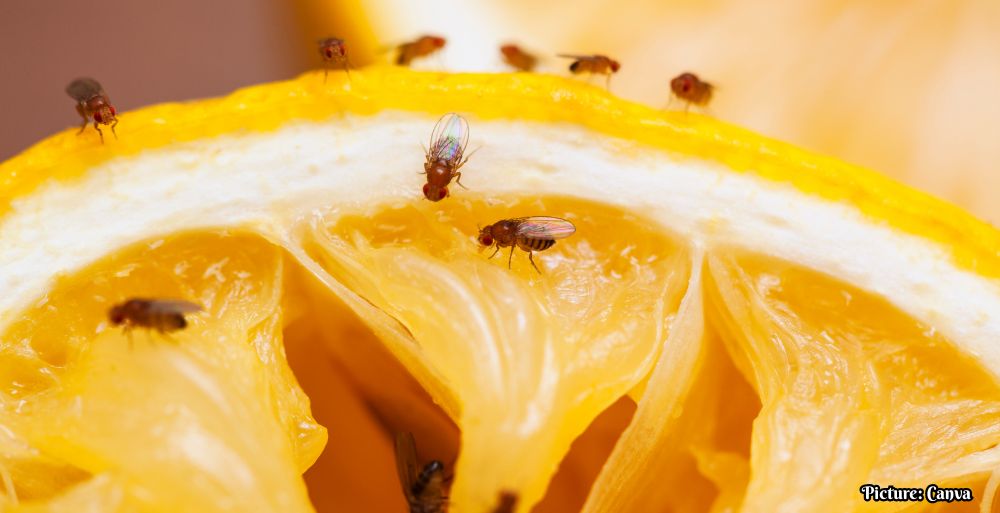
Invasive fruit flies threaten California’s agriculture, prompting officials to urge residents to avoid bringing homegrown produce and other natural materials into the state to protect local crops.
Invasive fruit flies pose a significant threat to California’s farms and backyard gardens, damaging fruits and vegetables in both commercial orchards and home gardens. In 2023, the state experienced one of its worst outbreaks of these pests, leading to quarantines that prevented residents from sharing homegrown produce for months.
During an August 8 briefing hosted by American Community Media, representatives from the California Department of Food and Agriculture (CDFA) discussed the risks posed by invasive fruit flies and other non-native pests. They highlighted the heightened risk this year and emphasized the importance of collective action to prevent the spread of these pests and protect California’s agriculture.
While this year’s fruit fly infestations are not as severe as in previous years, experts report that they continue to impact large areas, including a 100-square-mile region in San Diego County.
“They continue to come to California, but between the CDFA, the USDA, and the counties, we continue to eradicate those fruit flies,” said Victoria Hornbaker, Director of the Plant Health and Pest Prevention Services Division at CDFA. The agency is collaborating with the U.S. Department of Agriculture (USDA) to manage threat levels and has successfully eradicated three quarantined infestations this year. “So we’re winning,” Hornbaker added.
The three most common invasive fruit flies in California are the Mediterranean, Mexican, and Oriental fruit flies. Because these species are not native to the region, they lack natural predators that would help control their populations. As a result, they can spread rapidly and cause serious, potentially irreversible damage to farms and home gardens.
“These flies lay their eggs inside the fruits and vegetables where the growing larvae or maggots feed, ruining the produce from the inside out,” Hornbaker explained. “While the produce may still look good on the outside, these maggots feed and destroy the flesh of the fruit.”
Invasive fruit flies threaten over 400 types of specialty crops grown in California, costing the United States approximately $40 billion each year in damages. Beyond the loss of crops, these pests can lead to higher food prices, reduced access to fresh produce, and financial losses for farmers and ranchers, ultimately affecting the health and well-being of Californians.
According to CDFA, fruit fly invasions have been detected in urban and suburban areas, where invasive pests enter California through several high-risk pathways. State authorities are taking steps to prevent the pests from spreading.
One of the most common ways pests enter the state is when travelers bring fruits and vegetables from other states or countries. At airports, Customs and Border Protection (CBP) teams work to control the entry of fruit flies or infested produce via air, using trained beagles and canines to sniff out fruits, vegetables, and plant materials at entry checkpoints. CBP also checks passengers traveling by land at international border stations with Mexico. Despite the effectiveness of these checks, some items that harbor pests still slip through, particularly souvenirs made from natural materials, such as wooden handicrafts. Hornbaker urged travelers not to bring back produce or plant-based items into California.
Another pathway for pests is through online marketplaces, where consumers may unknowingly purchase produce that harbors invasive pests. Huong Dang, an Orange County resident and Administrative Support Specialist at the Orange County Agricultural Commissioner’s Office, noted that a high interest in exotic fruit trees and vegetables often leads individuals to seek out these items through social media or online platforms when they cannot find them locally. However, this can result in scams or the purchase of unsuitable plants for local growing conditions.
To mitigate these risks, Huong recommends that gardening enthusiasts buy only from verified sources or local nurseries that understand which plants are suitable for the local climate and soil conditions.
A third pathway for entry is through shipments of fruits and vegetables that unintentionally harbor invasive pests, sent by out-of-state friends and family, or even hitchhiking with agricultural products. “It’s the vitality of the state’s crops that is at risk,” Hornbaker stated. Produce entering California through commercial trade undergoes measures to prevent infestations and the spread of invasive pests. Buying from local, certified markets can significantly reduce the risk of invasive fruit flies destroying California’s rich agricultural diversity.
Currently, CDFA has established 16 border protection stations in Oregon, Nevada, and Arizona, which share borders with California. These stations implement pest exclusion practices using canine teams and county and state inspectors to examine shipments of plants, fruits, and vegetables.
CDFA has also set up more than 100,000 traps across the state to monitor invasive pests through trapping and visual inspections. The agency’s response to pest detection depends on how widely the pests have spread. For instance, when a single fruit fly is detected and it is not a mated female, CDFA responds by setting additional traps and conducting visual surveys to monitor for more pests.
If inspectors detect an infestation, they decide whether to trigger eradication efforts. The next response, depending on weather conditions, may involve a quarantine that could last through multiple life cycles of a fruit fly. Trained inspectors go door to door in affected areas to look for signs of flies laying eggs, examining fruit for puncture marks or rotting, which can indicate the presence of larvae.
In Los Angeles, an early warning system helps CDFA detect invasive pests before they reproduce and spread. “We have 75 inspectors who work year-round placing and checking traps designed specifically to attract invasive fruit flies and other agricultural pests,” said Jordan Petersen, Deputy Agricultural Commissioner/Sealer for Los Angeles.
CDFA is committed to spreading awareness and educating California residents about responsible travel and gardening practices. They advise against bringing fresh fruits or vegetables, plants, or other natural materials into California from other states or countries, and urge travelers to declare agricultural items when entering the state.
Residents are encouraged to regularly inspect their home gardens and report any signs of invasive fruit flies or maggots to CDFA’s Pest Hotline at 1-800-491-1899. Supporting agricultural officials in local neighborhoods and following quarantine guidelines if in an impacted area are also vital steps in combating the spread of these pests.
For more information, visit StopInvasivePests.com and DontPackaPest.com. The control and elimination of invasive pests require cooperation from residents, home gardeners, and communities to protect California’s agricultural heritage.
According to Source Name.