
West Virginia University researchers are developing a method to extract critical rare earth minerals from polluted mine water, potentially addressing U.S. supply chain issues.
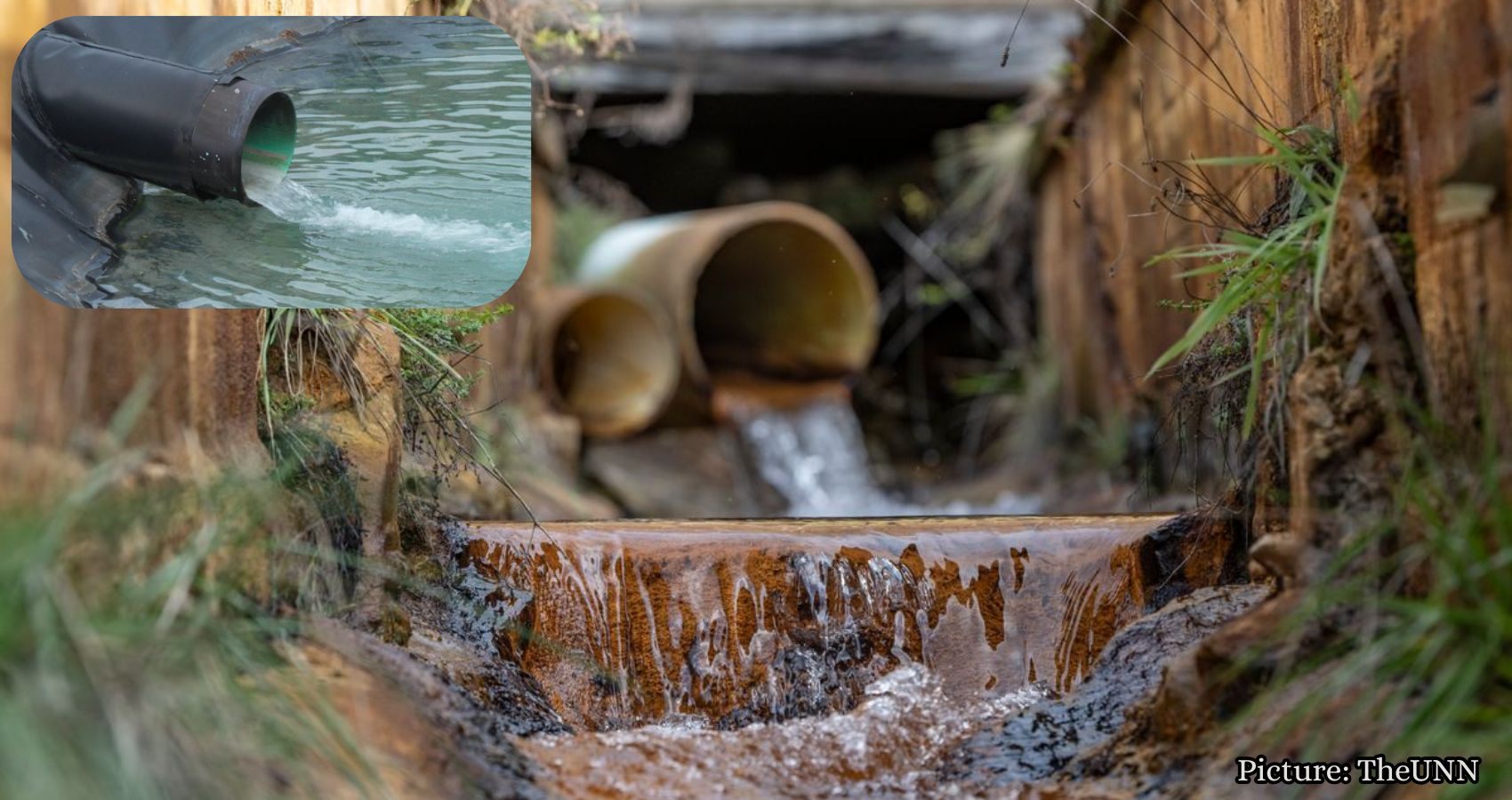
In an innovative approach to tackle America’s reliance on foreign rare earth minerals, researchers at West Virginia University (WVU) are transforming acid mine drainage—an ongoing environmental challenge in Appalachia—into a domestic source of essential minerals.
Rare earth elements are crucial for a variety of technologies, including smartphones, electric vehicles, and advanced military systems. Currently, the United States depends heavily on foreign suppliers, particularly China, for these critical materials. Heavy rare earth minerals are especially valuable due to their applications in defense and advanced energy technologies.
WVU researchers have made a significant discovery: valuable rare earth materials are already present in the acidic water that flows from abandoned coal mines. Steve Dunmead, CEO of Mission Critical Materials, noted that the initial focus of their research was merely on cleaning up the watersheds affected by acid mine drainage.
Initially, the team aimed to treat the contaminated water using chemicals to remove pollutants and improve water quality. However, during this process, they found that the water also contained rare earth elements, leading to a groundbreaking opportunity to address pollution while simultaneously recovering valuable minerals.
“There’s an opportunity to generate revenue out of this AMD treatment,” Dunmead stated, highlighting the dual benefits of their research.
WVU’s findings indicate that acid mine drainage can contain a significantly higher concentration of heavy rare earth elements compared to traditional mining sources. Dunmead explained, “It may end up with 2% heavies in the overall mix. In this case, in the coal acid mine drainage, we have like 50% heavy rare earths.” This distinction is critical, as heavy rare earth elements are among the most sought-after and challenging minerals to source.
The research initiative began nearly a decade ago when WVU scientists first identified rare earth elements in the acid mine drainage from retired coal mines. This work has since expanded through the WVU Rare Earth Elements Initiative, which unites researchers exploring various methods to recover critical minerals from multiple sources.
In 2022, WVU partnered with the West Virginia Department of Environmental Protection to establish the A34 AMDREE Processing Facility in Mount Storm. This facility is notable for being the first integrated pilot-scale rare earth recovery site of its kind in the United States.
Researchers believe that the technology developed at WVU could significantly reduce America’s dependence on foreign sources by creating a new domestic supply chain for rare earth elements. These materials are integral to everyday products, including cell phones, wind turbines, electric vehicles, fighter jets, and missile defense systems.
In addition to their research efforts, WVU is working to commercialize this technology through a for-profit company called Mission Critical Materials. This initiative aims to transition their laboratory findings into market-ready solutions.
The researchers also plan to extend their focus beyond coal mine pollution to explore other potential sources of critical minerals, such as hard rock mines and various industrial waste streams. Dunmead pointed out, “We also figured out it is not unique to coal mines but hard rock mines as well. So copper mines, gold mines, also have acid mine drainage.”
One of the advantages of this approach is its utilization of existing polluted sites, which eliminates the need for new mines to be constructed. Dunmead noted, “The regulatory pathway for a traditional mine can take years. This technology can go into an existing acid mine drainage site using an existing water permit.”
WVU researchers are optimistic that their process could provide an environmentally friendly solution to two pressing challenges: cleaning polluted water and producing materials essential for America’s future. The next step involves constructing a larger-scale facility, with hopes that it will enable the domestic production and sale of heavy rare earth materials.
According to Fox News, this innovative research could pave the way for a more sustainable and self-sufficient supply chain for critical minerals in the United States.