
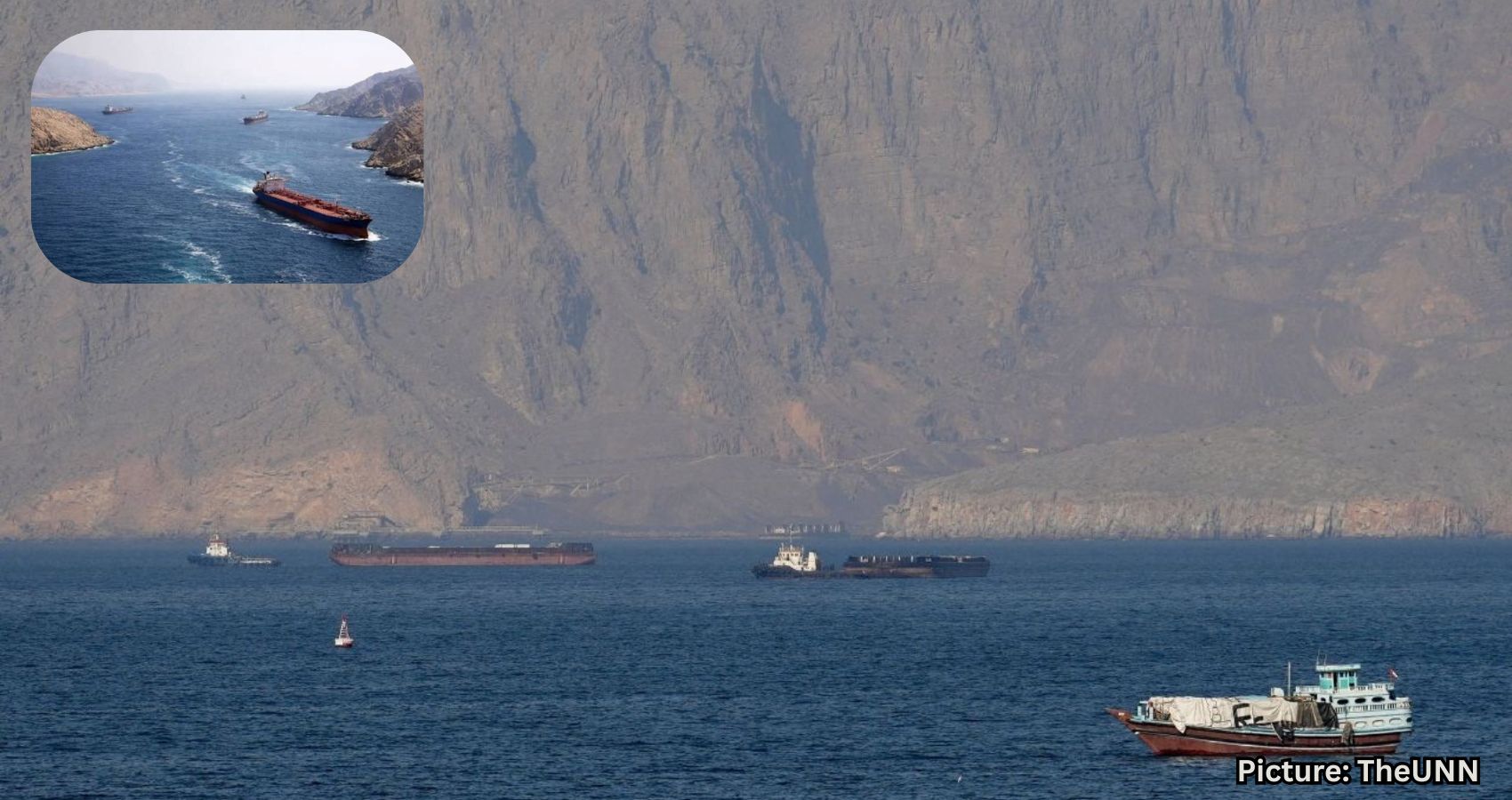
Qatar’s Prime Minister and Chinese Foreign Minister convened in Beijing to address maritime security and regional stability, focusing on the critical Strait of Hormuz amid ongoing tensions.
Qatar’s Prime Minister and Minister of Foreign Affairs, Sheikh Mohammed bin Abdulrahman bin Jassim Al Thani, met with Chinese Foreign Minister Wang Yi in Beijing on September 8, 2026. The discussions revolved around vital maritime security and the stability of the region.
The primary focus of the meeting was the urgent need to ensure the security and freedom of international navigation through the Strait of Hormuz. This strategic chokepoint has experienced significant disruptions due to regional conflicts, which have adversely affected crucial energy supply routes.
Sheikh Mohammed reaffirmed Qatar’s commitment to comprehensive diplomatic efforts aimed at stabilizing maritime corridors, which could pave the way for a lasting peace agreement in the Middle East. The leaders also assessed ongoing cooperation, seeking to strengthen bilateral partnerships in sectors such as energy, investment, technology, and trade.
The discussions with Wang Yi concluded a high-level two-day official visit to China, during which the Qatari Premier also engaged in strategic talks with Chinese Premier Li Qiang. This diplomatic push comes at a critical juncture, as Qatar, along with regional partners, has been actively mediating to restore safe commercial shipping lanes through the Gulf.
The Strait of Hormuz is a vital chokepoint that handles approximately one-fifth of the global oil and gas supply. However, it has faced severe disruptions recently. Following the expiration of a U.S.-Iran Memorandum of Understanding (MoU) that had temporarily halted full-scale hostilities, Iran renewed its blockade on tankers.
Reports indicate that maritime traffic through the strait has plummeted by roughly 85%, leaving thousands of sailors stranded and posing a significant industrial risk for energy-importing nations. This crisis directly threatens both Qatar and China, as Qatar is a leading exporter of liquefied natural gas (LNG), while China relies heavily on Qatari energy, which accounts for nearly one-third of its total LNG demand.
Qatar has taken on an active mediation role in the ongoing tensions. Alongside Oman and Pakistan, Qatar has served as a central mediator between Washington and Tehran, working to encourage both sides to return to the negotiating table. Prior to arriving in Beijing, Sheikh Mohammed held direct talks in Tehran with Iranian President Masoud Pezeshkian to discuss a joint proposal for establishing a temporary safe passage corridor through the Strait of Hormuz.
The sensitivity of the region was highlighted just days before the visit when the Qatar Armed Forces intercepted incoming drones and missiles, underscoring the urgent need for a diplomatic resolution.
During the talks, Foreign Minister Wang Yi emphasized that China considers itself Qatar’s “most reliable, long-term partner,” expressing firm support for Qatar’s national sovereignty. In response, Sheikh Mohammed reaffirmed Qatar’s commitment to the One-China principle and its opposition to external interference in Chinese internal affairs.
The leaders also outlined extensive coordination for infrastructure projects under the Belt and Road Initiative, alongside investments in artificial intelligence, advanced manufacturing, and financial services.
Sheikh Mohammed’s visit to Beijing for these emergency diplomatic talks highlights the pressing need to address escalating regional instability and threats to energy transit. The discussions not only centered on securing international shipping lanes through the Strait of Hormuz but also on expanding bilateral cooperation in advanced technologies and energy.
As the situation continues to evolve, the diplomatic efforts led by Qatar and its partners remain crucial in navigating the complexities of regional tensions and ensuring the stability of vital maritime routes.
According to Al Jazeera, these discussions reflect a broader commitment to fostering peace and stability in a region marked by uncertainty.