
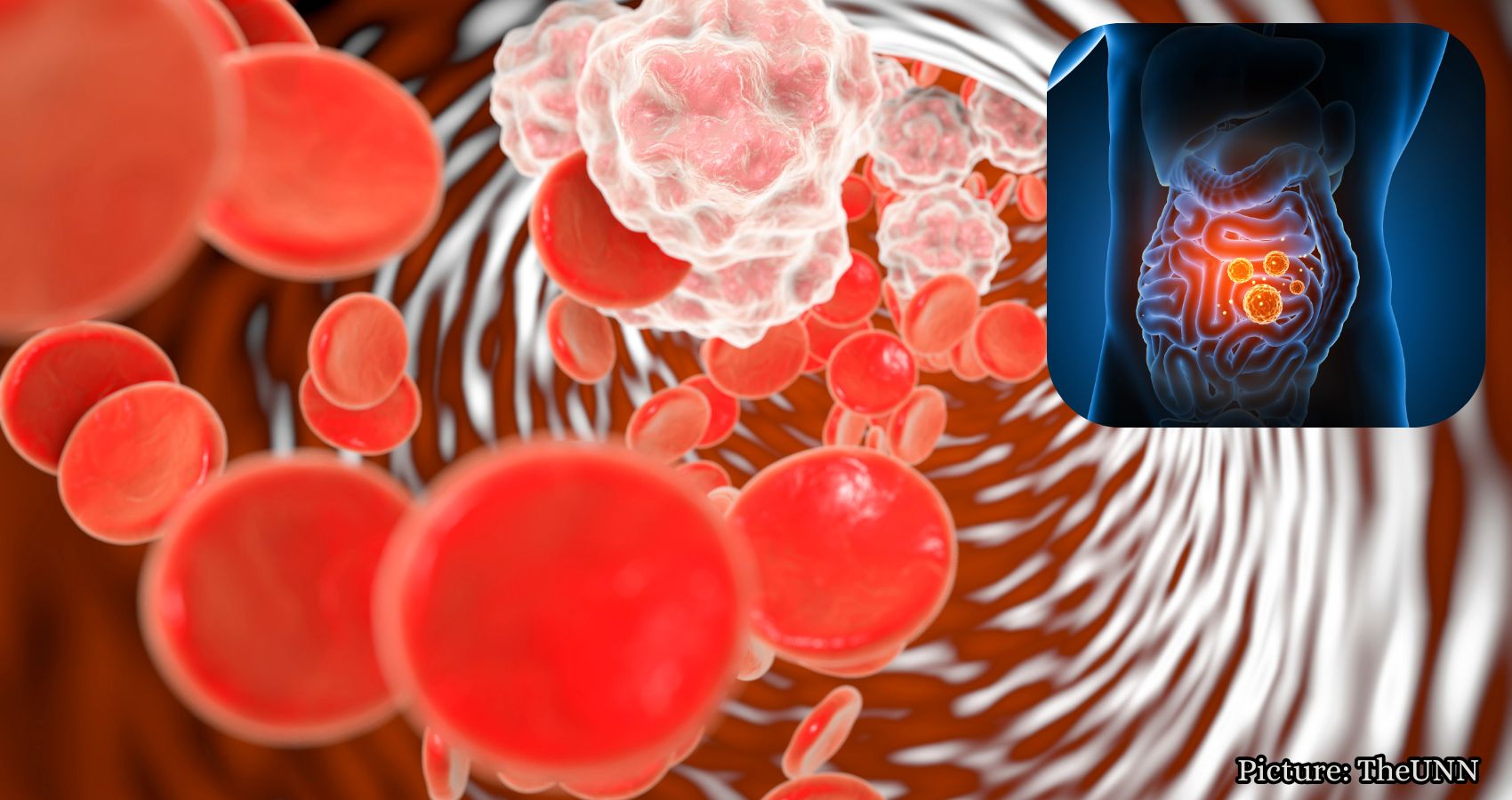
Researchers at Johns Hopkins Medicine have identified a key mechanism involving the protein human resistin, which may lead to new treatment options for chronic inflammation-related diseases.
Researchers at Johns Hopkins Medicine have made a significant breakthrough in understanding the mechanisms that trigger and sustain inflammation in various diseases. A study published in the peer-reviewed journal PLOS One identifies the protein human resistin as a critical driver of immune system activation, establishing a promising path for future therapeutic developments.
Chronic inflammation is implicated in numerous health conditions, including cardiovascular disease, diabetes, and autoimmune disorders. The World Health Organization (WHO) has noted that chronic inflammatory diseases are a major contributor to morbidity and mortality worldwide, affecting millions of individuals annually. Despite the widespread recognition of its adverse effects, the underlying mechanisms that initiate and perpetuate inflammation have remained elusive.
Dr. Roger Anthony Johns, a professor of anesthesiology and critical care medicine at the Johns Hopkins University School of Medicine, emphasized the importance of this discovery, stating, “Chronic inflammation plays a role in everything from heart disease to autoimmune disorders, yet the underlying triggers have remained unclear. By identifying a key molecule that drives inflammatory responses, we’re getting closer to understanding how we might interrupt this process, opening the door to developing more targeted therapies in the future.” This insight could lead to better management strategies for patients suffering from chronic inflammatory conditions.
Inflammation serves as a natural defense mechanism in the body; however, when it becomes chronic, it can lead to severe health complications. Until now, the specifics of how certain inflammatory signals are activated and amplified were not well understood. The findings from the Johns Hopkins study reveal that human resistin functions as a regulatory “switch,” preparing and activating immune cells known as macrophages. This process triggers a cascade of molecular events that culminate in the release of inflammatory cytokines such as IL-1β and IL-18, which are known to contribute to tissue damage and disease progression.
Furthermore, researchers examined lung tissue from patients suffering from pulmonary hypertension, a serious condition characterized by elevated blood pressure in the lungs. In this cohort, they observed increased activity of resistin and the NLRP3 inflammasome pathway, suggesting that this mechanism may significantly influence disease severity. This correlation underscores the relevance of laboratory findings to real-world health outcomes.
Dr. Johns remarked on these findings, stating, “Seeing this heightened activity in patient lung tissue reinforces that this pathway isn’t just something we observe in the lab—it’s directly relevant to human disease. It suggests that resistin may play a meaningful role in the severity of pulmonary hypertension and highlights both resistin and the inflammasome as potential targets we could one day modulate to improve outcomes.” This research not only sheds light on the biological underpinnings of inflammation but also points towards novel therapeutic targets.
The study’s findings also suggest a potential new therapeutic strategy: blocking resistin with a targeted antibody. This intervention was shown to reduce the activation of the inflammatory pathway, indicating a possible approach to mitigating harmful inflammatory responses. The research paves the way for the development of medications that could interrupt this detrimental cycle of inflammation.
Dr. Johns elaborated on the implications of this research, stating, “By identifying human resistin as a key regulator of inflammation, the findings open the door to developing drugs that could interrupt this pathway and reduce harmful immune responses. This work provides new insight into how inflammation is driven at the cellular level, highlighting the potential for therapies that target resistin to treat a range of inflammatory diseases.” Such advancements could potentially lead to significant improvements in the quality of life for patients affected by chronic inflammatory conditions.
While this study represents a significant advancement in the understanding of inflammatory mechanisms, Dr. Johns and his team acknowledge that further research is necessary to fully elucidate the role of human resistin in inflammation and to explore the potential for developing targeted therapies. The groundwork laid by this research may lead to innovative treatment options aimed at reducing chronic inflammation and improving health outcomes for patients afflicted by a variety of inflammatory diseases.
In conclusion, the findings from Johns Hopkins Medicine illuminate a critical biological mechanism underlying inflammation, offering hope for new therapeutic interventions that may one day transform the management of chronic inflammatory conditions. As research continues, the medical community remains optimistic that these insights will contribute to more effective treatments and improved patient care, according to PLOS One.