Flight Disruptions Across Gulf Region Due to US-Iran Tensions

Recent tensions between the United States and Iran have caused significant flight cancellations and disruptions across the Gulf region, particularly affecting routes to Kuwait and Saudi Arabia.

Recent escalations in tensions between the United States and Iran have led to widespread flight cancellations and disruptions across the Gulf region. The most affected routes include those to Kuwait and Saudi Arabia.

The renewed conflict, which intensified on July 7, followed accusations from both nations of violating a ceasefire aimed at reducing tensions. This breakdown in diplomacy has resulted in heightened military activity and security risks, creating operational challenges for airlines serving the region.

Airline Cancellations and Responses

Emirates Airlines announced the cancellation of eight flights between Dubai International Airport and Kuwait International Airport on July 16. The specific flights affected included EK853, EK855, EK857, and EK859 from Dubai to Kuwait, along with return flights EK854, EK856, EK858, and EK860. On July 17, Emirates further listed flights EK857 and EK858 as cancelled. The airline attributed these cancellations to operational reasons and advised affected passengers to contact customer service for alternative arrangements.

Etihad Airways similarly announced the cancellation of flights EY653 and EY654 between Abu Dhabi and Kuwait, scheduled for July 19 and 20. The airline cited operational reasons for these cancellations and stated that its teams are working to assist impacted travelers in rearranging their plans. Passengers have been encouraged to ensure their contact details are accurate to receive timely updates regarding their flights.

Air Arabia also faced disruptions, with several flights experiencing delays and cancellations on July 16. Initial cancellations on the Abu Dhabi route, including flights 3L020 from Abu Dhabi to Kuwait and 3L021 on the return leg, were later reversed, allowing some travel to proceed. However, passengers were advised to verify their flight status directly with the airline, as disruptions were ongoing.

Kuwait Airways and Other Local Carriers

Kuwait Airways announced it had rescheduled the majority of its commercial flights following a temporary suspension of take-off and landing operations at Kuwait International Airport. This suspension was prompted by security concerns amid missile and drone threats in the region. The airline has urged passengers to frequently check the status of their bookings and has committed to contacting travelers using the information provided at the time of ticket purchase.

Jazeera Airways also reported operational disruptions due to intermittent closures of Kuwait International Airport and surrounding airspace. Passengers were advised to arrive no more than three hours before their newly scheduled departure times and to monitor flight statuses closely.

Impact on Saudi Arabia Flights

In Saudi Arabia, Flydubai reported cancellations of flights FZ811 from Dubai to Abha and FZ812 from Abha to Dubai on July 16. An earlier flight, FZ815 from Dubai to Abha, experienced a delay of over five hours. Like other airlines, Flydubai has recommended that passengers check their flight statuses regularly, as further schedule changes are anticipated.

Context of Renewed Hostilities

The recent uptick in tensions between the US and Iran reflects a complex history marked by fluctuating diplomatic relations and military engagements. The current conflict can be traced back to various factors, including long-standing issues surrounding Iran’s nuclear program, regional power dynamics, and the US’s strategic interests in the Middle East. The latest escalation was characterized by reciprocal accusations of ceasefire violations, leading to a breakdown of the temporary truce that had allowed for a brief reduction in hostilities.

The aviation sector, which had been on a path to recovery following extensive airspace closures that began in late February 2023, now faces renewed challenges. Safety concerns have risen to the forefront, complicating travel plans for thousands of passengers seeking to fly in and out of the region.

Advisories for Travelers

In light of the ongoing situation, travelers are advised to remain vigilant and check for updates on their flight statuses before proceeding to the airport. The fluid nature of the current geopolitical climate means that schedules are subject to rapid changes, and airlines are working to communicate these alterations effectively to their customers. Passengers are encouraged to stay informed through official airline channels and to ensure that their contact information is current to receive the latest updates.

The implications of the renewed US-Iran hostilities extend beyond air travel; they underscore the fragility of peace in the region and the direct impact that such conflicts have on international travel. As the situation evolves, the potential for further disruptions remains a concern for both airlines and travelers alike, according to GlobalNet News.

Good News for California Media Amid Ongoing Challenges

California’s local media landscape is facing significant challenges, but recent legislative initiatives offer a glimmer of hope for the future of journalism in the state.

Maintaining a local newsroom in today’s environment is an increasingly daunting task. Journalists and media professionals are grappling with a perfect storm of challenges, including corporate buyouts, media consolidation, soaring printing and distribution costs, and rapidly changing reader habits. Additionally, the traditional advertising model has been disrupted by the digital transition, leaving many local news outlets struggling to survive.

The statistics are sobering. According to Northwestern University’s Medill School of Journalism, California has lost more than one-third of its local newspapers since 2005, resulting in a staggering 68% decline in the workforce. The situation is even more dire in the ethnic media sector, which is often overlooked in mainstream analyses.

Despite these challenges, there is a reason for optimism. A historic alliance has formed among publishers, state leaders, and private sector stakeholders in California, leading to a series of proposals that position local news as a fundamental public good, akin to clean water and paved roads.

This coalition is laying the groundwork for a crucial safety net for the media industry, ensuring that local news can continue to serve communities across California. For those currently operating newsrooms, managing payroll, or navigating the policy landscape, several new state resources and legislative victories can be integrated into business models immediately.

The state has allocated a critical $15 million package for the current fiscal year, which includes funding for the UC Berkeley California Local News Fellowship. This initiative places fully paid reporters directly into local newsrooms, while the Propel Initiative offers ethnic and community outlets essential technical and business coaching to enhance their operations. Thanks to persistent advocacy, this funding has been renewed in the state budget, ensuring the presence of these journalists in communities through 2029.

Another significant development is the Community NEWS Act, which is currently moving through the Legislature. This bill aims to establish refundable state payroll tax credits from 2027 to 2032. Under Assembly Bill 2222, qualifying local newsrooms will receive a $20,000 tax credit for each of their first five full-time journalists, along with additional credits for any new reporting positions created. This refundable credit will provide direct financial support to even the smallest micro-nonprofits and independent publishers.

In an effort to redirect state advertising budgets towards community media, Senator Susan Rubio’s SB 1358, known as the Ethnic and Community Media Equity Act, mandates that state agencies allocate at least 40% of their annual marketing budgets to ethnic and community media outlets. This shift aims to ensure that public tax dollars support trusted, in-language messengers who effectively reach California’s diverse populations.

To protect local public broadcasting and ethnic media networks from potential federal funding cuts, state leaders are advocating for an $80 million emergency package. This includes a specific $10 million allocation to stabilize local ethnic media channels.

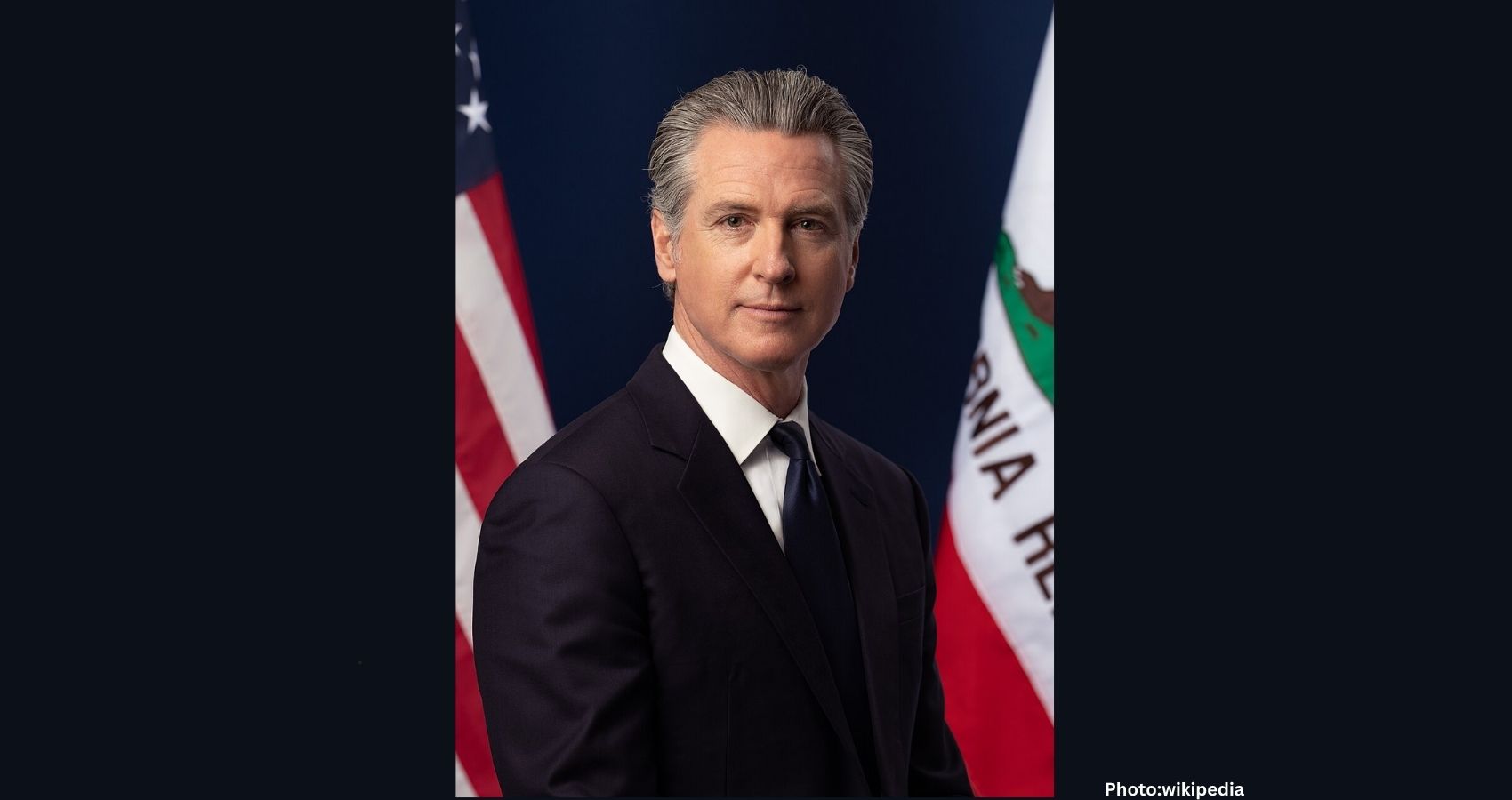
Moreover, the California Civic Media Program (CMP) is currently accepting grant applications until August 21, 2026. This program offers one-time grants of up to $250,000 to support original reporting. Recently, Governor Newsom and the Legislature secured a $20 million extension for this initiative, which will be matched dollar-for-dollar by Google, resulting in a total of $40 million available for 2027 and 2028. Notably, 13% of this fund is reserved for micro-newsrooms that typically struggle to compete for philanthropic grants.

These advancements did not occur by chance. They are the result of a concerted effort by the media industry—encompassing mainstream, ethnic, rural, and digital-first outlets—to unite and advocate collectively for their interests.

By demonstrating to legislators in Sacramento that they are not merely seeking handouts, but rather advocating for an investment in the civic health and public safety of California’s 40 million residents, this coalition has made significant strides.

These programs are now available for local newsrooms to leverage. It is essential for media professionals to apply for these resources, budget accordingly, and utilize them to continue telling the stories that are vital for the safety and well-being of their communities.

According to India Currents, these initiatives represent a promising shift in the landscape of California media, offering hope for a sustainable future in local journalism.

Folsom City Council Candidate Receives Backing from Hindu Organizations

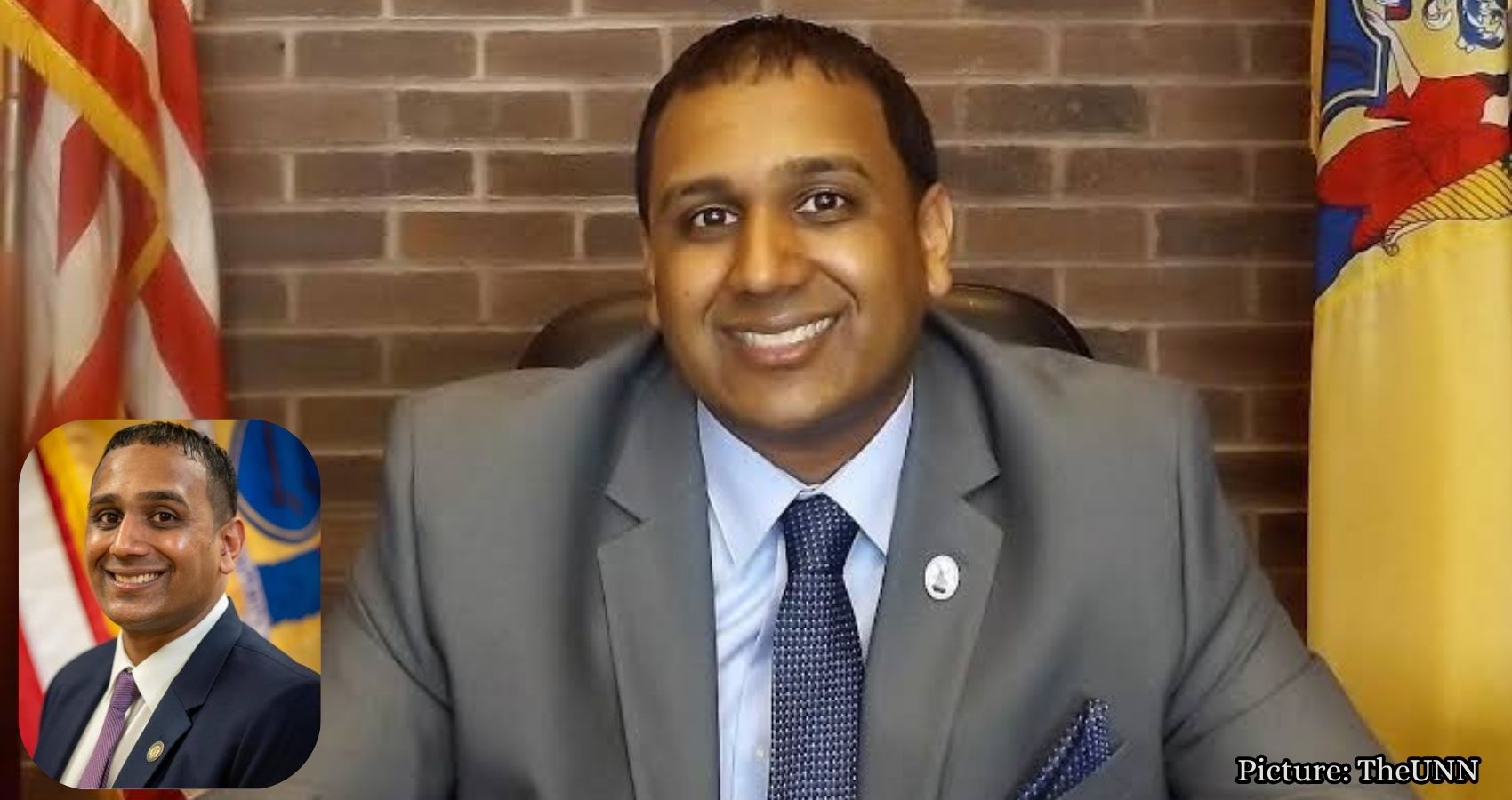
Jag Nagendra, an engineer and community leader, is running for the District 3 seat on the Folsom City Council, backed by Hindu organizations and focused on community service and transparency.

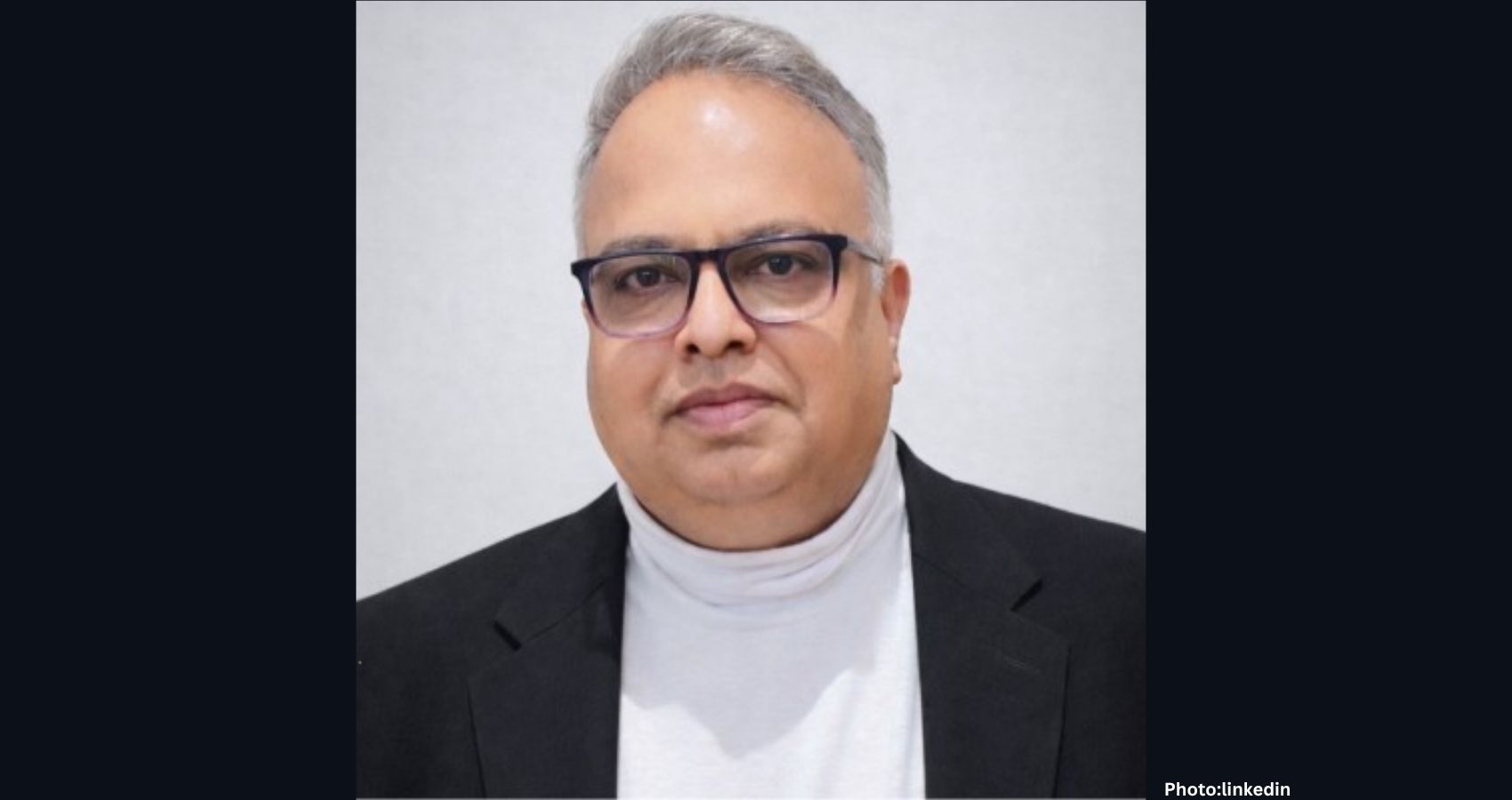
FOLSOM, CA – Jag Nagendra, an engineer and community leader, is vying for the District 3 seat on the Folsom City Council. His campaign emphasizes fiscal sustainability, public safety, economic development, transparent governance, inclusive leadership, and rebuilding trust between residents and City Hall.

Recently, Nagendra’s campaign garnered endorsements from the Hindu American Political Action Committee and Americans 4 Hindus, lending significant support to his nonpartisan election bid.

With over 15 years of experience in various nonprofit organizations, government commissions, professional boards, and civic groups, Nagendra brings a wealth of knowledge to his candidacy. He immigrated to the United States in 2000 and currently holds a senior leadership position at the California Department of Water Resources, where he oversees technology systems that support California’s State Water Project.

In addition to his professional accomplishments, Nagendra has actively participated in community service. He has served on the City of Davis Business and Economic Development Commission and has mentored entrepreneurs and young professionals through various civic and professional organizations.

Nagendra views his campaign as a continuation of his lifelong commitment to community service. “Public service isn’t something that begins on Election Day. It begins the day you decide to make your community better, one person and one opportunity at a time,” he stated.

Through his candidacy, Nagendra hopes to inspire more Indian Americans to engage in their communities by volunteering, serving on public boards, mentoring others, and ultimately pursuing public office themselves.

The Folsom City Council election is set for November 3, and Nagendra’s campaign is gaining momentum as he seeks to connect with voters and address their concerns.

According to India-West, Nagendra’s focus on community engagement and transparency resonates with many residents looking for trustworthy leadership in local government.

Mithali Raj Backs Shafali Verma and Jemimah Rodrigues for Future T20I Captaincy

Former India captain Mithali Raj has endorsed Shafali Verma and Jemimah Rodrigues as potential future leaders of the Indian women’s T20I team, emphasizing their readiness to succeed Harmanpreet Kaur.

NEW DELHI – Mithali Raj, the former captain of the Indian women’s cricket team, has expressed her support for young players Shafali Verma and Jemimah Rodrigues as future leaders of the T20I squad. She believes both players are “truly prepared” to take over the captaincy from Harmanpreet Kaur.

Mithali’s endorsement comes on the heels of India’s disappointing performances in the group stages of two consecutive ICC Women’s T20 World Cups under Harmanpreet’s leadership. Despite these setbacks, Harmanpreet is set to lead the team in upcoming tournaments, including the Women’s Asia Cup scheduled for August-September and the Asian Games in Japan from September to October.

In a recent interaction on the social media platform X, Mithali addressed a fan’s inquiry regarding her preference for Shafali over the current vice-captain, Smriti Mandhana. She clarified that her comments were aimed at the long-term vision for the team.

“That’s a fair question. This isn’t about Smriti’s ability to lead, and I have no doubt about that, which is why I’ve mentioned that she’s well suited to captain India in the longer formats,” Mithali stated on X.

Elaborating on her support for Shafali, who led India to victory in the inaugural ICC Women’s Under-19 T20 World Cup in 2023, Mithali noted, “My thought on Shafali is more about looking ahead. She’s still young, has one of the best strike rates, can bowl, and has been part of the T20 setup since 2019; leadership is developed not on the shelf but on the field.”

Regarding Jemimah Rodrigues, who captained the Delhi Capitals to a runners-up finish in the 2026 Women’s Premier League, Mithali remarked, “Likewise, Jemimah is a part of every international T20 league. It’s true she didn’t have a good World Cup, but that can happen to any player.”

Mithali further praised Jemimah’s contributions, stating, “She is a team player, selfless, and an excellent player of spin; she also saves 20-25 runs every game with her fielding, which often goes unnoticed. So according to me, both are truly prepared.”

As the Indian women’s team looks to rebuild and strengthen its leadership for the future, the insights from Mithali Raj highlight the potential of Shafali Verma and Jemimah Rodrigues to guide the team in the coming years, according to IANS.

Hawley Refers ‘Left-Wing Dark Money’ Group Over Abortion Drug Mailings

Senator Josh Hawley has called for a criminal investigation into Plan C, alleging the group facilitates the shipment of abortion pills into states where they are banned.

Senator Josh Hawley, a Republican from Missouri, has raised serious allegations against Plan C, a group he claims operates as a referral hub for shipping abortion pills into states where such medications are prohibited. In a letter addressed to Acting Attorney General Todd Blanche, Hawley urged the Justice Department to launch a criminal investigation into the organization, which he describes as a “left-wing dark-money operation.”

According to Hawley, Plan C connects women with abortion-pill manufacturers, foreign clinics, and online vendors that facilitate the shipment of these drugs into states with restrictive abortion laws. “At the center of the effort is an entity called Plan C,” he stated, asserting that the group’s activities warrant federal scrutiny.

Hawley specifically points to instances where Plan C directs women in states such as Florida, Oklahoma, and Texas to foreign clinics that are willing to mail abortion pills into the United States, despite existing state laws that prohibit such actions. He also claims that the group directs users to online vendors selling abortion drugs without the need for prescriptions, identification, or medical consultations. Notably, Plan C acknowledges on its website that the pills sold through some of these vendors are “not regulated or inspected by the US government.”

In his letter, Hawley expressed concern over the methods employed by Plan C to protect the privacy of its users. He noted that the group advises individuals on how to limit their “digital footprint” by recommending the use of privacy-focused browsers, virtual private networks, and encrypted email services. Furthermore, Hawley highlighted that Plan C’s website warns users of potential legal consequences for obtaining abortion pills through its recommended services, stating that it is “up to every individual to decide what level of legal risk they are willing to take.”

Hawley also pointed out that Plan C directs women to providers who are willing to prescribe abortion pills up to 14 weeks of pregnancy, which exceeds the Food and Drug Administration’s approved labeling for mifepristone and goes beyond the limits set by several states.

The senator argues that the conduct of Plan C could violate multiple federal laws, including provisions of the Federal Food, Drug, and Cosmetic Act that govern prescription drugs, as well as laws prohibiting the importation of unapproved drugs into interstate commerce. He also cited federal conspiracy and aiding-and-abetting statutes as potentially applicable to the group’s activities.

“I therefore respectfully refer this matter to the Department to open a criminal investigation into Plan C, its relationship with potential co-conspirator manufacturers, and the network of suppliers it promotes,” Hawley wrote, emphasizing the need for a thorough inquiry into the foreign clinics and online vendors involved in shipping abortion drugs into the United States.

As of now, Fox News Digital has reached out to Plan C for comment regarding these allegations, but no response has been received.

These developments come amid ongoing national debates surrounding abortion rights and access, particularly in states that have enacted strict laws limiting the availability of abortion services. Hawley’s call for investigation highlights the contentious nature of the issue and the varying perspectives on how best to address it.

According to Fox News Digital, the implications of Hawley’s referral could have significant consequences for organizations involved in the distribution of abortion medications and may further intensify the national conversation on reproductive rights.

YouTube’s Decision on Santy Sharma Sparks Controversy Among Fans

Independent rapper Santy Sharma’s YouTube channel was reportedly removed, sparking discussions about free speech and content moderation after his controversial remarks about the “Cockroach Janata Party.”

Independent rapper Santy Sharma has become a focal point of online discussion following the reported permanent removal of his YouTube channel. The abrupt takedown has left many fans bewildered, as Sharma had dedicated over a decade to building his audience and sharing his independent music on the platform.

The removal of Sharma’s channel has erased years of his work, including music videos and other content that contributed to his online presence. Fans have expressed their shock and disappointment, taking to social media to question the platform’s decision. This incident has ignited a broader conversation about how major platforms manage long-standing creators and the content they have developed over time.

As of now, YouTube has not issued an official statement explaining the reasons behind the removal of Sharma’s channel. However, the rapper and many online users speculate that the suspension is linked to backlash stemming from his controversial remarks regarding the “Cockroach Janata Party” (CJP). In a viral video, Sharma referred to the CJP as “just internet drama” while discussing political issues, a comment that quickly garnered mixed reactions online.

The controversy surrounding Sharma’s remarks escalated rapidly after the video went viral, with many users on social media expressing divided opinions. While some defended his right to free speech, others criticized his comments for seemingly dismissing the concerns raised by young people about the CJP.

In response to the removal of his YouTube channel, Sharma expressed his disappointment and noted that he has faced a wave of criticism and hateful messages online following his viral remarks. Despite this setback, the independent rapper has made it clear that he intends to continue making music and will remain connected with his fans through other digital platforms.

The suspension of Sharma’s channel has also sparked a wider discussion about content moderation, creators’ rights, and the criteria platforms use to determine what content remains online. Many are questioning the fairness and transparency of such actions, while others argue that platforms have a responsibility to enforce their own guidelines. As this debate unfolds, the incident serves as a stark reminder of how quickly a creator’s body of work can vanish in the face of online controversies.

According to The Sunday Guardian, the ongoing discussions highlight the complexities surrounding digital content management and the implications for creators navigating these platforms.

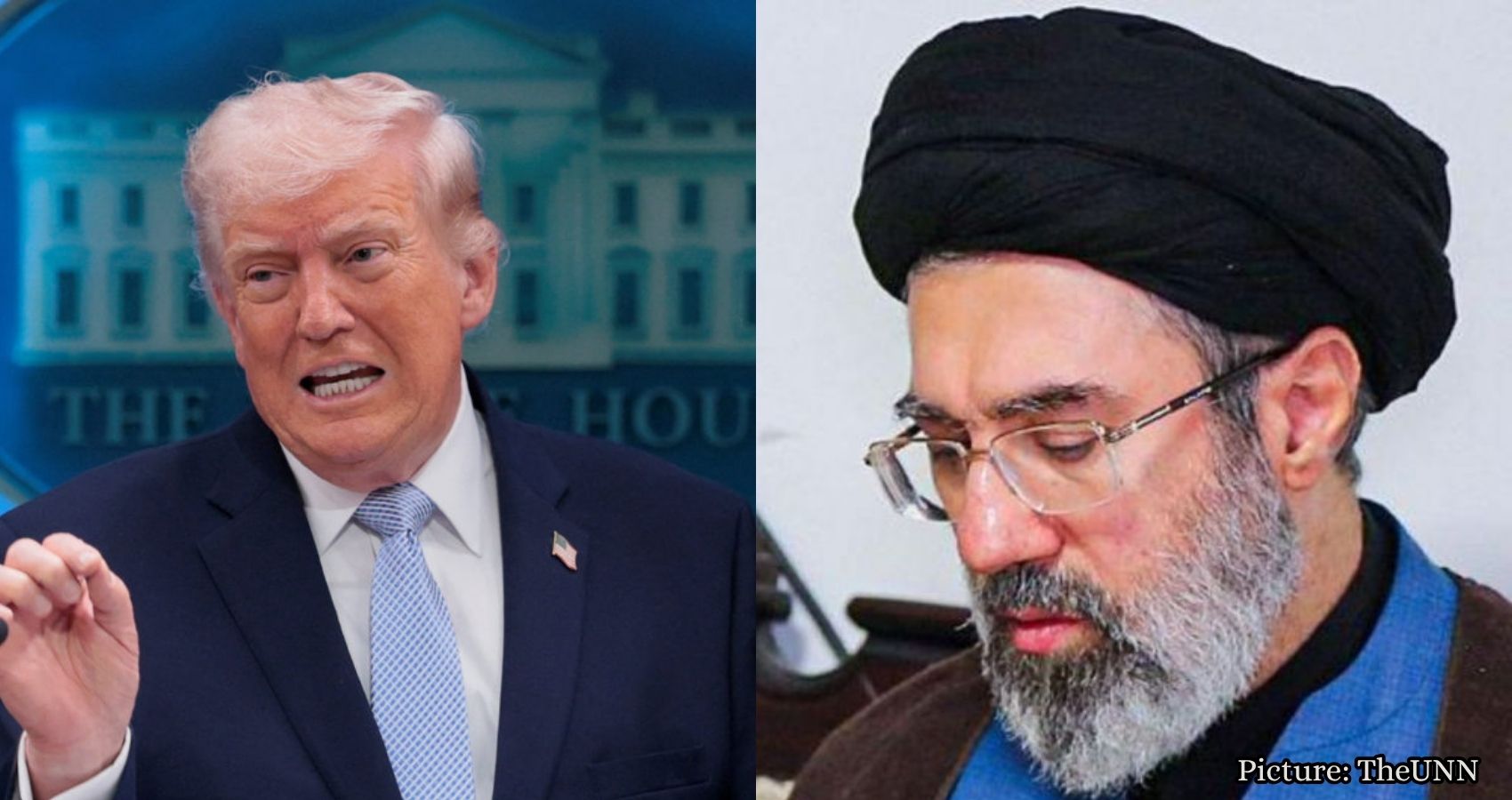
Iran Warns US Against Ground Invasion Over Kharg Island

Iran has issued a stern warning to the United States against any ground invasion amid escalating tensions over Kharg Island, a critical oil export hub, as military options are reportedly being considered by the Trump administration.

The conflict between the United States and Iran is intensifying, with military operations expanding beyond airstrikes and missile exchanges. Recent statements from Iranian officials have raised concerns about a potential wider confrontation, particularly following warnings against any U.S. ground invasion of Iranian territory.

This warning comes as reports indicate that the Trump administration is contemplating broader military options, including the targeting of Kharg Island, one of Iran’s most strategically important oil export hubs. Experts caution that any move toward a ground operation could dramatically escalate the conflict and threaten global energy security.

Iran has issued one of its strongest warnings yet against a potential U.S. ground invasion, stating that American forces would face serious consequences if they attempted to enter Iranian territory. Foreign Ministry spokesperson Esmaeil Baghaei emphasized that Tehran is fully prepared to respond to any military escalation, asserting that any attempt to seize Iranian territory would carry significant repercussions.

The warning follows ongoing U.S. military strikes on Iranian targets and reports suggesting that Washington is considering expanding its military operations if the conflict continues to escalate. Baghaei’s remarks indicated that Iran believes both its military forces and local supporters are ready to confront any U.S. ground operation, stating, “They will face the repercussions. Numerous people in those very regions are eagerly awaiting their arrival.”

Kharg Island has emerged as a critical flashpoint in this growing regional crisis. Iran has warned against any attempt to capture the island, describing it as a vital national asset. As the country’s largest oil export terminal, Kharg Island plays a central role in Iran’s energy sector. Any attack or occupation could severely disrupt Iran’s crude exports and further intensify the conflict.

Tehran has maintained that any military operation targeting Kharg Island would be viewed as a major escalation, triggering a strong response. Reports indicate that Kharg Island could be among the strategic options under consideration by U.S. military planners.

Located approximately 55 kilometers off Iran’s Bushehr coast in the Persian Gulf, Kharg Island handles nearly 90% of Iran’s crude oil exports. Its deep-water terminals allow some of the world’s largest oil tankers to load crude, making it essential to both Iran’s economy and global energy markets. Disruption to operations at Kharg could significantly reduce Iranian oil exports, affect global crude supplies, and increase international energy prices.

As the conflict continues, reports suggest that the Trump administration is evaluating additional military options. Officials have discussed expanding operations beyond airstrikes, potentially targeting heavily fortified Iranian military and nuclear-related sites. While the White House has not confirmed any specific decisions, U.S. officials maintain that all military options remain available while also leaving the door open for diplomacy if circumstances change.

Military analysts note that while the United States possesses the capability to capture a strategically located island like Kharg, holding it would be considerably more challenging. Security experts warn that occupying the island would expose American forces to sustained missile and drone attacks from Iran. The U.S. is estimated to have around 50,000 military personnel stationed across the Middle East, providing significant operational reach. However, any attempt to seize Kharg Island could trigger a prolonged confrontation rather than a quick strategic victory.

As tensions mount, the latest exchange of warnings underscores the growing risk that the conflict could escalate beyond air and missile strikes into a broader regional confrontation. Iran has made it clear that it views any attempt to seize Kharg Island or launch a ground invasion as a major escalation. Meanwhile, reports suggest that Washington continues to explore additional military options.

Both sides have left open the possibility of negotiations, although ongoing military operations make an immediate diplomatic breakthrough increasingly difficult. The coming days will be closely monitored as developments unfold around Kharg Island, the Strait of Hormuz, and U.S. military deployments in the region.

According to The Sunday Guardian, the situation remains fluid, with both military and diplomatic avenues being explored as tensions escalate.

ISIS May Exploit U.S. Withdrawal from Iraq, Expert Warns

As the U.S. prepares to withdraw its troops from Iraq by September 30, concerns are rising that ISIS may exploit the resulting security vacuum, according to counterterrorism expert Dr. Omar Mohammed.

ISIS fighters in Syria may have increased from approximately 2,000 to as many as 10,000 as the United States approaches its deadline for troop withdrawal from Iraq, a regional security expert warned on Sunday.

Dr. Omar Mohammed, a counterterrorism expert and researcher with the George Washington University Program on Extremism, expressed concerns about the potential for the Islamic State to take advantage of a security vacuum as U.S. forces prepare to leave by September 30. He noted that Iraq could be entering a perilous period, reminiscent of the time when ISIS seized Mosul in 2014.

“ISIS is waiting actively in the gaps, as it historically always has,” Mohammed told Fox News Digital. He emphasized that the critical issue is not whether American forces will leave Iraq on schedule, but rather what will remain in their absence.

Mohammed explained that Iran-backed militias often cite the ISIS threat to justify maintaining their weapons, while ISIS capitalizes on the grievances created by these militias to recruit new members. This dynamic, he noted, is similar to what led to the deterioration of security in Mosul before 2014, when the city found itself caught between a sectarian security apparatus and the insurgency it fueled.

In the years leading up to its capture of Mosul, ISIS developed underground networks through methods such as assassinations, extortion, intimidation, and infiltration. The group seized U.S.-made weapons and amassed hundreds of millions of dollars before its leader, Abu Bakr al-Baghdadi, declared the establishment of a self-proclaimed caliphate.

During that time, Mohammed launched “Mosul Eye,” a blog that documented life under ISIS rule, revealing the group’s operations and providing intelligence to U.S. forces. Iraqi forces, supported by the U.S.-led coalition, eventually recaptured Mosul in July 2017. However, even after the end of the U.S. combat mission in 2021, ISIS has continued to operate in various regions of Iraq and Syria.

U.S. Central Command (CENTCOM) has stated its commitment to dismantling ISIS networks and preventing the group’s resurgence. Nevertheless, Dr. Mohammed cited Iraqi intelligence estimates indicating that the number of ISIS fighters in Syria has surged since the collapse of Bashar Assad’s government in 2024.

He also pointed out that the Popular Mobilization Forces (PMF), an umbrella organization integrated into Iraq’s security forces, was never disbanded following ISIS’s territorial defeat. Mohammed estimated that the PMF comprises around 238,000 members, receives billions in government funding, and includes factions with close ties to Iran that operate outside the Iraqi government’s direct control.

As Baghdad attempts to bring armed factions, including Kataib Hezbollah and Asaib Ahl al-Haq, under full state control, Mohammed remarked, “September 30 is not one deadline; it is two,” referring to the simultaneous U.S. withdrawal and the domestic disarmament initiative.

He emphasized that the militias and ISIS are not separate entities but are deeply interdependent, each justifying the existence of the other. Both groups thrive in the unstable environments that the central government struggles to maintain.

The U.S. withdrawal aligns with a 2024 U.S.-Iraq agreement that aims to conclude the mission in Iraq by 2025 while continuing support for anti-ISIS operations in Syria through September 2026. Mohammed cautioned against repeating past complacency, stating, “Mosul did not fall in 2014 because ISIS was strong. It fell because everything that would have detected its strength—presence, attention, honest reporting from the ground—had been withdrawn in the years before, while the world’s eyes were elsewhere.”

Meanwhile, Iraqi Prime Minister Ali al-Zaidi’s meeting with the White House on July 14, during which it was announced that remaining U.S. troops would leave Iraq, faced condemnation from Tehran. According to Iran International, Ali Akbar Velayati, an adviser to Iran’s Supreme Leader Mojtaba Khamenei, criticized al-Zaidi’s trip as “regrettable” and claimed it undermined Iraq’s dignity.

Dr. Mohammed noted that Iran’s influence in Iraq is particularly significant now, as U.S. strikes have weakened parts of its proxy network. He stated, “Iran’s strategic calculation matters more now than at any point in a decade because Iraq is essentially what Iran has left.” He warned that Tehran’s real fear is not the resurgence of ISIS but rather becoming irrelevant.

Tehran is concerned about a scenario in which the Iraqi government successfully disarms militias, U.S. forces withdraw on Baghdad’s terms rather than Iran’s, and no active security crisis remains to justify armed groups operating outside of full state control.

Dr. Mohammed concluded by asserting that the future of the region after September will not be determined solely by stated intentions or diplomatic promises. “I have seen what a city pays when that judgment is wrong,” he warned. “Whether ISIS grows large enough to frighten Iran or stays just large enough to serve it will be one of the defining questions of the year following the withdrawal,” he said.

Fox News Digital has reached out to the White House for comment.

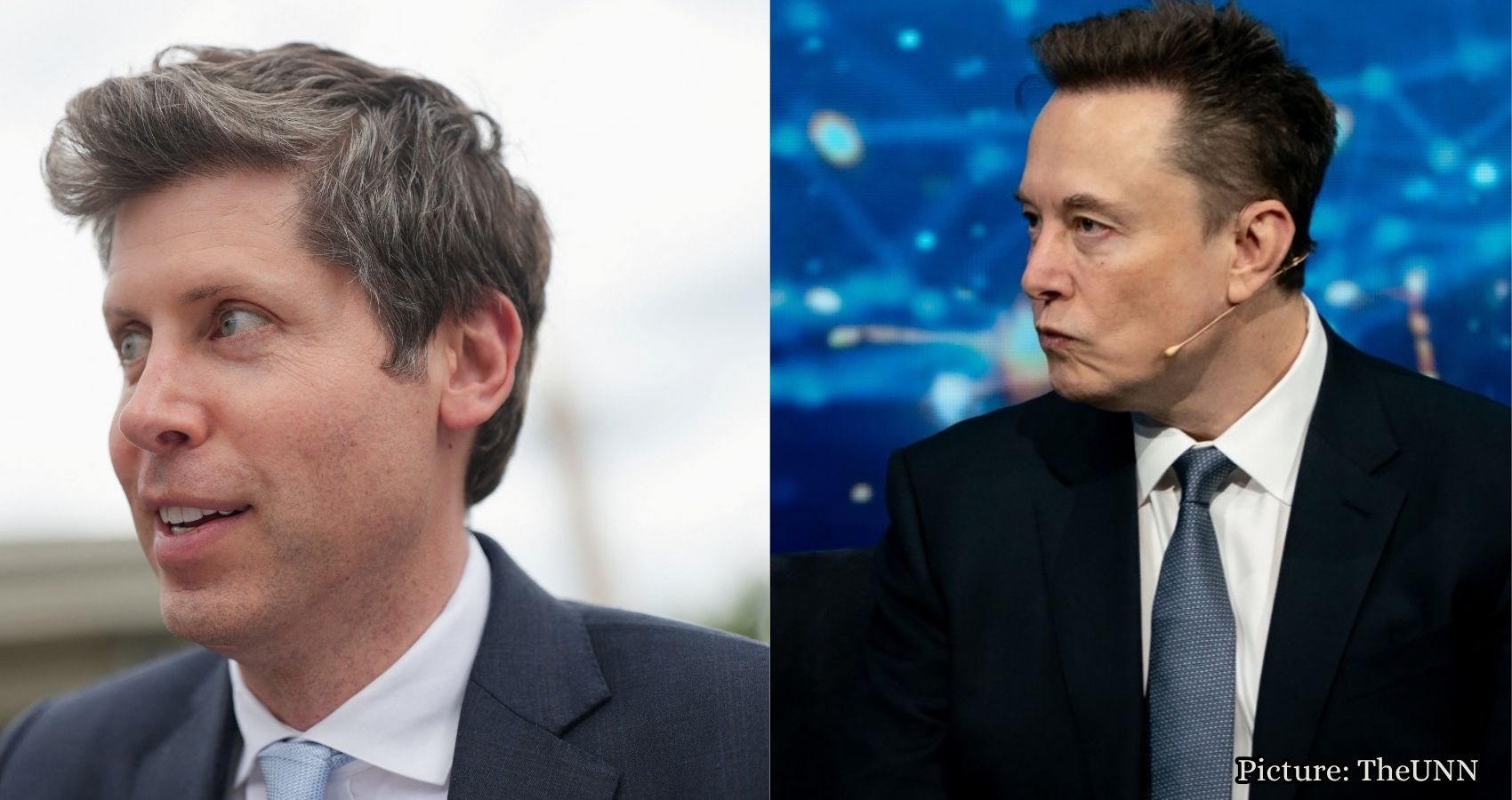
OpenAI Appoints Indian-American Uday Ruddaraju as Chief Technology Officer

OpenAI has appointed Uday Ruddaraju as Chief Technology Officer, Compute, to lead the development of the world’s largest compute infrastructure for advanced AI models.

OpenAI has announced the promotion of Uday Ruddaraju, an Indian American technology leader, to the position of Chief Technology Officer, Compute. In this role, Ruddaraju will be responsible for building the world’s largest compute infrastructure for cutting-edge AI models, including the anticipated GPT-5.6.

This strategic elevation reflects OpenAI’s commitment to enhancing its AI infrastructure amid increasing competition among major firms striving to establish extensive data center networks. Ruddaraju’s promotion is particularly significant as the demand for robust computing resources continues to grow in the rapidly evolving AI landscape.

Ruddaraju holds a Bachelor of Engineering in Computer Science from the Chaitanya Bharathi Institute of Technology in Hyderabad, India, and later earned a Master of Science in Computer Science from the University of Minnesota after relocating to the United States.

Having led OpenAI’s compute and infrastructure initiatives for the past year, Ruddaraju shared his excitement about his new role on LinkedIn. He expressed gratitude for the rewarding experiences during his first year at the company, highlighting the Compute team’s relentless efforts to quickly and reliably bring capacity online.

“Our Compute team has worked relentlessly to bring capacity online quickly and reliably, while doing the deep systems across compute, network and storage, and ML work needed to train frontier models like GPT-5.6,” Ruddaraju stated.

He emphasized that as OpenAI scales its operations, the complexity of the challenges it faces will increase, necessitating ongoing innovation across all layers of the technology stack. “We’re on a mission to build the world’s largest compute footprint so frontier AI can reach everyone and every workflow. We have a very exciting compute ramp and roadmap coming up,” he added.

Ruddaraju’s team is focused on rapidly deploying the necessary capacity and constructing the compute, networking, storage, and machine learning systems essential for training advanced AI models. OpenAI aims to broaden access to frontier AI, making it available to a wider user base and diverse workflows by significantly expanding its compute resources.

The company has laid out an ambitious roadmap for compute expansion and is actively seeking talent in various fields, including distributed systems, hardware, manufacturing, and data center engineering.

Before joining OpenAI in July 2025 as Head of Compute and Infrastructure, Ruddaraju held leadership roles at xAI and served as Head of Infrastructure Engineering from June 2024 to July 2025. His professional background also includes nearly six years at Robinhood, where he rose to the position of Senior Director of Engineering and Head of Infrastructure, as well as over five years at eBay, where he worked in various software engineering roles focused on cloud and platforms.

Ruddaraju’s appointment as CTO marks a significant step for OpenAI as it continues to push the boundaries of AI technology and infrastructure development, positioning itself as a leader in the competitive landscape of artificial intelligence.

According to The American Bazaar, Ruddaraju’s leadership will be crucial as OpenAI embarks on this ambitious journey to enhance its computing capabilities.

Seattle Seahawks Sale Concluded with Narrow Final Bid

The Seattle Seahawks have been sold for a record $9.6 billion, with the final bid narrowly edging out a rival offer, pending NFL owners’ approval.

The sale of the Seattle Seahawks has set a new benchmark in professional sports, reportedly concluding with an exceptionally close final bid. A group led by venture capitalist Vinod Khosla has agreed to purchase the reigning Super Bowl champions from the Paul G. Allen Estate for approximately $9.6 billion, pending approval from NFL owners. This transaction is poised to become the most expensive sale of a professional sports franchise, surpassing the previous record held by the Washington Commanders.

According to reports from Pro Football Talk, the final round of bidding featured two closely matched offers, with one particular financial decision proving crucial in determining the winning bidder. While the exact difference between the final bids has not been disclosed, sources indicate that the margin separating the two groups was significantly smaller than anticipated for a sale of this magnitude.

As the bidding process progressed, interest in the Seahawks intensified. Early estimates suggested the franchise could command between $9 billion and $11 billion, leading some observers to question whether enough qualified buyers would emerge. However, as negotiations advanced, competition grew among billionaire investors eager to acquire one of the NFL’s marquee franchises.

Ultimately, the Khosla family, led by Silicon Valley investor Vinod Khosla, secured the agreement. Under NFL ownership rules, Neeru Khosla is expected to serve as the controlling owner, while Vinod Khosla will need to divest his minority stake in the San Francisco 49ers before the transaction can receive league approval.

This sale aligns with the wishes of the late Microsoft co-founder Paul Allen, who directed in his will that the Seahawks be sold, with proceeds benefiting Allen Family Philanthropies. Allen purchased the franchise in 1997 and played a pivotal role in transforming it into one of the NFL’s most successful organizations before his passing in 2018.

The Seahawks entered the sales process with added momentum after winning Super Bowl LX, a championship that further enhanced the club’s value and appeal to prospective buyers. Analysts have noted that sustained on-field success, a passionate fan base, and stable organizational leadership have all contributed to the franchise’s record valuation.

The purchase remains subject to approval by NFL owners, who must vote to admit the Khosla group into the league’s ownership ranks. If approved, this deal will not only establish a new benchmark for professional sports franchise valuations but also underscore the growing financial strength of the NFL.

For more details, refer to Pro Football Talk.

Bill Ackman Advocates for Retaining Global Talent in the U.S.

Billionaire hedge fund manager Bill Ackman advocates for retaining top international graduates in the U.S., emphasizing the need for immigration reform to foster innovation and economic growth.

Billionaire hedge fund manager Bill Ackman has reiterated his commitment to retaining highly skilled international graduates in the United States. This comes shortly after he faced criticism for his proposal to expedite visa processes for Indian students attending American universities.

In a recent post on X, Ackman argued that U.S. immigration policy should prioritize attracting and retaining talented innovators who can contribute significantly to the economy. He stated, “We need to fix our immigration policy so we can admit the creators so they can build on American soil and create value here. In particular, it makes no sense to educate the best and brightest at federally subsidized educational institutions and then send them home.”

Ackman’s comments build on earlier remarks made this week, where he suggested that the United States should accelerate permanent residency pathways for top-performing international students, especially those studying at prestigious American universities. These statements sparked a heated online debate, with supporters viewing the proposal as a vital investment in innovation, while critics expressed concerns that it could disadvantage American workers.

The American Bazaar previously reported on the backlash, with immigration skeptics questioning whether expanding opportunities for foreign graduates would heighten competition for high-skilled jobs. However, others countered that highly educated immigrants have historically played a significant role in founding startups, advancing scientific research, and bolstering the U.S. technology sector.

Ackman’s latest post aimed to broaden the discussion beyond a single nationality, emphasizing the necessity of admitting “creators” capable of generating long-term economic value. He pointed out what he sees as an inconsistency in current immigration policy: federally subsidized universities educate some of the world’s brightest students, yet many are compelled to leave after graduation due to immigration restrictions.

This issue has gained prominence amid ongoing debates surrounding the future of H-1B visas, Optional Practical Training (OPT), and employment-based green cards. Business leaders in Silicon Valley have consistently argued that lengthy immigration backlogs drive highly skilled graduates to seek opportunities in countries with more predictable immigration systems.

Indian students are particularly affected by these challenges. They represent one of the largest international student populations in the United States and account for a significant share of H-1B visa holders, especially in the fields of science, technology, engineering, and mathematics.

Ackman’s recent statements come as Congress and the Biden administration continue to deliberate broader immigration reforms, including changes that would impact high-skilled workers, student visas, and employment-based immigration.

His remarks are likely to keep the conversation active among policymakers, universities, and the technology industry as the United States navigates the delicate balance between economic competitiveness and concerns regarding domestic employment.

According to The American Bazaar, Ackman’s advocacy for reforming immigration policy reflects a growing recognition of the importance of international talent in driving innovation and economic growth in the U.S.

China’s Open Weight AI Model Poised to Reach Trillion-Dollar Valuation

China’s recent release of a powerful open weight AI model has sent shockwaves through American financial markets, challenging long-held assumptions about the future of artificial intelligence.

This week, a Chinese company unveiled a significant open weight AI model, prompting an extraordinary reaction in American financial markets. Semiconductor stocks experienced a sharp decline, the Nasdaq index fell, and investors began to question a foundational premise that has driven one of the most remarkable technology investment booms in recent history: the belief that the future of artificial intelligence (AI) would necessitate increasingly expensive chips, larger data centers, and greater capital investments.

For several years, the logic underpinning the AI industry seemed almost inevitable. Enhanced models required more computing power, which in turn demanded more advanced chips. This cycle continued, leading to the need for larger data centers and, consequently, substantial amounts of electricity, networking, cooling, and supporting infrastructure. Companies controlling this ecosystem were viewed as extraordinarily valuable, as the world would require ever-greater amounts of computing power to develop increasingly sophisticated AI.

However, the emergence of open weight AI is beginning to challenge this assumption. If a company can download a highly capable model, tailor it with its own data, and operate it on its own infrastructure—thereby avoiding fees to proprietary AI companies for each interaction—the economic landscape starts to shift.

Kimi K3, the Chinese company behind this latest development, has released a large language model known as Model F, which is available for free download. Users can customize this model using company-specific data, significantly reducing their costs.

This moment may represent a pivotal shift in the AI market, akin to the “Linux moment” in the software industry. For decades, proprietary systems dominated the software landscape, with vendors controlling code, pricing, development roadmaps, and customer relationships. The advent of open-source software transformed this dynamic.

Linux emerged as a formidable alternative to proprietary operating systems, while Apache became foundational to the internet. Open-source databases, programming languages, development tools, and software libraries have since become essential components of the modern technology sector. While open-source did not eliminate commercial software, it fundamentally altered where value is created.

IBM serves as a notable example of this transformation. Once a dominant player in technology, IBM’s proprietary systems were central to corporate computing. However, as the industry evolved, the focus shifted. IBM eventually became a major proponent of open-source software and Linux. Ironically, the same IBM recently saw its stock decline for the first time in years due to missed earnings linked to delays in AI adoption by its clients.

The financial markets have been built on the assumption that AI progress necessitates exponentially increasing infrastructure. Enhanced models require more computation, which in turn demands more chips, leading to the need for larger data centers and increased electricity and supporting infrastructure.

This cycle has resulted in a massive capital spending spree. Technology companies are committing substantial resources to chips, data centers, networking, energy, cooling, and construction, often before the economic returns from these investments are fully realized.

This situation has created a concerning gap between AI adoption and AI value creation. The most significant barrier to AI adoption for many organizations is not the AI model itself, but the foundational infrastructure required to support it. Many large organizations have accumulated decades of technology systems, resulting in data stored in various formats, applications that do not communicate, duplicated information, inconsistent security systems, and a lack of clarity regarding data locations.

Before a hospital can effectively deploy AI, for instance, it may need to modernize its electronic health record systems, enhance data quality, integrate disparate databases, upgrade cybersecurity measures, and establish governance protocols. Similarly, a manufacturer may need to connect systems that were never designed to work together.

The foundational work is expensive, and companies must invest in it before they can fully leverage the benefits of AI. The challenge is that while organizations are building this infrastructure, artificial intelligence continues to advance. Companies may spend years preparing their systems for one generation of technology, only to find that the technology has already progressed to the next generation by the time their transformation is complete.

This widening gap between AI investment and AI value creation is already evident in corporate performance. Recent analyses indicate that while 68% of companies are increasing their digital and AI investments, only 7% have a defined AI strategy, and just 11% have successfully scaled AI into production. This has led to an “AI execution gap,” where organizations are investing in and launching pilots faster than they can redesign their operations to effectively utilize the technology. Open weight models could help bridge this gap by lowering experimentation costs, allowing for model customization for specific applications, reducing reliance on a limited number of AI providers, and enabling organizations to run models within their own environments.

China appears to recognize the strategic implications of open weight AI. The argument emerging from the country suggests that nations should be more willing to share AI technology rather than allowing a select few companies or countries to control its future. This approach seems to be a calculated strategy, as the United States holds significant advantages in advanced semiconductors, cloud infrastructure, and cutting-edge AI development. However, if powerful AI models become widely accessible, China could accelerate adoption globally without needing to dominate every aspect of the AI infrastructure ecosystem.

Open weight AI could thus evolve into a geopolitical strategy. The country that invests the most in advanced technology does not always capture the most value from it. Sometimes, the greatest economic advantage lies with the nation that makes technology affordable enough for widespread use.

However, the concept of open weight does not come without risks. Powerful AI models can be modified and deployed without the oversight of their original developers, potentially leading to integration into systems lacking adequate security controls. This raises concerns regarding cybersecurity, privacy, intellectual property, disinformation, and malicious use.

The world now faces a challenging balance. Open models could accelerate innovation, lower costs, increase competition, and enable smaller companies and developing nations to participate in the AI economy. Yet, this openness must be accompanied by robust security measures, including model testing, cybersecurity protocols, data governance, monitoring, access management, and international cooperation.

The initial phase of artificial intelligence focused on building models, while the second concentrated on establishing the infrastructure necessary to operate those models. We may now be entering a third phase, one that emphasizes making intelligence affordable, customizable, and ubiquitous.

Ultimately, the companies that have invested the most in building the AI foundation may not necessarily be the ones that reap the greatest rewards from artificial intelligence. The future may favor organizations that possess proprietary data, strong distribution networks, deep industry expertise, trusted brands, secure infrastructures, and the capability to integrate AI into practical applications.

Open weight AI could indeed represent the “Linux moment” for artificial intelligence, as the companies currently constructing the largest and most expensive AI systems may discover that the technology they are enabling is simultaneously undermining the value of their original business models.

The implications of this shift are profound and will likely shape the future landscape of the AI industry for years to come, according to The American Bazaar.

Los Angeles Knight Riders Face Washington Freedom in MLC 2026 Final

The 2026 Major League Cricket final features the Los Angeles Knight Riders facing off against the Washington Freedom in a highly anticipated championship match.

The 2026 Major League Cricket season culminates in an exciting showdown as the Los Angeles Knight Riders prepare to take on the Washington Freedom for the championship title. This match marks a significant moment for the Knight Riders, who are making their inaugural appearance in the MLC final, while the Freedom return for their third consecutive season, bringing a wealth of experience and a proven track record on the league’s biggest stage.

The Knight Riders secured their spot in the final with a nail-biting seven-run victory over the San Francisco Unicorns in Qualifier 1. The Freedom followed suit, defeating the Unicorns by the same margin in Qualifier 2, setting the stage for a thrilling encounter between two of the tournament’s strongest teams.

For the Los Angeles Knight Riders, reaching the Major League Cricket championship match is a historic achievement. Their playoff victory over San Francisco capped off a breakthrough campaign, granting them their first opportunity to vie for the title. In contrast, the Washington Freedom are no strangers to the final, having won the championship in 2024 and finishing as runners-up in 2025, establishing themselves as one of the league’s most consistent teams.

The Knight Riders enter the final with confidence following a strong batting performance in Qualifier 1. Despite early setbacks that saw Andre Fletcher and Matthew Tromp dismissed cheaply, Colin Munro steadied the innings with a composed 51 runs off 44 balls. Andre Russell then took charge, scoring a powerful 62 runs from 50 deliveries, while Rovman Powell produced a breathtaking unbeaten 50 off just 15 balls, helping the Knight Riders post a formidable total of 187 for 3.

Los Angeles’ bowlers held their nerve in a tense chase, with Sunil Narine striking twice in the opening over to dismiss Lhuan-dre Pretorius and Finn Allen without a run on the board, putting immediate pressure on San Francisco. Although Matthew Short fought valiantly with an unbeaten 94 and Sanjay Krishnamurthy contributed 65 runs, the Knight Riders successfully defended their target, sealing a memorable victory.

Colin Munro has been a key player for the Knight Riders throughout the season, amassing 398 runs. Andre Russell has also been instrumental, leading the team’s wicket charts with 18 dismissals while contributing significantly as an all-rounder.

The Washington Freedom have relied on a balanced squad throughout the tournament. Wicketkeeper-batter Andries Gous has been their standout performer, leading the team’s scoring charts with 507 runs. Left-arm pacer Saurabh Netravalkar has spearheaded the bowling attack with 14 wickets and will be crucial to the Freedom’s hopes in the final.

Several individual matchups could prove pivotal in determining the outcome of the championship. Munro’s consistency at the top will be tested by Netravalkar’s disciplined new-ball spell, while Russell’s ability to impact the game with both bat and ball makes him a significant threat for Washington. However, the Freedom boast a roster filled with match-winners, including Glenn Maxwell, Steve Smith, Marco Jansen, and Rachin Ravindra, all capable of turning the contest in their favor.

With the Los Angeles Knight Riders riding high on the confidence of a historic playoff win and the Washington Freedom aiming to reclaim the trophy with their extensive finals experience, the Major League Cricket 2026 final promises to be a thrilling conclusion to the season.

Squads for the final include:

Washington Freedom: Andries Gous, Saurabh Netravalkar, Obus Pienaar, Mukhtar Ahmed, Ian Holland, Lahiru Milantha, Amila Aponso, Abhishek Paradkar, Yasir Mohammad, Asif Mehmood, Ben Dwarshuis, Glenn Maxwell, Mitchell Owen, Steve Smith, Marco Jansen, Lockie Ferguson, Nikhil Chaudhary, Jack Edwards, Rachin Ravindra, Mark Chapman.

Los Angeles Knight Riders: Shadley van Schalkwyk, Unmukt Chand, Ali Khan, Saif Badar, Karthik Gattepalli, Matthew Tromp, Carmi le Roux, Jahmar Hamilton, Nitish Kumar, Kristopher Ramsaran, Alex Hales, Andre Fletcher, Colin Munro, Lloyd Pope, Andre Russell, Sunil Narine.

According to The American Bazaar, the stage is set for an unforgettable final as these two teams vie for the coveted title.

The Role of Ahimsa in Enhancing Mental Wellness Among Indian-Americans

Jainism’s principle of ahimsa, or nonviolence, serves as a transformative framework for enhancing mental wellness by fostering self-compassion and reducing inner conflict.

By Dr. Jasvant Modi

Having immersed myself in both rigorous science and ancient wisdom, I believe few principles hold greater unexplored therapeutic potential than ahimsa. Translated broadly as nonviolence, ahimsa is one of the foundational ethical commitments in Jainism, a tradition that regards every living being as deserving of dignity, care, and protection.

Yet ahimsa extends far beyond its moral dimension. Practiced genuinely and consistently, it serves as a living framework for psychological restoration. Conversations about mental wellness in the Western world have become increasingly sophisticated, with therapy, medication, and mindfulness-based interventions each demonstrating real and documented value.

However, the internal culture of quiet violence that many people sustain without recognizing it remains largely unaddressed. From the relentless inner critic to long-held resentment, many individuals live with forms of internal violence they scarcely acknowledge. This is compounded by the low-grade moral friction that arises when one’s deepest values and daily behaviors are persistently out of alignment. Ahimsa, understood in its fullest sense, speaks directly to these issues.

Understanding ahimsa beyond its literal meaning is crucial. Most people first encounter ahimsa as a prohibition, which is accurate but incomplete. The Jain conception of nonviolence is considerably more active and demanding. Ahimsa encompasses thought, speech, and deed equally. Hostility held privately in the mind is still hostility. Words deployed carelessly carry the same fracturing weight as physical harm.

For anyone genuinely committed to psychological well-being, recognizing the full architecture of ahimsa reframes the nature of the work itself. There is a direct and unsentimental line between the inner violence people often dismiss or overlook and the psychological difficulties that eventually surface as a result.

What we permit in our own minds—contempt, grudges, self-condemnation—has consequences that medicine alone cannot fully address. Ahimsa asks us to be honest about where harm originates, and very often, it originates within. This honesty is itself a form of healing. When a person begins auditing their inner life through the lens of nonviolence, patterns emerge with uncomfortable clarity. Repetitive negative self-talk mirrors the very cruelty one would readily condemn in another person.

Blame directed outward without reflection can become a mechanism for avoiding the discomfort of growth. This insight is increasingly supported by modern psychology. Cognitive behavioral research consistently shows that identifying and challenging harmful thought patterns produces measurable improvements in anxiety, depression, and emotional resilience.

Chronic stress is rarely framed in moral terms, yet the relationship between unresolved inner conflict and physiological strain is increasingly well-documented. Sustained resentment is metabolically expensive. Living in persistent contradiction taxes the nervous system in ways that accumulate over time, eventually manifesting as burnout, anxiety, or emotional numbness.

Ahimsa, embraced as an integrated life philosophy rather than a mere dietary or behavioral rule, removes many of those generative sources of friction. It is essential to separate the principle’s depth from the diluted versions that occasionally surface in popular wellness culture. Ahimsa represents a rigorous commitment to reducing harm at every level, including the harm we inflict on our own peace of mind through dishonesty, ego-driven conflict, and a persistent refusal to forgive.

Self-compassion, as recognized by Western therapeutic traditions, is a critical factor in psychological well-being. Researcher Kristin Neff, whose foundational work has reshaped clinical thinking on the subject, identifies self-kindness as central to emotional resilience. What is rarely acknowledged is how precisely her framework reflects the internal logic of ahimsa directed inward.

Practicing ahimsa toward oneself means refusing to sustain the internal violence of perfectionism, chronic shame, or unrelenting self-punishment. The mind cannot flourish in an environment it has made hostile. Softening that environment through principled nonviolence creates the psychological conditions under which genuine growth becomes sustainable.

My own experience has reinforced this understanding. Observing those who struggled most deeply, I often found they were waging the fiercest wars against themselves. Ahimsa offered them a different relationship with their own humanity and, with it, a way forward.

Practicing ahimsa in a contemporary environment is not without complications. The pace of modern life, the ambient aggression of competitive culture, and constant exposure to conflict in public discourse create pressure against the values nonviolence represents. Yet scholars of Jain philosophy argue that the sustained effort required to maintain nonviolent awareness is itself mentally stabilizing. Consistent attention directed toward reducing harm focuses and quiets the mind, producing benefits comparable to formal meditation.

Equanimity, a concept that appears throughout both Jain philosophical literature and clinical mental health research, is cultivated by ahimsa. It interrupts the reactive patterns that make emotional dysregulation likely. When the reflex to condemn, retaliate, or diminish is consistently met with a commitment to nonviolence, the nervous system absorbs fewer disturbances, leading to a more stable mind over time.

Mental wellness, at its most complete, describes a state of internal coherence—an alignment between values, thought, language, and behavior that allows a person to navigate the world with a sense of wholeness. Ahimsa, practiced earnestly and with full awareness of its scope, fosters precisely that alignment. Each dimension of the principle reinforces the others, creating a self-sustaining foundation for both ethical clarity and psychological well-being.

For anyone genuinely searching for something more durable than a wellness trend or a seasonal practice, the ancient discipline of ahimsa offers a starting point that has withstood centuries of philosophical scrutiny and, increasingly, the examining lens of modern science.

My perspective has been shaped equally by medical training and a lifelong engagement with Jain philosophy. Some of the most powerful tools for healing the mind were articulated centuries before the first clinical trial was ever conducted, underscoring the timeless relevance of ahimsa in promoting mental wellness.

According to The American Bazaar.

Canadian Wildfire Smoke Sparks Dispute Over Ottawa’s Response Actions

As Canadian wildfires continue to affect air quality in the U.S., experts and lawmakers criticize Canada’s forest management practices, prompting a cross-border dispute over responsibility and prevention efforts.

Smoke from Canadian wildfires has drifted across parts of the United States, igniting a heated debate over Canada’s forest management practices. Forestry experts argue that Canada could mitigate the severity of these fires through more aggressive forest management strategies.

The issue escalated to the White House, where President Donald Trump accused Canada of failing to manage its forests adequately. In a post on Truth Social, he expressed his frustration, stating, “We are holding Canada responsible for the fact that they are not properly maintaining their forests, and brush therein, and the United States is being unnecessarily invaded by filthy, polluted, and unhealthy air.” Trump indicated that he would reach out to Canadian Prime Minister Mark Carney and labeled Canada’s inaction as “willful negligence.”

Andrew Hale, a Canadian fellow at Advancing American Freedom, echoed Trump’s sentiments, arguing that Canada’s wildfire policies have not prioritized essential forest management practices. “Canada has a policy of not keeping reservoirs. They also will not cut firebreaks and will not thin their forests,” Hale told Fox News Digital. He attributed these shortcomings to the influence of environmental groups that, he claims, have detached themselves from scientific principles and effective stewardship. “Canada and the rest of North America is suffering as a result,” he added.

Earlier this week, four Republican members of Michigan’s congressional delegation—Reps. Jack Bergman, John James, Lisa McClain, and John Moolenaar—sent a letter to Prime Minister Carney. They expressed concern that residents in Michigan were once again facing unhealthy air quality due to smoke from Canadian wildfires. “We are done accepting apologies in place of action,” the lawmakers wrote, criticizing Canada for underinvesting in forest thinning, fuel reduction, and prescribed burns. They called for concrete plans to reduce future wildfire smoke crossing the border.

This criticism aligns with findings from a recent Canadian Senate report, which concluded that while climate change is exacerbating wildfire seasons, Canada must do significantly more to prepare its forests before fires ignite. The Senate Committee on Agriculture and Forestry released a report in June titled “Canada on Fire: The Catastrophic and Escalating Effects of Wildfires on Lives and Communities.” The report was based on 17 meetings, testimony from 79 witnesses, and 23 written briefs from scientists, government officials, Indigenous leaders, and industry experts.

The committee found that Canada’s three most recent wildfire seasons demonstrated that climate change is accelerating fire behavior “beyond the capacity of existing systems.” It also noted that prevention efforts have not kept pace with the growing threat of wildfires. Much of the report focused on “fuel management,” which involves reducing the amount of dry grass, dead trees, fallen branches, and other vegetation that can turn small fires into large, destructive wildfires.

Several witnesses agreed that prescribed fire is a crucial tool for managing wildfire risk and restoring ecological integrity. Paul Hessburg, a professor at the University of Washington’s School of Environmental and Forest Sciences, emphasized that while climate change is worsening wildfire conditions, proactive forest management remains valuable. “The punchline is, with climate change, these conditions will intensify with less snowpack, more fires, bigger fires, hotter fires,” Hessburg told the committee. “The question is: Can we restore resilience? We can. We can bring back these elements and put the governors back into the landscape that historically regulated the flow of fire.”

Jason Hayes, a senior research fellow in energy and environmental policy at the Heritage Foundation, advocated for more proactive forest management rather than relying solely on emergency responses after fires ignite. “The best thing to do is get out, space and thin, do prescribed burns and recognize that these are renewable resources,” Hayes told Fox News Digital. He acknowledged, however, that implementing these strategies across Canada would be challenging, particularly in remote areas where many fires occur, such as northern Ontario.

Witnesses at the Canadian Senate committee also highlighted practical challenges beyond forest management, including a shortage of wildfire management expertise and an aging fleet of firefighting aircraft. The report noted that provincial fleets still include older CL-215 aircraft, with at least 20 requiring immediate replacement.

Fox News Digital reached out to the Office of Prime Minister Mark Carney for comment but did not receive a response by the time of publication, according to Fox News.

Facebook Experiences Widespread Outage, Users Report Login and Messaging Issues

Facebook is facing a significant global outage, with users reporting login failures, frozen feeds, and messaging issues across its platforms.

Facebook is currently experiencing a widespread outage affecting users around the world. Thousands have reported issues such as login failures, frozen feeds, and messaging problems across both desktop and mobile platforms.

Many desktop users are encountering an error message stating, “Account Temporarily Unavailable. Your account is currently unavailable due to a site issue.” This has left a substantial number of users unable to access their accounts.

The outage has prompted a surge in complaints, with various issues being reported. The largest portion of these complaints—ranging from 32% to 63%—comes from users who are completely blocked by the “Account Temporarily Unavailable” screen. Additionally, 26% of users are experiencing login and authentication failures, where attempts to access accounts result in being kicked back out or encountering server loop bugs. Furthermore, 22% of users who remain logged in report that their notification bars, news feeds, and profiles are entirely unresponsive.

Reports of these issues began to surge around 10:39 a.m. ET (8:09 p.m. IST), with tens of thousands of users documenting similar system failures across social media platforms. The primary errors reported include total desktop lockouts, media upload failures, and frozen notification feeds.

Several potential technical causes have been identified for the outage. These include centralized authentication and token failures, routine maintenance misconfigurations, server configuration issues, API overload, and glitches in the edge network or content delivery network (CDN).

Users have expressed deep frustration over the situation, describing a sense of digital isolation as their main channels for personal communication and business management have suddenly become inaccessible.

In response to the outage, Meta has acknowledged the widespread service disruption. The company confirmed via its developer status dashboard that its engineering teams are actively investigating the issue. Their core platform status tracking indicates critical disruptions, particularly affecting backend authentication systems and login integrations.

As of now, there are signs of recovery from the massive global outage. Services are being selectively restored for some users after approximately an hour and a half of total downtime. While desktop access is gradually being restored, thousands of unresolved reports remain active on Downdetector for Facebook, Instagram, and Messenger.

According to Downdetector, the active tracking telemetry shows a significant spike in user complaints today, confirming a widespread global outage affecting Meta platforms. Reports began to escalate rapidly starting around 10:39 a.m. ET, jumping from a normal baseline of just a few reports to thousands of active complaints within minutes.

The situation continues to develop, and users are advised to stay updated through official channels as Meta works to resolve the issues.

Gaurav Gupta’s Playful Gesture Towards Ananya Panday Sparks Viral Reactions

A video from Gaurav Gupta’s fashion show featuring Ananya Panday has gone viral, sparking a debate over personal boundaries and the nature of their interaction.

The world of fashion is no stranger to viral moments, and a recent event in Mumbai has captured significant attention online. Designer Gaurav Gupta’s playful gesture towards Bollywood actress Ananya Panday during a runway show has ignited discussions across social media platforms.

In the video that has since gone viral, Gupta appears to reach towards Panday’s waist. The actress’s immediate reaction—shifting away—has drawn various interpretations from viewers. What some initially perceived as an innocent moment quickly transformed into a topic of debate, with opinions divided on whether the gesture indicated camaraderie or crossed personal boundaries.

As the clip circulated, many viewers noted Panday’s subtle unease following Gupta’s gesture. This prompted conversations about consent, personal space, and professionalism within the entertainment industry. The incident has highlighted the fine line that exists in public interactions, especially in high-profile settings like fashion shows.

Social media users have expressed mixed reactions to the moment. While some consider it a lighthearted exchange between the designer and his muse, others argue that the gesture was inappropriate and indicative of a larger issue regarding boundaries in the industry.

The rapid spread of the video underscores how quickly a seemingly minor incident can escalate into a widespread discussion. Comments on platforms like Twitter have ranged from supportive to critical, with users questioning the nature of the interaction. One Twitter user posed the question, “Bro, what’s going on with Ananya Panday? Is it flirting or harassment?” highlighting the polarized views surrounding the incident.

This situation serves as a reminder of the scrutiny that public figures face and how even brief moments can lead to significant public discourse. The curiosity surrounding celebrity interactions often leads to intense analysis, revealing the complexities of personal boundaries in the spotlight.

As the debate continues, it remains clear that the fashion industry, like many others, is navigating the evolving conversation around consent and professionalism. The incident involving Gaurav Gupta and Ananya Panday has not only gone viral but has also sparked a broader dialogue about the expectations and realities of behavior in public spaces.

According to The Sunday Guardian, the incident exemplifies how social media can amplify discussions about personal interactions, making it essential for public figures to be mindful of their actions and the potential implications.

Josh Hawley Criticizes Mitch McConnell’s Alleged Obligation to Country

Senator Josh Hawley criticized Mitch McConnell’s team for a lack of transparency regarding the senator’s health, emphasizing their duty to inform constituents amid ongoing concerns about McConnell’s absence from the Senate.

Senator Josh Hawley, a Republican from Missouri, has issued a strong rebuke of Senator Mitch McConnell’s team, emphasizing their obligation to keep constituents informed about the senator’s health amid ongoing concerns. McConnell, the 84-year-old former Senate majority leader, has been absent from the Senate for over a month following a fall at his home that resulted in hospitalization.

Hawley voiced his concerns during an interview with Fox News Digital, expressing well wishes for McConnell and his family while simultaneously stressing the importance of transparency. “At a certain point, you do have an obligation to your constituents and the country to tell them what’s going on,” he said.

McConnell’s absence, combined with the recent death of Senator Lindsey Graham, has left Senate Republicans down two crucial votes during a critical period for advancing key elements of President Donald Trump’s agenda. Hawley noted the challenges posed by this situation, stating, “To be down a vote, we’ve got a slim majority; it’s not easy.”

While Hawley indicated he would defer to Senate Majority Leader John Thune, a Republican from South Dakota, on how to address McConnell’s situation, he highlighted the impact of the missing GOP votes on legislative priorities, including the voter integrity measure known as the SAVE America Act. “I just hear a lot from leadership that, ‘Well, we don’t have the votes for this,’” he remarked, referring to the challenges in passing certain measures like voter identification laws.

Hawley admitted to being “totally in the dark” about McConnell’s health status, stating, “I never had any idea about any of his health stuff.” He reiterated the need for transparency, saying, “I hope he recovers, but I also hope that they get the transparency out there to help people know what the situation is.”

When asked if McConnell’s health issues suggest a need for age limits in office, Hawley responded affirmatively, stating, “Well, I’m a term-limit guy, so I’m all for that.” He clarified that his stance is not a reflection on older colleagues, citing 92-year-old Senator Chuck Grassley from Iowa as an example of an older politician who remains sharp and active. However, he maintained that there should be term limits, arguing that “people just come here and stay forever,” which he believes is contrary to the intentions of the Founding Fathers.

McConnell is currently serving his seventh term in the Senate, having first been elected in 1984. He was hospitalized in June after a fall in his Washington, D.C., home and subsequently developed pneumonia during his recovery. Following a period of silence regarding his health, McConnell issued an open letter to his constituents, addressing his prolonged absence and attributing his fall to mobility issues stemming from a childhood battle with polio.

In his letter, McConnell acknowledged that, based on his doctors’ advice, he “won’t be able to return to the Senate floor to vote quite yet.” Nevertheless, he expressed his commitment to fulfilling his duties, stating, “I have every intention of finishing the job you elected me to do,” and assured constituents that he would keep them updated on his recovery progress.

This situation has sparked a broader conversation about the health and longevity of elected officials, particularly as the Senate grapples with significant legislative challenges. As Hawley and others call for greater transparency, the focus remains on McConnell’s recovery and the implications of his absence for the Republican Party’s agenda.

According to Fox News, the ongoing developments surrounding McConnell’s health and the resulting political ramifications continue to unfold as Senate Republicans navigate a crucial period in their legislative efforts.

Daily Horoscope for All Zodiac Signs: July 18, 2026

Today’s horoscopes for July 18, 2026, reveal insights for each zodiac sign, highlighting personal challenges, professional achievements, and emotional journeys.

Aries (Mar. 21 – Apr. 20): Today, you may find yourself yielding to the demands of your children. According to Ganesha, these moments are a reminder of why you work so hard. You will also tackle tasks that have been on your to-do list for a while. This day is particularly favorable for those in the medical and public sectors.

Taurus (Apr. 21 – May 21): Your creativity and competence will shine today. You will impress your colleagues and superiors with your work style and ability to handle tasks deftly. Your subordinates will be motivated and eager to support you, leading to significant progress on your current projects. Ganesha assures that today will be exceptionally fruitful.

Gemini (May 22 – Jun. 21): Emotions will take precedence over logic today, as you may find yourself swept away by your feelings. This could cloud your judgment, making it difficult to differentiate between right and wrong. However, Ganesha suggests that by evening, you are unlikely to regret the decisions you made.

Cancer (Jun. 22 – Jul. 22): You will start the day with a clear plan for a brighter future. Ganesha indicates that you will implement your thoughtfully made plans with determination. Such methodical decisions will save you time and lead to success in all your endeavors today.

Leo (Jul. 23 – Aug. 23): Your natural self-confidence will empower you today, allowing you to accomplish tasks with ease. Ganesha notes that you will achieve rewards that exceed your expectations, thanks to your capabilities.

Virgo (Aug. 24 – Sep. 22): Today, you will recognize the importance of family matters. Your negotiation skills will come in handy as you work to resolve disputes amicably. Ganesha highlights that your level-headedness has taught you that opposition can lead to progress.

Libra (Sep. 23 – Oct. 23): Expect a joyful day with family members, filled with fun and laughter. Ganesha suggests that you might organize a picnic or family gathering. Additionally, a trip to a religious place or temple could enhance your mindset and creativity.

Scorpio (Oct. 24 – Nov. 22): It’s advisable to take a step back and not let minor worries affect your happiness or health today. Ganesha indicates that the day will improve as it progresses. Consider reaching out to friends for a spontaneous outing to relieve stress and rejuvenate.

Sagittarius (Nov. 23 – Dec. 21): Today, you may find yourself multitasking with ease, guided by your instincts. Ganesha warns that you might face a few challenges, but remember that overcoming obstacles can be rewarding.

Capricorn (Dec. 22 – Jan. 20): Your actions will resonate more than your words today. Ganesha notes that your sincere efforts will inspire others to do their best, positioning you as a friend, philosopher, and guide. However, be aware that some may surpass you, which can be disheartening.

Aquarius (Jan. 21 – Feb. 18): If you are feeling disappointed, seek solace in spirituality. Ganesha advises facing your problems with strength and confidence rather than avoiding them. With patience and faith, you will navigate through challenges, as they are a part of life.

Pisces (Feb. 19 – Mar. 20): You are determined to shape your own destiny and will not back down easily. Ganesha emphasizes that while victory is attainable, it will require hard work and persistence. Today may present challenges, but your efforts will lead to success.

The insights provided today reflect the unique journeys of each zodiac sign, offering guidance and encouragement for the day ahead.

According to India West.

FIFA World Cup 2026 Champions to Receive American-Style Championship Rings

The FIFA World Cup 2026 will feature championship rings for the winners, marking a historic first for the tournament, alongside the traditional trophy and gold medals.

In a groundbreaking announcement, FIFA revealed that the winners of the FIFA World Cup 2026 will be awarded the first-ever championship rings in the tournament’s history. This significant addition, announced on July 17, will complement the iconic FIFA World Cup trophy and gold medals traditionally given to the champions.

The bespoke championship rings will introduce a unique aspect of North American sporting culture to football’s most prestigious event. Following the final match at New Jersey Stadium, the winning team will be honored with these rings, which symbolize their hard-fought victory.

Each ring will feature the FIFA World Cup trophy on one side, while the opposite side will be customized to reflect the identity of the winning team. This personalization ensures that each ring is not only a trophy but also a meaningful representation of the team’s journey and achievements throughout the tournament.

To commemorate their victory immediately after the final, the captain and head coach of the winning team will receive temporary rings. This gesture allows them to celebrate their success on the spot before the official rings are produced.

A total of 30 championship rings will be crafted for the victorious team, with each ring being individually numbered and custom-fitted. This attention to detail guarantees that the rings will serve as a lasting memento of their achievement. The official presentation of these rings will occur at a later date, ensuring that each player receives a perfect fit.

In total, the championship rings will be part of a limited edition of 2,026 individually numbered pieces, commemorating the FIFA World Cup 2026. Of these, 30 will be awarded to the winning team, while the remaining 1,996 rings will be available to fans worldwide as an Official Licensed Product. This initiative allows supporters to own a unique piece of FIFA World Cup 2026 history.

The FIFA World Cup 2026 is set to be co-hosted by the United States, Canada, and Mexico, with the final match scheduled to take place at New Jersey Stadium. FIFA’s introduction of championship rings not only adds a new tradition to the tournament but also provides winners with a lasting symbol of their achievement, bridging the gap between football and North American sports culture.

According to IANS, this innovative approach is expected to enhance the overall experience of the tournament for players and fans alike.

Can Laughter Combat Workplace Prejudice, Says ‘The Employee Dharma Handbook’

Geetha Reddy’s play, ‘The Employee Dharma Handbook,’ explores workplace discrimination through humor, highlighting the complexities of caste and gender in a contemporary setting.

Geetha Reddy’s thought-provoking play, ‘The Employee Dharma Handbook,’ made a significant impact at the 2025 New Works Festival at TheatreWorks. This year, under the direction of Snehal Desai, it celebrated its world premiere on June 9, 2026, at the Lucie Stern Theatre in Palo Alto.

The narrative centers on Leela, portrayed by Megan Suri, a talented Indian-American engineer serving as the Propulsion Systems Manager at an aerospace company. As she prepares for an upcoming space launch, she grapples with feelings of disillusionment after her colleague Baasu, played by Kunal Dudhekar, an Indian immigrant known for his social quirks, is promoted to Director of Propulsion Systems by their boss, Krish (Kapil Talwarkar), who is also an Indian immigrant.

Leela’s frustration stems from her belief that she has been overlooked due to discrimination. The arrival of Val, the EVP of Human Resources Operations portrayed by Kathryn Smith-McGlynn, adds another layer to the narrative. Val, a Black American, navigates her own experiences with discrimination while attempting to address the complexities of caste within the workplace.

Reddy’s play draws inspiration from real-life incidents in Silicon Valley that highlight caste-focused discrimination. One notable case involved a lawsuit filed in 2000 against two Cisco engineers, where a third engineer alleged discrimination based on caste, claiming he was passed over for promotions. After extensive interviews, the case was ultimately dismissed by the State of California’s Civil Rights Department.

Another incident that influenced the play was the 2022 cancellation of a talk by Dalit scholar Thenmozhi Soundararajan at Google, following complaints from Hindu-American groups. This event underscored the ongoing challenges faced by Dalits, who have historically experienced oppression and discrimination in India.

The cast of ‘The Employee Dharma Handbook’ is entirely composed of people of color, including Indian immigrants, an Indian American, and Val, who represents the intersection of race and gender discrimination. This diverse representation is refreshing, particularly in a tech landscape often dominated by male figures. Reddy’s choice to feature women in leadership roles, such as the CTO, reflects a welcome shift in narrative within the industry.

The play also delves into themes of queerness and the pressures of South Asian heteronormativity, adding depth to its exploration of identity.

The performances are commendable, with Kunal Dudhekar and Ranjita Chakravarty, who plays C.K., excelling in both physical and verbal comedy. Their ability to infuse humor into serious topics is a testament to their talent. Val’s character balances the enforcement of corporate policies with an understanding of the cultural nuances surrounding caste, while Leela and Krish embody the gravity of the subject matter.

Dr. Sukanya Chakrabarti, Associate Chair of Theatre Arts at San Jose State University, served as the cultural dramaturg for the play. She emphasized the importance of her role in helping the cast navigate the historical and cultural nuances of the caste system. Her guidance extended to ensuring authentic portrayals of Indian English and advising on cultural gestures, enhancing the overall sensitivity of the production.

A recurring symbol in the play is the broom, which historically represented the oppression of Dalits. It serves as a poignant reminder of the ongoing struggles for equality, particularly as it is integrated into a wedding dress, raising questions about societal progress.

The play poses critical questions regarding the motivations behind workplace promotions and the implications of caste bias. As the story unfolds, the audience is left to ponder whether Leela’s promotion was hindered by her gender or caste, and whether Baasu’s rise was influenced by his Brahmin status or his connections within the tech community.

The conclusion of the play elicited mixed reactions from the audience. Some felt that the resolution oversimplified complex issues, prompting reflections on how prominent Dalit voices might interpret the narrative.

Despite the varied responses, the play successfully sparks conversations about gender and caste equality. Leela’s determination to pursue her dreams in space research, despite the obstacles she faces, offers a hopeful and empowering conclusion.

To further engage with the themes presented, the program includes a reading list curated by the playwright, featuring works such as Suraj Yengde’s ‘Caste Matters,’ which would be a valuable addition for those interested in exploring these issues more deeply.

‘The Employee Dharma Handbook’ will be performed at the Lucie Stern Theatre in Palo Alto from July 8 to August 2, 2026, promising to continue its exploration of workplace dynamics and the challenges of discrimination.

According to India Currents, the play’s unique blend of humor and serious subject matter makes it a must-see for those interested in contemporary social issues.

BAPS Swaminarayan Sanstha Celebrates 250 Years of American Heritage

BAPS Swaminarayan Sanstha celebrated America’s 250th anniversary with events emphasizing faith, service, and unity, reflecting on the contributions of South Asian Americans to the nation’s story.

BAPS Swaminarayan Sanstha participated in the America250 celebration through a series of events focused on faith, service, gratitude, civic pride, and unity across the nation. These activities coincided with the United States marking the 250th anniversary of the signing of the Declaration of Independence.

In partnership with America250.org, a national, nonpartisan initiative leading the commemoration of America’s Semiquincentennial, BAPS engaged in a nationwide effort to foster one of the most inclusive anniversary celebrations in the nation’s history.

For South Asian Americans, America250 provided a significant opportunity to honor the freedoms, opportunities, and shared values that have allowed generations of families to maintain their heritage while contributing to the American narrative. From early immigrants seeking new beginnings to the millions of South Asian Americans currently serving in various fields such as medicine, education, business, public service, technology, the arts, and civic life, their journeys reflect a broader American experience characterized by resilience, service, opportunity, and belonging.

BAPS Swaminarayan Sanstha, a Hindu organization that has served communities in the United States for over 50 years, marked this national milestone through celebrations at its mandirs, open houses, interfaith gatherings, service initiatives, and community events. Since initiating its activities in the United States in the early 1970s, BAPS has expanded alongside the nation, establishing mandirs, promoting civic engagement, and welcoming individuals from all backgrounds.

Across the country, BAPS Swaminarayan Mandirs commemorated America250 with civic gratitude and community enthusiasm. Mandirs were illuminated in red, white, and blue, families engaged in patriotic activities, and community members gathered to reflect on the values that unite Americans across diverse backgrounds and beliefs.

In Robbinsville, New Jersey, BAPS Swaminarayan Akshardham hosted a flag-hoisting ceremony attended by veterans and community members, where devotees waved American flags in a demonstration of gratitude and unity. In Los Angeles, the BAPS mandir held a flag-raising ceremony with local veterans and opened its doors to the broader community to share culture, values, and service. In Houston, four local mayors from Sugar Land, Missouri City, Pearland, and Stafford joined the celebration as the mandir was illuminated in red, white, and blue, accompanied by the playing of the National Anthem.

Many of the celebrations emphasized themes of religious freedom, pluralism, and service. Through interfaith discussions, community open houses, volunteer efforts, and family-centered activities, participants reflected on how America’s founding ideals have allowed diverse communities to practice their faith, raise families, serve neighbors, and contribute significantly to society.

One of the organization’s most cherished artifacts is a special letter from His Holiness Mahant Swami Maharaj, offering prayers for America on its 250th anniversary. In this letter, he reminds us that the freedoms and opportunities of this nation have allowed the community to become part of the American story, and with those blessings comes a shared responsibility to serve, strengthen, and uplift the country.

The events brought together community members, local leaders, veterans, faith representatives, nonprofit partners, and residents to celebrate the shared values that continue to shape the nation. For many families, America250 was a moment of gratitude for the freedoms and opportunities that have enabled generations to pursue education, build careers, practice their faith, raise families, and serve their communities while preserving their cultural heritage.

BAPS Charities also integrated America250 themes into its annual Walk-Run events, which brought together tens of thousands of participants across North America in support of local charitable causes. These events have benefited hundreds of organizations working in health, education, humanitarian relief, environmental protection, and social well-being.

“This celebration provides a meaningful opportunity to reflect on the founding ideals and lasting values which shaped the United States of America,” said State Representative Brian Lorenz in Los Angeles.

America250 also served as a moment to reflect on the contributions of immigrant communities in strengthening the nation. Over the years, Americans from diverse backgrounds have preserved their traditions while adopting a shared civic identity grounded in service, respect, responsibility, and community.

Guided by the teachings of His Holiness Mahant Swami Maharaj, BAPS devotees strive to embody humility, compassion, and respect for all. These values inspire volunteerism, outreach, and efforts to foster harmony among individuals of different backgrounds and beliefs.

As America celebrates this historic milestone, BAPS devotees remain committed to serving society, building connections of understanding, and strengthening the communities they call home. Through service, civic engagement, and local partnerships, BAPS joins millions of Americans in honoring the shared values that have formed the nation for 250 years. This celebration underscores a lasting dedication to faith, service, and unity.

According to a press release from the organization, BAPS Swaminarayan Sanstha’s efforts reflect a profound commitment to the ideals that have shaped America.

Reliance Jio Gains Approval for 1,600-Satellite Constellation Project

Reliance Jio has received approval from India’s space regulator to launch a constellation of 1,600 low Earth orbit satellites, aiming to enhance satellite broadband capabilities across the country.

Reliance Jio has achieved a significant milestone in its ambitious satellite communication initiative with the approval of its proposal to deploy a constellation of 1,600 low Earth orbit (LEO) satellites. The Indian National Space Promotion and Authorization Center (IN-SPACe) granted this critical nod on July 17, 2026, following a thorough technical evaluation conducted in consultation with the Indian Space Research Organisation (ISRO) and the Department of Telecommunications (DoT). This decision allows Reliance Jio to proceed with international filings for orbital slots, paving the way for what could become India’s first large-scale, indigenous satellite broadband network.

The primary objective of Reliance Jio’s satellite initiative is to establish a robust space-based communication network that delivers high-speed internet and mobile connectivity across India, particularly in remote and underserved regions. The proposed satellite constellation is expected to boast a total capacity of 4.5 to 5 terabits per second (Tbps), significantly surpassing the capabilities of existing satellite internet services. This initiative aims to bridge the digital divide in the country.

To support this extensive satellite network, Reliance Jio plans to construct 20 to 22 ground stations throughout India. These stations will be crucial for operating the satellites and delivering network services to users, ensuring effective functionality and connectivity.

In the competitive satellite internet landscape, Reliance Jio’s proposed constellation stands out due to its substantial communication capacity. For context, Amazon’s planned satellite network is expected to deliver approximately 3 Tbps, while SpaceX’s Starlink has received approval for around 600 Gbps for its services in India. The significantly higher capacity of Jio’s system could allow it to accommodate a larger user base and support multiple services simultaneously, enhancing its competitive edge in a rapidly evolving market.

The operational satellite network is projected to offer numerous advantages for both consumers and enterprises. Key benefits include access to high-speed internet in remote areas, which can facilitate economic growth and development, enhanced mobile connectivity that improves communication in diverse geographical locations, and a reduction in dependence on foreign satellite operators, bolstering domestic technological capabilities. Additionally, the network is expected to increase the resilience of communication systems, particularly critical during emergencies or natural disasters.

This expansion of internet access is particularly pertinent given the growing importance of digital connectivity across various sectors, including education, healthcare, and commerce. The ability to provide reliable internet access could significantly improve the quality of life and economic opportunities for millions of Indians.

Beyond commercial advantages, Reliance Jio’s satellite constellation also holds strategic significance, particularly concerning national security. Ongoing discussions suggest the potential integration of defense-related payloads into the satellite network. If such integration occurs, it could serve national security objectives while enhancing India’s capabilities in indigenous space communication technologies. This dual-use nature of satellite systems underscores their importance in both civilian and military contexts, potentially influencing broader national security strategies.

Despite this positive technical evaluation, Reliance Jio must navigate multiple regulatory hurdles before the satellite constellation can be launched. These include securing international orbital rights through the International Telecommunication Union (ITU), coordinating with existing global satellite operators to prevent signal interference, and constructing the necessary ground station infrastructure across India. Each of these steps is critical for the project’s successful implementation.

The scale of this ambitious initiative will require substantial investment, with estimates suggesting that it could take several years before the entire constellation becomes operational. However, the recent approval is a crucial step in Reliance Jio’s strategy to penetrate the rapidly growing satellite broadband market in India.

Industry analysts and stakeholders from various sectors—including telecommunications, technology, and defense—will be closely monitoring the project’s progress. As India aims to strengthen its position in the global space industry, the implications of this satellite network could extend beyond broadband access, potentially impacting national security and international telecommunications standards.

The approval of Reliance Jio’s satellite constellation proposal signifies a major advancement for both the company and India’s technological landscape. As the nation seeks to bolster its space capabilities, the successful execution of this project could revolutionize internet access and connectivity for millions of Indians. This initiative not only promises to enhance economic growth but also has the potential to play a vital role in strengthening national security, thereby underscoring the multifaceted importance of the space technology sector in contemporary India, according to GlobalNet News.

Kalyani Pramod’s ‘The Last Glimpse’ Exhibition Addresses Environmental Issues in Chennai

Kalyani Pramod’s exhibition ‘The Last Glimpse’ at Alliance Française of Madras aims to raise awareness about endangered species through innovative art made from discarded materials.

CHENNAI, India — Kalyani Pramod, a prominent fibre artist from Chennai, is set to unveil her solo exhibition titled ‘The Last Glimpse’ on July 18 at the Alliance Française of Madras. This exhibition will feature 73 mixed-media artworks that creatively incorporate discarded materials to highlight the urgent plight of endangered species and the environmental challenges threatening their survival.

Pramod’s artistic philosophy emphasizes that art can be a powerful medium for raising awareness about critical issues rather than merely serving as a tool for protest. “I don’t believe in protest marches alone,” she explains. “Art is a great medium for creating awareness. It can tell people, subtly, that these are the areas of concern.” This belief is vividly expressed in her latest collection, which employs various techniques such as crochet, weaving, embroidery, punch needle work, and sculpture to represent a diverse array of wildlife facing extinction.

Among the featured works in ‘The Last Glimpse’ are representations of the Red Panda, a small mammal native to the eastern Himalayas, and the critically endangered Great Indian Bustard, which is experiencing a rapidly declining population. These pieces serve as poignant reminders of the ongoing biodiversity crisis, crafted from an assortment of discarded materials, including textile scraps, metal wires, construction waste, newspapers, and other found objects. This approach underscores Pramod’s commitment to environmental consciousness.

Reflecting on her previous work, Pramod shared, “When I was working on the climate change exhibit, I realized there were so many species getting endangered because of deforestation, forest fires, overfishing, and habitat destruction. Everything connected back to the human being.” This realization has driven her to conduct extensive research, primarily relying on the International Union for Conservation of Nature (IUCN) Red List, which assesses the conservation status and extinction risk of various species. She expressed concern that since she began her research, the number of endangered species has nearly doubled.

While the exhibition starkly highlights the dire circumstances many species face, it also conveys a message of hope. Pramod points to successful conservation efforts that have positively impacted certain species, such as the ibis and blackbuck, which have shown signs of recovery due to sustained intervention. “In this exhibition, I am trying to say that if we do act upon it, we can save some,” she emphasizes, framing her work as a call to action for viewers to recognize that biodiversity loss is a pressing issue that requires collective responsibility and effort.

One notable piece in the exhibition uses electrical wires to symbolize the tragic fate of the Great Indian Bustard, whose population has suffered due to fatal collisions with overhead power lines. Another artwork addresses the plight of the yellow-breasted bunting, whose numbers have drastically declined due to hunting pressures. By initially captivating viewers with the beauty of these animals, Pramod encourages them to confront the harsh realities of their endangerment.

Pramod’s choice of materials also reflects a deeper commentary on consumerism and waste. “My biggest source is the kabadiwala,” she states, referring to scrap collectors in her community. She actively encourages her students to explore waste in their surroundings, illustrating the potential for artistic expression within discarded items. Her previous exhibition, ‘Bhoomi,’ similarly focused on climate change, emphasizing the urgency of addressing environmental concerns through art.

In addition to showcasing her artworks, ‘The Last Glimpse’ will feature a month-long program at the Alliance Française, which includes wildlife film screenings, panel discussions, and hands-on workshops centered around conservation and sustainability. Events will include a conversation with wildlife cinematographer Sara and photographer Jayanth Sharma, screenings of documentaries focused on sea turtle conservation, and workshops designed to create art from reclaimed materials. These initiatives aim to foster community engagement and education about the importance of biodiversity.

Running from July 18 to July 31, the exhibition will offer free entry for all attendees. This initiative not only highlights Pramod’s dedication to environmental issues but also seeks to stimulate broader conversations about the significance of biodiversity and conservation in contemporary society.

Through her work, Kalyani Pramod aspires to inspire a new generation of artists and environmental advocates. “We have to protect and preserve. It is for our own good,” she asserts, reinforcing the notion that the fight against climate change and biodiversity loss is a shared responsibility that requires urgent action from all sectors of society, according to Source Name.

HalluSquatting AI Attack Poses Risk of Computer Hijacking

Researchers have revealed a new AI attack method called HalluSquatting, which exploits AI coding assistants to deliver malware by hijacking incorrect software repository names.

In a recent study, researchers have unveiled a concerning new technique known as HalluSquatting, which exploits the capabilities of artificial intelligence (AI) coding assistants. This method takes advantage of AI’s tendency to “hallucinate” or generate incorrect information, particularly when it comes to software repository names. By registering these fictitious names, attackers can deliver malware to unsuspecting users.

The process begins when a user requests an AI assistant to download a popular software tool. The AI confidently retrieves files and sets everything up, but there’s a catch: it may have found the wrong project. This mistake, often dismissed as a typical AI error, can be manipulated by attackers to serve malicious purposes.

HalluSquatting targets AI tools capable of browsing the internet, retrieving software, and executing commands on user devices. An attacker could use this technique to steal sensitive information or covertly recruit a device into a botnet—a network of compromised devices controlled remotely.

Researchers from Tel Aviv University, Technion, and Intuit detailed their findings in a recent paper, demonstrating how HalluSquatting works and how users can protect themselves from falling victim to such attacks.

AI hallucinations occur when a model generates information that is not accurate, which can include fake statistics or non-existent software projects. HalluSquatting specifically focuses on these fictitious software resources. AI coding assistants often require the full online address of a software repository, but users may only provide a project name. The AI must then determine the ownership and location of the official files, which can lead to guesswork and errors.

Attackers can exploit this by repeatedly querying AI models to locate a trending project, revealing the fictitious repository names that the models create. Once an attacker identifies a plausible name, they can register it before anyone else does, turning the AI’s imaginary project into a real online trap.

The attack process involves several steps. First, an attacker identifies a software project or AI skill that is gaining traction. Newer resources present a larger opportunity since AI models may have limited reliable information about them. Next, the attacker studies how different AI models respond when asked to locate that resource, often finding that models generate the same fake names across various prompts.

After creating a repository or software package using one of these hallucinated names, the attacker embeds malicious instructions within its files, setup scripts, or documentation. When a user asks their AI assistant to retrieve the legitimate project, the assistant may instead download the attacker-controlled files, executing hidden commands that could lead to further malicious actions.

Unlike basic chatbots, autonomous AI agents can perform actions on behalf of users, including browsing websites and executing commands. This capability enhances the risk of prompt injection attacks, where an agent follows malicious instructions without user approval. The researchers demonstrated that malicious instructions within a squatted resource could trigger remote tool execution or remote code execution, allowing the AI assistant to run an attacker’s commands on the user’s device.

The potential damage from such attacks varies significantly based on the permissions granted to the AI assistant. An agent with extensive file access poses a greater risk, especially if it can execute commands without user consent. The researchers tested several AI coding tools, including Cursor, GitHub Copilot, and Gemini CLI, finding hallucination rates as high as 85% during repository-cloning scenarios, with some skill-installation tests reaching 100%.

While the study did not document a widespread criminal HalluSquatting campaign, it highlighted a significant security vulnerability in how AI agents generate and trust resource names. The researchers suggested that AI companies could mitigate these risks by requiring assistants to perform live lookups to verify the existence and ownership of repositories before downloading them.

However, even a search cannot guarantee safety, as an attacker may have already registered the hallucinated name. Therefore, it is crucial for AI assistants to verify the resource’s owner, history, and connection to the official developer.

To protect against HalluSquatting, users are advised to take several precautions. First, do not rely solely on an AI-generated repository name. Always visit the developer’s official website and follow links to the correct repository or software download page. Check the account owner and project name, as attackers may use familiar names under unrelated accounts. Additionally, review the repository’s history for any signs of suspicious activity.

Users should instruct their AI assistants to perform live web searches before cloning or installing resources, ensuring that the assistant shows the official owner and full address before taking action. This step can significantly reduce the likelihood of relying on an invented name.

It is also advisable to avoid modes that allow AI agents to run terminal commands without user approval. Users should require confirmation for each command, especially when the AI downloads external files. Additionally, it is essential to read commands carefully before approving them, particularly those that connect to unfamiliar websites or change security settings.

Running AI coding assistants with administrator access should be avoided unless absolutely necessary. Limiting access to only the files needed for the current project can help mitigate potential damage from compromised agents. Users should also test unfamiliar AI-generated code in isolated environments, such as virtual machines or sandboxes, to contain any malicious activity.

Strong antivirus software can provide an additional layer of protection, detecting malicious downloads or suspicious scripts. However, users must still verify the source and review commands, as antivirus solutions cannot guarantee that an AI assistant will select the correct repository.

As AI technology continues to evolve, it is crucial for both users and developers to remain vigilant. Businesses and development teams should limit the software sources that AI agents can access, creating allowlists for trusted publishers and verifying cryptographic hashes. Regularly reviewing the activity history of AI agents can help identify unexpected downloads or commands.

In conclusion, HalluSquatting exposes a significant security gap that AI companies must address as these agents gain more control over user devices. For now, users should exercise caution, verify every source, and maintain strong security measures to protect their systems from potential threats.

For further insights and updates on cybersecurity, visit CyberGuy.com.

Leading Oncologist Shares Six Habits for Longevity and Chronic Illness Prevention

Dr. Ezekiel Emanuel outlines six evidence-based habits that promote longevity and reduce the risk of chronic illness, emphasizing the importance of social interactions and a balanced lifestyle.

In an age where health and wellness information is abundant yet often overwhelming, Dr. Ezekiel Emanuel, a leading oncologist and bioethicist at the University of Pennsylvania, simplifies healthy aging into six evidence-based principles. His book, “Eat Your Ice Cream: Six Simple Rules for a Long and Healthy Life,” serves as a guide for those seeking to enhance their longevity.

The first principle he shares is straightforward: “Don’t be a schmuck.” This phrase, a common admonition from his father to his three sons, including former Chicago Mayor Rahm Emanuel and talent agent Ari Emanuel, serves as a reminder to avoid obviously dangerous activities. According to Dr. Emanuel, engaging in high-risk behaviors such as BASE jumping, climbing Mount Everest, or smoking and vaping is a clear example of being a “schmuck,” as these activities significantly increase the risk of death.

Beyond this initial guideline, Emanuel emphasizes the importance of maintaining an active social life. He notes that social interactions are crucial for well-being, stating, “Our entire brain is constructed around social interactions, and it does way more for us.” He cites research indicating that loneliness and social isolation can dramatically increase mortality risk. In fact, studies involving over three million participants have shown that those who are socially isolated—defined as having zero or one close friend—are much more likely to die within a few years. Emanuel equates the effects of loneliness to smoking 15 cigarettes a day.

In addition to fostering social connections, Emanuel advocates for mental stimulation through new hobbies and learning opportunities. He encourages individuals to limit their intake of processed and sugary foods and drinks, but without being overly restrictive. Moderate exercise and adequate sleep are also essential components of his longevity strategy.

During a recent appearance on the ZOE Science & Nutrition podcast, Emanuel expressed his concerns about society’s obsession with wellness, which he refers to as the “wellness industrial complex.” He argues that the focus should not be on wellness for its own sake but rather on living a meaningful life. “You should not be obsessed about wellness,” he stated. “You should be obsessed about living a meaningful life. That’s really what’s important, and wellness is only a means to an end.”

Emanuel critiques the wellness industry for promoting self-denial, suggesting that this approach is misguided. He explains that human biology thrives on homeostasis, or balance, rather than extremes. “The body thrives when it doesn’t take dieting or exercising to extremes,” he said, adding that while he himself is a teetotaler, he and his wife enjoy hosting dinner parties where alcohol is served in moderation.

When asked for advice on where to start for those not currently following his six rules, Emanuel recommends hosting dinner parties. “You cook, and you both have good, healthy food because you’ve cooked it,” he explained. “You’ve challenged your mind because you’re adding a new recipe, and you’re figuring out how to do it right.” This social gathering not only fosters connections but also encourages engaging conversations and physical activity through post-dinner walks.

By integrating these elements into one’s lifestyle, Emanuel believes individuals can achieve a comprehensive approach to wellness. “This is like you’ve done almost everything in wellness,” he concluded, emphasizing that such gatherings can be a regular part of life, enhancing happiness and overall well-being.

These insights from Dr. Ezekiel Emanuel highlight the importance of a balanced lifestyle that prioritizes social connections, mental engagement, and moderation in all aspects of health, ultimately paving the way for a longer, healthier life, according to Fox News.

India and England Clash in Decisive 3rd ODI Match

India and England are set for a decisive third ODI, with the series tied at 1-1 after England’s recent victory.

As the cricketing world turns its attention to the third One Day International (ODI) between India and England, the stakes are high. The series is currently tied at 1-1, following England’s triumph in the previous match.

Fans are eagerly anticipating the performance of Indian captain Rohit Sharma, who will be under the spotlight as his team looks to secure a series win. The pressure is on, and Sharma’s leadership will be crucial in this high-stakes encounter.

Both teams have shown their strengths throughout the series, with India showcasing a formidable batting lineup and England demonstrating resilience in their recent victory. The clash promises to be an exciting contest, with both sides aiming to assert their dominance.

As the match unfolds, live updates and scorecards will keep fans informed of the action. With both teams vying for supremacy, cricket enthusiasts can expect a thrilling showdown on the field.

According to NDTV Sports, the outcome of this match will not only determine the series winner but also set the tone for future encounters between these two cricketing giants.

Sri Lanka Cricket To Honor Sir Gary Sobers With Moment of Silence

Sri Lanka Cricket will observe a moment of silence and players will wear black armbands during LPL matches to honor the legendary Sir Gary Sobers.

Sri Lanka Cricket has announced plans to pay tribute to the legendary cricketer Sir Gary Sobers during the upcoming matches of the Lanka Premier League (LPL).

In an official statement, the board revealed that a moment of silence will be observed before the start of the matches. This gesture aims to honor Sobers, who is widely regarded as one of the greatest cricketers in the history of the sport.

Additionally, players from all participating teams will don black armbands throughout the day’s fixtures as a further mark of respect for Sobers’ immense contributions to cricket.

Sir Gary Sobers, a former West Indies captain, is celebrated for his remarkable all-round abilities, having excelled as a batsman, bowler, and fielder. His impact on the game has left an indelible mark, inspiring generations of cricketers around the world.

According to NDTV, the tribute reflects the cricketing community’s deep respect and admiration for Sobers, whose legacy continues to resonate within the sport.

First Death Confirmed in Upper East Side Legionnaires’ Disease Outbreak

The first death linked to a Legionnaires’ disease outbreak on Manhattan’s Upper East Side has been reported, with cases rising to 67 and 12 individuals hospitalized.

New York City health officials confirmed on Friday that the first fatality has occurred in connection with a growing outbreak of Legionnaires’ disease on the Upper East Side of Manhattan. The number of confirmed infections has now risen to 67, up from 63 reported just a day earlier.

“I am saddened to report that one person has died in connection with the Legionnaires’ disease community cluster on the Upper East Side,” stated Dr. Alister F. Martin, New York City Health Commissioner. “My deepest condolences are with their loved ones, and out of respect to their personal privacy, we will not be releasing any additional information on the individual.”

The outbreak has resulted in 12 individuals being hospitalized, according to city health officials. Investigators are tracing the source of the outbreak to Legionella pneumophila bacteria, which has been detected in 76 cooling towers across the Upper East Side and one on the Upper West Side. Buildings that tested positive, including the Solomon R. Guggenheim Museum, have been ordered to clean and disinfect their cooling towers.

Legionnaires’ disease is a severe form of pneumonia caused by Legionella bacteria, which naturally occurs in water but can proliferate in building water systems such as cooling towers. The illness can be effectively treated with antibiotics if diagnosed early.

Cooling towers, commonly found on rooftops, are essential for regulating large building cooling systems and can release mist containing the bacteria. Health officials have emphasized that the outbreak is not linked to New York City’s drinking water or indoor air conditioning systems.

Officials are urging anyone who lives, works, or has visited the affected area since late June to seek medical attention immediately if they develop flu-like symptoms. Symptoms typically manifest between two to 14 days after exposure and may include fever, cough, shortness of breath, muscle aches, and headaches. It is important to note that the disease spreads through contaminated water droplets and is not transmitted from person to person.

Older adults, smokers, and individuals with chronic lung diseases or weakened immune systems are at the highest risk for severe illness. According to the Centers for Disease Control and Prevention, approximately 1 in 10 people diagnosed with Legionnaires’ disease die from complications associated with the illness.

City health officials have reiterated that early diagnosis and prompt treatment with antibiotics can significantly improve outcomes for patients who become infected.

For further details, refer to the New York City Department of Health and Mental Hygiene’s updates on the situation.

New Legislation Aims to Combat Bank Scams and Suspicious Payments

Georgia’s new bank scam law allows financial institutions to pause suspicious transactions involving adults aged 65 and older, providing a crucial safeguard against financial exploitation.

Georgia has implemented a new law aimed at protecting vulnerable adults from financial scams. The legislation, known as House Bill 945, took effect on July 1, 2026, and empowers banks and credit unions to pause transactions that they reasonably suspect may involve financial exploitation targeting individuals aged 65 and older, as well as those with qualifying physical or mental incapacities, including Alzheimer’s disease or dementia.

The law addresses a growing concern over scams that pressure individuals into making hasty financial decisions. For instance, a common tactic involves scammers calling victims and falsely claiming that their bank accounts are under threat, urging them to transfer funds to a “safe account” that ultimately belongs to the scammer. This law provides financial institutions with the option to intervene before such irreversible transfers occur.

Under the new law, financial institutions can place a hold on transactions linked to suspected exploitation. This includes not only the accounts of eligible adults but also accounts where they are beneficiaries, and even accounts belonging to suspected perpetrators of exploitation. This provision expands the law’s reach, allowing institutions to act when suspicious funds appear in another customer’s account.

However, the law does not mandate that banks must place a hold on every suspicious transaction. Instead, it grants them discretion, meaning that a teller or fraud analyst must recognize warning signs and take action. The law specifically targets transactions that raise suspicion, rather than automatically freezing all payments or withdrawals associated with an account.

Initially, a hold placed under this law lasts for 15 business days, with the possibility of extending it for an additional 15 days if the institution’s review continues to indicate a concern for exploitation. A court may also intervene to shorten or extend this period. Banks are required to notify authorized account parties and any trusted contacts within three business days, although they may skip notifying individuals suspected of being involved in the exploitation.

To effectively utilize this power, financial institutions must train their employees and establish written procedures for reviewing suspected exploitation cases. The law also provides liability protection for institutions that act in good faith and with reasonable care.

In addition to transaction holds, the law allows eligible adults to designate a trusted contact for their accounts. This person, who could be a family member or friend, can be contacted by the bank if there are concerns about exploitation. However, it is important to note that a trusted contact does not gain access to the account or the authority to make financial decisions on behalf of the account holder.

Georgia’s initiative is part of a broader trend, as at least 33 states have enacted similar laws that allow financial institutions to delay transactions when they suspect financial exploitation. The Federal Trade Commission (FTC) has identified 24 states with such laws, although it cautions that its data is not exhaustive and encourages individuals to verify their state’s current statutes.

The specific powers granted to banks vary by state. Some states allow institutions to pause transactions independently, while others require them to report suspected exploitation to law enforcement or adult protective services. The age of protection also varies, with some states extending coverage to younger adults with qualifying disabilities. Additionally, the duration of holds can differ significantly, with some states permitting only a few business days of delay, while others allow for longer investigations or court orders.

For example, Colorado’s ASSET Act allows banks to delay disbursements when they believe a vulnerable adult is at risk, requiring notification to law enforcement or adult protective services. Similarly, Maryland’s Vulnerable Adult Banking Protection Act permits financial institutions to delay suspicious disbursements for up to 25 business days, while North Carolina’s law allows for holds of up to 60 days.

Despite these protections, it is crucial for individuals to remain vigilant. Scammers often employ tactics that isolate victims and create a sense of urgency, discouraging them from seeking help from family or financial institutions. While laws like Georgia’s provide a safety net, they cannot guarantee that every scam will be caught in time.

To enhance personal security, individuals are encouraged to take proactive measures. This includes establishing a trusted contact with their bank, enabling notifications for account activity, and discussing emergency verification codes with family members. Such precautions can help mitigate the risk of falling victim to scams.

In conclusion, Georgia’s new law represents a significant step in the fight against financial exploitation of vulnerable adults. By allowing banks to pause suspicious transactions, the law aims to provide a critical buffer against scams. However, the effectiveness of this legislation will ultimately depend on the vigilance of financial institutions and the awareness of individuals regarding potential scams. As the landscape of financial fraud continues to evolve, it is essential for both banks and consumers to remain informed and prepared.

According to CyberGuy, the importance of these protective measures cannot be overstated, as they can make a significant difference in preventing financial loss due to scams.

Eligible Immigrant Voters Influence Elections in Key Swing Districts

Millions of eligible immigrant voters are crucial to the electorate in 284 congressional districts, significantly influencing the outcomes of close races in the upcoming elections.

April 16, Washington, D.C. — A new analysis from the American Immigration Council reveals that millions of immigrant voters who are U.S. citizens play a vital role in shaping the electorate across 284 congressional districts where elections will occur this year.

This analysis focuses on voting data that includes only eligible and registered voters, as federal law stipulates that only U.S. citizens can participate in federal elections.

Utilizing the latest data from the 2024 American Community Survey, the report indicates that immigrants constitute nearly one in five residents in the districts examined. Their presence significantly impacts the workforce, tax contributions, and local economies, which in turn shape voters’ priorities.

Key findings from the analysis highlight the potential influence of immigrant voters in upcoming elections. An estimated 16 million registered immigrant voters—naturalized U.S. citizens eligible and registered to vote—are present in the districts studied. In 44 percent of these districts (126 out of 284), the number of eligible immigrant voters surpasses the margin of victory anticipated in the 2024 elections.

For instance, in Florida’s 25th congressional district, there are approximately 135,500 immigrant voters. This district transitioned from Republican to Democratic control in 2022, and Democrats secured their victory again in 2024 by a narrow margin of 30,700 votes.

Similarly, in New Jersey’s 9th district, Democrats won by just over 12,600 votes in 2024, while nearly 165,000 immigrants who are U.S. citizens aged 18 and above reside in the area, making them eligible to vote.

The analysis also emphasizes the importance of language and outreach efforts. On average, 83.1 percent of immigrants in these districts speak a language other than English at home, underscoring the need for outreach initiatives that reflect the diverse communities present.

Moreover, immigrants are integral to local communities, making up nearly 20 percent of residents across the 284 districts analyzed. In some areas, they represent more than half of the population.

“Immigrant voters who are U.S. citizens are a meaningful part of the electorate in many communities, especially in close races,” said Nan Wu, director of research at the American Immigration Council. “Like other voters, they care about jobs, housing, and the economy, and they are deeply embedded in the communities they help sustain.”

The findings also highlight that the influence of immigrants extends beyond electoral participation. In the districts studied, immigrants contribute to economic growth, support key industries, and shape the pressing issues dominating elections, including inflation, housing, and workforce shortages.

Overall, the analysis illustrates that immigrants are not merely a niche population; they are a core component of the communities, economies, and electorates that define many congressional districts.

According to the American Immigration Council, these insights underscore the critical role that immigrant voters will play in the upcoming elections.

Democrats Criticize Trump’s Unfounded Claims of Election Fraud

Democratic leaders have condemned former President Donald Trump’s repeated claims of election fraud in the 2020 presidential election, arguing that such assertions undermine public trust and threaten democratic institutions.

In response to former President Donald Trump’s ongoing assertions of widespread voter fraud in the 2020 election, Democratic leaders have expressed strong condemnation. They argue that these claims not only undermine public trust in the electoral process but also pose a threat to democratic institutions.

During a speech on Thursday evening, Trump reiterated his unfounded claims that the 2020 presidential election was “stolen” from him. He alleged involvement from the People’s Republic of China and Democratic-led states in a purported conspiracy to rig the election. His remarks prompted a swift and unified reaction from Democratic lawmakers, who characterized these assertions as harmful to American democracy.

Representative Jim McGovern (D-Mass.), the leading Democrat on the House Rules Committee, labeled Trump’s assertions as “bulls—” in a statement shared on social media prior to the speech. This sentiment reflects a broader frustration among Democrats, who contend that Trump’s continued promotion of discredited election fraud theories is not only baseless but also detrimental to the integrity of future elections.

In a coordinated effort to address these claims, all 24 Democratic governors issued a joint statement describing Trump’s allegations as “deeply alarming.” They emphasized that “no amount of lies and conspiracy theories can change the fact that our country’s elections have repeatedly been proven to be safe and secure.” The governors pledged to “fight back against the Trump administration and stop any and all unlawful attacks on every American’s constitutional right to vote,” underscoring their commitment to protecting electoral integrity and maintaining public confidence in the democratic process.

Senators also expressed their embarrassment and criticism regarding Trump’s claims. Virginia Senator Mark Warner (D), who serves as the vice chair of the Senate Select Committee on Intelligence, stated during an interview with MS NOW’s Jen Psaki, “As an American, I’m embarrassed.” He criticized the president for perpetuating falsehoods that could further undermine public confidence in the electoral system. His comments reflect a growing concern among lawmakers about the potential long-term impacts of such rhetoric on American democracy.

Senate Minority Leader Chuck Schumer (D-N.Y.) went further, referring to Trump’s address as a “pathetic attempt” to deny his electoral defeat. Schumer noted, “Trump knows he has lost American families. He knows he has made their lives more expensive, endangered their friends and families with an unnecessary war, and embarrassed the country on the global stage.” He accused Trump of attempting to manipulate the narrative surrounding the upcoming midterm elections, asserting, “We won’t let him.”

In addition to condemning Trump’s rhetoric, Senator Chris Coons (D-Del.) criticized the former president for allegedly throwing a “temper tantrum” against Republican lawmakers who have resisted supporting his legislative priority, the Safeguard American Voter Eligibility Act. This proposed bill seeks to impose new identification requirements for voter registration and voting, a move that Democrats have widely criticized as a form of voter suppression. Coons expressed hope that Republicans would not buckle under pressure from the Trump administration to support the legislation, stating, “This is all part of President Trump’s campaign to federalize elections, to prevent mail-in ballots, and to control elections in a way that gives him a better chance of not losing the midterms, which currently he’s on target to do.”

Senator Raphael Warnock (D-Ga.), whose state has been a focal point of Trump’s allegations regarding voter fraud, urged voters to remain engaged following the president’s speech. Warnock highlighted the critical role Georgia played in the 2021 elections, stating, “Georgia saved the country in 2021. Donald Trump can’t get over it. His feelings are deeply hurt, even though he won in 2024.” He emphasized the importance of accountability as the midterm elections approach, asserting, “We’re going to hold them accountable again.”

In a separate social media post, Warnock mockingly suggested that Trump should seek professional help for his obsession with the 2020 election, remarking, “This is something to work through with a therapist. Leave the people of Georgia and the country out of it.” Such comments underscore a growing frustration among Democrats regarding Trump’s persistent focus on the past election and the implications of his rhetoric for future electoral processes.

As the political landscape continues to evolve, the implications of Trump’s claims and the Democratic response are likely to play a significant role in shaping the discourse leading up to the midterm elections. With both parties gearing up for a contentious electoral process, issues surrounding electoral integrity and voter suppression are poised to become central themes. The Democratic Party’s unified stance against Trump’s allegations highlights a strategic effort to counter his influence and mobilize their base ahead of the November elections.

In the broader context, Trump’s ongoing assertions about election fraud not only challenge the legitimacy of past electoral outcomes but also set a precedent for how future elections may be contested. The responses from Democratic leaders reflect their intent to protect the electoral process while also addressing the concerns of their constituents about the potential for voter suppression and the integrity of the democratic system.

As the midterms approach, the dialogue surrounding these issues will likely intensify, with both parties aiming to galvanize support and navigate the increasingly polarized political environment. The responses from Democratic lawmakers indicate a commitment to defending electoral integrity and ensuring that all eligible voters can participate in the democratic process without fear of intimidation or misinformation, according to Source Name.

USCIS Updates Public Charge Rules for Green Card Applicants

The Department of Homeland Security has rescinded a Biden-era public charge regulation, tightening green card application requirements and impacting many applicants, particularly within the South Asian community.

The Department of Homeland Security (DHS) has announced a final rule that rescinds the 2022 regulation established during the Biden administration concerning public charge determinations. This change, as detailed in a press release from U.S. Citizenship and Immigration Services (USCIS), aims to align immigration law more closely with Congressional intent, emphasizing that individuals in the United States should be self-reliant and not reliant on taxpayer-funded government benefits.

Under the Immigration and Nationality Act (INA), individuals applying for a visa, admission, or adjustment of status can be deemed inadmissible to the United States if they are likely to become a public charge at any time. The strict enforcement of this provision significantly affects thousands of family-based and employment-based green card applicants, particularly within the Indian and South Asian diaspora navigating the adjustment of status process.

The rescinded Biden-era regulation had limited the public benefits that DHS could consider, thereby restricting immigration officers’ ability to evaluate all relevant factors as intended by Congress. With the implementation of the new final rule, USCIS officers will now have the authority to assess all pertinent facts on a case-by-case basis for each applicant.

“The Trump administration is upholding the rule of law and protecting American taxpayers from subsidizing aliens who may become dependent on public benefits. USCIS is committed to safeguarding the safety, security, and financial well-being of Americans,” stated USCIS spokesperson Zach Kahler.

The final rule is set to take effect on September 18, 2026. To facilitate the implementation of the new evaluation standards, USCIS will introduce a revised Form I-485, Application to Register Permanent Residence or Adjust Status. It is important to note that any older versions of Form I-485 that are postmarked or submitted electronically on or after the effective date will not be accepted by the agency.

Applicants from the South Asian community and other immigrant groups are strongly advised to ensure they use the correct version of the paperwork to avoid immediate rejection of their permanent residency applications.

For more information on USCIS and its programs, please visit uscis.gov.

This article was edited for accuracy and clarity.

New DHS Rule Limits F-1 and J-1 Visa Stays for International Students

The Department of Homeland Security has introduced a new rule that caps the duration of stays for F-1 and J-1 international student visa holders, aiming to enhance immigration oversight.

The Department of Homeland Security (DHS) has announced a final rule that officially eliminates the “duration of status” framework for international students and exchange visitors. This significant change comes as part of the agency’s efforts to enhance immigration integrity and national security.

Under the previous policy, foreign students, exchange visitors, and media representatives could remain in the United States indefinitely without regular government oversight. The new regulation establishes a fixed period of admission for nonimmigrant visa holders in F, J, and I classifications, aligning these categories with many other types of nonimmigrant visas that already have set time limits.

This regulatory change is particularly impactful for the South Asian diaspora in the United States, as countries like India consistently send large numbers of international students and exchange scholars to American universities each year.

Since 1978, foreign students have been admitted to the U.S. for an unspecified duration, allowing many to become “forever students” by continuously enrolling in courses to avoid leaving the country. The final rule aims to end this practice through several key reforms.

One of the major changes is the introduction of fixed admission caps. Nonimmigrant students holding F visas and exchange visitors with J visas will now be admitted for the length of their specific academic programs, with a maximum stay of four years.

Additionally, visa holders who require more time to complete their studies must formally apply for an Extension of Stay (EOS) through U.S. Citizenship and Immigration Services (USCIS). This shift moves oversight from university staff back to federal authorities, subjecting applicants to biometric vetting, background checks, and fraud screenings.

Another significant alteration is the reduction of the departure grace period for F-1 students. The time allowed for these students to prepare for departure, transfer schools, or change their visa status after graduation has been cut from 60 days to 30 days.

The new rule also imposes strict limitations on academic changes, further tightening the regulations surrounding nonimmigrant student visas.

DHS Secretary Markwayne Mullin emphasized the necessity of these reforms, stating, “For nearly half a century, the outdated ‘duration of status’ system has compromised national security and created an environment ripe for immigration fraud. By implementing clear, finite limits on these visas, the United States is reclaiming its ability to properly screen, vet, and monitor individuals within our borders. This final rule ensures that foreign students remain focused on their primary purpose: completing their studies and returning home.”

The final rule is set to be published in the Federal Register in the coming days and will take effect 60 days after its publication. Current nonimmigrant visa holders residing in the United States under the previous framework will automatically transition to the new system, with their authorized stay capped at a maximum of four years from the effective date of the rule.

The Student and Exchange Visitor Program (SEVP) plays a crucial role in managing the relationship between the federal government and the international student community. Managed by U.S. Immigration and Customs Enforcement, a component of the DHS, SEVP oversees schools, nonimmigrant students in the F and M visa classifications, and their dependents. The program utilizes the Student and Exchange Visitor Information System to track and monitor schools, exchange visitor programs, and international students during their time in the United States.

This new rule marks a significant shift in the administration of international student visas, reflecting the DHS’s commitment to enhancing oversight and maintaining the integrity of the U.S. immigration system, according to India Currents.

Business Group Celebrates America250 With 250-Pound Cake

The Indian American Business Impact Group celebrated the 250th anniversary of American Independence with a community event in Tysons Corner, Virginia, featuring a 250-pound cake and notable speakers.

TYSONS CORNER, VA – The Indian American Business Impact Group (IAMBIG) commemorated the 250th anniversary of American Independence with a vibrant community celebration on July 15 in Tysons Corner, Virginia. The event brought together over 200 attendees, including business leaders, entrepreneurs, elected officials, veterans, youth, and families.

The highlight of the celebration was a remarkable 250-pound cake, which was ceremoniously cut to mark this significant milestone in American history.

Among the distinguished guests were former Virginia Governor Terry McAuliffe and U.S. Representatives Suhas Subramanyam (D-VA), Jennifer Kiggans (R-VA), and Shri Thanedar (D-MI). Former Ohio State Senator Niraj Antani also participated in the program, sharing inspiring messages with the attendees.

IAMBIG emphasized that the event was not only a celebration of the nation’s history but also a recognition of the contributions and achievements of the Indian American community. The organization aims to foster connections within the business community and highlight the positive impact of Indian Americans in various sectors.

As the nation prepares for its 250th anniversary, events like this serve to unite diverse communities and reflect on the shared values that contribute to the fabric of American society.

According to India-West, the gathering underscored the importance of community engagement in commemorating such a pivotal moment in American history.

Young Voices Foster Civic Dialogue at America250 Event in Norwalk, CA

Young leaders in Norwalk, California, celebrated the 250th anniversary of American Independence by promoting civic engagement and cross-cultural understanding during a community event on July 12.

NORWALK, CA – Young leaders took center stage at a community celebration marking the 250th anniversary of American Independence on July 12. The event aimed to encourage civic engagement, public service, and cross-cultural understanding among the next generation.

Organized by the Youth Civics Think Tank, founded by Eshan Patil, the gathering at Radha Krishna Mandir centered on the theme “United We Stand.” It brought together elected officials, veterans, civic leaders, youth, and community members to celebrate the ideals of freedom, democracy, diversity, unity, and service.

A highlight of the event was the Youth Leadership Panel, moderated by Patil, Omkar Siddeswaran, and Aditya Komaragiri. Panelists included Adriti Verma, Saivi Sodhi, Anoushka Rajeev, Ved Gandhi, and Soumil Arora, who shared their insights on civic participation, leadership, volunteerism, innovation, education, and cultural identity.

The discussion also tackled significant issues such as the “bamboo ceiling” and the “model minority” stereotype, exploring how these concepts impact leadership opportunities and civic participation for Asian Americans. The panelists encouraged young people to embrace their cultural heritage while fulfilling their responsibilities as American citizens, emphasizing that true leadership is characterized by service, integrity, and a commitment to making a positive impact.

The panel generated strong audience engagement and reflected the Think Tank’s mission of fostering future civic leaders through dialogue, community involvement, and public service. Youth leaders and volunteers were recognized with certificates honoring their contributions to planning, teamwork, leadership, and community service.

“For generations, immigrant and Asian American communities have helped shape the American story, even when their contributions have not always been fully recognized,” Patil stated. “United We Stand brings together youth and community leaders to show that honoring our diverse histories helps build a stronger and more inclusive America.”

One of the ceremony’s defining moments was the lighting of 250 ceremonial diyas, which symbolized gratitude, hope, peace, unity, and the shared responsibility of preserving liberty and democracy.

Another significant feature was the Liberty Bell Ceremony, during which elected officials, veterans, community leaders, and youth participants rang a ceremonial bell, symbolizing their collective commitment to liberty, justice, equality, democracy, and service.

The celebration was organized by the Youth Civics Think Tank in collaboration with ICS Los Angeles, the SMAP Foundation, and over 30 community organizations. It received support from community leaders such as Latesh Bhambani, P.K. Nayak, and Aparna Hande, president of SMAP LA.

Notable attendees included Consul Kulwant Singh; La Palma Mayor Nitesh Patel; Artesia Mayor Ali Taj; Artesia Councilwoman Zeel Ahir; Councilman Vikesh Patel; former Cerritos Mayor Frank Yokoyama; Cerritos Commissioner Pat Patnaik; and representatives from the Artesia Cerritos Lions Club and other community organizations.

According to India-West, the event successfully underscored the importance of youth involvement in civic matters and the ongoing contributions of diverse communities to the American narrative.

House Republicans Seek to Leverage Democratic Divisions in Midterm Elections

House Republicans are leveraging internal divisions within the Democratic Party as they aim to maintain their slim majority in the upcoming midterm elections.

NEW CITY, N.Y. – The battle for control of the House of Representatives is increasingly focused on key congressional districts such as New York-17, NY-3, and NY-4, which are pivotal swing seats in the suburbs of New York City. As Republicans strive to retain their narrow majority in the upcoming midterm elections, they are framing the ongoing conflict between the left-wing factions and the center-left establishment within the Democratic Party as a strategic advantage, portraying Democrats as increasingly radical.

Republican Representative Mike Lawler, who represents NY-17, argues that the Democratic Party has shifted significantly to the left with no signs of stopping. In an interview with Fox News Digital, Lawler stated, “Democrats have gone further and further and further to the left with no end in sight.” His comments came shortly after three far-left Democrats, supported by socialist New York City Mayor Zohran Mamdani, defeated more moderate, establishment-backed candidates in primaries that garnered national attention.

Two of the primary winners were affiliated with the Democratic Socialists of America (DSA), while two of the defeated candidates were incumbents. Lawler emphasized the impact of these developments on his district, noting that many of his constituents work in New York City as police officers, firefighters, nurses, and teachers. He asserted that “these radical socialists are taking over the Democratic Party, not just for Congress, but for the state legislature.” He further predicted that Mamdani would become a prominent figure within the party.

In the upcoming midterms, Lawler’s Democratic opponent, Cait Conley, is not backed by the DSA or other far-left organizations like the Justice Democrats and the Working Families Party. However, Lawler contended that Conley aligns with their policies, stating, “The fact is that she agrees with them from a policy standpoint, even if she doesn’t couch herself in the same title of socialist.” He expressed concerns that Conley would act as a “rubber stamp” for the radical elements within the party.

In response, Representative Suzan DelBene, chair of the Democratic Congressional Campaign Committee, dismissed Republican efforts to label Democrats as far-left radicals as “desperate attacks.” She argued that the midterm elections will ultimately serve as a referendum on which party can effectively lower costs and improve the lives of everyday Americans, a task she claims House Republicans have failed to accomplish.

“Republicans already know they’ve lost the American people, and that’s why they are resorting to desperate attacks that aren’t actually about the pocketbook issues, but just baseless spin that falls flat with voters who are eager to reject Republicans,” DelBene stated in a statement to Fox News Digital.

Conley, a West Point graduate and military combat veteran with three Bronze Stars from her deployments in Afghanistan and Iraq, countered Lawler’s criticisms by emphasizing the need for new leadership. “Voters are sick of political insiders, politicians, political operatives who care more about their next reelection than they do solving the actual problems with the time they are given to represent their people,” she said.

The race in NY-17 is one of several across the country that will determine whether the GOP can maintain its slim House majority. The contests in NY-3 and NY-4, located in New York City’s eastern suburbs on Long Island, are also critical.

Jeanine Driscoll, the GOP nominee in NY-4, expressed concern about the impact of far-left victories in neighboring New York City. “Bringing in three ultra-left wing people who are proclaiming themselves to be socialists, really communists, is going to wake people up,” she told Fox News Digital. Driscoll, who serves as the receiver of taxes in Hempstead, America’s largest township by population, is challenging Democratic Representative Laura Gillen, who flipped the district two years ago.

In NY-3, Republican nominee Mike LePetri is facing off against Democratic Representative Tom Suozzi, who narrowly defeated LePetri in 2024. LePetri claimed that residents in Long Island and northeast Queens are fearful of what a Democratic takeover of the House could mean for the future of America.

Suozzi, along with Gillen and other moderate House Democrats, launched the “Promise to America,” a centrist political pledge that rejects socialism and advocates for secure borders and fiscal responsibility. “I call myself a new kind of old-fashioned Democrat. Someone who believes in the traditional values,” Suozzi stated in a recent interview.

He further emphasized, “We’re for capitalism, not socialism. We’re for safety, not lawlessness. We’re proud of America, not ashamed of America. And we need to be promoting those things.” Suozzi acknowledged that there are members within the Democratic Party who do not align with the far-left agenda, stressing the need for better organization among moderates.

LePetri, however, accused Suozzi of being two-faced, claiming he says one thing but votes in line with his party’s more liberal agenda. Driscoll echoed this sentiment regarding Gillen, asserting that her voting record does not reflect a moderate stance.

Top Republicans are using the recent victories of far-left candidates as a tool to criticize Democrats in competitive races. Former President Donald Trump has repeatedly warned of a “communist” threat, while Vice President JD Vance recently claimed that Democrats view the United States as an “evil country” that must be dismantled.

In contrast, CJ Warnke, communications director at the Democrat-aligned House Majority PAC, argued that Republicans are “grasping for straws” due to their lack of a successful record to campaign on. He pointed out that Republicans have supported policies leading to rising prices, making their current strategy a desperate attempt to salvage their campaigns.

The midterm elections are shaping up to be a critical moment for both parties, with the outcome likely to hinge on the narratives surrounding the Democratic Party’s internal divisions and the effectiveness of Republican strategies to capitalize on them, according to Fox News.

Ukrainian Drone Strikes Kill Seven at Moscow Region Oil Depot

Ukrainian drone strikes near Moscow resulted in the deaths of seven warehouse workers and injuries to dozens more, intensifying the ongoing conflict between Russia and Ukraine.

Ukrainian drone strikes on Saturday led to the deaths of seven warehouse workers and injured at least 49 others, according to Russian officials. The attacks also ignited a fire at an oil depot in the Moscow region, marking a significant escalation in the ongoing conflict.

Tambov Governor Evgeniy Pervyshov reported that drones targeted a Wildberries warehouse located in Kotovsk, approximately 475 kilometers southeast of Moscow. Pervyshov stated that seven employees working the night shift were killed on-site, while 25 others sustained injuries. He further noted that Russian air defense systems intercepted 28 drones before they could reach their intended targets. “Seven people working the night shift died on the spot,” Pervyshov wrote on Telegram, suggesting that the casualty count could have been much higher had more drones successfully reached the warehouse.

Ukrainian President Volodymyr Zelenskyy confirmed that the strikes were aimed at logistics facilities and an oil site that supports Russia’s military operations. In a post on X, he stated that Ukrainian forces targeted two logistics facilities used by Russia for drone production and navigation equipment. However, he did not specify the locations of the warehouses mentioned by Russian authorities.

In addition to the Kotovsk strike, Moscow Region Governor Andrei Vorobyov reported another drone attack on a Wildberries warehouse in Elektrostal, located east of Moscow. This attack resulted in injuries to 24 individuals. Emergency crews were dispatched to the scene, and officials began assessing the damage caused by the strike.

Vorobyov also indicated that debris from the drones caused a fire at an oil depot in Noginsk, another town within the Moscow region. Two people were reported injured, and as a precautionary measure, a nearby maternity hospital was evacuated. Authorities have yet to disclose the extent of the damage to the oil storage facility.

In response to the attacks, Wildberries co-founder and CEO Tatyana Kim expressed her sorrow, describing the incident as a “terrible night” for both Russia and the company. She extended her condolences to the families of the victims who lost their lives in the warehouse strike.

The recent wave of drone strikes underscores the escalating nature of the Russia-Ukraine war, with both sides increasingly targeting logistics hubs, energy infrastructure, and military-related facilities. While Russia reported civilian casualties and infrastructure damage, Ukraine maintained that its strikes aimed to disrupt Russia’s military capabilities. Many claims made by both sides remain unverified.

As the conflict continues, the impact of these drone strikes highlights the ongoing volatility in the region and the potential for further escalation in military actions.

According to The Sunday Guardian, the situation remains fluid as both nations navigate the complexities of their ongoing war.

Leaked Report Reveals Record Public Anger in Iran Amid Power Struggles

Confidential report reveals widespread public anger in Iran, with a significant majority supporting regime change or deep reforms amid rising discontent over economic hardships and government corruption.

A confidential report prepared for Iran’s presidency has raised critical questions regarding the Islamic Republic’s vulnerability to regime change. The document, titled “What Iran Wants,” indicates that extraordinary levels of public anger and calls for systemic change may warrant a reassessment by Washington and its allies.

According to the report, only 9% of respondents supported maintaining the status quo, while 53% advocated for fundamental or structural reforms. Additionally, more than 19% favored a complete overhaul of the political system. Collectively, nearly three-quarters of those surveyed expressed support for either deep reforms or a replacement of the existing regime, suggesting that Iran’s political crisis extends beyond mere dissatisfaction with individual leaders or policies.

IranWire reported on July 13 that it had obtained the document, which was compiled by Ali Rabiei, a social adviser to President Masoud Pezeshkian and a former government spokesman. The polling was conducted by the Ara Opinion Research Center in May 2026 and circulated among various institutions within Iran’s governing structure in June.

Miad Maleki, a senior fellow at the Foundation for Defense of Democracies, emphasized that the report should prompt a fresh evaluation of the potential for political upheaval in Iran. “If anything, this research understates the depth of Iranians’ rage,” Maleki stated. “Even a survey prepared for the regime’s own president, by its own pollsters, records anger levels above 63%, which is well beyond the highest rate Gallup has ever recorded anywhere in the world.” He noted that 81% of respondents reported struggling to secure enough food, and a majority expressed feelings of hopelessness.

Maleki also cautioned that polling conducted under an authoritarian regime may not accurately reflect public sentiment, as respondents could fear repercussions for expressing dissent. “In a police state where expressing the wrong opinion can cost you your job, your freedom, or your life, respondents self-censor,” he explained. “Thus, these findings are best read as a floor, not a ceiling.”

The complete methodology of the survey was not disclosed in the material obtained by IranWire, leaving questions about how respondents were selected and whether the sample accurately represents Iran’s diverse population. Consequently, the findings cannot be independently verified or treated as definitive measures of Iranian public opinion. Furthermore, the report does not establish that dissatisfaction will necessarily lead to an organized movement capable of ousting the government.

Despite these limitations, the report highlights several converging pressures. Approximately 64% of respondents reported persistent anger, an increase of roughly 12 percentage points from a previous government survey conducted in December 2025. Half of those surveyed expressed feelings of hopelessness, while about 48% reported sadness or depression, and nearly 45% indicated persistent fear or anxiety.

Economic distress appears to be a central factor fueling public anger. More than 81% of respondents experienced severe or partial difficulty obtaining sufficient food, and 75% struggled to cover medical expenses. Additionally, 54% indicated that their income did not meet current household expenses, with only 8% reporting earnings sufficient for savings.

Interestingly, respondents attributed their economic woes more to domestic governance than to external pressures. Nearly 47% cited government inefficiency as the primary cause of Iran’s economic challenges, while 26% blamed corruption and 21% pointed to foreign sanctions.

This finding could significantly impact the debate surrounding regime change, as it suggests that many Iranians do not primarily hold outside powers responsible for their deteriorating living conditions. The report also reveals a crisis of institutional confidence, with roughly 60% of respondents expressing distrust in major government institutions. Additionally, 61.2% negatively assessed officials’ abilities to address Iran’s pressing issues, with distrust levels for the government, parliament, judiciary, and state television remaining above 50%.

Despite the alarming findings, the report’s recommendations reportedly focused on managing public dissatisfaction rather than addressing demands for systemic change. Rabiei urged state institutions to better communicate the impact of sanctions, moderate official rhetoric, present a more inclusive image through state media, and avoid policies that place the government in direct opposition to society.

IranWire’s subsequent analysis argued that the recommendations treated Iran’s crisis primarily as a communications and public perception issue, offering few concrete proposals for institutional accountability, political liberalization, or fundamental economic reform.

Maleki noted that the findings align with the increasing scale of unrest in Iran, citing demonstrations that have expanded from over 80 cities in 2017 to more than 200 cities across all 31 provinces this year, alongside a quadrupling of strikes. “Iranians have moved from being skeptical of what another revolution might bring to concluding there is no alternative to one, because reform has proven impossible,” he said.

However, the report does not address one of the most significant obstacles to regime change: the Islamic Republic’s long-standing institutions designed to monitor, deter, and violently suppress organized opposition. “This regime was born of revolution, by revolutionaries,” Maleki stated. “Preventing and crushing the next one is the one thing they genuinely know how to do.”

Nevertheless, he argued that further unrest is inevitable. “So the discontent will translate into renewed protest,” Maleki concluded. “The question is not if, but when, and whether anyone is prepared to stand with the Iranian people when it does.” According to IranWire, the situation in Iran continues to evolve amid these mounting pressures.

Netflix Shares Fall 10% Following Disappointing Earnings Forecast

Netflix shares fell 10% following a disappointing earnings forecast, which included a weaker revenue outlook and reduced viewership reporting, raising concerns among investors.

Netflix shares experienced a significant decline of 10% after the company released an earnings forecast that indicated another quarter of slower revenue growth and a reduction in viewership reporting. According to a report by Reuters, the stock approached a two-year low during early trading, with the drop potentially erasing $35 billion from Netflix’s market value, which was approximately $313 billion at the time.

In its latest disclosure, Netflix announced a reduction in the frequency of its viewing-hours report, changing it from twice a year to once a year starting in 2027. This decision follows last year’s elimination of subscriber count reporting, leaving investors with less transparency amid increasing competition from platforms like YouTube and traditional media outlets.

“Whenever you take away a data point from investors when results aren’t as good as they have been, you will get punished by the market,” said Ben Barringer, head of technology research at Quilter Cheviot.

Adding to the uncertainty, Netflix’s unsuccessful attempt to acquire Warner Bros. earlier this year has raised questions about its future growth trajectory, especially in light of the slow adoption of its ad-supported streaming tier, which was previously touted as a significant growth driver.

Since reaching an all-time high in June 2025, Netflix’s stock has plummeted by 44%, including a drop of over 20% just this year. Analysts have noted that the streaming service’s content lineup has been weaker in 2026 compared to the previous year, which featured the final season of the popular sci-fi series “Stranger Things” and the acclaimed South Korean drama “Squid Game.”

“Pulling back engagement reporting at the exact moment engagement is in the spotlight gives off a strong ‘nothing to see here’ vibe,” remarked Mike Proulx, Director at Forrester Research.

Despite the recent downturn, Netflix trades at nearly 20 times its expected earnings over the next 12 months, a premium compared to Walt Disney’s 13.5 times and Comcast’s 6.6 times. Following the disappointing forecast, at least 18 analysts revised their price targets for Netflix downward, although the median target remains about 40% above the stock’s closing price on Thursday.

Earlier this month, Netflix raised subscription prices across all its streaming plans. The company indicated that the results of these price hikes were consistent with previous changes and expectations.

According to CNBC, Netflix reported a net income of $3.40 billion, or 80 cents per share, for the second quarter, compared to $3.13 billion, or 72 cents per share, during the same period last year. Looking ahead, Netflix anticipates third-quarter revenue growth of 12% and stated that its outlook for 2026 remains consistent with earlier forecasts. The company has also narrowed its revenue forecast range for 2026 to between $51 billion and $51.4 billion, down from an earlier estimate of $50.7 billion to $51.7 billion.

The recent developments have left investors anxious about Netflix’s ability to navigate a competitive landscape and maintain its growth trajectory.

According to Reuters.

Stage Set for 2026 FIFA World Cup Final: Spain vs. Argentina

The 2026 FIFA World Cup final will see Spain face Argentina, with Lionel Messi aiming for glory against a historically strong Spanish side.

The stage is officially set for the final weekend of the 2026 FIFA World Cup, featuring a highly anticipated clash between Spain and defending champions Argentina. The championship match is scheduled for Sunday, July 19, at 7 p.m. ET at New York-New Jersey Stadium, also known as MetLife Stadium. Meanwhile, France and England will compete for third place a day earlier at Hard Rock Stadium in Miami Gardens, Florida, with kickoff set for 5 p.m. ET.

Spain has reached its first World Cup final since winning the trophy in 2010, having secured a place in the championship by defeating France 2-0 in the semifinals. Argentina, on the other hand, staged a dramatic comeback to beat England 2-1, continuing a remarkable knockout run that also included victories over Egypt and Switzerland.

This championship match pits two of international football’s most successful teams against each other. Spain’s journey has been characterized by disciplined defending and strong midfield control, while Argentina, led by the legendary Lionel Messi, has relied on resilience and late-game heroics to keep its title defense alive.

Messi enters the final with added motivation, having reclaimed the lead in the adidas Golden Boot race following Argentina’s semifinal victory over England. This match will mark the third World Cup final of the Argentine captain’s career, as he previously finished runner-up in 2014 before lifting the trophy in 2022.

In a pre-match statement, Messi praised Spain, acknowledging the formidable challenge that awaits Argentina in the final. “They’re a tremendous team, with outstanding players. They play excellent football,” he said. “I know the Spanish side well, and they have a style of play they’ve developed over many years. Several of the squad play for Barca, a club that means a great deal to me. It will be a special World Cup final and, obviously, I expect it to be very closely matched.”

The anticipation for this final is palpable, as both teams bring their unique strengths and rich footballing histories to the pitch. Fans around the world are eager to witness how this clash unfolds, with Messi and Spain’s talented roster set to deliver an unforgettable match.

As the countdown to the final continues, excitement builds not only for the championship but also for the legacy that will be shaped by the outcome of this historic encounter.

According to The American Bazaar, the final promises to be a thrilling conclusion to the tournament.

SBA Head Kelly Loeffler Profits from SpaceX Investment After IPO

U.S. Small Business Administration head Kelly Loeffler has seen her investment in SpaceX yield millions following the company’s recent IPO, raising questions about financial disclosure practices.

Kelly Loeffler, the head of the U.S. Small Business Administration (SBA), has significantly increased the value of her investment in Elon Musk’s SpaceX following the company’s initial public offering (IPO). A review of her financial disclosures, reported by Reuters, indicates that Loeffler earned millions from this investment.

In 2025, Loeffler made a second investment in SpaceX and xAI, ranging between $1 million and $5 million, as detailed in a financial disclosure she signed on May 14. This second investment had not been previously reported. Two independent government ethics attorneys concurred with Reuters’ assessment of Loeffler’s financial disclosures.

Cabinet members, including Loeffler, are required to declare the value of their assets in ranges on their financial disclosure forms, and they are not obligated to disclose the specific dates of their investments prior to taking office.

SpaceX serves as a military contractor for the U.S. government, and federal law prohibits cabinet members from participating in decisions involving companies in which they have a financial interest. Public records do not indicate any financial relationship between the SBA and xAI or SpaceX, and xAI was not listed among the AI tools utilized by SBA employees in 2025.

Franco Granda, an analyst at data provider PitchBook, noted that Loeffler’s initial investment in xAI could have been valued between $7 million and $2.6 billion on the day of the IPO, depending on the specific amount and timing of her investment. He also estimated that her second investment could have been worth between $2.2 million and $25.4 million on that same day. Granda emphasized that the earlier the investment, the greater its worth at the time of the IPO. xAI’s valuation surged by over 7,000% between its first investment round and January 5, 2025, while SpaceX’s valuation more than doubled in 2025.

At least ten officials from the Trump administration reported investments in SpaceX or xAI on their 2025 financial disclosure forms, none of whom are affiliated with the Defense Department.

Loeffler’s investment form indicated that her initial investment in xAI was made through a private placement, which is typically reserved for select individuals and institutions with substantial financial resources.

Before her role at the SBA, Loeffler was the founding chief executive of Bakkt, a bitcoin trading platform, and she spent 16 years at Intercontinental Exchange, the parent company of the New York Stock Exchange. She also briefly served as a senator for Georgia.

SpaceX’s much-anticipated IPO last month valued the company at $1.77 trillion, setting a record for an initial offering and making Elon Musk the world’s first trillionaire.

As the scrutiny surrounding financial disclosures continues, Loeffler’s investments in high-profile companies like SpaceX and xAI raise important questions about transparency and potential conflicts of interest within government positions, according to Reuters.

Bhaichung Bhutia Discusses Messi’s Legacy Compared to Maradona in World Cups

As Argentina prepares to face Spain in the 2026 World Cup final, discussions about Lionel Messi’s legacy compared to Diego Maradona intensify.

Argentina is set to clash with Spain in the 2026 World Cup final, scheduled to take place in New York on Sunday. This match marks a significant moment in the history of football, as it brings together two of the sport’s most storied nations.

Leading the Argentine squad is Lionel Messi, who has solidified his status as one of the greatest footballers of all time. His leadership and skill were pivotal in guiding Argentina to victory in the 2022 World Cup held in Qatar, where they triumphed over France in a dramatic final.

The ongoing debate surrounding Messi and his predecessor, Diego Maradona, has reignited as the World Cup final approaches. Many fans and analysts are weighing in on whether Messi has surpassed Maradona in terms of World Cup achievements and overall impact on the game.

Maradona, who led Argentina to World Cup glory in 1986, is often remembered for his extraordinary talent and his ability to inspire his team. His performances, particularly in the knockout stages of the tournament, have become legendary, including the famous “Hand of God” goal and his stunning solo effort against England in the quarter-finals.

Messi, on the other hand, has consistently demonstrated his exceptional skills on the international stage. His ability to create scoring opportunities and his vision on the field have earned him numerous accolades throughout his career. Winning the 2022 World Cup was a crowning achievement for Messi, further enhancing his legacy.

As the final approaches, fans are eager to see if Messi can add another World Cup title to his already impressive resume. A victory against Spain would not only solidify his place in football history but also spark further discussions about his standing compared to Maradona.

Ultimately, the comparison between the two Argentine legends is complex and subjective. Each player has left an indelible mark on the sport, and their legacies will continue to be celebrated by fans around the world.

As anticipation builds for the final, the football community remains divided on the question of who reigns supreme in the annals of World Cup history. According to NDTV, the outcome of this match could play a significant role in shaping that narrative.

Tesla Assists Driver in Emergency; Is Your Vehicle Prepared?

John Brandt’s life was saved when his son used the Tesla app to reroute his Model Y to a hospital during a heart attack, highlighting the importance of preparation in emergencies.

A medical emergency while driving can be a terrifying experience, where every second feels critical. This was the reality for John Brandt, whose story has garnered significant attention after he experienced a heart attack while behind the wheel of his Tesla Model Y. Thanks to the vehicle’s technology and his son’s quick thinking, Brandt was able to reach a hospital in time.

Brandt was driving from Atlanta to Birmingham on Interstate 20 around 4 a.m. when he began to feel severe chest pain, making it unsafe for him to continue driving. Fortunately, his Model Y was equipped with Full Self-Driving Supervised mode, which helped maintain the car’s course while he called his son, Jack.

As an authorized driver on his father’s Tesla account, Jack was able to use the Tesla app to send a new destination to the vehicle. He quickly found Tanner Medical Center in Carrollton, Georgia, and rerouted the car there, all while notifying the hospital staff about his father’s condition. Doctors later discovered that Brandt had three blocked arteries, and they credited the swift reroute with potentially saving his life.

Brandt expressed gratitude for his family, the hospital team, and Tesla’s technology for their roles in his survival. His experience underscores the importance of having connected-car settings, trusted app access, and emergency contacts established before a crisis occurs.

This incident serves as a reminder that while vehicles equipped with advanced technology can assist in emergencies, they should never replace calling 911. It raises an important question for every driver: If you suddenly found yourself unable to manage a trip alone, would someone you trust know how to step in and help?

For Tesla owners, the first step is to set up trusted driver access. This feature allows you to add someone you trust, such as a spouse, adult child, or close family member, to your Tesla account. Once added, that person can access key vehicle features from their phone, which can be invaluable in an emergency.

It is crucial to choose this trusted driver carefully, as they will have access to your vehicle’s location and important app controls. This access can be a lifeline during a crisis, but it requires thoughtful consideration.

Next, it is advisable to show your trusted contact how to send a destination to your Tesla. This should not be something they figure out in the heat of the moment; instead, practice together while the car is parked. Have them send a familiar destination to the vehicle and discuss what they should do if you ever call for help.

Additionally, save useful locations in your navigation system, such as home, work, and nearby hospitals. If you frequently travel between two cities, identify hospitals along that route in advance. This preparation can save precious time in an emergency.

It is important to remember that while Tesla’s Full Self-Driving Supervised mode can assist in navigation, the driver must remain attentive and ready to take control at any time. Brandt’s experience illustrates how technology and app connectivity can aid during emergencies, but it cannot replace the need for immediate medical assistance.

If you experience symptoms such as chest pain, shortness of breath, nausea, lightheadedness, or pain in your arm, back, or jaw, treat it as an emergency. Safely pull over if possible and call 911 immediately. Emergency responders can begin care en route to the hospital and alert the emergency room before your arrival.

While your vehicle may help your family locate you or send a destination, it should never delay a medical call. The lessons from Brandt’s story extend beyond Tesla owners; many modern vehicles come equipped with connected apps, navigation tools, roadside assistance buttons, and emergency calling features.

To ensure that your car can assist in an emergency, review your automaker’s app and familiarize yourself with its capabilities. Look for features like vehicle location, shared driver access, remote lock controls, and navigation options. Make sure your trusted contact can use the app effectively, and if it requires a login or two-factor authentication, set that up now.

Also, check the app’s location services and notification settings to ensure that important alerts are received. Both you and your trusted contact should verify these settings to avoid confusion during a crisis.

Many vehicles include an SOS button or emergency assistance feature, but these systems can vary. Consult your owner’s manual or automaker app to understand how the emergency features work and whether they share your vehicle’s location with responders.

Your phone can also be a critical tool in emergencies. Make sure to add emergency contacts, fill out your Medical ID, and ensure that your family can reach you even when your phone is on Do Not Disturb mode. For iPhone users, you can allow important calls or notifications from trusted contacts, while Samsung Galaxy users can enable similar features in their settings.

Technology can fail, and it is wise to keep a small emergency card in your wallet or glove compartment. This card should include emergency contacts, allergies, medications, and your preferred hospital. If you have specific medical concerns, consult your doctor about what information should be included.

Trusted access should not be a one-time setup. Regularly review and update who has access to your vehicle app, especially after changes in family dynamics or personal health. John Brandt’s story serves as a cautionary tale that could happen to anyone. His experience highlights the importance of preparation and the role technology can play in emergencies.

Ultimately, while your car should never replace a 911 call, being proactive in setting up trusted contacts and familiarizing yourself with your vehicle’s capabilities can provide your family with additional ways to assist when every second counts. If you were involved in an emergency, would your family know what to do? Share your thoughts with us at CyberGuy.com.

According to CyberGuy.

Cholesterol-Lowering Pill Gains FDA Approval After Significant LDL Reduction

Merck’s Lipfendra, the first oral PCSK9 inhibitor, has received FDA approval, demonstrating a significant reduction in LDL cholesterol levels for millions of Americans with high cholesterol.

Millions of Americans with high cholesterol now have a new treatment option following the FDA’s approval of Lipfendra, the first once-daily oral PCSK9 inhibitor. Merck, the New Jersey-based manufacturer of Lipfendra (enlicitide), announced the approval on Thursday.

Lipfendra works by blocking the action of PCSK9, a naturally occurring protein that plays a crucial role in how the liver removes LDL, commonly referred to as “bad” cholesterol, from the bloodstream. According to Dr. Marc Siegel, Fox News senior medical analyst, “PCSK-9 is a protein that works in the liver, preventing the recycling of LDL receptors, which results in increased bad cholesterol in the blood.” He noted that while this mechanism may have been beneficial in the past for hunter-gatherers, it now contributes to the formation of plaques that lead directly to heart disease.

The FDA has approved Lipfendra as an add-on treatment to diet and other LDL-lowering therapies for adults with high cholesterol, including those with inherited forms of the condition. In phase 3 clinical trials, Lipfendra demonstrated an impressive reduction in LDL cholesterol levels, achieving a decrease of approximately 56% to 60% when used in conjunction with statin therapy.

<p”This is around double the impact of statins,” Siegel remarked, highlighting the potential of Lipfendra to significantly enhance cholesterol management for patients.

Merck reported that the pill was generally well-tolerated during clinical trials, with the most common side effects being diarrhea and dizziness. Serious side effects and treatment discontinuations occurred at rates comparable to those in the placebo group.

Statins, which work by blocking an enzyme in the liver responsible for cholesterol production, are the most commonly prescribed medications for lowering cholesterol, according to the American Heart Association. While statins are effective for many individuals, some patients with very high cholesterol levels, inherited forms of high cholesterol, or those who experience adverse side effects from statins may require additional treatment options, such as a PCSK9 inhibitor like Lipfendra.

Previously, PCSK9 inhibitors such as Repatha and Praluent were only available as injections, a factor that experts believe may have contributed to their underuse. “Repatha, the injectable form, is very useful, with few side effects,” Siegel noted. “The oral form, Lipfendra, is also well-tolerated and just as effective.”

Despite the promising results, additional research is needed to determine whether Lipfendra can also reduce the risk of heart attacks, strokes, and cardiovascular deaths. Merck has indicated that results from a large clinical trial are expected to be available in 2029.

Dr. Siegel added, “Steve Nissen, longtime head of preventive cardiology at Cleveland Clinic, tells me that the lower the better when it comes to LDL cholesterol, especially in those at risk for heart disease.”

With the approval of Lipfendra, patients now have a new and effective option for managing high cholesterol, potentially transforming the landscape of cholesterol treatment.

According to Fox News, this development marks a significant advancement in the fight against high cholesterol and its associated health risks.

Puri Readies for Annual Rath Yatra with Enhanced Security Amid Rain

The annual Rath Yatra of Lord Jagannath in Puri is set for July 16, with nearly 200,000 devotees expected to attend amid heavy rain and heightened security measures.

PURI, India – On July 16, 2023, the coastal town of Puri will host one of India’s largest religious gatherings, the Rath Yatra of Lord Jagannath. This year, approximately 200,000 devotees are expected to participate in the festival, which is deeply rooted in Hindu tradition. However, the event will take place under challenging weather conditions, as heavy rainfall has already affected the area, with more inclement weather forecasted for the day of the event.

The Rath Yatra features the grand procession of three intricately decorated chariots carrying the idols of Lord Jagannath, his brother Lord Balarama, and sister Devi Subhadra. These chariots will travel along the Grand Road, spanning about 2.6 kilometers, from the historic 12th-century Jagannath Temple to the Shree Gundicha Temple. The ceremonial pulling of the chariots by devotees is scheduled to commence at 4 p.m. local time, following traditional rituals, including a chariot-sweeping ceremony led by Puri’s titular king, Gajapati Maharaja Dibyasingha Deb, and a blessing from Puri Shankaracharya Swami Nischalananda Saraswati.

In the lead-up to the Rath Yatra, Puri has experienced significant rainfall, recording 143.8 mm just a day prior to the festival. The India Meteorological Department has issued alerts for additional heavy rain and thunderstorms, prompting local authorities to implement precautionary measures. Arrangements have been made to drain rainwater from the Grand Road to prevent waterlogging and ensure the safety of the expected large crowds.

Officials from the local administration have expressed their commitment to maintaining safety and order during the festival, emphasizing that every necessary measure will be taken to facilitate a smooth procession. This includes deploying pumps and drainage systems to mitigate the effects of heavy precipitation.

This year’s Rath Yatra comes with heightened security measures following a tragic incident during last year’s festival, where a stampede near the Gundicha Temple resulted in the deaths of three individuals and injuries to several others. In response, security has been significantly intensified for this year’s event. Approximately 13,000 personnel from the Odisha Police, central armed forces, the Indian Navy, and the Indian Coast Guard have been deployed across Puri, focusing on crowd management, traffic control, and emergency response.

Local officials have developed a comprehensive strategy to ensure the safety of participants and to prevent similar incidents from occurring. The measures include increased surveillance, the establishment of designated safe zones, and coordination with various emergency services. The emphasis on security underscores the administration’s commitment to safeguarding the thousands of devotees who will partake in the celebrations.

The Rath Yatra, also known as the Chariot Festival, holds profound significance within Hindu culture, particularly in the state of Odisha. The festival attracts millions of pilgrims each year who come to participate in the ceremonial pulling of the chariots, a practice steeped in religious importance. The event celebrates the annual journey of Lord Jagannath to his garden palace at the Gundicha Temple, symbolizing the deity’s return to his devotees and their devotion to him.

Beyond its religious significance, the Rath Yatra serves as a cultural phenomenon that fosters community spirit and devotion among participants. The vibrant colors of the chariots, the chanting of hymns, and the collective participation of devotees create an atmosphere of unity and shared faith. Despite the hurdles posed by adverse weather conditions and security concerns, the festival will continue to be a testament to the enduring devotion of millions and the rich cultural heritage of India.

As the date approaches, local authorities remain vigilant, ensuring that all preparations are in place to honor the festival’s historical and spiritual significance while prioritizing public safety. The Rath Yatra is anticipated to be a profound experience for devotees, many of whom travel from distant regions to participate in this sacred event. The resilience of the Puri community, combined with effective planning and execution by local officials, aims to ensure that this year’s festival proceeds with reverence and joy despite the challenges posed by nature and recent history.

The Rath Yatra not only signifies the religious fervor of countless devotees but also showcases the cultural richness of India, uniting people from various backgrounds in a shared celebration of faith and tradition. As preparations continue, anticipation builds for the unique blend of devotion, culture, and community that characterizes this significant event, according to Source Name.

India Currents Participates in Maynard Institute’s Fire Up Entrepreneurship Program

India Currents is among eight newsrooms selected for the inaugural cohort of the Maynard Institute’s Fire Up Entrepreneurship Program, aimed at enhancing local journalism sustainability in California.

The Robert C. Maynard Institute for Journalism Education has announced the inaugural cohort for its Fire Up Entrepreneurship Program, which includes India Currents as one of eight participating newsrooms serving California.

This program offers each newsroom seven months of comprehensive training focused on revenue generation, product development, and community engagement. In addition to training, each organization will receive mentorship for their proposed projects and a grant of $20,000 to support their initiatives.

The project ideas presented by the participating newsrooms are diverse and impactful. They range from highlighting untold Black stories to providing free bilingual news coverage in the Central Coast region, as well as addressing the challenges posed by artificial intelligence to audience engagement.

Fire Up is part of the Propel Initiative, which aims to strengthen California’s multilingual media ecosystem. The initiative is designed to ensure the sustainability of public service journalism, particularly in underserved communities.

The eight news organizations selected for this inaugural cohort include Bay City News Foundation, Daylight San Diego, India Currents, El Informador del Valle, El Latino Central Coast, MindSite News, Nowruz Media, and Observer Group Newspapers of Southern California.

This initiative is made possible through a budget allocation from the State of California, reflecting a commitment to support local news, safeguard democracy, and promote civic engagement by ensuring that all citizens have access to quality journalism. The journalism organizations involved in this cohort serve audiences across the state, covering 26 Assembly districts and 12 Senate districts.

According to India Currents, participation in the Fire Up Entrepreneurship Program represents a significant opportunity for these newsrooms to enhance their operations and better serve their communities.

Motel Manager’s Beheading Suspect Exempt from Death Penalty

Prosecutors in Texas have decided not to pursue the death penalty for Yordanis Cobos-Martinez, accused of beheading motel manager Chandra Nagamallaiah in a brutal incident last year.

DALLAS, TX – Prosecutors in Texas have announced that they will not seek the death penalty against Yordanis Cobos-Martinez, the man accused of beheading a motel manager in a shocking crime last year.

Dallas County District Attorney John Creuzot filed a notice indicating that the state will refrain from pursuing capital punishment in the case against the 37-year-old Cobos-Martinez, who is charged with the murder of Chandra Nagamallaiah. The notice does not provide any details regarding the rationale behind this decision. If convicted, Cobos-Martinez faces a sentence of life imprisonment without the possibility of parole under Texas law.

The incident that led to the charges occurred during an altercation at the motel where Cobos-Martinez had previously been employed. According to investigators, Nagamallaiah had instructed another employee to inform Cobos-Martinez not to use a broken washing machine. This request reportedly angered Cobos-Martinez, as it was communicated through a co-worker rather than directly to him.

Following this confrontation, investigators allege that Cobos-Martinez left the room, retrieved a machete, and attacked Nagamallaiah. The indictment accuses him of causing the victim’s death through stabbing, cutting, and chopping actions. It further alleges that he employed multiple weapons, including a machete, knife, axe, and another sharp object, during an attempted robbery of the motel manager.

The gruesome nature of the killing garnered significant media attention after investigators revealed that surveillance footage captured Cobos-Martinez kicking Nagamallaiah’s severed head across the motel parking lot before discarding it in a trash can. Tragically, Nagamallaiah’s wife and their 18-year-old son were reportedly witnesses to the horrific attack. Authorities have stated that Cobos-Martinez later confessed to the murder.

Court records indicate that Cobos-Martinez has a history of criminal charges in Florida, California, and Texas, which include vehicle theft, attempted carjacking, and various assault-related offenses. In 2018, he was arrested in Harris County on a charge of indecency with a child, but the case was ultimately dismissed due to insufficient evidence. He also served a one-year jail sentence for an assault charge related to that incident.

Nagamallaiah, originally from Bengaluru, India, moved to the United States with his family in 2020 and managed the motel where he was killed. Friends and family remembered him fondly, referring to him as “Bob.” A GoFundMe campaign described him as “a loving husband, devoted father, and kind soul who touched the lives of everyone who knew him.”

He is survived by his wife, Nisha, and their son, Gaurav, who is now 18 years old.

According to India West, the case continues to unfold as the legal proceedings move forward.

Indian-American Business Group Celebrates America’s 250th Birthday with Cake

The Indian American Business Impact Group celebrated America’s 250th birthday with a 250-pound cake, highlighting the contributions of Indian Americans to the nation’s growth and prosperity.

The Indian American Business Impact Group (IAMBIG) marked America’s 250th birthday in a grand celebration on Wednesday, featuring a remarkable 250-pound cake adorned in red, white, and blue. The event took place at the Marriott in Tysons, Virginia, and attracted a diverse gathering of prominent Indian American business leaders and political figures.

Among the attendees were former Virginia Governor Terry McAuliffe and U.S. Representatives Shri Thanedar (D-Mich.) and Suhas Subramanyam (D-Va.). Both Congress members shared their reflections on the importance of this milestone anniversary and acknowledged the significant contributions of the Indian American community to the nation’s development and prosperity.

During their addresses, Thanedar and Subramanyam emphasized the founding ideals of the United States and the spirit of entrepreneurship that has driven the country forward. They also highlighted the expanding role of Indian Americans in shaping the future of the nation.

Ravi Puli, the Founder and President of IAMBIG, welcomed the dignitaries and introduced McAuliffe. Puli, who is also the president and CEO of International Solutions Group (ISG), spoke about the enduring contributions of the Indian American community, not just in the past and present, but also in the future. He expressed optimism for the nation’s 500th anniversary, stating that the work being done today will have lasting impacts for generations to come.

Former Ohio State Senator Niraj Antani also addressed the audience, contributing to the discussions surrounding America’s rich history and its evolving identity.

The formal program included a youth panel discussion that explored America’s past, present, and future aspirations. This was followed by cultural performances showcasing traditional music and a vibrant display of youth-led patriotism, further enriching the celebratory atmosphere.

In recognition of their service and contributions, four IAMBIG members—Seema Dixit, Prashant Gaur, Ravish Punia, and Ashok Kumar Pattanagere—were honored with plaques presented by the members of Congress. Additionally, performers and youth panel participants were acknowledged for their contributions to the event.

IAMBIG was established in 2023 by Ravi Puli, along with Anil Sharma, CEO of 22nd Century Technologies; Sandesh Sharda, an angel investor and founder of Miracle Systems; and Ashish Khot, CEO of TechnoMile. The organization serves as a vital platform for Indian American business owners, CEOs, and C-suite executives from both private and publicly traded companies to network, exchange ideas, and explore investment and business opportunities across various sectors, including information technology, real estate, healthcare, renewable energy, hospitality, education, entertainment, and sports.

This celebration not only commemorated a significant milestone in American history but also highlighted the integral role that the Indian American community plays in the ongoing narrative of the nation’s growth and success, according to The American Bazaar.

Measles Resurgence in the U.S. Linked to Declining Vaccination Rates

Measles outbreaks are resurging in the U.S., attributed to declining vaccination rates, prompting health experts to emphasize the importance of maintaining high immunization coverage to prevent further spread.

In the year 2000, the United States declared that it had eliminated measles, largely due to the effectiveness of the two-dose vaccine for children. However, recent data from the Centers for Disease Control and Prevention (CDC) reveals a troubling resurgence of the disease, with a total of 4,459 reported cases over the past 18 months. Outbreaks have been particularly notable in states such as South Carolina, Texas, and Utah.

During a recent briefing organized by the American College of Medicine (ACoM), experts highlighted the highly contagious nature of the measles virus and its associated health risks, which include pneumonia, severe dehydration, immune suppression, and even death. The fatality rate for measles is approximately three in every 1,000 cases, and there has been a concerning increase in reported cases among adults over the age of 20. Utah, in particular, has been grappling with a year-long outbreak, where vaccination rates have fallen below 84% for children receiving both doses of the measles, mumps, and rubella (MMR) vaccine.

The situation is dire in the Somali community in Minnesota, where a measles outbreak occurred in 2024. Alarmingly, only one in four children in this community received their first MMR shot by the age of two.

Patsy Stinchfield, a pediatric nurse practitioner and executive director of the Measles Collaborative, explained that even a slight drop in vaccination coverage can lead to rapid spread of the virus. “The virus is the same as it has been. It came back because we let our guard down. And because measles circulates globally and importation is a constant risk, we’ve got to keep our vaccine rates up,” Stinchfield stated. To effectively prevent the spread of measles, a community vaccination coverage of 95% is required.

Measles spreads primarily through respiratory droplets when an infected person coughs or sneezes. Once contracted, the virus can quietly replicate in the body, affecting the lungs and potentially leading to pneumonia or severe diarrhea and dehydration. It can also impact the brain, vision, and hearing, and in rare cases, can be fatal. Common symptoms include high fever, runny nose, rash, pink eye, loss of appetite, and lethargy, with immune system impacts that may take years to recover from.

Dr. Benjamin Neuman, a professor of biology at Texas A&M University, discussed the efficacy of the current vaccine against the strains circulating today, specifically B3 and D8. He emphasized that unlike rapidly mutating viruses like influenza and COVID-19, measles has remained relatively stable since it was first isolated in the 1950s. “Measles infection gives you immunity that lasts pretty much lifelong, so it’s much better at creating immunity,” Dr. Neuman noted.

One of the key points raised during the briefing was the need to combat vaccine misinformation, particularly within the Somali community in Minnesota. Many parents have delayed vaccinating their children until age five due to unfounded fears that the MMR vaccine causes autism or a belief that the virus is no longer a threat in the U.S. Stinchfield highlighted efforts to address these misconceptions through community gatherings and discussions with local leaders.

Experts also pointed to Utah’s ongoing outbreaks, which are fueled by low vaccination rates in certain areas, often stemming from a lack of trust in government and public health authorities. Over the past year, Utah has reported 704 measles cases, a number that experts believe may be an undercount, indicating that the actual figures could be higher.

Dr. Andrew Pavia, a professor and chief of the Division of Pediatric Infectious Diseases at the University of Utah, noted that approximately one-fourth of measles cases have been identified in adults. He warned that both adults over 20 and children under five are at a higher risk of severe illness, hospitalization, and complications from measles. As of last week, there have been over 50 hospitalizations among young children and adults due to the virus.

Measles also poses a significant threat to pregnant women, as the virus can severely impact them and may be transmitted to their infants if contracted within 14 days of delivery. Dr. Pavia recounted a tragic case in Ontario where three infants died because their mothers had measles shortly before giving birth. In Utah, 12 pregnant women developed measles close to delivery, but fortunately, all their children survived. “For women considering pregnancy, being immune to measles is absolutely critical,” Dr. Pavia stressed, noting that vaccination cannot occur during pregnancy.

The CDC Advisory Committee on Immunization Practices (ACIP) has recently undergone significant changes under the leadership of Robert F. Kennedy Jr. Dr. Jose Romero, former health secretary of Arkansas and former chair of ACIP, expressed concern that the current selection process for committee members undermines the diversity and rigor that previously characterized the panel. He noted that the recent decisions, including those regarding the Hepatitis B vaccine, have lacked the robust debate and transparency that were hallmarks of the ACIP process.

Long-term effects of measles also remain a concern. Dr. Pavia explained that a particularly severe outcome is Subacute Sclerosing Panencephalitis (SSPE), a rare but fatal neurological condition that can be prevented with two doses of the MMR vaccine. Experts unanimously agreed that vaccination is the safest option to limit the spread of the virus and strongly advised individuals to get vaccinated, especially when traveling.

As the U.S. faces a resurgence of measles, health officials stress the importance of maintaining high vaccination rates to protect public health and prevent further outbreaks, according to India Currents.

New York Becomes First State to Pause Development of Large Data Centers

New York Governor Kathy Hochul has signed an Executive Order imposing a statewide moratorium on new hyperscale data centers, marking a significant step in regulating their environmental impact.

ALBANY, NY – In a groundbreaking move, New York Governor Kathy Hochul has signed an Executive Order that establishes the nation’s first statewide moratorium on new hyperscale data centers. This order temporarily halts discretionary environmental permits for up to one year as the state works to develop new regulations governing these large, AI-powered facilities.

The moratorium specifically targets new hyperscale data center projects whose environmental permit applications have not yet been deemed complete. During this pause, state agencies will focus on creating uniform standards to assess the impact of large data centers on electricity demand, water resources, air quality, local communities, and the overall power grid.

“New York has always been at the forefront of innovation and change, but we’ve also always guaranteed that New Yorkers benefit,” Hochul stated. “As data center development threatens to hike up utility bills, deplete our natural resources, and create uncertainty for New Yorkers, it’s my responsibility to take action and lead.”

This Executive Order comes in response to a surge in proposals for AI-powered data centers across New York. State officials have raised concerns that these facilities require significant amounts of electricity and water to operate and cool thousands of computer servers, which could lead to increased energy demand, environmental degradation, and higher electricity costs for residents.

As part of this initiative, the New York Department of Public Service (DPS) will prepare a statewide Generic Environmental Impact Statement. This study aims to evaluate how large data centers could affect electricity demand, water usage, water quality, and air quality. Once the review is completed and new standards are adopted, the moratorium will be lifted, allowing projects that comply with state requirements and local zoning rules to move forward.

Additionally, Governor Hochul has directed the DPS to explore the creation of a New York Grid Acceleration Fund. This fund could require data center developers to contribute to upgrades of the state’s aging electric grid and support the development of additional clean energy resources. The agency will also consider mandating that developers finance clean electricity generation dedicated to their operations, including distributed energy resources and battery storage.

In a further effort to regulate the industry, Hochul announced plans to pursue legislation aimed at repealing state sales tax exemptions for large-scale data centers.

The Executive Order represents a significant regulatory shift in New York’s approach to data centers, reflecting growing concerns about their environmental impact and the sustainability of energy resources in the state. As the demand for data processing continues to rise, the implications of this moratorium could set a precedent for other states grappling with similar challenges.

According to India-West, this move positions New York as a leader in balancing technological advancement with environmental stewardship.

New Data Reveals States with Highest Cost of Living for Americans

New data reveals significant disparities in cost of living across the United States, with Hawaii topping the list for highest expenses and Oklahoma recognized as the most affordable state.

As Americans grapple with rising prices on essentials such as housing and groceries, new data highlights the stark differences in cost of living across the country. A recent cost-of-living index has ranked the states where residents face the most financial strain, shedding light on how location can significantly impact household budgets.

The findings underscore the dramatic variations in living costs from one state to another, which can influence everything from monthly expenses to long-term decisions about where to reside. Housing costs have emerged as the primary factor affecting affordability, with the latest data arriving at a time when economic issues remain at the forefront of discussions leading up to the 2026 midterm elections. Inflation, housing prices, and the overall economy are expected to be key concerns for voters as they prepare to head to the polls in November.

The Missouri Economic Research and Information Center (MERIC) compiles a quarterly Cost of Living Index that estimates living costs across states by analyzing price data from various cities and metropolitan areas. This composite index evaluates six categories of household spending, with a score of 100 representing the national average. States scoring above this benchmark are deemed more expensive, while those below it are considered more affordable.

Housing has proven to be the most significant differentiator among states. Hawaii, due to its geographic isolation, has long faced higher prices for everything from construction materials to consumer goods. The state recorded a housing index exceeding 300, far surpassing any other state, which contributed to its ranking as the most expensive overall.

Following Hawaii, Massachusetts ranks second in terms of cost of living, primarily driven by high housing costs and elevated prices across various everyday spending categories. Alaska, California, and New York round out the top five states with the highest living costs.

On the other end of the spectrum, Oklahoma has been identified as the most affordable state, with Alabama, Mississippi, Kansas, and West Virginia also making the list of budget-friendly locations. The South has a strong presence in the rankings, with Kansas being the only representative from the Midwest among the most affordable states.

These states benefit from significantly lower housing costs and generally rank lower in transportation, utility, and other daily expenses, which helps keep overall living costs well below the national average.

The state-by-state rankings also reflect broader migration trends that have reshaped the demographics of the country in recent years. Data from the Internal Revenue Service (IRS) indicates that many high-cost states, such as New York and California, have seen substantial losses in taxpayers and income as residents move to more affordable regions.

When considered together, the rankings and migration data suggest that the cost of living may influence not only monthly budgets but also broader patterns of affordability and population shifts across the United States.

As these economic factors continue to evolve, understanding the disparities in living costs can provide valuable insights for individuals and families making decisions about where to live and work in the future, according to Fox News.

Lamine Yamal Injury Update Ahead of Spain vs. Argentina World Cup Final

Lamine Yamal is expected to be fit for Spain’s FIFA World Cup 2026 final against Argentina, despite recent injury concerns that had fans worried.

Spain has received a significant boost ahead of the FIFA World Cup 2026 final against Argentina, as reports indicate that Barcelona star Lamine Yamal is likely to be fit for the highly anticipated match. The teenage forward trained separately earlier this week due to a minor injury scare but is expected to be available for selection on Sunday.

The 19-year-old’s absence from parts of Spain’s full training sessions had raised concerns among supporters, particularly with the World Cup final just days away. However, recent updates suggest that the issue is minor, and the coaching staff remains optimistic about Yamal’s readiness to take his place in the starting lineup against Lionel Messi’s Argentina.

Yamal missed some training as a precautionary measure after sustaining minor bruises and soreness during Spain’s semifinal victory. Instead of participating in full team drills, he followed an individual recovery program under the supervision of the medical staff. Fortunately, there has been no indication of a serious injury, and Spain’s coaching team has opted to prioritize his health ahead of the tournament’s biggest match.

Spain secured their spot in the FIFA World Cup 2026 final after a hard-fought victory over France in the semifinal. Meanwhile, defending champions Argentina earned their place by overcoming England. The final promises to be an exciting clash, showcasing Barcelona’s present talent in Yamal against the club’s legendary figure, Lionel Messi.

Throughout the tournament, Yamal has emerged as one of Spain’s standout performers, contributing crucial goals and assists during their unbeaten run. His expected availability is a significant boost for head coach Luis de la Fuente, who will be counting on the young winger to deliver another memorable performance as Spain aims for its second FIFA World Cup title.

The anticipation surrounding the final is palpable, and fans will be eagerly watching to see if Yamal can make an impact in what is expected to be a thrilling encounter.

According to The Sunday Guardian, Yamal’s fitness update has provided a sense of relief for both the team and its supporters as they prepare for this monumental match.

$10 Million Reward for Assassination of Trump by Iraqi Group

The tensions between the U.S. and Iran have escalated following an Iraqi resistance group’s announcement of a $10 million reward for the assassination of former President Donald Trump.

The situation in the Middle East remains precarious as tensions between the United States and Iran have intensified. An Iraqi resistance group has issued a statement targeting former President Donald Trump, reigniting discussions surrounding the U.S. military’s role in the region and the long-standing opposition from Iran-aligned armed factions.

This announcement has drawn particular attention due to its connection to the 2020 U.S. drone strike that killed Qasem Soleimani, the commander of Iran’s Quds Force, and Abu Mahdi al-Muhandis, a leader of an Iraqi militia. The implications of this statement are significant, given the ongoing instability in Iraq and the broader Middle East.

The Iraqi resistance group has reportedly offered a $10 million reward for information leading to Trump’s assassination, a move that underscores the heightened regional tensions. This announcement is linked to Trump’s involvement in the military operation that resulted in the deaths of key Iranian and Iraqi figures, further complicating the already volatile landscape of U.S.-Iran relations.

Security experts have expressed concern that such declarations could exacerbate tensions and hinder efforts to maintain stability in Iraq, where both American forces and Iran-aligned groups exert influence. The ongoing rivalry between the U.S. and Iran has created a battleground in Iraq, which is strategically significant due to its political ties with both nations.

The statement from the Iraqi group is rooted in the political and military fallout from the January 2020 strike that killed Soleimani and al-Muhandis. Soleimani was a pivotal figure in Iran’s military strategy, while al-Muhandis played a crucial role in coordinating Iran-backed militias in Iraq. The U.S. justified the strike by claiming Soleimani was planning attacks against American personnel, but Iran and its allies condemned the operation as a violation of Iraqi sovereignty.

The Islamic Resistance in Iraq, the group behind the recent statement, comprises several Iran-aligned factions that have consistently opposed U.S. military presence in the country. These groups have previously taken responsibility for attacks on American military facilities and interests, highlighting the ongoing conflict between U.S. forces and Iranian proxies.

The group’s latest statement is framed as a response to U.S. actions against Iranian and Iraqi figures, accusing the former administration of exacerbating regional tensions following the Soleimani strike. This rhetoric reflects the broader struggle between Iran-backed factions and Washington over the future security dynamics in the Middle East.

In its statement, the Iraqi resistance group characterized Trump as a symbol of conflict, criticizing his decision to authorize the strike against Soleimani and al-Muhandis. The group described the operation as a significant act of aggression, emphasizing that the repercussions of the strike continue to resonate among Iran and its allies.

The aftermath of the 2020 strike saw Iran retaliate with missile attacks on U.S. military installations in Iraq, and Iran-aligned groups have since intensified pressure on American interests throughout the region. The ongoing focus on the deaths of Soleimani and al-Muhandis illustrates how these events continue to shape political and security calculations in the Middle East.

As of now, the United States has not issued a direct response to the Iraqi group’s statement. However, U.S. officials are closely monitoring threats against American personnel and facilities across the region. The U.S. maintains that its forces are authorized to defend themselves and will take necessary measures to protect military and diplomatic assets.

Military tensions persist across the Middle East, with the U.S., Israel, and Iran engaged in a broader confrontation. Recent reports from Iraq’s Kurdistan region indicated drone activity near Erbil, where U.S. personnel are stationed. Authorities reported that air defense systems intercepted several drones, preventing potential damage and casualties.

The latest developments add another layer of complexity to the already strained relations in the region. While no immediate military response has been announced, the situation remains fluid, and governments across the Middle East are closely monitoring the evolving circumstances.

Experts suggest that the future trajectory of these tensions will depend on the responses from Washington, Tehran, and allied groups in the coming days. Any further military actions or attacks could heighten the risk of a broader confrontation involving multiple countries.

As tensions remain elevated, diplomatic efforts and security measures will be crucial in preventing further escalation in the Middle East. The situation continues to be a focal point of international concern, with implications that could reverberate beyond the region.

According to The Sunday Guardian, the ongoing conflict underscores the complexities of U.S.-Iran relations and the challenges facing Iraq as it navigates its position amid competing pressures from regional powers.

Resource-Rich Nation Commends U.S. Relations Amid Critical Minerals Competition

The Democratic Republic of the Congo’s Foreign Minister emphasizes the need for diverse partnerships in developing the nation’s critical mineral resources amid increasing U.S. interest and competition with China.

Foreign Minister Thérèse Kayikwamba Wagner of the Democratic Republic of the Congo (DRC) has expressed that the country views growing American involvement in its critical minerals sector not as a competition with China, but as an opportunity for collaboration. In an exclusive interview with Fox News Digital at the United Nations, she emphasized the importance of multiple partnerships to harness the DRC’s vast natural wealth for the benefit of its citizens.

“I don’t like talking about competition. I like talking about complementarity,” Kayikwamba Wagner stated. She highlighted that countries as significant as the United States, the DRC, and China cannot rely on a single partner for development. Instead, they must engage with various partners that bring different expertise and resources to the table.

These remarks come as the U.S. government seeks to enhance access to the DRC’s rich deposits of copper, cobalt, lithium, and gold, while simultaneously reducing reliance on mineral supply chains dominated by China. A strategic partnership signed between Washington and Kinshasa on December 4, 2025, aims to bolster economic cooperation, investment, and the establishment of secure and transparent critical mineral supply chains. This agreement is part of a broader regional framework designed to promote economic integration and address longstanding conflicts between the DRC and Rwanda.

In addition to the U.S.-DRC partnership, a separate agreement involving the DRC’s state mining company, Gécamines, and commodities trader Mercuria could prioritize U.S. buyers’ access to certain copper and cobalt supplies, according to reports from Reuters. The U.S. International Development Finance Corporation has also shown interest in acquiring a strategic stake in this partnership.

Kayikwamba Wagner noted that relations between the U.S. and the DRC are evolving into a more concrete partnership based on mutual economic interests. She welcomed increased U.S. engagement in the DRC, which she believes could lead to tangible improvements in the lives of Congolese citizens while also benefiting American partners.

During a high-level U.N. meeting on critical minerals, Kayikwamba Wagner warned that the global shift toward clean energy should not replicate an economic model where raw materials are extracted from Africa while processing, technology, and profits remain elsewhere. “The global energy transition must not become another extractive transition,” she cautioned. “If it merely replaces one form of dependency with another, it will have fallen short of its promise.”

She called for foreign partnerships that support local processing, infrastructure development, technology transfers, research, industrialization, and access to financing, rather than merely securing supplies of raw materials.

The push for minerals is closely tied to the U.S.-mediated peace process between the DRC and Rwanda. The two countries signed a peace agreement in Washington on June 27, 2025, which was reaffirmed by Presidents Félix Tshisekedi and Paul Kagame on December 4, 2025. This framework aims to reduce conflict and attract Western investment to a region rich in cobalt, copper, tantalum, and other minerals.

Kayikwamba Wagner acknowledged that while the agreement has not completely eradicated violence, the willingness of Washington to impose consequences for violations indicates that the peace process remains significant. “This is a 30-year conflict we’re dealing with,” she remarked. “It’s not going to happen overnight.”

She praised the U.S. administration for sanctioning the Rwanda Defense Force and senior Rwandan officials for their alleged support of the M23 rebel group, which has been implicated in seizing territory and strategic mining locations in eastern Congo. The Treasury Department reported in March that the RDF had supported, trained, and fought alongside M23. Rwanda has consistently denied these allegations.

“I find it encouraging to see that we have with us a partner that is not willing to give up at the first obstacle,” Kayikwamba Wagner stated.

While in New York, she highlighted the connection between natural resources, armed conflict, and sexual violence, noting a significant increase in such violence in areas controlled by M23 and Rwandan forces. Victims in these occupied regions often lack access to justice, healthcare, or other means of redress.

“This is also one of the reasons why we continue to be mobilized against this illegal occupation of eastern DRC,” she asserted, emphasizing the need to restore state authority to provide survivors with justice and medical care.

In her remarks at the U.N., she pointed to the Rubaya mining area, which is under M23 control and contributes significantly to global tantalum demand. U.N. experts estimate that at least 1,400 tons of coltan were smuggled into Rwanda during the first year after the mines were seized, generating approximately $800,000 per month for the armed group.

On June 25, the Treasury Department imposed additional sanctions against a network accused of collaborating with M23 to smuggle minerals from eastern Congo into Rwanda, stating that the action was intended to support the Washington peace framework and enhance transparency in regional mineral supply chains, according to Reuters.

Water Main Break Causes Flooding and Sinkhole in West Hollywood

A significant water main break in West Hollywood flooded streets, damaged vehicles, and created a large sinkhole, leading to extensive road closures near the Sunset Strip.

A substantial water main break occurred early Thursday in West Hollywood, resulting in severe flooding, vehicle damage, and the formation of a large sinkhole. The incident prompted widespread road closures in the area, particularly near the bustling Sunset Strip.

The rupture took place shortly before 4 a.m. on a 36-inch water transmission pipe managed by the Los Angeles Department of Water and Power (LADWP). The high-pressure break unleashed torrents of water down Palm Avenue and surrounding streets, inundating underground parking garages, stranding vehicles, and disrupting traffic in one of the city’s busiest corridors.

Firefighters were dispatched to rescue residents trapped in flooded underground structures, while public works crews worked diligently to isolate the damaged pipeline. Fortunately, no serious injuries were reported in the immediate aftermath of the incident.

LADWP officials announced that water to the compromised line was shut off after crews gradually closed large underground valves to prevent further damage to the aging distribution system. Repair work is set to commence once floodwaters are pumped out and engineers complete an assessment of the affected infrastructure.

“We’ll pump the water out of the hole that we have,” said LADWP Chief Operating Officer Anselmo Collins during a news conference. “We’ll make an assessment. That will determine then how long it will take us to make the repairs.”

Collins acknowledged the challenges posed by Los Angeles’ aging water network but noted that the utility replaces approximately 45 miles of pipeline each year as part of an ongoing infrastructure improvement program. The city maintains about 7,400 miles of water pipes.

In response to the flooding, authorities closed several major roads, including eastbound Sunset Boulevard between Larrabee Street and Sherbourne Drive, as well as portions of Holloway Drive, Santa Monica Boulevard, and Palm Avenue. Motorists were urged to avoid the area while repairs are underway.

The flooding caused damage to multiple parked vehicles, including those in underground garages, and a Metro bus was reported to be partially submerged in the floodwaters. Emergency crews continued to inspect nearby buildings for potential structural damage throughout the day.

Officials reassured the public that drinking water remains safe despite the pipe failure, with service interruptions limited to a small number of customers directly connected to the damaged main.

This incident highlights the ongoing challenges associated with aging infrastructure in Southern California. Similar water main failures have occurred periodically in the Los Angeles area, leading to renewed calls for increased investment in replacing older pipelines before they fail.

According to The American Bazaar, the situation underscores the critical need for infrastructure improvements to prevent future incidents.

Argentina Completes Late Comeback Against England to Reach World Cup Final

Argentina staged a thrilling comeback to defeat England 2-1 in the FIFA World Cup 2026 semifinal, securing a spot in the final against Spain.

Defending champions Argentina showcased their resilience once again, overcoming a one-goal deficit to defeat England 2-1 in the FIFA World Cup 2026 semifinal held on Wednesday at New York New Jersey Stadium. With this victory, Argentina has advanced to its seventh World Cup final, where they will face Spain on Sunday.

The match began with a cautious pace, as both teams struggled to create clear scoring opportunities. The first significant chance came in the 33rd minute when England’s John Stones headed a free kick from Declan Rice wide of the goal.

England took the lead early in the second half, with Anthony Gordon finding the net, putting the Three Lions on the brink of their first World Cup final appearance in 60 years. However, Argentina’s determination shone through in the closing stages of the match.

In a dramatic turnaround, two late goals from Enzo Fernández and substitute Lautaro Martínez, both assisted by Lionel Messi, sealed the victory for Argentina. The decisive moment came deep into stoppage time when Alexis Mac Allister’s shot rebounded off the post. Messi kept the play alive with a precise cross to the far post, where Martínez finished from close range, completing the comeback.

“I dreamed it, I swear,” Martínez said after the match. “I told Alexis that I was going to score. I told Facu Medina on the bench that I was going to come on and I was going to win it. And it fell to me.”

Argentina’s coach, Lionel Scaloni, expressed immense pride in his team’s performance and resilience. “No words, no words. A joy for our country, for our people,” he said. “The other day, I said this group never stops surprising me. And I’ll tell you the truth, we’re going to try to win, we’re going to leave everything out there, but after this, it’s very difficult to get people to understand what these players are showing. It’s incredible. We are unique, truly, and it’s not arrogance, it’s from the heart. We are unique. These people today carried us to win the match, so I’m grateful.”

The match also marked several milestones. At 39 years and 21 days old, Messi became the oldest outfield player to appear in a World Cup semifinal, surpassing the previous record held by Fritz Walter and Gunnar Gren. Additionally, Harry Kane made his 121st appearance for England, setting a new record for an outfield player with the national team. Martínez also made history by becoming the first Argentine substitute to score in both the quarterfinals and semifinals of the same World Cup.

As Argentina prepares to face Spain in the final, they aim to defend the world title they secured in Qatar four years ago. The anticipation for the final is palpable, with fans eager to see if Argentina can continue their remarkable journey in this tournament.

According to The American Bazaar, the upcoming final promises to be a thrilling encounter as both teams vie for the prestigious trophy.

Australia’s ODI Star to Compete for Portugal in T20 World Cup Qualifiers

Moises Henriques, a veteran of Australian domestic cricket, has announced his retirement from New South Wales and the Sydney Sixers, paving the way for his participation in the T20 World Cup qualifiers for Portugal.

Moises Henriques, renowned as the most capped player in Australian domestic cricket history, has officially announced his retirement from both New South Wales and the Sydney Sixers. This decision marks the end of an era for the cricketer, who has been a significant figure in Australian cricket.

Henriques, who played 16 One Day Internationals (ODIs) for Australia, has decided to take a new direction in his cricketing career. He is set to represent Portugal in the upcoming T20 World Cup qualifiers, a move that highlights his commitment to the sport and his desire to continue playing at a competitive level.

Throughout his career, Henriques has been a versatile player, contributing both with the bat and ball. His experience and skill have made him a valuable asset in domestic competitions, and his departure from New South Wales and the Sydney Sixers will undoubtedly be felt by both teams.

Henriques’ journey in cricket has been marked by numerous achievements, and his decision to retire from Australian domestic cricket comes as he embarks on this new chapter with Portugal. His participation in the T20 World Cup qualifiers will not only provide him with an opportunity to showcase his talent on an international stage but also to inspire a new generation of cricketers in Portugal.

As he transitions to this new role, Henriques remains optimistic about the future and is eager to contribute to the growth of cricket in Portugal. His experience in Australian cricket will undoubtedly bring a wealth of knowledge to the Portuguese team as they prepare for the challenges ahead.

Henriques’ retirement from New South Wales and the Sydney Sixers signifies a significant moment in his career, but it also opens the door for new opportunities and experiences in the world of cricket. Fans and fellow players alike will be watching closely as he takes on this new challenge.

According to NDTV Sports, Henriques’ decision to represent Portugal is a testament to his passion for the game and his desire to continue competing at a high level.

Is Lettuce Safe to Eat Amid Taco Bell Illness Investigation?

Doctors emphasize that while the risk of Cyclospora from lettuce remains low, thorough washing of all leafy greens is crucial amid an ongoing investigation linked to Taco Bell.

Concerns surrounding the safety of lettuce have intensified due to an ongoing investigation into a Cyclospora parasite outbreak potentially linked to Taco Bell. Although health officials have not yet identified a specific product or supplier as the source of the outbreak, many patients who reported illness indicated that they had consumed lettuce and other salad greens, often after dining at Taco Bell.

State and federal health authorities, including the Michigan Department of Health and Human Services (MDHHS), the Centers for Disease Control and Prevention (CDC), and the Food and Drug Administration (FDA), are actively investigating this possible connection. In response to the situation, Taco Bell has voluntarily removed select fresh ingredients from certain locations while the investigation continues.

In a statement to Fox News Digital, Taco Bell emphasized that the health and safety of its customers is a top priority. The company noted that public health officials have not confirmed any direct link to Taco Bell or identified any specific ingredient, supplier, restaurant, or retailer as the cause of the outbreak. As a precaution, Taco Bell is temporarily removing limited ingredients from select restaurants and will continue to monitor the situation closely, adhering to the guidance of health authorities.

Cyclospora cayetanensis, the parasite responsible for the infection, is transmitted through contaminated food or water. Since May 1, the CDC has reported 1,645 domestic cases of Cyclospora, with many linked to fresh produce, including leafy greens, cilantro, and berries. Additionally, the CDC is investigating over 5,100 suspected cases, with 145 individuals hospitalized due to the infection.

According to Dr. Tammy Lundstrom, senior vice president and chief medical officer of Trinity Health in Michigan, while cyclosporiasis is not typically life-threatening for most individuals, it can lead to severe and prolonged diarrhea that may last for weeks if left untreated. She advises anyone experiencing lasting, severe diarrhea to seek medical attention, particularly those with compromised immune systems.

Dr. Marc Siegel, a senior medical analyst for Fox News, noted that the parasite has primarily been found in packaged lettuce and salad bags, although no specific brand has been identified. He recommends washing all lettuce and salad greens thoroughly and practicing good hand hygiene before and after food preparation. Despite the ongoing investigation, he reassured that the chances of contracting the parasite remain extremely low.

Registered dietitian nutritionist Caroline Margolis, who works with Lifeway Foods, echoed the concerns regarding lettuce but emphasized that the exact source of the outbreak is still unknown. She advises consumers to avoid prewashed, bagged lettuce and salad mixes, opting instead for whole heads of lettuce. Margolis recommends discarding the outer two to three leaves and washing the remaining lettuce thoroughly before consumption.

In the event of contracting cyclosporiasis, Margolis suggests staying hydrated and seeking medical care if necessary. She also recommends supporting recovery with nutrient-rich, easy-to-digest foods and probiotics, such as kefir, yogurt, bananas, apples, and oatmeal.

Dr. Lundstrom reiterated that it remains unclear whether any specific fresh produce is responsible for the outbreak. However, she pointed out that federal public health authorities have not issued any warnings against consuming lettuce or other fresh produce at this time. She strongly advises thoroughly washing all leafy greens, as this can significantly reduce the presence of any pathogens.

For those looking to take additional precautions, Margolis suggests considering frozen and canned produce as potentially safer alternatives. She emphasized the importance of following CDC guidelines for safe food handling and preparation to minimize the risk of illness.

Ultimately, Lundstrom reminds consumers that fruits and vegetables are vital components of a healthy diet. By implementing practical preventive measures, individuals can continue to enjoy these nutritious foods while safeguarding their health.

For further information, refer to the CDC’s recommendations on safe food handling and preparation practices.

According to Fox News Digital, health officials continue to monitor the situation closely as the investigation unfolds.

Deaths During ICE Operations Highlight Risks of Mass Deportation

Recent deaths linked to ICE enforcement operations have raised serious concerns about the dangers of mass deportation, prompting calls for significant reforms to the immigration system.

Washington, D.C., July 15 – In light of reports detailing a third death associated with an Immigration and Customs Enforcement (ICE) operation within just over a week, Nayna Gupta, policy director at the American Immigration Council, issued a pointed statement addressing the issue.

“This cannot be dismissed as a series of unrelated tragedies,” Gupta stated. “This is what happens when Congress dumps billions of dollars into mass deportations instead of focusing on what’s actually broken in our immigration system.”

Gupta highlighted that ICE’s recent decision to suspend most vehicle stops indicates that some officials recognize the dangers posed by current enforcement tactics. However, she emphasized that a temporary pause on one method is insufficient. “Congress has poured close to a quarter of a trillion dollars into immigration enforcement,” she noted. “ICE and other agencies are funded at levels comparable to some militaries, yet they lack the accountability and oversight that should accompany such power.”

She further stressed that the current approach is unsustainable. “The impacted families and the American public deserve answers about the details of these tragic killings,” Gupta said. “But this is bigger than any one incident or investigation. Congress needs to make overdue, bold changes to our immigration laws to restore credibility and humanity to immigration enforcement in American communities.”

Gupta proposed a more humane and effective immigration system guided by four basic principles. First, she advocates for giving longtime immigrant residents a chance to rectify their legal status. Second, she calls for clear and targeted public safety priorities. Third, she suggests implementing more proportionate consequences for violations of the law instead of blanket deportation. Finally, she emphasizes the need for greater accountability to curb abuse by federal agents.

“Right now, the sole focus is on chasing deportation and detention quotas, and that makes violence and tragic deaths inevitable,” Gupta warned. “Mass deportation creates danger, not safety.”

The American Immigration Council is dedicated to fostering a more welcoming and fair immigration system. Through litigation, research, and programs that expand access to legal assistance, the Council aims to ensure that immigrants are embraced, communities are enriched, and justice prevails for all. For more updates, follow the organization on BlueSky @immcouncil.org and Instagram @immcouncil.

According to American Immigration Council, the ongoing situation demands urgent attention and reform to prevent further tragedies.

Insurance Breach Exposes Personal Data of 7 Million Drivers

AssuranceAmerica’s recent data breach has compromised the driver’s license numbers and insurance details of nearly 7 million individuals, raising concerns about identity theft and personal security.

AssuranceAmerica, an auto insurance provider operating through a network of independent agents, has reported a significant data breach affecting approximately 7 million individuals. The breach has exposed sensitive information, including driver’s license numbers and other personal details associated with auto insurance customers.

The company detected suspicious activity on March 17, 2026, following a targeted attack on one of its employees the day before. Investigators later confirmed that an unauthorized third party gained access to parts of AssuranceAmerica’s IT environment, copying certain data files.

According to a breach listing by the Indiana Attorney General, the incident impacted 6,998,886 individuals. A notice from the California Attorney General indicates that AssuranceAmerica began notifying affected individuals after completing its file review on June 15, 2026.

Although the name AssuranceAmerica may not be widely recognized, individuals who have interacted with its services—whether through policies, quotes, claims, or driver details—could find their information compromised.

The breach originated from malicious activity targeting an employee, though AssuranceAmerica has not disclosed the specific method of the attack. The company has since disabled compromised credentials and unauthorized sessions to mitigate further risks.

This incident underscores a troubling trend in cybersecurity, where breaches often begin with a single stolen login, a convincing phishing message, or an infected device. Once attackers infiltrate a system, they can swiftly search for valuable data to steal.

In this case, AssuranceAmerica confirmed that an unauthorized party copied specific data files from its IT environment. The company reviewed these files to identify the individuals affected by the breach.

The compromised files contained names along with various types of personal information, which may include contact details, auto insurance policy or account information, driver or vehicle information, claims-related data, and driver’s license numbers. Additionally, some files may have included Tax ID information and/or Social Security numbers, according to the California notice.

The combination of this information poses a significant risk. A scammer armed with an individual’s name, driver’s license number, and insurance details can easily impersonate legitimate entities, such as insurers, repair shops, claims departments, or state agencies. This breach follows other high-profile identity-document breaches, including a recent incident in Texas that affected 3 million driver’s license customers. The risks associated with leaked driver’s license numbers can persist far longer than those linked to stolen credit card information.

In response to the breach, AssuranceAmerica has taken several steps to enhance security. The company has taken affected server devices offline, engaged external forensic specialists to investigate the incident, reset passwords, and deployed improved monitoring and threat detection tools. AssuranceAmerica has also provided additional cybersecurity training for its employees and notified law enforcement about the breach.

To assist those affected, AssuranceAmerica is offering 12 months of complimentary credit monitoring. This service can help individuals detect suspicious activity, but it remains crucial for them to monitor their insurance accounts, financial accounts, and mail for any unusual activity.

With a stolen driver’s license number, an imposter can create a more convincing scam. Insurance information can make such scams feel personal, as scammers may reference specific policies, vehicles, or claims, prompting individuals to “verify” additional information.

Moreover, stolen breach data can be matched with public records and data broker profiles, providing criminals with a more comprehensive view of a victim’s life. Similar patterns have emerged in scams linked to travel accounts, phone accounts, and other data breaches, such as the Booking.com incident that exposed traveler data.

If you receive a notice from AssuranceAmerica or suspect your information may be involved, it is essential to take immediate action. Carefully read any communication from the company to understand what information may have been exposed. Not all affected individuals will have the same data compromised; some may have had only their driver’s license numbers exposed, while others may also have had Tax ID information or Social Security numbers involved.

AssuranceAmerica advises individuals to follow the instructions provided in the official notice and be cautious of emails or texts claiming to offer enrollment links, as scammers often mimic legitimate communications to deceive victims.

To further protect against identity theft, individuals can consider placing a credit freeze, which makes it more challenging for someone to open new accounts in their name. This process is free and can be lifted when credit is needed. Additionally, a fraud alert can be placed with one credit bureau, prompting extra verification steps before new credit is issued.

It is also advisable to log in to insurance accounts to check for any unauthorized changes, such as unfamiliar claims or updates. If anything appears suspicious, individuals should contact the company using a verified number from their policy documents.

Credential theft often begins with malware, phishing links, or fake downloads. Strong antivirus software can help block malicious files and links before they cause harm. Individuals are encouraged to use reputable antivirus protection for their devices.

As the AssuranceAmerica data breach highlights, a driver’s license number has become a highly sought-after target for cybercriminals. While individuals may not have control over how companies store their information, they can take steps to make stolen data more challenging to exploit. Regularly monitoring credit, insurance accounts, and personal data online can help mitigate risks associated with identity theft.

Ultimately, the breach raises important questions about trust and responsibility. Companies collect sensitive information to conduct business, and when that information is compromised, it is individuals who must navigate the aftermath, including monitoring statements, freezing credit, and addressing potential identity theft.

For further information and guidance, individuals can refer to resources provided by AssuranceAmerica and other cybersecurity experts.

According to Fox News, the AssuranceAmerica data breach serves as a critical reminder of the importance of safeguarding personal information in an increasingly digital world.

Athiya Shetty Wears Manish Malhotra Sari at Wedding Reception

Athiya Shetty made a memorable appearance at a wedding reception, showcasing a Manish Malhotra sari that beautifully highlights traditional Indian craftsmanship and cultural imagery.

Athiya Shetty captured attention at the wedding reception of Anshula Kapoor and Rohan Thakkar, which took place in Mumbai on a recent date. The event was attended by numerous celebrities, and Shetty’s choice of attire—a stunning sari designed by renowned designer Manish Malhotra—became a focal point of discussion. This ensemble not only showcased the intricate artistry of Indian textiles but also emphasized the significance of heritage craftsmanship in contemporary fashion.

The sari featured a half-and-half drape that thoughtfully merged two textile traditions, allowing each to maintain its unique identity while complementing one another. The pallu, a significant element of the sari, was designed using the richly executed bandhani technique, transitioning through a color spectrum of peach, blush pink, and lilac. Bandhani, a traditional tie-dye method originating from Gujarat, is celebrated for its intricate patterns and vibrant colors, making it a favorite in modern fashion. The pallu was further adorned with checkered and diamond-shaped zari detailing, echoing the visual language of the classic Ghatchola weave, another revered textile technique known for its elaborate motifs and intricate craftsmanship.

Enhancing the pallu’s appeal were figurative woven motifs inspired by Radha-Krishna iconography, depicting the divine couple on a swing surrounded by peacocks, deer, and birds. This artistic representation serves not only as decoration but also as a homage to Indian mythology, showcasing the depth of skills possessed by traditional artisans. The sari’s rich aari-embroidered border added layers of texture and sophistication to the overall look, demonstrating the meticulous attention to detail characteristic of Malhotra’s designs.

In contrast, the pleated section of the sari was crafted from lilac brocade, embellished with delicate metallic floral buttis that enhanced the layered aesthetics of the ensemble. The accompanying blouse, featuring a cap-sleeved silhouette, continued the thematic dialogue between color and craft, showcasing lavish embellishments that included aari embroidery, sequin work, gold gota, and tassel detailing. This thoughtful interplay of textures and colors illustrates the designer’s commitment to creating pieces that are both visually stunning and culturally resonant.

For accessorizing, Shetty opted for a minimalist yet impactful approach. She paired her look with a statement kundan choker adorned with gemstones, along with classic polki stud earrings that harmoniously complemented the intricacy of her outfit. The simplicity of her beauty look—featuring soft smoky eyes, coral-toned lips, and sleek, center-parted hair—allowed her attire to take center stage. A tiny gold bindi added a traditional touch, while a modern silver potli bag introduced a contemporary flair to her overall appearance.

The significance of Shetty’s look lies not only in its visual appeal but also in its deep connection to heritage and craftsmanship. The sari, steeped in traditional techniques, is rejuvenated through the use of pastel hues that align it with modern sartorial trends, making it an investment-worthy piece that promises to transcend seasonal fashion. Such garments are designed to withstand fleeting trends, ensuring their relevance in wardrobes for years to come.

This choice reflects a broader trend within the Indian fashion industry, where there is an increasing celebration of the revival and reinterpretation of traditional textiles and craftsmanship. As consumers become more discerning and aware of the environmental and cultural implications of their fashion choices, the demand for sustainably sourced and heritage-inspired attire is on the rise. This movement not only supports artisans and local craftsmanship but also fosters a deeper appreciation for the historical narratives embedded within these textiles.

In related developments, the Vogue Wedding Atelier is scheduled to return on August 7-9, 2026, at the Taj Palace in New Delhi. This exclusive, invite-only event will showcase India’s leading couture designers, high jewelry brands, and bespoke luxury services, further emphasizing the significance of craftsmanship in the fashion industry. Such platforms play a pivotal role in promoting the artistry of Indian fashion and the importance of preserving cultural identity while embracing modern aesthetics.

As the landscape of Indian fashion evolves, the celebration of heritage textiles, as exemplified by Athiya Shetty’s recent appearance, underscores a commitment to honoring traditional craftsmanship while adapting to contemporary styles. This not only enriches the fashion narrative but also reinforces the cultural significance of these artisanal practices in today’s society, according to Source Name.

US Military Conducts Strikes on Iran Amid Rising Tensions

The United States has intensified military actions against Iran, targeting its military capabilities in the Strait of Hormuz amid escalating tensions and presidential warnings.

The United States has escalated military actions against Iran, specifically targeting Iranian military capabilities in the strategically critical Strait of Hormuz. This move comes as President Donald Trump issues stern warnings regarding Tehran’s conduct in the region.

On Wednesday evening, the U.S. military confirmed that it had launched new strikes against Iran, which President Trump framed as a necessary response to Tehran’s increasing aggression. This latest military escalation follows a series of incidents that have heightened tensions between the two nations, particularly regarding vital shipping routes essential for global oil supplies.

According to U.S. Central Command (Centcom), the recent military operations were aimed at Iranian military assets that threaten vessels navigating through the Strait of Hormuz. This narrow waterway is crucial for international trade, with approximately 20% of the world’s oil passing through it. Additionally, the U.S. military reported taking action against a ship attempting to violate its newly reinstated blockade of Iranian ports.

The escalation of hostilities follows Iran’s claims of having attacked U.S. military targets in the region, including installations in Bahrain and Kuwait. In a statement to state media, Iran’s chief negotiator, Mohammad Bagher Ghalibaf, asserted that Tehran had “no reason” to adhere to any agreements that do not align with its national interests. This statement raises significant concerns about the fragility of a preliminary deal intended to de-escalate the ongoing conflict.

Earlier this week, President Trump issued a stark warning to Iran, threatening to target critical infrastructure such as bridges and power plants if Tehran did not return to the negotiating table. When asked by reporters for a timeline on these threats, Trump stated, “I don’t like giving deadlines, but they pretty much know… they better behave.” At a defense summit, he elaborated on Iran’s dissatisfaction with U.S. actions, suggesting that a negotiated settlement may not be the administration’s preferred approach.

In response to the U.S. military actions and the renewed blockade of Iranian ports, Ghalibaf emphasized that Iran’s national security depends on maintaining its military capabilities in the Strait of Hormuz. He characterized the ongoing conflict with the U.S. as “existential,” indicating that both negotiation and military resistance are integral components of Iran’s broader strategic framework.

This cycle of threats and military engagement occurs against a backdrop of previous U.S. assertions regarding Iranian influence and military capabilities in the region. The Trump administration has consistently expressed concerns about Iran’s activities, labeling them as destabilizing to both regional and global security.

The ongoing tensions between the U.S. and Iran carry significant implications for international trade and energy markets. The strategic importance of the Strait of Hormuz cannot be overstated; any disruptions in this region can lead to considerable fluctuations in global oil prices, as evidenced by recent market reactions to military maneuvers and threats. Centcom reported that the latest U.S. strikes aimed to “further degrade Iran’s ability to attack commercial shipping” in the Strait.

Moreover, the U.S. has redirected two commercial vessels since the re-imposition of its blockade on Iranian ports, which had temporarily been lifted as part of a previous agreement. The resurgence of hostilities underscores the precarious nature of the diplomatic understandings that were reached just last month.

The international community has closely monitored these developments, with various leaders expressing concerns over the potential for conflict escalation. The United Nations’ human rights chief, Volker Türk, previously condemned threats against civilian infrastructure, cautioning that such actions could constitute war crimes under international law. The re-emerging hostilities complicate diplomatic efforts not only between the U.S. and Iran but also in the broader context of Middle Eastern geopolitics.

As these tensions unfold, the strategic maneuvers of both the U.S. and Iran will likely attract widespread scrutiny, particularly regarding their potential impacts on global oil markets and regional stability. The Trump administration’s approach, characterized by a combination of military pressure and diplomatic overtures, illustrates a complex interplay of strategies aimed at influencing Tehran’s behavior.

Looking ahead, the trajectory of U.S.-Iran relations remains uncertain. The Biden administration, which previously sought to re-engage Iran diplomatically, may find itself navigating a more volatile environment shaped by increased military confrontations. The situation is further complicated by domestic pressures within both nations, as public opinion shapes the political landscape surrounding foreign policy decisions.

In conclusion, the recent U.S. military strikes against Iran signal a critical juncture in the long-standing tensions between the two nations. With both sides demonstrating a willingness to engage in military actions, the potential for further escalation remains high, posing risks to global economic stability and regional peace, according to Source Name.

‘Chiraiya’ Challenges Traditional Views on Marriage and Consent

“Chiraiya” challenges the notion that marriage equates to consent, exposing the hidden violence within domestic rituals and the societal structures that perpetuate it.

In March 2023, a CNN investigation uncovered a disturbing online network where men shared methods for drugging their wives, assaulting them, and filming the acts. This group, operating on Telegram under the name “Zzz,” was part of a broader trend of exploitation, with one pornographic website hosting over 20,000 videos depicting women while sedated. In a shocking case, a survivor presented video evidence of her assault to the police, only to be dismissed with the claim that she appeared to be pretending to be asleep.

This grim reality sets the stage for “Chiraiya,” a show streaming on JioHotstar, which delves into the insidious nature of marital violence that does not require drugs or explicit coercion. Instead, it is cloaked in the rituals of marriage—the mangalsutra, the sindoor, the suhaagrat—that are considered sacred. By asserting that marriage does not imply consent, the show takes a bold stance, especially in a country where the government has resisted efforts to criminalize marital rape.

The title “Chiraiya,” meaning sparrow, symbolizes the everyday struggles of women, who often find themselves grounded in domesticity rather than soaring to symbolic heights. The narrative centers on Kamlesh, portrayed by Divya Dutta, who embodies the ideal daughter-in-law within a joint family led by Papaji, played by Sanjay Mishra. This family is depicted with nuance; Papaji is not a caricature of patriarchal oppression but rather a complex figure who espouses progressive ideals while maintaining control over his household. He represents a sociological reality familiar to many Indian women, a patriarch who exerts influence without resorting to overt violence.

The story escalates when Arun, Kamlesh’s younger son, marries Pooja. On their wedding night, he forces himself upon her, illustrating a chilling truth: Arun does not recognize his actions as wrong. He has been conditioned by his family, religion, and societal norms to view his wife’s body as a marital entitlement, with consent perceived as something that was prepaid at the wedding ceremony.

“Chiraiya” effectively captures the pervasive nature of emotional abuse, which often occurs outside the bedroom. It manifests in subtle ways—when a woman’s opinions are dismissed in front of guests, or when she is labeled “too sensitive” for reacting to emotional manipulation. This form of abuse does not announce itself with violence; instead, it cloaks itself in the guise of love, with phrases like “I’m only saying this for your own good” or “You know how much I care about you.” Over time, the victim may begin to question her own reality, leading to a profound sense of isolation and self-doubt.

The show’s strength lies in its portrayal of Kamlesh’s journey of unlearning. This process is not merely about discovering new truths; it involves dismantling deeply ingrained beliefs and recognizing the conditioning that has shaped her life. Each episode reveals the cracks in the foundations of her understanding, as the system that rewarded her silence and sacrifice is shown to be the same one that harms her daughter-in-law. Dutta’s performance is marked by a poignant sense of grief, as she navigates the painful realization of how her relationships have been shaped by societal expectations.

Pooja, played by Prasanna Bisht, embodies the trauma of repeated violation. Critics of her portrayal may misunderstand the subtleties of trauma, which often manifests in quietness rather than overt displays of emotion. Bisht’s performance captures the weight of her character’s experiences—her stillness, her flinching, and her internal struggle to reclaim her sense of self. This nuanced depiction is a testament to the complexities of trauma and its impact on the individual.

Another character, Vinay, Kamlesh’s husband and Arun’s elder brother, represents a form of masculinity that acknowledges the flaws in the system yet chooses to remain passive. His assertion that he cannot be a hero but can be the husband of one highlights a troubling aspect of Indian masculinity that equates good intentions with moral absolution. “Chiraiya” does not allow Vinay to evade responsibility simply because he harbors good intentions; silence in the face of injustice is still a choice.

The show’s conclusion, however, may leave some viewers wanting more. When the legal system fails Pooja—due to the absence of laws against marital rape in India—the narrative turns to the community for justice. While this choice underscores the need for public accountability in the face of systemic failures, it also raises questions about the reality for many women who suffer in silence without community support. The ending feels too tidy, contrasting sharply with the often bleak reality faced by victims of domestic violence.

Despite its imperfections, “Chiraiya” serves a crucial purpose in shedding light on the hidden violence that has persisted within the sanctity of marriage for centuries. It challenges viewers to confront the uncomfortable truths about domestic life, illustrating that the kitchen can be a battleground and the dinner table a site of power dynamics. The act of a woman choosing to stop covering for her partner becomes a form of resistance.

As viewers engage with “Chiraiya,” they are encouraged to embrace the discomfort that arises from its themes. This discomfort is not merely a narrative device; it is a call to recognize and confront the realities of marital violence and the societal structures that enable it. In a world where the normalization of abuse persists, “Chiraiya” boldly asserts that the conversation must continue, making visible the violence that has long been obscured by tradition and silence.

In this context, “Chiraiya” stands as a significant cultural commentary, urging audiences to reflect on the complexities of consent and the implications of marriage in contemporary society, according to India Currents.

Cyclospora Illnesses Rise; Investigating Possible Lettuce Connection

Infections from the cyclospora parasite are surging across the U.S., with Michigan officials pointing to lettuce as a potential source of the outbreak.

NEW YORK (AP) — Infections caused by the diarrhea-inducing parasite cyclospora are on the rise, with state-level data indicating that 2026 may already be the worst year for reported cases in the United States.

More than 30 states have reported infections this year, with current figures surpassing the previous U.S. record of approximately 4,700 cases set in 2019. Although the illness is not typically life-threatening, it is usually treated with antibiotics.

Health officials have yet to pinpoint the exact cause of the infections. On Tuesday, federal health authorities noted that different areas may exhibit varying infection patterns, although they suspect that cases in at least four states—Michigan, Ohio, Kentucky, and West Virginia—are interconnected.

In Michigan, where over 3,300 cases have been reported, health officials are investigating lettuce or salad greens as a possible source of the outbreak. “Early information has shown lettuce as a common product that regularly comes up during the investigation,” stated Natasha Bagdasarian, the chief medical executive of the Michigan health department.

Given this commonality and the history of produce being linked to previous cyclospora outbreaks, Michigan officials are advising consumers to purchase whole heads of lettuce, discard the outer layers, and thoroughly wash the remaining leaves. They also recommend avoiding bagged lettuce and pre-mixed salad kits.

In response to the situation, Taco Bell announced on Tuesday that it had “voluntarily and temporarily removed limited ingredients at select restaurants as a precautionary measure.” The chain emphasized its commitment to closely monitoring the situation and adhering to public health guidance.

During a press call on Tuesday, federal health officials did not directly address whether Taco Bell or any specific food vendor is under investigation. Donald Prater, Acting Deputy Commissioner for Food at the U.S. Food and Drug Administration, stated, “FDA certainly is continuing its traceback investigation on multiple produce items, also including locations that are reported by the case patients before they became sick.”

Cyclospora is a microscopic, spherical parasite that often leads to watery diarrhea characterized by frequent and sometimes explosive bowel movements, according to the U.S. Centers for Disease Control and Prevention (CDC). Outbreaks of the illness typically occur in late spring and summer.

The parasite thrives in warm conditions and spreads through feces. Historically, infections have been linked to the consumption of fruits or vegetables that have been exposed to feces-contaminated irrigation water.

While cyclospora is less prevalent than foodborne illnesses caused by other pathogens such as salmonella and E. coli, many cases remain unlinked to specific food sources. For years, the number of reported cyclospora outbreaks in the U.S. was low, but there has been a notable increase over the past decade, particularly in 2018 and 2019.

Experts suggest that cyclospora cases may have been underreported in the past, partly due to the limitations of common tests used for foodborne illnesses, which often do not detect cyclospora. They attribute the rising trend in cases to climate change and improved detection methods.

The year 2019 remains the worst on record for cyclospora infections, with around 4,700 illnesses reported, according to federal data. The CDC maintains these statistics, but they typically lag behind the reports from local health departments managing outbreaks in real-time.

On Tuesday, CDC officials issued a health alert indicating that since May 1, they are aware of 1,645 confirmed domestic cases, along with more than 5,100 cases pending further analysis to determine if they were acquired in the U.S. These reports come from 34 states, and no fatalities have been reported, according to the CDC.

The actual number of cases is likely higher than reported, as some individuals may experience milder symptoms and not seek medical attention. Gwen Biggerstaff, deputy director of the CDC’s Division of Foodborne, Waterborne, and Environmental Diseases, noted that it can take days to weeks for symptoms to manifest after exposure to the parasite. While it remains unclear how many people are currently being infected or if many exposures occurred earlier, officials expect case numbers to continue rising through August.

The CDC also provided information regarding the investigation of the outbreak affecting the four states. Although the federal alert did not specify how many cases originated from each state, Michigan officials reported over 3,300 cases, while northwest Ohio has seen more than 1,100. New York City officials counted over 400 cases, and Illinois reported more than 200 infections.

Health officials do not believe all cases can be traced back to a single source. For instance, in Illinois, more than half of the infected individuals reported recent travel outside the United States, suggesting that some may have contracted the parasite abroad.

However, Michigan officials suspect that a significant portion of their cases is linked to a domestic outbreak. The CDC has not elaborated on why they currently believe the cases in Michigan, Ohio, Kentucky, and West Virginia are part of the same outbreak.

For further information, consult the CDC and local health authorities.

According to The Associated Press.

Red Cross Issues Urgent Appeal Amid Blood Shortage Crisis

The American Red Cross has declared an emergency blood shortage, urging donors to help replenish supplies that have fallen nearly 25 percent since June.

LOS ANGELES, CA – The American Red Cross has issued an urgent appeal for blood donations as it faces a critical shortage. The organization reported a nearly 25 percent decrease in the nation’s blood supply since June, which has raised alarms about potential disruptions in patient care.

The decline in blood donations has been particularly pronounced since the end of May, creating a significant gap between the available blood supply and the increasing demand from hospitals. This shortage is especially acute for platelet donations and for specific blood types, including O positive and B negative.

Currently, hospitals are receiving approximately 3,500 more units of blood each week than anticipated. This surge in demand coincides with the summer trauma season, a time when injuries typically rise due to increased outdoor activities and travel. Seasonal factors, such as busy vacation schedules and the conclusion of school blood drives, have further exacerbated the decline in donations.

Dr. Courtney Lawrence, medical director for the Red Cross, emphasized the critical role of a stable blood supply in modern medicine. “A readily available blood supply serves as the backbone of modern medicine. Without it, lifesaving treatments and critical access points to care are not possible,” she stated.

Dr. Lawrence highlighted the urgency of the situation, noting that emergency departments, operating rooms, and labor and delivery units are struggling to support patients with urgent needs. “Cancer patients must wait. We’re asking donors to give now before doctors are forced to make those difficult decisions,” she added.

To encourage donations, the Red Cross is inviting eligible individuals to schedule appointments as soon as possible. Donations can be arranged through the Blood Donor App, at RedCrossBlood.org, or by calling 1-800-RED CROSS.

As an incentive for participation, anyone who donates blood between July 13 and July 31 will receive a Fandango movie ticket via email, valued at up to $15, which includes the ticket price and associated fees.

The Red Cross also pointed to recent survey findings that reveal widespread misconceptions about the blood supply in the United States. Fewer than one in five respondents understood that blood cannot be stockpiled due to its limited shelf life and must be continuously replenished through volunteer donations. Additionally, only about half of the respondents believed it was very likely that they or someone close to them would need a blood transfusion, despite the fact that someone in the U.S. receives a transfusion every two seconds.

The American Red Cross is responsible for supplying about 40 percent of the nation’s blood, and it has stressed the importance of immediate donations to rebuild inventories. Ensuring that hospitals can continue to provide lifesaving care without interruption is paramount.

According to Source Name, the Red Cross is making a concerted effort to raise awareness about the critical need for blood donations and the impact that a stable blood supply has on patient care.

Software Engineer Killed in Massachusetts Skydiving Accident

A 28-year-old software engineer from Hyderabad tragically died in a skydiving accident in Massachusetts shortly after earning his parachuting license.

BOSTON, MA – A 28-year-old software engineer from Hyderabad, India, died in a skydiving accident in Massachusetts on July 12, just days after obtaining his parachuting license, according to local authorities.

The deceased has been identified as Mani Chandra Teja Gaddam. He had been employed as a software engineer at Fidelity Investments in Boston since April 2025, following the completion of his master’s degree at Northeastern University.

The accident occurred around 4 p.m. at Jumptown Skydiving in Orange, Massachusetts. Authorities reported that Gaddam was descending safely when a sudden gust of wind disrupted his parachute during landing. He fell from an estimated height of 30 feet and sustained critical injuries.

Gaddam was transported to Athol Hospital, where he was pronounced dead shortly after arrival.

Family members shared that Gaddam had recently earned an A Licence from the United States Parachute Association. This certification allows skydivers to jump without direct instructor supervision after completing the necessary training and safety standards.

Described by relatives as a bright, kind, and hardworking individual, Gaddam had a passion for learning and adventure. His family noted that he embraced new challenges and was particularly excited about exploring the sport of skydiving.

In the wake of his tragic passing, Gaddam’s family has initiated a GoFundMe campaign to assist with funeral and related expenses. They expressed that his sudden death has left them devastated both emotionally and financially, highlighting the significant sacrifices they made over the years to support his education and career in the United States.

Jumptown Skydiving has stated that it is fully cooperating with investigators looking into the circumstances surrounding the accident. In a statement, the company extended its condolences to Gaddam’s family, friends, and loved ones during this difficult time.

The fundraising campaign aims to alleviate some of the financial burden on Gaddam’s family as they navigate the unexpected loss of their son and brother.

According to India-West, the community has rallied around the family, demonstrating support during this tragic period.

Trump’s Upcoming Address Remains Under Wraps, White House Says ‘Nobody Knows’

President Donald Trump is set to deliver a significant address focusing on free and fair elections, the SAVE America Act, and the ongoing conflict with Iran, though details remain largely undisclosed.

President Donald Trump has announced that he will deliver an address on Thursday night, emphasizing the importance of “free and fair elections.” He described the upcoming speech as one of the most significant of his presidency, yet he has provided limited details about its content.

White House Press Secretary Karoline Leavitt commented on the anticipation surrounding the speech, stating, “As usual, anonymous sources are speculating about what President Trump will say during his speech on Thursday evening. The truth is, nobody knows yet what President Trump will ultimately say, which is why everyone should tune in.”

While Trump has hinted at the topics he plans to cover, he has not fully disclosed the specifics. A senior advisor mentioned to Axios that the address will be a “potpourri,” indicating that the president intends to discuss various issues, including the escalating situation with Iran.

The address is scheduled to begin at 9 p.m. ET from the White House. Trump has characterized the speech as “really big news” and urged the nation to “shape up.” He stated, “Thursday is, it doesn’t get bigger because without free and fair elections, you don’t have a country.” He added that while election integrity would be a focal point, there would be other topics discussed as well.

The White House has not disclosed which administration officials are expected to attend the speech. Inquiries made by Fox News Digital regarding the attendance of FBI Director Kash Patel and CIA Director John Ratcliffe have gone unanswered.

This address comes amid a tense foreign policy climate, particularly concerning Iran. Recent negotiations over an Iran memorandum have collapsed, leading to a resumption of U.S. strikes on Iranian targets. On Wednesday morning, U.S. Central Command (CENTCOM) announced another round of strikes, marking the fifth consecutive day of military action against Iran.

In response, Iran has launched multiple attacks on U.S. allies in the Middle East, including Kuwait, Bahrain, and Jordan. Additionally, U.S. forces reinstated a naval blockade on Iran on Tuesday afternoon.

As the conflict with Iran unfolds, gas prices have experienced volatility. Initially surging during the early stages of the conflict, prices fell in June as crude oil dropped to approximately $69 a barrel, only to rise again to nearly $80 a barrel by Monday.

While Trump has indicated that Iran will be a topic of discussion, he has consistently emphasized that election integrity will be a central theme of his remarks. The president has been particularly focused on advancing the SAVE America Act, which includes provisions for voter ID and citizenship verification—measures that Republicans argue are essential for ensuring the safety and security of elections.

As anticipation builds for Trump’s address, the nation awaits clarity on the issues he will prioritize, particularly in light of the pressing matters both domestically and internationally.

According to Fox News Digital, the speech promises to address critical topics that could have significant implications for the upcoming political landscape.

Iran Claims Major Attack on US Fifth Fleet Amid Rising Tensions

Iran has claimed its largest missile and drone attack on the U.S. Fifth Fleet headquarters in Bahrain, coinciding with the unveiling of a provocative anti-Trump billboard in Tehran amid escalating tensions.

The conflict between Iran and the United States has escalated significantly, with Tehran asserting that it has conducted its largest missile and drone strike against the U.S. Navy’s Fifth Fleet headquarters in Bahrain. This announcement comes alongside claims of attacks on American military facilities in Kuwait and the activation of Bahrain’s air defense systems.

In a striking display of defiance, a large billboard depicting U.S. President Donald Trump inside a black coffin, accompanied by the message “We Will Kill Trump,” has appeared in central Tehran. This provocative imagery adds to the already heightened tensions between the two nations. While Iranian state media has reported on these attacks, U.S. officials have not independently verified the extent of any damage incurred.

According to Iranian state media, the country’s armed forces executed one of the most significant missile and drone operations against U.S. military assets since the onset of the conflict. The primary target was identified as the U.S. Navy’s Fifth Fleet headquarters in Bahrain, along with military infrastructure that supports U.S. operations in the Gulf region.

In addition to the Bahrain attack, Iran claimed that missiles and drones were also directed at Ali Al Salem Air Base in Kuwait, asserting that these strikes were a response to recent U.S. military actions within Iran. The Iranian military characterized the operation as part of its ongoing campaign against American forces in the Middle East, although the reported damage has yet to be independently confirmed.

As military tensions rise, the billboard in Tehran has garnered significant attention, featuring an image of Trump with his eyes closed and hands folded across his chest, surrounded by traditional black funeral barriers associated with mourning ceremonies in Iran. The billboard also includes the phrase, “In memory of Minab’s children,” referencing a southern Iranian city where authorities allege an elementary school was struck during the ongoing conflict.

The stark message “We Will Kill Trump” is prominently displayed in both Persian and English, ensuring visibility to both domestic and international audiences. This installation reflects the increasing anti-U.S. sentiment within Iran, particularly following recent American military strikes. It also surfaced just days after reports of alleged intelligence regarding threats against the U.S. President.

Iranian media has claimed that Bahrain’s air defense systems were unable to intercept all incoming missiles during the recent attack. Tehran asserts that several missiles successfully reached military targets associated with the U.S. Fifth Fleet, despite attempts to intercept them. However, Bahraini authorities have not confirmed these claims, and neither Bahrain nor the United States has issued an official assessment regarding any potential damage. The impact of the strikes remains unverified.

In a related development, Israeli intelligence has reportedly warned the U.S. about an alleged Iranian plot targeting President Trump. The Wall Street Journal indicated that Israel shared intelligence suggesting Tehran was planning an assassination attempt. CNN has also reported that U.S. intelligence agencies have received increasing threat information in recent weeks, although officials have not publicly confirmed specific details. Iran has previously denied accusations of planning attacks against American leaders.

In response to the alleged plot, Trump issued a stern warning to Tehran, stating, “1,000 missiles are locked and loaded and aimed at the Islamic Republic of Iran, with thousands more to immediately follow, should the Iranian Government act on its threat to assassinate, or attempt to assassinate, the sitting President of the United States.” He further emphasized that he had directed the U.S. military to respond immediately if any assassination attempt were made against him.

As of now, the United States has not confirmed Iran’s claims regarding the missile and drone attacks on the U.S. Fifth Fleet headquarters in Bahrain or military facilities in Kuwait. Neither the Pentagon nor U.S. Central Command has verified the alleged damage reported by Iranian media. Officials have acknowledged ongoing military operations in the region but have refrained from commenting on the specific claims made by Tehran.

The latest escalation also raises concerns in the Strait of Hormuz, a critical oil shipping route. Reports indicate that an oil tanker was attacked near this strategic waterway as military activity intensified across the Gulf. Investigations into the incident are ongoing, and shipping companies, along with global energy markets, are closely monitoring developments, as any disruption in the Strait of Hormuz could significantly impact global oil supplies and energy prices.

Looking ahead, the recent military exchanges suggest that the conflict between Iran and the United States is continuing to widen, heightening the risk of a broader regional confrontation. Experts are closely observing whether Washington will respond with additional military action or if diplomatic efforts will resume to prevent further escalation. With American military bases located across Bahrain, Kuwait, Qatar, and the UAE, any further attacks could have substantial implications for regional security, international shipping, and global energy markets.

As tensions mount, the international community remains vigilant, hoping for a resolution to the ongoing conflict that has far-reaching consequences.

According to The Sunday Guardian.

Penelope in The Odyssey: Anne Hathaway’s Role as the Clever Queen

Anne Hathaway will portray Penelope in Christopher Nolan’s adaptation of The Odyssey, highlighting the character’s loyalty and intelligence as she waits for her husband, Odysseus, to return home.

Anne Hathaway is set to take on the role of Penelope in Christopher Nolan’s upcoming film adaptation of The Odyssey, bringing to life one of Greek mythology’s most enduring female figures. While the narrative primarily follows Odysseus’ perilous journey home after the Trojan War, Penelope’s story is equally significant, showcasing her as a symbol of loyalty, intelligence, and resilience during years of uncertainty.

Penelope is the wife of Odysseus, the legendary King of Ithaca and the central hero of Homer’s ancient Greek epic. She is the daughter of Icarius, a Spartan prince, and is revered as the Queen of Ithaca. Together, Penelope and Odysseus have a son named Telemachus, who matures in his father’s absence while Odysseus fights in the Trojan War.

According to Greek mythology, Odysseus departs from Ithaca to join the Greek forces in the Trojan War. Although the conflict concludes after a decade, Odysseus encounters numerous challenges on his return journey, prolonging his absence for another ten years. During this extended period, Penelope remains steadfast in Ithaca, waiting for her husband’s return and safeguarding their kingdom.

One of the most poignant aspects of Penelope’s narrative is her unwavering commitment to waiting for Odysseus. As time passes without any word of her husband’s fate, numerous suitors from Ithaca and neighboring regions begin to pursue her, convinced that Odysseus has perished. These suitors pressure her to select a new husband, hoping to seize control of Ithaca.

Despite the mounting pressure, Penelope refuses to accept that Odysseus is gone. Instead of directly rejecting the suitors, she cleverly employs her intelligence to stall their advances. Penelope informs the suitors that she must first complete a burial shroud for Laertes, Odysseus’ father, before she can choose a new spouse. Each day, she weaves the cloth, but every night, she secretly unravels her work, ensuring that the task remains unfinished.

For years, Penelope successfully deceives the suitors with this ruse. However, her secret is eventually uncovered when one of her servants reveals the truth. Even after her strategy is exposed, Penelope continues to resist the suitors’ advances and remains loyal to Odysseus.

Penelope’s character is notable for her intelligence and strength, setting her apart from many female figures in ancient Greek literature, who are often defined by their relationships with male heroes. While Odysseus is celebrated for his cunning and strategic prowess during his adventures, Penelope employs her own wit to protect her family and preserve her kingdom. She is frequently regarded as the female counterpart to Odysseus, with both characters relying on their intellect and patience rather than mere physical strength.

When Odysseus finally returns to Ithaca after two decades, he does so in disguise to test Penelope’s loyalty. She does not immediately accept him, demonstrating her cautious and wise nature. To confirm his identity, she devises a final test: she requests that their marriage bed be moved, knowing that Odysseus would recognize the significance of this request. Odysseus reveals that the bed cannot be moved, as he constructed it around the trunk of an olive tree, thereby proving his true identity.

In Christopher Nolan’s The Odyssey, Hathaway’s portrayal of Penelope offers a unique opportunity to explore a character defined not by martial prowess but by emotional strength, strategic thinking, and unwavering determination. The film boasts a star-studded cast, including Matt Damon, Tom Holland, and Zendaya, who will play key roles alongside Hathaway.

This adaptation promises to delve into the complexities of Penelope’s character, highlighting her significant role in the narrative of The Odyssey and her enduring legacy in Greek mythology.

According to The Sunday Guardian, Hathaway’s performance is anticipated to bring a fresh perspective to this iconic figure.

Russian Soldier Ejected as Helicopter Gun Spins Out of Control

Former President Donald Trump believes Russian President Vladimir Putin is open to negotiating an end to the Ukraine war, despite warnings from Moscow regarding Western military involvement.

Former President Donald Trump has expressed his belief that Russian President Vladimir Putin is ready to negotiate a deal to conclude the ongoing war in Ukraine. This assertion comes amid warnings from Moscow that any Western troops deployed to enforce a potential ceasefire would be considered military targets.

In an interview with Fox News chief foreign correspondent Trey Yingst, Trump stated, “I say, ‘Vladimir, it’s time for you to stop. It’s time for this war to end.’” He emphasized his conviction that Putin is “ready to make a deal” to halt the fighting.

As diplomatic discussions unfold, fighting continues across Ukraine and in Russian-occupied territories. The conflict has escalated into a significant drone war, prompting both sides to seek innovative methods for intercepting unmanned aircraft. This includes the use of weaponry that dates back decades, predating the modern drone era.

In a striking incident captured on video, a Russian soldier was seen losing control of a Soviet-era YakB-12.7 rotary machine gun, which was mounted on an improvised ground platform. The footage, supplied by East2West, shows the weapon spinning uncontrollably, causing the soldier to be thrown several yards from the mounting. Another soldier narrowly avoided being struck as the gun swung in his direction. East2West reported that no injuries occurred during the incident, although Fox News Digital has not independently verified the details of the footage.

The YakB-12.7 machine gun was originally designed for use on the Soviet Mi-24 Hind attack helicopter. Reports indicate that Russian forces have attempted to adapt such weapons for ground-based defense against Ukrainian drones.

In a related development, Russian Foreign Ministry spokeswoman Maria Zakharova stated on Wednesday that any multinational force deployed by Ukraine’s allies following a ceasefire would be deemed unacceptable by Moscow. “We would regard such units as legitimate military targets,” Zakharova remarked, according to a report by Reuters.

During a meeting in Paris this week, members of the Western “coalition of the willing” reaffirmed their intention to deploy a multinational force after hostilities cease. This proposed force aims to provide reassurance to Ukraine and assist in rebuilding its military capabilities.

On the battlefield, Ukraine’s military reported on Wednesday that its forces successfully struck the Balaklava thermal power station in Russian-occupied Crimea. This facility is responsible for nearly half of the peninsula’s electricity generation, according to Reuters.

In retaliation, Russia launched another significant drone and missile attack against Ukraine’s southern Odesa region, resulting in the deaths of three individuals, as reported by regional Governor Oleh Kiper. He noted that civilian, industrial, and port infrastructure had been targeted during five consecutive days of Russian assaults.

Ukrainian President Volodymyr Zelenskyy announced on Wednesday that Ukraine anticipates developing the technical capability to manufacture missiles for U.S.-made Patriot air-defense systems by the end of 2026.

As the conflict continues to evolve, the international community remains watchful, with diplomatic efforts and military strategies being closely monitored.

According to Reuters, the situation in Ukraine remains fluid, with ongoing developments on both the diplomatic and military fronts.

Ironton City Council Proposes Ban on Flock Surveillance Camera Contracts

Ironton City Council is considering legislation to ban contracts with Flock Safety and similar surveillance camera companies, citing privacy and data security concerns.

An Ironton City Council member is drafting legislation aimed at prohibiting the city from entering into contracts with companies that provide mass surveillance camera systems. This initiative arises from concerns regarding privacy, data security, and the potential for wrongful accusations.

Councilman Troy Scott has been researching automated license plate reader technology, commonly referred to as Flock cameras, after observing a growing trend of communities adopting these systems in recent months. The proposed ordinance seeks to prevent the city from forming agreements with companies that operate mass surveillance camera networks, although it would not affect private businesses.

“I started looking into the technology, and it just seemed like something we should preemptively get in front of and have some discussions about before anything was considered contractually with the city,” Scott stated.

Scott emphasized that the measure is designed to protect residents’ privacy rather than to restrict traditional law enforcement tools. “It’s about the privacy of our citizens. It’s about making sure their data is safe. It’s about making sure they’re not accused of crimes that they didn’t commit,” he explained. “The pros definitely do not outweigh the cons.”

According to Scott, the draft ordinance was discussed during a recent strategic planning meeting that included Mayor Sam Cramblit, Police Chief Pam Wagner, and other city council members. Feedback from these officials helped shape the proposal, which is expected to receive its first reading at the next council meeting scheduled for July 23.

Scott expressed confidence that the measure has broad support among city leaders. “Everyone had some great input on the draft of legislation. We all worked together. Everybody had some great questions and some great suggestions,” he noted. “Working collectively as a whole and with the support of the mayor and the chief of police, I feel very confident that we’ll be looking at passing it next week.”

This proposal comes amid a growing debate over Flock Safety’s automated license plate reader technology across Ohio and neighboring states. Privacy advocates have raised concerns about how long vehicle data is retained, who has access to it, and whether these systems could be utilized for widespread surveillance beyond criminal investigations.

The discussion has intensified in recent weeks, with Cleveland city officials contemplating an extension of their contract with Flock Safety while incorporating stronger privacy safeguards. In contrast, Ironton is moving in the opposite direction by seeking to prohibit such agreements altogether.

If approved, the ordinance would position Ironton as one of the first municipalities in Ohio to explicitly ban contracts with companies offering mass automated license plate reader systems.

According to The American Bazaar, the implications of this legislation could set a precedent for other cities grappling with similar privacy concerns.

BlackRock Reports Strong Q2 Earnings, Assets Under Management Reach $15.3 Trillion

BlackRock reported record assets under management of $15.34 trillion and surpassed second-quarter earnings estimates, driven by strong equity markets and investor demand.

BlackRock has announced impressive results for the second quarter of 2026, with total assets under management reaching a record high of $15.34 trillion. This figure marks a significant increase from $13.89 trillion just three months earlier and $12.53 trillion in the same period last year. The surge in assets is attributed to robust equity markets and sustained investor demand for various funds.

The firm reported a net income of $1.91 billion for the quarter ending June 30. On an adjusted basis, earnings per share came in at $13.91, exceeding analysts’ expectations of $12.59 per share. Revenue for the quarter was reported at $7.08 billion, also surpassing the forecasted $6.83 billion by analysts surveyed by Zacks Investment Research.

According to Reuters, net flows for equity products amounted to $71.6 billion during the quarter, while fixed-income products accounted for $92 billion. BlackRock’s CEO, Larry Fink, commented on the strong market fundamentals, stating, “Market fundamentals are strong and well supported, with higher margins and earnings momentum catalyzed by new technology. The scale and depth of our client relationships globally have never been greater.”

Following the announcement, shares of BlackRock rose by 6% in pre-market trading. The company also increased its share repurchase target for 2026 to $2 billion, up from the previously announced $1.8 billion.

In addition to its financial performance, BlackRock reported an adjusted operating margin of 45.9% for the second quarter, the highest margin the company has seen in nearly five years. This achievement reflects the firm’s ongoing efforts to enhance operational efficiency and profitability.

The positive results come amid a broader context of rising optimism in the U.S. equity markets, which experienced their largest quarterly gains since 2020. Investors appear to be looking beyond the volatility associated with geopolitical conflicts, including tensions in the Middle East, as they focus on corporate earnings.

Despite these gains, BlackRock recently announced layoffs affecting 200 employees, which represents just under 1% of its workforce. This decision follows a series of job cuts made over the past 18 months. The layoffs, which span various roles including investment, operations, and technology, are part of the company’s strategy to redefine its culture and streamline operations following significant acquisitions, such as the $12 billion purchase of HPS Investment Partners last year.

BlackRock had previously paused layoffs during the pandemic but resumed them in 2023 as part of its ongoing restructuring efforts. The company aims to adapt to changing market conditions while maintaining its competitive edge in the asset management industry.

As BlackRock continues to navigate the evolving financial landscape, its strong earnings and strategic initiatives position it well for future growth, according to Reuters.

Elon Musk Commits to Open Source X Following Grok Backlash

Elon Musk has announced that social media platform X will make its entire codebase open source, following backlash over the handling of user data by the AI coding assistant Grok Build.

CEO Elon Musk has pledged that the social media platform X will make its entire codebase open source, a move aimed at enhancing transparency after criticism regarding the AI coding assistant, Grok Build, developed by xAI.

Musk made the announcement in a post on X, stating that the platform’s codebase would be made publicly available “with no exceptions.” This commitment follows reports from security researchers indicating that Grok Build had uploaded users’ private code repositories to Google Cloud servers controlled by xAI without adequately informing users, raising significant concerns about data privacy and trust among developers.

The incident prompted criticism from Sam Altman, CEO of OpenAI, who described Grok Build’s actions as “concerning.” In response, Musk emphasized the importance of transparency within X’s software infrastructure, framing the open-source initiative as a means to restore confidence among both developers and users.

Open sourcing software allows external developers to inspect, modify, and contribute to the source code. Proponents argue that this practice enhances security by facilitating independent audits and fostering community-driven improvements. However, critics contend that merely publishing code does not guarantee transparency, especially if essential components remain proprietary.

This is not the first instance of Musk advocating for the opening of X’s technology. In 2023, the company released parts of Twitter’s recommendation algorithm on GitHub, and earlier this year, Musk committed to publishing updates to the platform’s recommendation and advertising-ranking algorithms. Nonetheless, researchers have pointed out that these previous releases often excluded critical AI components that play a significant role in content ranking.

The latest announcement appears to be more comprehensive, with Musk indicating that the entire X codebase will eventually be made publicly available. However, he did not specify a timeline or clarify how proprietary infrastructure, security systems, or commercial technologies would be addressed in this initiative.

This move aligns with Musk’s ongoing criticism of OpenAI, which he has accused of straying from its original nonprofit mission and moving away from open-source principles. Musk is currently involved in a legal dispute with OpenAI and Altman regarding the company’s direction and governance.

The announcement comes at a time when competition among major AI companies is intensifying. Firms are increasingly navigating the balance between commercial interests and the demand for greater openness and accountability. While Meta has publicly released several large language models, and xAI has previously open-sourced earlier versions of Grok, leading AI developers continue to have differing opinions on the extent to which their technology should be made publicly available.

Whether X ultimately follows through with its commitment to release its entire codebase or opts for a more limited approach will likely be closely monitored by developers, regulators, and AI researchers alike, according to The American Bazaar.

Nirav Shah Seeks Broad Support in Maine Senate Race

Former Maine CDC Director Nirav Shah believes his statewide support positions him as the strongest Democratic candidate to challenge Senator Susan Collins in the upcoming election.

Former Maine CDC Director Nirav Shah has declared that his extensive support across the state makes him the most formidable Democratic candidate to take on Senator Susan Collins. This assertion comes in the wake of Democratic Senate hopeful Graham Platner’s unexpected withdrawal from the race.

In an interview with CNN’s John Berman, Shah discussed his campaign strategy ahead of the Maine Democratic convention scheduled for July 25. At this convention, approximately 600 delegates will select the party’s nominee following Platner’s exit.

Since Platner’s departure, at least eight Democrats have entered the race, leading to a unique nomination process that will be determined by convention rather than a primary election.

“Our plan is to harness the energy we created during the gubernatorial campaign and transfer that momentum over to the Senate campaign,” Shah stated, referencing his previous bid for governor in 2026.

Shah emphasized that his campaign is actively encouraging supporters to become convention delegates while maintaining grassroots outreach throughout the state. “What we are really working on right now is helping folks who are supporters of our campaign make sure they know how to participate and become delegates so that they too can have a hand in choosing the next nominee,” he explained. His campaign has already conducted two town halls and collected the necessary signatures to qualify for the ballot.

During the interview, Berman raised concerns about Shah’s performance in Maine’s ranked-choice gubernatorial primary, suggesting it indicated a lack of broad coalition support. Although Shah led in first-choice votes on election night, he ultimately lost to Hannah Pingree after the ranked-choice tabulations were completed.

Shah rejected this characterization, asserting that the initial results reflected a strong enthusiasm among Democratic voters. “What the data show is that we had broad and intense support across the state of Maine,” he said, highlighting that he led in first-choice votes in both congressional districts and secured the largest share of votes in 211 of Maine’s approximately 460 municipalities.

Shah argued that the Democratic Party needs a nominee capable of attracting support from all corners of the state to effectively challenge Collins, who has a history of winning crossover votes from Democrats during her three decades in the Senate. “The way in which Senator Collins has been able to win for 30 years is not just because she secures Republican votes,” Shah remarked. “She is successful in peeling off a certain percentage of Democrats who crossover and vote for her in every election.”

He emphasized the necessity for the Democratic Party to select a candidate with both broad appeal and enthusiastic support. “This is critical because what we need is a candidate with broad as well as intense support,” Shah stated. “That’s what that first-place metric really demonstrates.”

The Democratic nominee chosen at the July 25 convention will face Collins, one of the Senate’s longest-serving Republicans, in what is anticipated to be one of the most closely watched Senate races in the nation.

According to The American Bazaar, Shah’s campaign strategy and grassroots efforts are aimed at solidifying his position as a leading candidate in the upcoming election.

U.S. Prohibits Direct Return of Citizens from Congo Due to Ebola

The Trump administration has implemented strict travel restrictions for U.S. citizens in the Democratic Republic of Congo due to a significant Ebola outbreak, requiring a 21-day stay in a third country before returning home.

The Trump administration has announced that U.S. citizens currently in the Democratic Republic of Congo will be barred from flying directly back to the United States. This decision comes in response to the escalating Ebola outbreak in the region and marks one of the most stringent travel restrictions since the public health emergency was declared.

Under the new policy, Americans who have been in Congo must spend a mandatory 21 days in a third country before they are allowed to board a commercial flight back to the U.S. Travelers affected by this measure will be placed on a federal “do-not-board” list unless they comply with the waiting period. The administration has stated that this action is being taken under federal transportation authorities to help prevent the spread of infectious diseases.

The timing of these restrictions coincides with the ongoing Ebola outbreak in Congo, which has seen a troubling rise in cases. Health authorities have reported 1,926 confirmed cases and 702 deaths across multiple provinces, making it one of the largest Ebola outbreaks in recent years. The World Health Organization has cautioned that the actual number of infections could be significantly higher, as many cases remain undetected.

This policy follows reports that at least two U.S. citizens working with humanitarian organizations in Congo have contracted the Ebola virus. One American was evacuated to Germany for treatment, while another case was managed with assistance from the U.S. Centers for Disease Control and Prevention (CDC) and the State Department.

Federal officials have indicated that both the CDC and the State Department will continue to provide support to Americans affected by the new travel restrictions. The United States has also been actively contributing funding and personnel to international Ebola response efforts and is considering the establishment of quarantine facilities outside the country to manage exposed Americans.

However, the decision has faced criticism from some public health experts and humanitarian organizations. Critics argue that requiring Americans to remain in third countries could deter medical volunteers from working in outbreak zones and complicate emergency response efforts. They also express concern that these restrictions shift the burden of care for infected patients to other nations rather than enhancing domestic preparedness.

The Democratic Republic of Congo has been grappling with the Bundibugyo strain of Ebola since May. Unlike the more prevalent Zaire strain, there is currently no approved vaccine specifically targeting the Bundibugyo variant, which complicates containment efforts. Health officials have identified several significant challenges to controlling the outbreak, including insecurity, population displacement, and attacks on healthcare facilities.

The latest travel restrictions reflect the Trump administration’s broader strategy aimed at keeping Ebola cases from entering the United States. Previous measures have included enhanced airport screening, limitations on travelers from affected regions, and plans for offshore quarantine facilities for Americans who may have been exposed to the virus.

As the situation continues to evolve, the administration’s policies will likely remain under scrutiny from public health experts and humanitarian organizations alike, who advocate for a balanced approach that prioritizes both public health and the needs of those working in affected areas.

According to The American Bazaar, the implications of these restrictions could have far-reaching effects on the response to the outbreak and the willingness of medical professionals to engage in humanitarian efforts in high-risk regions.

Indian-American NASA Astronaut Anil Menon Completes First Spaceflight

Indian American NASA astronaut Anil Menon successfully completed his first spaceflight, arriving at the International Space Station alongside Roscosmos cosmonauts Pyotr Dubrov and Anna Kikina.

Indian American NASA astronaut Anil Menon, along with Roscosmos cosmonauts Pyotr Dubrov and Anna Kikina, safely arrived at the International Space Station (ISS) on Tuesday. This marks Menon’s inaugural spaceflight, while it is the second for both Dubrov and Kikina.

The trio launched aboard the Soyuz MS-29 spacecraft at 10:47 a.m. EDT (7:47 p.m. local time) from the Baikonur Cosmodrome in Kazakhstan. After a journey lasting three hours and two orbits, the spacecraft successfully docked with the ISS at 1:52 p.m. with the station’s Prichal module.

Menon, Dubrov, and Kikina will spend approximately eight months aboard the orbital complex as part of the International Space Station Expedition 74/75 crew, with plans to return to Earth in April 2027, according to a NASA news release.

During his time on the station, Menon will engage in scientific research and technology demonstrations aimed at advancing human space exploration and enhancing life on Earth. His work will include refining the in-space production of semiconductor crystals, which are essential for the large-scale manufacturing of components used in high-performance computers, artificial intelligence, and improved medical devices.

Additionally, Menon will utilize augmented reality and artificial intelligence methods to perform ultrasound procedures, potentially reducing the need for medical support from Earth during future space missions. He will also serve as a test subject to help researchers understand how blood flow is affected in space, a crucial factor for protecting future astronauts. Furthermore, he will test bioprinting vascular constructs in microgravity, contributing to research on the aging process and advancing therapeutic developments.

Expedition 75 is set to commence on Sunday, July 26, following the departure of NASA astronaut Chris Williams and Roscosmos cosmonauts Sergey Kud-Sverchkov and Sergei Mikaev, who are concluding their own eight-month science mission aboard the ISS.

Before his current mission, Menon served as SpaceX’s first flight surgeon, playing a key role in launching the company’s first crewed mission during the Demo-2 flight. He was instrumental in building a medical organization to support human systems for future missions. Previously, he worked with NASA as the crew flight surgeon for various expeditions on the ISS.

Menon is an actively practicing emergency medicine physician with specialized training in wilderness medicine. He has also supported the U.S. Air Force as a flight surgeon, logging over 100 sorties in the F-15 and transporting more than 100 patients as part of the critical care air transport team.

Born and raised in Minneapolis, Minnesota, to Ukrainian and Indian immigrants, Menon is married to Anna Menon, and they have two children.

According to NASA, Menon’s contributions during this mission will significantly enhance our understanding of human health in space and the potential for future exploration.

Trump Addresses Potential Kharg Island Takeover Amid U.S. Concerns

Military experts outline the potential U.S. operation to seize Iran’s Kharg Island, emphasizing the challenges of holding it against retaliatory attacks while preserving its vital oil infrastructure.

Military experts have detailed how U.S. Marines could potentially seize Iran’s Kharg Island within hours, but they caution that maintaining control against missile and drone attacks would be significantly more challenging.

In a hypothetical scenario, hundreds of U.S. Marines would storm ashore as helicopters thunder overhead, while Navy warships and fighter jets establish overwhelming air and sea superiority. Commanders would issue a final warning to Iranian forces: surrender or face being overrun. This is how military analysts envision the initial hours of a U.S. operation to capture Kharg Island, a strategically vital location that handles approximately 90% of Iran’s crude oil exports and has become a focal point of Washington’s economic pressure on Tehran.

The discussion surrounding a potential takeover of Kharg Island gained renewed attention after President Donald Trump declined to dismiss the possibility. In an exclusive interview with Fox News chief foreign correspondent Trey Yingst, Trump stated, “I can’t say that to you because if I did, it would be foolish.” He further explained that previous U.S. strikes intentionally avoided targeting the island’s oil facilities due to their significance to the global economy.

Vice Adm. (Ret.) Robert Harward, former deputy commander of U.S. Central Command, emphasized the importance of minimizing risk in any military operation. He noted that a Marine Expeditionary Unit could conduct an amphibious assault while U.S. naval and air forces establish complete control over the area, allowing Iranian defenders the opportunity to surrender before major combat ensues. The primary objective, he explained, would not only be to capture the island but also to preserve the oil infrastructure for a potential post-Islamic Republic government.

“The real objective at the end of the day is to minimize risk,” Harward stated. “Not only to your own forces, but to the people you’re coming in contact with,” while also limiting damage to facilities that could eventually be transferred to a government focused on supporting its citizens rather than promoting the Islamic Revolution.

Trump’s comments echoed Harward’s assessment that preserving Kharg’s oil facilities would likely be a key military objective. He mentioned that he had instructed U.S. forces during previous strikes to “hit everything but the oil,” explaining that damaging the export terminal could have serious repercussions for the global economy.

However, military experts caution that capturing Kharg Island may be the simplest part of the mission. Located just 16 miles off Iran’s Gulf coast, the eight-square-mile island is well within range of Iranian missiles, drones, and shore-based anti-ship weapons. While analysts believe U.S. forces could likely seize the island within hours, holding it against sustained retaliation from the mainland could require a much larger and prolonged military commitment, heightening the risk of direct conflict with Iran.

Kharg’s strategic importance dates back to before Iran’s modern oil industry. British forces briefly occupied the island during confrontations with Persia in the 19th century, using its location to exert pressure on Tehran. Nearly a century later, Iran designated Kharg as a deep-water oil terminal due to its sheltered waters, which could accommodate large tankers. Construction began in the late 1950s, and the terminal began operations in 1960, transforming the island into the principal outlet for Iranian crude oil.

“Everybody talks about seizing Kharg,” said Nicholas Carl, assistant director of the Critical Threats Project at the American Enterprise Institute. “Iran has spent decades investing in denial capabilities designed specifically to keep U.S. forces away from its shores.” These capabilities include anti-ship cruise missiles, drones, naval mines, and numerous fast attack craft intended to overwhelm superior naval forces.

Military planners have long regarded Iran’s anti-access strategy as one of the most sophisticated in the Middle East. Rather than matching the U.S. Navy ship for ship, Tehran has heavily invested in asymmetric weapons designed to make any amphibious assault costly.

Harward acknowledged that once American forces were on Kharg, the primary danger would shift from conventional naval combat to missile and drone attacks launched from the nearby mainland. “Iran doesn’t really have air power,” he explained. “The concern is whether they launch missiles and drones at the island with U.S. forces on the ground. That’s the biggest risk.” He noted that the operation’s viability would ultimately depend on intelligence regarding the number and disposition of Iranian forces, as well as any potential booby traps or improvised explosive devices.

Despite these risks, Harward argued that any Iranian retaliation would come at a significant cost for Tehran. “If they start striking Kharg itself, they become accountable for damaging their own economic lifeline,” he said. This situation illustrates the distinction between tactical success and strategic success. While seizing an eight-square-mile island presents one military challenge, defending it against sustained attacks from Iranian territory poses another, more complex problem.

Harward suggested that Washington still has several options short of launching an amphibious assault. With the U.S.-led blockade already constraining Iran’s oil exports, he argued that additional economic pressure could target overland transportation routes, border crossings, and air traffic, rather than committing ground troops. “There is still a lot you could do to enhance the economic challenges to Iran,” he said. “Synchronizing military, economic, and political pressure is really the strategy.”

Some strategists have also questioned whether Kharg is the most valuable military objective. Mark Fox, a retired Vice Admiral and former commander of the 5th Fleet, previously stated that Kharg is fundamentally an oil terminal rather than a military stronghold. He suggested that smaller islands, such as Greater Tunb, Lesser Tunb, and Abu Musa—disputed territories near the Strait of Hormuz—could represent more manageable military objectives while creating significant strategic dilemmas for Tehran due to their location along a crucial shipping lane.

For Harward, the larger question extends beyond any single island. “I think the only real end state to ensure long-term stability and security in the region is a government of Iran that renounces the Islamic Revolution and focuses on the Iranian people,” he said. Achieving this would require addressing Tehran’s nuclear ambitions, halting support for proxy groups, ensuring freedom of navigation through the Strait of Hormuz, and ending the regime’s domestic repression.

Whether Washington ever decides to seize Kharg Island, military planners agree on one point: while capturing Iran’s economic lifeline may be achievable in a matter of hours, successfully holding it—and managing the regional escalation that could follow—would be a far longer and more complex endeavor, according to Fox News.

FIFA Introduces Extended Halftime Show for 2026 World Cup Final

FIFA is set to extend the World Cup 2026 final’s half-time break to 30 minutes, introducing a Super Bowl-style entertainment show to enhance the global appeal of football’s biggest event.

FIFA is making a significant change for the upcoming FIFA World Cup 2026 final by extending the traditional 15-minute half-time interval to approximately 30 minutes. This decision aims to accommodate the tournament’s first-ever Super Bowl-style half-time show, marking a pivotal shift in the presentation of football’s premier event. FIFA President Gianni Infantino confirmed that this entertainment spectacle will take place during the World Cup final at MetLife Stadium in New Jersey on Sunday, July 19, 2026.

This move aligns the FIFA World Cup more closely with the NFL’s Super Bowl model, where elaborate half-time performances have become a major attraction in the sporting calendar. While the group-stage and knockout matches will maintain the standard 15-minute interval, the extended break will be exclusive to the final, allowing sufficient time for stage setup, performances, and necessary preparations before the second half begins.

The rationale behind extending the half-time interval is to create space for a large-scale musical performance. FIFA aims to transform the final into not just the biggest match in football but also a global entertainment event that appeals to audiences beyond traditional football fans. The additional 15 minutes will facilitate stage installation, artist performances, and the dismantling of the production before the match resumes.
This concept mirrors the renowned Super Bowl half-time show, where some of the world’s biggest music stars perform during an extended interval. FIFA believes that a similar entertainment package can significantly enhance the World Cup final’s global appeal, particularly in the United States, where the tournament is being co-hosted. The 2026 edition will mark the first time such a production is featured during the championship match.

FIFA has announced that British rock band Coldplay is collaborating with the international advocacy organization Global Citizen to curate the inaugural World Cup final half-time show. However, as of now, the complete list of performers has not been officially confirmed, with more artists expected to be announced leading up to the final.

It is important to note that this extended 30-minute half-time interval will only apply to the FIFA World Cup 2026 final. All other matches in the tournament, including the group stage, Round of 32, Round of 16, quarter-finals, semi-finals, and third-place playoff, will continue to adhere to the standard 15-minute half-time break as outlined in the Laws of the Game.

Details for the FIFA World Cup 2026 final are as follows:

Date: Sunday, July 19, 2026

Venue: MetLife Stadium, East Rutherford, New Jersey

Half-Time Break: Approximately 30 minutes

Reason: To feature the FIFA World Cup’s first-ever Super Bowl-style half-time show with global music performances.

This innovative approach aims to elevate the profile of the World Cup final, ensuring it remains a highlight not only for football enthusiasts but also for a broader audience, thus enhancing its status on the global stage, according to The Sunday Guardian.

Trump’s AG Nominee Todd Blanche Faces Senate Confirmation Challenge

Attorney General nominee Todd Blanche faces a pivotal Senate confirmation hearing, marking the first major nomination battle for Republicans since the passing of Sen. Lindsey Graham.

Todd Blanche, nominated for Attorney General, is set to appear before the Senate Judiciary Committee on Wednesday in a high-stakes confirmation hearing. This event represents a significant test of Republican unity as the party navigates its first major nomination battle following the unexpected death of Sen. Lindsey Graham.

“My colleagues and I are working to fill Senator Graham’s seat on the Senate Judiciary Committee before the Committee votes on Todd Blanche’s nomination next week,” said Tennessee Republican Sen. Marsha Blackburn in an interview with Fox News Digital. “I look forward to confirming Mr. Blanche as Attorney General so he can continue his great work to crack down on crime, eradicate the two tiers of justice, and wipe out fraud. That’s exactly what Lindsey would’ve wanted us to do to honor his legacy,” she added.

Graham, a former Judiciary Committee chairman, was known for his courtroom-style questioning and his influential role in confirmation battles. His absence leaves a notable gap in the Republican strategy as they prepare for Blanche’s confirmation.

Blanche has been a loyal ally of former President Donald Trump, initially serving as his personal defense attorney. He later played a key role in Trump’s criminal defense against cases that the former president and his supporters have characterized as politically motivated. Following his time as Trump’s personal attorney, Blanche was appointed Deputy Attorney General when Trump returned to office, eventually succeeding former Attorney General Pam Bondi.

On the eve of the hearing, Trump expressed his support for Blanche on Truth Social, stating, “When the Corrupt Biden ‘Injustice’ Department and Radical Left Prosecutors tried to throw me in jail, and interfered in our Historic 2024 Presidential Campaign, Todd stood by my side and fought off the Lawfare.”

Support for Blanche extends beyond Trump. A group of twenty conservative leaders sent a letter to Senate Judiciary Committee Chairman Chuck Grassley, R-Iowa, urging him to confirm Blanche. The letter, shared exclusively with Fox News Digital and led by the Article III Project, included signatures from prominent conservative legal figures such as Mike Davis, Gene Hamilton, and John Eastman. They highlighted Blanche’s qualifications, including his clerkships, experience as a federal prosecutor, and work in private practice.

“Blanche made a tremendous sacrifice, walking away from a massive salary as a partner at a premier law firm to defend President Trump when almost no one else would,” the letter stated. “He stood in the arena. Most importantly, he won. Blanche fought back against the most nakedly partisan prosecution in modern American history: Alvin Bragg’s absurd attempt to transform a lawful nondisclosure agreement into 34 felony counts,” it continued.

However, Democrats have voiced strong opposition to making Blanche’s acting appointment permanent, citing his close ties to Trump. Vermont Sen. Peter Welch remarked, “He’s got a record. It’s not what he says. It’s what he’s done, and what he’s consistently done is put Donald Trump above everything else. His actions speak much louder than whatever he says in the hearing.”

Senate Judiciary Democrats also criticized Blanche, stating on social media, “40+ civil rights organizations just came out against Todd Blanche. Todd Blanche is indicting civil rights champions, protecting insurrectionists, and firing prosecutors. All to protect Donald Trump—not YOU.”

Senate Minority Leader Chuck Schumer, D-N.Y., added, “Acting AG Todd Blanche has spent this confirmation fight doing what he’s always done for his client Donald Trump: denying the obvious, defending the indefensible, and lying under oath. He’s already made it clear that we can’t trust a word that comes out of his mouth.”

Supporters of Blanche argue that the case for his confirmation is straightforward. They assert that he is already familiar with the job and the department, and is effectively executing the Trump agenda. “Forcing a new nominee through the confirmation process would squander months of irreplaceable momentum—months the deep state would use to run out the clock. There is no reason to delay and every reason to act. The undersigned urge you to confirm Todd Blanche now,” they wrote.

The confirmation hearing is scheduled to begin at 9:00 a.m. ET on Wednesday.

According to Fox News, the outcome of this hearing could significantly impact the Republican Party’s strategy moving forward.

America-Linked Military Cases Prompt Security Concerns in India

Recent incidents involving foreign nationals with military ties have sparked significant security concerns in India, particularly regarding border security and potential cross-border networks.

NEW DELHI – A series of reports concerning foreign nationals with alleged military backgrounds operating in and around India have raised alarms about border security, cross-border networks, and the potential use of the region as a transit route for illicit activities.

The latest incident involves the detention of Jordan Brown, a California resident who claimed to have served in the U.S. Navy. Brown was apprehended while allegedly attempting to cross into Nepal without the necessary travel documents. This incident follows closely on the heels of another case from March, where an American citizen was arrested for alleged involvement in military training alongside six Ukrainian nationals.

In a separate but related incident, the unexplained death of Terrence Arvelle Jackson, a serving officer with the U.S. Army’s elite 1st Special Forces Command (Airborne), has also drawn attention. Jackson died at a five-star hotel in Dhaka on August 31 of last year, leading to widespread media speculation regarding his activities in the region.

Initial reports from Bangladesh’s Weekly Blitz indicated that authorities in Dhaka suggested Jackson had died of natural causes. However, the circumstances surrounding his death—including the secrecy of his body’s removal, the confiscation of his belongings by U.S. Embassy officials, and his covert activities in the country—have led to concerns about a more complex narrative.

Jackson was reportedly involved in military training exercises at Saint Martin’s Island in the Bay of Bengal, raising questions about the nature of his presence in the region.

While these incidents may appear isolated and unconnected, they underscore a growing sense of unease amid regional instability. Experts emphasize the urgent need for enhanced vetting processes, improved intelligence-sharing, and stricter border controls, along with transparent investigations into such cases.

In the most recent incident, Brown was detained by India’s Sashastra Seema Bal (SSB) near Sonauli in Uttar Pradesh. During his apprehension, authorities recovered cash, mobile phones, and other items, but Brown was unable to provide documentation to substantiate his claims of military service. He is currently under investigation in accordance with the Foreigners Act.

Earlier this year, in March, the National Investigation Agency (NIA) of India apprehended Matthew Aaron VanDyke, an American citizen alleged to be a military warfare trainer, along with six Ukrainian nationals at airports in Kolkata, Delhi, and Lucknow.

VanDyke has been charged under the Unlawful Activities (Prevention) Act (UAPA) as part of an NIA investigation into suspected links with insurgent groups operating in Myanmar. He is currently in judicial custody at Tihar Jail in New Delhi, with court proceedings ongoing.

VanDyke gained notoriety during the Libyan Civil War in 2011, where he fought alongside rebel forces and was subsequently imprisoned. He later founded Sons of Liberty International (SOLI), an organization that reportedly provides military training and strategic advice to armed groups in conflict zones.

Investigators allege that VanDyke and the Ukrainian nationals intended to use India as a transit route to Myanmar in 2025 and 2026 to deliver drones and train ethnic armed groups. Seized electronic devices reportedly contained photos and videos of drone training sessions, further complicating the narrative surrounding their activities.

These incidents highlight the intricate security challenges facing India as it navigates a complex geopolitical landscape. The involvement of foreign nationals with military backgrounds raises critical questions about border security and the potential for regional instability.

As authorities continue to investigate these cases, the need for comprehensive security measures and international cooperation becomes increasingly apparent, according to IANS.

Gold Prices Today: ₹14,357 per Gram in Major Indian Cities

Gold rates in India today are ₹14,357 per gram for 24-karat gold and ₹13,160 per gram for 22-karat gold, reflecting a slight increase from previous rates.

As of today, July 15, 2026, the gold rate in India stands at approximately ₹14,357 per gram for 24-karat gold and ₹13,160 per gram for 22-karat gold. This marks a slight increase in prices, indicating a marginal recovery of around 0.54% from yesterday’s baseline.

For those looking to purchase gold in larger quantities, the price for 10 grams is ₹1,43,570 for 24-karat gold and ₹1,31,600 for 22-karat gold. Prices may vary slightly based on local jewelry shops and applicable taxes.

Here is a snapshot of the current gold prices in India:

For 24-karat gold (99.9% pure), the rate is ₹14,357 per gram, which translates to ₹1,43,570 for 10 grams. The 22-karat gold (91.6% pure) is priced at ₹13,160 per gram, or ₹1,31,600 for 10 grams. Additionally, the 18-karat gold (75.0% pure) is available at ₹10,767 per gram, amounting to ₹1,07,670 for 10 grams.

Various brands and jewelers are offering slightly different rates. For instance, Tanishq lists 24-karat gold at ₹14,405 per gram, while the IBJA benchmark is set at ₹14,177 per gram. Malabar Gold and Kalyan Jewellers both offer 24-karat gold at ₹14,356 per gram, with Kalyan noting that GST is extra.

City-wise gold rates are as follows:

In Delhi, the rate for 24-karat gold is ₹14,372 per gram, while 22-karat gold is priced at ₹13,175 per gram. In Mumbai, the rates are consistent with the national average, at ₹14,357 for 24-karat and ₹13,160 for 22-karat gold.

Chennai shows a slightly lower rate for 24-karat gold at ₹14,345 per gram, with 22-karat gold at ₹13,149 per gram. Other cities like Bangalore, Hyderabad, Kolkata, Kerala, and Pune maintain the same rates as Mumbai.

In Ahmedabad, the 24-karat gold rate is ₹14,362 per gram, while Jaipur lists it at ₹14,294 per gram. Lucknow’s rates are similar to Delhi, with 24-karat gold at ₹14,372 per gram.

On the international front, gold prices are also being monitored closely. The current rate for gold is $4,030.20 per ounce, with a gram priced at $129.57. This reflects a significant drop from the all-time high of $5,595 per ounce recorded in January.

Market analysts suggest that gold prices may rise again, potentially challenging previous historic highs. The recent decline of about 25% from January’s peak is viewed as a typical market correction, with expectations of a long-term breakout in the future.

For those considering gold purchases, it is essential to keep a few key points in mind. Always verify that the gold is BIS Hallmark certified, understand the showroom billing process, and review exchange and buyback policies.

It is important to note that the gold rates mentioned are indicative and do not include GST, TCS, or other levies. Final purchase prices will include a 3% GST and any applicable making charges. For precise pricing, it is advisable to consult local jewelers.

According to The Sunday Guardian, these rates reflect the current market conditions and may fluctuate based on demand and other economic factors.

Gordie Howe Bridge in Thanedar’s District to Open Following Toll Agreement

The Gordie Howe International Bridge, a vital US-Canada trade link, is set to open on July 27 after a toll-sharing agreement was reached, ending years of delays.

DETROIT, MI – Representative Shri Thanedar (D-MI) has been at the forefront of efforts to resolve delays surrounding the Gordie Howe International Bridge, a crucial connection between the United States and Canada. The bridge is now scheduled to open on July 27, following a recently finalized agreement regarding the sharing of net toll profits.

Thanedar, who represents the district where the bridge is located, has been vocal in his demands for the administration to cease hindering the opening of this long-awaited crossing. He was joined by senior Democratic members of the House Homeland Security Committee in pushing for a resolution.

The Gordie Howe International Bridge, which carries a price tag of $4.5 billion and is financed by Canada, links Detroit, Michigan, and Windsor, Ontario. The project has faced significant opposition from the owners of the Ambassador Bridge, the existing privately operated crossing between the two nations.

Critics of the prolonged delays have pointed fingers at the Moroun family, owners of the Ambassador Bridge, citing their political connections to the Trump administration. Notably, the family recently made a substantial donation to a political group associated with former President Donald Trump.

The path to the bridge’s opening was cleared after the United States and Canada reached a pivotal agreement. Under this arrangement, Canada will provide the U.S. with half of the bridge’s operating profits after expenses are accounted for. These funds will be allocated to a U.S.-run regional development fund, according to officials.

This new agreement does not alter the original terms established between Canada and Michigan, which allowed Canada to collect toll revenue until it recouped construction costs. After that point, the revenue is to be shared equally between the two parties.

The resolution of this standoff between the two nations marks a significant milestone for the Gordie Howe International Bridge, which is anticipated to enhance trade capacity between the U.S. and Canada. It will also provide an additional route for the movement of goods between these two major trading partners.

According to India West, the completion of the bridge is expected to have a positive impact on regional commerce and strengthen economic ties between the neighboring countries.

Is An Indian-American Therapist The Right Fit For You?

The journey to finding the right mental health care for South Asians reveals that shared ethnicity does not guarantee a perfect therapeutic match, as individual experiences and needs vary widely.

This article explores the complexities of finding suitable mental health care for South Asians in America, highlighting that the right therapist isn’t always someone who shares your ethnic background.

In the early 1990s, Laavanya embodied the quintessential Indian American success story. Growing up in New Jersey as the daughter of a physician, she excelled academically, transitioning from a master’s in public health directly to medical school.

However, beneath her academic achievements lay a persistent inner turmoil that began in her childhood. Recognizing symptoms of depression and anxiety in his daughter, Laavanya’s father arranged for her to see both an Indian-origin adolescent psychiatrist and a therapist of a different background.

Despite her impressive verbal IQ of 140, Laavanya struggled with subtle social cues and unwritten norms. “I couldn’t really read a room well or pick up on people’s vibes,” she recalls. “I was always blunt. I never had filters.”

While her medication proved effective, the clinicians she encountered— including the Indian psychiatrist—failed to identify her neurodivergence or fully understand the nuances of her bicultural identity as an Indian American. “Those years just seemed like such a blur to be honest,” Laavanya reflects on her mental health journey that began in her teens.

“Remember, this was the early ‘90s,” she explains. “The only psychologists that were available were white. Issues like immigrant parents, children juggling two cultures, assimilation versus acculturation, and multicultural psychology were not yet addressed in the field.”

In 2003, while in medical school, Laavanya was diagnosed with mild Asperger’s syndrome at the age of 27 after undergoing numerous neuropsychological evaluations. The pressures of her internship ultimately led her to drop out of medical school. “I realized I wasn’t really cut out to be a physician or to practice clinically,” she admits.

Had she received an earlier diagnosis, Laavanya believes she would have explored nonclinical areas of healthcare. Instead, she trained as a biometric screener and became a mental health advocate.

Laavanya’s experience challenges the assumption that shared ethnicity guarantees a common perspective or immediate connection. She discovered that working with a South Asian American therapist did not necessarily mean the therapist was the right fit for her. Identity is shaped by more than race or culture, and each individual’s healing journey is unique.

The challenges of treating immigrants are significant for mental health practitioners in the U.S. First-generation immigrants, American-born children of immigrants, and individuals navigating multiple cultural identities often have vastly different needs. Clinicians must provide care that reflects these diverse realities while ensuring that mental health care is culturally congruent.

A generational culture gap often complicates these dynamics. Laavanya’s family was supportive of her mental health journey, a rarity in many Indian households where mental health is seldom discussed. However, she acknowledges that the “culture gap and generation gap” in her home environment contributed to her struggles.

“I was part of the first generation being raised here by the immigrants that came in the ‘60s and ‘70s. It was a very different time,” she explains. As her parents faced the pressures of adapting to a new culture, their children grappled with a different set of challenges, growing up between two worlds.

While her first therapist focused on symptom management, there was little discussion about parenting issues, identity formation, cultural conflict, or emotional awareness. Laavanya felt a stronger connection to American culture, often finding it easier to relate to mainstream Americans than to other South Asians.

Despite her disconnection from fellow South Asians, Laavanya cherishes Indian culture, particularly its intellectual richness and humanism, which her father instilled in her. She has traveled extensively throughout India, exploring her heritage and learning about its languages, art forms, spirituality, and traditions.

In 2020, Laavanya experienced a breakthrough when she met an Ecuadorian American immigrant therapist who specialized in working with high-functioning neurodivergent patients. This therapist employed a trauma-informed, culturally sensitive approach that helped Laavanya connect her bicultural identity with her neurodivergent brain.

“I thought since I was very Americanized and assimilated that I didn’t need to address these bicultural issues,” Laavanya admits. “But through her, I realized that even if I never really got along or felt at ease with Indians or my own community, the cultural duality will always be there.”

Dr. Hari Nair, a psychiatrist who sees many South Asians in his Bay Area practice, emphasizes the complexity of identity for South Asians in America. First-generation immigrants often have different needs than those born and raised in the U.S. While patients may seek him out for their shared cultural background, Dr. Nair is careful not to assume that shared ethnicity equates to shared experiences.

“I guard against the idea that because we’re both Indian, I know exactly what they’re going through,” he states. “Being Indian just gets my foot in the door. Then I have to be curious about their specific life.”

Conversely, some South Asian patients prefer to avoid therapists from their own community to escape perceived social or cultural stigmas. “I’m sensitive to the fact that some Indian patients want a non-Indian therapist because they want a ‘blank canvas’ without the perceived judgment of their own culture,” Dr. Nair adds.

The National Alliance on Mental Illness (NAMI) reports that, on average, individuals wait 11 years from the onset of symptoms before receiving treatment. Cultural stigma and silence can exacerbate this delay within South Asian families. Although more than half of U.S. adults with mental illness receive treatment, only one-third of Asians do. Many South Asians report needing mental health support but struggle to access care, a situation worsened by a shortage of Asian psychologists and the tendency to group diverse Asian communities into a single statistical category.

With her therapist, Laavanya gained a better understanding of her neurodivergence and how to address the intergenerational trauma stemming from her Indian background. She learned to redefine success beyond the unrealistic expectations of attending elite universities and securing prestigious jobs.

In December 2023, her therapist recommended another neuropsychological evaluation, leading to a diagnosis of high-functioning autism and nonverbal learning disability (NVLD). While symptoms of autism can vary widely, high-functioning autism describes individuals who excel academically but may struggle with social skills.

NVLD, often less understood, is characterized by challenges with visual-spatial reasoning and interpreting nonverbal social cues, even as verbal abilities remain strong.

Laavanya’s lengthy diagnostic journey underscores the importance of finding the right combination of clinical expertise and cultural understanding to recognize her specific conditions. Seeking care from an Indian-origin clinician was not, in itself, the solution.

For Kiana, a creative and driven Bay Area teenager, the path to therapy began when she realized that despite her hard work, she was not achieving the academic results she desired. An only child in a South Asian family, Kiana is passionate about dance and community service but is all too familiar with the intense academic competition and cultural pressures to achieve perfection.

Today, the Bay Area is a vibrant hub for Indian Americans, making it less likely for young people to feel out of place due to their cultural background. With her parents’ support, Kiana sought treatment for school-related anxiety and overstimulation. Working with an Indian-American psychiatrist has been transformative for her, as their shared cultural background fosters understanding.

“It helps me to have someone to relate to and understand the same cultural context,” Kiana explains. Her psychiatrist recognizes the academic pressures prevalent in South Asian communities, which can be overwhelming for high-achieving students.

After undergoing neuropsychological exams, Kiana was diagnosed with Generalized Anxiety Disorder and mild NVLD. Her diagnosis, coupled with a strong therapeutic relationship, has enabled her to manage her anxiety and learning disability through talk therapy and dialectical behavior therapy (DBT).

Dr. Nair, who grew up in the U.S., relates to the challenges faced by his young South Asian patients. “Academic pressure, balancing STEM with the arts, the expectation to become a doctor—I get it,” he says. This shared perspective allows him to better understand their experiences navigating cultural and generational differences within their families.

At nearly 50, Laavanya has been a mental health advocate for five years, eager to share insights from her complex journey to assist others. Recently nominated for the 2026 NAMI NJ ‘In Our Own Voice’ Award, she emphasizes that self-discovery is a lifelong process.

“Just because you’re a U.S.-raised South Asian American doesn’t necessarily mean you are equipped to work with our community in this space,” Laavanya asserts. Living at home with her parents, she feels fortunate to have their love and support.

Ultimately, Laavanya has found greater peace within herself. “I just want to be me. I’m not willing anymore to remold myself to fit into a neurotypical world,” she concludes.

According to India Currents, the journey to finding the right mental health care for South Asians underscores the importance of recognizing individual experiences and needs in therapeutic settings.

India Achieves Historic 270-Run Victory Over England at Lord’s

India’s women’s cricket team achieved a historic 270-run victory over England in the first-ever women’s Test match at Lord’s, marking a significant milestone in the sport’s evolution.

In a landmark moment for international women’s cricket, the Indian national women’s cricket team secured a remarkable 270-run victory over England in the inaugural women’s Test match held at Lord’s Cricket Ground. The four-day red-ball contest attracted nearly 38,000 spectators, showcasing significant individual achievements, including Yastika Bhatia becoming the first woman to score a Test century at the iconic venue. Additionally, young medium-pacer Kranti Gaud made her mark by claiming a five-wicket haul, earning a place on the prestigious honors board. Legendary cricketer Sachin Tendulkar, who addressed the team before the final day, described the match as a “golden moment” that heralds a new era of growth and financial equity in women’s cricket.

LONDON — The historic architecture of the Lord’s Pavilion bore witness to a new chapter in sporting history on Monday morning as the Indian women’s national cricket team concluded a dominant 270-run victory over England. This triumph marked the first-ever women’s Test match at Lord’s, a venue with a 142-year history of international cricket, signaling a transformative shift in the landscape of the women’s game.

Chasing a daunting target of 457 runs in the fourth innings—a figure that would have set a record for the highest successful chase in women’s Test cricket—England resumed play on the final morning at a precarious 130 for 6. Despite a valiant 54 from wicketkeeper-batter Amy Jones and a fighting maiden half-century from Sophie Ecclestone, the English lower order succumbed to India’s disciplined spin attack. Off-spinner Sneh Rana dismantled the tail, while Deepti Sharma took two quick wickets, bowling England out for 186 in the opening session of the fourth day.

This victory stands as India’s second-largest win by runs in women’s Test history, surpassed only by their 347-run triumph over England in Navi Mumbai earlier this year.

The significance of the occasion attracted numerous cricketing legends, most notably former Indian batting great Sachin Tendulkar. Tendulkar visited the Indian dressing room to deliver an inspirational speech before play commenced on Monday, and he watched from the iconic Lord’s balcony as the final wickets fell.

Reflecting on the rapid evolution of the women’s game, Tendulkar highlighted the 50-year journey that led to red-ball cricket being introduced for women at the Home of Cricket. “Feels nice to be walking back on the green again,” he remarked in a video released by the Board of Control for Cricket in India (BCCI). “A big moment for women’s cricket because I remember in 1976, if I’m not mistaken, the first ODI for women was played here. I think that it was a 40-over match and literally now 50 years down the line, we’re playing a Test match here at Lord’s. I’ve always considered Test cricket to be the pinnacle of cricket. So, I think it’s a fantastic occasion, a golden moment in women’s cricket, I would say.”

Tendulkar explicitly linked the on-field success to structural reforms implemented by domestic and international governing bodies, particularly emphasizing pay parity as a crucial factor. “All credit to the ICC,” he stated earnestly, gesturing toward the field. “I know that back home in India, a few years ago, Jay Shah started this initiative and when it came to pay parity, women’s cricket benefited equally as men’s cricket. And today to see a women’s Test match here at Lord’s, it’s heartening.”

The match was characterized by extraordinary individual performances that broke barriers. Indian wicketkeeper-batter Yastika Bhatia, returning to the international squad after extensive knee surgery earlier in the year, anchored India’s second innings with a masterful 113 off 158 balls. Her elegant stroke play—culminating in a crisp drive through extra cover to reach her century—made her the first woman in history to score a Test century at Lord’s, earning her a spot on the historic honors board.

Bhatia’s historic century built upon a solid foundation laid in the first innings by captain Harmanpreet Kaur, Smriti Mandhana, and Deepti Sharma, all of whom contributed crucial half-centuries to set an initial total of 285.

On the bowling front, 22-year-old Indian medium-pacer Kranti Gaud made a significant impact during the first innings, claiming her maiden five-wicket haul in red-ball cricket with impressive figures of 5 for 37. This performance restricted England to just 170 runs, giving India a commanding 115-run first-innings lead.

“That’s a big moment,” Tendulkar emphasized while discussing the achievements of Bhatia and Gaud. “Because there will be many great performances, many more victories, new records, but these names will always be the first ones to be there. So, fantastic achievement by both of them.”

The commercial and public success of the match has challenged long-held skepticism regarding the viability of the multi-day format in women’s cricket. The cumulative attendance over four days reached 37,846 spectators, reflecting robust ticket sales that rival or exceed those of several men’s neutral Test fixtures.

“I was reading and it was 30,000-something over four days, which is fantastic,” Tendulkar noted. “This is just the beginning. I’m sure there are bigger things in store for us.”

The match also carried significant emotional weight for the hosts. The defeat capped a challenging summer for the England women’s national team, following a loss to Australia in the Women’s T20 World Cup final. Furthermore, the conclusion of the Test marked the formal end of the international careers of two stalwarts of English cricket: Tammy Beaumont and Heather Knight. Both players, instrumental in England’s iconic 2017 ICC Women’s World Cup victory at Lord’s, announced their retirements from all formats of international cricket at the end of the match, closing a definitive chapter for the domestic game.

After the trophy presentation, an elated Indian captain Harmanpreet Kaur looked ahead, calling for an expanded international calendar for the long format. “God is a better writer and he has written it pretty well,” Kaur said, smiling broadly as she held the match trophy. “The last couple of series have not been in our favour, but we came back strongly in the Test match. Hopefully, we will get ten more Test matches and we can keep performing. Playing at Lord’s is always special.”

According to Source Name.

Sachin Tendulkar Marks Inaugural Women’s Test at Lord’s as Historic Milestone

A historic milestone was achieved in women’s cricket with India’s victory over England in the inaugural women’s Test match at Lord’s, celebrated by cricket legend Sachin Tendulkar as a defining moment for the sport.

In a momentous occasion for women’s cricket, former Indian batting icon Sachin Tendulkar praised the inaugural women’s Test match at Lord’s, highlighting it as a significant step in the evolution of the sport following India’s historic victory over England. The match, which concluded on July 13, 2026, not only marked the first women’s Test at the iconic venue but also showcased landmark achievements by players Yastika Bhatia and Kranti Gaud.

Before the final day of play, Tendulkar addressed the Indian team, led by Harmanpreet Kaur, reflecting on the historical significance of the match. He expressed his elation at returning to Lord’s, a ground where he has many cherished memories from his playing career. Tendulkar noted, “Feels nice to be walking back on the green again. A big moment for women’s cricket because I remember in 1976, if I’m not mistaken, the first ODI for women was played here. I think that it was a 40-over match and literally now 50 years down the line, we’re playing a Test match here at Lord’s. I’ve always considered Test cricket to be the pinnacle of cricket. So, I think it’s a fantastic occasion, a golden moment in women’s cricket, I would say.”

The inaugural women’s Test at Lord’s is a pivotal chapter in the long history of women’s cricket, which has often struggled for equal recognition and opportunity. The first women’s ODI at Lord’s in 1976 was a groundbreaking event, but it took nearly five decades for the venue to host its first Test match for women. This gradual progression reflects ongoing efforts to elevate women’s cricket, efforts that have gained momentum in recent years with increased media coverage, sponsorship, and fan engagement.

Tendulkar credited the International Cricket Council (ICC) and Indian cricket administrator Jay Shah for initiatives that have advanced the prominence of women’s cricket, including efforts toward pay parity with their male counterparts. He stated, “All credit to ICC. I know that back home in India, a few years ago, Jay Shah started this initiative and when it came to pay parity, women’s cricket benefited equally as men’s cricket. And today to see a women’s Test match here at Lord’s, it’s heartening.” This acknowledgment underscores the collaborative efforts of various stakeholders in the cricketing community to foster an environment where women’s cricket can thrive.

India’s commanding win was underscored by significant individual milestones, with Yastika Bhatia becoming the first woman to score a Test century at Lord’s and Kranti Gaud achieving her maiden five-wicket haul in the red-ball format. Tendulkar remarked on the importance of these achievements, noting that while future performances and victories may emerge, the names of Bhatia and Gaud will forever be etched in the annals of cricket history. “That’s a big moment because there will be many great performances, many more victories, new records, but these names will always be the first ones to be there. So, fantastic achievement of both of them,” he added.

The four-day contest attracted a total attendance of 37,846 spectators, a figure that Tendulkar found encouraging. He believes that this turnout signals the beginning of a promising future for women’s cricket. “I was reading and it was 30,000-something over four days, which is fantastic. This is just the beginning. I’m sure there are bigger things to happen in store for us,” he stated, reflecting on the growing support for women’s cricket globally.

The inaugural women’s Test at Lord’s can be viewed as a pivotal moment not only for India but for the sport as a whole, setting a precedent for future competitions and inspiring a new generation of female cricketers. The match represents a significant stride towards equality in cricket, a long-standing goal for advocates of women’s sports. The increased visibility and success of women’s cricket may encourage further investment and interest from sponsors and broadcasters, which is crucial for the sustainability and growth of the sport.

Moreover, the success of this match could inspire other sporting venues worldwide to host women’s events, thereby enhancing the visibility and recognition of female athletes across various disciplines. As more women gain access to platforms that showcase their talents, the potential for growth in female sports is substantial.

The implications of this landmark event will likely resonate for years to come, as it not only celebrates the achievements of individual athletes but also symbolizes the progress made toward gender equality in sports. As the cricketing world continues to evolve, the participation of women in cricket and other sports will undoubtedly expand, fostering a more inclusive and diverse sporting community, according to Source Name.

Nutella Seizes Opportunity During NASA Moon Mission for Free Advertising

Nutella’s unexpected appearance during NASA’s Artemis II mission has sparked viral attention, with many calling it the greatest free advertisement in history.

Nutella has found itself at the center of a viral moment that many are dubbing the greatest free advertising opportunity in history. A jar of the beloved chocolate-hazelnut spread made a memorable appearance aboard NASA’s Artemis II mission, floating effortlessly in zero gravity and capturing the attention of social media users worldwide.

The scene unfolded in the spacecraft’s kitchen, where the Nutella jar seemed to defy the laws of physics, drifting and turning in a way that appeared almost choreographed. With its label prominently displayed and perfectly framed, the jar delivered an impromptu product shot that looked as if it had been meticulously storyboarded by a marketing team.

Within hours, the clip went viral, with users expressing their amazement at what many believe no marketing team on Earth could replicate. “The greatest free advert in history,” one user quipped, while another remarked, “Nutella may have just got the greatest ad… ALL FOR FREE!” A third user added, “Nutella just got the most badass free ad in maybe human history.”

The unexpected publicity did not go unnoticed by Nutella’s marketing team. They shared a video of the floating jar on social media, stating, “Honored to have traveled further than any spread in history. Taking spreading smiles to new heights.” The post, which included spaceship and heart emojis, garnered nearly 200,000 views by Monday evening.

NASA’s Kennedy Space Center also joined in on the fun, posting on X, “Enjoying sweet treats while our Artemis crew takes sweet photos of the Moon!”

Michael Lindsey, the president and chief business officer of Nutella’s parent company, Ferrero North America, expressed enthusiasm about the brand’s newfound fame. He told Fox News Digital that the company is “over the moon that the world’s best space explorers chose the world’s best spread.”

The jar’s moment in the spotlight occurred just minutes before the Artemis II crew made history by surpassing Apollo 13’s 1970 distance record of 248,655 miles from Earth. The crew successfully reestablished contact with mission control after a planned 40-minute communications blackout as their Orion spacecraft passed behind the Moon’s far side on Monday. During this blackout, the astronauts became the most isolated humans in history, reaching their closest approach to the Moon at approximately 4,057 miles above its surface.

After regaining contact around 7:25 p.m. ET, the mission continued with another historic milestone: the astronauts observed a rare solar eclipse from near the Moon, capturing stunning images of the Sun’s corona and multiple planets during the flyby.

The Artemis II crew is now on a four-day journey back to Earth, with a planned splashdown in the Pacific Ocean near San Diego on April 10, nine days after their launch from Florida. The crew consists of four astronauts: Commander Reid Wiseman, pilot Victor Glover, mission specialist Christina Koch from NASA, and mission specialist Jeremy Hansen from the Canadian Space Agency.

As Nutella rides the wave of this unexpected publicity, it serves as a reminder of how a simple moment can turn into a marketing phenomenon, all thanks to the wonders of space exploration.

According to Fox News Digital.

Humanoid Robots Successfully Conduct Live Surgery in World First

Humanoid robots have successfully completed live gallbladder surgeries on pigs, marking a significant advancement in robotic-assisted surgery and offering potential solutions for healthcare accessibility.

In a groundbreaking achievement, teleoperated humanoid robots have completed two live gallbladder surgeries, marking a first for general-purpose machines in the operating room. This innovative trial, conducted by researchers at the University of California San Diego, involved surgeons remotely guiding the robots through the procedures, which were performed on pigs rather than human patients.

Unlike traditional bulky robotic systems that are fixed in place, these humanoid robots, standing at about five feet tall, utilized standard surgical tools and operated within a human-designed operating room. This experiment provides an early glimpse into how such technology could one day enable specialists to perform surgeries in rural clinics or areas with limited access to surgical care.

The study, published in the journal Nature, showcased the capabilities of the humanoid robots during two laparoscopic gallbladder removal procedures. In one instance, a humanoid robot managed surgical instruments while a human surgeon assisted alongside it. In the second procedure, two humanoid robots collaborated, both controlled remotely by surgeons throughout the operations. The robots performed delicate tasks typical of minimally invasive gallbladder surgery, including moving tissue, dissecting around the gallbladder, and placing clips before its removal.

This trial was designed as a proof of concept to determine whether a general-purpose humanoid robot could effectively handle standard surgical tools with sufficient control to complete an operation. The results were promising, but the trial also highlighted challenges that researchers must address before considering human applications.

While robotic gallbladder surgeries have been performed before, this experiment is notable for being the first to utilize general-purpose humanoid machines. The work builds on previous research at UC San Diego, where a remotely controlled humanoid successfully conducted seven medical procedures, including physical exams and ultrasound-guided injections.

The humanoid robots, named Surgie, were developed by modifying commercially available Unitree G1 robots. Each Surgie stands approximately five feet tall and weighs around 60 pounds, significantly lighter than many existing robotic surgery systems, which can weigh up to 1,800 pounds. This compact design allows for easier integration into existing operating rooms without the need for extensive modifications.

Surgeons controlled the robots from a remote console, with Surgie mimicking their movements at the operating table. This human-like design is crucial, as it allows hospitals to utilize the robot in spaces designed for medical personnel. Additionally, the robot’s portability means it can be moved between rooms or transported to smaller facilities.

“We were surprised at how well Surgie meshed with our workspace and workflow,” said Dr. Nikita Thareja, a general surgery resident at UC San Diego and co-author of the study.

The base price for the Unitree G1 is approximately $13,500, not including the surgical adapters, instruments, or remote-control equipment utilized in the study. This cost presents a stark contrast to specialized surgical systems like the Da Vinci robots, which can range from $700,000 to over $3 million, depending on the model and configuration. However, researchers have not disclosed the total cost for the complete Surgie setup.

Modern robotic surgery systems typically assist doctors in performing highly precise procedures but are often limited to a fixed location and specialized equipment. In contrast, humanoid robots offer greater flexibility, as they can operate in environments designed for human medical workers and handle tools meant for human hands. Future iterations of these robots could potentially retrieve instruments during surgery or assist in preparing and cleaning the operating room post-procedure.

Michael Yip, a professor in UC San Diego’s Department of Electrical and Computer Engineering, emphasized that remotely operated humanoids could significantly expand access to critical surgical procedures. Researchers envision deploying these robots to communities with limited medical staffing or temporary field hospitals, allowing specialists to provide care without being physically present.

It is important to note that the goal is not to transfer medical decision-making to machines. A trained surgeon would remain in control while the robot executes the necessary movements at the patient’s location. This approach could be particularly beneficial in emergency situations, such as on a battlefield, or for patients in remote areas who would otherwise face long travel times to major medical centers. Researchers have even considered the potential application of this technology for future space missions.

Despite the successful completion of these procedures, hospitals are not yet ready to implement humanoid robots for patient surgeries. The trials revealed the need for recalibration of the robots during operations, and the procedures took significantly longer than those performed with established surgical systems. Latency, or the delay between a surgeon’s control movements and the robot’s response, also poses a concern. In surgical settings, even minor delays can affect precision and outcomes, particularly when the surgeon and robot are separated by considerable distances.

To advance this technology, researchers must enhance the robots’ reliability and response times, as well as demonstrate consistent performance across multiple procedures. Hospitals will also require contingency plans, ensuring that qualified surgical teams are ready to intervene if the robot malfunctions or if the remote connection fails.

Currently, human surgeons control Surgie’s movements, but the researchers aim to develop what they term an autonomous surgical assistant. This type of robot could recognize which tool a surgeon requires or perform limited tasks under supervision. Other research teams are exploring different approaches to autonomous surgery, including AI-powered robots capable of completing specific surgical phases independently. However, operating on live patients presents significant challenges, such as the risk of sudden bleeding or rapid changes in a patient’s condition.

As this technology continues to evolve, it raises important questions about responsibility and accountability in surgical settings. Clear guidelines will be necessary to determine who is responsible for decision-making and outcomes when using autonomous systems. Additionally, hospitals must safeguard the robot’s software and communication systems from unauthorized access while ensuring safe operation during connectivity issues.

While humanoid robots are not yet ready to independently perform surgeries, this research represents a significant step forward in the field of robotic-assisted medicine. The potential for a mobile surgical robot to provide access to specialists without the need for extensive travel could address critical healthcare challenges. However, safety must remain paramount, and patients should be informed about who controls the robot and the protocols in place should any issues arise during a procedure.

As researchers work to refine and enhance this technology, the prospect of humanoid robots assisting in surgeries could transform the landscape of healthcare, particularly in underserved communities. The journey toward reliable and safe robotic-assisted surgery is just beginning, but the possibilities are promising.

According to Nature, the research team is committed to advancing this technology while prioritizing patient safety and care.

Miracle on the Hudson Hero Captain Sullenberger Reveals Alzheimer’s Diagnosis

Capt. Chesley “Sully” Sullenberger III has publicly announced his early-stage Alzheimer’s diagnosis, pledging to raise awareness about brain health and the impact of the disease.

Capt. Chesley “Sully” Sullenberger III, renowned for his heroic emergency landing of US Airways Flight 1549 in the Hudson River, has revealed that he has been diagnosed with early-stage Alzheimer’s disease. The announcement comes as a poignant moment for one of the nation’s most celebrated aviators, who saved 155 lives during the incident known as “The Miracle on the Hudson.”

In a statement shared with People magazine, Sullenberger, 75, described his diagnosis, stating, “It is early stage. For now, this means a name may not come easily to me, I forget a story I have recently told, or I don’t sleep as well, but I am in the beginning of this long journey.” He received his official diagnosis in August 2025, and despite his previous photographic memory, he has experienced difficulties recalling details over the past year.

Alzheimer’s disease, the most common form of dementia, affects over seven million people aged 65 and older in the United States, according to the Alzheimer’s Association. Sullenberger emphasized the widespread nature of the disease, noting, “My doctor, Dr. Gil Rabinovici with UCSF Medical Center, has opened my eyes to the prevalence of Alzheimer’s. This disease, he has told me, spares no age group and impacts millions of people around the world. It is the unwanted visitor at the door.”

His wife, Lorrie, expressed her unwavering support, stating that the diagnosis has not altered his steadfast character. “Just as he was the same steady person before and after Flight 1549, he is the same steady person now, before and after this diagnosis,” she said. “That strength and steadiness is guiding us as a family. We’re supporting him on this journey that we now walk with so many other families. Though the future is uncertain, we continue to live our lives, have hope, and find joy in the everyday.”

Capt. Jeff Skiles, Sullenberger’s first officer during the emergency landing, also shared his thoughts on the diagnosis. “Sully is larger than life, even to me,” Skiles told People. “He’s somebody I’ve always looked up to, and I think a lot of other people do, too. Hopefully, it’s going to progress slowly, and he’s going to be able to create the kind of life going forward that he would be proud of.”

Dr. Marc Siegel, a senior medical analyst for Fox News, noted that Sullenberger had previously been diagnosed with post-traumatic stress disorder (PTSD) following the Miracle on the Hudson incident, which may have increased his risk of developing Alzheimer’s. “Age 75 is relatively late-onset,” Siegel explained. “PTSD doubles the risk of developing Alzheimer’s because of changing brain chemistry and structure and sleep disruption.”

Sullenberger has long been an advocate for aviation safety, addressing challenges within the industry and advocating for improved pilot training and care. Now, he aims to raise awareness about Alzheimer’s disease and its effects. “This new phase of my life has challenged what it means to be of service,” he said. “And the answer is to speak up. It is my hope that by sharing this, other families living in the shadows with this disease will feel they, too, can step forward.”

Reflecting on the hope he provided to others after Flight 1549, Sullenberger remarked, “So many people told us after Flight 1549 that the outcome gave them hope. Lorrie, my incredible partner of 37 years, says we can all use a little of that hope right now.”

Although his memory may be affected by the diagnosis, Sullenberger remains optimistic about the future. “I will navigate this chapter with my wonderful family by my side,” he stated. He believes that courage is essential in facing this challenge, just as it was during the emergency landing. “Now we need that courage to battle this disease. I am now part of a larger community with many of you, and we will be courageous together.”

Alzheimer’s disease is characterized by memory loss, cognitive decline, and behavioral changes. It accounts for 60% to 80% of all dementia cases and is progressive, meaning symptoms worsen over time. While there is currently no cure, treatments are available to help manage symptoms, and new therapies are on the horizon.

Experts recommend lifestyle changes, including mental and physical activity, to help reduce the risk of developing Alzheimer’s. Dr. Daniel Amen, a psychiatrist and founder of Amen Clinics, emphasizes the importance of early brain health management. “Alzheimer’s starts in your brain decades before you have any symptoms,” he noted. “So, a 59-year-old woman I diagnosed with Alzheimer’s disease likely had negative changes in her brain in her 20s. It’s really never too early to think about protecting your brain and your mind.”

In addition to his advocacy work, Sullenberger is also known for his bestselling autobiography, “Highest Duty: My Search for What Really Matters,” co-written with Jeffrey Zaslow. The book was adapted into the 2016 film “Sully,” directed by Clint Eastwood and starring Tom Hanks.

As Sullenberger embarks on this new chapter of his life, he continues to inspire many with his resilience and commitment to raising awareness about Alzheimer’s disease, encouraging others to join him in the fight against this challenging condition.

According to People, Sullenberger’s journey serves as a reminder of the importance of support and hope in the face of adversity.

Shubman Gill Nears No. 1 Spot in ODI Rankings After England Match

Shubman Gill’s impressive performance in the first ODI against England has brought him closer to the top spot in the ICC Men’s ODI Batting Rankings.

India’s captain Shubman Gill is on the verge of claiming the title of the world’s No. 1 ODI batter following his standout performance in the opening ODI against England at Edgbaston. Gill scored a crucial 80 runs, which played a significant role in India’s victory and contributed to his rise in the latest ICC Men’s ODI Batting Rankings.

With this match-winning innings, Gill gained 12 points, further solidifying his position among the elite batsmen in One Day Internationals. His consistent performances have not only showcased his talent but also highlighted his importance to the Indian cricket team.

The match at Edgbaston was a pivotal moment for Gill, who has been in exceptional form leading up to this series. His ability to anchor the innings while also accelerating when necessary has made him a key player for India as they look to strengthen their position in international cricket.

As the series progresses, all eyes will be on Gill to see if he can maintain this form and ultimately secure the top ranking in ODI cricket. His journey to the summit of the rankings is a testament to his hard work and dedication to the sport.

According to NDTV Sports, Gill’s rise in the rankings reflects not only his personal achievements but also the growing prowess of the Indian cricket team on the world stage.

India vs England 1st ODI: BCCI’s Plan for Kohli and Sharma

India faces England in the first ODI of a three-match series on Tuesday in Birmingham, with potential roster changes involving key players.

India is set to clash with England in the first One Day International (ODI) of a three-match series on Tuesday in Birmingham. This highly anticipated match marks the beginning of a competitive series between the two cricketing giants.

As the teams prepare for the encounter, there are discussions surrounding the lineup, particularly regarding the status of prominent players such as Virat Kohli and Rohit Sharma. Reports suggest that the Board of Control for Cricket in India (BCCI) may consider resting these key players to manage their workloads effectively.

The decision to rest Kohli and Sharma could be strategic, aimed at keeping them fresh for upcoming matches, especially given the packed schedule ahead. Both players have been instrumental in India’s recent successes, and their absence could significantly impact the team’s performance.

Fans and analysts alike are keenly observing the situation, as the Indian squad looks to establish dominance in the series against England. The first ODI will not only set the tone for the series but also provide insights into the team’s strategy moving forward.

As the match approaches, cricket enthusiasts can expect an exciting showdown, with both teams eager to secure an early lead in the series. The atmosphere in Birmingham is expected to be electric, with supporters rallying behind their respective teams.

Stay tuned for live updates and scorecards as the action unfolds in this thrilling encounter between India and England.

According to NDTV Sports, the potential roster changes have sparked discussions among fans and experts alike.

Notable Figures Who Died From Heart Condition Linked to Lindsey Graham

Senator Lindsey Graham’s recent death from an aortic dissection highlights a serious cardiovascular condition that has also claimed the lives of notable figures like John Ritter and Alan Thicke.

Senator Lindsey Graham’s unexpected passing has brought renewed focus to a rare but often fatal cardiovascular emergency known as aortic dissection. His death was attributed to an aortic dissection caused by arteriosclerotic cardiovascular disease, according to preliminary findings released by his office and the District of Columbia’s Office of the Chief Medical Examiner.

“An aortic dissection occurs when the layers of the aorta, the body’s largest artery, separate, leading to a tear in the inner layer,” explained Dr. Marc Siegel, a senior medical analyst for Fox News, who did not treat Graham. “This condition can develop suddenly, either in a matter of minutes or over several days, and may be difficult to recognize.” He noted that while some dissections can evolve gradually, symptoms often manifest abruptly.

Graham, who was 71 years old at the time of his death, is not alone in facing this life-threatening condition. Several other prominent individuals have also succumbed to aortic dissections, including actor John Ritter and television personality Alan Thicke.

John Ritter, best known for his role in the beloved sitcom “Three’s Company,” died from an aortic dissection on September 11, 2003. The John Ritter Foundation for Aortic Health reported that he was taken to the hospital after experiencing symptoms consistent with a type A aortic dissection. This type of dissection affects the ascending aorta near the heart and typically requires emergency surgery. At the time of his death, Ritter was filming “8 Simple Rules…for Dating My Teenage Daughter.” Initially treated for what was presumed to be a heart attack, he tragically passed away that same evening as his condition deteriorated.

The John Ritter Foundation expressed condolences to Graham’s family in a press release, emphasizing the importance of awareness surrounding aortic dissections. “These deaths underscore that aortic dissections are not a rare cause of death,” said Meredith Ford O’Neal, CEO of the foundation. “Deaths due to aortic dissections are preventable if individuals at risk are identified and properly treated. We hope this moment encourages people to learn the warning signs of aortic dissection, especially for family members of those who have experienced this condition.”

Another notable figure, Representative Doug LaMalfa from California, passed away on January 6, 2026, at the age of 65 due to complications from an aortic dissection. The Butte County Sheriff’s Office reported that cardiomegaly, or an enlarged heart, was also a significant factor in his death, which was ruled natural. LaMalfa underwent emergency surgery but unfortunately did not survive the procedure. A month later, the Sheriff’s Office confirmed that the cause of death was indeed complications related to an aortic dissection.

Alan Thicke, the actor famous for his role in “Growing Pains,” died from an aortic dissection on December 13, 2016, at the age of 69. Thicke reportedly experienced chest pain while playing hockey with his son and was subsequently taken to the hospital. The Los Angeles County coroner later determined that he died from a ruptured aorta caused by a type A aortic dissection. Dr. Grayson Wheatley, a Nashville-based heart surgeon, commented on Thicke’s case, noting that chest pain is often the first sign of a sudden tear in the aorta, which can develop rapidly.

“The pain associated with an aortic dissection is extreme,” Dr. Wheatley stated. “Patients describe it as so intense and sudden that it drops them to their knees. They feel an intense tearing or ripping sensation in their mid-upper back and/or chest.” Once a dissection occurs, it becomes a critical situation, as the condition can deteriorate quickly.

Dr. Neel Mansukhani, a vascular surgeon at Northwestern Medicine in Chicago, explained the life-threatening nature of this condition. “The aorta is the main blood vessel that comes off the heart, branching off to supply blood to all internal organs, arms, legs, and the brain,” he said. “The aorta consists of three layers, and a tear in the lining can cause these layers to separate, similar to paint peeling off a wall. The consequences depend on where the tear occurs.” He noted that an enlarged aorta or damage to the vessel wall from cardiovascular disease can increase the likelihood of an aortic dissection, with age and high blood pressure being the primary risk factors.

Type A dissections are particularly dangerous, as they occur near the heart and typically require emergency surgery within 24 hours if the patient is stable enough to undergo the procedure. In contrast, type B dissections, located further down from the heart, can also be life-threatening but do not always necessitate immediate surgery.

Although an aortic dissection can strike without warning, maintaining cardiovascular health and monitoring conditions such as high blood pressure can help reduce the risk, according to Dr. Mansukhani.

As the medical community continues to raise awareness about this serious condition, the deaths of public figures like Lindsey Graham, John Ritter, Alan Thicke, and Doug LaMalfa serve as poignant reminders of the importance of understanding the risks and symptoms associated with aortic dissections.

For more information on aortic dissections and related health topics, consult medical professionals or trusted health organizations.

According to Fox News.

Tesla Launches Limited Robotaxi Service in Miami

Tesla has launched its Robotaxi service in Miami, but the limited coverage area raises questions about its practicality in the bustling city.

Tesla’s much-anticipated Robotaxi service has officially arrived in Miami, marking a significant milestone in the company’s autonomous vehicle journey. However, the rollout is cautious and limited, with the service currently available only in select areas of the city.

The Robotaxi service is operational in a confined geofence that primarily encompasses West Miami, Doral, and Sweetwater, leaving out many key destinations such as downtown Miami, Miami Beach, and Miami International Airport. This limited coverage means that while Miami is now part of Tesla’s Robotaxi network, it is not a citywide launch, and riders may find their options restricted based on their location.

In addition to Miami, Tesla’s Robotaxi service is also available in Austin, Dallas, and Houston, Texas. The accompanying app provides users with a visual map indicating where rides can be requested, making it easier for potential passengers to determine if they are within the service area.

The cautious approach to the Miami launch reflects the complexities of operating autonomous vehicles in a bustling urban environment. Traffic congestion, unpredictable weather, and varied driver behaviors present unique challenges that Tesla must navigate as it seeks to establish its presence in the competitive autonomous ride-hailing market, which already includes players like Waymo and Amazon’s Zoox.

While the introduction of the Robotaxi service is a step forward for Tesla, it is essential to recognize the limitations of the current rollout. For example, if a passenger wishes to travel from Miami Beach to Brickell, they may find that the Robotaxi service is not yet equipped to facilitate that journey due to the restricted service area.

Tesla’s journey toward autonomous transportation has been years in the making. The company has been steadily working on its vision for a fully autonomous vehicle, as evidenced by its Cybercab concept, which eliminates the steering wheel entirely. However, the Miami launch still relies on Tesla’s Model Y vehicles, indicating that the company is taking a measured approach as it expands its Robotaxi initiative.

Miami marks Tesla’s first Robotaxi market outside of Texas, following previous launches in Austin, Dallas, and Houston. The company has also indicated plans for future expansions into other cities, including Orlando, Tampa, and Phoenix, suggesting that it is preparing for a broader rollout of its autonomous services.

Despite Tesla’s brand recognition and a substantial fleet of vehicles on the road, it faces stiff competition in the autonomous vehicle sector. Waymo, for instance, has a wealth of experience in public driverless rides, while Zoox is focusing on creating vehicles designed specifically for autonomy. This competitive landscape may ultimately benefit consumers, as increased competition could lead to improved service, wider coverage, and faster advancements in technology.

Safety remains a paramount concern as Tesla navigates this new frontier. Recent reviews of federal crash data submitted to the National Highway Traffic Safety Administration (NHTSA) revealed 17 crash narratives associated with the Robotaxi program. While not every incident indicates a failure of the autonomous system, it underscores the importance of addressing safety issues as the technology evolves.

Autonomous vehicles must build trust with riders through consistent and safe driving experiences. Any unexpected maneuvers or confusing stops can quickly erode passenger confidence. Similar safety concerns have been raised in the robotaxi industry, including a recent recall by Waymo related to challenges posed by construction zones, which can complicate navigation for autonomous systems.

To utilize the Tesla Robotaxi service in Miami, users must download the Robotaxi app on their mobile devices. Rides can only be booked for the user themselves, and it is crucial to verify the service area within the app before confirming a ride. The app also provides a price estimate prior to booking, and passengers can adjust settings such as climate control and seat position during their journey.

As Tesla continues to expand its Robotaxi service, it is important for potential riders to remain aware of the limitations and safety considerations. While the arrival of the Robotaxi in Miami is an exciting development, it is clear that there is still much for Tesla to prove in terms of reliability and coverage.

As the company forges ahead with its autonomous vehicle ambitions, the question remains: Would you feel comfortable trusting a Tesla Robotaxi to navigate Miami’s traffic, or would you prefer to wait until the service has demonstrated greater reliability? Share your thoughts with us at CyberGuy.com.

According to CyberGuy.

NASA’s Artemis Follow-Up Mission Set to Launch After Successful Lunar Flight

NASA is preparing for the Artemis III mission, which will focus on critical docking maneuvers in Earth’s orbit ahead of future lunar explorations.

NASA is setting its sights on the moon’s south pole as it gears up for the Artemis III mission, which aims to establish a future base on the lunar surface. This mission follows the successful Artemis II flight, which captivated audiences with its stunning visuals and emotional homecoming.

Entry flight director Rick Henfling emphasized the agency’s forward momentum, stating, “The next mission’s right around the corner,” shortly after the Artemis II crew safely splashed down in the Pacific Ocean on Saturday.

Scheduled to launch next year, Artemis III will see astronauts practicing critical docking maneuvers in Earth’s orbit. The crew will operate the Orion capsule and engage in docking exercises with a commercial lunar lander, a vital step before any return to the moon.

Competition is heating up in the commercial space sector, with Elon Musk’s Starship and Jeff Bezos’ Blue Moon landers both vying to demonstrate their readiness for lunar missions. These billionaires are also in contention to carry astronauts for Artemis IV, which is set to mark the first planned moon landing of the Artemis program in 2028.

NASA has already positioned essential hardware for the upcoming docking test at Kennedy Space Center. Meanwhile, SpaceX is preparing for another Starship test flight, and Blue Origin is advancing toward its own lunar landing demonstration later this year.

The overarching goal of the Artemis program extends beyond a single landing. NASA and its partners are targeting the moon’s south pole, an area believed to contain significant reserves of ice. This ice could potentially provide water and fuel for a future lunar base, a project estimated to cost between $20 billion and $30 billion.

NASA is expected to announce the Artemis III crew soon. This mission is designed to mirror the testing protocols of the Apollo era, aiming to mitigate risks before sending astronauts back to the lunar surface for the first time in over 50 years.

According to The Associated Press, the Artemis program represents a significant step forward in human space exploration, with ambitions that could reshape our understanding of the moon and beyond.

U.S. Public Opinion Shifts on Israeli Government Amid Ongoing Gaza Conflict

New surveys reveal a significant decline in U.S. public support for Israel and Prime Minister Benjamin Netanyahu as the Gaza conflict approaches its third year, highlighting deep partisan and generational divides.

A pair of comprehensive new surveys from the Pew Research Center and the Associated Press-NORC Center for Public Affairs Research indicate a notable shift in American perceptions of Israel, its leadership, and the ongoing conflict in Gaza. As the war nears its 1,000th day, U.S. public approval of the Israeli government has dropped nearly 20 percentage points since 2022, revealing deep partisan, generational, and religious fractures. While support for the Israeli people has also declined, views of the Palestinian people have remained largely stable, suggesting a growing distinction in the American public’s perception between foreign populations and the political leadership directing military actions.

Recent polling data illustrates a dramatic erosion of domestic support for Israel, reshaping the American political landscape. The latest survey from the Pew Research Center, conducted in early May 2026 and released on July 9, 2026, shows that 62% of U.S. adults now hold an unfavorable view of the Israeli government. This marks a nearly 20-point negative shift from 2022, when only 43% of Americans expressed unfavorable views. Concurrently, an Associated Press-NORC (AP-NORC) poll published on July 7, 2026, reveals that approximately one-third of American adults—including nearly half of Democrats—believe Israel’s military campaign in Gaza constitutes genocide.

The changing public sentiment follows nearly three years of intense military conflict ignited by the October 7, 2023, Hamas-led attacks, which resulted in the deaths of approximately 1,200 people in Israel and the capture of 251 hostages. In retaliation, Israel’s military offensive has reportedly killed over 73,000 Palestinians, according to the Gaza Health Ministry, leading to sustained domestic protests and intense theological debates within American religious institutions.

The Pew Research Center data highlights stark divisions within American religious communities, challenging historical assumptions about uniform support for Israel. While Jewish adults remain the group most likely to view the Israeli people positively at 83%, their views on Israel’s current political leadership diverge sharply. Only 47% of American Jewish adults view the Israeli government favorably, while white evangelical Protestants are the only major religious demographic where a majority (57%) holds a favorable view of Israel’s current government.

Support for the Israeli government falls significantly among other religious groups. Only 34% of Catholics express a positive view, while 33% of white non-evangelical Protestants and 30% of Black Protestants share similar sentiments. Among religiously unaffiliated Americans, only 17% express positive views, and just 12% of Muslim Americans hold a favorable opinion of the Israeli government.

The visual representation of these divides was evident earlier this month in Washington, D.C., where around 200 faith-led, pro-Palestinian demonstrators protested near the Museum of the Bible. The demonstrations specifically targeted the annual summit of Christians United for Israel, underscoring how the geopolitical conflict has introduced significant rifts within American religious alliances.

While overall sentiment toward the Israeli government has deteriorated, views regarding the Palestinian people have remained steady. Pew reported that approximately 50% of U.S. adults hold a favorable view of the Palestinian people, nearly identical to the 52% favorability rating currently held by the Israeli people, which represents a 15-point drop for Israelis since 2022.

However, favorability toward Palestinian leadership entities remains highly polarized along religious lines. Only Muslim Americans (78%) and religiously unaffiliated Americans (59%) expressed majority favorable views of the Palestinian people. Furthermore, 50% of Muslim Americans voiced a positive view of the Palestinian Authority, which administers parts of the West Bank. In contrast, views on Hamas, which has historically controlled the Gaza Strip, remain overwhelmingly negative across almost all surveyed groups. While 44% of Muslim Americans viewed Hamas favorably—marking a notable seven-point increase from 2024—no other religious demographic expressed majority support. Among Jewish Americans, support for Hamas stood at a mere 2%, while white evangelical Protestants recorded only 4% favorability.

The AP-NORC poll further explored public perception regarding the specific accusation of “genocide,” a term heavily contested by legal scholars, international organizations, and the U.S. government. The poll found that 31% of all U.S. adults believe Israel has committed genocide against Palestinians in Gaza. Among Democrats, that number rises to 52%, representing a significant majority. Conversely, only 13% of Republicans agree with this characterization, while about half of all Americans overall state they do not know enough to decide.

Reflecting this trend, several major religious and academic organizations have recently adjusted their positions. Within the last two weeks, both the General Assembly of the Presbyterian Church (U.S.A.) and the American Academy of Religion passed resolutions explicitly describing Israel’s actions in Gaza as genocide.

This shift in sentiment is increasingly translating into policy preferences. The AP-NORC poll found that 58% of Democrats now believe the United States is “too supportive” of Israel, up from 45% in early 2024. This sentiment has even spread to 51% of self-identified Jewish Democrats.

In interviews, some older Americans noted that their perspectives have shifted dramatically over the course of the three-year conflict. Joy Jennik, a 73-year-old retired home economics teacher from Brookfield, Wisconsin, spoke soberly about her evolving stance: “The Gaza Strip, there’s not a lot left of it. Those poor people are barely living,” Jennik said, noting that she had no strong opinions on U.S.-Israel relations prior to the October 7 attacks but now believes Israel’s actions constitute genocide.

The polling highlights that American Jewish communities are far from a monolith, displaying significant internal debate and generational divides. According to the AP-NORC data, 30% of Jewish adults believe Israel has committed genocide, compared to 49% who say it has not. Furthermore, 55% of Jewish adults reported feeling personally offended by comments made about Israel since the October 7 attacks, and 30% reported that they have stopped speaking to someone entirely due to disagreements over the war.

Perhaps the most consistent area of alignment across demographics is the broad unpopularity of Israeli Prime Minister Benjamin Netanyahu. Nationally, only 20% of U.S. adults view the prime minister favorably, while 38% view him unfavorably. Notably, American Jewish adults are especially critical of Netanyahu: approximately 6 in 10 view him very or somewhat unfavorably. This unfavorable rating among Jewish Americans is higher than that of Democrats as a whole (54%) and independents (33%). Netanyahu maintains positive net favorability only among Republicans, with 38% viewing him favorably compared to 23% who view him unfavorably.

As the war continues with no clear diplomatic resolution, these shifting numbers suggest that the historically solid, bipartisan foundation of U.S. support for Israel is facing its most profound domestic challenge in decades, according to Source Name.

Study Finds Earth’s Life at Risk from Sun’s Increasing Luminosity

This article discusses a new study predicting that Earth’s ability to support life will be significantly challenged by the Sun’s increasing luminosity over the next billion years.

A recent study published in the journal JGR Atmospheres reveals alarming predictions about the future of life on Earth, particularly concerning plant life. Researchers indicate that as the Sun’s luminosity increases, plant life may struggle to survive beyond 1.8 billion years from now, a stark contrast to earlier estimates suggesting extinction could occur much sooner.

The Sun, classified as a G-type main-sequence yellow dwarf star, undergoes gradual changes as it ages. Over an estimated lifespan of about 10 billion years, the Sun will exhaust its hydrogen reserves and eventually transition into a Red Giant, a process that is expected to culminate in the engulfment of Earth. However, the researchers emphasize that the increasing brightness of the Sun poses a more immediate threat to life on our planet, long before this cataclysmic event occurs.

As the Sun continues to burn hydrogen, its luminosity increases by approximately 1 percent every 110 million years. Currently, the Sun’s output is about one-third greater than it was at the formation of the Solar System. This gradual increase in energy output will create significant challenges for sustaining life on Earth.

The study’s authors assert, “The ultimate lifespan of Earth’s biosphere is limited due to the steady brightening of the sun as it progresses in age.” They explain that the long-term carbon cycle on Earth may respond to the Sun’s increasing luminosity by drawing carbon dioxide from the atmosphere into carbonate rocks. This process could diminish the greenhouse effect, further jeopardizing plant life, which is a vital component of the biosphere.

Previous studies had suggested that declining carbon dioxide levels in the atmosphere would lead to the extinction of larger organisms, including plants that depend on CO2 for photosynthesis. Initial calculations indicated that plant life could face extinction as soon as 100 million years from now. However, subsequent revisions that considered different photosynthesis processes adjusted this timeline to as much as 1.5 billion years.

Approximately 95 percent of plant species on Earth utilize C3 photosynthesis, which requires CO2 concentrations of around 150 parts per million. In contrast, C4 photosynthesis plants, such as corn and grasses, can survive with only 15 parts per million of CO2. The most resilient plants are those employing crassulacean acid metabolism (CAM) photosynthesis, like cacti and orchids, which can thrive even at CO2 levels as low as 1 part per million.

In their research, the study team developed 29 climate models to simulate various scenarios that could impact the Earth’s vegetative biosphere. The models primarily focused on two parameters: carbon dioxide levels and temperature. Among the most extreme scenarios were those portraying an Earth too hot for life to survive.

In the weak-weathering scenario, where CO2 levels remain stable, plants utilizing CAM photosynthesis are projected to survive until roughly 1.87 billion years from now. In contrast, the strong-weathering scenario, which assumes insufficient CO2 to support life, predicts that plant life may cease to exist around 1.35 billion years into the future. However, even under the strong-weathering model, the survivability timeframe extends to approximately 1.84 billion years when considering plants that utilize CAM photosynthesis.

The authors of the study caution that these predictions coincide with the anticipated loss of Earth’s oceans to space, a consequence of the Sun’s increased luminosity. Notably, the researchers point out that their models assess photosynthesis as it currently operates, without accounting for potential future evolutionary adaptations.

In their concluding remarks, the authors recognize the resilience of life on Earth, suggesting that current limitations imposed by thermal stress or nutrient scarcity may not represent absolute thresholds for future biospheric evolution. They state, “We acknowledge that the results of this study should be examined with other 3-D models, and that a community effort that compares model results at high insolation and low would be the best way to constrain these timescales.” This indicates a call for further research and collaboration within the scientific community to refine our understanding of Earth’s future.

The research underscores the ongoing challenges posed by climate change and the necessity for continued study into how life may adapt in the face of such profound planetary transformations over geological time scales. As humanity looks to the future, understanding these dynamics will be crucial for both ecological preservation and long-term planning, according to JGR Atmospheres.

Chirag Veer Singh Sarao Becomes First Sikh American at USAFA

Chirag Veer Singh Sarao has made history as the first Sikh American to join the United States Air Force Academy, marking a significant milestone for the Sikh community in the U.S.

COLORADO SPRINGS, CO—Chirag Veer Singh Sarao has become the first Sikh American to join the United States Air Force Academy (USAFA), as confirmed by the American Sikh Council (ASC).

Sarao received religious accommodation on June 20, allowing him to serve while upholding his articles of faith and Sikh identity. He officially joined the academy on June 24, a day known as I-Day, and is currently undergoing six weeks of boot camp.

His admission to the USAFA is a testament to his strong academic record. In addition to his academic achievements, Sarao is an Eagle Scout and holds a second-degree black belt in Taekwondo, showcasing his commitment to excellence both in and out of the classroom.

Before choosing the USAFA, Sarao was awarded full scholarships from both the Air Force ROTC and Naval ROTC programs. He also received acceptance offers from prestigious institutions such as the University of Southern California and the University of Washington.

Kavneet Singh, a representative of the ASC, played a pivotal role in mentoring Sarao throughout his high school years, helping him prepare for admission to the military academy. Singh serves as an honorary recruiter for the USAFA, further emphasizing the support available to aspiring Sikh American cadets.

The USAFA offers a comprehensive four-year program that combines undergraduate studies with military training. The curriculum emphasizes leadership, discipline, and character development, preparing cadets to serve as officers in the U.S. Air Force.

In addition to supporting individual cadets, the ASC has partnered with the U.S. Air Force to establish a flying scholarship program aimed at Sikh American high school students. Launched in 2022, this initiative selects one or two students aged 16 to 18 each year for a three-week summer program.

The scholarship, valued at $12,500, provides participants with leadership training and 15 hours of actual flying experience, further encouraging young Sikhs to pursue careers in aviation and military service.

Chirag Veer Singh Sarao’s journey to the USAFA not only represents a personal achievement but also serves as an inspiration for future generations of Sikh Americans. His commitment to his faith and country exemplifies the values of dedication and perseverance.

According to the American Sikh Council, Sarao’s accomplishment is a significant step forward for representation within the military and highlights the growing diversity in the U.S. armed forces.

Madhuri Dixit’s ‘Maa Behen’ Challenges Patriarchy in Indian-American Cinema

Madhuri Dixit’s ‘Maa Behen’ is a dark comedy thriller that explores themes of patriarchy through the misadventures of a dysfunctional mother-daughter trio in a small Northern Indian town.

Headlined by superstar Madhuri Dixit, Maa Behen is a Hindi-language dark thriller that cleverly intertwines elements of comedy and crime. Directed by Suresh Triveni, the film presents a narrative centered around a dysfunctional mother-daughter trio: Rekha (Dixit), Jaya (Triptii Dimri), and Sushma (Dharna Durga). Their chaotic lives converge during a hysterical conference call initiated by Rekha, following the bizarre death of their neighbor, Guptaji (Ravi Kishan), in Rekha’s home.

Rekha, a young widow, faces ostracism from the residents of her small-town colony in Northern India. Despite her circumstances, she navigates life with a blend of wit and resilience. The death of Mr. Gupta threatens to unravel the fragile stability she has managed to maintain. The investigation into his disappearance is led by Maheshwari (Arunoday Singh), Mr. Gupta’s brother-in-law, and the nosy Mrs. Gupta (Geetanjali Kulkarni), who is determined to uncover the truth.

As the plot unfolds, the mother and her daughters find themselves in a precarious situation, needing to cover up the incident and dispose of the evidence, all while Mrs. Gupta’s suspicions loom large. Adding to their troubles, the colony is buzzing with pre-wedding festivities for Goldy (Rrama Sharma), who has her own history with Sushma, having lost her front teeth in a childhood altercation.

The performances in Maa Behen are noteworthy, with Dixit’s portrayal of Rekha showcasing her ability to adapt and reinvent herself. From being a masseuse to a tiffin caterer, a cyber café owner, and even a liquor store worker, Rekha embodies resilience. Her charm, theatrical flair, and ability to motivate her daughters while simultaneously instilling fear make her character compelling.

Triptii Dimri shines as Jaya, transitioning from a seemingly innocent woman to a fierce individual who recounts the burdens of her marriage while confronting her husband, Manas (Shardul Bharadwaj). Meanwhile, Dharna Durga’s Sushma is a savvy character, determined to make her mark on social media with provocative content.

The film’s title, which plays on sexist Hindi expletives, encapsulates the struggles these women face against societal abuse, judgment, and misogyny. Initially, the trio’s confrontation with the dead body leads to bickering and airing of grievances. However, as they recognize the external forces aiming to undermine them, they unite, transforming from a fractured family into a formidable team. Together, they navigate the chaos, outsmart nosy neighbors, and confront the manipulative men in their lives.

The small-town setting and quirky characters, crafted by writer Pooja Tolani and director Triveni, evoke comparisons to films like Dum Laga Ke Haisha and Bareilly Ki Barfi. The trio’s attempts to conceal the body echo the comedic misadventures found in the series Only Murders in the Building, blending haplessness with unexpected twists.

As the story unfolds, viewers are treated to a tapestry of intrigue, chaos, jealousy, failed romances, and even elements of black magic. The narrative is rich with unexpected developments, including failed poisoning attempts and an attempted kidnapping, leaving audiences guessing about the fate of the characters.

For those intrigued by this darkly comedic tale, Maa Behen is available for streaming on Netflix, promising a blend of laughter and suspense that challenges societal norms.

According to India Currents, the film’s unique approach to storytelling and character development makes it a noteworthy addition to contemporary Indian cinema.

White House Engages Hindu American Groups in Faith Dialogue

Representatives from Hindu organizations engaged in a dialogue at the White House, discussing religious freedom and issues affecting faith communities across the nation.

WASHINGTON, DC — Representatives from various Hindu organizations participated in a dialogue hosted by the White House Faith Office, joining faith leaders from across the country to discuss religious freedom and other pertinent issues affecting faith communities.

The Hindu Swayamsevak Sangh (HSS USA) and BAPS Public Affairs represented Hindu Americans at this significant gathering. HSS USA expressed gratitude for the opportunity to engage in discussions that are vital to faith communities.

In a statement, HSS USA remarked, “We thank the White House Faith Office for convening a dialogue on issues important to faith communities and for the opportunity to represent Hindu Americans. It was heartwarming to join in diverse faith traditions of prayer while sharing the same aspiration — the wellbeing of all Americans and the welfare of our nation.”

BAPS Public Affairs also welcomed the chance to engage with the administration. The organization noted, “BAPS joined faith leaders from across the country for a briefing hosted by the White House Faith Office on matters important to faith communities. As a representative of many Hindu Americans nationwide, BAPS welcomed the opportunity to contribute to this important and ongoing dialogue.”

Following the meeting, Jennifer Korn, Director of the White House Faith Office, expressed her appreciation for the participants in a brief video message. The White House Faith Office, established by President Donald Trump in February 2025, operates under the White House Domestic Policy Council. It collaborates with leaders from various religious traditions on issues such as religious liberty, community partnerships, and public policy.

This dialogue reflects the ongoing commitment of the White House to engage with diverse faith communities and address their concerns, fostering an environment of mutual respect and understanding.

According to IANS, the discussions highlighted the importance of interfaith dialogue in promoting religious freedom and community welfare.

Trump’s Leading GOP Critic Emerges as Key Voice on War and Peace

Senator Lindsey Graham transformed his rivalry with Donald Trump into a significant foreign policy partnership, becoming a key voice on issues of war and peace during the Trump administration.

Senator Lindsey Graham spent a decade evolving from one of Donald Trump’s fiercest critics to a pivotal figure in shaping U.S. foreign policy under the Trump administration. Their relationship began in 2015 when Graham labeled Trump a “jackass” and cautioned Republicans against nominating him, a move that prompted Trump to publicly disclose Graham’s personal cellphone number during a campaign rally, urging supporters to contact the South Carolina senator.

Despite their rocky start, Graham became one of the few lawmakers with consistent access to Trump on national security matters, emerging as a prominent voice within the Republican Party on issues concerning Iran, Ukraine, Israel, and NATO. Throughout his three decades in public service, Graham maintained a steadfast commitment to projecting American power abroad, contrasting with Trump’s initial promise to end what he termed “endless wars” and challenge long-standing Republican foreign policy norms.

Over time, Graham’s expertise in foreign affairs positioned him as an influential advisor to Trump, who reshaped the Republican approach to international relations around an “America First” agenda. Graham frequently urged Trump to uphold a robust U.S. presence on the global stage, even as the president expressed skepticism toward traditional alliances and prolonged military engagements.

Graham’s dedication to foreign policy was evident in his extensive travels, often meeting with world leaders and visiting conflict zones, while many of his colleagues remained in Washington. His office became an unofficial hub for foreign leaders seeking to engage with the Trump administration, reflecting his commitment to fostering international relationships.

In the hours leading up to his unexpected death on Saturday, Graham had been actively working on a bipartisan Russia sanctions bill and remained focused on advancing normalization efforts between Saudi Arabia and Israel. He had just returned from his tenth trip to Ukraine, where he had developed close ties with President Volodymyr Zelenskyy and other key leaders.

Trump described Graham as “like a member of the family” and noted that he was among the last to speak with the senator after his return from Ukraine. Graham’s influence stemmed from his hands-on approach to diplomacy; he preferred direct engagement with world leaders over writing op-eds or delivering speeches, according to retired Army General Jack Keane, a close friend.

Graham’s worldview was shaped by his experiences alongside late Senators John McCain and Joe Lieberman, with whom he championed an interventionist foreign policy that emphasized American military leadership and support for democratic allies. While he often found himself at odds with Trump over issues such as Iran negotiations and the war in Ukraine, he managed to maintain a close working relationship with the president.

Even as Trump’s foreign policy fluctuated between military aggression and diplomatic restraint, Graham’s stance remained consistent. He frequently reminded Trump of Congress’s role in reviewing any lasting agreements with Iran, emphasizing the need for legislative oversight. His efforts to push through a long-stalled sanctions bill were indicative of his commitment to maintaining a tough stance against adversaries.

Senator Amy Klobuchar described Graham as possessing a “kid-like exuberance” for his work, highlighting his passion for international diplomacy. White House deputy chief of staff Stephen Miller noted that Graham embodied the essence of a dedicated senator, fully embracing the responsibilities of his office.

Graham’s approach often prioritized maintaining the president’s support over winning individual policy arguments. He spent considerable time negotiating with the White House on his sanctions legislation, ensuring it aligned with Trump’s broader diplomatic goals, particularly in relation to Russia.

While Trump frequently questioned NATO’s value, Graham viewed the alliance as a critical asset for U.S. strategic interests. He believed that while European nations should increase their defense spending, the alliance itself was essential for deterring Russian aggression and projecting American power globally.

Graham’s unwavering support for Israel was also a cornerstone of his foreign policy perspective. He regarded Israel as America’s closest ally in the Middle East and worked tirelessly to strengthen ties between Israel and Arab nations, viewing the normalization of relations between Saudi Arabia and Israel as a historic opportunity to reshape the region.

In his decade-long journey through Washington, Graham demonstrated that proximity to power could be as impactful as formal authority. His sudden passing leaves a significant void, particularly for Ukraine, which now fears it has lost a vital advocate in the U.S. Senate. Oleksandr Merezhko, a lawmaker from Zelenskyy’s party, expressed the unexpected loss, stating, “He was truly indispensable.”

As the Biden administration navigates ongoing conflicts in Ukraine and the Middle East, it faces the challenge of doing so without the guidance of Graham, who was never hesitant to advocate for a more assertive U.S. role on the global stage. The future of Graham’s proposed sanctions bill and the broader implications of his absence in Washington remain uncertain.

Graham’s legacy as a trusted intermediary between the White House, Congress, and foreign leaders will undoubtedly shape discussions on U.S. foreign policy for years to come, as the nation grapples with the loss of a prominent and influential voice.

According to Fox News, Graham’s unique position and relationships in Washington were instrumental in shaping the administration’s foreign policy decisions.

-+=