UK Immigration Policy: Overview of 5-Year Asylum Review and Reforms

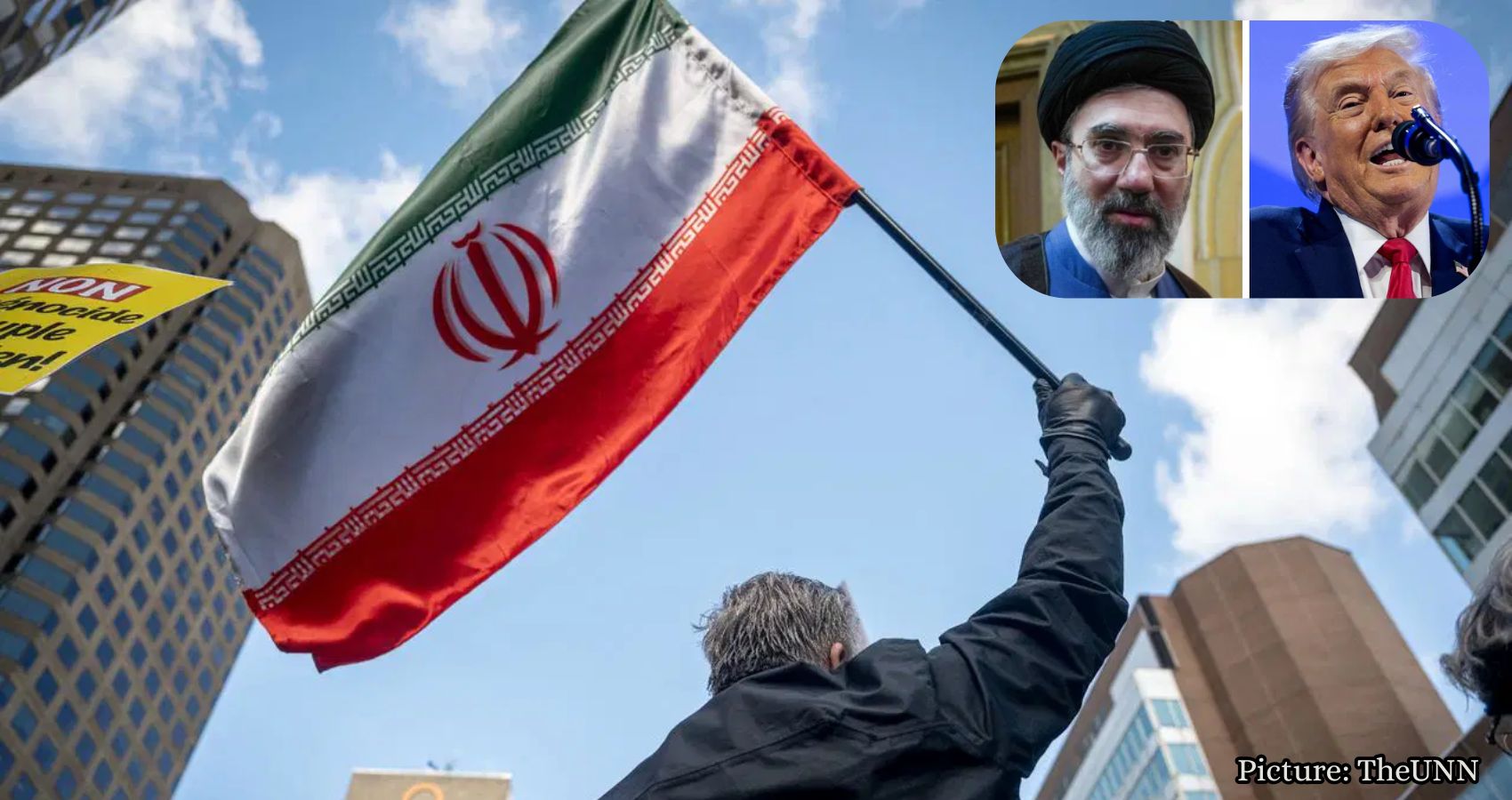
Reform UK’s proposal to review five years of asylum claims and implement large-scale deportations has ignited intense political debate in the UK ahead of the upcoming general election.

Reform UK has unveiled an ambitious immigration proposal that could dramatically alter the United Kingdom’s approach to asylum and border control. The plan emphasizes revisiting past asylum decisions and tightening regulations for future arrivals, reflecting a broader effort to reduce migration numbers and enforce stricter policies.

This announcement has quickly emerged as a significant political issue as the country gears up for the next general election. Supporters view it as a robust approach to border control, while critics raise concerns about its legal and humanitarian implications.

The proposal underscores the centrality of immigration in current UK political discourse and sets the stage for stark policy differences among the major parties.

What is the UK New Reform Plan?

At the heart of Reform UK’s plan is a comprehensive review of asylum decisions made over the past five years, with the intention of taking action against claims that the party believes should not have been approved. The initiative aims to identify individuals who entered the UK illegally or overstayed their visas and reassess their right to remain.

Reform UK presents this as a means to restore control over the immigration system, arguing that previous governments have failed to manage asylum effectively. The proposal includes stricter checks and reduced pathways for long-term settlement, aiming for a significant overhaul of the system rather than mere adjustments. This policy is designed to send a strong message regarding enforcement.

UK Immigration Policy: Reform UK’s Asylum Review Plan

Led by Nigel Farage, Reform UK plans to reassess all successful asylum claims from the last five years, potentially affecting around 400,000 individuals. Zia Yusuf, the party’s home affairs spokesman, indicated that those found to have entered illegally or misused visa routes may lose their legal status.

The review process would involve scrutinizing documentation, entry routes, and eligibility under revised criteria. The party believes this approach will rectify what it perceives as past policy failures. However, critics caution that reviewing such a vast number of cases could overwhelm the system, raising questions about fairness and practicality.

New Immigration Rules in the UK Today

The proposed changes introduce stricter immigration controls aimed at limiting both illegal and legal migration routes. Reform UK seeks to reduce access to welfare benefits for individuals entering the country unlawfully and plans to tighten rules surrounding asylum eligibility and settlement rights.

The party argues that current regulations create incentives for misuse, and these proposed measures would reshape how migrants access support and legal protection. They would also complicate the transition to permanent residency for many individuals.

Supporters assert that these changes will deter illegal entry, while critics contend that they may exacerbate hardship for vulnerable populations. The plan signifies a shift towards more stringent enforcement policies.

UK Immigration Policy: Deportation Targets & Policy Details

Reform UK has laid out plans for large-scale deportations, with Zia Yusuf stating that the scale of removals would be “unprecedented in this country.” He emphasized the party’s commitment to preventing the exploitation of British goodwill.

Yusuf explained that the party intends to construct modular detention centers capable of housing approximately 22,500 individuals at a time, potentially facilitating monthly deportations on a scale that could reach hundreds of thousands annually.

Additionally, the party plans to “turn off welfare” support for those entering the UK illegally, ending access to free accommodation and limiting opportunities for repeated appeals. Yusuf acknowledged the challenges of implementing such measures, stating, “At no point are we saying any of this is going to be easy. If it were easy, then it would already have been done. What has been lacking is the political willpower.”

Will the New Immigration Rules Affect Those Already in the UK?

Yes, the proposed rules could have direct implications for individuals already residing in the UK. The plan includes reviewing asylum claims granted in the past five years, meaning current residents may face reassessment. Those found ineligible under the new criteria could risk losing their legal status.

This creates uncertainty for many who have established lives in the country. The policy does not solely target new arrivals but also those previously approved. Supporters argue that this ensures fairness and consistency within the system, while critics warn it could lead to legal challenges and social disruption. The impact will largely depend on how the review process is executed.

UK Immigration Strategy

Reform UK’s broader strategy extends beyond asylum reviews. The party has proposed withdrawing from the European Convention on Human Rights to facilitate deportations and plans to block small boat crossings while removing automatic rights to permanent settlement after five years.

These measures aim to diminish long-term migration and bolster border enforcement. The party has previously suggested the possibility of deporting hundreds of thousands of migrants over time, viewing these steps as essential to regaining control over immigration policy. Critics argue that such moves could isolate the UK on the international stage, reflecting a fundamental shift in the approach to migration.

UK Immigration Policy: Political Reactions & Criticism

The proposal has elicited strong reactions across the political spectrum. A spokesperson for the Labour Party stated that the current government is already taking steps to reduce migration levels and attributed the situation to previous administrations. They highlighted ongoing efforts to curb illegal crossings and increase deportations.

Conservative MP Chris Philp criticized Reform UK’s approach, asserting that it lacks detail. He noted, “The Conservatives have already proposed a detailed borders plan to pull out of the ECHR and completely ban asylum claims by illegal immigrants. Instead, we would deport them within a week of arrival.”

The Liberal Democrats also dismissed the proposal, with immigration spokesman Will Forster describing it as ineffective and impractical. He remarked, “The backlog of cases is already sky high thanks to the mess the Conservatives left us in. Reviewing five years’ worth of asylum grants is an impractical farce that will just slow down the process even more.”

The Green Party of England and Wales raised humanitarian concerns, with deputy leader Rachel Millward stating, “Another superficial, ill-thought-out and cruel announcement by Reform UK, which will fail to tackle the roots of the asylum crisis while ensuring more suffering is heaped on the most vulnerable.” She emphasized the need for compassion and sanctuary rather than insecurity and fear.

UK Immigration Policy: Rising Pressure

This announcement comes amid mounting pressure on UK immigration systems, particularly with ongoing small boat crossings across the English Channel. Recent figures indicate thousands of arrivals in 2026 alone, keeping migration at the forefront of political debate as the next general election approaches.

Reform UK’s proposal represents a significant escalation in rhetoric and policy ambition, establishing a stark contrast with other parties regarding the handling of asylum and border control in the coming years, according to The Sunday Guardian.

Stockity Aims to Simplify Trading Experience for Investors

Stockity offers a streamlined trading experience that prioritizes clarity, making it easier for both novice and experienced traders to navigate the complexities of the market.

In a marketplace filled with flashing charts, endless indicators, and overwhelming data, clarity has become a rare commodity. Many trading platforms promise power but often deliver confusion. Stockity, however, takes a different approach by simplifying the trading experience without compromising on essential features.

Positioned as a binary trading platform designed for clarity, Stockity emphasizes a clean and structured interface. Upon entering the platform, users are not overwhelmed by complexity. Instead, they are welcomed by a user-friendly layout where every element serves a clear purpose. Prices are easily visible, trends are straightforward, and opinions feel less like guesswork and more like informed decisions.

This focus on clarity is crucial for traders, as confusion can lead to financial losses. Stockity minimizes distractions by avoiding an overload of advanced tools that may confuse users. Instead, it highlights what truly matters: clear price movements, straightforward trade execution, and an intuitive layout that requires no prior knowledge to navigate. Whether you are making your first trade or your hundredth, the process feels seamless and accessible.

What sets Stockity apart is its ability to balance simplicity with functionality. The platform does not “dumb down” trading; rather, it organizes it in a way that is digestible for users. While traders still have access to charts and analytical insights, these features are presented in a manner that is easy to understand. There is no pressure to master every aspect of the platform immediately; instead, users can learn at their own pace, with the platform supporting their growth.

Another significant advantage of Stockity is its speed. In binary trading, timing is critical, and even a delay of a few seconds can alter the outcome of a trade. Stockity ensures fast and responsive execution, minimizing lag and allowing for a smooth transition from analysis to action. This level of responsiveness fosters confidence, which is vital in the trading world.

Stockity also excels in accessibility. The platform does not assume that all users are experts; it welcomes newcomers without making them feel lost. At the same time, it does not alienate more experienced traders. Achieving this balance is challenging, yet Stockity manages to create an environment where both groups can operate comfortably.

It is important to note that no trading platform can guarantee profits. Stockity is a tool designed to facilitate trading, not a guaranteed path to success. What it does provide is a clearer route for making informed decisions. By removing distractions and sharpening focus, Stockity allows traders to engage with the market in a more structured manner. In a field where emotions often cloud judgment, this kind of clarity can make a significant difference.

Ultimately, trading is not about having access to more information; it is about understanding the right information at the right time. Stockity embraces this principle by stripping away the unnecessary and highlighting what truly matters. The result is a trading environment that feels controlled rather than chaotic. For anyone frustrated with overly complicated platforms, Stockity’s approach is both refreshing and practical.

Are you ready to trade without the noise? Begin your journey with Stockity today and discover what clarity in trading truly feels like.

According to The Sunday Guardian, Stockity is redefining the trading experience by focusing on clarity and user-friendliness.

Massive 7.5-Magnitude Earthquake Strikes Off Japanese Coast, Tsunami Alert Issued

An earthquake with a magnitude of 7.5 struck off the northern coast of Japan, prompting tsunami alerts and evacuation advisories in the affected region.

A powerful earthquake struck off the northern coast of Japan on Monday afternoon, leading to immediate tsunami alerts from the Japan Meteorological Agency (JMA). The quake registered a preliminary magnitude of 7.5 and occurred at approximately 4:53 p.m. local time, with its epicenter located about 6 miles beneath the sea surface, according to the agency.

In the wake of the earthquake, a tsunami measuring around 2.6 feet was detected at Kuji port in Iwate prefecture, while another tsunami of 1.3 feet was recorded at a different port within the same region. The JMA has warned that a tsunami as high as 10 feet could potentially impact the area.

As a precautionary measure, non-binding evacuation advisories have been issued for residents in 11 towns across Iwate prefecture. Authorities are urging residents to remain vigilant and prepared for possible further developments.

This recent seismic event brings to mind the devastating 9.0 magnitude earthquake and tsunami that struck Japan in 2011, which resulted in over 22,000 fatalities and forced nearly 500,000 people to evacuate their homes. Many of those displaced were affected by the subsequent tsunami damage, while approximately 160,000 fled due to radiation concerns from the Fukushima Daiichi nuclear power plant. To date, around 26,000 of these individuals have not returned to their homes, either because their hometowns remain off-limits or due to ongoing fears regarding radiation exposure.

As the situation unfolds, authorities continue to monitor seismic activity and provide updates to residents in the affected areas. The Japan Meteorological Agency remains vigilant in assessing the risks and advising the public accordingly.

According to the Associated Press, the region is on high alert as it braces for potential aftershocks and further tsunami activity.

Raj Biyani Appointed First Chief Innovation Officer at Indiana College

Raj Biyani, a former Microsoft executive and Goshen College alumnus, returns as the institution’s first chief innovation officer to lead its human-centered artificial intelligence strategy.

Raj Biyani’s professional journey has come full circle, returning him to his roots at Goshen College in Indiana. The 1992 alumnus has been appointed as the college’s inaugural chief innovation officer, a role that will see him spearheading the ethical and practical integration of artificial intelligence in higher education.

This appointment marks a significant homecoming for Biyani, who was born and raised in India before moving to the United States in the late 1980s. His foundational experiences in India laid the groundwork for his academic pursuits at Goshen College, where he earned a degree in computer science and accounting.

Following his undergraduate studies, Biyani furthered his education by obtaining an MBA with honors from the University of Chicago and completing the Advanced Management Program at Harvard Business School. His career is highlighted by a remarkable 17-year tenure at Microsoft, where he played a pivotal role in the company’s global expansion efforts.

During his time at Microsoft, Biyani served as the managing director of Microsoft IT’s operations in India, overseeing a 1,200-member engineering center. His leadership was so impactful that it became a case study at prestigious institutions such as Harvard Business School, the Indian Institute of Management, and Singapore Management University.

In addition to his management accomplishments, Biyani holds multiple U.S. patents and was the founding product manager for the precursor to the Microsoft App Store. He also co-produced the CNBC documentary “Inventing the Zero, Reaching for Infinity,” which showcased the rise of the Indian IT industry to a global audience.

Goshen College President Rebecca Stoltzfus expressed enthusiasm about Biyani’s return, stating, “Raj brings strategic clarity, entrepreneurial energy, and humility in a rare combination. We are fortunate to have him not only as an accomplished alumnus but now as a colleague who will help shape our institutional strategy.”

Biyani’s involvement with the college began as a volunteer effort after he received the Culture for Service Award in late 2025. Since then, he has guest-lectured in over 25 classes and designed a comprehensive 12-part AI seminar for faculty and staff. His influence is already evident through the AI Innovators Program, which has funded 45 projects across 14 academic departments.

The new chief innovation officer emphasizes a “human wisdom” approach to technology. While many institutions focus on AI as a tool for efficiency, Biyani aims to prioritize the human responsibility that accompanies technological advancements.

<p“At Goshen College, we are not limiting ourselves by just asking what AI can do, but rather what we should do with it and why,” Biyani stated. “I am excited to contribute to this mission because those are questions worth dedicating the next chapter of my life to.”

As Biyani embarks on this new chapter, his vision for integrating AI in education promises to shape the future of Goshen College and its approach to technology in a rapidly evolving landscape.

According to The American Bazaar, Biyani’s leadership is expected to foster an environment where ethical considerations and human values are at the forefront of technological innovation.

Indian-American Researcher Rahul Mangharam Examines Real-World AI Agents

Indian American researcher Rahul Mangharam leads an international collaboration to study the transition of AI agents from digital environments to the physical world, focusing on safety and cooperation.

Researchers led by Rahul Mangharam, an Indian American professor at the University of Pennsylvania’s School of Engineering and Applied Science, are exploring the implications of artificial intelligence agents transitioning from the digital realm to the physical world.

As the principal investigator of the Safe Autonomous Systems Lab (xLAB), Mangharam is spearheading a new three-year international collaboration focused on Swarm AI. This project unites three universities to examine how large teams of physical AI agents can cooperate, compete, and operate safely in real-world scenarios.

“Most of today’s AI agents live purely in software,” Mangharam explains. “We’re moving toward physical AI, systems that don’t just generate answers, but act in the real world. And once AI operates in physical space, it has to deal with real constraints and real consequences.”

Unlike their digital counterparts, physical AI agents must adhere to the laws of physics. They are required to avoid collisions, respect safety boundaries, and coordinate effectively with their teammates. The research primarily focuses on cooperation and coordination in adversarial games—situations where teams of agents must strategize against opponents while maintaining internal cohesion, as detailed in an article from Penn Today.

<p“A key technical focus is understanding intent,” says Mangharam. “Agents must infer what other agents, whether human or machine, are trying to achieve and adjust their actions accordingly. They need to coordinate without centralized control and respond to dynamic, uncertain environments. This project integrates research in machine learning for multi-agent systems that utilize game theory to facilitate cooperation and competition.”

At larger scales, the challenge becomes both algorithmic and systemic: designing distributed algorithms that can scale to tens, hundreds, or even thousands of agents, enabling them to make consistent and safe decisions in real time. A distinctive feature of this project is its emphasis on neurosymbolic AI, which merges neural networks with structured, human-encoded knowledge.

<p“You can’t just throw AI at a problem and expect it to magically figure everything out,” Mangharam asserts. “There’s always human context—hard-earned domain knowledge, engineering realities, safety rules—that doesn’t live neatly in data and can’t simply be learned from scratch. If we want these systems to work in the real world, we have to teach them the fundamentals we already understand.”

<p“By building those physical limits, safety boundaries, and operational principles directly into the system, we develop physics-informed neural networks, or PINNs, which equip AI with the necessary domain knowledge about how the world operates, the expectations, and the lines that cannot be crossed,” he adds.

In recognition of his contributions to the field, Mangharam received the 2016 U.S. Presidential Early Career Award for Scientists and Engineers (PECASE) from then-President Barack Obama for his work on life-critical systems. His accolades also include the 2016 Department of Energy’s CleanTech Prize (Regional), the 2014 IEEE Benjamin Franklin Key Award, the 2013 NSF CAREER Award, and the 2012 Intel Early Faculty Career Award. He has been selected by the National Academy of Engineering for the U.S. Frontiers of Engineering in both 2012 and 2017.

Additionally, Mangharam has received multiple best paper awards from the Association for Computing Machinery (ACM) and the Institute of Electrical and Electronics Engineers (IEEE) in areas such as Cyber-Physical Systems, controls, machine learning, and education. He earned his PhD in Electrical and Computer Engineering from Carnegie Mellon University.

This ongoing research not only aims to advance the understanding of AI agents in physical environments but also seeks to ensure that these systems can operate safely and effectively in the real world, paving the way for future innovations in autonomous technologies, according to Penn Today.

H-1B Concerns Grow Amid Intensifying Pilot Training Debate

Concerns are rising among Indian Americans and aviation schools as a viral social media post amplifies fears surrounding H-1B visas and access to pilot training in the U.S.

A viral social media post has sparked significant concern within the Indian American community, particularly regarding private-plane pilots. This incident has intensified anxieties surrounding immigration policy and brought the U.S. aviation training sector into an unexpected spotlight.

The post, which gained traction on X, has faced backlash for comments that many users have labeled as inflammatory and misleading. Critics argue that the rhetoric unfairly targets Indian professionals and students, exacerbating tensions during a time when immigration debates are already highly polarized.

At the heart of the concern is the H-1B visa program, a vital pathway for highly skilled workers, many of whom hail from India. Various sectors, including technology and healthcare, rely heavily on these professionals. However, observers note that the current climate of uncertainty is beginning to affect adjacent industries, including aviation.

Specifically, the post’s references to private pilot courses have raised alarms among international students and flight schools. The United States has long been a global hub for aviation training, attracting thousands of students annually due to its advanced infrastructure, favorable weather conditions, and globally recognized certifications. Indian students constitute a significant portion of this educational pipeline.

Industry experts caution that increased scrutiny or negative sentiment could disrupt this ecosystem. Flight training academies depend on international enrollment to maintain their operations, while airlines around the world require a steady influx of trained pilots to address ongoing shortages. Any barriers—whether policy-driven or based on public perception—could have far-reaching implications for the broader aviation workforce.

Students pursuing private pilot licenses and advanced certifications often navigate a complex landscape of visa requirements, background checks, and financial commitments. Even minor regulatory changes or public controversies can delay training timelines or deter potential applicants. Aviation consultants emphasize that uncertainty, rather than outright policy changes, often has the most immediate impact on these students.

Within the Indian American diaspora, this episode has reignited discussions about representation and access. While the community has made substantial contributions across various industries, including aviation and aerospace, incidents like this reveal ongoing vulnerabilities tied to immigration status and public perception.

The amplification of this issue on social media has transformed a single post into a broader debate about who has access to specialized training opportunities in the United States.

As the aviation industry continues to confront pilot shortages and increasing global demand, stakeholders assert that maintaining open, merit-based pathways for international trainees is crucial. This controversy highlights how swiftly cultural discourse and immigration concerns can intersect with workforce needs, influencing the future of industries that extend beyond their original scope.

According to The American Bazaar, the implications of this situation could resonate throughout the aviation sector and beyond.

Barnyard Animals Assist Children With Special Needs in Sunnyvale

Animal Assisted Happiness in Sunnyvale provides therapeutic interactions with barnyard animals, helping children with special needs build social skills and emotional connections.

Jonathan Coleman recalls the challenges he faced as a child. Speaking and forming relationships were difficult until he met his three best friends: Froyo, Romeo, and Tyler, miniature goats that were part of a team of barnyard support animals.

“I got involved with Animal Assisted Happiness when I was 9 years old,” said Coleman, now 27. “That was a time when I was struggling a lot socially as someone on the autism spectrum. At the time, I didn’t see it as therapeutic, but it was a therapy to help me with thinking about other people and other living things.”

Founded in 2009 by Vicki Amon-Higa and her husband, Peter Higa, Animal Assisted Happiness has reportedly helped over 150,000 individuals through its free services.

The mission of the nonprofit is to enhance the lives of children with special needs by providing opportunities to interact with a variety of barnyard animals. Located in Baylands Park in Sunnyvale, the farm features vibrant fences, stacks of golden hay, and enthusiastic visitors eager to meet the animals.

At Animal Assisted Happiness, guests enjoy a welcoming environment where they are not judged. “Animals don’t judge. They just let you be,” Amon-Higa said, reflecting on the organization’s ethos.

The idea for the organization originated in 2006 when Amon-Higa began bringing her miniature horse, Lollipop, to visit 14-year-old Riley Church, a brain cancer patient. During these visits, Lollipop would instinctively rest her head on Church’s lap, providing comfort and companionship.

Amon-Higa now witnesses daily connections forming between children and animals, such as the bond between Dakota, a non-verbal boy, and Ginger, an outgoing miniature pig. “I have watched Dakota read to Ginger,” Amon-Higa shared. “When a child who’s nonverbal is speaking with her, it’s just the most beautiful thing to watch.”

Lisa Zuegel, a board member, describes the joy her 26-year-old autistic son, Jeffrey, experiences at the farm. “He loves seeing the horses, walking around with a huge smile on his face, and being in nature,” Zuegel said. The family has been visiting Animal Assisted Happiness since Jeffrey was a child.

“He’s welcome here, and we need more places like this in the Bay Area,” Zuegel emphasized. “Places where people aren’t judged, where they feel safe and genuinely valued for who they are and what they bring to the world, and where they can communicate and connect in ways that feel comfortable for them.”

Another horse enthusiast, 19-year-old Finlay Snell, finds that his visits help him cope with the challenges of autism and motor control. “I like horses because they help me with my balance,” he said.

A regular visitor since elementary school, Snell began volunteering in high school by walking horses and cleaning pens. “By taking care of animals, he learns how to take care of himself, too,” said his mother, Yoko Snell.

Hundreds of youth and adult volunteers dedicate their time to support the nonprofit’s operations. Coleman, now a special education teacher, credits the support he received at Animal Assisted Happiness for his success. “Animal Assisted Happiness helped me join the disabled community and learn how to communicate with others,” he said. “I had the resilience to find that calling of teaching.”

Avani Kumar, a member of the Class of 2028 at Fremont High School in Sunnyvale, contributed to this article.

This content originally appeared in the Mercury News.

Mosaic is a partner of the Knight Collaborative, in which India Currents participates.

Researchers Discover Function of Heart Trabeculae First Described by Da Vinci

A recent study has clarified the role of trabeculae in the human heart, a feature first described by Leonardo da Vinci over 500 years ago.

A groundbreaking study published in the journal Nature has clarified the role of trabeculae in the human heart, complex structures first illustrated by the renowned artist and scientist Leonardo da Vinci. This research marks a significant advancement in our understanding of cardiac anatomy and has potential implications for cardiovascular health.

The study utilized advanced genetic analysis and fractal theory to investigate trabeculae in a cohort of 18,096 participants from the UK Biobank. The research team aimed to explore not only the morphology of these branching muscle structures but also their genetic underpinnings and their impact on heart function.

During his detailed anatomical studies in the late 15th century, Leonardo da Vinci created drawings that accurately depicted trabeculae, likening their intricate structure to that of tree roots or branches. He theorized that these structures played a vital role in the heart’s function, akin to systems designed to prevent ice from forming on roads. However, his observations remained largely unverified until modern science provided the tools to explore these theories further. The significance of da Vinci’s work lies in its pioneering nature; he was among the first to blend art with science, creating a legacy that continues to inspire contemporary research.

The authors of the recent study conducted a comprehensive analysis, integrating fractal theory to assess the trabecular structures. They identified that these branching features of the heart are remnants of embryonic development, and their adult function had remained largely unexplained until now. According to the researchers, “the inner surfaces of the human heart are covered by a complex network of muscular strands that is thought to be a remnant of embryonic development.”

By employing biomechanical simulations alongside observational data, the researchers demonstrated that the morphology of trabeculae plays a critical role in determining cardiac performance. Specifically, they found that certain structural configurations of trabeculae correlate with an increased risk of cardiovascular disease. The study identified 16 significant loci containing genes associated with hemodynamic phenotypes and the regulation of cytoskeletal arborization, providing new insights into how these features develop and function in adults.

The findings suggest that understanding the genetic and structural aspects of trabeculae can lead to a better grasp of cardiovascular health and disease. Researcher Hannah Meyer noted, “Only the combination of genetics, clinical research, and bioengineering led us to discover the unexpected role of myocardial trabeculae in the function of the adult heart.” This research represents an initial step toward a more nuanced understanding of trabeculae and their potential implications for cardiovascular medicine.

The implications of this study are profound, opening avenues for further research into how trabecular structures might influence heart disease risk and patient outcomes. The integration of advanced technologies, such as MRIs and genetic analysis, exemplifies the evolving landscape of cardiovascular research and its potential to inform clinical practices. For instance, identifying individuals with specific trabecular characteristics could lead to targeted interventions and personalized treatment plans for those at higher risk for heart conditions.

This study not only pays homage to Leonardo da Vinci’s early insights into human anatomy but also highlights the need for continued exploration of the complex structures within our bodies. The researchers emphasize that understanding trabeculae is merely the first step in a larger journey to uncover the intricacies of cardiac function and its relationship to genetic factors. Future research may delve deeper into the functional implications of trabecular morphology and its potential impact on heart health across various populations.

As the field of cardiovascular research progresses, the collaboration between art, science, and technology may yield further breakthroughs that could enhance our understanding of the heart. This integration of disciplines underscores the importance of interdisciplinary approaches in tackling complex health issues, particularly those related to cardiovascular disease, which remains a leading cause of mortality worldwide. By bridging historical insights with modern scientific inquiry, researchers are paving the way for innovations that could transform the prevention and treatment of heart disease.

In conclusion, the recent revelations regarding trabeculae not only validate da Vinci’s observations but also signify a critical advancement in cardiovascular research. As scientists continue to explore the implications of these findings, the hope is that they will lead to improved diagnostic tools and therapeutic strategies aimed at enhancing heart health for future generations, according to Source Name.

Congress Approves Extension of Surveillance Program Until April 30

Congress has voted to extend Section 702 of the Foreign Intelligence Surveillance Act until April 30, 2026, amid ongoing debates over privacy rights and national security.

On April 15, 2026, Congress voted to extend Section 702 of the Foreign Intelligence Surveillance Act (FISA) for an additional ten days, reflecting ongoing tensions between privacy rights and national security. This decision followed several unsuccessful attempts by Republican leaders to secure a more permanent five-year renewal and a shorter 18-month extension proposed by former President Donald Trump, both of which failed to garner sufficient support.

The House of Representatives approved the extension during a late-night vote, while the Senate confirmed it through a voice vote the following morning. This temporary measure ensures that U.S. intelligence agencies can continue their surveillance operations.

Section 702, enacted in 2008, is a vital component of U.S. intelligence efforts, allowing agencies to intercept electronic communications of foreign nationals located outside the United States. The provision aims to enhance national security by enabling the government to gather intelligence on potential threats from abroad. However, the program has faced significant criticism due to the incidental collection of communications involving American citizens who interact with foreign targets. This unintended consequence raises serious concerns regarding privacy rights and the extent of government surveillance on its own citizens.

The recent extension of Section 702 follows a lengthy and contentious debate among lawmakers, highlighting the ongoing struggle to balance national security interests with civil liberties. For nearly two decades, privacy advocates from both political parties have consistently called for reforms that would require intelligence agencies to obtain specific court approval before accessing information related to American citizens. In response, the intelligence community has argued that imposing such restrictions would hinder operational effectiveness and compromise national security.

Historically, attempts to modify FISA have encountered considerable resistance, underscoring a broader tension within U.S. politics regarding surveillance practices. Lawmakers have often struggled to find common ground, resulting in protracted discussions that reveal ideological divides between those prioritizing privacy and those emphasizing security. During the latest round of renewal discussions, proposed modifications aimed at enhancing oversight and accountability ultimately failed to satisfy privacy advocates, leaving many lawmakers frustrated and concerned about the implications of unchecked surveillance.

The process surrounding the extension of Section 702 has exposed deep divisions within Congress, particularly in the House of Representatives. GOP leaders faced criticism for their inability to secure a longer-term renewal, with accusations of ineffectiveness emerging from both within the party and from external privacy advocates. This ongoing turmoil highlights the challenges lawmakers encounter when navigating complex issues of surveillance, privacy, and national security.

As the April 30 deadline approaches, uncertainty looms over whether Congress will reach a compromise regarding the future of FISA. If Section 702 were to lapse, intelligence collection could continue, but significant legal challenges might arise. Technology and telecommunications companies, currently obligated to provide communications data to the government, could resist compliance without the legal protections that Section 702 affords. Such a potential shift could lead to prolonged litigation, complicating law enforcement efforts to gather intelligence.

The ongoing debate regarding Section 702 underscores the fundamental conflict between the necessity of robust national security measures and the imperative of protecting individual privacy rights. As lawmakers engage in discussions concerning potential reforms, the outcomes will have far-reaching implications for the future of surveillance practices in the United States. The need for transparency and accountability in intelligence operations remains a critical concern for many citizens and advocacy groups.

In light of increasing public scrutiny over surveillance activities, it is imperative that lawmakers carefully navigate these complex issues. The conversation surrounding Section 702 is not merely about extending existing surveillance powers; it is about defining the parameters of government oversight and the rights of citizens in an increasingly digital age.

The implications of this ongoing legislative process extend beyond immediate concerns. As technology continues to evolve, the methods and tools available for surveillance will also advance, potentially outpacing existing legal frameworks. This reality necessitates a proactive approach from Congress to ensure that privacy rights are adequately protected while still addressing legitimate national security concerns.

In conclusion, while Congress has temporarily extended the surveillance powers under FISA’s Section 702, the broader conversation about the intersection of privacy and national security is far from resolved. Lawmakers must strive to find a balance that preserves national security interests while safeguarding constitutional rights. This delicate equilibrium will be essential as the legislative process progresses, particularly in a rapidly evolving technological landscape where the stakes are higher than ever, according to Source Name.

Spectacular Blue Spiral Light Likely Caused by SpaceX Rocket Launch

A stunning blue spiral light, likely caused by a SpaceX Falcon 9 rocket, illuminated the night sky over Europe on Monday, captivating viewers and sparking social media buzz.

A mesmerizing blue light, resembling a cosmic whirlpool, brightened the night skies over Europe on Monday. This spectacular phenomenon was captured in time-lapse video and is believed to have been created by the SpaceX Falcon 9 rocket booster as it descended back to Earth.

The event occurred around 4 p.m. EST, or 9 p.m. local time, with the glowing spiral being particularly visible from Croatia. In the footage, the light spins across the sky, prompting many social media users to compare it to a spiral galaxy. The full video, when played at normal speed, lasts approximately six minutes.

The U.K.’s Met Office reported receiving numerous accounts of an “illuminated swirl in the sky,” attributing the phenomenon to the SpaceX rocket that launched from Cape Canaveral, Florida, earlier that day at around 1:50 p.m. EST. This launch was part of the government’s classified NROL-69 mission, with SpaceX delivering a payload on behalf of the National Reconnaissance Office (NRO), the United States’ intelligence and surveillance agency.

“This is likely to be caused by the SpaceX Falcon 9 rocket, launched earlier today,” the Met Office stated on social media platform X. “The rocket’s frozen exhaust plume appears to be spinning in the atmosphere and reflecting sunlight, causing it to appear as a spiral in the sky.”

The glowing light is often referred to as a “SpaceX spiral,” according to Space.com. These spirals occur when the upper stage of a Falcon 9 rocket separates from its first-stage booster. As the upper stage continues its journey into space, the lower stage falls back to Earth, releasing any remaining fuel. This fuel freezes almost instantly at high altitudes, and sunlight reflects off it, resulting in the unusual glow observed in the sky.

Fox News Digital reached out to SpaceX for further comment but did not receive an immediate response.

This remarkable cosmic display followed closely on the heels of a successful SpaceX mission that saw a team working with NASA return two stranded astronauts from space.

According to Space.com, the phenomenon has become a familiar sight for those who closely monitor SpaceX launches and their aftermath.

Scammers Assess Key Factors Before Targeting Victims Online

Scammers often rely on publicly available personal data to target individuals, making their attacks more convincing and harder to detect.

In the world of online scams, many people mistakenly believe that hackers are the primary threat. However, most scams begin with a simple search rather than a complex breach. Scammers can access a wealth of personal information that is already publicly available, allowing them to target individuals effectively.

This practice is part of a larger industry known as data brokering, where personal information is collected and sold without individuals’ knowledge or consent. Data brokers compile details from various sources, including public records, voter registrations, court filings, real estate transactions, and marriage and divorce records. This information is then assembled into profiles that can be searched for a fee or, in some cases, for free.

In 2024, federal prosecutors indicted a network of scam call centers based in Montreal, which had defrauded hundreds of elderly Americans out of more than $21 million. The success of this scheme was not due to advanced technology but rather the use of spreadsheets. Scammers utilized lists of potential victims, which included names, ages, and household income information sourced from commercial databases. They then posed as distressed grandchildren in need of help, convincing victims to hand over thousands of dollars, often in cash.

These scammers did not need to hack into any systems; they simply conducted thorough research beforehand.

One of the tactics employed by scammers is to personalize their attacks using publicly available data. For instance, a scammer might call and say, “Hi, this is fraud prevention at [your bank]. We’re seeing suspicious activity on your account ending in 4721.” By knowing your bank, name, and possibly your address, they can create a façade of legitimacy. From there, they guide you through a process that appears to confirm your identity, but in reality, it is just a way for them to extract sensitive information.

Another common scenario involves scammers impersonating family members. They might call and say, “Meemaw, it’s me. I’m in trouble. Please don’t tell Mom.” Scammers do not rely on guesswork; they research family connections using databases that provide information about relatives, including names and ages. This allows them to craft believable stories, such as knowing to call you “Meemaw” or mentioning a sibling’s name to enhance their credibility.

Moreover, phishing emails that begin with “Dear Customer” are often easy to dismiss. In contrast, an email that addresses you by your full name and references your home address is much harder to ignore. Scammers leverage publicly available data to personalize their communications, making them appear more authentic and increasing the likelihood of a successful attack.

Many individuals believe that their presence on social media is the only way their information can be accessed. However, this misconception overlooks the fact that data brokers gather information from public records, not just social media profiles. Your details are likely available on numerous websites due to various public records.

While it may seem daunting, there are steps you can take to protect your personal information. The challenge lies in the fact that there are hundreds of data broker sites, each with its own process for removing information. Manually opting out of all these sites can be time-consuming, and your data may reappear when brokers update their databases.

To effectively manage your online presence, consider utilizing a trusted data removal service. These services automate the process of contacting data brokers to request the removal of your personal information. They also monitor these sites and submit new removal requests if your data resurfaces. Many of these services can remove personal data from hundreds of data broker and people search websites, and some even offer additional options for requesting removals as needed.

Additionally, some data removal services have received third-party validation from independent firms, which can help assure you of their effectiveness. The primary goal of these services is to make it significantly more challenging for scammers and cybercriminals to access your personal information online.

Many of these services offer a money-back guarantee, allowing you to try them risk-free and see how much of your information is exposed online. You can check out top data removal services and get a free scan to determine if your personal information is already available on the web by visiting Cyberguy.com.

Ultimately, most scams do not originate from a data breach but rather from a simple search. Your name, address, relatives, and even income clues are already accessible, inadvertently fueling more convincing and dangerous attacks. This reality can be unsettling, as it means that even individuals who take precautions online may still be vulnerable due to the systemic sharing of their information.

The good news is that you are not powerless in this situation. By understanding how scammers construct their strategies, you can take proactive steps to disrupt their plans. Removing your data, limiting your exposure, and maintaining a healthy skepticism about anyone who seems to know too much about you can significantly reduce your risk. The objective is not to disappear entirely but to make yourself a much harder target.

What measures do you believe should be taken to prevent scammers from exploiting publicly available data? Share your thoughts with us at Cyberguy.com.

According to CyberGuy.com.

Loneliness Linked to Memory Decline, New Research Suggests

New research indicates that while loneliness negatively impacts memory performance in older adults, it does not appear to accelerate cognitive decline over time.

Recent findings suggest that loneliness may significantly affect the memory performance of older adults, but it does not necessarily hasten cognitive decline. A study conducted by researchers from Colombia, Spain, and Sweden analyzed data from over 10,000 adults aged 65 to 94 across 12 European countries. The research, published in the journal Aging & Mental Health, reveals that participants who reported higher levels of loneliness performed worse on memory tests at the beginning of the study.

Over a seven-year period, however, the rate of memory decline was consistent across all participants, regardless of their feelings of loneliness. “The finding that loneliness significantly impacted memory, but not the speed of decline in memory over time was a surprising outcome,” said Dr. Luis Carlos Venegas-Sanabria, the study’s lead author from the School of Medicine and Health Sciences at the Universidad del Rosario. He emphasized that this suggests loneliness may have a more substantial effect on initial memory performance rather than on its progressive decline.

The study contributes to ongoing discussions about the relationship between loneliness and dementia risk. While loneliness and social isolation are frequently cited as risk factors for cognitive decline, previous research has yielded mixed results. The analysis utilized data from the long-running Survey of Health, Ageing and Retirement in Europe (SHARE), which tracked 10,217 older adults from 2012 to 2019. Participants were asked to recall words immediately and after a delay to assess their memory performance.

Loneliness was evaluated through three questions regarding how often participants felt isolated, left out, or lacked companionship. Approximately 8% of participants reported high levels of loneliness at the outset, and this group tended to be older, predominantly female, and more likely to have conditions such as depression.

Researchers discovered that individuals with higher levels of loneliness scored lower on both immediate and delayed memory tests at baseline. Despite this, all groups, regardless of loneliness levels, experienced similar rates of memory decline over time. This suggests that while loneliness is associated with poorer cognitive performance, it may not directly accelerate memory loss.

Experts caution against interpreting these findings to mean that loneliness is harmless. “The finding that lonely older adults start with worse memory but don’t decline faster is actually the most interesting part of the paper, and I think it’s easy to misread,” said Jordan Weiss, PhD, a scientific advisor and aging expert at Assisted Living Magazine, as well as a professor at NYU Grossman School of Medicine. He noted that loneliness likely inflicts its damage earlier in life, well before individuals reach the age of 65.

Weiss explained that by the time individuals are measured in their late 60s, long-term social patterns may already be established, making it difficult to identify when the effects of loneliness first emerged. He also pointed out that loneliness often coincides with other health conditions, noting that participants who felt more isolated also reported higher rates of depression, high blood pressure, and diabetes. This correlation may reflect a cluster of health risks rather than a direct causal relationship.

Amy Morin, a psychotherapist based in Florida and author, echoed these sentiments, stating that the findings illustrate a broader trend in research concerning loneliness and brain health. She emphasized that the relationship between loneliness and cognitive decline is likely more complex than it appears. “The evidence shows there’s a link between loneliness and cognitive decline, but there’s no direct evidence of a cause-and-effect relationship,” Morin said. “While they can go hand-in-hand, it’s not clear that loneliness contributes to dementia.”

Morin suggested that loneliness, which can fluctuate, may not be the root cause of cognitive issues but rather a symptom of other underlying mental or physical health problems. She stressed the importance of staying socially and mentally engaged for overall brain health. “It’s important to be proactive about social activities,” she advised. “Joining a book club, having coffee with a friend, or attending faith-based services can be a powerful way to maintain connections in older age.”

The researchers also proposed that screening for loneliness should be integrated into routine cognitive assessments as a means to support healthy aging. This approach could help identify individuals at risk and encourage interventions that promote social engagement and mental well-being.

As the dialogue surrounding loneliness and cognitive health continues, these findings underscore the need for further research to clarify the complex interplay between social connections and memory performance in older adults, according to Fox News.

Vaibhav Sooryavanshi Approaches Milestone as RR Faces KKR in IPL 2026

Kolkata Knight Riders are set to face Rajasthan Royals in an IPL 2026 match at Eden Gardens, with Vaibhav Sooryavanshi nearing a significant milestone.

The excitement is building as the Kolkata Knight Riders (KKR) prepare to take on the Rajasthan Royals (RR) in their IPL 2026 clash this Sunday at the iconic Eden Gardens. This match promises to be a thrilling encounter, with both teams looking to secure crucial points in the tournament.

As the teams gear up for the match, all eyes will be on KKR’s Vaibhav Sooryavanshi, who is on the cusp of achieving a remarkable milestone in his career. His performance could play a pivotal role in determining the outcome of the match.

The Eden Gardens, known for its vibrant atmosphere and passionate fans, will provide the perfect backdrop for this exciting showdown. Both teams have a rich history in the IPL, and their rivalry adds an extra layer of intrigue to the contest.

Fans can expect a high-octane match filled with thrilling moments, as both KKR and RR aim to showcase their skills and secure a vital victory. With the stakes high, players from both sides will be eager to make their mark on the game.

As the match unfolds, updates will be provided to keep fans informed of the latest developments. The anticipation is palpable as KKR and RR prepare to battle it out on the field.

Stay tuned for live updates and scorecards as this exciting IPL 2026 match progresses, according to NDTV Sports.

Do Cell Phone Bans Benefit or Hinder Students in Schools?

As concerns over youth screen time rise, 33 states have enacted cellphone bans in schools, prompting debate over their effectiveness in improving student behavior and academic performance.

Amid growing apprehension regarding youth screen time, 33 states have mandated K–12 schools to impose restrictions on cellphone usage, often throughout the entire school day. A recent court ruling has also implicated platforms like Meta and YouTube in fostering addiction, with young people reportedly averaging 5.5 hours a day on their devices, primarily driven by social media engagement.

During an April 3 briefing hosted by American Community Media (ACoM), experts discussed whether cellphone bans in schools represent an effective solution or if the benefits of social media—such as fostering connections, encouraging creativity, and providing access to supportive communities—outweigh the associated risks.

Dr. David Marshall, an Associate Professor at Auburn University in Alabama, and Dr. Timothy Pressley, an Associate Professor at Christopher Newport University, shared insights from their research on cellphone usage in educational settings.

Pressley highlighted the various types of cellphone bans currently in place. The most common is the “bell-to-bell” ban, which requires students to store their personal devices from the first bell in the morning until the final dismissal. Instructional bans allow cellphone use during lunch or in hallways but prohibit them during class. Targeted restrictions may apply to specific contexts, such as recess, testing, or particular classes.

Some states permit school districts to adopt flexible models that best suit their needs. In certain cases, schools have implemented total bans, securing student phones in Yondr pouches that teachers cannot access. Students retrieve their devices only after the school day concludes.

“It’s important that we teach students to self-regulate their behaviors, as they will need to learn when it’s inappropriate to use their phones in real-world settings,” Pressley remarked. “We also need to find a balance in how students use this technology, and that’s something that warrants further exploration.”

Research indicates that cellphone bans can lead to gradual improvements in academic performance, according to Pressley. His study found positive behavioral changes and increased engagement among students. Teachers reported fewer classroom disruptions following the implementation of bans, resulting in enhanced focus and participation. A study conducted in New York City revealed a 50% increase in after-school activities and sporting events, as students were more inclined to support their peers.

A study in Florida documented improvements in academic achievement, although these were only evident in the second year after the ban was enacted. Mental health outcomes varied; for instance, while a decrease in bullying was noted in Australia, anxiety and depression levels remained unchanged. Pressley attributed these discrepancies to differences in how bans are implemented. “We don’t see schools applying these policies uniformly,” he explained. “Students continue to use their phones outside of school, which can affect their mental health.”

Concerns have been raised by parents regarding the potential lack of communication with their children during emergencies, as well as for routine matters like pick-ups and drop-offs. However, Pressley encouraged parents to trust school leadership. “For special needs students, these situations should be addressed in their individual education plans as necessary accommodations,” he added.

Some teachers have expressed apprehension about bans, particularly those who rely on cellphones for academic tasks when school internet access fails or when certain websites are blocked. They worry that such restrictions may eliminate a valuable classroom resource.

Experts recommend that policymakers and school leaders solicit input from students, parents, teachers, and administrators when developing cellphone policies, as these groups are directly impacted. The objectives of the ban should also be clearly defined—whether aimed at improving academics, behavior, social interaction, or mental health, Pressley noted.

Furthermore, the experts emphasized the importance of teacher training, clear communication with families and administrators, and consistent enforcement across classrooms and the entire school.

Dr. Marshall shared findings from a Virginia school district regarding teacher support for cellphone bans. He noted that 95% of teens have access to phones, with many admitting they use them more than they would prefer. “One challenge we face in schools is that when we attempt to address a problem, not everyone agrees it is a problem, which can hinder our desired outcomes,” he stated.

In this particular district, however, teacher support for a ban was strong, with 84% in favor and 76% viewing phones as a significant distraction in the classroom. Following the implementation of a bell-to-bell ban, teachers reported spending less time managing distractions, while peer interaction increased—lunchrooms became noisier, and hallway conversations flourished, even after school hours.

Despite some inconsistencies in how the policy was applied across schools, 78% of teachers continued to endorse the policy and its rollout.

Dr. Marshall remarked that establishing a nationwide cellphone policy for classrooms would be challenging. “In the United States, a single national policy on cell phones in classrooms would be difficult to implement because education policy is largely determined at the state and local levels, and local contexts significantly influence what works in practice. Nonetheless, we are witnessing a broader national trend where states and school districts are converging around similar approaches. The evidence increasingly suggests that limiting cellphone use—especially during instructional time—can enhance student focus, behavior, and, in some cases, academic outcomes, although results depend heavily on how policies are designed and executed.”

He stressed that success hinges on effective implementation: “The key challenge is not merely adopting a policy, but ensuring it is clear, consistent, and supported by the school community. Successful approaches typically involve early input from students, parents, teachers, and administrators; clearly defined goals and expectations; and, most importantly, consistent enforcement across classrooms. When enforcement varies, policies quickly lose credibility.”

On the topic of protecting teens from predatory behavior, he noted that consistent enforcement of bans can mitigate risks, as restricted access to phones prevents their use for exploitative purposes.

Recent high school graduates Nicholas Torres and Kai Bwor, a senior at Granada Hills Charter School, expressed that phones often serve as students’ primary connection to the outside world, particularly in the post-COVID era when safety concerns limit social outings. While they acknowledged the addictive nature of social media algorithms, they also pointed out that phones help alleviate loneliness and maintain friendships.

They advocated for a mutual understanding between teachers and students regarding phone usage rather than outright bans. “Kids will find a way to be sneaky,” Bwor remarked.

This article was produced with support from the American Community Media Fellowship Program, highlighting the ongoing debate surrounding cellphone usage in schools.

Daily Horoscope for All Zodiac Signs: April 19, 2026

Today’s horoscopes reveal insights for all zodiac signs, offering guidance on love, work, and personal growth for April 19, 2026.

Aries (March 21 – April 20): Be cautious today, as you may unintentionally break a few hearts. Your love life remains steady, and you might feel ready to deepen your commitment to your partner. For those who are married, expect your relationship to take on a richer, more profound connection.

Taurus (April 21 – May 21): Today, you may struggle to voice your disagreements, leading to procrastination on important decisions. Ganesha suggests that some long-standing deals may conclude positively by the evening, providing a sense of relief.

Gemini (May 22 – June 21): You are likely to engage in cultural and social activities today. New business proposals may arise in the afternoon, prompting you to consider investments in mutual funds or life insurance. Additionally, you might explore opening a post office account or a fixed deposit.

Cancer (June 22 – July 22): Today is ideal for reconnecting with friends, family, and acquaintances. You may also feel inclined to visit a religious site, such as a temple, mosque, or church, possibly even meeting others there.

Leo (July 23 – August 23): Family dynamics may be challenging today, with potential disagreements arising among siblings and other relatives. Financial matters, particularly regarding money and property, will be a focus. At work, you may find yourself in confrontational situations with colleagues. Ganesha advises you to keep your emotions in check.

Virgo (August 24 – September 22): Embrace boldness in your work today, contributing innovative ideas. However, you might feel a bit lost in the afternoon. Take a break to recharge, as Ganesha suggests that this will help you regain focus.

Libra (September 23 – October 23): Your children may bring you joy with good news today, allowing for quality time together. Financially, you could see a salary increase or receive an inheritance. Your appreciation for the arts may be recognized, and you might consider home renovations or redecorating.

Scorpio (October 24 – November 22): Prepare for an adventurous day as you may feel inspired to embark on a trip. Your skills and intelligence will shine at work, putting you in the spotlight and boosting your confidence.

Sagittarius (November 23 – December 21): The travel bug has bitten you, prompting plans for a business or leisure trip. You may feel protective of your family, which will strengthen your bonds. Spend your evening with loved ones who matter most to you.

Capricorn (December 22 – January 20): Today, you will approach decisions with a more realistic mindset, avoiding impulsive choices. Guided by practicality and common sense, you will feel optimistic about the future. As evening approaches, love will demand your attention, and you may indulge in some splurging to bring joy to your partner.

Aquarius (January 21 – February 18): While others may struggle to realize their dreams, you will find it easy to put plans into action. Your newfound spiritual perspective will help you appreciate life more fully, leading to inner peace and self-satisfaction.

Pisces (February 19 – March 20): Your day will be a balancing act between professional challenges and family responsibilities. By the end of the day, you should emerge from your worries with a sense of accomplishment, according to Ganesha.

Stay connected with the cosmos through your daily horoscope. Access insights tailored to your zodiac sign for April 19, 2026, and discover what the universe has in store for you. Whether you are an adventurous Aries or a sensitive Pisces, our expert astrologers provide personalized readings to help you navigate life’s ups and downs.

The insights shared today are based on predictions by Ganesha.

Jayapal Commemorates Sikh Workers Killed in Mass Shooting, Highlights Hate’s Impact

U.S. lawmakers are commemorating the fifth anniversary of a mass shooting at a FedEx facility in Indianapolis, which claimed the lives of eight workers, including four Sikhs, while advocating for stronger hate crime prevention measures.

WASHINGTON, DC — Five years after a tragic mass shooting at a FedEx Ground facility in Indianapolis, which resulted in the deaths of eight workers, including four members of the Sikh community, U.S. lawmakers are introducing a resolution to honor the victims. This initiative also aims to renew calls for stronger hate crime prevention and gun safety measures.

Leading the effort in Congress are U.S. Representatives Grace Meng, Chair of the Congressional Asian Pacific American Caucus, Pramila Jayapal, André Carson, and Judy Chu, who is the Chair Emerita of CAPAC. Together, they seek to formally recognize the April 15, 2021 tragedy and its enduring impact on Sikh Americans as well as the broader Asian American and Pacific Islander communities.

The attack at the Indianapolis facility, where nearly 90 percent of the workforce was of Sikh descent, serves as a painful reminder of the violence and targeted hate faced by South Asian Americans. The eight victims included Matthew Alexander, Samaria Blackwell, Amarjeet Johal, Jasvinder Kaur, Amarjit Sekhon, Jaswinder Singh, Karli Smith, and John Weisert, while seven additional employees sustained injuries during the incident.

Pramila Jayapal drew a direct connection between the rise in hate incidents and broader political and social forces. She reflected on her own early activism that emerged in the wake of the September 11 attacks.

“I got my start in organizing in the wake of 9/11, standing up for our Sikh, Muslim, Arab, and South Asian neighbors who were experiencing increased racism and hate,” Jayapal stated. She emphasized that the COVID-19 pandemic and recent political rhetoric have “stoked these all too familiar flames of hatred,” highlighting the urgent need to address violence and discrimination.

Jayapal further noted that the 2021 shooting, which occurred amid a broader wave of anti-Asian sentiment, continues to resonate deeply within affected communities. “Today we remember and honor their lives and recommit ourselves to a world that is more just and safe for all communities,” she said.

Rep. André Carson, who represents Indianapolis, described the attack as an enduring wound for the city. “Eight Hoosiers were murdered at their jobs, including four members of the Sikh community,” Carson remarked, urging his colleagues to support the resolution and strengthen protections against hate and discrimination.

Rep. Judy Chu emphasized the broader implications for immigrant communities and the necessity for sustained federal investment in anti-hate programs. The resolution condemns the attack, honors the victims, and calls for renewed federal action against hate crimes and gun violence. It also urges the restoration and expansion of Department of Justice programs aimed at preventing bias-motivated violence.

Advocacy groups, including the Sikh Coalition and Stop AAPI Hate, have expressed their support for the resolution, highlighting ongoing concerns about discrimination and fear within Sikh and South Asian communities in the United States.

“On this painful anniversary, we stand with the families and communities impacted,” said Harman Singh, Executive Director of the Sikh Coalition. He added that remembrance must be coupled with continued efforts to prevent future violence.

As lawmakers push for action, the resolution serves as a critical reminder of the need for unity and vigilance against hate in all its forms, ensuring that the memories of the victims are honored through meaningful change.

According to India West, this initiative reflects a broader commitment to addressing the challenges faced by marginalized communities in the wake of such tragedies.

Obama and Mamdani Join Bronx Kids for ‘Wheels on the Bus’ Sing-Along

Former President Barack Obama and New York City Mayor Zohran Mamdani made their first joint appearance at a Bronx childcare center, engaging with children through reading and singing.

Former President Barack Obama and New York City Mayor Zohran Mamdani met for the first time on Saturday at the Learning Through Play Pre-K Center in the South Bronx. The event featured the two leaders reading children’s books and singing the popular song “Wheels on the Bus” with the children.

During their visit, Obama and Mamdani shared laughter and joy with the kids, emphasizing the importance of early childhood education. The mayor’s office noted that the gathering also included discussions with families about Mamdani’s vision for the city, highlighting the need to ensure that “New York’s Cutest have the strongest start possible.”

This meeting marked a significant moment for both leaders, as Obama had not previously met Mamdani in person. However, he reached out to the self-proclaimed socialist shortly before Mamdani’s election, offering to serve as a sounding board for the new mayor, according to The Associated Press.

Mamdani recently celebrated his 100th day in office, during which he reiterated his commitment to creating five government-run grocery stores by the end of his first term on January 1, 2030. This initiative aligns with the promises he made during his campaign.

Recent polling data indicates that 48% of constituents approve of Mamdani’s performance thus far, while 30% disapprove and 23% remain unsure, as reported by FOX 5 New York. Furthermore, 56% of residents expressed satisfaction with the direction the city is taking under Mamdani’s leadership, a notable increase from the 31% who felt positively in October.

The event in the Bronx not only served as a platform for community engagement but also showcased the collaborative spirit between the former president and the current mayor. Their joint appearance reflects a shared commitment to fostering a supportive environment for the city’s youngest residents.

As Mamdani continues to navigate his role as mayor, the support from figures like Obama may play a crucial role in shaping his policies and initiatives moving forward, according to The Associated Press.

PBKS vs LSG: IPL 2026 Match Preview and Predictions

Lucknow Super Giants aim to turn their IPL 2026 fortunes around against the formidable Punjab Kings at the Maharaja Yadavindra Singh PCA Stadium in New Chandigarh.

The Lucknow Super Giants (LSG) are set for a challenging encounter as they face the in-form Punjab Kings in a crucial match for their IPL 2026 campaign. The game will take place at the Maharaja Yadavindra Singh PCA Stadium in New Chandigarh, Mullanpur, on Sunday, April 19, 2026, at 7:30 PM IST.

LSG’s bowling unit has been performing admirably, but the team is in dire need of their batters to elevate their game. Conversely, the Punjab Kings are currently riding high at the top of the table, looking to maintain their winning streak.

As the teams prepare for this pivotal clash, here are the match details:

Match: Punjab Kings vs Lucknow Super Giants, Match 29

Series: Indian Premier League 2026

Date: Sunday, April 19, 2026

Time: 7:30 PM IST

Venue: Maharaja Yadavindra Singh PCA Stadium, Mullanpur

Live Streaming: JioHotstar and Star Sports Network

The pitch at the Maharaja Yadavindra Singh PCA Stadium is expected to be fresh for this match, as it has not been used in IPL 2026 thus far. Historically, the venue has produced moderate scores, but with temperatures anticipated to reach around 37 degrees, dew could play a significant role in the match. Consequently, the captain winning the toss may prefer to chase.

In terms of toss predictions, the Punjab Kings are favored to win the toss. If they do, it is likely that they will choose to bowl first, taking into account the potential impact of dew on the game.

Looking at the probable playing XIs, the Punjab Kings are expected to field a strong lineup, including:

Prabhsimran Singh (wicketkeeper), Priyansh Arya, Shreyas Iyer (captain), Cooper Connolly, Shashank Singh, Marcus Stoinis, Marco Jansen, Xavier Bartlett, Vijaykumar Vyshak, Arshdeep Singh, and Yuzvendra Chahal. Impact substitutes may include Nehal Wadhera, Harpreet Brar, and Yash Thakur.

The Lucknow Super Giants are likely to feature:

Aiden Markram, Mitchell Marsh, Rishabh Pant (captain), Nicholas Pooran or Matthew Breetzke, Ayush Badoni, Abdul Samad, Mukul Choudhary (wicketkeeper), Mohammed Shami, Avesh Khan, Digvesh Singh Rathi, and Prince Yadav. Impact substitutes may include George Linde, Manimaran Siddharth, and Mayank Yadav.

As the match approaches, the Punjab Kings are considered overwhelming favorites, having secured victories in both of their home games in Mullanpur against the Gujarat Titans and Sunrisers Hyderabad. While the Super Giants boast a solid bowling attack, the Kings’ batting lineup is equally formidable, capable of handling any challenges that arise.

Ultimately, predictions lean toward the Punjab Kings continuing their winning streak, although the Lucknow Super Giants have the potential to surprise their opponents.

For more insights and updates, stay tuned to The Sunday Guardian.

According to The Sunday Guardian.

New Study Reveals Soil Microbes May Influence Rainfall Patterns

A new study reveals that tiny soil microbes, including bacteria and fungi, may influence rainfall by acting as ice-forming particles in clouds, reshaping our understanding of the water cycle.

A recent study has uncovered an intriguing connection between soil microbes and rainfall patterns, suggesting that these tiny organisms play a significant role in the formation of precipitation. Researchers have found that microscopic life forms, such as bacteria and fungal spores, can act as ice-nucleating particles within clouds, a crucial step in the process of rain formation.

According to a report by ScienceAlert, this groundbreaking research indicates that the story of rain may begin much closer to the ground than previously thought. The findings challenge conventional understandings of how atmospheric conditions and Earth’s surface interact to influence weather patterns.

Soil microbes, particularly certain bacteria and fungal spores, possess a unique ability to facilitate the freezing of water at higher temperatures compared to non-living particles like dust or soot. This characteristic allows them to promote the formation of ice crystals within clouds, which is essential for the development of rain or snow.

These microbes do not remain confined to the soil. Natural air currents and wind can lift them from the ground into the atmosphere, where they become part of the airborne particles that contribute to cloud formation. Once airborne, these microbes interact with supercooled water droplets—liquid droplets that exist at temperatures below freezing. By aiding in the crystallization of these droplets into ice, the microbes effectively support the precipitation process.

Scientists have identified this interaction as a key “trigger mechanism” in cloud physics, which helps initiate rainfall under the right atmospheric conditions. This discovery emphasizes the importance of biological particles in influencing weather, alongside well-known factors like dust and sea salt.

The implications of this research are significant. If these findings are confirmed through further studies, they could enhance the accuracy of rainfall and weather prediction models. Additionally, they may provide insights into how ecosystems impact atmospheric processes and how climate change could affect natural rainfall systems.

This study reinforces the idea that Earth’s systems—soil, air, water, and living organisms—are intricately interconnected. The discovery adds a new dimension to our understanding of the water cycle, illustrating how life on land may indirectly influence weather patterns in the sky.

The water cycle now appears even more complex and interconnected: microbes thrive in the soil, wind carries them into the atmosphere, they assist in cloud ice formation, and rain returns water back to the Earth. This feedback loop demonstrates how even the smallest organisms can have a profound impact on large-scale environmental systems.

As researchers continue to explore these connections, the findings may lead to a deeper understanding of the role of soil microbes in climate dynamics and their potential implications for environmental management.

This article is based on publicly available scientific reports and is intended for informational purposes only. It should not be interpreted as a definitive scientific consensus. Readers are encouraged to consult original research sources for the most accurate and up-to-date information, according to ScienceAlert.

Moscow-Born Gunman Killed After Kyiv Shooting Rampage Leaves Six Dead

A shooting rampage in Kyiv, perpetrated by a Moscow-born gunman, has left six dead and 14 wounded, prompting a swift response from Ukrainian special forces.

A tragic shooting incident unfolded in Kyiv on Saturday, resulting in the deaths of six individuals and injuries to 14 others, including a 12-year-old boy. The assailant, a 58-year-old man born in Moscow, was killed by Ukrainian special forces after he opened fire in a supermarket and took hostages, according to Ukrainian officials.

The shooter, who had long resided in the Donetsk region, reportedly took at least four hostages during the attack. He fatally shot one hostage and killed four others on the street, as confirmed by Ukrainian President Volodymyr Zelenskyy and Interior Minister Ihor Klymenko. Another victim succumbed to injuries at a hospital following the incident.

Graphic footage captured by witnesses depicted the gunman firing at a victim at close range, with bodies visible on the pavement and in nearby courtyards. The situation escalated, prompting Ukrainian special forces to storm the supermarket after 40 minutes of unsuccessful negotiations.

Among the injured were a supermarket security guard and the young boy, as reported by Kyiv Mayor Vitali Klitschko. Authorities have indicated that the number of wounded may increase as more individuals seek medical assistance.

Prior to the shooting, the gunman allegedly set fire to an apartment, though it remains unclear if this act resulted in any injuries. In a post on X, President Zelenskyy expressed his condolences to the victims’ families and wished a swift recovery to the injured.

Despite having a criminal record, the shooter held a valid weapons permit, raising concerns among authorities. Investigations are being conducted by the National Police and the Security Service of Ukraine to ascertain the details surrounding the attack.

Ukraine’s security service has classified the shooting as an act of terrorism. President Zelenskyy stated, “All available information about him and the motives behind his actions is being thoroughly investigated. Every detail must be verified.”

A neighbor of the shooter, 75-year-old Hanna Kulyk, described him as an “educated, refined man” who lived alone and rarely socialized. “You’d never guess he was some kind of criminal,” Kulyk told The Associated Press.

This incident marks a significant escalation in violence and has drawn attention to ongoing security concerns in Ukraine. As investigations continue, officials are working to ensure the safety of the public and prevent further tragedies.

According to Fox News, the situation remains fluid as authorities gather more information about the shooter and the circumstances leading up to the attack.

Iran’s Hardball and Trump’s Bluff: Market Concerns Ahead of April 21

If the Iran ceasefire collapses, President Trump’s market credibility will be severely tested, with repercussions extending far beyond the Strait of Hormuz.

Last week’s rally on Wall Street was propelled by a presidential promise rather than economic fundamentals. Should the Iran ceasefire falter, President Trump’s market credibility may also collapse, leading to consequences that could ripple across global markets.

Financial analysts quickly attributed the surge in U.S. markets to resilient corporate earnings, easing inflation data, or signs of economic stabilization. However, the reality is much simpler—and more precarious. The market’s movement hinged primarily on statements made by President Trump.

Trump indicated through various channels, including Truth Social and direct comments to reporters, that a deal with Iran was “very close,” claiming that the Iranians had agreed to nuclear concessions and that the ceasefire was holding. Investors, eager for positive news after months of tariff-induced volatility, chose to take him at his word. Consequently, oil futures dipped, defense stocks saw reduced gains, and the S&P 500 index experienced a brief respite.

However, there were no new earnings forecasts, no shift in Federal Reserve policy, and no resolution to the ongoing tariff conflict with China, which has already dented U.S. GDP growth by an estimated 1.2%. The market’s upward movement was based solely on presidential rhetoric—a fragile foundation for any sustained recovery.

Iran holds more leverage than Washington acknowledges. The prevailing Western narrative often portrays Iran as the desperate party—its economy in turmoil, its leadership weakened, and its nuclear capabilities diminished. While this perspective contains elements of truth, it fails to capture the full picture.

Iran wields a specific form of leverage that directly targets Trump’s most vulnerable political nerve: the capacity to inflict economic pain on American consumers in an election year. The Strait of Hormuz is not just a crucial maritime route; it serves as a pressure valve for the global oil market, and Iran remains in control of it.

Market observers are acutely aware of several critical factors. Approximately 20% of the world’s traded oil passes through the Strait of Hormuz, meaning any escalation in tensions could lead to a rapid spike in global oil prices. Trump has consistently linked his presidency’s success to stock market performance and consumer prices. A sustained increase in oil prices by $20 to $30 per barrel could reignite inflation in the U.S. and eliminate any remaining discussions of potential Federal Reserve rate cuts.

Moreover, a U.S. naval blockade of Iranian ports could provoke military confrontations, with any incident posing an immediate risk of escalation. Iran’s negotiating team has returned to Tehran for further deliberations, signaling that the regime is not acting out of desperation.

Beyond the realm of oil, Iran recognizes a crucial truth that is often overlooked in diplomatic discussions: Trump cannot afford a prolonged conflict. This is not due to moral considerations but rather economic ones. Any escalation that results in American casualties would send shockwaves through a market already reeling from a 20% correction earlier this year. Trump understands that the Dow Jones Industrial Average is closely tied to his approval ratings.

The credibility issue facing Trump is significant. By asserting that a deal was “almost done” and that Iran had agreed to relinquish its enriched uranium stockpile, he set a benchmark that Wall Street subsequently priced in. Institutional investors adjusted their positions, and retail investors breathed a sigh of relief.

However, if the ceasefire expires on April 21 without a deal—or worse, if hostilities resume—the market’s reaction will likely be more severe than a mere reversal of last week’s gains. Traders will not only react to the bad news but will also reassess their trust in Trump’s statements as reliable market signals.

This observation is not politically motivated; markets are indifferent to politics. They prioritize predictability. Trump has made himself the most significant variable in the Iran-market equation, meaning any failure will be perceived as his failure—publicly, measurably, and immediately.

The global community is watching closely and may be stepping back. The U.S. has alienated many of the allies it would need to maintain economic and diplomatic pressure on Tehran. Europe is not supportive of U.S.-Israeli military actions, while China has been quietly facilitating Iranian oil sales for years. Russia, despite its own complexities, is not aligned with U.S. interests. Even Gulf Arab states, traditionally aligned with U.S. efforts to contain Iran, are now hedging their positions.

At the same time, the United States is grappling with its own economic credibility issues. The current tariff regime has strained relationships with Canada, the European Union, Japan, and South Korea. The dollar’s status as the world’s reserve currency—once considered unassailable—is now being questioned in various central banking circles. As Washington seeks to exert maximum leverage over Iran, it finds itself with minimal diplomatic capital.

While it is true that Iran is not negotiating from a position of strength, its situation is more nuanced. The Iranian economy was already struggling before the first U.S. bomb fell. Inflation, currency collapse, mass protests, and the assassination of key leadership figures have created genuine instability. However, Iran’s regime only needs to endure the next few weeks intact. Trump, on the other hand, requires a favorable outcome before the ceasefire expires, before markets retest recent lows, and before the political costs of the conflict escalate further.

The Iranian negotiating team has shown a willingness to counter-propose, suggesting a five-year enrichment freeze in response to the U.S. demand for a twenty-year freeze. They have also proposed down-blending enriched uranium rather than exporting it, indicating a tactical engagement rather than capitulation. This strategy allows them to keep the deal alive without granting Trump the clean victory he needs.

Defenders of Trump’s approach argue that his unpredictability serves as a strategic asset, making it risky for Iran to call his bluff. While this perspective has merit, it also has drawbacks. Trump’s unpredictability has led U.S. allies to hesitate in coordinating pressure, markets to be reluctant to price in a durable resolution, and Iranian hardliners to argue that any deal with Washington is unreliable, given the potential for future U.S. administrations to abandon it.

If the ceasefire expires without a deal or extension on April 21, several rapid developments are likely to unfold. Oil prices will likely spike sharply as traders reverse their positions. The market gains of the past week will evaporate, potentially leading to a significant downturn as sentiment sours. Trump will then face a critical choice: escalate militarily, with all the associated costs, or back down, which would be politically damaging for a president who has proclaimed that “we win regardless.”

Perhaps most importantly, institutional investors—the major players in sovereign wealth funds, large asset management firms, and the bond market—will conclude that Trump’s declarations about deals cannot be relied upon as trustworthy signals. This shift in perception would have lasting implications for future market reactions to Trump’s statements.

In conclusion, Iran is playing hardball from a position of genuine leverage and is doing so strategically. The asymmetry of time pressure, market sensitivity, and diplomatic isolation favors Tehran’s ability to wait out Trump or negotiate better terms than currently offered. Last week’s market rally was not a true recovery; it was a sentiment-driven response to a presidential promise. If that promise fails to materialize by April 21, the market correction will be swift and significant, undermining Trump’s most valuable currency in negotiations—his credibility with investors.

The pressing question is not whether Iran can endure this conflict; it already has. The real question is whether Trump can withstand the fallout from a failed deal and whether Wall Street, which has so far extended him the benefit of the doubt, will do so once more. The clock is ticking, and it is not running out on Iran; it is running out on Washington.

According to The American Bazaar.

Meta Plans 10% Workforce Layoffs Beginning May 20

Meta is set to lay off approximately 10% of its workforce, impacting around 8,000 employees, with further cuts anticipated later this year.

Meta Platforms, the parent company of Facebook and Instagram, is preparing to initiate a new round of layoffs, with the first phase expected to commence on May 20, according to a report from Reuters citing sources familiar with the situation.

The company is likely to cut about 10 percent of its global workforce in this initial round, which translates to nearly 8,000 employees. Additionally, more layoffs are anticipated in the latter half of the year, although the specifics regarding timing and scale have yet to be determined.

Executives at Meta may adjust these plans based on developments in artificial intelligence (AI) over the coming months. Previous reports indicated that the company could ultimately reduce more than 20 percent of its workforce as part of a comprehensive restructuring effort.

CEO Mark Zuckerberg has been heavily investing in AI, committing hundreds of billions of dollars to pivot the company towards this technology. This strategic shift mirrors a broader trend among major U.S. tech firms that are reorganizing their operations to prioritize AI capabilities.

Meta is not alone in making these cuts. Amazon has recently eliminated around 30,000 corporate positions, which accounts for roughly 10 percent of its white-collar workforce. Similarly, fintech company Block Inc. laid off nearly half of its staff in February. In both instances, company leaders attributed the job reductions to efficiency gains driven by AI, highlighting the rapid transformation of hiring practices across the tech sector.

According to data from Layoffs.fyi, a total of 73,212 tech workers have lost their jobs globally this year. This figure is significant when compared to the total of approximately 153,000 layoffs recorded for the entirety of 2024, underscoring the ongoing trend of workforce reductions in the industry.

For Meta, the forthcoming layoffs represent the most significant workforce adjustment since the extensive restructuring that took place in late 2022 and early 2023, a period the company referred to as its “year of efficiency.” During that time, approximately 21,000 roles were eliminated as Meta faced challenges related to slowing growth post-pandemic and a notable decline in its stock value.

In contrast to that earlier period, the current financial landscape appears more stable for Meta. The company has reported robust revenue and profits, even while continuing to invest heavily in AI initiatives. Last year, Meta generated over $200 billion in revenue and reported around $60 billion in profit. Although its stock has seen modest gains this year, it remains below the peak levels reached last summer.

Executives are now aiming to create a leaner organization with fewer management layers, increasingly relying on AI-assisted systems to enhance productivity. As of December 31, the company employed nearly 79,000 individuals, according to its latest financial filing.

Recent internal changes at Meta reflect this strategic shift. The company has reorganized teams within its Reality Labs division and reassigned engineers to a newly established Applied AI group, which focuses on developing advanced AI agents capable of writing code and managing complex tasks autonomously. Some employees are also expected to transition into Meta Small Business, a new unit launched last month as part of the broader restructuring initiative.

This latest round of layoffs at Meta highlights the ongoing evolution within the tech industry as companies adapt to the rapid advancements in AI technology and seek to streamline their operations.

For further details, see the report from Reuters.

Srinivas Narayanan Resigns from OpenAI Amid Leadership Changes

OpenAI is experiencing a significant leadership shift, marked by the departure of senior engineering leader Srinivas Narayanan, as the company refocuses on core products and enterprise AI.

OpenAI is undergoing a notable transition, characterized by a series of high-profile exits, including that of Srinivas Narayanan, a senior engineering leader. This wave of departures highlights a strategic shift within the company as it concentrates on its core products and long-term objectives.

Narayanan recently announced his decision to leave OpenAI after nearly three years with the organization. In a post on X, he stated, “After 3 incredible years, I am leaving OpenAI at the end of next week,” and mentioned that he had informed company leadership earlier in the month.

In a more detailed message to his team, Narayanan reflected on his time at OpenAI, describing it as an incredible journey that felt much longer than three years. He noted that the timing of recent and upcoming product launches provided a natural moment for him to step back. “Leading the B2B engineering team has been an enormous privilege. With the recent/upcoming product launches, this felt like the right time to step back,” he wrote.

Narayanan reminisced about the evolution of the company since his early days, recalling his previous role leading the Applied Engineering team when it consisted of around 40 people in a single office. He expressed pride in being part of the team that scaled some of OpenAI’s most popular offerings, including ChatGPT and the API. “We shipped some of the fastest-growing products in history, like ChatGPT and the API, with no real playbook to guide us,” he noted, attributing this success to the dedication of his colleagues. “This was only possible because of the incredible team we built—you are the most passionate, dedicated, and hard-working colleagues I have ever worked with. You all have inspired me so much, and I’m so proud of what we have built together. I can’t thank you enough!”

Narayanan also expressed gratitude towards OpenAI’s leadership, including CEO Sam Altman, stating, “I am so grateful to @sama @gdb @fidjissimo and the rest of the OpenAI leadership for this opportunity of a lifetime.” Looking ahead, he mentioned his plans to spend time with his aging parents in India before considering his next steps.

Narayanan’s departure is part of a broader trend at OpenAI, as several other executives have also left the company. Notable figures such as Kevin Weil and Bill Peebles have stepped away amid the scaling back of initiatives like “OpenAI for Science” and the Sora video-generation project. Additionally, Joanne Jang, who played a crucial role in developing systems like GPT-4 and DALL·E, has also departed after several years with the organization.

This turnover is not a recent phenomenon; since 2024, numerous prominent individuals have exited OpenAI, including former CTO Mira Murati and co-founder Ilya Sutskever. Other key contributors, such as John Schulman, Bob McGrew, and Barret Zoph, have also moved on, while policy and safety experts like Miles Brundage have left, citing broader concerns regarding the direction of advanced AI development.

As OpenAI transitions from rapid experimentation to scaling enterprise products and commercial applications, its leadership and team structures are evolving accordingly. While such turnover may raise questions about stability, it also reflects the challenges of operating at the forefront of a fast-evolving and competitive AI landscape.

According to The American Bazaar, the ongoing changes at OpenAI underscore the pressures faced by organizations in the AI sector as they navigate the complexities of innovation and competition.

RCB Faces DC in IPL 2026; Kohli’s Key Decision as DC Bowls First

This match marks a significant milestone for the Royal Challengers Bengaluru as they play their 100th IPL game at the iconic M Chinnaswamy Stadium.

The excitement is palpable as the Royal Challengers Bengaluru (RCB) face off against the Delhi Capitals (DC) in a highly anticipated match in the IPL 2026 season. This clash is particularly special for RCB, as it marks their 100th game at their home ground, the iconic M Chinnaswamy Stadium in Bengaluru.

As the teams prepare for the match, all eyes are on RCB’s star player, Virat Kohli, who has been a pivotal figure in the franchise’s journey throughout the years. Kohli’s leadership and batting prowess have made him a fan favorite, and his performance today could play a crucial role in RCB’s quest for victory.

On the other hand, the Delhi Capitals, led by Axar Patel, are looking to capitalize on their decision to bowl first after winning the toss. This strategy could prove advantageous, especially given the pitch conditions and the history of matches played at this venue.

Fans are eagerly awaiting the showdown, with both teams boasting a mix of seasoned veterans and promising newcomers. The atmosphere at M Chinnaswamy Stadium is expected to be electric, with supporters rallying behind their respective teams.

As the match unfolds, cricket enthusiasts will be glued to their screens, following every ball bowled and every run scored. This encounter not only signifies a milestone for RCB but also highlights the competitive spirit of the IPL, where every match is a battle for supremacy.

With the stakes high and the excitement building, the clash between RCB and DC promises to be a memorable chapter in the ongoing IPL season.

According to NDTV Sports, this match is set to be a thrilling encounter as both teams vie for crucial points in the tournament.

RFK Jr. Advocates for Increased Access to Peptides Amid Doctor Concerns

RFK Jr. advocates for easier access to peptides for wellness, prompting concerns from medical professionals about potential risks and implications for public health.

In a recent development, Robert F. Kennedy Jr. has expressed his support for making peptides more accessible, particularly in the realm of wellness treatments. This initiative has sparked a debate among healthcare professionals who are raising concerns about the implications of such a move.

Peptides, often touted for their potential anti-aging benefits, are short chains of amino acids that can play various roles in the body, including hormone regulation and immune function. Advocates argue that easier access to these substances could empower individuals to take charge of their health and wellness. However, doctors are cautioning against the unregulated use of peptides, highlighting potential health risks and the need for professional oversight.

Concerns have been raised regarding the safety and efficacy of these treatments, especially when used without medical supervision. Some healthcare providers warn that the use of peptides could lead to unintended side effects or mask underlying health issues. The medical community is urging a more cautious approach, emphasizing the importance of thorough research and clinical guidance before individuals pursue peptide therapies.

As the conversation around wellness and alternative treatments continues to evolve, the push for easier access to peptides reflects a growing trend towards self-directed health management. However, the potential risks associated with unsupervised use cannot be overlooked. Medical professionals are advocating for a balanced approach that prioritizes patient safety while still allowing for innovation in health and wellness.

In addition to the discussions surrounding peptides, other health topics have emerged recently. Doctors have identified a condition known as ‘buffalo hump,’ which can be an indicator of hidden health problems. This condition, characterized by a buildup of fat at the base of the neck, may signal issues such as Cushing’s syndrome or other metabolic disorders.

Moreover, popular weight-loss medications have come under scrutiny for their potential hidden side effects. As more individuals turn to these treatments for weight management, healthcare providers are emphasizing the need for comprehensive evaluations to ensure patient safety.

In the realm of personal health, Dr. Wendy Troxel has shared valuable relationship tips for couples dealing with chronic snoring, highlighting the importance of communication and understanding in maintaining healthy partnerships.

On another note, experts are warning that wearable fitness trackers, while designed to promote health, could have unintended consequences. The pressure to meet fitness goals may lead to anxiety or unhealthy behaviors, prompting a reevaluation of how such technologies are used.

Geographical factors are also playing a role in health outcomes, with studies suggesting that where individuals live can significantly influence their risk of cancer mortality. This underscores the importance of addressing environmental and social determinants of health in public health initiatives.

In a concerning revelation, lead contamination has been discovered in public parks across major cities, raising alarms about the safety of recreational spaces for families and children.

Additionally, emerging research indicates that an individual’s mindset and outlook on life may be linked to their risk of developing dementia. This highlights the potential impact of mental health and positive thinking on overall well-being.

As healthcare costs continue to rise, many Americans are finding themselves waiting overnight for access to free healthcare services. This situation reflects the growing disparities in healthcare access and affordability across the nation.

Lastly, the trend of unconventional beauty treatments has gained attention, with procedures like butt microneedling becoming popular among those seeking aesthetic enhancements. This particular treatment has been described as ‘desperate’ by some, illustrating the lengths individuals may go to achieve their desired appearance.

As discussions around health and wellness continue to evolve, it is crucial for individuals to stay informed and consult with healthcare professionals before making decisions about treatments and lifestyle changes. The balance between innovation and safety remains a key consideration in the ongoing dialogue about personal health.

According to Fox News, the implications of RFK Jr.’s advocacy for peptide access are still unfolding, and the medical community remains vigilant in addressing the potential risks involved.

Scammers Exploit Grieving Victims Through Online Gaming Platforms

Scammers are increasingly exploiting online games like Words With Friends to target vulnerable individuals, building emotional connections before requesting untraceable payments through gift cards.

For many, games like Words With Friends offer a relaxing escape, providing an opportunity to engage in friendly competition and casual conversation. However, these seemingly innocent platforms have become hunting grounds for scammers who prey on unsuspecting players.

Scammers often target individuals who appear friendly, are older, or have recently experienced loss. They initiate conversations that start off innocently enough—offering compliments or asking simple questions about the player’s location. Over time, these interactions can take a darker turn, often leading to requests for money.

Angela, a resident of Lake Mary, Minnesota, recently shared a troubling experience that has left her family concerned. Her situation, while heartbreaking, is not unique. Authorities classify these incidents as romance scams, a category of fraud that costs victims billions of dollars annually. According to the Federal Trade Commission, romance scams rank among the most financially damaging types of fraud reported by consumers.

Scammers frequently begin their schemes within casual gaming apps, where conversation flows naturally. The chat feature in games like Words With Friends provides an ideal entry point for criminals. The typical pattern unfolds as follows: a scammer initiates a friendly dialogue during gameplay, then suggests moving the conversation to email, text, or another messaging platform. They gradually build emotional trust, often claiming to be widowed, traveling for work, or stationed overseas.

Eventually, a fabricated crisis arises. The scammer may claim they need assistance with a bill, a personal problem, or purchasing supplies. The final step is a request for money, typically through gift cards. Once victims provide the card numbers, the funds are usually lost forever.

Gift cards are a significant red flag in these scams. Criminals favor them because they are quick to use and difficult to trace. Once a scammer receives the numbers from the back of a card, they can redeem the balance almost immediately, leaving victims with little recourse for recovery.

Angela inquired whether it is possible to trace the messages exchanged with a scammer. While it can be challenging, there are methods that may yield some clues. Scammers often go to great lengths to conceal their identities and locations, which can make tracing difficult. For example, a message may appear to originate from the United States even if the scammer is located overseas.

If the communication occurs via email, examining the full email header can sometimes reveal the path the message took, including the originating IP address. This information may indicate the country from which the email was sent. Tools such as Google’s Message Header Analyzer, MXToolbox, and Microsoft’s Message Header Analyzer can help break down email headers and track the message’s route across mail servers.

Although this information may not always uncover the scammer’s true identity, it can provide insights into the network or country of origin. Additionally, romance scammers often steal photos from real individuals, using images from social media or professional websites. Conducting a reverse image search can reveal if the same photo is associated with multiple names or accounts, serving as strong evidence of a scam.

Another practical step is to search for the scammer’s contact information online. Entering a phone number, email address, or username along with terms like “scam” or “romance scam” may yield results. Many scammers recycle the same identities across different victims, and previous reports can help identify patterns of deceit.

If the conversation began on a platform like Words With Friends, players can report suspicious accounts directly through the game. Companies typically investigate such reports and often remove accounts linked to fraudulent activity. While this action may not completely halt the scammer, it can prevent them from targeting additional players.

The emotional connection established by scammers can be powerful. They invest weeks in building trust, learning about their victims’ lives, losses, and fears, ultimately presenting themselves as empathetic individuals. For someone who is grieving or feeling lonely, this connection can feel genuine and compelling.

Experts advise approaching these situations with caution. It is crucial to avoid accusations or heated confrontations. Instead, the focus should be on protecting finances and calmly presenting evidence of the scam. Family members can play a vital role by monitoring financial activity and encouraging a pause before any money is sent.

As romance scams continue to proliferate, there are several steps individuals can take to mitigate their risk. Friendly chats in games can quickly morph into manipulative schemes, so it is essential to remain vigilant when strangers attempt to shift conversations to other platforms.

Requests for gift cards should always be treated as warning signs. Conducting a quick image search can help identify stolen photos used by scammers, and seeking a second opinion can prevent costly mistakes. If fraud is suspected, it is important to report it to the Federal Trade Commission at reportfraud.ftc.gov. Such reports assist investigators in tracking organized criminal networks.

Scammers often seek to move conversations to text, email, or messaging apps. Staying within the game platform makes it easier to report suspicious behavior. Additionally, some scammers may request personal details, such as bank information or identification documents, making it crucial to monitor credit reports and financial accounts for any signs of suspicious activity.

To protect oneself, it is advisable to limit the personal information available online, as scammers often research potential victims using people-search websites and public records. By being cautious about what personal details are shared, individuals can reduce their vulnerability to such scams.

Angela’s experience illustrates how easily these scams can begin, often starting in seemingly harmless environments. A simple word game and friendly chat can evolve into a manipulative scheme, with emotional bonds forming before any requests for money arise. Families must prioritize patience and protection, as helping someone disengage from a scam can take time. Support and evidence can make a significant difference in these situations.

If you suspect that a friendly opponent in a casual game is attempting to manipulate you, it is essential to recognize the signs early. Awareness and vigilance can help prevent falling victim to these increasingly sophisticated scams, ensuring a safer online gaming experience.

For more information on protecting yourself from online scams, visit CyberGuy.com.

Well-Preserved Baby Mammoth from Ice Age Dissected by Scientists

A well-preserved baby mammoth, nicknamed “Yana,” has been dissected by Russian scientists, revealing insights into the Ice Age creature’s anatomy and history.

A baby mammoth, affectionately named “Yana,” was recently dissected by scientists at North-Eastern Federal University in Yakutsk, Russia, on March 27. This remarkable specimen dates back over 130,000 years and provides a rare glimpse into the life of these ancient creatures.

Yana was discovered preserved in permafrost in the cold Russian province of Yakutia last year. The necropsy, captured in stunning photographs, shows a team of scientists gathered around the 397-pound mammoth, which bears a striking resemblance to a modern baby elephant. The animal’s mouth was open, and its trunk was curled as researchers carefully examined its skin.

Initially, scientists estimated that Yana lived around 50,000 years ago. However, further analysis of the permafrost layer where she was found led to an updated estimate of over 130,000 years, highlighting the significance of this discovery.

Maxim Cherpasov, head of the Lazarev Mammoth Museum Laboratory, noted that Yana was just over a year old at the time of her death. He explained that the corpse had already been partially consumed by predators when it was unearthed. “As a rule, the part that thaws out first, especially the trunk, is often eaten by modern predators or birds,” Cherpasov told Reuters.

Despite the unfortunate predation, Yana’s head remains remarkably well-preserved, offering valuable insights into the anatomy of baby mammoths. Cherpasov remarked on the preservation state, stating, “Even though the forelimbs have already been eaten, the head is remarkably well-preserved.”

The discovery of well-preserved mammoths is a rare occurrence, but it is not entirely unprecedented. In June 2024, a fisherman stumbled upon a mammoth bone along the banks of the Raba River in Książnice, near Gdów, Poland. Additionally, in August of the same year, a fossil collector found a portion of a Columbian mammoth tusk in an embankment in Madison County, Mississippi.

These findings underscore the ongoing interest in Ice Age fauna and the importance of permafrost in preserving ancient remains. As scientists continue to study specimens like Yana, they hope to unlock further secrets about the lives and environments of these magnificent creatures.

According to Reuters, the dissection of Yana not only contributes to our understanding of mammoths but also highlights the broader implications of climate change on permafrost and the preservation of ancient species.

Eligible Immigrant Voters Influence Elections in Key Swing Districts

Millions of eligible immigrant voters are poised to significantly influence elections in 284 congressional districts, according to a new analysis by the American Immigration Council.

April 16, Washington, D.C. — A recent analysis from the American Immigration Council reveals that millions of immigrant voters who are U.S. citizens play a crucial role in shaping the electorate across 284 congressional districts where elections are set to take place this year.

This analysis focuses on voting data that reflects only eligible and registered voters, as federal law stipulates that only U.S. citizens are permitted to vote in federal elections.

Utilizing the latest available data from the 2024 American Community Survey, the findings indicate that immigrants constitute nearly one in five residents in the districts examined. They significantly contribute to the workforce, tax base, and local economies, which in turn influence voters’ priorities.

Key findings from the analysis highlight the following points:

Registered immigrant voters, who are naturalized U.S. citizens, are positioned to play a pivotal role in close elections. An estimated 16 million registered immigrant voters reside in the districts analyzed. In 44 percent of these districts (126 out of 284), the number of eligible immigrant voters exceeds the margin of victory anticipated in the 2024 elections.

For instance, Florida’s 25th congressional district is home to approximately 135,500 immigrant voters. This district flipped from Republican to Democratic control in 2022, and Democrats secured victory again in 2024 by a narrow margin of just 30,700 votes.

Similarly, in New Jersey’s 9th district, Democrats won by a margin of just over 12,600 votes in 2024. This district boasts nearly 165,000 immigrants who are U.S. citizens aged 18 and older, making them eligible to vote.

The analysis also emphasizes the importance of language and outreach. On average, 83.1 percent of immigrants in these districts speak a language other than English at home, underscoring the necessity for outreach efforts that reflect the diversity of these communities.

Moreover, immigrants are integral to local communities. They account for nearly 20 percent of residents across the 284 districts analyzed, with some districts reporting that immigrants represent more than half of the population.

“Immigrant voters who are U.S. citizens are a meaningful part of the electorate in many communities, especially in close races,” said Nan Wu, director of research at the American Immigration Council. “Like other voters, they care about jobs, housing, and the economy, and they are deeply embedded in the communities they help sustain.”

The analysis further illustrates that the influence of immigrants extends beyond the electoral process. In the districts studied, immigrants contribute to economic growth, support key industries, and shape the issues dominating elections, including inflation, housing, and workforce shortages.

In summary, the findings indicate that immigrants are not merely a niche population; rather, they are a core component of the communities, economies, and electorates that define numerous congressional districts.

According to the American Immigration Council, this analysis highlights the significant role that eligible immigrant voters play in shaping the outcomes of elections across the nation.

Iran Declares Strait of Hormuz Open During Ceasefire, Impacting Oil Prices

The reopening of the Strait of Hormuz by Iran, following a ceasefire in Lebanon, has led to significant shifts in global oil prices and raised questions about U.S.-Iran relations.

TEHRAN, Iran — On April 17, 2026, Iranian Foreign Minister Abbas Araghchi announced that the Strait of Hormuz is “completely open” for all commercial vessels. This declaration follows a 10-day ceasefire agreement in the ongoing conflict in Lebanon, marking a pivotal moment in regional dynamics. Approximately 20% of the world’s oil and liquefied natural gas transits through this crucial waterway, making its status vital for global energy markets.

The announcement was confirmed by U.S. President Donald Trump, who stated that while the strait is now fully operational for commercial shipping, the U.S. blockade of Iran will remain in effect until a comprehensive agreement is reached to end hostilities. Trump emphasized this point on his social media platform, Truth Social, declaring, “The Strait of Hormuz is completely open and ready for business… but the naval blockade will remain in full force and effect as it pertains to Iran.”

The backdrop to this development involves U.S.-Israeli military operations that began on February 28, resulting in thousands of casualties and significant destabilization across the Middle East. The conflict had severely restricted maritime traffic in the Strait of Hormuz, raising alarms about a potential oil supply shock that could have catastrophic ramifications for the global economy. The strait is a critical artery for oil transportation, and its closure poses a significant concern for energy markets worldwide.

Despite the announcement that the strait is open, Iranian officials have clarified that all maritime activity must receive approval from Iran’s Islamic Revolutionary Guard Corps (IRGC). A senior Iranian representative informed Reuters that while commercial vessels could navigate the strait, adherence to Iranian safety protocols is mandatory. Military vessels, however, remain prohibited from crossing, highlighting ongoing complexities in maritime security in the region.

Araghchi’s remarks come amidst a broader narrative of potential peace negotiations, with Trump expressing optimism that a deal to resolve the Iran conflict could occur “soon,” although specifics about the timeline remain ambiguous. The Iranian official indicated that certain transit routes would be designated as safe by Iran, suggesting that tensions persist and that vigilance in maritime operations will be necessary.

The global markets reacted swiftly to the news of the Strait of Hormuz’s reopening. Oil prices fell dramatically, with West Texas Intermediate (WTI) crude dropping by 10.8% to approximately $81.28 per barrel, while Brent crude fell by 10.3% to $89.13. This marked decline signals a market correction as fears of supply disruptions diminish. However, analysts caution that current prices still reflect a residual “war premium,” with Brent remaining about $19 per barrel above pre-war levels of around $70.

The stock market experienced a notable upsurge, with the S&P 500 gaining over 11% from its late-March lows, driven by investor optimism surrounding the reopening of the Strait and the potential for de-escalation in the Iran conflict. Additionally, the sharp decline in oil prices has contributed to easing inflationary pressures, as evidenced by a drop in the 10-year U.S. Treasury yield from 4.32% to 4.24%.

In light of these developments, the International Monetary Fund (IMF) has revised its global growth forecasts downward, warning that the prolonged conflict risks pushing the global economy toward recession. The interconnected nature of global markets means that fluctuations in oil prices can have far-reaching effects on economic stability and inflation rates worldwide. The IMF’s caution underscores the significance of geopolitical stability in ensuring sustained economic growth.

As Trump indicated the possibility of diplomatic talks occurring as soon as the upcoming weekend, logistical challenges remain in gathering officials in Islamabad, Pakistan, where discussions are expected to take place. The uncertainty surrounding these negotiations adds another layer of complexity to the evolving situation.

The implications of the Strait’s reopening and the ceasefire extend beyond immediate economic concerns and touch on the broader geopolitical landscape. The U.S. has maintained a policy of sanctions against Iran, with the ongoing blockade serving as a tool to exert pressure on Tehran to negotiate terms regarding its nuclear program and regional activities.

While the recent developments suggest a potential thaw in tensions, the reality remains fraught with uncertainties. The IRGC’s involvement in regulating maritime traffic highlights the Iranian government’s ongoing commitment to assert control over its territorial waters, which could lead to future confrontations if not managed carefully.

In summary, the reopening of the Strait of Hormuz amid a fragile ceasefire represents a significant turning point in Middle Eastern geopolitics, with substantial implications for global oil markets and international relations. As stakeholders navigate this new landscape, the potential for both conflict and cooperation remains, underscoring the critical importance of continued diplomatic efforts to ensure stability in the region. The path forward will require careful negotiation and a commitment to dialogue, as the stakes are high for both regional actors and the global economy, according to Reuters.

Q1 2026 Presents Challenges for Malayalam Cinema Amid Mixed Film Reception

The first quarter of 2026 has been a challenging period for Malayalam cinema, marked by a lack of impactful releases until the success of Vaazha 2 and the mixed reception of Aadu 3.

The first quarter of 2026 has proven turbulent for Malayalam cinema, characterized by a series of underwhelming releases that failed to engage audiences. However, the release of director Savin SA’s Vaazha 2 on April 2 has provided a much-needed boost, emerging as a blockbuster poised to join the select group of Malayalam films that have crossed the Rs 200 crore mark. This achievement would make Vaazha 2 only the fifth film in the history of Malayalam cinema to reach such financial success, injecting new life into theaters after a dismal three-month period.

When comparing the first quarter of 2026 to the same period in previous years (2021-2025), it is evident that this year’s offerings were markedly disappointing. The downturn is particularly striking given that past Januarys and Februarys typically showcased a blend of both big-budget and critically acclaimed smaller films.

January 2026 began with a modest selection of films, where only Pennu Case, featuring Nikhila Vimal, managed to create a ripple at the box office. Despite its serviceable plot, it struggled to compete against Sarvam Maya, which continued its successful run from December, dominating audience attention. The arrival of Chatha Pacha, a much-anticipated film inspired by WWE wrestling and featuring a cameo by megastar Mammootty, was met with high expectations. However, it ultimately disappointed, grossing only Rs 33.48 crore worldwide, according to industry tracker Sacnilk.

The following weeks saw the releases of Magic Mushrooms and Baby Girl, with the latter receiving particularly harsh criticism. This downturn marked a notable decline for Nivin Pauly, who had enjoyed recent successes. The only film that managed to gain any traction during this lackluster month was Prakambanam, which grossed over Rs 22 crore, benefiting from the audience’s craving for horror-comedies amidst a drought of quality releases. The only noteworthy films released during this period, Appuram and Sheshippu, opted for direct-to-OTT platforms, indicating a shift in distribution strategies.

February 2026 was even more disheartening for the industry. Traditionally, February is a vibrant month for Malayalam cinema, filled with numerous releases. In contrast, this year witnessed a cavernous absence of buzz-worthy films. Notable releases in previous years included titles like Iratta, Romancham, and Drishyam 2, which had set box office records and captivated audiences. However, 2026 saw a series of uninspired offerings, with even critically acclaimed films like Aashaan failing to draw crowds. The lack of significant releases was further compounded by poor promotional strategies employed for many films.

The sole film that managed to catch the audience’s attention was Pennum Porattum, a debut directorial venture by Rajesh Madhavan. While it did not enjoy a long theatrical run, it succeeded in cultivating a niche audience, indicating a shift towards more experimental storytelling. The end of February brought Masthishka Maranam, directed by Krishand, which attempted to explore new genres with its cyberpunk themes. Despite its innovative approach, the film struggled to resonate with mainstream audiences, further emphasizing the industry’s disconnect with viewer preferences.

The beginning of March was subdued, coinciding with examination periods for students and the observance of Ramadan, which limited theatrical releases. The only film to generate discussion was Sambhavam Adhyayam Onnu, though its commercial performance was hindered by poor timing. Ultimately, the industry was reliant on the release of Aadu 3, the highly anticipated third installment of the popular franchise. The film entered theaters amid significant hype, particularly due to its promise of a nonsensical comedy spanning multiple timelines.

Despite strong opening weekend numbers, grossing over Rs 120 crore worldwide, Aadu 3 received mixed to negative reviews, raising concerns about its longevity at the box office. Vijay Babu, the film’s co-producer, noted that the film was produced on a budget of approximately Rs 60-65 crore, which necessitated higher returns for it to be deemed a financial success. While its gross earnings surpassed Rs 50 crore, the returns did not meet the lofty expectations set by earlier installments in the franchise. The film’s performance, while notable, left many questioning the strategic choices made by its producers.

As Vaazha 2 continues to thrive, other films, such as Bharathanatyam 2 Mohiniyattam, are struggling to find their footing amid its overwhelming success. The landscape for Malayalam cinema is set to become even more crowded as numerous films are slated for release in April and May. High-profile projects, including Madhuvidhu, featuring Sharaf U Dheen, and Drishyam 3 starring Mohanlal, are among those anticipated, along with films featuring popular actors like Tovino Thomas and Vineeth Sreenivasan.

However, the saturation of the market raises concerns regarding the overall performance of individual films. The Malayalam film industry must navigate these challenges carefully, ensuring that their release strategies do not suffer from the pitfalls observed in the first quarter of 2026. As the industry seeks to rebound from a rocky start, the success of Vaazha 2 might serve as a crucial turning point, but sustaining momentum will require meticulous planning and a keen understanding of audience preferences moving forward, according to Source Name.

Paraag Marathe, Indian-American Executive, to Headline Rcoz Gala

Rcoz, a nonprofit dedicated to mental health awareness in South Asian communities, will host a gala featuring Paraag Marathe of the San Francisco 49ers on May 30 in Palo Alto.

Rcoz, a Fremont-based nonprofit organization focused on mental health prevention within South Asian communities, is set to hold a fundraising gala on Saturday, May 30, at The Woman’s Club of Palo Alto. This event coincides with Mental Health Awareness Month, a time dedicated to raising awareness and fostering acceptance of mental health issues in the South Asian community.

Paraag Marathe, the President of 49ers Enterprises and Executive Vice President of Football Operations for the San Francisco 49ers, will headline the event. Marathe also serves as the Chairman of Leeds United, adding to his prominence in the sports industry.

Despite the growing recognition of mental health issues, South Asian mental health remains largely underreported. Events like the upcoming gala provide a crucial opportunity for dialogue within the community, aiming to dismantle the stigma surrounding mental health. Marathe will lead a conversation focused on breaking cultural silence and encouraging South Asians to seek help early, before crises arise. Rcoz highlights that mental health concerns are often only addressed when they escalate into emergencies.

“To give you a sense of what’s at stake: in just the last four months, we are aware of four South Asian youth suicides in the Bay Area alone. It’s hard to ignore what that’s telling us,” a representative from Rcoz stated.

Rcoz envisions a future where mental health discussions in South Asian households are as commonplace as conversations about physical ailments, such as the common cold. The organization aims to empower individuals to articulate their experiences through storytelling, community dialogues with culturally sensitive mental health experts, and programs designed for both youth and families.

This summer, Rcoz will launch the High School Changemaker Program, running from July 6 to August 2. This initiative aims to build leadership skills and raise awareness among youth regarding mental health issues. Supported by various community-based organizations, particularly those focusing on substance use and suicide prevention, the program will offer leadership training alongside mental health specialists and peer support mentors.

Shreyas Jay, a senior who participated in last year’s program, shared his experience: “We worked on things like elevator pitches, marketing ideas, and speaking about our own experiences, along with sessions on substance use and suicide awareness that helped us understand what to look for and what kind of support is out there, for ourselves or for someone else.” He added that the program challenged him in unexpected ways.

Jay initially believed his struggles were unique, but he found solace in hearing peers share their experiences. “The struggles we go through are much more similar than most of us think,” he reflected.

For more information about the gala and to support Rcoz’s mission, visit their official website.

The gala will take place on Saturday, May 30, at The Woman’s Club of Palo Alto, located at 475 Homer Ave, Palo Alto.

According to Rcoz, the event promises to be a significant step toward fostering mental health awareness and support within the South Asian community.

Medi-Cal Cuts Impact Health Care Access for Silicon Valley Immigrants

Budget cuts to Medi-Cal are significantly impacting Silicon Valley’s health care system, with immigrants facing the most severe challenges in accessing necessary medical services.

Recent budget cuts to Medi-Cal are threatening the stability of Silicon Valley’s health care system, disproportionately affecting immigrant populations. Many immigrants are experiencing delays in services, reductions in medication access, and difficulties navigating the evolving health care landscape.

Some individuals have opted to drop their coverage entirely due to fears of having their personal information exposed to federal authorities. As a result, they are increasingly relying on mobile clinics, nonprofit organizations, county programs, and alternative medicine to meet their health care needs, according to sources familiar with the situation.

Samantha Rojas, lead patient organizer with the nonprofit Latinas Contra Cancer, expressed concerns that county hospitals and clinics are at risk of closure, which could overwhelm emergency rooms, increase patient wait times, and strain the entire medical system. This crisis stems from H.R. 1, a federal legislative measure that has cut funding to Medicaid, known as Medi-Cal in California.

“Our immigrant population are the ones who are suffering the most,” Rojas told San José Spotlight. “But it doesn’t just hurt this population; it hurts all of us.”

H.R. 1 has slashed Medicaid funding by $1 trillion over the next decade, leading to lower reimbursement rates for providers and reduced access to services for the region’s most vulnerable residents. In 2024, California expanded its Medicaid program to provide health care for all low-income residents, including undocumented individuals. However, the program ceased accepting new undocumented enrollments at the beginning of the year, and other changes have begun to take effect, including limits on reimbursements for specific medications like GLP-1 weight loss drugs.

In Santa Clara County, officials are grappling with a projected $470 million deficit for the upcoming fiscal year due to these federal budget cuts. Hospitals are facing staffing shortages, with dozens of nurses having been furloughed.

One immigrant, who requested anonymity due to fears of immigration enforcement, shared her experience of needing a biopsy to check for bladder cancer. Initially seen at Valley Medical Center, she was transferred to O’Connor Hospital due to a lack of availability. Unfortunately, O’Connor canceled her procedure twice. The doctors expressed concerns about the biopsy in light of her epilepsy, unsure of what Medi-Cal would cover if her seizures were triggered. Eventually, she was transferred back to Valley Medical Center, where she underwent the biopsy and is now awaiting results. She reported that if cancer is detected, Medi-Cal may not cover more extensive treatments or medications.

The uncertainty surrounding her ability to receive necessary medical procedures has caused her significant distress. “This has me feeling worried and frightened,” she said.

Her medication regimen has also been affected by the new law. Previously, she took three medications for epilepsy, but now only one is covered. Fortunately, that medication is effectively managing her seizures. Additionally, her migraine medication supply has been reduced from a 30-day supply to only 20 pills per month, with a full supply costing $725—a price she cannot afford.

As a result of these challenges, some immigrants have chosen to forgo health care altogether. They are increasingly relying on alternative medicine, being more cautious with their diets, and seeking medical advice online. Some are even traveling to Mexico for medications and care, according to Rojas.

“They’re not taking care of themselves,” Rojas lamented. “It’s definitely heartbreaking to hear these stories.”

Many immigrants are turning to nonprofits like Latinas Contra Cancer for assistance in navigating the complex health care landscape. The organization has seen a surge in calls and now maintains a lengthy waitlist of individuals seeking help.

Health navigators, such as Maria Zeledon, are working to assist patients with insurance renewals, denials, and paperwork, as well as helping them sign up for county insurance if they no longer qualify for Medi-Cal or other marketplace options.

Zeledon noted that some immigrants have not received their paperwork for renewing Medi-Cal benefits, leaving them in limbo. It remains unclear whether this is due to families moving without updating their addresses for safety reasons or if it is a result of clerical errors.

Others are hesitant to take on additional work, fearing it may disqualify them from Medi-Cal. This has forced many to choose between health care, paying rent, or feeding their families. Those with chronic conditions face an especially dire situation, as they cannot afford to be without coverage.

“This is the worst time,” Zeledon told San José Spotlight. “It’s very important for people to understand the role of navigators. They need a lot of help. These services are essential to prevent people from being left completely stranded.”

For more information, contact Joyce Chu at joyce@sanjosespotlight.com or follow her on X at @joyce_speaks.

This article was first published in San José Spotlight.

Daily Horoscope for All Zodiac Signs: April 18, 2026

Your daily horoscope for April 18, 2026, offers insights for all zodiac signs, guiding you through the challenges and opportunities that lie ahead.

Aries (March 21 – April 20): If you are considering marriage soon, today is a good day to start making preparations. However, Ganesha advises that before making a final decision, it is wise to evaluate both sides of the situation. Expect activities related to this alliance to dominate your day, and by evening, you may find yourself feeling quite elated.

Taurus (April 21 – May 21): Today may prove to be challenging as you could feel unusually touchy and short-tempered. Ganesha warns against engaging in conflicts with those who seem unfriendly or ill-mannered, as this could jeopardize healthy relationships. Your moods may fluctuate throughout the day, and a disagreement with your spouse is possible. It is crucial to maintain self-control and not endanger your marital harmony.

Gemini (May 22 – June 21): Completing your tasks successfully and without delays is within your reach today, provided you take the time to fully understand the requirements. Ganesha notes that the fruits of your labor will bring you happiness and satisfaction.

Cancer (June 22 – July 22): Known for your ability to initiate projects, today you are focused on financial accomplishments. Much of your day will involve managing financial transactions, including importing and exporting goods.

Leo (July 23 – August 23): There is a possibility that you will encounter someone special today, someone you have long awaited. You may also feel inclined to give your partner a thoughtful gift. Additionally, your appreciation for the arts may flourish, allowing you to express this newfound passion.

Virgo (August 24 – September 22): A fear of the unknown may linger in your mind today, growing larger as the day progresses. You might find yourself spending excessively on foreign friends, so Ganesha advises caution in this regard.

Libra (September 23 – October 23): Your children may achieve milestones that will make you proud. You could also experience financial benefits, whether through a salary increase or inheritance. Investing in real estate or purchasing insurance policies may yield substantial gains.

Scorpio (October 24 – November 22): Today may feel mundane, with nothing particularly exciting on the horizon. However, Ganesha encourages you to remain cheerful and continue seeking ways to add excitement to your life. The planets may shift, bringing unexpected opportunities.

Sagittarius (November 23 – December 21): Your leadership qualities are likely to be recognized today as you adhere to law and order while encouraging others to do the same. You are diligent in your work, but remember to allow others the space to express themselves, as this will earn you additional respect.

Capricorn (December 22 – January 20): Although you may find yourself in a difficult situation, Ganesha advises you to remain hopeful. Keep a calm demeanor as you navigate challenges, and avoid jumping to conclusions or becoming argumentative, as this could lead to unfavorable outcomes.

Aquarius (January 21 – February 18): Today presents challenges, but luck is on your side, and you will emerge from difficulties unscathed. If you are a businessperson, you may enter significant ventures, sign important contracts, and take on new projects. While it may be an exhausting day, it will also energize you.

Pisces (February 19 – March 20): A day of mixed fortunes awaits you, where taking risks could either lead to setbacks or significant rewards. Ganesha suggests that cautious decision-making will yield better outcomes, as uncalculated risks may disrupt your plans. While your success rate may not be high today, the day is likely to end on a positive note.

Stay connected with the cosmos through your daily horoscope! Access your April 18, 2026, daily and weekly horoscopes for every zodiac sign. Discover what the universe has in store for you with insights tailored to your sign. Whether you are a fiery Aries or a dreamy Pisces, our expert astrologers provide precise and personalized readings to help you navigate life’s challenges and triumphs. Visit us daily for fresh updates and stay attuned to the celestial forces shaping your destiny.

Former Indian Envoy Taranjit Sandhu Receives Praise from Donald Trump

Former Indian diplomat Taranjit Singh Sandhu received praise from former U.S. President Donald Trump following his appointment as Lieutenant Governor of Delhi, highlighting his contributions to India-U.S. relations.

WASHINGTON, DC – The United States Embassy in India recently shared a message from former President Donald Trump congratulating Taranjit Singh Sandhu on his new role as the Lieutenant Governor of Delhi. In his post, Trump emphasized Sandhu’s extensive diplomatic experience and his significant contributions to strengthening the ties between India and the United States.

“Congratulations to Taranjit Sandhu on becoming the new Lt Governor of Delhi! As a seasoned diplomat and former Ambassador to the United States, he has always shown deep commitment to strengthening the US-India relationship. Wishing him success in leading Delhi’s progress and furthering global ties!” Trump stated on his Truth Social platform.

In his congratulatory message, Trump highlighted Sandhu’s impressive diplomatic career and expressed confidence in his ability to lead Delhi effectively. He noted Sandhu’s pivotal role in advancing bilateral relations between India and the U.S. during his tenure as ambassador.

Taranjit Sandhu served as India’s Ambassador to the United States from 2020 to 2024. His career in diplomacy includes multiple significant assignments, particularly at the Embassy of India in Washington, DC, making him one of the most experienced Indian diplomats in U.S. affairs.

Before his ambassadorship, Sandhu was stationed at the Permanent Mission of India to the United Nations in New York City from July 2005 to February 2009, where he focused on multilateral diplomacy and global policy issues.

Following his retirement from the Indian Foreign Service, Sandhu joined the Bharatiya Janata Party (BJP) just months before the 2024 Lok Sabha elections. The party nominated him as its candidate from Amritsar, although he did not win the election.

Sandhu was sworn in as the Lieutenant Governor of Delhi on March 11 at the Lok Niwas, marking a new chapter in his public service career.

According to IANS, Sandhu’s appointment and the recognition from Trump underscore the importance of his role in fostering India-U.S. relations.

Boston Mayor Rejects Funding for LGBTQ Migrant Wellness Benefits

Boston Mayor Michelle Wu’s office has denied allegations of city funding for a program providing LGBTQ migrants with wellness benefits after backlash over the program’s initial promotion.

OUTnewcomers, a queer advocacy group based in Boston, has come under scrutiny for its program “Belonging Matters,” which initially advertised wellness allowances of up to $500 for LGBTQ immigrants. The program aimed to offer services such as yoga, haircuts, and other wellness activities.

However, Mayor Michelle Wu’s office has refuted claims that city funds were allocated to support these benefits. A spokesperson for the mayor stated, “No funds have been distributed or directed for these purposes. This organization received a $7,500 grant through a City program to support mental health services. Those funds were not designated for and may not be used for the voucher program referenced.”

This situation has raised questions about the actual offerings of the “Belonging Matters” program and whether any city-backed funding was connected to the advertised benefits. It also highlights the complexities surrounding how Boston manages and oversees grants to external advocacy groups.

OUTnewcomers is among 45 recipients of a broader $200,000 initiative aimed at supporting LGBTQ communities in Boston, a figure approved by Wu last year as part of the Mayor’s Office of LGBTQ+ Advancement (MOLA). According to city officials, the $7,500 mini-grant awarded to OUTnewcomers was drawn from the 2026 budget, but the city has not clarified the original purpose of this funding.

In a press release, Wu emphasized the city’s commitment to supporting LGBTQ+ residents, stating, “These investments represent our continued dedication to uplifting LGBTQ+ Bostonians by putting resources directly into the hands of trusted community organizations.”

The registration form for the “Belonging Matters” program initially included a range of wellness options for applicants, such as yoga, breathwork, meditation, gym memberships, creative arts, peer support, storytelling, nature-based wellness, and hair styling. The program promised wellness allowances of $250 to $500, assessed on a case-by-case basis.

However, the organization later revised its description, stating that the program would instead provide vouchers of $50 or less. This change has led to discrepancies between the program’s initial promotion and its later characterization. In a subsequent press release, OUTnewcomers clarified, “Our City of Boston-funded program is modest and need-based. It provides small vouchers of $50 or less to eligible LGBTQ+ migrants living in Boston to access limited wellness support such as haircuts, acupuncture, or massage.”

The program has faced criticism online, with some observers labeling it a misuse of taxpayer dollars. One commenter on X remarked, “Handing out perks & benefits like this all the while telling the taxpayers of Boston you need to pay more because we have a huge shortfall in our budget,” referencing property tax increases approved by the Boston City Council in 2025.

As of now, OUTnewcomers has not responded to inquiries regarding the number of registrants expected or how many have enrolled in the program thus far. The organization announced on Thursday that it had temporarily suspended the program due to “security threats.”

Founded by Sal Khan, a queer journalist originally from Pakistan, OUTnewcomers describes itself as a grassroots and volunteer-run organization focused on community-led advocacy, resource navigation, and collective care. The group only recently launched its website in April, and it currently does not include a 990 form, which is typically required for nonprofits to disclose their structure, leadership, and revenue.

The ongoing debate surrounding the “Belonging Matters” program underscores the challenges faced by local governments and advocacy organizations in navigating funding and service delivery for marginalized communities.

For further details, refer to Fox News Digital.

Namibia vs. Scotland 3rd T20I: Live Streaming Details and Viewing Options

Scotland leads the T20I series against Namibia 2-0 and aims for a clean sweep in the third match on April 18, 2023, at the Namibia Cricket Ground in Windhoek.

Scotland has already secured the T20I series against Namibia, winning the second match by 19 runs. With a commanding 2-0 lead, Scotland is set to pursue a clean sweep in the third and final match scheduled for April 18, 2023.

In the second T20I, Scotland successfully defended their total of 157 runs, restricting Namibia to 138 runs. The standout performance came from Mackenzie Jones, who was named Player of the Match for his impressive bowling figures of 4 wickets for 22 runs.

Namibia’s captain, Gerhard Erasmus, led his team with a valiant effort, scoring 47 runs off 30 balls. Jack Brassell also made a significant contribution with the ball, taking 3 wickets for 26 runs. Despite their efforts, Namibia fell short, allowing Scotland to clinch the victory and take an unassailable lead in the series.

The third T20I match will take place at the Namibia Cricket Ground in Windhoek, starting at 5:30 PM IST (2:00 PM local time). Fans in India can catch the live action on the FanCode app and website, while viewers in South Africa can tune in via SuperSport. Additionally, the International Cricket Council (ICC) will provide live coverage in select regions through its platform, icc.tv.

As both teams prepare for the final showdown, Scotland will look to maintain their momentum and finish the series on a high note, while Namibia will aim to salvage pride with a strong performance in front of their home crowd.

The squads for the third T20I are as follows:

Scotland: George Munsey, Finlay McCreath, Brandon McMullen, Richie Berrington (captain), Matthew Cross (wicketkeeper), Mark Watt, Christopher McBride, Oliver Davidson, Jasper Davidson, Safyaan Sharif, Zainullah Ihsan, Owen Gould, Brad Currie, Jack Jarvis, Michael Leask.

Namibia: Zacheo van Vuuren, Jan Frylinck, Louren Steenkamp, Jan Nicol Loftie-Eaton, Gerhard Erasmus (captain), Malan Kruger (wicketkeeper), Dylan Leicher, Ruben Trumpelmann, Jan Balt, Jack Brassell, Max Heingo, Willem Myburgh, Ben Shikongo, Bernard Scholtz, Zane Green, JJ Smit.

As anticipation builds for the final match, fans around the world are eager to see if Scotland can complete the series with a 3-0 victory, or if Namibia can turn the tide in their favor.

For more details on the match and live streaming options, fans can refer to various sports platforms and networks.

According to The Sunday Guardian, the match promises to be an exciting conclusion to the series.

Ten Non-Fiction Books to Transform Your Thinking and Perspective

Ten transformative non-fiction books offer fresh perspectives and insights that can significantly alter your thinking and decision-making processes.

In an age overflowing with information yet often lacking genuine understanding, certain non-fiction books emerge as powerful tools for reshaping our thoughts, decisions, and perceptions of reality. Covering a range of topics from psychology and history to human behavior and success principles, these works challenge conventional assumptions and present new frameworks for comprehending life.

Here are ten impactful non-fiction books that can genuinely transform your thinking.

1. Thinking, Fast and Slow by Daniel Kahneman

This groundbreaking book delves into the dual systems of thought that govern our minds—fast, intuitive thinking and slow, deliberate reasoning. Kahneman reveals the hidden biases that influence our everyday decisions, encouraging readers to reflect on their cognitive processes.

2. Sapiens: A Brief History of Humankind by Yuval Noah Harari

In this sweeping exploration of human evolution, Harari connects history, culture, and science, illustrating how shared beliefs have shaped modern civilization. The book prompts readers to consider the factors that have driven humanity’s development.

3. Atomic Habits by James Clear

Focusing on the power of small behavioral changes, Clear demonstrates how tiny habits can lead to significant long-term transformations in both thinking and productivity. His practical approach makes it accessible for anyone looking to improve their daily routines.

4. The Black Swan by Nassim Nicholas Taleb

Taleb challenges the notion that the world is predictable, arguing that rare and unexpected events significantly influence history. This thought-provoking work encourages readers to rethink their understanding of risk and uncertainty.

5. Guns, Germs, and Steel by Jared Diamond

This Pulitzer Prize-winning book explains how geography and environment—not intelligence—have shaped global power dynamics and inequality. Diamond’s analysis offers a fresh perspective on historical developments and their lasting impacts.

6. The Better Angels of Our Nature by Steven Pinker

Pinker utilizes data and historical analysis to argue that humanity is becoming less violent over time, presenting an optimistic view of progress. His insights challenge commonly held beliefs about human nature and societal evolution.

7. The Art of Thinking Clearly by Rolf Dobelli

This practical guide to cognitive biases highlights common thinking errors that can cloud our judgments and decisions. Dobelli’s straightforward approach helps readers recognize and mitigate these pitfalls in their own thinking.

8. Mindset: The New Psychology of Success by Carol Dweck

Dweck introduces the concept of a “growth mindset,” illustrating how beliefs about one’s abilities can significantly influence success and personal development. This book encourages readers to embrace challenges and learn from failures.

9. Influence: The Psychology of Persuasion by Robert Cialdini

In this deep dive into the psychology behind decision-making, Cialdini uncovers the principles that lead people to say “yes.” Understanding these concepts can empower readers to navigate social interactions more effectively.

10. The Magic of Thinking Big by David J. Schwartz

A classic in the self-help genre, Schwartz emphasizes the importance of confidence and ambitious thinking as drivers of success and personal growth. His motivational insights inspire readers to aim higher in their pursuits.

These books are not merely informative; they fundamentally reshape how readers perceive human behavior, society, and decision-making. Experts note that engaging with such literature fosters critical thinking, adaptability, and a deeper awareness of the forces that shape our world.

If you seek to elevate your mindset, challenge your assumptions, and view the world through a more discerning lens, these non-fiction titles serve as a powerful starting point. They do not just impart knowledge; they transform perspectives.

In summary, the impact of reading these transformative works can be profound. Whether you are a student, a professional, or simply someone looking to expand your intellectual horizons, these books offer valuable insights that can enhance your understanding of the world.

According to The Sunday Guardian, engaging with these texts can lead to significant shifts in mindset and decision-making processes.

Trump’s Favorite Field Marshal: Pakistan’s Army Chief Asim Munir

Pakistan’s military chief, Asim Munir, has emerged as a key figure trusted by both former President Trump and Iran’s security establishment, raising questions about his unique diplomatic role.

Asim Munir, Pakistan’s military chief, has recently garnered attention for his unique position as a trusted figure for both former President Donald Trump and Iran’s security establishment. This unusual rapport was highlighted when Trump publicly praised Munir in a post on Truth Social, referring to him as Pakistan’s “great prime minister and field marshal.” Munir’s response on X, expressing gratitude for Trump’s kind words, marked a significant moment in his diplomatic journey.

Munir’s rise to prominence is particularly notable given the complex geopolitical landscape involving the United States and Iran. He recently became the first foreign military leader to visit Iran amid heightened tensions between the two nations. Reports indicate that he was warmly received by Iranian Foreign Minister Abbas Araghchi and engaged in discussions with senior Iranian military officials.

Retired Pakistani General Ahmed Saeed noted that Munir has been acting as an informal back channel between Washington and Tehran, facilitating discussions aimed at de-escalating conflicts, including those related to Iran’s nuclear program and the naval blockade in the Persian Gulf. This dual trust from both the Trump administration and Iran’s military hierarchy raises intriguing questions about Munir’s diplomatic capabilities.

Saeed explained that Munir began fostering relationships with Iranian officials during his tenure as Pakistan’s director general of military intelligence from 2016 to 2017. His interactions with various branches of Iran’s military and intelligence community, including the Islamic Revolutionary Guard Corps (IRGC), have been pivotal in establishing these ties.

According to Saeed, Munir’s connections extend to influential figures within Iran’s military, including the late Qassem Soleimani, the former commander of the IRGC’s Quds Force, and current commanders like Hossein Salami. This extensive network has positioned Munir as a significant player in international military and intelligence circles.

However, not everyone views Munir’s relationships favorably. Bill Roggio from the Foundation for Defense of Democracies cautioned that Trump’s trust in Pakistan could be misplaced, citing the country’s historical support for the Taliban while maintaining a facade of alliance with the U.S. Roggio emphasized that Munir’s ties to the IRGC should raise concerns for the Trump administration.

Munir’s relationship with Trump dates back to the India-Pakistan crisis of May 2025, where he played a crucial role in de-escalating tensions. Following this, Pakistan formally nominated Trump for the Nobel Peace Prize, a gesture believed to have been encouraged by Munir. Since then, Trump has consistently praised Munir, calling him an “exceptional man” and “my favorite field marshal.” Reports suggest that the two now communicate directly.

Pakistani analyst Raza Rumi noted that Munir’s appeal to Trump aligns with the former president’s preference for strong, decisive leaders. Rumi described Munir as a disciplined leader with a focus on order and strategic clarity, contrasting him with more charismatic military figures.

Munir’s educational background further informs his leadership style. He has studied at prestigious institutions, including the Fuji School in Japan and Pakistan’s National Defence University, where he earned a master’s degree in public policy and strategic security management. His military accolades include being the first army chief in Pakistan to receive the Sword of Honour, the highest distinction for a cadet.

In addition to his military credentials, Munir is a Hafiz-e-Quran, having memorized the entire Quran. His previous roles as head of both Pakistan’s Military Intelligence and Inter-Services Intelligence have equipped him with a deep understanding of the region’s sensitive dynamics, particularly with Iran, Afghanistan, and India.

Following the India-Pakistan crisis, Munir was elevated to the rank of field marshal, the first Pakistani officer to achieve this since former military ruler Ayub Khan. He was also appointed as the chief of defense forces, consolidating his authority over the country’s military branches.

Munir is known for his reserved demeanor, often avoiding the limelight. However, his speeches reveal a commitment to order and discipline. At the Margalla Dialogue in Islamabad in November 2024, he emphasized the need for regulations to uphold moral values in society, reflecting his transactional and state-centric worldview.

Despite his influence, critics argue that Munir’s ascent has come at a cost to Pakistan’s democracy. Since becoming army chief in 2022, he has been accused of suppressing political opposition and concentrating military power. Reports indicate that key negotiations with the U.S. and Iran have been conducted from Rawalpindi, the military’s headquarters, rather than Islamabad, the civilian capital.

Rumi pointed out that Munir’s rise signifies the military’s increasing dominance over civilian leadership in Pakistan. As negotiations continue, much hinges on Munir’s ability to maintain trust on both sides. Saeed expressed confidence in Munir’s relentless pursuit of diplomatic solutions, stating, “Knowing our field marshal, he is unlikely to give up.”

As the geopolitical landscape evolves, Munir’s role as a bridge between conflicting powers may prove crucial in shaping future relations between Pakistan, the United States, and Iran, according to Fox News Digital.

Amazon Sellers Protest Ad Platform Policy Changes Amid Controversy

Hundreds of Amazon sellers are protesting recent policy changes by boycotting the company’s advertising platform, citing concerns over increased costs and cash flow issues.

In a significant backlash against Amazon’s recent policy changes, hundreds of sellers are boycotting the company’s advertising platform. This protest comes in response to a new 3.5% fuel surcharge that Amazon has introduced to offset rising oil prices linked to the ongoing conflict in Iran.

Many sellers are expressing frustration over the changes, which they believe will further erode their profit margins. Michael Patrón, who operates a successful eight-figure Amazon business, voiced his concerns on social media, stating, “We’re running out of f—ing margin. I think that’s why it keeps getting more and more frustrating.”

The boycott, organized by Million Dollar Sellers (MDS), a community of over 700 members generating approximately $14 billion in revenue, is set to last for 24 hours. MDS co-founder Eugene Khayman emphasized the seriousness of the situation in a post on social media, saying, “Sellers have complained for years, but this feels different. The reason is simple: this is no longer just about irritation. It is about cash extraction.”

Amazon spokesperson Ashley Vanicek responded to the backlash, stating that the changes to advertising payment methods and disbursements would align a “small subset of sellers” with practices already in place for most merchants. The company justified the fuel surcharge as a necessary measure to help recover costs driven higher by escalating oil and logistics prices.

Since its launch in 2000, Amazon’s third-party marketplace has become a crucial component of the company’s retail strategy, hosting millions of sellers. Revenue from seller services, which includes commissions, fulfillment, advertising, and customer service support, has surged over 400% since 2017.

However, the recent policy changes have raised concerns among sellers, many of whom anticipate needing to increase prices as a direct result of the new fuel surcharge, which took effect on April 17. The other changes threaten to strain their cash flow, potentially leading to severe financial repercussions. Khayman warned that these adjustments could leave merchants unable to meet payroll or pay suppliers, forcing them to incur additional debt.

Many sellers, particularly smaller businesses, rely heavily on the cash back they receive from their advertising spend. Khayman noted that for many of these sellers, often husband-and-wife teams or small operations with just a few employees, the cash back from advertising is a significant source of income. “You’re getting a large amount of money back on this, and they’re taking away that ability,” he explained.

The ongoing boycott highlights the growing frustrations among Amazon sellers, who feel that the company’s recent policy changes threaten their livelihoods and the sustainability of their businesses. As the situation develops, it remains to be seen how Amazon will respond to the concerns raised by its seller community.

According to CNBC, the implications of these changes could be far-reaching, affecting not just individual sellers but also the broader marketplace ecosystem.

Right-Wing Activist Laura Loomer Alleges Immigration Fraud in USPS

Far-right activist Laura Loomer claims the U.S. Postal Service has issued new directives to combat alleged immigration fraud involving non-domiciled commercial drivers.

Laura Loomer, a controversial figure known for her far-right activism, recently took to X (formerly Twitter) to share what she describes as a significant revelation regarding the U.S. Postal Service (USPS). Her post claims that the USPS has issued a directive titled “Non-Domiciled CDL Drivers” in response to her previous statements about unauthorized workers handling mail.

According to Loomer, the directive states that starting May 1, 2026, non-domiciled commercial driver’s license (CDL) holders will no longer be allowed to transport mail under USPS contracts unless they have undergone screening and received clearance from the U.S. Postal Inspection Service (USPIS). This policy is purportedly designed to enhance mail security and ensure that all drivers assigned to USPS work meet specific screening and authorization requirements.

The directive reportedly places the onus on contractors to verify the eligibility of their drivers and to provide necessary documentation through designated administrative officials. Loomer’s post attributes the directive to Peter Routsolias, who is described as the Acting Chief Logistics Officer at USPS.

In her post, Loomer shared an image of the letter outlining the new policy, along with a photo containing information about Routsolias. She stated, “Following my viral tweet and report about how illegal aliens have been working at the @USPS where they are handling mail, which means they will have access to mail-in ballots ahead of the 2026 midterms, the USPS sent out a correspondence today to all of their suppliers titled, ‘Non-Domiciled CDL Drivers,’ prohibiting non-domiciled CDL operators from transporting mail under Postal Service contracts or ordering agreements!”

Loomer first gained notoriety in the late 2010s for her provocative activism, which often centers on issues related to immigration, Islam, and technology companies. Her controversial statements have led to multiple bans from social media platforms, although she has regained access to some over time. Loomer has also run unsuccessfully for a seat in the U.S. Congress in both 2020 and 2022.

Despite her polarizing reputation, Loomer remains active in conservative political commentary and online media. She is often described as being part of former President Donald Trump’s political orbit and is believed to have informal influence on discussions surrounding personnel and political decisions within that sphere.

Supporters of Loomer view her as an anti-establishment figure, while critics accuse her of spreading misinformation and promoting extremist rhetoric. The recent claims regarding USPS and immigration have further fueled the ongoing debate surrounding her activism and the broader implications of her statements.

The information about Loomer’s claims and the USPS directive was reported by various outlets, highlighting the ongoing tensions surrounding immigration policy and security in the United States.

According to The American Bazaar, Loomer’s assertions have sparked renewed discussions about the intersection of immigration and postal services, particularly in the context of upcoming elections.

Trump Congratulates Indian-American Ambassador Taranjit Singh Sandhu on US-India Relations

President Donald Trump congratulated Taranjit Singh Sandhu on his appointment as Lieutenant Governor of Delhi, praising his efforts to strengthen India-U.S. relations.

President Donald Trump extended his congratulations to veteran diplomat Taranjit Singh Sandhu on Thursday following Sandhu’s appointment as the Lieutenant Governor of Delhi. In his remarks, Trump emphasized Sandhu’s significant role in enhancing the relationship between India and the United States.

In a post shared on Truth Social, Trump commended Sandhu’s extensive diplomatic career, describing him as an experienced figure dedicated to deepening bilateral relations. He expressed his best wishes for Sandhu’s new responsibilities in the national capital, stating, “Congratulations to Taranjit Sandhu on becoming the new Lt Governor of Delhi! As a seasoned diplomat and former Ambassador to the United States, he has always shown deep commitment to strengthening the U.S.-India relationship. Wishing him success in leading Delhi’s progress, and furthering global ties!”

Sandhu has been vocal about the necessity of closer cooperation between India and the United States. His remarks came during the “Freedom250” celebrations, which commemorate 250 years of American independence. The event, held in New Delhi earlier this week, gathered key stakeholders from both nations and focused on expanding collaboration in strategic areas.

During the celebrations, Sandhu highlighted the potential for increased cooperation, particularly in investment and technology sectors. He underscored the importance of ongoing dialogue between the two countries, stating, “It was a pleasure to meet U.S. Ambassador to India Sergio Gor at the launch of the Freedom250 celebrations in New Delhi. We had a productive conversation on enhancing American investments in Delhi and expanding India-U.S. technology collaboration. The enduring partnership between India and the United States remains a key pillar of global progress. I look forward to deeper cooperation that brings tangible benefits to the residents of our National Capital.”

Sandhu’s distinguished diplomatic career is underscored by his notable family background; he is the grandson of prominent Sikh leader Teja Singh Samundri. His recent appointment as Lieutenant Governor of Delhi marks a significant milestone in his public service journey.

He officially took the oath of office on March 11, with Delhi High Court Chief Justice Devendra Kumar Upadhyaya officiating the ceremony. Delhi Chief Minister Rekha Gupta was also present, marking the formal commencement of Sandhu’s tenure in the capital.

As Sandhu embarks on this new chapter, the focus remains on fostering stronger ties between India and the United States, a goal that has garnered attention from both nations’ leaders.

According to The American Bazaar, Sandhu’s diplomatic expertise is expected to play a crucial role in advancing the interests of Delhi and enhancing international collaboration.

Lalit Modi Claims Pakistan Cricket Board Is Heavily Politicized

Former IPL chairman Lalit Modi expressed concerns over the future of India-Pakistan cricket, citing ongoing political tensions as a significant barrier to bilateral series.

Former Indian Premier League (IPL) chairman Lalit Modi has made a striking statement regarding the future of cricket between India and Pakistan. He believes that the chances of the two nations engaging in any bilateral series are virtually nonexistent in the near future.

Modi’s comments come amid escalating political tensions between India and Pakistan, which have historically impacted sporting relations. The rivalry between the two cricketing nations is one of the most intense in the sport, but political issues have often overshadowed the potential for on-field competition.

In his remarks, Modi emphasized the politicization of the Pakistan Cricket Board (PCB), suggesting that this has further complicated the possibility of resuming cricketing ties. He expressed concern for the players caught in the crossfire of these political dynamics, indicating that their careers and opportunities are being adversely affected.

As cricket fans around the world eagerly await matches between these two powerhouse teams, the reality remains that the political landscape will likely dictate the terms of engagement. Modi’s insights highlight the ongoing challenges faced by sports in bridging divides that extend beyond the field.

According to Modi, the current environment does not lend itself to the spirit of sportsmanship that is often celebrated in cricket. The implications of this situation are profound, as both nations have a rich cricketing history and a passionate fan base that yearns for competition.

In conclusion, while cricket has the potential to unite, the prevailing political climate suggests that fans may have to wait longer for a revival of India-Pakistan cricketing encounters. The future remains uncertain, and the players’ well-being continues to be a pressing concern.

These comments from Lalit Modi serve as a reminder of the complex interplay between sports and politics, particularly in the context of India and Pakistan’s storied rivalry.

According to NDTV, the situation remains delicate, and the hopes for a bilateral series may be dashed for the foreseeable future.

Sleeping Without a Pillow May Offer Unexpected Health Benefits, Study Finds

New research indicates that sleeping without a pillow may help reduce eye pressure in glaucoma patients, prompting experts to evaluate the potential benefits and risks of various sleep postures.

Recent studies have revealed that the choice of sleeping with or without a pillow can significantly impact health, particularly for individuals with glaucoma. This eye condition, characterized by damage to the optic nerve, can lead to vision loss or blindness and is often associated with elevated eye pressure.

According to the Glaucoma Research Foundation, glaucoma can result from several factors, including increased eye pressure, thinning of the optic nerve, and fluid accumulation. A study published in the *British Journal of Ophthalmology* found that glaucoma patients who slept with two pillows experienced higher eye pressure compared to those who slept flat. The research indicated that sleeping in a high-pillow position may reduce blood flow to the eye, potentially due to the neck bending forward and compressing veins.

Dr. William Lu, medical director at Dreem Health, who was not involved in the study, described the findings as “interesting and important.” He emphasized that they highlight how something as simple as sleep posture can influence intraocular pressure in glaucoma patients.

However, Dr. Lu cautioned that this research is still in its early stages and does not imply that pillows are inherently harmful. Instead, he noted that the focus should be on how pillows are used and the degree of elevation. “Balance and personalization” are key, he said, suggesting that while most individuals do not need to eliminate pillows entirely, they should avoid extreme positions, such as sleeping with the head sharply elevated or with the neck bent awkwardly.

For some individuals, particularly those who sleep on their backs, forgoing a pillow can promote a more neutral neck alignment. Dr. Lu explained that this adjustment can reduce strain on the cervical spine, potentially improving comfort and decreasing morning stiffness. Additionally, it may alleviate pressure points caused by overly thick or unsupportive pillows.

However, going pillow-free may not be suitable for everyone. Side sleepers, for instance, typically require a pillow to maintain proper alignment of the head with the spine. Without adequate support, the neck may tilt downward, leading to strain over time. Furthermore, individuals prone to snoring or those with existing neck or shoulder issues might find that sleeping without a pillow exacerbates their discomfort.

For those diagnosed with glaucoma or at higher risk, Dr. Lu recommends consulting a healthcare provider to discuss optimal sleep posture. He suggests aiming for a position that keeps the head and neck aligned without excessive elevation. “Small adjustments in sleep setup can be a simple but meaningful way to support overall health,” he noted.

In a separate interview, Dr. Saema Tahir, a board-certified sleep disorder specialist based in New York City, echoed these findings. She pointed out that prior research supports the notion that “how you elevate your head matters.” Elevating the head of the bed itself can help reduce eye pressure, but using multiple pillows may not have the same effect and could even be counterproductive in some cases.

Dr. Tahir also emphasized that there is “very limited high-quality evidence” demonstrating health benefits from sleeping without a pillow. “What matters most is maintaining proper alignment of the cervical spine, which varies from person to person,” she said. Without adequate support, particularly for side sleepers, the neck may fall out of alignment, leading to neck pain, stiffness, morning headaches, or discomfort in the shoulders and arms.

Ultimately, for many individuals, especially side sleepers, forgoing a pillow may actually diminish sleep quality. Dr. Tahir advises those with glaucoma or at risk to avoid sleeping face-down, which can place pressure on the eyes, and to be cautious with very high or stacked pillows. She also encourages mindfulness regarding side sleeping, as the lower eye may experience increased pressure.

As research continues to evolve, individuals are encouraged to consider their unique sleep needs and consult with healthcare professionals to determine the best sleeping arrangements for their health.

According to Fox News, these insights into sleep posture and eye health underscore the importance of personalized approaches to sleep hygiene.

Concerns Over Privacy Clauses in Smart Home Devices

Smart home devices, including TVs and voice assistants, often contain privacy clauses that allow extensive data collection, raising concerns about user privacy and data security.

In today’s digital age, smart devices such as TVs, voice assistants, and connected cars have become integral to our daily lives. However, many users remain unaware of the extensive privacy clauses embedded in the terms of service for these devices. These clauses often permit significant data harvesting, behavioral tracking, and long-term storage of personal information. Some even allow companies to access recordings or share data with third parties.

The reality is that smart devices can create detailed profiles of our daily lives, tracking our schedules, habits, and even conversations. As one expert explains, “Your phone knows where you go. Your smart home knows what you do when you get there.” This commentary highlights the need for users to understand how their devices operate and the implications of their data collection practices.

Here are five surprising privacy clauses associated with common smart devices that many users may not know about.

First, consider connected vehicles. Modern cars are no longer just modes of transportation; they function as connected computers that gather vast amounts of telemetry data. Systems like Android Automotive OS can log numerous data points during regular driving, including speed and driving patterns. This data can be used to infer stops, turns, and even risky driving behaviors. Alarmingly, this information may also be shared with third parties for advertising, insurance, or financing purposes, creating a comprehensive picture of your driving habits.

Next, smart TVs are among the most active data collectors in our homes. Brands like Samsung, LG, and Roku utilize Automatic Content Recognition (ACR) technology, which analyzes what is displayed on the screen in real-time. This information is reported back to the company, and some policies even state that snippets of audio or video may be shared with third parties to tailor advertisements to viewers. This means that everything from your binge-watching habits to the time you spend on certain shows can be packaged and sold to advertisers.

Video doorbells, designed to enhance home security, also collect significant amounts of behavioral data. Devices like the Ring Video Doorbell automatically gather information such as geolocation data, IP addresses, and details about connected devices. Over time, these devices can create a timeline of your daily routine, revealing when you are home or away, and how your household operates. While these signals may seem innocuous individually, together they can provide a detailed blueprint of your life, especially if an account is compromised.

Voice assistants, such as Amazon Echo, are another area of concern. These devices process voice commands in the cloud, and according to company disclosures, voice interactions can be saved indefinitely unless users manually delete them. Over time, this can lead to an accumulation of years’ worth of audio interactions, including everything from grocery lists to personal conversations. Many users are unaware that these recordings may be reviewed by company personnel, raising serious privacy concerns.

Finally, it is essential to recognize that while each smart device collects only a portion of the overall picture, together they can reveal an astonishing amount of detail about your life. Privacy experts often refer to connected homes as “data multipliers,” as the combined data from various devices allows companies to create extremely detailed behavioral profiles. This data is often a crucial part of the business model for many tech companies, helping to offset the cost of the devices themselves.

Fortunately, there are steps you can take to mitigate the amount of information your devices collect. Begin by reviewing the access permissions of your apps. For instance, if you use smart home apps like Ring, check the in-app privacy settings and disable sharing with third parties where possible. On iPhones, set location access to “While Using the App” instead of “Always.” On Android devices, adjust location access to “Allow only while using the app” to limit background tracking.

Most smart TVs also have settings to control content tracking. For example, on Roku, navigate to Settings → Privacy → Smart TV Experience and disable it. On Samsung TVs, look for “Viewing Information Services” and turn it off. These adjustments can significantly reduce the amount of data collected.

Additionally, ensure that your smart home devices are secured with strong, unique passwords and enable two-factor authentication whenever possible. A password manager can assist in generating and storing secure passwords. Regularly check if your email has been exposed in past data breaches, and if so, change any reused passwords immediately.

Cleaning up digital clutter can also help reduce your data footprint. Take the time to remove unused apps that may still be accessing your camera, microphone, or location. On iPhones, you can delete apps through storage settings, while Android devices allow you to manage permissions by type, making it easier to see which apps access sensitive features.

Smart speakers, which are always on standby for wake words, can be muted or unplugged in private spaces to prevent unnecessary audio data collection. Many devices include a physical microphone mute button, and users can review and delete past interactions within companion apps.

While smart devices offer convenience and enhance our daily lives, they come with hidden trade-offs regarding privacy. Understanding what data your devices collect and adjusting settings accordingly can help you maintain a level of privacy that you are comfortable with. A quick privacy audit today can prevent years of unnecessary data collection in the future.

For a deeper exploration of how these hidden data practices affect your daily life, consider tuning into the latest episode of the Beyond Connected podcast. Understanding the implications of data collection is crucial in navigating the modern digital landscape, and being informed is the first step toward protecting your privacy.

As you reflect on your smart devices, consider this question: If every device in your home combined its data into a single timeline of your life, how comfortable would you feel with someone seeing it? For more insights and tips, visit CyberGuy.com.

Google Develops AI to Decode Dolphin Communication

Google is leveraging artificial intelligence to decode dolphin communication, aiming to facilitate future interactions between humans and these intelligent marine mammals.

Google is embarking on an ambitious project to harness artificial intelligence (AI) in an effort to decode the complex communication of dolphins. The ultimate goal is to enable humans to converse with these intelligent creatures.

Dolphins have long been celebrated for their remarkable intelligence, emotional depth, and social interactions with humans. In collaboration with researchers from the Georgia Institute of Technology and the Wild Dolphin Project (WDP), a Florida-based non-profit dedicated to studying dolphin sounds for over 40 years, Google is developing a new AI model named DolphinGemma.

The WDP has spent decades correlating specific dolphin sounds with various behavioral contexts. For example, signature whistles are often used by mothers to locate their calves, while burst pulse “squawks” are typically associated with aggressive encounters among dolphins. Additionally, “click” sounds are frequently observed during courtship or when dolphins are pursuing sharks.

Utilizing the extensive data collected by the WDP, Google has created DolphinGemma, which builds upon its existing lightweight AI model, Gemma. This new model is designed to analyze a vast library of dolphin vocalizations, identifying patterns, structures, and potential meanings behind these communications.

DolphinGemma aims to categorize dolphin sounds in a manner akin to words, sentences, or expressions in human language. By recognizing recurring sound patterns and reliable sequences, the model can assist researchers in uncovering the hidden structures and meanings within dolphin communication, a task that previously required significant human effort.

According to a blog post from Google, “Eventually, these patterns, augmented with synthetic sounds created by the researchers to refer to objects with which the dolphins like to play, may establish a shared vocabulary with the dolphins for interactive communication.”

The technology behind DolphinGemma leverages Google’s Pixel phone capabilities, specifically its advanced audio recording technology. This technology allows for high-quality sound recordings of dolphin vocalizations by effectively isolating dolphin clicks and whistles from background noise, such as waves, boat engines, or underwater static. Clean audio is essential for AI models like DolphinGemma, as noisy data can hinder the AI’s learning process.

Google plans to release DolphinGemma as an open model this summer, making it accessible for researchers worldwide to utilize and adapt for their own studies. Although the model is currently trained on Atlantic spotted dolphins, it has the potential to be fine-tuned for studying other species, such as bottlenose or spinner dolphins.

By providing tools like DolphinGemma, Google aims to empower researchers globally to explore their own acoustic datasets, accelerate the search for communication patterns, and collectively enhance our understanding of these intelligent marine mammals, according to the company’s blog.

Secretary of State Marco Rubio Hosts Talks Between Israel and Lebanon

A two-hour meeting hosted by Secretary of State Marco Rubio marks a pivotal moment in U.S.-Middle East diplomacy, as Israeli and Lebanese officials agree to pursue peace negotiations amid ongoing conflict in the region.

In a significant diplomatic development, Secretary of State Marco Rubio hosted a meeting on Tuesday with the Israeli and Lebanese ambassadors to the United States. This engagement marks the highest-level interaction between the two countries since 1993. The two-hour meeting occurred against the backdrop of a widespread ground invasion by Israel in southern Lebanon, a situation exacerbated by hostilities with the militant group Hezbollah.

This meeting follows recent pressure from President Trump on Israeli Prime Minister Benjamin Netanyahu to de-escalate military actions in the region. The discussions aimed to facilitate direct talks regarding a peace agreement and promote stability in Lebanon, which has been severely affected by ongoing conflict.

According to a joint statement released at the conclusion of the meeting, the primary objectives included isolating Hezbollah, urging the group to disarm, and reinforcing the sovereignty of the Lebanese government. These goals align with broader U.S. strategic interests in the region, which seek to prevent Iranian influence from extending through proxy groups like Hezbollah.

During the meeting, Lebanese Ambassador Nada Hamadeh emphasized the urgent need for a ceasefire and the complete implementation of the cessation of hostilities agreement established in November 2024. She highlighted the humanitarian crisis in Lebanon, which has been exacerbated by ongoing military actions, and called for immediate measures to alleviate the dire conditions faced by civilians.

The current humanitarian situation in Lebanon is alarming, with reports indicating widespread displacement, food shortages, and significant infrastructure damage due to recent conflicts. The United Nations has warned that millions are in need of urgent humanitarian assistance, underscoring the critical need for a diplomatic resolution.

In contrast to the Lebanese ambassador’s calls for a ceasefire, Israeli Ambassador Yechiel Leiter emphasized Israel’s determination to continue military operations against Hezbollah. He reiterated the Israeli perspective that disarming Hezbollah is essential for Lebanon’s long-term stability and security. “We discovered today that we are on the same side of the equation — that is the most positive thing we could have come away with. We are both united in liberating Lebanon from the occupation power called Hezbollah,” Leiter stated after the meeting.

The Israeli stance reflects a broader security strategy aimed at undermining Hezbollah’s military capabilities, which Israel views as a direct threat to its national security. Hezbollah has been engaged in armed conflict with Israel for decades, and its influence in Lebanon complicates any potential for peace.

The U.S. government reaffirmed its support for Israel’s right to defend itself against Hezbollah’s ongoing attacks. A statement from the State Department noted that any agreement to cease hostilities must be negotiated directly between Israel and Lebanon, facilitated by the U.S. This approach aims to distance U.S. involvement from any perceived influence exerted by Iranian or Pakistani mediators who have suggested that a ceasefire in Iran could extend to Lebanon.

This meeting represents a significant diplomatic milestone, as it is the first high-level engagement between Israeli and Lebanese officials in nearly three decades. The last major diplomatic effort occurred in 1993, when the Oslo Accords were signed, leading to an era of renewed negotiations between Israel and its Arab neighbors.

During the meeting, discussions also touched on a “long-term vision” for relations between Israel and Lebanon, focusing on practical steps toward achieving lasting peace. This includes delineating borders, establishing a security agreement, and ultimately signing a comprehensive peace treaty. The joint statement concluded with hopes that these discussions could extend beyond the framework of the 2024 agreement, indicating ambitious aspirations for regional stability and cooperation.

The involvement of the U.S. in facilitating these talks is part of a broader strategy to counteract Iranian influence in the Levant and to foster diplomatic relations that could stabilize the region. Should these negotiations succeed, they could have far-reaching implications not only for Israel and Lebanon but also for the overall geopolitical landscape of the Middle East.

As both parties prepare for further negotiations, several challenges remain. The ongoing military operations by Israel in southern Lebanon and the complex dynamics involving Hezbollah complicate the likelihood of a swift resolution. Moreover, the historical mistrust between the two nations and their conflicting narratives pose significant obstacles to meaningful dialogue.

Additionally, the role of external actors such as Iran, which supports Hezbollah, and regional powers with vested interests in Lebanon’s stability will also influence the outcome of these negotiations. The U.S. has signaled its intent to remain actively involved in the peace process, but the efficacy of its mediation efforts will depend on the willingness of both parties to engage in good faith.

As the situation unfolds, the international community will closely monitor these discussions, recognizing that any breakthrough could represent a pivotal shift in Middle Eastern diplomacy and security, according to Source Name.

India Launches ‘Red Road’ Initiative to Improve Wildlife Safety on Highway 45

India has launched its first ‘red road’ on National Highway 45 in Madhya Pradesh, featuring innovative design elements aimed at enhancing wildlife safety and reducing vehicle speeds.

India has officially inaugurated its first “red road” initiative on National Highway 45 in Madhya Pradesh. This project is designed to mitigate wildlife-vehicle collisions while enhancing road safety for drivers. Implemented by the National Highways Authority of India (NHAI) under the Ministry of Road Transport and Highways, the initiative marks a significant step towards integrating wildlife conservation with infrastructure development.

The red road project spans 11.96 kilometers (approximately 7.4 miles) through the Veerangana Durgavati Tiger Reserve, an area renowned for its rich biodiversity. Central to this initiative is a 5-millimeter (about 0.2-inch) hot-applied thermoplastic red surface layer, which has been applied over a 2.0-kilometer (approximately 1.2-mile) danger zone identified as high-risk for animal crossings. The bright red color is designed to attract drivers’ attention, while the texture of the surface is engineered to induce a tactile response, encouraging drivers to reduce their speed without the need for sudden braking.

To further address the risks posed by wildlife on the road, NHAI has incorporated several key features along this stretch of highway. The project includes 25 dedicated animal underpasses, strategically located at points identified as common movement areas for wildlife. These underpasses are crucial for providing safe passage for animals, effectively reducing the likelihood of collisions. Additionally, continuous chain-link fencing flanks both sides of the highway, designed to deter animals from entering the roadway while guiding them towards these safe crossing points.

The infrastructure also includes monitoring technology, such as cameras on minor bridges that can serve as crossing points, alongside solar lighting installed at critical junctions. These enhancements aim to improve visibility and monitoring capabilities without imposing significant environmental burdens.

Wildlife-vehicle collisions present a serious challenge globally, with the United States alone estimating one to two million such incidents annually involving large animals. These collisions not only pose a substantial safety risk to drivers but also result in significant wildlife mortality. Research indicates that effective wildlife management strategies must incorporate both physical barriers and designated crossing spaces. A comprehensive meta-analysis has shown that fencing combined with crossing structures can reduce roadkill by approximately 83%, while fencing alone can decrease roadkill by about 54%. This underscores the importance of a multifaceted approach to wildlife conservation in conjunction with road safety.

NHAI’s approach to road safety leverages principles of behavioral psychology, utilizing design elements that subtly encourage drivers to modify their behavior. The raised red surfacing provides mild tactile feedback and auditory cues, prompting drivers to lower their speeds in a way that feels instinctive rather than enforced. This design strategy seeks to create a safer driving environment without relying on traditional traffic enforcement methods, such as speed traps, which can lead to driver frustration and non-compliance.

The initiative in India aligns with a broader global trend towards developing wildlife-friendly infrastructure. For instance, in February 2026, Chile’s Ministry of Public Works announced plans to upgrade Route 5, which will include seven wildlife crossings designed to enhance ecological safety. This substantial project, with an investment of $594 million, aims to address similar challenges faced by wildlife in the region. Construction is slated to commence in 2028, with full operational capacity anticipated by 2033, illustrating a long-term commitment to integrating ecological considerations into transportation planning.

The success of India’s “red road” initiative will rely heavily on ongoing monitoring and evaluation. Key performance indicators will include speed data through the marked zones, wildlife collision statistics collected before and after the implementation of the project, and evidence indicating that animals are effectively utilizing the designated underpasses. Additionally, maintaining the integrity of the fencing and underpasses will be critical; any breaks in the fencing or blockages in the underpasses could undermine the project’s intended benefits.

Ultimately, the “red road” initiative aspires to reshape the interaction between transportation networks and wildlife habitats, striving to reduce the lethality of roadways for animals while acknowledging the practical realities of modern infrastructure development. This project not only aims to enhance safety for drivers but also endeavors to foster a more harmonious coexistence between human activities and the natural environment, according to Source Name.

Gangs Linked to India Target California Indian-American Community

Gangs connected to India are instilling fear in California’s Sikh community, employing extortion tactics that threaten families both locally and abroad, as highlighted by recent incidents surrounding the sport of Kabaddi.

Last fall, Harsimran Singh was poised to attract 15,000 fans to Stockton for an international Kabaddi tournament, celebrating the ancient Indian sport. However, as the event approached, he noticed a troubling trend: athletes began to withdraw, citing various excuses.

As president of the American Kabaddi Federation, Singh felt increasingly unsettled by the growing number of cancellations. In search of answers, he discovered that threats from gangsters—many incarcerated in Indian prisons—were influencing players’ decisions. These gangsters were reportedly making phone calls to athletes, warning them not to participate and threatening dire consequences for defiance.

“The players were very afraid; if they got a call, they didn’t want to go against gangsters. They were unwilling to play because they didn’t want to compromise their own safety and their family’s security,” Singh explained.

The intimidation surrounding Singh’s tournament is not an isolated case. It is part of a broader wave of international threats, extortion, and violence targeting Indian and Punjabi Sikh communities across California.

The method employed by these gangs is straightforward: a gang member contacts a victim, demanding money. If the victim refuses, the gang threatens or carries out attacks against their relatives, families, or businesses, whether in the United States or back in India.

California is home to over 250,000 Sikhs, the largest population of its kind in the U.S. Many in this diaspora maintain strong ties to India, frequently traveling to visit family or ancestral homes. This connection, coupled with their wealth and close-knit relationships, has made them attractive targets for criminal networks originating from India’s northern and western states, including Punjab, Haryana, New Delhi, and Rajasthan.

Law enforcement in India has reported that these gangs often target “real estate developers, liquor contractors, transporters, and local businessmen,” individuals with higher incomes or assets. “One of the primary reasons is the large Indian diaspora in California, which provides a degree of anonymity and social cover,” a spokesperson for an organized crime task force in Haryana stated.

In early May 2024, the FBI’s Sacramento field office began raising alarms, urging members of the Central Valley’s Indian community to report extortion attempts. “In recent extortion attempts, subjects demanded a large sum of money and threatened physical violence or death if the demand was not met,” the FBI stated.

At least two homicides in California have been linked to these criminal networks targeting the Indian diaspora. Two suspected members of the Lawrence Bishnoi gang—identified by the FBI as one of India’s most wanted criminal organizations—were killed in Stockton and Fresno, according to local law enforcement.

San Joaquin County Sheriff Patrick Withrow noted that the criminal patterns exhibited by these gangs differ from those rooted solely in domestic crime. “Most of them have an international type of link to them, where it stretches back to India because the threats are being made to family members and businesses back there,” he said.

Initial extortion demands are often calculated to avoid triggering a police response. “They usually start with amounts between $4,000 and $7,000—they figure that’s a range that somebody might pay and still not contact the police,” Withrow explained. Victims often pay these initial demands, hoping it will protect their families and businesses in both the U.S. and India.

However, this rarely resolves the issue. “Most of the time, a few months later, the extortion crew will come back and want more money again,” Withrow added.

His office has reported receiving approximately two extortion-related cases per month over the past year or two. In July, authorities arrested eight alleged members of a gang led by Pavittar Preet Singh, who faces charges in India related to firearms violations, assaults, and homicides.

At the center of this criminal operation is the Lawrence Bishnoi gang, which has a presence in India, the United States, and Canada. Despite being incarcerated in an Indian prison, gang leader Lawrence Bishnoi continues to direct his global network of extortion and targeted killings using encrypted messaging applications and a network of U.S.-based associates.

In December 2023, Bishnoi personally contacted an extortion victim via an audio call, turning on his camera to confirm his identity. This incident provided rare documentary evidence linking him directly to an extortion threat.

U.S.-based members of the Bishnoi gang routinely use platforms like WhatsApp and Signal to relay threats and demands to victims in India. “If the victims do not pay, Bishnoi gang members and associates arrange to have members in India conduct shootings of the victims, their associates, their residences, and their businesses,” the FBI stated in a November indictment against an alleged gang member.

In November 2024, Immigration and Customs Enforcement arrested Anmol Bishnoi, Lawrence Bishnoi’s younger brother, in Nebraska. He is alleged to have played a central role in two high-profile homicides in India, including the killing of renowned Punjabi rapper Sidhu Moose Wala.

Following Anmol’s arrest, two suspected gang associates were killed in California, with law enforcement linking these homicides to gang rivalries. Sacramento County police have connected Indian gangs to 20 shootings over the past four years.

Enforcement actions have continued into 2025, with multiple arrests reported by the FBI and California Highway Patrol. In April, FBI Director Kash Patel announced the arrest of Harpeet Singh, described as an alleged terrorist linked to attacks in Punjab and two international terrorist groups.

A Sikh businessman in California reported receiving an extortion demand from a Bishnoi gang member, who had been calling him for over two months. The gangster initially demanded $1 million, leading the victim to express the psychological toll the threats have taken on his life.

One of the most recent cases involves Jasmeet Singh, an Indian national who allegedly made threats to a victim who had relocated to Canada. After the victim retained an Indian phone number, Singh reportedly obtained that number and issued threats, even identifying the victim’s vehicle.

Although Singh did not mention the Bishnoi gang by name, the FBI concluded that the nature of the threats indicated his association with the gang. His arrest in December followed an investigation initiated by the Royal Canadian Mounted Police.

Naindeep Singh, executive director of the Jakara Movement, a Sikh advocacy group, noted that these transnational extortion gangs have been active in California for some time. Many community members choose to remain silent due to fear of retaliation against themselves or their families.

Back in Stockton, Harsimran Singh reflected on the challenges faced by his Kabaddi tournament. Despite the threats, the event proceeded with heightened security measures. Law enforcement officials advised him to be cautious, leading to the hiring of additional security personnel.

Singh emphasized the importance of avoiding any activities that could jeopardize the safety of his property or life. “We do not want to engage in any of these activities that could harm our property or our lives,” he stated.

The situation underscores the ongoing challenges faced by California’s Sikh community as they navigate threats from international criminal networks, highlighting the need for vigilance and community support.

This article has been republished with permission from CalMatters.

AMD, Arm, and Qualcomm Invest in Self-Driving Startup Wayve

Advanced Micro Devices, Arm Holdings, and Qualcomm have invested $60 million in U.K.-based startup Wayve, enhancing its capabilities in autonomous driving and advanced driver-assistance systems.

A high-profile alliance of chipmakers is accelerating the race toward autonomous driving as Advanced Micro Devices (AMD), Arm Holdings, and Qualcomm invest millions into U.K.-based startup Wayve. This collaboration underscores the growing momentum behind AI-powered mobility.

According to TechCrunch, the three companies have collectively invested $60 million into Wayve as part of an extension to its $1.2 billion Series D funding round. This move signals a deepening confidence in advanced driver-assistance systems (ADAS) and automated driving platforms.

This investment highlights how semiconductor firms are increasingly shaping the future of transportation. By backing Wayve, these companies position themselves at the core of AI-driven vehicle systems, where computing power and efficient chip design are critical for enabling real-time decision-making in autonomous environments.

Wayve has attracted attention for its unique approach to automated driving, relying heavily on embodied AI and machine learning rather than traditional rule-based systems. Its platform is designed to scale across various vehicle types while improving through continuous data learning, a capability that aligns closely with next-generation ADAS development.

The involvement of AMD, Arm, and Qualcomm reflects a strategic convergence of hardware and software ecosystems. AMD brings high-performance computing strength, Arm contributes energy-efficient chip architectures widely used in automotive systems, and Qualcomm adds expertise in AI, connectivity, and in-vehicle platforms.

Beyond capital, the partnership suggests broader strategic implications. Industry analysts view this move as a precursor to deeper collaboration or even potential merger activity, as chipmakers seek tighter integration with autonomous driving software providers.

The timing of this investment is notable. Automakers are rapidly transitioning toward software-defined vehicles, which increases the demand for scalable, AI-driven solutions. Investments like this one could help bridge the gap between today’s ADAS capabilities and fully autonomous driving.

Wayve’s growing backing also places it among a new generation of startups challenging established players in the autonomy space. As competition intensifies, alliances between chipmakers and AI startups may determine which platforms emerge as industry standards.

In the evolving mobility landscape, this investment signals a clear shift: the future of driving will be defined as much by silicon and software as by the vehicles themselves, according to TechCrunch.

Indian-American Mathematician Anantharam Raghuram Awarded 2026 Simons Fellowship

Anantharam Raghuram, a professor at Fordham University, has been awarded the 2026 Simons Fellowship in Mathematics, enabling him to further his research in a full academic year.

The Simons Foundation has honored Anantharam Raghuram, a professor at Fordham University, with the prestigious 2026 Simons Fellowship in Mathematics. This fellowship provides essential support for Raghuram to extend his research over an entire academic year.

Raghuram, who serves as the associate chair and professor of mathematics at Fordham’s Lincoln Center campus, is among 50 mathematicians worldwide selected for this esteemed recognition. The fellowship aims to enhance research productivity by facilitating the transition from a single-term university sabbatical to a full year of uninterrupted study.

His project, titled “Automorphic Cohomology and L-functions,” explores the Langlands program, a comprehensive framework of conjectures that connect number theory with geometry. Raghuram’s research focuses on the special values of L-functions, which are intricate mathematical objects that lie at the intersection of algebra and analysis.

For Raghuram, this fellowship signifies a continuation of a remarkable academic journey that began in India’s premier institutions. Born in 1971 in Bengaluru, he grew up in a middle-class family, with his father working as a chemical engineer for India’s space research organization.

Raghuram displayed exceptional talent from a young age, winning the Karnataka State Mathematics Olympiad in the 11th grade. He later pursued a Bachelor of Technology in computer science and engineering at the Indian Institute of Technology (IIT) Kanpur, graduating in 1992 with a remarkable second-place ranking in the highly competitive All India Joint Entrance Examination.

Although he initially majored in computer science, a mentor at IIT Kanpur introduced him to the “beauty” of pure mathematics, steering him toward a different academic path. Raghuram earned his doctorate from the Tata Institute of Fundamental Research (TIFR) in Mumbai in 2001, where he was awarded the TAA-Harish-Chandra Memorial best thesis award.

Before joining Fordham University in 2021, Raghuram held significant leadership positions in India. He was the first chair of mathematics at the Indian Institute of Science Education and Research (IISER) Pune from 2012 to 2021. Additionally, he contributed to inspiring students across India by presenting and helping produce the documentary “The Genius of Srinivasa Ramanujan.”

Raghuram’s contributions to the field of mathematics have garnered international recognition. He is an elected Fellow of both the Indian Academy of Sciences and the Indian National Science Academy, and he has previously received the Alexander von Humboldt Fellowship.

The Simons Fellowship now allows Raghuram to pursue international collaborations and delve into profound mathematical questions without the limitations of a teaching schedule, further enhancing his research capabilities.

According to The American Bazaar, Raghuram’s achievements reflect his dedication to advancing mathematical knowledge and inspiring future generations of mathematicians.

Four Indian Americans Selected for 2026 Guggenheim Fellowships

Four Indian Americans have been selected as part of the 2026 class of Guggenheim Fellows, recognized for their contributions across various fields including literature and computer science.

Four distinguished Indian Americans—Amitav Ghosh, Megha Majumdar, Vivek Narayanan, and Vinod Vaikuntanathan—have been named among the 2026 class of Guggenheim Fellows. This prestigious group consists of 223 fellows selected from nearly 5,000 applicants across 55 disciplines.

The Guggenheim Fellowship program, established in 1925 by Senator Simon Guggenheim, awards each fellow a monetary stipend to pursue independent work under “the freest possible conditions.” The selection process emphasizes both prior achievements and exceptional promise in the respective fields of the applicants.

Edward Hirsch, an award-winning poet and President of the Guggenheim Foundation, expressed pride in the new class, stating, “Our new class of Guggenheim Fellows is representative of the world’s best thinkers, innovators, and creators in art, science, and scholarship.”

Amitav Ghosh, recognized in the General Nonfiction category, has a rich background that spans India, Bangladesh, and Sri Lanka. He holds a PhD in Social Anthropology from the University of Oxford and is the author of four nonfiction books, two essay collections, and nine novels. In 2018, Ghosh became the first English-language writer to receive India’s highest literary honor, the Jnanpith Award. Additionally, in 2019, he was named one of the most important global thinkers of the preceding decade by Foreign Policy magazine.

Megha Majumdar, a distinguished lecturer in English at Hunter College, City University of New York, was selected in the fiction category. A native of Kolkata, India, she teaches in Hunter’s MFA Creative Writing Program. Her second novel, A Guardian and a Thief, has been recognized as a finalist for the National Book Award in Fiction. This marks the second time Majumdar has received a nomination; her debut novel, A Burning, was a New York Times bestseller and a 2020 Times Notable Book.

Vivek Narayanan, who won in the poetry category, is affiliated with George Mason University in Arlington, Virginia. Born in India to Tamil parents and raised in Zambia, he earned an MA in cultural anthropology from Stanford University and an MFA in creative writing from Boston University. His published works include Universal Beach (Harbour Line Press, 2006/In Girum Books, 2011), Life and Times of Mr S (HarperCollins India, 2012), and After (New York Review of Books, 2022).

Vinod Vaikuntanathan, a Ford Foundation professor of engineering at the Massachusetts Institute of Technology, was chosen to advance research in computer science. His work focuses on securing information systems, particularly the foundations of cryptography and its applications in theoretical computer science. Recent research by Vaikuntanathan includes exploring the interactions between cryptography, quantum computing, statistics, and machine learning. His accolades include the Harold E. Edgerton Faculty Award, the Gödel Prize, and the Simons Investigator Award, among others.

The recognition of these four Indian Americans as Guggenheim Fellows highlights their significant contributions to their respective fields and underscores the diverse talent present in the Indian American community.

The information was reported in a news release from the John Simon Guggenheim Memorial Foundation.

Hungary’s New Leader Once Idolized Orbán, Now Challenges His Authority

Péter Magyar, a former insider of Viktor Orbán, has emerged as Hungary’s new leader, ending a 16-year regime and promising a new era for the country.

Péter Magyar has rapidly ascended from political outsider to Hungary’s most powerful politician, following a stunning victory in the 2026 election that ended Viktor Orbán’s long-standing rule. The 44-year-old lawyer and former member of Orbán’s ruling party expressed gratitude to the Hungarian people, stating on X, “Thank you to every Hungarian at home and around the world! It is an immense honor that you have empowered us to form a government with the most votes ever received, and to work for the next four years for a free, European, functioning, and humane Hungary.”

Born in 1981 in Budapest, Magyar grew up in a family of lawyers and was just nine years old when communism fell in Hungary, leading to the country’s first democratic elections. As a child, he idolized Orbán, who was then a young anti-Communist activist advocating for the withdrawal of Soviet troops from Hungary. Magyar has mentioned that he kept a photo of Orbán on his bedroom wall, making his rise to power all the more remarkable as he transitioned from a young admirer to the politician who ultimately ended Orbán’s rule.

Before becoming Orbán’s most significant challenger, Magyar was entrenched in the same political establishment. He spent years within Orbán’s conservative Fidesz party and held various positions connected to the Hungarian state. Analysts suggest that this insider experience has equipped Magyar with a deep understanding of the political system. Helena Ivanov, an associate research fellow at the Henry Jackson Society, noted, “He’s an insider. He knows and understands the inside out of the Hungarian political system.” This insider status has been deemed “exceptionally important” to his political success.

Like many in Hungary’s political elite, Magyar trained as a lawyer. After completing his studies, he entered public service. Following his then-wife’s appointment in Brussels, he joined Hungary’s diplomatic corps, where he worked on European Union legislation. Upon returning to Hungary, he held senior roles at a state-owned bank and later managed Hungary’s student loan agency. This diverse background positioned him as a bridge between Hungary and the European Union.

Magyar married Judit Varga in 2006, who later became one of Orbán’s prominent ministers and served as Hungary’s justice minister. For years, this marriage kept Magyar close to the center of power. The couple had three sons, but their marriage ended in divorce in 2023, shortly before Magyar initiated his political rebellion.

His political transformation began after a scandal in 2024, when Varga resigned amid public outrage over a pardon linked to a child sexual abuse case. This scandal created a rare fissure in Orbán’s government. Magyar publicly distanced himself from Fidesz, accusing the administration of corruption and propaganda. Ivanov described this moment as pivotal, stating, “The key breakdown was the fact that Orbán’s government participated in a cover-up … and that ultimately led him to start his own political campaign.”

Prior to 2024, most Hungarians were unfamiliar with Magyar. However, after a high-profile interview and the launch of a new political movement, he quickly became the face of the opposition. His Tisza party garnered 30% of the vote in the 2024 European elections, eventually defeating Fidesz nationally less than two years later. Ivanov attributed his rapid rise to a strategic focus on the internal issues that resonated with the Hungarian populace.

Magyar does not fit the mold of a traditional liberal politician. Like Orbán, he opposes illegal immigration, supports Hungary’s border fence, and rejects European Union migrant quotas. Ivanov remarked, “When it comes to immigration, I’m not really that sure that we’re going to see much of a change. Magyar has made it clear that the fence originally built by Orbán will stay in place. He has said that he is not going to support the EU migration pact.” However, she noted that Magyar’s commitment to restoring stable democracy is a key priority.

In contrast to Orbán, Magyar has pledged to mend ties with the European Union and unlock frozen EU funds. Ivanov indicated that this shift could be significant, especially after years of strained relations with Brussels. “He has promised to rebuild the relationship between the European Union and Hungary,” she said, while cautioning that tensions may persist, particularly regarding policies on Russia and Ukraine.

Magyar describes himself as religious and often emphasizes family life, enjoying activities such as cooking and playing soccer with his sons. This personal image has helped him connect with conservative voters who felt disillusioned with Orbán but were not inclined to support a left-wing alternative.

His victory was built on a grassroots campaign that highlighted issues of corruption, the cost of living, and the frustrations stemming from 16 years under a single leader. Given Orbán’s allies’ control over much of Hungary’s media landscape, Magyar relied heavily on social media, rural outreach, and direct voter engagement. Ivanov pointed out that this approach was not only strategic but essential, noting that Magyar did not appear on state television for 18 months, with his first appearance occurring only after his victory.

Now, after years as an insider and less than two years as an opposition figure, Magyar is preparing to take office. He has already indicated plans to swiftly address officials tied to the previous administration. In a post on X, he stated, “Tamás Sulyok is unworthy of representing the unity of the Hungarian nation. He is unfit to serve as the guardian of legality. He is not fit to serve as a moral authority or a role model.” He called for Sulyok’s immediate resignation following the formation of the new government.

Ivanov characterized the election outcome as “a huge victory for democracy,” but cautioned that reversing years of institutional control will be a challenging and likely lengthy process. The political landscape in Hungary is poised for significant change as Péter Magyar steps into his new role.

According to Reuters, Magyar’s leadership marks a pivotal moment in Hungary’s political history.

MI vs PBKS Injury Updates: Rohit Sharma and Will Jacks Status

Rohit Sharma is unlikely to play in today’s IPL match against the Punjab Kings due to a hamstring injury, while Will Jacks remains unavailable despite joining the squad.

The Mumbai Indians are set to host the Punjab Kings on April 16, 2026, at the Wankhede Stadium, following a disappointing run of three consecutive defeats. The Hardik Pandya-led team faces mounting pressure as they prepare for this crucial Indian Premier League (IPL) match without their star batter, Rohit Sharma, who is still recovering from a hamstring injury. Meanwhile, Will Jacks is on his way to join the Mumbai Indians squad, but his availability for today’s match is still uncertain.

Rohit Sharma is expected to miss today’s match against the Punjab Kings due to a right hamstring strain he sustained while batting against the Royal Challengers Bengaluru. Observers noted that he was seen in the nets with his leg heavily strapped, and reports indicate that he may also miss the next two matches as a precautionary measure. Official confirmation regarding his status is anticipated during the toss.

As for Will Jacks, reports from Cricbuzz suggest that the England all-rounder is either already in Mumbai or en route to the city. Although he is not injured, Jacks has missed the first four games of the season due to a planned break following the T20 World Cup and a demanding international schedule. He could potentially step in for Mitchell Santner in the playing XI once he arrives.

On a positive note for the Mumbai Indians, Jacks’ imminent arrival could provide a much-needed boost to the team.

In contrast, the Punjab Kings report no injury concerns ahead of today’s match. Under the leadership of Shreyas Iyer, who is currently the team’s leading run-scorer with 137 runs, the Kings aim to secure their fourth win of the season. They sit comfortably in third place, having won three out of four matches, with one no-result due to rain.

The Mumbai Indians, on the other hand, find themselves in a challenging position, currently ranked ninth in the standings with only one win from four matches. Their recent three-match losing streak has left them desperate for a turnaround, especially at their home ground.

As the match approaches, fans will be keenly awaiting updates on Rohit Sharma’s condition and Will Jacks’ potential debut for the Mumbai Indians. The outcome of this match could be pivotal for both teams as they navigate the competitive landscape of IPL 2026, according to The Sunday Guardian.

Aruba’s Xavier University Celebrates 18 Years Under Ravi Bhooplapur

Aruba’s Xavier University School of Medicine celebrates 18 years under President Ravi Bhooplapur, emphasizing its expanding academic pathways to the U.S. and Canada.

LOS ANGELES, CA – Xavier University School of Medicine, located on the Caribbean island of Aruba, is commemorating eighteen years of leadership under President Ravi Bhooplapur. The institution is shining a spotlight on its growing academic and professional connections to the United States and Canada.

Since taking the helm, Bhooplapur has prioritized the development of pathways that enable graduates to train and practice in North America, as stated in a recent press release.

A significant milestone in this effort has been the university’s achievement of unconditional accreditation from the Accreditation Commission on Colleges of Medicine. This accreditation is complemented by recognition from the Educational Commission for Foreign Medical Graduates and the National Committee on Foreign Medical Education and Accreditation, both of which operate under the U.S. Department of Education.

Additionally, the university has garnered approval from the New York State Education Department. This approval allows students to pursue clinical training and licensure pathways within New York, further enhancing their prospects in the U.S. medical system.

The results of these initiatives have been promising. This year, Xavier University reported an impressive 85 percent residency match rate for its graduates. Furthermore, first-time pass rates on the United States Medical Licensing Examination (USMLE) Step 1 exceeded 85 percent, while Step 2 CK saw pass rates above 90 percent. These benchmarks are critical for securing residency positions in the competitive medical landscape.

In recent years, the university has also strengthened its ties to Canada. Xavier has expanded residency placement opportunities for its graduates and facilitated access to provincial loan programs. These initiatives aim to ease the financial burden for Canadian students, helping them transition into medical training pathways within their home country.

While Xavier maintains its core medical program, it has also introduced new academic offerings. Notably, a veterinary medicine program was launched in 2023 as part of the One Health Initiative. Additionally, a nursing program has successfully graduated two cohorts. Looking ahead, the university plans to launch an online Master of Public Health program in September 2026.

Infrastructure development on the Aruba campus is ongoing, with significant investments being made in new campus facilities, laboratory spaces, student housing, and land dedicated to veterinary education. University leadership, including Chancellor Dr. Bhat and Chief Academic Officer Dr. Dubey, attribute the institution’s sustained growth to strong institutional support and long-term strategic planning.

As Xavier University School of Medicine continues to evolve under Bhooplapur’s leadership, it remains committed to enhancing educational pathways for aspiring medical professionals in both the U.S. and Canada, ensuring that its graduates are well-prepared for successful careers in healthcare.

According to India-West, the university’s ongoing initiatives reflect a dedication to excellence in medical education and a commitment to meeting the needs of its diverse student body.

Homeland Security Official Killed, Agency Faces Vetting Breakdown

The killing of DHS official Lauren Bullis by a naturalized citizen has revealed significant failures in the immigration vetting process, prompting urgent calls for reform within the Department of Homeland Security.

The recent killing of Department of Homeland Security (DHS) official Lauren Bullis has raised serious concerns regarding the federal government’s immigration vetting processes. Bullis, 40, was tragically shot and stabbed to death in Georgia by a naturalized U.S. citizen, Olaolukitan Adon Abel, 26, who had a prior criminal record.

DHS Secretary Markwayne Mullin confirmed the details of the incident, stating that Bullis was “brutally shot and stabbed.” Abel, who became a U.S. citizen in 2022, has a history of convictions that include sexual battery, assault, and battery against a police officer. This incident has prompted renewed scrutiny of the agency’s screening protocols, especially following recent admissions from DHS regarding significant gaps in their vetting processes.

In a statement, Mullin expressed the agency’s devastation over Bullis’ death, describing her as “a bright spot for so many in the DHS community.” Bullis was reportedly walking her dog when she was attacked. She had served in various capacities within DHS’ Office of the Inspector General, including roles as an auditor and team leader in the Office of Innovation.

Abel’s criminal history is not limited to Bullis’ murder. He has also been linked to the shooting of an unidentified woman outside a Checkers restaurant and the shooting of a homeless man multiple times outside a Kroger in Brookhaven, Georgia. These incidents have raised alarms about the effectiveness of the naturalization process and the safeguards that are supposed to be in place.

Andrew Arthur, a former immigration judge and policy expert at the Center for Immigration Studies, commented on the implications of this case. He noted that it underscores the potential failures of the Biden administration’s immigration policies. “This is just the latest impact of the Biden administration’s immigration policies,” Arthur stated in an interview with Fox News Digital. He expressed concerns about whether the necessary safeguards were properly applied during Abel’s naturalization process, suggesting that “plainly steps were missed.” He emphasized that recent findings from DHS indicate broader vulnerabilities within the immigration system.

It remains unclear how Abel’s prior convictions were considered during his naturalization review or whether they should have disqualified him under existing standards. The lack of clarity surrounding this issue has intensified calls for a reevaluation of the vetting process.

In response to these concerns, USCIS announced the establishment of a new vetting center in December. This center is designed to enhance the screening and vetting of immigration applications, with a particular focus on identifying terrorists, criminal aliens, and other threats to public safety. The agency has indicated that the center will utilize advanced technologies and collaborate closely with law enforcement and intelligence partners to maintain the integrity of the U.S. immigration system.

Additionally, USCIS has reinstated the practice of conducting neighborhood investigations of potential new citizens. This process aims to verify applicants’ eligibility for naturalization by assessing their residency, moral character, loyalty to the U.S. Constitution, and commitment to the nation’s well-being. Arthur praised this decision, noting that it had not been a priority in the past despite the significant number of individuals—approximately 800,000—who naturalize each year.

He cautioned, however, that while it is important to encourage green card holders to pursue citizenship, the U.S. must invest resources to ensure that citizenship is not conferred upon individuals who pose a danger to the community. “We now know that a simple fingerprint check and NCIC run will not identify individuals who pose a danger to the community before they can be naturalized,” he said.

As the investigation into Bullis’ tragic death continues, the DHS faces mounting pressure to address the vulnerabilities in its immigration vetting processes. The need for reform has never been more urgent, as the safety of the public and the integrity of the immigration system hang in the balance.

Fox News Digital reached out to a spokesperson for President Biden for comment on the situation.

According to Fox News, the implications of this case extend beyond Bullis’ death, highlighting significant flaws in the immigration vetting system that require immediate attention.

Russia-Ukraine War: 16 Killed in Airstrikes on Kyiv, Odesa, Dnipro

Russian airstrikes on Kyiv, Odesa, and Dnipro resulted in 16 fatalities, marking the deadliest attack of 2026 and causing extensive damage across Ukraine.

In a devastating overnight assault, Russian airstrikes targeted Kyiv, Odesa, and Dnipro, leaving at least 16 people dead, including a 12-year-old child, and injuring many others. This attack has been confirmed as the deadliest of the year, according to officials.

The coordinated strikes involved a significant number of drones and missiles, leading to widespread destruction. In Kyiv, fires erupted, sending thick black smoke into the sky as emergency teams worked tirelessly to manage the situation. By morning, residents and rescue workers were seen clearing debris from heavily damaged buildings.

Kyiv’s mayor, Vitali Klitschko, reported that four individuals, including a child, lost their lives in the capital. In Odesa, nine fatalities were confirmed, while two additional deaths occurred in Dnipro as residential buildings caught fire during the onslaught.

Ukrainian President Volodymyr Zelenskiy stated that around 100 people sustained injuries in the attacks. He emphasized the need for continued global pressure on Russia, asserting, “There can be no normalization of Russia as it is today. Pressure on Russia must work. And it is important to fulfill every promise of assistance to Ukraine on time.”

Ukraine’s air force reported that it successfully intercepted or neutralized 31 missiles and 636 drones during the attacks. However, some missiles and drones still managed to strike their targets, with 12 missiles and 20 drones hitting various locations within a 24-hour period.

Deputy Prime Minister Oleksiy Kuleba indicated that rescue operations are ongoing and warned that the number of casualties could rise. Foreign Minister Andrii Sybiha called on the global community to act swiftly, stating, “All decisions required to increase pressure on the aggressor must be unblocked now. It is immoral, counterproductive, and dangerous to delay sanctions against Russia or packages of support for Ukraine.”

Kyiv faced another attack early Thursday when a low-flying drone crashed into an 18-storey residential building. Prosecutors reported at least 54 injuries in the city. Rescue teams successfully saved a mother and child from a severely damaged building in central Kyiv. In the Podil district, missile debris struck the sixth floor of an apartment block, and a major fire broke out in the northern part of the city, injuring four emergency medical workers.

In Odesa, a missile strike on a high-rise building resulted in nine deaths and 23 injuries. Regional official Serhiy Lysak noted that the city endured several waves of missile and drone attacks, damaging key infrastructure and residential buildings. Authorities also confirmed damage to port facilities and other critical infrastructure in the area.

In Dnipro, regional governor Oleksandr Ganzha reported that two individuals were killed and 30 injured during the attacks, with images showing residential buildings engulfed in flames. One additional death and four injuries were reported in nearby areas.

In Kharkiv, Ukraine’s second-largest city, officials reported two injuries from drone strikes. These large-scale attacks underscore the ongoing intensity of the conflict, as Ukraine continues rescue operations while calling for stronger international action against Russia.

The situation remains critical as the nation grapples with the aftermath of these deadly airstrikes, highlighting the urgent need for international support and intervention.

According to The Sunday Guardian, the attacks have intensified calls for global action against Russia.

Pichai, Mamdani, Khanna, Mohan, and Kapoor Named to TIME100 List

Google CEO Sundar Pichai, chef Vikas Khanna, YouTube CEO Neal Mohan, New York City Mayor Zohran Mamdani, and Bollywood actor Ranbir Kapoor have been named to TIME magazine’s 2026 list of the 100 Most Influential People.

NEW YORK, NY—In a prestigious recognition of their contributions to various fields, Google CEO Sundar Pichai, acclaimed chef Vikas Khanna, YouTube CEO Neal Mohan, New York City Mayor Zohran Mamdani, and Bollywood star Ranbir Kapoor have been named to TIME magazine’s 2026 list of the 100 Most Influential People.

Released on April 15, the annual TIME100 list celebrates individuals who have made significant impacts on culture, innovation, leadership, and public life. This year’s list also features prominent figures such as former President Donald Trump, Pope Leo XIV, Secretary of State Marco Rubio, Canadian Prime Minister Mark Carney, Chinese President Xi Jinping, Israeli Prime Minister Benjamin Netanyahu, and Artemis II commander Reid Wiseman.

Sundar Pichai was recognized for his pivotal role in expanding the reach of artificial intelligence through various products utilized globally. In his profile for TIME, Andrew Ng, founder of DeepLearning.AI and co-founder of Google Brain, highlighted Pichai’s leadership since becoming CEO in 2015, noting his ability to transform Google’s research breakthroughs into widely used tools. TIME emphasized that Pichai has maintained a startup-like agility at Google while advancing innovative AI products, including Google AI Studio, NotebookLM, Gemini CLI, and Antigravity.

Neal Mohan earned recognition for steering YouTube’s ongoing global growth. TIME described the platform as a hub for diverse content, from NFL games and podcasts to popular creators like MrBeast and CoComelon. Mohan’s blend of technical expertise, business acumen, and creator trust was underscored in his profile, where creator Michelle Khare remarked, “Approachability is one of Neal’s superpowers.”

Vikas Khanna was honored for his profound influence in food, culture, and humanitarian efforts. TIME noted that his work exemplifies how influence can manifest in various forms, including “a meal prepared by chef Vikas Khanna.” Chef Eric Ripert, co-owner of Le Bernardin and a James Beard Award winner, praised Khanna as “a man of extraordinary heart,” emphasizing his use of food as “a universal language to build bridges and foster understanding.” Khanna is also the founder of New York restaurant Bungalow, which TIME described as more than just a dining establishment, calling it “a living expression of storytelling,” where dishes reflect memory, heritage, and shared identity.

Zohran Mamdani received recognition for his political ascent in the United States. TIME noted that the New York mayor has provided the Democratic Party with “a new source of momentum.” Despite facing challenges related to housing policy, finances, and coalition politics, Mamdani has collaborated with New York Governor Kathy Hochul on childcare initiatives and successfully secured federal housing funds.

Ranbir Kapoor was acknowledged for his significant contributions to cinema and storytelling. In his profile for TIME, actor Ayushmann Khurrana remarked that while some actors pursue legacy, Kapoor has become one through his craft. Khurrana stated that Kapoor has enriched the emotional vocabulary of Indian cinema through restraint and authenticity, successfully bringing Indian narratives to international audiences.

TIME’s 2026 honorees are described as “changing culture in unprecedented ways,” reflecting the diverse forms of influence across various professions, generations, and countries. This year’s list showcases individuals who are not only leaders in their fields but also catalysts for change in society.

According to TIME, these influential figures are shaping the future in remarkable ways.

A Dhurandhar Saga: Navigating Tradition in the Age of TikTok

Aditya Dhar’s films, *Dhurandhar* and *Dhurandhar: The Revenge*, defy modern viewing habits, captivating audiences with their intricate storytelling and strong performances, despite the dominance of short-form content.

As a self-proclaimed moviegoer who rarely revisits the theater for a second viewing, I found myself making an exception for *Dhurandhar*. Not only did I watch it twice in the theater, but I also caught its sequel, *Dhurandhar: The Revenge*. This is a testament to the film’s gripping narrative and engaging performances.

Following the success of *Uri: The Surgical Strike*, director Aditya Dhar set high expectations with *Dhurandhar*, and he managed to surpass them. The film is an Indian spy thriller set in Lyari, Pakistan, intricately woven into real historical events such as the IC-814 hijacking, the 2001 Parliament attack, the 26/11 attacks, and even the demonetization of currency. Dhar’s ability to blend fact with fiction creates a narrative that blurs the lines between history and storytelling.

Now, let’s address the standout performance of Ranveer Singh. As a devoted fan of Shah Rukh Khan, it’s not easy for me to admit that Singh’s portrayal in *Dhurandhar* rivals that of the King Khan himself. Singh’s ability to convey deep emotion through his eyes, particularly in his roles as Hamza and Jaskirat, is remarkable. He approaches this character with a quiet intensity, eschewing his usual high-energy style for a more nuanced and layered performance.

Both *Dhurandhar* and *Dhurandhar: The Revenge* are undeniably anchored by Singh’s performance. This is no small feat, considering he shares the screen with talented actors like Akshaye Khanna and Arjun Rampal.

Speaking of talent, Akshaye Khanna’s portrayal of Rahman Dakait is electrifying. The tension between his character and Singh’s is palpable, creating some of the most intense scenes in recent Indian cinema. There’s no reliance on over-the-top action or CGI; instead, it’s a masterclass in screen presence and dramatic tension.

Arjun Rampal’s character, Major Iqbal, adds a menacing presence, though he feels somewhat less dynamic compared to Khanna’s Dakait. While Rampal delivers a solid performance, the character lacks the layers and unpredictability that Khanna brought to the first film.

One of the most delightful surprises in the *Dhurandhar* saga is Rakesh Bedi. In a film filled with prominent names, Bedi’s performance stands out as nearly equal to Singh’s. Dhar’s ability to give Bedi the space to shine is a testament to his directorial skill.

The cinematography and direction in *Dhurandhar* are nothing short of stunning. The film’s music, composed by Shashwat Sachdev, deserves special mention. He skillfully reworks classic tunes, integrating them into the narrative in a way that feels organic rather than nostalgic. The background score enhances the action sequences and evokes emotion during pivotal moments, making the music a character in its own right.

Despite its nearly four-hour runtime, *Dhurandhar* never drags. The chapter-by-chapter storytelling and tight pacing keep the audience engaged. In contrast, I found *Dhurandhar: The Revenge* slightly less compelling. With the plot established in the first film, the sense of mystery and discovery that made *Dhurandhar* feel like an immersive journey is diminished in the sequel. At times, it feels more like a documentary than a narrative film, which detracts from the overall experience.

Some scenes in the sequel could have been omitted without affecting the story. For example, a sequence involving the killing of medical students felt unnecessary and did not contribute to the narrative.

Additionally, I must address the level of graphic violence in both films. As someone who is not a fan of gore, I found myself questioning the need for such graphic detail in certain sequences. While the brutal world depicted in the films calls for a degree of realism, there is a fine line between visceral and gratuitous. In some instances, the depiction of violence crossed that line, and I believe the films would have benefitted from a more restrained approach.

In a world increasingly dominated by short-form content, *Dhurandhar* stands out. We live in an era where platforms like Instagram, YouTube, and TikTok promote brief, bite-sized content, leading to shorter attention spans. Yet, Aditya Dhar has created two films with a combined runtime of nearly eight hours, designed for the cinematic experience. Audiences, both in India and globally, have embraced this lengthy storytelling, proving that the appetite for quality long-form narratives is far from dead.

*Dhurandhar* has achieved remarkable success, grossing over ₹1,350 crore (approximately $145 million) worldwide, making it the highest-grossing Indian film of 2025 and the highest-grossing A-certified Indian film of all time. Its sequel, *Dhurandhar: The Revenge*, has also made history, becoming the first Bollywood film and only the third Indian film to surpass ₹1,000 crore (over $100 million) at the domestic box office.

In North America, *Dhurandhar* has dethroned the long-standing record set by *Baahubali 2: The Conclusion*, grossing over $25 million and becoming the highest-grossing Indian film in that territory.

With *Dhurandhar 2* already amassing over ₹1,525 crore (approximately $165 million) worldwide, it is poised to challenge the record set by *Pushpa 2*, which stands at around $205 million. This achievement is particularly noteworthy given that the film faced bans in several West Asian countries, typically a significant market for Indian films.

To put this franchise’s success into perspective, *Dhurandhar* is the only Indian film series to have two films each crossing ₹1,000 crore (over $100 million) globally. Audiences have not only watched these films; they have returned for repeat viewings.

As for me, I did what I rarely do: I went back to the theater a second time. It seems I was not alone in this decision.

According to India Currents, the *Dhurandhar* saga has redefined audience expectations and demonstrated the enduring power of compelling storytelling in cinema.

IPL Match Reportedly Scheduled for Adelaide Oval Next March

Adelaide Oval is reportedly considering hosting a regular-season Indian Premier League (IPL) match in March 2024, marking a significant move for the tournament.

Adelaide Oval is exploring an ambitious plan to host a regular-season Indian Premier League (IPL) match as early as March next year. This potential event would represent a notable expansion of the IPL’s global footprint.

The proposal is still in its early stages, but discussions have indicated a strong interest in bringing the excitement of the IPL to Australian fans. The match would likely feature popular teams from the league, drawing significant attention and attendance.

Hosting an IPL match would not only enhance the profile of Adelaide Oval as a premier sporting venue but also provide an opportunity for local fans to experience one of cricket’s most thrilling formats live.

As the IPL continues to grow in popularity worldwide, this move could pave the way for more international matches in the future, further solidifying the league’s status as a global cricketing phenomenon.

While details remain sparse, the potential for an IPL match in Australia has sparked excitement among cricket enthusiasts. Fans are eager to see how this plan unfolds in the coming months.

According to NDTV Sports, the discussions around this initiative are ongoing, and further updates are expected as plans develop.

Weight Gain During Middle Age Linked to Increased Health Risks

Research indicates that weight gain during one’s 20s poses significant long-term risks for premature death, highlighting the importance of early obesity prevention strategies.

A recent study involving over 620,000 individuals has revealed that weight gain in one’s 20s may carry disproportionately high and lasting risks of premature death later in life. This research challenges the common perception that weight management is primarily a concern for middle-aged individuals.

The study, published in the journal eClinicalMedicine, analyzed data from the Obesity and Disease Development Sweden project. It found that the earlier obesity sets in, the greater the risk of early mortality. According to Tanja Stocks, a professor at Lund University and one of the researchers, “The most consistent finding is that weight gain at a younger age is linked to a higher risk of premature death later in life, compared with people who gain less weight.”

Specifically, developing obesity between the ages of 17 and 29 was associated with a 70% higher risk of early death compared to those who gained weight later in life. While weight gain during adulthood, particularly between the ages of 30 and 60, also correlated with increased death rates, the associations were generally weaker.

Huyen Le, a doctoral student at Lund University and the study’s first author, suggested that one reason for the heightened risk associated with early-onset obesity is the prolonged exposure to the biological effects of excess weight. “When weight gain happens in the 20s, the blood vessels, liver, and metabolic systems endure obesity-related strain for decades longer than someone who gains the same weight in their 50s,” Le explained.

The study identified type 2 diabetes as the leading cause of death linked to early-onset obesity. Other significant health risks included high blood pressure, liver cancer in men, and uterine cancer in women.

Researchers tracked participants’ weight trajectories over more than 50 years, focusing on three specific age windows: 17 to 29, 30 to 44, and 45 to 60. Using a body mass index (BMI) of 30 or higher to define obesity, the team compared weight data against Sweden’s national death registry.

After adjusting for various factors, including smoking habits and marital status, the trend indicated that while becoming obese later in life still posed risks, the danger compounded the longer individuals remained obese. Stocks emphasized the need for caution in interpreting risk figures, stating, “We shouldn’t get too hung up on exact risk figures. They are rarely entirely accurate, as they are influenced, for example, by the factors taken into account in the study and the accuracy with which both risk factors and outcomes have been measured.”

The researchers concluded that their findings underscore the importance of early and sustained obesity prevention strategies. However, they also noted that additional research is necessary to understand the effects of early-onset obesity in different populations, as this study was conducted in Sweden.

According to Fox News, the implications of this research may prompt a reevaluation of public health strategies aimed at combating obesity, particularly among younger individuals.

Why a Strong Password Isn’t Enough for Home Wi-Fi Security

A strong Wi-Fi password is insufficient for online privacy; utilizing a VPN is essential for encrypting connections and preventing ISP tracking.

While securing your home Wi-Fi with a strong password is a commendable first step, it is crucial to understand that a password alone does not guarantee your online privacy. Many individuals mistakenly believe that Wi-Fi security is solely about preventing unauthorized access to their network. Although this aspect is important, it represents only a fraction of the overall picture.

Even with a robust password in place, your internet activity can still be visible to various entities in ways you might not anticipate. A Wi-Fi password effectively locks the front door to your network, but it does not conceal what occurs within your connection.

When you connect to the internet at home, your internet service provider (ISP) can monitor a surprising amount of your online activities. This can include the websites you visit, the duration of your visits, and sometimes even more detailed information. Furthermore, it is not just your ISP that is observing your behavior; websites, applications, major tech companies, governments, and data brokers are continuously collecting information about your online activities, often without your knowledge.

To illustrate, think of your password as a barrier that keeps intruders out of your home. However, once your data leaves your residence, it can still be vulnerable during its journey across the internet. This is where a virtual private network (VPN) becomes essential.

A VPN establishes a secure, encrypted tunnel between your device and the internet. This means that your data is scrambled before it exits your home network, making it significantly more difficult for anyone to monitor your online activities. Additionally, connecting to a VPN server assigns you a new IP address, which helps obscure your online actions from being easily traced back to you. This added layer of anonymity makes it more challenging for advertisers, social networks, and potential scammers to build behavioral profiles that could be used for targeted phishing attacks.

Many VPN services are favored for their speed, user-friendliness, and comprehensive features. This is particularly important if you frequently use public Wi-Fi, where your data is even more exposed to potential threats.

In practical terms, most VPN services are straightforward to use. They provide applications for nearly every device, including options that can be configured directly on routers. These applications are typically easy to set up and operate, allowing users to connect with just a single click or tap. Once activated, a VPN can mask your IP address and encrypt your connection without compromising your internet speed. In fact, many users find that VPNs can enhance their connection speeds by preventing ISPs from throttling their bandwidth.

Setting up a VPN on your router ensures that every device in your home is automatically protected, including smart TVs, gaming consoles, and other connected gadgets. Moreover, many VPN providers now offer additional privacy tools that go beyond basic protection. These tools may include password managers, email protection, identity monitoring, and even private AI solutions designed to bolster your data security.

In summary, securing your home Wi-Fi is not merely about protecting your connection; it is about safeguarding your entire digital footprint. Your home network serves as the gateway to a multitude of online activities, including banking, shopping, work, and social interactions. Relying solely on a password is akin to locking your door while leaving your curtains wide open.

Integrating a VPN into your online routine provides an extra layer of privacy that operates seamlessly in the background, enhancing every aspect of your digital life. This approach not only prepares you for potential threats but also grants you peace of mind.

For those seeking the best VPN software, expert reviews are available at CyberGuy.com, detailing the top options for browsing privately on Windows, Mac, Android, and iOS devices.

Ultimately, while a strong password is a wise initial measure, it only protects access to your network, not the fate of your data once it leaves. Your internet activity traverses systems designed to track, analyze, and sometimes profit from it. By adding a VPN, you can regain control over your online privacy, encrypting your connection and limiting the visibility of your actions to others. This simple upgrade transforms basic security into genuine privacy without altering your everyday internet usage.

Where do you believe we should draw the line between connectivity and privacy? Share your thoughts with us at CyberGuy.com.

According to CyberGuy.com.

Soviet-Era Spacecraft Returns to Earth After 53 Years in Orbit

Soviet spacecraft Kosmos 482 reentered Earth’s atmosphere on Saturday after 53 years in orbit following a failed mission to Venus.

A Soviet-era spacecraft made its return to Earth on Saturday, marking the end of a 53-year journey that began with a failed attempt to reach Venus. The spacecraft, known as Kosmos 482, was confirmed to have reentered Earth’s atmosphere by the European Union Space Surveillance and Tracking, which analyzed its trajectory and noted its absence from subsequent orbits.

The European Space Agency’s space debris office corroborated the reentry, indicating that the spacecraft failed to appear on radar at a German station. While the exact location of its descent remains unknown, experts had warned that some, if not all, of the half-ton spacecraft could survive the fiery reentry, as it was designed to endure the extreme conditions of a landing on Venus, the hottest planet in the solar system.

Scientists assessed the risks associated with the reentry, noting that the likelihood of anyone being struck by debris from the spacecraft was exceedingly low. Launched in 1972 by the Soviet Union, Kosmos 482 was part of a series of missions aimed at Venus. However, a rocket malfunction prevented this particular spacecraft from escaping Earth’s orbit, leaving it stranded for over five decades.

Much of Kosmos 482 had already reentered Earth’s atmosphere within a decade of its failed launch. The spherical lander, which measures approximately 3 feet (1 meter) in diameter and weighs over 1,000 pounds (495 kilograms), was the last remaining component of the spacecraft to descend. Experts noted that the lander was encased in titanium, contributing to its durability during reentry.

As the spacecraft spiraled downward, scientists and military experts were unable to predict the precise timing or location of its reentry. The uncertainty was compounded by solar activity and the deteriorating condition of the spacecraft after so many years in orbit.

As of Saturday morning, the U.S. Space Command had not yet confirmed the spacecraft’s demise, as it was still collecting and analyzing data from orbit. The U.S. Space Command routinely monitors dozens of reentries each month, but Kosmos 482 garnered additional attention from both government and private space trackers due to its likelihood of surviving reentry.

Unlike many other pieces of space debris, Kosmos 482 was coming in uncontrolled, with no intervention from flight controllers. Typically, these controllers aim to direct old satellites and debris toward vast expanses of water, such as the Pacific Ocean, to minimize the risk to populated areas.

The reentry of Kosmos 482 serves as a reminder of the long-lasting legacy of space exploration and the challenges that come with tracking and managing space debris. As technology advances, the monitoring of such objects will become increasingly critical to ensure the safety of both space missions and those on the ground.

According to Fox News, the reentry of Kosmos 482 highlights the ongoing need for vigilance in tracking space debris and understanding its potential impacts.

Harvard Analysis Estimates Iran War Costs Could Exceed $1 Trillion

The ongoing military operations in Iran could cost U.S. taxpayers over $1 trillion, according to a Harvard analysis, raising concerns about long-term fiscal implications for the nation.

The ongoing military operations in Iran may incur costs for U.S. taxpayers that exceed $1 trillion, according to a recent analysis by a Harvard expert. This projection raises significant concerns about the long-term fiscal implications for the nation.

As the United States engages in joint military operations with Israel against Iran, early estimates suggest that the financial burden on U.S. taxpayers could far exceed initial projections. Professor Linda Bilmes, a public policy expert at the Harvard Kennedy School, conducted a detailed analysis indicating that the costs associated with this conflict could reach an astonishing $1 trillion. This figure is driven by both immediate military expenditures and long-term fiscal obligations.

The Pentagon’s briefing to Congress revealed that within the first six days of the operation, which commenced on February 28, the financial cost had already reached approximately $11.3 billion. This amount represents only the initial phase of military engagement, following U.S. forces’ decision to enforce a blockade on Iranian ports after peace talks failed over the weekend.

In her research, published just before the announcement of a temporary ceasefire on April 8, Bilmes projected that the short-term costs of the conflict could average around $2 billion per day over an estimated 40 days of active fighting. This estimate encompasses a range of expenses, including costs related to munitions, troop deployments, and damage to military assets. Notably, operational challenges have led to incidents such as the downing of three F-15 fighter jets due to friendly fire from Kuwait.

Bilmes argues that the Pentagon’s financial reporting often underestimates actual costs. She explained, “These gaps are one reason why the reported $11.3 billion is closer to $16 billion, reflecting a persistent mismatch between what the Pentagon reports in real time and what the war actually costs.” This discrepancy stems from the Pentagon’s tendency to value its inventory based on historical figures rather than current replacement costs, which can be significantly higher.

Furthermore, contracts with defense contractors such as Lockheed Martin and Boeing for military interceptors and missiles could significantly escalate costs. Bilmes highlighted that replenishing interceptors is estimated to cost around $4 million each, in stark contrast to the significantly lower production costs of Iranian drones, which can be manufactured for approximately $30,000.

Beyond the immediate financial outlay, Bilmes emphasizes that the long-term repercussions of the conflict may impose severe financial burdens. The costs associated with the reconstruction of damaged infrastructure and military assets, both for U.S. forces and allied nations in the Gulf, will further strain taxpayers. Additionally, potential lifetime disability benefits for approximately 55,000 deployed troops exposed to environmental hazards will create ongoing fiscal obligations for the government.

In response to these escalating costs, the White House has requested Congress to approve an increase in the defense budget, proposing a total expenditure of $1.5 trillion. This request represents the largest expansion in military spending since World War II and notably does not include an additional $200 billion earmarked specifically for the conflict in Iran. Bilmes remarked, “Even if Congress does not agree to approve the full increase, it is highly likely that at least $100 billion per year will be added to the base defense budget that would not have been approved in the absence of this war.”

The financial implications of the Iran conflict are further compounded by the current state of U.S. national debt, which has escalated to over $31 trillion—up from under $4 trillion during the Iraq War, which ultimately cost around $2 trillion. Bilmes stated, “We are borrowing to finance this war at higher rates, on top of a much larger debt base.” She further explained that interest costs alone will add billions to the overall expenditure of the conflict, presenting a significant financial burden that future generations will inherit.

In comparing the current situation to past military engagements, the stark contrast in fiscal conditions is striking. During the Iraq War, the national debt was significantly lower, which means that the current circumstances are more precarious. The additional costs associated with ongoing military operations are expected to exacerbate the already ballooning national debt, leading to greater financial implications for taxpayers.

In summary, while the immediate costs of the military operation against Iran are staggering, the long-term fiscal consequences could impose lasting implications for U.S. taxpayers. As discussions regarding military funding and national debt continue to unfold, Professor Bilmes’ findings serve as a critical reminder of the financial realities associated with sustained military engagements. The analysis raises urgent questions about fiscal responsibility and the implications of continued military operations in regions of conflict, urging policymakers to consider the long-term effects on the nation’s financial health, according to GlobalNet News.

Vice President Vance Advises Pope Leo XIV on U.S. Affairs

Vice President JD Vance has urged Pope Leo XIV to refrain from involvement in U.S. domestic policy amid rising tensions with the Trump administration over immigration and military issues.

Vice President JD Vance, the highest-ranking Catholic official in the federal government, recently called for Pope Leo XIV to avoid engaging in U.S. domestic policy discussions. His remarks came during an interview on Fox News, where he addressed the ongoing tensions between the pontiff and the Trump administration, particularly concerning immigration and military conflict.

Vance, a vocal supporter of former President Donald Trump, suggested that the Vatican should concentrate on moral issues rather than American politics. His comments followed Trump’s criticisms of Pope Leo XIV, who the former president accused of being overly liberal and “weak on crime.” In response, the Pope stated that he feels “no fear of the Trump administration,” indicating his willingness to address political matters.
The friction between Trump and Pope Leo XIV has been evident over several contentious issues, including immigration policies and military interventions. In his interview, Vance acknowledged the backlash from various Christian communities regarding Trump’s remarks. He emphasized that the Vatican might be better off focusing on its ecclesiastical responsibilities, stating, “Stick to matters of, you know, what’s going on in the Catholic Church. And let the president of the United States stick to dictating American public policy.”

Vance, who converted to Catholicism in 2019 after private instruction with Dominican friars in Cincinnati, recognized the complexity of his faith and its intersection with political views. His opinions, particularly regarding immigration, have drawn criticism from leaders within the Catholic Church, including the Pope himself, who has consistently advocated for the rights of migrants and refugees.

The American Catholic community has experienced increasing friction over the Trump administration’s policies. Senior church leaders have frequently criticized measures such as mass deportations and the negative portrayal of immigrants. A notable case involved a Catholic organization that successfully sued to provide communion to detained migrants after they were denied access for months.

In a recent interview on CBS’s “60 Minutes,” three American cardinals, including Robert McElroy, the archbishop of Washington, and Blase Cupich, the archbishop of Chicago, voiced their opposition to the administration’s military actions and rhetoric surrounding the conflict with Iran. McElroy described the U.S. war with Iran as “not a just war,” while Cupich condemned the administration’s messaging as dehumanizing to victims of war.

Just days before Vance’s comments, the U.S. diplomatic team, which included the vice president, failed to broker a peace agreement with Iran during a cease-fire. Pope Leo XIV has been a prominent critic of U.S. military actions, arguing against any notion of divine sanction for warfare. In a recent homily, he emphasized that the Christian mission should not be distorted by a desire for domination, which he deemed contrary to the teachings of Jesus Christ.

Despite the ongoing discord, Vance attempted to adopt a more diplomatic tone regarding the Pope’s advocacy for his beliefs. He stated, “I think it’s a good thing, actually, that the pope is advocating for the things that he cares about,” while also acknowledging that the two parties would disagree on various substantive issues.

Vance’s call for the Pope to limit his involvement in American policy echoes historical sentiments expressed by past Catholic leaders, including President John F. Kennedy. In a speech during his 1960 presidential campaign, Kennedy famously asserted his commitment to an America where “no public official either requests or accepts instructions on public policy from the pope.” This sentiment highlights the delicate balance between personal faith and public service in the context of American politics.

Trump’s controversial remarks about the Pope have also drawn significant attention. In a social media post, he accused Pope Leo XIV of being “too liberal” and “terrible for foreign policy.” He even made a false claim asserting credit for the Pope’s election. In a separate interview, Trump attempted to clarify an A.I.-generated image he posted, which depicted him in a Jesus-like manner, asserting that it was intended to portray him as a doctor. He later deleted the post, admitting it was not well-received by the public.

As the political landscape continues to evolve, the relationship between the White House and the Vatican remains a focal point of interest for many. Both entities navigate their respective roles in addressing pressing global issues, with the ongoing tensions between the Trump administration and the Pope serving as a significant backdrop.

According to GlobalNet News, the dynamics between religious authority and political power continue to shape discussions in the U.S., highlighting the complexities of faith in public life.

How Californians Can Contribute to Fire Prevention Efforts

California is launching a new initiative to address the critical shortage of forestry workers needed to combat increasingly severe wildfires and manage the state’s forestlands.

As California faces increasingly severe wildfire seasons, a new statewide initiative is raising awareness about the urgent need for forestry workers. The initiative aims to connect diverse communities with stable, high-paying careers in the forestry sector, which is crucial for managing and protecting the state’s vast forestlands.

During a media briefing hosted by American Community Media on March 31, 2026, forestry leaders and workforce advocates introduced the California Forestry Sector Jobs Initiative. Funded by the California Department of Forestry and Fire Protection (CAL FIRE), this project seeks to address a growing workforce gap in the forestry sector.

The timing of this initiative is critical, as recent college graduates are navigating one of the toughest labor markets in a decade, marked by tech layoffs and the rise of AI-driven automation. Over the past ten years, California has witnessed approximately 11 million acres—about 11% of the state—burn due to wildfires, underscoring the need for a robust forestry workforce.

Matt Dias, President and CEO of the California Forestry Association (Calforests), highlighted the challenges facing the private sector, which currently employs around 55,000 people. He noted that the sector can no longer rely solely on traditional rural hubs to fill its workforce needs.

“The workforce within the forest product sector has been aging and is aging quickly,” Dias warned. “We have persistent staffing shortages that we are trying to get folks familiar with so that those opportunities can be sought by those that are interested.”

A primary objective of the initiative is to diversify a sector that has historically lacked representation from women, minorities, and urban residents. Dias acknowledged the industry’s past shortcomings in outreach efforts.

“It’s not really that there’s no barrier on behalf of the folks that may have been interested,” he explained. “I think the barrier lies in the fact that the sector hasn’t done a good job reaching out to these different populations at times and letting them understand that opportunities exist, and that’s the model that we’re trying to break right here.”

The program specifically targets underrepresented groups, including veterans and individuals from major urban centers like the Bay Area and Los Angeles, offering them pathways to what Dias describes as “solid-paying living-wage jobs.”

The wildfire crisis is no longer confined to remote mountain areas; smoke frequently affects urban air quality, and wildfire risks are increasingly encroaching on suburban neighborhoods. “This is an all-hands-on-deck scenario right now because this is an issue that affects everybody in the state of California,” Dias stated. “It really takes a true partnership, and in the spirit of that, we are trying to reach out to bring new voices and to help us work as partners to battle the wildfire crisis that we’re facing.”

Career opportunities in the forestry sector are broader than many realize, encompassing vocational trades such as welding and heavy equipment operation, as well as professional roles in GIS mapping, sales, and forest management. The initiative’s job portal currently lists nearly 100 openings, with expectations that this number will soon double. Many companies also offer internal training for those without prior experience, helping new hires advance in their careers.

Sandy Close, who moderated the briefing, emphasized the unique timing of the initiative. “It’s rare we get to focus on opportunities in the job field, especially for recent college grads,” she noted, pointing to the Forest Service as a viable alternative for those seeking meaningful work amid economic uncertainty.

For those concerned about the physical risks associated with forest fires, Dias offered a message of encouragement: “I don’t think that the [wildfires] are discouraging; I think it’s invigorating.” He observed that interest in forestry programs at universities like Cal Poly Humboldt and U.C. Berkeley has surged as the public seeks solutions to the climate crisis.

For more information on available positions and training opportunities, visit caforestryworkforce.com.

This article was written with support from the American Community Media Fellowship Program, according to India Currents.

Indo-American Community Federation Hosts Unity Dinner in Milpitas, CA

The Indo-American Community Federation celebrated its 25th anniversary Unity Dinner in Milpitas, CA, bringing together nearly 400 community leaders and public officials for an evening of recognition and dialogue.

On April 3rd, the Indo-American Community Federation (IACF) marked a significant milestone with the 25th anniversary of its Unity Dinner. The event, held at the India Community Center in Milpitas, California, attracted nearly 400 attendees, including community leaders and public officials.

Founded in 1993 by Jeevan Zutshi, the IACF aims to enhance Indo-American engagement in civic life and foster connections among diverse communities through dialogue, civic participation, and public service.

The evening’s program featured a blend of discussion panels, awards, and entertainment. It commenced with a panel discussion focused on the societal impacts of artificial intelligence (AI). Moderated by Tas Jalali, Chief Information Security Officer and AI Governance Leader, the panel included notable figures such as Moinul Khan, Co-Founder and CEO of Aurascape; Krishnan Chellakarai, CISO of Gilead Sciences; Lily Mei, former Mayor of Fremont; and Murali Srinivasan, a member of the Sunnyvale City Council.

Following the panel, six distinguished leaders were honored with Public Sector Leadership Awards for their contributions to transformation, innovation, service delivery, operations, cybersecurity, equity, and public service.

Vice Mayor Chantel Walker presented the Transformational Leader of the Year award to Khaled Tawfik, Chief Information Officer of the City of San Jose. Beverly Greene, Chief Government Affairs Officer at VTA, received the Equity, Accessibility & Community Impact award.

Ahsan Baig, CIO of AC Transit, was recognized with the Innovation & Service Delivery Excellence award, presented by Sunnyvale Mayor Larry Klein. Klein also awarded Derek Calhoun, COO of BART, with the Operational Excellence & Reliability award.

The Cybersecurity, Risk & Resilience Leadership award was given to Tas Jalali, while the Rising Leader in Public Service award went to Nicole Guttridge, CIO of the City of Elk Grove and President of the Municipal Information Systems Association of California. Eleven-year-old Shyla Zutshi presented Ambassador Shefali Razdan Duggal with the Pride of Kashmir award.

The evening’s entertainment was anchored by Anjali Shaykher Zutshi and featured performances that began with the national anthems of India and the United States, sung by Amrita Kar. The program also included performances by Tinny Arora Juneja of Bollywood Connections, along with Bay Area singers Puja Purandare and Shayanti Ghoshal, who entertained the audience with popular Bollywood songs. Dinner was provided by Raja Sweets.

Among the attendees were Indian Consul Abhishek Kumar Sharma and several mayors, including Milpitas Mayor Rich Montano, Fremont Mayor Raj Salwan, Newark Mayor Mike Hannon, Santa Clara Mayor Lisa Gillmor, and Union City Mayor Gary Singh, who was recognized for his efforts in promoting diversity and inclusion.

Nearly 36 public officials were present, including City Council members, County Supervisors, and Assembly members, along with representatives from Senator Dave Cortese, Congressman Sam Liccardo, and Congressman Ro Khanna.

Public announcements included a recorded message from Congressman Ro Khanna, emphasizing IACF’s role in uniting communities. Alameda County District Attorney Ursula Jones Dixon and Santa Clara County District Attorney Jeff Rosen also spoke briefly about their initiatives to combat hate and crime.

Keynote speaker Antonio Villaraigosa, former Mayor of Los Angeles, delivered an inspiring message, urging attendees to take pride in their heritage while embracing their identity as Americans. “We are all immigrants who came to America from somewhere. We are as American as anyone is. Let us take pride in our roots and be great Americans,” he stated.

The Unity Dinner not only celebrated the achievements of the Indo-American community but also reinforced the importance of unity and collaboration across diverse backgrounds.

According to India Currents, the event served as a reminder of the ongoing commitment to fostering dialogue and understanding among different communities.

Akash Singhania Speaks Out on Mistaken Identity in Sting Video

Akash Singhania’s life was dramatically altered after being falsely accused in a livestream by content creator Vitaly Zdorovetskiy, raising concerns about online vigilante tactics.

SANTA ANA, CA – Akash Singhania has described his life as “turned upside down” following a false accusation made against him during a livestream by content creator Vitaly Zdorovetskiy. This incident has sparked significant scrutiny regarding the ethics of online vigilante tactics.

The accusation occurred during Zdorovetskiy’s “Catching Child Predators” series, where Singhania was confronted and wrongly accused of attempting to meet a minor. In the face of the allegation, Singhania quickly denied the claims and attempted to show his phone to prove that he believed he was communicating with an adult. Despite his efforts to clarify the situation, the confrontation was broadcast live to an online audience.

Singhania reported that the fallout from the incident was immediate and severe, leading to harassment and significant damage to both his personal and professional relationships. “My world was turned upside down this weekend,” he stated, emphasizing that the allegations were completely false.

Following the incident, officers from the Santa Ana Police Department responded to the scene and concluded that no wrongdoing had occurred. Singhania expressed his gratitude to Officers Renald Galstian, Lorenzo Sanchez, and Joanna Hatziefstratiou for their professionalism in managing the situation.

In the aftermath, Zdorovetskiy issued a public apology on social media, acknowledging that his team had misidentified Singhania. He confirmed that the video has since been removed and urged viewers to cease contacting Singhania and to delete any saved copies of the footage. Zdorovetskiy characterized the incident as a mistake and stated that his team would prioritize verification in future operations.

Despite the apology, Singhania feels the damage has already been done. He has retained a defamation lawyer and is preparing to file a multi-million dollar lawsuit, asserting that the false accusation has caused lasting harm to his reputation and well-being.

This incident has reignited discussions about the implications of livestreamed vigilante operations, particularly when accusations are made without proper verification. Law enforcement officials have previously cautioned that such stings can disrupt ongoing investigations and pose safety risks. Legal experts have also warned that public confrontations by private individuals may undermine due process and expose innocent people to serious harm.

As the situation continues to unfold, it raises critical questions about the responsibility of content creators and the potential consequences of their actions on individuals’ lives.

According to India-West, the incident serves as a reminder of the need for caution and accountability in the realm of online content creation.

Daily Horoscope for All Zodiac Signs: April 15, 2026

Your daily horoscope for April 15, 2026, offers insights for all zodiac signs, guiding you through the day’s challenges and opportunities.

Aries (March 21 – April 20): Today, you may find yourself tapping your feet to a rhythm only you can hear. Life feels sunny, and you’re poised to make quick decisions, although some major choices may be put on hold. Embrace the joy and dance your way home, if that brings you happiness, advises Ganesha.

Taurus (April 21 – May 21): A desire to assert your influence in your community may arise today. However, be cautious not to overstep your bounds, as such behavior could create unnecessary friction. Ganesha encourages you to hold off on any domineering impulses. Instead, look forward to a lovely evening with your partner, which promises to be rewarding.

Gemini (May 22 – June 21): Your focus today will likely shift from work to spiritual pursuits. Engaging in religious rituals, charitable acts, or helping those in need will occupy your time. You may feel compelled to visit a place of worship to seek mental peace and tranquility, according to Ganesha.

Cancer (June 22 – July 22): Although you might not be in the best mood today, you will manage to maintain a congenial demeanor. As a leader, you may adopt a more authoritative stance than usual, which could be necessary. However, be aware that your peers might view you with suspicion throughout the day.

Leo (July 23 – August 23): Remember that good deeds are never wasted. Today, you may find yourself in a position to offer invaluable assistance to someone in need. Your generosity will not go unnoticed. On a personal level, minor relationship issues may arise, but don’t let them overshadow your day. Take time to meditate or listen to music as the day progresses, suggests Ganesha.

Virgo (August 24 – September 22): Ganesha advises you to assess your situation carefully before making any moves today. You may feel the need to relieve some of the burdens piling up on your desk in the afternoon. However, use your experience wisely, especially when dealing with sealed bids and tenders.

Libra (September 23 – October 23): Today, you possess the Midas touch, making every task you undertake likely to succeed. Take the time to connect with your loved ones and shower them with attention. Remember to acknowledge the contributions of others, as being in good standing with people pays off. Ganesha also advises you to spend your money wisely this evening, ensuring a fulfilling day with your loved ones.

Scorpio (October 24 – November 22): Important decisions await you today, and you will need to weigh them carefully. As the day unfolds, unexpected profits may come your way. Your reputation at work may also receive a boost due to your previous efforts, leaving you feeling energetic and enthusiastic throughout the day.

Sagittarius (November 23 – December 21): Today, you may find yourself acting with selflessness and caution. Engaging in shared activities could lead to financial gains. Your natural ability to blend business with pleasure will serve you well, allowing you to enjoy the day to its fullest.

Capricorn (December 22 – January 20): Although you usually maintain control over your temper, today may test your patience, particularly in the workplace. Ganesha advises you to think before speaking and to avoid arguments. By taking measured steps, you can prevent a potentially challenging day from worsening.

Aquarius (January 21 – February 18): Today, be mindful of your expectations, as they may not align with reality. Ganesha encourages you to embrace happiness and be open to learning valuable lessons from your loved ones. Your associates will likely be friendly, creating a supportive atmosphere.

Pisces (February 19 – March 20): Financial concerns may weigh heavily on your mind today. You will be motivated to enhance your savings and income through various means. Fortunately, implementing your new plans will come easily, and your friends may offer crucial insights regarding your financial situation, according to Ganesha.

Stay connected with the cosmos through your daily horoscope! Access your April 15, 2026, daily and weekly horoscopes for every zodiac sign. Discover what the universe has in store for you with insights tailored to your sign. Whether you’re an adventurous Aries or a compassionate Pisces, our expert astrologers provide precise and personalized readings to help you navigate life’s challenges and triumphs.

Ex-Biden Official Faces Scrutiny Over Pay-to-Play Allegations in Gubernatorial Race

Former Atlanta Mayor Keisha Lance Bottoms faces scrutiny over ethics allegations as she campaigns for governor in Georgia, reigniting concerns about her past conduct in city government.

Keisha Lance Bottoms, the former mayor of Atlanta and a Democratic candidate for governor of Georgia, is under renewed scrutiny as her gubernatorial campaign brings to light past ethics controversies from her tenure in city government. Allegations of a pay-to-play scheme have emerged, raising questions about her conduct while in office.

During her time as mayor, Bottoms faced criticism for her use of public resources, including taxpayer-funded mailers featuring her own images and city-paid travel expenses that controversially included her husband’s airfare to the Super Bowl. These issues have resurfaced as she seeks higher office, prompting discussions about the implications of her past actions on her current campaign.

One significant point of contention involves Bottoms’ relationship with a contractor, Con-Real, which secured lucrative contracts with the city shortly after she signed a consulting agreement with the firm while serving as the executive director of the Atlanta Fulton County Recreation Authority (AFCRA). This occurred just days before she left the city council to become mayor. The CEO of Con-Real later contributed to and helped fundraise for her campaign.

Jennifer Ide, a former Atlanta City Council leader who chaired the city’s ethics committee during Bottoms’ tenure, expressed concern over the implications of these allegations. “I think it’s concerning,” Ide told Fox News Digital. “I don’t think that the voters want to feel like special interests impact the outcome of an election.”

As executive director of AFCRA, Bottoms awarded the first of three contracts to Con-Real in April 2017, valued at less than $100,000, according to the Atlanta Journal-Constitution. Just days later, she was preparing to exit her position as mayoral candidate. In June 2017, Con-Real won a second contract worth $2.4 million, despite having submitted a bid that was approximately double that of its competitor. Reports indicate that these contracts were executed without the necessary approval from the recreation authority’s board, raising further ethical concerns.

Ide noted that the lack of board approval for the contracts was troubling, although she acknowledged she was not fully versed in AFCRA’s procurement rules. Kyle Gomez-Leineweber, policy director at watchdog group Common Cause Georgia, confirmed that AFCRA amended its contracting process in response to the controversy surrounding Bottoms. “There were serious concerns that were raised around ethics,” he stated.

Gerald Alley, the founder and CEO of Con-Real, reportedly hosted a fundraiser for Bottoms’ mayoral campaign in August 2017. Campaign finance records reveal that he donated nearly $4,000 to her campaign shortly after the firm secured a lucrative contract with the city. In 2018, while Bottoms was still mayor, Con-Real won a third contract for $1.4 million, again as the highest bidder, which raised eyebrows among observers. Ide remarked, “It sure looked fishy that Con-Real was not the lowest bidder.” She emphasized that the city typically selects the lowest responsive bidder for contracts.

In June 2025, shortly after Bottoms announced her gubernatorial candidacy, Alley contributed the maximum allowable amount of $8,400 for the primary election, further fueling speculation about the nature of their relationship.

Humberto Garcia, a Democrat and founder of the anti-Buckhead City movement Neighbors for a United Atlanta, expressed skepticism about Bottoms’ fitness for office. “I really believe that as people start to dig under the surface, they’re going to see that she’s not fit for office,” he said.

Beyond the Con-Real controversy, Bottoms has faced a series of ethics-related incidents, including a $37,000 state ethics fine for campaign finance violations and backlash over her use of public funds for personal expenses, such as her husband’s Super Bowl trip and significant limousine costs. Both Ide and Garcia criticized Bottoms for being “absent-minded” during her tenure as mayor, questioning whether she would prioritize the interests of Georgians if elected governor.

“If you’re going to run for the highest office in the state, there needs to be no questions about whether you’re being influenced by your campaign donations in that kind of way,” Ide stated.

Fox News Digital reached out to both Bottoms’ campaign and Con-Real for comment but did not receive a response. The Democratic primary for Georgia’s gubernatorial race is scheduled for May 19, with Bottoms currently leading in most major polls. Former Georgia General Assemblyman and CEO of DeKalb County, Michael Thurmond, is trailing in second place in many of the same surveys, according to The New York Times.

Beijing’s Actions Impact a Generation’s Hopes for Change

In the wake of the 1989 Tiananmen Square crackdown, the hopes of a generation for political reform in China were crushed, leaving a legacy of silence and repression that continues to shape the nation.

A poignant photograph captures a moment on May 19, 1989, just days before the military crackdown in Tiananmen Square. In the image, a grey-haired man stands amidst the throngs of students, tears streaming down his face. This man was Zhao Ziyang, the General Secretary of the Chinese Communist Party, who had come to speak to the demonstrators.

“We came too late,” he told the students, his voice breaking. This would be his last public appearance. Following this moment, Zhao was placed under house arrest, spending the next sixteen years confined to his home in Beijing, effectively erased from the annals of official history.

This moment encapsulates the essence of the Tiananmen Square protests: it was not merely a confrontation between protesters and the state, but a profound struggle within the state itself, one that ultimately saw the reformists defeated.

The unrest had its roots in the death of former Communist Party General Secretary Hu Yaobang in April 1989. Many students believed his death was linked to his forced resignation, as Hu had symbolized accountability and openness in governance. Initially, the student movement sought to commemorate him, but this quickly evolved into a broader call for significant political change.

The students’ demands were not as radical as the government later portrayed. They sought freedom of the press, an end to corruption among party officials, and genuine dialogue with their leaders. As the protests progressed, they garnered widespread public support, drawing in pensioners, veterans, farmers, and millions of others who participated in peaceful demonstrations across China. At one point, an estimated one million people gathered in Beijing alone.

However, the spectacle of mass mobilization incited panic among the party leadership, leading to a bitter internal divide. Throughout April and May, the Politburo was sharply split: reformers, led informally by Zhao Ziyang, advocated for dialogue and de-escalation, while hardliners, spearheaded by Premier Li Peng, pushed for a decisive crackdown. On May 4, Zhao visited the protesters to listen to their concerns, an extraordinary act for a sitting party leader.

On May 20, the day martial law was declared, Deng Xiaoping made the decision to remove Zhao from his position as party general secretary. Zhao later recounted in his smuggled memoirs that he was never officially informed of his removal and received no further communication regarding his duties.

With the reformists silenced, the hardliners seized control. On the same day martial law was imposed, Premier Li Peng signed the order deploying hundreds of thousands of troops toward Beijing. For two more weeks, the protesters held their ground, but the situation escalated dramatically.

On the night of June 3, tanks and heavily armed troops advanced toward Tiananmen Square, opening fire on anyone who attempted to block their path. The majority of the violence did not occur within the square itself; instead, the deadliest confrontations took place in the western suburbs along Chang’an Avenue, where civilians were shot or crushed in the streets.

The exact death toll from the crackdown remains uncertain, with estimates ranging from a few hundred to over 10,000. The official Chinese government figure of around 200 deaths is widely regarded as a significant undercount. The true number may never be known, not due to a lack of evidence, but because the state has spent over three decades suppressing it.

Tiananmen and the events of 1989 remain a taboo subject in China. There is no official death toll, and any attempts to discuss, commemorate, or seek justice for the events are met with severe repression. Even vague references, such as “May 35” or emojis depicting a tank, are swiftly removed from the Chinese internet. The Tiananmen Mothers, a group of families of the deceased, have spent years compiling their own records of fatalities and calling for accountability from the government, despite facing intimidation and threats.

Zhao Ziyang remained under house arrest until his death from a stroke in January 2005. His secret memoirs were smuggled out and published in 2009, yet his legacy continues to be censored within China. He became another victim of June 4, not through violence, but through a quiet erasure from history.

The international response to the crackdown was initially loud, with sanctions imposed and condemnations issued. However, this outcry was soon muted as trade resumed. The allure of economic engagement and the vast Chinese market proved more compelling than the pursuit of accountability. This calculation, made quietly in diplomatic circles worldwide, conveyed a message to Beijing: mass repression could occur without significant repercussions.

The ramifications of Tiananmen have echoed through the decades. Hopes for political reform and liberalization in China were stifled, and the reformers within the party were sidelined. Attempts to move China’s political system toward democracy have stagnated since then. The situations in Tibet, Xinjiang, and Hong Kong have each become, in their own ways, sequels to the events of 1989. The precedent was set: dissent would be absorbed, suppressed, or erased, while the world found ways to move on.

The students who filled Tiananmen Square in the spring of 1989 were not seeking to overthrow their government; they were asking for it to be better. The response they received—tanks, bullets, and decades of enforced silence—speaks volumes about the system they faced.

Zhao Ziyang understood this reality in the end. “We came too late,” he lamented. He was correct, but not in the way he intended.

According to The Sunday Guardian, the legacy of Tiananmen continues to shape the political landscape in China today.

Trump’s Negotiating Team Receives Praise from Experts After Pakistan Talks

Experts commend the Trump administration’s decision to withdraw from nuclear talks with Iran, emphasizing the importance of stringent demands on uranium enrichment.

Experts are praising the Trump administration for its decision to walk away from nuclear negotiations with Iran after Tehran refused to meet key demands regarding uranium enrichment. With a second round of talks anticipated this week between the U.S. and Iran concerning its illicit nuclear weapons programs, analysts assert that the administration’s move was justified.

After nearly a day of discussions in Pakistan, Vice President JD Vance’s negotiating team opted to end the talks, a decision that has been welcomed by nuclear experts. Andrea Stricker, deputy director of the Foundation for Defense of Democracies’ nonproliferation program, stated, “The U.S. team was wise to walk away once it became clear the Iranians would not agree to Washington’s core nuclear demands. Tehran maintaining enriched uranium stocks and uranium enrichment capabilities provides it with a pathway to nuclear weapons, plain and simple.”

A central point of contention between the U.S. and Iran revolves around Tehran’s insistence on its right to enrich uranium, the critical material used in the construction of nuclear weapons. In 2018, President Trump withdrew from the Joint Comprehensive Plan of Action (JCPOA), the nuclear deal established by President Obama, citing concerns that the agreement allowed Iran to develop an atomic bomb.

When asked about the characteristics of a favorable nuclear agreement, Stricker emphasized that a good deal would require Iran to not only relinquish its nuclear fuel and dismantle key facilities but also to commit to a permanent ban on enrichment. Additionally, she noted the necessity for Iran to cooperate with an International Atomic Energy Agency (IAEA) investigation to fully account for and dismantle its nuclear weapons-related facilities, equipment, documentation, centrifuges, and production capabilities.

Stricker acknowledged that this process could take several years but expressed confidence in the IAEA’s capabilities, citing its successful dismantling of nuclear weapons programs in Iraq, Libya, and South Africa. “Anything less and Iran will likely cheat on its commitments and reconstitute a breakout pathway,” she warned.

Senator Lindsey Graham voiced his opposition to a reported U.S. proposal for a 20-year moratorium on Iran’s uranium enrichment. In a post on X, he stated, “I appreciate President Donald Trump’s resolve to end the Iranian conflict peacefully and through diplomacy. However, we have to remember who we’re dealing with in Iran: terrorists, liars, and cheaters.” He argued that agreeing to a moratorium instead of a complete ban on enrichment would be a significant mistake.

A regional official confirmed to Fox News Digital that the U.S. had proposed a 20-year moratorium on enriched uranium, which was subsequently rejected by the Islamic Republic.

David Albright, a physicist and the founder of the Institute for Science and International Security in Washington, D.C., also commended the U.S. decision to terminate the talks in Pakistan. He remarked on X, “The U.S. was right to walk away in Islamabad.” Albright explained that the U.S. negotiators’ exit made it clear that they were not engaging in talks for the sake of negotiation alone. He noted that this move placed Iran on the defensive, portraying it as the losing party in the negotiations.

He further elaborated that Iran typically lacks flexibility in negotiations and sought to prolong discussions to limit the actions of the U.S. and Israel while attempting to present itself as victorious. “Now, Iran has to decide whether to accept the U.S. offer or risk war resuming,” Albright stated.

For a favorable nuclear deal, Albright emphasized that it should entail no enrichment and no stocks of highly enriched uranium (HEU) or low enriched uranium (LEU). He insisted that Iran must cooperate with inspectors, verifiably end its nuclear weapons program, and provide a complete nuclear declaration, which it has never done.

Albright concluded by saying, “Iran has absolutely no need to enrich. Its only civil need is for a small amount of 20% enriched uranium for its small research reactor, the Tehran Research Reactor, and it has enough 20% enriched uranium in fuel or nearly made into fuel stored in Iran and in Russia under JCPOA arrangements for 20 years.” He added, “To be flip, and paraphrase Abbie Hoffman, I have the right to yell theater in a crowded fire, but I don’t. Iran’s emphasis on its right to enrich is as irrelevant and beside the point.”

As the situation develops, the implications of the U.S. withdrawal from the talks and Iran’s nuclear ambitions continue to be a focal point for policymakers and experts alike, highlighting the complexities of international diplomacy in the realm of nuclear nonproliferation.

According to Fox News Digital.

YouTube Adjusts Livestream Ads to Enhance Viewer Engagement

YouTube is revamping its livestream advertising strategy by pausing ads during peak engagement moments to enhance viewer experience and promote long-term monetization.

YouTube is making significant changes to its livestream advertising strategy, introducing a new approach that pauses ads during critical engagement moments. This initiative aims to enhance viewer experience while simultaneously strengthening long-term monetization efforts.

The decision addresses one of the major frustrations associated with live content: interruptions during vital or highly interactive segments. As livestreaming continues to gain prominence across various domains—from gaming to real-time news—YouTube is reassessing how its advertising model integrates with these shared digital experiences.

This shift is part of a broader evolution in digital advertising, as platforms increasingly recognize that poorly timed ads can disrupt not only viewing but also community interaction. Such interactions are essential to the modern livestream culture, where high-energy chats, spontaneous creator reactions, and collective audience participation are integral to the appeal of YouTube livestreams.

According to TechCrunch, the new system will automatically detect surges in live chat activity and pause ads for all viewers during these peak moments. In a blog post, YouTube stated its goal is to “protect that collective vibe,” reflecting a strategic shift that prioritizes communal viewing experiences and uninterrupted engagement as key drivers of long-term platform loyalty and creator success.

The update also introduces incentives linked to fan participation. When viewers purchase features such as Super Chat or Super Stickers—tools that highlight messages during streams—they will receive a temporary ad-free window immediately afterward. This approach reinforces a growing trend within the YouTube revenue model that combines advertising with direct fan support.

Historically, avoiding ads on YouTube has largely required a paid subscription, such as YouTube Premium. In contrast, this new strategy redistributes when ads appear rather than eliminating them altogether. Ads will still be present but will run during quieter moments when engagement is lower and viewers are less likely to disengage.

In addition to these changes, YouTube is expanding its monetization tools. The company has recently rolled out global access to virtual gifting across multiple countries and introduced features like simultaneous vertical and horizontal streaming formats. These updates aim to help creators reach audiences across various devices, including connected TVs, which accounted for over 30% of U.S. live watch time in 2025.

This announcement follows YouTube’s recent decision to raise subscription prices for its Premium service in the United States, highlighting the platform’s ongoing effort to balance ad revenue with alternative income streams.

Ultimately, YouTube’s latest changes signal a recalibration of its advertising strategy—one that treats viewer attention as a valuable, limited resource. By protecting peak moments instead of interrupting them, the platform is betting that a better experience today will translate into stronger engagement and revenue over time.

The post YouTube tweaks livestream ads to boost engagement appeared first on The American Bazaar.

GOP Senator Proposes Advance Tax Credits to Address Healthcare Costs

Senator Bill Cassidy has unveiled a proposal aimed at making healthcare more affordable for Americans by introducing advance tax credits for out-of-pocket expenses.

Senator Bill Cassidy, chairman of the Senate Health, Education, Labor and Pensions (HELP) Committee, has introduced a plan designed to enhance the affordability of healthcare coverage for Americans. The proposal includes providing advance tax credits to help individuals cover out-of-pocket medical expenses.

In an interview with FOX Business, Cassidy highlighted the financial struggles many American families face, noting that a significant number would struggle to pay for unexpected medical costs. “We’ve got to put money in people’s pockets to pay for their out-of-pocket,” he stated.

The senator’s proposal suggests that individuals could receive tax credits of up to $2,000 for a family of four. These funds would be deposited into a health savings account (HSA), which can be utilized to cover deductibles or other out-of-pocket expenses associated with their health plans.

“What’s really novel here is putting more money in people’s pockets with an advanceable tax credit, pre-funding a health savings account,” Cassidy explained. He emphasized that the current system incentivizes higher-income individuals to utilize HSAs, but his plan aims to pre-fund these accounts, making them accessible to families regardless of their tax bracket.

According to Cassidy, pre-funded HSAs could enable households to select health insurance policies with lower premiums that focus on major medical expenses. This would provide families with the necessary resources to manage routine healthcare costs effectively. “It’s a virtuous cycle that ends up in many ways benefiting the patient’s health and benefiting their pocketbook,” he added.

Furthermore, Cassidy’s plan seeks to build on the previous administration’s efforts to promote price transparency within the healthcare sector. This initiative requires healthcare providers to disclose the costs of various procedures, such as X-rays, making it easier for Americans to identify affordable options for their medical needs.

“Oftentimes, they’ll be paying with this pre-funded health savings account, and they’ll have the tools to find the best price because federal legislation has mandated these prices be made available,” Cassidy noted. He also pointed out that technological advancements have led to the development of applications that assist consumers in locating the most cost-effective healthcare services.

In addition to the tax credit proposal, Cassidy aims to implement changes to food labeling to indicate the health risks associated with various items. He envisions a straightforward labeling system that categorizes foods based on their likelihood of contributing to conditions like diabetes. “Green would be less likely, red would be more likely, and yellow would be somewhere in between,” he explained. This approach would simplify the decision-making process for consumers, allowing them to make healthier choices without needing to decipher complex nutritional information.

Ultimately, Cassidy’s initiative is focused on empowering patients by enhancing their financial capabilities and providing them with the necessary information to make informed healthcare decisions. “It’s about giving power to the patient over a pocketbook, power to the patient in terms of knowing the prices of things, power to the patients with these apps that people are developing, and then power to the patient with information,” he concluded.

According to The American Bazaar, Cassidy’s proposal represents a significant step toward addressing the financial barriers many Americans face in accessing healthcare.

Talent, Capital, and Commercialization Drive India’s DeepTech Growth, Says Panel

Panelists at the Hopkins India Conference emphasized that while India has a talent advantage in deep tech, significant gaps in capital, research, and commercialization must be addressed for success.

As global competition in artificial intelligence, defense technologies, and advanced manufacturing intensifies, India’s ambitions in deep tech are becoming increasingly tangible. However, unlocking this potential will necessitate structural shifts in capital, culture, and commercialization, according to a panel of industry leaders and investors at the second annual Hopkins India Conference, held on April 1, 2026.

The panel, titled “Building India’s DeepTech Engine: Startups, Venture Capital, and Innovation Pathways,” featured prominent figures including Vivek Lall, CEO of General Dynamics; Seema Chaturvedi, Founder and Managing Partner of Achieving Women Equity Fund and The Accelerator Group; Raj Iyer, President of Global Public Sector Markets at T-Second and CEO of Digital Excellence; and Girish Rishi, CEO and Chairman of Cognite. The discussion was moderated by Alex Triantis, Dean of the Carey Business School at Johns Hopkins University.

Held at the Hopkins Bloomberg Center in Washington, DC, the session was part of the broader conference hosted by the Gupta-Klinsky Center, which attracted policymakers, academics, and business leaders to discuss India’s evolving role in global innovation.

Vivek Lall noted that the rise of deep tech startups in India signifies a structural shift in how large global companies approach innovation. Drawing from his extensive experience in aerospace and defense, Lall emphasized that startups are no longer peripheral players but are now central to innovation ecosystems. “We really see that as the engine of growth for large companies,” he remarked, highlighting partnerships with Indian startups in areas such as artificial intelligence and semiconductors.

A key difference from a decade ago, Lall argued, is the access to global talent. Today’s startups are not limited by geography; they are leveraging a distributed, highly skilled workforce and aligning with cutting-edge research and applications. This shift is particularly critical in defense and strategic technologies, where recent geopolitical conflicts have prompted governments and corporations to rethink traditional approaches. Lall stated, “Conflicts and the lessons that are being learned relative to defense are going to fundamentally reshape how various countries look at defense overall,” adding that startups will play an increasingly integral role in incubating new ideas within larger enterprises.

At the core of this transformation lies talent, and India possesses a significant advantage in this area. “The demographic there, the eagerness to learn, the talent pool—that is a strategic advantage,” Lall said, suggesting that India’s human capital could underpin its leadership in deep tech across various sectors beyond information technology.

While talent is India’s strength, capital remains a constraint, particularly in deep tech, where long gestation periods clash with venture capital’s traditional expectations for quick returns. Seema Chaturvedi framed this tension, arguing that deep tech requires a fundamentally different investment mindset. “This space does not need venture velocity — it needs infrastructure patience,” she asserted.

Unlike software startups, which can scale rapidly with relatively low capital, deep tech ventures—especially in hardware, climate tech, and industrial innovation—require significant upfront investment, longer timelines, and a higher risk tolerance. To bridge this gap, Chaturvedi called for a more layered capital stack. She argued that venture capital alone cannot support the full lifecycle of deep tech innovation; it must be complemented by development finance institutions, government funding, and even philanthropic capital to create a foundation of “patient capital.”

Chaturvedi pointed to recent initiatives by the Indian government, including a roughly $1.2 billion fund of funds and the Research Development Innovation (RDI) Fund, which enables domestic companies to acquire and internalize foreign technologies. However, she emphasized that capital is only one piece of the puzzle. Stronger commercialization pathways are also essential, as innovation in India—ranging from grassroots “jugaad” solutions to advanced scientific research—often struggles to reach scale.

“What it needs is a more formalized channel of commercialization,” she said, underscoring the importance of partnerships between startups, corporates, and government entities. She also highlighted a critical blind spot in venture investing: the mispricing of execution risk. “In deep tech, it’s not just the risk of technology… there’s actually an equal and more… risk of execution and scale,” she noted, adding that her firm is actively working to bridge these gaps through initiatives that connect startups with potential corporate partners and buyers.

Raj Iyer extended the discussion by focusing on structural gaps in India’s innovation ecosystem, particularly in research and infrastructure. He argued that deep tech is fundamentally different from incremental innovation, requiring breakthroughs in foundational science rather than merely applications layered on existing technologies. “It’s how do you come up with the next new foundational models,” he said, contrasting deep tech with more incremental, AI-driven software innovation.

India faces a significant challenge in this regard, as the pipeline from academic research to commercial application remains underdeveloped. Iyer noted that India spends roughly 0.5% of its GDP on research and development, a fraction of what countries like the United States (3-3.5%), China (around 2.5%), and Israel (up to 7%) invest. “This is a culture thing that I think India needs to recognize and overcome,” he stated.

The implications of this investment gap are profound. Without sustained investment in research infrastructure—such as labs, equipment, and talent—deep tech innovation cannot scale. At the same time, venture capital expectations must evolve. Hardware and industrial innovation require longer time horizons and greater patience, which many investors accustomed to software returns may struggle to provide.

While talent and capital are foundational, Girish Rishi introduced a third dimension: global competitiveness. For Indian deep tech companies aiming to scale internationally, issues of data sovereignty, security, and trust are becoming increasingly critical. “Sovereignty is a big trend where countries want to have control of their data, control of their cloud, control of their manufacturing,” Rishi said, emphasizing the need for companies to adapt their products and business models to local regulatory environments.

He also pointed to a more immediate challenge: limited domestic adoption of advanced technologies. “The Indian market has been underwhelming in the adoption of technology,” he remarked, attributing this to a mindset among many businesses that view technology as a cost rather than a strategic investment. This reluctance creates a vicious cycle; without strong domestic customers, startups struggle to scale, and without scale, they find it difficult to compete globally.

Rishi contrasted this with ecosystems in China and the United States, where large domestic markets provide early validation and revenue for emerging companies. For India to replicate this model, he argued, major corporations—such as Reliance and Tata—must play a more active role in adopting and financially supporting new technologies. “Everything is about proof of concept… but I won’t pay for it,” he criticized, highlighting the need to break this mindset for India to “leapfrog” into global leadership in deep tech.

The panel’s insights collectively painted a picture of an ecosystem in transition. India possesses many of the necessary ingredients for deep tech success: a vast and skilled talent pool, growing government support, and a vibrant startup culture. However, systemic gaps in capital structures, research investment, commercialization pathways, and domestic demand continue to constrain its potential.

Ultimately, the discussion underscored that no single stakeholder can address these challenges alone. “It takes a village,” Chaturvedi concluded, a sentiment echoed throughout the session. For India to build a globally competitive deep tech engine, coordinated action across government, academia, industry, and investors will be essential. It will require patience as much as ambition, and collaboration as much as competition.

As global technological rivalries intensify, the stakes could not be higher. India’s ability to emerge as a deep tech powerhouse will not only shape its own future but also its role in an increasingly complex and competitive world, according to The American Bazaar.

Babar Azam Addresses Concerns Over Player Performance in Press Conference

Babar Azam delivered a memorable response regarding his adaptation to the T20 format during a recent press conference.

During a recent press conference, Pakistan cricket captain Babar Azam provided an insightful and memorable response when questioned about his adaptation to the T20 format.

As the captain of the national team, Azam has been under scrutiny regarding his performance in the fast-paced T20 format. The question posed to him focused on whether he has made specific adjustments to his game to align with the demands of T20 cricket.

In his characteristic style, Azam responded with a blend of humor and seriousness, stating, “Muh utha ke shots nahi khel sakte,” which translates to “I cannot play shots with my head held high.” This remark resonated with many fans and analysts, highlighting his commitment to maintaining his natural playing style rather than conforming to the expectations often associated with T20 cricket.

Azam’s response reflects a broader conversation within the cricket community about the balance between adapting to different formats and staying true to one’s strengths as a player. His approach emphasizes the importance of individual style and the need for players to remain authentic, even in the face of evolving game formats.

As the T20 format continues to gain popularity worldwide, players are often encouraged to modify their techniques to enhance their effectiveness. However, Azam’s comments suggest a different perspective—one that values personal integrity and the unique qualities that each player brings to the game.

Fans and cricket enthusiasts alike have appreciated Azam’s candidness, as it showcases his confidence in his abilities and his understanding of the game. His leadership style, marked by both skill and personality, has been instrumental in shaping the team’s dynamics and performance on the field.

As Pakistan prepares for upcoming T20 matches, Azam’s remarks serve as a reminder of the importance of self-awareness and authenticity in sports. His ability to articulate his thoughts in a press conference not only engages the media but also inspires young cricketers to embrace their individuality.

In a sport where trends can shift rapidly, Babar Azam’s philosophy may resonate with many players facing similar pressures. His approach encourages them to focus on their strengths while navigating the challenges of different formats.

Ultimately, Azam’s statement encapsulates a significant aspect of modern cricket: the balance between adaptation and authenticity. As he continues to lead Pakistan in T20 competitions, fans will be eager to see how his philosophy translates into performance on the field.

According to NDTV Sports, Babar Azam’s unique perspective on adapting to T20 cricket has sparked discussions among players and fans alike.

Cancer Risk Associated with Common Blood Condition, Research Finds

New research indicates that newly developed anemia may significantly increase the risk of cancer diagnosis and all-cause mortality within 18 months, according to a study published in BMJ Journals.

Anemia, a prevalent blood disorder, has been identified as a potential major risk factor for cancer development. A recent study from Sweden aimed to determine whether newly developed anemia serves as an early warning sign for cancer or increased mortality from any cause. The findings were published in BMJ Journals and analyzed registry data from over 380,000 Swedish adults, half of whom had newly developed anemia, while the other half were matched by age and gender but did not have the condition. All participants were over 18 years old and cancer-free at the study’s outset.

The results revealed that individuals with incident anemia—new cases identified over a specified period—exhibited a significantly higher likelihood of receiving a cancer diagnosis, particularly within the first three months. Specifically, 6.2% of men and 2.8% of women with newly developed anemia were diagnosed with cancer during this timeframe.

Moreover, those with anemia faced a considerably elevated risk of death during the 18-month follow-up period. The study also found that specific types of anemia were linked to disease progression and mortality rates. Microcytic anemia, characterized by smaller-than-normal red blood cells, was more frequently associated with cancer, especially cancers affecting the digestive system and blood. In contrast, macrocytic anemia, where red blood cells are larger than normal, showed a stronger correlation with overall mortality rather than cancer specifically.

The researchers concluded that new-onset anemia is a “strong and sustained risk marker” for both the incidence of cancer and all-cause mortality. Elinor Nemlander, the lead author of the study and a researcher at the Department of Neurobiology, Care Sciences and Society at the Karolinska Institutet, commented on the findings in a press release from the Swedish medical university. She noted, “We found that both the risk of cancer and the risk of death are highest during the first months after anemia is detected, but that the increased risk persists later during follow-up as well.” Nemlander emphasized that these findings suggest anemia may indicate an underlying disease rather than being a condition in its own right.

In an interview with Fox News Digital, Nemlander highlighted that measurements such as red blood cell size are already “routinely available” in primary care settings. She pointed out that the study underscores the potential for utilizing existing data to identify early risks. “At the same time, the elevated risks persist over time, underscoring the need for structured follow-up and clear plans for continued evaluation, even when cancer is not initially identified,” she added.

It is important to note that the study was observational, indicating an association rather than establishing a direct causal relationship between anemia and cancer or death. Additionally, the research did not account for all causes of anemia, including factors such as alcohol use, malnutrition, chronic liver disease, inflammatory conditions, and gynecological blood loss. Nemlander also mentioned that some results might be influenced by who undergoes testing, underlying illnesses, and variations in how anemia is assessed across different healthcare settings.

As the medical community continues to explore the implications of these findings, the study serves as a reminder of the importance of monitoring blood health and the potential risks associated with newly developed anemia. The insights gained from this research may lead to improved early detection strategies and better patient outcomes in the future, according to BMJ Journals.

AI Technology Increasingly Used in Cyberattacks, Microsoft Warns

Microsoft’s latest report reveals that cybercriminals are increasingly leveraging artificial intelligence to enhance their attack strategies, making cyberattacks faster and more accessible.

Microsoft Threat Intelligence has issued a stark warning regarding the evolving landscape of cybercrime, highlighting that cybercriminals are now utilizing artificial intelligence (AI) at nearly every stage of a cyberattack. This advancement enables attackers to operate more swiftly, scale their operations, and reduce the technical expertise required to execute their schemes.

While AI was initially heralded for its potential to streamline tasks such as email writing, software development, and data analysis, it has also caught the attention of malicious actors. The new report from Microsoft indicates that AI has become an invaluable tool for hackers, enhancing their capabilities rather than replacing them. In essence, AI serves as a powerful assistant, facilitating various aspects of cybercrime.

Cyberattacks typically involve multiple steps, including victim reconnaissance, crafting phishing messages, building infrastructure, and writing malicious code. Microsoft researchers note that generative AI tools are now expediting many of these processes. Tasks that once required hours or days can now be completed in mere minutes, allowing attackers to transition more quickly between different phases of an attack. Microsoft characterizes AI as a “force multiplier” that diminishes the barriers for attackers while they maintain control over their targets and strategies.

Some of the most sophisticated cybercriminal organizations are already experimenting with AI technologies. For instance, North Korean hacking groups, identified as Jasper Sleet and Coral Sleet, have integrated AI into their operations. One particularly concerning tactic involves creating fake remote worker profiles. Attackers use AI to generate realistic identities, resumes, and communications, applying for jobs at legitimate companies. Once hired, they gain unauthorized access to internal systems.

AI’s capabilities extend to generating culturally appropriate names and email formats that align with specific identities. This allows attackers to create convincing fake employee profiles, which can provide invaluable access once they infiltrate a company.

Researchers have also observed cybercriminals employing AI coding tools to assist in malware development. Generative AI can help attackers by dynamically generating scripts or altering malware behavior while it is running. Additionally, AI can be used to create phishing websites or facilitate attacks on infrastructure more efficiently. Microsoft has documented instances where AI was utilized to generate fake company websites that support social engineering efforts.

Despite the potential for misuse, AI companies have implemented safeguards to prevent their systems from being exploited. However, attackers are already devising methods to circumvent these protections, a tactic known as jailbreaking. This involves manipulating prompts to prompt AI systems to produce content they would typically refuse to generate. Researchers are also monitoring early experiments with agentic AI, which can autonomously perform tasks and adapt based on outcomes.

Currently, Microsoft emphasizes that AI primarily assists human operators rather than executing attacks independently. However, the rapid evolution of this technology raises concerns. One of the most significant issues highlighted in the report is the increasing accessibility of sophisticated cyberattack tools. In the past, launching complex cyberattacks required advanced technical skills. Now, AI tools can automate parts of this process, enabling individuals with limited programming knowledge to generate scripts, troubleshoot code, or translate scams into multiple languages.

This shift could potentially broaden the pool of individuals capable of launching cyberattacks. Conversely, AI also equips defenders with new tools for threat detection. Security teams are now leveraging AI to analyze behaviors, identify anomalies, and respond to attacks more swiftly. This development is fueling an ongoing cybersecurity arms race.

Microsoft’s security teams are actively working to detect and disrupt AI-enabled cybercrime as it emerges. The company employs threat intelligence systems to monitor attacker activities, identify new tactics, and share insights with organizations worldwide. Furthermore, Microsoft integrates AI into its security tools to enhance the detection of suspicious behaviors, phishing campaigns, and unusual account activities. These systems analyze patterns across billions of signals daily to identify threats before they can proliferate.

Organizations are advised to bolster their identity protections, monitor for unusual credential usage, and treat suspicious remote worker activities as potential insider threats. While the rise of AI-powered cyberattacks may seem daunting, many established security practices remain effective. Simple measures can significantly reduce risk.

As AI-generated phishing emails become increasingly sophisticated, it is crucial to verify any requests for passwords, payments, or sensitive information before clicking links or downloading files. Utilizing robust antivirus protection across all devices is essential, as strong antivirus software can detect malware, block suspicious downloads, and alert users to dangerous websites before they load.

Employing a password manager can help generate and securely store complex passwords for each account, preventing unauthorized access if one password is compromised. Additionally, multi-factor authentication provides an extra layer of security, thwarting many account takeovers even if a password is stolen. Regularly updating software to patch vulnerabilities is also critical; enabling automatic updates can help mitigate risks.

Cybercriminals often gather personal information from data broker sites before launching scams. Utilizing a data removal service can help minimize the amount of personal information available online, reducing the likelihood of falling victim to attacks.

Be vigilant for unexpected login alerts, password reset messages, or unfamiliar devices connected to your accounts, as these may indicate a breach. Prompt action is necessary if anything appears suspicious.

As artificial intelligence continues to transform various industries, the realm of cybercrime is no exception. Hackers are now employing AI to craft phishing messages, develop malware, and execute attacks more rapidly than ever before. This technology lowers technical barriers and accelerates operations while human attackers maintain control. Security experts anticipate that the use of AI in cyberattacks will only increase as tools become more powerful and widely accessible. Consequently, awareness and strong digital habits are more critical than ever, as the next phishing email you receive may not have been penned by a human at all.

With AI enabling hackers to launch attacks more swiftly and on a larger scale, the pressing question remains: are tech companies moving quickly enough to protect users? For further insights, visit CyberGuy.com.

Researchers Identify Source of Black Hole’s 3,000-Light-Year Jet Stream

A recent study has linked the supermassive black hole M87 to its vast 3,000-light-year cosmic jet, enhancing our understanding of how black holes launch particles at nearly light speed.

A groundbreaking study has successfully connected the renowned M87 black hole, the first black hole ever imaged, to its powerful cosmic jet. This research reveals how the black hole launches particles at nearly the speed of light.

Using significantly enhanced coverage from the global Event Horizon Telescope (EHT), scientists traced a 3,000-light-year-long cosmic jet streaming from M87 to its likely source point. The findings, published in the journal Astronomy & Astrophysics this week, could provide crucial insights into the origins and mechanics of the vast cosmic jets produced by black holes.

M87 is a supermassive black hole located in the Messier 87 galaxy, approximately 55 million light-years from Earth. It is estimated to be 6.5 billion times more massive than the Sun. The first image of M87 was unveiled to the public in 2019, following data collection by the Event Horizon Telescope in 2017.

Dr. Padi Boyd of NASA emphasized the significance of M87’s activity in a video discussing the black hole’s discovery. “Not only is the black hole supermassive, it’s also active,” she noted. “Just a few percent are active at any given time. Are they turning on and then turning off? That’s an idea… We know there are very high magnetic fields that launch a jet. This image is observational evidence that what we’ve been seeing for a while is actually being launched by a jet connected to that supermassive black hole at the center of M87.”

M87 not only consumes surrounding gas and dust but also emits powerful jets of charged particles from its poles, forming the jet stream. This duality highlights the complex nature of black holes, as they both attract and expel matter.

Saurabh, the team leader at the Max Planck Institute for Radio Astronomy, described the study as an important step toward bridging theoretical concepts about jet launching with direct observations. “Identifying where the jet may originate and how it connects to the black hole’s shadow adds a key piece to the puzzle and points toward a better understanding of how the central engine operates,” he stated.

The Event Horizon Telescope is a global network of eight radio observatories that work together to detect radio waves from astronomical objects, such as galaxies and black holes. This collaboration allows the EHT to function as an Earth-sized telescope, significantly enhancing its observational capabilities. The term “Event Horizon” refers to the boundary of a black hole beyond which light cannot escape, as defined by the National Science Foundation.

The findings were derived from data collected by the Event Horizon Telescope in 2021. However, the authors of the study acknowledged that while the results are robust under the assumptions and tests performed, definitive confirmation and more precise constraints will require future EHT observations. These future studies will need higher sensitivity, improved intermediate-baseline coverage through additional stations, and an expanded frequency range.

This research not only sheds light on the mechanics of black holes but also opens the door for further exploration into the enigmatic behavior of these cosmic giants. Understanding how black holes launch jets could have profound implications for our knowledge of the universe and the fundamental forces at play.

According to Space.com, the study represents a significant advancement in astrophysics, linking theoretical models with observable phenomena.

Federal Court Halts Key Aspects of Immigration Appeals Rule

The U.S. District Court for the District of Columbia has blocked key components of a controversial immigration appeals rule aimed at limiting judicial review for noncitizens.

Washington, D.C. — A significant legal development occurred late last night when the U.S. District Court for the District of Columbia issued an order in the case of Amica Center for Immigrant Rights et al. v. Executive Office for Immigration Review et al. The court’s ruling effectively blocks critical elements of a new policy introduced by the Trump administration that sought to eliminate meaningful appellate review before the Board of Immigration Appeals (BIA).

The plaintiffs in this case include the Amica Center for Immigrant Rights, Brooklyn Defender Services, the Florence Immigrant & Refugee Rights Project, HIAS, and the National Immigrant Justice Center. The plaintiffs are represented by Democracy Forward, the American Immigration Council, and the National Immigrant Justice Center.

This lawsuit challenges the Interim Final Rule (IFR) titled “Appellate Procedures for the Board of Immigration Appeals,” which was set to take effect on March 9, 2026. The IFR proposed sweeping changes that would have significantly undermined the rights of noncitizens to appeal decisions in their immigration cases. Key provisions of the rule that have now been blocked include:

— Reducing the time frame for filing most appeals from 30 days to just 10 days.

— Requiring summary dismissal of appeals unless a majority of permanent BIA members voted within 10 days to accept the case for review.

— Allowing dismissal decisions to occur before transcripts are created or records are transmitted.

Emilie Raber, Senior Attorney at the Amica Center for Immigrant Rights, commented on the ruling, stating, “At a time when the due process rights of immigrants are under attack, this ruling prevents the BIA from reaching the point of near self-destruction. We hope that this decision is the first step of many in ensuring that immigration courts reach decisions based on the law rather than on pre-determined outcomes.”

Lucas Marquez, Director of Civil Rights & Law Reform at Brooklyn Defender Services, emphasized the importance of the ruling, saying, “Today’s ruling preserves a vital avenue for judicial review in removal proceedings and reminds government agencies to follow proper procedures when attempting to make sweeping changes to regulations.”

Laura St. John, Legal Director at the Florence Immigrant & Refugee Rights Project, added, “This ruling keeps in place a basic, yet critical, protection for immigrants facing removal: the ability to appeal their case. As the administration continues to try to deport as many people as they can quickly and often without a fair day in court, it is critical for everyone to have the opportunity to file an appeal. Without this decision, countless immigrants with valid claims would have been hurriedly deported to dangerous conditions, forsaking due process for efficiency.”

Stephen Brown, Director of Immigration Legal Services at HIAS, expressed gratitude for the court’s decision, stating, “Today, the court has again held the federal government to its foundational responsibility to afford basic fairness and due process to all whose rights it seeks to curtail.”

Mary Georgevich, Senior Litigation Attorney at the National Immigrant Justice Center, remarked on the broader implications of the ruling, saying, “Today’s ruling is an important win in the face of an administration that is intent on dismantling our immigration system at any cost, including betraying our country’s shared values of the importance of due process and access to counsel.”

Georgevich further noted, “While imperfect, the Board of Immigration Appeals is the body that Congress has mandated to review deportation orders when the immigration courts get it wrong. Allowing the Trump administration’s reckless proposal to block immigrants from a fair opportunity for review of bad decisions would have resulted in people being returned to danger and families unjustly separated, all to serve a racist mass deportation agenda.”

Erez Reuveni, Senior Counsel at Democracy Forward, who presented the oral argument, stated, “Today’s decision makes it clear that the Trump-Vance administration cannot play games with the immigration appeals system to eliminate basic due process and fast-track deportations. Once again, no matter how hard this administration tries to hide its cruel and unlawful actions behind an ‘immigration policy,’ a federal court has made clear that the government must follow the law and cannot strip people of their basic rights.”

Suchita Mathur, Senior Litigation Attorney at the American Immigration Council, highlighted the significance of the court’s order, noting, “This order protects a critical safeguard in our immigration system: the ability to appeal a court decision. This rule would have led to the rushed deportations of untold people before their cases could even be properly reviewed. Today’s decision helps protect basic fairness in our immigration courts.”

The IFR was issued without the required notice-and-comment rulemaking period and fundamentally restructures appellate review in removal proceedings. By mandating summary dismissal unless the full Board acts within 10 days—before transcripts are created—the rule effectively makes meaningful review functionally impossible in most cases.

The legal team at Democracy Forward includes Erez Reuveni, Allyson Scher, Catherine Carroll, and Robin Thurston. Counsel at the American Immigration Council includes Michelle Lapointe and Suchi Mathur.

This ruling marks a significant moment in the ongoing legal battles surrounding immigration policy and the rights of noncitizens in the United States, reinforcing the importance of due process and judicial review in immigration proceedings, according to American Immigration Council.

Trump’s Jesus-Like Image Sparks Backlash from Christian Leaders

Former President Donald Trump’s recent social media post depicting himself in a Jesus-like manner has drawn significant criticism from Christian leaders, raising questions about faith and politics in his campaign.

Former President Donald Trump is facing backlash from Christian communities following a controversial post on his social media platform, Truth Social. In the post, Trump appeared to depict himself as a Jesus-like figure, featuring an image of himself in flowing robes, one hand resting on a sick man while the other emitted light. The post, shared on Sunday evening, quickly generated controversy and was removed by Monday morning.

The imagery has been labeled “blasphemous” by some, igniting a broader discussion about the relationship between Trump and the Christian voter base that played a crucial role in his previous electoral success. Prominent Christian leaders, including former allies from his administration, have expressed discomfort with the implications of the post.

Rev. Paul D. Erickson, bishop of the Greater Milwaukee Synod of the Evangelical Lutheran Church in America, articulated his concerns in a statement to Axios. He described the post as another instance of the administration’s embrace of Christian nationalism, emphasizing that this ideology seeks to forge a troubling alliance between political power and divine authority. He argued that such a conflation confuses theological principles with governmental agendas.

Erickson’s remarks reflect a growing unease among faith leaders regarding Trump’s rhetoric and policies, particularly as they relate to the Christian community. Historical context is essential; Trump’s presidency has been marked by contentious engagements with religious figures and institutions, including a notable critique of Pope Francis, whom Trump labeled as “weak on crime” and “terrible for foreign policy” just hours before his controversial post.

In response to Trump’s image, various Christian commentators have taken to social media to express their dismay. Riley Gaines, a Fox News contributor, questioned Trump’s intent behind the post, asking, “Why? Seriously, I cannot understand why he’d post this. Is he looking for a response? Does he actually think this?” She suggested that a measure of humility would benefit the former president.

Brilyn Hollyhand, a conservative Gen Z political commentator, referred to the post as “gross blasphemy,” arguing that even in jest, comparisons to Jesus undermine core values held by many Christians. These sentiments were echoed by Michael Knowles, a conservative Catholic podcaster, who urged Trump to reconsider the post for both spiritual and political reasons.

In a surprise press conference on Monday, Trump attempted to clarify the intent behind the image, stating that he believed it depicted him as “a doctor” and was related to the Red Cross. However, critics pointed out that there was no explicit reference to the Red Cross in the image itself, complicating the narrative further.

Trump’s administration has maintained a complex relationship with Christian communities, often positioning itself as a defender against perceived anti-Christian bias. Yet, this stance is juxtaposed with its foreign policy actions, particularly regarding immigration and international conflict, which have drawn criticism from various religious leaders.

The recent incident not only sheds light on the delicate dynamics between Trump and his Christian supporters but also highlights broader tensions within the Republican Party regarding issues of faith and governance. As the 2024 presidential campaign continues to unfold, the implications of such actions may resonate deeply among the electorate.

Moreover, in a recent interview with CBS’s “60 Minutes,” three cardinals from U.S. archdioceses supported calls for peace regarding the ongoing conflict in Iran. This point is made more poignant given Trump’s aggressive rhetoric surrounding the nation. Cardinal Robert McElroy’s assertion that the conflict does not align with Catholic teachings on just war principles further emphasizes the ideological chasm between the administration’s policies and the stances of various religious leaders.

As the political landscape evolves, the intersection of faith and politics will likely remain a critical area of focus for both candidates and voters alike. The reactions to Trump’s recent post serve as a reminder of the challenges inherent in aligning political ambitions with religious values, a balancing act fraught with potential consequences for all involved, according to Axios.

Gold Prices Fluctuate Amid Economic Uncertainty, Trading at $4,728 an Ounce

The price of gold is currently trading at $4,728 per ounce, reflecting significant fluctuations amid ongoing economic uncertainty and investor behavior.

The price of gold has experienced notable fluctuations, currently trading at $4,728 per ounce as of 9:05 a.m. Eastern Time on April 13, 2026. This marks a decrease of $2 from the previous day’s price of $4,730, but represents a substantial increase of $1,517 compared to the same date last year. The current price trend highlights how precious metals are responding to ongoing economic conditions and investor behavior.

In the context of recent economic fluctuations, today’s gold trading reflects a broader trend in precious metals. Over the past month, gold prices have dropped by 7.55%, falling from $5,114. However, the year-over-year increase of 47.24% from last year’s price of $3,211 illustrates gold’s role as a potential hedge against inflation and economic uncertainty, emphasizing its appeal even as short-term volatility persists.

Investors often turn to gold as a strategy to diversify their portfolios, particularly in times of economic instability. Historically, stocks have delivered average annual returns of 10.7% from 1971 to 2024, while gold’s average annual return during the same period was 7.9%. This comparison underscores that while stocks may outperform gold in a robust economy, gold provides a risk-averse option during downturns, making it an attractive choice for conservative investors looking to stabilize their portfolios.

One popular method of investing in gold is through Individual Retirement Accounts (IRAs), which allow individuals to hold gold in a tax-advantaged account without the logistical burden of managing physical bullion. Financial advisors often recommend this approach for investors seeking stability amid market volatility, as it combines the benefits of gold’s value preservation with tax incentives.

The term ‘spot gold’ refers to the immediate buying or selling price of gold in the market, providing a snapshot of current demand. Fluctuations in spot prices are influenced by various factors, including economic conditions, investor sentiment, and global financial trends. A higher spot price typically indicates increased demand for gold, reflecting its status as a safe haven asset during periods of uncertainty.

Moreover, the dynamics of futures contracts can complicate trading strategies. When the futures price exceeds the spot price, the market is said to be in contango, often due to high storage costs and expectations of future price increases. Conversely, when the spot price is above the futures price, this situation is referred to as backwardation, which can occur during times of high demand for immediate delivery of gold.

Investors have multiple avenues to acquire gold, including physical assets like bullion bars and coins, as well as financial instruments such as exchange-traded funds (ETFs). James Taska, a fee-based financial advisor, notes that while owning physical gold can be appealing, ETFs offer ease of management and liquidity, making them attractive for portfolio rebalancing. This flexibility allows investors to adjust their holdings without the complexities of managing physical assets.

Gold bars and coins remain popular, with coins often commanding higher prices due to their collectible value and limited availability. Futures contracts allow investors to speculate on gold prices without holding physical gold, while gold funds provide access to a diversified portfolio of gold assets, appealing to those who prefer a more hands-off approach to investing.

The current economic environment is marked by persistent inflation and market volatility, prompting many investors to consider gold as a strategic asset. Prices for gold have surged over 25% since the beginning of 2025, highlighting its appeal as a safeguard against economic uncertainty. This rise in gold prices is attributed to ongoing inflationary pressures and geopolitical tensions, which continue to fuel demand for safe-haven assets.

As of April 13, 2026, the prices of other precious metals include silver at $74 per ounce, platinum at $2,028, and palladium at $1,531. Each of these metals has its own market dynamics, with silver being more sensitive to industrial demand and market fluctuations compared to gold. Platinum and palladium, while valuable, often experience higher volatility, making them riskier investments in uncertain economic climates.

As the U.S. economy continues to navigate through inflationary pressures and market instability, gold remains a viable option for investors looking to diversify their portfolios and mitigate risk. With various investment methods available, from physical gold to ETFs, individuals can choose the approach that aligns with their financial goals and risk tolerance. Investing in gold, whether through IRAs or active investment accounts, can serve both short-term and long-term objectives, providing a valuable hedge against the uncertainties of the financial landscape, according to GlobalNet News.

Silicon Valley Congressional Race Addresses Integrity and Accountability Issues

Integrity has emerged as a central theme in the contentious congressional race between Rep. Ro Khanna and challenger Ethan Agarwal in Silicon Valley.

Integrity has become the focal point of Silicon Valley’s highly competitive congressional race, where incumbent Rep. Ro Khanna faces off against his challenger, Ethan Agarwal. Agarwal has criticized Khanna for his family’s involvement in stock trading, raising questions about ethical conduct in politics.

However, scrutiny is also falling on Agarwal’s own past as a tech entrepreneur, which is marred by significant legal challenges, including millions of dollars in debts and allegations of unpaid business expenses.

According to court records, Agarwal, who previously resided in New York, admitted in 2020 to owing $2 million to Universal Music Group due to a licensing dispute related to Aaptiv, the digital fitness company he founded. Subsequent filings reveal that Agarwal failed to pay $300,000 of a settlement he had agreed to prior to selling the company in 2021. Additionally, a lawsuit was filed against Agarwal’s company by the landlord of One World Trade Center in 2023 for $2 million over unpaid rent during his tenure as CEO, although the proceedings were discontinued that same year. The outcomes of these legal matters remain unclear.

Agarwal contends that all debts have been settled. “I ran a company that was worth $300 million 10 years ago,” he told San José Spotlight. “You get sued all the time and you settle those lawsuits, and every single one of the things that you mentioned was settled.”

Despite Agarwal’s claims, representatives for both Universal Music Group and the landlord of One World Trade Center did not respond to inquiries regarding whether he had fulfilled his financial obligations.

Davina Hurt, director of the government ethics program at Santa Clara University’s Markkula Center for Applied Ethics, emphasized the importance of scrutinizing a candidate’s history. “When a documented record includes unpaid obligations, a confessed judgment, and a subsequent default on that very settlement, that’s not a single incident. That’s a pattern that persists even after legal compulsion,” she stated. “The first question voters should ask isn’t, ‘What does this candidate promise to do?’ It’s, ‘When this candidate made a promise before, did they keep it?’”

Agarwal, who relocated to Palo Alto from New York in 2020, previously entered the California gubernatorial race last year, positioning himself as a Democrat who supports capitalism. He withdrew from that race earlier this month to focus on the Congressional District 17 seat, following Khanna’s support for a controversial California billionaire tax proposal that has drawn criticism from Silicon Valley’s affluent tech community.

While Agarwal shares Democratic views on issues like gun control and reproductive rights, he opposes the billionaire tax, arguing it could drive wealthy individuals out of the state and burden the middle class. His campaign platform also includes proposals for public health care options to compete with private insurers and expanding Medicare’s ability to negotiate lower drug prices.

Agarwal, a 40-year-old political newcomer, has frequently targeted Khanna online for his extensive stock trading activities. According to California Common Cause, Khanna executed more than 4,000 trades in 2025, with a total volume of $55.7 million, ranking him third among the year’s top congressional traders.

In response to the allegations, Khanna has co-sponsored reforms aimed at regulating congressional stock trading and has authored a resolution calling for a ban on such practices. He maintains that he does not personally own or trade individual stocks, asserting that the trades in question belong to his wife, whose premarital assets are held in an independently managed trust.

Agarwal argues that his legal troubles are minor compared to the ethical concerns surrounding Khanna. “Aside from the stock trades, I would point voters to a 2022 New York Times article that shows Ro Khanna had 149 conflicts of interest between the committees he sits on,” Agarwal said. “I was not representing public citizens at the time of the Aaptiv lawsuits. And those happened eight years ago.”

If elected, Agarwal has pledged to ban stock trading by congressional leaders and their family members. Court records indicate he was married for nearly a decade before filing for divorce in 2025, but he declined to comment on the separation.

“I’ll be divesting my personal account, pushing for a ban on stock trading by members of Congress and their families, and fighting for term limits,” Agarwal stated on social media.

Khanna’s campaign has dismissed Agarwal’s attacks as “baseless personal attacks” and characterized them as hypocritical given Agarwal’s own financial history. “The lies Ethan is spreading about Ro are sad, but also deeply hypocritical given his checkered financial and personal past,” said Khanna’s spokesperson, Sarah Drory. “We should have a conversation in our district and California about real ideas and plans to improve the lives of people in the community.”

Hurt noted that while legal issues are common among entrepreneurs, they do not solely define a candidate’s character. “One or two lawsuits can be unfortunate circumstances. Three begins to look like a pattern, and patterns are exactly what voters should be paying attention to,” she said. “Does a candidate’s history of honoring or not honoring financial and legal obligations tell us something meaningful about how they would handle public trust and taxpayer resources?”

John Sims, a professor emeritus at the University of the Pacific’s McGeorge School of Law, echoed these sentiments. “We don’t know all the details of this, but if someone is repeatedly involved in disputes of this sort where they’re accused of not telling the truth or living up to their obligation and not holding up to a settlement, what does that tell me about your character?” he asked. “The other thing I wonder about is, what does it say about your motivations for running?”

This article was first published in San José Spotlight.

Arundhati Roy’s ‘Mother Mary Comes To Me’ Shortlisted for Women’s Prize

Arundhati Roy’s memoir, “Mother Mary Comes to Me,” has been shortlisted for the prestigious Women’s Prize for Nonfiction alongside other notable works.

LONDON (AP) — The Women’s Prize for Nonfiction has unveiled its six-book shortlist, featuring a diverse array of works that delve into significant themes such as migration, art, and the impact of war. Among the finalists is Indian author Arundhati Roy’s memoir, “Mother Mary Comes to Me.” This announcement was made on Wednesday, highlighting the importance of female voices in the nonfiction literary landscape.

Two of the shortlisted titles focus specifically on hotels during wartime: “The Finest Hotel in Kabul” by Canadian journalist Lyse Doucet and “Hotel Exile: Paris in the Shadow of War” by British author Jane Rogoyska. These works provide a unique perspective on the human experiences tied to these historical contexts.

In addition to Roy’s memoir, the shortlist includes Turkish writer Ece Temelkuran’s “Nation of Strangers: Rebuilding Home in the 21st Century,” which explores themes of migration and belonging in contemporary society. The list is rounded out by two books on art: “Art Cure: The Science of How the Arts Transform Our Health” by Daisy Fancourt and “Artists, Siblings, Visionaries: The Lives and Loves of Gwen and Augustus John” by Judith Mackrell.

The Women’s Prize for Nonfiction was established in 2024 as a response to the underrepresentation of women in the nonfiction publishing industry. Data revealed that men dominate both the readership and the authorship of high-profile nonfiction works. This initiative aims to elevate female voices and ensure that women’s contributions to nonfiction literature receive the recognition they deserve.

Thangam Debbonaire, chair of the judging panel, praised the shortlisted works, stating that they represent “six books of authority, told with humanity.” She emphasized the importance of these narratives as “an urgent antidote to mis- and dis-information,” highlighting their scholarly rigor and the rich insights they offer in a world often characterized by uncertainty.

The winners of both the Women’s Prize for Nonfiction and the Women’s Prize for Fiction will be announced on June 11 in London. The fiction prize has been awarded for over three decades, while the nonfiction counterpart is a newer addition aimed at addressing gender disparities in the literary field.

Last year’s nonfiction prize was awarded to British physician Rachel Clarke for her book “The Story of a Heart,” which examines the emotional and ethical complexities surrounding organ donation. This year’s shortlist reflects a commitment to showcasing a wide range of voices and experiences, reinforcing the significance of women’s narratives in literature.

As the literary community anticipates the announcement of the winners, the inclusion of Roy’s “Mother Mary Comes to Me” in this prestigious shortlist underscores her continued impact as a writer and activist, further enriching the discourse surrounding women’s contributions to nonfiction literature.

According to AP, the Women’s Prize for Nonfiction aims to illuminate the vital stories told by women, fostering a more inclusive literary landscape.

Trump Compares Himself to Jesus, Sparking Controversy Among Supporters

Shock and disbelief have emerged in political and religious circles after Donald Trump shared an AI-generated image depicting himself as a Jesus-like figure, prompting backlash from critics and supporters alike.

WASHINGTON, DC – A wave of shock and disbelief is sweeping through both political and religious communities following Donald Trump’s recent social media post. The former president shared an AI-generated image on Truth Social that portrayed him as a Jesus-like figure, which has drawn significant backlash not only from his critics but also from some of his staunchest supporters.

The now-deleted image, posted on April 12, depicted Trump in flowing robes with his hand outstretched as if performing a healing miracle. The background was adorned with religious symbols alongside American imagery, creating a striking visual that many found deeply unsettling.

The reaction was swift and intense, with even loyal conservatives expressing their disapproval. Some labeled the image as “blasphemous,” while others openly questioned Trump’s judgment in sharing such a provocative portrayal. The criticism was notable for its personal and religious undertones, with many calling for humility and urging the former president to reconsider his actions.

Conservative Christian commentator Megan Basham expressed her outrage, stating, “I don’t know if the President thought he was being funny or if he is under the influence of some substance or what possible explanation he could have for this OUTRAGEOUS blasphemy.”

Riley Gaines, another conservative voice, echoed similar sentiments, asking, “Why? Seriously, I cannot understand why he’d post this. Is he looking for a response? Does he actually think this? Either way, two things are true. 1) a little humility would serve him well 2) God shall not be mocked.”

The timing of Trump’s post further fueled the outrage. It coincided with an escalation in his attacks on Pope Leo XIV, who has been vocal in his criticism of the war in Iran. Just hours before sharing the controversial image, Trump had labeled the pope as “weak” on crime and foreign policy, a move that many perceived as particularly provocative.

For numerous observers, the combination of these events crossed a significant line. Former GOP Georgia Representative Marjorie Taylor Greene condemned the actions, stating, “On Orthodox Easter, President Trump attacked the Pope because the Pope is rightly against Trump’s war in Iran and then he posted this picture of himself as if he is replacing Jesus. This comes after last week’s post of his evil tirade on Easter and then threatening to kill an entire civilization. I completely denounce this and I’m praying against it!!!”

In response to the controversy, Pope Leo XIV maintained a calm demeanor, asserting that he has “no fear” of Trump and will continue to address moral issues, including those related to war. His measured response stands in stark contrast to the fervor surrounding Trump’s post, highlighting the deep divisions within political and religious discourse in the current climate.

The incident underscores the complexities of Trump’s relationship with his supporters and the broader implications of his actions on the political landscape. As the fallout continues, it remains to be seen how this episode will impact his standing among both his base and the wider public.

According to India-West, the backlash reflects a growing concern among some conservatives regarding the appropriateness of Trump’s rhetoric and imagery, particularly when it intersects with deeply held religious beliefs.

Aditya Singh, Indian-American Prospect, Sets Sights on 2026 NFL Draft

Aditya Singh, a senior defensive lineman from Oklahoma Baptist University, aims for the 2026 NFL Draft, potentially becoming one of the first Indian American players in league history.

EAST BRUNSWICK, NJ – Aditya Singh, a graduating senior defensive lineman from Oklahoma Baptist University, has signed with High Integrity Management as he sets his sights on the 2026 NFL Draft. If selected, he could make history as one of the first Indian American players in the National Football League.

The 6-foot, 285-pound athlete views the opportunity to reach the NFL as more than just a personal achievement. “That doesn’t create pressure – it creates purpose,” Singh stated in a release accompanying the announcement. “If I’m going to open a door, I want others walking through it behind me.”

Singh’s collegiate journey included stints at the University of Massachusetts and Southern Connecticut State University before he transferred to Oklahoma Baptist. His recent season was marked by impressive performance, as he participated in 710 out of 793 defensive snaps, earned All-Conference honors, and received invitations to both the FCS National Bowl and the Dream Bowl. Notably, he led all interior defensive tackles in his conference in total tackles.

Tyler Roberts, Singh’s defensive line coach at Oklahoma Baptist, commended his dedication and work ethic. “Unbelievably hard worker that will put the time and effort to be the best version of himself,” Roberts said. “It was an absolute pleasure to coach him.”

In preparation for the draft, Singh has been training with Olympic gold medalist Ato Boldon. Boldon remarked on Singh’s progress, stating, “In such a short period of time, he was one of the most improved players I have trained recently.”

As he reflects on the upcoming draft process, Singh remains grounded in his aspirations. “I might not be the biggest or fastest, but I’ll be the last one standing,” he said. “I’m not asking for guarantees. Just a chance.”

Singh’s journey is not just about personal success; it symbolizes a broader representation for Indian Americans in sports. His determination and hard work may pave the way for future athletes from similar backgrounds, inspiring them to pursue their dreams in professional football.

As the 2026 NFL Draft approaches, all eyes will be on Singh as he strives to make his mark in the league, potentially changing the narrative for Indian American athletes in the NFL.

According to India West, Singh’s journey reflects both personal ambition and a desire to inspire others in the process.

Teachers’ Union Hosts May Day Event Amid Criticism of Student Involvement

A recent webinar by the Chicago Teachers Union and NEA has sparked controversy, with critics alleging it promotes political indoctrination among students in preparation for May Day protests.

A recent webinar hosted by the Chicago Teachers Union (CTU) and the National Education Association (NEA) has raised concerns among education experts and watchdogs regarding potential political indoctrination in classrooms. The seminar, held on April 2, was designed to prepare educators for the upcoming May Day protests, a day historically associated with socialist and communist movements advocating for mass political action.

The webinar, which was a collaboration with the Zinn Education Project, aimed to integrate a curriculum focused on social justice into classrooms ahead of May Day, celebrated annually on May 1. During the presentation, Dave Stieber, a history teacher in Chicago Public Schools, suggested that the May Day protests could serve as a “dress rehearsal” for future political actions. He stated, “There’s probably gonna be a lot worse things that Trump does, and so May Day is a dress rehearsal for maybe there’s a random day in, you know, June that we all are, like, no work, no school, no shopping, because of something Pete just did, right?”

The seminar also provided guidance for educators on how to introduce activism into their classrooms, even for very young students. Speakers encouraged teachers to engage children as young as three in discussions about social justice issues, framing such engagement as a means to foster early awareness and participation. Kirstin Roberts, a preschool teacher in Chicago Public Schools, emphasized the importance of addressing topics such as workers’ rights, anti-racism, and LGBTQIA+ issues, stating, “I really encourage teachers of young children not to feel like this is stuff that’s way beyond their students.”

The North American Values Institute (NAVI), which first shared the seminar online, has criticized the unions for allegedly attempting to “groom” students to advocate for social justice initiatives during protests, including those planned for May Day. Mika Hackner, NAVI’s director of research, remarked, “The webinar demonstrates clearly that our teacher unions view students as foot soldiers in their political and ideological battles and the classroom as an appropriate venue to wage their war.”

One of the lessons presented during the seminar aimed to reframe the perception of May Day protests, making them appear less intimidating to children. Roberts noted, “In this lesson, we really want to introduce the idea that there’s going to be marches and protests on May Day. Sometimes those are made to look really scary on the news and social media, and so we want to share images with our children of protests that lift up the beauty and the humanity of the people involved.”

The Chicago Teachers Union has faced ongoing criticism for promoting a far-left political agenda in schools and encouraging teachers to participate in protests against the Trump administration. Earlier this year, reports indicated that CTU planned to allocate $3.1 million for political activities, further fueling concerns about its influence in the classroom.

In January, CTU members were filmed protesting federal immigration enforcement and opposing anti-diversity, equity, and inclusion (DEI) measures at a local Target store, drawing backlash from both online commentators and educational experts. Ryan Walters, CEO of Teacher Freedom Alliance, expressed strong disapproval, stating, “It’s very clear that teachers unions seek to destroy our country by turning our students against it. The Chicago Teachers Union is one of the worst. The fact that they are targeting students as young as three years old with this anti-American propaganda should be criminal.”

The NEA has also faced scrutiny for its political activism, with reports indicating that the nation’s largest teachers’ union has funneled millions into far-left activist groups and social justice initiatives. An NEA whistleblower claimed, “They don’t care about the students; they care about pushing these leftist, liberal Democrat people [politicians] so that they can get more money and just fund all these stupid initiatives.”

Fox News Digital reached out to the NEA, CTU, Chicago Public Schools, and the Zinn Education Project for comment but did not receive a response.

As the debate over the role of political activism in education continues, the implications of such initiatives on students and the educational environment remain a contentious issue.

According to Fox News Digital, the ongoing discussions surrounding the CTU and NEA’s actions highlight a growing divide in educational philosophy and the role of teachers in shaping political discourse among students.

Diego Maradona Death Trial Reopens for Seven Medical Professionals in Argentina

The trial concerning the death of Argentine soccer icon Diego Maradona reopens on April 14, 2026, with seven medical professionals facing negligent homicide charges after a previous mistrial.

Argentina is set to reopen the trial regarding the death of legendary soccer player Diego Maradona on April 14, 2026. This new trial comes nearly a year after the previous case collapsed due to a mistrial, with seven members of Maradona’s medical team facing charges of negligent homicide.

Maradona, who passed away on November 25, 2020, at the age of 60, suffered a heart attack while recovering from brain surgery to remove a blood clot. His death sent shockwaves throughout Argentina, where he remains an enduring cultural figure, celebrated through murals and tattoos that honor his legacy.

The trial will take place in a court located in San Isidro, near Buenos Aires, where nearly 100 witnesses are expected to testify. The focus will be on the alleged negligence of Maradona’s medical team in the lead-up to his death, particularly regarding the care he received during his recovery.

The medical professionals charged in this case include psychiatrist Agustina Cosachov, neurosurgeon Leopoldo Luque, psychologist Carlos Angel Diaz, physician Nancy Edith Forlini, nurse Ricardo Almiron, head nurse Mariano Ariel Perroni, and physician Pedro Pablo Di Spagna. An eighth defendant, nurse Dahiana Madrid, will face a separate jury trial, with no date currently set for her proceedings.

The first trial, which commenced in March 2025, was abruptly halted two months in when one of the three judges, Julieta Makintach, resigned. Her resignation followed the emergence of a video showing her being interviewed by a camera crew in the courthouse, a violation of judicial conduct rules.

As the retrial approaches, both prosecutors and defense attorneys will need to reassess their strategies. The initial trial featured a range of evidence, including photographs, videos, audio recordings, and forensic data. Key witnesses, such as Maradona’s children and his former wife, Claudia Villafane, have already provided testimony.

Prosecutors have characterized the home where Maradona was recovering as a “theatre of horror,” alleging that the medical team failed to provide necessary care and broke treatment protocols. In contrast, the defense argues that Maradona’s death was inevitable due to his long-standing health issues, including decades of struggles with cocaine and alcohol addiction.

The negligence charges were brought to light in 2021 after prosecutors appointed a medical board to investigate the circumstances surrounding Maradona’s death. The board concluded that his medical team acted in an “inappropriate, deficient, and reckless” manner.

If convicted, the defendants could face prison sentences ranging from eight to 25 years, highlighting the serious nature of the charges against them.

According to Reuters, the upcoming trial is expected to draw significant public and media attention, given Maradona’s iconic status in the world of soccer and the ongoing debate surrounding the responsibilities of medical professionals in high-profile cases.

UK Stock Market Rises on Peace Talk Hopes Amid Middle East Tensions

UK stock markets showed positive movement on April 14, 2026, as the FTSE 100 and FTSE 250 rose amid cautious optimism regarding potential peace talks in the Middle East.

The UK stock market is experiencing a positive trend today, April 14, 2026, with major indices such as the FTSE 100 and FTSE 250 recovering from marginal losses seen the previous day. This uptick comes amidst cautious optimism surrounding potential peace talks in the Middle East, despite ongoing geopolitical tensions.

As of this morning, the FTSE 100 Index is trading at 10,617.44, reflecting a gain of 0.33% or 34.48 points. Meanwhile, the FTSE 250 Index is up 0.97%, trading at 22,494.01. The FTSE 350 and FTSE All-Share indices also show slight increases, with the FTSE 350 at 5,739.32, up 0.34%, and the FTSE All-Share at 5,664.45, up 0.05%.

The FTSE 100 has been buoyed by a strong performance in energy and mining stocks, which have benefited from improved commodity outlooks and lower volatility expectations. The index is currently trading near record highs, with analysts noting that it is eyeing the 11,000 level as it approaches the best start to a year in nearly three decades.

In the context of the ongoing geopolitical situation, the market has been influenced by tensions between the U.S. and Iran, which have raised concerns over energy prices and market sentiment. The potential for a ceasefire in the region has provided some relief, leading to a more optimistic outlook among investors.

Gold and silver prices in the UK are also reflecting market conditions. Gold is trading between £3,530 and £3,543 per ounce, showing a slight daily decrease, while silver prices range from £56 to £57 per ounce. The demand for safe-haven assets has driven gold prices up by 1.2%, while silver has seen a 0.9% increase, indicating a shift towards defensive investments amid ongoing uncertainty.

Global market trends have been mixed, with Asian markets showing declines: the Nikkei down 0.75%, KOSPI down 1.61%, and the Hang Seng down 0.36%. In contrast, U.S. markets have rallied, with the Dow Jones up 2.9%, the Nasdaq up 2.8%, and the S&P 500 up 2.5%. These contrasting signals have contributed to a cautious trading atmosphere in the UK.

Looking ahead, investors are closely monitoring several key factors that could impact the UK stock market. These include developments regarding the reopening of the Strait of Hormuz, oil price volatility, updates on the Middle East ceasefire, signals from the U.S. Federal Reserve, the UK inflation outlook, and movements in commodity prices. Analysts anticipate short-term volatility but remain optimistic about long-term recovery potential.

Today’s market has seen notable gains in various sectors, particularly among energy companies, mining stocks, airline companies, and financial sector stocks. Conversely, technology stocks, consumer discretionary firms, and travel-related companies are among the top losers, reflecting the ongoing uncertainty in the market.

In summary, the UK stock market is navigating a complex landscape influenced by geopolitical events and economic indicators. Investors are advised to remain vigilant as developments unfold, particularly in the Middle East, which could significantly impact market dynamics.

According to The Sunday Guardian, the current market sentiment is cautiously optimistic, driven by hopes for peace talks in the Middle East.

Iran Gains UN Role with Support from UK, France, Canada, and Australia

Western democracies face criticism for enabling Iran and other authoritarian regimes to gain influential U.N. positions, while the U.S. stands alone in opposition to these developments.

Western democracies, including the United Kingdom, France, Canada, and Australia, are facing backlash for allowing Iran and other authoritarian regimes to secure influential seats on key United Nations (U.N.) bodies. The United States has stood alone in its opposition to these appointments.

The controversy arises from recent decisions made by the United Nations Economic and Social Council (ECOSOC), a 54-member body that plays a crucial role in shaping U.N. policy and staffing important committees. Critics warn that these outcomes could enable governments accused of human rights abuses to influence global policy and control which civil society groups are granted access to the U.N.

On April 8, ECOSOC nominated the Islamic Republic of Iran to the U.N.’s Committee for Program and Coordination, a body responsible for shaping policies related to human rights, women’s rights, disarmament, and counterterrorism. This nomination is widely expected to be finalized, as the U.N. General Assembly typically approves such recommendations without a formal vote.

During the same session, ECOSOC elected China, Cuba, Nicaragua, Saudi Arabia, and Sudan to the Committee on Non-Governmental Organizations, which oversees the accreditation and access of thousands of NGOs operating within the U.N. system. Notably, the United States was the only member state to formally break from consensus on these decisions.

U.S. Representative to ECOSOC Ambassador Dan Negrea expressed strong disapproval, stating that the U.S. “disassociates from consensus” regarding both decisions. He described several of the countries involved as unfit for such roles, emphasizing that “the regime threatens its neighbors and has, for decades, infringed on the Iranian people’s ability to exercise their basic human rights.” Negrea concluded by asserting that “we believe Iran is unfit to serve” on the committee.

The decision has drawn sharp criticism from UN Watch, a Geneva-based watchdog group. Hillel Neuer, the group’s executive director, told Fox News Digital, “By their cynical actions at the U.N., major Western states have betrayed their own human rights principles, severely undermining the rules-based international order that they claim to support.” Neuer pointed out that the European Union had previously taken action to prevent Russia from being elected to similar bodies, expressing regret that they did not do the same to stop the election of countries with poor human rights records.

Neuer commended the United States for its “moral clarity and leadership” in objecting to the election of Iran and other authoritarian regimes. He warned that the composition of the NGO committee could allow these governments to influence which organizations receive U.N. accreditation, potentially sidelining independent human rights groups. “This means dictatorships will have a majority on the committee to deny U.N. accreditation to independent organizations that call out their human rights violations, while accrediting more fake front groups created by the regimes,” he said.

Israel’s mission to the United Nations also highlighted the political tensions surrounding the vote, noting that Iran attempted to challenge Israel’s candidacy during the same ECOSOC session. According to the Permanent Mission of Israel to the United Nations, Israel was elected to several U.N. bodies, including the Commission on the Status of Women and the NGO Committee, despite opposition.

Israeli Ambassador Danny Danon remarked, “Iran also tried to turn the elections at the U.N. into an arena for incitement against Israel and failed. Those who oppress women and trample on human rights in their own country will not teach us what women’s rights are.”

Prior to the vote, around 70 civil society groups warned that countries with poor human rights records could secure seats on key oversight bodies. However, the elections proceeded without a formal vote, a process known as approval “by acclamation.” Critics argue that this procedure allows controversial candidates to obtain influential roles with limited transparency or accountability.

The recent developments are likely to intensify scrutiny over how U.N. bodies are staffed and whether political considerations are overshadowing human rights concerns. Fox News Digital reached out to the missions of the UK, France, Canada, Australia, and the U.S. for comment but did not receive responses in time for publication. The Iranian mission to the United Nations declined to comment.

According to Fox News, the implications of these appointments could have far-reaching effects on the U.N.’s ability to uphold human rights standards globally.

Indian-American Tech Leader Venkat Kavarthapu Appointed CEO of Symplr

Venkat Kavarthapu has been appointed CEO of symplr, marking a strategic shift towards AI-driven solutions in healthcare operations.

Enterprise healthcare operations leader symplr has announced the appointment of Venkat Kavarthapu as its new chief executive officer, a move that underscores the company’s commitment to integrating artificial intelligence into the medical sector.

Kavarthapu, who brings over 25 years of experience in the healthcare technology industry, succeeds Chris Colpitts, who served as interim CEO since November 2025. Colpitts will transition to the role of executive chairman of the board.

This leadership change comes at a crucial time for symplr, which provides essential administrative and operational software to nearly 90% of U.S. hospitals and over 400 health plans. The company aims to enhance its offerings through innovative AI solutions.

Having previously served as CEO of Edifecs, Kavarthapu has a strong background in scaling complex software systems. His tenure at Edifecs was marked by significant advancements in health data management platforms, culminating in the company’s acquisition by Cotiviti in 2025.

Kavarthapu’s journey in the American healthcare tech sector began in India. He earned a Bachelor of Engineering in Electronics and Communication Engineering from Osmania University in Hyderabad in 1993, followed by an MBA from the Indian Institute of Management Lucknow in 1996. These educational foundations provided him with the technical expertise and strategic insight necessary for his career, which began with a 12-year tenure at Wipro Technologies before he transitioned to the U.S. healthcare software industry.

Colpitts commended Kavarthapu’s ability to navigate the complexities of the modern healthcare landscape. “Venkat brings a strong combination of enterprise software knowledge and operational leadership,” Colpitts stated, emphasizing that Kavarthapu’s track record will be crucial in accelerating the company’s momentum.

In his new role, Kavarthapu plans to leverage artificial intelligence to address the “red tape” and administrative challenges that often burden healthcare providers and payers. His vision is to move beyond basic data management, ushering in a new era of “intelligent” software capable of predicting staffing needs and enhancing financial outcomes.

“I see a significant opportunity to harness AI to help healthcare organizations reduce operational complexity and improve the quality of care,” Kavarthapu remarked.

With backing from private equity firms Clearlake Capital Group and Charlesbank Capital Partners, symplr is positioning itself as a key player in the digital transformation of healthcare. Kavarthapu’s leadership is expected to enhance the integration of the company’s diverse product lines, which include workforce management and provider data, into a unified ecosystem.

As the healthcare industry increasingly embraces automation to combat burnout and rising costs, Kavarthapu’s appointment signals symplr’s intent to remain at the forefront of the digital health evolution.

According to The American Bazaar, this strategic shift reflects a broader trend in the healthcare sector towards leveraging technology for improved operational efficiency and patient care.

Indian-American Neurologist Pria Anand Receives Literary Science Writing Award

Dr. Pria Anand, a Boston-based neurologist, has been awarded the 2026 PEN/E.O. Wilson Literary Science Writing Award for her debut book, which explores the complexities of the brain and human experience.

Dr. Pria Anand, a neurologist with deep roots in India, has been honored with the 2026 PEN/E.O. Wilson Literary Science Writing Award. This prestigious accolade recognizes her debut book, *The Mind Electric: A Neurologist on the Strangeness and Wonder of Our Brains*, which has been praised for its ability to illuminate complex biological concepts through exceptional prose.

The award, which includes a $10,000 prize, was announced on March 31 during the 62nd Annual PEN America Literary Awards ceremony held at Town Hall in New York City. Judges commended Anand for her ability to weave a “genre-bending tapestry” that combines clinical case studies with personal memoir, creating a narrative that fluidly transitions between her experiences at Boston Medical Center and her childhood memories in India.

Anand’s journey to becoming a prominent figure in science writing is shaped by her rich cross-cultural background. Born into an Indian family, she spent her early years in India before relocating to the United States for her education. She earned her undergraduate degree at Yale University and went on to receive her medical degree from Stanford University. Her specialized training in neuro-infectious diseases and neuroimmunology was completed at both Johns Hopkins Hospital and Massachusetts General Hospital.

In *The Mind Electric*, Anand challenges the conventional medical model that often reduces patients to mere pathologies. Instead, she emphasizes the importance of human identity and personal history, illustrating how the stories we inherit and the cultures that shape us influence our experiences of illness. Her writing reflects an empathetic style reminiscent of the late Oliver Sacks, exploring how the impulse for storytelling persists even in the face of devastating neurological injuries.

Currently serving as an Assistant Professor of Neurology at the Boston University School of Medicine and Chief of the Division of Hospital Neurology, Anand has also contributed her insights to esteemed publications such as *The New York Times* and *The New Yorker*.

The PEN/E.O. Wilson Award, established in 2011 to honor the legacy of the renowned sociobiologist, celebrates writing that makes the physical and biological sciences accessible to the general public. For Anand, receiving this award signifies a significant milestone in her career as a physician-author, as she continues to bridge the gap between the clinical precision of medical practice and the profound humanity of her patients’ lives.

According to The American Bazaar, Anand’s work not only enriches the field of science writing but also offers a fresh perspective on the intricate relationship between culture, storytelling, and the human experience of illness.

Penn State President Neeli Bendapudi Receives Impact Innovations Award

Penn State President Neeli Bendapudi has been honored with the 2026 Impact Innovations Award for her commitment to integrating public impact into the university’s research mission.

Penn State University’s President Neeli Bendapudi, an Indian American education leader, has been awarded the 2026 Impact Innovations Award. This recognition comes from Advancing Research Impact in Society (ARIS), a national organization focused on enhancing the societal benefits of research.

The award highlights Bendapudi’s leadership in the Penn State Presidential Strategic Initiative for Public Impact Research (PSI-PIR). This initiative aims to foster research collaborations with government entities, businesses, and communities, emphasizing the vital role universities play in promoting the public good.

“Penn State’s Presidential Strategic Initiative for Public Impact Research represents exactly the kind of institutional leadership the Impact Funders Forum seeks to elevate,” said Angela Bednarek, director of scientific advancement at The Pew Charitable Trusts and chair of the Impact Funders Forum. “PSI-PIR moves beyond individual projects to redesign the systems that enable research to inform policy, practice, and community outcomes. Through President Bendapudi’s leadership to bring together her peers and align internal incentives and national collaboration, Penn State is demonstrating how universities can operationalize research impact at scale.”

Since its inception, PSI-PIR, led by the Evidence-to-Impact Collaborative, has engaged more than 200 students in applied research across 11 campuses in Pennsylvania. The initiative addresses critical issues such as environmental sustainability, public health, workforce development, cybersecurity, education, and overall public well-being.

“Public research universities exist to serve society, and at Penn State, we approach this mission through an interdisciplinary lens focused on solving our world’s most pressing challenges,” Bendapudi stated. “Through the Presidential Strategic Initiative for Public Impact Research, we are proud to build upon our land-grant mission to recognize the power of research that benefits the places we live, work, and study.”

The PSI-PIR promotes public impact through two main efforts: the Presidential Public Impact Research Awards (PPIRA) and the Presidents’ and Chancellors’ Council for Public Impact Research. These initiatives have led to significant advancements, including new harm-reduction models that serve hundreds of community members, tools to enhance nonprofit cybersecurity readiness statewide, environmental monitoring partnerships with state agencies, and workforce data that informs retraining and economic development strategies.

In addition to individual projects, PSI-PIR incorporates learning-oriented evaluations to assess how institutional incentives affect research productivity and societal outcomes. Findings indicate that faculty involved in PPIRA have significantly increased their subsequent research proposal submissions, suggesting that structured support for public impact can stimulate sustained scholarly activity while enhancing societal benefits.

Before her tenure at Penn State, Bendapudi served as president of the University of Louisville. She has held various leadership roles, including provost and executive vice chancellor, as well as dean of the School of Business at the University of Kansas. Her academic career also includes faculty positions at Texas A&M University, The Ohio State University, and the University of Kansas.

Outside of academia, Bendapudi has experience as the executive vice president and chief customer officer for Huntington National Bank. She has consulted for major corporations, including AIG, Procter & Gamble, and the U.S. Army. Her research primarily focuses on consumer behavior in service contexts, particularly regarding customer relationships with brands, employees, and institutions.

Bendapudi holds a bachelor’s degree in English and an MBA from Andhra University in India, along with a PhD in marketing from the University of Kansas. She is a member of the International Women’s Forum, serves on the board of the American Council on Education and Internet2, and is a former Leadership Foundation Fellow.

This award not only recognizes Bendapudi’s achievements but also underscores the importance of integrating research with community needs, a principle that is increasingly vital in today’s academic landscape, according to Advancing Research Impact in Society.

Actress Taniyaa Chatterjee Alleges Yuzvendra Chahal DM’d Her on Instagram

Actress Taniyaa Chatterjee claims that cricketer Yuzvendra Chahal direct messaged her on Instagram, sharing screenshots of their conversation amid ongoing controversies surrounding him.

Yuzvendra Chahal, the spinner for Punjab Kings, has recently attracted attention for multiple controversies. Just days after facing backlash for allegedly smoking and discarding a cigarette on the road, the cricketer is now at the center of a new issue involving actress Taniyaa Chatterjee.

Chatterjee has come forward with claims that Chahal direct messaged her on Instagram. She shared screenshots of their conversation, which has sparked discussions among fans and followers on social media.

The actress’s revelation comes at a time when Chahal is already under scrutiny for his previous actions. The criticism surrounding his behavior has intensified, leading to a mix of support and condemnation from the public.

Chahal’s interactions with Chatterjee have raised eyebrows, as fans speculate about the nature of their communication. The screenshots posted by the actress show a casual exchange, but the timing of the revelation has added fuel to the fire of ongoing discussions about the cricketer’s public image.

As the situation unfolds, it remains to be seen how Chahal will respond to these new allegations and whether they will impact his career or personal life. The cricketer’s actions have already drawn significant media attention, and this latest development is likely to keep him in the spotlight.

According to NDTV Sports, the combination of Chahal’s recent controversies and Chatterjee’s claims has created a complex narrative that continues to evolve, capturing the interest of both cricket fans and the general public alike.

Boston’s Indian-American Community Celebrates Holi with Music and Dance

Boston’s Holi celebration, organized by the India Society of Worcester, showcased vibrant music, dance, and colors, reflecting the growing presence of Indian cultural festivals in the U.S.

A large crowd gathered in Boston for a lively Holi celebration organized by the India Society of Worcester (ISW), highlighting the increasing visibility of Indian cultural festivals across communities in the United States.

Despite the chilly weather, families, performers, and visitors turned out in strong numbers, many staying for the entire program. The event featured live percussion, captivating dance performances, and the traditional playing of colors, creating a shared cultural experience for both the Indian diaspora and the wider public.

Holi, known as the festival of colors, marks the arrival of spring and symbolizes joy, renewal, and community bonding. In recent years, such celebrations have expanded across the United States, attracting diverse audiences and showcasing the richness of Indian traditions.

The ISW Symphony Dhol-Tasha-Lezim group opened the program with high-energy drum performances, uniting both experienced members and newcomers. This performance marked a significant milestone for the group, which has completed 40 public appearances in less than five years.

The program included a variety of dance performances, ranging from children’s group presentations to classical Kathak and traditional Lavani, showcasing the depth of talent within the community.

Volunteer Prasanna Pawar reflected on the event’s success, stating, “What an incredible Holi celebration, especially in such cold weather. Despite the cold, so many people gathered in large numbers, and many stayed from start to finish. It was truly electrifying.”

Performer Aishwarya Mungarwadi emphasized the experience, noting, “The event was mesmerizing and very well planned. I enjoyed every bit of the performances, and there are many memories to cherish.”

Vishakha Khamankar highlighted the group’s continued growth, stating, “The bar gets higher every time, and the community is growing stronger and larger. It’s an inspiring team of dedicated and talented members.”

ISW General Secretary Kamlesh Khilnani addressed attendees, outlining the organization’s mission and its role in promoting Indian culture and community engagement across New England.

Jessy Haggard, representing the host venue, acknowledged the collaboration and cultural significance of the event, saying, “The drums, the dances, and the colors are an amazing representation of Holi. I had a great time watching all of you and hope to see you again next year.”

Organizers noted that more than 50 volunteers and performers contributed to the event, supporting programming, logistics, and coordination.

Founded in 1963, the India Society of Worcester is a volunteer-run organization dedicated to promoting Indian culture, education, and community engagement. Events such as Holi and Diwali reflect a broader trend of Indian cultural celebrations gaining visibility across the United States, according to India Currents.

Doctors Warn That ‘Buffalo Hump’ May Indicate Serious Health Issues

A buffalo hump, a fatty bulge at the base of the neck, may indicate underlying health issues, prompting experts to urge awareness and proper evaluation.

A fatty bulge at the base of the neck, commonly referred to as a “buffalo hump,” is not merely a cosmetic concern. Experts warn that it can sometimes signal an underlying health condition.

As many Americans face challenges such as poor posture, obesity, and chronic conditions requiring long-term medications, these factors can contribute to the development of buffalo humps. A recent report from Health.com highlights the range of possible causes and treatments for this often misunderstood condition.

“A buffalo hump is a fullness at the base of the neck or upper back area,” explained Dr. Dahlia Rice, a Chicago-based plastic surgeon and founder of DMR Aesthetics. She noted that posture can make a hump appear more pronounced, even in individuals who do not have significant excess fat. A forward head posture or rounding of the upper spine can exacerbate this effect.

Dr. Rachel Mason, a Las Vegas-based plastic surgeon and founder of La Femme Plastic Surgery, emphasized that while the condition is often linked to weight, that is not always the case. “In some instances, it can be associated with medical conditions like Cushing’s syndrome or long-term use of steroids,” she stated.

Elevated cortisol levels, the body’s primary stress hormone, can also lead to fat deposits in the neck and upper back, according to experts. Certain medications, including some treatments for HIV, may also contribute to the development of a buffalo hump.

It is crucial to distinguish between a true buffalo hump and other conditions. The buffalo hump is often confused with a posture-related “dowager’s hump,” which is caused by spinal curvature rather than fat accumulation. “A true buffalo hump will feel soft and fatty,” Mason clarified. “Structural, posture-related issues require a completely different approach than fat reduction.”

If a lump appears suddenly, continues to grow, or is accompanied by other symptoms, medical evaluation is recommended. “If it’s paired with fatigue, muscle weakness, or changes in blood pressure, patients should seek medical evaluation,” Rice advised.

Mason added that symptoms such as easy bruising, hormonal changes, or purple stretch marks could indicate an endocrine disorder rather than a cosmetic issue.

Treatment options for buffalo humps depend largely on the underlying cause. For cases related to posture, physical therapy and strengthening exercises may be beneficial. When medications are involved, doctors may consider adjusting the treatment plan.

For patients with localized fat and no underlying condition, cosmetic procedures may be an option. “Liposuction is often an effective choice for contouring this area, as it directly removes excess fat and improves the profile of the upper back and neck,” Mason noted. In more extensive cases, surgical removal of dense tissue may be necessary.

Experts suggest that lifestyle changes—such as maintaining a healthy weight, improving posture, and monitoring long-term medication use—can help manage or reduce the condition. Although a buffalo hump itself is not typically dangerous, untreated underlying conditions can lead to more serious complications, including high blood pressure or sleep issues.

“Identifying the cause early is important in ensuring the right treatment path is taken,” Mason concluded, underscoring the significance of awareness regarding this condition.

For further information, refer to Health.com.

Identity Theft Losses Among Older Americans Rise by 70%

Identity theft losses among older Americans have surged by 70%, reaching $48.5 million, according to the FBI’s latest internet crime report.

The FBI has released its annual internet crime report, revealing alarming statistics regarding identity theft among older Americans. In 2025, individuals aged 60 and older reported losses totaling $48.5 million, marking a staggering 70% increase from the previous year.

According to the report, Americans filed over 1 million complaints with the Internet Crime Complaint Center (IC3), resulting in nearly $20.9 billion in total losses. Among these, older adults filed more than 200,000 complaints, accounting for losses that reached $7.7 billion—the highest of any age group. In contrast, younger individuals in their 30s and 40s submitted more complaints overall but reported lower total losses.

Complaints from older adults often involve significant financial accounts, including bank accounts, retirement funds, and investment portfolios. A single incident of identity fraud can lead to substantial withdrawals or transfers, amplifying the financial impact on this demographic.

The IC3 compiles data based on self-reported complaints from victims and businesses, detailing transaction types, payment methods, and estimated losses. This aggregation helps identify trends in fraud and the groups most affected.

While identity theft is one of several fraud types reported, it generates fewer complaints than categories such as investment scams or tech support fraud. However, identity theft is frequently a precursor to accessing existing accounts, where stolen personal information can facilitate unauthorized transactions.

In 2025, investment scams led all categories with reported losses exceeding $4.5 billion, followed by business email compromise at more than $2.9 billion. Tech support scams accounted for over $1 billion. Although identity theft complaints totaled $48.5 million among older adults, they represent a critical aspect of how these larger fraud schemes operate.

Other federal data indicates that identity theft remains a prevalent issue, with the Federal Trade Commission (FTC) receiving over a million identity theft reports annually. This positions identity theft among the most frequently reported consumer issues, despite total losses being lower than those associated with other fraud types.

As losses continue to rise, understanding the mechanics of these scams and recognizing early warning signs can be crucial for prevention. Older Americans are advised to exercise caution when asked for sensitive information, such as Social Security numbers or account credentials. Legitimate government agencies, banks, and tech companies typically do not request this information through unsolicited communications.

Scams that result in significant losses often create a sense of urgency, prompting victims to move money quickly—especially through wire transfers, cryptocurrency, or gift cards. It is essential to verify any such requests independently, rather than relying on contact details provided in the initial communication.

Regularly reviewing bank and investment accounts for unfamiliar transactions can help detect unauthorized access early. Small or unexpected changes may indicate potential fraud. Enabling two-factor authentication and account alerts can further enhance security by flagging or blocking unauthorized access attempts.

When identity theft occurs, victims may first notice unauthorized accounts or transactions. Credit monitoring and identity protection services can track activity across credit files and financial accounts, alerting users to new accounts or data breaches. This proactive approach allows victims to take timely action, such as freezing credit or disputing fraudulent activity, before incurring significant losses.

Many identity protection services also offer insurance and fraud resolution support, assisting victims in recovering lost funds and restoring accounts. For older Americans, where financial accounts often contain substantial savings, prompt action can mean the difference between minor losses and significant financial damage.

While no service can prevent every instance of identity theft, monitoring tools and guided recovery support can facilitate early detection of suspicious activity and swift responses. The data underscores a critical narrative: although identity theft may not lead the list of total losses, it plays a vital role in the success of many larger scams targeting older adults.

As fraud tactics evolve, scammers increasingly combine methods, using identity theft to access accounts and subsequently engaging in investment scams, impersonation schemes, or social engineering attacks. Once they gain entry, the potential for damage escalates rapidly.

The key takeaway is straightforward: taking time to verify requests, slowing down transactions, and implementing basic security measures like alerts and two-factor authentication can significantly mitigate risks. Early detection of suspicious activity often determines whether a financial loss remains manageable or escalates into a life-altering event.

For older Americans, the stakes are particularly high, as their accounts often represent decades of savings. As identity theft continues to pose a significant threat, vigilance and proactive measures are essential in safeguarding personal information.

For further insights and tips on identity theft protection, visit CyberGuy.com.

NASA’s Artemis Follow-Up Mission Approaches After Successful Lunar Flight

NASA is gearing up for its Artemis III mission, set to launch next year, which will focus on critical docking maneuvers in preparation for future lunar exploration.

NASA is setting its sights on the moon’s south pole as it prepares for the upcoming Artemis III mission, which aims to establish a future base on the lunar surface. This mission follows the successful Artemis II flight, which captivated audiences with stunning views and marked a significant milestone in lunar exploration.

Entry flight director Rick Henfling emphasized the agency’s forward momentum, stating, “The next mission’s right around the corner,” shortly after the Artemis II crew safely splashed down in the Pacific Ocean on Saturday. The excitement surrounding Artemis II has not waned, but NASA is already focused on the next chapter of its ambitious lunar program.

Scheduled for launch next year, Artemis III will see astronauts practicing critical docking maneuvers in Earth’s orbit. This mission is essential for testing the capabilities of the Orion capsule as it prepares to dock with a commercial lunar lander, a crucial step before any astronauts return to the moon.

Competition is heating up among private aerospace companies, with Elon Musk’s Starship and Jeff Bezos’ Blue Moon landers both vying to demonstrate their readiness for lunar missions. These companies are also in contention to support the Artemis IV mission, which is planned to be the first moon landing of the program in 2028.

NASA has already begun positioning key hardware for the upcoming docking test at Kennedy Space Center. Meanwhile, SpaceX is preparing for another Starship test flight, and Blue Origin is advancing toward its own lunar landing demonstration later this year.

The overarching goal of NASA and its partners extends beyond a single landing. The agency is targeting the moon’s south pole, an area believed to contain significant reserves of ice that could be utilized for water and fuel, essential for sustaining a future lunar base. This ambitious project is projected to cost between $20 billion and $30 billion.

As preparations for Artemis III continue, NASA is expected to announce the crew for the mission soon. The design of Artemis III is intended to mirror the testing protocols of the Apollo era, aiming to reduce risks before sending astronauts back to the lunar surface for the first time in over half a century.

According to The Associated Press, the Artemis program represents a significant leap forward in human space exploration, with the potential to pave the way for future missions to Mars and beyond.

Asha Bhosle, Celebrated Indian Singer, Dies at Age 92

Asha Bhosle, the iconic Bollywood playback singer, has passed away at 92, leaving behind a legacy of over 12,000 songs and a profound impact on Indian music and culture.

Asha Bhosle, a legendary figure in Bollywood music, has died at the age of 92, as confirmed by her son. The celebrated playback singer passed away in Mumbai after being hospitalized due to a heart attack, marking the end of an illustrious career that spanned more than eight decades.

Bhosle’s prolific output of over 12,000 songs solidified her status as the queen of Indian playback singing. Her distinctive voice became a hallmark of countless film songs, resonating with audiences as actors lip-synced to her unforgettable melodies. This remarkable career saw her perform across various genres, from romantic ballads to energetic dance tracks, establishing her as a versatile artist beloved by generations.

The announcement of Bhosle’s death has triggered an outpouring of grief and tributes on social media. Indian Prime Minister Narendra Modi recognized her as “one of the most iconic and versatile voices India has ever known,” stating that her “extraordinary musical journey” enriched the nation’s cultural heritage and touched “countless hearts across the world.” Actor and politician Hema Malini expressed her sorrow, noting a personal connection to Bhosle, who had made many of her songs memorable through her unique voice and style.

Composer Shankar Mahadevan reflected the sentiment of many, stating, “Every Indian is heartbroken today,” and affirmed that her music would “never perish as long as humanity exists.” The widespread tributes highlight Bhosle’s remarkable artistry, characterized by her ability to effortlessly transition between genres, making every performance a celebration of sound.

Bhosle’s career includes iconic tracks such as “Dum Maro Dum,” “Piya Tu Ab To Aaja,” and “Mehndi Hai Rachnewali.” She provided the voice for numerous films, including classics like “Teesri Manzil,” “Caravan,” and “Umrao Jaan,” the latter being a significant highlight of her career. Her collaboration with composer R.D. Burman, whom she later married, is often cited as one of the most transformative partnerships in Bollywood music. Together, they crafted a soundscape that revolutionized the industry, blending traditional Indian music with modern influences.

Bhosle was born on September 8, 1933, in Goar, Maharashtra, into the renowned Mangeshkar family. Raised in a musically rich environment, she began her career at a young age, singing her first song for the Marathi film “Majha Bal” in 1943. As her career progressed, she became a household name, having collaborated with notable composers such as O.P. Nayyar and S.D. Burman, contributing to her extensive repertoire.

Bhosle’s personal life was marked by challenges, including a tumultuous marriage to Ganpatrao Bhosle, from which she separated in 1960 as a single mother of three children. Despite facing hardships, she continued to thrive in her musical career. Bhosle later married R.D. Burman in 1980, and their partnership further enriched her artistry. Bhosle faced comparisons with her sister, Lata Mangeshkar, who passed away in 2022, leading to discussions about rivalry. However, both sisters maintained a cordial relationship, and Bhosle often emphasized her determination to carve her own path in the music industry.

Throughout her life, Bhosle showcased a remarkable ability to adapt her music to changing styles and trends. Her collaborations extended beyond Bollywood, including partnerships with international artists such as Boy George and Michael Stipe. In 2020, she launched an online talent show, “Asha Ki Asha,” and embraced digital platforms to share her experiences and music with a new generation.

Bhosle continued to work actively, celebrating her 90th birthday with a live concert in Dubai, where she expressed gratitude for her career and her love for music. In one of her final recordings, she collaborated with the British virtual band Gorillaz on their upcoming album “The Mountain,” showcasing her enduring ability to transcend musical boundaries. The track, “The Shadowy Light,” reflects on themes of grief and spiritual transition, embodying her profound influence on both Indian and global music.

Asha Bhosle’s passing signifies the loss of a legendary figure who not only shaped Bollywood music but also became a cultural icon, whose songs will continue to echo in the hearts of millions. Her legacy is a testament to her unmatched talent and the indelible mark she has left on the world of music, according to Source Name.

Pope Leo XIV Urges Peace Negotiations Amid U.S.-Israeli Conflict

Pope Leo XIV has condemned the ‘delusion of omnipotence’ fueling the U.S.-Israeli conflict, urging political leaders to prioritize peace during a prayer service at St. Peter’s Basilica.

Pope Leo XIV has sharply criticized the “delusion of omnipotence” that he believes is exacerbating the ongoing U.S.-Israeli conflict, calling for political leaders to prioritize peace through dialogue rather than military might. His remarks were made during an evening prayer service at St. Peter’s Basilica, coinciding with newly resumed negotiations between the United States and Iran in Pakistan and the continuation of a fragile ceasefire.

As the first U.S.-born pope in history, Leo’s message resonated with an audience that included Cardinal Dominique Joseph Mathieu, the archbishop of Tehran, and Laura Hochla, the deputy chief of mission at the U.S. Embassy in Rome. Although Leo did not explicitly mention the United States or President Donald Trump, the implications of his message appeared to be directed at Trump and other U.S. officials who have emphasized military superiority and justified the conflict in religious terms.

During the service, Leo declared, “Enough of the idolatry of self and money! Enough of the display of power! Enough of war!” His impassioned plea for peace struck a chord with attendees and reflected a growing urgency regarding the humanitarian crisis stemming from the ongoing conflict. In the early months of the war, Pope Leo had shown restraint in his public statements, offering more muted calls for peace and dialogue. However, his position has evolved significantly since Palm Sunday, when he began articulating stronger criticisms of the violence.

Recently, he characterized Trump’s threats to annihilate Iranian civilization as “truly unacceptable,” reiterating the need for constructive dialogue over aggression. His remarks underscore a broader concern that military actions and rhetoric may exacerbate tensions rather than resolve them.

During the evening vigil, which included Scripture readings and the meditative recitation of the Rosary, Pope Leo encouraged all individuals of goodwill to engage in prayer for peace and to urge their political leaders to pursue nonviolent resolutions. The service in Rome was part of a global initiative, with similar prayer gatherings occurring across the United States and around the world. “Praying for peace is a way to break the demonic cycle of evil,” the pope emphasized, advocating for a world characterized not by conflict but by the principles of the Kingdom of God, devoid of “swords, drones or unjust profit.”

His remarks reflect a deep-seated concern over the prevailing mindset that equates military power with moral righteousness. Leo articulated a vision of society where the focus shifts from displays of strength to one of compassion and understanding, particularly in the context of escalating geopolitical tensions.

Pope Leo’s comments come at a time when various leaders have invoked religious justifications for their military actions. In the United States, officials, including Defense Secretary Pete Hegseth, have framed the conflict in terms of Christian duty, portraying America as a nation engaged in a righteous battle against its adversaries. This rhetoric has raised alarms among many religious leaders, including Pope Leo, who reject the notion that God blesses war or that any religious faith can be used to justify violence.

Leo has been clear in his assertion that God does not endorse war, especially those that lead to civilian casualties and suffering. During the service, he presided over the proceedings from a white throne beside the altar, dressed in his formal red cape and liturgical stole, holding a Rosary as he led the congregation in prayer. The atmosphere was one of solemn reflection as priests and nuns participated in the prayers, emphasizing unity in the face of global conflict.

The Vatican has expressed particular concern regarding the consequences of Israel’s military actions against Hezbollah in Lebanon, especially in relation to the safety and well-being of Christian communities in the region. The pope’s calls for peace reflect a broader desire for stability and compassion during a time of escalating violence and suffering.

Pope Leo’s remarks on Saturday highlight the complexities of the U.S.-Israeli-Iranian conflict and underscore the role of religious leaders in advocating for peace and reconciliation amidst ongoing violence. As the situation continues to evolve, Pope Leo’s emphasis on dialogue and the rejection of perceived omnipotence may resonate with those advocating for a more peaceful resolution to the present crisis.

In summary, the pope’s address serves as a critical reminder of the moral imperatives that accompany discussions of war and peace. His call for leaders to engage in meaningful dialogue rather than succumb to the allure of military power reflects a growing consensus among many religious figures who seek to promote peace in an increasingly polarized world. The implications of his message extend beyond the immediate conflict, urging a reevaluation of how power dynamics are framed within the discourse of international relations, according to GlobalNet News.

Asha Bhosle, Renowned Indian Singer, Passes Away at 90

Asha Bhosle, the enchanting voice of Hindi cinema, has passed away, leaving behind a legacy of musical innovation and emotional depth that transcended genres and generations.

India mourns the loss of Asha Bhosle, a voice that could seduce, soothe, tease, and transcend in a single breath. The beloved singer, known as the irrepressible enchantress of Hindi cinema, passed away at Breach Candy Hospital on Sunday after being admitted the previous evening due to a cardiac arrest.

Born in 1933 into a family deeply rooted in music, Asha was the younger sister of the legendary Lata Mangeshkar. While Lata was often regarded as the nightingale of India—pure and ethereal—Asha was the chameleon of the music world, endlessly adaptable and delightfully unpredictable. She began her singing career as a teenager under challenging circumstances, stepping into the limelight after her father’s death and taking on whatever opportunities came her way, even as the industry initially typecast her in secondary roles.

However, Asha Bhosle did not merely survive the trials of her early career; she reinvented the very concept of a playback singer in India.

Her breakthrough came with the innovative composer R. D. Burman, whose genre-defying sound found its perfect match in her versatile voice. Together, they created musical magic that continues to resonate decades later. Songs like “Piya Tu Ab To Aaja” from *Caravan* and “Dum Maro Dum” from *Hare Rama Hare Krishna* were not just hits; they represented cultural shifts, giving voice to desire, rebellion, and mischief—emotions that Hindi film music had rarely explored so boldly.

Yet, to reduce her artistry to cabaret or pop would be a grave injustice. In *Umrao Jaan*, under the direction of Khayyam, she delivered ghazals of profound refinement, with “In Aankhon Ki Masti” standing as a masterclass in restraint and elegance. In *Ijaazat*, her rendition of “Mera Kuch Saaman” floated like a half-remembered dream, redefining the way poetry could be expressed through song. Even in the 1990s, when she collaborated with A. R. Rahman for *Rangeela*, her voice—well into her sixties—sounded astonishingly youthful, proving that Asha Bhosle was not confined to any single era.

Over her illustrious career, she sang in more than 20 languages, recorded thousands of songs, and traversed genres with an audacity that few could match—classical, ghazal, pop, folk, cabaret, and even international collaborations. Few artists have so joyfully defied categorization.

Asha’s personal life mirrored her resilience. A young marriage that faltered, years of professional struggle, and the challenge of carving out her own identity distinct from her iconic sister could have dimmed a lesser spirit. Instead, these experiences seemed to sharpen her instinct for reinvention. Her later marriage to R. D. Burman was both a creative and emotional partnership that enriched Indian music immeasurably.

Her wit was another defining characteristic—delicious and disarming. Asha Bhosle never took herself too seriously, even as the world placed her on a pedestal. She could laugh at her own vampish hits, indulge her culinary passions, and still command the gravitas of a legend when she stepped up to the microphone.

Honors followed her in abundance—national awards, international recognition, and the immeasurable prize of enduring public adoration. Yet perhaps her greatest achievement was expanding the emotional vocabulary of the Hindi film heroine. Through her voice, women could be playful, sensuous, defiant, heartbroken, worldly, or wistful.

In an industry often bound by convention, Asha Bhosle was its joyous subversion.

With her passing, an era does not merely end; it flickers out in a cascade of melodies that will continue to haunt, heal, and exhilarate. For in the end, voices like hers do not die. They linger—in smoky cabarets, in lonely ghazals, in stolen glances and unspoken longings—forever echoing across generations.

This article was republished with permission from The Free Press Journal.

-+=