
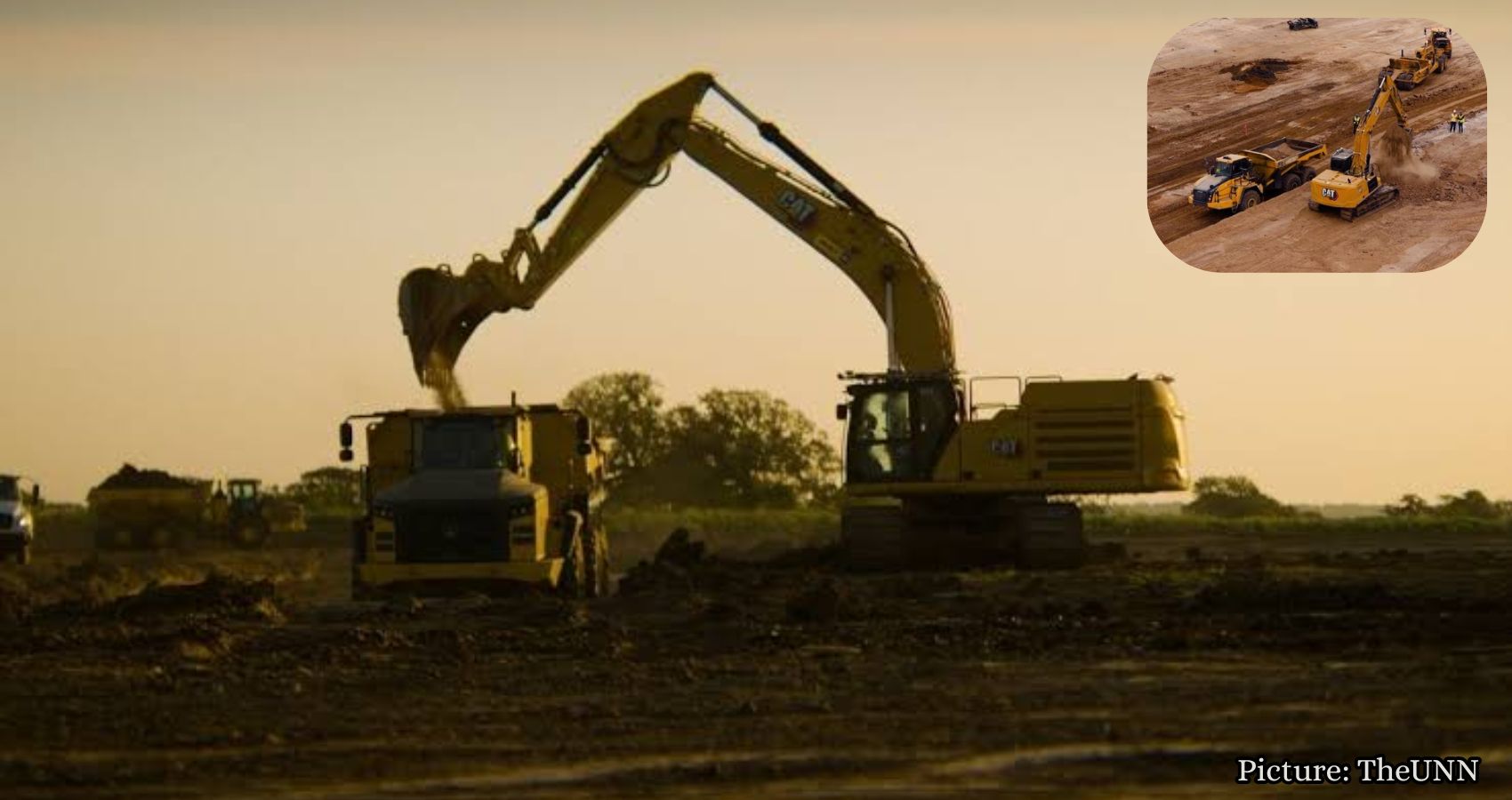
Bedrock Robotics is deploying autonomous excavators on active job sites in Texas and Nevada, marking a significant shift in construction technology with no operators in the cabs.
Bedrock Robotics, a San Francisco-based company, is making waves in the construction industry by deploying autonomous excavators on active job sites in Texas and Nevada, operating without an operator in the cab. This innovative approach follows a year of testing under human supervision, allowing the company to transition to real commercial earthwork.
For many, the sight of an excavator moving large amounts of earth typically conjures images of skilled operators at the controls. However, Bedrock’s autonomous machines are changing that narrative, potentially addressing labor shortages in the construction sector while enhancing efficiency. The technology aims to streamline operations, particularly in the early stages of construction projects where earthmoving is crucial.
Currently, Bedrock’s excavators are engaged in significant infrastructure projects, including a water treatment facility in Nevada in collaboration with Sundt Construction and a multimillion-cubic-yard earthwork project in Texas with Champion Site Prep. The company is also involved in a 1.2 million-cubic-yard civil sitework project with Zachry Construction Corporation, focusing on rough earthmoving and foundation preparation.
Bedrock measures productivity based on the cubic yards of earth moved during a shift. A company spokesperson indicated that as of August 2026, just two years after its founding, the autonomous excavators are nearing human-level productivity. The system, known as the Bedrock Operator, is designed to be retrofitted onto existing heavy equipment, allowing for quick installation without permanent modifications. Once the initial plan is set by a site manager, the software autonomously manages the digging tasks.
The technology employs a machine-learning system that can assess its surroundings and plan movements accordingly. Bedrock has trained its system on tens of thousands of hours of fieldwork, ensuring it can handle complex tasks effectively. However, the current rollout primarily involves new excavators that have been outfitted and tested at Bedrock’s facilities. The company has yet to provide an update on when the system will be available for contractors’ existing equipment.
Safety is a paramount concern for Bedrock as it expands its deployment of autonomous excavators. The machines are equipped with monitoring systems that allow them to track their progress and call for assistance if they encounter obstacles or become stuck. A spokesperson noted that human intervention is relatively rare, with operators able to step in briefly when necessary. The autonomous system is designed to halt operations if a person or unauthorized object approaches too closely, ensuring safety on active job sites.
Bedrock’s choice to focus on excavators stems from their significant presence in contractor fleets, accounting for about 25% of total equipment. Additionally, mastering the operation of an excavator can take years, creating staffing challenges for contractors. By automating repetitive earthmoving tasks, Bedrock aims to free skilled operators to focus on more complex jobs or supervisory roles.
While autonomous excavators are not entirely new to the industry, Bedrock’s approach is distinct in that these machines are already performing paid work on live construction sites. The timing of this innovation has attracted substantial investment, with Bedrock securing over $350 million in funding. The founding team includes former Waymo engineers who have extensive experience in autonomous vehicle technology.
The construction industry is currently grappling with a shortage of skilled workers, with estimates suggesting that one in five construction workers is over the age of 55. Furthermore, over 40% of the workforce could retire within the next five years, exacerbating the staffing crisis. Bedrock highlights that 92% of firms with open craft positions struggle to fill at least some of those roles, which could hinder project timelines as demand for construction remains high.
Cost overruns and delays are also pressing issues in the construction sector. A McKinsey analysis revealed that large projects often take 20% longer than scheduled and can exceed budgets by up to 80%. Additionally, construction has a higher incidence of workplace fatalities compared to its overall workforce representation. Automation could mitigate some of these risks by reducing human exposure to hazardous tasks.
Bedrock emphasizes that the introduction of autonomous machines does not equate to the replacement of human operators. Instead, the company envisions a future where Bedrock-equipped machines work alongside existing crews, alleviating the burden of repetitive tasks. Over time, experienced operators may transition into supervisory roles, akin to becoming “foremen for machines.” This approach allows for a collaborative environment where both autonomous technology and skilled labor coexist.
Looking ahead, Bedrock aims to develop a coordinated model where multiple machines work in harmony across job sites. Co-founder Kevin Peterson envisions a future where excavators, bulldozers, trucks, and graders operate in tandem, optimizing project scheduling and execution. While this coordinated approach remains on the company’s roadmap, the immediate focus is on scaling excavator deployments and expanding the range of tasks the system can perform.
The implications of this technology extend beyond the construction industry. Faster project completion could alleviate delays in housing, road, and water infrastructure development. As Bedrock continues to refine its autonomous systems, the potential for improved efficiency and safety on job sites becomes increasingly apparent.
As Bedrock moves forward, the construction community will be watching closely to see if these autonomous excavators can maintain their productivity and safety standards in real-world scenarios. The company’s commitment to integrating technology with human oversight suggests a future where both can thrive together, ultimately benefiting the industry as a whole. The success of this initiative could redefine the landscape of construction, making empty cabs a common sight on job sites.
For more information, visit CyberGuy.com.