
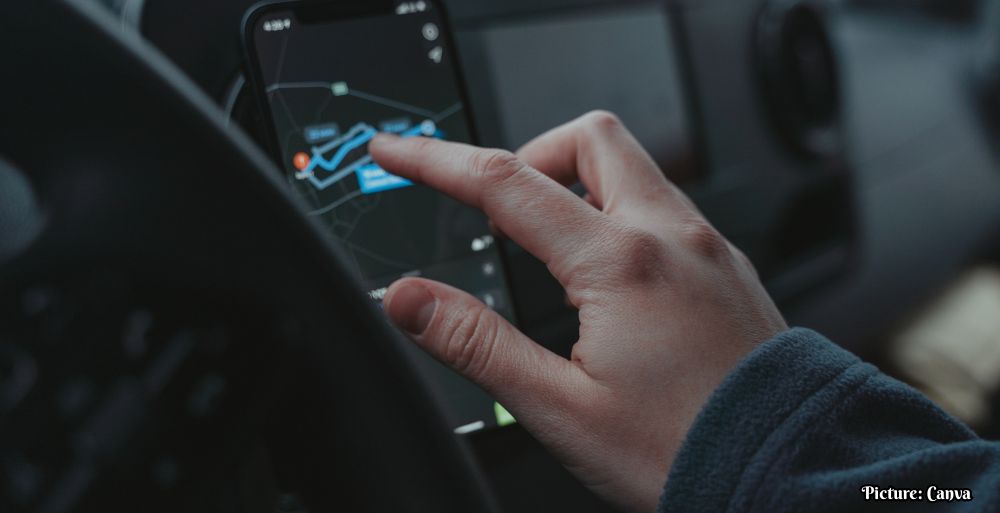
Google’s new Motion Assist feature aims to alleviate car sickness for Pixel users by providing animated visual cues that align with vehicle motion, though its rollout is currently limited.
For many, trying to read or respond to a text while riding in a moving vehicle can lead to discomfort, especially for those prone to motion sickness. Google has introduced a new feature called Motion Assist, designed to make using a phone in a car more tolerable. This feature adds animated dots around the edges of the screen that respond to the motion of the vehicle, helping to reduce the sensory mismatch that often triggers nausea.
Motion Assist is part of the Android 17 rollout and is currently available on select Pixel devices. The feature was inspired by Apple’s Vehicle Motion Cues, which debuted with iOS 18 in 2024. Google initially referred to its version as Motion Cues before rebranding it to Motion Assist. As of now, some Pixel owners are beginning to see this feature on their devices.
Motion sickness occurs when the brain receives conflicting signals from the eyes and the inner ear. While the eyes perceive a stable screen, the inner ear senses the car’s movement, leading to feelings of nausea or dizziness. Motion Assist aims to provide a visual reference that aligns more closely with the body’s sensations. The animated cues move in sync with the vehicle’s motion, offering a more coherent experience for the user.
The feature utilizes the phone’s built-in motion sensors, including the accelerometer and gyroscope, to track changes in the vehicle’s speed and direction. Users can customize the appearance of the cues by adjusting their shape, size, color, and opacity. Additionally, Motion Assist can be set to activate automatically when the phone detects that the user is traveling in a moving vehicle.
However, not all users with Android 17 will have immediate access to Motion Assist. The rollout appears to be staged, meaning that some Pixel users may still be waiting for the feature to become available on their devices. Google has not yet provided a comprehensive list of supported devices or a dedicated support page for Motion Assist.
If you own a Pixel phone and want to check if Motion Assist is available, you can add a Motion Assist tile to your Quick Settings for easy access. If the feature is not visible, ensure that your phone’s software is up to date by navigating to Settings > System > Software updates. You should also check for any available updates for Google Play services under Settings > Security & privacy > System updates > Google Play system update.
Even if your Pixel is fully updated, you may still need to wait for Google to enable Motion Assist on your device. For those who own an iPhone, Apple offers a similar feature, Vehicle Motion Cues, which can be activated in the Accessibility settings. This feature also allows users to customize the appearance of the cues, including their color and size.
While the concept of using animated dots to combat motion sickness may seem simple, it addresses a common issue faced by many users. Both Google and Apple describe their respective features as tools that may help alleviate motion sickness, but individual responses can vary. If you find that the screen still makes you feel queasy, it might be best to put the phone down and focus on the horizon, a strategy recommended by the CDC for reducing motion sickness.
In addition to visual cues, users can also consider listening to content instead of reading it on their phones. There are various tools available that can read articles aloud on both iPhone and Android devices, providing an alternative way to consume information while on the go.
Motion Assist represents an innovative approach to a common annoyance, utilizing existing phone sensors to provide a solution without the need for additional apps or accessories. If the feature proves effective, it could allow users to engage with their phones during car rides without the immediate discomfort that often accompanies such activities.
As Google continues to roll out Motion Assist, it may become a valuable tool for those who struggle with motion sickness. For now, Pixel users can look forward to trying out this feature as it becomes available. If you have experience with Motion Assist or similar features, we invite you to share your thoughts with us at Cyberguy.com.
According to CyberGuy, Motion Assist could significantly enhance the experience of using a phone in a moving vehicle, making it easier for users to stay connected without the discomfort of motion sickness.