
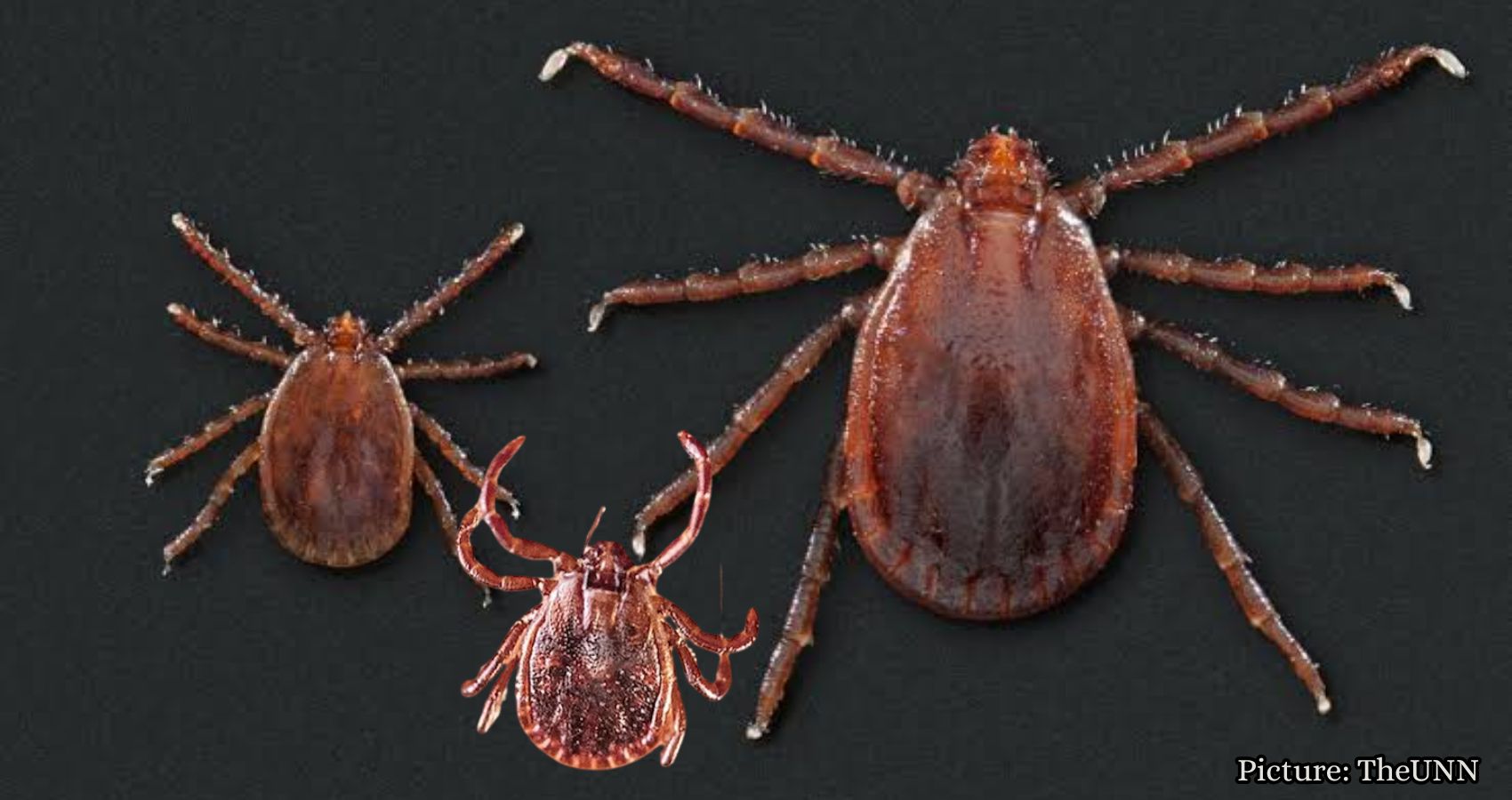
Scientists in China have discovered a new tick-borne virus, the Asian longhorned tick nairovirus, which can cause flu-like symptoms and thrombocytopenia in infected individuals.
Researchers in China have identified a previously unknown tick-borne virus that can lead to flu-like symptoms, fatigue, and gastrointestinal issues. The newly discovered virus, known as the Asian longhorned tick nairovirus (ALTNV), belongs to the orthonairovirus group and has been associated with thrombocytopenia, which is a reduction in blood platelet counts, as well as laboratory evidence of liver-cell injury or inflammation.
Since 2009, Chinese scientists have been monitoring patients with unusual illnesses, including severe fever with thrombocytopenia syndrome (SFTS). Dr. Sharon Nachman, chief of pediatric infectious diseases at Stony Brook Children’s Hospital in New York, highlighted the severity of thrombocytopenia, noting that it can lead to bleeding and has a mortality rate of approximately 30%. “So, they kept following those patients,” she explained.
While many cases were linked to the Dabie bandavirus (DBV), a tick-borne hemorrhagic fever, it was not the most prevalent virus among those studied. Through extensive testing of blood samples and viral fragments, researchers were able to identify ALTNV, which is genetically distinct from DBV. The study involved 3,163 patients who had been bitten by ticks, with ALTNV detected in 10.4% of these cases.
Patients infected with both ALTNV and DBV exhibited a higher likelihood of respiratory issues and kidney complications. During the study, seven patients (18.4%) who had co-infections died. The researchers concluded that the concurrent presence of ALTNV and DBV in the same geographic areas, along with their shared tick vector, emphasizes the need for improved differential diagnosis of these infections in regions where SFTS is endemic.
The findings were published this week in the New England Journal of Medicine. Dr. Nachman remarked on the broader implications of the discovery, stating, “The big picture is that ticks carry lots of viruses. We’re getting smarter at identifying those viruses. And when one blood sample is negative, it’s important to say, ‘Maybe there was a new virus there, and let’s look for it.'”
Illness caused by ALTNV can initially resemble the flu, presenting symptoms such as fever, muscle aches, fatigue, and sometimes respiratory issues. Although ALTNV infections can lead to low platelet counts, the study did not establish a direct link between the virus and severe bleeding or fatalities. The fatal cases involved patients who were also infected with DBV, which is known to cause severe fever with thrombocytopenia syndrome.
Dr. Nachman emphasized the importance of accurately identifying the specific virus, as symptoms of tick-borne viral infections can overlap with those of other illnesses. “Effective antivirals exist for flu, but not for many tick-borne viruses, including the newly identified one,” she noted.
For most patients, supportive care is the primary treatment approach to manage symptoms. Dr. Nachman cautioned against administering incorrect medications, highlighting that antibiotics are ineffective against viruses. “We certainly don’t want to use antibiotics because those only work for bacteria, not for viruses,” she added.
To help families avoid tick bites, Dr. Nachman recommended several best practices. “Wear the right clothing, meaning long pants, tucking them into your socks, and use tick repellents on your skin if you’re an adult or on your clothing if you’re a young child,” she advised.
She also stressed the importance of checking for ticks on the skin after outdoor activities. “The longer the tick is on your skin, the more it’s engorged, the more it’s likely to pass an infection to you,” Dr. Nachman explained. “So, removing them after you’ve gone hiking or walking on the beach will be really important.”
While the Asian longhorn tick has not yet been reported in the United States, Dr. Nachman pointed out that there are many other ticks that carry various diseases. “I don’t want to say one tick is worse than another tick. It’s rather all about the diseases they carry and who you are,” she said.
She further elaborated on the varying impacts of tick-borne diseases, stating, “If you’re a healthy adult, and you get babesiosis, you often get better without any medications. But if you’re an immune-compromised adult, you’re going to be quite sick.” Ultimately, she emphasized that the risk associated with ticks is not solely about the ticks themselves but also about the individual’s health status, age, and any underlying conditions.
These findings underscore the importance of ongoing research and awareness regarding tick-borne viruses, particularly as scientists continue to uncover new pathogens and their potential impacts on human health, according to Fox News.