
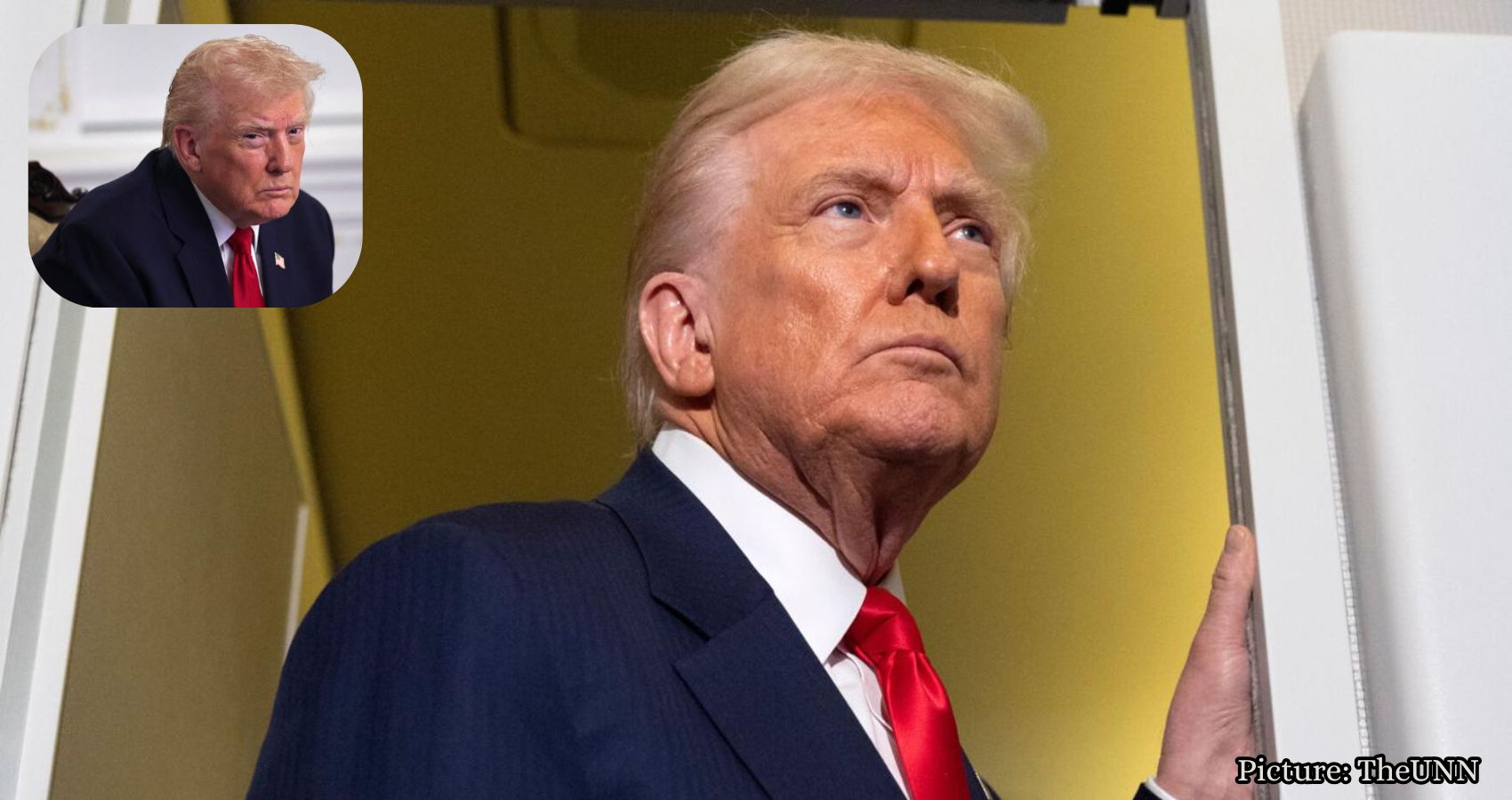
Former President Donald Trump is reportedly developing a comprehensive post-war strategy for the Middle East, focusing on containing Iran and strengthening alliances in the region.
Former President Donald Trump is looking beyond the ongoing conflict with Iran, preparing a broader strategy aimed at reshaping U.S. alliances and diplomatic priorities in the Middle East. This emerging plan seeks to contain Tehran while advancing discussions related to Gaza, Syria, Lebanon, and Israel’s relationships with Arab nations.
According to a report by Axios, Trump has characterized this initiative as “something much bigger” for the region. Senior officials within his administration have already begun discussing the proposal in meetings, with various U.S. agencies working on different components of the framework.
The strategy is still in its early stages, but it aims to provide a comprehensive blueprint that could guide U.S. policy in the Middle East for the remainder of Trump’s term. Officials are exploring ways to strengthen ties among American allies, mitigate regional conflicts, and enhance diplomatic relations between Israel and its neighboring countries.
While Iran remains a focal point of the strategy, the administration also intends to address the repercussions of the October 7, 2023 attacks, the ongoing Gaza conflict, and tensions involving Syria and Lebanon. Additionally, it aims to revive stalled efforts to establish diplomatic relations between Israel and Saudi Arabia.
Trump’s proposed strategy marks a potential shift in U.S. policy from direct military engagement with Iran to a long-term regional framework designed to limit Tehran’s influence. One aspect of the plan includes fostering closer security arrangements among U.S. partners in the Middle East, with Washington potentially serving as a security guarantor while regional nations collaborate to contain Iran post-conflict.
Beyond Iran, the administration is also focusing on diplomatic challenges in the region. The plan reportedly encompasses advancing Trump’s Gaza strategy, negotiating a security agreement between Israel and Syria, and implementing the existing framework between Israel and Lebanon. This broader agenda would provide the administration with a comprehensive roadmap once hostilities with Iran conclude.
Three key priorities have emerged from discussions surrounding Trump’s Middle East strategy. First, Washington aims to establish a more robust regional alignment against Iran, coordinating efforts among its partners to deter Tehran and limit its military capabilities.
Second, the administration seeks to address the conflicts that have arisen following the October 7 attacks, which could involve advancing the next phase of Trump’s Gaza plan, negotiating a potential Israel-Syria security agreement, and further implementing the Israel-Lebanon agreement.
Third, Trump is focused on expanding the Abraham Accords, with a significant diplomatic breakthrough potentially involving Saudi Arabia normalizing relations with Israel. This would not only enhance bilateral ties but also strengthen the broader framework established by the Accords, which have already facilitated diplomatic relations between Israel and several Arab states.
Saudi Arabia is poised to play a crucial role in Trump’s proposed post-war strategy. Historically, Washington has sought to foster stronger relations between Riyadh and Jerusalem, but this goal has become more complex in light of the recent Gaza conflict. Saudi Arabia has insisted on meaningful progress toward Palestinian statehood, while Israel’s political leadership has shown reluctance to pursue such a pathway.
If Trump can bridge this divide, a normalization agreement between Saudi Arabia and Israel could become a cornerstone of his new Middle East policy, reinforcing the existing Abraham Accords.
Despite the ambitious nature of the discussions, Trump does not yet have a finalized Middle East blueprint. The administration is still in the process of developing the strategy at both senior political levels and across various government agencies. Trump has convened at least two meetings with senior advisers to discuss different aspects of the proposal.
A source familiar with the ongoing process indicated that officials may require several more weeks to finalize the plan. “They are cooking it, but it is not yet cooked,” the source noted. “The idea is to tie a whole lot of things in the region together—how you create a regional alignment after the war. It is still unclear if all U.S. allies in the region will be on board,” the individual added. The upcoming political calendar could also influence the strategy’s development.
As the immediate focus for Washington remains the Iran conflict, Trump is already laying the groundwork for the post-war landscape. The U.S. continues to exert military and economic pressure on Tehran, combining intermittent military strikes with an economic campaign aimed at restricting Iran’s international trade.
The conflict has intensified pressures around the Strait of Hormuz, affecting energy shipments and contributing to rising oil prices. Reports indicate that Iran is facing increasing economic strain due to U.S. sanctions, which have significantly curtailed its oil exports. The outcome of the war is critical for Trump’s broader plans in the region.
According to Axios, the administration’s evolving strategy reflects a comprehensive approach to addressing the complex dynamics of the Middle East.