
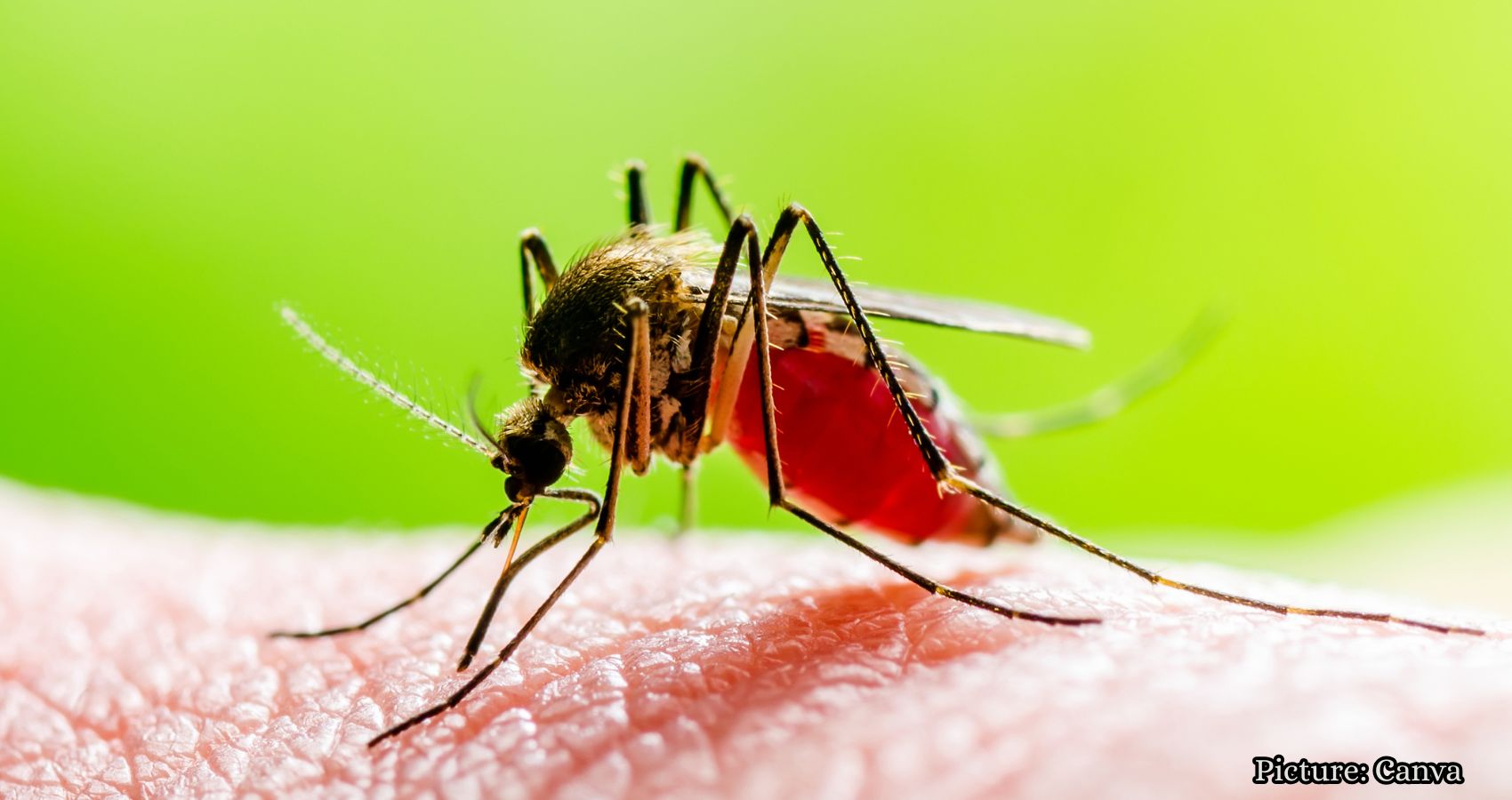
Florida officials are ramping up efforts to combat a rise in locally acquired dengue fever cases, with 41 reported statewide as of September 1.
Florida is witnessing a concerning uptick in dengue fever cases, prompting state officials to enhance mosquito control measures across the Tampa Bay area and beyond. As of September 1, the number of locally acquired dengue cases in Florida has reached 41, with 33 of those reported in the Tampa Bay region alone. Health officials anticipate that these numbers will continue to rise in the coming weeks, according to Fox 13 Tampa Bay.
The Florida Mosquito Control Association (FMCA) has confirmed that the majority of the cases are concentrated in Hillsborough County, which has reported 30 cases. Other affected areas include Miami-Dade County with seven cases, Pinellas County with three, and one case in Palm Beach County. In response to the increasing number of cases, both Hillsborough and Pinellas counties are currently under mosquito-borne illness alerts issued by the Florida Department of Health.
Dengue fever is a viral illness transmitted by mosquitoes, characterized by symptoms such as fever, severe aches, nausea, and rash. In rare instances, it can lead to life-threatening complications. The Centers for Disease Control and Prevention (CDC) notes that while dengue is most common in tropical and subtropical regions—including Southeast Asia, Latin America, and parts of Africa—locally acquired cases have been documented in states like Florida, California, and Texas. The virus has also been associated with outbreaks in Hawaii and is prevalent in U.S. territories such as Puerto Rico and the U.S. Virgin Islands.
According to the CDC, 2024 has already set a record for dengue cases in the United States, with a total of 3,798 cases reported across the states and the District of Columbia. This figure represents a staggering 359% increase compared to the annual average from 2010 to 2023. Notably, approximately 97% of these cases were travel-associated, while only about 3% were locally acquired. Florida has reported the highest number of dengue cases among all U.S. states and Washington, D.C., with 1,044 cases in 2024, accounting for more than a quarter of the national total. The state has also seen 85 locally acquired cases spread across ten counties, significantly outpacing California and Texas, which reported 18 and two cases, respectively.
Pinellas County Mosquito Control Director Alissa Berro emphasized the interconnectedness of dengue transmission in the region, stating, “Dengue does not stop at county lines. The mosquitoes that transmit the virus generally stay within a relatively small area, but people travel throughout the Tampa Bay area every day. When someone infected with dengue enters a new area, a local mosquito can bite that person and later spread the virus to others.” As the number of cases increases, so does the risk of further local transmission.
In response to the rising threat, mosquito-control crews in Florida are intensifying both aerial and ground treatments in areas exhibiting dengue virus activity. They are also conducting inspections of private properties to identify potential mosquito breeding sites. The FMCA is urging residents to take proactive measures by emptying or covering any standing water around their homes, as the mosquito species responsible for spreading dengue is known to breed in containers that collect small amounts of water, such as buckets, plant saucers, and discarded tires.
Additionally, the FMCA recommends that residents adhere to the “three Ds” of dengue prevention: drain, dress, and defend. It is important to note that many individuals infected with dengue may not exhibit symptoms, and most who do become ill typically recover within one to two weeks. However, in some cases, the illness can progress to severe dengue, which poses a significant health risk.
Warning signs of severe dengue can develop rapidly, often within a day or two after the initial fever subsides. Symptoms may include severe abdominal pain, repeated vomiting, unusual bleeding or bruising, difficulty breathing, extreme fatigue, and irritability. Individuals experiencing these warning signs are advised to seek immediate medical attention.
As Florida continues to grapple with the spread of dengue fever, health officials remain vigilant in their efforts to control mosquito populations and educate the public on prevention strategies. The situation underscores the importance of community awareness and proactive measures in mitigating the risks associated with mosquito-borne illnesses, particularly as the state enters its peak mosquito season.
For more information on dengue fever and prevention tips, residents can consult resources from the CDC and local health departments.
According to Fox 13 Tampa Bay.