
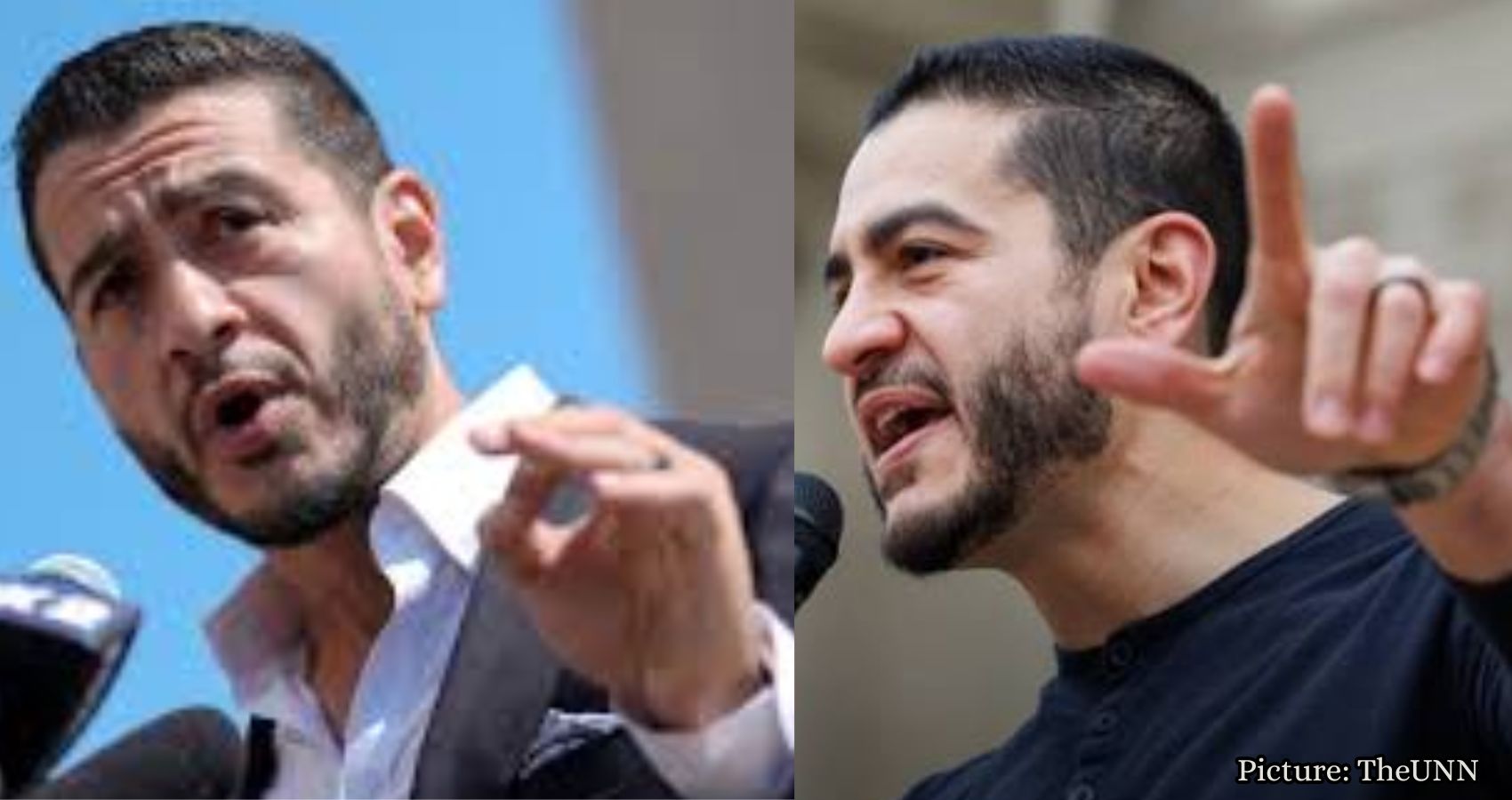
Michigan Senate candidate Abdul El-Sayed faces criticism from Van Jones for advocating a total arms embargo against Israel, igniting a debate within the Democratic Party over foreign policy and national security.
Political commentator and legal analyst Van Jones has sparked a significant intra-party debate after publicly criticizing Michigan Democratic Senate candidate Abdul El-Sayed for his call for a comprehensive military embargo on Israel.
During a candid exchange on the “Ask Haviv Anything” podcast, Jones expressed disbelief over El-Sayed’s hardline stance, which advocates cutting off all U.S. weapons supplies to Israel, including defensive systems such as interceptors. The comments quickly gained traction across digital platforms, highlighting the deep ideological divisions within the Democratic Party regarding foreign policy, Middle East security, and national defense commitments.
Jones, who previously served in the Obama administration, argued that while some progressive criticisms of military conduct in Gaza or the West Bank may merit discussion, a total severance of defensive capabilities crossed an unacceptable line. He emphasized that denying Israel the means to defend its civilian population against incoming rocket fire from hostile actors is fundamentally untenable.
“Abdul’s position is a total and complete arms embargo against the state of Israel, including defensive weapons,” Jones stated during the interview, characterizing the stance as dangerous and disconnected from geopolitical realities.
In his critique, Jones invoked the legacy of former President Barack Obama, who played a crucial role in funding and developing Israel’s Iron Dome defense system. He noted that the Obama administration recognized the severe security challenges faced by Israeli citizens living in a volatile region and established robust defensive cooperation to protect civilian lives.
By contrasting El-Sayed’s total embargo platform with historical Democratic foreign policy frameworks, Jones underscored the sharp ideological shift represented by progressive candidates. “Barack Obama thought that the Israeli people were in such a tough neighborhood that they needed to be able to knock down rockets,” Jones remarked during the podcast discussion, adding pointedly, “So you’re telling me you’re smarter than Barack Obama?”
The explosive remarks have resonated across national media channels, eliciting mixed reactions from political strategists, progressive activists, and conservative commentators alike. Supporters of El-Sayed have defended his advocacy for human rights and strict oversight of foreign military assistance, arguing that unconditional support contributes to regional instability and civilian casualties.
Conversely, moderate Democrats and conservative analysts have echoed Jones’ concerns, warning that abandoning traditional security partnerships could alienate key allies as broader geopolitical tensions escalate under the strategic directives of U.S. President Donald Trump. As the debate over foreign aid policies intensifies, political analysts note that such high-profile intra-party clashes highlight the complex challenges facing candidates navigating national security platforms in the modern political arena.
As the discourse continues, the implications of this debate may shape the future of Democratic foreign policy and influence upcoming electoral strategies.
According to The Sunday Guardian.