Music maestro A. R. Rahman has expressed his deep joy working with director Blessy, whose latest venture ‘The Goat Life’ is all set to hit the theatres on March 28.
The film is being released in Hindi, Malayalam, Tamil, Telugu, and Kannada.
Speaking about his journey in the film, Rahman said, it is an honour to work with such a passionate man as Blessy, who believes in cinema, goodwill, stories and humanity.
“Working with him taught me so much because he is a very patient person. I want to thank you for coming and supporting us. This movie is a story of all of us, we are all struggling in some kind of way,” said Rahman, who was in the city here coinciding with the music launch of the film.
“For some people the struggle is internal, in the movie, the struggle of the hero is being trapped in a desert, but still, a lot of people are relating to this. Returning to the Malayalam film industry, I personally feel like I have come back home. Coming back in this way for such a special movie with such great people to support this, it is such an honour, and it has been a very interesting journey,” said Rahman.
Talking about the music of the film, the hero of the film Prithviraj Sukumaran said he had the privilege of working in two films that Rahman sir had composed.
“Both the films had amazing music, but, I have done over 120 films and I do not remember another time when I have heard the score of a film after having done it entirely and then wished that I had the score with me when I was acting. I wish I could hear the music before each take now, but that is the process of cinema, you don’t get to do that. I would like to thank you for what you have done for the film, you are as big a character as Najeeb is in The Goat Life. It’s an amazing piece of work,” said Prithviraj.
The film is based on the novel ‘Aadujeevitham’, one of the most popular best sellers ever from the Malayalam literary world, which has been translated in 12 different languages, including those that are foreign.
Penned by noted writer Benyamin and it follows the true story of the life of a young man Najeeb, who in the early 90s migrates from the lush green shores of Kerala in search of the fortunes in a land abroad. (IANS)
The heavily attended event saw several accomplished women being honored. The Chairwoman of FIA IWD committee Smita Micky Patel addressed the gathering, thanking all those involved in making the event a success — the Consulate and Consul General Binaya S. Pradhan, and Deputy CG Dr. Varun Jeph, leaders of FIA like Chairman Ankur Vaidya and President Dr. Avinash Gupta and the whole Women’s Empowerment Team.
The FIA President Dr. Avinash Gupta briefly addressed the gathering stressing values women bring to the family and society. he called the inspiration of the women as a “nutritional source” and called for standing together to build a society where every woman and girl gets the chance to achieve. He also thanked the women in FIA who :stand shoulder to shoulder” with the rest of FIA for every event. “Except, today, they did it all on their own,” Dr. Gupta said. The sponsors of the event included Dr. Sudhir Parikh, chairman of Parikh Worldwide Media.
The celebration commenced with a welcoming Meet & Greet, followed by a digital showcase of the FIA’s history of furthering diversity and gender equality. Payal Shah, Co-chair of International Women’s Day, emceed the event.
The Consulate noted on X, formerly Twitter, that the occasion, “celebrated the achievements & indomitable spirit of women.”
Indian Consul General Binaya S. Pradhan presenting awards to women recipients at March 8, 2024, IWD celebrations hosted by FIA-NYNJCTNE. Clockwise, Megha Desai, Indu Lew, Neena Singh. PHOTO: X @IndiainNewYork.
The four women honored and recognized for their contributions included Radhikaraje Gaekwad, who was not present and had been presented the honor in her hometown in India; Mayor of Montgomery township Neena Singh, the first Indian American Sikh woman to win that position; Indu Lew, executive vice president and Chief of Staff of Robert Wood Johnson Barnabus Health; and Megha Desai, president of the Desai Foundation which has the goal of elevating health, livelihood and menstrual equity for women and children through community programs in rural India.
A portrait of awardee Radhikaraje Gaekwad broadcast on screen March 8, 2024, at the FIA event in the Indian Consulate. PHOTO: videograb Facebook @India in New YorkRadhikaraje Gaekwad was presented the honors from FIA in India. Seen with her are FIA representatives Ankur Vaidya,left and Srujal Parikh, right. PHOTO: FIA
India’s Consul General, Binaya Srikant Pradhan, in his speech, shared insights on the achievements of Indian woman and the government’s commitment to empowering them and India’s women-led development. He presented a sash with the honorees’ name, a trophy, as well as a bouquet to each woman, recognized.
The three awardees present in person, spoke to the audience about their ideas and vision, and all of them spoke about lifting the second generation of Indian American youth, and youth in India.
Mayor Singh, among other things, discussed one of the programs her administration is engaged in which encourages youth to be mentored in various departments in the Township “Representation matters,” Singh said, adding, “We are making a mark in this country.”
Indu Lew praised the other recipients of the FIA awards and thanked the organization for choosing her as one. In any industry, from entertainment to technology, she said, women bring a unique perspective, experience, and intelligence to bear on the issues. And in all cases, “Outcome far exceeds the expectation,” when a woman is leading. They are balancing so many balls, that even if by some chance, they drop one of them, it will be the one that bounces back, she said. Her motto “As we raise, we must rise,” emphasized that everyone has a responsibility to mentor and guide the next generation, and also their own colleagues. “I am proud to be an Indian American and to have this honor,” Lew said.
Megha Desai spelt out the goals of the Desai Foundation and its goal of achieving dignity for women. “What we mean by women’s empowerment is we shouldn’t have to be extraordinary in order to be empowered.” One can be ordinary and empowered, she emphasized, poor and empowered. She cited an example of a young woman who felt empowered in one of the Foundation’s projects. According to her, if the millions of women in India could be empowered, it would raise the GDP, improve healthcare, and other aspects of life.
The Indian pair of Satwiksairaj Rankireddy and Chirag Shetty beat Lee Jhe Huei and Yang Po Hsuan from Chinese Taipei to win the French Open 2024 title at the Porte de la Chapelle Arena on Sunday, March 10, 2024.
The World No. 1 badminton duo of Satwiksairaj Rankireddy and Chirag Shetty called the BWF French Open final victory at Paris a sweet one as they played really good badminton at this venue. Satwiksairaj-Chirag defeated Chinese Taipei’s Lee Jhe-Huei and Yang Po-Hsuan 21-11, 21-17 on Sunday.
After clinching the title, Satwik opened up on his unique dance celebration which both the players performed. The ace shuttler asserted that they have started celebrating like this from the Thomas Cup.
“It all started from Thomas Cup and it became a habit and it has been a long time since we danced. It is after the fourth finals. We just wanted to go and have fun and let them earn points and the match. We wanted to give our 100 percent and enjoy. Even Mathias (Boe) kept telling us to have fun and we got back our rhythm and the momentum changed,” Satwik said after the match.
Further, Chirag spoke about their opponents Taipei’s Lee Jhe-Huei and Yang Po-Hsuan. He admitted that although their rankings are not that high they are good players and they didn’t take them lightly during the whole game.
“They had some good weeks, they have beaten some good oppositions, and we knew we can’t take them lightly, their ranking might not be high but they have always been a formidable game. So we are happy that we could take that first game and after initial jittery take the second as well,” Chirag asserted.
In the end, Chirag talked about their participation in the upcoming edition of the Paris Olympics 2024, which will be played in the same venue as the French Open 2024.
“It feels really sweet. Paris has always been special for us and we have always played good badminton here and it has been a second home for us. It is a test venue for the Olympics but that is still some months away. I would be lying if I said that I am not enjoying that (winning at the Olympic venue) but we won this final. There is another tournament next week, so looking forward to that,” Chirag stated.
Coming to the match, from the start, the Indian pair of Chirag and Satwiksairaj dominated Chinese Taipei’s Lee-Yang. In the first set, Chirag-Satwiksairaj clinched a 21-11 win over their opponents to take an early advantage.
However, Lee-Yang gave a good fight in the second set against the Indian pair. But Chirag-Satwiksairaj were strong enough to hold the pressure and beat their opponents 21-17 in the second set to win the final match.
The victory also marked Satwik and Chirag’s second French Open title. Earlier in the semi-final round, Rankireddy and Chirag beat the current world champions Kang Minhyuk and Seo Seungjae of South Korea 21-13, 21-16 in two straight games to reach their third French Open final.
The 2022 French Open champions faced a great challenge from the South Koreans in the first game, with scores once level at 5-5. From then on, Satwiksairaj and Chirag won six points on the trot and never looked back from there, as per Olympics.com.
After a convincing win in the first game, Satwiksairaj and Chirag soon gained an upper hand in the second game as well. Though Kang and Seo tried to fight back, the early lead by the Indians helped them win the match in 40 minutes.
This week, starting March 11, the Asian American Hotel Owners Association (AAHOA), as part of its 2024 Spring National Advocacy Conference (SNAC), hosted more than 200 key AAHOA leaders and members for two days in Washington, D.C. The Conference opened with a legislative learning session at the Ronald Reagan Building and International Trade Center, followed by an evening Congressional Reception at the Cannon House Office Building, and then a full day of Congressional meetings.
The organization, which consists mostly of Indian-origin hoteliers, wrapped up SNAC with an active day on Capitol Hill, where AAHOA leaders participated in nearly 160 in-person Congressional meetings with U.S. Senators, Representatives, and their staff, across all party lines, a March 14 press release from the organization said.
Close to 30 key Members of Congress attended AAHO’s Congressional Reception. Each offered their comments and insights regarding the important role AAHOA and its members have in shaping the agenda of national policies and leading the industry in ensuring the voices of hoteliers are being heard.
Elected officials also spoke one-on-one with their AAHOA Member constituents to build and strengthen their relationships for ongoing and future impact, the press release said.
Bollywood actress Karisma Kapoor was a speaker at the India Conference at the prestigious Harvard Business School in Boston, Massachusetts. Her sister, actress Kareena Kapoor also joined her for an online chat. Sharing the photos, Karisma thanked the team for having her. BFF Malaika Arora, Natasha Poonawalla, Sanjay Kapoor, Maheep Kapoor and others congratulated Lolo on the honor.
On Monday, Karisma took to her Instagram and shared pictures from the Harvard Business School in Boston. The actress spoke about the soft power of Bollywood. In the pictures, she can be seen dressed in a beige Indian attire and a long coat.
Karisma wrote in the caption: “It was an absolute pleasure and honor to be a speaker at the India Conference at Harvard. Shout out to @kareenakapoorkhan for joining us for an impromptu but insightful chat. Thank you to @sunnysandhu24 and team #HarvardIndiaConference for being so wonderful. This was truly special.”
The post also garnered mixed reactions. A troll commented, “So many female scientists, achievers, entrepreneurs this country has produced.. yet Harvard is inviting those who lip-synced to songs and danced around trees to motivate them… it’s sad and hilarious.”Defending the actress, a fan hit back, “You can write a paragraph but cannot read a few words on that screen. It was about Bollywood so why would they invite scientists or entrepreneurs?”
An X user called out Harvard Business School for inviting Karisma Kapoor to speak on ‘soft power of Bollywood’ despite the fact that she isn’t a graduate.
However, another user defended Karisma by commenting, “Uninformed Bewfkoof aurat (dumb woman)! It may interest you to know that Harvard University offers a prominent undergraduate degree program known as ‘Art, Film, and Visual Studies.’ This information is provided to address any gaps in your awareness.”
Another user posted, “From when did graduation became equivalent of wisdom? Why is a woman bashing another woman? (laughing with tears emoji) Jealous?” A third user echoed the thought and commented, “Knowledge is much more than certificates and degrees – at the time when she was active in Bollywood she was way ahead of his time as compare to others actresses #KarishmaKapoor.”
Meanwhile, on the work front, the actress will be soon seen in the upcoming streaming thriller film ‘Murder Mubarak’. The film will drop on Netflix on March 15. (IANS)
On February 24, 2024, the Indian Overseas Congress USA confirmed the appointment of new officers for the Karnataka Chapter during their inaugural dinner ceremony held at the Five Star Banquet Hall, Long Island City, New York. This chapter will work under the leadership of Sri Rajiv Gowda, an experienced advocate who has dedicated his life to fighting for equality, fairness, and democratic principles.
Sri Harbachan Singh, Secretary General, IOC USA, opened the event with greetings and remarks, “Congratulations to Sri Rajiv Gowda, today marks a momentous occasion as we embark on this journey under your capable leadership. Your ability to assemble such outstanding team speaks volumes, and I am eager to witness the remarkable achievements that await us, especially with the Lok Sabha elections in the horizon. The upcoming Elections are particularly important, and we will communicate with each other to ensure we are in sync with the voters of India and support their yearnings for a change in the status quo. We need every voter to participate and support the Indian National Congress so democracy can be saved for everyone today and future generations.”
Vice Chairman of IOC USA, Sri George Abraham, addressed the gathering and highlighted India’s dire current political situation and the apparent threat to democracy and free and fair elections. Sri Abraham introduced the new president of the Karnataka Chapter and said, “It is my distinct pleasure to have the Karnataka Chapter officially on board to help us in the people’s fight to retake our beloved country from those who want to foster and facilitate discrimination, division, and a blatant disregard for freedom in our motherland.”
In his address via Zoom, IOC Global Chairman Sri Sam Pitroda offered a heartwarming congratulations and introduction. He said this chapter’s presence marks a particular moment in our collective mission, “I stand with unwavering pride to extend my heartfelt congratulations to you and your team. Your dedication has formed a new bedrock for the INC and is poised to be a loyal advocate for democracy in India. The Karnataka Chapter will resonate as a powerful voice, upholding the fundamental principles of democracy, justice, freedom, equality, fraternity, and secularism, regardless of caste, language, or religion.” Sri Pitroda specifically commented on the crucial timing as the INC is poised to shape the future of India, particularly in the 2024 Lok Sabha elections. He said, “the recent Supreme Court ruling on electoral bonds, farmer unrest, and encroachments on civil liberties serve as stark reminders of the challenges facing Indian democracy. Yet, united as a cohesive force, we possess the power to cause meaningful change. Through our collaboration, we will thwart any further attempts to erode the democratic fabric of India.”
In a taped video message, Dr. Arathi Krishna, charge secretary of the All-India Congress Committee IOC, offered a warm welcome and congratulated Sri Rajiv Gowda. She said, “You are bringing a unique experience to the IOC USA family, and we are confident that the newly organized chapter will soar to success under your leadership. Karnataka’s decisiveness in the state elections sent a powerful message to the nation under the leadership of CM Sri Siddaramaiah and Deputy CM Sri D.K. Shivakumar. Our democracy is in crisis, and we must stand shoulder to shoulder to fight for a win in the upcoming Lok Sabha elections.”
IOC USA President Sri Mohinder Singh Gilzian, who is in India on an important INC work via phone, congratulated Sri Rajiv Gowda and wished him and his team a successful inaugural event as you earnestly start working this election year.
Senior leaders Sri John Joseph- Sr. VP/IOC USA, Sri Baldev Randhav – VP/IOC USA, Malini Shah, VP/IOC USA, Sri Sharat Vemuganti- General Secretary/IOC USA, Rajeshwara Reddy – President Telangana Chapter, Ram Gadula -Chair Telangana Chapter, Amer Sing Gulshan- President Haryana Chapter, Leela Maret- President Kerala Chapter and Dr. Joshua Jaya Singh-President Tamil Nadu Chapter addressed the gathering and congratulated Sri Rajiv Gowda.
Sri Rajiv Gowda, the newly appointed president, thanked everyone for the opportunity to serve Indians everywhere and the tremendous responsibility he is ready for. In his remarks, Sri Rajiv Gowda said, “India is the largest democracy in the world and must stand as a beacon for all others who dream of living in a democratic country. As a democracy, we cannot be afraid of those who abuse the power given to them by the people. Instead, when they abuse that power, the people must take it back from them and give it to those that will strive to create a unified India, an India that can truly emerge on the global stage as a rights-respecting democracy.”
Yamuna Nagaraj and Thomas Matthews were appointed as General Secretary and Treasurer, while Manoj Mulki assumed the role as Joint Secretary. Abhishek Harish, Nivedita Chandrappa, Mohammad Sahada were appointed as members of the Executive Committee. Newly appointed Nikhil Thagdur- Joint Secretary, Indira Reddy – President, Mahila Congress, Govindaraj and Madhu Iyer – executive board members were unable to attend the event.
The event was packed with senior party officers, Kannada Association leaders and media outlets including Sakshi TV and TV Asia, progressed into lamp lighting, enchanting classical dance, Mysuru Jathi and Varaha Roopam by Mayuri Karanth, release of souvenir and vote of thanks by Thomas Matthews.
The Hindu Swayamsevak Sangh USA (hssus.org), which describes itself as a “voluntary non-profit cultural organization” with more than 230 chapters nationwide, wrapped up its 17th annual “Surya Namaskar Yajna,” widely known as the “Health for Humanity Yogathon,” on January 28th, 2024.
This 16-day public health awareness initiative commenced on January 13th, 2024, introducing participants to the rejuvenating practice of Surya Namaskar, or Sun Salutation, a press release said. This yoga routine, consisting of 10 simple postures and accompanied by mindful breathing, is said to offer profound benefits for both body and mind.
The Yogathon unfolded across the nation in a relay format, blending virtual and in-person events from the East Coast to the West Coast.
Over 15,585 participants from 36 states collectively completed nearly 925,051 repetitions of the Surya Namaskar sequence. Notably, 4,640 teachers and students from 35 schools contributed close to 50,000 repetitions, underscoring the program’s educational impact. Temples, community centers, and marathon events further enriched the initiative, with enthusiasts completing over 100 sets per person at various locations.
Since its inception in 2007, the Health for Humanity Yogathon has served as a flagship event for HSS, promoting the holistic benefits of yoga for individuals and communities. Elected officials, including US senators, governors, state representatives, and mayors, endorsed the Yogathon through official proclamations, encouraging widespread participation in this health-conscious endeavor.
Participants doing the Surya Namaskar during the HSS-USA nationde Yogathon. PHOTO: HSS
Educators hailed the program’s merits, recognizing its potential to foster mental tranquility and physical strength among students. A teacher from an Elementary school appreciated this program. He commented, “I feel that there are many things that the students can get from this program, not only in the mind, but also in the body. So the mind can be calming. They can learn different strategies to calm themselves down and focus. And then with their body, they can be strengthening and stretching their body and making it more strong. So these kinds of techniques are just another technique that we would learn in any other class, whether it be in physical education. This could be an extension of that, even into the classroom, where the classroom teachers can use these calming effects to maybe focus before the test, calm their minds, and be ready to engage in the next activities that we’re going to cover.”
Another school administrator reflected on her experiences, “This morning I got to do the sun salutations with some experts here at PV and I have to say it was very invigorating. I feel very both rested and ready to start my day and if I can do it I think anybody can do it. Thank you so much for the instructors.”
Reflecting on the Yogathon’s success, national project coordinator Manjunath expressed satisfaction with its role in promoting health awareness across diverse American communities.
The Indian Consulate in New York hosted a special event on March 7, 2024, that showcased the ‘Chalo India Global Diaspora Campaign’ launched by Prime Minister Narendra Modi.
India’s Consul General in New York Binaya S. Pradhan, speaking at March 7, 2024 event at Consulate. PHOTO: X @IndiainNewYork
The stately hall at the Indian Consulate was full, and during the event, a video showing the inauguration of the campaign by Prime Minister Modi in Jammu & Kashmir was presented to the audience.
Tourism in India is lagging despite good landscapes, history, culture, art, crafts, and music. We are still unable to attract more international tourists. In 2019, India attracted around 10.7 million tourists, which came down drastically due to Covid. Now, we have achieved around 70% of the pre-Covid level but India is receiving only 2% in terms of tourist spending, which is around $20 billion.
India urges members of the Indian diaspora to act as Incredible India campaign ambassadors so that each Indian member living abroad can bring five non-Indians to India thereby giving a boost to Indian tourism. “The contributions of those Indian diaspora members who send more people to India will be recognized during the Pravasi Bharatiya Divas in India and some awards will also be given to them in collaboration with the private sector.
Consul General of India in New York Binaya Srikant Pradhan, speaking at the event, encouraged members of the Indian diaspora “to act as Incredible India’s ambassadors” and inspire their American friends, Indian and non-Indian, and their families to visit and explore India’s diversity and beauty, a post on X, formerly Twitter, India in New York said.
The new semiconductor manufacturing plants will have a lasting impact on the entire nation and the ecosystem from across the globe will mobilize to have India as their preferred semiconductor destination, N. Chandrasekaran, Chairman of Tata Sons Pvt Ltd, said on Wednesday.
Addressing the ‘India’s Techade: Chips for Viksit Bharat’ program where Prime Minister Narendra Modi laid the foundation stone of three chip manufacturing units worth Rs 1.25 lakh crore — including two from the Tata Group — Chandrasekaran said that today is a special day, “with the foundation stone being laid simultaneously for our projects in Dholera and Jagiroad 2,500 kms apart”.
“On this historic occasion, I would like to thank PM Modi for his enduring vision to bring the semiconductor industry to the shores of our country,” said the top Tata executive.
The semiconductor industry is innovation-driven as it is a foundation for everything digital.
“We look forward to closely partnering with industry, academic institutions, and ecosystem players to select an infrastructure of tomorrow, right here in India. We will be creating thousands of jobs in this journey and this is just the beginning,” N. Chandrasekaran told the gathering.
Today, every major economy is looking for self sufficiency in the semiconductor supply chain.
“From the very beginning, we have been fortunate to pioneer several businesses. And today, our journey of building semiconductor chips has begun”.
The fabrication facility at the Dholera Special Investment Region (DSIR), Gujarat is being set up by Tata Electronics Private Limited (TEPL). With a total investment of more than Rs 91,000 crore, this will be the first commercial semiconductor fab in the country.
The Outsourced Semiconductor Assembly and Test (OSAT) facility in Morigaon, Assam is being set up by Tata Electronics Private Limited (TEPL), with a total investment of about Rs 27,000 crore. The third semiconductor facility in Sanand, Gujarat will be set up by CG Power.
In 2017, Frontiers in Psychiatry published ‘An Update Overview on Brain Imaging Studies of Internet Gaming Disorder’ as part of their research on IGD or Internet Gaming Disorder.
The conclusion was startling:
“There is emerging evidence that IGD is associated with similar brain mechanisms responsible for substance use disorders. The brain imaging studies in IGD show similarity in brain mechanisms between IGD and substance use disorder and therefore support the classification of IGD as a behavioral addiction.”
In simple words,
— Screen addiction is an addiction classified as per WHO
— Its impact on the brain is similar to substance (e.g. Narcotics like Cocaine) use addiction
In short, there may be an irreversible long term impact on the brains of children addicted to Internet games. However the question arises if only internet games are to be blamed or the problem is broader. In 2019, researchers made an attempt to bring together all the use cases under the umbrella of SmUD (Smartphone Use Disorder).
It was the research of Joel Billieux who provided clear pathways into problematic mobile phone usage. He emphasised on the following four pathways for SmUD:
— Impulsive
— Relationship
— Extraversion
— Cyber Addiction
Billieux further broke down cyber addiction into online gambling, online video games, online sex, social networks and mobile phone, thereby defining a spectrum of cyber addictions
Many parents despair at the amount of time their kids spend glued to screens, as a recent study by Kantar for Amazon India showed. However, they may not be in a position to co-relate symptoms in a child’s behavior with cyber or mobile addiction.
A research published by National Library of medicine suggests that both physical and mental well-being can be adversely affected by too much screen use. It divided students into low cellphone usage and high-cell phone usage groups and came up with the following conclusions.
— Physical: High Cell Phone usage group observed higher numbers of eye strain, neck pain, back pain, and gain in weight
— Mental: High Cell Phone usage group were more likely to report loneliness, depression, and mood disorders
In short, excessive phone usage is going to do you and your children harm. And what you may be passing off as a lifestyle aberration, may be the symptom of a larger disorder taking shape for e.g. eye strain and lack of concentration may be the trigger point for ADHD (attention deficit hyperactivity disorder) aggravated by years of mobile phone usage.
At this point, it is important for us to introduce neurotransmitters, especially dopamine commonly called the happiness hormone. But sudden surges in dopamine release causes addiction, this is exactly what cocaine or narcotics do inside our body. They release a lot of dopamine, the brain responds less to the excess dopamine. Then we consume more to release more dopamine.
Eventually this cycle leads to mania, hallucinations and delusions. Now, here is the fun fact: the reason you can’t put that mobile phone down is because it releases cheap and plentiful dopamine in your brain. So you are on a high without consuming anything, just by spending more and more time on a mobile screen on gaming, gambling, sex or social networks!
A logical question therefore is how many hours a day is classified as addiction. A few researchers came up with a limit of 20 hours a week. But, this is hotly contested and WHO has refrained from providing hour-based classification of mobile addiction. Among practitioners a generally held view is that the behaviors of the addict should be such that spending time on the phone comes at the expense of normal life commitments. An often-cited example is that you have an exam or an assignment submission but you skip it because you were unable to keep your mobile phone away.
You may start wondering if this is such an important problem, considering that 70 per cent of India’s population has smartphones. What is being done to solve the problem? To begin with, is it being identified as a problem? The bugle was sounded by Prime Minister Narendra Modi in his Pariksha Pe Charcha wherein he highlighted the distractions mobile phones may cause to students preparing for exams.
There is a lot that needs to be done by different stakeholders like Educators, Health Practitioners, Mobile Device Manufacturers, Mobile Gaming Companies.
However, the biggest question to ask is for a parent themselves. When you hand over a phone or a mobile device to a young child, are you aware you may be starting a one-way cycle for impairing the potential of your own child? What do you think you can do as a parent to change course midway? If you are just starting out, what may be your alternatives to entertain your newborn beyond the mobile screen? To all parents, the question is “are you making your child addicted to cocaine”? (IANS)
Multi-product conglomerate Tata Group will soon announce its next big investment in the semiconductor and mobile battery manufacturing businesses, a top official of Tata Sons said on Wednesday.
Accepting the MMA-Amalgamations Business Leadership Award 2023 and delivering the 20th Anantharamakrishnan Memorial Lecture here on ‘India’s Leadership in a Pivotal Decade’, Tata Sons Chairman Natarajan Chandrasekaran said the group will soon announce its investment to manufacture semiconductors.
Chandrasekaran also said the group will soon announce investment in mobile battery products as well.
According to him, the group will be doing many things relating to mobile phones. “The job is just the beginning,” Chandrasekaran added while talking about the kind of business opportunities that the Tata Group will be opting for.
He said the group exited the mobile telephone business and other businesses whose contributions were marginal and focused on cash flows for all its businesses, simplified every business and worked to scale them up.
Speaking on his learnings as a business leader, Chandrasekaran said it is always ‘values first and valuations next’.
He said business valuations are an outcome of the input. While input can be controlled, the outcome cannot be controlled, he said.
According to Chandrasekaran, like an athlete working his different muscles depending on the type of terrain, a company has to work its different muscles to stay alive and move forward.
As regards the competition, he said every company should run its own race, and provide value to its customers.
Chandrasekaran also said that under Prime Minister Narendra Modi, the government has done a tremendous job with every major global company wanting to source from India or manufacture in India. He said that in geopolitics, India is finding its own place in the new order. (IANS)
An extremist Hindu group has called for the removal of Christian symbols from schools run by the Catholic Church, and for Catholic Religious not to wear emblems. The Hindu group of the state of Assam, in the northeast of India, has given an ultimatum to Christian schools, as well as to priests and women religious, to remove Christian signs from schools.
The Bharatiya Party of Prime Minister Narendra Modi, Hindu nationalist, governs the state of Assan and wants all Christian symbols to disappear, including the habits and soutanes of the Religious, as reported by UCA News. The group wants photographs and sculptures of Jesus and Mary, which they call idols, to be removed within 15 days, threatening them with harsh consequences.
“Christian missionaries are changing schools and educational institutions into religious institutes. “We won’t allow it,” said Satya Ranjan Borah, President of the Kutumba Surakshua Parishad or Council of Family Security Hindu group, during a press conference on February 7 in Guwahati, with a population of 900,000 inhabitants in the metropolitan area of Dispur, capital of the state of Assam. Ranjan Borah said that Christian missionaries use schools for activities to convert Hindus and he accused the priests and women religious of promoting Christianity in schools with Christian symbols.
The Hindu group also asked for the suppression of churches and chapels installed in school complexes, according to “Northeast Now,” a British news portal. John Moolachira, Archbishop of Guwahati, said the accusations “are unfounded.” “We are aware of the threats, and I don’t know why they happen,” he said to UCA News on February 9. ”It’s a very difficult situation when such open threats are made.” Christians number just over a million among the 31 million inhabitants of Assam, with an average 50% higher than the national average.
Christian leaders plan to approach Assam’s principal Minister, Himanta Biswa Sarma, who belongs to the Bharatiya Janata Party, to show that Christians have participated for decades in the education of people that live in remote areas of Assam, and of poor people and that threats to Christian missionary activities have increased over the last years in the northeast region of India. They point out that Hindu groups promote cultural nationalism, which ends in opposition to Christians. Moreover, Hindu groups promote the image of Christianity as a diabolical force that intends to destroy the native Hindu culture with the conversion of Hindus to Christianity. Thank you for reading our content. If you would like to receive ZENIT’s daily e-mail news, you can subscribe for free through this link.
The UK’s Opposition Labour Party has introduced a new diaspora organization, Labour Indians, to enhance its outreach to British Indians and fortify connections with India in anticipation of forthcoming general elections in both countries.
The inauguration took place at the Houses of Parliament complex, London. The newly formed group seeks to bolster engagement with the 1.8-million-strong Indian diaspora residing in the UK.
The launch was spearheaded by David Lammy, the party’s shadow foreign secretary. Reflecting on his recent visit to India, Lammy shared on X, “My recent visit to India reminded me of the wealth of culture and opportunity across the country – and the huge potential of our relationship moving forward.”
Labour Indians, chaired by Krish Raval and supported by British-Indian vice-chairs Councillor Shama Tatler and Kanishka Narayan, Labour’s prospective parliamentary candidate from Wales, aims to bridge the gap between the party and the British-Indian communities.
Nikita Ved, co-founder of the British Indian think tank 1928 Institute and associated with Labour Indians, emphasized the organization’s adaptability and focus on addressing the evolving needs of progressive British-Indians.
This initiative follows the recent appointment of a dedicated India Engagement Organiser by the Labour Party, specifically tasked with engaging the 1.8-million-strong Indian diaspora in preparation for the general elections later this year.
With experience in investment, corporate, and commercial banking, Raghavan will head one of Citi’s five primary businesses in his role.
“The experience Raghavan brings in banking and as EMEA CEO makes him the perfect partner to lead the Cluster and Banking Heads across Citi’s global network,” CEO of Citigroup Jane Fraser wrote.
Citigroup has appointed Viswas (“vis”) Raghavan, an Indian American executive from JP Morgan, as its new head of banking and executive vice chair. He will report to CEO Jane Fraser and is anticipated to join the new role this summer.
With experience in investment, corporate, and commercial banking, Raghavan will head one of Citi’s five primary businesses in his role.
“He will support me on important strategic initiatives and help formulate and implement Citi’s company-wide strategy. He will become a member of the Citi Foundation Board of Directors and the Citi Executive Management Team. Vis is a proven leader and his appointment is another example of our ability to attract the best talent to our firm,” Fraser said in a memo to the bank’s employees.
“I couldn’t be more excited to welcome Vis to our firm. He is a strategic leader who brings a strong track record of delivering results across a global banking business,” Fraser added.
Raghavan comes from JP Morgan, where he was co-head of global investment and corporate banking since 2020, and most recently held the position of head of global investment banking.
Since joining JP Morgan in 2000, he has held prominent positions in the company’s worldwide debt and equity capital markets. In 2012, he was named head of treasury services, corporate banking, and EMEA investment.
Raghavan was born and raised in India. He graduated with a BSc in Physics from Mumbai University and an honorary doctorate in electronic engineering and computer science from Aston University (Birmingham, UK). He also serves the Institute of Chartered Accountants in England and Wales as a chartered accountant.
“He is the right person to take over at this critical moment for our Banking franchise. Since first announcing the structural changes last year that established our Banking & International organization, we have begun to operate more efficiently and have strong momentum with clients,” Fraser said of Raghavan.
“He will also work closely with David Livingstone and our Vice Chairs in the Client organization to ensure we are delivering a consistent and disciplined client strategy,” she added.
Farwa Aamer’s work at the Asia Society Policy Institute vividly showcases the remarkable outcomes that arise when a fervent dedication to research and policy converges with a deep-seated appreciation for the imperative of forging a more secure, integrated, and sustainable global landscape.
She builds conversations that catalyze powerful solutions. Farwa serves as the Director of South Asia Initiatives at the Asia Society Policy Institute (ASPI) in New York where she leads the institute’s policy work and projects in South Asia.
Prior to her work at ASPI, Farwa worked at the Stimson Center where she led research on the security, political, and socio-economic dimensions of transboundary river governance in the Himalayan region including the disproportionate impacts of climate change and water insecurity on women. Through her work, she helped to facilitate greater regional cooperation on issues and opportunities concerning water, energy, climate change, and sustainable development in South Asia, MENA, and Central Asia.
Director Aamer’s work often focuses on the importance of transboundary water politics including a multitude of publications, interviews, and panels like her upcoming panel, Politics on Water in the Himalayan Region.
“As somebody who has been studying and analyzing transboundary water politics in the Himalayas for some years now, I cannot overstate the critical importance of the panel discussion on this pressing issue.
…The Himalayan region, often regarded as the ‘water tower of Asia,’ faces an escalating crisis of water stress exacerbated by rapid population growth, urbanization, and the looming specter of climate change. The consequences of this crisis are not abstract; they are painfully tangible, affecting the lives of millions across the region.
However, the challenges go beyond mere access to water; they extend to the complex dynamics of transboundary watercourses, where disputes can escalate into conflicts with far-reaching consequences. This upcoming panel’s focus on transboundary water politics is crucial because it underscores the interconnectedness of water issues across borders. The Himalayan rivers also pose significant challenges in terms of governance, cooperation, and conflict resolution. Ignoring these challenges could lead to economic losses, strained relations between nations, humanitarian crises, and even destabilization of already fragile regions.” A Note from Director Aamer:
When asked about her hopes for her work at Asia Society and her advice for young women from Asia and the Asian Diaspora, Director Aamer shared this:
“It’s heartening to witness the increasing presence of South Asian women in various sectors of the workforce today. The region’s history is rich with women leaders, especially in politics, like Indira Gandhi, Fatima Ali Jinnah, Sheikh Hasina, Benazir Bhutto, among others, who have left an indelible mark regardless of the challenges they faced.
To the young girls and women of Asian heritage, I urge you to never cease dreaming and aiming higher. Take initiative and become the architects of your own destinies. While the journey may present obstacles, I firmly believe that today’s women are more cognizant, evolved, and empowered. Despite systemic barriers, we possess the capability to not only navigate but also transform the system itself.
Embrace your heritage, leverage your unique perspectives, and let your voices resound in every space you inhabit.”
Happy Women’s History Month from Asia Society and the many women like Farwa who make an impact every day! Stay tuned each week as we share just a few of their stories.
Anita Verma-Lallian is the founder of Arizona’s first female and South Asian-owned film production company, Camelback Productions – the first company of its kind with a focus on South Asian storytelling. Camelback Productions’ first feature film, Doin’ It featuring Lilly Singh, will world premiere at South by Southwest 2024. Anita is also a real estate developer and CEO/Founder of Arizona Land Consulting, where she provides full concierge services for land seekers and developers of all types of sites and assists investors in discovering viable properties in Arizona. Anita has been named one of So Scottsdale’s People to Watch, an AZBusiness Leader by AZBusiness Magazine, a Women in Power by Commercial Executive Magazine, and one of Modern Luxury Scottsdale’s Dynamic Women in 2021.
Doin’ It is a production with Likely Story, Unicorn Island and Camelback Productions, in association with 10mK and Elevation.
Box Office Guru Media will be presenting a panel at Canada House (Swan Dive, 615 Red River St, Austin) on Monday, March 11 from 3pm-4pm. Title and description below:
Manifesting Mainstream South Asian Stories
South Asians are developing a much larger footprint in the North American film industry with representation growing faster and broader than ever. Canada has especially been supportive of South Asian storytellers and our panel of experts will break down challenges, recent gains and how to keep building on this exciting momentum. Join industry mavens Gitesh Pandya and Rohi Mirza Pandya from Box Office Guru Media as they expertly navigate the evolving realms of filmmaking with the multi-talented Doin’ It star/producer/writer Lilly Singh and producer Anita Verma Lallian with an Introduction from bestselling author and 10x SXSW Featured speaker Rohit Bhargava.
ZEE5 Global, the world’s largest streaming platform for South Asian content, announced the world digital premiere of the biographical drama, ‘Main Atal Hoon’ on March 14. Starring the versatile National award-winning actor Pankaj Tripathi in the role of former Indian Prime Minister Shri Atal Bihari Vajpayee and directed by the acclaimed award-winning filmmaker Ravi Jadhav, ‘Main Atal Hoon’ takes viewers on an extraordinary journey through the life and political legacy of one of India’s most iconic and illustrious leaders.
‘Main Atal Hoon’ traces the political journey of this tall parliamentarian of over four decades, who was conferred the Bharat Ratna in December 2014. It was Atalji who prepared the foundations of an India that is ready to take on the mantle of global leadership in the 21st century as he irreversibly changed India’s place in the world. Vajpayee’s legacy continues to serve as a guiding light for present and future political leaders as in his simplicity and integrity, in his dignity and empathy, and a sense of personal non-attachment to the office, he became an inspiration for the youth.
From arriving at the Parliament on a bullock cart to protesting against the fuel price hike to representing India at the UN as an Opposition leader, Vajpayee has left behind a political legacy that few can rival. Atal Bihari Vajpayee had a decisive and irreversible effect on India’s strategic thinking and was instrumental in the country’s many strategic decisions including putting India firmly on the nuclear weapons map of the world, setting up a telecom revolution, successfully concluding and winning the Kargil war, among many other victories.
The film, produced by Vinod Bhanushali, Sandeep Singh, and Kamlesh Bhanushali under the banner of Bhanushali Studios Limited and Legend Studios, sheds light on the multifaceted persona of Shri Atal Bihari Vajpayee, capturing his essence not just as a political figure but also as a gentleman with infinite patience, an uncompromising patriot, a gifted orator, and a leader who was way ahead of his times. The film will have its world digital premiere on March 14 exclusively on ZEE5 Global.
Archana Anand, Chief Business Officer at ZEE5 Global said, “There’s a notable shift in South Asian content consumption, with a growing demand for real-life narratives inspired by iconic figures. In line with this trend, our upcoming title ‘Main Atal Hoon’ portrays the remarkable life of former Indian Prime Minister Atal Bihari Vajpayee, brought to life by Pankaj Tripathi, offering viewers a moving tale of an illustrious leader.”
Lead actor, Pankaj Tripathi said, “It was a real honour for me to get to portray one of the most illustrious leaders of our country who laid the foundation for our country’s success. While I was aware of Atal Ji and his remarkable political journey, this film introduced me to many more inspiring qualities and facets of his life which have now left an indelible mark on my life. Portraying Shri Atal Bihari Vajpayee has truly been one of the highlights of my career and for that, I am grateful. Now that the film is marking its world digital debut on ZEE5 Global, I urge all Indians across the world to watch the remarkable story of this simple man and take back many lessons”.
Director Ravi Jadhav said, “Pankaj Tripathi was the only choice for ‘Main Atal Hoon’ as he has the soft qualities of this iconic man, and I am glad that he agreed to be a part of this film as his involvement truly made this journey even more remarkable. Main Hoon Atal is our little tribute to Atal ji – an inspiring leader who was way ahead of his time and now, with the film releasing on ZEE5 Global, I sincerely hope that the film reaches the mind and the heart of every Indian across the globe as there is so much to learn and imbibe from this visionary man”.
Producer Vinod Bhanushali said, “We are immensely proud to have been able to bring to life the journey and legacy of such an inspiring man and India’s 3-time Prime Minister, Shri Atal Bihari Vajpayee. And what made the project even more special was the chance to work with such talented individuals, including Pankaj Tripathi and Ravi Jadhav. I believe that our combined dedication and passion for this project deeply connected and resonated with the people and now with the film’s world digital premiere of ZEE5 Global, we are hoping to strike a chord with many more people across the world”.
ZEE5 Global is the digital entertainment destination launched by Zee Entertainment Enterprises Limited (ZEEL), a global Media and Entertainment powerhouse. The platform launched across 190+ countries in October 2018 and has content across 18 languages: Hindi, English, Bengali, Malayalam, Tamil, Telugu, Kannada, Marathi, Oriya, Bhojpuri, Gujarati, Punjabi, including six international languages Malay, Thai, Bahasa, Urdu, Bangla and Arabic. ZEE5 Global is home to 200,000+ hours of on-demand content. The platform brings together the best of Originals, Movies and TV Shows, Music, Health and Lifestyle content in one destination. In addition, ZEE5 Global offers features like 15 navigational languages, content download options, seamless video playback and Voice Search. The platform also recently launched ZEE5 Global Add-ons in the US where one can access and subscribe to multiple South Asian streaming platforms like Chaupal, Oho Gujarati, NammaFlix, Simply South and iStream all in one single destination, ZEE5.
Revathi Advaithi, Sandhya Ganapathy, Dr Geetha Murali, Ritu Narayan, and Aradhana Sarin are among the 50 women on the list.
The CNBC Changemakers: Women Transforming Business list includes five Indian-American women. Revathi Advaithi, Sandhya Ganapathy, Dr Geetha Murali, Ritu Narayan, and Aradhana Sarin.
“The women named to the inaugural CNBC Changemakers list are creating a pattern of what it takes to defy the odds, innovate, and thrive in a volatile business landscape,” a CNBC statement said.
“From startup founders to S&P 500 C-suite growth drivers, from personalities shaking up the media industry to figures taking women’s sports further into the mainstream, the 2024 Changemakers have broken new ground and set the stage for others to follow,” it added.
Advaithi is the chief executive officer of Flex, a multinational, diversified manufacturing company. Named CEO in 2019, she has helped build the company into one of the most trusted manufacturing partners across a variety of industries. She was also named by US President Joe Biden to the advisory committee for trade policy and negotiations.
Ganapathy took over the helm at EDP Renewables North America as CEO in 2022. The Houston-based company is one of the top five renewable energy operators in the US, operating 60 wind farms and 12 utility-scale solar parks. She has previously worked as an investment banker at HSBC and Morgan Stanley.
As CEO of Room to Read, Murali is dedicated to the eradication of illiteracy and gender inequality through the development of a love of reading in marginalized children. In 2023, the organization launched “She Creates Change,” a multimedia storytelling project intended to broaden its reach by encouraging young women and girls to create change in their communities and achieve educational goals.
Narayan’s Zūm is a transportation company that focuses on students while using technology to create more efficient and environmentally friendly routes. The company raised US$ 140 million in Series E financing in early 2024, putting its valuation at $1.3 billion. The company, which serves thousands of schools, provides guardians with an app, that gives live route notifications to and from school.
Sarin is the executive director and global chief financial officer of pharmaceutical giant AstraZeneca. In November 2023, the company launched its health-tech division Evinova which uses digital technology to develop clinical trials and medicine delivery. Sarin took on the CFO role in 2022, joining from biopharma Alexion, and worked on Wall Street in investment banking for two decades before moving into the pharmaceutical industry.
Millions of devotees prayed and took a dip at the Sangam, the confluence of three rivers — the Ganges, the Yamuna and the mythical Saraswati — on Maghi Purnima, or full moon day, at the annual traditional fair in Prayagraj, in the northern Indian state of Uttar Pradesh, India, Saturday, Feb.24, 2024. Hundreds of thousands of Hindu pilgrims take dips here hoping to wash away sins during a month-long festival called Magh Mela. (AP Photo/Rajesh Kumar Singh).
Hindu devotees take a dip at the Sangam, the confluence of three rivers — the Ganges, the Yamuna and the mythical Saraswati — on Maghi Purnima, or full moon day at the annual traditional fair in Prayagraj, in the northern Indian state of Uttar Pradesh, India, Saturday, Feb. 24, 2024. Hundreds of thousands of Hindu pilgrims take dips here hoping to wash away sins during a month-long festival called Magh Mela. (AP Photo/Rajesh Kumar Singh).
Devotees gather at Sangam, the confluence of the rivers Ganges and Yamuna and mythical Saraswati, on Paush Purnima during the Maha Kumbh Mela in Allahabad on January 27, 2013
Magha Purnima carries profound religious and spiritual importance within Hinduism. This year, it will be observed on Saturday, February 24, 2024. It is a day devoted to honouring Lord Vishnu and the Moon God, occurring monthly as the Full Moon Day. It is revered as a highly auspicious occasion for conducting various puja ceremonies.
Hindus consider the Magha month to be the most significant of all the months in the Hindu calendar. While celebrating Maghi Purnima, devotees fast, take a dip in holy waters, make donations to charitable causes, and offer prayers to gods like Vishnu and Hanuman. Hindus believe this holy bath, taken in certain rivers like the Ganges (Ganga), Yamuna, Kaveri, and so on, is very providential. Hindu mythology also states that Lord Vishnu resides in the river Ganga on this day, and even touching the waters can be very beneficial to people. That plus the prayers being offered up on this day make their wishes almost certain to come true, believe most devotees.
People across India have varied customs across regions. The southern state of Tamil Nadu hosts a special ‘float’ festival each year. Decorated idols of their gods, Meenakshi and Lord Sundeshwara, are mounted on floats. North India (cities like Allahabad and Prayag) holds a Magha Mela (a large religious fair) annually at the confluence of three major rivers — Ganges (Ganga), Yamuna, and the mythical Sarasvati River.
Apart from the religious significance, this day is also important in regard to astrology. As the sun moves to the Capricorn sign, the moon moves into the Cancer constellation. The holy dip is said to negate all problems arising with the sun and the moon, and the month itself helps people adjust to changing seasons. People find strength and power to face the next season.
Another reason Maghi Purnima is so important — followers of Buddhism believe Lord Buddha announced his impending death on this day. Legend says there was an earthquake as soon as he said the words, as though the Earth itself was shaken up by this news. His followers believe the Earth shook just this way when Buddha was born, when he received enlightenment (became the religious leader the world knows), and when he passed away. On this day, Buddhists conduct religious ceremonies, prayers are made to Buddha, and offerings are given to the unfortunate. Multiple Buddhist villages across India organize fairs and events to celebrate Buddha.
The New York Stock Exchange welcomed Sakhi for South Asian Women, honoring the leading nonprofit working with survivors of gender-based violence within the South Asian diaspora in New York City on Friday, March 1st to the Podium to ring the Closing Bell,
Led by Kavita Mehra, Executive Director, and Beesham A. Seecharan, Board Chair, AKHI has become one of the first South Asian American organizations to ring the closing bell at the New York Stock Exchange (NYSE), celebrating its 35th anniversary and Women’s History Month.
This milestone at NYSE uplifts the experiences of survivors in the South Asian diaspora and the over 15,000 lives Sakhi has reached in its 35-year history. As Women’s History Month celebrates trailblazers who have broken barriers, Sakhi is honored to publicly recognize the vital role the South Asian American feminist movement has played in building New York City’s communities.
Founded in 1989, Sakhi has been at the forefront of advocating for gender justice, providing culturally competent programs, and fostering community engagement to address unique challenges faced by survivors in the South Asian diaspora. Over the past 35 years, Sakhi has worked tirelessly to build safer, more equitable communities for all.
“Ringing the closing bell at NYSE is historic for the South Asian diaspora and Sakhi, as we celebrate our 35th anniversary and inaugurate Women’s History Month. This momentous occasion highlights the power and resilience of South Asian survivors while simultaneously celebrating three and a half decades of Sakhi’s achievements in its commitment to ending gender-based violence,” said Kavita Mehra, executive director of Sakhi.
In addition to ringing the bell, Sakhi will host a gala, “Threads of Transformation,” April 26, 2024, celebrating 35 years of working with survivors at the Glasshouse in New York City.
March has been observed as Women’s History Month since 1987 in the US, with March 8 being commemorated as International Women’s Day. “As one of the first South Asian American organizations to achieve this honor, Sakhi will commemorate its 35th Anniversary and mark the commencement of Women’s History Month with this significant event,” the organization shared in a post on LinkedIn.
“Such an incredible honor to be one of the first South Asian American organizations to ring closing bell at NYSE. Can’t wait until next week!” Sakhi’s executive director Kavita Mehra shared on LinkedIn.
About Sakhi for South Asian Women
Sakhi was established in the US in 1989. It was only the second South Asian women’s organization in the country founded to promote women’s rights by offering services and facilitating community education.
Anannya Bhattacharjee, Mallika Dutt, Tula Goenka, Geetanjali Misra, and Romita Shetty were among the founding members of Sakhi.
The nonprofit works with survivors of gender-based violence in the city, particularly who are of South Asian descent from Bangladesh, the Caribbean, India, Nepal, Pakistan, and Sri Lanka. It strives to illuminate the complex realities and needs of our community within both the South Asian community in New York and beyond. For more information about Sakhi, visit www.sakhi.org.
India is leading in healthcare studies, with most content coming from the country’s researchers and doctors, according to experts. Indian healthcare space with a $372 billion market is one of the largest worldwide, and is expected to go even further with more research and innovation coming from the country, Professor John Adler, Founder of Cureus and Venkatesh Sarvasiddhi, MD, Springer Nature India Private Limited told IANS at an event held in the national capital on Thursday.
“All the research going on in India shows that the future of medicine is bright here,” John Adler said at Cureus India Medical Science & Publishing Symposium: Innovating for Tomorrow.
“What I think is a new revolution in healthcare happening here, especially low-cost healthcare, which is something the rest of the world needs to learn and Cureus is the vehicle to tell those stories,” he added.
Cureus is an online platform that utilises crowdsourcing to share and promote medical knowledge worldwide, without paywalls.
Venkatesh Sarvasiddhi, MD, Springer Nature India told IANS that it is important to empower young researchers, and doctors to publish more research.
“If I look into our global numbers, we have 18,000 articles published every year on our platform and more than 4,000 articles come from India alone, which is close to 20 to 23 per cent of articles coming from Indian researchers and doctors,” he added.
During his recent G20 address, Union Health Minister Mansukh Mandaviya also highlighted the significance of research and development in healthcare advancement.
He mentioned India’s efforts to foster an innovative environment in the sector, transitioning from volume-based approaches to value-based leadership models.
“India is not only a powerhouse in medicine today, but it is going to be increasingly so over the coming decades. And there is lots of innovation happening in all different corners of medicine. It is not predictable where your next great breakthrough is going to come. It is not necessarily the big hospitals of the world. It is oftentimes the very humble locations where several observations lead to the next revolution,” John said. (IANS)
A Fox News contributor predicted that Donald Trump will lose the 2024 election because of the significant number of Republican voters who backed Nikki Haley.
Marc Thiessen, the former chief speechwriter for President George W. Bush, said that the results of the GOP primaries suggest that the former president will lose to President Joe Biden in November if he cannot sweep up the voters who backed Haley.
“Nikki Haley won 2.9 million votes in the primary so far. Our Fox News voter analysis shows that somewhere between five in 10 and six in 10 of those Nikki Haley voters said they won’t vote for Trump in November,” Thiessen said.
“If even a fraction of those voters deliver on that promise and stay home or vote third party or just split their votes or something, Trump loses.”
However, others feel differently. According to The Hill, Trump has reasons to be optimistic. He almost never led in any polls during the 2020 election cycle, yet he still came within a few thousand votes of pulling off a second narrow Electoral College victory. In contrast, he now leads in nearly every national poll. He also leads or ties Biden in every important swing state.
Though the numbers are pitted against a Biden win in November, there are more chances for Trump to lose than Biden. The 2024 election has favorable winds for Republicans, with an unpopular president embracing unpopular policies. But nothing is a given for Republicans.
As Nikki Haley said after bowing out of the race last week, Trump has to expand his base of support, and so far, he hasn’t done anything to that end. It will be enough for some people that he is not Joe Biden, but even that won’t be enough to win. For every person motivated to vote against Biden, there is at least one and possibly more motivated to vote against Trump. This is, at best, a zero-sum game, not a pathway to victory.
India’s hopes of winning the coveted Miss World 2024 title came crashing after Miss India Sini Shetty failed to make it to the Top 4 of the beauty pageant, on Saturday last week. Sini Shetty, India’s representation to the 71st Miss World pageant has been ruled out of the race from Top 4. Sini Shetty had participated in the grand finale of Miss World 2024, being held at Jio World Centre in BKC, Mumbai.
Besting 111 of her fellow titleholders from across the globe, Krystyna Pyszková of the Czech Republic was crowned Miss World 2024 on Saturday in Mumbai, India, where the international pageant was held this year.
Pyszková’s victory came over these three runners-up — Yasmina Zeytoun of Lebanon, Aché Abrahams of Trinidad and Tobago and Lesego Chombo of Botswana. These women, along with Jessica Gagen of England, are considered the pageant’s “continental winners.”
Across a series of events during the pageant’s preliminary competition, including fitness, beauty, talent and public speaking, several contestants won “fast track” places in the top 40, a cohort announced at the start of the show.
Shetty was bested by Miss Lebanon who made it to the top 4. The 22-year-old Bharatnatyam dancer represented India at the beauty pageant. She was born and raised in Mumbai.
A 12-member jury — consisting of Miss World 2017 winner Manushi Chhillar, actors Kriti Sanon, Pooja Hegde, Julia Morley, chairperson and CEO of the Miss World Organization, film producer Sajid Nadiadwala, former cricketer Harbhajan Singh, and news personality Rajat Sharma, presided over the Miss World 2024 pageant.
Sini was asked about the role of social media in the empowerment of women across the globe, and it seems like the judges’ panel wasn’t too impressed with her answer.
She said that social media has the power to change the world, adding that it has led to increasing participation of women in different fields. She also said that social media has the power to place the world on a progressive path.
India eventually lost to Yasmina Zaytoun of Lebanon in the Asia and Oceania category. The top four countries still in contention for the title are Trinidad and Tobago, Botswana, the Czech Republic, and Lebanon.
Producer-director Karan Johar is hosting the event along with the winner of Miss World 2013, Megan Young. The event is being held at the Jio Convention Centre in the BKC area here. The mega event is being hosted by India after a gap of 28 years.
Representatives from 112 countries participated at the event, which was held at the Jio World Convention Centre in BKC in Mumbai. It was hosted by Karan Johar and Megan Young, winner of Miss World 2013 pageant.
Manushi Chhillar was the most recent Indian to win the pageant. Earlier, Reita Faria Powell, Aishwarya Rai Bachchan, Diana Hayden, Yukta Mookhey and Priyanka Chopra Jonas won the competition.
The Miss World pageant returned to India after 28 years. The country last hosted the event in 1996 which saw Irene Skliva of Greece win the title.
At the event, Nita Ambani was conferred the Miss World Humanitarian Award. Nita Ambani was awarded for her work with Reliance Foundation, a non-profit organisation. Julia Morley CBE, the Chairwoman of the Miss World Organization, presented her with the award.
Further Aché Abrahams of Trinidad and Tobago was crowned Miss America and Caribbean at the 71st Miss World pageant.
Meanwhile, Lesego Chombo of Botswana won the Miss World Africa title. Krystyna Pyszková of Czech Republic won the Miss Europe title, and Yasmin Azaytoun of Lebanon won the Miss World Asia and Oceania title.
Miss World is widely viewed as the oldest international beauty pageant, first founded in the United Kingdom in 1951 as a “bikini contest.” Perhaps its two best-known winners are both from India: the actors Aishwarya Rai Bachchan (Miss World 1994) and Priyanka Chopra Jonas (Miss World 2000). Chopra Jonas appeared at the pageant in a video message, paying tribute to both Miss World owner Julia Morley and Nita Ambani, winner of the pageant’s Humanitarian Award.
The finale of the beauty pageant saw Miss World 2023 Karolina Bielawska of Poland crowning her successor.
“The recent denial of entry to India by Professor Nitasha Kaul from the U.K. is nothing short of weaponization of OCI cards to silence the critics of the BJP Government. This action that is contrary to the democratic traditions not only diminishes the value of the OCI card but also tarnishes the image of India as a beacon of freedom and liberty,” said George Abraham, Vice-Chair of the Indian Overseas Congress, USA.
Last Sunday, Nitasha Kaul, an Indian-origin UK-based professor at the University of West Minister, claimed that she was denied entry into India and was sent back to London from the Bengaluru airport based on “orders from Delhi.” She is said to have stated that she was denied entry because of her opinions on “democratic and constitutional values.”
During a weekly media briefing by MEA spokesperson Randir Jaiswal said, “This U.K. national (Nitasha Kaul) came to India on February 22. As you know, the entry of foreign nationals into our country is a sovereign decision,” a surprising statement from a person who has been celebrating the diversity and achievements of India with the overseas Indian community until very recently.
The BJP-led government is said to have canceled at least 102 OCI cards between 2014 and May 2023, including several journalists and academicians. In 2021, the Centre issued a notification introducing a series of new restrictions that curtailed the rights and liberties of OCI card holders.
According to the notification, OCI card holders had to secure a special permit to undertake any research, missionary, Tablighi, or journalistic activities or to visit any area in India notified as protected, restricted, or prohibited.
If a democratic government is sure-footed about their policies and actions, they may not go down to this level to silence someone who participates in a policy debate. It is also ironic that this is the same government that takes pride in chastising foreign governments on their failures to protect the safety and religious freedom of its citizens abroad.
There is increasing evidence that global freedom is at risk where democratic governments are becoming increasingly authoritarian and more effective in curtailing the freedom of their citizens but also reaching out and beginning to control their expatriate population from expressing their disapproval of the governance or differing on their policy making that may be quickly interpreted as ‘anti-national.’ Unless the voters in India and the Diaspora recognize this looming danger, free expression will become a thing of the past.
Therefore, IOCUSA appeals to the government of India to stop targeting Overseas Indians for expressing their opinions on the current state of affairs and instead focus on building a more robust relationship through meaningful dialogue for mutually beneficial interests.
The Consulate General of India in Chicago promptly responded, expressing deep condolences and ensuring support for Ghosh’s family.
An Indian classical dancer was fatally shot on the evening of Feb. 27 in the St Louis Academy neighborhood in Missouri.
Amarnath Ghosh, a Bharatnatyam and Kuchupudi dancer from Kolkata, was reportedly shot mutiple times by an unknown assailant during his evening walk in the neighborhood. He was pursuing an MFA in Dance at the Washington University in Saint Louis.
The news was initially shared by noted television actor Devoleena Bhattacharjee, who expressed deep sorrow and urged the Indian Embassy to assist in claiming the body.
“Well, the reason, accused details, everything are not revealed yet or perhaps no one left in his family to fight for it except his few friends. He was from Kolkata, an excellent dancer, was pursuing a Ph.D., was taking an evening walk, and suddenly he was shot multiple times by an unknown,” her post on X read.
“Some friends in the US are trying to claim the body but still no update about it. @IndianEmbassyUS kindly see to it if you could. At least we should know the reason for his murder,” she added, tagging Prime Minister Narendra Modi and External Affairs Minister S Jaishankar.
The Consulate General of India in Chicago promptly responded, expressing deep condolences and ensuring support for Ghosh’s family. “Taken up the case strongly with St Louis police and the University for investigation of the reprehensible gun attack,” the consulate’s post said.
This tragic incident adds to a concerning trend of attacks against Indian nationals and people of Indian origin in the United States. The country witnessed a surge in such incidents, including the brutal killing of Haryana’s Vivek Saini in Georgia and the mysterious deaths of students Sameer Kamath, Akul Dhawan, and Neel Acharya.
The White House addressed the alarming situation, with John Kirby, coordinator for strategic communications at the National Security Council, stating, “There is no excuse for violence, certainly based on race or gender or religion or any other factor. That’s just unacceptable here in the United States.”
President Joe Biden’s administration is reportedly working tirelessly to prevent and disrupt such attacks, emphasizing the commitment to holding perpetrators accountable. In this context, the Consulate General assured that they are extending all possible help to the relatives of the deceased Amarnath Ghosh.
According to Ghosh’s website, he was pursuing a Master of Fine Arts in Dance at Washington University in Saint Louis. As investigations unfold, the artistic community mourns the loss of a talented dancer, and authorities work towards unraveling the circumstances of this tragic incident.
Many point to Shakti, the divine feminine energy, as an antidote to toxic masculinity.
(RNS) — Preity Upala has lived more than a few lives. After a career as an investment banker in Australia, Upala moved to the U.S. to pursue her dream of attending film school, eventually landing roles in major Bollywood films like “Bahubali” and in the Hollywood production “Sex and the City 2.” Now, in Los Angeles, Upala is a film producer and podcast host. And if her resume is not varied enough, Upala is also considered a global strategist, called upon by news organizations worldwide for her expertise in international diplomacy and foreign policy.
But Upala, who is Hindu, sees these multiple pursuits as compatible, inspired by the many facets of the divine feminine in her tradition.
“The goddess worship is so prevalent in our culture,” said the Dubai-born Upala, “but the goddess has many faces. There are many goddesses. It’s not just the devout wife or devotee, it is the fierce Kali or the Saraswati, who is all about knowledge.”
In common, she says, all goddesses and women hold a part of Shakti, the “primordial cosmic energy” who is the personification of the divine feminine. Shakti is also the female counterpart to Lord Shiva, both of whom together represent the balanced feminine and masculine energy in each being.
Preity Upala. (Courtesy photo)
“That Shakti, the life force, moves through us and it shows itself in different forms,” said Upala. “In my own life, I’ve seen different facets of the Shakti energy work through me.”
Many Hindu women, like Upala, look to the ancient scriptures for guidance on modern feminism.
“The beauty with Shakti is, she doesn’t need to give herself up in order to fight for space,” said Upala. “She holds her own, she knows her place, and no one’s gonna take that away from her. Her job is just to shine and be glorious.”
The power of femininity has been prevalent in Hindu philosophy since the emergence of what is said to be the very first scripture, the Rig Veda. Many Hindus see Shakti as the force from which the universe came, like a mother who births her children.
Lithograph of Hindu goddess Kali, draped with a necklace of skulls, standing on Shiva, circa 1895. (Image courtesy of Wikipedia/Creative Commons)
Divine feminine energy as Shakti flows through all of the female goddesses, explains Hindu theologian Rita Sherma. From Kali, the force destroying evil, or Durga, the warrior who maintains balance, to Annapurna, the divinity of food and nourishment, the goddesses in Hinduism are just as dynamic and multifaceted as women themselves, says Sherma.
“The fact is, the feminine divine in Hinduism explodes every single gender binary trope people can think of,” said Sherma, who teaches women’s studies and religion at the Graduate Theological Union in Berkeley, California. “It is the aggressive, assertive, explosive principle of becoming. All manifestation, all actualization of divine potential explodes through the feminine divine.
“So she’s, you know, not your Stepford wife,” adds Sherma.
And what’s more, Sherma says, most commonly known gods, such as Lord Ram and Lord Krishna, are worshipped alongside their respective female consorts, Sita and Radha. Without the feminine, she says, masculine energies would be in “chaos.”
“The masculine and the feminine are both within us,” she said. “The two are complementary binaries.
“The feminine divine is certainly dynamic and creative, even in gentle-appearing feminine divine like Radha,” added Sherma. “It’s her that the world emanates from, it’s through her the world is redeemed. Through her, Krishna experiences joy and bliss.”
Like Upala, Sherma felt unsatisfied in her previous career in business and made a shift later in her life, with two children, crediting Shakti as the guiding force who led her through her new path.
“It was feminine power all the way,” she said.
Rita Sherma. (Courtesy photo)
Sherma became fascinated with Mahadevi: the all-encompassing female deity who is the counterpart to the god Deva and is the subject of the “submerged” and “forgotten” scripture, the Devi Mahatmya. The scripture, which tells various myths centered on the goddess and other goddesses, is often buried under the rest of the vast library of Hindu texts, she says, and should be reclaimed as a resource for women today, especially after the “400,000 years” that women have spent “apologizing for their empowerment.”
“Many women in villages, especially elderly women, who may not even be literate, became respected reciters of the text,” said Sherma. “They had a great deal of power, and both women and men would come to them for their blessing. And sometimes they would experience the presence of the divine feminine within them. And they would then be worshipped as Shakti.”
Shakti Redding, a yogi and mystic psychologist at the Soul Artist Academy in Vail, Colorado, said she found her true calling after being introduced to the Devi Mahatmya and Tantra, the esoteric Hindu and Buddhist philosophy. Born as Rachel to a Christian family, Redding felt a shift when she moved to the nature-abundant Colorado. “I felt just a charge of energy, almost like, ‘Where have you been all my life?,’” she said, attributing that charge to Shakti.
“I really had been drawn this detailed picture of a masculine father God, and so archetypically when I felt God or thought about God, it was as this father spirit,” she said. “But when I was in nature, there was something more, something more feminine, something more kindred in that sense of femininity, and the wildness of it.”
After a childhood of practicing yoga in church basements with her mother, Redding never expected she would found her own yoga academy, or change her name to Shakti, the one first given to her by yogis at the Naropa University in Boulder, Colorado.
But her understanding of the dharmic feminine divine, the mother-goddess of nature, has helped her through the most difficult moments in her life, including a terminated pregnancy at a young age. Worshipping Shakti helped her come out of her grief, and her shame, she said.
“As women, we carry a lot of wounding and a lot of scars and a lot of tender suffering,” she said. “And we also hold the potential for immense forgiveness and reconciliation.”
“How important it is to remember we are all part of the whole,” she added. “We are the daughters, the sisters, the mothers, the lovers. May our stories equip us with the courage, compassion to lead the world awake to a love beyond all opposites.”
The traditional dance of Shiva and Shakti together, called Tandava, said Redding, represents the delicate balance of feminine and masculine in life itself. The root of many of the world’s issues, she said, is a lack of understanding between different or opposing energies. “In the end,” she said, “Shiva and Shakti, the infinite potential and the creative power, are aspects of the same reality.
Women dance in front of an idol of Hindu goddess Durga before it is immersed in the Hooghly River in Kolkata, India, Oct. 24, 2023. (AP Photo/Bikas Das)
“Once you understand this in depth, this balance becomes applicable to the healing of cultures,” she said. “Healing the wounds, the political divide, the gender divide.”
Upala agrees and insists it is time for everyone, including men, to fall back to their roots, rather than “toxic” versions of masculinity and femininity she says are common in Western frameworks. And respect for Hindu goddesses, she said, doesn’t always translate to respect for all women.
“Although we have this beautiful, completely comprehensive tradition and principle of Shiva/Shakti, this amazing dance of real femininity and real masculine power, for some reason, I don’t always see Indian men or Hindu men really kind of holding space for that.”
Upala believes the world’s Hindu women are on the precipice of an awakening. “I think we’re only just beginning to find our dharmic voice,” she said. “It is coming at a time when the world needs it the most.”
“We have to really hold our own in a time and a space where the world is throwing back at you what they think feminism, beauty and power should be,” she said. “We don’t have to learn or relearn anything. The knowledge is actually in us. And it is for us to enjoy, celebrate and actually share that to the world.”
Well known around the world for his mastery of the Mridangam, a percussion instrument that is a primary rhythmic accompaniment in Carnatic music ensemble, and with expertise in various other percussion instruments, including konnakol (vocal percussion), thavil, ghatam, kanjira, and morsing, T. S. Nandakumar is a world-renowned south Indian music artist, showcasing his versatility in Carnatic music, has devoted his entire life to the cause of popularizing Indian classical music around the world.
T. Shankaranarayanan Nandakumar, popularly known as “TSN” has played a pivotal role in spreading the knowledge about Indian drums, particularly the mridangam in the United States through his stage performances at prestigious orchestras, participation in global music events, educational initiatives and contributions, collaborations, global impact, and philanthropic endeavors. He has demonstrated a commitment to social responsibility through charity work, including organizing a 24-hour non-stop Akanda Seva Bhajan in aid of India’s tsunami victims.
Nandakumar’s belief that “Music is like a horizon which is never ending and has no boundaries” has enabled him to take music with him wherever he goes. TSN’s participation in international festivals and workshops has contributed to the global awareness of Indian percussion, showcasing the richness of Indian drumming traditions and providing a platform for cross-cultural exchange. By actively participating in musical collaborations and performances in the United States, TSN not only showcases the beauty of the mridangam but also educates audiences about the intricacies and significance of this traditional Indian percussion instrument.
As a percussionist, TSN has accompanied luminaries in Carnatic music, including Semmangudi Srinivasa Iyer, M. D. Ramanathan, Bhimsen Joshi, T. N. Krishnan, M. Balamuralikrishna and others. His role as an accompanist has greatly enhanced the events with the performances of these eminent artists.
Through his musical engagements, TSN engages in cultural diplomacy, fostering an appreciation for Indian music and drumming traditions. This indirect form of education occurs as audiences experience the artistry and cultural depth of the mridangam during performances.
“Through music, you can reach god,” says Nandakumar who wants to spread this path to the Almighty. Not satisfied with his mastery of classical Indian music, TSN took upon himself the mission to spread Carnatic music around the world. He established TSN’s Percussive Arts Centre. Inc (TSNPAC), where students are trained in diverse instruments. Since its inception in 1998 in Mumbai, India, TSNPAC has evolved into a hub for students to refine their skills and collaborate within the realm of Carnatic arts. Upon migrating to New Jersey, USA, TSN seamlessly incorporated TSNPAC, offering courses in higher learning for Carnatic percussion enthusiasts in the United States. Today, TSNPAC stands as a beacon for aspiring artists seeking to master the intricacies of Carnatic percussion.
It’s well known around the world that through TSNPAC, TSN has played a very important role in teaching and training students in diverse percussion instruments, including the mridangam. In addition, Internationally famous musical institutions have tapped into TSN’s expertise, hosting his performances and through his highly acclaimed special, lectures in percussive arts.
TSN has performed at the Thyagaraja Festival, a prestigious and culturally significant experience for Carnatic musicians. Thyagaraja Aaradhana Festival in Cleveland, Ohio, is the largest Indian classical music festival outside of India.
“I feel very good about my accomplishment in spreading my knowledge about music to everyone. I have students all over the world, students of Indian origin and from other nationalities, some of them have become full-time musicians and are accompanying renowned artists,” Nandakumar says with pride. TSNPAC, in addition to providing training to music enthusiast, has successfully organized numerous annual events by notable artists in Carnatic music, including luminaries such as K J Yesudas, N. Rajam, N. Ramani, A. Kanyakumari, and L. Subramaniam.
Mridangam Arangetrams are held annually at TSNPAC, where graduating students perform along with accomplished artists, without prior rehearsal, which is a unique approach that serves as a culminating experience for their graduation from the Center. TSNPAC’s significant milestones include a decennial celebration marked by a grand performance featuring over 100 students. The center conducts Mridangam Arangetram annually, where students, without prior rehearsal, accompany main artists like A. Kanyakumari, culminating in a graduation ceremony. They follow in his footsteps by training their own students in the style of TSN and continuing to promote Carnatic percussive arts.
In addition to training students of South Asian students, several artists from the West, who are now well known for their expertise in Carnatic Music include Paula Jeanine, Todd Isler, Johann Berby, Guillaume Barraud, Will Calhoun, Bill Buchen, Lenora Zenzlai Helm, and Bernhard Schimpelsberger. TSNPAC’s legacy embodies a commitment to excellence, providing a platform for students to explore and flourish in the rich tapestry of Carnatic music.
TSN’s discography, featuring solo performances and collaborations with various artists, serves as a valuable resource for those interested in Indian percussion. His recorded works contribute to the preservation and dissemination of this musical knowledge. His album, “Jewels of Rhythm” by his ensemble has earned him high accolades. Vibrative Rhythms by TSN is a fusion of Carnatic, Hindustani, and Western music as a one-man ensemble of mridangam, konnakol, thavil, ghatam, kanjira and the morsing played by himself. Author of several books, to educate students to the themes of Indian Percussive Arts, TSN is currently working on writing books that cover advanced topics.
Son of Shrimati Saraswati and Shri Balakrishna Panicker, a great supporter of the arts as member of the Devaswom board in Kerala and actively involved in promoting Carnatic devotional music in temples and organizing concerts, TSN was born in the village of Ambalappuzha in Kerala, India. As a child, he was fascinated with the rhythmic chants and bhajans. Nandakumar soon became a ‘Laya Vidwan’ due to his mastery of Carnatic percussive components: Laya, Raaga, Thaala and Bhava.
“At a very early age I started learning mridangam (A South Indian Classical Carnatic double-sided drum) because I was fascinated about percussion and its beats when my uncle’s (Shri Amabalapuzha Brothers) concert was held in the temple where I used to put Thalam,” recalls Nandakumar. “When I started learning, I enjoyed playing mridangam and other percussion instruments. I was so passionate about it that I got into teaching mridangam and other percussion instruments and making people aware of the importance of music.”
As a young prodigy, TSN gained a reputation as an accompanist to renowned Carnatic musicians such as Semmangudi Srinivasa Iyer, M.D. Ramanathan, S. Ramanathan, R. K. Srikantan, V. Dakshinamurthy, Bhimsen Joshi, N. Ramani, M. Balamuralikrishna, T. N. Krishnan, K. J. Yesudas, N. Rajam, T. K. Govindarao, Nedunuri Krishnanmurthy, T. V. Gopalakrishnan, Parassala . B. Ponnamal, A. Kanyakumari, M. Chandrasekaran, D. K. Jayaraman, B. V. Raman, B. V. Lakshmanan and many others.
In recognition of his great accomplishments, TSN was honored with The Lifetime Achievement Award by the Shanti Foundation in Chennai. He was awarded the “Best Teacher Award” from several organizations with the most prominent being awarded by Shanmukhananda Fine Arts and the Cleveland Thygaraja Aaradhana Festival and by the Shanmukhananda Fine Arts, Sangeetha Sabha, Mumbai in 2007, Bharat Ratna Dr. M. S. Subbulakshmi Sangeetha Pracharya Award), and Visionary Award by Academy of Indian Music, USA.
Dedicating his entire life to the spreading of Carnatic Music, Nandakumar has been highly sought after as a teacher in India and abroad. He has conducted several musical concerts, lectures, demonstrations, and workshops at universities in the United States abroad like Lamar University of Houston and Indiana University of Pennsylvania. TSN conducted special classes in percussive arts at the Sri Venkateswara Temple in Pittsburgh, and the Academy of Indian Music in New Jersey and Switzerland. He also conducted 24 hours nonstop Akanda Seva Bhajan (Offered a Prayer through the medium of music) with his students in Mumbai for the tsunami-affected victims of India.
Nandakumar says, “My aim of contributing to Carnatic music by spreading knowledge has been successful and I forever am indebted to my parents and my teacher. I feel even more proud that some of my students have become masters of mridangam and it’s an honor knowing that the knowledge I shared with my students is now spreading around the world, imparting to many generations.” For more details, please visit: http://mridangam.info
President Biden is set to reveal his budget plan for the upcoming fiscal year on Monday, proposing tax hikes for major corporations and advocating for a minimum 25 percent tax rate for billionaires.
The proposed budget for fiscal 2025, as outlined by the White House, aims to slash the federal deficit by approximately $3 trillion over a decade primarily through increased taxation on the wealthiest Americans and corporate entities. Additionally, the budget seeks to tighten regulations on corporate profit distribution.
A spokesperson from the White House noted that the budget aims to decrease taxes for numerous low- and middle-income households, alongside initiatives to reduce the expenses associated with childcare, prescription medications, housing, and utilities.
Furthermore, the proposal includes provisions to fortify Medicare and Social Security, aligning with several other administration priorities such as allocating funds to combat climate change, support small businesses, implement national paid leave policies, and advance cancer research.
In many respects, the upcoming proposal mirrors last year’s budget put forth by the White House, which also targeted a $3 trillion deficit reduction, intensified taxes for billionaires, and heightened the Medicare tax for individuals earning over $400,000 annually.
Traditionally, budget requests do not translate directly into law, and Biden’s proposal will likely follow suit, given the Republican control in the House and the Democrats’ slim majority in the Senate.
However, the submission will hold significant weight in the discussions revolving around raising the debt ceiling and financing government operations this year. Additionally, it will serve as a pivotal messaging tool for the White House as Biden pursues reelection.
During his recent State of the Union address and subsequent campaign appearances in Pennsylvania and Georgia, the president highlighted his administration’s strides in deficit reduction, dismissing notions that former President Trump could effectively address the national debt.
Biden has consistently pledged to safeguard Medicare and Social Security, a cornerstone of his appeal to voters, adamantly stating his intention to veto any congressional endeavors aimed at reducing these programs.
Although Trump, presumed to be Biden’s adversary in the forthcoming election, has publicly declared his commitment to maintaining Social Security and Medicare, his budget proposals during his tenure featured reductions in these programs.
The Cabinet has given its nod to the India AI Mission, allocating Rs 10,372 crore over five years to stimulate AI advancements within the nation, announced Union Minister Piyush Goyal. The sanctioned funds are earmarked for establishing a robust AI ecosystem through a collaborative effort between the public and private sectors. Goyal highlighted the significance of this initiative, stating, “With an outlay of Rs 10,372 crore, one very ambitious India AI Mission that will encourage AI segment and ongoing research in this field…has been approved by the cabinet.”
To oversee the implementation of the mission, an Independent Business Division (IBD) dubbed IndiaAI will operate under the auspices of the Digital India Corporation (DIC). The mission aims to democratize access to high-performance computing resources, including over 10,000 GPUs (graphics processing units), to facilitate the development of an AI ecosystem. GPUs have garnered attention for their ability to process data more rapidly than CPU-based servers, prompting increased demand.
Various stakeholders, including startups, academia, researchers, and industry players, will have access to the AI supercomputing infrastructure established under the India AI Mission, fostering innovation and collaboration. Minister of State for Electronics and IT Rajeev Chandrasekhar emphasized the pivotal role of AI in India’s digital economy, asserting, “This program will catalyse India’s AI ecosystem and position it as a force shaping the future of AI for India and the world.”
Recognizing the potential impact of the mission, Minister Chandrasekhar highlighted its relevance for states like Kerala, which have lagged in establishing a robust tech ecosystem. An integral component of the India AI Mission is the establishment of an India AI Innovation Centre (IAIC), which will serve as a premier academic institution fostering research talent and facilitating the development and deployment of foundational AI models.
Furthermore, the approved funds will bolster the India AI Startup Financing mechanism, providing crucial support to budding AI startups and accelerating their journey from ideation to commercialization. The mission also prioritizes industry-led AI projects aimed at driving social impact and promoting innovation and entrepreneurship.
A critical aspect of the India AI Mission involves the establishment of a National Data Management Office to enhance data quality and availability for AI development and deployment. This office will collaborate with various government departments and ministries to streamline data utilization.
The government’s commitment to AI development is underscored by recommendations from working groups on Artificial Intelligence (AI), which advocate for the establishment of a robust compute infrastructure. These recommendations include the creation of a three-tier compute infrastructure comprising 24,500 Graphics Processing Units (GPUs), aimed at closing the gap with global leaders like the US and China in AI computing capacity.
Despite the strides made in AI development globally, India has lagged behind, with only three supercomputers listed in the Top 500 rankings. To address this gap, the government aims to establish best-in-class AI computing infrastructure at five locations, boasting 3,000 AI Petaflops computing power, significantly surpassing current capacities.
In pursuit of AI excellence, the government has allocated substantial resources, investing Rs 1,218.14 crore over the past eight years to bolster compute capacity under the National Supercomputing Mission. However, significant challenges persist, with companies like NVIDIA facing a backlog of 12-18 months in GPU deliveries due to overwhelming global demand.
The global race for AI dominance has seen major investments from tech giants like Microsoft and IBM. Microsoft’s billion-dollar investment in Open AI in 2019 and a subsequent $10 billion injection in 2023 underscore the company’s commitment to AI innovation. Similarly, IBM has allocated $6.5 billion for research, development, and engineering, focusing on AI, hybrid cloud, and emerging technologies like quantum computing.
The approval of the India AI Mission represents a significant step towards fostering AI development and innovation within the country. By investing in infrastructure, startups, and research, India aims to position itself as a key player in the global AI landscape, driving economic growth and societal advancement.
You’ve likely encountered the recommendation that adults should strive for 10,000 steps daily. While this guideline offers a straightforward directive, it overlooks the diversity of human lifestyles and physical compositions.
A global team of researchers has uncovered that even individuals with predominantly sedentary habits can mitigate the adverse effects of prolonged sitting by integrating more steps into their daily routines.
The prevalence of sedentary lifestyles is on the rise, with established connections to heightened risks of cardiovascular disease (CVD), elevated susceptibility to cancer and diabetes, and a reduced lifespan. Conversely, individuals with higher step counts and brisk walking paces tend to experience diminished risks.
Yet, it remained uncertain whether markedly sedentary individuals could mitigate these concerning health risks through daily step increments.
The study revealed that irrespective of sedentary tendencies, higher step counts correlated with reduced CVD risk and mortality rates. Consequently, those confined to desk-bound roles need not despair entirely, although researchers emphasize the importance of overall sedentary time reduction.
“This is by no means a get out of jail card for people who are sedentary for excessive periods of time,” says population health scientist Matthew Ahmadi from the University of Sydney in Australia.
“However, it does hold an important public health message that all movement matters and that people can and should try to offset the health consequences of unavoidable sedentary time by upping their daily step count.”
Ahmadi and his team scrutinized data from 72,174 volunteers enrolled in the UK Biobank, an extensive longitudinal dataset established in 2006 to track participants’ health metrics over at least three decades.
Each participant contributed an average of 6.9 years’ worth of general health data. Utilizing wrist accelerometers worn for seven days, researchers estimated physical activity levels, including step counts and sitting durations.
The median daily sedentary duration stood at 10.6 hours. Individuals surpassing this threshold were categorized as having ‘high sedentary time,’ while those falling below were labeled as having ‘low sedentary time.’
The study excluded participants whose initial two years of data might have been influenced by poor health, limiting the findings to generally healthy individuals for the first two years of data collection. It remains uncertain whether the dataset included participants with disabilities impacting their step counts.
The research revealed that accumulating between 9,000 and 10,000 steps daily proved optimal for counteracting the effects of a highly sedentary lifestyle, reducing incident CVD risk by 21 percent and mortality risk by 39 percent.
Regardless of sedentary behavior, researchers found that half of the benefits manifested at approximately 4,000 to 4,500 daily steps.
“Any amount of daily steps above the referent 2,200 steps per day was associated with lower mortality and incident CVD risk, for low and high sedentary time,” Ahmadi and colleagues conclude.
“Accruing between 9,000 and 10,000 steps a day optimally lowered the risk of mortality and incident CVD among highly sedentary participants.”
The Pan-American Highway, deemed the longest road globally, spans approximately 30,000 kilometers (19,000 miles) from Alaska to the southern tip of Argentina. However, its claim to fame isn’t without contention. Proposed in 1923 by the United States, the highway was portrayed as a noble endeavor to unite distant nations. Nonetheless, some argue it was primarily a strategy to bolster US exports, particularly automobiles, to Latin America.
Formal discussions began in 1924 when US officials invited 37 Latin American delegates to Washington DC to present their case. After years of negotiation, the Convention on the Pan-American Highway was established in 1937, with Argentina, Bolivia, Canada, Chile, Colombia, Costa Rica, El Salvador, Guatemala, Honduras, Mexico, Nicaragua, Panama, Peru, and the US signing the agreement.
Despite ambitious proclamations, progress was sluggish. Even in the early 1970s, President Nixon optimistically predicted the highway’s imminent completion, yet significant gaps and incomplete sections persisted. Presently, the Pan-American Highway remains disjointed, with a prominent interruption known as the Darién Gap—a 160-kilometer (100-mile) stretch of land separating Panama and Colombia. This area, shrouded in dense jungle and subject to seasonal rains, lacks any road infrastructure whatsoever.
Efforts to bridge the Darién Gap were proposed in the 1970s, with the US offering substantial funding. However, environmentalists vehemently opposed the initiative, citing potential devastation to biodiversity and Indigenous communities. Moreover, the region’s perilous conditions, including armed militias, criminal gangs, and drug traffickers, further complicate any crossing attempts.
Nevertheless, the Pan-American Highway still clinches the Guinness World Record for the “longest motorable road.” Its main rival, Asian Highway 1 (AH1), is part of the Asian Highway Network and spans 20,557 kilometers (12,774 miles) from Tokyo, Japan, to the Turkish-Bulgarian border. However, AH1 suffers from interruptions, notably the 942 kilometers (585 miles) of sea between Japan and South Korea, as well as the impracticality of crossing the Demilitarized Zone between South and North Korea.
Another contender for the longest road title is Australia’s Highway 1, encircling the entire island for about 14,500 kilometers (9,000 miles). This route holds the Guinness World Record for the “Longest continuous road.” Notably, the “Highway 1 to Hell” team set a record by circumnavigating Australia in 5 days, 13 hours, and 43 minutes.
Ultimately, determining the longest road in the world is subjective, depending on one’s perspective and tolerance for interruptions in ostensibly continuous routes.
President Biden’s reelection campaign is embarking on a new endeavor, introducing a fresh initiative aimed at connecting with young Americans as the general election approaches. The campaign is rolling out Students for Biden-Harris, a program centered on assembling a substantial volunteer base of youthful supporters through various student-led organizations across the country. This move coincides with the potential pivotal role that Gen Z and younger millennials, individuals under 30, might play in the upcoming 2024 presidential race.
Eve Levenson, the Director of Youth Engagement for the campaign, emphasized the significance of this initiative, stating, “This is the primary way for a student to get involved right now,” as reported by NPR. Students for Biden-Harris marks the formal commencement of a youth outreach strategy spearheaded by Levenson. The launch initiates a vigorous recruitment drive for volunteers, with subsequent plans to aid students in establishing chapters or presence in their high schools and colleges, fostering collaboration with these volunteers throughout the electoral cycle.
The campaign is pursuing multiple avenues to engage with young people in anticipation of the election. Among these efforts is “relational organizing,” where volunteers are equipped with campaign materials to directly reach out to individuals in their communities. This approach will be integral to both Students for Biden-Harris and other endeavors targeting young people beyond college campuses.
Furthermore, the announcement follows closely on the heels of the Biden campaign’s recent launch of an affiliated TikTok account, a move perceived as a nod to the app’s popularity among younger Americans. Despite this outreach, the White House is advocating for legislation that would effectively ban TikTok under its current ownership by the Chinese company ByteDance.
While Gen Z and younger millennials largely supported Biden in 2020, securing their support in the upcoming election isn’t assured. According to the latest Harvard Youth Poll, voters under 30 are displaying diminished enthusiasm compared to four years ago. Despite substantial turnout in recent major elections, this demographic remains divided in their support for Biden, particularly in light of criticisms regarding his handling of issues like the conflict in Gaza and emerging movements advocating for ‘Uncommitted’ votes in the Democratic primary.
Acknowledging these concerns, the campaign underscores that the youth vote isn’t monolithic, with no single issue defining it. Highlighting other areas of importance to young voters, such as safeguarding abortion access and the administration’s efforts to address climate change and student loan forgiveness, the campaign aims to bridge information gaps.
Levenson emphasizes the need to address these informational deficits, stating, “Young people have fought for so many things and so much has gotten done. People don’t necessarily know what it is that’s gotten done.”
The launch of Students for Biden-Harris coincides with Biden receiving endorsements from numerous organizations focused on young voters, including Voters of Tomorrow, NextGen PAC, and Planned Parenthood Action Fund. However, recent demands from progressive organizations emphasizing the necessity for bolder action from the president indicate ongoing pressure. In a letter issued ahead of Biden’s State of the Union address, these organizations outlined a “Finish the Job Agenda,” urging Biden to declare a lasting ceasefire in Gaza and championing a progressive agenda that resonates with younger generations.
“Going into 2024, you must run on a bold and progressive agenda that invests in our generation and recognizes the need for immediate action to combat the issues of our time,” the letter emphasized, urging Biden to demonstrate unwavering commitment to the concerns of younger voters.
Prime Minister Narendra Modi marked a significant milestone today during his visit to Arunachal Pradesh by inaugurating the Sela Tunnel, a crucial infrastructure development connecting Tezpur to Tawang. Constructed at a hefty cost of ₹825 crore, this tunnel serves as a vital link near the Line of Actual Control (LAC) with China, overcoming the challenges of inclement weather and difficult terrain.
Outlined below are five key points regarding the Sela Tunnel:
1.Longest Bi-lane Tunnel at High Altitude: The Sela Tunnel stands as an engineering marvel, being hailed as the world’s longest bi-lane tunnel at an elevation exceeding 13,000 feet. Its primary objective is to ensure all-weather connectivity, addressing the issues posed by heavy snowfall and frequent landslides along the Balipara-Chariduar-Tawang Road.
2.Project Execution: Executed by the Border Road Organisation (BRO), the project comprises two tunnels and a link road. Tunnel 1 stretches 980 meters in length, serving as a single-tube tunnel, while Tunnel 2, spanning 1,555 meters, consists of twin tubes. One tube facilitates traffic flow, while the other is reserved for emergency services. Connecting these tunnels is a link road covering 1,200 meters.
3.Initiation and Manpower: Prime Minister Modi laid the foundation stone for the Sela Tunnel project on February 9, 2019. The completion of this extensive undertaking demanded over 90 lakh man-hours, with an average of 650 workers and laborers dedicatedly contributing on a daily basis over the past five years. The construction process involved approximately 71,000 metric tonnes of cement, 5,000 metric tonnes of steel, and 800 metric tonnes of explosives.
4.Modern Features for Safety: Incorporating modern amenities, the Sela Tunnel is equipped with features such as jet fan ventilation, firefighting equipment, and SCADA-controlled monitoring systems to ensure enhanced safety and operational efficiency.
5.Strategic Significance: Positioned 400 meters below the Sela Pass, this tunnel assumes critical importance, especially during the harsh winter season. It facilitates swift movement of troops, weaponry, and machinery along the Sino-Indian border, bolstering strategic defense measures.
The inauguration of the Sela Tunnel by Prime Minister Narendra Modi underscores a significant achievement in enhancing connectivity and bolstering security infrastructure in the region. This monumental project not only symbolizes India’s commitment to modernizing its transportation networks but also serves as a testament to its strategic preparedness along the borders.https://www.ndtv.com/india-news/5-facts-about-the-worlds-longest-bi-lane-sela-tunnel-set-to-be-inaugurated-by-pm-modi-5204917
The US Food and Drug Administration (FDA) is currently investigating cinnamon products that may contain lead. The concern extends beyond just cinnamon applesauce to encompass ground cinnamon as well. One particular brand under scrutiny is the desi brand, Swad, which is commonly found at Patel Brothers, a renowned grocery store catering to the Indian community in the US. The FDA’s scrutiny arises from the discovery of elevated lead levels in certain brands of ground cinnamon. Prolonged use of these products could pose health risks. This issue is not isolated, as evidenced by a significant incident where over 460 individuals, predominantly children, suffered lead poisoning due to consuming cinnamon-flavored applesauce containing cinnamon sourced from Ecuador.
In light of these findings, recalls have been recommended for ground cinnamon distributed by six different companies, including Swad from Patel Brothers. Consumers are strongly advised to cease using affected products immediately and to ensure their proper disposal. The implicated brands include La Fiesta, Marcum, MTCI, Supreme Tradition, and El Chillar.
“Sprinting ‘like a jet plane taking off’ will assist in cultivating future Premier League star strikers, as per recent research findings. Conducted at the University of Essex, the study centered on Tottenham Hotspur’s academy, showcasing that mere verbal cues can swiftly enhance sprinting speed by 3 percent over 20 meters.
Typically, achieving such a significant increase would necessitate weeks of targeted training. These rapid bursts of acceleration are often observed in goal-scoring scenarios and could determine the distinction between outmaneuvering a defender and scoring.
Dr. Jason Moran, affiliated with the School of Sport, Rehabilitation and Exercise Sciences, uncovered that simple analogies contribute to heightened performance in this crucial domain. The study illustrated that elite young players exhibit swifter speeds when their attention is directed towards their surroundings rather than their bodily actions.
Dr. Moran articulated, ‘The words we convey to athletes exert a tangible and immediate impact on their performance. It has long been established that guiding an athlete’s attention towards their environment yields superior results compared to emphasizing body positions, which tends to disrupt the fluidity of movement. This effect can be further amplified by employing specific analogies; for instance, instructing a player to ‘accelerate like a Ferrari’ may conjure a more vivid imagery in their mind as opposed to simply instructing them to run fast.'”
Research Findings and Methodology
The investigation enlisted 20 members of the North London side’s academy, aged between 14-15 years. Prior to engaging in sprint drills, these promising players received varied directives.
Analogies emphasizing external factors, such as ‘push the ground away,’ proved more effective than instructions focusing on internal actions like ‘driving their legs into the ground.’
Furthermore, peak performances were elicited by encouraging players to envision themselves ‘sprinting as if they are a jet taking off into the sky ahead.’
In coaching contexts, analogies facilitate the comprehension of complex instructions by encapsulating them within simple verbal cues. For instance, coaches can convey the desired speed and body positioning without resorting to intricate technical jargon.
This approach is believed to be particularly advantageous for young learners, who may exhibit relatively lower levels of concentration. Beyond elite sports, these cues and coaching strategies hold potential for application in physical education classes and grassroots initiatives.
Dr. Moran emphasized, “While these findings are centered on the apex of youth football, they can readily be adapted for use in schools or recreational settings. By employing straightforward analogies, educators and parents might unlock the full potential of their children across various sports.”
The Oscars ceremony always aims to achieve three main goals: recognizing the year’s best films and talent, promoting cinema attendance, and delivering an entertaining show for both the audience at home and the industry elite. In recent years, boosting movie theater attendance has become particularly crucial due to a decline caused by factors like the Covid-19 pandemic and the rise of streaming platforms. However, the 96th Academy Awards predominantly excelled in entertainment value, characterized by its playful tone and memorable moments, notably featuring Ryan Gosling’s captivating contributions.
While the ceremony succeeded in providing an enjoyable spectacle, the actual awards followed a predictable trajectory, culminating in “Oppenheimer” claiming the coveted best picture award, among its total of seven wins under director Christopher Nolan’s helm. The lack of suspense surrounding most categories, except for best actress, was notable. Emma Stone clinched the award for her role in “Poor Things,” offering a touching acceptance speech, although it meant Lily Gladstone missed out on a potentially historic win.
The predictability of the awards mirrored the extensive preparation and rehearsal time nominees had during the lengthy awards season, which kicked off in early January. Despite the show’s quality, there were concerns about its ability to improve television ratings, especially with its earlier start time and the concurrent shift to Daylight Savings Time. However, in today’s fragmented TV landscape, maintaining viewership can be considered a success in itself, as demonstrated by the recent record-low ratings of the Emmys, even with a well-executed broadcast.
Highlighting the evening’s notable moments, several factors stood out:
Acting Testimonials: Previous Oscar winners introducing nominees in the acting categories added a warm touch, emphasizing the honor of being nominated. While there were emotional moments, such as Da’Vine Joy Randolph’s reaction, overall, it contributed to the celebratory atmosphere of the event.
Ryan Gosling’s Performance: Gosling’s rendition of “I’m Just Ken” was a standout moment, living up to the anticipation with his spirited performance, including a humorous exchange with Emily Blunt. His contribution earned him the unofficial title of Oscars MVP for the year.
Jimmy Kimmel’s Hosting: Jimmy Kimmel brought his trademark light-hearted approach to the hosting duties, effectively balancing humor with addressing industry challenges, such as the strikes affecting the entertainment sector.
Efficient Timing: The ceremony managed to conclude within its allotted time, thanks to starting earlier and pacing the program effectively, allowing for meaningful tributes and performances without feeling rushed.
Political Statements: While most of the evening focused on the awards, there were poignant political moments, including speeches by directors highlighting global issues, such as the conflict in Gaza and the Russian invasion of Ukraine.
Diverse Recognition: Despite one film dominating the awards, several others received recognition, ensuring a more diverse spread of accolades among the nominees.
International Representation: The awards reflected an increasingly globalized film industry, with winners from various countries, showcasing the diversity and talent beyond Hollywood.
John Cena’s Appearance: John Cena’s playful nod to Oscar history by presenting the best costume design award in a humorous manner added a fun touch to the proceedings.
However, there were some shortcomings:
Presenter Banter: While some presenter interactions were enjoyable, overall, the banter felt lacking, with only a few moments standing out amidst mediocrity.
Honorary Oscars Oversight: The oversight of not showcasing clips from previously presented honorary awards felt like a missed opportunity to honor industry veterans.
“Flamin’ Hot” Performance: While most song performances were strong, the rendition from “Flamin’ Hot” came across as overly theatrical and out of place.
Overall, the 96th Academy Awards succeeded in delivering an entertaining and memorable ceremony, albeit with some areas for improvement. Despite challenges in the industry and the broader television landscape, the Oscars maintained their position as a significant cultural event, celebrating the best in film while offering moments of reflection and entertainment.
The UK and India have concluded negotiations on a Free Trade Agreement (FTA) after two years of discussions, marking a significant milestone in their economic relationship. Prime Minister Narendra Modi expressed his enthusiasm for the agreement, stating, “This landmark pact underlines our commitment to boosting economic progress and creating opportunities for our youth.” He further emphasized the potential for increased prosperity and mutual growth as ties with the European Free Trade Association (EFTA) nations strengthen. The pact follows nearly 16 years of negotiation efforts.
In this FTA, India has agreed to reduce most import tariffs on industrial goods from the four EFTA countries in exchange for investments spanning a 15-year period. These investments are anticipated to be directed across various sectors such as pharmaceuticals, machinery, and manufacturing. The EFTA hailed the agreement for improving market access and streamlining customs procedures, which will facilitate expansion opportunities for businesses from both India and the EFTA nations.
The next steps involve the ratification of the agreement by both India and the four EFTA countries. Switzerland aims to complete its ratification process by the following year. Notably, India is on the brink of general elections, with Prime Minister Modi vying for a historic third term in office. Over the past two years, India has also inked trade deals with Australia and the United Arab Emirates.
Despite optimism regarding the FTA, challenges remain, especially concerning the timing of its implementation vis-à-vis India’s electoral calendar. UK’s trade minister Kemi Badenoch acknowledged the possibility of finalizing a free trade deal before India’s elections but conceded that it would be a formidable task. She remarked, “I suspect that that is not necessarily going to be the case because I don’t want to use any election as a deadline.” This statement underscores the complexities associated with aligning trade negotiations with political timelines.
Mobile phone manufacturing in India has experienced an unprecedented surge in value over the past decade, skyrocketing from Rs 18,900 crore in 2014-15 to an estimated Rs 4,10,000 crore in the fiscal year 2024. This staggering 21-fold increase, amounting to a remarkable 2000 per cent rise, underscores the significant strides made in domestic production. The India Cellular and Electronics Association (ICEA) highlighted the pivotal role of government initiatives such as the Production Linked Incentive (PLI) scheme in this phenomenal growth trajectory. According to ICEA, policies like PLI have been instrumental in attracting global players and fostering a conducive environment for local manufacturing, contributing to India’s emergence as a major hub for mobile phone production.
In a statement, ICEA revealed that India now fulfills 97 per cent of its total mobile phone demand through local production, showcasing a remarkable level of self-sufficiency in the industry. Additionally, the country has witnessed a notable shift towards export-oriented production, with 30 per cent of the total output in FY’24 designated for export markets. ICEA anticipates that by the end of the fiscal year, mobile phone exports from India will reach an estimated value of Rs 1.2 lakh crore, marking a substantial 7500 per cent increase over the past decade.
The note on manufacturing also highlighted the significant contributions of industry giants like Apple and Samsung in bolstering mobile phone exports from India. These companies have played a crucial role in leveraging India’s manufacturing capabilities to cater to global markets. Indian-manufactured devices are now being exported in large volumes to countries such as the UK, Netherlands, Austria, and Italy, as well as regions like the Middle East, North Africa, and South America, indicating the growing international footprint of India’s mobile phone industry.
The exponential growth in production and exports can be attributed to strategic government initiatives aimed at promoting domestic manufacturing, such as the Phased Manufacturing Programme (PMP) launched in May 2017. This program has been instrumental in nurturing a robust indigenous manufacturing ecosystem for mobile handsets in India, incentivizing large-scale production and positioning the country as the world’s second-largest mobile phone producer.
Central to this growth trajectory is the Production Linked Incentive (PLI) scheme, which has played a pivotal role in attracting leading global manufacturers to establish production bases in India. The scheme offers lucrative incentives, ranging from 3 to 5 per cent of the incremental sales value, to eligible players for a specified duration. Global giants like Foxconn, Pegatron, Rising Star, and Wistron have been drawn to India’s competitive manufacturing landscape, while Samsung operates its second-largest mobile phone factory in Noida.
ICEA emphasized the collaborative efforts between industry stakeholders and key government ministries, including the Ministry of Electronics and Information Technology, Department for Promotion of Industry and Internal Trade, Ministry of Commerce, Ministry of Finance, NITI Aayog, and the Prime Minister’s Office. This close partnership, combined with a conducive policy environment, has been instrumental in fostering the unprecedented growth witnessed in India’s mobile phone manufacturing sector, propelling it to become one of the country’s key export commodities.
A recent poll indicates a growing skepticism among U.S. adults regarding President Joe Biden’s cognitive abilities, with many considering his upcoming State of the Union address to be a live evaluation for a potential second term. The survey conducted by The Associated Press-NORC Center for Public Affairs Research reveals that approximately 6 out of 10 individuals express little to no confidence in Biden’s mental aptitude to effectively fulfill his presidential duties, marking a slight uptick from January 2022 when roughly half of the respondents shared similar concerns. Concurrently, nearly 60% also harbor doubts about the mental capacity of former President Donald Trump, the leading Republican candidate at 77 years old.
The looming 2024 election presents a scenario where voters perceive a contest for the demanding role of the presidency between two individuals well beyond conventional retirement age. The next president will confront the daunting tasks of navigating global conflicts, resolving domestic crises, and managing a gridlocked Congress.
Biden is anticipated to address these challenges and more in his forthcoming State of the Union speech on Thursday, aiming to persuade Americans of his suitability for another term. However, the president enters this critical juncture with only 38% of U.S. adults approving of his performance, while a majority of 61% disapprove. Notably, Democrats exhibit a significantly higher approval rate at 74%, in stark contrast to independents at 20% and Republicans at a mere 6%. Nevertheless, dissatisfaction spans across various domains including the economy, immigration, and foreign policy.
While approximately 40% of Americans endorse Biden’s handling of healthcare, climate change, abortion policy, and the Russia-Ukraine conflict, fewer express satisfaction with his management of immigration (29%), the Israeli-Palestinian conflict (31%), and the economy (34%). These issues are poised to feature prominently in his address before Congress.
A prevailing sentiment among 57% of Americans is that the national economy has worsened under Biden’s tenure compared to before he assumed office in 2021. Merely 30% believe the economy has improved under his leadership, although 54% express optimism regarding their personal finances.
The survey respondents evince deep-seated pessimism about their electoral choices in November, citing concerns over age and the potential for cognitive decline. One respondent, 84-year-old Paul Miller, asserts that both Biden and Trump are too old for the presidency, expressing disillusionment with his previous vote for Trump and an aversion to supporting either candidate in the upcoming election.
The president’s age becomes a focal point of scrutiny following unflattering portrayals of his mental state in a special counsel’s report. Despite Biden’s attempts to alleviate concerns through humor and deflecting attention to Trump’s own verbal missteps, his age remains a liability that overshadows his policy achievements.
A notable shift is observed within the Democratic camp, with one-third of Democrats expressing doubts about Biden’s mental acuity, compared to just 14% in January 2022. Independents pose a significant risk for Biden, with 80% expressing lack of confidence in his mental abilities, surpassing the 56% who doubt Trump’s capabilities.
Republicans generally exhibit greater confidence in Trump’s mental fitness, with 59% expressing high confidence in his abilities, while a notable portion, 20%, harbor doubts. Notably, irrespective of party affiliation, a consensus emerges regarding the perceived inadequacy of the opposing party’s nominee.
Biden’s policy agenda struggles to resonate with everyday Americans amidst the cacophony of daily life. For instance, Sharon Gallagher, a 66-year-old from Sarasota, Florida, who voted for Biden in 2020, voices concerns about inflation and perceives insufficient action from the administration to address economic challenges. Similarly, Justin Tjernlund, a 40-year-old from Grand Rapids, Michigan, expresses lukewarm confidence in Biden’s mental state but is drawn to Trump’s personality, finding him “interesting” and “refreshing.”
In light of the candidates’ advanced ages, some voters like 62-year-old Greg Olivo from Valley City, Ohio, prioritize scrutinizing Vice President Kamala Harris and Trump’s potential running mate, acknowledging the possibility of their ascension to the presidency within the next term.
Ultimately, the upcoming State of the Union address serves as a pivotal moment for Biden to confront doubts regarding his mental capabilities and rally support for a potential second term. However, with widespread skepticism persisting across party lines, the road ahead remains fraught with uncertainty.
The U.S. Supreme Court issued a landmark ruling in favor of Donald Trump regarding his eligibility to seek the Republican presidential nomination under Section 3 of the 14th Amendment in light of his actions during the January 6, 2021, assault on the U.S. Capitol. The unanimous decision overturned a prior ruling in Colorado that aimed to remove Trump from the ballot, asserting that only Congress holds the authority to enforce Section 3 against federal officeholders and candidates, not individual states.
The court emphasized that the power to enforce the provision lies exclusively with Congress, extending its decision to apply nationwide to federal offices. It clarified that while states can disqualify individuals from holding state office, they lack the constitutional authority to enforce Section 3 with regard to federal offices, particularly the presidency. The justices expressed concerns about the potential chaos and inconsistency that could arise if states were allowed to independently determine a candidate’s eligibility for federal office, highlighting the necessity for a uniform approach.
Trump hailed the ruling as a significant victory for the nation, praising the court’s decision and its potential to foster national unity. He asserted that the responsibility for removing a candidate lies with the voters, not the courts. The timing of the decision, just before Colorado’s Super Tuesday primary, holds notable implications for the ongoing electoral process.
However, Colorado Secretary of State Jena Griswold expressed disappointment with the Supreme Court’s decision, arguing that states should retain the authority to determine the qualifications of presidential candidates. Despite the court’s unanimity on the outcome, there were dissenting opinions from the liberal justices who disagreed with the majority’s assertion that only Congress can enforce Section 3. They warned against unnecessary constitutional interpretations, emphasizing the need for a resolution that upholds federalism principles.
Justice Amy Coney Barrett echoed similar sentiments in her concurring opinion, underscoring the importance of unanimity amidst politically charged circumstances. She stressed that the court’s decision resolved the immediate issue at hand and cautioned against exacerbating divisions during a contentious election season.
Noah Bookbinder, President of Citizens for Responsibility and Ethics in Washington, argued that while the court’s ruling technically allowed Trump back on the ballot, it did not absolve him of responsibility for his actions. He maintained that various judicial bodies have consistently characterized the events of January 6 as an insurrection incited by Trump, underscoring the importance of accountability moving forward.
If the golf courses appeared a bit less populated this weekend, it’s likely because some of the world’s wealthiest individuals gathered for the pre-wedding festivities of Anant Ambani and Radhika Merchant in the Indian city of Jamnagar. The son of billionaire Mukesh Ambani, Anant, is set to marry Radhika this summer, marking an opulent celebration that rivals those of his siblings. The event boasted a Rihanna performance, an extensive dress code spanning nine pages, and notable personalities such as Mark Zuckerberg.
The Nuptial Couple:
Anant Ambani, the youngest scion of Mukesh Ambani, and Radhika Merchant are set to tie the knot. Mukesh, the ninth-richest person globally and the wealthiest in Asia, heads Reliance Industries, a conglomerate with interests in oil, textiles, telecommunications, and entertainment. Radhika, hailing from a wealthy background herself, is the daughter of Viren Merchant, CEO of Encore Healthcare.
Star-Studded Guest List:
The celebration played host to a guest list that read like a who’s who of the business world, featuring renowned figures such as Bill Gates, Google CEO Sundar Pichai, and Disney CEO Bob Iger. Notably, Rihanna graced the event with a performance for which she reportedly received around $9 million. Other attendees included David Blaine, Bollywood stars Shah Rukh Khan and Amitabh Bachchan, and even Ivanka Trump (though Hillary Clinton’s attendance remained uncertain).
Historical Precedent:
This extravagant celebration follows in the footsteps of Anant’s elder siblings. Isha Ambani’s wedding in 2018 featured a performance by Beyoncé, while her twin brother’s nuptials in 2019 included a pre-wedding bash with Coldplay and the Chainsmokers. It seems being an Ambani guarantees a musical extravaganza.
Rihanna’s Showstopper:
Videos circulating online suggest that Rihanna’s performance was nothing short of spectacular. The singer performed hits like “Work,” “Bitch Better Have My Money,” and “Stay,” making it a night to remember for the guests.
Beyond Business:
Amidst lavish dinners featuring 500 dishes prepared by 100 chefs, the festivities took a philanthropic turn with a visit to an animal-rescue center run by Reliance. Anant, known for his passion for animals, has transformed the center into a haven for rescued animals, including one of the world’s largest elephant hospitals.
The dress code for various events spanned nine pages, incorporating themes like “jungle fever” and traditional Indian garb. Guests were treated to a visually stunning array of outfits, with Mark Zuckerberg’s flashy attire drawing attention and Bill Gates donning a tasteful Champagne-colored Jodhpuri suit for his first Indian wedding experience.
Ivanka Trump’s Instagram Chronicles:
Ivanka Trump, not one to miss an opportunity, shared multiple Instagram posts showcasing her various outfits and providing glimpses into the festivities. One notable post featured a high-speed Ferris wheel, sparking curiosity about the unconventional entertainment at the event.
Steaming Sartorial Solutions
Even amidst such grandeur, practical details surfaced. The dress code included a directive for a three-hour turnaround time for clothes requiring steaming, with a firm note emphasizing the feasibility of adhering to this timeline. The laundry team, it seems, established clear boundaries even in the midst of such opulence.
In essence, the pre-wedding celebration of Anant Ambani and Radhika Merchant emerged as a fusion of extravagance, star power, and philanthropy, leaving an indelible mark on the annals of opulent matrimonial festivities.
On Sunday, March 10 at 2 a.m., the U.S. and approximately one-third of the world’s nations will adjust their clocks forward by an hour, leading to a perceived later sunrise and extended evening daylight. The notion of this time shift isn’t universally embraced; in fact, many people strongly oppose it for various reasons.
The idea of Daylight Saving Time (DST) has a peculiar history, dating back to 1907 when British builder William Willett advocated for it in his pamphlet “A Waste of Daylight.” Despite his efforts, Willett didn’t witness its adoption, as he passed away just before it became official. The practice gained traction during World War I as a fuel conservation measure, with the U.K. and subsequently the U.S. implementing it. Although DST was suspended after the wars, it was reinstated during World War II and eventually became a recurring tradition. Congress solidified this with the Uniform Time Act in 1966, dividing the year into six months of DST and six months of Standard Time, later extending DST to eight months in 2005.
However, the effectiveness of DST in conserving energy is questionable. Studies suggest it only minimally reduces electricity consumption, if at all. In fact, research indicates that it might even lead to increased energy usage, particularly due to heightened reliance on air conditioning during later sunlit evenings.
Moreover, DST’s impact on health is concerning. Sleep disturbances resulting from the time change can contribute to various health issues, including cardiovascular problems, heightened inflammatory markers, and an elevated risk of fatal traffic accidents. Young children and adolescents are particularly vulnerable, experiencing disrupted sleep patterns and associated cognitive and behavioral effects.
Despite widespread dissatisfaction with the biannual clock changes, there’s no consensus on how to address the issue. While a majority of Americans express support for eliminating the practice and opting for a single time setting year-round, legislative efforts to establish permanent DST face obstacles. Federal law permits states to adopt permanent Standard Time but not permanent DST, complicating attempts to enact change. The Sunshine Protection Act of 2023 aims to establish permanent DST but has encountered opposition, including from groups advocating for permanent Standard Time, citing alignment with human circadian biology.
The overarching sentiment is that the current system of biannual clock adjustments is untenable. However, inertia and resistance to change hinder progress in finding a solution. As a result, Americans are left to accept the ritual of sacrificing an hour in the morning for an extra hour of daylight in the evening each spring, only to reverse the process come fall.
In what is anticipated to be one of the most widely-watched speeches preceding the upcoming Democratic convention, President Joe Biden utilized his State of the Union address in Washington on Thursday to delineate a stark contrast between the achievements and priorities of his administration and those of his Republican predecessor, former President Donald Trump.
Touching upon various subjects, Biden addressed abortion rights, the conflicts in Ukraine and Gaza, and the border crisis, placing blame on Republicans for their lack of cooperation. This pivotal speech occurs at a crucial juncture for the 81-year-old President and re-election candidate, facing skepticism about his age and fitness for a second term, compounded by internal party criticism regarding his handling of the Israel-Hamas conflict. Biden aimed to assure the public of his vitality and determination, dismissing suggestions of frailty, even engaging in occasional exchanges with Republican hecklers in the audience.
Opening his speech with an appeal to far-right members of Congress to support Ukraine in its conflict with Russia, Biden argued for continued assistance to Kyiv, emphasizing the need for long-range missiles, ammunition, and artillery. Despite House Speaker Mike Johnson’s applause, there remains resistance within his party to legislation providing $60 billion for Ukraine.
Biden, without directly naming his Republican counterpart, criticized Trump and referenced the January 6, 2021, attack on the U.S. Capitol as the “gravest threat to U.S. democracy since the Civil War.” Emphasizing the need for a united love for the country, Biden aimed to distinguish himself from his predecessor.
Reaffirming his commitment to codifying Roe v. Wade if re-elected with Democratic majorities, Biden criticized the Supreme Court’s decision to overturn the landmark ruling two years ago. Reproductive rights took center stage, reflecting its growing importance in the upcoming election year, with attendees including individuals affected by reproductive care restrictions and Democratic women lawmakers wearing white to signify their commitment to “Fighting for Reproductive Freedom.”
The topic of the border ignited controversy, with Biden accusing Republicans of abandoning a bipartisan border security deal. He responded assertively to groans and boos, defending the proposed bill and challenging his predecessor to support it. However, some progressive Democrats expressed disappointment over his use of the term “illegal” in reference to migrants.
Addressing the Israel-Hamas conflict, Biden faced pressure from progressive Democrats to de-escalate the situation. He announced efforts towards an immediate ceasefire, emphasizing humanitarian aid for Gaza and urging Israel’s Prime Minister Benjamin Netanyahu to prioritize protecting innocent lives. Progressives praised his mention of the humanitarian crisis but called for tangible actions.
The economy took center stage in an extended portion of Biden’s speech, where he highlighted accomplishments, including historic job growth and decreasing inflation. He asserted his identity as a capitalist but advocated for a “billionaire tax” and increased taxes on large corporations, setting the stage for a stark difference between the two political parties in his re-election bid.
Biden concluded by addressing concerns about his age, emphasizing the importance of forward-thinking ideas for the nation’s future. Despite intensified scrutiny over his age and memory, he positioned himself as a leader with a vision for the possibilities of America, emphasizing the need to move beyond antiquated ideas.
Time was ticking away, and U.S. Climate Envoy John Kerry was acutely aware of the urgency of the situation. In the midst of mid-December international climate talks, progress had stalled, with no consensus in sight on phasing out the use of oil, gas, and coal—the very fuels driving global warming.
The looming deadline of the United Nations-sponsored conference, set just after Kerry’s 80th birthday, added to the pressure. Moreover, Kerry’s long-time Chinese counterpart, Xie Zhenhua, who had collaborated with him on previous agreements, announced his retirement, signaling a potential loss of opportunity at the COP28 summit in Dubai.
Reflecting on this critical juncture, Kerry remarked during a recent interview with The Associated Press, conducted prior to his impending retirement: “It made me bear down and get to a lot more meetings, one-on-one and otherwise, and frankly dragooned a few other people into the effort to persuade and make the difference.”
In the midst of negotiations, there was a surprising shift. The energy minister of Saudi Arabia, a nation historically resistant to diplomatic efforts to limit fossil fuels due to its oil wealth, agreed to language concerning “transitioning away” from carbon-emitting energy sources.
However, Kerry remained cautious, recalling previous victories that had slipped away at the last moment. Yet, this time proved different.
Instead, the resulting agreement marked a significant milestone, what Kerry now regards as the culmination of three decades of global efforts to combat climate change, all achieved within a mere 48 hours.
“This was a major breakthrough,” Kerry affirmed, expressing readiness to step down from his climate diplomacy role after three years. His retirement plans were announced in January, with Wednesday marking his final day in office.
Reflecting on his tenure from his office at the U.S. State Department, Kerry highlighted the significance of the Dubai agreement. He underscored that unlike the 2015 Paris Agreement, which primarily required nations to implement self-written plans, the Dubai consensus mandated an urgent transition away from fossil fuels, encompassing all greenhouse gases.
Nevertheless, not everyone shares Kerry’s optimism regarding international climate efforts. Climate negotiations historian Joanna Depledge cautioned against overstating the significance of the Dubai agreement, describing it as “overblown.”
Kerry’s departure from his climate role doesn’t signify a complete disengagement from the issue. He intends to participate in future negotiations, albeit in a different capacity, with White House senior adviser John Podesta leading the U.S. delegation.
Looking ahead, Kerry emphasized the pivotal role of the private sector in implementing plans to reduce fossil fuel usage and promote renewable energy. He stressed the need for significant investment, estimated at $2 trillion to $5 trillion annually, to address climate change effectively.
Despite stepping down, Kerry’s continued involvement in climate affairs aligns with his longstanding dedication to environmental causes. Historian Douglas Brinkley noted that Kerry’s commitment to conservation dates back to the early days of his career, reflecting a deeply ingrained personal mission.
The absence of Kerry’s counterpart, Xie, raises questions about future agreements. Former United Nations climate chief Christiana Figueres highlighted the exceptional trust and rapport between Kerry and Xie, crucial for fostering international cooperation.
Recalling past challenges, Kerry emphasized the resilience required to navigate the complexities of climate negotiations. His decades-long career, marked by both successes and setbacks, has equipped him with the fortitude to persevere.
Looking beyond politics and diplomacy, Kerry emphasized his broader contributions, including his work as a prosecutor and involvement in various social causes. While retirement beckons, Kerry remains committed to constructive engagement, believing that purposeful action is essential for personal fulfillment.
Kerry’s dedication to climate action endures, underscoring his belief that meaningful engagement is fundamental to a fulfilling life.
Ashwin Ravichandran, known for his penchant for achieving remarkable milestones, is on the verge of etching his name in the annals of cricket history once again. As he gears up to play his 100th Test match, he will not only enter the revered domain of legendary cricketers but also become the first Tamil Nadu player to achieve this feat. His journey has been characterized by a relentless pursuit of excellence, making him a trailblazer in the realm of cricket.
Having emerged onto the scene at a time when the Indian team was transitioning from the era of Anil Kumble and Harbhajan Singh, Ashwin seamlessly filled the void with his exceptional skills and dedication. His bowling prowess has set him apart, with statistics placing him among the elite in the sport. Only surpassed by Muttiah Muralidaran, Ashwin’s tally of 507 wickets heading into his 100th Test is a testament to his mastery over the craft.
What sets Ashwin apart is not just his ability to take wickets but also his efficiency in doing so. With a career strike-rate that stands as the best among all players in their first 99 Test matches, he has established himself as a force to be reckoned with. Furthermore, his career strike-rate among spinners in Test history solidifies his status as a maestro of his trade.
As Ashwin approaches this significant milestone, his performance graph speaks volumes about his consistency and adaptability. With career-best bowling averages and strike-rates, he continues to defy the test of time, showcasing durability and resilience throughout his journey.
Ashwin’s dominance is particularly evident on home turf, where he has been instrumental in India’s success over the past decade. While many bowlers have their favorite hunting grounds, Ashwin’s ability to excel across various venues in India underscores his mastery of subcontinent conditions.
Not only has Ashwin excelled in picking up wickets, but he has also achieved numerous records along the way. From being the oldest Indian bowler to record a 10-wicket match haul to boasting the most wickets via bowled and leg-before dismissals among spinners, his contributions with the ball have been unparalleled.
His impact extends beyond individual accolades, as Ashwin has been a cornerstone of India’s dominance in Test cricket, especially at home. His presence has often been synonymous with victory for the Indian team, boasting an impressive win/loss ratio and playing a pivotal role in their success both at home and abroad.
As he prepares to step onto the field for his 100th Test match in Dharamsala, Ashwin faces yet another challenge against England. Despite facing some personal challenges in this series, he has managed to make significant contributions, highlighting his ability to overcome obstacles and deliver when it matters most.
Reflecting on his previous performance in Dharamsala against Australia in 2017, where he claimed four wickets, Ashwin is poised to add another chapter to his illustrious career. With the opportunity to join an exclusive club of bowlers who have achieved a five-for in their 100th Test, he stands on the brink of etching his name in cricketing folklore once again.
They argue that while money can’tpurchase affection, it can undoubtedly fund a lavish pre-wedding extravaganza. The world’s elite are presently recuperating from a three-day spectacle in India celebrating the imminent marriage of Anant Ambani, the youngest offspring of Asia’s wealthiest individual.
The celebration, reportedly priced at $120 million, epitomized extravagance: it boasted a detailed nine-page attire guideline, an exclusive performance by Rihanna, and a banquet that even Nero might have deemed excessive.
“Twenty-one chefs concocted ’75 types of dishes for breakfast, more than 225 types of dishes for lunch, 275 types of dishes for dinner, and 85 types of items … [for] the midnight meal,'” elaborated the Times of India. The aim was to ensure that none of the guests, among them Mark Zuckerberg, Ivanka Trump, and Bill Gates, would experience the indignity of eating the same meal twice.
While the notion of outrageously affluent individuals indulging in exorbitant activities isn’t novel, the conspicuousness of the Ambani pre-wedding gala is noteworthy. It was so extravagant that even the Daily Mail, not typically associated with leftist views, penned a dismayed article highlighting that the lavish celebrations occurred “just yards from where some of the poorest people on earth eke out a living.”
The stark contrast between multimillion-dollar feasts and Gujarati slums wasn’t the sole disconcerting aspect of the event. In recent times, there has been a noticeable shift towards “stealth wealth” or “quiet luxury.” The ultra-rich have opted for more understated displays of their immense wealth, signaling affluence through subtle status symbols rather than ostentatious labels. However, the Ambani festivities deviated from this trend, representing a bold return to the overt excess and conspicuous consumption reminiscent of the 1980s.
Admittedly, the Ambani family has never adhered to the understated luxury trend. They have consistently flaunted their wealth. For instance, in 2018, Beyoncé performed at Isha Ambani’s pre-wedding festivities—an affair estimated to cost around $100 million. Moreover, the family resides in Antilia, a 27-story tower recognized as the world’s first billion-dollar residence. This is no ordinary mansion; it boasts three helipads, a 168-car garage, and a snow room for cooling down amid artificial snowflakes. With nine elevators, it epitomizes opulence. “This is a gated community in the sky,” remarked author Gyan Prakash as Antilia was constructed overlooking Mumbai’s slums. “It is in a way reflective of how the rich are turning their faces away from the city.”
Nevertheless, while the Ambanis have always flaunted their wealth, this wedding signifies a shift in societal trends. It wasn’t just the bride and groom embracing ostentation; even figures like Zuckerberg and his wife Priscilla Chan, who have championed philanthropy and advocated for a more equitable world, didn’t hesitate to display their materialistic inclinations. A viral video captured the couple admiring the groom’s $1 million Richard Mille watch. “This watch is fantastic,” exclaimed Chan. “That’s soo cool!”
Zuckerberg concurred, adding, “You know, I never really wanted to get a watch, but after seeing that, I was like, ‘Watches are cool.'”
The tech mogul wasn’t the only one attracting attention. Bill Gates, also vocal about his intentions to address global issues, shared a video featuring the internet-famous tea-seller Dolly Chaiwala serving him tea. While Gates likely intended it as a lighthearted celebration of innovation, it exuded uncomfortable colonial undertones.
Inequality, exacerbated by the pandemic, has reached unprecedented levels, with the wealth chasm continuing to widen. As Oxfam recently observed, we inhabit a “decade of division,” with successive crises accentuating the gap between the oligarchic few and the vast majority. Are these oligarchs not concerned about flaunting their wealth in front of the masses? Are they oblivious to the optics of reveling in luxury while even middle-class Americans struggle to put food on the table? They’ve undoubtedly been cautioned about the optics of inequality. At a London event last year, members of the global elite were warned of a “real risk of actual insurrection” if inequality persisted, and they were advised to be wary of “pitchforks and torches.”
However, if the flamboyance of the Ambani pre-wedding affair signifies anything, it’s that those born into privilege aren’t particularly perturbed by the prospect of public backlash. And why should they be? They possess underground doomsday bunkers to retreat to if things go awry. The Ambani spectacle appears to herald the demise of stealth wealth, signaling that billionaires no longer feel compelled to feign concern about inequality and are shamelessly embracing ostentatious luxury. Once again, the 1,200-person soirée was merely a prelude to the grand event in July—only time will tell what extravagant measures they’ll undertake or how the wedding could possibly surpass the pre-party. We mere mortals can only anticipate and speculate.
In what seems like a deja vu scenario, the upcoming presidential ballot in November is gearing up to showcase a familiar showdown between Joe Biden and Donald Trump.
“After Super Tuesday, it’s becoming increasingly evident that the rematch almost nobody anticipated is on the horizon,” with Trump dominating the GOP contests in 15 states and one territory, leaving only Vermont unconquered and positioning himself within reach of securing the Republican nomination, as his sole remaining GOP contender, former South Carolina Gov. Nikki Haley, exits the race.
Meanwhile, Biden is set to deliver his State of the Union address, using the occasion to kickstart his election-year agenda, focusing once again on the importance of upholding democratic institutions.
However, despite the sense of familiarity, the 2024 campaign is not merely a replay of the events from four years ago. Evolving candidates and global dynamics are reshaping the political landscape, presenting new hurdles, particularly for Biden.
Trump wasted no time in targeting Biden during his victory speech at Mar-a-Lago, dubbing him “the worst president in the history of our country” and indicating the proximity of the November election. Biden, in his response, emphasized the readiness of voters to resist Trump’s regressive agenda.
One significant difference in the 2024 race is the matchup of incumbents. Unlike in 2020, where Trump held the incumbent position, this time, both candidates hold incumbency status, altering the dynamics of their campaign strategies and critiques.
For instance, Biden’s stance on immigration has shifted from campaign promises of a more compassionate approach to addressing the current surge of asylum seekers at the southern border. Trump’s advantage on this issue is notable, as highlighted by an NBC News poll indicating a significant preference for Trump over Biden in handling immigration matters.
Similarly, Biden’s foreign policy credentials have come under scrutiny, particularly following the chaotic withdrawal from Afghanistan and the divisive response to the Israeli-Palestinian conflict. These incidents have sparked dissent within the Democratic Party and have been exploited by Trump to undermine Biden’s leadership image.
While Trump’s bombastic rhetoric remains, his diminished social media presence following the Twitter ban in 2021 has reduced the immediacy and visibility of his attacks, potentially lessening their impact. Additionally, his ability to maintain staunch support despite legal challenges suggests a consolidation of his core base.
Age is another factor playing a role in the campaign discourse, with both candidates facing questions about their mental and physical fitness for office. While Biden’s age was less of an issue in 2020, being the oldest president elected in U.S. history, it has become a more prominent point of contention in the current race.
While the 2024 presidential race may seem like a replay of the past, subtle shifts in candidates, issues, and publicperceptionare shaping a distinct electoral landscape, presenting both challenges and opportunities for Biden and Trump alike.
Medical debt in the United States correlates with deteriorating physical and mental well-being, as well as premature mortality, according to a recent study conducted by the American Cancer Society. The research revealed that with each $100 rise in medical debt, there was an increase of eight days in poor physical health and 6.8 days in poor mental health per month per 1,000 individuals.
The escalating costs of healthcare nationwide present an ongoing obstacle for millions of Americans. Data from the Centers for Medicare and Medicaid Services illustrates the enormity of the issue, indicating that healthcare expenditure reached $4.5 trillion in 2022, roughly translating to $13,500 per person, with out-of-pocket spending amounting to $471.4 billion.
Despite over 90% of the population possessing some form of health insurance, the burden of medical debt persists for both insured and uninsured individuals due to out-of-network expenses, high deductibles, and unforeseen bills, experts explained.
Examining data spanning nearly 3,000 counties, encompassing 93% of the nation, researchers sought to understand the repercussions of medical debt on health outcomes. While the study did not establish causation, it highlighted a robust correlation, aligning with prior research indicating that financial strain contributes to poorer health outcomes.
For every 1% increase in the prevalence of medical debt within a population, the study found a corresponding increase of 18 days in poor physical health, 18 days in poor mental health, and one additional year lost per 1,000 individuals.
Dr. Xuesong Han, the lead author of the study, emphasized the systemic nature of the issue, stating, “[Medical debt] is a problem that needs to be addressed systematically.”
The study identified certain demographic trends associated with higher rates of medical debt. Counties with larger proportions of non-Hispanic Black residents, lower educational attainment, higher rates of poverty, and greater numbers of uninsured and unemployed individuals tended to exhibit a higher prevalence of medical debt. On average, across all counties, approximately 19.8% of Americans had medical debt in collections. Geographically, Southern counties bore the brunt of the highest medical debt burdens.
Researchers noted that the data analyzed preceded the onset of the COVID-19 pandemic, underscoring the necessity for further investigation into post-pandemic shifts in the healthcare system and public health.
Han underscored the importance of policy interventions aimed at tackling this issue, advocating for initiatives such as “expanding access to affordable and comprehensive health insurance coverage” and “providing financial guidance and linking patients with pertinent resources to mitigate any adverse impacts.”
David Lankford, a pediatrician from Indiana with a focus on critically ill children, made the difficult decision to depart from his position at Lutheran Hospital in Fort Wayne. This choice arose following a layoff of pediatricians at the hospital, resulting in a significant surge in the number of patients under his care.
Transitioning to Parkview Health, located nearby, Lankford found himself entangled in a legal dispute initiated by his former employer. Allegations of violating a noncompete clause in his contract were raised, leading to an ongoing legal battle over his ability to continue serving patients in Fort Wayne.
Expressing concern for the implications on patient care, Lankford stated, “There is a shortage of physicians who do the subspecialty work that I do in Fort Wayne.” He emphasized the potential hardship faced by critically ill children and their families due to restricted access to care.
This scenario exemplifies a growing trend where doctors are confronting the prevalence of noncompete agreements, which impose limitations on their ability to practice within a specified geographic area if they leave their job. While employers argue these agreements safeguard their investments in recruitment and support for physicians, medical professionals assert that such provisions can impede patient access to care and deter them from addressing concerns about safety or ethical issues.
According to Omar Atiq, president of the American College of Physicians, the proliferation of noncompete agreements contradicts the core values of medicine. He highlighted the significance of the doctor-patient relationship and warned against the adverse effects of severing such connections.
Once regarded as restrictions primarily for high-ranking executives or individuals with access to proprietary information, noncompete agreements have become ubiquitous across various industries, including healthcare. This trend has resulted in over 30 million workers facing limitations on their employment opportunities, as reported by the Federal Trade Commission.
President Joe Biden’s commitment to banning noncompetes across the economy reflects a growing recognition of the issue’s significance. The FTC is expected to finalize a decision regarding a proposed ban early this year, according to a Biden administration official.
Within the medical field, noncompete agreements have become standard practice, affecting a significant portion of physicians, particularly those employed by hospitals or large health systems. This shift has occurred as healthcare organizations increasingly acquire medical practices, leading to a rise in noncompete agreements’ prevalence.
Critics argue that these agreements exacerbate physician shortages, disrupt doctor-patient relationships, and deter doctors from advocating for patient safety. Concerns have been raised regarding patients’ experiences, with abrupt interruptions in care and limited information on their physicians’ whereabouts.
Despite opposition from organizations like the American Hospital Association, which emphasizes the need to protect investments made in recruiting and retaining physicians, there’s growing support for reevaluating the widespread use of noncompete agreements.
In various instances across different states, doctors have found themselves entangled in legal battles due to noncompete agreements. An OB-GYN in Savannah, Georgia, faced threats of litigation after seeking employment at a clinic focusing on low-income women. Similarly, two cardiologists in North Carolina were confronted with legal action when transitioning to a different hospital.
In Indiana, David Lankford’s case underscores the contentious nature of noncompete agreements. His departure from Lutheran Hospital led to allegations of contract breaches and a subsequent legal dispute. Despite winning a preliminary injunction, Lankford’s battle continues, reflecting the complexities and challenges involved in challenging noncompete agreements.
In Ohio, surgeon Anjay Khandelwal navigated a lengthy legal process before securing the right to practice at Akron Children’s Hospital’s burn center. His case illustrates the obstacles physicians face in challenging noncompete agreements and the potential implications for patient care.
While some physicians have achieved victories in court, many choose to avoid legal confrontation due to the associated financial and reputational risks. This often leads to physicians quietly relocating to new cities, disrupting their personal and professional lives while avoiding potential lawsuits.
Overall, the prevalence of noncompete agreements in the medical field poses significant challenges, impacting both physicians and patients. As debates over their legality and implications continue, the broader healthcare landscape remains marked by uncertainty and contentious legal battles.
The judge has granted a temporary order permitting Trump and his sons to continue operating their business as they appeal against the decision. This move precedes the full Appeals Court’s consideration of the motion. According to the schedule, James is required tosubmit a brief to the panel by March 11, with Trump’s replies expected by March 18.
This decision follows a ruling by New York Judge Arthur Engoron earlier in February, following a lengthy trial that commenced in October and emerged from James’ lawsuit alleging that the former president exaggerated his assets and engaged in fraudulent activities.
Engoron found Trump and other defendants accountable for various offenses, including “persistent and repeated fraud,” “falsifying business records,” “issuing false financial statements,” “conspiracy to falsify false financial statements,” “insurance fraud,” and “conspiracy to commit insurance fraud.”
Additionally, the judge prohibited Donald Trump Jr. and Eric Trump from holding positions as officers or directors of any New York corporation or legal entity in New York for a period of two years.
Engoron also imposed “permanent” bans on defendants Allen Weisselberg, the former chief financial officer of the Trump Organization, and former corporate controller Jeffrey McConney. They are prohibited from serving in financial control roles of any New York corporation or similar business entity registered and/or licensed in New York State for three years, as well as from acting as directors of any New York corporation or other legal entity in New York.
James initiated the lawsuit accusing Trump and the Trump Organization of fraudulent business practices. The legal proceedings were marked by contention, with Engoronfrequently imposing a partial gag order on Trump to prevent him from disparaging court personnel.
James had sought $370 million, plus 9% interest in penalties from Trump. Any damages awarded would be directed to the New York State Treasury, unless otherwise instructed by the state comptroller.
Trump consistently denounced the trial as a “witch hunt,” alleging that both Engoron and James were acting as political operatives for the Democrats. His legal team criticized the absence of a jury in the trial.
“There was never an option to choose a jury trial,” a spokesperson for Trump told Fox News Digital last month. “It is unfortunate that a jury won’t be able to hear how absurd the merits of this case are and conclude no wrongdoing ever happened.”
Trump and his family refuted any allegations of wrongdoing, with the former president asserting that his assets had been undervalued. His legal team emphasized that his financial statements included disclaimers, and that banks were advised to conduct their own evaluations.
Trump insisted that his financial statements were “perfect,” highlighting that bank loans were repaid and expressing satisfaction with the outcomes.
Throughout the trial, Trump’s attorneys presented witnesses, including former top executives from Deutsche Bank, who testified that the banks actively pursued additional business from Trump, whom they considered a valuable client.
Trump’s defense also enlisted expert witnesses, such as New York University accounting professor Eli Bartov, who examined the Trump financial statements under scrutiny and found no evidence of accounting fraud.
Bartov testified that Trump’s financial statements adhered to accounting principles and suggested that any irregularities, such as significant year-to-year increases in the estimated value of his Trump Tower penthouse, were likely errors.
“My main finding is that there is no evidence whatsoever of any accounting fraud,” Bartov testified. Trump’s financial statements, he asserted, “were not materially misstated.”
Television personality Devoleena Bhattacharjee has appealed to Prime Minister Narendra Modi and the Indian government for assistance following the tragic death of her friend in the United States. She revealed that her friend was fatally shot while taking an evening walk, expressing her grief and shock over the incident.
In a heartfelt post on social media platform X, Bhattacharjee shared the devastating news, stating, “My friend #Amarnathghosh was shot and killed in St Louis academy neighbourhood, US on Tuesday evening.” She further elaborated on his background, highlighting the profound loss he had endured, being the sole survivor in his family after the deaths of both his parents.
Describing the circumstances surrounding the incident, Bhattacharjee lamented the lack of information regarding the perpetrator or motive behind the attack. She expressed concern that there might be minimal support for seeking justice, emphasizing the need for assistance, particularly since her friend hailed from Kolkata and was pursuing a Ph.D. while showcasing talent as an excellent dancer.
The actor’s anguish was palpable as she mentioned the challenges faced in claiming her friend’s body, with updates still pending on the situation. Through her post, she reached out to relevant authorities, including the Indian Embassy in the US, Prime Minister Modi, and Foreign Minister S. Jaishankar, urging them to intervene in the matter.
This plea for help comes amidst a disturbing trend of violence targeting individuals of Indian descent or Indian-Americans in the United States. Recent incidents include the tragic shooting of an Indian-origin motel owner by a homeless intruder in Newport, North Carolina, as well as the fatal assault on a 41-year-old Indian-origin IT executive outside a restaurant in Washington.
Additionally, the tragic death of 25-year-old Indian student Vivek Saini in Lithonia, Georgia, at the hands of a homeless drug addict serves as another grim reminder of the challenges faced by the Indian community in the US.
The heart-wrenching plea from Devoleena Bhattacharjee underscores the urgent need for attention to these incidents and the broader issue of violence against individuals of Indian descent abroad. As efforts continue to seek justice for the victims and their families, the importance of international cooperation and support in addressing such matters cannot be overstated.
“Many Americans experience a sense of surveillance when handling significant sums of money in their bank transactions,” expressed a TikTok duo, Alexis and Dean, who operate a financial advice startup. The couple’s video titled ‘What occurs upon depositing over $10,000 in your bank account?’ has resonated with over 3.6 million viewers and elicited more than 2,300 comments since its upload on February 12.
The clip features Alexis questioning Dean about the purported prohibition against depositing $10,000 into a bank account at once. Dean refutes this claim, asserting that such transactions are permissible, provided they are conducted within legal parameters. He proceeds to elucidate on how banks handle large cash deposits and outlines their anti-money laundering protocols.
Under federal regulations, all banks must report significant financial transactions to the Financial Crimes Enforcement Network (FinCEN), a bureau of the U.S. Department of the Treasury. Although there exists no blanket prohibition on handling substantial amounts of currency, banks are mandated to report transactions exceeding $10,000 in a single day via a Currency Transaction Report (CTR). Dean clarifies that exceeding this threshold doesn’t equate to criminal activity but merely triggers reporting for transactions surpassing $10,000.
These CTRs are essential components of the Bank Secrecy Act (BSA) and serve to safeguard the financial sector from money laundering and other illicit financial activities. To comply with CTR regulations, financial institutions must gather specific customer information, including Social Security numbers and government-issued identification.
In response to queries about circumventing the $10,000 CTR threshold by depositing slightly less or splitting deposits, Dean warns against such actions, termed “structuring,” which could prompt banks to file Suspicious Activity Reports (SARs). Structuring may involve tactics like selling a vehicle for $15,000 and depositing the proceeds in two $7,500 increments on the same day to different bank personnel. Violating structuring laws may result in civil and criminal penalties, including imprisonment and substantial fines.
Dean emphasizes that CTRs and SARs primarily serve anti-money laundering objectives and reassures viewers that engaging in lawful activities poses no risk. He advises individuals with significant cash deposits to proceed with their transactions without apprehension but suggests seeking guidance from financial advisors for optimal money management and growth.
In a dazzling display of talent and surprise, Taylor Swift, 34, captivated an audience of approximately 55,000 fans at the Singapore National Stadium. Amidst her performance, she stunned her admirers with an unexpected revelation.
Seated gracefully at her piano during her second show in Singapore, Swift unveiled the fourth and final rendition of her upcoming album, The Tortured Poets Department. A snapshot shared by a fan on X showcased the album’s new iteration displayed on stage, unveiling a bonus track titled “The Black Dog,” accompanied by previously unreleased artwork featuring Swift elegantly running her fingers through her hair.
Taking to Instagram, the pop icon shared the news alongside an image mirroring the artwork showcased during her live performance. “‘Old habits die screaming…’ File Name: The Black Dog ���,” she expressed, urging fans to pre-order the ultimate edition of THE TORTURED POETS DEPARTMENT, inclusive of the exclusive bonus track “The Black Dog” available on her website.
Included in her post was another snapshot revealing the album’s track listing, featuring a distinct image of Swift with the phrase “Old habits die screaming” emblazoned across it.
This performance marked the second of six shows scheduled in the country, with Swift set to grace the Eras Tour stage once again for three consecutive nights following a two-day hiatus.
Prior to her enchanting Singaporean performances, Swift shared her profound connection to the city, particularly emphasizing its significance due to her mother, Andrea Swift, who spent a significant part of her childhood there. Recounting fond memories, Swift reminisced about her mother driving her past their old family home and school during previous tours, weaving Singapore’s narrative into her life story.
Before her Singaporean rendezvous, Swift delighted audiences in Sydney, Australia, cherishing what she described as “magical” moments in an Instagram post reflecting on her time down under. Despite facing a weather-related setback that led to the cancellation of her supporting act Sabrina Carpenter’s set, Swift graced her fans with a heartfelt mashup of her songs “White Horse” and “Coney Island.”
Throughout her Sydney performances, Swift continued to surprise her fans with inventive mashups, blending classics like “Haunted” with newer hits like “Exile” from her 2020 album folklore. Additionally, she seamlessly fused the vault track “Is It Over Now?” from the 2023 release 1989 (Taylor’s Version) with another gem from the same album, “I Wish You Would.”
Swift’s presence in Sydney drew a constellation of celebrities, including Katy Perry, Rebel Wilson, and her beau Travis Kelce, the 34-year-old Super Bowl champion tight end for the Kansas City Chiefs. Notably, Kelce, stepping into a role traditionally reserved for Swift’s father, Scott, distributed guitar picks to ecstatic fans during her inaugural Sydney performance.
U.N. human rights chief Volker Turk urged China on Monday to enact suggested revisions to laws that infringe upon basic rights, particularly in regions such as Xinjiang and Tibet.
In his address to the U.N. Human Rights Council in Geneva, Turk emphasized the importance of implementing recommendations to rectify laws, policies, and practices that violate fundamental rights, echoing concerns raised by various human rights bodies regarding Xinjiang and Tibet. He stated, “I also call on the government to implement the recommendations made by my Office and other human rights bodies in relation to laws, policies and practises that violate fundamental rights, including in the Xinjiang and Tibet regions.”
China has faced persistent allegations from rights organizations regarding the mistreatment of Uyghurs, a predominantly Muslim ethnic group with a population of approximately 10 million in the Xinjiang region. Accusations include the widespread use of forced labor within camps. Beijing has consistently denied these allegations. The Chinese diplomatic mission in Geneva declined to provide immediate comment in response to Turk’s remarks.
The situation in Tibet, which China annexed in 1950, has also drawn international scrutiny. While Beijing portrays the takeover as a “peaceful liberation” from feudalistic serfdom, human rights groups and exiles have continuously criticized what they perceive as oppressive governance in Tibetan regions.
Turk revealed ongoing dialogue between his office and Beijing regarding human rights concerns. Additionally, he urged for the release of individuals detained under charges of “picking quarrels and making trouble,” including human rights defenders and lawyers.
The call for action echoes a report issued in August 2022 by Michelle Bachelet, then U.N. High Commissioner for Human Rights, which was released just before the conclusion of her mandate. The report highlighted the possibility that China’s detention of Uyghurs and other Muslim groups might amount to crimes against humanity.
Former Representative Tulsi Gabbard of Hawaii has expressed her openness to potentially serving as the vice president alongside former President Donald Trump, as indicated during an interview on Fox News. Gabbard stated, “I would be open to that,” in response to a query from host Jesse Watters regarding her willingness to consider a vice presidential position. She emphasized her commitment to serving the nation, stating, “My mission is to serve our country…I wanna be in a position to solve problems, Jesse, and we got a lot of ‘em to solve.”
Former President Trump recently disclosed a roster of potential vice presidential candidates, including Gabbard, Senator Tim Scott of South Carolina, entrepreneur Vivek Ramaswamy, and South Dakota Governor Kristi Noem. While Trump affirmed the names on his shortlist, he did not specify the timeline for announcing his running mate, asserting, “all of those people are good. They’re all solid.”
Additionally, Gabbard is scheduled to attend a fundraiser for the 917 Society at the former president’s Mar-a-Lago resort next week. The event aims to celebrate the Constitution and was detailed in an invitation exclusively shared with The Hill.
Gabbard, a former contender for the Democratic presidential nomination in 2020, announced her departure from the Democratic Party in late 2022. In a video statement, she criticized the party, stating it was “under the complete control of an elitist cabal of warmongers who are driven by cowardly wokeness.” Urging like-minded Democrats to join her in leaving the party, she emphasized the need for a government that serves the people rather than powerful elites, inviting those who disagree with the direction of the party to unite with her.
The US Food and Drug Administration (FDA) has made a significant decision after nearly five years of deliberation, allowing yogurts to carry a limited claim suggesting their potential in reducing the risk of type 2 diabetes. This marks the first qualified health claim ever issued by the FDA for yogurt. A qualified health claim, as defined by the FDA, is one that “are supported by scientific evidence, but do not meet the more rigorous ‘significant scientific agreement’ standard required for an authorized health claim.” This means that while there is evidence supporting the claim, it does not meet the highest standard of scientific agreement.
The specific claim approved by the FDA states that consuming yogurt regularly, at a minimum of 2 cups (3 servings) per week, may potentially reduce the risk of type 2 diabetes. This is based on limited scientific evidence and is aimed at addressing a disease affecting millions of people in the US and globally. The serving size recommendation is rooted in the FDA’s assessment that this amount is necessary to achieve the claimed effect, as supported by research from two prospective cohorts.
Yogurt, made from milk fermented with bacteria known as probiotics, contains essential nutrients such as calcium, protein, B vitamins, and various minerals including magnesium, phosphorus, and potassium.
This decision came about following a petition submitted in 2018 by Danone North America, a food and beverage company. The FDA initiated a review of existing research on the link between yogurt consumption and type 2 diabetes in response to this petition. Dr. Caroline Passerrello, a registered dietitian nutritionist and instructor at the University of Pittsburgh, acknowledged the submission’s adherence to proper procedures and inclusion of peer-reviewed research.
However, despite the supporting research, it is acknowledged that the evidence is limited and not particularly robust. Dr. Passerrello noted that the studies conducted suggest a correlation rather than a causal relationship between yogurt consumption and type 2 diabetes.
Qualified health claims have been permissible for dietary supplements since 2000 and for food since 2002, though they are infrequently granted. Only a handful of foods have received such claims over the past decade, including cocoa powder high in flavonol for reduced cardiovascular disease risk and certain cranberry products for decreased chances of recurrent urinary tract infections among women.
Dr. Marion Nestle, a nutritionist and molecular biologist, expressed skepticism regarding qualified health claims, labeling them as inherently dubious. She questioned the logic of assuming that simply consuming 2 cups of yogurt weekly could prevent type 2 diabetes, especially considering the prevalence of sweetened yogurts. Dr. Nestle emphasized that the FDA’s review found no significant difference in outcomes based on sugar content, suggesting that sugar is not a relevant factor in this claim.
She also pointed out the multifactorial nature of type 2 diabetes, indicating that while yogurt can be part of a healthy diet, attributing diabetes prevention solely to yogurt consumption lacks context. Dr. Nestle advised consumers to exercise common sense when evaluating such health claims and to consider the overall quality of their diet.
Research suggests limiting daily added sugar intake to less than 25 grams, equivalent to approximately 6 teaspoons. This quantity can be found in various foods, such as chocolate chip cookies, fruit punch, or honey.
Shehbaz Sharif of Pakistan was sworn in for his second term as prime minister on Monday, following a nearly four-week delay in the formation of a coalition government after a contentious national election. The 72-year-old Sharif assumed office during a ceremony held at the presidential office in Islamabad, the nation’s capital, amid the presence of various dignitaries from civil, military, and bureaucratic spheres. Clad in a traditional black sherwani, Sharif’s inauguration was broadcast live on state television.
The election, which took place on February 8, was marred by allegations of irregularities including a mobile internet shutdown, arrests, and pre-election violence. The delayed results led to accusations of rigging. Despite protests from lawmakers aligned with the imprisoned former premier Imran Khan, parliament elected Sharif as prime minister. Khan’s party had secured the most seats in the election, but the Pakistan Muslim League-Nawaz (PML-N) and the Pakistan People’s Party (PPP) joined forces to form a coalition government. Notably, Shehbaz Sharif’s elder brother, Nawaz Sharif, a three-time premier and the leader of PML-N, opted out of the prime ministerial position.
This marks Shehbaz Sharif’s return to the role he previously held until August when parliament was dissolved ahead of the election. With his appointment, attention now turns to the composition of his cabinet, particularly the crucial finance portfolio. Economists, investors, and foreign stakeholders await Sharif’s announcement regarding his cabinet, given the urgency of addressing the looming expiration of Pakistan’s multi-billion dollar funding agreement with the International Monetary Fund in April.
Speculation surrounds the potential appointment of Ishaq Dar, a former four-time finance minister and a top contender for the position, according to sources within PML-N. However, other candidates are also under serious consideration for this pivotal role.
Last month, reports emerged indicating that major corporations like Walmart, Starbucks, Delta, and Chevron had begun utilizing AI systems to monitor employee communications. This revelation sparked immediate concern among employees and workplace advocates regarding potential privacy infringements. However, experts assert that while the implementation of AI tools may introduce novel efficiencies and raise ethical and legal dilemmas, the monitoring of employee conversations is not a new practice. David Johnson, a principal analyst at Forrester Research, notes, “Monitoring employee communications isn’t new, but the growing sophistication of the analysis that’s possible with ongoing advances in AI is.”
A recent study by Qualtrics revealed contrasting attitudes toward AI software in the workplace. Managers exhibit enthusiasm for its potential, whereas employees express apprehension, with 46% describing its use as “scary.” Johnson emphasizes the importance of trust, stating, “Trust is lost in buckets and gained back in drops, so missteps in applying the technology early will have a long tail of implications for employee trust over time.”
Aware, a startup established seven years ago, is integrating AI into common work-related platforms such as Slack, Zoom, Microsoft Teams, and Meta’s Workplace. Collaborating with companies like Starbucks, Chevron, and Walmart, Aware’s product aims to detect various issues ranging from bullying and harassment to cyber threats and insider trading. According to Aware, data remains anonymous until the technology identifies instances requiring attention, at which point it alerts HR, IT, or legal departments for further action.
Companies like Chevron, Starbucks, Walmart, and Delta have disclosed their utilization of Aware’s technology for purposes such as monitoring public interactions on internal platforms, enhancing employee experiences, ensuring community safety, and tracking trends among employees. Additionally, other services like Proofpoint employ AI to monitor cyber risks and enforce company policies regarding AI tool usage, thus addressing concerns regarding data security.
Despite the potential benefits, the integration of AI in the workplace raises apprehensions among employees regarding surveillance. Reece Hayden, a senior analyst at ABI Research, acknowledges the possibility of a “big brother effect,” potentially impacting the candidness of employee communications on internal messaging services.
The use of AI for employee monitoring represents a contemporary iteration of longstanding practices. Social media platforms like Meta have employed similar techniques for content moderation, albeit facing criticism for inadequacies. Moreover, companies have monitored employee behavior on work systems since the advent of email, even extending to browser activity. However, the integration of advanced AI tools directly into employee workflows facilitates real-time analysis of vast datasets, providing insights into trends and discussions.
Hayden suggests that companies’ interest in monitoring employee conversations stems from a desire for real-time insights into workforce dynamics, aiding in the formulation of internal strategies and policies. Nevertheless, Johnson emphasizes the paramount importance of gaining and maintaining employee trust amidst the implementation of AI technologies. Organizations must exercise caution and prudence in their approach to avoid eroding trust through perceived surveillance and punitive actions based on AI-derived insights.
While the deployment of AI for employee monitoring introduces unprecedented capabilities and challenges, it also necessitates a careful balance between operational efficiency and safeguarding employee privacy and trust.
In a week that promises to be pivotal for American politics, the nation braces for a consequential and unprecedented election that challenges established interpretations of the Constitution and presidential powers.
The focus is on a potential landmark ruling by the Supreme Court, expected as early as Monday, regarding the Colorado Supreme Court’s decision to exclude former President Donald Trump from the ballot based on the 14th Amendment’s prohibition of insurrectionists. This decision holds immense significance for the ongoing narrative of Trump’s political future.
Simultaneously, the 15-state Super Tuesday GOP primaries loom, where Trump aims to secure a third consecutive Republican nomination. A Trump victory here would signal not just a political comeback but also the potential for a more radical second term.
Contrastingly, President Joe Biden is set to address the nation in his State of the Union speech two nights later, facing skepticism about his fitness for a second term amid global crises and domestic disappointments. The race between Biden and Trump, though dreaded by many Americans according to polls, appears inevitable, barring unexpected events.
This election, scheduled for November, is already testing the resilience of political and electoral institutions, the Constitution, and the nation’s fragile unity. Never before has an election featured a candidate facing multiple criminal trials and running on the false claim of an illegal ousting from power.
The Supreme Court’s potential ruling on the Colorado case hangs in the balance, with uncertainty surrounding the fate of votes for Trump in the Super Tuesday primary if the justices deem him ineligible to serve. Another significant case before the Supreme Court revolves around Trump’s claims of broad presidential immunity, delaying his federal criminal trial over election interference and raising questions about the equality of presidents under the law.
As the political landscape unfolds, Trump’s trajectory towards the Republican nomination gains momentum, marked by victories in Idaho and Missouri caucuses, and securing all Michigan’s delegates. Despite not reaching the required delegates on Tuesday night, Trump is poised to become the presumptive GOP nominee, solidifying his dominance and reshaping the party’s leadership.
While Trump’s campaign exudes confidence and increasingly wild rhetoric, Biden faces challenges highlighted by recent polls. These polls depict public concerns about the direction of the nation, economic benefits, and Biden’s handling of various issues such as the economy, inflation, border security, and international conflicts.
Of particular concern for Biden is the perceptible unease about his age and capacity, as reflected in polls indicating voters questioning his ability to serve effectively. The State of the Union address becomes a critical moment for Biden to project vitality and optimism, countering doubts about his leadership.
Trump’s narrative, on the other hand, revolves around portraying himself as a political dissident facing persecution by the Biden administration, emphasizing the stakes of the Supreme Court case and his aspirations for unchecked political power.
As the week unfolds, the clash between these two figures in American politics becomes more apparent, with each seeking to define the narrative that will shape the upcoming election. The potential rematch between Trump and Biden, despite being dreaded by many, appears increasingly likely, setting the stage for a contest that will test the nation’s democratic foundations and the resilience of its political institutions.
India’s iconic butter chicken holds a special place in the hearts and taste buds of people both at home and abroad. This succulent dish, featuring tender chicken enveloped in a vibrant blend of tomato, cream, butter, and spices, has been savored by a diverse array of individuals, from truck drivers at rustic roadside stalls in rural India to international figures like Jackie Kennedy.
Now, however, butter chicken finds itself at the center of a legal dispute revolving around its origins. This contentious issue pits the grandsons of the two founders of Moti Mahal, the restaurant believed to have first introduced butter chicken in India, against each other. Monish Gujral, the grandson of one of the founders, asserts, “The suit has been filed to protect my family legacy,” seeking to refute claims made by the other grandson regarding the dish’s invention. The gravity of the matter is underscored by the family’s submission of a voluminous 2,752-page document supporting their stance.
Delving into the dish’s origins unveils a narrative steeped in history. The founders of Moti Mahal, Kundan Lal Jaggi and Kundan Lal Gujral, hailed from Peshawar, a city now in northwest Pakistan. Their journey to New Delhi was catalyzed by the tumultuous events of Partition in 1947, which saw the subcontinent divided along religious lines. Amidst this upheaval, they established Moti Mahal, where butter chicken quickly became a star attraction, drawing admiration from patrons such as the renowned chef and actress Madhur Jaffrey. She reminisces fondly about the distinctive allure of the sauce, describing it as “creamy, melty, and delicious,” a heavenly accompaniment to naan and pickled onions.
The restaurant’s fame soared, attracting luminaries including India’s first Prime Minister, Jawaharlal Nehru, and international dignitaries like Jacqueline Kennedy. However, the absence of a written recipe for butter chicken from the founders left room for interpretation, leading to divergent claims regarding its inception. The Gujral family, after selling Moti Mahal in the 1990s, launched their own franchise, with signage at their outlets attributing the invention of butter chicken to Gujral. Meanwhile, the Daryaganj franchise, founded in 2019, asserts that Jaggi was the mastermind behind the dish.
Tensions escalated when Jaggi’s grandson reiterated this assertion during a television appearance, prompting legal action from the Gujral family. Despite efforts to trace the dish’s origins back to Peshawar, where Moti Mahal initially operated, conflicting accounts muddy the waters. Residents recall the restaurant and its signature butter chicken, yet differing recollections regarding the chef responsible add complexity to the narrative.
The debate extends beyond mere attribution, raising questions about the dish’s cultural roots. Nilofer Afridi Qazi, a chronicler of Pakistani culinary traditions, notes that butter chicken isn’t widely embraced in present-day Pakistan, suggesting its origins might lie elsewhere. Some speculate that its creation catered to British tastes, given Peshawar’s history as a British garrison town. The dish’s rich, buttery gravy and boneless chicken align with preferences associated with non-Indian palates, hinting at potential colonial influences.
The parallels between butter chicken and Britain’s chicken tikka masala further complicate the narrative. While the exact origins of the latter remain contentious, its evolution mirrors that of butter chicken, catering to British preferences for saucy, flavorful dishes. Lizzie Collingham, a culinary historian, posits that both dishes emerged in response to British culinary expectations, underscoring the interconnectedness of culinary traditions in the colonial era.
Despite the debate surrounding its origins, butter chicken has undeniably become a culinary phenomenon in India and beyond. Revered for its comforting flavors and versatility, it embodies the warmth of home-cooked meals and serves as an entry point to non-vegetarian cuisine for many. Pushpesh Pant, a food historian, acknowledges the dish’s elusive history, likening its invention to the age-old question of who discovered fire.
In essence, butter chicken transcends its contested origins, resonating with diners as a symbol of culinary delight and cultural fusion. Whether enjoyed in upscale restaurants or savored as takeout, its enduring popularity underscores its status as a beloved culinary treasure, cherished by all who partake in its savory embrace.
U.S. District Judge Royce Lamberth, renowned for his unwavering stance against criminals ranging from drug cartels to al Qaeda, found himself in uncharted territory when he became the target of a torrent of harassment. The onslaught followed his involvement in cases against supporters of former President Donald Trump implicated in the assault on the U.S. Capitol in a bid to overturn the 2020 election.
Previously accustomed to facing dangers from various criminal factions, Lamberth expressed astonishment at the barrage of threats he encountered amid his judicial proceedings. He recounted how right-wing platforms vilified him, portraying him as part of a “deep state” plot aimed at undermining Trump and his followers. The vitriol escalated to calls for his execution on sympathetic online platforms. “Traitors get ropes,” read one chilling message. Lamberth revealed that his chambers’ voicemail was inundated with death threats after he sentenced a 69-year-old Idaho woman for her involvement in the January 6 riot. He even received graphic death threats at his home phone number.
The escalation of threats against judicial figures is part of a broader pattern observed since Trump’s emergence as a political force in 2015. A Reuters analysis revealed a staggering increase in threatening communications directed at federal courts and personnel, rising from an average of 1,180 incidents in the decade preceding Trump’s presidential bid to 3,810 in the seven years following his entry into politics. The situation reached unprecedented levels, with nearly 27,000 threatening and harassing communications recorded by the U.S. Marshals Service between 2015 and 2022.
Trump’s combative rhetoric against the judiciary, prosecutors, and other officials involved in legal proceedings against him has fueled a culture of intimidation. His characterization of judges as biased and corrupt, coupled with his demonization of the judicial system, has contributed to an environment where threats against judges have become increasingly commonplace. Even after leaving office, Trump’s public comments continue to incite hostility towards judges handling cases related to him.
While the surge in threats is alarming, the response from law enforcement has been limited. The U.S. Justice Department does not systematically track prosecutions for threats against judges, and arrests remain infrequent. The difficulty in distinguishing between protected speech and criminal threats poses a challenge for authorities tasked with addressing the issue. Despite the gravity of the threats, many menacing messages fall short of meeting the legal threshold for criminal charges.
The repercussions of this wave of threats extend beyond individual judges to the broader functioning of the judicial system. Judges, who traditionally faced threats from aggrieved parties directly involved in cases, now contend with a deluge of threats stemming from politically charged disputes. The erosion of judicial independence poses a significant threat to the foundational principles of American democracy.
The impact of these threats reverberates throughout the legal community, with judges expressing concern over the chilling effect it may have on judicial independence. In particular, judges hearing politically sensitive cases find themselves increasingly vulnerable to harassment and intimidation. The need for enhanced protections for judges has become imperative to safeguard the integrity of the judicial process.
Despite the daunting challenges posed by the current climate, judges remain committed to upholding the rule of law. However, the escalating threats underscore the urgent need for robust measures to protect judicial officials and preserve the impartiality of the judiciary. As the political landscape continues to evolve, the resilience of the judicial system in the face of such threats will be critical in safeguarding the principles of democracy and the rule of law.
The US Centers for Disease Control and Prevention (CDC) has issued new guidelines altering the approach to handling Covid-19 positive cases. Previously, individuals were required to isolate for at least five days, but this strategy has now been revised. The CDC emphasizes aligning Covid-19 recommendations with those for other respiratory infections like influenza and RSV, aiming to streamline guidance for the public. Dr. Mandy Cohen, CDC Director, highlights the shift, attributing it to the broader immunity across the US population, resulting in fewer severe outcomes from the virus.
Under the updated guidance, individuals with Covid-19 should remain home until they’ve been fever-free without medication for at least 24 hours, with improving symptoms for the same duration. Following this period, resumption of normal activities is permissible, with additional precautions recommended for the subsequent five days to minimize virus transmission. These precautions are especially crucial for individuals in contact with vulnerable populations, such as the elderly or immunocompromised individuals.
The CDC’s adjustments reflect the evolving impact of Covid-19 in the US, where significant reductions in hospitalizations and deaths have been observed since 2020. Hospitalizations declined by 60% from 2.5 million in 2021 to 900,000 in 2023, while deaths plummeted by 83% from 450,000 to approximately 75,000 during the same period. Consequently, Covid-19 has dropped from the third leading cause of death to the tenth, though its toll remains higher than typical flu seasons.
Dr. Cohen stresses the importance of vaccination in mitigating severe illness, anticipating an updated vaccine in the fall and urging individuals to prepare for it. Alongside vaccination, staying home when sick, seeking testing, and prompt treatment are crucial preventive measures emphasized by the CDC. Importantly, states and countries that have shortened isolation periods have not reported increased hospitalizations or deaths from Covid-19.
However, not all experts agree with the revised guidelines. Dr. Ellie Murray from Boston University’s School of Public Health criticizes the shift, arguing it undermines public health efforts by downplaying the severity of respiratory diseases like Covid-19. Some public health professionals advocate for ending “Covid exceptionalism,” treating the virus similarly to other respiratory infections, while others oppose this approach, citing the unique and dangerous nature of Covid-19 compared to the flu.
The previous five-day isolation period garnered criticism from various perspectives. Employers and parents found it burdensome, while individuals at higher risk of severe infection deemed it insufficient given prolonged positive test results and continued contagiousness. Despite concerns, Lori Tremmel Freeman from the National Association of County and City Health Officials acknowledges the need for easily understandable guidance amid the ongoing pandemic challenges.
The CDC’s updated guidelines signal a shift in approach to managing Covid-19, reflecting broader immunity and reduced severity of outcomes. While someexperts express reservations, the focusremains on promoting vaccination, early detection, and preventive measures to mitigate virus transmission and protect vulnerable populations.
Walt Disney Co. and the conglomerate led by billionaire Mukesh Ambani have entered a binding agreement to combine their media operations in India, forming a dominant entity worth $8.5 billion in one of the world’s most rapidly expanding entertainment markets.
According to a statement by Reliance Industries Ltd. on Wednesday, the US media giant will hold a 36.84% stake, while Ambani’s Reliance Industries Ltd. will possess 16.34% in the joint venture. Viacom18 Media Pvt. Ltd. will retain the remaining 46.82%.
Reliance plans to inject an additional 115 billion rupees ($1.4 billion) into the joint venture for expansion purposes, with Disney potentially contributing additional assets pending regulatory approvals. The joint venture will gain exclusive rights to distribute Disney content in India, encompassing a vast catalog of over 30,000 assets.
The deal is slated to conclude either in the final quarter of 2024 or the initial quarter of 2025.
The agreement, previously reported by Bloomberg on January 25, reflects Disney’s strategic shift to engage the burgeoning audience in India, a nation boasting over 1.4 billion inhabitants. Intense market competition has posed challenges for global players seeking to establish a foothold. The merger, upon finalization, will forge one of India’s largest entertainment conglomerates, empowering it to compete more vigorously against international rivals like Netflix Inc. and Amazon Prime Video.
Additionally, the partnership will aid Reliance, a relative newcomer in India’s media landscape, in fortifying its streaming service, Jio Cinema, by leveraging Disney-Star India’s content reservoir and tapping into its expertise in sports broadcasting.
Nita Ambani is set to chair the joint venture, with Uday Shankar designated as vice chairperson, as outlined in the Reliance statement.
Goldman Sachs provided financial and valuation advisory services for Reliance and Viacom18, while Raine Group and Citi Group served as financial advisors to Disney.
Disney has grappled with various challenges in India, including subscriber retention and securing sought-after media assets. Conversely, Reliance has adopted a more aggressive stance in recent years, seizing a larger share of the local media and entertainment sectors.
Ambani’s conglomerate has emerged as a formidable rival to Disney in the Indian market. In 2022, Reliance outbid Disney for the streaming rights to the Indian Premier League, a hugely popular cricket tournament valued at $6.2 billion. Furthermore, it clinched a multi-year agreement in April to broadcast HBO shows from Warner Bros Discovery Inc., including acclaimed series such as Succession, House of the Dragon, and The Last of Us, which were previously under Disney’s purview.
Geetha Ranganathan, an analyst at Bloomberg Intelligence, noted in a December 12 report that the merger “can result in meaningful cost savings and improve Disney’s bottom line.”
On the morning of Wednesday, February 28th, Pope Francis met with the members of the Synod of Bishops of the Patriarchal Church of Cilicia of the Armenians in a private audience. Due to health reasons, Monsignor Filippo Ciampanelli delivered the Pope’s speech, which centered on three key themes: the pitfalls of pastoral adultery among bishops, the significance of prayer, and the importance of vocational pastoral care.
Addressing the gathered bishops, Pope Francis expressed joy in welcoming them to Rome on the feast day of Saint Gregory of Narek, a Doctor of the Church. He reminded them of their role as successors of the Apostles, entrusted with guiding the people of God towards Jesus Christ. Emphasizing the responsibility of the Synod in selecting future bishops, he urged careful consideration to ensure they prioritize pastoral devotion over personal ambition, cautioning against those motivated by self-interest or career advancement.
The Pope warned against the dangers of “pastoral adultery,” likening it to a bishop viewing their episcopal position as a mere stepping stone to higher status. He stressed that bishops are chosen by Christ to shepherd His flock, emphasizing the need for closeness and pastoral care, particularly for those in diaspora and remote areas. He underscored the importance of fraternity and cooperation with the Armenian Apostolic Church, highlighting pastoral charity as paramount.
In the spirit of Lent, Pope Francis called for contemplation of the cross and urged intercession for all, quoting Saint Gregory of Narek’s prayer for forgiveness and mercy towards enemies. He urged the bishops to emulate Saint Gregory the Illuminator’s example of bringing Christ’s light to the Armenian people, emphasizing their role as witnesses to Christian prophecy in a world marked by darkness and division.
The Pope stressed the significance of prayer in discerning the Gospel’s priorities and maintaining harmony within the Church. He urged thorough preparation for Synods, prudent decision-making for the good of souls, and transparent financial management. Additionally, he emphasized the importance of fostering vocations grounded in authentic Christian life and supporting priests, especially amidst challenges, with fraternal communion and joyful service.
Expressing concern for Armenia amidst conflicts and displacement, Pope Francis called for prayers for peace and solidarity with those affected. He lamented the continuation of wars despite past efforts for peace, urging collective action and prayer for reconciliation. Before concluding, he led the gathering in a prayer of mercy and forgiveness, expressing gratitude for their ministry and requesting prayers for himself.
Pope Francis reiterated his call for prayer, expressing hope for future unity with the Armenian Apostolic Church. He imparted his blessing and recited a prayer of Saint Nerses the Gracious, inviting all present to join him in seeking mercy and forgiveness for all.
India has reiterated its call for the investigation of pro-Khalistani groups in the United States, alleging their involvement in inciting violence against India. This demand was emphasized during the India-U.S. Homeland Security Dialogue (HSD), a significant meeting where senior officials discussed ongoing cooperation in counter-terrorism and security measures. Alongside, both parties deliberated on tackling the surge in narcotics trafficking, notably the proliferation of Fentanyl, a potent drug posing a substantial challenge for the U.S.
“In this context, they discussed steps that can be taken to bolster bilateral efforts to combat terrorism and violent extremism, drug trafficking, organised crime and ensure transportation security,” stated a Home Ministry release following the discussions. Leading the Indian delegation was Union Home Secretary Ajay Bhalla, while the U.S. team was headed by Kristie Canegallo, Acting Deputy Secretary of the U.S. Department of Homeland Security.
The dialogue also addressed the imperative to address issues such as illegal immigration, human trafficking, money laundering, cybercrimes, and the illicit exploitation of the cyber domain for various illegal activities, including financing terrorism.
However, the official statements didn’t touch upon the ongoing inquiry in the U.S. concerning the alleged “assassin for hire” case. U.S. authorities have accused an Indian individual, purportedly working for a senior Indian security official, of orchestrating the assassination of Gurpatwant Singh Pannun, the chief of Sikhs for Justice (SFJ), a pro-Khalistan separatist group based in the United States. Although the Ministry of External Affairs had declared in November its intention to launch a high-level investigation into these allegations, no further updates have been disclosed. Nonetheless, it’s understood that both sides maintain regular communication to discuss the progress of the case.
During the HSD talks, India also raised concerns about separatist factions operating within the U.S., including those responsible for recent assaults on Indian diplomatic missions. External Affairs Minister S. Jaishankar had previously emphasized the importance of countries taking action against entities targeting Indian embassies, cautioning that failure to do so could tarnish their reputations. He specifically mentioned the United States, Canada, Australia, and the United Kingdom in this regard, urging them to address attacks such as the storming of the Indian high commission in London and threats against Indian diplomats in Canada.
Established in 2011, the Homeland Security Dialogue serves as a platform for both countries to address various pressing issues. After a hiatus, it was reinstated in 2021 by the U.S. Department of Homeland Security and the Indian Embassy in Washington, focusing on topics such as cybersecurity, emerging technology, and combating violent extremism.
The widely followed measure used by the government to gauge the cost of living tracks various expenses each month, but a significant factor is overlooked: the cost of borrowing money itself. This omission could lead to an understatement of the financial strain experienced by many Americans when interest rates rise, impacting expenses such as purchasing a home, securing a car loan, or managing credit card balances.
Former Treasury Secretary Larry Summers presents this argument in a recently published working paper titled “The Cost of Money is Part of the Cost of Living.” He suggests that this oversight might help explain why despite positive economic indicators, a substantial portion of the population remains dissatisfied. Summers points out the discrepancy using the example of the “misery index,” which traditionally combines unemployment and inflation rates. Despite reaching its lowest point since the 1980s, Summers contends that this index fails to capture the true sentiment of consumers.
Summers notes that although there has been some improvement in public perceptions of the economy, a pessimistic outlook persists. Despite robust economic growth, significant job gains, and wages outpacing inflation for a considerable period, a January Gallup poll revealed that 45% of Americans perceive the economy as poor, with 63% believing it’s deteriorating.
Summers humorously remarks, “The economy is booming and everyone knows it — except for the American people.” This contradiction between positive government data and negative public sentiment is likely to become increasingly scrutinized in the lead-up to the November election.
Summers emphasizes the importance of considering the cost of credit, which has surged due to the Federal Reserve’s efforts to raise interest rates to levels not seen in two decades. He argues that the expense of borrowing money should be viewed as part of the overall cost of living. Previously, the consumer price index (CPI) incorporated financing expenses until 1983, measuring housing costs by tracking monthly mortgage payments. However, the current CPI assesses housing costs differently, primarily by examining rental prices. While there were valid reasons for this change, Summers believes it fails to fully capture the financial impact on individuals. He suggests that incorporating interest rates into the calculation is essential for understanding people’s subjective well-being.
Summers suggests that if the pre-1983 CPI formula were still in use, it would have shown even higher inflation rates in 2022, around 15% instead of 9.1%, and inflation would not have decreased as rapidly in 2023.
As a prominent figure in economic discussions, Summers, who served in both the Clinton and Obama administrations, has consistently voiced his opinions. He was among the first to warn about the risk of runaway inflation in 2021 and predicted that a sustained period of high unemployment would be necessary to stabilize prices the following year.
The Federal Reserve has hinted at potential interest rate cuts later this year, which Summers believes could contribute to an improved economic outlook. He observed a positive correlation between decreased mortgage rates in December and January and a notable surge in economic sentiment.
“Insofar as interest rates come down, that’s likely to contribute to improved sentiment,” Summers concluded.
Google CEO Sundar Pichai conveyed to staff through an internal memorandum on Tuesday evening that the company’s rollout of the artificial intelligence tool Gemini had fallen short, committing to rectify and reintroduce the service in the forthcoming weeks.
The decision to halt Gemini’s image generation function came after widespread sharing on social media of certain outcomes, such as portrayals of America’s Founding Fathers as black, the Pope as a woman, and a Nazi-era German soldier with dark skin. This move sparked a backlash, particularly among conservative commentators, who criticized Google for what they perceived as anti-white bias.
Acknowledging the discontent among users, Pichai emphasized the unacceptable nature of the tool’s performance in a message reviewed by NPR, stating, “I know that some of its responses have offended our users and shown bias — to be clear, that’s completely unacceptable and we got it wrong.” He outlined a series of measures to address the issue, including structural adjustments, revised product guidelines, enhanced launch processes, thorough evaluations, and technical recommendations.
In a blog post released on Friday, Google attributed the missteps of Gemini to a “fine-tuning” error during its development phase. The aim was to create diverse images, ensuring the tool catered to a global audience. However, as explained by Google executive Prabhakar Raghavan, the AI service faltered by misinterpreting certain prompts and becoming overly cautious over time.
Raghavan clarified that the intention was to counteract biased and stereotypical images commonly found in datasets, such as the overrepresentation of white individuals or the portrayal of certain professions as predominantly male. Despite these efforts, Google found itself ensnared in another controversy, this time concerning accuracy and historical representation.
Aside from its image generation function, Gemini also serves as an AI chatbot, akin to OpenAI’s ChatGPT. However, its text-generating capabilities faced scrutiny after some of its responses went viral online. Notably, a response regarding the comparative harm caused by libertarians and Stalin drew attention, prompting adjustments to provide more accurate information.
Reflecting on the challenges encountered, Pichai acknowledged in his communication with Google employees that perfection remains elusive in the realm of AI technology. He expressed a commitment to improving Gemini upon its relaunch, recognizing the high expectations set for the company in this evolving industry.
Pichai’s remarks underscored the broader context of technological advancement in the AI sector, with major companies like Google racing to develop and deploy their own iterations of large language models. Despite the setbacks experienced along the way, Pichai remained resolute in his determination to meet the demands of this competitive landscape.
While Google’s foray into AI technology has faced notable setbacks and criticisms, Pichai’s assurances to address these issues reflect the company’s ongoing commitment to innovation and improvement in this burgeoning field.
In the midst of spring, there was a perplexing occurrence: the harvest festivities were underway, yet the fields were far from yielding ripe produce. This puzzling discrepancy dated back to the 1st Century BC when the Roman calendar, in its disarray, failed to align these crucial celebrations with the agricultural reality.
Julius Caesar perceived the urgency in rectifying this chaotic calendar, a task demanding the synchronization of the Roman Empire’s timekeeping with both the Earth’s daily rotation and its yearly orbit around the Sun. His solution birthed a profound transformation – introducing the longest year in history, augmenting and subtracting months, securing the calendar to the seasons, and instituting the concept of leap years. This monumental endeavor, however, encountered a peculiar hurdle in the form of Roman numerical quirks.
Thus, the year 46BC unfolded, known as the Year of Confusion, emblematic of the intricate challenges Caesar and his advisors faced. Helen Parish, a visiting professor of history, elucidates that the early Roman calendar, rooted in lunar and agricultural cycles, comprised only 10 months, leaving significant gaps unaccounted for.
Parish elaborates on Numa Pompilius’ efforts in 731BC to enhance the calendar by introducing additional months to cover the winter period, thereby extending the year to 355 days. However, this number, although aligning with the lunar year, bore superstitions against even numbers, leading to the addition of an extra day. Consequently, February, with its 28 days, became symbolic of purification.
Despite these advancements, the calendar remained approximately 11 days adrift from the solar year, evidenced by historical discrepancies such as the misdated solar eclipse of 200BC. Attempts to rectify this misalignment with ad-hoc intercalary months proved ineffective, often manipulated for political ends rather than seasonal accuracy.
Julius Caesar, advised by the astronomer Sosigenes, undertook bold measures to synchronize the calendar with the Sun, introducing two unprecedented months in 46BC. This decision extended the year to 445 days, paving the way for the abandonment of intercalary months thereafter.
Nonetheless, aligning the calendar with the solar year posed ongoing challenges due to the fractional excess in Earth’s orbit, prompting the introduction of leap years every four years. This adjustment, although initially prone to doubling errors in Roman counting, was eventually rectified by Augustus, solidifying the Julian calendar’s foundation.
Further refinements occurred in 1582 with Pope Gregory’s calendar reforms, introducing adjustments to ensure long-term accuracy, such as skipping leap years on centennial years unless divisible by 400. Despite the calendar’s enhancements, its adoption remained subject to political and religious influences, with dissent over perceived temporal theft by the Papal decree.
Parish highlights the global adoption of the Gregorian calendar over time, albeit with variations across different countries, leading to temporal discrepancies that could perplex international correspondence. Despite its improvements, the Gregorian calendar isn’t flawless, with potential discrepancies looming in the distant future.
Nevertheless, it has afforded humanity a semblance of temporal order, buying time until the next adjustment becomes necessary.
The Senate has overwhelmingly voted 77 to 13 in favor of a short-term spending measure aimed at averting a partial government shutdown slated for the end of the day on Friday. Echoing the House’s earlier passage, this move grants Congress additional leeway to finalize comprehensive funding arrangements.
This interim measure is part of a broader bipartisan accord forged among the House and Senate’s four key figures. It also encompasses an understanding on six of the twelve annual spending bills. Committing to a decisive timeline, leaders pledged to adjudicate on these bills by March 8, with the remaining half slated for resolution by March 22.
In a joint communiqué issued on Wednesday, House Speaker Mike Johnson, Senate Majority Leader Chuck Schumer, Senate Minority Leader Mitch McConnell, and the principal figures in House and Senate appropriations reaffirmed their collective commitment to a structured timetable for legislative approval. “Negotiators have reached consensus on six bills,” they articulated. These encompass “Agriculture-FDA, Commerce-Justice and Science, Energy and Water Development, Interior, Military Construction-VA, and Transportation-HUD.”
The statement outlined the forthcoming process: “After finalizing the text, this assortment of six comprehensive year-long Appropriations bills will undergo voting and enactment before March 8.” Furthermore, it stipulated that the “remaining six Appropriations bills – Defense, Financial Services and General Government, Homeland Security, Labor-HHS, Legislative Branch, and State and Foreign Operations – will be concluded, voted on, and enacted before March 22.”
The bill now awaits the signature of President Biden as it heads to the White House. This development underscores a concerted effort to steer clear of fiscal brinkmanship and ensure the uninterrupted operation of government functions.
Citigroup’s latest appointment of Viswas Raghavan, an Indian American executive from JP Morgan, as the new head of banking and executive vice chair has been hailed as a strategic move by CEO Jane Fraser. Raghavan’s extensive background in banking, coupled with his role as EMEA CEO at JP Morgan, positions him as an ideal candidate to spearhead banking operations at Citi globally.
Fraser expressed her confidence in Raghavan’s ability, stating, “The experience Raghavan brings in banking and as EMEA CEO makes him the perfect partner to lead the Cluster and Banking Heads across Citi’s global network.” This sentiment was echoed in Fraser’s memo to Citi’s employees, where she emphasized Raghavan’s role in driving strategic initiatives and implementing the company’s overarching strategy.
Raghavan’s tenure at JP Morgan, where he served as co-head of global investment and corporate banking before becoming head of global investment banking, underscores his leadership and expertise in the banking sector. His journey within JP Morgan, starting in 2000, saw him assume various significant roles, including head of treasury services, corporate banking, and EMEA investment.
Born and raised in India, Raghavan boasts a solid educational background, holding a BSc in Physics from Mumbai University and an honorary doctorate in electronic engineering and computer science from Aston University (Birmingham, UK). Additionally, he serves as a chartered accountant for the Institute of Chartered Accountants in England and Wales, further enriching his professional profile.
Fraser emphasized Raghavan’s pivotal role in advancing Citi’s banking franchise, especially considering the structural changes introduced last year. These changes, which established the Banking & International organization, aimed at enhancing operational efficiency and fostering stronger client relationships. Raghavan’s appointment aligns with Citi’s commitment to maintaining momentum and delivering consistent, disciplined client strategies.
In welcoming Raghavan to Citi, Fraser expressed her enthusiasm, highlighting his strategic leadership and track record of global banking success. She reiterated his significance in collaborating with David Livingstone and other Vice Chairs to ensure a cohesive client strategy and sustainable growth for the organization.
The White House has affirmed President Joe Biden’s dedication to tackling challenges within the H-1B visa process and reducing the backlog for green card applicants. White House Press Secretary Karine Jean-Pierre conveyed this commitment during a press briefing, highlighting steps taken to enhance the H-1B visa process and address the backlog for lawful permanent residents seeking U.S. citizenship.
Jean-Pierre responded to concerns that the Biden administration might prioritize addressing issues faced by illegal immigrants over those encountered by legal immigrants, such as challenges related to the H-1B visa process and the green card backlog. This concern arose following a recent study by the Cato Institute, which projected that only 3 percent of green card applicants would secure permanent residence in fiscal year 2024, with the backlog currently estimated at around 34.7 million applications.
She underscored the administration’s efforts to fortify the integrity of the immigration system and curb potential fraud, citing a recent final rule published by the Department of Homeland Security (DHS) pertaining to the H-1B visa. Jean-Pierre reassured that bolstering legal immigration remains a priority and affirmed the administration’s commitment to addressing these concerns earnestly, with a focus on enhancing the visa process.
“We will continue our work to improve the system within our authorities, and that has certainly been a priority,” Jean-Pierre emphasized, indicating the administration’s serious approach to these issues and its dedication to implementing improvements in the visa process.
To streamline procedures, the U.S. Citizenship and Immigration Services (USCIS) has introduced myUSCIS organizational accounts, allowing multiple individuals within an organization and their legal representatives to collaborate on and prepare various documents, including H-1B registrations, petitions, and associated Form I-907, Request for Premium Processing Service.
Ahead of the H-1B Electronic Registration Process scheduled to commence in March 2024, USCIS has emphasized the necessity of a new organizational account for participation. The agency has pledged to swiftly address any technical challenges encountered by legal representatives whose accounts were migrated after February 14, 2024, ensuring minimal disruption, particularly concerning cases beyond H-1B filings.
Former Supreme Court Justice Kurian Joseph has recently voiced his opinion that the Supreme Court’s motto, “यतो धर्मस्ततो जयः” (Where there is Dharma, there is victory), should be discarded. Justice Joseph argues that the concept of Dharma, as defined within Hinduism, does not always align with truth and therefore, isn’t suitable to be the motto of the Indian Constitution. He emphasized, “The truth is the Constitution, Dharma – not always.” This divergence becomes more apparent when compared to the motto “Satyameva Jayate” (Truth alone triumphs), adopted by all High Courts across the nation.
Speaking at an event organized by activists and the controversial website “The Wire,” Justice Joseph highlighted his objections to the inclusion of the shloka from the Hindu epic Mahabharata in the Supreme Court’s motto. His previous comparison of the Catholic Church with the Preamble adds weight to his stance. Advocating for the motto’s removal, the retired judge, who left the apex court in 2018, urged the Chief Justice of India to seriously consider this proposal. He believes that embracing a Hindu shloka like this significantly influences the Supreme Court’s approach to dispensing justice.
Although Justice Joseph was addressing the topic “Supreme Court administration and management- Issues and concerns,” he didn’t shy away from criticizing the media’s role, accusing it of neglecting its duty and contributing to the nation’s bleak outlook.
The Supreme Court has taken up the matter of whether former President Trump could face criminal prosecution for his endeavors to overturn the results of the 2020 election, presenting a pivotal case that scrutinizes the boundaries of presidential immunity.
In a move that temporarily halts the criminal trial proceedings against Trump related to the events of January 6, the Court’s decision delivers an initial setback to Special Counsel Jack Smith while leaving open the possibility for prosecution before the 2024 presidential election.
Trump had urged the Court to delay his trial but defer consideration of his immunity claims until he exhausted his appeals in a lower court, a process that could have prolonged the case and potentially allowed him to return to the White House before facing trial.
However, at the suggestion of Smith, the Supreme Court has chosen to address Trump’s immunity claims promptly. This decision, while not fulfilling Smith’s request to stay out of the case entirely, sets an expedited schedule, with oral arguments scheduled for April 22, and a landmark ruling anticipated by June or earlier.
Legal observers widely anticipate that a ruling against Trump by the conservative-majority Court would pave the way for Smith’s prosecution to proceed, possibly allowing for a trial before the upcoming election.
This legal battle adds another layer to Trump’s ongoing legal challenges, including his imminent trial on hush money charges in New York. The outcome of the immunity dispute could significantly impact Trump’s remaining criminal cases.
In Washington, D.C., Trump faces federal charges related to election interference and classified documents, asserting immunity from prosecution. The Supreme Court’s decision to hear his immunity claims marks the first instance of the Court engaging with any of Trump’s criminal cases since his indictment.
Reacting to the news on Truth Social, Trump expressed gratitude for the Court’s decision, emphasizing the significance of presidential immunity in enabling effective governance
Meanwhile, a spokesman for the special counsel’s office declined to comment on the matter.
The Supreme Court is already grappling with another significant dispute involving Trump, reviewing a Colorado ruling that barred Trump from the state’s ballot under the 14th Amendment’s insurrection ban. The Court’s decision on this matter is expected imminently.
Now, Trump’s legal team is preparing to argue before the Supreme Court that Trump should be immune from prosecution for his alleged election subversion, a claim that has been rejected by lower courts.
The D.C. Circuit panel, in a recent decision, dismissed Trump’s immunity claim, asserting that the presidency does not grant perpetual immunity from prosecution.
Regardless of the eventual outcome, Trump has achieved a victory in delaying his trial, originally scheduled for March 4.
The special counsel has consistently sought to expedite Trump’s immunity claims, emphasizing the importance of a speedy and fair resolution. Smith has urged the Court not to delay any further, citing the national significance of the case.
On the other hand, Trump’s legal team has criticized the special counsel for what they perceive as a politically motivated rush to trial, alleging that Smith aims to secure a conviction before the upcoming election.
The Supreme Court’s decision rejects Trump’s request for further delay and aligns with Smith’s position to expedite the case, underscoring the significant legal battle ahead.
When special counsel Jack Smith urged the Supreme Court to dismiss former President Donald Trump’s immunity claims, there was a palpable sense of urgency in his plea.
Smith repeatedly emphasized the need to avoid further “delay” in his brief to the court.
Now, following Trump’s petition for the court to intervene in the contentious dispute regarding his immunity from prosecution, and after all necessary briefs were submitted to the justices eight days ago, observers of the court are once again engaged in the timeless pursuit of deciphering significance from the timing and silence.
“The entire population is getting a bit of exposure to one of the perils of watching the court carefully, which is that an awful lot of what it does happens behind the scenes and in ways that can’t be easily predicted,” remarked Steve Vladeck, CNN Supreme Court analyst and professor at the University of Texas School of Law.
The Supreme Court could opt to reject Trump’s plea to halt a lower court ruling against his immunity claims, effectively paving the way for Smith’s case to proceed to trial. Alternatively, it might grant Trump’s request and subsequently convene hearings and rule on the merits of the immunity issue, possibly expediting the process. The court could also reach a decision without formal arguments and may or may not issue an opinion elucidating its ruling.
Although the Supreme Court is capable of swift action, particularly within the confines of the judicial branch, the resolution of most significant cases often spans several months. Even cases on the court’s expedited docket can take weeks to be resolved.
What remains evident is the substantial importance attached to the timing of these proceedings. Smith is keen for the court to promptly address Trump’s immunity claim to enable US District Judge Tanya Chutkan to conclude a trial on the former president’s charges related to election subversion before the upcoming November elections. Chutkan had already postponed a previously scheduled trial start on March 4.
Anticipating this scenario, Smith had previously brought the issue before the Supreme Court in December, urging the justices to bypass the DC Circuit Court of Appeals and swiftly address the question of whether a former president can assert immunity from criminal prosecution.
“It is of imperative public importance,” Smith emphasized at the time, stressing the need for prompt resolution and trial proceedings if Trump’s immunity claims were dismissed.
The Supreme Court, however, declined that request, allowing the appeals court to proceed with its review of the case.
Some experts speculate that the longer the Supreme Court deliberates, the more inclined it may be to reject Trump’s petition to halt the DC Circuit ruling. This theory is grounded on the possibility that a conservative justice might be composing an extensive dissent, a process that could consume considerable time.
For centuries, the United States has stood as a beacon of religious freedom, embracing people of diverse faiths and beliefs. This foundational ideal, dating back to the early English settlers seeking refuge from religious persecution, continues to shape the American narrative, exemplified by immigrants like my Hindu grandparents who sought a better life in the late 1980s. However, the journey of Vivek Ramaswamy, a Hindu-American who ventured into the 2024 Republican presidential race, sheds light on the complexities of religious identity in American politics.
Following his withdrawal from the Republican primary race post-Iowa caucuses, Ramaswamy’s bid for the presidency as a Hindu-American son of immigrants holds significance. In a political landscape increasingly influenced by Christian conservatism, his Hindu faith marked him as an unconventional candidate. To many Christian conservatives, Ramaswamy’s religious background alone posed a barrier to his presidential suitability, highlighting the challenge of appealing to a predominantly Christian voter base. In navigating these hurdles, Ramaswamy strategically aligned aspects of his Hindu faith with the religious beliefs prevalent among GOP’s evangelical supporters.
Central to Ramaswamy’s campaign was his emphasis on faith, encapsulated in his “Ten Truths” political manifesto, commencing with the declaration “God is real.” While affirming his Hindu convictions, Ramaswamy often drew parallels between Hinduism and Christianity, leveraging familiar biblical narratives to resonate with Christian voters. Responding to inquiries about his religious beliefs, he sought to bridge the gap between Hinduism and Christianity, portraying them as complementary rather than disparate faiths.
In his quest for broader appeal, Ramaswamy selectively emphasized aspects of Hinduism that aligned with conservative values, framing it within a monotheistic framework akin to Abrahamic religions. However, this approach drew criticism from some quarters, with concerns raised about the oversimplification and misrepresentation of Hinduism. Critics argued that by packaging Hinduism to fit into a narrow mold of family values and monotheism, Ramaswamy overlooked the diversity and complexity inherent in the religion.
As a Hindu Indian-American, I am troubled by the reduction of my faith to suit political expediency. Ramaswamy’s strategic maneuvering, while aimed at political gain, risks perpetuating stereotypes and erasing the richness of Hindu tradition. Despite his efforts to navigate the intricacies of religious identity in American politics, Ramaswamy’s approach ultimately falls short of genuine representation for Hindu-Americans.
While acknowledging Ramaswamy’s political agency, it is imperative to scrutinize the implications of his candidacy. The scrutiny he faced regarding his faith raises concerns about the equitable treatment of candidates from religious minority backgrounds. In a country that prides itself on religious freedom, the singling out of Ramaswamy’s Hindu identity underscores persistent challenges faced by marginalized communities in accessing positions of power and influence.
Nevertheless, Ramaswamy’s unwavering commitment to his Hindu faith amid political pressures deserves recognition. By eschewing attempts to conceal or downplay his religious identity, he sets a precedent for future minority candidates navigating the political landscape. Despite diverging from Ramaswamy’s political stance, his resilience in maintaining his faith serves as a testament to the importance of authenticity in political representation.
As the Republican primaries continue sans Ramaswamy, the legacy of his presidential bid resonates beyond partisan lines. While he may not have been the ideal standard-bearer for Hindu representation in politics, his candidacy sparked crucial conversations about religious diversity and inclusion in American democracy. In states with limited exposure to Hinduism, Ramaswamy’s campaign served as a window into a faith tradition often marginalized in mainstream discourse. Regardless of his political fate, Ramaswamy’s journey underscores the ongoing struggle for equitable representation in the political arena.
The concept of a four-day workweek has proven to be a transformative and enduring strategy for companies, yielding happier employees, lower turnover rates, and increased efficiency. Recent data from a trial in the United Kingdom conducted in 2022 reveal that the positive effects of this approach are not only immediate but also have a lasting impact. In this trial, 61 companies transitioned their workforce to a four-day workweek without any reduction in pay. Initially designed as a six-month experiment, the results indicate that 54 of these companies have maintained the policy, with over half declaring it as a permanent shift, according to researchers affiliated with the think tank Autonomy, who collaborated with the 4-Day Week Campaign and 4 Day Week Global.
The enduring success of the four-day workweek is substantiated by follow-up surveys that shed light on various aspects contributing to its effectiveness. Juliet Schor, a sociologist from Boston College and part of the research team, notes that improvements in physical and mental health, work-life balance, and overall life satisfaction, coupled with reductions in burnout, have persisted over the past year. Importantly, workers express higher job satisfaction compared to the period before the trial commenced.
“The results are really stable. It’s not a novelty effect. People are feeling really on top of their work with this new model,” affirms Schor, emphasizing the sustained positive impact on employee well-being.
Similar affirmative outcomes are emerging from other four-day workweek trials, including those in the United States, indicating a broader trend of success beyond national borders, as noted by Schor.
Participating companies have shared their experiences and insights in a recent webinar, highlighting that the success of the four-day workweek requires deliberate effort rather than relying on magic. Nicci Russell, CEO of the London-based water conservancy non-profit Waterwise, stresses that a smooth transition to a four-day workweek involves identifying and implementing efficiencies. After overcoming initial challenges, Waterwise achieved a system where all 10 employees could enjoy Fridays off. Key strategies included limiting meetings to 30 minutes, starting meetings punctually, scheduling focused work time, and adopting mindful email practices.
“I only do my emails now at certain times of the day. I’m not drawn into them all day, every day,” Russell explains, underlining the importance of intentional communication and time management.
At the conclusion of the pilot, Waterwise employees unanimously expressed a desire to continue the four-day workweek. Many indicated they would only consider returning to a five-day workweek if presented with a substantial pay raise. Russell recognizes the positive impact on employee retention, particularly beneficial for a smaller organization like Waterwise.
A noteworthy finding from these trials is the absence of a one-size-fits-all approach to implementing the four-day workweek. Ruth Llewellyn, leading the pilot at Merthyr Valleys Homes in South Wales, emphasizes that the concept of giving everyone Fridays off wouldn’t have suited their operations. With 240 employees performing diverse roles from customer service to home repairs and maintenance, they opted for flexible schedules tailored to individual and team needs. Various arrangements, such as set days off, rolling schedules, and shorter workdays, were adopted to accommodate the diverse workforce.
Teams at Merthyr Valleys Homes discovered time savings in different areas, such as reducing travel time and addressing customer issues promptly over the phone. Llewellyn reports increased motivation among employees, consistent performance, and a reduction in sick leave absences. While the company has not committed to a permanent four-day workweek, it has extended the pilot, aiming to gather more data and evaluate the results later in the spring.
The trial in the U.K. experienced minimal discontinuations of the four-day workweek, with only a few companies opting out. Feedback from one small consultancy suggested that despite improved morale and increased efficiency, challenges arose in managing client and stakeholder expectations. Researchers propose that enhanced external communication and greater flexibility in adapting the policy to challenging conditions could have made a difference.
“There is a suggestion that the organization did not give the policy enough of a chance, and indications of a change of heart on the issue from management,” the researchers wrote, underscoring the importance of commitment and effective communication in the successful implementation of the four-day workweek.
The four-day workweek has emerged as a sustainable and beneficial strategy for companies, fostering employee well-being and operational efficiency. The positive outcomes seen in the U.K. trial, as well as in other global experiments, underscore the potential for this model to become a standard practice. As companies continue to refine their approaches and gather more data, the four-day workweek may very well become a lasting gift that reshapes the landscape of work culture for the better.
Ashok Veeraraghavan, an innovative computer engineer and professor of Indian descent, has been honored with the prestigious Edith and Peter O’Donnell Award in engineering, a highly esteemed academic accolade in Texas. The Texas Academy of Medicine, Engineering, Science and Technology (TAMEST), which bestows this award to promising researchers in the state, highlighted Veeraraghavan’s groundbreaking imaging technology aimed at rendering the imperceptible visible.
This annual award is conferred upon exceptional researchers in various fields including medicine, engineering, biological sciences, physical sciences, and technological innovation. Veeraraghavan, a distinguished professor of electrical and computer engineering at Rice University’s George R. Brown School of Engineering, was selected for his group’s “revolutionary imaging technology that seeks to make the invisible visible,” as stated by TAMEST.
Expressing his delight, Veeraraghavan, originally from Chennai, acknowledged the collective efforts of his team at Rice University, stating, “I am delighted to receive this award. It is the recognition of the wonderful and innovative research that many students, postdocs and research scientists, in the computational imaging lab at Rice University have done over the last decade.”
Veeraraghavan’s research endeavors encompass a holistic approach to imaging processes, spanning from optics and sensor design to machine learning processing algorithms. This comprehensive strategy enables his team to tackle imaging challenges that were previously beyond the capabilities of existing technologies. Veeraraghavan emphasized the significance of co-design in imaging systems, stating, “Most imaging systems today are designed in a way that does not take all these three things into account together; they are designed separately.”
His research primarily aims to address imaging scenarios where the target visualization is impeded by the scattering of light in participating media. He elucidated, “There are many examples of this. One familiar example is when you’re driving a car and it’s foggy, so you can’t see too far out.”
Luay Nakhleh, the William and Stephanie Sick Dean of Engineering and professor of computer science and biosciences at Rice, lauded Veeraraghavan’s accomplishment, asserting that he “richly deserves this special recognition.”
Furthermore, Ramamoorthy Ramesh, Rice’s executive vice president for research and a professor of materials science and nanoengineering, physics and astronomy, extolled Veeraraghavan’s contributions and the wide-ranging impact of his research, stating, “Ashok has used math and technology to solve some of the most difficult problems in imaging.”
Ramesh expressed his satisfaction at seeing Veeraraghavan honored with the Edith and Peter O’Donnell Award, highlighting the broader applications of his work in fields such as human health, microscopy, national security, autonomous vehicles, and photography. He also noted the significance of Veeraraghavan’s achievement for Rice University, particularly as it marks the second consecutive year that a faculty member from the institution has received the O’Donnell Award, with Jamie Padgett being the recipient in the previous year.
The BRICS alliance is exploring the development of an alternative currency as a countermeasure against the dominance of the US dollar. Discussions within the bloc involve various strategies aimed at reducing reliance on the US dollar and advocating for the utilization of local currencies in global trade. Additionally, efforts are being made to persuade other developing nations to diminish their dependence on the US dollar and instead prioritize the use of their own currencies.
Reports suggest that BRICS is contemplating the establishment of a unified currency, akin to the Euro, as part of its endeavor to challenge the supremacy of the US dollar. However, it’s important to note that this potential shift towards a BRICS currency mirroring the Euro’s model remains speculative at this stage, with no definitive decision reached. The bloc is scheduled to convene at its upcoming summit in October, where discussions will continue, potentially leading to a consensus on this matter. This forthcoming 16th summit holds the promise of introducing transformative policies that could significantly reshape the trajectory of the alliance.
The ramifications of such policies could extend beyond the BRICS nations, impacting the Western sphere and the dominance of the US dollar in global transactions. A reduction in the international usage of the US dollar would pose considerable challenges to the American economy, potentially exerting significant strain throughout the current decade.
The persistent scarcity of available homes is propelling a surge in house prices despite the unprecedentedly high mortgage rates, marking the 11th consecutive month of ascent in home prices, as indicated by the S&P CoreLogic Case-Shiller 20-city price index, which revealed a 0.2 percent increase in December compared to the previous month, with a year-on-year surge of 6.1 percent (“The persistent shortage of homes on the market is sending house prices climbing despite the highest mortgage rates in decades”).
The prevailing scenario sees most homeowners benefitting from substantially lower interest rates on their mortgages compared to the current rates offered by lenders. Consequently, there’s a reluctance among these homeowners to part ways with their properties and incur new loans at higher rates, acting as a dampener on home sales but concurrently bolstering home prices and spurring residential construction (“The persistent shortage of homes on the market is sending house prices climbing despite the highest mortgage rates in decades”).
The Case-Shiller 20-city index is hailed as the foremost indicator of home prices in the United States, meticulously tracking repeat sales of homes to prevent distortions arising from the mix of homes sold in a given period. It encompasses not only sales within city centers but also those in the metropolitan vicinities surrounding the 20 largest U.S. cities (“The persistent shortage of homes on the market is sending house prices climbing despite the highest mortgage rates in decades”).
Notably, the Case-Shiller indexes represent three-month averages; thus, the December data amalgamates figures from November and October, encompassing transactions initiated as far back as August 2023, considering that home sales conclude 45 to 60 days post-transaction (“The persistent shortage of homes on the market is sending house prices climbing despite the highest mortgage rates in decades”).
The broader national index reflecting home prices also witnessed a 0.2 percent uptick in December, marking a 5.5 percent increase over the preceding year. Likewise, the 10-city index, which primarily focuses on major metropolitan areas, saw a similar 0.2 percent rise for the month, culminating in a seven percent surge over the past 12 months. Notably, all three indices have scaled to record highs (“The persistent shortage of homes on the market is sending house prices climbing despite the highest mortgage rates in decades”).
Throughout 2023, home prices experienced a consistent upward trajectory, save for a decline in January, which stands as the sole exception. The marginal monthly increase observed in December represents the most modest escalation since that particular downturn (“The persistent shortage of homes on the market is sending house prices climbing despite the highest mortgage rates in decades”).
Traditionally, the housing sector is deemed highly responsive to fluctuations in interest rates. However, the widespread adoption of low and fixed-rate mortgages during the pandemic and preceding periods has mitigated the anticipated impact of interest rate hikes by the Federal Reserve, making it anomalous for home prices to sustain such rapid and steady growth amidst climbing interest rates (“The persistent shortage of homes on the market is sending house prices climbing despite the highest mortgage rates in decades”).
The December figures aligned with the projections put forth by Wall Street analysts (“The persistent shortage of homes on the market is sending house prices climbing despite the highest mortgage rates in decades”)
India’s optimistic outlook stems from various factors, including its youthful population and burgeoning industrial sector. The International Monetary Fund predicts India’s growth to outpace China’s, with Jefferies analysts envisioning India becoming the world’s third-largest economy by 2027.
Similar to China’s transformative phase decades ago, India is embarking on an infrastructure overhaul, investing in roads, ports, airports, and railways. Suresh highlights the substantial economic impact of such investments, stating, “There is a very strong multiplier effect… which you cannot roll back.”
India’s appeal extends to global companies reevaluating their supply chains, seeking alternatives to China’s challenges. Hubert de Barochez of Capital Economics notes India’s potential to benefit from this shift, terming it “friend-shoring” of supply chains.
Leading global companies, including Apple supplier Foxconn and Tesla, are expanding operations in India. Elon Musk expressed keen interest in investing in India, citing Modi’s encouragement.
However, some caution against excessive optimism. While India’s allure is growing, the steep valuation of Indian stocks deters some international investors. Suresh points out that Indian shares have always commanded a premium compared to other emerging markets, a trend exacerbated in recent times.
Domestic investors currently dominate India’s stock market, with foreign interest expected to increase post-election. Nonetheless, challenges remain, including India’s capacity to absorb the massive capital outflow from China.
Yet, India’s reliance on domestic investors strengthens its resilience against global market fluctuations. Suresh highlights this, stating, “It just massively insulates India from global dynamics.”
Unlike China, India enjoys favorable relations with major economies and actively courts foreign investment. Finance Minister Nirmala Sitharaman emphasized India’s commitment to attracting foreign investment, signaling a conducive environment for sustained economic growth.
Analysts assert that India’s economic momentum is irreversible, positioning it as a formidable player on the global stage. Mittal reflects on India’s rise, stating, “Even if China comes back to the table and resolves a lot of problems, I don’t think India is going back into the background anymore. It has arrived.”
Peeyush Mittal has been making the 185-mile journey from the Indian capital to Jaipur for over three decades. Despite infrastructure improvements, the trip always took six hours. Mittal, a portfolio manager at Matthews Asia, expressed his long-standing frustration: “For 30 years there’s been this promise of doing that journey in three hours. It has never been possible.” However, last year, he experienced a significant change. Driving at 75 miles per hour on a new expressway, he completed the journey in just half the time, leaving him astonished: “My jaw dropped when I first time got on that highway. I was like, ‘Wow, man, how is this even possible … in India?”
The quality of India’s new infrastructure is just one factor driving excitement among investors like Mittal, who manage funds focused on emerging markets. India’s development trajectory since 2014, under Prime Minister Narendra Modi’s leadership, has sparked optimism. Modi’s ambition to elevate India to a $5 trillion economy by 2025 has garnered attention globally.
Contrastingly, China faces economic challenges, including capital flight and stock market slumps, with trillions of dollars lost in market value. In contrast, India’s stock market is thriving, surpassing $4 trillion in value last year, with projections indicating it could double to $10 trillion by 2030.
Investors are eyeing India as a potential replacement for China in driving global growth. With China facing uncertainties, India’s prominence in international markets is on the rise. Aditya Suresh, head of India equity research at Macquarie Capital, notes the significant shift: “India’s weight in the MSCI emerging market index was about 7% a couple of years back. Do I think that 18% [in the MSCI index] is naturally gravitating more towards 25%? Yeah, that’s kind of clearly where our conversations are leading us to believe.”
As India approaches national elections, market observers anticipate that a continued mandate for Modi’s Bharatiya Janata Party could provide stability and further boost investor confidence. Mittal asserts, “If Modi is back with a majority and political stability is there, then I can certainly say with confidence that there’ll be a lot more investor interest in India on a more sustainable basis.”
In a groundbreaking act of generosity, Ruth Gottesman, a 93-year-old widow and former professor, has gifted $1 billion to the Albert Einstein College of Medicine, directing that the substantial donation be utilized to cover tuition costs for all future students. The beneficiary of this unprecedented contribution is not only one of the largest in the history of educational philanthropy but is also a landmark for being the most significant donation to a medical school in the United States.
The source of this monumental fortune is the late David Gottesman, affectionately known as Sandy, a Wall Street financier and protégé of Warren Buffett. His early investment in Berkshire Hathaway, the conglomerate built by Buffett, yielded substantial returns, forming the foundation for the staggering $1 billion donation.
What distinguishes this act of philanthropy, aside from its size, is its destination – a medical institution in the Bronx, the city’s most economically challenged borough, characterized by a high rate of premature deaths and recognized as the unhealthiest county in New York. Traditionally, billionaires have directed substantial donations to more well-known medical schools and hospitals in Manhattan, the city’s wealthiest borough.
Ruth Gottesman, having had a longstanding association with Albert Einstein College of Medicine, expressed her intent to alleviate the burden of medical school debt for aspiring doctors and to diversify the student body. She hopes the donation will enable individuals who cannot afford medical education to pursue their dreams.
The donation aims to allow new doctors to embark on their careers without the financial strain of medical school debt, which often surpasses $200,000. Additionally, Dr. Gottesman aspires to broaden the spectrum of students entering medical school, emphasizing the inclusion of those who might otherwise be financially barred from pursuing a medical education.
Dr. Gottesman’s husband, Sandy, who ran the investment firm First Manhattan, left her a substantial portfolio of Berkshire Hathaway stock upon his demise in 2022. The instructions accompanying the bequest were straightforward – “Do whatever you think is right with it.” After deliberation and encouragement from her children, Dr. Gottesman decided to fulfill her long-held desire to support Einstein medical students with free tuition.
The donation comes at a crucial time, given that tuition at Einstein exceeds $59,000 per year, and a significant proportion of students graduate with daunting medical school debts. Approximately 50 percent of Einstein’s students owe more than $200,000 after graduation, a significantly higher percentage compared to most other medical schools in New York City.
In a recent interview at the Einstein campus in the Morris Park neighborhood, Dr. Philip Ozuah, the pediatrician overseeing the medical college and its affiliated hospital, Montefiore Medical Center, discussed the genesis of the donation and its potential impact on medical students. The bond between Dr. Gottesman and Dr. Ozuah strengthened in early 2020 when they shared a 6 a.m. flight to West Palm Beach, Fla. The ensuing friendship played a pivotal role in the decision-making process.
The camaraderie deepened during the COVID-19 pandemic when Dr. Ozuah made daily house calls to check on the Gottesman couple as Mr. Gottesman battled the virus. This personal connection further solidified their relationship, and about three years ago, Dr. Ozuah invited Dr. Gottesman to lead the medical school’s board of trustees, a role she had previously held.
Reflecting on the donation, Dr. Gottesman shared an encounter with Dr. Ozuah in December, where she likened her role to the mouse in the lion and mouse fable. Dr. Ozuah revealed that, in response to Dr. Gottesman’s transformative gift proposition, he had considered three possibilities, with the foremost being the provision of free education.
Dr. Gottesman expressed curiosity about her late husband’s perspective, hoping he would be pleased with her decision. Despite her initial reluctance, Dr. Ozuah convinced her that attaching her name to the donation could serve as an inspiration to others. While the going rate for naming rights at medical schools or hospitals is considerably less than Dr. Gottesman’s donation, she insisted that the Albert Einstein College of Medicine retain its name, a condition integral to her gift.
This monumental philanthropic act is reminiscent of New York University’s decision in 2018 to provide free tuition to medical students, resulting in a surge in applications. Dr. Gottesman’s extraordinary contribution is set to transform the landscape of medical education, making it more accessible and equitable for aspiring doctors.
Karnataka plans to establish a dedicated administrative body for non-resident Indians (NRIs), akin to the initiatives undertaken by the Kerala government, as announced by Home Minister G. Parameshwara on Wednesday. This move follows the reception of NRIs from over 15 countries, who were present in the visitors’ gallery of the state Assembly.
“NRIs have expressed the need for a distinct ministry, a demand we had promised to fulfill in our manifesto. Consequently, we will soon set up a separate secretariat,” stated Parameshwara, affirming the government’s commitment to the NRI community.
Health Minister Dinesh Gundu Rao, while addressing the NRIs, emphasized the significant presence of individuals from Dakshina Kannada and Udupi districts in foreign nations. He highlighted their enduring connection to their cultural roots and stressed the importance of bolstering ties with them, foreseeing potential benefits in terms of investments.
Echoing similar sentiments, Deputy Leader of the Opposition Arvind Bellad remarked, “NRIs have brought laurels to our nation. Strengthening our bonds with them is pivotal for the state’s progress… NRIs commend the governance of Prime Minister Narendra Modi.”
The essence of the original article remains intact in the paraphrased version, retaining the key points and quotes provided.
The Indian Cultural Center (ICC) of the University of Connecticut’s Asian and Asian American Studies Institute (AAASI) recently presented its second annual student-curated exhibition at the Historical Society Museum Lobby in collaboration with the Greenwich Historical Society.
Entitled ‘My Story Our Future: South Asian American Youth Voices in Connecticut’, the exhibition showcased personal oral family histories and associated artifacts. Mihir Shah, a sophomore at Greenwich High School, shared, “My grandparents lived in India, and they made a lot of sacrifices to be sure my father would have a better life in America,” as reported by Greenwich Time.
Shah and his peers undertook an extensive oral history initiative, conducting interviews with family members and gathering significant items and mementos for display.
The exhibit premiered on February 4, attended by families, community members, and various government officials, as noted by Greenwich Sentinel. It was open to the public from February 13 to February 25.
At the opening reception, ICC founders Nisha Arora, Mudita Bhargava, and Meera Gilbert served as guest speakers. They elucidated the ICC’s mission and activities aimed at fostering cultural education and community engagement. Arora underscored the significant contributions individuals of Indian heritage were making to American society, citing leading roles in major corporations such as Google, Microsoft, IBM, and Starbucks.
The exhibition sought to gather and share narratives pertaining to the identity of South Asian American youth in Connecticut, aligning with the state’s mandated K-12 Asian American/Pacific Islander (AAPI) curriculum.
During the autumn of 2023, student participants engaged in learning sessions focused on interviewing family members regarding their experiences as immigrants from South Asia to North America. These sessions were conducted under the guidance of faculty from the AAASI at UConn.
Moreover, students deliberated on their own identities as South Asian Americans, reflecting on how their family narratives of life in India and migration to the United States influenced their sense of self. These interviews, central to the ‘My Story Our Future’ initiative, will also inform the development of the K-12 AAPI curriculum, slated for introduction in 2025.
A milestone was achieved in Khajuraho, Madhya Pradesh, a UNESCO World Heritage Site, where approximately 1484 Kathak dancers came together to etch their names into the annals of the Guinness World Records. This feat unfolded amidst the mesmerizing beats of Raga Basant, as performers from various cities graced the stage of the 50th Khajuraho Dance Festival, an event orchestrated by the state government. With lamps delicately cradled in their palms, they embarked on a 20-minute journey through the enchanting rhythms of Raga Basant, a choreographic masterpiece crafted by the renowned dance maestro, Rajendra Gangani.
The significance of this achievement was underscored by the official record certificate, which affirmed, “The largest Kathak dance was achieved by the Department of Culture, Government of Madhya Pradesh, during 50th Khajuraho Dance Festival on February 20.” Amidst the luminous display of talent and artistry, Dr. Mohan Yadav, the Chief Minister of Madhya Pradesh, graced the occasion, adding his own touch of history by showcasing his prowess with an antique Nagara instrument. Extending his heartfelt congratulations to the dancers and their mentors hailing from various cities across the state, Dr. Yadav lauded their collective effort in etching this remarkable achievement.
However, the event was not solely about setting records; it also served as a platform for the unveiling of an ambitious initiative. Dr. Yadav seized the moment to announce the inauguration of the nation’s inaugural Gurukul in Khajuraho, an endeavor aimed at nurturing and preserving tribal and indigenous arts. Delving into the details, he articulated that the Gurukul would be helmed by seasoned gurus who would impart training in a myriad of traditional arts spanning the domains of crafts, dance, music, painting, and oral literature. The ethos behind this initiative resonated with the ethos of preserving ancient knowledge systems and nurturing them in a manner that aligns with the holistic essence of rural life.
The Gurukul in Khajuraho stands as a testament to the commitment towards preserving and promoting India’s rich cultural heritage. Through initiatives like these, the legacy of traditional arts is not merely safeguarded but also revitalized, ensuring its continuity for generations to come. In the backdrop of the magnificent Khajuraho temples, where history whispers through the intricately carved stone, this endeavor heralds a new chapter in the saga of cultural preservation and propagation.
Boeing has named Uma Amuluru, an Indian American, as its new chief human resources officer and executive vice president for human resources, effective April 1, taking over from Michael D’Ambrose, according to an official statement from the company. Amuluru will report directly to Boeing’s president and CEO, David Calhoun.
In her new role, Amuluru will be responsible for leading Boeing’s strategic human resources functions, including talent planning, global talent acquisition, learning and development, compensation and benefits, employee and labor relations, and diversity and inclusion initiatives.
Calhoun praised Amuluru’s leadership skills and highlighted her impressive history of building teams and strengthening organizations. He emphasized the significance of Boeing’s extensive global workforce of 170,000 employees in maintaining quality standards and enhancing stakeholder confidence.
Amuluru’s previous experience within Boeing, particularly as the company’s inaugural chief compliance officer, was noted by Calhoun as a valuable asset for driving Boeing towards its future objectives.
Boeing stated that Amuluru brings extensive experience to her new role, having served as vice president and general counsel for Boeing defense, space, and security since early 2023. She played a key role in establishing the company’s global compliance organization as its first chief compliance officer. Additionally, Amuluru has held senior positions within the US government, including counselor to the US attorney general and associate White House counsel during the Obama administration.
The company highlighted Amuluru’s diverse background, spanning both corporate and governmental sectors, as a strategic advantage for leading Boeing’s human resources efforts in an evolving global landscape.
Boeing affirmed that Amuluru’s appointment underscores the company’s commitment to nurturing and empowering its workforce as it continues to pursue growth and innovation.
A tragic fire at St. Nicholas Place in Harlem, New York, claimed the life of a 27-year-old Indian man, identified as Fazil Khan. The Indian Consulate in New York released a statement extending condolences and confirming their engagement with Khan’s family and friends. Their statement, as reported on X, expressed deep sorrow over Khan’s demise and assured continued support in repatriating his remains to India.
Fazil Khan, an alumnus of Columbia Journalism School, worked as a data journalist at The Hechinger Report, a media outlet in New York focusing on educational innovation and inequality. Khan had relocated to New York in 2020 to pursue his graduate studies at Columbia University, according to his LinkedIn profile.
The Hechinger Report also mourned Khan’s loss, describing him as a “great colleague and a wonderful person” in their statement following the tragic incident. They expressed profound sadness over his passing and extended sympathies to his family.
According to the Indian Express, the New York City Fire Department attributed the fire’s cause to a lithium-ion battery, terming it “devastating.” Firefighters responded to the scene at approximately 2:14 pm on Feb 23, finding several individuals on the fire escape and others hanging out of windows on the fifth floor. A total of 18 individuals were identified as patients, with four in critical condition. The incident remains under investigation.
The FDNY detailed the rescue efforts, indicating that three firefighters utilized a lifesaving rope to reach victims trapped on the fifth floor, successfully evacuating them. Among the 18 patients, 12 were transported for medical attention, with four in critical condition. Tragically, one individual succumbed to injuries at the hospital. The fire’s cause is still being investigated, as noted in the FDNY’s post on X.
Veteran ghazal-playback singer and Padma Shri recipient Pankaj Udhas passed away today at the age of 72 in Mumbai after battling a prolonged illness. He breathed his last at 11 am at Breach Candy Hospital, where he had been receiving treatment for some time. The news of his demise was confirmed by his family, who mentioned that he had been suffering from a long-term illness. His daughter, Nayaab, shared the sad news on Instagram, stating, “With a very heavy heart, we are saddened to inform you of the sad demise of Padmashri Pankaj Udhas on 26th February 2024 due to a prolonged illness.”
Expressing their condolences, Prime Minister Narendra Modi paid tribute to the iconic singer, recalling his contributions to Indian music and the profound emotions his ghazals evoked. He noted the personal interactions he had with Udhas over the years and highlighted the irreplaceable void left by his departure.
Similarly, Bollywood playback singer Sonu Nigam reminisced about the significant role Udhas played in his childhood, expressing deep sadness at his passing and thanking him for his presence in his life.
Indian Minister for Road Transport & Highways, Nitin Gadkari, also mourned the loss, acknowledging Udhas’ immense contribution to the world of ghazals and extending heartfelt condolences to his family.
Pankaj Udhas, survived by his two daughters, Nayaab and Rewa Udhas, will be remembered for his soul-stirring ghazals that transcended generations. His famous compositions such as ‘Chitthi Aayi Hai’, ‘Chandi Jaisa Rang Tera’, ‘Thodi Thodi Piya Karo’, ‘Ek Taraf Uska Ghar’, and ‘Aaj Jinke Kareeb Hote Hai’ will continue to resonate with listeners, offering solace in times of joy and sorrow.
As we bid farewell to this legendary artist, let us cherish the legacy of his mesmerizing voice and the profound impact he had on our lives through his timeless music.
A wave of interest from developing nations signals a potential expansion of the BRICS alliance in 2024, with the upcoming summit scheduled for October in Russia’s Kazan region. According to India’s Foreign Affairs Minister S Jaishankar, more than two dozen countries are considering joining BRICS this year, reflecting a growing trust in the alliance and a desire to reduce reliance on the US dollar amidst a global debt crisis.
Jaishankar revealed in a recent press conference, “We tested it last year in the market, asking how many want to join BRICS. We got almost 30 countries who were willing to join BRICS. Clearly, 30 countries saw value in it; there must be something good with that.” This surge in interest comes as developing nations grapple with a staggering $34 trillion debt burden, primarily denominated in US dollars. The desire to mitigate this risk has prompted countries to prioritize their local currencies in trade transactions.
The recent inclusion of Saudi Arabia into BRICS has further fueled interest from other developing nations seeking alternatives to the US dollar. The Kingdom’s induction into the alliance is perceived as a response to mounting US dollar debt and White House sanctions against emerging economies. If the trend continues and more developing countries opt for settling trade in local currencies within the BRICS framework, the US dollar could face significant repercussions.
As of February 1, 2024, a total of 34 countries have officially expressed their interest in joining BRICS, as confirmed by South Africa’s Foreign Minister Naledi Pandor in a press conference. While Pandor did not disclose the names of these countries, the growing enthusiasm indicates a broader shift in financial dynamics, with developing nations aiming to position themselves favorably amid changing global economic landscapes.
The increasing attraction towards the BRICS alliance is part of a larger initiative to shift away from the dominance of the US dollar. BRICS aims to create a multipolar world order that prioritizes local currencies over the US dollar, challenging the traditional financial order controlled by Western powers. This paradigm shift could potentially jeopardize the global reserve status of the US dollar, setting the stage for a new era in international finance.
The next decade holds significant implications for the fate of the US dollar as developing countries increasingly prioritize their local currencies. The BRICS alliance, with its growing roster of interested nations, poses a formidable challenge to the established order, and the October 2024 summit may witness the formal inclusion of new members into this influential bloc.
Christopher Nolan’s biographical film Oppenheimer took center stage at the Screen Actors Guild (SAG) Awards on Saturday, with multiple winners acknowledging the significance of last year’s actors’ strike. Cillian Murphy secured the award for best actor, while Robert Downey Jr. clinched best supporting actor, and the Oppenheimer ensemble triumphed with outstanding performance by a cast.
In his remarks at the Shrine Auditorium in Los Angeles, Irish actor Murphy expressed gratitude for being recognized by his peers, reminiscing about his early struggles as an aspiring actor. He stated, “Twenty-eight years ago when I was trying to become an actor, I was a failed musician, and I felt extremely like an interloper. But looking out on all of you guys here today, I know I’m part of something truly wonderful.” Oppenheimer chronicles the life of J. Robert Oppenheimer, often hailed as “the father of the atomic bomb.”
Accepting the accolade for outstanding cast, British actor Sir Kenneth Branagh lauded the actors’ union strike, which caused delays in numerous Hollywood projects last year. He expressed appreciation, saying, “Thank you for fighting for us, thank you for every Sag-Aftra member whose support and whose sacrifice allows us to be standing here better than we were before.”
Lily Gladstone, star of Killers of the Flower Moon, claimed the title of best leading actress and also addressed the impact of the strike in her speech. “This has been a hard year for all of us,” remarked Gladstone, emphasizing solidarity with other unions.
The SAG Awards often serve as a barometer for predicting winners at the upcoming Academy Awards, slated for March 10. While Murphy is a frontrunner for the best actor category, the competition is tighter for best actress, with Gladstone and Poor Things star Emma Stone vying for the honor.
Da’Vine Joy Randolph from The Holdovers secured best supporting actress, while Robert Downey Jr. from Oppenheimer was recognized as best supporting actor. In television categories, Succession clinched best ensemble drama cast for its fourth and final season, and The Bear was awarded best ensemble comedy cast.
Barbra Streisand received this year’s lifetime achievement award, presented by Jennifer Aniston and Bradley Cooper. Reflecting on her journey, Streisand reminisced, “I didn’t like reality, I wanted to be in movies. Even though I knew I didn’t look like the other women on screen. My mother said ‘you’d better learn to type’. But I didn’t listen. And somehow, some way, it all came true.”
During the In Memoriam segment of the show, tributes were paid to notable figures such as Matthew Perry, Harry Belafonte, Sir Michael Gambon, Tina Turner, and others. The Devil Wears Prada stars Meryl Streep, Anne Hathaway, and Emily Blunt reunited to present the first award of the night, offering a nostalgic sketch featuring iconic lines from the movie, nearly two decades after its release.
Idris Elba, the London-born actor, hosted the ceremony, marking the 30th SAG Awards, which were streamed on Netflix for the first time. Elba injected humor into the proceedings, joking, “Personally, I can’t wait to get home, and have Netflix recommend this show to me.”
As the conflict in Ukraine progresses into its third year, Russian President Vladimir Putin is projecting assurance that his nation can withstand Western backing for Kyiv and prosper economically despite escalating sanctions. On the eve of the war anniversary, which coincided with Defenders of the Fatherland Day, a Soviet-era celebration still widely observed in Russia, Putin utilized a video address to once more draw misleading parallels between the Soviet triumph over fascist Germany and his current incursion into Ukraine.
Putin addressed troops fighting in Ukraine, hailing them as “our true national heroes” and pledging support for their endeavors: “We know that it is hard for you, and we will do everything possible for you to fulfill the tasks ahead of you.” The day was marked by a grand fireworks display in Moscow, capping off a week where Putin displayed confidence in Russia’s military prowess and economic resilience, contrasted against Ukraine’s increasing difficulties on the battlefield.
Throughout the week, Putin engaged in a series of activities aimed at projecting strength, from flying in a new strategic nuclear-capable bomber to driving a Kamaz truck along freshly laid roads, and appearing before enthusiastic supporters eager to shake his hand. These actions served as a clear message to both domestic and international audiences: Western attempts to hinder Russian progress and undermine Putin’s leadership have proven ineffective.
A new exhibition in Moscow, titled “Rossiya” (Russia), serves as a testament to this growing confidence. Located within a Stalinist-era amusement park dedicated to showcasing achievements in industry and agriculture, Rossiya modernizes the concept to highlight the successes of the Putin era. Exhibits include tributes to achievements such as the Sputnik V vaccine, hypersonic missiles, and new nuclear-powered icebreakers. The exhibition also celebrates achievements in Russia’s vast regions, presenting the country as a marvel of polar bears, interactive robots, and local history and culture.
Galina Shebelkova, a pensioner from Siberia visiting the exhibit, expressed her admiration: “The country has begun to develop in the right way. It’s more beautiful, and more accessible than ever. And it’s all thanks to our president.” Additionally, the exhibit features representations from the four “new” Ukrainian regions claimed by Moscow in 2022, despite international condemnation and incomplete control over the territories.
In the section dedicated to occupied Donetsk, visitors are guided through a simulated coal mine narrating the region’s journey from perceived “oppression” under Ukraine to its pursuit of independence and subsequent “reunification” with Russia. The exhibit includes holographic tributes to separatist fighters killed in combat and a rose sculpture crafted from shrapnel. Anna Chochuia, a 22-year-old guide from Donetsk, emphasizes the emotional significance of joining Russia: “When Vladimir Putin recognized Donetsk, everyone had goosebumps. We finally gained our freedom.”
Conversely, at the Belgorod booth, a Russian region bordering Ukraine, where locals have faced attacks from Ukrainian forces, there is a sense of weariness regarding another year of conflict. Margarita Khokhlova, who works in local tourism, expressed a hope for peace, questioning the sustainability of continued conflict. Arteom Chistikov, a recent university graduate from Belgorod, lamented the perpetual cycle of violence between Russia and Ukraine, echoing a sentiment of exhaustion shared by many.
Despite the Kremlin’s assertions that the nation is unified in its support for the war, independent polls indicate that half of all Russians would endorse negotiations aimed at ending the fighting. Nonetheless, the decision regarding the war’s duration ultimately lies with President Putin. A wave of repressive legislation has effectively criminalized dissent against the war, resulting in thousands of arrests since its inception, according to local human rights organizations.
Prominent government critics and opponents have either been exiled, imprisoned, or faced worse fates. Yevgeny Prigozhin, leader of the Wagner Group of mercenaries critical of Russian military leadership’s handling of the conflict, died in a mysterious plane crash last August. His demise was followed by the arrest of other nationalist figures who criticized Putin’s management of the war. The recent death of opposition leader Alexei Navalny in a remote Arctic prison colony under dubious circumstances has further galvanized opposition to the invasion.
Pavel Inzhutov, 25, reflecting at a makeshift monument to Navalny in Moscow, expressed a loss of hope for a brighter future: “Who else can so clearly express the feelings of those of us who don’t agree with Putin or the war? I’d always held out hope for a brighter future. But now that hope is gone.”
Former President Donald Trump emerged victorious over his primary opponent, former U.N. Ambassador Nikki Haley, in the Republican presidential primary held in South Carolina on Saturday. The Associated Press called the race as polls closed statewide, confirming Trump’s win. Despite Trump clinching victory across the state, Haley managed to secure the counties containing the two largest cities, Columbia and Charleston. Having served two terms as governor of South Carolina, Haley currently resides in Charleston County and also claimed victory in Beaufort County, where Hilton Head is located. While Haley garnered three delegates from South Carolina, Trump secured 47, bringing Haley’s total delegate count to 20 compared to Trump’s 110. The road to clinching the Republican presidential nomination requires a candidate to secure 1,215 delegates.
Trump’s triumph in South Carolina was largely anticipated, given his consistent lead in the polls in Haley’s conservative home state throughout the campaign. The AP based its race call on an analysis of a survey of primary voters, affirming Trump’s substantial lead over Haley statewide. Addressing a jubilant crowd of supporters in South Carolina, Trump expressed his satisfaction with the early and resounding win, stating, “This was a little sooner than we expected … an even bigger win than we anticipated.”
On the other hand, Haley, addressing her supporters, acknowledged the upcoming primary elections in various states in the following weeks and affirmed her commitment to remain in the race, asserting voters’ right to a genuine choice in the electoral process. She emphasized, “They have the right to a real choice, not a Soviet-style election with only one candidate,” underscoring her dedication to providing voters with alternative options. Despite her defeat, Haley conveyed her love for the people of South Carolina and reiterated her determination to continue her presidential bid.
In preparation for future primaries, Haley’s campaign announced a substantial national advertising campaign ahead of Super Tuesday on March 5, signaling her persistence in the race despite the setback in South Carolina. She reiterated her commitment to providing an alternative voice in the Republican primaries, emphasizing the desire among a significant number of Republican voters for an alternative to the current options.
Trump, despite facing numerous legal challenges, has maintained a dominant position in the Republican presidential race, having emerged victorious in every contest where his name appeared on the ballot. His victory in South Carolina underscores his enduring popularity among conservative voters, particularly in the Southern states.
Haley’s loss in South Carolina represents a setback in her quest for the Republican nomination, despite considerable investments of both time and resources in the state. Trump’s continued popularity in the South, coupled with his stronghold among conservative voters, poses significant challenges for any contender seeking to challenge his position within the party.
Analyzing the voting patterns in South Carolina provides insights into Haley’s appeal among more moderate voters and those open to alternatives to Trump within the Republican Party. While she garnered significant support in New Hampshire among independent voters, Trump’s dominance prevailed in the primaries. Independent voter Lynda Higgins cited Haley’s effective governance during her tenure as governor as a key factor in her decision to support her candidacy, expressing a desire for a change in leadership due to perceived societal divisions under Trump’s presidency.
Republicans in South Carolina acknowledge the evolving landscape of the party since Haley’s tenure as governor, noting a shift in perspective regarding the role of the president compared to that of a governor or cabinet member. Despite Haley’s commendable campaign efforts, Trump’s entrenched position as the de facto leader of the party presents formidable obstacles for any challenger.
Looking ahead, Trump expressed confidence in upcoming primary contests, including Michigan’s primary scheduled for the following Tuesday. He also anticipated success on Super Tuesday, citing polls indicating widespread support across various states. Trump emphasized the unity within the Republican Party and the ongoing efforts required to secure victory in the forthcoming elections.
South Dakota Governor Kristi Noem and biotech entrepreneur Vivek Ramaswamy emerged as the top contenders among Republican grassroots activists for former President Trump’s potential vice presidential pick, according to attendees at the Conservative Political Action Conference (CPAC). They both garnered 15 percent of the preferences when CPAC attendees were asked about Trump’s potential running mate for the 2024 election. This puts both Noem and Ramaswamy in the spotlight as potential choices for Trump’s vice president. Trump himself confirmed earlier in the week that all individuals rumored to be on his shortlist are considered “solid.”
In the CPAC straw poll conducted on Saturday, former Hawaii Representative Tulsi Gabbard secured the second position with 9 percent, followed closely by House Republican Conference Chair Elise Stefanik and Senator Tim Scott from South Carolina, both at 8 percent. Representative Byron Donalds from Florida received 7 percent, while Arizona Senate candidate Kari Lake obtained 6 percent. Former Housing and Urban Development Secretary Ben Carson, Florida Governor Ron DeSantis, and Arkansas Governor Sarah Huckabee Sanders each garnered 5 percent of the vote. Notably, conservative commentator Tucker Carlson, independent presidential candidate Robert K. Kennedy Jr., Senator JD Vance from Ohio, and former South Carolina Governor Nikki Haley each received less than 5 percent of the vote.
Although the CPAC straw poll’s influence on Trump’s decision for his running mate may be minimal, the results are likely to generate increased attention around the top candidates. Noem, Stefanik, and Vance are among the prominent Republican figures present at CPAC and have been mentioned as potential running mates for the former president.
Senator Tim Scott’s presence in South Carolina is particularly noteworthy as the state prepares for its GOP primary, where Trump is expected to outperform Haley, a former governor of the state. According to polling data from The Hill/Decision Desk HQ, Trump holds a commanding lead of 30 points over Haley in her home state.
India has mandated a group of financial analysts and research institutions to evaluate the potential of a proposed BRICS currency. The directive calls for experts in finance to deliberate on whether India should endorse the establishment of an upcoming BRICS currency.
According to a high-ranking government official speaking on condition of anonymity, this deliberation will carry significant weight at the forthcoming summit scheduled for October. India intends to be well-prepared with its stance at the 16th BRICS summit, set to be held in the Kazan region of Russia later this year.
Russia, a fellow member of BRICS, is also exploring the concept of a BRICS currency, prompted by the economic impact of US sanctions. Seeking a renewed and extensive dialogue, Russia has initiated discussions with India regarding the potential of such a currency.
A source quoted by Business Standard stated, “We have not changed our position at all, but there is no harm in a study.” While speculation suggests that the experts enlisted for this study could include senior officials from the Reserve Bank of India (RBI), the RBI declined to comment when contacted by Business Standard.
Hence, the identities of the financial experts tasked with assessing the viability of the BRICS currency remain undisclosed. India prefers to keep them anonymous, recognizing that undue attention could compromise the integrity of the study by potentially leading to media leaks.
The prospect of India’s acceptance of the new BRICS currency hangs in the balance as officials have yet to commence their examination this year. It may take six months or more for these officials to thoroughly comprehend the intricacies of the forthcoming global tender.
India may opt to keep its decisions confidential, revealing its stance only during the next BRICS summit. Consequently, the verdict on whether India will embrace or spurn the BRICS currency remains uncertain until all pertinent details are disclosed to the public.
The sex determination process in humans and other mammals hinges on the presence of a male-determining gene on the Y chromosome. However, concerns arise as the human Y chromosome faces degeneration, potentially disappearing within a few million years and posing an existential threat unless a new sex gene emerges.
The Y chromosome, historically vital for male development, is gradually losing genetic material, raising questions about our species’ future. Despite this, intriguingly, certain rodent lineages have already navigated the loss of their Y chromosome, offering hope for evolutionary adaptation.
Research highlighted in a recent Proceedings of the National Academy of Science paper sheds light on the spiny rat’s evolutionary journey towards a novel male-determining gene. This discovery underscores the potential for species to adapt in response to genetic challenges.
The intricate dance of sex determination unfolds through the interplay of chromosomes. In mammals, females possess two X chromosomes, while males carry a single X and a diminutive Y chromosome. Despite its modest size, the Y chromosome harbors a critical gene triggering male development during embryonic stages.
This master gene, aptly named SRY (sex region on the Y), orchestrates the activation of downstream genes, including SOX9, pivotal for testis development and subsequent male hormone production. The intricate genetic pathways governed by these genes ensure the differentiation of male and female characteristics.
The evolutionary trajectory of sex chromosomes unveils intriguing complexities. While most mammals, including humans, possess X and Y chromosomes, some species, like Australia’s platypus, exhibit distinct sex chromosome systems resembling those of birds. This diversity underscores the dynamic nature of genetic evolution across species.
An analysis of the Y chromosome’s fate reveals a concerning trend of gene loss over millions of years. This gradual erosion suggests a potential endpoint where the Y chromosome ceases to exist, sparking debates about the timeline of its demise.
Remarkably, amidst these speculations, the resilience of certain rodent populations offers a glimmer of hope. Species such as mole voles and spiny rats have thrived despite losing their Y chromosome, challenging conventional notions of sex determination.
Intriguingly, researchers studying spiny rats have identified a remarkable adaptation—a tiny genetic duplication near the crucial sex gene SOX9 on chromosome 3. This duplication, exclusive to males, suggests a potential mechanism for sustaining male development in the absence of traditional male-determining genes.
The implications of these findings extend beyond rodents, prompting reflection on the future of human evolution. While the disappearance of the Y chromosome may spell doom for conventional reproductive mechanisms, the emergence of alternative sex determining genes offers a glimmer of hope.
However, the prospect of evolving new sex determining genes introduces a new set of challenges and uncertainties. The possibility of disparate evolutionary pathways leading to the emergence of multiple sex determination systems raises questions about species divergence and future biodiversity.
Ultimately, the fate of the Y chromosome and the emergence of new sex genes offer a glimpse into the intricate tapestry of evolutionary processes. Whether humanity faces extinction or diversification hinges on the complex interplay of genetics, adaptation, and environmental factors.
In the grand tapestry of evolutionary biology, the journey towards a new era of sex determination underscores the resilience and adaptability of life forms in the face of genetic challenges. As we ponder the fate of the Y chromosome, we are reminded of the dynamic nature of evolution and the endless possibilities it holds for the future of life on Earth.
Air India has unveiled its latest inflight safety video on X, showcasing a captivating celebration of India’s cultural heritage. The video ingeniously integrates various classical dance and folk art forms from across the nation to convey essential safety guidelines for air travel.
“Air India’s new Safety Film draws inspiration from the rich tapestry of Indian classical dance and folk art forms, which have historically served as mediums for storytelling and instruction,” the airline announced alongside the release of the video.
In this innovative safety presentation, viewers are treated to a visual journey through eight distinct dance forms, with each mudra or gesture symbolizing a different safety instruction. The featured dance styles include Bharatnatyam, Odissi, Kathakali, Mohiniyattam, Kathak, Ghoomar, Bihu, and Gidda, each representing a unique facet of India’s cultural diversity.
Since its debut just a day ago, the video has rapidly gained traction, garnering over a million views and counting, with an array of reactions flooding social media platforms.
Online users have expressed admiration for the video’s artistic approach to safety guidelines. One commenter praised it as “Beautifully classical in a classy safety film,” while another exclaimed, “Wow. Wow. Wow. Yes, this is the word here,” highlighting the awe-inspiring nature of the presentation.
Others commended the video for its cultural representation and innovative delivery of safety information. “So nicely articulated, shows the diverse culture our country has. Well done!” remarked a viewer, emphasizing the film’s ability to showcase India’s rich traditions.
Many lauded Air India for departing from conventional safety demonstrations, with one individual noting, “What a breath of fresh air! Colourful, vibrant and so full-of-life safety instructions instead of a tape-recorded script or an uninteresting drill by flight attendants.” Another praised the airline’s initiative, stating, “It’s a delightful way to showcase the essence of Indian traditions while emphasizing the importance of in-flight safety. Kudos to Air India for this creative and innovative initiative!
Air India’s new inflight safety video has captured the hearts of viewers with its artistic depiction of safety guidelines, seamlessly blending tradition with modernity to create a memorable and engaging experience for passengers.
Move over, wine pairings; it’s time for whisky pairings to step into the limelight in India. And when that whisky not only promises to tantalize your taste buds but also aids in safeguarding a vanishing avian species, it’s even more remarkable.
The subject of our conservation efforts is none other than the Great Indian Bustard, affectionately known as GIB or “godawan” in Hindi, which has been alarmingly categorized as Critically Endangered on the IUCN Red List. Once a familiar sight in the scrublands of Rajasthan, this majestic bird has been relentlessly hunted for sustenance and sport, pushing it to the brink of extinction. Standing as one of the largest flying birds globally, the GIB boasts an impressive length of up to 1.2 meters and can weigh as much as 15 kilograms. While it may not win any beauty contests with its brownish plumage, elongated legs, and neck, it once vied for the title of India’s national bird.
Recent estimates paint a grim picture, suggesting that a mere 120 GIBs remain in India.
In early 2023, an alcoholic homage to this noble creature emerged in the form of Godawan whisky, crafted as part of corporate conservation endeavors for the GIB. This artisanal single malt, distilled in the town of Alwar, Rajasthan, utilizes locally sourced barley and employs water-efficient methods, paying homage to the arid landscapes of its origin. Infused with a medley of Indian botanicals reminiscent of gin, it boasts flavorful notes of raisin, fig, apricot, and caramel.
Championing the cause alongside the whisky is Chaitanya Raj Singh, a social entrepreneur and scion of the Jaisalmer royal family, who collaborates with Diageo, the parent company of Godawan whisky, to spearhead conservation initiatives. Singh underscores the collaborative efforts between the company and the Indian Ministry of Environment and Wildlife to secure grasslands—the preferred habitat of GIBs—to facilitate breeding and, ideally, revival of the species.
“This conservation initiative is a step in the right direction. And we hope that we will be able to save the bird… the way it happened for the tiger,” Singh remarked, drawing parallels with the successful conservation efforts that pulled the Royal Bengal Tiger back from the brink of extinction in India.
With its velvety texture and nuanced hints of smoke and spice, Godawan whisky proves to be a fitting accompaniment to red meat, akin to the traditional pairing of red wine. Singh favors savoring it alongside his signature laal maas canapés, a contemporary rendition of the quintessential mutton curry synonymous with Rajasthan’s culinary heritage. Traceable to royal kitchens, laal maas allegedly originated with game meats like deer and wild boar, though Singh contends it has always been associated with mutton.
“Meat, especially mutton, has been an integral part of the diet of people here in Rajasthan,” Singh elucidated, noting the dish’s regional and familial variations in spice blends and cooking duration, where a slow simmer enhances its flavors.
The dish comprises a luscious gravy enriched with onions, garlic, ghee, yogurt, and an array of spices including cayenne pepper, cardamom, cloves, and bay leaves, eschewing tomatoes in its classic rendition. Traditionally, it embraces the fiery kick of local Mathania red chili powder, alongside hotter variants, although Singh opts for a milder profile to cater to diverse palates. “The whisky will also complement the mellower flavors of the laal maas canapés,” he added.
Here’s the recipe for Singh’s Laal Maas Canapés:
Laal Maas Canapés Recipe by Chaitanya Raj Singh
Serves 4
This rendition of laal maas presents a drier variant of the curry, served atop Indian flatbread such as roti or naan, ideal for relishing as an appetizer or finger food.
Ingredients:
For the laal maas:
– 250g Greek yogurt
– Turmeric powder
– 500g mutton, cut into 2 ½cm (1in) pieces
– Ghee
– 10g garlic paste
– 10g ginger paste
– Salt
– 50g onions, chopped
– 50g tomatoes, chopped
– 2-3 whole cloves
– 2-3 cardamom pods
– 1 bay leaf
– 10g coriander powder
– 5g cumin powder
– 15g red chili powder
– Coriander leaves and fried garlic, for garnish
For the canapé base:
– 250g wheat flour
– 180ml warm water
– Salt
Method:
In a bowl, combine yogurt with a generous pinch of turmeric. Add the mutton pieces and marinate for at least 2 hours.
Heat ghee in a non-stick frying pan. Add garlic and ginger paste, cooking until fragrant and slightly golden. Incorporate the marinated mutton, seasoning with salt.
Introduce chopped onions and tomatoes, sautéing until onions turn golden. Add cloves, cardamom, and bay leaf, cooking for 10 minutes. Stir in coriander powder, cumin, another pinch of turmeric, and red chili powder.
Pour enough water to cover the mutton, bringing it to a simmer. Cover and cook for 5-7 minutes until the meat is tender. Uncover and simmer until a rich gravy forms.
For the canapé base, mix wheat flour with a pinch of salt and enough water to form a dough. Cover and let it rest for 5 minutes. Shape into balls, flatten into bases, and cook in a non-stick pan until golden on both sides.
Top the bread with mutton pieces, garnishing with fried garlic and fresh coriander leaves. Serve hot.
By combining the allure of fine whisky with the culinary heritage of Rajasthan, Chaitanya Raj Singh endeavors to not only tantalize palates but also contribute to the preservation of India’s natural treasures, one sip and bite at a time.
Nvidia has hit a significant milestone, reaching a market value of $2 trillion (£1.58 trillion), marking a remarkable ascent for the chipmaker. The company’s shares surged over 4% in early trading on Friday, building on momentum gained from its recent impressive earnings report. Nvidia’s success is primarily attributed to the growing demand for its chips, fueled by advancements in artificial intelligence (AI).
CEO Jensen Huang highlighted the company’s remarkable growth, noting that turnover doubled last year, exceeding $60 billion, and emphasizing the surge in global demand. From being valued at $1 trillion less than a year ago, Nvidia now stands as the world’s fourth most valuable publicly traded company, trailing behind giants like Microsoft, Apple, and Saudi Aramco.
Initially recognized for producing graphics processing chips for computer gaming since its establishment in 1993, Nvidia strategically diversified its offerings early on, incorporating features into its chips to support machine learning. This strategic move has significantly contributed to its market dominance and increased market share. Today, Nvidia is viewed as a pivotal player, indicating the widespread adoption of AI-powered technology across various industries.
The meteoric rise of Nvidia’s stock price is evident, having more than tripled over the past year, soaring from below $240 per share to nearly $800 in mid-day trading on Friday. Following its earnings report, investors rushed to purchase shares, resulting in a staggering $277 billion increase in market value in a single day, marking Wall Street’s largest one-day gain on record.
The company’s success not only propelled its own stock but also stimulated a broader market rally, reassuring investors that the AI boom is indeed meeting expectations. According to Derren Nathan of Hargreaves Lansdown, Nvidia’s performance underscores the realization of AI’s potential. The technology is now being integrated across various sectors, including automotive, telecommunications, and mainstream businesses, revolutionizing processes and providing insights into data like never before.
Renowned US-based technology analyst Bob O’Donnell emphasizes the transformative impact of AI, stating that its integration is now permeating companies beyond specialized tech firms, signaling a significant turning point for the industry.
Officials from seventeen colleges and universities in the United States are set to embark on a seven-day journey to India as part of the Institute of International Education (IIE) Leadership Delegation. The aim is to foster and strengthen bilateral partnerships with higher education institutions in the country.
Scheduled from February 25, 2024, to March 2, 2024, the visit is part of the Center for International Partnership’s 2023–24 IIE Country Spotlight Series. The itinerary commences and concludes in New Delhi, with the delegation dividing its time between Mumbai and Hyderabad mid-week.
The primary focus of discussions will center on the convergence of higher education, business, and government, providing participants with insights into India’s rapidly evolving higher education landscape and avenues for collaboration. Moreover, the delegation will serve as a platform for leaders from the United States and India to engage face-to-face, foster meaningful relationships, and solidify their collaborative strategies.
Comprising 31 provosts, vice provosts, deans, and other senior officials from esteemed institutions like the University of California, Berkeley, University of Houston, Florida International University, University of Illinois, Urbana-Champaign, Michigan State University, University of Massachusetts, Amherst, Mississippi State University, and University of Missouri, the delegation represents a diverse array of expertise and perspectives.
The visit will feature addresses and panel discussions involving senior officials from the US Embassy and Consulates in India, the Government of India, and Indian higher education institutions. Key topics on the agenda include the establishment of international branch campuses in India and the impact of educational technology on higher education in the country.
During their stay, delegates will have the opportunity to visit US consulates as well as prominent Indian educational institutions such as the Indian School of Business, IIT Hyderabad, Mahindra University, Narsee Monjee Institute of Management Studies (NMIMS), and Somaiya Vidyavihar University.
Representing the New York-based non-profit organization, IIE, will be its co-presidents, Jason Czyz and A. Sarah Ilchman, alongside IIE India’s director, Vivek Mansukhani, senior vice president Jonah Kokodyniak, and the head of the IIE Center for International Partnerships, Sylvia Jons.
In a statement, the IIE underscored the demographic significance of India, with over 40 percent of its 1.4 billion population under the age of 25, leading to a demand for education that surpasses domestic supply. The organization also highlighted data from Open Doors, revealing a record-high enrollment of Indian students and scholars in US campuses.
“More than 265,000 Indian students pursued higher education in the US during the 2022–23 academic year, marking an unprecedented surge from the world’s fifth-largest economy and the most populous country. Additionally, with over 16,000 Indian scholars in the US during 2022–23, India ranks second only to China in this regard,” the statement emphasized.
The British Broadcasting Corporation (BBC) has announced the appointment of Dr. Samir Shah as its chair, effective from March 4, 2023, for a four-year term. The UK government disclosed his nomination for this significant role in December 2023.
Dr. Shah, a seasoned professional with over four decades of experience in the broadcasting media, has become the first individual of Indian origin to be selected for this prestigious position. Prior to assuming this role, he had been the CEO of Juniper, an independent television and radio production company, since 1998. Furthermore, Dr. Shah had previously served as the head of current affairs and political programs at the BBC.
In recognition of his outstanding contributions to journalism, Dr. Shah was honored with the Lifetime Achievement award by the Royal Television Society in 2022. His impressive career also includes being a non-executive director of the BBC from 2007 to 2010. Additionally, he held the position of chair at the Museum of the Home from 2014 to 2022 and served as a trustee and deputy chair of the V&A from 2004 to 2014. Dr. Shah also chaired the Runnymede Trust from 1999 to 2009 and One World Media from 2020 to 2024. His involvement extended to being a member of the arts and media honors committee from 2022 to 2024.
Queen Elizabeth II recognized Dr. Samir Shah’s remarkable contributions to television and heritage by awarding him the Commander of the Most Excellent Order of the British Empire (CBE) in 2019. He had previously received an Order of the British Empire (OBE) in the New Year’s Honors list in 2000.
Elected as a fellow of the Royal Television Society in 2002, Dr. Shah was appointed as a visiting professor of creative media at Oxford University in 2019. The University of Nottingham also honored him with a special professorship in the Department of Post Conflict Studies.
Born in Aurangabad, India, in 1960, Dr. Shah migrated to England. Expressing his thoughts on the appointment, he remarked, “The BBC is, without doubt, one of the greatest contributions we have made to global culture and one of our strongest calling cards on soft power.” He emphasized the BBC’s significant role in British life, stating, “The BBC has a great place in British life and a unique duty to reach a wide audience right across the country, and I will do all I can to ensure it fulfills this in an increasingly competitive market.”
In his capacity as the chair of the BBC’s board, Dr. Samir Shah will be responsible for upholding and safeguarding the BBC’s independence. His role extends to ensuring the BBC fulfills its mission to inform, educate, and entertain, especially in the face of challenges posed by an increasingly competitive media landscape.

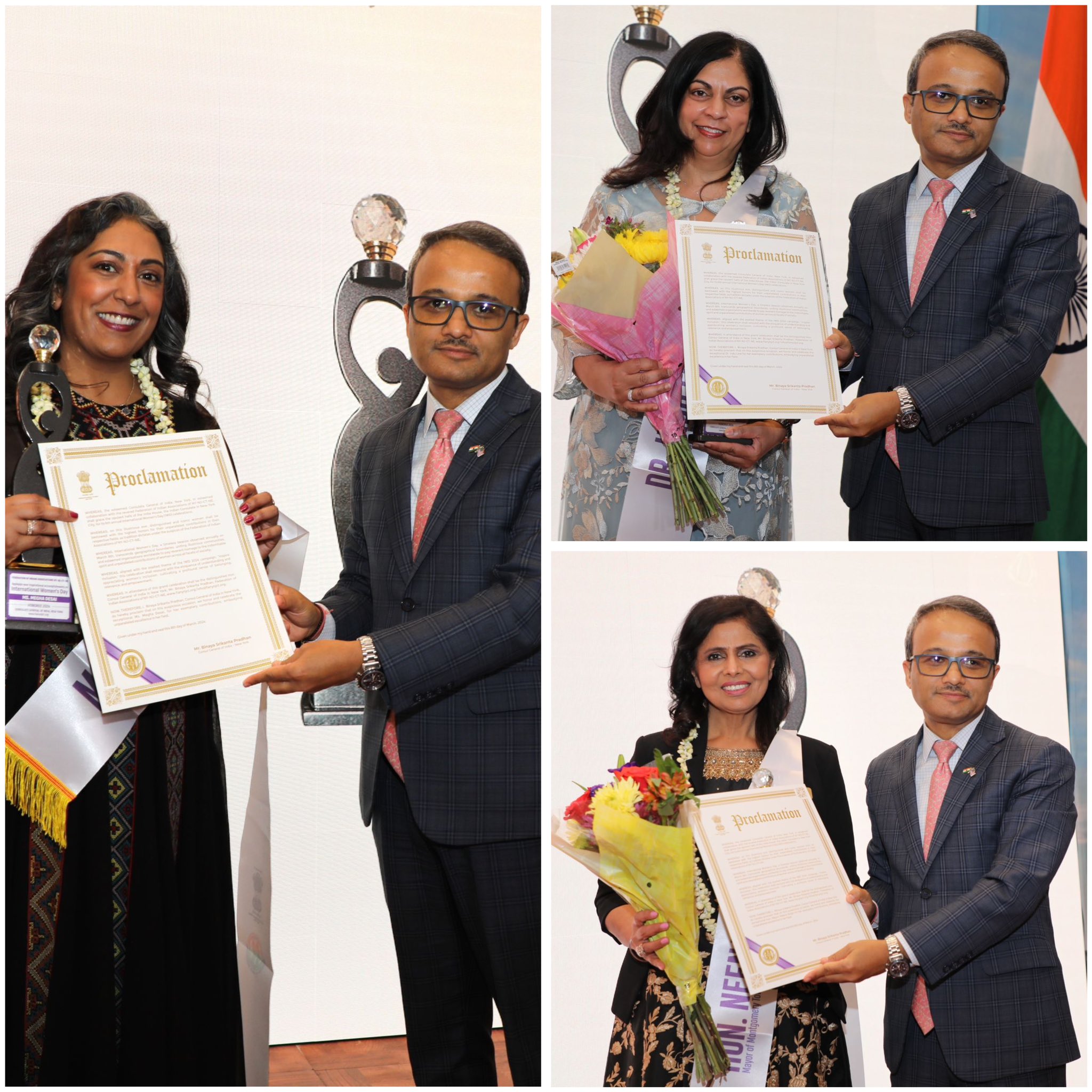 The celebration commenced with a welcoming Meet & Greet, followed by a digital showcase of the FIA’s history of furthering diversity and gender equality. Payal Shah, Co-chair of International Women’s Day, emceed the event.
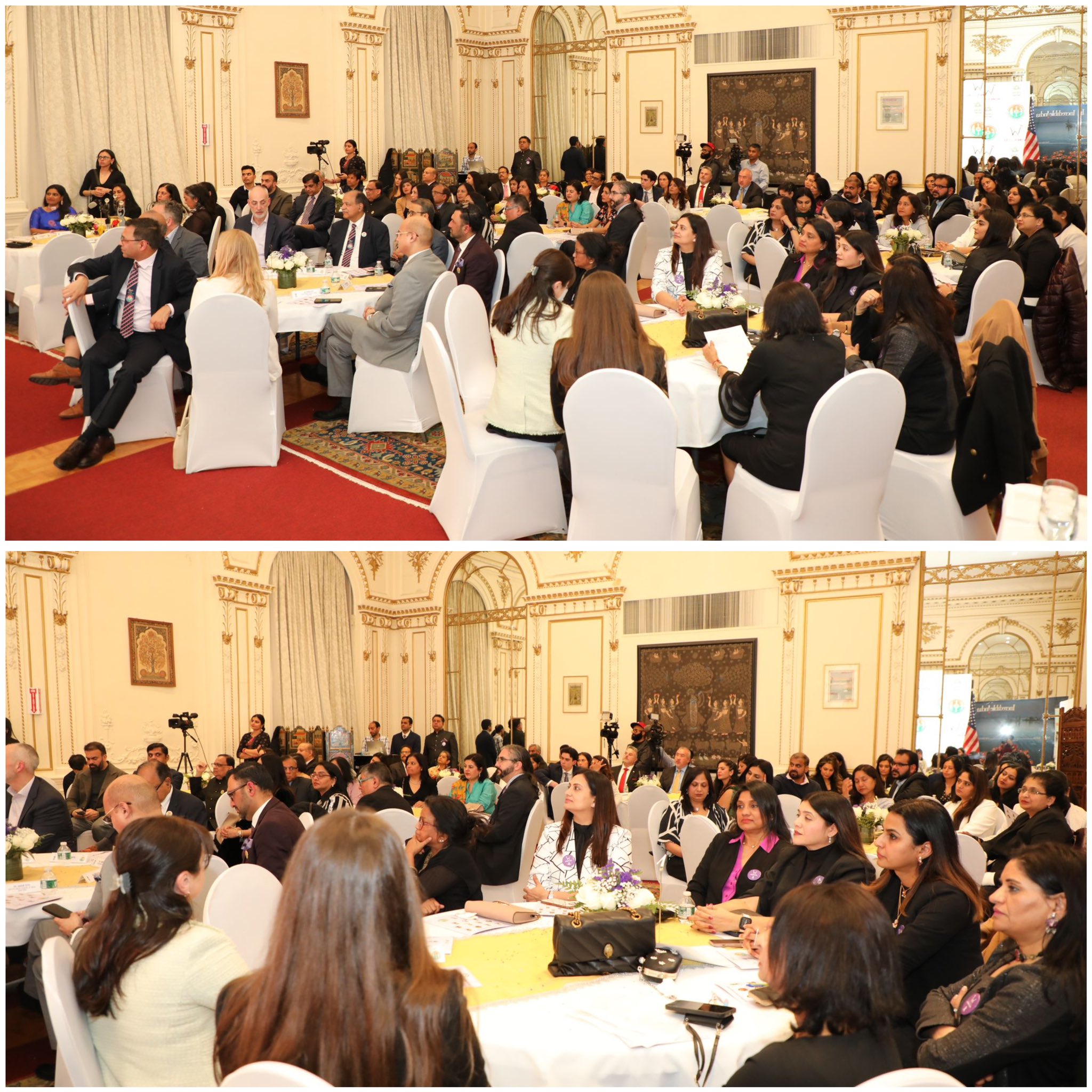 youth to be mentored in various departments in the Township “Representation matters,” Singh said, adding, “We are making a mark in this country.”
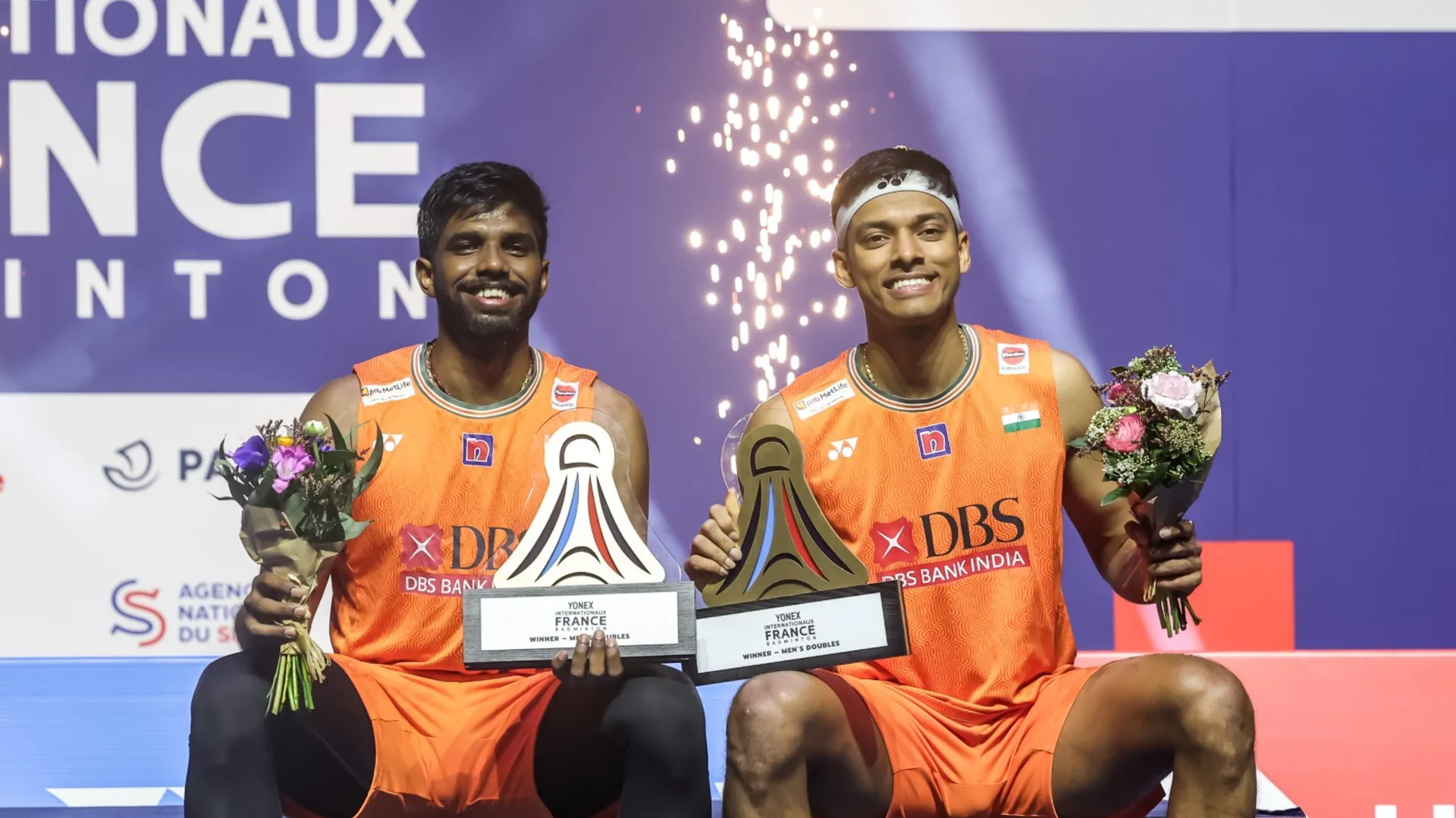 In the end, Chirag talked about their participation in the upcoming edition of the Paris Olympics 2024, which will be played in the same venue as the French Open 2024.
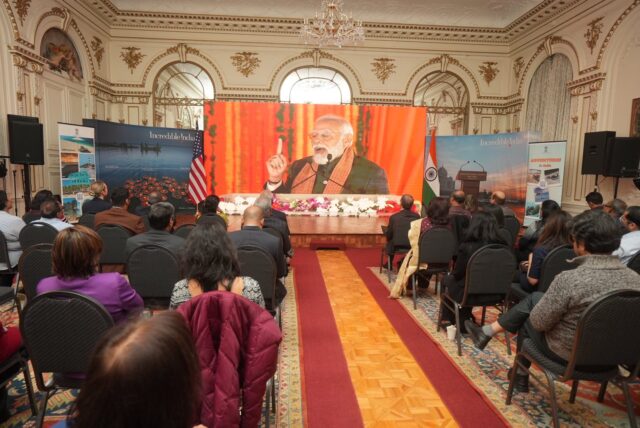 India’s Consul General in New York Binaya S. Pradhan, speaking at March 7, 2024 event at Consulate. PHOTO: X @IndiainNewYork
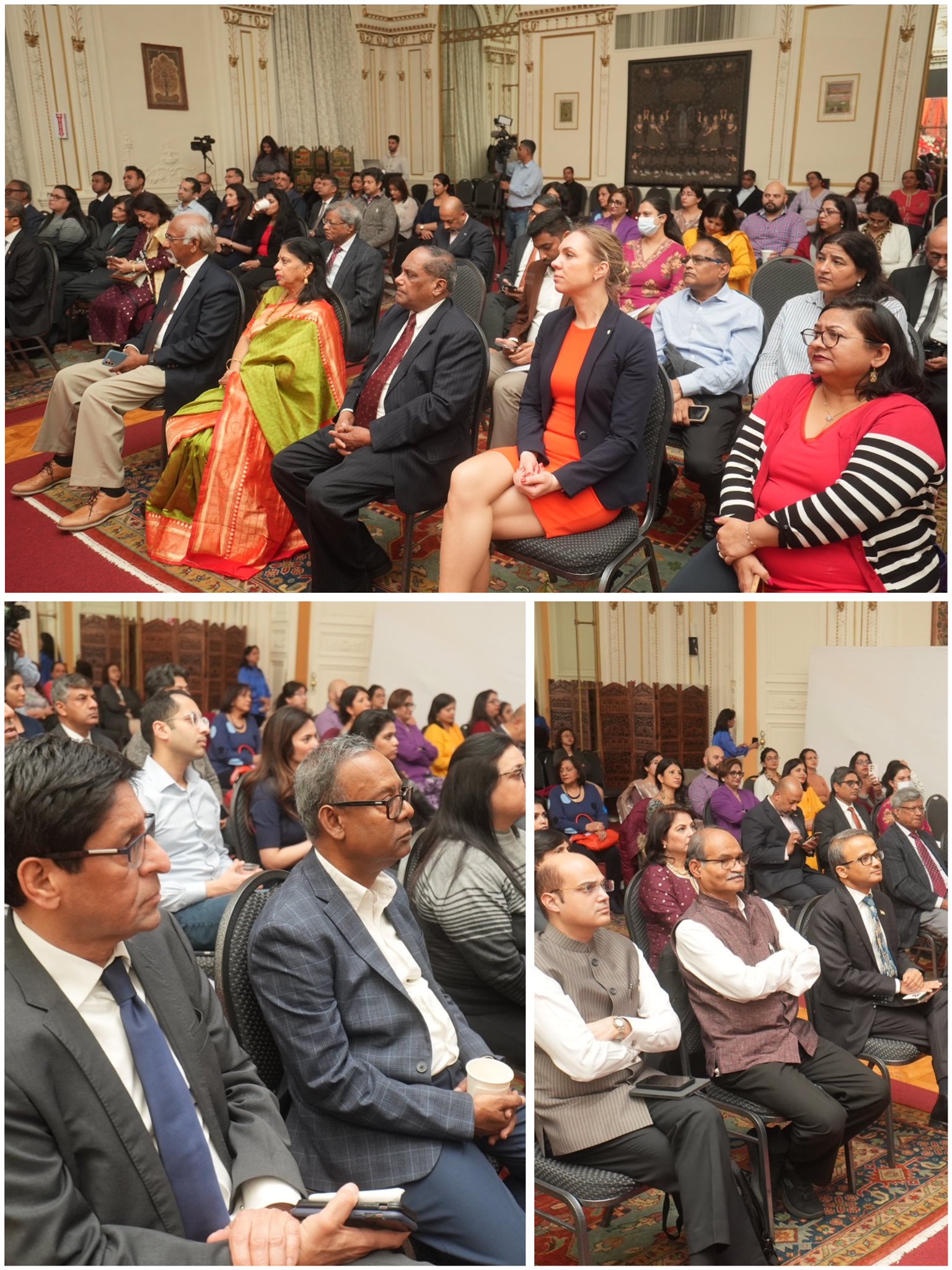 only 2% in terms of tourist spending, which is around $20 billion.
 In short, excessive phone usage is going to do you and your children harm. And what you may be passing off as a lifestyle aberration, may be the symptom of a larger disorder taking shape for e.g. eye strain and lack of concentration may be the trigger point for ADHD (attention deficit hyperactivity disorder) aggravated by years of mobile phone usage.
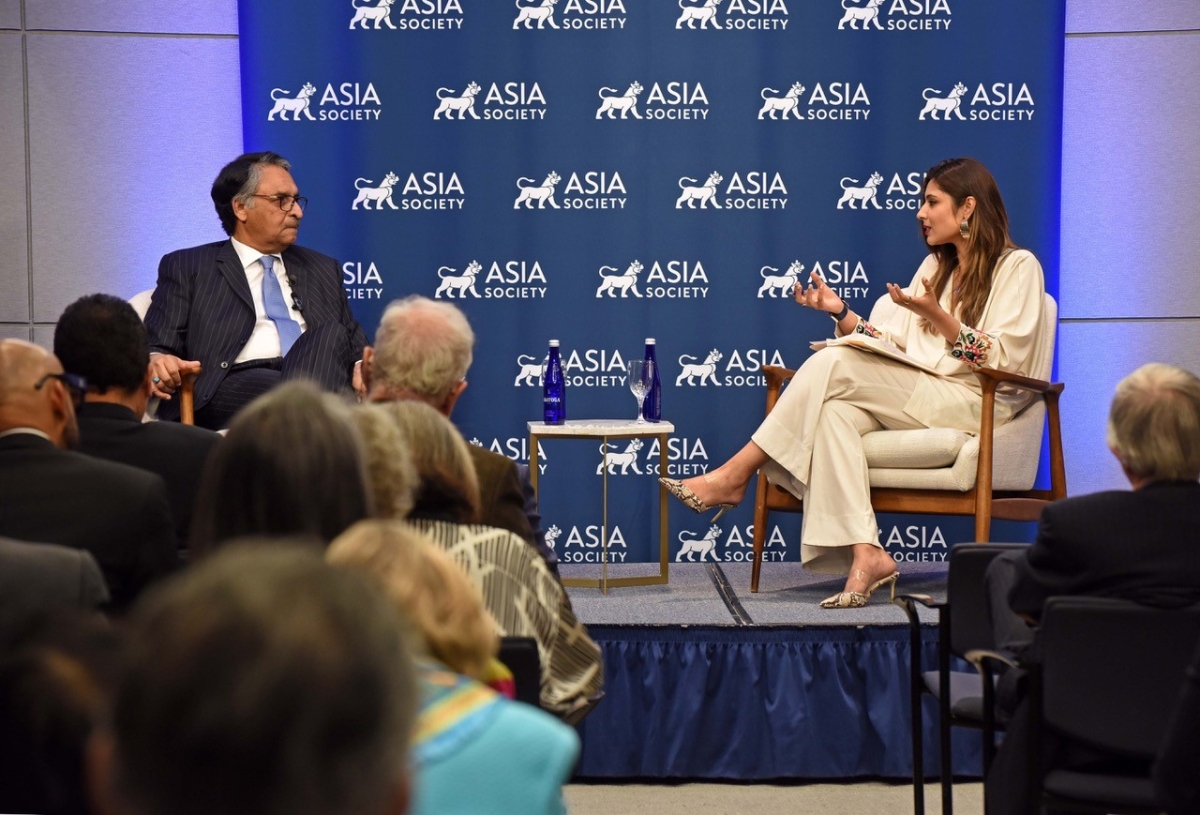 Director Aamer’s work often focuses on the importance of transboundary water politics including a multitude of publications, interviews, and panels like her upcoming panel,
  Box Office Guru Media will be presenting a panel at Canada House (Swan Dive, 615 Red River St, Austin) on Monday, March 11 from 3pm-4pm. Title and description below: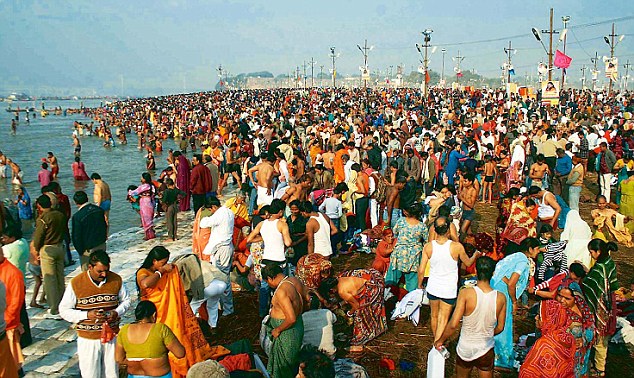
 Founded in 1989, Sakhi has been at the forefront of advocating for gender justice, providing culturally competent programs, and fostering community engagement to address unique challenges faced by survivors in the South Asian diaspora. Over the past 35 years, Sakhi has worked tirelessly to build safer, more equitable communities for all.
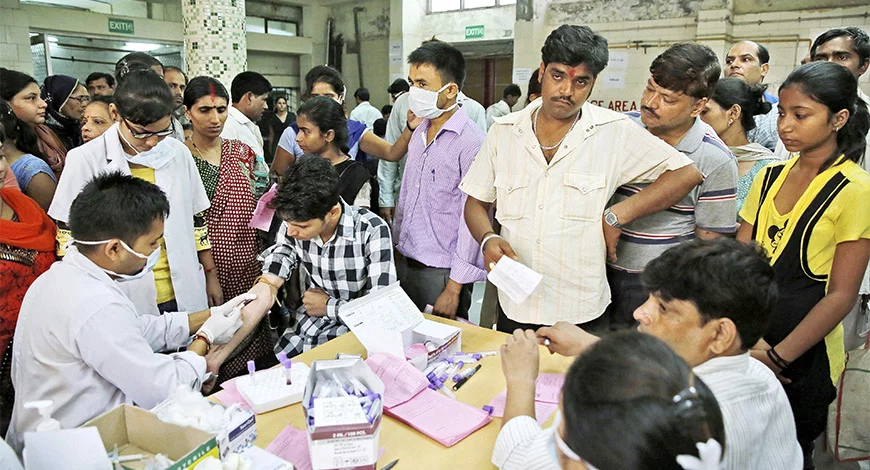 Cureus is an online platform that utilises crowdsourcing to share and promote medical knowledge worldwide, without paywalls.
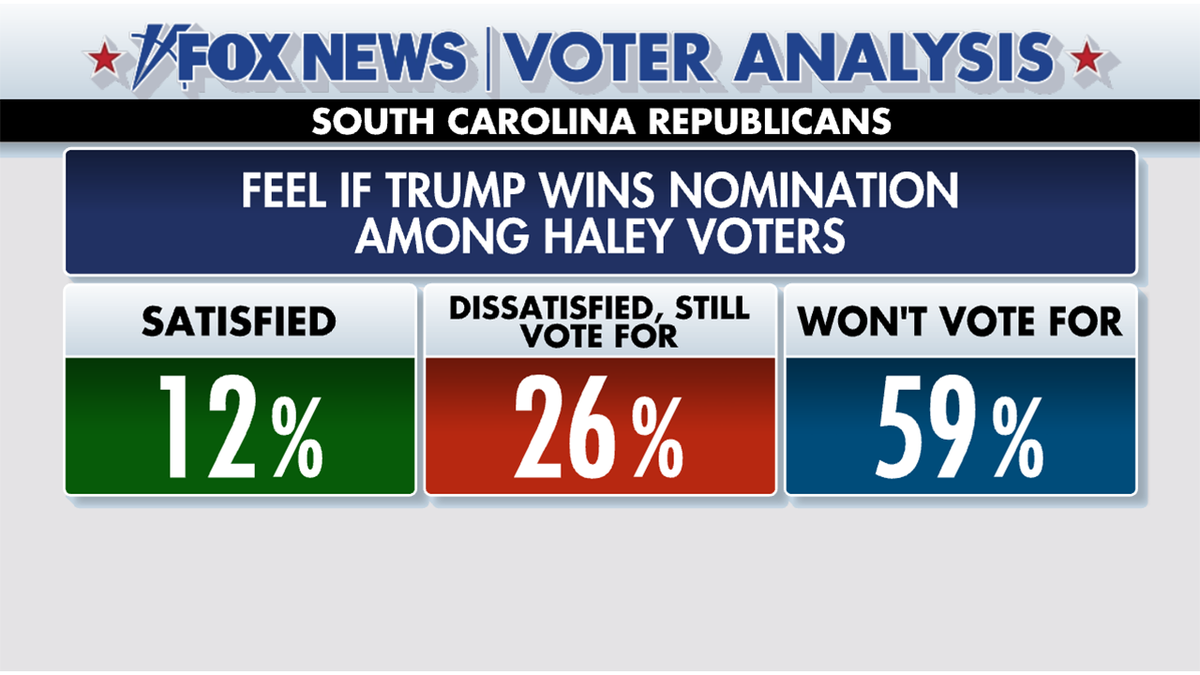 However, others feel differently. According to The Hill, Trump has reasons to be optimistic. He almost never led in any polls during the 2020 election cycle, yet he still came within a few thousand votes of pulling off a second narrow Electoral College victory. In contrast, he now leads in nearly every national poll. He also leads or ties Biden in every important swing state.



 T. Shankaranarayanan Nandakumar, popularly known as “TSN” has played a pivotal role in spreading the knowledge about Indian drums, particularly the mridangam in the United States through his stage performances at prestigious orchestras, participation in global music events, educational initiatives and contributions, collaborations, global impact, and philanthropic endeavors. He has demonstrated a commitment to social responsibility through charity work, including organizing a 24-hour non-stop Akanda Seva Bhajan in aid of India’s tsunami victims.
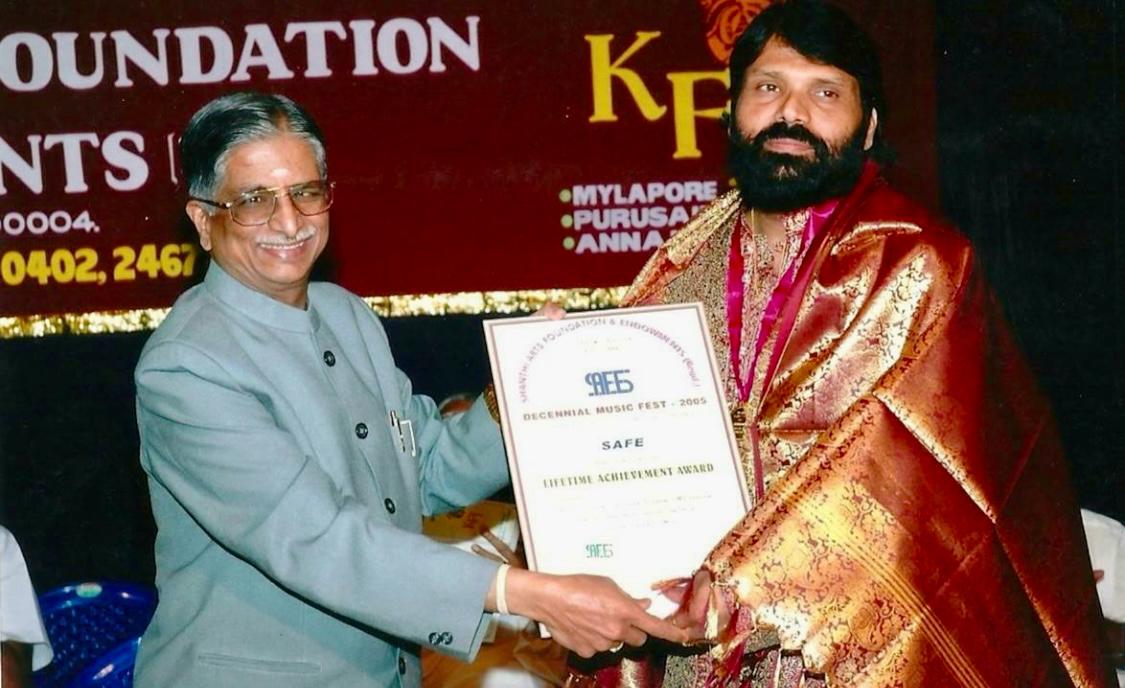 take music with him wherever he goes. TSN’s participation in international festivals and workshops has contributed to the global awareness of Indian percussion, showcasing the richness of Indian drumming traditions and providing a platform for cross-cultural exchange. By actively participating in musical collaborations and performances in the United States, TSN not only showcases the beauty of the mridangam but also educates audiences about the intricacies and significance of this traditional Indian percussion instrument.
 and drumming traditions. This indirect form of education occurs as audiences experience the artistry and cultural depth of the mridangam during performances.
 students to refine their skills and collaborate within the realm of Carnatic arts. Upon migrating to New Jersey, USA, TSN seamlessly incorporated TSNPAC, offering courses in higher learning for Carnatic percussion enthusiasts in the United States. Today, TSNPAC stands as a beacon for aspiring artists seeking to master the intricacies of Carnatic percussion.
 TSN has performed at the Thyagaraja Festival, a prestigious and culturally significant experience for Carnatic musicians. Thyagaraja Aaradhana Festival in Cleveland, Ohio, is the largest Indian classical music festival outside of India.
 artists, without prior rehearsal, which is a unique approach that serves as a culminating experience for their graduation from the Center. TSNPAC’s significant milestones include a decennial celebration marked by a grand performance featuring over 100 students. The center conducts Mridangam Arangetram annually, where students, without prior rehearsal, accompany main artists like A. Kanyakumari, culminating in a graduation ceremony. They follow in his footsteps by training their own students in the style of TSN and continuing to promote Carnatic percussive arts.
 their expertise in Carnatic Music include Paula Jeanine, Todd Isler, Johann Berby, Guillaume Barraud, Will Calhoun, Bill Buchen, Lenora Zenzlai Helm, and Bernhard Schimpelsberger. TSNPAC’s legacy embodies a commitment to excellence, providing a platform for students to explore and flourish in the rich tapestry of Carnatic music.
 of mridangam, konnakol, thavil, ghatam, kanjira and the morsing played by himself. Author of several books, to educate students to the themes of Indian Percussive Arts, TSN is currently working on writing books that cover advanced topics.
 Son of Shrimati Saraswati and Shri Balakrishna Panicker, a great supporter of the arts as member of the Devaswom board in Kerala and actively involved in promoting Carnatic devotional music in temples and organizing concerts, TSN was born in the village of Ambalappuzha in Kerala, India. As a child, he was fascinated with the rhythmic chants and bhajans. Nandakumar soon became a ‘Laya Vidwan’ due to his mastery of Carnatic percussive components: Laya, Raaga, Thaala and Bhava.
 As a young prodigy, TSN gained a reputation as an accompanist to renowned Carnatic musicians such as Semmangudi Srinivasa Iyer, M.D. Ramanathan, S. Ramanathan, R. K. Srikantan, V. Dakshinamurthy, Bhimsen Joshi, N. Ramani, M. Balamuralikrishna, T. N. Krishnan, K. J. Yesudas, N. Rajam, T. K. Govindarao, Nedunuri Krishnanmurthy, T. V. Gopalakrishnan, Parassala . B. Ponnamal, A. Kanyakumari, M. Chandrasekaran, D. K. Jayaraman, B. V. Raman, B. V. Lakshmanan and many others.
 Foundation in Chennai. He was awarded the “Best Teacher Award” from several organizations with the most prominent being awarded by Shanmukhananda Fine Arts and the Cleveland Thygaraja Aaradhana Festival and by the Shanmukhananda Fine Arts, Sangeetha Sabha, Mumbai in 2007, Bharat Ratna Dr. M. S. Subbulakshmi Sangeetha Pracharya Award), and Visionary Award by Academy of Indian Music, USA.