
Silent voicemails from rotating numbers are inundating users’ inboxes, raising concerns about ringless voicemail spam and potential callback scams.
In a perplexing situation, Mike from Westport, Connecticut, has been receiving silent voicemails every 20 to 30 minutes, despite his phone never ringing. He expressed his frustration, stating, “I am so upset. Every 20 to 30 minutes, I am getting voicemails, but what’s weird is my phone never rings. After blocking the number, it just rolls over to a new source number. When I go to play the message, there is no audio. Is this a scammer just trying to get me to call them back? Not sure what the endgame is here. What can I do to stop this from happening? I really appreciate your help.”
Mike’s experience highlights a growing issue with automated spam activity, but it’s essential to note that a voicemail appearing without a phone ringing does not necessarily indicate the use of a “ringless voicemail” system by scammers. Various factors, including call-screening settings, wireless carrier spam filters, and automated robocalls, can lead to similar outcomes.
The Federal Trade Commission (FTC) has noted the prevalence of spam calls, and the safest approach is to treat repeated unexplained voicemails from unfamiliar numbers as suspicious. Avoid returning calls to these numbers, as they may be part of a scam.
So, what might be causing these mysterious voicemails? One possibility is ringless voicemail, a technology that allows prerecorded messages to be delivered directly to a voicemail inbox without the phone ringing. In 2022, the FCC ruled that ringless voicemail to wireless phones qualifies as a “call” under federal robocalling regulations, meaning it is subject to consent requirements when an artificial or prerecorded voice is used.
Another scenario is that the call reached your number, but your phone or carrier filtered it out before you heard it. For instance, current iPhones can silence calls identified as potential spam or fraud, sending them directly to voicemail. Additionally, Apple allows users to screen or silence calls from numbers not saved in their contacts. Automated calling systems can also result in short or silent messages when a call reaches voicemail, leading to confusion about the source of the voicemail.
Mike has also found that blocking one number does not provide a long-term solution, as another number quickly replaces it. This phenomenon is often due to caller ID spoofing, where scammers falsify the caller ID information displayed on your phone. As a result, the number you see may not be connected to the actual caller, and in some cases, it could belong to an innocent person whose number is being misused.
While a completely silent message may seem pointless, it can serve a purpose. Scammers often design these calls to provoke curiosity, prompting recipients to return the call. The FTC advises individuals receiving illegal robocalls to hang up, avoid pressing buttons, and refrain from calling back. Callback scams, such as one-ring or Wangiri scams, rely on this curiosity, with criminals placing short calls in hopes that victims will return them, potentially leading to unexpected charges.
It’s important to remember that a voicemail appearing in your inbox does not confirm that you listened to it or that a scammer has successfully identified you as a responsive target. Engaging with these calls can lead to further complications. The FTC warns that pressing buttons to remove yourself from a calling list can result in even more unwanted calls.
Robocall campaigns can operate on a massive scale, with little to no human involvement. If a call reaches voicemail but the recording fails to start correctly, recipients may end up with a blank or extremely short message. While repeated silent voicemails can indicate automated calling activity, they do not provide definitive evidence of the caller’s identity.
Receiving silent voicemails does not necessarily mean your phone has been hacked. More likely, the calls are being routed, screened, blocked, or sent to voicemail without any malicious intent. However, it is crucial to remain vigilant for other warning signs. If your phone suddenly loses cellular service, you stop receiving verification codes, or your carrier reports unexpected changes to your SIM or eSIM, these could indicate a SIM swap scam.
If you notice unexpected changes to your voicemail greeting, voicemail PIN, or call-forwarding settings, it is advisable to contact your carrier. For individuals like Mike, who are experiencing repeated silent voicemails from rotating numbers, reaching out to the wireless carrier is a prudent step. Inquire about network-level spam controls and what measures can be taken to prevent unwanted callers from reaching your voicemail.
While it may not be possible to eliminate every unwanted voicemail, there are steps you can take to reduce disruptions. If you receive a voicemail without a meaningful message from an unknown caller, it is generally best not to return the call. Legitimate callers with important information will typically identify themselves in a voicemail or attempt to reach you again.
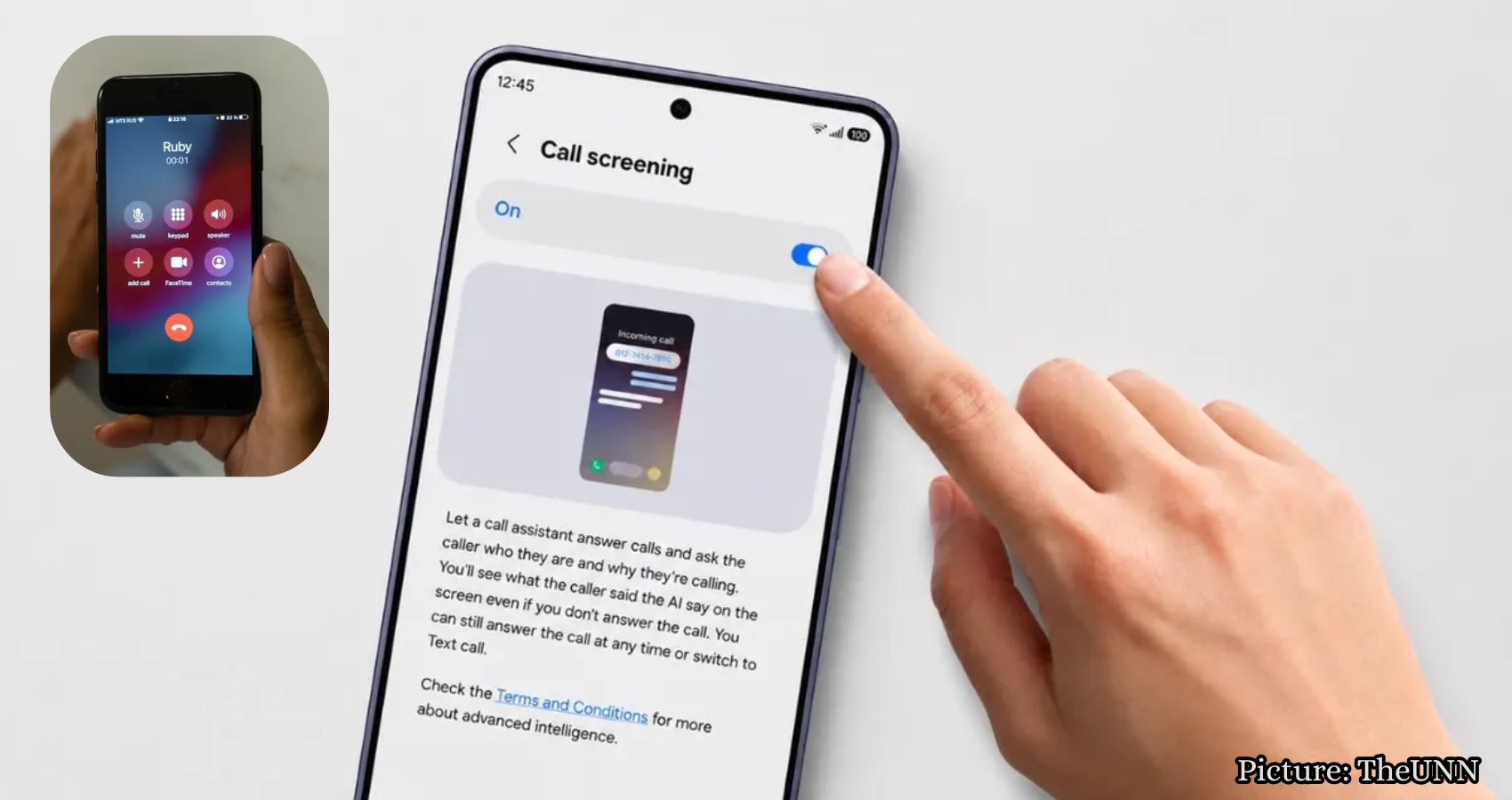
For those using iPhones, various settings can help manage unknown and suspected spam callers. Turning on call screening allows calls from unknown numbers to provide additional information before your phone rings. This feature can help you decide whether to answer. Additionally, enabling spam filtering can silence calls identified as potential spam or fraud, sending them directly to voicemail.
Samsung Galaxy users also have access to caller ID and spam protection features, which can block calls identified as spam or scams. The AI-powered call screening feature on compatible Galaxy phones can provide live transcriptions of unknown callers, allowing users to determine whether to accept or reject the call.
For Mike’s situation, where silent messages arrive frequently, contacting the wireless carrier is essential. They can provide insights into how the calls are reaching your line and what spam controls are available. Call-blocking and call-labeling tools can also help identify known spam patterns before you answer.
Scammers and marketers can acquire phone numbers through various means, including databases and data brokers. While reducing online exposure may not eliminate every unwanted call, it can help limit the information available to potential scammers. Consider submitting removal requests to data brokers or using reputable data removal services to manage your personal information.
While antivirus software will not prevent silent voicemails from reaching your phone, it is crucial for protecting against phishing attempts, malicious websites, and malware. Strong security software can provide an additional layer of protection if a scam attempt extends beyond voicemail.
If you receive illegal robocalls, the FTC encourages reporting them at DoNotCall.gov. Providing detailed information can assist regulators in identifying calling patterns and support enforcement efforts. For those who have lost money or shared personal information with a scammer, filing a fraud report at ReportFraud.ftc.gov is also recommended.
In conclusion, receiving voicemail notifications without your phone ringing can be unsettling, particularly when they come from various numbers. While ringless voicemail technology exists, other factors such as call screening and automated robocalls can also lead to these occurrences. The key takeaway is to avoid engaging with suspicious callers and to utilize your phone’s spam controls. For Mike, the ongoing issue of silent messages suggests automated spam activity, but it does not indicate that his phone has been compromised. For more insights on this topic, listen to The CyberGuy Report podcast.
Have you ever encountered a voicemail on your phone that you were sure never rang? Share your experiences with us at Cyberguy.com.
According to CyberGuy.