What do people value in life? How much of what gives people satisfaction in their lives is fundamental and shared across cultures, and how much is unique to a given society? To understand these and other issues, Pew Research Center posed an open-ended question about the meaning of life to nearly 19,000 adults across 17 advanced economies.
How we did this
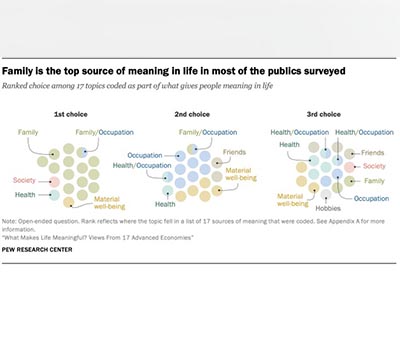
From analyzing people’s answers, it is clear that one source of meaning is predominant: family. In 14 of the 17 advanced economies surveyed, more mention their family as a source of meaning in their lives than any other factor. Highlighting their relationships with parents, siblings, children and grandchildren, people frequently mention quality time spent with their kinfolk, the pride they get from the accomplishments of their relatives and even the desire to live a life that leaves an improved world for their offspring. In Australia, New Zealand, Greece and the United States, around half or more say their family is something that makes their lives fulfilling.
“The most important thing for me is work. I think it is very important to build my career, to build my life, so that I’m doing better and better. And the way to do that is to take a lot of personal responsibility and work hard.” –Man, 25, Netherlands.
Publics are also largely united in the relative emphasis placed on careers and occupations. Jobs are one of the top three sources of meaning for people in most places surveyed. Still, the emphasis placed on them can vary widely, from a high of 43% in Italy to a low of 6% in South Korea.
And although in Italy as many cite their occupation as cite their family as a source of meaning, in places like the U.S., only around a third as many cite their careers. While some specifically describe their careers and what is meaningful about them – e.g., a cybersecurity worker who enjoys seeing his contributions in practice or a teacher who enjoys helping to inform children about history – others more generically mention enjoying their work or their colleagues or feeling intellectually challenged.
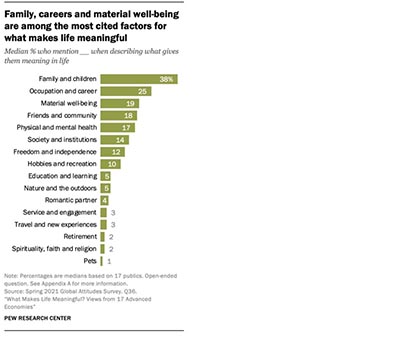
Many also highlight the importance of having one’s basic financial needs met – or even having some level of luxury – in order to lead a meaningful life. In nine of the 17 publics surveyed, material well-being is one of the top three factors people cited and, in most places, around one-in-five or more mention it. In South Korea, it even emerges as the top source of meaning. Still, the lifestyle elements respondents cite run the gamut from “food on the table” and “a roof over my head” to “a decent income to support my family” and “no debt” to “enough money” to enjoy riding motorcycles or other activities like travel.
“Being comfortable and stable with basic needs (food, shelter, health care and public education for my child) and a little extra (maybe going out to dinner or a vacation).” –Woman, 51, U.S.
Health, too, is relatively top of mind, coming up as one of the top three sources of meaning for people in around a third of the places surveyed.
Still, the relative emphasis on health can vary widely, from 48% who mention it in Spain – making it the top source of meaning for Spaniards – to only 6% who say the same in Taiwan. For some, specific health problems cause them to value their health – such as one American woman who noted, “God gave me life, He pulled me through cancer. Life is precious and we only have one chance at it.”
Others more generally note health as a prerequisite for other sources of meaning, emphasizing “being healthy” or “still breathing” as part of a list of things they value. Exercise and a healthy lifestyle are also touted as sources of meaning.
Notably, for most, this emphasis on health is not tied directly to the COVID-19 pandemic. Although there is a widespread sense in most publics surveyed that the global pandemic has changed people’s lives, in most places, people who mention health as something that gives them meaning are no more likely to mention COVID-19 than those who do not prioritize health. Some people who mention both do so because they have health problems that have been compounded by the disease, causing additional difficulty.
One American described her situation in the following way: “Currently, being self-quarantined due to health issues and to keep away from COVID, God is what keeps me going,” while another described their predicament as “years of personal work to overcome anxiety and depression [that] took a hit with social distancing.”
Still, others who mention both health and COVID-19 in their responses are largely appreciative of their health because of the global pandemic. One American woman summarized her experience as: “I had COVID and it was the scariest thing and it really changed my outlook on life.” A Dutch man also emphasized the importance of healthy living even in a pandemic context: “What I find important for a fulfilling life are things like: to do sports, meaning active exercise 2 to 3 times a week; to eat a varied diet … now in this pandemic, you still have to make sure that you get enough exercise and try to bring structure into your life by making day or week schedules.”
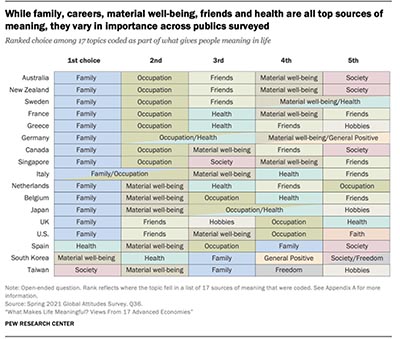
In fact, how a topic like COVID-19 comes up – or doesn’t – highlights where the commonalities end and the differences between these 17 advanced economies emerge. Take Taiwan as an example. In Taiwan, society – or the institutions and attributes of where people live – is the top source of meaning, above family, occupation and material well-being.
Two women in Taiwan emphasize ease of living on the island: “Food, clothing, housing, and transportation are all convenient. Life is safe and tranquil,” and “There are many convenient stores in Taiwan … The public health insurance system is good; medical service is convenient.” Others note their satisfaction with Taiwan’s political system. One woman claimed she is “fortunate to live in Taiwan, especially in the aspect of public health, democracy, and the rule of law and human rights, because it is very free.”
A young man simply noted, “Living in Taiwan is very free, freer than China and Hong Kong.” Some specifically mentioned their government’s response to the COVID-19 pandemic, like a woman who listed the island’s “stable economy, well-controlled new COVID-19 pandemic, [and] easy access to medical care” as meaningful. Taiwan is one of the few societies – the others are also largely in the Asia-Pacific region – where references to COVID-19 do not tend to coincide with negativity; instead, most praise how well their government has handled things.
The topic of faith, religion and spirituality is also one where some societies notably differ. Outside of the U.S., religion is never one of the top 10 sources of meaning cited – and no more than 5% of any non-American public mention it. In the U.S., however, 15% mention religion or God as a source of meaning, making it the fifth most mentioned topic. For some, the emphasis on religion is about their personal relationship with Jesus: “I follow Jesus so my faith and hope is based on how he plays a role in my life.
I don’t rely on any human to benefit my life.” Others note the benefits that come from being part of organized religion, such as camaraderie in a tough time: “My husband just died, so life is not very fulfilling right now. The support of family and friends, church, and his coworkers have helped me find meaning, as well as thinking about the good things we shared.” Evangelical Protestants in the U.S. are much more likely than mainline Protestants to mention faith as a source of meaning – 34% vs. 13%, respectively. Across all U.S. religious groups, those who attend religious services more often are much more likely to cite their religion in their answer than those who are less frequent attendees.
“I find [living] within [New Zealand] satisfying. We live in a country which has natural beauty and has a great deal of respect for nature which in turn helps us get a better connection to the country. I like going outside, going for a run every day, and seeing blue skies, forests and the wonderful people and it has a positive impact on my mental health, and especially compared to other countries I’ve been to.” –Man, 18, New Zealand
The United Kingdom, Australia, France, New Zealand and Sweden also stand apart for the relative emphasis they place on nature compared to many other places surveyed. In each of these countries, nature is one of the top eight sources of meaning. In the UK, too, hobbies and activities are revered by many: Around one-in-five mention their hobbies as something that gives them satisfaction in life, ranking only behind family and friends. (To explore more about how each society is similar – or different – and to read about where people get meaning in their own words, please see “What people around the world say about the meaning of life.”)
When discussing what makes life meaningful and fulfilling, a median of 10% across the 17 publics surveyed also mention challenges or difficulties that have interfered with their search for happiness. Once again, this varies substantially across the publics surveyed, with around one-in-five mentioning hardships in Italy, but only 5% or fewer saying the same in New Zealand and the UK.
In some places surveyed – including Italy, the U.S. and Spain – those who mention their society, places and institutions are also more likely to mention challenges or difficulties. In South Korea and Taiwan, the opposite is true: In both of these publics, those who mention their society are less likely to mention negative things. People who find meaning in their family or their friends also tend to be less likely to mention difficulties or challenges, and the same is true of those who mention education and learning or their hobbies.
Why this report focuses on topic rankings in addition to percentages
There is some variation in whether and how people respond to the open-ended question. In each public surveyed, some respondents said that they did not understand the question, did not know how to answer or did not want to answer. The share of adults that did so ranged from 23% in the U.S. to 1% in Spain.
In some publics, people also tended to mention fewer things that make life meaningful in their response than did people surveyed elsewhere. For example, across the 17 publics surveyed, a median of 34% responded to the question about what gives them meaning in life by mentioning only one of the topics researchers coded (e.g., family). The shares in South Korea and Japan are much higher, with at least half only bringing up one source of meaning when providing a response.
These differences help explain why the share giving a particular answer in certain publics may appear much lower than others, even if the topic is the top mentioned source of meaning for that given public. To give a specific example, 19% of South Koreans mention material well-being while 42% say the same in Spain, but the topic is ranked first in South Korea and second in Spain. Given this, researchers have chosen to highlight not only the share of the public who mention a given topic but also its relative ranking among the topics coded, both in the text and in graphics.
These are among the findings of a new analysis of an open-ended question about meaning in life, which was part of a Pew Research Center survey conducted Feb. 1 to May 26, 2021, among 18,850 adults in 17 advanced economies.
In addition to similarities and differences between the publics surveyed, the analysis also reveals broader patterns in where people find meaning based on their age, gender, income and political ideology, among other factors. Some of these additional key findings include:
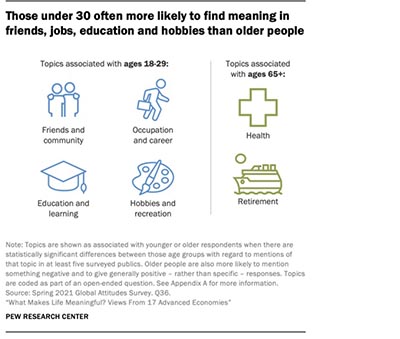 Younger people tend to emphasize their friends, education and hobbies as sources of meaning more so than older people. For their part, older people are more likely to discuss retirement and health than younger ones. Older people are also somewhat more likely to discuss challenges and negative things when discussing what gives them meaning than younger ones.
In most respects, men and women are quite similar with regard to what gives them meaning. But women are somewhat more likely to mention family as a source of satisfaction in their lives than are men in most places surveyed. Women are also somewhat more likely to emphasize their health than are men. People with higher levels of education and higher incomes tend to be more likely to mention their family and career as things that give them meaning than are people with lower levels of education or lower incomes, respectively.1,2 Mentions of service and civic engagement tend to be higher among those with more education. Those with lower incomes are also somewhat more likely to cite challenges in their lives when discussing what gives them meaning than those with higher incomes.
Those who place themselves on the left of the ideological spectrum are more likely to cite nature as a source of meaning than those who place themselves on the right. They are also more likely to mention their friends and hobbies, whereas those on the ideological right mention religion more often.
In the U.S., partisanship also sometimes plays a role. For example, Republicans and Republican-leaning independents are about twice as likely than their Democratic counterparts to bring up freedom and independence. Americans today – and especially Republicans – have also become more likely to mention freedom and independence as a source of meaning in life since 2017. For more on this and other changes over time, see “Where Americans find meaning in life has changed over the past four years.”










 These individuals have always been present in Indian society, and on a large scale. In January 2020 Gleeden – an extramarital dating app presented a study, conducted by IPSOS, about the state of Infidelity in India. According to the results gathered by IPSOS, 55 per cent Indians had already been unfaithful to their current partner at least once at the time of the interview out of which 54 per cent were men and 56 per cent were women. This is shows exactly the state of a “happily ever after” marriage in India. The important question to decode here is if someone is unhappy in their marriage why not just break it off, move on and divorce your partner?
 The reasons for disparities among the countries, not surprisingly, has to do with how resilient their health-care systems are at bouncing back from the burden of caring for COVID-19 patients. It also relates to the countries’ underlying health trends that had been in place before the pandemic.
 “Count blessings, not sheep,” Seppälä says. Research in the
 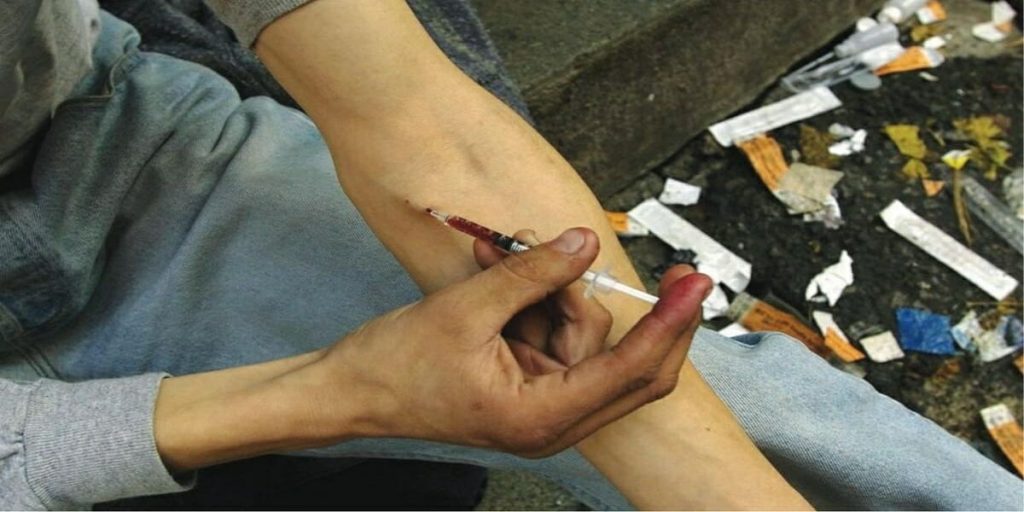 The burden of fatal and nonfatal overdoses among those who inject drugs has also gone up sharply, according to CAMP’s research. Injection-related overdose deaths tripled from 2007 to 2018. Data also shows that there are about 40 nonfatal overdoses for every fatal overdose of IDU.
 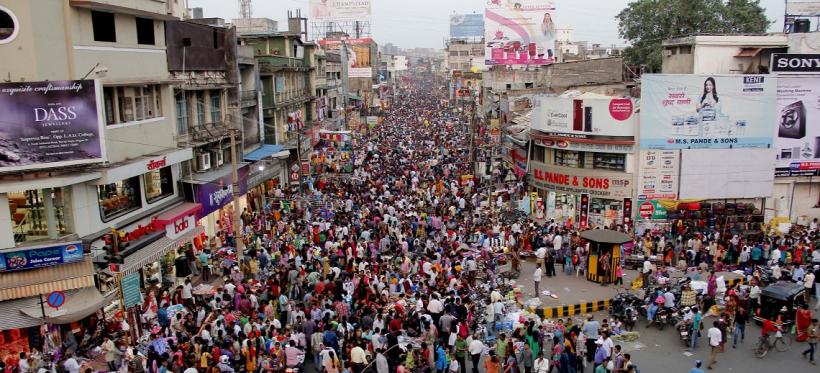 By this November, the planet will be home to 8 Billion people. That overall population milestone “is a reminder of our shared responsibility to care for our planet and a moment to reflect on where we still fall short of our commitments to one another,” Secretary General Antonio Guterres said, without citing specifics.
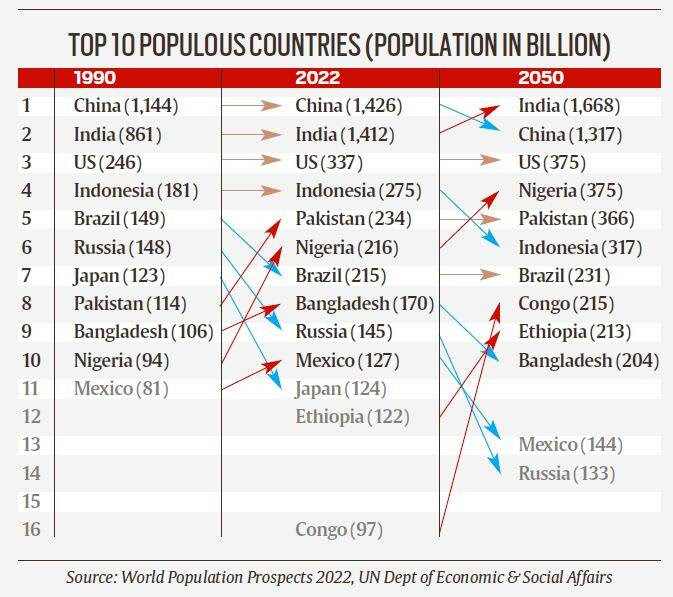 More than half the growth we will see in the next 30 years will happen in just eight countries – the Democratic Republic of the Congo, Egypt, Ethiopia, India, Nigeria, Pakistan, the Philippines and Tanzania.
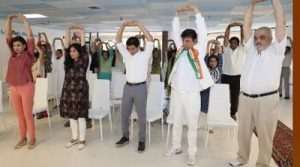 GOPIO-Manhattan Secretary Bhavya Gupta was the MC for the event which was hosted in the presence of Dr. Thomas Abraham, Chairman of GOPIO International as well as distinguished members of GOPIO International and its chapter officials from the Northeast of USA and many viewers from all over the world. The event was also supported by The Indian Panorama, Indian American Forum, GOPIO Chapters (New York, Central New York, Central Jersey, Edison and Connecticut).
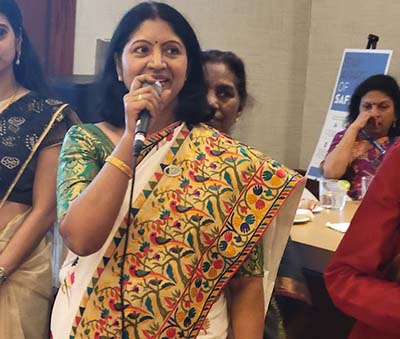 A major theme during the 40th annual convention is “Physician, heal thyself,” acknowledging and seeking to respond to the growing signs of burnout among physicians, by offering positive remedial resources as part of the first-ever Wellness Program being offered to participants at the 40th annual Convention of AAPI to be held in san Antonio from June 23rd to 26th, 2022 at Henry B Gonzalez Convention Center.
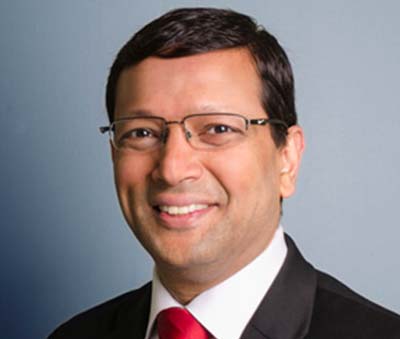 The Convention will honor India and its 75 years of Independence Day celebrations- co-sponsored by the Embassy of India & the Consulate General of India (CGI) – Houston.
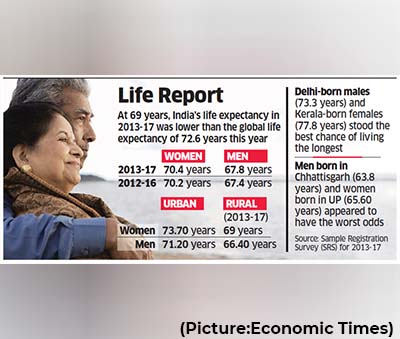 A look at life expectancy at age one and at age five in this period suggests high infant and under-five mortality could be the reason India finds it difficult to raise life expectancy at birth faster.
 If yes, this is probably because of your environment and poor pre-sleep discipline. To have the sleep that you are looking for, you need to work hard. Create an environment, which works best for you.
 In recent years, major alcohol companies including
  The event featured guest speakers from various fields such as civil rights, business, community, and nonprofit leaders to gather, speak, learn from and brainstorm with each other. The event unpinned the all important thought that when we engage in difficult conversations about unlearning prejudice acquired in our respective communities, when we work together and support each other, and when we speak with one voice, it is incredibly powerful.
 That marks a significant departure from the disease’s typical pattern of spread in central and western Africa, where people are mainly infected by animals like wild rodents and primates and outbreaks have not spread across borders.
 Sister André enjoys chocolate and wine — and drinks a glass every day — her nursing home, Résidence Catherine Labouré, confirmed to CNN.
 Newborns (0-3 months ): Sleep range narrowed to 14-17 hours each day (previously it was 12-18)
 With a brief exception in the summer of 2021, Covid-19 has consistently been one of the top three causes of death for the past two years in the US, an
  We are constantly tethered to technology through our smartphones, tablets, computers, and even watches, and companies are pushing our psychological buttons to make us return for more. Constant distractions are ruining our cognitive functions and leaving many prone to anxiety and memory lapses. Overuse of digital media can also have detrimental effects on physical health. Too much smartphone usage can put a lot of pressure on the shoulders, neck, and spine. Technology overuse can also lead to strained injuries of the thumbs, fingers, and wrists. Overexposure to the blue light emitted by smartphones and computers can also interrupt the circadian clock, causing sleep issues.
 In a 2012
 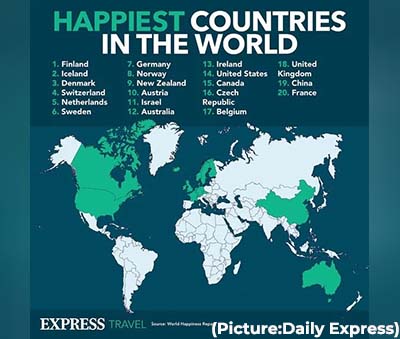 New Zealand
 Murphy said in his March 18th announcement: “This online, 30-credit graduate degree is an interdisciplinary program designed for leaders who are committed to personal, interpersonal, organizational, and societal happiness. Grounded in science and research, this new degree will study happiness and resilience to prepare graduates to make an impact in a wide range of fields.”
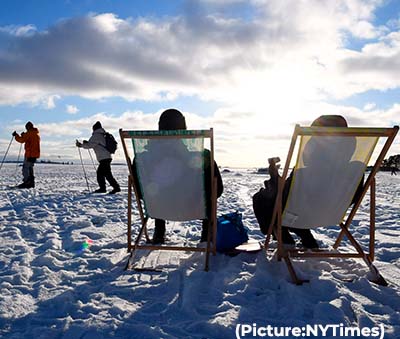 ‘Research shows that high national ranking on these surveys is not so much about culture,’ Martela notes. ‘It’s more about how a country’s institutions take care of their people – this leads to higher ratings of life satisfaction.’
 Instead, Ostrander encourages couples to pinpoint what triggers this repetitive fight, and try out ways to
  Last year’s survey was also the first time that the percentage of Americans who had sex once a month or less topped 50%. In 1989, 35% of American adults had sex once a month or less.
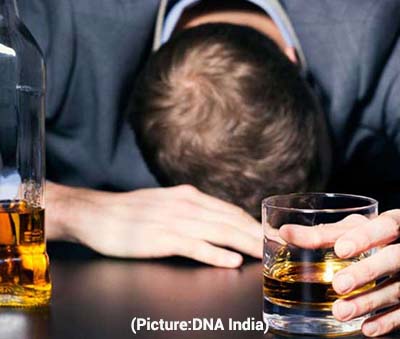 The research team studied 41,500 adult drinkers in Scotland and more than 250,000 adult drinkers in England, focusing on the original March 2020 lockdown, the easing of restrictions in July 2020 and the onset of further restrictions in September 2020 until December 2020.
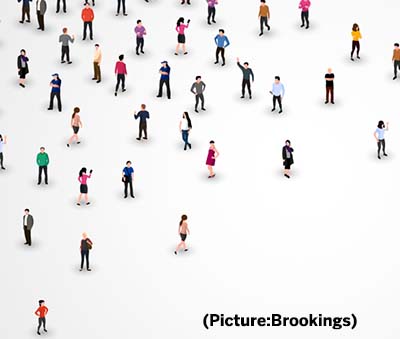 The unprecedented near cessation of U.S. population growth is depicted in Figure 1, which charts annual growth rates in the 121-year period from 1900 to 2021. Over this time, the nation experienced wide variations in growth, resulting from wars, economic booms and busts, as well as changing fertility and immigration patterns.
 My family traces its lineage to the Southern Indian state of Tamil Nadu, where our faith was shaped by thousands of years of rituals and rites of worship, some of them germane only to Tamils.
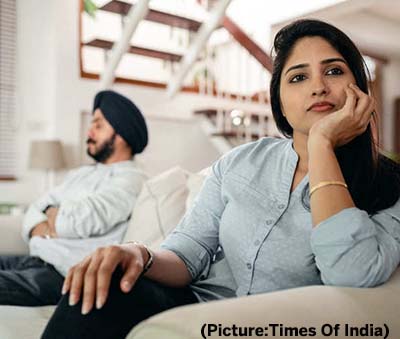 Romance: It’s all about the romance in the movies: the flowers, the fancy dinners, the mansion and valuing your life over his. It’s critical to value romance. Small things, on the other hand, are what keep it going. It’s something that both parties should work on. Do you get up early to say your goodbyes before he goes for work? When he arrives home, do you get a kiss? Even after courtship, if you practice simple things, the spark will stay. It’s up to you both to keep it alive.
 While the epidemic has caused certain mental problems, it can never be regarded casually. It is necessary to maintain vigilance since lives are at stake. A decent strategy would be to keep the interactions online for as long as feasible and then organise for ‘meets-in-person’ when the pain of nostalgia becomes too much to bear. Men and women can communicate via phone conversations, chats, and video calls while also planning meet-ups at a favourite hangout.
 Pope Francis proposes three paths for building lasting peace. First, Dialogue between Generations, second, Education and third Work. A word on each:
 The researchers found that the highest levels of inflammatory markers in men were found in those who had experienced the most partnership breakups. Inflammatory markers were up to 12% higher in the group who had spent seven or more years living alone.
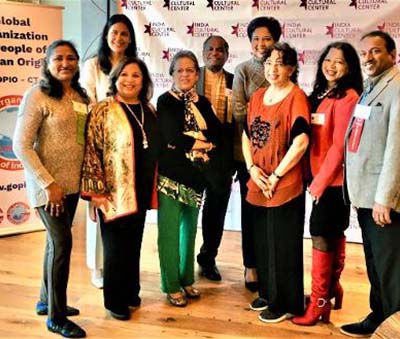 It was a sold-out program, according to a press release, to hear the famous Indian-American CEO, who is a national icon in the U.S., especially for women and immigrants to this country.
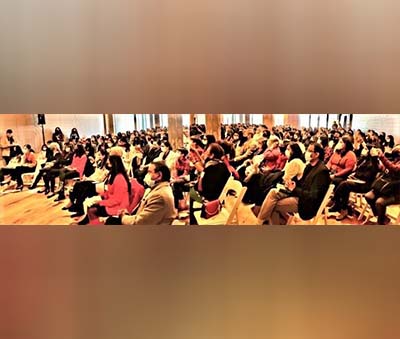 The discussion was moderated by ICC Director Mudita Bhargava, who asked a range of questions. Bhargava is also a Vice Chairman of the Connecticut Democratic Party.
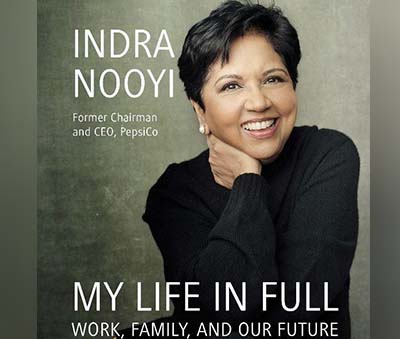 On the role of technology in our lives, Nooyi said that one needs to juggle priorities to balance work and families. On mental health, Nooyi has said “There’s a stigma attached to it, we deny this issue, however we should talk about mental health and support those dealing with it.”
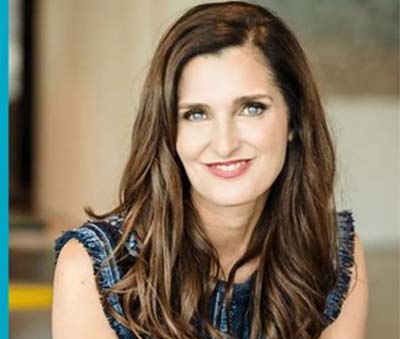 In a series of over 25 comprehensive videos, Dr. Shippy shares her recommendations and action steps on what you can do now to help prepare your body so that you’ll be better equipped to resist and fight infection. This program includes everything from diet recommendations, treatment protocols and lifestyle choices to help you elevate and improve your immune system naturally while helping to support lifelong wellness.
 “The information people decide to expose themselves to has important consequences for their health, finance and relationships. By better understanding why people choose to get informed, we could develop ways to convince people to educate themselves.”
 Globally, more than a billion people suffer from hypertension (high blood pressure), putting them at greater risk of
 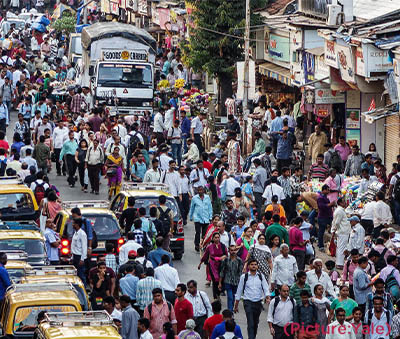 The new data has been welcomed, and is hailed as a heartening signal by government officials and researchers in a country that is expected to overtake China to become the world’s most populous sometime this decade. Since the mid-20th century, Indian leaders have tried to curb high birthrates, which are often reversely correlated with women’s welfare metrics and economic progress. A burgeoning population is seen, in the longer term, as a hurdle to development and a driver of environmental degradation and greenhouse gas emissions.
 “The things we hold sacred unite us and transcend distance, time, and even the constraints of a pandemic: faith, family, and friendship; a love of the arts, learning, and nature; gratitude, service, and community; unity and peace. These are the gifts that tie together the heart strings of our lives.”
 The Red Room, decorated to represent the gift of the performing arts, includes brass instruments hanging from the mantel. Ballet slippers, tap shoes and musical notes are strung around the tree.
 Responses to the question, “In your opinion, is a husband justified in hitting or beating his wife…,” from as many as 18 states and Jammu and Kashmir are telling.
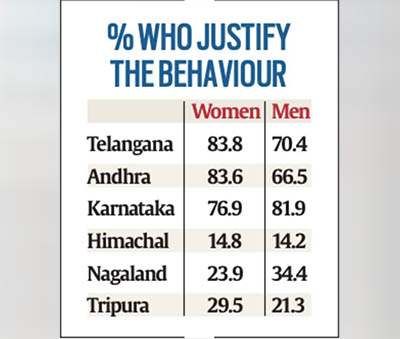 Data from the NFHS-4 (2015-2016) for the entire country released in January 2018 said that while 52 per cent of women surveyed believed it was reasonable for a husband to beat his wife, only 42 per cent of men agreed with it.
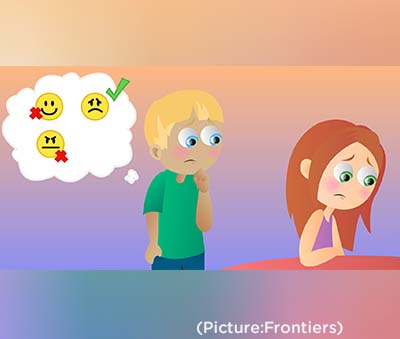 In recent years, researchers have criticised mindreading for being too complicated and demanding to be a common strategy for understanding other people. Julia Wolf provides an example of mindreading: “When I see someone running towards a bus, I infer that this person has the desire to catch the bus,” she says. “In doing so, I can either picture myself in their situation, or draw on my knowledge of general principles regarding the behaviour of others.”
 Americans are known the world over for saying “thank you”
  In American English, many of the expressions of gratitude are couched in transactional language that involves expressions of
 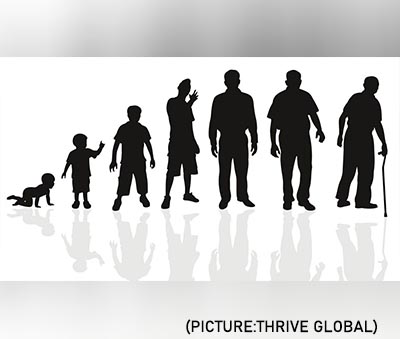 It was published in the ‘Nature Communications Journal’. Insulin and insulin-like growth factor-1 (IGF-1) signalling (IIS) is one of the evolutionarily conserved ageing-modulatory pathways present in life forms ranging from tiny roundworms to humans. The proper reduction of IIS leads to longevity in animals but often causes defects in multiple health parameters including impaired motility, reproduction, and growth.
 Happiness can only grow and flourish in a peaceful, positive, pure and powerful mind and it will die in a mental atmosphere filled with the obstacles of negativity, anger, criticism, arrogance or depression. It is as if many of us have forgotten our original positive qualities and we have been overtaken by the negative qualities that are prevalent in our world today.
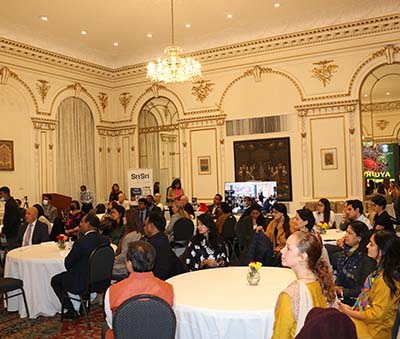 In this regard, he highlighted some data points from the WHO Global Report on Traditional and Complementary Medicine 2019 – number of countries with national policy on traditional and complementary medicine has increased from 25 in 1998 to 98 in 2019 and countries with health insurance cover for traditional and complementary medicine has increased from 37 in 2012 to 45 in 2018. Consul General underlined the vast network of scientific studies being undertaken on Ayurveda in universities in the United States and in research ecosystems across the world including in India.
 Those questions and many more like them are completely valid and worthwhile to ask. But until about 10 years ago, my answer was something like, “It is statistically difficult, if not impossible, to answer with any degree of accuracy.” (This is how quantitative scholars talk.) Until the mid-2000s, the data that most researchers had available was limited in ways that made many potential areas of inquiry problematic.