
All over the world, countries are confronting population stagnation and a fertility bust, a dizzying reversal unmatched in recorded history that will make first-birthday parties a rarer sight than funerals, and empty homes a common eyesore.Maternity wards are already shutting down in Italy. Ghost cities are appearing in northeastern China. Universities in South Korea can’t find enough students, and in Germany, hundreds of thousands of properties have been razed, with the land turned into parks.
Like an avalanche, the demographic forces — pushing toward more deaths than births — seem to be expanding and accelerating. Though some countries continue to see their populations grow, especially in Africa, fertility rates are falling nearly everywhere else. Demographers now predict that by the latter half of the century or possibly earlier, the global population will enter a sustained decline for the first time.
A planet with fewer people could ease pressure on resources, slow the destructive impact of climate change and reduce household burdens for women. But the census announcements this month from China and the United States, which showed the slowest rates of population growth in decades for both countries, also point to hard-to-fathom adjustments.
The strain of longer lives and low fertility, leading to fewer workers and more retirees, threatens to upend how societies are organized — around the notion that a surplus of young people will drive economies and help pay for the old. It may also require a reconceptualization of family and nation. Imagine entire regions where everyone is 70 or older. Imagine governments laying out huge bonuses for immigrants and mothers with lots of children. Imagine a gig economy filled with grandparents and Super Bowl ads promoting procreation.
“A paradigm shift is necessary,” said Frank Swiaczny, a German demographer who was the chief of population trends and analysis for the United Nations until last year. “Countries need to learn to live with and adapt to decline.”
The ramifications and responses have already begun to appear, especially in East Asia and Europe. From Hungary to China, from Sweden to Japan, governments are struggling to balance the demands of a swelling older cohort with the needs of young people whose most intimate decisions about childbearing are being shaped by factors both positive (more work opportunities for women) and negative (persistent gender inequality and high living costs).
The 20th century presented a very different challenge. The global population saw its greatest increase in known history, from 1.6 billion in 1900 to 6 billion in 2000, as life spans lengthened and infant mortality declined. In some countries — representing about a third of the world’s people — those growth dynamics are still in play. By the end of the century, Nigeria could surpass China in population; across sub-Saharan Africa, families are still having four or five children.
But nearly everywhere else, the era of high fertility is ending. As women have gained more access to education and contraception, and as the anxieties associated with having children continue to intensify, more parents are delaying pregnancy and fewer babies are being born. Even in countries long associated with rapid growth, such as India and Mexico, birthrates are falling toward, or are already below, the replacement rate of 2.1 children per family.
The change may take decades, but once it starts, decline (just like growth) spirals exponentially. With fewer births, fewer girls grow up to have children, and if they have smaller families than their parents did — which is happening in dozens of countries — the drop starts to look like a rock thrown off a cliff.“It becomes a cyclical mechanism,” said Stuart GietelBasten, an expert on Asian demographics and a professor of social science and public policy at the Hong Kong University of Science and Technology. “It’s demographic momentum.”
Some countries, like the United States, Australia and Canada, where birthrates hover between 1.5 and 2, have blunted the impact with immigrants. But in Eastern Europe, migration out of the region has compounded depopulation, and in large parts of Asia, the “demographic time bomb” that first became a subject of debate a few decades ago has finally gone off.
South Korea’s fertility rate dropped to a record low of 0.92 in 2019 — less than one child per woman, the lowest rate in the developed world. Every month for the past 59 months, the total number of babies born in the country has dropped to a record depth.Families in sub-Saharan Africa are often still having four or five children. By the end of the century, Nigeria could surpass China in population.Credit…Luis Tato/Agence France-Presse — Getty Images
That declining birthrate, coupled with a rapid industrialization that has pushed people from rural towns to big cities, has created what can feel like a two-tiered society. While major metropolises like Seoul continue to grow, putting intense pressure on infrastructure and housing, in regional towns it’s easy to find schools shut and abandoned, their playgrounds overgrown with weeds, because there are not enough children.
Expectant mothers in many areas can no longer find obstetricians or postnatal care centers. Universities below the elite level, especially outside Seoul, find it increasingly hard to fill their ranks — the number of 18-year-olds in South Korea has fallen from about 900,000 in 1992 to 500,000 today. To attract students, some schools have offered scholarships and even iPhones.
To goose the birthrate, the government has handed out baby bonuses. It increased child allowances and medical subsidies for fertility treatments and pregnancy. Health officials have showered newborns with gifts of beef, baby clothes and toys. The government is also building kindergartens and day care centers by the hundreds. In Seoul, every bus and subway car has pink seats reserved for pregnant women.
But this month, Deputy Prime Minister Hong Nam-ki admitted that the government — which has spent more than $178 billion over the past 15 years encouraging women to have more babies — was not making enough progress. In many families, the shift feels cultural and permanent.A village school in Gangjin County, South Korea, has enrolled illiterate older people so that it can stay open as the number of children in the area has dwindled.Credit…Chang W. Lee/The New York Times
“My grandparents had six children, and my parents five, because their generations believed in having multiple children,” said Kim Mi-kyung, 38, a stay-at-home parent. “I have only one child. To my and younger generations, all things considered, it just doesn’t pay to have many children.”Even in countries like India that have long been associated with rapid growth, birth rates are falling toward, or are already below, the replacement rate of 2.1 children per family.
The population in Capracotta has dramatically aged and contracted — from about 5,000 people to 800. The town’s carpentry shops have shut down. The organizers of a soccer tournament struggled to form even one team.More people in more countries may soon be searching for their own metaphors. Birth projections often shift based on how governments and families respond, but according to projections by an international team of scientists published last year in The Lancet, 183 countries and territories — out of 195 — will have fertility rates below replacement level by 2100.In a speech last week during a conference on Italy’s birthrate crisis, Pope Francis said the “demographic winter” was still “cold and dark.”
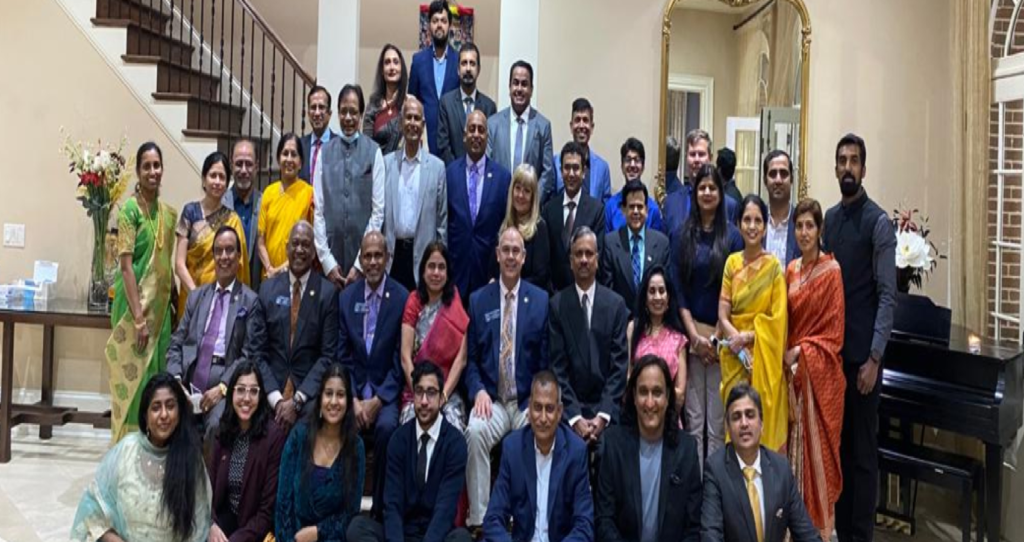 On April 16th, during the meeting, Governor Reeves welcomed IAICC’s initiative to improve the economic situation in the State. Mr. Kumar appreciated the support of Governor Reeves for IAICC and said the Chamber’s partnership with Mississippi will not only benefit businesses across the State but also the adjoining States. Dr. Kulkarni told Governor Reeves that the delegation was very pleased with the meeting and hoped there will be a positive momentum in terms of economic development in Mississippi. She also said that she is looking forward to IAICC and the Mississippi Development Authority (MDA) to coordinate a plan for Governor Reeves to visit India soon.
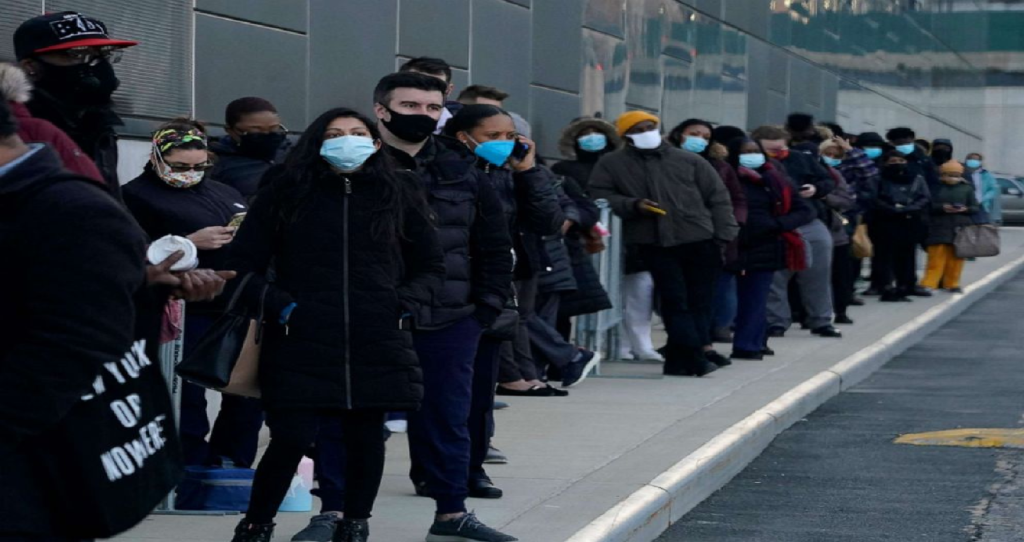 In light of the CDC guidance, the Pentagon announced on Friday that fully vaccinated Defense Department personnel no longer need to wear masks indoors or outdoors at Defense facilities.The CDC and the Biden administration have faced pressure to ease restrictions on fully vaccinated people — those who are two weeks past their last required COVID-19 vaccine dose — in part to highlight the benefits of getting the shots. The country’s aggressive vaccination campaign has paid off:
  My childhood was mostly normal with one main exception: Since both my parents did theater, I spent a lot of evenings alone at home with domestic help or at the rehearsals with one of them. The weekends again would be spent backstage or dozing in the auditorium. Living in an apartment complex eventually introduced me to lots of friends, whose houses became another good option for weekends. When they toured for plays, I spent a lot of time with my maternal grandparents. While I didn’t see my parents often, being surrounded by people 24/7 definitely gave me a supportive environment to grow up in. Although I grew up in a vibrant theater background, the theater bug did not really bite till much later in life after I met my Husband Chandu Shah, who is also from a similar background.
 BAPS has been accused of human trafficking and wage law violations. An FBI spokesperson confirmed that agents were at the temple on “court-authorized law enforcement activity,” but wouldn’t elaborate. One of the attorneys who filed the suit said some workers had been removed from the site May 11.The lawsuit has been filed a month after New Jersey labor authorities halted work by a contractor at the Robbinsville temple and at a BAPS temple in Edison. The new lawsuit is a proposed class action complaint, alleging around 200 workers on religious immigration visas endured forced manual labor for the ongoing construction and expansion of the religious property on the 100-acre site.
 BAPS is a global sect of Hinduism founded in the early 20th century and aims to “preserve Indian culture and the Hindu ideals of faith, unity, and selfless service,” according to its website. The organization says it has built more than 1,100 mandirs — often large complexes that essentially function as community centers. BAPS is known for community service and philanthropy, taking an active role in the diaspora’s initiative to help India amid the current COVID-19 surge. According to the website for the Robbinsville mandir, its construction “is the epitome of volunteerism.”“Volunteers of all ages have devoted their time and resources from the beginning: assisting in the construction work, cleaning up around the site, preparing food for all the artisans on a daily basis and helping with other tasks,” the website says. “A total of 4.7 million man hours were required by craftsman and volunteers to complete the Mandir.”
 The new organization aims to harness the momentum of its grassroots efforts during the 2020 election, which propelled President Joe Biden and Vice President Kamala Harris to the White House, and flipped the Senate with the wins of Democrats Jon Ossoff and Raphael Warnock in Georgia. SAFA is now aiming to get behind Democratic candidates in the House and Senate who are contesting in the 2022 midterm election.
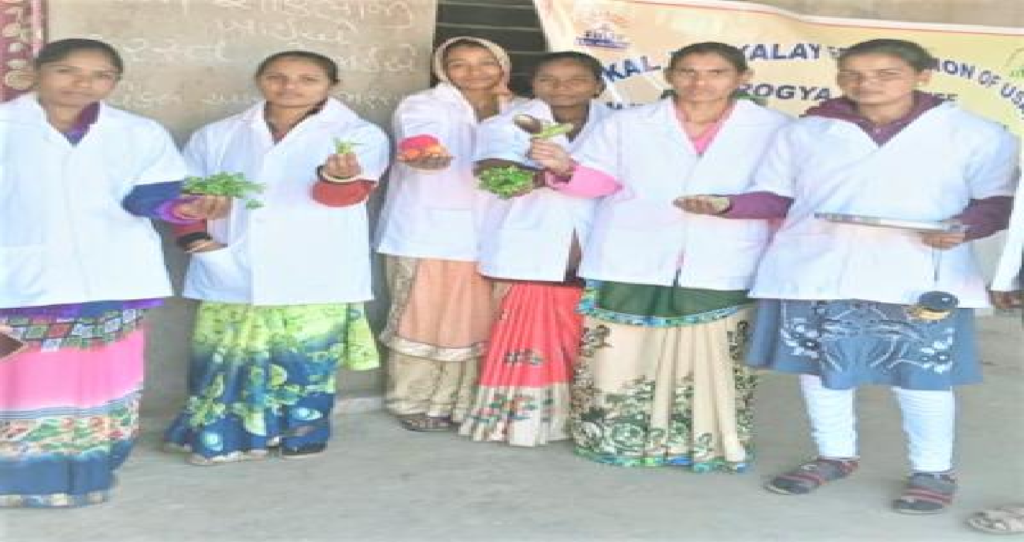 Last year, Ekal’s successful initiative against covid was based on self-monitoring, self-reliance, education and cooperative-exchanges. It included a wide-spread awareness campaign about the hygiene, social distancing, food distribution, mask-making and restrictive movements. The new offensive has not only incorporated all these steps in the direct-action roadmap, but also, has started a proactive counter campaign against the misinformation about the vaccine, the danger posed by covid and voodoo- treatments. With extensive reach well beyond its footings, Ekal has mobilized tens of thousands of its school teachers for this information campaign. ‘Ekal-Arogya (Health Foundation)’ has established 24-hr Telehealth lifeline (# 011 41236457) for professional medical counselling.
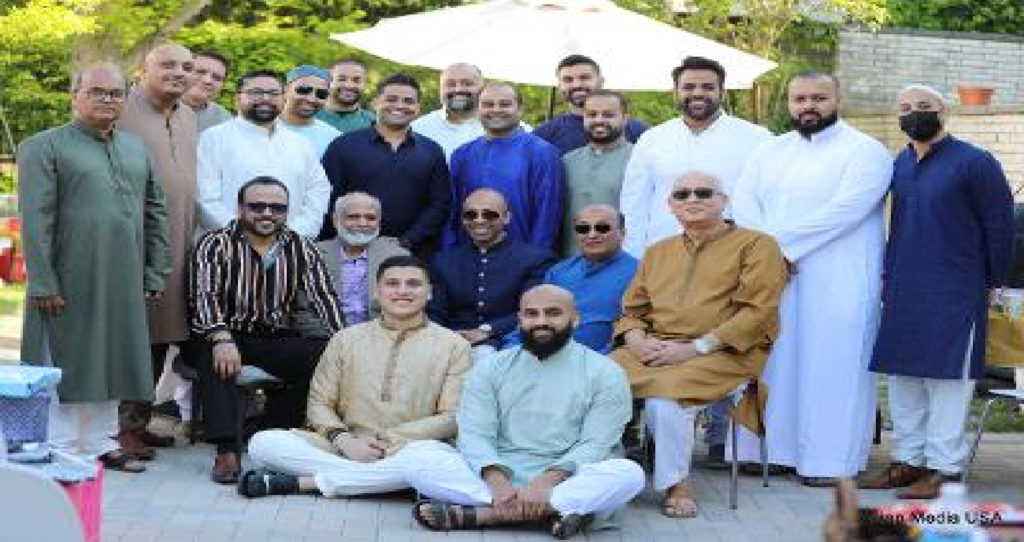 He also pledged that the Indian Americans in Chicago would have grand India Independence Day celebrations and other major Indian festivals such as Diwali, Christmas, and Baisakhi after the departure of the Covid. Joined at the EID reception includes Babu Marsha Patel, Keerthi Kumar Ravoori, SanhitaAgnihotri, Suresh Bodiwala, Satish Dadepogu, Sainath Reddy Boyapalli, BhanuSwargam.Each of them greeted the family of Iftekhar Shareef and thanked the Shareef family for hosting a pleasant EID reception.
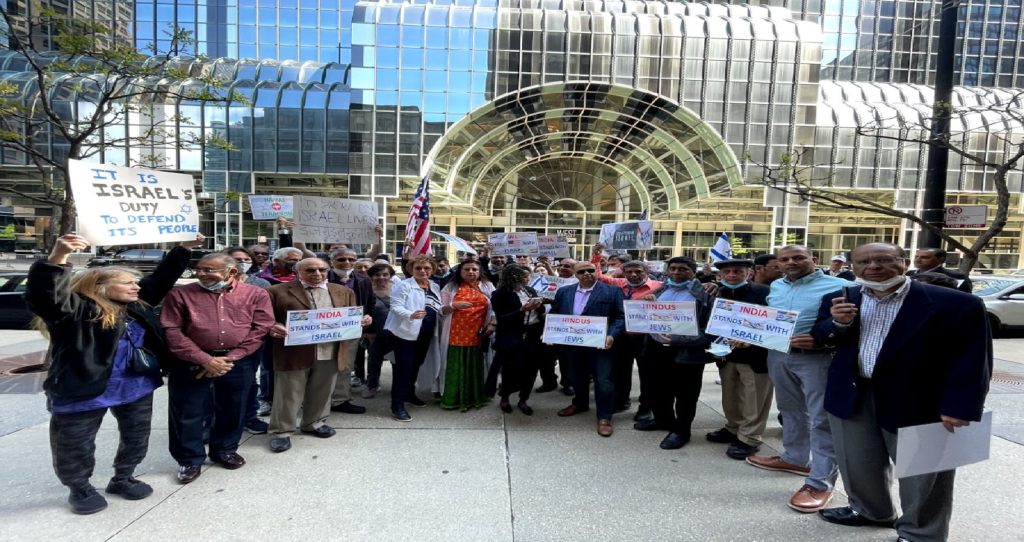 Hindu American community leader Dr. Barai addressed the gathering and said that they are here today to stand with the people of Israel who are targeted by constant rocket attacks from Gaza. He also said that Hamas terrorists have not only destroyed houses and killed innocent civilians in the state of Israel but are also terrorizing people of Gaza. After decades of experiencing wars, people of Israel and Gaza deserve to live in peace, and Dr. Barai expressed the solid commitment of the Hindu community to continue supporting Israel and the demand for peace in the region through this difficult situation.
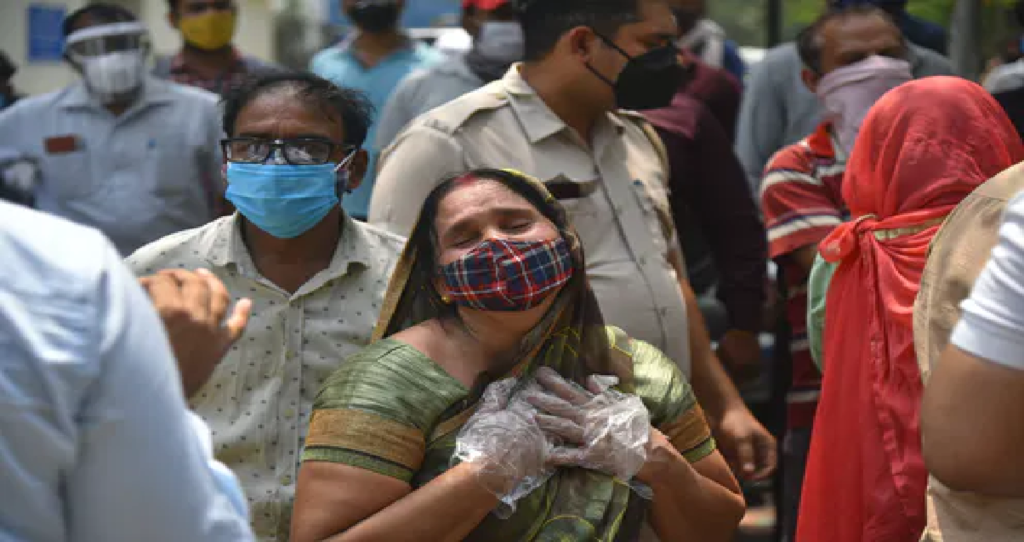 “Firstly, every NGO in the country had to set up an FCRA designated account at the main branch of State Bank of India in New Delhi to receive all foreign donations. Earlier, donations could be received in any bank where the NGO had a designated FCRA account.
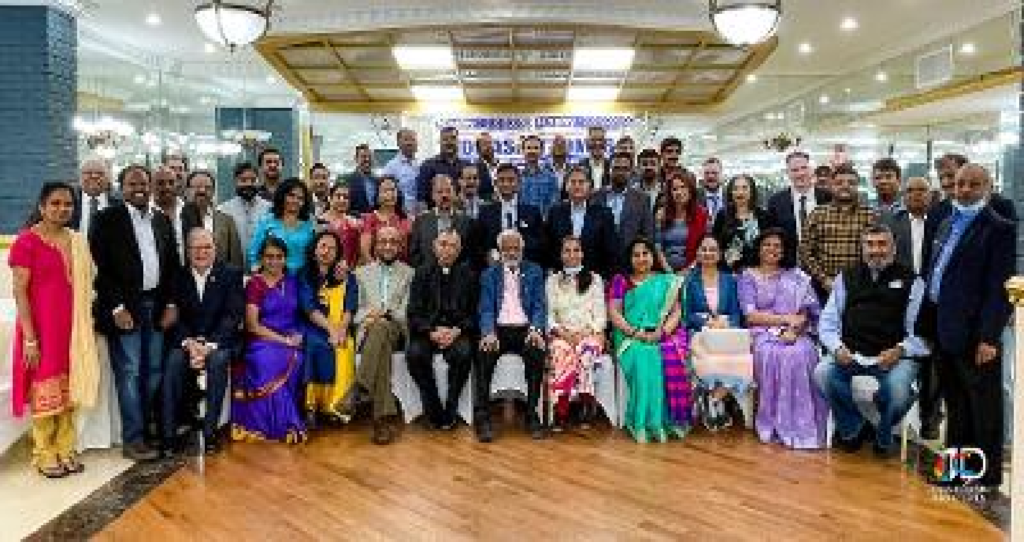 Those who participated in the prayer include Guru jiGarud Gopal Prabhu, Father John Thomas of Jackson Heights Orthodox Church, Imam Muhammad Waliullah of Hillside Islamic Center, Ashok Vyas of ITV, Hemanth Shah of FBIMA, Suhag Mehta of Ganesh Utsav, Kripal Singh, VirendraVora, Paul Karukapally, Ashok Vora, Philipose Philip, V.M. Chacko, Varghese Abraham, Mercedes Buchanan and George Abraham of IOCUSA.
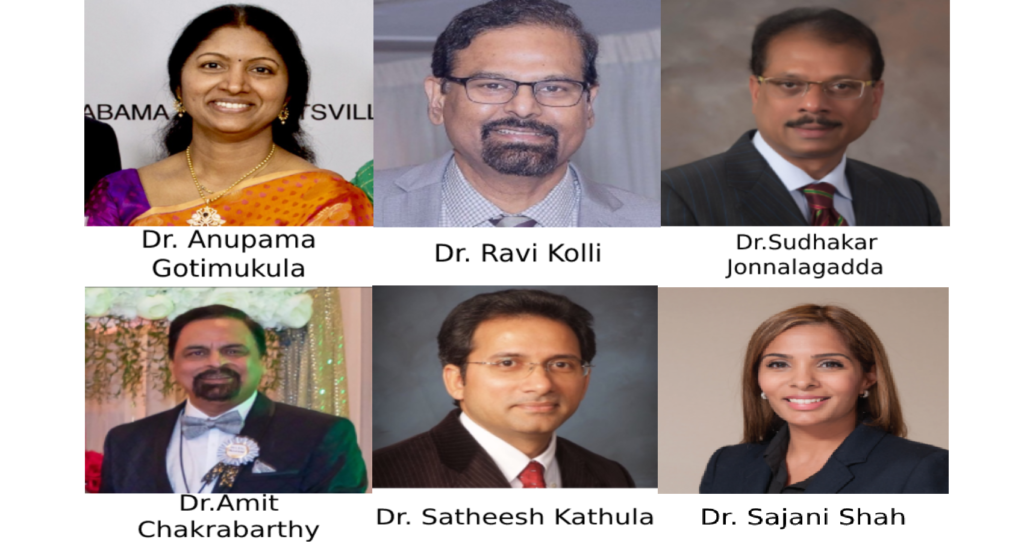 the US and back home in India, spearheading numerous initiatives to help, guide and support the people and the physician community in India on ways to combat and overcome the deadly virus.
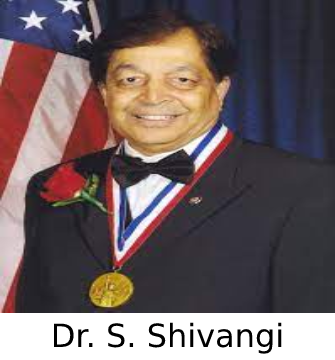 In the letters sent to the 100 US Senators, while acknowledging the respect and influence each of them command on Capitol Hill, Dr. Shivangi said, “we seek your strongest effort to convince the White House to permit more vaccine raw material to be released immediately for local vaccine production, as well as increasing all types of assistance, in a catastrophe of such magnitude.”
 “We are continuing to interact with the physicians back in India to answer their questions. AAPI as a group and individual physicians are reaching out almost on a daily basis with doctors on ground in India,” Dr. Ravi Kolli, Vice President of AAPI said, adding that it is in addition to the calls being received from their friends and families back home.
 Ms. Banerjee is an award-winning and bestselling author, poet, activist and teacher of writing. Her work has been published in over 50 magazines, including the
  India has a daily production capacity of at least 7,100 tons of oxygen, including for industrial use, which appears to be more than enough to meet current demand. The problem is not a shortage of medical oxygen but the supply chain of delivering it to the patient bedside in a hospital. A routine site at all major Indian hospitals is the large oxygen cylinders delivering oxygen to patients at the bedside. Yet this is something you never see in a western hospital. All American hospitals have central piping, which delivers oxygen to the patient bedside from a Pressure Swing Adsorption (PSA) Oxygen Plant attached to each hospital. This is one of the building permit requirements for a new hospital in the USA. Medical oxygen can easily be manufactured from surrounding air.
 AirSep Corporation of New York has installed PSA Medical Oxygen Systems in more than 4,500 hospitals in nearly 50 countries worldwide, including several hospitals in India, to meet their central pipeline and other oxygen needs. These generators and plants operate automatically to supply patient, surgical, and critical care units in medical facilities, military field hospitals, on-site emergency preparedness centers, and disaster-relief efforts. There are several other manufacturers with similar technologies.
 Let this be the Last Medical Oxygen Crisis in India. Let us not scramble our resources; purchasing compressed liquid oxygen from Russia or China, which at best is a temporary fix but will arrive too late for our patients’ bedside in Delhi. Let us retrofit our hospitals with central oxygen piping
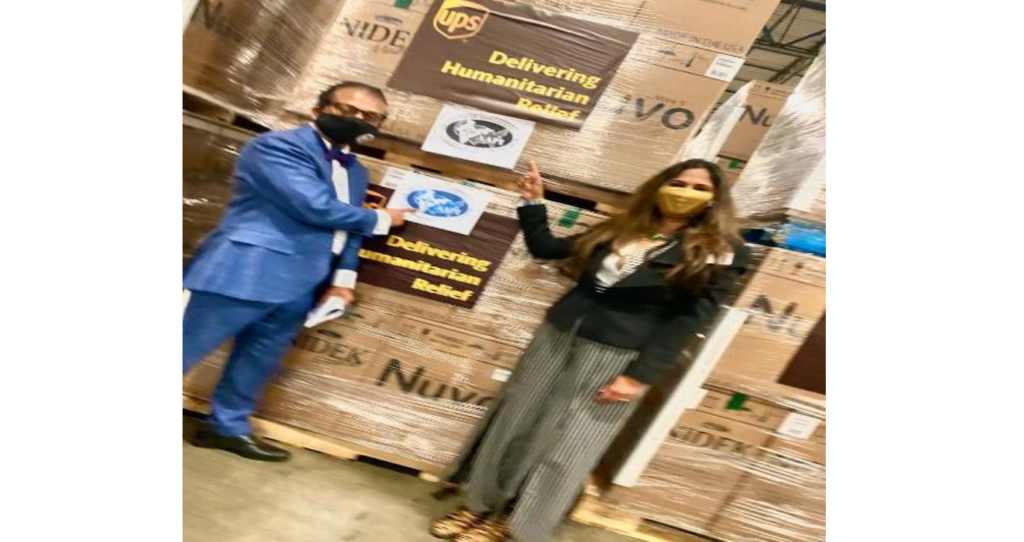 “On behalf of AAPI leadership, we would like to have a series of educational messages to the communities on Covid to address the concerns of the public and medical community during the pandemic time as we recognize our role is to educate communities. Through this voluntary project from our members, we can help educate the people first. Allay their fears. Explain and educate them about the disease and on ways to combat the virus.”
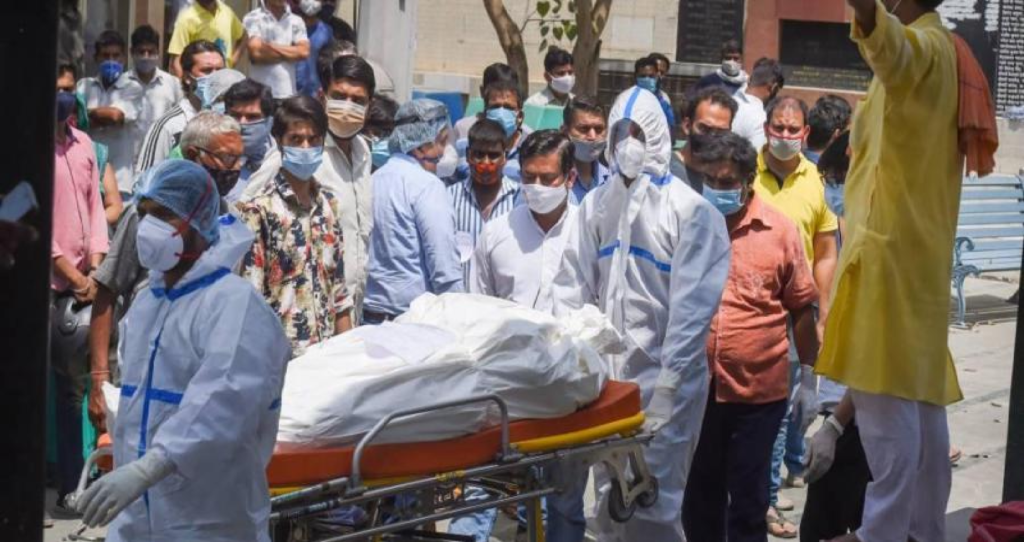 Maharashtra reported 62,919 infections, followed by Karnataka (48,296), and Kerala (37,199). Maharashtra also recorded 828 casualties, followed by Delhi (375) and Uttar Pradesh (332). The country has so far reported a total of 1,91,63,488 cases and 2,11,778 deaths.
 ASEI Michigan chapter president Muthu Sivanantham introduced and facilitated discussion with the next two speakers. Dr Raj Ramesh, a TEDx speaker who happens to have a doctorate in AI was the next author to speak. He has broad experience with digital transformation and helps organizations bring together complementary strengths of machines and humans to effect grand change. His talk featuring interesting doodles and interactive audience participation surveys was patterned on his recent book, “AI & You” and he advised how to co-exist with machines by sharing how to think, thrive, and transform in an AI driven future.
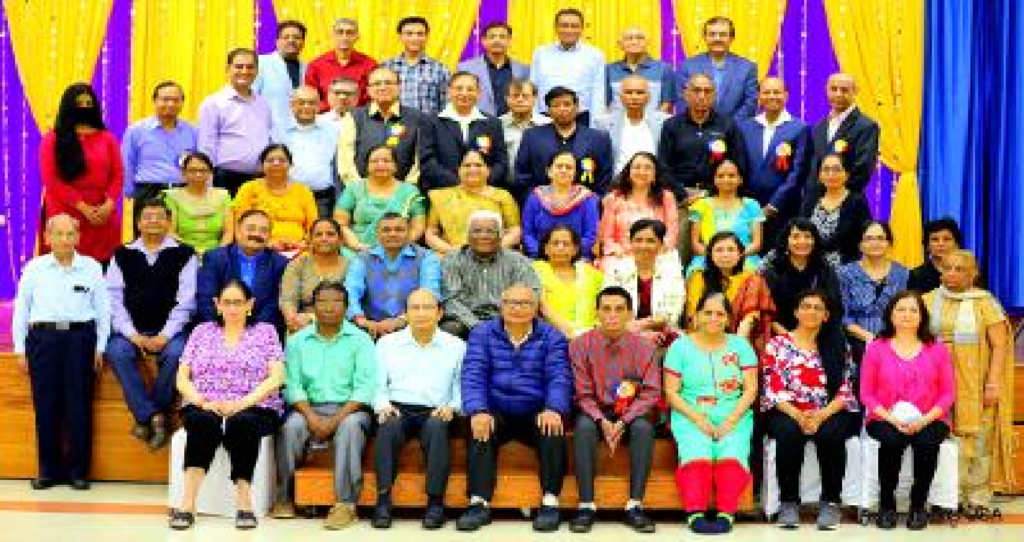 The Appreciation letter from the Governor concluded: “On behalf of the people of the State of Illinois, it is my pleasure to thank you for your ongoing work of Vaccination. Your dedication and leadership have created a lasting impact in your community and you have been an asset to all of Illinois in our collaboration to overcome the Pandemic. “J.B. Pritzker, Hon. Governor of Illinois.
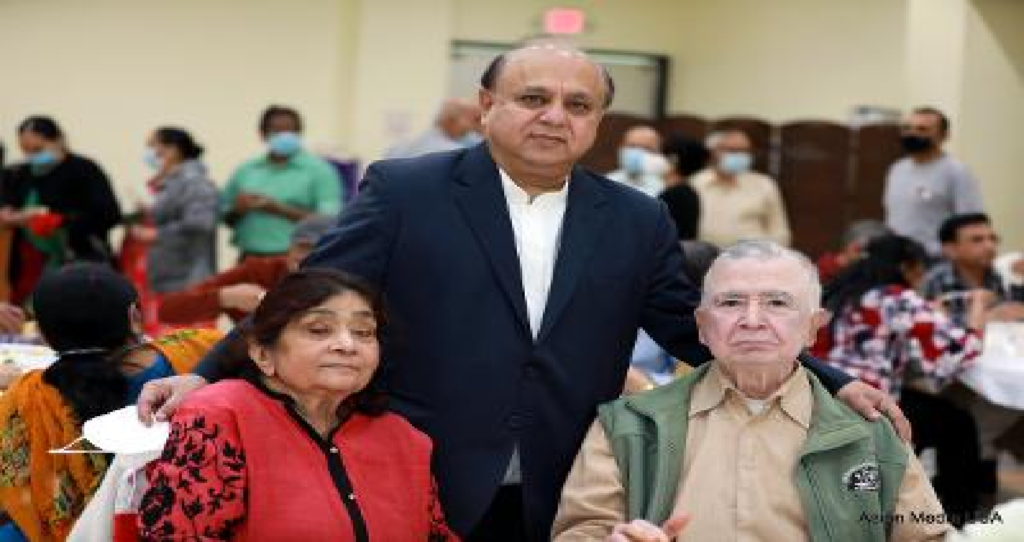 Dr Kapadia and his wife Seema Kapadia thanked each member of the team including Gujarati Seniors of Chicago team who made the vaccination camp a huge success. Dr Kapadia mentioned how his wife Seema Kapadia and his sons have been a driving force behind all these campaigns to ensure smooth execution. He added that Ms. Seema Kapadia has been present at many vaccination camps from the beginning till the end to ensure a safe, timely and equitable administration of the vaccine.
 Aniayan George, President of FOMAA (Federation Of Malayalee Associations of Americas), characterized Koshy Thomas as someone who identifies with the community regardless of their background and someone who has the energy, willingness, and capacity to elevate his contributions further as an NYC Councilman. “ I believe Koshy Thomas can win this election, and he will be our first Asian Indian representation in the City Council,” he added.
 V.M. Chacko, a leading community activist in Queens over four decades, pointed out the potential the community has in this upcoming election and said, “this is not the time to be lackadaisical, and please get involved for the sake of the safety and wellbeing of our community.” Mr. V. Abraham (Raju) described the success the campaign has had in terms of timely submission of the nomination forms and increased awareness of Koshy’s candidacy across the District. Mr. George Parampil, who has been urging Koshy Thomas to run over the years, applauded his dedication to the community and threw his full support behind him.
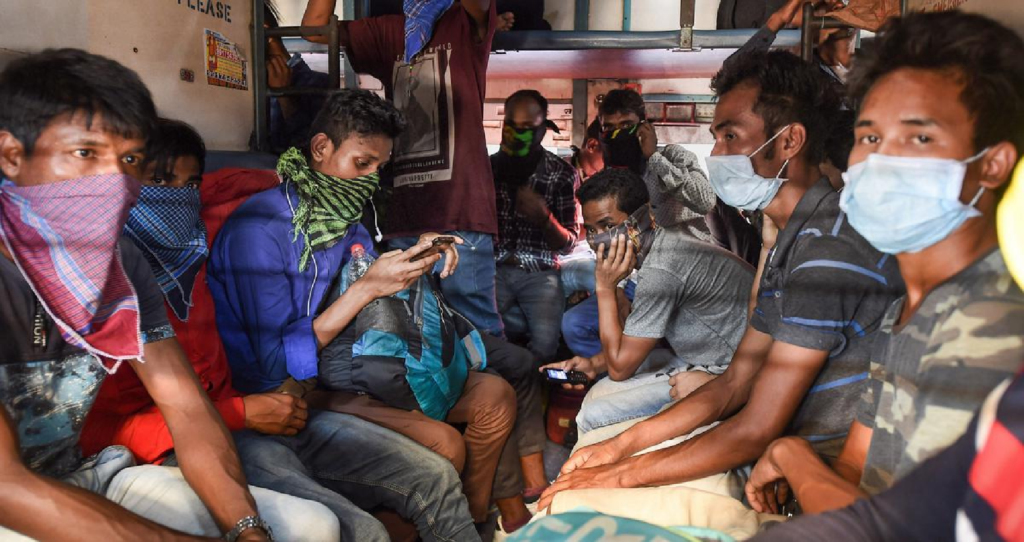 “India is in the ICU and those who put her there now spend their time trying to shift the blame. The change from ‘victory’ over Covid to gasping for oxygen began in the last week of January this year when the Prime Minister proudly declared that India had not only defeated the
 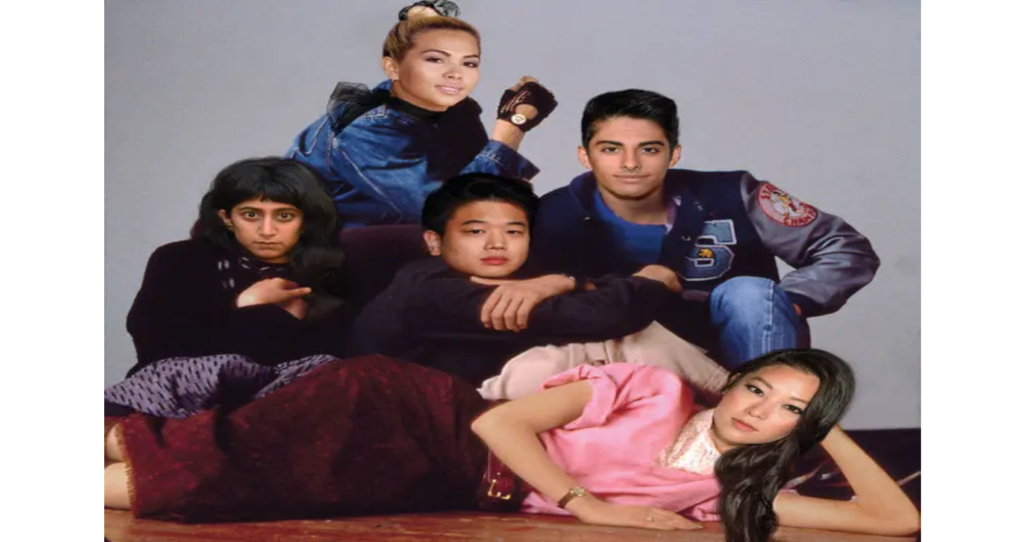 In many ways, Asian Americans are a perfect metaphor for understanding the American experience in the 21st century. A
 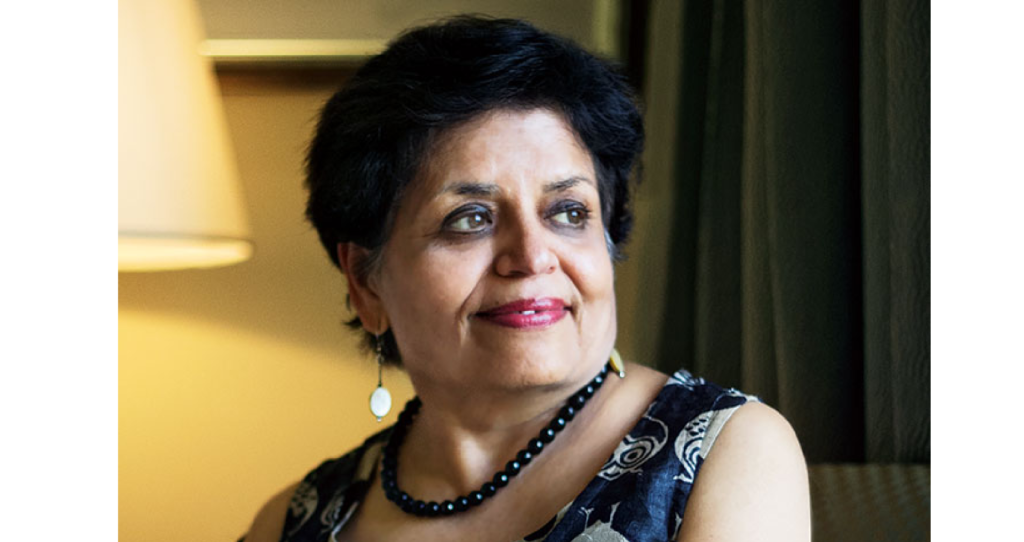 When I joined Asia Society in 1990 as director of the Asia Society Museum, I was the first department head of Asian origin — there was only one other Asian American person in the senior ranks. We made up lost ground in the succeeding decade by developing an institution-wide initiative to increase Asian American programs, audiences, staff, and board members. With a large grant from the Wallace Foundation, we were also able to develop a robust plan for the study and assessment of Asian American views of the institution. It was shocking, if not surprising, to hear that many Asian Americans didn’t feel welcome to the Park Avenue-based institution before, but were beginning to feel the effects of the changes we were making. “We thought Asia Society was really for white people’s experience of Asia, as an exotic and far way place, not for people like us who may mess up their idea of an unadulterated and pure Asia,” one viewer said.
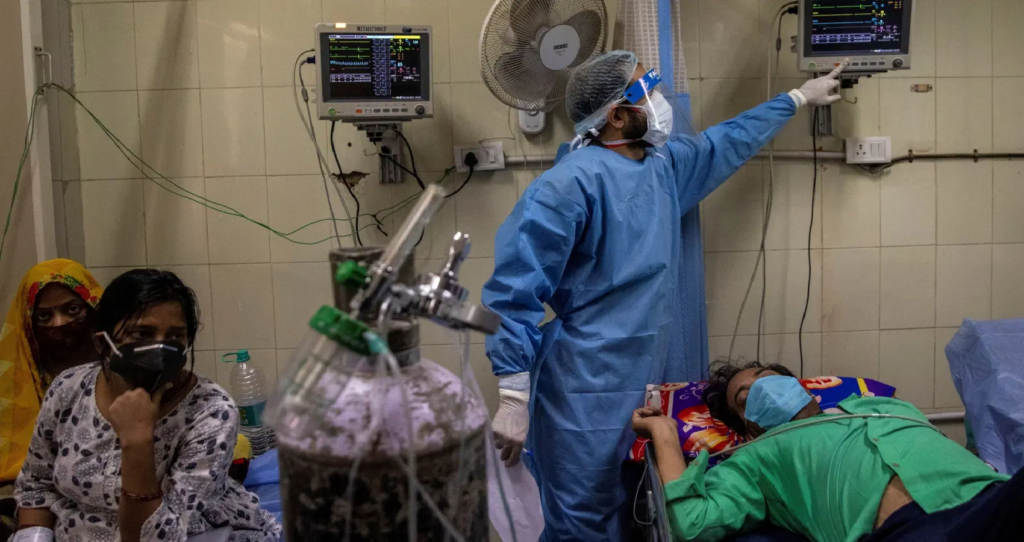 India has now recorded more than 15 million infections and more than 178,000 deaths. Experts agree that even these figures are likely undercounts. New Delhi imposed a weeklong lockdown Monday night to prevent the collapse of the Indian capital’s health system, which authorities said had been pushed to its limit amid an explosive surge in coronavirus cases.
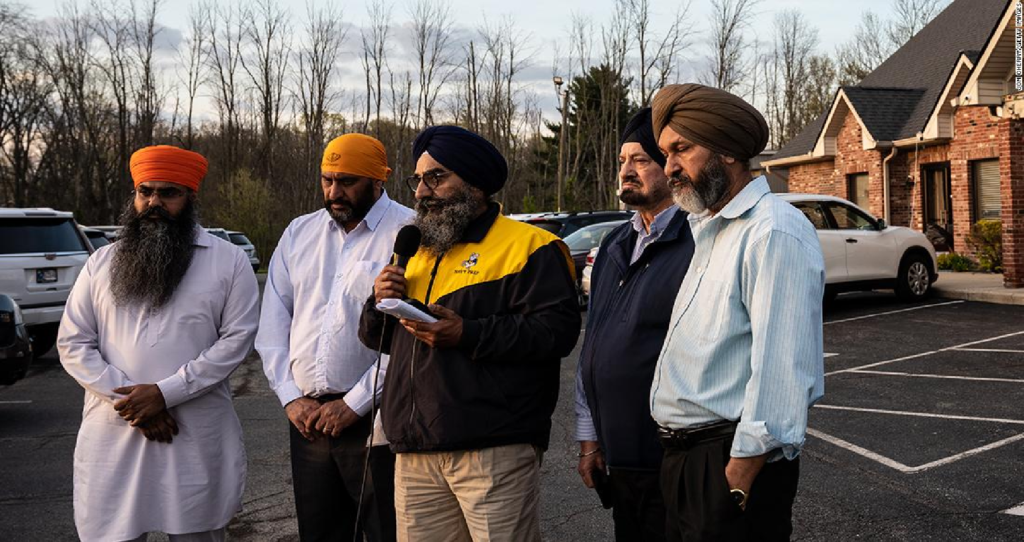 “We will invest significant resources into toppling those who seek to destroy our families, communities, and identity. The senseless gun violence that we’re seeing in this country is reflective of all of the spineless politicians who are beholden to the gun lobby. Period. End of story,” said Nikore. “They will be hearing from us — instead of offering thoughts and prayers, it’s time to mobilize for direct action and vote them out. That is what we’re doing today. We will end the violence, only when we have leaders who have the guts to do so.”
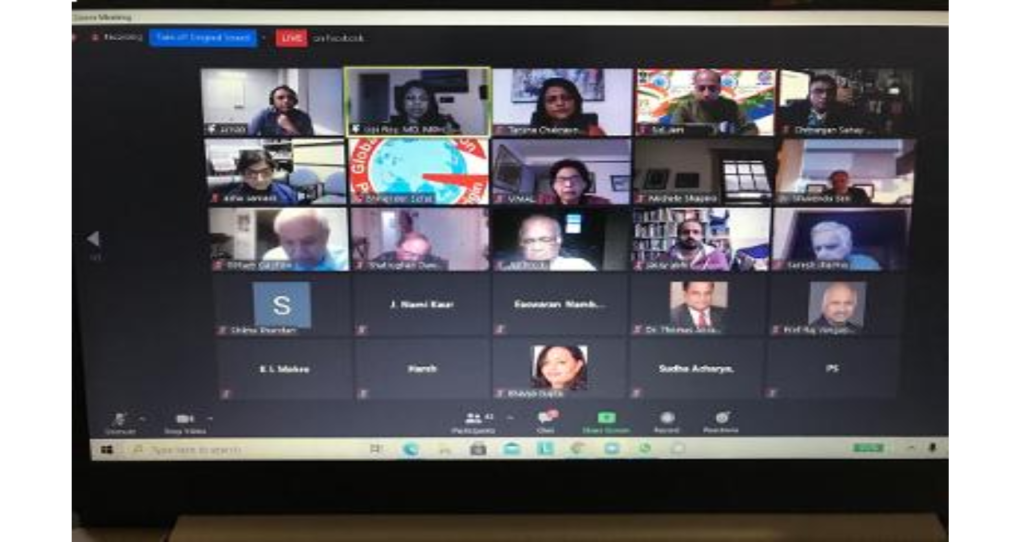 In his address, Dr. Shuvendu Sen, an Ambassador of the New Jersey Re-entry Commission, who contributes to the behavioral and medical health of the formerly incarcerated female population, and a best-selling author of the book, Why Buddha Never Had Alzheimer’s: A Holistic Treatment Approach through Meditation, Yoga and the Arts, thanked GOPIO for its contributions to enhance Indian values and for the many accomplishments. Dr. Sen reminded the audience that “This is not the first time it has happened. The world has experienced similar calamities, changing our well structures lifestyles. We have seen it time and time again. However, whenever we have been hurt, humanity is tremendously powerful to resurface from the dust.”
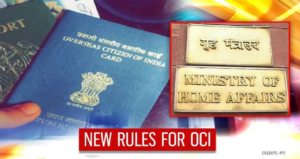 With a view to update the data regarding new passports obtained by the OCI cardholder, it has been decided that he/she shall upload a copy of the new passport containing his/her photo and also a latest photo on the online OCI portal, each time a new passport is issued up to 20 years of age and once after completing 50 years of age. These documents may be uploaded by the OCI cardholder within 3 months of receipt of the new passport.
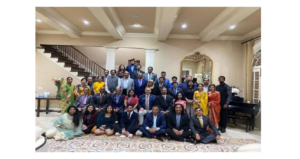 Governor McMaster presented the proclamation to KV Kumar, President & CEO of IAICC at the inauguration and appreciated the work of IAICC. While speaking at the event, Governor McMaster welcomed IAICC to South Carolina and said his administration will work with IAICC and support its initiatives in the State.
 Welcoming the gathering, KV Kumar appreciated Governor McMaster’s efforts in the State and thanked him and the First Lady Peggy McMaster for graciously hosting the IAICC inauguration and the reception at the Governor’s Mansion. He also thanked the Indian Ambassador to the US, Mr. Taranjit Singh Sandhu, and the Consul General of India in Atlanta, Dr. Swati Kulkarni for their continued support to IAICC. Kumar said he missed the Ambassador at the event, and congratulated him for bringing several key initiatives to strengthen India-US relations. During her address,
 IAICC SE Regional Chairman, Dr. Narasimhulu Neelagaru also thanked Governor McMaster for his support and said he looked forward to working him and the State of South Carolina. At the event, Mr. Kumar introduced Ms. Bhavna Vasudeva, President of IAICC-SC Chapter.
 BAPS Charities has supported local communities during these trying times by battling the misinformation surrounding COVID-19 vaccines and providing vaccination infrastructure. Similar Vaccination Drives have been planned at over 30 cities throughout North America wherein thousands of community residents will get easy access to vaccines.
 Biden also renewed calls for Americans to wear masks, framing the choice as a “patriotic duty.” “I need the American people do their part as well. Mask up, mask up. It’s a patriotic duty. It’s the only way we ever get back to normal,” he said. With a nod to the role of the private sector, Biden also suggested businesses should also require the use of masks. “The failure to take this virus seriously precisely what got us to this mess in the first place, risk more cases, more deaths,” he said.
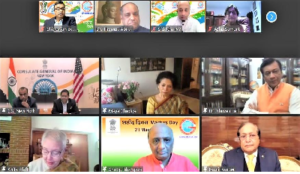 Consul General Jaiswal, in his address, commended GOPIO Manhattan for organizing the event and several others, honoring India and Indians. “Today is the Red Letter Day in the history of India,” the Indian diplomat with over three decades of diplomatic services around the world, told the hundreds of community leaders from around several continents who joined the celebration. “We honor today the legendary freedom fighters, recalling their bravery and love for our motherland.” Describing today’s celebrations as unique, Ambassador Jaiswal recalled the founding of the
  In 1913 Lala Har Dayal formed the Ghadar Party to organize a rebellion against the British government of India. He fled to Switzerland and then to Berlin, where he tried to foment an anti-British rising in northwestern India. After the German defeat in World War I, Har Dayal settled in Stockholm as a professor of Indian Philosophy and wrote Forty-Four Months in Germany and Turkey. He moved to the USA in the late 1920s and became a Professor of Sanskrit at the University of California, Berkeley.
 Dr. Reddy comes with immense experiences and proven leadership. Dr. Reddy grew up in the suburbs of Hyderabad in Southern India. A financial conservator, Dr. Reddy always had a passion for “uniting and bringing people together.” Recalling his childhood, the dynamic leader says, “It all started during my childhood with bringing neighborhood kids together to play “gully cricket” and also bringing people together in college to organize events, demonstrations, and educational tours. Bringing opposing parties to the table for resolving issues has always been my strong strength since my schooling days.”
 What motivates him to take on yet another challenging role for the betterment of the community? “My mantra is: If you don’t lead, someone else will lead you. If you don’t pick the right leader, the wrong leader will pick you, and as my good friend US Congressman Raja Says, and if you are not on the table, you will be on the menu
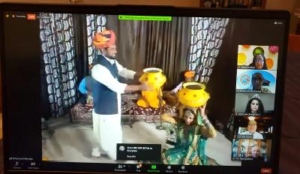 Holi has become known as India’s most vivid, joyous-festival. Holi is being celebrated in the Indian subcontinent for centuries, with poems documenting celebrations dating back to the 4th century CE. It marks the beginning of spring after a long winter, symbolic of the triumph of good over evil. It is celebrated in March, corresponding to the Hindu calendar month of Phalguna. On the eve of the festival, large pyres are lit in many parts of India to signify the burning of evil spirits. People often throw wood, dried leaves and twigs into bonfires, Ambassador Jaiswal explained.
 “The vibrancy of colors is something that brings in a lot of positivity in our lives and Holi being the festival of colors is actually a day worth rejoicing,” Motwani said. “Holi is considered as one of the most revered and celebrated festivals of India and it is celebrated in almost every part of India, transcending every region, and people of all faiths, including Hindus, Muslims, Sikhs, Christians, Parsees, Buddhists, and Jains. It represents the uniqueness of Indian culture as we, from all backgrounds stand united to welcome Spring, as Mother Nature breathes freshness into our lives and that of every living creature on Earth. Welcome to each and every one of you and wishing you and your families A VERY HAPPY HOLI!”
 Lincolnwood Alliance candidates in the current elections are Jesal Patel for Mayor, Beryl Herman for Clerk, and three candidates Jean Ikezoe-Halevi, Grace Diaz Herrera, Mohammed Saleem for Trustees.Jesal, for over 14 years, has proven his honesty and integrity through his work and community service. Being a finance graduate, he envisions a thriving Lincolnwood through smart planning by creating new business opportunities as well as employment opportunities. He has many years of experience as a small business owner behind him. His firsthand knowledge and experience as an entrepreneur help him understand how important it is to support small businesses so they can expand, create new jobs, and thrive in our community.
 Representing the most impacted Hotel/Hospitality, Shelly Nichani, President, Infinity Hospitality Group, Stamford, CT, said, while the industry has been severely affected by the pandemic, “financial help from the Federal government has helped much, without which it would have been catastrophic.” While stating that the hospitality industry in CT has been doing overall very well, but the pandemic has halted the path to progress. He was optimistic that with the vaccines and state help, the industry will return to normal soon.