
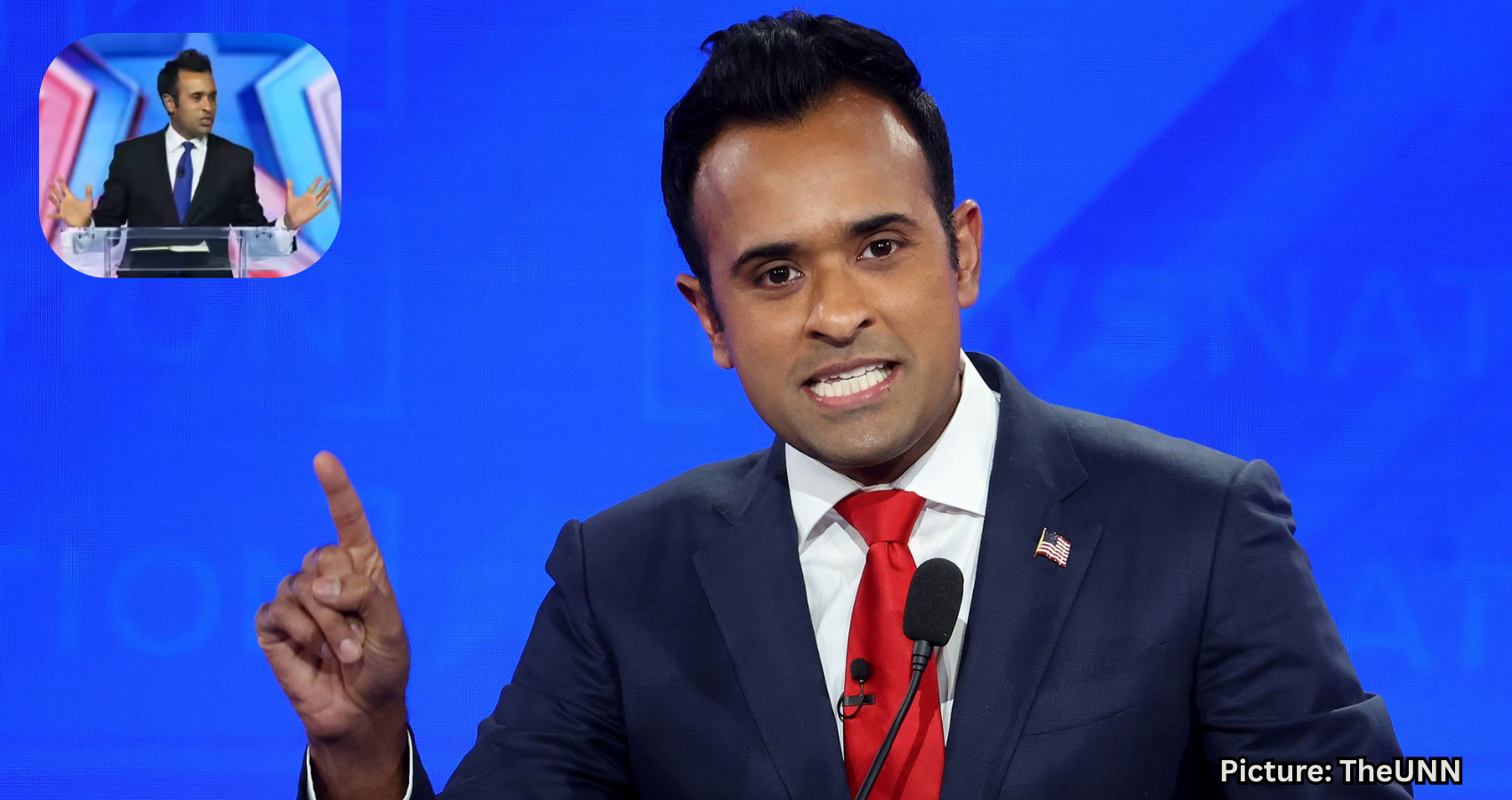
Vivek Ramaswamy’s primary victory in Ohio ignites diverse reactions on social media, reflecting deep political divisions among conservatives, liberals, and the Indian American community.
Vivek Ramaswamy’s decisive win in Ohio’s Republican primary has sparked immediate and varied reactions across social media platforms, underscoring the sharp divisions that characterize contemporary political discourse in the United States.
Ramaswamy, a biotech entrepreneur who has transitioned into politics, solidified his status as a prominent figure within the Republican Party ahead of the upcoming general election. His victory has been interpreted by many as a sign of shifting dynamics within the party.
On the social media platform X, conservative commentators largely celebrated Ramaswamy’s win. Voices such as Eric Daugherty framed the outcome as indicative of a growing support for “America First” politics. This sentiment resonates with the broader MAGA movement, which has praised Ramaswamy’s ideological alignment over considerations of identity.
Supporters frequently echoed the sentiment that Ramaswamy, a “Brown Indian-American,” represents a new wave of conservatism that prioritizes ideological commitment over racial or ethnic identity. Analysts suggest that his rise is being leveraged by supporters to argue that the Republican base is evolving, even as it remains anchored in nationalist themes.
In contrast, reactions from the Indian American community were more nuanced. Figures such as Suhag Shukla expressed concerns regarding the ongoing debates about identity and religion in U.S. politics. Some members of the community defended Ramaswamy against what they perceive as disproportionate scrutiny linked to his background.
This duality in response highlights a broader tension within the Indian American community, where pride in representation coexists with ideological disagreements regarding Ramaswamy’s policies and rhetoric.
On the far-right fringes, responses were sharply critical. Activist Nick Fuentes, known for his racially charged rhetoric, continued to oppose Ramaswamy’s ascent, reflecting the divisions that exist even within conservative circles. Such reactions underscore ongoing debates about race and national identity, where Ramaswamy’s Indian heritage has been both embraced and rejected based on political alignment.
Liberal commentators also voiced strong opposition. Accounts like LJ Liberal Comics criticized Ramaswamy’s policy positions and raised concerns about the implications of his victory for governance and social policy. This criticism reflects broader Democratic apprehensions regarding the trajectory of Republican politics, particularly concerning themes of nationalism, regulation, and cultural issues that have come to define Ramaswamy’s platform.
The wide array of responses to Ramaswamy’s victory illustrates how his rise has become a focal point for larger debates about identity, ideology, and the future of American politics. While supporters view his ascent as evidence of merit-based acceptance, critics argue that it reveals deeper polarization across both political and cultural lines.
As the political landscape continues to evolve, Ramaswamy’s victory serves as a significant marker of the ongoing shifts within the Republican Party and the broader implications for American society.
According to The American Bazaar, the reactions to Ramaswamy’s primary win reflect the complexities of identity politics and the ideological battles that are shaping the future of the nation.