
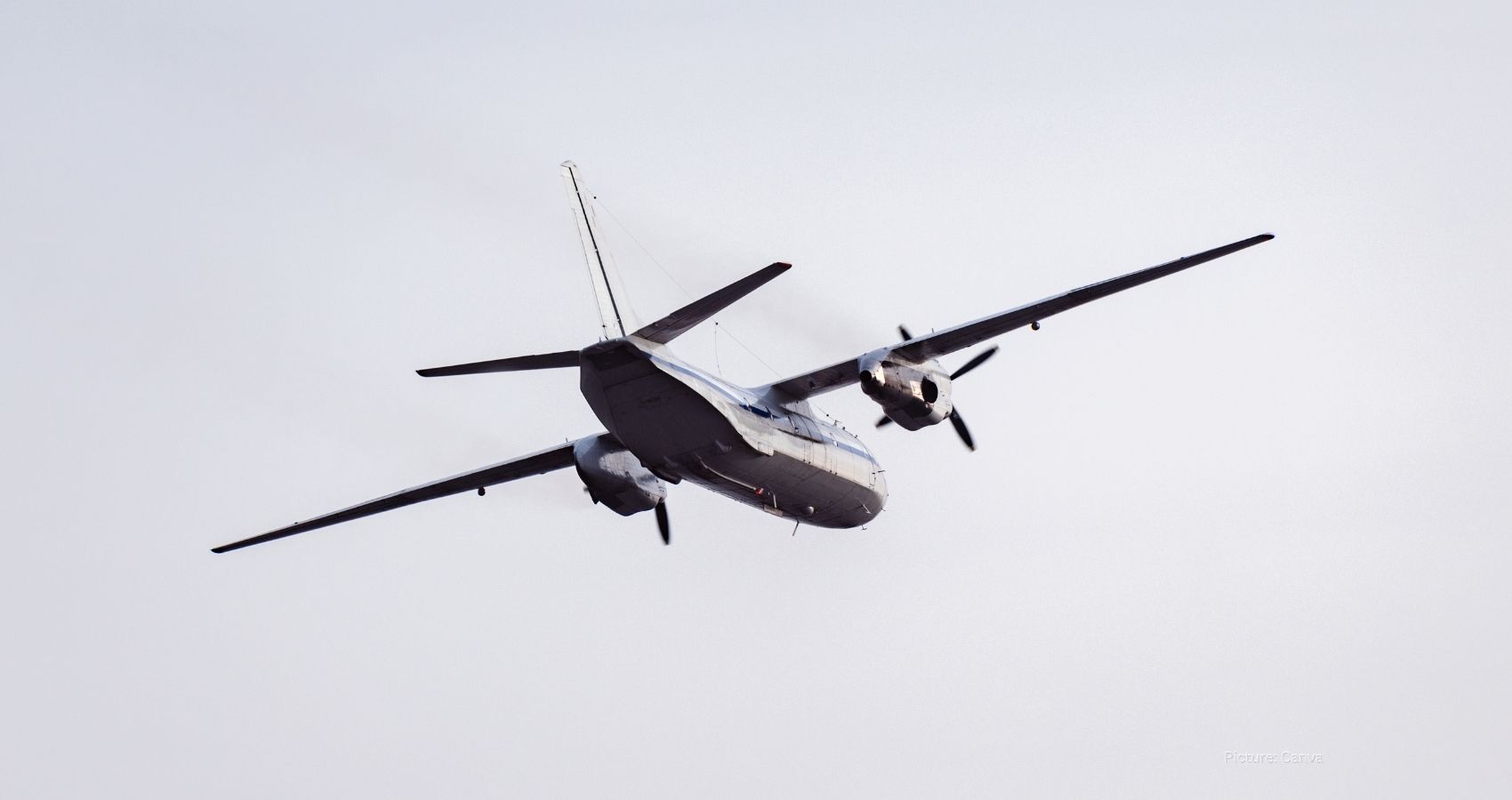
Iran is accused of supplying Mohajer-6 attack drones to Sudan’s armed forces, exacerbating the civil war’s death toll, which has reportedly reached 400,000 people.
Iran is once again facing accusations of involvement in a deadly conflict, this time in Sudan, where it is alleged to be supplying attack drones to the Sudanese Armed Forces (SAF). These drones are reportedly being used indiscriminately, contributing to the ongoing humanitarian crisis that has seen the death toll in the civil war rise to as many as 400,000 since the conflict began on April 15, 2023. More than 11 million people have been displaced, marking the worst displacement crisis in the world.
Mariam Wahba, a research analyst at the Foundation for Defense of Democracies (FDD), stated that Iran has been supplying the SAF with Mohajer-6 drones, manufactured by Qods Aviation Industries—a U.S.-sanctioned entity—since 2013. The use of these drones against civilians has drawn sharp criticism from the U.S. State Department, which has condemned the actions of the SAF in the ongoing conflict.
Reports indicate that both the SAF and the opposing Rapid Support Forces (RSF) are increasingly deploying drones in attacks against civilian populations. Wahba noted that between December 2023 and July 2024, at least seven cargo flights are believed to have traveled between Iran and Sudan, likely transporting drones and their components. On April 19, an Iranian-born U.S. resident was arrested at Los Angeles International Airport for allegedly attempting to broker a $70 million deal to supply Mohajer-6 systems and other military hardware to Sudan’s Ministry of Defense, suggesting that these transfers are ongoing.
A spokesperson for the State Department expressed deep concern regarding the proliferation of drone warfare in Sudan and its devastating impact on civilians and civilian infrastructure. The spokesperson highlighted recent incidents where RSF and SAF drones have destroyed hospitals and schools, resulting in civilian casualties.
On April 19, Bill Essayli, First Assistant U.S. Attorney for the Central District of California, announced the arrest of Shamim Mafi, a 44-year-old woman from Woodland Hills, at LAX. Mafi is charged with trafficking arms on behalf of the Iranian government, including the brokering of sales for drones, bombs, and millions of rounds of ammunition manufactured in Iran and sold to Sudan.
Ciaran McEvoy from the U.S. Attorney’s Office confirmed that Mafi remains in federal custody, with her arraignment scheduled for May 8 in U.S. District Court in Los Angeles. Wahba described the Mohajer-6 drone as “Iran’s workhorse drone,” noting its use in attacks on Israel and the Red Sea by groups such as Hezbollah and the Houthis. The Mohajer-6 is characterized as a reusable platform capable of surveillance and precision strikes, allowing it to loiter, collect intelligence, and return.
The State Department has voiced broader concerns about the relationships formed between Islamist groups aligned with the SAF and the Iranian regime. These groups have reportedly received assistance from Iran, prompting the U.S. to impose sanctions on several of them, including the Sudanese Muslim Brotherhood, which has been accused of using extreme violence against civilians and undermining efforts to resolve the conflict.
United Nations spokesperson Stéphane Dujarric condemned the recent drone attacks in Sudan, citing incidents where a U.N. aid truck carrying emergency shelter kits was attacked by a drone, destroying all supplies. Another drone attack reportedly resulted in casualties in residential neighborhoods of El Obeid city, North Kordofan state, claiming the lives of seven individuals and injuring over 20 others.
Dujarric emphasized the plight of ordinary families caught in the violence, stating, “These are ordinary families in their homes, caught in violence that continues to reach civilian neighborhoods.” He condemned all attacks on civilians.
Ricardo Pires, communication manager for UNICEF, remarked on the dire situation for children in Sudan, noting that the sound of drones has become a terrifying signal for them to hide in fear of being harmed. He highlighted that across Darfur and Kordofan, drones and other explosive weapons have turned streets, hospitals, and schools into perilous environments, threatening not just the safety of children but their very childhoods.
The State Department reiterated its commitment to safeguarding U.S. interests, including the protection of religious freedom in Sudan. U.S. efforts aim to limit the influence of malign Islamist groups in Sudan’s government and to curtail Iran’s regional activities, which have contributed to ongoing destabilization, conflict, and civilian suffering.
According to Fox News Digital, the situation in Sudan remains critical as the international community grapples with the implications of drone warfare and foreign involvement in the conflict.