
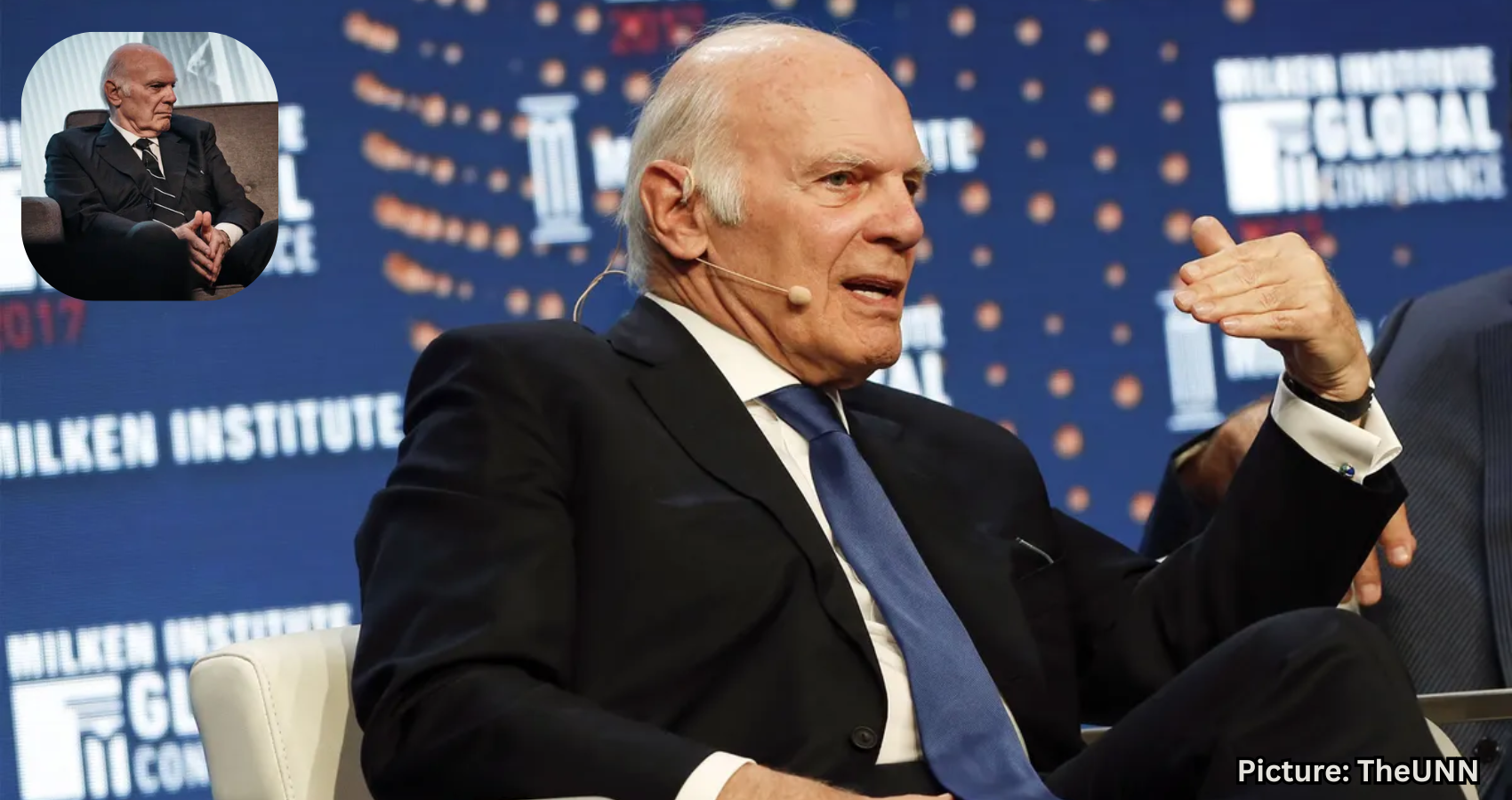
Vornado CEO Steve Roth faces backlash after comparing the phrase “tax the rich” to racial slurs during an earnings call, igniting a heated debate over wealth taxation in New York City.
A prominent New York real estate executive has ignited controversy after making a provocative comparison between the phrase “tax the rich” and racial slurs. Steve Roth, the chief executive of Vornado Realty Trust, drew criticism during a recent earnings call while discussing a proposed tax aimed at high-value second homes in the city.
The proposed policy, which has garnered support from New York City Mayor Zohran Mamdani, seeks to impose additional levies on properties valued at over $5 million that are not primary residences. Roth’s remarks came in response to this initiative, which aims to increase revenue from wealthy property owners.
“I consider the phrase ‘tax the rich’ … to be just as hateful as some disgusting racial slurs,” Roth stated, a comment that has sparked significant backlash. Critics have argued that such comparisons diminish the historical and social significance of racial discrimination. Conversely, supporters of Roth contend that the rhetoric surrounding wealth taxation has become increasingly hostile toward high earners.
In addition to his controversial comparison, Roth criticized the mayor’s promotional tactics for the proposed tax, particularly a video filmed outside billionaire Ken Griffin’s Manhattan residence. He labeled the approach as “irresponsible and dangerous.”
This exchange occurs against a backdrop of ongoing efforts by New York officials to enhance revenue from affluent property owners. Proponents of the proposed “pied-à-terre” tax argue that it is essential for funding public services and addressing growing inequality. The debate surrounding this tax underscores broader questions about how cities should approach wealth and investment taxation.
Roth further emphasized his perspective by stating, “But the rich whom the politicians are targeting … are the epitome of the American dream.” This viewpoint reflects a longstanding belief among some business leaders that high-income individuals play a crucial role in tax revenue generation and economic activity. Roth pointed out that the top 1% of earners contribute approximately half of New York’s income tax collections, framing them as vital to employment and philanthropy.
However, critics argue that the increasing levels of inequality and housing pressures necessitate more aggressive wealth taxation, particularly in urban areas where living costs are high and income disparities are widening.
As the debate continues, Mayor Mamdani’s office has not yet responded to requests for comment regarding Roth’s remarks.
This incident highlights the growing tensions between business leaders and policymakers as they navigate the complex issues of taxation, inequality, and economic policy. The sharp rhetoric surrounding these discussions illustrates the challenges of balancing growth with redistribution in major urban economies, as stakeholders grapple with the implications of wealth taxation.
According to The American Bazaar, the controversy surrounding Roth’s comments reflects a broader societal debate about the role of wealth in shaping economic policy and the responsibilities of the affluent in addressing inequality.