
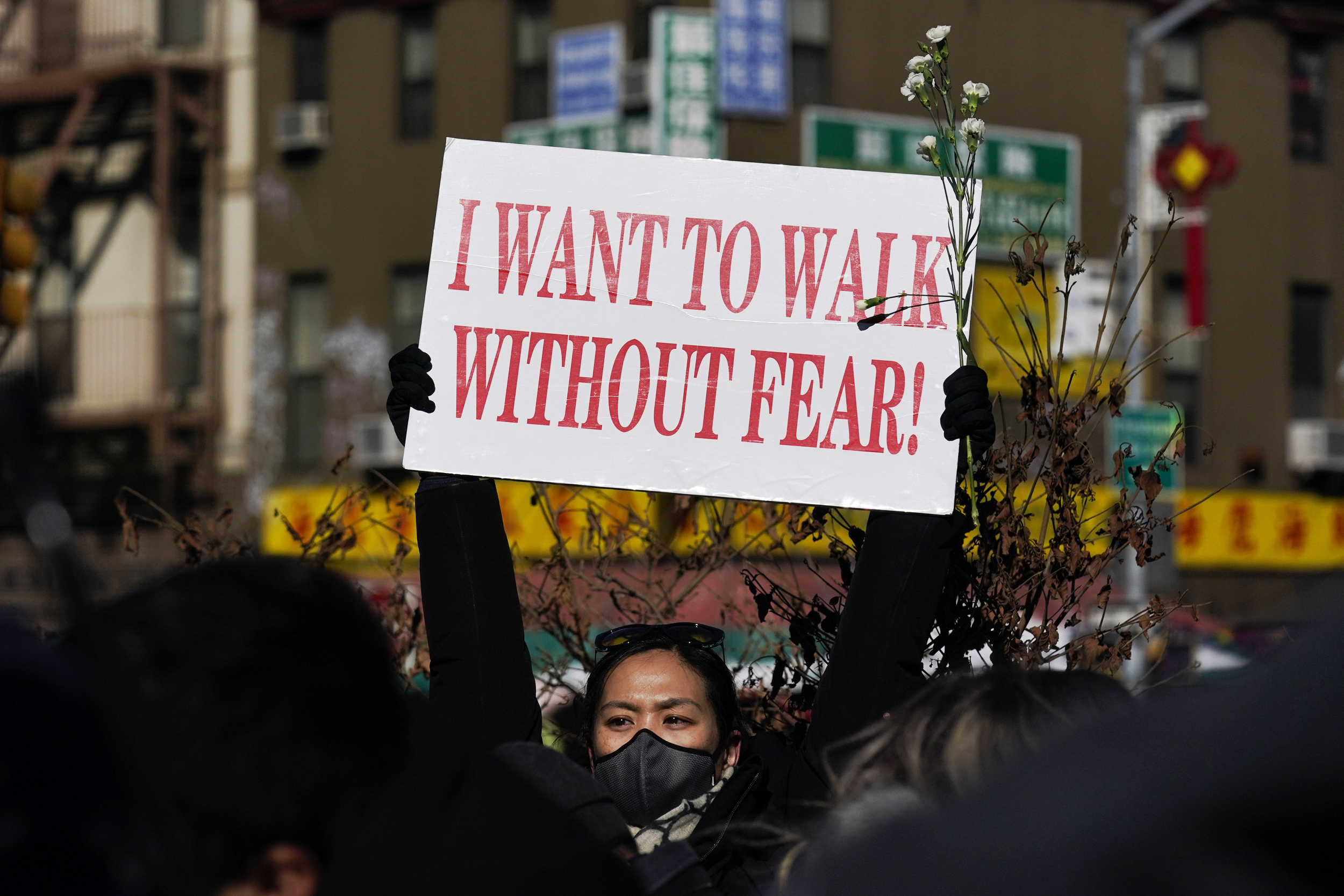
In 2025, nearly half of Asian American and Pacific Islander adults reported experiencing hate incidents, highlighting the troubling connection between political rhetoric and rising discrimination in the United States.
A recent report by Stop AAPI Hate reveals that in 2025, nearly 49 percent of Asian American and Pacific Islander (AA/PI) adults experienced a hate incident. This marks the third consecutive year of alarmingly high levels of racism and discrimination against these communities in the United States. The findings illustrate a persistent trend that has been exacerbated since the onset of the COVID-19 pandemic in 2020, underscoring the ongoing impact of anti-Asian sentiment fueled by political discourse and anti-immigrant policies.
The survey data indicates a concerning consistency in reported hate incidents over the last three years, with 53 percent of AA/PI adults reporting incidents in 2024 and 49 percent in 2023. This stability in the prevalence of hate incidents spans various demographic categories, including age, gender, income, language, and ethnic backgrounds, indicating a widespread issue affecting diverse segments of the AA/PI community.
Cynthia Choi, a co-author of the report, emphasized the strong link between political rhetoric and the rising levels of hate incidents. “Our new research shows that Asian American and Pacific Islander communities in the U.S. have continued to face alarmingly high levels of racism and discrimination for three consecutive years,” she stated. “While our survey has tracked this disturbing trend since 2023, our reporting center data, our previous research, and other sources show the surge began in 2020 during the COVID-19 pandemic—and anti-AA/PI hate has remained elevated since then because xenophobic, politically motivated attacks against our communities have continued year after year.”
The report identifies several critical factors contributing to this surge in anti-Asian sentiment. Notably, political campaigns, particularly that of former President Donald Trump in 2024, have amplified xenophobic rhetoric targeting Asian communities. The authors argue that certain political leaders have actively stoked anti-Indian and anti-Chinese sentiment, exacerbating a climate of fear and discrimination that has tangible impacts on individuals and communities.
Among the reported hate incidents, harassment emerged as the most common form, accounting for 44 percent of cases. Other forms included institutional discrimination (23 percent), physical harm (13 percent), and property damage (10 percent). The report also noted that a significant number of hate incidents occurred online (43 percent), followed closely by incidents in public spaces (40 percent) and at businesses (36 percent).
Furthermore, the report highlighted a concerning trend of intersectional targeting, with 52 percent of respondents indicating that other aspects of their identity—such as age, gender, or class—were attacked alongside their race or ethnicity. For instance, individuals of Indian origin reported facing threats of deportation and abuse linked to anti-immigrant rhetoric, underscoring the compounded vulnerabilities experienced by this demographic.
More than half (53 percent) of respondents indicated that they or someone they know had been affected by immigration policies or anti-immigrant sentiment. This sentiment was echoed across various groups, including U.S.-born and foreign-born individuals, as well as citizens and non-citizens. Significant impacts highlighted in the report include 36 percent of respondents fearing their citizenship status might be questioned, 30 percent facing or fearing detention or deportation, and 28 percent contemplating leaving the United States altogether.
The report also documented a notable increase in hate incidents specifically targeting Pacific Islanders, which rose to 57 percent in 2025 from 47 percent the previous year. This uptick underscores the broader implications of anti-Asian hate, which extends beyond the AA/PI communities to encompass a variety of ethnic groups experiencing discrimination.
The psychological ramifications of these hate incidents are significant. Among those affected, 73 percent reported experiencing stress, 49 percent felt isolated, and 25 percent exhibited symptoms of anxiety or depression. Despite these alarming statistics, reporting of hate incidents remains limited; only 22 percent of victims approached formal authorities, while 54 percent chose to share their experiences with friends or family. Additionally, support systems for victims were lacking, with just 33 percent of individuals receiving any assistance, while 48 percent reported that the support received was insufficient.
Interestingly, the report notes a decline in participation in activities aimed at countering racism, which dropped from 74 percent in 2023 to 56 percent in 2025. However, there is a silver lining, as 67 percent of respondents expressed a continued motivation to advance equity for AA/PI communities, highlighting a resilience and commitment to combating discrimination. This ongoing desire for equity suggests a potential for community mobilization and advocacy, even in the face of adversity.
In conclusion, the Stop AAPI Hate report underscores the urgent need for comprehensive strategies to address the rising tide of hate incidents targeting Asian American and Pacific Islander communities in the United States. The interconnectedness of political rhetoric, immigration policies, and social dynamics plays a crucial role in shaping the experiences of these individuals, necessitating a multifaceted response to combat racism and discrimination effectively, according to Stop AAPI Hate.