
President Donald Trump claims victory in the ongoing military campaign against Iran, while simultaneously ordering a troop withdrawal from Germany amid rising tensions with NATO allies.
On the 63rd day of a high-stakes military campaign against Iran, President Donald Trump has declared that active “hostilities” have ended. This declaration, legal experts suggest, is an attempt to circumvent the 60-day deadline set by the War Powers Resolution of 1973. Despite the President’s assertion that the United States is “winning,” peace negotiations remain stalled as the White House dismisses Tehran’s latest proposals. Concurrently, a growing rift with NATO allies has prompted the ordered withdrawal of 5,000 U.S. troops from Germany, following public criticism from German Chancellor Friedrich Merz. Meanwhile, the fragile ceasefire in the region continues to unravel, with reports of at least 12 fatalities in southern Lebanon.
In a formal letter to Congress, President Trump claimed that the United States has reached a turning point in its military campaign against Iran, stating that “hostilities” have concluded. This declaration comes as the administration faces a critical legal deadline to seek congressional authorization for the war, which the President now argues is unnecessary because active combat has ceased.
Speaking at a dinner at the Forum Club of the Palm Beaches, Trump adopted a defiant tone, labeling domestic criticism of the war effort as “treasonous” and downplaying the need for legislative approval. “We get the radical left to say, ‘We’re not winning’… It’s actually… treasonous,” he told supporters. He maintained that the U.S. military has significantly degraded Iran’s capabilities, claiming without specific evidence that the Iranian leadership is “disjointed” and their military infrastructure is largely neutralized.
The President’s letter, addressed to House Speaker Mike Johnson and Senate President Pro Tempore Chuck Grassley, marks the 60th day since the initiation of “Operation Epic Fury” on February 28, 2026. Under the War Powers Resolution of 1973, a president must obtain a formal declaration of war or specific statutory authorization from Congress within 60 days of initiating military action. By declaring that hostilities have “terminated,” the White House is effectively arguing that the statutory clock has stopped, allowing the U.S. to maintain a significant military presence in the region without a vote from a divided Congress.
This legal maneuvering has drawn immediate criticism from Democratic leaders. Senate Minority Leader Chuck Schumer characterized the President’s claim as “bullshit,” arguing that the war remains an “illegal” use of executive power. Despite the administration’s assertion that there has been no exchange of fire between U.S. forces and Iran since April 7, critics point to the continued interdiction of Iranian-linked vessels in the Strait of Hormuz as evidence of ongoing conflict.
Recently, the USS Spruance, a U.S. Navy destroyer, intercepted an Iranian-flagged cargo ship, the Touska, in the Gulf of Oman. President Trump described the operation in vivid detail during his remarks, likening the Navy’s tactics to “pirates” in a manner he framed as a sign of strength and profitability. “We took over the ship, we took over the cargo, took over the oil,” he stated. “It’s a very profitable business.”
On the diplomatic front, the path to a lasting peace appears obstructed. While Tehran has submitted a second proposal for peace talks, President Trump expressed deep dissatisfaction with the terms. “They want to make a deal, but I’m not satisfied with it,” Trump told reporters, adding that the U.S. might be “better off” without an immediate agreement if the terms do not ensure the total permanent cessation of Iran’s nuclear ambitions.
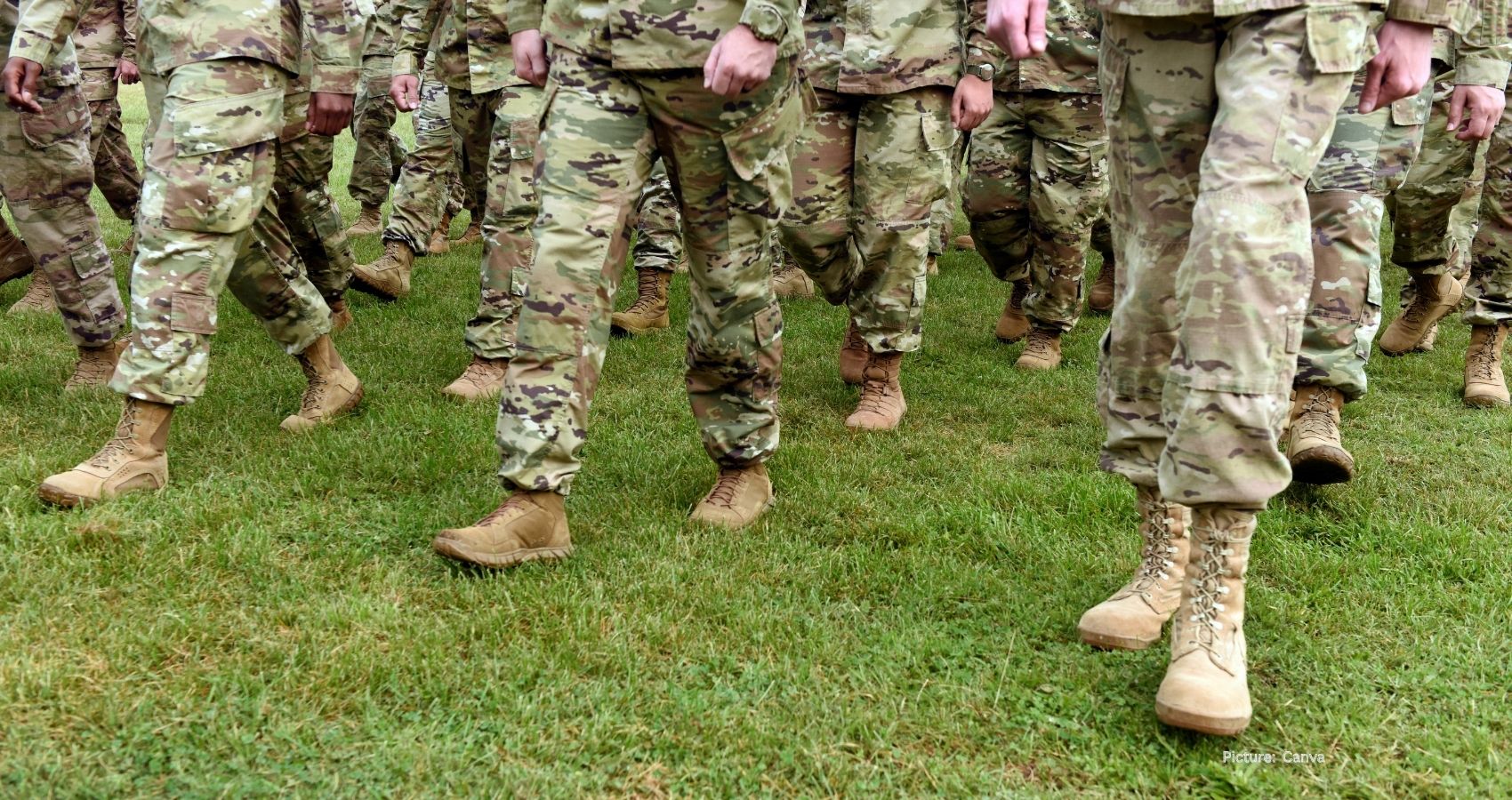
This “America First” approach to the conflict has caused significant friction with European allies. The Pentagon confirmed on Friday that the U.S. will withdraw approximately 5,000 troops from Germany over the next six to 12 months. This decision follows a public spat between Trump and Chancellor Merz, who suggested that the U.S. was being “humiliated” by Iran’s leadership, a comment that reportedly angered the President.
The withdrawal represents about 14% of the 35,000 U.S. service members currently stationed in Germany. Pentagon officials described the move as a result of a “force posture review,” but the timing suggests it may be a direct response to Berlin’s lack of support for the Iranian campaign.
While the President speaks of terminated hostilities, the reality on the ground in the broader Middle East remains volatile. In southern Lebanon, a fragile ceasefire brokered in mid-April is nearing collapse. The Lebanese Ministry of Public Health reported that at least 12 people were killed in Israeli strikes over the last 48 hours.
Israel has maintained that its strikes are targeted at Hezbollah positions, yet the civilian toll continues to rise. Since open conflict resumed on March 2, the Lebanese health ministry estimates that 2,618 people have been killed and over 8,000 wounded. The Israeli military has issued fresh evacuation orders for several towns in southern Lebanon, signaling that a major ground escalation may be imminent despite the official ceasefire extension.
As the conflict enters its third month, the Trump administration remains committed to a strategy of maximum pressure, both militarily against Tehran and diplomatically against allies who question the mission’s trajectory. With Congress largely sidelined and the legal clock reset by executive action, the duration and ultimate cost of the war remain uncertain, according to Source Name.