India’s Next Knowledge Bridge: Strengthening Indian-American Educational Ties

India’s Prime Minister’s Research Chair Scheme aims to connect the Indian diaspora with the country’s growing research ecosystem, fostering innovation and collaboration for a developed India by 2047.

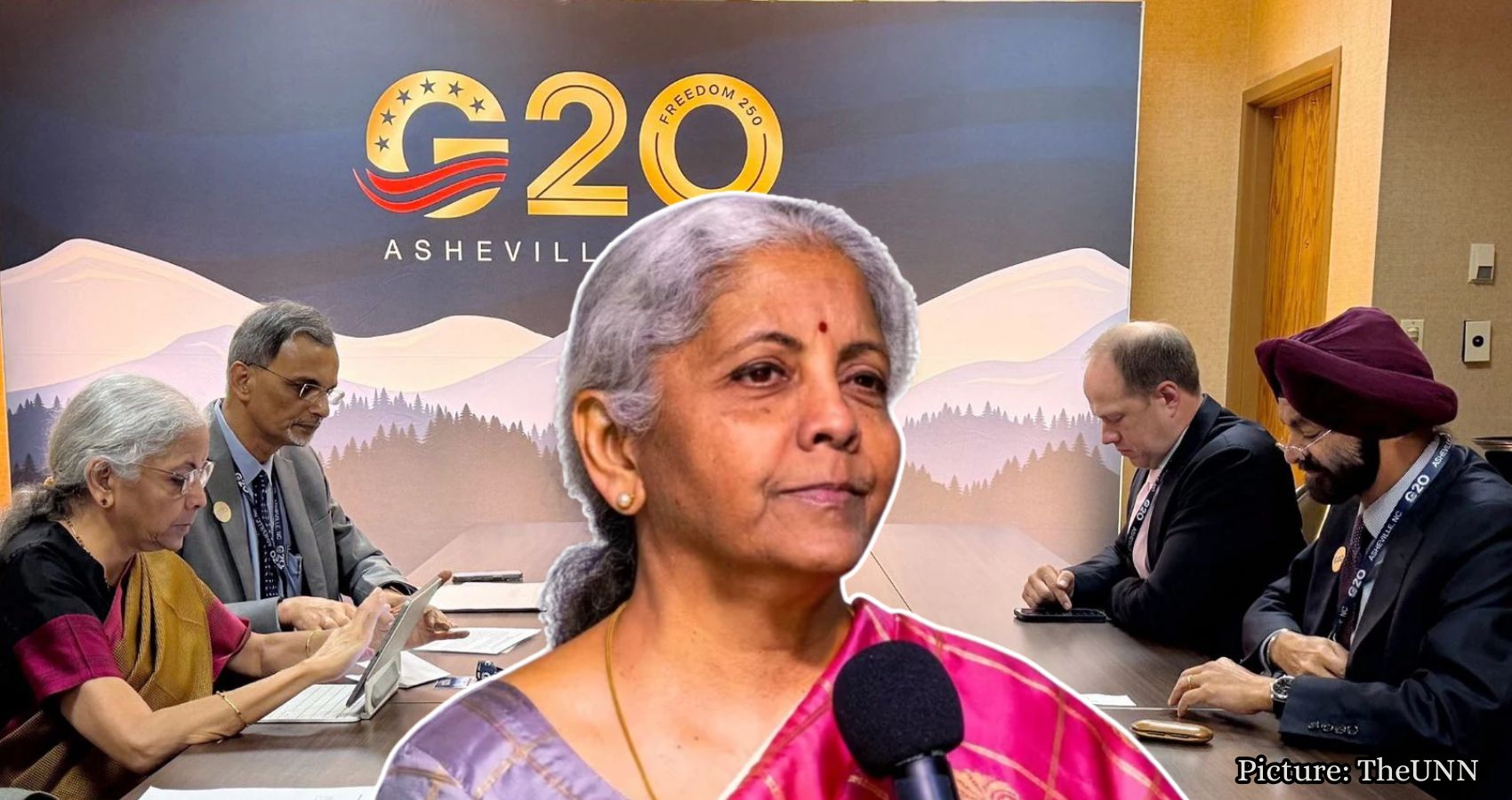
By Ambassador Vinay Kwatra

For decades, the Indian diaspora has been one of India’s greatest strengths, serving as a living bridge between the country and the world. This community has significantly contributed to innovation ecosystems, shaped global discourse, and strengthened economic and cultural ties.

As India positions itself at the forefront of frontier technologies and knowledge production, a new opportunity has emerged to deepen this partnership: the Prime Minister’s Research Chair Scheme.

This initiative aims to attract eminent scholars, scientists, and innovators of Indian origin who have established distinguished careers in leading universities, research institutions, and industries worldwide. The scheme provides a structured mechanism for these experts to contribute their knowledge and experience to India’s development by creating prestigious research chairs in the nation’s premier institutions.

The Prime Minister’s Research Chair Scheme is a vital component of the broader national vision of Viksit Bharat 2047. Achieving this vision requires breakthroughs in science and technology, innovation-led industries, and the ability to generate intellectual property that drives economic prosperity.

The Government of India has consistently emphasized that a developed India must also be a knowledge leader, capable of generating solutions not only for its own citizens but for the world. The Prime Minister’s Research Chair Scheme directly contributes to this ambition by encouraging interdisciplinary research and fostering close collaboration between academia, government, and industry. This collaboration aims to ensure that scientific discoveries translate into innovation, commercialization, and effective public policy.

Research undertaken through these Chairs has the potential to accelerate technological self-reliance, foster innovation, strengthen industrial competitiveness, and create high-quality employment opportunities in India. Thus, the scheme represents a significant investment in the country’s future economic and strategic capabilities.

For the Indian diaspora, participation in this unique initiative offers an unprecedented opportunity to contribute to one of the most consequential nation-building projects of our time. Indian-origin scholars have played pivotal roles in shaping some of the defining innovations of the modern age across laboratories, universities, research institutes, and technology companies worldwide. The Prime Minister’s Research Chair Scheme serves as an institutional bridge, connecting this global expertise with India’s rapidly expanding research ecosystem.
This initiative enables the diaspora to become active partners in building the scientific, technological, and intellectual foundations of a developed India. A distinguishing feature of the scheme is its flexibility, allowing internationally accomplished researchers to engage with Indian institutions through sustained collaborations, mentoring programs, joint research projects, faculty exchanges, doctoral supervision, and the establishment of long-term international research partnerships.
These features make the scheme particularly attractive for researchers, as they can maintain their global academic engagements while helping to build India’s capacity for future generations.

There is also a deeper, enduring dimension to this effort to capitalize on our shared dreams. The relationship between India and its diaspora has evolved into a consequential partnership defined by shared ambition. The Prime Minister’s Research Chair Scheme builds on this evolution, offering a platform where intellectual capital becomes the new currency of engagement between India and the world.

The diaspora has always been an integral part of India’s economic progress. This is a moment to step forward once again as co-authors of India’s intellectual future.

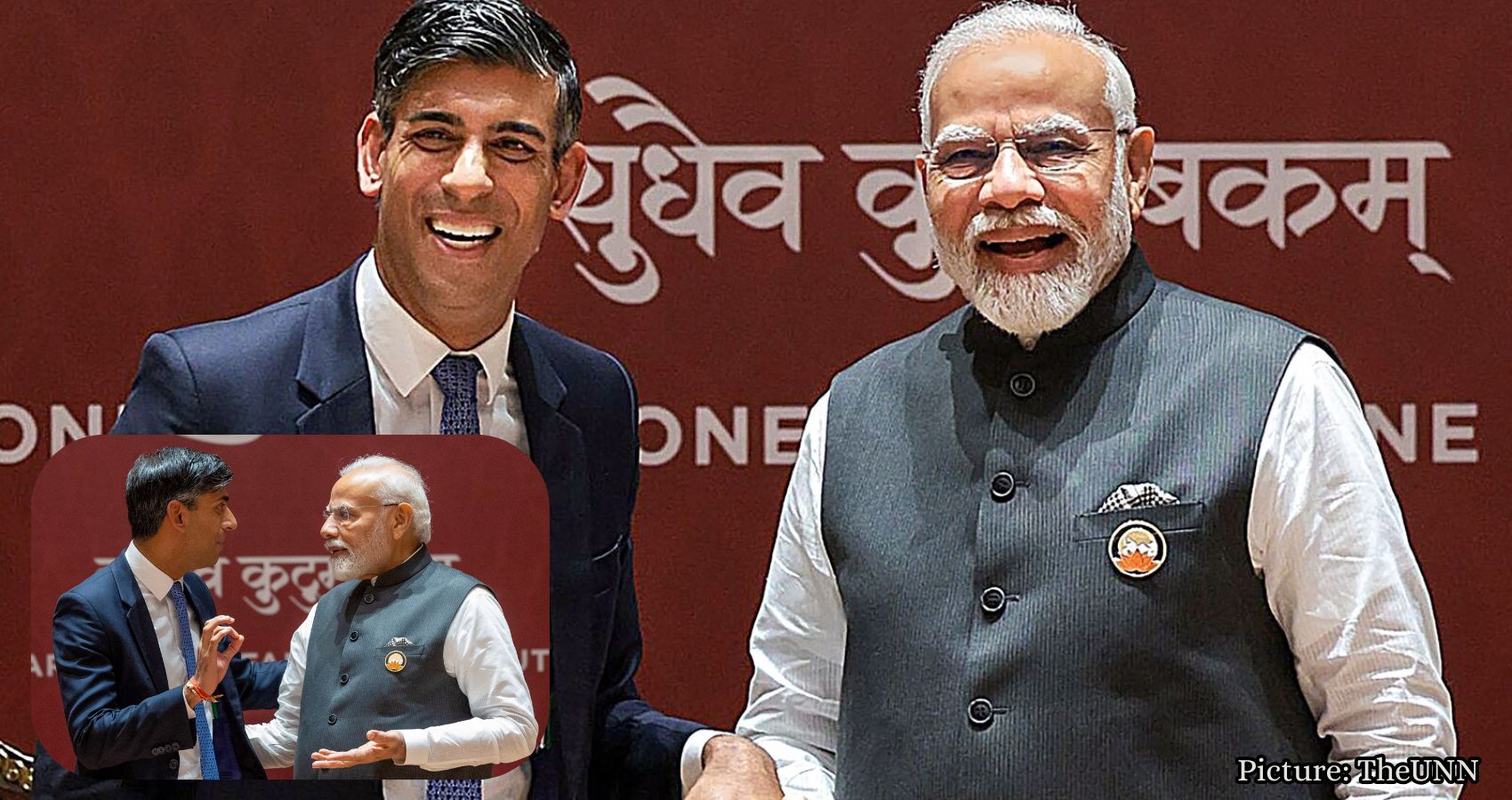
Through this medium, I invite all members of our diaspora to seize this opportunity to co-create knowledge ecosystems that connect the best of Indian and global talent. The diaspora’s role in this effort is indispensable, and we look forward to embarking on this journey together as we realize the vision of our Prime Minister, Shri Narendra Modi, to chart the path toward Viksit Bharat 2047.

According to India West.

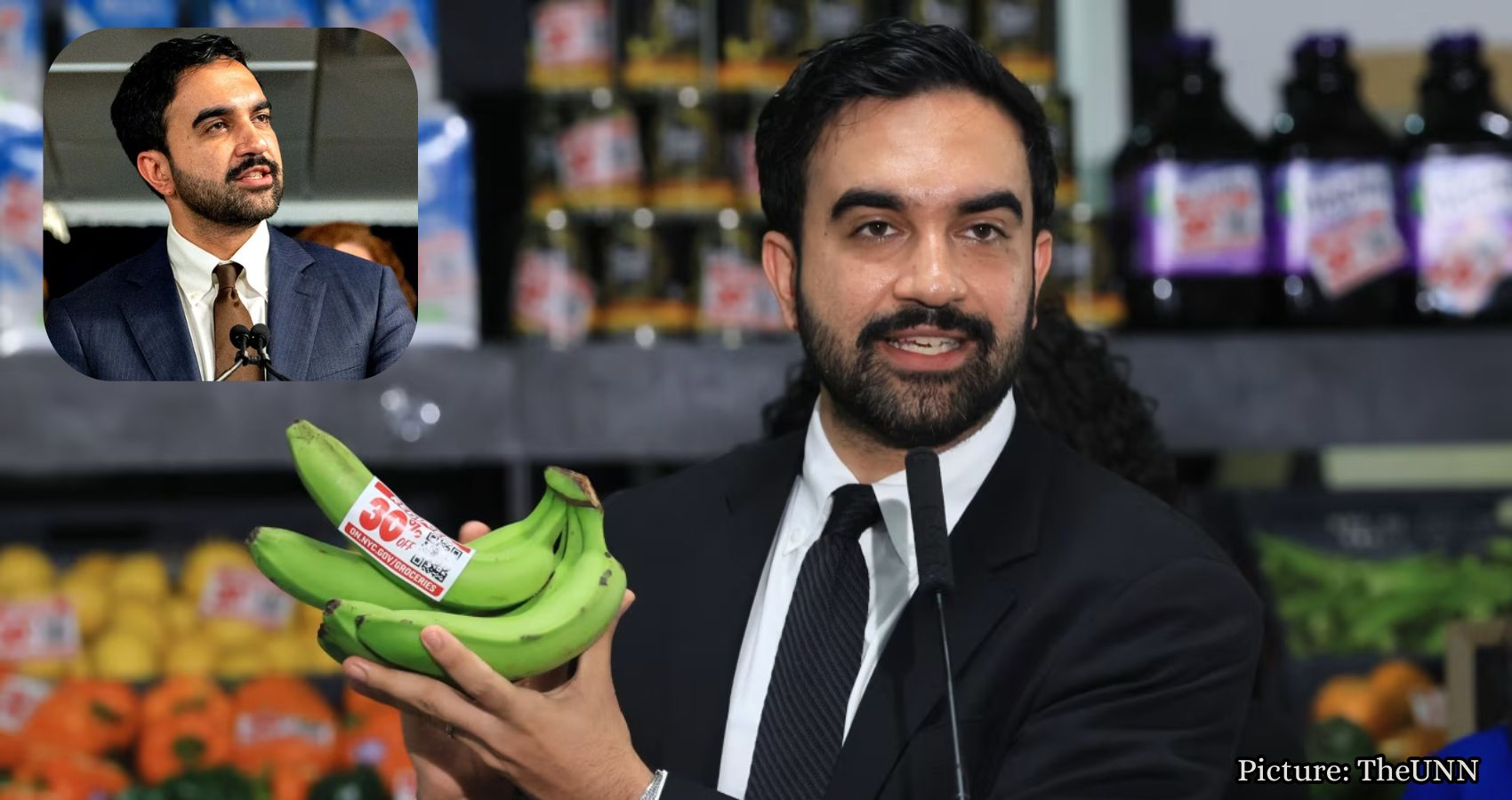
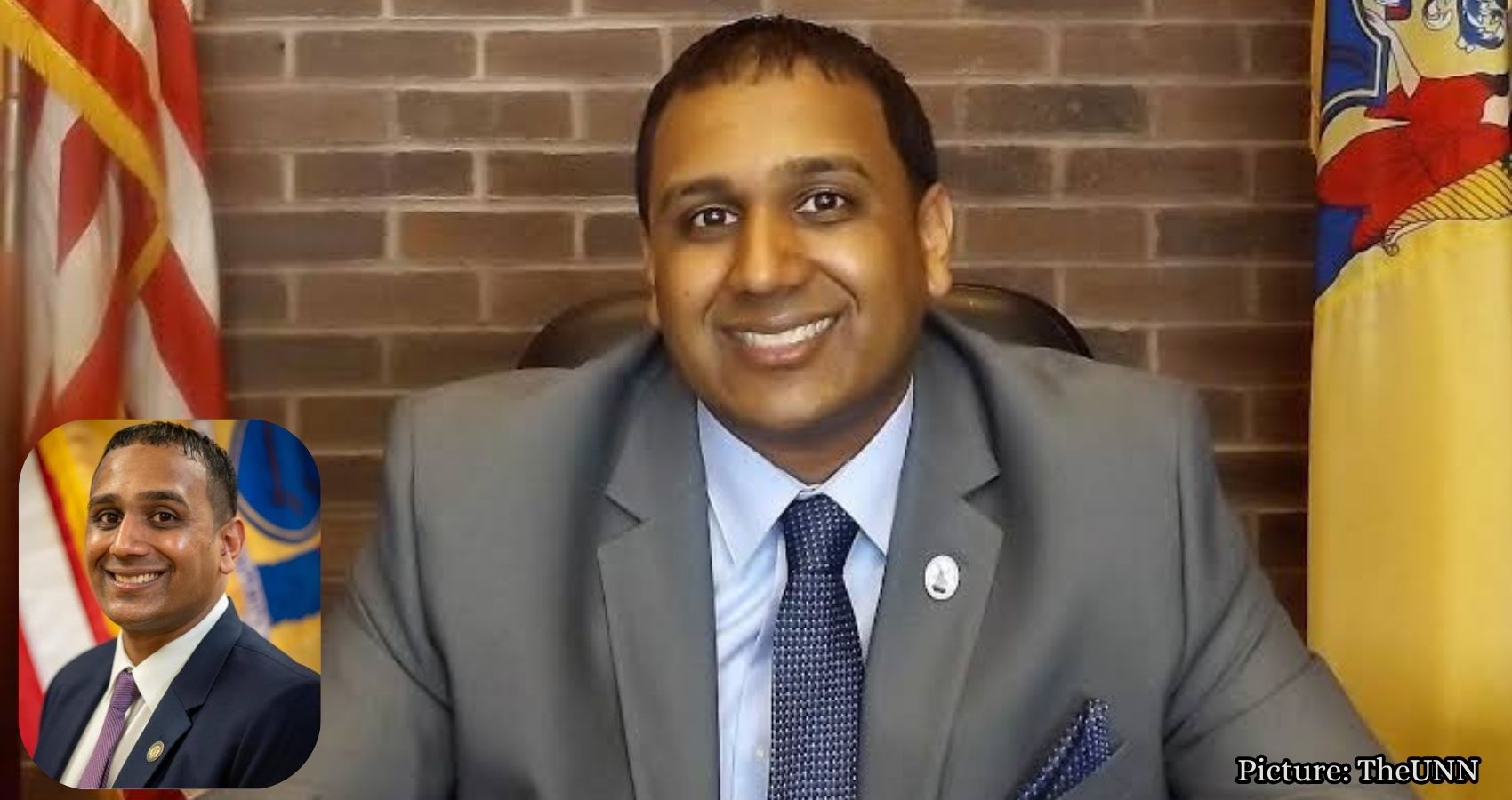
Dr. Nirav Shah Announces Senate Campaign in Maine as Indian-American Candidate

Dr. Nirav Shah, former Director of the Maine Center for Disease Control and Prevention, has officially announced his candidacy for the U.S. Senate, aiming to challenge incumbent Susan Collins.

On July 9, Dr. Nirav Shah declared his campaign for the United States Senate, launching the ‘Defeat Susan Collins Town Hall Tour,’ which will include a series of town hall meetings across Maine.

“Today I am excited to announce my candidacy for the United States Senate to defeat Susan Collins,” Shah stated. He criticized Collins for perpetuating a system that he believes harms Maine residents, saying, “For too long, Susan Collins has upheld a corrupt system that hurts Mainers.”

Shah emphasized that his campaign welcomes supporters of former Democratic Senate candidate Graham Platner, asserting that it embodies the values important to Mainers. “This campaign represents the Maine values we all care about: building a state and country where everyone can get ahead, not just the privileged few, respecting and loving our neighbors, and holding Donald Trump and Susan Collins accountable,” he said.

He expressed his belief that establishment politicians have failed the electorate, asserting that Maine deserves a senator who will fight for its residents. “I will be that fighter,” Shah declared.

Shah is a proponent of Medicare for All, stating, “Nobody in the wealthiest country on earth should go bankrupt over a medical bill.” He also advocates for ensuring that billionaires and large corporations pay their fair share of taxes. On immigration, he pledged to rein in the Immigration and Customs Enforcement (ICE) agency, end the targeting of immigrants, and work towards ceasing reckless foreign wars.

In his critique of Collins, Shah pointed out that her voting record over her thirty years in Washington has contributed to policies that have led to “skyrocketing costs, runaway corruption, and a government that is only interested in enriching itself.” He added, “The longer she stays, the less Maine families have to show for it.”

Shah also highlighted Collins’ support for the appointment of Justice Brett Kavanaugh, which he argued played a role in the overturning of Roe v. Wade, significantly impacting women’s rights across the nation. “After three decades, this state deserves a senator who fights for it rather than one who keeps finding new ways to explain why she could not,” he said.

“This race is about everyday Mainers,” Shah continued. “I’ve shown up and fought for you before, and I am ready to do it again as your next United States Senator.”

According to state law, the Maine Democratic Party has the option to replace Platner on the ballot until a July 27 deadline.

The announcement marks a significant step in Shah’s political career, positioning him as a challenger in a race that could reshape Maine’s representation in the Senate.

For more details on Shah’s campaign and his platform, please refer to India Currents.

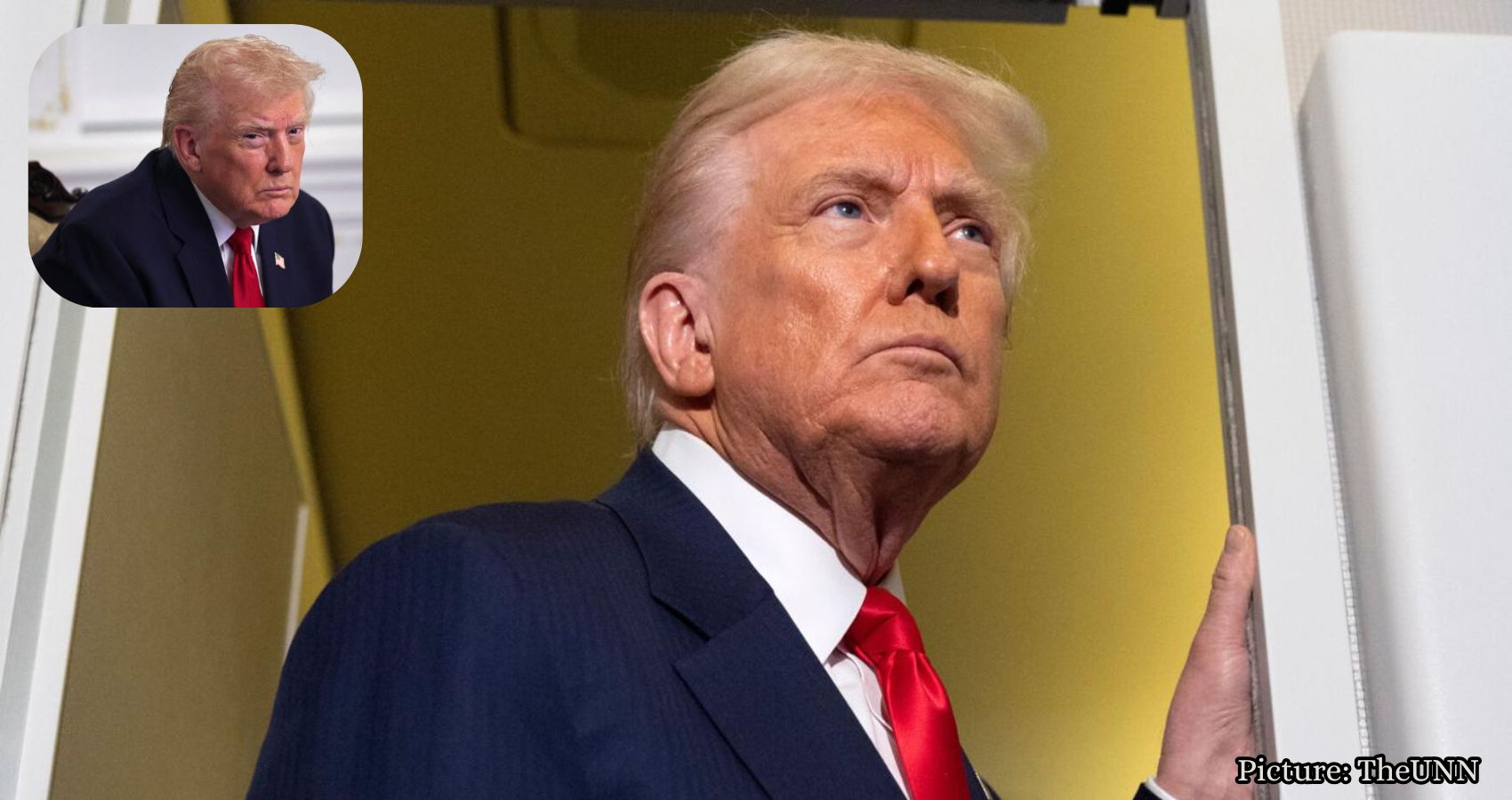
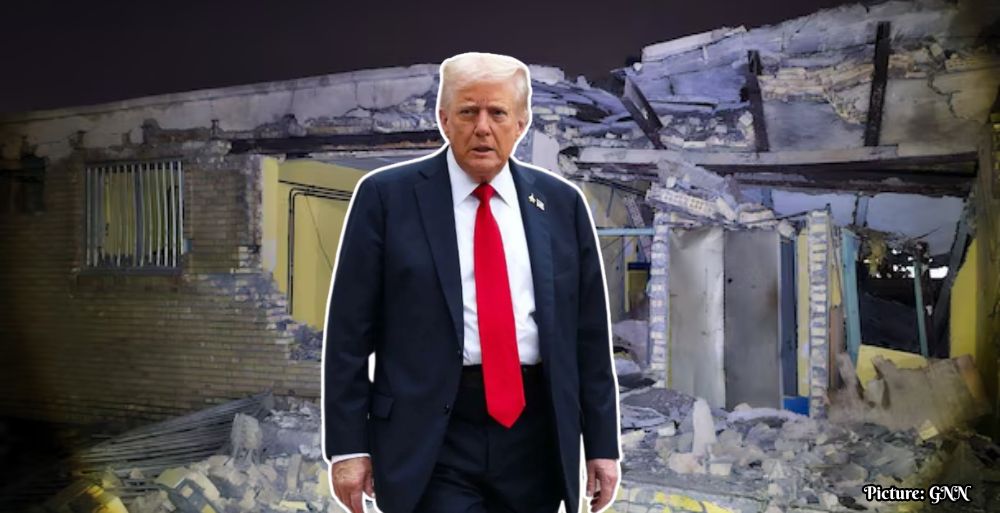
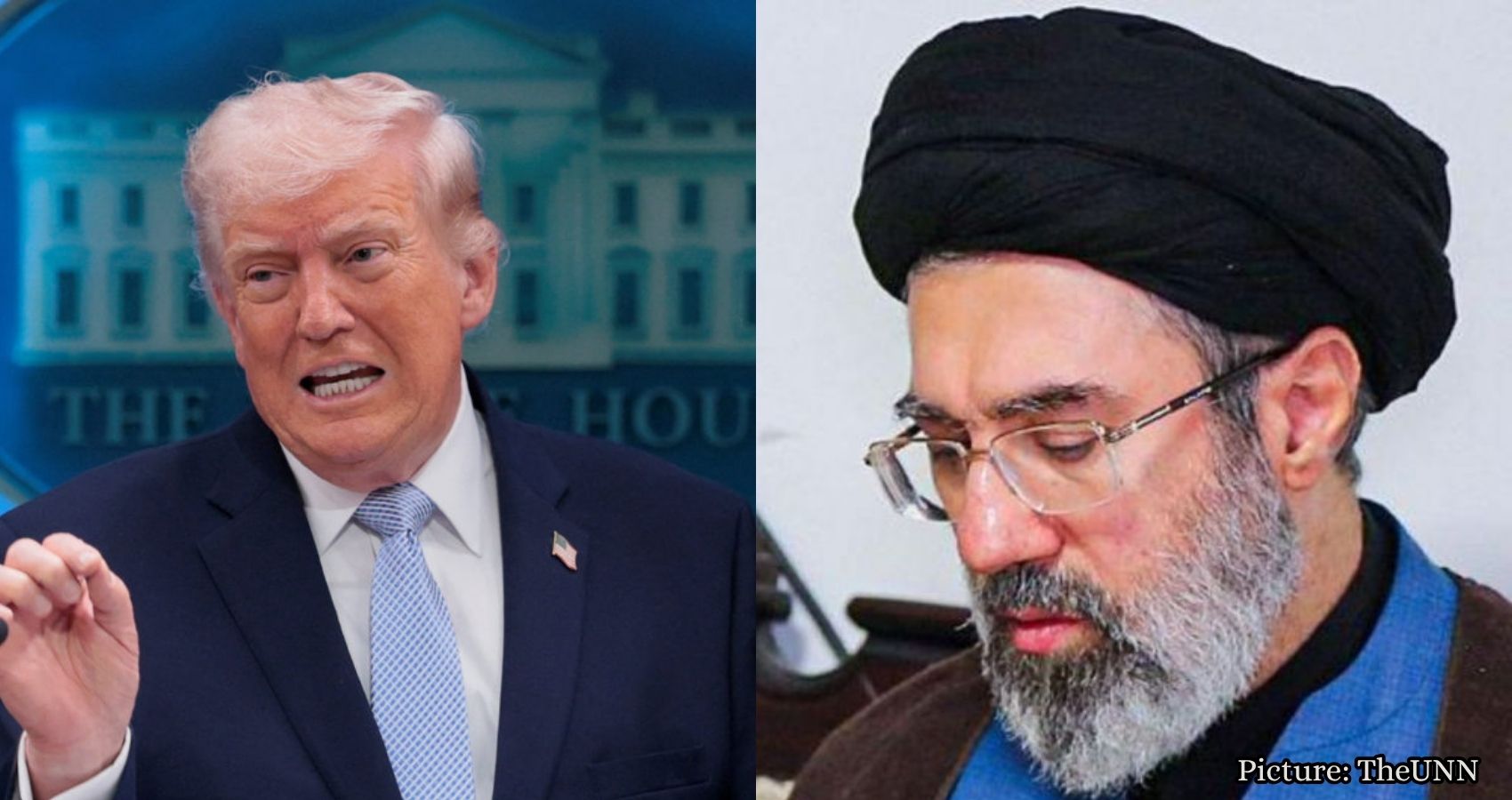
Trump Considers Military Action Against Iran Over Assassination Plot Claims

President Trump has warned Iran of potential military action in response to alleged assassination plot allegations, escalating tensions between the two nations.

President Trump has issued a stark warning to Iran, stating that the U.S. military is prepared to respond with overwhelming force if Tehran acts on an alleged assassination plot against him. This declaration comes amid rising tensions between the two nations.

In a series of provocative statements made late Friday, Trump threatened to “decimate and destroy” Iran if the Islamic Republic attempts to carry out a reported assassination plot against him. His comments followed a report from The Wall Street Journal, which indicated that Israeli intelligence had shared information with U.S. officials suggesting that Iranian leaders were considering such an action.

Trump conveyed his message via the social media platform Truth Social, asserting, “1000 Missiles are Locked and Loaded and aimed at the Islamic Republic of Iran, with thousands of more to immediately follow, should the Iranian Government act on its threat, pronounced in many corners of the Globe, to assassinate, or attempt to assassinate, the sitting President of the United States of America, in this case, ME!” He emphasized that military orders had been issued and that U.S. forces are ready for a prolonged engagement if necessary, stating, “Orders have already been given, and the U.S. Military is ready, willing, and able, for a one-year period of time, subject to extension, to completely decimate and destroy all areas of Iran – PRAISE BE TO ALLAH!”

This latest warning from Trump represents a significant escalation in U.S.-Iran relations, which have been marked by hostility and conflict for decades. Relations have deteriorated dramatically since 1979, when the U.S. Embassy in Tehran was seized, and have been punctuated by various military confrontations, economic sanctions, and diplomatic crises. The recent surge in tensions follows a series of retaliatory strikes and the revocation of Iran’s oil sanctions waiver after attacks on vessels in the critical Strait of Hormuz.

Just prior to Trump’s remarks, he attended a NATO summit in Ankara, Turkey, where he labeled Iran as his “No. 1 target” following an exchange of strikes that heightened security concerns. This characterization underscores the ongoing animosity that has characterized U.S. foreign policy under Trump’s administration, which has often taken a hardline stance against Tehran.

In Iran, the atmosphere has also become increasingly charged. Ayatollah Mojtaba Khamenei, the newly appointed Supreme Leader and son of the late Ayatollah Ali Khamenei, vowed to avenge his father’s death, which occurred during a U.S. military engagement earlier this year. In a Telegram post reviewed by Reuters, he stated that avenging his father’s death was a “demand of the nation” and that it “must certainly” occur. This sentiment was echoed at the funeral procession for the late Supreme Leader, where crowds held banners proclaiming, “WE WILL KILL TRUMP.” Such rhetoric highlights the deep-seated emotions and nationalistic fervor that can drive both public sentiment and government policy in Iran.

In light of these threats, Trump reiterated in an interview with The New York Post that he has taken measures to ensure military readiness should Iran act against him. He disclosed that he had “left instructions” for a powerful military response if anything were to happen to him, stating, “I’ve been on their list for a long time. That’s what we’re dealing with.” This admission reflects his awareness of the risks involved in U.S.-Iran relations and the persistent threats he perceives from Iranian leadership.

Despite the heightened rhetoric, Trump downplayed the significance of the intelligence shared by Israeli officials, maintaining that there was no new plot from Iran against him. He remarked, “No, no. Israel came up with nothing. No, no. I’ve been No. 1 [on Iran’s kill list] for a long time, and it’s the way life is, you know.” This statement illustrates a broader context of enduring animosity between the U.S. and Iran, particularly during his administration, and reflects Trump’s perception of his own vulnerabilities.

The current state of affairs raises critical questions regarding U.S. foreign policy and military engagement in the Middle East. The potential for military conflict poses concerns not only within the United States but also among its allies and partners globally. Recent actions, including the revocation of Iran’s oil sanctions waiver and the declaration of a ceasefire as “over,” signal a significant shift in diplomatic engagements and could lead to further military confrontations.

As tensions continue to rise, the international community is closely monitoring developments to gauge the next moves by both the U.S. and Iran. The implications of any military action could have far-reaching consequences, affecting regional stability as well as global oil markets and international relations. A military escalation could draw in other nations and complicate existing alliances, further destabilizing the region.

In this charged environment, Iran’s response remains uncertain, with further retaliatory actions possible. The potential for escalation is a pressing concern for stakeholders worldwide, as both nations navigate this perilous situation. The actions taken in the coming days and weeks will be critical in shaping not only the future of U.S.-Iran relations but also the broader geopolitical landscape in the Middle East, according to The Wall Street Journal.

Public Support for Mass Deportation Declines Amid New Immigration Proposal

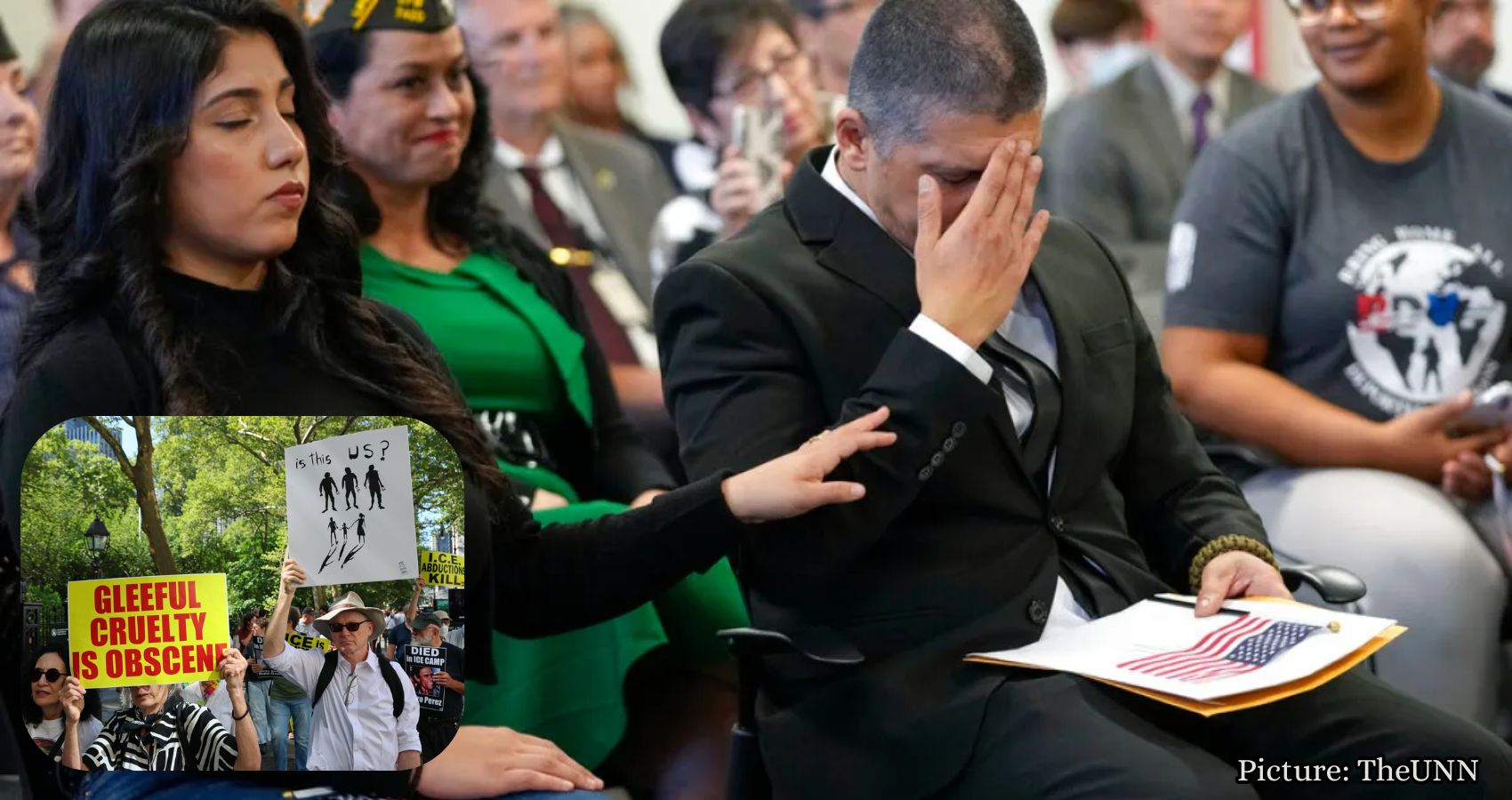
As public support for mass deportation declines, the American Immigration Council has proposed a new framework aimed at reforming the U.S. immigration enforcement system to prioritize credibility and humanity.

Washington, D.C. – On May 12, the American Immigration Council unveiled a new framework advocating for a comprehensive overhaul of the United States’ immigration enforcement system. The proposal highlights a fundamental disconnect between current immigration practices and public safety, arguing that the ongoing debate has been reduced to a false dichotomy of either mass deportation or no enforcement at all.

Titled “Restoring Credibility and Humanity: A New Framework for Immigration Enforcement,” the document outlines a roadmap to replace indiscriminate mass deportation with a system that emphasizes compliance with the law. The framework prioritizes addressing public safety threats, implementing proportionate consequences, and ensuring meaningful accountability for government abuses.

This proposal emerges in the wake of growing criticism of the Trump administration’s mass deportation agenda, which has affected long-term residents, families, business owners, and individuals actively seeking lawful status.

“Mass deportation has eroded public trust in the federal government by treating every immigrant as a violent criminal,” said Nayna Gupta, national policy director and co-author of the report. “A credible system should provide a pathway for those who want to follow the rules and impose consequences that are proportionate to the actual violation. The Trump administration has weaponized outdated laws, using detention and deportation as a one-size-fits-all punishment, even for individuals with deep community ties who pose no public safety threat.”

The framework proposes significant reforms across four key pillars:

First, it suggests creating a new process for long-term undocumented residents to obtain lawful permanent status through fines, community service, and probation-like systems, rather than facing deportation.

Second, it calls for revising outdated laws to focus enforcement efforts on individuals convicted of violent or particularly serious recent crimes while enhancing the professionalism of enforcement agencies.

Third, the proposal advocates for new, proportionate consequences for violations of immigration law, moving away from blanket detention and deportation for all immigration violators.

Lastly, it emphasizes the need for independent oversight and stronger judicial authority to hold immigration agencies and their agents accountable for any abuses of power.

The framework posits that immigration enforcement should not be measured by the number of deportations executed but rather by the consistency, fairness, and humanity with which laws are enforced.

“The primary goal of ramping up immigration enforcement was to remove violent offenders from the streets, and that is widely supported,” said Joseph Kennedy, sheriff of Dubuque County, Iowa. “However, the issue arises when individuals who are complying with the law—such as those reporting for regular check-ins—are taken into custody. This erodes trust and makes communities less safe when law enforcement cannot be relied upon.”

Additionally, the framework emphasizes the importance of accountability reforms, asserting that rebuilding public confidence in immigration enforcement requires meaningful oversight and consequences for abuses of power. It proposes measures such as expanding judicial authority to review unlawful enforcement actions, establishing an independent immigration accountability commission, strengthening internal oversight offices within the Department of Homeland Security (DHS), and enabling victims of civil rights violations to pursue legal action.

“Establishing a credible and humane immigration enforcement system hinges on ensuring that enforcement agencies are accountable to both the public and other branches of government,” said Aaron Reichlin-Melnick, senior fellow and co-author of the report. “No law enforcement agency can maintain legitimacy if abuses of power go unchecked. A credible enforcement system must empower courts and Congress to intervene when federal agencies and officers overstep their authority.”

The framework warns that the United States has reached a critical juncture after decades of immigration policymaking focused excessively on punishment rather than long-term compliance and public safety. The report cautions that continuing down the path of indiscriminate enforcement risks entrenching the country in a permanent state of mass detention and social disruption.

“We are faced with a choice between indiscriminate enforcement that destabilizes communities and diverts resources from genuine public safety threats, versus credible enforcement that is targeted, proportional, and capable of enhancing public safety,” Gupta stated. “The question is not whether immigration laws should be enforced, but whether that enforcement will be smart, focused, and humane, or driven by fear, quotas, and political theater.”

The full framework is available on the American Immigration Council’s website.

According to American Immigration Council.

Minnesota Daycare Owner Pleads Guilty to Pandemic Meal Program Fraud

Minnesota daycare owner Fahima Mahamud has pleaded guilty to wire fraud and conspiracy to defraud the United States in a scheme involving pandemic meal program funds.

Minnesota daycare owner Fahima Mahamud has pleaded guilty to one count of wire fraud and one count of conspiracy to defraud the United States in connection with a fraudulent scheme related to pandemic-era meal programs, according to court records.

Prosecutors allege that Mahamud attempted to flee the United States just two days after shutting down her daycare center, Future Leaders Early Learning. They claim she fraudulently obtained more than $850,000 through the Feeding Our Future program by falsely claiming funds intended to provide meals for children during the COVID-19 pandemic. Authorities indicated that Mahamud used a significant portion of the funds to purchase real estate.

In addition to the Feeding Our Future program, the Department of Justice alleged that Mahamud submitted separate fraudulent claims totaling approximately $4.6 million through the federal Child Care Assistance Program.

In February, Mahamud notified the state that she was shutting down Future Leaders. On the same day, prosecutors allege she had booked a flight to London, raising further suspicions about her intentions.

Previously, Mahamud was accused of falsely claiming that her daycare served meals to large numbers of children through federally funded food programs. The facility gained public attention after a viral video posted by YouTuber Nick Shirley, who toured various Minnesota childcare centers, raised questions about the legitimacy of some facilities receiving public funds. The video sparked widespread scrutiny of childcare and nutrition assistance programs in the state.

In May, Aimee Bock, who was reportedly leading the fraudulent scheme, was sentenced to more than 41 years in prison. Bock has since appealed her conviction and sentence. Numerous others have also been convicted in connection with the case.

Bock operated Feeding Our Future, which claimed to have provided millions of meals to children in need during the pandemic. However, the U.S. Justice Department described her as the mastermind behind the “single largest COVID-19 fraud scheme in the country.”

The case against Bock and others was notably used by former President Donald Trump to justify a significant increase in federal officers deployed to the Minneapolis-St. Paul area last winter, which led to public pushback and resulted in the deaths of two individuals.

In response to the ongoing investigations, U.S. authorities have announced efforts to enhance transparency and oversight in federally funded food assistance programs to prevent the misuse of taxpayer money. Investigators continue to examine the roles of other individuals accused in the alleged fraud and any additional parties who may have been involved.

According to The American Bazaar, the fallout from this case highlights the need for stricter regulations and monitoring of food assistance programs to ensure that funds are used appropriately and reach those in need.

Israel Indicates Willingness for Further Strikes on Iran Following Trump Ceasefire Announcement

Israel’s leaders indicate readiness for a potential third strike against Iran, while the U.S. maintains close coordination with Jerusalem amid rising tensions in the region.

Israel’s leadership has publicly expressed its preparedness to conduct a third military strike against Iran, as a U.S. official confirmed ongoing close coordination between Washington and Jerusalem. During a graduation ceremony for the Israeli Air Force’s newest pilots, Israel Defense Forces (IDF) Minister Israel Katz stated, “The IDF is on high alert and prepared to resume the campaign, regain air superiority, and carry out an independent Israeli strike against Iran to eliminate threats — even for a third time.” He emphasized, “If we have to return, we will return with even greater force.”

Prime Minister Benjamin Netanyahu echoed Katz’s sentiments, asserting that Israel’s campaign against Iran is far from over. He declared, “The war has not yet ended,” and noted that new challenges are emerging alongside existing ones. “Axes are falling, and axes are rising. We are paying attention to this. We are prepared for every scenario,” he added.

However, reports indicate that the Trump administration currently prefers that Israel refrain from participating in the latest U.S. strikes against Iran. According to two Israeli sources who spoke to CNN, Netanyahu is eager to join the U.S. efforts, but the U.S. has expressed a desire for Israel to remain uninvolved at this time. A U.S. official countered this narrative, labeling it as “fake news,” and reaffirmed the strong relationship between the U.S. and Israel, which has contributed to the success of recent military operations.

Israel initiated a significant military campaign against Iran in June 2025, later joined by the U.S. in targeting key nuclear facilities. A new coordinated military campaign was launched by both allies on February 28. Despite the public declarations of readiness for further military action, some Israeli officials and analysts suggest there is limited appetite for renewed conflict unless it yields a clear strategic advantage.

Nadav Eyal, an Israeli analyst and journalist for Yedioth Aharonoth, noted that while Israel is signaling its willingness to strike Iran, there is a cautious sentiment behind the scenes. He stated, “On the record, Israel is signaling that it is prepared and even eager to strike Iran. But off the record, sources are saying that it is anything but that.” Eyal highlighted the potential repercussions of an Israeli strike, particularly the risk of Iranian ballistic missile attacks against Israel.

As Israel approaches another election, the domestic political consequences of renewed military action could make Netanyahu hesitant to engage in further conflict. Eyal remarked, “If these strikes are meant to provide meaningful, strategic change, it is something the prime minister can sell to the public. But if the intention is only to use Israel as leverage, why should Israelis again experience a couple of weeks or more of sitting in safe rooms and losing their summer vacations?”

Despite the ongoing military rhetoric, the diplomatic landscape remains active. Trump recently declared that the ceasefire with Iran is over, stating, “The Islamic Republic of Iran has asked us to continue ‘talks.’ We have agreed to do so, but the United States has stated to them, in no uncertain terms, that the Cease Fire is OVER!”

In a bid to de-escalate tensions, Qatari negotiators have reportedly traveled to Iran in coordination with the U.S. to engage with Iranian officials. On Thursday, Netanyahu and Trump spoke by phone, agreeing to continue their coordination across various regional fronts. Trump also briefed Netanyahu on American operations in the Gulf.

Military warnings from Israeli officials coincide with reports from the Wall Street Journal indicating that Israel has provided the U.S. with intelligence regarding a potential Iranian plot to assassinate Trump. These developments follow renewed attacks on commercial shipping in the Strait of Hormuz, where U.S. naval officials have described the maritime threat as “severe.” U.S. Naval Forces Central Command reminded commercial vessels that an expanded southern route through the strait remains open, and no controlling authority can require ships to pay a fee for passage.

A U.S. official characterized Iran’s attacks on commercial vessels as “acts of terrorism,” asserting that they violate the memorandum of understanding between Washington and Tehran. “The United States is still committed to finding a resolution, and technical talks continue,” the official stated, adding, “Iran can never possess a nuclear weapon.”

Brig. Gen. Yossi Kuperwasser, a former senior Israeli military intelligence officer, emphasized that Israel has never viewed the memorandum as a sufficient guarantee. “From Israel’s perspective, the MOU was never a good deal,” he told Fox News Digital. He urged that Israel should remain on high alert, ready to respond to any Iranian threats.

As tensions escalate, Israel’s leaders are making it clear that they are prepared to act against Iran. However, the extent to which the U.S. will allow Israel to participate in renewed military operations could significantly influence whether the current confrontation escalates into a broader regional conflict.

Fox News Digital reached out to the White House for comment.

According to Fox News Digital.

India Asks US to Reconsider 12.5% Tariff, Seeks Talks

India has urged the U.S. to reconsider a proposed 12.5% tariff, advocating for bilateral negotiations to address trade disputes rather than unilateral measures linked to a Section 301 investigation.

India is calling on the United States to reconsider its proposed 12.5% tariff, emphasizing that trade-related concerns should be resolved through bilateral negotiations rather than through unilateral actions. This request comes in response to the Office of the United States Trade Representative (USTR) and its Section 301 investigation into forced labor practices.

During a public hearing on July 8, Indian officials argued that the USTR’s findings contain inconsistencies and do not meet the legal standards outlined under U.S. trade law. The transcript from this hearing was subsequently published on the USTR’s website.

Joint Secretary in the Department of Commerce, Brij Mohan Mishra, represented India at the hearing. He stated that India has been actively addressing concerns related to forced labor and strongly disagrees with the conclusions drawn by the USTR. Mishra emphasized that India views the elimination of forced labor as both a constitutional responsibility and an international obligation.

“India would like to highlight its concerns with the USTR’s report and findings against India,” Mishra said. He argued that the USTR has not satisfied the legal requirements set forth under Section 301(d) of the U.S. Trade Act.

Mishra pointed out that the absence of a specific ban on imports made with forced labor does not automatically render India’s trade practices unreasonable under Section 301, especially without sufficient supporting evidence.

India also criticized the methodology employed in the USTR investigation, claiming it relied on a limited number of case studies and broad global trade patterns rather than country-specific evidence. Mishra noted that the report assumes that imports flagged for forced labor in certain countries eventually reach the U.S. market, without establishing any direct connection between those imports and India’s exports.

Furthermore, he argued that the report fails to provide adequate evidence that India’s policies create an unfair competitive advantage or harm American industries. The Indian government contended that the USTR’s recommendation unfairly categorizes 46 economies, including India, under a single umbrella without offering separate justifications for imposing countrywide tariffs.

In concluding his submission, Mishra urged the USTR to withdraw the proposed tariff after reviewing the inconsistencies identified in the investigation. “In conclusion, it is submitted that the USTR reconsider the imposition of tariff in light of the identified inconsistencies in the report in the Federal Register notice. We ask that any trade problems be addressed within the framework of the India-U.S. bilateral trade negotiation, not through unilateral measures such as this investigation,” he stated.

Mishra reiterated India’s willingness to engage in discussions with the USTR through consultations and constructive dialogue to resolve any specific concerns.

In addition to government representatives, industry voices also weighed in on the proposed tariff. Shreyans Gupta, First Secretary at the Embassy of India in Washington, D.C., represented the Agricultural and Processed Food Products Export Development Authority (APEDA). He challenged the USTR’s claims regarding rice imports allegedly produced with forced labor. Gupta noted that India’s rice imports are minimal and primarily cater to niche demands for specific rice varieties.

According to Gupta, the total value of rice imported into India constitutes less than three percent of the value of rice exported from India to the United States. He emphasized that India has strict regulatory safeguards to ensure that imported rice produced with forced labor cannot be re-exported to the U.S. Only rice processed at mills and units registered with India’s agriculture ministry is permitted for export to the American market.

“For these reasons, the present investigation against India may be rescinded without prejudice,” Gupta said, while requesting that Indian rice be exempted from the proposed tariff if the investigation continues.

Indian industry organizations have also expressed opposition to the proposed tariff during the consultation process. The Federation of Indian Chambers of Commerce and Industry (FICCI) cautioned that the additional duty should be carefully reconsidered, as it would increase costs across the supply chain.

“An additional tariff will increase costs not only for Indian exporters but also for U.S. manufacturers, importers, retailers, and ultimately, American consumers,” the chamber stated. FICCI added that higher tariffs would escalate expenses for businesses already complying with regulatory standards and could disrupt reliable India-U.S. supply chains.

The Confederation of Indian Industry (CII) also contended that the proposed 12.5% tariff is not supported by the evidence presented in the investigation. According to CII, the USTR report does not establish that India’s policy framework places an unfair burden on U.S. commerce.

The USTR launched two separate Section 301 investigations on March 11 and 12, 2026, covering 60 economies due to concerns related to forced labor and excess industrial capacity. On June 3, it released findings from the forced labor investigation and proposed additional tariffs on imports from the affected economies.

The proposal recommends a 10% tariff on imports from Canada, Ecuador, the European Union, Indonesia, Mexico, and Pakistan, while imports from 54 other economies, including India and China, would face a proposed 12.5% tariff.

This proposal has not yet been finalized. The USTR is currently reviewing public comments and testimony submitted during the hearing before making a final decision on whether to implement the proposed tariffs, according to The Sunday Guardian.

Former Police Chief Warns of Loophole Exploited by Chinese Vape Companies

Former law enforcement official Edgar Domenech warns that illicit Chinese vape companies are exploiting legal loopholes by using an unregulated nicotine substitute to target youth with flavored disposable vapes.

Chinese organized crime groups are reportedly replacing traditional nicotine with 6-methyl nicotine in flavored disposable vapes to evade oversight from the Food and Drug Administration (FDA), according to Edgar Domenech, a former deputy director of the Bureau of Alcohol, Tobacco, Firearms and Explosives. Domenech has raised concerns about the implications of this practice, particularly regarding its impact on youth.

In an interview with Fox News Digital, Domenech explained that these illicit companies have discovered a way to exploit legal loopholes by simply altering the ingredients in their products. This tactic creates confusion and complicates enforcement efforts, leaving regulatory agencies unable to address the issue effectively.

6-methyl nicotine, also referred to as 6MN or “NIX,” is a synthetic compound marketed under various brand names, including Nixodine and Metatine. Some manufacturers argue that products containing 6-methyl nicotine fall outside the FDA’s jurisdiction. Domenech emphasized that while nicotine is a well-known addictive substance regulated by the FDA, the substitute being manufactured illegally in China remains largely unstudied and poses unknown risks.

“It’s a different type of substance,” he stated. “Now, all of a sudden, the FDA doesn’t have oversight, but it’s the same product. It’s a disposable vape product with flavors targeting our kids and our youth with unknown chemicals.”

Domenech pointed out that the organized crime groups are adept at staying ahead of law enforcement by changing product ingredients, which complicates efforts to combat the illicit trade. He noted that these companies maintain consistent branding, packaging, and flavors while altering just one ingredient, allowing them to profit from unsuspecting children.

“They’re putting these products side by side in these big shops because the packaging is all the same,” he said. “All they’ve done is changed one of the ingredients in the product.”

The former sheriff of New York City expressed concern that these companies are specifically targeting “our youngest, most vulnerable generation” with flavored disposable vapes that contain chemicals whose long-term health effects are still unknown.

“They’re targeting our youth with flavors,” he remarked. “Whether it’s fruity flavors, candy-type flavors, or dessert flavors, they’re enticing our kids to ingest these products with unknown consequences because we don’t know what’s in them to begin with.”

As youth vaping continues to rise, some schools have started installing bathroom sensors to detect vaping activity. Domenech noted that children as young as 11 years old are using these products.

He warned that the health implications of these products could lead to “unknown health and mental well-being issues down the line.” He firmly stated, “There is nothing healthy about the illegal disposable vapes that are flavored targeting our kids.”

A recent study from Duke University raised alarms about 6-methyl nicotine, suggesting it may be more potent than traditional nicotine, which raises concerns about its potential for increased addiction. Public patent records indicate that Geoff Habicht, CEO of Arizona-based Mi-Pod, is listed as an inventor on U.S. patents related to 6-methyl nicotine and its compounds.

Domenech emphasized the importance of raising awareness among lawmakers, health professionals, parents, and educational institutions to close regulatory gaps and prevent further youth exposure to these products. “Education is paramount for us to combat this issue,” he said. “We need to educate our policymakers, health professionals, and parents to understand that these products are illegal and contain unknown substances that can have serious health consequences.”

He called for clearer guidance for lawmakers and law enforcement to help them identify and seize these products effectively. “We need a concerted effort to educate our policymakers at the federal, state, and local levels because we need boots on the ground to understand what they can do legally in seizing these products,” he added.

Domenech described the companies involved as a “national security problem,” insisting that their products should be confiscated upon entry into the United States. “We’re losing a generation of our future, our future leaders to this product,” he concluded.

According to Fox News, the situation underscores the urgent need for comprehensive strategies to combat the rising tide of illicit vaping products targeting children.

Nirav Shah Advocates for Two Statewide Senate Debates

Democratic U.S. Senate candidate Dr. Nirav Shah is advocating for at least two statewide televised debates before the Maine Democratic State Committee selects the party’s nominee later this month.

BRUNSWICK, ME – Dr. Nirav Shah, a Democratic candidate for the U.S. Senate, is calling for his fellow candidates to engage in at least two statewide televised debates prior to the upcoming vote by the Maine Democratic State Committee to determine the party’s nominee.

Shah emphasized that these debates should be broadcast across Maine and feature questions from local journalists. He believes that public forums are increasingly important, particularly given the compressed timeline for selecting the Democratic nominee.

While most Maine voters will not have a direct role in the nomination process, Shah argues they deserve the opportunity to observe candidates discussing their positions and responding to questions before the committee makes its decision.

Shah highlighted that the Democratic nominee will face off against Republican Senator Susan Collins, whom he referred to as a 30-year incumbent, in what he described as one of the most competitive Senate races in the country. He contends that debates would provide voters with a clearer understanding of how each candidate addresses challenging questions and defends their viewpoints—insights that cannot be gleaned from press releases or fundraising emails.

Expressing his readiness to participate, Shah stated he is willing to debate “anytime, anywhere, on any station,” and he urged other Democratic candidates to commit to the same before the nomination vote.

The Maine Democratic State Committee is set to vote on the party’s Senate nominee later this month, making the call for debates timely and significant.

According to India-West, Shah’s push for debates underscores the importance of transparency and engagement in the electoral process.

U.S. House Plans Vote on Permanent Daylight Saving Time Legislation

The U.S. House of Representatives is set to vote on the Sunshine Protection Act, which aims to establish permanent daylight saving time while allowing states to opt out.

The United States House of Representatives is scheduled to vote next week on the Sunshine Protection Act, a legislative proposal that seeks to make daylight saving time permanent across the nation. This measure aims to eliminate the twice-annual practice of changing clocks, but it includes a significant provision allowing individual states to opt out. The upcoming vote follows years of legislative gridlock, balancing economic arguments for brighter evenings against public safety concerns regarding dark winter mornings.

According to an official legislative notice posted Thursday, the U.S. House will take up a high-profile vote on this legislation, marking the most significant momentum for the time-change debate in years. This renewed effort sets the stage for a clash over the nation’s sleep cycles, economic productivity, and safety during winter mornings.

The bill under consideration is a revised version of the Sunshine Protection Act. The House Energy and Commerce Committee previously advanced the measure with a commanding 48–1 vote, reflecting a strong consensus at the committee level. A similar iteration of the bill achieved unanimous consent in the U.S. Senate in March 2022, but momentum stalled in the House due to regional disagreements and pushback from public health advocates. Unlike previous versions, the current proposal explicitly allows states to opt out of the federal mandate if they choose to remain on standard time year-round.

Daylight saving time, the practice of advancing clocks by one hour during warmer months, has been standard across nearly the entire United States since the passage of the Uniform Time Act of 1966. Under current federal law, states can opt out of daylight saving time to remain on standard time permanently—a path chosen by Arizona and Hawaii—but they are legally barred from adopting permanent daylight saving time without an explicit act of Congress.

The push to end the biannual clock shift has garnered a mix of bipartisan support and regional opposition. Representative Vern Buchanan, a Florida Republican, has been the primary architect behind the current House push, having introduced the legislation regularly since 2018. The proposal enjoys immense popularity in Buchanan’s home state, where the tourism and leisure economies thrive on extended evening daylight.

“There is simply no reason to keep disrupting our lives twice a year with an antiquated system,” Buchanan stated during a Capitol Hill briefing. “The benefits for our economy, our small businesses, and the physical well-being of our citizens are clear. It is time to lock the clock.”

Support for the bill also extends across the political aisle. Representative Frank Pallone, a New Jersey Democrat and high-ranking member of the Energy and Commerce Committee, echoed the economic sentiments of the tourism sector. “Permanent daylight saving time is better for public safety, reduces energy grid strain, and will provide a measurable boost to New Jersey’s tourism industry,” Pallone noted in a statement following the committee vote. “Let’s stop changing the clocks twice a year and give people their evenings back.”

Proponents of the Sunshine Protection Act point to a growing body of research linking the sharp transition of “springing forward” to adverse public health outcomes. Data frequently cited during committee hearings indicate that the loss of one hour of sleep during the spring transition correlates with an uptick in workplace injuries, a 5% to 6% spike in vehicular traffic accidents in the days following the shift, and a temporary increase in cardiac incidents. Advocates argue that stabilizing the clock year-round would eliminate these cyclical health risks.

Moreover, economic advocacy groups maintain that shifting an hour of daylight from the early morning to the evening during late autumn and winter acts as a natural stimulus. Brighter evenings encourage consumers to shop, dine out, and engage in outdoor recreational activities after standard business and school hours.

However, the proposal faces significant opposition from a coalition of lawmakers, agricultural advocates, and sleep medicine researchers. If the bill passes the House, it must return to the U.S. Senate, where it faces strict opposition from lawmakers like Senator Tom Cotton, an Arkansas Republican.

“We cannot ignore the structural realities of what this change means for the map,” Cotton stated during a Senate floor speech. “A permanent shift means that in much of the American heartland and northern states, the sun would not rise until nearly 9:00 AM during the dead of winter. We would be actively forcing young children to walk to bus stops or walk to school in pitch-black darkness, creating an unacceptable public safety hazard.”

The American Academy of Sleep Medicine (AASM) has also pushed back against permanent daylight saving time, although they agree that the biannual clock switching should end. The AASM maintains that permanent standard time is more naturally aligned with the human biological clock, as morning sunlight is vital for regulating circadian rhythms and promoting healthy sleep-wake cycles.

The current legislative debate is informed by a historical precedent from over five decades ago. The United States previously experimented with year-round daylight saving time during World War II as a wartime resource conservation measure. Later, during the winter energy crisis of 1973–1974, Congress enacted a trial period of permanent daylight saving time aimed at reducing national electricity and fuel consumption.

Initially, the 1974 measure enjoyed high public approval, peaking at approximately 79% in national polls. However, as winter arrived, public sentiment rapidly shifted. Reports of school-aged children being struck by vehicles during pre-dawn commutes triggered widespread backlash. By autumn 1974, facing immense pressure from parents and school boards, Congress abruptly repealed the experiment, restoring the traditional winter shift back to standard time.

As the House prepares for next week’s vote, lawmakers must weigh whether the newly added state opt-out clause will be sufficient to prevent the regional friction that derailed the 1974 experiment, or if the country remains permanently divided on how best to manage the clock, according to Source Name.

Fake Shoe Offers Targeting Veterans Raise Concerns About Scams

A fraudulent flyer promising free athletic shoes is misleading veterans by using VA branding and real contact information to solicit sensitive personal data.

A deceptive flyer claiming to offer free athletic shoes from the Department of Veterans Affairs (VA) has emerged, raising concerns about the potential for identity theft among veterans. The flyer, which mimics official VA branding and includes legitimate phone numbers, is designed to trick veterans into sharing sensitive personal information.

At first glance, the flyer appears legitimate, featuring a health and wellness message that encourages veterans to take advantage of the supposed offer. However, the VA has confirmed that this promotion is not affiliated with any official VA program and is entirely fraudulent.

The scam is reportedly spreading through both physical flyers and online posts, misleading veterans with promises of free athletic shoes “at no cost to you.” The flyer showcases popular shoe brands and outlines steps to “redeem” the shoes, creating a false sense of legitimacy by suggesting a connection to a VA provider.

This tactic is particularly effective because it preys on the familiarity and trust veterans have in government communications. The flyer’s design, which closely resembles official VA materials, combined with health-related language, makes the offer seem like a legitimate wellness benefit.

While a free pair of shoes may seem harmless, the underlying risk is significant. Scammers often use such offers as a gateway to obtain personal details, including Social Security numbers, VA login information, and financial data. Once scammers have this information, they can target victims again through follow-up calls, texts, or emails.

One notable aspect of the flyer is its inclusion of the MyVA phone number. Although this detail might lend an air of authenticity, it is crucial to remember that scammers frequently mix real information with fake offers to lower victims’ defenses.

The VA has issued a warning to veterans to verify any offers through official channels, such as VA.gov or local VA facilities, before responding. The flyer may seem innocuous, but it could lead to phishing attempts, bogus forms, or requests for sensitive information.

To protect themselves, veterans are advised to refrain from sharing, forwarding, or filling out any forms associated with the flyer. Instead, they should alert fellow veterans and family members about the scam without disseminating the flyer itself, as this could inadvertently spread the fraudulent message.

Developing smart habits can help individuals identify fake VA communications. Veterans should directly visit VA.gov or use their official VA accounts rather than relying on flyers, social media posts, or forwarded messages. Scammers may create fake websites that look official, so it is essential to type web addresses directly into the browser or search for the VA page independently.

Veterans should also safeguard their personal information. The VA will never request login credentials via email, and any free offer that requires sensitive data should raise red flags. Treating personal details, such as Social Security numbers and medical information, as confidential is crucial in avoiding scams.

If veterans suspect they have encountered fraud, they can report it through VSAFE.gov or by calling 1-833-38V-SAFE. Reporting such incidents helps the VA and other agencies track scams targeting veterans.

Using strong antivirus software can provide an additional layer of protection against malicious links, risky QR codes, or fake websites associated with scams. Veterans should also consider utilizing data removal services to minimize the amount of personal information available online, which can be exploited by scammers.

For those who may have already engaged with the scam, it is vital to change VA.gov passwords immediately. Utilizing a trusted password manager to create and store strong, unique passwords, along with enabling multifactor authentication, can further enhance security. Vigilance is key; monitoring accounts for suspicious activity is essential after any potential breach.

In summary, while the allure of a free pair of shoes may seem appealing, veterans must remain cautious and verify any offers through official VA channels. Instead of forwarding fraudulent flyers, sharing a simple message warning others about the scam can help prevent further victimization.

For more information on protecting against scams, veterans are encouraged to visit VA.gov or contact their local VA facility. Awareness and caution are the best defenses against fraud.

According to CyberGuy, staying informed and vigilant can help veterans avoid falling prey to scams that exploit their trust.

New Report Highlights Immigrants’ Economic Contributions to Ohio’s Workforce

New research highlights the significant contributions of immigrants to Ohio’s economy, revealing their vital role in workforce development and tax revenue generation.

Immigrants in Ohio earned an impressive $27.3 billion in income and contributed $7.3 billion in local, state, and federal taxes in 2023, according to a new report from the American Immigration Council. This research emphasizes the essential role that immigrants play in the state’s economy, filling critical jobs, bolstering the workforce, and generating substantial tax revenue.

The report was developed in collaboration with Ohio Business for Immigration Solutions, a statewide coalition of over 100 businesses advocating for immigration reform to support economic growth.

“Immigrants are essential to Ohio’s future, powering the state’s workforce, strengthening critical industries, and paying billions in taxes that communities depend on every day,” said Rich André, Director of State and Local Initiatives at the American Immigration Council.

Jaclyn Ringstmeier, Executive Director of the Greater Medina Chamber of Commerce, added, “Ohio’s workforce shortages are placing real strain on businesses across the state, and as this new report highlights, immigrants play a vital role in driving economic growth and sustaining Ohio’s future.”

The report outlines several key findings regarding the impact of immigrants on Ohio’s labor market and economy.

Firstly, immigrants are helping to address workforce shortages in Ohio. From 2019 to 2024, the number of online job postings in the state increased by 8.2 percent. In 2023, 75.5 percent of immigrants were active in the labor force, and they were 29.4 percent more likely to be of working age compared to their U.S.-born counterparts. This demonstrates that immigrants are not only meeting the current demand for workers but are also positioned to continue contributing actively to the workforce.

Secondly, immigrants significantly contribute to the state’s tax base and consumer spending. In 2023, their earnings of $27.3 billion resulted in $7.3 billion in taxes, leaving $20 billion in spending power that supports local businesses and communities. This economic activity is crucial for maintaining vibrant local economies.

Moreover, immigrants are uniquely qualified to meet the growing demand for multilingual skills in the workforce. Between 2019 and 2024, the number of online job postings requiring or prioritizing bilingual skills in Ohio surged by 39.2 percent. Immigrants often possess these multilingual capabilities, making them ideal candidates for these positions.

However, the report also highlights that Ohio is underutilizing its immigrant talent. Many immigrants with specialized training and skills acquired abroad face barriers such as relicensing and language proficiency, which prevent them from working in their fields. In 2023, 43.7 percent of immigrants with a college education were employed in jobs that did not require a degree, indicating a significant mismatch in the labor market.

To gain deeper insights into how immigrants are supporting Ohio’s workforce, tax base, and economic growth, the full factsheet is available for review.

About the American Immigration Council: The American Immigration Council aims to create a more welcoming and equitable immigration system. Through litigation, research, and programs that expand access to legal assistance, the Council works to ensure that immigrants are embraced, communities are enriched, and justice prevails for all.

About Ohio Business for Immigration Solutions: Ohio Business for Immigration Solutions (OBIS) is a coalition of over 100 businesses, trade associations, chambers of commerce, and economic development groups advocating for the modernization of the immigration system to support the state’s economic growth. Launched on December 10, 2020, OBIS promotes principles designed to strengthen the economy, attract global talent, and foster new business development in Ohio.

According to the American Immigration Council, the findings of this report underscore the critical contributions of immigrants to Ohio’s economy and the importance of addressing barriers that limit their potential.

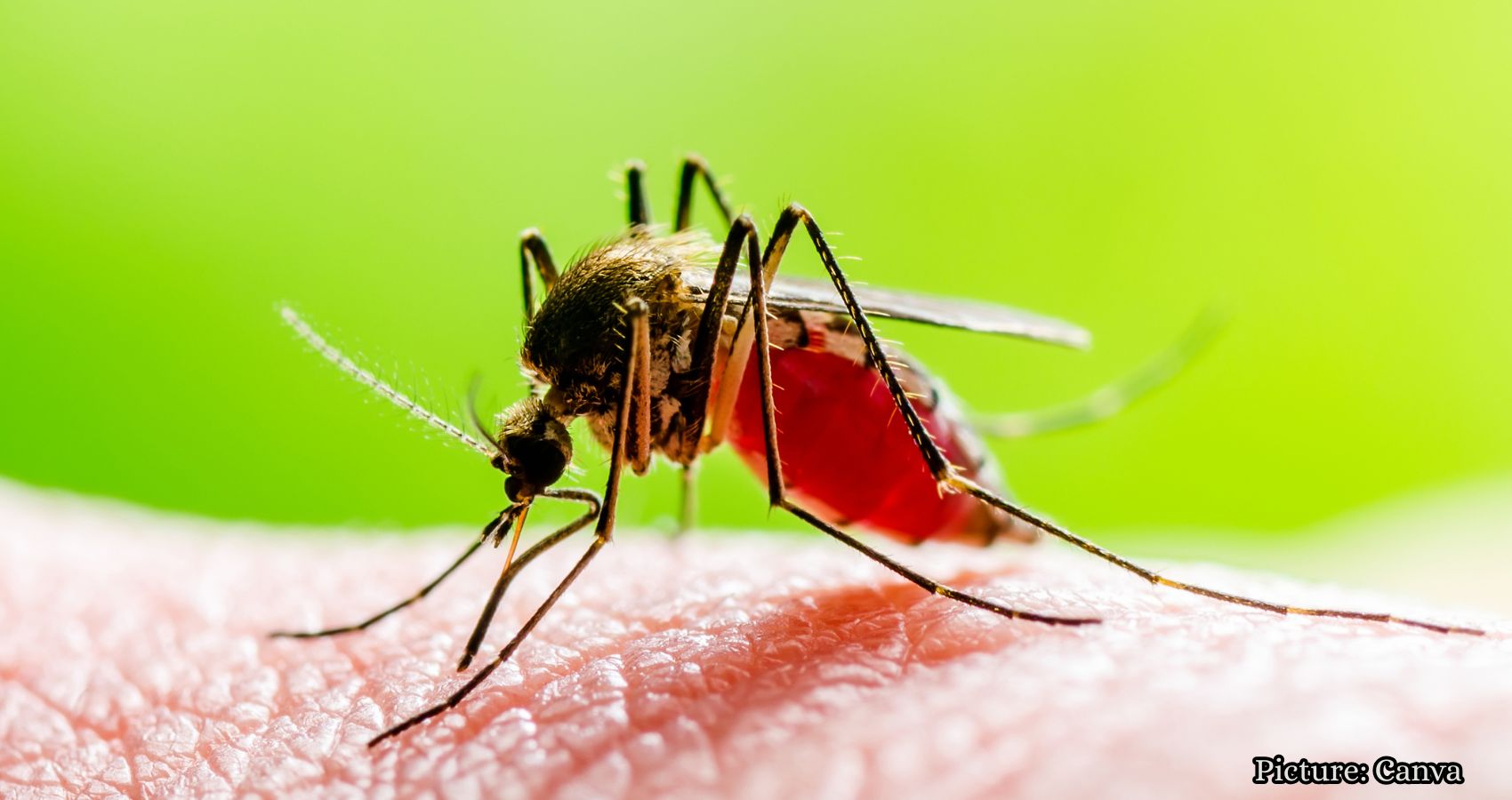
Parasitic Infection Surpasses 1,000 Cases in Northern State

More than 1,200 cases of cyclosporiasis have been reported in Michigan and Ohio, prompting a CDC investigation into the source of this significant parasitic outbreak.

Health officials are grappling with a significant outbreak of cyclosporiasis, a parasitic infection that has led to over 1,200 confirmed cases in Michigan and more than 500 in Ohio. This outbreak marks the largest of its kind in Michigan’s history and one of the most substantial in the United States in recent years, according to the Associated Press.

The Centers for Disease Control and Prevention (CDC) is currently working to identify the source of the infections, which can result in prolonged episodes of watery diarrhea. Although no fatalities have been reported, the situation remains serious as cases continue to rise across the country.

Michigan health officials announced the outbreak last week after identifying over 170 cases since June 22 in the southeastern region of the state. Typically, Michigan sees around 50 cases of cyclosporiasis each year, highlighting the severity of the current situation.

In Ohio, health authorities have reported similar trends, with more than 500 cases identified, including at least 306 in Lucas County. The CDC first noted an increase in infections in mid-June, and since then, illnesses have been reported in 28 other states, including those neighboring Michigan.

As of now, Michigan has documented more than 1,200 cases and at least 40 hospitalizations related to the outbreak. Texas has also reported at least 48 cases, with additional infections noted in various other states as health officials continue to investigate the origins of the outbreak.

The hallmark symptom of a cyclospora infection is watery diarrhea, often described as “explosive,” which can persist for weeks or even months if untreated. Other symptoms may include severe abdominal cramping, bloating, nausea, fatigue, and significant weight loss. The CDC emphasizes that while the infection can sometimes resolve on its own, it often necessitates antibiotic treatment.

The official outbreak season for cyclosporiasis runs from May 1 through August 31, a period during which warmer temperatures typically coincide with a rise in infections. The CDC advises anyone experiencing symptoms to seek medical attention for testing and treatment.

Currently, the CDC, in collaboration with the Food and Drug Administration (FDA) and state health officials, is investigating several multistate clusters of infections. However, the exact cause of the outbreak remains unidentified. Previous outbreaks have been linked to the consumption of contaminated fruits or vegetables, or exposure to contaminated irrigation water.

To mitigate the risk of infection, Michigan health officials recommend that consumers wash fresh produce thoroughly before consumption. They suggest purchasing salad mixes or whole heads of lettuce instead of pre-washed, bagged varieties, and advise removing two to three leaves from the outer layer of the lettuce head before washing. Cooking vegetables when possible is also encouraged.

As the investigation continues, health authorities remain vigilant in monitoring the situation and providing updates to the public. The CDC is urging individuals to stay informed and take necessary precautions to protect themselves from potential infection.

This report draws on information from the Associated Press.

Meta Launches AI Image Generator Amid Privacy Concerns

A new AI image generator from Meta, named Muse Image, raises significant privacy and artistic concerns by allowing users to create realistic images of public Instagram profiles.

Meta Platforms, Inc. has recently unveiled its first in-house AI image generator, called Muse Image. This innovative tool can produce realistic images based on user prompts, but it has sparked immediate backlash due to its potential implications for privacy and copyright infringement.

The controversy primarily stems from the AI’s ability to generate images of users by simply tagging their public Instagram profiles, as well as its capacity to mimic the photographic styles of other users. This functionality raises serious ethical and privacy questions, particularly for individuals who may not be aware of how their images can be utilized.

Muse Image operates by allowing users to enter an Instagram username prefixed by an “@” tag. This prompts the AI to generate an image that closely resembles the tagged individual. In practical testing, users have reported mixed experiences with the AI’s functionality. One user noted that despite having privacy settings in place, the AI was able to create a near-exact likeness of another individual when tagging a public profile.

This capability has led some users to label the feature as a “privacy landmine waiting to detonate.” Critics argue that the potential for misuse could result in unauthorized representations of individuals, especially if those individuals are not vigilant about their privacy settings.

Meta has indicated that the Muse Image feature is enabled by default for public profiles of users aged 18 and older. However, users do have some control over their privacy settings. By navigating to the Instagram settings and adjusting the “share and reuse” options, users can disable the AI’s ability to generate images that resemble them or utilize their visual style. This includes toggling off features that permit the reuse of content for AI purposes.

For many users, this requires proactive engagement with the platform’s settings. Affected individuals can turn off the AI reuse feature by following a straightforward set of steps: accessing their profile, entering the settings menu, and adjusting the relevant toggles. This has raised concerns that many users, particularly those who are less tech-savvy, may remain unaware of the potential for their images to be utilized by AI.

The implications of Muse Image extend beyond individual privacy; they also present challenges for professional photographers and artists. The AI’s ability to replicate artistic styles using tagged accounts poses a threat to the intellectual property rights of creators. The feature allows the AI to mimic a photographer’s style simply by tagging their profile, which could result in unauthorized reproductions of their work.

This has led to fears within the artistic community that their unique styles could be appropriated without permission or compensation, thereby undermining their livelihoods. One photographer expressed concern regarding this feature, stating that it diminishes the value of their artistry by enabling AI to replicate their work with ease. Critics have called for Meta to implement stricter guidelines and protections for artists whose styles could be exploited through this technology.

In response to the backlash, Meta has begun rolling out Muse Image across various platforms, including Instagram Stories and WhatsApp. The company plans to expand its availability to Facebook and Messenger in the coming weeks. Meta has made it clear that while they aim to enhance user engagement through innovative tools, they also recognize the necessity of addressing privacy and ethical concerns associated with AI technologies.

As the rollout continues, the conversation surrounding the intersection of AI, privacy, and artistic integrity remains at the forefront. Users are encouraged to remain vigilant regarding their privacy settings and to engage with the platform’s features thoughtfully. The ongoing discourse will likely shape how Meta and other technology companies approach AI features in the future.

In summary, Muse Image presents both innovative possibilities and troubling implications for privacy and intellectual property. As users and creators adapt to this new landscape, the balance between technological advancement and ethical responsibility will be critical, according to GlobalNet News.

Charges Filed Against Indian Crime Boss in Canada-India Ties Case

Authorities have filed charges against Indian crime boss Lawrence Bishnoi in connection with the assassination of a Sikh leader in Canada, a case that has heightened tensions between Canada and India.

Authorities announced charges on Tuesday against Lawrence Bishnoi, the leader of an Indian criminal organization, in relation to the assassination of a prominent Sikh leader in Canada. This high-profile killing has significantly strained diplomatic relations between Canada and India.

The charges were part of a comprehensive law enforcement operation that involved agencies from the United States, Canada, and Europe. U.S. Attorney Bill Essayli revealed that 37 defendants have been implicated in connection with three international crime syndicates linked to serious offenses, including kidnappings, racketeering, extortion, firearms dealing, drug trafficking, and murder. Essayli made the announcement during a news conference alongside officials from the Los Angeles Police Department, the FBI, and the Royal Canadian Mounted Police. Authorities are still actively searching for seven fugitives in the U.S., two in India, and one in Europe.

Patrick Grandy, assistant director in charge of the FBI’s Los Angeles field office, stated that these criminal groups have “fueled violence, fear, and instability within the East Indian communities throughout California and abroad.”

Bishnoi, 33, and his associate Satinderjeet Singh are accused of orchestrating the assassination of Hardeep Singh Nijjar, a well-known Sikh independence activist. Nijjar was fatally shot outside a temple in 2023, where he served as president. The killing ignited tensions between the Canadian and Indian governments, particularly after then-Canadian Prime Minister Justin Trudeau stated there were “credible allegations” of Indian government involvement in Nijjar’s death. While Bishnoi is currently in custody, Singh remains at large.

Bishnoi’s organization has been known to target prominent religious, social, and political figures with violence in exchange for substantial financial rewards.

Nijjar, who was 45 at the time of his death, was a key figure in the movement advocating for an independent Sikh homeland known as Khalistan. He was actively organizing an unofficial referendum among the Sikh diaspora through the organization Sikhs For Justice. Nijjar, a Canadian citizen originally from India, was wanted by Indian authorities prior to his assassination, which included a reward for information leading to his arrest.

The Sikh diaspora’s activism has long been a contentious issue between India and Canada. Canada is home to the largest Sikh population outside of India, and the Indian government has repeatedly accused Canada of harboring “terrorists and extremists.” The diplomatic dispute escalated to the point where both nations expelled diplomats from each other’s countries.

In addition to Bishnoi’s organization, authorities identified two other criminal groups involved in similar activities during the two-year investigation. These transnational organizations have members in various countries, including the United States, New Zealand, Australia, Portugal, and the United Kingdom. Members of these groups are also accused of stealing large quantities of drugs from rival criminal organizations in California and distributing the illicit substances throughout the U.S. and into Canada.

The indictments indicate that some defendants exploited relationships with corrupt local authorities in India to target rivals or individuals suspected of cooperating with law enforcement. In a notable case, at least one defendant is alleged to have organized criminal activities while detained at an Immigration and Customs Enforcement facility, although the specifics of how he managed to communicate without detection remain unclear.

As of Tuesday afternoon, no attorney for Bishnoi had been publicly identified.

Authorities emphasized the operation as a significant example of international cooperation in combating organized crime. “Working together, law enforcement in the U.S., Canada, Europe, and Asia are determined to target and dismantle these criminal organizations wherever they operate,” Essayli stated.

This ongoing investigation and the resulting charges against Bishnoi underscore the complexities of international crime and its far-reaching implications for diplomatic relations, particularly between Canada and India.

According to The Associated Press, the ramifications of this case will likely continue to unfold as authorities pursue remaining fugitives and work to dismantle these criminal networks.

Sanders Faces Criticism for Supporting Platner Amid Controversy

Senator Bernie Sanders faces increasing criticism for his endorsements of controversial candidates, including Graham Platner, amid concerns over their past actions and the implications for the Democratic Party.

Senator Bernie Sanders, I-Vt., has endorsed over 70 candidates during this election cycle, but his support for disgraced former Senate candidate Graham Platner has drawn significant scrutiny. The self-identified Democratic socialist has been a vocal advocate for Platner, asserting his commitment to ensuring that Platner becomes the next senator from Maine. Sanders actively participated in campaign events and promoted Platner on social media, despite ongoing scandals surrounding the candidate’s past.

However, the situation took a dramatic turn following a report from Politico that detailed allegations of sexual assault against Platner. Less than 24 hours after the report was published, Sanders joined many of his Democratic colleagues in calling for Platner to withdraw from the race.

This incident has raised questions about Sanders’ influence within the Democratic Party, particularly as political commentator Rachel Bade noted the growing list of candidates endorsed by Sanders who have faced controversies. “The Graham Platner fiasco was bad, yes. But now, some Dems are tallying up everywhere else Sanders and his orbit bet wrong this cycle, raising questions about their judgment in elevating untested, unvetted candidates with skeletons nobody bothered to check for,” Bade wrote on X.

In addition to Platner, Sanders has endorsed several other candidates whose pasts have sparked controversy. Adam Hamawy, who has connections to a convicted terrorist linked to the 1993 World Trade Center bombing, won a Democratic primary with Sanders’ backing. Similarly, Melat Kiros, a socialist newcomer in Colorado, defeated a long-time incumbent with Sanders’ endorsement, despite her controversial remarks regarding American foreign policy and the 9/11 attacks.

Randy Villegas, another candidate supported by Sanders in California, is under scrutiny for his past votes related to confidential settlements in child sex-abuse cases during his tenure as a teacher. Sanders has also backed Cori Bush, who has faced criticism for using campaign funds to pay her husband and for her strong support of defunding the police.

Some Democrats are expressing frustration over Sanders’ endorsement choices. Senator John Fetterman, D-Pa., questioned Sanders’ strategy, suggesting that he should reconsider his support for certain candidates. “So, I don’t know why you want to keep pushing these kinds of people,” Fetterman said in an interview with Fox News. “Maybe he should consider sitting a few out and stop pushing these kinds of communists.”

Sanders’ endorsement history is not limited to this election cycle. In 2018, he supported Andrew Gillum, a former candidate for Florida governor, who later faced scandals, including a drug-related arrest and a highly publicized incident in a hotel room. Sanders had previously praised Gillum for his commitment to healthcare and sustainable energy.

In 2019, Sanders rescinded his endorsement of Cenk Uygur, founder of the Young Turks, after past racist remarks surfaced online. Uygur had been touted by Sanders as a candidate who would serve ordinary people and not powerful interests.

Sanders has also supported members of the “Squad,” including Representatives Ilhan Omar, D-Minn., and Rashida Tlaib, D-Mich., both of whom have faced accusations of antisemitism and have advocated for defunding the police. Tlaib recently criticized the lengthy prison sentences given to individuals involved in a violent attack on a Texas immigration facility, calling it a “travesty and totally unjustified.”

Political commentator Shannon Watts highlighted Sanders’ pattern of endorsing candidates with questionable character, referencing his support for Nate Blouin, who lost his primary earlier this year and had previously mocked sexual assault. “It’s almost like there’s a pattern,” Watts remarked.

Natalie Baldassarre, Press Secretary for the Republican National Committee, echoed these sentiments, stating, “Whether it’s alleged rapist Graham Platner, anti-cop Abdul El-Sayed, or ‘trans kid lover’ James Talarico, Bernie Sanders’ clown car of unvetted and untested candidates is showing the American people just how unfit they are for public office.”

In the current midterm cycle, Sanders has endorsed 19 federal candidates, nine of whom have never held office. He has also backed 54 candidates in state and local races, significantly more than fellow progressives such as Senator Elizabeth Warren, D-Mass., and Representative Ro Khanna, D-Calif.

Baldassarre believes that more of Sanders’ candidates require scrutiny, stating, “We will continue to expose these candidates for who they are — radical socialists who will push their extreme ideology and strip every American of their safety, sanity, and freedom.”

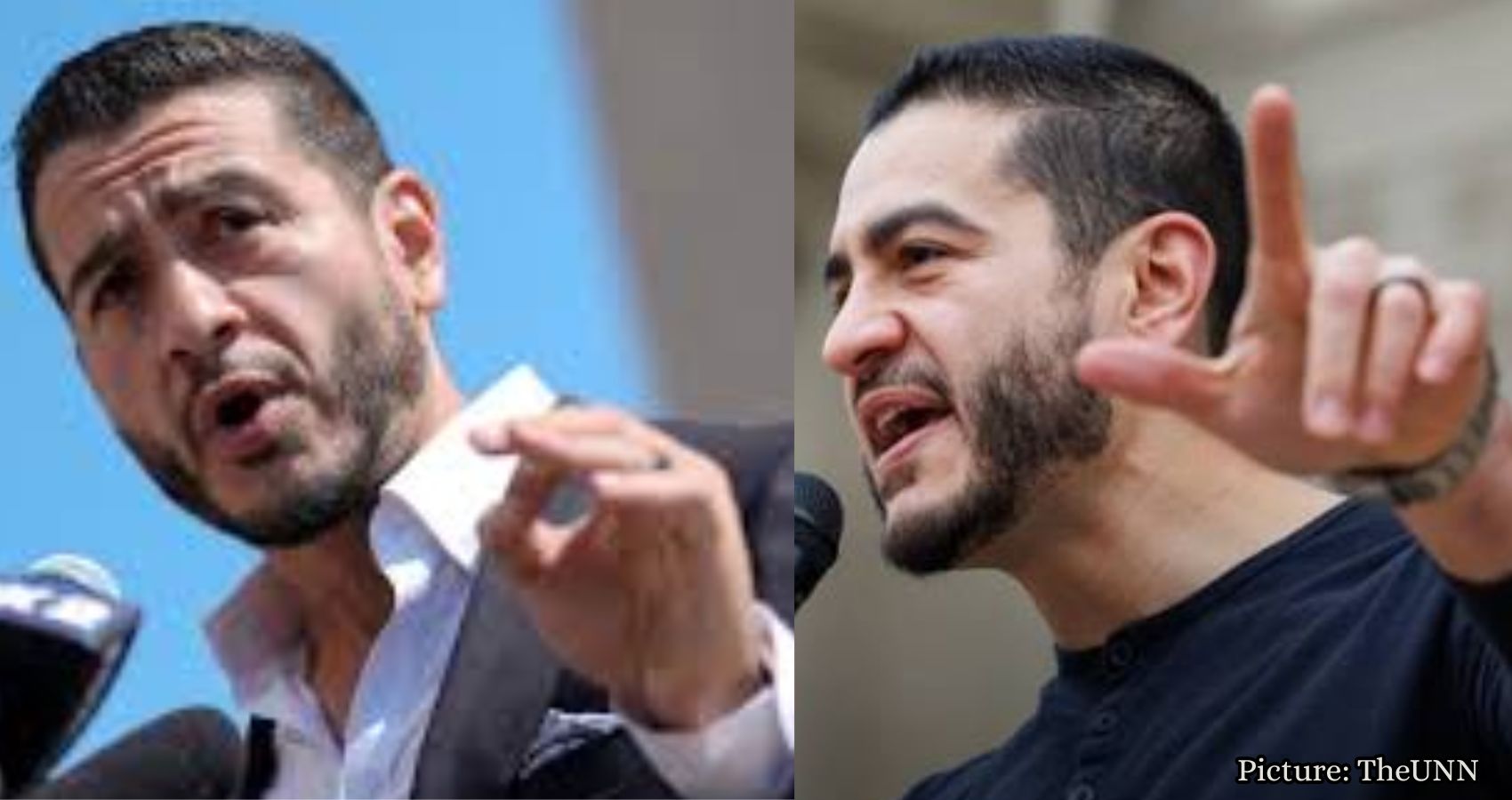
The next test of Sanders’ influence will come in early August when Abdul El-Sayed, a progressive doctor, competes against Representative Haley Stevens, D-Mich., in a primary for the Democratic nomination for the U.S. Senate. El-Sayed has previously called for defunding the police and abolishing ICE, positions that align with Sanders’ ideology.

As the Democratic Party grapples with the implications of Sanders’ endorsements, all eyes will be on the upcoming Michigan Senate primary. Sanders did not respond to requests for comment regarding his endorsement track record, leaving many to speculate on the future direction of his political influence.

According to Politico, the fallout from the Platner incident may serve as a pivotal moment for Sanders and his endorsement strategy moving forward.

Hosepipe Ban Implemented in UK as Heatwave Persists

Anglian Water has announced a hosepipe ban affecting over five million customers in East England, effective July 11, 2026, due to extreme heat and record water demand.

Anglian Water has officially implemented a hosepipe ban that will affect more than five million customers across the East of England. This ban is set to take effect at 1:00 AM on Saturday, July 11, 2026, as the UK experiences its third intense heatwave of the summer.

The decision to enforce this Temporary Use Ban (TUB) comes in response to “exceptionally hot and dry” weather conditions, which have led to record-breaking water demand. Water utility companies are taking these measures to mitigate the heightened risk of official drought conditions.

The ban will be legally enforceable starting at the designated time, but officials are urging the public to adhere to the restrictions immediately, emphasizing the need for responsible water usage.

Violating the hosepipe ban could result in serious penalties, including criminal prosecution and fines of up to £1,000.

The geographic scope of the ban covers the UK’s driest region, extending from Grimsby in the north to Southend-on-Sea in the south. This includes heavily affected counties such as Norfolk, Suffolk, Essex, and parts of Cambridgeshire.

Under the new restrictions, residents are prohibited from using hosepipes, sprinklers, or pressure washers connected to the mains water supply for various activities. These include watering domestic gardens, lawns, or allotments, washing private vehicles, filling or maintaining swimming pools, and cleaning patios or outdoor surfaces.

However, there are some permitted exceptions. Residents may still use traditional watering cans or buckets to tend to their plants or wash their cars, as these methods consume significantly less water. Additionally, businesses such as commercial car washes and garden centres may be exempt from the restrictions if their operations are critical to their livelihoods.

Anglian Water also provides specific exemptions for individuals registered as Vulnerable Services Recipients or Blue Badge holders who may rely on hosepipes for garden maintenance.

Other water companies are also implementing similar restrictions due to the ongoing heatwave and water scarcity. Southern Water will enforce its ban starting on Friday, July 10, affecting approximately one million customers across Hampshire and the Isle of Wight. Cambridge Water has also announced a temporary ban impacting 350,000 customers, marking the first hosepipe restriction in three decades for the company. South East Water has maintained an active ban since July 3 for certain areas in Kent, including Canterbury and Maidstone.

Several factors have contributed to the necessity of these bans. The UK recorded its eighth consecutive day of temperatures reaching or exceeding 34°C (93°F) on July 9, surpassing previous climate records set during the droughts of 1976 and 2020. Environmental officials have expressed concerns about severe vulnerabilities and escalating drought risks, particularly in East Anglia, Devon, and Cornwall.

Moreover, the combination of low rainfall and sustained heat has placed immense pressure on water infrastructure. Anglian Water has reported a 30% increase in water production compared to a typical summer, underscoring the urgent need for conservation measures.

According to Dr. Geoff Darch, head of strategic asset planning for Anglian Water, the ongoing heatwaves have pushed the region’s water infrastructure to its limits. Local rivers and reservoirs are currently at “exceptionally low levels,” making the short-term ban essential for protecting local wildlife and ensuring the availability of drinking water.

As the heatwave continues, Anglian Water is urging the public to act responsibly and conserve water, highlighting the importance of adhering to the restrictions to safeguard vital resources.

This hosepipe ban reflects a growing trend among water utility companies in the UK as they respond to the challenges posed by climate change and increasing demand for water. The situation serves as a reminder of the importance of sustainable water usage practices, especially during periods of extreme weather.

For further details on the hosepipe ban and its implications, please refer to Anglian Water’s official announcements and guidelines.

According to The Sunday Guardian.

Texas Lawmaker Calls for Suspension of Birth Certificates for Non-Citizens

Texas State Rep. Brian Harrison has urged Governor Greg Abbott to halt the issuance of birth certificates to children born to non-citizens, citing recent legal developments on birthright citizenship.

Texas State Representative Brian Harrison is calling on Governor Greg Abbott to convene a special legislative session aimed at addressing birthright citizenship. He is advocating for the state to stop issuing birth certificates to children born in Texas to non-citizens.

This appeal follows recent legal developments related to former President Donald Trump’s executive order, which sought to eliminate automatic birthright citizenship for children born to undocumented immigrants and certain temporary visa holders. Although the U.S. Supreme Court recently limited the use of nationwide injunctions, it did not make a ruling on the constitutionality of Trump’s order, leaving the broader legal debate unresolved.

In a recent interview, Harrison criticized both the federal judiciary and Texas leadership, asserting that the state should adopt a more proactive stance. “I’m sick and tired of the Texas government and the leadership down here, the weak leadership taking it on the chin when destructive edicts come rolling down from Washington, D.C.,” he stated.

Harrison contended that Texas has the constitutional authority to take independent action rather than waiting for the outcome of federal litigation. He emphasized that state-issued birth certificates are not federally mandated documents but are issued under state authority using taxpayer funds. “There is nothing in the U.S. Constitution that requires the State of Texas to facilitate illegal immigration by issuing birth certificates to the children of illegal aliens and of non-citizens,” he said.

The Republican lawmaker urged the executive branch to take immediate action without waiting for legislative approval. “I officially called for the executive branch, who has the power to do this unilaterally, to stop giving birth certificates to illegal aliens. Stop giving birth certificates to non-citizens,” he asserted.

Harrison also expressed frustration over what he perceives as a lack of resolve among Texas leaders. He argued that “Texas deserves more than just firmly worded letters and tweets of disappointment.” He added that if the issue ultimately reaches the Supreme Court, Texas should be prepared to defend its position vigorously.

“We need action, and the State of Texas has a lot of tools available to us under the Constitution,” Harrison remarked. “We need to start fighting as hard for the future of our state and country as the left is. Texas has a lot of tools available to us. We just need the courage to do it.”

Harrison’s proposal is likely to face immediate legal challenges. Currently, birth certificates are issued by states to document births regardless of the immigration status of the parents. Legal scholars have long maintained that citizenship is determined under the Fourteenth Amendment and federal law, while birth certificates serve as vital records rather than citizenship documents.

Harrison’s comments come amid ongoing national debates surrounding immigration and birthright citizenship. Trump’s executive order, signed shortly after he returned to office, seeks to deny automatic U.S. citizenship to certain children born in the United States. Multiple lawsuits challenging this order are still pending in federal courts.

Support for Harrison’s proposal has begun to gain traction among other Texas Republicans. State Representative David Lowe has also publicly called on the Texas Health and Human Services Commission (HHSC) to cease issuing birth certificates to non-citizens, adding momentum to the push for state-level action.

As of now, it remains uncertain whether Governor Abbott will call a special legislative session on this issue or if Texas officials will pursue administrative changes before federal courts resolve the ongoing constitutional challenges, according to The American Bazaar.

Argentinian Flight Instructor Jumps to Death, Student Lands Plane Alone

A 22-year-old student pilot was forced to land a Cessna 150 alone after her flight instructor jumped from the aircraft mid-flight over Córdoba, Argentina.

A tragic incident unfolded in Córdoba, Argentina, when a flight instructor jumped to his death from a small aircraft, leaving his student pilot to navigate the landing alone. Leandro Andrés Bertazzo, 42, was instructing a 22-year-old student, identified as Rosario, when he made the shocking decision to exit the aircraft mid-flight.

The incident occurred on Saturday while they were flying in a two-seat Cessna 150G. According to CNN, which cited its Argentinian affiliate TN, Bertazzo’s actions forced Rosario to take control of the aircraft and land it herself.

Eduardo Álvarez, the director of the Flying Parrot Córdoba flying school where Bertazzo was employed, expressed disbelief over the instructor’s decision. “He made this tragic decision on board an aircraft with another person by his side,” Álvarez stated. “It’s impossible to think about it or understand it, but the human mind is so complex.”

Before jumping, Bertazzo reportedly told Rosario, “You know what you have to do, carry on.” He then removed his gear, opened the door, and leaped from the plane. Álvarez noted that opening the door of an aircraft midair is an incredibly challenging task, likening it to trying to open the door of a car traveling at 124 miles per hour.

Despite the shocking circumstances, Rosario managed to land the Cessna safely. Álvarez remarked that she was in “complete shock” during the ordeal, yet there was no damage to the aircraft upon landing.

Earlier that day, Bertazzo had flown with another student, raising questions about his mental state. Álvarez revealed that Bertazzo had visited a psychiatric institute, a fact known only to his family prior to the incident.

The authorities in Córdoba are now investigating the circumstances surrounding Bertazzo’s death. The Cessna from which he jumped is currently in police custody as part of the ongoing inquiry.

This tragic event has raised concerns about mental health and safety protocols in aviation training, prompting discussions within the flying community and beyond.

According to Source Name, the investigation will seek to uncover more about Bertazzo’s state of mind leading up to the incident.

Trump-Backed Freedom Fuel Stations Generate Mixed Reactions

Trump-backed Freedom Fuel stations offering gasoline at $3.47 per gallon near Philadelphia have garnered both praise from supporters and criticism from Democrats regarding the government’s involvement in the initiative.

A network of gas stations promoted by former President Donald Trump has recently opened, attracting attention for its competitive pricing. The Freedom Fuel Network, which began operations this week, offers gasoline at $3.47 per gallon across 25 locations in Pennsylvania and New Jersey, particularly in the greater Philadelphia area. This price point is notably lower than both the regional and national averages, drawing praise from motorists looking for more affordable fuel options.

Trump first announced the initiative on Truth Social, highlighting a “very smart retailer” who would reduce fuel prices at these stations. The White House later celebrated the launch of the first Freedom Fuel station, asserting that Trump is “leading the charge to lower gas prices this summer.”

According to White House officials, the Freedom Fuel stations are privately owned and are not funded or operated by the federal government. They clarified that the lower prices are a result of the retailer’s decision to reduce profit margins rather than any form of government subsidy.

The initiative has generated considerable attention due to its pricing strategy, which undercuts nearby competitors. However, industry analysts have raised concerns about the sustainability of such low prices over the long term. They suggest that the stations may be accepting thinner margins or temporary losses to attract customers.

Drivers at Freedom Fuel locations have expressed their appreciation for the lower prices, with many thanking Trump for his role in reducing fuel costs during the busy summer travel season. Although one promotional price increased from $3.47 to $3.57 per gallon, it still remained below the surrounding market average.

The rollout of the Freedom Fuel Network has not been without controversy. Representative Jim McGovern, a Democrat from Massachusetts, criticized the initiative, questioning what he perceives as a contradiction in conservative messaging. He took to X (formerly Twitter) to voice his concerns, stating, “Government-subsidized grocery stores = Communism; Government-run gas stations = Freedom. Got it.”

McGovern’s remarks reflect a broader skepticism among some critics regarding the White House’s promotion of the stations and the implications of government involvement in such initiatives. However, White House officials have consistently maintained that Freedom Fuel operates as a private business, independent of government control.

The launch of the Freedom Fuel Network comes on the heels of recent volatility in fuel markets, driven by geopolitical tensions in the Middle East that have pushed gasoline prices higher. While national average gasoline prices have since eased, they remain elevated compared to levels seen before the recent conflict.

Supporters of the Freedom Fuel initiative view it as a market-driven effort to lower prices, but questions linger about the ownership structure of the network and the long-term viability of its discounted pricing model. As the summer travel season continues, the impact of these stations on the local fuel market and consumer sentiment remains to be seen.

According to The American Bazaar, the Freedom Fuel initiative has sparked a significant conversation about fuel pricing and government involvement in the economy.

House Republican Thomas Massie Proposes ‘Trumpcare’ Label for Obamacare

Rep. Thomas Massie criticized the GOP’s lack of action on Obamacare, suggesting it could be rebranded as “Trumpcare” due to the party’s failure to repeal the law.

Rep. Thomas Massie, a Republican from Kentucky, voiced his criticism of President Donald Trump and fellow Republican lawmakers regarding their handling of the Affordable Care Act, commonly known as Obamacare. During a post on X, formerly known as Twitter, Massie suggested that the legislation could now be referred to as “Trumpcare.”

“Might as well call it Trumpcare now,” Massie stated. “Our party has made no serious effort to repeal Obamacare and legalize affordable health insurance after taking control of the House, Senate, and White House.” He further elaborated that the current healthcare system primarily benefits insurance and hospital companies.

Massie’s comments sparked a response from a user who questioned how progress could be made without votes, asking if Trump could act independently. In his reply, Massie pointed out that the president has “endorsed literally every Republican who wants to keep Obamacare.”

These remarks come in the wake of Massie’s recent political challenges. He lost the Republican primary in Kentucky’s 4th Congressional District in May to Ed Gallrein, a challenger backed by Trump and a former Navy SEAL.

Massie has been a member of the U.S. House of Representatives since late 2012, and his outspoken views on healthcare reform reflect a growing frustration among some party members regarding the GOP’s approach to Obamacare.

Fox News Digital reached out to the White House for comment on Massie’s assertions, but no response was immediately available.

According to Fox News, Massie’s critique underscores a broader discontent within the Republican Party about its legislative priorities and effectiveness in addressing healthcare issues.

NYT Connections Sports Edition: Hints, Clues, and Answers for Game #654

Today’s NYT Connections Sports Edition features a sports-themed puzzle that challenges players to group words based on their associations, with hints and answers provided for Game #654.

The NYT Connections Sports Edition for July 9, 2026, Game #654, invites puzzle enthusiasts to engage with a unique sports-themed word challenge. This edition has garnered a growing audience of players worldwide, with thousands logging on daily to test their knowledge and skills.

Developed through a collaboration between The New York Times Games and The Athletic, the Connections Sports Edition combines sports knowledge with word association. Players are tasked with identifying 16 words related to various sports and grouping them into four sets of four based on shared themes. The puzzle’s difficulty ranges from easy to challenging, ensuring that it tests both sports knowledge and pattern recognition.

For those who may find themselves stumped, this article provides hints, categories, and answers for the Connections Sports Edition #654. Here’s how to play:

Players receive a set of 16 words connected to sports. The objective is to identify four sets of four related words, each representing a specific category. Players can submit one set at a time and are allowed up to four incorrect guesses. As players progress, the difficulty increases, and a new puzzle is released daily at midnight EST.

For July 9, 2026, the words featured in the Connections Sports Edition include:

BADMINTON, PADEL, SQUASH, TENNIS, HIGGINS, LAMB, OLAVE, WADDLE, CLEAR, CRADLE, CREASE, RIDE, ASSOCIATION, FOOTBALL, FÉDÉRATION, INTERNATIONALE.

Hints for today’s puzzle are categorized by color:

Yellow: Sports played with rackets or paddles

Green: NFL pass catchers

Blue: Common lacrosse terminology

Purple: Words linked to football’s global governing body.

The answers for Game #654 are as follows:

Yellow – Racket/Paddle Sports: BADMINTON, PADEL, SQUASH, TENNIS.

Green – NFL Wide Receivers: HIGGINS, LAMB, OLAVE, WADDLE.

Blue – Lacrosse Terms: CLEAR, CRADLE, CREASE, RIDE.

Purple – FIFA: ASSOCIATION, FOOTBALL, FÉDÉRATION, INTERNATIONALE.

For those looking to improve their puzzle-solving skills, consider these tips:

Always read each word carefully before making your first selection. Look for easy connections to any sport or league, and differentiate between athlete names and sports terminology. Think about the equipment and positions used in various sports, and remove completed sets to simplify the process. Be cautious of tricky words that may fit into multiple themes, and stay updated on popular sports to recognize new names.

Frequently asked questions about the NYT Connections Sports Edition include:

1. What is today’s Connections Sports Edition puzzle number? Today’s puzzle is #654, released on Thursday, July 9, 2026.

2. How many mistakes can players make? Players are allowed four incorrect guesses before the game ends.

3. Is Connections Sports Edition free to play? Yes, the puzzle is available daily through The New York Times Games platform.

4. How is the Sports Edition different from the regular Connections puzzle? The Sports Edition focuses exclusively on sports-related words, athletes, leagues, teams, and terminology.

5. How often is a new Sports Edition puzzle released? A new puzzle is published every day, offering players a fresh sports-themed challenge.

This article serves as a guide to today’s NYT Connections Sports Edition, providing hints and answers to enhance your gameplay experience. Remember to try solving the puzzle before checking the solutions!

According to The Sunday Guardian, the Connections Sports Edition continues to engage players with its unique blend of sports trivia and wordplay.

All Lanes Reopen on Southbound M6 in Cheshire After Roadworks

All lanes on the southbound M6 in Cheshire have reopened following overrunning roadworks, but drivers still face lingering congestion as traffic gradually clears.

Motorists traveling on the M6 in Cheshire faced significant delays after roadworks on the southbound carriageway exceeded their scheduled timeframe. The affected stretch, located between Junction 21A and Junction 21, resulted in lane restrictions and heavy traffic congestion.

Reports indicated that delays reached over 50 minutes, with approximately six miles of queues forming as a result of the disruption. Authorities have since reopened all lanes, allowing for normal traffic flow to resume. However, drivers are still experiencing slower travel times as congestion continues to dissipate.

In addition to the southbound issues, a separate incident on the northbound carriageway also contributed to traffic disruptions. Fortunately, all lanes on the northbound side have since reopened, but motorists are cautioned that delays may persist as traffic gradually recovers from the earlier restrictions.

The primary cause of the delays was the overrunning roadworks between Junction 21A and Junction 21. The extended work period necessitated traffic restrictions, leading to significant backups as vehicles slowed and lanes became limited. Traffic monitoring services, including Inrix, reported that the motorway was “partially blocked” during the roadworks.

As the restrictions were lifted, traffic began to move again, but the residual congestion remained a concern for drivers. Although the motorway is now fully operational, travelers are advised to allow extra time for their journeys as the backlog of traffic clears.

Currently, there are no major diversion routes in effect following the reopening of all lanes on the southbound M6. Drivers can now navigate the motorway as usual, although some delays may linger due to the earlier congestion.

For those planning to travel on the M6 through Cheshire, it is essential to stay informed about potential delays while traffic conditions normalize. Although the motorway has reopened completely, the effects of the earlier disruptions may take time to fully resolve.

Motorists are encouraged to check live traffic updates before embarking on their journeys, particularly during peak travel hours, to ensure a smoother experience on the road.

According to The Sunday Guardian, the situation is expected to improve as traffic continues to clear.

Drone Strikes Target Russian Oil Infrastructure Amid Diesel Export Ban

Ukraine has intensified its drone offensive against Russian maritime and energy targets, striking 21 vessels and the Omsk refinery, while Moscow responds by banning diesel exports to manage fuel shortages.

Ukraine has launched one of its most extensive drone offensives against Russia’s maritime and energy infrastructure in recent days, claiming strikes on 21 vessels and intensifying attacks on major refineries deep within Russian territory. This wave of assaults highlights Ukraine’s growing long-range capabilities and aims to disrupt Moscow’s fuel supplies.

On Wednesday, Ukrainian President Volodymyr Zelenskyy met with former U.S. President Donald Trump at the NATO summit in Ankara. During their discussions, Trump announced that the United States would permit Ukraine to manufacture Patriot air-defense interceptors, and the two leaders explored the possibility of a new drone agreement.

Zelenskyy emphasized that air defense remains a top priority for Ukraine, describing the potential drone deal as “a very good beginning.” He expressed hope for further discussions with Trump regarding the details of the agreement. This meeting allowed Zelenskyy to present evidence of Ukraine’s domestic drone capabilities, which can threaten Russian assets far beyond the conventional battlefield.

Trump praised Zelenskyy as “very effective” and credited Ukrainian forces for successfully utilizing American military equipment against Russia’s larger military. “He’s had the best equipment because he had our equipment,” Trump stated. “But somebody has to use that equipment. And you have a lot of brave people that are using that equipment.”

Ukraine’s recent offensive has forced Russia to defend its refineries, airfields, shipping routes, and other critical infrastructure well beyond the front lines. While Kyiv has not achieved significant breakthroughs in its ground campaign, the long-range strikes have begun to disrupt fuel production and maritime logistics, imposing costs on regions of Russia that were previously insulated from the conflict.

On Tuesday, Ukraine’s Unmanned Systems Forces reported that nine Russian-linked vessels were struck in the Sea of Azov, bringing the total number of targeted vessels over a 72-hour period to 21. Commander Robert “Magyar” Brovdi indicated that the targets included 19 oil tankers, a cargo ship, and a ferry operating near Russian-occupied Crimea, describing the campaign against the fleet as reaching an “industrial scale.”

Both Ukrainian and Russian officials confirmed that the overnight offensive targeted tankers, refineries, pipeline facilities, and a military airfield across several Russian regions. Ukraine stated that many of the vessels were part of Russia’s so-called shadow fleet, used to transport fuel to Crimea, which Russia seized and illegally annexed in 2014.

The maritime strikes were accompanied by attacks on the Saratov refinery and energy facilities in the Russian regions of Tatarstan and Bashkortostan. Russian authorities reported one fatality in Saratov due to the attacks. Additionally, Ukraine claimed to have struck the Borisoglebsk military airfield in Russia’s Voronezh region, which has been utilized by Russian combat aircraft involved in operations against Ukraine.

This latest wave of drone strikes follows a significant Ukrainian attack on the Omsk refinery in Siberia, approximately 1,700 miles from Ukrainian-controlled territory. The Omsk facility is Russia’s largest oil refinery, processing about 460,000 barrels of crude per day last year, according to Reuters. Following the attack, industry sources reported that the Omsk facility had halted oil processing.

The disruption at the Omsk refinery comes amid reports of gasoline and diesel shortages in various parts of Russia, attributed in part to repeated Ukrainian attacks on refineries and fuel depots. Long lines have formed at filling stations in several cities, and some regions have implemented purchasing restrictions.

In response to the fuel shortages, Russia announced on Wednesday that it would temporarily ban diesel exports through July 31 to safeguard domestic supplies. This shortage has become one of the most visible impacts of the ongoing conflict on ordinary Russians.

Margarita Simonyan, editor-in-chief of the Kremlin-funded RT network, acknowledged the difficulties faced by the Russian population during an appearance on state television. She urged citizens not to respond by challenging the government. “There is no petrol,” Simonyan stated in a translated clip circulated by regional media, recalling the food rationing experienced after the collapse of the Soviet Union. “We endured it. And we will endure it now.”

Simonyan cautioned that Russia’s adversaries would like to see the population react as it did during the 1917 revolution and “run off to overthrow” the czar. “Yes, it is hard, yes, very hard,” she said, urging Russians to remain calm amidst the challenges.

The pressure on Russia’s energy infrastructure coincided with Zelenskyy’s meeting with Trump at the Beştepe Presidential Compound. Meanwhile, Russia continued its bombardment of Ukraine, striking Kyiv and other cities with missiles and drones. Kyiv Mayor Vitali Klitschko reported that storage facilities were ablaze in the capital’s Desnyanskyi district, with additional fires reported in the Sviatoshynskyi district.

As the conflict escalates, the implications of Ukraine’s drone offensive and Russia’s responses will continue to shape the dynamics of the war and its impact on both nations.

According to Reuters, the ongoing situation reflects the evolving nature of the conflict and the increasing stakes for both Ukraine and Russia.

Blue Origin Pursues $10 Billion Funding at $130 Billion Valuation

Jeff Bezos’ Blue Origin is seeking $10 billion in its first external funding round, which would value the aerospace company at approximately $130 billion.

Blue Origin, the aerospace company founded by Jeff Bezos, is reportedly aiming to raise $10 billion in its inaugural round of outside funding. This funding effort would value the company at around $130 billion prior to the investment, according to various reports.

This fundraising initiative marks a notable shift for Blue Origin, which has been primarily financed through Bezos’ personal wealth since its establishment in 2000. Much of this wealth has come from the sale of shares in Amazon. Reports indicate that investment firm Coatue Management is expected to lead this funding round with a commitment of $4 billion, while Bezos himself is anticipated to contribute an additional $2 billion. The remainder of the capital is expected to come from institutional investors.

The timing of this fundraising effort is significant, coming just weeks after SpaceX, a rival in the aerospace sector, completed a highly publicized initial public offering (IPO). This event has reignited interest among investors in private space companies.

Blue Origin has secured substantial contracts from NASA and the U.S. Space Force, and is actively developing technologies such as the New Glenn heavy-lift rocket and the Blue Moon lunar lander, both of which are part of NASA’s Artemis program. Despite these advancements, Blue Origin continues to lag behind SpaceX in terms of launch frequency, commercial revenue, and overall market presence.

The company recently faced a setback when a New Glenn rocket exploded during a ground test in Florida. However, Blue Origin has stated its intention to resume flight operations later this year while continuing the development of its reusable launch systems.

In addition to traditional launch services, Blue Origin is exploring new growth opportunities, including Project Sunrise. This initiative aims to deploy orbital infrastructure to support future artificial intelligence computing and satellite-based data centers. Industry experts caution that these technologies may still be years away from commercial viability.

The proposed fundraising round would diversify Blue Origin’s investor base for the first time in its 26-year history and provide essential capital as competition intensifies within the commercial space sector. The company has made significant investments in reusable rockets, propulsion systems, and government-backed space missions, all while striving to close the gap with Elon Musk’s SpaceX, which currently dominates the global launch market.

As of now, neither Blue Origin nor Jeff Bezos has publicly confirmed the details of the fundraising plans, leaving the industry and investors eagerly awaiting further developments.

According to The American Bazaar.

Murder Charges Dismissed Against Indian-American Doctor in Tesla Cliff Crash

Attempted murder charges against Pasadena radiologist Dharmesh Patel have been dismissed after he completed a mental health diversion program following a 2023 crash where he drove his Tesla off a cliff.

BELMONT, CA – In a case that captured national attention, attempted murder charges against Pasadena radiologist Dharmesh Patel have been dismissed after he successfully completed a court-approved mental health diversion program. This decision concludes the criminal proceedings stemming from a January 2023 incident in which prosecutors alleged Patel deliberately drove his family’s Tesla off a cliff in Northern California.

Patel, 45, faced three counts of attempted murder following the crash at Devil’s Slide along the Pacific Coast Highway. Inside the vehicle at the time were his wife, Neha Patel, and their two young children. Remarkably, all four family members survived the plunge, which was approximately 250 feet.

In August 2024, a San Mateo County judge approved Patel’s entry into California’s mental health diversion program, allowing him to undergo treatment instead of facing continued criminal prosecution. Throughout the program, Patel received psychiatric care, participated in family therapy, and provided regular updates to the court while living with his parents in Belmont.

This week, the San Mateo County Superior Court dismissed the charges against Patel following his successful completion of the two-year program, as confirmed by the San Mateo County District Attorney’s Office.

District Attorney Stephen Wagstaffe expressed that prosecutors had opposed the diversion, believing the allegations were too severe. They argued that Patel acted with premeditation in attempting to harm his wife, children, and himself. However, once Patel met all the requirements of the diversion program, the court had no legal grounds to object to the dismissal.

Patel remained in custody from the time of the crash until he entered the diversion program. During court proceedings, several psychologists testified that he was experiencing a psychotic episode due to major depressive disorder at the time of the incident. The court had previously heard that Patel feared for his family’s future and held irrational beliefs, including concerns that his children could become victims of sex trafficking.

Following the crash, Patel’s wife informed first responders that he had intentionally driven the vehicle off the roadway, further complicating the case against him.

Prior to the incident, Patel was employed as a radiologist at Providence Holy Cross Medical Center in Mission Hills. While the criminal charges were pending, the Medical Board of California obtained a court order that prevented him from practicing medicine, and he ultimately surrendered his medical license. The board has not clarified whether the dismissal of the criminal charges will impact his ability to seek reinstatement.

California established its mental health diversion program in 2018 to allow eligible defendants whose mental illness contributed to an alleged offense to receive treatment instead of facing prosecution. This program has come under increasing scrutiny in recent years. Just last week, Governor Gavin Newsom signed legislation that grants judges broader authority to deny diversion requests if they determine a defendant poses a risk to public safety.

Had the crash resulted in a fatality, Patel could have faced a potential sentence of 25 years to life for first-degree murder. Instead, he exits the case without a criminal conviction after fulfilling the requirements of court-ordered treatment, marking a significant conclusion to a case that has drawn widespread attention.

According to Source Name.

Dr. Vijay Maurya Highlights Collective Strength of AAPI’s Membership

Dr. Vijay Maurya has taken the helm as Chair of the Board of Trustees of the American Association of Physicians of Indian Origin (AAPI), emphasizing the importance of collective member involvement for the organization’s future.

Dr. Vijay Maurya assumed leadership as the Chair of the Board of Trustees of the American Association of Physicians of Indian Origin (AAPI) in July 2026, at a pivotal time for the organization—when strong governance, fiscal prudence, and unity of purpose are essential to sustaining growth and relevance.

Dr. Maurya took charge from Dr. Hetal Gor, the outgoing Chair, on July 4, 2026, during the 44th annual AAPI Convention in Tampa, Florida. Alongside Dr. Maurya, the Board of Trustees for the year 2026-27 includes Dr. Rakesh Gupta, Dr. Shubha Jain, Dr. Sujeeth Punnam, Dr. Vinod Sancheti, Dr. Anjali Gulati, Dr. Srini Gokarakonda, Dr. Sunita Polepalle, Dr. Avinash C. Gupta, Dr. Uma Jonnalagadda, Dr. Sashi Kuppala, Dr. Hetal Gor, Dr. Gautam Kamthan, the Immediate Young Physicians Section (YPS) President, and Dr. Priyanka Kolli, the Immediate Medical Student Research Fellowship (MSRF) President.

A long-standing AAPI member and respected physician-leader, Dr. Maurya brings decades of experience, deep institutional knowledge, and an unwavering commitment to AAPI’s mission of service, advocacy, and excellence.

As Chair of the Board of Trustees, Dr. Maurya views governance as both a responsibility and a trust. He emphasizes the critical role of the Board in safeguarding the organization’s stability and future. “As BOT, our duty is to manage funds conservatively,” he states, underscoring principles of transparency, accountability, and long-term sustainability. For Dr. Maurya, responsible stewardship is fundamental to ensuring that AAPI remains financially secure while continuing to expand its programs, advocacy efforts, and charitable initiatives.

Central to Dr. Maurya’s leadership philosophy is member engagement and participation. He believes that AAPI’s strength lies in the collective involvement of its members across regions and chapters. “We have about 14,000 life members, but only a fraction votes each year,” he observes, encouraging members to actively exercise their voting rights and take part in AAPI conventions and initiatives. He is confident in the organization’s resilience, noting, “I see AAPI continuing to grow despite having many challenges,” particularly when senior leadership and grassroots members work collaboratively toward shared goals.

Dr. Maurya is also a strong supporter of ongoing efforts to enhance collaboration and open dialogue within AAPI. He recognizes the importance of unifying a diverse organization and acknowledges the role of senior members and current leadership in fostering transparency and engagement across the membership. In his view, unity—rooted in respect and shared purpose—is essential for AAPI to remain a strong and effective voice for physicians of Indian origin.

Dr. Maurya’s journey to national leadership is grounded in a distinguished medical and academic career. Born and raised in Indore, Madhya Pradesh, he earned his medical degree from Mahatma Gandhi Memorial (MGM) Medical College, Indore. After relocating to the United States, he completed his psychiatry residency training and became a board-certified psychiatrist. Over the course of nearly five decades, he has dedicated himself to psychiatric care in Augusta, Georgia, serving patients at East Central Regional Hospital and the VA Medical Center with compassion and professionalism.

Alongside his clinical work, Dr. Maurya has remained deeply committed to medical education. He served as an Assistant Professor at Mercer University and later as a Clinical Assistant Professor at the Medical College of Georgia, where he was actively involved in the teaching and mentorship of medical students and residents. Reflecting on this aspect of his career, he shares, “I was also involved with medical student and resident training, and that experience has been very meaningful to me.” This dedication mirrors AAPI’s broader commitment to nurturing future generations of physicians.

Dr. Maurya’s service to organized medicine began at the grassroots level, shaping his understanding of community engagement and leadership. He served as President of the Georgia Association of Physicians of Indian Heritage (GAPI), where he was involved in physician engagement, community outreach, and charitable initiatives. He later served as President of the Madhya Pradesh Medical Alumni Association of North America (MPMAANA) before advancing to leadership roles within AAPI, including AAPI Regional Director from 2022 to 2023.

A life member of AAPI since 2006, Dr. Maurya has consistently participated in AAPI conventions and initiatives over the years. In 2024, he was elected to the AAPI Board of Trustees for a three-year term and now leads the Board as Chair. Reflecting on his leadership journey, he notes, “I started my journey with GAPI and then was inspired to move up into AAPI,” crediting the mentorship and encouragement of senior leaders, including Dr. Sudhakar Jonnalgadda.

At the center of Dr. Maurya’s professional life is a strong foundation of family and personal values. He has been married to his wife, Rekha, for 50 years, and together they have one son and one daughter. Outside of medicine and organizational leadership, he enjoys traveling and karaoke singing, interests that reflect his warm, approachable, and personable nature—qualities that resonate with colleagues and members alike.

Guided by the principles of unity, stewardship, and service, Dr. Vijay Maurya exemplifies AAPI’s core values. As Chair of the Board of Trustees, he remains committed to strengthening governance, fostering collaboration across the organization, and ensuring that AAPI continues to thrive as a unified, influential, and forward-looking voice for physicians of Indian origin, according to Source Name.

Trump Halts Release of OpenAI’s Latest AI Model

OpenAI’s latest AI model, GPT-5.6 Sol, will require approval from the Trump administration for early access, raising concerns about government oversight in AI cybersecurity tools.

OpenAI’s newest AI model, GPT-5.6 Sol, is set to launch with a unique twist: it will require approval from the U.S. government for early access. This decision has sparked discussions about the implications of government control over advanced AI cybersecurity tools.

The company has announced that GPT-5.6 Sol will initially be available through a limited preview for a select group of trusted partners. OpenAI previewed the model’s capabilities with the U.S. government prior to its launch, and at the government’s request, it will start with a restricted group of participants whose involvement has been communicated to federal authorities before a broader rollout.

During this initial preview period, access to the model will reportedly be limited to customers approved by the Trump administration. This marks a significant shift in the typical rollout of AI models, where the focus has generally been on when the public can access new technology. Now, the pressing question is who will receive access first and the criteria behind those decisions.

GPT-5.6 Sol is part of OpenAI’s new lineup, which also includes models named Terra and Luna. The company describes Sol as its most powerful model to date, featuring enhancements in coding, biology, and cybersecurity tasks. OpenAI has indicated that the GPT-5.6 models will initially be available through the API and Codex to a select group of partners and organizations, with plans for broader availability in the near future. However, as of early July, GPT-5.6 is not yet accessible in ChatGPT during this preview phase, and no general availability date has been announced.

The cybersecurity capabilities of Sol are particularly noteworthy, as they have drawn the attention of Washington officials. OpenAI claims that Sol excels at identifying and rectifying software vulnerabilities rather than executing full-scale cyberattacks. The company emphasizes that Sol does not exceed its internal “Cyber Critical” threshold, although it acknowledges that benchmark tests cannot predict every potential misuse when the model is combined with other tools.

This dual-use nature of AI technology raises concerns. While Sol can assist security teams in addressing software flaws, it could also provide malicious actors with an advantage if the safeguards are ineffective.

The Trump administration has been actively developing a new AI cybersecurity framework. A June executive order highlighted that while advanced AI can bolster national security, it also introduces risks that necessitate collaboration between federal agencies and private companies. The order establishes a voluntary framework for frontier models and allows the government to obtain secure early access for trusted partners. However, it explicitly states that it does not authorize mandatory licensing, pre-clearance, or permits for the release of AI models, a distinction that critics argue could lead to covert government control over access to new AI tools.

OpenAI is not the only AI company facing government scrutiny regarding its powerful models. On June 12, Anthropic disclosed that the U.S. government had instructed it to suspend access to its Fable 5 and Mythos 5 models for foreign nationals. As a result, Anthropic had to broadly disable the models to comply with the directive. Following negotiations, the U.S. Commerce Department later lifted export controls on these models, allowing Anthropic to restore access, with Fable 5 reportedly back online as of July 1. The company agreed to enhance safeguards, collaborate with the U.S. government on model-release protocols, and report any malicious activities associated with the models.

This situation with Anthropic serves as a relevant comparison for OpenAI’s limited rollout. In both instances, the conversation has shifted from merely what an AI model can accomplish to broader considerations about the speed of release, criteria for early access, and the government’s role in these processes.

The overarching question remains: how should powerful AI tools be released, especially when they have the potential to protect critical sectors like healthcare and finance while also posing risks if misused?

Security teams are in dire need of advanced tools as they face increasing pressures. Hospitals, banks, local utilities, and other critical systems rely on software that may harbor vulnerabilities. A more robust AI model could help identify these weaknesses before they are exploited by criminals.

However, the complexities of access remain. Who qualifies for early access? Who must wait? What happens when a small security firm requires the same AI tool as a major government contractor? The ongoing debate centers around finding a balance between security, accessibility, and accountability as these AI tools become integral to everyday services.

As AI capabilities continue to evolve, so do the tactics of scammers who exploit the buzz surrounding these technologies. It is crucial to remain vigilant against potential phishing attempts and fraudulent offers related to new AI models. Always verify announcements through official company channels rather than clicking on unsolicited links.

Implementing strong antivirus software can help shield against malicious links, phishing sites, and deceptive downloads masquerading as AI tools or beta invitations. Additionally, using strong, unique passwords for important accounts and enabling two-factor authentication (2FA) can significantly enhance security.

Keeping devices updated is another essential step, as many cyberattacks target known vulnerabilities that have already been patched. Users should also exercise caution before sharing sensitive information with AI tools, particularly personal data that could be misused.

As the landscape of AI continues to evolve, the need for a thoughtful approach to its deployment becomes increasingly clear. The balance between harnessing the benefits of powerful AI tools and ensuring they are not misused is a challenge that will require ongoing dialogue and collaboration among stakeholders.

Should powerful AI tools undergo security reviews before public release, or should companies determine when they are ready for widespread use? This question remains open for discussion, and readers are encouraged to share their thoughts.

For further insights, visit CyberGuy.com.

Apple’s AI Security Update Highlights Rapid Hacker Adaptation

Apple’s recent accelerated security updates for iOS and macOS highlight the urgent need for users to prioritize device protection in an evolving cyber threat landscape driven by AI.

Apple has taken a significant step in cybersecurity by accelerating the release of iOS 26.5.2 and macOS Tahoe 26.5.2 security updates, which were launched on June 29, 2026. This move comes in response to the rapid advancements in artificial intelligence that enable hackers to reverse-engineer software patches more quickly than ever before.

Typically, security updates may feel like a routine task—users receive an alert, promise to install it later, and quickly return to their activities. However, this latest update serves as a crucial reminder of the importance of timely software maintenance. Apple has made these updates available earlier than usual, a departure from its typical practice of bundling many security fixes into larger software releases.

According to reports, the urgency behind these updates stems from the capabilities of AI tools that can expedite the creation of malicious hacking software. Once a patch is made available in a beta version, attackers can potentially analyze it, identify vulnerabilities, and exploit them at an accelerated pace.

While Apple has stated that there is currently no evidence indicating that the newly patched vulnerabilities have been exploited, the company aims to minimize the window between the public disclosure of fixes and their implementation on user devices. This shift suggests that Apple recognizes AI as a game-changer in the cybersecurity landscape, where the time available for defenders to respond to threats is shrinking.

The iOS 26.5.2 and iPadOS 26.5.2 updates address critical vulnerabilities related to the kernel, WebKit, and WebRTC. Specifically, these updates protect devices from potential kernel exploits that could lead to system crashes, memory corruption, or unauthorized access to sensitive information. Additionally, the updates rectify multiple WebKit issues that could result in crashes or data leaks when users interact with malicious web content.

For Mac users, macOS Tahoe 26.5.2 is the current release, and those running macOS Sonoma or macOS Sequoia should also look for the Safari 26.5.2 security update. This update is essential for safeguarding against potential vulnerabilities that could be exploited through web browsers.

The dual nature of AI technology is evident; while it can assist legitimate researchers in identifying software bugs more efficiently, it also empowers cybercriminals to exploit weaknesses more rapidly. Attackers no longer need to meticulously comb through lines of code; AI can summarize patches, compare software changes, and highlight areas of vulnerability.

This evolving threat landscape means that tech companies like Apple may need to adopt a more proactive approach to security updates, releasing them more frequently—even when they do not introduce new features. The rapid development of AI technologies, including those from international labs and security firms, has created a pressing need for enhanced cybersecurity measures.

As users, it is crucial to recognize that the speed of updates is now more important than ever. When prompted to update your device, it is essential not to dismiss these notifications as mere background noise. Each update may close a potential security gap that could be targeted by malicious actors.

To ensure your devices remain secure, it is advisable to follow a few best practices. First, always back up your iPhone, iPad, or Mac before installing updates. This precaution can help you recover quickly in case an update fails or if your device is compromised.

For iPhone and iPad users, the update process is straightforward. Connect your device to Wi-Fi, navigate to Settings, select General, and then Software Update. After downloading and installing the update, check that automatic updates are enabled to ensure you receive future security patches promptly.

Mac users should also prioritize backups before proceeding with updates. Click on the Apple menu, select System Settings, and navigate to Software Update. If macOS Tahoe 26.5.2 appears, choose Update Now. Additionally, verify that your background update settings are configured to automatically install system data files and security updates.

As the frequency of security updates increases, users may find these updates to be minor or inconvenient. However, they are becoming increasingly vital in a landscape where AI can shorten the time between a public fix and a potential attack.

In conclusion, Apple’s early release of these security updates underscores the rapidly changing nature of cybersecurity threats. While the company assures users that there is no evidence of exploitation for the patched vulnerabilities, the proactive approach to releasing fixes highlights the need for vigilance. Users are encouraged to update their devices promptly, enable automatic security updates, and adopt practices that enhance their overall security posture.

As we navigate this new era of cybersecurity, the question remains: will AI ultimately make our devices safer by facilitating quicker identification of flaws, or will it increase vulnerability by enabling hackers to act more swiftly? Your thoughts are welcome at CyberGuy.com.

According to CyberGuy, staying informed and proactive is essential in safeguarding your devices against emerging threats.

Katie Couric Experiences Memory Loss During Disturbing Brain Episode

Katie Couric recently shared a distressing experience of sudden memory loss during the Aspen Ideas Festival, revealing her struggle to recall basic information, including the current year and president.

Journalist Katie Couric opened up about a frightening medical episode she encountered on June 27 while attending the Aspen Ideas Festival in Colorado. In a post on Substack titled “The Day I’ll Never Remember,” she described a sudden incident that left her unable to recall the current month, year, or even the president of the United States.

“I thought it was 2024. And I believed Joe Biden was president,” she wrote, reflecting on the disorienting experience.

During the festival, Couric participated in two public panels—one focused on artificial intelligence and the other on journalism. However, she has no recollection of either discussion. “I have no idea what we talked about, or of what occurred when the panels ended,” she admitted.

Her husband, John Molner, who was present at the festival, also recounted his perspective on the event. After someone informed him that Couric wasn’t feeling well, he found her being attended to by an EMT and a doctor. “I could tell something was off,” he noted. “It could have been altitude sickness, but Katie was definitely not all there.”

At the hospital, Couric struggled to recall basic information such as the year, the president, and even her grandchildren’s names. This prompted doctors to investigate the possibility of a stroke. Fortunately, an MRI revealed no signs of stroke, but Molner observed that Couric’s “fog” became increasingly evident.

“She repeatedly asked me the same questions: ‘What was I doing before we got to the hospital?’ ‘Why am I at the hospital?’” he recounted.

Ultimately, Couric was diagnosed with transient global amnesia (TGA), a temporary episode of memory loss that prevents the formation of new memories and may erase some recent memories, according to the Mayo Clinic. TGA is not caused by a stroke, seizure, or head injury and typically resolves completely within 24 hours.

“It’s just a very weird neural episode that’s pretty uncommon and, at least in most cases, is a ‘one and done’ experience,” Molner explained.

Couric noted that she began to feel “like herself” again around 9 p.m. and went to sleep at 2 a.m. However, TGA leaves a “permanent gap in memory” for the duration of the episode and for several hours beforehand. She described the time from noon until at least 7 p.m. as a “big, black hole.”

Research indicates that approximately three to eight people per 100,000 will experience an episode of transient global amnesia, with individuals aged 50 and older being at higher risk. The exact cause of TGA remains unknown, but some experts suggest it may result from a temporary dysfunction in the brain’s hippocampus, the area responsible for forming new memories.

Couric shared insights from medical professionals, stating that doctors believe TGA episodes may be driven by brief interruptions in blood or oxygen flow or microscopic spasms in blood vessels. Potential triggers for these episodes can include intense physical exertion, emotional distress, extreme temperature changes, or migraines.

Approximately 15% of patients may experience a recurrence of TGA within ten years. Couric reflected on her experience, pondering, “Why did this happen to me? Was the altitude an issue? Was I dehydrated? Tired? Stressed? The literature doesn’t seem to indicate that these are contributing factors, but the cause seems to be as mysterious as the brain itself.”

“All I know is that those hours will be forever lost. Someone described it as my brain failing to hit the ‘record button,’” she wrote.

While Couric acknowledged the frightening nature of the episode, she expressed relief that it was not more serious. “So ultimately, I’m relieved—even though several hours of a Saturday in June will always be missing for me,” she concluded.

Medical professionals advise that anyone experiencing sudden memory loss, confusion, difficulty speaking, weakness, numbness, vision changes, severe headaches, or other stroke-like symptoms should seek immediate medical attention or call 911, as these could be signs of a serious condition.

According to Fox News, Couric’s experience serves as a reminder of the complexities of brain health and the importance of seeking help when faced with sudden changes in cognitive function.

Dr. Oz Warns Medicare Scammers Are Targeting Personal Information

Dr. Mehmet Oz warns that Medicare fraud costs taxpayers approximately $100 billion annually and urges seniors to protect their personal information from scammers.

Dr. Mehmet Oz has issued a stark warning regarding the rampant issue of Medicare fraud, which he estimates costs taxpayers around $100 billion each year. During a July 6 interview with Fox News Digital at the Great American State Fair in Washington, D.C., Oz emphasized the dual threat posed by such fraud: it not only drains taxpayer dollars but also jeopardizes the personal identities of American seniors.

“If I had to just pick one thing to focus on to make healthcare more affordable in America, I’d go to health fraud and all the waste and abuse that accompanies it,” said Oz, who currently serves as the administrator of the Centers for Medicare & Medicaid Services (CMS). He noted that the problem has intensified since the onset of the COVID-19 pandemic.

Medicare fraud can take various forms, including billing for services that were never rendered, overcharging for medical equipment, utilizing stolen patient or doctor information, and performing unnecessary medical procedures. According to the U.S. Government Accountability Office, these fraudulent activities not only harm the federal budget but also expose seniors to identity theft, unnecessary medical care, increased premiums, and reduced access to essential services.

Oz highlighted that the Trump administration had ramped up efforts to combat this issue, leading to significant savings in Medicare program integrity. In 2025, CMS reported $41.9 billion in savings, a 59% increase from $26.3 billion in 2024.

During the interview, Oz expressed particular concern for seniors, noting that they are often the primary targets of scammers. “I’m talking about people tricking seniors into giving up their Medicare beneficiary numbers, which is like a credit card basically,” he explained. “These scammers can take those numbers and use them for all kinds of illegitimate purposes.”

He elaborated on the tactics used by fraudsters, stating, “People are stealing from you by pretending to send you drugs you don’t want, wheelchairs you don’t need, and services you never asked for or don’t benefit from.” To combat this, Oz offered crucial advice for seniors: do not share your Medicare beneficiary number with anyone, do not respond to calls from unknown numbers, and do not disclose personal information.

“These scammers are calling seniors, tricking them, and once they have key information, they can steal it,” he warned. “And I won’t know it and you won’t know it.” He stressed the importance of protecting vulnerable individuals who rely on Medicare and similar programs.

Oz further emphasized that eliminating fraud could significantly enhance the sustainability of Medicare. “Removing fraud could double the life expectancy of the trust fund that makes all this possible,” he predicted. He urged individuals to consider the implications of ongoing fraud, particularly for future generations. “If you’re worried about Medicare being there when you’re ready to retire in a couple of decades, depending on how old you are, and you’re concerned that it might not last because of all the fraud that’s hitting it… you’ve got a good reason to worry,” he said.

By addressing the issue of fraud, Oz believes that future beneficiaries, including children and grandchildren, could continue to benefit from this vital safety net program.

For more information on Medicare fraud and how to protect yourself, consult resources from the Centers for Medicare & Medicaid Services.

According to Fox News.

Poll Shows Declining Support for Israel Among U.S. Democrats

A recent AP-NORC poll reveals a notable decline in support for Israel among U.S. Democrats, highlighting a growing generational divide within both major political parties regarding the Israeli-Palestinian conflict.

A new poll conducted by the Associated Press-NORC Center for Public Affairs Research indicates a significant decline in support for Israel among American adults, particularly within the Democratic Party. The survey, conducted from June 11 to June 17, 2026, reflects a notable shift in public opinion regarding the U.S. relationship with Israel, influenced by rising criticism of Israel’s military actions in Gaza and changing perspectives among political party members.

Approximately one-third of U.S. adults now believe that Israel has committed genocide against Palestinians during its ongoing military operations in Gaza. This claim has been made by various human rights organizations but is strongly denied by both Israel and the U.S. government. The poll reveals that nearly half of Democrats share this belief, contributing to a growing partisan divide on the issue.

The poll surveyed 3,040 U.S. adults, including 1,022 Jewish respondents, providing a comprehensive view of attitudes across different demographics. Findings show that support for Israel has been eroding since the outbreak of war with Hamas, which began following the attacks in October 2023. These attacks resulted in approximately 1,200 deaths in Israel and over 73,000 Palestinian casualties, according to the Hamas-run Gaza Health Ministry.

In the wake of the October 7, 2023, Hamas attack, public sentiment regarding Israel’s military response has become increasingly polarized. While about 40% of Americans do not feel informed enough to gauge the justification of Israel’s military actions, among those who do, a majority consider the initial response to Hamas as justified. However, opinions diverge sharply regarding ongoing military operations, with most Americans expressing disapproval of Israel’s current actions.

Among Jewish adults specifically, 75% supported Israel’s initial military response, but this number drops to about 40% concerning ongoing operations. This indicates a significant shift in sentiment, particularly as the humanitarian crisis in Gaza escalates.

The poll highlights a decisive shift within the Democratic Party regarding support for Israel. The percentage of Democrats who believe the U.S. is “too supportive” of Israel has increased to 58%, up from 45% in January 2024. Additionally, 62% of Democrats now feel that the U.S. is “not supportive enough” of Palestinians, reflecting a growing concern among party members about humanitarian issues in the region.

Joy Jennik, a 73-year-old Democrat from Brookfield, Wisconsin, expressed her newfound perspective, stating, “The Gaza Strip, there’s not a lot left of it. Those poor people are barely living.” This sentiment resonates with many younger Democrats, who are more likely to advocate for increased U.S. support for Palestinians compared to older party members.

In contrast to Democrats, the Republican Party remains generally supportive of Israel, with 60% of Republicans asserting that U.S. support for Israel is “about right.” However, there is an emerging generational divide within the party. Younger Republicans, particularly those under 45, are more likely to question the extent of U.S. support for Israel, with 20% considering Israel’s actions as genocide.

Mike Cardona, a 70-year-old Republican from Phoenix, defended Israel’s military actions, stating, “I wish they’d gone in harder and better.” This reflects a broader sentiment among older Republicans, who have generally maintained a more favorable view of Israeli leadership.

The poll also reveals widespread disapproval of Israeli Prime Minister Benjamin Netanyahu, with only 20% of U.S. adults viewing him favorably. This sentiment is particularly strong among Jewish respondents, nearly 60% of whom have an unfavorable opinion of Netanyahu. In contrast, New York City Mayor Zohran Mamdani, a vocal critic of Israeli policies, has garnered a more favorable view among Democrats, with 50% of party members expressing positive opinions about him.

As the U.S. approaches midterm elections, the shifting dynamics in public opinion regarding Israel could have significant implications for U.S. foreign policy. While economic concerns dominate the political landscape, issues related to the Israeli-Palestinian conflict may not be at the forefront for many voters. However, the increasing polarization surrounding the issue could influence candidates’ positions and voter sentiments in 2026 and beyond.

As American views on Israel continue to evolve, this AP-NORC poll underscores the complexities within both major political parties and the growing urgency for a nuanced understanding of the U.S. role in the Israeli-Palestinian conflict, according to AP-NORC Center for Public Affairs Research.

NATO Summit in Ankara Focuses on Defense Spending and U.S.-Turkey Relations

A NATO summit in Ankara highlighted U.S. defense interests, sanctions relief for Turkey, and military spending initiatives, while Ukraine renewed its call for NATO membership amid ongoing tensions with Russia.

ANKARA, Turkey — During a NATO summit held on July 7, 2026, President Donald Trump emphasized U.S. interests in Greenland and announced the lifting of sanctions against Turkey, coinciding with NATO’s unveiling of substantial defense spending initiatives aimed at enhancing military capabilities among its member nations.

Trump reiterated his belief that Greenland should be under U.S. control rather than that of NATO ally Denmark, stating that the island is a crucial part of U.S. strategic interests. He expressed concerns about potential threats from Chinese and Russian naval activities in the region, a claim that has been met with skepticism from various experts and officials. “That should be controlled by the United States, not by Denmark,” he asserted during a meeting with Turkish President Recep Tayyip Erdogan.

The NATO alliance, consisting of 32 member countries, was founded on the principle of mutual defense, emphasizing cooperation over territorial claims. However, this summit underscored ongoing tensions between the U.S. and its European allies regarding defense spending. NATO Secretary General Mark Rutte and European leaders have been actively addressing Trump’s long-standing grievances about the military expenditures of European nations.

In a related development, Trump announced the removal of sanctions imposed on Turkey following its acquisition of a Russian missile defense system, which had resulted in Turkey’s expulsion from the F-35 fighter jet program. “We’re going to be taking the sanctions off, OK?” Trump stated, indicating that U.S. Secretary of State Marco Rubio, Treasury Secretary Scott Bessent, and Defense Secretary Pete Hegseth were involved in discussions surrounding this decision.

The lifting of sanctions comes after years of diplomatic tensions between the U.S. and Turkey, primarily due to Turkey’s purchase of the Russian-made S-400 missile system in 2019. While the removal of sanctions could facilitate Turkey’s return to the F-35 program, legal challenges remain, as U.S. law currently prohibits the sale of these jets to countries operating Russian weapons systems. Trump acknowledged that the possibility of selling F-35s to Turkey was a consideration worth exploring, given the nations’ relationship.

During the summit, NATO officials announced military projects valued in the billions, aimed at strengthening the alliance’s collective defense capabilities. Secretary General Rutte described these investments as “money well spent,” highlighting the necessity of meeting U.S. expectations. Although NATO does not directly procure weapons, member countries are responsible for their military assets. The alliance announced plans to replace its aging fleet of AWACS early warning radar planes with up to ten new GlobalEye surveillance aircraft from Swedish manufacturer Saab, a project anticipated to involve a consortium of ten nations.

In addition to the aircraft deal, NATO revealed a multinational initiative involving 15 nations to acquire air-to-air refueling and transport planes from Airbus, as well as plans to purchase new Triton surveillance drones. Rutte had previously indicated that the summit would feature announcements of “tens of billions in new contracts,” although specific financial figures were not disclosed during the event.

On the sidelines of the summit, Ukrainian President Volodymyr Zelenskyy made a renewed appeal for Ukraine to join NATO. He argued that Ukraine’s military capabilities, developed through years of conflict with Russia, would bolster NATO’s defense posture. Zelenskyy pointed out that Ukrainian forces have been effectively eliminating approximately 30,000 Russian troops each month, emphasizing the urgency of Ukraine’s situation. “Frankly we take no pride in this… We are forced to fight a war we did not seek,” he stated, amid growing concerns among European nations about potential hybrid attacks from Russia that combine conventional military force with cyber warfare tactics.

Despite these tensions, a senior NATO official indicated that the alliance has successfully deterred any aggressive moves by Russia toward member states. Citing recent violations of airspace by Russian aircraft, the official, who requested anonymity, affirmed that NATO remains vigilant in protecting its members against potential threats.

The NATO summit in Ankara thus served as a crucial platform for addressing complex security issues while navigating the intricacies of U.S.-Turkey relations and the ongoing conflict in Ukraine. As the alliance progresses with its defense spending initiatives, the implications for European security and transatlantic relations remain significant, according to Source Name.

Indian-American Mahesh ‘Max’ Ganorkar Runs for North Carolina’s 4th Congressional District

Mahesh ‘Max’ Ganorkar is running for the U.S. House to represent North Carolina’s 4th Congressional District, emphasizing the importance of civic engagement and conservative values.

Mahesh Ganorkar, known as Max, is a Republican candidate vying for a seat in the U.S. House of Representatives to represent North Carolina’s 4th Congressional District. He is set to appear on the general election ballot on November 3, 2026. The Republican primary, originally scheduled for March 3, 2026, has been canceled. In a recent interview, Ganorkar shared insights into his motivations for running, his priorities, and his vision for the district.

Ganorkar believes that the American Dream should encompass more than just achieving success as an immigrant; it should also involve active participation in the civic process. He argues that Hindus, like all Americans, should engage in shaping policies that strengthen the nation.

“I hope my candidacy encourages Hindus to consider why they may find it in their best interest to associate with the Republican Party rather than the Democratic Party,” Ganorkar stated. He expressed concern that media portrayals of some alt-right members of the Republican Party have unfairly painted everyday Republicans as hate-mongers. He also noted that the rhetoric surrounding the Trump administration has strained relationships between India, Indian-Americans, and many Republicans, leading some to avoid political engagement.

Ganorkar pointed out that many Hindus tend to identify with the Democratic Party by default, viewing it as more caring and accepting of diversity. However, he cautioned that, similar to the Congress Party in India, the Democratic Party includes socialist and Islamist currents that may not align with Hindu values. He urged voters to make informed political choices rather than relying on emotional responses that could jeopardize future opportunities.

As a potential congressman, Ganorkar emphasized his primary responsibility to defend the U.S. Constitution. He aims to foster a pro-growth environment by advocating for reduced taxes and regulations, allowing individuals and businesses the freedom to pursue the American Dream. He highlighted the entrepreneurial spirit of Indian-Americans, who own various businesses, and how they would benefit from policies promoting economic growth.

Ganorkar also stressed the importance of supporting law enforcement to ensure safe communities, noting that Indian-American families, like all Americans, deserve security in their neighborhoods.

In his one-minute pitch to voters, Ganorkar stated, “We cannot allow America to become the kind of socialist system that many immigrants left behind. America became prosperous because it embraced freedom, opportunity, and individual initiative rather than socialism.” He reflected on his experiences growing up in India, where he witnessed the negative impacts of socialism, and affirmed his commitment to protecting the Constitution and the American way of life.

North Carolina’s 4th Congressional District is known for its remarkable diversity, featuring world-class universities, innovation hubs, and agricultural communities. Ganorkar believes his life experiences uniquely position him to represent this diverse constituency. He grew up on a farm, giving him insight into the needs of the agricultural community, and his wife’s career in pharmaceutical research has instilled in him an appreciation for the role of research and development in driving innovation.

Ganorkar’s international business background has equipped him with an understanding of what businesses need to thrive in a competitive global market. He also values his time as a stay-at-home father, which taught him the importance of strong families, quality education, and reducing financial burdens on working families.

Among the major challenges facing his district, Ganorkar identified rising housing costs, the widening gap between wages and the cost of living, and the need for access to quality education. He is committed to expanding opportunities for wealth creation through homeownership and supporting small businesses in their growth and success.

Ganorkar believes he stands apart from his competitors, particularly his opponent, whom he describes as a career politician lacking innovative solutions to the district’s challenges. He argues that the political safety of the district has led to a lack of engagement with constituents and a failure to pursue bold policy ideas. In contrast, Ganorkar is offering fresh perspectives focused on improving affordability, expanding opportunities, and strengthening families.

Ganorkar’s personal story is one of optimism and gratitude. Born in a small village in India to loving parents in a prosperous farming family, he moved to the United States in 1989 to pursue an MBA. He married his college sweetheart in 1995, and together they have three children. His experiences as a stay-at-home dad have been particularly meaningful, providing him with cherished memories and valuable lessons during challenging financial times. He credits the Shrimad Bhagwat Gita as a source of strength and inspiration for him and his family.

Professionally, Ganorkar is a home designer and builder. His nickname, “Max,” originated from a construction site where a retired Marine and master framer affectionately shortened his Indian name. Beyond his profession, Ganorkar has been actively engaged in civic life since 2009, motivated by concerns about America’s drift toward socialism and the erosion of constitutional limits. His activism has led him to run for Congress in 2022, 2024, and now 2026 as a Republican candidate.

As Ganorkar prepares for the upcoming election, he remains focused on his vision for North Carolina’s 4th Congressional District and the values he believes will resonate with voters.

According to India Currents, Ganorkar’s campaign reflects a commitment to conservative principles and a desire to engage the Indian-American community in the political process.

Xbox CEO Announces 3,200 Job Cuts Planned for FY27

Microsoft’s Xbox division will cut 3,200 jobs in fiscal 2027 as part of a significant restructuring aimed at improving profitability amid industry challenges, according to CEO Asha Sharma.

Microsoft’s gaming division is poised to eliminate approximately 3,200 jobs during fiscal year 2027, marking what Xbox CEO Asha Sharma described as the “most significant restructure in Xbox history.” This announcement builds on a recent wave of layoffs that has already affected the company.

In an internal email to Xbox employees, which was later shared publicly, Sharma indicated that about 1,600 positions would be cut immediately, with additional reductions planned throughout the fiscal year. The restructuring will also involve the transition of four Xbox studios to new ownership or independent management.

“We are beginning the most significant restructure in Xbox history,” Sharma stated. “These changes will directly affect people who have poured their creativity into building Xbox.”

This announcement follows Microsoft’s earlier decision to cut roughly 4,000 jobs across the company, with the Xbox division being one of the hardest hit. The restructuring is part of a broader strategy to enhance profitability amid declining hardware sales and escalating development costs.

Sharma emphasized that the restructuring was driven by fundamental business challenges rather than employee performance. “Our business today is not healthy,” she wrote. “We are operating at margins that are three to ten times lower than comparable platform and publishing businesses.”

According to Sharma, Xbox entered the current console generation with a smaller install base and higher operating costs compared to its competitors. While Microsoft’s investments in Game Pass, multiplatform publishing, and studio acquisitions have created value, they have not generated the anticipated growth.

The memo outlined a three-part turnaround strategy focused on content, platform simplification, and operational restructuring. As part of the content reset, Compulsion Games and Double Fine Productions will regain their independence, retaining their intellectual property and funding for future projects. Meanwhile, Ninja Theory and Undead Labs are expected to transition to new ownership while continuing development on titles such as Senua and State of Decay 3. Arkane Studios in France is also reviewing strategic alternatives in compliance with French labor laws.

Sharma assured employees that no previously announced first-party Xbox games have been canceled despite the ongoing restructuring efforts.

In addition to the job cuts, Xbox will simplify its organizational structure by reducing management layers to no more than five, and in some cases, just three. Sharma noted that platform teams have expanded by about 40 percent since the launch of the current Xbox generation, even as player engagement has declined.

The restructuring also includes a significant leadership change. Helen Chiang, formerly head of Mojang, has been promoted to chief operating officer, overseeing profit and loss across Xbox’s content, hardware, platform, and services businesses. Mojang and King will now report directly to Sharma.

This restructuring comes at a time when the video game industry is facing challenges such as slowing console demand, rising development costs, and increasing pressure to integrate artificial intelligence into game development while maintaining profitability.

Despite the job cuts, Sharma reiterated Microsoft’s commitment to investing in Xbox. “These changes are about a bigger future for Xbox, not a smaller one,” she stated. “History is full of companies that mistake longevity for inevitability. We will not be one of them.”

According to The American Bazaar, the restructuring reflects a significant shift in Microsoft’s approach to its gaming division as it seeks to navigate a challenging market landscape.

What If Platner Withdraws? Potential Replacements for Indian-American Ballot

As speculation mounts over Graham Platner’s potential withdrawal from the Senate race, several Democrats are positioning themselves as possible replacements on the ballot against incumbent Susan Collins.

Graham Platner’s campaign for the U.S. Senate is facing increasing pressure following serious allegations made against him, leading to speculation about his potential withdrawal. If Platner formally steps down as the Democratic nominee by 5 p.m. on July 13, the Maine Democratic Party can select a replacement for the general election ballot through its internal process, with a new nominee required to be chosen by July 27.

Among those mentioned as potential candidates is Troy Jackson, a former state Senate president and gubernatorial candidate. Jackson, who recently filed paperwork to explore a Senate run, expressed his interest in stepping into the race if Platner withdraws. “This is something I never considered, but if Graham’s stepping away, I am very, very interested and think I’m the best person to replace him,” he told the Bangor Daily News.

Jackson, who previously finished third in the Democratic gubernatorial primary, is backed by Vermont independent Senator Bernie Sanders, aligning him with Platner’s political platform. Meanwhile, Democratic Representative Dan Golden, who has represented Maine’s 2nd Congressional District since 2018, has distanced himself from speculation about a Senate run, opting instead to retire from Congress at the end of his term.

Another potential candidate is the 56-year-old son of Senator Angus King, who recently finished at the bottom of the pack in the gubernatorial primary. He stated, “Right now, I’m taking time to reflect, spend time with my family, and think carefully about how I can make the greatest contribution to the state I love.” His future political plans remain uncertain.

Current Democratic Governor Janet Mills, who suspended her Senate campaign earlier this year due to fundraising challenges, remains on the ballot after receiving 19.2% of the vote in the June primary, compared to Platner’s 72.1%.

Maine Secretary of State Shenna Bellows is also being considered as a possible replacement. Bellows gained national attention during the 2024 election cycle for her efforts to remove former President Donald Trump from the state’s ballot. She commented on Platner’s situation, stating, “While Graham ignited a powerful movement to challenge the status quo, given the seriousness of the allegations, he needs to step down.”

Former Maine House Speaker Sara Gideon, who was the Democratic nominee in the 2020 election, is another name in the mix. Although polls had shown her leading against Collins, she ultimately lost by nine points. Additionally, social worker Paige Loud has filed as a Senate candidate for the 2026 midterm elections, indicating her readiness to step in if Platner drops out. “In light of the Platner situation, Paige is being proactive in keeping options open for supporters across the state who have voiced a desire for a woman to be considered as the nominee,” a spokesperson said.

Dr. Nirav Shah, who previously served as director of the Maine Center for Disease Control and Prevention, is also being discussed as a potential candidate. Shah, who finished second in the Democratic gubernatorial primary, acknowledged the outpouring of support he has received since news of Platner’s situation broke. “In the past 24 hours, my team and I have received hundreds of encouraging messages,” he said, adding that he is evaluating whether to enter the Senate race.

Additionally, former chief of staff to Representative Katie Porter, Wood, is contemplating a return to the Senate race. After initially switching his focus to the U.S. House, he expressed interest in running again, stating, “I am continuing conversations with voters across Maine if I should enter an open Senate race.”

David Costello, who was the Democratic Senate nominee in Maine in the 2024 election, has also indicated his willingness to run again if Platner withdraws. He believes he is the best candidate to challenge Collins. Meanwhile, Dan Kleban, co-founder of Maine Beer Company, is reportedly receiving encouragement to consider another run.

Under Maine law, the process for selecting a replacement candidate does not require a new primary election, leaving it to the internal rules of the Maine Democratic Party. Party leaders have stated their commitment to an open and inclusive process, although they have yet to detail how a replacement will be chosen.

In a recent statement, Maine Democratic Party Executive Director Devon Murphy-Anderson emphasized the party’s dedication to ensuring that all voices are heard during this transition. “Unfortunately, Graham Platner’s team has repeatedly reached out to us in an attempt to put their thumb on the scale of determining our next Democratic nominee for the U.S. Senate,” he said. “We have also reiterated that the focus in Maine can now focus on defeating Susan Collins this November as soon as Graham Platner formally withdraws from this race.”

As the situation develops, the Maine Democratic Party will need to navigate the complexities of replacing Platner while maintaining unity and focus on the upcoming election.

According to the Bangor Daily News, the unfolding events surrounding Platner’s campaign have set the stage for a competitive and potentially transformative Senate race in Maine.

Vispero Names Indian-American Tech Executive Sid Gaitonde as CEO

Vispero has appointed Indian American tech executive Sid Gaitonde as CEO, aiming to enhance innovation and accessibility solutions for individuals who are blind or have low vision.

Vispero, a company specializing in assistive technology and accessibility solutions for individuals who are blind or have low vision, has announced the appointment of Sid Gaitonde as its new CEO. The announcement was made on July 7, as the Clearwater, Florida-based company seeks to further its commitment to customer-driven innovation.

Gaitonde steps into the role with a vision to enhance the company’s long-standing leadership in assistive technology and digital accessibility. His focus will be on fostering a strong commitment to customer needs, driving product innovation, and ensuring operational excellence.

“Vispero has an extraordinary legacy of transforming lives through technology,” Gaitonde remarked. “What excites me most is the opportunity to build even closer relationships with our customers and partners, ensuring every product, service, and innovation begins with understanding their needs.”

He emphasized the potential for innovation by combining Vispero’s expertise in accessibility with investments in software, artificial intelligence, and customer experience. “We have an incredible opportunity to accelerate innovation and deliver even greater value to the people and organizations we serve,” he added.

With over 20 years of experience in leading global software and technology businesses, Gaitonde has a proven track record of driving innovation, scaling sustainable growth, and delivering customer-focused transformations. His leadership will focus on strengthening Vispero’s relationships with customers and communities, expanding its software and services portfolio, and continuing to provide solutions that promote independence, accessibility, and inclusion on a global scale.

Gaitonde holds a Bachelor of Engineering in Production Engineering from the University of Mumbai and a Master of Science in Industrial Engineering from the University of Florida. He has also participated in the GE Accelerated Leadership Program.

Before joining Vispero, Gaitonde served as an Operating Partner at Vector Capital, where he worked with portfolio companies to enhance growth and operational excellence. He previously held the position of President of the Retail & Energy business at PDI Technologies, where he led global product innovation, AI strategy, and go-to-market execution. His tenure at PDI included integrating acquired businesses and expanding the company’s international software and services footprint.

Earlier in his career, Gaitonde held leadership roles with GE and Sandvik, where he built and scaled technology businesses across various sectors, including mining, energy, logistics, and retail. Throughout his career, he has been recognized for aligning product strategy, technology, and commercial execution to deliver measurable value for customers.

“Sid is an accomplished technology leader with a remarkable ability to transform customer insight into market-leading products and sustainable growth,” said Kevin Collins, Chairman of the Board of Vispero. “His experience scaling global software businesses, fostering innovation, and building exceptional teams makes him the ideal leader for Vispero’s next chapter.”

As Gaitonde takes the helm at Vispero, the company is poised to continue its mission of empowering individuals with visual impairments through innovative technology solutions, ensuring that accessibility remains at the forefront of its initiatives, according to The American Bazaar.

U.S. Calls on Donors to Withdraw Support for UNRWA Funding

The United Nations defends funding for the UN Relief and Works Agency amid U.S. claims of Hamas infiltration, urging donors to support humanitarian efforts over alternative governance models.

The United Nations (UN) has come under scrutiny as the United States calls for a reevaluation of funding for the United Nations Relief and Works Agency for Palestine Refugees in the Near East (UNRWA). U.S. Ambassador Jeff Bartos accused the agency of being compromised by Hamas and urged international donors to redirect their support toward the Board of Peace, a U.S.-led initiative aimed at fostering stability in the region.

During UNRWA’s annual pledging conference held in early July, Bartos expressed frustration with what he described as a repetitive cycle of funding without tangible results. He stated, “Doing the same thing over and over, expecting a different result is the definition of insanity.” He criticized the agency for its perceived failure to condemn Hamas while continuing to condemn Israel, calling it a “subsidiary of Hamas.”

Bartos specifically targeted UNRWA schools in Gaza, alleging that they indoctrinate children with anti-Semitic sentiments and glorify terrorism. He referenced claims that some UNRWA employees were involved in the Hamas-led attack on Israel on October 7, 2023. “You can choose to fund incitement, terrorism and stagnation, or you can choose to fund the Board of Peace,” he said, advocating for a shift in funding priorities that would promote peace and development in Gaza.

The Board of Peace was established under former President Donald Trump’s Gaza plan, designed to oversee transitional governance and long-term development in collaboration with a Palestinian technocratic administration. The U.S. administration argues that this approach would provide a more effective alternative to UNRWA by ensuring aid is directed toward accountable governance and economic recovery.

In response to the U.S. position, UN spokesman Stéphane Dujarric defended UNRWA’s mission and its historical role in providing humanitarian assistance. He noted that the agency operates under a mandate from the UN General Assembly and has taken significant steps to address allegations of infiltration by terrorist organizations. “UNRWA doesn’t operate through a sort of immaculate conception,” Dujarric stated during a press briefing. “It has a very important role to play on the humanitarian front.”

Dujarric emphasized that the Security Council resolution supporting the Board of Peace also calls for the UN to deliver humanitarian assistance and lead activities in Gaza, asserting that UNRWA is integral to this system.

The U.S. stance on UNRWA contrasts sharply with that of several European nations. At the same pledging event, the United Kingdom announced a £23 million contribution to the agency, with British Ambassador James Kariuki labeling UNRWA as “indispensable” for providing essential services to Palestinian refugees across Gaza, the West Bank, Syria, Lebanon, and Jordan.

France also reaffirmed its support for UNRWA, with its representative stating that the agency continues to deliver crucial assistance despite facing increasing challenges. France has contributed €123 million to UNRWA in 2023 and plans to announce its 2026 contribution soon.

The French representative acknowledged the seriousness of the allegations against UNRWA and indicated that the agency is implementing recommendations aimed at enhancing neutrality and transparency. France supports a gradual transfer of UNRWA’s responsibilities to strengthen Palestinian institutions as part of a broader political resolution.

The ongoing funding debate is further complicated by demands from UN Watch, a Geneva-based watchdog, for UN Secretary-General António Guterres to waive the immunity of former UNRWA Commissioner-General Philippe Lazzarini. The organization claims to have provided evidence of UNRWA employees allegedly affiliated with Hamas and other terrorist groups, suggesting that this warrants an independent criminal investigation.

Hillel Neuer, executive director of UN Watch, stated that the organization has informed Lazzarini about the presence of individuals with ties to terrorism within UNRWA’s ranks. Neuer emphasized that the issue is not isolated to a few individuals but rather indicative of a systemic problem. He argued that waiving Lazzarini’s immunity would not imply guilt but would allow for a thorough investigation into the allegations.

When asked whether Guterres would consider waiving Lazzarini’s immunity, Dujarric did not provide a direct answer. He reiterated that UN Watch is not a judicial authority and emphasized the UN’s commitment to cooperating with investigations by national authorities.

UN Watch contends that the immunity granted to UN officials is intended to protect the interests of the United Nations, not to shield individuals from accountability. The organization argues that immunity should be waived when it obstructs justice without compromising the UN’s mission.

As the debate over UNRWA’s funding continues, the agency remains a focal point in discussions about humanitarian assistance and governance in the region. The contrasting views on its role highlight the complexities of international aid and the challenges of addressing the ongoing conflict.

For further details, see Fox News.

Fake Booking.com Travel Credit Scam Affects Travelers Nationwide

A recent phishing scam impersonating Booking.com offers a $500 travel credit, using urgency and personal information to lure unsuspecting travelers into revealing sensitive login details.

As summer travel expenses continue to rise, an email promising a $500 travel credit from Booking.com may seem like a fortunate opportunity. However, this message warrants a closer examination due to several suspicious elements that indicate it is a phishing attempt.

The email employs a familiar travel brand and includes a significant reward alongside a tight deadline, urging recipients to click on a blue “Redeem Now” button. Notably, the email uses the recipient’s real name multiple times, which adds a personal touch that can make the scam appear more credible.

Despite these seemingly convincing details, several red flags suggest that the email is not legitimate. First and foremost, the sender’s email address does not correspond to Booking.com. Additionally, the subject line is vague, simply stating “(1) Pending,” which creates a sense of urgency without providing clear information about what is pending.

Scammers often use ambiguous subject lines to spark curiosity, prompting recipients to open the email to find out more. The inclusion of the number “(1)” can also make the email feel like an important account alert, pushing individuals to act quickly.

A legitimate travel reward email would clearly outline the offer without relying on mystery to capture attention. The sender’s address is another major giveaway; while the display name may mimic Booking.com, the actual email address often reveals its fraudulent nature. It is crucial to examine the full sender details before clicking any links. If the domain appears strange or unrelated, it is a clear warning sign.

Another concerning detail is the email’s internal date, which states “March 2026,” despite being sent on June 23, 2026. This inconsistency raises suspicions, as genuine travel reward emails typically maintain consistent dates and campaign details. A mismatch may indicate a reused template or a hastily constructed scam.

The email claims that recipients are eligible for a CA$500 travel credit, a sum that feels substantial yet plausible enough to entice potential victims. Scammers often select amounts that seem exciting but still believable to increase the likelihood of engagement.

The message also mentions a Spring Genius Loyalty Event, leveraging the name of Booking.com’s loyalty program to enhance its credibility. However, it fails to provide sufficient proof or detailed terms, instead directing recipients to click on the “Redeem Now” button, which is another significant red flag.

Real travel rewards should be verifiable through the official account, and recipients should not have to rely solely on an email to confirm their eligibility. The email attempts to create a sense of exclusivity by stating that the recipient’s activity has placed them among a select group of loyal members, but the vague language suggests that it could apply to anyone.

The urgency of the email is further emphasized by a deadline of June 23, 2026, at 11:59 p.m., which adds pressure to act quickly. Scammers often employ this tactic to prevent recipients from taking the time to verify the email’s legitimacy.

The blue “Redeem Now” button is particularly dangerous, as it may lead to a fraudulent Booking.com sign-in page designed to steal personal information. Scammers can create convincing fake pages that mimic the real site, but the link behind the button is often the telltale sign of a scam. To stay safe, individuals should avoid clicking on such buttons in suspicious emails and instead access Booking.com directly through the official app or website.

This particular email was flagged as junk by spam filters, which can help identify suspicious sender patterns and known scam behaviors. When a reward email lands in the junk folder, it is wise to exercise extra caution. The safest course of action is to delete the message and verify any potential rewards directly through the official account.

In response to inquiries about the suspicious email, Booking.com provided general safety guidance for travelers. The company emphasized its commitment to security, stating that it employs dedicated teams and machine learning tools to monitor and block suspicious activity around the clock.

Booking.com also advises travelers to keep all communication and payments within its platform, remain vigilant for unusual requests, and report any suspicious messages through official customer service channels. While a fake travel credit may initially appear convincing, a few quick checks can help individuals avoid falling victim to scams that compromise their login credentials or personal information.

To protect against phishing attempts, it is essential to remember that a display name alone does not guarantee an email’s authenticity. Scammers can easily manipulate sender names while using unrelated email addresses. Always scrutinize the sender details for any irregularities.

Additionally, do not be misled by the use of your name in an email. Scammers can obtain personal information from various sources, including data breaches and marketing lists. If an email combines your name with a reward or urgent call to action, it is best to approach it with skepticism.

Furthermore, avoid clicking on any links within suspicious emails. Instead, access your account through the official app or by typing the website address directly into your browser. If the credit is legitimate, it should be visible in your account.

Be cautious of phrases that create urgency, such as “Pending,” “Final notice,” or “Limited time.” These tactics are commonly used by scammers to prompt quick action without careful consideration. Always take the time to verify the facts before responding to any email.

Implementing two-factor authentication (2FA) or passkeys for your accounts can provide an additional layer of security. This extra step can help prevent unauthorized access in the event that your password is compromised. Additionally, using strong antivirus software can help detect malicious links and protect your devices from potential threats.

As scammers increasingly target travelers with fake offers, it is crucial to remain vigilant and informed. By recognizing the warning signs and taking proactive measures, individuals can protect themselves from falling victim to scams that exploit their desire for travel savings. If you encounter suspicious emails, report them to the appropriate channels to help combat these fraudulent activities.

For further guidance on protecting yourself from scams, consider reaching out to cybersecurity experts or utilizing resources that specialize in online safety.

According to CyberGuy, being aware of the tactics used by scammers can significantly reduce the risk of falling for such schemes.

Disney Settlement May Compensate YouTube TV and DirecTV Subscribers

Disney’s $50 million antitrust settlement allows eligible YouTube TV and DirecTV Stream subscribers to file claims for cash payments, addressing concerns over inflated streaming prices.

The Walt Disney Company has reached a $50 million partial settlement in a class action lawsuit concerning the pricing of live TV streaming services, specifically affecting YouTube TV and DirecTV Stream subscribers. This settlement stems from allegations that Disney leveraged its control over ESPN and other channels to compel these streaming services into more expensive package offerings.

While Disney denies any wrongdoing, the lawsuit, titled *Heather Biddle, et al. v. The Walt Disney Company*, claims that Disney violated federal antitrust laws and various state consumer protection statutes. The plaintiffs argue that Disney’s demands for channel carriage led to inflated prices for streaming live pay television services.

The crux of the complaint revolves around whether Disney’s bundling of ESPN and other channels with basic offerings made it more difficult for streaming providers to offer lower-priced plans that exclude sports content. As part of the settlement, Disney has agreed to allow eligible customers to file claims for potential cash payments, although the court has yet to determine the merits of either side’s arguments.

Eligible customers include those who purchased a YouTube TV subscription anytime from April 1, 2019, through March 31, 2026, as well as those who subscribed to DirecTV streaming services during the same period. This encompasses subscriptions branded as DirecTV Stream, DirecTV Now, and AT&T TV Now.

Claims will be processed based on the duration of the subscription, meaning that customers who maintained their subscriptions longer may receive larger payouts. The total amount each claimant receives will also depend on how many valid claims are submitted. Therefore, while the settlement fund is substantial, individual payouts may vary significantly.

To file a claim, eligible subscribers can visit the official settlement website at onlinetvsettlement.com/Login. It is essential to have the unique ID and PIN provided in the notice sent via mail or email. If a notice was not received or has been misplaced, claimants can contact the settlement administrator at info@OnlineTVSettlement.com for assistance.

For those who had both YouTube TV and DirecTV Stream subscriptions during the class period, both can be included in a single claim form. Alternatively, claimants can print, complete, and mail a claim form to the designated address:

Biddle v. Disney Settlement Administrator
P.O. Box 4720
Portland, OR 97208-4720

The deadline for submitting claims is September 8, 2026. It is crucial for potential claimants to act before this date, as failing to file will result in forfeiting any cash payment and certain legal rights associated with the claims in this case.

Individuals who prefer not to participate in the settlement can opt out, which will allow them to retain the right to sue Disney independently regarding the claims released in this case. Requests for exclusion must be postmarked by September 8, 2026, and cannot be made via phone or email. Additionally, those who wish to voice objections to the settlement must do so by December 1, 2026. A final approval hearing is scheduled for January 14, 2027, at 9 a.m., after which payments will be distributed if the settlement is approved.

The lawsuit highlights the significant influence of ESPN, one of the most valuable channels in live television, on the pricing of streaming packages. Even customers who do not watch sports may feel the financial impact of sports networks on their streaming costs. The plaintiffs argue that Disney’s control over ESPN has hindered the ability of streaming services like YouTube TV and DirecTV Stream to offer more affordable, sports-free packages.

In addition to the cash settlement, Disney has agreed to consider proposals from streaming distributors seeking to create packages with fewer Disney-owned networks, which could potentially lead to more flexible offerings in the future.

As with any settlement involving financial compensation, there is a risk of scams targeting potential claimants. Individuals may receive unsolicited messages claiming they need to verify their claims or pay a fee to receive their payout. It is advisable to avoid clicking on links in such messages and instead navigate directly to the official settlement website to ensure safety.

Legitimate claims should not require any fees for filing. Be wary of communications that request payment via wire transfer, gift cards, or other unconventional methods. Strong antivirus software and regular updates can help protect against phishing attempts and fraudulent websites.

This settlement may seem like a minor legal matter, but for those who have paid for YouTube TV or DirecTV Stream during the specified period, it is worth checking eligibility. The key takeaway is the September 8, 2026, deadline for filing claims or opting out. While the payouts may not be substantial, many customers are weary of rising streaming costs and may welcome any financial relief.

As the landscape of streaming services continues to evolve, the outcome of this settlement could influence how future packages are structured. Should streaming providers be compelled to offer more affordable options without sports channels, or is bundling a necessary aspect of live television? Readers are encouraged to share their thoughts on this issue at Cyberguy.com.

According to CyberGuy, staying informed and vigilant is crucial for navigating the complexities of class action settlements and protecting personal information.

Burglary Ring Targeting Indian-American Households Dismantled in Massachusetts

The Middlesex District Attorney’s Office has dismantled a multistate burglary ring targeting Indian American and East Asian households in Massachusetts, prompting community calls for enhanced safety measures.

The Indian American community in Massachusetts has expressed gratitude to the Middlesex District Attorney’s Office and various law enforcement agencies for dismantling a multistate burglary ring that specifically targeted Indian American and East Asian families.

The recent arrests of several suspects linked to a series of home break-ins across Middlesex County have provided relief to many residents who experienced significant financial losses and a heightened sense of insecurity.

According to a press release, the suspects employed advanced tactics, including the use of GPS trackers on victims’ vehicles, hidden surveillance cameras, and Wi-Fi jammers to disable home security systems while attempting to evade detection.

Investigators were able to identify the suspects through real-time cellphone tracking, license plate readers, digital forensic evidence, and information shared among multiple law enforcement agencies. Community members have also acknowledged the efforts of Michael Klunder from the Middlesex District Attorney’s Office for effectively tracking the suspects using modern investigative techniques.

The targeted nature of these burglaries has raised significant concerns within the Indian American community. Community leader Samir Desai voiced these worries, stating, “We are being singled out, and it hasn’t stopped. We are an immigrant community—educated, successful, and often living in good homes. Our culture, celebrations, and jewelry are visible, and that makes us targets.”

Desai highlighted that many families are living in fear as a result of these incidents. He remarked, “We are a minority immigrant community, and we are scared. The current political environment is not helping and may be encouraging criminals who think they can get away with targeting immigrants.”

In light of these events, Desai urged officials to take these crimes more seriously. “Law enforcement, lawyers, and lawmakers need to take this seriously and classify harassing and robbing Indians as a hate crime,” he said.

Desai also expressed appreciation for the efforts of Middlesex District Attorney Marian Ryan and her office, stating, “I want to thank District Attorney Marian Ryan and her team for working closely with the community and aggressively pursuing those responsible beyond the initial robberies. I’ve stayed engaged to help keep officials informed and alert the community about ongoing risks.”

In response to the burglaries, members of the Indian American community have formed new groups focused on public safety and advocacy. According to the press release, a Core Community Task Force and a Legislative Task Force have been established to enhance safety, raise awareness, and support policy changes.

Their initiatives include creating a centralized digital safety platform, urging major Indian organizations to appoint regional representatives, building relationships with district attorneys across all 13 Massachusetts counties, and collaborating with local police to bolster security around Indian-owned homes and businesses.

The committee is also planning a statewide letter-writing campaign directed at the Attorney General, reaching out to Indian-owned businesses, and meeting with lawmakers to advocate for stronger protections and formal recognition of these targeted crimes.

This community response underscores a collective effort to address safety concerns and foster a sense of security among Indian American households in Massachusetts, as they navigate the challenges posed by these criminal activities.

According to India Currents, the ongoing collaboration between law enforcement and the community aims to ensure that such incidents are taken seriously and that measures are implemented to prevent future occurrences.

Cuba Experiences Third Major Blackout of 2023 Amid Power Crisis

Cuba experienced its third major blackout of the year on Monday, leaving millions without electricity as the nation grapples with a worsening energy crisis.

Cuba was plunged into darkness on Monday due to a nationwide blackout, exacerbating the country’s ongoing energy crisis. The outage affected approximately 10 million people before limited electricity service was gradually restored in some regions.

The state-run Electric Union of Cuba announced on Monday morning that a “total disconnection of the National Electric Power System” had occurred, and investigations into the causes were underway. The island has been facing increasingly frequent power outages in recent years, driven by chronic fuel shortages and a deteriorating electrical infrastructure.

The situation has been aggravated by U.S. sanctions, particularly those imposed by former President Donald Trump in January, which included threats of tariffs on countries supplying oil to Cuba. These sanctions have significantly impacted the island’s ability to secure necessary fuel supplies.

During Monday’s blackout, public transportation services were largely suspended, and officials reported that tens of thousands of surgeries were canceled across the nation, according to the Associated Press.

Authorities later confirmed that one generating unit had resumed operations approximately two hours after the blackout. The Electric Union stated, “Microsystems are already operational throughout the country, to ensure protection for vital services.”

Vicente de la O Levy, Cuba’s energy minister, indicated that efforts were underway to restore power while attributing part of the crisis to U.S. actions. He stated, “Vital services continue to be protected, amidst this complex situation exacerbated by the energy blockade we face.”

Cuban President Miguel Díaz-Canel echoed these sentiments, describing the U.S. energy blockade as a “genocidal” measure. He criticized U.S. policies, claiming they aim to induce social unrest in Cuba by restricting fuel access. “While the U.S. tries to induce a social explosion through asphyxiation by blocking fuel access to #Cuba, the UNE mobilizes to reverse the SEN outage,” Díaz-Canel said, referring to the National Electric Power System. He praised the efforts of electrical workers as “heroic” in the face of these challenges.

The energy crisis in Cuba intensified earlier this year following a U.S. military operation that resulted in the capture of Venezuelan President Nicolás Maduro, which halted oil exports from Venezuela—a critical fuel source for the island. Cuba produces only about 40% of the fuel it requires, and a Russian tanker delivered approximately 730,000 barrels of oil to the country in March. However, these supplies were depleted by the end of April.

In response to the ongoing fuel shortages, the Cuban government has implemented scheduled power outages, with some areas experiencing blackouts lasting over 24 consecutive hours. Earlier this year, a blackout in early March affected western provinces, while a separate outage in mid-March resulted in a complete island-wide blackout.

The situation remains precarious as Cuba continues to navigate its energy challenges amid external pressures and internal infrastructure issues, leaving millions in uncertainty regarding their access to electricity.

According to The Associated Press, the ongoing energy crisis has had far-reaching implications for daily life in Cuba, affecting everything from healthcare services to public transportation.

Trump’s Repost of Minnesota Students in Hijabs Sparks Criticism from Walz

Governor Tim Walz criticized President Trump for reposting a video featuring kindergarten students in hijabs, claiming the action targets young children over their clothing choices.

Minnesota Governor Tim Walz expressed his disapproval of President Trump on Monday after the president shared a video on Truth Social that showcased kindergarten students wearing hijabs during a graduation ceremony at a St. Paul charter school. Walz accused Trump of attacking children based on their attire.

The controversy erupted when Trump posted a video from the 2026 kindergarten graduation at Gateway STEM Academy, a public charter school located in St. Paul. Initially, Trump did not add any commentary to the video. However, he later reshared a message from the conservative X account “End Wokeness,” which stated, “Public school in St. Paul, Minnesota. Every girl is in a hijab… in kindergarten.”

In response, Walz took to X to voice his concerns, stating, “The President of the United States is attacking a group of kindergarteners because of the clothes they wore to school.”

Gateway STEM Academy is overseen by a board of directors and Pillsbury United Communities. The graduation video depicted students in blue caps and gowns, with many of the girls wearing hijabs beneath their graduation caps.

Trump’s repost quickly drew criticism from civil rights advocates and commentators, who argued that highlighting images of children in religious attire could foster anti-Muslim sentiment. The president did not offer any further explanation for sharing the post.

This incident occurs amid ongoing national debates surrounding immigration, religious expression, and education. Minnesota is home to one of the largest Somali American communities in the United States, making it a focal point for discussions on these issues.

Trump has a history of criticizing Minnesota’s Democratic leaders, including Walz and members of the state’s congressional delegation, on various topics ranging from immigration policies to allegations of fraud in public programs.

Walz, a Democratic governor and former vice presidential nominee, has frequently clashed with the Trump administration over immigration, education, and federal policies impacting Minnesota. As of now, neither the White House nor Gateway STEM Academy has issued additional statements regarding the recent exchange.

According to The American Bazaar, the incident highlights the ongoing tensions surrounding cultural and religious expression in American schools.

Ramesh Raskar to Keynote 2026 Vidyabharati Foundation Gala

MIT professor Ramesh Raskar will deliver the keynote address at the Vidyabharati Foundation of America Annual Gala in Boston on July 12, focusing on education and innovation.

Ramesh Raskar, an esteemed professor at the Massachusetts Institute of Technology (MIT), is set to deliver the keynote address at the Vidyabharati Foundation of America Annual Gala. The event will take place on July 12 at the Boston Marriott Burlington, uniting leaders from various sectors including technology, entrepreneurship, finance, healthcare, and education to promote values-based educational initiatives in India.

This year’s gala will also feature Indian American entrepreneur and philanthropist Desh Deshpande as the chief guest. Rajendra Khaitan, the National Vice Chairman of Vidyabharati in India, will attend as the guest of honor. The program will include addresses from Pooja Ika, founder and CEO of the AI healthcare company Nirvana Health, and Professor Debarshi Nandy from Brandeis International Business School.

The foundation has highlighted that this year’s event aims to gather accomplished leaders whose work exemplifies the critical role of education, innovation, and entrepreneurship in fostering long-term social impact. “This year’s gathering brings together some of the finest minds in technology, entrepreneurship, healthcare, finance, and education. We are deeply honored to welcome Professor Ramesh Raskar, Chief Guest Desh Deshpande, Guest of Honor Rajendra Khaitan, Pooja Ika, and Professor Debarshi Nandy. Their collective achievements demonstrate that innovation achieves its highest purpose when it expands human opportunity through education,” stated Satish Jha, a board member of the Vidyabharati Foundation of America.

Raskar is internationally recognized for his pioneering contributions to artificial intelligence, computational imaging, and computer vision, particularly in technologies aimed at social impact. Over the past two decades, he has led groundbreaking research at the MIT Media Lab, developing innovations that encompass AI-powered imaging, healthcare technologies, autonomous systems, and digital learning. His keynote address is anticipated to focus on the future of education and the potential of artificial intelligence to broaden educational opportunities while maintaining the essential human values that underpin learning.

Professor Debarshi Nandy, the Stephen J. Cloobeck Professor of Finance at Brandeis International Business School, has garnered an international reputation for his research in corporate finance, entrepreneurial ecosystems, venture creation, innovation, and startup financing. His insights at the gala are expected to shed light on building resilient institutions and fostering innovation-driven education.

Pooja Ika, who leads Nirvana Health, will also be featured at the event. Her AI-driven healthcare company is dedicated to modernizing healthcare operations and enhancing access to patient care through technology.

Desh Deshpande, founder of Sycamore Networks and chairman of Sparta Group LLC, is recognized as one of the most influential Indian American entrepreneurs and philanthropists. Through the Deshpande Foundation and various innovation initiatives in both the United States and India, he has championed entrepreneurship, education, and social innovation for over two decades.

Khaitan represents Vidyabharati, one of the world’s largest educational organizations, operating thousands of schools across India and serving millions of students through a values-based education model.

The annual gala supports educational initiatives aimed at expanding access to quality education across India. This is achieved through investments in schools, teacher development, digital learning, and educational innovation. Working alongside Vidyabharati, the foundation mobilizes philanthropic support to prepare future generations of ethical leaders and responsible global citizens.

The event will be held on Sunday, July 12, at the Boston Marriott Burlington. Media representatives are invited to attend, with advance registration requested.

According to The American Bazaar, the gala promises to be a significant gathering for those committed to educational advancement and social impact.

FIFA Clears Balogun Following Controversial Trump Call

FIFA’s suspension of Folarin Balogun’s one-match ban, following a request from former President Donald Trump, has sparked significant controversy ahead of the 2026 World Cup knockout stage.

FIFA’s recent decision to suspend the automatic one-match ban imposed on United States striker Folarin Balogun has ignited one of the most significant controversies of the 2026 FIFA World Cup. This move came after former President Donald Trump acknowledged that he had asked FIFA President Gianni Infantino to review Balogun’s red card.

Balogun, who has emerged as the United States’ leading scorer in the tournament with three goals, received a red card during the Americans’ 2-0 victory over Bosnia and Herzegovina in the Round of 32. The incident occurred when he stepped on defender Tarik Muharemovic’s ankle. According to FIFA regulations, a straight red card typically results in an automatic one-match suspension.

However, FIFA announced that it had decided to suspend the ban by invoking Article 27 of its disciplinary code. This allowed Balogun to participate in the upcoming Round of 16 match against Belgium while the red card remains on his record under a probationary period.

The decision followed Trump’s confirmation that he had spoken with Infantino, requesting a review of the incident, while clarifying that he did not direct FIFA on what decision to make. This intervention has led to accusations of political influence over the football governing body.

Belgium’s football federation expressed its astonishment at the ruling and filed an appeal, arguing that overturning an automatic suspension undermines the integrity of the competition. Belgium’s coach, Rudi Garcia, also criticized the decision, suggesting that FIFA had created an unprecedented situation just before a crucial knockout match. Ultimately, FIFA rejected Belgium’s appeal.

The backlash against FIFA’s decision intensified when UEFA issued a strongly worded statement, labeling the action as “unprecedented, incomprehensible, and unjustifiable.” The governing body of European football warned that altering a disciplinary sanction due to outside intervention could damage confidence in football’s judicial processes and set a troubling precedent for future tournaments.

According to Al Jazeera, this marks the first instance since the 1962 World Cup that a player sent off during the tournament has avoided serving an automatic suspension. While FIFA has previously suspended bans arising from qualifying matches, reversing a World Cup red-card suspension during the competition is highly unusual.

As Balogun prepares to lead the United States attack against Belgium in one of the tournament’s most anticipated Round of 16 matches, the debate surrounding FIFA’s controversial decision is expected to persist long after the final whistle.

Democrats Withdraw Support for Indian-American Candidate Graham Platner Amid Allegations

Democrats are distancing themselves from Maine Senate candidate Graham Platner following serious rape allegations, leading to calls for him to suspend his campaign amid a growing backlash from party leaders.

Graham Platner, a Democratic candidate for the U.S. Senate from Maine, is facing increasing pressure to suspend his campaign after a rape allegation surfaced, prompting prominent party members to withdraw their endorsements. The fallout began on Monday when Jenny Racicot, a 41-year-old Maine resident, accused Platner of rape in interviews with major news outlets, including Politico and CNN.

Racicot alleged that Platner entered her home uninvited while intoxicated nearly five years ago and forced himself on her despite her repeated objections. She described the encounter as the “dictionary definition” of rape, stating, “I remember the specific moment where I thought to myself, like, ‘This is no longer my choice.’” Following the incident, Racicot claimed she immediately cut ties with Platner.

In response to the allegations, Platner issued a statement denying Racicot’s account and indicated he was “taking the time to reflect on the best path forward” for his campaign. However, the majority of Democrats quickly expressed their unwillingness to support him, with many lawmakers calling for him to step down.

Senator Elizabeth Warren, D-Mass., one of Platner’s most prominent supporters, rescinded her endorsement, stating, “There can be no tolerance for sexual assault. With so much at stake, the best path forward is for Graham Platner to step aside as the Democratic nominee and address these serious allegations outside this Senate race.” Other lawmakers, including Representative Ro Khanna, D-Calif., and Senators Martin Heinrich, D-N.M., and Ruben Gallego, D-Ariz., also withdrew their support.

The swift backlash from party leaders marks a significant shift, especially since many had rallied behind Platner following his Democratic primary victory in June. Khanna, who had previously campaigned with Platner, had indicated he would disavow him if a sexual assault allegation emerged. He later stated that Platner was “taking accountability” for his past actions, but the latest allegations have changed the landscape dramatically.

Senate Minority Leader Chuck Schumer, D-N.Y., and Kirsten Gillibrand, D-N.Y., chair of the Democratic Senatorial Campaign Committee, also called for Platner to suspend his campaign. They emphasized the urgency of the situation, noting that the Democratic Senatorial Campaign Committee would not invest in the Maine Senate race if Platner remained on the ballot.

Democrats are facing a tight timeline to replace Platner as their nominee. Under Maine law, he can withdraw from the race until 5 p.m. on July 13, allowing the state party to nominate a replacement by July 27. The urgency is compounded by the upcoming midterm elections, where Democrats view Maine as a critical opportunity to flip a Senate seat.

Platner’s campaign has been marred by previous controversies, including allegations of past abusive behavior and a tattoo linked to Nazi imagery. These issues have created divisions within the party as they aim to unseat incumbent Senator Susan Collins, R-Maine.

Collins described the rape allegation as “appalling” but refrained from commenting on whether Platner should continue his campaign. Meanwhile, several centrist Democrats, including Senators Mark Kelly, D-Ariz., and Elissa Slotkin, D-Mich., publicly urged Platner to withdraw, despite not having formally endorsed him prior to the allegations.

Numerous Maine Democrats, including Representative Chellie Pingree and her daughter, former State House Speaker Hannah Pingree, have also called for Platner to step aside. Former Maine public health official Nirav Shah and State Senator Troy Jackson, both of whom have been mentioned as potential replacements for Platner, echoed these sentiments.

Left-leaning organizations have similarly distanced themselves from Platner. Tiffany Muller, president of the Democratic-affiliated group End Citizens United, stated, “The allegations reported today are profoundly disturbing and disqualifying.” VoteVets, which focuses on electing Democratic veterans, also withdrew its endorsement of Platner.

As of late Monday evening, Senator Bernie Sanders, I-Vt., one of Platner’s few remaining progressive supporters, had not publicly addressed the allegations. A spokesperson for Sanders did not respond to requests for comment. Additionally, far-left Twitch streamer Hasan Piker expressed his disapproval of Platner, stating that the accusations were credible and described the situation as “beyond red flags.”

The unfolding events surrounding Graham Platner’s campaign highlight the challenges facing Democrats as they navigate serious allegations and the potential impact on their electoral strategy in Maine.

According to Fox News, the situation continues to evolve as party leaders and constituents react to the allegations against Platner.

Leaders Reflect on Indian-American Contributions as U.S. Approaches 250 Years

Prominent Indian American leaders reflect on their immigrant journeys and visions for America as the nation celebrates its 250th Independence Day.

WASHINGTON, DC — As the United States commemorates its 250th Independence Day, prominent Indian American political leaders from various ideological backgrounds gathered to reflect on their immigrant roots and the opportunities the country has provided. Their discussions highlighted personal stories of migration from India and the diverse visions they hold for America’s future.

Former Federal Communications Commission (FCC) Chairman Ajit Pai shared a poignant memory of his family’s arrival in the United States in 1971. He recalled that his parents came with little more than hope and determination.

“$8, a transistor radio, and an unshakeable belief in the American dream: that’s what my parents brought with them in 1971,” Pai wrote. “We’ve lived that dream ever since. So grateful to the United States, this nation of freedom and opportunity. Happy 250th!”

Vivek Ramaswamy, a Republican candidate for governor of Ohio, connected the nation’s milestone anniversary with a personal celebration, as it coincided with his son Arjun’s fourth birthday. He described July 4, 1776, as “the most important date in the history of our universe for human freedom and human flourishing.”

Ramaswamy emphasized the significance of America’s founding, stating, “We know it was successful because here we are, 250 years later, living in a country that allows free Americans to dream big, work hard, take risks, and speak our minds.” He expressed gratitude for being a citizen of what he called “the greatest nation known to the history of man.”

Democratic Congressman Ro Khanna reflected on his upbringing as the son of Indian immigrants in Pennsylvania, noting that his parents arrived in the United States during the late 1960s and early 1970s. Born during America’s bicentennial in 1976, Khanna remarked on how the nation’s history has shaped his understanding of its core ideals.

“The founders would be amazed to see some of the progress we have made, the abolition of slavery, the empowering of women’s rights, the ending of Jim Crow, the embrace of immigrants like my family from around the world,” Khanna stated.

Congresswoman Pramila Jayapal shared her own immigration story, recalling how her parents sent her alone to the United States at the age of 16 to pursue higher education. She noted that it took her 17 years, multiple degrees, and “an alphabet soup of visas” before she became an American citizen.

“Today, as the Trump administration terrorizes immigrants and severely restricts legal pathways to citizenship, we need to remember that our American identity is uniquely tied to immigration,” Jayapal urged. She called for “real, humane immigration reform” and encouraged Americans to commit to “protecting the promise of America” and “building a more perfect union together.”

Despite their differing political viewpoints, these leaders shared a common theme, drawing from their own or their families’ immigration experiences to reflect on America’s founding ideals 250 years after independence. Their messages also underscored the growing influence of the more than five million Indian Americans in the nation’s political and civic life, highlighting their contributions to the fabric of American society.

According to IANS, these reflections serve as a reminder of the diverse narratives that shape the American experience, particularly as the nation continues to navigate its identity in an ever-changing world.

How to Identify Fake Emergency Text Scams Targeting Parents

The “Hi Mom” smishing scam exploits emotional connections by sending fake family emergency texts to trick parents into sending money or sensitive information.

The “Hi Mom” smishing scam has emerged as a deceptive tactic that preys on parents’ instincts to help their children. This scam involves a text message that claims to be from a child in distress, urging the recipient to respond quickly.

One example of this scam features a message that reads: “Hi mom, text me here on my work phone. Dropped my actual phone in the sink earlier and it’s completely unresponsive now.” The text is sent from an unknown number, which is a crucial aspect of the scam. The scammer’s goal is to divert the conversation to a different number before the recipient has a chance to verify the sender’s identity.

The message is designed to feel personal and urgent. It lacks suspicious links or overt demands for money, instead creating a sense of family panic with a plausible excuse. This emotional manipulation is what makes the “Hi Mom” text scam particularly insidious.

Scammers understand that parents are likely to respond quickly when they believe their child is in need. The narrative does not have to be perfect; it merely needs to create a small opening for manipulation.

Once the recipient replies, the scammer can escalate the conversation. The initial request to “text me here” can quickly shift to demands for money, such as “Can you help me pay for a new phone?” or “I need money right now.” The scammer uses various tactics to make the request seem legitimate.

Each element of the initial message is crafted to enhance its believability. By avoiding the use of a real name, the scammer can send the message to multiple potential victims. However, for a mother receiving the text, it feels personal and urgent.

The instruction to respond on the scammer’s terms keeps the exchange confined to text messages, allowing the scammer to think on their feet and adjust their story based on the recipient’s responses.

The unfamiliar number is another tactic designed to create confusion. The scammer provides an excuse for the strange number, which may prompt the recipient to overlook potential red flags.

The detail about the phone being dropped in water is relatable and common, making it easier for the recipient to accept the scenario without question. This creates a sense of urgency without providing enough information for verification.

Moreover, the scammer’s message often includes a line that discourages the recipient from making a verification call. By stating that the original phone is unresponsive, the scammer effectively blocks the most straightforward method of confirming the identity of the sender.

As the conversation progresses, the scammer may request money for a new phone or claim that their banking app is locked, prompting the recipient to use payment methods like Zelle, Venmo, Cash App, or even gift cards. Some scammers may also ask for a one-time security code, claiming it is necessary to restore the phone or verify an account.

It is crucial to remember that sharing a verification code can grant scammers access to sensitive accounts, including banking, email, and social media accounts. Parents are naturally inclined to respond when they believe their child is in trouble, and scammers exploit this instinct by creating a sense of urgency and confusion.

The brevity and simplicity of the initial message also contribute to its effectiveness. Real texts from family members are often short and somewhat chaotic, making the scam message feel more authentic.

However, the most significant warning sign is the two-number setup. The initial message comes from one unknown number, while the response is directed to another unknown number. This tactic is a clear indication of the scammer’s intent to draw the recipient deeper into their trap.

Before responding to any suspicious message, it is essential to take a few precautionary steps to ensure that you are communicating with a legitimate family member.

First, avoid replying to the message, even to inform the sender that they have the wrong number. A response can confirm that your number is active, potentially leading to more scam texts in the future.

Instead, use the phone number already saved in your contacts to reach out to your child or family member. If they do not answer, consider using another trusted method of communication.

Ask a question that only the real person would know, ensuring it is specific and not easily guessable from social media.

Exercise caution before sending money based on any urgent family message. Be particularly wary of fast payment methods like Zelle, Venmo, Cash App, and gift cards, as these transactions can be difficult to reverse.

Never share a one-time passcode from your bank, Apple ID, Gmail, phone carrier, or payment app. A genuine family member should not require your private security code.

Utilizing strong antivirus software can also help protect your devices from malicious links, phishing attempts, and hidden threats. This is especially important if a scammer sends a follow-up link after you respond.

For those using iPhones, you can report spam or junk messages by tapping the appropriate option. On Android devices, block the sender and report the conversation as spam in Google Messages.

If you have already responded to a scam text, focus on ending the conversation, securing your accounts, and retaining proof of the interaction before the scammer attempts to escalate their demands.

The “Hi Mom” text scam thrives on familiarity and emotional manipulation. By starting with a minor family issue rather than a significant demand, the message feels less suspicious and more urgent. The safest course of action is to pause before replying, verify the sender’s identity using a trusted number, and only then decide how to proceed. This brief moment of caution could protect your finances, personal information, and your family’s well-being.

Have you ever received a fake family emergency text that almost seemed believable? Share your experiences with us at Cyberguy.com.

According to CyberGuy.

Identity Theft: Why Some Victims Experience Repeat Incidents

Scammers are increasingly targeting previous fraud victims with fake recovery offers, according to a warning from the Federal Trade Commission.

The Federal Trade Commission (FTC) has issued a warning about a disturbing trend in identity theft: scammers are targeting individuals who have previously fallen victim to fraud. These criminals are reaching out to past victims through calls and texts, impersonating FTC agents and claiming they can help recover lost funds. To lend credibility to their schemes, they often send images of counterfeit agency badges.

Research from the Identity Theft Resource Center (ITRC) highlights the vulnerability of these victims. The ITRC’s 2026 Trends in Identity Report reveals that 25.6% of identity crime victims are dealing with multiple incidents simultaneously. Furthermore, the report indicates that 62.1% of attempted identity misuse cases involve the opening of new accounts.

Scammers maintain detailed records of their victims, including who has previously paid, the methods that were effective, and the amounts lost. This information allows them to create a cycle of repeated identity theft, where one scam leads to another. The FTC notes that these repeat targeting efforts often manifest as fake recovery offers, where the scammer claims to have insider knowledge about the victim’s past losses and promises to help recover the funds. However, the catch typically involves requesting a retainer, processing fee, or sensitive personal information.

The FBI’s Internet Crime Complaint Center has also warned about fictitious law firms that target victims of cryptocurrency scams, offering false promises of fund recovery. These schemes prey on the emotional and financial distress that victims experience after a loss.

Scam groups utilize what the FTC refers to as “sucker lists.” These lists contain a victim’s name, address, phone number, type of scam, and the amount lost. Criminals often buy and sell these lists, operating under the belief that someone who has been scammed once is likely to fall for another scam. The same group may contact victims again with a different story, or they may sell the information to another scammer who uses a different approach.

This familiarity with a victim’s situation makes recovery scams particularly convincing. A caller who knows specific details about a victim’s losses can easily appear legitimate. In reality, this information may have been purchased from a list, allowing the scammer to gain the victim’s trust.

Unlike credit cards, which can be quickly replaced, a stolen Social Security number (SSN) poses a more significant challenge. When a thief opens an account using a victim’s SSN, birthdate, and address, canceling that account only addresses part of the problem. The stolen information can still be exploited in future scams.

While banks can issue new card numbers in a matter of days, the Social Security Administration only assigns new numbers in limited circumstances, typically requiring an in-person appointment. This means that the information used in the initial fraudulent application may remain available for future misuse.

Criminals can use a stolen SSN to draw a paycheck in the victim’s name, file a tax return before the victim does, or open loans at banks the victim has never used. To combat this, services like Aura scan the dark web and over 200 data broker and people search sites for exposed SSNs, driver’s license numbers, and email addresses, providing alerts when such information is found.

Most identity fraud involves the opening of new accounts, such as credit cards, loans, or financial accounts at unfamiliar companies. The ITRC’s report indicates that more than a quarter of identity crime victims are managing multiple incidents at once, a rise from 23.5% the previous year. This shift suggests that identity crimes are evolving from isolated events into more complex cases that can span multiple accounts and institutions.

Because of this complexity, relying on occasional credit checks may not be sufficient. A report pulled every few months might miss an account opened shortly after the last check. Aura’s monitoring services track all three major credit bureaus and can alert users within minutes of new accounts or hard inquiries reported to their files, even if a freeze is in place. A second fraudulent application months later can trigger another alert, providing timely information to the victim.

To protect oneself from falling victim to recovery scams, it is essential to be aware of warning signs and take proactive steps. The FTC advises against paying anyone upfront to recover lost money, as legitimate government agencies and organizations do not charge fees for such services. They also never request sensitive information like bank account numbers or Social Security numbers for recovery purposes.

Scammers often instruct victims to pay using gift cards, cryptocurrency, wire transfers, or payment apps, methods that are not associated with legitimate refund processes. A caller who seems to know specific details about a victim’s losses may have obtained that information from a scammer’s list, making it crucial to remain cautious.

Fake recovery firms may direct victims to platforms like Telegram or WhatsApp, asking for personal information before explaining their services. They may also request that victims install remote access software or share verification codes, both of which should be avoided.

Additionally, bogus recovery firms often create fake testimonials, websites, and press releases that rank high in search engine results. Therefore, it is vital to verify any company through official sources rather than relying solely on online findings.

Real restitution typically comes through official channels. Victims should look up the agency themselves and contact its published number, avoiding any numbers provided in unsolicited messages.

If approached with a suspicious recovery offer, victims are encouraged to report the incident to the FTC at ReportFraud.ftc.gov. For scams involving cryptocurrency, fake law firms, or online fraud, reports can be made to the FBI’s Internet Crime Complaint Center at IC3.gov.

While credit monitoring services offered for free after a data breach may last about a year, stolen records can remain valuable to criminals long after the alerts cease. A leaked SSN does not expire in the same timeframe.

No service can guarantee the prevention of every account opened in a victim’s name. However, ongoing three-bureau credit monitoring can alert individuals to new accounts as they are reported, rather than weeks later when a lender denies a loan or a collections notice arrives.

Identity theft protection services can also assist victims in responding quickly by guiding them through fraud reports, credit bureau disputes, account recovery steps, and the necessary documentation to repair any damage.

Being scammed once can place individuals on a list that follows them long after the initial fraud has ended. The next scam may come with details that sound personal, accurate, and convincing, but that does not make the caller or recovery firm legitimate. The best course of action is to remain vigilant, slow down any interactions, and never pay upfront to recover stolen money. Always verify any contact information received from unsolicited messages and continue monitoring personal information, as stolen data can resurface months or even years later.

Have you ever been contacted by someone claiming they could recover money after a scam? Share your experiences with us at Cyberguy.com.

According to Fox News.

AAPICON 2026: Celebrating Indian-American Contributions at the Convention

The AAPI Convention 2026 in Tampa transcended a typical gathering, evolving into a vibrant celebration of identity, achievement, and community over five transformative days.

The AAPI Convention 2026, held in Tampa, was more than just an annual meeting; it was a vibrant celebration of identity, achievement, and community. Over five days, the JW Marriott and Tampa Marriott Water Street became a dynamic hub of medicine, culture, spirituality, and leadership. From the moment attendees arrived, it was clear that this was not merely another convention; it was a significant milestone in the organization’s history.

Outgoing AAPI President Dr. Amit Chakrabarty encapsulated the spirit of the event when he proclaimed, “This is the convention — the one and only official AAPI Annual Convention & Scientific Assembly, recognized, sanctioned, and powered by the full strength of our national organization. Accept no imitations, no look-alikes, and no unofficial events.” His words resonated throughout the venue, energizing members and setting a tone of authenticity, excellence, and unity.

Dr. Vijay Maurya took on the role of Chairman of the AAPI Board of Trustees, alongside newly elected board members. “As BOT, our duty is to manage funds conservatively,” he stated, emphasizing the importance of transparency, accountability, and long-term sustainability.

Dr. Meher Medavaram, who assumed the presidency of AAPI on July 4, assured delegates of her vision: “My goal is to lead AAPI with unity, integrity, inclusion, and purpose.” This statement reflected both her personal values and strategic priorities for the organization.

She highlighted the convention’s elevated standards, asserting, “Tampa 2026 is the real stage, the real celebration. Our community deserves the best, and this year we are delivering a convention that sets a new benchmark for excellence, unity, and celebration.”

The outgoing BOT Chair, Dr. Hetal Gor, recounted the numerous accomplishments of the AAPI Board of Trustees under her leadership, particularly focusing on the financial stability achieved during her tenure. At a special reception, AAPI leaders praised her unwavering dedication and fearless authenticity, recognizing her ability to voice her convictions without hesitation — qualities that embody the spirit of leadership AAPI strives to celebrate.

The academic foundation of the convention was robust. Continuing Medical Education (CME) sessions covered a range of topics, including Lifestyle Medicine, Primary Care, Artificial Intelligence in Medicine, Cardiology Updates, Substance Abuse, and the Human Microbiome. Young physicians led engaging sessions, while MSRF scholars showcased research that highlighted the promise of the next generation. Exhibits and product theaters featured innovations from leading healthcare partners, reinforcing AAPI’s status as a national leader in continuing medical education. Dr. Chakrabarty noted, “These world-class venues will provide a dynamic and elegant setting to host scientific sessions, CME programs, product theaters, business networking events, and cultural showcases.”

However, AAPICON 2026 was not solely defined by scientific discourse. It was equally enriched by moments of reflection and spiritual grounding. The convention commenced with an invocation and bhajans led by Dr. Aarti Pandya, establishing a serene foundation for the days ahead.

A deeply moving keynote address by Didi Krishna of the Sadhu Vaswani Mission reminded attendees of the healing power of compassion and service. Later, a profound discourse by Siddhguru Sri Sidheshwar Brahmrishi Guruvar intertwined philosophy, wellness, and mindful living, providing a spiritual counterbalance to the scientific rigor of the convention. Daily Heartfulness meditation sessions offered quiet spaces for introspection amid the excitement.

Jane Castor, Mayor of Tampa, presented keys to the city to Ms. Ambani and Dr. Chakrabarty on behalf of AAPI. She declared July 2nd and every day of the July 4th weekend as AAPI Day in Tampa. “It was an honor for me and for our city to have Ms. Ambani in our community. Her speech was so inspiring, and I believe everyone who attended left with a renewed sense of inspiration,” she remarked.

Convention Chair Dr. Sagar Galwankar summarized the event’s essence: “AAPI conventions have always celebrated our heritage and achievements. But this year, we are raising the bar.” He expressed deep gratitude to all the volunteers and AAPI family members who dedicated months to planning and organizing such a remarkable event.

Convention Convener Dr. Raghu Juvvadi captured the excitement perfectly: “Join us for the experience of a lifetime at the AAPI Annual Convention in Tampa. Let us pamper you with mouthwatering, exotic cuisine and unforgettable experiences.” He added, “As the Tampa convention approaches, it stands as more than an event — it is a celebration of our identity, our achievements, and our unity.”

Sports star Sania Mirza electrified the audience with her empowering message: “We as women have enough people telling us what we can’t do — we should be the people telling ourselves that we can.” Bollywood actor Vivek Oberoi also shared his personal experiences working in rural India, focusing on women’s empowerment.

The CEO Forum gathered healthcare executives and thought leaders for discussions on innovation, policy, and the future of healthcare delivery. The ceremonial Presidential Gavel Exchange marked the transition of leadership with dignity and pride.

AAPI’s national leadership spoke with one voice regarding the significance of Tampa 2026. Leadership and governance formed another pillar of the convention’s identity, with high-level meetings of the Executive Committee, Board of Trustees, and Governing Body underscoring AAPI’s organizational strength and strategic direction.

New President-Elect Dr. Krishen Kumar echoed this sentiment, calling the event “the complete experience — premium access, signature events, cultural showcases, scientific sessions, and entertainment that defines the AAPI legacy.”

Dr. Sreeni Gangasani, AAPI President-Elect, remarked, “We have delivered every single time, beyond expectations — and the truth is simple: Dr. Chakrabarty has delivered beyond expectations.”

Secretary of AAPI Dr. Soumya Neravetla, the first-ever second-generation physician of Indian origin to reach this milestone, stated, “The YPS/MSRF community infused the convention with youthful energy through mixers, talent showcases, and a signature cruise night that blended networking with celebration.”

Dr. Raghu Lolabhat, the new Treasurer, reflected on the deeper meaning of the gathering, saying, “AAPI conventions are not just events — they are expressions of who we are as a community. AAPICON 2026 showcased our unity, our heritage, and our collective strength.”

The Women’s Forum, chaired by Dr. Kavita Jyotula, brought together leading women physicians for discussions on leadership, equity, and empowerment.

Cultural brilliance illuminated every evening of AAPICON 2026, transforming Tampa into a vibrant festival of heritage, harmony, and high-voltage entertainment. A nostalgic concert by Kumar Sanu transported attendees back to the golden era of Bollywood, while a blockbuster performance by Vishal–Shekhar electrified the Tampa Ballroom with unmatched energy. The waterfront came alive with bhajans by Dr. Aarti Pandya, a dazzling Cruise Night on Tampa Bay with DJ Yatin, soulful ghazals by AM, and a mesmerizing musical performance by 11-year-old prodigy Pranysqa Mishra.

Stand-up comedy by Nimesh Patel added sharp wit and laughter, while Bollywood glamour arrived with Vivek Oberoi. Midnight mehfils joyfully extended into the early hours, and fashion shows, Bollywood Zumba, and AAPI’s Got Talent competitions further enriched the celebration, transforming the convention into an unforgettable tapestry of culture, artistry, and community spirit that captivated every participant.

One of the most anticipated moments was the presentation of the AAPI Humanitarian Award to Smt. Nita Ambani, recognizing her global philanthropic leadership in healthcare, education, and community upliftment. The ceremony attracted a packed audience and underscored AAPI’s commitment to honoring individuals who embody service and compassion.

Keynote speaker Dr. Achyuta Samanta praised the organization’s global impact, stating, “AAPI stands as a powerful symbol of professional excellence, global leadership, and dedicated service to humanity.” He added, “AAPI is a vital bridge between India and the United States, guided by the Indian philosophy of ‘vasudhaiva kutumbakam’ — the world is one family.”

As the convention concluded, attendees left with more than just memories of concerts, cuisine, and camaraderie; they carried with them a renewed sense of purpose. AAPICON 2026 was a tapestry woven from science, culture, spirituality, leadership, and community — a reflection of AAPI’s identity and its enduring mission. In Dr. Chakrabarty’s words, “This convention is truly your convention. Its success depends entirely on your presence, your energy, and your participation.”

In Tampa, that collective energy created something unforgettable — a convention that became a celebration, and a celebration that told a story of unity, pride, and hope.

In his closing remarks, Dr. Chakrabarti honored the physicians, families, sponsors, and volunteers who contributed to the success of the convention: “Behind every physician, there is always a support system that sacrifices time, provides encouragement, and shares in both the challenges and successes of our profession. Leading this organization has been more than a role; it has been a calling… This farewell is tender, but powerful, because it comes from a place of having given everything.”

For more details, please visit: www.aapiusa.org.

Indiaspora Celebrates America’s 250th by Honoring Indian-American Milestones

Indiaspora celebrates America’s 250th anniversary by honoring 250 significant milestones achieved by Indian Americans, highlighting their contributions across various fields.

In celebration of America’s 250th anniversary of independence, Indiaspora has launched a project titled “250 @ 250: The Indian American Story.” This initiative showcases 250 pivotal moments that highlight the achievements of Indian Americans across more than 15 categories, including entrepreneurship, science and technology, national service, politics, culture, and the arts.

Indian Americans, drawn to the promise of the American dream, have established deep roots in the United States. They have built businesses, advanced scientific endeavors, enriched cultural landscapes, and served their country with distinction. The Indiaspora 250 @ 250 project aims to recognize these achievements, celebrating the diverse contributions of the Indian American community.

The collection is intentionally broad, encompassing both well-known milestones familiar to many Americans and lesser-known yet equally significant contributions that have quietly shaped the nation. Together, these moments create a mosaic that reflects the full spectrum of the Indian American experience—from the pioneering immigrant entrepreneurs of the early twentieth century to today’s innovators in technology, medicine, government, and beyond.

This project serves as a celebration of America itself, reflecting a community that has embraced the nation’s values, risen to its challenges, and collaborated with fellow Americans to build a brighter future. The moments captured in this collection are not merely records of individual achievements; they stand as testaments to the possibilities that America offers.

Throughout the initiative, there was a concerted effort to identify moments that transcended the achievements themselves—those that opened doors, built enduring legacies, and uplifted the entire Indian American community. The project also prioritizes honoring the individuals behind these milestones: the pioneers, trailblazers, and unsung heroes whose stories deserve recognition.

As America marks its 250th year, the collection reflects not only the progress that Indian Americans have made but also the deep interconnection of their destinies with the nation’s own narrative. The future chapters of the American story will be shaped by all citizens, and the Indian American community stands ready to contribute, as it has always done, to ensure a vibrant and inclusive narrative.

“Indian Americans haven’t just sought a place in American life; they have helped shape it. Across fields like science, education, business, and public service, this community has contributed its talents not for recognition, but out of a genuine sense of belonging. This is our home, and these are our fellow Americans,” said MR Rangaswami, Founder and Chairman of Indiaspora.

“Indian Americans have shaped history in extraordinary ways. The Indiaspora 250 @ 250 exists to celebrate these stories and pass them on. A community that knows its story walks taller, reaches higher, and gives back more boldly,” added Sanjeev Joshipura, Executive Director of Indiaspora.

For a complete list of the 250 moments, please visit: 250moments.indiaspora.org.

According to a press release from Indiaspora, this initiative not only honors the past but also inspires future generations to continue contributing to the American story.

Michigan Democrat Mallory McMorrow Withdraws from Senate Race Before Primary

Mallory McMorrow, a Michigan state senator, has suspended her U.S. Senate campaign just weeks before the Democratic primary, narrowing the race to two candidates.

Mallory McMorrow, a state senator from Michigan, has announced the suspension of her campaign for the U.S. Senate ahead of the Democratic primary scheduled for August 4. Her decision leaves the primary as a two-way contest between moderate Representative Haley Stevens and former Wayne County Health Department Director Abdul El-Sayed.

In a video posted on social media platform X, McMorrow did not specify the reasons behind her withdrawal but expressed gratitude to her staff and supporters for their contributions to her campaign, which she described as being powered by small-dollar donations without the influence of corporate PAC money. Despite her growing national profile and her progressive stance, McMorrow faced challenges with polling and fundraising that fell short compared to her rivals.

McMorrow’s name will still appear on the ballot for the upcoming primary, as ballots have already been printed and distributed to absentee voters, according to Bridge Michigan. The eventual Democratic nominee will compete against former Republican Representative Mike Rogers, who is currently positioned to secure the GOP nomination, in a critical race to succeed retiring Senator Gary Peters, a Democrat.

This Senate seat is a key target for Republicans and a must-hold for Democrats as they strive to regain control of the Senate, which is currently held by the GOP with a 53-47 majority. Nonpartisan political analysts have categorized the Michigan Senate race as a toss-up.

In her announcement, McMorrow emphasized her commitment to supporting the Democratic nominee who emerges from the primary. “So here’s what we do next. Every day through November 3rd, we win this Senate seat and send Mike Rogers back to Florida for good,” she stated. “Whoever wins this primary on August 4th will have my full support.”

Following McMorrow’s decision, Stevens praised her as an “important voice” for policies benefiting Michigan families. Stevens has positioned herself as the strongest candidate to win the primary and ultimately defeat Rogers in the general election. “As we enter the final month of the primary election, I’m excited to continue to make my case to Michiganders why I’m the strongest Democrat to defeat Mike Rogers this November,” she said, highlighting her focus on lowering costs and protecting manufacturing jobs.

El-Sayed also responded to McMorrow’s suspension, commending her for her courage in challenging what he described as a rigged political system. He criticized the influence of Democratic Party insiders and invited McMorrow’s supporters to join his progressive movement. “Throughout this campaign, Senator McMorrow showed what it looks like to fight back against politics that rigs the system against too many of us,” he remarked, while also expressing his commitment to issues such as Medicare-for-All and opposition to corporate PAC donations.

El-Sayed, who would make history as the nation’s first Muslim senator if elected, has previously run for governor as an insurgent candidate in 2018. His campaign has focused on progressive policies and has drawn endorsements from prominent figures like Senator Bernie Sanders and Representative Alexandria Ocasio-Cortez.

The Democratic establishment, including Senate Majority Leader Chuck Schumer, views Stevens as a more electable candidate compared to El-Sayed, who has faced scrutiny for his past comments and positions. There are concerns that El-Sayed’s nomination could push the party too far left in a state that narrowly supported Donald Trump in the 2020 election.

The National Republican Senatorial Committee (NRSC) reacted to McMorrow’s exit by highlighting the ongoing struggle within the Democratic Party between its progressive and establishment factions. NRSC Regional Press Secretary Samantha Cantrell stated, “Bernie Sanders’ radical socialist flank is completely taking over the Democrat Party. It is now up to Chuck Schumer to combat Abdul El-Sayed’s clear momentum and get Haley Stevens over the finish line in their messy primary.”

Greg Manz, a senior communications adviser for the Michigan GOP, characterized the Democratic primary as shifting from a “three-car pileup to a head-on collision,” underscoring the intense competition and ideological divides within the party.

As the primary date approaches, the dynamics of the race will continue to evolve, with both Stevens and El-Sayed vying for the support of voters in a critical battleground state.

For further details, refer to Fox News.

A127 Crash Near Little Warley Causes Southbound Delays

A crash on the A127 southbound near Little Warley has caused significant traffic delays, with motorists advised to plan their journeys carefully as emergency services respond to the incident.

A crash on the A127 southbound near Little Warley Lane in south Essex has led to considerable traffic disruption on Monday. The incident has resulted in the road being partially blocked, creating long queues and increased travel times for commuters.

According to AA Traffic News, congestion is building on the southbound carriageway, and delays have also affected the eastbound route. Authorities have yet to provide details about the cause of the collision or confirm if there have been any injuries.

The collision occurred on the A127 southbound, causing a section of the carriageway to become obstructed. Traffic is reportedly backing up towards Dunton, with vehicles moving slowly through the affected area.

Motorists traveling through the region are advised to allow for extra travel time and consider alternative routes until the scene is cleared. The southbound A127 remains partially blocked following the crash.

While traffic continues to flow, congestion has significantly increased due to the limited lane availability. The eastbound carriageway is also experiencing slower-than-normal traffic as the incident impacts surrounding routes.

Drivers on the southbound A127 are currently facing delays of approximately 23 minutes, while the eastbound route is seeing journey times increase by around 11 minutes. Traffic conditions may continue to evolve as emergency services manage the situation and recovery efforts progress.

As of now, Essex Police have been contacted for a statement regarding the crash. No official information has been released about the circumstances of the collision, the number of vehicles involved, or whether there have been any injuries. Further updates are anticipated as authorities provide additional details.

Motorists involved in a road traffic emergency or requiring immediate assistance should use the following contacts:

For emergencies, call 999 if there is an immediate danger to life or a serious road traffic collision.

For non-emergency police inquiries, call 101 to report non-urgent incidents or seek information from Essex Police.

Drivers can also monitor live traffic conditions through AA Traffic News before traveling.

As the situation develops, road users are advised to follow official traffic updates and exercise extra caution while navigating the affected section of the A127.

This article is based on information available at the time of publication. Traffic conditions and official updates may change as the incident develops, according to AA Traffic News.

FIFA World Cup 2026: Belgium Coach Rudi Garcia’s Comments on Senegal Prompt Debate

Belgium coach Rudi Garcia’s comments about Senegal during the FIFA World Cup 2026 have sparked a racism controversy, reigniting discussions on stereotypes surrounding African football.

Belgium’s coach Rudi Garcia has found himself at the center of a racism row following his comments about Senegal after a recent match in the FIFA World Cup 2026. His remarks have reignited a long-standing debate regarding stereotypes associated with African football, particularly the portrayal of African teams as physically gifted but tactically inferior.

Garcia made his controversial comments after Belgium’s dramatic comeback against Senegal. Two days later, he clarified on social media that he was referring to teams that struggle to manage a lead in high-stakes World Cup matches, asserting that his remarks could apply to teams from any region. However, critics argue that his comments tapped into a deeper history of racial stereotypes that depict Black players and African teams as instinctive yet lacking in tactical acumen.

Ben Carrington, a professor of journalism and sociology at USC Annenberg, emphasized that Garcia’s comments perpetuate harmful racialized stereotypes. He noted that such narratives suggest that African teams lack the ability to control games or themselves, drawing on colonial-era frameworks that dehumanize Black populations.

Peter Alegi, a history professor at Michigan State University and an expert on African football, expressed concern over the implications of Garcia’s remarks. He stated that Senegal’s late-game collapse could revive negative assumptions about African teams, potentially undoing the goodwill they have built over the years. Alegi referenced South Africa’s successful hosting of the 2010 World Cup as evidence of African nations’ capability to organize and influence the global game.

Research indicates that Black footballers are often stereotyped in commentary, with a focus on their athleticism and physical attributes rather than their tactical intelligence or skill. A study conducted during the 2018 World Cup revealed that 70% of praise directed at Black players centered on physical traits, while only 18% of praise for white players focused on the same attributes. In contrast, 73% of praise for white players highlighted learned skills, character, or cognitive abilities.

Matthew Hughey, a sociology professor at the University of Connecticut specializing in race and sport, noted that these stereotypes have historical roots, emerging as Black athletes began to achieve success in sports during the early twentieth century.

Similar controversies have arisen during the FIFA World Cup 2026. For instance, German pundit Bastian Schweinsteiger made comments about the unpredictability of African football before a match between Germany and Ivory Coast, which were criticized by Ivory Coast’s coach as potentially racist. Schweinsteiger defended his remarks as mere analysis of playing style.

Additionally, former Serbian footballer Rade Bogdanovic faced backlash for making racist comments about Black players during a match between Belgium and Iran. British sports journalist Leon Mann described Schweinsteiger’s comments as ignorant and rooted in stereotypes, but he also emphasized the importance of using these moments to foster dialogue and improve coverage in sports media.

FIFA has not publicly commented on the recent controversies. However, the organization has initiated efforts to combat racism in football, including the establishment of an advisory panel of former players from diverse backgrounds and educational initiatives aimed at addressing racism.

Briana Scurry, a former U.S. women’s national team goalkeeper and current member of FIFA’s Players’ Voice Panel, has spoken out about the stereotypes faced by Black players. Scurry, who made a pivotal penalty kick save during the 1999 Women’s World Cup, expressed frustration over how her achievements were often overshadowed by discussions of her athleticism rather than her intelligence or skill.

She remarked that the narrative surrounding Black players often reduces their contributions to mere athleticism, failing to acknowledge their intelligence and technical abilities. Scurry noted that she sees parallels between how her performance was portrayed and how Black players are still depicted in the media today.

Carrington reiterated that while FIFA has made strides in addressing racism, there remains significant work to be done. He called for ongoing anti-racism education and campaigns to ensure that football is genuinely inclusive and representative of diverse populations.

The recent comments by Rudi Garcia and the ensuing discussions highlight the persistent stereotypes that continue to affect perceptions of African football. As the tournament progresses, it is crucial for stakeholders in the sport to engage in meaningful conversations about race and representation in football.

According to Reuters, the ongoing dialogue surrounding these issues is essential for fostering a more equitable environment in the world of sports.

AXS Appoints Indian-American Sweta Patel as Chief Marketing Officer

Global live entertainment and ticketing platform AXS has appointed Indian American media executive Sweta Patel as its new Chief Marketing Officer to enhance fan engagement and drive growth.

AXS, a prominent player in the live entertainment and ticketing industry, has announced the appointment of Sweta Patel as its new Chief Marketing Officer (CMO). Patel, an Indian American media and technology veteran, will lead the company’s global marketing strategy, focusing on deepening fan engagement and enhancing partner value.

Based in Los Angeles, Patel will report directly to AXS Chief Executive Officer Bryan Perez. Her appointment comes amid a significant global expansion for the ticketing industry, which collaborates with over 1,600 venues, sports teams, promoters, and artists worldwide.

In her role as CMO, Patel will manage a unified global marketing playbook that integrates data-driven customer acquisition with product innovation and platform adoption across North America, Europe, and the Asia-Pacific region. Her extensive experience in scaling major consumer media and technology platforms positions her well to drive AXS’s marketing initiatives.

Patel brings more than 20 years of experience to AXS, having previously served as Vice President and Head of Marketing and Merchandising at Roku. During her tenure at Roku, she directed global marketing operations for both the hardware platform and The Roku Channel, significantly increasing the company’s household reach from nearly 40 million to over 100 million homes worldwide.

Before her time at Roku, Patel played a pivotal role in the global launch marketing for Apple TV+ at Apple, where she managed awareness campaigns and subscriber acquisition strategies. Her career also includes key positions at Hulu, where she contributed to expanding the streaming service’s subscriber base from 6 million to 28.5 million users.

Patel’s background further includes managing data-driven customer relationship management and campaign initiatives at The Walt Disney Company, as well as building the core database marketing and analytics infrastructure at Cox Communications earlier in her career.

“Sweta is a proven marketing leader with deep experience building global brands, scaling high-performing teams, and connecting customer insight with measurable business impact,” said Perez. “Her background across entertainment ecosystems makes her uniquely suited to strengthen fan retention and drive fresh revenue opportunities for AXS partners.”

AXS, which is owned by AEG, serves as the ticketing architecture for high-profile live events, including the Coachella Valley Music and Arts Festival, Stagecoach, Red Rocks Amphitheatre, and the upcoming LA28 Olympic and Paralympic Games.

Reflecting on her new role, Patel expressed enthusiasm for the opportunity to shape how fans discover, engage with, and remember the events that matter to them. She highlighted AXS’s long-term corporate vision and collaborative culture as key factors in her decision to lead the company’s next chapter of growth.

According to The American Bazaar, Patel’s appointment marks a significant step for AXS as it continues to innovate and expand in the competitive live event landscape.

Indian-American CEOs Continue to Lead Major U.S. Companies

Indian American CEOs are at the helm of major global companies in 2026, influencing sectors from technology to healthcare and consumer goods.

Indian American CEOs continue to play a pivotal role in shaping global business in 2026, holding influential executive positions across various sectors, including technology, pharmaceuticals, manufacturing, cybersecurity, and consumer goods. Their impact now extends well beyond Silicon Valley, influencing industries central to artificial intelligence, semiconductors, cloud computing, healthcare, and global supply chains.

This year has brought new evidence of this trend. In January, Shailesh Jejurikar made history by becoming the first Indian American to lead Procter & Gamble in the company’s 187-year history. Around the same time, Bhavesh “Bob” Patel was appointed as the incoming CEO of Sempra Infrastructure, an energy company poised for a significant ownership transition led by KKR.

The influence of Indian American executives spans multiple sectors. They now run companies that are crucial to cloud computing, enterprise software, cybersecurity, networking hardware, life sciences, and media, giving them substantial sway over how American businesses adapt to AI and automation.

Sundar Pichai has been at the forefront of this movement, having led Google since 2015 and its parent company, Alphabet, since 2019. Under his leadership, Alphabet has ramped up investments in artificial intelligence, cloud computing, and data center infrastructure. The company reported strong first-quarter 2026 results, with Google Cloud revenue soaring 63% year over year to approximately $20 billion. This growth has been driven by increasing demand for AI services and cloud infrastructure, marking the fastest expansion in the cloud unit since Alphabet began separately reporting this business. As competition intensifies among major tech firms, Alphabet has also increased its planned capital spending related to AI.

Pichai’s journey from Chennai to the top of one of the world’s most valuable companies exemplifies the success of Indian American leadership in corporate America. He earned his engineering degree from the Indian Institute of Technology Kharagpur before furthering his studies at Stanford University and the Wharton School.

Satya Nadella, who has served as chairman and CEO of Microsoft since 2014, has overseen the company’s transformation into a cloud and AI powerhouse. Microsoft reported that its AI business surpassed an annual revenue run rate of $37 billion in fiscal 2026, marking a 123% increase year over year. The company continues to invest heavily in AI infrastructure, cloud services, and enterprise AI tools while expanding its global data center footprint. Nadella, born in Hyderabad, is credited with revitalizing Microsoft’s growth and positioning Azure as a formidable competitor in cloud computing.

Arvind Krishna has been leading IBM since 2020, focusing on hybrid cloud and enterprise AI. Under his leadership, IBM has deepened its partnership with Red Hat and introduced new services designed to help enterprises accelerate AI adoption while maintaining security and flexibility across hybrid cloud environments. Krishna, who grew up in Andhra Pradesh and studied at the Indian Institute of Technology Kanpur, has become a prominent advocate for enterprise AI that operates across multiple cloud environments.

Nikesh Arora has served as chairman and CEO of Palo Alto Networks since 2018, transforming the company into one of the world’s largest cybersecurity firms through an acquisition-driven strategy. His leadership comes at a time when cyber threats are becoming increasingly sophisticated, and AI is being utilized by both defenders and attackers. Before joining Palo Alto Networks, Arora held senior leadership roles at Google and SoftBank, establishing himself as one of the most experienced Indian American executives in the technology sector.

Vasant Narasimhan has led Novartis since 2018 and is a strong advocate for the use of AI in drug discovery and healthcare. In April 2026, he was appointed to the board of directors of AI company Anthropic, making him one of the first major pharmaceutical leaders to join the governing board of a leading AI research firm. His background as a physician-scientist has fueled his emphasis on AI’s potential to accelerate medical research and improve clinical trials.

Shailesh Jejurikar’s appointment as CEO of Procter & Gamble marks a significant milestone, as he is the first Indian American to hold this position in the company’s nearly two-century history. Jejurikar joined P&G in 1989 and has risen through the ranks by leading operations across various regions and product categories. His leadership is expected to focus on brand growth, supply chain resilience, and innovation across P&G’s global portfolio of household and personal care products.

Bhavesh “Bob” Patel’s recent appointment as incoming CEO of Sempra Infrastructure highlights the growing influence of Indian American executives in the energy sector, particularly as infrastructure investment and energy security become strategic priorities. Patel previously led major energy and industrial businesses and is expected to play a significant role in expanding Sempra’s liquefied natural gas, renewable energy, and energy export operations.

Revathi Advaithi has served as CEO of Flex since 2019, overseeing the expansion of its power, data center, and advanced manufacturing businesses. Her leadership has positioned Flex as a key player in next-generation manufacturing and supply chains, particularly in support of AI and cloud computing. Advaithi’s contributions were recognized when Fast Company named her its Modern CEO of the Year.

Jayshree Ullal has led Arista Networks since 2008, transforming it into a major provider of cloud and AI networking equipment. As technology companies build massive AI data centers, Arista’s high-speed switches and networking software have become increasingly essential. Ullal is also one of the few women of Indian heritage to lead a major U.S. technology company.

George Kurian has served as CEO of NetApp since 2015, overseeing the company’s shift from traditional storage systems to cloud data management and AI infrastructure. As businesses generate and process vast amounts of data for AI applications, NetApp’s tools have become critical for managing information across on-premises systems and public clouds.

Anjali Sud has led Tubi since 2023, emerging as a prominent Indian American executive in media and entertainment. Under her leadership, Tubi has grown to over 100 million monthly users, reflecting the increasing popularity of free ad-supported streaming services. Sud previously gained recognition for leading Vimeo through a significant growth phase.

Shantanu Narayen has been at the helm of Adobe since 2007, making him one of the longest-serving CEOs in the technology sector. In March 2026, he announced plans to step down once a successor is named, but he continues to oversee Adobe’s push into AI-powered creative tools, including generative AI features integrated across its products.

The concentration of Indian American leadership in major U.S. companies carries both symbolic and practical significance for aspiring students, engineers, and entrepreneurs. Many of these executives began their journeys at Indian engineering institutions before building successful careers in the United States. Their success illustrates how technical expertise, global experience, and long-term leadership development can lead to the highest levels of corporate America.

As artificial intelligence reshapes competition across industries, the decisions made by these leaders regarding technology, talent, infrastructure, and global strategy will have far-reaching implications. Their collective presence has become a defining feature of corporate America in 2026, showcasing the extensive influence of Indian American leadership across nearly every major sector of the U.S. economy, according to The American Bazaar.

The 1776 Diet: Exploring Food Choices During America’s Founding

The ‘1776 Diet’ reflects the eating habits of early Americans, emphasizing whole foods and organ meats, but modern dietary guidelines suggest a more balanced approach to nutrition.

Colonial Americans had a distinct diet that revolved around whole foods, organ meats, and simple dishes like johnnycakes, largely out of necessity. Recently, many of these eating habits have seen a resurgence as people seek to embrace minimally processed, locally sourced foods.

According to the Center for the Study of the Presidency and Congress (CSPC), the introduction of livestock and various Old World crops by European explorers and settlers laid the groundwork for early American cuisine. Indigenous peoples played a crucial role in this culinary evolution by introducing corn, which became a staple ingredient in many colonial recipes.

Colonists utilized cornmeal in a variety of dishes, including hasty pudding—a thick porridge akin to polenta—and johnnycakes, which were griddle cakes enjoyed from New England down to the South. The CSPC features recipes for these early American foods, including cornmeal johnnycakes, roast pork, and cream cheese.

The regional diversity of the colonies significantly influenced their diets. In the South, rice and okra thrived, shaped by French and African culinary traditions. Meanwhile, Dutch, English, and German immigrants settled in the North, establishing the region’s culinary practices. Seafood, particularly rockfish and crab, was a staple for early settlers in Maryland.

Meat held a particular status among the colonists, as local food historian Joyce White explained. Beef was highly valued, while chicken was often reserved for egg production. “If it’s your pig or cow coming from your plantation, you don’t want to waste it,” White noted.

Thomas Jefferson, one of the Founding Fathers, was known for his refined palate, enjoying French wine and macaroni and cheese. Historical records indicate that his diet also included black-eyed peas, turnip greens, and ham. In contrast, working-class diets relied heavily on salted and preserved fish and meats, such as bacon, sausage, and offal, while the upper classes indulged in luxuries like white flour and sugar.

In recent years, there has been a renewed interest in these traditional foods, as some Americans gravitate towards diets centered on whole, minimally processed ingredients. The Make America Healthy Again movement, for instance, promotes organ meats as some of the most affordable and nutrient-dense options available.

Stews made from available ingredients were also common in early America. The consumption of alcohol among colonists was notably high, with Adrian Miller, author of “The President’s Kitchen Cabinet,” commenting on their openness about drinking habits. George Washington even documented a recipe for “small beer” in a journal he maintained while serving as a young colonel during the Seven Years’ War. This beverage was quick to brew, safer to drink due to the elimination of bacteria during the brewing process, and became a staple in colonial households.

While the ‘1776 Diet’ has its merits—such as promoting whole foods, home cooking, and a reduction in ultra-processed foods—registered dietitian Lisa R. Young, an adjunct professor of nutrition at New York University, cautions against following it too literally. “Colonial Americans often consumed foods like salted ham and organ meats out of necessity,” she explained. “Today, we understand that it’s best to limit processed and cured meats due to their high sodium and saturated fat content. Organ meats, while nutrient-dense, should also be consumed in moderation because of their high cholesterol levels.”

Young recommends focusing on the healthiest aspects of the 1776 diet, which include a variety of fruits and vegetables, beans, whole grains, fish, and lean proteins. She suggests that while emulating the Founding Fathers’ diet could be fun for the upcoming 250th anniversary celebrations, it is important to remember that what one eats for a day or a week is less significant in the long run.

Young also pointed out that some Founding Fathers indulged in ale, often starting their day with it. “We shouldn’t emulate that,” she advised, highlighting the importance of moderation and balance in modern diets.

As Americans reflect on their culinary history, the lessons from the ‘1776 Diet’ can inspire healthier eating habits while acknowledging the evolution of food and nutrition over the centuries.

According to Fox News Digital, the exploration of early American diets offers valuable insights into contemporary eating practices.

Hindu Advocacy Day on Capitol Hill Commemorates America’s 250th Anniversary

Over 130 Hindu Americans gathered on Capitol Hill for the 5th Hindu Advocacy Day, addressing rising Hinduphobia and celebrating the nation’s 250th anniversary.

The Coalition of Hindus of North America (CoHNA) recently hosted its fifth Day of Advocacy on Capitol Hill, uniting over 130 Hindu Americans from 15 states. The event, as detailed in a press release from CoHNA, focused on bipartisan concerns regarding the rise of Hinduphobia, the celebration of America’s 250th anniversary, and the experiences of Hindu youth in the United States.

Participants included seven Congressional representatives and 12 staffers from both political parties. Prior to the formal gathering, Hindu delegates conducted more than 50 meetings with Senate and Congressional staff and visited over 120 Congressional offices to engage with lawmakers.

CoHNA President Nikunj Trivedi expressed the significance of the event, stating, “We came together as Americans, sharing stories, building relationships, and singing the national anthem. American Hindus come from all walks of life—students, entrepreneurs, cab drivers, pharmacists, homemakers, retail workers, engineers, bankers, and scientists. We are thinkers, teachers, writers, and veterans. It was an honor and privilege to share insights, educate, and come together with our lawmakers and interfaith allies to celebrate the grand anniversary of our country.”

The event featured speakers from various interfaith communities, including members of the Armenian and Jewish communities, as well as a city council member from Maple Grove, Minnesota. A youth panel from the CoHNA Youth Action Network (CYAN) at Rutgers University shared their experiences in campus advocacy, discussing their multi-year efforts to secure representation, protest Hinduphobic events, engage with university administration, and host an academic conference on Hinduism. A national leader from CYAN also spoke about the history of Hinduism in America, dating back to the Founding Fathers, while other attendees shared their personal journeys.

Ruchir Bakshi, a Hindu veteran who served in Afghanistan and Iraq, also addressed the gathering. He shared how the Bhagavad Gita influenced his approach to civic engagement and military service, teaching him the values of discipline and integrity.

Lawmakers from both parties spoke about anti-Hindu hate, temple vandalism, and the role of the Hindu community in the United States. In light of America’s upcoming 250th anniversary, Rep. Buddy Carter (R-GA) remarked, “Freedom of religion is one of our greatest rights,” while condemning recent incidents of temple vandalism. Rep. Shri Thanedar (D-MI) emphasized the contributions of immigrant communities, urging the Hindu community to “demand respect for our contributions in science, medicine, academia, and politics.”

Rep. Suhas Subramanyam (D-VA) addressed younger attendees, encouraging them to speak out against prejudice. “Embrace who you are as Hindus,” he said, adding that “being different becomes cool later in life—be proud now.”

The discussions also touched on local and state legislation. Rep. Zoe Lofgren (D-CA) expressed concerns that caste-based legislation could deepen discrimination rather than resolve it. Meanwhile, Rep. Sanford Bishop (D-GA) asserted that “Hinduphobia is un-American,” highlighting Georgia as the first state to pass a resolution condemning it.

Other Georgia lawmakers, including Rep. Brian Jack (R-GA) and Rep. Rich McCormick (R-GA), praised the community’s civic engagement. Jack stated, “Georgia is leading the way against Hinduphobia,” while McCormick described Hindu Americans as “hardworking, intelligent, family-oriented, robust—that’s the American Dream.”

The advocacy day also featured presentations from researchers examining issues affecting the South Asian diaspora in American civic life. Dr. Joel Finkelstein, co-director of the Network Contagion Research Institute (NCRI) and a fellow at the Miller Institute for Secure Communities at Rutgers University, presented findings on recent attempts to incorporate caste into U.S. policymaking. He noted that “caste has almost no pre-existing narrative in U.S. civic life, making it an ideal test case for isolating the effect of a training narrative,” urging policymakers to evaluate empirical evidence before altering curricula or laws.

Prasiddha Sudhakar of the NCRI presented a research paper titled “From Policy Drift to Purity Grift,” which analyzed how online immigration debates have targeted American Hindus. The study found that incidents reported as “anti-Indian” often specifically focused on Hindu traditions, festivals, and temples, frequently amplified by foreign actors and domestic influencers.

Political strategist and former Capitol Hill staffer Anang Mittal introduced the Citation Integrity Dashboard, an independent, non-partisan tool designed to assess the transparency, methodology, and verifiable evidence behind high-profile institutional claims concerning India and Hindu Americans.

Sudha Jagannathan, CoHNA’s director of government relations, emphasized the importance of the event’s bipartisan turnout. “It was gratifying to see so many lawmakers—both Democrats and Republicans—unite against temple attacks and anti-Hindu hate, and speak up for religious freedom for American Hindus,” Jagannathan stated. “This is the sort of bipartisan support that we at CoHNA are building for the Hindu American community because the future belongs to those who show up and advocate.”

The event highlighted the growing presence and influence of Hindu Americans in the political landscape, as they continue to advocate for their rights and recognition in the broader American narrative, according to India Currents.

The Importance of Citizenship Tests for Indian-Americans in the U.S.

Richard T. Herman reflects on the profound journey of citizenship, emphasizing the shared responsibilities of new citizens and the existing American populace as the nation approaches its 250th anniversary.

By Richard T. Herman

For years, I assumed she had gone to school. There was nothing about her that suggested otherwise. She was thoughtful, articulate, and curious. English was her native language, and our conversations were always engaging. She asked perceptive questions, listened carefully, and carried herself with a quiet confidence that made it easy to assume she’d had educational opportunities many of us take for granted.

Then I learned the truth.

Growing up, she had never been allowed to attend school. By the time I met her, she was in her thirties and had gone her entire life without learning to read or write.

Yet she wanted to become an American citizen.

That meant she first had to accomplish something most of us barely remember doing. She had to learn to read and write for the very first time.

She enrolled in literacy and citizenship classes and worked with a determination that was impossible not to admire. Night after night, she practiced sounding out words, reading simple passages, and writing sentences by hand. She wasn’t simply preparing for a civics exam; she was reclaiming an opportunity life had denied her decades earlier because she believed becoming an American citizen was worth every ounce of effort it demanded.

When the day of her naturalization interview finally arrived, the pressure overwhelmed her.

She knew the answers. I knew she knew the answers. But anxiety has a way of erasing confidence, and in that moment, she simply froze.

I asked the USCIS officer if I could explain.

I told him about the woman sitting before him, about the obstacles she had already overcome simply to reach that chair, and about the extraordinary effort it had taken for her to learn to read and write in middle age. He listened quietly, slowed the interview, encouraged her to take her time, and gave her the opportunity to demonstrate what she had worked so hard to learn.

Several weeks later, she invited me to her naturalization ceremony. Standing beneath an American flag after taking the Oath of Allegiance, she smiled with a pride I’ll never forget. We took a photograph together, and every time I see it, I’m reminded of what that day really represented.

As America prepares to celebrate its 250th birthday, I find myself reflecting on her story because it captures something we’ve almost forgotten.

We often describe the United States as a nation of immigrants. That’s certainly true. But what has always made America distinctive is not simply that people came here. Nations throughout history have welcomed newcomers.

America did something far more ambitious.

It invited them to become Americans.

That has never been a simple process. Every generation has wondered whether the newest arrivals would really assimilate, whether they would embrace our values, or whether they somehow threatened the country they hoped to join. The nationalities changed. The arguments changed. The anxieties remained remarkably familiar.

Yet history tells a different story.

The people who were once viewed as outsiders became neighbors, business owners, teachers, physicians, soldiers, judges, and community leaders. They didn’t diminish America. They strengthened it, often in ways that became obvious only years later.

That’s why I have come to believe every naturalization ceremony contains not just one promise, but two.

The first belongs to the new citizen. They publicly pledge allegiance to the Constitution, accept the responsibilities of citizenship, and willingly bind their future to the future of this country.

The second promise is never spoken aloud.

It belongs to the rest of us.

If someone has lawfully earned citizenship, embraced our constitutional ideals, and accepted the obligations that come with being an American, we owe them something in return. We owe them the willingness to see them not as perpetual newcomers, but as fellow Americans.

We have not always kept that promise.

Our history includes periods of exclusion, prejudice, and fear. Those chapters deserve to be remembered honestly. But they are not the whole American story. The larger story is that, time and again, this country has found its way back to its founding ideals and expanded its understanding of who belongs within them.

That, to me, is one of America’s greatest achievements.

When I look at the photograph from that naturalization ceremony, I don’t simply see a woman who became an American citizen.

I see someone who believed in this country enough to learn to read and write.

She kept her promise.

As we celebrate America’s 250th birthday, I think it’s worth asking whether we will keep ours.

If we expect much of those who seek American citizenship—and we should—we should expect something of ourselves as well. We should honor the commitment they have made, welcome those who have earned their place, and remember that citizenship is more than a legal status. It is a shared commitment to constitutional democracy and to one another.

For nearly 250 years, that promise has helped renew this republic.

My hope is that it continues to do so for the next 250.

According to India West, Herman is an immigration lawyer in Cleveland, OH, and has practiced immigration law for over 30 years. He is the founder of Herman Legal Group and has co-authored Immigrant, Inc.: Why Immigrant Entrepreneurs Are Driving the New Economy.

9/11 Museum CEO Reflects on Terror Attacks’ Impact as America Celebrates 250th Birthday

This year marks both America’s 250th anniversary and the 25th anniversary of the 9/11 attacks, emphasizing the nation’s resilience and the importance of remembrance, according to the 9/11 Memorial Museum’s CEO.

As the United States celebrates its 250th anniversary, the 9/11 Memorial and Museum is also commemorating the 25th anniversary of the September 11, 2001, terrorist attacks. Elizabeth L. Hillman, President and CEO of the museum, highlighted the significance of this dual milestone, noting how it connects to the nation’s history and resilience.

“This year, America’s 250th birthday coincides with the 25th anniversary of 9/11, which means that what’s happening at our site is very much connected to the history of the country and to the recognition of this important milestone,” Hillman stated in an interview with Fox News Digital.

Nearly 3,000 lives were lost during the attacks, which saw hijacked planes strike the World Trade Center, the Pentagon, and a field near Shanksville, Pennsylvania. Hillman emphasized the need for future generations to understand the events of 9/11 and their impact on the nation.

“Now, 25 years have passed since that date, so if we don’t elevate 9/11 in the eyes of the 100 million Americans who were born since or were too young to remember 9/11 when it happened, we’ll lose the opportunity for them to understand what happened on that day and how the world came to heal,” she said. “This includes how the nation came together and how this city, along with the Pentagon and Shanksville, worked to recover afterward.”

Hillman believes that the recovery following 9/11 serves as a powerful reminder of the nation’s ability to unite, heal, and rebuild after tragedy. “I think everyone’s hungry for evidence that we can survive things that are difficult,” she remarked. “There’s nothing like 9/11 to help people realize, given how the nation has recovered since, that it is possible to persevere, to heal, to recover, even in the face of really unfathomable loss, and that’s what 9/11 has the chance to teach us.”

Reflecting on the museum’s role, Hillman noted that the impacts of the September 11 attacks extended beyond New York City, calling the museum “a testament to the resilience of the city” and the perseverance that allowed for rebuilding efforts.

“At the center of the rebuilt World Trade Center is a monument to the people who were killed that day and a testimony, really, to what we can do when we come together after that kind of catastrophe,” she explained.

This year, the museum launched a new exhibition titled “Our Flag Was Still There,” which features flags, artifacts, and photographs that tell stories of resilience from first responders, veterans, and everyday Americans who lived through the events of 9/11. The exhibit includes significant items such as the Ground Zero flag raised by FDNY firefighters, the flag draped over the Pentagon by soldiers and firefighters, a flag raised over the last column of the South Tower, and one carried during the mission that resulted in the death of Osama bin Laden.

“It reveals how important the flag was in the healing and the coming together that happened after 9/11,” Hillman noted.

She emphasized the importance of commemorating 9/11, particularly during a time when divisions seem to be growing within the country. “The opportunity to bring people together around a symbol like the flag and around a symbol like the rebuilding of the World Trade Center after 9/11, it’s a great opportunity, especially right now,” she said.

On July 4, the museum plans to honor the victims by placing an American flag at each name on the memorial. Hillman explained that this gesture recognizes the flag’s significance as a symbol of the country on its birthday and as a representation of the ongoing recovery from 9/11.

Looking ahead to the fall, Hillman announced that the museum will begin offering free admission to veterans whose “willingness to serve after 9/11” played a crucial role in rebuilding the World Trade Center and uniting the nation.

“If there’s one message that we feel we can elevate now that we couldn’t do 25 years ago because we didn’t know enough about what would happen afterward, it’s that so many people were inspired to serve their country, serving in the military,” she said.

As the nation reflects on these significant anniversaries, the 9/11 Memorial Museum continues to play a vital role in preserving the memory of the past while fostering a spirit of resilience and unity for future generations, according to Fox News.

Far-Left Protesters Clash with Police During Anti-Conservative Demonstrations

Tens of thousands of far-left protesters clashed with police in Erfurt, Germany, during a demonstration against the conservative Alternative for Germany (AfD) party’s conference.

On Saturday, the city of Erfurt was the scene of significant unrest as tens of thousands of far-left protesters took to the streets to voice their opposition to the conservative Alternative for Germany (AfD) party. Reports indicate that over 30,000 demonstrators participated in the protests, which coincided with the AfD’s party conference and leadership elections.

Videos from the event captured intense confrontations between protesters and law enforcement, with police employing batons and anti-riot measures to manage the crowd. Demonstrators were seen carrying signs with slogans such as “Stop AfD Nazis” and “For Diversity, Against Nazis,” highlighting their opposition to the party’s policies.

Despite the clashes, police characterized the demonstrations as “mostly peaceful.” They reported approximately 100 law violations, primarily related to graffiti, and emphasized that the situation was under control. However, the protests did disrupt the AfD’s internal proceedings, delaying the party’s vote on leadership.

During the conference, the AfD re-elected Alice Weidel and Tino Chrupalla as co-leaders. Chrupalla expressed frustration over the protests, criticizing the methods used by demonstrators to express their dissent. “There are no peaceful seated blockades. There are no democratic roadblocks,” he stated, labeling the protesters as “troublemakers” and asserting that they were undermining democracy.

Chrupalla further claimed that the protesters believed they held a monopoly on democratic expression. “This democracy is just as much our democracy as it is yours,” he asserted, addressing the demonstrators directly.

A spokesperson for the local antifascist group widersetzen, which organized the protests, articulated the group’s intention to obstruct the AfD’s party convention. Lena Raupach, the spokesperson, condemned the AfD’s policies, describing them as fascist and accusing the party of failing to address real societal issues. “It pursues policies that benefit the rich, not ordinary citizens,” she said, advocating for a society that offers equal opportunities and security for all.

The AfD, which has faced accusations of extremism from various political factions, continues to assert that it is being unfairly targeted by mainstream parties. The party has seen a notable rise in popularity, capturing over 20% of the national vote in the 2025 federal elections and positioning itself to potentially gain even more support in future elections. Some polls currently rank the AfD as the most popular party in Germany.

Chrupalla expressed confidence in the party’s future, stating, “We will win. Maybe we’ll be able to govern alone soon. That would send the right message to the enemies of democracy out there who wanted to prevent our party convention from taking place.” The party’s alignment with the conservative movement associated with former U.S. President Donald Trump was evident at the conference, where attendees displayed merchandise reminiscent of Trump’s campaign, including hats emblazoned with “Make Germany Great Again.”

As tensions between the AfD and its opponents continue to escalate, the political landscape in Germany remains charged, with both sides firmly entrenched in their positions. The protests in Erfurt reflect a broader struggle over the direction of German politics and the influence of far-right ideologies.

According to the Associated Press, the situation in Erfurt underscores the growing polarization within German society as the AfD’s popularity rises amid ongoing debates over immigration and national identity.

Trump Discusses Media Coverage of Himself on Usha Vance’s Podcast

President Donald Trump showcased his humor and storytelling skills during an appearance on Usha Vance’s podcast, where he read a children’s book and shared lighthearted commentary on former presidents.

President Donald Trump brought his signature blend of humor and storytelling to Usha Vance’s podcast, “Storytime with the Second Lady.” During the episode, he read from a children’s book while interjecting with jokes about former presidents, his own appearance, and even the White House’s plans for a new ballroom.

The episode, which was pre-recorded in the Oval Office in mid-June, features Trump reading “Presidents Play!,” a book published by the White House Historical Association. This book explores how U.S. presidents spent their leisure time while residing at the White House.

When Vance inquired whether he ever finds time to read for pleasure, Trump humorously responded, “I usually read stories about myself,” a quip that became one of the highlights of the episode.

As he turned the pages, Trump frequently deviated from the text to share his thoughts on various former presidents. He described Lyndon B. Johnson as “a tough cookie” and praised Ronald Reagan as “a high-quality person.” When discussing John F. Kennedy, Trump referred to him as “the second-most good-looking president,” leaving listeners curious about who he considered the most attractive.

Trump’s commentary on Richard Nixon included a lighthearted remark about the Watergate scandal, saying, “got himself into trouble, I guess.” He also referenced former President Herbert Hoover’s favorite game, Hoover Ball, created by a White House physician as a fitness activity, quipping, “That worked out better for him than the economy.”

When the book depicted Barack Obama playing basketball, Trump questioned his athletic prowess, stating, “Barack Hussein Obama, golf was his favorite sport. He won’t be in the Master’s anytime soon.” An illustration of Bill Clinton jogging prompted Trump to say, “I don’t think I’ll ever do that,” while expressing his fondness for the former president.

The discussion also touched on Trump’s own fitness. Upon seeing an illustration of Gerald Ford swimming, he joked, “I don’t know if I look good in a bathing suit. I haven’t had a bathing suit in a long time.” When the book mentioned William Howard Taft, often regarded as the heaviest U.S. president, Trump humorously noted, “I have to be careful because I don’t want to supersede his record… And a thing like that would be possible if I allowed it to happen.” He then advised young viewers, “For all of you out there watching, keep yourself in good shape.”

As the book featured Abraham Lincoln riding a horse, Trump expressed a desire to do the same, saying, “I’d like to ride horses, too,” before joking about choosing “a nice old horse that’s extremely slow, lazy” to avoid falling off.

Later, while discussing an illustration of John Quincy Adams swimming in what was once Tiber Creek, Trump mentioned the White House’s ballroom project, stating, “I think we’re building a beautiful ballroom on top of it.”

As the episode wrapped up, Usha Vance asked Trump what message he wanted to convey to children celebrating the Fourth of July. Trump responded, “We have a great country. We have a country that, it’s on a little bit of a ledge right now. It can go one way or another, you understand that. But we’re going to make it go the other. And we’re going to make America greater than ever before.”

This lighthearted episode of “Storytime with the Second Lady” offered a glimpse into Trump’s personality, blending humor with reflections on American history and leadership.

According to the Associated Press, the episode showcases Trump’s unique approach to engaging with younger audiences while discussing important themes related to American identity and history.

Nita Ambani Honored with AAPI Humanitarian Award in Florida

Nita M. Ambani was honored with the AAPI Humanitarian Award in Tampa, Florida, for her extensive philanthropic contributions across various sectors.

Nita M. Ambani, the Founder and Chairperson of the Reliance Foundation, received the prestigious Humanitarian Award from the American Association of Physicians of Indian Origin (AAPI) during a ceremony in Tampa, Florida. This recognition celebrates her significant philanthropic efforts and contributions in areas such as healthcare, education, sports, culture, and community development.

The award highlights Ambani’s enduring commitment to humanitarian service, acknowledging her initiatives aimed at enhancing lives through compassion, inclusion, and community empowerment. Her leadership at the Reliance Foundation has been instrumental in driving programs that address critical issues such as healthcare access, educational opportunities, rural transformation, women’s empowerment, disaster response, and the preservation of India’s rich arts and cultural heritage.

In addition to the AAPI Humanitarian Award, Ambani was presented with the Key to the City of Tampa by Mayor Jane Castor. This honor is one of the highest civic recognitions bestowed by the city, reserved for individuals whose work has made a profound impact on society. The award reflects Tampa’s appreciation for Ambani’s contributions to both local and global communities.

Ambani’s influence extends beyond corporate philanthropy. As an educationist, philanthropist, and advocate for the arts, sports, and women’s and children’s empowerment, she has spearheaded numerous initiatives designed to expand access to opportunities for underserved populations. Her work has significantly improved the lives of millions across India through targeted interventions in healthcare, education, livelihoods, and social development.

One of her notable initiatives, launched on International Women’s Day in 2021, is Her Circle, a digital platform aimed at fostering an inclusive community for women. This platform provides access to resources, support, and opportunities for personal and professional growth, further demonstrating her commitment to empowering women.

Ambani has also achieved several significant milestones on the global stage. She made history as the first Indian woman elected to the International Olympic Committee and became the first Indian to serve as an Honorary Trustee on the Board of the Metropolitan Museum of Art in New York. Her philanthropic efforts have garnered international recognition, including being named one of the world’s leading philanthropists by *Town & Country* magazine in 2020.

During her acceptance speech, Ambani expressed gratitude for the recognition, dedicating the award to the dedicated team behind the Reliance Foundation’s humanitarian initiatives. “Humanitarian work is never achieved by one person alone. Behind that person is a dedicated and sincere team,” she remarked, emphasizing the collaborative nature of her efforts.

Ambani also took the opportunity to commend the Indian American community for its role in preserving India’s cultural heritage while simultaneously making significant contributions to American society. Her remarks underscored the importance of cultural exchange and the impact of community involvement in fostering understanding and appreciation between diverse groups.

As Nita Ambani continues her philanthropic journey, her recognition by AAPI serves as a testament to her unwavering dedication to humanitarian causes and her influential role in shaping a better future for countless individuals.

According to The American Bazaar, the ceremony highlighted the importance of community service and the impactful work being done by individuals like Ambani in various sectors.

Applying for a U.S. B1/B2 Visa from Kolkata: Four Appointment Categories Available

The U.S. Consulate in Kolkata has introduced four new appointment categories for B1/B2 visa applicants, aiming to streamline the visa application process for various travel purposes.

The U.S. Consulate in Kolkata has recently implemented four new appointment categories for B1/B2 visa applicants. This change is significant for individuals in India planning to visit the United States for short-term business, family visits, or leisure activities.

The new appointment categories are designed to enhance the scheduling system for B1/B2 visas by introducing purpose-specific interview slots. Immigration lawyer Veena Vijay Ananth suggests that this update may be part of a broader policy shift, potentially linked to the recently announced “America First in Family Values” initiative. This initiative prioritizes visits for parents aged 50 and above who wish to see their children residing legally in the United States.

However, Vijay Ananth cautions that while these initiatives aim to facilitate travel, they do not guarantee visa approvals. Applicants should remain aware that the segmented structure currently applies only to those selecting Kolkata as their interview location. Individuals scheduling interviews at other U.S. consulates in India, such as Hyderabad, Mumbai, or New Delhi, will continue to encounter the traditional single B1/B2 visa category on the scheduling portal.

Kevin J. Andrews, another immigration attorney, speculates that the introduction of segmented categories at only one consulate may serve as a pilot program. He notes that this aligns with the government’s ongoing efforts to conduct continuous vetting of foreign nationals.

For many applicants, a pressing concern is whether this new structure will expedite processing times or lead to increased scrutiny. Vijay Ananth explains that the categorization aims to improve appointment management by grouping applicants based on their travel purpose and recent visa history. While this change does not modify the legal standards for B1/B2 visa issuance, it may enable the U.S. Mission to allocate interview capacity more effectively, prioritizing categories that support business mobility and family reunification.

Despite these organizational changes, every applicant must still demonstrate their eligibility for a B1/B2 visa under U.S. immigration law and convince the consular officer of their qualifications for the visa sought.

One category that has raised concerns among applicants is the “recent visa refusals” category. This designation has made those with prior refusals more anxious about their chances of obtaining a visa. Andrews remarks that this triaging of appointments creates a system that resembles a credit score, where a 214(b) refusal can negatively impact future applications. He emphasizes that such refusals are common and ultimately at the discretion of the consular officer.

The new appointment system organizes interview slots into four distinct categories based on travel purpose and visa history:

The first category is for B1/B2 applicants who are business professionals traveling to the United States for legitimate commercial, trade, or corporate purposes. This separate inventory may help business travelers secure appointments that are managed independently from general tourist demand.

The second category is specifically for parents visiting children who hold legal status in the U.S. This category builds on the consulate’s earlier initiative that prioritized access for parents aged 50 and above, reflecting a continued focus on facilitating family reunification.

The third category is dedicated to general tourism and travel, specifically for tourists and travelers with straightforward immigration histories. This category is open only to applicants who have not faced recent visa refusals, effectively separating uncomplicated leisure travel from more complex cases.

Finally, the fourth category is for applicants who have experienced a visa refusal within the last 24 months. This distinct scheduling channel allows consular officers to manage appointment inventory and internal workflows for repeat applicants more deliberately. However, the U.S. Mission has not provided official guidance on the operational rationale behind this category, so applicants should not assume it offers any procedural advantages or disadvantages.

As the U.S. Consulate in Kolkata implements these new appointment categories, applicants are encouraged to stay informed and prepare accordingly for their visa interviews. The changes aim to streamline the application process while maintaining the necessary scrutiny required under U.S. immigration law.

For further details, refer to The American Bazaar.

What Factors Contributed to American Deaths in 1776?

Over the past 250 years, the leading causes of death in America have shifted dramatically from infectious diseases to chronic conditions, reflecting significant advancements in medicine and public health.

Life expectancy in the United States has seen a remarkable increase from approximately 30 years at the time of the nation’s founding to nearly 80 years today. This transformation highlights the significant progress made in medicine and public health over the past two and a half centuries.

According to Dr. Kenneth J. Perry, an emergency physician based in Charleston, South Carolina, the changes in life expectancy and disease prevalence are “immeasurable.” He notes that the leading causes of death in 1776 were vastly different from those seen today, as infectious diseases that once ravaged communities have largely been replaced by chronic conditions.

While there were no official national mortality records in 1776, historians agree that several illnesses were responsible for the highest number of deaths during that time. The absence of antibiotics, vaccines, and a fundamental understanding of germ theory, along with limited access to hospitals and sterile surgical techniques, contributed to the high fatality rates associated with these diseases. Additionally, the lack of safe drinking water, modern sewage systems, and refrigeration increased the likelihood of foodborne and waterborne illnesses spreading.

Patients in 1776 also did not have access to blood transfusions, anesthesia, or other lifesaving medical advancements. The first official national mortality statistics were published by the U.S. Census Bureau in 1900, revealing that nearly one-third of all deaths during that time were caused by pneumonia, tuberculosis, and diarrheal diseases. Alarmingly, about 30% of all deaths occurred in children younger than five years old.

The introduction of vaccines in the 20th century dramatically reduced the prevalence of certain diseases, including smallpox, polio, diphtheria, measles, and whooping cough. Notably, smallpox became the first human disease to be eradicated worldwide in 1980. Improvements in clean water and sanitation also played a crucial role in increasing longevity, as cities developed sewage systems, water treatment plants, and indoor plumbing. Consequently, deaths from cholera, dysentery, and typhoid fever saw a significant decline.

The emergence of germ theory in the late 1800s marked a pivotal moment in medical history, as scientists discovered that germs were responsible for disease. This understanding led to transformative changes in surgery, childbirth, handwashing, sterilization, and infection control.

Routine screening has enabled earlier detection of various cancers, including breast, cervical, and colorectal cancers. Advances in surgery, radiation therapy, chemotherapy, targeted therapies, and immunotherapy have contributed to improved survival rates for many cancer patients. A recent analysis by the National Cancer Institute indicated that prevention and screening efforts accounted for approximately 80% of the cancer deaths averted over the past 45 years for five major cancer types.

The widespread use of penicillin in the 1940s revolutionized the treatment of diseases that were once fatal, such as pneumonia, strep infections, wound infections, and sepsis. Improvements in childbirth, including prenatal care, Cesarean sections, blood transfusions, antibiotics, and neonatal intensive care, have also significantly enhanced maternal and infant survival rates compared to colonial America.

As the mid-20th century progressed, advancements in heart disease treatments emerged. The introduction of CPR, defibrillators, coronary care units, bypass surgery, stents, statins, and blood pressure medications has played a crucial role in reducing cardiovascular deaths, according to the American Heart Association.

In stark contrast to 1776, chronic diseases now account for the majority of deaths in America. This shift is largely attributed to the fact that people are living longer and, as a result, are more likely to develop chronic conditions.

Current health data indicates that chronic diseases such as heart disease, cancer, and diabetes are now the leading causes of death in the United States. Dr. Omer Awan, a physician and professor at the University of Maryland School of Medicine, emphasizes that the transformation in causes of death over the past 250 years reflects both significant successes and new challenges for Americans.

Dr. Awan points out that the rise in chronic diseases is driven not only by an aging population but also by lifestyle behaviors. He notes that the chronic disease epidemic has been fueled by a lack of exercise and diets high in fats, salts, and ultraprocessed foods, leading to increased obesity rates. This, in turn, contributes to many of the chronic medical conditions that are among the top killers in modern America.

Despite these challenges, Dr. Awan remains optimistic about the potential for public health advances to change the course of health for millions of Americans. He asserts that just as vaccines and antibiotics prolonged life centuries ago, lifestyle changes, exercise, and new therapies targeting obesity—such as GLP-1 drugs and medications promoting better metabolic health—can have a profound impact on public health moving forward.

As the nation reflects on its health journey over the past 250 years, it becomes clear that continued advancements in medicine and public health will be essential in addressing the evolving landscape of health challenges.

For further insights, refer to Fox News Digital.

Ancient Octopus Used Jaws to Hunt Prey Alongside Dinosaurs

Research from Hokkaido University reveals that ancient octopus relatives were massive predators that coexisted with dinosaurs, challenging previous beliefs about their evolutionary history.

Octopuses’ earliest relatives, which lived approximately 100 million years ago, may have been formidable predators that roamed the oceans alongside dinosaurs, according to new research from Hokkaido University.

Previously, scientists believed that the earliest finned octopuses emerged around 15 million years ago. However, the recent study, published in the journal Science, presents fossilized jaws discovered in Late Cretaceous rock samples as evidence of these ancient creatures. The fossils were unearthed from rock layers preserved in seafloor sediments located in Japan and Vancouver Island, dating back between 100 and 72 million years.

Due to their soft-bodied nature, octopuses do not fossilize well, making it challenging to trace their evolutionary history. The researchers utilized high-resolution grinding tomography and an artificial intelligence model to locate the fossils, which are critical to understanding the biology of these ancient animals.

The Late Cretaceous period, the final epoch of the Mesozoic Era, was characterized by the dominance of dinosaurs, including iconic species such as Tyrannosaurus rex and Triceratops. The fossils examined in this study belonged to a group of extinct finned octopuses known as Cirrata, which researchers believe possessed powerful jaws capable of crushing their prey.

Professor Yasuhiro Iba of Hokkaido University stated, “Our findings suggest that the earliest octopuses were gigantic predators that occupied the top of the marine food chain in the Cretaceous.” He noted that the exceptionally well-preserved fossil jaws indicate these creatures could reach lengths of nearly 20 meters, potentially surpassing the size of large marine reptiles from the same era.

One of the most striking discoveries was the extent of wear on the jaws, which exhibited significant chipping, scratching, and cracking. “In well-grown specimens, up to 10% of the jaw tip relative to the total jaw length had been worn away, which is larger than that seen in modern cephalopods that feed on hard-shelled prey,” Iba explained. This wear suggests that these ancient octopuses engaged in repeated, forceful interactions with their prey, indicating a surprisingly aggressive feeding strategy.

The implications of this research challenge previous assumptions about the dynamics of predator-prey relationships during the Late Cretaceous. Traditionally, scientists believed that vertebrate predators dominated this period, relegating invertebrates to the lower tiers of the food chain. Iba emphasized, “This study provides the first direct evidence that invertebrates could evolve into giant, intelligent apex predators in ecosystems that have been dominated by vertebrates for about 400 million years.”

The findings underscore the significance of powerful jaws and the loss of superficial skeletons—traits common to both octopuses and marine vertebrates—in the evolution of large, intelligent marine predators.

As researchers continue to explore the evolutionary history of cephalopods, these revelations may reshape our understanding of marine ecosystems during the age of dinosaurs, highlighting the complexity and diversity of life that existed in prehistoric oceans.

According to Hokkaido University, this groundbreaking study opens new avenues for research into the evolutionary adaptations that allowed ancient octopuses to thrive as apex predators in their environments.

Federal Court Rules Against Trump’s Immigrant Detention Policy

The U.S. Court of Appeals for the Fifth Circuit has ruled that immigrants in detention are entitled to due process protections, requiring bond hearings within 90 days, significantly impacting the Trump administration’s detention policies.

WASHINGTON, D.C., July 3, 2026 — On July 2, the U.S. Court of Appeals for the Fifth Circuit issued a landmark ruling affirming that individuals facing immigration detention have the right to meaningful due process protections. The court mandated that these individuals must be granted a bond hearing within 90 days of their detention. This decision represents a significant setback for the Trump administration’s mass detention policies, which had previously allowed the government to detain individuals without judicial justification.

The case at the heart of this ruling involved three fathers of U.S. citizen children, all of whom are long-term Texas residents with no criminal records. They were arrested during routine traffic stops and subsequently detained without a meaningful opportunity to contest the necessity of their detention. The American Immigration Council and the National Immigration Project represented these men, whose cases were consolidated for appeal.

Rebecca Cassler, a senior litigation attorney at the American Immigration Council who argued the case, emphasized the importance of the ruling. “This case asked a simple question: if the government wants to lock someone up, does it have to show that imprisonment serves a purpose?” Cassler stated. “Today’s decision reaffirms that constitutional rights do not disappear simply because someone is in immigration proceedings. The government must provide a meaningful opportunity for people to challenge their detention.”

The court’s ruling clarified that the Constitution prohibits the government from detaining noncitizens for “indefinite and extensive periods of time without an individualized determination.” Under the government’s expanded mandatory detention policy, noncitizens are now entitled to a bond hearing within 90 days of their arrest. At this hearing, the government must provide an individualized justification for continued detention, rather than relying solely on the circumstances of their entry into the country.

Ellie Norton, Senior Staff Attorney at the National Immigration Project, highlighted the broader implications of the ruling. “The Fifth Amendment has protected people living in this country from being imprisoned without justification for well over a century. What it doesn’t do is enforce itself,” Norton remarked. “Ignacio, Alejandro, and Miguel are fathers who have lived in Texas for more than a decade. They’re the reason this court had to confront the question of whether the government can detain people like them without any checks and balances. Thousands of people in detention will benefit from what these three men were willing to fight for.”

This ruling is expected to provide critical due process protections for individuals held in immigration detention across Texas, Louisiana, and Mississippi, states that together house some of the largest immigration detention populations in the United States. The court’s decision has significant implications for the thousands of noncitizens detained in these states without due process, compelling the government to justify their detention and the associated costs to taxpayers.

Under the Trump administration, immigration detention has expanded dramatically, accompanied by reports of overcrowding, inadequate medical care, and an alarming number of deaths in custody. The lack of judicial oversight has meant that individuals who pose no danger or flight risk could remain incarcerated for extended periods while their immigration cases are processed. The Fifth Circuit’s ruling aims to rectify this situation.

In additional context, the ruling applies to any noncitizen held under 8 U.S.C. 1225(b)(2)(A), which subjects them to mandatory detention. The court established that the government must demonstrate that the individual presents an “identified and articulable threat” or flight risk. Citing Supreme Court precedent, the court mandated that individuals detained under this statute must receive bond hearings within 90 days, during which the government must provide an “individualized justification” for continued detention. Importantly, the ruling clarifies that not every noncitizen subject to mandatory detention in the Fifth Circuit must file an individual habeas petition to obtain this relief.

The ruling is a pivotal moment in the ongoing debate over immigration detention policies and their implications for civil liberties. It reinforces the necessity for due process and accountability in the immigration system, ensuring that individuals are not subjected to arbitrary detention without recourse.

For further information, please refer to the ruling and the details surrounding the lawsuit.

According to American Immigration Council, this decision marks a significant advancement in the fight for immigrant rights and due process protections.

Pope Leo XIV Calls for Immigrant Rights in U.S. Anniversary Address

Pope Leo XIV’s recent address from the Vatican emphasized the significance of immigrant inclusion in the U.S., coinciding with the nation’s 250th anniversary and critiquing past immigration policies.

Pope Leo XIV delivered a notable address on July 4, 2026, from the Vatican, commending the United States for its historical commitment to welcoming immigrants. This speech coincided with the 250th anniversary of the Declaration of Independence and served as an implicit critique of former President Donald Trump’s immigration policies.

In a live broadcast to the National Constitution Center in Philadelphia, Pope Leo emphasized that the term “America” has become synonymous with freedom worldwide due to the country’s longstanding tradition of embracing migrants. He stated, “This historic anniversary presents us with the opportunity to reflect once again on the nation’s founding principles in the hope that America will remain ever true to the dream that has earned it the title of land of the free and home of the brave.”

His remarks resonated with broader themes of unity, justice, and peace, which he urged Americans to uphold as guiding principles moving forward.

Shortly after his address, Pope Leo is scheduled to visit Lampedusa, a southern Italian island recognized as a primary entry point for migrants crossing the Mediterranean from North Africa. This visit holds particular significance and will include various activities, such as a stop at a cemetery where many unmarked graves of individuals who perished during their migration journeys are located. According to data from the Italian Red Cross, over 182,000 migrants have passed through Lampedusa’s reception center in the past three years.

During his visit, the Pope will also stop at the Porta d’Europa, a memorial for migrants, and bless a plaque on a pier named after his predecessor, Pope Francis, who famously condemned the “globalization of indifference” towards migrants during his own visit in 2013.

The Pope’s remarks come at a time when immigration remains a contentious issue in U.S. politics, particularly under the Trump administration, which implemented strict immigration policies. Earlier in his papacy, Pope Leo expressed concern over the treatment of migrants in detention centers, calling for a deep reflection on these practices. His views notably diverged from those of the Trump administration, especially following the U.S.-Israeli conflict in Iran.

In the lead-up to Leo’s visit, J.D. Vance, the U.S. Vice President, characterized the Vatican’s perspective on immigration as “troubling,” illustrating the ongoing tension between the current U.S. administration and the Vatican’s stance on human rights and migration. Leo has not yet accepted an invitation to visit the White House, which was extended by Vance during a meeting at the Vatican shortly after Leo’s inaugural mass.

Marco Politi, a journalist with insights into Vatican affairs, remarked on the political implications of the Pope’s Lampedusa visit, suggesting that it serves as a powerful statement against the persecution of immigrants and highlights the dignity of all human beings. This stance echoes earlier comments made by Pope Leo during a visit to Spain, where he emphasized the inherent value of every individual, regardless of their immigration status.

Andrea Vreede, a Vatican correspondent, also noted that the timing of the visit on July 4 was significant, underscoring the Pope’s commitment to immigrant rights and serving as a direct message to Trump regarding the importance of this issue.

Lampedusa, with a population of around 6,000 residents, has been a focal point for migrants risking their lives to reach Europe. The International Organization for Migration (IOM) has recorded thousands of migrant deaths since 2014, with nearly 1,000 reported dead or missing in the Mediterranean Sea between January and early April of this year alone.

This visit aims to honor those who have suffered while also engaging with survivors and humanitarian workers on the island. Kandeh Abdourahman, a cultural mediator with the International Rescue Committee, expressed that the Pope’s visit represents a recognition of the struggles faced by migrants, stating, “The Pope’s visit speaks to every one of us—a reminder that our stories are seen, that ‘welcome’ is not just a word but an act of humanity that can help us reach all 118 million people displaced in the world today.”

As the Pope continues to advocate for immigrant rights, his messages resonate deeply within the current socio-political landscape, emphasizing the need for compassion and understanding towards those seeking refuge and a better life.

According to Source Name.

AAPI and Reliance Foundation Launch New Indo-American Health Initiative

A new partnership between the American Association of Physicians of Indian Origin and the Reliance Foundation aims to enhance healthcare collaboration between India and the United States.

When the American Association of Physicians of Indian Origin (AAPI) gathered in Tampa from July 2–5, 2026, the atmosphere was charged with excitement. The annual convention, which brought together thousands of physicians, innovators, and global health leaders, achieved a remarkable milestone: it was officially sold out. AAPI President Dr. Amit Chakrabarty attributed this success to the unwavering support and engagement of its members, reflecting the growing influence and unity of the Indian-origin medical community in the United States.

Amid the packed sessions and celebrations, a standout moment occurred when Nita Ambani, Founder and Chairperson of the Reliance Foundation, received the AAPI Humanitarian Award on July 2, 2026. This recognition was more than a ceremonial honor; it signified the dawn of a transformative partnership between AAPI and the Reliance Foundation.

Ambani’s extensive work in India encompasses rural health, women’s empowerment, education, sports, art, and disaster relief, earning her global admiration. Her presence at the 44th annual AAPI convention carried profound significance. As she accepted the award, she spoke directly to the heart of AAPI’s mission.

“AAPI represents the finest of Indian-origin medical leadership in the United States. Your dedication to healing, service, and global health inspires millions. I am honored to receive this recognition from an organization that continues to strengthen the bridge between India and the United States,” she stated, her words resonating throughout the hall.

Ambani emphasized that the relationship between India and the U.S. transcends diplomatic ties; it is rooted in human connection, professional collaboration, and shared goals. “The relationship between India and the United States has always been strengthened by people — by professionals, by innovators, by physicians like those in AAPI. This collaboration is a testament to what our two nations can achieve when we unite knowledge with purpose,” she added.

For Dr. Chakrabarty, the convention marked a personal milestone as he approached the end of his presidency. His farewell message was heartfelt and poignant.

“Leading this organization has been more than a role; it has been a calling, a privilege, and a bond with people who trusted me enough to let me serve them. This farewell is tender, but it is also powerful, because it comes from a place of having given everything,” he reflected. His words served as a reminder that leadership in healthcare is not merely administrative; it is emotional, communal, and deeply human.

Against this backdrop of celebration and reflection, Ambani called for deeper collaboration between AAPI and the Reliance Foundation, proposing a landmark strategic partnership. This collaboration aims to merge AAPI’s global medical expertise with the Reliance Foundation’s extensive grassroots reach across India.

The proposed initiatives are ambitious and far-reaching, targeting areas such as rural and community health transformation, preventive and integrative medicine outreach, women’s and children’s health programs, telemedicine and digital health expansion, medical education and training, and disaster response and humanitarian assistance.

Ambani articulated the partnership’s potential with clarity and compassion: “India’s health challenges and opportunities are vast — and together, AAPI and the Reliance Foundation can create scalable solutions that uplift women, children, and underserved communities. Our partnership is rooted in compassion, innovation, and a shared belief that healthcare must reach every corner of society.”

Her words echoed the aspirations of both organizations: to build a bridge of care that spans continents.

When formalized, the AAPI-Reliance Foundation alliance could become one of the most significant Indo-American health collaborations in history. It reflects a broader movement toward global Indian partnerships that blend professional excellence with social responsibility.

For AAPI, this partnership reinforces its role as a global health influencer. For the Reliance Foundation, it amplifies its mission to create inclusive, transformative change at scale. Preliminary discussions have already highlighted shared values, complementary strengths, and a mutual desire to create sustainable impact.

Looking ahead, formal proposals, pilot programs, and collaborative frameworks are expected in the coming months. Both organizations have committed to ensuring that the partnership remains community-centric, evidence-based, and aligned with national health priorities.

“As the AAPI convention 2026 begins, one thing is clear,” said Dr. Chakrabarty. “The Humanitarian Award was not just an honor — it was a catalyst. It sparked a vision of what India and the United States can achieve together when compassion meets expertise, and when two powerful institutions unite for the greater good. This is more than a partnership. It is a promise — one that could reshape the future of global health.”

For more details on AAPI and its many initiatives, please visit www.aapiusa.org.

According to Source Name.

Seeking Equality: Insights from the Declaration of Independence and the Bhagavad Gita

The 250th anniversary of American independence prompts a reflection on the enduring quest for equality, drawing parallels between the U.S. Declaration of Independence and the teachings of the Bhagavad Gita.

The 250th anniversary of American independence is an ideal moment to reflect on the words that give moral meaning to the most famous sentence framing the American experiment: “We hold these truths to be self-evident, that all men are created equal…”

Adopted on July 4, 1776, the U.S. Declaration of Independence, primarily drafted by Thomas Jefferson, asserts that all individuals are born with equal rights that cannot be taken away. This foundational document has served as a guiding principle for the nation’s pursuit of equality.

Anniversaries are more than occasions for fireworks, parades, and patriotic songs; they are opportunities for introspection. After 250 years of independence and the ongoing pursuit of equality, where does America stand? What promises have been made, where have we faltered, and what remains to be achieved?

In his book, *The Greatest Sentence Ever Written*, historian Walter Isaacson treats this sentence as a sacred civic mantra, urging readers to contemplate the significance of its key words: “we,” “truths,” “self-evident,” “created,” “equal,” “rights,” “liberty,” and “happiness.” He reminds us that democracy is not merely a voting system but a moral discipline.

While the words “We hold these truths to be self-evident, that all men are created equal, that they are endowed by their Creator with certain unalienable Rights…” remain morally inspiring, they were penned during a time when slavery was accepted, women were denied political rights, and Native Americans faced injustice. This historical context adds weight to the enduring nature of these words.

A great sentence often transcends its time, becoming a call to greatness. It gains significance when subsequent generations respond to its call for equality, striving to build a society that reflects the ideals it espouses.

But is it truly the greatest sentence ever written? How does it compare to the profound meaning of “Tat Tvam Asi,” a mahāvākya (“great saying”) from the Upanishads that expresses a fundamental philosophical truth of Vedanta: the individual soul is one with the universe’s cosmic reality—‘Thou Art That.’

As an Indian American, examining equality through the lens of Hindu philosophy, the phrase “all men are created equal” takes on deeper significance when expanded to include all beings. Our equality is rooted in a shared spiritual essence.

The *Bhagavad Gita* teaches that the truly wise view all beings as equal, regardless of their social status or species. The Sanskrit phrase “paṇḍitāḥ sama-darśinaḥ” translates to “the wise see with equal vision.” This perspective encourages a recognition of the eternal souls within all living beings, transcending superficial differences.

According to the *Bhagavad Gita*, spiritually enlightened individuals perceive all living beings as eternal souls rather than mere bodies or labels. This foundation of equality is not contingent upon our appearances, thoughts, wealth, or achievements. We are equal because the same divine light shines through each of us, even as we navigate different lives and experiences.

For instance, electricity can illuminate a chandelier, a bedside lamp, a streetlight, or a flashlight. Each fixture varies in shape, cost, brightness, and location, yet they are all powered by the same electricity. Similarly, while human beings differ in body, mind, talent, wealth, education, and social status, the divine consciousness within each person originates from the same sacred source.

While American civics lessons emphasize that all individuals possess the same rights, social status, and opportunities, Vedanta offers a spiritual interpretation of equality: one divine essence exists in myriad forms, known by various names.

Nearly 250 years after its founding, America remains a melting pot where individuals from diverse countries, cultures, and backgrounds strive together to fulfill the promise of equality set forth in the Declaration of Independence.

A crucial aspect of this journey is acknowledging that the paths to equality may differ but need not be divisive. This is an essential distinction. Equal does not mean identical.

Human beings are inherently different—psychologically, biologically, and socially. The *Bhagavad Gita* teaches that individuals are not carbon copies of one another. Each person possesses a unique “svabhāva,” or inner nature, which varies in temperament, capacity, motivation, and aptitude. Vedanta explains this through concepts like “samskāras,” “vāsanās,” and “guṇas,” which describe qualities born of nature that manifest in different roles and responsibilities.

For any society to thrive, it must provide a foundation that allows all types of individuals to flourish. This truth is not always self-evident. The *Bhagavad Gita* elucidates that true equality becomes apparent when the mind is liberated from “ahaṃkāra,” or ego.

An enlightened mind transcends prejudices based on race, gender, religion, wealth, appearance, nationality, language, accent, education, or social status. To an ego-driven person, hierarchy may seem natural, while to an enlightened individual, equality is self-evident.

The great sentence of America must be understood both politically and spiritually. The law can ensure legal equality and prevent discrimination, but a spiritual understanding of its words can dissolve contempt and foster compassion. Upholding equality is a societal responsibility that must be maintained through justice, education, opportunity, and respect.

Martin Luther King Jr. referred to the Declaration as a “promissory note” that America has yet to fully honor for Black Americans. As we approach 2026, the most fitting tribute to the Founders would be an honest fulfillment of their highest promise, ensuring that the ideals of equality resonate in every corner of society.

According to Source Name.

Trump Criticizes Iran During U.S. Independence Anniversary Amid Khamenei’s Funeral Delays

Donald Trump renewed his criticism of Iran during the U.S. 250th Independence anniversary, coinciding with the launch of Ayatollah Ali Khamenei’s delayed state funeral ceremonies in Iran.

During the United States’ 250th Independence anniversary celebrations, former President Donald Trump took the opportunity to mock Iran, stating that the U.S. had given Tehran “a week off for a funeral.” This comment came as Iran commenced state funeral ceremonies for its former Supreme Leader, Ayatollah Ali Khamenei, who had recently passed away.

Speaking to a crowd of enthusiastic supporters at Mount Rushmore in South Dakota, Trump revived his tough stance against Tehran, blending the national celebration with pointed remarks about the ongoing conflict in the Middle East. His comments highlighted the stark contrast between the celebratory atmosphere in the U.S. and the mourning taking place in Iran.

Trump asserted that Iran was eager to negotiate following recent hostilities between the two nations. “We knocked the hell out of Iran. They’re dying to settle. They want to settle so badly. We gave them a week off for a funeral because we’re nice,” he said, eliciting applause and laughter from the audience.

As Trump delivered his speech, Iran officially began its state funeral for Khamenei at Tehran’s Grand Mosalla. The ceremony was attended by senior government officials, including President Masoud Pezeshkian, Parliament Speaker Mohammad Bagher Ghalibaf, and Foreign Minister Abbas Araghchi. Thousands of mourners dressed in black filled the venue, participating in traditional Shiite rituals and chanting religious slogans in honor of the late leader.

Khamenei was killed in a U.S.-Israeli airstrike on February 28, 2026, during the early stages of the ongoing Middle East conflict. The attack also claimed the lives of several family members, including his daughter, son-in-law, daughter-in-law, and infant granddaughter.

The delay in Khamenei’s funeral was attributed to Islamic tradition, which typically calls for burial within 24 hours of death. However, Iranian authorities postponed the ceremony due to the ongoing war and significant security concerns. The funeral was only scheduled after an interim ceasefire allowed for the organization of a large public farewell.

The funeral procession is set to continue through the religious city of Qom before making its way to the Iraqi holy cities of Najaf and Karbala. Khamenei is expected to be buried on July 9 near the Imam Reza shrine in Mashhad. Delegations from several countries, including India, Pakistan, Russia, and China, are attending the ceremonies.

Trump’s remarks were part of a broader celebration marking 250 years of U.S. independence. He described the occasion as “one of the most extraordinary days in the history of the world,” as festivities unfolded across the nation. Events included military flyovers, patriotic ceremonies, concerts, and fireworks, despite extreme heat affecting several regions.

In Washington, D.C., preparations were underway for a major celebration at the National Mall, while cities across the country hosted parades, community gatherings, and family events to commemorate this historic milestone.

As the U.S. celebrated its independence, the contrasting narratives of joy and mourning underscored the complex geopolitical landscape in which these events unfolded, reflecting the ongoing tensions between the United States and Iran.

According to The Sunday Guardian, the events of this day highlighted the intertwining of national pride and international conflict.

Keiko Fujimori Declared Winner of Peru’s Presidential Runoff Election

Keiko Fujimori has been declared the winner of Peru’s presidential runoff election, promising a strong stance against rising crime as she prepares to take office later this month.

Keiko Fujimori, a conservative politician and daughter of former president Alberto Fujimori, has officially been declared the winner of Peru’s presidential runoff election. The announcement came on Friday, following a closely contested race against nationalist Congressman Roberto Sánchez.

Fujimori, 51, will assume the presidency later this month, marking her as Peru’s ninth president in just a decade. This election represents her fourth attempt at the presidency, reflecting the ongoing political instability that has characterized the nation in recent years.

In a post on X, Fujimori expressed her gratitude to her supporters, acknowledging the trust placed in her by millions of Peruvians. “I receive with profound gratitude the trust that millions of Peruvians have placed in me. A new stage begins. We assume it with responsibility, humility, and a deep sense of duty,” she wrote.

Fujimori emphasized the importance of the transition period, stating that each day would be an opportunity to listen and engage in dialogue as her administration prepares to take office. She invited the public to join her in this process, promising to share updates on the progress of her administration.

The results of the election were certified by Peru’s top election authority on Friday. Fujimori garnered 9,223,000 votes, accounting for 50.14% of the total, while Sánchez received over 9,173,000 votes, or 49.87%, according to The Associated Press.

Fujimori advanced to the runoff after defeating 33 other candidates in the initial round of voting held in April. Her victory comes at a time when many voters are increasingly concerned about rising crime rates, particularly related to violent organized crime gangs. In response, Fujimori has vowed to take a tough stance on crime, promising an “iron fist” approach to address these issues.

Alberto Fujimori, Keiko’s father, served as president during the 1990s and is known for his controversial legacy. While his government successfully defeated the Shining Path extremist group, it also faced criticism for its authoritarian practices. He was convicted in 2009 for human rights abuses and later for corruption, leaving a deeply divisive legacy in Peru.

On Tuesday, the U.S. State Department congratulated Keiko Fujimori on her election victory. “The Trump administration looks forward to deepening collaboration with the Fujimori administration to advance security cooperation and to strengthen bilateral cooperation on investment and trade in our region,” the statement read.

As Fujimori prepares to take office, her administration will likely face significant challenges, including addressing public concerns over crime and navigating the political landscape shaped by her father’s controversial legacy. The coming weeks will be crucial as she lays the groundwork for her presidency and seeks to fulfill her campaign promises.

According to The Associated Press, Fujimori’s victory marks a pivotal moment in Peru’s political history, as she aims to restore stability and confidence among the electorate.

Zohran Mamdani Faces Backlash Over 78-Degree AC Suggestion During NYC Heat Wave

New York City Mayor Zohran Mamdani faces backlash from Republican figures after recommending residents set air conditioners to 78°F during a heat wave to conserve energy.

New York City Mayor Zohran Mamdani has come under fire from prominent Republican figures following his suggestion that residents set their air conditioners to 78 degrees Fahrenheit during the ongoing heat wave. This recommendation aims to alleviate pressure on the city’s electric grid as temperatures soar across the Northeast.

In a post on X, Mamdani urged New Yorkers to conserve energy, stating, “If you can, set your AC to 78°F. It reduces stress on our grid, lowers emissions, and can help avoid outages during extreme heat.” His comments quickly ignited a political debate surrounding energy consumption and climate policy.

Former Republican presidential candidate Vivek Ramaswamy derided the proposal, posting on X, “This is what socialism looks like,” and asserting that Americans should not be dictated on how to use appliances in their own homes.

Nikki Haley, former U.S. Ambassador to the United Nations, also criticized Mamdani’s suggestion. She argued that government officials should prioritize expanding energy production rather than asking residents to alter their daily habits during extreme heat events.

The political exchange occurred as much of the eastern United States continued to experience above-average temperatures. Utilities and grid operators have been encouraging consumers to voluntarily reduce electricity use during peak demand hours to prevent potential blackouts.

Energy experts have long advocated for thermostat settings around 78 degrees when homes are occupied during summer months. This recommendation is designed to lower electricity consumption and reduce strain on power grids. It is also supported by the U.S. Department of Energy as an energy-efficiency measure that can help decrease cooling costs while minimizing electricity demand.

Mamdani has made climate action and public investment central themes of his administration. His proposals have frequently drawn criticism from Republican opponents, who argue that his policies would lead to increased government involvement in the economy and impose additional costs on businesses and taxpayers.

Despite the backlash, supporters of the mayor defended his air conditioning recommendation, highlighting that it was voluntary and consistent with guidance commonly issued by utilities and energy agencies during periods of extreme heat.

This latest dispute underscores the broader political divisions over climate policy in the United States, where calls for energy conservation are often met with skepticism from conservatives who perceive such recommendations as government overreach.

According to The American Bazaar, the debate reflects ongoing tensions in the political landscape regarding energy use and climate action.

Mystery Parasite Causes ‘Explosive’ Illness in Americans, CDC Investigates

The CDC has confirmed 145 cases of cyclosporiasis across 17 states, prompting an investigation into the source of a parasite causing severe gastrointestinal illness.

Federal health officials are investigating a growing outbreak of cyclosporiasis, a gastrointestinal illness caused by the microscopic parasite Cyclospora. As of mid-June 2026, the Centers for Disease Control and Prevention (CDC) has confirmed 145 cases across 17 states, with 20 patients hospitalized.

The hallmark symptom of cyclosporiasis is watery, often “explosive” diarrhea, which can persist for weeks or even months if left untreated. Other symptoms include severe abdominal cramping, bloating, nausea, fatigue, and significant weight loss. The official outbreak season for this parasite runs from May 1 through August 31, a period during which warmer temperatures typically lead to an increase in infections.

Cases have been reported in a wide range of states, from Texas to Alaska. New York has been particularly affected, with reports of between 31 and 80 cases. Texas and Illinois follow, each reporting between 11 and 30 cases.

While some infections may resolve on their own, many cases require antibiotic treatment. Among the 145 confirmed cases, 20 individuals have needed hospitalization, although no deaths have been reported. The patients range in age from 5 to 86 years, with a median age of 42. Notably, women account for 61% of the reported cases.

The CDC, in collaboration with the Food and Drug Administration and state health officials, is actively investigating multiple clusters of cases. However, they have not yet identified a common source for the infections. “There is currently no evidence of a single, multistate Cyclospora outbreak linking all cases,” the CDC stated in its surveillance report.

For those experiencing symptoms of cyclosporiasis, the CDC advises contacting a healthcare provider for testing and appropriate treatment.

According to Fox News, the investigation into the outbreak is ongoing as health officials work to pinpoint the source of the infections.

FBI Director Kash Patel Under Scrutiny for Delayed Stock Disclosure

FBI Director Kash Patel faces scrutiny for a delayed stock disclosure that raises concerns about compliance with federal ethics laws designed to prevent conflicts of interest among government officials.

FBI Director Kash Patel is under scrutiny for failing to disclose a significant stock purchase in MicroStrategy, a technology company with connections to the Justice Department. Financial records reviewed by NOTUS reveal that Patel acquired between $100,001 and $250,000 in MicroStrategy stock on November 21, 2025, but did not report the transaction until May 26, 2026. This disclosure came nearly six months after the purchase, well beyond the 45-day reporting deadline mandated by the Stop Trading on Congressional Knowledge Act (STOCK Act).

The STOCK Act, enacted in 2012, aims to combat insider trading by government officials and enhance transparency regarding their financial dealings. It requires senior executive branch officials, including the FBI Director, to report any stock trades exceeding $1,000 within 45 days. Noncompliance can lead to civil penalties, with first-time violations typically resulting in a fine of $200. The act is designed to foster public trust in government by ensuring that officials are accountable for financial transactions that could influence their responsibilities.

In a letter to the Office of Government Ethics, Patel described the late filing as an “inadvertent omission” from his financial disclosures. He attributed the oversight to a misunderstanding, a claim that was echoed by Deputy Assistant Attorney General William Taylor. Taylor defended Patel’s actions, asserting that he remains compliant with applicable laws and regulations concerning conflicts of interest. He specified that the delay was due to a “miscommunication” regarding the reporting requirements.

Additionally, an FBI official familiar with the situation informed NOTUS that the late disclosure was unintentional and that, as of the reporting date, the Justice Department had not imposed any penalties against Patel for this violation.

The nature of Patel’s investment raises significant questions about potential conflicts of interest, particularly given MicroStrategy’s history of contracts with the Justice Department. Since the FBI operates as a component of the Justice Department, Patel’s financial ties to a company that has benefited from government contracts could be perceived as compromising his impartiality. Critics have expressed concerns that such financial interests may influence his oversight of investigations involving MicroStrategy or similar entities.

Government watchdog organizations have expressed skepticism regarding the explanations provided for Patel’s delayed disclosure. Dylan Hedtler-Gaudette, acting vice president of the Project on Government Oversight, stated, “That’s violating the law — no other way to put it.” These organizations emphasize the importance of accountability and transparency in government financial disclosures, especially given the potential ethical implications surrounding high-profile officials.

The FBI has indicated that Patel proactively submitted an amended disclosure after recognizing the omission. According to the agency, the updated filing has since been approved by a Justice Department ethics official, highlighting the agency’s efforts to rectify the situation following the controversy surrounding the stock transaction. This response aims to clarify Patel’s compliance with ethical standards amid ongoing scrutiny.

Founded in 1989, MicroStrategy has recently shifted its focus toward cryptocurrency, positioning Bitcoin as its primary reserve asset since 2020. The company’s CEO, Michael Saylor, is known for his close ties to influential political figures, including members of the Trump family. Eric Trump, in particular, has been associated with Saylor in the cryptocurrency space, further intertwining the political and financial spheres. Reports indicate that the Trump family has generated substantial wealth from cryptocurrency ventures, reportedly earning over $1 billion in the past year alone.

This situation underscores the delicate balance between private financial interests and public service, particularly for officials in positions of power. The ongoing scrutiny of Patel’s financial disclosures and the surrounding ethical concerns highlight the necessity for rigorous adherence to transparency laws within the government, especially regarding significant financial transactions.

As investigations into Patel’s disclosures continue, both government officials and watchdog organizations will be closely monitoring developments to ensure that ethical standards are upheld within federal leadership. The implications of this case could influence future discussions on government ethics and transparency regulations, underscoring the need for vigilance in the enforcement of the STOCK Act and related laws.

In summary, the delayed disclosure of Kash Patel’s stock purchase raises critical questions about compliance with federal ethics laws designed to prevent conflicts of interest. The case serves as a reminder of the importance of transparency and accountability in government, particularly for officials whose financial decisions may impact their professional responsibilities, according to NOTUS.

Supreme Court Upholds Birthright Citizenship Amid Trump Administration Challenges

The Supreme Court upheld birthright citizenship on Tuesday, rejecting President Trump’s executive order that sought to limit citizenship for children born to undocumented immigrants.

The Supreme Court affirmed a broad interpretation of birthright citizenship on Tuesday, rejecting an executive order from former President Donald Trump that aimed to declare children born to parents in the United States illegally or temporarily as ineligible for American citizenship.

This ruling aligns with the longstanding judicial interpretation of the 14th Amendment and comes on the final day of a Supreme Court term that has largely favored Trump’s expansive claims of presidential power.

In addition to the birthright citizenship ruling, the court also upheld laws in approximately half the states that prohibit transgender girls and women from participating in public school and college sports teams. Furthermore, it struck down limits on party spending in federal elections.

Chief Justice John Roberts, writing for the majority, emphasized the significance of citizenship in his opinion. “Citizenship, then and now, was the right to have rights — to freely participate in our political community. The Framers of the Fourteenth Amendment extended that promise to ‘every free-born person in this land,’” he stated, referencing congressional debates surrounding the amendment. “We keep that promise today.”

The concept of birthright citizenship is relatively unique to the Americas, with its roots tracing back over 500 years to the era of European colonization. Legal historians suggest that the geographic divide in citizenship practices can be linked to the desires of European aristocrats who encouraged settlement in their colonies, while colonists sought to ensure that their children, even if born overseas, retained European citizenship.

As independence movements took shape and new nations emerged, these legal traditions began to solidify. “By then, their legal traditions had already started to form,” noted César Cuauhtémoc García Hernández, a law professor at Ohio State University. “So by and large they continued some of the key legal practices of the colonial European governments that they had just severed ties with.”

The decision has garnered praise from civil rights advocates. NAACP President Derrick Johnson remarked, “Trump’s attempted assault on the 14th Amendment was dealt a major blow today. This decision is a powerful affirmation of the Constitution and the enduring promise of equality it represents.” He added, “For over 150 years, the Fourteenth Amendment has guaranteed citizenship to everyone born in this country. Today, the court rightly rejected efforts to undermine that core protection and instead upheld a principle that is essential to our democracy.”

The majority opinion on birthright citizenship is notably substantial, with the printed version comprising 26 pages. In contrast, the dissent authored by Justice Clarence Thomas, which was joined by Justice Neil Gorsuch, spans 91 pages.

This ruling marks a significant moment in the ongoing discourse surrounding immigration and citizenship in the United States, reaffirming the constitutional protections afforded to individuals born on American soil.

According to The Associated Press, this decision reinforces the foundational principles of equality and citizenship embedded in the U.S. Constitution.

James Carville Revisits ‘It’s the Economy, Stupid’ Slogan Amid Trump Era

James Carville reflects on his iconic slogan “It’s the economy, stupid,” expressing regret as he critiques the current political climate under Donald Trump.

James Carville, the strategist behind President Bill Clinton’s 1992 electoral victory, has recently voiced his discontent with his famous catchphrase, “It’s the economy, stupid.” Originally coined as a reminder for campaign staff to focus on economic issues, Carville now believes the phrase haunts him in light of the alleged corruption surrounding former President Donald Trump.

During a discussion on his “Politicon” podcast, Carville explained that the political landscape has shifted significantly since the early 1990s. He noted that the allegations of corruption involving Trump have overshadowed the importance of economic issues in today’s elections. Carville’s comments came in response to a mention of his slogan by former Mount Holyoke dean Joseph Ellis, which prompted Carville to reflect on its relevance.

“So, professor, I thought about that recently – about ‘It’s the economy, stupid’ – it’s a great catchphrase. It’s maybe one of the most oft-repeated things in politics,” Carville stated. “I now have come to detest the fact I said that.”

While he did not explicitly name Trump, Carville has been vocal about his accusations of corruption against the former president. He contrasted Trump with George H.W. Bush, stating, “I’ll listen to people who say, ‘people don’t care about corruption, they care about the economy — As long as their incomes are up, they don’t care what he does’ – and I’m afraid that’s right.” Carville emphasized that Bush, despite his political shortcomings, was not a corrupt individual.

Carville’s frustration was palpable as he expressed his feelings about the current political climate. “I want to punch him in the f—ing face. OK? Yes. I’m serious… Because the phrase actually haunts me today,” he said, illustrating his deep-seated concerns about the direction of American politics.

In response to Carville’s remarks, White House spokesman Davis Ingle dismissed the strategist’s comments, labeling him a “stone-cold loser.” Ingle further claimed that Carville suffers from “Trump Derangement Syndrome,” suggesting that it has clouded his judgment.

Carville has not shied away from criticizing Trump in the past. In earlier discussions, he described the current political environment as one where “we are drowning; we’re suffocating in corruption.” He accused Trump of significantly increasing his net worth since taking office, further fueling his concerns about the integrity of American leadership. “I’m just really fearful for the United States,” he added.

In February, Carville directed a pointed message at Trump, suggesting that the president’s inner circle “hates” him and labeling him a “fat, sorry, sack of s—.” His continued criticism of Trump has led him to embrace what he calls “Trump Derangement Syndrome,” a term he uses to describe his heightened awareness of the former president’s actions.

Carville has remained a prominent figure in Democratic politics since his role in Clinton’s successful campaign, collaborating with notable aides such as George Stephanopoulos. The 1992 campaign produced several memorable moments, including the enduring slogan “It’s the economy, stupid,” and the use of Fleetwood Mac’s “Don’t Stop” as a theme song.

As Carville reflects on his past, his recent comments highlight a significant shift in the political landscape. The focus on economic issues, once central to his campaign strategy, now feels overshadowed by concerns about corruption and integrity in leadership. His candid remarks serve as a reminder of the complexities of modern politics and the evolving priorities of voters.

Carville’s insights into his iconic slogan and the current political climate underscore the challenges facing both parties as they navigate an increasingly polarized electorate. As the political landscape continues to evolve, the relevance of slogans and campaign strategies will undoubtedly be tested in the years to come.

For further insights, Fox News Digital reached out to Carville via his Politicon podcast for additional comments.

South Korea’s World Cup 2026 Exit Sparks Investigation and Coach Resignation

South Korea’s exit from the FIFA World Cup 2026 has ignited a football crisis, prompting a presidential investigation, the resignation of coach Hong Myung-bo, and widespread calls for reform within the Korea Football Association.

South Korea’s disappointing performance at the FIFA World Cup 2026 has escalated into a significant crisis in the nation’s football history. The team’s shocking elimination in the group stage has led to a presidential investigation, the resignation of head coach Hong Myung-bo, and increasing scrutiny of the Korea Football Association (KFA). This situation has sparked nationwide outrage and demands for comprehensive reforms in the sport.

During the tournament, South Korea began Group A with a promising 2-1 victory over the Czech Republic. However, the team suffered two consecutive losses, falling 1-0 to both Mexico and South Africa. This dismal performance left South Korea in third place in their group, failing to qualify for the knockout stage as one of the eight best third-placed teams.

The expanded 48-team format of the tournament had raised expectations for South Korea, with local media dubbing the squad a “golden generation.” Key players included former Tottenham Hotspur forward Son Heung-min, Paris Saint-Germain midfielder Lee Kang-in, and Bayern Munich defender Kim Min-jae.

The defeat to South Africa became a pivotal moment, with coach Hong facing criticism for his decision to leave Son out of the starting lineup, only bringing him on at halftime when the score was still 0-0. In hindsight, Hong admitted he would have made different choices had he anticipated the match’s outcome.

The backlash against South Korea’s exit is rooted in deeper frustrations regarding the KFA’s management of the national team. This includes the controversial appointment and subsequent firing of Juergen Klinsmann, the former German striker who coached the team in 2023.

Hong’s appointment in July 2024, following Klinsmann’s dismissal after just a year, was met with skepticism. A celebrated figure in South Korean football, Hong had previously captained the national team to the semi-finals of the 2002 World Cup and led South Korea to an Olympic bronze medal in 2012. However, his first tenure as national team manager ended in disappointment in 2014, when his squad was eliminated in the group stage of the World Cup in Brazil.

After a challenging period in the Chinese Super League, Hong regained his reputation in the domestic K League, guiding Ulsan Hyundai to consecutive titles in 2022 and 2023. Despite initial reluctance to leave Ulsan during the season, he accepted the national team role in 2024, which raised eyebrows among fans, former players, and lawmakers. Critics argued that the KFA had abandoned a thorough search for foreign candidates in favor of a quick decision to reappoint Hong.

Former national team midfielder Park Joo-ho, who was part of the KFA’s search committee, publicly criticized the appointment process, sharing insights on YouTube about the decision-making behind Hong’s return. In October 2024, South Korea’s sports ministry revealed that the KFA had violated its own hiring protocols in both Hong’s and Klinsmann’s appointments, although it stopped short of demanding the cancellation of Hong’s contract due to a lack of evidence of illegal actions.

The controversy surrounding Hong’s appointment led to a parliamentary committee hearing in September 2024, where KFA President Chung Mong-gyu and Hong were questioned. Chung maintained that there had been no significant procedural violations, asserting that the association had worked diligently and adhered to regulations. Hong characterized his role as his “final service” to Korean football, emphasizing his commitment to strengthening the team and achieving results at the World Cup.

In light of the backlash, Chung announced his intention to step down after the World Cup. Prior to the tournament, South Korean police had already been investigating allegations of improper interference in Hong’s appointment, although no criminal findings have yet been made against him or KFA officials. Following the World Cup exit, President Lee Jae Myung expressed his bewilderment over the team’s performance, attributing the failure to personnel decisions that prioritized loyalty over competence. He has requested the sports ministry to investigate and propose measures to prevent similar occurrences in the future.

The ruling Democratic Party is reportedly planning a parliamentary hearing next week to address the World Cup failure and the KFA’s management. This inquiry is expected to scrutinize the association’s practices and leadership.

In the wake of the World Cup exit, Hong resigned, taking full responsibility for the team’s performance. Upon returning to Seoul on June 29, he faced boos from fans at the airport, while the players received applause. Many supporters expressed that their frustration extended beyond the disappointing results, pointing to a perceived pattern of opaque appointments, lack of accountability, and a culture of self-protection among football officials.

As Hong departed for the United States shortly after the tournament, he indicated uncertainty about when he would return. The immediate future of South Korean football now hinges on who will lead the national team next, whether the government review will prompt broader reforms, and if the KFA can regain public trust ahead of the next major tournament.

According to Reuters, the ramifications of this World Cup exit may reshape the landscape of South Korean football for years to come.

Couple Caned in Indonesia After TikTok Kiss Sparks Outrage

A young couple in Indonesia’s Aceh province faced public caning after being convicted of kissing during a TikTok livestream, igniting widespread outrage and debate over local morality laws.

A young couple in Indonesia was publicly caned on Thursday after being found guilty of kissing during a TikTok livestream. The couple, a 22-year-old man and a 25-year-old woman, each received 21 lashes, as reported by The Associated Press.

Their conviction stemmed from violations of local morality laws enforced under an Islamic Sharia court in Aceh province, known for its conservative stance. The couple had been detained since March and had already served four months in prison before their punishment was administered. Initially sentenced to 25 lashes, their sentence was reduced to 21 due to the time already served, according to the AP.

Local authorities revealed that the couple filmed their TikTok video inside a car one night in March. As the video gained traction online, they were subsequently apprehended for what officials characterized as an “immoral act.” Sharia police stated that their actions came to light following complaints from residents who were disturbed by the content of the livestream.

“The trigger was their livestream on TikTok while engaging in immoral acts in the car,” said Muhammad Rizal, head of the Sharia Police, in a statement. “This sparked criticism from netizens and local residents, who then reported them to the authorities.”

In addition to the caning, the court ordered the confiscation of a cellphone and a USB flash drive containing the TikTok video, which authorities pledged to destroy.

A local resident who attended the caning, 22-year-old Aini Nadhirah, expressed her belief that the punishment was justified. “In my opinion, this caning is entirely justified because it serves as a warning to other Aceh residents to be more careful when using social media,” Nadhirah said. “It also raises awareness that such actions are unacceptable, thereby educating the public.”

Aceh is unique within Indonesia, a predominantly Muslim nation, as it enforces its own Islamic Criminal Code that governs moral conduct. This right was granted by Indonesia’s secular central government around 2005 as part of a peace agreement to end a separatist insurgency. The implementation of these laws has since expanded to include non-Muslims.

Under Aceh’s legal framework, moral offenses—including adultery and same-sex relations—can result in penalties of up to 100 lashes. Caning is also employed for individuals accused of gambling, drinking, adultery, and premarital intimacy.

The practice of public caning in Aceh has faced longstanding criticism from human rights organizations, including Amnesty International Indonesia, which has labeled it as cruel and degrading. Despite Indonesia’s ratification of international conventions that prohibit cruel punishment, authorities in Aceh defend the practice, arguing that it does not fall under such definitions.

The incident has sparked renewed discussions about the balance between local customs and human rights, particularly in a region where traditional values often clash with modern social norms.

According to The Associated Press, the case highlights the ongoing tensions surrounding morality laws in Indonesia, especially in regions like Aceh where such laws are strictly enforced.

Indiaspora Commemorates 250 Years of the Indian-American Experience

Indiaspora commemorates 250 years of the Indian American narrative with a collection highlighting significant contributions that have shaped the United States.

As the United States marks the 250th anniversary of its independence, Indiaspora has unveiled “250 @ 250: The Indian American Story,” a comprehensive collection that highlights 250 pivotal moments in the history of Indian Americans.

This initiative honors the trailblazers, builders, and leaders who have significantly contributed to the strength and diversity of America. According to the San Francisco-based organization of global Indian leaders, the collection showcases the profound impact of the Indian diaspora on the American landscape.

The project celebrates the stories of Indian Americans who arrived in the U.S. in pursuit of the American dream, establishing deep roots by building businesses, advancing scientific research, shaping cultural narratives, and serving their country with distinction.

Spanning over 15 categories, the Indiaspora 250 @ 250 project recognizes achievements in entrepreneurship, national service, science and technology, academia, politics, culture, and the arts. Some of the 250 moments highlighted are well-known milestones, while others are lesser-known yet equally significant contributions that have quietly influenced the nation.

Together, these moments create a mosaic that reflects the full spectrum of the Indian American experience, from the pioneering immigrant entrepreneurs of the early 20th century to today’s innovators in technology, medicine, government, and beyond.

“This project is, at its heart, a celebration of America itself,” Indiaspora states. “It reflects a community that has embraced this country’s values, risen to its challenges, and worked alongside fellow Americans to build something greater.”

MR Rangaswami, Founder and Chairman of Indiaspora, emphasizes that Indian Americans have not only sought a place in American society but have also played a crucial role in shaping it. “Across fields like science, education, business, and public service, this community has contributed its talents not for recognition, but out of a genuine sense of belonging. This is our home, and these are our fellow Americans,” he notes.

Sanjeev Joshipura, Executive Director of Indiaspora, adds, “Indian Americans have shaped history in extraordinary ways. The Indiaspora 250 @ 250 exists to celebrate these stories and pass them on. A community that knows its story walks taller, reaches higher, and gives back more boldly.”

As America celebrates its 250th anniversary, Indiaspora reflects on the intertwined destinies of Indian Americans and the nation. “The next chapter of the American story will be shaped by all of us, and the Indian American community stands ready, as it always has, to give everything it has to write it well,” the organization concludes.

According to Indiaspora, this collection serves as a testament to the enduring contributions of Indian Americans to the fabric of the United States.

Indian-American Cardiologists from Duke Take Leadership Roles at AHA

Two Indian American cardiologists from Duke University have taken on leadership roles at the American Heart Association for the 2026-27 fiscal year, aiming to enhance heart and brain health nationwide.

Two distinguished Indian American cardiologists from Duke University have assumed prominent leadership positions within the American Heart Association (AHA) as the organization embarks on its 2026-27 fiscal year, which began on July 1.

Dr. Manesh R. Patel, who serves as the chief of the Division of Cardiology at Duke Health, has been appointed as the new volunteer president of the AHA. He is joined by Dr. Svati H. Shah, an associate dean for translational research at the Duke University School of Medicine, who will serve as the volunteer president-elect.

Patel expressed the personal significance of this milestone, noting his pride in becoming the first South Asian individual to hold the role of volunteer president. He described this achievement as a reflection of his family’s journey and the values they instilled in him throughout his life.

In his capacity as volunteer president, Patel will act as the organization’s lead volunteer scientific and medical officer. With nearly three decades of experience in cardiovascular medicine, he brings a wealth of knowledge to the role. Patel earned his medical degree from Emory University School of Medicine before completing his residency and cardiology fellowship at Duke University.

His career has been marked by a strong focus on interventional cardiology, clinical trials, and antithrombotic therapies. Notably, he was recognized as the American Heart Association Physician of the Year in 2023.

Dr. Shah, serving alongside Patel as president-elect, will support the volunteer leadership structure with an emphasis on innovation, scientific discovery, and improved health outcomes. Her career uniquely combines genetics with cardiovascular care, and she holds the title of Ursula Geller Distinguished Professor of Research in Cardiovascular Diseases. Additionally, she directs both the Duke Center for Precision Health and the Adult Cardiovascular Genetics Clinic.

Shah earned her medical degree from the University of Washington School of Medicine, completed her residency at Brigham and Women’s Hospital, and obtained a Master of Health Sciences from Duke University.

Nancy Brown, the chief executive officer of the American Heart Association, highlighted the organization’s reliance on the vision and expertise of its volunteer leaders. She stated that the newly appointed leadership team aims to enhance health resources on a global scale.

The two Duke specialists will work in collaboration with other national volunteer officers, including chairperson Lee A. Shapiro, who is in the second year of a two-year term, chairperson-elect Linda Gooden, and treasurer Robert H. Swan.

According to The American Bazaar, the leadership of Patel and Shah marks a significant moment for the AHA, reflecting a commitment to advancing heart and brain health across the nation.

Missing Kitten Found After Riding Under Car Hood, Thanks to AI

A missing kitten in Dayton, Ohio, was reunited with her family within 24 hours, thanks to AI photo matching technology from Petco Love Lost.

In Dayton, Ohio, a family experienced a whirlwind of emotions when their kitten, Lucy, went missing. Initially, Ame, the kitten’s owner, thought Lucy might be hiding in the house after she missed dinner. Cats often find unusual spots to nap, and Ame assumed Lucy was simply being elusive. However, when breakfast arrived the next morning and Lucy still hadn’t shown up, concern turned into panic.

“When we fed dinner one night, and she didn’t come running, I thought maybe she was upstairs in the kids’ bedroom,” Ame recalled. “But when we fed breakfast the next morning, she didn’t come running again, so then I knew for sure she wasn’t in the house.” With two young children devastated by Lucy’s absence, the family began a frantic search for their beloved pet.

“If she had been out all night, we were really worried,” Ame said, reflecting on the fear that gripped her family. Her daughter, Evi, echoed those sentiments, stating, “I was really sad and cried a lot. It was really heartbreaking.”

After an initial search yielded no results, Ame turned to Petco Love Lost, a service she learned about from a friend whose cat had also gone missing. “I found out about Petco Love Lost through a friend of mine who also had a cat go missing,” Ame explained. “She said Petco Love Lost is a website where you can match from finders who have uploaded pictures of pets that they’ve found.”

Ame quickly created a lost pet profile and uploaded a photo of Lucy. The free nationwide database utilizes AI photo-matching technology to compare images of lost pets with those reported as found. According to Petco Love, the system analyzes over 500 visual markers to identify pets based on their unique features.

Within just 10 to 12 hours, Ame received a crucial lead. A finder had reported a cat resembling Lucy as found, and soon after, Ame received a photo match alert. “I was really surprised that Petco Love Lost is not subscription-based like most things are. It’s completely free, so it’s accessible to everyone,” she noted. This free service provided much-needed relief to a family already stressed by Lucy’s disappearance.

It turned out that Lucy had been stuck under the hood of a car. The driver, who had unknowingly transported her to a shopping center across the highway, heard meowing upon exiting the vehicle and realized the sound was coming from under the hood. Thankfully, the driver was able to safely extract Lucy, who had not sustained any injuries.

After the finder uploaded Lucy’s photo to Petco Love Lost, the connection with Ame’s lost pet profile was made. Ame was then able to arrange a reunion with the finder. “We organized a time to meet up, and we were just ecstatic, and overjoyed, and in shock that we actually found her and also that we found her so quickly,” Ame said. The family brought Lucy home a little more than 24 hours after she had gone missing.

For Ame’s children, Lucy’s return transformed the atmosphere in their home. Evi, who had been heartbroken, expressed her joy: “When she was found, my mom put her on my lap. I was having a little bit of some happy tears.” The emotional reunion was a moment every pet parent longs for, as Evi exclaimed, “When Lucy was found, I was so happy to have her back.”

Lucy’s story underscores the importance of comprehensive lost pet searches. Although the finder attempted to have Lucy scanned for a microchip, the scan was unsuccessful. “The finder took her to scan the microchip; they couldn’t even find it,” Ame explained. “Petco Love Lost was literally the only link between us and Lucy to get her back.” This highlights a common misconception among pet owners: while microchips can aid in locating lost pets, they are not foolproof. Access to a scanner and up-to-date contact information are essential for microchips to be effective.

Petco Love Lost provides an additional layer of security by utilizing a pet’s photo and physical characteristics. Chelsea Staley, president of Petco Love, emphasized this point: “Collars break, tags can fall off, and microchip scanners aren’t always immediately accessible. Petco Love Lost offers an additional layer of protection by using AI to recognize distinctive physical features that stay with pets wherever they go.” In Lucy’s case, this extra measure proved vital in reuniting her with her family.

Lucy’s experience serves as a timely reminder for pet owners, especially during National Lost Pet Prevention Month in July. This period coincides with summer festivities, including fireworks that can frighten pets and cause them to flee. Petco Love warns that more pets go missing during the summer than at any other time of year, making it crucial for pet owners to take preventative measures.

Petco Love encourages pet parents to register their pets on Petco Love Lost while they are safe at home. This proactive step allows for a quick activation of a search if a pet goes missing. “Set it up before the fireworks start. Check it before guests come over,” they advise. A lost pet search can quickly become an emotional ordeal, filled with fear and uncertainty. Lucy’s story illustrates the importance of preparation, as Ame had a clear photo of Lucy and was able to create a lost pet profile swiftly.

While collars, ID tags, and microchips are essential tools for pet identification, Petco Love Lost offers an additional avenue for reuniting lost pets with their families. The key takeaway is the importance of timely registration. By preparing in advance, pet owners can save precious time in a crisis.

Lucy’s story could have ended tragically, but thanks to one uploaded photo, she was able to find her way back home. Petco Love Lost matched Lucy’s image with Ame’s lost pet profile, allowing the family to reunite in just over a day. This heartwarming tale is a testament to how technology can play a vital role in bringing families back together.

Have you ever had a pet go missing? Share your experiences with us at Cyberguy.com.

According to Petco Love.

Record Increase of Over 441,000 New Millionaires in 2025

The United States saw a remarkable increase of over 441,000 new millionaires in 2025, representing nearly half of the global growth in wealth, according to the UBS Global Wealth Report 2026.

The United States added more than 441,000 new millionaires in 2025, accounting for nearly half of the global increase, as detailed in the recently released UBS Global Wealth Report 2026. This surge translates to over 1,200 individuals achieving millionaire status each day, highlighting a significant trend in wealth accumulation.

According to the report, the total number of U.S. dollar millionaires worldwide reached approximately 57.5 million, with the United States contributing over 40% of this figure, estimated at around 23.6 million millionaires. This growth marks a broader trend of wealth accumulation, with notable increases reported across various markets for the first time, indicating a global transformation in wealth dynamics.

The UBS report attributes this unprecedented growth in millionaire numbers in the U.S. to several key factors. Strong stock market performance has played a critical role, supported by a resilient economy that has adapted to recent challenges. Additionally, widespread participation in financial markets through retirement accounts, investments, and homeownership has significantly contributed to the increase in wealth.

A noteworthy aspect of this trend is the substantial rise in total wealth across North America, which has further fueled the global increase of nearly one million new millionaires, averaging around 2,600 per day. While this data reflects a narrative of positive wealth creation, it also highlights ongoing disparities in wealth distribution.

The report emphasizes that wealth continues to be concentrated among higher tiers, even as the number of “everyday millionaires”—defined as those possessing assets between $1 million and $5 million—has grown significantly over the past two decades. This increasing divide has emerged as a pressing issue among economists and policymakers, particularly in discussions about social equity and economic stability.

While the expansion of millionaire populations is most pronounced in the United States, other countries also reported increases in millionaire numbers, albeit on a smaller scale. The United Kingdom, France, Spain, Japan, and India each added more than 30,000 new millionaires during the same period. However, the U.S. led the global increase by a substantial margin, underscoring its dominant position in wealth accumulation on the international stage.

This comparative data reflects broader economic trends and highlights the significant role that the U.S. economy plays in influencing global wealth patterns. As the leading economy, developments in the U.S. have far-reaching implications for global financial markets and investment strategies.

The UBS report provides a snapshot based on data collected at the end of 2025 and includes projections for continued, albeit uneven, global wealth expansion in the coming years. Economists are closely monitoring key economic indicators such as inflation rates, interest rates, and market volatility, as these factors could significantly influence future wealth trends. For instance, rising inflation could impact consumer confidence and investment behaviors, reshaping the landscape of wealth distribution across different demographics.

The findings of the UBS Global Wealth Report arrive at a crucial juncture when discussions about economic recovery, wealth inequality, and financial inclusivity are increasingly relevant in political and social discourse. Policymakers and financial institutions face the challenge of addressing these disparities while fostering an environment conducive to wealth creation that benefits a broader segment of the population.

The record increase in new millionaires in the United States highlights the complex interplay of economic factors and market dynamics that have contributed to this dramatic rise in wealth. While this growth presents opportunities for investment and economic expansion, it also raises critical questions about the sustainability of such wealth accumulation and its implications for social equity.

As wealth becomes more concentrated, discussions surrounding taxation, social safety nets, and access to financial education and resources are likely to become more prominent. Addressing the challenges posed by wealth inequality will require thoughtful policymaking aimed at creating pathways for economic mobility for all citizens, particularly those from marginalized communities.

In conclusion, the substantial increase in millionaire numbers in the United States reflects both positive economic trends and troubling disparities. As the global economy continues to evolve, the implications of these wealth trends will necessitate ongoing scrutiny from both economic and policy perspectives. The challenge will be to ensure that economic growth translates into widespread prosperity, rather than deepening the divides that currently exist, according to UBS Global Wealth Report 2026.

Are Voter Security Concerns Rising Ahead of the 2026 Election?

The 2026 midterm elections are poised to be pivotal, yet changes to voting rules are already creating confusion and potential barriers for voters across the United States.

The 2026 midterm elections may be among the most consequential in recent history, but even before ballots are cast, significant changes to voting regulations are underway. New voter ID laws, proposals mandating documentary proof of citizenship, a recent Supreme Court ruling on redistricting, and ongoing local disputes regarding vote counting are all reshaping access to the electoral process.

During a national briefing on June 26, 2026, hosted by American Community Media, three experts provided a clear overview of the current landscape: a civil rights litigator, a national voter ID researcher, and a local journalist whose county has become a focal point for these issues. Their message was urgent and straightforward: the primary threat to democracy is not voter fraud, but rather confusion stemming from last-minute changes to voting rules, ID requirements that disproportionately affect marginalized voters, and the gradual erosion of trust in the electoral process.

Thomas A. Saenz, president and general counsel of the Mexican American Legal Defense and Educational Fund (MALDEF), emphasized a crucial point: the White House does not control elections. “The president of the United States has no authority to regulate elections,” Saenz stated. “Without congressional action, executive orders have no effect.”

According to the Constitution, only Congress has the authority to regulate federal elections. This is why federal proposals like the SAVE Act are significant, even though states manage the actual voting process. A federal mandate could have widespread implications for all races on the ballot in November.

Saenz described the upcoming election as potentially “the most important election we’ve faced to date in this country,” highlighting the stakes involved with control of the House, Senate, and numerous state and local offices. He also sought to dispel a common misconception: “I want to just put away a myth that there is widespread voter fraud. That is simply false. There has not been any demonstrated, proven widespread voting by non-eligible voters in the last 60 years.”

This myth, Saenz noted, is influencing policy decisions across the country.

Da Hae Kim, policy and advocacy manager at VoteRiders, presented data illustrating the impact of voter ID laws. Currently, 38 states require some form of identification at polling places, with new legislation emerging each year. Nearly 21 million voting-age U.S. citizens lack a current driver’s license, and citizens of color are approximately four times more likely than white citizens to be without an up-to-date ID. “These laws are a solution in search of a problem, because voter fraud is virtually non-existent,” Kim asserted.

Research conducted by VoteRiders in California, in collaboration with the University of Maryland’s Center for Democracy and Civic Engagement, revealed that nearly one in five Californians of voting age do not possess a current driver’s license with accurate information. Among voters aged 18 to 24, this figure rises to 35 percent. Furthermore, over 3 million voting-age citizens in California—about 14 percent of the state—would struggle to provide documentary proof of citizenship if required by law.

Kim highlighted the practical barriers that these laws create. “If it’s a choice between putting food on the table or obtaining an up-to-date license or ID, most will prioritize food,” she explained, illustrating the dilemma faced by minimum-wage workers who must weigh a $29 ID fee against basic necessities. Geographic distance also complicates matters, as rural residents often lack access to a DMV, and natural disasters can result in the loss of essential documents.

Despite these challenges, Kim emphasized her intention to empower voters rather than discourage them. “I am sharing these statistics to encourage everyone to continue adding their voice to our democracy,” she said, noting that her organization operates a free voter ID helpline and assists with fees and transportation for those in need.

The disparities Kim described on a national level are manifesting in specific, localized ways, particularly in northern California.

Annelise Pierce, founder and managing editor of Shasta Scout, has reported extensively on Shasta County, which has become a focal point for election-related controversies. Located an hour south of the Oregon border, this rural, predominantly white, and conservative county has turned into a case study of what occurs when distrust in election infrastructure translates into policy changes.

Following the 2020 election, Pierce noted that a new county board majority decided to terminate the contract with Dominion voting machines and shift to hand counting votes. However, the state blocked this move in a jurisdiction with approximately 116,000 registered voters. In June, voters passed Measure B, which, if implemented, would separate Shasta County’s voter rolls from those of California, prompting the state to file a lawsuit before the results were even certified.

Pierce’s reporting captures the palpable unease within the community as the mechanisms of democracy become sources of contention. Changes to voting machines, poll pads, and worker training have shaken voter confidence, leading some residents to express discomfort at the polls for the first time.

While Pierce refrains from assigning intent to these changes, she acknowledges the importance of strict election policies and procedures to ensure access for those facing barriers. “Elections are about process and policy, but it’s also about optics and perception,” she stated.

Shasta County represents an extreme case, yet the dynamics of confusion leading to distrust, which then solidifies into barriers, are evident in milder forms across the nation.

One of the most significant threats identified by Saenz is the impact of redistricting, particularly following the Supreme Court’s ruling in Louisiana v. Callais. This decision raised the threshold for Voting Rights Act challenges to redistricting, resulting in several Southern states redrawing congressional lines in the midst of primary season, after ballots had already been mailed, effectively erasing majority-Black districts.

“Absent a significant increase in voting by voters of color, some of our longstanding Black Congress members may lose their seats in November,” Saenz warned. However, he urged voters to remain engaged: “Redrawn maps can backfire on those who draw them.” He cited Texas as an example, where the distribution of Republican voters across more districts could create opportunities for upsets in a high-turnout year.

All three experts agreed on a common concern: the real threat lies not in the policies themselves, but in the confusion they generate and the misinformation that fills the void.

“There is no reason to lose any confidence in our election security. Our election security is among the best in the world,” Saenz asserted. His primary concern is misinformation, which tends to emerge as elections approach. “You can anticipate it happening, but the specifics often arise right before the election.”

Kim expressed a more practical worry: “I fear that people will discover too late that they lack the correct IDs needed to vote in their states.” In Shasta County, even the local journalist closest to the situation cannot provide residents with clear guidance. “We don’t know if you’ll need an ID to vote in Shasta, and we’re only a few months away,” Pierce noted, highlighting the uncertainty surrounding the upcoming election.

The experts emphasized the importance of proactive measures: voters should familiarize themselves with their state’s rules, secure the necessary ID, and verify their registration and polling place well in advance of November. Both MALDEF and VoteRiders offer online resources detailing state-specific requirements. Ultimately, the power remains in the hands of the voters, and understanding the rules is essential to ensuring that power is exercised effectively.

According to Source Name, the upcoming elections will test the resilience of the democratic process amid evolving challenges.

Aarti Kohli Calls Birthright Citizenship Ruling A Victory For All Americans

In a landmark decision, the U.S. Supreme Court ruled that President Trump’s executive order to restrict birthright citizenship is unconstitutional, marking a significant victory for immigrant rights advocates.

WASHINGTON — The U.S. Supreme Court delivered a major victory today by ruling that President Donald Trump’s executive order aimed at restricting birthright citizenship is unconstitutional. This decision comes as a result of a legal challenge brought forth by the American Civil Liberties Union (ACLU), along with several other organizations, including the ACLU of New Hampshire, ACLU of Maine, ACLU of Massachusetts, the Legal Defense Fund, the Asian Law Caucus, and the Democracy Defenders Fund, in the case of Trump v. Barbara. The challenge was initiated on behalf of children who would have been denied citizenship under the executive order.

In a decisive 6-to-3 ruling, the Court struck down the president’s 2025 executive order, which sought to strip citizenship from U.S.-born children based on their parents’ immigration status. This ruling is particularly significant for South Asian Americans, who have historically faced efforts to marginalize their communities, regardless of their long-standing presence in the country. The decision reaffirms a constitutional promise that has safeguarded generations of Americans and rejects attempts to redefine American citizenship through executive action.

Aarti Kohli, executive director of the Asian Law Caucus, expressed her support for the ruling, stating, “This is an important victory for all Americans, including Asian Americans who have been told for generations that we don’t belong here, and who have been part of the fight for birthright citizenship from the start. Wong Kim Ark was born just blocks from the Asian Law Caucus. We and our immigrant clients have continued the same fight for full and equal membership in this country. Today, the court reaffirmed what we’ve always known: We are American, and we are here to stay.”

Kalpana V. Peddibhotla, Executive Director at the South Asian American Justice Collaborative (SAAJCO), also commented on the ruling, saying, “Birthright citizenship reflects one of our nation’s most enduring commitments: that citizenship cannot be denied based on a parent’s immigration status. Attempts to undermine that guarantee are rooted in the same exclusionary ideas that have long targeted immigrant communities and communities of color. For South Asian communities, this ruling is a reminder that our rights are not conditional and our children’s citizenship is not up for debate.”

Asian Americans Advancing Justice (AAJC) released a statement emphasizing the importance of birthright citizenship, noting, “Birthright citizenship is foundational to our democracy, and Asian Americans have played an integral role in establishing its long history, tradition, and legal precedent. Today, Asian Americans make up 7% of the U.S. population. About 10.6 million Asian Americans are U.S.-born citizens, and nearly 60% of foreign-born Asian Americans are naturalized citizens. Today’s decision not only preserves the rights of these communities; it upholds the principle that a fair judiciary should operate free from political pressure.”

ACLU National Legal Director Cecillia Wang, who argued the case at the Supreme Court, stated, “The court’s decision reaffirms a fundamental American promise — if you are born here, you are a citizen. A president cannot change the Constitution by executive fiat. Our brave clients and our legal team stand with millions of people around our country who spoke up for one of our most cherished rights. The Constitution’s guarantee of birthright citizenship stands strong.”

Anthony D. Romero, Executive Director of the ACLU, remarked on the significance of the ruling, saying, “With a 6-3 judgment from the U.S. Supreme Court, President Trump suffered a stunning loss on a signature order he signed on day one of his presidency. This was one of the most important constitutional cases of the past 100 years. The president bet his legacy trying to secure this policy win — even attending the argument in person — and he lost. It was especially gratifying that the majority opinion was authored by Chief Justice Roberts, and that Trump appointees Brett Kavanaugh and Amy Coney Barrett agreed with the decision to strike down the order.”

Janai Nelson, president and director-counsel of the Legal Defense Fund, emphasized the constitutional implications of the ruling, stating, “The Constitution, not the president, defines who is a citizen. And the 14th Amendment makes clear that every child born on U.S. soil is a citizen. Today, a narrow majority of the U.S. Supreme Court affirmed these unequivocal truths.”

Amb. Norm Eisen (ret.), co-founder and executive chair of the Democracy Defenders Fund, described the ruling as a significant human milestone, stating, “Today’s ruling is more than a legal landmark. It is a human one. For more than a century, birthright citizenship has been a cornerstone of equal citizenship and national belonging in our country. This decision reaffirms that fundamental guarantee — no president has the power to decide who is entitled to the rights our Constitution protects.”

SangYeob Kim, director of the ACLU-NH Immigrants’ Rights Project, remarked, “This decision is about what it means to be an American under our Constitution, and the court’s unwavering opinion makes clear that if you are born here, you are a citizen. We thank the brave immigrant parents and their children who brought this lawsuit to the highest court in the land to protect what we have long known: no politician — including the president — can decide who is worthy of citizenship.”

ACLU of Maine Executive Director Molly Curren Rowles noted the broader implications of the ruling, stating, “Today’s decision is a victory for immigrant families and maintains over 150 years of legal and bipartisan consensus: that at our best, America is and has always been a nation of immigrants.”

Carol Rose, executive director at the ACLU of Massachusetts, added, “This ruling affirms a fundamental and inescapable principle: that everyone born in the United States is entitled to the same rights and protections. Bigotry and bluster cannot change that. And the president cannot rewrite the Constitution.”

The Supreme Court heard oral arguments on April 1, 2026, leading to this pivotal ruling.

This article is based on information from the American Civil Liberties Union.

33-Year-Old Man Dies After Floodwaters Sweep Away Vehicle in Kansas

A 33-year-old man from Nebraska drowned after his vehicle was swept away by floodwaters near Wellington, Kansas, prompting a search and recovery operation.

WELLINGTON, KS – Authorities have confirmed the death of a man from Elkhorn, Nebraska, whose vehicle was swept away by floodwaters near Wellington, Kansas. The victim has been identified as 33-year-old Venkatesh Doppalaudi, originally from Andhra Pradesh, India.

The Sumner County Sheriff’s Office reported that Doppalaudi’s body was recovered on the afternoon of June 28. According to deputies, his vehicle hydroplaned into a flooded ditch after passing several road barricades. The floodwaters then carried the vehicle to a nearby bridge, where it became lodged.

A witness informed deputies that Doppalaudi was still inside the vehicle when it entered the water. However, by the time emergency crews were able to remove the vehicle from the flood, he was no longer inside.

Fast-moving floodwaters hindered the Wellington Fire Department’s ability to launch a water rescue, as stated by the Sheriff’s Office. Search efforts were initially supported by a Kansas Highway Patrol Air Unit and a police drone. Unfortunately, these efforts were suspended after approximately four hours due to hazardous conditions. The search resumed the following morning, leading to the recovery of Doppalaudi’s body later that day.

The Indian consulate in Houston is currently working with Kansas state law enforcement and family representatives to complete the necessary legal formalities for the repatriation of his remains. In addition, a GoFundMe campaign has been established to assist with transportation costs, funeral expenses, and other related costs.

This tragic incident highlights the dangers posed by severe weather and flooding, underscoring the importance of adhering to road safety measures and barricades during such events. According to local authorities, the swift response of emergency services was crucial, despite the challenging conditions they faced.

As the community mourns the loss of Venkatesh Doppalaudi, efforts continue to support his family during this difficult time, with contributions from the GoFundMe campaign already being directed towards necessary expenses.

For more information, please refer to India-West.

Community Advocates Urge Washington Lawmakers to Address Anti-Hindu Hate

Indian American leaders and students convened in Washington, D.C., to address anti-Hindu hate and advocate for increased civic engagement during the fifth annual Hindu Day of Advocacy.

WASHINGTON, D.C. — Indian American community leaders and students gathered in Washington, D.C., for the fifth annual Hindu Day of Advocacy, where they held numerous meetings with U.S. lawmakers to express concerns about anti-Hindu hate. The event emphasized the need for greater civic participation, stronger representation, and deeper engagement in the democratic process.

Organized by the Coalition of Hindus of North America (CoHNA), the day-long program at the U.S. Capitol attracted approximately 160 participants from 14 states. Organizers reported that delegates conducted over 50 meetings with U.S. senators and members of the House of Representatives, visiting around 170 congressional offices to discuss issues affecting Hindu Americans and to promote increased political involvement.

During a reception, India’s Deputy Chief of Mission in Washington, Namgya C. Khampa, underscored the growing significance of the India-U.S. partnership and the vital role of the Indian diaspora in strengthening bilateral relations.

“The India-U.S. bilateral relationship is strong. It’s robust, it’s forward-looking, and the ambition on that is set by our leadership. Prime Minister Modi and President Trump recently met in France, and there’s a lot we have to accomplish together, and there’s a recognition of that,” Khampa stated.

Khampa further emphasized the importance of the attendees, saying, “I believe that all of you sitting in this room and beyond are critical partners in that process.”

CoHNA President Nikunj Trivedi noted that lawmakers from both the Democratic and Republican parties participated in the event, expressing their support for the community.

“We had experts, and we had congressmen from both sides of the party, Democrats and Republicans, who joined us to talk about how they stand in solidarity with us. They actually thanked us for being on Capitol Hill to represent our community because a lot of times our community is very shy. They don’t speak up,” Trivedi explained.

Trivedi highlighted discussions with lawmakers that focused on what organizers described as increasing anti-Hindu rhetoric, attacks on Hindu temples, and hostility towards Indian immigrants on social media.

“We also talked about anti-Indian hate, hate on social media against immigrants, hate against Hindus, how we are considered like agents of foreign governments like India. Simply for speaking up about our rights, about attacks on Hindu temples, about attacks on Hindu identity, we are considered agents of the Indian government,” he said.

“So, we wanted to educate our lawmakers that this is how we are being targeted.”

According to Trivedi, the advocacy effort also underscored the importance of youth participation in public life. The program included a youth summit attended by approximately 40 young Hindu Americans from across the country, as well as the launch of CoHNA’s leadership incubator aimed at preparing the next generation of community advocates. Interfaith leaders also joined lawmakers in expressing solidarity with the community and condemning attacks on Hindu temples.

A panel of students from Rutgers University shared their initiatives to organize campus events, engage university administrators, and encourage greater civic participation among Hindu students while ensuring their religious identity is accurately represented in academic and public spaces.

These efforts reflect a growing movement within the Indian American community to advocate for their rights and address the challenges they face, fostering a more inclusive and representative political landscape.

According to IANS, the event marks a significant step in raising awareness about anti-Hindu sentiments and promoting civic engagement among the community.

Khamenei’s Body in Cold Storage as Basij Mobilizes for Funeral

Tehran is gearing up for the July 9 burial of Supreme Leader Ali Khamenei, mobilizing security forces amid concerns over the preservation of his remains following a lengthy delay.

Tehran is preparing for the burial of Supreme Leader Ali Khamenei on July 9, more than four months after his death. Authorities are mobilizing the Basij militia and implementing a massive security operation in anticipation of what is expected to be a “historic” turnout.

The prolonged delay in Khamenei’s funeral has raised questions regarding the preservation of his remains. Analysts note that Islamic tradition typically calls for prompt burial and discourages chemical embalming. Dr. Mohammed Omar, a counterterrorism expert, stated, “The mechanism is almost certainly refrigerated cold storage, not embalming, as Islam bars chemical embalming.”

He added, “Shia law allows delayed burial and preservation by cold in exceptional cases, and a clerical exemption for a Supreme Leader is easy to get.” According to Dr. Omar, Iran’s forensic morgues often hold bodies for months, making a four-month period in cold storage not unusual.

Khamenei was killed on February 28 in a targeted U.S. strike at his compound in Tehran, ending his 36-year rule over the Islamic Republic. Dr. Omar explained that the nature of Khamenei’s death raises concerns about the condition of his remains. “There may not be much of a body to present. Khamenei was killed by a bunker-penetration strike, and others killed with him were recovered weeks later and identified by DNA,” he said.

He further noted that a regime showcasing an intact body would not repeatedly shift the burial site or confirm that he could only be buried days later. “It reads less like reverence and more like remains they could preserve but not display,” Dr. Omar added.

As the funeral approaches, Iranian authorities are framing the event as both a farewell to Khamenei and a demonstration of strength under the slogan “We Must Avenge.” Yaqoub Soleimani, deputy for cultural and educational affairs at the Martyrs Foundation and one of the event’s organizers, stated that the ceremony would be conducted “with full grandeur.” He projected that a turnout of one million people would make the event “a historical occasion” and “a national epic in the memory of the Islamic Republic of Iran.”

The schedule for the funeral events includes public viewings on Saturday and Sunday in Tehran, followed by a funeral procession on July 6. Local authorities estimate that between 15 million and 20 million people could attend this procession. Another procession is planned for the following day in Qom, one of Shiite Islam’s holiest cities.

Dr. Omar expressed skepticism regarding the official turnout figures. “The numbers the regime is putting out — up to 20 million mourners in Tehran, 35 million nationwide, more than 90 countries represented, 14,000 journalists credentialed — are not logistics,” he said. “They are the message. Tehran is spending everything it has to project continuity and strength because after the war, both are in question.”

According to reports from Iran International, Tehran is also implementing a significant security operation for the funeral. Dr. Omar emphasized the importance of the Basij and the IRGC in this context. “The Basij is coordinating logistics — highways turned into parking, each Tehran district assigned a province, five public holidays declared — and the Guard has crowd control,” he explained.

He characterized the mobilization as “a funeral dressed as a mobilization.” Dr. Omar pointed out that the same apparatus organizing the grief this week is the same one that suppressed protests in January and denied funerals to the families of those killed during that unrest. “American readers should hold those two facts next to each other,” he added.

While senior Iraqi officials are expected to attend the funeral, representation from other major powers is likely to be limited. Although Iranian President Masoud Pezeshkian personally invited Indian Prime Minister Narendra Modi, India will instead send a lower-level official delegation. Reports also confirmed that Georgian President Mikheil Kavelashvili will attend the ceremony.

Dr. Omar remarked, “No major power is sending its top leader. For a regime that claims to lead a front stretching from Beirut to Sanaa, a regional turnout at its founder-successor’s funeral is the isolation showing through the pageantry.” He added that for Washington, this situation serves as a useful indicator: “The war left Tehran’s axis smaller and more regional than the regime advertises.”

As the date approaches, the world watches closely to see how the Iranian regime navigates this pivotal moment in its history.

According to Fox News Digital.

California Gas Tax Becomes Highest in the Nation Following Increase

California’s gasoline excise tax has increased to 63.4 cents per gallon, making it the highest in the nation, amid rising fuel prices and political backlash.

California’s gasoline excise tax rose by just over 2 cents per gallon on Tuesday, bringing the total state tax to 63.4 cents per gallon. This increase solidifies California’s position as having the highest state gas tax in the United States. As of the same day, the average price for a gallon of regular gasoline in California was approximately $5.41, according to the American Automobile Association (AAA).

Patrick De Haan, head of petroleum analysis at GasBuddy, commented on the situation earlier in June, stating, “California motorists have the most pain at the pump, and taxes are just one source of that underlying pain.” He noted that smaller gas tax adjustments might not be immediately noticeable at the pump.

The tax hike has drawn criticism from Republican lawmakers in California. Led by Representative David Valadao, the GOP congressional delegation is urging Governor Gavin Newsom to suspend the planned 2.2-cent-per-gallon increase. This increase would raise the state’s excise gas tax to 63.4 cents per gallon.

According to reports from Fox News, the lawmakers argue that the stated tax figure does not account for California’s sales tax and additional local fees, which can elevate the total surcharge burden to around $1.15 per gallon at the pump.

In a letter sent to Newsom, the lawmakers highlighted that the average price of gasoline in California is currently $5.58 per gallon, the highest in the nation and $1.65 above the national average. They urged the governor to prioritize sensible energy policies that would provide meaningful relief for Californians rather than further increasing the gasoline excise tax.

Governor Newsom has defended the tax increase, arguing that a temporary gas tax holiday or repeal would jeopardize the state’s road repair programs. He also attributed rising fuel prices to external factors, including President Donald Trump’s policies regarding Iran. Newsom’s office has dismissed claims that suspending the tax would lead to lower prices at the pump.

“Repealing gas taxes wouldn’t lower prices at the pump — it would hand oil companies a massive tax break with no guarantee that a single cent would be passed on to drivers,” Newsom’s office stated in a March press release.

A spokesperson for Newsom responded to the Republican delegation’s objections, emphasizing that the gas tax increase is mandated by existing law. “It’s an automatic, annual mechanism enacted in 2017 and upheld by voters in 2018 — all before Governor Newsom was elected Governor of California,” the spokesperson noted.

In addition to the tax increase, Newsom’s administration has pointed to broader economic factors affecting fuel prices. The spokesperson criticized Trump’s foreign policy, stating that it has resulted in significant additional fuel costs for Americans nationwide.

The ongoing debate over California’s gas tax reflects the complexities of energy policy and economic pressures facing residents. As lawmakers continue to push for changes, the impact of these taxes on consumers remains a contentious issue.

According to Fox News, the situation continues to evolve as both sides of the political spectrum weigh in on the implications of the tax increase.

San Mateo County Exhibit Showcases Immigrant Stories from Around the World

An outdoor exhibit in San Mateo County showcases immigrant stories, celebrating diversity and personal journeys during Immigrant Heritage Month.

An outdoor photo-and-story exhibit celebrating Immigrant Heritage Month opened on Friday outside 500 County Center in San Mateo County. The event was organized by the County’s Office of Community Affairs in collaboration with Behavioral Health and Recovery Services, aiming to highlight the personal histories of the county’s diverse population.

The installation features displays from a wide array of local residents with roots in countries such as India, Hong Kong, Taiwan, Lebanon, Samoa, Mexico, Colombia, the Philippines, and many others. This focus on global backgrounds reflects the experiences of the large South Asian and broader immigrant diaspora communities residing in the region.

Among those featured in the exhibit is San Mateo County Sheriff’s Deputy Ebenizar Gibson, who immigrated to the United States from Liberia in 2014 as a 17-year-old high school senior. Leaving his family and home behind was a challenging transition, but Gibson visited the installation to connect with the shared narratives on display.

“Seeing other people put their stories out here, that’s not necessarily my story, but it does fit some of the narratives I’ve been reading through these pictures,” Gibson said, pausing to read a contributor’s tribute to her mother, “who supported my childhood by spending her workday bent over a sewing machine.”

“I think it’s inspiring,” Gibson added. “It’s nice knowing that the county appreciates diversity and the stories that every one of us have.”

The text displays within the exhibit highlight various immigrant experiences. One contributor writes about becoming her parents’ “American Dream.” Another recalls “flavors and family traditions,” while a third reflects on being “the living result of everything they left, built and carried forward.”

The display also features Deandra Lee, an exhibit co-organizer who chose to contribute her own personal background to the collection. Lee emphasized the importance of storytelling in fostering community connections.

“The stories humanize us and just make all of us feel more connected,” Lee said. “Instead of strangers in the county, we can feel a little more comfortable understanding that we’re all coming from different parts of the world.”

Lee expressed her hope that visitors will take a few moments to engage with the installation and find reflections of their own experiences in the stories of others. The exhibit will remain open to the public in the lobby of 500 County Center through Friday, July 3, during standard business hours from 8 a.m. to 5 p.m.

This initiative highlights the rich tapestry of immigrant experiences that contribute to the cultural fabric of San Mateo County, fostering understanding and appreciation among its residents.

According to India Currents, the exhibit serves as a reminder of the resilience and diversity that immigrants bring to the community.

Daveigh Chase’s Cause of Death Revealed Weeks After Passing

Weeks after her passing, the Los Angeles County Coroner’s Office confirmed that Daveigh Chase died from Acquired Immunodeficiency Syndrome (AIDS), shedding light on her struggles in life.

Daveigh Chase, renowned for her role as the voice of Lilo in Disney’s beloved animated film *Lilo & Stitch* and her performance in the horror classic *The Ring*, passed away on June 16 in Los Angeles at the age of 35. Following her death, the Los Angeles County Coroner’s Office confirmed that the official cause of death was Acquired Immunodeficiency Syndrome (AIDS), with chronic polysubstance use noted as a secondary cause.

This revelation comes after a period of uncertainty regarding the circumstances surrounding her death, as initial reports suggested various medical conditions. The confirmation of AIDS as the cause has brought clarity to her tragic passing.

Chase’s father, John David Schwallier, spoke to *The New York Times* about his daughter’s long-standing struggles. He revealed that she had faced homelessness and battled drug addiction since the age of 13. Schwallier expressed regret over not having spoken to her in many years, highlighting that her early fame did not shield her from the personal challenges she encountered as she grew older.

In the wake of her death, Chase’s boyfriend, Roy Hernandez, shared details about her final days. He initially informed *TMZ* that she had suffered from contract meningitis and sepsis, a severe infection-related condition. Hernandez also created a GoFundMe post that detailed her struggles, stating, “After a difficult childhood and a painful falling out with her family, Daveigh was bullied and struggled to find safety and happiness in downtown L.A. When we met, I promised to protect her and give her the love and comfort she deserved. Together, we found moments of happiness and hope.”

Chase’s life took a turn after she stepped away from acting around 2016. During this period, she encountered legal issues, including charges related to riding in a stolen car and possession of a controlled substance. These challenges marked a stark contrast to the early Hollywood success that characterized her childhood.

Chase first gained fame as the voice of Lilo, the spirited lead character in Disney’s *Lilo & Stitch* franchise. She reprised this iconic role in several projects, including *Stitch! The Movie* (2003), *Leroy & Stitch* (2006), and *Lilo & Stitch: The Series*. In addition to her voice work, she portrayed Samara Morgan in *The Ring*, a role that solidified her status as one of the most memorable horror characters of the early 2000s. Chase also appeared in *Donnie Darko* as Samantha Darko, later reprising her role in *S. Darko* (2009), and showcased her acting range in HBO’s *Big Love* as Rhonda Volmer.

The tragic circumstances surrounding Daveigh Chase’s life and death serve as a reminder of the struggles that can accompany fame. Her legacy, particularly as Lilo, will continue to resonate with fans around the world.

For further details, please refer to The New York Times.

British American Tobacco Plans 9,000 Job Cuts Amid AI Expansion

British American Tobacco is set to lay off 9,000 employees as part of a cost-cutting initiative aimed at enhancing its digital and AI capabilities amidst declining cigarette sales.

British American Tobacco (BAT), known for its brands such as Lucky Strike and Dunhill, is implementing a significant workforce reduction that will affect 9,000 employees. This decision includes the elimination of 5,500 roles and the outsourcing of an additional 3,500 positions as part of a broader cost-cutting strategy. The company has clarified that these layoffs will not impact its U.S. operations.

The move comes as BAT seeks to adapt to changing market dynamics, particularly the decline in traditional cigarette sales as consumers increasingly turn to alternatives like vapes and nicotine pouches. Earlier this year, BAT announced plans to streamline operations and enhance its focus on digital and AI technologies.

As part of its transformation program, BAT aims to achieve annual cost savings of £600 million (approximately $810 million) by the end of 2028. Tadeu Marroco, the company’s chief executive, emphasized the goal of building a “future-ready organization” that is more agile, cost-efficient, and technologically advanced.

“These changes affect many of our colleagues, and we are focused on supporting them through this transition with care and respect, as we position the business for the future,” Marroco stated.

In a strategic move to bolster its technological capabilities, BAT has partnered with the consultancy firm Accenture to outsource certain functions. This partnership has already resulted in job transfers in various countries, including the UK, Poland, Romania, Costa Rica, Mexico, Singapore, and Malaysia.

Marroco noted that this collaboration would provide BAT with access to advanced AI solutions, which are expected to play a crucial role in the company’s digital transformation. In February, interim finance chief Javed Iqbal mentioned to the Financial Times that simplifying the company’s structure would enhance its digital and AI focus.

Currently, BAT employs approximately 47,000 individuals worldwide. The cost-cutting measures are projected to save the company around $795 million annually by 2028. However, BAT’s sales in the U.S., its largest market, have been adversely affected by rising living costs, increased duties, and stricter regulations in various regions.

Dan Coatsworth, head of markets at AJ Bell, commented on the challenges facing the tobacco industry, stating, “The tobacco industry has found the transition from cigarettes to next-generation products to be a slow one.” He noted that while vaping has become widespread, manufacturers are contending with difficult market conditions, including the presence of illegal products.

The job cuts, which have already commenced, are expected to be finalized by the end of this year. Marroco reiterated the company’s commitment to supporting affected employees during this transition period.

According to The American Bazaar, the ongoing shifts within BAT reflect broader trends in the tobacco industry as companies navigate the complexities of evolving consumer preferences and regulatory landscapes.

FBI Alerts Microsoft Users to Rising Passwordless Scam Threats

The FBI has issued a warning about Kali365, a phishing scam that targets Microsoft 365 accounts and can bypass multifactor authentication through deceptive device code tricks.

The FBI is alerting users about a new phishing scam known as Kali365, which specifically targets Microsoft 365 accounts, including popular services like Outlook, Teams, and OneDrive. This emerging threat is particularly concerning because it can compromise accounts without the need to steal passwords, even when multifactor authentication (MFA) is enabled.

Kali365 operates as a phishing-as-a-service platform, allowing cybercriminals to subscribe and utilize pre-made tools to launch attacks against Microsoft 365 accounts. First identified in April 2026, the platform has primarily spread through the messaging app Telegram. It provides attackers with access to AI-generated phishing messages, automated campaign templates, tracking dashboards, and tools designed to capture OAuth tokens, which are crucial for the scam’s effectiveness.

OAuth tokens serve as digital access keys, enabling applications to remain connected to a Microsoft account without requiring the user to input their password repeatedly. While these tokens are beneficial when used correctly, they become a liability when they fall into the hands of scammers.

Unlike traditional phishing scams that focus on stealing passwords, Kali365 exploits Microsoft’s device code login process. This method is similar to signing into a streaming service on a smart TV, where a user is prompted to enter a short code displayed on one device into another for verification. The scam begins when an attacker initiates a sign-in attempt from their device and tricks the victim into approving it.

Victims may receive a phishing email that appears to come from a trusted cloud service or document-sharing tool. This email includes a device code and instructs the recipient to visit a legitimate Microsoft verification page. The authenticity of the page can be misleading, as it may resemble a genuine Microsoft site, leading users to unknowingly authorize the attacker’s device. Once this code is entered, the attacker can capture access and refresh tokens, granting them entry to Microsoft 365 services without needing the victim’s password or any additional MFA prompts.

This type of scam poses a significant risk to anyone with Microsoft 365 access, but small businesses should be particularly vigilant. A compromised account can provide criminals with access to sensitive information, including email threads, invoices, shared files, employee chats, vendor contacts, customer details, and calendar invites. An attacker who gains access to Outlook can impersonate the victim, sending messages that appear legitimate and potentially leading to financial fraud or data breaches.

The FBI outlines the sequence of the scam: a victim receives a phishing email that pretends to be from a trusted service, provides a device code, and instructs the victim to enter it on a legitimate Microsoft verification page. After entering the code, the victim unknowingly approves the attacker’s device, allowing the attacker to capture OAuth tokens and access Microsoft 365 services.

One of the primary warning signs to watch for is an unexpected request to enter a Microsoft device code. Users should be cautious if they receive emails asking them to enter a code for a file, voicemail, invoice, or shared document that they did not request. Additionally, messages that create a sense of urgency, such as claims that a document will expire or that an account needs verification, should also raise suspicion.

To protect against this type of attack, Microsoft advises users to adhere to the FBI’s recommendations and follow best practices for account security. Users should only enter a Microsoft device code when they have initiated the sign-in process themselves. If a code arrives via email, Teams message, or an unexpected document link, they should refrain from entering it.

It is also recommended to avoid clicking on links in unsolicited messages. Instead, users should navigate directly to Microsoft or their organization’s Microsoft 365 portal through their browser. Regularly reviewing recent sign-ins, connected devices, and active sessions can help users identify any suspicious activity. If a user suspects they have entered a code in error, they should sign out of all sessions, revoke access for any suspicious applications, change their password, and contact their IT team.

Despite the risks posed by this scam, users should not disable multifactor authentication, as it still provides a vital layer of security against many account attacks. This incident highlights the importance of being cautious with approval prompts and device codes, even when MFA is in place.

Employing strong antivirus software can also help detect phishing pages, malicious links, and suspicious downloads before they cause harm. Furthermore, individuals can benefit from data removal services to minimize the amount of personal information available on people-search sites and data broker databases.

Employees may be aware of the dangers of entering passwords on unfamiliar pages, but many have not been warned about the risks associated with device codes. Organizations should incorporate this specific scam into their security training programs to raise awareness among employees.

The FBI suggests that restricting device code flow can help prevent or mitigate this type of attack. IT teams should consider creating a conditional access policy to block device code flow for all users, with exceptions made only for essential business processes. Before implementing such restrictions, it is advisable to audit current usage to identify legitimate business needs, ensuring that necessary access is not disrupted.

If an organization cannot fully restrict device code flow, the FBI recommends excluding emergency access accounts to prevent lockouts, a step that should be handled carefully by IT or security teams.

If you believe you have been targeted or compromised, it is crucial to report the incident to the FBI’s Internet Crime Complaint Center at IC3.gov. Include details such as phishing emails, email headers, suspicious login times, IP addresses, locations, unauthorized devices, and active sessions.

This scam is particularly dangerous because it leverages a legitimate Microsoft sign-in page to execute its criminal activities. Users must exercise caution and take the time to verify any unexpected requests for device codes. If a code arrives through an unsolicited email, text, or Teams message, it is essential to pause and navigate directly to the account instead of approving any sign-in that was not initiated by the user.

By adopting a few extra seconds of caution, individuals can significantly reduce the risk of falling victim to this sophisticated scam, keeping their Outlook, Teams, OneDrive, and associated accounts secure. For more information on cybersecurity and to stay updated on the latest threats, visit CyberGuy.com.

India Emerges as the Leading Nation in Ship Recycling

India has become the world’s leading ship recycling nation in 2025, capturing a 35.4% share of the global market, according to a report by the United Nations Conference on Trade and Development.

NEW DELHI – India has emerged as the foremost ship recycling nation globally in 2025, achieving a 35.4 percent share of the international ship recycling market. This marks a significant increase from 30.1 percent in the previous year, as reported by the United Nations Conference on Trade and Development (UNCTAD).

The volume of ship recycling in India surged to 2.99 million gross tons (GT) in 2025, reflecting a nearly 60 percent increase from 1.86 million GT in 2024. This growth was highlighted in a statement released by the Ministry of Ports, Shipping and Waterways (MoPSW).

With this achievement, India has surpassed its target set under the Maritime India Vision (MIV) 2030 to become the leading nation in ship recycling, accomplishing this goal ahead of schedule, according to the ministry.

Union Ports, Shipping and Waterways Minister Sarbananda Sonowal praised the accomplishment, stating, “India’s emergence as the world’s top ship recycling nation reflects the success of sustained policy reforms, industry efforts, and adherence to international environmental and safety standards.”

The Indian government has enacted the Recycling of Ships Act, 2019, aimed at developing a ship recycling ecosystem that aligns with the Hong Kong International Convention for the Safe and Environmentally Sound Recycling of Ships (HKC).

Additionally, the government has allocated Rs 53.5 crore in financial assistance to modernize ship recycling yards, enabling 115 facilities to achieve compliance with HKC standards. Under the Ship-breaking Credit Note Scheme, ship owners are provided a credit note equivalent to 40 percent of the scrap value of a recycled ship. Efforts are also underway to include Indian ship recycling yards in the European Union’s approved list of recycling facilities.

With its current 35.4 percent share of the global market, India is well-positioned to recycle approximately 500 to 600 vessels annually over the next decade while continuing to enhance its ship recycling capacity, the ministry noted.

This significant advancement in ship recycling underscores India’s commitment to sustainable practices and its growing influence in the global maritime industry, according to IANS.

Mamdani-Backed Socialists Aim to Expand New York Success Nationwide

The Democratic Socialists of America aim to expand their influence nationwide following recent primary victories in New York City, targeting key races in Colorado, Michigan, and Wisconsin.

Following a series of primary victories in New York City, the Democratic Socialists of America (DSA) are setting their sights on expanding their influence across the country. The DSA announced their intentions on social media, stating, “Today, the East Coast, next week the Mountain West.”

Their recent successes include the ousting of incumbent Democratic Representative Adriano Espaillat by DSA-aligned candidate Darializa Avila Chevalier, a 32-year-old community organizer. Additionally, state Assembly Member Claire Valdez, also backed by the DSA, won her congressional primary against an establishment-supported candidate. These victories, bolstered by the support of socialist New York City Mayor Zohran Mamdani, signify a growing momentum for the far-left faction within the Democratic Party.

The DSA is now looking to replicate its New York strategy in upcoming primaries, starting with Colorado’s 1st Congressional District. This district, a solidly blue seat anchored in Denver, was won by then-Vice President Kamala Harris by a significant margin in the 2024 election. Incumbent Democratic Representative Diana DeGette, who has served in Congress for three decades, is facing challenges from two primary candidates, including DSA-backed Melat Kiros, a first-time candidate and former attorney.

Kiros, who lost her legal job in New York after penning a critical essay about Israel, is also receiving support from Justice Democrats, a political group known for backing progressive candidates like Reps. Alexandria Ocasio-Cortez and Ilhan Omar. The DSA is actively encouraging supporters to assist Kiros’s campaign, stating, “ELECT ANOTHER SOCIALIST TO CONGRESS ON JUNE 30TH.”

In addition to the Colorado primary, the DSA is focusing its efforts on two significant statewide Democratic primaries in August. In Michigan, Abdul El-Sayed, a former Wayne County health director, is one of three candidates vying to succeed retiring Democratic Senator Gary Peters. Meanwhile, in Wisconsin, state Representative Francesca Hong is gaining traction in the race to replace retiring Democratic Governor Tony Evers.

Hong expressed her enthusiasm on social media, declaring, “It’s a great day to be a democratic socialist. Wisconsin is next!” Mamdani’s unexpected victory in last year’s Democratic mayoral primary has solidified his status as a key player in the DSA’s national ambitions.

Democratic strategist Joe Caiazzo, who has worked on progressive campaigns, remarked on the DSA’s growing influence, stating, “Some of the DSA and the majority of the left wing of the Democratic Party appear to be the only ones truly engaging in a conversation about economic populism.” He noted the appeal of their message during a time of rising costs and a perceived lack of action from Washington.

Matt Bennett, a leader at the center-left organization Third Way, acknowledged the energy surrounding the far left in traditionally blue areas like New York City. He pointed out that the DSA’s successes in ousting incumbents are part of a broader trend to shift the Democratic Party further left.

However, outside of New York City’s “commie corridor,” where far-left candidates have found success, more mainstream Democrats have prevailed in recent primaries. In the competitive race to succeed retiring Democratic Representative Jerry Nadler in Manhattan, former Nadler staffer Micah Lasher emerged victorious. In New York’s swing 17th Congressional District, Army veteran Cait Conley won her primary and will face Republican Representative Mike Lawler in a crucial midterm election.

In Utah, former Democratic Representative Ben McAdams defeated progressive challengers to secure his primary win in the newly redrawn 1st Congressional District. Meanwhile, in Maryland, Adrian Boafo, supported by longtime Representative Steny Hoyer, topped a diverse Democratic primary field to succeed Hoyer. In South Carolina, Nancy Lacore, a former Navy admiral, won the Democratic primary in a Republican-leaning district that Democrats had hoped to flip.

Bennett cautioned that the attention on New York City races may not reflect the broader political landscape, stating, “They’re doing nothing to put a check on Trump or get power back.” He argued that the far left’s focus on these races could provide Republicans with effective ammunition against Democrats in swing districts.

Veteran Democratic strategist Matt Corridoni echoed this sentiment, noting that while the far left is gaining media attention, many candidates in more moderate districts are tapping into voter energy without the same level of scrutiny. He emphasized the importance of recognizing the diversity of political dynamics across the country.

Despite the successes of center-left candidates, the far-left narrative continues to dominate media coverage, which Republicans are leveraging to portray all Democrats as radicals. Since Mamdani’s surprising win in the Democratic mayoral primary last year, Republicans have used his image to rally support against Democrats in the upcoming midterm elections.

National Republican Congressional Committee spokesman Mike Marinella criticized the DSA’s influence, stating, “Zohran Mamdani’s socialist brand is as toxic as it comes.” He claimed that the recent primary results indicate a surrender by the Democratic establishment to the socialist wing of the party, warning that all House Democrats will now be accountable to these radical elements.

As the DSA aims to expand its reach beyond New York, the implications of their strategy will be closely watched in upcoming primaries across the nation, particularly in battleground states where the balance of power could shift.

According to Fox News, the DSA’s ambitions reflect a significant moment in the ongoing evolution of the Democratic Party.

NYT Connections Sports Edition: Hints, Clues, and Answers for Game #644

NYT Connections Sports Edition #644 challenges players with categories featuring Los Angeles athletes, Wimbledon champions, Scottish clubs, and All-Star phrases, providing a fun test for sports enthusiasts.

NYT Connections Sports Edition #644, dated June 29, presents a stimulating challenge for players with its unique blend of sports trivia and wordplay. This edition features a diverse array of sports facts, including notable Los Angeles athletes, Wimbledon champions, and Scottish football clubs. Players are tasked with identifying connections among 16 words divided into four hidden categories, all within just four attempts.

Connections: Sports Edition is a daily word game produced by The Athletic, a sports media company owned by The New York Times. Unlike the standard NYT Connections game, this version focuses exclusively on sports. Each puzzle consists of 16 words, which players must categorize into four groups of four words each. The game allows for only four incorrect guesses before it concludes, adding an element of pressure to the challenge.

The categories in the game are color-coded to indicate their difficulty level, ranging from Yellow (easiest) to Purple (hardest). This system helps players gauge which categories may require more thought and creativity.

To play NYT Connections: Sports Edition, players should first review all 16 words before making their initial selections. Identifying common themes or topics related to sports can be beneficial. Once a player has pinpointed four words that seem to fit together, they can submit their choice to see if they have successfully identified a category. The game’s structure encourages strategic thinking and careful consideration of each word.

For June 29, the words featured in the Connections Sports Edition include:

Bruin

Charger

Laker

Trojan

Barty

Graf

King

Williams

Celtic

Hearts

Motherwell

Rangers

Break

Game

Team

Weekend

Hints provided for today’s game can help players navigate the puzzle more effectively. The hints for June 29 are as follows:

Yellow: Think about famous Los Angeles sports identities.

Green: Legendary champions on the Wimbledon grass courts.

Blue: Well-known football clubs from Scotland.

Purple: Complete the phrase beginning with “All-Star.”

The answers for today’s Connections Sports Edition are:

Yellow – A Los Angeles Athlete: Bruin, Charger, Laker, Trojan

Green – Wimbledon Women’s Singles Winners: Barty, Graf, King, Williams

Blue – Scottish Soccer Clubs: Celtic, Hearts, Motherwell, Rangers

Purple – All-Star ____: Break, Game, Team, Weekend

To enhance your chances of success in NYT Connections Sports Edition, consider the following tips:

Begin by focusing on the most obvious sports terms. Avoid jumping to conclusions based on what seems too apparent. Initially, try to separate athletes’ names from their respective teams. Look for overarching themes that may connect tournaments and leagues, such as championships, cities, and events. If you encounter particularly challenging words, it may be wise to set them aside for later consideration.

For players eager to join in on the fun, NYT Connections: Sports Edition is available for free online and through The Athletic app. However, it is important to note that this edition is not included in the NYT Games app. Each puzzle is released daily, providing a fresh challenge for sports enthusiasts.

As a reminder, the answers provided are intended for informational purposes. Players are encouraged to attempt solving the game independently for the best experience before consulting the solutions.

For more information and updates, refer to The Sunday Guardian.

Shipping Giant Warns of New Normal in Strait of Hormuz Chaos

Hapag-Lloyd warns that escalating military tensions and conflicting directives have created a “new normal” of chaos in the Strait of Hormuz, impacting global shipping operations.

Hapag-Lloyd, a prominent German shipping company, has issued a stark warning regarding the evolving situation in the Strait of Hormuz, describing it as a “new normal” characterized by heightened risk and regulatory uncertainty. This assessment comes amid escalating military strikes and conflicting routing directives that have plunged the vital waterway into operational chaos.

The warning coincides with reports from maritime intelligence firm Windward AI, which indicated that Iran has begun moving millions of barrels of crude oil from Kharg Island for the first time in several days. Windward AI noted that both the T-Jetty and Western Terminal at Kharg were loaded simultaneously, marking a significant resumption of operations. The East Waiting Area is currently holding 28 tankers, 27 of which are dark, signaling the restart of Iranian crude exports.

According to analytics firm Vortexa, the outbound cargo includes approximately 4.12 million barrels of wet cargo, with about 3.91 million barrels classified as crude oil. This resumption of oil exports comes at a time when tensions in the region are particularly high.

“We have to acknowledge that this is for some months the new normal in the Persian Gulf region,” said Hanja Maria Richter, a spokesperson for Hapag-Lloyd AG. “The situation has been fluid for us since the beginning of the conflict.” She emphasized the importance of constant vigilance in operating within this volatile environment.

Richter explained that Hapag-Lloyd conducts regular risk assessments in collaboration with security partners, relevant authorities, and personnel both onshore and aboard their vessels. “It is a region in conflict, so we consider this with every single ship we move in the region and assess the risks for every vessel and its crew individually,” she added.

The backdrop to these developments includes recent airstrikes launched by U.S. Central Command (CENTCOM) against Iranian targets, including Qeshm Island, following an attack on a vessel in the strait. In retaliation, Iran’s Islamic Revolutionary Guard Corps (IRGC) targeted U.S. military sites in Kuwait and Bahrain, further escalating tensions in the region.

Compounding the risks is a struggle for control over transit lanes in the Strait of Hormuz. Lloyd’s List described the situation as a “confused, two-tier system” operating within the strait. This system is divided between the Iran-controlled northern route and a U.S.-protected southern “highway,” with pre-war routes rendered unusable due to the threat of mines.

Iranian Foreign Minister Abbas Araghchi stated that Iran is responsible for managing and fully reopening maritime traffic through the Strait of Hormuz, according to reports from Iran International. Iranian state television has indicated that passage through the strait requires coordination with the IRGC.

In light of these developments, Hapag-Lloyd has pushed back against any future attempts to monetize or weaponize passage through this critical global chokepoint. Richter asserted, “It would be fundamentally wrong to impose fees for passage through international waters.” She contrasted this with fees for infrastructure like the Suez Canal or Panama Canal, which reflect significant investments in infrastructure, a situation not applicable to the Strait of Hormuz.

As thousands of crew members remain caught in the crossfire of conflicting naval directives, Hapag-Lloyd has reported successful navigation through the initial bottleneck. “The good news is that we were able to have all Hapag-Lloyd vessels that were affected by the temporary closure of the Strait of Hormuz and had been waiting in the Persian Gulf depart safely from the Gulf,” Richter noted. She reiterated that “the safety of our crews is our highest priority.”

As the situation continues to evolve, the implications for global shipping and oil markets remain significant, with stakeholders closely monitoring developments in this strategically vital region.

According to Fox News Digital, the ongoing conflict and regulatory challenges are likely to persist, underscoring the need for heightened awareness and preparedness among shipping companies operating in the area.

Quantum Space Names Adarsh Parekh as New CFO

Quantum Space has appointed Adarsh Parekh as Chief Financial Officer to guide the financial strategy for its Ranger spacecraft platform amid growing demand for space-based defense capabilities.

Quantum Space, a company dedicated to developing advanced maneuverable spacecraft to enhance U.S. space defense, has announced the appointment of Adarsh Parekh as its Chief Financial Officer (CFO). An experienced veteran in the space industry, Parekh will play a crucial role in overseeing the firm’s financial strategy as it progresses with the Ranger spacecraft platform and prepares to enter the public markets through a proposed merger with Inflection Point Acquisition Corp.

Jim Bridenstine, CEO of Quantum Space, emphasized the importance of a robust financial foundation in meeting the increasing demands of space security. “America’s security increasingly runs through space, and meeting that demand means scaling production of Ranger on a strong financial foundation,” he stated. Bridenstine praised Parekh’s extensive experience, noting, “Adarsh has led finance operations for space companies, overseeing major transactions and public-company milestones, and brings the discipline and sector knowledge we need to responsibly scale.”

Parekh’s background spans over 20 years in the space and technology sectors, where he has successfully led public companies and managed disciplined financial operations. Before joining Quantum Space, he served as CFO at Sidus Space, where he was responsible for the company’s financial operations and capital allocation strategy. His previous experience includes a tenure as CFO of Terran Orbital, where he facilitated the company’s sale to Lockheed Martin. Parekh began his career in investment banking at Lehman Brothers and later worked as a Principal at RRG Capital Management. He holds a Bachelor of Science in Economics from the Wharton School at the University of Pennsylvania.

In his new role, Parekh expressed enthusiasm about the company’s trajectory. “Quantum Space has built real momentum, with the contracts, the technology, and the team to disrupt the orbital economy,” he said. “This is a pivotal moment for the company, and I look forward to working with Jim and the team to build the financial foundation that turns that position into long-term value as we bring Ranger to launch.”

Quantum Space currently holds six contracts and pending proposals with key U.S. defense entities, including the U.S. Space Force, the Department of War, DARPA, and the Air Force Research Laboratory. Among these is a contract awarded under the Space Force’s Andromeda program, which aims to establish a proliferated constellation of maneuverable, refuelable spacecraft in geostationary orbit.

Parekh will be instrumental in shaping the financial strategy that supports the growth of the Ranger platform and fulfills the company’s contract commitments. The Ranger spacecraft is designed with patented propulsion technology, extended on-orbit endurance, and modular flexibility, enabling it to outmaneuver legacy satellites and adapt dynamically across various mission sets.

As Quantum Space continues to advance its capabilities, Parekh’s leadership in financial strategy will be vital in navigating the complexities of the evolving space defense landscape, ensuring the company is well-positioned for future growth and success.

According to The American Bazaar, Parekh’s appointment marks a significant step for Quantum Space as it aims to solidify its role in the burgeoning orbital economy.

Bhanu Sadasivan Appointed as Indian-American Judge to Santa Clara County Superior Court

California Governor Gavin Newsom has appointed Indian American attorney Bhanu Sadasivan to the Santa Clara County Superior Court, marking a significant milestone in her distinguished legal career.

California Governor Gavin Newsom has appointed Bhanu Sadasivan, an Indian American attorney, to serve as a judge in the Santa Clara County Superior Court. This appointment fills the vacancy left by the retirement of Judge Joanne McCracken, as announced by the governor’s office on June 26.

Sadasivan’s transition to the judiciary is a notable development in her career, which has uniquely combined advanced biomedical science with complex intellectual property law. Her extensive background in both fields positions her well for her new role on the bench.

Before embarking on her legal career, Sadasivan completed her foundational education in India. She earned a Bachelor of Science in Human Biology and a Master of Science in Immunology, both with honors, from the All-India Institute of Medical Sciences (AIIMS) in New Delhi. Following her move to the United States, she obtained a PhD in Immunology from Yale University.

After completing her doctoral studies, Sadasivan worked as a postdoctoral research fellow at Brigham and Women’s Hospital, a teaching affiliate of Harvard Medical School. During this time, she was awarded an Arthritis Foundation Postdoctoral Fellowship and co-authored several scientific publications in peer-reviewed journals.

Sadasivan later transitioned to law, earning her Juris Doctor degree from the University of California, Berkeley School of Law. Over the past two decades, she has built a successful career in private practice, specializing in high-stakes patent litigation, particularly in the life sciences sector.

Her legal practice has often involved complex disputes related to recombinant DNA technology, pharmaceutical formulations, antibody therapeutics, and both computer hardware and software. Sadasivan began her legal career as an associate at Heller Ehrman, where she worked from 2004 to 2008, before moving to Covington & Burling from 2008 to 2012.

In 2012, she joined McDermott Will & Emery as a partner in Silicon Valley. Her work defending major biotechnology and pharmaceutical companies has earned her recognition in national directories, including Lawdragon’s Top 500 Leading Litigators in America from 2022 to 2026, Best Lawyers in America, and the IAM Patent 1000 guide.

In addition to her corporate practice, Sadasivan has actively engaged in regional civic initiatives. She has been involved with the Asian Law Alliance, a community organization dedicated to providing equal legal access to low-income and Asian American populations in Santa Clara County. Sadasivan has served the organization as both a board member and its board president.

As she steps into her new role as a judge, Sadasivan’s diverse background and commitment to public service are expected to enhance the judiciary in Santa Clara County.

According to The American Bazaar, Sadasivan’s appointment reflects her dedication to both the legal profession and her community.

Empty Envelopes in Mailbox: Avoid Scanning That Code

Empty envelopes in your mailbox may signal brushing scams, where scammers use your address to create fake reviews, potentially compromising your personal information.

Receiving an empty envelope in your mailbox can be more than just a curiosity; it may be a sign of a scam known as brushing. This deceptive practice involves sellers sending items—sometimes nothing at all—to real addresses to fabricate verified reviews.

Imagine opening a plain white envelope addressed to you, complete with a tracking number, only to find it completely empty. There’s no note, no product, and no explanation. This scenario is increasingly common, and it’s designed to pique your curiosity, which scammers exploit.

Consumer protection groups and investigators have raised alarms about these empty envelopes and the potential risks they pose. In some cases, these envelopes may contain a QR code that could lead to a malicious website or attempt to steal your personal information.

The real danger lies in what scammers hope you will do next. If they can entice you to scan a QR code, click a link, or provide personal information, that seemingly innocuous envelope can escalate into a serious problem.

Brushing scams often involve sending cheap items or empty envelopes to legitimate addresses, allowing scammers to falsely claim that a product was delivered. Once marked as delivered, the scammer can post a fake “verified buyer” review on online marketplaces, misleading potential customers about the product’s popularity.

Reports indicate that individuals are receiving small white padded envelopes from unfamiliar or potentially fake senders. Some recipients report receiving multiple envelopes, while others find cheap trinkets, packing materials, or nothing at all inside.

While this may seem like a minor annoyance, it raises a significant concern: your personal information may already be compromised. Scammers do not need to send valuable items; they only require a tracking number that indicates a package was delivered to a real address.

Here’s how the scam typically unfolds: a scammer acquires your name and address from data brokers, public records, or online leaks. They then create a fake order using your information and send a cheap item or an empty envelope to your home. Once the delivery is marked complete, the scammer can falsely present you as a “verified buyer,” enhancing their credibility and enabling them to mislead other consumers.

Some of these mystery packages now include QR codes, often accompanied by messages like “scan to see who sent this gift” or “scan to verify delivery.” It’s crucial to resist the temptation to scan these codes.

A QR code is essentially a hidden link, and it’s impossible to know where it leads before your phone scans it. Scammers are aware of the power of curiosity, especially when a package arrives with your name on it. Scanning the code could direct you to a fraudulent website that requests sensitive information such as your name, phone number, address, credit card details, or even your online account passwords.

This is where the financial risk escalates. If you inadvertently provide scammers with your login credentials or banking information, they could gain access to your accounts, make unauthorized purchases, or manipulate payment apps.

If you receive an envelope or package that you did not order, do not panic. Treat it as a warning sign and take precautionary steps. Even if the package urges you to scan a QR code to identify the sender, it’s best to avoid doing so. Instead, visit the retailer’s or shipper’s official website directly.

Scammers may include fake customer service numbers or websites in these packages. If you need to contact a major retailer or shipping company, ensure you type their official website into your browser or use their official app.

Log into your shopping accounts, such as Amazon or eBay, and check for any unfamiliar orders, strange reviews, or unusual payment methods. Start by reviewing your email, shopping accounts, and financial accounts. Use strong, unique passwords, and consider employing a password manager to help manage them securely.

Implementing two-factor authentication (2FA) adds an extra layer of security to your accounts, making it more difficult for scammers to gain access. Whenever possible, use an authenticator app, as it offers stronger protection than text message verification.

Monitor your accounts for small test charges, unfamiliar purchases, or new subscriptions that you did not authorize. If you notice anything suspicious, report it to your bank immediately.

If you suspect your identity may be at risk, review your credit reports. You might also consider placing a fraud alert or credit freeze with the major credit bureaus: Equifax, Experian, and TransUnion.

Report suspicious packages to the U.S. Postal Inspection Service at uspis.gov/report. Additionally, you can file a scam report with the FBI’s Internet Crime Complaint Center at ic3.gov. If a retailer’s name appears on the package label, report it directly through their official site.

While scanning a QR code does not always mean your accounts are compromised, if you have entered any information or downloaded an app from a suspicious source, it is vital to act quickly.

Employing a reliable security tool can help block phishing websites, unsafe links, and malicious downloads before they cause harm. Strong antivirus software provides protection beyond basic virus scanning, including phishing and scam protection for various devices.

Brushing scams often arise because your personal information is already available online. Data brokers collect and sell this information, making it easier for scammers to target you. Utilizing a data removal service can help limit your exposure by requesting the removal of your personal information from these broker sites.

An empty envelope may appear harmless, but it can indicate that your personal information is being misused. The key is to avoid any actions that could lead you deeper into a scam. Do not scan QR codes from unknown packages, call unfamiliar numbers, or enter personal information on websites linked to unsolicited deliveries. Scammers rely on your curiosity; take a moment to verify before acting.

Have you received an empty envelope or mystery package that you did not order? Share your experience with us at Cyberguy.com.

According to CyberGuy, staying vigilant and informed is your best defense against these scams.

-+=