U.S. Government’s $2 Billion Quantum Investment Faces Legal Scrutiny

The U.S. government’s recent $2 billion investment in quantum computing raises legal questions regarding its funding sources and intended use.

The U.S. government recently announced a significant $2 billion investment across nine quantum computing companies, a move aimed at bolstering the domestic supply chain and countering China’s influence in critical technology sectors. This initiative includes a new venture from IBM.

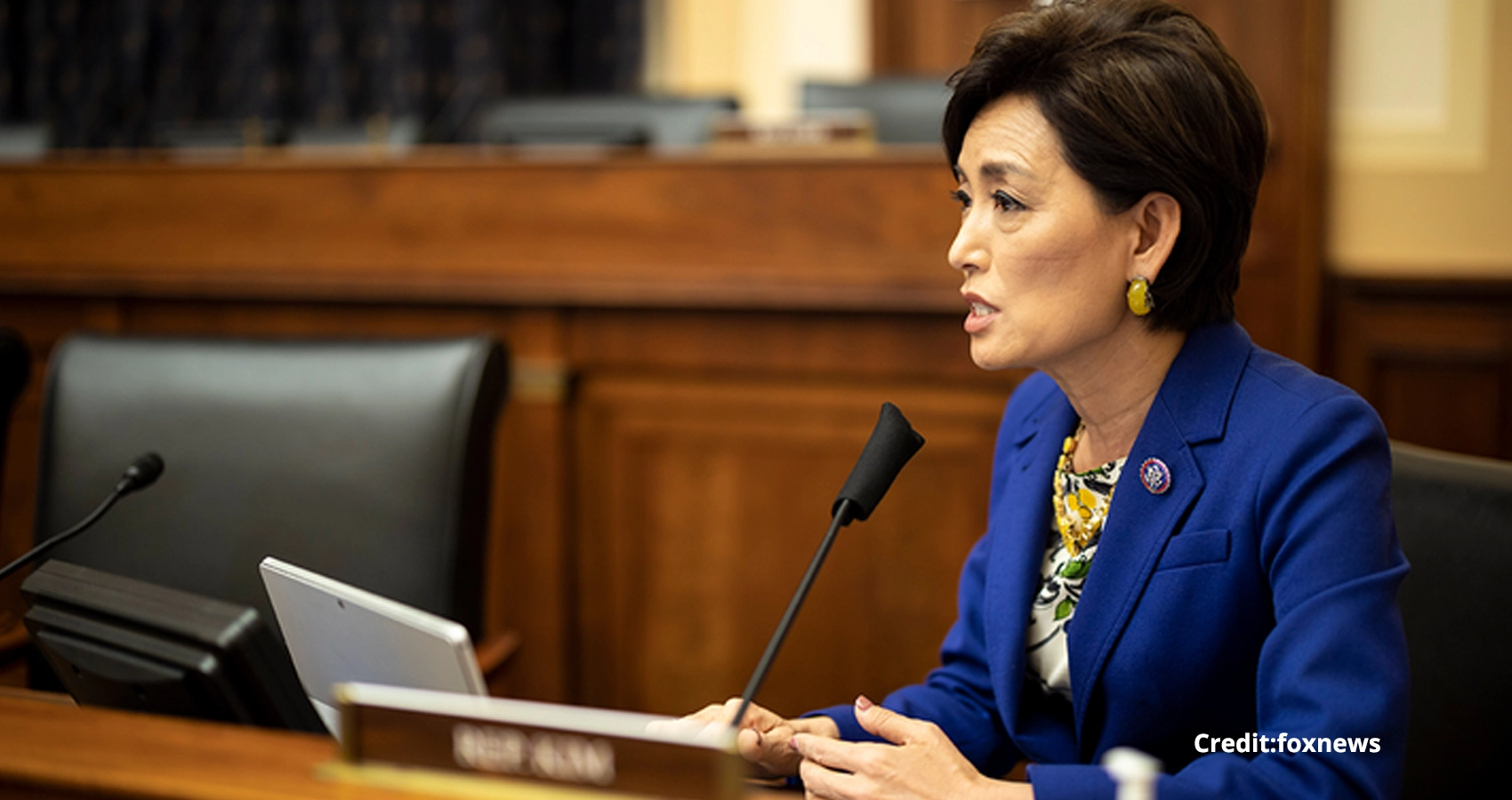
However, the legality of these investments has come under scrutiny. Representative Zoe Lofgren (D–Calif.), the ranking member of the House Science, Space, and Technology Committee, has raised concerns that these deals may not comply with congressional appropriations. She argues that the funds were originally allocated to support public research in semiconductors, not quantum computing.

Lofgren stated, “This announcement is illegal and troubling on so many levels,” highlighting that the funding originates from the CHIPS and Science Act, which was enacted during the Biden administration. This legislation specifically earmarked resources for microelectronics research and development, with a focus on semiconductor technology.

According to Lofgren, the technology associated with quantum computing only partially overlaps with semiconductor technology. She emphasized that the funds were intended to foster public-private research partnerships, which she believes these deals do not represent. Furthermore, she pointed out that a substantial portion of the investment is directed toward IBM, raising concerns about potential conflicts of interest involving Dario Gil, a former IBM executive who currently serves as the Under Secretary for Science at the Department of Energy.

Despite her criticisms, Lofgren clarified that her objections do not imply that quantum processing technology is a poor investment or that the companies involved lack merit. Instead, she insists that any support for these companies should come through a proper congressional allocation of funds.

As the situation stands, it remains unclear how the investment can be halted. While a lawsuit has been suggested as a potential remedy, it would require a party willing to take legal action. A company that could have benefited from the original allocation for semiconductor research might argue that it has been adversely affected by the diversion of funds to quantum computing. However, such legal proceedings could take considerable time, potentially allowing the funds to be fully expended before a resolution is reached.

The U.S. Department of Commerce announced the investment on Thursday, detailing the distribution of funds. IBM is set to receive $1 billion to establish a new company focused on manufacturing chips for quantum computers. Additionally, contract chipmaker GlobalFoundries will receive $375 million to construct a domestic factory capable of producing components for various types of quantum machines.

Other recipients include D-Wave, Rigetti Computing, and Infleqtion, each receiving $100 million, while Diraq is allocated up to $38 million to address key technical challenges that have hindered the advancement of more powerful quantum computers, according to the Commerce Department.

The ongoing debate surrounding this investment underscores the complexities of federal funding and the legal frameworks governing technological advancements. As the U.S. seeks to maintain its competitive edge in quantum computing, the implications of this funding decision will likely continue to unfold in the coming months.

For further details, refer to The American Bazaar.

Indian-American Community Engages in Local Newsroom Initiatives

USCIS provides a comprehensive resource for news, updates, and data related to immigration and citizenship on its dedicated Newsroom webpage.

The U.S. Citizenship and Immigration Services (USCIS) offers a centralized platform for individuals seeking the latest news and updates concerning immigration and citizenship through its Newsroom webpage.

This resource features a variety of news releases and alerts that are searchable by topic and date, ensuring that users can easily find the information they need. It includes important policy and procedure updates, as well as timely announcements regarding office closures and other emergencies.

For those interested in visual content, the USCIS Newsroom also hosts a video and image gallery showcasing various aspects of USCIS operations. This gallery provides a glimpse into the agency’s work and its impact on communities across the nation.

The Immigration and Citizenship Data page is another valuable feature of the USCIS Newsroom. It offers a wealth of statistics and data across various categories of immigration, allowing users to gain insights into trends and patterns within the immigration system.

To stay connected, USCIS maintains a robust social media presence. Through its various social media accounts, individuals can follow the agency for real-time updates and information, ensuring they remain informed about the latest developments.

The Newsroom also includes access to recent speeches, statements, and Congressional testimony from USCIS leadership. These documents are searchable by topic and date, providing transparency and insight into the agency’s priorities and initiatives.

For those seeking more detailed information, the Electronic Reading Room offers access to documents identified under the Freedom of Information Act (FOIA). Users can search for topics of interest using a convenient drop-down list, making it easier to find specific information.

USCIS also recognizes the importance of media engagement and has established a network of agency representatives across the country to respond to media inquiries. This ensures that journalists and the public have access to accurate and timely information.

Additionally, the Newsroom features a section dedicated to upcoming events, including local and national engagements. This allows individuals to stay informed about opportunities to engage with USCIS and participate in discussions related to immigration and citizenship.

For more information and to access these resources, visit the USCIS Newsroom webpage.

According to USCIS, the Newsroom serves as a vital hub for all immigration-related news and updates.

Google Settles $135 Million Over Allegations of Android Data Collection

A $135 million settlement has been proposed in a class-action lawsuit against Google, alleging unlawful data collection practices from Android devices, potentially affecting millions of users.

In a significant legal development, Google has agreed to a $135 million settlement concerning allegations that it unlawfully collected user data from Android devices without proper consent. This class-action lawsuit, titled Joseph Taylor v. Google, raises critical questions about data privacy and the ethical practices of major tech companies.

The settlement stems from claims that Google effectively compelled Android users to support its data collection practices. Allegations suggest that the company programmed Android devices to continuously transmit user information, utilizing cellular data purchased by the users themselves. This has led to accusations of violating users’ privacy rights.

The case began in 2020 when plaintiffs argued that since 2017, Google had implemented updates to the Android operating system that allowed for automatic data collection via mobile carriers, without any option for users to opt out. This included instances where users attempted to disable location tracking or close applications, yet data collection persisted.

In addition to general data privacy concerns, the lawsuit alleges that Google’s practices constituted a legal violation known as conversion, which involves taking someone’s property with the intent to deprive them of it. Notably, this is one of the largest settlements ever related to a conversion claim, reflecting the severity of the allegations against Google.

Despite agreeing to the settlement, Google has denied any wrongdoing. The company maintains that its data collection practices align with standard industry protocols designed to enhance user protection. In a statement, Google spokesperson José Castañeda expressed, “We are pleased to resolve this case, which mischaracterized standard industry practices that keep Android safe. We’re providing additional disclosures to give people more information about how our services work.”

The preliminary approval of the settlement by the court is a significant step, with final approval scheduled for June 23. During this meeting, the court will confirm the payment amount, determine attorneys’ fees, and finalize a distribution plan for eligible class members. Individuals who meet the criteria for class membership will automatically be entitled to a share of the settlement payout, provided they select a preferred payment method on the settlement website by the deadline.

To qualify for the settlement, Android users must meet specific criteria. They must be living individuals in the United States or its territories, have used a mobile phone with the Android operating system and a cellular data plan at any time between November 12, 2017, and the final approval of this settlement, and not have participated in the class-action lawsuit Csupo v. Google LLC, which involved similar allegations but was limited to California residents.

Those who qualify for the settlement are automatically included unless they opt out before May 29, 2023. This opt-out option allows individuals to retain their right to pursue separate legal action against Google regarding its data collection practices.

While the exact payout amount per class member remains undetermined, the settlement imposes a cap of $100 per individual. Initially, a portion of the settlement funds will be allocated to attorneys’ fees, with the remaining balance distributed equally among class members. Should there be any residual funds after the first round of distributions, those will be allocated in a secondary distribution to eligible participants.

This lawsuit and subsequent settlement highlight the ongoing debate surrounding data privacy and the practices of major technology companies. In light of the allegations and settlement, Google has committed to modifying its terms of service to include more explicit consent from users when they first utilize new devices. The company also plans to incorporate a toggle feature allowing users to disable certain data collection practices and to provide clearer disclosures regarding data collection.

Additionally, this case is not isolated; it follows another class-action lawsuit where Google agreed to a $68 million preliminary settlement involving allegations that Google Assistant devices were listening to users without their activation. The ongoing scrutiny of Google’s data collection practices signifies a potential shift in how technology firms handle user data and the legal accountability they face.

As the final approval meeting approaches, users are advised to stay informed through the official settlement website for updates and additional information on the distribution process and eligibility criteria, according to GlobalNet News.

Frustrated Indian Youth Join Political Party Led by Unconventional Leader

Frustrated Indian youth are turning to the satirical Cockroach Janta Party, using humor to voice their discontent with government policies and social issues.

NEW DELHI — What began as a satirical online project has rapidly transformed into a significant movement among young Indians seeking an outlet for their frustrations. The Cockroach Janta Party (CJP), symbolized by the resilient insect, has gained immense popularity on social media, leveraging absurdist humor to protest against corruption, joblessness, and political dysfunction.

Since its inception, the CJP has seen an explosive growth in followers. Established just days ago, the party’s Instagram account has attracted over 15 million followers, surpassing the 8.8 million followers of Prime Minister Narendra Modi’s ruling Bharatiya Janata Party on the platform. This remarkable rise reflects a deep-seated discontent among the youth of India.

“Nothing of this was intentional,” said CJP founder Abhijeet Dipke, a political communications strategist and student at Boston University. He noted that the movement’s rapid ascent is indicative of the mounting frustration among young Indians who feel they have no other outlet for their anger towards the government.

The CJP emerged in response to remarks made by Supreme Court Chief Justice Surya Kant, who, during a recent hearing, described some unemployed young people and activists as “parasites” and compared them to cockroaches. His comments, which were perceived as dismissive, ignited a wave of backlash among youth frustrated by rising unemployment, increasing living costs, and recent government exam paper leaks that have disrupted job recruitment.

“There are youngsters like cockroaches, who don’t get any employment or have any place in the profession,” Kant stated, adding that some resort to social media activism or journalism to express their grievances. Although he later clarified that his remarks were aimed at individuals with fraudulent degrees and were not intended to insult the youth, the damage was done. The controversy led to the creation of the CJP’s Instagram account, which adopted the cockroach as its political emblem and began posting memes, mock campaign slogans, and satirical commentary targeting Modi’s government.

Within days, the movement attracted thousands of online volunteers through a Google form, receiving endorsements from some opposition leaders. “Five years ago, nobody was ready to speak up against Modi or the government. The times are changing,” Dipke remarked, referencing his previous work with the Aam Aadmi Party, which emerged from India’s anti-corruption movement in 2012.

While the CJP is not officially affiliated with any political organization, its emergence mirrors a broader trend across South Asia, where youth have played pivotal roles in anti-government movements in countries like Sri Lanka, Bangladesh, and Nepal. Dipke emphasized that the youth in India are feeling increasingly frustrated, with the government failing to acknowledge their concerns.

In a country where youth constitute more than a quarter of the population, many face limited job opportunities and growing dissatisfaction with traditional political parties. Young voters are particularly disillusioned with Modi’s ruling Hindu nationalist party, citing issues such as rising religious polarization, increasing inequality, and economic pressures.

The CJP employs self-mockery as a core element of its identity. Its membership criteria humorously include being unemployed, lazy, chronically online, and skilled at ranting. The party’s manifesto uses satire to address contentious political issues, including allegations of voter manipulation, the relationship between corporate media and the government, and the appointment of retired judges to official positions.

Despite its popularity, some critics, particularly Modi supporters, have dismissed the CJP as an online gimmick aligned with the opposition, pointing to Dipke’s past association with the Aam Aadmi Party. They argue that the movement’s surge in popularity is likely to be short-lived, viewing it as a digital campaign rather than a grassroots initiative.

However, Dipke remains optimistic about the movement’s potential to influence political discourse in India. “This is the movement that has arrived in India … it will change the political discourse,” he asserted. “It will continue online, and if required, it will also come on the ground.”

As the movement begins to spill offline, young volunteers have started appearing at protests dressed as cockroaches, signaling a shift from digital activism to real-world engagement. Yet, pushback against the movement has also begun. Recently, Dipke announced on X that the CJP’s account, which had around 200,000 followers, was withheld in India, marking one of the first visible restrictions on the rapidly growing parody movement. The reason for this action remains unclear.

In response, Dipke quickly established a new account for the group, accompanied by a poster declaring “Cockroach is back.” The post cheekily stated, “You thought you could get rid of us? Lol.”

The Cockroach Janta Party exemplifies a unique blend of humor and serious political commentary, resonating with a generation eager for change and frustrated with the status quo. As this movement continues to evolve, it may well shape the future of political engagement among India’s youth.

According to Associated Press.

Pritam Discusses ‘Mashooqa’ and Addresses Plagiarism Allegations

Raghav Chaitanya defends composer Pritam against plagiarism allegations regarding the song ‘Mashooqa’ from the upcoming film ‘Cocktail 2’, asserting its originality and the uniqueness of its creative process.

MUMBAI – Singer Raghav Chaitanya has come to the defense of music composer Pritam amid allegations of plagiarism concerning the song “Mashooqa” from the much-anticipated film “Cocktail 2.”

The controversy erupted after social media users pointed out similarities between “Mashooqa” and the 1993 Italian song “Se So Arrubate A Nonna” by the duo Bibi & Coco.

In response to the accusations, Raghav, who has provided vocals for the track featuring actors Shahid Kapoor and Kriti Sanon, took to Instagram to label the claims against Pritam as “completely baseless.”

“There has been a lot of conversation around the song ‘Mashooqa,’ and I feel it’s important to address the ongoing speculation directly. The allegations of plagiarism against Pritam da are completely baseless,” Chaitanya stated.

He emphasized the originality of the track, asserting, “As someone who has sung the song and been closely associated with its creative process, I can confidently say that ‘Mashooqa’ is an original composition.”

Raghav further explained that in music, certain melodic movements or motifs might evoke a sense of familiarity due to the limited ways emotions can be expressed. He argued that a motivic similarity does not equate to copying or plagiarism.

“To call this song inspired by another track is itself inaccurate, because the composition, arrangement, emotion, and treatment of ‘Mashooqa’ are entirely its own,” he added.

Earlier, Pritam had discussed his collaboration with Italian artist Mahmood on the track. Mahmood co-composed, wrote, and performed the Italian segments of the song.

Reflecting on this collaboration, Pritam remarked, “Imagine what collaboration with the right artist can bring to the soundscape of a song. ‘Mashooqa,’ which is shot in Sicily, is made more real and relatable by immensely talented Italian artist Mahmood, whose voice’s texture and singing style elevated the song to another level.”

Mahmood expressed his excitement about working on a Bollywood song, describing it as a unique experience. “I’ve always been fascinated by the world of Bollywood, the way music, cinema, and emotion become one powerful language. Collaborating with Pritam for this film was like stepping into an imaginary world I had admired from afar for a long time,” he said.

Directed by Homi Adajania, “Cocktail 2” also features Rashmika Mandanna and is considered a spiritual sequel to the 2012 film “Cocktail,” which starred Saif Ali Khan, Deepika Padukone, and Diana Penty.

The film is set to be released on June 19, according to IANS.

Veterans Criticize Democratic Senate Candidate for Insensitive Remarks

Combat veterans and Republican senators are condemning Democratic Senate candidate Graham Platner for derogatory remarks about soldiers and mocking a Purple Heart recipient.

Combat veterans and Republican senators are vocally criticizing Graham Platner, a Democratic Senate candidate, following the resurfacing of his derogatory comments about the Army and a mocking remark aimed at a soldier who was awarded the Purple Heart after being shot multiple times in combat.

Holland “Ricky” White, a Vietnam War veteran who served with the Army’s 173rd Airborne Brigade, expressed his outrage in an interview with Fox News Digital. “I am a decorated veteran, and people need to understand what serving in the Army cost me: congestive heart failure, bilateral hearing loss, COPD, sleep apnea, high blood pressure, hypothyroidism, and PTSD,” White said. “I understand ridicule better than most. I was ridiculed not only as a Vietnam veteran but as a Black man as well.” He continued, “I lost friends over there, and it still hurts to talk about them. I often ask God, ‘Why did You spare me and not my friends?’ I believe God wasn’t done with me when I came home, and that’s why I continue trying to make a difference today.” White concluded, “That is why comments like Graham’s are so offensive.”

The backlash against Platner has intensified amid a growing controversy surrounding his deleted Reddit account as he campaigns to challenge Republican Senator Susan Collins in the closely watched 2026 Senate race in Maine. Platner has heavily relied on his military background to appeal to voters, but the resurfaced posts threaten to undermine his campaign, as they include slurs, an embrace of socialism, and harsh criticism of the armed forces.

One of Platner’s most controversial posts dates back to 2019, where he harshly criticized a soldier who had been shot multiple times by the Taliban in 2012. “Dumb motherf—er didn’t deserve to live. At least his stupidity and fat a– wheezing are available for all future infantrymen to witness and hold in contempt,” Platner wrote in response to combat footage shared by another user. The video in question featured U.S. Army veteran Ted Daniels, who was shot four times and subsequently awarded the Purple Heart.

Steve, a veteran of Iraq and Afghanistan who has garnered a significant social media following, expressed his disgust at Platner’s remarks. “As a Purple Heart recipient myself – having been wounded for my country – I find his comments to be especially vile,” he stated. “Mocking a fellow American that took enemy fire to protect his squad shows a lack of basic understanding of brotherhood and selfless service.” Steve requested anonymity for privacy reasons.

Platner’s disdain for the Army is evident in his deleted posts. In April 2019, he wrote, “I spent another 4 in the Army after the Corps, and while I was very lucky to serve in some sh–t hot units with good dudes, as a whole the organization is absolute trash. Full of fat, lazy trash who would rather not be in uniform.”

Bill Brown, a retired Navy SEAL who served in Iraq, condemned Platner’s comments, stating, “A Senator who calls soldiers ‘trash’ and mocks a man’s Purple Heart has shown who he really is. A Senator votes to send soldiers to war, confirms the generals who lead them, and funds the equipment that protects them. Platner’s own words in his deleted post prove he can’t be trusted to do right by those that protect us.”

Kate Monroe, CEO of VETCOMM and a Marine Corps veteran, added, “Being a veteran does not make someone honorable. Honor is how you carry yourself, how you treat others, and how you speak about those who served beside you. In this case, the uniform may have been earned, but respect clearly was not.”

John Rourke, a retired Army staff sergeant who served during Operation Iraqi Freedom, echoed Monroe’s sentiments, stating that Platner’s mockery does not make him “edgy or tough” but rather “a disgrace to the uniform.”

Some of Platner’s potential future colleagues in the Senate, who also have military backgrounds, have condemned his remarks. Senator Joni Ernst, R-Iowa, remarked, “As a combat veteran, I’ve seen the cost of war up close. I’ve watched brave Americans come home with wounds, visible and invisible, that they’ll carry for the rest of their lives. Mocking servicemembers for getting wounded or killed is absolutely despicable. These are our brothers and sisters, people who volunteered to put everything on the line for this country.” Ernst has 23 years of service in the Army Reserve and Iowa Army National Guard, including a command role in Kuwait during Operation Iraqi Freedom.

Senator Tom Cotton, R-Ark., also criticized Platner, stating, “Platner’s comments about American servicemembers are disgraceful, but it’s what we should expect from a communist with a Nazi tattoo.” Cotton served as an Army infantry officer with combat tours in Iraq and Afghanistan.

Senator Tim Sheehy, R-Mont., a retired Navy SEAL, expressed skepticism about the support Platner might receive from fellow Democrats, saying, “Let’s see the courageous Democrat vets defend this one … can’t wait to hear it.” Meanwhile, the offices of some Democratic veterans in the Senate did not respond to requests for comment regarding Platner’s remarks.

The Platner campaign also did not respond to inquiries from Fox News Digital regarding the controversy.

Senator Dan Sullivan, R-Alaska, a Marine Corps veteran who served in Afghanistan, emphasized the importance of loyalty among service members, stating, “The motto and ethos of the Marine Corps is Semper Fidelis – always faithful. This means fidelity to Marines and fellow service members. This guy has failed that test.”

The fallout from Platner’s comments continues to unfold as he navigates a challenging political landscape in his bid for the Senate.

According to Fox News Digital, the controversy surrounding Platner’s remarks has sparked significant backlash from both veterans and political figures alike.

IIT Bombay Sets Dates for UCCED and CEED Exams 2027

The Indian Institute of Technology Bombay has announced the exam dates for the Undergraduate Common Entrance Examination for Design (UCEED) and the Common Entrance Exam for Design (CEED) for 2027.

The Indian Institute of Technology (IIT) Bombay has officially announced the exam date for the Undergraduate Common Entrance Examination for Design (UCEED) and the Common Entrance Exam for Design (CEED) for the year 2027. Both exams are scheduled to take place on January 17, 2027, in an online format across India.

Detailed information regarding the application process, correction window, and admit cards will be provided in the forthcoming information bulletin.

As per the announcement, the UCEED and CEED exams will be conducted simultaneously on the same date. UCEED is aimed at facilitating admissions to undergraduate design courses at various IITs, including those in Bombay, Roorkee, Delhi, Hyderabad, Guwahati, and Jabalpur. Conversely, CEED is intended for admissions to master’s degree programs in design available at several IITs across the country.

The application process for UCEED and CEED is expected to commence in October 2026, following trends from previous years. Eligible candidates will be able to register by submitting the required documents and paying the prescribed fees, adhering to the format and size specifications set by the authorities.

In terms of exam structure, UCEED 2027 will consist of a three-hour examination divided into two parts, totaling 300 marks. Part A will feature 57 questions worth 200 marks, while Part B will include sketching and design aptitude papers, contributing an additional 100 marks.

Similarly, the CEED 2027 exam will also be conducted in an online format over a duration of three hours. It is divided into two parts: Part A will consist of 44 questions totaling 150 marks, while Part B will assess candidates’ creativity, sketching abilities, problem identification skills, form sensitivity, and visual sensitivity through five questions, each worth 20 marks.

For further updates and detailed information, candidates are advised to keep an eye on announcements from IIT Bombay.

According to The Sunday Guardian, more specific details regarding the application process and exam patterns will be available in the official information bulletin released by IIT Bombay.

Neale Daniher, AFL Legend, Passes Away at Age 65

Neale Daniher, a celebrated figure in Australian Rules Football, has passed away at the age of 65 after a courageous battle with motor neurone disease.

Neale Daniher, a legendary player and coach in the Australian Football League (AFL), has died at the age of 65. His family confirmed the news on Monday, May 25, following his long struggle with motor neurone disease (MND). Daniher was not only known for his contributions on the field but also for his significant impact off it, particularly through his charity work.

Born on February 15, 1961, in West Wyalong, New South Wales, Daniher played 82 games for the Essendon Football Club during a 12-season playing career. He later transitioned into coaching, leading the Melbourne Football Club for 223 games, including a memorable run to the Grand Final in 2000.

Despite his success in football, Daniher’s legacy extends far beyond the sport. After being diagnosed with MND, he became a national hero by founding the FightMND charity. This initiative has raised and invested over $115 million into medical research aimed at finding a cure for the disease.

In a heartfelt statement released by the Daniher family, they expressed their grief: “We’re heartbroken to share that our much-loved husband, Dad and Poppy, Neale Daniher, passed away at home, surrounded by his family.” The family highlighted his fighting spirit, stating, “From day one, Neale was a fighter. His determination was unmatched—choosing every day to find opportunity where others might see only challenge, and taking the fight to the Beast with everything he had.”

Daniher is survived by his wife, Jan, and their four children: Lauren, Luke, Bec, and Ben, along with their partners and children. He is also remembered by his brothers, Terry, Anthony, and Chris.

While specific details regarding Daniher’s net worth remain unclear, his contributions to the FightMND charity underscore his commitment to making a difference in the lives of others battling the disease.

Neale Daniher’s legacy as a player, coach, and advocate will continue to inspire many in the AFL community and beyond. His dedication to raising awareness and funds for motor neurone disease research has left an indelible mark on the hearts of those who knew him and those who benefited from his efforts.

According to The Sunday Guardian, Daniher’s passing is a significant loss for the sports community in Australia, where he is remembered not only for his athletic prowess but also for his unwavering spirit and compassion.

Pia Dandiya Moves Congressional Campaign from Florida to 22nd District

Pia Dandiya has officially shifted her Congressional campaign from Florida’s 21st District to the newly configured 22nd District, aiming to become the first South Asian American elected to Congress from Florida.

Pia Dandiya, a former high school principal and technology manager, is making a significant move in her political career by officially shifting her campaign to Florida’s newly configured 22nd Congressional District.

Transitioning from her initial bid in the 21st District, Dandiya enters an open race focused on middle-class economic stability, reduced living costs, and increased investments in public education.

If elected, Dandiya would make history as the first South Asian American to represent Florida in Congress, a notable achievement for a state with a rapidly growing South Asian population.

Dandiya’s candidacy is bolstered by her background as a first-generation Indian American. Born and raised in Palm Beach County, her experiences were shaped by her immigrant parents, who came to the United States from India in search of better opportunities.

Before launching her campaign, Dandiya dedicated her early years to community service, spending summers during her undergraduate studies teaching English to children in the slums of New Delhi. This experience deepened her commitment to educational equity.

Currently residing in Palm Beach County with her husband and son, Dandiya began her professional career as a teacher in low-income schools, where she successfully helped over 90% of her students achieve state proficiency marks.

At just 28 years old, Dandiya founded a charter high school in Harlem, New York, becoming one of the youngest principals in the country. Under her leadership, the school became one of the highest-performing institutions in New York state, with 100% of its graduates gaining college admission, despite 86% of the student body living below the poverty line.

Her career trajectory continued to rise as she served as a White House Fellow, where she worked directly within the Domestic Policy Council and the Department of Education.

Following her fellowship, Dandiya transitioned to the private sector, leading public sector initiatives at Apple. In this role, she collaborated with state leaders to modernize public education, healthcare, and government systems.

Dandiya’s congressional platform directly addresses the ongoing cost-of-living crisis. She advocates for policies aimed at curbing inflation on essential items such as gas and groceries, lowering healthcare costs through negotiated prescription drug prices, and implementing universal pre-K programs.

Her agenda also emphasizes the need for increased public school funding, expanded vocational and trade programs, and the protection of Social Security and Medicare.

In the wake of a mid-decade redistricting plan approved by Governor Ron DeSantis, the newly drawn 22nd District has emerged as a crucial swing seat in South Florida.

With a formal endorsement from Florida Democratic Party Chair Nikki Fried and a campaign war chest of $1.17 million in cash on hand, Dandiya enters the primary contest as a prominent front-runner.

According to The American Bazaar, Dandiya’s campaign reflects her commitment to addressing the needs of her community and advocating for policies that support economic stability and educational equity.

Revised Form I-129 for Indian-American Visa Applications Now Available

USCIS has released a revised version of Form I-129, which will be the only accepted edition starting May 1, 2015.

The U.S. Citizenship and Immigration Services (USCIS) has announced the availability of a revised Form I-129, Petition for a Nonimmigrant Worker. This updated form is marked with an edition date of October 23, 2014.

Beginning May 1, 2015, USCIS will only accept the October 23, 2014 edition of Form I-129. After this date, previous versions of the form, including those dated October 7, 2011, January 19, 2011, and November 23, 2010, will no longer be accepted.

USCIS encourages individuals to download the revised form, as it is designed to prompt users to provide complete information. This enhancement aims to improve the efficiency of the processing of the form.

For more information on who may file Form I-129 and to access the revised form, visit the USCIS forms website.

According to USCIS, the changes are intended to streamline the application process for nonimmigrant workers.

12-Minute Yoga Flow Aims to Enhance Mood and Promote Positivity

A new 12-minute yoga flow has been designed to uplift mood and enhance positivity through a carefully sequenced set of poses that promote physical movement and emotional openness.

In today’s fast-paced world, stress and negativity can significantly impact mental health. Recognizing the need for quick and effective methods to boost mood, a new 12-minute yoga practice has been introduced. This structured flow aims to uplift spirits and promote a sense of well-being.

The sequence begins with the Thunderbolt Pose, a grounding position that encourages practitioners to connect their breath with their body. Kneeling with the tops of the feet resting on the mat, individuals place one hand on their heart and the other on their belly. Remaining in this pose for seven cycles of breath establishes a calming foundation for the practice.

Following the Thunderbolt Pose, practitioners transition into a Dynamic Seated Side Bend. This movement involves sweeping the arms overhead and bending to the right and left, allowing for a deep stretch of the side body. This not only enhances flexibility but also encourages a sense of playfulness, which is vital for maintaining a positive mindset. The flow continues with Cactus Arms, where practitioners bend their elbows and open their chests, further promoting heart-opening benefits and allowing for greater emotional expression.

The practice then leads into a Kneeling Forward Bend, where individuals can either remain upright or hinge at the hips for a deeper stretch. This position aids in releasing accumulated tension in the back, promoting relaxation and further grounding the practice.

Subsequently, practitioners flow into the Cow Pose and Cat Pose, two fundamental postures in yoga that enhance spinal flexibility and promote mindfulness through breath awareness. By repeating these poses three times, participants cultivate a rhythmic flow essential for maintaining focus and presence, which is crucial for mental clarity and emotional stability.

As the flow progresses, the practice transitions into Downward-Facing Dog, a well-known pose that encourages physical stretching and energizes the entire body. Participants are encouraged to pedal their feet and sway their hips, fostering a more intuitive connection to their bodies and enhancing the overall sense of well-being.

Following this energizing pose, the sequence includes various lunges and twists, such as High Lunge, Twisting High Lunge, and Reverse High Lunge. These poses are designed to build strength and stability while opening the hips and chest, encouraging emotional release and fostering a sense of expansiveness. The Revolved Pyramid Variation and Pyramid Pose Variations further enhance this sense of openness, inviting deeper stretches while grounding practitioners in the present moment.

The introduction of Standing Splits and Stork Pose adds elements of balance to the flow, challenging practitioners to find stability while maintaining fluid movement. The Dancer Pose, a highlight of this sequence, encourages joyful expression, allowing individuals to connect with their bodies in a celebratory manner, which is essential for cultivating positivity.

As the sequence nears completion, the focus shifts to grounding through poses like Goddess Pose and Wide-Legged Standing Forward Bend. These positions foster physical strength and encourage a deep sense of community and connection to oneself, reinforcing the emotional benefits of the practice.

Practitioners then move into a series of Twisting Low Lunge and Side Lunge poses, which further enhance flexibility and assist in releasing any residual tension. The sequence concludes with a return to Downward-Facing Dog, followed by a gentle transition back to Mountain Pose, where individuals can reflect on their experiences throughout the practice. This final position allows for the integration of the benefits gained during the session, culminating in a few deep breaths to consolidate the positive energy cultivated.

Finally, returning to the Thunderbolt Pose offers a sense of closure, where practitioners can express gratitude for their commitment to their practice. This reflective moment encourages individuals to acknowledge the sensations felt during the flow and emphasizes the importance of carrying this positive mood into the rest of their day or evening.

This 12-minute yoga flow is more than just a physical practice; it represents a holistic approach to enhancing emotional well-being. By dedicating a mere twelve minutes to this practice, individuals can significantly uplift their mood and foster a positive mindset, making it a valuable addition to daily routines. As mental health continues to be a critical issue for many, practices like this can serve as effective tools in promoting overall well-being and resilience amidst life’s challenges, according to Global Net News.

FIFA World Cup 2026 Broadcasting Rights: Key Contenders in India

The competition for broadcasting rights for the FIFA World Cup 2026 in India is heating up, with major players like Jio and Zee vying for the opportunity to air the tournament.

As excitement builds globally for the FIFA World Cup 2026, the race to secure broadcasting rights in India is intensifying. Scheduled to take place from June 8 to July 8, 2026, across the United States, Canada, and Mexico, Indian media companies are positioning themselves to capitalize on the anticipated viewership.

Leading the charge for these broadcasting rights are major telecommunications and media companies, particularly Jio and Zee Entertainment. Jio, backed by Reliance Industries, has established a strong foothold in the sports broadcasting sector, having previously secured rights for various tournaments. Meanwhile, Zee Entertainment, a traditional player in the Indian media landscape, aims to expand its sports programming portfolio.

The competition for sports broadcasting rights in India has evolved significantly over the past two decades. Historically, cricket has dominated the landscape, with the Indian Premier League (IPL) and international cricket matches attracting the largest audiences. However, the growing popularity of football, particularly following the establishment of the Indian Super League (ISL) in 2013, is shifting viewer interest toward the sport.

The FIFA World Cup, one of the most prestigious sporting events worldwide, is expected to draw a vast audience in India, a nation increasingly interested in football. The 2018 FIFA World Cup saw record viewership in India, underscoring the potential for media companies to profit significantly from broadcasting the event.

While the specific financial terms for the broadcasting rights of the 2026 World Cup have yet to be disclosed, industry analysts predict substantial costs. Previous broadcasting rights for major tournaments have often reached hundreds of millions of dollars. For instance, Sony Pictures Networks India acquired the broadcasting rights for the 2018 World Cup in India for approximately $50 million.

The financial commitment for the World Cup rights is not merely an expense; it represents a strategic investment aimed at capturing the growing football viewership. Experts suggest that the potential return on investment could be significant, given the scale of the event and the expanding football fanbase in India.

The competition between Jio and Zee for the FIFA World Cup broadcasting rights is likely to have implications for both viewers and advertisers. With multiple players in the market, viewers may benefit from competitive pricing and a variety of viewing options, including traditional television broadcasts and digital streaming platforms.

Increased competition in the broadcasting sector could lead to enhanced production quality and viewer engagement initiatives as media companies strive to attract and retain audiences. This may include innovative content strategies, interactive features, and localized programming designed to resonate with the Indian audience.

As the bidding for the World Cup broadcasting rights heats up, industry stakeholders have begun to express their views on the potential outcomes. A spokesperson from Jio stated, “We are committed to bringing the best sports content to our viewers and are excited about the opportunity presented by the FIFA World Cup. Our focus will remain on delivering an exceptional viewing experience.”

Conversely, a representative from Zee Entertainment remarked, “Football is rapidly gaining traction in India, and we aim to be at the forefront of this growth. Securing the broadcasting rights for the World Cup would be a significant step towards enhancing our sports offerings.”

The decision regarding the broadcasting rights for the FIFA World Cup 2026 is expected to be finalized in the coming months. As companies like Jio and Zee navigate the intricacies of negotiations, the outcome will undoubtedly shape the future of sports broadcasting in India. The implications of this competition extend beyond mere viewership, impacting advertising revenues, content strategies, and the overall landscape of sports media in the country.

In conclusion, as anticipation builds for the FIFA World Cup 2026, the race for broadcasting rights in India highlights the shifting dynamics of sports media and the growing interest in football among Indian audiences. With major players vying for a stake in this lucrative market, the outcome will be closely monitored by fans, analysts, and industry insiders alike, according to GlobalNet News.

Single-Payer Healthcare Emerges as Key Issue in California Governor Race

Leading Democrats in California’s gubernatorial race are increasingly embracing a single-payer healthcare system as a key issue, despite the challenges of funding and implementation.

When Gavin Newsom campaigned for California governor in 2018, his endorsement of a state-run single-payer healthcare system was seen as a bold and risky move. It ultimately garnered him significant support from labor unions.

Fast forward to today, and the landscape has shifted dramatically. As the race to succeed Newsom heats up, leading Democratic candidates are now positioning single-payer healthcare as a political imperative. This shift comes in response to growing voter frustration over escalating premiums and healthcare costs.

With no clear front-runner emerging in the race, candidates are engaging in debates and political advertisements to assert their commitment to a government-run healthcare model. However, none have provided a detailed plan on how California would finance comprehensive health coverage for its 40 million residents. This lack of clarity leaves voters uncertain about which candidate has a viable strategy for implementing such a system in the nation’s most populous state.

Healthcare experts note that the perception of single-payer healthcare has evolved from a progressive ideal to a mainstream political talking point in California, where Democrats outnumber Republicans nearly two to one. As the June 2 primary approaches, candidates are touting single-payer as the best solution to address affordability concerns among voters. In contrast, the top two Republican candidates have dismissed government-run healthcare as a “disaster” and a form of “socialism.”

“In many ways, single-payer healthcare has become a progressive litmus test,” said Larry Levitt, a former White House policy adviser and healthcare expert at KFF, a health information nonprofit.

Despite the growing prominence of single-payer in political discourse, many voters remain unclear about what the term actually means. Levitt pointed out that voters do not necessarily expect the next governor to achieve a single-payer system; instead, the term serves as an indicator of a candidate’s overall approach to healthcare reform.

Xavier Becerra, the former U.S. Secretary of Health and Human Services, has faced criticism for his nuanced shift away from single-payer healthcare. This change followed his endorsement from the California Medical Association, a powerful group that has historically opposed single-payer legislation in the state.

During a May 5 debate hosted by CNN, Becerra expressed his support for “Medicare for All,” a federally run healthcare proposal that has faced significant obstacles in Congress. However, he refrained from committing to a California-led single-payer initiative, stating that his immediate focus would be on addressing anticipated federal cuts to Medi-Cal, California’s Medicaid program, which serves over a third of the state’s residents.

Becerra emphasized that voters are more concerned with the affordability of healthcare than the specific terminology used, asserting that “Californians don’t care what you call it, so long as they have affordable healthcare.”

Democratic strategist Celinda Lake noted that many voters lack a clear understanding of single-payer healthcare and often require a metaphor to grasp its implications. Billionaire activist Tom Steyer has emerged as a prominent advocate for single-payer in this race, despite having previously opposed it during a brief presidential campaign in 2020.

As governor, Steyer has pledged to support legislation backed by the California Nurses Association, which has struggled to gain traction under Newsom’s administration. When questioned about how he would fund the estimated $731.4 billion cost of a single-payer system, Steyer remarked, “God is going to be in the details.”

Former U.S. Representative Katie Porter has expressed skepticism about the feasibility of achieving a single-payer system in the near term. Nevertheless, she later assured party delegates that she would “deliver single-payer.” Other candidates, such as former Los Angeles Mayor Antonio Villaraigosa and San Jose Mayor Matt Mahan, do not support single-payer and are trailing in the polls. The top two candidates, regardless of party affiliation, will advance to the November general election.

Historically, seasoned politicians have struggled to deliver on single-payer promises. Newsom, who campaigned as a “healthcare governor,” tempered his ambitions upon taking office and instead focused on achieving “universal access” to health coverage through Medi-Cal expansions and cost containment measures.

Vermont remains the only state to have enacted a single-payer healthcare law, but it ultimately reversed course when leaders could not identify a sustainable funding source.

To implement a single-payer system in California, state leaders would require federal approval to redirect billions of dollars from Medicaid, Medicare, and other funding streams—an unlikely scenario given the current political climate.

Healthcare costs are a significant concern for voters, with more than half of adults nationwide indicating that these costs will heavily influence their voting decisions in the upcoming November elections, according to an April KFF poll.

Danielle Cendejas, a Democratic consultant based in Los Angeles, noted that single-payer healthcare is increasingly appearing on candidate questionnaires from small-business advocates and local Democratic clubs, reflecting its growing importance in both state and national races.

Many California voters are eager to hear how candidates plan to provide immediate relief from rising premiums, high drug costs, and long wait times for care. Jennifer Easton, a 63-year-old Democrat from Oakland, supports a single-payer system, citing examples from other countries that have successfully lowered costs. However, she remains skeptical about the current candidates’ ability to implement such a system, viewing it as a long-term goal rather than an immediate solution.

“No one can do it in four years,” she said. For Easton, a candidate’s enthusiastic support for single-payer is indicative of their broader healthcare philosophy. “It is, if we’re lucky, a 20-year, 25-year plan.”

Republican political consultant Rob Stutzman, who advised former Governor Arnold Schwarzenegger, pointed out that while polls may show public support for single-payer, focus group discussions reveal that approval wanes when voters realize it could mean losing their current doctors or insurance plans.

During the CNN debate, Republican candidate Steve Hilton, endorsed by former President Donald Trump, warned that Californians could face subpar patient care and “sky-high taxes” to fund a single-payer system, drawing on his experiences from the United Kingdom.

Instead, Hilton suggested that the state should cease providing “free healthcare for illegal immigrants who shouldn’t even be in the country in the first place.”

As the race continues to unfold, the debate over single-payer healthcare remains a pivotal issue for candidates and voters alike, shaping the future of healthcare policy in California.

According to KFF Health News, the ongoing discussions around single-payer healthcare reflect broader national conversations about healthcare reform and affordability.

Tulsi Gabbard Resigns as Intelligence Chief, Defends Her Record

Tulsi Gabbard has announced her resignation as Director of National Intelligence, citing her husband’s health issues, while defending her record in office.

WASHINGTON, DC – Tulsi Gabbard, the Director of National Intelligence, announced her resignation on May 22, amid speculation regarding her future in the role. She cited her husband’s diagnosis with what she described as “an extremely rare form of bone cancer” as the primary reason for her departure.

Gabbard communicated her decision to President Donald Trump during a meeting in the Oval Office, as reported by Fox News Digital. Her resignation will take effect on June 30.

In a formal resignation letter obtained by Fox News Digital, Gabbard expressed gratitude to Trump for the opportunity to lead the Office of the Director of National Intelligence (ODNI) over the past year and a half.

“At this time, I must step away from public service to be by his side and fully support him through this battle,” Gabbard wrote, referring to her husband’s health challenges. She emphasized the importance of her role as a supportive partner, stating that he has been “my rock throughout our eleven years of marriage,” standing by her during her military deployment to East Africa, various political campaigns, and her tenure as the nation’s top intelligence official.

Gabbard also took the opportunity to defend her record at the ODNI, asserting that she had made “significant progress” in advancing transparency and restoring integrity within the intelligence community. However, she acknowledged that “important work” remains unfinished.

Her resignation adds to a series of high-profile departures from Trump’s Cabinet during his second term. In recent months, several prominent women, including Attorney General Pam Bondi, Homeland Security Secretary Kristi Noem, and Labor Secretary Lori Chavez-DeRemer, have also exited the administration.

During her tenure as intelligence chief, Gabbard experienced moments of tension with both the White House and Congress. Earlier this year, she informed lawmakers that Iran had made “no efforts” to rebuild its nuclear program following U.S. strikes in 2025. These comments appeared to contradict the administration’s justification for military action. Additionally, she refrained from stating that Iran posed an imminent threat to the United States at the time of the attacks.

A veteran of the military, Gabbard has been vocal in her opposition to wars and has distanced herself from the Democratic Party, aligning more closely with the GOP in recent years.

As the political landscape continues to evolve, stay tuned for the latest updates on government decisions, major policy changes, elections, and key global developments shaping today’s political environment, according to Fox News Digital.

Platner’s Controversial Online Comments on Latin American Women Resurface

Maine Senate candidate Graham Platner faces scrutiny over crude comments about prostitution and infidelity made on his now-deleted Reddit account, raising concerns among voters and party officials.

Graham Platner, the presumptive Democratic nominee for Senate in Maine, is under fire for controversial remarks made on his now-deleted Reddit account. These comments include discussions about prostitution and defending men who cheat on their spouses while abroad, which have resurfaced amid his campaign against incumbent Republican Senator Susan Collins.

In posts dating back to 2012 and 2019, Platner made references to both Thai and Latin American prostitution. In one notable April 2012 post, he responded to concerns about the exploitation of women in Colombia by saying, “You don’t have much experience with Latin American hookers, do you?” This comment was made in response to another user who expressed alarm over the realities of sex work in the region.

While the comments do not indicate that Platner engaged the services of sex workers, they do reflect a pattern of crude and hyperbolic language. This has become increasingly problematic for Platner as he seeks to unseat Collins, especially following the emergence of other inflammatory posts where he disparaged the U.S. Army, calling it “full of fat, lazy trash,” and mocked Ted Daniels, a former Army infantryman and Purple Heart recipient.

On the same day he made his remarks about “Latin American hookers,” Platner defended men who cheat on their partners while overseas. He wrote, “I’ve heard that idiotic sentiment made within the confines of the military. ‘If you can’t remain faithful to your wife, how can you remain faithful to your comrades?’ Well, I have many good buddies who lied and cheated with women, and yet were straight shooting hard men when it came to their work.” He further dismissed the criticism as a viewpoint held by “moral relativists” who needed something to complain about.

In a later post from 2019, Platner continued to discuss prostitution, suggesting that service members could avoid federal income tax by spending their leave “banging hookers in Thailand instead of getting b—-ed at by the wife back home.” This comment appeared to reference a tax strategy utilized by some government contractors who spend more than 330 days outside the United States to evade federal income tax.

Platner’s online history has raised alarms among Maine voters, prompting some Democrats to distance themselves from him. National Republican Senatorial Committee press secretary Bernadette Breslin remarked that “Graham Platner’s moral depravity has alarmed Maine voters,” highlighting the potential impact of his past comments on his campaign.

In response to the backlash, Platner has attributed his online behavior to psychological trauma from his combat deployments and the “crude humor” he encountered while serving as a Marine. He expressed regret for his past comments, stating, “I’m sorry for this. Just know that it’s not reflective at all of who I am.” Platner urged voters not to judge him based on “the dumbest thing I ever wrote on the internet,” but rather on the person he is today.

The Platner campaign did not respond to a request for comment regarding the resurfaced posts. The Reddit account in question, “P-Hustle,” has been confirmed by Platner as his own, and the comments have been compiled into a searchable database by the Maine Monitor.

As the election approaches, Platner’s controversial online history continues to be a significant liability in his bid for the Senate seat, raising questions about his suitability for public office and the potential impact on his campaign.

According to Fox News, the scrutiny surrounding Platner’s past comments may influence voter perceptions as he seeks to challenge an incumbent in a competitive race.

US-Iran Peace Talks Progress Amid Ongoing Tensions with Israel

Peace talks between the U.S. and Iran have reached a critical stage, with officials indicating a potential breakthrough could be announced within hours, raising cautious optimism globally.

Diplomatic efforts aimed at resolving the ongoing conflict involving the U.S., Israel, and Iran have entered a decisive phase. Officials suggest that a breakthrough agreement could be announced within hours, as negotiators work on final adjustments to a draft framework intended to pause hostilities and pave the way for a long-term settlement.

U.S. President Donald Trump has stated that discussions with Iran are “getting a lot closer” to completion. He noted that key elements of the agreement have already been largely negotiated, indicating that only a few issues remain unresolved before a formal announcement can be made.

U.S. Secretary of State Marco Rubio echoed this sentiment, suggesting that developments could be forthcoming “within hours.” However, he cautioned that final progress has not yet been fully achieved. Rubio emphasized that the primary objective remains preventing Iran from acquiring nuclear weapons while working to stabilize regional tensions.

Reports indicate that the emerging agreement may include a temporary ceasefire, the reopening of the strategic Strait of Hormuz for global shipping, and phased discussions regarding Iran’s nuclear program. A “relief-for-compliance” model of sanctions easing is also being considered as part of the draft deal.

Despite the optimism surrounding these negotiations, key disputes remain over final clauses. Negotiators are still addressing unresolved issues, including verification mechanisms, terms of sanctions relief, and Iran’s demands concerning sovereignty and control of critical maritime routes. Iranian officials have urged caution, stating that several points still require further mediation.

Pakistan has played a significant mediating role in facilitating indirect communication between Washington and Tehran. Regional stakeholders, including Gulf nations and European partners, have also supported continued dialogue, urging both sides to avoid escalation and finalize a settlement swiftly. Energy markets and global observers are closely monitoring these developments, as the conflict has disrupted trade routes and increased volatility in oil prices. Analysts suggest that a successful agreement could alleviate global supply pressures and reduce geopolitical risks in West Asia.

While optimism is rising, officials stress that the situation remains fragile and subject to last-minute changes. Until a formal agreement is signed and publicly confirmed, both sides continue to maintain cautious positions.

This is a developing story, and further updates will be provided as the situation evolves.

According to The Sunday Guardian, the potential for a resolution is being closely watched by international observers.

Knicks Take Commanding Lead in East Finals with Win Over Cavaliers

The New York Knicks are one win away from their first NBA Finals appearance since 1999 after a commanding victory over the Cleveland Cavaliers in Game 3 of the Eastern Conference Finals.

The New York Knicks are on the brink of reaching the NBA Finals for the first time since 1999, following a dominant 121-108 victory over the Cleveland Cavaliers in Game 3 of the Eastern Conference Finals. This win gives the Knicks a commanding 3-0 lead in the series, putting them just one step away from ending a 27-year championship drought.

What makes this playoff run particularly remarkable is the way the Knicks have been handling their opponents. They have now won 10 consecutive postseason games, marking the longest winning streak in franchise history. During this stretch, they have achieved an average winning margin of over 22 points, showcasing their dominance on the court. With no team in NBA history having ever come back from a 3-0 deficit in the playoffs, the pressure now rests squarely on the Cavaliers as they head into the next game.

In Game 3, Jalen Brunson led the charge for New York, scoring 30 points, while Mikal Bridges contributed 22 points and OG Anunoby added 21. The Knicks controlled the game from the outset, ensuring that Cleveland never found its rhythm. Their efficient shooting, smooth ball movement, and ability to capitalize on both three-point attempts and free throws allowed them to maintain control throughout the contest.

The Cavaliers managed to briefly level the score in the second quarter, but the Knicks quickly responded with a significant run to regain the lead before halftime. Brunson’s leadership was particularly evident in the third quarter, where he helped extend the Knicks’ lead into double digits, increasing the pressure on Cleveland.

Any remaining hope for the Cavaliers evaporated early in the fourth quarter when Landry Shamet caught fire, sinking three consecutive three-pointers in less than two minutes, effectively sealing the game for New York. Despite Donovan Mitchell and James Harden’s efforts, scoring 23 and 21 points respectively, the Knicks proved too powerful and composed, setting the stage for a potential playoff sweep in Game 4.

Brunson’s performance in Game 3 was crucial for the Knicks. He not only scored 30 points but also controlled the game’s tempo, showcasing his ability to lead the team during critical moments. His shot-making and leadership have been instrumental in bringing New York to the brink of the Finals.

While the Cleveland Cavaliers technically still have a chance to turn the series around, history is not on their side. No team in NBA playoff history has ever come back from a 3-0 deficit to win a series. The Knicks have displayed remarkable dominance throughout the Eastern Conference Finals, controlling the pace of the game and defending aggressively.

For the Cavaliers to extend the series beyond Game 4, they will need to win four consecutive games against a Knicks team that has consistently delivered in high-pressure situations. Additionally, they must find a way to slow down Jalen Brunson and improve their shooting efficiency if they hope to keep their championship aspirations alive.

As the Knicks prepare for Game 4, they stand on the cusp of an unforgettable playoff run, with the chance to secure their first NBA Finals appearance in nearly three decades.

According to The Sunday Guardian.

China Deploys Over 100 Vessels Near Taiwan After Trump-Xi Summit

China has deployed over 100 vessels near Taiwan following the recent summit between President Trump and President Xi Jinping, raising concerns about regional stability, according to Taiwan’s National Security Council.

China has reportedly stationed more than 100 vessels in the waters surrounding Taiwan in the wake of the recent summit between U.S. President Donald Trump and Chinese President Xi Jinping. This assertion was made by Joseph Wu, the Secretary General of Taiwan’s National Security Council, on Saturday.

Wu stated on X, formerly known as Twitter, that Taiwan’s intelligence, surveillance, and reconnaissance (ISR) data indicates a significant increase in Chinese naval activity. “Our ISR/intel shows that the PRC has deployed over 100 vessels around the 1st Island Chain over the past few days, so soon after the Beijing summit,” he wrote.

In his post, Wu emphasized the implications of this deployment, asserting, “In this part of the world, China is the one & only PROBLEM wrecking the Status Quo & threatening regional peace & stability.” He also shared a graphic that illustrated the high volume of Chinese vessels operating in the South China Sea, the East China Sea, and near Taiwan and the Philippines.

This announcement comes shortly after Trump’s departure from Beijing and follows comments made by acting U.S. Navy Secretary Hung Cao regarding a temporary pause in U.S. weapons shipments to Taiwan. During a Senate Appropriations Defense Subcommittee hearing, Cao explained, “Right now we’re doing a pause in order to make sure we have the munitions we need for Epic Fury.”

In January, U.S. lawmakers approved a substantial $14 billion weapons package for Taiwan, although Trump has yet to sign it into law. Taiwanese officials have expressed concern, stating they were not informed of any potential pauses in U.S. arms sales, according to reports from The Associated Press.

Cao’s announcement regarding the pause in weapons shipments coincided with the Trump-Xi summit, during which Chinese officials reiterated that the Taiwan issue remains the most critical point in U.S.-China diplomatic relations. “President Xi stressed to President Trump that the Taiwan question is the most important issue in China-U.S. relations,” said Mao Ning, a spokesperson for the Chinese Foreign Ministry, following the meeting.

Mao further warned that if the Taiwan issue is not managed properly, it could lead to significant tensions between the two nations, stating, “If it is handled properly, the bilateral relationship will enjoy overall stability. Otherwise, the two countries will have clashes and even conflicts, putting the entire relationship in great jeopardy.”

Fox News Digital has reached out to the White House, representatives from the Taiwanese government, and the Chinese Foreign Ministry for further comments regarding these developments.

According to The Associated Press, the situation remains tense as both sides navigate the complexities of their diplomatic relationship.

H-1B Workers Must Apply for Green Cards From Outside the U.S.

The U.S. is implementing a new immigration policy requiring temporary visa holders to apply for Green Cards from outside the country, impacting many foreign nationals currently residing in the U.S.

The United States is tightening its immigration process for temporary visa holders seeking permanent residency, a move that could significantly affect international students, H-1B workers, and other foreign nationals living and working in the country.

The U.S. Citizenship and Immigration Services (USCIS) recently announced a new policy memo stating that foreign nationals applying for Green Cards must generally do so from outside the United States through consular processing under the Department of State. The agency indicated that this guidance reflects long-standing immigration law and previous court decisions.

Under the updated policy, USCIS officers will continue to review adjustment-of-status requests on a case-by-case basis, but only under what the agency describes as “extraordinary circumstances.”

“We’re returning to the original intent of the law to ensure aliens navigate our nation’s immigration system properly. From now on, an alien who is in the U.S. temporarily and wants a Green Card must return to their home country to apply, except in extraordinary circumstances. This policy allows our immigration system to function as the law intended instead of incentivizing loopholes. When aliens apply from their home country, it reduces the need to find and remove those who decide to slip into the shadows and remain in the U.S. illegally after being denied residency,” said USCIS spokesman Zach Kahler.

The policy is expected to impact thousands of temporary visa holders, including F-1 students, H-1B employees, and tourists currently in the United States while pursuing permanent residency. USCIS stated that the change would also help the agency redirect resources toward other priorities such as naturalization applications, humanitarian visa cases, and applications involving victims of violent crime and human trafficking.

“Nonimmigrants, like students, temporary workers, or people on tourist visas, come to the U.S. for a short time and for a specific purpose. Our system is designed for them to leave when their visit is over. Their visit should not function as the first step in the Green Card process,” the agency added.

The announcement has already triggered criticism from various sectors, particularly in technology and education, with many arguing that the new approach could discourage skilled immigration and harm American competitiveness.

Andrew Ng, co-founder of Coursera, criticized the policy on social media platform X, calling it detrimental to legal immigration and innovation in the United States. “The new White House policy requiring green card applicants to apply from outside the U.S. is a capricious attack on legal immigration. It will hurt families, leave us with fewer doctors, teachers, and scientists, and hurt American competitiveness in AI,” Ng wrote.

The policy has also sparked conversations within the Indian tech community, especially among professionals working in the United States on temporary visas. Among those reacting was Sridhar Vembu, founder of Zoho, who urged Indians living in America on visas to consider returning home. Referring to the new immigration rules, Vembu wrote on X, “Once again, my appeal to Indians in America on a visa. Please come home. Even if you feel it is hardship and sacrifice, self-respect should dictate your course. Let’s make Bharat proud.”

His comments drew mixed reactions online. While supporters praised the patriotic message, critics pointed to his own years in the United States and questioned Zoho’s workplace culture.

This new policy marks a significant shift in the landscape of U.S. immigration and could have lasting implications for many foreign nationals currently residing in the country, according to The American Bazaar.

New Report Highlights Importance of Immigrant Workers in Texas Agriculture

New research highlights the essential role of immigrant workers in Texas’ food and agriculture sectors, emphasizing their impact on the state’s economy and food supply chain.

Recent research from the American Immigration Council reveals the vital contributions of immigrants to Texas’ food sectors, particularly agriculture. The report, titled From Field to Fork: The Economic Impact of Immigrants on Texas’ Food Industry, was developed in collaboration with Texans for Economic Growth, a statewide coalition comprising over 160 business members.

This report focuses on the state of Texas, with particular attention given to the Houston Metro Area. It was publicly released during an event hosted by Amegy Bank, which aimed to showcase the findings and engage local leaders in discussions about the impact of immigration on Texas’ food industry.

“Texas’ agriculture and food industries are a cornerstone of our state’s economy, generating more than $102 billion in economic output and supporting communities across every region of Texas,” said Chelsie Kramer, Texas State Organizer for the American Immigration Council and Texans for Economic Growth. “This report underscores something Texas employers and community leaders already know firsthand: immigrants are essential to keeping our food system moving. The report also highlights that 14.5 percent of Texas’ food workers and 13.5 percent of the state’s agricultural workforce are undocumented immigrants, reinforcing the need for workforce stability and practical policy discussions to ensure the long-term strength and competitiveness of Texas’ food economy.”

Emily Williams Knight, Ed.D., president and CEO of the Texas Restaurant Association, emphasized the integral role of immigrant workers in the restaurant industry. “Texas restaurants are built by people who work hard, serve their neighbors, and help make our communities stronger. Immigrant workers have long been part of that story, not only in restaurant kitchens and dining rooms but across the farms, suppliers, and small businesses that make our food system work,” she stated. “This report is an important reminder that practical workforce solutions do exist that would protect local businesses, keep food costs in check, and preserve the hospitality that defines communities across Texas.”

Anne McBride, Vice President of Impact at the James Beard Foundation, noted the interconnectedness of the agricultural and food sectors. “This report provides crucial data on the essential role that immigrants play in powering the American food system via Texas, from farms to restaurants. These two sectors cannot exist without the other and face similar challenges regarding our immigrant entrepreneurs and workers, which is why the James Beard Foundation is thrilled to partner on the release of this important work.”

Justin Yancy, President and CEO of the Texas Business Leadership Council, highlighted the importance of immigrant workers for the state’s economy. “This report highlights a reality Texas employers know well: immigrant workers are essential to the strength, stability, and competitiveness of our agricultural and food economy. As Texas continues to grow, maintaining a dependable workforce will remain critical to supporting our producers, businesses, and consumers alike.”

The report outlines several key findings regarding the role of immigrant workers in Texas’ food sector. Approximately 400,500 immigrant workers constitute nearly one-quarter (24.9 percent) of the workforce in this sector, contributing to various industries, including agriculture, food processing, food wholesale trade, food retail trade, and food services. Immigrants are essential throughout the food supply chain, moving food from production to consumers.

Immigrant workers in Texas hold diverse immigration statuses. About one-fifth of the workforce in the food sector are naturalized citizens, while 14.5 percent are undocumented, including 20,100 individuals eligible for Deferred Action for Childhood Arrivals (DACA). The state’s reliance on workers with varying immigration statuses means that changes in immigration policy can significantly impact workforce stability and the continuity of food production and distribution.

In 2024, the agriculture, food processing, and food services sectors are projected to generate $102.6 billion in economic output in Texas. The state exports $6.5 billion worth of agricultural commodities annually and plays a significant role in the United States’ agricultural exports.

Immigrant workers fill critical roles across the food sector. They represent 47.8 percent of miscellaneous agricultural workers, 31.7 percent of cooks, and 24.6 percent of cashiers. Farms, restaurants, and grocery stores depend on immigrants to staff essential frontline positions.

In the Houston Metropolitan Area, agriculture and food services are expected to generate approximately $2.7 million in GDP in 2024, with immigrants comprising over one-third (34.3 percent) of the workforce in the food sector.

For further insights, readers can access the full factsheet detailing the report’s findings.

About the American Immigration Council: The American Immigration Council works to strengthen America by shaping perceptions and actions toward immigrants and immigration. The organization advocates for a fair and just immigration system that opens doors to those in need of protection while harnessing the skills and energy immigrants bring. The Council employs a coordinated approach to advance change through litigation, research, legislative advocacy, and communications.

About Texans for Economic Growth: Texans for Economic Growth is a coalition of over 145 Texas business leaders and associations dedicated to recognizing and supporting the positive impact of immigrants on the Texas economy. Launched in February 2019, the coalition aims to guide immigration discussions at state and federal levels and supports common-sense federal immigration reforms that acknowledge the valuable contributions of immigrants to the state.

According to American Immigration Council.

Resurfaced Posts Show Platner’s Criticism of Army Soldiers

Democratic Senate candidate Graham Platner faces backlash after resurfaced Reddit posts reveal derogatory comments about the Army and wounded veterans, raising concerns in his campaign against incumbent Sen. Susan Collins.

Graham Platner, the presumptive Democratic nominee for Senate in Maine, has come under fire for derogatory comments he made about the United States Army in now-deleted Reddit posts. In these posts, Platner described the Army as “absolute trash” and “full of fat, lazy trash who would rather not be in uniform.”

The comments, which date back to 2019, included a particularly harsh critique of Army veteran Teddy Daniels, who was awarded the Purple Heart after being shot by the Taliban. Platner referred to Daniels as a “dumb motherf—er” who “didn’t deserve to live,” igniting significant controversy as he campaigns to unseat Republican incumbent Sen. Susan Collins.

Platner, who served in the Marine Corps and the Maryland Army National Guard with multiple combat tours in Iraq and Afghanistan, has expressed a mix of admiration and criticism for the Army. He acknowledged that while there are “some solid light infantry, reconnaissance, and SOF units that are s— hot,” he believes the organization as a whole is lacking in the “warrior ethos and leadership obsession” found in the Marine Corps.

“The Army does things differently, and as a whole, they do things much worse,” Platner wrote in March 2019. His comments have resurfaced at a critical time in his Senate campaign, where they have become a focal point for opponents and critics alike.

In a 2013 post, Platner emphasized the importance of internal criticism within the armed forces, stating, “Civilians can be as dumb f–k ret—ed as they want, but WE have a duty to be brutally honest.” However, his recent remarks have drawn ire from fellow veterans, who argue that such comments are inappropriate and disrespectful.

Adam Schwarze, a former Navy SEAL and Marine veteran running for Senate as a Republican in Minnesota, criticized Platner’s remarks, saying, “We don’t make jokes about our brothers and sisters dying, that’s not something we do, that’s not normal.”

In response to the backlash, Platner has expressed regret for his past comments, stating, “I’m sorry for this. Just know that it’s not reflective at all of who I am.” He urged voters not to judge him solely based on his past online behavior, but rather on the person he is today.

Platner’s controversial statements extend beyond Reddit. In a podcast interview earlier this year, he implied that deceased Navy SEAL Chris Kyle may have inflated his kill count by being less discriminating in his fire. He has also criticized Navy SEALs while praising Army Rangers, further complicating his standing among military communities.

National Republican Senatorial Committee press secretary Bernadette Breslin condemned Platner’s comments, stating, “Graham Platner’s vicious attacks on wounded service members and open contempt for the Army are disgusting and disqualifying.” She added that the more information that comes to light about Platner, the more difficult it becomes for his Democratic allies, including prominent figures like Elizabeth Warren, to support him.

As the campaign progresses, Platner’s past comments are likely to remain a significant issue, potentially impacting his chances against Collins in the upcoming election. The scrutiny surrounding his remarks highlights the challenges candidates face when their past statements resurface, particularly in a politically charged environment.

According to The Washington Free Beacon, the controversy surrounding Platner’s comments has raised questions about his suitability for office and the implications of his views on military service.

Pune Lecturer Arrested in NEET-UG Physics Paper Leak Case

Manisha Sanjay Havaldar, a Pune lecturer and school headmistress, was arrested by the CBI in connection with the NEET-UG physics paper leak case, just 40 days before her retirement.

The Central Bureau of Investigation (CBI) has arrested Manisha Sanjay Havaldar in relation to the alleged leak of the NEET-UG 2026 physics paper, marking a significant development in the ongoing investigation into examination malpractice.

Havaldar, a lecturer and headmistress at Seth Hiralal Saraf Prashala in Pune, was reportedly involved in the NEET-UG examination process as a subject expert. Investigators assert that she had direct access to the physics question paper prior to the medical entrance exam.

As she approached retirement, with only about 40 days left in her career, her arrest has dramatically altered the course of her professional life. Following the CBI’s actions, the school administration suspended her and pledged support for the ongoing investigation.

According to the CBI, Havaldar allegedly shared portions of the NEET-UG 2026 physics paper with co-accused Manisha Gurunath Mandhare in April, weeks before the examination took place. The agency claims that the leaked questions corresponded with the actual physics section of the NEET-UG exam.

Further allegations suggest that the leaked content was disseminated among select aspirants through a broader network involving teachers, middlemen, and individuals linked to coaching institutes. Reports indicate that students were charged substantial fees for access to the leaked questions and special “revision sessions” based on the paper.

The CBI has identified Havaldar as a “key source” in the leak of the NEET-UG physics questions, and her arrest marks the 11th apprehension in the expanding investigation into the alleged paper leak syndicate.

Officials are currently examining digital devices, communication records, and connections among multiple accused individuals across Maharashtra and other states to uncover the full extent of the network involved in this scandal.

The NEET-UG paper leak controversy has reignited concerns regarding the integrity of India’s competitive examination system. In recent weeks, the CBI has conducted numerous arrests and raids associated with the alleged leak syndicate, scrutinizing several teachers, coaching operators, and intermediaries.

The investigation is ongoing, and authorities are expected to question additional individuals connected to the examination process in the days ahead, as they work to dismantle the network behind this significant breach of trust.

As the situation develops, the implications of this case may have far-reaching effects on the future of examination integrity in India, particularly in high-stakes assessments like the NEET-UG.

According to The Sunday Guardian, the investigation continues to unfold, revealing the complexities and challenges faced by authorities in maintaining the sanctity of educational assessments.

US Arrests Sister of Cuban Official for Alleged Regime Ties

The U.S. has arrested Adys Lastres Morera, sister of a key Cuban official, over alleged connections to the communist regime and its military-run business conglomerate, GAESA.

The United States has arrested Adys Lastres Morera, the sister of the executive president of GAESA, a significant military-run conglomerate in Cuba. This action stems from her alleged ties to the communist regime, as announced by Secretary of State Marco Rubio.

GAESA has been accused of diverting millions of dollars in aid intended for the Cuban populace, acting “at the behest of the regime,” according to Rubio’s statements on social media platform X. Morera was taken into custody by Immigration and Customs Enforcement (ICE) after the State Department revoked her lawful permanent resident (LPR) status.

While residing in Florida, Morera was reportedly managing real estate assets and was said to have assisted the Cuban government. The termination of her LPR status was executed at Rubio’s discretion. Morera had entered the United States as a lawful permanent resident in 2023, as reported by Reuters.

Rubio stated, “Today, Adys Lastres Morera, a Cuban national with ties to the communist regime in Havana, was arrested following the Department of State’s termination of her lawful permanent resident (LPR) status, at my direction.”

Morera is the older sister of Ania Guillermina Lastres Morera, who was sanctioned earlier this month for her role as executive president of GAESA. Officials have characterized GAESA as an exploitative entity that extracts resources from the Cuban population.

Rubio emphasized the plight of the Cuban people, stating, “While the Cuban people suffer from the collapse of Cuba’s non-functioning communist economy, GAESA functions to allow a small circle of regime elites to plunder all the remaining resources of the island, squirreling away as much as $20 billion in illicit funds in hidden overseas bank accounts.”

He further noted that Ania Guillermina Lastres Morera, in her senior executive role, is responsible for managing international assets allegedly used to support the lavish lifestyles of the Castro-era elite and to fund broader ideological influence abroad.

Conditions in Cuba have been deteriorating, with widespread blackouts and severe shortages of food, fuel, and medicine. Rubio argued that GAESA is diverting essential resources away from the population under the current communist system.

“GAESA’s ill-gotten riches are not spent on repairing the collapsing power grid, stocking empty pharmacies, feeding hungry families, or providing for the most basic and essential needs of the Cuban people,” he said. “Instead, they are used to enrich Havana’s elites and underwrite their ongoing campaign of espionage, subversion, and revolutionary militancy against the free peoples of this hemisphere.”

This arrest highlights ongoing tensions between the United States and Cuba, particularly regarding the actions of the Cuban government and its military-run enterprises. The U.S. continues to scrutinize individuals and entities associated with the regime, aiming to hold them accountable for their roles in perpetuating the hardships faced by the Cuban people.

According to Reuters, the situation remains fluid as the U.S. government seeks to address the complexities of its relationship with Cuba and the implications of the regime’s actions on its citizens.

ClickUp Reduces Workforce by 22% Amid AI-First Strategy Shift

ClickUp CEO Zeb Evans announced a 22% workforce reduction as the company shifts towards an AI-first strategy, emphasizing a commitment to higher compensation for remaining employees.

Zeb Evans, the CEO of ClickUp, a cloud-based productivity platform, revealed on Thursday that the company has laid off 22% of its workforce. This decision comes as ClickUp accelerates its adoption of artificial intelligence (AI) across its operations.

In a post shared on X, Evans clarified that the layoffs were not a response to financial pressures but rather part of a strategic shift to adapt to the evolving landscape of AI technology. “This wasn’t about cutting costs,” he stated. “Most savings from this change will flow directly back into the people who stay. We’ll be introducing million-dollar salary bands.”

Evans also indicated that employees who excel in utilizing AI tools could see significantly higher compensation in the future. “If you create outsized impact using AI, you’ll be paid outside of traditional bands,” he added.

The layoffs come on the heels of months of rapid AI integration within ClickUp, which has increasingly relied on artificial intelligence to streamline workflows, automate tasks, and enhance productivity across teams. This move reflects a broader trend in the tech industry, where companies are restructuring their workforces while heavily investing in AI-driven operations.

Many firms have recently suggested that employees who effectively leverage AI to boost output may take on larger responsibilities and earn higher pay, even as overall headcounts are reduced. Evans’ comments have sparked a lively debate online, with some praising the company’s aggressive AI-focused strategy, while others express concern about the impact of layoffs on employees amid promises of increased salaries for those who remain.

As ClickUp continues to expand its AI-first approach, Evans emphasized that the transformation will extend beyond layoffs and changes in compensation. He noted that entire job functions within tech companies are already being reshaped by artificial intelligence.

One area he highlighted as undergoing significant change is product management. Evans explained that the traditional divide between product and design teams is beginning to blur. Future product managers are expected to work directly in sandboxed environments to test and refine ideas, rather than pushing updates directly into production systems.

He argued that this new model could eliminate what he described as the long-standing bottleneck between design and product execution, enabling teams to move faster with the support of AI tools. However, Evans acknowledged that one area remains challenging to automate: direct human interaction with customers.

He pointed out that frontline employees will become increasingly valuable as AI-generated communication becomes more prevalent across industries. In his view, authentic human engagement will become a premium that companies cannot afford to replace entirely with automated agents.

To retain high-performing employees during this transition, ClickUp plans to move away from traditional compensation structures. Evans announced that the company is introducing annual salary bands of up to $1 million for employees who demonstrate exceptional impact through AI, regardless of their department or role.

He concluded his message with a broader prediction about the future of the tech industry, stating, “Nearly every company will make changes like these. The ones that do it proactively will define what comes next.”

According to American Bazaar, ClickUp’s strategic shift underscores the growing importance of AI in shaping the future of work.

AI Robotic Beehives Installed in Florida Community Reduce Colony Collapse

A Florida community has introduced AI-powered robotic beehives to combat declining bee populations, which are essential for pollinating approximately 75% of the nation’s crops.

A community in Florida has taken a significant step towards protecting declining bee populations by deploying AI-powered robotic beehives. This initiative comes amid growing concerns about the future of the U.S. food supply, as bees are responsible for pollinating roughly 75% of the crops consumed by Americans.

The Angeline development in Land O’ Lakes has become the first master-planned community to install Beewise’s automated BeeHome system. This innovative technology utilizes robotics, sensors, and artificial intelligence to monitor hive health and safeguard colonies from various environmental threats.

Bee populations across the United States are under increasing pressure from parasites, pesticides, diseases, and extreme weather conditions, all of which pose significant risks to agriculture nationwide. “Bees pollinate roughly 75% of the crops we eat and about 80% of flowering plants around the world,” said Beewise Managing Director Steve Peck. “So, without those bees, our food supply is in jeopardy.”

The Angeline community relies on bees to pollinate a 2.5-acre farm that provides produce used throughout the development. The BeeHome system employs internal cameras, sensors, and robotic components to inspect hives and identify issues that typically require manual oversight from beekeepers.

“The robotics know where it is in the frame or where it is in the hive at any point,” Peck explained. “It can pick it up just like a beekeeper would, inspect it, and report that back to technicians around the world.”

The automated system is designed to monitor queen health, egg production, and infestations from varroa mites, which are among the leading causes of colony collapse in honeybee populations. Peck noted that the technology can also respond automatically when threats to the hive are detected.

“We can treat them within the hive by moving them to a new part of the home that raises the temperature,” he said. “It’s enough to kill the mites, but not the bees. And there, we can prevent that colony collapse, and have shown, basically a 70% reduction to what we’re seeing naturally around the world.”

The BeeHome technology is already in operation across hundreds of thousands of acres of agricultural land throughout the country. Project officials emphasize that this system is intended to support, rather than replace, traditional beekeeping practices, especially as environmental pressures continue to threaten bee colonies.

<p”Every day, bees run the risk of being destroyed due to just the weather and elements and pesticides,” said Lisa Gibbings with Metro Development Group.

The issue of declining bee populations has garnered increasing national attention in recent years. This includes expanded beekeeping efforts at the White House, where former First Lady Melania Trump initiated a program to add new bee colonies to the grounds as part of an expanded pollinator and honey production initiative.

As farmers and agricultural experts continue to express concern over the health of bee populations, it is clear that pollinators play a critical role in food production and ecosystem stability across the United States. The introduction of AI-powered robotic beehives represents a promising advancement in the ongoing effort to protect these vital creatures.

According to FOX 13 Tampa Bay, the innovative technology could be key in addressing the challenges faced by bee populations and, in turn, safeguarding the future of agriculture in the U.S.

Fake Geek Squad Billing Scam: Identifying Red Flags and Prevention Tips

A fraudulent Geek Squad billing email is pressuring consumers to click payment links and share sensitive personal information, raising significant red flags for potential victims.

In a concerning development, a fraudulent email purporting to be from Geek Squad has emerged, utilizing Razorpay branding to deceive consumers. The email claims that the recipient has signed up for Geek Squad protection, demanding a payment of $489.99. However, many recipients have never subscribed to such a service, highlighting the deceptive nature of this scam.

Upon opening the email, recipients are greeted with a sense of urgency, as the message encourages immediate action. It features a prominent “Pay Now” button, designed to entice users to click without careful consideration. A closer examination reveals numerous red flags that indicate the email is not legitimate.

One of the most glaring issues is the lack of personalization in the email. Legitimate companies typically address customers by name, especially if they have an existing account. This email, however, is addressed to a generic recipient, suggesting it was sent in bulk to thousands of people in hopes that someone will fall for the scam.

The email also combines unrelated brands, mentioning Geek Squad, which is affiliated with Best Buy, and Razorpay, a payment processor based in India. Additionally, it references “QuickTax Billing,” a vague term that does not correspond to any recognized consumer brand in this context. Genuine billing emails maintain consistent branding and messaging, while scammers often mix names to create a facade of legitimacy.

Another tactic used in the email is the claim that the recipient’s account will be charged within 48 hours. This statement is designed to create pressure, compelling individuals to act quickly without fully assessing the situation. In reality, legitimate subscriptions do not operate in this manner; customers are not typically informed of random warnings demanding immediate payment through unfamiliar links.

The email further complicates matters by stating that the recipient must complete their first transaction. This is misleading, as legitimate subscriptions would have already processed payment upon signup. Clicking the payment button could lead to one of two dangerous outcomes: either the recipient is directed to a phishing site designed to steal personal information, or they are prompted to call a support number that may connect them with a scammer.

Details within the email also suggest it has been poorly crafted. For instance, it includes a support number with the (813) area code, a common tactic used by scammers. If a victim calls this number, they may be pressured into sharing personal information or granting remote access to their devices, potentially leading to financial loss.

The email claims to have originated from subscriptions@razorpay.com, which may appear credible since Razorpay is a legitimate payment platform. However, scammers often exploit real services to send fraudulent emails, creating accounts to issue fake invoices. Razorpay has confirmed that the account associated with this email was never capable of processing actual payments, as it was operating in test mode and has since been disabled.

Despite Razorpay’s reassurances, the email remains a significant threat. Scammers rely on familiar branding to lend credibility to their messages, which can easily mislead unsuspecting recipients into clicking the “Proceed to Pay” button or calling the provided phone number. The ultimate goal is to extract personal information or redirect victims to alternative payment methods outside of secure platforms.

This type of scam is not targeted at specific individuals; rather, it is sent to vast lists of email addresses, some of which may have been scraped from online sources or obtained through past data breaches. Scammers operate on a numbers game, hoping that a small percentage of recipients will respond to their fraudulent overtures.

Both Razorpay and Best Buy, the parent company of Geek Squad, were contacted for comments regarding this scam but did not respond before the publication deadline.

The primary objectives of these scams are twofold: to extract money or obtain personal data. The $489 price tag is intentionally set high enough to instill fear while remaining plausible enough to appear legitimate. This email exemplifies many classic scam characteristics, making it essential for consumers to recognize the warning signs.

To protect yourself, adhere to a simple rule: never act directly from an email. If you receive a suspicious message, take a moment to pause and evaluate the situation. Scammers thrive on urgency, and by slowing down, you can safeguard your personal information.

At first glance, the email may seem convincing, featuring real brand names and a polished layout. However, a careful reading reveals inconsistencies, such as the absence of a personal greeting, conflicting company affiliations, and pressure tactics urging immediate payment. Familiarity with these tactics can significantly reduce the likelihood of falling victim to such scams.

As the prevalence of these deceptive emails increases, it is crucial to remain vigilant. If you suspect that an email may not be legitimate, consider reaching out to the company directly through official channels to verify the information. Awareness and caution are your best defenses against these types of scams.

For further information on cybersecurity and to stay updated on potential scams, consider visiting CyberGuy.com.

According to CyberGuy, understanding these tactics can help individuals protect themselves from falling victim to scams.

Adhitavo Redefines Identity Through Music as Indian-American Artist

Adhitavo, an Indian-born artist based in New York, is redefining identity through music by blending experimental sound and storytelling, while navigating the complexities of cultural representation.

In a world where success often follows a prescribed path, Adhitavo has chosen a different route. The Indian-born, New York-based artist is part of a growing wave of South Asian creatives who are stepping into global spaces on their own terms. His work is a fusion of experimental sound, storytelling, and technology, but above all, it is deeply introspective. Much of this introspection stems from his experiences of moving between different spaces and identities.

“I’ve always been in different spaces,” he shares. “For me, expression is the most important thing. I don’t care about the medium as long as I’m able to express myself.”

Adhitavo’s journey into music has not been linear. Although he trained in classical piano for over 15 years, he initially pursued a degree in mechanical engineering, a path familiar to many South Asian students. Yet, music remained a constant in his life.

His perspective on music began to shift during college when he participated in a large student-led production that combined music, theatre, and performance. “That’s what reminded me of how special the arts are,” he reflects.

Now, rather than identifying strictly as a musician, Adhitavo describes himself as a multidisciplinary artist, seamlessly moving between recording, production, live performances, and storytelling.

Over time, he recognized the profound impact of his work. A pivotal moment came during the COVID-19 lockdown in India when he released his first song with college friends on YouTube. This experience opened his eyes to the potential of music to connect with people beyond his immediate circle.

“We created a song called Chicken Nuggets, and it actually reflected what was happening in the country at that time,” he recalls, referencing the chaos of the pandemic. “Nothing beats that feeling when you put your first record out.”

The song gained traction and was even featured in Rolling Stone India. However, a subsequent project reached an even broader audience. Adhitavo was commissioned as a songwriter and music producer for the ninth-anniversary campaign of Clash of Clans (India), a mobile strategy game based in Finland. Through this project, he explored themes of humanity’s constant search into the unknown and began to see people from around the world connect with his work.

“I could see hundreds and hundreds of comments [on YouTube],” he notes. “That’s when it sparked a thought… there’s so much power in music to impact people.”

This realization brought with it both excitement and a sense of responsibility. “It makes you scared as well,” he admits. “But it also inspires you… There’s a responsibility for every artist to take it seriously.”

Relocating from India to New York presented a new set of challenges. “The first few weeks were very difficult,” he recalls. “I didn’t know what to write about anymore… it felt like an identity crisis.”

Everything that once felt familiar—culture, environment, and daily life—was suddenly absent. This discomfort forced him to reevaluate his identity and approach to music. “When you start connecting with people from different cultures, you realize that the emotions are the same,” he explains. “It made my work more universal.”

As time passed, he began to view his identity as fluid rather than fixed. “You’re a hybrid,” he states. “You have your past experiences, and you’re creating something new.”

Navigating identity as a South Asian artist often comes with the expectation of representing one’s culture, which can lead to being boxed into the category of “South Asian music.” “I think it’s a gift to be part of a culture,” he says, “but that doesn’t mean that’s everything about me.”

Rather than confining himself to the label of “a South Asian artist,” Adhitavo sees identity as layered and diverse. “You’re in this hybrid environment,” he explains. “You can draw from so many different things and become something new.”

He acknowledges the complexities of culture, recognizing that there are aspects one may agree with and others one may not. “There are things you agree with and things you disagree with,” he states. “And that’s okay.”

For him, the goal is not to reject culture or fully conform to it, but to engage with it authentically. “You should celebrate it,” he advises, “but you should also be able to question it.”

Adhitavo’s creative process is rooted in intention, with every element tied to meaning and emotional impact. “The first step is inspiration,” he explains. “It’s very important to know what you’re trying to convey.”

He builds upon this foundation by drawing from various cultures and technologies. “It’s about understanding what a particular sound effect does emotionally,” he elaborates. “Every element has to work together to tell that story.”

He approaches music similarly to how one would approach film or theater. “If this was a movie, how would I score it?” he asks. “How would I create that emotional journey?”

This methodology is particularly evident in his upcoming album, Incongruence, which combines experimental sound, layered production, and storytelling to explore themes of identity, pressure, and the feeling of not fitting into fixed systems. Each element is designed to contribute to a larger emotional experience rather than standing alone.

“I felt like I don’t fit in with the world,” he shares. “And I wanted to express that.”

When asked what advice he would give to young South Asians, especially those grappling with traditional expectations, his response is both honest and realistic. “The first step is to celebrate the difference and not be scared about it,” he advises.

However, he acknowledges that this journey is not always straightforward. “There are expectations and limitations… A lot of times there are no pathways, and that’s a scary thing to think about,” he admits. “Sometimes you can’t make that decision right away.”

Instead of advocating for drastic changes, he emphasizes the importance of patience. “When you’re in that situation, when you can’t make a decision, and you need to follow something you don’t want to do, or you need to conform, keep that part of you alive,” he suggests. “At some moment, you will have the power to express it.”

For Adhitavo, finding your voice is not about making one monumental decision but about holding onto what matters over time. “Don’t give up on your future self,” he encourages.

Adhitavo’s work defies a fixed formula, which is precisely what makes it so meaningful. He is not trying to fit into a single definition of success, identity, or genre of music. Instead, he is creating something that encompasses all of these elements simultaneously.

For many South Asians navigating their identities, his message is clear: “You don’t have to fit into one space. You’re allowed to create your own.”

For more insights, watch the full interview.

The post Finding Freedom in Sound: How Adhitavo Is Redefining Identity Through Music appeared first on India Currents.

Silicon Valley and Seattle Honor Microsoft Veteran Soma Somasegar, 59

The global technology community mourns the passing of S. “Soma” Somasegar, a former Microsoft executive and influential mentor, who died at the age of 59.

SAN FRANCISCO, CA — The global technology community is in mourning following the death of S. “Soma” Somasegar, a former Microsoft executive and managing director at Madrona Venture Group. Somasegar, who played a pivotal role in shaping Microsoft’s developer ecosystem, passed away on May 19, 2026, at the age of 59.

A family memorial message shared the news, stating, “With heavy hearts, we share the passing of beloved husband and father, S. Somasegar.” His death has prompted an outpouring of tributes from across Silicon Valley and Seattle, where he was highly regarded for his contributions to the tech industry.

Somasegar dedicated nearly 27 years to Microsoft before transitioning to Madrona Venture Group in 2015. His influence extended beyond his corporate roles, as he was known for mentoring generations of engineers, founders, and investors.

Entrepreneur and White House AI adviser Sriram Krishnan reflected on Somasegar’s impact, describing him as a mentor who transformed careers. “It’s hard to articulate how much of an impact Soma had on @aarthir and me,” Krishnan wrote on X. “He spotted us out of undergrad, made sure we got our first jobs, spent time with us though he was a senior executive at Microsoft and we were random junior people, and showered us with kindness.” He added, “We genuinely wouldn’t have the lives and careers we have now without him.”

Automation software company UiPath, where Somasegar served on the board of directors since September 2024, expressed their sorrow in a statement. “We are saddened to hear of the untimely passing of S. ‘Soma’ Somasegar. Our hearts go out to Soma’s wife, Akila, his daughters, and to his colleagues at Madrona.”

Technology journalist Tom Warren noted Somasegar’s significant contributions during his tenure at Microsoft, stating that he “spent 27 years at Microsoft and led the company’s Developer Division.” Warren emphasized Somasegar’s integral role in the Seattle tech scene.

GeekWire, a technology news publication, described Somasegar as “a champion of developers and startups” who mentored numerous founders and investors throughout Seattle’s technology ecosystem.

Somasegar joined Microsoft in January 1989, where he led the Developer Division and oversaw key products such as Visual Studio and .NET. He was instrumental in establishing Microsoft’s India Development Center in Hyderabad in 1998, further expanding the company’s global footprint.

After leaving Microsoft, Somasegar focused on investments in artificial intelligence, machine learning, cloud infrastructure, and intelligent applications at Madrona Venture Group.

Originally from Chennai, Somasegar studied engineering before moving to the United States for graduate studies at Louisiana State University. His legacy as a mentor and leader will be remembered by many in the technology sector.

According to IANS, Somasegar’s contributions to the tech community have left an indelible mark, and he will be missed by colleagues and friends alike.

Trump Supports Permanent Daylight Saving Time to Eliminate Clock Changes

President Donald Trump supports a bipartisan effort to make daylight saving time permanent, aiming to eliminate the need for twice-yearly clock changes.

President Donald Trump is advocating for a congressional initiative to abolish the twice-annual clock changes associated with daylight saving time by making it a permanent fixture. This proposal, known as the Sunshine Protection Act, has garnered bipartisan support and was recently included in a larger legislative measure that the House Energy and Commerce Committee advanced with a significant 48-1 vote.

In a post on Truth Social, Trump expressed his enthusiasm for the bill, stating, “Big Vote today (48-1!) in the Energy and Commerce Committee on a Bill including The Sunshine Protection Act, which will be making Daylight Saving Time Permanent! This is so important in that Hundreds of Millions of Dollars are spent every year by people, Cities, and States, being forced to change their Clocks.” He highlighted the financial burden of maintaining clocks, particularly those located in towers, and the prohibitive costs associated with the heavy equipment needed for the biannual time changes.

Trump further emphasized the need for a permanent solution, arguing that it would relieve people from the hassle of adjusting their clocks twice a year. “It’s time that people can stop worrying about the ‘Clock,’ not to mention all of the work and money that is spent on this ridiculous, twice yearly production,” he stated. He also framed the initiative as a potential political win for the Republican Party, asserting, “We are going with the far more popular alternative, Saving Daylight, which gives you a longer, brighter Day — And who can be against that — This is an easy one!”

The Sunshine Protection Act, championed by Rep. Vern Buchanan (R-Fla.), was included as a provision within an amendment to the Motor Vehicle Modernization Act. Buchanan’s office noted that the legislation has gained traction, with 32 bipartisan cosponsors in the House and a companion bill in the Senate (S. 29) introduced by Senator Rick Scott (R-Fla.), which has 18 bipartisan cosponsors.

Importantly, the proposal does not mandate that states currently not observing daylight saving time must adopt it. This flexibility allows states to maintain their existing practices while providing an option for those that wish to make the switch.

Last year, Trump had previously called for Congress to address the issue, urging lawmakers to “push hard for more Daylight at the end of a day.” He described the concept as “very popular” and reiterated the inconvenience and costs associated with changing clocks, labeling it a “A VERY COSTLY EVENT!!!” in an April 2025 post.

The movement to make daylight saving time permanent reflects a growing sentiment among many Americans who find the clock changes disruptive. As discussions continue in Congress, the bipartisan support for the Sunshine Protection Act may signal a shift toward a more consistent approach to timekeeping across the nation.

According to Rep. Vern Buchanan’s office, the push for permanent daylight saving time is gaining momentum, with significant backing from both sides of the aisle.

Dr. Gunisha Kaur, Indian-American, Appointed to USCIRF by Senator Schumer

Dr. Gunisha Kaur has been appointed by Senator Chuck Schumer to the U.S. Commission on International Religious Freedom, marking her as the first Sikh commissioner on the panel.

Dr. Gunisha Kaur has officially been appointed to the U.S. Commission on International Religious Freedom (USCIRF) by Senator Charles “Chuck” Schumer (D-NY), making her the first Sikh commissioner in the commission’s history.

A press release from the Sikh Coalition announced the appointment, highlighting the significance of her role within the independent, bipartisan agency. USCIRF Commissioners are appointed by the White House and by leaders from both parties in the House and Senate for two-year terms. The commission is tasked with monitoring the universal right to freedom of religion or belief abroad, making policy recommendations to the President, Secretary of State, and Congress, and tracking the implementation of its recommendations.

Dr. Kaur is an anesthesiologist with a specialization in human rights research. She currently serves as the Director of the Weill Cornell Medicine Human Rights Impact Lab. Additionally, she is a board member of Ensaaf, a Stephen M. Kellen Term Member at the Council on Foreign Relations, and a Faculty Fellow at the Mario Einaudi Center for International Studies.

The Sikh Coalition has worked closely with USCIRF to raise awareness about transnational repression and to honor Sikh human rights defenders, including Bhai Jaswant Singh Khalra.

Harman Singh, Executive Director of the Sikh Coalition, emphasized the deep connection between Sikh history and the issues central to USCIRF’s mission, such as persecution, displacement, and the defense of fundamental human rights. He noted that the challenges to religious freedom in South Asia and the humanitarian crises affecting Sikh communities in countries like Iran and Afghanistan underscore the importance of Sikh representation on the commission.

“We look forward to continuing our collaboration with USCIRF Commissioners and staff, and we offer our congratulations to Dr. Kaur and our gratitude to Senator Schumer and the allies who supported her nomination,” Singh stated.

Senator Schumer praised Dr. Kaur as an “exceptional” choice for the commission, noting her unique position as the first Sikh to serve on USCIRF. He highlighted her extensive background as a physician, anthropologist, human rights advocate, and academic leader at Weill Cornell Medicine, where she directs global health and human rights initiatives. Schumer expressed confidence that Kaur would bring a wealth of medical, research, and leadership expertise to the commission.

“Dr. Kaur will make history as the first and only Sikh to serve on the commission, and I am honored to support a commissioner with such extensive experience in human rights and community leadership. I am confident that she will bring her deep medical, academic, research, and leadership expertise to her service on the commission,” Schumer remarked.

This appointment not only marks a significant milestone for Dr. Kaur but also reflects the ongoing efforts to enhance diversity and representation within U.S. governmental bodies, particularly in areas concerning human rights and religious freedom.

According to The Sikh Coalition, Dr. Kaur’s appointment is expected to strengthen the commission’s focus on issues affecting Sikh communities globally and enhance its advocacy for religious freedom.

California Doctor Found Guilty in $45 Million Botox Medicare Fraud

A California physician has been convicted in a $45 million Medicare fraud scheme involving fraudulent Botox treatments and falsified patient records, raising concerns about Medicare oversight.

A California physician has been found guilty in a significant Medicare fraud case involving fraudulent Botox treatments, falsified patient records, and improper billing practices. Federal prosecutors described the scheme as amounting to $45 million, drawing attention to vulnerabilities in Medicare oversight and healthcare billing practices.

Dr. Violetta Mailyan, 45, from Glendale, California, was convicted by a federal jury on multiple counts, including wire fraud and obstruction of justice. The case centered around Medicare reimbursements tied to Botox injections billed through her clinic, Healthy Way Medical Center.

According to the U.S. Department of Justice (DOJ), Mailyan submitted claims for treatments that were either medically unnecessary or never performed. During the investigation period, she received more Medicare reimbursements for Botox than any other physician in the United States.

The case gained notoriety not only for the scale of the fraud but also for the methods used to uncover it. Investigators identified irregularities through data analysis rather than relying solely on patient complaints. Reports indicated that billing records showed Medicare claims submitted on days when the clinic was closed. Additionally, some patients were reportedly out of the country or otherwise unavailable for treatment during the times these claims were made.

Federal prosecutors also alleged that Mailyan altered patient files after investigators issued subpoenas for documentation related to migraine treatment claims involving Botox. They argued that these records were manipulated to justify reimbursement requests that had already been submitted to Medicare.

In a statement following the conviction, Assistant Attorney General Colin McDonald emphasized the severity of the fraud, stating that Mailyan “fraudulently billed for Botox injections while she was actually on lavish vacations.” Prosecutors alleged that the proceeds from her fraudulent activities financed luxury travel and expensive purchases, including rare collectibles mentioned during the trial.

This case highlights not only financial fraud but also the abuse of taxpayer-funded healthcare programs. Legal experts noted that it reflects broader concerns regarding vulnerabilities in Medicare billing systems, particularly in specialty treatment areas where reimbursement structures can be challenging to monitor in real time.

As reported by MedPage Today, federal investigators are increasingly utilizing analytics tools to detect unusual reimbursement patterns across large healthcare databases. The investigation into Mailyan’s practice serves as an example of how enforcement agencies are leveraging technology-driven oversight to identify potential fraud at earlier stages.

The conviction comes amid a broader push by federal authorities to enhance healthcare fraud enforcement efforts across the United States. Prosecutors and healthcare analysts predict that future investigations will likely focus more on billing transparency, digital auditing systems, and accountability standards for providers involved in federally funded medical programs.

The case underscores the ongoing challenges in ensuring the integrity of Medicare and protecting taxpayer dollars from fraudulent activities, according to MedPage Today.

ICE Arrests Indian National After California Hit-and-Run Incident

An Indian national has been arrested by U.S. Immigration and Customs Enforcement following a felony hit-and-run incident involving a child in California, raising questions about sanctuary immigration enforcement policies.

An Indian national in California has been detained by U.S. Immigration and Customs Enforcement (ICE) after being released by state authorities in connection with a felony hit-and-run case involving a four-year-old child. This incident has sparked a renewed debate over California’s sanctuary policies and the relationship between local law enforcement and federal immigration authorities.

The incident occurred in Fresno County on April 28, according to reports from The Times of India and statements from the Department of Homeland Security (DHS). The accused, identified as Aman Kumar, allegedly struck a child with his vehicle and fled the scene. Fortunately, the child survived the incident and is expected to recover.

Fresno County law enforcement officials arrested Kumar the following day on felony hit-and-run charges involving injury. However, federal officials later criticized California authorities for releasing him before immigration officials could take him into custody.

On May 13, ICE officers arrested Kumar outside the Fresno County Superior Court, as reported by DHS. In a strongly worded statement, Acting Assistant Secretary Lauren Bis criticized California’s sanctuary policies, stating, “Sanctuary politicians in California released this criminal illegal alien from jail back onto the streets.” This language underscores the growing national debate over immigration enforcement and sanctuary laws, particularly as the U.S. approaches an election season.

Conversely, California officials and immigrant rights advocates argue that sanctuary policies are intended to foster cooperation between immigrant communities and local police, allowing individuals to report crimes without the fear of deportation. This case has once again highlighted the ongoing legal and political tensions between state protections and federal enforcement priorities.

As of now, it remains unclear whether Kumar has entered a plea or secured legal representation. Authorities have not provided further details regarding the child’s medical treatment, other than confirming that the victim is expected to survive.

While the case is still under legal review, it has become part of a larger conversation about how state and federal agencies coordinate on public safety issues involving undocumented immigrants accused of serious crimes. As immigration continues to influence political discourse across the United States, incidents like the one in Fresno are likely to be closely monitored by policymakers, advocacy groups, and immigrant communities, including Indian Americans navigating an increasingly polarized enforcement landscape.

According to The Times of India, this case exemplifies the complexities surrounding immigration enforcement and the challenges faced by local and federal authorities in addressing public safety while respecting the rights of immigrant communities.

Indian-American Woman Loses Nearly $10,000 in Jury Duty Crypto Scam

Gail Barr, a nurse practitioner from Arizona, lost nearly $10,000 in a jury duty cryptocurrency scam on her 70th birthday but was later saved by the state’s new crypto kiosk law.

On her 70th birthday, Gail Barr received numerous well-wishes from family and friends, but one voicemail turned her celebration into a nightmare. The caller, claiming to be Chief Deputy Derek Elmore of the Maricopa County Sheriff’s Office, informed her of an urgent legal matter involving court documents from an Arizona judge.

When Gail returned the call, the situation escalated. The caller accused her of missing jury duty and demanded a fine of nearly $10,000, threatening arrest if she failed to comply. Despite her experience as a nurse practitioner, the legal jargon and urgency of the situation left her feeling vulnerable and confused. “I know medical things, but I didn’t know how that worked,” Gail recounted on the CyberGuy Report podcast.

The scammer’s tactics were sophisticated, using real names and official-sounding titles to create a sense of legitimacy. Gail verified the name of the judge mentioned in the voicemail, Jennifer Zipes, and found that she was indeed a real Arizona judge. This research further convinced her of the call’s authenticity.

Gail was then transferred to another individual who claimed to be Police Captain John Bailey. He provided a badge number and informed her that she had been “hand-selected” for a grand jury case due to her medical background. This detail resonated with Gail, making the scam feel plausible. “They said that I was hand-selected by the judge to appear in a grand jury, a medical malpractice case, because of my background in nursing,” she explained.

The pressure intensified when the caller claimed that Gail had signed a subpoena and now faced citations for contempt of court. Scammers often exploit fear to manipulate their victims, and this was no exception. The caller’s calm demeanor and authoritative tone made it difficult for Gail to question the legitimacy of the situation.

Ultimately, the scammer instructed Gail to pay $9,260 through a “federal bonding kiosk,” which turned out to be a Bitcoin ATM located inside a Circle K convenience store. Unfamiliar with Bitcoin, Gail was further manipulated when the scammer insisted she could not consult anyone, including her son, who was knowledgeable about cryptocurrency. “They said you cannot get off the phone with us,” she recalled.

After withdrawing the cash, Gail followed the scammer’s instructions and used the Bitcoin machine, scanning an official-looking barcode that appeared to originate from the Maricopa County Sheriff’s Office. “We had to do it, like, five different times because there was a limit to how much you could put in at once,” she said, expressing her exhaustion as she deposited the funds. “That was money that I had worked for.” The funds were intended to help cover her son’s medical bills.

After completing the transaction, the scammer concocted another story, claiming that Gail had incurred a federal citation and demanding an additional $12,000. When she expressed that she couldn’t afford that amount, the scammer lowered the demand to $3,000 and sent her to another bank. It was during this second visit that Gail’s luck began to change.

The bank manager, suspicious of the situation, asked Gail what the money was for. Although she initially provided the excuse given by the scammer, the manager’s probing questions prompted her to reconsider. “Something seemed a little weird, I think, but I just kept going because I was frightened,” Gail admitted. The manager took her aside and discussed the matter further, ultimately helping her realize that she had been scammed.

Upon returning home, Gail informed her husband and son about the incident and contacted a local news reporter. It was through this outreach that she learned about Arizona’s Cryptocurrency Kiosk License Fraud Prevention law, which had gone into effect just a month prior to her scam. This law aims to protect victims of cryptocurrency fraud by requiring kiosk operators to provide fraud warnings, transaction receipts, daily limits, and refund protections for certain victims who report fraud within a specified timeframe.

Gail acted quickly, filing a police report and contacting the cryptocurrency kiosk operator as required by the law. “You have to file a police report within 30 days,” she explained. After completing the necessary steps, she received a check for the full amount she had lost. “It was a good birthday present,” she said, reflecting on the unexpected turn of events.

Gail’s experience highlights the growing issue of cryptocurrency scams, particularly targeting older adults. According to AARP, cryptocurrency kiosks were linked to over $389 million in reported losses in 2025, with adults aged 60 and older accounting for 86% of those losses. As of April 2026, 29 states had enacted crypto kiosk laws, which include various consumer protections and restrictions.

In light of Gail’s story, it is crucial for individuals to be aware of the warning signs associated with scams. Legitimate courts do not demand immediate payment over the phone, nor do they collect fines through Bitcoin ATMs. Scammers often use public information to make their lies more convincing, and they thrive on fear and urgency to manipulate their victims.

To avoid falling victim to similar scams, individuals should hang up if they receive a call demanding immediate payment. Instead, they should verify the information by contacting the court directly using official numbers. Additionally, consulting with trusted family members or friends can provide a second opinion and help break the scammer’s hold.

Gail’s story serves as a reminder of the importance of vigilance in the face of increasingly sophisticated scams. The rapid advancement of technology has created new avenues for fraud, but awareness and education can empower individuals to protect themselves. As states continue to implement laws aimed at curbing cryptocurrency scams, victims like Gail can find hope in the possibility of recovery.

For more insights into Gail’s experience and advice on avoiding scams, listen to the CyberGuy Report podcast at cyberguy.com/podcast.

Gail Barr’s experience underscores the need for ongoing education about cryptocurrency scams and the importance of protective legislation, as many victims may not be as fortunate in recovering their lost funds.

According to AARP, understanding the tactics used by scammers can help individuals safeguard their finances and avoid becoming victims of similar schemes in the future.

Growing Interest in Longevity Clinics Signals Changing Views on Aging

As interest in longevity clinics grows, Americans are increasingly focused on enhancing their quality of life in later years, emphasizing healthy aging over mere longevity.

In recent years, the American public has shown a growing interest in longevity clinics, reflecting a shift in attitudes toward aging. These clinics are gaining traction as individuals seek ways to not only survive into old age but to thrive during their senior years. By combining elements of medical facilities and wellness retreats, longevity clinics offer advanced diagnostics and personalized health programs designed to improve quality of life.

A survey conducted by the Pew Research Center in November 2025 revealed that 76 percent of American adults aspire to live at least to the age of 80, with 29 percent aiming for a century. On average, respondents indicated a desired lifespan of 91 years, highlighting the importance of maintaining health and independence as they age.

The global market for dedicated longevity clinics was valued at approximately $5.35 billion in 2025 and is projected to reach $6.02 billion by 2026, representing a compound annual growth rate of 12.2 percent. These clinics are increasingly attracting clients seeking preventive care, diagnostic services, personalized medicine, wellness programs, and anti-aging treatments. Preventive care is particularly vital, as early detection and lifestyle interventions play a crucial role in enhancing longevity.

Dr. Arasi Maran, director of the Cardiac Catheterization Lab at the Ralph H. Johnson VA Health Care System in Charleston, South Carolina, shared her insights on the market. “No, this isn’t a trend — but we have to draw a line. Longevity is about living longer. Healthy aging — or functional aging — is about living better. Rather than selling a dream of extra years; we should be focusing on a life actually worth living,” she stated. This perspective underscores the growing concern that while the longevity trend is real, a focus on healthy aging is more sustainable and beneficial.

Dr. Maran also noted that the integration of predictive artificial intelligence (AI) is poised to revolutionize the field. “We are only at the very beginning of this. Soon, AI won’t just track your data — it will anticipate decline before it ever shows up clinically,” she explained. This advanced technology could lead to the development of a digital twin, a virtual model that ages alongside the individual, simulating how current lifestyle choices may impact health over the next two decades. Such innovations are expected to drive the market’s growth and improve overall quality of life.

While the pursuit of longevity is gaining traction, it is essential to recognize that aging is an inevitable process. Genetics account for approximately 20 to 30 percent of longevity outcomes, with the remaining factors influenced by lifestyle choices. Experts recommend adopting healthy practices early in life to facilitate better aging. Key components include regular physical activity, proper nutrition, adequate sleep, and nurturing a supportive community.

According to Dr. Maran, quality sleep is foundational for cognitive health and systemic inflammation reduction, emphasizing the need for seven to nine hours of quality rest. Regular physical activity, which should include at least 150 minutes of moderate-intensity exercise weekly, coupled with strength training, has been shown to provide benefits that no supplement can match. Additionally, a clean diet, consisting primarily of seasonal fruits and vegetables, legumes, whole grains, and healthy fats, contributes significantly to overall well-being.

Furthermore, fostering meaningful social connections is crucial for mental health, which is equally important as physical health in establishing a solid foundation for healthy aging. Dr. Maran reiterated, “I prefer healthy aging — or functional aging — over the generic term longevity. Living longer without health is meaningless, even a burden. The real goal is to stay cognitively sharp, physically mobile, and emotionally engaged.”

Consistency in healthy habits is vital. Dr. Maran emphasized the importance of maintaining a balanced body composition, cultivating meaningful relationships, managing stress, avoiding tobacco, limiting alcohol, and engaging in preventive screenings as proven strategies for enhancing longevity.

Recent research indicates that small, incremental improvements in daily habits can significantly add quality years to one’s life. This includes simple actions such as increasing sleep duration, adding more movement to daily routines, and incorporating additional servings of vegetables into meals. As advancements in diagnostic technologies and AI-driven health monitoring systems continue, the longevity clinic industry is expected to expand, aligning with the public’s growing interest in sustainable living and disciplined health practices.

While exploring the benefits of longevity clinics may appeal to many, the most effective strategies for enhanced quality of life are often low-cost and straightforward. Dr. Maran concluded with a powerful reminder: “Healthy aging isn’t bought, it’s built. You cannot outrun the donut. No tracker, no IV drip, no genetic test will rescue habits quietly working against you.” The essential takeaway is to prioritize adequate sleep, daily movement, wholesome food choices, and meaningful relationships to lay a solid foundation for a healthy future, according to Pew Research Center.

Ethnic Media Journalists Advocate for Press Freedom at Khasokhas Anniversary

Khasokhas, a Nepali American media outlet, celebrated its 14th anniversary in New York City with a rally for press freedom, highlighting the vital role of ethnic media in today’s information landscape.

Khasokhas, the Nepali American media publication based in New York, marked its 14th anniversary on May 3, 2026. The celebration commenced with a march in honor of World Press Freedom Day, where friends, community leaders, lawmakers, and social activists joined the Khasokhas team for a 15-minute walk from the corner of 77th Street and 37th Road in Jackson Heights. The march paid tribute to journalists who have lost their lives while reporting in the field.

At the Jewish Center of Jackson Heights, the festivities continued with a program titled “Community Media: Inform, Empower, Advocate.” This event focused on the intersection of journalism, technology, and human rights, emphasizing the importance of these elements working together to strengthen the information ecosystem.

Khasokhas editor Suresh Shahi reflected on the organization’s remarkable journey and moderated the program. Editor Deepak Pariyar reiterated Khasokhas’ long-standing commitment to advancing the rights and interests of the Nepali diaspora. Editor-in-Chief Kishor Panthi highlighted the publication’s milestones as it enters its 15th year, declaring 2025 “the year of vertical video in the fight against misinformation and disinformation.” He cited data indicating that 85% of Nepali Americans speak Nepali at home, underscoring the ongoing necessity for Nepali-language media.

The event featured a diverse lineup of speakers, including Mitra Kalita, CEO and co-founder of URL Media and Epicenter NYC; Sree Sreenivasan, co-founder of the South Asian Journalists Association (SAJA); Lok Bahadur Thapa, Ambassador of Nepal to the United Nations; Dadhiram Bhandari, Nepal’s Consul General in New York; Kavitha Rajagopalan, a Director at CUNY’s Craig Newmark Graduate School of Journalism; and Meera Kymal, Managing Editor of India Currents.

Khasokhas has served as a vital news portal for the Nepali diaspora in New York City since its inception in 2012, providing essential reporting on immigration, housing, taxes, education, and health to empower its community and bolster its resilience.

During her address, Meera Kymal shared insights on the role of ethnic media in today’s rapidly evolving information landscape. She noted that India Currents, based in California, recently celebrated its 38th anniversary, highlighting the shared legacy of South Asian community media across the country. Kymal emphasized that ethnic media serves as a crucial voice for the South Asian diaspora, a community exceeding five million people.

“Small ethnic media newsrooms like ours are the voices of our people…your voices,” Kymal stated. “We represent communities, whether they are Nepali, Somali, Afghan, Punjabi, or Indian.” She underscored the importance of these platforms in sharing culturally relevant stories, providing trusted information, and advocating for community needs. “Most importantly, we do this through a culturally sensitive lens,” she added.

Kymal elaborated on the role of community journalism, stating that it goes beyond mere reporting; it also functions as public service journalism. From immigration and healthcare access to aging populations and civic engagement during elections, ethnic media assists communities in understanding and navigating complex systems in ways that mainstream media often cannot. She highlighted that India Currents, for instance, covers how the latest changes in immigration policy impact families and livelihoods.

As the South Asian diaspora ages, Kymal noted, “we look at what health issues you’re dealing with, how cuts to Medicare and Medicaid affect you,” and how multigenerational families in South Asian communities manage caregiving challenges.

Khasokhas celebrated the significance of World Press Freedom Day, emphasizing that press freedoms are currently under siege, facing their steepest decline since 2012. The editors remarked on the rising trend of self-censorship and the manipulation of information by artificial intelligence, highlighting the urgency for independent, community-centered journalism.

Kymal echoed these sentiments, pointing to the increasing challenges within the media landscape, such as misinformation, disinformation, and the growing influence of digital platforms and AI-generated content. She noted that false narratives often target immigrant communities, fostering fear, confusion, and even hate-driven incidents.

She reiterated the importance of supporting independent ethnic media as a safeguard for democracy, press freedom, and informed civic participation. Kymal urged audiences to critically evaluate information sources and trust credible community-led journalism.

To illustrate the impact of community initiatives, Kymal shared examples from India Currents, including voter education workshops, health resource fairs in collaboration with elected officials, and multilingual civic engagement efforts designed to ensure that language barriers do not hinder participation in democracy.

Trusted community media outlets like Khasokhas and India Currents play a crucial role in delivering verified, evidence-based, human-centered journalism that is deeply rooted in real communities and accountable to their needs, according to Kymal.

The celebration of Khasokhas’ anniversary served not only as a commemoration of its achievements but also as a rallying cry for the importance of press freedom and the critical role of ethnic media in empowering communities.

According to India Currents, the event highlighted the ongoing challenges faced by ethnic media and the necessity for continued support in the fight for press freedom.

South Asian Candidates Achieve Significant Wins in Georgia Runoffs

Several South Asian candidates achieved significant victories in Georgia’s primary elections, advancing to runoff positions and marking a notable moment for political representation in the state.

ATLANTA, GA – In a significant development for political representation, several South Asian candidates secured victories and advanced to runoff positions in Georgia’s primary elections held on May 19. The state is home to over 600,000 Asian American residents, highlighting the growing influence of these communities in local politics.

Among the standout races, Nabilah Islam Parkes advanced to a Democratic runoff for the lieutenant governor position. If successful, she would become the first South Asian and Asian American nominee for this office from either major party in Georgia’s history.

“Georgians showed up in huge numbers tonight because they are sick and tired of the status quo,” Parkes expressed on Instagram following the results. “I’m honored that so many voters have put their trust in me, and I’m going to keep fighting for an affordable and fair economy that will allow all of our families to thrive.”

Rahul Garabadu also advanced to a runoff in the competitive State Senate District 7 race after narrowly missing an outright victory. In a message on Instagram, Garabadu expressed gratitude to his supporters and volunteers, emphasizing the campaign’s focus on critical issues leading up to the runoff election scheduled for June 16. “It’s official: we are heading on to the Runoff Primary Election on June 16th,” he wrote. “Your time will have a bigger impact than ever before.”

The primary elections also resulted in outright victories for several other South Asian candidates across Georgia. Jyot Singh won the Democratic primary for State House District 97, positioning him to potentially become the first Sikh elected official in Georgia’s history. Singh celebrated his victory with a succinct social media post stating, “We Won.”

Saira Draper emerged victorious in the Democratic primary for State Senate District 44, while Akbar Ali secured the Democratic nomination in House District 106, where he currently serves as Georgia’s youngest state legislator.

Chintan Patel, executive director of Indian American Impact, commented on the election results, noting the increasing political representation for South Asian communities in Georgia. “Last night’s results in Georgia speak to the growing political power and representation of our communities,” Patel stated. “We are thrilled to see so many South Asian leaders stepping into the halls of power and ensuring our communities have a voice at every level of government.”

As the political landscape continues to evolve, these victories signal a promising shift towards greater diversity in representation. The upcoming runoff elections will be closely watched as candidates strive to solidify their positions and further engage with their constituents.

Stay tuned for the latest updates on the U.S. elections, covering campaign developments, key races, voter trends, and major political shifts shaping the 2026 election landscape, according to India West.

Offbeat Reddit Posts Resurface During Graham Platner’s Maine Senate Campaign

Maine Senate nominee Graham Platner faces backlash over controversial Reddit posts, which he attributes to PTSD from his military service in Iraq and Afghanistan.

Graham Platner, the presumptive Democratic nominee for the U.S. Senate in Maine, is under scrutiny following the resurfacing of controversial posts he made on Reddit. The 41-year-old Marine Corps veteran has faced significant backlash for statements related to race, sexuality, and political violence, as well as for expressing his ideological beliefs.

In response to the criticism, Platner has attributed his past online behavior to depression and PTSD stemming from his combat deployments in Iraq and Afghanistan. He explained that during his time as an infantryman, he became accustomed to using “crude humor” and “offensive language.” “I’m sorry for this. Just know that it’s not reflective at all of who I am,” Platner stated regarding his previous comments. “I don’t want you to judge me on the dumbest thing I ever wrote on the internet. I would prefer if people could judge me on the person I am today.”

Although Platner no longer uses the Reddit username “p-Hustle,” many of his deleted posts and comments have been archived and made accessible by various media outlets, including the Maine Monitor. This has reignited criticism of his campaign as he seeks to unseat incumbent Republican Senator Susan Collins and flip the Maine Senate seat to the Democratic Party.

Some of Platner’s old Reddit posts reflect a progressive stance on issues of race, yet they also include troubling comments. For instance, in August 2013, he wrote, “Why don’t black people tip?” in response to a question about race on the AskReddit forum. He elaborated that, as a bartender, he found the stereotype to be “solid,” noting that while some black patrons tipped well, many did not.

Platner’s posts also included derogatory language aimed at homosexuals and individuals with disabilities. In one now-deleted comment on a firearms subreddit, he wrote, “Betcha not a single downvoter is a real combat vet. Feel free to back it up with facts, f–s.” He used slurs targeting the mentally disabled at least 18 times between 2013 and 2021, including a comment that read, “If you believe that, it’s pretty clear you’re, in fact, a r-tard.”

Despite his use of offensive language, Platner has also expressed support for LGBTQ+ rights. He advocated for greater acceptance of homosexuals in the military, acknowledging the struggles faced by gay service members. “Just know this: I can’t imagine how much it must suck not being able to share who you are with the people who are supposed to be your comrades,” he wrote in a supportive comment to a fellow Marine officer.

In a September 2020 post, Platner commented on a discussion about racism, stating, “Living in white rural America, I’m afraid to tell you they actually are,” referring to the racist attitudes he observed among the population he now seeks to represent in Congress. Maine is noted for being the whitest state in the U.S., with approximately 91.3% of its population identified as non-Hispanic white, according to the Census Bureau.

Platner has also made statements suggesting that the public only cares about certain crimes when they involve white victims. He remarked on gun violence, saying, “It’s pretty absurd no one ever talks about that, although I’m assuming it’s because handguns mostly kill young black men. Nobody really gives a s–t about things until it’s well spoken white kids getting hurt.”

His past posts reveal a complex relationship with political ideologies. Platner expressed support for Marxism, which could pose challenges in a moderate state like Maine. In November 2021, he stated, “I got older and became a communist,” on an anti-work subreddit. He also claimed to be a member of the Socialist Rifle Association, a leftist organization focused on firearms education, and described himself as a “vegetable-growing, psychedelics-taking socialist.”

In a particularly alarming comment from September 2013, Platner suggested that violence might be necessary against political opponents. “There are times in this world when, for the good of tolerance and humanity, you need to kill a motherf—er,” he wrote, responding to a post about anti-fascist protests in Greece.

Platner’s comments have drawn criticism from various quarters, including those who argue that his remarks are disqualifying for a Senate candidate. National Republican Senatorial Committee press secretary Bernadette Breslin stated, “Platner’s perverted and bigoted comments are disqualifying and degrade women, black Americans, the gay community, and even wounded U.S. soldiers. Try as he may, Platner can’t outrun his own words, and Mainers won’t excuse them in November.”

As his campaign progresses, Platner continues to distance himself from the labels he once embraced. “I’m not a communist. I’m not a socialist. I own a small business. I am a Marine Corps veteran,” he told CNN when the posts first resurfaced.

Despite the controversy surrounding his past, Platner remains committed to his Senate bid, seeking to redefine his public image and focus on the issues that matter to Maine voters.

For more details on Platner’s campaign and the fallout from his past comments, refer to Maine Monitor.

CCSU 2026 Results Released: How to Check Online

The Chaudhary Charan Singh University has released the CCSU Result 2026 for various undergraduate and postgraduate programs, allowing students to check their scores online.

The Chaudhary Charan Singh University (CCSU) has officially announced the CCSU Result 2026 for a range of undergraduate (UG) and postgraduate (PG) odd semester examinations. Students who participated in courses such as BA, BSc, BCom, MA, MSc, and MCom can now access and download their scorecards through the university’s official website.

To view their results, students should visit the CCSU official website at ccsuniversity.ac.in. It is advisable for candidates to have their roll numbers and login credentials ready when checking their results.

Here are the steps to check the CCSU Result 2026 online:

First, navigate to the official CCS University website. On the homepage, locate and click on the “Results” section. From there, select either the UG or PG Odd Semester Result 2026. After that, enter your roll number and any required details before clicking on submit. The result will then be displayed on your screen, allowing you to download and print the provisional marksheet.

CCSU has released results for multiple UG and PG programs, including BA, BSc, BCom, MA, MSc, MCom, and various other semester and professional courses. Students are encouraged to regularly check the university portal for updates on any pending course results.

The provisional marksheet typically contains important information such as the student’s name, roll number, course name, semester details, subject-wise marks, total score, and result status. It is crucial for students to verify all the details carefully after downloading their scorecards.

Once students have checked their results online, they can save the provisional marksheet in PDF format for future academic and admission purposes. The original marksheets will be distributed later by the respective colleges or university departments.

After reviewing the CCSU Result 2026, students who have successfully cleared their examinations can proceed with the next semester’s admission process or explore options for higher education. Those who are dissatisfied with their marks may consider applying for revaluation or scrutiny in accordance with university guidelines.

The release of the CCSU Result 2026 marks a significant academic milestone for thousands of UG and PG students. Candidates are advised to download their marksheets, verify all details meticulously, and stay informed about official CCS University notifications regarding revaluation, supplementary exams, and the issuance of original certificates.

For more information, students can refer to the official CCS University website.

According to The Sunday Guardian, students are encouraged to stay updated with any further announcements from the university.

Two Suspected American Insurgents Killed in Clash in the Philippines

Two American citizens, Lyle Prijoles and Kai Dana-Rene Sorem, were killed in a firefight in the Philippines, raising questions about their involvement with suspected communist insurgents.

Two Americans have died in the Philippines during a military engagement involving groups linked to communist insurgents. Lyle Prijoles, 40, and transgender woman Kai Dana-Rene Sorem, 26, were among 19 individuals killed last month in a firefight between the Philippine Army and suspected members of the New People’s Army (NPA), the armed wing of the Communist Party of the Philippines (CPP).

The U.S.-born Filipino Americans are now at the center of a contentious situation, with critics alleging that the two were active combatants for the NPA, which has been designated a foreign terrorist organization by the U.S. State Department. In contrast, human rights groups and the NPA contend that Prijoles and Sorem were civilian activists who posed no military threat.

According to the City Journal, both individuals were introduced to left-wing ideology through college-linked institutions, which critics argue facilitated their involvement with groups that the Philippine government claims serve as fronts for the CPP.

“This brings to two the number of U.S. citizens—Lyle Prijoles and Kai Dana-Rene Sorem—who died in the same incident, a development that highlights the increasing involvement of individuals from outside the Philippines in local armed hostilities,” stated the Philippines’ National Task Force to End Local Communist Armed Conflict (NTF-ELCAC). “The presence of two American fatalities in a single encounter should prompt careful reflection on how involvement in certain activities or networks may lead to unintended exposure to dangerous environments.”

On April 19, Philippine troops engaged in an armed encounter in Toboso, Negros Occidental. The NTF-ELCAC characterized the 19 deceased as enemy combatants during an operation aimed at dismantling the decades-long communist insurgency in the Philippines.

However, family members and human rights advocates have described Prijoles and Sorem as dedicated civilian community activists. The NPA acknowledged that ten of those killed were members of its armed revolutionary force but claimed that the remaining victims, including Prijoles and Sorem, posed no military threat, according to the San Francisco Standard.

Prijoles, a Filipino American born and raised in San Diego, California, became involved with Anakbayan, a prominent left-wing youth and student organization founded in the Philippines in 1998. His activism reportedly began after attending San Francisco State University around 2004, where he joined the League of Filipino Students (LFS), a left-wing political alliance rooted in Marxist, Leninist, and Maoist ideology.

After 2006, Prijoles made several trips to the Philippines organized by Bayan USA, another left-wing activist network. The Philippine government has alleged that both organizations function as fronts for the Communist Party of the Philippines (CPP). Prijoles may have also harbored animosity toward the Armed Forces of the Philippines after a friend, who was the father of his godchild and chairperson of the U.S. chapter of the International Coalition for Human Rights in the Philippines, survived a 2019 assassination attempt that left him paralyzed.

Kai Dana Sorem, originally from Seattle, was a Filipino American whose political development was shaped by her search for personal and cultural identity, according to the advocacy group Malaya Movement. Her early political involvement included serving as a legislative page for the Washington State Democratic Party. Sorem later deepened her activism within left-wing Filipino diaspora organizations while attending Central Washington University in 2020. She subsequently launched the South Seattle chapter of Anakbayan, as reported by Malaya Movement.

In 2025, Sorem traveled to the Philippines on a U.S.-based exposure trip, and by 2026, she had relocated to the country full-time to work as an organizer.

The deaths of Prijoles and Sorem have sparked a broader discussion about the involvement of foreign nationals in local conflicts and the implications of their activism. As the situation continues to unfold, the contrasting narratives surrounding their roles in the firefight highlight the complexities of political engagement in the Philippines.

According to the City Journal, the circumstances of their deaths and the ongoing conflict in the region raise significant questions about the intersection of activism, ideology, and armed conflict.

Bolt Layoffs Trigger Backlash from Ryan Breslow on HR Practices

Bolt CEO Ryan Breslow’s decision to eliminate the company’s HR department amid significant layoffs has sparked a heated debate about startup restructuring and employee protections in the tech industry.

Bolt’s recent decision to eliminate its human resources department while executing substantial layoffs has reignited discussions surrounding Silicon Valley’s aggressive cost-cutting culture. CEO Ryan Breslow is facing scrutiny from various sectors of the tech industry after defending these sweeping layoffs as part of a broader corporate “turnaround.”

In remarks highlighted by Fortune and widely shared on social media platform X, Breslow stated, “We got rid of our HR team,” while explaining Bolt’s efforts to streamline operations and reduce costs during a challenging period for the fintech company.

According to Fortune, Bolt has recently cut approximately 30% of its workforce as the one-click checkout startup seeks to stabilize its finances and reposition itself amid increasing pressures in the fintech sector. Over the past two years, the company has faced leadership turmoil, investor concerns, legal disputes, and heightened competition.

Breslow, who returned as CEO earlier this year, framed the layoffs as part of a restructuring initiative aimed at improving efficiency and accelerating execution. He suggested that traditional HR functions were hindering decision-making and argued that adopting leaner operational structures could help startups navigate an increasingly challenging funding environment.

The CEO’s comments have sparked a vigorous debate among startup founders, labor advocates, and HR professionals, many of whom caution that eliminating HR departments could expose companies to compliance risks and undermine employee protections.

Several workplace commentators on X have emphasized the critical role HR teams play in managing harassment complaints, ensuring compliance with labor laws, overseeing hiring practices, and resolving workplace conflicts. Critics argue that the move reflects a growing mindset in Silicon Valley that prioritizes automation, artificial intelligence, and operational efficiency over traditional corporate structures.

This controversy arises during a particularly difficult period for the U.S. technology sector. Tech and fintech firms have continued to announce layoffs throughout 2025 and 2026, driven by higher borrowing costs, diminished venture capital funding, and mounting pressure to demonstrate profitability, leading many companies to reduce headcount and automate internal functions.

For many Indian American and immigrant professionals working within the fintech and startup ecosystems, this debate holds particular significance. South Asian workers are heavily represented in engineering, product management, data science, and operations roles in Silicon Valley startups, sectors that have recently undergone multiple rounds of restructuring.

Critics of the decision to remove HR teams argue that it could create uncertainty for foreign-born employees, who often rely on internal support systems for workplace guidance, visa-related concerns, and dispute resolution. Conversely, proponents of lean startup structures contend that companies facing economic pressures must reevaluate management layers and administrative overhead to remain competitive.

Bolt has not publicly indicated whether further workforce reductions are planned, leaving many in the industry to speculate about the company’s future direction.

The ongoing discussion surrounding Bolt’s layoffs and the elimination of its HR department underscores a broader conversation about the balance between operational efficiency and the need for robust employee protections in the evolving landscape of the tech industry, according to Fortune.

Nancy Mace Criticizes Foreign-Born Congress Member for Alleged Misconduct

Nancy Mace’s proposed amendment to bar naturalized citizens from Congress has ignited a heated debate over immigrant representation and loyalty in American politics.

Rep. Nancy Mace’s recent proposal for a constitutional amendment has sparked significant controversy regarding the representation of immigrants in U.S. governance. The amendment aims to prohibit naturalized U.S. citizens from serving in Congress, holding Senate-confirmed federal positions, or acting as federal judges.

In a post on X, Mace articulated her stance, asserting that “the people writing America’s laws, confirming America’s judges, and representing America on the world stage should have one loyalty: America.” She emphasized that her proposal would extend the “natural born citizen” requirement currently applicable to the presidency and vice presidency to all federal offices.

Mace specifically targeted lawmakers Ilhan Omar, Shri Thanedar, and Pramila Jayapal, claiming that their “loyalty is not to America.” This statement has intensified discussions surrounding immigration, national identity, and political representation, particularly in communities that have seen a rise in immigrant visibility in American public life.

Thanedar and Jayapal, both Indian American Democrats who were born in India, are part of a growing cohort of naturalized citizens elected to Congress in recent years. Omar, who was born in Somalia, made history in 2018 as one of the first Muslim women elected to Congress after arriving in the United States as a refugee.

Currently, the U.S. Constitution permits naturalized citizens to serve in Congress, provided they meet specific residency and citizenship duration requirements. House members must be U.S. citizens for at least seven years, while senators must have held citizenship for a minimum of nine years. Only the president and vice president are constitutionally mandated to be natural born citizens.

Legal experts highlight that amending these standards would necessitate a constitutional amendment, a process that is notoriously challenging in American governance. Such amendments require a two-thirds majority in both chambers of Congress and ratification by three-fourths of the states.

Civil rights advocates and immigration organizations have criticized Mace’s language, particularly her use of terms like “foreign born members” and “America first.” They argue that this rhetoric undermines the legitimacy and patriotism of naturalized Americans, echoing longstanding political tensions surrounding immigration and assimilation in the United States.

Supporters of Mace’s proposal argue that senior federal officials should adhere to the same citizenship standards as the president, framing the amendment as a matter of national security and constitutional consistency.

The debate has resonated particularly within Indian American communities, where the political success of immigrants is often seen as a reflection of broader civic integration. Indian Americans are among the fastest-growing immigrant-origin groups in U.S. public office, with representatives increasingly serving in districts that extend beyond traditional diaspora strongholds.

This ongoing discussion raises critical questions about the future of immigrant representation in American politics and the implications of loyalty standards for naturalized citizens.

As the discourse unfolds, it remains to be seen how this proposed amendment will impact the political landscape and the representation of diverse voices in Congress, according to The American Bazaar.

Federal Data Reveals Highest U.S. Wealth Inequality in Four Decades

U.S. wealth inequality has surged to its highest level in nearly four decades, driven by significant gains for the wealthy amid a stark economic divide, according to recent Federal Reserve data.

Economic data from the Federal Reserve reveals that wealth inequality in the United States has reached its highest concentration in nearly 40 years. This trend is driven by record equity gains and an expanding divergence between upper-income earners and working-class families. While the Trump administration points to positive macroeconomic indicators—including a steady jobs report, reduced inflation, and corporate investment pledges—independent economists warn that a stark “K-shaped” split is forming. This economic divide is amplified by high energy costs stemming from ongoing geopolitical tensions and structural changes, such as the expiration of federal health subsidies, which have disproportionately strained lower-income households.

According to newly released federal data, U.S. wealth inequality has expanded to its highest level in nearly four decades. Figures compiled by the Federal Reserve indicate that as of late 2025, the top 1 percent of American households held 31.7 percent of the nation’s total wealth. In absolute terms, this single percentage of the population controls an estimated $55 trillion in assets, a sum roughly equivalent to the combined holdings of the entire bottom 90 percent of Americans. This represents the most extreme concentration of household wealth recorded since the central bank began tracking the metric in 1989.

The data highlights a growing friction between the political rhetoric surrounding working-class economic empowerment and the statistical realities of the current macroeconomic environment under the second Trump administration. “Donald Trump talks a lot about the working class; his MAGA base is primarily working class, but if you look at the data, the working class is doing very badly in the second Trump administration,” former Labor Secretary Robert Reich, a professor emeritus at the University of California, Berkeley, told reporters. “The real growth in the second Trump administration has been in corporate profits and in the wealth of the people at the top.”

Analysts increasingly use the term “K-shaped” to describe the current economic trajectory. In this framework, the upper arm of the “K” represents higher-income households whose wealth is accelerating, while the lower arm represents the middle and lower classes, who face stagnant real wages and rising costs. The divergence is sharply visible in the financial markets. Throughout 2026, major stock indices have consistently broken record highs, largely propelled by investor enthusiasm and capital deployment surrounding the artificial intelligence (AI) sector. However, this equity boom provides little insulation for the broader public.

According to data from Moody’s Analytics and Gallup, the top 10 percent of households control more than 87 percent of all corporate equity and mutual fund shares, and 87 percent of stock owners live in households earning $100,000 or more annually. Consequently, market gains flow almost exclusively to the upper income bracket. Conversely, middle-income families hold the vast majority of their net worth in residential real estate. With housing price growth slowing nationwide, the primary wealth vehicle for the middle class has failed to keep pace with the stock market’s rapid appreciation. Furthermore, by the end of 2025, higher-income Americans experienced an average annualized wage growth of 3 percent, double the 1.5 percent growth seen by middle-income households, and nearly triple the 1.1 percent rate recorded for low-income workers.

This structural divide has been further exacerbated by geopolitical instability. The ongoing conflict involving Iran has thrown global energy markets into deep volatility, disrupting major supply lines and driving average domestic gasoline prices past $4.50 a gallon. While the surge in energy costs represents an inconvenience for wealthy households, it has forced significant behavioral modifications among lower-income families.

A study published by the Federal Reserve Bank of New York’s Center for Microeconomic Data analyzed nominal and real gasoline consumption across distinct income brackets following the price spike. The findings demonstrated a clear K-shaped pattern in consumer behavior. Low-income households, earning under $40,000, cut their physical consumption of gasoline by approximately 7 percent in March. Despite using less fuel, their nominal spending at the pump rose by 12 percent due to the steep increase in prices. In contrast, high-income households, earning over $125,000, maintained essentially unchanged real consumption habits, reducing physical fuel use by a negligible 1 percent while expanding their nominal spending by 19 percent to absorb the higher costs without altering their daily routines.

The broader job market presents a similarly fractured picture. The Department of Labor’s April jobs report indicated that the U.S. economy added 115,000 nonfarm payroll jobs, outperforming the consensus forecast of 62,000. While the headline unemployment rate held steady at a historically low 4.3 percent, a look beneath the baseline averages reveals persistent demographic and racial disparities. Mohamed El-Erian, a professor at the Wharton School of Business and chief economic adviser at Allianz, noted these discrepancies during a recent public policy forum.

Speaking calmly to an audience of analysts and journalists, El-Erian emphasized that aggregate statistics can mask underlying vulnerabilities. “If you look at the details of the jobs report, you will see, for example, Black and Hispanic unemployment is getting worse, while Asian and white unemployment are staying as is or getting better,” El-Erian stated. “Black unemployment is now twice the level of white unemployment. So, within an economy that looks good at the average, we are seeing major divergences that should be of concern.”

While sectors such as healthcare added 37,000 positions and transportation/warehousing grew by 30,000, manufacturing shed 2,000 jobs in April alone. This brings the total loss in the manufacturing sector to 66,000 jobs over the past 12 months, complicating administration narratives regarding a domestic industrial resurgence. Additionally, the number of individuals working part-time for economic reasons rose by 445,000 to a total of 4.9 million, indicating that a growing number of workers are unable to secure full-time employment.

The Trump administration has robustly defended its record, framing current economic indicators as the foundation of a broad-based “Golden Age” for all American citizens. White House officials frequently cite positive macroeconomic milestones, including an increase in the average annual tax refund, a general reduction in baseline inflation from its post-pandemic peaks, and trillions of dollars in pledged foreign direct investments that the administration asserts will revitalize domestic infrastructure.

The administration has also promoted targeted initiatives, such as the newly implemented baby bonds program, which establishes $1,000 “Trump accounts” for newborns, intended to seed long-term savings for the next generation. However, congressional critics and budget analysts point out that parallel legislative and regulatory choices have altered the social safety net for low-income families.

The latest federal spending package enacted significant funding reductions for Medicaid, state-level healthcare assistance programs, and social services. Furthermore, congressional Republicans permitted the temporary Affordable Care Act (ACA) health insurance subsidies—originally enhanced to lower premium costs for middle- and lower-income families—to officially expire at the end of 2025. According to healthcare policy analysts, the expiration of these subsidies has introduced substantial premium increases for millions of self-employed and working-class families, adding further downward pressure on household budgets at the exact moment wealth concentration at the top has reached record historic thresholds, according to Source Name.

Aaron Rai Becomes First Indian-American to Win PGA Championship

Aaron Rai made history by winning the PGA Championship, becoming the first English-born golfer of Indian descent to claim the prestigious title.

NEWTOWN SQUARE, Pa. — Aaron Rai emerged victorious at the PGA Championship on Sunday, marking a significant milestone in golf history as he became the first English-born player of Indian descent to win the tournament.

As the final round unfolded at the challenging Aronimink Golf Club, Rai was just one of many contenders vying for the title. Among the notable names were Rory McIlroy, Jon Rahm, and Xander Schauffele, who collectively held ten major championships. Justin Thomas set the pace as the clubhouse leader with a score of 65, holding the lead for nearly four hours before the course conditions changed under the sweltering sun.

However, it was Rai’s performance that stole the show. He made an impressive six birdies over the last ten holes, taking the lead for good on the 13th hole. A stunning 70-foot birdie putt on the 17th elicited a roar from the crowd, signaling that he was on his way to victory.

Rai finished the day with a remarkable 5-under 65, securing a three-shot victory and etching his name on the Wanamaker Trophy. “To be here is outside my wildest imagination,” Rai expressed after his win.

After starting the round three shots behind, Rai made a pivotal comeback with a 5-wood shot up the hill and a 40-foot eagle putt. His skillful 40-yard bunker shot set up a 6-foot birdie on the 13th hole, a par 4 that had previously challenged both McIlroy and Schauffele.

The 31-year-old Rai, who once dreamed of becoming a Formula 1 driver and wore Ferrari shirts during his junior golf days, delivered a back nine performance that ranks among the best in major championship history. Only two players in the past have achieved 6 under or better over the final ten holes of a major: Cameron Smith at the 2022 British Open and Jack Nicklaus at the 1986 Masters.

Rai’s victory places him in an exclusive group of champions. While others with more established golfing pedigrees, such as Alex Smalley and Matti Schmid, faltered due to mistakes, Rai maintained his composure and focus. McIlroy finished with a 69, struggling on the par 5s and facing challenges on the reachable par-4 13th, which ultimately dashed his hopes of victory.

With a final score of 9-under 271, Rai became the first English player to win the PGA Championship since Jim Barnes in 1919, the second edition of the tournament and the first after World War I. Rahm and Smalley tied for second, marking significant achievements for both players. Rahm, who recently transitioned to LIV Golf, secured his best finish in a major since making the switch, while Smalley’s runner-up finish earned him entry into the next four majors, including the Masters.

Justin Thomas finished in a tie for fourth place after making a 16-foot par putt on the final hole, posting a score of 5-under 275. For a time, it appeared he might have a chance as the pressure mounted at Aronimink, but Rai’s performance ultimately extinguished those hopes.

The final round concluded a remarkable week in the Philadelphia suburbs, where a record 22 players were within four shots of the lead heading into the last day. From this competitive field emerged Rai, who had previously won one title on the PGA Tour and three on the European Tour, but had not finished in the top 15 at any major until now.

Though he may not be a household name among casual golf fans, Rai is well-respected by his peers for his humility and gracious demeanor. “You won’t find one person on property who’s not happy for him,” McIlroy remarked. Schauffele added, “Super pumped for him and his team. All-world gentleman, no doubt.”

Rai’s unique approach to the game includes wearing two gloves, a habit he adopted as a child in England to cope with cold weather during practice. He also uses plastic covers on his irons, a tribute to his upbringing. He once shared that his father made sacrifices to provide him with quality golf clubs and would clean the grooves with baby oil after each round. Rai has kept the iron covers on as a reminder of his roots and a sign of respect for what he has achieved.

During his final round, Rai recorded seven consecutive one-putt greens, culminating in a 6-foot birdie putt on the 13th that made him the first player of the week to reach 7 under. He continued to build on his momentum from there.

Thomas ended the tournament tied for fourth with Ludvig Aberg and Schmid, the latter securing a spot in his first Masters next year. Smith, who had not dropped a shot until the 17th hole, finished with a score of 68, joining McIlroy and Schauffele another shot back.

Defending champion Scottie Scheffler struggled with his putting, missing several short birdie and par attempts, and finished tied for 14th, marking his first time outside the top 10 at a major since the 2024 U.S. Open.

With this victory, Rai has secured a five-year exemption on the PGA Tour and earned spots in the Masters, U.S. Open, and British Open. He can now play in the PGA Championship for life.

“Golf is an amazing game,” Rai reflected. “It teaches you so many things, and it teaches you so much humility and discipline and absolute hard work because nothing is ever given in this game.” On Sunday, nothing was given to him; Rai simply outplayed the strongest field in golf and claimed his well-deserved victory.

According to AP, Rai’s win will undoubtedly inspire many aspiring golfers, particularly those from diverse backgrounds, as he continues to pave the way in the sport.

Parle Industries Stock Rises Following Viral PM Modi-Meloni Clip

Shares of Parle Industries soared after a viral moment featuring Prime Minister Modi gifting Melody toffee to Italian PM Giorgia Meloni, igniting investor interest and social media buzz.

Shares of Parle Industries surged sharply, hitting the 5 percent upper circuit limit on Tuesday, following the release of a viral video featuring Prime Minister Narendra Modi and Italian Prime Minister Giorgia Meloni. The clip, which showcased PM Modi presenting a packet of the popular “Melody” toffee to Meloni during his visit to Italy, sparked significant excitement across social media platforms.

The stock rally was fueled by the revival of the internet’s “Melodi” meme trend, which gained traction as users reacted to the playful exchange between the two leaders. As clips and images from the interaction circulated widely, “Melody” and “Parle” quickly became trending search terms, capturing the attention of retail investors and prompting a surge in trading activity.

Market reports indicated that the stock locked in its upper circuit limit amid a notable increase in trading volumes, driven by the momentum generated on social media. Investors were eager to capitalize on the buzz surrounding the brand, even though Parle Industries is not directly linked to the manufacturer of Melody toffees, Parle Products.

The “Melodi” trend originally gained popularity during earlier public interactions between PM Modi and Meloni, attracting the attention of meme creators and social media users. The latest visit added fresh fuel to the trend, as PM Modi’s lighthearted gesture of gifting the toffees resonated with audiences online.

Social media platforms were inundated with reactions, with many users humorously suggesting that Parle had found its “best global brand ambassadors” in the two leaders. This playful interaction not only entertained viewers but also highlighted the influence of viral moments on market sentiment.

Despite the stock’s impressive performance, it is essential to note that Parle Industries operates independently of Parle Products. The similarity in their branding, however, appeared to be enough to trigger speculative buying activity in the stock market.

This episode underscores the growing trend of how viral internet moments and interactions involving public figures can significantly impact market dynamics, particularly for lesser-known stocks with lower trading volumes. Market analysts have observed that meme-driven trading and social media trends are increasingly shaping short-term stock price movements, especially when a company name becomes part of a broader national conversation.

As the excitement around Parle Industries continues, investors are keenly watching how this viral moment will influence the stock’s performance in the coming days. The intersection of social media and financial markets remains a fascinating area of observation for both investors and analysts alike.

According to The Sunday Guardian, the recent surge in Parle Industries’ stock serves as a reminder of the powerful role that social media plays in today’s financial landscape.

Indian-American Platner Faces Backlash for Controversial Reddit Comments

Democratic Senate candidate Graham Platner faces backlash after a resurfaced Reddit post appears to mock a wounded soldier, raising questions about his fitness for office.

Graham Platner, a Democratic candidate for the U.S. Senate from Maine, is under fire for a resurfaced Reddit post that seemingly mocks a soldier who was severely injured in combat. The controversy has reignited scrutiny of Platner’s online behavior and its implications for his campaign.

The post in question was made on Platner’s now-deleted Reddit account, which he has confirmed he owned. In June 2019, the account, under the username “P-Hustle,” shared a link to a viral video featuring Pfc. Ted Daniels, who was shot four times by the Taliban during a 2012 engagement. The video, captured from Daniels’ helmet cam, has been widely circulated. The post included derogatory comments about Daniels, stating, “Dumb motherf****** didn’t deserve to live,” and criticized his actions during the firefight.

Daniels, who received a Purple Heart for his injuries, later explained that he deliberately exposed himself to enemy fire to protect his fellow soldiers. While he expressed regret for his tactical decisions, he emphasized his commitment to his unit, stating, “I put my a– on the line for other guys.”

Platner, a U.S. Marine Corps veteran with four combat tours in Iraq and Afghanistan, is facing backlash from various quarters, including the National Republican Senate Committee and military veterans. Adam Schwarze, a former Navy SEAL and Marine veteran running for the Senate as a Republican in Minnesota, criticized Platner’s remarks, stating, “We don’t make jokes about our brothers and sisters dying. That’s not something we do, that’s not normal.” Schwarze acknowledged that while military personnel may share a dark sense of humor in private, mocking a wounded soldier publicly crosses a line.

Schwarze also took issue with other posts from Platner’s account, including one that labeled all police as “bastards.” He argued that such statements misrepresent the views of veterans and could be damaging to the relationship between the military and law enforcement. “I served 21 years, nine deployments, and I don’t know one combat veteran who makes comments like cops are bastards,” he said.

Schwarze expressed concern for Platner’s mental health, suggesting he might be struggling with issues stemming from his military service. “I feel bad for him. I think he should get some help. He deserves help from his time down range, from his PTSD and his mental health issues, but he certainly shouldn’t be running for the United States Senate,” he added.

In response to the backlash, Samantha Cantrell, Regional Press Secretary for the National Republican Senate Committee, stated, “Anyone who makes fun of the American soldiers who gave their lives for freedom and cheers on terrorists has no place serving in the United States Senate.” Journalist Magdi Jacobs, who first highlighted the deleted post on social media, criticized Platner’s lack of empathy, stating, “If they’re not good at killing or broader tactics, he has contempt for them. He displays no empathy. The opposite, in fact.”

When approached for comment, Platner’s campaign defended his past posts, asserting that they were intended as jokes. “You should read the comments in context. It’s very clear I’m joking,” Platner previously told Fox News Digital. He described the posts as “s—posting,” a term used to refer to provocative or humorous comments made online to elicit reactions.

Platner has faced scrutiny for other controversial posts as well, including a 2013 comment suggesting that individuals concerned about sexual assault should avoid getting intoxicated to the point of losing control. He has also been criticized for expressing socialist and communist views in earlier posts and for using alleged homophobic slurs.

Despite the controversies, Platner became the presumptive Democratic nominee after his opponent, two-term Governor Janet Mills, ended her campaign last month, trailing in both polling and fundraising. Platner is set to challenge five-term incumbent Republican Senator Susan Collins in a closely watched race that could significantly impact the balance of power in the U.S. Senate.

As the campaign progresses, Platner’s past online behavior and the reactions it has provoked will likely continue to be a focal point in discussions about his candidacy and qualifications for office, according to Fox News.

Hezbollah’s Scout Movement Allegedly Prepares Children for Martyrdom

Hezbollah is reportedly grooming children for martyrdom through its Mahdi Scouts, preparing them for jihad missions, according to a recent report by Lebanon’s MTV network.

Hezbollah, the U.S.-designated terrorist organization based in Lebanon, is allegedly exploiting children through its Mahdi Scouts program to prepare them for jihad missions, which often lead to their deaths. This claim was highlighted in a recent report by Lebanon’s MTV television network, which was translated by the Washington, D.C.-based Middle East Media Research Institute (MEMRI).

The report emerges amid ongoing U.S.-brokered peace talks between Israel and Lebanon. It asserts that Hezbollah not only recruits child fighters but also glorifies their sacrifices by providing them with heroes’ funerals and publicly celebrating their lives to inspire other children to follow suit. According to the MTV report, Hezbollah believes that every drop of blood shed by child soldiers brings them closer to victory.

Furthermore, the report indicates that Hezbollah uses its scout movement to cultivate a generation of obedient children who are indoctrinated with rhetoric that glorifies death and martyrdom. The MEMRI translation of the MTV report states that “Hezbollah child soldiers have been used since the 1980s by this outlaw armed group, not just as armed fighters but as Khomeini-loyal scouts.” This reference points to the late Ayatollah Ruhollah Khomeini, the founder of the Islamic Republic of Iran, who reportedly utilized Iranian children during the Iran-Iraq War from 1980 to 1988.

Matthew Levitt, a prominent scholar on Hezbollah from the Washington Institute, noted that “Hezbollah’s recruitment and radicalization of youth through its Mahdi Scouts is long documented.” Other experts have also corroborated this assertion. Mideast expert Walid Phares emphasized that Hezbollah operates a scout program that teaches children about jihad, a fact well-known in Lebanon.

Phares described these children as “children jihadists” who are being groomed to become full-fledged Hezbollah fighters. He explained that their roles often involve spying and transporting ammunition. Phares further argued that if these scouts receive funding from a ministry or a national boy scouts association in Lebanon, they should face sanctions if evidence of their activities is substantiated.

Efforts to reach the World Organization of the Scouting Movement (WOSM) for comment were unsuccessful. The U.S. branch of WOSM referred inquiries to its headquarters in Kuala Lumpur, Malaysia.

Sarit Zehavi, a Hezbollah expert from the Israel Alma Research and Education Center, called for action against the exploitation of children by the terrorist group. She stated, “The only way to bring about change is to designate all of these allegedly civilian activities of Hezbollah and close the movement of its scouts. This would enable the Shiites of Lebanon to access services—educational, formal, or informal—that are part of the Lebanese state rather than Hezbollah.” Zehavi emphasized that loyalty should lie with the Lebanese state, not with Khomeini or the Islamic Republic.

She added that significant international pressure, particularly from the United States, would be necessary for Lebanon to implement such changes.

In a related statement, Israeli diplomat Tammy Rahamimoff-Honig expressed her outrage on social media, stating, “Hezbollah sacrifices Lebanese children to further the ambitions of the Iranian regime. This isn’t ‘resistance’. It’s child abuse.”

Lebanon’s Ambassador to the United States declined to comment on the allegations presented in the report.

The situation highlights the ongoing challenges Lebanon faces in addressing the influence of Hezbollah and the implications for its youth, as the organization continues to intertwine its militant objectives with the lives of children.

According to Fox News Digital, the recruitment and radicalization of children by Hezbollah remain a pressing concern for both regional stability and international observers.

Boeing’s Seattle Facility Under Scrutiny from Air India

Indian regulators are set to oversee fuel-control switch testing at Boeing’s Seattle facility amid heightened scrutiny of Air India’s Boeing 787 fleet following safety investigations.

Indian aviation regulators are preparing to travel to Boeing’s Seattle testing center as scrutiny intensifies over the fuel-control switch systems associated with Air India’s Boeing 787 fleet.

Boeing’s operations in the Seattle area have become a focal point in an international aviation safety investigation involving Air India, Indian regulators, and the Boeing 787 Dreamliner. Concerns regarding the fuel-control switch panel have prompted renewed examination of the aircraft manufacturer.

According to documents reviewed by Reuters, officials from India’s Directorate General of Civil Aviation (DGCA) are expected to visit Boeing facilities in the Seattle region in June. Their mission will be to oversee the testing of a fuel-control switch module that was removed from an Air India Boeing 787. This investigation follows an incident earlier this year involving a flight from London to Bengaluru.

This development places Boeing’s long-standing Seattle manufacturing and engineering network at the center of a cross-border regulatory review, now involving aviation stakeholders from India, the United Kingdom, and the United States. Historically, Seattle has served as Boeing’s primary hub for commercial aircraft engineering and testing, including programs related to the 787 Dreamliner, which is widely used on long-haul international routes by airlines such as Air India.

The DGCA has characterized the upcoming testing as “sensitive,” according to a March 9 email cited by Reuters. The agency has instructed Air India to ensure that the examination at Boeing’s original equipment manufacturer facility occurs in the presence of Indian aviation officials.

The investigation originated from a February incident involving an Air India Boeing 787 operating between London and Bengaluru. During engine startup procedures in London, pilots reported that the fuel-control switches did not remain fixed in the “run” position during the first two attempts when light pressure was applied. The switches reportedly stabilized during a third attempt, allowing the flight to continue to India without further operational issues.

The switch module was subsequently removed and sent to Boeing’s Seattle facility for further analysis, despite Boeing privately informing Air India that the component was considered “serviceable,” as reported by Reuters, citing emails and official correspondence.

In a statement, Air India confirmed that the module had been deemed “fully functional” by both Boeing and the DGCA. However, the airline added that additional laboratory testing was being pursued “as a measure of abundant caution.” This further examination aims to “definitively confirm its performance and integrity” in a controlled environment.

The Seattle testing comes amid heightened international attention on Boeing 787 fuel-control switches, particularly following the June 2025 Air India crash in Gujarat that resulted in the deaths of 260 people. Preliminary findings from that investigation indicated that fuel switches may have been moved nearly simultaneously, disrupting the fuel supply to the aircraft’s engines.

The switches are designed to require deliberate pilot action before movement, making any questions regarding their locking mechanisms particularly significant for investigators and regulators. Indian officials are now seeking to determine whether pressure applied at certain angles could affect the locking system while the switch remains in the “run” position.

This case has also attracted the interest of British regulators, as the February incident originated at London Heathrow Airport. The UK’s Civil Aviation Authority has stated that it is monitoring Air India’s compliance with aviation safety procedures under existing oversight regulations.

For Indian American and South Asian aviation observers in the United States, this investigation highlights the increasingly interconnected nature of India-U.S. aerospace oversight. Boeing maintains strong commercial ties with India’s aviation market, where airlines, including Air India, have placed significant aircraft orders in response to rapidly growing international travel demand.

Seattle’s role in the current inquiry underscores how Boeing’s testing and engineering infrastructure remains central to global aircraft certification and post-incident analysis, especially as regulators seek greater transparency following recent scrutiny of Boeing programs worldwide.

According to reports, Air India is expected to fund the DGCA officials’ visit to Seattle. The testing is scheduled to take place around the anniversary of the 2025 Gujarat crash, with India’s Aircraft Accident Investigation Bureau expected to release a final report on the broader crash investigation next month.

Andrew Yang Warns AI Is Rapidly Reshaping Technology Jobs

Former presidential candidate Andrew Yang warns that rapid advancements in artificial intelligence are reshaping entry-level white-collar jobs, raising concerns about the future of employment in the tech sector.

Andrew Yang, the former Democratic presidential candidate, has expressed serious concerns regarding the rapid evolution of artificial intelligence (AI) and its potential to disrupt entry-level white-collar jobs. These roles, once considered stable career paths, are now facing unprecedented challenges due to advancements in AI-driven automation.

During a recent television appearance, Yang shared insights from an AI conference he attended, where discussions about the pace of technological change left him alarmed. “I just came from an AI conference out West,” he stated. “They said to me that what we’re going to see in the next six months outstrips what we’ve seen in the last 10 years because the rate of change is on a hockey stick and heading up.”

Yang, who is also an entrepreneur and founder of the Forward Party, has long focused on the implications of automation for the workforce. He noted that even he was taken aback by the developments he encountered at the conference. “I gotta say I’m pretty up to date on this stuff and it blew my mind on some of the stuff I was seeing,” he remarked.

One striking example he provided involved a company that is developing autonomous coding systems for businesses. Yang revealed that this firm’s revenue had surged “100-fold in the last 12 months,” indicating a growing corporate demand for AI tools capable of automating software development tasks that were traditionally performed by human engineers.

“If that continues, it’s going to eat a lot of the tech budgets from major corporates that used to go to humans,” Yang warned. He pointed out that this shift is already reflected in the declining employment rates for recent computer science graduates, stating, “You’re seeing the employment of recent computer science graduates fall off a cliff from a lot of programs.”

This commentary comes amid a broader debate in the United States about how generative AI technologies might transform hiring practices across various industries, including software engineering, finance, customer service, marketing, and legal research. Major technology companies such as Anthropic, OpenAI, and Google have ramped up their investments in AI systems capable of generating code, text, images, and complex analyses.

Yang emphasized that this shift marks a significant departure from the career advice that was commonly offered to students just a few years ago. “If you rewind four years ago, what would we tell young people for a secure career? Learn to code,” he said. “And now the opposite of that is true.”

This issue is particularly relevant for Indian American and South Asian families in the United States, many of whom have historically encouraged careers in engineering, computer science, and other STEM fields as pathways to economic stability and upward mobility.

Yang also referenced comments made by Dario Amodei, the chief executive of Anthropic, who has warned about the potential impact of AI on office jobs. “Dario Amodei laid it out very clearly,” Yang noted. “We’re going to automate away up to 50% of entry-level white-collar jobs in the next several years. And I believe him.”

Yang argued that the current hiring slowdowns among recent graduates may already reflect these concerns. “The easiest people to fire are the people you haven’t hired yet,” he explained. He further highlighted the troubling employment outcomes for college graduates, noting that underemployment among graduates has climbed above 50%, with unemployment rates for degree holders nearing or even exceeding those of non-college workers.

Economists and labor experts remain divided on the timeline for AI adoption and its effects on job creation and elimination. Some analysts contend that while AI could enhance productivity, it may also generate demand for workers skilled in managing, supervising, and integrating AI systems. However, Yang cautioned that the rapid pace of change confronting the workforce may necessitate a reevaluation of how policymakers, educators, and businesses prepare Americans for careers in an increasingly automated economy.

As the conversation around AI and employment continues to evolve, Yang’s insights serve as a critical reminder of the challenges and opportunities that lie ahead in the intersection of technology and the workforce.

According to The American Bazaar, Yang’s warnings underscore the urgent need for a collective response to the shifting landscape of work in the age of AI.

Big Bash League to Open at Chepauk Stadium in India

The opening match of Australia’s Big Bash League is set to take place at Chennai’s MA Chidambaram Stadium, marking a historic first for Indian cricket.

In a groundbreaking development for Indian cricket, the MA Chidambaram Stadium in Chennai is poised to host the opening match of the upcoming season of Australia’s Big Bash League (BBL).

This event marks a significant milestone as it will be the first time that the BBL kicks off in India, showcasing the growing popularity of T20 cricket globally.

The MA Chidambaram Stadium, also known as Chepauk, is renowned for its vibrant atmosphere and passionate cricket fans. It is the home ground of the Chennai Super Kings (CSK), one of the most successful franchises in the Indian Premier League (IPL).

Hosting the BBL opener in Chennai not only highlights the stadium’s international appeal but also underscores the increasing collaboration between cricketing nations. The BBL, known for its entertaining format and competitive spirit, is expected to attract a diverse audience in India.

As the cricketing calendar continues to evolve, this initiative could pave the way for more international leagues to be held in India, further enriching the country’s cricketing landscape.

Fans are eagerly anticipating this unique opportunity to witness top Australian talent in action, as the BBL features some of the best players from around the world.

With the match scheduled for December, preparations are already underway to ensure a memorable experience for attendees. The event is expected to draw significant attention, both locally and internationally, as cricket enthusiasts gear up for an exciting season.

This historic match at the MA Chidambaram Stadium promises to be a landmark moment in the world of cricket, bridging the gap between Indian and Australian cricketing cultures.

According to NDTV, the decision to host the BBL opener in Chennai reflects the growing influence of T20 leagues and their ability to unite cricket fans across borders.

Murdoch Children’s Research Institute Awarded $5 Million Grant for Disease Prevention

The Murdoch Children’s Research Institute has secured a $5 million federal grant to advance research aimed at preventing childhood diseases, announced during its 40th anniversary gala in Melbourne.

The Murdoch Children’s Research Institute (MCRI) in Australia has been awarded a $5 million federal grant to establish a pioneering research team dedicated to enhancing children’s health. The announcement was made by Prime Minister Anthony Albanese at MCRI’s 40th anniversary gala held in Melbourne on Saturday night.

“For 40 years, MCRI has been a global leader in children’s health research,” Albanese stated before an audience of 300 distinguished medical experts, political leaders, philanthropists, and sports figures. “My government is proud to partner with MCRI, so our world-leading researchers have the best opportunities to support healthier childhoods for Australians now and into the future.”

The grant will directly fund medical research focused on preventing a variety of childhood conditions, including obesity, heart disease, mental health issues, and disabilities. Additionally, a significant donation from Sarah and Lachlan Murdoch was announced to kickstart the Horizon Fund, a permanent endowment aimed at financing long-term research and future medical breakthroughs in children’s health.

The Horizon Fund aims to raise between $50 million and $100 million in its first year, with a goal of reaching $200 million within five years. This fund is designed to support immediate research priorities while ensuring long-term capital for future advancements in pediatric health.

In 2020, the Murdoch family contributed $5 million to establish a perpetual fellowship that supports leading researchers in fields such as stem cell technology and genomic precision medicine. MCRI was co-founded in 1986 by Dame Elisabeth Murdoch, a philanthropist and child health advocate, and Professor David Danks, a pediatrician and genetics pioneer. The institute currently comprises 1,800 scientists, researchers, and clinicians.

Sarah Murdoch, granddaughter-in-law of Dame Elisabeth Murdoch and MCRI’s global ambassador and board co-chair, reflected on the institute’s legacy. “Dame Elisabeth’s leadership, along with her values, shaped both the direction and the ethos of the Institute we were to become – for all children to live a healthy and fulfilled life,” she said.

She continued, “With the generosity of a remarkable group of founding donors alongside the Murdoch family – Sir Jack Brockhoff, the Miller family, and The Scobie and Claire Mackinnon Trust – the foundations were laid for an Institute designed to bring our brightest minds, to serve all children, not only in that moment, but for generations to come.”

Murdoch emphasized the importance of collaboration and generosity in achieving breakthroughs in children’s health. “Because behind every breakthrough is a child — a family desperate for answers. A future changed because of the commitment by so many,” she stated.

MCRI Director Kathryn North expressed gratitude for the grant during the gala, emphasizing the institute’s mission. “From the beginning, MCRI has been guided by a simple but powerful purpose: to give all children the opportunity to live a healthy and fulfilled life,” North said. “It reflects a belief that good health is the foundation for a full life, and that opportunity should never be limited by circumstance.”

North highlighted the institute’s focus on developing therapies for previously incurable diseases. “We are harnessing the power of human stem cell technologies to grow heart patches, functional mini kidneys, blood and immune cells … to better understand disease, and to develop regenerative therapies using a patient’s own stem cells to replace organ transplants and the risk of rejection,” she explained.

Looking ahead, North noted that the institute’s next challenge is to tackle chronic conditions such as asthma, obesity, allergies, and mental health issues that can persist for decades. “These are big problems that will require significant and ongoing support,” she said. “Through our work globally, we are helping communities raise their expectations to both deliver and receive the sort of healthcare we take for granted.”

“Our ambition now is to translate these partnerships into population-scale solutions that improve the lives of millions of children worldwide,” North added. “This is not simply the next chapter for MCRI – it is the work of building the future of children’s health.”

According to Fox News, the grant and the establishment of the Horizon Fund mark significant steps forward in the ongoing effort to enhance pediatric healthcare and research.

Amazon Recall Text Scam Raises Red Flags for Consumers

Scammers are targeting Amazon customers with fake product recall texts that contain phishing links aimed at stealing sensitive login and payment information.

Scammers are increasingly using deceptive tactics to target Amazon customers, sending fake product recall text messages that contain phishing links designed to steal personal information. These messages often appear urgent and convincing, making it essential for consumers to recognize the warning signs.

Imagine receiving an unexpected text message claiming that a product you ordered from Amazon has been recalled due to a safety issue. The message may reference a specific order and instruct you to stop using the product immediately, urging you to click a link to obtain a refund. It may even appear to come from the “Amazon Account Support Team,” which can make it seem legitimate at first glance.

However, there are several red flags that should raise suspicion. One of the most significant indicators is the method of communication. Legitimate companies, including Amazon, typically reach out to customers through verified channels linked to their accounts, rather than random text numbers. Amazon has stated that it will never request sensitive information outside its official website or app.

Another warning sign is the lack of personalization in the message. Scammers often use generic greetings instead of addressing customers by name, which is a common practice for reputable companies. Additionally, while the message may include an order number to build trust, this does not confirm that the sender has access to your actual account.

The language used in these messages can also be vague and formal, lacking specific details about the product in question. A legitimate recall notification would typically include the name of the product being recalled, which is often missing in these scams. This absence of crucial information should prompt caution.

Urgency is a common tactic employed by scammers to pressure recipients into acting quickly without verifying the details. The message may contain phrases that suggest immediate action is required, which can cloud judgment and lead to hasty decisions.

One of the most critical aspects of these scams is the link provided in the message. Scammers aim to redirect users to a fraudulent website that mimics a legitimate Amazon page. This link often leads to a domain that has no affiliation with Amazon, serving as a major red flag. Legitimate communications from Amazon will always use official domains, such as amazon.com.

Even if the message appears polished and professional, it may still contain generic sign-offs that lack the structured branding and consistent formatting typical of Amazon’s communications. Such inconsistencies should not be overlooked.

To protect yourself from these scams, there are several steps you can take. First, if you receive a suspicious message, do not click on any links. Instead, open the Amazon app or type amazon.com directly into your browser. Amazon has stated that when a product is recalled, affected customers will be notified through official channels, including email, push notifications, and a dedicated “Your Recalls and Product Safety Alerts” page within their account.

Check your Orders page and the “Your Recalls and Product Safety Alerts” section for any notifications. If anything seems unclear, contact Amazon Customer Service directly using the contact information available on their website, rather than the details provided in the suspicious message.

Be wary of shortened or random-looking domains, as these are often indicators of phishing attempts. Even if a message appears legitimate, treat any unfamiliar link as unsafe. If you accidentally click on a suspicious link, having strong antivirus software can help prevent harmful sites from loading or block downloads before they install.

If you have entered personal information in response to a scam, monitor your accounts closely for any unusual activity. Identity theft monitoring services can alert you to suspicious actions, such as new accounts opened in your name or unexpected changes to your credit. Early detection can be crucial in mitigating potential damage.

Scammers often exploit personal details to make their messages seem more convincing. To reduce the risk of being targeted, consider using data removal services that can help limit the amount of personal information available online.

It is also wise to be cautious of urgent language in messages, as scammers often attempt to create a sense of urgency to prompt immediate action. Take the time to verify any claims through official channels, as legitimate recalls will still be accessible after you conduct your due diligence.

Implementing two-factor authentication (2FA) wherever possible and using unique passwords for each account can further enhance your security. A password manager can help simplify this process and reduce the risk associated with password exposure.

Keeping your phone’s software up to date is another essential step in protecting yourself from scams. Security updates can help block malicious links and downloads before they can cause harm.

In summary, while these scam texts may appear convincing, they are designed to deceive. By taking a moment to examine the details and recognizing the red flags, you can protect yourself from falling victim to these fraudulent schemes. If you suspect a scam, trust your instincts and verify the information before taking any action.

For more information on how to identify and report scams, visit Amazon’s help pages at amazon.com/ReportAScam, according to CyberGuy.

Federal Initiative Engages Nonprofits for National Day of Service

On May 16, 2026, a coalition of faith-based and secular organizations launched “Good Neighbor Day America,” mobilizing hundreds of thousands of volunteers for a nationwide day of service aimed at fostering community and kindness.

BAKERSFIELD, Calif. — In a significant response to increasing cultural and political polarization, a vast coalition of faith-based organizations, secular charities, and federal civic bodies executed one of the largest coordinated volunteer campaigns in modern U.S. history on Saturday, May 16, 2026. The initiative, titled “Good Neighbor Day America,” mobilized hundreds of thousands of volunteers across more than 1,500 local sites in all 50 states, Washington, D.C., and Puerto Rico. This effort was orchestrated in partnership with America250, a nonpartisan federal entity established by Congress to commemorate the upcoming 250th anniversary of the United States. The campaign aimed to inspire an ambitious 250 million discrete “acts of kindness,” highlighting a strategic effort by civic planners to utilize localized public service as a means to bridge ideological divides and address deep-rooted socioeconomic issues.

The targeted nature of this nationwide campaign was particularly evident in regional hubs like Bakersfield, California. Local organizers transformed public plazas and neighborhood blocks into vibrant community festivals, delivering essential services directly to marginalized populations. Attendees at the Kern County site received free hot meals, professional haircuts, and critical household items, including hygiene kits, non-perishable food boxes, and basic home supplies—all at no cost.

The choice of location underscored a broader shift among contemporary civic organizations, focusing resources on geographically isolated and underfunded urban areas. “It’s in one of the most impoverished parts of our community,” noted Wendell Vinson, president of CityServe International and co-senior pastor of an Assemblies of God megachurch in Bakersfield. He emphasized that this operational strategy marked a departure from traditional charity models, stating, “The church is really going to their neighborhood, and then we’re mobilizing churches from that neighborhood to really get to know their neighbors better.”

The local efforts in Bakersfield mirrored similar initiatives in over 120 major metropolitan areas nationwide, including high-density urban centers like Los Angeles, Detroit, Chicago, New York, and Houston. National organizations such as Feeding America, AmeriCorps, and Trellis International provided logistical support to scale these local gatherings. In New York City, the initiative partnered with the City Parks Foundation and New York Cares to deploy over 1,000 targeted volunteers across community spaces, public housing complexes, and neighborhood schools in all five boroughs.

The May 16 initiative is closely linked to the federal frameworks established for the United States Semiquincentennial, marking 250 years since the signing of the Declaration of Independence in 1776. Congress created the U.S. Semiquincentennial Commission, known as America250, to guide civic engagement, historical reflection, and community unity leading up to the July 2026 milestone. By designating Good Neighbor Day America as an official flagship partner program, federal planners aimed to ground the historical commemoration in tangible civic action.

This broader programmatic strategy seeks to counter a multi-year decline in American civic participation and volunteerism, a trend often highlighted by sociological research as a key driver of modern social alienation. Organizers integrated physical, site-specific infrastructure projects—such as painting public murals, repairing fences for senior citizens, and planting over 2,000 native shrubs and flowers along community paths—with a digitized “kindness challenge.” This digital component encouraged citizens to perform and log small, spontaneous acts of kindness, such as covering a stranger’s commercial transaction or assisting vulnerable individuals.

“We want to empower everyone to be a good neighbor and do good,” said Gabe Bahlhorn, an executive with Love Has No Limits, a prominent secular charity that regularly coordinates public-private partnerships to assist families in crisis. He emphasized the importance of micro-level civic engagement, stating, “People have been challenged to just do random acts of kindness, just randomly bless somebody, buy their coffee, open the door for someone, tell them that you appreciate them—this is large and small.”

A notable achievement of the May 16 mobilization was the formal alignment of diverse organizational networks, often culturally distinct. The day’s activities brought together major religious bodies, including the National Association of Evangelicals and the Assemblies of God, alongside secular charities, municipal school districts, and local corporate sponsors. This collaborative model was designed to minimize barriers that typically separate religious institutions from the broader secular public. Vinson highlighted the importance of including non-religious community members in the planning and execution stages to foster a pluralistic civic culture.

“We like to invite non-Christians in because they have a heart for the community,” Vinson remarked, standing alongside volunteers from various backgrounds. “They care about people that are hurting in the community, but it also gives them an opportunity to connect with Christians and to get to know people from the faith community.”

For religious leaders like Vinson, the nationwide initiative represents a critical opportunity to reshape the public perception of faith-based groups in American civic life. He noted that religious institutions have often been viewed through the lens of polarizing political or cultural debates rather than as foundational elements of local social safety nets. “The church really can accomplish a lot more if we’ll lead with what we’re for,” he stated, acknowledging the need for a shift in public engagement strategies.

To sustain engagement beyond a core group of traditional volunteers, organizers implemented modern digital outreach strategies rooted in behavioral economics. A central component of the campaign involved the “gamification” of public service. Participants who documented their volunteer activities or acts of kindness on social media were entered into a national lottery pool, with prizes including premium box-suite access at upcoming Formula One Grand Prix events and tickets to the FIFA World Cup Final. The goal was to leverage the reach of social platforms to create a positive, self-reinforcing cycle of public service.

Bahlhorn defended the use of commercial incentives as a practical way to encourage engagement, stating, “We want to gamify doing good and not gamify doing bad.” He argued that offering structural incentives is a valid method to motivate individuals to engage with their communities.

The ultimate success of the initiative will be measured by whether this high-energy, single-day event can translate into long-term civic habits. Love Has No Limits plans to use the national data collected to maintain engagement with first-time volunteers, aiming to “funnel this energy and goodwill” into ongoing community action.

The Good Neighbor Day America initiative represents a significant moment in American civic life, demonstrating the potential for collaboration between faith-based and secular organizations to foster community engagement and kindness.

According to Source Name.

Three Killed in Shooting at San Diego Mosque; Suspects Also Dead

Authorities report that three men were killed in a shooting at an Islamic center in San Diego, where two teenage suspects later took their own lives.

SAN DIEGO (AP) — A tragic shooting at an Islamic center in San Diego has left three men dead, with authorities confirming that the two teenage suspects responsible for the attack also took their own lives.

According to San Diego Police Chief Scott Wahl, the suspects were found deceased in a vehicle that was stopped on a nearby road. Among the victims was a security guard, highlighting the severity of the incident, which is being investigated as a hate crime.

On Monday afternoon, aerial footage captured a significant police presence outside the mosque, which is located in a residential neighborhood approximately nine miles north of downtown San Diego. The Islamic center is known as the largest mosque in San Diego County and houses the Al Rashid School, offering courses in Arabic language, Islamic studies, and the Quran.

Imam Taha Hassane, the director of the Islamic Center, emphasized the mosque’s commitment to fostering interfaith relations within the community. He shared that earlier that day, a group of non-Muslims had been touring the mosque to learn more about the Muslim faith.

The center’s mission extends beyond serving the Muslim population; it aims to collaborate with the broader community to assist the less fortunate, educate, and contribute positively to society. The mosque hosts five daily prayers and actively engages with various organizations and individuals of all faiths on social issues.

In response to the shooting, Governor Gavin Newsom’s office stated that he is receiving regular updates on the situation. “We are grateful to the first responders on the scene working to protect the community and urge everyone to follow guidance from local authorities,” his office posted on the social platform X.

This is a developing story, and further updates will be provided as more information becomes available, according to Associated Press.

IIT Madras Establishes $7.5 Million Deep Tech Hub in Menlo Park

The IIT Madras Global Research Foundation has launched a $7.5 million deep-tech hub in Menlo Park, California, to connect Indian startups with Silicon Valley resources.

MENLO PARK, CA – The IIT Madras Global Research Foundation has inaugurated its first U.S. center in Menlo Park, California, establishing a deep-tech hub with an investment of $7.5 million. This initiative aims to connect Indian startups with Silicon Valley investors, partnerships, and market access.

The announcement was made during the SelectUSA Investment Summit, a federal business investment forum that highlights opportunities for international investment in the United States.

The project includes a significant greenfield investment of $4.5 million from IITM Global, which will facilitate deep-tech research, startup incubation, and commercialization efforts. The center is designed to provide Indian ventures with access to mentorship, corporate partnerships, and international markets.

Prof. V. Kamakoti, Director of IIT Madras and Chairman of IITM Global, expressed that this expansion into the United States is a natural progression of IIT Madras’ vision to elevate Indian research and innovation on a global scale.

He emphasized that the Menlo Park center will foster collaboration with industry leaders, academia, and the venture ecosystem, thereby enhancing the potential for innovation and growth.

Prof. Raghunathan Rengaswamy, Director of IITM Global, noted that establishing a presence in the U.S. will advance translational research, scale deep-tech startups, and strengthen partnerships between India and the United States.

Prof. Preeti Aghalayam, Dean of Global Engagement at IIT Madras and Director of IITM Global, highlighted that the initiative will enable students, researchers, and entrepreneurs to engage with international innovation ecosystems, further bridging the gap between research and practical application.

Thirumalai Madhavnarayan, CEO and Director of IITM Global, stated that the Menlo Park center will serve as a strategic base for U.S. operations, supporting deep-tech ventures in their transition from research labs to global markets.

In addition to the Menlo Park hub, IITM Global announced plans to establish a second center on the U.S. East Coast. This expansion aims to enhance connections with financial, academic, and policy ecosystems across the United States, further solidifying the foundation’s commitment to fostering innovation and collaboration.

This initiative marks a significant step in promoting Indian deep-tech startups and facilitating their growth in one of the world’s most influential tech hubs.

Stay tuned for the latest business news covering market trends, corporate updates, economic insights, and key financial developments shaping the global economy, according to India-West.

Indian Student Dies in Tragic Road Accident

A 25-year-old Indian student tragically lost her life in a road accident in Indiana, with six others injured, according to officials.

CHICAGO, IL – A 25-year-old Indian student was killed and six others were injured in a road accident that occurred late on May 16 along Interstate 65 near Crown Point in Lake County, Indiana. The incident was confirmed by officials on May 18.

The victim, identified as Gadusu, died from blunt force traumatic injuries sustained during the crash, according to police reports.

Investigators revealed that a red minivan carrying seven adults was traveling at a slow speed of approximately 10 to 15 miles per hour behind another vehicle that was experiencing mechanical issues. The driver of a car approaching from behind failed to recognize the minivan’s slow pace and attempted to swerve left to avoid a collision.

Unfortunately, this maneuver resulted in the car striking the left side of the minivan, causing it to veer off the roadway and plunge into a ditch, officials stated.

Authorities clarified that the vehicle with mechanical trouble, which the minivan had been following, was not involved in the collision.

Additionally, investigators noted that the minivan was equipped with only two front seats, while the remaining five passengers were seated on boxes of mangoes and were not wearing seat belts at the time of the accident.

This tragic incident highlights the importance of road safety and the need for all passengers to wear seat belts, regardless of their seating arrangements.

Stay tuned for the latest community news updates, local stories, and important happenings that bring people together and keep you informed about what’s going on around you, according to IANS.

Blue-State Tax Burden Drives Migration to Republican-Led Southern States

Migration patterns are shifting as Americans leave high-tax blue states for lower-cost, Republican-led states, reshaping the economy and political landscape, according to recent Census Bureau data.

The growing fiscal divide between red and blue America is influencing migration trends, as states adopt differing tax models in an effort to attract residents. Recent data from the Census Bureau reveals that Americans are increasingly relocating from high-tax blue states to lower-cost, Republican-led states, significantly altering the nation’s economic and political map.

As states compete for residents, workers, and businesses, red states that embrace lower taxes and leaner government are experiencing population growth and increased investment. In contrast, Democratic-led states are defending their higher-tax models, which are designed to fund public services, aid programs, and infrastructure. This fiscal strategy, however, has prompted some businesses and high earners to leave these states in search of more affordable living conditions.

The issue of affordability is expected to take center stage in the upcoming 2026 midterm elections. Despite attempts by Democrats to attribute the migration trend to former President Donald Trump, the data suggests that many Americans still favor the economic policies historically associated with the Republican Party.

The stark contrast in fiscal approaches between red and blue states is reshaping migration patterns, state economies, and political power dynamics. As more Americans move to lower-cost states, particularly those led by Republican governors, the potential political ramifications could be significant. States that are experiencing rapid population growth may gain more influence in future elections, affecting both state and national politics.

According to the Census Bureau, states with the highest tax burdens are witnessing the most significant outmigration. In recent years, Southern and Sun Belt states have attracted the most new residents, as many Americans seek lower housing costs, lighter tax burdens, and more affordable lifestyles. Conversely, several coastal states have struggled to meet these demands, leading to a spike in domestic outmigration.

This trend highlights a growing divide in how Republican-led and Democratic-led states manage taxpayer money. For instance, New York topped the nation in state and local tax collections per resident, with an impressive $12,506 in fiscal year 2023. Other high-tax states, including Connecticut, New Jersey, and California, also ranked among the highest in tax collections. Connecticut collected $9,387.66 per resident, while New Jersey followed closely with $9,177.96. Many of these states rely heavily on progressive income tax systems to fund essential services such as mass transit and public education.

On the other hand, states like Mississippi, Tennessee, and Alabama rank among the lowest in tax collections per resident. This reflects a different governing philosophy that emphasizes lower taxes and reduced costs for both residents and businesses. The strategy appears to be effective, as these red states are witnessing an influx of residents and businesses drawn by more favorable fiscal policies.

Notably, several Republican-led states have implemented tax-cutting strategies aimed at attracting workers, retirees, and corporate investment. For example, Tennessee has no state income tax, while Arizona recently adopted a flat income tax rate. Mississippi and South Carolina have also enacted multi-year tax reduction plans and are working towards the eventual elimination of their state income taxes altogether.

Supporters of the lower-tax approach argue that it has fueled migration into the South and Sun Belt, particularly as remote work offers Americans greater flexibility in choosing where to live. This trend not only benefits individuals but also provides businesses with lower operating costs.

However, critics caution that lower-tax states may face challenges in sustaining infrastructure investments and public services over the long term, especially as their populations continue to grow. As Americans increasingly vote with their feet, the widening fiscal divide between red and blue states is becoming one of the defining economic and political fault lines in the country.

According to Fox News, this ongoing migration trend underscores the complexities of state governance and the varying priorities of different political ideologies.

AP High Court Admit Card 2026 Available for Download

The Andhra Pradesh High Court has released the admit cards for various posts, allowing candidates to download their hall tickets ahead of the upcoming recruitment examination.

The Andhra Pradesh High Court (APHC) has officially released the admit cards for the 2026 recruitment examination, which includes positions such as Data Entry Operator (DEO), Stenographer, Section Officer (SO), Assistant, Typist, Examiner, Office Subordinate, and several other roles. Candidates who registered for the examination can now download their hall ticket PDFs from the official APHC website.

As of now, the hall ticket download link has been activated online for candidates preparing to take the Computer-Based Test (CBT). This recruitment examination is being conducted to fill multiple vacancies across the state of Andhra Pradesh.

It is crucial for candidates to carefully review all details listed on their admit cards before attending the examination. This ensures that any discrepancies can be addressed in a timely manner.

The AP High Court recruitment examination is scheduled to take place on multiple dates in May 2026. Exams will be conducted in different shifts and at various centers throughout the state, providing ample opportunity for candidates to participate.

To assist candidates in downloading their admit cards, the following steps should be followed:

First, visit the official APHC website. Next, navigate to the recruitment or admit card section. Click on the link labeled “AP High Court Admit Card 2026.” After that, enter your OTPR ID, registration number, or date of birth. Finally, submit the details to download and print your hall ticket PDF for future reference.

It is essential for candidates to verify the following information on their admit cards:

– Candidate name

– Roll number

– Exam date and timing

– Reporting time

– Exam center address

– Photograph and signature

– Important exam instructions

For convenience, candidates can access the direct link to download the hall ticket through the official APHC recruitment portal.

In preparation for the examination, candidates should adhere to the following important instructions:

Ensure you carry a printed copy of your hall ticket to the exam center. Additionally, bring a valid photo ID for verification purposes. It is advisable to arrive at the examination center before the designated reporting time. Lastly, be aware that electronic gadgets and any form of unfair means are strictly prohibited during the examination.

The release of the AP High Court Admit Card 2026 marks a significant milestone for candidates gearing up for the recruitment examination. Applicants are encouraged to download their hall tickets promptly, verify all details meticulously, and follow the official exam guidelines to avoid any last-minute complications.

For the most accurate and up-to-date information, candidates should verify all details through the official AP High Court website. Exam schedules, admit card availability, and recruitment information may be subject to change based on official notifications, according to The Sunday Guardian.

Claressa Shields Suspended by Jake Paul’s MVP Following Incident with Alycia Baumgardner

Claressa Shields has been banned from all Most Valuable Promotions events following a physical altercation with Alycia Baumgardner, who is now considering legal action against the multi-division boxing champion.

Claressa Shields, a multi-division boxing champion, has been banned from all events organized by Most Valuable Promotions (MVP) after a physical confrontation with undisputed junior lightweight champion Alycia Baumgardner. This incident occurred during MVP MMA1, the promotional company’s inaugural MMA event, held at the Intuit Dome in Inglewood, California, on May 16.

The altercation was captured on cellphone video, which quickly went viral. Footage shows Shields slapping Baumgardner before the two engaged in a heated exchange of words. The incident unfolded in a private VIP area during the highly publicized comeback fight between Ronda Rousey and Gina Carano. Security personnel intervened to de-escalate the situation shortly after it began.

In response to the incident, MVP issued an official statement condemning Shields’ actions. The organization emphasized that while fighter tension and banter can be part of the sport, physical attacks on fellow athletes are unacceptable, particularly in a private setting. MVP expressed gratitude to the venue’s security team for their prompt response and commended Baumgardner for maintaining her composure during the altercation.

“There is a time and a place for fighter tension and banter, but to physically attack a fellow athlete while there as a guest inside a private VIP area is unacceptable,” the statement read. “MVP would like to thank venue security for their swift response in addressing and de-escalating the situation and appreciate Alycia Baumgardner not retaliating and further amplifying the situation.”

Following the incident, Baumgardner announced her intention to pursue legal action against Shields. In a statement shared on social media, she described the altercation as “unprovoked” and consistent with Shields’ behavior. Baumgardner indicated that the matter would be handled through legal channels, emphasizing her commitment to addressing the situation professionally.

“The situation that occurred on Saturday was unprovoked and entirely consistent with the individual involved. The situation has been and will continue to be handled legally and professionally,” Baumgardner wrote.

The relationship between Shields and Baumgardner has reportedly soured in recent months, particularly after Shields accused Baumgardner of using performance-enhancing drugs. Additionally, Shields has publicly criticized Baumgardner’s boxing performance, further escalating tensions between the two athletes.

The fallout from this incident highlights the challenges that can arise in the world of professional sports, where rivalries can quickly turn personal. As both athletes navigate the aftermath of this altercation, the implications for their careers and reputations remain to be seen.

According to The Sunday Guardian, the incident has sparked significant discussion within the boxing community, with many weighing in on the appropriateness of Shields’ actions and the potential consequences she may face moving forward.

American Tourists Arrested in Japan for Alleged Break-In at Monkey Enclosure

Two American tourists were arrested in Japan after one allegedly trespassed into the enclosure of Punch, a viral monkey star, at Ichikawa City Zoo.

Two American nationals were arrested at Ichikawa City Zoo in Japan on Sunday after one allegedly entered the enclosure of Punch, a young macaque known for his close bond with a stuffed orangutan toy.

According to reports, videos circulating online show an individual dressed in an emoji costume climbing over a barrier into the macaque enclosure. The person reportedly dropped a small stuffed toy near the animals, which startled them and caused them to retreat, as reported by Agence France-Presse (AFP).

The suspects have been identified as a 24-year-old college student and a 27-year-old self-described singer. Zoo staff quickly intervened, and authorities confirmed that neither suspect made physical contact with the monkeys.

Ichikawa Police stated that the two men were arrested on suspicion of forcible obstruction of business. Reports indicate that one suspect was uncooperative with police, while the other denied the allegations, as cited by NHK.

In a statement posted on X, formerly known as Twitter, Ichikawa City Zoo confirmed that the pair had been handed over to police and that safety inspections were conducted following the incident. The zoo emphasized that no animals were injured during the event.

“Around 10:50 today, there was an intruder in Saruyama,” the zoo wrote in its statement. “We are informing you that the two individuals, including the intruder in question, have been handed over to the police.”

In response to the incident, the zoo announced temporary closures of certain viewing areas and implemented enhanced security measures while continuing normal operations.

Punch, the macaque at the center of the incident, was abandoned by his mother shortly after birth in July 2025, leading zookeepers to hand-raise him. His unique story and charming personality have made him a viral sensation on social media.

As the investigation continues, the zoo remains focused on ensuring the safety of its animals and visitors. The incident has raised concerns about the security of animal enclosures and the responsibilities of visitors at zoos.

According to Agence France-Presse, the situation highlights the need for increased awareness and respect for wildlife and their habitats.

AI Wealth Surge Sparks Anxiety and Layoffs in Silicon Valley

Silicon Valley’s artificial intelligence boom is leading to significant wealth disparities, job losses, and psychological challenges among tech workers, raising concerns about the future of employment in the industry.

In the heart of Silicon Valley, a growing number of technology professionals are expressing concerns over the economic polarization driven by the artificial intelligence (AI) boom. This shift is not only creating wealth gaps but also fostering career anxiety and identity crises within the tech workforce.

The mood in the Bay Area has been described as “frenetic” by entrepreneur and investor Debarghya Das, who warns that the concentration of wealth generated by AI has resulted in one of the most pronounced divides he has observed in the tech sector. “The divide in outcomes is the worst I’ve ever seen,” Das stated in a widely circulated post that highlights the psychological and economic ramifications of the ongoing AI gold rush.

Das, a former Google engineer and co-founder of the startup Mosaic, notes that approximately 10,000 employees and founders affiliated with companies such as OpenAI, Anthropic, xAI, Nvidia, and Meta have amassed life-changing wealth in a remarkably short timeframe. This rapid accumulation of wealth has left many engineers and mid-level tech workers feeling disillusioned, as they perceive that traditional career paths no longer provide the same opportunities for upward mobility.

<p“Everyone outside that group feels like they can work their well-paying job for their whole life and never get there,” Das remarked, reflecting a growing unease within Silicon Valley. This anxiety is compounded by the simultaneous expansion of AI investments and the significant layoffs occurring across various sectors, including software engineering, recruiting, middle management, and operations.

Many workers are increasingly concerned that AI tools are automating skills that once defined stable careers in technology. “The day-to-day role of most jobs has changed overnight with AI,” Das observed. He argues that the corporate ladder now seems “like the wrong building to climb,” as professionals seek to realign themselves with AI startups, founder culture, or equity-driven opportunities.

This transformation has reportedly led to widespread psychological strain among younger workers, many of whom fear becoming part of a “permanent underclass” that is unable to reap the benefits of the AI boom. Das also pointed out the growing uncertainty faced by middle managers, who often feel caught between family obligations, diminishing organizational relevance, and limited expertise in AI as companies continue to flatten their management structures.

Interestingly, even those newly wealthy from the AI boom are grappling with questions of identity, meaning, and purpose after achieving financial independence at unusually young ages. “Some have gone from under $150,000 to over $50 million in a few years,” Das noted, underscoring the profound changes occurring within the industry.

This discussion reflects a broader transformation taking place across the U.S. technology landscape, as investors increasingly reward AI-driven business models while companies restructure to enhance automation and productivity. Recent layoffs at major tech firms, including Cisco and LinkedIn, have intensified concerns that AI adoption may permanently alter the landscape of white-collar employment.

Debarghya Das, a Harvard University graduate with a background in engineering and product leadership, has emerged as a significant voice in Silicon Valley discussions about technology culture, productivity, and the future of work through his essays and online commentary.

Industry observers note that the Bay Area now resembles a modern economic gold rush, where a select group connected to the right companies, equity structures, or AI infrastructure has generated substantial wealth in a compressed timeframe. Critics caution that the widening gap between the AI winners and the broader workforce could exacerbate social fragmentation, burnout, and economic instability, even as tech companies continue to promise a future of “abundance” powered by artificial intelligence.

As the AI boom unfolds, the implications for the tech workforce and the broader economy remain uncertain, raising critical questions about the sustainability of this rapid transformation.

According to The American Bazaar, the ongoing developments in Silicon Valley highlight the urgent need for dialogue about the future of work in an AI-driven world.

Ro Khanna Proposes ‘Second New Deal’ for Economic Recovery

Ro Khanna, in a commencement address at Suffolk University, called for a “Second New Deal” focused on wealth taxes, Medicare for All, and economic reforms to address inequality.

During a recent commencement address at Suffolk University, Congressman Ro Khanna articulated a bold progressive vision, advocating for what he termed a “Second New Deal.” His proposals emphasize taxing billionaires, regulating artificial intelligence, expanding social welfare programs, and restructuring American political institutions.

Khanna’s speech resonated with graduates and quickly gained traction on social media after he shared excerpts online. He urged the younger generation to embrace their historic responsibility to rebuild the nation amid what he described as a new era of inequality and concentrated wealth.

“Few generations are asked to die for our country,” Khanna remarked. “Our task is different — whether we are willing to live for our country.” He drew parallels between the current economic landscape and the Gilded Age, as well as the years leading up to the Great Depression, asserting that the United States is once again confronted with a political system that is “stacked against ordinary people.”

Khanna emphasized the legacy of the Progressive Era and the New Deal, which sought to challenge entrenched power and create a more just society. He criticized the extreme concentration of wealth, noting that 19 billionaires currently control $3.4 trillion, approximately 12% of the U.S. economy.

“They could pay a five percent annual tax on their wealth,” Khanna argued, suggesting that such revenue could be allocated to initiatives like Medicare for All, free public college, childcare subsidies, student debt relief, affordable housing guarantees, and worker ownership programs.

In addition to economic reforms, Khanna called for significant political changes, including overturning the Supreme Court’s Citizens United decision, imposing term limits on justices, and expanding the court from nine to thirteen members.

The congressman also addressed foreign policy and defense spending, urging an end to military engagements in the Middle East, starting with the conflict in Iran. His remarks drew applause from the audience as he advocated for a reduction in military expenditures and a redirection of investments towards domestic manufacturing, renewable energy, biotechnology, AI infrastructure, and workforce development.

Khanna proposed the creation of a federally backed industrial investment bank, the expansion of trade schools and technology institutes, and the launch of a modern federal jobs program modeled after Franklin Roosevelt’s Works Progress Administration.

As artificial intelligence continues to transform the economy, Khanna stressed the importance of ensuring that the technology benefits workers rather than exacerbates wealth inequality. “That means taxing agent AI more than we tax human workers,” he stated.

He framed his broader platform as “New Economic Patriotism,” cautioning that younger generations must spearhead structural reforms due to the failures of current political leadership, which he claimed has allowed institutions to be captured by elite interests.

Khanna’s address reflects the rising influence of economic populism within segments of the Democratic Party, as progressive lawmakers increasingly focus on issues such as wealth inequality, AI disruption, housing affordability, and public distrust of political institutions in the lead-up to the 2026 elections.

According to The American Bazaar, Khanna’s vision seeks to inspire a new generation to take action and advocate for a fairer economic landscape.

Central Information Commission Rules BCCI Not Subject to RTI Without Funding

The Central Information Commission has determined that the Board of Control for Cricket in India (BCCI) is not subject to the Right to Information Act, emphasizing its financial independence and autonomy.

The Central Information Commission (CIC) has made a significant ruling regarding the Board of Control for Cricket in India (BCCI), stating that the cricket governing body does not qualify as a public authority under the Right to Information (RTI) Act.

This decision reverses a landmark 2018 ruling that had classified the BCCI as a public authority, thereby subjecting it to the transparency requirements of the RTI Act. The CIC’s recent ruling underscores the BCCI’s autonomy and financial independence, which were key factors in its determination.

The CIC’s decision highlights the distinction between organizations that receive government funding and those that operate independently. Since the BCCI does not receive any government funding, the commission concluded that it does not fall within the ambit of the RTI Act.

This ruling has sparked discussions about transparency in sports governance, particularly in cricket, which is immensely popular in India. Critics argue that the lack of RTI applicability could hinder accountability and transparency within the BCCI, especially regarding its financial dealings and decision-making processes.

Supporters of the ruling, however, contend that the BCCI’s independence is crucial for its functioning and that it should not be subjected to the same scrutiny as government-funded entities.

The implications of this ruling are likely to be felt across various sports organizations in India, as it sets a precedent regarding the classification of sports bodies under the RTI Act. The decision may influence how other organizations approach transparency and governance in the future.

As the debate continues, the BCCI remains focused on its core mission of promoting and organizing cricket in India, while navigating the complexities of governance and public accountability.

According to NDTV, the Central Information Commission’s ruling marks a pivotal moment in the ongoing discussion about transparency in Indian sports governance.

FCC’s Robocall Crackdown Aims to Enhance Phone Privacy Standards

The FCC’s proposed identity verification rules to combat illegal robocalls raise significant concerns about privacy and access to prepaid and anonymous phone services.

Robocalls have become an unwelcome intrusion in daily life, often interrupting meals, meetings, or moments of relaxation with unwanted pitches for fake bank alerts, Medicare scams, or “urgent” car warranty offers. In response, the Federal Communications Commission (FCC) has announced plans to intensify its crackdown on illegal robocalls, a move that many consumers may welcome.

FCC Chairman Brendan Carr expressed the agency’s commitment to providing “meaningful robocall relief to consumers” in a recent press release. The FCC has identified the fight against illegal robocalls as its top consumer protection priority, especially in light of alarming statistics. A report from the consumer advocacy group U.S. PIRG Education Fund revealed that Americans received approximately 2.14 billion robocalls per month in 2024. While this averages out to only a few calls per person, the reality is that many individuals experience a deluge of spam calls daily.

However, the FCC’s proposed measures raise a critical question: could the effort to combat robocalls inadvertently complicate access to phone services for those who prefer to maintain their privacy? Last month, the FCC voted to seek public comment on stronger “Know Your Customer” (KYC) rules for voice service providers. These rules are still in the proposal stage, and the agency is actively gathering feedback, particularly regarding privacy concerns.

Under the proposed regulations, phone service providers may be required to collect more personal information from both new and renewing customers before granting access to their services. This could include a full legal name, physical address, government-issued identification, and an existing phone number. For higher-volume customers, additional verification checks may be necessary, including an assessment of how the customer intends to use the service and whether any details appear suspicious.

While the intention behind these rules is to prevent bad actors from inundating phone networks with illegal calls, privacy advocates warn that the implications could be far-reaching. Many individuals rely on prepaid phones, temporary numbers, or other methods of communication that prioritize privacy. For instance, someone escaping an abusive relationship may need a phone that is not linked to a shared family account. Similarly, individuals without stable housing may lack a traditional physical address, while journalists, whistleblowers, and privacy-conscious consumers may prefer phone numbers that do not connect to their personal identities.

Civil liberties advocates express concern that the FCC’s proposal could lead to the establishment of a broader identity-verification system that encroaches on one of the few remaining semi-anonymous communication tools available to the general public. While the FCC is not explicitly seeking to ban burner phones, the requirement for service providers to collect more identity details could significantly hinder access to anonymous or semi-anonymous phone services.

The proposal also includes provisions for risk-based checks, meaning that certain customer details or behaviors could trigger a more in-depth review. Potential red flags may include using a virtual office, operating a suspicious website, or utilizing an email address that raises concerns. Other indicators could involve discrepancies in the customer’s address or payment for phone services using cryptocurrency.

While these measures may help carriers identify scam operations, they also pose a risk of unfairly targeting legitimate users whose circumstances do not fit conventional profiles. Individuals using shelter addresses, mail services, or privacy-focused payment methods could find themselves subjected to additional scrutiny. Although the rules are designed to combat robocallers, the burden may inadvertently fall on those who already face challenges in verifying their identities.

The proposed enforcement system could impose significant pressure on telecommunications providers. Reports suggest that the FCC is considering a base forfeiture of $2,500 per call for violations of the KYC rules. This creates a strong incentive for providers to exercise caution, which may lead to overcorrection. If a provider perceives a customer as high-risk, they may opt to deny service rather than risk penalties. Consequently, consumers could face increased identity checks, more extensive account reviews, and additional hurdles when signing up for phone services.

The FCC argues that carriers, as the gatekeepers of the phone network, are best positioned to prevent scammers from making illegal calls. However, the concern remains that this gate could become too restrictive for ordinary users.

As it stands, no immediate changes are in effect. The proposed rules are still under consideration, and the FCC is soliciting public feedback before finalizing any regulations. Nonetheless, this proposal hints at a potential shift in the landscape of phone services. Carriers may begin to collect more identity information, making prepaid services less private and subjecting customers to more inquiries when opening or renewing accounts.

While these measures could reduce the number of scam calls, they may also compromise the anonymity of individuals who have valid reasons for wanting to keep their phone numbers separate from their personal lives.

As the FCC navigates this complex issue, it must strike a balance between protecting consumers from robocalls and ensuring that legitimate users retain access to affordable and private phone services. The agency’s actions will ultimately shape the future of phone communication in the United States, and the implications for privacy and accessibility are profound.

Would you be willing to provide more personal information to obtain phone service if it meant fewer robocalls, or does that seem like too high a price to pay for privacy? This question is central to the ongoing debate surrounding the FCC’s proposed regulations, and public input will be crucial in shaping the final outcome, according to Fox News.

Kerala’s UDF Submits 21-Member Cabinet List Before Oath Ceremony

The United Democratic Front in Kerala is poised to return to power with a 21-member cabinet, marking a significant political shift after a decade in opposition.

The United Democratic Front (UDF) in Kerala is preparing to take office with a newly formed 21-member cabinet, signaling a notable return to power after a decade spent in opposition. This transition is under the leadership of Chief Minister-designate VD Satheesan.

On May 17, 2023, Satheesan formally presented the list of ministers to Governor Rajendra Vishwanath Arlekar, marking a pivotal moment for the UDF. This submission comes as the coalition is set to reclaim governance in Kerala, following its last tenure which concluded in 2016.

The cabinet, scheduled to be sworn in on May 18, includes prominent figures such as Ramesh Chennithala, who is expected to take on significant responsibilities in the Home and Vigilance departments. Other notable leaders in the cabinet include Sunny Joseph, K. Muraleedharan, and Shibu Baby John. The cabinet also reflects a commitment to gender representation, featuring two women ministers: Bindu Krishna and K. A. Thulasi, while Shanimol Usman has been appointed as the Deputy Speaker of the Assembly.

The appointment of Ramesh Chennithala to oversee the Home portfolio is particularly significant, given the importance of maintaining law and order in Kerala, a state known for its vibrant political landscape and diverse societal challenges. The Indian Union Muslim League (IUML), a key ally within the UDF coalition, will contribute five ministers to the cabinet, including PK Kunhalikutty and VE Abdul Gafoor. IUML state president Panakkad Sayyid Sadiq Ali Shihab Thangal indicated that Parakkal Abdulla would join the ministry after a rotational arrangement lasting two and a half years.

Following his meeting with the Governor, Satheesan expressed gratitude for the support he received in forming the new government. He stated, “We have decided on the portfolios, and those details will be submitted to the Governor tomorrow. The official publication will follow the formal submission.” This statement underscores the procedural aspects involved in cabinet formation, reflecting a commitment to transparency and adherence to constitutional protocols.

The UDF’s resurgence in Kerala’s political arena signifies a noteworthy shift in the state’s governance dynamics. Historically, the UDF, led by the Indian National Congress, has been a formidable force in Kerala’s political landscape, often alternating power with the Left Democratic Front (LDF). The recent electoral victories for the UDF come after a series of defeats that had left the coalition in a vulnerable position.

Satheesan’s leadership will be immediately tested as the new government faces a myriad of challenges, including pressing socioeconomic issues. The upcoming oath-taking ceremony is expected to attract senior political figures from across the nation, including Congress president Mallikarjun Kharge, as well as notable leaders such as Rahul Gandhi and Priyanka Gandhi, highlighting the significance of this political transition.

As the UDF prepares to govern, Satheesan acknowledged the complexities involved in coalition politics, expressing disappointment that not all deserving MLAs could be accommodated in the new cabinet. This sentiment highlights the delicate negotiations that often underpin the formation of coalition governments, where maintaining unity and functionality is paramount.

The incoming administration will be tasked with addressing a range of critical issues, including economic recovery in the wake of the COVID-19 pandemic, infrastructure development, and social welfare programs. Additionally, the new government will need to focus on enhancing women’s representation and addressing minority rights, which are crucial for sustaining public support in a diverse state like Kerala.

Public expectations are high for the UDF government as it assumes office. Political analysts suggest that the UDF’s ability to navigate both internal dynamics and external pressures will be pivotal to its success. The coalition must not only deliver on its electoral promises but also effectively address the socio-economic challenges facing Kerala’s citizens.

The implications of this government transition may resonate throughout the state’s socio-economic landscape, potentially influencing policy directions in sectors such as education, healthcare, and employment. The UDF’s approach to governance will be closely scrutinized, with the performance of the cabinet likely to shape political discourse in Kerala for years to come.

As the UDF embarks on this new chapter in Kerala’s governance, the political atmosphere is charged with anticipation. The performance of the upcoming cabinet will be crucial in determining not only the UDF’s legacy but also the future trajectory of Kerala’s political landscape. With a blend of experienced leaders and new faces, the UDF aims to reclaim its position in Kerala politics and redefine its role in addressing the challenges and aspirations of the state’s diverse populace, according to Source Name.

Eligible Immigrant Voters Influence Elections in Key Swing Districts

Millions of eligible immigrant voters are poised to significantly influence elections in 284 congressional districts across the United States, according to a new analysis from the American Immigration Council.

On April 16, the American Immigration Council released an analysis highlighting the vital role of immigrant voters in shaping electoral outcomes in key congressional districts. The report indicates that millions of U.S. citizens who are immigrants constitute a substantial portion of the electorate in 284 districts where elections will occur this year.

The analysis focuses on eligible and registered voters, as federal law stipulates that only U.S. citizens can participate in federal elections. Utilizing data from the 2024 American Community Survey, the report reveals that immigrants make up nearly one in five residents in the districts examined. Their presence is not only significant in terms of numbers but also in their contributions to the workforce, tax base, and local economies, which in turn influence voter priorities.

Key findings from the analysis illustrate the potential impact of immigrant voters in upcoming elections. An estimated 16 million registered immigrant voters—naturalized U.S. citizens eligible and registered to vote—are present in the analyzed districts. Notably, in 44 percent of these districts (126 out of 284), the number of eligible immigrant voters exceeds the margin of victory in the 2024 elections.

For instance, Florida’s 25th congressional district is home to approximately 135,500 immigrant voters. This district notably flipped from Republican to Democratic control in 2022, with Democrats winning again in 2024 by a narrow margin of just 30,700 votes.

Similarly, in New Jersey’s 9th district, Democrats secured victory by a margin of just over 12,600 votes in 2024. This district boasts nearly 165,000 immigrants who are U.S. citizens aged 18 and older, thus eligible to vote.

The analysis also emphasizes the importance of language and outreach in engaging immigrant voters. On average, 83.1 percent of immigrants in these districts speak a language other than English at home, underscoring the need for targeted outreach efforts that reflect the diverse linguistic backgrounds of these communities.

Moreover, immigrants play a crucial role in local communities, comprising nearly 20 percent of residents across the 284 districts analyzed. In some areas, immigrants represent more than half of the population, further highlighting their integral role in community dynamics.

“Immigrant voters who are U.S. citizens are a meaningful part of the electorate in many communities, especially in close races,” said Nan Wu, director of research at the American Immigration Council. “Like other voters, they care about jobs, housing, and the economy, and they are deeply embedded in the communities they help sustain.”

The findings also suggest that the influence of immigrants extends beyond electoral participation. In the districts studied, immigrants contribute to economic growth, support key industries, and help shape the issues that dominate elections, ranging from inflation and housing to workforce shortages.

Overall, the analysis underscores that immigrants are not merely a niche population but rather a core component of the communities, economies, and electorates that define many congressional districts across the United States. Their participation in the electoral process is poised to be a decisive factor in upcoming elections, reflecting their integral role in the fabric of American society.

These insights were provided by the American Immigration Council, which aims to promote a fair and inclusive immigration system.

Hundreds of Indian-Americans Receive Free Medical Care at Jain Center Health Fair

Over 175 residents of Southern California benefited from free medical screenings and consultations at the 34th Annual Community Health Fair held at the Jain Center of Southern California.

BUENA PARK, CA – The Jain Center of Southern California hosted its 34th Annual Community Health Fair, where over 175 residents received free medical screenings and professional consultations. The event, held in partnership with the Anekant Community Center, aimed to enhance access to healthcare services for the local community.

Attendees had the opportunity to consult with primary care physicians as well as various medical and surgical specialists. The fair offered a range of diagnostic screenings, including 175 hemoglobin tests, 170 blood glucose checks, 155 cholesterol screenings, 73 bone density assessments, 67 HgbA1c tests, and 55 EKGs.

In addition to these diagnostic services, the health fair provided dental exams and treatments for 38 individuals. Vision screenings and corrective eyewear were distributed to 147 attendees, while eight women received PAP smear tests.

The success of the health fair was made possible through the support of several sponsors, including The Bhindi Foundation, Willow Laboratories, the Sarva Mangal Family Trust, the Tarsadia Foundation, and the Aparigrah Foundation. Clinical support was provided by Lestonnac Free Clinic and ABC Adult School.

Organizers from the Anekant Community Center emphasized that the annual health fair is a vital part of their ongoing efforts to improve access to healthcare resources throughout Southern California. They also expressed gratitude to the volunteer physicians, coordinators, and community volunteers who contributed to the event’s success.

According to India-West, the health fair continues to play an essential role in promoting health and wellness within the community.

Trump Participates in Prayer Rally on National Mall for America 250

Thousands gathered on the National Mall for the “Rededicate 250” prayer rally, featuring prominent political and Christian leaders, as they celebrated America’s upcoming 250th anniversary.

On Sunday, the National Mall was filled with thousands of attendees for the “Rededicate 250: A National Jubilee of Prayer, Praise & Thanksgiving” rally. This event, which marks the lead-up to America’s 250th anniversary, brought together top officials from the Trump administration, Republican lawmakers, and influential Christian leaders.

Among the speakers were former President Donald Trump, Vice President JD Vance, Secretary of State Marco Rubio, Defense Secretary Pete Hegseth, Director of National Intelligence Tulsi Gabbard, and House Speaker Mike Johnson. Each addressed the crowd, emphasizing the importance of faith and prayer in American life.

In a prerecorded message, Trump read from 2 Chronicles 7, sharing a well-known biblical verse that calls for humility and prayer. “If my people, which are called by my name, shall humble themselves, and pray, and seek my face, and turn from their wicked ways, then will I hear from heaven, and will forgive their sin, and will heal their land,” he recited.

Vice President Vance described the United States as “a nation of prayer,” asserting that faith has been integral to the country since its inception. “In times of suffering and in times of triumph, millions of Americans continue to turn to prayer and their faith in God,” he stated.

Rubio echoed this sentiment, linking America’s identity to its Christian roots. “From the beginning, we have carried the belief that our country represents something new in the world,” he said. “But the soul of our nation has always been rooted in an ancient faith.”

Gabbard urged attendees to humble themselves before God, recalling how the nation’s founders sought divine mercy before declaring independence. House Speaker Johnson delivered a prayer of “rededication,” expressing gratitude for God’s guidance throughout the nation’s history. “Heavenly Father, we thank you,” he said. “Thank you so much for this great day that you’ve given us here, and we remember that your mighty hand has been upon our nation since the very beginning.”

Defense Secretary Hegseth referenced George Washington’s faith, while Senator Tim Scott highlighted Christianity’s influence on the nation and its pivotal role in the Civil Rights Movement. Alveda King, niece of Martin Luther King Jr., praised Trump for encouraging Americans to “rededicate America to God,” noting that the nation was founded on godly principles.

Actor Jonathan Roumie, known for his portrayal of Jesus in “The Chosen,” also spoke at the rally, urging attendees to recommit to their faith and prayer. The event featured appearances from Cardinal Timothy Dolan, Bishop Robert Barron, Rabbi Meir Soloveichik, and evangelist Franklin Graham, along with performances from Grammy-winning Christian artist Chris Tomlin.

Many attendees donned patriotic colors as they filled the National Mall, demonstrating their commitment to faith and national unity. Freedom 250, the nonprofit organization behind the event, stated that this gathering is part of a larger initiative leading up to America’s semiquincentennial celebration on July 4, 2026.

According to Fox News, the rally served as a significant moment for those in attendance, reinforcing the connection between faith and the nation’s identity as it approaches a historic milestone.

Canada Confirms Hantavirus Case Tied to Cruise Ship Outbreak

Canada has confirmed a hantavirus case linked to the MV Hondius cruise ship outbreak, which has resulted in three deaths and multiple illnesses among passengers.

Canadian health officials have confirmed a case of hantavirus associated with the MV Hondius cruise ship outbreak, which has tragically resulted in the deaths of three individuals and has sickened several others.

On Sunday, the Public Health Agency of Canada announced that one of four Canadians who returned from the MV Hondius tested positive for hantavirus. This confirmation follows earlier statements from British Columbia’s chief public health officer, who had referred to the case as a “presumptive positive.” In a statement, the agency confirmed, “One individual’s sample was confirmed positive for hantavirus.” Additional testing is expected to be conducted at a national laboratory, although it remains unclear whether this testing will focus on confirmation, strain characterization, or another purpose.

The outbreak has prompted global health officials to monitor the situation closely, as the hantavirus is relatively rare. As of May 13, the World Health Organization reported a total of 11 cases linked to the cruise, including eight confirmed cases, two probable cases, and one inconclusive case. Among these cases, three have resulted in fatalities. Following the Canadian confirmation, the total number of individuals from the ship who have tested positive for hantavirus has risen to ten.

Among the confirmed cases is a couple in their 70s from Yukon, who traveled together on the cruise. While one of them tested positive for the virus, the other has tested negative. Additionally, a third individual in their 70s from Vancouver Island is currently in isolation, along with a British Columbia resident in their 50s.

As of now, no confirmed cases in the United States have been linked to the cruise ship. However, the World Health Organization noted that one passenger who was repatriated to the U.S. had inconclusive laboratory results and is undergoing further testing.

In a separate development, health officials in Ontario County, New York, are investigating a suspected locally acquired hantavirus case that is unrelated to the cruise ship outbreak. The Ontario County Public Health Department has assured the public that there is no risk to the general population. They also indicated that the strain typically found in the U.S. is not known to spread from person to person.

The outbreak associated with the MV Hondius began after the Dutch cruise ship, which was carrying 147 passengers and crew members, departed from Argentina on April 1 for a voyage across the South Atlantic.

The situation has led to increased precautions internationally, including in the Netherlands, where Radboud University Medical Center quarantined 12 staff members after mishandling a hantavirus patient’s blood and urine, failing to adhere to the recommended strict protocols for the virus strain.

Comparisons have been drawn between this outbreak and the COVID-19 pandemic. However, Dr. Marc Siegel, a senior medical analyst at Fox News, emphasized that there is “no comparison.” He explained that hantavirus is not easily transmitted, stating, “It’s not airborne … in terms of respiratory droplets hanging in the air. It’s very difficult to transmit.” While COVID-19 has shown significant human-to-human transmission, hantavirus has only been documented to transmit in “very rare” cases.

The World Health Organization has assessed the risk to the global population as low, but it has acknowledged that there is evidence suggesting possible human-to-human transmission may have occurred aboard the ship. The Andes virus is the only hantavirus known to have documented person-to-person transmission, although such instances are considered uncommon.

Dr. Siegel also noted that hantavirus cases have been reported in the United States for decades, but they remain “very rare.” The ongoing investigation into the MV Hondius outbreak continues as health officials work to contain the situation and ensure public safety.

For further information, refer to reports from The Associated Press.

Two Indian Americans Appointed to Key Positions in California

California Governor Gavin Newsom has appointed two Indian Americans, Subbarao Mupparaju and Yogesh “Yogi” Chugh, to significant positions within the state government.

California Governor Gavin Newsom has made notable appointments, elevating Subbarao Mupparaju to the position of Director of the Financial Information System for California (FI$Cal) and naming Yogesh “Yogi” Chugh to the Structural Pest Control Board.

Mupparaju has been serving as the Chief Deputy Director of FI$Cal since January 2023. His extensive experience in California’s government includes roles as Chief Information Officer (CIO) at both the Department of Housing and Community Development and FI$Cal, where he played a crucial role in the successful completion of the FI$Cal project and the transition of technology operations to the state.

Beginning his civil service career as the State Chief Enterprise Architect, Mupparaju was responsible for directing statewide enterprise architecture, digital transformation, and technology initiatives at the California Department of Technology, where he served for over three years.

Before his tenure with the state, Mupparaju accumulated 20 years of experience in various business and technology executive roles at prominent companies such as Hewlett Packard (HP), International Business Machines Corporation (IBM), and Tata Consultancy Services. During this time, he led the implementation and operations of several large-scale information technology systems, including the California Driver License System, California Child Welfare Services Case Management System, and the Missouri Automated Child Support System.

Mupparaju holds a master’s degree in mechanical engineering. He is also a certified Project Management Professional and an IBM Information Technology Specialist. His leadership has been recognized with several prestigious awards, including California CIO of the Year, the IBM Hundred Percent Club, and the HP Most Valuable People award.

Chugh, a businessman from Fremont, has been appointed to the Structural Pest Control Board. He has served as the Executive Managing Director of S5 Advisory since 2013. His previous experience includes two significant roles at PlayStation, Sony Computer Entertainment Media Inc., from 1996 to 2012. He worked as Senior Leadership Customer Relationship Management Technologies from 2001 to 2012 and held the position of Consumer Services Leadership Management from 1996 to 2001.

Prior to his time at PlayStation, Chugh was a Business Services Manager at Boston Consulting Group from 1993 to 1996. He is an active member of the Asian Pacific Islander American Public Affairs and the Foundation for India and Diaspora Studies.

Chugh earned a Bachelor of Science degree in Business Administration from California State University, San Jose, and a Bachelor of Science degree in Sciences from Delhi University.

These appointments highlight the contributions of Indian Americans in California’s public service and reflect the state’s commitment to diversity in leadership roles, according to The American Bazaar.

Indian-American Lawyer Saritha Komatireddy Announces Candidacy for New York Attorney General

Indian American lawyer Saritha Komatireddy is running a Republican campaign to challenge incumbent Letitia James for New York Attorney General in the 2026 election.

Indian American lawyer and former federal prosecutor Saritha Komatireddy is emerging as a prominent candidate in the Republican Party’s bid for the New York Attorney General position. She aims to unseat incumbent Letitia James in the upcoming 2026 election for the state’s top legal office.

Komatireddy, who previously served as an Assistant U.S. Attorney and national security prosecutor, has garnered support from New York Republicans this year. She has positioned herself as a law-and-order candidate, emphasizing her focus on crime, public safety, terrorism prosecutions, and government accountability.

The New York Attorney General election is set for November 3, 2026, and is anticipated to be one of the most high-profile legal contests in the nation. This is largely due to James’ ongoing legal conflicts with former President Donald Trump and his business interests.

Born to Indian immigrant parents from Telangana, Komatireddy grew up in Missouri after her family settled in the United States during the 1980s. Her decision to pursue a career in law and national security was significantly influenced by the September 11 attacks.

After completing law school, Komatireddy joined the U.S. Attorney’s Office for the Eastern District of New York, where she dedicated over a decade to prosecuting cases involving terrorism, narcotics trafficking, cybercrime, money laundering, fraud, and foreign corruption. Reports indicate that she worked on investigations related to Al Qaeda, ISIS operatives, and international criminal networks.

In addition to her prosecutorial work, Komatireddy has held senior roles with the Drug Enforcement Administration and clerked for Supreme Court Justice Brett Kavanaugh early in her legal career.

Her campaign is heavily centered on public safety and critiques of what she describes as the politicization of the Attorney General’s office under James. “I’m running for Attorney General because we need a prosecutor in charge, focused on New York and focused on safety,” she stated during her campaign launch.

At the New York Republican convention, Komatireddy accused James of prioritizing partisan legal battles over essential public safety issues. “From now until November, I will prosecute the political case against Letitia James, and unlike her, I win my cases,” she declared to party delegates.

She has voiced concerns that New Yorkers are increasingly frustrated with issues such as violent crime, subway safety, drug trafficking, and what Republicans term soft-on-crime policies.

James, on the other hand, is one of the Democratic Party’s most recognized state officials, largely due to her legal confrontations involving Trump, the Trump Organization, and former New York Governor Andrew Cuomo.

Republicans are optimistic that Komatireddy’s background as a prosecutor and her immigrant family story could help the party appeal to suburban voters, Asian Americans, Indian Americans, and professional immigrant communities in New York. However, political analysts caution that Republicans face a challenging landscape in statewide elections, where Democrats hold a significant voter registration advantage.

Komatireddy’s candidacy has attracted attention from South Asian American political observers, as she joins a growing number of Indian American candidates vying for major statewide offices across the United States.

Online reactions to her candidacy reflect the broader national divide surrounding James and the legal battles from the Trump era. Conservative commentators and Republican activists have praised her background as a terrorism prosecutor and her status as an outsider candidate. Supporters argue that New York voters are seeking a more stringent approach to crime and public corruption.

Critics, however, question the feasibility of a Republican candidate winning statewide office in New York, given the state’s strong Democratic leanings. Nevertheless, Komatireddy’s campaign has already raised her profile nationally, particularly among Indian American conservatives and diaspora communities, as the political influence of South Asian Americans continues to grow in U.S. elections.

According to The American Bazaar, Komatireddy’s campaign is poised to make a significant impact in the upcoming election cycle.

License Plate Cameras at Home Improvement Stores Raise Privacy Concerns

Concerns over privacy have emerged as some Home Depot and Lowe’s locations in Connecticut implement automated license plate readers in their parking lots.

Some Home Depot and Lowe’s stores in Connecticut have begun using automated license plate readers (ALPRs) to scan vehicles in their parking lots, raising privacy concerns among shoppers.

When visiting a Home Depot or Lowe’s to pick up items like mulch or paint, customers typically expect to see security cameras near the entrance. However, they may be surprised to learn that these stores are now equipped with cameras that capture license plate information as vehicles enter and exit the premises.

The ALPR systems photograph the back of vehicles, recording license plate numbers along with details such as time and location. Retailers assert that these systems are essential for preventing theft and ensuring the safety of customers and employees. Law enforcement agencies also claim that the data collected can assist in solving crimes. Nevertheless, privacy advocates express concern that many shoppers may be unaware of when their license plates are being scanned or who has access to that data.

Automated license plate readers utilize cameras and software to capture plate numbers from moving vehicles. While police departments frequently deploy these systems on public roads to identify stolen cars or locate missing persons, their use is now extending into retail environments. In Connecticut, Flock Safety cameras have been installed at select Home Depot and Lowe’s locations.

Flock Safety’s technology captures vehicle information, including license plates and characteristics such as make, model, and color. The company emphasizes that its system does not employ facial recognition technology, but the implementation of these cameras means that a simple shopping trip could result in a searchable data point linked to a vehicle.

Both Home Depot and Lowe’s maintain that the cameras are employed for security, theft prevention, and public safety. A Home Depot spokesperson stated, “We’ve had parking area security cameras in place at our stores for many years, as many retailers do. These cameras are used solely as a security measure to prevent theft and protect the safety of our customers and associates in our stores. We do not grant access to our license plate readers to federal law enforcement.” The company also directs customers to its usage policy available on its website.

While Home Depot’s statement addresses federal law enforcement access, questions remain regarding how local or out-of-state police requests are managed. Lowe’s privacy policy indicates that personal information collected through ALPRs may be utilized to enhance security, prevent theft and fraud, assist with parking enforcement, and ensure the safety of people and property.

Although these justifications may seem reasonable, particularly in light of rising organized retail theft, the critical issue lies in what occurs after a license plate is scanned. Police officials have confirmed that law enforcement can access data from the license plate cameras at Lowe’s and Home Depot in Connecticut. Some local police departments have established written agreements with retailers to gain automatic or continuous access to camera feeds at specific locations.

When Flock Safety cameras are used by private businesses, the data is owned and controlled by the organization operating the system. The company states that data sharing is disabled by default, and any decision to share data requires an active choice by the data owner. Furthermore, every search is permanently logged in an immutable audit trail, meaning police access is not automatic; it depends on the business’s discretion regarding data sharing and which agencies are authorized to access it.

This situation complicates the privacy debate. Recently, Connecticut enacted new regulations governing police use of automated license plate readers, which limit how police can share plate data with out-of-state agencies, impose data retention rules, and prohibit the use of these systems for immigration enforcement.

However, these laws primarily target public agencies and do not directly address private companies that utilize similar cameras in their parking lots. Consequently, a police-owned camera on a public road may be subject to one set of regulations, while a retailer-owned camera in a store parking lot may fall under a less clear framework. Additionally, private retailers are not bound by the same public disclosure requirements as police departments.

This lack of transparency means shoppers may remain unaware of which local or out-of-state agencies have access to their data, how frequently police search this information, or what occurs when requests cross state lines. The primary concern is not merely that a license plate may be scanned, but that the rules governing the data may vary based on the camera’s ownership.

While it is impossible to completely prevent a camera from capturing a license plate in public, there are practical steps consumers can take. Shoppers should look for signs near parking lot entrances or store exits that disclose the use of license plate readers. Additionally, reviewing the retailer’s privacy policy for terms like “automated license plate reader,” “ALPR,” “vehicle information,” or “license plate” can provide insights into what data is collected and its intended use.

Customers are encouraged to reach out to customer service for clearer answers regarding how long the company retains license plate data, which agencies can access it, and how law enforcement requests are evaluated. Flock Safety’s data is automatically deleted after 30 days by default, but shoppers should inquire whether a retailer adheres to this setting or employs a different retention policy.

As more states scrutinize license plate reader data, private use may still lag behind police regulations. Retailers are motivated to implement tools that deter theft, while police seek information to aid investigations. However, the crux of the issue lies in transparency. Consumers should be informed when their movements are being recorded, how long that data is retained, and who can access it later.

License plate readers are becoming increasingly common due to their utility, but the need for clear regulations is paramount. Without such guidelines, a routine shopping trip could inadvertently contribute to a database of location data that many individuals were unaware existed.

This does not imply that shoppers should avoid Home Depot or Lowe’s. Rather, it highlights that some retail parking lots may gather more information than customers realize. While license plates are visible in public, automated scanning introduces a new dynamic. The distinction between a person observing a plate in a parking lot and a searchable database logging the vehicle’s presence is significant. Ultimately, the concerns center around control and transparency.

The rules governing data access can vary based on camera ownership, data management, and access permissions. A local police camera may be subject to public reporting standards, while a private retailer’s system may leave shoppers with unanswered questions about which agencies have received access and how those decisions were made.

As the conversation around privacy and data collection continues, it is crucial for consumers to remain informed and vigilant about how their information is being used.

According to CyberGuy, the implications of license plate cameras in retail spaces warrant careful consideration and transparency to ensure that shoppers are aware of their privacy rights.

LAUSD Race Highlights Tensions Over Gender Expectations and Identity

Political tensions surrounding the Los Angeles Unified School District Board race have ignited a broader discussion on women’s political expression and the expectations placed on their public discourse.

LOS ANGELES, CA – A political dispute tied to the Los Angeles Unified School District (LAUSD) Board race has evolved into a wider debate concerning women’s political speech, online behavior, and the need for transparency in public discussions.

The controversy centers on attorney Mitsu Chavda, who is married to LAUSD School Board candidate Ankur Patel. Chavda publicly criticized incumbent District 4 board member Nick Melvoin and expressed her support for Patel in an online forum, which sparked significant backlash.

Following her comments, the discussion veered away from LAUSD governance issues and focused on whether Chavda had adequately identified herself as Patel’s spouse while sharing her political opinions online. Supporters of Patel argued that Chavda’s connection to him was already well-known through various campaign events, social media posts, and public records. They contended that the backlash was more about discrediting her than addressing the substantive policy issues she raised.

“What started as disagreement over politics escalated into attempts to publicly shame, pressure, and silence me for expressing independent political opinions,” Chavda stated in a public remark.

Chavda further expressed her discontent with the notion that her views should be primarily framed through her marital relationship to Patel before being considered valid in public discourse.

The situation intensified when moderators of the online forum tagged Patel in discussions about alleged ethics and transparency concerns. According to the Patel campaign, parts of the discussion were later removed after Patel responded, leading to accusations from supporters that moderators were selectively managing the conversation.

“You cannot publicly summon someone into a discussion in the name of ethics and transparency, then selectively remove the exchange once the response no longer fits the narrative being pushed,” Chavda asserted.

The campaign also raised alarms over attempts to label political commentary and personal opinion as harassment, which escalated the situation through references to ethics complaints, potential legal action, and media involvement.

Patel defended his wife’s right to express her independent political views, rejecting the expectation that he should control or regulate her public speech. “Mitsu is an independent individual with her own identity, opinions, and constitutional rights,” Patel stated. “If people want to debate my platform, my policies, or the future of LAUSD, I welcome that conversation wholeheartedly.”

The Ankur Patel for LAUSD School Board campaign emphasized its commitment to education, accountability, and addressing the issues that affect families across District 4.

This incident highlights the ongoing challenges women face in political discourse, particularly regarding the expectations placed on them in relation to their personal relationships. As the LAUSD Board race continues, the implications of this debate may resonate beyond the election, influencing how women’s voices are perceived in political arenas.

According to India-West, the evolving nature of this discussion underscores the need for greater awareness and understanding of the complexities surrounding gender and political expression.

Trump Criticizes Boebert, Threatens to Withdraw Endorsement Over Massie Support

President Trump criticized Rep. Lauren Boebert on Truth Social, threatening to withdraw his endorsement after she supported Rep. Thomas Massie, a rival in the GOP.

Former President Donald Trump publicly criticized Rep. Lauren Boebert, R-Colo., on Saturday, threatening to withdraw his endorsement of her reelection bid. This outburst came shortly after Boebert campaigned alongside Rep. Thomas Massie, R-Ky., who is known for being one of Trump’s most vocal critics within the Republican Party.

In a post on Truth Social, Trump questioned whether anyone was interested in running against Boebert in Colorado’s Fourth Congressional District, referring to her as “Weak Minded.” He expressed discontent with her support for Massie, who is facing a primary challenge from retired Navy SEAL Ed Gallrein, a candidate endorsed by Trump.

“Boebert is campaigning for the Worst ‘Republican’ Congressman in the History of our Country, Thomas Massie, of the Great Commonwealth of Kentucky, and anybody who can be that dumb deserves a good Primary fight!” Trump wrote. He added that while he had endorsed Boebert in the past, he would consider withdrawing that endorsement for a “good and proper alternative” if one emerged.

In response to Trump’s comments, Boebert initially refrained from directly addressing the situation, stating she did not want to “elevate” the discourse. However, she later took to X to defend her decision to support Massie. “Yes, I saw the President’s post. No, I’m not mad or offended,” she wrote. “I knew the risks when I agreed to stand by my friend Thomas Massie. I was, and will be, America First, America Always, and MAGA.”

Following a campaign rally in Kentucky, Massie commented on Trump’s remarks, suggesting it was too late for anyone to challenge Boebert since the filing deadline had already passed. “I think he should be mending fences with these folks, not trying to burn bridges,” he said.

Trump has been vocal about his desire to unseat Massie, who has been critical of Trump on various foreign policy matters and has called for the release of government files related to the late financier and convicted sex offender Jeffrey Epstein. In another Truth Social post, Trump labeled Massie a “disloyal” Republican while reiterating his support for Gallrein. “His name is Thomas Massie, and he is a disloyal, ungracious, and sanctimonious FOOL, who almost never votes for even the best of Republican Values,” Trump stated.

Trump praised Gallrein as “a true American Patriot” and encouraged his supporters to back him in the upcoming Republican primary, scheduled for May 19 in Kentucky.

As the political landscape continues to shift, the dynamics between Trump, Boebert, and Massie remain a focal point within the GOP. Fox News Digital has reached out to Boebert for further comment on the situation.

According to Fox News, the unfolding drama highlights the tensions within the Republican Party as it navigates its future direction and leadership.

Controversial Protest Slogan in London Raises Concerns Over Hate Speech

Wes Streeting’s criticism of Brexit and potential leadership challenge signals deepening turmoil within the Labour Party as Keir Starmer faces increasing internal pressure.

Brexit has once again taken center stage in British politics following remarks from former UK Health Secretary Wes Streeting, who labeled the decision to leave the European Union a “catastrophic mistake.” Streeting indicated that he may challenge Prime Minister Keir Starmer for the leadership of the Labour Party in the future.

Speaking at the Progress Conference, an event associated with the pro-reform “Blairite” faction within Labour, Streeting confirmed his readiness to enter a formal leadership contest. This marked his first significant public appearance since stepping down from the Cabinet and calling for Starmer to establish a clear timeline for his resignation.

During his address, Streeting stated, “We need a proper contest with the best candidates on the field, and I will be standing,” as reported by BBC News.

Streeting Criticizes Brexit Decision

Streeting did not hold back in his criticism of the 2016 referendum outcome, asserting that Brexit has significantly weakened the UK. He described it as “a catastrophic mistake,” arguing that it has left the nation “less wealthy, less powerful, and less in control than at any point since before the Industrial Revolution.”

He emphasized that the UK’s greatest economic opportunity lies in rekindling closer ties with Europe. Streeting advocated for a renewed relationship with the EU, suggesting that rejoining should be considered in the long term, although he noted that such a move would necessitate a fresh public mandate through a general election.

“The biggest economic opportunity we have is on our doorstep. We need a new special relationship with the EU, because Britain’s future lies with Europe – and one day back in the European Union,” he added.

Growing Leadership Uncertainty in Labour Party

Political uncertainty within the Labour Party has intensified following a week marked by internal tensions and speculation regarding leadership. Streeting’s resignation from the Health Secretary position, coupled with rising pressure within the party, has fueled expectations of a potential leadership challenge.

Additionally, Greater Manchester Mayor Andy Burnham has expressed interest in returning to Parliament, further complicating the leadership landscape. Former Deputy Prime Minister Angela Rayner has also re-entered the political conversation after resolving a tax issue that previously led to her resignation from the Cabinet, positioning her as another key player in future leadership dynamics.

Starmer Faces Internal Pressure

Prime Minister Keir Starmer has pledged to remain in office despite mounting criticism. However, the political atmosphere remains unstable, characterized by Cabinet resignations, internal dissent, and increasing calls from lawmakers urging him to step down.

While Starmer has managed to survive the immediate challenges to his leadership, analysts suggest that the situation remains precarious, with the likelihood of a formal leadership contest growing in the coming months. Some political observers believe that, given the extent of internal pressure and ongoing divisions, a leadership change within the Labour Party may be inevitable.

According to BBC News, the Labour Party is at a crossroads, with its future direction hanging in the balance as internal dynamics continue to evolve.

CJI Surya Kant’s Controversial ‘Cockroaches’ Remark During Supreme Court Hearing

The Supreme Court recently witnessed a heated exchange as Chief Justice Surya Kant criticized the misuse of the legal profession and the authenticity of law degrees during a hearing on senior advocate designations.

The Supreme Court of India was the stage for sharp exchanges on Friday, as Chief Justice of India Surya Kant delivered strong remarks aimed at certain lawyers, social media activists, and individuals allegedly targeting the judiciary. The comments arose during a hearing related to the designation of senior advocates in the Delhi High Court, where the CJI expressed concerns about the misuse of the legal profession and the authenticity of law degrees held by some advocates in Delhi.

Justice Kant’s observations on “parasites,” “cockroaches,” and fake law degrees have ignited a broader debate within legal and political circles regarding the integrity of the legal profession and the role of social media in judicial discourse.

During the proceedings, the Chief Justice criticized individuals who, in his view, continuously attack judicial institutions without making meaningful contributions to the legal profession. He remarked, “There are already parasites of society who attack the system, and you want to join hands with them?”

Further elaborating on his concerns, Justice Kant referred to certain online activists, stating, “There are youngsters like cockroaches, who don’t get any employment and don’t have any place in the profession. Some of them become media, some of them become social media, some of them become RTI activists, some of them become other activists, and they start attacking everyone.”

The remarks were made in the context of the bench’s dissatisfaction with repeated litigation concerning senior advocate designations and the criticism directed at the judiciary on digital platforms. The CJI’s comments reflect a growing concern within the judiciary regarding online campaigns and commentary targeting judges and courts.

In addition to his remarks about online criticism, Justice Kant raised serious questions about the authenticity of law degrees held by some advocates practicing in Delhi. He stated, “I am waiting for an appropriate case to order a CBI investigation into the LL.B degrees of many Delhi advocates,” expressing his doubts about the genuineness of their qualifications.

This assertion has sparked discussions within legal circles, particularly as the CJI suggested that a future investigation by the Central Bureau of Investigation could explore alleged irregularities related to law degrees.

The case at hand involved a plea filed by a lawyer challenging the process followed by the Delhi High Court in granting senior advocate designations. The lawyer argued that previous directions issued by the Supreme Court regarding the reconsideration of rejected or deferred applications had not been properly adhered to.

Senior Advocate Rajshekhar Rao, representing the Delhi High Court, informed the bench that interviews related to the designation process were already underway. However, the bench reacted sharply to the lawyer’s repeated attempts to challenge the designation process, with Justice Kant remarking, “The whole world might be eligible for senior designation, but at least you are not.” He added, “If the High Court makes you senior, we will set it aside, seeing your professional conduct.”

Justice Joymalya Bagchi also questioned the lawyer’s focus on securing the designation, asking, “You have no other litigation, Sir? Apart from ensuring your senior designation? Is this the standing of a person who is expecting a senior designation?”

When the lawyer apologized before the court, the bench agreed to recall an earlier order. The lawyer later asserted his seriousness about the profession, noting he had five cases listed before the Supreme Court on the same day. Justice Bagchi responded, “Pursue that.”

The bench emphasized that senior advocate status is a recognition granted by the court and should not become the subject of endless litigation. “Senior advocate status is something which is conferred, not pursued. Does it look proper that you pursue till the end of the world to get senior designation status?” the bench observed. Ultimately, the petition was dismissed as withdrawn.

The CJI’s remarks have sparked a significant debate within legal and political circles regarding judicial accountability, online criticism, and professional ethics in the legal community. While some lawyers have supported the court’s tough stance on maintaining professional standards, others have raised concerns about the language employed during the hearing.

Legal experts believe that Justice Kant’s observations could reopen discussions on the regulation of legal education, the conduct of social media, and the processes involved in awarding senior advocate designations in India. These discussions may lead to a reevaluation of standards within the legal profession and how it interacts with the evolving landscape of digital communication.

As the debate continues, the judiciary’s role in monitoring online activity and its implications for legal professionals remains a critical issue for the future of the legal system in India, according to Hindustan Times.

King Charles Expresses Shock Over Soldier’s Unexplained Death at Horse Show

King Charles III expressed his shock and sadness following the death of a soldier after a fall at the Royal Windsor Horse Show, which he attended this week.

King Charles III was “shocked and saddened” to learn of the death of a British soldier who suffered a fatal fall during a display at the Royal Windsor Horse Show on Friday evening. The incident occurred while the King’s Troop, Royal Horse Artillery, was performing at the event, which takes place on the grounds of Windsor Castle.

The soldier, whose identity has not been disclosed, fell after leaving the arena following the display. Despite immediate medical attention, the injuries sustained were severe, and the soldier tragically died at the scene, as confirmed by Thames Valley Police.

In light of the incident, the horse show continued as planned on Saturday, although there was no further display by the King’s Troop, Royal Horse Artillery. Charles attended the event alongside his brother, Prince Edward, the Duke of Edinburgh, and his wife, Sophie, the Duchess of Edinburgh. Their daughter, Lady Louise, was also present, working at the show, as was the King’s sister, Princess Anne.

Following the soldier’s death, King Charles returned to the horse show on Saturday to meet with members of the King’s Troop. A spokesperson for Buckingham Palace stated that while the royal family was present at the arena during the incident, they were not informed of the situation’s severity until later.

The spokesperson conveyed the King’s deep sorrow, stating, “The King was greatly shocked and saddened to have learned subsequently of the troop member’s death and will be in touch with the family to share his personal condolences. The thoughts and most heartfelt sympathies of the whole royal family are with the victim’s loved ones and military colleagues at this time of grief.”

In a statement on social media, Thames Valley Police described the soldier’s death as “unexplained but non-suspicious.” They have appealed to the public for any information regarding the incident and confirmed that they are collaborating with the British Army, the Ministry of Defence, the Defence Accident Investigation Branch, and the Royal Windsor Horse Show organizers, HPower, to gather further details.

This annual horse show is notable for being the only occasion when the private grounds of Windsor Castle are opened to the public, making the tragic incident all the more poignant for attendees and the royal family alike.

As investigations continue, the royal family and the wider community mourn the loss of a dedicated soldier, reflecting on the risks faced by those who serve in the military.

According to The London Times, the royal family is deeply affected by the tragedy and is committed to supporting the soldier’s family during this difficult time.

‘Billboard Campaign by Artisan Raises Concerns Over Mass Unemployment’

Viral “Stop Hiring Humans” billboards by Artisan have ignited a debate about AI automation and the potential for mass unemployment in America.

A recent social media post featuring the provocative “Stop Hiring Humans” billboards has sparked a lively discussion about the implications of artificial intelligence (AI) in the workforce. The billboards, which are displayed in major cities across the United States, have drawn attention for their stark message and the concerns they raise regarding job security in an increasingly automated world.

The post, shared on X, included images of the billboards along with the caption: “This is so dystopian.” It highlighted the widespread placement of these ads, stating, “‘Stop Hiring Humans’ billboards are being put up from San Francisco to New York City.” The company behind the campaign, Artisan, is a San Francisco-based startup specializing in virtual AI sales representatives.

One of the billboards prominently features the phrase “Stop Hiring Humans,” a statement that has resonated with many and intensified fears about AI’s potential to displace traditional jobs. The accompanying slogan from Artisan reads: “The Era of AI Employees Is Here.”

Artisan’s technology is designed to automate various sales processes, including lead generation, cold emailing, prospecting, and list-building—tasks that have historically been performed by human sales teams. The post warned that such advancements could lead to significant job losses, estimating that as many as 600,000 jobs in America could be at risk in the next five to ten years.

The discussion surrounding these billboards has gained considerable traction online, with the post accumulating over 277,000 views. Users have expressed a range of reactions, linking the billboard campaign to broader anxieties about automation and job insecurity in a rapidly evolving technological landscape.

One user commented on the surreal nature of the situation, saying, “Type of stuff you see driving to work stuck behind a Waymo while checking your phone to see if your DoorDash application has been approved.” This remark reflects the growing presence of AI-driven services, such as self-driving cars and gig economy apps, which many believe are fundamentally altering traditional employment models.

Another user shared a personal anecdote from San Francisco, describing their experience during a family trip: “I remember traveling to San Francisco last year to attend my grandfather’s funeral. My sisters, my dad, and I were driving around San Francisco, and all I could see were billboards promoting AI everywhere, with maybe one billboard promoting adopting a puppy. It felt very dystopian.”

Critics of the AI industry have pointed out a perceived disconnect between the promises made by AI companies and the realities faced by many businesses. One commenter noted, “The irony is the agencies selling AI to clients still have people manually copying data between tools every Friday afternoon. The automation conversation is everywhere except inside the businesses running it.”

The emergence of these billboards comes at a critical moment when AI technology is expanding its reach across various sectors, including customer service, marketing, logistics, and software development. The campaign has become a focal point in the ongoing debate about the pace at which AI is infiltrating public life and whether society is adequately prepared for the changes it may bring.

As discussions about the future of work continue, the “Stop Hiring Humans” billboards serve as a stark reminder of the challenges and uncertainties that lie ahead in an increasingly automated world. The implications of AI on employment remain a pressing concern, prompting many to question how society will adapt to these rapid technological advancements.

The conversation surrounding these billboards and the broader implications of AI is likely to continue as more individuals and organizations grapple with the realities of automation and its impact on the workforce, according to The American Bazaar.

San Jose Mayor Matt Mahan Announces Candidacy for California Governor

San Jose Mayor Matt Mahan has announced his candidacy for California governor, emphasizing accountability, public safety, housing affordability, and homelessness reform in a competitive 2026 race.

Matt Mahan, the Democratic mayor of San Jose, has officially entered the race for California governor, focusing his campaign on key issues such as government accountability, public safety, housing affordability, and homelessness reform.

Mahan joins a crowded field of candidates for the 2026 election, which includes prominent Democrats like Katie Porter, Tom Steyer, Xavier Becerra, and Antonio Villaraigosa, as well as Republicans Steve Hilton and Chad Bianco.

Recent polling indicates a lack of a clear frontrunner in the race. While Xavier Becerra and Steve Hilton have led in some surveys, candidates like Tom Steyer and Katie Porter remain competitive. Mahan has typically polled in the mid-single digits statewide.

Under California’s open primary system, all candidates will appear on the same ballot, with the top two advancing to the general election.

Born in Watsonville, California, Mahan is the son of a schoolteacher and a letter carrier. He attended Bellarmine College Preparatory in San Jose on scholarship and graduated magna cum laude from Harvard University.

Before his tenure as mayor, Mahan taught middle school in San Jose through Teach for America and later worked on civic technology initiatives aimed at enhancing public participation in government. He was elected to the San Jose City Council in 2020 and became mayor in 2023.

In a May 7 interview hosted by American Community Media, Mahan reflected on his experience leading a diverse city where over 40% of residents are foreign-born and half speak a language other than English at home. He stated, “I know what it means for government to work to deliver better education, safer neighborhoods, more affordable housing and utilities, and what it means for working families when government’s not working effectively.”

On the topic of immigration, Mahan criticized both political parties for failing to address the issue adequately, leaving vulnerable individuals in challenging situations. He remarked, “For decades, the country had a very porous border. I think both parties were complicit and wanted low-cost labor.”

Mahan advocates for creating a pathway to permanent legal status, ideally leading to citizenship, while also emphasizing the need for strengthened legal immigration and border security. “I’m a pragmatist,” he explained, suggesting that a balanced approach is essential.

He characterized calls to abolish ICE as largely symbolic but acknowledged the frustration behind them. Mahan believes that the agency requires significant reform, if not a complete overhaul, emphasizing the need to recognize the humanity of all individuals within the country.

During his time as mayor, Mahan has been vocal against the Trump administration’s immigration policies, stating, “We’ve sued the Trump administration a dozen times.” He has supported measures to limit ICE activities on city property and has increased funding for immigrant legal services, asserting that ICE agents should face prosecution for violating California law. “And as governor, I will continue that fight,” he vowed.

Mahan also highlighted the importance of H-1B visa holders and other work-visa residents to California’s economy and educational institutions. He stated, “I really believe our strength in California is our ability to welcome, support, integrate, and create upward mobility and opportunity for a very diverse population of people from all over the world.”

In discussing healthcare, Mahan noted the challenges posed by reduced federal funding following H.R. 1. He collaborated with county supervisors to support Measure A, a five-year sales tax aimed at offsetting some of these losses. However, he acknowledged that local measures alone cannot bridge the funding gap and proposed several innovative solutions.

These include reducing administrative overhead, implementing better audits to combat waste and fraud, expanding telehealth services, and allowing nurses and nurse practitioners to practice at the “top of their license” in underserved areas. He also suggested using loan forgiveness as an incentive for medical professionals to work in communities with limited access to healthcare.

As the only millennial in the race, Mahan expressed concern over California’s housing shortage, which he believes is driving young people out of the state. “We’ve reduced homelessness by one-third in my time as mayor,” he stated, attributing this success to the construction of thousands of homes. He lamented the exodus of friends and family, noting, “I’m tired of my friends moving away. My sisters both moved out of state. So many of my friends have left.”

Mahan pointed to San Jose’s efforts to cut development fees and expedite permitting processes to boost housing construction. He criticized California’s low homeownership rate, attributing it to regulatory hurdles and construction liability lawsuits that complicate condo development. He called for reforms to lower costs and facilitate housing construction, stating, “This is really paralyzing the state and harming our ability to create opportunity for people.”

Addressing concerns about artificial intelligence and its impact on jobs, Mahan emphasized San Jose’s proactive approach to regulating technology. He highlighted the Gov AI Coalition, a regulatory framework for ethical AI use that has been adopted by 900 cities and counties nationwide.

While San Jose utilizes AI to enhance services such as public transportation and translation, Mahan acknowledged the importance of investing in human capital to manage technological change effectively. He argued for the need to regulate tech companies, which are significant contributors to California’s tax base, without driving them away. “We tax them,” he stated, advocating for their investment in future infrastructure while meeting sustainability goals.

Mahan also suggested considering policies like Universal Basic Income if automation leads to substantial job losses.

On the topic of reparations and racial equity, Mahan acknowledged the legal and political challenges of implementing reparations. Instead, he supports an equity-focused approach that directs resources to improve homeownership, education, and infrastructure in underserved communities, aiming to uplift communities of color affected by historical and institutional racism.

Regarding his relationship with Silicon Valley, Mahan addressed criticisms of being labeled as the “candidate of Silicon Valley billionaires.” He argued that tech leaders support his campaign because they value results. “They’ve seen the incredible results we’ve delivered,” he said, emphasizing that many in the tech industry prioritize outcomes and effective governance.

Mahan concluded by asserting his commitment to outcomes over ideology, stating, “I am relentless about outcomes and equitable outcomes.” He pointed to his background as a public school teacher and his dedication to empowering grassroots organizers through civic technology as central to his life’s work.

As the race for California governor heats up, Mahan’s focus on data-driven solutions and community engagement may resonate with voters seeking effective leadership.

According to India Currents.

Trump’s China Summit Results in Minimal Progress on Key Issues

President Donald Trump’s recent summit in Beijing yielded limited progress on key geopolitical issues, including trade, Iran, Taiwan, and artificial intelligence.

BEIJING – President Donald Trump concluded a two-day summit with Chinese President Xi Jinping on Friday, returning to Washington amid mixed assessments regarding the outcomes of discussions on significant geopolitical challenges, including Iran, Taiwan, and the competitive landscape of artificial intelligence.

The summit marked the first visit by a sitting U.S. president to China in nearly a decade. It was characterized by a series of ceremonial engagements and discussions that many observers suggest produced more pageantry than substantive agreements. Trump departed Beijing facing mounting political pressures domestically, particularly due to ongoing conflicts in the Middle East.

Trade Promises Amidst Uncertainty

In his closing remarks to the press, Trump asserted that the U.S. and China had reached “fantastic trade deals,” although specifics remained vague. The White House’s readout of the discussions indicated a mutual desire to maintain open trade, yet no concrete agreements were finalized during the summit. Critics have expressed skepticism regarding the authenticity of these claims, suggesting that the event served more as a diplomatic performance than a negotiation yielding tangible results.

Notably, Trump’s assertion about trade deals coincided with a social media post referencing his long-held ambition to establish a $400 million ballroom at the White House, which appeared to shift focus from the summit’s serious topics. The absence of significant breakthroughs on pressing issues such as Iran and Taiwan drew criticism from various analysts and political commentators.

Iran: Stalemate on Regional Stability

Central to the discussions was the ongoing conflict in Iran, where tensions have escalated amid U.S. sanctions and military engagements. Trump noted that he and Xi shared a mutual interest in preventing Iran from acquiring nuclear weapons and emphasized the importance of keeping the Strait of Hormuz open for trade, which is vital for global energy supplies. Half of China’s crude oil imports traverse this strategic waterway, underscoring its significance to both nations.

However, the response from Beijing indicated a reluctance to assume responsibility for the crisis. Zhou Bo, a retired senior army colonel, remarked that the burden should not fall on China. “In China, we have a saying: it is like, ‘Why should I clean your shit?’” Zhou stated, reflecting a sentiment among Chinese officials that the U.S. should manage its own foreign policy challenges.

Trump’s comments on the potential lifting of sanctions against Chinese companies that purchase Iranian oil further complicated the narrative. While he claimed that Xi assured him of non-military support for Iran, the complexities of the geopolitical landscape remain unresolved.

Concerns Over Taiwan

As discussions progressed, Taiwan emerged as a critical focal point. Xi Jinping underscored the island’s importance, warning Trump of potential clashes if Taiwan is not managed correctly. Trump maintained that U.S. policy toward Taiwan remained unchanged, although he acknowledged the possibility of foregoing a significant arms sale to the island.

The Taiwan Relations Act, which outlines U.S. commitments to assist Taiwan in maintaining its defense capabilities, was notably absent from detailed discussions during the summit. Xi’s administration has long viewed Taiwan as a core national interest, with Xi not ruling out the use of force to achieve unification.

With previous arms packages for Taiwan sparking outrage in Beijing, the implications of Trump’s potential decisions in this area could further strain U.S.-China relations. Analysts suggest the ongoing arms sales could be leveraged as a bargaining chip in future negotiations.

AI and Global Competition

The summit also touched on the burgeoning competition in artificial intelligence and technology. Trump’s remarks during the meetings were vague, and no specific agreements were reached. The competition between the two nations in this domain is increasingly seen as a defining factor in future global economic and military dynamics.

As Trump departed Beijing, he characterized the visit as a success, stating, “We’ve really done some wonderful things, I believe.” However, as the political landscape evolves, the lack of concrete agreements raises questions about the efficacy of the summit in addressing the fundamental issues that challenge both nations.

Public Perception and Future Implications

While Trump enjoyed a ceremonious welcome, public sentiment in China appeared mixed. Observers noted a palpable sense of unpredictability surrounding the U.S. president, with many Beijingers expressing uncertainty about his intentions. “What he says isn’t necessarily what it means,” remarked a local resident, highlighting the complexities of interpreting Trump’s diplomatic engagements.

As Trump returns to Washington, the implications of the summit will likely reverberate throughout the political landscape, both domestically and internationally. The unresolved issues of Iran, Taiwan, and technological competition continue to loom large, suggesting that while the summit may have concluded, the critical dialogues between the U.S. and China are far from over, according to GlobalNet News.

Traffic Ticket Text Messages: Scam or Legitimate Notification?

A Texas man received a fraudulent text claiming to be from the California DMV, highlighting a growing scam that targets unsuspecting individuals with false traffic violation notices.

Receiving an unexpected text message can be alarming, especially when it appears to be an official notice demanding payment for a traffic violation. This scenario recently unfolded for a Texas resident named Todd, who shared his experience with us. He stated, “I received this text message today. It was so baffling because I haven’t lived in California for nearly a decade. I didn’t click on anything or respond. How can I tell if this is for real or if this is a scam?”

If you have encountered a similar message, you are not alone. This type of scam is rapidly spreading, designed to pressure recipients into acting without fully considering the situation. Understanding the characteristics of these fraudulent messages can help protect you from falling victim to such schemes.

At first glance, the text Todd received seemed legitimate. It claimed to be a “final reminder” from the California Department of Motor Vehicles (DMV) and warned of severe penalties, including license suspension and additional fees. The message even included a link that appeared somewhat official. However, a closer examination reveals several red flags that indicate a scam.

One significant warning sign is the sender’s phone number, which had a +63 country code. This code corresponds to the Philippines, not California. U.S. government agencies do not send official legal notices from international numbers, making this a clear indication of a scam.

Legitimate communications from a DMV or court typically include your full name or at least some identifying information. The vague salutation “Dear Driver” is intentionally ambiguous, allowing scammers to send the same message to thousands of individuals without personalizing it.

Additionally, the message contained a suspicious link: ca.mnvtl.life/dmv. This domain does not belong to any official government website, as California DMV sites typically use “.ca.gov” or similar trusted domains. Scammers often create lookalike links to deceive recipients into clicking.

The urgency conveyed in the message is another tactic used by scammers. By imposing a deadline and listing dire consequences such as license suspension and extra charges, they exploit fear to prompt hasty actions. When individuals feel rushed, they are more likely to click on links without thinking critically.

The text also instructed recipients to reply with “Y” to receive further instructions. This is another trap; responding confirms that your number is active, which can lead to an influx of additional scam messages.

Moreover, the tone of the message may feel slightly off. While it may appear formal, it often lacks the professionalism typical of legitimate communications. This subtle awkwardness is common in messages sent to large groups of people.

Scammers often overwhelm recipients with a barrage of consequences, including threats of license suspension, additional fees, court action, and even potential credit damage. In Todd’s case, the message mentioned a $160 late payment charge, designed to create a sense of urgency and panic. Real agencies usually provide clear, specific notices rather than a lengthy list of escalating threats.

Even if you have never driven in California, you could still receive such a message. Scammers cast a wide net, hoping that someone will take the bait. Clicking on the link may lead to a fake payment page that requests sensitive information, such as credit card details or login credentials. In some instances, it could even install malware on your device or redirect you to sites designed to steal your credentials.

State DMVs typically do not send final legal notices or payment demands via text message. These scams thrive on tapping into common fears surrounding legal trouble, fines, and losing driving privileges. They often look just credible enough to pass a quick inspection, which is all scammers need to ensnare their victims.

To protect yourself from such scams, adhere to a simple rule: never trust an unexpected payment request. Here are some practical steps to consider:

If you receive a suspicious message, do not click on any links or reply to it. If you accidentally click a link, using strong antivirus software can help detect malware and safeguard your data.

Instead of following links in the text, visit your state’s official DMV website by typing the URL directly into your browser. Always verify the phone number; international numbers or random strings are significant warning signs.

Legitimate notices will usually include your name or specific case details. Vague language is a clear red flag. Scammers often acquire your phone number from data broker sites, so consider using a data removal service to minimize your exposure to such messages.

On your phone, block the sender and report the message as spam. This action can help reduce future attempts to contact you. Additionally, enabling spam filtering through your phone or carrier can catch more of these messages before they reach your inbox.

Todd’s decision to pause and question the message likely saved him from disclosing personal information. When faced with suspicious communications, skepticism is your best defense. Trust your instincts if something feels off.

As these scams continue to evolve, it raises the question: should phone carriers and tech companies do more to block such scams before they reach consumers? We invite you to share your thoughts with us at Cyberguy.com.

According to CyberGuy, staying informed and vigilant is crucial in protecting yourself from these increasingly sophisticated scams.

Investigation Underway for Possible Hantavirus Case in Upstate New York

A suspected hantavirus case is under investigation in Ontario County, New York, with health officials assuring the public that there is no risk associated with the case.

A suspected hantavirus case is currently under investigation in Ontario County, New York, as announced by the Ontario County Public Health Department (OCPHD) based in Canandaigua. The department shared the news in a Facebook post on Thursday, stating that they are “investigating a suspected locally acquired hantavirus case.”

Officials emphasized that there is “NO connection to the cruise ship outbreak,” and reassured the public that there is no risk to the general population. This investigation arises amidst ongoing global scrutiny of a rare hantavirus outbreak linked to the MV Hondius luxury cruise ship, which has affected several passengers and crew members, resulting in three fatalities.

As of May 13, the World Health Organization (WHO) reported that 11 hantavirus cases had been identified in connection with the cruise outbreak. This includes eight confirmed cases, two probable cases, and one inconclusive case. The outbreak has raised alarms due to the three deaths associated with it.

Health officials have reiterated that hantavirus infections are rare, and the risk to the general public remains low. Human-to-human transmission of hantavirus is considered extremely rare and has only been suspected in specific strains, such as the Andes hantavirus strain linked to the recent cruise ship outbreak.

The OCPHD noted that “hantavirus infections are rare in New York.” The virus is primarily transmitted through contact with mouse and rodent droppings, particularly when urine, feces, or nesting materials become aerosolized during cleaning activities.

To mitigate risks, the OCPHD has advised residents to take precautions when cleaning enclosed spaces that may harbor rodents. This includes wearing gloves and masks when cleaning attics, cabins, sheds, and garages.

In light of the cruise ship outbreak, heightened precautions have been implemented internationally. In the Netherlands, Radboud University Medical Center quarantined 12 staff members after it was reported that a hantavirus patient’s blood and urine were not handled according to the strict international protocols required for the specific strain of the virus. Hospital officials indicated that while the risk of infection to staff remained low, the quarantine was a precautionary measure.

The outbreak aboard the MV Hondius began after the Dutch cruise ship, carrying 147 passengers and crew, departed from Argentina on April 1 for a South Atlantic voyage. According to the WHO, investigators suspect that the initial infection may have resulted from rodent exposure during birdwatching excursions prior to boarding the ship.

The OCPHD and the Centers for Disease Control and Prevention (CDC) did not immediately respond to requests for comment regarding the suspected case in Ontario County.

For further updates, stay tuned to health authorities and official announcements regarding hantavirus and related health advisories, according to Fox News Digital.

Jayapal Calls for US-Cuba Relations Reset After Fact-Finding Mission

Congresswoman Pramila Jayapal and Congressman Jonathan L. Jackson call for a reset in U.S.-Cuba relations after witnessing dire humanitarian conditions during their recent visit to the island nation.

WASHINGTON, DC — Congresswoman Pramila Jayapal and Congressman Jonathan L. Jackson expressed their shock at the humanitarian conditions they encountered during a five-day visit to Cuba in April. In a recent opinion piece published in the New York Times, the lawmakers argued that escalating U.S. sanctions and fuel restrictions have exacerbated suffering across the island nation.

Both members of the House Foreign Affairs Committee, Jayapal and Jackson described their visit to the Eusebio Hernández Pérez maternity hospital in Havana, where they observed medical staff grappling with repeated blackouts, malfunctioning equipment, and severe fuel shortages.

The lawmakers reported that nationwide power outages have compromised critical medical equipment, while U.S. sanctions have made it increasingly difficult to obtain replacement parts. They noted that doctors have been forced to manually operate ventilators during blackouts to keep newborns alive, highlighting the dire situation facing healthcare providers in Cuba.

Jayapal and Jackson criticized recent sanctions imposed by former President Donald Trump and Secretary of State Marco Rubio, labeling current U.S. policy toward Cuba as outdated and rooted in Cold War-era strategies. They contended that these tightened sanctions have intensified Cuba’s economic and humanitarian crisis.

The lawmakers pointed out that fuel deliveries to Cuba have been largely obstructed for months, as foreign shipping companies fear U.S. enforcement actions against oil tankers. This blockade has had a cascading effect on nearly every aspect of daily life in Cuba, impacting transportation, healthcare, agriculture, and access to clean water.

In their essay, Jayapal emphasized that many Cubans they met, including dissidents, religious leaders, entrepreneurs, and families of political prisoners, expressed opposition to both the U.S. blockade and any potential military intervention in Cuba. This sentiment reflects a growing desire among Cubans for a change in U.S. policy.

Furthermore, the lawmakers called for a comprehensive reassessment of U.S.-Cuba relations, arguing that normalized ties could foster economic opportunities for both nations. They highlighted agriculture, tourism, and medical research as potential areas for cooperation that could benefit both Americans and Cubans alike.

While advocating for improved relations, Jayapal and Jackson also acknowledged concerns regarding political freedoms in Cuba. They raised issues such as arbitrary detention and the treatment of political prisoners during a meeting with Cuban President Miguel Díaz-Canel. The essay noted recent actions by the Cuban government, including the announced release of over 2,000 prisoners and cooperation with an FBI investigation into a maritime shooting involving Cuban Americans.

In conclusion, Jayapal and Jackson urged for direct negotiations between the United States and Cuba based on mutual respect, asserting that improved relations could provide hope for future generations of Cubans. Their visit and subsequent reflections underscore the urgent need for a reevaluation of U.S. policies that have long shaped the relationship between the two nations.

According to Source Name.

Hunter Biden Appears in Los Angeles, Addresses Biden Tapes and UFO Files

Hunter Biden was recently spotted in Los Angeles, where he responded to questions regarding his father’s interview tapes and UFO files amid ongoing litigation.

Hunter Biden was approached by a videographer in West Los Angeles this week, where he briefly addressed inquiries about the ongoing litigation concerning the release of his father, President Joe Biden’s, interview tapes.

During the encounter, a reporter asked, “Hunter, what do you think of the DOJ when they release your father’s interview tapes from the biography that he did?” to which Hunter responded, “What are you talking about?”

This exchange comes as legal proceedings continue to seek the release of audio related to former President Biden’s classified documents investigation. This probe has raised questions about the elder Biden’s memory and fitness for office, particularly regarding his handling of classified material during discussions with ghostwriter Mark Zwonitzer. Although Special Counsel Rob Hur indicated that the author had deleted the files, the Justice Department managed to recover them.

The conservative watchdog group Oversight Project has filed a lawsuit against the DOJ to obtain audio recordings from Biden’s interviews with Special Counsel Robert Hur. President Biden has consistently denied any wrongdoing and maintains that he has fully cooperated with the investigation.

The reporter also inquired about the recently released UFO files, to which Hunter replied, “It’s crazy right?” but did not provide further details.

Hunter Biden’s public appearance is notable, as he has largely remained out of the spotlight in recent months. His visibility has been further limited since the Trump administration rescinded the Secret Service protection of several individuals, including Hunter and his half-sister, Ashley Blazer Biden, in March 2025. President Trump criticized the number of personnel assigned to Hunter’s security detail, which he claimed was as high as 18 agents.

As Hunter Biden continues to navigate the complexities surrounding his family and legal matters, his recent sighting in Los Angeles highlights the ongoing public interest in his life and the implications of his father’s presidency.

According to Fox News, Hunter Biden’s rare public appearance has sparked renewed discussions about the legal challenges facing the Biden family.

Trump Announces Death of ISIS Leader Abu-Bilal al-Minuki in Operation

President Trump announced the death of Abu-Bilal al-Minuki, identified as the second in command of ISIS, following a joint U.S.-Nigerian military operation.

President Donald Trump confirmed late Friday that U.S. and Nigerian forces successfully executed an operation that resulted in the death of a prominent ISIS leader. Trump identified the individual as Abu-Bilal al-Minuki, whom he described as the second-in-command of ISIS globally.

In a post on Truth Social, Trump stated, “Tonight, at my direction, brave American forces and the Armed Forces of Nigeria flawlessly executed a meticulously planned and very complex mission to eliminate the most active terrorist in the world from the battlefield.” He emphasized that al-Minuki believed he could evade capture in Africa, unaware that U.S. intelligence had been monitoring his activities.

“He will no longer terrorize the people of Africa, or help plan operations to target Americans,” Trump added, highlighting the significance of this operation in the ongoing fight against terrorism.

Trump expressed gratitude towards the Nigerian government for its cooperation throughout the mission, stating, “With his removal, ISIS’s global operation is greatly diminished.” However, further details regarding the specifics of the operation have not yet been disclosed.

This announcement follows recent actions by U.S. Central Command (CENTCOM), which reported multiple strikes against over 30 ISIS targets in Syria earlier this year. These strikes were part of a broader military effort to maintain pressure on the remnants of the terrorist organization.

CENTCOM indicated that U.S. forces targeted ISIS infrastructure and weapons storage facilities using a combination of fixed-wing, rotary-wing, and unmanned aircraft. In February, the command reported that more than 50 ISIS terrorists had been killed or captured, with over 100 ISIS infrastructure targets struck during two months of targeted operations in Syria.

The U.S. military’s intensified operations in the region were partly a response to an ambush that resulted in the deaths of two U.S. service members and an American interpreter in Palmyra, Syria, in December 2025. This incident prompted the launch of Operation Hawkeye Strike.

In a related context, Trump mentioned a positive conversation he had with Syrian President Ahmed al-Sharaa on January 27, stating that “all of the things having to do with Syria in that area are working out very, very well.” He expressed satisfaction with the developments in the region.

The recent operation against al-Minuki marks a significant moment in the ongoing efforts to combat ISIS and its influence across Africa and beyond. As the situation evolves, further updates are expected from U.S. military sources.

Fox News Digital has reached out to the White House for additional comments regarding this operation.

According to Fox News Digital, the implications of al-Minuki’s death could reverberate through ISIS’s global operations, potentially impacting their ability to coordinate attacks and maintain influence in various regions.

Senator Eric Schmitt Criticizes Indian ‘Visa Temple’ as ‘Visa Cartel’

Missouri Senator Eric Schmitt has ignited controversy by labeling India’s Chilkur Balaji Temple a “Visa Temple,” claiming it symbolizes a “Visa Cartel” that undermines American workers through the H-1B visa program.

Eric Schmitt, the Republican senator from Missouri, has stirred significant controversy with his recent comments regarding the U.S. employment-based visa system. He alleges that this system not only suppresses local wages but also contributes to a global “Visa Cartel” that displaces American workers. In a series of posts on X, Schmitt asserted that visa programs such as H-1B, L-1, F-1, and Optional Practical Training (OPT) are “hollowing” out the American middle class.

Expanding on his criticism, Schmitt referenced a lawsuit involving an American professor at Southern Methodist University (SMU). He claimed that the department chair systematically favored Indian candidates for tenure, further fueling his argument against the visa programs. Schmitt stated, “Billions now flow to India for AI training instead, subsidized by Americans.”

In a particularly provocative statement, Schmitt highlighted the Chilkur Balaji Temple in Hyderabad, India, calling it a “Visa Temple.” He suggested that this location serves as a gathering place for Indians—whom he referred to as part of the “Visa Cartel”—to pray for successful U.S. visa approvals. “The ‘Visa Cartel’ has its own ‘Visa Temple’ in Hyderabad, which sees thousands of Indians circling altars and getting passports blessed for U.S. work visas,” Schmitt wrote on X. He added, “American workers shouldn’t have to compete against a system this gamed.”

The Chilkur Balaji Temple is an ancient Hindu temple dedicated to Lord Balaji, situated on the banks of Osman Sagar in Hyderabad, Telangana. While it is common for devotees to pray there for visa approvals, Schmitt did not elaborate on how these religious practices equate to “gaming the system.”

Schmitt also raised concerns about foreign students, nearly half of whom are from India, receiving taxpayer-subsidized work permits. He argued that corporations benefit from these arrangements without having to pay payroll taxes or adhere to wage regulations. “They flow into H-1B, then green cards, while U.S. grads with debt compete against cheaper labor,” he stated.

This controversy arises amid increasing scrutiny of the H-1B visa program, particularly as the Trump administration continues to fuel debates surrounding immigration policies. Conservative commentator Steven Crowder recently ignited an online discussion by sharing claims about a significant decline in H-1B visa applications under President Donald Trump’s latest immigration policies.

Crowder, who hosts the popular conservative show “Louder with Crowder,” posted a clip on X discussing the implications of a reported $100,000 fee imposed on some H-1B visa applications filed from outside the United States. According to Crowder, this policy has already led to a major drop in both applications and approvals.

As the debate over the H-1B visa program continues to evolve, Schmitt’s comments reflect a growing concern among some lawmakers regarding the impact of foreign workers on the American labor market. His remarks have sparked a broader conversation about immigration policy, labor rights, and the future of the U.S. workforce.

As discussions surrounding these issues persist, it remains to be seen how policymakers will respond to the concerns raised by Schmitt and others regarding the visa system and its implications for American workers, according to The American Bazaar.

U.S. Targets Billions in Agricultural Exports to China After Trump-Xi Meeting

The United States anticipates a significant commitment from China to purchase billions in American agricultural products following a recent summit between Presidents Trump and Xi Jinping.

The United States is looking forward to a commitment from China to purchase “double-digit billions” worth of American agricultural products. This expectation follows a summit between President Donald Trump and Chinese President Xi Jinping in Beijing, as reported by Reuters.

U.S. Trade Representative Jamieson Greer indicated that the anticipated agreement could span multiple years and encompass a wide variety of farm products. Officials have suggested that the agreement may include key commodities such as soybeans, corn, sorghum, milling wheat, beef, and poultry.

Soybeans remain a central focus of U.S.-China agricultural trade, with existing agreements already involving approximately 25 million metric tons annually. The discussions took place during Trump’s state visit to Beijing, marking his first trip to China in nearly nine years. The summit addressed various topics, including trade, agriculture, artificial intelligence, Taiwan, and Iran. Trump characterized the talks as “fantastic trade deals,” although many specifics have yet to be publicly finalized.

Despite broader tensions over technology and geopolitics, agriculture has remained one of the less contentious sectors in U.S.-China relations. American farmers and exporters have been advocating for increased Chinese purchases following years of tariffs and trade disputes. Analysts suggest that agricultural agreements often serve as stabilizing tools during challenging trade negotiations.

However, market analysts have expressed caution regarding the potential for China to significantly increase its soybean purchases beyond current commitments. In recent years, China has reduced its reliance on U.S. soybeans, increasingly sourcing cheaper alternatives from Brazil. In 2024, China sourced only about 15-20% of its soybeans from the United States, a sharp decline from levels seen in 2016.

Commodity traders and agricultural groups are closely monitoring the ongoing negotiations for indications of expanded export opportunities. Analysts believe that confirmation of larger Chinese purchases could lead to an increase in soybean and grain prices within U.S. markets. The American Soybean Association has stated that farmers would welcome stronger export commitments from Beijing.

The proposed agreement reflects the ongoing efforts by both nations to stabilize trade relations while competing in sectors such as artificial intelligence and advanced technology. Investors are increasingly focused on whether the summit will help ease tensions and promote broader economic cooperation between the world’s two largest economies.

While many details of the agricultural agreement remain uncertain, the expected deal underscores the importance of farm trade in U.S.-China diplomacy. As negotiations progress, both governments seem eager to highlight agriculture as an area where cooperation is still achievable, despite the broader political and economic rivalry.

According to Reuters, the developments in these discussions could have significant implications for the agricultural sector and U.S.-China relations moving forward.

Microsoft’s Satya Nadella Reveals $25 Billion Plan After Altman Firing

Microsoft CEO Satya Nadella disclosed that the company had a $25 billion contingency plan ready following Sam Altman’s unexpected dismissal from OpenAI in November 2023.

In a dramatic turn of events on November 17, 2023, Sam Altman was abruptly removed from his position as CEO of OpenAI, prompting Microsoft to swiftly enter crisis mode. During court testimony on the final day of the Elon Musk v. OpenAI trial in federal court in Oakland, California, Microsoft CEO Satya Nadella revealed that the tech giant had prepared a substantial backup plan to absorb OpenAI’s top executives and much of its talent into a Microsoft-controlled organization if the situation escalated further.

Nadella’s remarks provided insight into how seriously Microsoft took the leadership crisis at OpenAI and the urgency with which the company acted to safeguard its significant investment in artificial intelligence. According to Nadella, Microsoft developed a contingency plan almost immediately following Altman’s firing. Within 24 hours, the company had reportedly completed the necessary legal work to establish a new subsidiary that could hire Altman, OpenAI co-founder Greg Brockman, and potentially a large number of OpenAI employees should they choose to leave the organization.

In the competitive AI industry, compensation is closely tied to stock value and future growth potential. Nadella testified that Microsoft estimated it could cost nearly $25 billion to bring Altman, his leadership team, and many OpenAI employees into Microsoft while matching their existing salaries, stock packages, and equity expectations from OpenAI.

Ultimately, the plan was never executed, as Altman was reinstated as OpenAI’s CEO just days later. With Altman back in his role and the majority of employees remaining with the company, Microsoft found it unnecessary to proceed with the alternative structure.

Nadella characterized the circumstances surrounding Altman’s firing as deeply confusing, even for Microsoft, which is OpenAI’s largest investor and closest business partner. He described Altman’s removal as “amateurish” during his testimony.

Microsoft’s primary concern following the dismissal was whether there were any significant issues behind the decision, such as financial misconduct, fraud, security risks, or ethical violations. However, Nadella stated that Microsoft never received a clear explanation from OpenAI’s board regarding the rationale for Altman’s removal.

At the time, the board had publicly indicated that Altman had not been “consistently candid” in his communications with directors. This vague explanation led to widespread confusion within the tech industry and raised questions about the suddenness of such a dramatic leadership change.

Nadella’s testimony also illuminated the internal power struggles that ensued after Altman’s return to OpenAI. Following the leadership crisis, OpenAI planned to rebuild its board of directors, and Microsoft suggested 13 to 14 potential candidates it believed could serve on the new board. However, none of Microsoft’s preferred candidates were initially selected.

During questioning, Nadella acknowledged that Microsoft had no formal authority over OpenAI’s nonprofit board structure. When asked what actions Microsoft could take if its recommendations were disregarded, he simply replied, “None.” This statement underscored the unusual relationship between the two companies, where Microsoft had invested billions but still lacked direct governance control.

Despite this lack of authority, Nadella admitted that Microsoft attempted to influence board composition by objecting to certain candidates. He expressed opposition to Diane Greene due to her ties to Google and to Bing Gordon because of his connections to Amazon. His comments suggested that Microsoft was concerned about rival tech companies gaining influence within OpenAI.

Meanwhile, Musk’s legal team has argued that Microsoft was attempting to shape OpenAI’s governance structure in ways that aligned with its own business interests, thereby increasing its influence over the company.

As the situation continues to unfold, the implications of Nadella’s testimony and the dynamics between Microsoft and OpenAI remain a focal point in discussions about the future of artificial intelligence and corporate governance in the tech industry.

According to The American Bazaar, Nadella’s insights reveal the complexities and challenges inherent in the evolving landscape of AI and corporate partnerships.

Graduation Speaker Praises AI, Prompting Immediate Booing from Audience

During a recent commencement ceremony at the University of Central Florida, a speaker faced backlash from graduates after praising artificial intelligence as the next industrial revolution.

At a recent commencement ceremony at the University of Central Florida (UCF), a speaker’s enthusiastic endorsement of artificial intelligence (AI) as the “next industrial revolution” was met with loud boos from the graduating class. This incident highlights the growing skepticism and mixed sentiments surrounding AI’s expanding role in society.

The speaker’s comments, intended to celebrate the transformative potential of AI, instead sparked immediate discontent among the audience, reflecting a broader cultural tension regarding the technology’s implications for the future. As AI continues to permeate various aspects of daily life, public opinion remains divided on its benefits and risks.

In a related commentary, FBI Director Kash Patel discussed the necessity for the bureau to modernize its strategies to address contemporary threats, emphasizing the importance of adapting to the evolving landscape of AI technology. His op-ed outlined how law enforcement must navigate the complexities introduced by advancements in AI.

Meanwhile, OpenAI has expressed its support for the creation of a new global governance body for artificial intelligence, which would be led by the United States and include China as a member. This initiative aims to establish regulatory frameworks as global powers compete to set standards for AI development. The geopolitical dynamics surrounding this proposal underscore the urgency of international cooperation in managing AI’s rapid evolution.

The impact of AI is also being felt in the real estate market, particularly in the San Francisco Bay Area. The surge in wealth generated by the growth of AI technologies, including ChatGPT, has led to a boom in the luxury property sector. This influx of capital is reshaping local housing dynamics, driving demand for high-end real estate.

In the corporate world, tech giant Cisco is planning to cut thousands of jobs as it shifts its focus toward accelerating its AI initiatives. This decision comes despite the company exceeding earnings expectations, indicating a strategic pivot in response to broader economic trends that are pushing legacy tech firms to embrace AI more aggressively.

On the transportation front, Waymo has announced a sweeping recall of its autonomous vehicle fleet following safety concerns that emerged from a recent incident. This recall raises questions about the reliability of self-driving technology and its future on public roads, as the company works to address the identified safety flaws.

In a notable innovation, a newly developed AI-powered robot has been designed to autonomously change and balance vehicle tires without human intervention. This advancement showcases the potential for automation and AI to revolutionize the automotive service and repair industry, promising increased efficiency and reduced labor costs.

As discussions around AI continue to evolve, it remains clear that the technology presents both challenges and opportunities. The recent events at UCF serve as a reminder of the diverse perspectives on AI’s role in shaping our future, emphasizing the need for ongoing dialogue and careful consideration of its implications.

For more insights on the latest advancements and challenges in AI technology, stay informed with updates from Fox News.

According to Fox News Digital.

Justice Department Alleges Discrimination Against White and Asian Applicants at Yale Medical School

The Justice Department has accused Yale School of Medicine of discriminatory admissions practices favoring Black and Hispanic applicants over White and Asian candidates, amid a broader scrutiny of race-conscious admissions policies.

The Justice Department has formally accused Yale School of Medicine of violating federal anti-discrimination laws, alleging that the institution’s admissions policies favor Black and Hispanic applicants at the expense of White and Asian candidates. This accusation is part of a broader initiative by the Trump administration to scrutinize race-conscious admissions practices in medical schools across the United States.

On May 14, 2026, the Justice Department announced its allegations against Yale, marking the second time in just over a week that the Trump administration has targeted a prominent medical school for its admissions policies. The government claims these policies unfairly favor minority applicants over their White and Asian counterparts.

The recent accusations against Yale follow a similar finding regarding the David Geffen School of Medicine at the University of California, Los Angeles (UCLA). Last week, the Justice Department highlighted that UCLA’s admissions process allegedly favored minority applicants at the expense of more qualified White and Asian candidates. This scrutiny of Yale and UCLA is part of a broader examination of admissions policies at various medical schools across the country.

In addition to Yale and UCLA, the Justice Department has opened investigations into the admissions practices of other institutions, including Stanford University, Ohio State University, and the University of California, San Diego. These efforts reflect a concerted push by the Trump administration to challenge the use of race as a factor in college admissions, particularly following a Supreme Court ruling earlier this year that formally overturned race-conscious admissions policies.

Harmeet K. Dhillon, the assistant attorney general for civil rights, emphasized that Yale’s admissions practices appear to circumvent the Supreme Court’s ruling. In a letter to the university, Dhillon stated that Yale has employed a holistic review process that allegedly uses both direct and indirect means to identify the race of applicants. This approach reportedly includes reliance on what she referred to as “proxies” to assess the ethnic background of applicants, which she claims violates the Supreme Court’s directive.

Dhillon’s remarks reflect growing concerns among some policymakers and advocacy groups regarding the implications of race-conscious admissions policies. Proponents argue that such policies are necessary to ensure diversity and address systemic inequalities in education. Conversely, critics contend that these practices discriminate against qualified students based on their race, effectively denying them equal opportunity.

This latest development comes amid a significant shift in the legal landscape surrounding admissions policies in the United States. The Supreme Court’s decision earlier this year marked a pivotal moment in the ongoing debate over affirmative action in higher education. The ruling signaled a move away from considering race as a factor in admissions, which legal experts suggest could have far-reaching implications for how universities and colleges across the nation shape their incoming classes.

The scrutiny of admissions practices at elite medical schools is particularly noteworthy given the historical context of educational access and representation in the medical field. For decades, minority groups have been underrepresented in medical professions, leading to calls for policies that promote diversity and rectify long-standing imbalances. The current administration’s stance against race-conscious admissions could potentially reverse progress made in diversifying medical schools and, by extension, the healthcare workforce.

As the Justice Department’s investigation unfolds, reactions from Yale and other affected institutions remain to be seen. Yale has historically defended its admissions policies as vital to fostering a diverse and inclusive environment. However, the university has not yet publicly commented on the specific allegations made by the Justice Department.

The implications of these investigations extend beyond the individual institutions involved. They raise significant questions about the future of affirmative action in education, the role of government oversight in admissions practices, and the ongoing debate surrounding equality and representation in higher education. As institutions navigate these legal challenges, the outcomes may reshape the admissions landscape for years to come.

In conclusion, the Justice Department’s accusations against Yale School of Medicine serve as a critical reminder of the contentious nature of admissions policies in the United States. With ongoing investigations and the potential for legal battles ahead, the discourse surrounding race, equality, and access to education is likely to intensify in the coming months, according to Source Name.

Suozzi Proposes Bipartisan Legislation to Support New Parents’ Affordability

Congressman Tom Suozzi has introduced the bipartisan Supporting Newborn Parents Act of 2026, aimed at easing the financial burden on new parents through a proposed newborn tax credit.

Washington, D.C. – Congressman Tom Suozzi (D–Long Island, Queens) has introduced the bipartisan Supporting Newborn Parents Act of 2026. This legislation, co-led by Representatives David Valadao (R-CA), Debbie Dingell (D-MI), and Blake Moore (R-UT), aims to create a newborn tax credit designed to alleviate the financial pressures faced by working parents welcoming newborns into their families. The bill seeks to provide immediate, practical relief to families dealing with the sudden and often high costs associated with caring for a newborn.

“Welcoming a new baby into the world should be one of the happiest moments in a family’s life, not one filled with fear about how to pay the bills,” said Congressman Suozzi. “At a time when so many Americans are struggling with the rising cost of living, this bipartisan bill will support young families and provide immediate, practical relief to working parents as they handle those critical first expenses.”

Congressman Valadao echoed these sentiments, stating, “One of the most exciting moments for any expecting family is preparing to welcome a new child, but unexpected expenses can quickly add up and leave new parents facing costs far beyond what they planned. As a father of three, I know how quickly costs can pile up—from diapers and clothing to strollers, childcare, and other essentials during a baby’s first year. While the existing Child Tax Credit has provided important relief for many working families, parents often need support long before tax season arrives. That’s why I’m proud to lead the bipartisan Supporting Newborn Parents Act of 2026, which would provide up to $2,000 per newborn as an advance payment to help families cover the immediate costs that come with welcoming a child into the world.”

Congressman Moore also shared his perspective, saying, “As a father of four, I know how quickly expenses add up when a new child arrives: diapers, car seats, strollers, clothing, formula, and the unexpected costs that come during the first year. I’m excited to introduce the Supporting Newborn Parents Act to build on policies in the Working Families Tax Cuts, like the increased Child Tax Credit, by creating an additional tax credit for working parents of up to $2,000 per newborn child. This credit will help new and growing families by creating a financial cushion to meet their baby’s needs when they need it most.”

Congresswoman Dingell emphasized the emotional aspect of bringing home a newborn, stating, “Bringing home a newborn should be a moment of pure love and wonder, not financial stress. This legislation puts tax dollars back into the wallets of working families when they need it most, helping to cover everything from diapers to doctor’s visits. I am proud to support this effort because every family deserves peace of mind in those first precious moments.”

The Supporting Newborn Parents Act of 2026 proposes a standalone tax credit of $2,000 for working families welcoming a newborn child. This credit can be included in their annual tax refund or issued as an advance payment shortly after the child is born. For new parents grappling with hospital bills and essential items like diapers, formula, and a car seat, this legislation would serve as a vital financial lifeline.

The bill has garnered support from various organizations, including the Niskanen Center, Save the Children, Third Way, American Principles Project, Bread for the World, Searchlight Institute, Bakersfield Pregnancy Center, Community Action Partnership of Kern (CAPK), and First 5 Kern.

Leah Sargeant, Senior Fellow at the Niskanen Center, remarked, “A newborn credit helps parents weather the turbulence of their baby’s first year. This bill gives families the flexibility to make choices that work best for them at a critical moment. We thank Representatives Valadao, Suozzi, Blake Moore, and Dingell for their leadership in supporting their commitment to supporting working families.”

Allison Dembeck, Head of Policy at Save the Children, added, “Save the Children is proud to support the Supporting Newborn Parents Act of 2026. This legislation recognizes the importance of supporting families during the earliest days of a child’s life, as well as the economic stress that can come with it. It’s a commonsense policy that supports hardworking families, including those in rural communities, and helps ensure every child has a strong start from day one.”

Curran McSwigan, Deputy Director of the Economic Program at Third Way, stated, “The last thing new parents should have to worry about is how to pay for a hospital bill or a car seat. As costs rise, families need real support at one of the most important moments in a child’s life. That’s why we’re proud to endorse the Supporting Newborn Parents Act and grateful to Representatives Valadao, Suozzi, Dingell, and Moore for their leadership in easing the financial burden on new parents.”

Jon Schweppe, Senior Advisor at the American Principles Project, expressed, “American Principles Project is proud to endorse the Supporting Newborn Parents Act. This bipartisan bill delivers real help to working parents exactly when the affordability crisis hits hardest — right after welcoming a new child. This $2,000 newborn tax credit will help alleviate the pain of hospital bills, diapers, and lost wages without punishing work or marriage, while offering flexible payments and a simple process.”

Eugene Cho, CEO of Bread for the World, noted, “Bread for the World applauds the introduction of the Supporting Newborn Parents Act of 2026, which will be a critical tool in addressing food insecurity for families. This will be a beacon of hope for families in a financially vulnerable season of life: when they are welcoming new children into their lives.”

As the costs of childbirth, postpartum care, and childcare continue to rise, the Supporting Newborn Parents Act of 2026 represents a significant investment in the well-being of families. The proposed legislation aims to ease the financial strain on new parents, allowing them to focus on bonding with their newborns during those crucial early months.

For more details on the bill, you can read the full text here.

According to Source Name, this initiative reflects a growing recognition of the need for supportive policies that address the challenges faced by new parents in today’s economic climate.

Chennai Firm and Indian-American Employee Charged in Baltimore Bridge Collapse

Federal authorities have charged Chennai-based Synergy Maritime and an Indian employee in connection with the 2024 Francis Scott Key Bridge collapse that resulted in six fatalities.

BALTIMORE, MD – Federal authorities have unveiled multiple criminal charges against Chennai-based Synergy Maritime and Singapore-based Synergy Marine related to the 2024 collapse of the Francis Scott Key Bridge. Radhakrishnan Karthik Nair, a 47-year-old Indian national and technical superintendent for both companies, has also been indicted in connection with the case.

U.S. Attorney Kelly Hayes confirmed that Nair is currently not in custody and is believed to be in India. The indictment includes serious charges of conspiracy to defraud and making false statements to the National Transportation Safety Board (NTSB).

FBI Special Agent Jimmy Paul, who is involved in the investigation, alleged that Nair and the companies “forged safety inspections and certifications” and “lied to investigators” regarding the condition of the ship.

The tragic collapse occurred on March 26, 2024, when the container ship lost electrical power and steering capabilities before colliding with the bridge, resulting in the deaths of six construction workers.

Acting Attorney General Todd Blanche described the incident as “a preventable tragedy of enormous consequence,” emphasizing that it stemmed from what he termed a “reckless disregard for maritime safety regulations.”

The NTSB previously determined that a loose wire connection in a high-voltage switchboard was responsible for the vessel losing electrical power, propulsion, and steering control.

In a related development, the U.S. Justice Department had earlier reached a $100 million settlement with Synergy Marine and another company, Grace Ocean, to recover costs associated with emergency response operations and debris removal from the Baltimore shipping channel.

Maryland officials have estimated that the cost to rebuild the Francis Scott Key Bridge could exceed $5.2 billion, with completion projected for 2030.

These developments highlight ongoing concerns regarding maritime safety and the accountability of companies operating in this sector, as investigations continue into the circumstances surrounding the bridge collapse.

According to India-West, the legal proceedings against Nair and the companies are part of a broader effort to ensure accountability in maritime operations and to prevent similar tragedies in the future.

Midwestern State Tops Nation in Home Foreclosures Amid 26% Increase

Indiana leads the nation in home foreclosures as rising costs and mortgage rates exert financial pressure on homeowners, contributing to a 26% increase in U.S. foreclosure filings.

Indiana has recorded the highest foreclosure rate in the United States, as homeowners face mounting financial pressures from rising costs and mortgage rates. According to property data firm ATTOM, home foreclosures in the U.S. have surged by 26% compared to last year, with Indiana experiencing the most significant impact. In the first quarter of 2026, the state logged one foreclosure filing for every 739 housing units, a rate nearly two-thirds higher than the national average of one in every 1,211 homes facing foreclosure during the same period.

The latest data, released in April, indicates that states with Republican leadership, particularly in the Midwest and South, are being hit hardest by the ongoing affordability crisis. As the 2026 midterm elections approach, economic concerns are becoming increasingly prominent for voters and policymakers alike.

Following Indiana, South Carolina ranks second in foreclosure rates, with one in every 743 properties facing foreclosure, while Florida comes in third at one in every 750 housing units. Despite the rising foreclosure activity, it remains significantly below the levels observed during the 2008 housing crisis. However, this has not deterred Democrats from leveraging the issue, using affordability, inflation, and escalating housing costs as key talking points for their campaigns ahead of the November elections.

In total, 118,727 properties across the U.S. had a foreclosure filing in the first quarter of 2026, reflecting a 6% increase from the previous quarter and a 26% rise from the same period last year. Specifically, March alone saw foreclosure filings for 45,921 properties, marking an 18% increase from February and a 28% increase compared to March of the previous year.

Delving deeper into the data, there is a notable rise in the number of homes entering the foreclosure process, which may signal future distress for homeowners. In the first quarter of 2026, 82,631 properties began foreclosure proceedings, representing a 20% increase from the previous year. Additionally, lenders repossessed 14,020 properties, an alarming 45% annual increase.

While blue states such as Delaware and Illinois are also experiencing high foreclosure rates, the issue appears to transcend party lines. Major metropolitan areas including Cleveland, Ohio; Jacksonville, Florida; and Indianapolis, Indiana, rank among the highest for foreclosure rates.

The spike in foreclosure rates comes at a time when the U.S. is grappling with various housing challenges that have exacerbated the current crisis. Experts attribute the increasing financial strain on homeowners to rising mortgage rates, higher living costs, and other expenses associated with homeownership, which are pushing monthly payments higher and making it more difficult for individuals to keep up with housing costs.

As of the week ending May 7, the average rate on a 30-year fixed mortgage rose to 6.37%, up from 5.98% in late February. Rob Barber, CEO of ATTOM, noted that while foreclosure levels remain below those seen during the housing crisis, the recent uptick suggests that more homeowners may be experiencing financial strain.

Overall, the data points to a housing market that remains stable, even as affordability challenges persist for many homeowners. The ongoing rise in foreclosure rates serves as a stark reminder of the economic pressures facing individuals and families across the nation, highlighting the urgent need for solutions to address the affordability crisis.

According to ATTOM, the current trends in foreclosure rates underscore the complexities of the housing market and the challenges that lie ahead for homeowners.

World Bank Chief Economist Indermit Gill Announces Retirement in August

World Bank chief economist Indermit Gill, recognized for his contributions to debt transparency and sustainability, will retire at the end of August, as announced by President Ajay Banga.

Indermit Gill, the chief economist of the World Bank and an Indian American economist, is set to retire at the end of August. The announcement of his departure was made by World Bank President Ajay Banga in a memo to staff, indicating that the process to appoint Gill’s successor will commence shortly.

Banga praised Gill’s extensive career with the World Bank Group, highlighting his previous role as vice president for equitable growth, finance, and institutions before he assumed the position of chief economist and senior vice president in September 2022. According to Banga, Gill has been instrumental in promoting transparency through data, focusing on enhancing debt transparency, sustainability, and restructuring for low- and middle-income countries.

“His leadership elevated research on small states, low-income countries, industrial policy, climate resilience, and public finance, and helped bring that work into global policy conversations through stronger partnerships with think tanks and research centers in Rome and Tokyo,” Banga stated in the memo.

During his tenure, Gill oversaw significant improvements in the data, tools, and analysis used in the World Bank’s assessment of the business climate across up to 180 countries. This initiative, now known as “Business Ready,” was launched following the cancellation of the previous “Doing Business” rankings in 2022 due to revelations of data irregularities and favoritism toward China.

Gill earned his PhD from the University of Chicago and became the chief economist and senior vice president for development economics in 2022. Prior to this, he played a crucial role as the World Bank’s Vice President for Equitable Growth, Finance, and Institutions, where he helped shape the institution’s response to a series of unprecedented challenges faced by developing economies since 2020.

In addition to his administrative roles, Gill led the World Bank’s influential 2009 World Development Report on economic geography. He is also known for introducing the concept of the “middle-income trap,” which describes how countries can stagnate after reaching a certain income level. The upcoming 2024 World Development Report, developed under his guidance, will focus on strategies for countries to escape this trap by adopting modern technologies and fostering innovation.

Gill has an extensive publication record on critical policy issues affecting developing countries, including topics such as sovereign debt vulnerabilities, green growth, natural-resource wealth, labor markets, and poverty and inequality. Between 2016 and 2021, he served as a professor of public policy at Duke University and held a non-resident senior fellow position at the Brookings Institution’s Global Economy and Development program. He has also taught at Georgetown University and the University of Chicago.

As Gill prepares for his retirement, his contributions to the World Bank and the broader economic discourse will be remembered, particularly his commitment to improving the financial landscape for low- and middle-income countries, according to Investing.com.

THE INDUS WATERS TREATY

Asymmetric Obligations, Unequal Concessions and Pakistan’s Weaponisation.

1. Pakistan’s Weaponisation of the Treaty

1.1 Systematic Obstruction of Indian Development

Since the Treaty’s signing, Pakistan has consistently used its dispute resolution provisions as a strategic tool to delay and effectively obstruct development rather than genuine dispute resolution. Virtually every significant hydropower project India has proposed on the Western rivers—even those explicitly permitted under the Treaty’s terms—has faced formal Pakistani objection, technical challenge, or referral to arbitration.

Projects including Baglihar, Kishenganga, Pakal Dul, and Tulbul have all been subjected to prolonged Pakistani challenges. In several cases, Pakistan has acknowledged the potential benefits of Indian projects for regulated water flow—including flood moderation—while simultaneously opposing them. This pattern reveals that Pakistani objections are not genuinely about Treaty compliance; they are about preventing Indian development in Jammu and Kashmir, regardless of the legal merits.

1.2 The ‘Water War’ Narrative and Its Deployment

Pakistan has simultaneously exploited India’s consistent compliance with the Treaty to construct and disseminate an international narrative portraying India as a potential ‘water aggressor’. Pakistani officials, academics, and diplomatic channels have repeatedly raised the spectre of India ‘weaponising water’ against Pakistan—citing the very Treaty that India has scrupulously honoured.

This narrative—posing the upper riparian as a threat—has proven remarkably effective with international audiences unfamiliar with the Treaty’s history. Pakistan has used it to generate diplomatic pressure, attract multilateral sympathy, and constrain India’s ability to assert its legitimate Treaty rights.

The singular irony of this strategy is that India has not committed a single violation of the Treaty—not during the 1965 war, not during the 1971 war, not during the 1999 Kargil conflict, and not at any other point in the sixty-five years of the Treaty’s operation. India has maintained compliance even as Pakistan has used its territory to conduct state-sponsored terrorism against India.

2. The Consequences for India

2.1 Unrealised Development Potential

The Treaty’s constraints have had measurable, lasting consequences for India’s development in the Indus Basin. Vast areas of Rajasthan and parts of Punjab that could have been irrigated remain arid or dependent on alternative, more expensive water sources. The agricultural productivity foregone over six decades represents an incalculable economic loss.

2.2 Jammu and Kashmir’s Suppressed Hydropower Potential

The impact on Jammu and Kashmir has been particularly acute. The Union Territory sits astride the Western rivers and possesses enormous, largely untapped hydropower potential. Development of that potential is constrained at every turn by the Treaty’s design restrictions, Pakistan’s systematic objections, and the perpetual risk of multi-tiered long drawn dispute resolution mechanism. Local populations have increasingly come to view the Treaty not as a framework for shared benefit but as an instrument of their own economic marginalisation—an external imposition that prevents them from developing the natural resources flowing through their own territory.

2.3 Energy Security Implications

India’s inability to optimally develop the hydropower potential of the Western rivers has direct implications for national energy security. The Treaty’s restrictions mean that potential capacity—as a clean, renewable, and economically efficient energy source—has been sacrificed purely because of Pakistan’s strategic obstruction of even the limited rights India possesses in this asymmetric agreement.

3. India’s Case

The Treaty was intended achieve the “most complete and satisfactory utilisation of the waters of the Indus system of rivers” in a “spirit of goodwill and friendship”—a context that no longer exists.

The treaties derive their legitimacy not merely from the force of law but from the good faith implementation of their terms by all signatories. Pakistan’s documented and persistent use of state-sponsored terrorism as an instrument of foreign policy against India—culminating in atrocities including the 2001 Parliament attack, the 2008 Mumbai attacks, and most recently the Pahalgam attack of April 2025—fundamentally challenges the premise upon which India’s continued compliance with the IWT rests. Bilateral agreements cannot be selectively honoured: a state cannot simultaneously breach the foundational norms of inter-state conduct while demanding that its negotiating partner fulfil treaty obligations that disproportionately benefit the norm-breaker. The Treaty cannot be an island of Indian compliance within a sea of Pakistani bad faith. India’s step represents an assertion long overdue— that international agreements are a two-way street.

4. Conclusion

The Indus Waters Treaty has long been celebrated as a triumph of international diplomacy. This paper has argued that such a characterization fundamentally misrepresents what actually occurred: a negotiation process in which Pakistani intransigence was rewarded with concessions, and Indian goodwill was systematically exploited to produce an agreement that was inequitable from its inception.

Nevertheless, India surrendered 80 percent of the water, paid £62 million (approximately $2.5 billion in present value)  to facilitate that surrender, accepted one-sided operational restrictions on its own territory, and has maintained scrupulous compliance for sixty-five years—including through Pakistan inflicted multiple wars and sustained sponsoring of cross border terrorism. In return, India has received a Treaty agreed to in good faith that Pakistan uses as a tool of developmental obstruction, a ‘water war’ narrative it deploys internationally with no factual basis, and the permanent underdevelopment of vast tracts of Indian territory.

India’s step is to protect its legitimate interests in the Indus Basin. This is not aggression; it is the long-overdue correction of an asymmetric arrangement premised on a goodwill that was never reciprocated. To those who ask why hold the Treaty in abeyance now, it would be useful to remember that there is no wrong time for a right decision.

First Clade I Mpox Case Confirmed in Connecticut After European Travel

A case of clade I mpox has been confirmed in Connecticut, following the patient’s recent travel to Western Europe, as health officials also monitor new hantavirus cases in Europe.

A case of clade I mpox, a more virulent variant of the monkeypox virus, has been confirmed in Connecticut. This development comes as global health officials are also keeping an eye on newly reported hantavirus cases in Spain and France.

The Connecticut Department of Public Health (CDPH) announced on Wednesday that the state’s first identified case of clade I mpox was detected in an individual who had recently traveled to Western Europe. Health authorities in the region continue to monitor infectious disease activity closely.

The World Health Organization (WHO) has reported an uptick in hantavirus cases in Spain and France, highlighting the importance of awareness regarding this rare but potentially severe disease. Hantavirus is primarily spread through contact with infected rodents and can lead to serious respiratory complications in humans, although cases remain infrequent, according to the WHO.

Despite the confirmation of the mpox case, health officials have stated that it “does not pose a risk to the general public.” However, they are encouraging individuals who may be at risk to receive the JYNNEOS vaccine.

“Mpox hasn’t gone away, and we want people to be protected, especially as many in our community prepare for travel, festivals, and gatherings this summer,” said CDPH Commissioner Dr. Manisha Juthani in a press release. “The vaccine is safe, effective, and widely available. Completing the two-dose series is the best way to protect yourself and your partners.”

Clade I and clade II mpox are genetically distinct forms of the virus, each with notable differences in severity and geographic origin, according to the CDC and WHO. Clade I, which has historically been identified in Central Africa, is associated with more severe illness and higher mortality rates. Cases of clade I often involve more widespread rashes and complications.

In contrast, clade II, which has circulated primarily in West Africa, is generally linked to milder disease. This clade was responsible for the global outbreak that began in 2022, during which most patients experienced less severe symptoms and lower rates of hospitalization and death, as reported by the WHO.

Understanding the distinctions between the two clades is crucial for guiding risk assessments, especially as international travel continues to increase.

As health officials remain vigilant, the emphasis on vaccination and awareness is paramount in mitigating the risks associated with mpox and other infectious diseases.

For further information, refer to the Centers for Disease Control and Prevention (CDC).

India Raises Gold and Silver Tariffs to 15% to Curb Imports

India has raised tariffs on gold and silver imports to 15% to stabilize the rupee and manage rising import costs, impacting both the domestic economy and global commodity markets.

In a significant policy shift, India has increased the import tariffs on gold and silver to 15%. This move aims to curb surging imports and support the struggling Indian rupee. The decision, announced by the Ministry of Finance, is expected to have immediate repercussions on the domestic jewelry market and the broader economy, particularly in light of India’s current account deficit.

The new tariff rates, effective immediately, represent a notable increase from previous rates, which were around 10%. The Indian government has observed a substantial uptick in gold imports, which rose by approximately 10% to 1,200 tonnes in the last fiscal year. This increase has been driven by both consumer demand and investment in precious metals as a hedge against inflation and currency volatility.

The rupee has been under pressure, trading at around 83.50 per US dollar in recent months. This trend reflects broader patterns of dollar strength and rising global interest rates. By raising tariffs on gold and silver, the Indian government aims to reduce the outflow of foreign exchange reserves that are exacerbated by high import levels of these commodities. The Reserve Bank of India (RBI) has expressed concerns over the current account deficit, which widened to $23 billion in the first half of 2023, primarily due to increased imports of gold and crude oil.

Finance Minister Nirmala Sitharaman emphasized the government’s commitment to maintaining a stable currency and balancing the trade deficit. “The increase in tariffs is a necessary step to manage our import levels and protect our currency,” she stated during a recent briefing. “We are taking all necessary measures to ensure that the economy remains resilient.”

The jewelry sector, a significant contributor to India’s economy, may face challenges as a result of these increased tariffs. Jewelers and traders are likely to pass on the costs associated with the higher tariffs to consumers. According to the All India Gems and Jewellery Domestic Council, the price of gold jewelry could rise by approximately 5% in response to the new tariffs. This price increase may dampen consumer demand in the short term, particularly during the festive season when gold purchases typically spike.

Industry analysts have noted that the impact of the tariff increase is multifaceted. While it may help stabilize the rupee and reduce import costs in the long run, the immediate effect could lead to a slowdown in jewelry retail sales, especially among lower and middle-income consumers who are sensitive to price increases.

Historically, India has adjusted tariffs on gold and silver imports as a tool to manage its trade balance. Previous tariff hikes, such as those in 2021 and 2022, were similarly aimed at reducing the trade deficit and stabilizing the rupee. However, these measures have often faced criticism from various sectors, particularly from jewelers who argue that increased tariffs lead to a thriving black market for gold.

In response to such concerns, the government has stated that it is committed to monitoring the market closely and will adjust policies as necessary to ensure that the jewelry industry remains competitive while also protecting national economic interests.

The increase in tariffs has not only affected the Indian market but has also resonated in global commodity markets. Gold prices have shown volatility in response to the news, with analysts predicting further fluctuations as investors assess the implications of India’s policy shift on global supply and demand dynamics. Some market experts suggest that higher tariffs could lead to increased demand for gold from countries with lower import duties, thereby altering trade flows in the global gold market.

As the world’s second-largest consumer of gold, India’s policy changes are closely monitored by international markets. The ramifications of this tariff increase will be felt not just domestically but will also have ripple effects that could influence global gold prices and trading strategies.

In conclusion, the Indian government’s decision to raise tariffs on gold and silver imports to 15% is a significant move aimed at stabilizing the currency and managing trade deficits. While it presents immediate challenges for the jewelry sector and consumers, it reflects a broader strategy to protect the economy amid global financial pressures, according to GlobalNet News.

Is ID.me Safe? Key Information for Users and Concerns

ID.me is a legitimate identity verification tool used by federal agencies, but users must remain vigilant against scams that exploit its trusted reputation.

ID.me has become a common requirement for individuals seeking access to various government services, prompting questions about its safety and reliability. Recently, a concerned user from Richardson, Texas, reached out after encountering ID.me on multiple federal websites, highlighting the apprehension many feel when asked to provide sensitive personal information.

As a private identity verification company, ID.me plays a crucial role in confirming users’ identities before granting access to certain services. It is utilized by agencies such as the Social Security Administration and the U.S. Department of Veterans Affairs. Rather than each agency conducting separate identity verifications, ID.me serves as a centralized platform, allowing users to verify their identity once and use that login across multiple services.

There are several reasons for ID.me’s widespread adoption. The platform adheres to stringent identity verification standards set by government agencies, which are designed to protect sensitive data, including benefits and tax information. ID.me employs encryption and monitoring systems to safeguard user data, ensuring secure storage and protection against unauthorized access. With identity theft and account takeovers on the rise, ID.me aims to prevent unauthorized individuals from impersonating users and accessing their benefits. The reliance of major federal agencies on ID.me indicates that it has successfully passed rigorous security evaluations.

However, it is essential to note that ID.me is a private entity, which means that users’ data is managed by a third party. This raises concerns about the amount of personal information required during the verification process. Users may be asked to provide extensive personal data, and while ID.me claims to protect this information, it is important to understand the potential risks involved.

In addition to ID.me, some websites may offer Login.gov as an alternative for identity verification. Both platforms are secure, but the choice often comes down to individual preferences regarding convenience and the amount of personal data one is comfortable sharing.

While ID.me itself is not a scam, it has become a target for scammers who exploit its trusted reputation. Fraudsters often use tactics that evoke urgency or fear, prompting individuals to act quickly without careful consideration. For example, users might receive emails or texts that appear to be from ID.me, urging them to click on links that lead to fake login pages designed to steal their information. Authentic ID.me emails originate from an @id.me address, so users should be cautious of communications from lookalike domains.

Scammers may also send text messages that mimic official communications from ID.me, often using verification codes or security alerts to gain trust. These messages might claim there is suspicious activity on an account or prompt users to provide sensitive information, such as Social Security numbers or verification codes. Legitimate support teams will never request such information, and ID.me will never ask for passwords or multi-factor authentication codes.

Users should be wary of any requests for personal information that do not follow the standard verification process. Real ID.me verification requires creating a full account, uploading documents, and possibly completing additional steps. If someone asks for only a selfie or partial information, it could be a sign of a scam attempt.

When using ID.me, there are several precautions users can take to protect their information. It is advisable to type the website address directly into the browser rather than clicking on links in emails or texts. Starting from an official .gov site, such as the Social Security Administration or the U.S. Department of Veterans Affairs, can help ensure a secure login process.

Enabling multi-factor authentication on accounts adds an extra layer of security. Users should consider using an authenticator app instead of relying solely on text messages, which can be intercepted. Additionally, many scams begin with personal data found online, so utilizing a data removal service can help minimize exposure to potential threats.

It is crucial to remember that no legitimate agency or company will ask for one-time verification codes or passwords. Scammers often create a sense of urgency with messages like “act now” or “your benefits will be suspended.” Genuine government agencies do not pressure individuals in this manner.

Before entering any personal information, users should verify they are on the official ID.me website or a trusted .gov page. Checking for correct spelling, a secure connection, and a proper web address can help prevent falling victim to scams. Strong antivirus software can also provide protection against malicious links and fake websites, adding another layer of security.

Regularly monitoring accounts for unusual activity is essential, especially after verifying identity through ID.me. The sooner any discrepancies are identified, the quicker users can take action to protect their information.
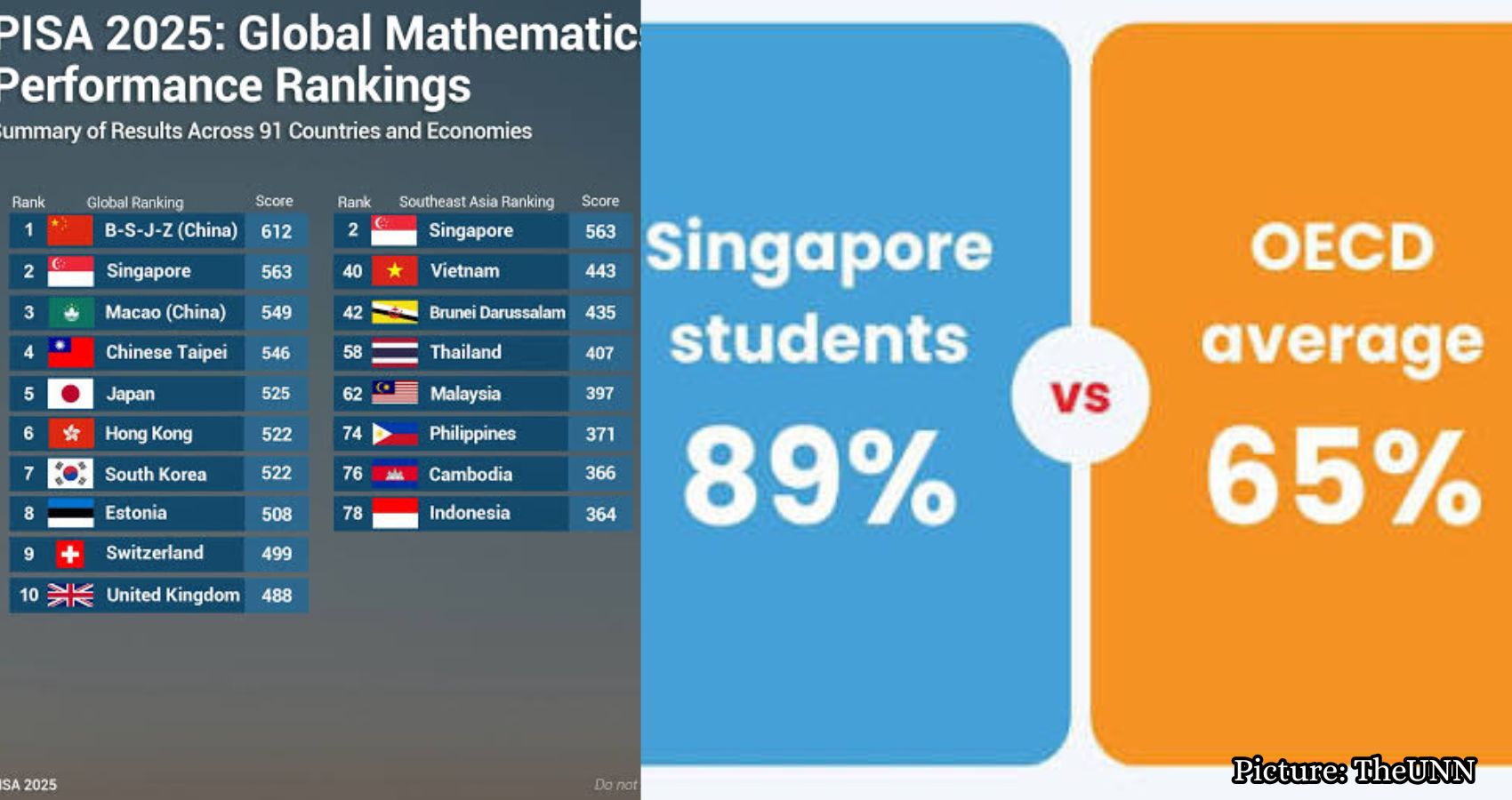
In summary, ID.me is a legitimate and secure tool used across various U.S. government services. For most users, it is safe to use, although it does require sharing more personal data than many might expect. Being aware of the potential risks, particularly from scammers impersonating ID.me, is crucial. By staying vigilant, employing strong security measures, and accessing official websites directly, users can utilize ID.me without exposing themselves to unnecessary risks. As more services transition to strict identity verification, individuals must weigh the trade-off between convenience and the security of their personal data.

For further insights on online safety and identity verification, visit CyberGuy.com.

India’s Mango Exports Surge, UAE Becomes Leading Importer

India remains the world’s largest producer and exporter of mangoes, with the United Arab Emirates as its top importer, reflecting the fruit’s global appeal and cultural significance.
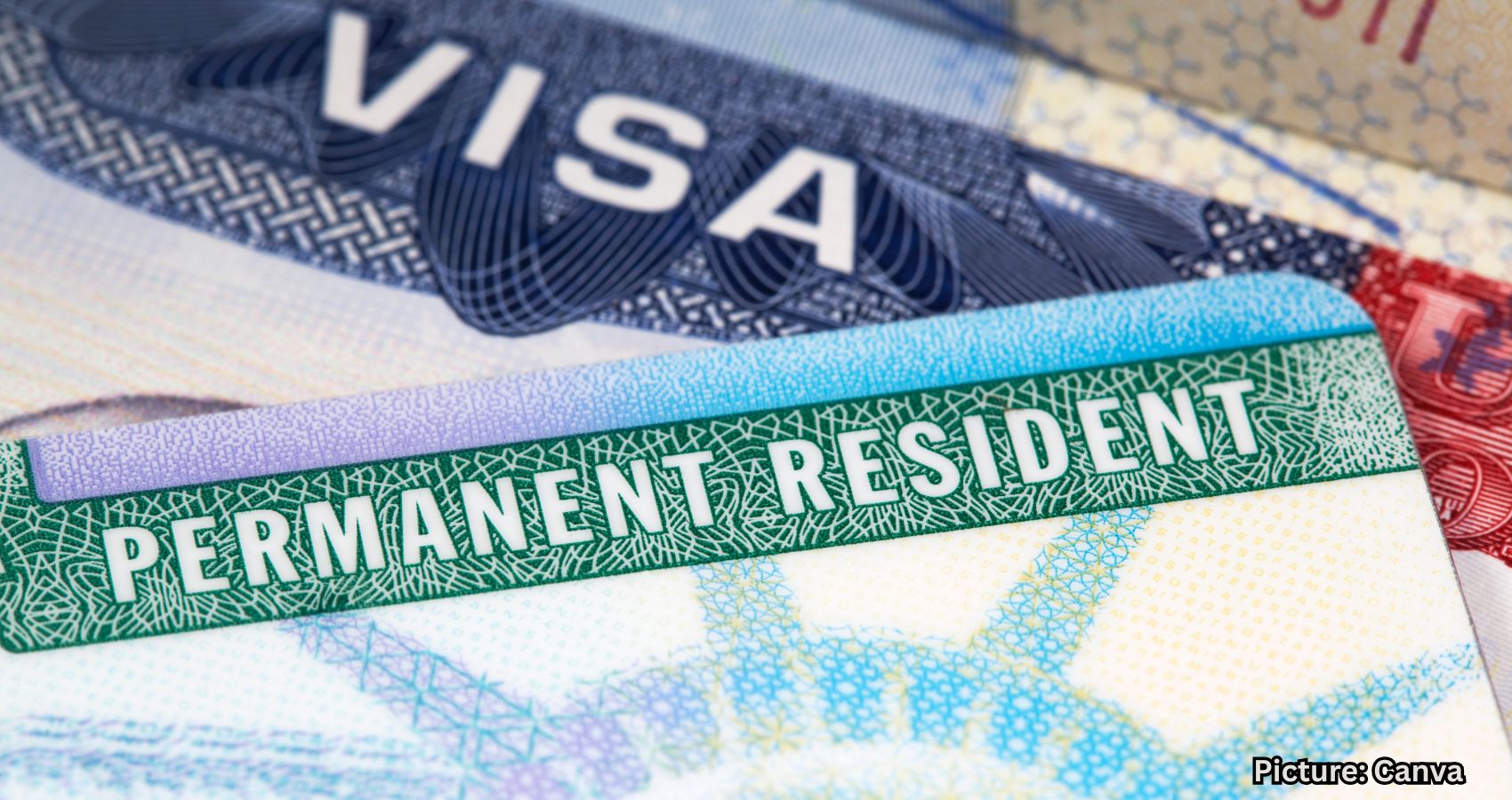
India has solidified its position as the world’s largest producer and exporter of mangoes, with the United Arab Emirates (UAE) leading the way in imports. Following the UAE are the United Kingdom and Nepal, both of which have shown significant demand for this beloved fruit.

The country is renowned for its diverse mango varieties, including Alphonso, Kesar, Banganapalli, and Dasheri, all of which have gained international acclaim. In the 2024-2025 fiscal year, Indian mangoes reached consumers in over 150 countries, highlighting their global appeal, particularly during the summer months.

The United Arab Emirates: The Leading Importer

Recent trade data reveals that the UAE has emerged as the largest market for Indian mangoes, importing approximately 12,897 metric tonnes (MT) in the 2024-2025 fiscal year. This substantial figure underscores the UAE’s strong demand for mangoes, driven by several factors.

A significant Indian expatriate community in the UAE plays a crucial role in this demand. The high consumption of mangoes during the Gulf’s summer season, coupled with established trade links and efficient shipping routes, further cements the UAE’s status as a primary market for Indian mangoes. Exporters have noted that varieties such as Alphonso, Kesar, and Banganapalli are particularly popular in urban centers like Dubai and Abu Dhabi.

The United Kingdom: A Key European Market

The United Kingdom ranks as one of the largest European importers of Indian mangoes, with imports totaling approximately 4,367 MT during the 2024-2025 period. British consumers, especially in cities with significant South Asian populations like London, Leicester, and Birmingham, have long favored Indian mangoes, which are available in both specialized grocery stores and mainstream supermarkets.

The continued popularity of Indian mango varieties in the UK reflects deep-rooted cultural ties and a demand for familiar tastes among the South Asian diaspora. This connection ensures a steady market for Indian mangoes, particularly during the peak season.

Nepal: A Neighboring Importer

Nepal has also established itself as a notable market for Indian mangoes, with imports reaching around 3,329 MT in the same fiscal year. The geographical proximity between India and Nepal facilitates quick transportation and reduces logistical costs, ensuring that mangoes arrive fresh. Varieties such as Alphonso, Dasheri, and Kesar are particularly favored in Nepal, catering to local preferences and seasonal demand.

The United States: Growing Market Potential

The United States has emerged as an increasingly valuable market for Indian mangoes, with exports totaling approximately 2,138 MT in the 2024-2025 fiscal year. Broader trade databases indicate that over 9,400 MT of fresh mango-related shipments were made under various product categories during this period.

Demand in the U.S. is primarily driven by Indian and South Asian diaspora communities, as well as a growing interest in tropical fruits among consumers who are becoming more adventurous in their culinary choices. Alphonso mangoes, known for their sweetness and flavor, are particularly popular in cities with large Indian-origin populations, such as New York and San Francisco.

Other Notable Markets in the Gulf Region

Other countries in the Gulf region also significantly contribute to India’s mango export landscape. Kuwait imported around 1,260 MT of Indian mangoes in 2024-2025, driven by strong demand from expatriate communities familiar with Indian fruit varieties. Oman closely follows, with approximately 1,238 MT of imports, benefiting from its proximity to India, which allows for rapid shipping and quality preservation during the peak mango season.

Qatar has also emerged as a noteworthy market, with imports nearing 1,194 MT of Indian mangoes in the same period. Demand in Qatar is fueled by both expatriate communities and a growing interest in premium tropical fruits. Indian mango varieties, especially Alphonso and Kesar, have gained strong visibility in Qatari supermarkets and specialty grocery stores during the summer months, catering to a market eager for high-quality fruit.

Implications for India’s Mango Industry

As India continues to cultivate its reputation as the world’s leading mango producer and exporter, the strong performance across diverse international markets illustrates the fruit’s significance in global trade. The combination of cultural ties, geographical advantages, and a rising global appetite for tropical fruits positions India’s mango exports for sustained growth in the coming years.

The future of India’s mango export industry appears promising, with potential for expanding into new markets and increasing product awareness among consumers worldwide. However, challenges such as logistics, maintaining quality, and adapting to international trade regulations will require the attention of exporters and policymakers alike. By navigating these challenges, India can continue to solidify its position as the king of mangoes on the global stage, according to GlobalNet News.

Missing Indian-American Student Discovered Dead in Grand Canyon

Authorities have confirmed the recovery of Sandarsh Krishna, a 26-year-old Indian student, whose body was found in the Grand Canyon after a 10-day search.

GRAND CANYON, AZ – After a thorough 10-day search, the National Park Service has confirmed the recovery of the body of 26-year-old Sandarsh Krishna. Park officials announced on May 12 that Krishna, an Indian national and student at Arizona State University, was found on May 9, near the South Rim close to Verkamp’s Visitor Center.

The Coconino County Medical Examiner’s Office has identified Krishna, but officials have stated that the cause of death has not yet been determined. The investigation into the circumstances surrounding his death is ongoing, involving both the National Park Service and county medical authorities.

According to investigators, Krishna was last seen inside the park between the afternoon of April 27 and midnight on April 28. His last known location was reported to be along the Rim Trail on Hermit Road, situated between Bright Angel Lodge and Mohave Point.

Authorities have also focused their attention on a backpack believed to belong to Krishna, which was returned to hotel staff at Bright Angel Lodge around 7 a.m. on April 28. Investigators are seeking to identify the person who returned the bag, as they believe this individual may have valuable information regarding Krishna’s movements prior to his disappearance.

Officials noted that Krishna did not have a vehicle within the park and is believed to have arrived via taxi or rideshare service.

In an interview with NBC affiliate KPNX prior to the recovery of his body, Krishna’s brother, Adarsh Krishna, expressed the family’s anguish and desire for answers. “We don’t want to believe he’s hurt,” he stated. “We need a proper closure. We don’t know what exactly happened to him.”

Adarsh further emphasized his brother’s character, stating, “He’s not the kind of kid who would hurt himself.”

The investigation continues as authorities work to piece together the events leading up to Krishna’s tragic death, seeking to provide clarity to his family and the community.

According to India-West, the search and recovery efforts have drawn attention to the safety of visitors in national parks, highlighting the importance of awareness and preparedness when exploring such vast and rugged terrains.

Key Moments from CIA Whistleblower’s Testimony on COVID-19 Lab Leak

CIA whistleblower James Erdman testified that the Biden administration allegedly suppressed evidence suggesting a lab leak was the likely origin of COVID-19 during a recent Senate hearing.

In a dramatic Senate hearing, CIA whistleblower James Erdman III alleged that the Biden administration concealed analysis indicating that a lab leak was the most probable source of the COVID-19 pandemic. Erdman, a veteran of the CIA with two decades of experience, testified before the Senate Homeland Security and Governmental Affairs Committee on Wednesday, asserting that government secrecy should not equate to government impunity.

Senator Rand Paul, R-Ky., who chairs the committee, emphasized the significance of Erdman’s testimony, noting that the CIA’s scientific analysts had repeatedly concluded between 2021 and 2023 that a lab leak was the likely origin of the virus. However, Paul stated that these findings were never incorporated into the official narrative or intelligence reports, leaving Congress uninformed.

“It was not until after the 2024 election that the outgoing Biden administration directed the CIA to issue an assessment, not because of new intelligence, but so officials could walk out of the door claiming there was nothing left to find,” Paul said. “That is not analysis. That is a cleanup operation.”

Erdman’s public testimony came despite strong opposition from the CIA, which characterized the hearing as “political theater.” CIA spokeswoman Liz Lyons criticized the committee for subpoenaing Erdman without notifying the agency, despite having previously obtained closed-door testimony from him.

In response to Erdman’s claims, several Republican lawmakers called for criminal prosecution of former National Institute of Allergy and Infectious Diseases (NIAID) Director Dr. Anthony Fauci, alleging that he attempted to suppress information regarding the origins of COVID-19. Erdman stated that Fauci had significantly influenced the intelligence community’s assessment of the lab leak theory.

“We just heard testimony that he intervened behind the scenes to try and get our own intelligence agency, CIA, FBI to change their assessment of the lab leak,” Senator Josh Hawley, R-Mo., remarked. “Why? Because he helped fund the Wuhan lab. He supported and funded gain-of-function research, and then he tried to cover it up.”

Hawley expressed his hope that Fauci would be indicted, highlighting the urgency of accountability in the matter. The hearing occurred shortly after a statute of limitations deadline for potential criminal charges against Fauci had passed.

Senator Paul has consistently called for Fauci to be indicted for allegedly misleading Congress about gain-of-function research related to the pandemic. Fauci has denied these allegations vehemently. Paul noted that he has submitted multiple criminal referrals regarding Fauci to the Justice Department and expressed his desire for these to be pursued.

Former President Joe Biden issued a preemptive pardon to Fauci shortly before leaving office, a move that President Donald Trump has since declared null and void, citing procedural issues. Meanwhile, Dr. David Morens, a former senior advisor to Fauci, was indicted by a federal grand jury last month for allegedly concealing the origins of the pandemic.

Republicans who have long sought answers about the pandemic’s origins criticized the CIA for dismissing the hearing as politically motivated. Lyons described the proceedings as “dishonest political theater masquerading as a congressional hearing,” asserting that the CIA had already assessed that COVID-19 most likely originated from a lab leak.

Senator Ron Johnson, R-Wis., responded to the CIA’s statement, expressing his frustration with the agency’s lack of cooperation in oversight efforts. “This is not political theater,” he asserted. “This is serious oversight work. This is what the American people need to see.”

Paul also challenged the CIA’s objections to Erdman’s public testimony, arguing that closed-door sessions do not provide adequate oversight. He criticized his Democratic colleagues for their absence during the hearing, stating that their lack of participation demonstrated a disregard for the serious issues at hand.

Senator Bernie Moreno, R-Ohio, suggested that Democrats intentionally skipped the hearing to avoid confronting policy mistakes made during the pandemic. He lamented the long-lasting impact of decisions made during COVID-19, which he argued have affected generations of Americans.

Erdman further alleged that the CIA obstructed investigations into the origins of COVID-19, claiming that the agency spied on personnel involved in the inquiry and retaliated against whistleblowers. He stated that the CIA did not comply with lawful oversight during the investigation and refused to provide necessary information.

“The CIA illegally spied on DIG personnel and their communications with whistleblowers,” Erdman claimed. “These were Americans being spied upon illegally while executing duties directed by the president and under the authority of the Director of National Intelligence.”

Thompson, Erdman’s attorney, expressed hope that her client’s testimony would encourage other whistleblowers to come forward regarding alleged CIA obstruction. She emphasized the need for transparency and accountability within intelligence agencies.

“We have basically a systematic effort to violate the laws of Congress, to lie to the American people, to mislead the American people. And it’s still going on,” Hawley stated, underscoring the urgency of addressing these issues.

This testimony and the surrounding discussions highlight the ongoing debates regarding the origins of COVID-19 and the role of government agencies in addressing the pandemic. As these conversations continue, the implications for public trust and accountability in government remain significant, according to Fox News.

-+=