
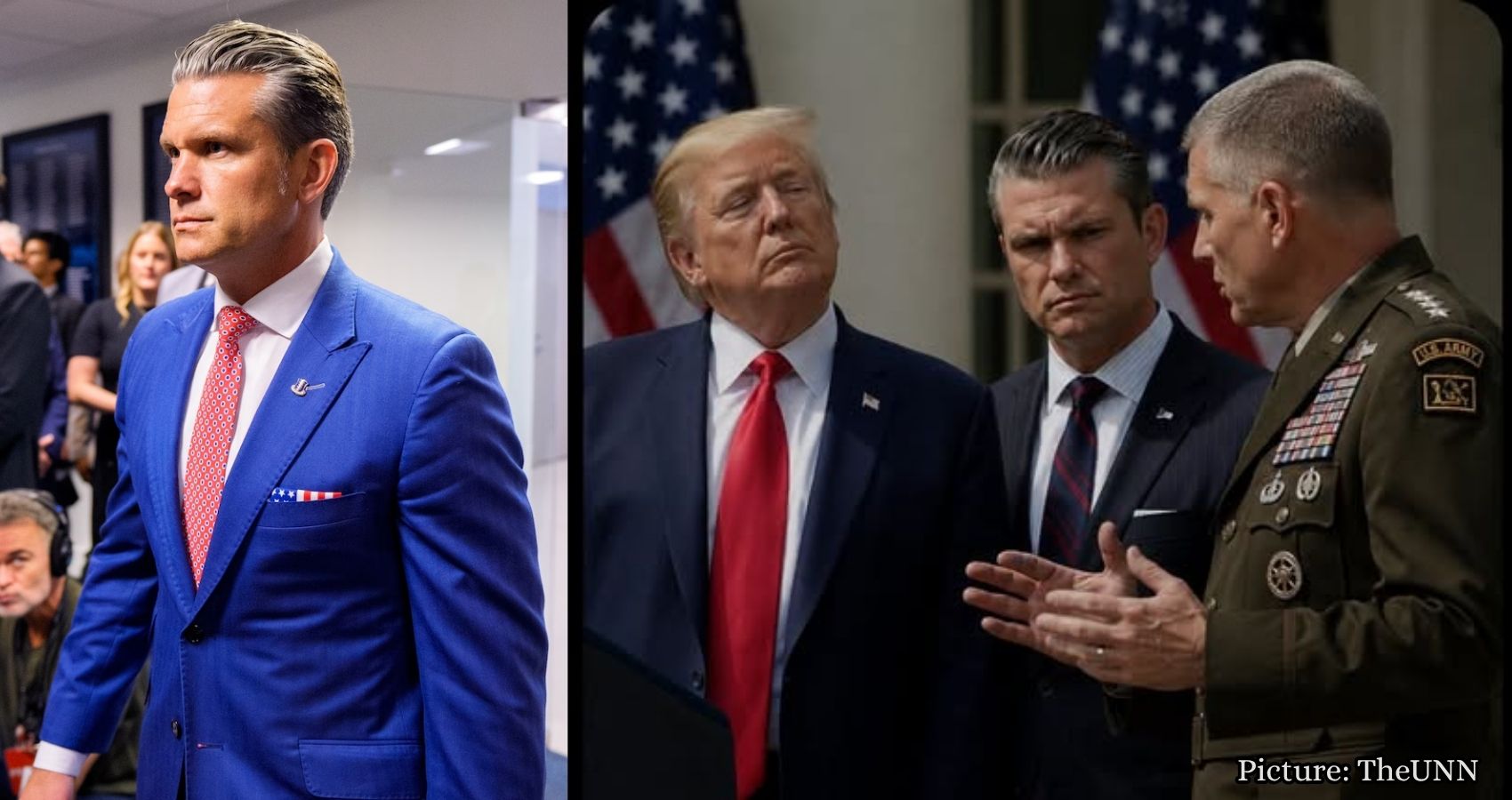
A recent classified assessment warns that extending military operations against Iran may compromise U.S. readiness to confront threats elsewhere.
Washington, D.C. – In a significant development regarding U.S. military strategy in the Middle East, several high-ranking military officials have advised Defense Secretary Pete Hegseth against prolonging large-scale operations against Iran. This caution comes in light of a classified assessment prepared for the Pentagon, which warns that such extended engagements could jeopardize the United States’ ability to address emerging threats globally, including those that may arise within its own borders.
The recent military assessment highlights the intricate balance the U.S. must strike in its defense strategy, particularly as it faces multifaceted global challenges. Prolonged military operations in Iran, often viewed through the lens of its nuclear ambitions and regional influence, pose risks not only to U.S. operational readiness but also to its strategic position in other critical areas around the world.
The tensions between the U.S. and Iran have deep historical roots, encompassing decades of geopolitical rivalry, economic sanctions, and military posturing. The U.S. has maintained a military presence in the Middle East since the late 20th century, primarily aimed at countering Iran’s influence and ensuring the security of allied nations, including Israel and various Gulf States. However, the costs associated with these military commitments have surged, leading to a reassessment of their sustainability and strategic value.
Financially, the Pentagon’s budget allocations reflect a significant investment in military operations in the region. In 2025, approximately $60 billion was earmarked for operations in the Middle East, prompting scrutiny from lawmakers and defense analysts alike. Questions have been raised regarding the efficiency of such expenditures in the context of competing global priorities, particularly as the U.S. faces challenges from rising powers like China and Russia.
The classified assessment articulates clear concerns regarding the operational readiness of the U.S. military when resources are disproportionately allocated to conflicts such as those with Iran. One senior military official, who requested anonymity, emphasized the need for the U.S. to maintain a global balance of power, which has become increasingly difficult in light of current military commitments. The assessment posits that if the U.S. military is stretched thin by ongoing operations in the Middle East, its responsiveness to threats elsewhere could be severely compromised.
Moreover, the assessment raises questions about the long-term strategy for U.S. engagement in the region. With ongoing conflicts such as the war in Ukraine and rising tensions in the Indo-Pacific, military leaders advocate for a flexible approach that prioritizes readiness across various theaters of operation. This adaptability is deemed essential in responding to the rapidly changing geopolitical landscape.
The implications of the military assessment resonate within the political arena, where there is growing bipartisan concern regarding the ramifications of a protracted conflict with Iran. Recent congressional hearings have seen lawmakers from both parties calling for a reassessment of U.S. military commitments, emphasizing the need for a clearly defined exit strategy and a more nuanced approach to U.S.-Iran relations that balances military deterrence with diplomatic engagement.
Critics of prolonged military involvement have expressed that, without well-defined objectives and timelines, the U.S. risks becoming ensnared in another long-term conflict, reminiscent of the protracted engagements in Iraq and Afghanistan. Senator Jane Doe, a member of the Senate Armed Services Committee, articulated this sentiment, stating, “We must evaluate our military commitments carefully. Our focus should be on strengthening our defenses globally, not getting bogged down in endless wars.”
As the Biden administration navigates these complex issues, the insights from military leaders’ assessments are likely to play a pivotal role in shaping future defense strategies. With the potential for heightened tensions with Iran remaining a pressing concern, any strategic shift must consider the broader geopolitical landscape, particularly in relation to U.S. interests in Europe and Asia.
In conclusion, while the U.S. continues to grapple with its military strategy in Iran, the warnings from senior military officials underscore the critical importance of maintaining a balanced national security framework. Ensuring military readiness and adaptability in the face of diverse threats is imperative as the U.S. contemplates its long-term role in the Middle East and beyond. As international relations become increasingly complex, prioritizing a strategic framework that accommodates both deterrence and diplomacy will be essential for addressing the multifaceted challenges the U.S. currently faces, according to Source Name.