
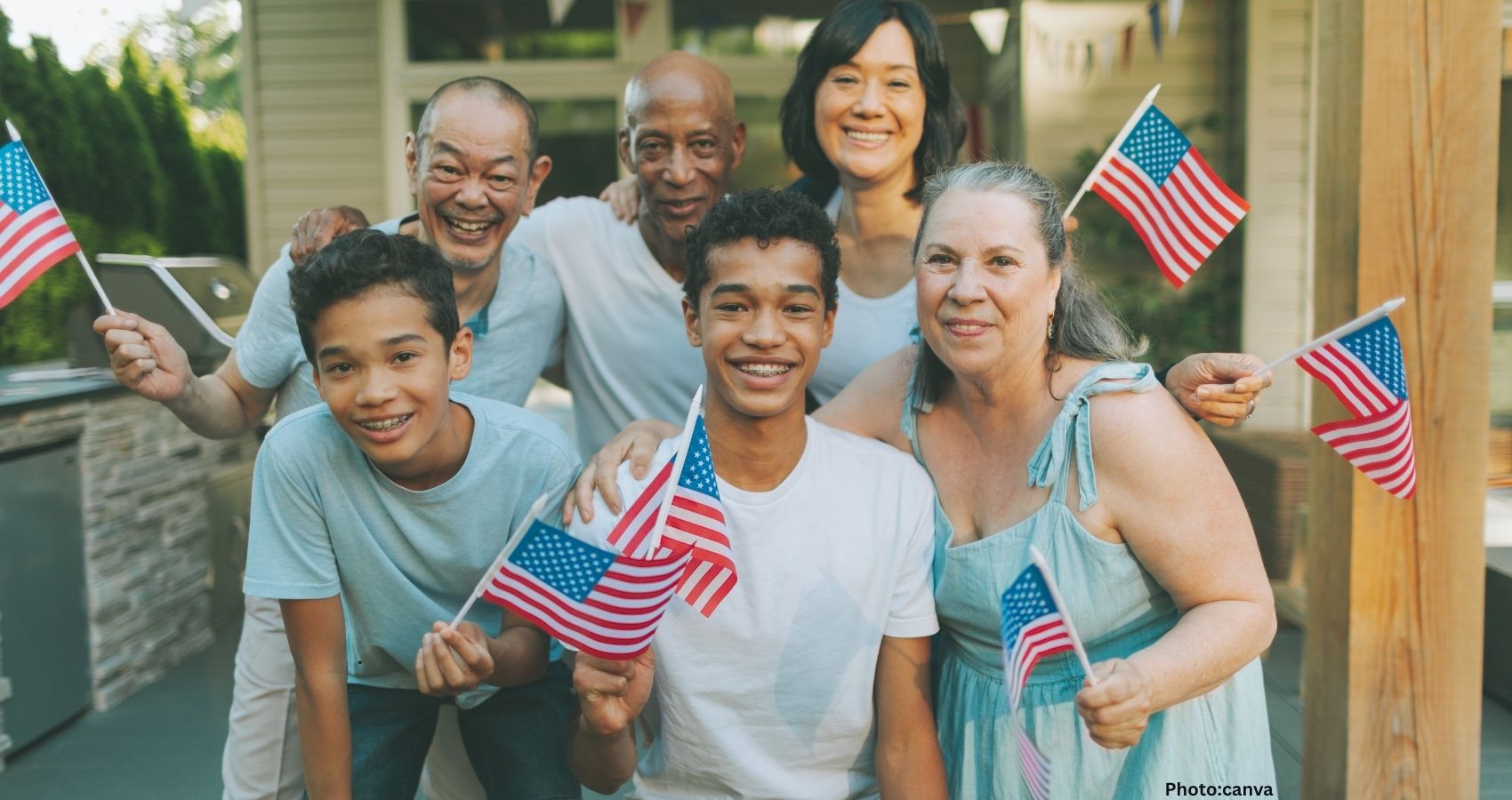
Most Americans feel secure in their communities, yet only about one in four believe they can influence local decision-making, according to a new study from the American Immigration Council.
Washington, DC — A recent national study reveals that while most Americans feel safe and comfortable in their communities, only about one in four believe they have any real influence over how those communities are governed. This study, conducted by the Center for Inclusion & Belonging at the American Immigration Council, is the second wave of research from The Belonging Barometer, focusing specifically on the concept of belonging at the local level.
The findings provide a nuanced and actionable perspective on Americans’ sense of community belonging, highlighting significant opportunities for enhancing local engagement through targeted investments.
Belonging is defined as feeling emotionally connected to others, being safe to express oneself, and having the ability to shape the communities in which one lives, works, and participates. The study indicates that local belonging encompasses more than mere social connections. While many Americans report feeling accepted in their communities, a much smaller percentage feel empowered to influence local decisions or contribute to shaping their environment. This disparity is particularly notable among older adults aged 65 and above, who report a higher sense of belonging (48%) compared to younger adults aged 18-29 (34%).
Key findings from The Belonging Barometer: Understanding Belonging Where It Is Lived include:
Approximately 61% of Americans either lack a clear sense of community belonging or feel excluded. Notably, only 14% of respondents reported feeling excluded, while a significant 47% expressed uncertainty about their place within their community. This ambiguity presents a substantial opportunity for improvement through local initiatives.
Local media plays a crucial role in fostering a sense of belonging. Individuals who engage with local news at least weekly are significantly more likely to report a strong sense of local belonging, whereas consumption of national news does not show a similar correlation.
Financial stability is also linked to a heightened sense of belonging. The study found that only 34% of Americans earning less than $50,000 annually feel a sense of belonging in their local community, compared to 47% of those with incomes exceeding $100,000.
While respondents generally feel safe in their communities, they do not feel powerful. Although many participants reported comfort in being themselves and expressing their opinions locally, only about 24% felt capable of influencing local decision-making or understanding how their community operates.
Interestingly, the study found that local belonging is not significantly influenced by geography or political affiliation. The research indicates that belonging can be achieved in any setting, regardless of whether one resides in a small town or an urban area.
“Belonging has become one of the defining social issues of our time. As communities grapple with rising loneliness, declining trust, and increasing polarization, researchers and public health leaders are recognizing that belonging is a measurable condition that influences health, civic participation, and community resilience,” said Emily Baird-Chrisohon, Program Manager at the Center for Inclusion & Belonging.
She added, “These findings point to clear opportunities for cities, nonprofits, funders, and local institutions to strengthen belonging by listening to what people are experiencing and creating more ways for people to participate in civic life. People don’t need perfect communities—they need to feel invited, be seen, and have a real say in what’s happening.”
This study builds on previous research that consistently shows Americans feel less belonging in their local communities compared to other areas of life. The current research delves deeper into local belonging to better understand the factors that shape individuals’ sense of connection, identify persistent gaps, and explore what communities can do to foster stronger, more inclusive environments where everyone feels they belong. The full research brief is available at the American Immigration Council’s website.
Communities can take actionable steps based on the findings of The Belonging Barometer, which is the first tool of its kind designed to measure the quality of an individual’s “fit” within a group or setting. This simple, research-based tool consists of ten questions that assess three essential dimensions: emotional connection, psychological safety, and community influence.
The Belonging Barometer is freely accessible, allowing communities to gather insights that drive action. Cities, nonprofits, funders, employers, schools, and other institutions can utilize this tool to evaluate whether their communities or organizations feel connected, safe, and empowered to contribute, as well as to guide investments and track progress over time. More information on the Belonging Barometer can be found on the American Immigration Council’s website.
The research was conducted by SSRS, utilizing a general population survey executed during three waves of the SSRS Opinion Panel Omnibus platform. This platform is a national, probability-based survey that engages over 3,000 respondents twice a month. To complement the survey findings, SSRS also conducted 16 in-depth interviews with panelists who participated in one of the survey waves.
The Belonging Barometer tool, introduced in the 2023 report “The Belonging Barometer: The State of Belonging in America,” was employed again in this study alongside new survey and interview data. The original report was authored by Over Zero and the American Immigration Council’s Center for Inclusion and Belonging.
This research was made possible through funding from the Walmart Foundation. The findings, conclusions, and recommendations presented in this research brief are those of the American Immigration Council alone and do not necessarily reflect the opinions of the Walmart Foundation.
The Center for Inclusion & Belonging at the American Immigration Council is dedicated to changing the conversation around immigration and fostering a more welcoming nation. Through research, narrative strategy, and cross-sector partnerships, the Center aims to cultivate a culture of belonging where all individuals—regardless of background—can thrive, connect, and fully contribute to their communities.
For media inquiries, please contact Anjulee Alvares-Cinque at the Center for Inclusion & Belonging at the American Immigration Council via email at aacinque@immcouncil.org.