
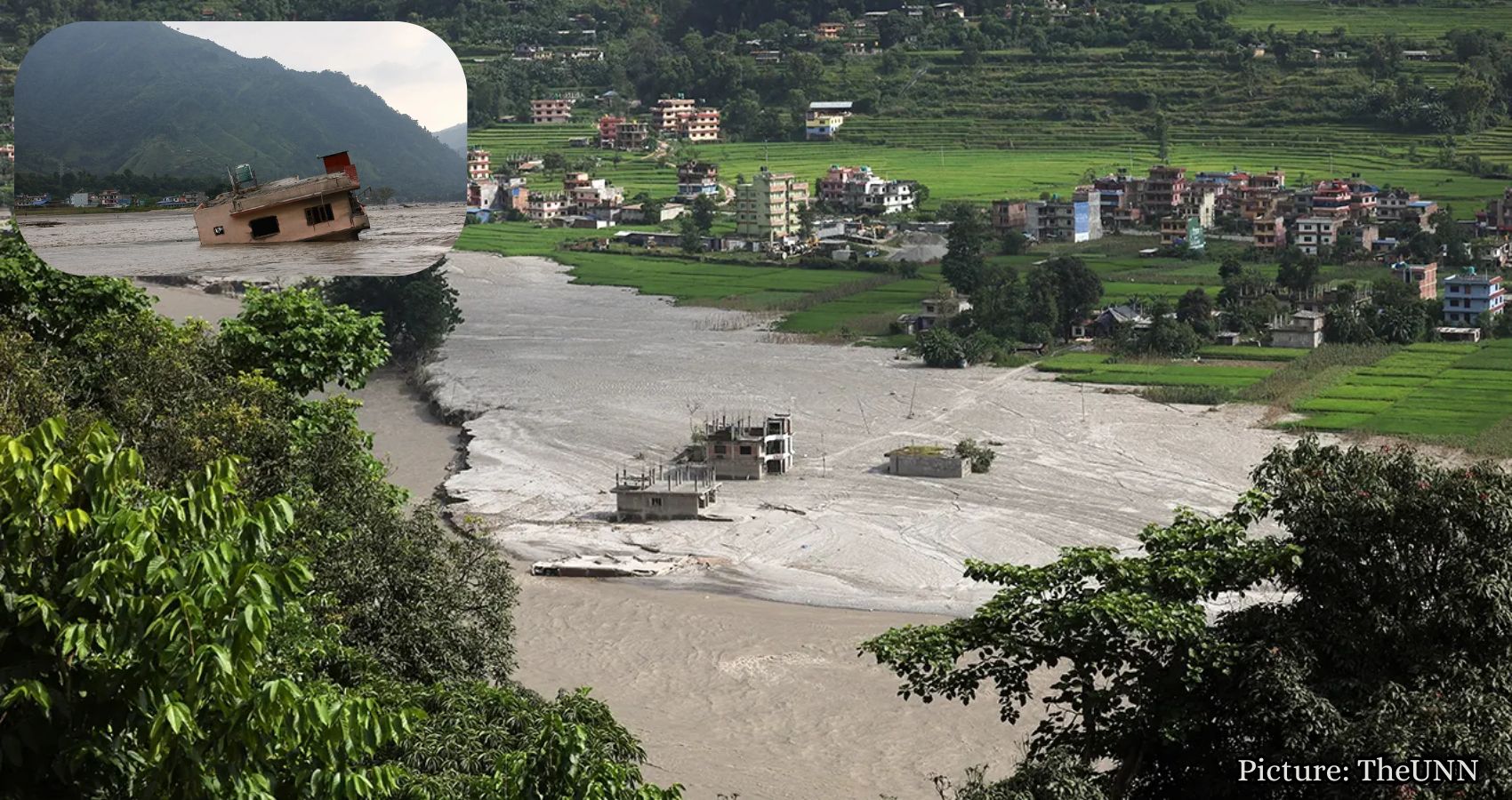
Seventy Americans remain unaccounted for following catastrophic flooding along the Nepal-China border, while officials warn the region is still dangerous for travelers.
Officials have reported that approximately 70 Americans are still unaccounted for in the Nepal-China border region after catastrophic flooding occurred last month. The U.S. State Department confirmed the situation on Tuesday, stating that 18 Americans have successfully reached safety.
“We extend our deepest sympathy to all those affected by the flooding in Nepal, and their families, and we reaffirm our enduring friendship with the Nepali people,” a State Department official said. The department is maintaining close contact with the families of those unaccounted for and is committed to providing regular updates as more information becomes available.
Authorities have urged Americans to avoid traveling to the disaster zone, citing ongoing risks of additional flash floods and landslides. The latest updates indicate a slight decrease in the number of unaccounted Americans, down from 75 to 70, while the number confirmed safe has increased from 16 to 18. As of now, officials have not confirmed any American fatalities.
As search efforts continue, Nepalese authorities are focusing on three hydropower project tunnels where they believe dozens of workers may still be trapped under debris. This debris was left by a glacier collapse that triggered the devastating flooding on August 26. “Our search operation is focused on finding survivors, including in tunnels. Our bigger focus is on the Chilime hydroelectric project, where we believe people are trapped because there was a canteen, residency, and arrangements for food,” said Dharma Raj Upreti, chief of Nepal’s disaster authority.
The disaster has resulted in a staggering death toll, with at least 1,399 people confirmed dead across Nepal and China’s Tibet region. Additionally, more than 5,400 individuals remain missing, according to authorities. Both governments have attributed the glacier collapse and subsequent flooding to climate change.
As rescue operations proceed, the situation remains dire, and the international community continues to monitor developments closely. The ongoing efforts to locate and assist those affected highlight the urgent need for support and resources in the region.
According to Reuters, the impact of this disaster underscores the vulnerability of communities in the face of climate-related events.