
Delaware’s final primary of the 2026 election cycle highlights the influence of Donald Trump’s endorsements in GOP races and the rise of progressive candidates challenging the Democratic establishment.
Delaware voters are heading to the polls on Tuesday for the last primary of the 2026 election cycle, marking the conclusion of a season characterized by significant victories for progressive and socialist candidates over established Democratic rivals. This primary also underscores the enduring influence of former President Donald Trump in Republican contests, despite some notable setbacks.
Democratic Senator Chris Coons and state Attorney General Kathy Jennings are both facing primary challengers, while Democratic Representative Sarah McBride is running unopposed in her primary. As they prepare for the general election, Republicans are aiming to break the Democrats’ longstanding hold on statewide offices in Delaware.
This primary season has been transformative for the Democratic Party, with left-wing candidates and those backed by the Democratic Socialists of America (DSA) achieving significant victories, often ousting long-serving incumbents. A year after socialist New York City Mayor Zohran Mamdani made headlines with his primary win, the far-left made further strides in June.
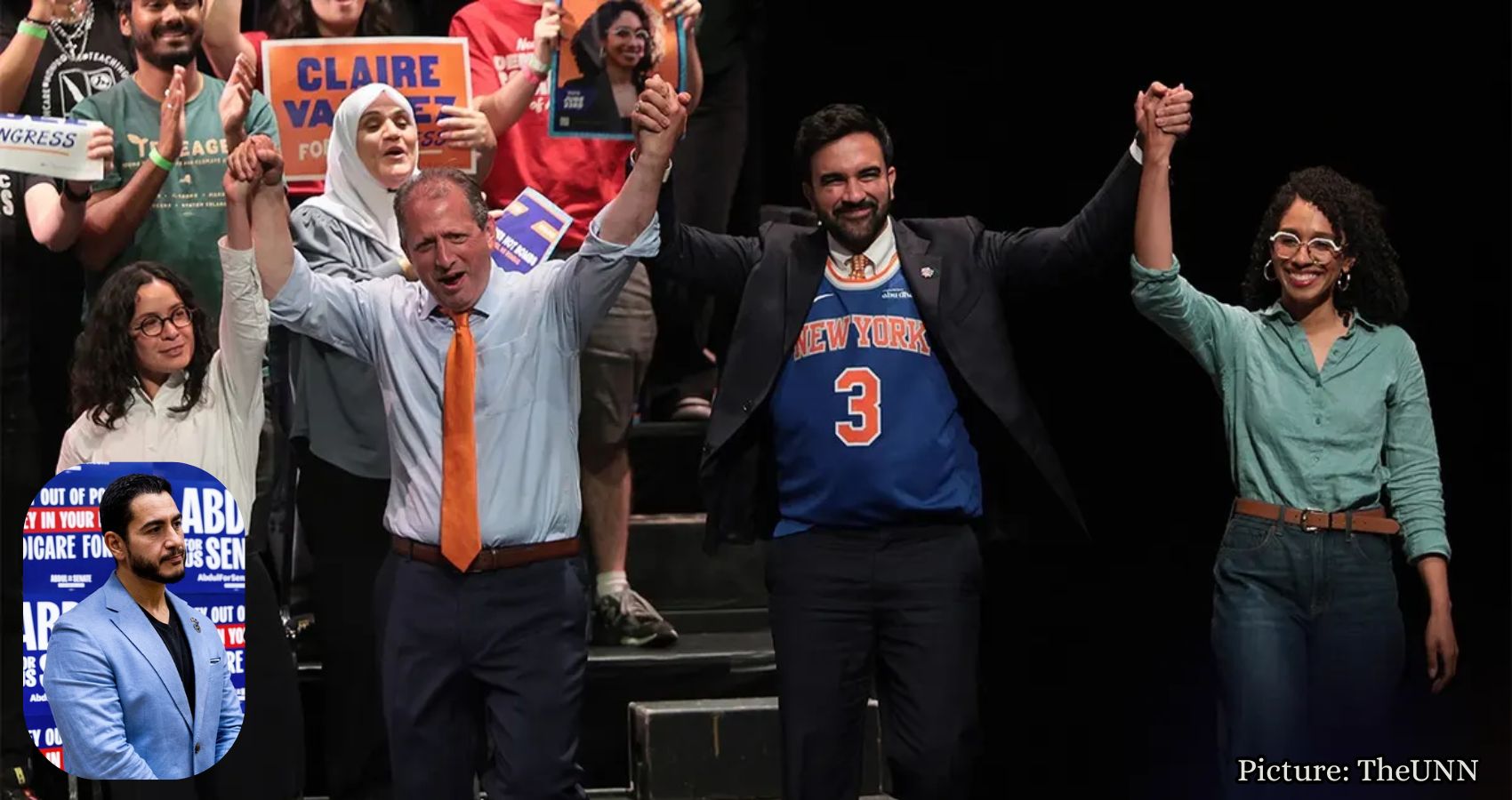
Numerous incumbents and establishment candidates have been defeated by leftist challengers, including DSA member Melat Kiros, who unseated 15-term incumbent Democratic Representative Diana DeGette in Colorado, and Darializa Avila Chevalier, who ousted five-term Democratic Representative Adriano Espaillat in New York. These victories were followed by even more significant wins in August, where candidates like Abdul El-Sayed in Michigan, Lt. Governor Peggy Flanagan in Minnesota, and state Representative Angie Nixon in Florida triumphed in crucial statewide Senate primaries.
While there have been setbacks for the left, such as frontrunner Francesca Hong’s defeat in Wisconsin’s Democratic gubernatorial primary, the progressive movement has nonetheless strengthened its position within the party. Many successful candidates have campaigned on platforms advocating for the abolition of ICE, reductions in military aid to Israel, and the implementation of a single-payer “Medicare for All” health system.
Longtime Democratic strategist Joe Caiazzo, who has worked on campaigns for progressive champion Senator Bernie Sanders, noted, “It is undeniable that progressives have built a coalition and have a message that can serve to buoy a candidate when they are an acceptable alternative to the status quo.” He emphasized the importance of progressives presenting serious and credible candidates who can connect with the public.
In the Republican primaries, Trump has recently taken to social media to assert, “My Endorsements are stronger than ever….There has never been anything close!” His claim is supported by data indicating that he has maintained a perfect record in Senate GOP primaries this cycle, along with a near-perfect performance in House Republican nomination contests.
Trump’s influence has dramatically reshaped the GOP since his initial presidential victory a decade ago, elevating the populist MAGA and America First factions over traditional fiscal and social conservatives. Despite some setbacks, his grip on party politics remains robust.
However, Trump has faced challenges, with five of his gubernatorial endorsements failing in Republican primaries this year. This list includes Georgia Lt. Governor Burt Jones, South Carolina Lt. Governor Pamela Evette, Iowa Representative Randy Feenstra, Wyoming Superintendent of Public Instruction Megan Degenfelder, and Minnesota businessman Mike Lindell, known for his “My Pillow” brand.
Ryan Williams, a veteran GOP strategist, remarked, “The Republican Party is Trump’s party, and there’s no question that an endorsement from the president provides a tremendous boost in a Republican primary. But it doesn’t necessarily mean the candidate’s going to win.” He acknowledged that while Trump maintains a strong hold on the party, underlying issues with a candidate can undermine the impact of an endorsement.
As the primary season concludes, which began on March 3 in Texas, North Carolina, and Arkansas, Delaware’s contests bring the calendar to a close. Senator Coons is seeking a third full term and faces longshot challenges from University of Delaware history professor Jeff Appelhans, naval architect Mary Louve, and former business executive Eric Hansen, who has switched from the Republican to the Democratic Party.
On the Republican side, former state Senator Michael Katz and U.S. Army Reserves Colonel John Shulli are vying for the nomination. Representative Sarah McBride is unopposed in her Democratic primary as she seeks a second term in Delaware’s statewide House. Meanwhile, Republicans Joseph Arminio, Earl Cooper, and John Whalen are competing for their party’s nomination.
State Attorney General Kathy Jennings is facing challenges from attorney Dwayne Bensing and domestic violence victims advocate Patty Rickman in the Democratic primary, while David Graham is unopposed for the GOP nomination.
As Delaware wraps up its primary season, the outcomes will set the stage for the general election, where both parties will seek to solidify their positions in a state that has historically leaned Democratic.
According to Fox News, the results of this primary will be closely watched as they reflect broader trends within both parties as they head into the November elections.