
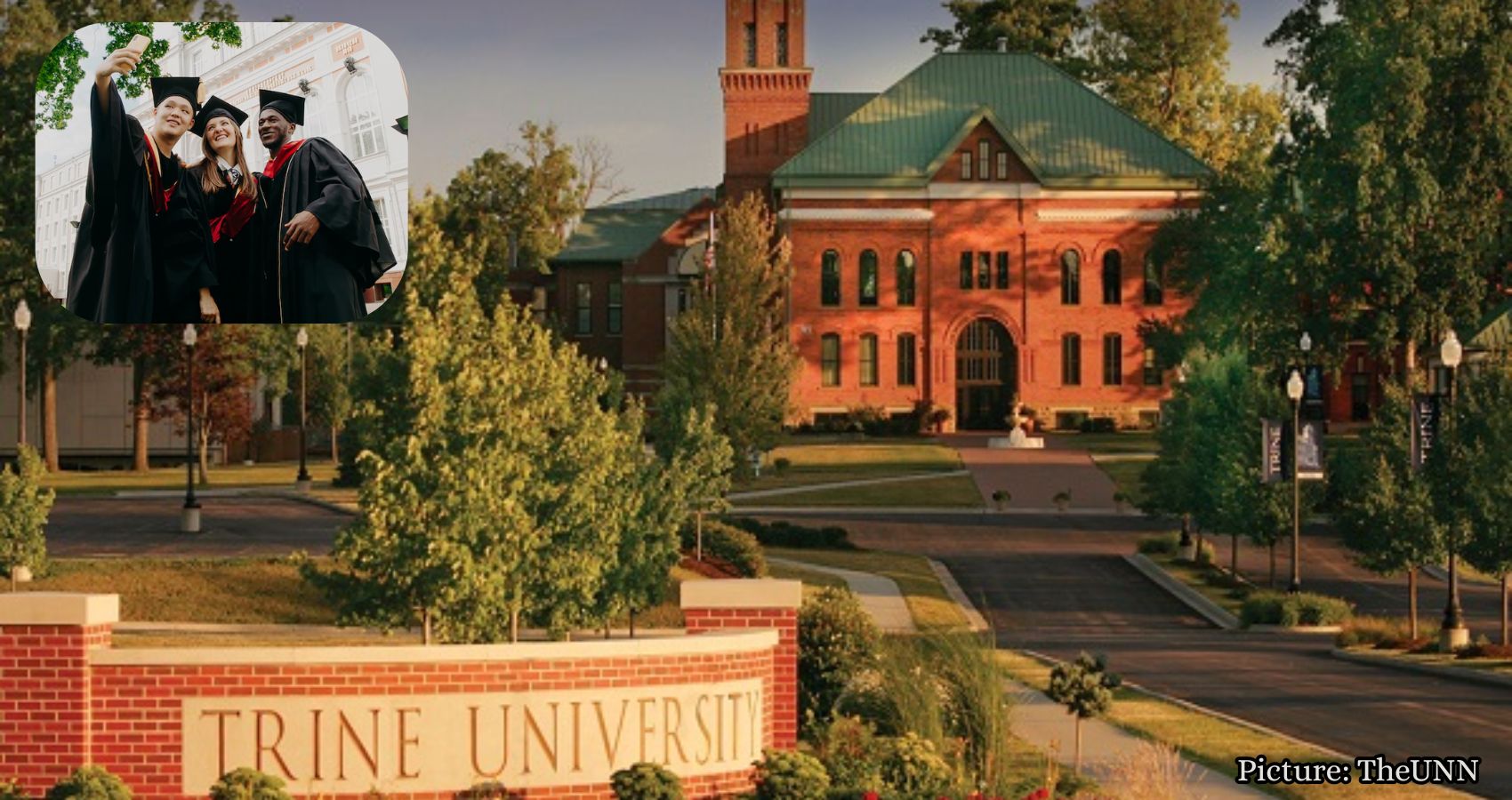
Trine University is under scrutiny for its international graduate student enrollment practices, particularly regarding its recruitment operations in India and financial dealings with a recruitment agency.
Trine University, located in Angola, Indiana, is facing increased scrutiny over its international graduate student population and its recruitment practices, particularly in India. An independent investigation has raised concerns about the university’s enrollment figures and its financial relationship with an India-based recruitment agency.
The investigation, conducted by LayoffHedge and highlighted by LayoffAI on X, revealed discrepancies between the university’s reported graduate student enrollment and the figures reported by a separately registered entity associated with Trine. According to federal enrollment data, Trine University reported only 273 graduate students for Fall 2024, while the separate entity, Trine University-Regional/Non-Traditional Campuses, reported an astonishing 9,123 graduate students. Notably, 98.3% of the students listed in the separate record were classified as nonresident aliens in Fall 2023.
This significant difference in enrollment figures has raised questions about the university’s recruitment strategies and the relationship between Trine and the recruitment agency, Gurukul Overseas Inc. The investigation identified millions of dollars in payments made to Gurukul, which operates from Hyderabad and Warangal, India. Trine’s tax filings indicated payments of approximately $1.17 million in fiscal 2022, $7.06 million in fiscal 2023, and $7.96 million in fiscal 2025, totaling around $16 million over these years.
Trine University is accredited by the Higher Learning Commission, an institutional accreditor recognized by the U.S. Department of Education. The university has emphasized its commitment to international education, with a focus on hybrid graduate programs that allow students to take courses both online and in-person. Its website states that full-time graduate students typically enroll in at least six credits per semester.
The investigation also spotlighted Vishnu Undyala, Trine’s director of international graduate student recruitment, who has been identified as the contact associated with Gurukul Overseas. While the university has publicly acknowledged its relationship with Gurukul, including listing the agency as a sponsor of its annual International Night event, the investigation did not find evidence to confirm that Undyala owns or controls the agency.
Furthermore, the investigation raised concerns about why the payments to Gurukul did not appear in Trine’s audited financial statements. A review of 11 years of audited statements did not find these payments in the university’s related-party disclosures, leading to questions about transparency and accountability in the university’s financial practices.
This scrutiny comes amid a broader debate regarding U.S. universities enrolling international students in programs that provide access to Curricular Practical Training (CPT) during their studies. Trine offers graduate programs that include CPT, allowing F-1 students to work part-time or full-time when properly authorized. The university’s website outlines the requirements for CPT participation, emphasizing that students must maintain full-time enrollment and have a job offer.
For Indian students, who represent one of the largest groups of international students in the U.S., the implications of this investigation are significant. The recruitment of large numbers of international students can generate substantial tuition revenue for universities and create pathways for students seeking U.S. educational credentials and employment opportunities. However, the scale of Trine’s reported graduate enrollment raises critical questions about how enrollment is categorized across federal records and how recruitment arrangements are structured and disclosed.
Despite the concerns raised, it is essential to note that the investigation does not suggest that the international students enrolled at Trine have violated immigration laws or that their degrees are illegitimate. The available information does not establish wrongdoing on the part of the university or its students.
The investigation’s central questions revolve around the relationship between Trine’s separately reported enrollment entities, the scale of its international graduate operations, and the financial arrangements with Gurukul Overseas. Additionally, the inquiry has not been able to determine whether Undyala has an ownership interest in Gurukul.
As this situation unfolds, it may warrant further examination of university financial records, federal enrollment data, recruitment contracts, and corporate ownership records. For prospective international students, particularly those from India, this episode underscores the importance of thoroughly researching a program’s accreditation, curriculum, CPT eligibility, attendance requirements, and immigration compliance obligations before making enrollment decisions.
As Trine University navigates this scrutiny, the implications for its international student recruitment practices and financial transparency will be closely monitored by stakeholders in the education sector.
According to LayoffHedge, the investigation has raised significant questions about the university’s recruitment practices and financial disclosures.